

Naeba Ski Resort: The Classic Large Resort Easily Reached from Tokyo
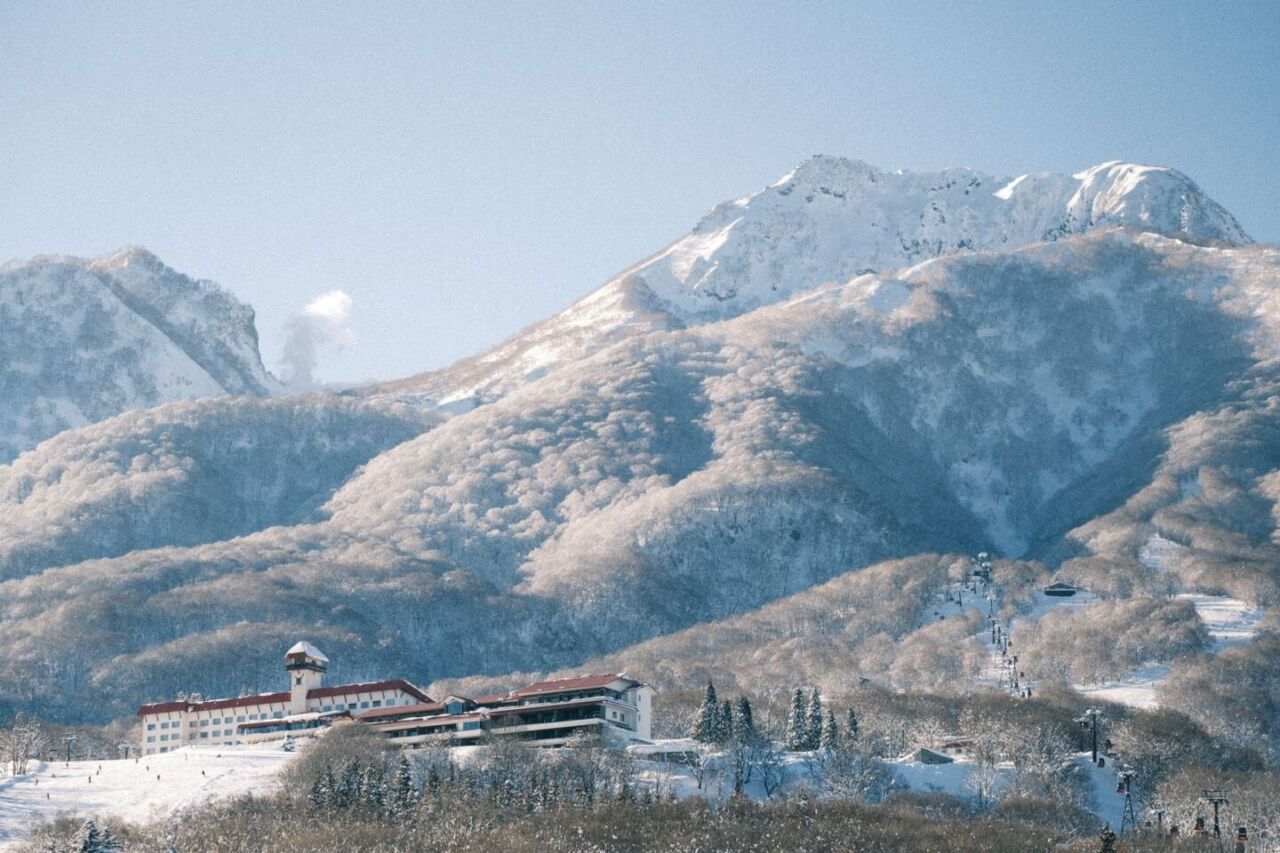
Naeba Ski Resort is in Yuzawa Town, Minamiuonuma District, Niigata Prefecture, and is one of the best-known ski resorts in Japan. Its scale is impressive: 24 runs with a total skiable distance of 17,986 meters, a longest run of about 4,000 meters, a base elevation of 900 meters and an official vertical drop of 889 meters.
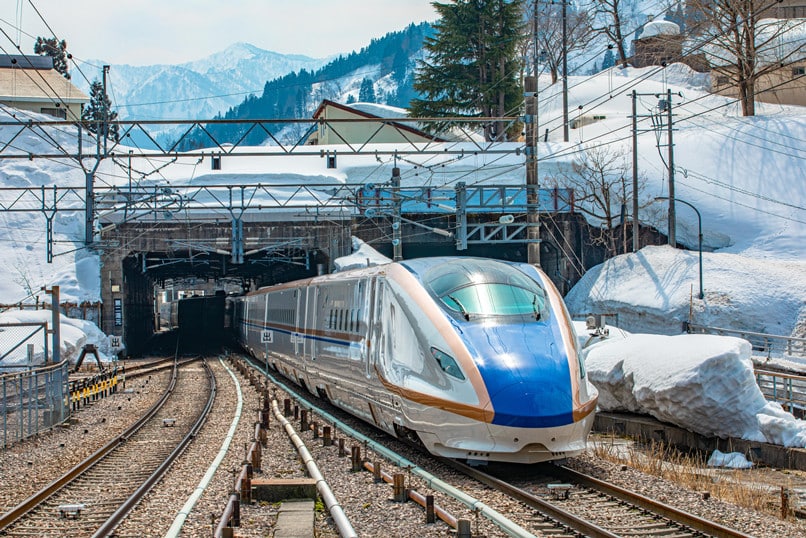
For overseas visitors, Naeba’s biggest advantage is that getting there from Tokyo is simple: the Joetsu Shinkansen takes just over seventy minutes to Echigo-Yuzawa, and a bus of about forty minutes then brings you to the resort’s front door, with no need to juggle several kinds of transport. Together with neighboring Kagura Ski Resort it is known as Mt.Naeba, and a combined ticket lets you ski both. The terrain is big enough that three or four days of skiing will not get boring.
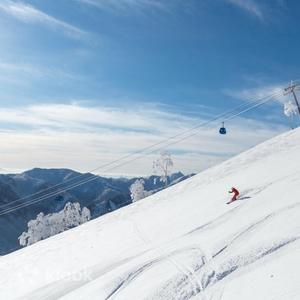
The resort’s most famous facility is the Dragondola, 5,481 meters long with a ride of about 25 minutes one way. It is the longest gondola lift in Japan and the key link between Naeba and the Kagura and Tashiro areas. A warning up front, though: it does not run all season, only during specific periods announced each year, and it can be suspended at short notice because of strong wind or snow conditions. The prices and dates below come from announcements checked in August 2026 and are adjusted every year, so please rely on the official announcement for the current season.
How to Get to Naeba Ski Resort: Shinkansen, Direct Bus and Driving Compared
Access to Naeba is quite friendly among Japan’s large ski resorts: from Tokyo there are no flights to connect and no multi-hour drives, and a Shinkansen plus a short bus ride gets you there.
Below are the four main ways to go, with travel times and the situations each suits.
Shinkansen to Echigo-Yuzawa, then a bus: the route most people take
The Joetsu Shinkansen from Tokyo Station takes about 70 to 80 minutes to Echigo-Yuzawa Station. After exiting, take a Minami Echigo Kotsu bus and get off at the “Naeba Prince Hotel-mae” stop (苗場プリンスホテル前) right in front of the resort, a ride of about 40 minutes.
Echigo-Yuzawa to Naeba bus timetable (2026): Taking the weekday timetable revised on April 1, 2026 as an example, about 8 buses leave from in front of Yuzawa Station and arrive at Naeba in a little over 40 minutes; on Saturdays, Sundays and holidays a holiday timetable applies. This is the pre-season timetable, and the 2026/27 season schedule had not been announced as of September 2026, so before departure please check the latest timetable on the Naeba tourism association or Minami Echigo Kotsu official websites.
Shinkansen services are frequent and barely affected by snow conditions; buses can be delayed by road conditions, so leave extra time for the return trip.

Direct ski bus from Tokyo: cheap, but be ready for a long ride
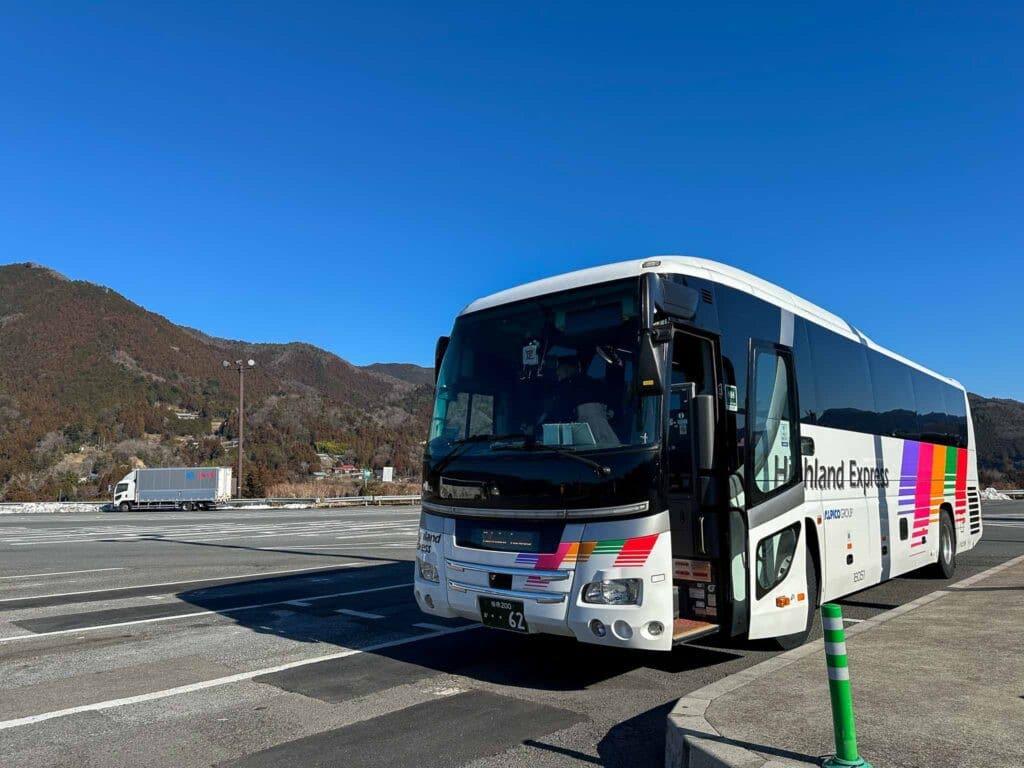
Direct ski buses to Naeba run from bases in Tokyo such as Shinjuku, including daytime and overnight services. Prices are clearly lower than the Shinkansen, and you ride the whole way without changing, with your ski gear going straight into the luggage hold.
The trade-off is the long travel time, usually four to five hours, and on overnight buses you sleep on board and arrive at the resort at dawn. It is a good deal for younger travelers on a tight budget, but skiing straight after a poor night’s sleep is a real test of stamina. First-time skiers and people traveling with children should still choose the Shinkansen. Buses on peak-season weekends sell out very early, so book as soon as you fix your dates. Also note that buses can be delayed by heavy snow or traffic controls at Mikuni Pass, and return departures are sometimes an hour or two late in the evening.
-Klook.jpg)

Driving there: Mikuni Pass is the biggest variable
By car, take the Kan-etsu Expressway, exit at Tsukiyono IC or Yuzawa IC, and then take National Route 17 over Mikuni Pass. The advantage of driving is that you do not have to carry luggage and ski gear, and you can also stop by hot springs nearby.
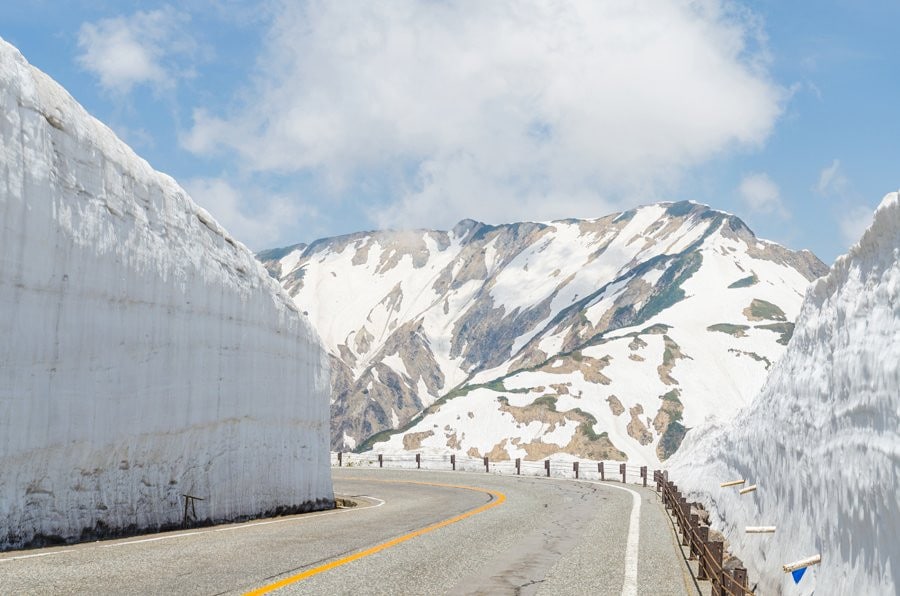
But Mikuni Pass is the biggest risk on this route: in winter, heavy snow often brings traffic controls or even closures, and icy roads are very likely. Be sure to rent a four-wheel-drive car with snow tires, check live road conditions and traffic control information before departure, and have a backup plan of switching to the Shinkansen if the road is closed. If you have no experience driving on snow, we really do not recommend driving this route yourself. Parking lots fill up on peak-season weekend mornings, so if you want to catch the first lift you need to set out earlier than you might expect.
Shuttles within Yuzawa: a must-read if you want to ski several resorts
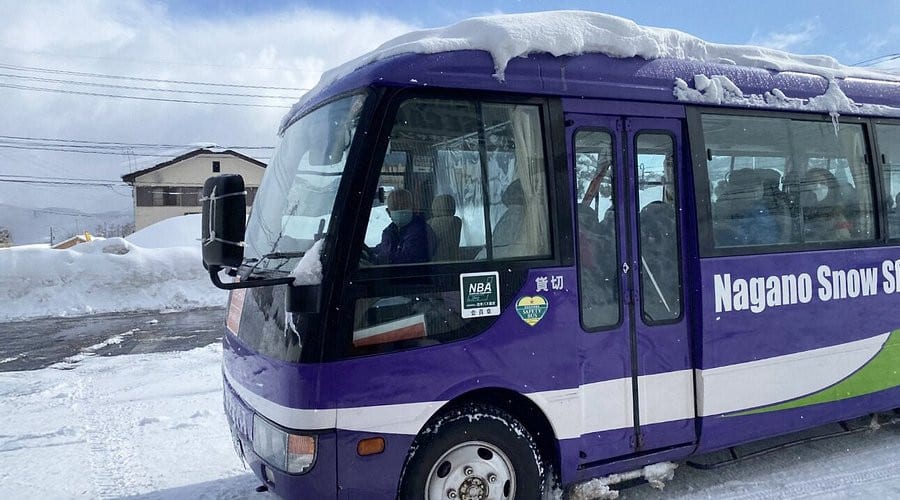
Several ski resorts are densely clustered around Echigo-Yuzawa, and in winter shuttle buses connect each resort with the station, so if you stay near Yuzawa Station you can ski a different resort every day.
This system makes your choice of accommodation very flexible: stay at a hot spring inn near the station and ride to a different place each day. Timetables and operating periods are announced every year, so before departure be sure to check the current season’s departures and stops on the official Yuzawa tourism website.

Which Runs and Experiences Are Must-Dos at Naeba? The Combined Ticket Area, Long Gondola and Terrain Explained
Naeba’s runs stretch from super-wide gentle slopes at the base up to intermediate and advanced terrain at the top of Mt. Takenoko, and with the Kagura area covered by the combined ticket, there is a great deal of terrain to play on.
Below we go through the areas and experiences most worth putting in your itinerary, including recommended times and limits to be aware of.
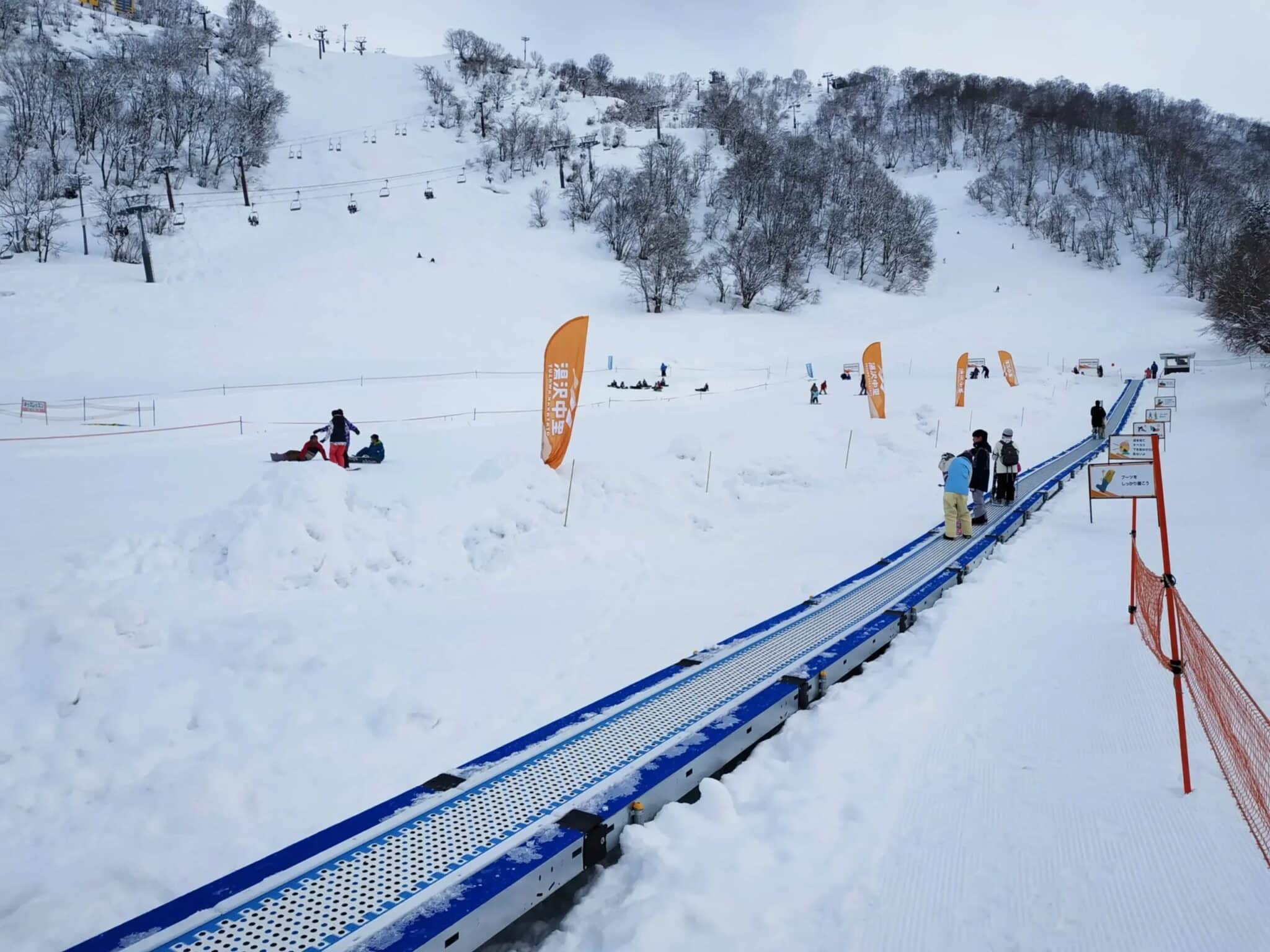
Super-wide gentle slope at the base: the most reassuring expanse of snow for beginners
What impresses most at Naeba is the huge, super-wide gentle slope at the base. It is wide enough for several groups to practice at the same time without getting in each other’s way, which matters a great deal for beginners who cannot yet control their direction.
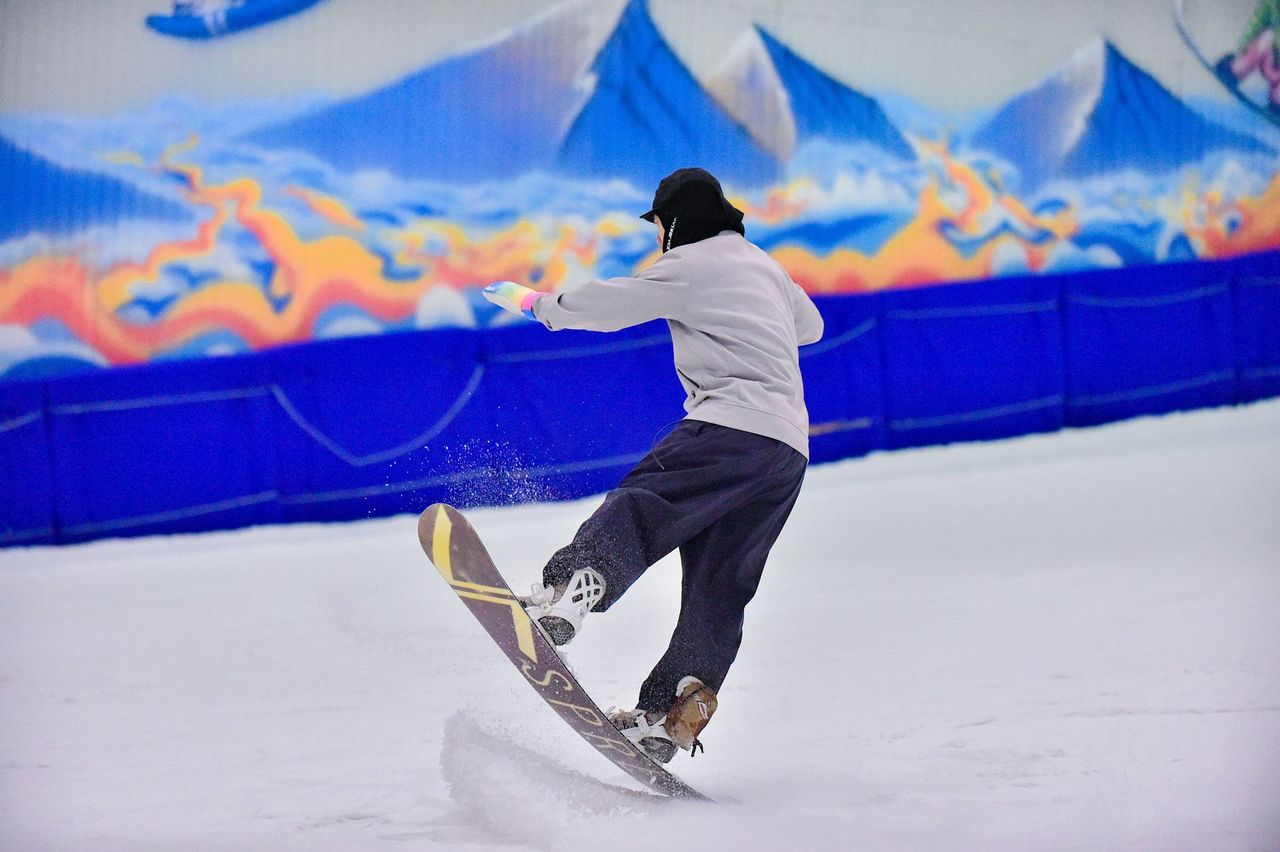
The slope faces the Naeba Prince Hotel directly, so parents can watch their children’s lessons from a hotel window or from a rest area beside the slope. We suggest investing the whole first day here, practicing braking and turning until you can stop at any time, and only then heading up the mountain. Rushing uphill only means harder falls and slower progress. This area is also where the crowds concentrate, so watch the traffic flow around midday. The lifts here cover short distances, so practice laps are very efficient, and you can fit in a dozen or more runs in one morning.
Upper Takenodaira: skiing four kilometers from 1,600 meters
The upper part of the resort is an area the resort officially calls “Takenodaira,” and the official FAQ gives its elevation as about 1,600 meters; against the 900-meter base, that makes the 889-meter vertical drop across the whole resort. Linking runs from the summit gives a longest skiable distance of about 4,000 meters, the most thrilling route at Naeba.
The slope and terrain change a lot along the way, so we recommend it only for intermediate skiers and above. On a clear day the summit view is superb, with layer upon layer of the Echigo mountains. However, it is windy at the top and several degrees colder than at the base, so remember a face mask and windproof gloves. We suggest skiing it in the morning, when the snow has just been groomed and you have plenty of energy; in the afternoon, once the snow has been churned up, the difficulty rises noticeably. Check your stamina before heading up, as there are almost no shortcuts for turning back by lift along the way.
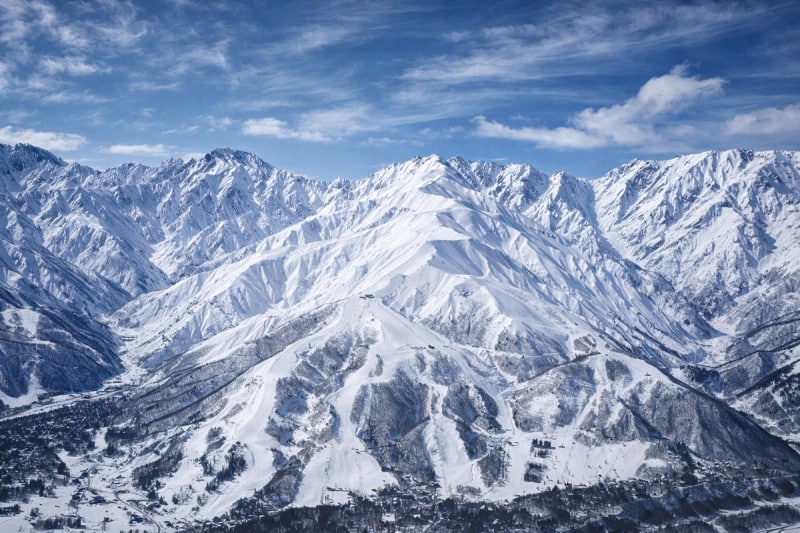

Dragondola: Japan’s longest, but it only runs during specific periods
Naeba’s signature facility, the Dragondola, is 5,481 meters long with a ride of about 25 minutes one way. It is the longest gondola lift in Japan and links Naeba with the Kagura and Tashiro areas. Riding in the cabin across the whole valley is worth a special trip even if you do not ski.
But please note: it does not run all season. Last season (2025-26) its winter operating period was only December 20, 2025 to March 22, 2026, and it is suspended at short notice in strong wind or poor snow conditions. If you want to ride it, check the current season’s announcement and that day’s operating status first, and do not stake your whole trip on it definitely running. There is also a separate sightseeing operating period in the autumn foliage season (the official site states that no spring sightseeing operation is held in the fresh-green season).
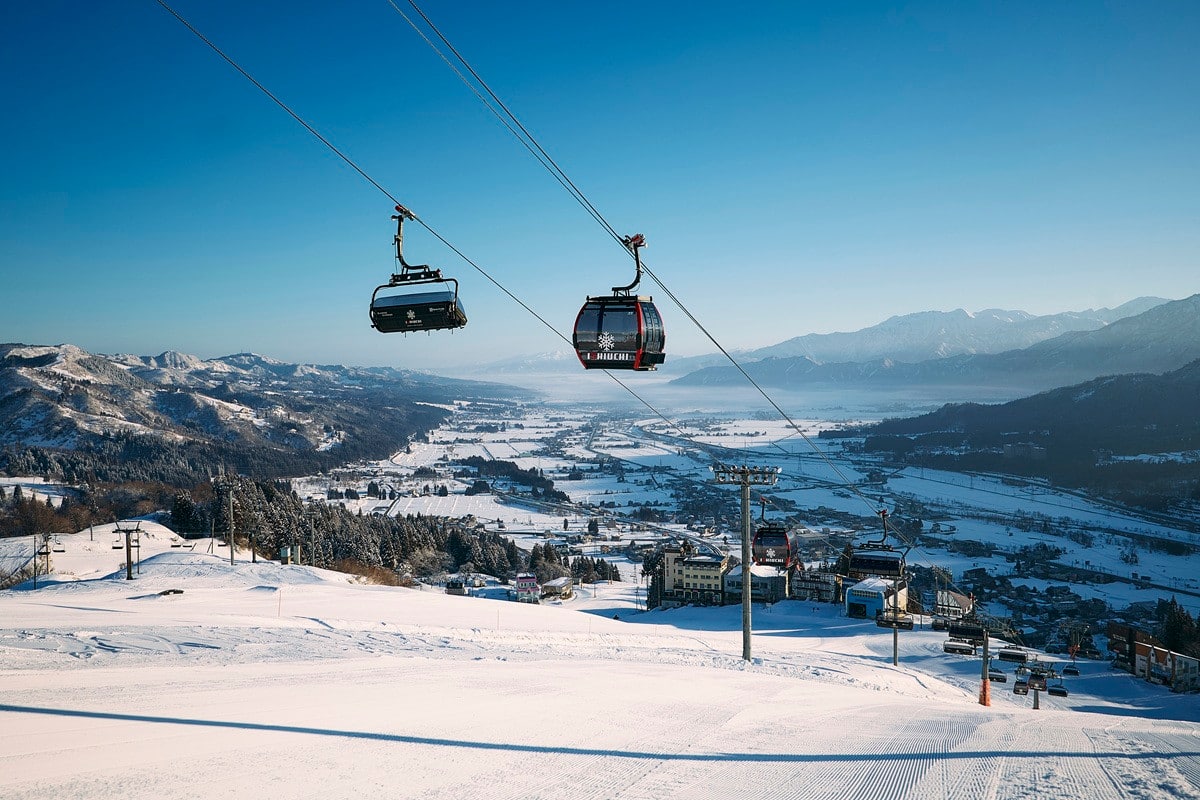
Kagura area: the combined ticket gives you a whole extra resort
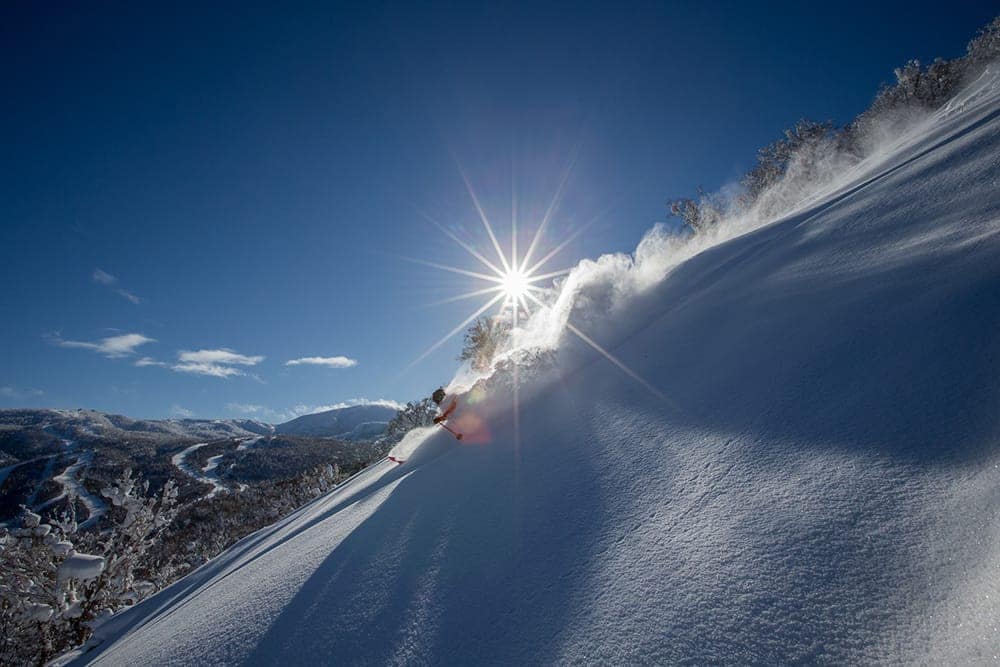
Naeba and neighboring Kagura Ski Resort (かぐら・みつまた・田代) are known together as Mt.Naeba, and one combined ticket lets you ski both. Kagura has a higher elevation and a longer season, and its snow is usually a bit drier than Naeba’s, so powder lovers especially like to head over there.
The two resorts are linked mainly by the Dragondola, so when the gondola is suspended you have to take a shuttle bus the long way around, which adds a lot of time. When planning a trip across areas, we suggest going over in the morning and coming back early in the afternoon, to avoid being stranded on the other side if the gondola stops in the evening. Before the trip, confirm what the combined ticket actually covers. There are fewer dining facilities on the Kagura side than at Naeba, so on the day you cross over, it is best to eat well at Naeba first, or bring your own trail food.
Kids’ snow park: even young children who do not ski have things to do
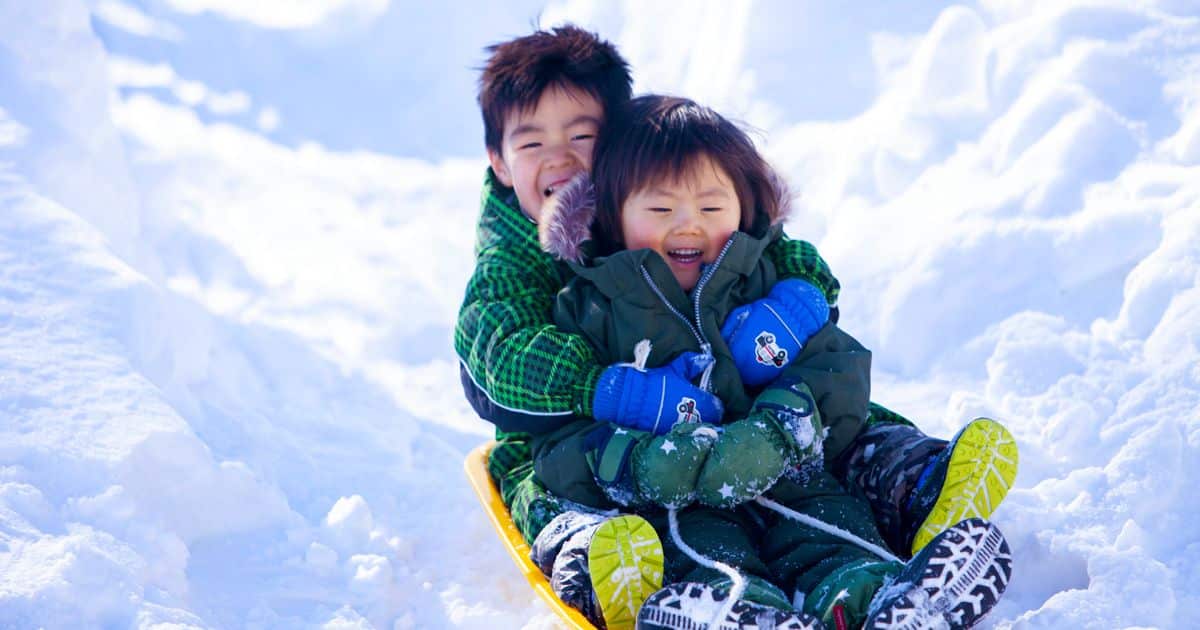
The resort has a snow play area designed for young children, where they can ride sleds and build snowmen, and have a great time without strapping on skis, with the beginners’ gentle slope right next door, so parents can keep an eye on both sides easily.
Naeba ranks high for family-friendliness among Japan’s large ski resorts, and the hotel and slopes are very close together, so when children get tired they can go straight back to the room to rest, which is far easier than at many resorts where you walk ten minutes or more. One reminder is that children lose body heat quickly in the snow, so be sure to schedule a break indoors for a hot drink and dry gloves, and do not push on until closing. The snow park mostly charges separately or asks to see a lift ticket, and the entry rules change each season, so it is safer to ask on arrival.
Night skiing: one more session after a full day
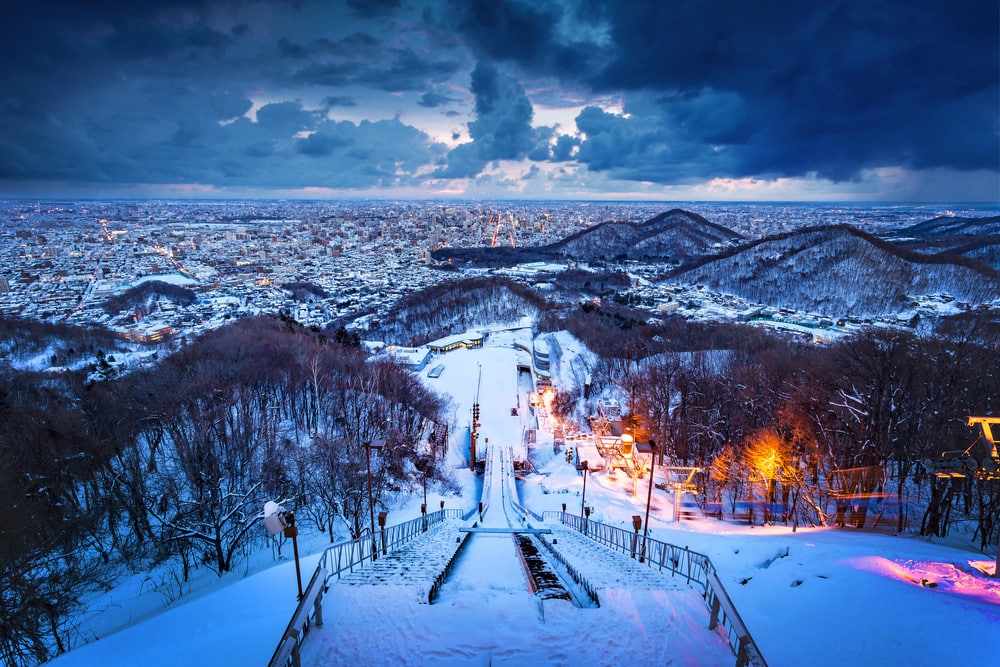
Naeba opens for night skiing during part of the season. The way the lights fall on the snow looks completely different from daytime, and the crowds are much smaller, a privilege you can only enjoy when staying right beside the slopes.
However, the open areas and periods for night skiing are announced differently each year, usually covering only the runs around the base, and it is canceled in strong wind or heavy snow. If you want to ski at night, check at the service center that day first, and add an extra warm layer: the temperature drops several more degrees after dark, and wet gloves must be changed or you will not last ten minutes. Also, after a whole day of being skied on, the night snow tends to be firmer and the sense of speed is stronger than in the daytime, so take the first few runs slowly and check the conditions.
Terrain park: a practice ground for freestyle fans
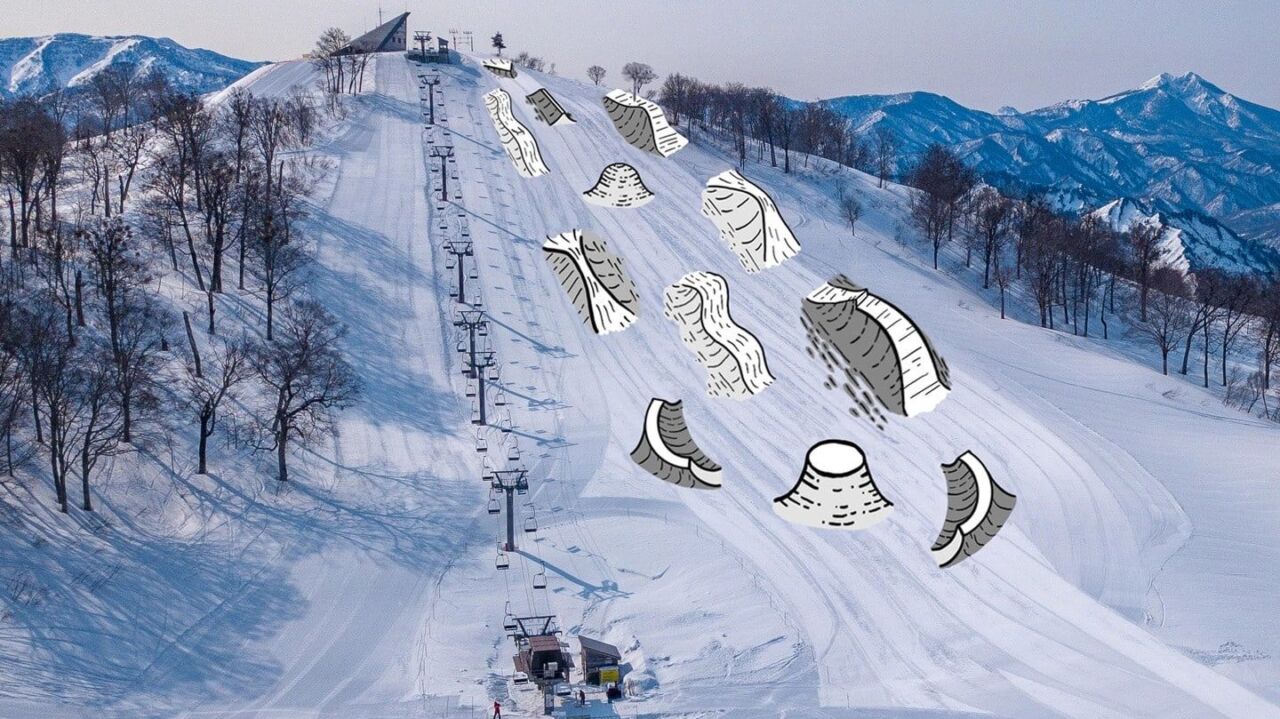
The resort has a terrain park with jumps, rails and other features, graded by difficulty, with something suitable for people trying to leave the ground for the first time as well as players who can already do tricks. Snowboarders often spend most of a day here.
Before using it, watch how others enter and exit, and make sure your speed control is fine before you drop in. A helmet in this area is not a recommendation but a requirement. The park layout and what is open are adjusted with the amount of snow, and early in the season and late in spring only some features may be open. First-timers should start with the smallest jump and have an experienced friend watch the landing zone, which makes it much safer and also makes it easier to find the right rhythm.
Niigata snow: plenty of it, but a bit wetter than Hokkaido
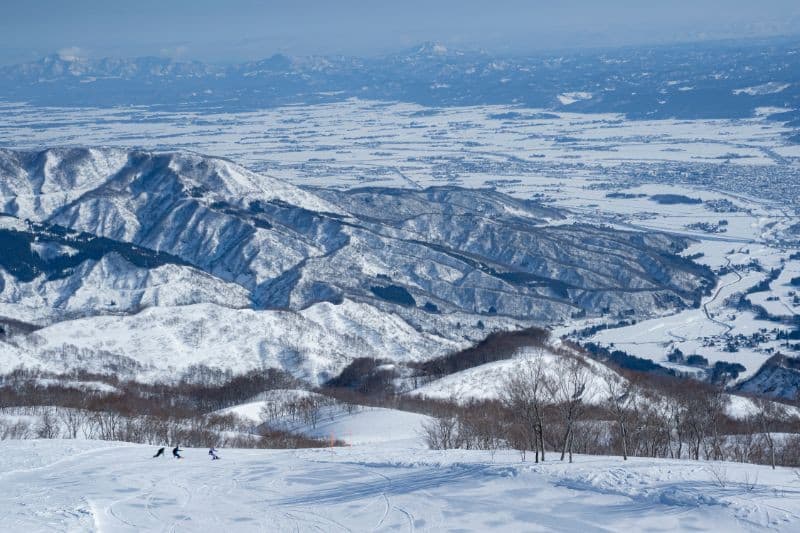
The Yuzawa area is a famous heavy-snow region of Japan with very large snowfall, but it is at a lower latitude than Hokkaido and the air carries more moisture, so the snow is usually a little wetter and heavier than Hokkaido’s dry powder. This is not a flaw, just a different character.
Slightly wetter snow actually grips better, and beginners find it easier to control their speed, without the way dry powder lets you shoot off the moment you start sliding. If you want to chase dry snow, head to the higher Kagura area, or come after a cold snap in January to February, when Naeba’s snow also turns noticeably drier and crisper. Wet snow also wears the base of your board more, so waxing once after a few days in a row brings the glide noticeably back.
Naeba Prince Hotel: a huge ski-in, ski-out base
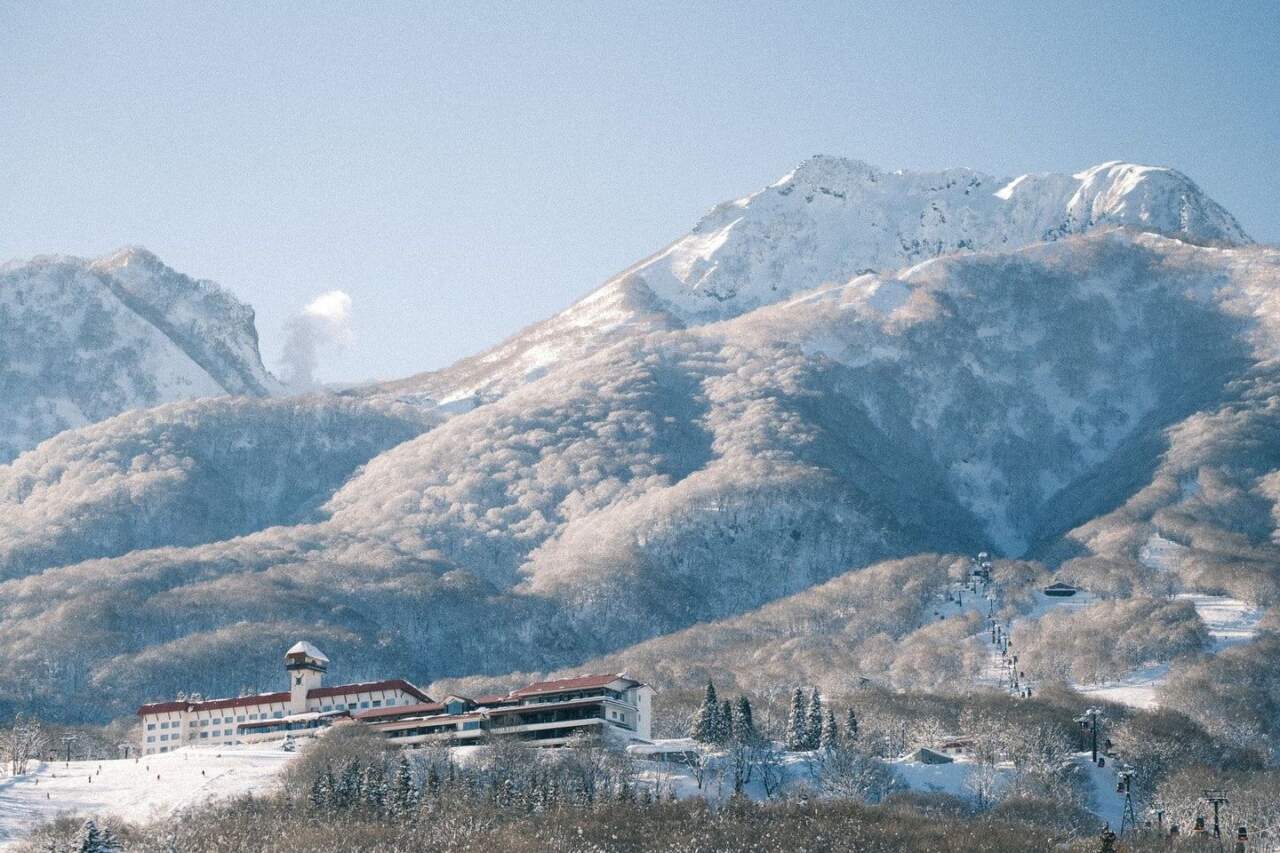
The Naeba Prince Hotel is built directly in front of the slopes and is one of the largest ski resort hotels in Japan, with plenty of restaurants, shops, hot springs and rental counters inside, practically a self-contained small town. The greatest value of staying here is “ski-in, ski-out”: you do not have to haul your gear onto a bus every day.
It is also the main venue of the Fuji Rock music festival in summer, and many people actually know the building from summertime. In the winter peak season rates are high and rooms sell out early, so if you want to stay, book very far ahead. For a full comparison of room types and prices, see our separate accommodation guide. Because the grounds are large, the walk from your room to the lift entrance can sometimes take five to ten minutes, so when booking remember to check which wing the room type is in.
Side trip to Echigo-Yuzawa: hot springs, sake and snow country literature
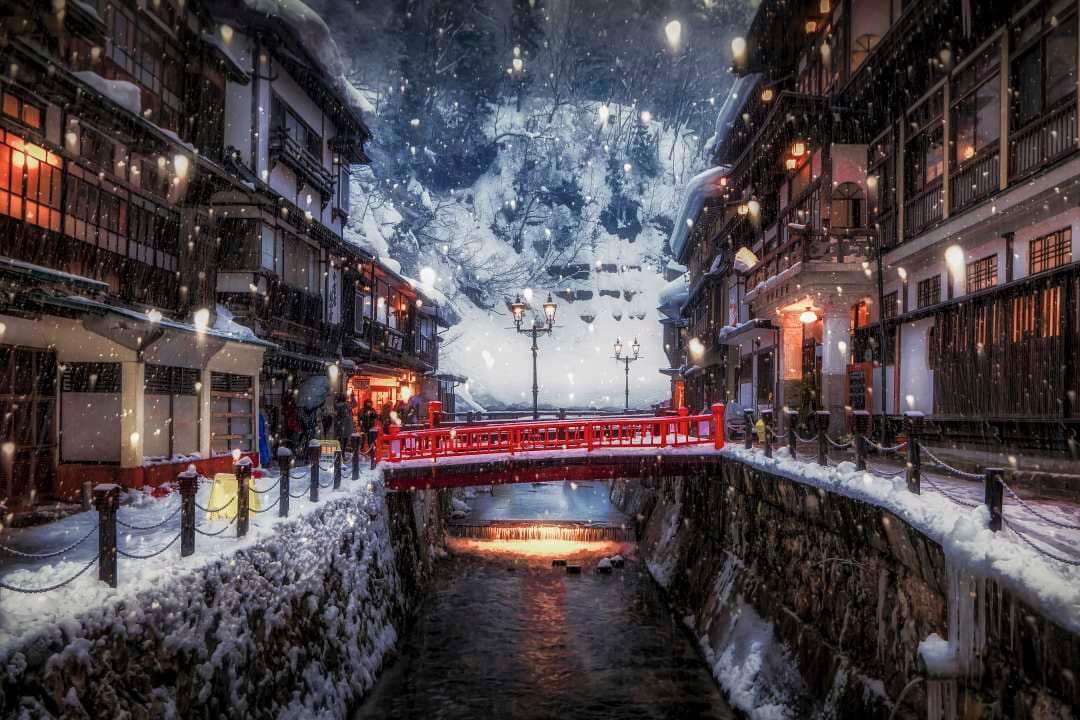
Echigo-Yuzawa is a hot spring town with a history of a thousand years and the setting of Yasunari Kawabata’s “Snow Country.” Hot spring inns cluster around the station, the bathing facilities are of a high standard, and going over for a night’s soak after skiing is a fixed part of many people’s trips.
Echigo-Yuzawa Station also has a facility famous for sake tasting, where you can compare the work of Niigata’s various breweries in one go, as well as a hot spring bath inside the station. Even if your ski schedule is thrown off by the weather, you will never be bored here, and it makes a good backup plan. The bus back to the station front from Naeba takes about 40 minutes. The shopping street in front of the station also sells local rice, sake and pickles, which are convenient to pick up on the way home and make a respectable gift.
Season dates: it closes in early April, so do not plan too late
Last season (2025-26), Naeba’s skiing operating period ran from December 13, 2025 to April 5, 2026. Compared with Hokkaido resorts that can ski into May, Naeba closes earlier, so those planning a trip in April should take particular care.
After March the snow turns to spring snow, which is wetter and heavier, but the weather is stable and the crowds are smaller. If you are chasing good snow, January to mid-February is the most reliable. Season dates are announced anew each year and are also adjusted according to that year’s snowfall, so be sure to rely on the official announcement for the current season, and do not reuse last year’s dates when planning flights. Also, early in the season and at the end of the season the number of open runs shrinks noticeably, and not all lifts run.
Wind suspensions: the long gondola is the most easily affected
Naeba gets heavy snowfall, and in turn the chance of lifts being suspended in a blizzard is not low, with the long gondola that crosses the valley especially prone to strong wind.
The practical preparation is this: every morning, check the resort’s official lift operation status first, and do not stake your trip on a single day. When lifts are suspended you can stay and ski on the Naeba side, or take a bus back to Echigo-Yuzawa for a hot spring soak.
How Much Does Skiing at Naeba Cost? Lift Tickets, Rentals and Lessons
The prices below are the 2025-26 season prices officially announced at the time of the August 2026 check; the 2026-27 season prices had not yet been announced at that time. Prices are announced anew each year and are often adjusted, so please rely on the official announcement for the current season. Also note that some third-party ticket sites have shown low prices that do not match the official ones, so check against the official page before buying.
Mt.Naeba one-day ticket: one ticket, two resorts
This is the easiest place to buy the wrong ticket: the official site sells two different one-day tickets at the same time. The “Mt.Naeba one-day ticket” costs ¥9,800 for adults and covers Naeba and Kagura (かぐら・みつまた・田代); the “Naeba area one-day ticket” costs ¥7,800 for adults and is valid only at Naeba itself. For both, elementary school children and younger are free, “adult” means junior high school students and older, and the one-day ticket can be used until 17:00. There are also a Naeba-area 8-hour ticket at ¥8,300 and a 4-hour ticket at ¥6,300, but neither of these can be used on the Dragondola or to ski at Kagura.
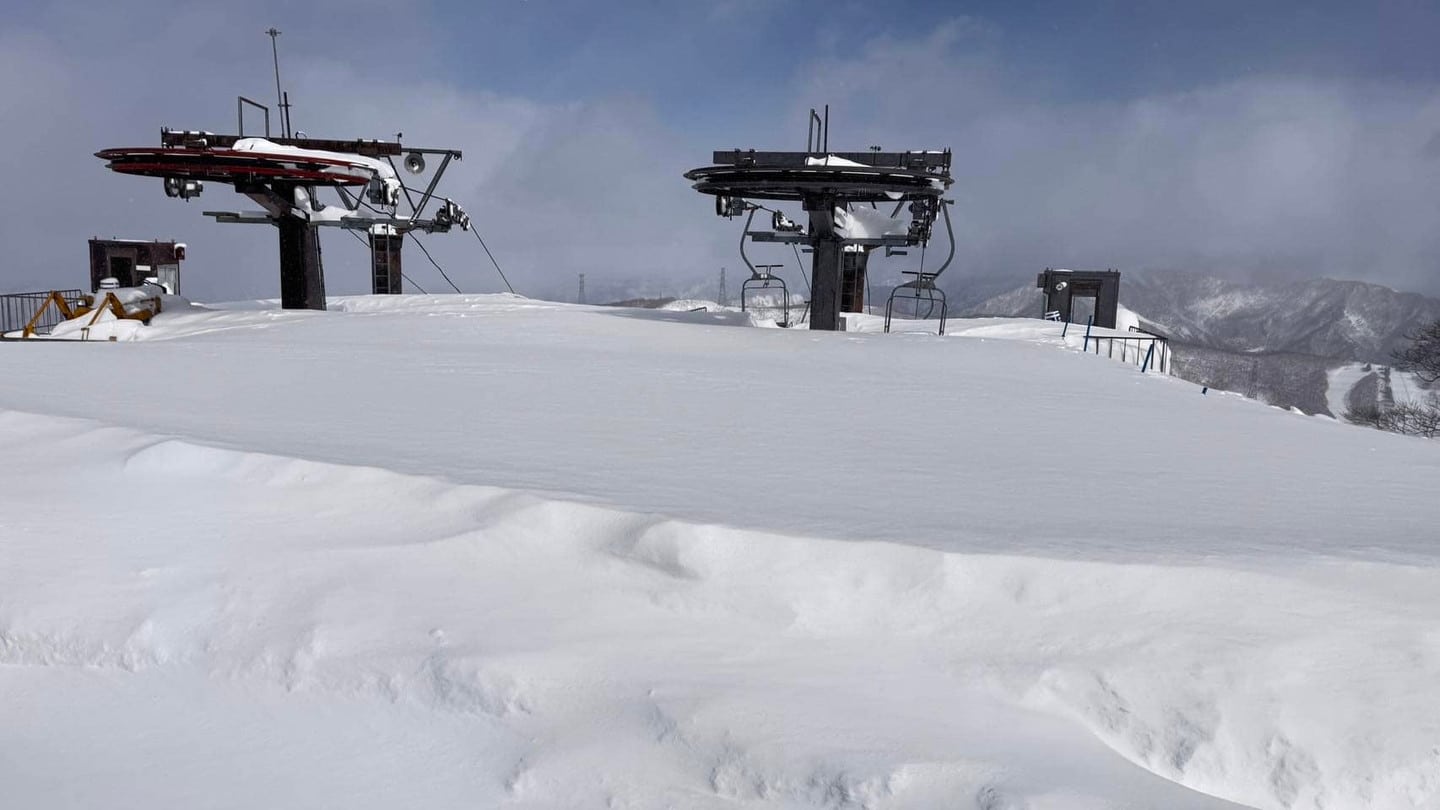
The two areas are linked by the long gondola, so crossing over is harder when it is suspended.
Where to Stay near Naeba
Whether you stay at the resort or by the station will set the rhythm of your whole trip.

Stay at the resort, or in front of Echigo-Yuzawa Station?
Naeba’s accommodation is concentrated directly in front of the slopes, at the Naeba Prince Hotel and a few nearby inns and apartments. The benefits of staying here are ski-in, ski-out access, being able to catch the first lift, and not needing to rush for a bus when you ski until closing; the drawbacks are high prices and dining choices limited to inside the hotel.
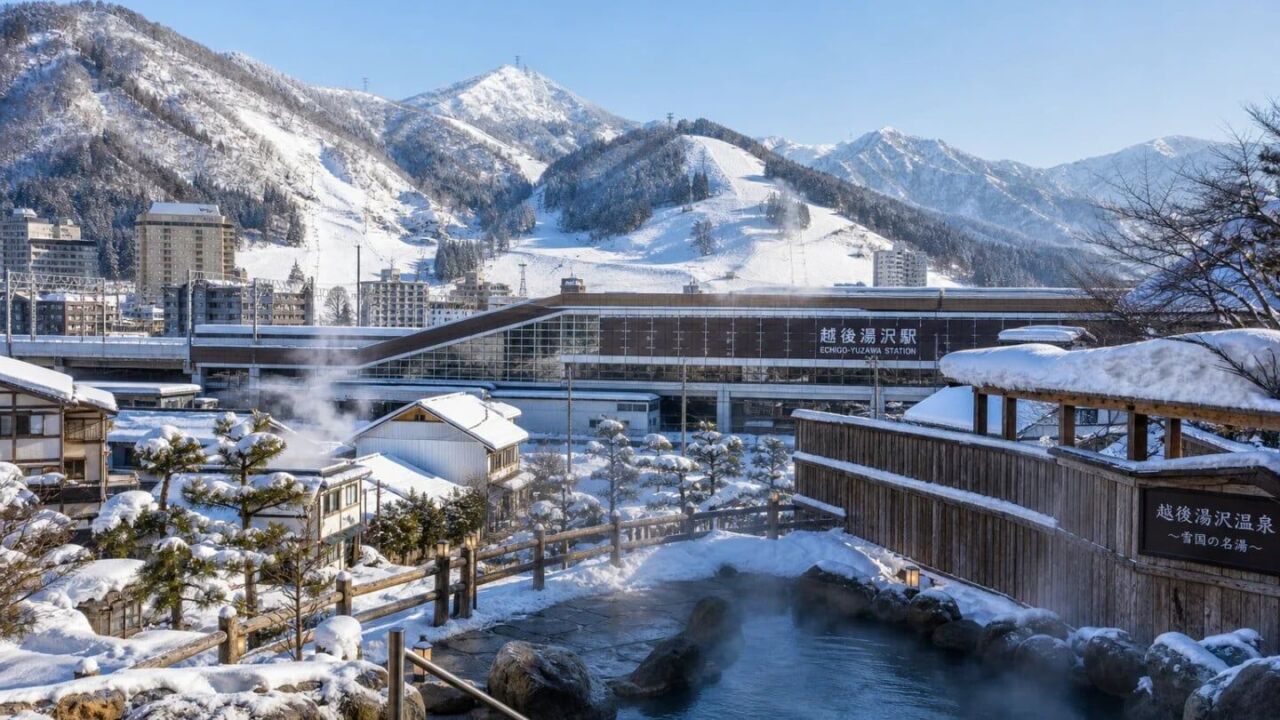
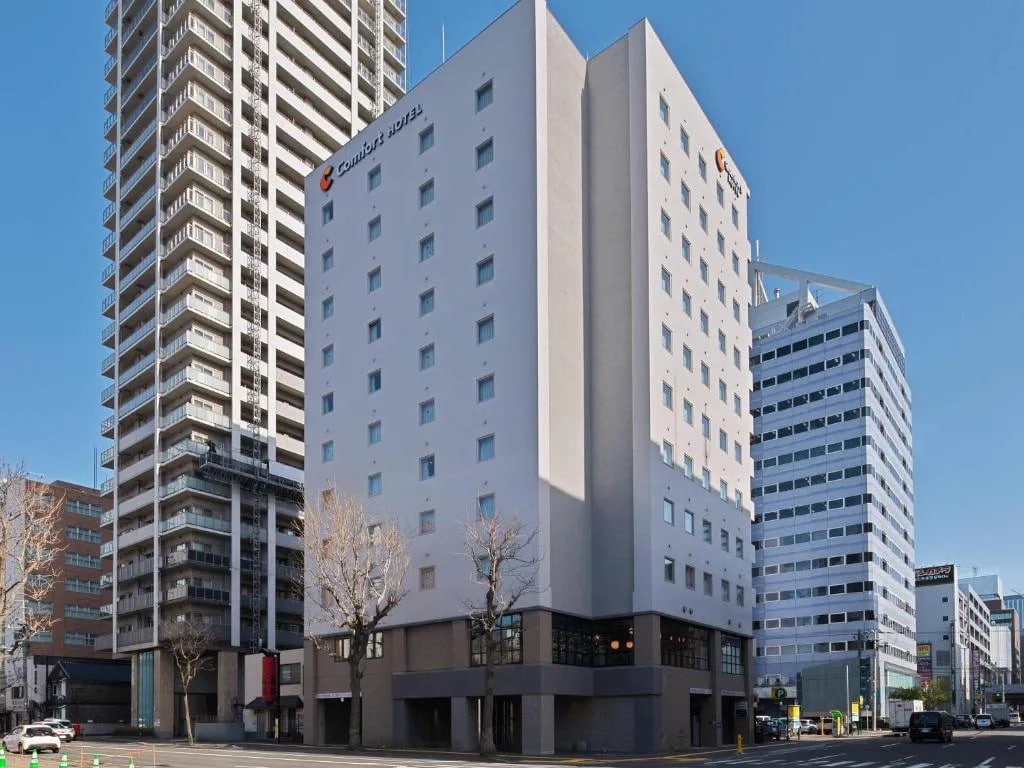
The other mainstream choice is to stay in front of Echigo-Yuzawa Station. There, hot spring inns and business hotels are densely clustered with a full range of prices, at the cost of about 40 minutes by bus each way every day. For detailed hotel comparisons and booking timing, see our separate accommodation guide.
Naeba Ski Resort FAQ
Below are the questions travelers ask most often, with answers based on the official announcements checked in August 2026.
Q: How long does it take to get from Tokyo to Naeba Ski Resort?
The Joetsu Shinkansen from Tokyo Station to Echigo-Yuzawa Station takes about 70 to 80 minutes, and after exiting, a Minami Echigo Kotsu bus (formerly Minami Echigo Kanko Bus) to the “Naeba Prince Hotel-mae” stop (苗場プリンスホテル前) right in front of the resort takes about 40 minutes, so the whole trip is a little over two hours. There are also direct ski buses from places such as Shinjuku, taking about four to five hours, cheap but long. If you drive, take the Kan-etsu Expressway and then National Route 17 over Mikuni Pass, where there are often traffic controls in winter.
Q: How much is a one-day lift ticket at Naeba?
It depends on which ticket you buy. According to the official 2025-26 season announcement, the “Mt.Naeba one-day ticket” (valid at both Naeba and Kagura) is ¥9,800 for adults and the “Naeba area one-day ticket” (Naeba only) is ¥7,800 for adults; for both, elementary school children and younger are free and the ticket is valid until 17:00. Both figures circulate online because they really are two different tickets, not because someone made a mistake. The 2026-27 prices had not yet been announced at the time of checking, and prices are adjusted every year, so please rely on the official announcement for the current season.
Q: Can I ride the Dragondola all season?
No. The Dragondola runs only during specific periods announced each year; last season (2025-26) its winter operating period was only December 20, 2025 to March 22, 2026, not the whole season. In addition, it crosses a valley and is 5,481 meters long, so it is suspended at short notice in strong wind or poor snow conditions. If you want to ride it, be sure to check the current season’s announcement and that day’s operating status first, and do not stake your whole trip on it definitely running.
Q: When is the ski season at Naeba Ski Resort?
Last season (2025-26), the skiing operating period ran from December 13, 2025 to April 5, 2026. Compared with Hokkaido resorts that can ski into May, Naeba closes earlier, and after mid-April it is basically over, so take particular care when planning. For the best snow quality, January to mid-February is generally the most reliable. Season dates are announced anew each year and also adjusted according to that year’s snowfall, so please rely on the official announcement for the current season.
Q: Where can I ski with the Mt.Naeba combined ticket?
The Mt.Naeba combined ticket covers Naeba Ski Resort and neighboring Kagura Ski Resort (かぐら・みつまた・田代), and one ticket lets you ski both resorts. Kagura has a higher elevation and a longer season, and its snow is usually a little drier. The two areas are linked mainly by the Dragondola, so when the gondola is suspended you have to take a shuttle bus the long way around, which adds a lot of time. On the day you cross over, we suggest going in the morning and coming back early in the afternoon.
Q: Is Naeba suitable if I have never skied before?
Very suitable. The base of Naeba has a huge super-wide gentle slope, wide enough that several groups can practice at once without getting in each other’s way, one of the most beginner-friendly layouts among Japan’s large ski resorts. The kids’ snow park is right next door too, which is convenient for families with children. The ski school offers group lessons, private lessons and children’s courses, and we suggest signing up for a half-day lesson on your first time skiing, which is much faster and much safer than figuring it out yourself.
Q: How does the snow at Naeba compare with Hokkaido?
The Yuzawa area is a famous heavy-snow region of Japan with very large snowfall, but it is at a lower latitude than Hokkaido and the air carries more moisture, so the snow is usually a little wetter and heavier than Hokkaido’s dry powder. For beginners this is actually an advantage: better grip and easier speed control. If you want to chase dry snow, head to the higher Kagura area, or come after a cold snap in January to February, when Naeba’s snow also turns noticeably drier and crisper.
