
What Is the Yokote Kamakura Festival? A Full Look at a 450-Year-Old Snow Country Festival
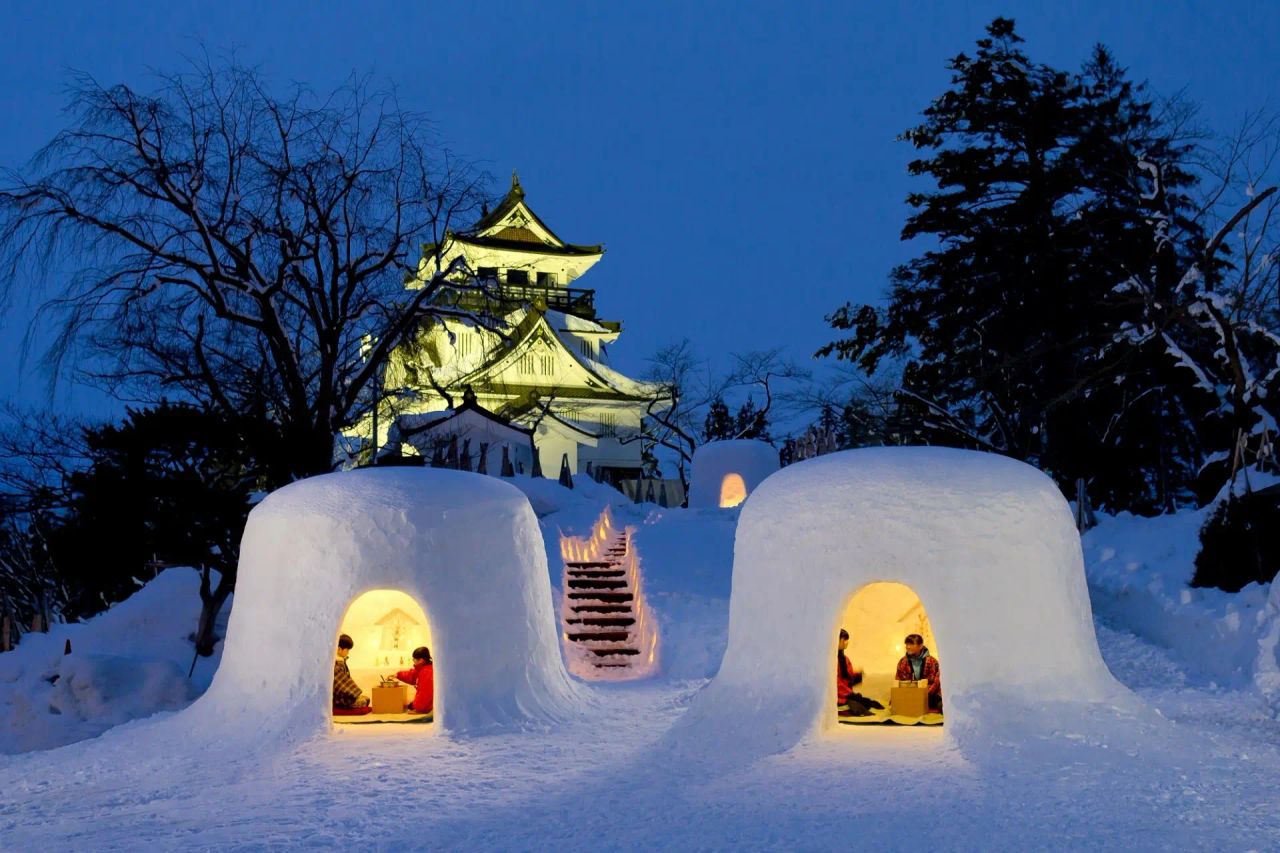
The Yokote Kamakura Festival is a 450-year-old snow country festival held every February in Yokote, Akita Prefecture, known for its lantern-lit snow huts and the amazake served to guests, and suits travelers who want to experience Japan’s snow country faith culture and a dreamlike night scene.
2027 Kamakura Festival Dates and the Bonten Festival Schedule Change
The 2027 Kamakura Festival is set for Friday, February 12 and Saturday, February 13, with lighting for 3 hours each night from 18:00 to 21:00; the Bonten Festival is fixed for Tuesday, February 16 and Wednesday, February 17. Starting in 2026, a trial change moved the festival to the Friday and Saturday before the Bonten Festival, expected to continue through 2029; for the 2028 and 2029 dates, please check the announcements of the Yokote City Tourism Association.
Origins of Kamakura Culture and Festival Customs
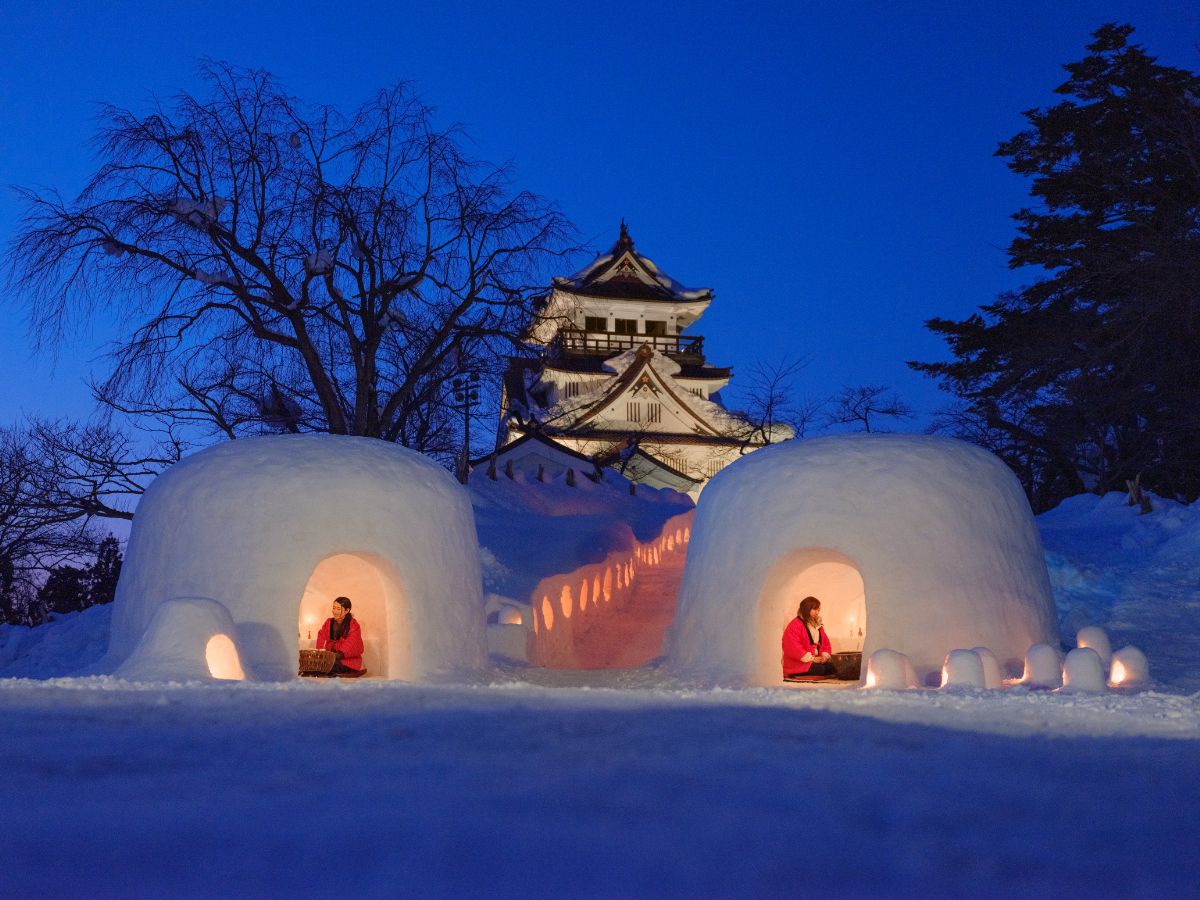
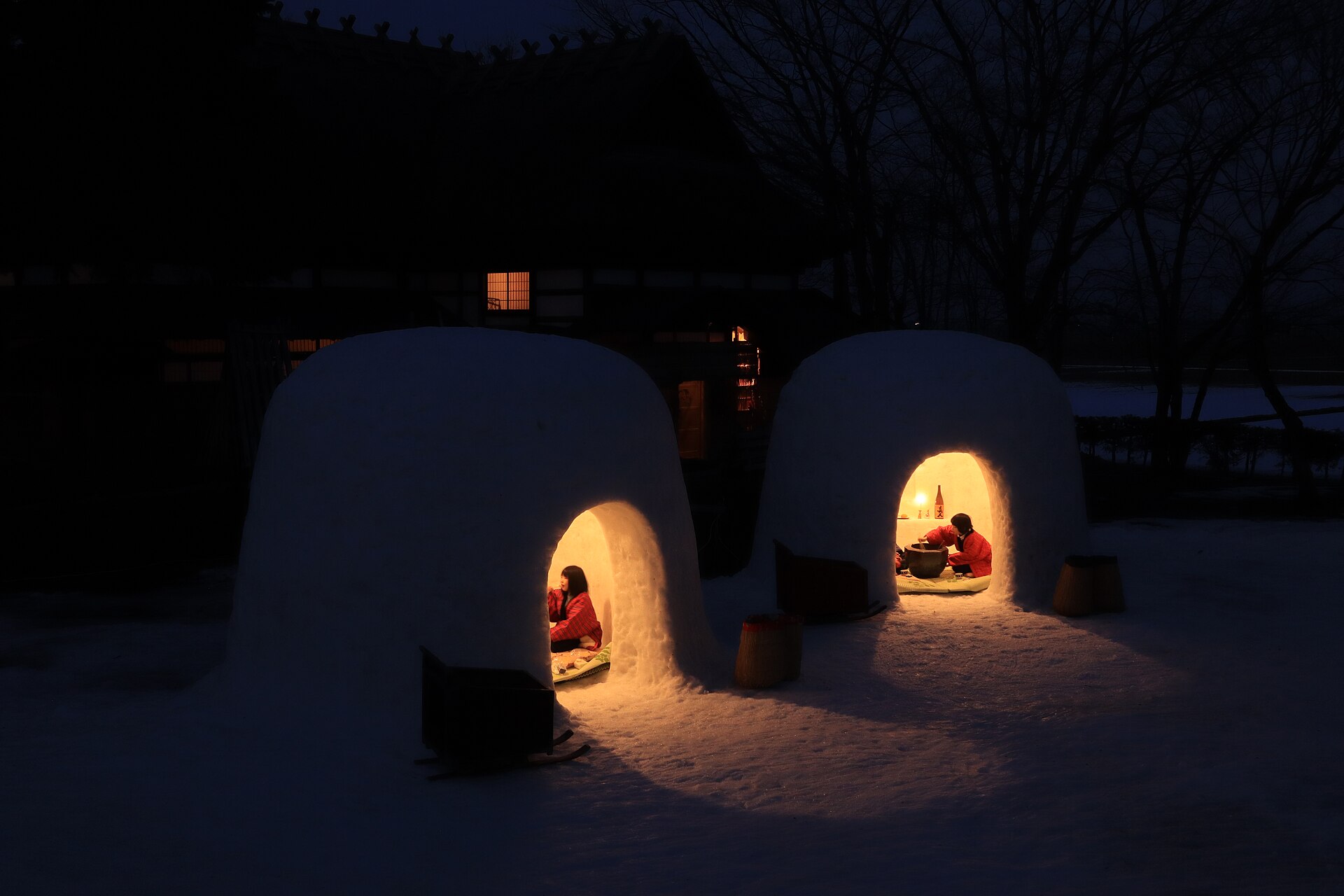
The kamakura custom has been handed down for more than 450 years and originated in worship of the water god, praying for enough water and a good grain harvest in the coming year. Each snow hut has a water god altar at the front, and visitors must first toss in a coin offering to pray before going in. Local children call out to visitors in the Akita dialect, “Haitette tanse (please come in),” and hand them hot amazake (amaeko) and freshly grilled rice cakes. Each night the candles are lit one hut at a time by volunteers and residents by hand, not by an automatic timer, full of snow country warmth.
Climate and Clothing Tips: A Snowy Night at Minus 4 Degrees
Yokote’s normal February low is −4.1°C, and the normal maximum snow depth is as high as 117 cm, the highest of the year; February averages only 52.6 hours of sunshine, with dark, damp and cold skies. We recommend non-slip snow boots with thick-soled socks, avoiding rubber-soled canvas shoes or high heels that slip; your coat should be waterproof with a hood, plus a scarf for your neck, so you can stand outdoors for hours watching the snow huts being lit without getting too cold.
How to Get to the Yokote Kamakura Festival: Transport and Costs
Parking near the Yokote festival sites is scarce, so we recommend taking the train or a shuttle bus; if driving, be sure to fit snow tires.
How to Get to Yokote: Transport Options and Costs at a Glance
| Transport | Cost | Travel time |
|---|---|---|
| Sendai to Yokote (Akita Shinkansen via Omagari, transfer to the Ou Main Line) | about ¥9,900 | about 2 hours 10-25 minutes |
| Tokyo to Yokote (Akita Shinkansen, transfer to the Ou Main Line) | about ¥18,000 | about 3 hours 40 minutes |
| Yokote WARP (Akita Airport to Yokote) | ¥500 one way | about 70 minutes |
| Akita Airport, airport limousine bus, Akita Station, then train | about ¥2,360 | about 2 hours |
| Driving (temporary parking lot plus shuttle) | free parking | depends on traffic |
Yokote WARP is a transfer service offered by Yokote City. For application requirements and operating times during the Kamakura Festival, check with the Yokote City Tourism Association (0182-33-7111), and plan in advance your return trip or lodging after watching the night lighting. Drivers can park at the temporary lot across from the Yokote Gymnasium; in 2024 a free shuttle bus ran between the lot and the sites from 9:00 to 21:00, and 2027 service will follow announcements. Or park at the municipal paid lot at the east exit of Yokote Station, about a 10-minute walk to the main site in front of the main city hall building. There is no parking at the sites themselves, and winter roads are icy, so be sure to fit snow tires.

Which Sites Are Must-Sees? Top 10 Kamakura Festival Highlights
Below are the ten sites most worth visiting during the Yokote Kamakura Festival and the Bonten Festival, each about a 5-15 minute walk from the others.
Plaza in Front of Yokote City Hall: The Main Stage of the Kamakura Festival and Its Snow Art
The plaza in front of the main city hall building is the core site of the Yokote Kamakura Festival, where large snow huts are lit one after another after dark, and it is also the stage on February 16 for the Bonten contest, which displays about 40 bonten. Each site is about a 5-15 minute walk from the others, and we suggest planning a counterclockwise route starting here. During the festival a free site-circuit bus runs (17:40-21:00 in 2026; 2027 will follow announcements), linking the city hall, Yokote Minami Elementary School, Yokote Park and Honcho.

Hebinosaki Riverbank: A Galaxy on the Ground of 3,500 Mini Snow Huts
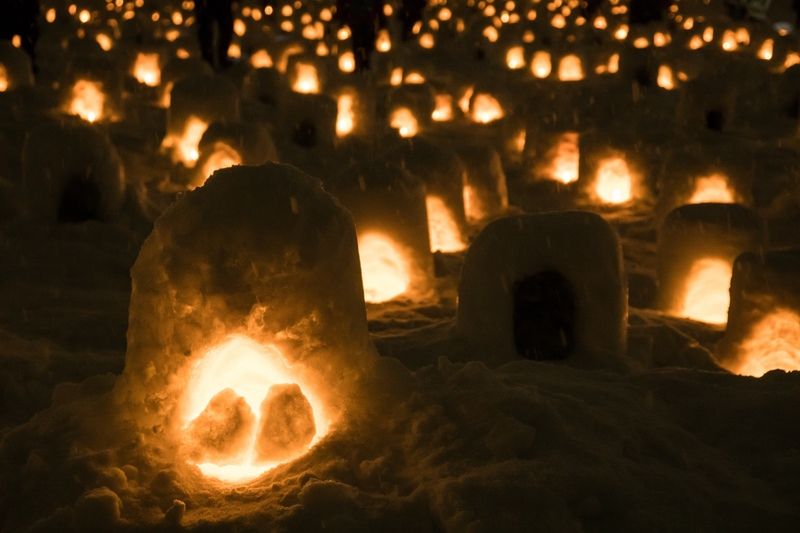
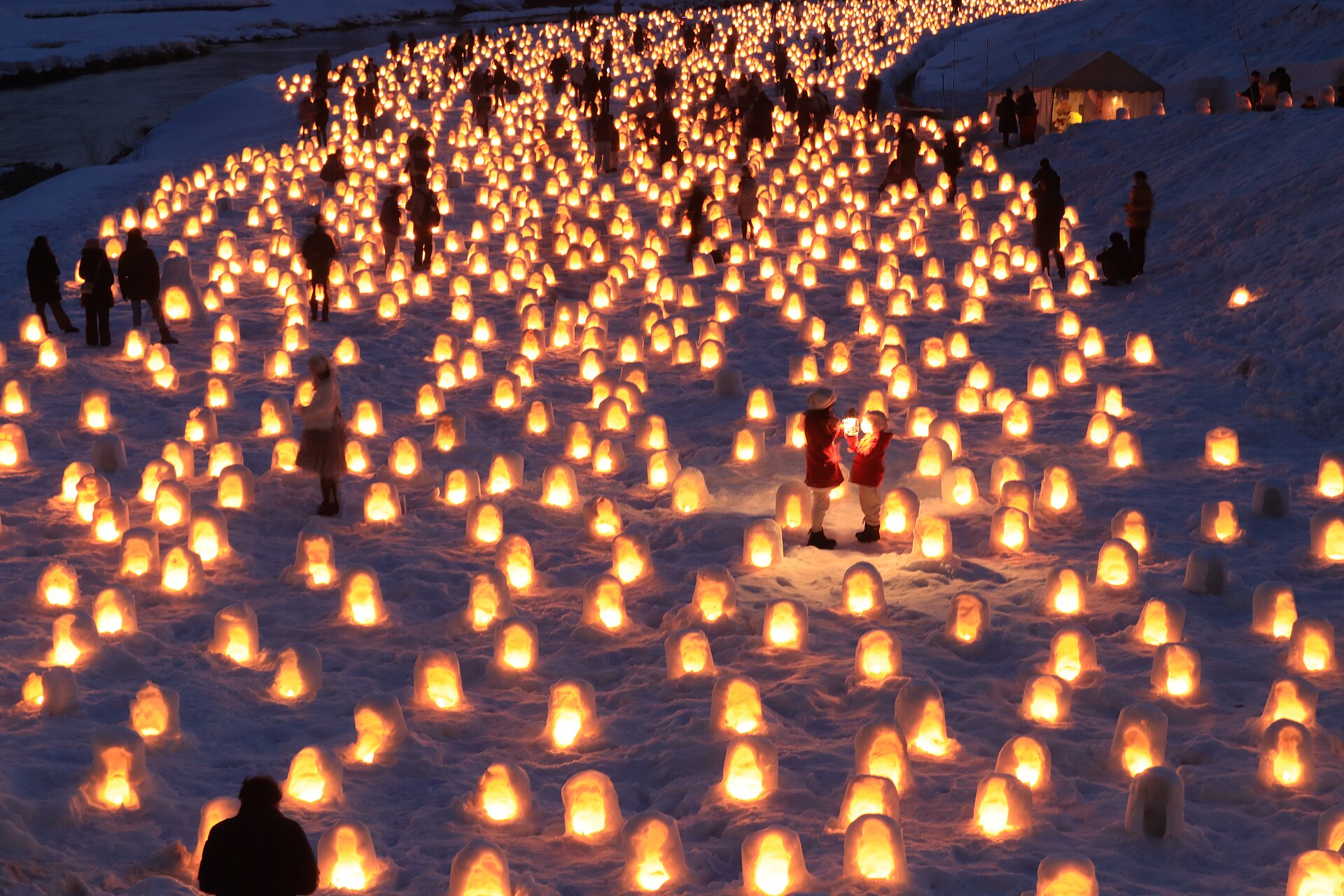
Each year about 3,000-3,500 mini snow huts and candles are lit on the riverbank below Hebinosaki Bridge, and from the bridge it looks like a galaxy scattered over the snow, making it the festival’s most iconic photo spot. Lighting hours are the same as the main site, 18:00-21:00; we suggest going half an hour after dark when crowds are thinner, and bringing a tripod lets you capture a long-exposure sea of candles.
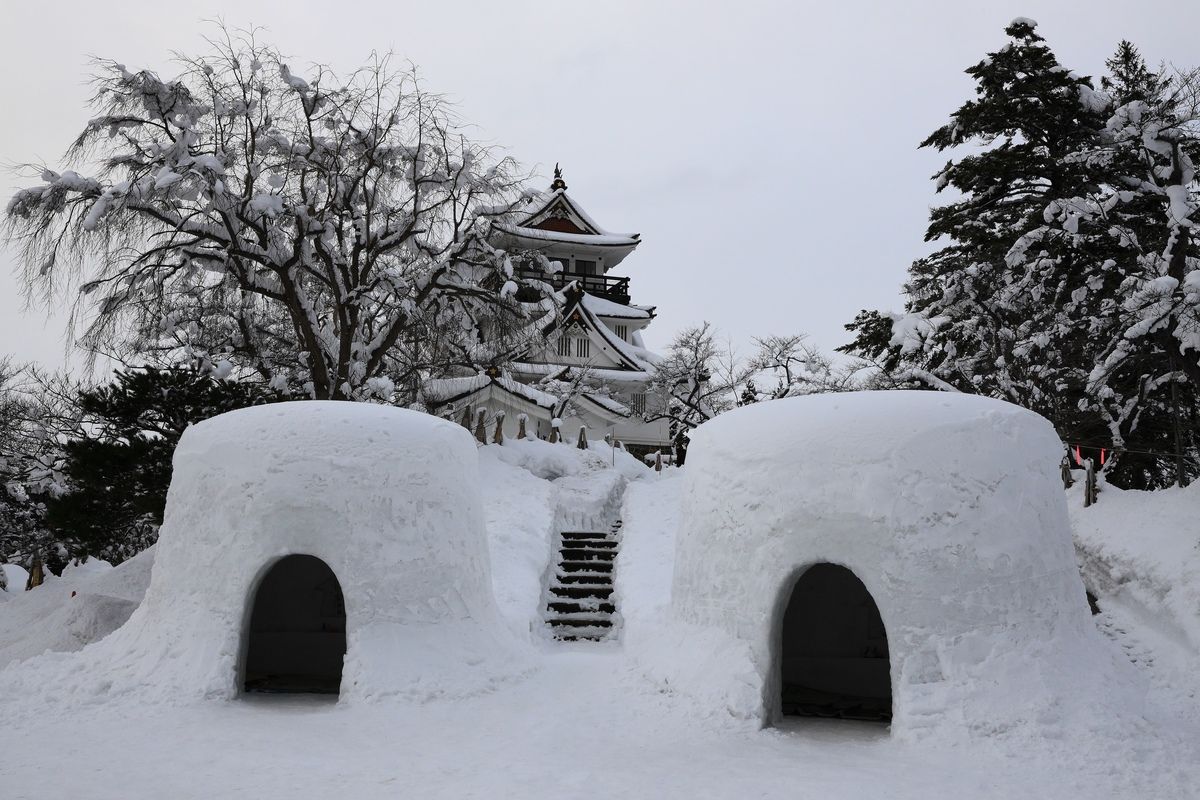
Yokote Park (Yokote Castle): The Classic Scene of the Castle Keep and Snow Huts
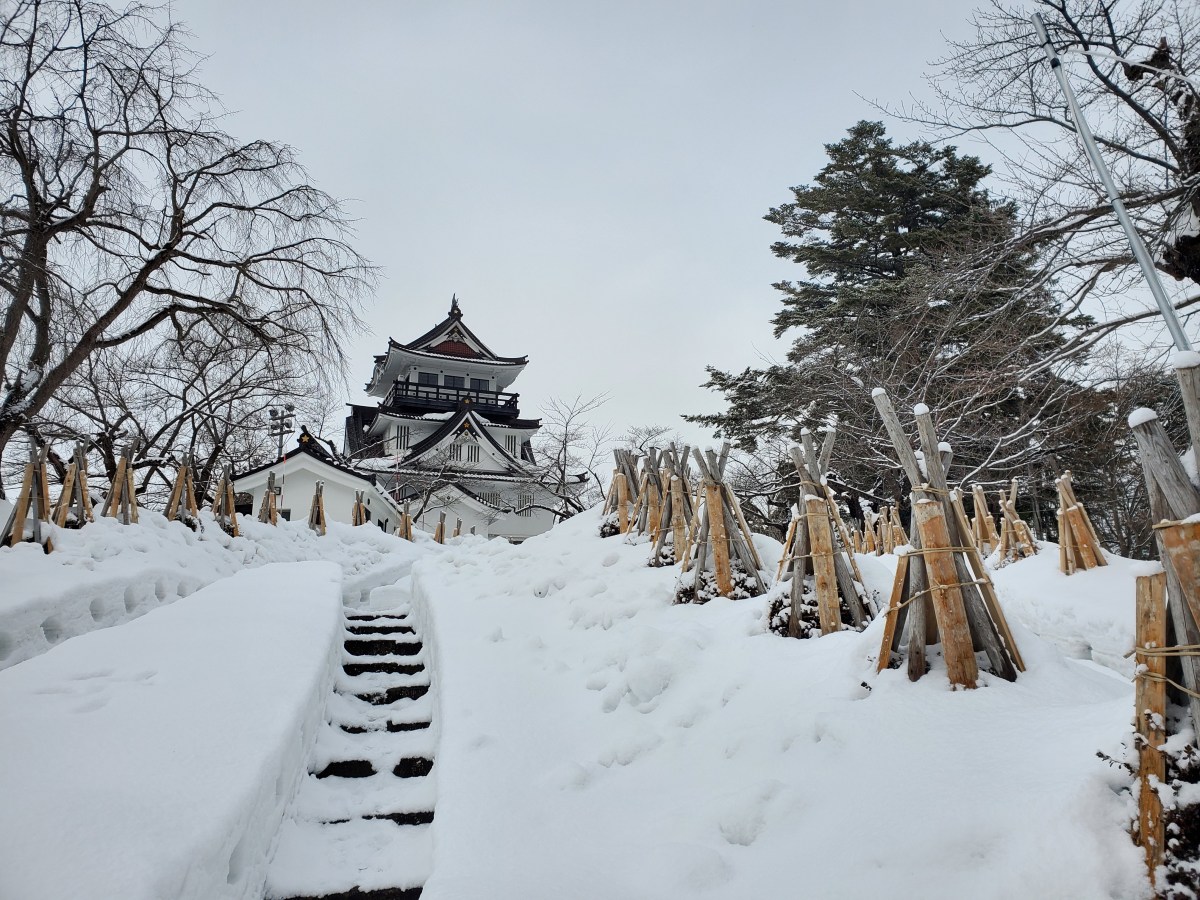
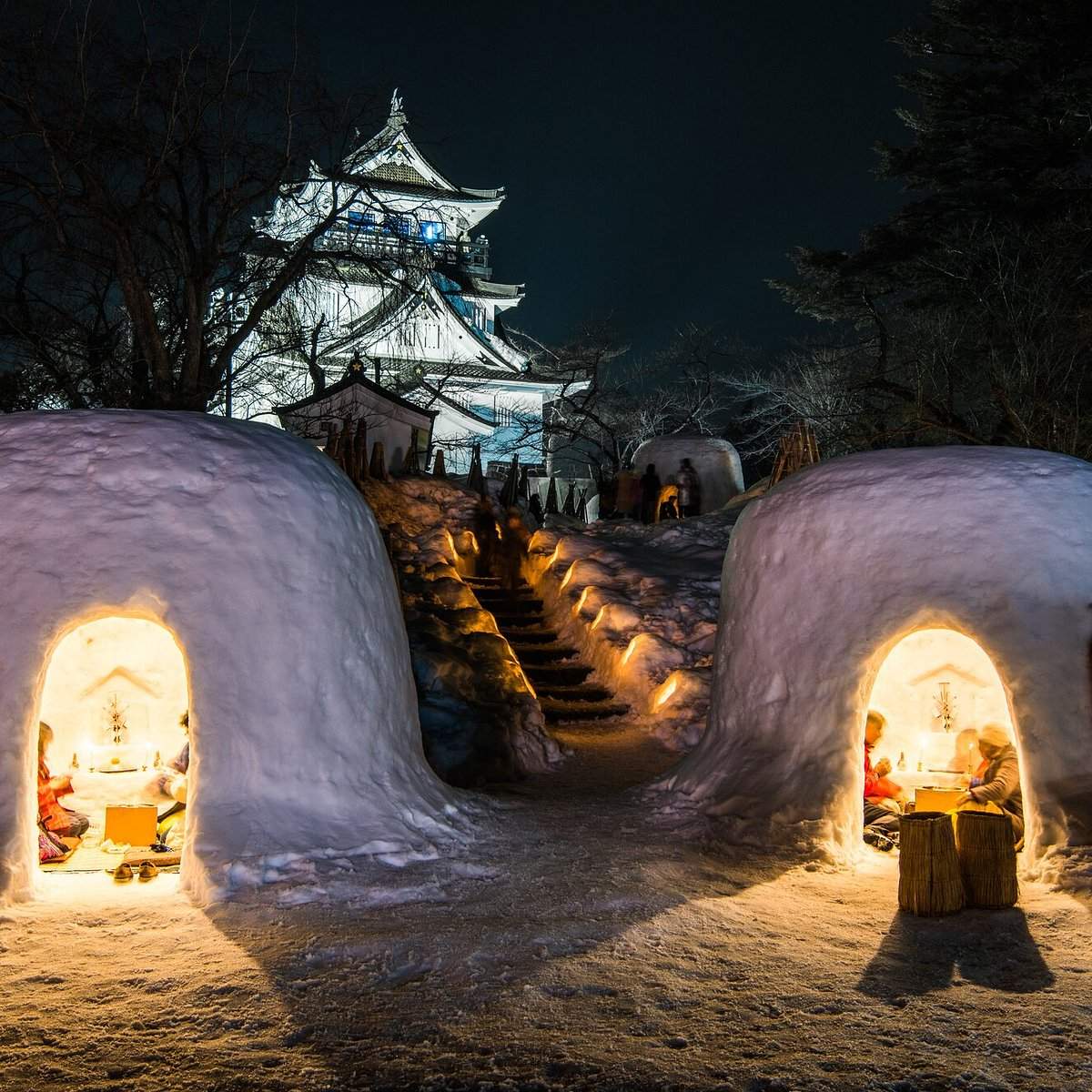
The replica castle keep of Yokote Castle in Yokote Park, set off by the snow, is a postcard-quality classic photo spot, and the park also has several large kamakura where visitors queue to go in for amazake and grilled rice cakes. The observation deck is closed in winter but is specially opened during the Kamakura Festival (in the past 10:00-21:00); the uphill section is slippery with snow, so we suggest wearing non-slip snow boots and walking slowly and watching your step after dark.
Former Katano House: Nostalgic Harmony of a Traditional Townhouse and Snow Hut Lights
The former Katano House is a preserved traditional townhouse. During the festival a snow hut is built and lit in front of it, and the warm yellow light on the wooden facade adds a nostalgic atmosphere compared with plain outdoor snow huts, a hidden site not to be missed by travelers who love architecture and photography. It is about a 10-minute walk from the plaza in front of the city hall, and we suggest visiting after Hebinosaki Riverbank to avoid wasting time backtracking.
Yokote Minami Elementary School: A Sea of Candlelight From Student-Made Mini Snow Huts
On the grounds of Yokote Minami Elementary School, local children build many mini snow huts by hand, each with a candle inside, and when lit they form a warm sea of candlelight, the best place to experience Yokote’s whole-community festival culture. The school is near Yokote Park, and we suggest visiting in the middle of the counterclockwise walking route; about 15 minutes is enough to appreciate it properly.
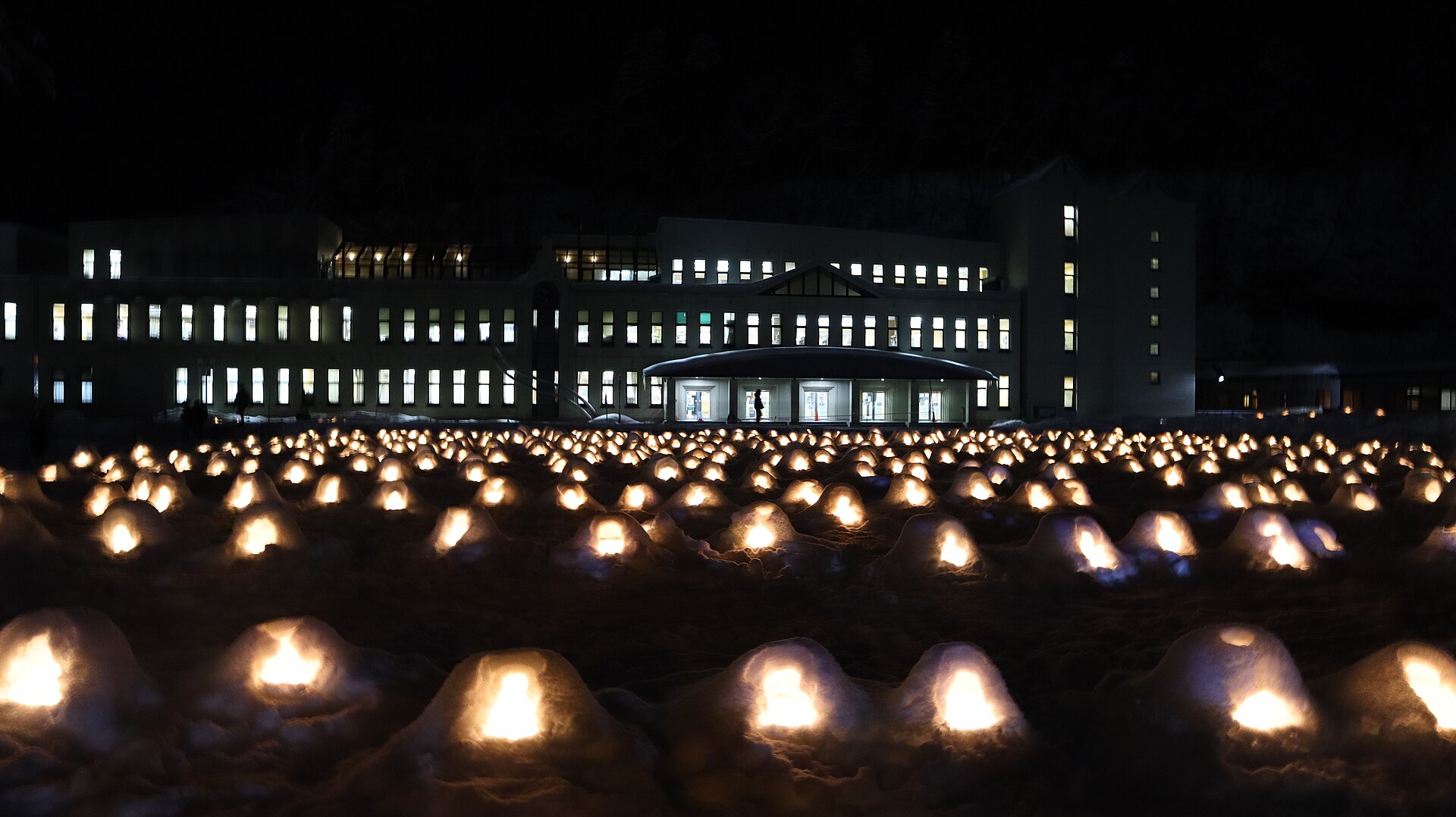
Hagurocho Samurai Residence Street and Futabacho Kamakura Street: Quiet Snow Hut Lanes
The Futabacho area preserves the streetscape of Edo-period samurai residences, and its stone walls and snow-white roof tiles are especially peaceful under the night snow lanterns, a contrast to the lively market in front of city hall, suiting travelers who want to avoid crowds and stroll quietly among the snow huts. The street is narrow, so we suggest light snow boots and a slow walk; the main stretch takes about 15 minutes one way, with scattered mini snow huts along the way for photos.
Kamakura-kan: A Permanent Snow Hut Exhibit at Minus 10 Degrees All Year
The Kamakura-kan exhibition room next to Yokote City Hall is kept at about −10°C all year and permanently displays a real snow hut, an alternative if you miss the February festival, and you can borrow a padded hanten jacket called a donbuku for photos. It is open 9:00-17:00, ¥100 for high school students and older (four-venue combo ticket) and free for junior high school students and younger. It is closed for the year-end and New Year period (December 29 to January 3) and on temporary closure days. The four-venue combo ticket is valid for the day, and some of the facilities are closed on Mondays.
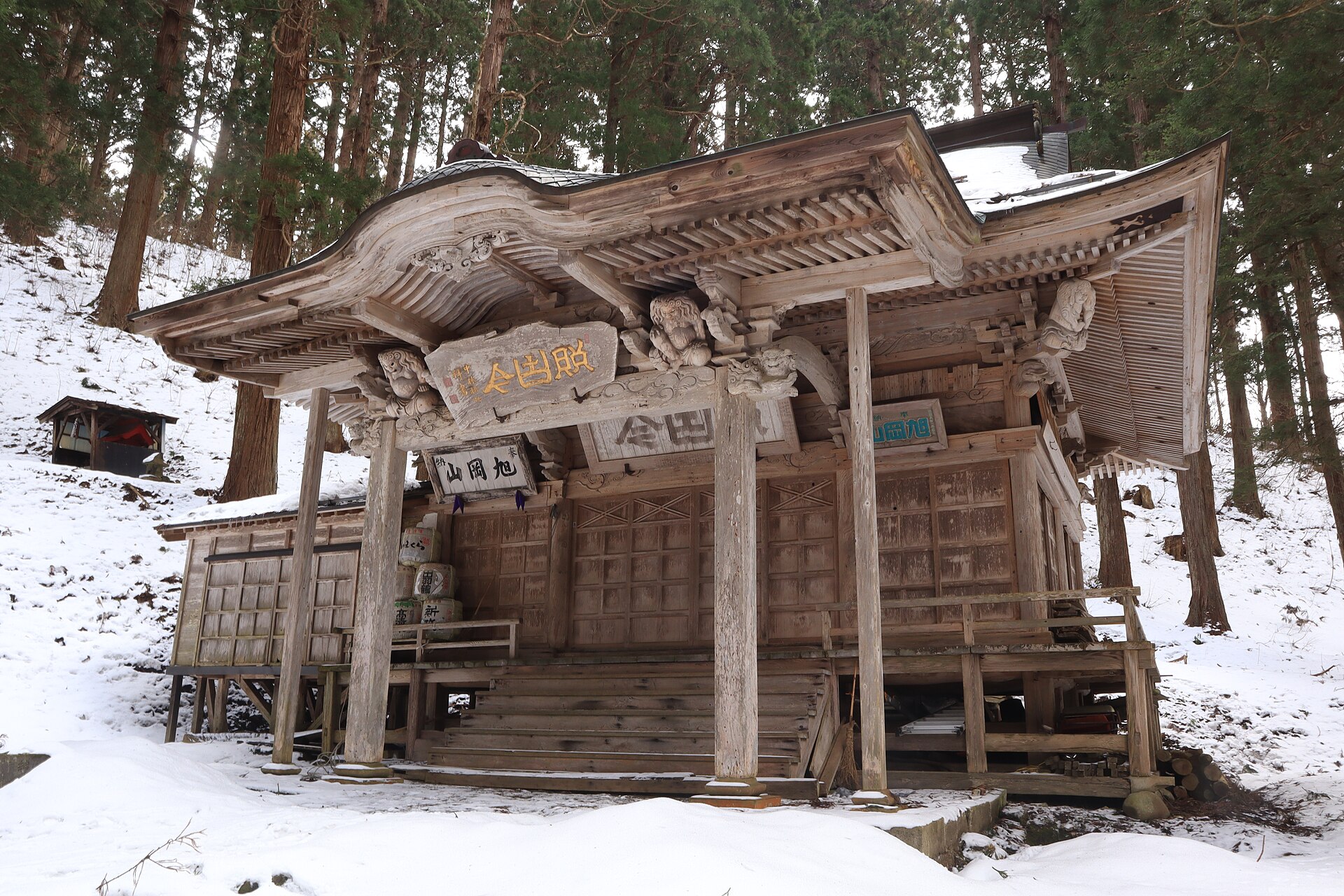
Asahiokayama Shrine: The Century-Old Faith at the End of the Bonten Procession
Asahiokayama Shrine is the end point of the Bonten Festival and enshrines a deity of farming and victory. On February 17 the teams carry bonten weighing about 30 kg on foot about 3 to 3.5 km from in front of the main city hall building to dedicate them here, a spectacle full of manly spirit. General worship is free, and on the day of the dedication ceremony we suggest arriving early to claim a spot beside the approach.
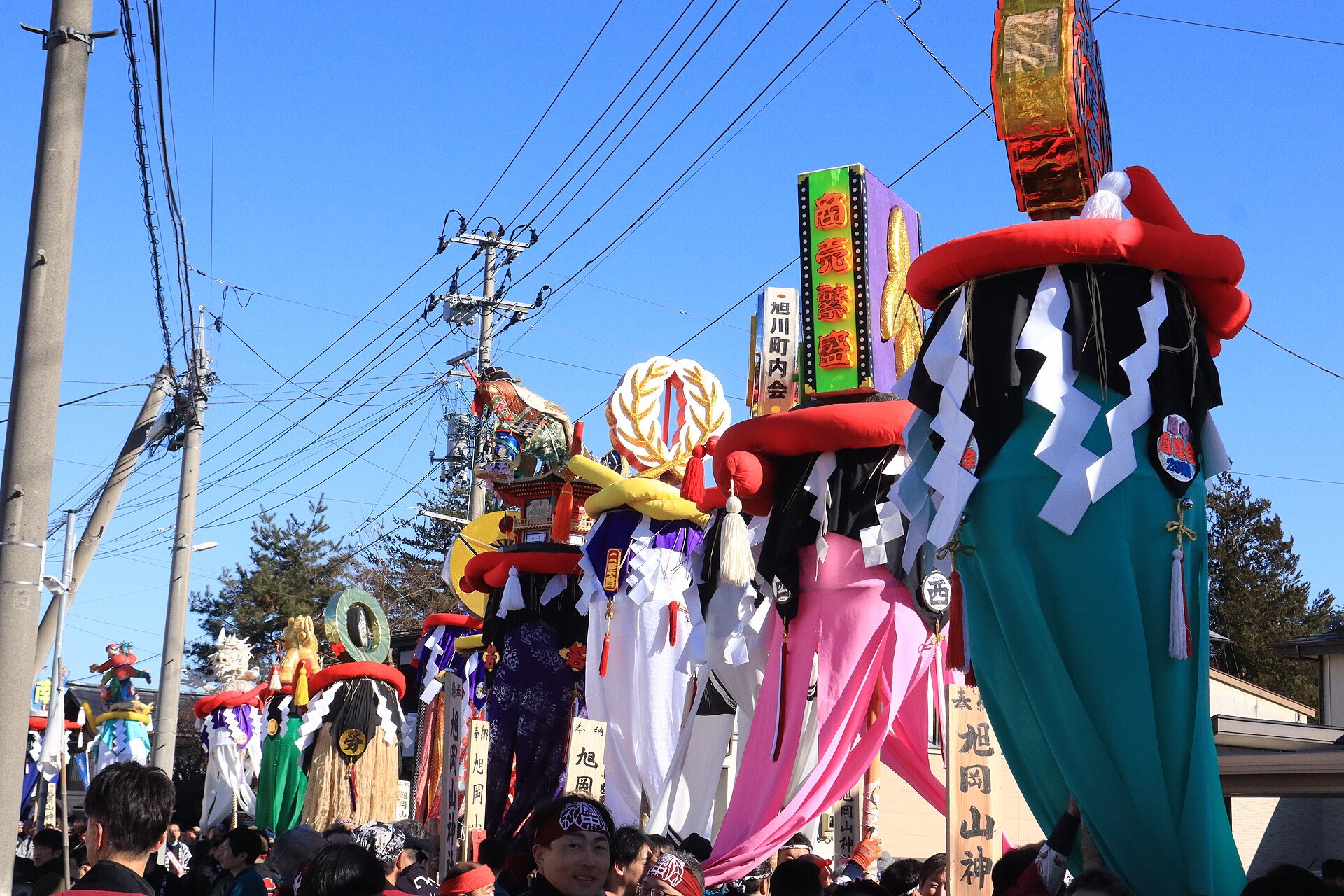
Bonten Contest in Front of City Hall: About 40 Bonten Compete in Splendor
Each year on February 16 from 9:30 to 12:00, the bonten made by each neighborhood association are gathered in front of the main city hall building for a display contest, with about 40 bonten lined up side by side, each about 4-5 meters long with a bamboo basket about 90 cm in diameter, competing in decoration, color and shape. It is an excellent time for photos, and the next day, the 17th, the teams set out carrying the bonten to dedicate them at Asahiokayama Shrine.
Omonogawa Kido Gorobei Village: A Daytime Snow Hut Site (2027 Not Yet Decided)
Kido Gorobei Village is one of Yokote’s few daytime snow hut sites. During the 2025 Kamakura Festival it was open 9:00-16:30, with amazake, rice cakes and sledding. Whether it will be held in 2027 has not been announced, so if you plan to go, we suggest checking the Yokote City Tourism Association website before you leave so you don’t make the trip for nothing.
How Much Will It Cost? Tickets and Extended Trips
Going Inside a Kamakura: Free Amazake and Grilled Rice Cakes
During the Kamakura Festival the large kamakura are open to enter for free. First toss an offering coin in front of the water god altar, then the children will serve you hot amazake and grilled rice cakes while you sit by the brazier chatting and keeping warm. Popular snow huts often have a line in the evening, so we suggest arriving early after lighting begins; for event details, contact the Yokote City Tourism Association (0182-33-7111).
Kamakura-kan Four-Venue Combo Ticket: Admission to the Minus 10 Degree Snow Hut Permanent Exhibit
Kamakura-kan admission is by a four-venue combo ticket (¥100 for high school students and older) that includes the Gosannen War Kanazawa Museum, the Ishizaka Yojiro Literature Memorial Hall and the Yokote Park observation deck, so one ticket covers the main cultural facilities in central Yokote. The exhibition room keeps a real snow hut permanent exhibit at −10°C all year, the best alternative if you miss the February festival, and it also works as a warm-up stop before the festival.
JR East Pass (Tohoku Area): The Money-Saving Choice for Long-Distance Travel
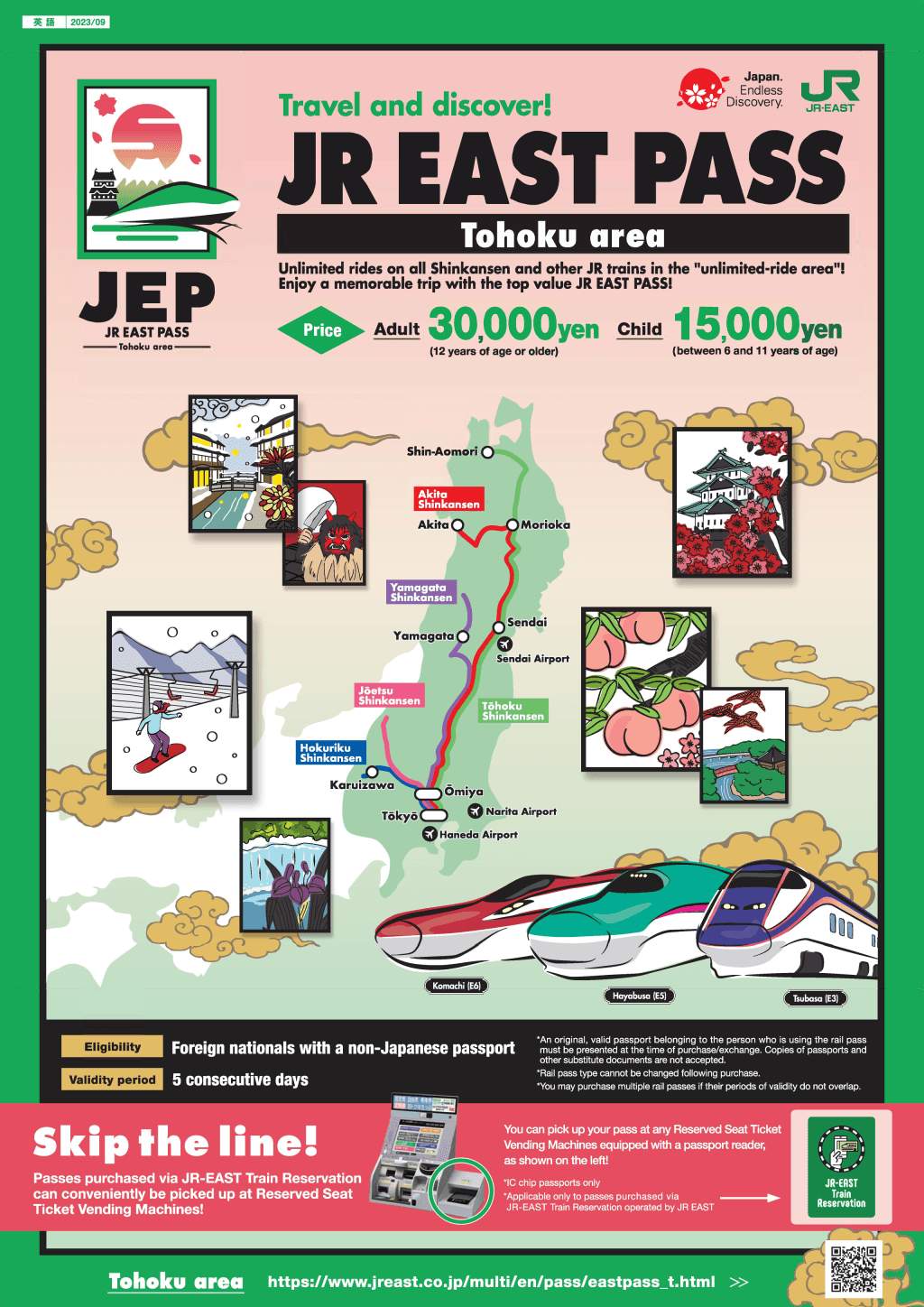
Getting to Yokote from Tokyo or Sendai takes multiple transfers between Shinkansen and conventional lines. Buying the JR East Pass (Tohoku Area) gives unlimited rides on the Shinkansen and local trains within the designated area for 5 days, a better deal than buying tickets one by one, and suits multi-day trips that also include Sendai, Kakunodate, Nyuto Onsen and other Tohoku snow country sights.

Kakunodate and Lake Tazawa Extension: A Multi-Day Tohoku Snow Country Trip
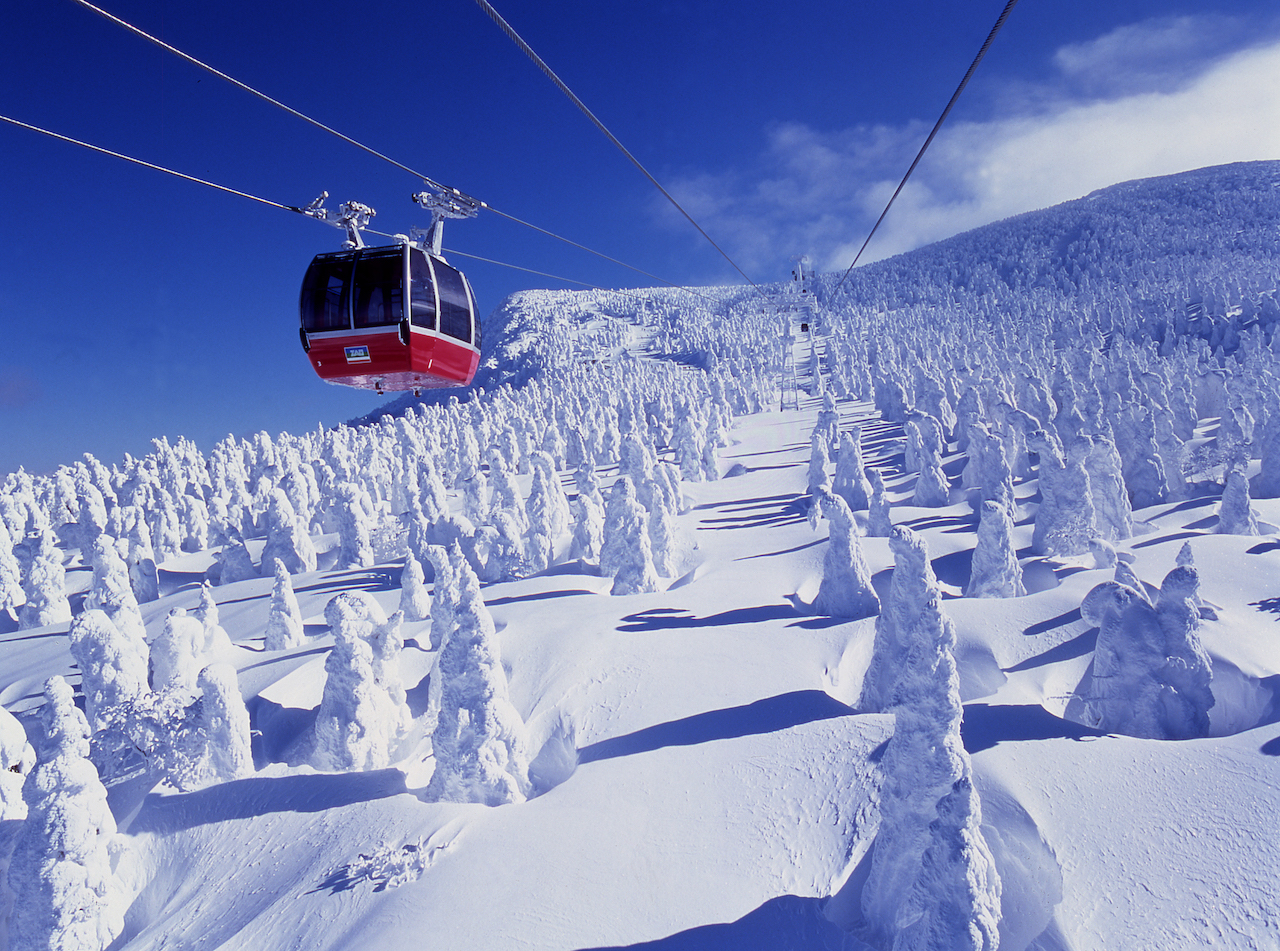
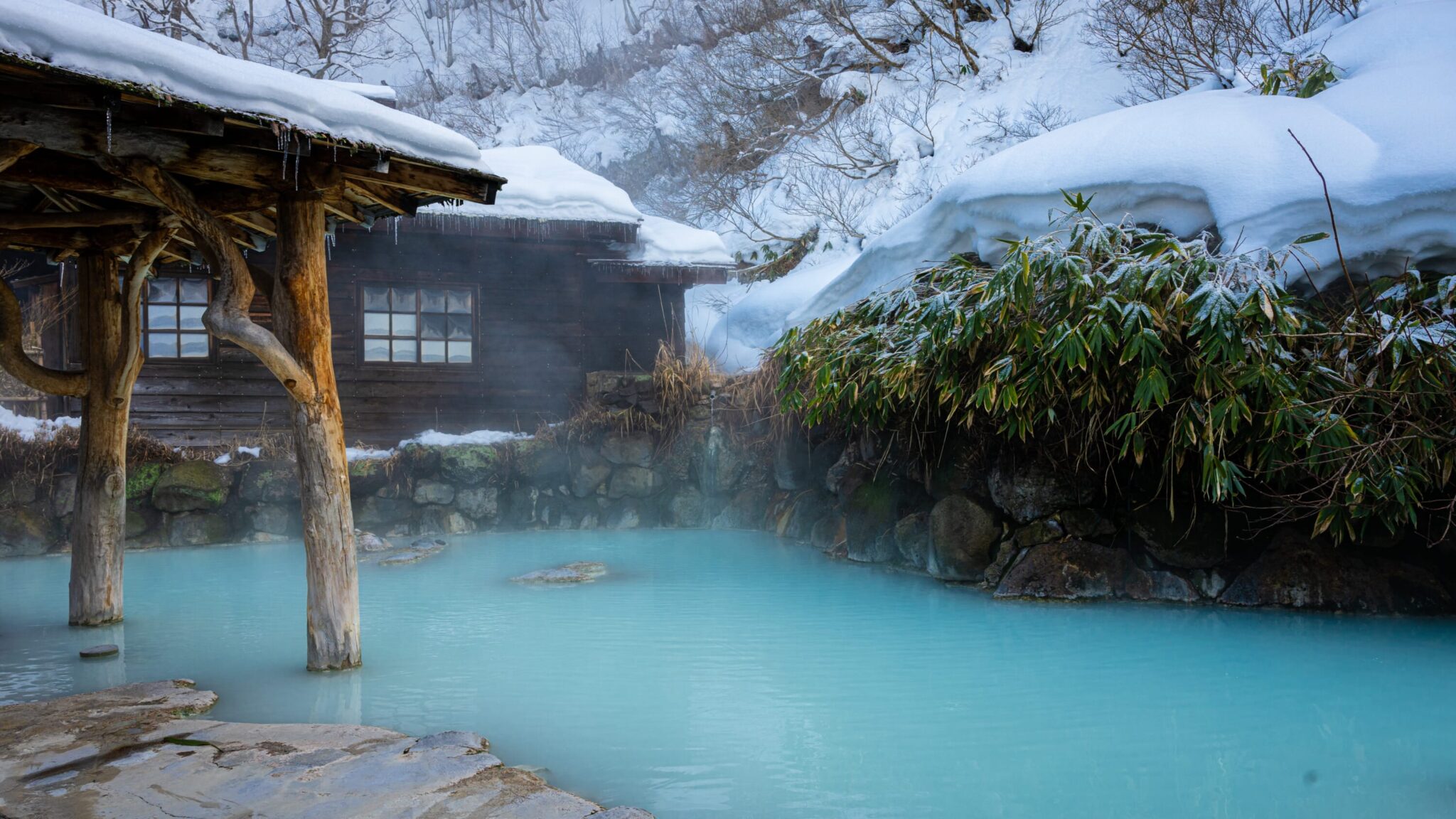
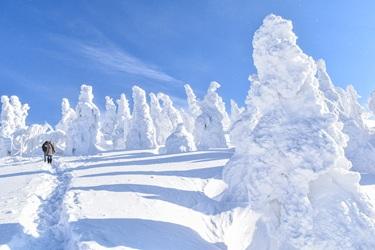
After the Yokote Kamakura Festival, many travelers add the snowy samurai district of nearby Kakunodate and the milky-white open-air bath of Tsuru-no-yu at Akita’s Nyuto Onsen, making a 2 to 3 day Tohoku snow country trip. Some tours can also connect to Yamagata’s Ginzan Onsen or the Zao rime ice ropeway, linking winter highlights of both Akita and Yamagata prefectures in one trip.
Where to Stay in Yokote? Accommodation Suggestions for the Kamakura Festival

Lodging Within Walking Distance of Yokote Station: Reach the Sites in Under 5 Minutes
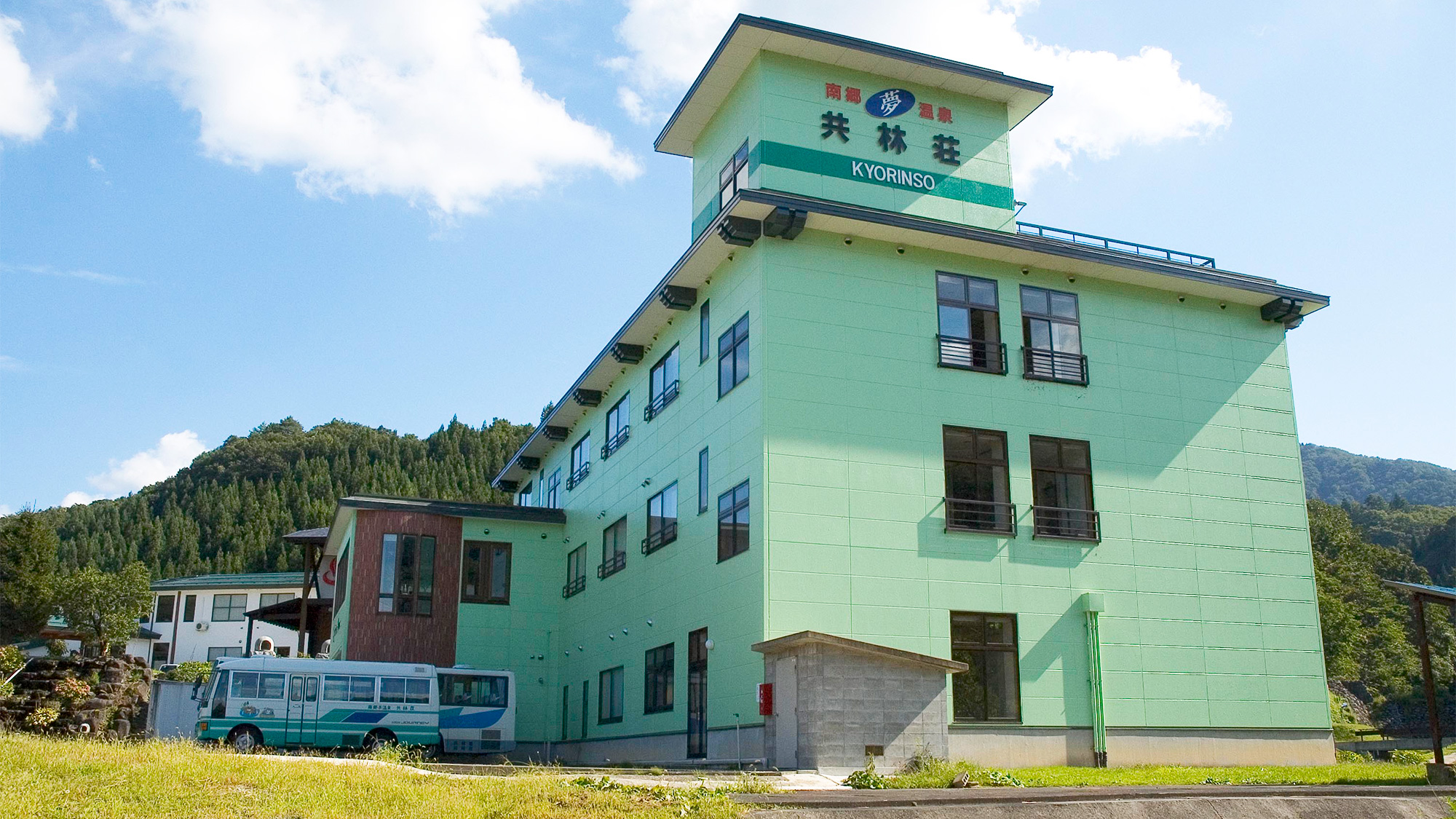
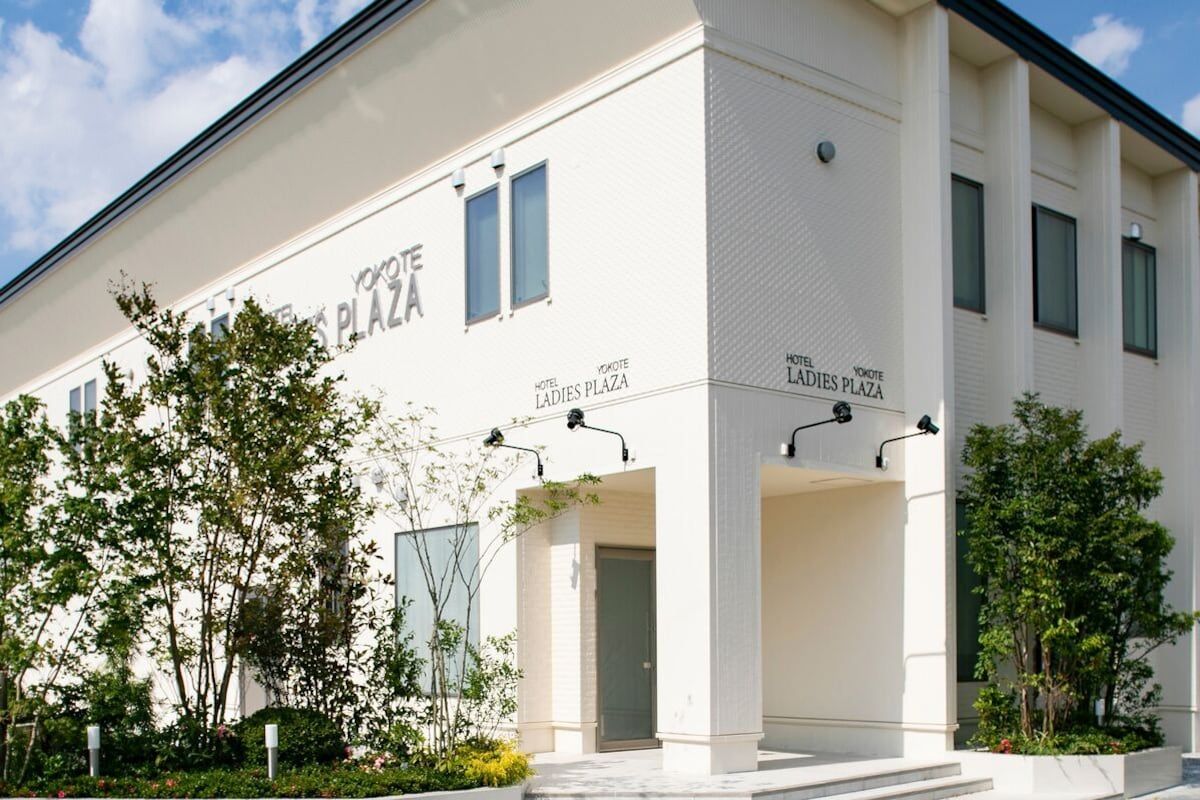
Yokote Plaza Hotel is only a 1-minute walk from the station, HOTEL NOSTAL YOKOTE about 2 minutes, Yokote Onsen Hotel Plaza Geihin about 3 minutes, Hotel Plaza Annex Yokote about 2 minutes, and Yokote no Machiyado Kamadaya about 6 minutes. Room supply near the station is limited during the festival, so we suggest booking as soon as your dates are set.
Backup When Yokote Is Full: Stay in Omagari or Akita City Instead
If hotels around Yokote Station are all full, you can stay at Omagari Station or in Akita City on the JR Ou Main Line. Omagari to Yokote is about 20 minutes by train and Akita City to Yokote is about 1 hour to 1 hour 20 minutes. Check that day’s timetable for the last train against the 21:00 end of the Kamakura Festival lighting, so you don’t miss the last train back.
FAQ
Q: What exactly are the dates of the 2027 Yokote Kamakura Festival?
The Kamakura Festival is set for lighting from 18:00 to 21:00 on Friday, February 12 and Saturday, February 13, 2027, and the Bonten Festival is fixed for February 16 and 17; please check the latest announcements before departure.
Q: Can I see both the Kamakura Festival and the Bonten Festival?
The two festivals’ dates are not consecutive, with no events on February 14 and 15 in between. To see both you would need to plan 6 days and 5 nights in Yokote; if you only want to see one, first-time visitors are advised to pick the quieter-feeling Kamakura Festival.
Q: How long does it take to get from Tokyo to Yokote?
From Tokyo, taking the Akita Shinkansen to Omagari and then the JR Ou Main Line to Yokote takes about 3 hours 40 minutes; from Sendai, the Akita Shinkansen via Omagari takes about 2 hours 10-25 minutes, or the Tohoku Shinkansen to Kitakami and then the JR Kitakami Line takes about 2 hours 40 minutes.
Q: Can I still see snow huts if I miss the festival period?
Yes. The Kamakura-kan exhibition room is kept at about −10°C all year and permanently displays a real snow hut, where you can borrow a hanten jacket called a donbuku for photos. Admission is the four-venue combo ticket, not limited by festival dates.
Q: Is the Kamakura-no-Sato in Iiyama, Nagano the same place as Yokote?
No, they are different places: Kamakura-no-Sato is in Iiyama, Nagano Prefecture, while the Yokote Kamakura Festival is in Yokote, Akita Prefecture, and they are easy to confuse when searching.
Q: Which day is less crowded at the Yokote Kamakura Festival?
To avoid crowds, choose Friday, February 12. Saturday, February 13 is the most popular, but the next day is Sunday so you don’t have to rush back for work, which suits staying overnight to see the lights and then returning at a relaxed pace.
Q: What local food should I try in Yokote?
The local B-grade specialty Yokote yakisoba (Yokote fried noodles) is known for its half-cooked fried egg topping and fukujinzuke pickles. During the Kamakura Festival, look out for food stalls around the sites; actual offerings are subject to what is sold on the day.