
Cape Tachimachi Guide 2026: Hakodate’s Free Southernmost Cape with Stunning Views
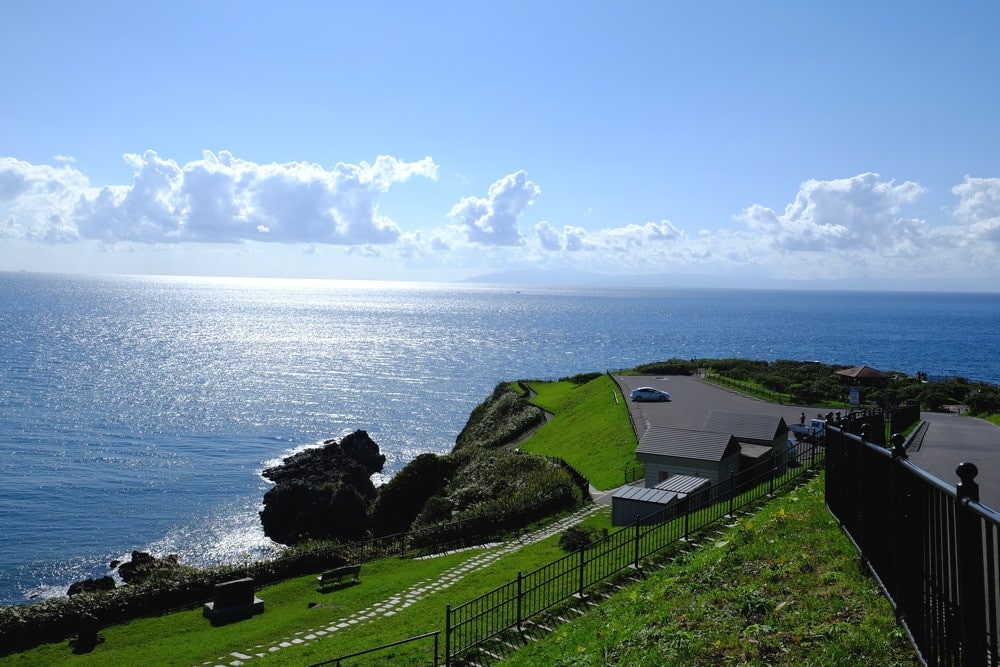
Cape Tachimachi (立待岬) sits at the southeast tip of Mount Hakodate, facing the Tsugaru Strait. This free cliff-top cape is known for strait views, sunrises, and summer-autumn squid-boat lights, making it a great half-day stop for nature and literature lovers.
Hakodate’s Southernmost Point: Cape Tachimachi’s Location and Strait Views
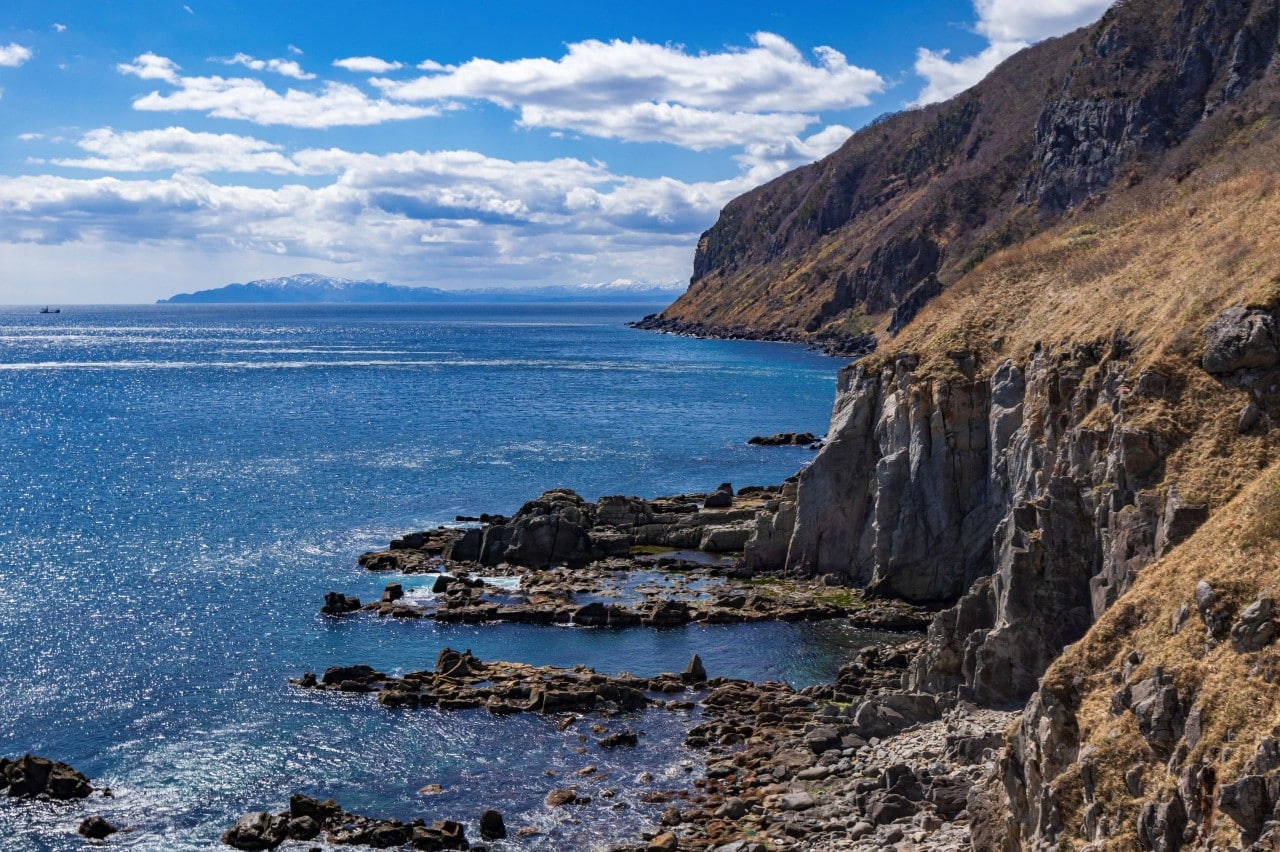
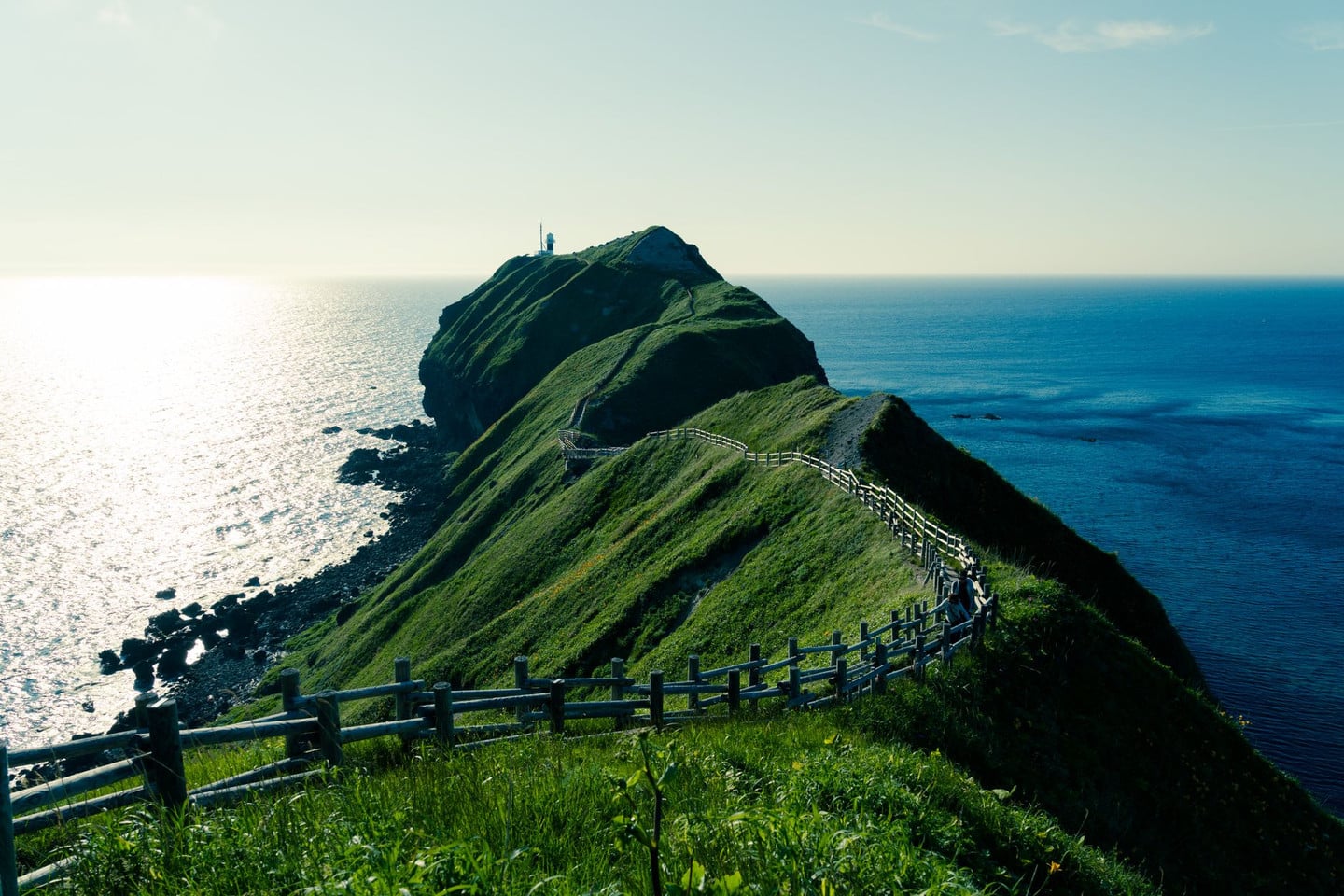
Cape Tachimachi lies at the southern end of Mount Hakodate, a rare cliff-edged cape for this far north of Honshu, ringed by eroded sea cliffs 30 to 40 meters high and facing the Tsugaru Strait. On clear days you can look north over Hakodate’s city streets and the Mount Hakodate ropeway station, and south to the Shimokita Peninsula in Aomori Prefecture, 17.5 km away.
Sea winds blow strongly at the cape all year, so a windbreaker is recommended even in summer. The wind gives the place a lonely, windswept feel that contrasts with the bustle of the Mount Hakodate night view, ideal for travelers who enjoy quiet walks by the sea.
Ishikawa Takuboku and His Literary Ties to Cape Tachimachi
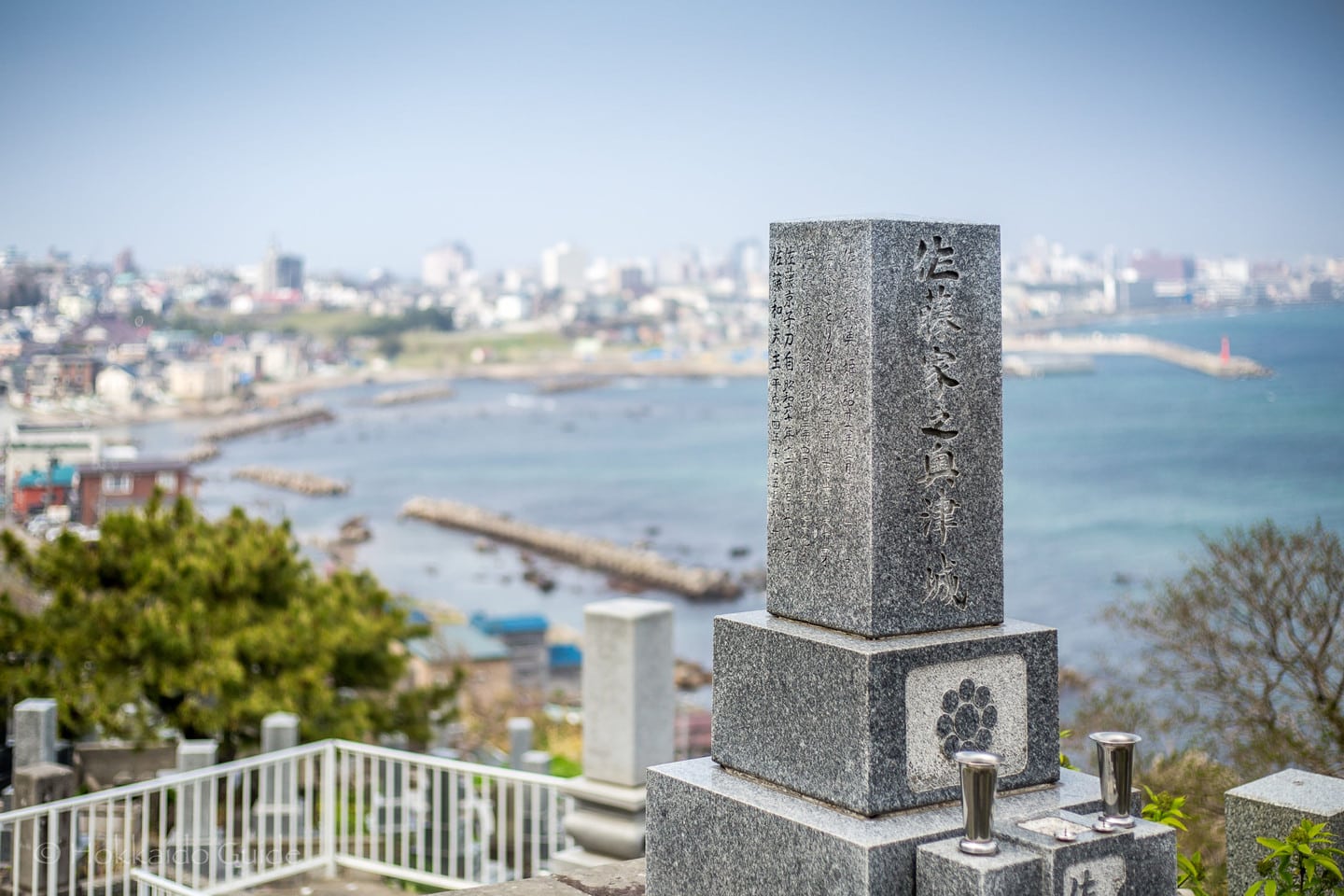
Cape Tachimachi is an important setting in the literary life of Ishikawa Takuboku (石川啄木), one of modern Japan’s best-known tanka poets. Takuboku spent only 132 days in Hakodate, yet he left a deep attachment to the city. After his death, his brother-in-law Miyazaki Ikuu erected a grave monument at Cape Tachimachi, making it a pilgrimage site for lovers of Japanese literature; from the grave you can see across to Omori Beach, where Takuboku once strolled.
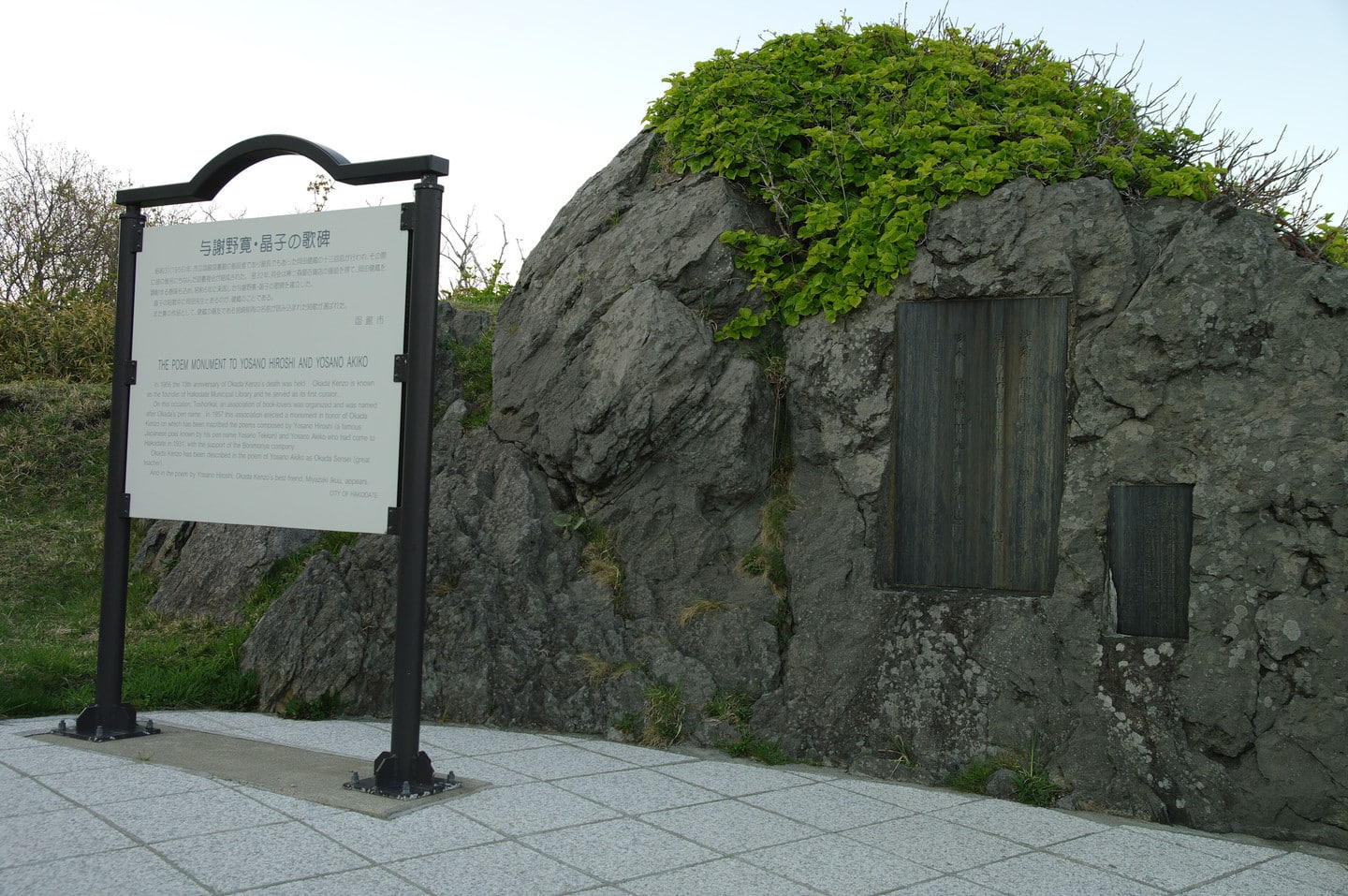
A poem monument for the married poets Yosano Hiroshi and Yosano Akiko also stands near the cape, filling the whole of Cape Tachimachi with the atmosphere of modern Japanese literature. Travelers who enjoy culture and history should slow down and take it in.
The Seasons: Sunrise, Wild Roses, and Sea Winds at Cape Tachimachi
Cape Tachimachi looks different in every season. In summer (June to August), wild roses (hamanasu) bloom along the coastal path, and the pink flowers against the deep blue strait make it the season photographers recommend most. Summer sunrise comes around 4 to 5 a.m., the most spectacular sea sunrise of the year.
In winter (from mid-November), snow and strong winds close the access road to vehicles, so you can only go on foot. Sunrise then shifts to around 6 to 7 a.m., and the silver-white cape against the gray-blue strait has a lonely beauty of its own, but be sure to bring non-slip footwear and warm gear.
Sunset and Squid-Boat Lights at Cape Tachimachi: When to Watch at Dawn, Dusk, and Night
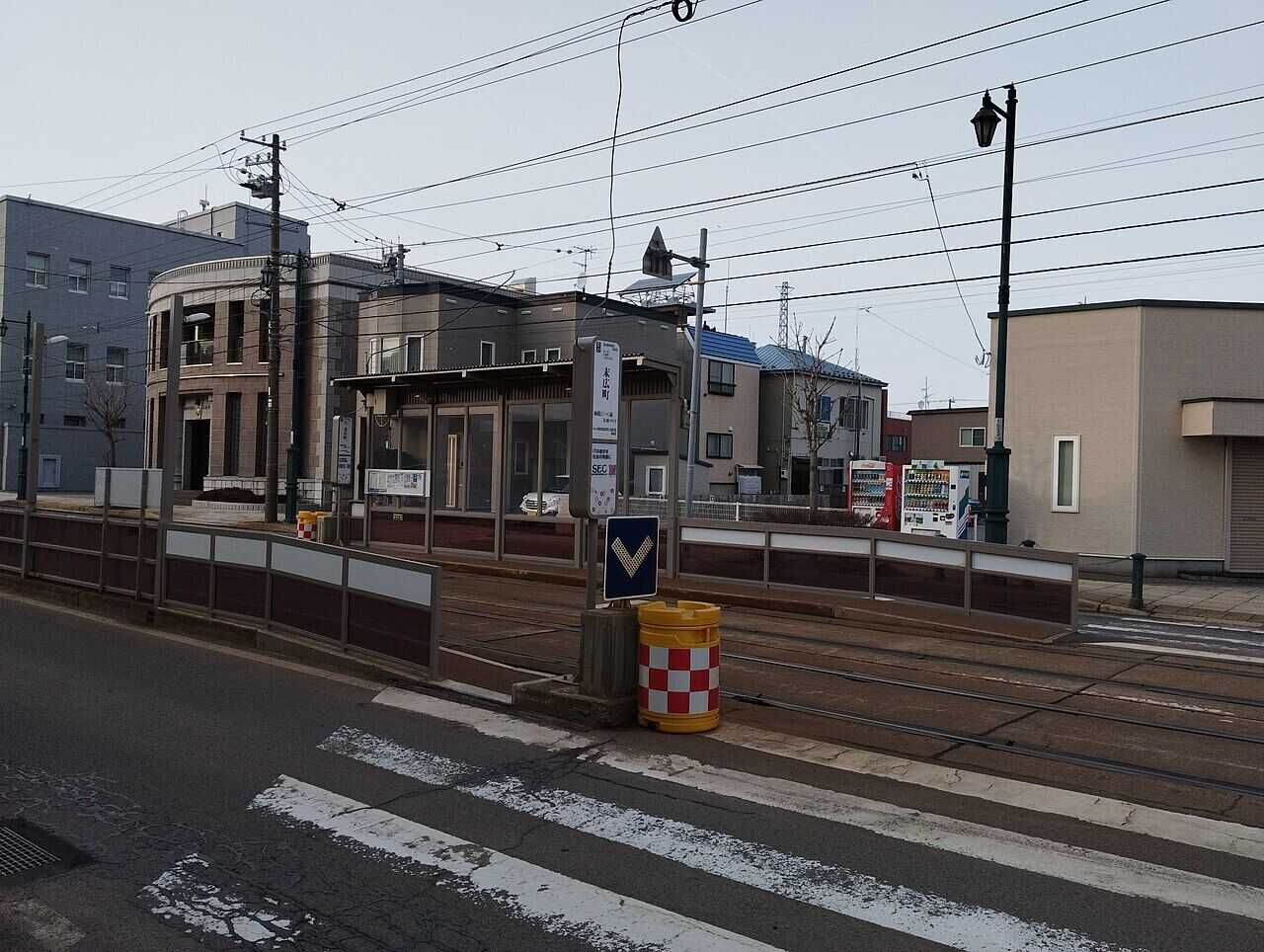
Cape Tachimachi stands at the southern end of Mount Hakodate, about 30 meters above sea level, facing the Tsugaru Strait. In the early morning the sunrise turns the sea gold; at dusk, from the Mount Hakodate side, slanting sunlight washes the rock face and the water in warm tones; and on summer and autumn nights you can see the lights of squid-fishing boats. On clear days you can even see the Shimokita Peninsula across the water. Each of the three times offers a different view. If you want to watch the sunset, arrive well before sundown and leave time for the downhill walk back.
How to Get to Cape Tachimachi in 2026: Complete Guide to Transport and Winter Road Closures
Cape Tachimachi sits at the southeast end of Mount Hakodate, at the southern edge of Hakodate city. No railway runs directly there, but it is only about a 15-20 minute drive from central Hakodate. In winter the northeast monsoon is strong and the road can ice over or even close, so check transport options and road conditions before you go to plan your sunrise trip with confidence. Below are the most common ways to reach Cape Tachimachi from central Hakodate, so you can pick the one that suits your budget and schedule.
Transport Overview: Tram, Driving, Taxi, and Walking
From JR Hakodate Station or the city center, you have several options:
– Hakodate streetcar: Get off at Yachigashira Station and walk uphill for about 15-20 minutes. Economical.
– Driving: About 10-20 minutes from JR Hakodate Station, with a free parking lot. Snow tires are required in winter.
– Taxi: About ¥1,500-2,000 from Hakodate Station. Good if you are short on time, and you can book a return ride.
Note: From mid-November each year the road to Cape Tachimachi is closed for winter and does not reopen until the snow melts the following spring. During the closure you can only go on foot, and the actual dates vary with snowfall. Check Hakodate city’s tourist information for road conditions before you set out.


Must-See Spots for Cape Tachimachi in 2026: A Full Look at Nearby Highlights
Below are the must-visit highlights at Cape Tachimachi itself and within walking distance, covering natural scenery, literary sites, and local cafes.
Cape Tachimachi Observation Deck: Front-Row Views of the Tsugaru Strait
The observation deck at Cape Tachimachi is the heart of the trip. From the viewing platform you can see the 30- to 40-meter cliffs and the endless Tsugaru Strait, and on clear days the Shimokita Peninsula 17.5 km away. The deck has free viewing facilities and benches, and with few visitors it is a nice place to sit and enjoy the sea for 30 minutes or more.
The best times are 4 to 5 a.m. for sunrise, or around dusk when the sun turns the sea red. The light is soft and crowds are thin, which makes it prime time for photos. It is open all year and free, one of the best-value attractions in Hakodate.

Grave of the Ishikawa Takuboku Family: The End of a Hakodate Literary Walk
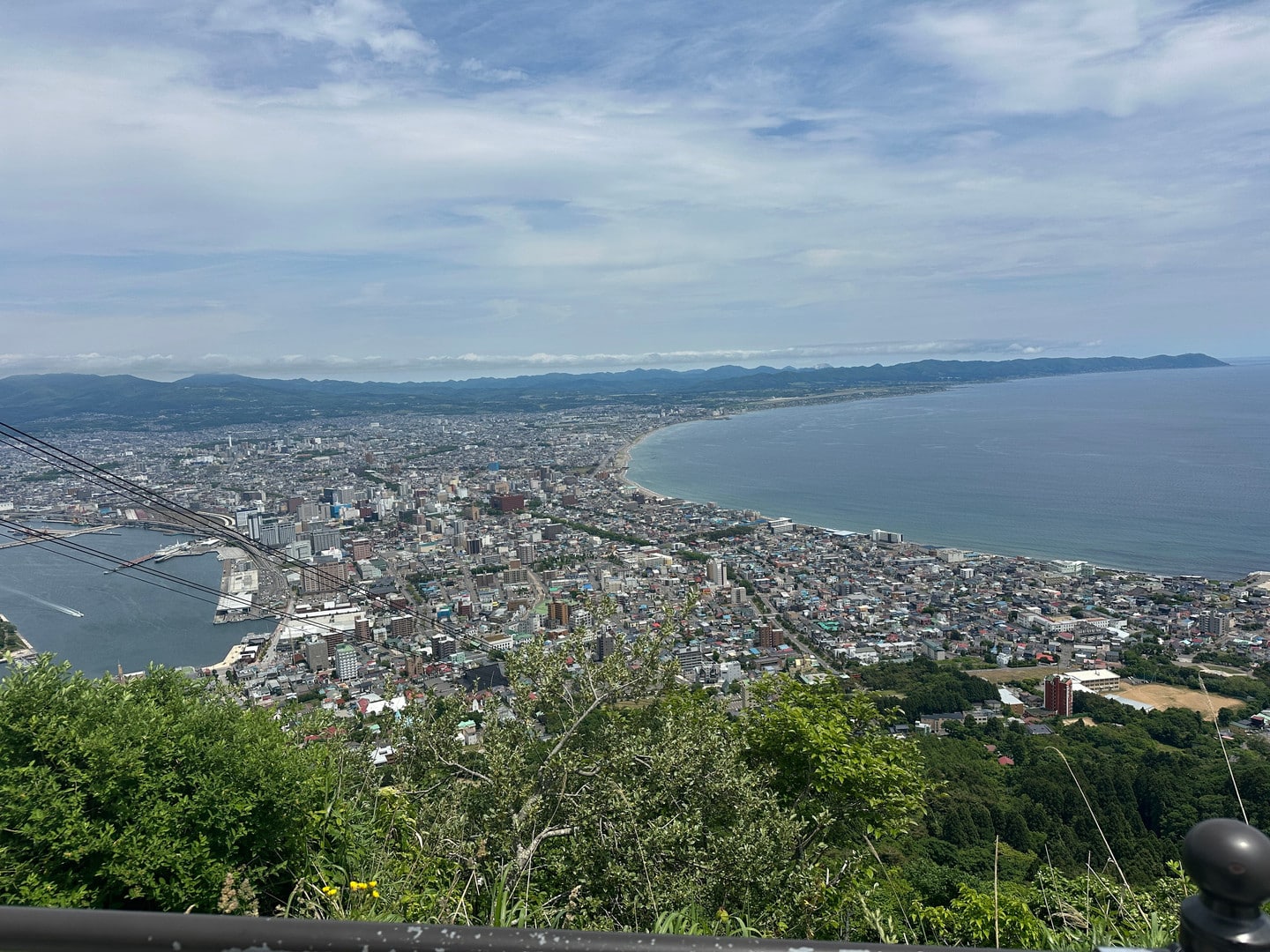
Walk inland along the cape path for about 5 minutes and you reach the grave of the Ishikawa Takuboku family. It is the resting place of the modern poet who stayed only 132 days in Hakodate yet is beloved by locals. The cemetery is peaceful and planted with pine trees, especially quiet when the sea wind blows through, and literature fans often come specially to leave flowers.
Beside the grave, an information board describes Takuboku’s life and best-known works. Even if you do not know modern Japanese literature, the short text conveys the poet’s deep connection to Hakodate. We suggest staying 10-15 minutes to read it carefully.
Yosano Hiroshi and Akiko Poem Monument: A Poetic Couple’s Mark on the Cape
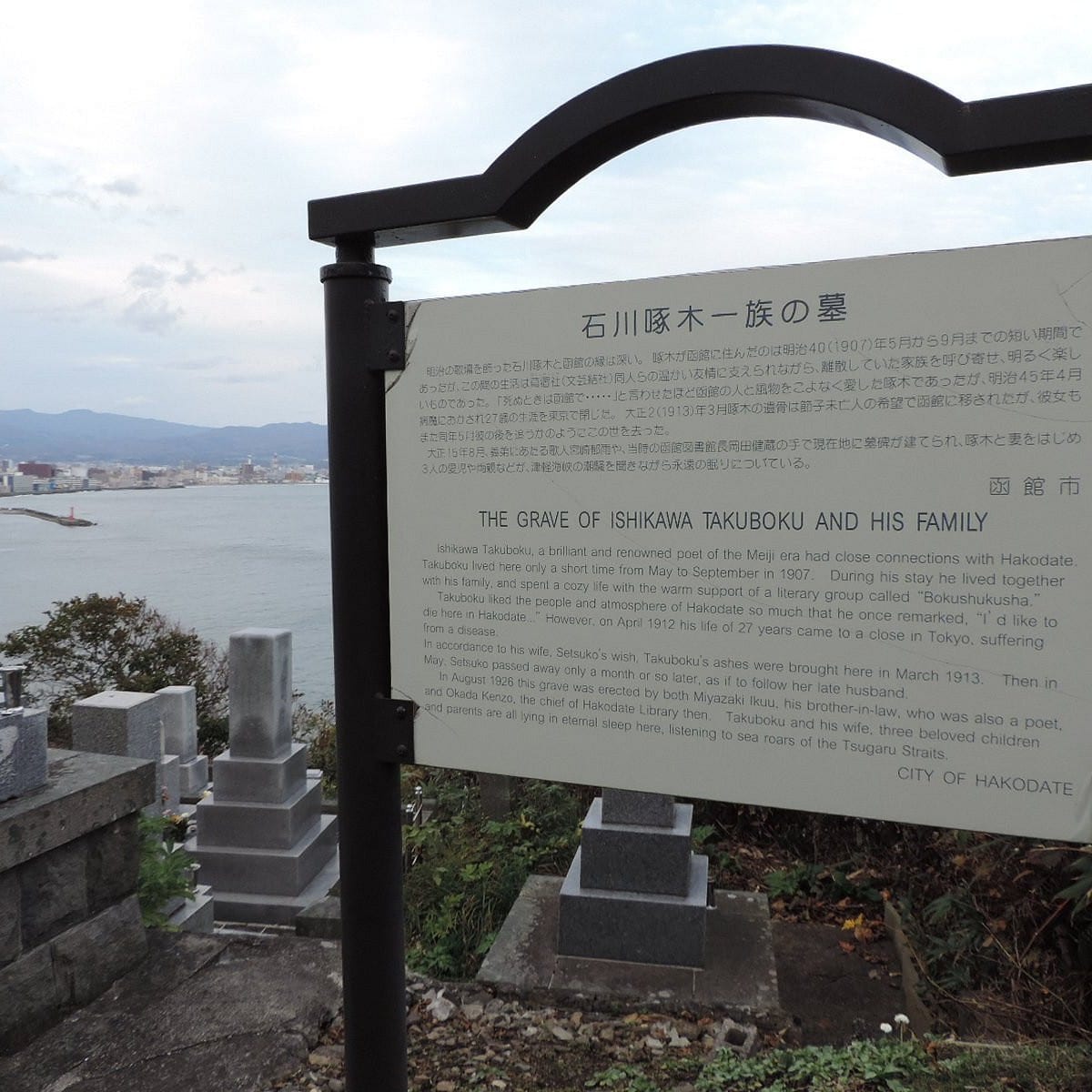
Near Cape Tachimachi stands a poem monument for the married poets Yosano Hiroshi and Yosano Akiko, commemorating the well-known modern tanka couple’s visit here and the poems they left. The monument is simple in design, carved with tanka that each of them wrote, and it echoes the surrounding sea views to create a strong literary mood.
Fans of modern Japanese literature can link this spot with Takuboku’s grave into a “Cape Tachimachi literary walk” that takes about 20-30 minutes on foot. It suits the evening hours, when the sunset adds to the poetry.
Yachigashira Onsen: A Hot-Spring Stop After Hiking Cape Tachimachi
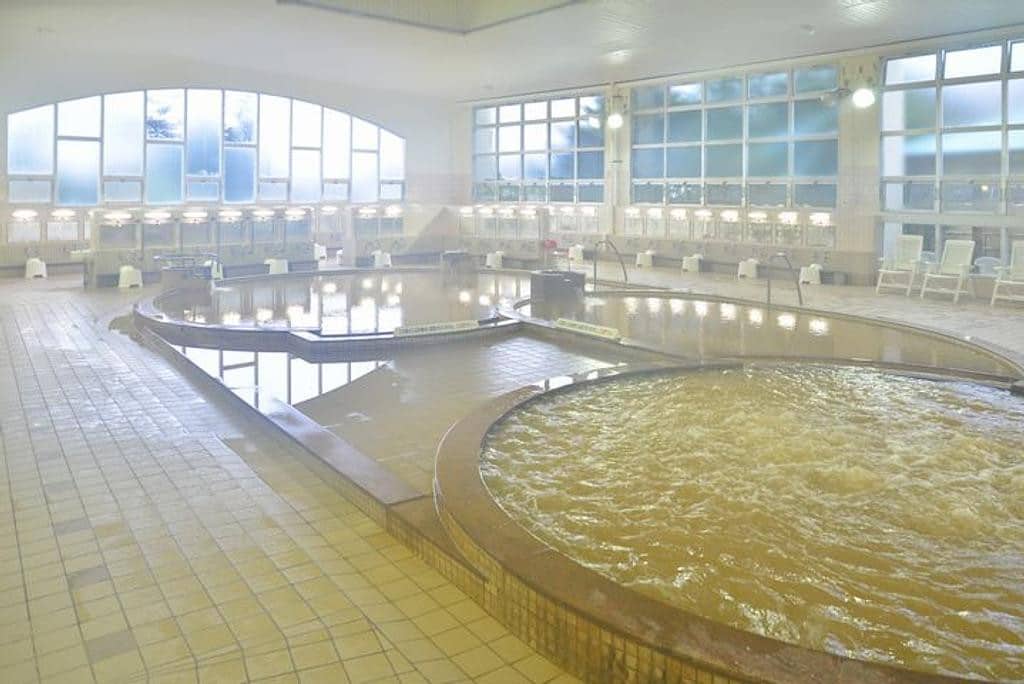
Yachigashira Onsen is next to Yachigashira streetcar stop and is a public bathhouse that locals use every day. The water is a sodium-chloride spring with a tea-brown color, and the facility has an indoor bath, an open-air bath, and a sauna. Adult admission is ¥430. Hours are 6:00 to 22:00 (last entry 21:00), and it is closed on the second Tuesday of each month.
Because it sits right by Yachigashira, the streetcar terminus for Cape Tachimachi, it is a perfect stop for a relaxing soak before heading back, washing away the salty sea wind and the fatigue.
Yukura Shrine: Guardian Shrine of Hakodate’s Hot-Spring Town
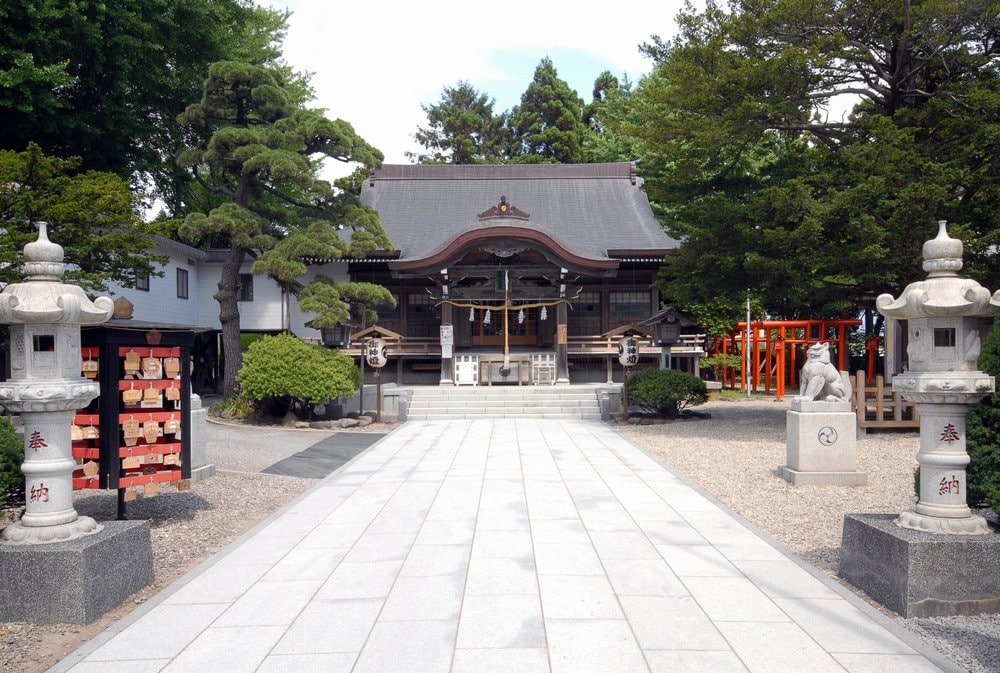
Yukura Shrine (湯倉神社) enshrines the deities Okuninushi (Onamuchi) and Sukunahikona and is the guardian shrine of Yunokawa Onsen. Legend says a young lord of the Matsumae domain recovered from illness after bathing here, which became the origin story of the hot springs. The grounds offer omamori charms and goshuin stamps, with many rabbit-themed decorations, so goshuin collectors can stop by to pay their respects.
The shrine grounds are small, but with towering old trees the atmosphere is solemn, and there is a hand-washing pavilion for purification before prayer. It is open all year and free, a good 10-15 minute stop on the way to a stay in Yunokawa Onsen.
cafe Umi to Garasu (海と硝子): A Hidden Cafe Overlooking the Tsugaru Strait
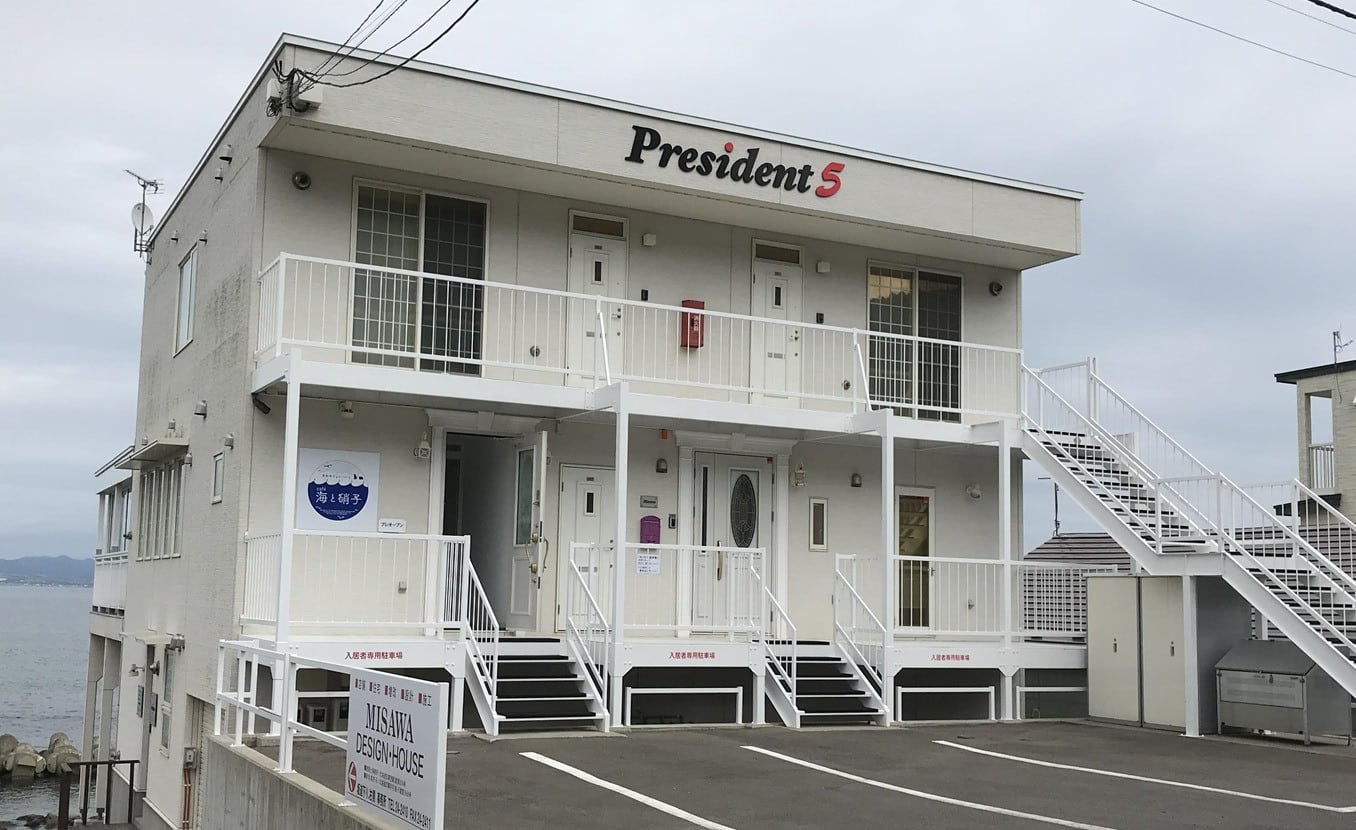
cafe Umi to Garasu (海と硝子) has recently become a hot hidden spot on social media. It is at 15-2 Sumiyoshi-cho, Hakodate, near Cape Tachimachi, and is a small shop that combines a cafe with a display of glass crafts. It has 8 window seats where you can sip a drink while looking out over the Tsugaru Strait, and on clear days you can even watch planes taking off and landing at Hakodate Airport.
Drop in for a rest after exploring Cape Tachimachi, especially at dusk when the light is soft. Watching the sunset sink into the Tsugaru Strait with a cup of hand-drip coffee is the insider plan most recommended on social media.
Mount Hakodate Observation Deck: The Million-Dollar Night View That Echoes Cape Tachimachi
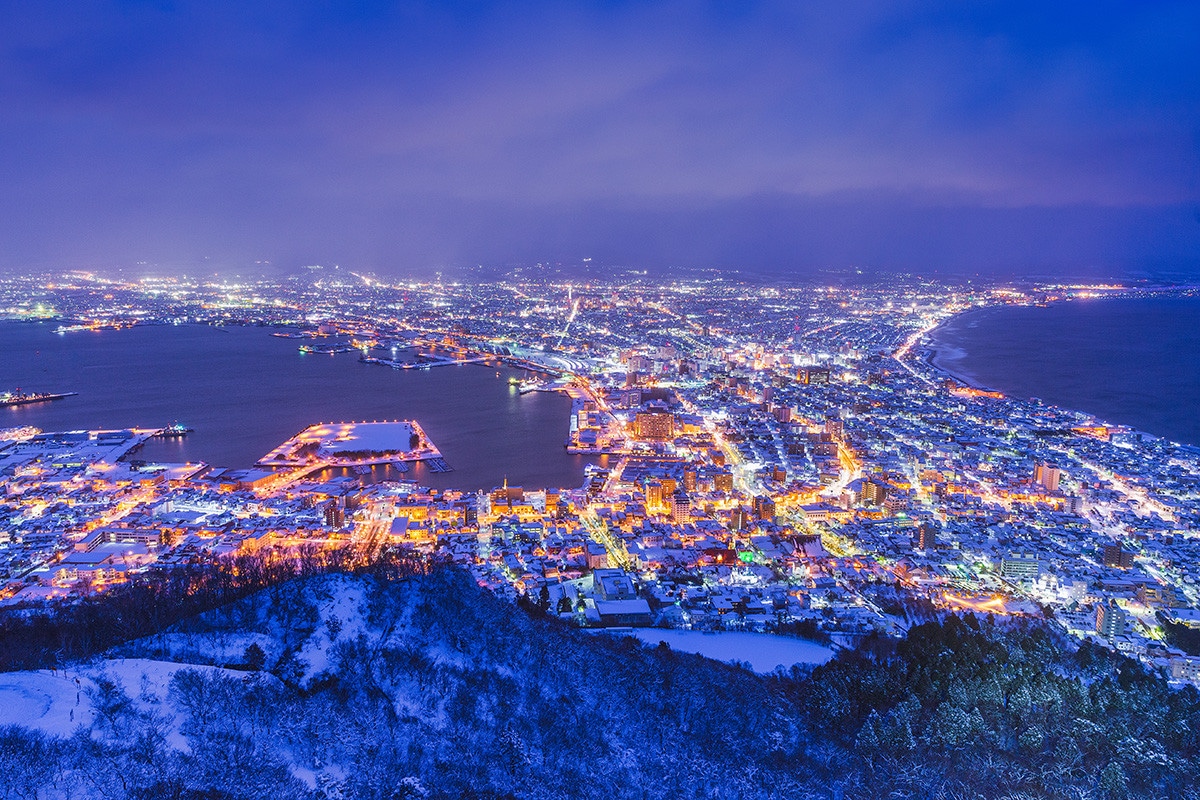
The Mount Hakodate observation deck is famous as one of the “world’s three great night views.” It belongs to the same mountain as Cape Tachimachi, and in daytime you can see the outline of Mount Hakodate from the cape, making an interesting geographic link. You can reach the deck by ropeway in about 3 minutes one way; a round trip for adults is ¥1,800, and it is open until 22:00 (21:00 in winter).
Visit Cape Tachimachi during the day or early morning and go up Mount Hakodate in the evening for the night view. In a single day you get two very different sides of Hakodate, the deserted scenic cape and a world-class night view, which makes for the most efficient itinerary.

Hachimanzaka: Hakodate’s Most Photogenic Sloping Street
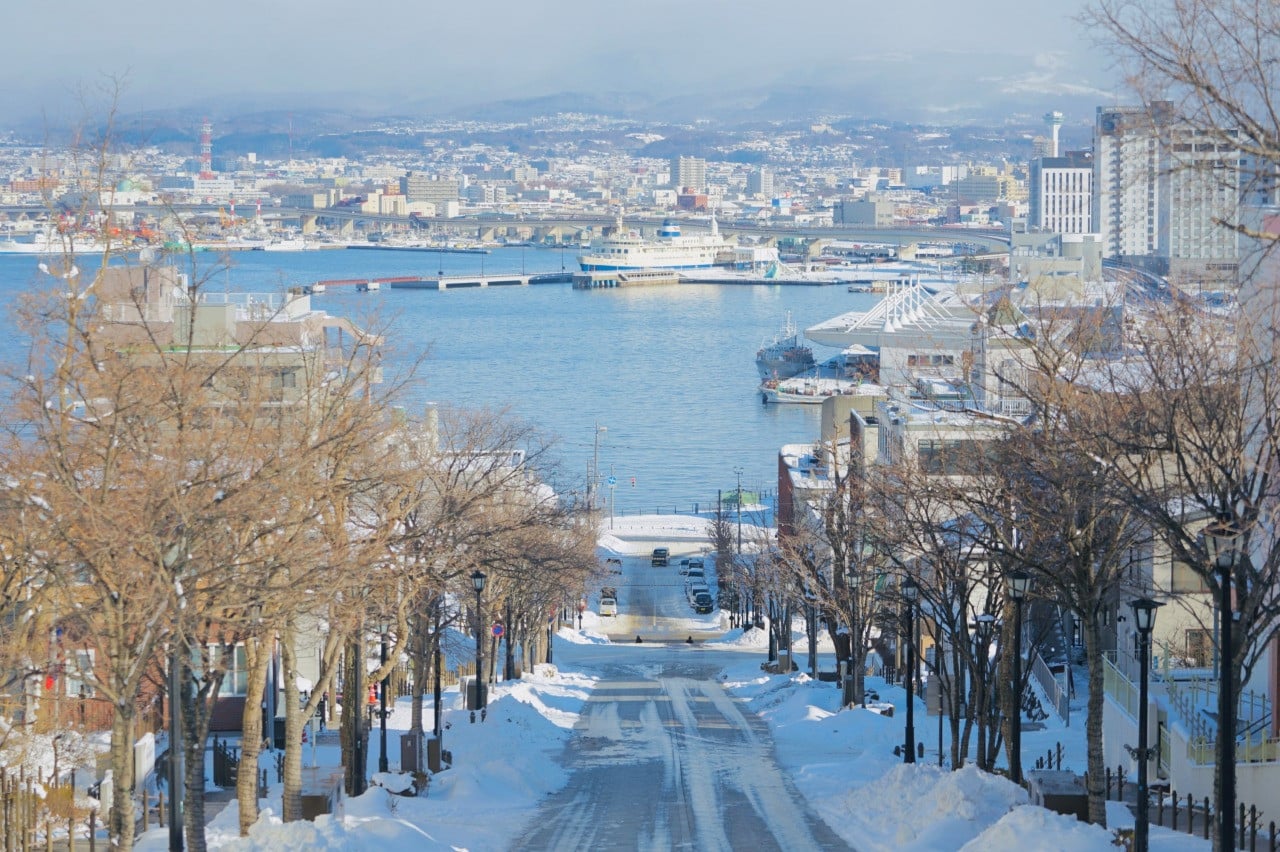
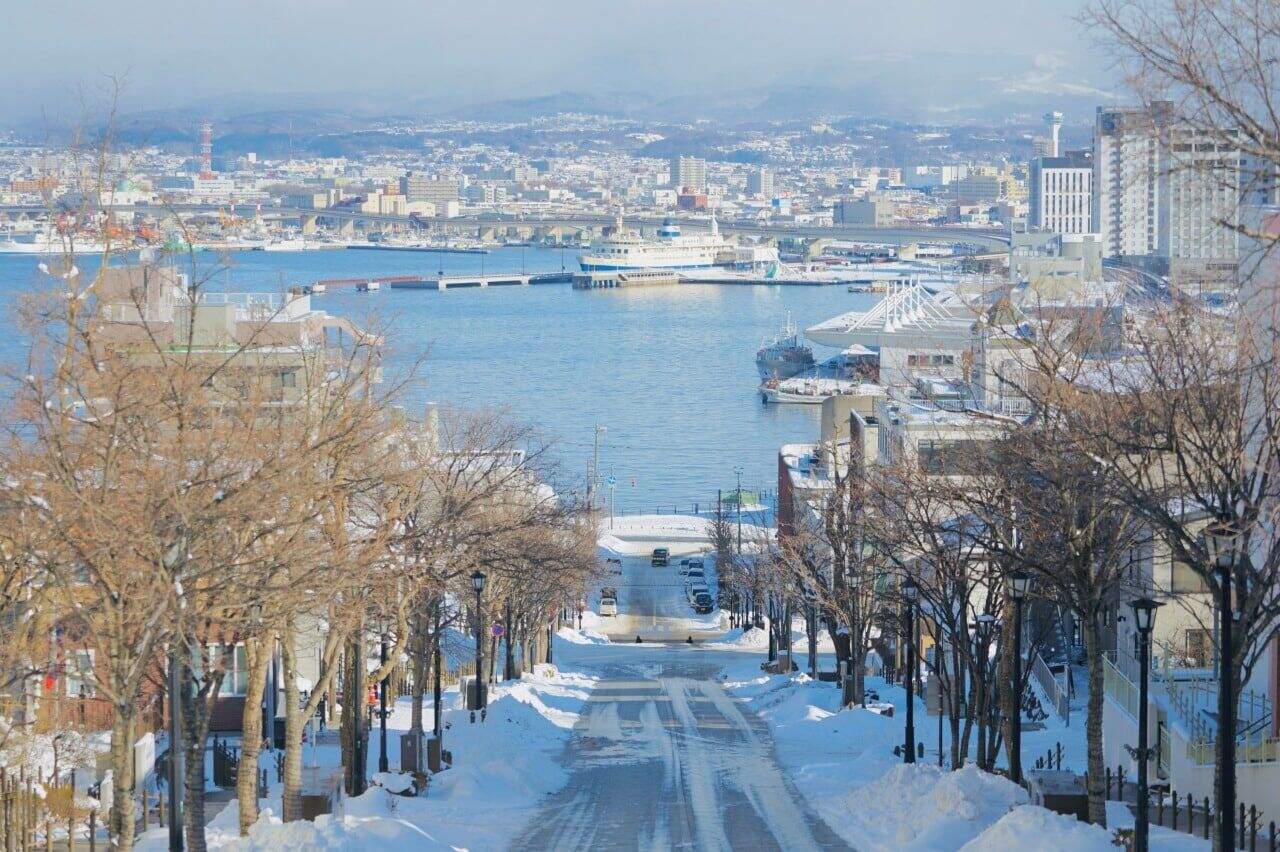
Hachimanzaka is the most iconic sloping street in Hakodate’s Motomachi district. The straight stone-paved slope ends facing the Tsugaru Strait, with ferries passing on the water to complete the picture, and it has appeared in countless TV dramas and ads. Many Meiji-era Western-style buildings line both sides, and the whole walk takes about 10-15 minutes.
Visit around dusk, when the setting sun paints the slope and the sea gold, echoing the sunset at Cape Tachimachi. It fits easily into a Motomachi stroll on the same day.
Kanemori Red Brick Warehouses: Shopping and Dining Landmark of Port Town Hakodate
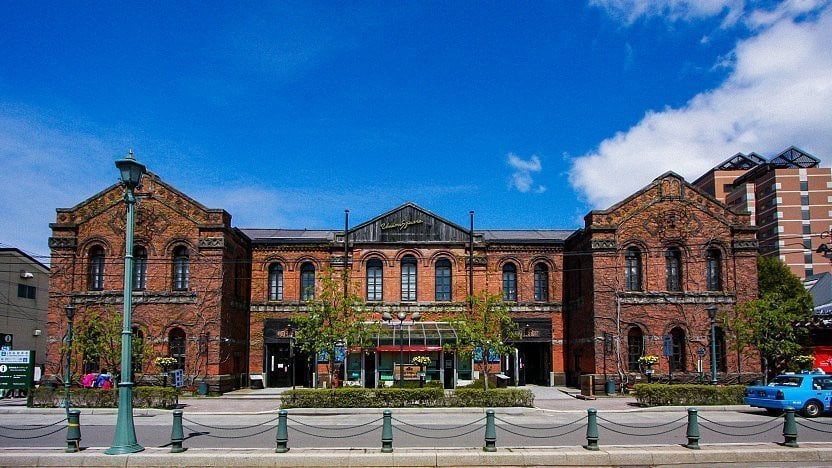
The Kanemori Red Brick Warehouses are a commercial complex on the Hakodate waterfront, converted from Meiji-era warehouses. Inside are several seafood restaurants, souvenir shops, and craft shops, with retail shops generally open from about 9:30 to 19:00, varying slightly by store. The warehouses line the harbor and feel romantic when lit up at night, making them a must-visit shopping landmark in Hakodate.
Plan to come here for a meal and souvenir shopping after your Cape Tachimachi trip. It is about a 10-15 minute walk from Hakodate Station, so access is very convenient.
Goryokaku Park: A Star-Shaped Fortress and Seasonal Flowers
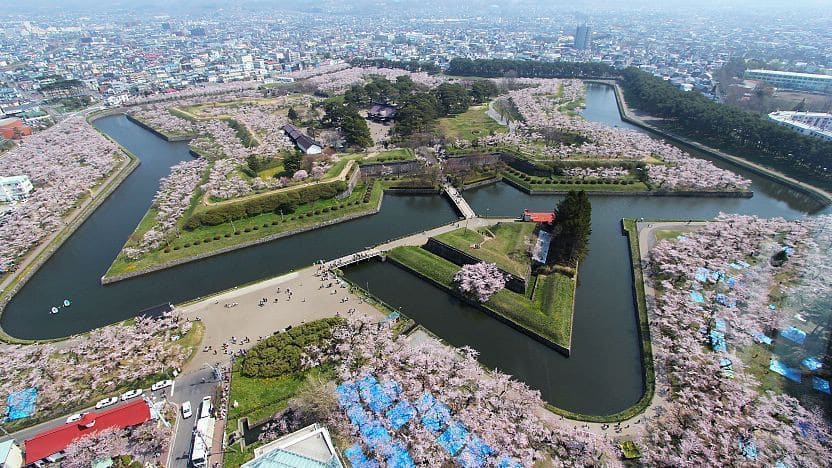
Goryokaku Park is the remains of Japan’s first Western-style star-shaped fortress. From the observation deck of Goryokaku Tower (adult ticket ¥1,200) you can see the entire five-pointed star, and in spring more than 1,600 cherry trees bloom in the park, making it one of Hokkaido’s most famous cherry-blossom spots. Goryokaku Tower is open all year, with hours that change by season, so please check the official website for announcements.
Like Cape Tachimachi, it is a free or low-cost attraction within Hakodate city, and it pairs well with a taxi or chartered-car tour, letting you take in both the cape’s scenery and the historic fortress in one day.

Cape Tachimachi Guide 2026: Tickets and Nearby Combo Passes
Cape Tachimachi itself is a free, park-style attraction with no separate ticket. Since no bus goes directly there and independent travel is a bit inconvenient, travelers who want to skip the transport hassle can consider a chartered car or sightseeing bus tour from central Hakodate that links Cape Tachimachi with Goryokaku, Mount Hakodate, the Motomachi churches, and other city sights for a complete one-day Hakodate trip.
Hakodate Chartered-Car Day Tour: Linking Cape Tachimachi, Goryokaku, and Mount Hakodate
Several travel platforms (such as KKday and Klook) offer Chinese-language chartered-car services in Hakodate with customizable routes. You can fit Cape Tachimachi into the gaps between Goryokaku Tower, the Motomachi churches, and the Kanemori Red Brick Warehouses, then head to Mount Hakodate in the evening for the million-dollar night view, so even a cape with no direct bus is easy to include.
Since no bus goes directly to Cape Tachimachi, a chartered tour solves the “last mile” problem for independent travelers who would rather not take a taxi both ways, and it is especially safe and convenient in winter when roads tend to ice over.
Hakodate Sightseeing Bus Passes: Independent Travel by Streetcar and Bus
Hakodate offers several one-day streetcar and bus passes. There is no fixed bus route directly to Cape Tachimachi, but you can get off at Yachigashira stop and walk uphill, fitting the cape into a self-guided route centered on Mount Hakodate, Goryokaku, and the bay area, balancing flexibility and budget.
Plan Cape Tachimachi for early morning (for sunrise) or the gap before heading up Mount Hakodate for the night view in the evening, to avoid clashing with other sights’ opening hours.
Where to Stay Near Cape Tachimachi in 2026: Accommodation Area Suggestions

![Winter Trip to Hakodate [Day 1] ~Hakodate's Morning Market, Bay Area, Motomachi, and more~](https://travel.williamlion.tw/wp-content/uploads/sites/7/2026/08/image-137.jpg)
Accommodation Near Cape Tachimachi: Choosing Between Central Hakodate and Yunokawa Onsen
There are no hotels right around Cape Tachimachi, so we suggest basing yourself near Hakodate Station or in the Yunokawa Onsen area. The area around Hakodate Station is the most convenient for transport, within walking distance of the streetcar stops, the Kanemori Red Brick Warehouses, and the Hakodate Morning Market, ideal for travelers using public transport. The Yunokawa Onsen area is near Yukura Shrine and offers hot-spring inns where you can soak after a cape hike. Both are about a 15-20 minute drive from Cape Tachimachi.
FAQ
Q: How much is the admission to Cape Tachimachi?
Cape Tachimachi is open to visitors free all year, with no ticket or entrance fee, one of the few Hakodate sights where you can enjoy stunning views at no cost at all.
Q: How do I get to Cape Tachimachi? How long does it take by bus?
From Hakodate Ekimae, take streetcar Line 2 to Yachigashira Station, then walk uphill for about 20 minutes. Streetcar fares range from ¥210 to ¥260 depending on distance.
Q: Is the road to Cape Tachimachi closed in winter? From which month to which month?
Yes. The winter road closure starts around mid-November and lasts until the snow melts the following spring, and during the closure you can only go on foot. For exact dates, contact the Hakodate Tourist Information Center (0138-23-5440).
Q: What time is the best sunrise at Cape Tachimachi?
Summer sunrise is around 4 to 5 a.m., and in winter it shifts to around 6 to 7 a.m. Check the sunrise time table for the day in advance.
Q: Is Cape Tachimachi good for driving? Is there a parking lot?
Very much so. There is a free parking lot at the cape, about a 15-20 minute drive from Hakodate Station, but vehicles cannot enter while the road is closed in winter.
Q: Which is better, Cape Tachimachi or the Mount Hakodate night view?
They offer different experiences. Cape Tachimachi is best for deserted sea views and sunrise during the day, while Mount Hakodate is famous for its night view. We suggest “Cape Tachimachi in the morning, Mount Hakodate at night” in one day.
Q: Where is the grave of the Ishikawa Takuboku family at Cape Tachimachi?
It is beside the cape path, about a 5-minute walk from the Cape Tachimachi observation deck, and the Yosano Hiroshi and Akiko poem monument nearby can be visited at the same time.