
Hokkaido University Ginkgo Avenue Guide 2026: Sapporo’s Most Spectacular Golden Autumn Tunnel
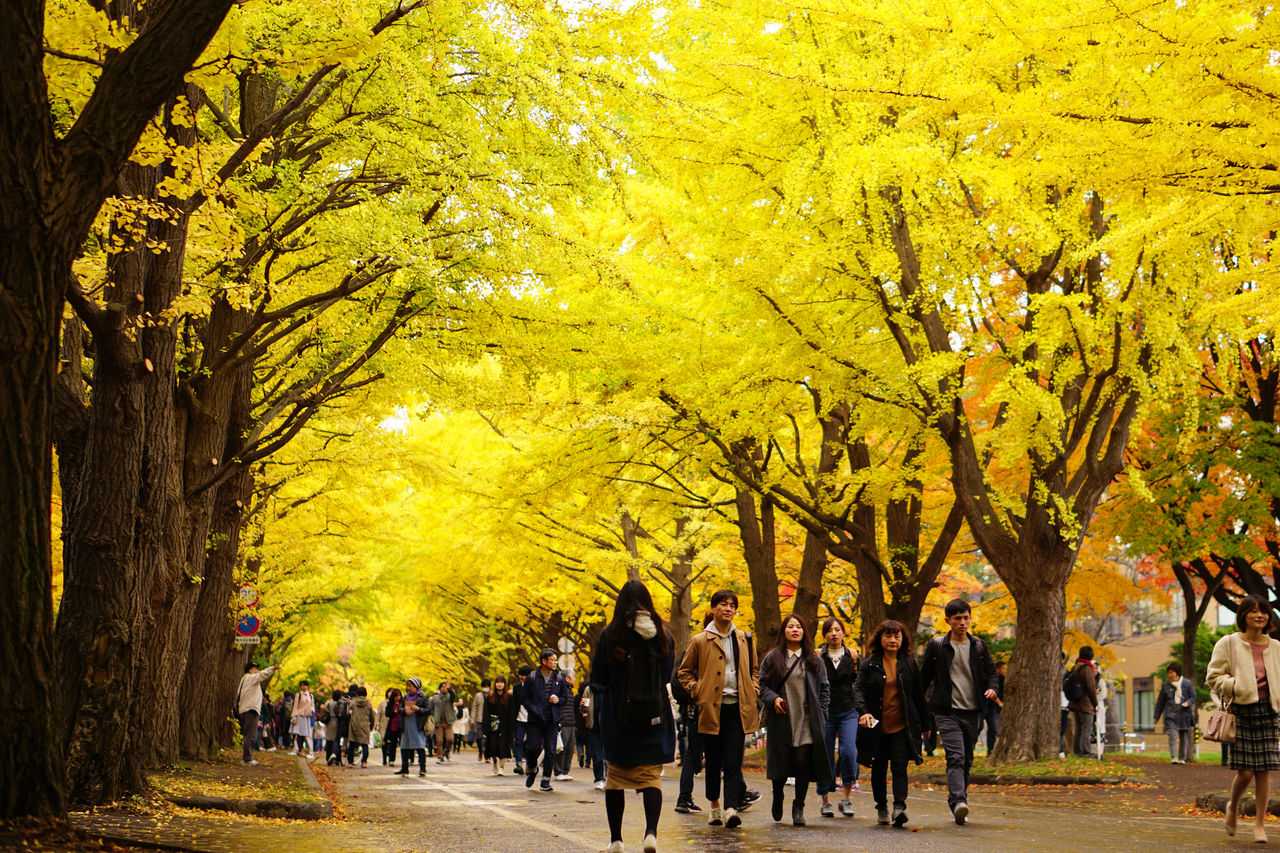
The ginkgo avenue at Kita 13-jo Gate of Hokkaido University is Sapporo’s most iconic ginkgo-viewing spot: about 70 ginkgo trees line a 380-meter stretch to form a golden tunnel. It is easy to reach and free to enter, making it a great half-day outing in central Sapporo.
Kita 13-jo Ginkgo Avenue: Sapporo’s Easiest Autumn-Leaf Spot to Reach
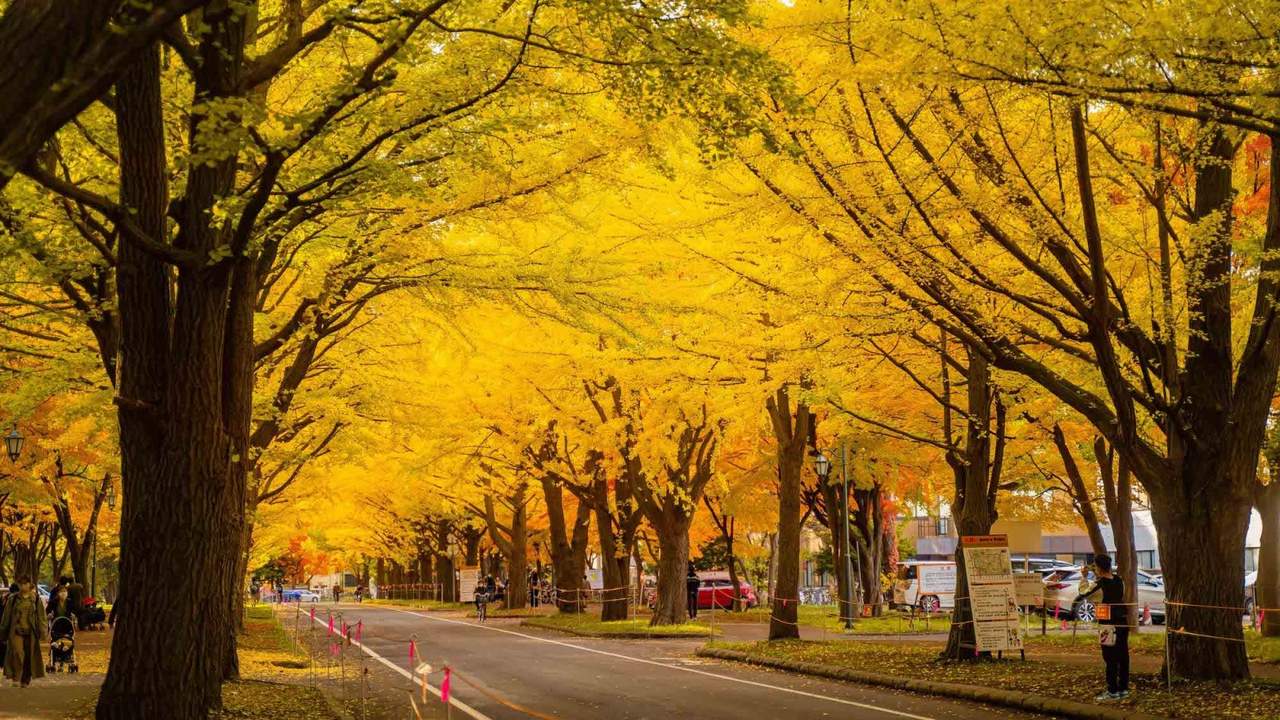
This ginkgo avenue runs along the north side of the Hokkaido University campus, entered through the Kita 13-jo Gate. About 70 ginkgo trees stand in neat rows on both sides, and in late autumn the whole path turns golden while fallen leaves form a thick carpet on the ground. It is one of Sapporo’s most talked-about foliage highlights from late October to early November. The avenue is about 380 meters long and free to visit.
Hokudai Golden Leaf Festival: Road Closure and Lighting on Just Two Days a Year
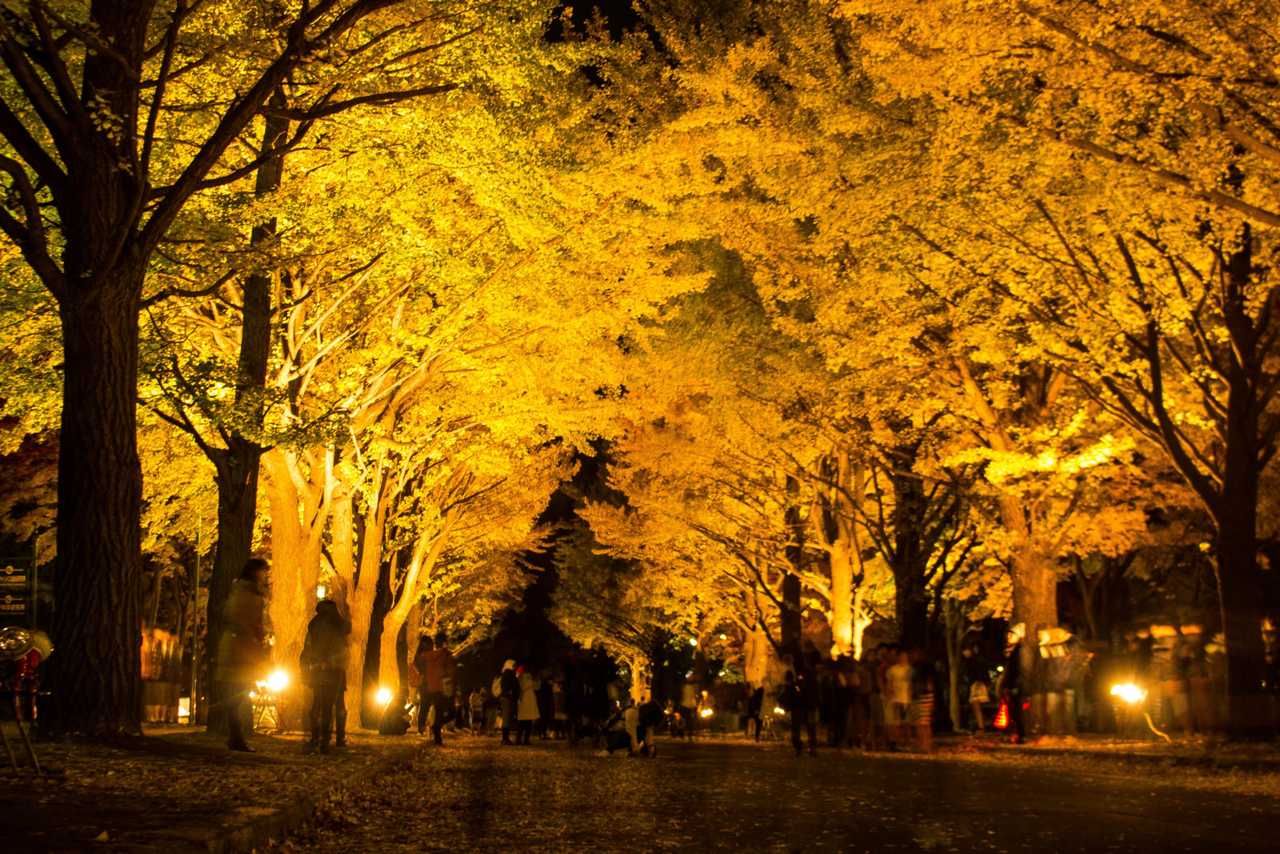
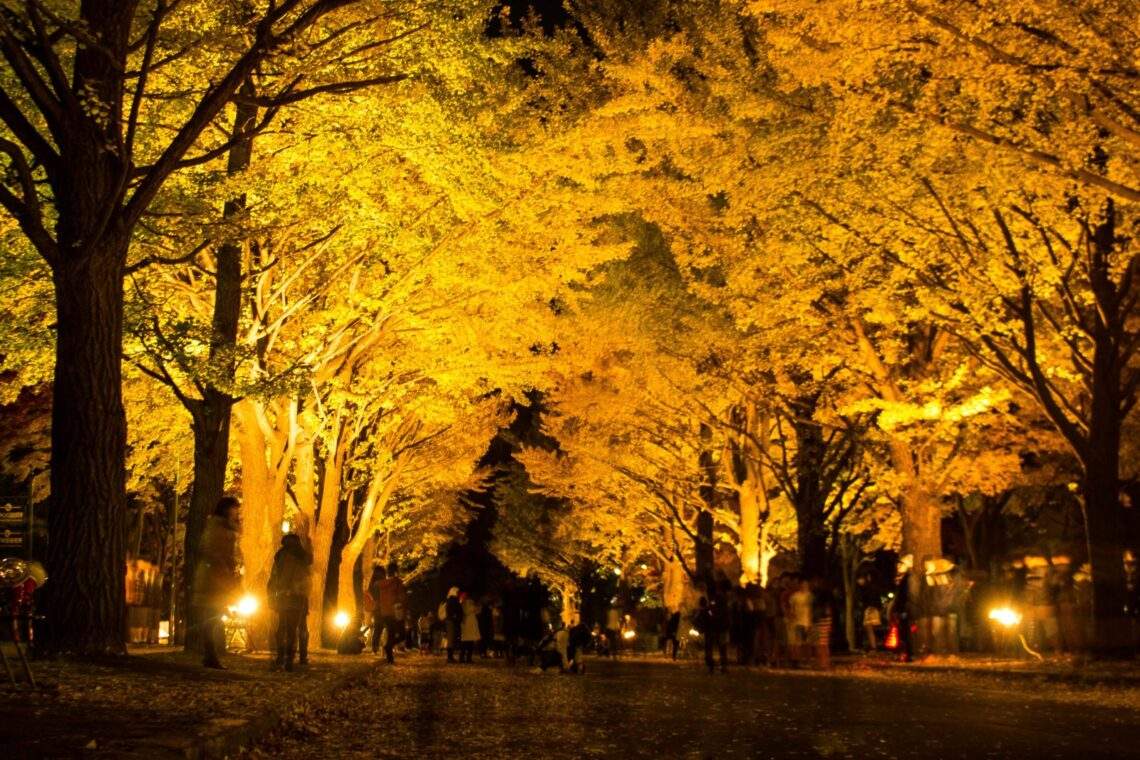
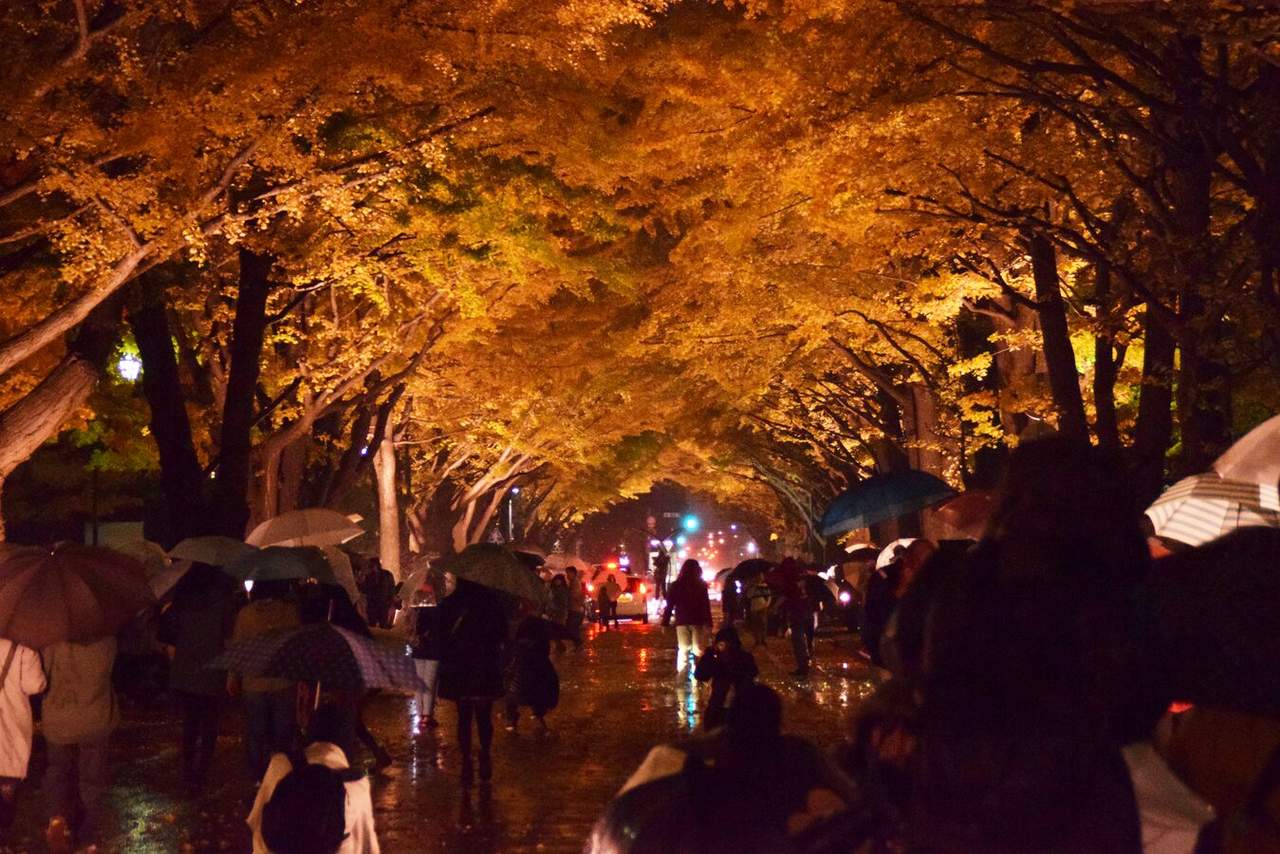
The Hokudai Golden Leaf Festival (Hokudai Kinyo-sai), held in late October (the 13th edition in 2024, on October 26-27), is the liveliest moment on the avenue. On these two days the road is closed and turned into a pedestrian zone lined with student-run food stalls, and after dark the lighting event transforms the golden daytime tunnel into a dreamlike corridor of light.
Campus Size and Visiting Tips: One of Japan’s Largest University Campuses
Hokkaido University’s grounds are vast, about 38 times the size of the Tokyo Dome. To walk the ginkgo avenue, the University Museum and nearby historic buildings at a relaxed pace, allow at least 2 hours. If you also want to eat at a campus cafeteria and add nearby sights, half a day is more comfortable. You can also simply focus on the Kita 13-jo Ginkgo Avenue and the area around the University Museum.
How to Get to the Hokkaido University Ginkgo Avenue: Full Guide to Transport and Costs
The subway is the best way to reach Kita 13-jo Ginkgo Avenue; driving or cycling are also common among locals.
How to Get to the Hokkaido University Ginkgo Avenue at a Glance
| Method | Cost | Time |
|---|---|---|
| Namboku Subway Line, Kita 12-jo Station, Exit 2 | From ¥210 | 4-5 minute walk, direct access |
| Walk from JR Sapporo Station North Exit | Free | 7-10 minutes to the main gate |
| Bus to “Kita 12-jo Nishi 5-chome” or “Hokudai Byoin-mae” stop | About ¥210 and up | Arrive right at the stop |
| Subway day pass | Weekdays ¥830 / weekends and holidays ¥520 | Unlimited rides in the city |
You can also use Sapporo’s Porocle bike-share to cycle to campus. There is no official shuttle bus or car rental service on campus.


Must-See Spots at the Hokkaido University Ginkgo Avenue: Campus Highlights Explained
Kita 13-jo Ginkgo Avenue: A 380-Meter Golden Tunnel
Kita 13-jo Ginkgo Avenue is the classic view of Hokkaido University. Entered through the Kita 13-jo Gate, it runs about 380 meters with roughly 70 ginkgo trees planted along both sides. The address is Kita 13-jo Nishi 5-7-chome, Kita-ku, Sapporo, and it is open 24 hours and completely free. From late October to early November the leaves gradually turn yellow, and the whole path looks as if it were covered by a golden canopy, while leaves blown down by the breeze pile up into a golden carpet.
Yellow leaves depend on cold temperatures and a clear day-night temperature difference, so the peak timing shifts slightly each year. Start checking the autumn-foliage forecasts published by Japan Meteorological Corporation or Walkerplus from late September for the most accurate timing. Because cars still use the avenue at ordinary times, stand on the sidewalks on either side when taking photos and never set up a tripod in the middle of the road; campus security also patrols the area to remind visitors.
We recommend going early on a weekday morning, when crowds are thinner and the light is soft. Cloudy days or the time after rain actually make the leaves look more vivid and saturated. When the fallen-leaf carpet is at its peak, the wet leaves are slippery, so watch your step. Walking the whole avenue takes only about 20-30 minutes, but most travelers stay a long time to take photos.

Hokudai Golden Leaf Festival: A Two-Day Road-Closure and Lighting Celebration
The Hokudai Golden Leaf Festival is Hokkaido University’s biggest autumn event, usually held over two days on a weekend in late October. During the festival the ginkgo avenue is closed to traffic and turned into a pedestrian zone. Admission is free, and both sides are filled with student-run food stalls offering everything from hot dishes to desserts, with a lively atmosphere full of youthful campus spirit.
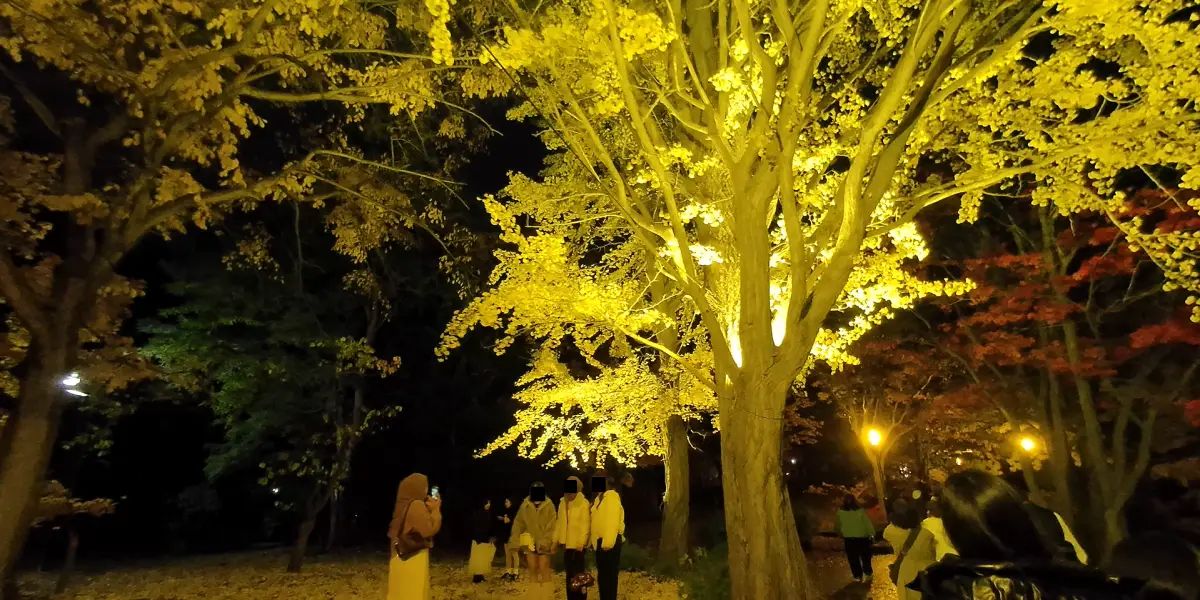
After dark the avenue is lit up, and the golden leaves take on a completely different, romantic mood under the lights, drawing many travelers who stay on until evening to see the ginkgo at night. Confirm the exact dates against the official announcement; we recommend following the festival’s official Facebook page or watching for the latest news from mid-October.
Because the event lasts just two days and overlaps heavily with peak foliage, visiting then lets you enjoy both the golden daytime tunnel and the nighttime lighting in one trip, making it the timing most worth prioritizing when planning a Sapporo ginkgo outing.
Hokkaido University Museum: A Treasure House of 3 Million Specimens
The Hokkaido University Museum is near the ginkgo avenue and holds more than 3 million specimens, including dinosaur fossils, taxidermy animals and minerals, along with exhibits on the founding of the Sapporo Agricultural College and early teaching materials.
It is open 10:00-17:00 with free admission, closed on Mondays (the next day if a holiday falls on Monday; closed December 28 to January 4). It has three floors, a cafe and a souvenir shop, and works well as a rainy-day backup.
Allow 40 minutes to 1 hour for your visit. It is a short walk away, so it fits easily before or after the ginkgo viewing.
Furukawa Hall: A Historic American-Style Building Completed in 1909
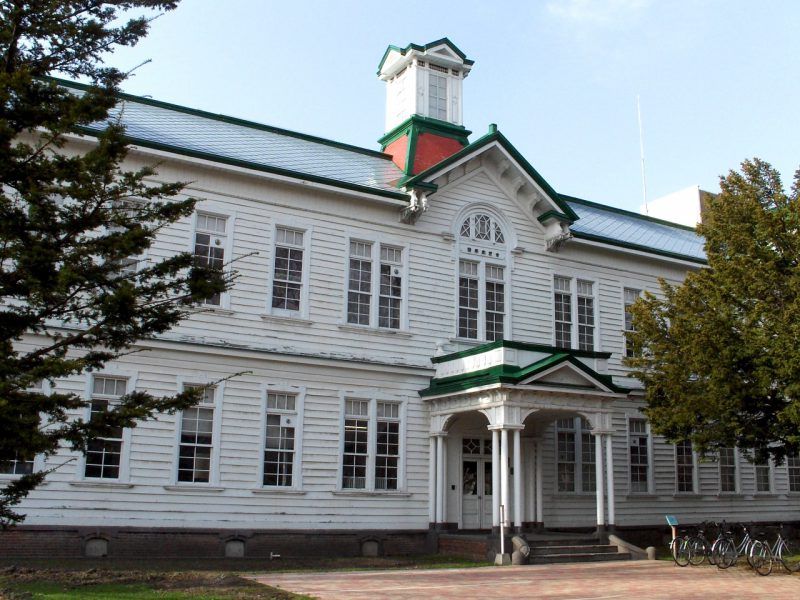
Furukawa Hall is the most representative Western-style historic building on the Hokkaido University campus. Completed in 1909, it is a green-and-white American-style wooden building that blends with the campus trees and is a popular photo spot. It was built with a donation from the Furukawa zaibatsu and bears witness to the university’s growth from the Sapporo Agricultural College into an imperial university. It is now used for university administration and research and is not open to visitors, but the exterior is still worth stopping for, and it has an especially retro charm when the surrounding leaves turn yellow in autumn. It is close to the University Museum and the ginkgo avenue, only a 5-10 minute walk to link them, so it suits the same photo route.
Sapporo Agricultural College Second Farm: A Nationally Designated Important Cultural Property
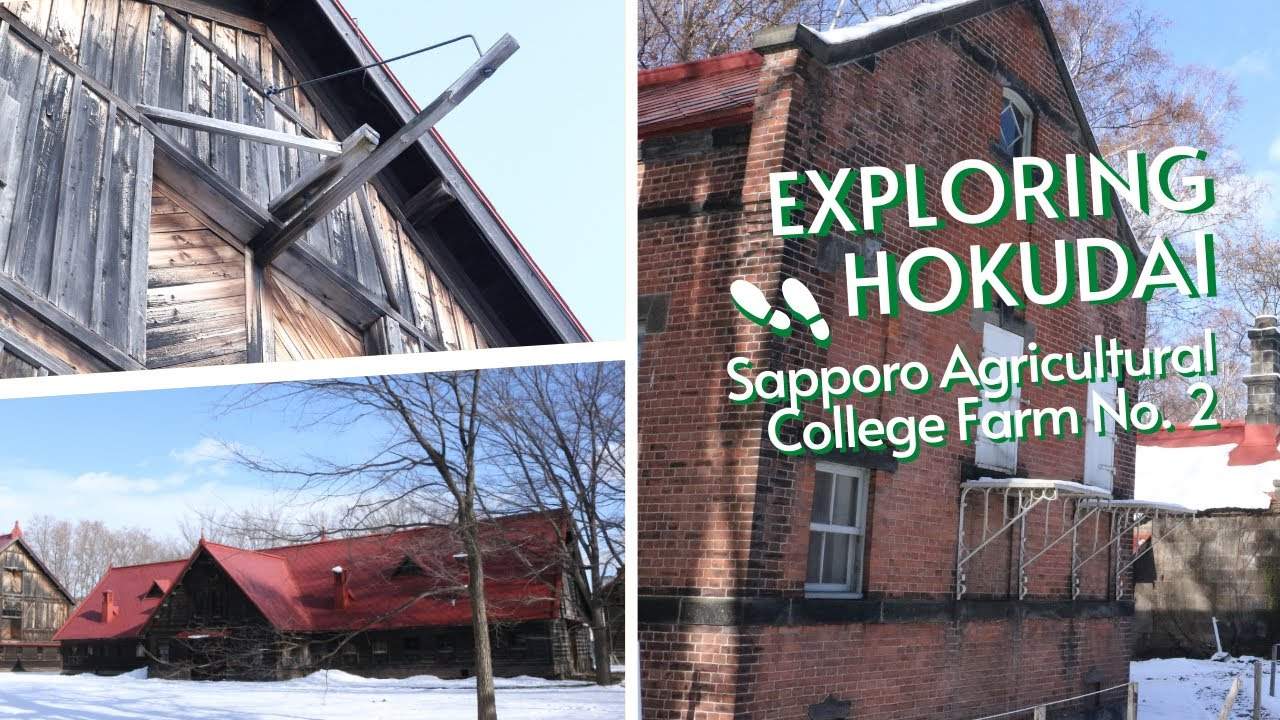
The Model Barn and other buildings of the Sapporo Agricultural College Second Farm were built in 1877 (Meiji 10) as a practice farm for Hokkaido University. It is now a nationally designated Important Cultural Property, preserving several wooden red-roofed buildings in a European and American farm style.
It is a 10-15 minute walk north from the ginkgo avenue. The interiors of the Model Barn and the grain storehouse are open free of charge daily from 10:00 to 16:00 between April 29 and November 3, displaying early Meiji-era farm tools. A round trip takes about 30 minutes, making it a good fit for history buffs and photography lovers.
Because it is slightly off the main route, it sees fewer visitors and is quiet and peaceful, ideal for a leisurely walk and photos.
Poplar Avenue: One of Hokkaido University’s Symbols
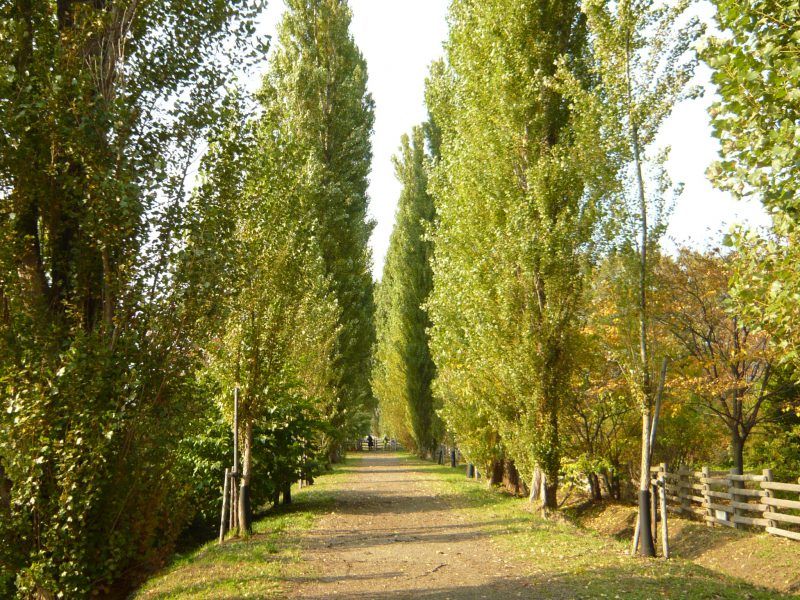
Poplar Avenue is as famous as the ginkgo avenue and is another visual symbol of Hokkaido University. Tall, straight poplars line the path and look especially magnificent when covered in snow in winter, often appearing in official promotional photos.
Its beauty is quiet and grand, complementing the golden splendor of the ginkgo avenue in autumn, and it is well suited to photographing architectural lines and layers of sky. It is a similar walking distance away and can be visited on the same route.
Because it is close to the main campus road, bicycles and cars occasionally pass, so watch for traffic and stay on the sidewalk when taking photos.
Elm Grove and the Dr. Clark Bust: The Start of “Boys, Be Ambitious”
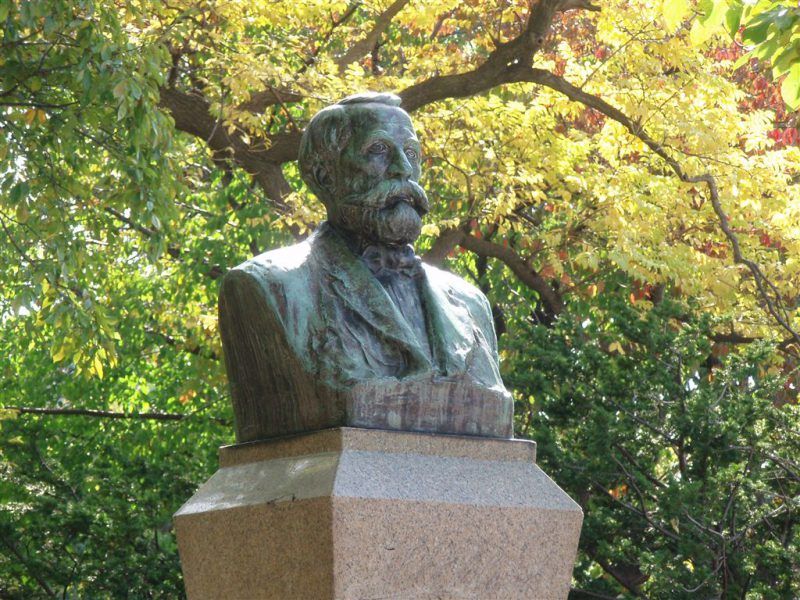
Elm Grove is a rest area in the middle of the Hokkaido University campus and a place where travelers stop to check their maps. Inside the grove stands a bust of Dr. Clark, the first president, a well-known landmark.
Dr. Clark served at the university (then the Sapporo Agricultural College) for only about 8 months, leaving the famous words “Boys, be ambitious!”, which became a symbol of the university’s spirit. Another statue stands at the Hitsujigaoka Observation Hill.
Stop briefly for a photo, then continue to the ginkgo avenue or the museum; it works as a relay point linking the campus sights.
Central Cafeteria: A Student Cafeteria for Experiencing Everyday Hokudai Life
The Central Cafeteria is Hokkaido University’s largest and most popular student restaurant, serving affordable dishes such as ramen, curry rice and rice bowls. It is one of the best places to experience everyday campus life.
On weekdays from 11:30 to 13:00 is the peak lunch rush for students and staff, so visitors should avoid that window and go at off-peak times for a smoother visit.
The cafeteria is close to several campus sights. After the ginkgo avenue or the museum, you can rest here with a simple meal to refuel before continuing your campus stroll.
café de gohan: Rich Milk Desserts Next to the Main Gate
café de gohan (カフェdeごはん) is in Elm no Mori next to the Hokkaido University main gate, open 7:45-20:00 on weekdays and 8:30-20:00 on weekends and holidays, serving breakfast and full meals for convenient dining.
Its signature item is soft-serve ice cream made with milk from the university’s own farm, with flavors that change by season. There are also breakfast and lunch sets at friendly prices and portions, ideal for refueling during your trip.
It sits right next to the main gate, so you can drop in on the way to or from the ginkgo avenue, a good choice for either the start or the end of a campus stroll.
More Nearby Sights: Odori Park, the Former Hokkaido Government Office and Hokkaido Shrine
If you have time, Sapporo has several other foliage spots that pair well with Hokkaido University. Odori Park is planted with ginkgo and maple trees on both sides, and with the Sapporo TV Tower in the distance it makes a very urban autumn scene. It is only a few subway stops from Hokkaido University, so it fits the same day.
The Former Hokkaido Government Office Building (the Red Brick Office) reopened in July 2025 after renovation, and the red-brick building surrounded by ginkgo trees has its own charm. Admission is generally ¥300, ¥200 for university and high school students, and free for junior high students and younger, making it a good rainy-day backup or an extension for a history-themed route. Travelers who enjoy nature and shrine culture can also visit Hokkaido Shrine, Sapporo’s guardian shrine, for a solemn atmosphere different from the campus.
All three extension spots are within the same transport corridor as Hokkaido University, so they fit after the ginkgo viewing to make a full day of autumn strolling in central Sapporo.
How Much Does It Cost to Visit the Hokkaido University Ginkgo Avenue? Tickets and Guided Tours
Sapporo Municipal Subway Day Pass: The Best Value for Getting Around the City
The weekday “1-Day Ticket” costs ¥830 and the weekend and holiday “Donichika Kippu” costs ¥520, with unlimited rides in one day on the Sapporo Municipal Subway’s Namboku, Tozai and Toho lines. It suits a one-day plan covering Hokkaido University, Odori Park and the Former Government Office, saving the hassle and cost of single-ride tickets.
Sapporo City + Hokkaido University Private Charter Day Tour: Save Time Linking Several Foliage Spots
Charter tours can customize the route to your needs. The peak ginkgo season is late October to early November, so book early. One day can link the Hokkaido University ginkgo avenue, Odori Park and suburban maple spots, saving the time spent checking bus routes and transfers. It is especially good for travelers with elderly relatives or young children, with plenty of luggage, or who want to visit several places in limited time.
New Chitose Airport to Sapporo City Transfer Service: No Worries on Long Trips
A private transfer service between New Chitose Airport and Sapporo hotels (the JR Rapid “Airport” takes as little as about 37 minutes, and the one-way fare from Sapporo to New Chitose Airport is ¥1,230) saves the hassle of transferring between JR trains or buses. It suits travelers with very early or late flights, a lot of luggage, or large family groups, and lets you start your ginkgo viewing sooner after arrival.
Otaru and Jozankei Autumn Foliage Day Trip: Extending Your Hokkaido Foliage Route
This tour combines the autumn colors of Otaru Canal, another of Hokkaido’s autumn highlights, with the Jozankei hot spring area (Jozankei foliage peaks around early to mid-October, about 75 minutes by bus from Sapporo Station). It suits travelers who want to add a day beyond the Hokkaido University ginkgo for a deeper feel of Hokkaido’s autumn, and tours usually include round-trip transfers and guided commentary.
Where to Stay Near the Hokkaido University Ginkgo Avenue: Recommended Areas
Staying Near Hokkaido University: JR Sapporo Station North Exit Is Most Convenient
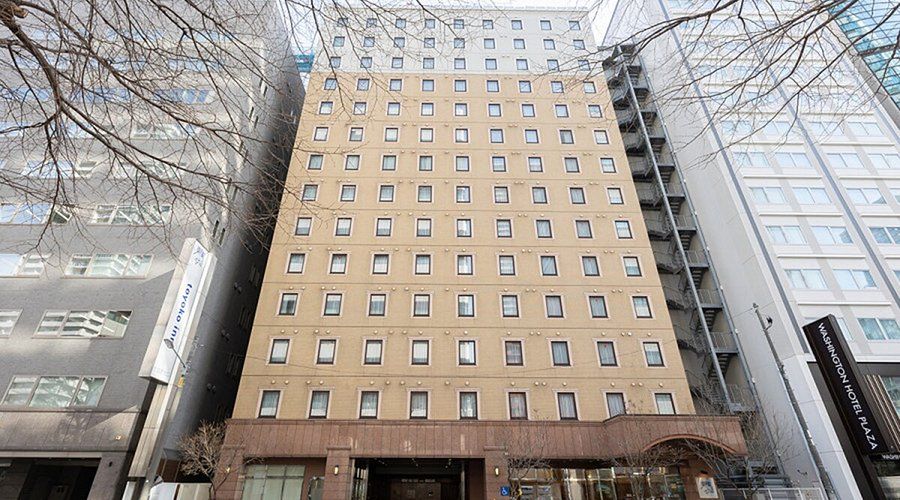
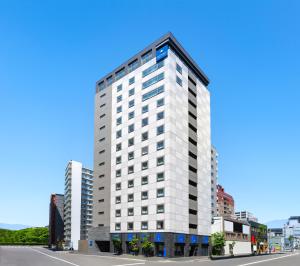
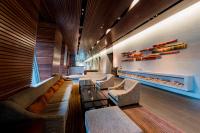
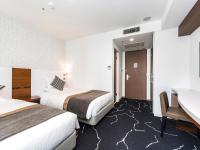
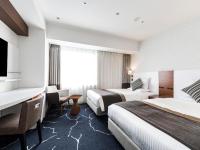
Hokkaido University’s main gate is only about 7-10 minutes on foot from the JR Sapporo Station North Exit. Several business hotels cluster around the north exit, including chains such as Toyoko Inn Sapporo Eki Kita-guchi. From there you can walk to the ginkgo avenue early the next morning with no transfers, and you can also easily use Sapporo Station for the rapid train to New Chitose Airport.


Along the Namboku Subway Line: Between Kita 12-jo and Sapporo Stations
To be even closer to the ginkgo avenue entrance (Kita 12-jo Station is the next stop from Sapporo Station), consider lodging along the Namboku Subway Line between Kita 12-jo and Sapporo stations. This area is within walking distance of both the ginkgo avenue and the main gate, and you can also use the subway to reach Susukino and Odori for dining or shopping.
FAQ
Q: When is the Hokkaido University ginkgo at its peak in 2026?
It is expected from late October to early November. It varies with the weather each year, so check the autumn-foliage forecast after late September for the latest conditions.
Q: Is there an admission fee for the Hokkaido University ginkgo avenue?
The ginkgo avenue is free all year and open 24 hours. Cars also drive on campus, so use the sidewalks. No ticket or pass is needed to enter and enjoy it freely.
Q: When is the 2026 Hokudai Golden Leaf Festival?
It is usually held over two days on a weekend in late October (October 26-27 in 2024). Confirm the exact dates against the official announcement, and consider following the official Facebook page.
Q: What is the fastest way to the ginkgo avenue from JR Sapporo Station?
Take the Namboku Subway Line to Kita 12-jo Station, then walk about 4-5 minutes to the avenue entrance, which saves time compared with walking from the main gate.
Q: Is Hokkaido University open all year?
The campus is open 24 hours all year and free to enter. Only indoor facilities such as the University Museum have their own opening hours and closing days.
Q: Are there places to eat on the Hokkaido University campus?
Yes. There is the Central Cafeteria, café de gohan and a convenience store, all available for meals or supplies. café de gohan is open 7:45-20:00 on weekdays.
Q: Is Hokkaido University suitable for visiting with children or older relatives?
Yes. The campus is flat and easy to walk, but the grounds are large, so we suggest focusing on the Kita 13-jo Ginkgo Avenue and the area around the University Museum.