
Lake Toya Attractions: A Hokkaido Caldera Lake Ringed by Two Active Volcanoes
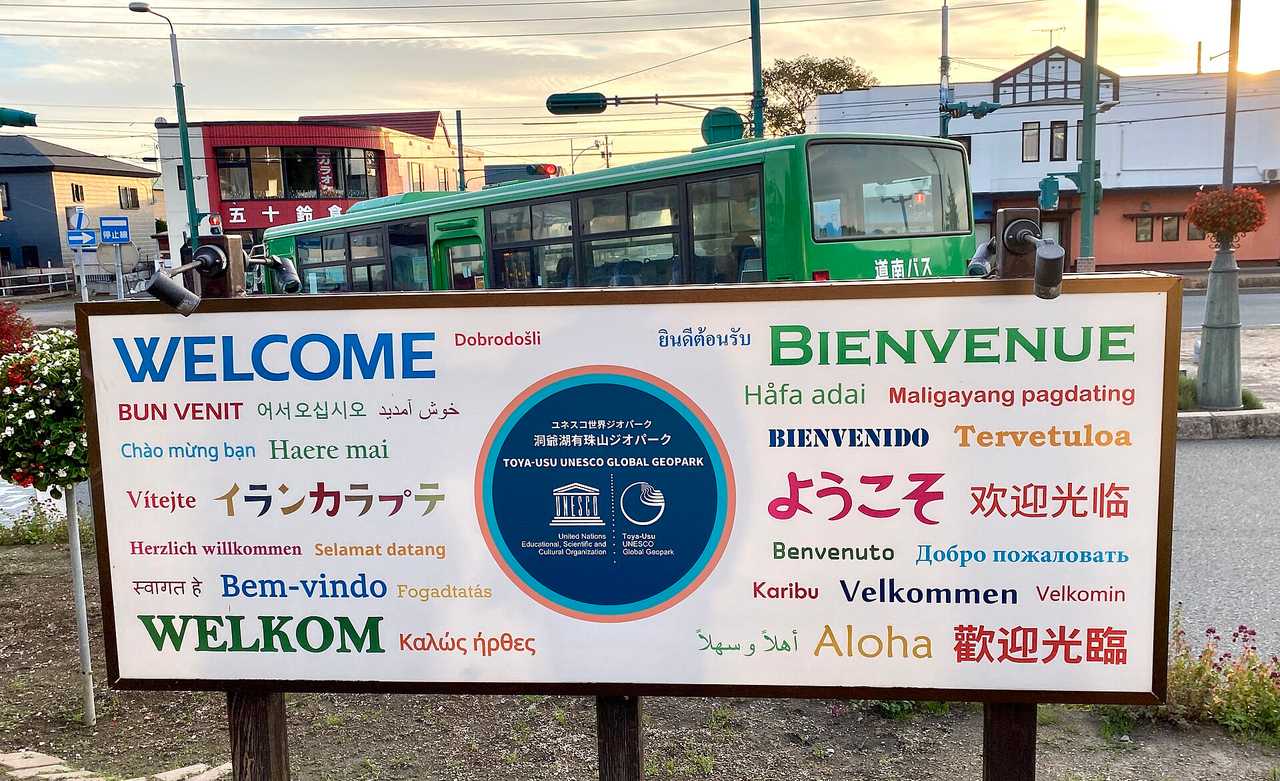
Lake Toya sits in southwestern Hokkaido, spanning the town of Toyako and the town of Sobetsu. It is a nearly perfectly round caldera lake with four islands floating in its center, led by Nakajima. What makes it special is that “an active volcano sits right beside the lake”: Mt. Usu on the south shore and Showa Shinzan at its foot are still steaming today. The whole area lies within Shikotsu-Toya National Park and is also the UNESCO-certified “Toya Caldera and Usu Volcano Geopark.”
For travelers, Lake Toya offers a compact set of experiences: ride the ropeway up in the daytime to see the crater and take a cruise on the lake, soak in the free foot baths of the hot spring town in the evening, and wait for the nightly long-running fireworks at night. Below we first introduce the four core highlights, then cover transport, attractions and costs.
Lake Toya and Nakajima Island: A Nearly Perfectly Round Caldera Lake
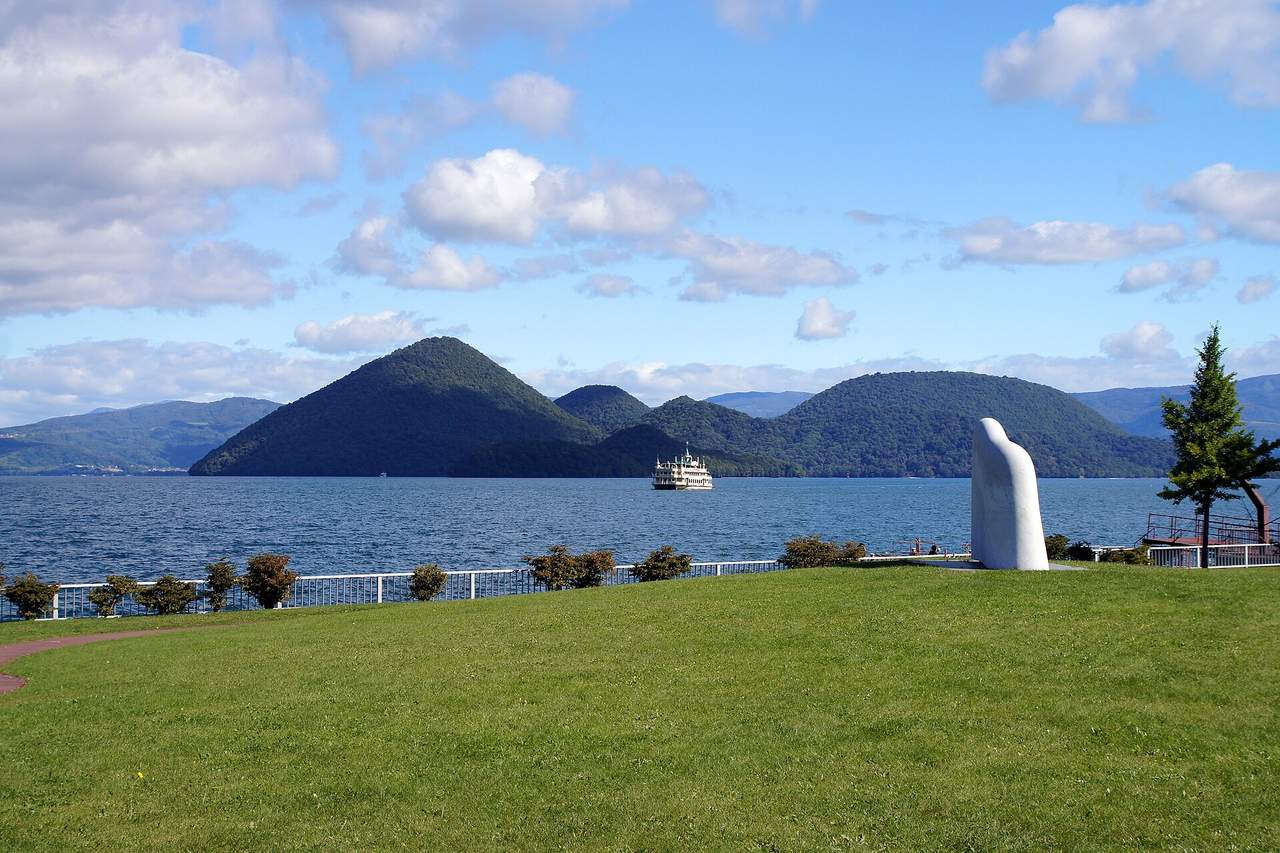
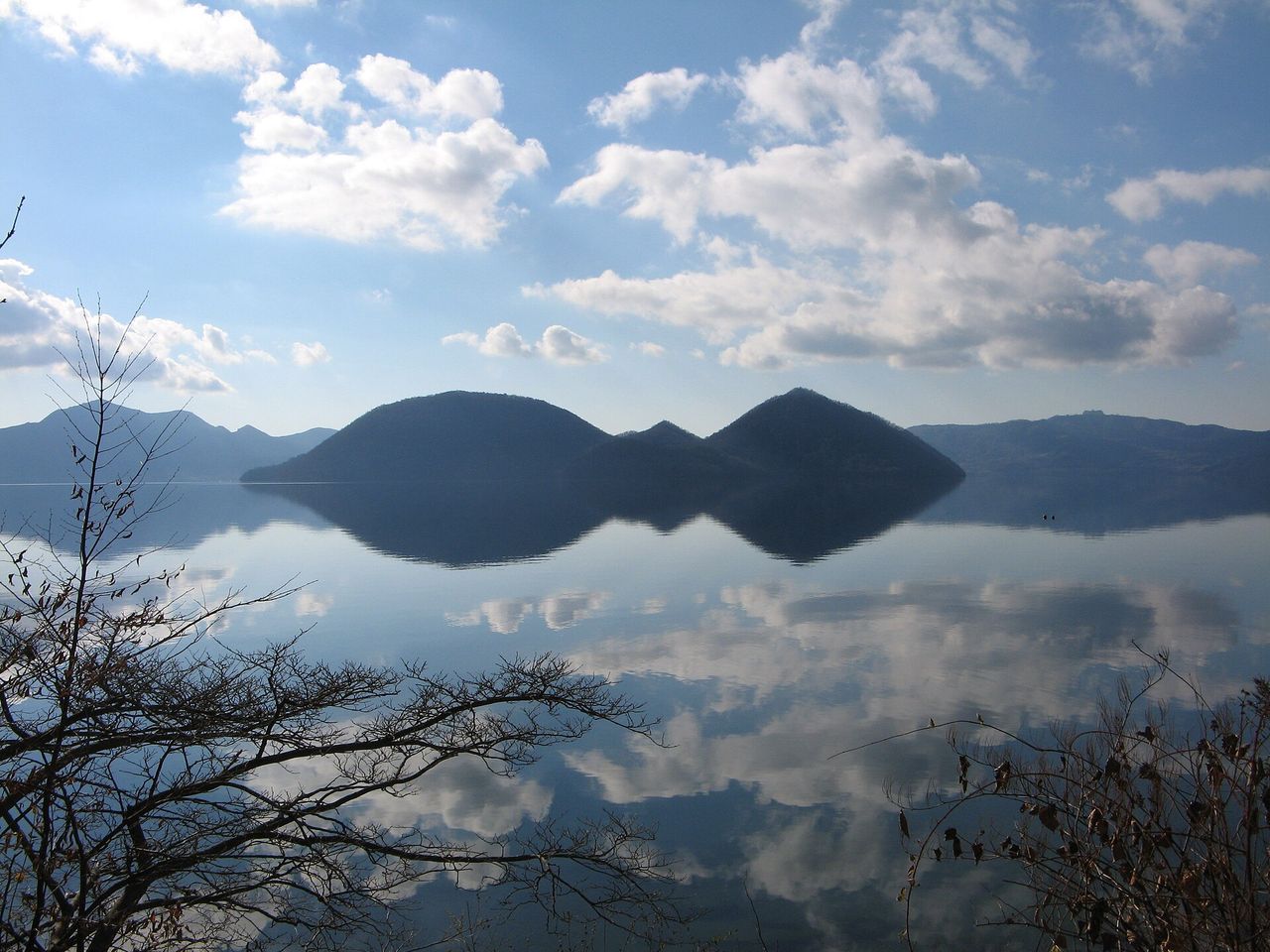
Lake Toya is a caldera lake formed when the ground collapsed after a volcanic eruption and later filled with water. Its shoreline is almost a circle, easy to recognize from the air or from a high viewpoint. Thanks to its large volume of water and the influence of hot spring terrain, the lake barely freezes even in winter, making it a rare “non-freezing lake” in Hokkaido, and cruises run all year round.
Four islands including Nakajima float in the middle of the lake and are the stars of the sightseeing cruise. Nakajima has primeval forest and wild Ezo deer, and during the summer cruise season visitors can land and take a walk; a loop along the forest trail lets you feel the lake’s volcanic origins up close. Mt. Yotei reflected in the water is Lake Toya’s most classic postcard view.

Toya Caldera and Usu Volcano Geopark: Volcanic Disaster Left in Place as a Teaching Tool
The Lake Toya and Mt. Usu area is recognized as a UNESCO Global Geopark, and its core idea is not “beautiful scenery” but “living with the volcano.” Mt. Usu has erupted many times in the past century, and rather than clearing away the traces of disaster, the locals left the roads washed out by mudflows, the twisted bridges and the sunken buildings in place, turning them into disaster-ruin trails you can walk through.
As a result, Lake Toya’s attractions have two characters: one is the resort feel of the lake views and hot springs, the other is the educational feel of geology and disaster prevention. If your itinerary gives each half the time, you will take away far more than from simply taking photos. The Volcano Science Museum in the visitor center is the best starting point for understanding this history.
Mt. Usu and Showa Shinzan: Two Active Volcanoes Still Steaming
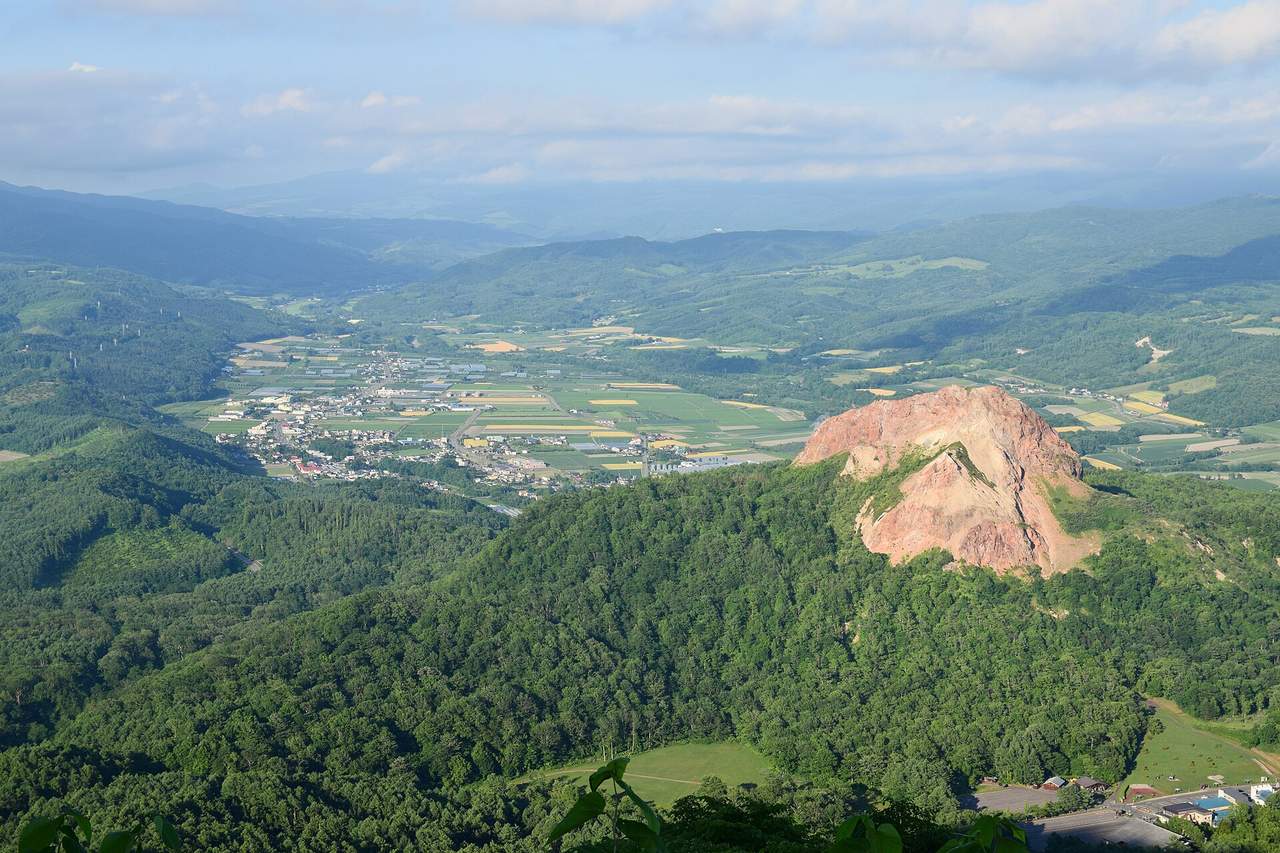
Mt. Usu is an active volcano on the south shore of Lake Toya that has erupted many times since the 20th century, most recently in March 2000. From around the summit you can look down on the huge crater landform known as the “Ginnuma Crater,” direct evidence left by volcanic activity. The easiest way up is the Mt. Usu Ropeway.
Showa Shinzan is even more dramatic. It was originally a wheat field, and from 1943 earthquakes and rising magma pushed the ground up repeatedly. After the eruption in 1944, it formed the reddish-brown mountain you see today, a very young volcano. White steam still rises from the surface, and climbing is prohibited for safety reasons, so visitors can only view and photograph it from the plaza at its foot.
-Klook.jpg)

Lake Toya Long-Run Fireworks: Lake Fireworks Every Night for Half a Year
Lake Toya’s best-known signature event is the “Lake Toya Long-Run Fireworks Festival.” In 2026 it runs from April 28 to October 31, with about 20 minutes of fireworks every night starting at 20:45, so you can see fireworks on almost any night of a one-night stay.
The fireworks are launched from boats moving on the lake, and the entire lakeside promenade of the hot spring town is a free viewing area. For a closer view, you can take a fireworks-viewing boat out to the middle of the lake. Please check official announcements for the actual dates and times.
The long-run fireworks are launched over the lake in front of the Lake Toya hot spring town, not at the foot of Showa Shinzan, so to see the fireworks, plan to be in the hot spring town that evening.
How to Get to Lake Toya: A Complete Comparison of JR, Donan Bus, Driving and Day Tours
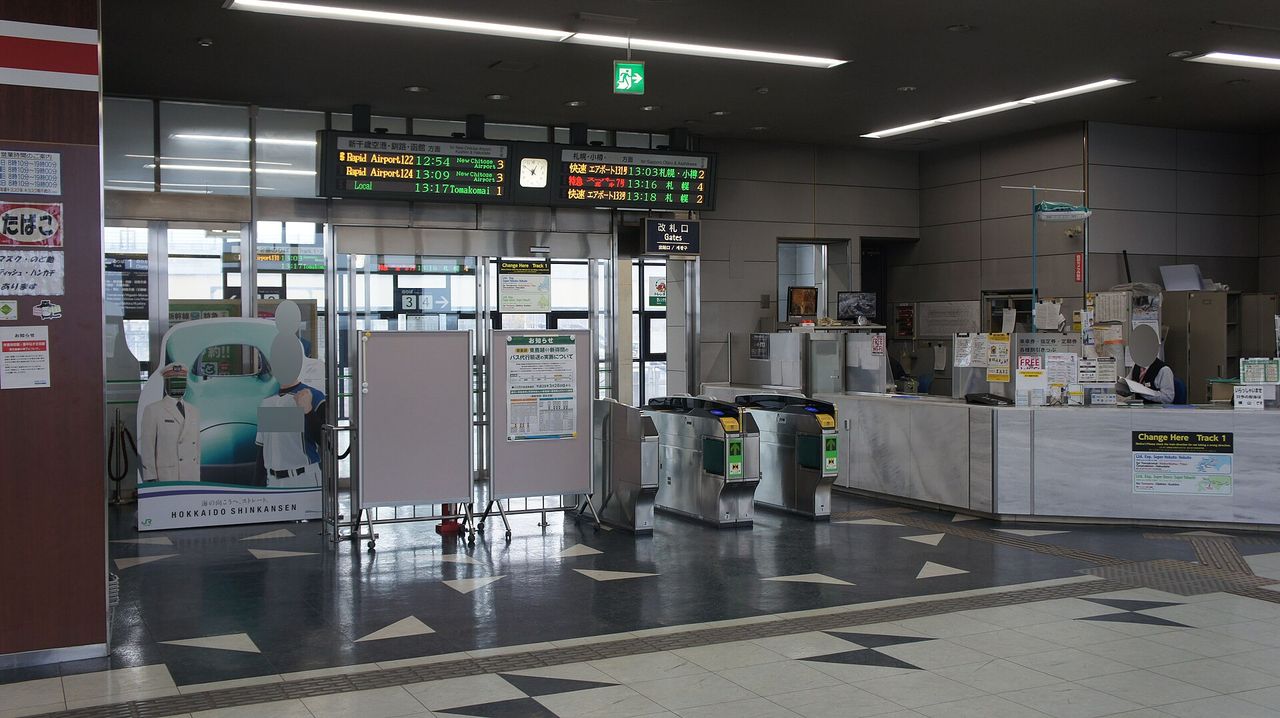
There is no railway directly to the lakeshore at Lake Toya. Wherever you start from, public transport is a relay: “take JR to Toya Station, then transfer to a Donan Bus into the hot spring town.” This transfer is the easiest part to get wrong, so check it carefully before you go.
From Sapporo to Lake Toya: JR Limited Express Hokuto and Reservation-Only Direct Bus
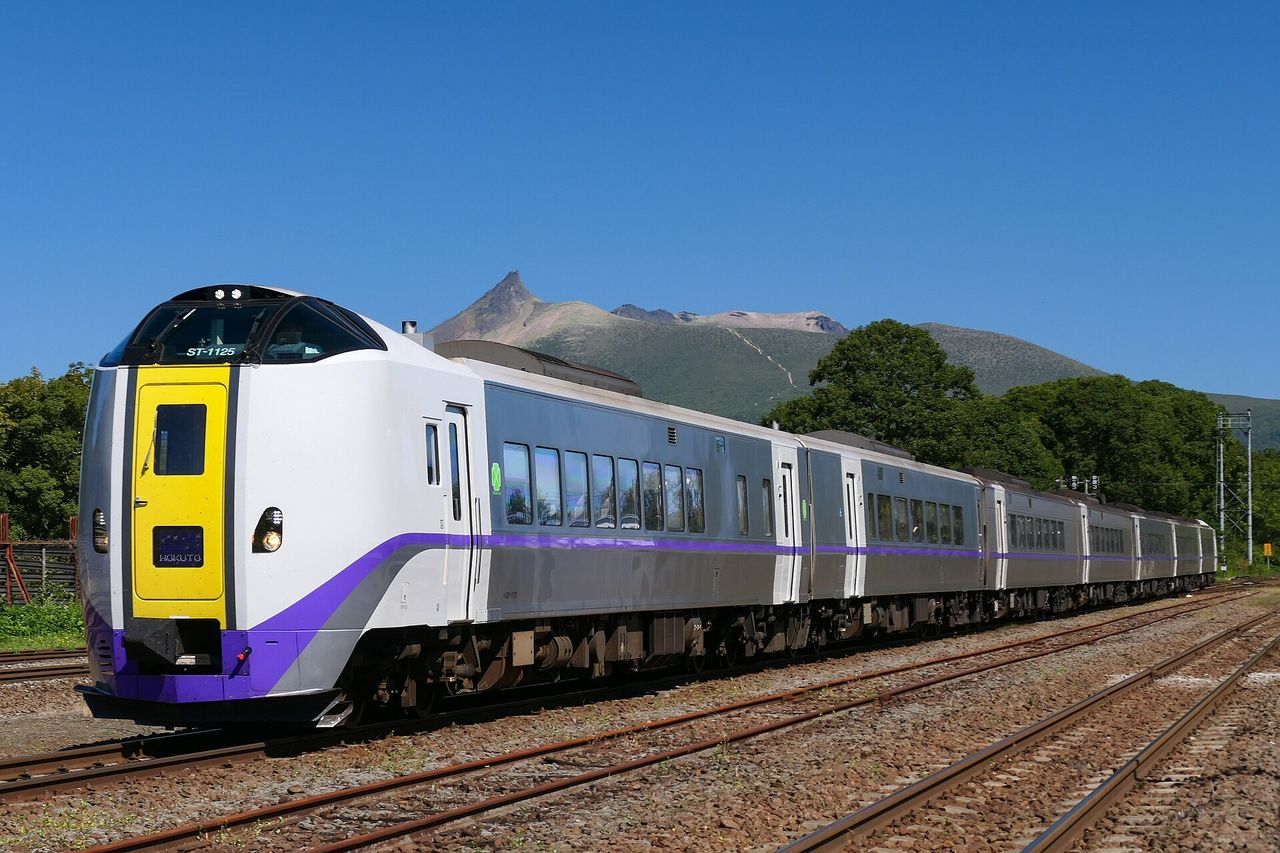
The most common route is to take the JR Limited Express “Hokuto” from Sapporo Station to “Toya Station.” This train runs on the Muroran Main Line and is the main limited express toward Hakodate, and the Hokkaido Rail Pass can be used on it. Service is frequent, which suits day-trippers or anyone deciding their plans the night before.
The other option is the Donan Bus direct from Sapporo to Lake Toya Onsen. The advantage is no transfers and arriving directly in the hot spring town; the drawbacks are infrequent departures, reservations required and a longer ride than JR. If you have a lot of luggage and plan to stay in the hot spring town, the direct bus is much more comfortable; if you hold a JR Pass, going by JR is almost always better value. Actual schedules and fares follow the operator’s announcements on the day.
From New Chitose Airport to Lake Toya: Transferring to the Limited Express at Minami-Chitose Is Smoothest
From New Chitose Airport you don’t need to go into central Sapporo first. The standard route is to take the JR Rapid “Airport” to “Minami-Chitose Station,” then transfer there to the JR Limited Express Hokuto directly to Toya Station. Including the transfer wait, the whole trip takes about 1 hour 40 minutes to 2 hours, the fastest combination from the airport to Lake Toya.
The one-way fare on this route is on the high side, and if your trip will use other JR sections, a Hokkaido Rail Pass is usually better value. After arriving at Toya Station, you still need to transfer to a Donan Bus to reach the hot spring town on the lakeshore, so count that extra 20 minutes in your schedule. The Hokuto limited express is all reserved seating, so we recommend reserving a seat in the busy season; if you plan to take a bus to Showa Shinzan the same day, check the bus connections too.
From JR Toya Station to Lake Toya Onsen: Donan Bus Route 8 and How to Pay
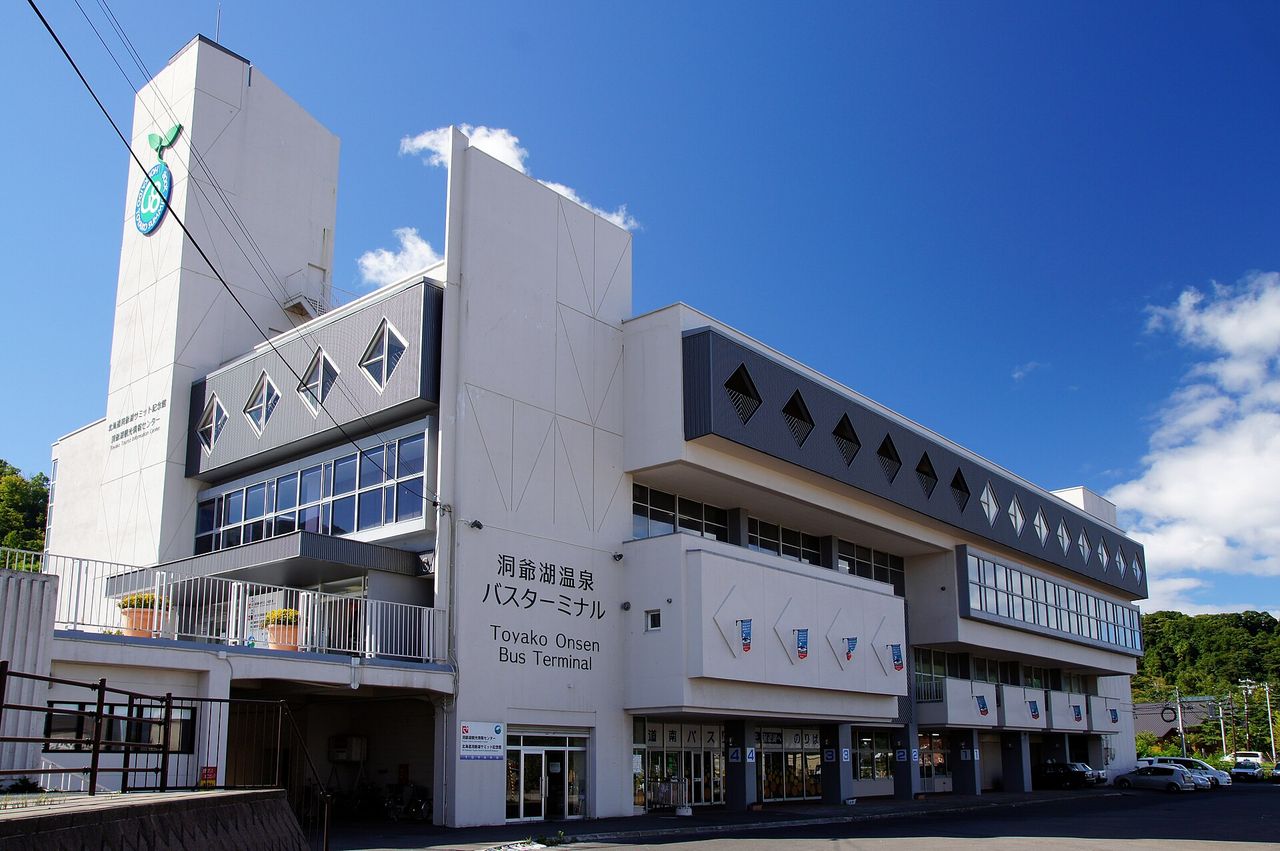
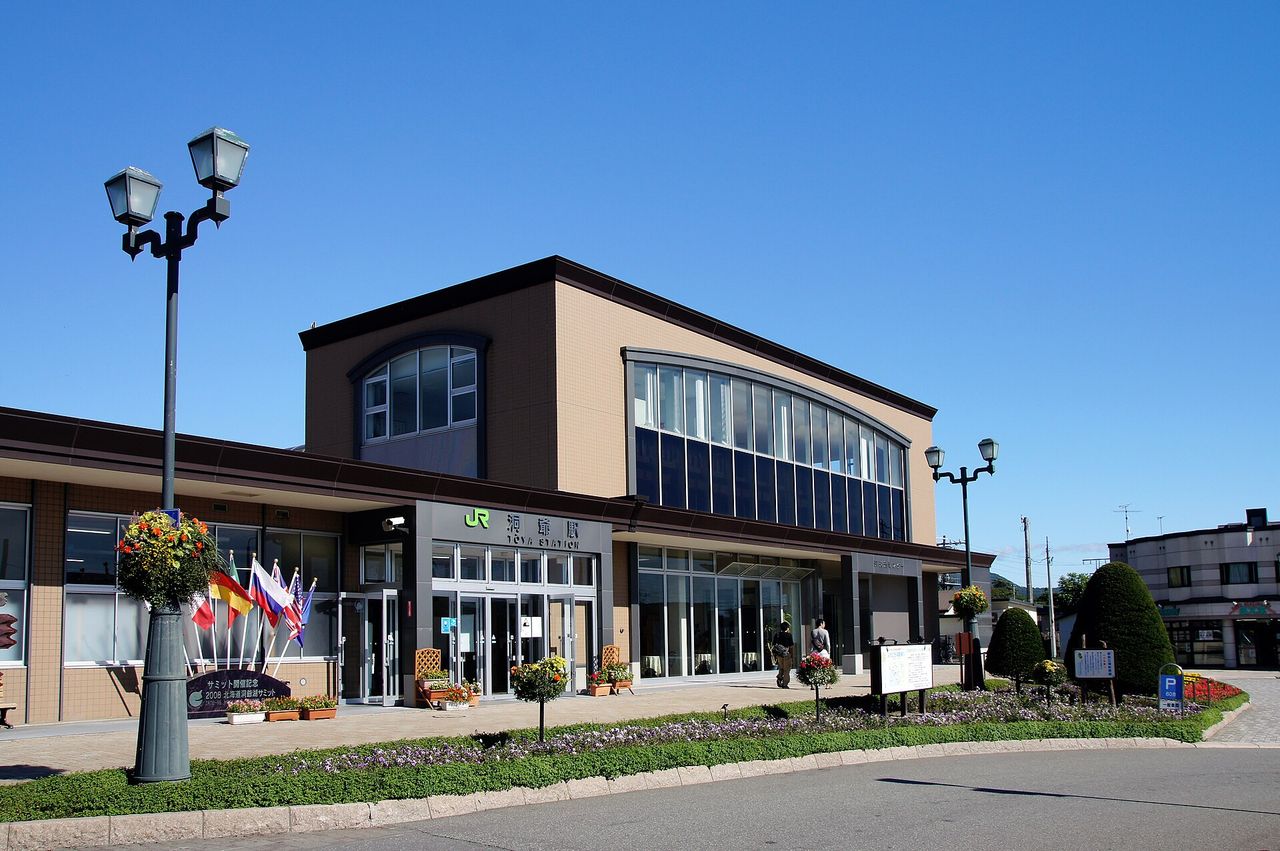
After getting off at JR Toya Station, take the Donan Bus “Lake Toya Onsen / Toya Station Line” from the right side outside the station toward “Lake Toya Onsen.” The ride takes about 20 to 26 minutes and costs ¥400, ending at the Lake Toya Onsen Bus Terminal in the hot spring town, with most hotels within walking distance.
There is a common pitfall on this stretch: the bus does not accept IC cards. Take a numbered ticket when boarding and pay cash when getting off, so make sure you have small change. Departures are timed to match the JR limited express, but not every train has a connecting bus, so check the last return bus time before you arrive to avoid being stranded at the lake. Actual timetables follow the Donan Bus announcements.
From the Hot Spring Town to Showa Shinzan and the Mt. Usu Ropeway: Note the Winter Suspension
Showa Shinzan and the Mt. Usu Ropeway are in the same park area. From the Lake Toya Onsen Bus Terminal, the Donan Bus “Showa Shinzan Line” takes about 15 minutes for ¥400. After getting off, both the ropeway entrance and the Showa Shinzan plaza are within walking distance, so you can see both attractions in one go.
The biggest trap is the schedule: this route has only about 7 departures a day, the timetable changes by season, and if you go in winter you must confirm with Donan Bus first. If you miss a bus, the only option is a taxi (about a 15-minute ride, metered fare).

Must-Visit Attractions at Lake Toya: 12 Highlights Covering Volcanoes, Lake Views and the Hot Spring Town
Lake Toya’s attractions fall into three groups: the volcanic terrain on the south shore, the hot spring town and cruises on the lakeside, and the observatories and disaster ruins scattered along the lake road. Below are 12 highlights in the order that is easiest to plan.
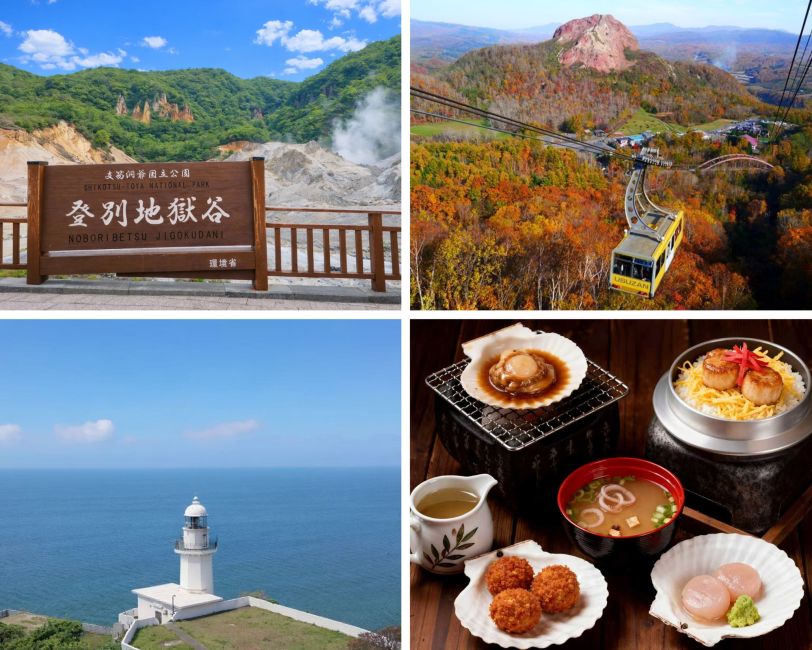
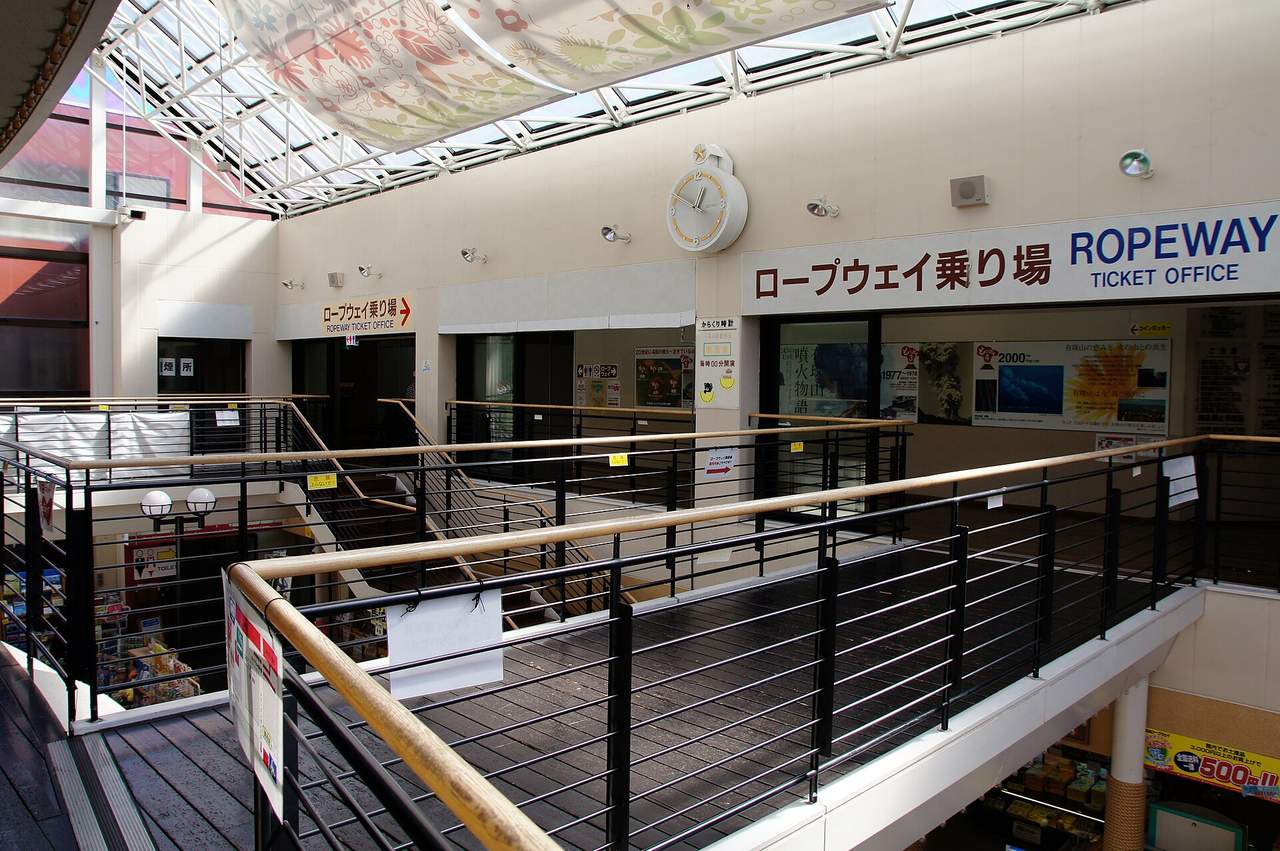
Mt. Usu Ropeway: 6 Minutes Straight Up to the Volcano Observatory
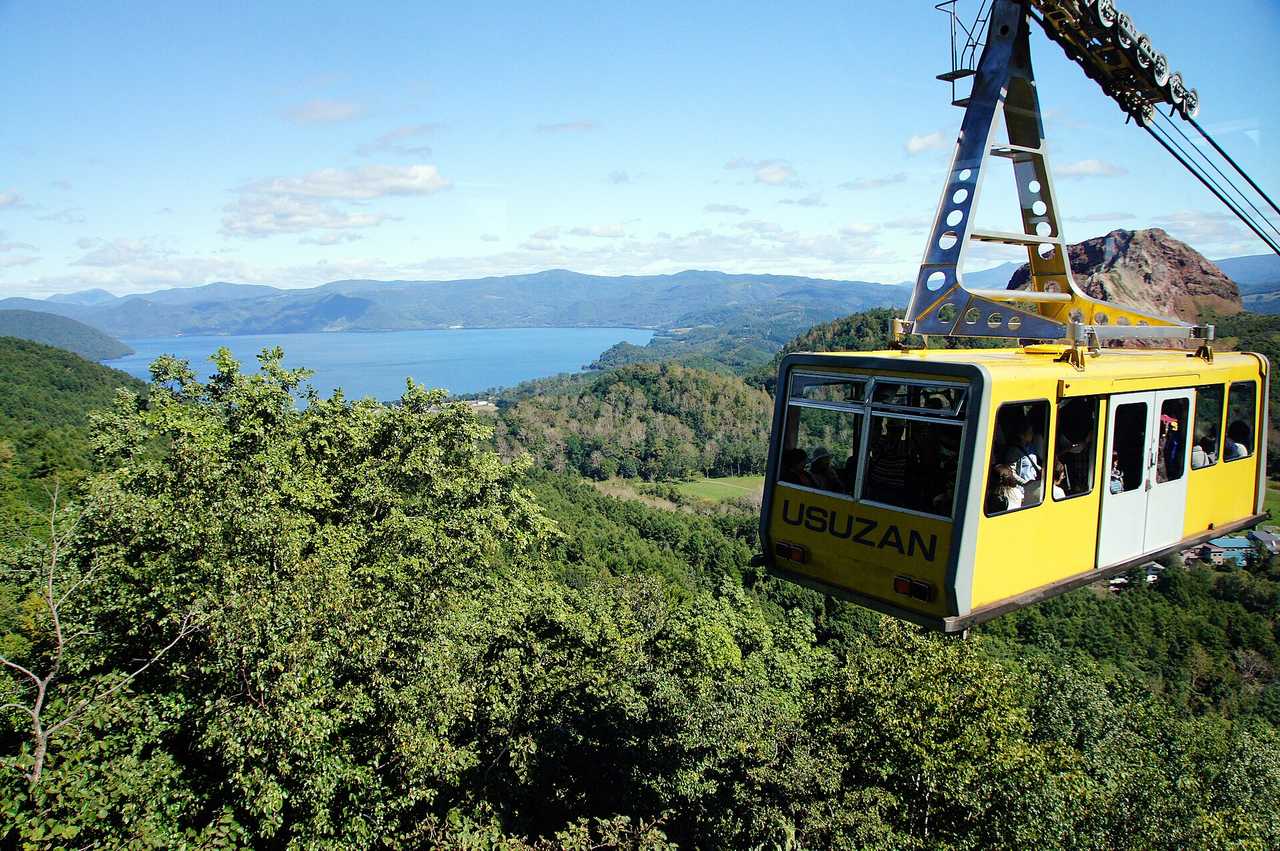
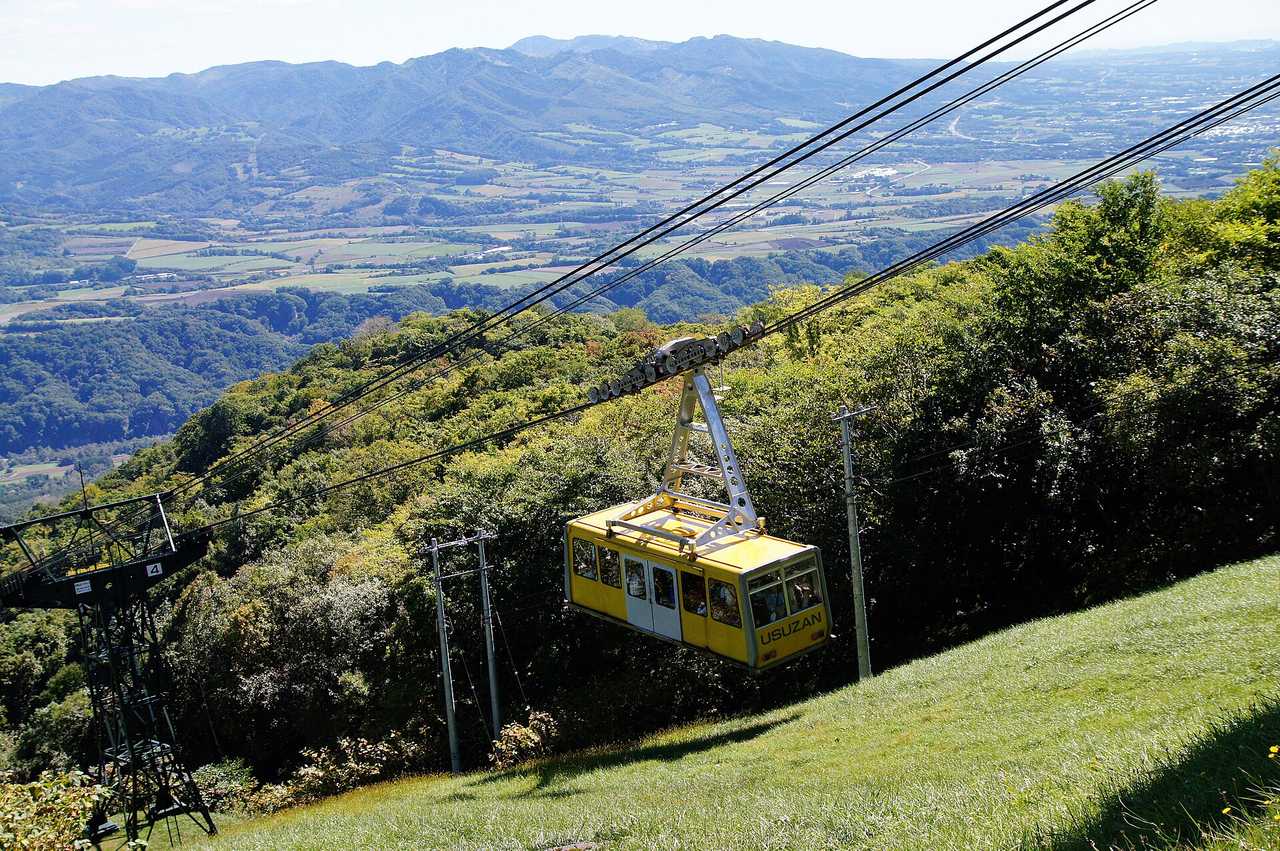
The base station of the Mt. Usu Ropeway is right next to the Showa Shinzan plaza, and it takes about 6 minutes one way to reach the summit station, with windows that take in Showa Shinzan, Lake Toya and Uchiura Bay (Funka Bay) at once.
The summit station has two routes: one to the Lake Toya Observatory for lake views and one to the Usu Crater Basin Observatory for the crater. Walking both takes about 1.5 to 2 hours, or 2.5 to 3 hours if you add the outer rim trail.
The ropeway departs at 00, 15, 30 and 45 minutes past each hour, and the last ascent is 15 minutes earlier than the last descent. The Usu Outer Rim Observatory is about 1.1 km one way from the Crater Basin Observatory, a 40 to 50 minute walk, so work backward from the last ropeway time.

Mt. Usu Ropeway in Winter: Operating Hours and Maintenance Closure Days
In winter the Mt. Usu Ropeway runs shorter hours. The official website’s schedule for January and February 2026 shows a first ascent at 9:00 and a last descent at 16:00. Every January there are also dates when the ropeway is fully closed for maintenance; in 2026 these are January 12 to 31, and the shops and restaurants at the base close as well. Dates change every year, so check the official website if you go in January. When there is snow, the route toward the Crater Basin Observatory may be inaccessible, so wear non-slip shoes and dress warmly.
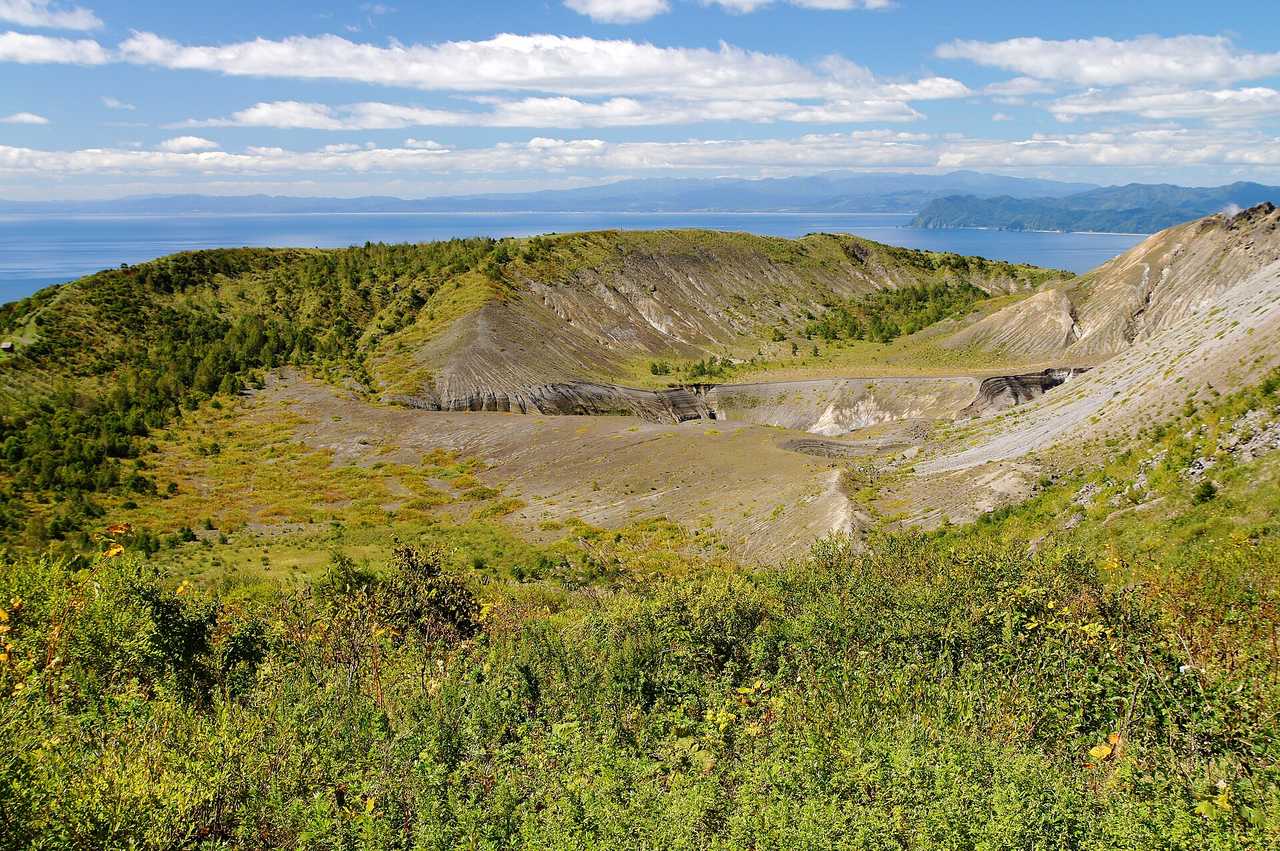
Usu Crater Basin Observatory and the Ginnuma Crater: A Head-On View into the Volcano
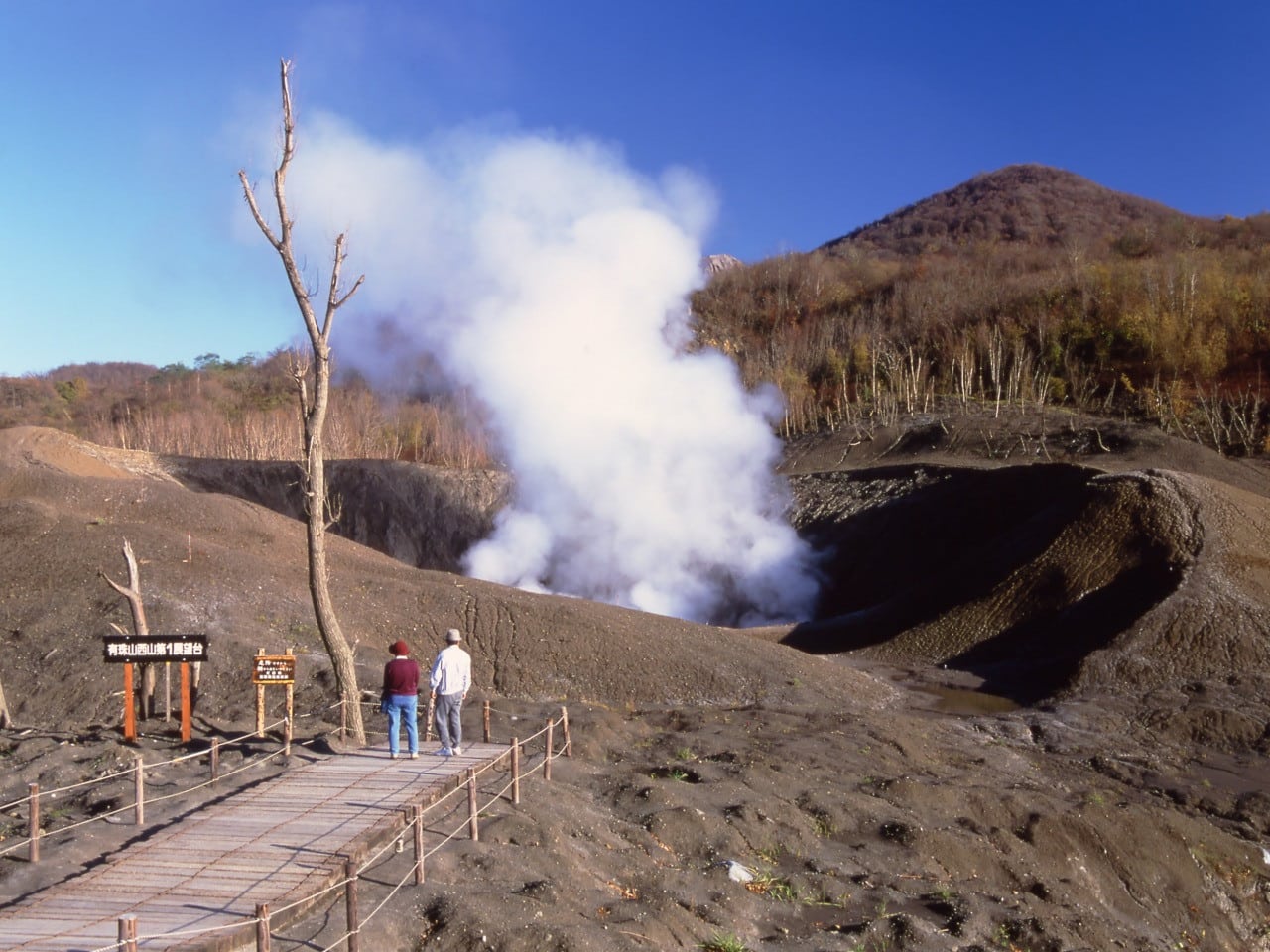
From the summit station of the Mt. Usu Ropeway, walk up the trail for about 20 minutes to reach the Usu Crater Basin Observatory. It faces the “Ginnuma Crater,” formed by Mt. Usu’s eruptions of 1977 to 1978. In front of you is a barren gray-white wasteland, with steam still rising from cracks in the ground.
Compared with the soft scenery on the lake side, the crater side feels almost like another planet, and many people consider it the part of the Mt. Usu Ropeway most worth walking. The trail has some steps and gravel, so wear comfortable shoes; in strong winds or poor visibility the trail may be closed by the managers, so check on-site notices before you go.
Mt.USU Terrace: Overlooking All of Lake Toya from a Sofa Seat
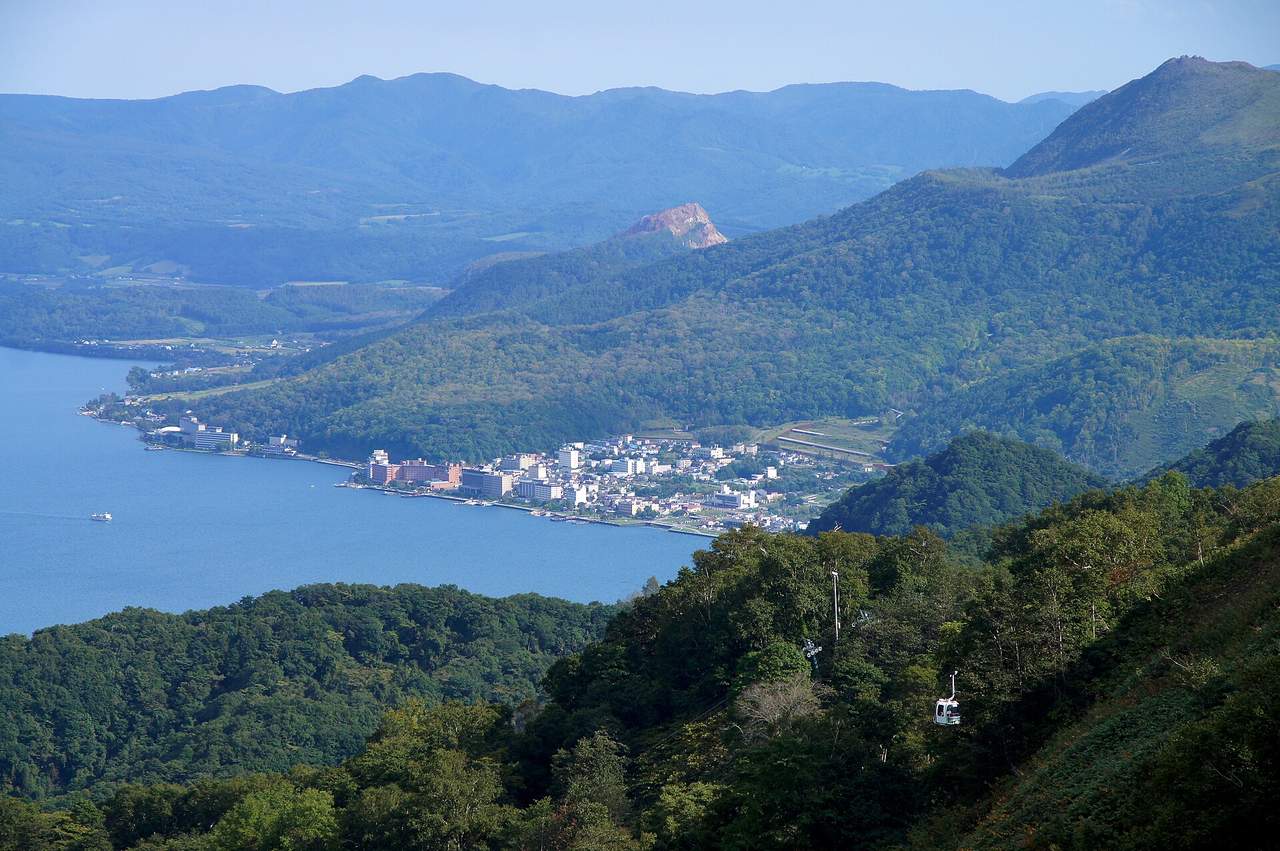
The Mt. Usu Ropeway summit station has an outdoor viewing deck called “Mt.USU Terrace.” Its best feature is the sofa seating facing the lake view, where you can buy a coffee and sit down to take in the scenery slowly. The view covers Lake Toya, Showa Shinzan and Funka Bay at once, and on a clear day you can even see Mt. Yotei in the distance.
For travelers who don’t want to walk much, this is the least tiring viewpoint: it is a few steps from the station and has restrooms and a sales area. We suggest making it a rest stop after the crater trail, sitting down with a drink before taking the ropeway back down. Menu and serving hours follow on-site notices.
Showa Shinzan: The Young Reddish-Brown Volcano That Grew Out of a Wheat Field
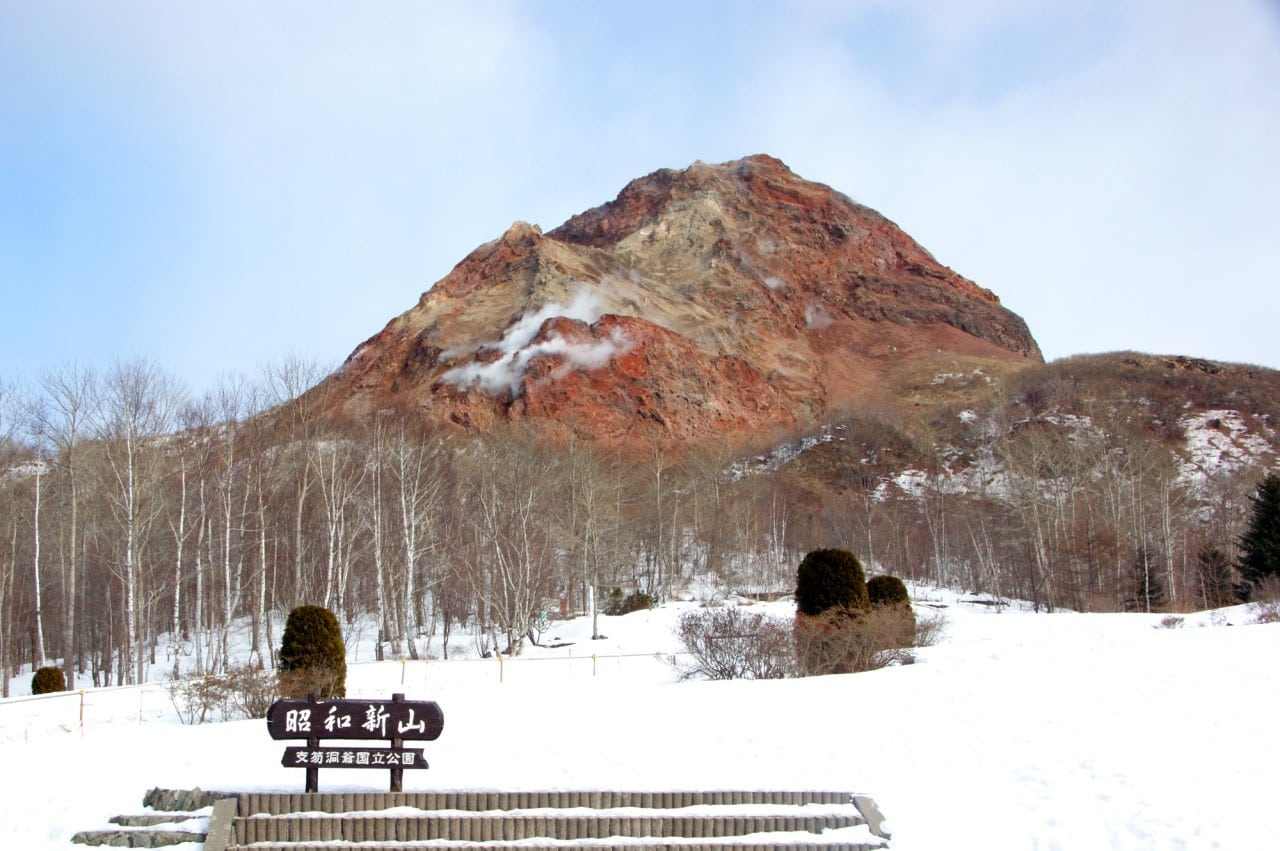
Showa Shinzan is the easiest place in all of Japan to understand “how a volcano is born.” Earthquakes struck the area continuously from December 1943, and the wheat fields and pine forest began to rise. By 1945 the ground had been pushed up about 300 meters, forming today’s reddish-brown mountain, 398 meters above sea level, which was also selected as one of Japan’s 100 geological sites.
Because the rock is still hot and white steam keeps rising from the surface, climbing is prohibited for safety, and visitors can only view it from the plaza at its foot. The plaza is open and the best spot to photograph the whole mountain, with parking, souvenir shops and dining nearby, and it is usually scheduled in the same leg of a trip as the Mt. Usu Ropeway.
-Klook.jpg)
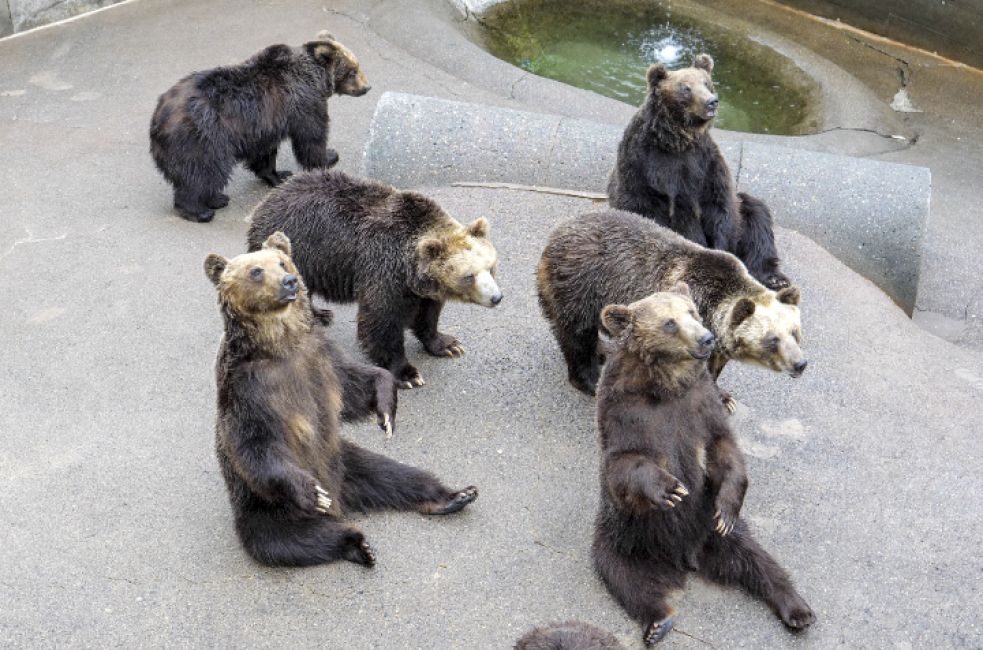
Showa Shinzan Bear Ranch: Watching Ezo Brown Bears Up Close
Showa Shinzan Bear Ranch is right next to the Showa Shinzan plaza and keeps Ezo brown bears, native to Hokkaido. The park has a raised observation area where you can look down on the bears from a safe distance, and special feed is sold for visitors to feed them, making it a stop many families make.
The park also has an experience space where you can watch the bears through glass from the inside, giving a close-up view rarely seen otherwise. The visitor route is short, and 40 minutes to 1 hour is plenty, fitting well into a gap in a ropeway itinerary. Admission, opening hours and feeding rules follow the park’s announcements on the day; please follow the staff’s instructions on site.

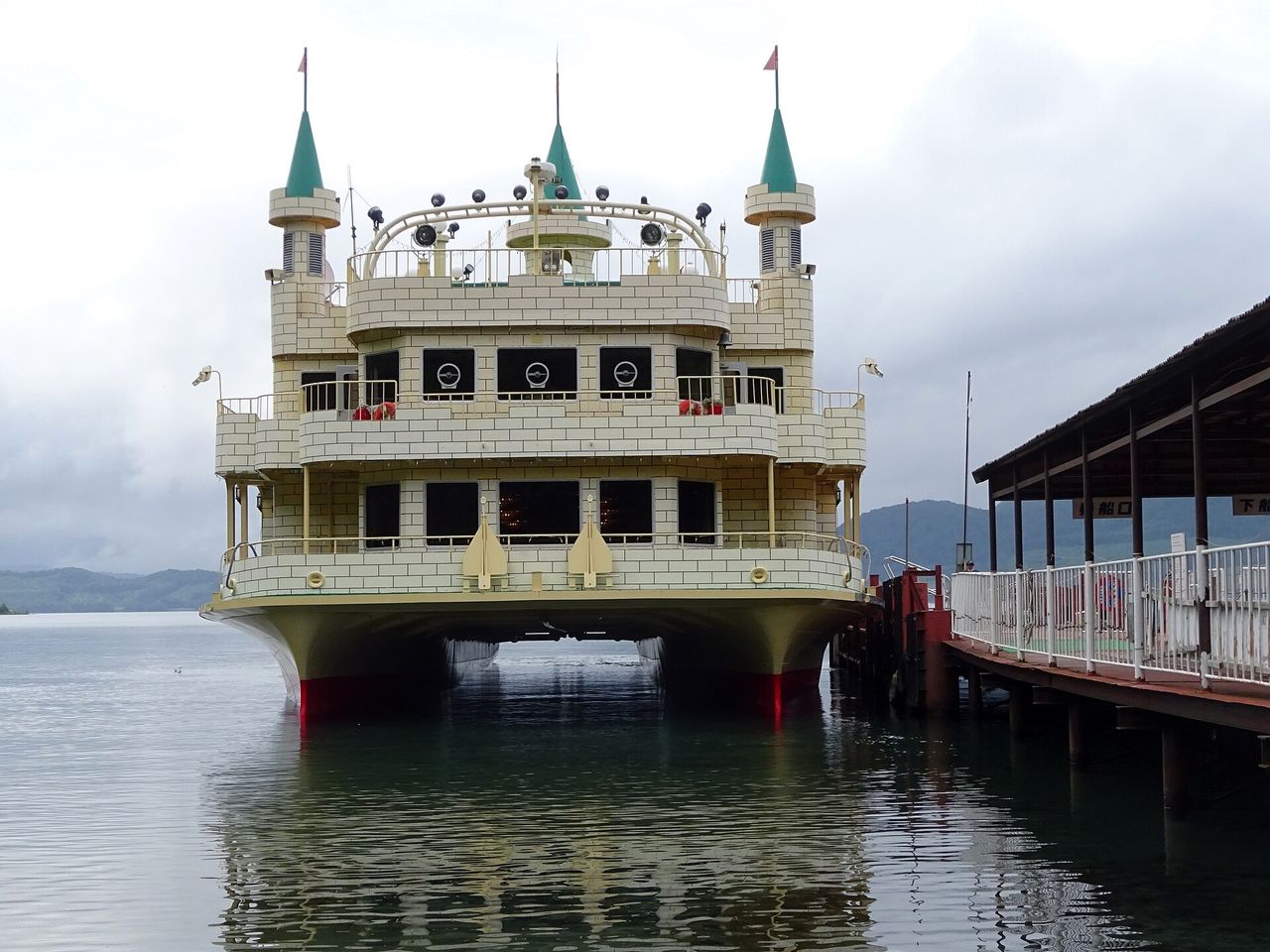
Lake Toya Cruise: Circling Nakajima Aboard a Medieval Castle-Style Cruise Ship
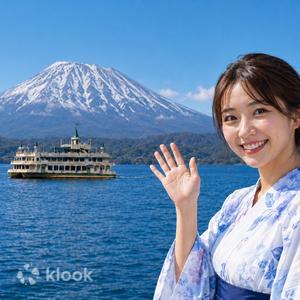
The Lake Toya Cruise boarding point is right on the lakeshore in the hot spring town, and the most eye-catching vessel is the large cruise ship styled like a medieval castle. The daytime Nakajima cruise takes about 50 minutes for a loop, with departures every 30 to 60 minutes. En route you can see the four islands in the lake and the volcanic terrain around it, and on a clear day photograph Mt. Yotei’s reflection.
During the summer sailing season the boat also stops at Nakajima, letting passengers get off and walk around, and with luck you may meet wild Ezo deer. Sailing times and fares change by season; the official website is Toyako Kisen (toyakokisen.com), so please follow its announcements.
-Klook.jpg)
Fireworks Viewing Boat: Watch Fireworks Burst Overhead from the Middle of the Lake
During the long-run fireworks season, Toyako Kisen adds a night fireworks-viewing boat. The boat heads to the middle of the lake and stops near the launch barge, so the fireworks burst almost directly overhead, and the sound and light feel completely different from watching from shore, which is the reason many people stay a night here.
The fireworks-viewing boat announced on Toyako Kisen’s website costs ¥1,900 for adults and departs at 20:35. It sells out early in the busy season, so we recommend checking at the boarding point in the late afternoon. The wind is strong and clearly colder on the lake after dark, so bring a jacket even in summer. Please follow the official announcements on the day for actual sailings, ticket sales and prices; sailings may be suspended in bad weather.
Lake Toya Hot Spring Town and Doryu no Yu: Free Foot Bath with a Sunset Lake View
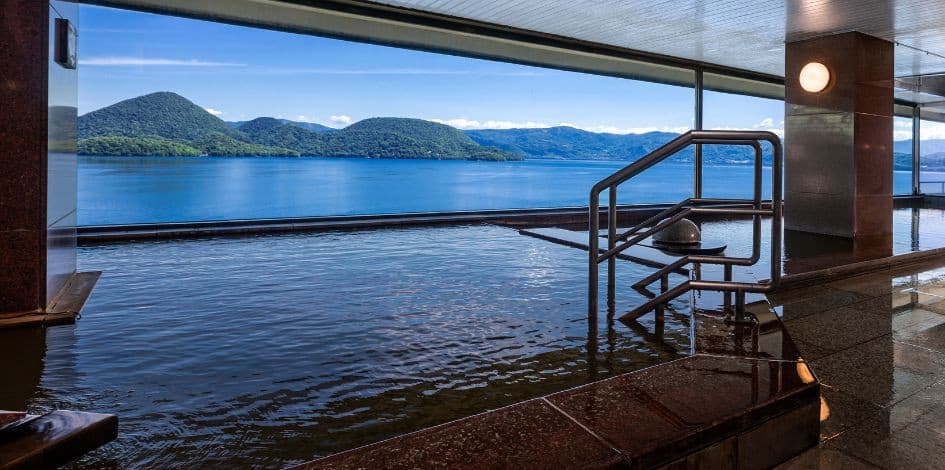
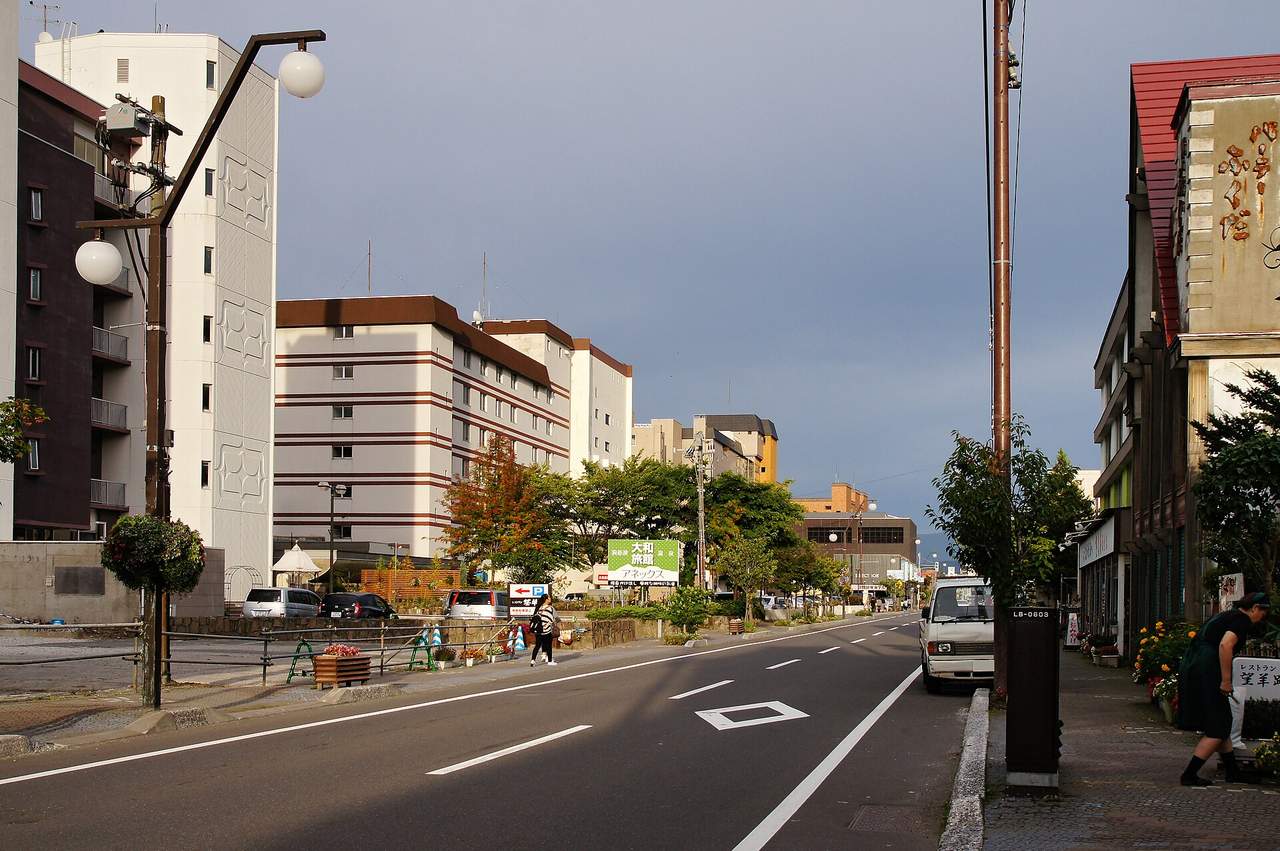
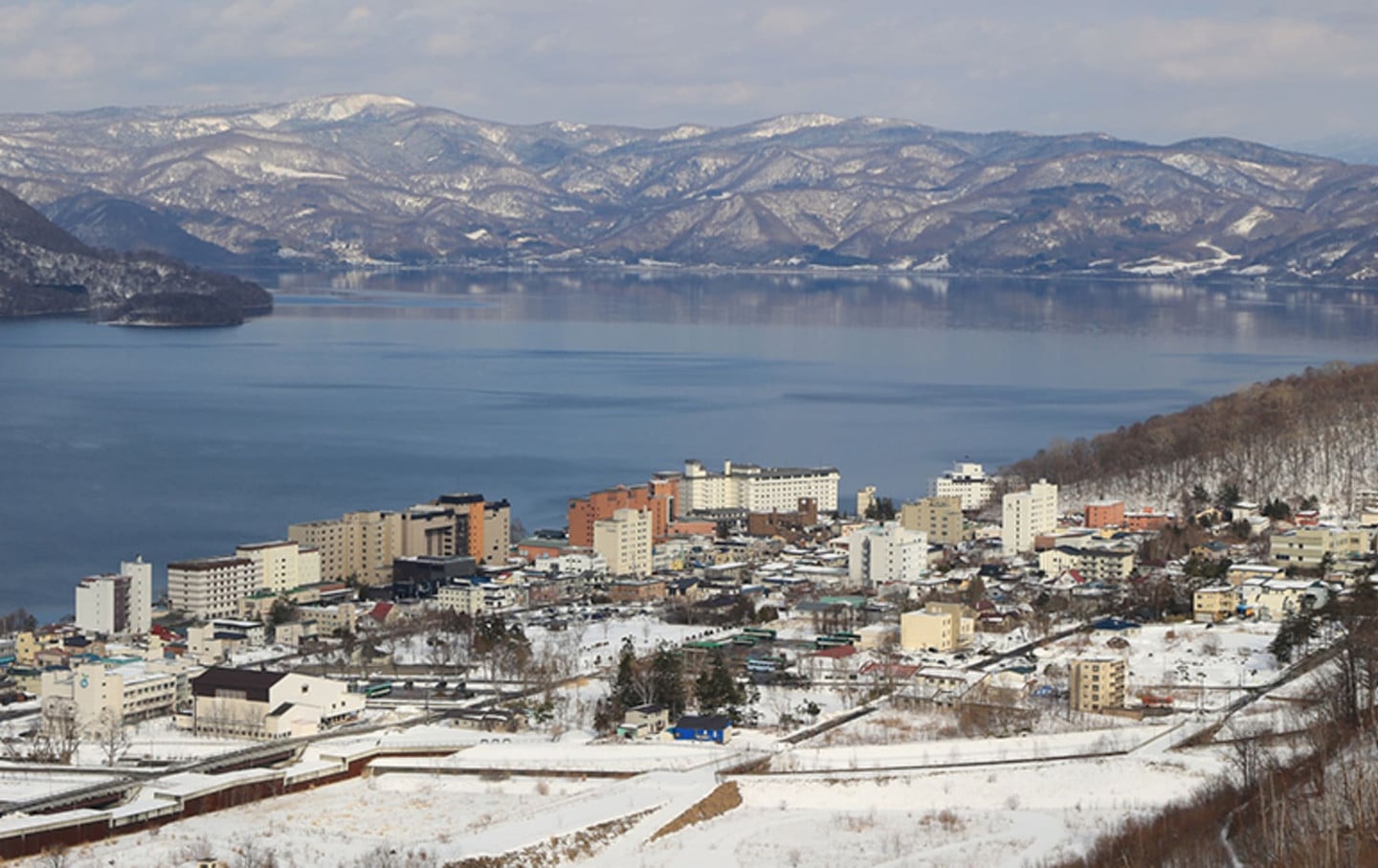
The Lake Toya hot spring town stretches along the lakeshore, with hotels, souvenir shops and restaurants concentrated along this stretch, so you can see it all on foot. The street has a free foot bath called “Doryu no Yu” right on the lakeshore, where you can soak your feet and watch the sunset sink into the lake, a way to enjoy a hot spring even if you aren’t staying overnight.
The hot spring town is also the most comfortable place to wait for the fireworks: find a spot on the lakeside promenade in the early evening, then watch the fireworks right there at night. In winter the streets are decorated with an illumination tunnel, offering a different kind of night scenery. Bring your own towel for the foot bath; opening hours and maintenance closures follow local notices.
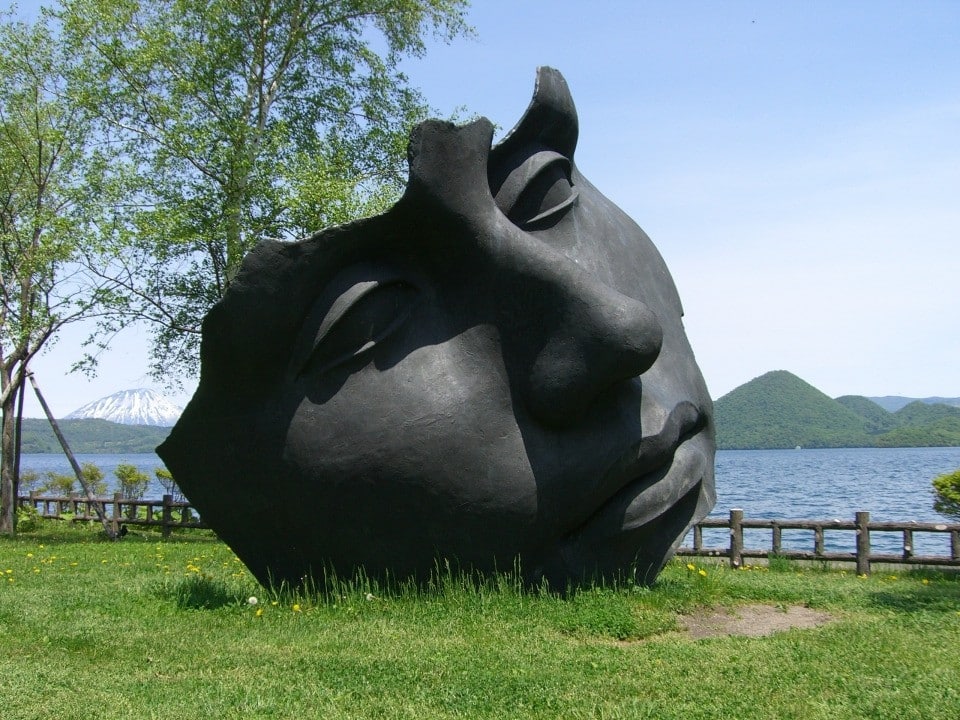
Lake Toya Sculpture Park: An Outdoor Museum Along the Shore
A series of outdoor sculptures has been installed along the shore of Lake Toya, and together they form an open-air museum around the lake. The stretch in the hot spring town is the densest, and the promenade is flat and easy to walk, making it ideal after the cruise or before the fireworks.
The works are scattered along the grass and lakeside paths, and strolling and stopping takes about 30 minutes to 1 hour. This promenade is also the main spot for watching the fireworks for free, and crowds gradually gather in the late afternoon. There are plenty of benches along the way, and eating snacks bought in the hot spring town as you walk is a very local way to enjoy it. In winter the scene changes to one blanketed in snow, with a charm of its own.
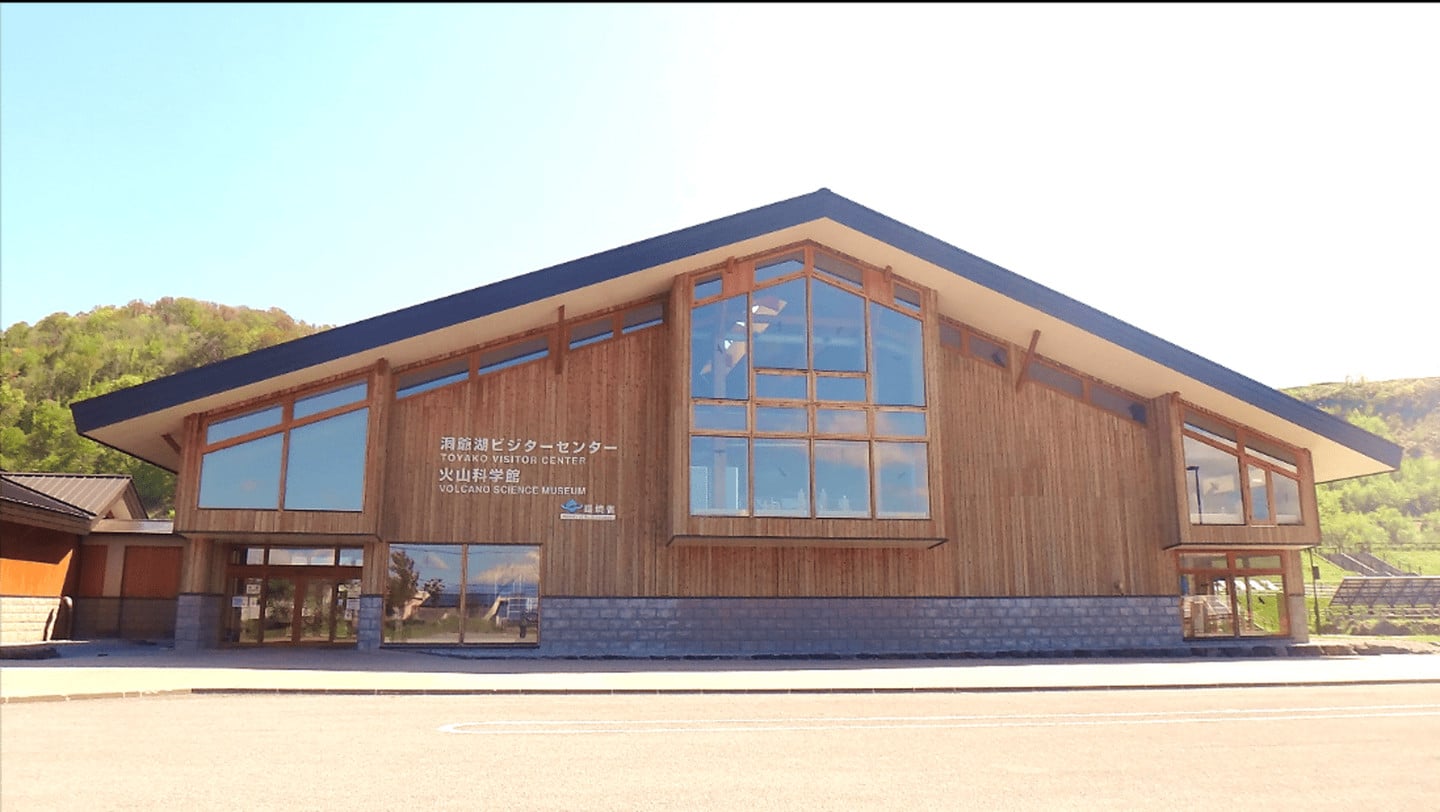
Lake Toya Visitor Center and Volcano Science Museum: Understand the Volcano Before You See It
The Lake Toya Visitor Center and Volcano Science Museum are in the hot spring town and are the quickest place to understand the lake’s origins. Centered on Mt. Usu’s successive eruptions, the museum uses video, models and real objects buried in volcanic ash at the time to explain how residents evacuated during the 1977 and 2000 eruptions.
The museum has an experience exhibit that recreates the tremors and sounds of an eruption. Seeing the exhibits before visiting Showa Shinzan or the crater trails makes the experience completely different. We suggest putting it at the very start of your itinerary as an introduction. Opening hours and admission follow the museum’s announcements, and the visitor center also provides the latest status of nearby trails.
Konpira and Nishiyama Foothill Crater Trails: Disaster Sites Preserved As They Were
After the 2000 eruption of Mt. Usu, the locals chose to preserve the disaster sites as they were and opened two trails you can walk through. The Konpira Crater Disaster Ruins Trail shows public housing and bridges deformed by the force of the mudflow; the Nishiyama Foothill Crater Trail shows an old national road that was lifted, broken and twisted, and buildings sunk into a crater lake.
Both trails are near the hot spring town and not steep, each taking under an hour for a loop. This is the attraction with the most geopark spirit at Lake Toya, and a part many guides leave out. They usually avoid the snow season while open, and may close temporarily due to volcanic activity or weather, so check with the visitor center before you set out.
Silo Observatory (サイロ展望台): Capture All of Lake Toya and Nakajima in One Shot
The Silo Observatory is on high ground on the northwest side of Lake Toya and is the best-known viewpoint on the lake road, taking Lake Toya, Nakajima Island, Mt. Usu and Showa Shinzan into one frame. Many of Lake Toya’s iconic photos were taken here.
The observatory has a parking lot, a shop and a light-meal area. It is on the lake road and hard to reach by public transport, so it is only convenient if you drive or charter a car. Hours and activities follow on-site notices.
Tickets and Tours
Paid experiences at Lake Toya are concentrated in two areas, the volcano park and the lake. Tickets are mostly bought on site, and some tours can be booked in advance on travel platforms. Below are the five items most often included in itineraries; prices and times always follow each operator’s announcement on the day.
Mt. Usu Ropeway Round-Trip Ticket: 6 Minutes Up to an Active Volcano Observatory
The Mt. Usu Ropeway is the main paid experience in the Lake Toya area, sold as a round-trip ticket. The official website lists the round-trip fare as ¥2,000 for adults (junior high school and up) and ¥1,000 for elementary school students. The official website is “Usuzan Ropeway (有珠山ロープウェイ)” (usuzan.hokkaido.jp), and operating hours change by season.
After going up, you can visit the Lake Toya Observatory and the Usu Crater Basin Observatory; walking both takes about 1.5 to 2 hours, and the summit also has Mt.USU Terrace for a rest. The ropeway may be suspended in strong winds or due to volcanic activity.
Lake Toya Cruise Nakajima Circuit: A 50-Minute Lake Cruise Past Volcanic Terrain
The Lake Toya Cruise’s daytime Nakajima circuit takes about 50 minutes and costs ¥1,800 for adults, with departures every 30 minutes in summer and every 60 minutes in winter. The boarding point is right on the lakeshore in the hot spring town, and the most eye-catching vessel is the large cruise ship styled like a medieval castle.
The route circles the four islands in the lake, giving views of Mt. Usu and Showa Shinzan from the water, and on a clear day you can photograph Mt. Yotei’s reflection. In the summer sailing season there is an added stop at Nakajima, where you can get off and walk the primeval forest trail, with a chance of meeting wild Ezo deer. In winter the lake does not freeze, so sailings run as usual. Fares and sailings follow the operator’s announcements.
Lake Toya Fireworks Viewing Boat: Watch Fireworks Burst Overhead from the Middle of the Lake
During the long-run fireworks season an extra night fireworks-viewing boat runs. The boat heads to the middle of the lake and stops near the launch barge, so the fireworks burst almost directly overhead, and the sense of presence is completely different from watching from shore, which is the reason many people stay a night.
The official website lists ¥1,900 for adults, departing at 20:35 and returning to port around 21:20, matching the fireworks time that starts at 20:45. It sells out easily in the busy season, so we recommend checking at the boarding point in the late afternoon. The wind on the lake is strong and cold after dark, so bring a jacket even in summer. Sailings may be suspended in bad weather; refer to the official announcements for actuals.
Showa Shinzan Bear Ranch Admission: Watching Ezo Brown Bears Up Close
The bear ranch is right next to the Showa Shinzan plaza and keeps Ezo brown bears native to Hokkaido. It is an inexpensive ticket and fits well in the same leg of the trip as the ropeway. The park has a raised observation area where you can look down on the bears from a safe distance.
Special feed is sold on site for visitors to feed the bears, and there is also an experience space for watching them up close through glass from the inside, a fixed stop for families. The visitor route is short, and 40 minutes to 1 hour is plenty. Admission, opening hours and feeding rules follow the park’s announcements on the day; please follow on-site instructions.

Lake Toya Day Trip from Sapporo: A Solution If You Don’t Drive but Want to See the Fireworks
The last JR train back to Sapporo usually leaves before the fireworks begin, so if you want to return the same day and still see the fireworks, joining a tour is almost the only way. These tours mostly depart from Sapporo and link Showa Shinzan, the Mt. Usu Ropeway and the Lake Toya hot spring town in one go.
A tour also avoids the problem of the winter suspension of the Showa Shinzan bus. Most packages include round-trip transport and a guide, but whether the ropeway and boat tickets are included varies by package, so read the details and meeting time before booking.
-Klook.jpg)
How Much Does a Lake Toya Trip Cost? Transport, Ropeway and Cruise Fares
Costs at Lake Toya fall mainly into three areas: long-distance transport in and out, the ropeway and boat tickets in the park, and hot spring lodging. Below are the items travelers who don’t drive most often encounter; amounts are approximate ranges, and actual fares follow each operator’s announcements on the day.
Long-Distance Transport: Where the JR Limited Express and Bus Costs Land
Taking the JR Limited Express Hokuto from Sapporo or New Chitose Airport to Toya Station is the biggest single expense of this trip, and the round trip usually exceeds the total of the other items. If the same trip will also go to Hakodate or Noboribetsu, buying a Hokkaido Rail Pass is almost always better value than buying tickets separately.
The Donan Bus one-way fare from Sapporo directly to Lake Toya Onsen is lower than JR, but it is reservation-only with few departures and a longer ride, suiting those with a lot of luggage who aren’t in a hurry. The connecting bus after arriving at Toya Station costs about ¥400 one way, cash only. Estimate the three combinations first, then decide whether to buy a rail pass.
Mt. Usu Ropeway: The Main Admission Expense in the Park
The Mt. Usu Ropeway uses a round-trip ticket and is the highest-priced single experience in the Lake Toya area, usually a must-spend item in an itinerary. Prices vary by season and by combo tickets with other facilities, and both the official website and the on-site ticket office post the current prices.
Visitors who drive need to budget parking separately, about ¥500 per visit at the lots around the base station. If you also plan to enter Showa Shinzan Bear Ranch the same day, check at the ticket office for a joint or combo ticket, which is usually a little cheaper than buying separately. Actual ticket types follow the day’s announcements.
Lake Toya Cruise and Fireworks Viewing Boat: Daytime and Night Priced Separately
The Lake Toya Cruise’s daytime Nakajima circuit and the night fireworks-viewing boat are two different tickets and cannot be used for each other. The daytime Nakajima circuit takes about 50 minutes and costs ¥1,800 for adults, while the night fireworks-viewing boat costs ¥1,900 for adults.
Night boats sell out easily in the busy season, so we recommend buying tickets at the boarding point in the afternoon. If you only have one day and can’t see the fireworks, concentrate your budget on the daytime cruise. Sailings may be canceled in bad weather, so check the cancellation and change rules before buying. Actual fares and sailings follow the Toyako Kisen announcements.
Bear Ranch, Volcano Science Museum and Free Attractions: What to Choose
Showa Shinzan Bear Ranch and the Volcano Science Museum are both inexpensive tickets, and budgeting for one admission each is enough. If time is limited, we suggest entering the Volcano Science Museum first, since it greatly improves your understanding of the volcanic terrain you see afterward.
The good news is that Lake Toya has quite a few completely free highlights: the Doryu no Yu foot bath in the hot spring town, the lakeside sculpture park promenade, the Konpira and Nishiyama Foothill crater trails, and watching the long-run fireworks from the lakeshore all cost nothing. Fitting the free attractions in keeps a day’s admission costs very low.
How to Save: Comparing Rail Passes, Lodging Plans and Day Tours
Travelers who don’t drive have three ways to save. First is transport: use a Hokkaido Rail Pass to link Lake Toya with Noboribetsu and Hakodate. Second is lodging: most inns in the hot spring town offer a one-night-two-meals plan, often cheaper than eating out plus a day-use bath.
Third is joining a day trip or chartered tour from Sapporo; for those who want to see the fireworks without staying overnight, a tour is the most practical option.
What to Know When Visiting Lake Toya: Volcanic Activity, Seasons and Lodging Tips
Lake Toya is a tourist destination next to an active volcano, so plans are more likely to be affected by natural conditions than at a typical attraction. There are a few things you must check before you go.

Volcanic Activity and Weather: The Ropeway and Trails May Suspend Without Notice
Mt. Usu is a still-active volcano, and the operation of the ropeway and the trails around the crater is directly affected by volcanic activity and weather conditions. In strong winds, thick fog or when the volcanic alert level is raised, the ropeway may be suspended, and the Crater Basin Observatory trail and the two crater trails may also close.
So don’t make “riding the ropeway no matter what” your itinerary’s only goal. On the day, check the official website or the Lake Toya Visitor Center’s announcements first, and prepare an alternative, such as taking the cruise or visiting the Volcano Science Museum instead. Actual opening status always follows on-site and official announcements on the day.
Choosing a Season: Fireworks Season, Autumn Leaves and Winter Transport Limits
To see the fireworks, time your visit to the long-run fireworks season, which in 2026 runs from April 28 to October 31; the summer sailing season, when you can also land on Nakajima, offers the fullest experience. In autumn the lakeshore turns red and crowds are smaller, a great time for photos; in winter the lake does not freeze and boats still run, but you face snow and some facilities being closed.
The most important thing to note is that in winter the buses to Showa Shinzan and the Mt. Usu Ropeway are suspended, so without a car your only options are a taxi or a tour. Winter’s compensation is the illuminations in the hot spring town and the snowy lake; each has its own appeal, so choose by what matters most to your trip.
Stay Overnight or Day Trip? Lodging and Route Suggestions
If you want to see the fireworks, we strongly recommend staying one night. The last JR train back to Sapporo usually leaves before the fireworks begin, so on a day trip you almost can’t see them. The hot spring town has everything from long-established large hot spring inns to small guesthouses, and lake-view rooms and open-air baths are the key points when choosing a room.
For route planning, Lake Toya pairs well with Noboribetsu Onsen, Muroran or Hakodate in one line, all along the JR Muroran Main Line. If you drive, you can also add the Silo Observatory (サイロ展望台) and the lake road. To compare inns in more depth, see our dedicated Lake Toya hot spring lodging roundup.
Lake Toya Attractions FAQ
Q: How many days should I plan for Lake Toya?
For sightseeing alone, one day is enough: take a bus to Showa Shinzan and the Mt. Usu Ropeway in the morning, then return to the hot spring town in the afternoon for the cruise and a lakeside walk. But to see the nightly long-run fireworks you must stay a night, because the last JR train back to Sapporo usually leaves before the fireworks are launched. To add the Silo Observatory or other sights around the lake, we suggest two days and one night with a car.
Q: Can I visit Lake Toya without a car?
Yes, but check the timetables first. The Lake Toya hot spring town itself can be covered on foot, and the cruise, foot bath, sculpture park and crater trails are all within walking distance. Getting to Showa Shinzan and the Mt. Usu Ropeway requires the Donan Bus, which has few departures a day and is suspended in winter, when you can only take a taxi or join a tour. Sights around the lake such as the Silo Observatory almost require a car.
Q: Can I climb Showa Shinzan?
No. Showa Shinzan is a young volcano that only rose after 1943, and the mountain is still hot and steaming, so climbing is prohibited for safety reasons; visitors can only view and photograph it from the plaza at its foot. If you want a high vantage point, take the neighboring Mt. Usu Ropeway up; from the observatory you can in fact capture the whole of Showa Shinzan more completely.
Q: When is the Lake Toya fireworks festival? Do I need a ticket?
The 2026 Lake Toya Long-Run Fireworks Festival runs from April 28 to October 31, with fireworks about 20 minutes long each night from around 20:45 to 21:05. Watching from the lakeside promenade in the hot spring town is completely free, and because the fireworks are launched from moving boats, they can be seen along the whole shoreline. To watch up close from the middle of the lake, you can buy a same-day fireworks-viewing boat ticket separately. Dates and times still follow the official announcements for the year.
Q: How much time should I allow for the Mt. Usu Ropeway?
The ride takes about 6 minutes one way, but what you do after going up is the real point. Seeing only the Lake Toya Observatory takes under an hour; walking both observatories takes about 1.5 to 2 hours; and adding a loop of the outer rim trail takes 2.5 to 3 hours. Adding queues and the round-trip bus, we suggest reserving at least half a day for this area.
Q: Is Lake Toya worth visiting in winter?
Yes, but adjust your expectations. Lake Toya does not freeze in winter and cruises run as usual, so you can see the lake in its snowy version, and the hot spring town is decorated with illuminations. The downsides are no fireworks (the long-run fireworks run from the end of April to the end of October), suspended buses to Showa Shinzan and the Mt. Usu Ropeway, and some trails closed by snow. Winter suits an itinerary built around hot springs and lake views.
Q: Mt. Usu is still active. Is it safe to visit?
Lake Toya is a mature tourist destination and a UNESCO Global Geopark, with a thorough disaster-prevention and monitoring system, and normal sightseeing is safe under ordinary conditions. The key is to respect on-site controls: when the volcanic alert level is raised or the weather is bad, the ropeway is suspended and trails are closed, so do not enter closed areas. Check the official announcements before you set out, and on arrival you can also stop by the Lake Toya Visitor Center to confirm the latest conditions.