

Hokkaido Daisetsuzan Asahidake and Sounkyo Autumn Leaves Guide 2026: Japan’s Earliest Fall Colors
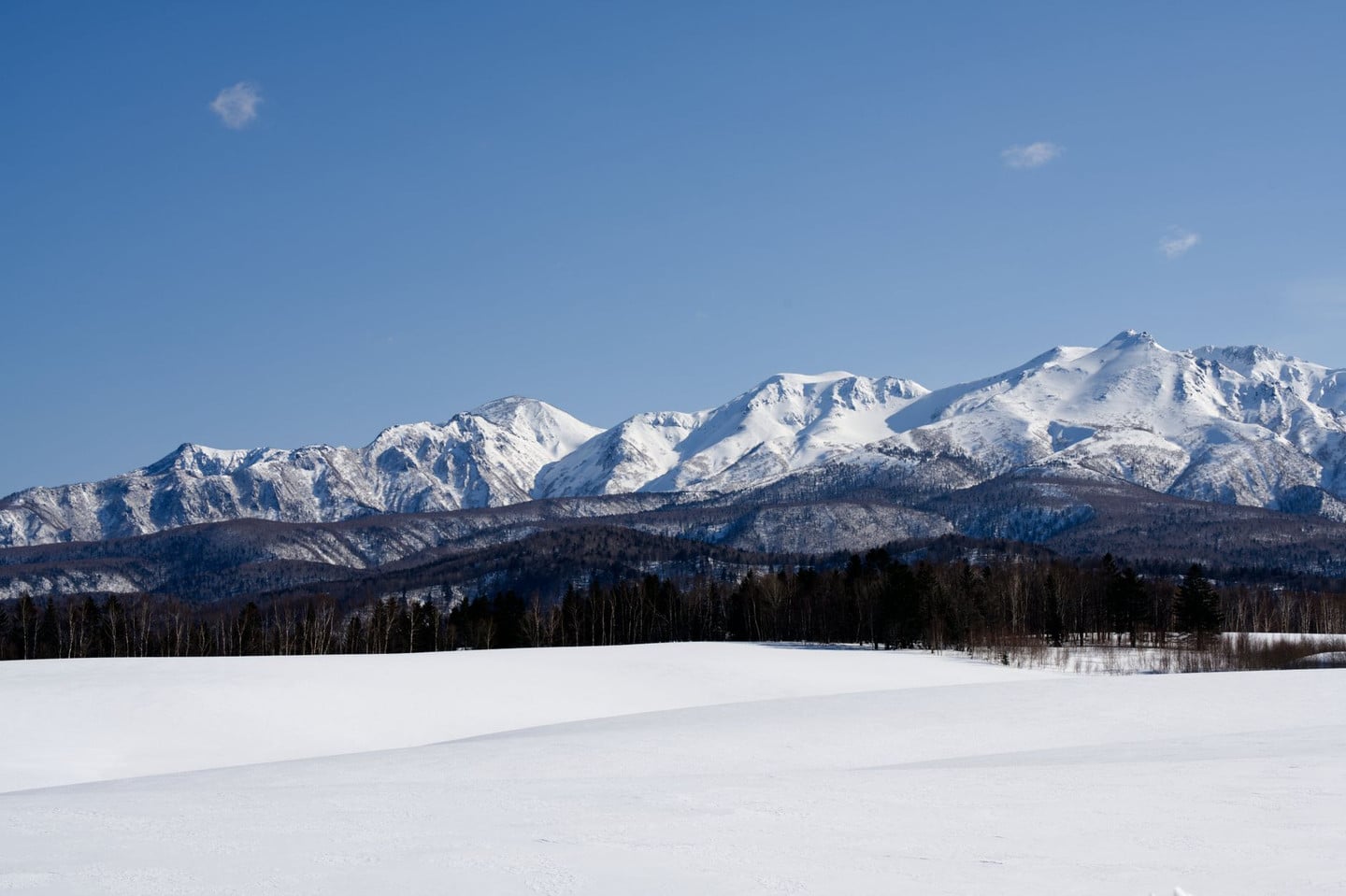
Asahidake and Sounkyo Fall Foliage 2026: Catch Japan’s Earliest Autumn Colors
If you want to see the first wave of autumn color in all of Japan, Hokkaido’s Daisetsuzan National Park is the top choice. The Daisetsuzan mountain range turns red earlier than anywhere else in Japan each year, nearly a month ahead of other regions. Asahidake’s fall colors (alpine vegetation) and Sounkyo’s (Mt. Kurodake) fall colors (gorge forest) are two completely different kinds of spectacle.
The foliage in Daisetsuzan changes color gradually from high elevations down to lower ones, a pattern known as the “three-stage autumn leaves.” You can plan the order of your visits around this pattern and take in layered autumn scenery in a single trip.
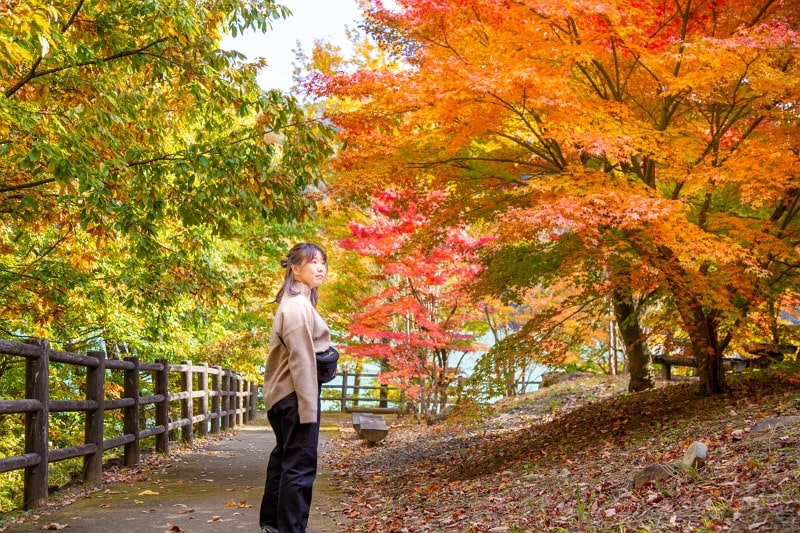
2026 Daisetsuzan Asahidake and Sounkyo Fall Foliage: The Three-Stage Timeline
- Daisetsuzan Asahidake (around Sugatami Pond): peak color is usually from mid-September to late September, making it Japan’s earliest foliage spot (in 2026 it already peaked in this window).
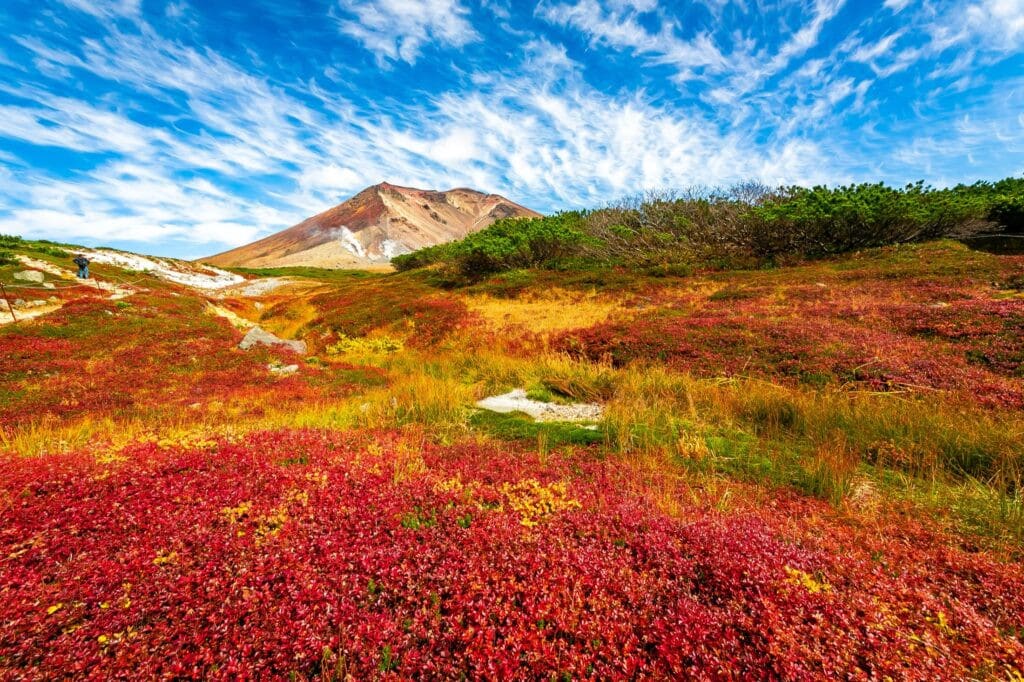
- The highlight is the “grass autumn leaves” of alpine plants, together with Japanese rowan and Erman’s birch, weaving red, yellow and green together.
- Temperatures on the mountain can drop to single digits and winds are strong, so be sure to bring windproof and cold-weather clothing.
- Sounkyo Kurodake (5th to 7th station): peak color is usually from late September to early October, and from the ropeway you can look down over a whole mixed conifer and broadleaf forest turning red.
- Sounkyo Onsen town and Momijidani (Maple Valley): peak color is around early to mid-October, and there is also a light show in Momijidani at night.
Latest 2026 Sounkyo and Asahidake Foliage Conditions and Ropeway Information
Here is how the 2026 foliage has progressed in Daisetsuzan (compiled from the ropeway websites and reports from local inns):
- Kurodake: the ropeway website announced on September 2 that the leaves had begun to change, and on September 17 updated that the area near the summit had hit its peak and the area around the 7th station was at peak color.
- Ginsendai: reports from September 13 to 15 said the red had reached its peak, and with little insect damage or sunscald this year, the reds are especially clean.
- Asahidake: on September 13 the ropeway website reported vivid foliage around Sugatami Pond at about 1,600 meters, calling it “the most vivid autumn color in 5 years,” and the color will then move down the mountain along the ropeway route.
- The Asahidake Onsen area is at a lower elevation, so the foliage will move from top to bottom along the ropeway route.
Sounkyo Onsen town and Momijidani are at lower elevations and turn red a little later, so we recommend visiting in early to mid-October. Check the latest conditions before you set out.
Safety Reminder: Brown Bear Warnings
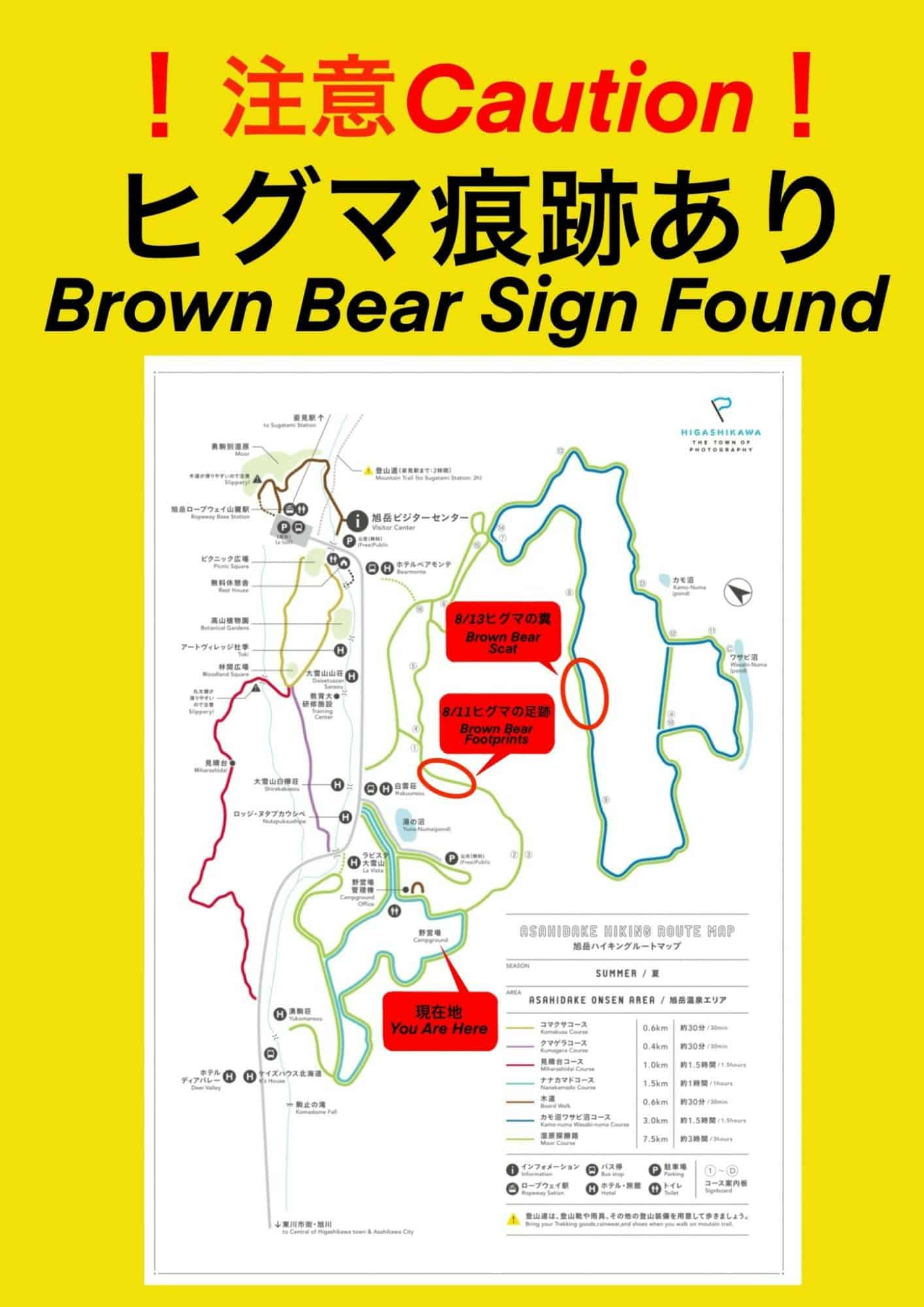
The Daisetsuzan area is the main habitat of brown bears, and as recently as September 30, 2026 there were sighting reports near the Nakadake fork. This is a safety issue you must keep in mind before planning a hike. We recommend avoiding hiking alone, carrying a bear bell, and following the notices posted on the trails.
Before you set out, you can check a dedicated bear sighting map (kuma-watch.jp/spot/daisetsu) for the latest sighting records around Daisetsuzan, and when planning your route try to avoid sections with frequent reports to keep your hike safe.
If you see a bear warning sign, always turn back and take another route; do not take chances and keep going. Mobile signal in the mountains is unreliable, so we recommend telling your accommodation your hiking route and expected return time in advance.
Getting to Daisetsuzan Asahidake and Sounkyo
Route A: Getting to Asahidake
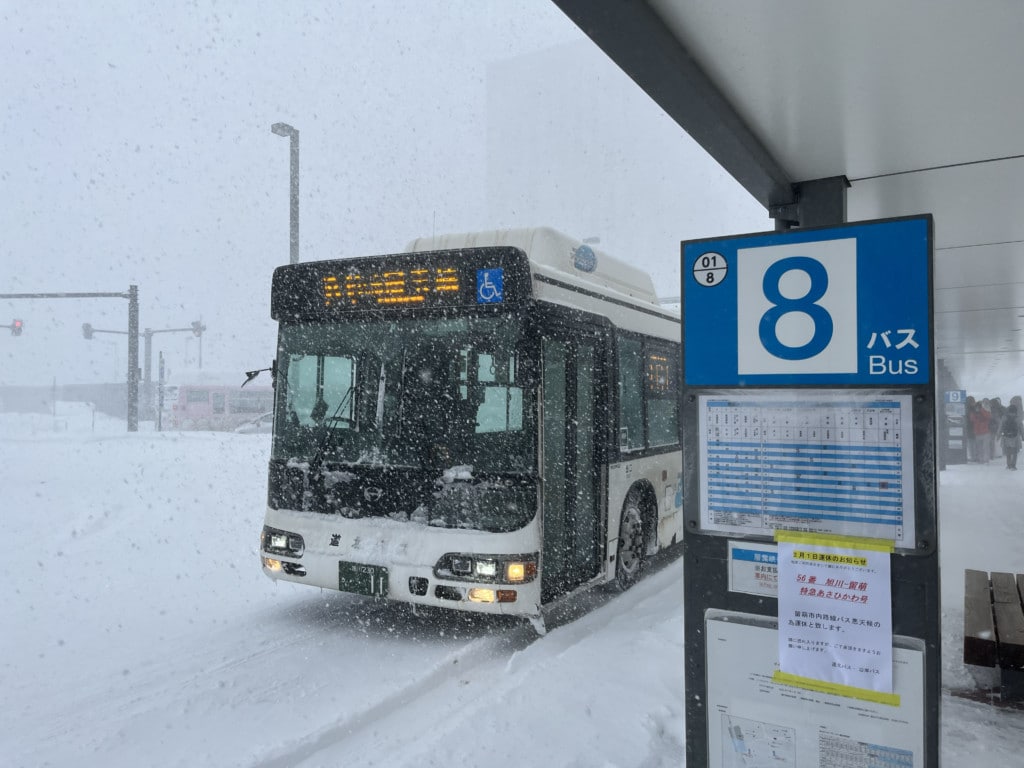
From the No. 9 bus stop in front of JR Asahikawa Station, take the Asahikawa Denkikido Route 66 “Ideyu-go” bus (via Asahikawa Airport and Higashikawa) directly to Asahidake Onsen. The terminus, “Asahidake,” is the Asahidake Ropeway base station. The ride takes about 1 hour 48 minutes, and the one-way adult fare is ¥2,300 (the fare from September 1, 2026, with no round-trip discount).
There are only 4 round trips per day (check the official announcements for the timetable of each run). Line up early and keep an eye on the last bus back, and before you go check the latest timetable once more on the Asahikawa Denkikido official website (asahikawa-denkikidou.jp).
If you miss the last bus, taxis in the mountain area are limited, and getting back to the city may cost a lot.
Route B: Getting to Sounkyo
There are two main ways to get from Asahikawa to Sounkyo. One is the direct bus: take the Dohoku Bus “Sounkyo-Kamikawa Line” from in front of JR Asahikawa Station, about 2 hours one way, with the fare as announced on the Dohoku Bus website. The other is to take a JR limited express from Sapporo or Asahikawa to Kamikawa Station (about 2 hours 20 minutes by limited express from Sapporo), then transfer to a Dohoku Bus for about 35 minutes. This option has more flexible departures and suits travelers with a more flexible schedule.
Transit IC cards such as Suica or ICOCA may not work on Dohoku Bus, so we recommend having cash ready, and take a numbered boarding ticket when you get on. The mountain area is crowded in foliage season, so be sure to arrive at the bus stop early for your return trip.
Driving and Day-Trip Sightseeing Buses
Driving from Sapporo to Asahidake or Sounkyo takes about 2.5 to 3 hours, and lets you also visit two other hard-to-reach foliage hideaways in Daisetsuzan: Ginsendai and Kogen Onsen. Note, however, that private cars are restricted during peak foliage season and you must take a shuttle bus in, so be sure to check the latest announcements for the current year before you set out.
If you would rather not figure out complicated bus timetables, consider a one-day Sounkyo Kurodake sightseeing bus tour from Sapporo. The tour covers the ropeway ticket and sights such as Ryusei and Ginga Falls in one package, which is relatively relaxed and hassle-free and well suited to first-time independent travelers.
Ginsendai 2026: New Advance-Reservation System for Private Cars
Starting in 2026, Ginsendai introduced an advance-reservation system for private cars (“My Car Access Advance Reservation System”) during foliage season. The restricted period ran from September 12 to September 23, 2026 (now over), during which those without a reservation could not use the Ginsendai parking lot, and the cooperation fee was ¥2,000 per vehicle. Please check the official announcements before you go for whether it will continue next year.
During the same period there was a shuttle bus that required a reservation, departing from “in front of the Sounkyo Information Center,” at ¥5,000 round trip or ¥2,500 one way. In 2026 the Taisetsu Lake parking lot did not offer shuttle service.


The Complete Guide to Daisetsuzan Asahidake and Sounkyo Foliage Spots
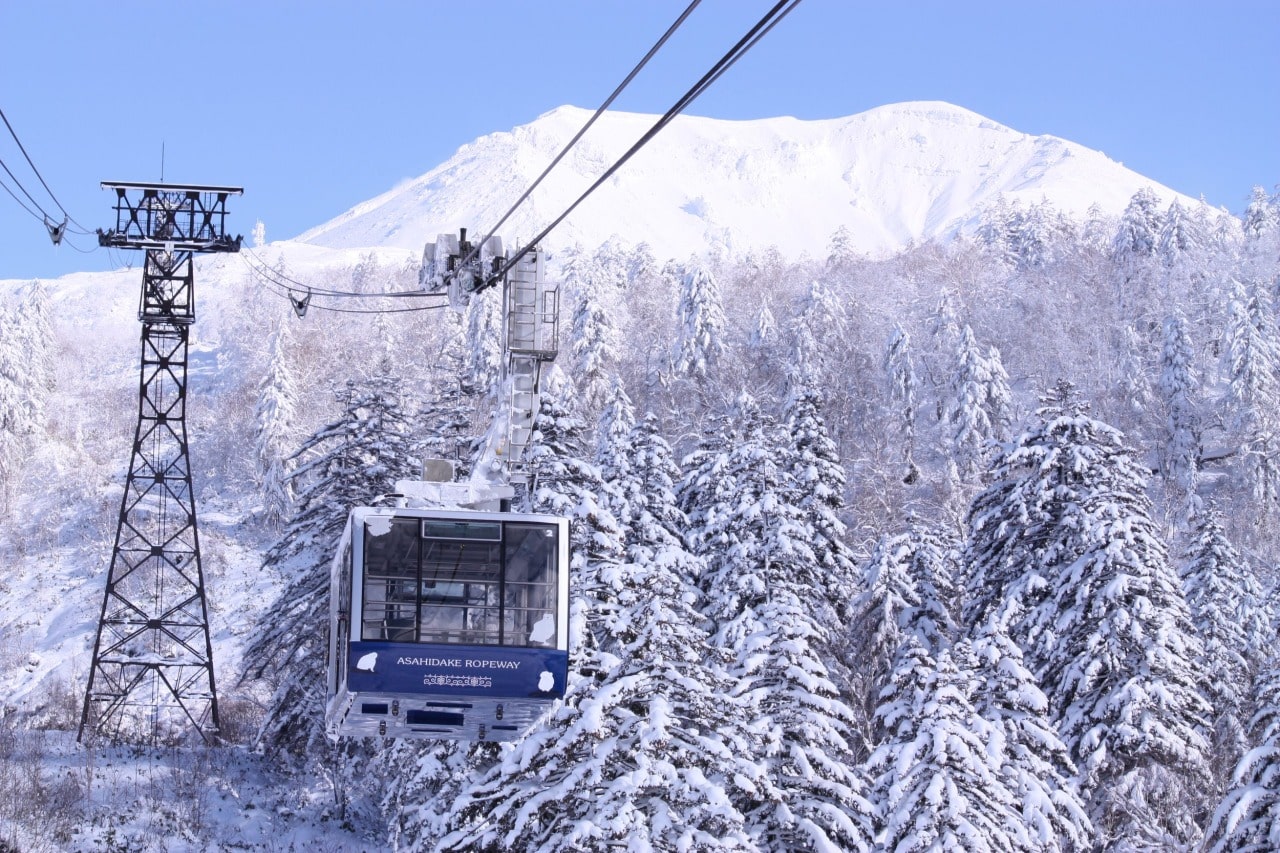
Daisetsuzan Asahidake Ropeway
From the base station, the ropeway takes about 10 minutes to reach Sugatami Station at 1,600 meters. The 2026 peak-season fares (June to October) are ¥3,500 round trip and ¥2,200 one way for adults. From October 1 to 20 the first car is at 08:00 and the last at 17:00, and from October 21 to 31 it runs 9:00 to 16:00, with a departure every 20 minutes. The base station parking lot has about 150 spaces and costs ¥500.
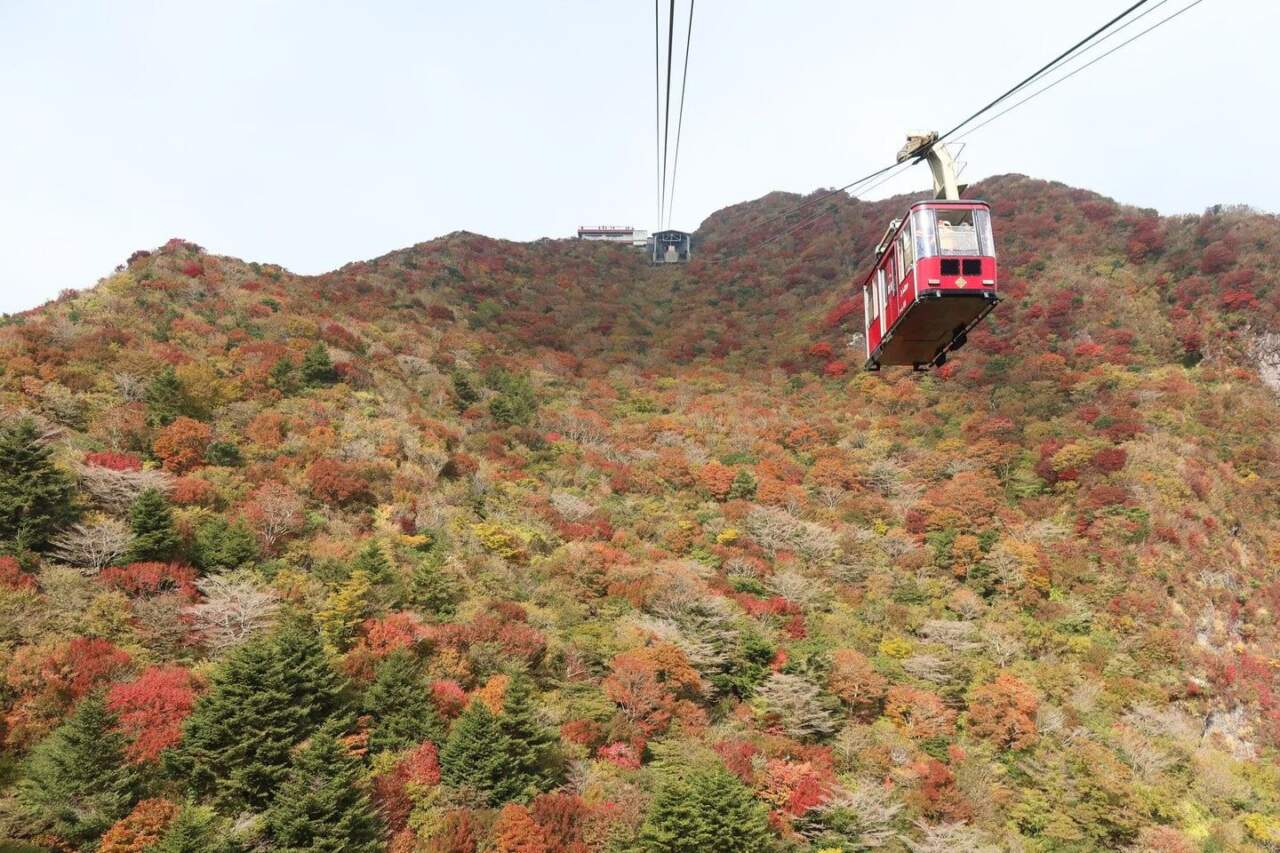
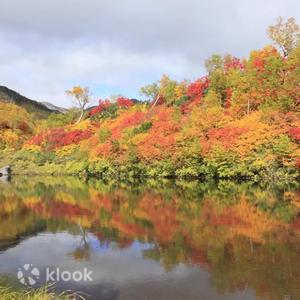
Outside the station is a loop walking trail of about 1.7 kilometers that takes about 1 hour to complete. Along the way you can enjoy the view of Sugatami Pond reflecting the steaming Asahidake and the autumn colors. It is Japan’s earliest alpine landscape to take on autumn color, and the sight of white birch and mountain cherry trees turning red and yellow is breathtaking.

Sounkyo Kurodake Ropeway and Hiking
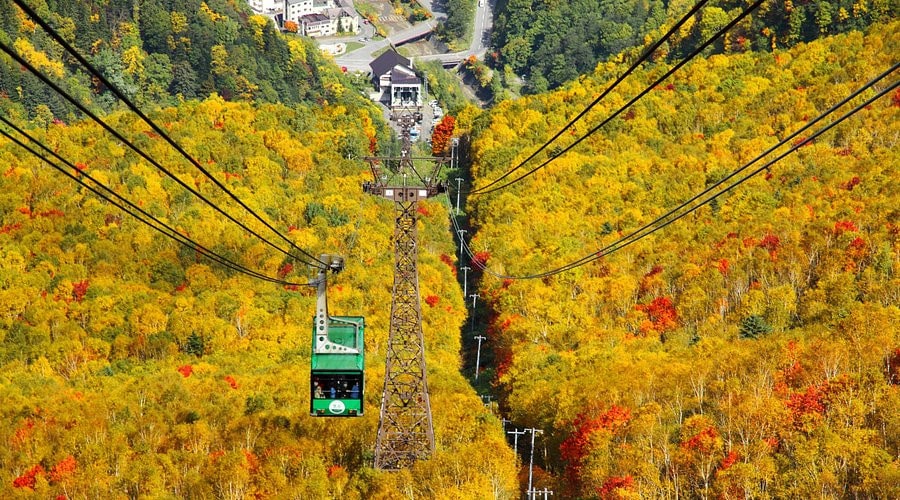
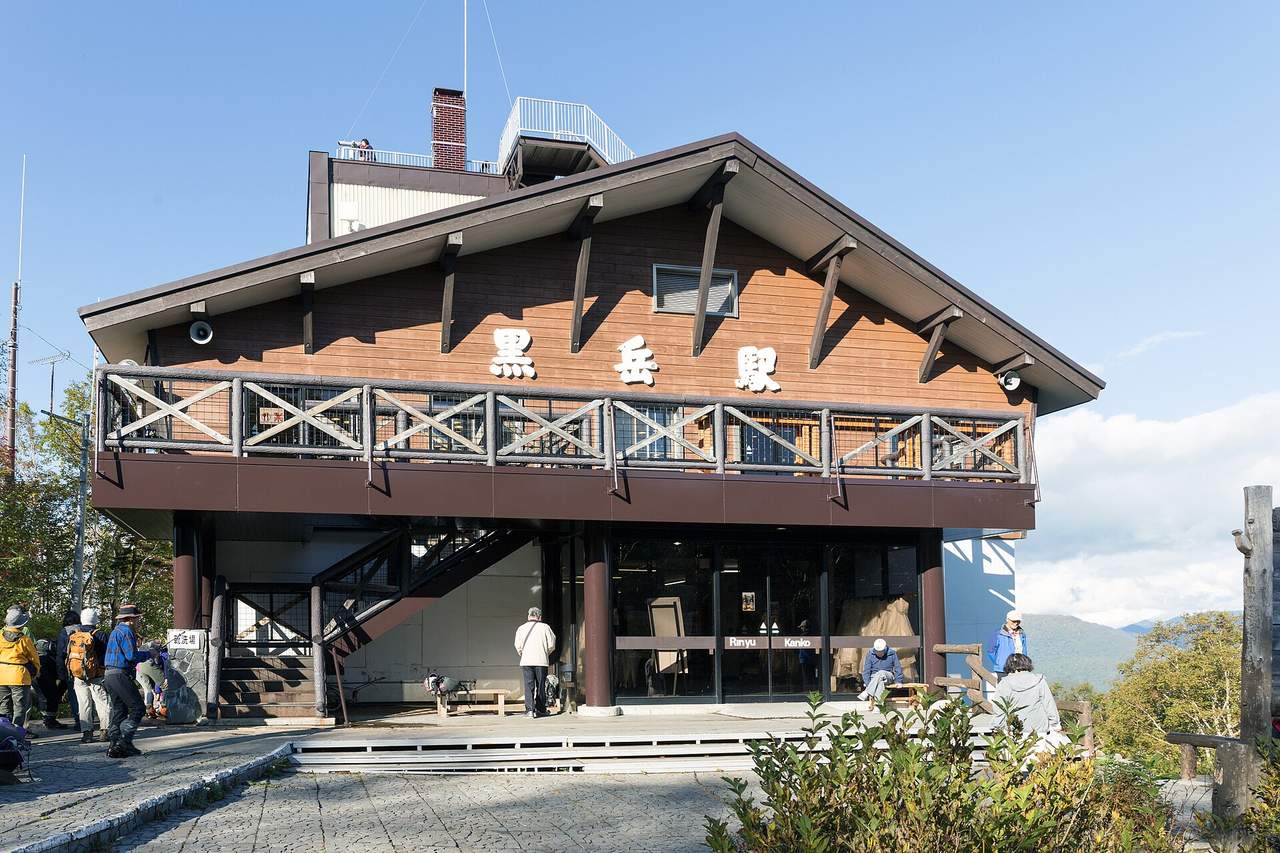
From Sounkyo Onsen town, take the Kurodake Ropeway up to the 5th station of Mt. Kurodake at 1,300 meters. The Kurodake Ropeway costs ¥3,000 round trip for adults (the chairlift connecting to the 7th station is an extra ¥1,200 round trip). We recommend taking the first ropeway up on a clear morning, when you may also see a beautiful sea of clouds from the observation deck. The loop walking trail around the 5th station takes about 30 minutes.
If you want to go higher, you can transfer to the two-person chairlift to the 7th station at 1,520 meters, and from there it is about a 1.5-hour climb to the 1,984-meter summit of Mt. Kurodake. Snow is quite likely in the high mountains in October, so you may get to see the rare sight of autumn leaves and white snow together, which is a favorite route among many novice hikers.
Momijidani Walking Trail
The entrance to the Momijidani walking trail is gentle and easy to walk. Along the way you can enjoy Sounkyo’s famous columnar jointed rock formations and as many as 150 kinds of plants, making it Sounkyo’s best natural-history classroom. The trail is about 700 meters one way and ends at Momiji Falls, about 1 hour round trip, and mid-October is the best time to see the colors.
The trail is flat and suitable for all ages, so even travelers who aren’t keen on hiking can walk the whole thing easily. It pairs well with a stay at a Sounkyo hot spring inn for a relaxed stroll, letting you appreciate the layered beauty of the gorge’s autumn leaves, and it is a route families can join with confidence.
Sobakudai Overlook: Ginga Falls and Ryusei Falls
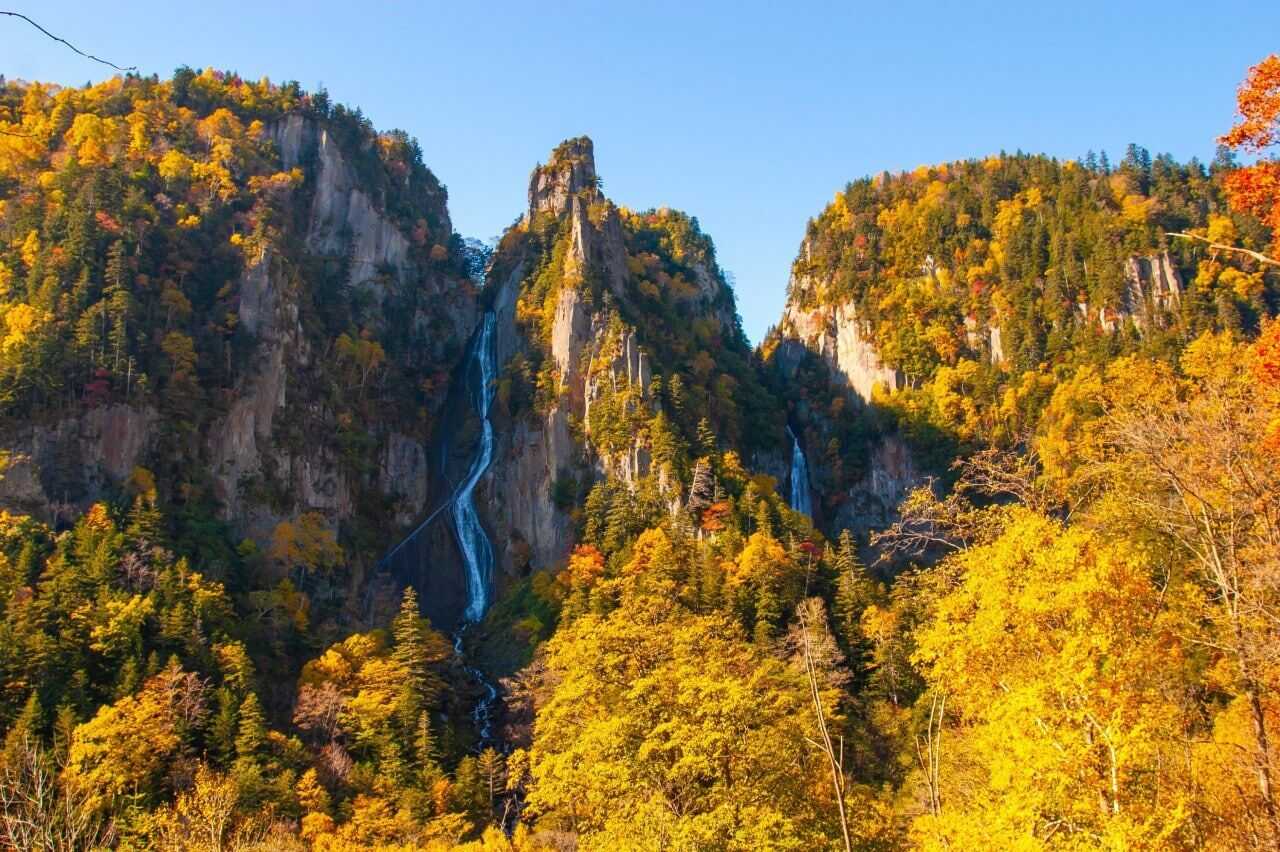
Selected among Japan’s 100 Best Waterfalls, “Ginga Falls” and “Ryusei Falls” are nicknamed the “husband and wife falls” and are also famous Sounkyo attractions. The two falls sit on the left and right sides of the cliff face, and the contrast between the soft flow and the powerful one is striking. They are among Sounkyo’s must-see signature sights.
A 20-minute climb brings you to the nearby “Sobakudai” (Twin Falls Overlook), where you can clearly see both waterfalls in full at once, making Sounkyo in foliage season even more poetic. It is a spot photography enthusiasts won’t miss, and we recommend adding it before or after your Momijidani walk.
Momijidani “Miracle Illuminate” Night Light Show
From September 13 to October 12, 2026, Momijidani near Sounkyo Onsen town holds the 9th “Miracle Illuminate” (Kiseki no Illuminate) autumn leaves night light show every evening from 18:00 to 21:00 (last entry 20:30). A Momijidani conservation cooperation fee of ¥1,000 per person is required, and under the lights the gorge’s foliage takes on a completely different, dreamlike atmosphere.
We highly recommend staying a night in the hot spring town: enjoy the foliage during the day and the light show at night, and experience two very different faces of Sounkyo’s autumn. It is a highlight not to miss on a two-day, one-night itinerary, and a popular choice for couples planning a romantic trip.
Lake Taisetsu and Ginsendai: Limited-Time Hidden Gems
If time allows, we recommend exploring nearby Lake Taisetsu and Ginsendai in more depth. Outside the restricted period you can get there by local bus or by car, but service is infrequent, so check the timetable first. During the restricted period you must reserve a shuttle bus (see “Ginsendai 2026: New Advance-Reservation System for Private Cars” above).
Because Ginsendai sits at 1,500 meters, its foliage season runs from about early to late September, and during this time there are more bus runs. After the foliage season ends the road closes and does not reopen until late June of the following year, so it is a limited-time spot you may or may not catch. From 2026 you also need to reserve private car access in advance to go, so be sure to confirm the latest rules before you plan your trip.
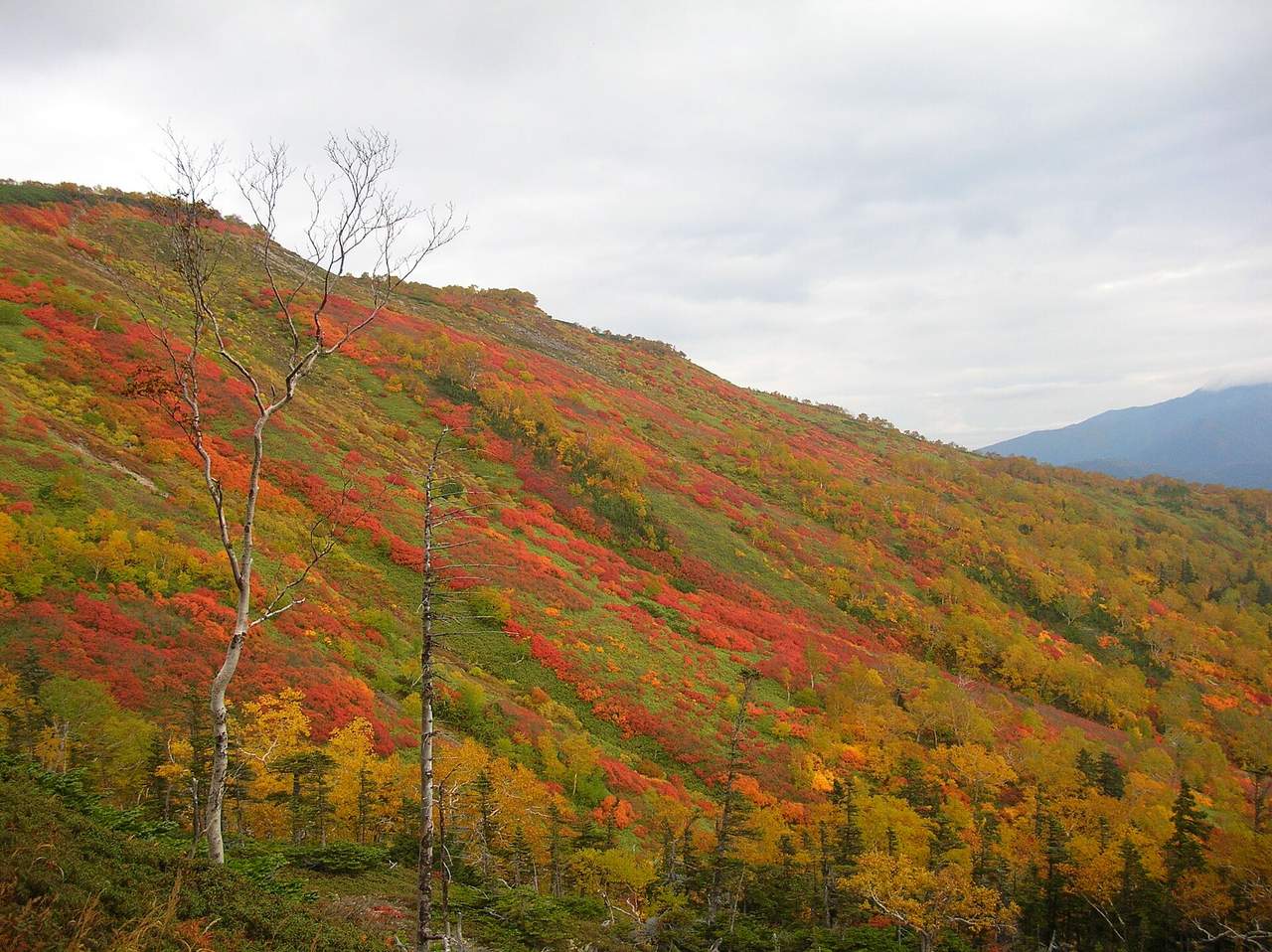
Akadake and Kogen Onsen Marshes: More Hidden Gems
The Akadake and Ginsendai area is about a 20 to 30 minute drive from Sounkyo and is a popular foliage hideaway, while the Kogen Onsen marshes are known for their alpine plant foliage. Both are areas that are easiest to explore in depth by car, and suit travelers with plenty of time who want to avoid the main tourist routes.
During peak foliage season these hideaways also have private car restrictions, and you must take a shuttle in. Be sure to check the latest announcements for the current year before you set out to avoid arriving to find it closed or having no parking, and we suggest saving these two spots for later in your itinerary, when you have time to spare for a deeper visit.
Sounkyo Hot Spring Stay: Hotel Taisetsu (ホテル大雪)
Hotel Taisetsu (ホテル大雪) is a signature hot spring inn in Sounkyo, with three public baths on site (Tenka no Yu, Taisetsu no Yu and Chinita no Yu), two of which have open-air baths. Its official website (hotel-taisetsu.com) bills it as “the place where you can meet autumn leaves earliest in Japan,” and it is a popular choice when planning a Sounkyo foliage stay.
Staying at a hot spring inn lets you enjoy the Momijidani night light show close by without worrying about the last bus. Foliage by day and a soak by night is the most relaxed way to experience Sounkyo’s autumn, and it also suits a leisurely two-day, one-night trip.

Asahidake Onsen Accommodation Options
Lodging in the Asahidake Onsen area includes hot spring inns such as Lavista Daisetsuzan (ラビスタ大雪山) and Ezomatsu-so (えぞ松荘), as well as hostel-style lodging like K’s House Asahidake, so there are options for different budgets, and you can catch the first ropeway nearby to beat the crowds.
Since the “Ideyu-go” bus runs only 4 times a day, staying in the Asahidake Onsen area spares you the pressure of fitting around the bus schedule and makes it easy to walk the Sugatami Pond loop early in the morning, capturing the foliage in the softest light. It suits photography lovers who want to avoid tour group crowds.
Tickets and Tours
Below are the most useful tickets and experiences for foliage viewing at Daisetsuzan Asahidake and Sounkyo. Booking in advance saves you from queuing on site and from the hassle of planning your itinerary.
Asahidake Ropeway Ticket: Straight Up to Japan’s Earliest Foliage
The 2026 peak-season fares (June 1 to October 31) are ¥3,500 round trip, ¥2,200 one way and ¥1,750 round trip for children. In September the first car is at 6:30 on weekdays and 6:00 on weekends, with the last downhill car at 17:30. From October 1 to 20 the first car is at 08:00 and the last at 17:00, and from October 21 to 31 it runs 9:00 to 16:00 (every 20 minutes), and on other dates there is a departure every 15 minutes, taking you directly to Sugatami Station at 1,600 meters. During foliage season the Asahidake base station parking lot fills up easily, and the officials suggest using the temporary parking lots in the Asahidake area instead.
We recommend planning ahead. On the day, check the Asahidake Ropeway official website (asahidake.hokkaido.jp) to see whether the ropeway is suspended due to strong winds. Mountain weather changes quickly, and tickets can be bought on site with no advance reservation needed.
Sounkyo Kurodake Ropeway Ticket: A Panoramic View of the Gorge’s Foliage
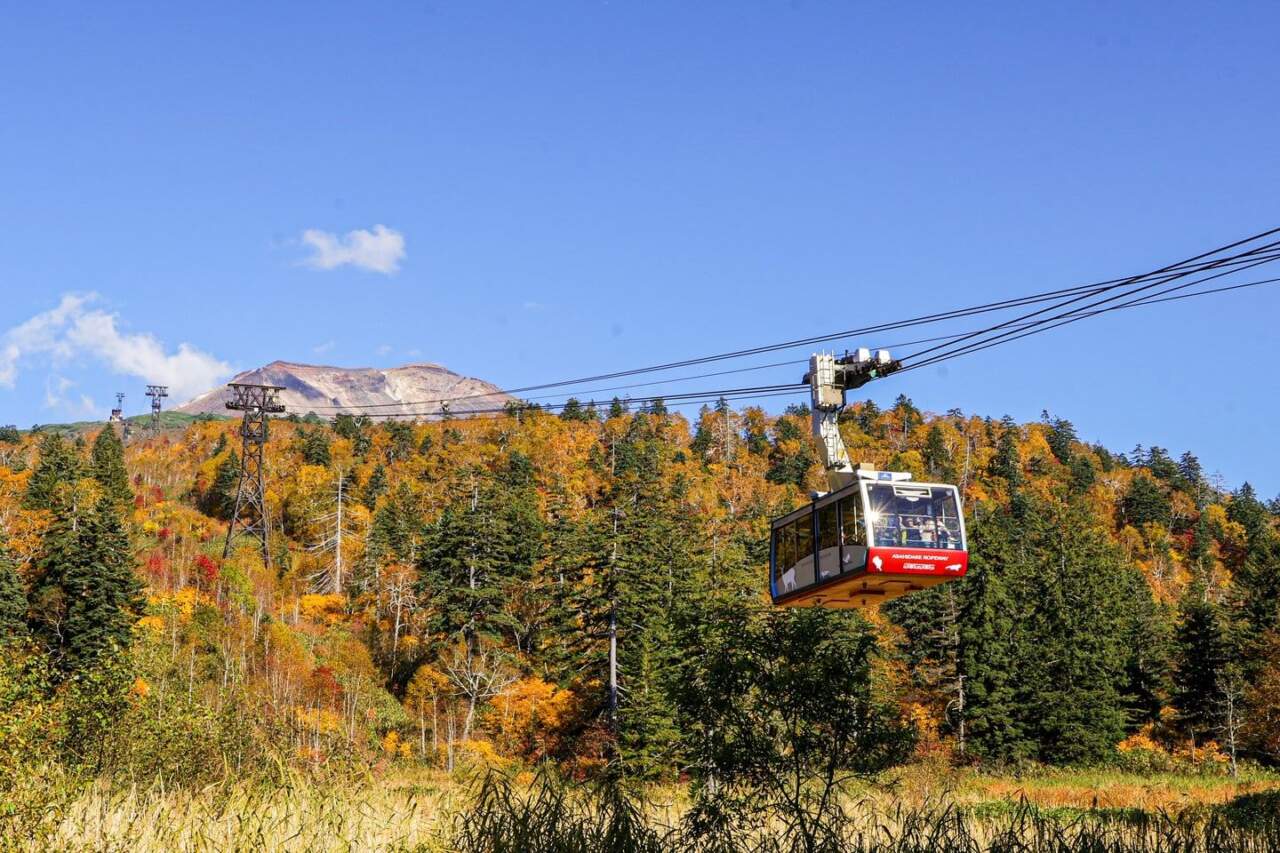
The Kurodake Ropeway costs ¥3,000 round trip for adults and ¥1,500 for children, with the chairlift connecting to the 7th station an extra ¥1,200 round trip. In September it runs 6:00 to 18:00, from October 1 to 15 it runs 7:00 to 17:00, and from October 16 hours are shortened to 8:00 to 16:00 (the chairlift stops running from October 16). From the hot spring town you can go up to the 5th and 7th stations, enjoying the gorge’s foliage and the sea of clouds that may appear along the way, which is the core experience of a Sounkyo foliage trip.
We recommend taking the first ropeway up on a clear morning, when visibility is best and you have the best chance of seeing the sea of clouds. You can check operating status on the Kurodake Ropeway official website (rinyu.co.jp/kurodake), and tickets can be bought on site. In peak season, arrive early to avoid the queues.
Sounkyo Kurodake Day-Trip Sightseeing Bus
Departing from Sapporo, this tour covers the ropeway ticket and sights such as Ryusei and Ginga Falls in one package, so you don’t have to work out complicated bus timetables. It suits first-time independent travelers and anyone who wants to plan their trip without the stress.
The tour usually includes guided commentary in Chinese or Japanese, which gives you a deeper understanding of the ecology and history of Daisetsuzan National Park. We recommend booking online in advance to secure a spot.
Tours usually depart from hotels in central Sapporo or a designated meeting point, and as a same-day round trip you don’t need to arrange extra accommodation, which suits travelers with limited time who just want a quick one-day trip.
-Klook.jpg)
Hokkaido Car Rental and Self-Drive
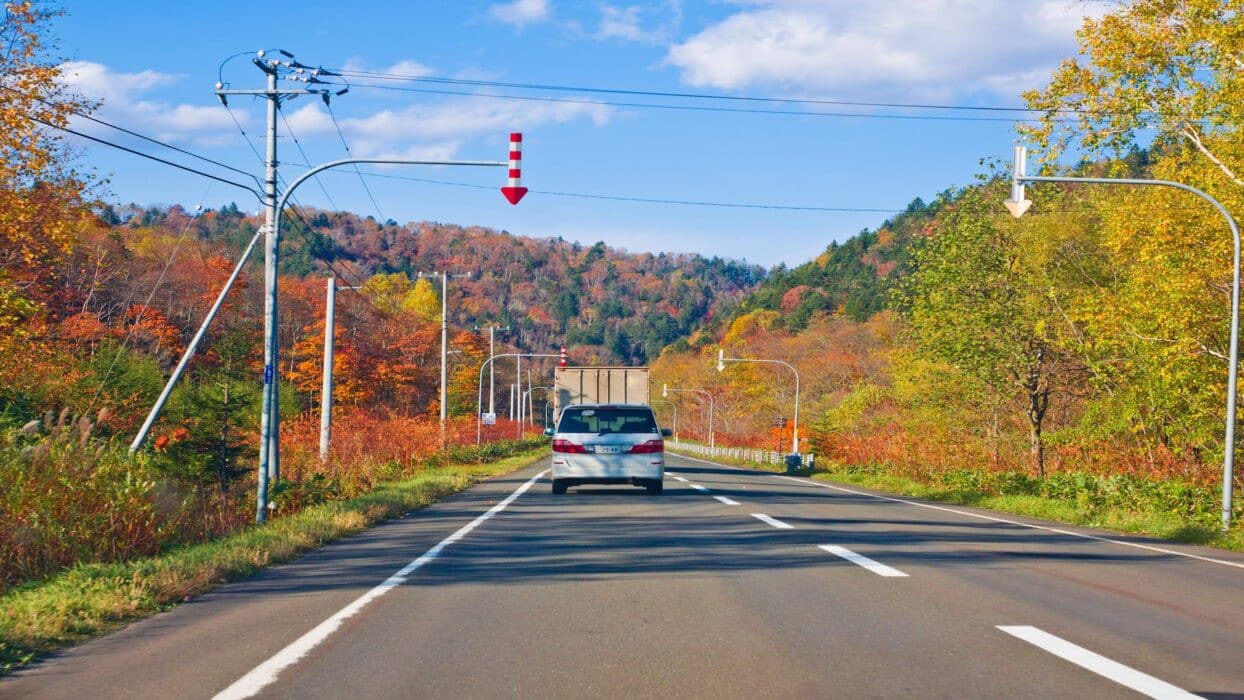
Driving lets you set your own itinerary and stop at hideaways that are hard to reach by private car, such as Ginsendai and Kogen Onsen, but during peak foliage season some sections have private car restrictions and you must take a shuttle bus in.
We recommend reserving your rental car early and confirming documents such as a Japanese translation of your driver’s license. Mountain roads occasionally have snow and slippery conditions in autumn, so consider adding snow tires or extra insurance when renting.
Where to Stay Along the Way
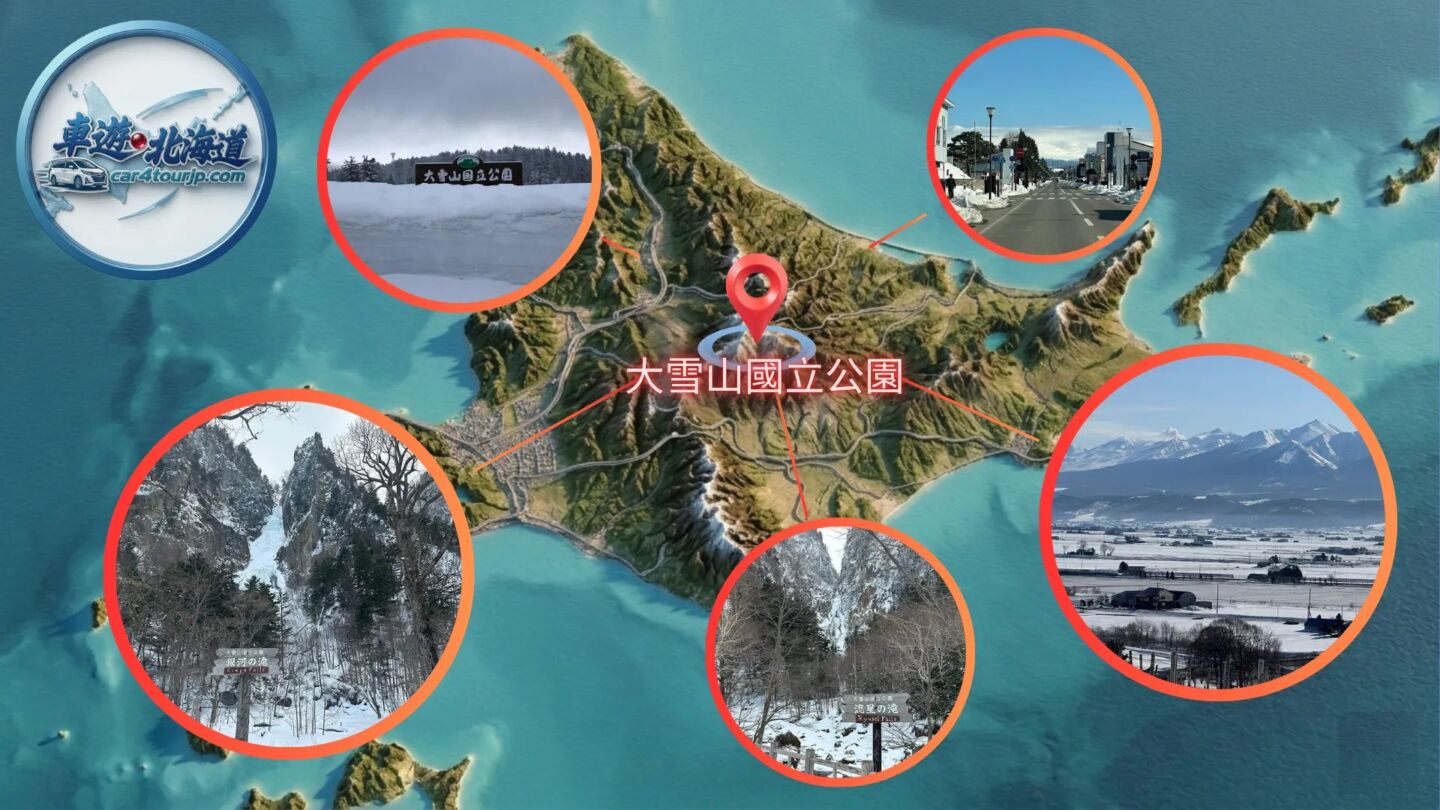
A Daisetsuzan foliage trip spans two main areas, Asahidake and Sounkyo, and where you stay directly affects the pace of your trip and whether you can join the evening events.
Asahidake Onsen and Sounkyo Onsen: Two Lodging Bases
The Asahidake Onsen area has fewer places to stay but a quiet, peaceful atmosphere, suiting travelers who want to catch the first ropeway to beat the crowds and walk the Sugatami Pond loop early in the morning. Because “Ideyu-go” bus service is limited, staying here spares you the pressure of fitting around the timetable. The Sounkyo Onsen area has more varied lodging, from upscale hot spring inns to budget guesthouses, and lets you join the Momijidani evening “Miracle Illuminate” light show nearby without worrying about the last bus.
If you plan two days and one night, we suggest spending the first night at Asahidake Onsen to catch the earliest peak alpine foliage, then moving to Sounkyo Onsen for the second night: see the Kurodake Ropeway and Momijidani by day and stay for the night illumination in the evening, experiencing two very different sides of Daisetsuzan’s autumn.
Hotel rooms fill up early in peak foliage season, so once your plans are settled, check availability on a booking site as soon as possible.
Daisetsuzan Asahidake and Sounkyo Foliage FAQ
When is the best time to see the autumn leaves at Daisetsuzan Asahidake and Sounkyo?
Each year Asahidake peaks earliest, around mid-September to late September. Sounkyo’s Kurodake 5th to 7th station peaks around late September to early October, and the area around Sounkyo Onsen town peaks around early to mid-October, with the color changing in order from high elevations to low.
Can I drive to Ginsendai during foliage season?
In 2026 Ginsendai had an advance-reservation system from September 12 to 23, and the Kogen Onsen line from September 19 to 30; both have ended. Please check the official announcements before you go for whether it will continue next year.
Do I need to watch out for bears when hiking in Daisetsuzan?
Yes. The Daisetsuzan area is the main habitat of brown bears. Before you set out, check the bear sighting map at kuma-watch.jp, carry a bear bell, avoid hiking alone, and follow the safety notices posted on the trails.
How should I plan a trip covering both Asahidake and Sounkyo?
The peak timing differs slightly between the two. In past years mid to late September suits Asahidake and early to mid-October suits Sounkyo, and this year the focus is on Sounkyo. If you are short on time, you can also take the Sounkyo Kurodake day-trip sightseeing bus to see several spots in one go.
What transport tickets do I need to prepare for Daisetsuzan?
We suggest making good use of the JR Hokkaido Rail Pass to take limited express trains to Asahikawa or Kamikawa Station, then transferring to a bus. To Asahidake it is the Asahikawa Denkikido Route 66 “Ideyu-go,” whose website lists only the local Asaca and DoCARD as usable IC cards. To Sounkyo you take the Dohoku Bus. Transit IC cards such as Suica may not work on either route, so we recommend having cash ready.
Are there evening activities in Sounkyo?
Yes. From September 13 to October 12, 2026, Momijidani holds the 9th “Miracle Illuminate” (Kiseki no Illuminate) night light show every evening from 18:00 to 21:00 (last entry 20:30). A Momijidani conservation cooperation fee of ¥1,000 per person is required. We highly recommend staying a night in the hot spring town to experience Sounkyo’s very different daytime and nighttime autumn colors.
