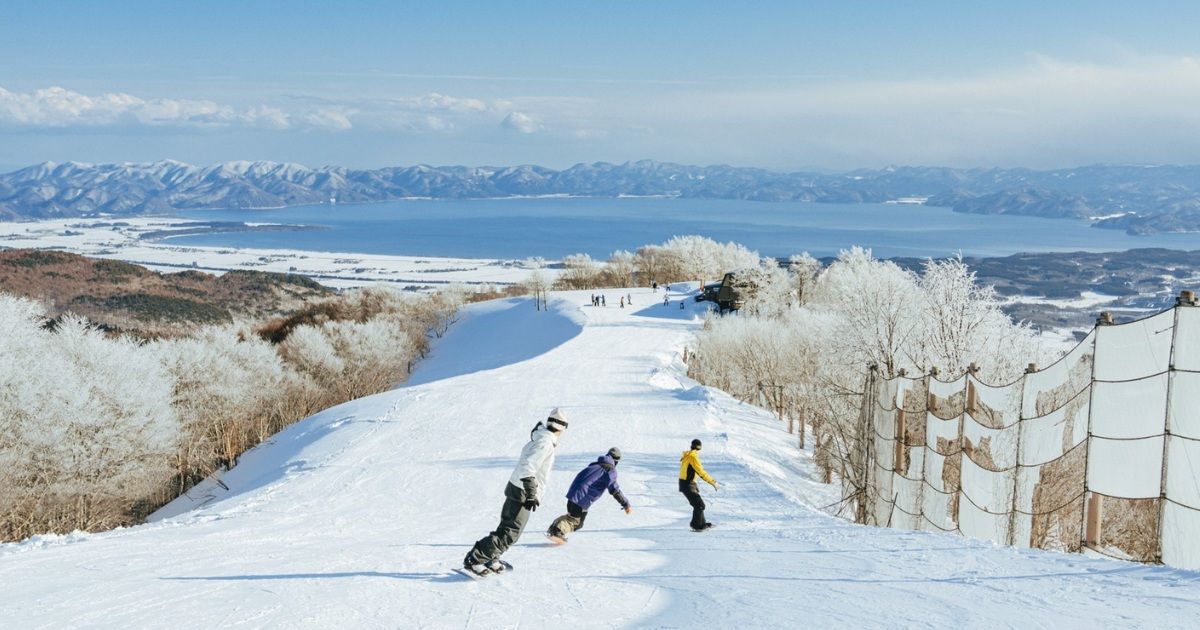

Japan Ski Beginner Guide 2026: How to Choose a Resort, Rent Gear and What to Pack
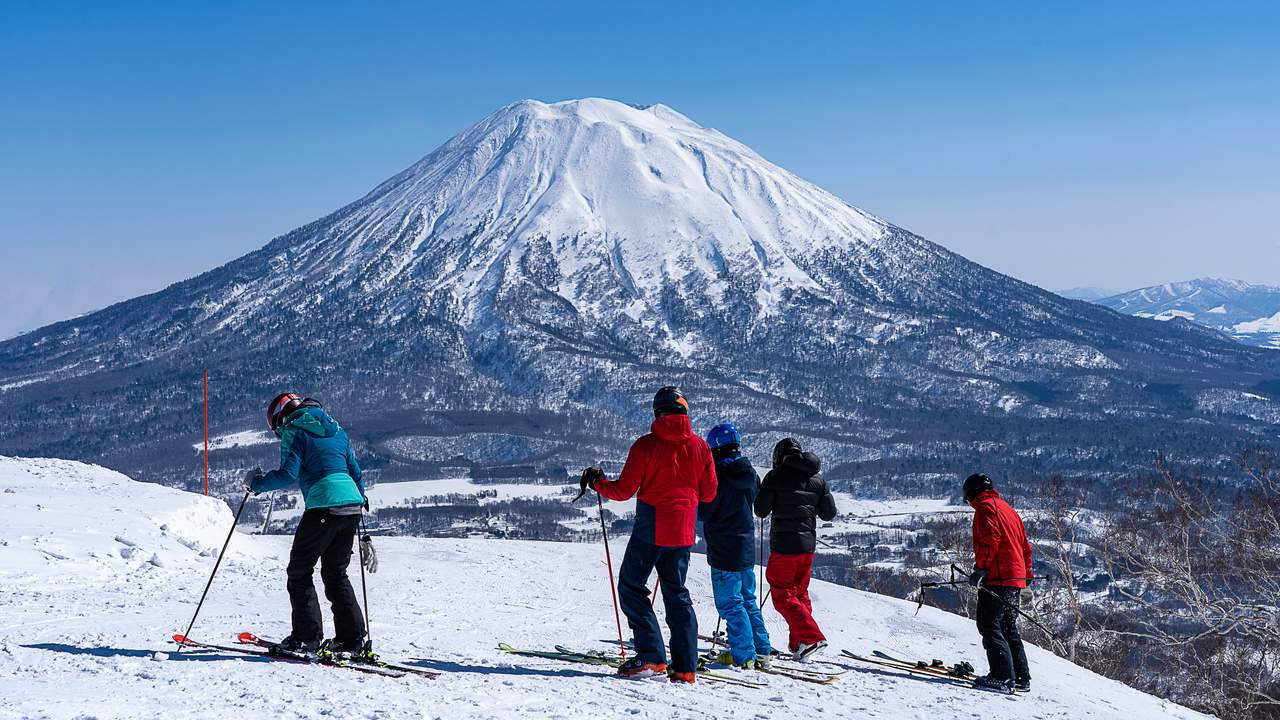
This 2026 beginner’s guide to skiing in Japan covers how to choose a resort, how renting gear works and what to pack, from picking a region to booking a lesson, for first-timers with no skiing experience at all.
6 Things to Confirm Before Your First Ski Trip
Before your first ski trip, confirm six things: the region of the resort and the travel time, whether the ski season is open, whether you want to snowboard or ski on two boards, whether you need a lesson, whether to rent or bring your own gear, and whether your insurance covers skiing.
Once these six are settled, you can go on to plan transport and accommodation, avoiding the surprise of arriving to find lift tickets, gear or lesson spots sold out.
How Far Ahead Should You Prepare? Timing for Choosing a Resort and Booking a Room
We recommend starting at least 2 to 3 months ahead: choose a region and resort first, book ski-in/ski-out or nearby accommodation at the same time (rooms are hard to find in peak season), then confirm early-bird lift tickets and lesson spots.
Lesson spots are limited in peak season, and the earlier you book the more choice you have; if you wait until just before departure, you may be left with sessions outside the popular time slots.
Set Your Budget First: The Four Main Ski Costs
The four main ski costs are flights and transport, accommodation, lift tickets and gear rental, and lessons; of these, lessons and ski-in/ski-out accommodation see the biggest price increases in peak season.
Beginners should handle lift tickets and lessons right after booking flights, so they can book sought-after peak-season spots at normal prices.
How to Get to Ski Resorts in Japan: Transport Options and Costs
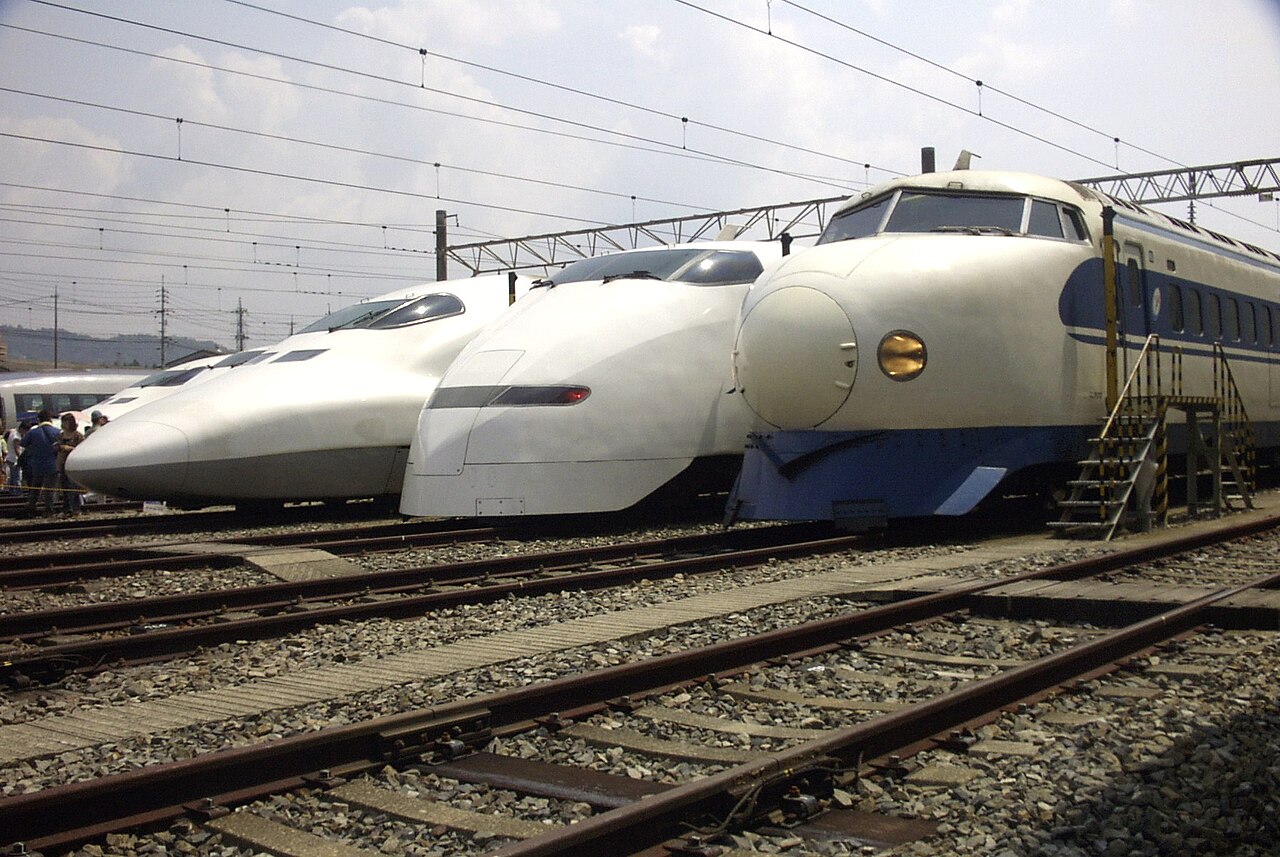
Transport differs greatly from resort to resort, so first check the nearest Shinkansen station and whether a shuttle bus is available.
How to Get to Japan’s Major Ski Resorts: Transport Options at a Glance
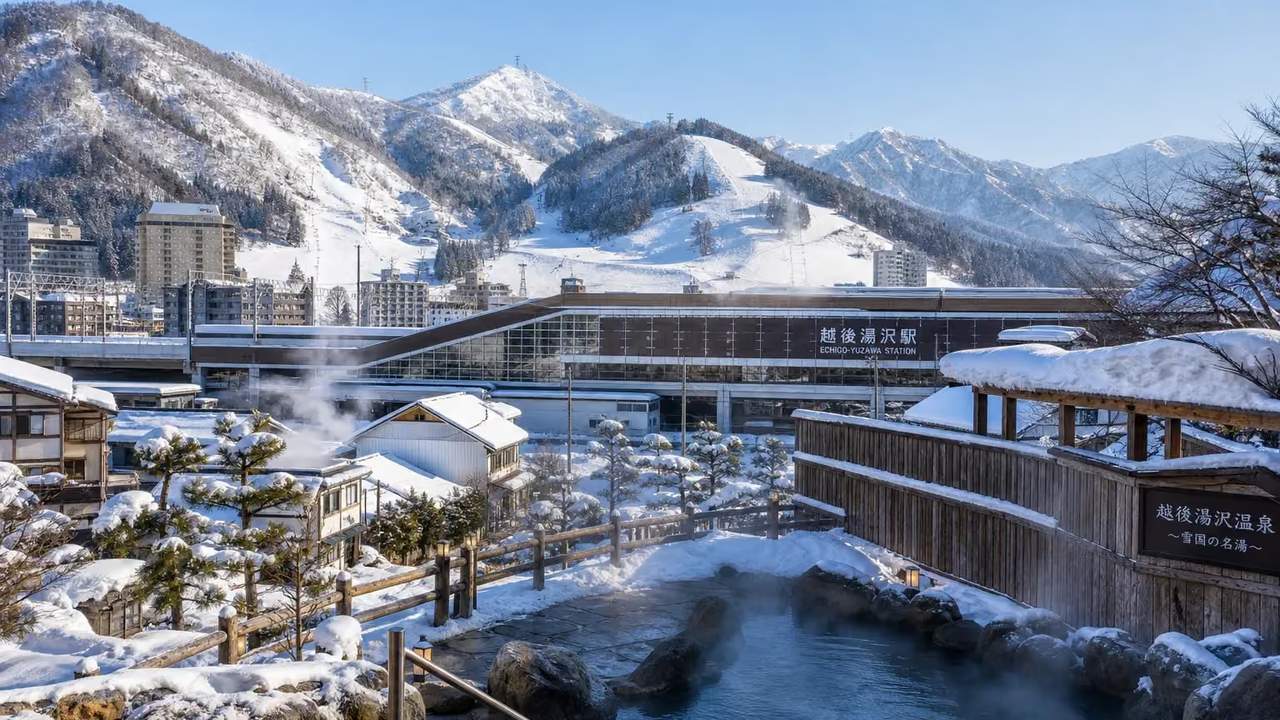
Echigo-Yuzawa Station is on the Joetsu Shinkansen line, about 75 minutes from Tokyo, and GALA Yuzawa ski resort is connected directly to the station so you don’t need to leave the station; Iwappara ski resort has 20 courses and is about 10 minutes by shuttle bus from JR Echigo-Yuzawa Station.
Teine ski resort is within Sapporo and works well as a day trip; the Karuizawa Prince Hotel ski resort is right next to Karuizawa Station and can be reached from Tokyo by Shinkansen.
Many Hokkaido and Nagano resorts such as Niseko, Rusutsu and Hakuba have ski buses running directly from the airport or the city, so check the schedule and reserve before you leave.

How to Choose a Beginner Resort: Popular Resorts in Hokkaido, Nagano, Niigata and Tohoku
Below, each resort is marked ★★★/★★☆/★☆☆ for beginner-friendliness. You can also use the 0-5 skill self-assessment scale (level 0 means your first time skiing, level 5 means you can ski any slope with stability) to work out which kind of resort suits you.
Niseko United: A Four-Resort Pass in Powder Paradise
Niseko United combines four resorts, Grand Hirafu, Niseko Village, Hanazono and Annupuri, and the shared pass lets you move freely between them. Beginner-friendliness: ★★★.
Grand Hirafu is the largest, with courses from beginner to advanced; Niseko Village has narrower courses, so beginners can start with Grand Hirafu as a base.
It is world-famous for its fine powder snow, has a high proportion of beginner courses, and has many restaurants and hot spring inns in the area, making it suitable for families and complete beginners.

Rusutsu Resort: A Large Resort With 37 Courses on 3 Mountains
Rusutsu has a beginner-friendliness of ★★★. The resort spreads over 3 mountains with 37 courses and a total skiable distance of about 42 km. The amusement park on site is closed in winter, so the snow season focuses on skiing and snow activities.
Beginner courses are widespread and the lifts connect smoothly, making it a good place for families with children to try snow activities for the first time.
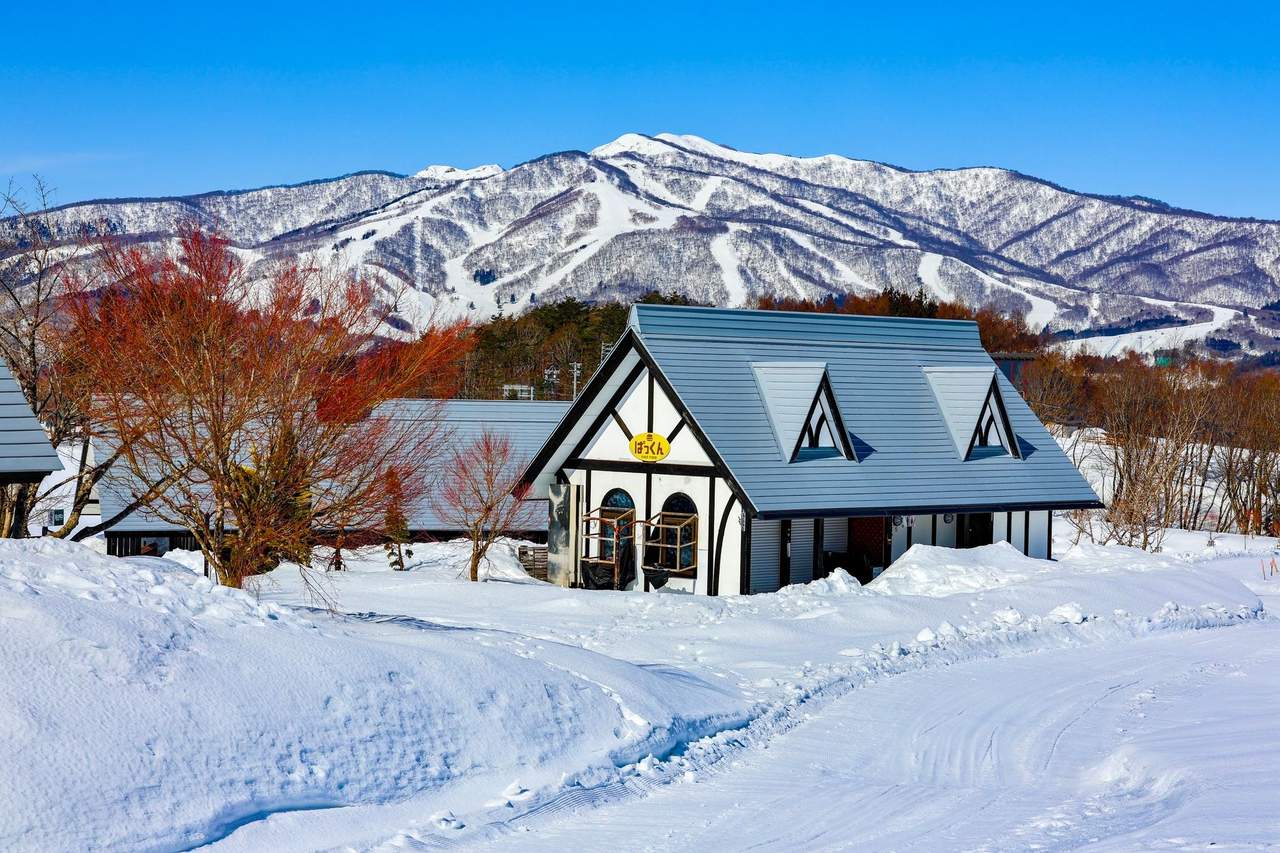
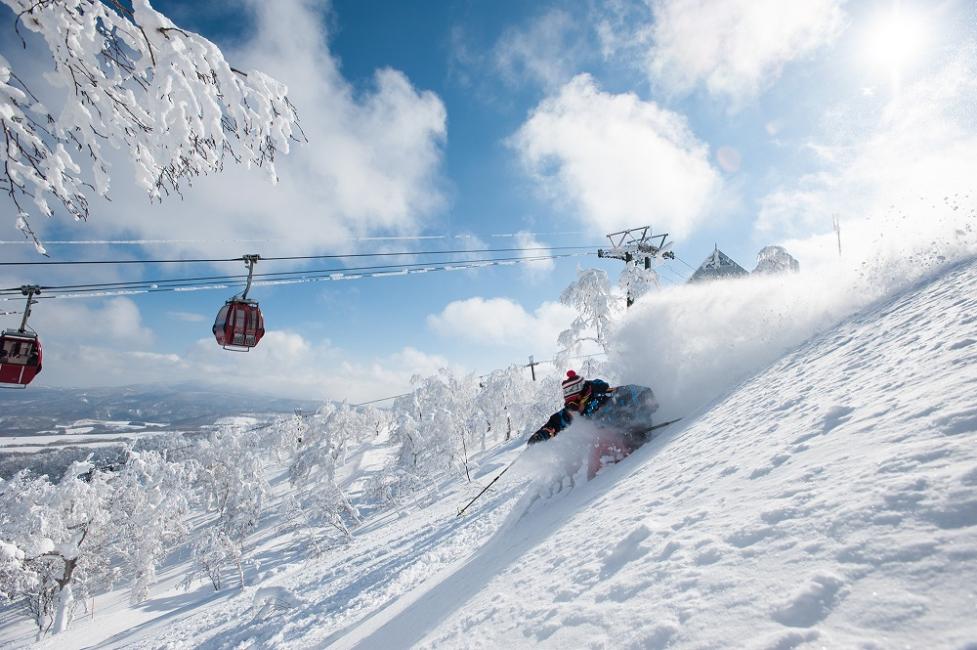

Hoshino Resorts Tomamu: 29 Courses and Winter Frost Scenery
Tomamu has a beginner-friendliness of ★★★. The ski area has 29 courses, and the Unkai Terrace, a summer-only sea of clouds viewpoint, becomes the Kirihyo Terrace for viewing rime ice in winter. The snow is fine and the slopes are gentle, ideal for beginners practicing turns again and again.
The resort is designed as one integrated whole, with accommodation, skiing and restaurants all within walking distance and no need to arrange extra transfers, making it a popular choice for family trips.
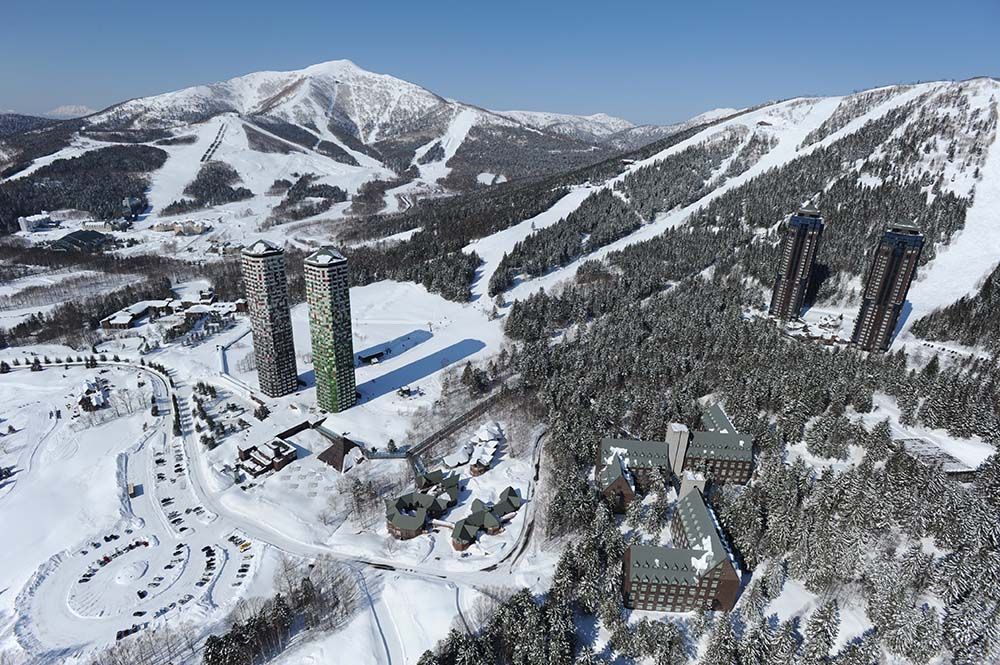
Furano Ski Resort: A Hidden Powder Snow Spot in Lavender Country
Furano Ski Resort has a beginner-friendliness of ★★★, offers lessons in Chinese, and has wide courses and is relatively less crowded than Niseko.
The snow is dry and light, and it is a resort in central Hokkaido known for powder snow.
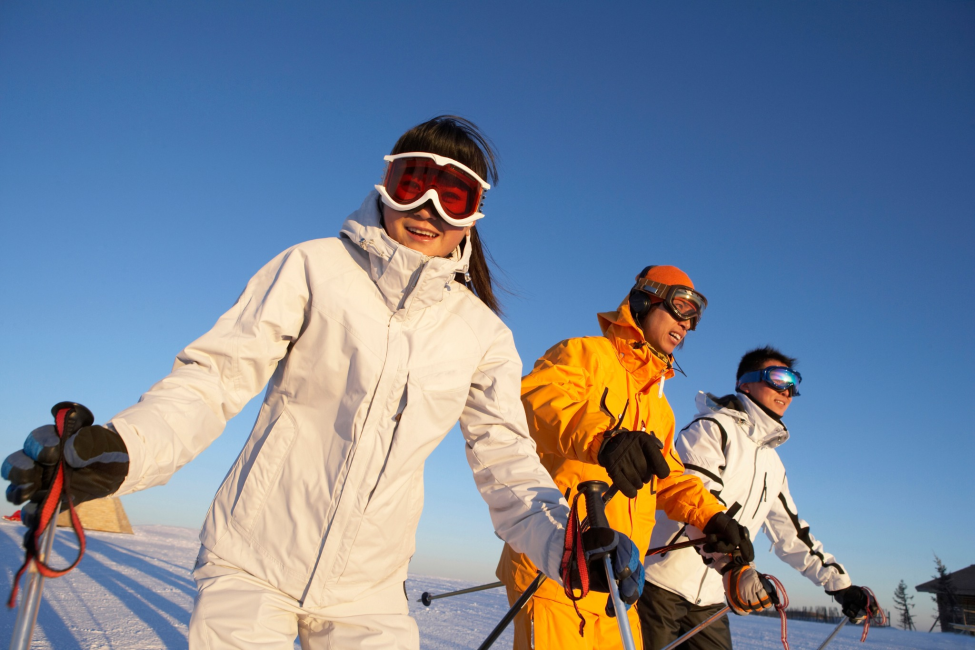
Kiroro Resort: A Club Med All-in-One Ski Experience
Kiroro has a beginner-friendliness of ★★★. The resort has Club Med all-inclusive service, so meals, gear rental and lessons can all be handled in one place.
Located near Otaru in Hokkaido, with soft snow, it suits beginner families with no experience who want easy planning.
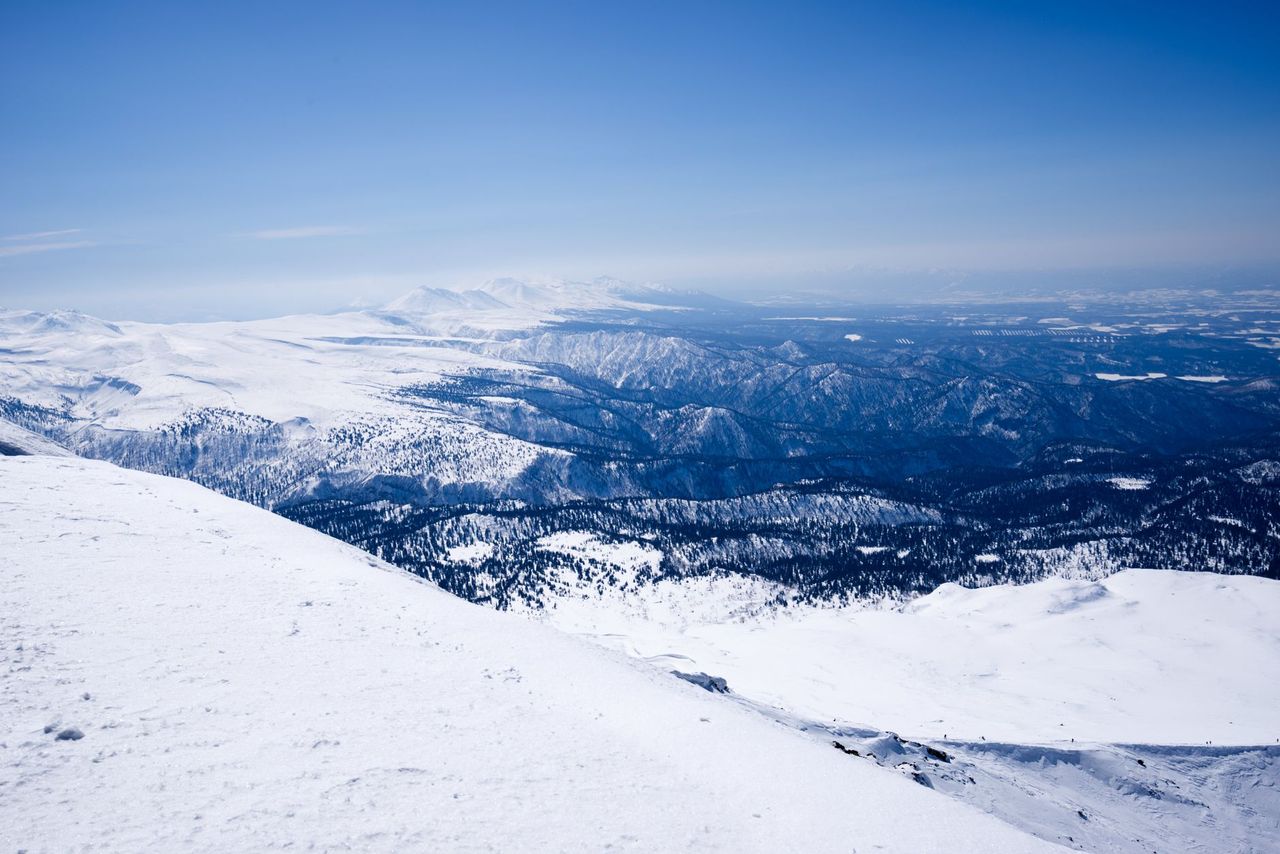
Teine Ski Resort: Powder Snow Closest to Central Sapporo
Teine has a beginner-friendliness of ★★★. It is within Sapporo and is one of the large resorts closest to the city, so you don’t need to arrange accommodation specially.
Courses are graded beginner, intermediate and advanced, with the beginner area concentrated at the foot of the mountain, suitable for short day-trip ski plans.
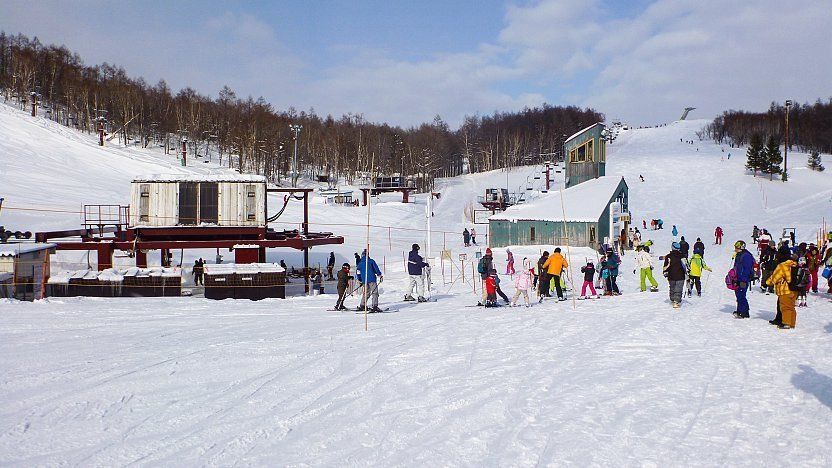
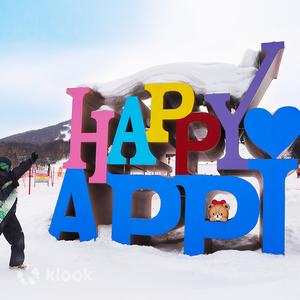
Appi Kogen Ski Resort: Powder Paradise of Tohoku
Appi Kogen has a beginner-friendliness of ★★★. Dubbed the powder snow paradise of Tohoku, it has wide, long courses, and the beginner area is clearly separated from the intermediate and advanced areas.
The resort has 21 courses in all, with a longest run of 5,500 meters, suitable for beginners who want to ski in Tohoku.
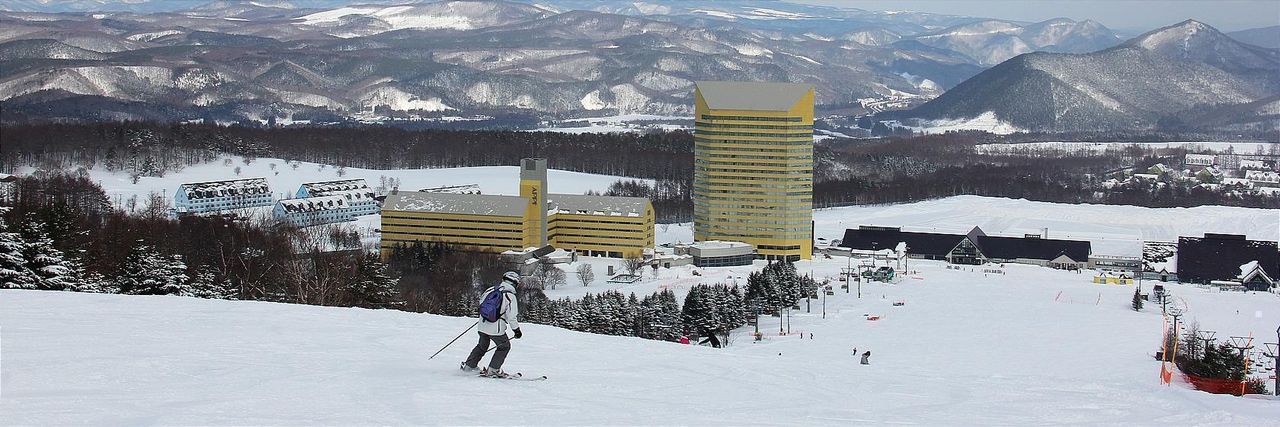
Zao Onsen Ski Resort: Rime Ice Scenery and Hot Springs Side by Side
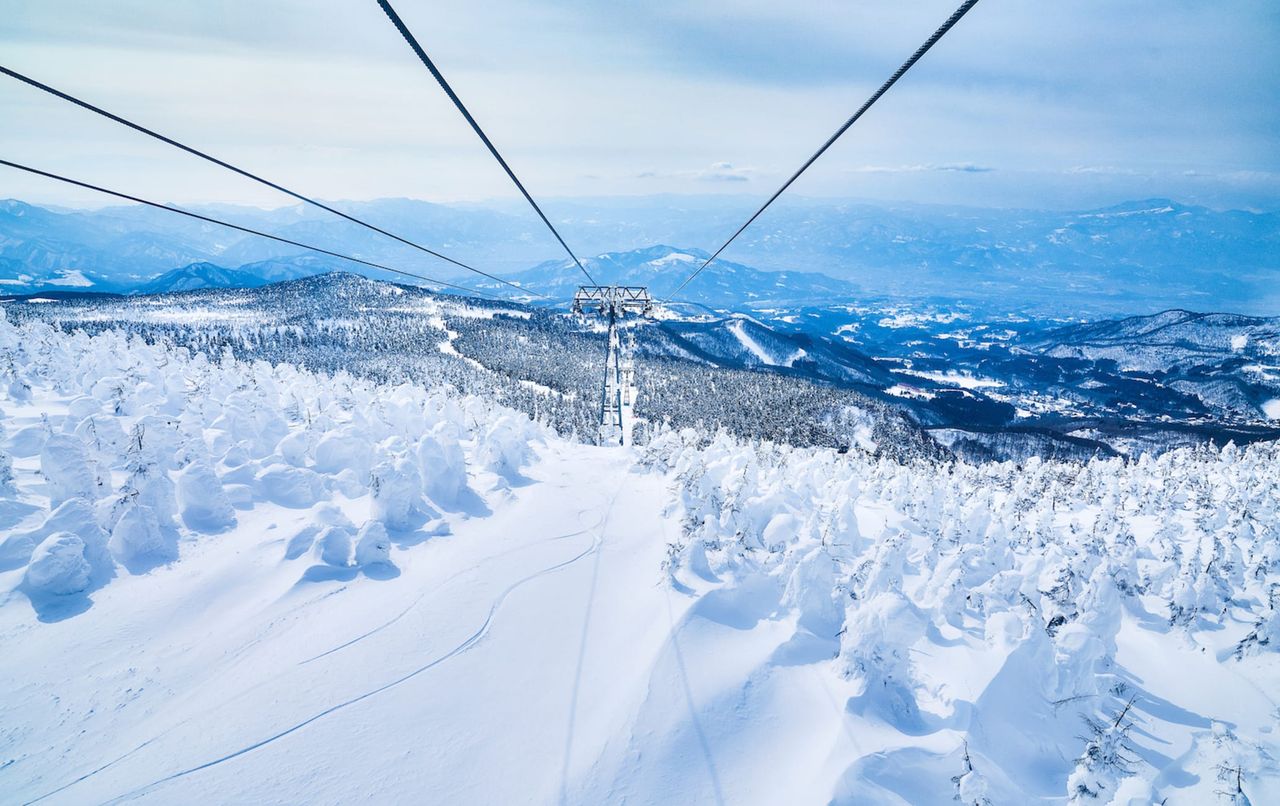
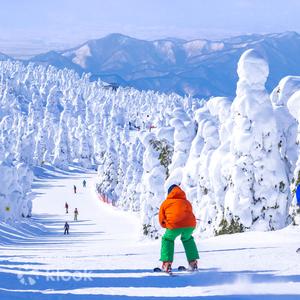
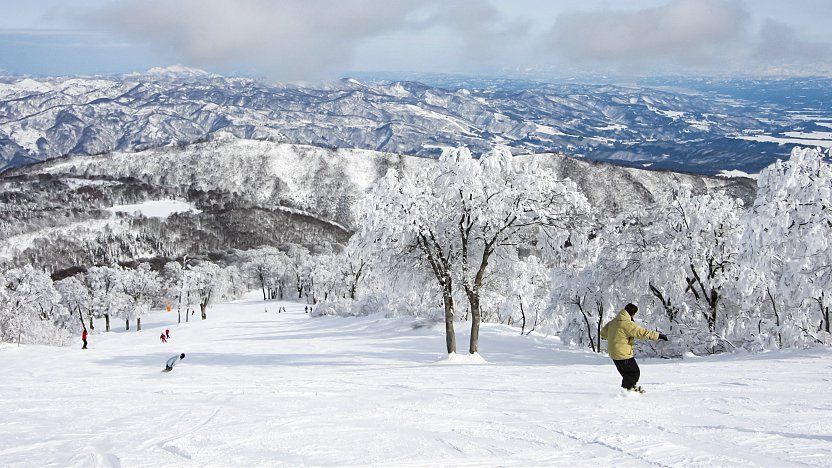
Zao Onsen has a beginner-friendliness of ★★☆. It is known for its winter-only rime ice scenery, and during the snow season you can see trees encased in ice and snow.
After skiing, you can walk straight into the hot spring town for a soak. It is one of the few resorts where skiing and hot springs are within walking distance, and suits a 2-day, 1-night trip.
Shiga Kogen Ski Resort: A Huge Snow Area Shared by 18 Resorts
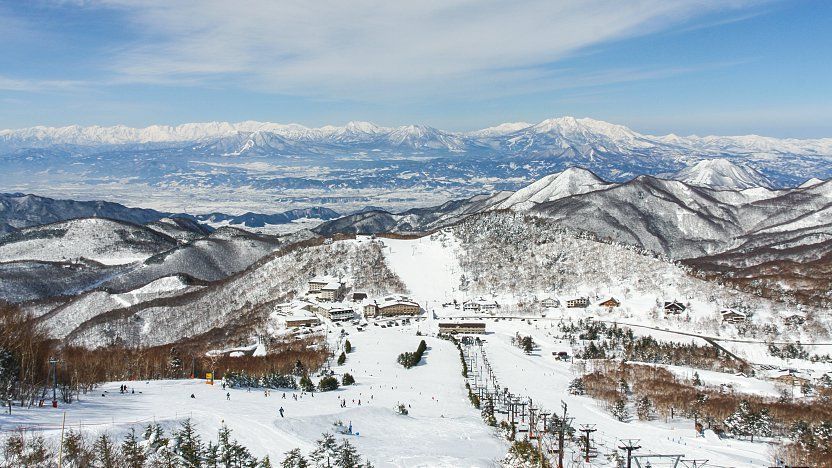
Shiga Kogen has a beginner-friendliness of ★★★. It is made up of 18 resorts that share a single all-mountain lift pass, with 74 courses and 47 gondolas and lifts across the area and a maximum gradient of 36 degrees, making it the largest ski area in Nagano.
The snow area is so vast that you can ski for several days without repeating a route, suiting an in-depth itinerary of 3 days or more.
![[Official Sales] Shiga Kogen Ski Resort Lift Ticket (Nagano Prefecture Ski Resorts)](https://travel.williamlion.tw/wp-content/uploads/sites/7/2026/10/jpg-24.jpg)
Hakuba Happo-one Ski Resort: The 1998 Winter Olympics Venue
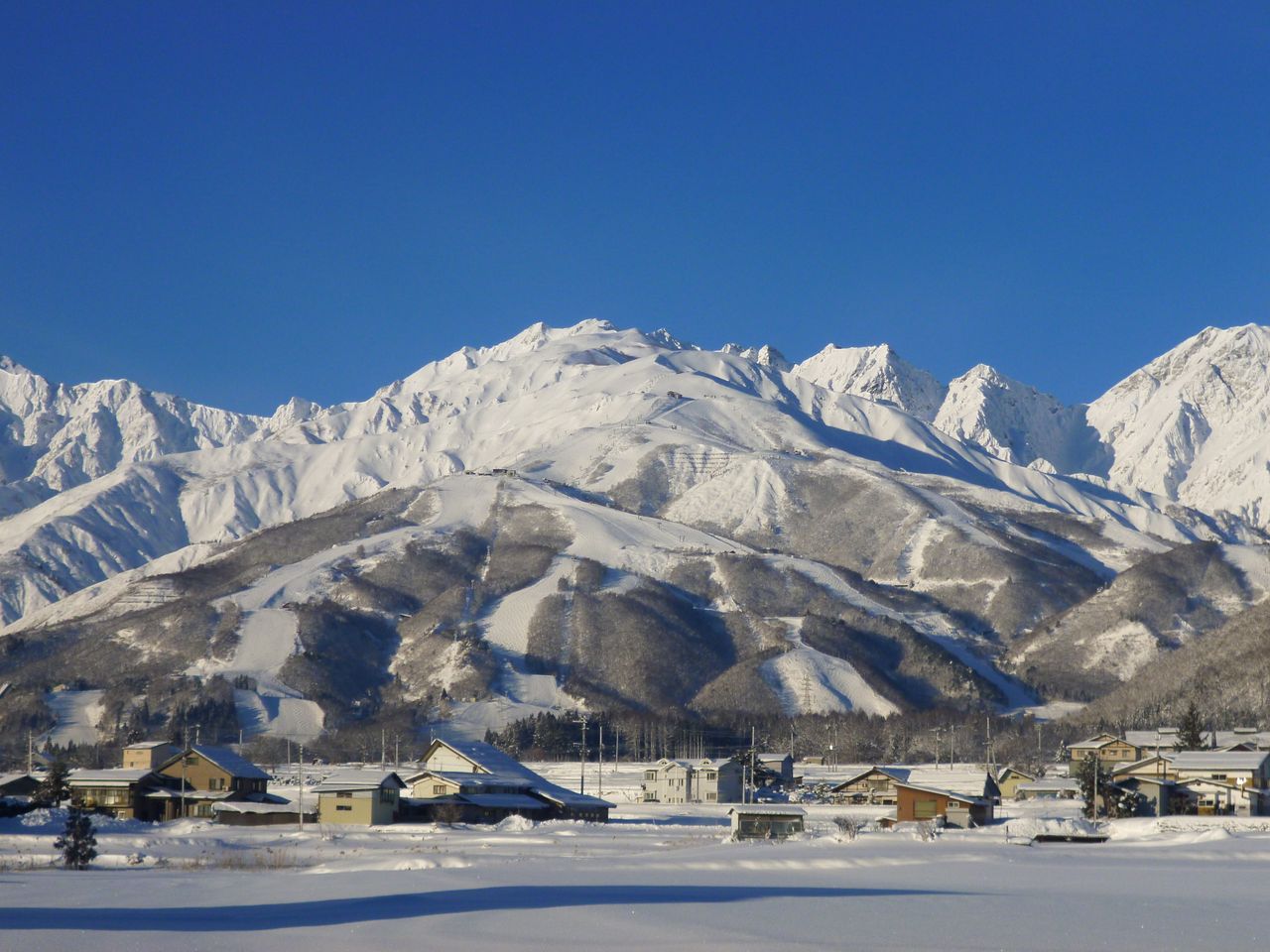
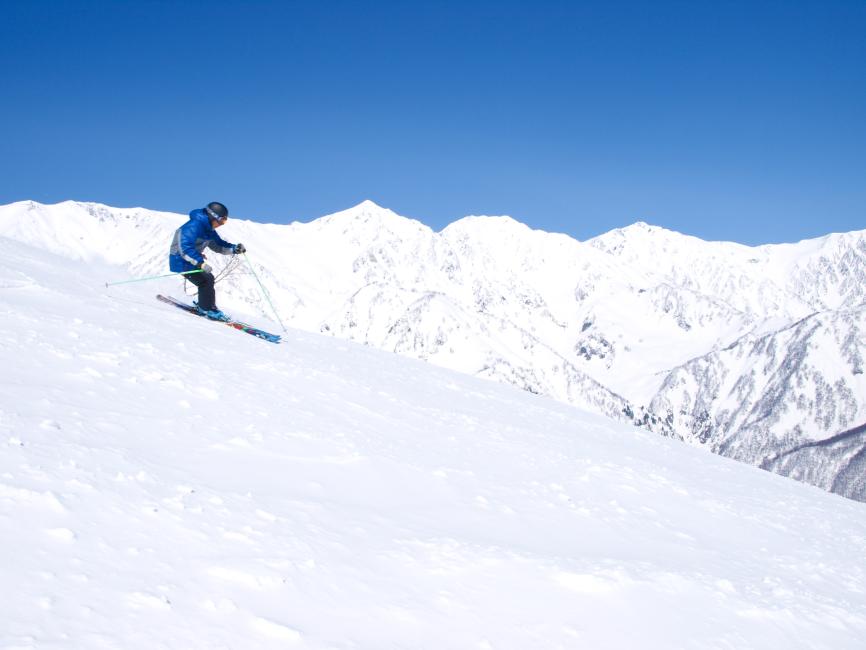
Hakuba Happo-one has a beginner-friendliness of ★☆☆. It was the venue for alpine events such as the downhill and super-G at the 1998 Nagano Winter Olympics, with a large vertical drop and fairly steep slopes.
The views are spectacular, looking out over the Northern Alps, and it suits skiers with some basic skill; beginners are advised to sign up for a lesson before trying it.
Hakuba Goryu 47 Ski Resort: A Popular Intermediate Resort in Nagano
Hakuba Goryu 47 has a beginner-friendliness of ★★☆. It shares some lifts with the neighboring Hakuba 47 ski resort, has a high proportion of intermediate courses, and has dry snow.
There are several rest-stop restaurants in the resort, suitable for advanced beginners who have the basic turns down and want to try longer courses.
Nozawa Onsen Ski Resort: A Century-Old Hot Spring Village Resort
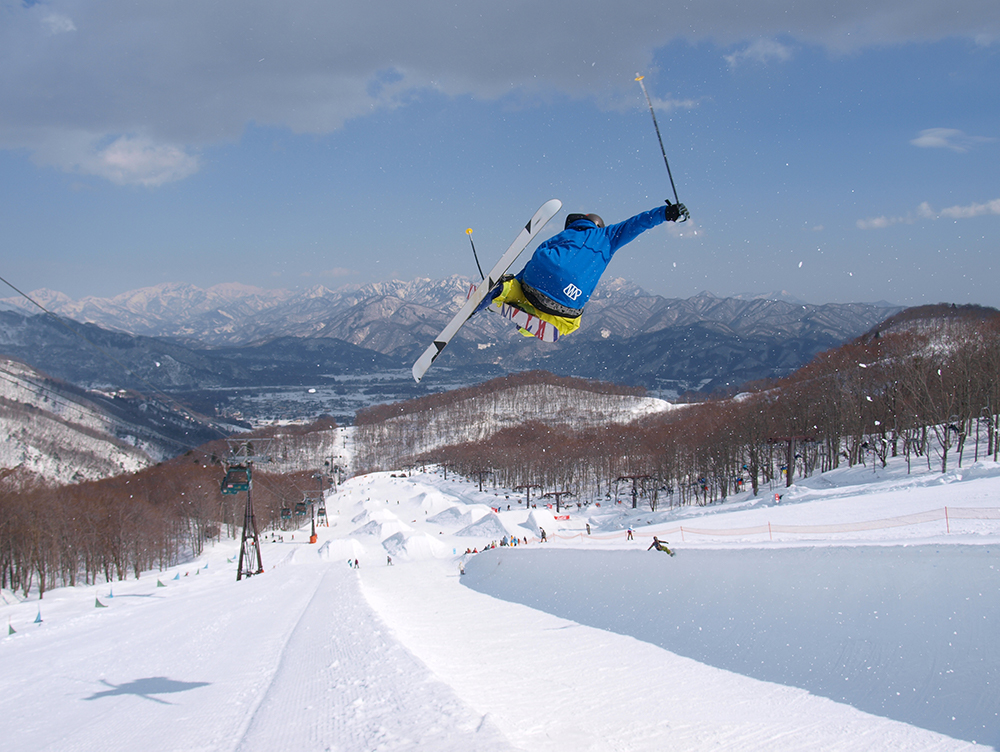
Nozawa Onsen has a beginner-friendliness of ★★☆. The resort sits right next to a hot spring village with a history of over a hundred years, with a strong village atmosphere and courses spread over a wide area.
The village has 13 public baths (soto-yu), and bathing is free, with maintenance supported by donation boxes at the bath entrances. Walking straight into the hot spring town after skiing is part of daily life for locals, and the atmosphere is more authentic than at a large resort.
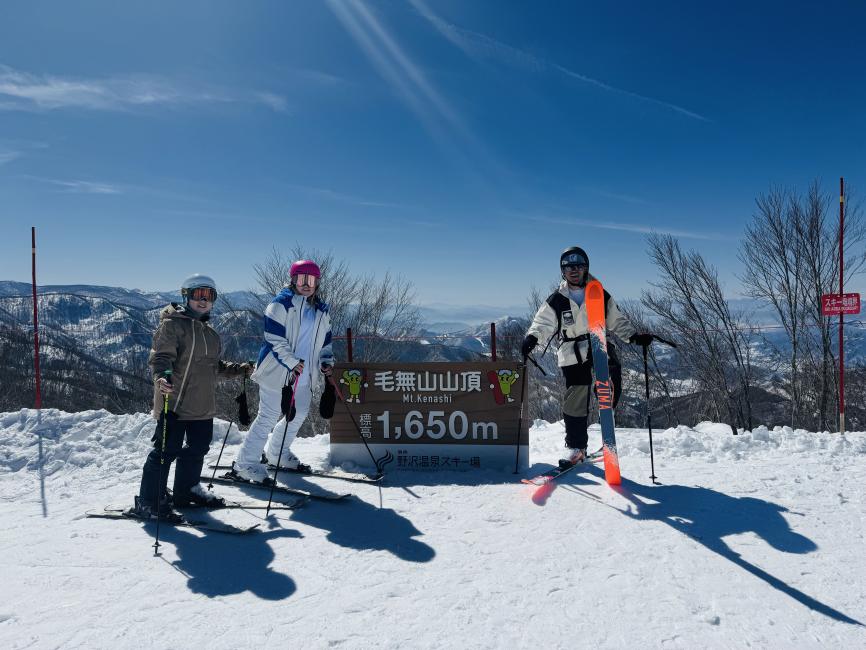
Karuizawa Prince Hotel Ski Resort: A Family Resort Next to the Outlet
Karuizawa Prince Hotel Ski Resort has a beginner-friendliness of ★★★. It relies mainly on artificial snow, so the snow is consistent, and it can be reached from Tokyo by Shinkansen.
A large outlet shopping mall sits next to the resort, suiting a light itinerary that combines skiing and shopping in one trip.
Tsugaike Kogen Ski Resort: A Beginner-Friendly Resort in Nagano
Tsugaike Kogen has a beginner-friendliness of ★★★. It has a high proportion of beginner and intermediate courses and is one of the beginner-friendly resorts in the Nagano area.
The slopes are gentle with open views, and the lift system is simple and easy to understand, especially suited to complete beginners strapping on boards for the first time.
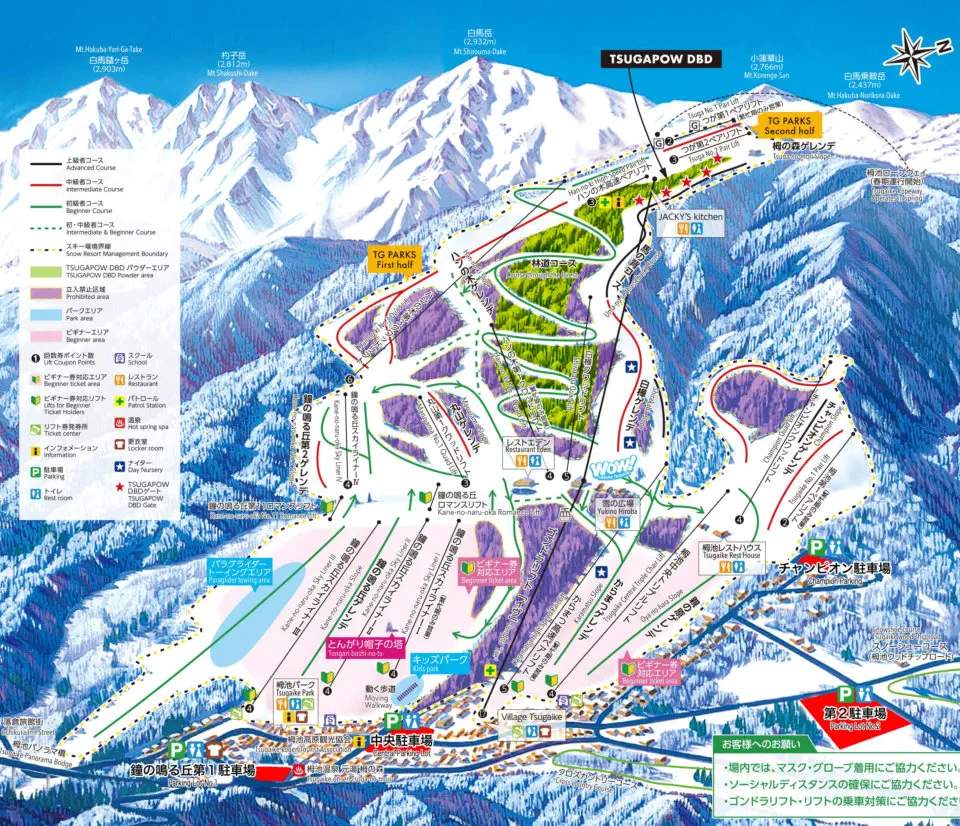
Kandatsu Ski Resort: A Night Ski Resort 7 Minutes From Echigo-Yuzawa Station
Kandatsu Ski Resort has a beginner-friendliness of ★★★ and offers night skiing, a rare night-ski option.
Kandatsu has a free shuttle bus from JR Echigo-Yuzawa Station, taking about 7 minutes, so it is easy to reach without a car.
You can take lessons and practice by day and ski freely at night, making for a flexible schedule.
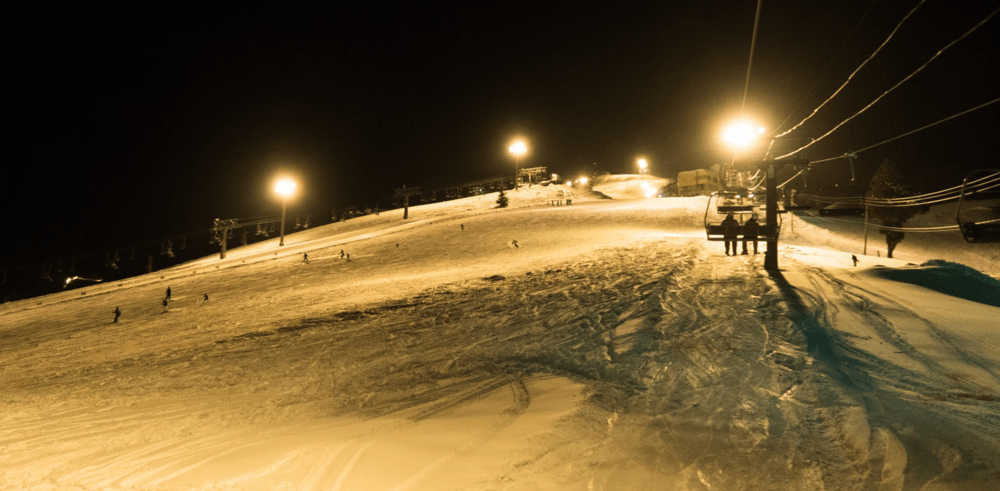
Kagura Ski Resort: Three Areas, Tashiro, Kagura and Mitsumata
Kagura Ski Resort has a beginner-friendliness of ★★★ and a longer snow season; check the official announcements before you leave for opening hours.
The resort is divided into three areas, Tashiro, Kagura and Mitsumata. Beginners can start in the Tashiro area and gradually move on to the others.
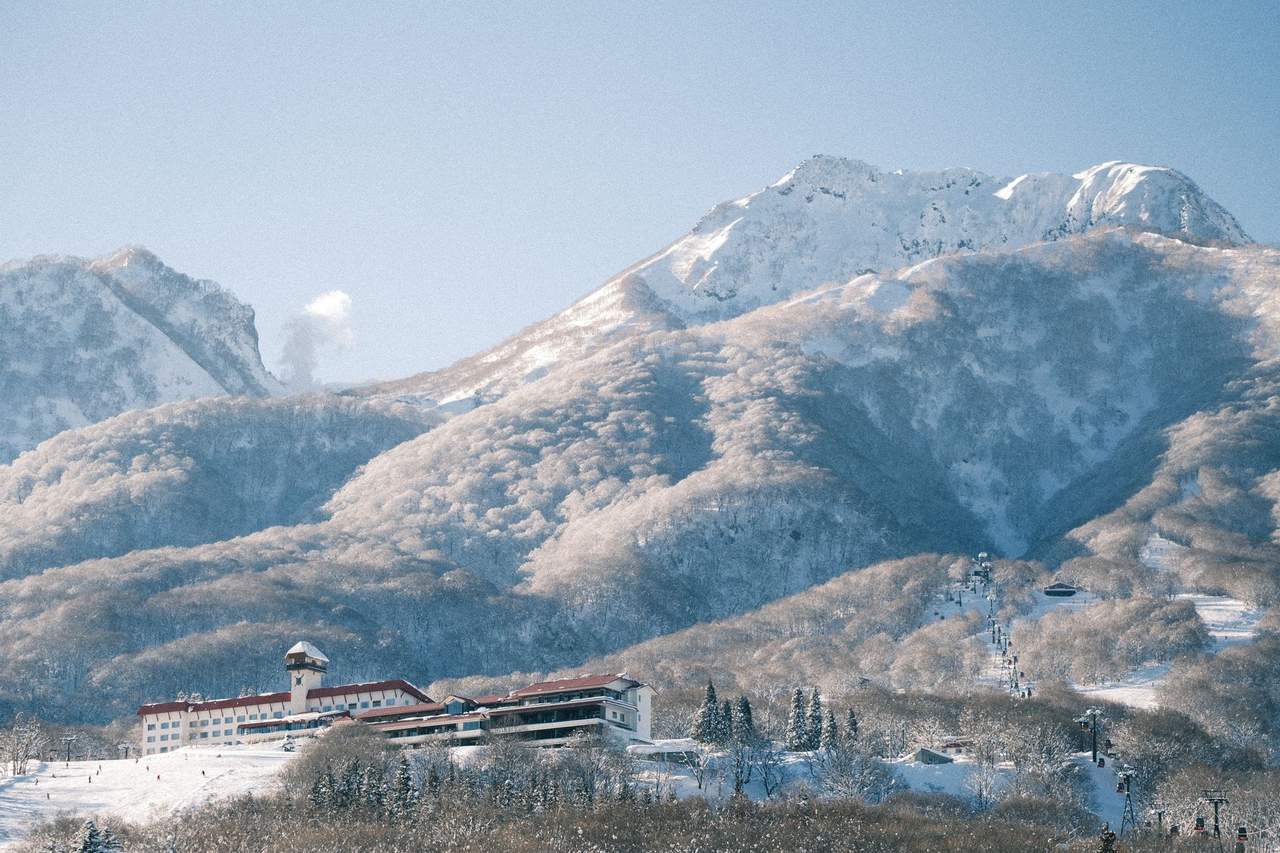
Ishiuchi Maruyama Ski Resort: A Family Resort in the Niigata Yuzawa Area
Ishiuchi Maruyama has a beginner-friendliness of ★★★. Located in the Niigata Yuzawa area, it can be reached from Tokyo by Shinkansen with a transfer, making it one of the resorts with convenient access.
Courses cover different levels, suiting a whole family of skiers of different abilities traveling together.
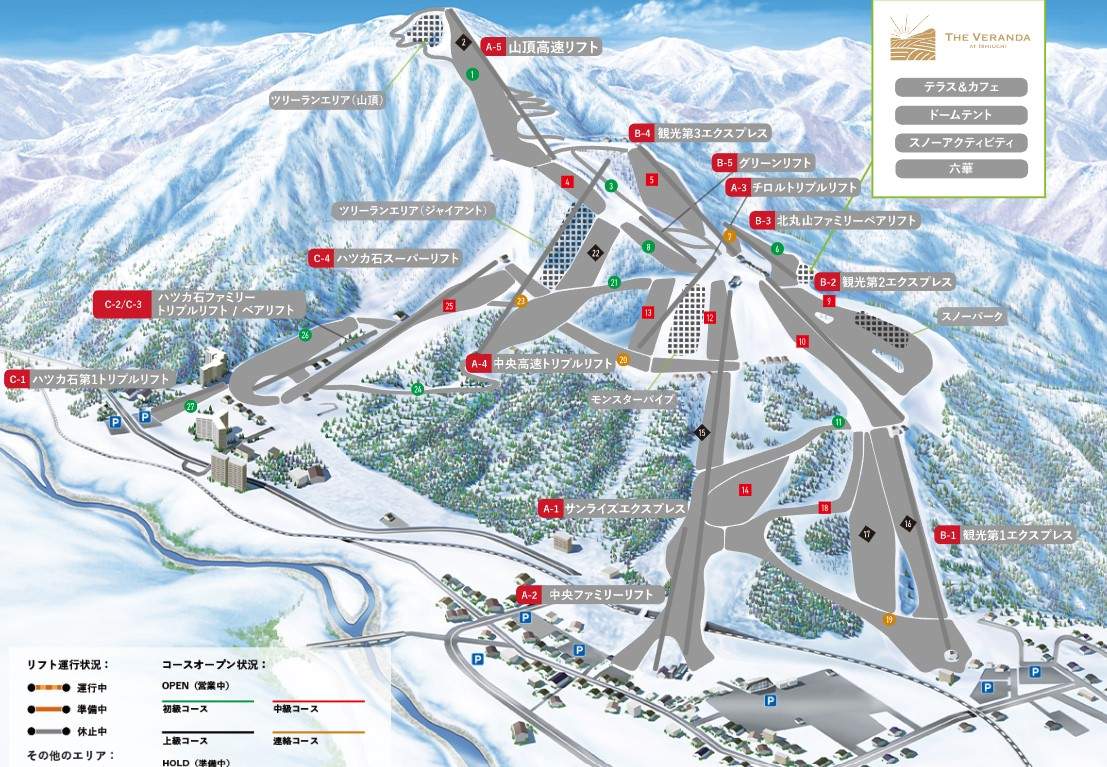
Naeba Ski Resort: An Integrated Resort With 24 Courses
Naeba Ski Resort has a beginner-friendliness of ★★☆. It is a large integrated resort with a children’s play area, suitable for families.
The resort has 24 courses in all, split 42% beginner, 25% intermediate and 33% advanced, with a longest run of 4,000 meters and a maximum gradient of 39 degrees.
The resort is large but clearly signposted, so beginners can practice on the gentle courses near the hotel and gradually try the outer courses.
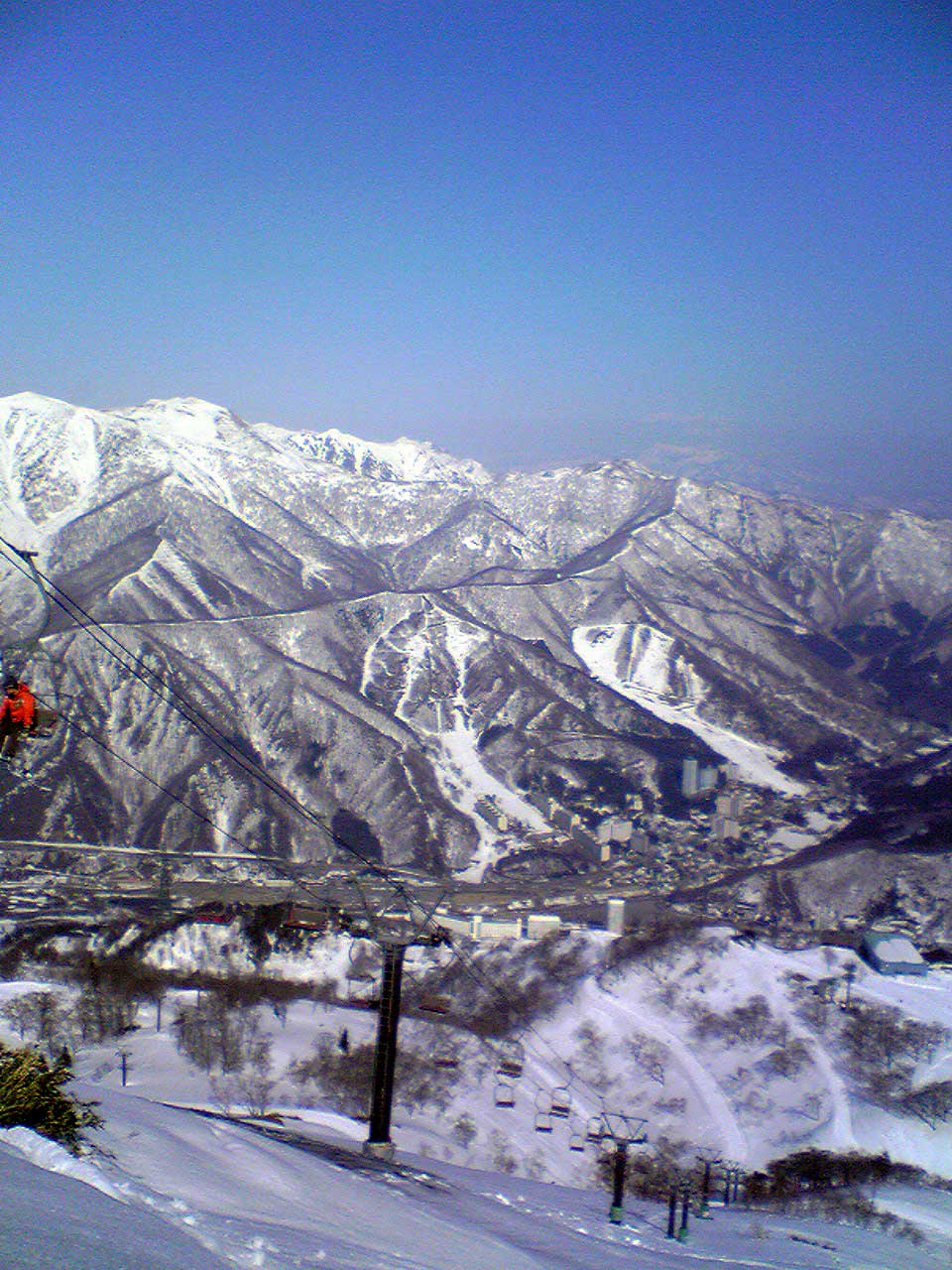
Multi-Resort Tour of Echigo-Yuzawa: Ski GALA Yuzawa and Iwappara to the Fullest
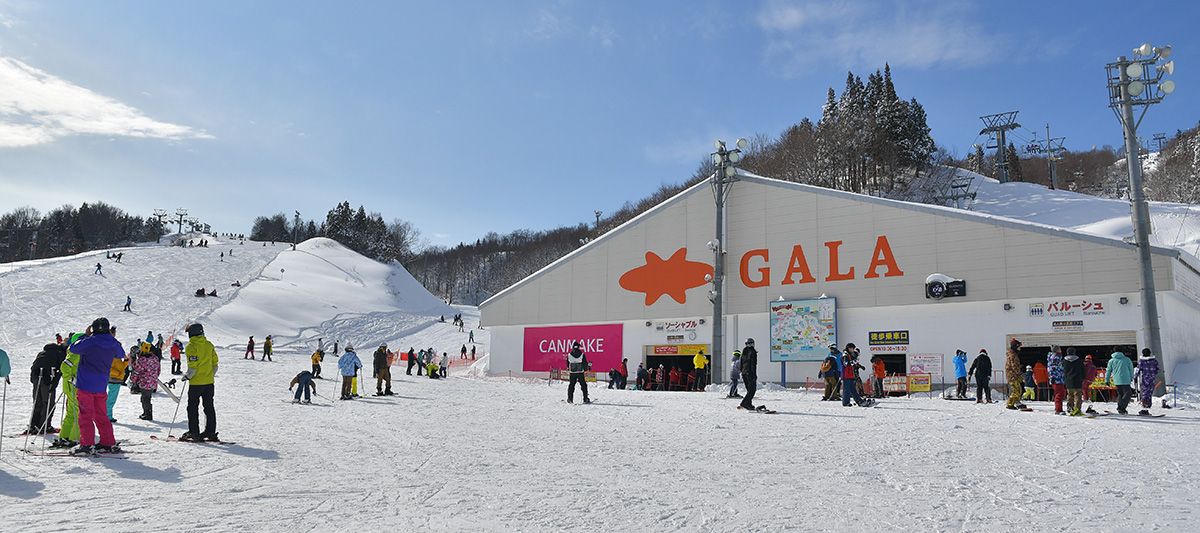
GALA Yuzawa ski resort has a beginner-friendliness of ★★☆. The 2025-26 season adult one-day lift ticket is ¥7,300 (check the official website for 2026-27 season prices), and its biggest advantage is the direct connection to the station with no need to leave the station.
Iwappara ski resort has 20 courses, with a main course up to 200 meters wide and a maximum gradient of 35 degrees, ranging from beginner to advanced; both resorts can be done as day trips from a base at Echigo-Yuzawa Station.
How Much Does a Japan Ski Trip Cost in 2026? Gear Rental, Lessons and Lift Tickets
How Renting Gear Works: Choosing Between Snowboard and Skis
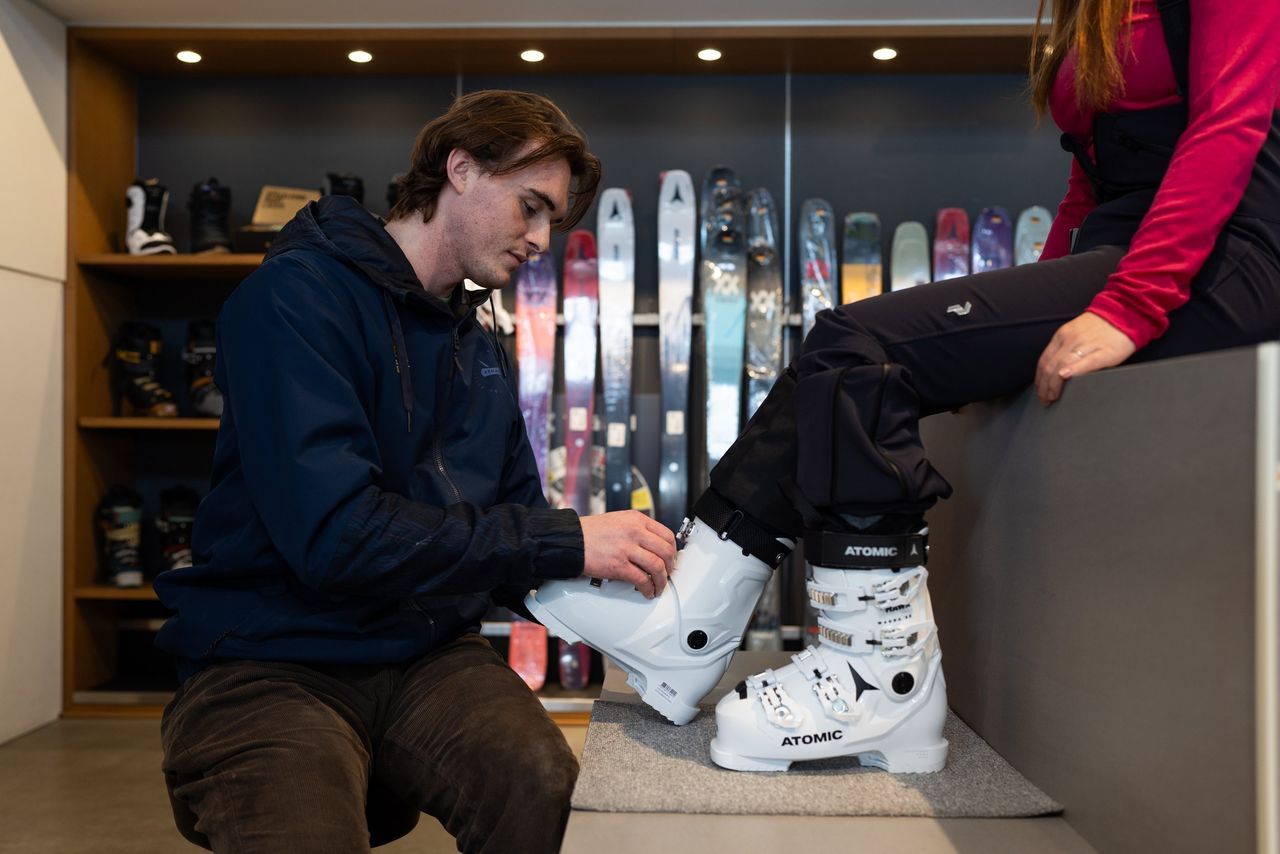
The rental shop will first ask your height, weight and foot length. Height determines ski length (roughly between chin and nose level). When trying on ski boots, they fit if your toes lightly touch the front when standing straight, your toes can wiggle when you crouch, and your heel does not lift. Next, choose a snowboard or skis: with skis each foot is on its own board, which is easier to pick up; with a snowboard both feet are fixed to one board, which turns more nimbly but is harder to get up from. You can use the 0-5 skill self-assessment scale to place yourself (level 0 means your first time skiing, level 5 means you can ski any slope with stability), and confirm your usual stance, Regular (left foot forward) or Goofy (right foot forward).
Arranging Lessons: How to Find a Chinese-Speaking Instructor
Beginners are strongly advised to sign up for lessons. Many resorts and private ski schools offer instruction in Chinese; before booking, confirm the instructor’s language, lesson hours and cost.
We suggest 1 to 3 days: practice standing and stopping on day 1, learn turning and edge changes on day 2, and link continuous turns on day 3. You can learn even with no sports background.
Lift Tickets and Early-Bird Passes: How Locker Fees Work
When signing up for a lesson, first confirm whether the fee includes a lift ticket; if you want to ride the lifts to practice on your own, you will need to buy a lift ticket separately. Some resorts release early-bird tickets before the season, so watch the official website for announcements when they go on sale.
Lockers at resorts usually cost extra; keep valuables in a zipped pocket to reduce the risk of loss.
Package Tour vs. Independent Travel: How to Choose by Cost and Days
Package tours usually include instructors, lift tickets and gear rental, saving you the trouble of arranging them yourself; independent travel is more flexible but you must handle transport and insurance on your own.
We recommend choosing dates that avoid holiday crowds, and if you want to stay at a ski-in/ski-out hotel, rooms are tight in peak season, so book early.
Insurance and Pre-Trip Fitness: What to Do If You Get Hurt
Before you leave, be sure to buy travel insurance that includes medical and skiing coverage. Ordinary travel accident insurance often lists skiing as an exclusion, and instructor teams usually carry third-party liability insurance.
If you are injured while skiing, the correct response is to call the ski patrol on the spot to help get you to medical care, and the resort’s first-aid station can usually handle minor sprains. We recommend training or maintaining your fitness and strength for 1 to 2 months before skiing; strengthening your thighs and core reduces the chance of falling.
Where to Stay for a Japan Ski Trip in 2026? Accommodation Advice by Resort

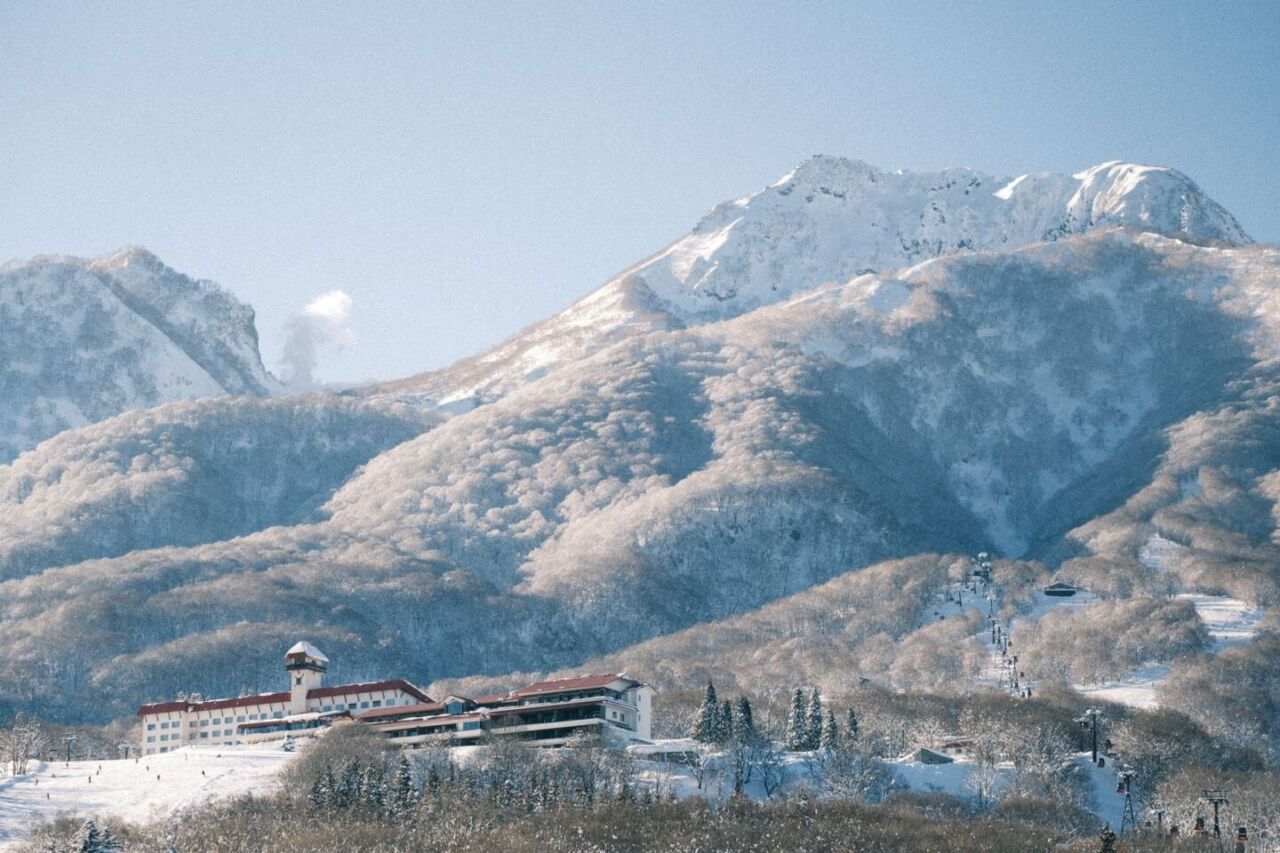
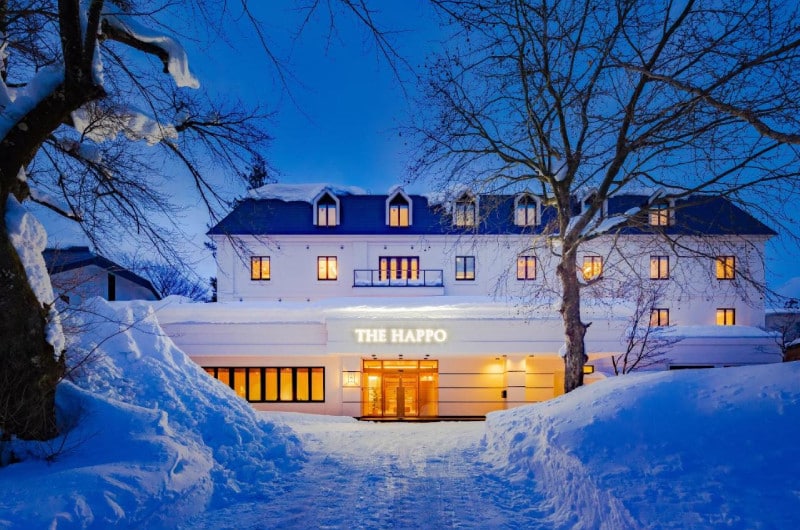
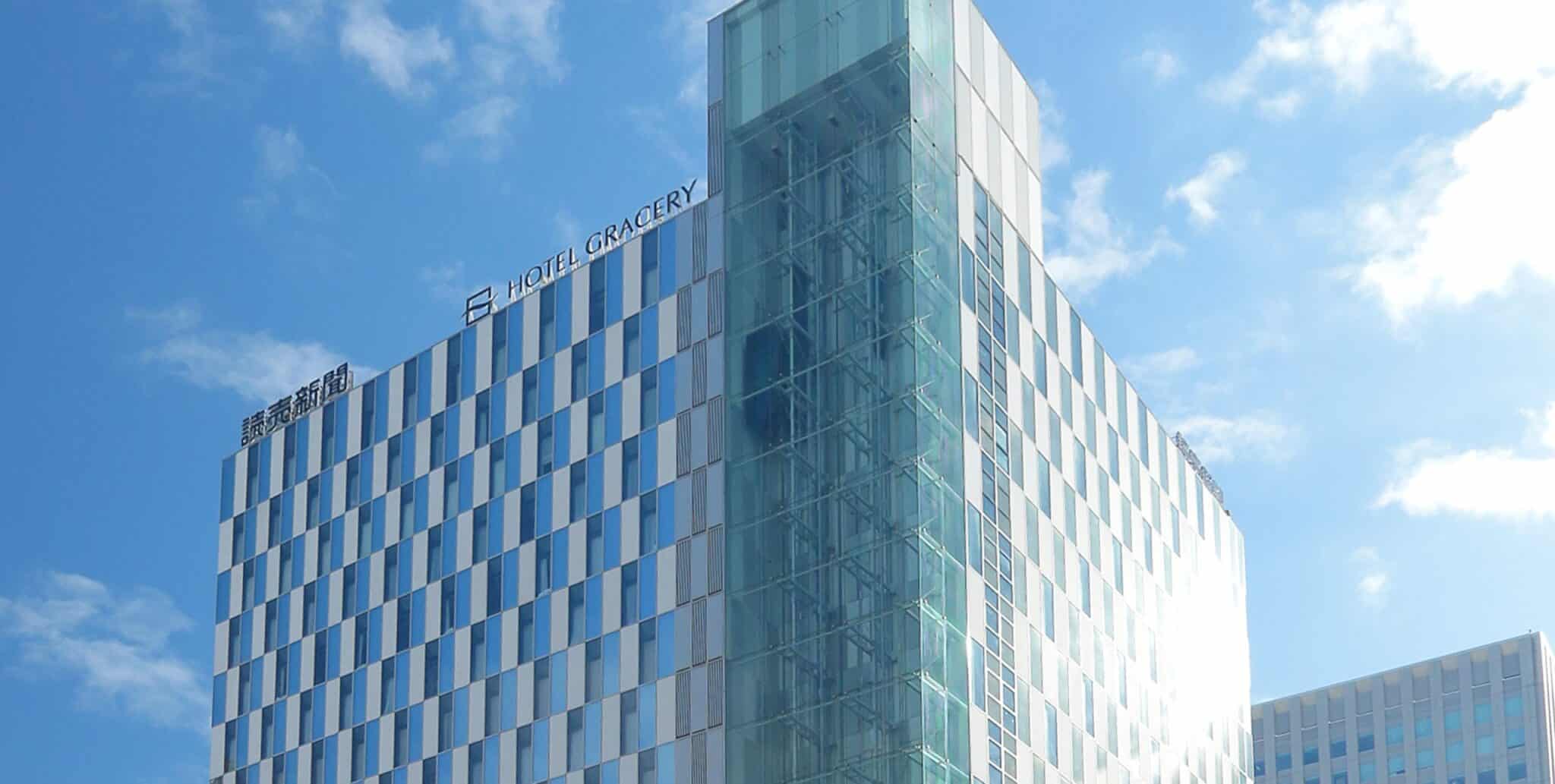
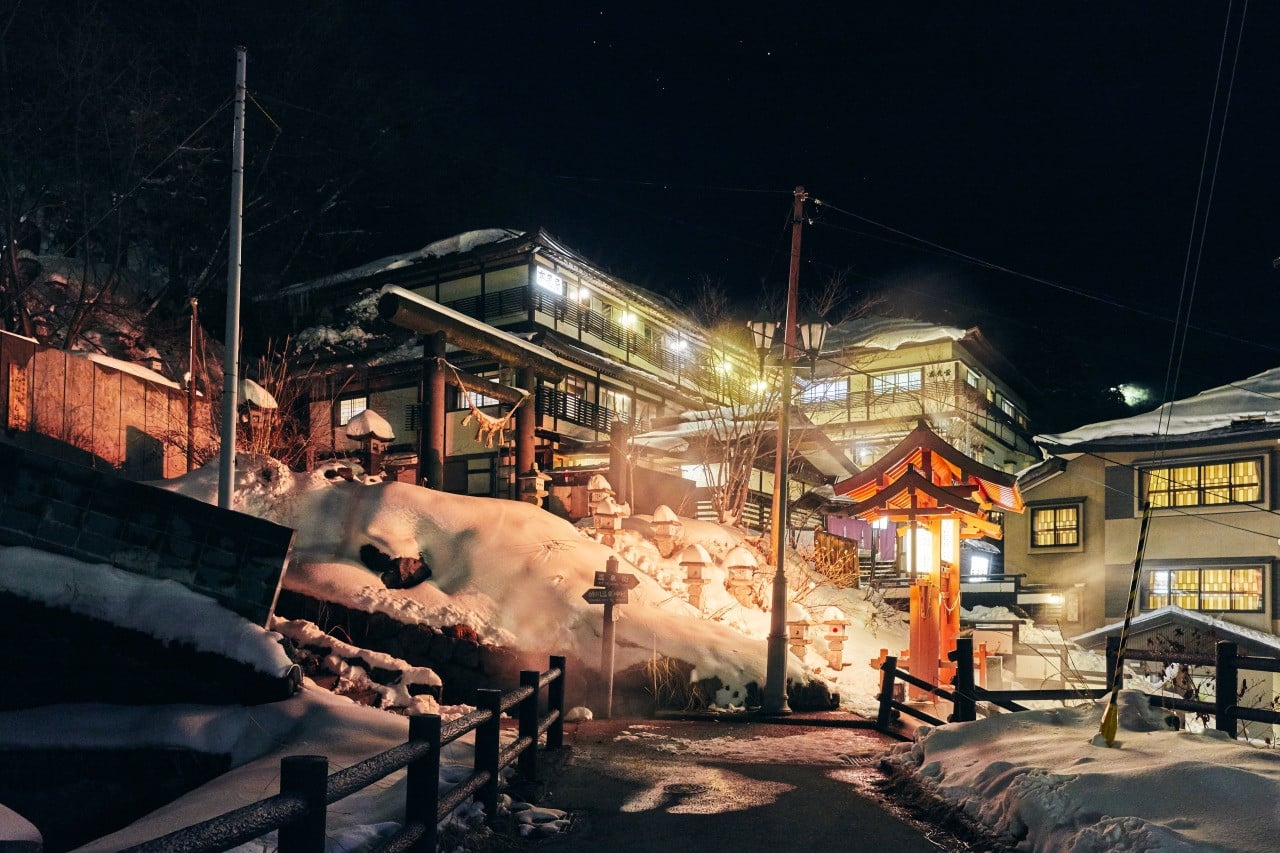
Echigo-Yuzawa: The Top Ski Accommodation Choice Next to a Shinkansen Station
Hot spring inns cluster around Echigo-Yuzawa Station, which is a direct Shinkansen ride of about 75 minutes from Tokyo Station. You can ski throughout the snow season, and everyday amenities are plentiful, suiting first-time independent travelers.
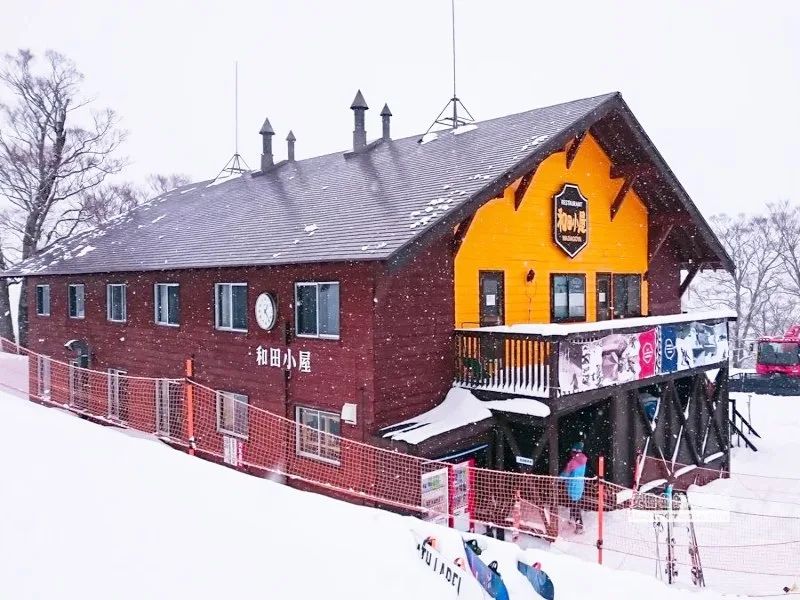
Niseko Hirafu: A Resort Lodging Area Within Walking Distance of the Lifts
Most guesthouses and resort hotels in the Grand Hirafu village are within a 5 to 10 minute walk of a lift station. Rooms are tight in peak season, so book early.
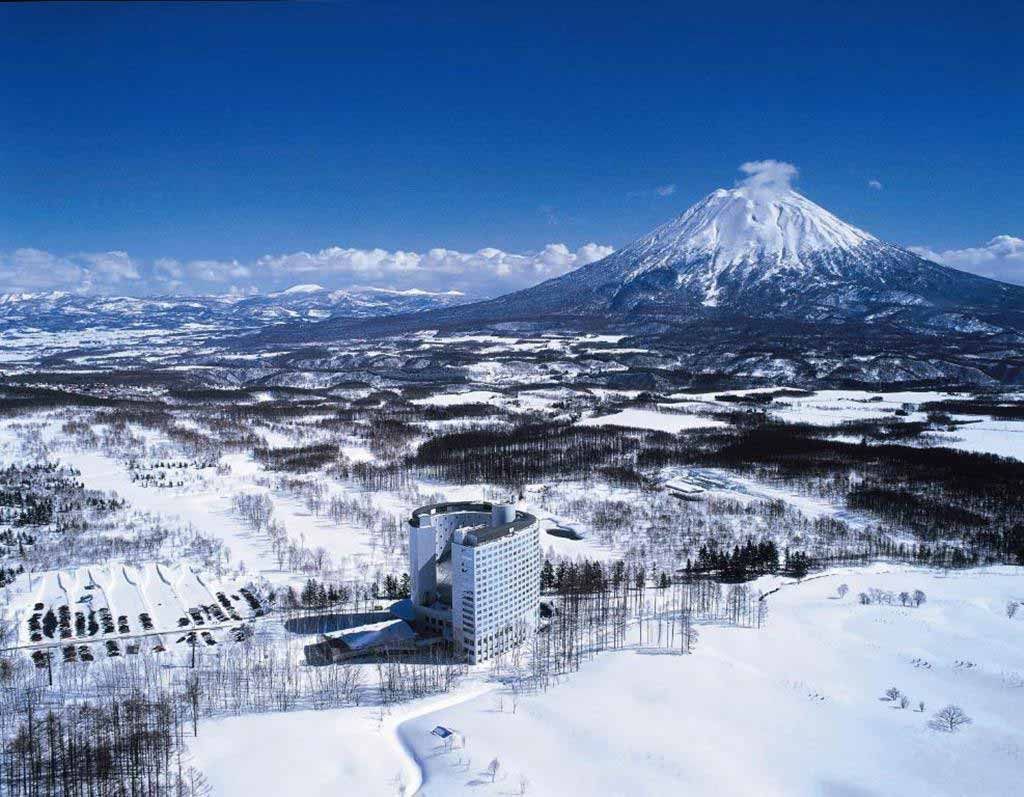
Central Sapporo: Skiing Plus Shopping and Dining
Stay in central Sapporo and head to Teine ski resort, skiing by day and returning to the city in the evening to stroll Tanukikoji, suiting travelers who don’t want to spend the whole day at the resort.
Around Karuizawa Station: A Family Lodging Area With Direct Shinkansen Access
The Karuizawa Prince Hotel is right next to the ski resort and the outlet, within walking distance of Karuizawa Station, suiting families with children who don’t want to drag luggage through transfers.
Hakuba Village: A Hub of Backpacker Lodges and Hot Spring Inns at the Heart of Nagano’s Snow Country
Hakuba Village has many backpacker lodges and hot spring inns concentrated near Hakuba Happo-one and Goryu 47, and is the most convenient base for skiing several Nagano resorts in a row.
FAQ
Q: Should I buy essential ski gear or rent it on site?
We suggest renting big items such as skis, boots and helmets on site; for items worn against the skin, such as moisture-wicking base layers, socks and gloves, we suggest bringing your own, which is also more hygienic.
Q: How should I dress for skiing, and which materials should I avoid?
Wear a moisture-wicking close-fitting base layer, a fleece mid layer for warmth and a waterproof, windproof outer layer. Cotton gloves are slow to dry and wool or knit coats absorb water and get heavy, so neither is recommended for skiing.
Q: Can I ski in regular sneakers or fashion snow boots?
Not recommended. Fashion snow boots are not waterproof enough and regular sneakers lack grip. Resorts all offer ski boot rentals; be sure to try them on until your heel does not lift.
Q: How do I keep my hands and face warm?
We suggest bringing glove liners to wear under waterproof gloves, and a warm face mask or neck gaiter to cover your nose and mouth against the wind, which is much warmer than a single pair of rental gloves.
Q: Can I go to a hot spring after skiing, and what do I need to bring?
Yes, many resorts are right next to hot springs. Bring your own towel and hair tie; only some hot spring inns provide towels, and public baths usually do not.
Q: When should I go to avoid the crowds?
We suggest going on a weekday or just before or after a long holiday weekend, since resorts, lifts and restaurants often have long lines during Japan’s national holiday periods.