
2026 Lake Biwa Grand Fireworks Festival Guide: The Peak of Lake Fireworks in Kansai
The 40th Lake Biwa Grand Fireworks Festival (Biwako Dai Hanabi Taikai) of 2026 was held from 19:30 to 20:30 on Thursday, August 6 around Otsu Port in Shiga Prefecture. This year’s event has now ended, and it is Shiga’s most representative summer fireworks show over the water.
What Is the Lake Biwa Grand Fireworks Festival? A 40th-Anniversary Feast of Light on the Lake
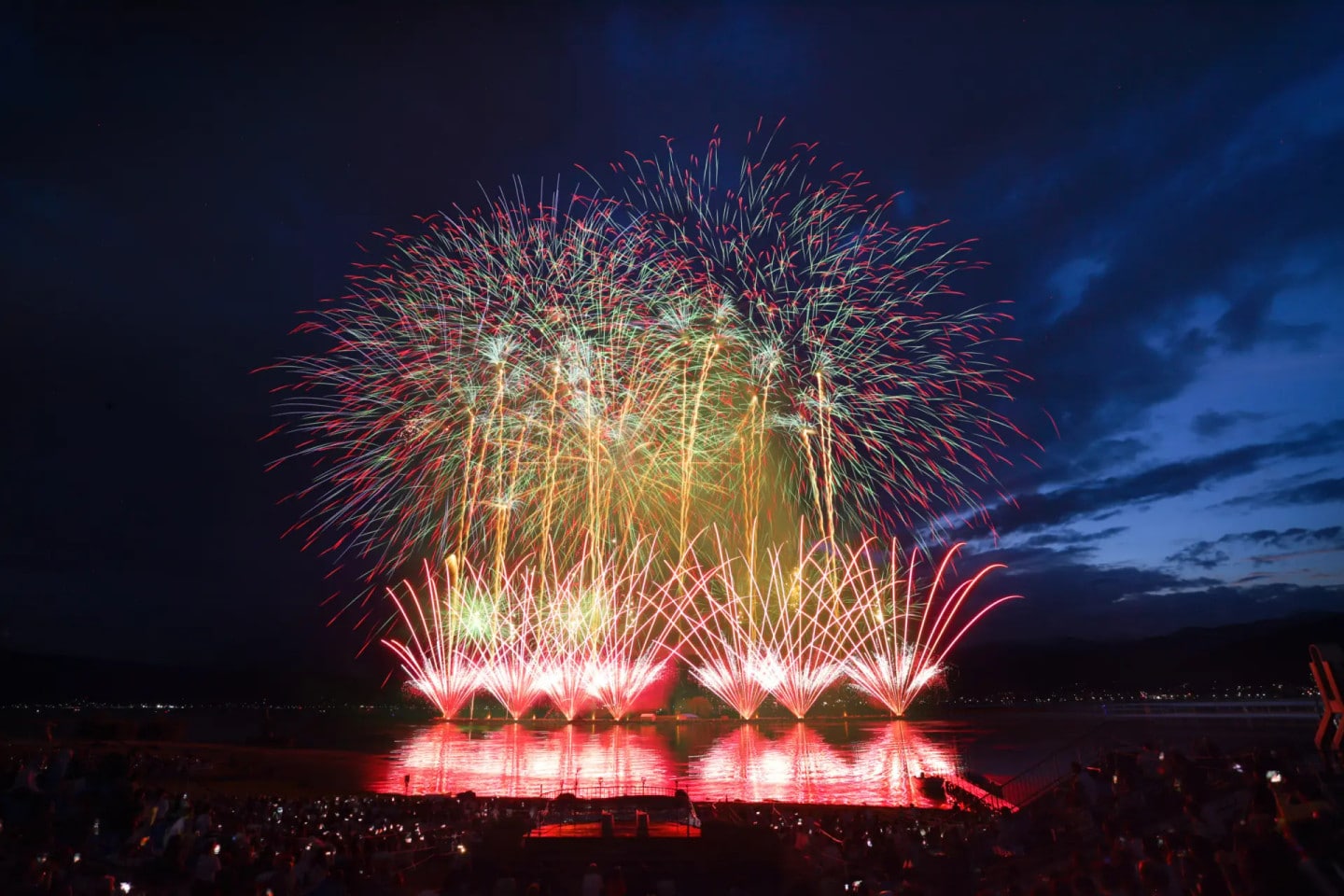
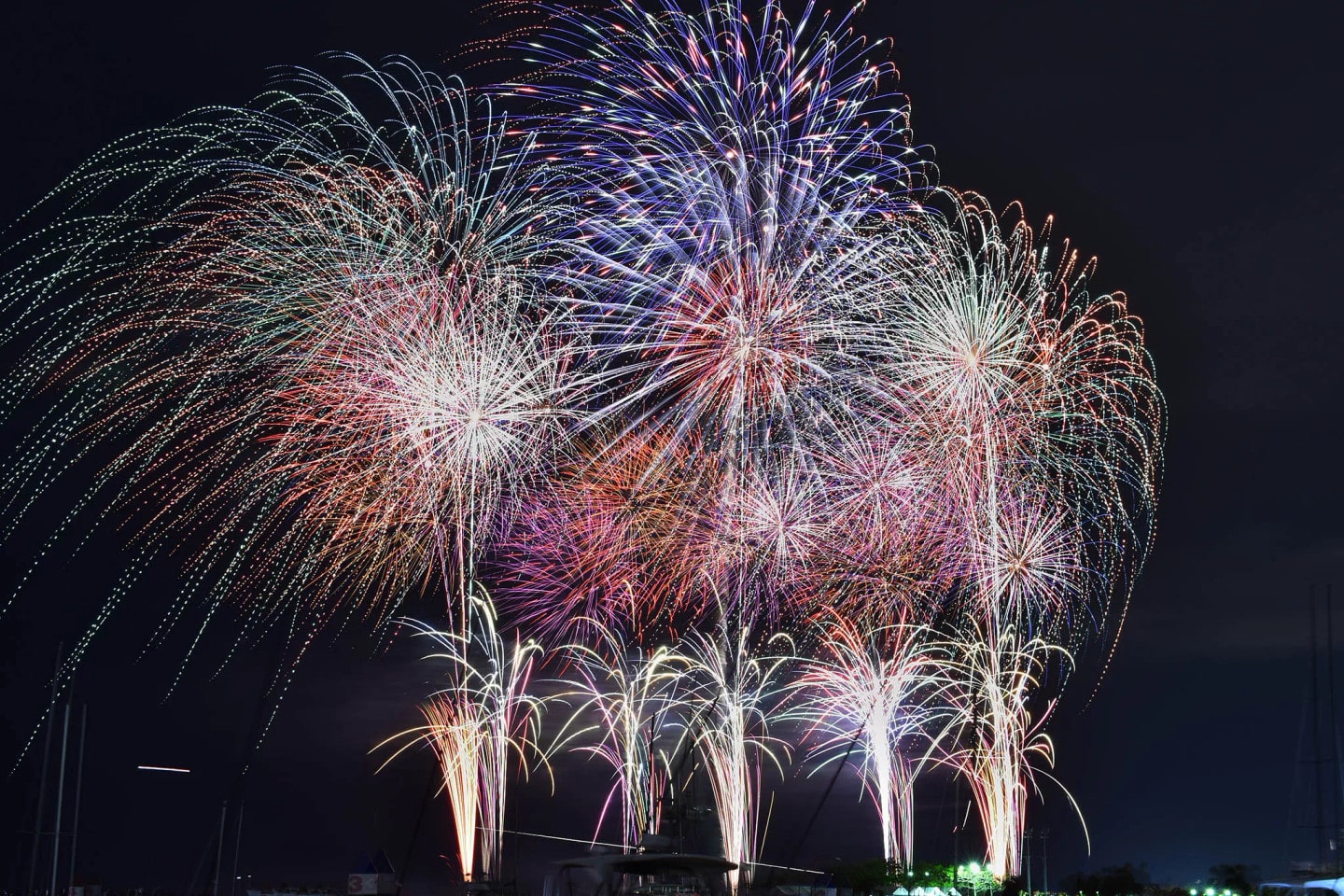
The Lake Biwa Grand Fireworks Festival is a large fireworks event held every summer in Otsu City, Shiga Prefecture. This year marked the 40th edition, and the show was expanded to about 12,000 shells, up from the usual roughly 10,000. The venue is the water in front of Otsu Port; fireworks are launched from boats and the lakeshore at the same time and reflected in the calm surface of Lake Biwa, creating a distinctive mirror-image of light that other Japanese fireworks festivals can hardly replicate.
The biggest highlight this year was the first-ever “two-part” format: the first part was a sound-and-light show combining a drone show, laser beams and music, and the second part was the traditional main fireworks show. This two-part arrangement kept the hour-long event climactic from start to finish. As this was a special 40th-anniversary program, please rely on the organizer’s official website for the date and content of the next edition.
2026 Date and Time: Thursday Evening, August 6
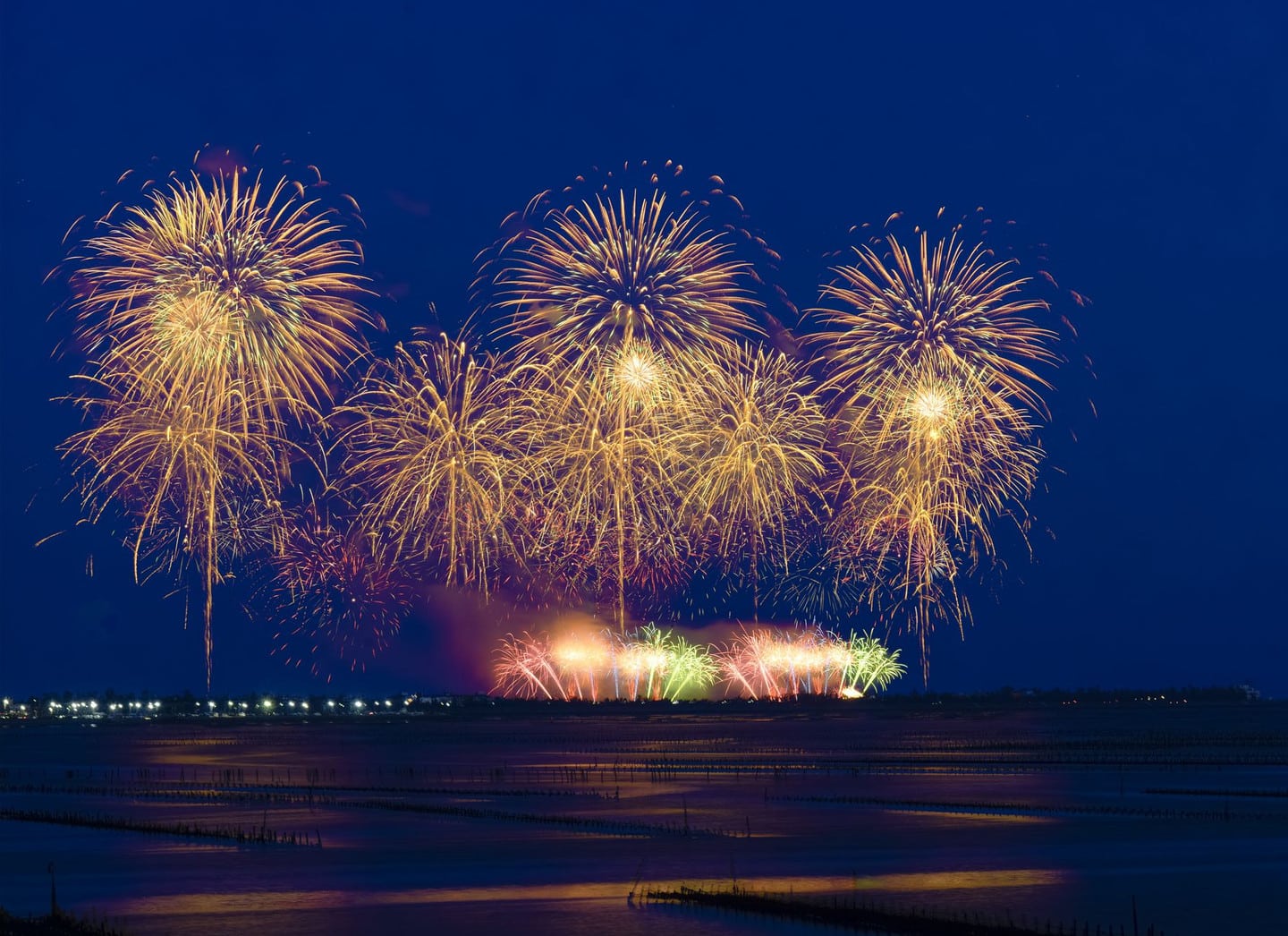
The 2026 Lake Biwa Grand Fireworks Festival was held from 19:30 to 20:30 on Thursday, August 6, lasting about one hour. The official website announced on August 10 that this year’s event has ended, so the information below can serve as a reference for planning the next edition. This year’s event fell on a weekday, so commuter and tourist crowds overlapped; when planning for next year, we recommend leaving a buffer for transport.
Please rely on the organizer’s official website for the date of the next edition.
- 📢 Official announcement: The organizer, the Biwako Dai Hanabi Taikai Executive Committee, announced on its website on August 10, 2026 that “the 2026 Biwako Grand Fireworks Festival has ended,” so this year’s event is over
- 📞 Festival hotline 050-5536-3944 (weekdays 10:00-17:00)
- 🔗 Biwako Grand Fireworks Festival Official Website(The festival’s official site sits under the Shiga tourism site “Shiga/Biwako Tourism Information,” at biwako-visitors.jp/hanabi/, where the dates, paid viewing seats, traffic controls and venue map are published)
- 🎫 Official ticket sales: the “Ticket Sales” page on the official site links to NTT docomo’s “d Ticket” for purchase, which requires a free d Account registration first (people without a docomo number can also register). In 2026 tickets were sold through a priority lottery plus general sale, some seat types were also sold on KKday, and demand-based dynamic pricing was introduced starting from the second priority lottery
How to Find Next Year’s Information: Official Website and Hotline
The 40th edition was held on August 6, 2026 and has been announced as ended. Dates, seat types and ticket sale schedules for the 41st edition onward will be published on the festival’s official page of Shiga/Biwako Tourism Information, and tickets are purchased through a link from the official site to d Ticket. The festival hotline is 050-5536-3944 (weekdays 10:00 to 17:00); we recommend checking the latest announcements before planning.
Will It Go Ahead in the Rain? Cancelled in Bad Weather With No Rain Date Is the Rule
If wind or rain is too strong, the Lake Biwa Grand Fireworks Festival announces between afternoon and evening whether it will be cancelled, and unlike most Japanese fireworks festivals, it is “cancelled in rain with no postponement or rain date,” so please take note. No backup date is set once the fireworks are cancelled. We recommend scheduling the festival in the middle of your trip and keeping nearby sights such as Mount Hiei’s Enryaku-ji and Omi Jingu in reserve so your itinerary is not affected. Paid seats cancelled due to weather can usually be refunded, but the refund timing and method follow the official announcement; please keep your proof of purchase and follow the official social media accounts.
2026 Lake Biwa Grand Fireworks Festival Guide: How to Get There? A Complete Transport Guide from Kyoto and Osaka
The Lake Biwa Grand Fireworks Festival draws huge crowds to Otsu City in Shiga Prefecture every year, and the roads and stations around the venue are badly congested before and after the show, so transport planning is the key to a successful trip.
How to Get to the 2026 Lake Biwa Grand Fireworks Festival? Transport Options at a Glance
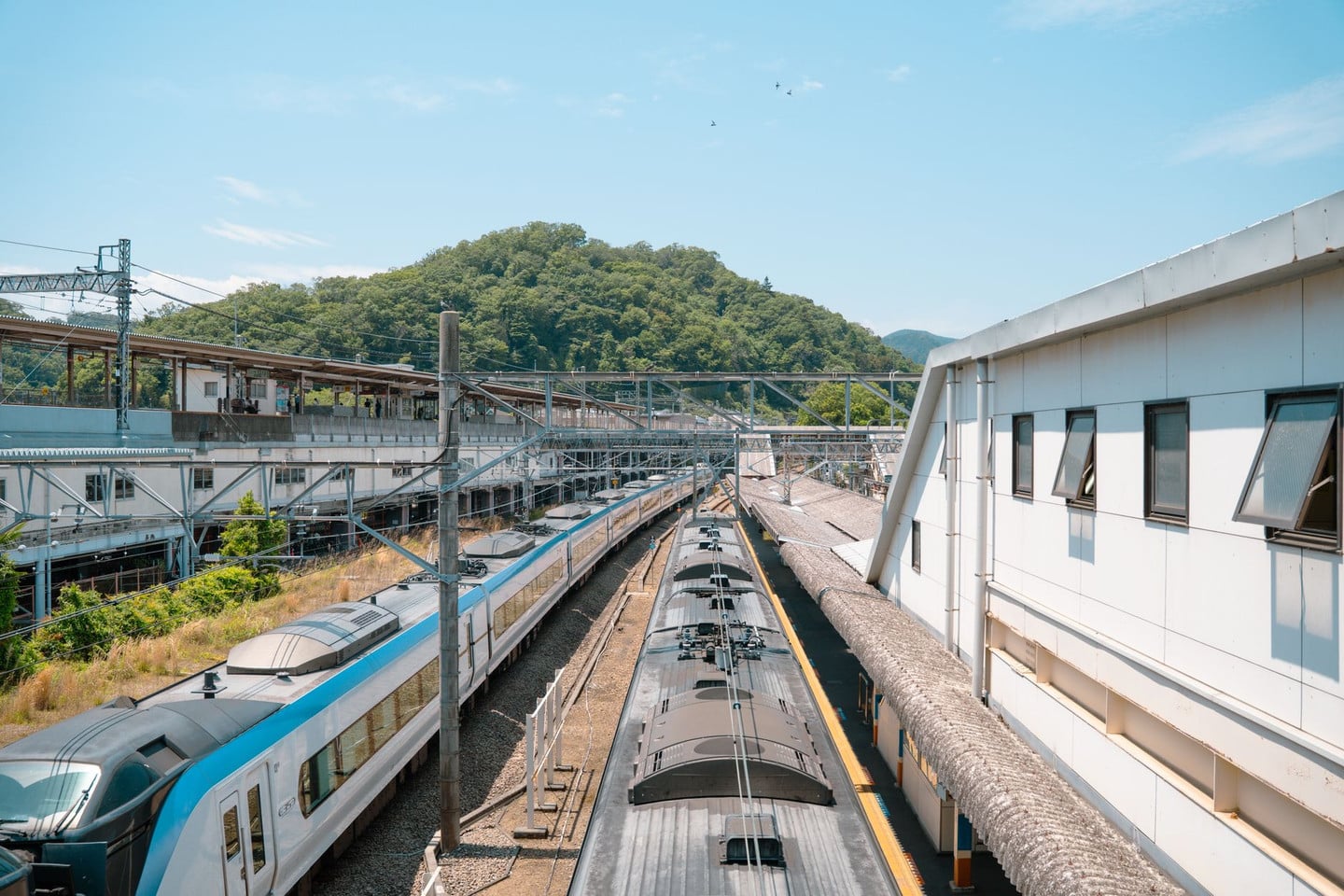
🚆 JR Biwako Line: about 10 minutes from Kyoto, about 50 minutes from Osaka. Frequent trains; one-way crowd control and queuing after the show.
🚃 Keihan Ishiyama-Sakamoto Line: stations spread around Otsu city, 30-40 minutes. The crowd is dispersed, suitable for families and older travelers.
🚌 Temporary shuttle buses: link parking lots and hotels, ¥300-500. Service is adjusted according to traffic.
🚗 Driving: Meishin Expressway “Otsu IC”; parking ¥1,000-2,000 (reservation required). Surrounding roads are closed from the early evening.
2026 Lake Biwa Grand Fireworks Festival Guide: What Are the Must-See Highlights? Viewing Areas and Nearby Attractions Explained
From choosing paid seats to day-trip sights before the fireworks, here is a summary of the must-see highlights and a comparison of viewing areas.
Underwater Star Mine: Symmetrical Fireworks on the Lake
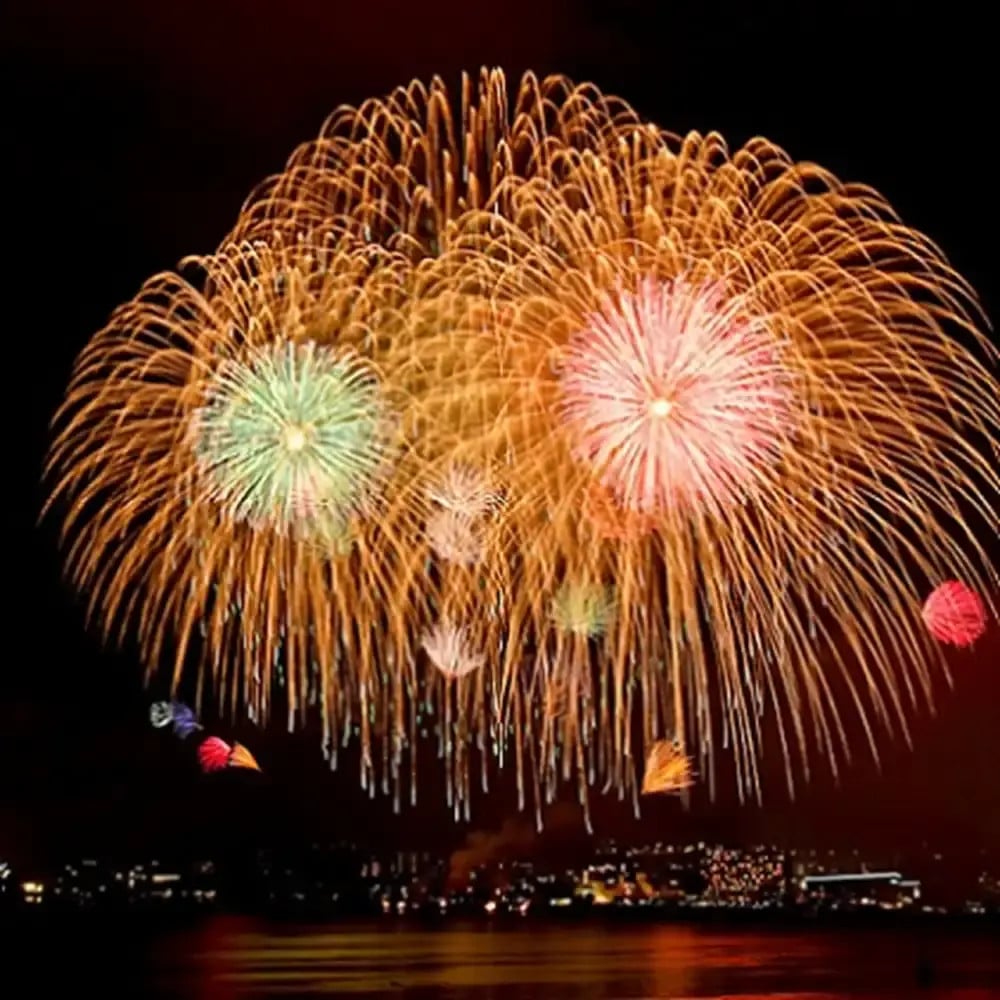
The “Star Mine” is a unique highlight of the Lake Biwa Grand Fireworks Festival: fireworks are launched at a low, slanted angle from platforms on the lake and interweave with high-altitude fireworks, casting perfectly symmetrical reflections on the calm lake surface for a one-of-a-kind spectacle.
For viewing, we recommend a paid seat directly facing the Otsu Port waters or the front row of the lakeshore, so you can capture the Star Mine and its reflection in one frame. An off-angle position badly affects the reflection. Photography enthusiasts should bring a stable support (large tripods are usually banned in paid seats) and get familiar with shutter settings beforehand to capture the reflections on the lake in an instant.
Chair Seats: The Paid Seat Most Recommended for First-Timers
Chair seats are the most popular type of paid viewing area, priced at about ¥7,500, with proper chairs facing the Otsu Port waters and a view that is completely unobstructed by fences, so you can clearly see both the drone show and the full Star Mine. Because they are assigned seats, you do not need to arrive hours early to claim a spot, which makes them the most worry-free option for first-time visitors or families with older relatives and children.
Chair-seat reservations by lottery usually open around early June each year, and popular sessions often sell out quickly. We recommend locking in the official sale time and buying on the dot, or booking in advance through overseas-friendly ticket platforms such as KKday so you do not miss out.


Free Viewing Areas: Popular Spots Fill Up Before 3 p.m.
Free viewing areas are mainly located around the outskirts of the venue or on lakeshore stretches with poorer viewing angles, and some spots are blocked by trees, buildings or temporary fences, so the viewing quality is less reliable than paid seats. If you choose a free area, we recommend arriving at least 3 to 5 hours early and bringing a picnic mat or a folding stool to claim a spot on the ground to have a chance at a better view.
Free areas need no ticket, but popular spots are often full by 3 or 4 p.m., and the exit routes are more crowded than for paid seats.
Can You Watch the Lake Biwa Fireworks Festival for Free?Yes. If you would rather not claim a spot too early, consider the official same-day tickets: according to the 2026 ticket sales page on the official site, they were scheduled to be sold from about 12:00 to 20:00 on August 6 at the west side of Biwako Hall, JR Zeze Station, Hama-Otsu Port and JR Otsu Station (sales stop once the planned quantity is reached), for general-admission seats within Nagisa Park, at ¥5,500 for cashless payment and ¥6,000 in cash. Note also that paid viewing seats require a ticket for anyone aged 3 and over; you cannot enter the paid area without one.
Mount Hiei Drive Way Observation Deck: A Distant Viewpoint Away From the Crowds
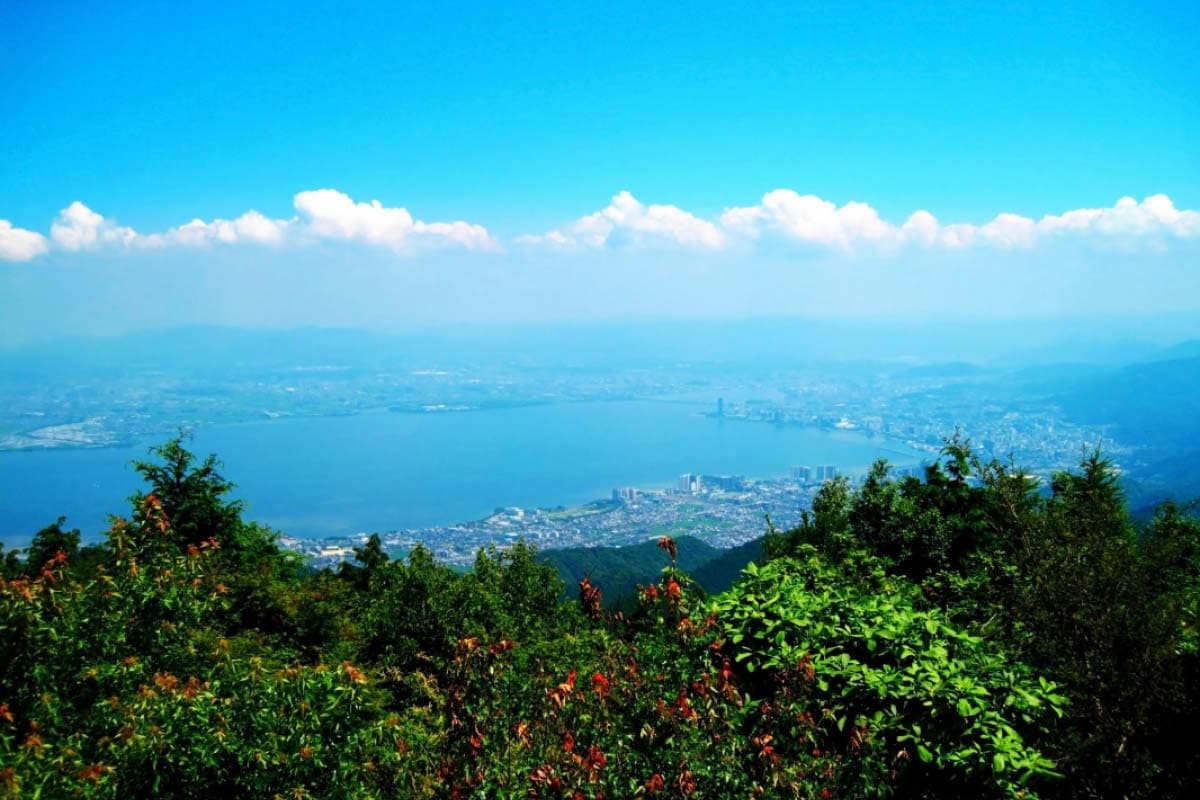
If you do not want to squeeze into the crowds at the main venue, consider the observation decks along the Mount Hiei Drive Way, which look down over the whole of Lake Biwa and Otsu’s night view. Although it is far from the venue and the fireworks look smaller, you can enjoy a panorama of city lights interwoven with fireworks, making it a favorite hidden shooting spot for photography enthusiasts.
Because the observation decks are along a mountain road, we recommend driving or chartering a car, and note that lighting on the mountain road is limited after dark, so take special care when driving. The biggest advantage here is that you are completely unaffected by the crowd control after the show; you can head down the mountain at leisure without squeezing into the station with tens of thousands of people.

JGSDF Otsu Camp: A Locals’ Hidden Viewing Spot
A hidden viewing spot that has grown in popularity in local communities in recent years is the area around the Japan Ground Self-Defense Force Otsu Camp, about a 13-minute walk (about 1 km) from Minami-Shiga Station. It is some distance from the venue but has an open view, with clearly fewer people than around the venue, making it a compromise for those who want to avoid the crush without going too far.
Because this is an area around a military facility rather than an officially designated viewing area, be sure to follow local traffic and residential rules, do not occupy private land or block passage, and note that there are no formal viewing seats or facilities there; we recommend bringing your own drinking water and a seat cushion.
Mount Hiei’s Enryaku-ji: The World Heritage-Listed Head Temple of the Tendai Sect
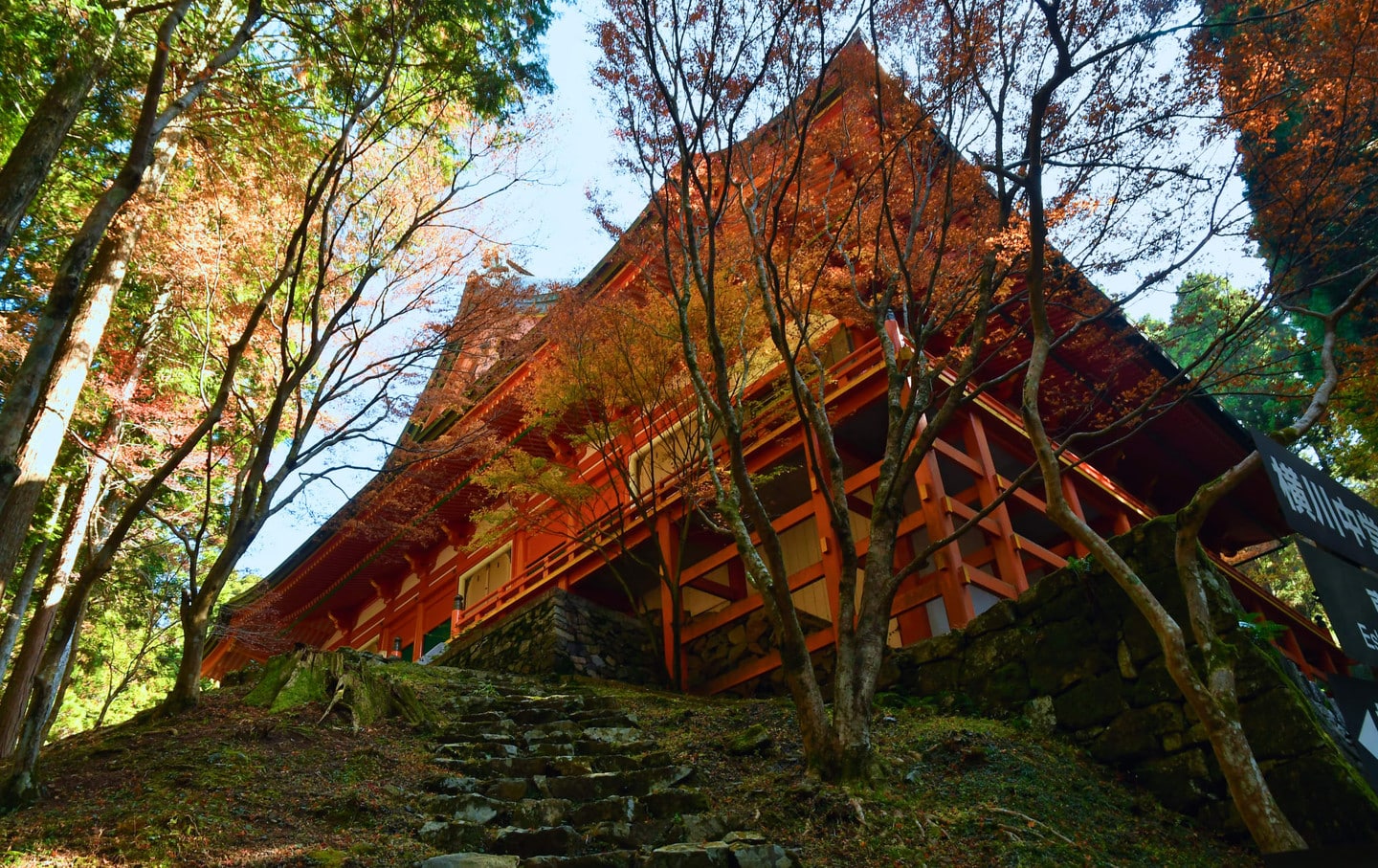
Enryaku-ji on Mount Hiei is the head temple of Japan’s Tendai sect and was listed as a World Cultural Heritage site in 1994. The “Eternal Dharma Flame” enshrined in the Konpon Chudo Hall within the grounds has been passed down for more than 1,200 years, making it a sacred site of Buddhism. Omamori and goshuin can be bought here.
We recommend visiting during the daytime before the fireworks; from JR Hieizan-Sakamoto Station, transfer to the cable car, and the ride plus cable car takes about 1 hour. The temple grounds are vast, so we recommend allowing 2-3 hours. Opening hours vary by season, and adult admission is about ¥1,000, making it a good half-day cultural outing before the fireworks.
Omi Jingu: A Vermilion Shrine Where the God of Time Is Enshrined
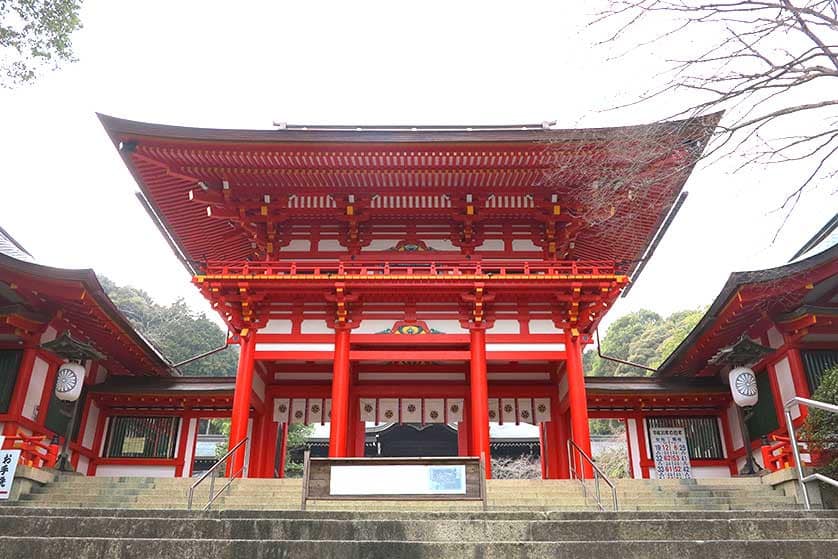
Omi Jingu enshrines Emperor Tenji, who created Japan’s first water clock, the “Rokoku,” and is therefore also known as the “God of Time.” It is an important shrine for people in Japan’s watch and clock industry, and its vermilion tower gate and halls stand out against the surrounding greenery. It is also a filming location of the popular anime Chihayafuru, drawing many fans on pilgrimage.
The shrine sells omamori related to time and studies, and the Rokoku Festival is held on June 10 every year. It is about a 10-minute walk from Omijingu-mae Station on the JR Kosei Line, and admission to the grounds is free, making it a good stop on the afternoon before the fireworks.
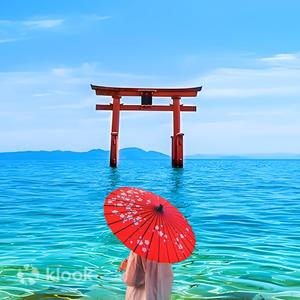
Shirahige Shrine: A Stunning Photo Spot With a Great Torii in the Lake
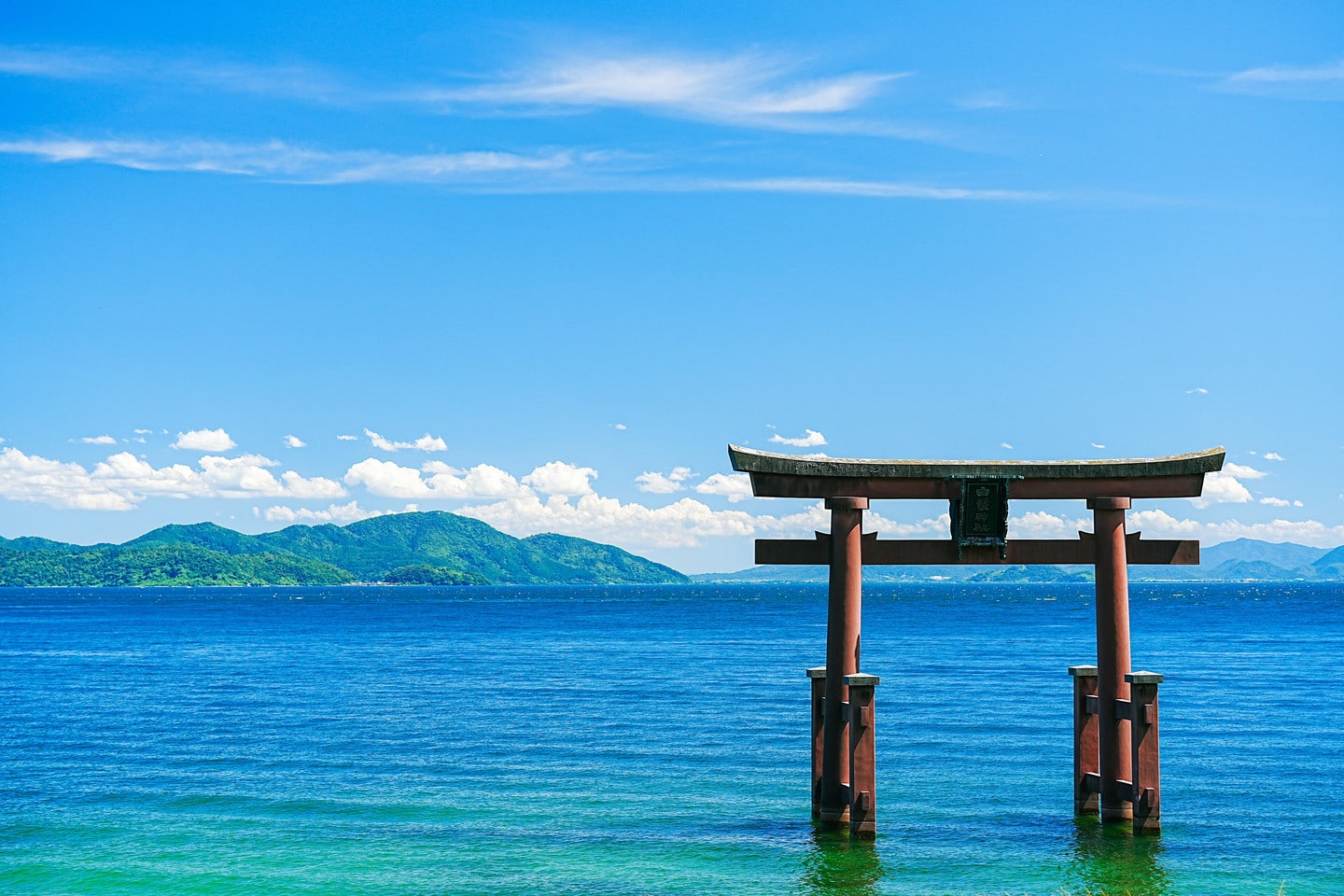
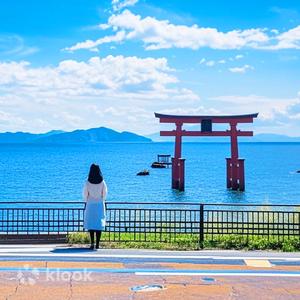
Shirahige Shrine is known for its vermilion great torii standing in the water of Lake Biwa and is called the “Itsukushima Shrine of Omi.” It is a hugely popular photo spot on social media, especially at sunset, when the torii and the shimmering lake make a lovely picture. The shrine itself has a long history and enshrines Sarutahiko-no-Mikoto, the deity of longevity and long life.
Because Shirahige Shrine is far from the Otsu venue, about 40 to 50 minutes by car, we recommend scheduling it as a separate outing the day before the fireworks or during the daytime, rather than rushing there and back on the same day, so you can shoot at leisure and feel the stillness of this lakeside shrine.
-Klook.jpg)
Omi-Hachiman and Hachiman-bori: An Edo-Era Old Town on the Water
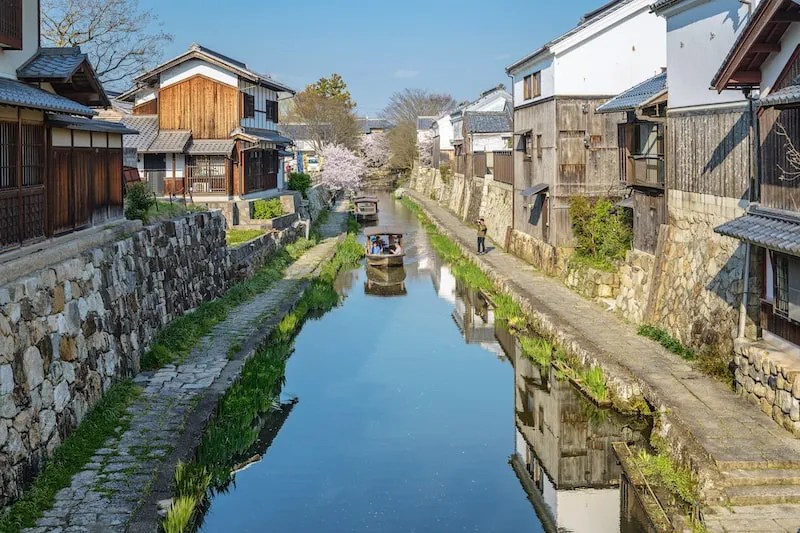
Omi-Hachiman is a waterside town that preserves the look of an Edo-period merchant town, and its most famous spot, Hachiman-bori, is a canal circling the old quarter, where white-walled, black-tiled warehouses on both banks are reflected in the water; it often appears as a filming location for period dramas and is a rare waterside landscape in Kansai. Visitors can take a sightseeing boat along the canal and enjoy a relaxed time on the water.
It takes about 10 minutes by bus from JR Omi-Hachiman Station. We recommend a half-day outing; sightseeing boat tickets start at about ¥1,000, and along the banks are several cafes and souvenir shops in converted old houses, making it a relaxed stroll for the day before the fireworks.
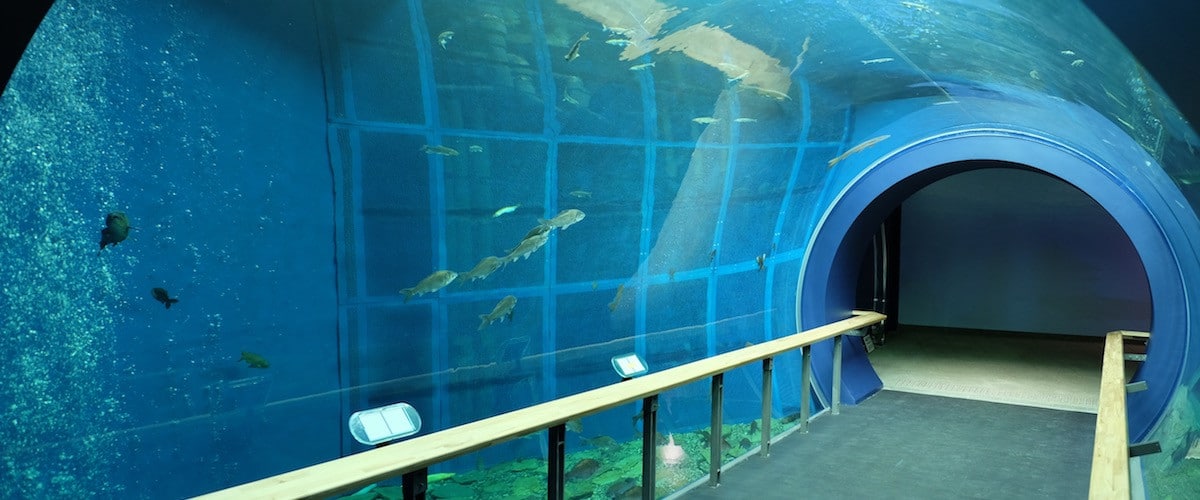
Lake Biwa Museum: A Family Spot to Learn About Lake Ecology
The Lake Biwa Museum is one of Japan’s leading lake-themed museums. It explains in detail the 4-million-year formation history of Lake Biwa and the ecology of its unique endemic fish, and has a large aquarium section where you can observe native species such as Lake Biwa carp up close, making it an excellent family spot for visiting with children.
The museum is on Karasuma Peninsula in Kusatsu City, about 25 minutes by bus from JR Kusatsu Station. Permanent exhibition admission is ¥840 for adults. It is open 10:00 to 16:30 (last entry 16:00) and closed on Mondays (open if it falls on a holiday), and can be visited on the morning before the fireworks.
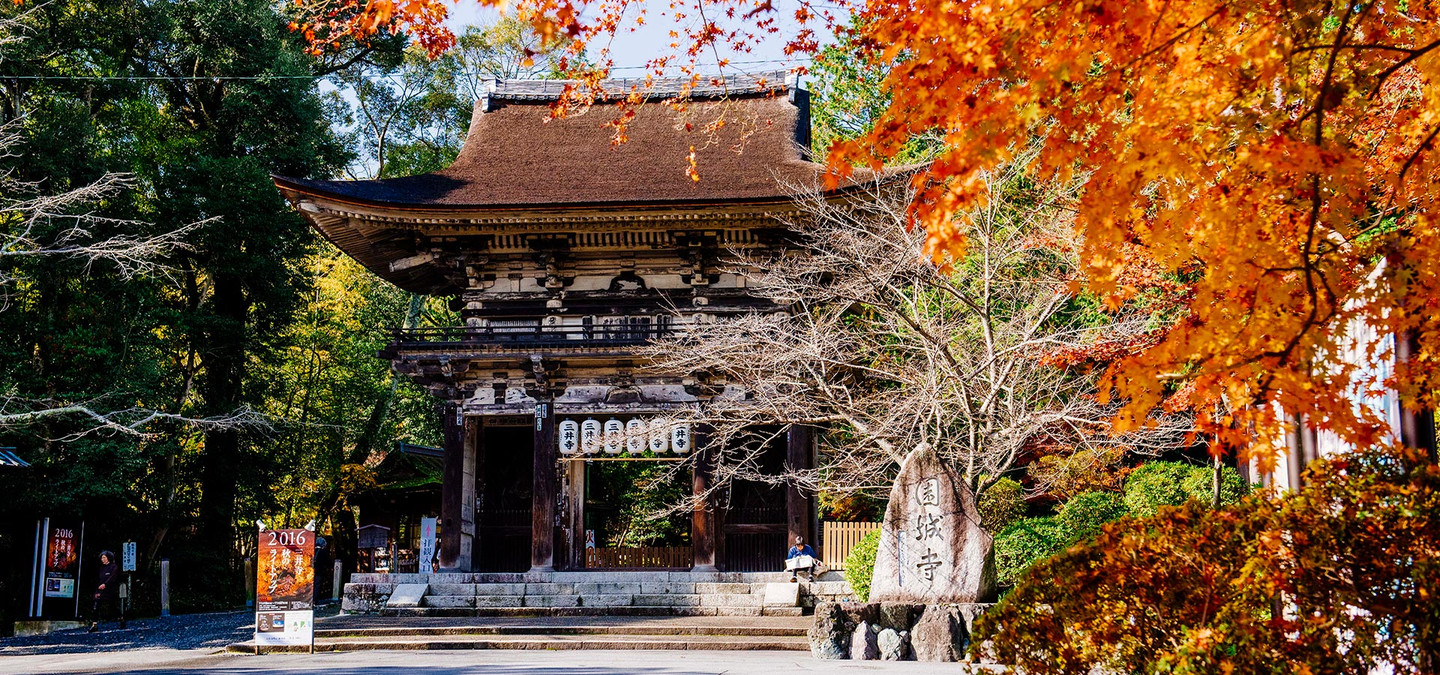
Ishiyama-dera and Mii-dera: Thousand-Year-Old Temples on Lake Biwa
Ishiyama-dera is one of the 33 Saigoku Kannon pilgrimage temples, famous as the place where Murasaki Shikibu, author of The Tale of Genji, began writing; the natural rock formation of wollastonite within the grounds is a national natural monument, and the autumn foliage is especially moving. Mii-dera (Onjo-ji) is the head temple of the Tendai Jimon sect, and its National Treasure Kondo hall and the famous “Evening Bell of Mii” are both worth savoring.
Goshuin can be bought at both temples. Ishiyama-dera is about a 10-minute walk from Keihan Ishiyama-dera Station, and Mii-dera is about a 10-minute walk from Keihan Mii-dera Station. The two are not far apart, so you can visit both in half a day. Admission is about ¥600 each, and we recommend visiting on the afternoon before the fireworks.
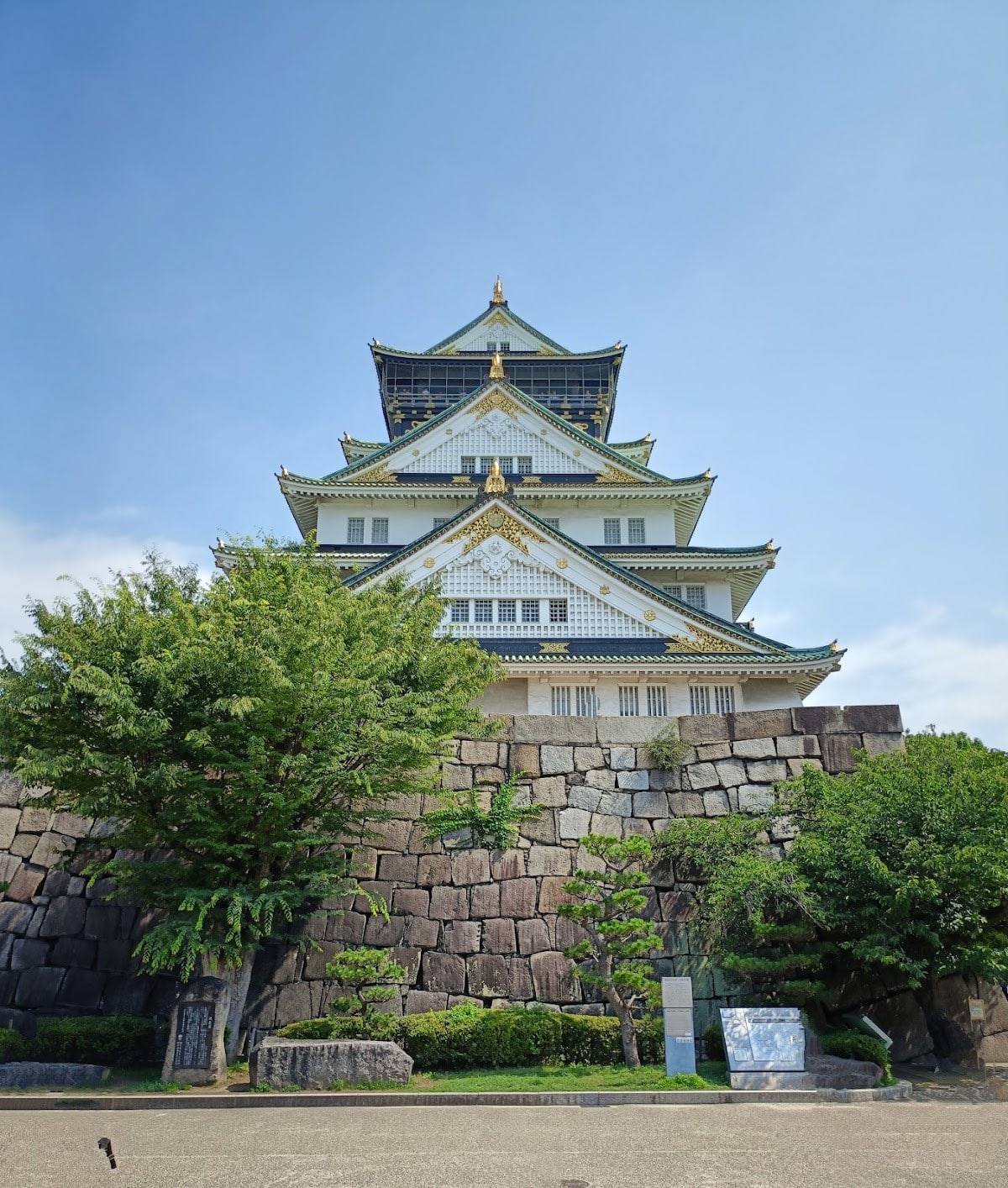
Hikone Castle: A National Treasure Castle and One of the Surviving Keeps
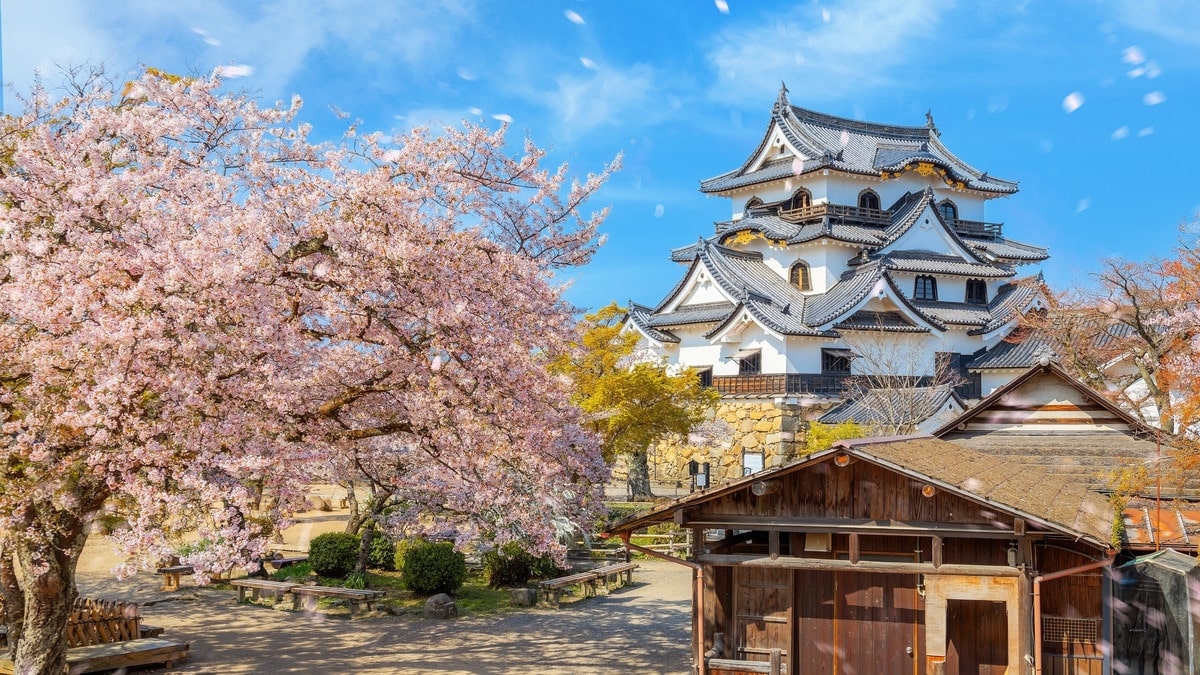
Hikone Castle is one of Japan’s 12 surviving castle keeps and is designated a National Treasure. It preserves the look of the Edo-period castle town of the Ii clan, and the wooden structure of the keep can still be seen inside; from the top you can overlook Hikone city and Lake Biwa in the distance, and in cherry blossom season it is one of Kansai’s famous viewing spots.
It is about a 15-minute walk from JR Hikone Station, and adult admission is ¥1,000 (including Genkyu-en Garden). We recommend allowing 1.5 to 2 hours. Since it is about a 40-minute drive from the Otsu venue, we recommend a separate outing on the day before or after the fireworks to avoid clashing with that day’s traffic controls.
How Much Does the 2026 Lake Biwa Grand Fireworks Festival Cost? Paid Seat Types and How to Buy
The Lake Biwa Grand Fireworks Festival draws more than 350,000 people to the lakeside in Otsu City, Shiga Prefecture every year. If you want to avoid the crush and sit comfortably watching about 12,000 fireworks, buying a paid seat is almost a must. Paid seats are mainly sold on the festival’s official website and on travel platforms such as KKday. Based on the base prices published on the 2026 official site, options range from the Nagisa Park Area general-admission ticket at ¥5,000 per person and ¥7,500 chair seats to ¥12,500 Premium S seats, depending on viewing angle and seat position. Below are the most common and best-value paid seat options, to help travelers plan ticket purchases in advance according to budget and needs.
Premium S / A Seats and Lakeshore Area Chair Seats: Reserved Seats Close to the Shore
If you want to be close to the water with a fixed seat, look at the official lakeshore seats. The 2026 base prices were ¥12,500 for the front-row “Premium S seat” of the Lake Biwa shore area, ¥10,500 for the second-row “Premium A seat,” ¥8,500 for the “Lakeshore Area chair seat” closer to the shore, and ¥7,500 for the standard “chair seat”; there is also a limited tripod-allowed “camera reserved seat” at ¥18,000. Actual prices may change with dynamic pricing, so go by the purchase screen; picnic mats are prohibited in paid seats, and you must sit in your assigned seat number to watch.
Nagisa Park Area General Admission: An Entry-Level Choice for Budget Travelers
The cheapest official paid option is the general-admission ticket within Nagisa Park Area. The 2026 base prices were ¥5,000 for the regular ticket and ¥6,000 for the Fast Pass ticket allowing earlier entry (west side), while the east-side ticket at ¥5,000 was sold on KKday. The area is general admission: the west-side regular ticket suits families and friends watching together, while on the east side you must sit within the picnic mat area handed out on the day and may not bring your own chair or mat to claim a spot, which suits budget travelers who do not mind arriving a little early.
We recommend bringing mosquito repellent and an insulated bag of drinks, as August nights in Shiga are still quite hot and humid. General-admission areas are crowded, so enter early and allow at least 30 minutes to walk to the nearest JR Otsu or Zeze Station to queue for a train, to avoid the post-show crowd jamming the station.
Fireworks Festival Packages (With Round-Trip Train Tickets or Shuttle Bus): The Top Pick for Skipping Transport Hassles
Considering that the JR Biwako Line and Keihan trains are flooded with crowds on the night of the fireworks, many travel platforms offer packages combining viewing seats with round-trip train tickets, and even shuttle buses from Kyoto or Osaka. Contents and prices vary by platform and departure point, so check which seat types and transport are included before buying.
The biggest advantage of such packages is saving the time of queuing to buy tickets on site and working out transfer routes. In particular, crowd control and one-way flow are often enforced around Otsu Station after the show, and holding a return ticket saves the time of buying one on the spot. We recommend this option first for travelers departing from Kyoto or Osaka, so you can make the most of your limited travel days and save your energy for enjoying the fireworks themselves.

Where to Stay Nearby
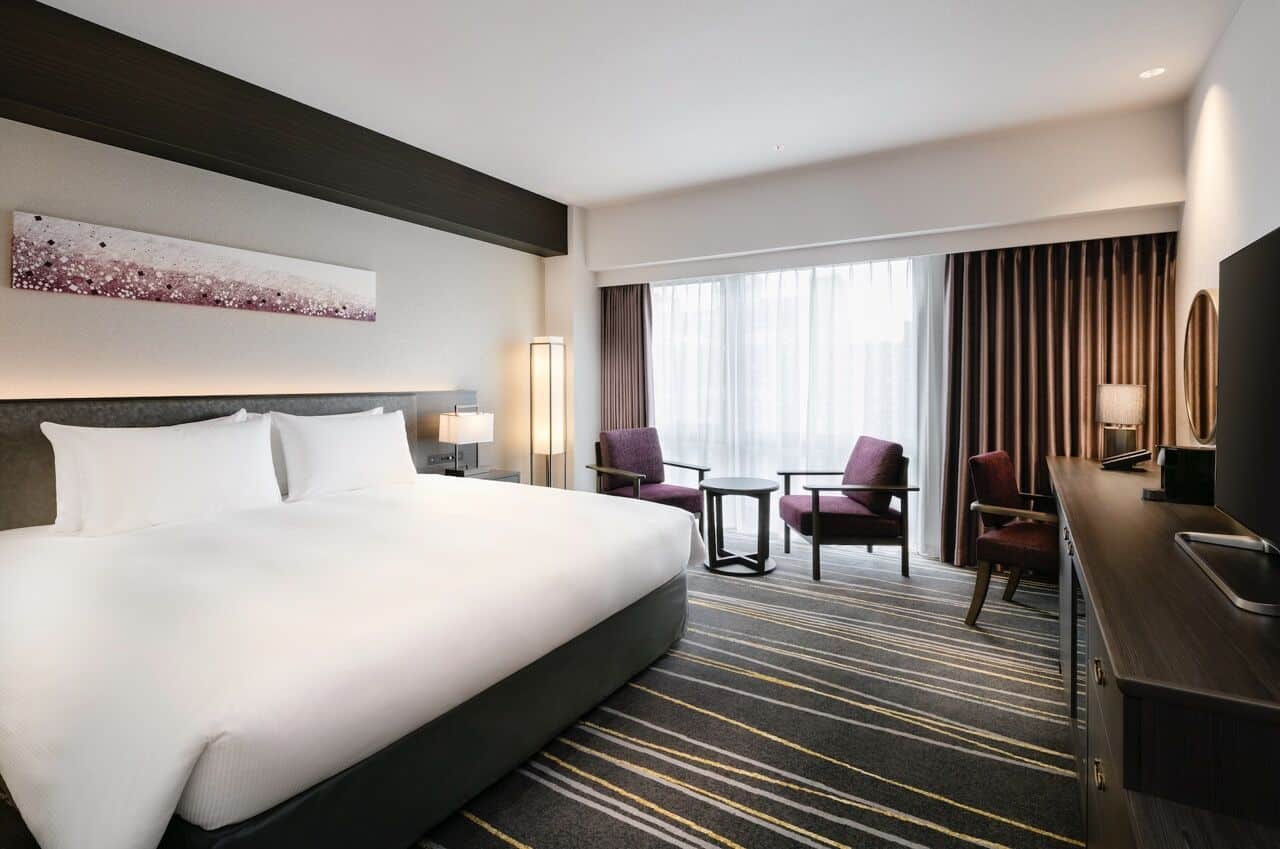
The venue of the Lake Biwa Grand Fireworks Festival is around Otsu Port. The JR Biwako Line takes about 10 minutes from Kyoto to Otsu, and crowd control is put in place at the stations after the fireworks. To avoid the post-show crowds, stay in Otsu or Zeze and walk back to your room, or stay near Kyoto Station and plan Mount Hiei, Omi-Hachiman and other outings for the next day.

FAQ
Q: What Day Is the 2026 Lake Biwa Grand Fireworks Festival, and What Time Does It Start?
The 2026 Lake Biwa Grand Fireworks Festival was set for Thursday, August 6 from 19:30 to 20:30, lasting about one hour; official information is as announced on the official website.
Q: Does the Lake Biwa Fireworks Festival Go Ahead in the Rain?
It operates on a cancel-in-rain system with no rain date; if the weather is bad, the organizer announces on the afternoon of the day whether the event is cancelled.
Q: Roughly How Much Do Paid Seats Cost?
2026 base prices on the official site: chair seats ¥7,500, Nagisa Park Area general-admission ticket ¥5,000, Premium S seats ¥12,500; actual prices follow the purchase screen.
Q: Is There a Free Place to Watch Without Buying a Ticket?
Yes, but views in free areas are often blocked and you need to claim a spot 3 to 5 hours early; popular spots fill up before 3 or 4 p.m. If you do not want to claim a spot too early, the official side also planned to sell same-day tickets at stations around the venue in 2026 (Nagisa Park Area general admission, ¥5,500 cashless or ¥6,000 cash, while supplies last).
Q: How Long Does It Take From Kyoto to Otsu, and What Is the Easiest Way?
The JR Biwako Line takes as little as 9 minutes to reach JR Otsu Station, the most convenient way from Kyoto.
Q: How Long Is the Wait to Leave After the Fireworks End?
Because of station entry controls, the queue can exceed 1 hour; we recommend leaving 15 minutes early or delaying until 21:30 before entering the station.
Q: Is It Suitable to Bring Children? What Should I Watch Out For?
Yes, but we recommend children aged 6 and over, bringing earplugs and choosing paid seats to reduce the risk of crowding.