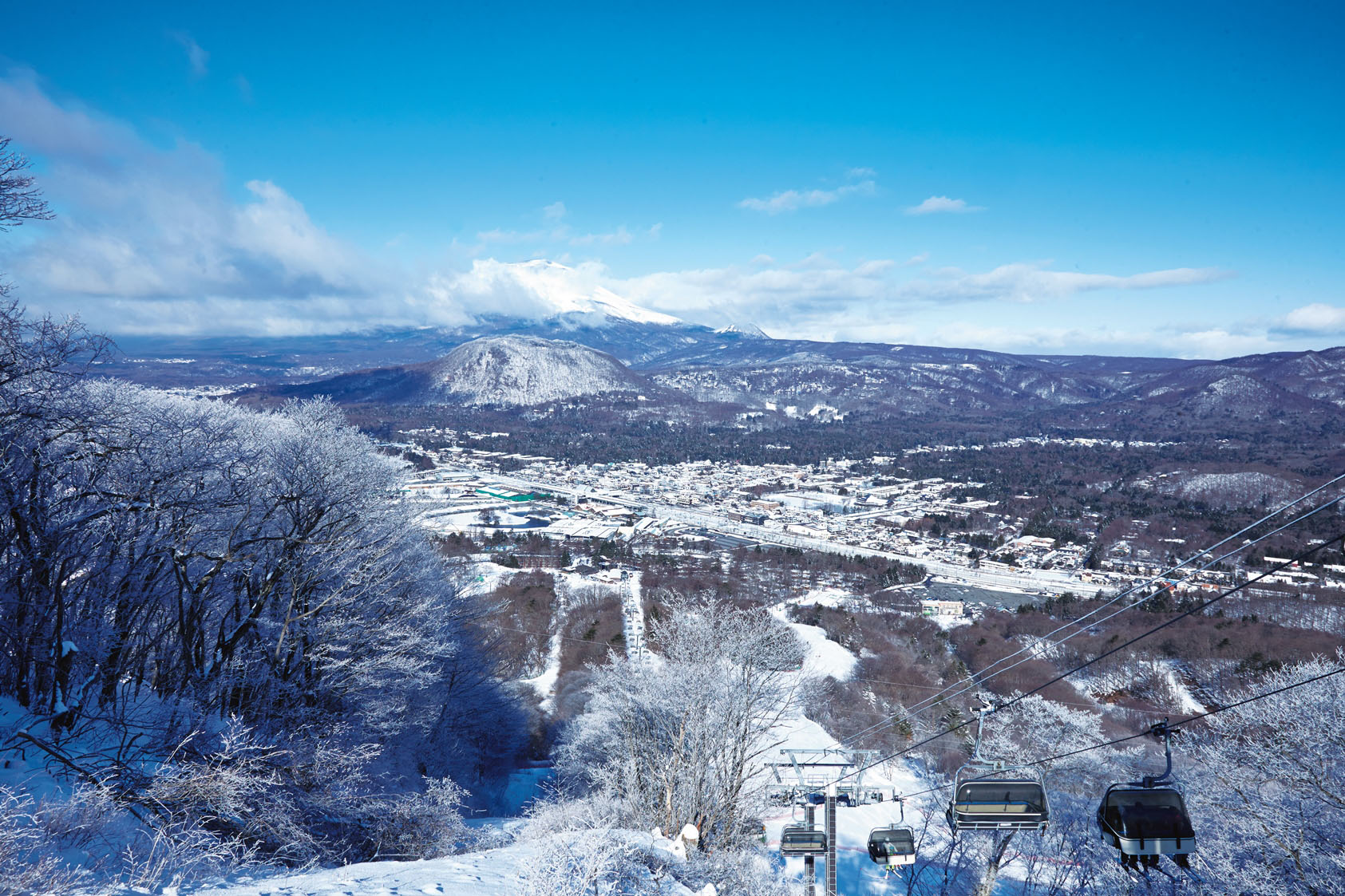

Hakuba Happo-one Ski Resort: Northern Alps Powder and Olympic Courses
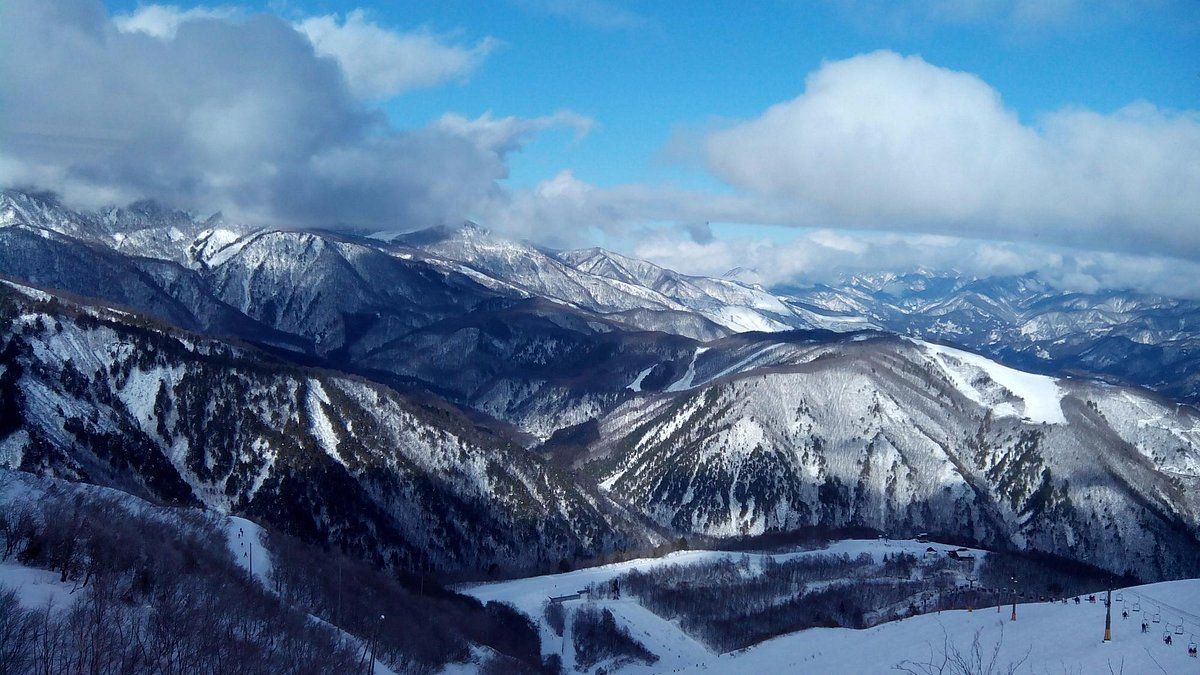
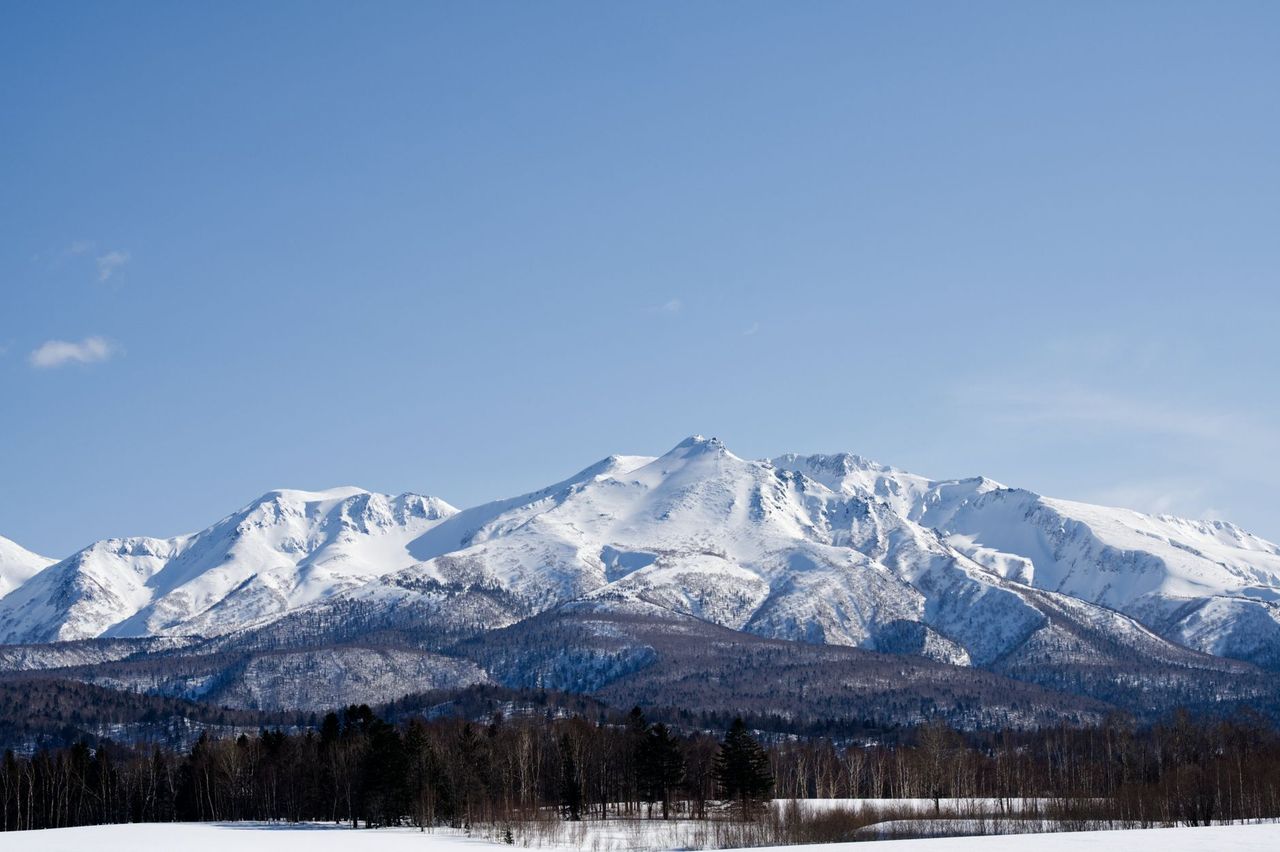
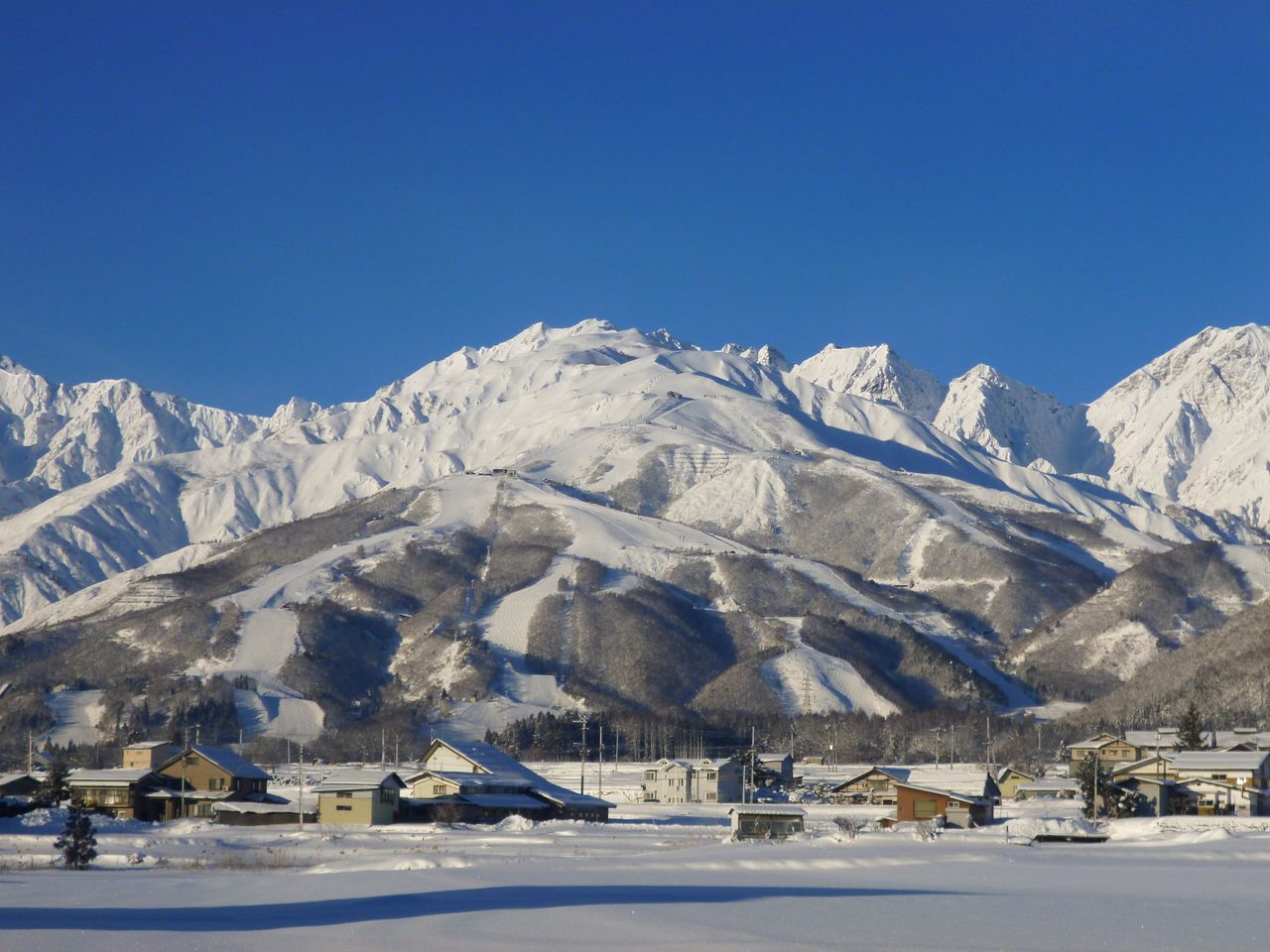
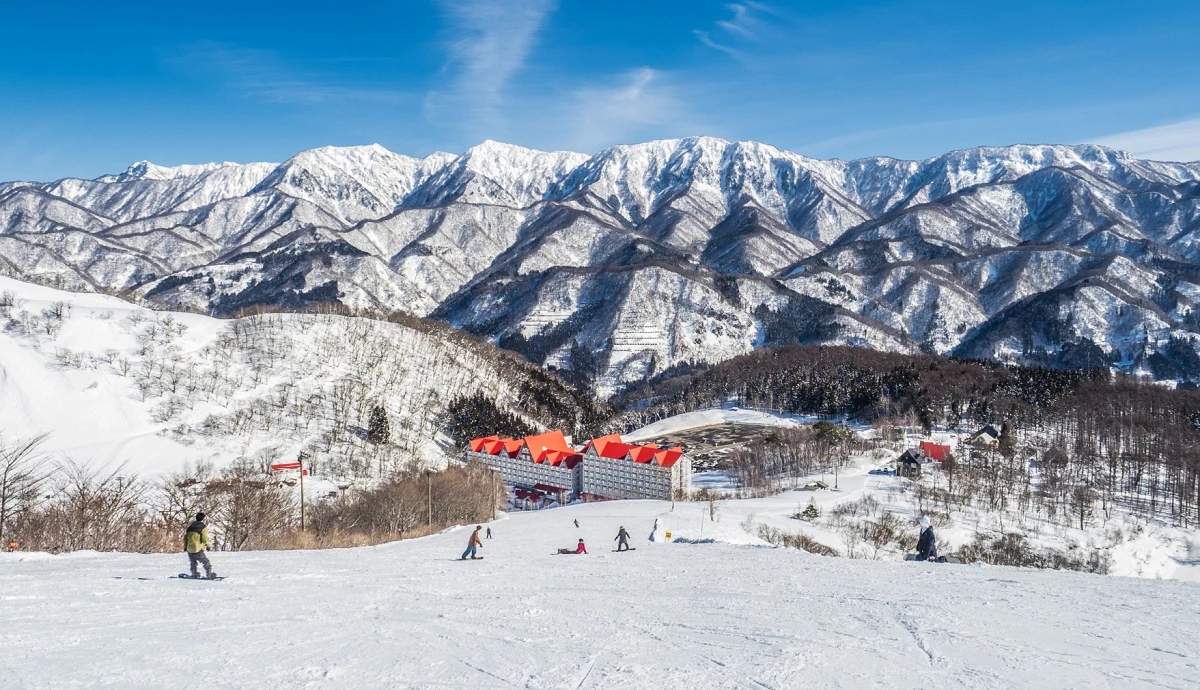
Hakuba Happo-one is the largest and most iconic ski resort in Nagano’s Hakuba Valley. With an elevation of 760 to 1,831 meters and 16 runs mostly on intermediate and advanced terrain, it suits skiers looking for a challenge and magnificent Northern Alps scenery.
Stage of the 1998 Nagano Winter Olympics
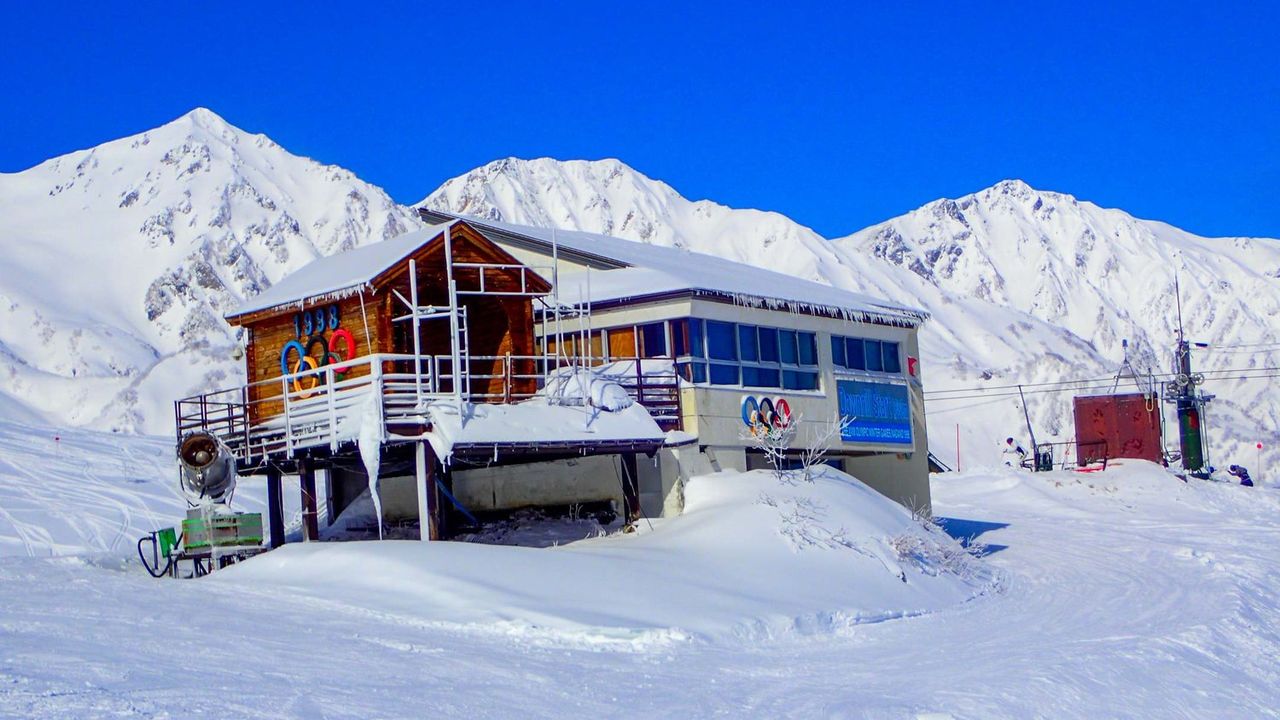
Happo-one hosted the alpine skiing events such as the downhill and super-G at the 1998 Nagano Winter Olympics, and some of the Olympic race courses are still open for ordinary visitors to take on. It is one of the few resorts in Japan where you can ski an Olympic-level course yourself, and its symbolic meaning and history are the greatest of all the resorts in Hakuba Valley.
The largest and steepest resort in Hakuba Valley
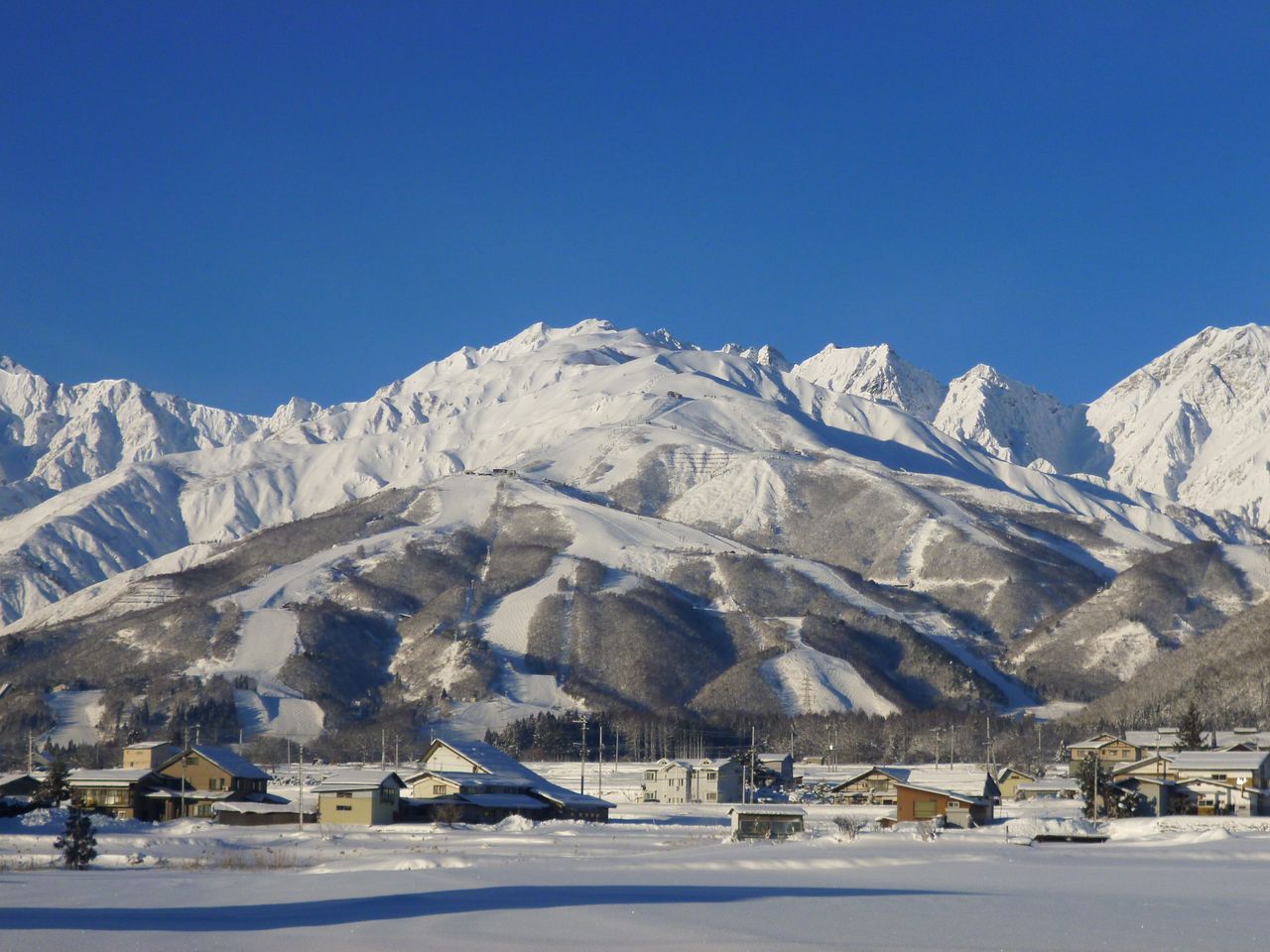
Happo-one ranges from 760 to 1,831 meters in elevation and has 16 runs in total, split 30% beginner, 50% intermediate and 20% advanced, with a vertical drop of about 1,071 meters and a longest run of about 8 kilometers. Its overall scale is the largest in Hakuba Valley and it is also the steepest resort in the region; on a clear day you can see the Hakuba Sanzan peaks from around the summit.
Who it suits and tips before you go
With as much as 70% of its runs at intermediate and advanced level, Happo-one suits skiers with some experience who want to take on steep slopes and powder; complete beginners are better off choosing Tsugaike Kogen or pairing it with lessons from an instructor who speaks Chinese. Before you go, confirm how you will get your lift tickets and the shuttle bus arrangements, and adjust your gear and warm layers to the snow conditions.
How to get to Hakuba Happo-one Ski Resort: transport options and costs
From Tokyo to Happo-one there are three main options: Shinkansen plus bus, direct bus, or driving.
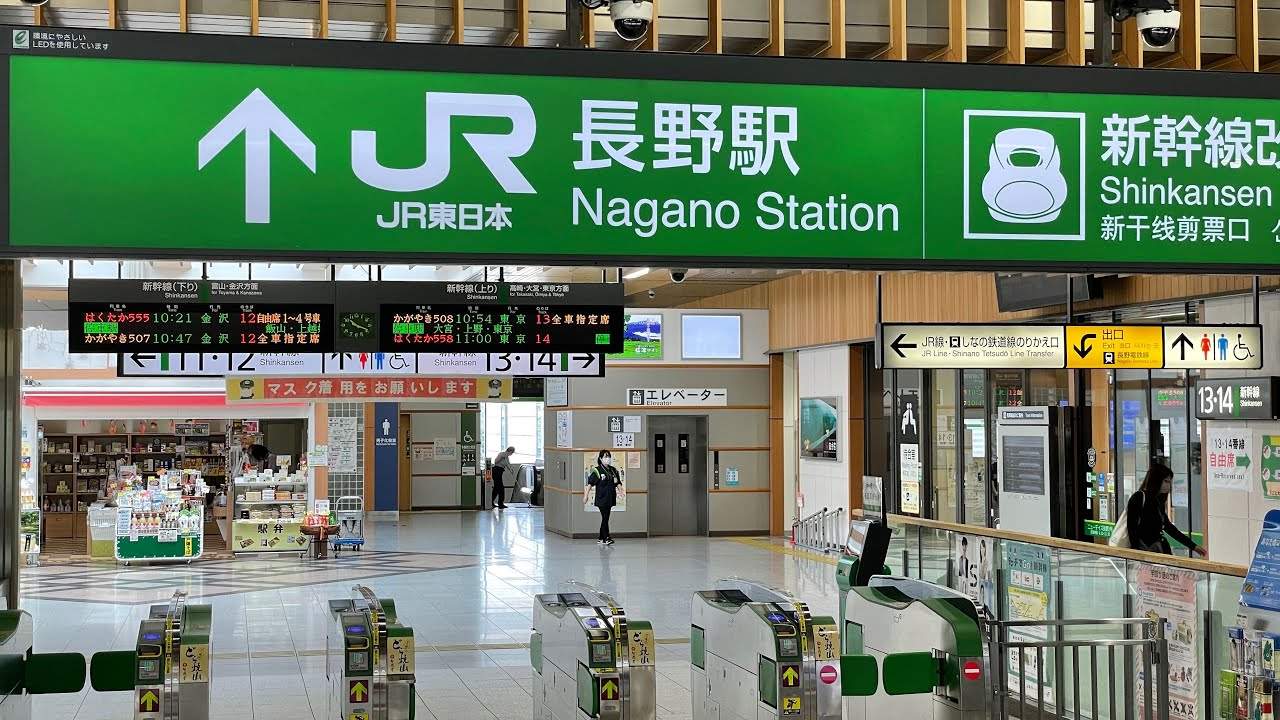
Overview of Nagano Station, Shinkansen and bus transport
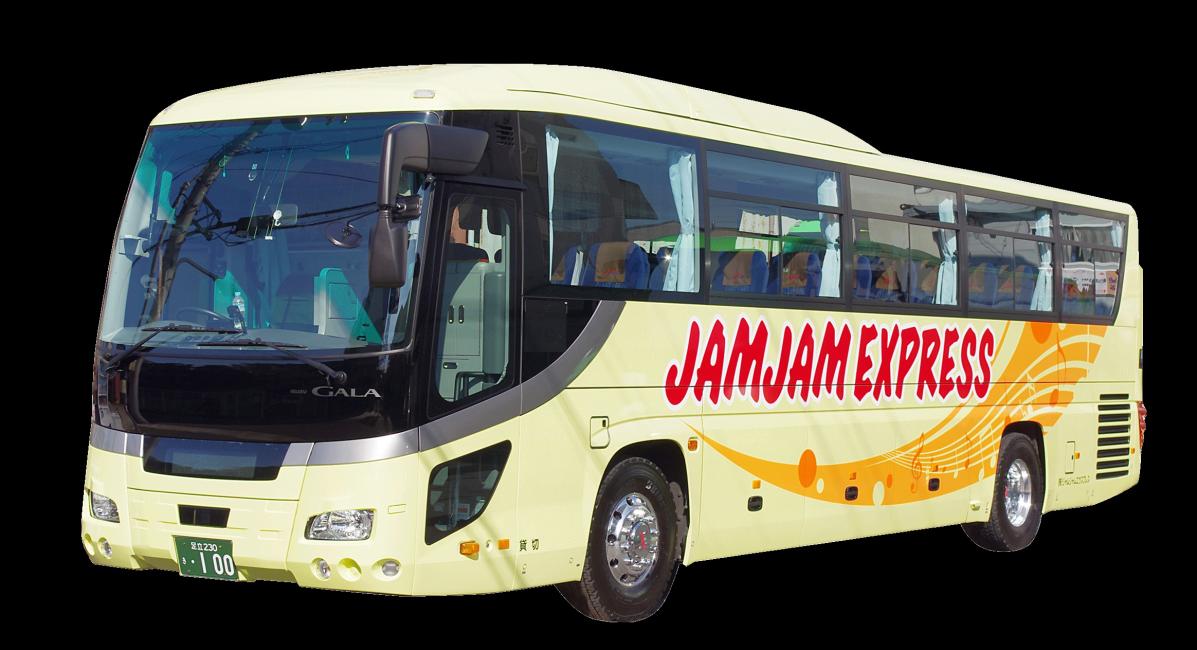
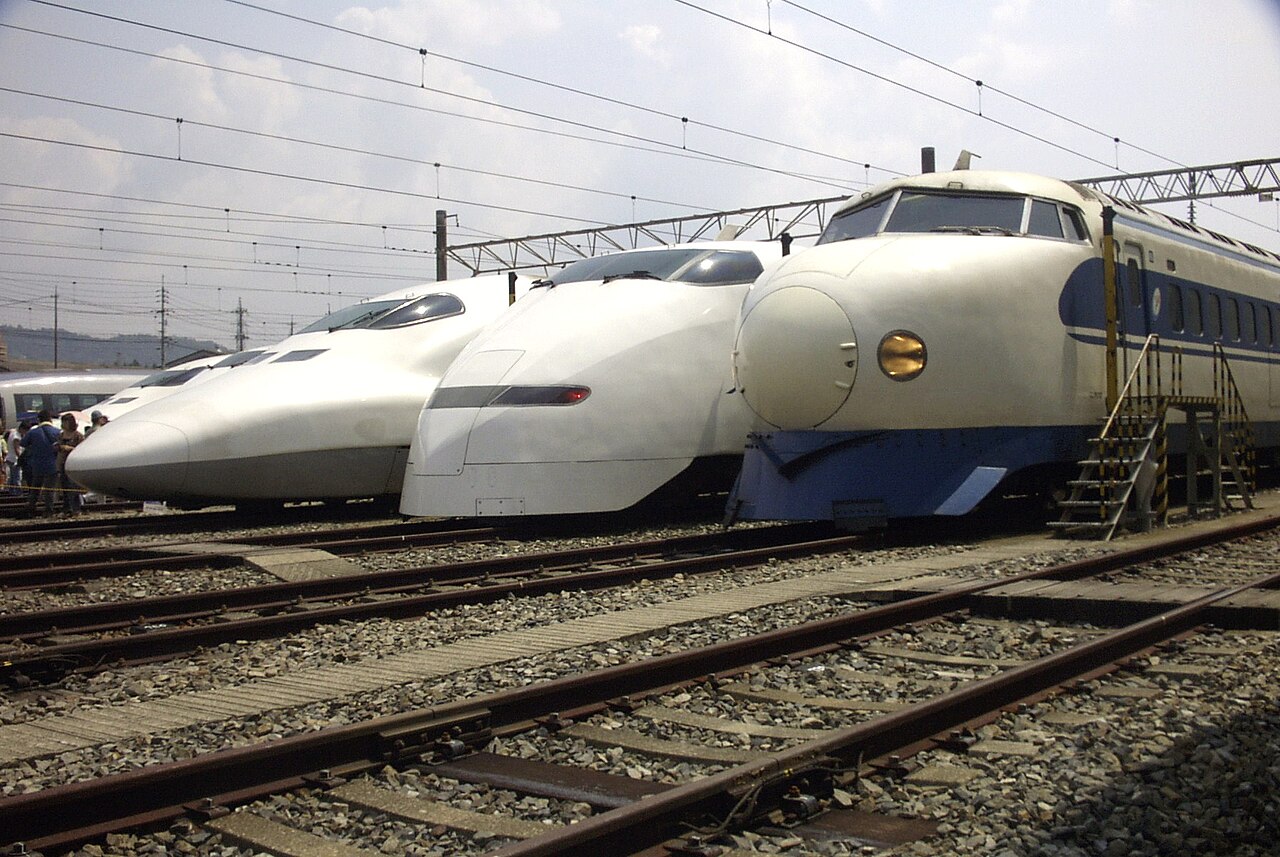
From Tokyo Station, take the Hokuriku Shinkansen to Nagano Station in about 90 minutes, then transfer to an Alpico express bus for about 60 to 90 minutes to the Happo Bus Terminal. The one-way bus fare is about ¥2,200-2,400, for a total of about 2.5 to 3 hours. Some winter departures require reservations, so check the Alpico website timetable. From Narita and Haneda airports, a direct bus takes about 6 to 7 hours, or Shinkansen plus bus takes about 4.5 to 5 hours. Driving via the Kan-etsu Expressway and the Nagano Expressway takes about 4.5 to 5 hours, and you need snow tires and chains; there is a car rental counter at the east exit of Nagano Station.


Hakuba Happo-one Highlights and Experiences: Run Areas and Nearby Resorts Explained
Below is a rundown of Happo-one’s run areas, plus nearby Hakuba Valley resorts, hot springs and food experiences.
Happo-one Ski Resort: the largest and steepest Olympic stage in Hakuba Valley
Happo-one Ski Resort ranges from 760 to 1,831 meters in elevation and hosted the downhill and other events at the 1998 Nagano Winter Olympics; some of the Olympic race courses are still in use. Across its 16 runs the split is 30% beginner, 50% intermediate and 20% advanced, making it the largest and steepest resort in Hakuba Valley, with overall difficulty most friendly to intermediate and advanced skiers. The official 2026-27 lift ticket price table covers December 1, 2026 to May 5, 2027, and the actual opening date depends on snowfall.

Kurobishi: a pilgrimage for moguls and deep snow
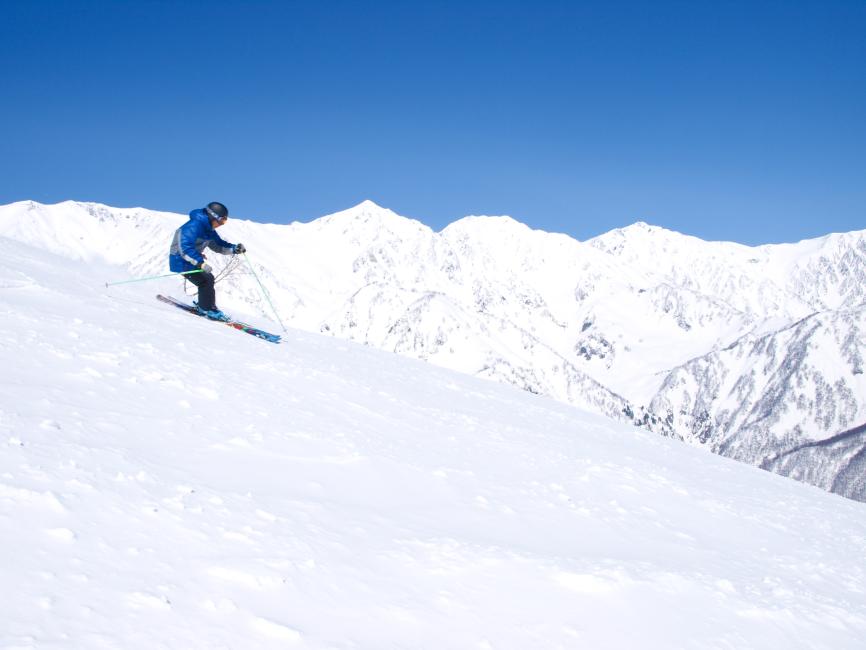
Kurobishi is halfway up Happo-one at an elevation of about 1,680 meters, reached by the Kurobishi chairlift. The steep slopes and mogul terrain are a pilgrimage route for advanced and expert skiers. The terrain is highly varied, so take it on only with intermediate-to-advanced ability; the snow is softest and freshest early in the morning. The views are wide open, with the ridgeline of the Northern Alps in the distance, making it one of the popular runs for photos.
Nakiyama: a wide, gentle base for night skiing fans
Nakiyama is in the lower part of the resort with gentle, wide slopes. It is the main night skiing area at Happo-one and suits practicing basic moves at night after a full day on the slopes. The gentle slope connects to the lodging area around the bus terminal, so walking back after you finish is very convenient. The area is also a common teaching ground for ski schools, where beginners can practice turning and stopping with an instructor.
Sakika: magic carpet and gentle slopes for families
Sakika is in the lower part of the resort and has a magic carpet, a Kids Park and very gentle green practice runs. It is one of the few areas at Happo-one suited to complete beginners and families, in clear contrast to the intermediate-and-advanced character of the rest of the resort. The ticket window also sells the “Happo Debut Ticket”, valid only for the gentle-slope chairlifts at Nakiyama, Shirakaba and Sakika, at ¥4,900 for an adult one-day pass in the 2026-27 peak season, half the price of a regular one-day pass.
Hakuba Goryu Ski Resort: night skiing and the Escal Plaza ski center
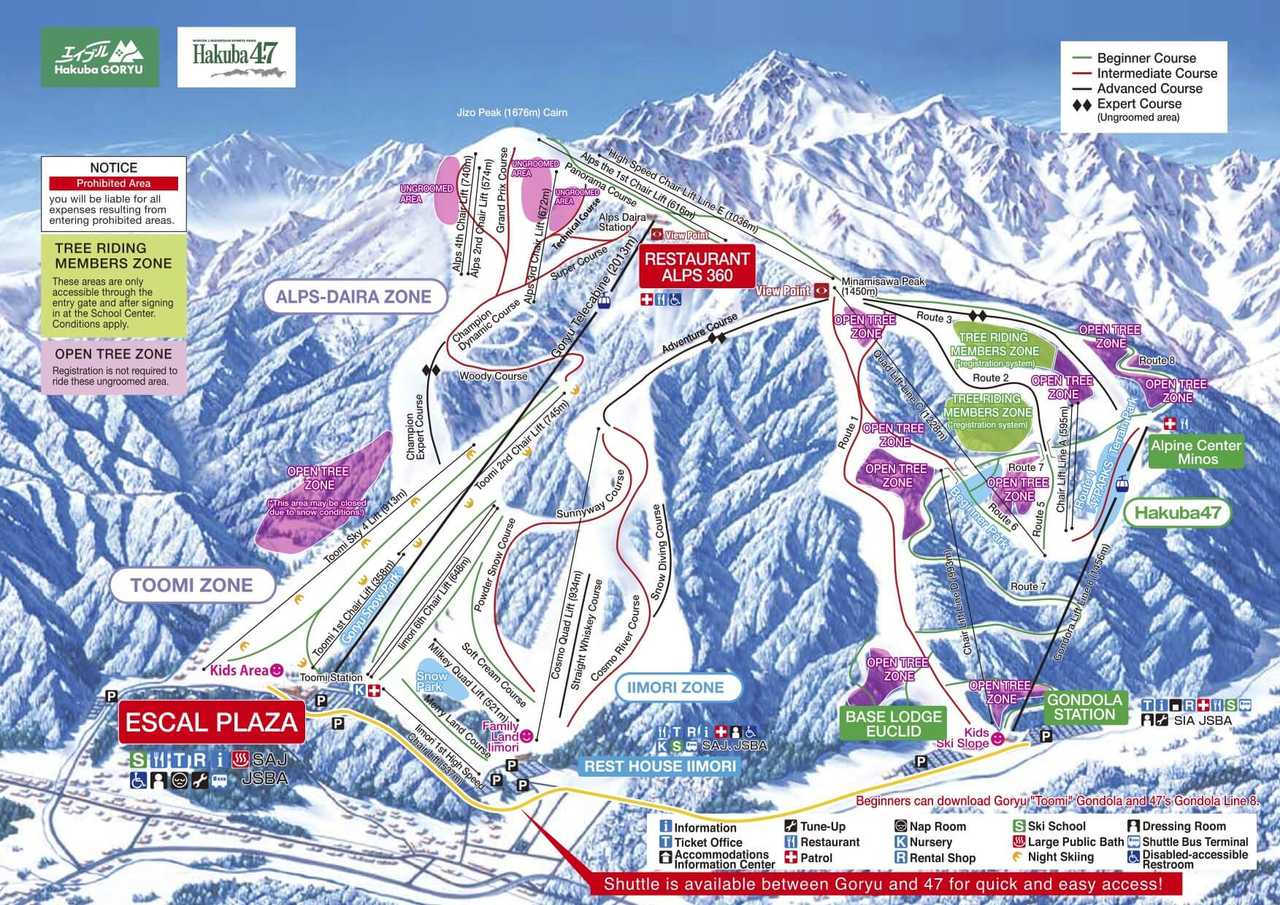
Hakuba Goryu is connected to the Hakuba47 summit and lift tickets are interchangeable. For 2026-27, a one-day pass is ¥10,000 at the window and ¥9,500 online, and there is also a special ¥9,000 ticket from opening until 12/15 and after 3/15. The Toomi Slope pauses from 17:00 to 18:00 for regrooming and opens for night skiing from 18:00; the Escal Plaza ski center is open 24 hours in peak season and has a Burton store, suiting anyone who wants to experience two resorts in one go.
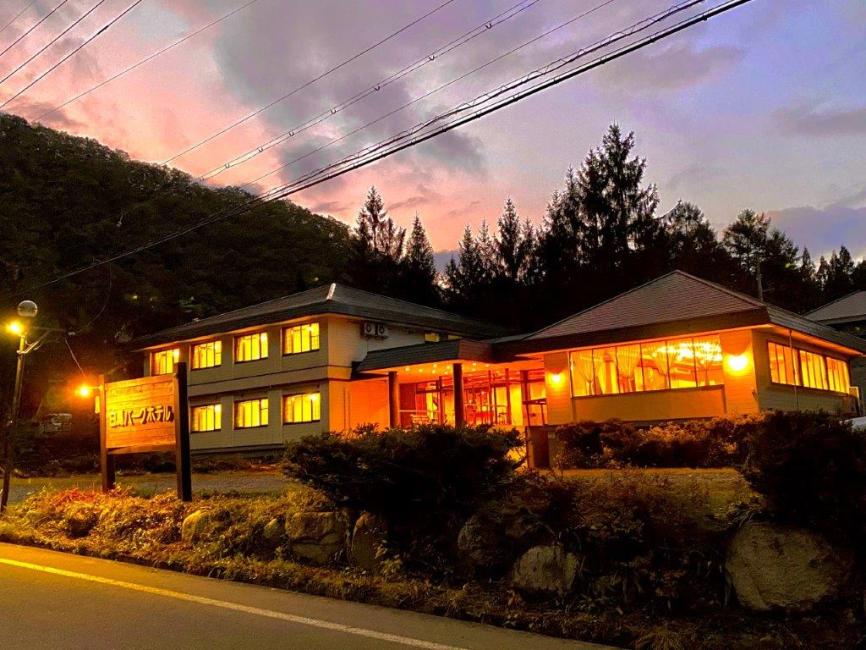
Hakuba47 Winter Sports Park: the largest terrain park in Hakuba
Hakuba47 has what is regarded as the largest terrain park in Hakuba Valley, with a halfpipe and a variety of jumps, boxes and rails, plus many advanced tree runs and steep slopes. It connects to the Hakuba Goryu summit and lift tickets are interchangeable. Together the two areas offer a longest run of 6.4 kilometers, attracting many snowboarders and park fans, and it operates during the season according to official announcements.
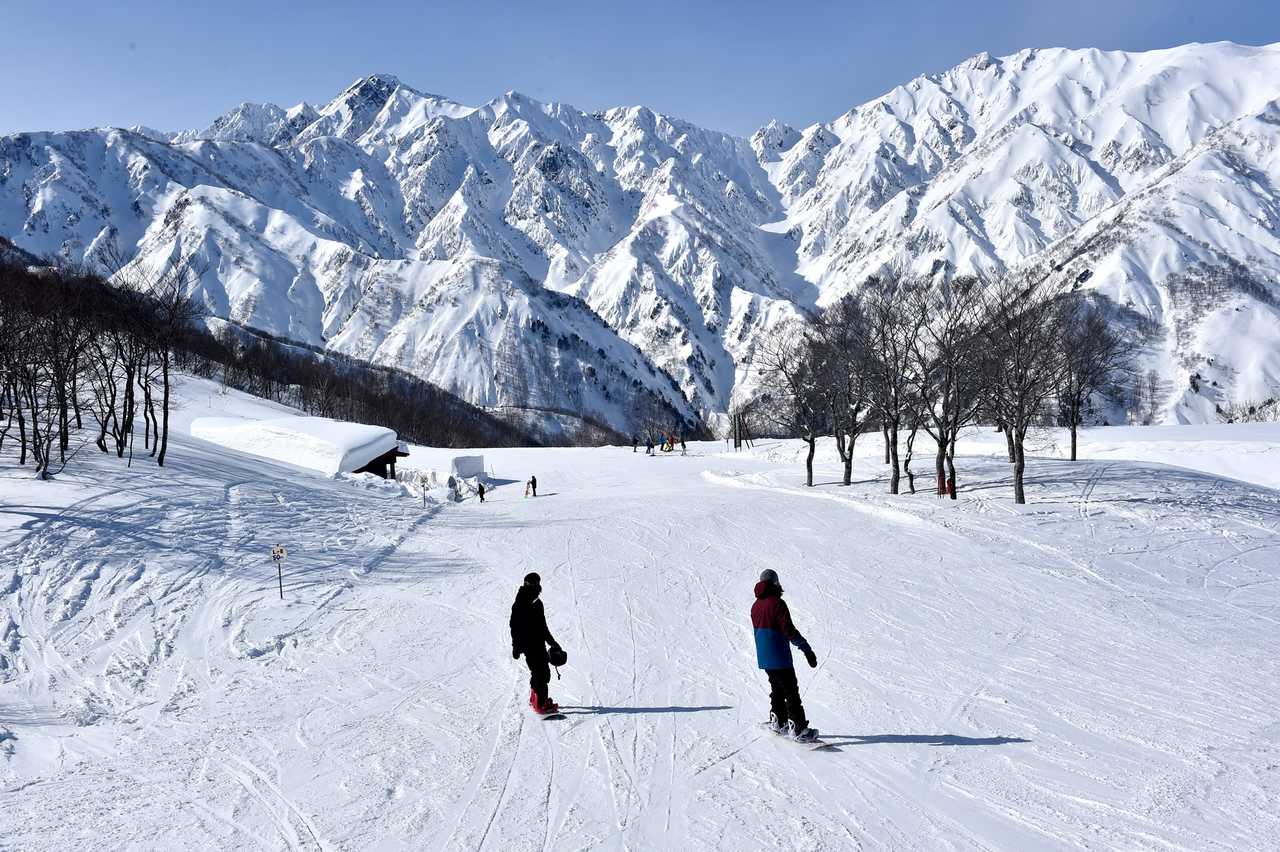
Tsugaike Kogen Ski Resort: the friendliest snowfields for beginners and families
Tsugaike Kogen ranges from 800 to 1,704 meters in elevation, with 50% of its runs at beginner level. The slopes around “Kane no Naru Oka” are extremely gentle and wide, making it the best resort in Hakuba Valley for beginners and families. The higher terrain lets the season last into spring, and the gentle, wide practice areas let children and beginners practice turning and stopping with confidence, so families with kids can plan a full day here.
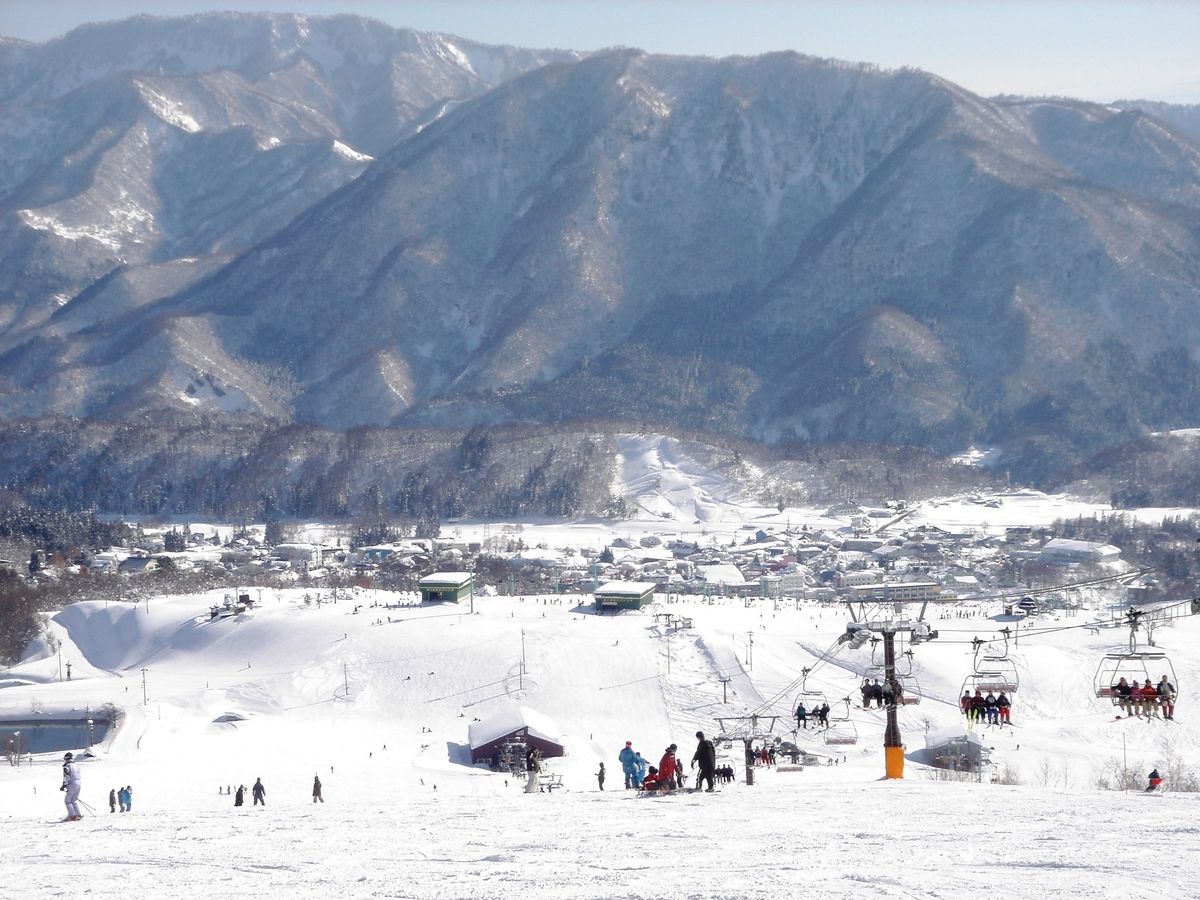
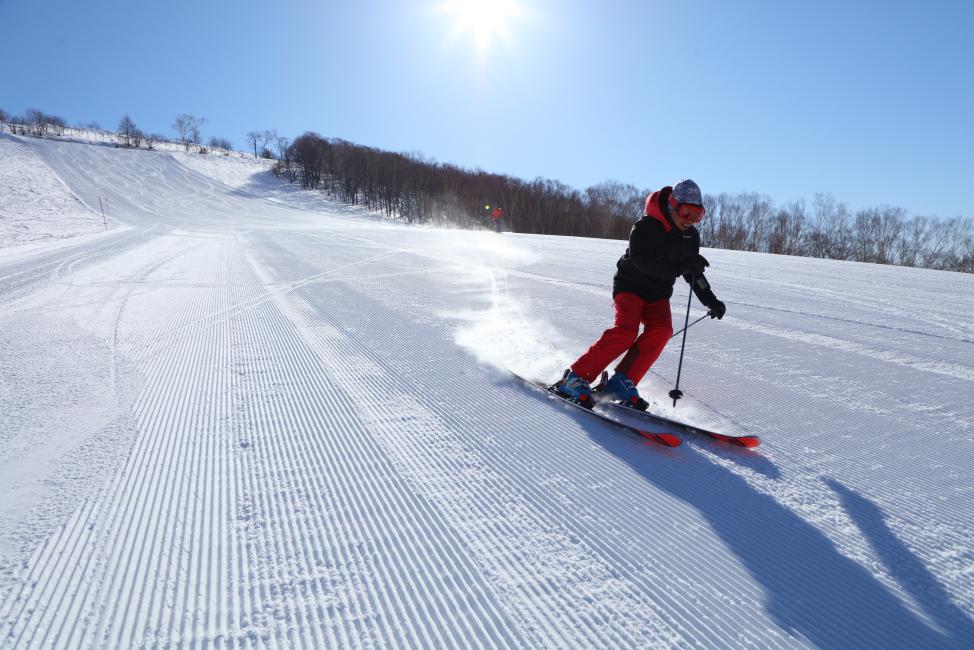
Hakuba Iwatake Ski Resort: 360-degree mountain views and a summit cafe
Hakuba Iwatake is known for its 360-degree panoramic views. The City Bakery inside HAKUBA MOUNTAIN HARBOR at the summit has outdoor terrace seating where you can look out over the Northern Alps with your coffee. For 2026-27 lift ticket prices, follow the official announcements; last season an adult one-day pass was ¥7,000, and non-skiers can also buy a sightseeing gondola ticket to go up. The resort is mostly beginner and intermediate runs, suiting visitors who want great photos and relaxed skiing.
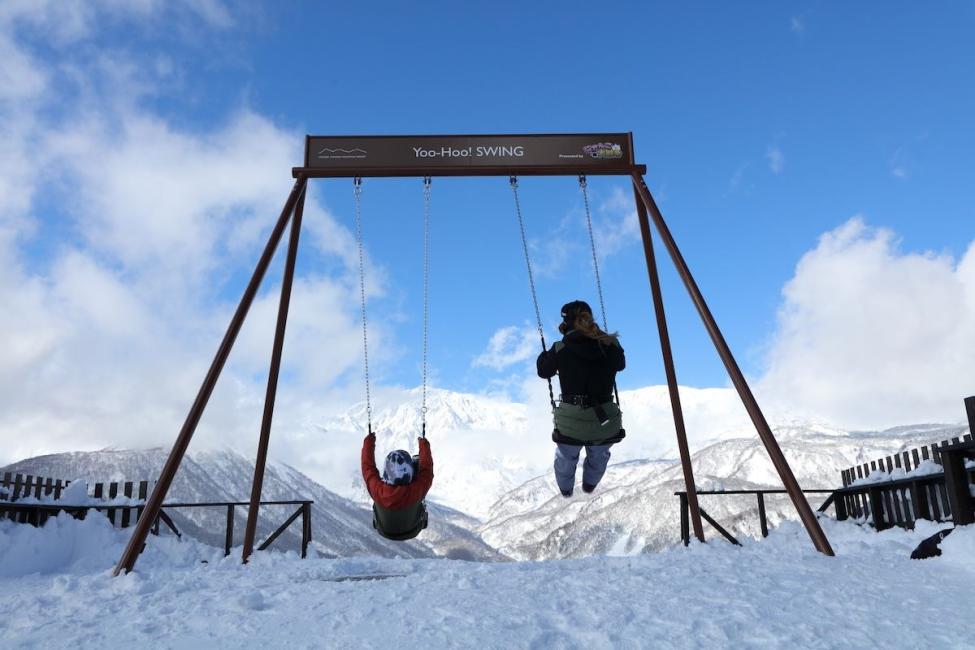
Hakuba Cortina Ski Resort: bowl-shaped terrain with 100% natural powder
Hakuba Cortina is famous for 100% natural powder, with a vertical drop of 530 meters and a maximum gradient of 42 degrees, and its tree zones and steep slopes are loved by freeride skiers. The runs follow a “bowl-shaped terrain” design, with the slopes naturally converging in front of the hotel so it is hard to get lost. A free shuttle bus runs directly from JR Minami-Otari Station, and it is also the last stop on the resort-wide shared bus route; to avoid full buses, board at the terminus.
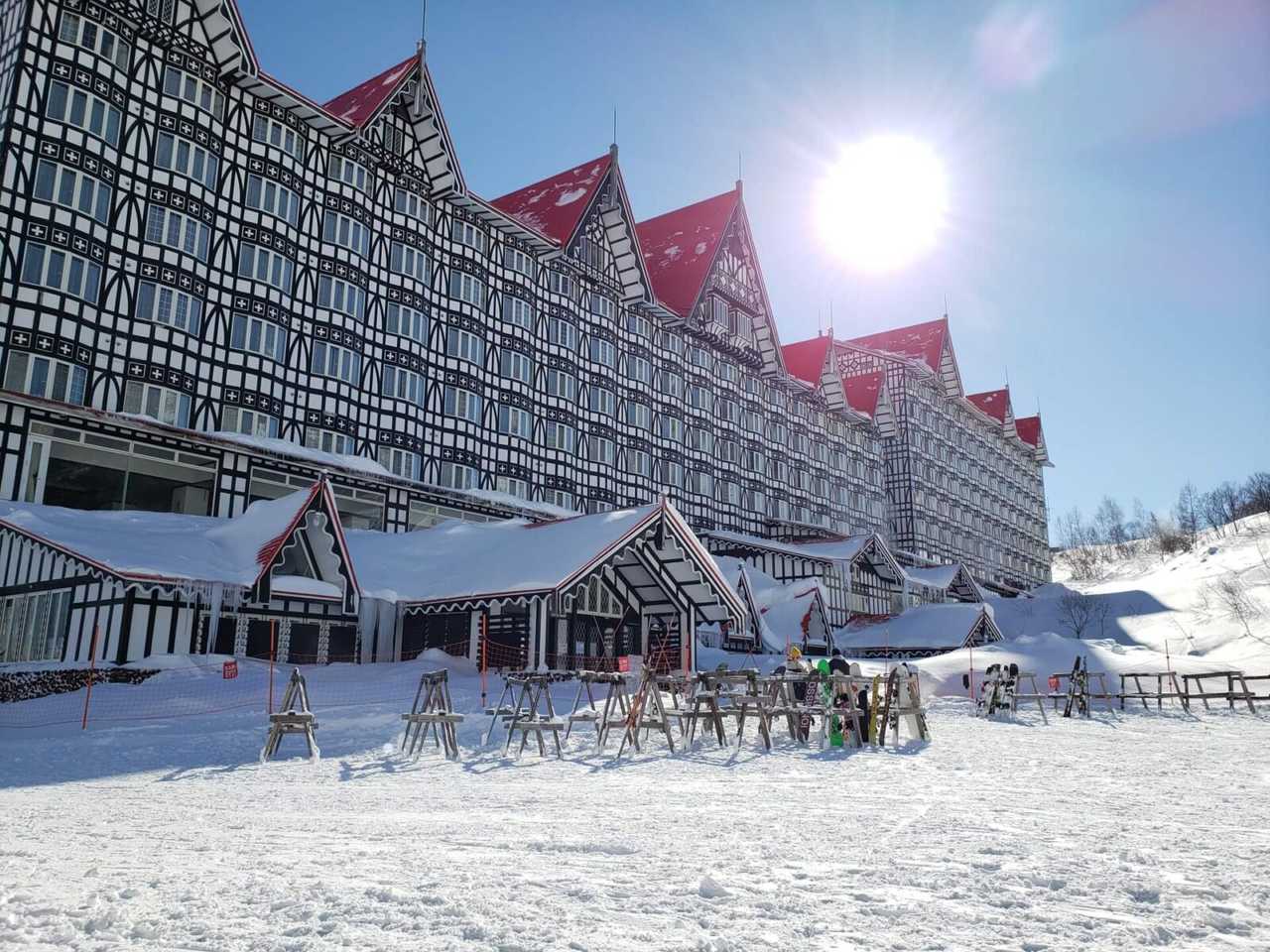
Kashimayari Ski Resort Family Land: long runs and a Pokémon surprise
Kashimayari Ski Resort Family Land has recently launched a Pokémon-themed snow park, with a snow tubing lane and a covered snow escalator. The runs are mostly long and gentle, and crowds are lighter, so it suits families who want to avoid holiday crowds. A free shuttle bus runs from JR Shinano-Omachi Station via the Omachi Onsen village in about 35 minutes.
Hakuba Norikura Onsen Ski Resort: affordable tickets and a soak right after skiing
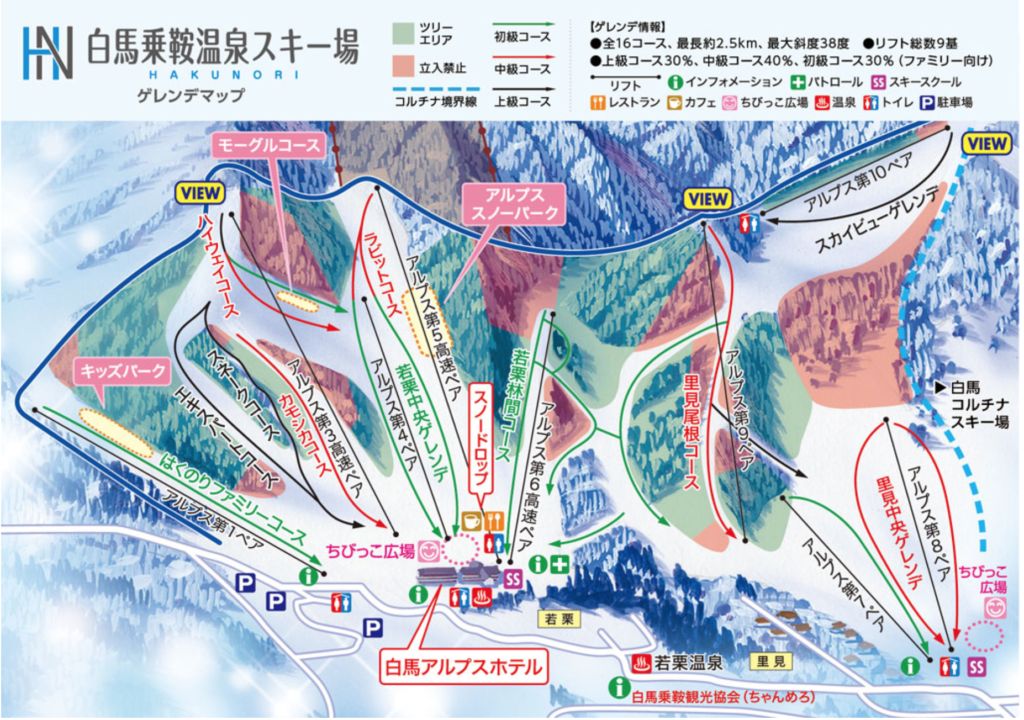
Hakuba Norikura Onsen Ski Resort has older facilities but gentle, easy slopes, and it connects to the Hakuba Cortina summit with interchangeable lift tickets. Its best feature is hot spring hotels right beside the runs that you can ski into and out of, so you can soak right after skiing with no extra transport, an efficient way to unwind after skiing and also suited to an easy day for the whole family.
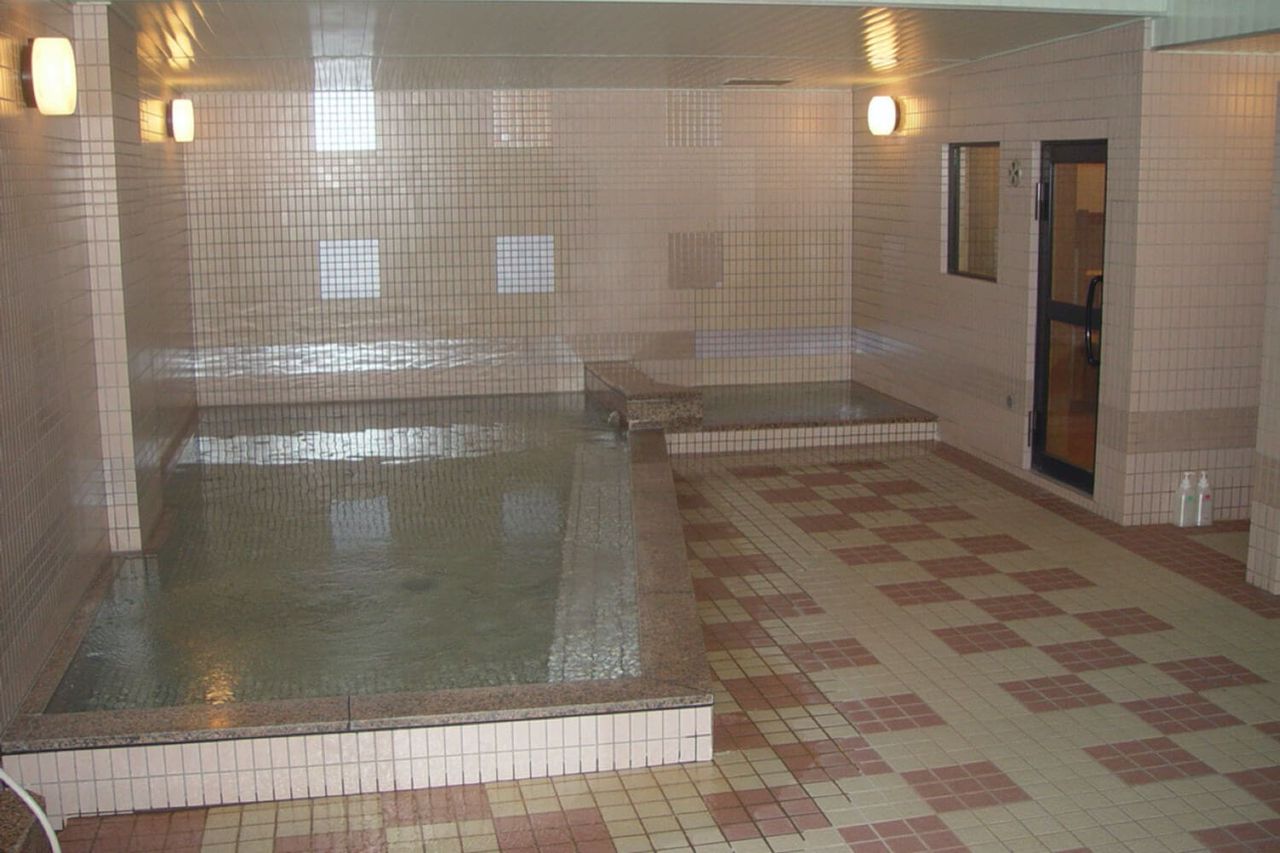
Hakuba Himekawa Onsen Ryujin-no-Yu: a soak inside the ski center
Ryujin-no-Yu is on the first basement floor of the Hakuba Goryu ski center, Escal Plaza, and offers an indoor bath and a sauna. Towels cost extra or you bring your own, and opening hours change with the season, so check before you go. After skiing you do not have to change and go elsewhere; you can soak and relax right in the ski center, one of the few facilities in Hakuba Valley that links skiing and hot springs seamlessly.
Teirinji: a quiet old temple at the foot of Hakuba
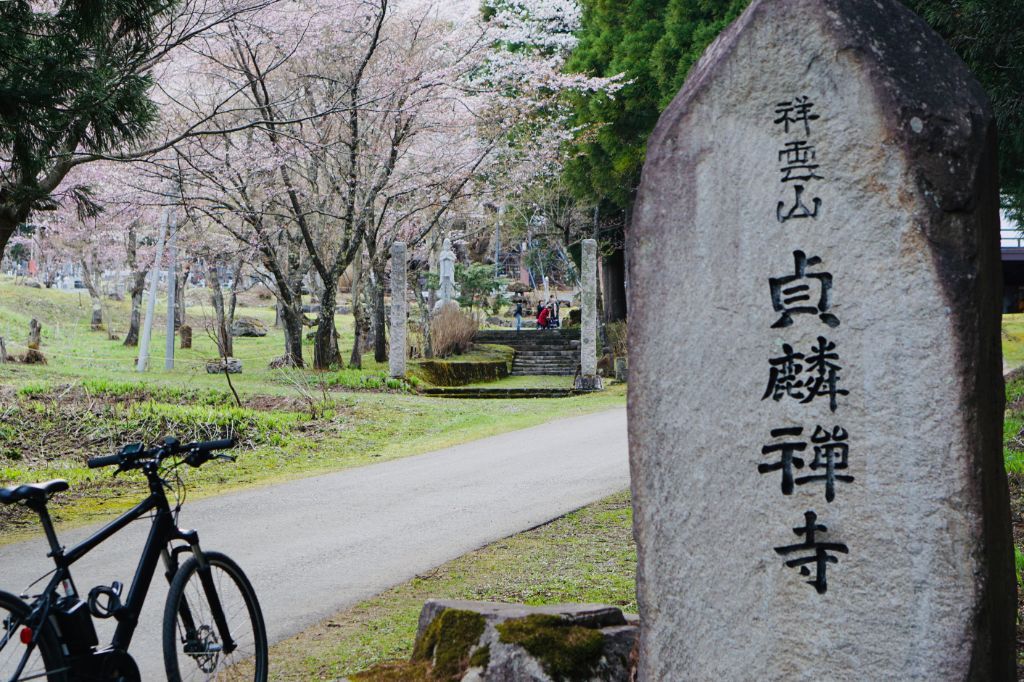
Teirinji is in Kamishiro, Hakuba Village, near JR Minami-Kamishiro Station, and is a Soto-school temple founded in 1556. The weeping cherry trees on its grounds bloom from late April to early May and are a well-known local cherry blossom spot; in the snow season the grounds are silvery white and still, a contrast to the bustle of the ski resorts, and it suits a short visit during your ski trip to take in the everyday scenery of a snow-country mountain village.
Après-ski food in Hakuba Village: soba, ramen and izakaya
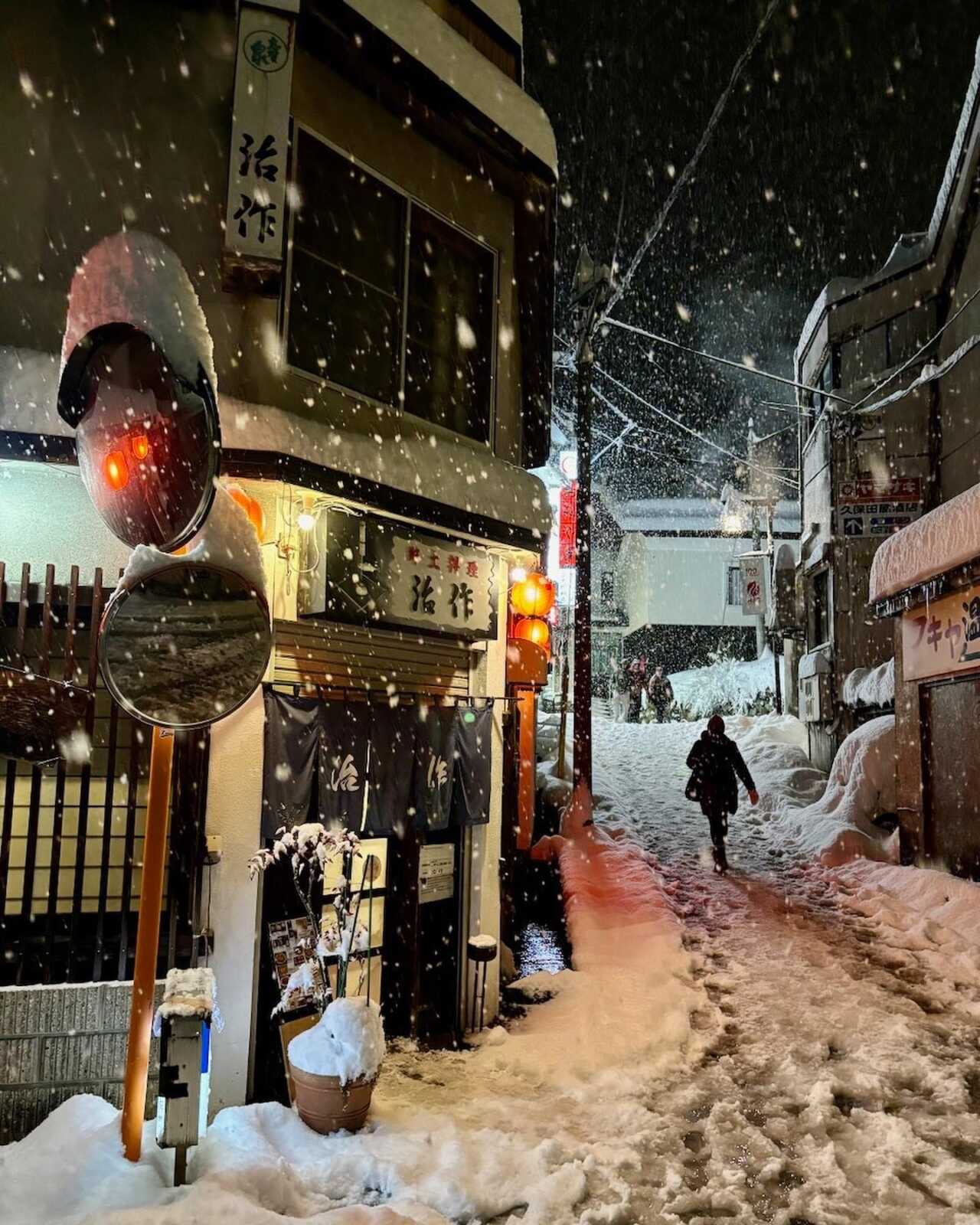
Dinner after skiing in Hakuba Village is mostly Shinshu soba, ramen and izakaya, with restaurants concentrated around Happo and Echoland; noodle soups and hot pots are popular choices for restoring energy. Izakaya and small bars in the village serve sake and snacks, and after skiing you can change into casual clothes and walk right in for another round; popular places fill up easily at dinner time in peak season, so it is best to reserve.
How much does it cost to ski Happo-one? Lift tickets, lessons and rentals
Below is a summary of common purchases such as lift tickets, shared passes, lessons and gear rental.
Happo-one 2026/27 lift tickets: peak season and early-bird deals
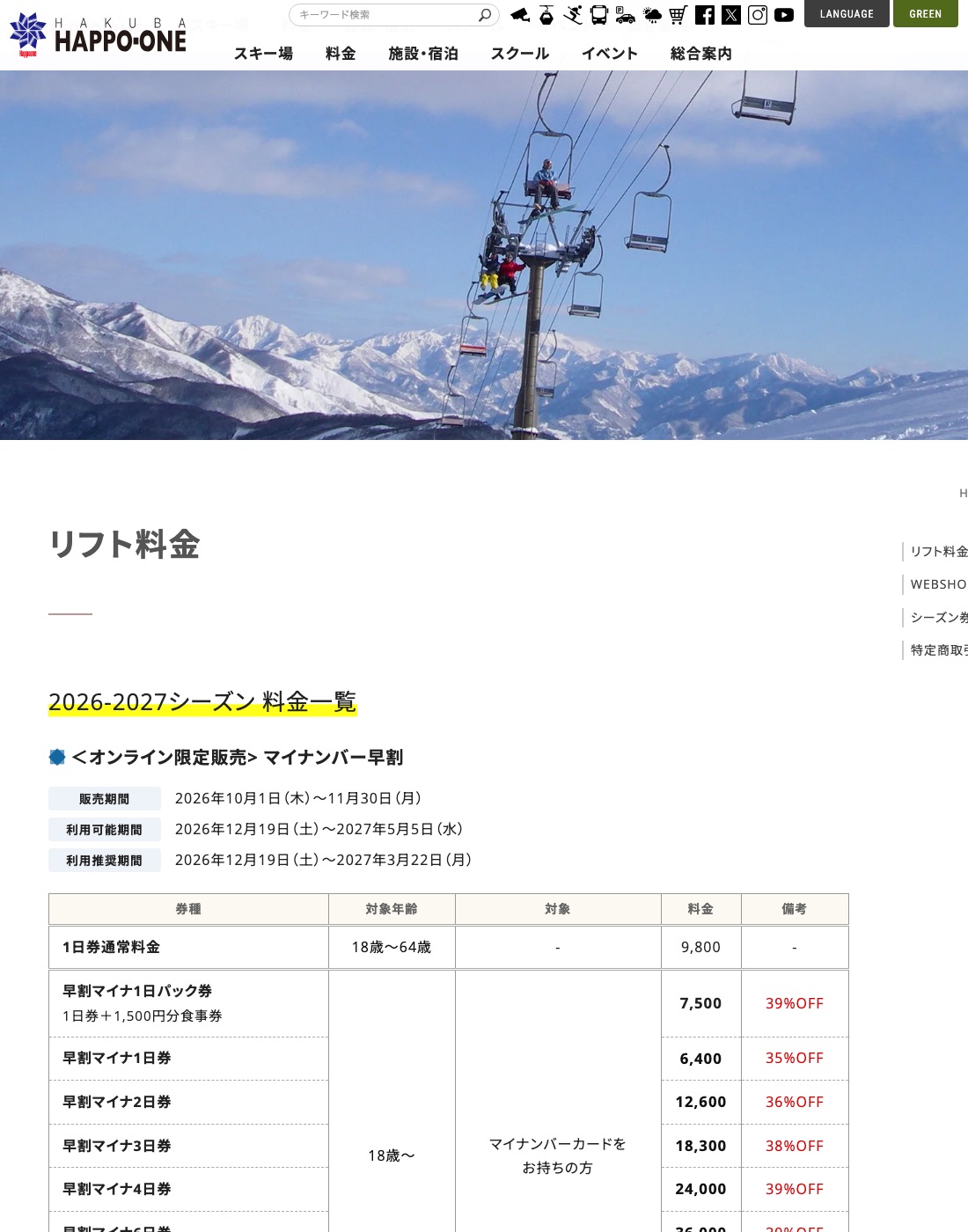
For the 2026/27 season at Happo-one, an adult one-day pass in peak season (12/19/2026-3/22/2027) is ¥9,800 both at the window and for new online purchases, up from ¥8,700 last season; the one-day pass during the 12/1-12/18 opening period and the 3/23-5/5 spring period is ¥6,400. The online “Early-Bird 2-Day Pass” that does not require a My Number card is ¥16,600 and can only be bought before November 30; the ¥6,400 My Number early-bird one-day pass is only for holders of a Japanese My Number card.
Happo-one 2-day pass and My Number early-bird prices
For the 2026/27 peak season at Happo-one (12/19 to 3/22), an adult 2-day pass is ¥19,600. The My Number early-bird one-day pass is sold from 10/1 to 11/30 at ¥6,400 for adults, about 65% of the regular price; the My Number early-bird 2-day pass is available online only, at ¥12,600 for adults. Both of these early-bird tickets require a Japanese My Number card, so overseas visitors can choose other ticket types instead.
How do I buy lift tickets on the official website? Online purchase steps
Happo-one’s online lift tickets are bought at the WEBSHOP (Japanese website) at the bottom of the official site’s “Lift Prices” page. The “Early-Bird 2-Day Pass” at ¥16,600, which does not require a My Number card (the two days need not be consecutive), is sold online only until November 30.
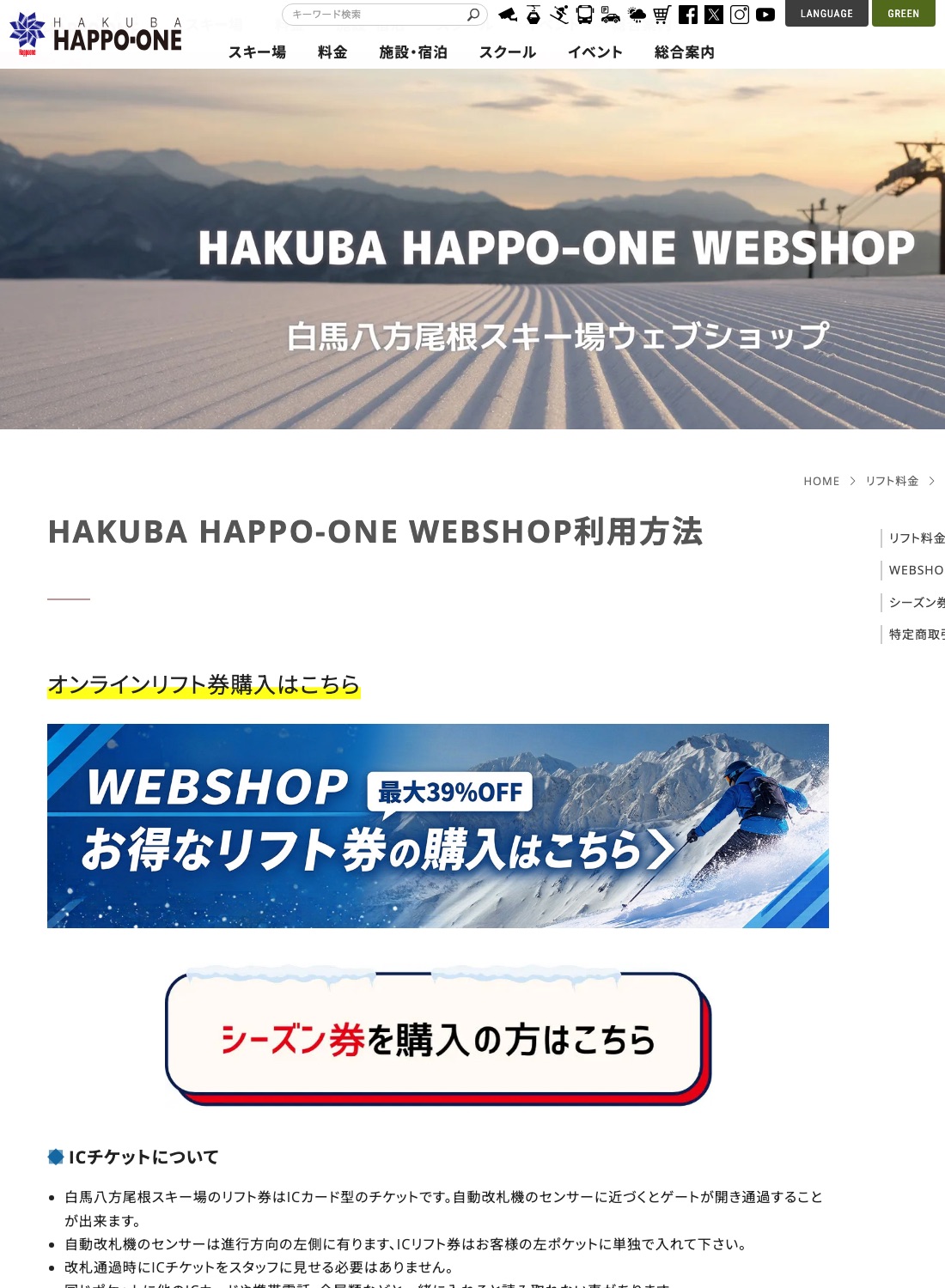
After payment, a QR code is sent to the email address you registered; at the resort, scan it at the ticket center’s automatic ticket machine to get your IC ticket card. Purchases cannot be canceled or refunded, so it is best to check the weather forecast before buying. The My Number early-bird is only for holders of a Japanese My Number card and also requires registering with the xID app first.
Hakuba Valley shared pass: ski 10 resorts on one ticket
The Hakuba Valley shared pass for the 2026/27 season is ¥11,100 for an adult one-day pass and ¥6,400 for a child; ¥21,800 for two days and ¥32,200 for three days. It is valid at 10 resorts including Kashimayari, Jiigatake, Sanosaka, Hakuba Goryu, Hakuba47, Happo-one, Iwatake, Tsugaike Kogen, Norikura and Cortina, and gives free rides on the valley shuttle bus on ski days (night skiing and the night shuttle bus are not covered). The two-day pass is valid for 4 days from first use, suiting skiers who want to ski several resorts back to back.
Lessons with Chinese-speaking instructors and group packages
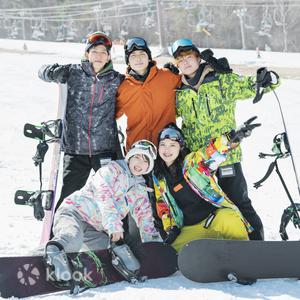
Happo-one and the nearby resorts all have ski schools offering Chinese and English lessons. You can book a Chinese-speaking instructor for private or group lessons, and booking online is recommended to avoid lining up on site. If you are traveling in a group, a “group lesson + equipment rental package” is better value than buying separately, suiting families or friends who are beginners and want to pick up snowboard or ski basics quickly.
Gear rental sets: brands such as Rhythm Japan and SPICY
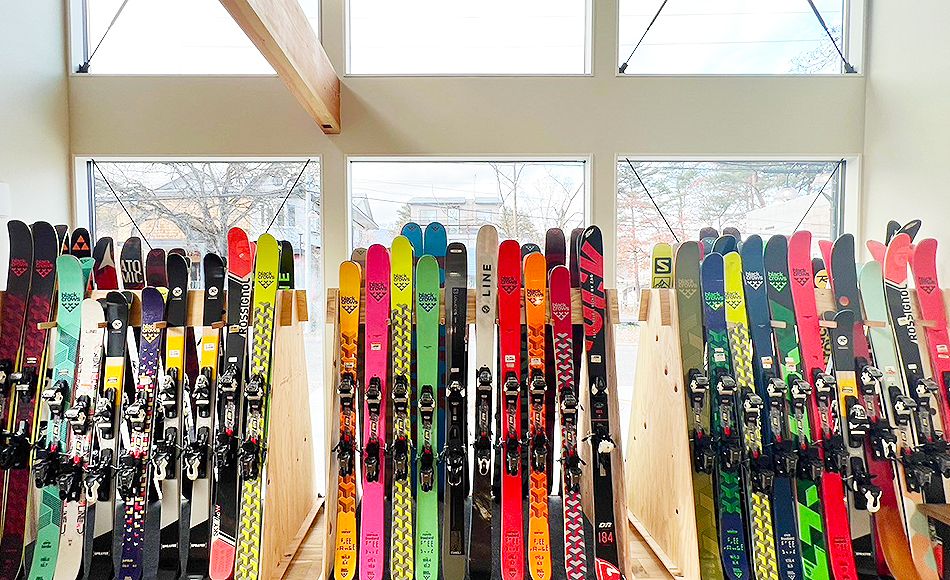
Gear rental shops in Hakuba Valley include Rhythm Japan (with shops in both Wadano and Happo), SPICY, Woody Rental and Central Snowsports Hakuba, offering basic sets of board or skis, boots and poles as well as jacket-and-pants sets. Multi-day rentals are usually better value than single days, and some shops offer hotel delivery. Compare prices and book online before you go, as popular sizes run out easily in peak season.
Ski center delivery and storage services
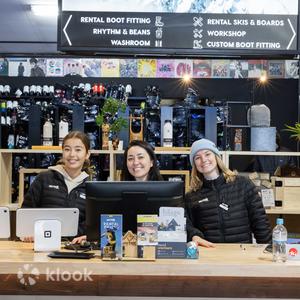
Ski centers such as Hakuba Goryu’s Escal Plaza have service counters where you can ask about having your gear delivered to your hotel or the station, saving you the trouble of carrying equipment around. The centers also have lockers and changing space, and the building is open 24 hours in peak season, suiting multi-day skiers or travelers with a lot of luggage; actual fees follow the notices posted on site.
Where to stay for skiing at Hakuba Happo-one? Which areas to choose

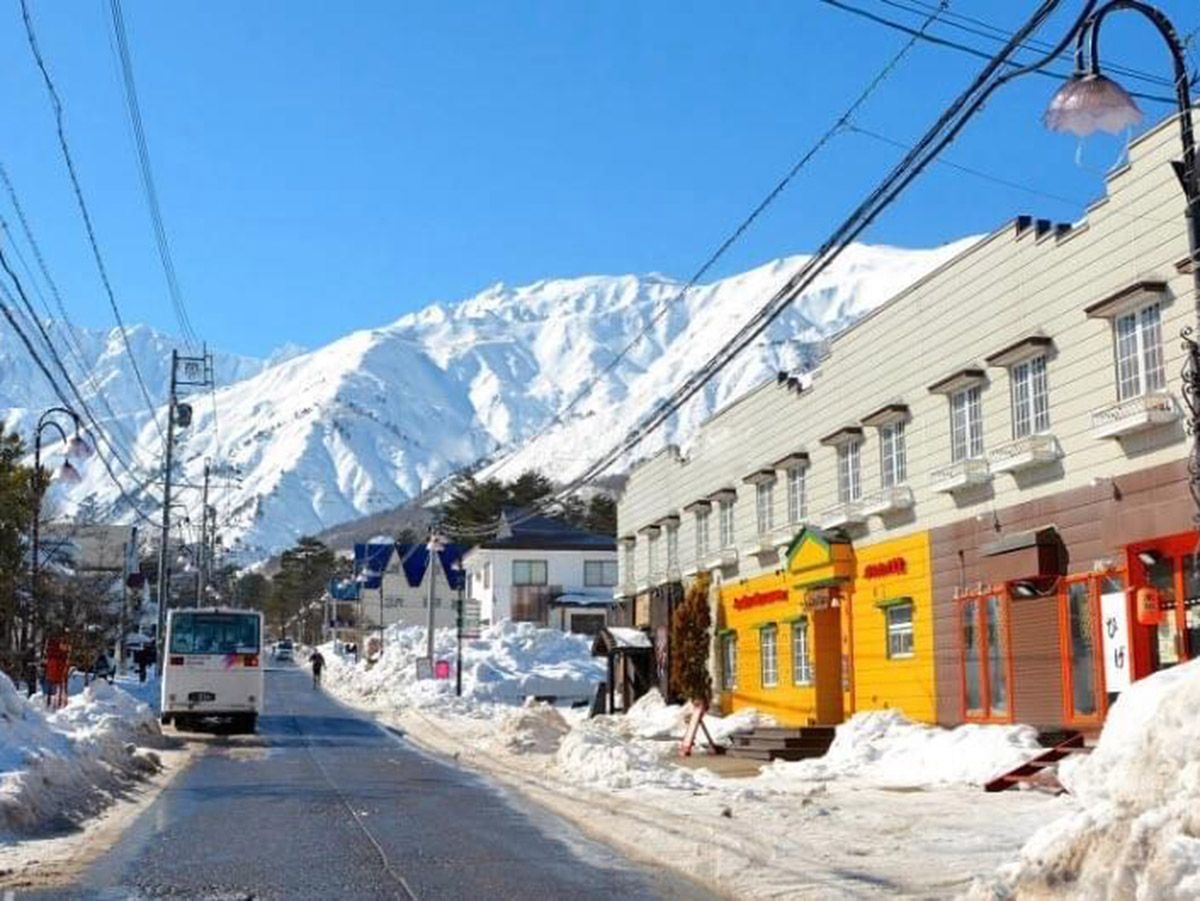
Below is a rundown of how convenient the transport is in each lodging area of Hakuba Valley and what each offers.
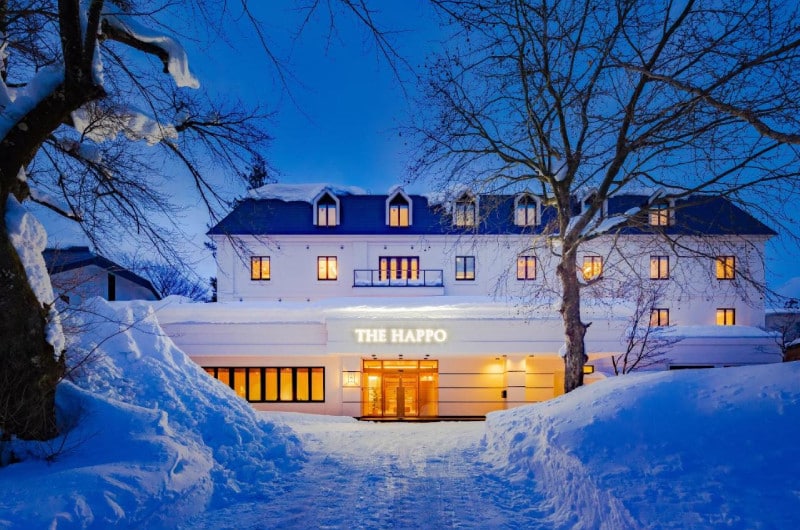
Around the Happo Bus Terminal: the most convenient place to stay for transport
The area around the Happo Bus Terminal is the most convenient place to stay for Happo-one. You can walk to the ski lift base and many restaurants and izakaya, and the valley shuttle buses mostly use it as a hub, so you do not need to worry about connections late at night or early in the morning; it suits travelers who want to save transport time and focus on skiing.
Echoland: the food and nightlife street, and a free shuttle stop
Echoland is the area with the densest food and nightlife in Hakuba Valley. Shuttle bus stops line the street (such as the Spicy stop on the V2 line), where you can transfer for free to and from the major resorts, and after dark izakaya and bars line the street, suiting travelers who like a drink after skiing without spending too much time on transport.
Wadano: the ski-in/ski-out upscale chalet area
Wadano is mainly upscale ski-in/ski-out chalets with a European and North American resort atmosphere. Many guests can walk to the lift in their ski gear, saving the morning and evening commute, which suits travelers with a higher budget who value lodging quality and ski convenience; the area also has several stylish cafes and restaurants to choose from.
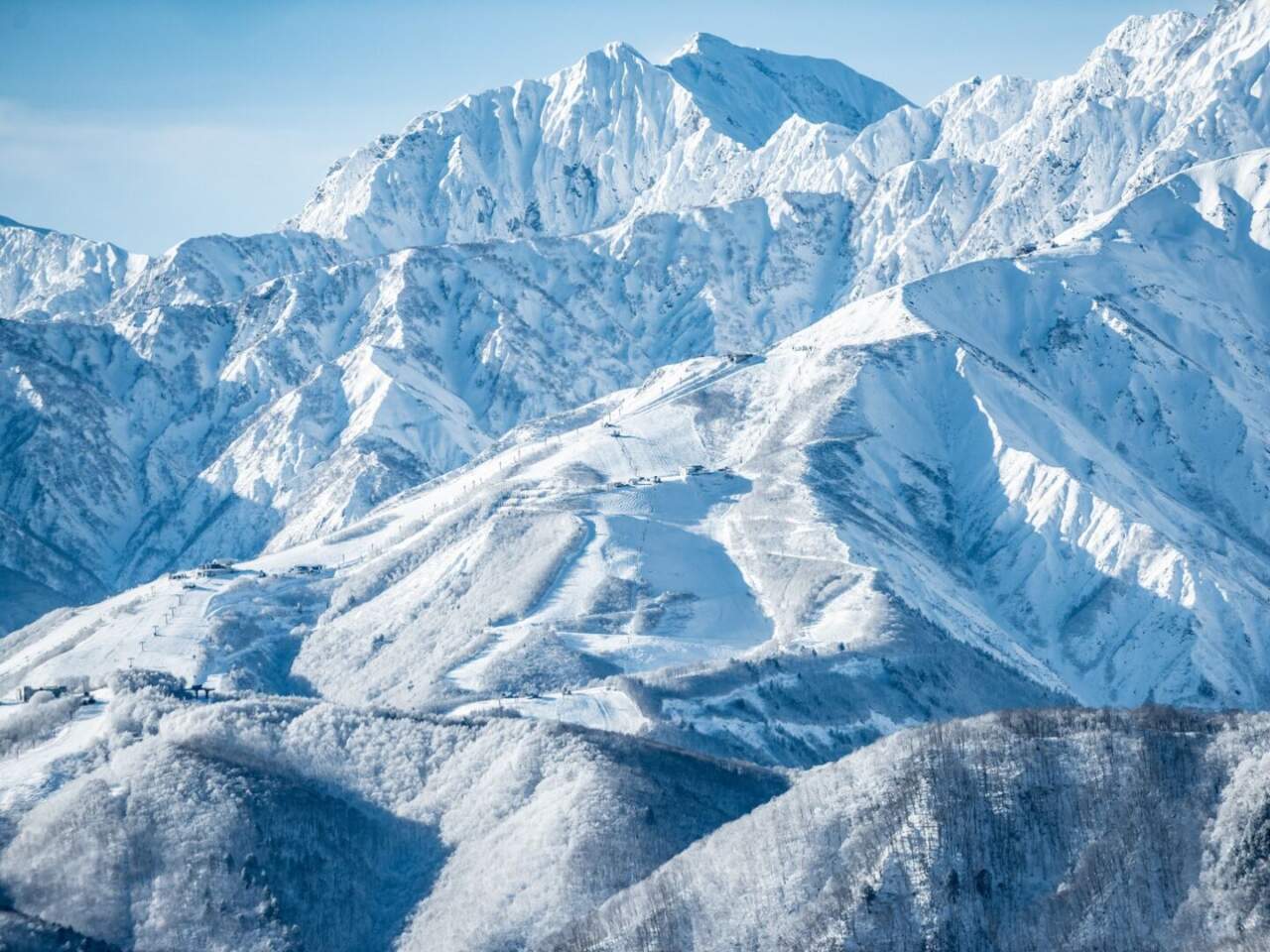
Around Hakuba Station: well equipped but inconvenient shuttles
The area around Hakuba Station has a full range of amenities, with convenience stores and restaurants, but the free shuttle buses of most resorts do not stop at the station, so getting to and from the resorts requires a separate transfer to a valley bus or a taxi. It is not recommended as your main place to stay and is better suited to travelers who come and go purely by train and do not rely much on resort shuttles.
Shopping and supplies nearby: Lawson, A-COOP and outdoor brands
There is a Lawson convenience store next to the Happo Bus Terminal, and near Hakuba Station there is an A-COOP supermarket for daily necessities. Along the main road there are also outdoor brand stores such as The North Face and Patagonia, handy for picking up extra cold-weather gear or small ski items without arranging a special shopping trip.
FAQ
Q: How much are Hakuba Happo-one lift tickets?
In the 2026/27 peak season an adult one-day pass is ¥9,800 at the window, and the low-season spring pass is about ¥6,400; if you want to ski several resorts, you can choose the Hakuba Valley shared pass at ¥11,100 for one day.
Q: How long does it take to get from Nagano Station to Happo-one?
From bus stop 26 at the east exit of Nagano Station, the Alpico express bus takes about 60 to 90 minutes direct to the Happo Bus Terminal; adding the Shinkansen of about 90 minutes, the total from Tokyo is about 2.5 to 3 hours.
Q: When is Happo-one open in the 2026-27 season?
The official 2026-27 lift ticket price table covers December 1, 2026 to May 5, 2027, and the actual opening date is adjusted according to snow conditions.
Q: When is the snow best for skiing in Hakuba?
Mid-January to mid-February is the golden period for snow, with all runs and tree zones open, but room rates and ticket prices are also highest; late February to March suits beginners, with end-of-season deals.
Q: Is Happo-one suitable for beginners?
Intermediate and advanced runs make up 70% of Happo-one, so overall it is on the difficult side; beginners are better off choosing Tsugaike Kogen or pairing it with lessons, or practicing in the gentle areas inside the resort such as Sakika and Nakiyama.
Q: What if I miss the last valley shuttle bus?
You can call a ride with the Uber app, or ask directly at the resort ski center service counter; most counters can help contact a taxi or tell you about other ways to get back.
Q: How much is the valley shuttle bus fare?
Line V is ¥800 one way for adults and ¥400 for children, purchased online only, and free with a Hakuba Valley shared pass; the night Line VN is ¥500 for adults and ¥250 for children and can be paid in cash, and the shared pass does not apply.