
2026 Inuyama Castle and Meiji-mura Day Trip: Travel Through Time From a National Treasure Wooden Keep to Meiji-Era Western Buildings
Inuyama Castle is Japan’s oldest surviving wooden keep and a National Treasure, and nearby Museum Meiji-mura holds more than 60 Meiji-era buildings. You can link the two classic sights in one day, making this the classic Inuyama Castle day trip from Nagoya.
Who Is the Inuyama Castle and Meiji-mura Day Trip For?
This itinerary suits travelers who love Japanese castles, the atmosphere of an Edo-period castle town and Meiji-era Western-style architecture, especially independent travelers visiting the Nagoya suburbs for the first time who want to avoid crowds. The Inuyama castle town keeps its old-street shops and shrine visit route at a relaxed pace, while Meiji-mura is an open-air architecture museum suited to travelers who love photography and history.
If you travel with older relatives or children, you can visit Inuyama Castle in the morning and head to Meiji-mura in the afternoon to see the buildings. The route flows smoothly, making it a good suburban day trip for the second or third day of a Nagoya trip.
Half Day or Full Day: How Should You Split Your Time?
If you plan only half a day, we suggest focusing on Inuyama Castle and the castle town. Climbing the keep takes about 40 minutes to 1 hour, and with a stroll through the castle town and nearby shrines, 2 to 2.5 hours in total is enough, leaving the afternoon for your Nagoya city plans.
If you want to see both Inuyama Castle and Meiji-mura, we suggest a full day: leave before 9 a.m., arrive at Inuyama Castle before 10, move to the castle town around noon for a meal, and take a bus to Meiji-mura in the afternoon. The grounds are large, so allow at least 3 to 3.5 hours to properly cover the highlight buildings in Blocks 1 through 3. Note that Meiji-mura closes earlier than Inuyama Castle. According to its official website, it is open 9:30-17:00 from April to July, September to October and March, 9:30-16:00 in November (until 17:00 on weekends and holidays), and 10:00-16:00 from December to February, with entry until 30 minutes before closing. So in winter, if you want to visit both, you need to leave the Inuyama castle town by around noon at the latest.
Why Is 2026 a Great Time to Visit Inuyama Castle and Meiji-mura?
As a National Treasure wooden keep, Inuyama Castle has drawn growing attention on social media in recent years, and long lines often form on Sundays in particular. We suggest visiting on a weekday or the day before a long weekend, which saves a good deal of time waiting to climb the keep and lets you enjoy the keep’s original wooden structure more calmly.
Inuyama Castle is the oldest surviving National Treasure keep, and Meiji-mura is an open-air museum preserving more than 60 relocated Meiji-era buildings. Both center on historic architecture, and Meitetsu and the official sites offer combined tickets, so linking them in one day in 2026 is quite easy.
How to Get to the Inuyama Castle and Meiji-mura Day Trip: Complete Guide to Transportation and Combo Ticket Costs
How to Get to Inuyama Castle and Meiji-mura: Transportation at a Glance
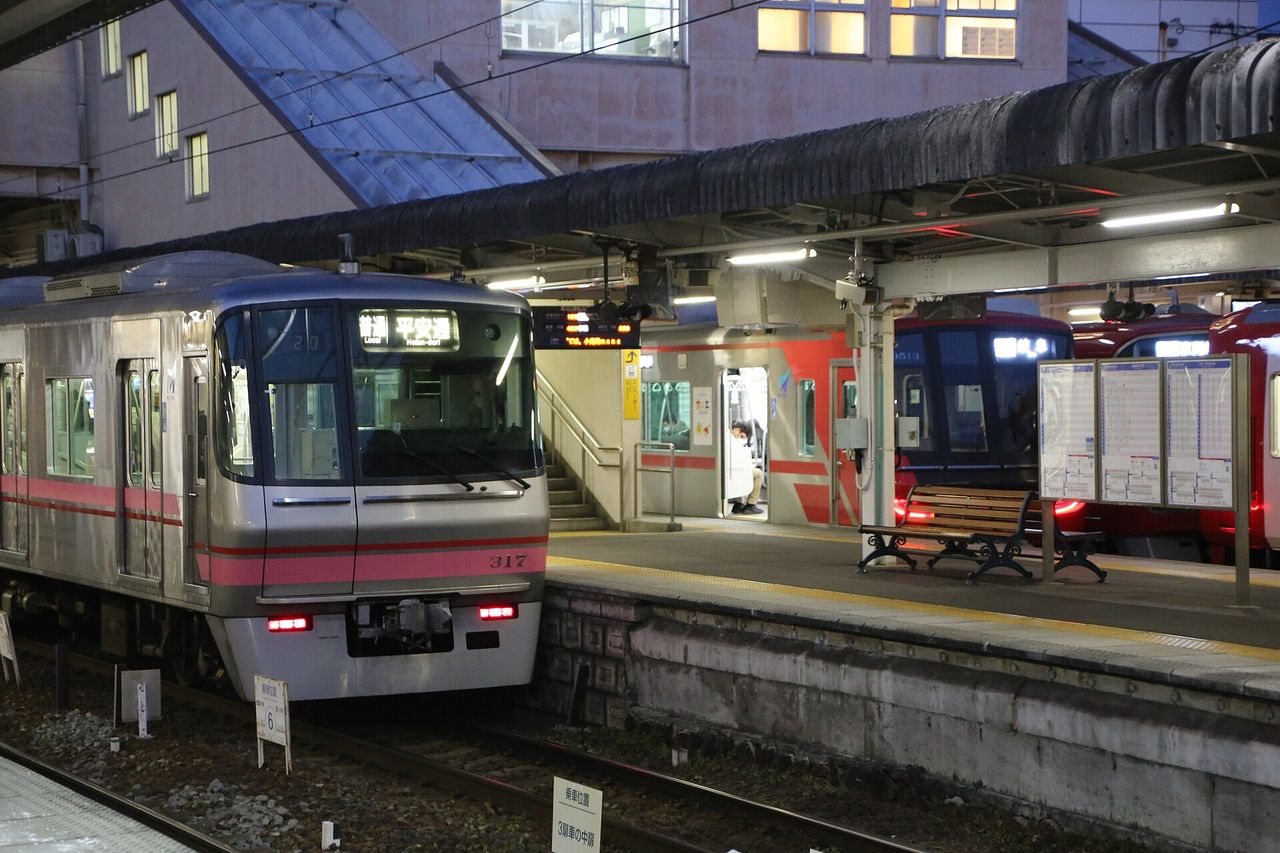
To get from Nagoya to Inuyama Castle and Meiji-mura, choose flexibly according to your plans:
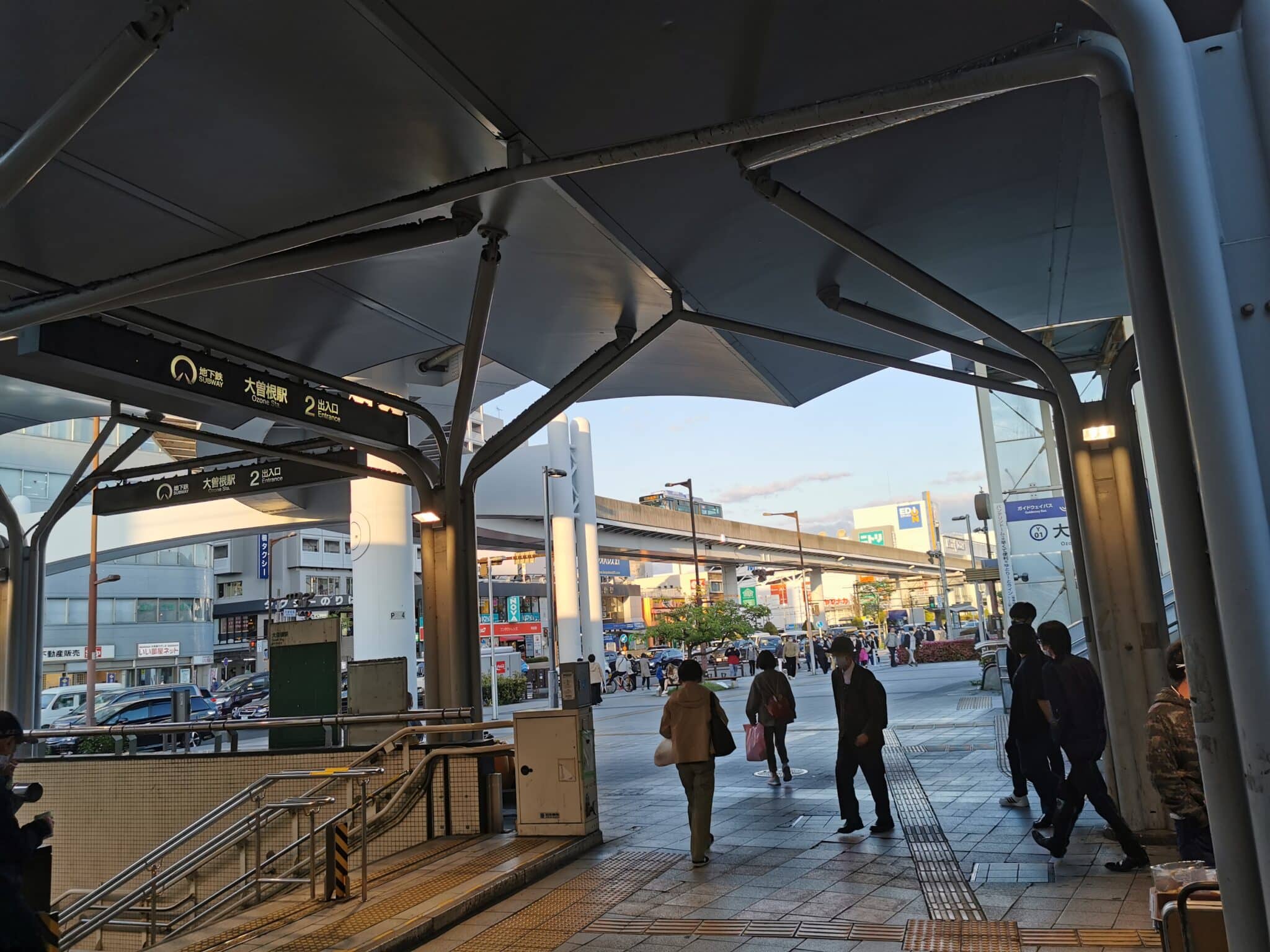
- Meitetsu Inuyama Line: From Meitetsu Nagoya Station, take a train toward Shin-Unuma for about 25-30 minutes to Inuyama Station, about ¥590 one way.
- Inuyama Castle Town Kippu (Meitetsu): Includes a discounted Meitetsu round-trip ticket (from the Nagoya direction, valid as far as Inuyama-yuen Station), Inuyama Castle admission, a discount coupon for Urakuen Garden and coupons for 14 shops in the castle town. From Meitetsu Nagoya Station it is ¥1,950 for adults, sold from March 1, 2026 to February 28, 2027 (some dates excluded).
- Meiji-mura Time Travel Kippu (Meitetsu): Includes one day of unlimited rides on the full Meitetsu train network and Gifu Bus (Inuyama Station East Exit to Meiji-mura), plus Meiji-mura admission. Adults ¥4,100, children ¥1,850, valid April 1, 2026 to March 31, 2027 (excluding Meiji-mura closing days and the like). It does not include Inuyama Castle admission.
- Driving / Car Rental: About 40 minutes via the Nagoya Expressway. Inuyama Castle Parking Lot No. 1 costs ¥300 per hour (daily maximum ¥1,800).
- Inuyama Station to Meiji-mura bus: Take the Gifu Bus “Meiji-mura Line” from Inuyama Station East Exit, about 20 to 30 minutes to Meiji-mura. Mind the last bus time.
Getting to Meiji-mura: Gifu Bus From Inuyama Station or a Direct Bus From Nagoya
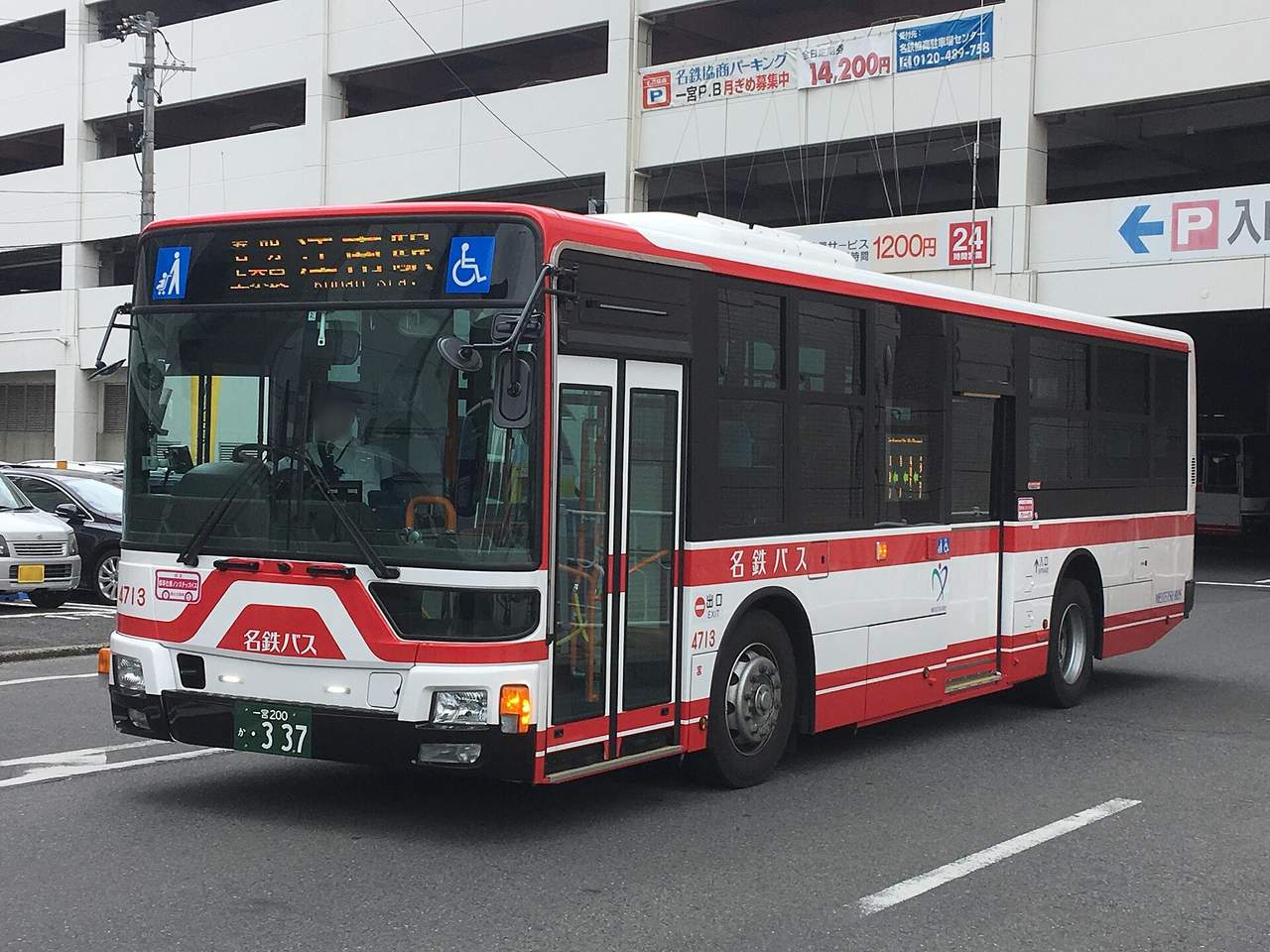
Inuyama Station East Exit to Gifu Bus Meiji-mura Line: According to Gifu Bus’s timetable revised on April 1, 2026, buses run about every 15 to 30 minutes on Saturdays, Sundays and public holidays, taking about 20 to 25 minutes. On weekdays there are fewer buses, about every 30 to 70 minutes, and some services detour via Goromaru, taking about 27 minutes. The last return bus leaves Meiji-mura at about 17:45 on weekdays and about 18:00 on holidays (some services run only in certain seasons), so we suggest taking a photo of the bus stop timetable when you enter the museum.
Central Nagoya to Meitetsu Express Bus Direct: Some services of the Meitetsu Bus “Tokodai-Meiji-mura Line” run directly to Meiji-mura from the Meitetsu Bus Center (4th floor, Stop 23) and from Sakae (Oasis 21 Bus Terminal, Stop 8). The one-way adult fare is ¥1,500 from the Meitetsu Bus Center and ¥1,400 from Sakae. No transfer is needed, but services are few, and on Meiji-mura closing days they run only as far as Tokodai Center.
Driving: The Meiji-mura parking lot is beside the North Gate, ¥1,000 per standard car per entry, open the same hours as the museum, and cannot be reserved.
Inuyama Castle Combo Tickets 2026: Official Set Tickets and Meitetsu Discount Tickets
The Inuyama Castle website currently lists the keep admission fee as ¥1,000 for general visitors and ¥200 for elementary and junior high school students. If you will visit other facilities too, you can buy official combo tickets (cash only) at the Inuyama Castle ticket office, partner facilities, the Inuyama Station tourist information center or the tourist information center in front of Inuyama Castle:
- Inuyama Castle + Meiji-mura: University students and older ¥3,300 (regular ¥3,500), elementary and junior high school students ¥850, valid for 3 months from the purchase date. High school students must buy tickets separately at each facility.
- Inuyama Castle + Japanese Garden Urakuen: General ¥2,000 (regular ¥2,500), valid for 2 days from the purchase date.
- Inuyama Castle Town Pass (Inuyama Castle + Inuyama City Cultural History Museum + Donden-kan): ¥1,200 (regular ¥1,400)
- Inuyama Castle + Japan Monkey Centre: General ¥1,900, elementary and junior high school students ¥600
- Inuyama Castle + Little World: General ¥3,000, elementary and junior high school students ¥1,200
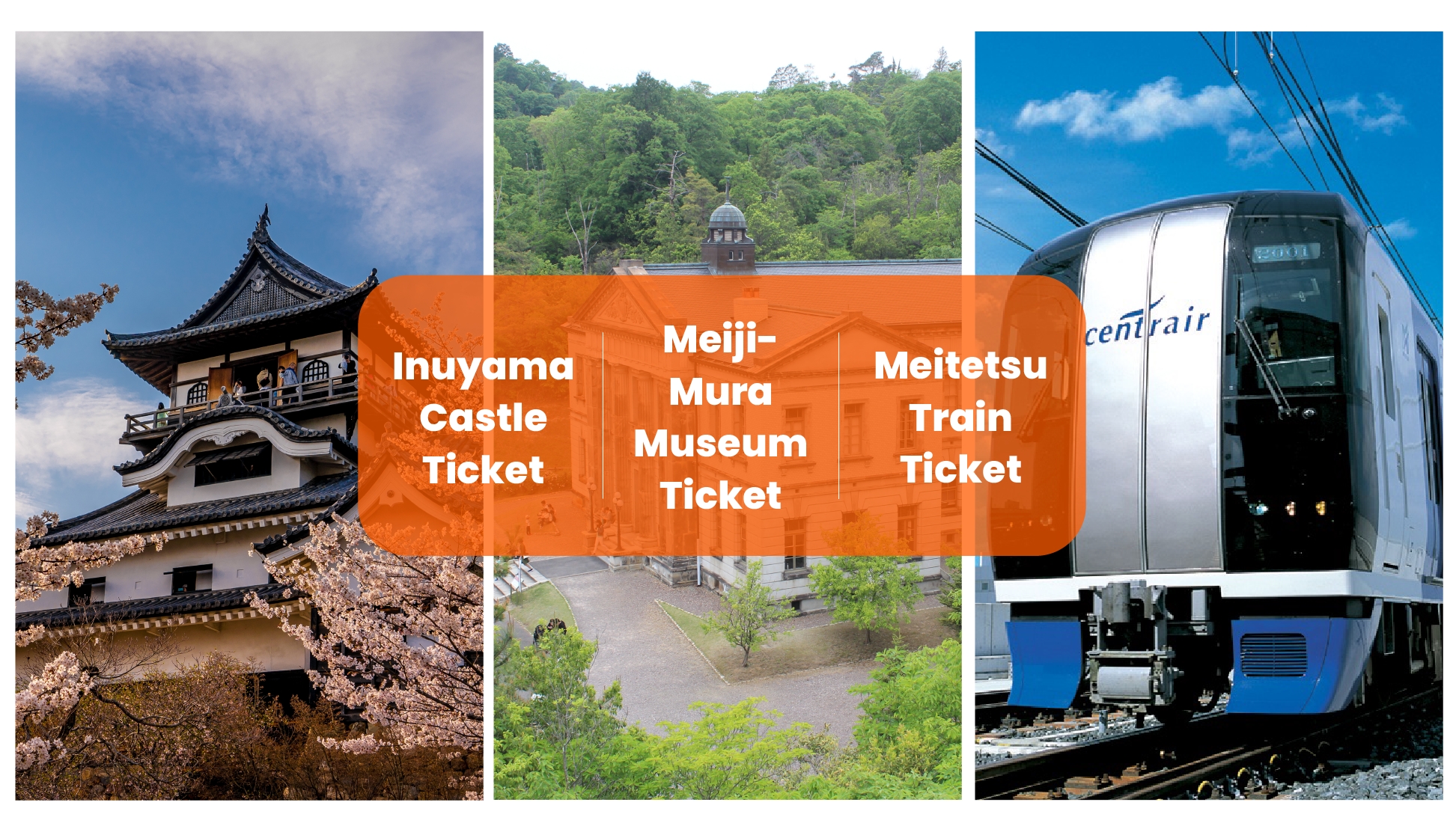
If you are going only to Inuyama Castle from Nagoya, Meitetsu’s “Inuyama Castle Town Kippu” (¥1,950, including a round-trip ticket and Inuyama Castle admission) is the easiest. To do both Inuyama Castle and Meiji-mura in one day, you can compare the “Meiji-mura Time Travel Kippu” (¥4,100, including trains, Gifu Bus and Meiji-mura admission) plus a separate Inuyama Castle ticket, or buy train tickets yourself and pair them with the official “Inuyama Castle + Meiji-mura” combo ticket.



What to See on the 2026 Inuyama Castle and Meiji-mura Day Trip: National Treasure Keep and Meiji Architecture Explained
Inuyama Castle Keep: Japan’s Oldest Surviving National Treasure Wooden Keep
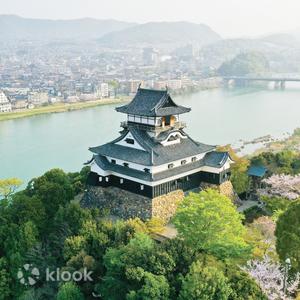
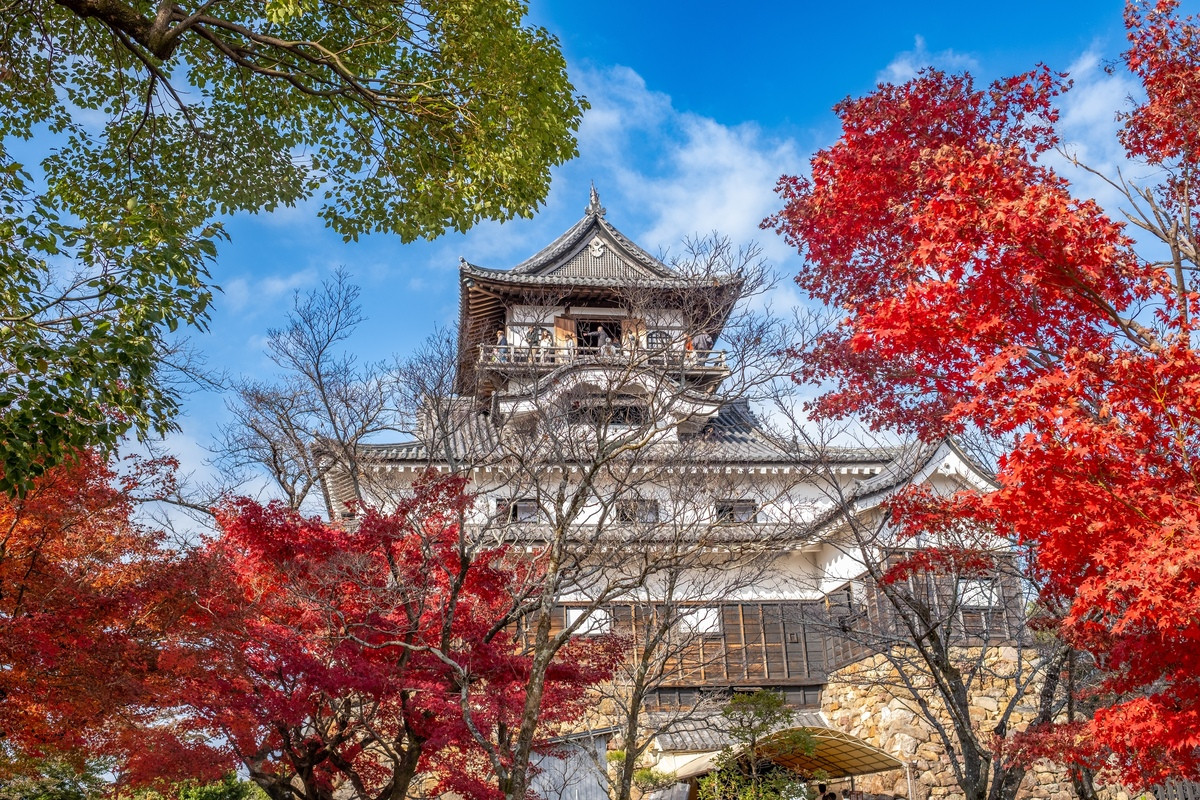
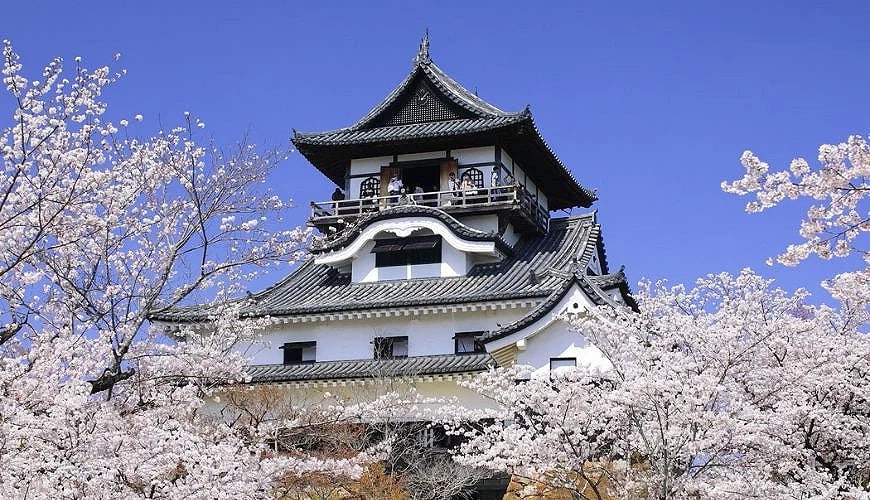
Inuyama Castle’s keep was built in 1537 and is Japan’s oldest wooden keep, ranked with Himeji Castle and others among the “five National Treasure castles.” Until 2004 it was the only privately owned National Treasure castle in Japan.
The keep has three stories outside and four floors inside, keeping a watchtower-style structure with defensive features such as attached turrets, stone-dropping corners and warrior passages. You must remove your shoes to climb, and the stairs are steep (60 to 70 degrees), so non-slip shoes are recommended.
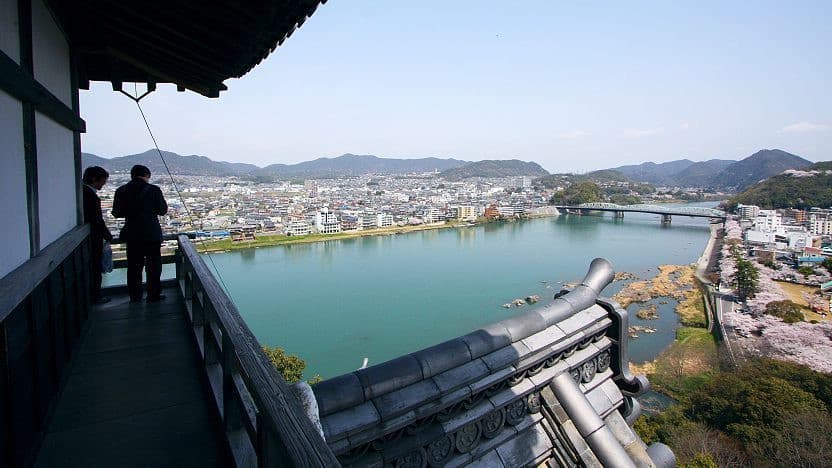
The top-floor railed corridor is the only National Treasure keep viewing point you can walk out onto, with views of the Kiso River and the Nobi Plain. Next to it stands the sacred “Osugi-sama” cedar that has guarded Inuyama Castle for hundreds of years. A visit to the keep takes about 40 minutes to 1 hour.

Sanko Inari Shrine: Pink Heart Ema and a Place to Wash Coins for Wealth
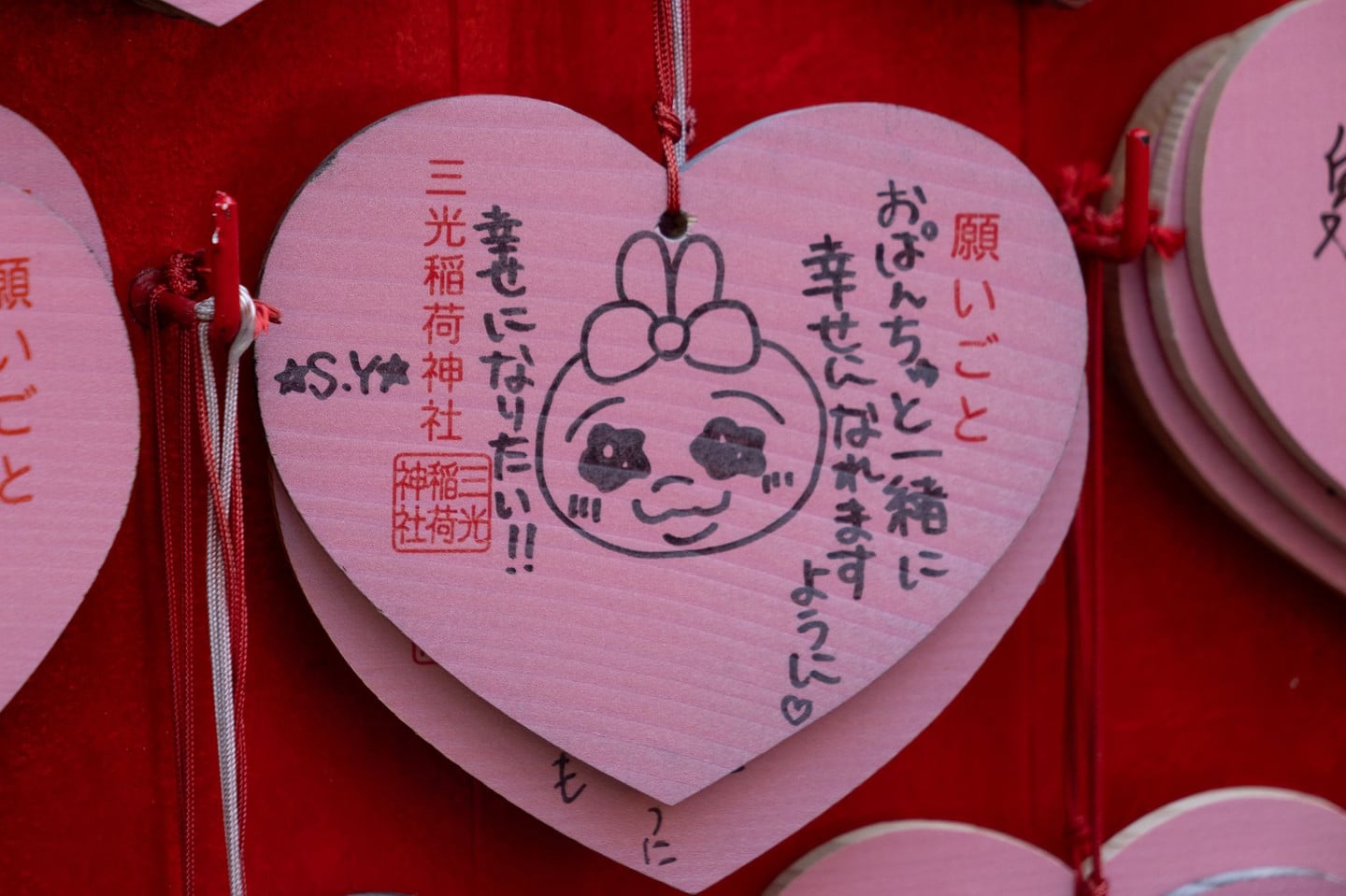
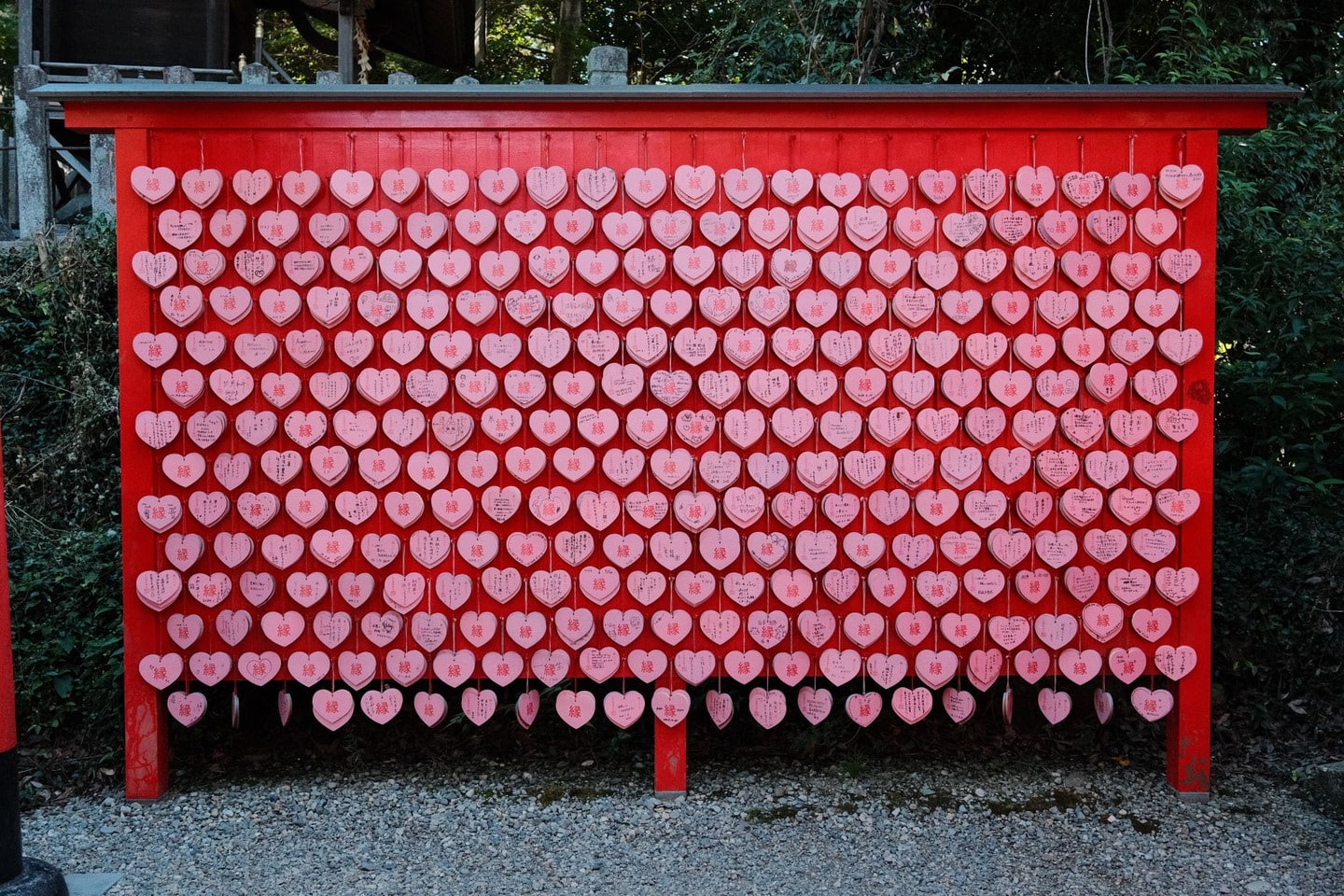
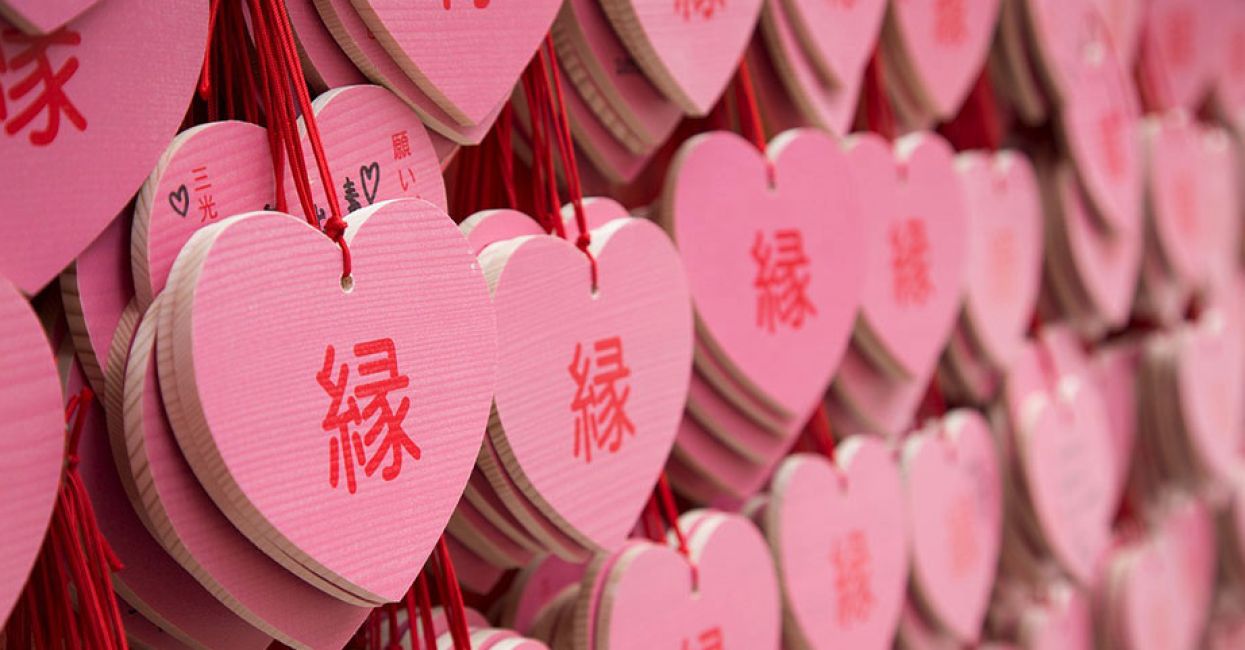
Sanko Inari Shrine sits at the foot of Inuyama Castle and is a hugely popular “love shrine” on social media. Rows of pink heart-shaped ema plaques set against vermilion torii gates make it a must-visit photo spot.
The shrine has a “coin washing” ritual: pay ¥100, light a candle, then rinse coins or lottery tickets with sacred water and touch the toad stone statue to pray for doubled fortune. It is said to bless both fortune and love luck, an authentic Japanese prayer experience.
It also offers pet omamori charms, praying for traffic safety and long life for furry companions, popular with travelers who bring pets. We suggest visiting on your way up to Inuyama Castle, only a few minutes’ walk away, with no extra transportation needed.
Haritsuna Shrine: The Old Guardian Shrine of Inuyama Castle
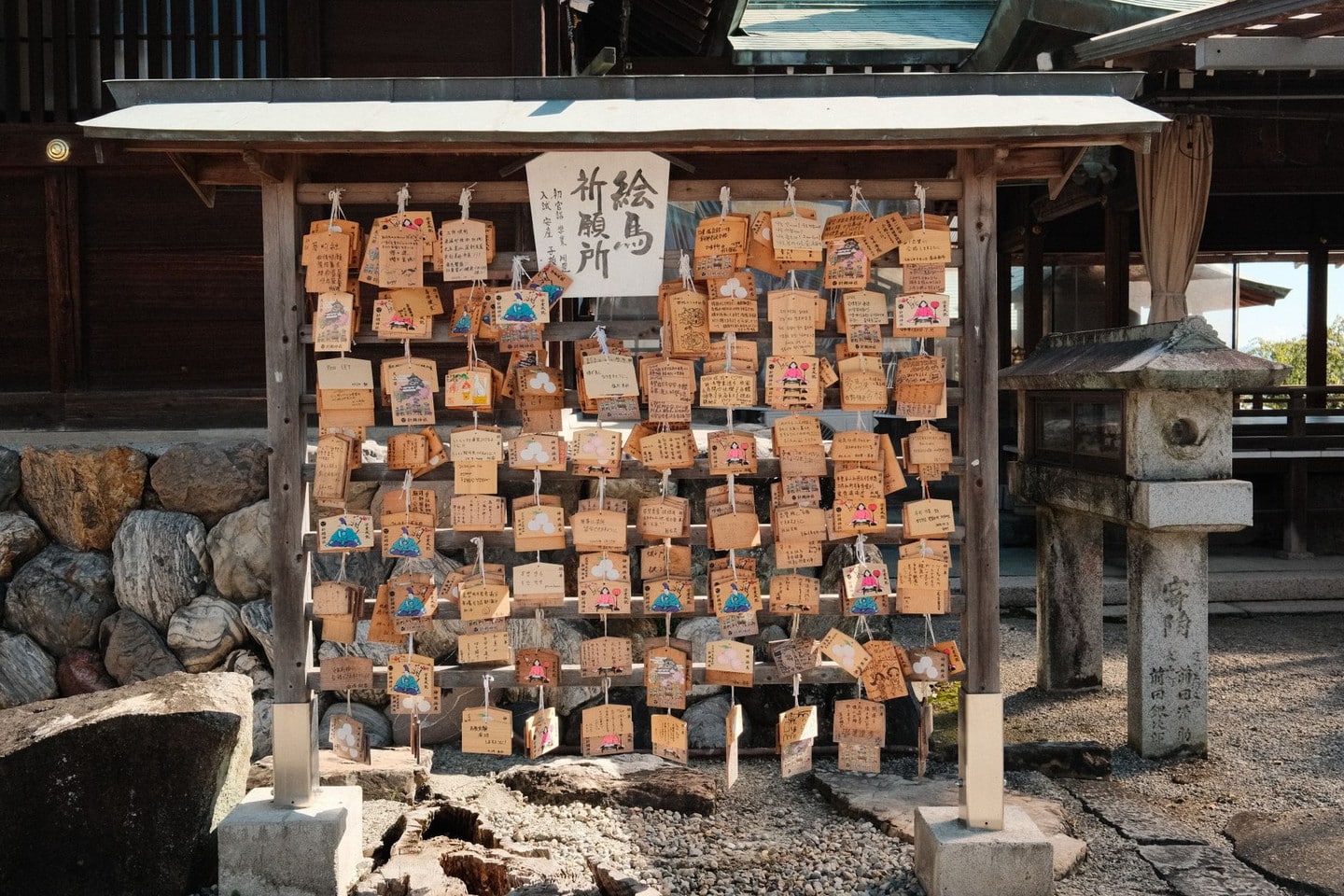
Haritsuna Shrine is the chief guardian shrine of the Inuyama Castle town, with a long history, protecting Inuyama Castle and its residents. The “Inuyama Festival” held here every April features exquisite floats and karakuri puppet performances and is listed as UNESCO Intangible Cultural Heritage.
The shrine offers many kinds of omamori charms and goshuin stamps, with designs blending Inuyama Castle imagery and auspicious motifs. The grounds are quiet and solemn, in contrast to Sanko Inari Shrine.
Haritsuna Shrine is near the entrance to Inuyama Castle, so you can link Inuyama Castle and Sanko Inari Shrine on foot. We suggest visiting before or after the castle, staying about 15 to 20 minutes.
Sarutahiko Shrine: A Road-Guardian Deity for Good Fortune and Warding Off Evil
Sarutahiko Okami, enshrined at Sarutahiko Shrine, is regarded in Japanese mythology as the “guiding deity,” presiding over good fortune, warding off evil and guiding direction. Many worshippers about to start a new journey, change jobs or move come specially to pray for a smooth road ahead.
The shrine is small and is usually a stop along the Inuyama castle town walking route. After worshipping you can buy an omamori charm bearing the Sarutahiko motif as a souvenir. Visiting it together with other shrines around Inuyama is also regarded by locals as one of the routes for collecting all three blessings of “good fortune, wealth and love.”
Inuyama Castle Town (Honmachi-dori): An Edo-Style Old Street Stroll
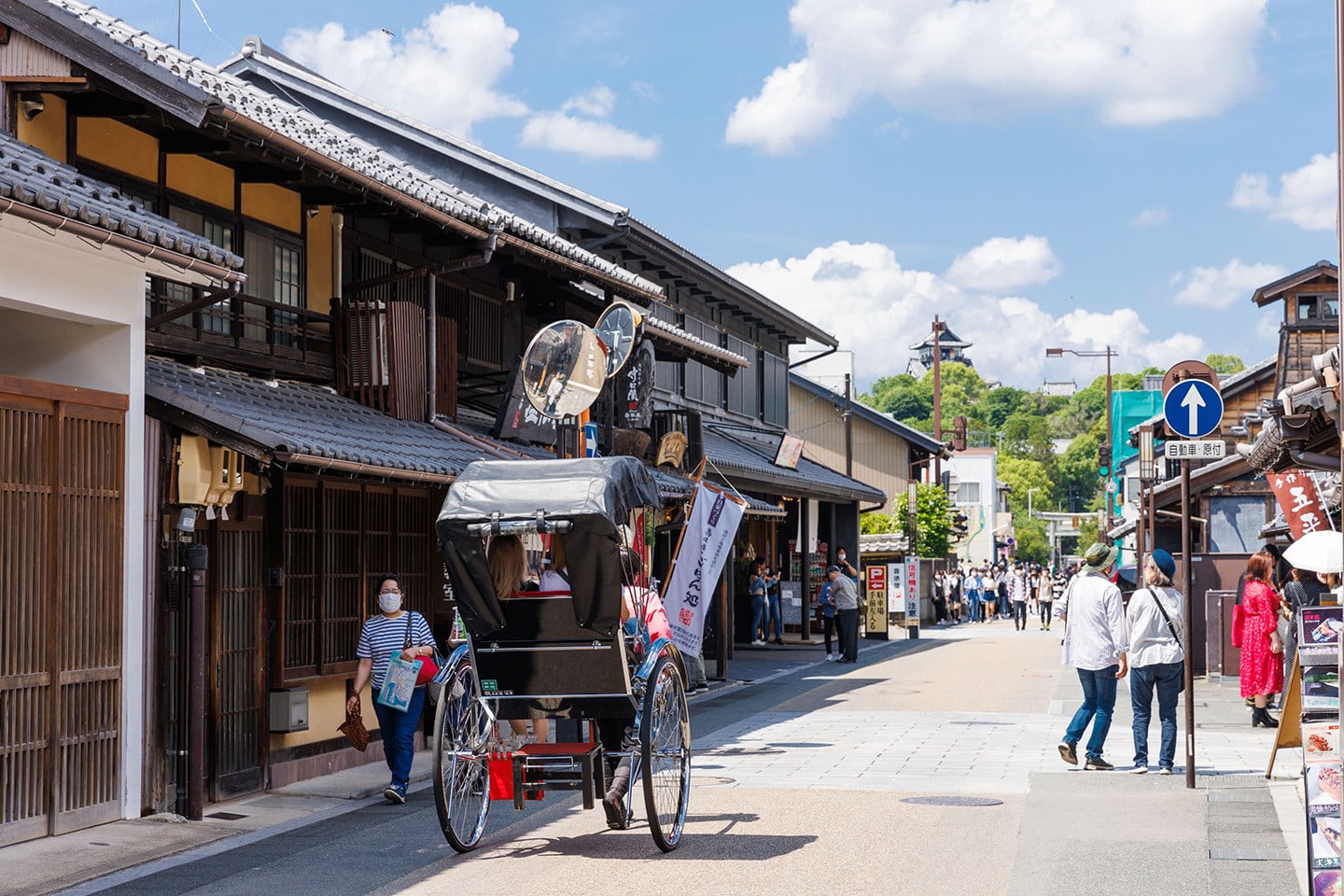
The Inuyama castle town centers on Honmachi-dori and keeps Edo-period buildings and machiya townhouse layouts, with stone-paved lanes and wooden shops interwoven, the core area you cannot miss in Inuyama.
The street is lined with snack stalls and souvenir shops, and grilled miso dango and handmade wagashi are good choices to photograph and taste. We suggest visiting in the morning when crowds are thin to capture clean street scenes.
Note that most shops close around 4 p.m., so plan your stroll and snacks around noon, and make use of the discount coupons in the Inuyama Castle Town combo ticket to save money.
Showa Yokocho: A Nostalgic Lane Through Time
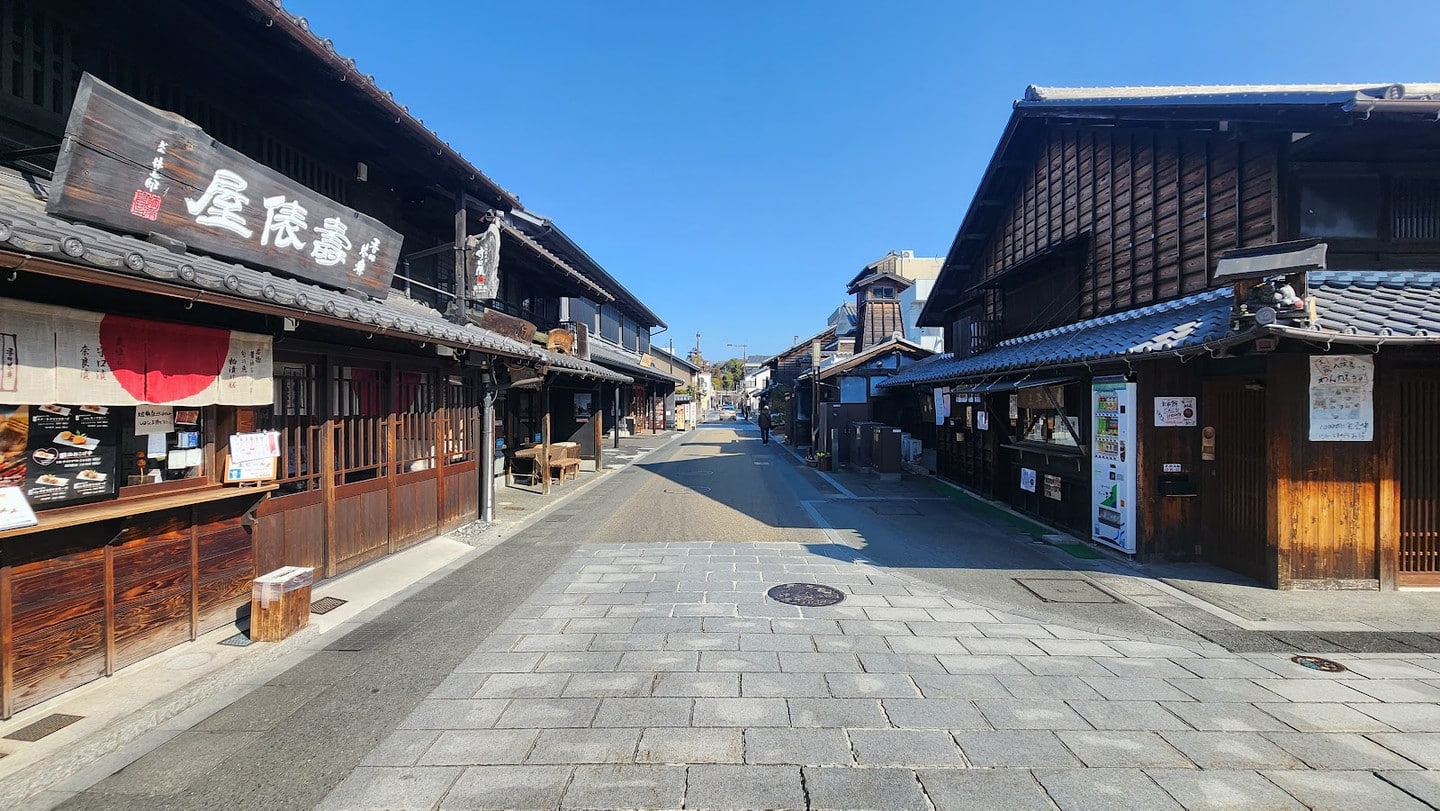
Showa Yokocho is a nostalgic little alley in the Inuyama castle town, preserving Showa-era signs, old-style buildings and retro general-store displays. Walking in feels like instantly traveling back to a street scene of the last century, and it is popular with travelers who love taking photos.
The alley has a few small general stores and snack shops selling retro candy and Showa-style souvenirs, ideal for travelers who love nostalgic aesthetics to hunt for finds. We suggest coming here to slow down after you tire of the main street of the castle town, to feel a quieter atmosphere from the main street, and 15 to 20 minutes is just right.
Museum Meiji-mura: An Open-Air Museum of More Than 60 Meiji-Era Western Buildings
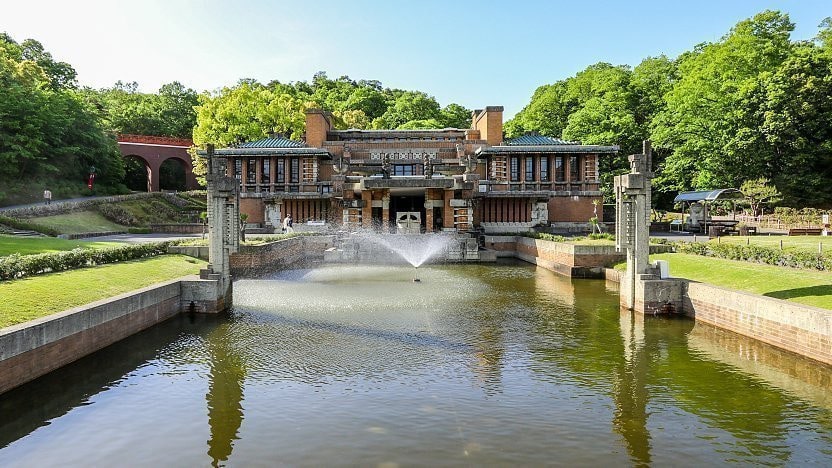
Museum Meiji-mura is one of Japan’s largest open-air architecture museums, with more than 60 important historic buildings from the Meiji era relocated and preserved on the grounds, including the central entrance of the former Imperial Hotel designed by the famed architect Frank Lloyd Wright and classic Western-style buildings such as the solemn St. John’s Church.
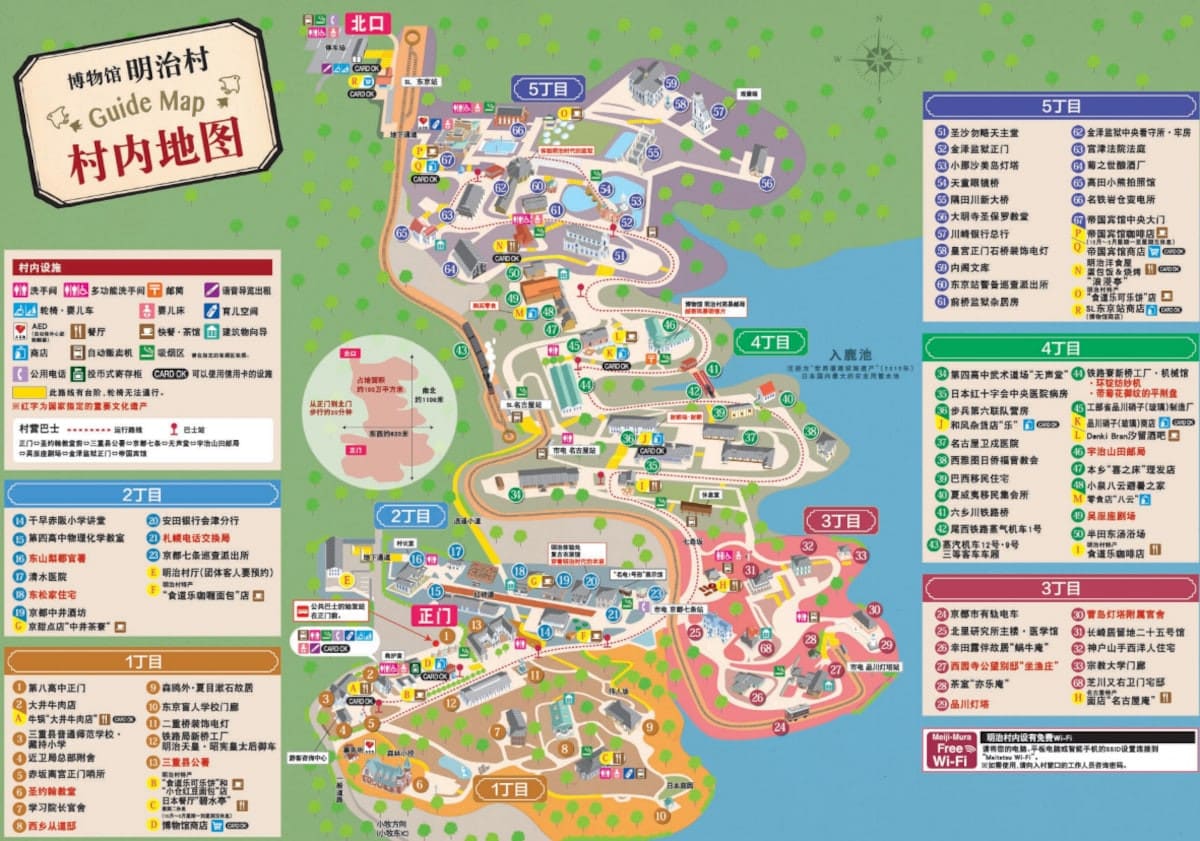
The grounds are divided into Blocks 1 to 5. A thorough visit takes a full day. Travelers who plan about 3 to 3.5 hours in the afternoon should pick up a map at the entrance and prioritize the highlight buildings in Blocks 1 to 3, to avoid rushing through for lack of time.
Inside the grounds run Japan’s oldest steam locomotive (SL) and a Kyoto city streetcar, which you can ride by buying a ticket, recreating the elegant transportation of the Meiji era. You can also taste beef hot pot and meat croquettes recreated from Meiji-era recipes, an immersive experience combining architecture, transportation and food culture.
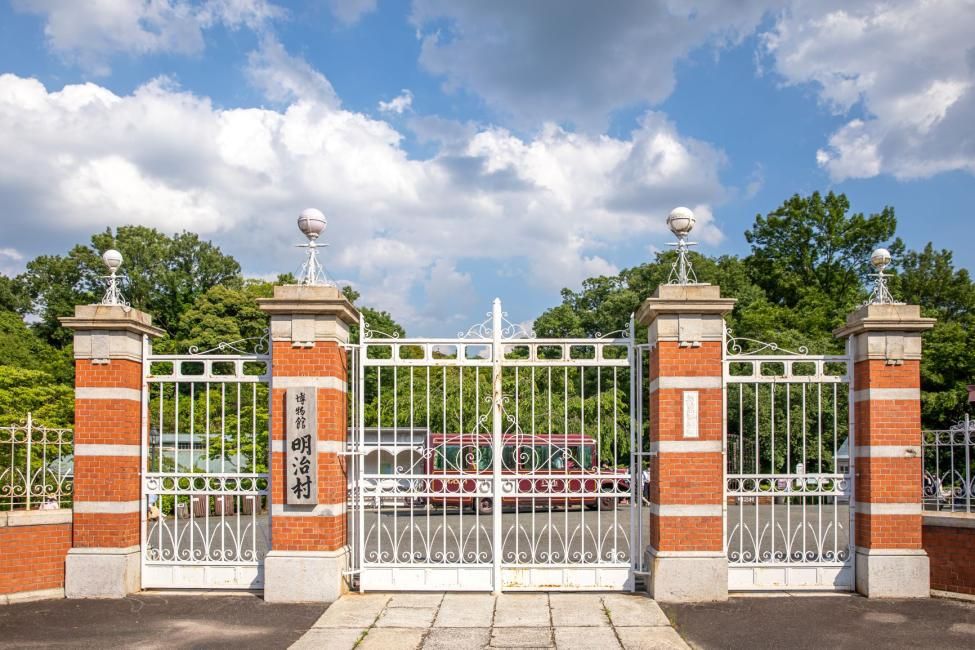
Meiji-mura Guide: Opening Hours, Closing Days and Route Through the Park
Museum Meiji-mura admission is ¥2,500 for adults, ¥1,500 for high school students and ¥700 for elementary and junior high school students, free for preschool children, and you cannot re-enter once you leave. Closing days in the second half of 2026 are December 14 to 18 and December 31, and in January 2027 are January 1, 12 to 15, 19 to 20 and 26 to 27. Be sure to check the official opening calendar before you go.
The grounds are large with many slopes, so on a first visit decide in advance whether to use the vehicles: the SL steam train is ¥700 per ride and the Kyoto streetcar ¥500 per ride, a one-day ticket for both is ¥1,000 (¥700 for elementary school students), and the village bus one-day ticket is ¥500, all cash only. The official website also offers routes such as “Meiji-mura Full-Day Enjoyment” and a half-day family course for reference. If you have only about 3 hours, we suggest first picking a few must-see buildings on the map, such as the Imperial Hotel central entrance and St. John’s Church, and using the Kyoto streetcar or village bus between them to save your legs. Coin lockers (¥400 to ¥600) are near the main gate, so you can store large luggage first.
Urakuen and Joan: A National Treasure Tea House Garden Built by Oda Urakusai
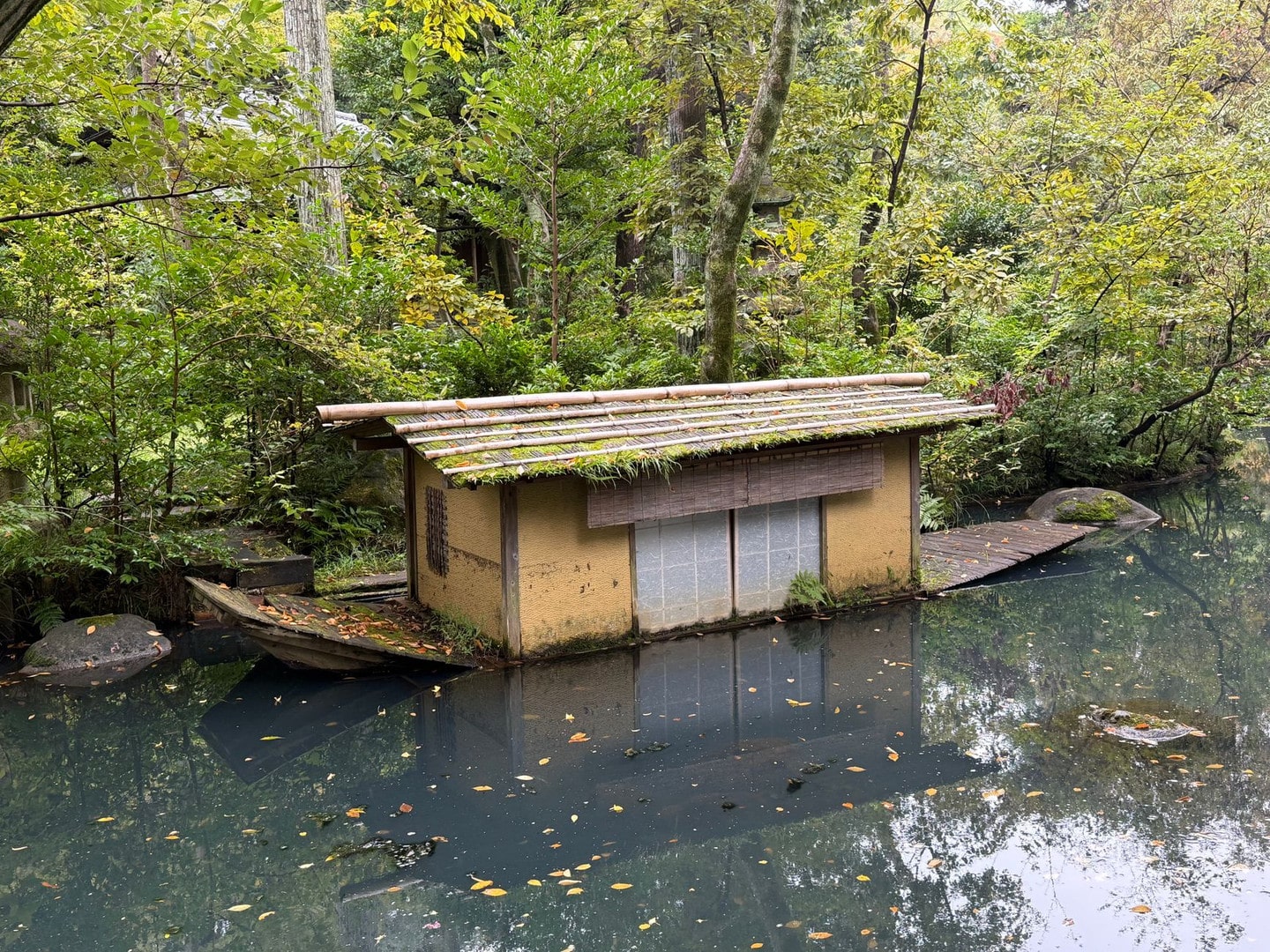
Urakuen is a Japanese garden next to Inuyama Castle. Its tea house “Joan” was built by Oda Urakusai, younger brother of Oda Nobunaga, is one of Japan’s three great tea houses and is also a National Treasure. Travelers who love tea ceremony culture and Japanese garden design may want to add it to their trip.
Adult admission is about ¥1,500 and children about ¥800. The garden has a different view in every season, and in autumn when the maples turn red, the tea house and the foliage complement each other especially elegantly. If you have the Inuyama Castle Town combo ticket, you can usually get a discount, so check the contents of that day’s discount coupon before entering.
Kiso River Ukai: Centuries-Old Traditional Cormorant Fishing
Kiso River ukai is a traditional fishing method long handed down in the Inuyama area. On nights from early June to mid-October, ushi masters (ujo) handle cormorants that dive into the river to catch sweetfish, with burning bonfires reflected on the surface of the Kiso River, a seasonal experience full of ancient charm.
Visitors can board a boat to watch the whole fishing process up close, and meals and drinks are usually offered on board. It is well worth adding on a summer-night visit to Inuyama to enjoy the night view while experiencing a traditional craft, and booking boat tickets in advance is safer than lining up on the day.

How Much Does the 2026 Inuyama Castle and Meiji-mura Day Trip Cost? Tickets, Combo Tickets and Guided Tours
Before planning a day at Inuyama Castle and Meiji-mura, understanding the ticket system can save a lot of time and money. Inuyama Castle’s admission alone is currently ¥1,000 for general visitors and ¥200 for elementary and junior high school students according to the official website, and Meiji-mura admission is ¥2,500 for adults. If you want both, the official “Inuyama Castle + Meiji-mura” combo ticket is ¥3,300, saving ¥200 over buying separately. Transportation from Meitetsu Nagoya Station to Inuyama and Meiji-mura can also be handled in one go with a pass, saving time queuing for tickets on site. Below are four common ticket and tour combinations, so you can pick the best fit for your budget and number of travel days.
Inuyama Castle + Meiji-mura Official Combo Ticket: One Ticket for Two Major Sights
The official “Inuyama Castle + Meiji-mura” combo ticket includes Inuyama Castle admission and Meiji-mura admission, ¥3,300 for university students and older and ¥850 for elementary and junior high school students, saving ¥200 over buying separately (Inuyama Castle ¥1,000 + Meiji-mura ¥2,500), with no need to queue for tickets twice.
According to the Inuyama Castle website, this combo ticket is sold at the Inuyama Castle ticket office, partner facilities such as Meiji-mura, the Inuyama Station tourist information center and the tourist information center in front of Inuyama Castle (cash), and is valid for 3 months from the purchase date, which is very flexible. It suits a “Inuyama Castle in the morning, Meiji-mura in the afternoon” day trip and saves both money and time.
This combo ticket also suits families, skipping the ticket queues at both places so you have more time to see the National Treasure Inuyama Castle keep and the more than 60 historic buildings in Meiji-mura.
Meitetsu Train + Bus Pass: The Transportation Tool for Inuyama and Meiji-mura
Because there is no railway between Inuyama Station and Meiji-mura, you need to transfer to a Gifu Bus, so Meitetsu offers the “Meiji-mura Time Travel Kippu,” which includes one day of unlimited rides on the full Meitetsu train network, one day of unlimited Gifu Bus rides between Inuyama Station East Exit and Meiji-mura, and Meiji-mura admission. Adults ¥4,100 and children ¥1,850, valid April 1, 2026 to March 31, 2027 (excluding Meiji-mura closing days and some summer extended-hours days). Note that this ticket does not include Inuyama Castle admission, which you must buy separately.
This ticket is sold at designated outlets such as major Meitetsu stations. The Meiji-mura admission does not need to be exchanged separately; simply hand it to the staff at the entrance window. It is very friendly to first-time independent travelers who are unfamiliar with transfer routes. Riding Meitetsu special cars (such as μ-SKY) requires a separate special-car ticket.
We suggest buying early at Meitetsu Nagoya Station. Buses are less frequent on weekend afternoons in particular, so confirm the return bus time first and then plan your order of visits at Meiji-mura, to avoid the predicament of missing the last bus.
Meiji-mura Guided Visit + SL Steam Locomotive Ride: A Must for Nostalgic Rail Fans
Inside Meiji-mura, SL No. 12 steam locomotive makes several round trips a day across the grounds, about 2 km east to west. Tickets are bought separately at ¥700 per ride (¥500 for elementary school students), and the ride takes about 5 minutes, letting you experience steam and the whistle, great for photos. The retro streetcar “Kyoto City Tram” is ¥500 per ride (¥300 for elementary school students). If you want to ride both, you can buy the SL and Streetcar one-day ticket for ¥1,000, linking the north and south areas and saving your legs. You can also add a Chinese audio guide or join a Japanese-language guided tour to learn more about cultural properties such as the original St. John’s Church and the former Imperial Hotel central entrance.
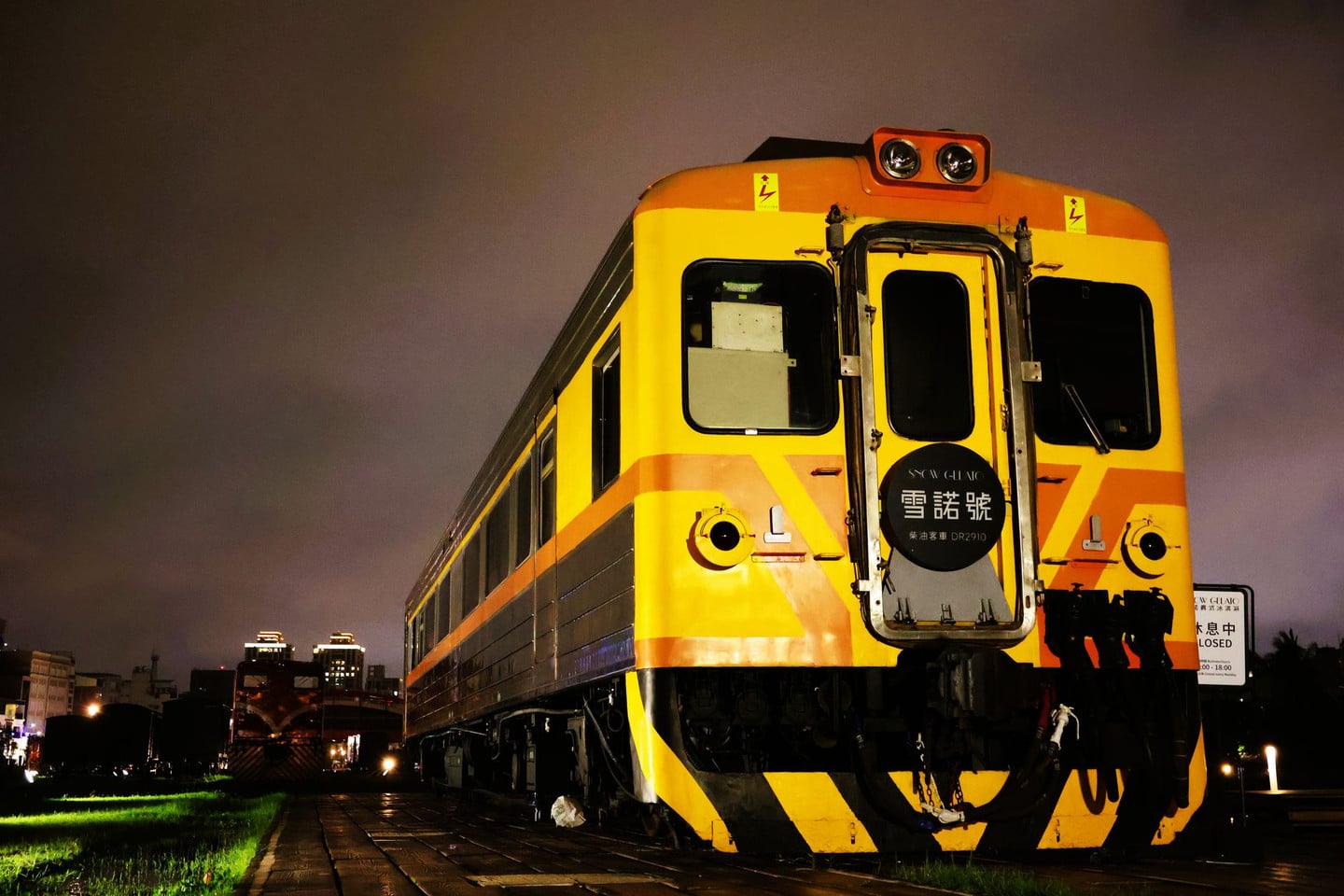
We suggest including the SL and the streetcar in your plan. Services are limited (an average of 1 to 2 per hour), so use the waiting time to see nearby exhibits and make your day trip more efficient.
Inuyama Castle Town Stroll + Kimono Experience: Take Photos Full of Edo Atmosphere
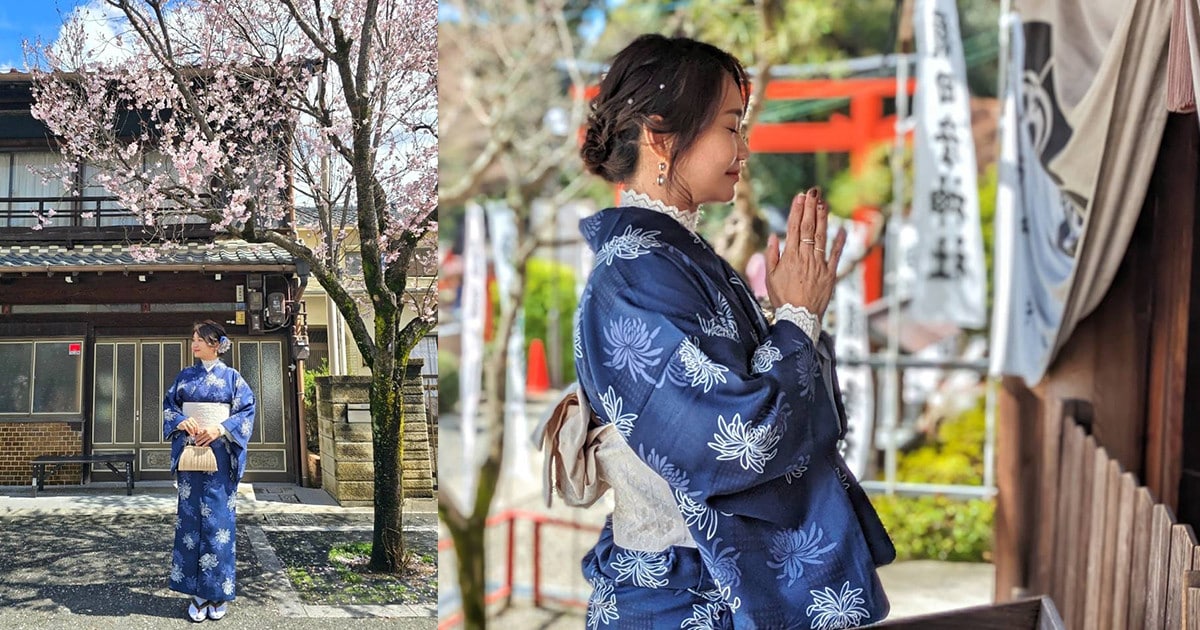
The Honmachi-dori shopping street below Inuyama Castle preserves many machiya townhouses from the Edo to Showa periods, with several kimono rental shops along the way offering women’s, men’s and even parent-child kimono plans. Rental costs about ¥3,000 to ¥6,000, usually including dressing and a simple hairstyle, and rental time is mostly half a day (about 6 hours), enough to take photos leisurely around the castle town and Inuyama Castle.
Walking Honmachi-dori in a kimono, amid its nostalgic atmosphere, with shops more than 60 years old on both sides selling Inuyama specialties such as gohei mochi, taiyaki and local sake, is a great way to experience traditional Japanese streets and food, and it also adds a classic feel to your photos of Inuyama Castle’s historic site.
We suggest booking a kimono experience on KKday or Klook in advance and choosing a morning start, so you can finish your photos while the weather is cool and then continue to the Inuyama Castle keep, avoiding the stuffy afternoon heat in a kimono while rushing through your schedule.
Where to Stay Near the 2026 Inuyama Castle and Meiji-mura Day Trip: Accommodation Suggestions

After the Inuyama Castle and Meiji-mura Day Trip, Where Is the Most Convenient Place to Stay?
If you are not rushing back to central Nagoya the same day, consider staying near Inuyama Station or Meitetsu Inuyama-yuen Station, which makes it easy to beat the crowds early the next morning and climb the Inuyama Castle keep first. If your itinerary is still based in central Nagoya, we suggest accommodation near Nagoya Station or Sakae Station, since the Meitetsu train to Inuyama takes only about half an hour. Either arrangement makes the next day’s plans more relaxed.
FAQ
Q: How much are Inuyama Castle tickets?
According to the Inuyama Castle website, keep admission is currently ¥1,000 for general visitors and ¥200 for elementary and junior high school students, with young children free. Combo tickets such as Meitetsu’s “Inuyama Castle Town Kippu” or the official “Inuyama Castle + Meiji-mura” ticket already include admission, with nothing extra to pay.
Q: How long does it take to get from Nagoya to Inuyama Castle, and how?
From Meitetsu Nagoya Station, the Meitetsu Inuyama Line takes about 25 to 30 minutes to reach Inuyama Station, the fastest and most convenient way, with a one-way fare of about ¥590. Driving takes about 40 minutes.
Q: What are Inuyama Castle’s opening hours?
The Inuyama Castle keep is open daily from 9 a.m. to 5 p.m. (last entry 4:30 p.m.) and closed only from December 29 to 31 each year. We suggest arriving before 10 a.m. for a more relaxed visit. The keep is not open in the evening, but it is lit from sunset to 22:00 all year round, and you can enjoy the night view from the castle town or from across the Kiso River.
Q: How long should I allow for an Inuyama Castle and Meiji-mura day trip?
The Inuyama Castle website says the keep visit itself takes about 30 to 40 minutes, but on weekends and holidays and during peak seasons such as cherry blossoms, autumn leaves and Golden Week, the queue to climb may exceed 1 hour. The website’s home page shows live wait times. With a castle town stroll it takes about 2 to 2.5 hours. If you add Museum Meiji-mura, plan the whole day, as Meiji-mura alone needs 3 to 3.5 hours to see its highlights.
Q: What is the best season to visit Inuyama Castle?
Cherry blossoms in late March to early April and autumn leaves in mid to late November are the most popular seasons for Inuyama Castle. In summer, from June to mid-October, you can also take a night trip to see Kiso River ukai, while winter has fewer visitors and suits a relaxed climb.
Q: What should I keep in mind at Inuyama Castle and Meiji-mura?
You must remove your shoes inside the keep and the stairs are steep and slippery, so wear non-slip shoes that are easy to walk in. Most shops in the castle town close around 4 p.m. Inuyama Castle often has long lines on Sundays, so we suggest visiting on a weekday.
Q: Is Meiji-mura worth visiting?
Meiji-mura preserves more than 60 Meiji-era buildings, 11 of which are nationally designated Important Cultural Properties, and you can also ride the SL steam train and the Kyoto streetcar. For travelers who love historic architecture and photography, it is well worth setting aside half a day or more.
Q: Where can I buy the Inuyama Castle and Meiji-mura combo tickets?
Meitetsu’s two kinds of tickets are sold at designated outlets such as Meitetsu Nagoya Station. The official Inuyama Castle combo ticket is bought with cash at the Inuyama Castle ticket office, the Inuyama Station tourist information center and similar places, and you can also book tours that include transportation through KKday and Klook.