
2026 Seto Pottery Town Day Trip Guide: A Thousand-Year Ceramics Capital, One of Japan’s Six Ancient Kilns
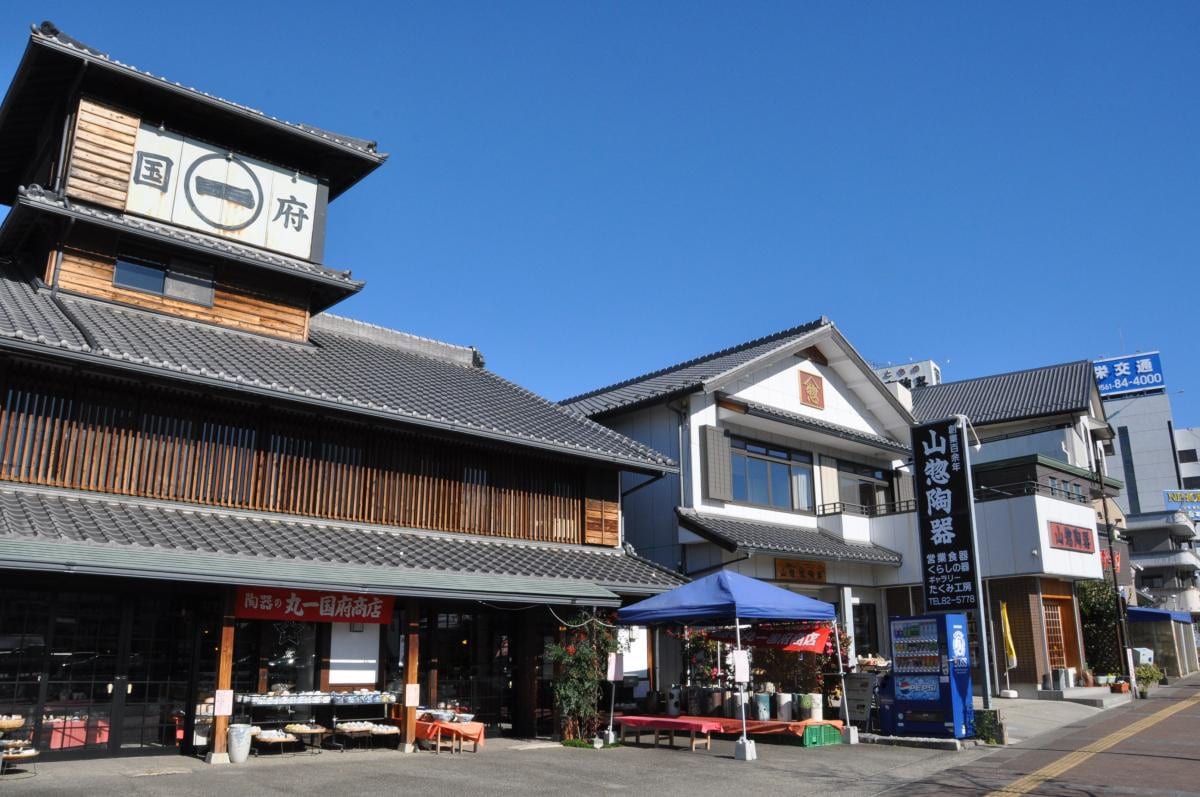
Seto is northeast of Nagoya, only about 50 minutes away by train, and is one of the “Six Ancient Kilns of Japan.” Its ceramics are so well known that across Japan they are simply called “setomono” (瀬戸物, Seto ware), a sign of its more than thousand-year pottery history. The city itself is like an open-air museum, and from the old alleys to the riverside kiln sites you can feel the rich ceramic culture, making it a good one-day light trip for travelers who enjoy historical strolls, hands-on workshops and slow travel.
Whether you want to learn how ceramic craft evolved, visit shrines and historic sites, or hunt for bargain pottery at the Seto Setomono Festival every September, Seto can meet different needs. Below we cover access, must-see spots, hands-on experiences and where to stay, to help you plan a full pottery-town trip.
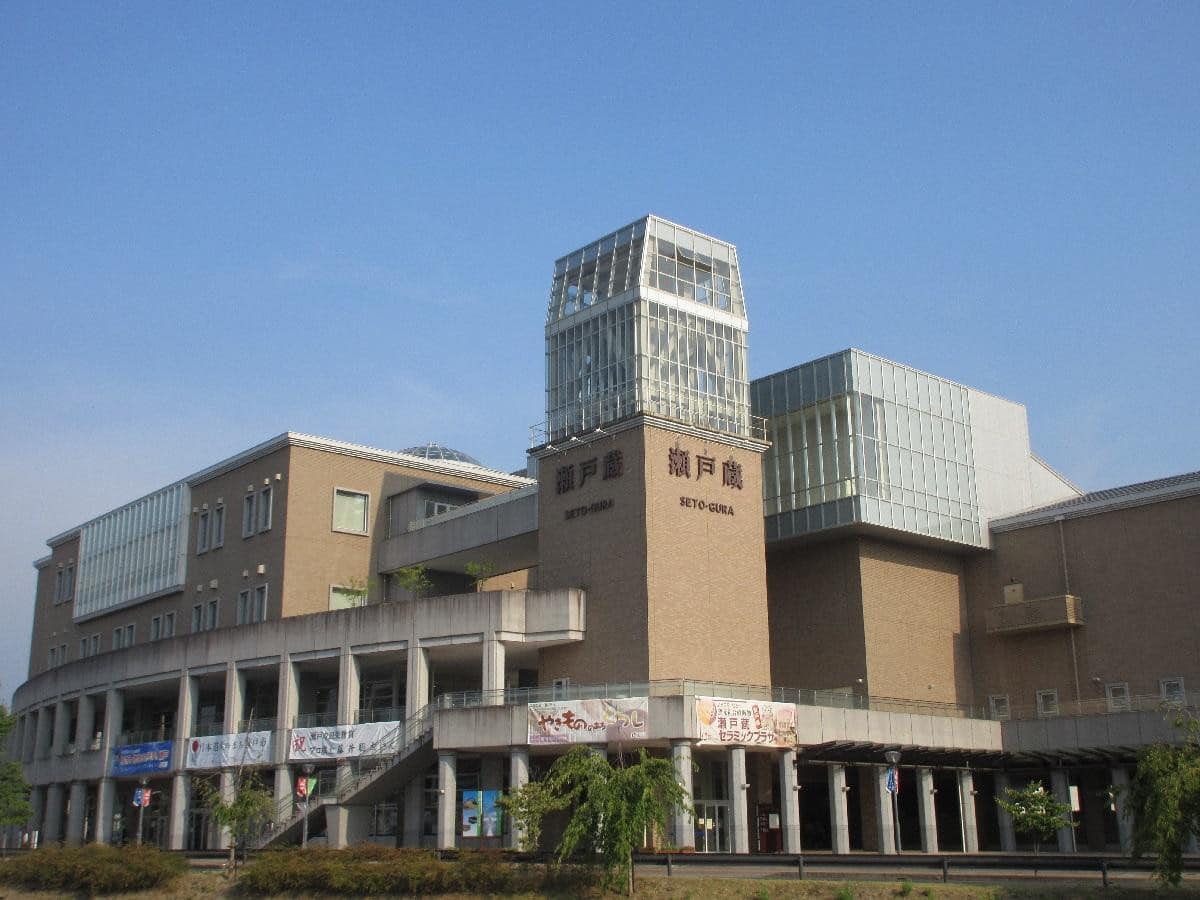
Seto Gura Museum, Seto
The most representative gateway attraction in the city center, recreating a kiln-town street scene from a hundred years ago. It is the best starting point for learning the history of Seto ware and the place we suggest visiting first when planning a day trip.
Maneki-neko Museum, Seto
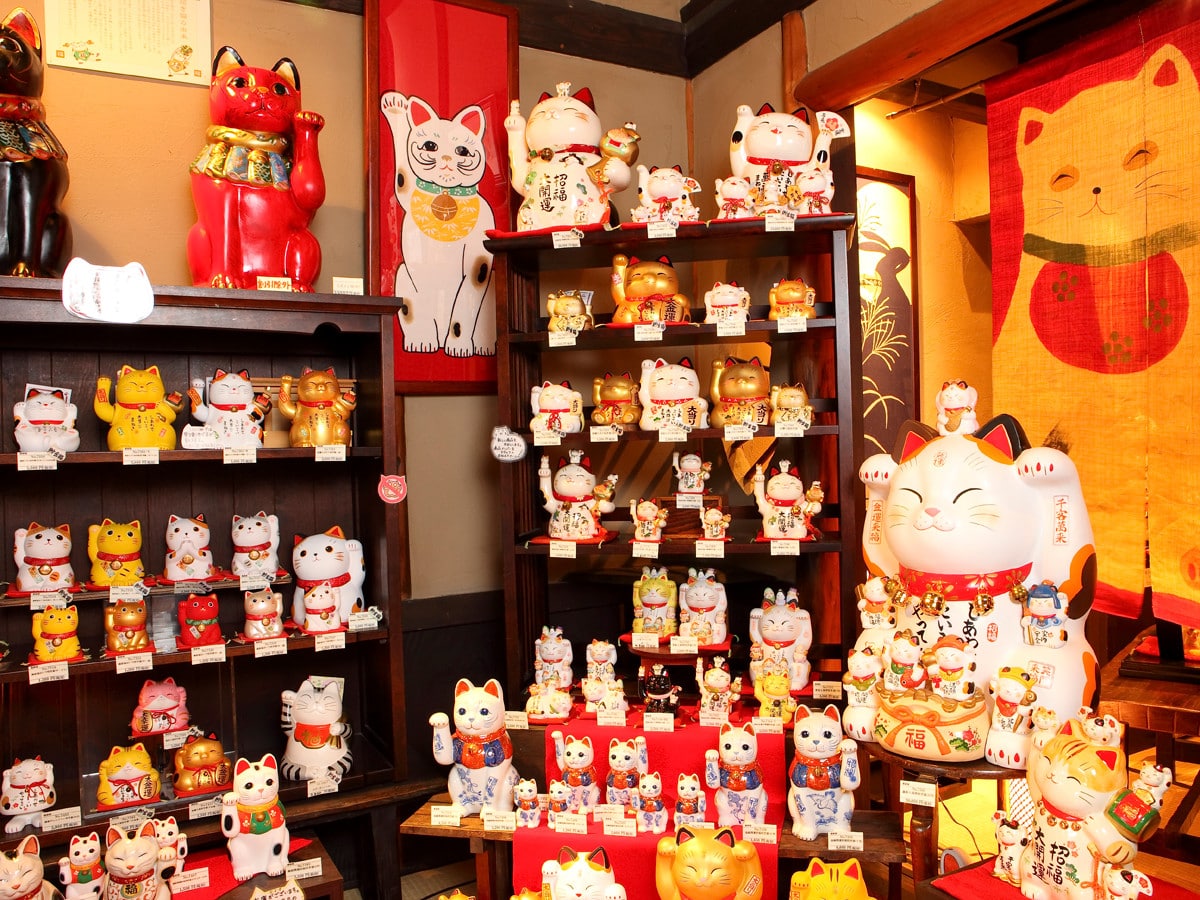
Japan’s largest museum themed on maneki-neko (lucky cats), holding over a thousand cats in varied designs, with a cafe inside, a popular spot for photos and for families.
Seto Setomono Festival, Seto
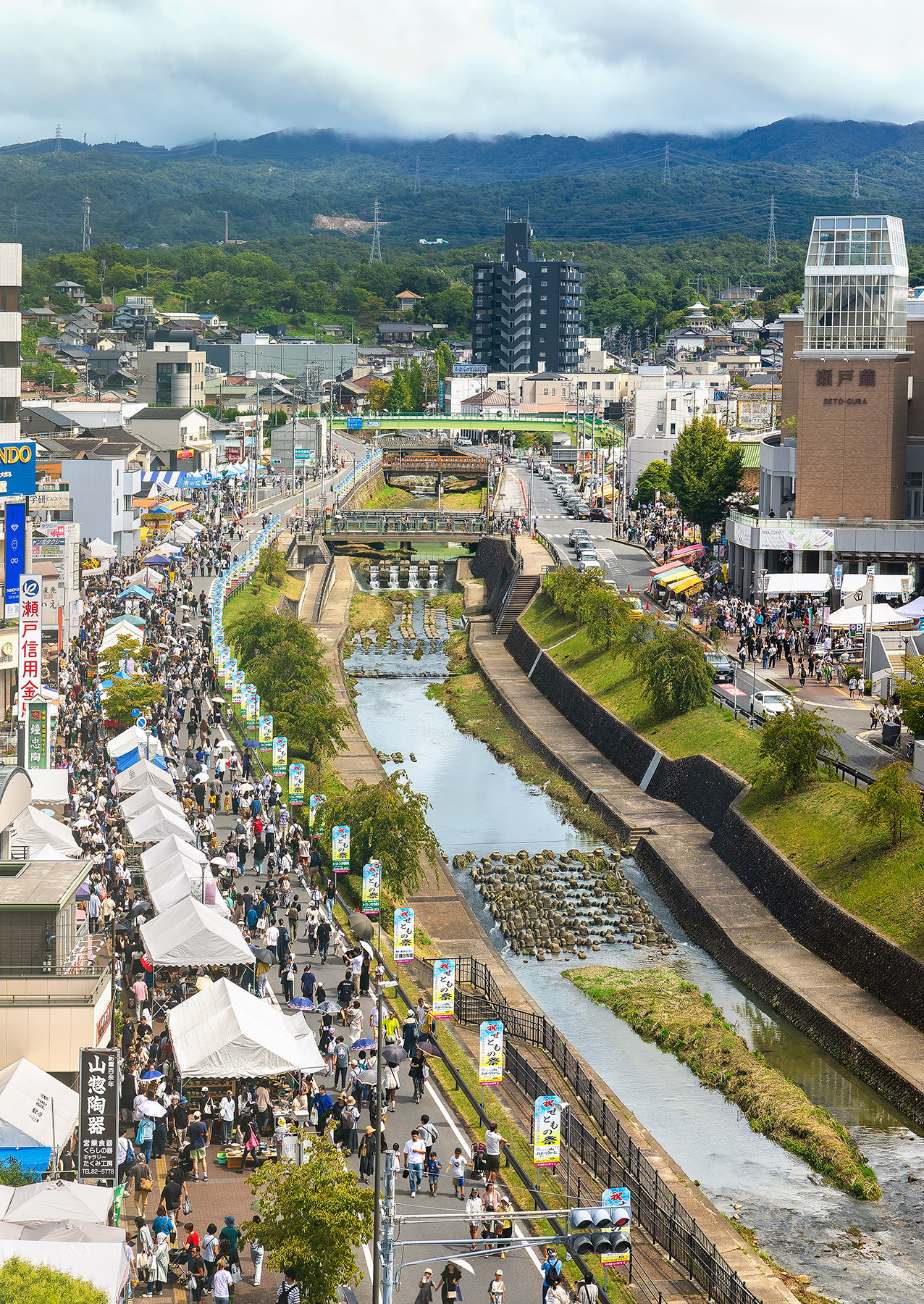
Japan’s largest ceramics event, held every September, with nearly 200 shops gathered along both banks of the Seto River, the best time of the year to visit Seto for bargain pottery.
2026 Seto Pottery Town Day Trip Guide: How to Get There, Routes and Costs
The most convenient way from Nagoya to Seto is by train, and driving suits travelers who also want to see the Shinano suburban area.
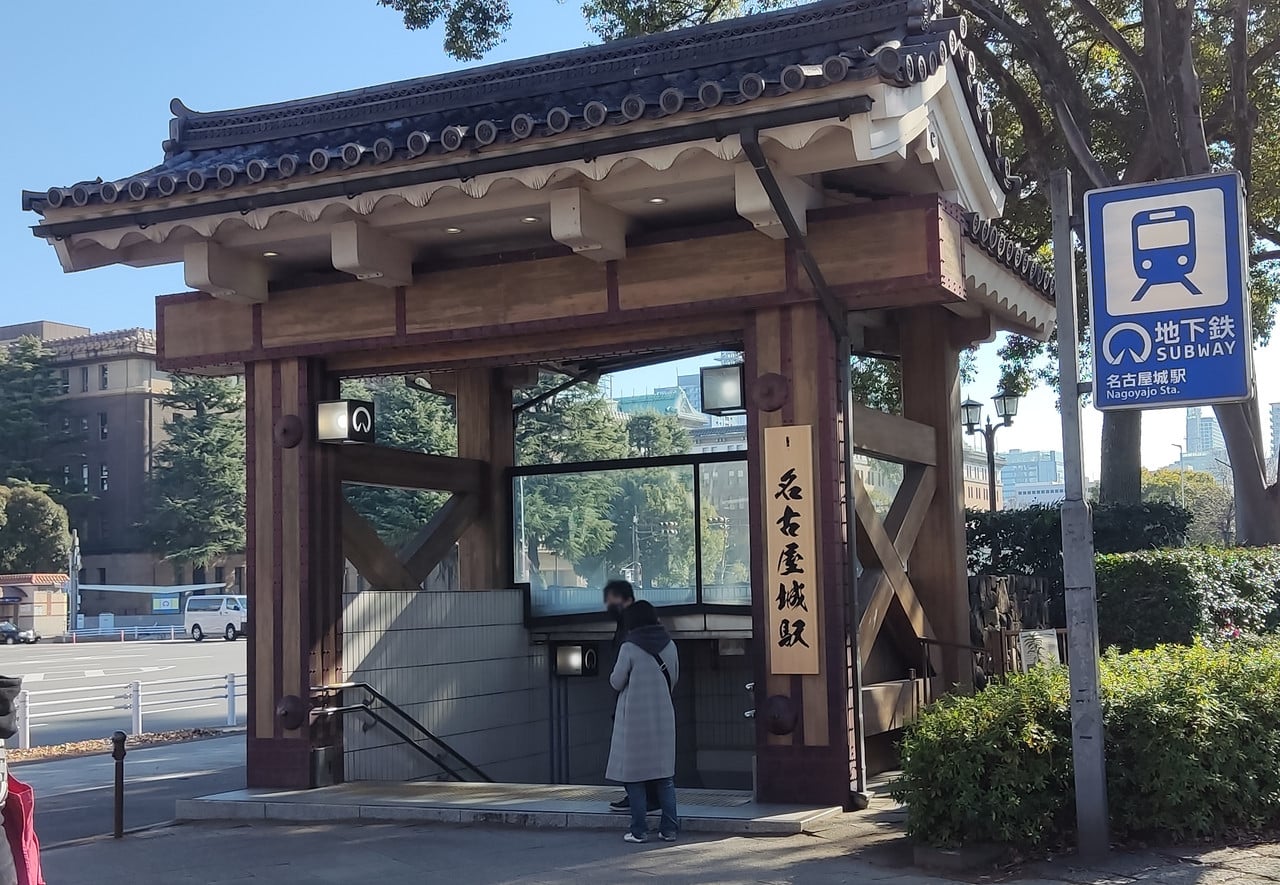
Meitetsu Seto Line (Owari-Seto Station)
From Nagoya’s Sakae-machi Station, the Meitetsu Seto Line express train goes direct to “Owari-Seto Station” in about 30 minutes, and on exiting you are in the city center where the Seto Gura Museum and the Maneki-neko Museum are located. This is the most recommended route, with frequent service and no transfers, suitable for first-time visitors.
Owari-Seto Station is the terminus of the Meitetsu Seto Line. From the station it is about a 5-minute walk to the Seto Gura Museum, and about 8 minutes each to the Maneki-neko Museum and Fukagawa Shrine. The city center sights can be linked on foot, with no need to take another bus.
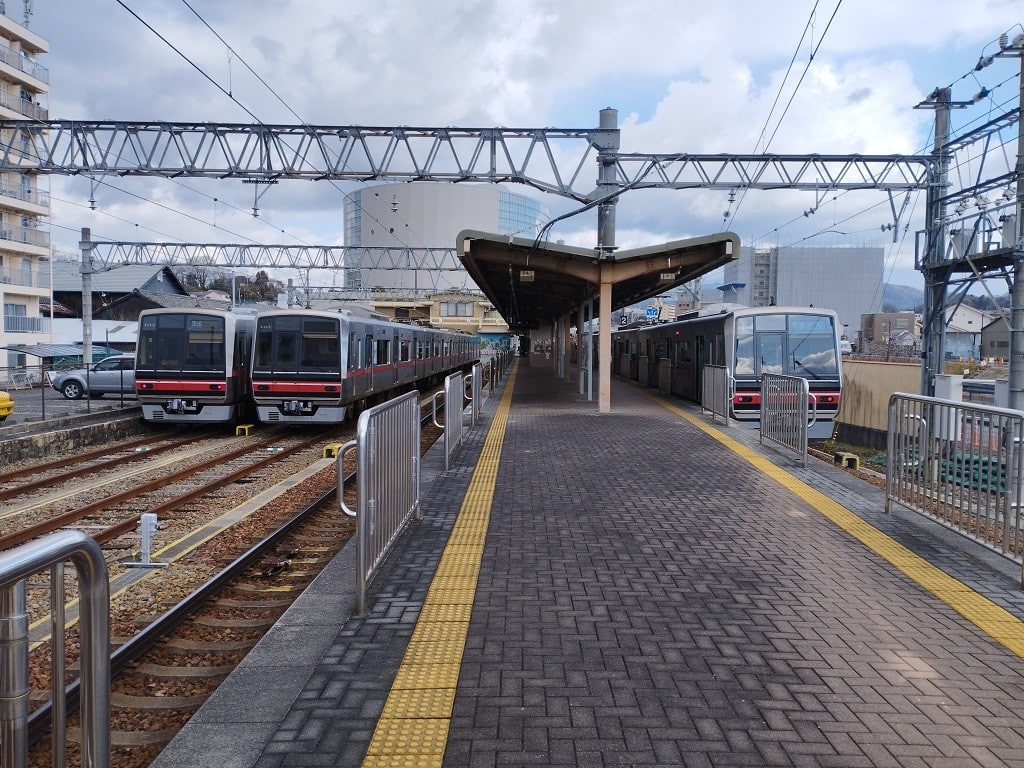

JR Chuo Main Line to Meitetsu Seto Line (transfer at Ozone Station)
Take the JR Chuo Main Line from Nagoya Station to “Ozone Station,” about 10 minutes, then transfer to the Meitetsu Seto Line to “Owari-Seto Station,” about 50 minutes in total. It suits travelers starting near Nagoya Station who want to save transfer time.
Ozone Station has the JR Chuo Main Line, the Nagoya Municipal Subway Meijo Line and the Meitetsu Seto Line, with a clear transfer route, and before departure you can check the latest times and fares in a Japanese transfer-guide app.
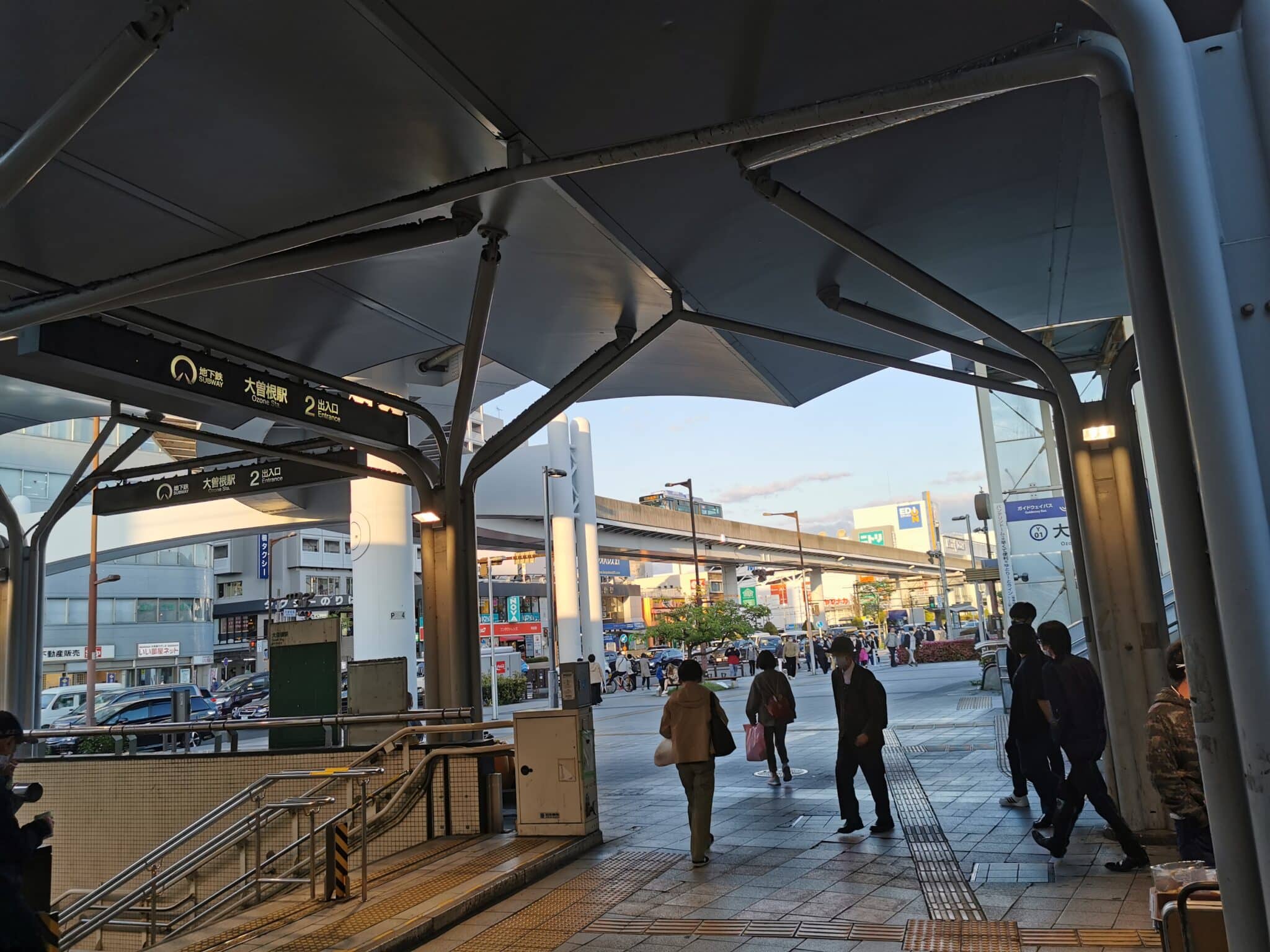
Tokai-Kanjo Expressway (Seto-Akazu IC / Seto-Shinano IC)
Drivers can leave the Tokai-Kanjo Expressway at “Seto-Akazu IC” or “Seto-Shinano IC” to reach the suburban Shinano Ceramics Center (about 3 km from Seto-Shinano IC) and the Akazu ware kiln area. If your destination is around Owari-Seto Station, it is about 10 minutes from Seto-Akazu IC, and it suits travelers who also want to see suburban sights such as Iwayado Park. There are also several paid parking lots in the city.
Seto Gura has 189 parking spaces, free for the first hour and ¥100 per hour after that; the Shinano Ceramics Center shares its grounds with Michi-no-Eki Seto-Shinano, and its parking lot can be used for free.
Nagoya-Seto Road (Nagakute IC)
Another driving route is via the Nagoya-Seto Road, leaving at “Nagakute IC” to connect to the city, and it suits travelers starting from the east side of Nagoya (such as the Nagakute and Toyota directions), with the Aichi Prefectural Ceramic Museum on the way.
The Aichi Prefectural Ceramic Museum is in Minamiyamaguchi-cho, Seto, with the official website aitou.museum. Opening hours, closing days and exhibition ticket prices follow the official website announcement, and if you are driving you can check the current exhibition first.



2026 Seto Pottery Town Day Trip Guide: What Are the Must-See Spots? Highlights by Area
Seto Gura Museum: A Time Corridor into the Thousand-Year Pottery Capital
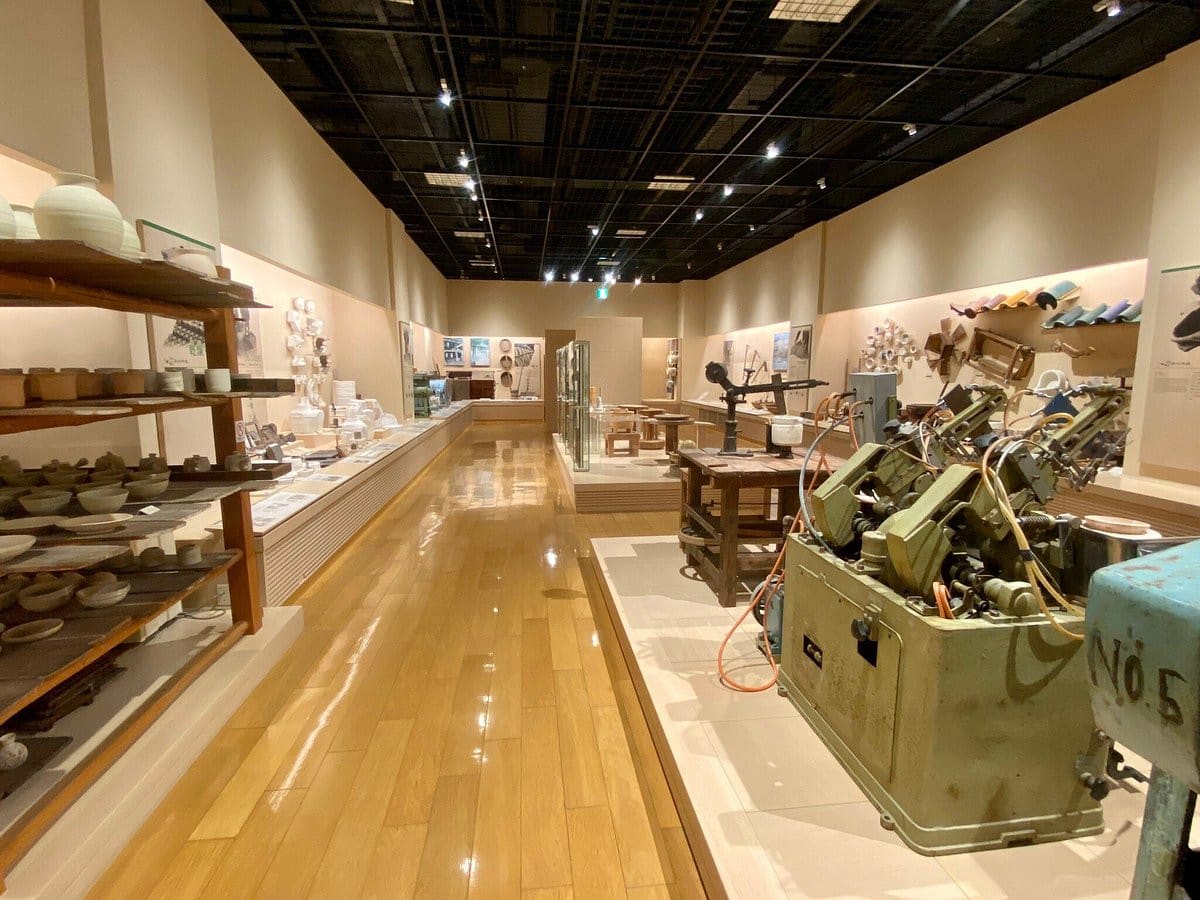
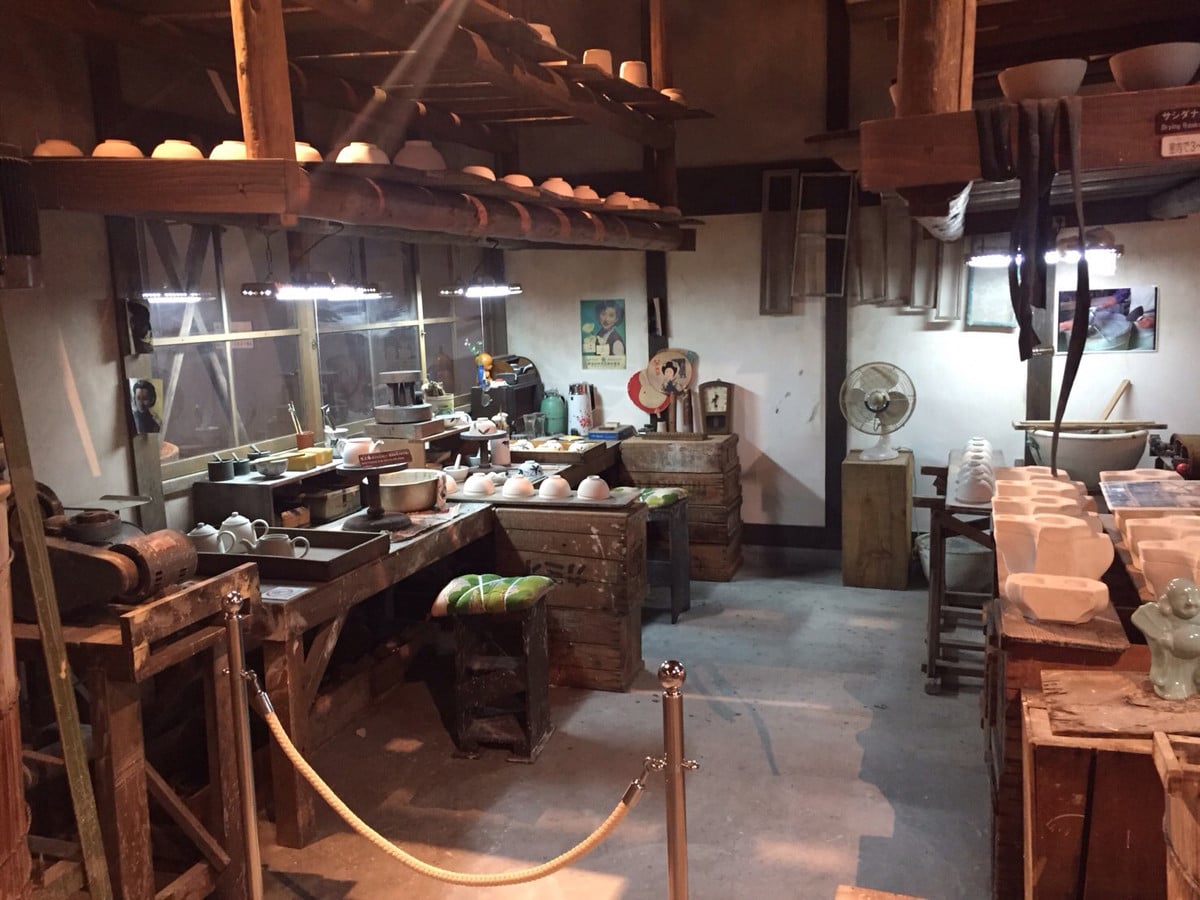
The Seto Gura Museum is at 1-1 Kurasho-cho, Seto, Aichi Prefecture, and is the best first stop for learning the history of Seto ware. Inside, life-size scenes recreate the kiln streets of the Taisho and Showa eras, including old kilns, ceramics wholesale shops and artisan workshops.
The museum displays the history of Seto ware. The permanent exhibition on the second floor introduces, in timeline form, the thousand-year evolution of Seto ware as one of Japan’s Six Ancient Kilns, and we suggest staying 60 to 90 minutes. Admission is generally ¥520 (¥310 for high school and university students, free for junior high school and younger), open 9:00 to 17:00, closed at year-end and New Year.

Kamagaki Alley: A Ceramic-Wall Lane Found Nowhere Else in Japan
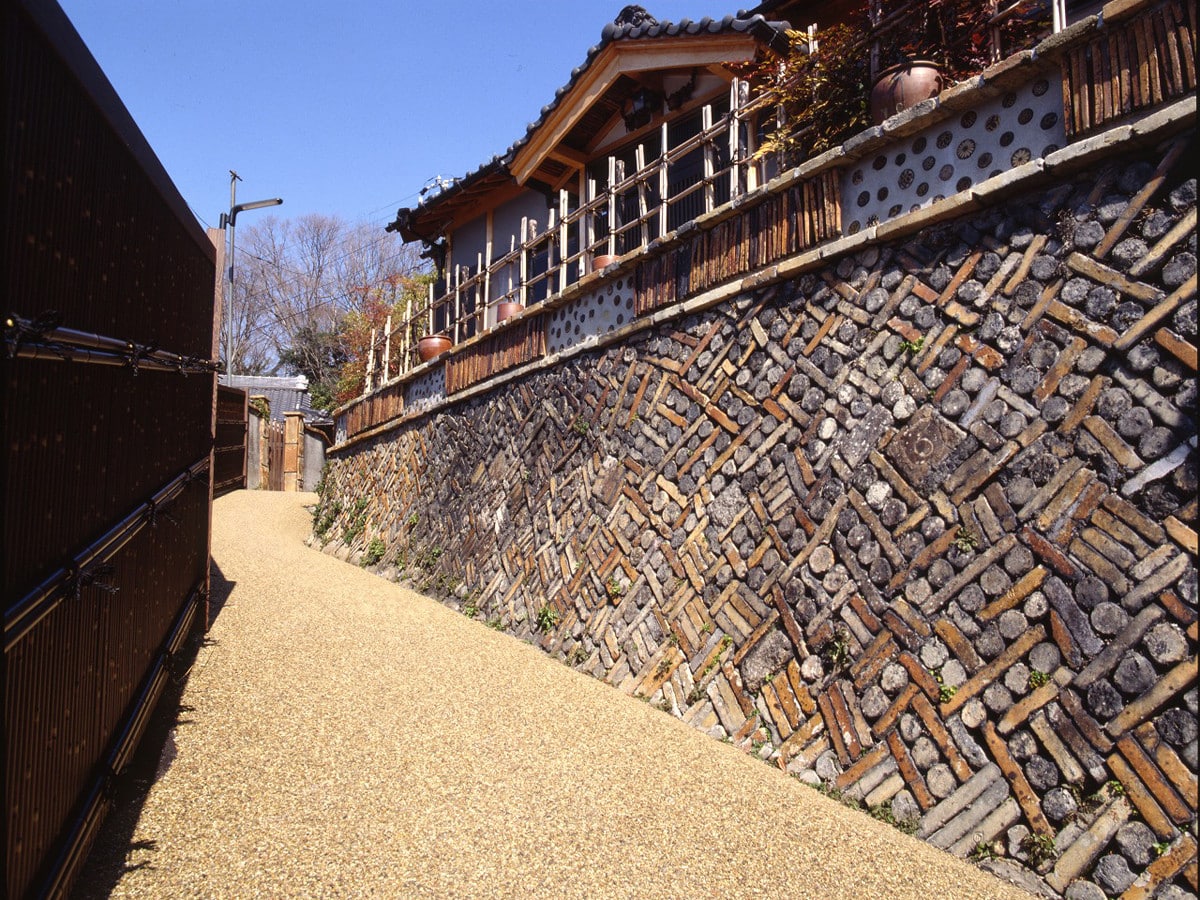
Kamagaki Alley (窯垣の小径, “Kiln Wall Lane”) is about 400 meters long, and its distinctive feature is that the walls and retaining walls along it are built from stacked discarded kiln bricks, supports and saggars from firing pottery, forming the only ceramic streetscape of its kind in Japan, where you can feel the traces of the kiln industry’s heyday as you walk. Next to the alley, the Kamagaki-no-Komichi Museum (窯垣の小径資料館) is free to enter and displays kiln tools and documents, a good place to learn about artisans’ lives. We suggest 30 to 45 minutes to stroll and take photos, with rich changes of light and shadow, a corner of Seto that photography fans agree is the most photogenic, and it can also serve as a walking continuation after the Seto Gura Museum.
Maneki-neko Museum: A Whimsical Ceramic World Cat Lovers Must Visit
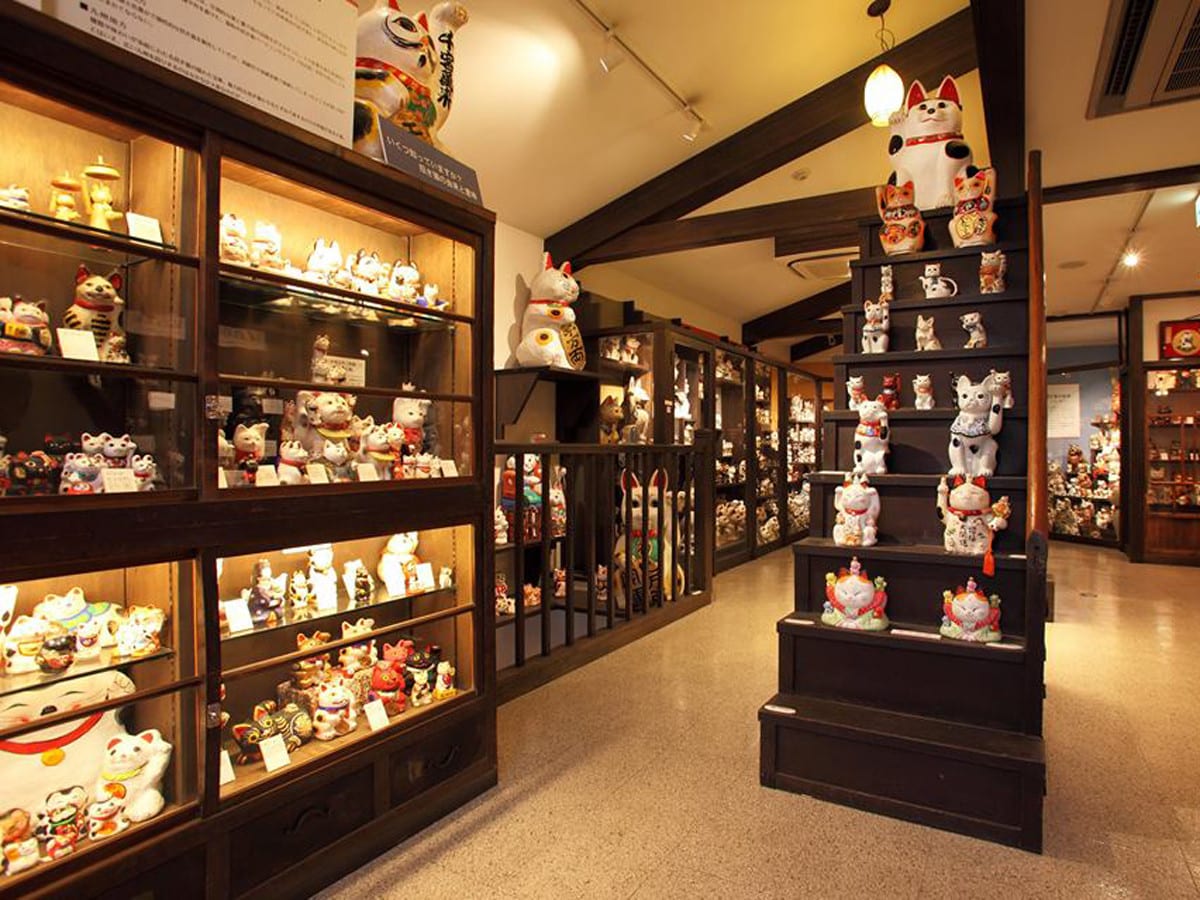
The Maneki-neko Museum is at 2 Yakushi-machi, Seto, Aichi Prefecture, and is Japan’s largest maneki-neko museum, holding over a thousand traditional and limited-edition lucky cats from all over Japan.
The second floor is the paid permanent exhibition area, ¥300 for adults and ¥200 for high school and university students, closed on Tuesdays (open if the Tuesday is a holiday). The first floor has a cafe serving simple drinks and a merchandise shop, suitable for cat-theme fans to buy souvenirs or take a short break. We suggest staying about 60 minutes.
Aichi Prefectural Ceramic Museum: The Authoritative Hall on the Evolution of Ceramics
The Aichi Prefectural Ceramic Museum is the authoritative venue for exploring the evolution of Seto pottery. Its rich displays of historical vessels, kiln tools and kiln models present the technical progress from ancient Sue ware to modern and contemporary Seto ware.
The outdoor garden has reconstructed kilns and a pottery plaza, good for a walk. The museum also offers pottery classes where you can throw clay on the wheel and glaze by hand. We suggest 2 to 3 hours for a visit. The permanent exhibition is generally ¥400 (¥300 for university students, free for high school students and younger). Open 9:30 to 16:30 (until 17:00 from July to September), closed Mondays and at year-end and New Year.
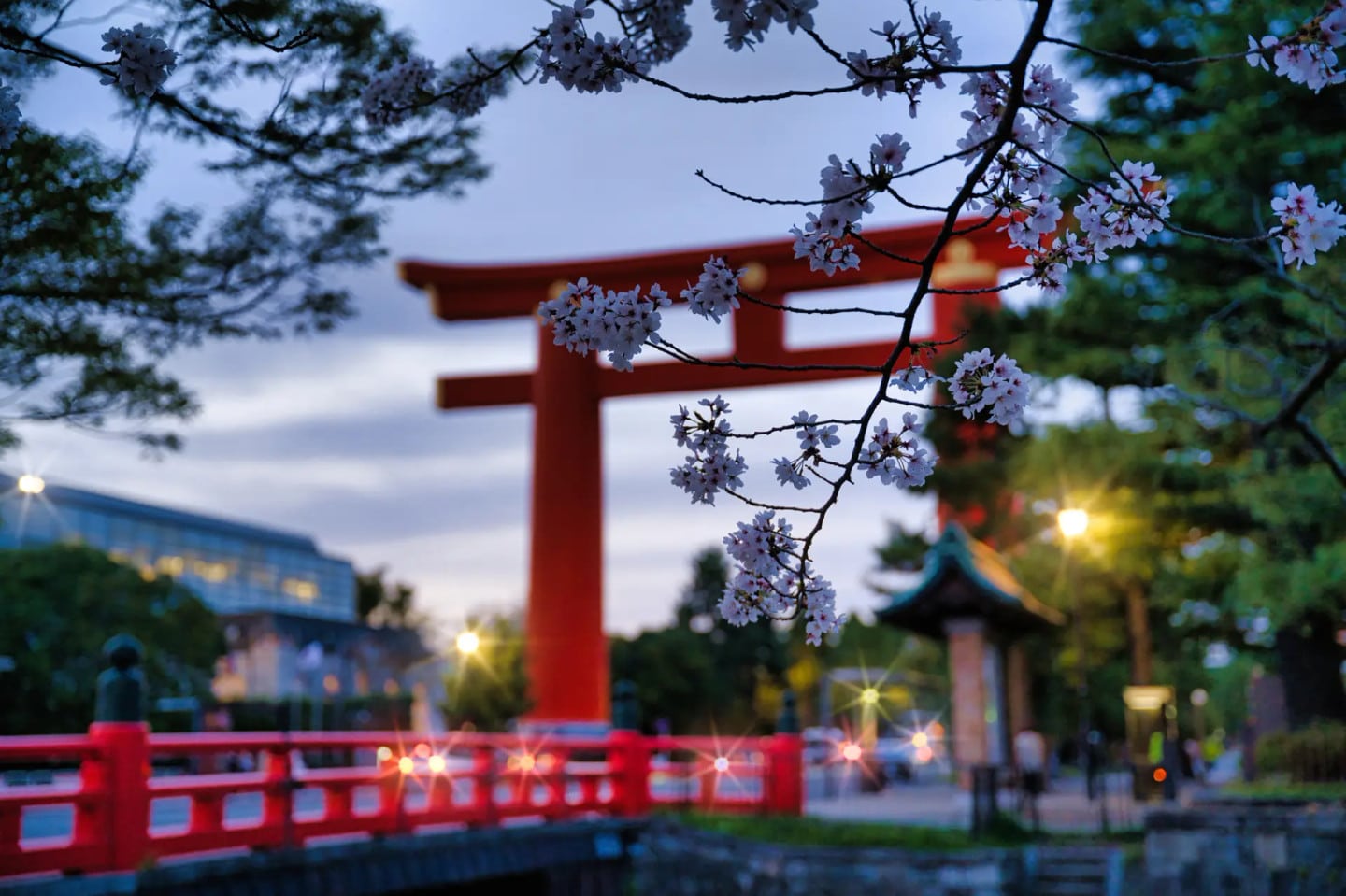
Fukagawa Shrine: The Spiritual Center of Seto’s Kiln Industry
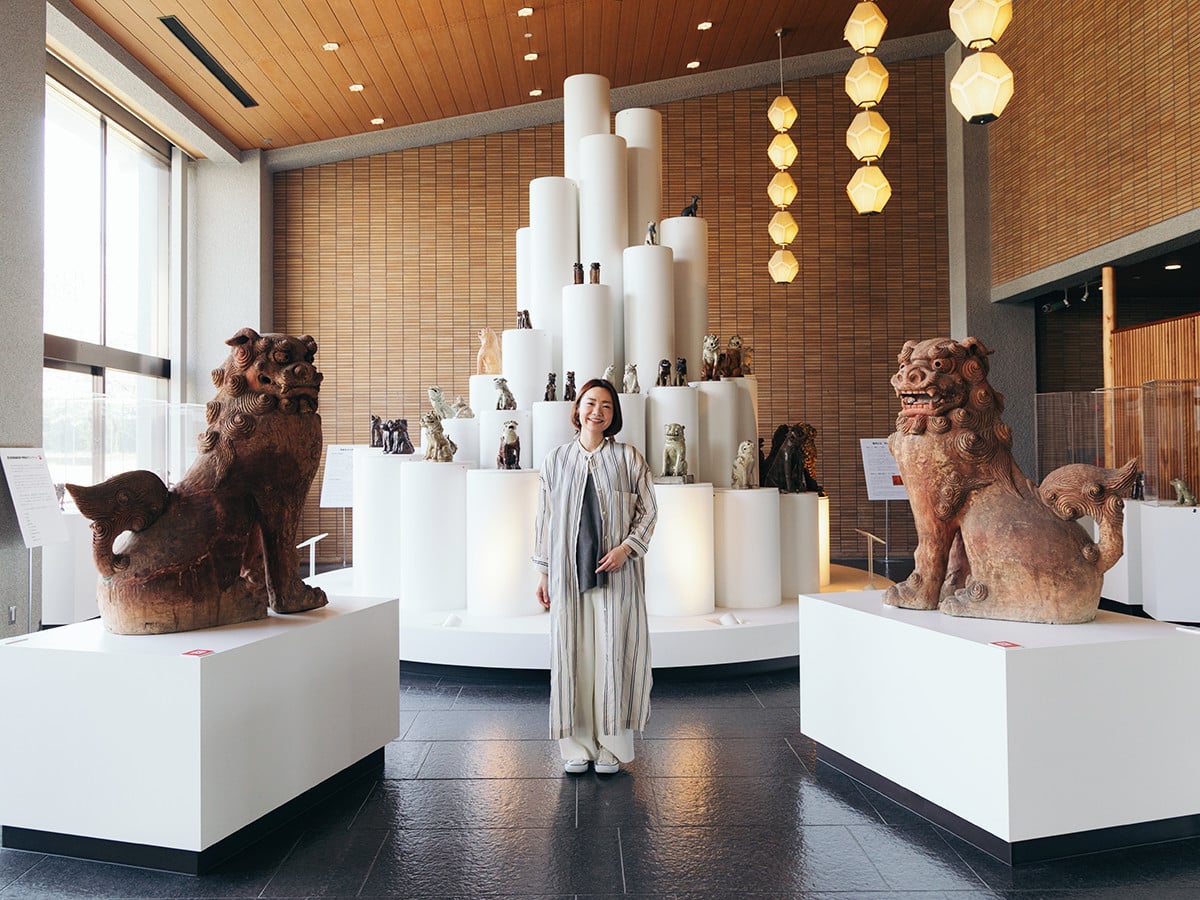
Fukagawa Shrine, with a long history in Seto, is the spiritual center for those in the kiln industry. Its treasure hall holds ceramic komainu (guardian lion-dog) statues, traditionally attributed to the potter-ancestor Toshiro and designated Important Cultural Properties, showing the Seto artisan spirit of “anything can be made in ceramic,” a feature of ceramic shrines rarely seen elsewhere in Japan.
The shrine has towering old trees and a solemn atmosphere. Items on offer include Seto specialties such as a komainu netsuke charm to commemorate your visit and the “Oiwai Chawan” (御祝茶碗, celebration teacup), and the treasure hall admission is ¥200. The Pottery Ancestor Festival (Toso Festival) is held on the third Sunday of April each year. We suggest 20 to 30 minutes to pay respects and admire crafts such as the ceramic komainu and stone lanterns, feeling the unique atmosphere where kiln culture and Shinto belief blend.
Toshiko Shrine (Within Fukagawa Shrine): A Century-Old Shrine Guarding the Pottery Ancestor
Toshiko Shrine (陶彦社, Toshiko-sha) is within Fukagawa Shrine and enshrines Toshiro, the potter-ancestor of Seto ware, closely tied to the history of Seto’s kiln industry, and is an important place for understanding Seto’s “pottery ancestor worship” culture and for locals praying for improved craft skills.
The shrine setting is quiet and secluded, and it can be visited together with Fukagawa Shrine; the Pottery Ancestor Festival on the third Sunday of April each year is held here. We suggest allowing 15 to 20 minutes to experience local ceramic religious culture.
Seto City Folk Museum: A Miniature of Everyday Life and the History of the Kiln Industry
The Seto City History and Folk Museum is at 1 Higashimatsuyama-cho and takes Seto’s kiln industry and folk materials as its theme, letting visitors understand how Seto became a ceramics-producing region from the perspective of local life.
City materials state the opening hours as 9:00 to 17:00, and for admission fees and open days please confirm with the City of Seto before you go (telephone 0561-82-0687). We suggest a visit of 30-40 minutes, suitable for travelers interested in local history and folk culture.
Shinano Ceramics Center: A Pottery Workshop for Hands-On Wheel Throwing
The Shinano Ceramics Center (1-126-2 Shinano-cho, Seto, Aichi Prefecture) is a pottery experience center in the suburban Shinano area of Seto, offering two methods: hand-forming and electric wheel throwing. Beginners can take part. The center is open 9:00 to 17:00 and closed at year-end and New Year.
Craft fees vary by activity, so please confirm with the center in advance; finished pieces must be fired in the kiln and then mailed. Around the center are traditional kilns and pottery studios, and it suits drivers who want to link the nearby Michi-no-Eki Seto-Shinano and the Akazu ware kilns into a half-day deep dive into Shinano-area ceramics.
Akazu Ware: A Kiln Village with 400 Years of Seven-Glaze Technique
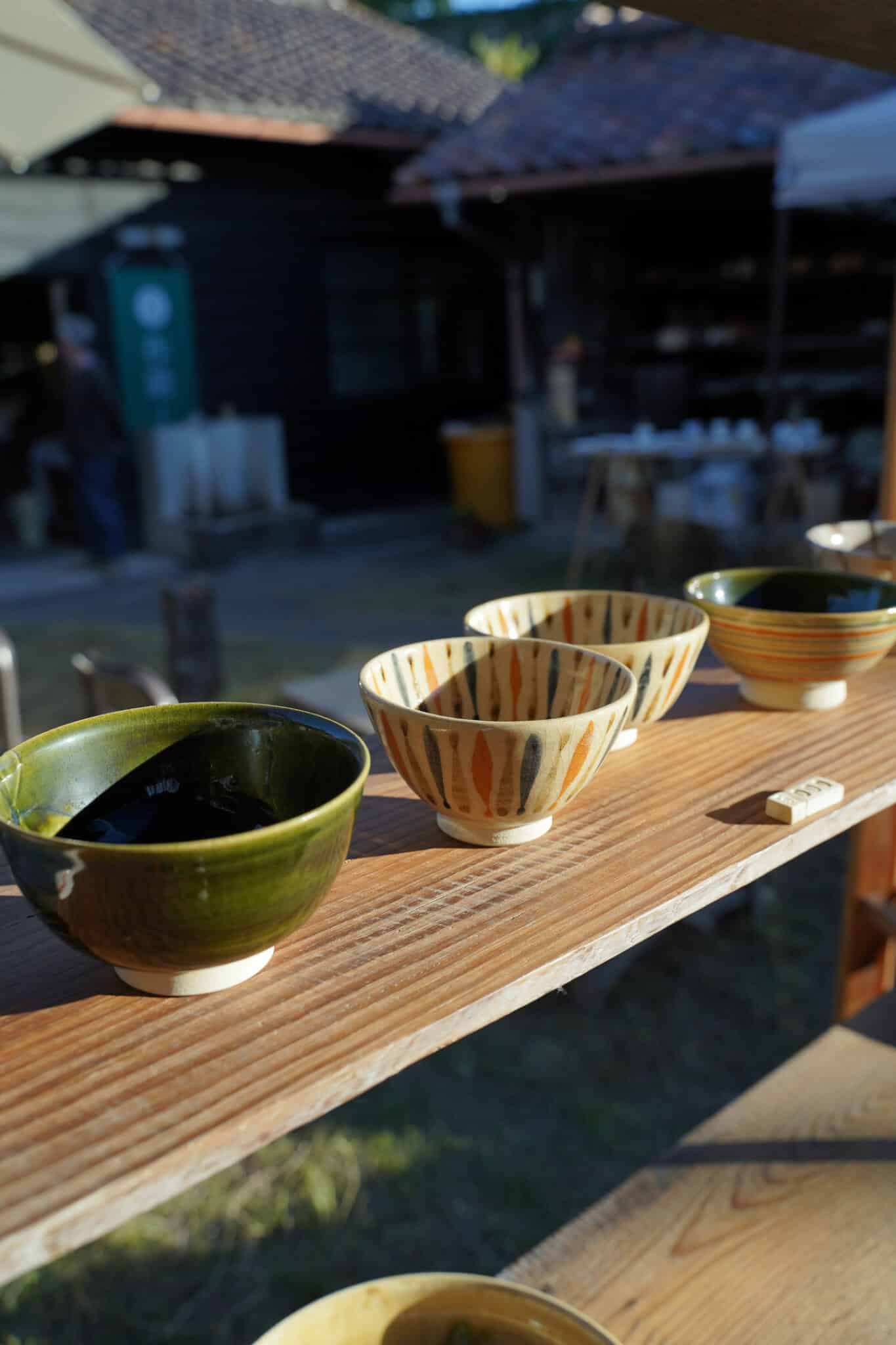
Akazu ware is the oldest branch of Seto ware, originating in the Akazu area of Seto, and is known for seven traditional glaze techniques including ash glaze, iron glaze, Shino and Oribe, with rich layers of color, and it is a nationally designated traditional craft. The Akazu area has several century-old kilns, some open to visitors and offering painting experiences, where visitors can watch artisans glaze and fire up close and buy distinctive pieces directly. We suggest about 1 hour to visit 2 to 3 kilns, suitable for travelers interested in traditional crafts who want to understand the differences in Seto ware techniques.
Iwayado Park: Strange Rocks, Waterfalls and Autumn Leaves
Iwayado Park is in the northeast of Seto’s urban area, with granite terrain. The park has a natural rock cave, “Iwayado” (岩屋堂), and rock-and-waterfall scenery such as Akatsuki-ga-taki (暁明ヶ滝) and Seto Otaki (瀬戸大滝), and walking along the Torihara River gives views of the gorge.
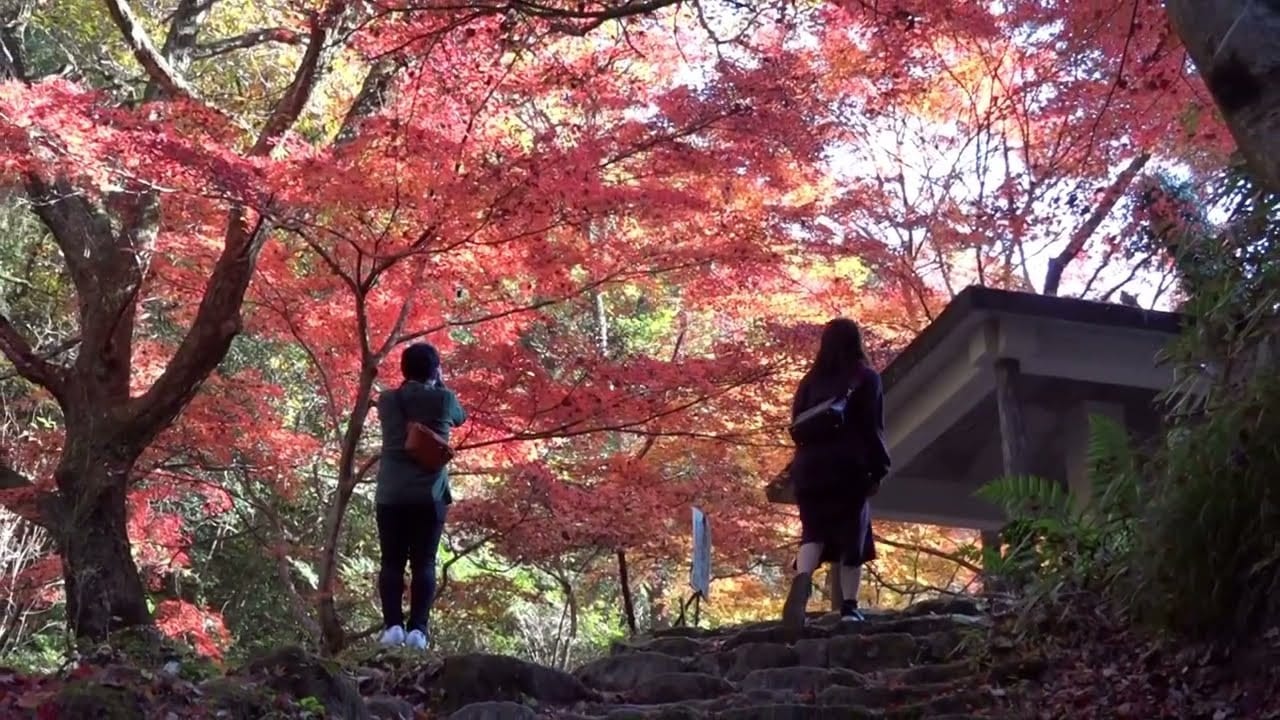
Mid to late November is the best time for autumn foliage, with bright red maples and rock-wall gorge scenery attracting photography fans, and the park has trails and shelters for resting and picnics. It is open all year and free to enter, and we suggest 40 minutes to 1 hour of strolling, a natural spot for a change of mood on a ceramics trip.
Michi-no-Eki Seto-Shinano: A Local Food Stop to Finish the Shinano Area Itinerary
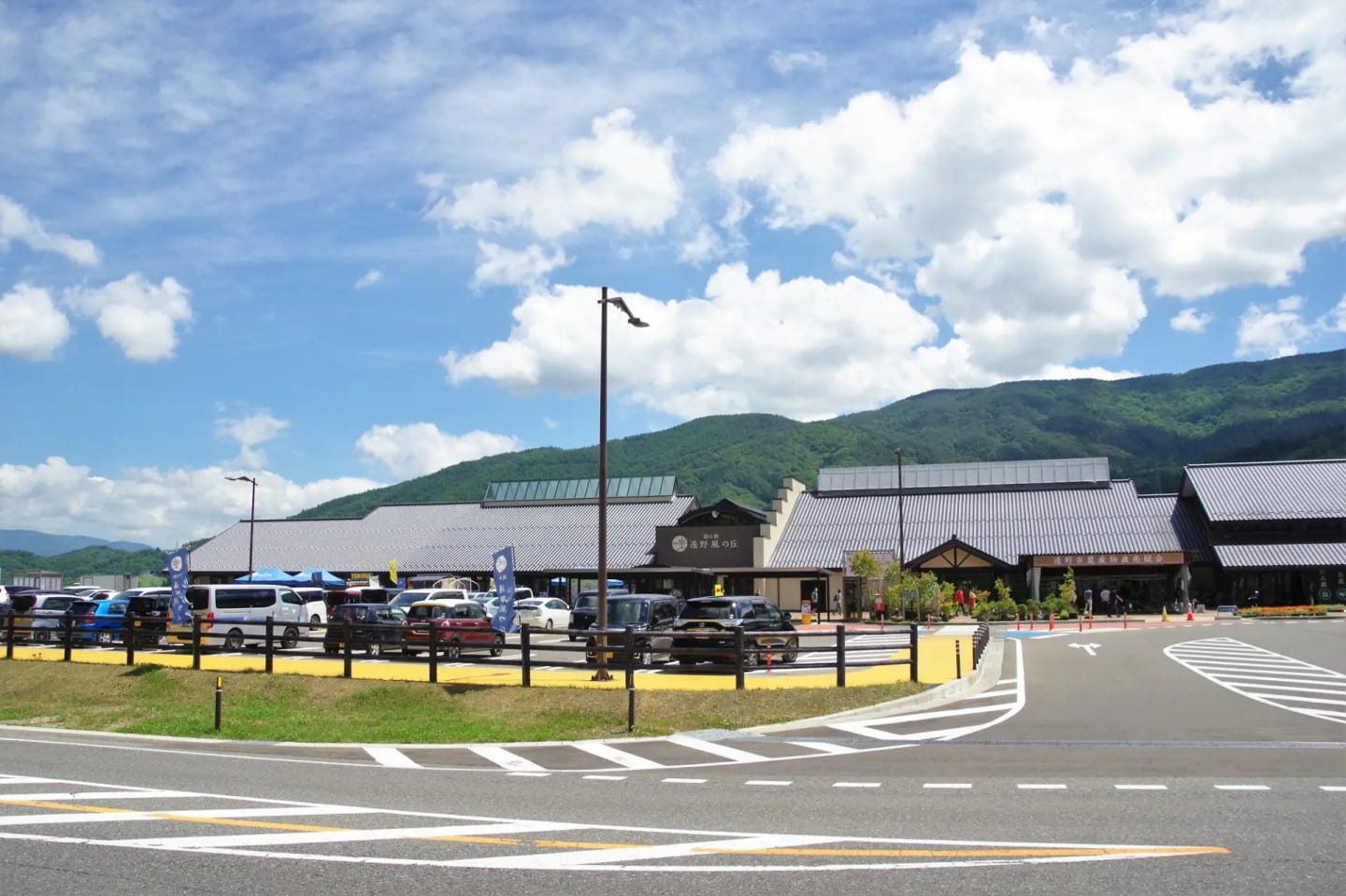
Michi-no-Eki Seto-Shinano is near the Shinano Ceramics Center and is an ideal finishing point after the pottery experience in Shinano. It sells local Seto farm products and snacks, and its signature dish “Seto yakisoba” (瀬戸焼きそば), a local specialty of steamed noodles stir-fried with a distinctive soy-sauce broth, with a plain and authentic taste.
The facility also displays affordable ceramic household goods made by local artisans, good for souvenir shopping. Opening hours are 9:00-18:00 (restaurant 8:30-15:30 on weekdays, 8:30-16:30 on holidays), closed at year-end and New Year. We suggest staying 30-45 minutes for a meal and shopping, a perfect close to the Shinano-area trip.
Seto Setomono Festival (せともの祭): Japan’s Largest Ceramics Celebration
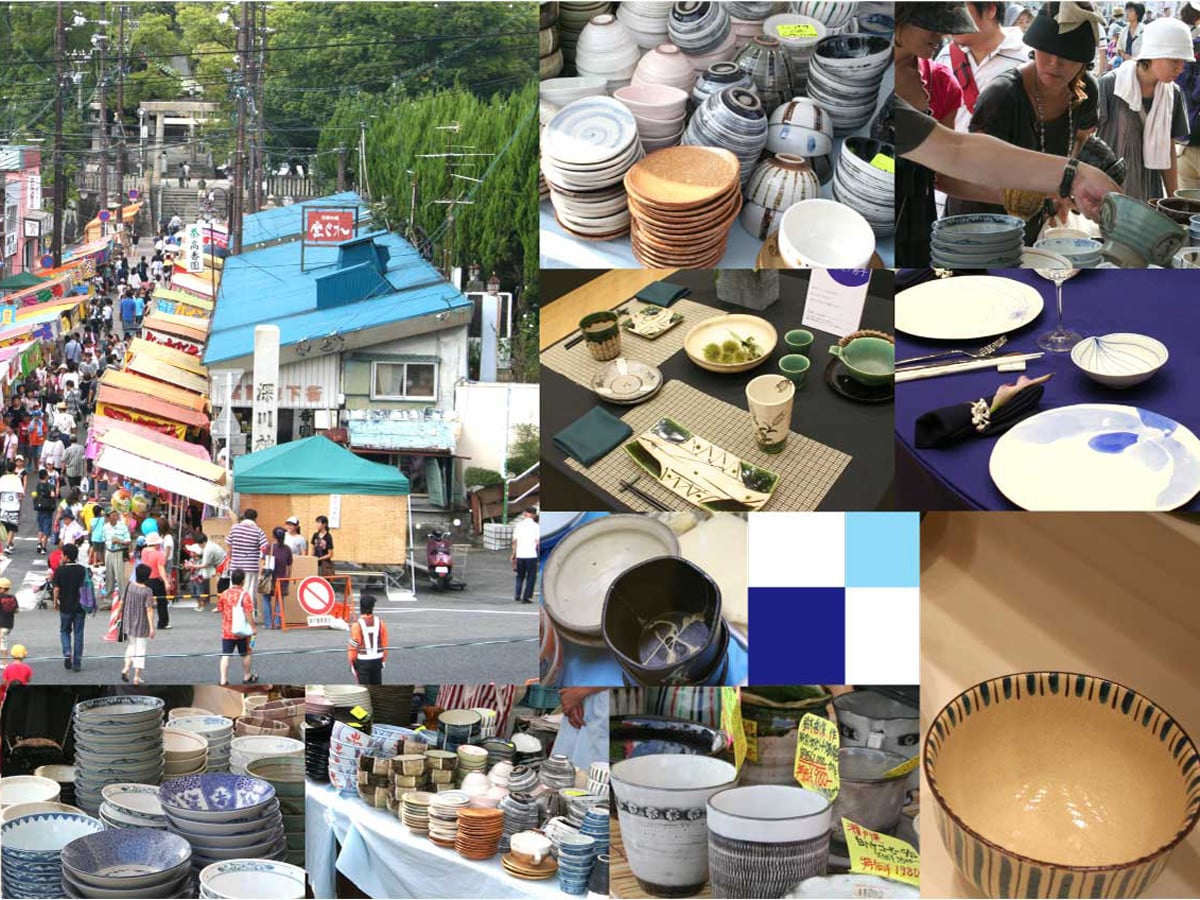
The 95th Seto Setomono Festival (also called the Seto Ceramics Festival) was established to commemorate the pottery pioneer Kato Tamikichi and has been held since 1932. It is held on a fixed weekend in September every year (September 12 and 13 in 2026, already over) and is Japan’s largest ceramics exhibition and sale. About 200 shops line the Seto River, forming a “Seto ware bargain bazaar” divided into the “Seto Kiln Area” and a “Young Potters Area,” offering all kinds of ceramics, including seconds you can pick up cheaply. Fireworks are launched on the first evening, and we suggest planning more than half a day to take part.
How Much Does a Seto Pottery Town Day Trip Cost? Tickets and Guided Tours
Seto is in central Aichi Prefecture, about 30 km northeast of Nagoya, and is the birthplace of “Seto ware,” one of the Six Ancient Kilns of Japan. It has been famous for ceramics since the Heian period, and “setomono” (せともの) has even become a synonym for “ceramics” in Japanese. From Nagoya, the Meitetsu Seto Line to Owari-Seto Station takes about 30 to 50 minutes (depending on whether you take the express and transfer), making it ideal for a one-day light trip. Overall, admission to Seto’s attractions is relatively affordable, with most museum entry fees between ¥200 and ¥500, and adding a pottery class, a day budget of about ¥3,000 to ¥6,000 lets you enjoy it fully; if you choose a group tour or a ticket package, prices vary with the length of the trip and whether transport is included. Below are several of the most representative sights and experiences, so you can plan flexibly around your time and budget.
Seto Gura Museum (瀬戸蔵ミュージアム): The First Stop for a Glimpse of Seto Ware’s Thousand-Year History
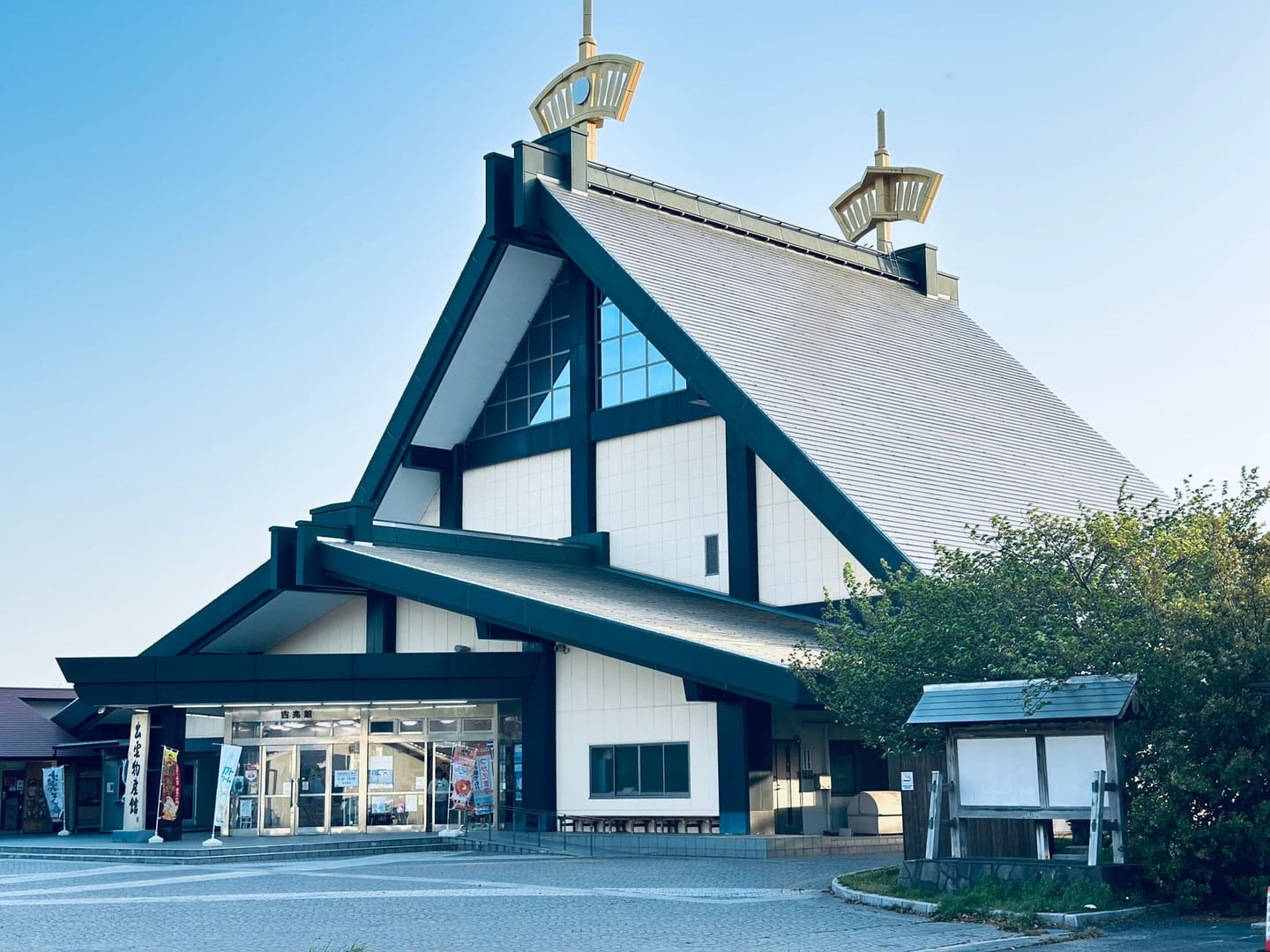
The Seto Gura Museum is next to Owari-Seto Station, about a 5-minute walk, and is the starting point for learning the history of Seto ware. Inside, three-dimensional models show kiln-town streets and artisan life from the Edo to Showa periods, and many Seto ware pieces are displayed, covering everyday vessels and art ceramics.
Admission: general ¥520, high school and university students and those 65 and over ¥310, free for junior high school students and younger. Hours: 9:00-17:00. Closed: year-end and New Year, plus occasional temporary closures. It works well as a warm-up stop for a first look at the pottery town when planning a Seto day trip.
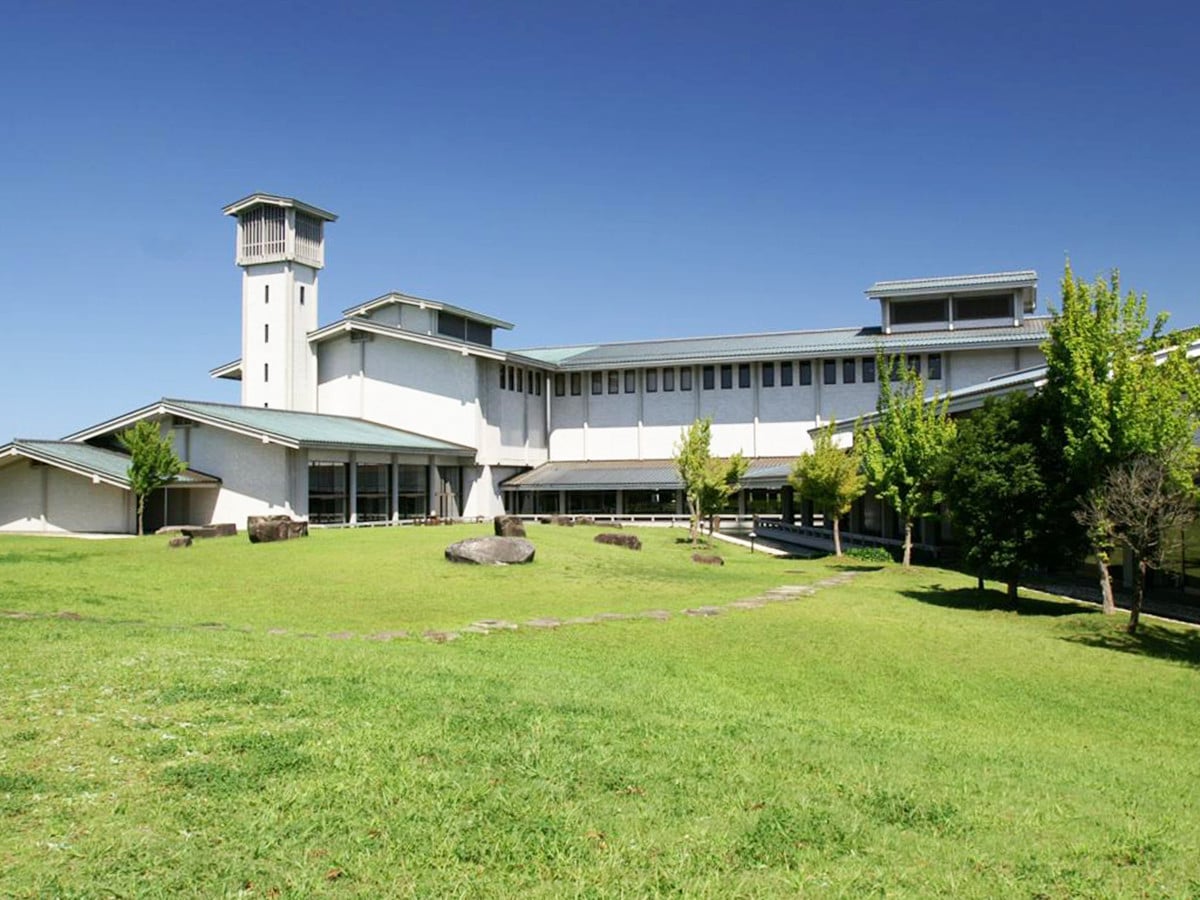
Aichi Prefectural Ceramic Museum (愛知県陶磁美術館): A Specialist Ceramics Art Museum
The Aichi Prefectural Ceramic Museum, in Minamiyamaguchi-cho in southern Seto and farther from Owari-Seto Station, is one of Japan’s largest specialist ceramics museums. Its collection is rich, covering ceramic treasures from China, Korea and Japan across the ages, and it also has permanent sections on Seto ware and Mino ware.
Permanent exhibition admission is generally ¥400, ¥300 for university students and free for high school students and younger, with special exhibitions priced separately. Opening hours are 9:30 a.m. to 4:30 p.m. (last entry 16:00, extended to 5 p.m. from July to September), closed on Mondays (the next day if Monday is a holiday).
Outside the museum there is also Togei-no-Oka Park (陶芸の丘公園) for a stroll with scenery, and several old kiln ruins are displayed outdoors, suitable for travelers who like a historical and archaeological atmosphere to spend half a day savoring it.
Kamagaki Alley Pottery Experience: Throw a Piece of Seto Ware Yourself
Strolling along “Kamagaki-no-Komichi” (窯垣の小径) in Hora-cho, the kiln walls on both sides, built from discarded ceramic shards and saggars, are full of charm, and several workshops along the way offer hand throwing (wheel experience) and hand-painting experiences, one of visitors’ favorite DIY activities.
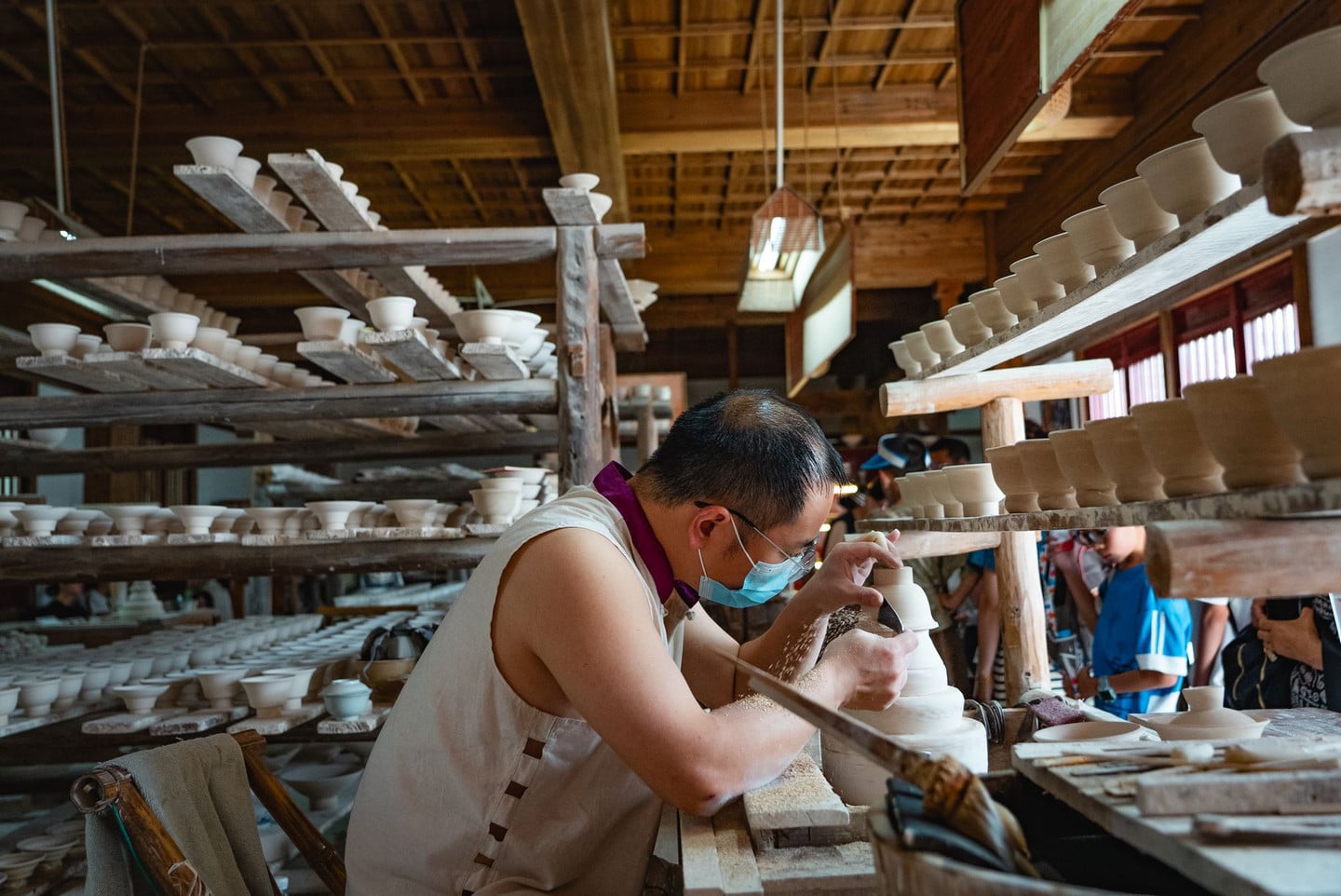
The cost and time needed for wheel experiences vary by workshop, so please confirm with each workshop before the experience; pieces must be kiln-fired and mostly collected by mail (postage extra).
Travelers who don’t read Japanese or want to avoid transport hassles can search for Seto pottery experience tours on KKday and Klook, and before booking please confirm the meeting point, whether transport is included and the language the instructor uses.
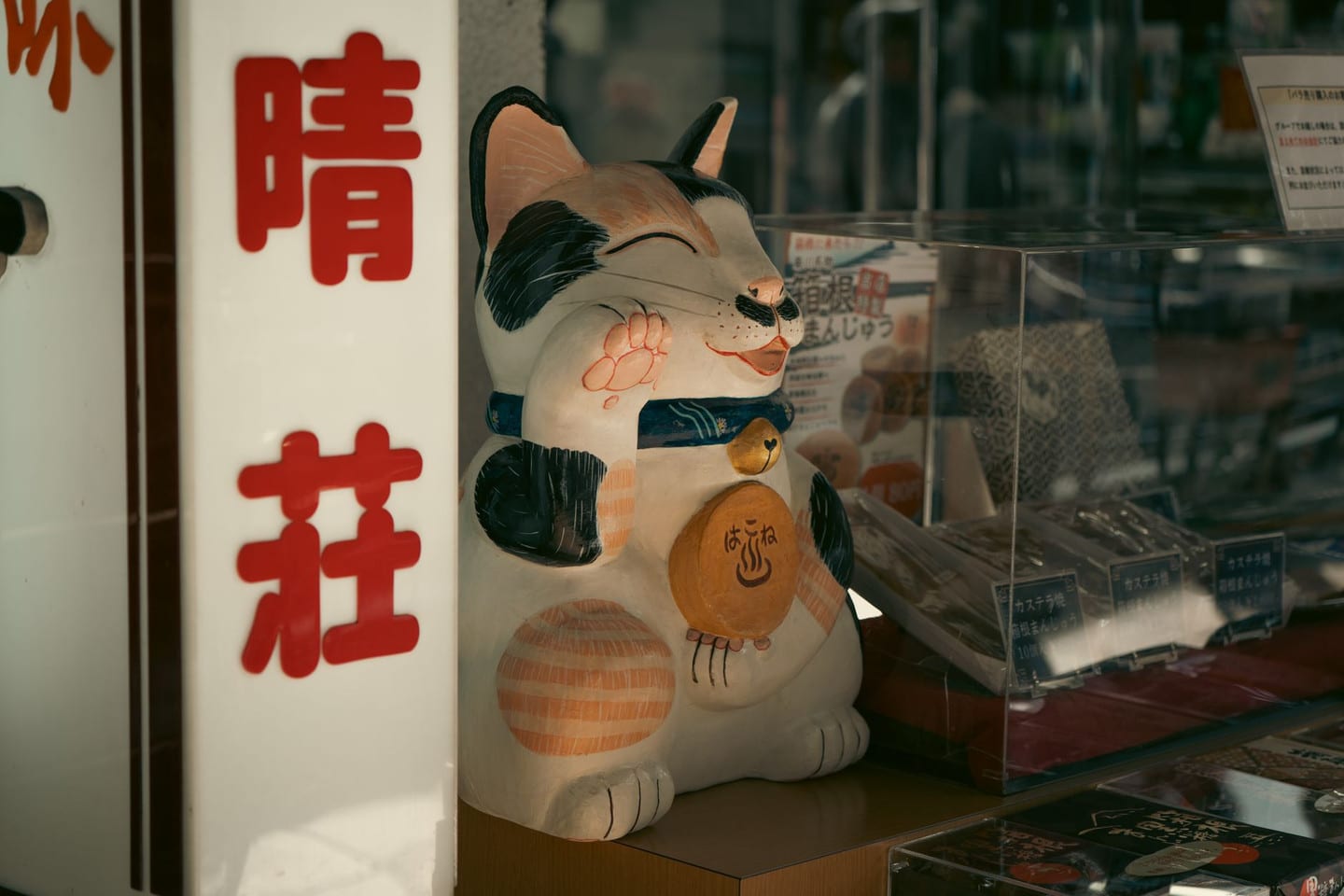
Maneki-neko Museum (招き猫ミュージアム): A Soothing Pilgrimage Spot for Lucky Cat Fans Worldwide
Seto is an important production center for maneki-neko, and the “Maneki-neko Museum” (招き猫ミュージアム) holds thousands of pieces from antiques to modern works.
Admission is ¥300 for adults (¥200 for high school and university students, free for junior high school and younger), open 10:00 to 17:00 (last entry 16:30), closed on Tuesdays (open if the Tuesday is a holiday) and at year-end and New Year, with the official website luckycat.ne.jp.
After your visit you can walk about 8 minutes back to Owari-Seto Station, and it suits the end of a day trip.
2026 Seto Pottery Town Day Trip Guide: Where to Stay Nearby? Accommodation Suggestions
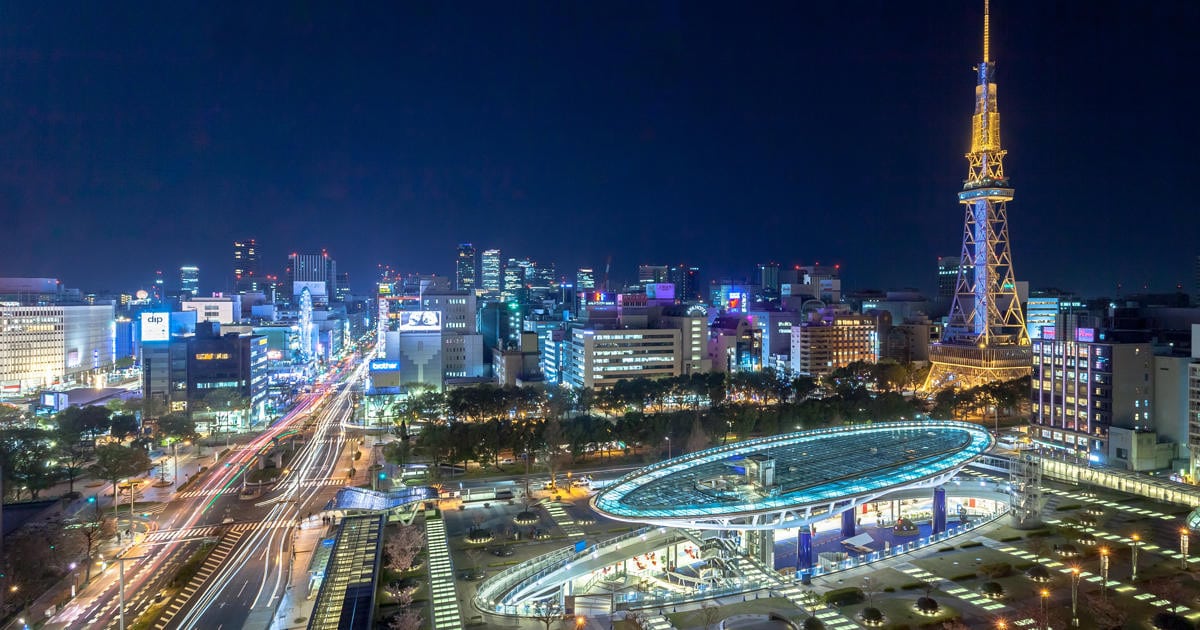
We Suggest Staying in Downtown Nagoya, Which Has the Best Connection to Seto
Because Seto itself has limited lodging, most travelers choose to stay in downtown Nagoya and take the Meitetsu Seto Line the next day for a round trip in one day. Around Nagoya Station and Sakae-machi Station there is a wide choice of hotels, from business hotels to luxury hotels, and the connection to Owari-Seto Station takes only 30 to 50 minutes, suitable for returning to the city after a day trip to enjoy the nightlife and food. If you want to be closer to Seto’s ceramic atmosphere, you can also look at lodging around Ozone Station or Sakae-machi Station, near the Meitetsu Seto Line’s terminals, so you can set out early the next morning and catch the golden hours when museums and markets open.
FAQ
Q: About how much do tickets cost in total for a Seto day trip?
If you visit the Seto Gura Museum, the Aichi Prefectural Ceramic Museum and the Maneki-neko Museum, admission totals about ¥1,220 (Seto Gura ¥520, Ceramic Museum ¥400, Maneki-neko ¥300), with pottery experiences extra.
Q: What transport do I take from Nagoya to Seto?
The most convenient is the Meitetsu Seto Line express train direct to Owari-Seto Station, about 30 minutes, with frequent service and no special waiting, and the Seto Gura Museum is about a 5-minute walk after exiting.
Q: What are the opening hours of Seto’s attractions?
Seto Gura 9:00-17:00, Maneki-neko Museum 10:00-17:00 (closed Tuesdays), Ceramic Museum 9:30-16:30 (closed Mondays); please confirm again before you go.
Q: What is the best time to visit Seto?
The Seto Setomono Festival in September is the peak time to visit, with bargain pottery and fireworks; mid to late November is the best time for autumn foliage at Iwayado Park.
Q: When is the Seto Setomono Festival held?
The 95th Seto Ceramics Festival in 2026 was held on Saturday, September 12 and Sunday, September 13, with nearly 200 stalls along both banks of the Seto River, and it is held every September; please follow the official announcement for next year’s dates.
Q: What should I watch for when buying pottery at the Setomono Festival?
The market commonly sells “seconds” at low prices because of minor flaws, and before buying we suggest checking carefully for cracks or functional defects and buying only once you are sure you can accept them.
Q: Is Seto better as a half-day trip or a full day?
If you include the pottery experience in suburban Shinano and Iwayado Park, we suggest a full day; if you only visit the museums and shrines in the city center, half a day is enough.