

2026 Takayama Old Town Guide: Hida Beef, Strolling the Old Streets and Getting There, a Tour of Edo-Era “Little Kyoto of Hida”
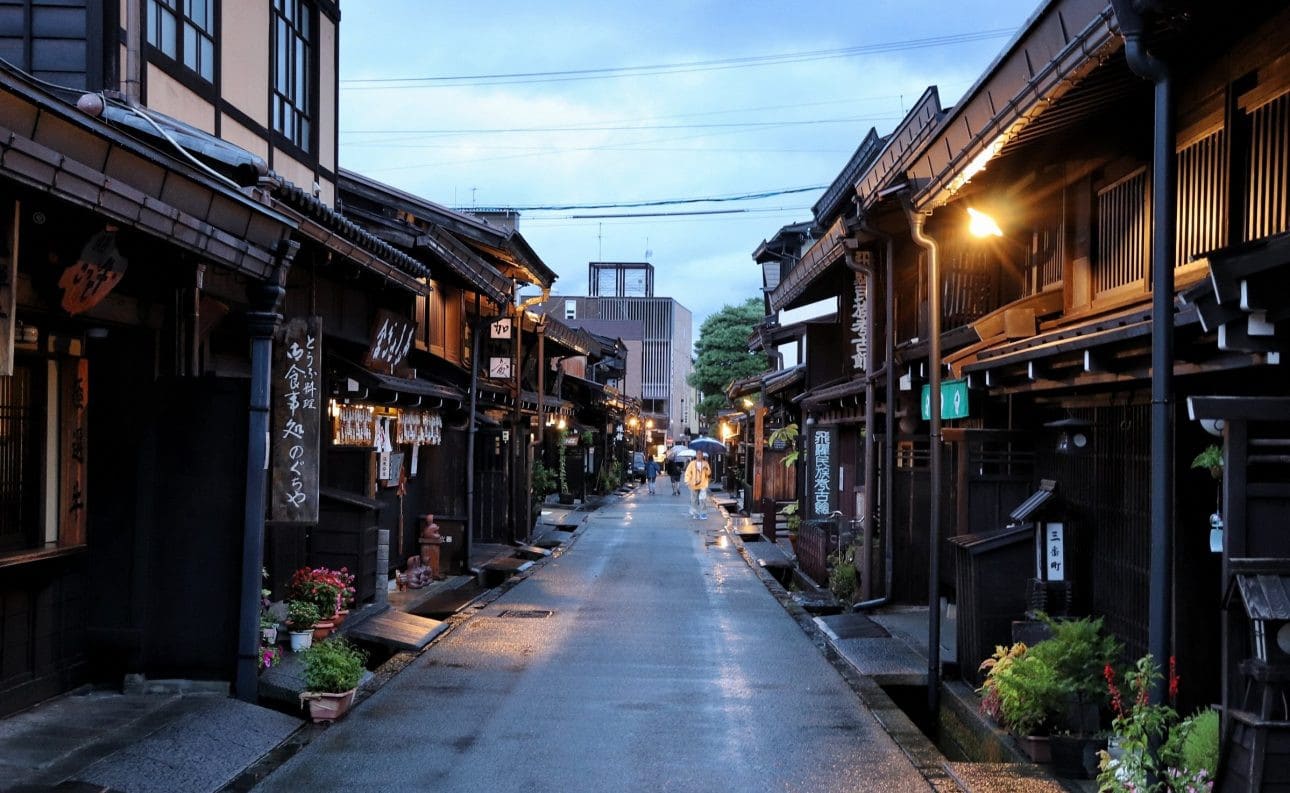
Takayama’s old town is the heart of “Hida Little Kyoto” in Gifu Prefecture. With its preserved Edo-period machiya townhouses, it suits travelers who love strolling, tasting Hida beef and trying traditional crafts, and it takes only 2.5 hours from Nagoya.
Hida-Takayama: An Edo-Style Little Kyoto in the Central Japan Alps
Takayama sits in the embrace of the Hida Mountains in northern Gifu Prefecture, and is called “Hida Little Kyoto” for its well-preserved Edo-period wooden machiya townhouses. The sights in town are tightly clustered, and the Miyagawa Morning Market, the Kami-sannomachi old streets and Takayama Jinya are all within walking distance of one another, so you don’t need complicated transport. It is ideal for a one-day trip or a deeper two-day, one-night stay.
The climate has four distinct seasons: cherry blossoms in spring, cool relief from the heat in summer, autumn foliage and winter snow, each with its own charm. That means the old town feels different whenever you visit, which is a key reason Takayama keeps drawing both domestic and international travelers.
![[Guaranteed Departure for 1 Person] Shirakawa-go Gassho Village Day Trip from Nagoya, Optional Direct Bus to the Viewpoint + Hida-Takayama Old Town Tour](https://travel.williamlion.tw/wp-content/uploads/sites/7/2026/07/image-408.jpg)

Takayama Old Town Map: The Walkable Area of the Three Machi Streets
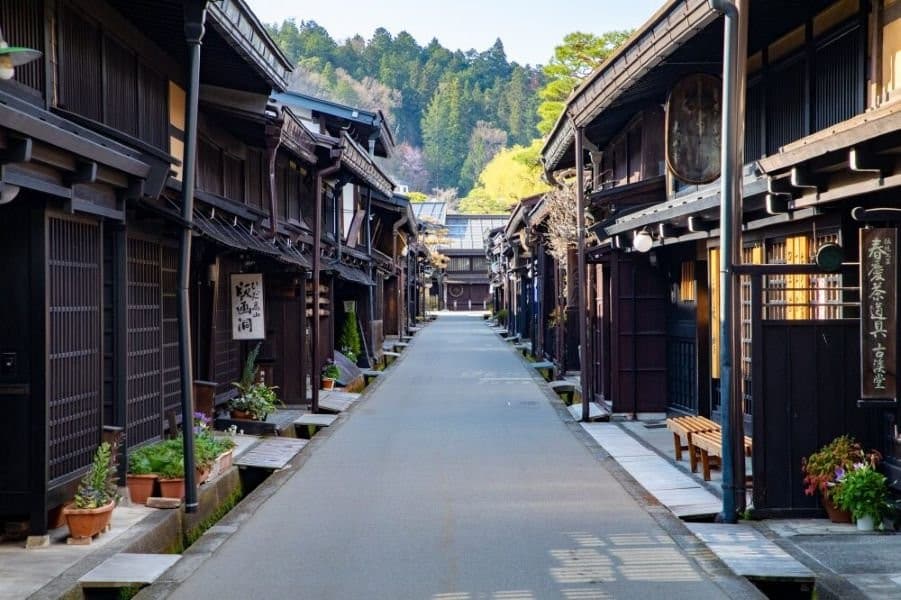
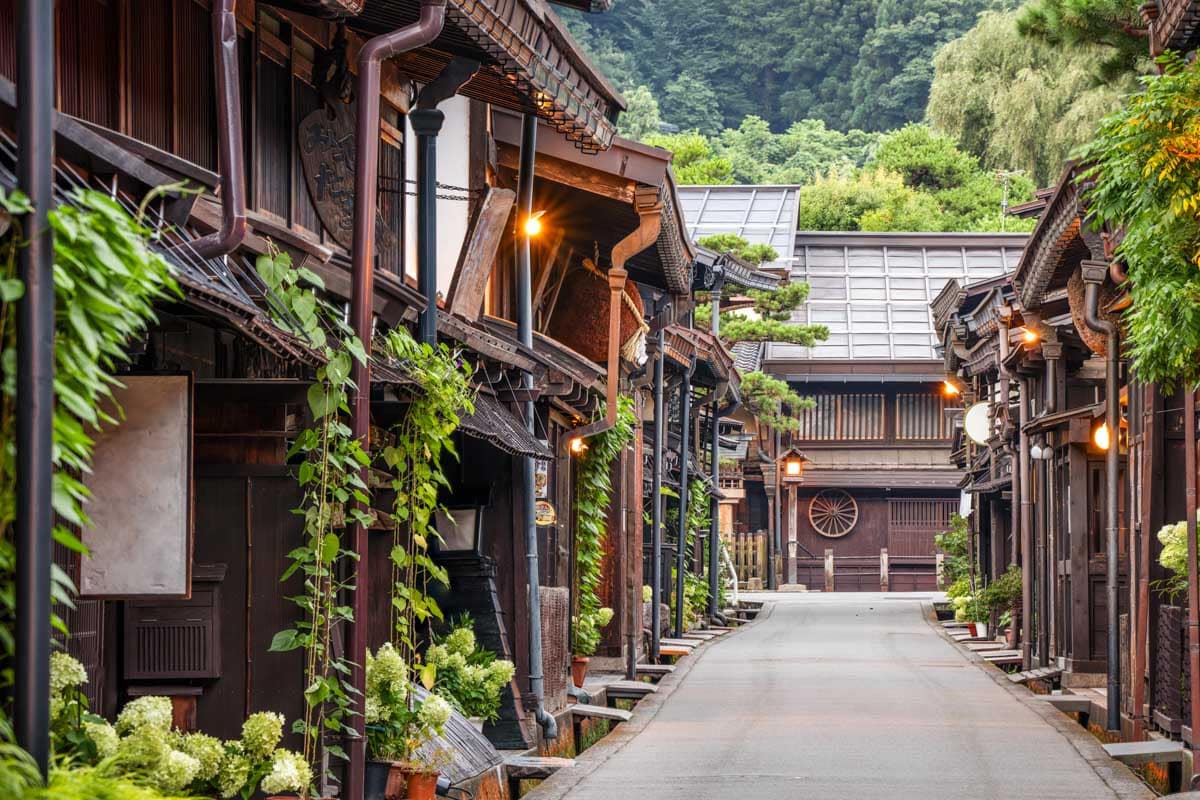
Takayama’s old town refers to the “Sanmachi” area, which includes Kami-ichinomachi, Kami-ninomachi and Kami-sannomachi, where Edo-period machiya townhouses line the street for about 400 meters. From the east exit of Takayama Station it is about a 10 to 15 minute walk to Kami-sannomachi, roughly 800 meters to 1 km, and the street offers local sake, hoba miso and Hida beef nigiri sushi. Walking is the easiest way to see it all.
Who Should Visit Takayama’s Old Town?
Travelers who enjoy strolling historic districts, wagyu cuisine, local sake tastings and craft shopping will all find something to love in Takayama’s old town. Both sides of the stone-paved lanes are lined with century-old miso shops, sake breweries and woodworking studios. The pace is slow but full of small surprises, which makes it especially good for independent travelers who dislike crowds and want a genuine taste of local Japanese life.
Families with children can also visit the Hida Folk Village gassho-style settlement as an alternative to Shirakawa-go. The itinerary is very flexible and can be enjoyed even with only half a day.
How to Plan a One-Day or Two-Day, One-Night Takayama Trip
If time is short, we suggest a one-day trip: browse the Miyagawa Morning Market in the morning, then stroll Kami-sannomachi to eat Hida beef nigiri sushi and taste local sake, and visit Takayama Jinya in the afternoon. If you have more time, on the second day you can extend to Hida Folk Village, Hida-Furukawa or the nearby Shinhotaka Ropeway for a fuller taste of the Hida mountains.
The Takayama Festival (the Sanno Festival in April and the Hachiman Festival in October) draws big crowds. Plan your accommodation and transport early so that you can enjoy both the festival atmosphere and the relaxed pace of the old town.
-Klook.jpg)

How to Get to Takayama’s Old Town: A Complete Guide to Transport Options and Fares
Departing from Nagoya is the most convenient, and once you arrive at Takayama Station you can tour everything on foot.
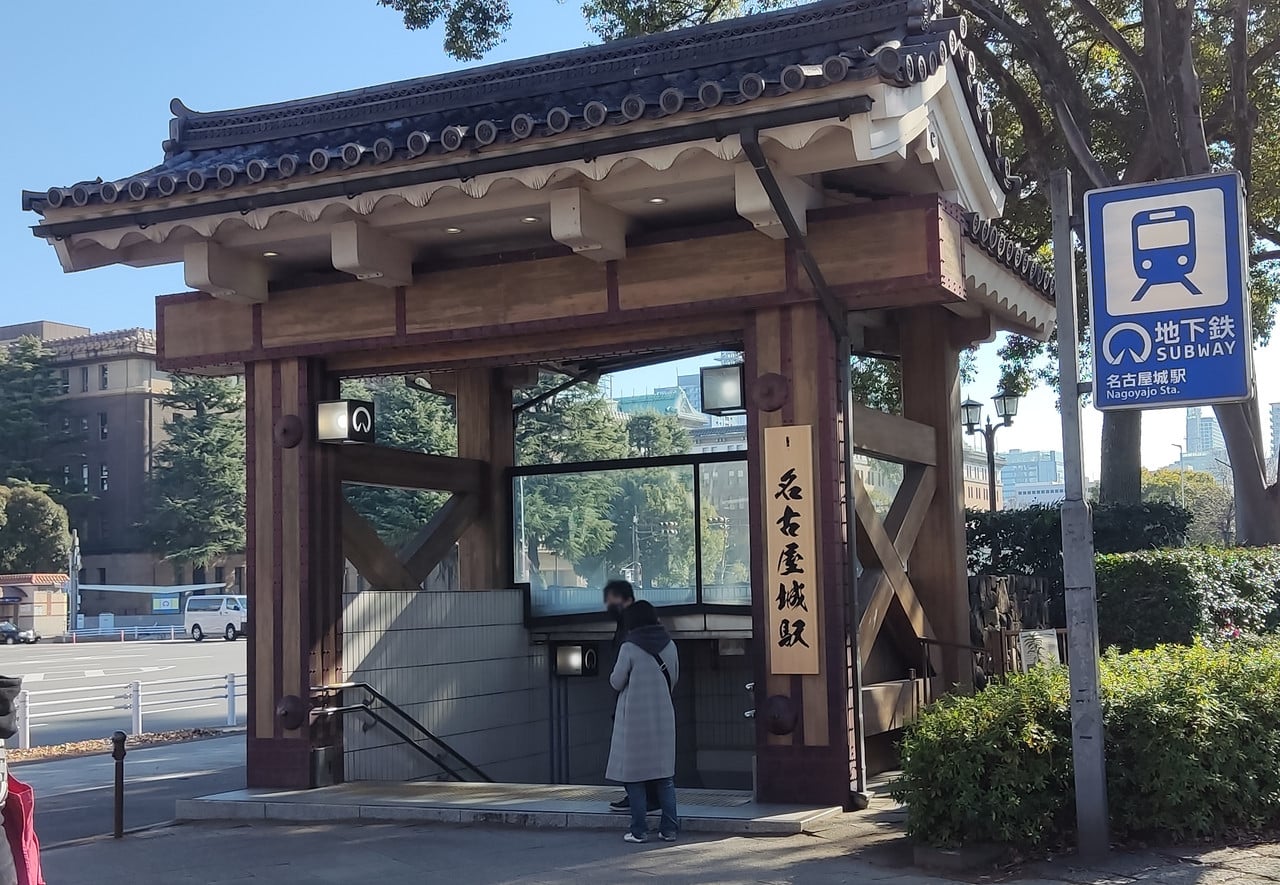
How to Get to Takayama’s Old Town: Transport Options at a Glance
From Nagoya, the JR Limited Express “Hida” is the top recommendation, about 2.5 hours one way. If you are on a budget, take the Nohi Bus, which is cheaper but slower. From Tokyo, you can take the Hokuriku Shinkansen to Toyama and transfer to the Hida, or take the Shinjuku highway bus, about 5.5 hours. From Osaka or Kyoto, take the Tokaido Shinkansen to Nagoya and transfer.
| Transport | Fare (one way) | Travel time |
|---|---|---|
| JR Limited Express Hida (from Nagoya) | About ¥6,140 | About 2.5 hours |
| Nohi Bus highway bus (from Nagoya) | About ¥3,190 | About 2 hours 50 minutes |
| Shinjuku highway bus (from Tokyo) | About ¥6,700 | About 5.5 hours |
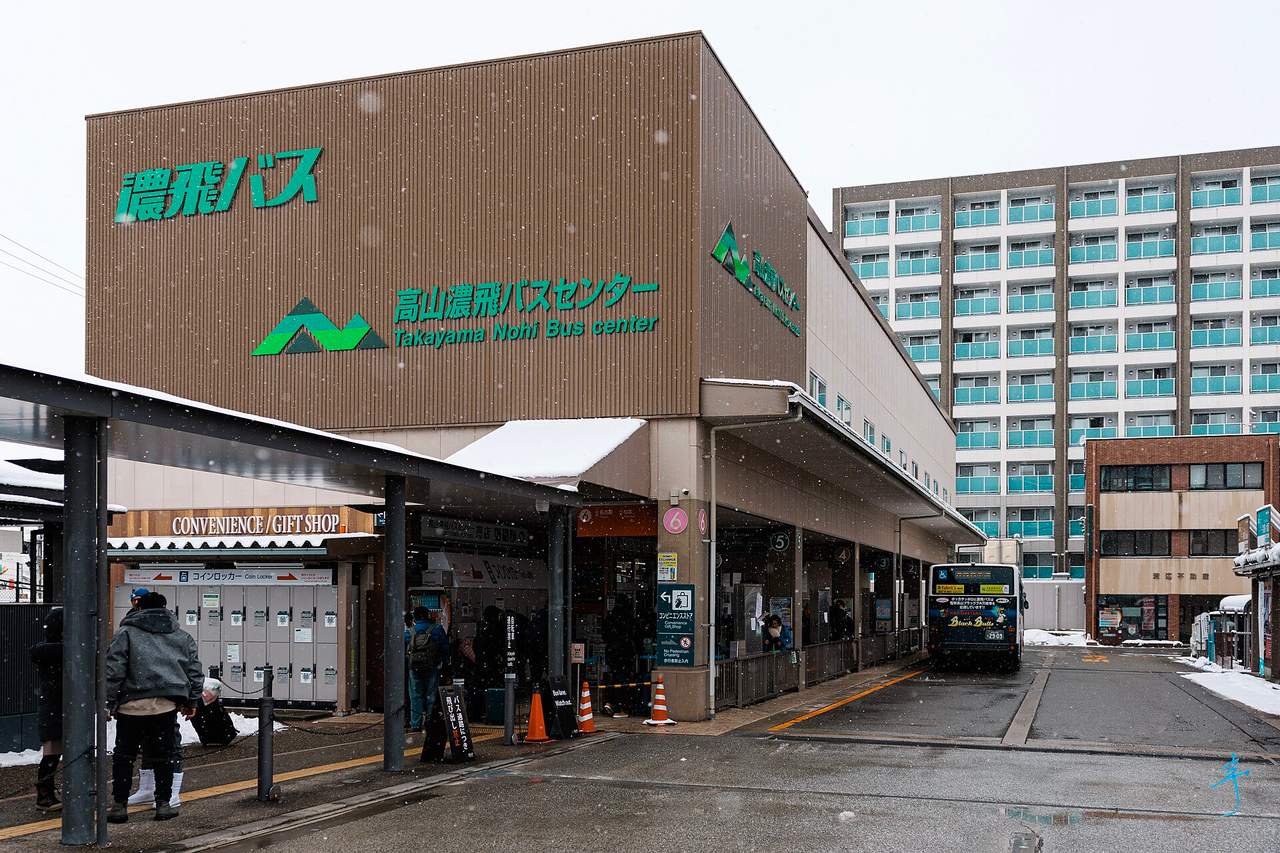
After arriving at Takayama Station, the Miyagawa Morning Market, the Kami-sannomachi old streets and Takayama Jinya are 10 to 15 minutes away on foot. To continue to Hida Folk Village or Shirakawa-go, take a sightseeing bus or the Sarubobo Bus from the station bus center.
-Klook.jpg)

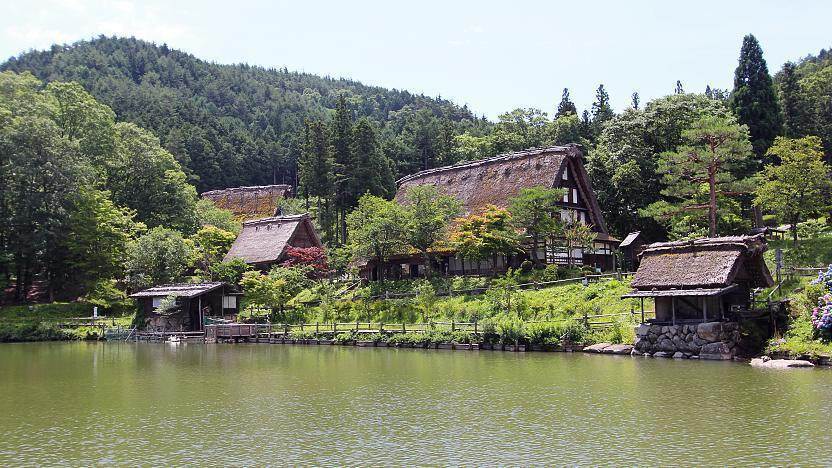
Hida Folk Village: An Open-Air Museum of Gassho-Style Houses
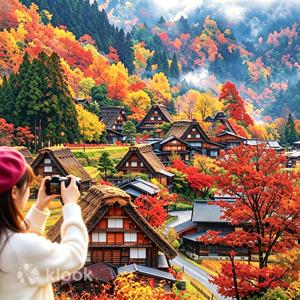
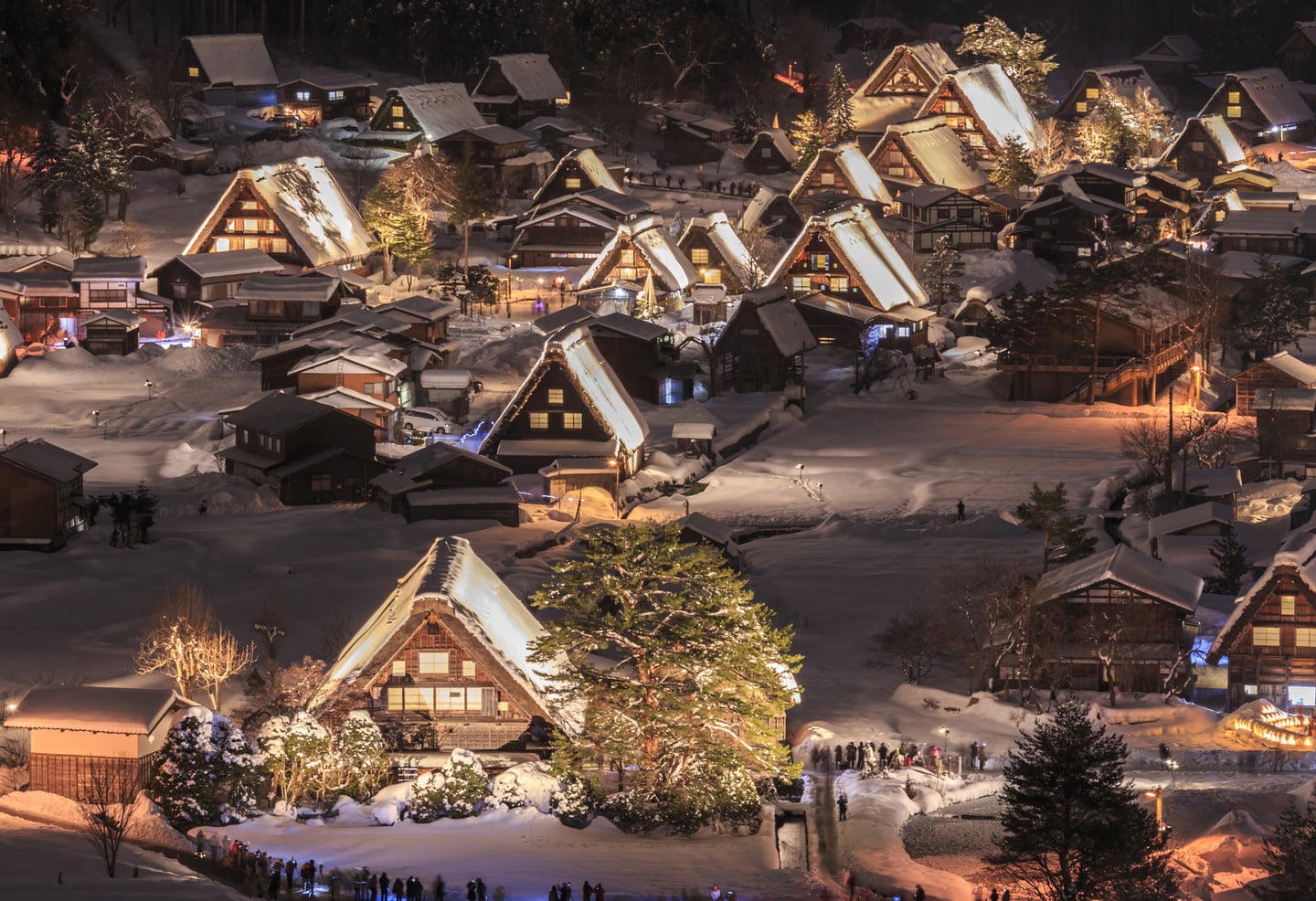
Hida Folk Village is an open-air museum that gathers gassho-style farmhouses from across the Hida region. Traditional thatched-roof buildings that once stood in scattered locations were relocated here for preservation and display, making it an excellent alternative if you can’t get to Shirakawa-go.
The grounds are spacious. During the winter illumination, the gassho houses are covered in snow and lit up like a fairy-tale world, making it a popular spot for photographers. Admission is about ¥700 for adults, and we suggest allowing 1.5 to 2 hours for a visit. Traditional craft experience activities are also available on site.
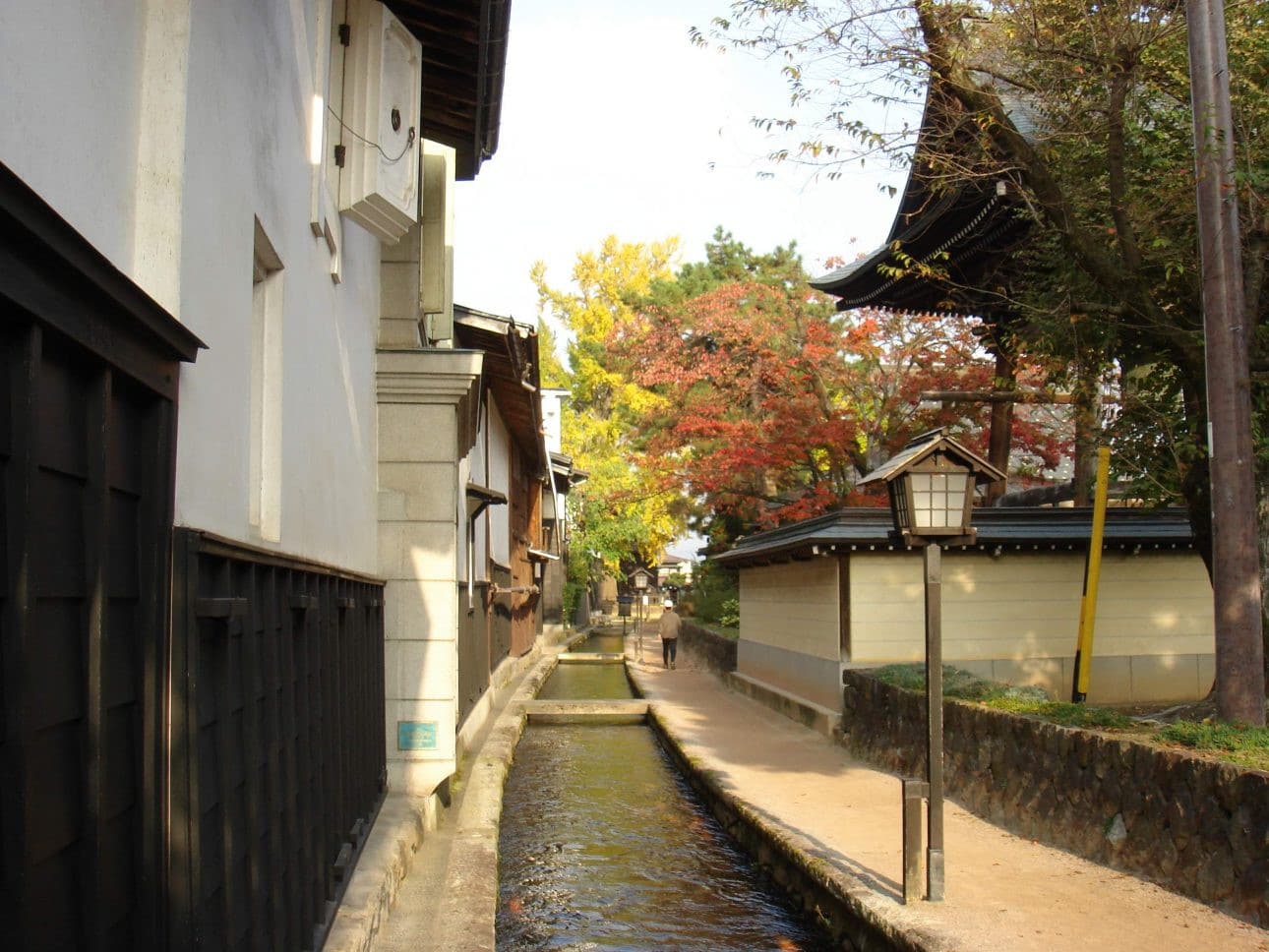
Hida-Furukawa: The Small Town That Inspired the Film “Your Name”
Hida-Furukawa is about 15 minutes by train from Takayama Station. Its white-walled storehouse district and the Seto River, where carp swim, appear among the filming locations of the animated film “Your Name,” making it a pilgrimage spot for many anime fans.
Compared with the tourist-heavy Takayama old town, Hida-Furukawa has a slower, quieter pace, and suits travelers who like to wander in depth without rushing. The town also keeps several old sake breweries and traditional machiya cafes, making it a great place to experience real Hida daily life.
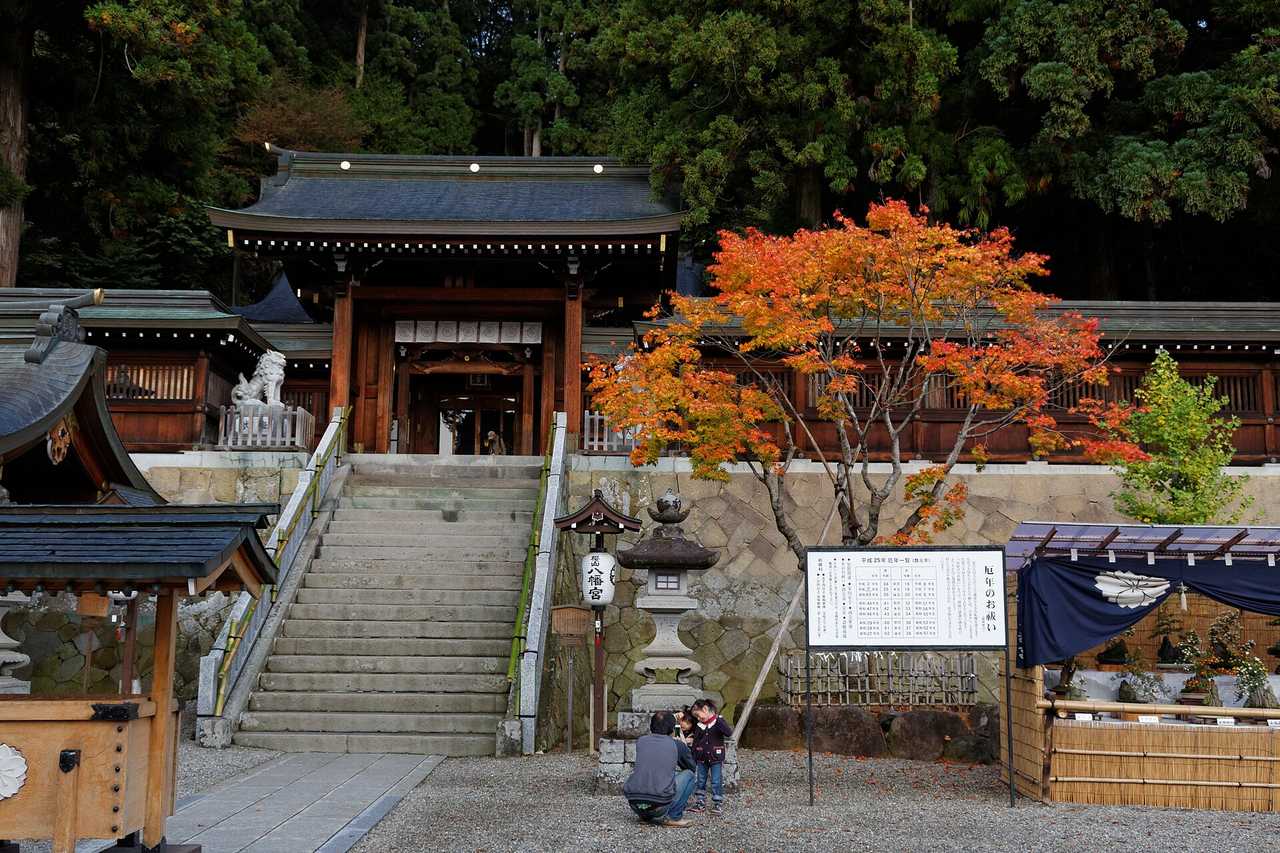
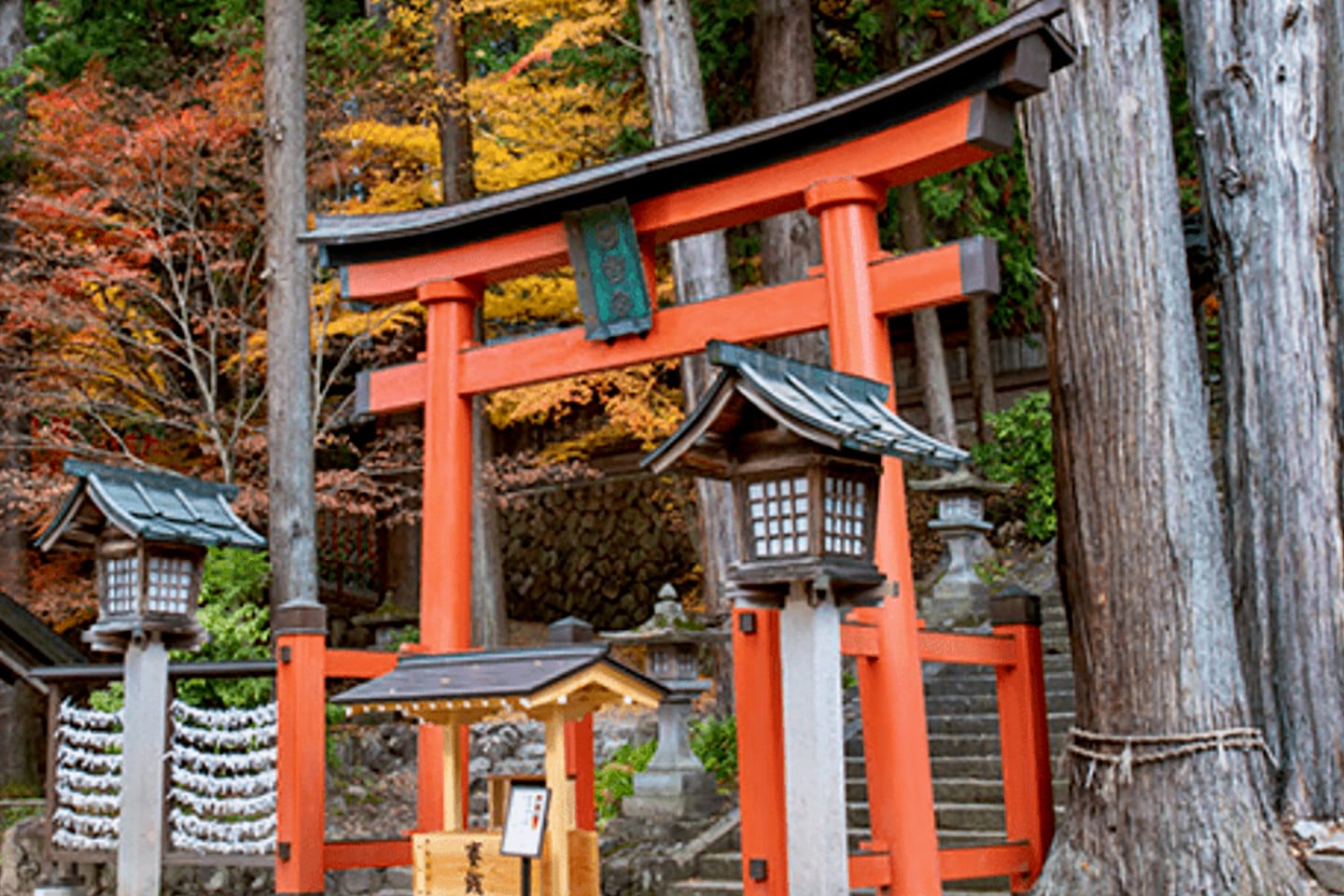
Sakurayama Hachimangu Shrine: The Splendid Stage of the Takayama Festival
Sakurayama Hachimangu Shrine hosts the Hachiman Festival (Hachiman-sai, the autumn Takayama Festival) every October. Its solemn main hall and the ancient trees lining the approach make it an important spiritual center for Takayama. The main deity is Emperor Ojin, to whom people pray for good fortune in battle and family safety.
The shrine office offers omamori charms and goshuin stamps, and the grounds include the “Takayama Festival Float Exhibition Hall,” which displays the gorgeous festival floats (yatai) year-round. Even outside festival season you can sense the awe-inspiring power of the Takayama Festival. We suggest allowing 30 to 45 minutes for a visit.
Hie Shrine (Hida Sanno-gu): The Spiritual Center on Takayama’s South Side
Hie Shrine, also called Hida Sanno-gu, lies just south of Takayama’s old town and hosts the Sanno Festival (Sannō-sai, the spring Takayama Festival) every April. Its main deity is Oyamakui-no-kami, who protects local peace and abundant harvests.
Ancient trees tower over the grounds, which have a tranquil atmosphere that contrasts with the busier old town. It suits travelers who enjoy quiet shrine visits, and the shrine office offers omamori charms and goshuin stamps, making it a hidden spot worth stopping by around the spring Takayama Festival.
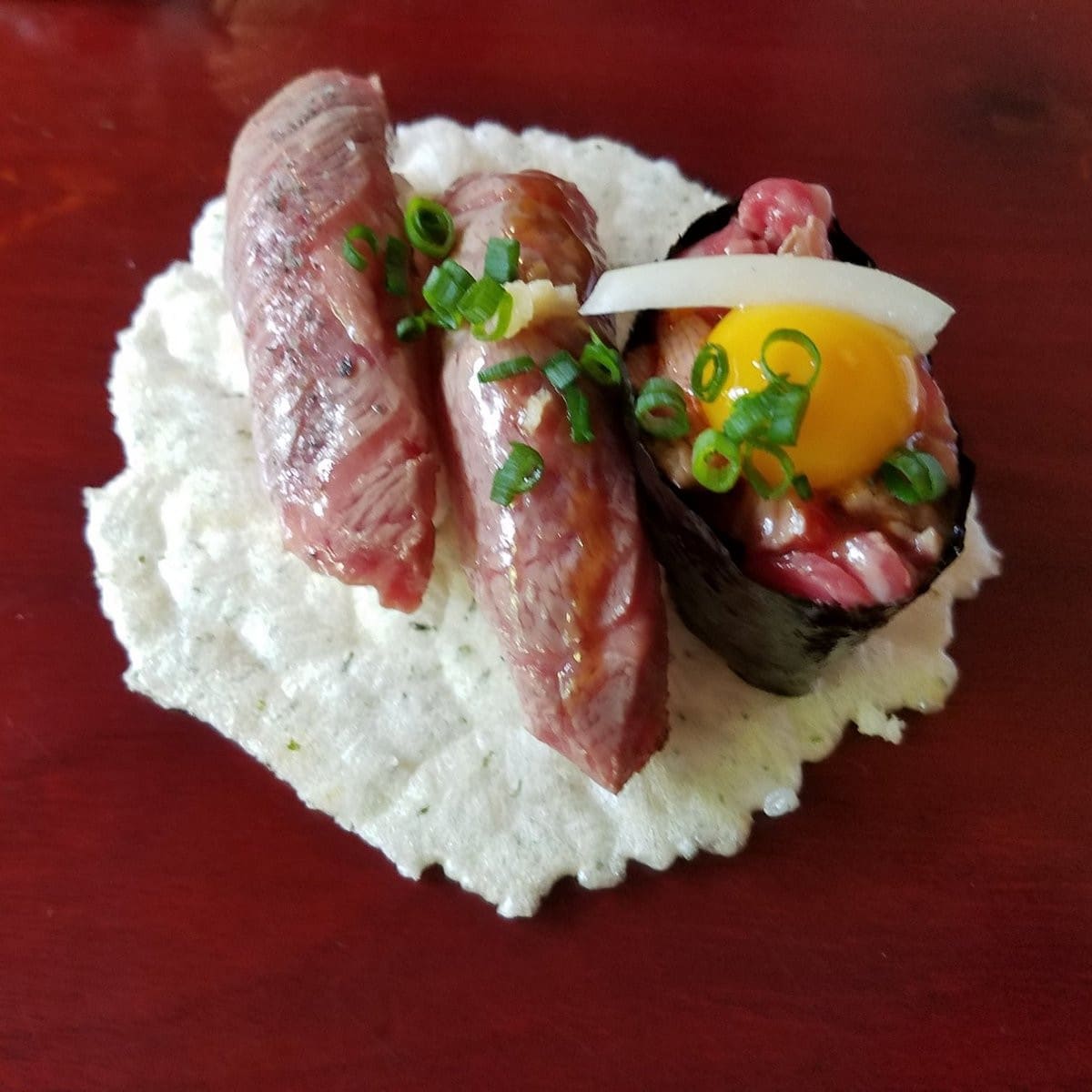
Hida Kotteushi (飛騨こって牛): Hida Beef Nigiri on a Rice Cracker
Located at 34 Kami-sannomachi, Hida Kotteushi is the old town’s most queued-for, hall-of-fame snack shop. Its signature Hida beef nigiri uses a specially handmade rice cracker (senbei) as the base instead of traditional vinegared rice, topped with a gunkan-style egg yolk or bamboo charcoal salt. Three pieces cost about ¥900 and two about ¥600, and the salty, crisp cracker blends perfectly with the wagyu fat.
Because of the long lines, we suggest avoiding the midday peak or arriving within 30 minutes of opening to shorten the wait and enjoy the freshest, just-grilled cracker.
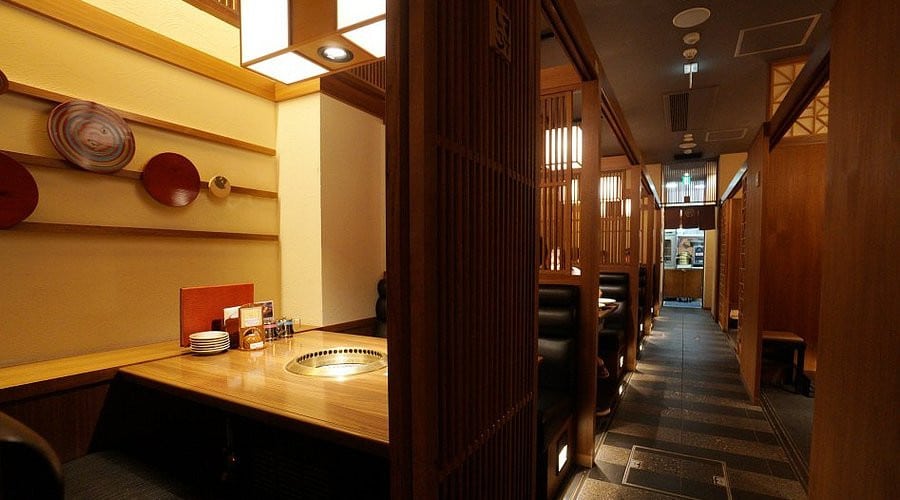
Maruaki Hida Beef Specialty Shop: Both Yakiniku and Sushi
Maruaki is one of Takayama’s best-known long-established Hida beef yakiniku restaurants, located at 39 Kami-ninomachi (Furui Machinami branch). Because it runs its own ranch and wholesale channels, it can serve top-grade marbled wagyu yakiniku platters, Hida beef sushi boxes and sukiyaki at friendly prices.
The dining room has a calm atmosphere and suits a full meal. If you are short on time, you can also buy takeaway Hida beef croquettes or nigiri to eat as you walk, an excellent value choice.
Rokujuban: Hida Beef Skewers on the Old Street
Rokujuban is on the north side of the old town and is a representative street-side stall with a queue. Its signature is charcoal-grilled skewers of A5-grade Hida beef, about ¥600 each, grilled to order and juicy. It also sells juicy Hida beef steamed buns, ideal for eating on the move and refueling quickly.
Because the shop is small, long lines form easily at mealtime peaks. We suggest going in the quieter morning hours to save a lot of waiting time.
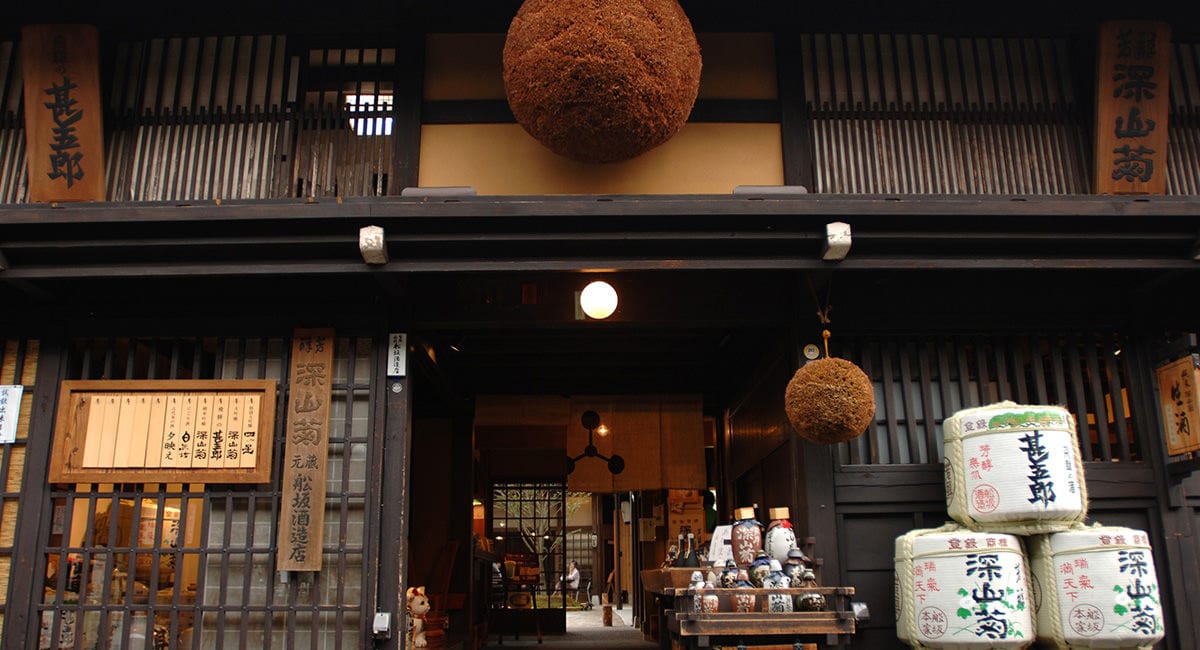
Funasaka Shuzoten: A Century-Old Brewery for Sake Tasting
Funasaka Shuzoten has more than 200 years of history and is one of the largest sake breweries on the old street. You can pay to taste a range of local sake; please check the shop’s notice for how fees actually work.
The shop also sells seasonal amazake and sake-lees sweets, so even travelers who don’t drink can pick up distinctive souvenirs. It is the most recommended stop for experiencing Hida’s sake culture.
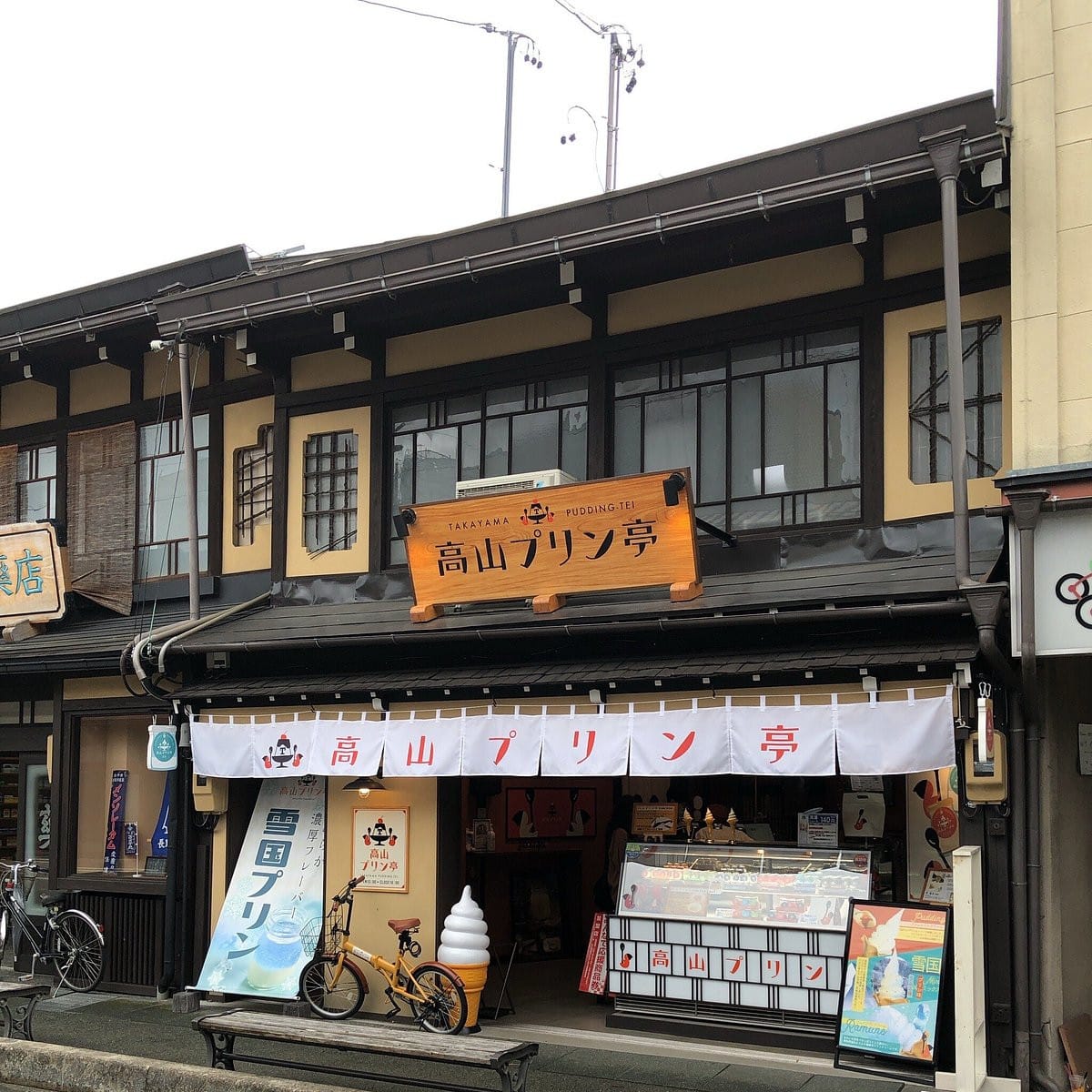
Takayama Purin-tei (高山プリン亭): Melt-in-Your-Mouth Takayama Pudding
Takayama Purin-tei is known for its dense, silky handmade pudding, made with Hida eggs and fresh milk. The flavor is rich but not cloyingly sweet, and besides the classic original there are limited flavors that change with the season.
The shop also sells pudding-flavored soft serve, a good place to sit down and rest when you are tired from touring the old town, then refuel on sugar and keep strolling. It is a popular dessert photo spot on social media.
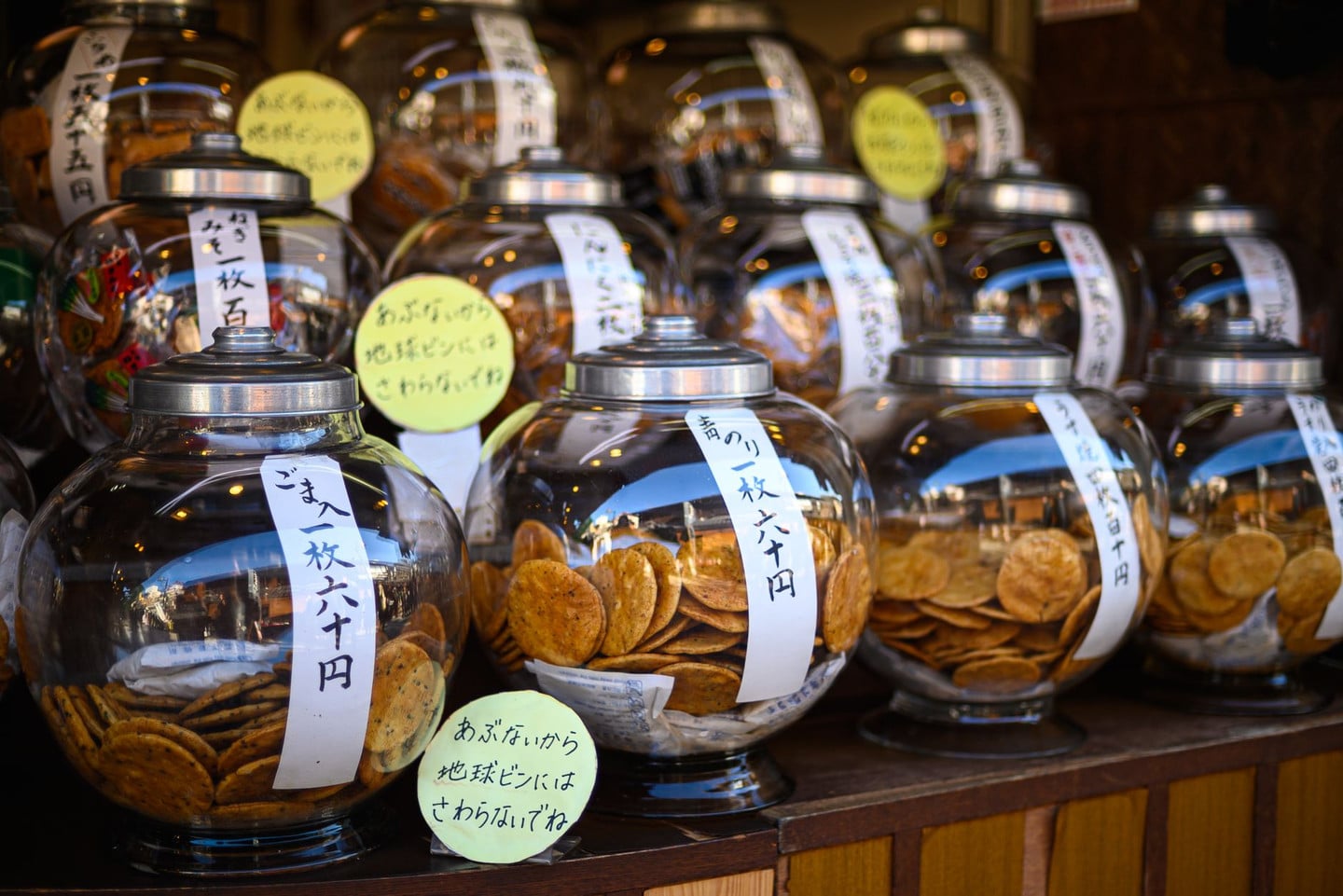
Hashimoto Senbei-do: Handmade Hida Rice Crackers
Hashimoto Senbei-do is known for freshly handmade grilled rice crackers. Its signature is the roof-tile-shaped kawara senbei, and it also has crackers made from glutinous rice. You can watch the artisans turning the crackers over charcoal on the spot, and the aroma fills the air.
The crackers keep well and make a souvenir that works as a gift or for yourself. Prices are friendly, though the actual price varies by flavor and size, so we suggest sampling in the shop before choosing.
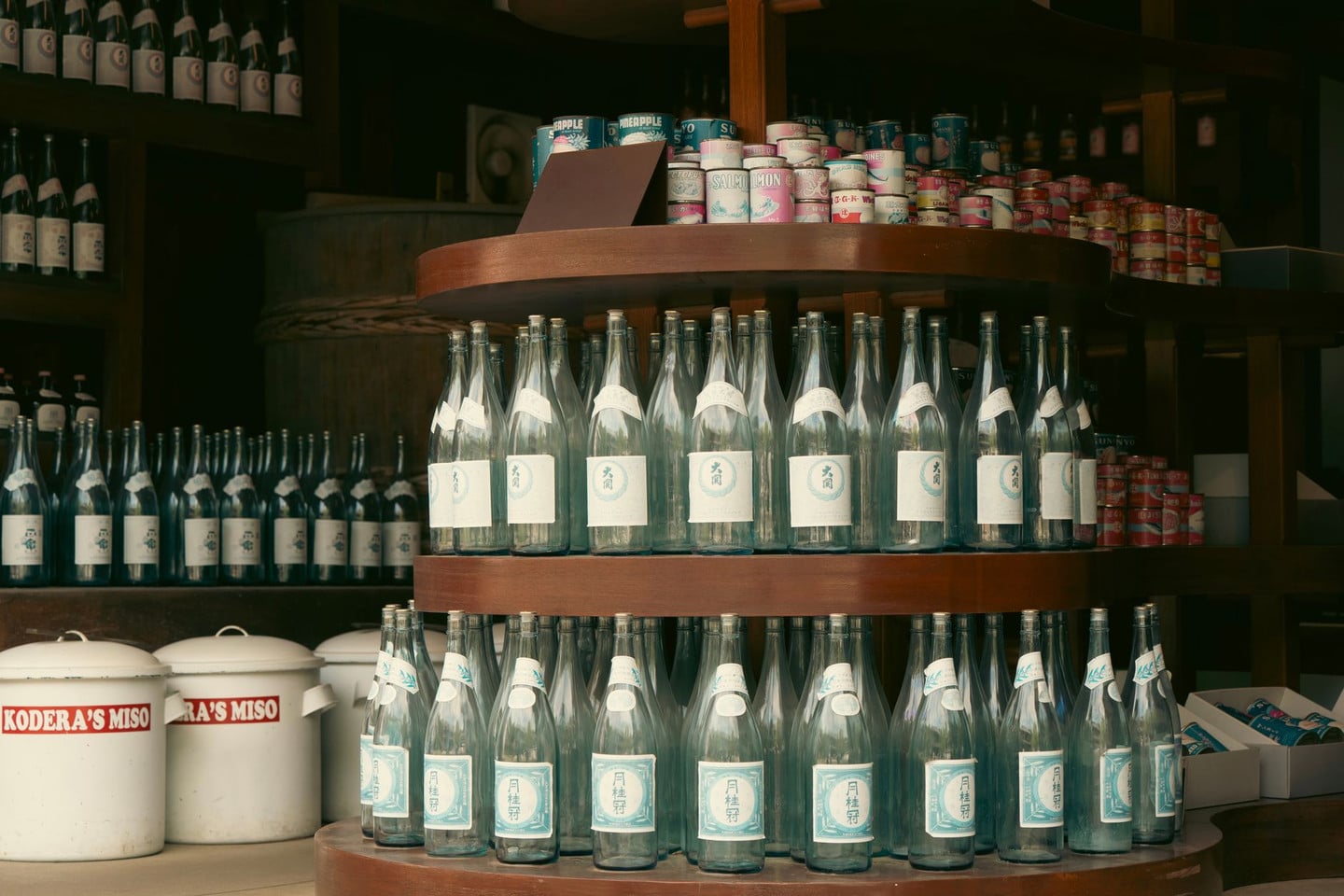
Onoya Jozo Honten (大のや醸造本店): Three-Year-Aged Hida Red Miso
Onoya Jozo Honten is a well-known miso shop in Takayama, brewing Hida red miso aged for three years with traditional methods, for a rich, mellow flavor. The shop offers free miso soup tasting so visitors can try it before deciding to buy, making it an important stop for understanding Hida’s food culture.
Besides miso, the shop sells a variety of soy sauces and pickles in attractive packaging that makes good souvenirs. Travelers who like Japanese seasonings should not miss it.
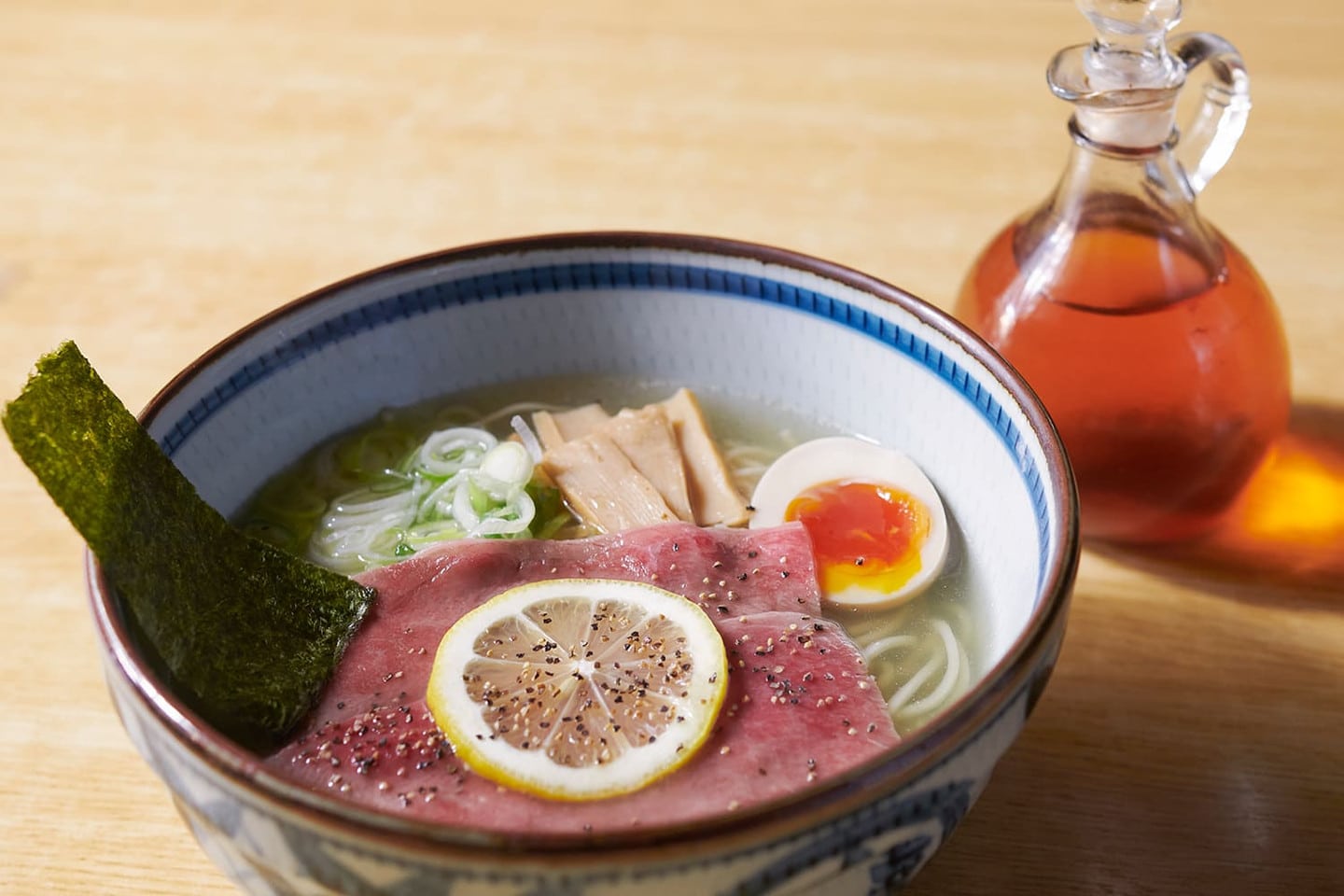
Hida Chuka Ramen Senmonten M: A Fusion of Hida Beef and Ramen
If you want to try Takayama ramen that blends local ingredients, Hida Chuka Ramen Senmonten M is a must-visit. It specializes in creative noodle dishes such as salt-flavored Chinese noodles and oil-tossed noodles made with A5 Hida beef, an evolved version of traditional Takayama ramen.
The dining room is bright and comfortable, a good choice for a proper meal after strolling the old town. We suggest avoiding the noon to 1 p.m. peak.
Sarubobo and Hida Crafts: Sarubobo Dolls and Traditional Wood Carving Souvenirs
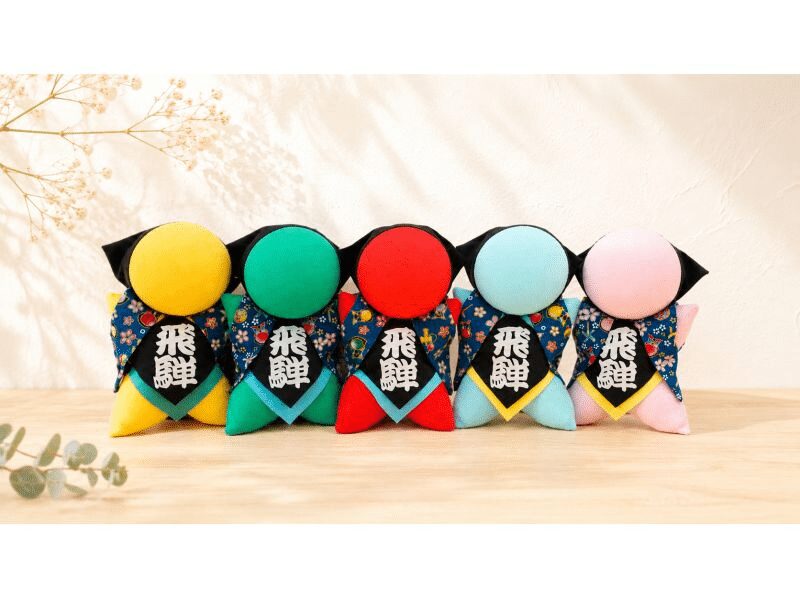
The sarubobo is a good-luck doll of the Hida region. It is said to imitate a baby monkey, to ward off misfortune and bring good matches, and the different colors stand for blessings such as health, romance and wealth. It is one of the old town’s most iconic souvenirs.
The old street also has several wood carving and traditional craft shops selling wooden tableware, kimono accessories and Hida black tea. Hida black tea is made from organic “Benifuuki” tea leaves fermented with Hida hot spring water and has a distinctive flavor. Travelers who like local souvenirs should leave extra time to browse.
Miffy no Oyatsu-do Hida Takayama: A Takayama-Exclusive Sweets Shop
Miffy fans should not miss Miffy no Oyatsu-do Hida Takayama near the old town, one of the few Miffy specialty shops in Japan to offer Takayama-exclusive purple items. It sells cute Miffy-shaped cookies, puddings and small goods.
The shop is decorated in a warm, cute style and is a popular photo spot. It is also a good place to buy uniquely shaped souvenirs for friends and family, and stopping in while touring the old town will surely add fun to your trip.
How Much Does a Takayama Old Town Trip Cost? Admission, Tours and Passes at a Glance
Strolling Hida-Takayama’s old town is free, but if you want to go deeper into cultural sights such as Takayama Jinya and the Yatai Kaikan, or arrange transport to Shirakawa-go or Kanazawa, it helps to know ticket and pass prices in advance so you can set your budget and save time queuing. Below are the most useful paid items, covering historic building visits, guided experiences and cross-region bus transport, to make your plans more efficient.
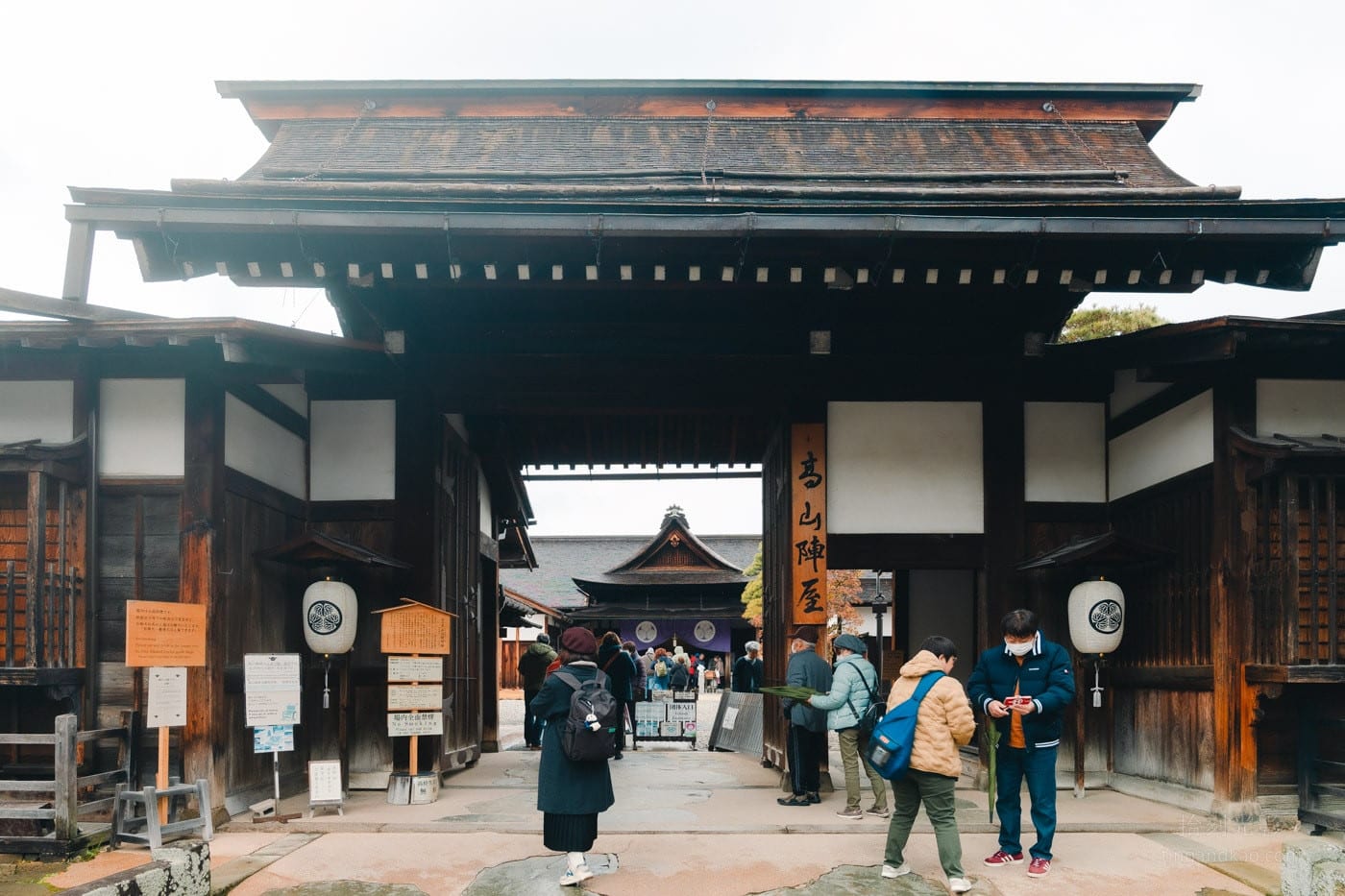
Takayama Jinya Admission Ticket: Japan’s Only Fully Preserved Edo-Period Magistrate’s Office
Takayama Jinya, at 1-5 Hachiken-machi, Takayama, was a government office directly governed by the Edo shogunate and is the only fully preserved “jinya” building in Japan. It is about a 5-minute walk from the Sanmachi old streets, making it an easy add-on. Inside, spaces such as the shirasu courtyard, the goyoba office and the gozo storehouse show what Edo-period local administration looked like, suiting lovers of historic architecture.
Adult admission is ¥440, and high school students and younger are free. Opening hours are 8:45-17:00 on weekdays (until 16:30 from November to February), closed only for the New Year holiday. A Chinese audio guide is available, and the visit takes about 30 to 40 minutes, so it works well early in your old town itinerary.
We suggest checking the official website in advance for special daily openings, such as rooms not normally open or seasonal exhibitions, so you don’t miss them.
Takayama Festival Float Exhibition Hall + Sakurayama Nikkokan Combo Ticket: See National Treasure-Class Floats Up Close
The Takayama Festival Float Exhibition Hall (178 Sakura-machi, Takayama) is inside Sakurayama Hachimangu Shrine. It displays the floats (yatai) used in the Takayama Festival (April and October), some of them masterpieces of Edo-period craftsmanship, and lets you see the details up close.
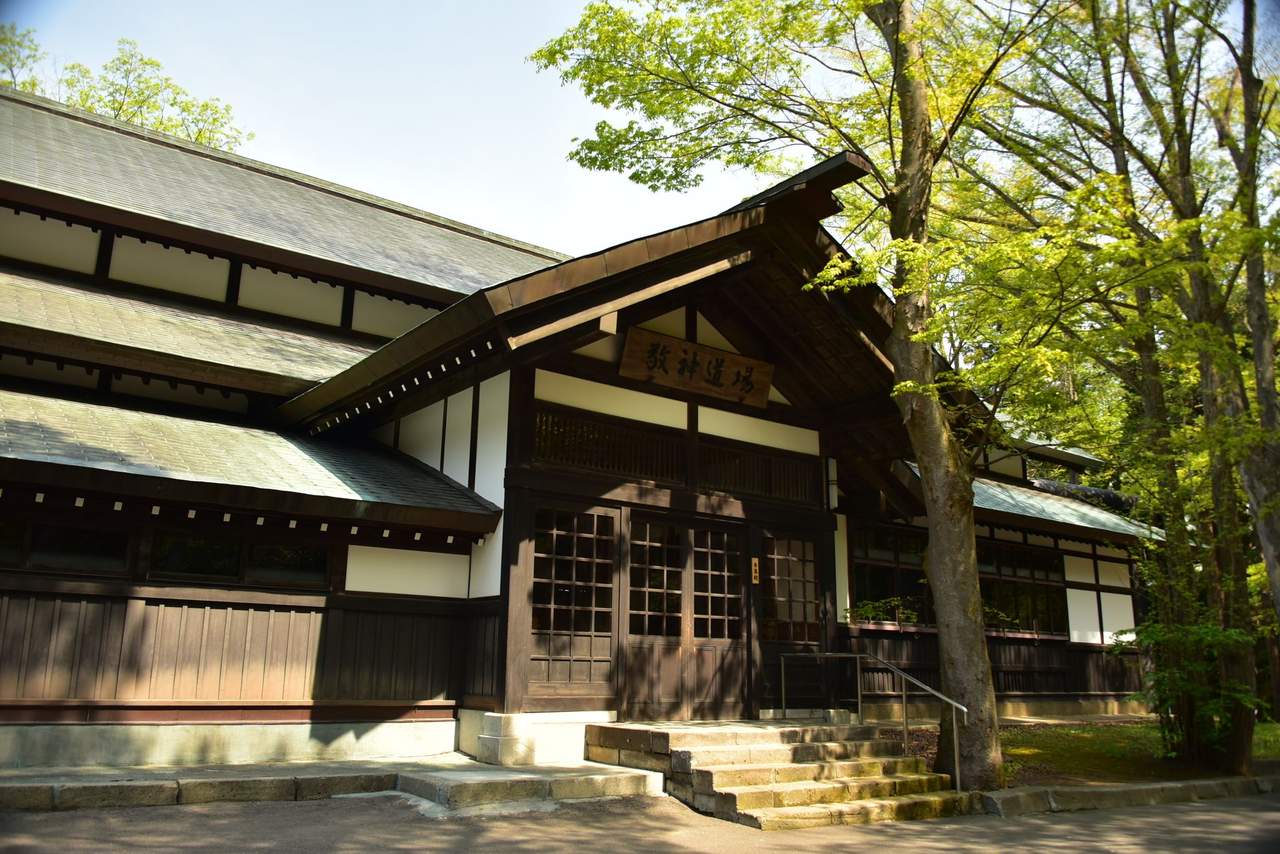
The Takayama Festival Float Exhibition Hall costs about ¥1,000 for adults, and the neighboring “Sakurayama Nikkokan” (a scale model of Nikko Toshogu) about ¥900 for adults, with a combined ticket for the two halls also available. Opening hours are 9:00-17:00 (until 16:30 from December to February).
The hall rotates 2 to 3 floats on display each season and screens festival parade videos, so you can learn more about Takayama Festival culture.
Shoryudo Bus Pass (Takayama – Shirakawa-go – Kanazawa): The Best-Value Transport Option Linking the World Heritage Sites
If you plan a one- or two-day trip combining Takayama, Shirakawa-go and Kanazawa, consider the Shoryudo Bus Pass, a pass for foreign visitors covering routes among Takayama, Shirakawa-go and Kanazawa, purchasable with a foreign passport.
The pass’s number of days, price and applicable routes vary according to official announcements, so please confirm the latest information before buying. We suggest reserving bus seats in advance, and booking even earlier during summer vacation, the autumn foliage season and the winter illumination period.
This pass saves you from buying tickets leg by leg and suits budget travelers who want to link Takayama, Shirakawa-go and Kanazawa.
Local Artisan Experience Workshops in Takayama’s Old Town: Feel the Skills of Hida Craftsmen Firsthand
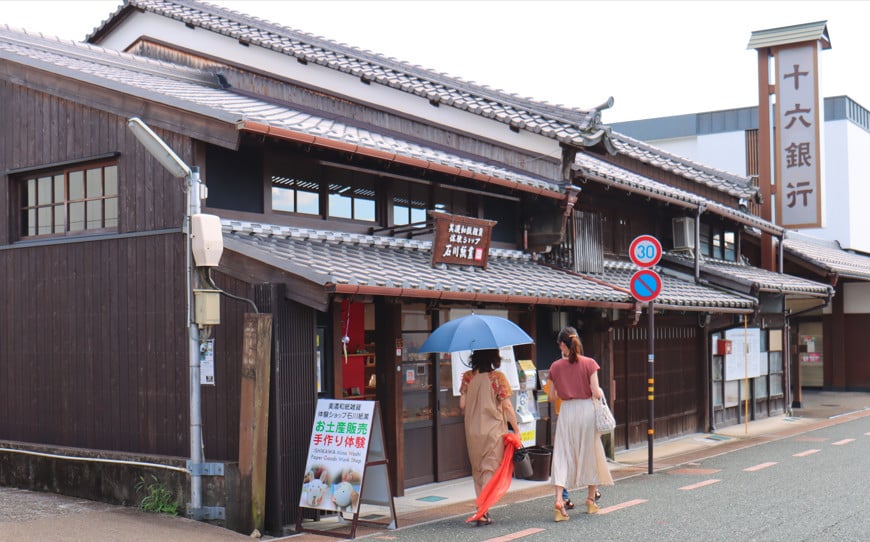
Artisan workshops in the old town (around Kami-sannomachi and Kami-ninomachi) offer experiences such as Hida shunkei lacquer and ichiiboku-ichitobori wood carving, costing ¥1,500-4,000 and taking about 30 to 60 minutes. Common experiences include painting small wooden items, making washi paper lanterns, and a Hida beef nigiri tasting set. Most experiences require no Japanese, with English or pictorial instructions provided and an artisan helping throughout, so they suit families with children. Some workshops have limited spots, and on weekends and in cherry blossom and foliage seasons you often have to wait, so we suggest booking ahead through online platforms such as KKday and Klook to keep your trip running smoothly.
2026 Takayama Old Town Guide: Hida Beef, Strolling the Old Streets and Getting There. Where to Stay Nearby? Recommended Areas
The area around Takayama Station is within walking distance of the old town and is the most convenient place to stay.

How to Choose Where to Stay? Around Takayama Station Is Our Top Pick
We recommend lodging within a 10-minute walk of Takayama Station, such as Tokyu Stay Hida Takayama Musubi no Yu and Takayama Sakuraan, most of which have hot spring public baths and coin laundry. For a machiya atmosphere, choose Hida Takayama Honjin Hiranoya Bekkan near the old town. For a resort feel, choose Hoshino Resorts KAI Okuhida in the Okuhida hot spring area (a separate ride is needed). For business travelers, Hida Takayama Wing International Hotel has convenient transport, and after checkout you can walk straight to the Miyagawa Morning Market.
FAQ
Q: How long do I need in Takayama’s old town?
The old town itself takes about 2 to 3 hours to walk. If you add the Miyagawa Morning Market and Takayama Jinya, plan a full day, and with a two-day, one-night stay you can extend to Hida Folk Village and Hida-Furukawa.
Q: How long does it take to get from Nagoya to Takayama, and what is the fare?
The JR Limited Express Hida takes about 2.5 hours, about ¥6,140 one way. The Nohi Bus takes about 2 hours 50 minutes and costs about ¥3,190, the more economical option.
Q: How much is Takayama Jinya admission, and when does it open?
Adult admission is ¥440, and it opens from about 8:45 to 17:00 (adjusted by season). We suggest visiting between 13:30 and 15:00, when it is less crowded.
Q: When does the Miyagawa Morning Market start and end?
It runs from about 7 a.m. to noon (until 11 a.m. in winter). We suggest arriving between 7 and 9 a.m., when the stalls are most complete and there are fewer visitors.
Q: When is the best season to visit Takayama’s old town?
Any season works. Cherry blossoms in spring and autumn foliage are most recommended, and winter snow is romantic. During the Takayama Festival (the Sanno Festival in April and the Hachiman Festival in October) the atmosphere is liveliest but the crowds are also biggest.
Q: What should I watch out for when visiting Takayama’s old town in summer?
Takayama’s summer sun is strong, so bring a parasol and drinking water and choose shaded routes. At midday it is a good time to duck into a cafe or a brewery tasting area to escape the heat.
Q: Does Takayama’s old town have large luggage storage?
Lockers at Takayama Station are usually full. Before you set out, we suggest using a delivery service such as Yamato Transport (Kuroneko) to send large bags straight to your next hotel, so you can tour the old town with light luggage.
