
Introduction to Senso-ji Temple, Tokyo
Senso-ji Temple in Tokyo is one of the oldest temples in the city. Located in Taito City, it draws about 30 million visitors a year. It enshrines Sho-Kannon Bosatsu (the Bodhisattva of Compassion), and the grounds are filled with history and culture.
History and Origins
Senso-ji was founded in 628, said to have been built after fishermen netted a statue of Kannon in the Sumida River. Through generations of repairs and expansion, it gradually grew into its present scale. In the Edo period, Senso-ji became the center of popular faith, attracting countless worshippers.
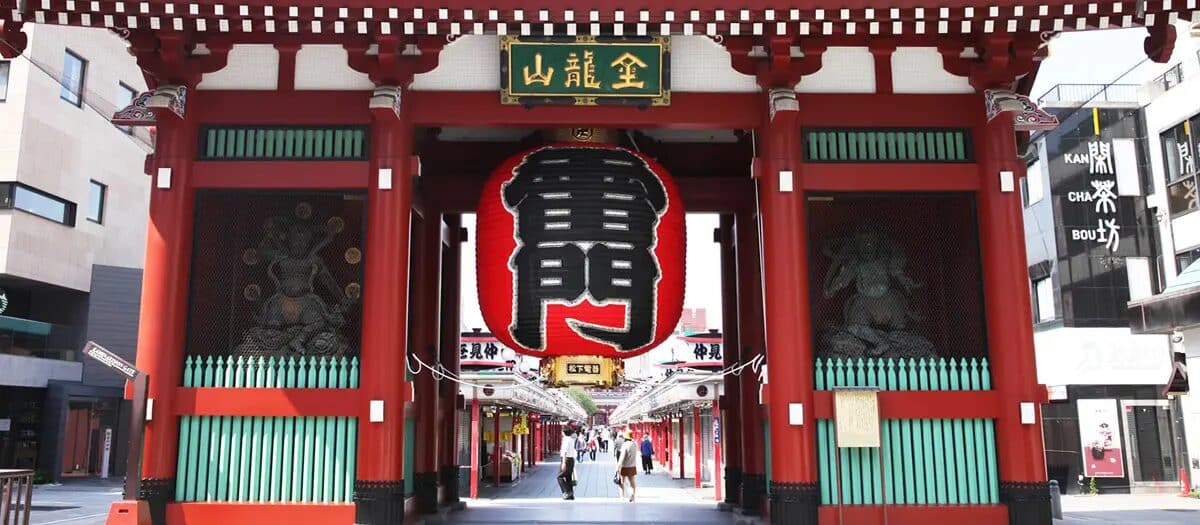
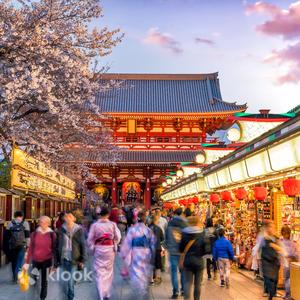
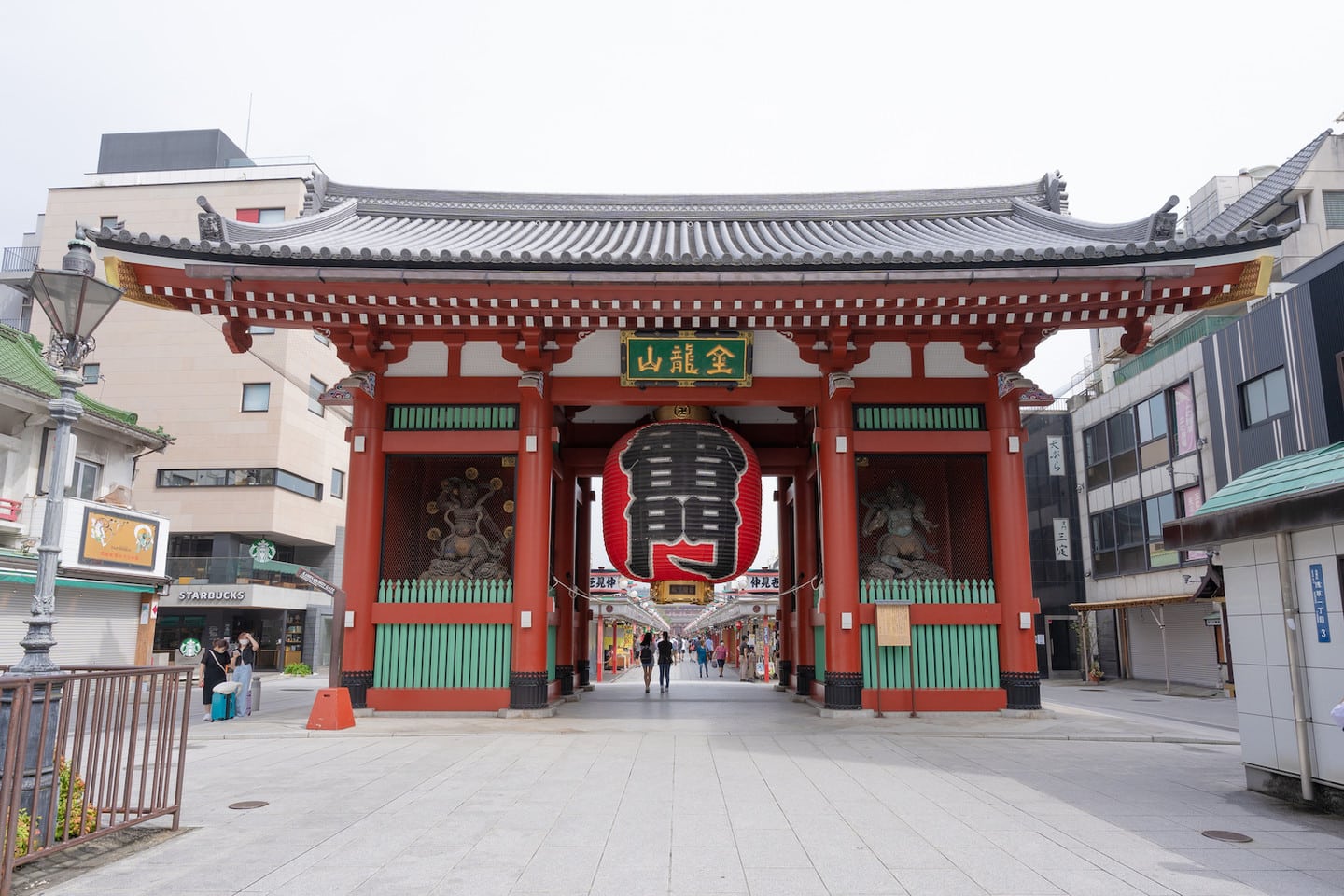
Kaminarimon is Asakusa’s most iconic landmark, and the Nakamise-dori shopping street runs about 250 meters.

Main Features
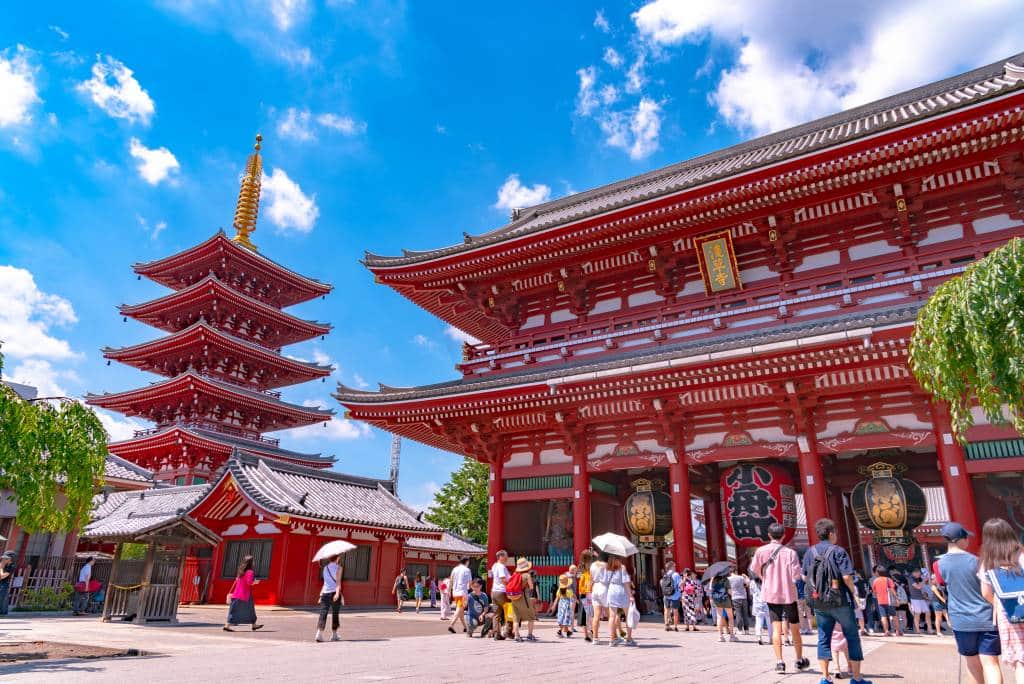
Senso-ji’s most famous landmarks are Kaminarimon and Nakamise-dori. The giant lantern of Kaminarimon is the symbol of Senso-ji, while Nakamise-dori is a lively shopping street full of traditional snacks and souvenirs. The grounds also hold the five-story pagoda, the main hall and other important buildings. Kaminarimon burned down in 1865 and was rebuilt in 1960; Hozomon and the five-story pagoda were rebuilt in 1964 and 1973 respectively.
Cultural Significance
Senso-ji is not only a place of worship but also carries rich cultural meaning. Its buildings, artworks and rituals reflect traditional Japanese culture, and every year many worshippers come to experience it. The various services and events held at the temple, such as Setsubun-e and Shiman-rokusen-nichi (the 46,000 Days festival) on July 9 to 10, are important cultural events in Tokyo. Whether for history, architecture or culture, Senso-ji is an unmissable stop in Tokyo.
What Are the Must-See Spots at Senso-ji? Highlights by Area
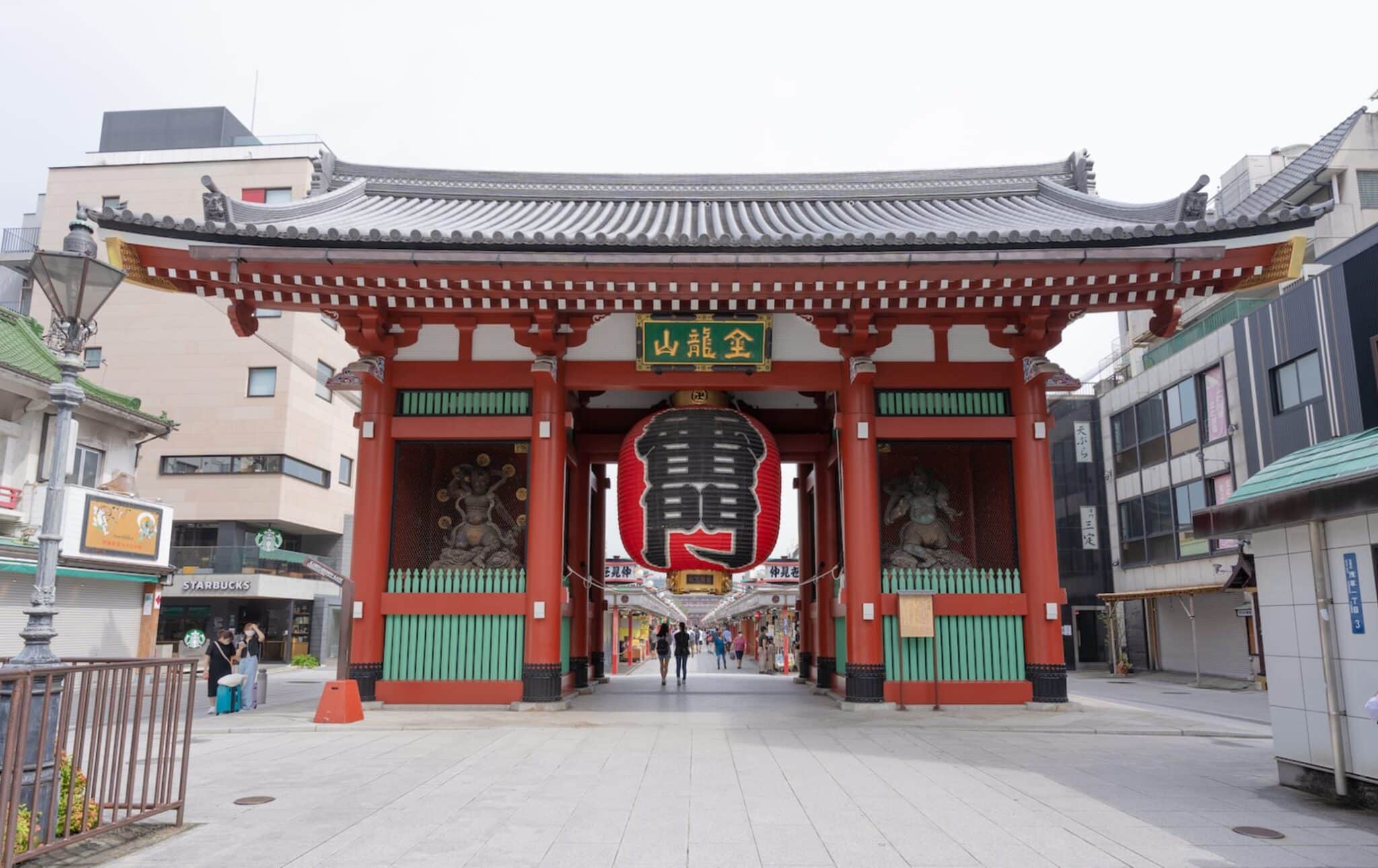
Kaminarimon

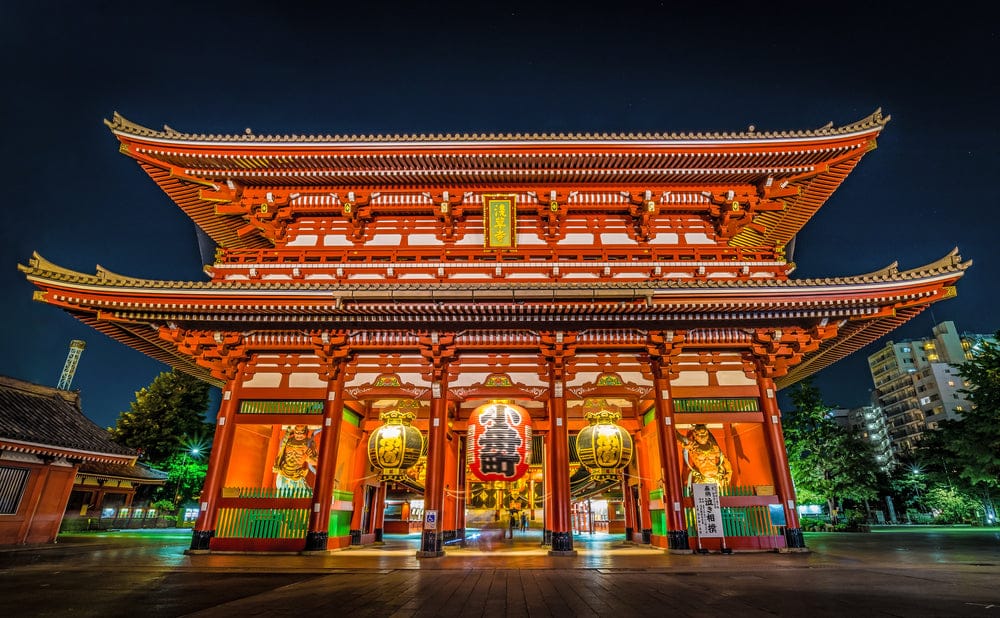
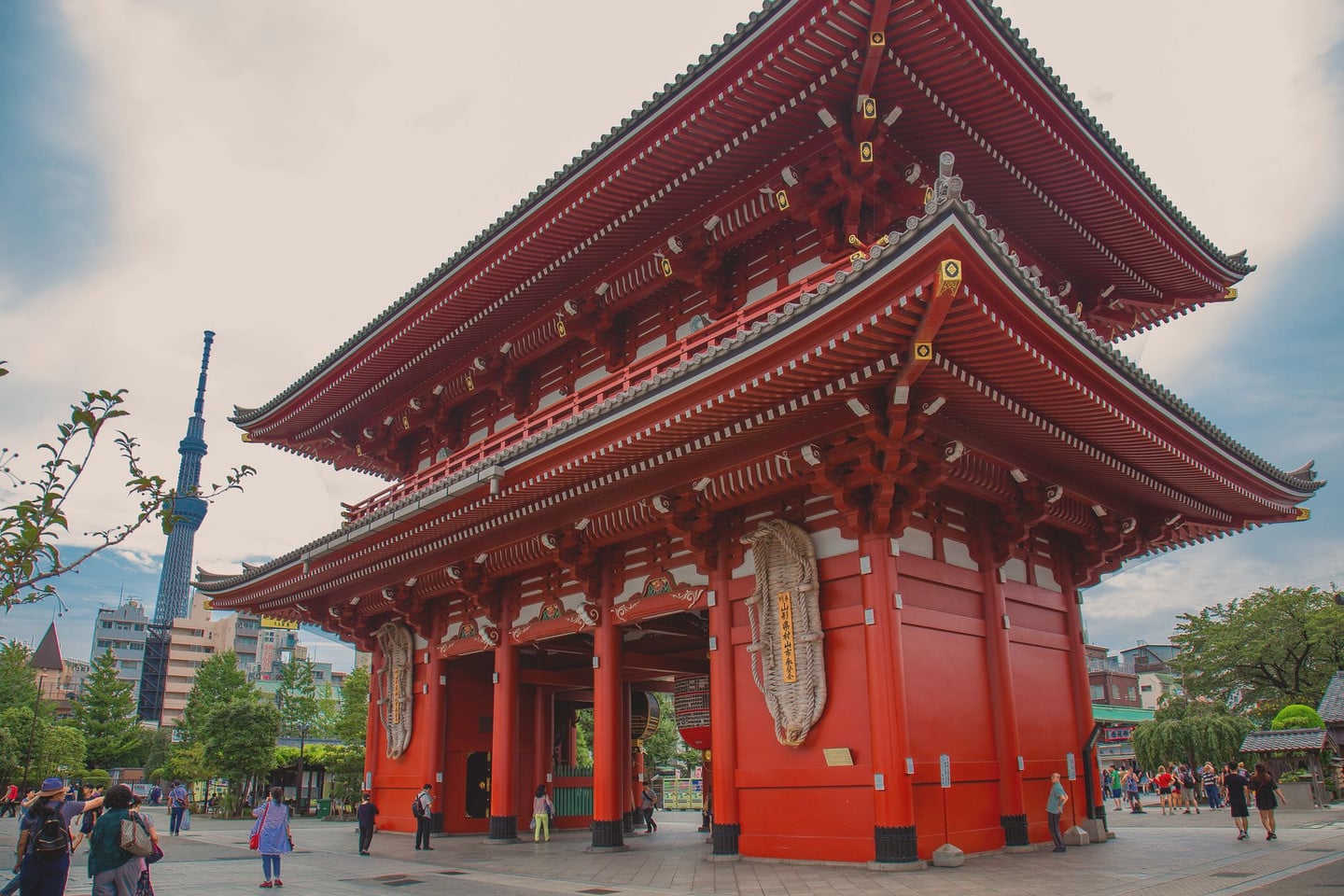
The symbol of Senso-ji, with its huge lantern and statues of the Wind and Thunder gods. Kaminarimon is the first gate of Senso-ji and a popular photo spot for visitors.
Address: 2-3-1 Asakusa, Taito City, Tokyo
Kaminarimon burned down in 1865, and the current gate was rebuilt in 1960 with a donation from Konosuke Matsushita. From here you enter Nakamise-dori, which leads to Hozomon and the main hall.
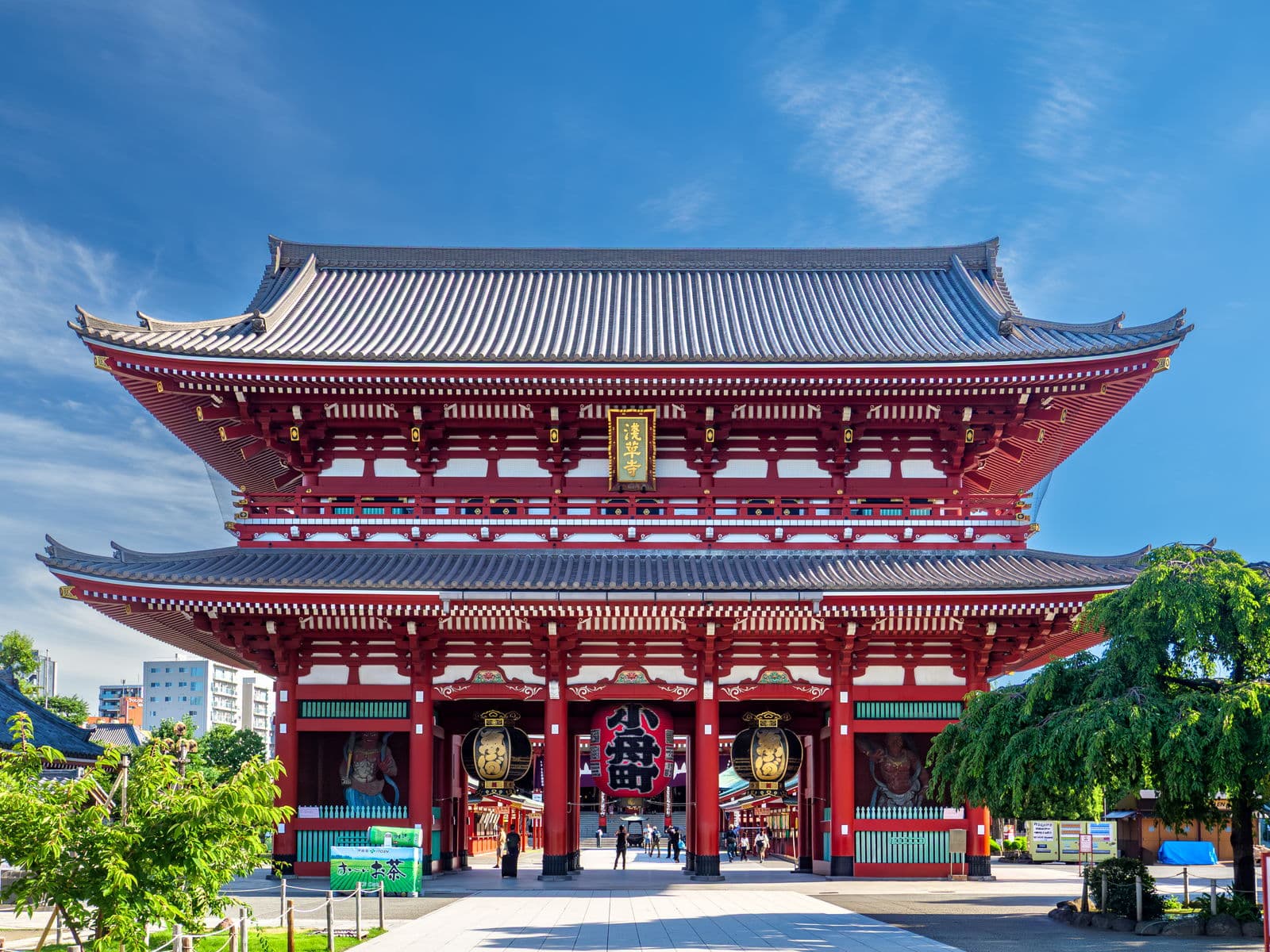
Hozomon
The second gate behind Kaminarimon, housing two Nio guardian statues. Hozomon was rebuilt in 1964 and is the second gate into the Senso-ji grounds.
For transportation, you can get there by JR or subway, about a 5 to 10 minute walk from the nearest station.
After sunset, Kaminarimon, Hozomon, the five-story pagoda and the main hall are lit up, so you can also enjoy the night view in the grounds.
Five-Story Pagoda
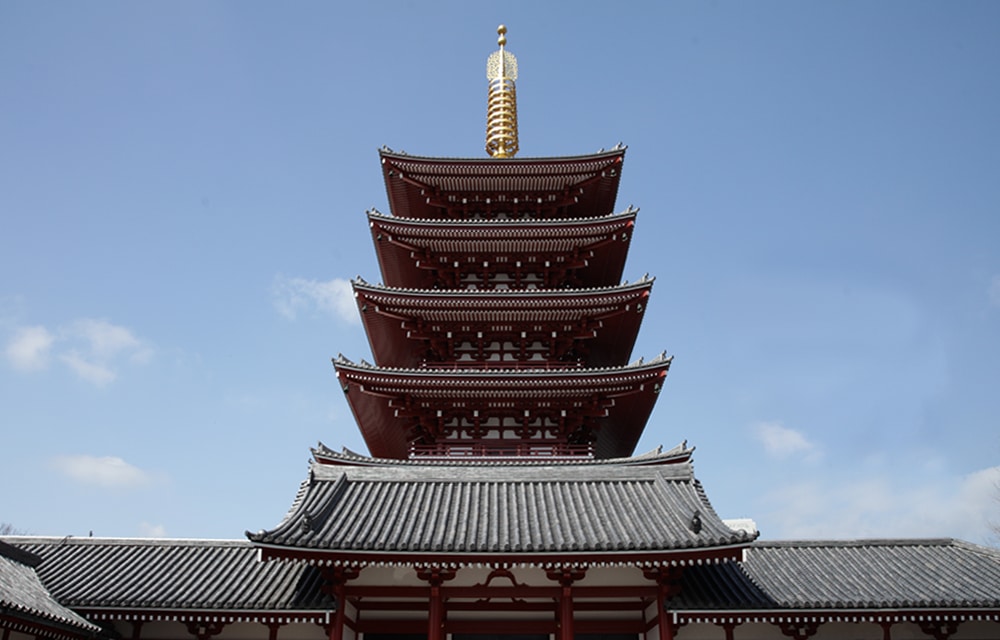
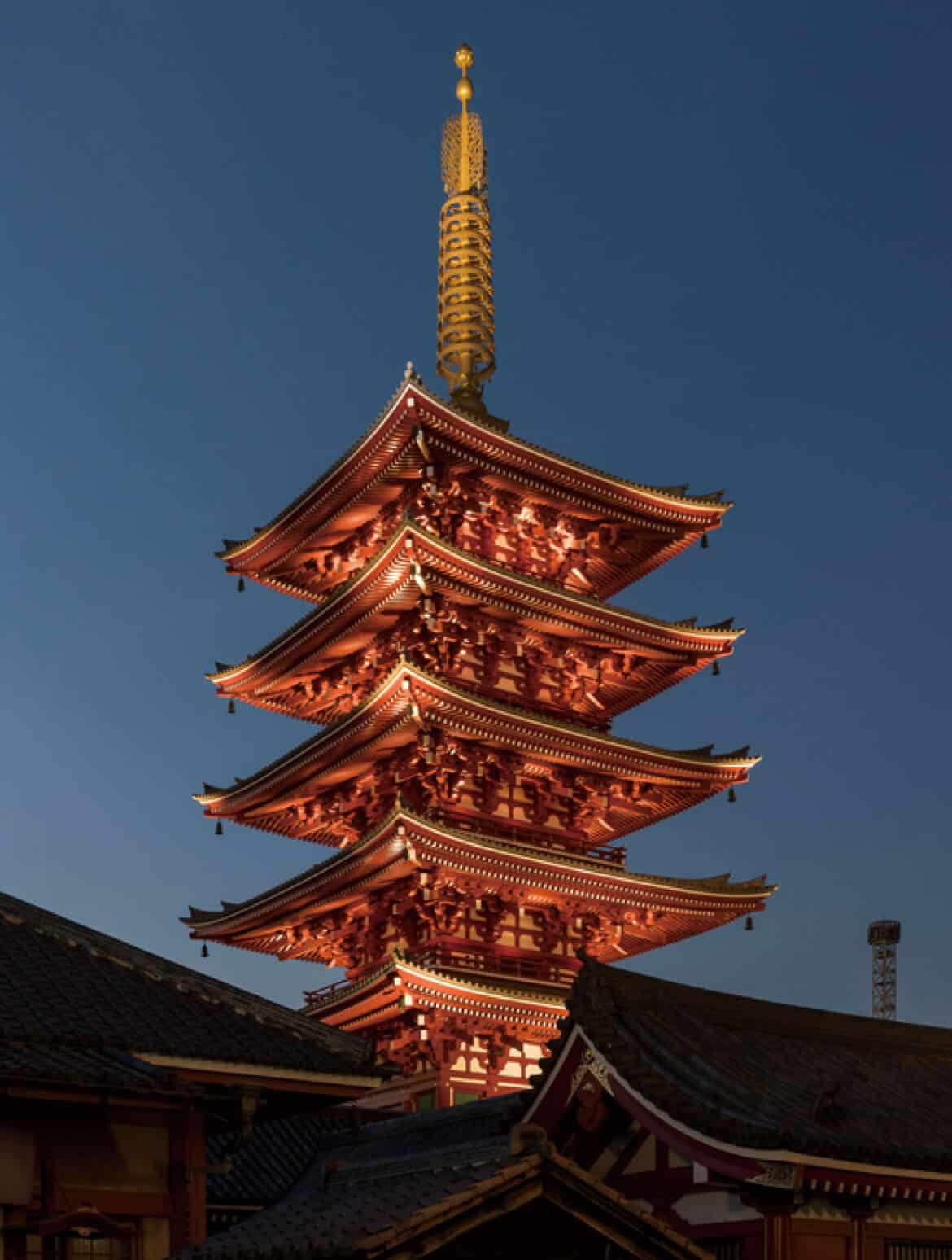
A five-story pagoda within the Senso-ji grounds, about 53 meters tall. The current pagoda was rebuilt in 1973 and houses about 30,000 memorial tablets, making it one of Asakusa’s landmarks.
Wear comfortable walking shoes, as some areas involve a lot of walking.
Bring a camera to capture the memorable moments; this is a must-visit spot for photography lovers.
Main Hall (Kannon-do)
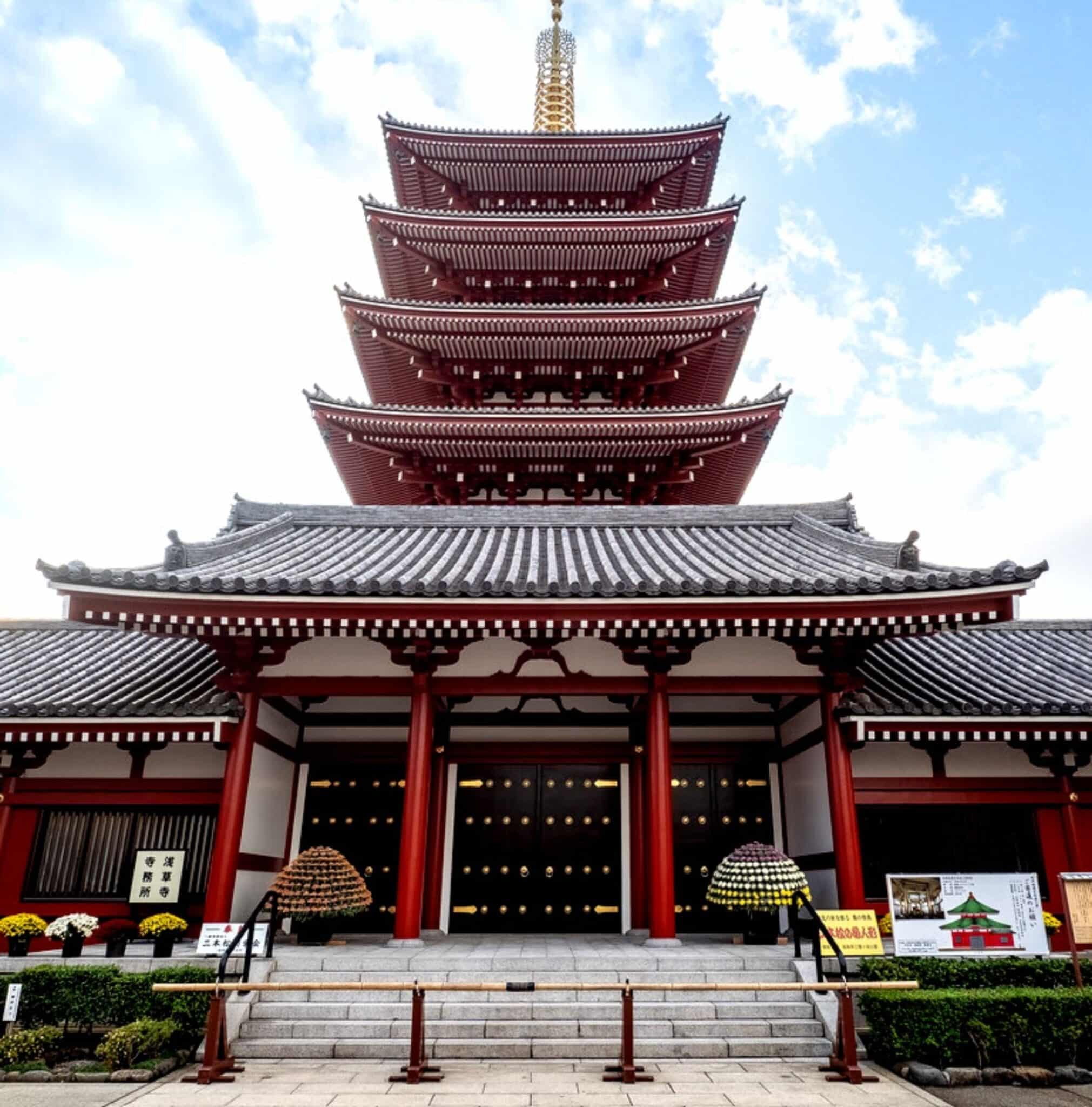
The main hall of Senso-ji, enshrining Sho-Kannon Bosatsu. It is the most important building at Senso-ji and the main destination for worshippers.
The main hall is open 6:00 to 17:00 from April to September and 6:30 to 17:00 from October to March.
How to Get to Senso-ji: Transportation and Costs
Senso-ji is in central Tokyo and very easy to reach: take the Tokyo Metro Ginza Line, Toei Asakusa Line or Tobu Isesaki Line to Asakusa Station, and walk about 5 minutes from the exit to Kaminarimon and the entrance of Nakamise-dori. There is no direct train from Tokyo Station; you can transfer to the Ginza Line at Nihombashi Station, about 35 minutes and from about ¥180 (varies by route).
How Much Does It Cost to Visit Senso-ji? Admission and How to Buy Tickets
Senso-ji Is Free to Visit, but Some Areas Charge a Fee
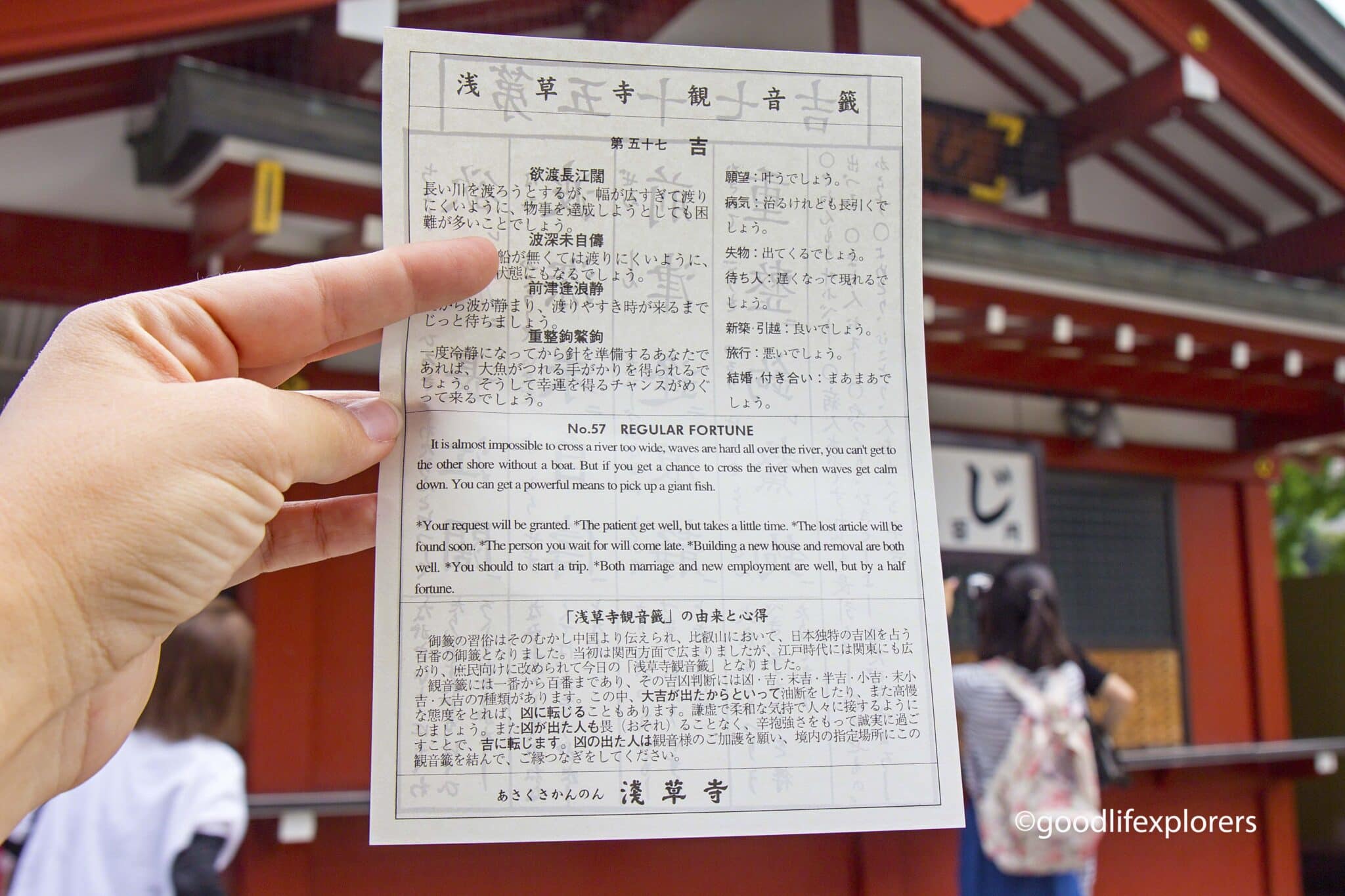
The Senso-ji grounds are open to visit freely. No admission is charged anywhere from Kaminarimon and Nakamise-dori to Hozomon and the main hall.
Visiting Senso-ji does not require a ticket, and there is no official ticket outlet. Products labeled “Senso-ji tickets” online are mostly fees for nearby kimono rentals, rickshaws or guided tours, not admission to the temple.
Fees at Nearby Attractions
Although Senso-ji itself is free, some nearby attractions and facilities may charge admission. For example, Asakusa Hanayashiki is an amusement park on the west side of Senso-ji, founded in 1853 and known as Japan’s oldest amusement park. It is open 10:00 to 18:00 (varies by season and weather; last entry 30 minutes before closing).

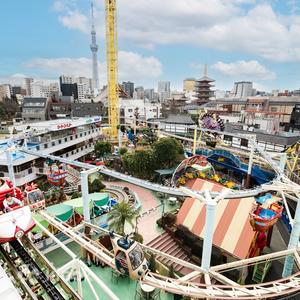
Costs of Omamori and Goshuin
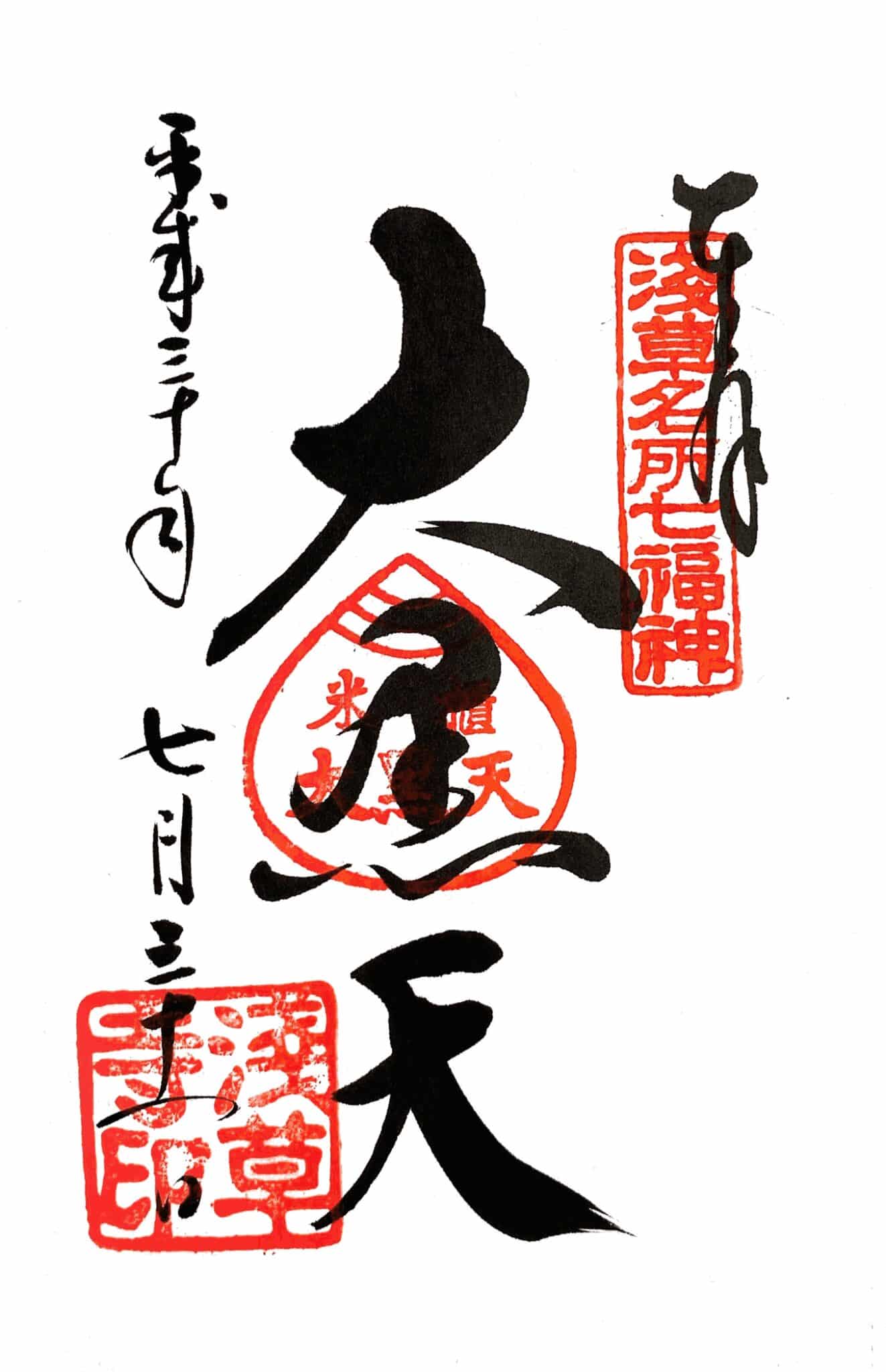
At Senso-ji, visitors can buy omamori (protective charms) or receive goshuin (temple stamps). Goshuin are handled at Yogo-do on the west side of the main hall, from 8:00 to 16:30 (with special hours at New Year and Shiman-rokusen-nichi), and the fee follows the notice posted on site.
Do I Need to Reserve a Daikokuten Omamori in Advance?
According to the Senso-ji website, items such as the Daikokuten omamori are available only in person, with no phone or mail reservations (original text: 「お電話等による発送はしておりません」). Daikokuten is enshrined at Yogo-do on the west side of the main hall and is one of the Asakusa Seven Lucky Gods; you must go to the counter yourself, and you cannot reserve online or choose a pickup date. There is also an official online shop (senso-ji.online); whether it carries the Daikokuten omamori follows the official announcement.
Where to Get Senso-ji Omamori: Hours and Locations
Senso-ji’s omamori and other items can be obtained at the main hall and approach, Yogo-do, Awashima-do, Zenizuka Jizo-do, Chingo-do and other halls. The main hall is open 6:00 to 17:00 from April to September and 6:30 to 17:00 from October to March. The temple does not accept phone or mail reservations, so you need to go in person; for the opening hours of the other halls, contact the temple office (03-3842-0181, 9:00 to 16:30, excluding Sundays and national holidays).
Where to Eat Near Senso-ji: Restaurant Recommendations
Around Senso-ji there are plenty of delicious traditional Japanese dishes and unique snacks. Here are a few must-try recommendations:
Fried Minced Meat Cutlet: Asakusa Menchi
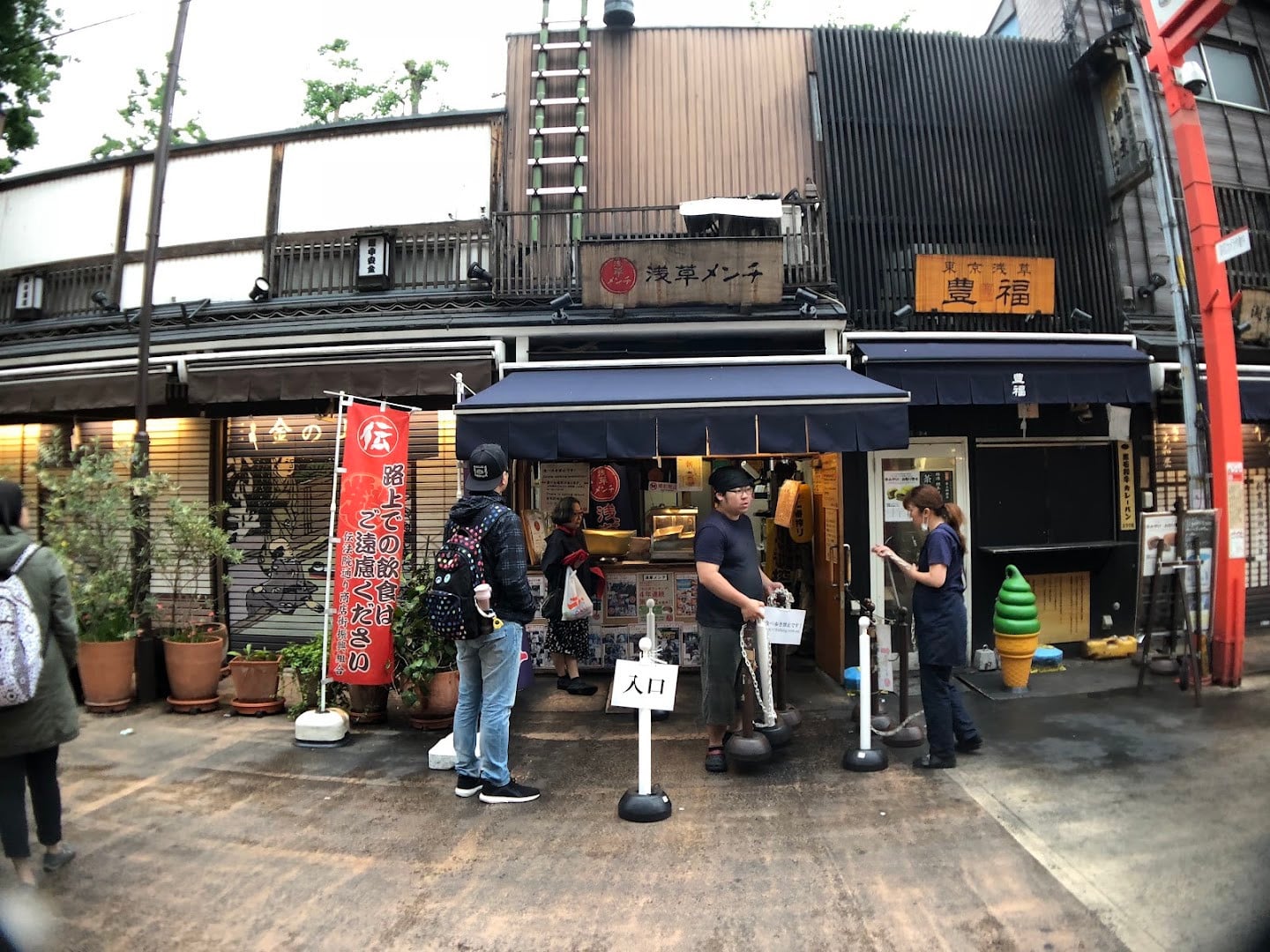
“Asakusa Menchi,” next to Kaminarimon, is a popular shop with long lines. It uses a blend of Kozaton pork and Japanese domestic Kuroge Wagyu, fried to order, juicy and crispy, and it is the most convenient snack to eat while walking around Kaminarimon and Nakamise-dori.
- 🍖 Must-order: signature menchi-katsu (fried minced meat cutlet)
- 💰 Price: about ¥400 per piece
- 🚉 Access: about a 3 to 5 minute walk from Asakusa Station on the Toei Asakusa Line or Tokyo Metro Ginza Line, next to Kaminarimon
Address: 2-3-3 Asakusa, Taito City, Tokyo
Open roughly 10:00 to 19:00 and closes when sold out; go on a weekday outside peak meal times to shorten the wait.
Ningyo-yaki: Kimuraya Ningyo-yaki Honpo
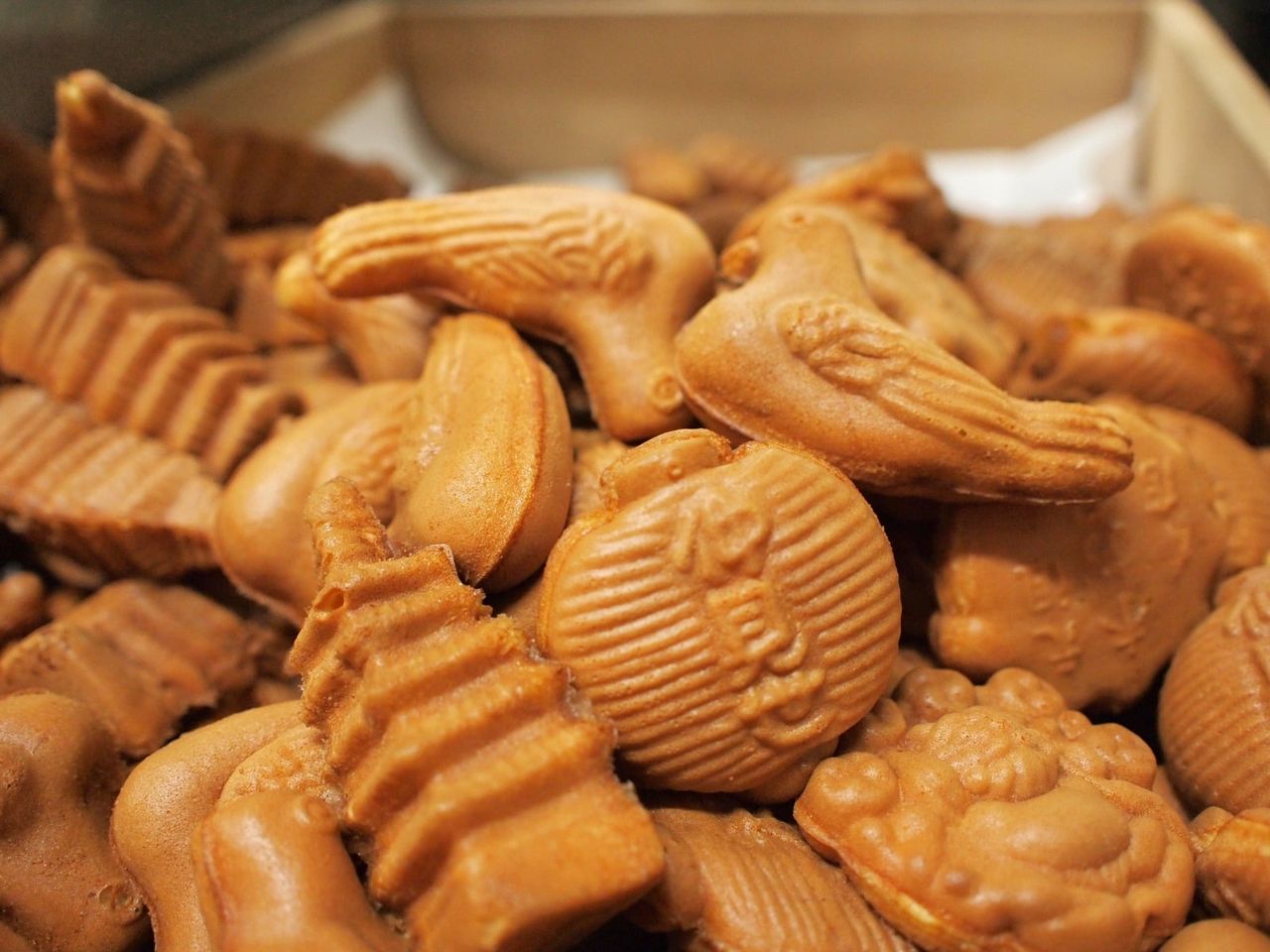
“Kimuraya Ningyo-yaki Honpo,” founded in Keio 4 (1868), is the oldest ningyo-yaki shop on Nakamise-dori. Its signature molds come in four shapes: the Kaminarimon lantern, the Wind and Thunder gods, the five-story pagoda and a pigeon, and the artisans bake and sell them fresh in the shop.
- 🍡 Must-order: signature ningyo-yaki (red bean filling or plain)
- 💰 Price: about 8 pieces per bag, around ¥600
- 🚉 Access: about a 5-minute walk from Asakusa Station, in the middle of Nakamise-dori
Address: 2-3-1 Asakusa, Taito City, Tokyo
They taste best eaten hot, fresh from the griddle.
Dorayaki: Kameju Dorayaki
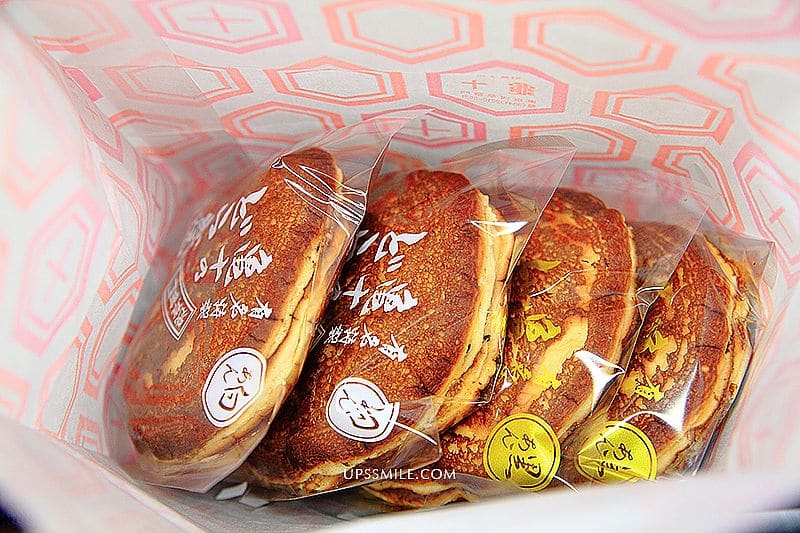
“Kameju Dorayaki” is diagonally across from the big Kaminarimon lantern. The pancake is fluffy with a toasty aroma and the red bean filling is sweet but not cloying. It sells more than 3,000 a day and is Asakusa’s best-known sweet with a line.
- 🥮 Must-order: signature red bean dorayaki
- 💰 Price: black bean and white bean dorayaki about ¥360 each (tax included, subject to in-store notice)
- 🚉 Access: about a 2-minute walk from Asakusa Station on the Tokyo Metro, diagonally across from Kaminarimon
Address: 2-18-11 Kaminarimon, Taito City, Tokyo
Arrive before opening to get in line and avoid the risk of showing up after they sell out.
Kibi Dango: AZUMA
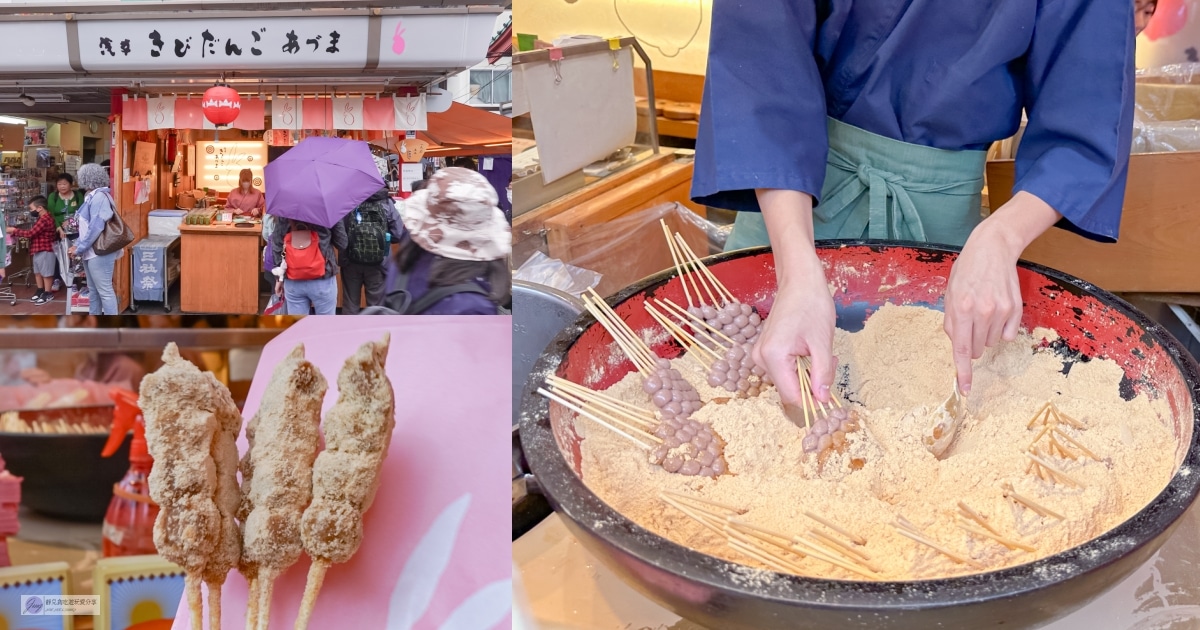
“Asakusa Kibi Dango Azuma” (AZUMA) is next to Kaminarimon, at the corner of the Nakamise-dori entrance. Staff in Edo-period costume grill the dango fresh and dust them with kinako (roasted soybean flour), a popular shop recreating the old-fashioned snacks of Edo-era Nakamise-dori.
- 🍡 Must-order: kibi dango (millet dumplings, 5 skewers per serving)
- 💰 Price: one serving of kibi dango (5 skewers) ¥400 (tax included)
- 🚉 Access: about a 1-minute walk from Asakusa Station, next to Kaminarimon
Address: 1-18-1 Asakusa, Taito City, Tokyo
Visit around midday on a weekday to avoid the holiday crowds.
Asakusa Imahan: A Sukiyaki Restaurant Founded in 1895
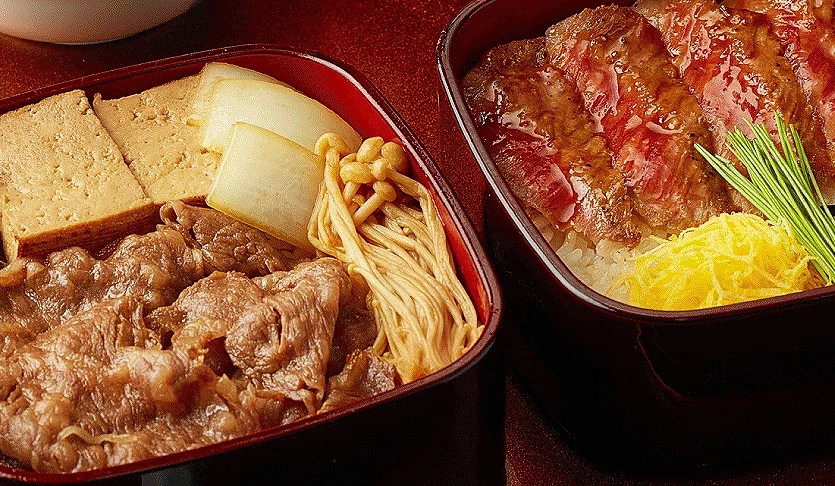
“Asakusa Imahan” was founded in Meiji 28 (1895) and is famous for sukiyaki made with carefully selected Kuroge Wagyu and its secret warishita sauce. The Kokusai-dori main shop is at 3-1-12 Nishi-Asakusa, open 11:30 to 20:30 (lunch served until 14:00), open every day of the year, with nakai (waitresses) cooking at your table.
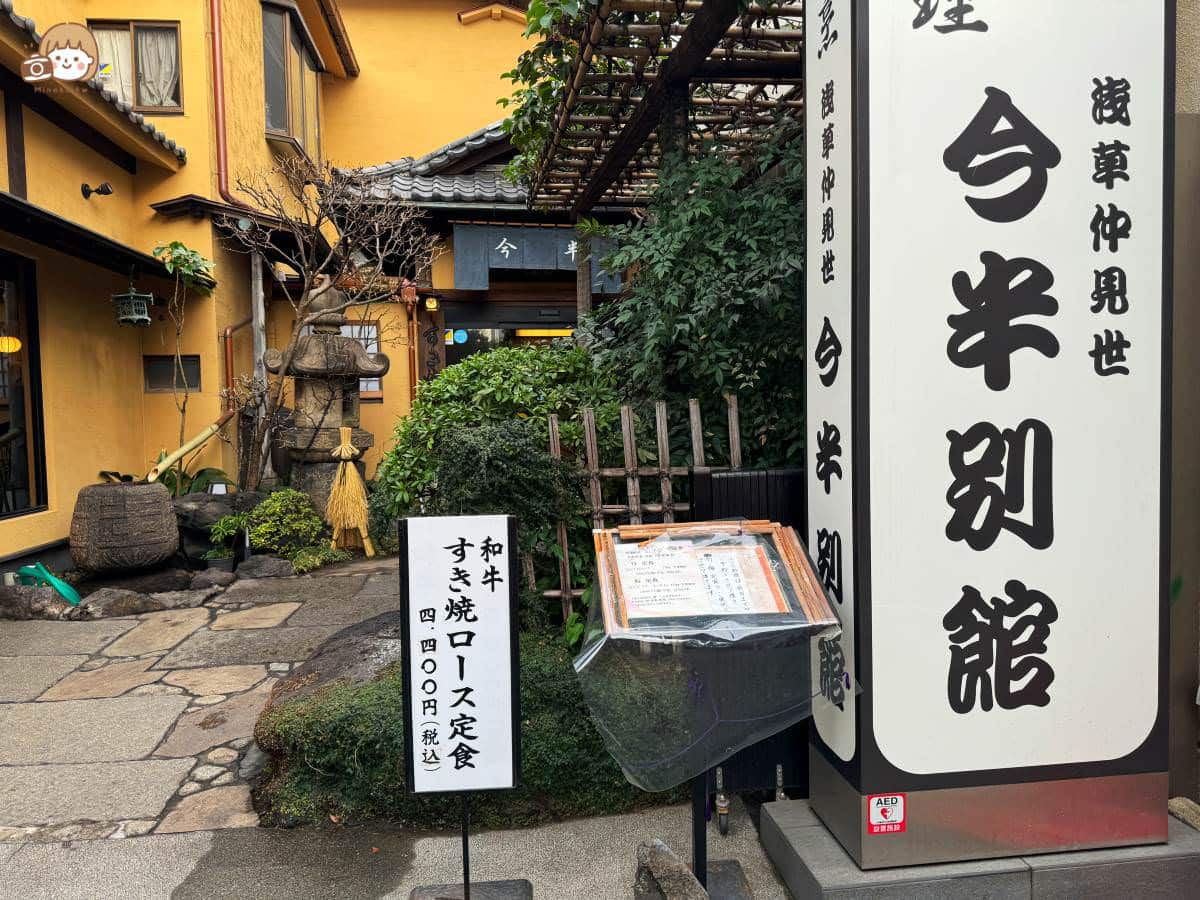
- 🍲 Must-order: premium marbled sukiyaki set; lunch-only “Meiji Sukiyaki Don” (limited to 20 servings per day)
- 💰 Price: varies by set, please follow the restaurant’s notice
- 🚉 Access: the Kokusai-dori main shop is on Kokusai-dori in Nishi-Asakusa, and you can walk there from Senso-ji along Kokusai-dori
Address: 3-1-12 Nishi-Asakusa, Taito City, Tokyo (Kokusai-dori main shop)
Reserve ahead; meal times (especially dinner) are often full.
Eel Rice: Kaminarimon Unagi Irokawa
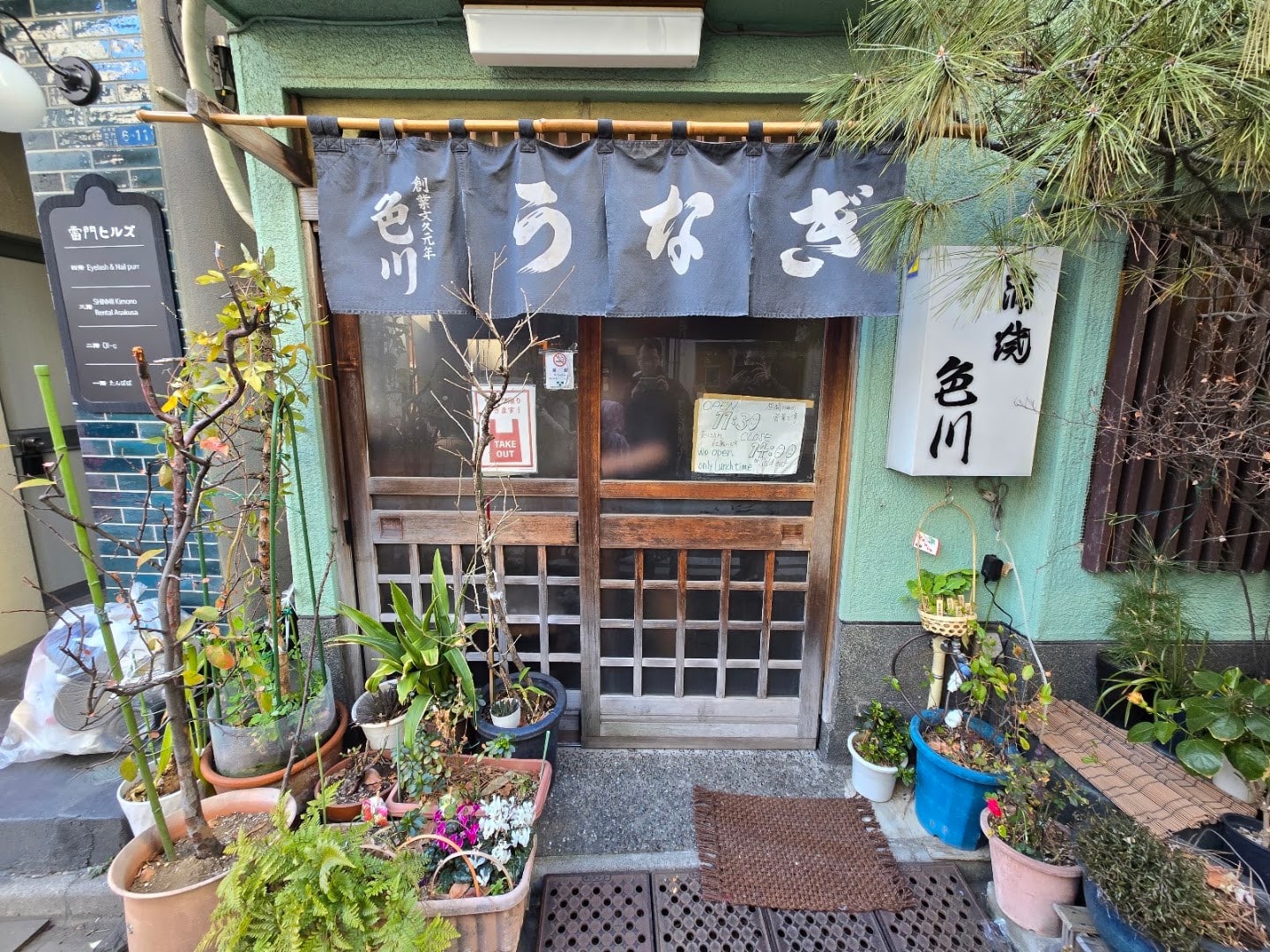
Founded in Bunkyu 1 (1861), “Irokawa” is a representative Edomae eel restaurant in Asakusa, grilling eel over charcoal with a sauce passed down for more than 150 years, with crisp skin, tender flesh and a rich aroma.
- 🐟 Must-order: unaju (eel rice box)
- 💰 Price: regular about ¥3,600, extra-large about ¥4,900
- 🚉 Access: about a 2-minute walk from Exit A1 of Asakusa Station on the Toei Asakusa Line
Address: 2-6-11 Kaminarimon, Taito City, Tokyo
Open only for lunch, 11:30 to 14:00, closed Sundays and national holidays (and occasionally on other days), closes when sold out; a phone reservation in advance is recommended.
Asakusa Yakiniku: Popular Spots Tucked into the Back Alleys
Besides sukiyaki and eel rice, Asakusa has in recent years gathered quite a few well-known yakiniku restaurants, mostly tucked into the alleys between Kaminarimon-dori and Kokusai-dori. They focus on Japanese domestic Wagyu and offal grilling, with prices ranging from affordable all-you-can-eat yakiniku to premium Wagyu sets, a popular dinner choice after strolling through old Asakusa in the evening.
More Than Senso-ji! Walking Routes Around Sumida Park and Kappabashi Kitchen Street
Asakusa’s appeal goes beyond Kaminarimon and Senso-ji. The truly local way to enjoy it is to wander into the alleys on either side of Nakamise-dori and out to the riverbank, and experience the everyday atmosphere of old Tokyo. The spots below suit a half-day to full-day extension after you have finished your visit.
Sumida Park: One of Japan’s 100 Best Cherry Blossom Spots and a Skytree Photo Hotspot
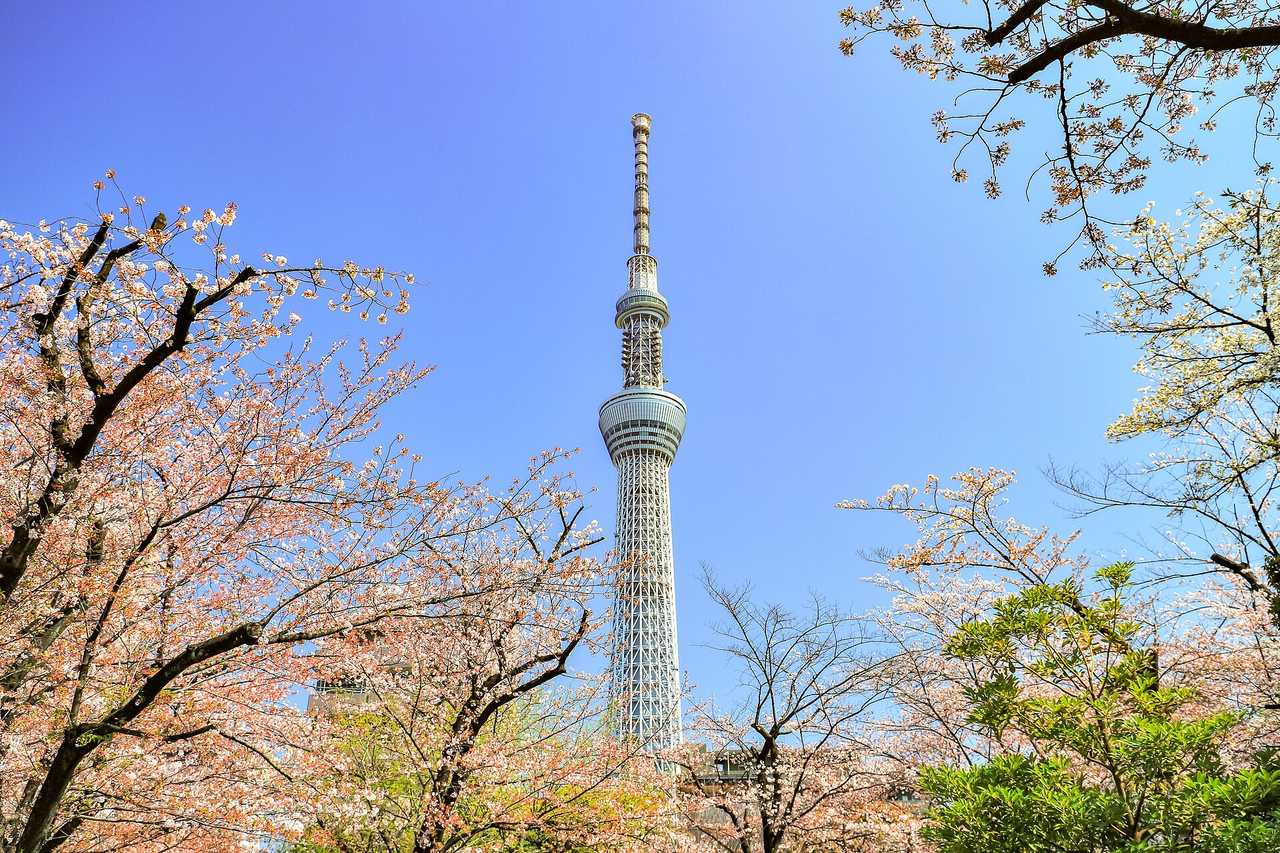
Sumida Park stretches along both banks of the Sumida River and is one of Japan’s “100 Best Cherry Blossom Spots.” In spring, the view of cherry blossoms framed with Tokyo Skytree is one of photographers’ favorite angles. It is about a 10-minute walk from Senso-ji, and the park is also a boarding point for Sumida River cruises, where you can take a boat to Hama-rikyu or Odaiba and see Asakusa and Skytree from the water at different angles. The summer Sumida River Fireworks Festival is also one of the oldest fireworks festivals in Tokyo.
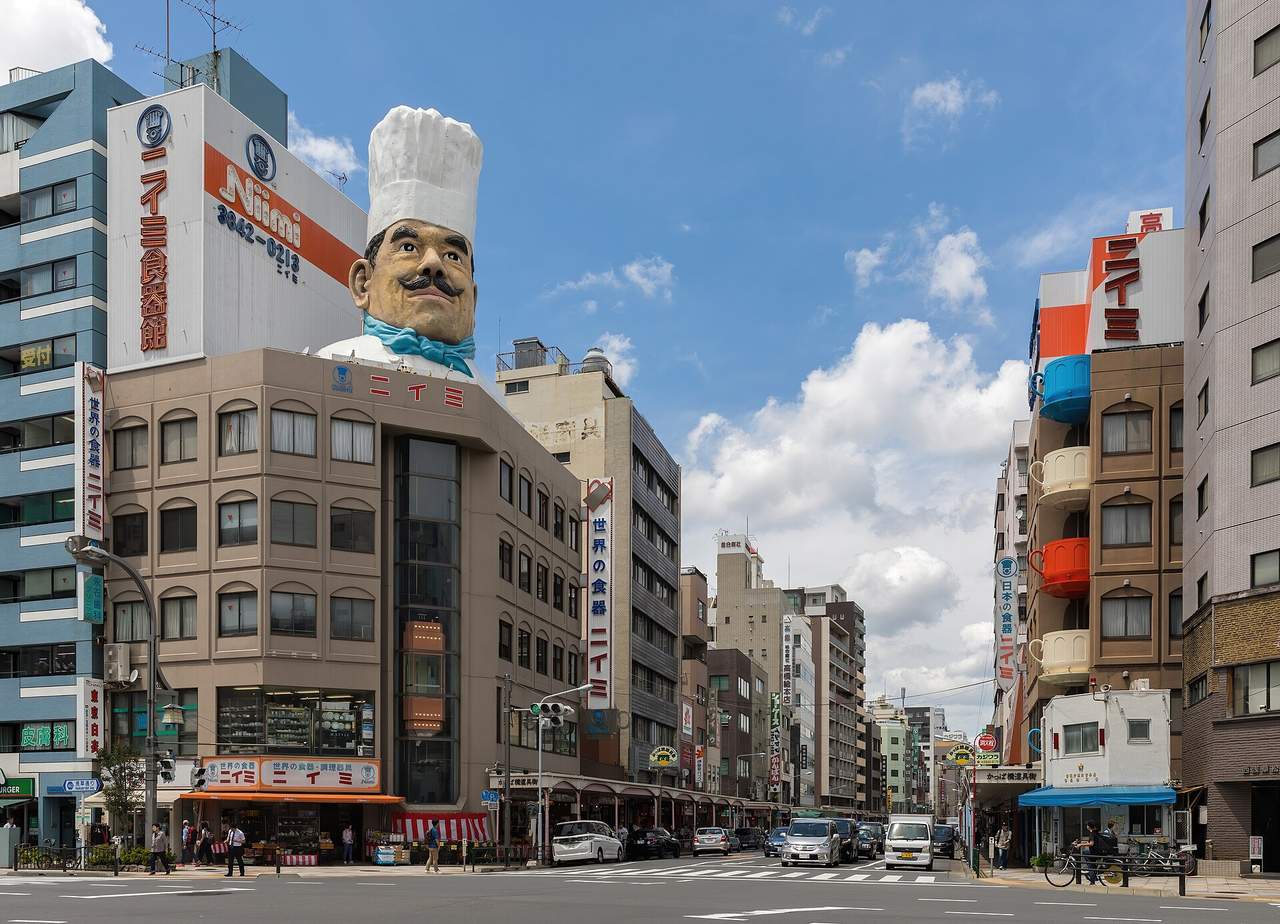
Kappabashi Kitchen Street: The Wholesale Street Craftspeople Love
About a 10 to 15 minute walk west of Senso-ji is Kappabashi Kitchen Street, about 800 meters long, home to about 170 specialty shops selling kitchenware, food samples, tableware and packaging supplies. It is the main purchasing base for Tokyo’s restaurant industry and also draws travelers who love Japanese knives and artisan crafts and come to hunt for treasures. It is one of the few walking routes around Senso-ji with fewer tourists and closer to local life.
Dempoin-dori: A Retro Streetscape and a Skytree Photo Lane
Dempoin-dori, which crosses Nakamise-dori at a right angle, has shops on both sides that deliberately keep the retro look and signage of the Edo period. It is a popular street for photos with an old-Tokyo atmosphere, and looking toward Skytree you can even frame the tower in your shot. Fewer tourists come this way, so it suits a slower stroll after Nakamise-dori to feel everyday life on an old street.
What Is the History of Senso-ji? Cultural Background and Key Facts
Senso-ji is one of Japan’s oldest temples, with a rich history and cultural background. Its history goes back to 628, when two fishermen found a statue of Kannon in the Sumida River and built a temple on the spot.
The Origins of Senso-ji
Senso-ji’s founding is closely tied to the discovery of the Kannon statue. According to legend, in 628 two fishermen netted a statue of Kannon while fishing in the Sumida River. The event was seen as a miracle and led local residents to build a temple to enshrine Kannon. Over time, Senso-ji gradually became an important Buddhist center in the Tokyo area.
Important Events in History
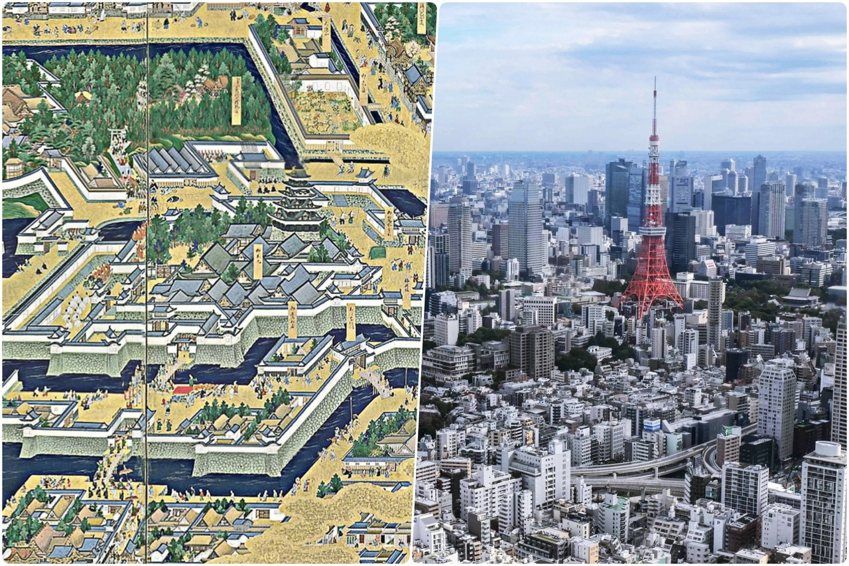
Senso-ji has been rebuilt and expanded many times in its history. In particular, in the time of Tokugawa Ieyasu, Senso-ji received the protection of the shogunate and became an important religious site in the Edo area. After the Meiji era, Senso-ji continued to develop and became one of the most popular tourist attractions in Tokyo.
What to Know Before Visiting Senso-ji: Practical Tips and Etiquette
Etiquette and Notes for Worship
Senso-ji is a Buddhist temple. Before worshipping, wash your hands and rinse your mouth at the water pavilion, then purify yourself with the smoke at the incense burner (jokoro) before heading to the main hall. Keep a solemn manner and avoid loud voices. Senso-ji is a working Buddhist temple, and the grounds are quieter in the early morning and evening, which suits travelers who want to worship in peace.
At a Buddhist temple you do not clap; after tossing a donation in front of the main hall, simply press your palms together and bow your head to show respect to the Buddha.
Clothing and Dress Suggestions
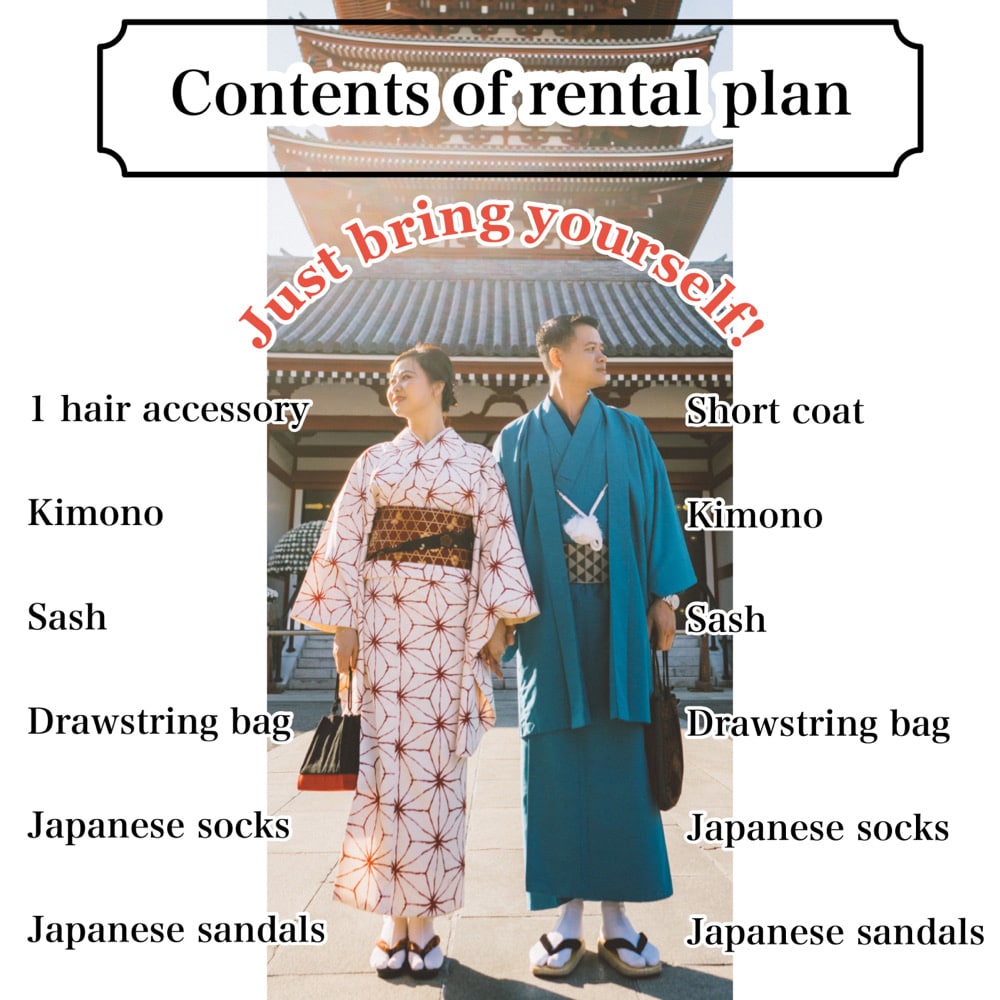
When visiting Senso-ji, dress modestly and respectfully. Avoid overly revealing or frivolous clothing out of respect for the temple. If you want to experience kimono culture, there are several kimono rental shops in Asakusa where you can choose a kimono for photos or worship. Kaminarimon and Nakamise-dori are crowded, so watch the people around you when walking in a kimono.
Nearby Transportation and Parking
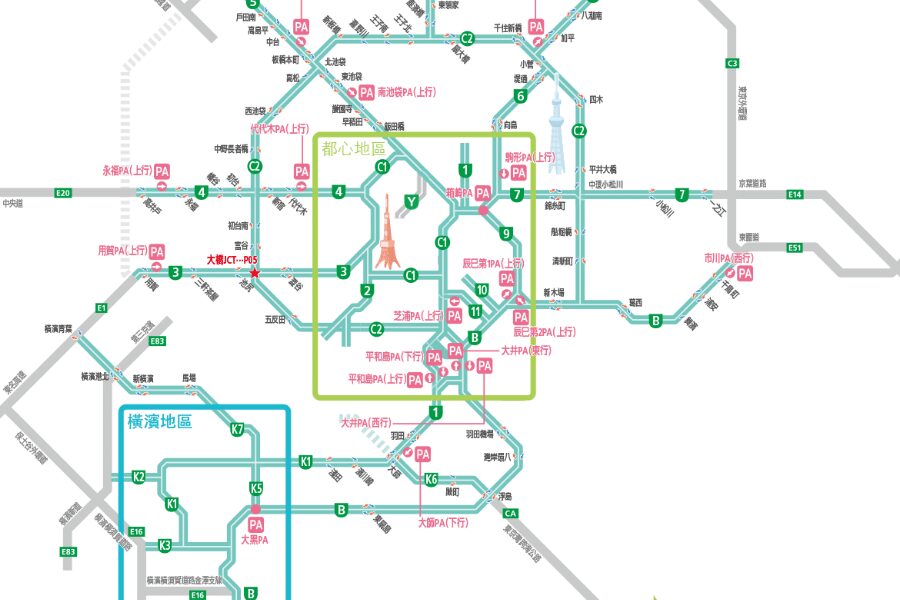
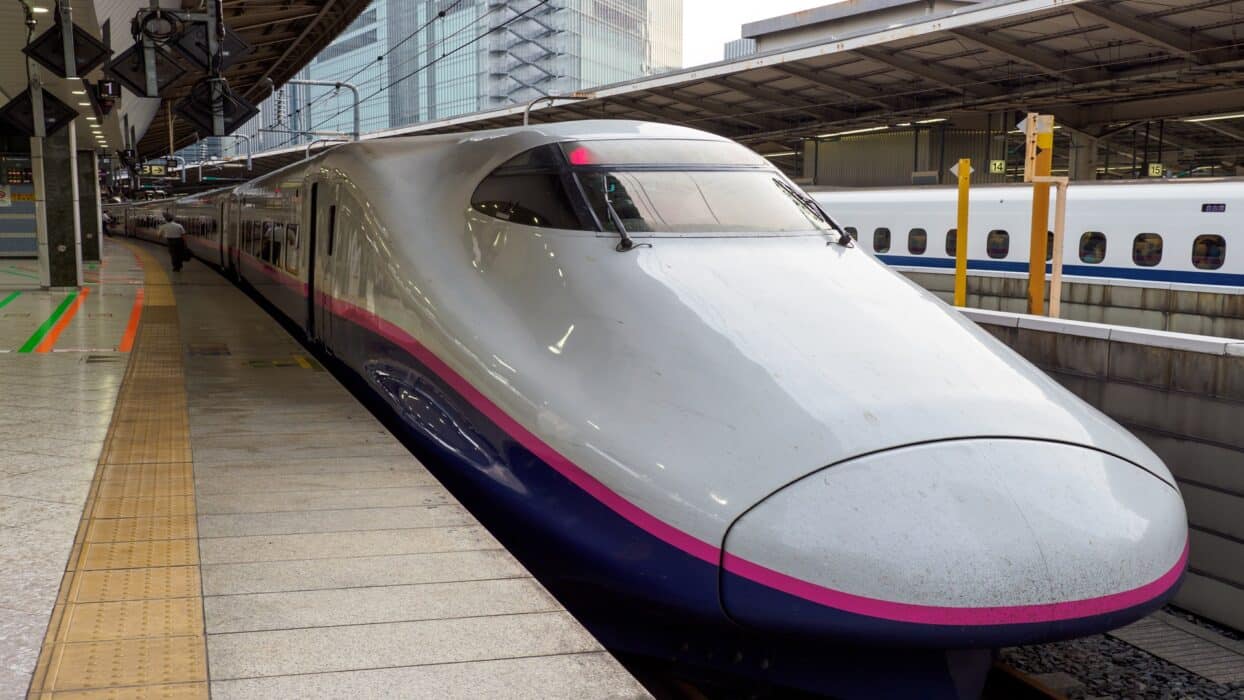
Senso-ji has convenient transportation, with several subway lines and bus routes to choose from. The nearest station is Asakusa Station, served by the Tokyo Metro Ginza Line, Toei Asakusa Line, Tobu Line and Tsukuba Express (TX), about a 5 to 10 minute walk to Kaminarimon. There are also several parking lots nearby, but because of the crowds, we recommend using public transportation to avoid trouble finding parking.
Where to Stay Nearby
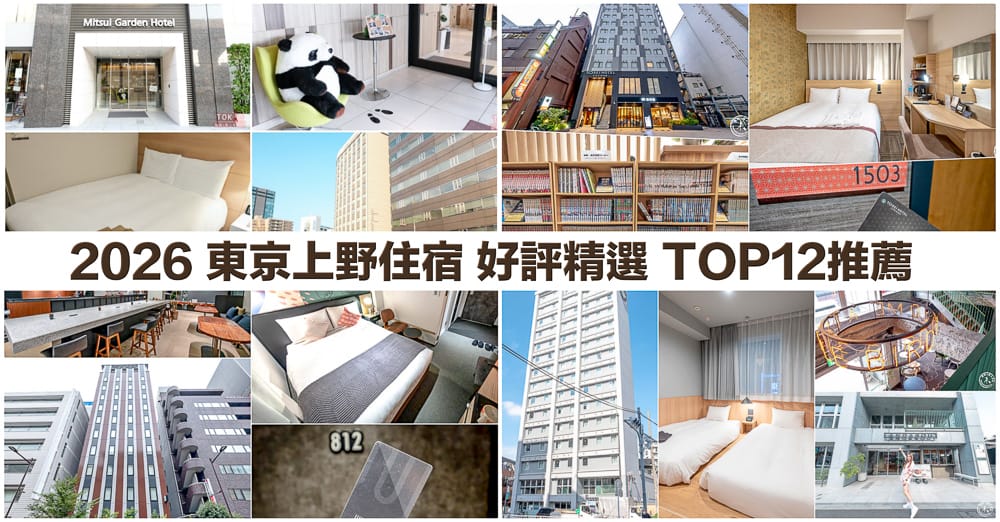
If you plan to stay overnight in Asakusa, you can choose a nearby inn or guesthouse. Asakusa has several distinctive inns offering a traditional Japanese stay. Some upscale hotels also have rooms with Japanese-style service, to meet different travelers’ needs.
Transportation nearby is convenient, with the main stations and commercial facilities within walking distance.
One-Day Asakusa Itinerary: Extending to Ueno and Skytree
Senso-ji itself takes only about 1 to 2 hours to see, so most travelers make Asakusa one part of a day trip, linking it with nearby Ueno or Skytree. Here are two common ways to extend the day, to help you plan a full itinerary.
Route 1: Ueno and Asakusa Day Trip (History and Culture Route)
In the morning, visit Ueno Onshi Park, Ueno Zoo or the Tokyo National Museum, then have a seafood rice bowl or street snacks at Ameyoko at noon. Next, take the Ginza Line to Asakusa Station (about 5 minutes), visit Senso-ji, Nakamise-dori and Dempoin-dori in the afternoon, and finish with a stroll in Sumida Park to watch the sunset and Skytree in the evening. This route suits travelers interested in history museums and old Tokyo neighborhoods.
Route 2: Asakusa and Skytree Day Trip (Modern Landmark Route)
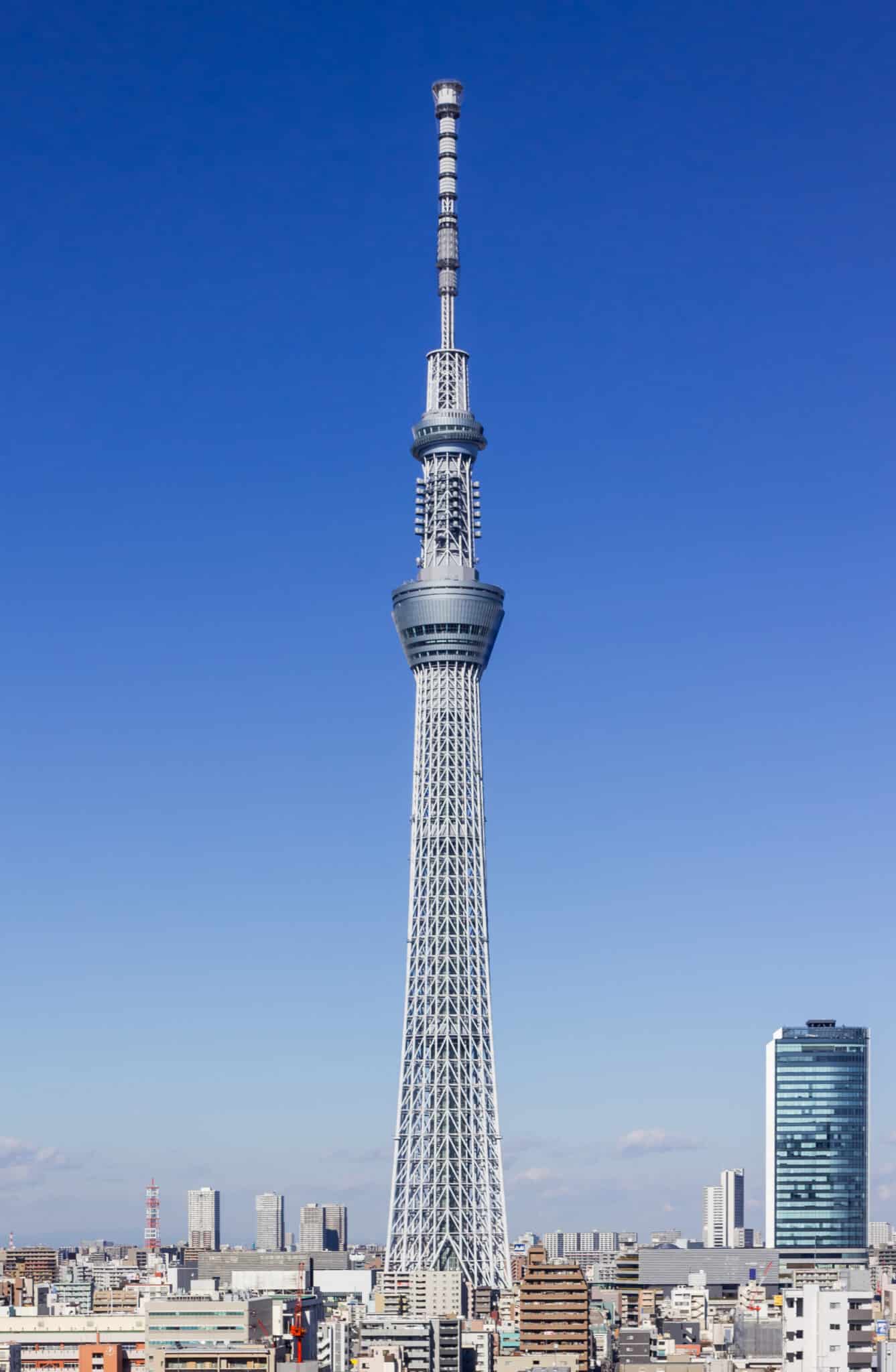
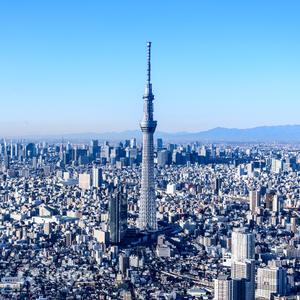
In the morning, see Senso-ji and the old streets around it, then have sukiyaki at Asakusa Imahan or find a meal around Kappabashi at noon. Next, walk about 15 to 20 minutes, or take the Tobu Skytree Line one stop to Tokyo Skytree Station, go up to the Skytree observation deck in the afternoon for a view over all of Asakusa and Tokyo, and have dinner at the Tokyo Solamachi shopping and dining complex in the evening. This route suits travelers who like high-up night views and modern shopping malls.
Where to Stay Nearby
Senso-ji is within about a 5-minute walk of Asakusa Station. Staying in Asakusa, Kuramae or Ueno lets you visit Nakamise-dori early in the morning when it is less crowded, and enjoy the quiet atmosphere of the temple lit up at night; Ueno and Asakusa are about 6 minutes apart on the Ginza Line, which is very convenient.

Frequently Asked Questions (FAQ)
Q: What are Senso-ji’s opening hours?
Senso-ji is open every day of the year. The main hall is open 6:00 to 17:00 from April to September and 6:30 to 17:00 from October to March; the other halls have different hours. After sunset, Kaminarimon, Hozomon, the five-story pagoda and the main hall are lit up.
Q: Do I need a ticket to visit Senso-ji?
No. No admission is charged anywhere from Kaminarimon and Nakamise-dori to Hozomon and the main hall, and offerings are voluntary. Goshuin are handled at Yogo-do on the west side of the main hall from 8:00 to 16:30, with a separate fee (hatsuho-ryo).
Q: What transportation is there near Senso-ji?
The nearest station is Asakusa Station, served by the Tokyo Metro Ginza Line, Toei Asakusa Line, Tobu Line and Tsukuba Express (TX), about a 5 to 10 minute walk to Kaminarimon.
Q: What food is recommended around Senso-ji?
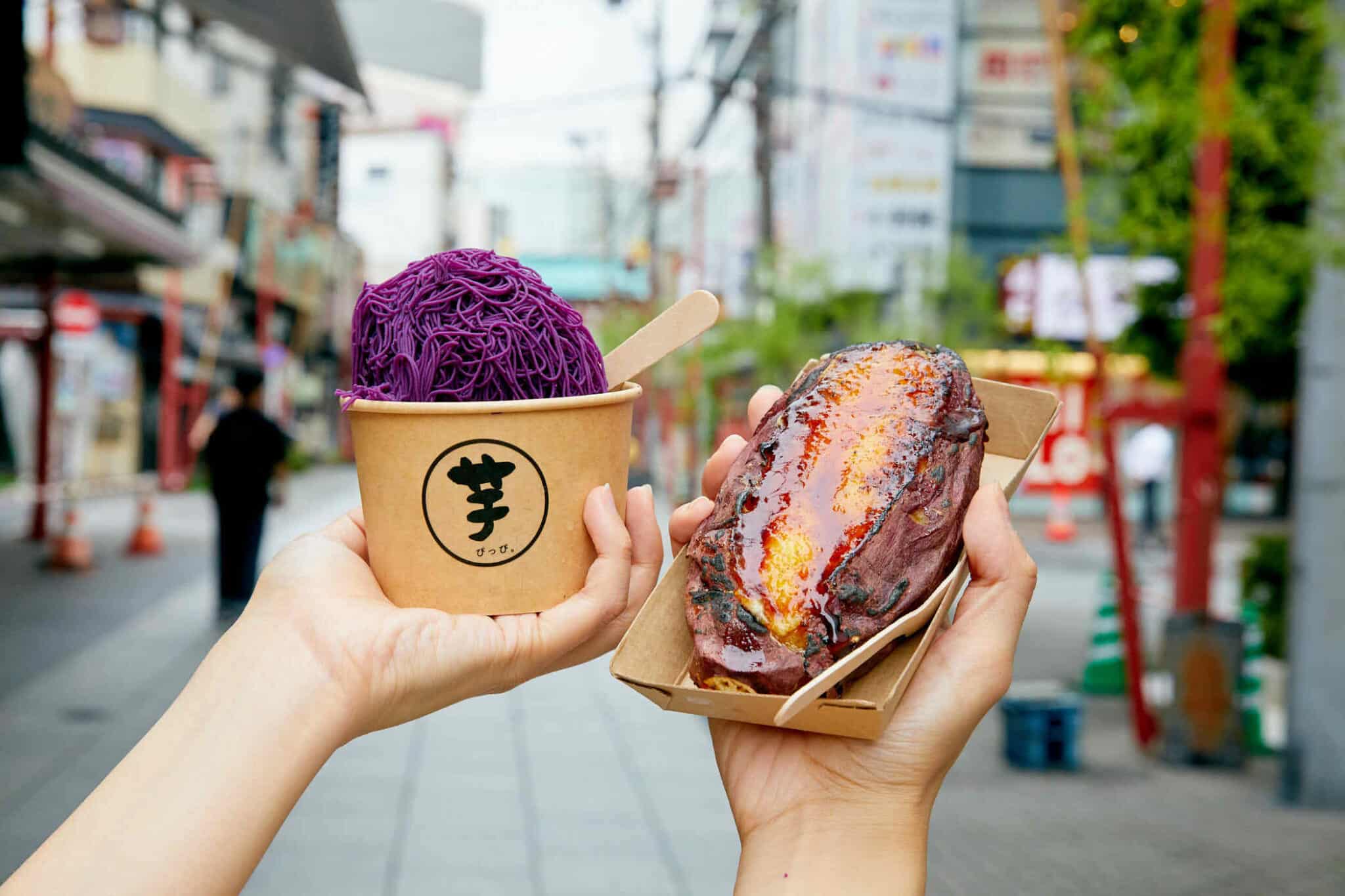
Around Nakamise-dori there are snacks such as ningyo-yaki and kibi dango; we recommend the sukiyaki at Asakusa Imahan, the eel rice at Kaminarimon Unagi Irokawa, ningyo-yaki from Kimuraya and dorayaki from Kameju.
Q: Besides Senso-ji, what else is worth visiting nearby?
Sumida Park is a spot for cherry blossoms and Skytree photos, Kappabashi Kitchen Street is good for buying kitchenware, and Dempoin-dori keeps its retro Edo streetscape; you can also combine Asakusa with Ueno or Skytree on the same day.