

Kamakura and Enoshima Day Trip: A History-and-Nature Escape From Tokyo
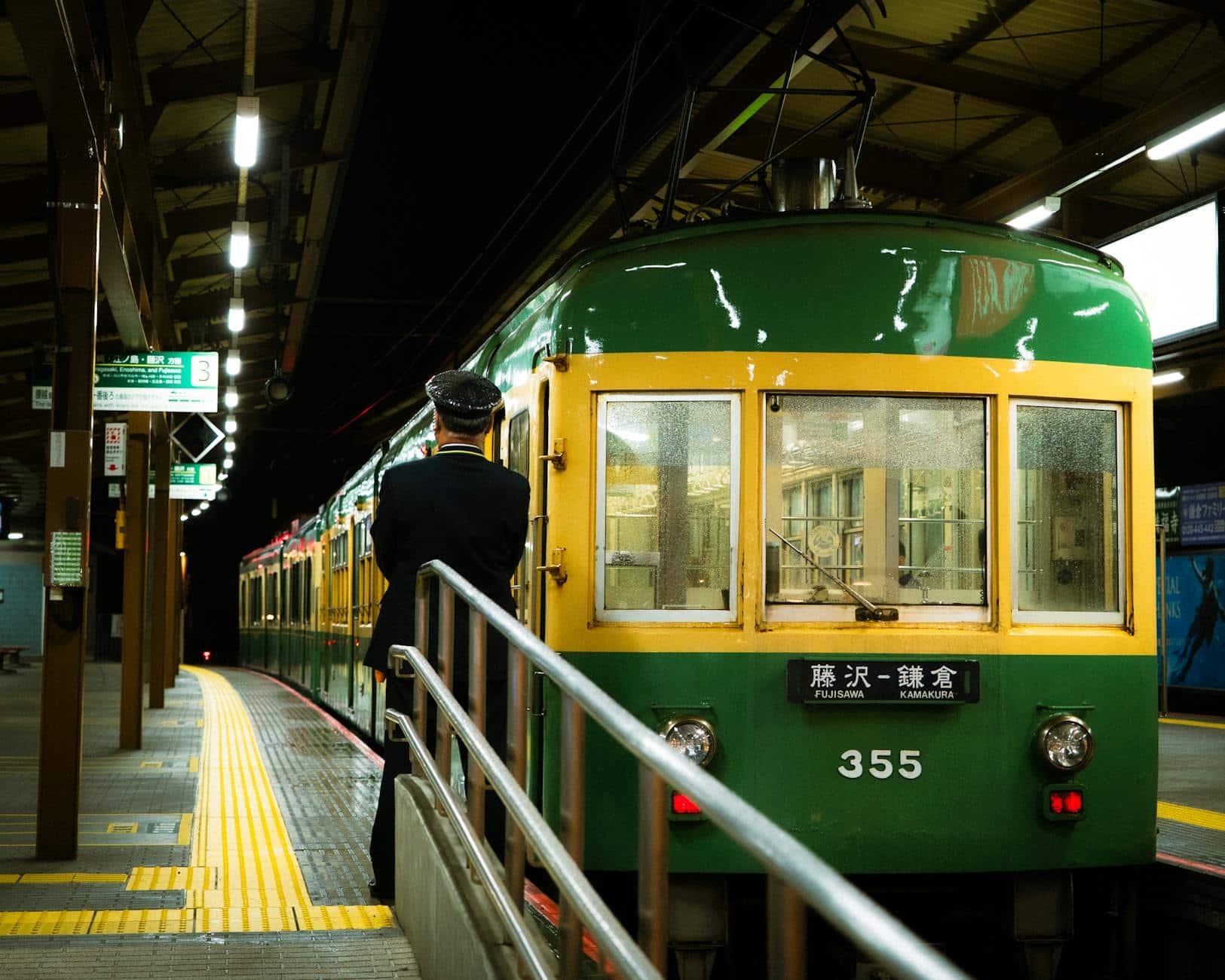
The Kamakura and Enoshima day trip is one of the most popular outings from Tokyo, combining historic sites, natural scenery and island charm. This route lets you experience Kamakura’s old-capital appeal, Enoshima’s island scenery and the relaxed atmosphere of the Shonan area in a single day.
The Appeal of a Kamakura and Enoshima Day Trip
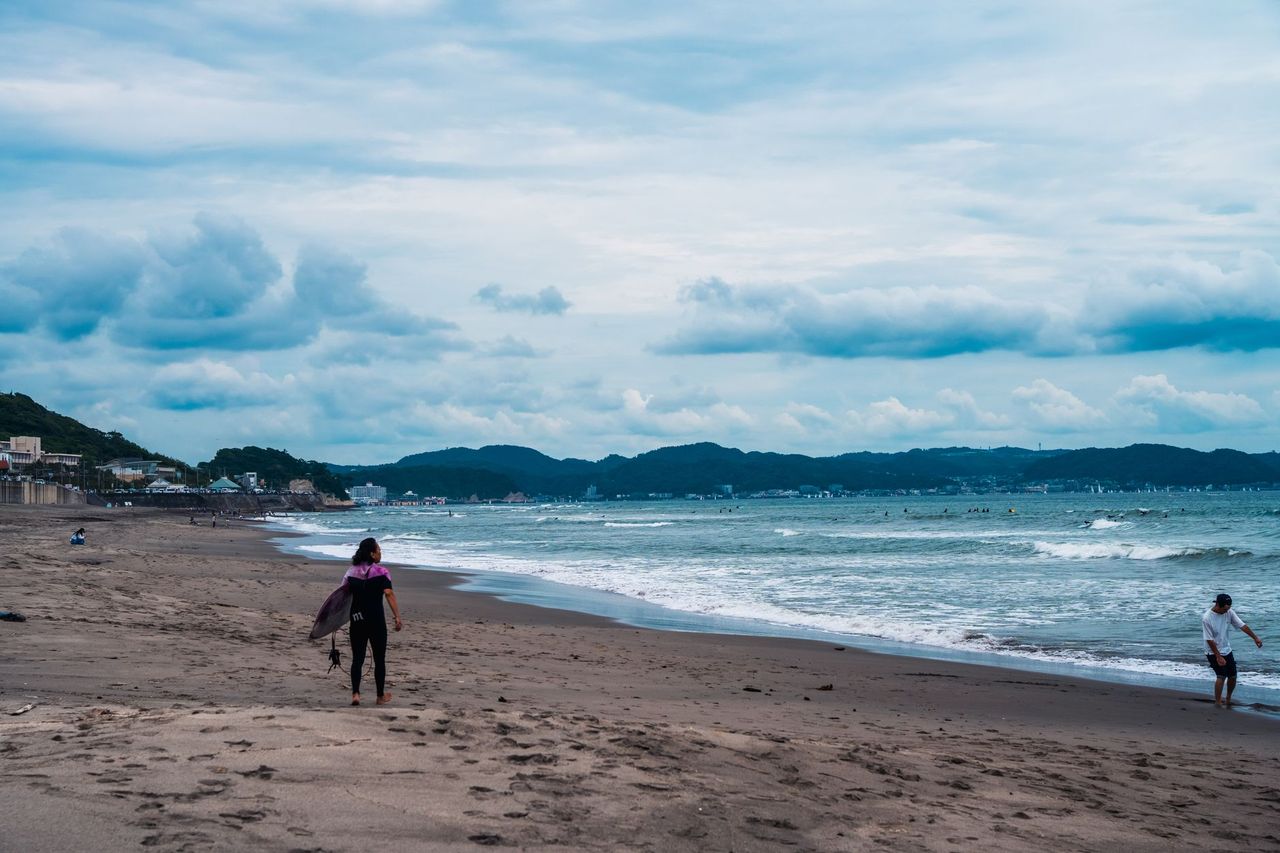
As one of Japan’s ancient capitals, Kamakura has a rich historical heritage, with famous sights such as Tsurugaoka Hachimangu and the Great Buddha of Kamakura. Enoshima is known for its beautiful beaches, shrine and caves. A day trip combining the two lets visitors experience different cultural and natural landscapes in a short time.
Convenient Transport
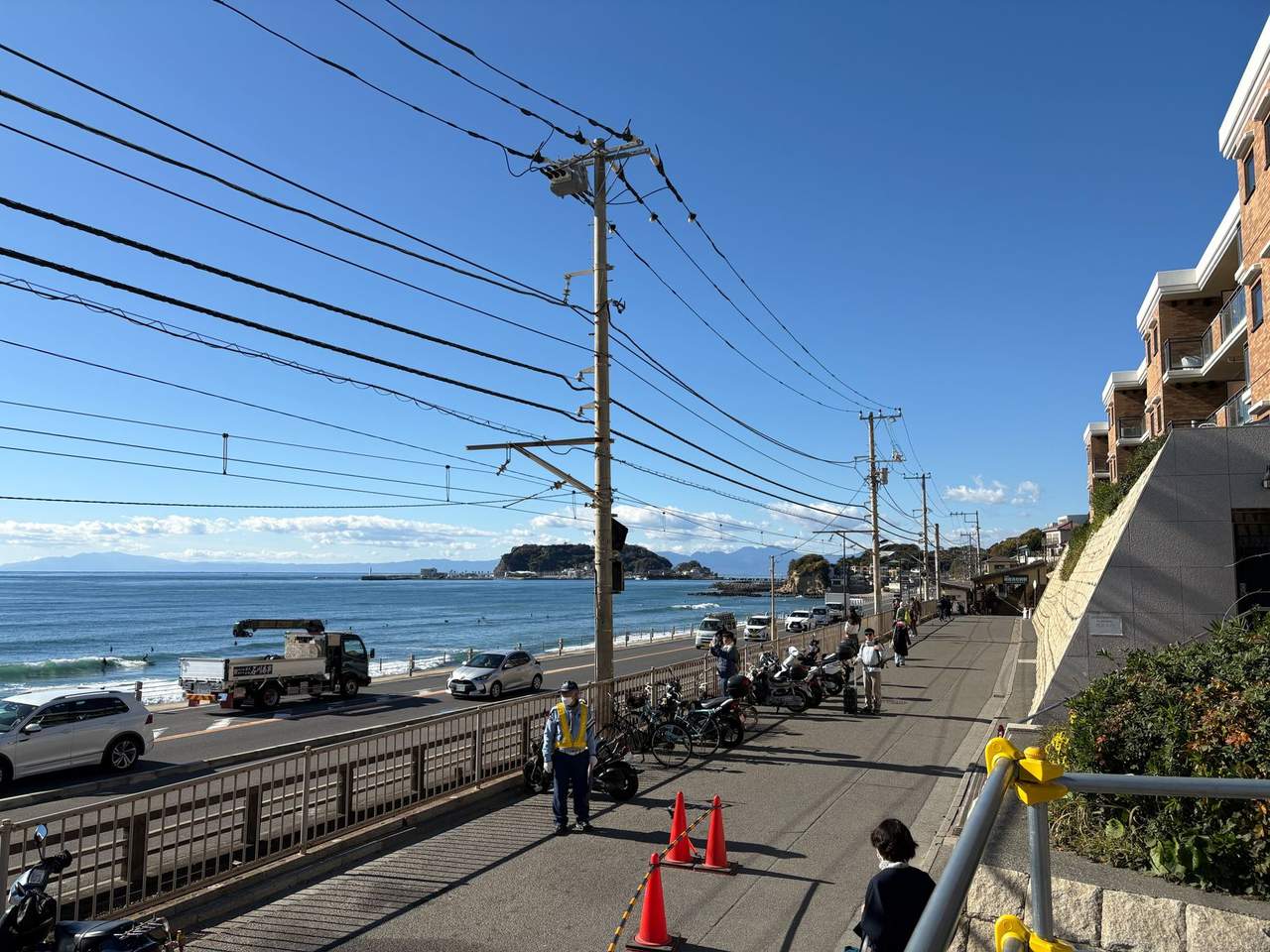
From Tokyo, you can reach Kamakura easily by the JR Yokosuka Line or the Odakyu Line. From Kamakura, Enoshima is reached by the Enoden train, so transport is very convenient. Many visitors make it a same-day round trip, which makes this route a popular choice for outings from Tokyo.
Suggested Itinerary
We suggest exploring Kamakura’s historic sights first in the morning, such as Tsurugaoka Hachimangu and the Great Buddha. In the afternoon, head to Enoshima to visit Enoshima Shrine, explore the caves and enjoy the sunset by the sea. This schedule lets you fully experience what makes each place special.
How to Get to Kamakura and Enoshima? A Complete Guide to Transport and Costs
Kamakura and Enoshima are a popular day trip from Tokyo with convenient transport; by making good use of JR, the Enoden and passes, you can easily link the major sights.
How to Get to Kamakura and Enoshima: All the Transport Options at a Glance
🚆 JR Yokosuka Line / Shonan-Shinjuku Line: about 53-60 minutes from Tokyo Station, ¥1,040 (¥1,034 with an IC card), direct to Kamakura Station.
🚃 Odakyu Electric Railway: from Shinjuku Station to Katase-Enoshima Station, about 1 hour 13 minutes on the Romancecar (limited express ticket sold separately).
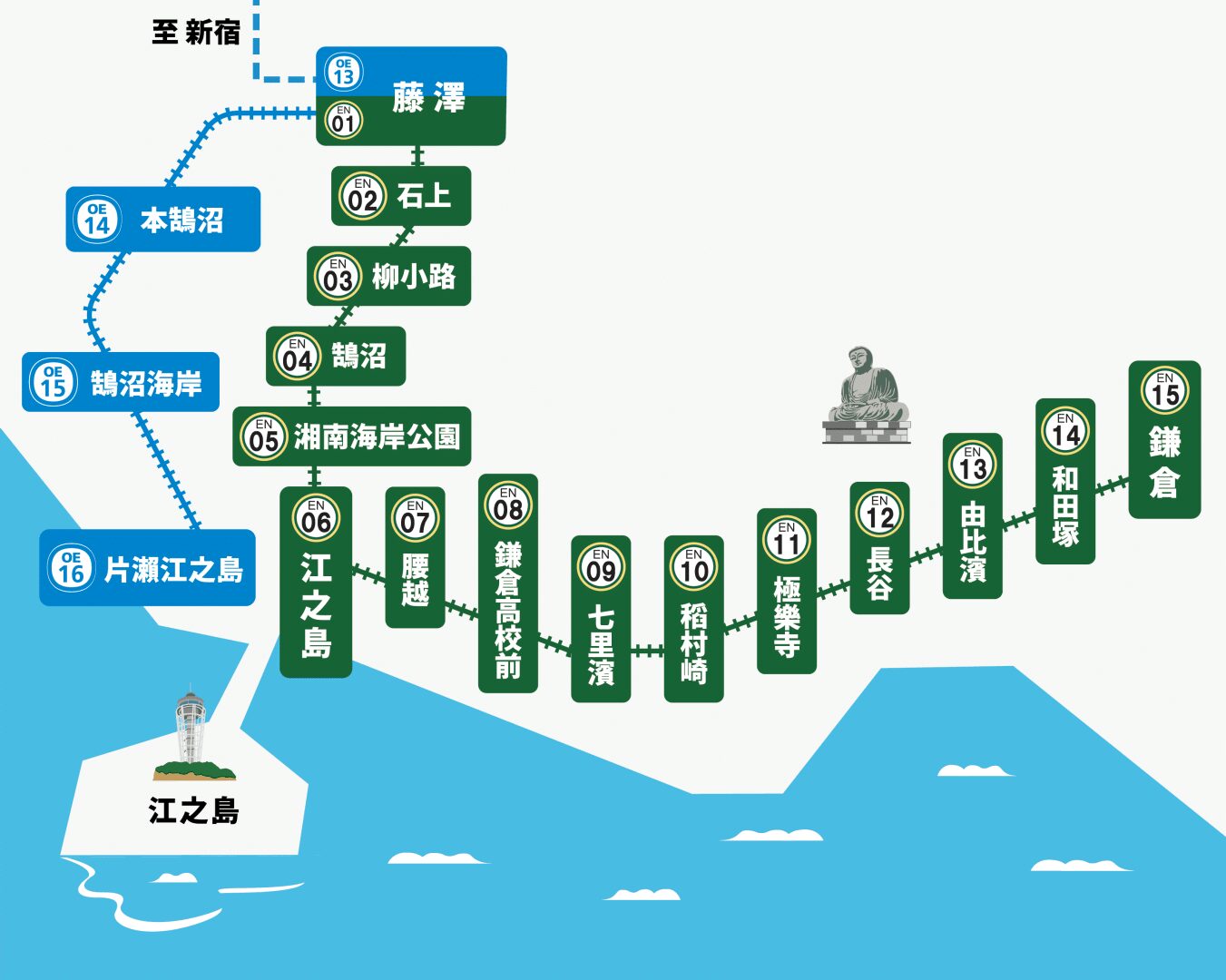
🚋 Enoden: links Kamakura and Enoshima via Tsurugaoka Hachimangu, Hase-dera and more; ¥200-400 one way, and the “Noriorikun” one-day pass is ¥800 for adults.
🎫 Kamakura-Enoshima Free Pass: includes an Odakyu round trip, an Enoden day pass and attraction discounts; ¥1,640 for adults from Shinjuku.
🚌 City buses / on foot: Kamakura Station has several bus routes, and most sights can be reached on foot.


Must-See Sights on a Kamakura and Enoshima Day Trip: Highlights by Area
Tsurugaoka Hachimangu: The Symbol of Kamakura

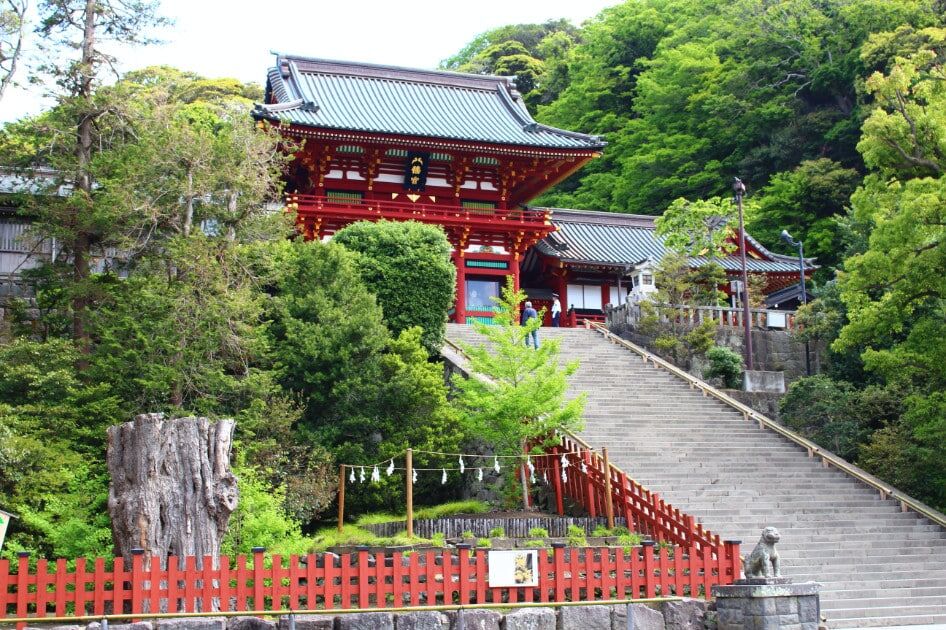
Tsurugaoka Hachimangu is Kamakura’s most representative shrine and was founded by Minamoto no Yoritomo, the founder of the Kamakura shogunate. The great torii and cherry trees within the shrine are must-photograph spots, and the annual Tsurugaoka Hachimangu festival draws many visitors.
Address: 2-1-31 Yukinoshita, Kamakura
Opening hours: 6:00-20:30
Admission: free
It is about a 10-minute walk along Wakamiya-oji from the east exit of JR Kamakura Station. Visiting the grounds is free, and the treasure house charges a separate admission fee. The official website is hachimangu.or.jp.
Enoshima Shrine: A Sacred Place Over the Sea

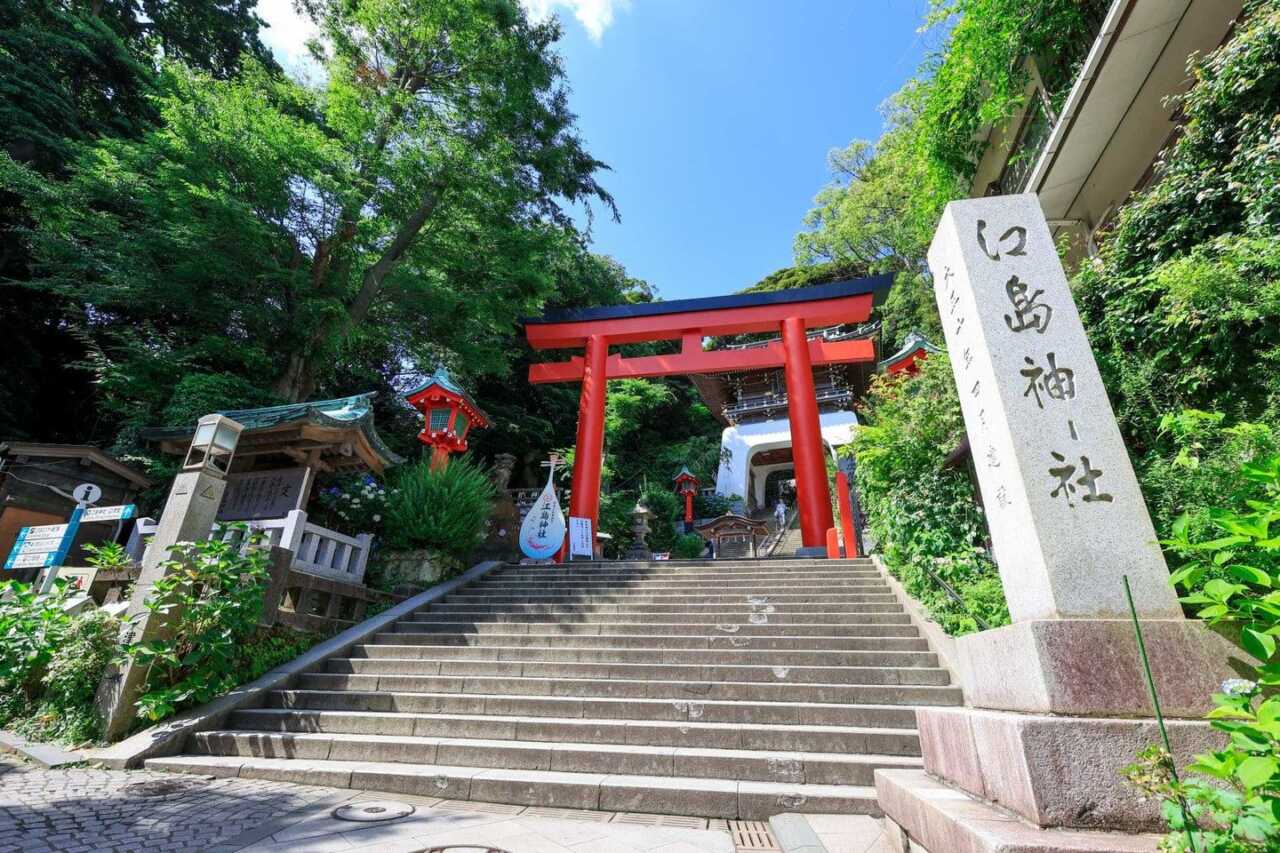
Enoshima Shrine sits on the hills of Enoshima and enshrines Benzaiten from Japanese mythology. The shrine is divided into three halls, each enshrining different deities. Visitors can climb the hills to enjoy beautiful sea views and sunsets.
Address: 2-3-8 Enoshima, Fujisawa
Opening hours: 8:30-17:00
Admission: visiting the three halls (Hetsunomiya, Nakatsunomiya and Okutsunomiya) is free; only the Hoanden inside (enshrining the eight-armed Benzaiten and the Hadaka Benzaiten) charges a separate fee: ¥200 for adults, ¥100 for junior high and high school students, ¥50 for elementary school students, and free for preschool children
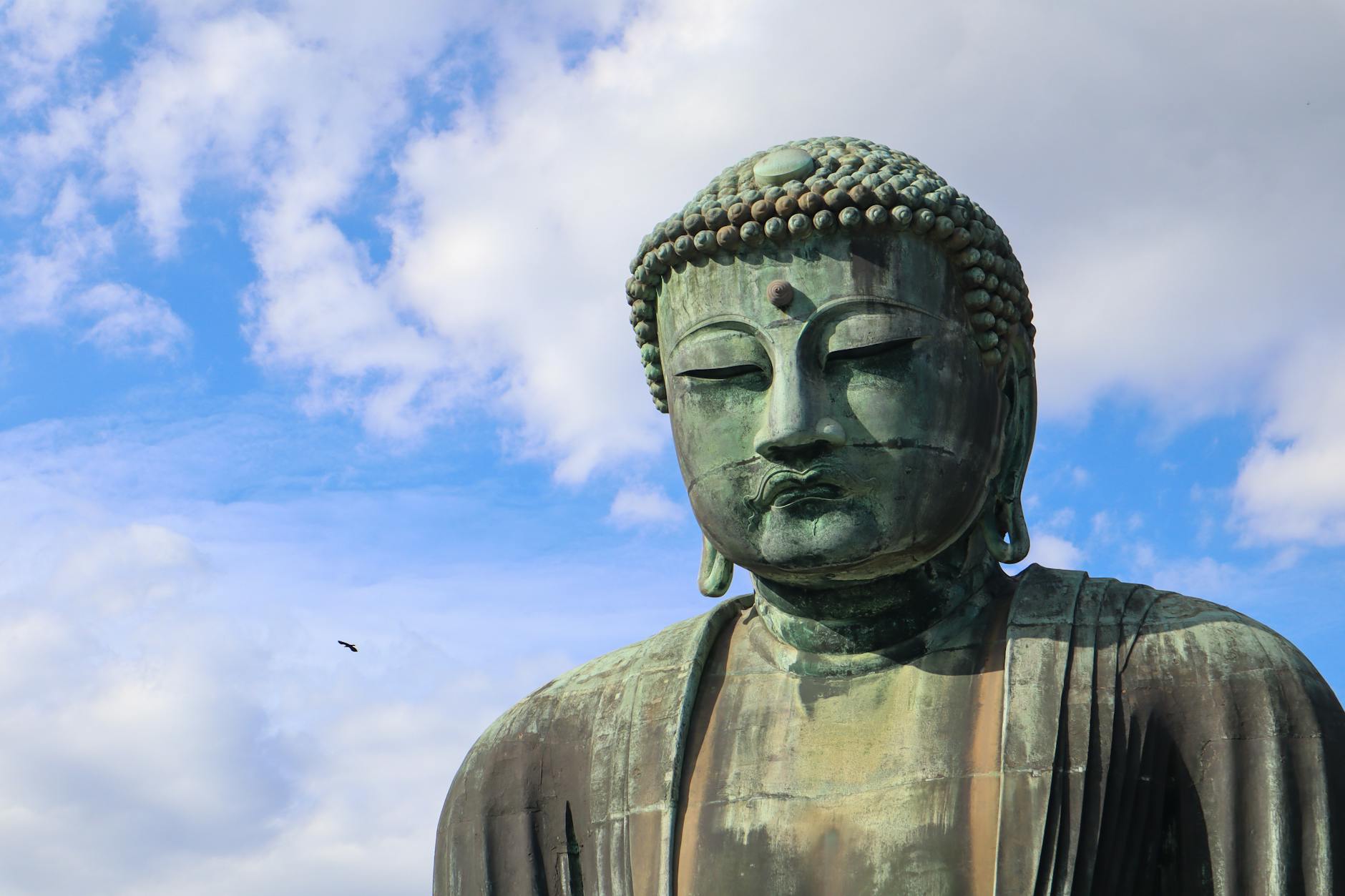
The Great Buddha of Kamakura: The Treasure of Kotoku-in
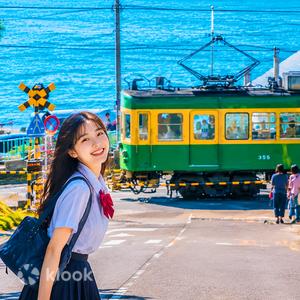
![[Tokyo to Kamakura | Free Tanghulu & Train Experience] Kamakura Great Buddha & Kamakura Train Experience & Kamakura High School & Enoshima & Tsurugaoka Hachimangu & Komachi-dori Tokyo-Kamakura Day Trip (Departing From Tokyo)](https://res.klook.com/images/w_300,h_300,c_fill,q_75/w_80,x_15,y_15,g_south_west,l_Klook_water_br_trans_yhcmh3/activities/ulimpsv3lyl1muh8hrd0/【東京鎌倉|贈送冰糖葫蘆電車體驗】鎌倉大佛鎌倉電車體驗鎌倉高中江之島鶴岡八幡宮小町通東京鎌倉一日遊(東京出發)-Klook.jpg)
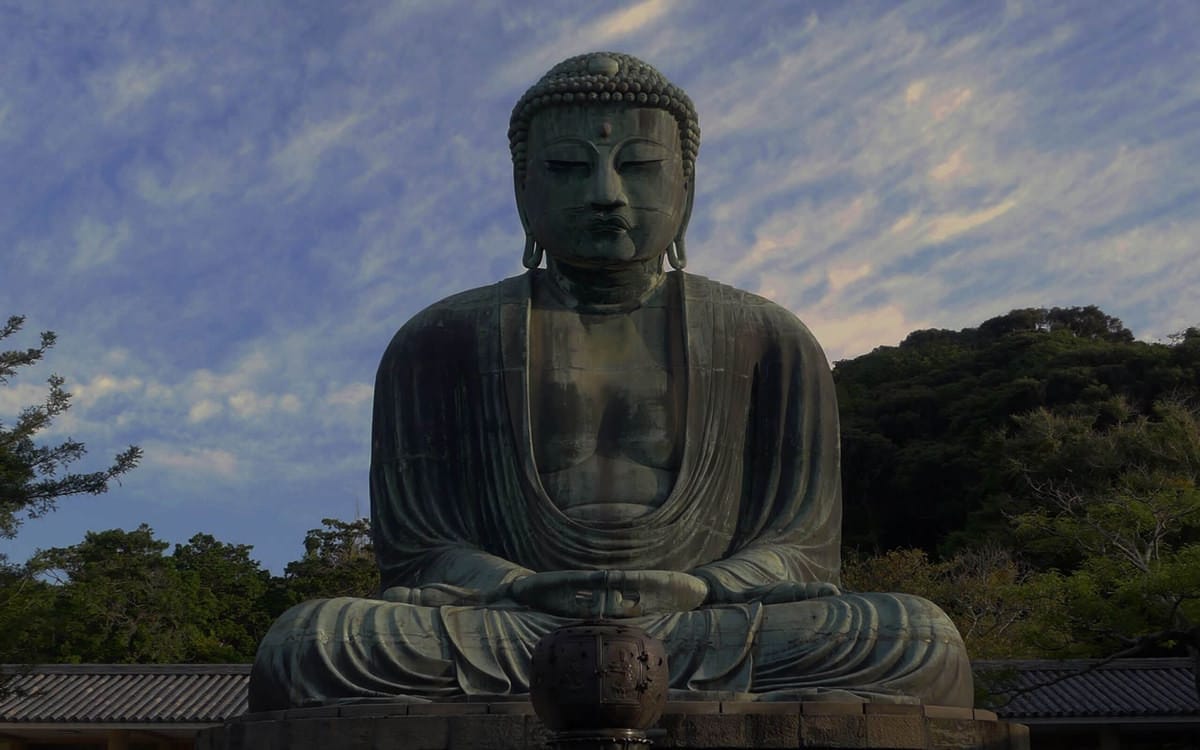
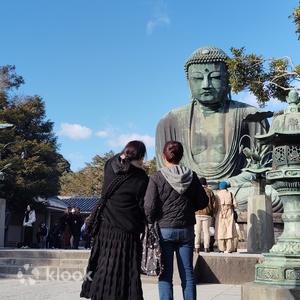
The Great Buddha of Kamakura is the treasure of Kotoku-in and a National Treasure of Japan. The bronze statue is 11.3 meters tall and weighs about 121 tons, making it one of the largest Buddha statues in Japan.
Address: 4-2-28 Hase, Kamakura
Opening hours: 8:00-17:30 from April to September, 8:00-17:00 from October to March
Admission: ¥300 for adults, ¥150 for junior high, high school and elementary school students
Hase-dera: The Eleven-Faced Kannon and Views of Sagami Bay
Hase-dera is about a 5-minute walk from Enoden Hase Station and is known for its roughly 9-meter-tall eleven-faced Kannon statue. The viewing deck outside the Kannon Hall looks out over Yuigahama and Sagami Bay. Admission is ¥400 for adults and ¥200 for elementary school students, and opening hours vary slightly by season, from about 8:00 until between 16:30 and 17:30. Please rely on the announcements on the official website hasedera.jp.
Enoshima Iwaya Caves: Mysterious Caves
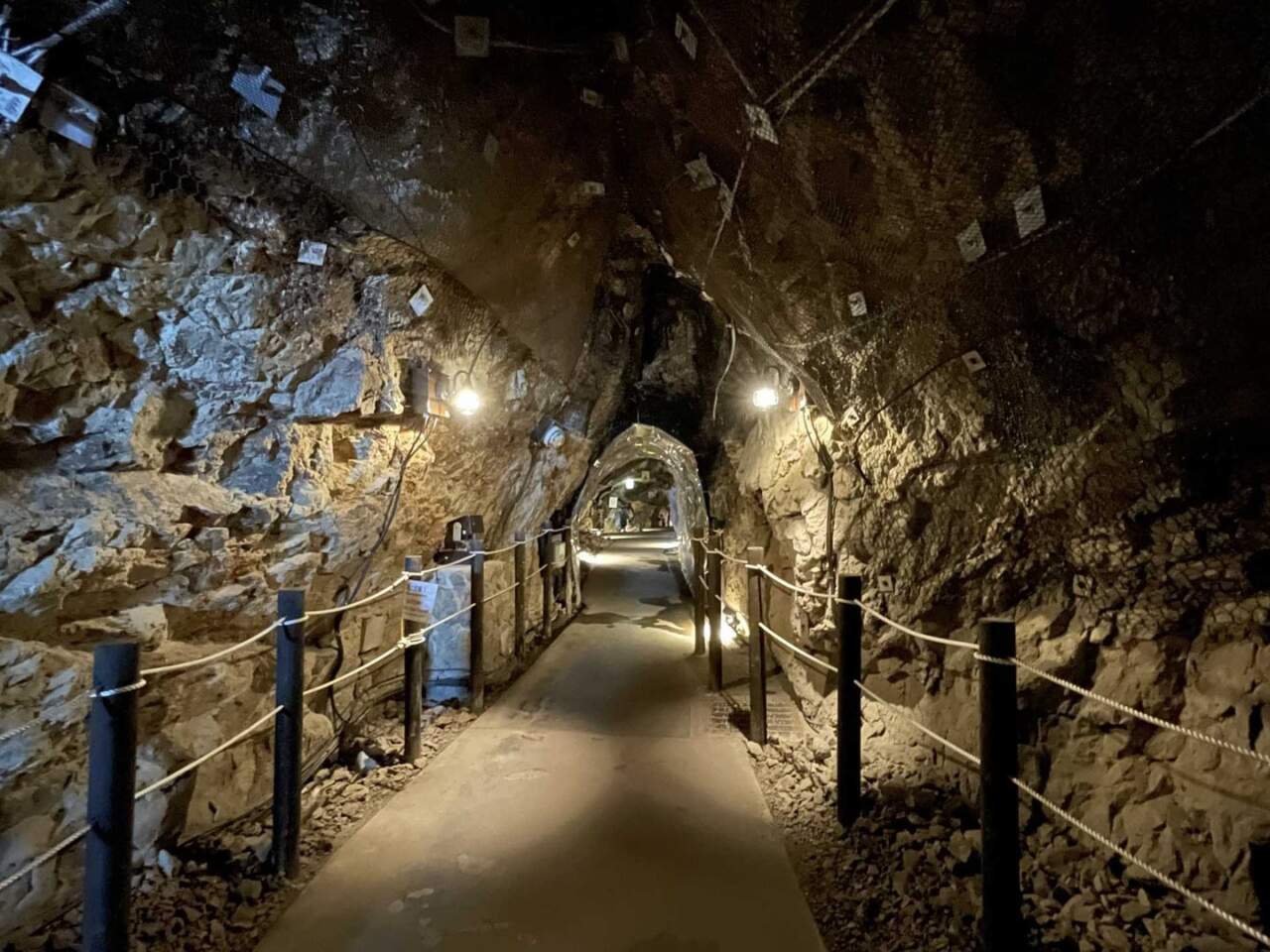
The Enoshima Iwaya Caves are caves on Enoshima, divided into the first cave and the second cave. Inside are many strange rock formations and shrine remains, a must-visit for exploring Enoshima’s natural beauty.
Address: 2-3-8 Enoshima, Fujisawa
Opening hours: 9:00-17:00 (adjusted by season)
Admission: ¥500
The first cave is about 152 meters long and the second about 56 meters. The caves are dark and the floor is slippery, so please wear non-slip shoes.
Enoshima Sea Candle Observation Tower: A High View Over Sagami Bay
The Enoshima Sea Candle observation tower is in Enoshima Samuel Cocking Garden. Observation tower admission is ¥500 for adults, with opening hours of about 9:00 to 20:00 (last entry 19:30), and on clear days you can see Sagami Bay and Mt. Fuji. To get up to the higher parts of the island, you can take the paid “Enoshima Escar” escalators and save the effort of the climb.
Kamakura-Koko-Mae Railroad Crossing: A Pilgrimage Site for Slam Dunk Fans
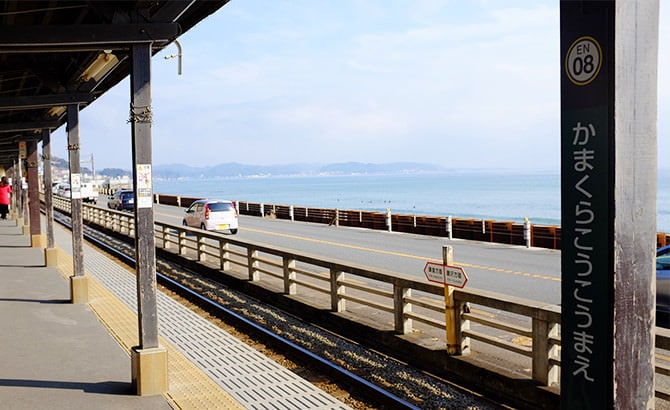
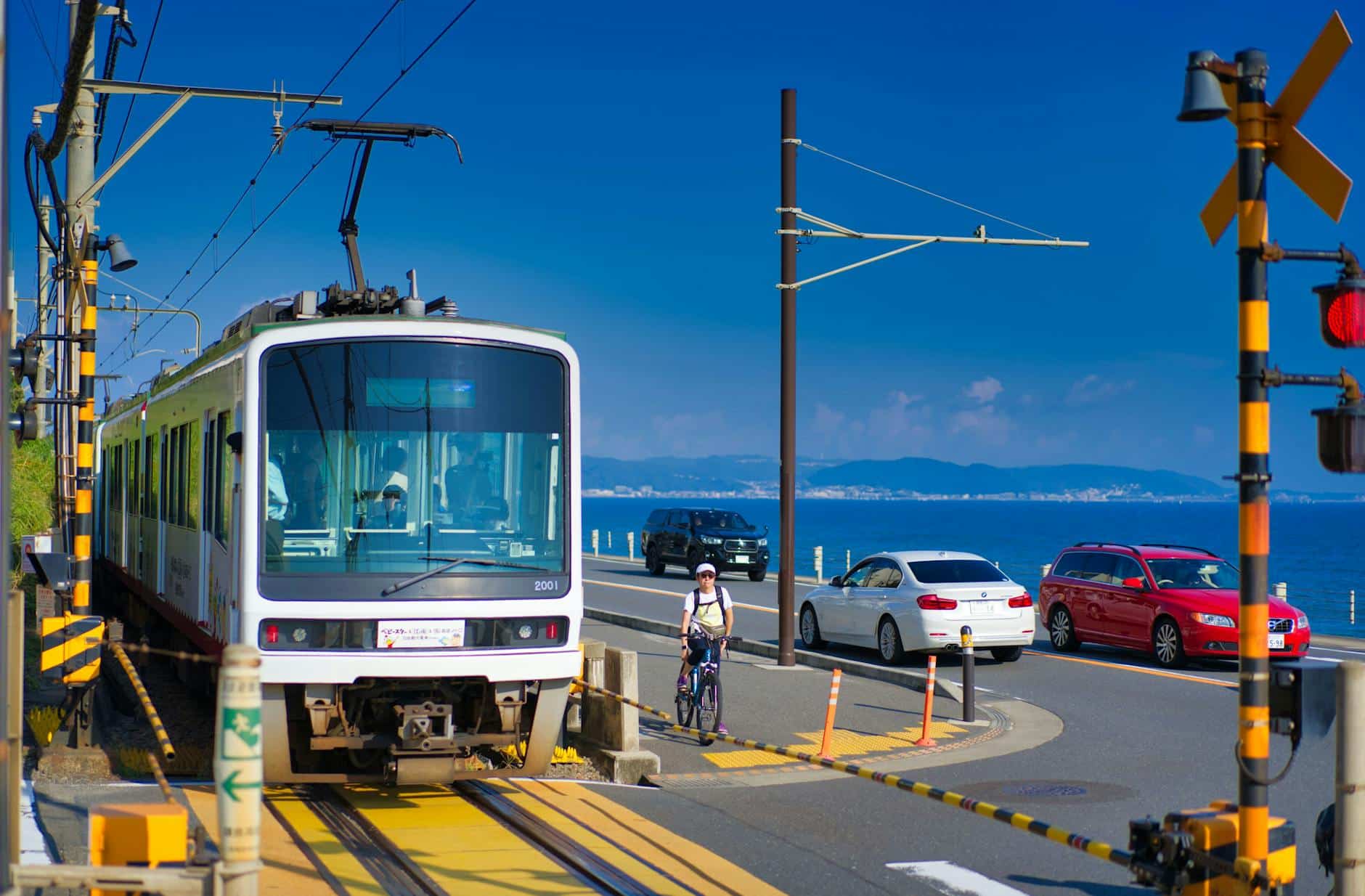
Kamakura-Koko-Mae Crossing No. 1 is right by Enoden’s Kamakura-Koko-Mae Station and is the filming location for the opening scene of Slam Dunk where Haruko waves beside the crossing. As a retro train passes, you can see the Shonan coast and the silhouette of Enoshima in the background.
From Kamakura Station, take the Enoden for about 20 minutes to Kamakura-Koko-Mae Station. The light is most beautiful around sunset but the crowds are biggest then; weekday early mornings are more relaxed.
Reminder:This is a real crossing still in operation. Please stay on the sidewalk, wait until the barrier rises before crossing, and do not take photos on the tracks or the roadway.
Address: 1-chome Koshigoe, Kamakura, Kanagawa (next to Enoden Kamakura-Koko-Mae Station)
Opening hours: open all day (no admission fee; a public railroad crossing)
Admission: free
Kamakura Hydrangeas: The Blooming Season at Meigetsu-in and Hase-dera (June Only)
The Kamakura hydrangea season runs from late May to June. The best-known spots are Meigetsu-in, known as the “Hydrangea Temple,” and Hase-dera, famous for its “Hydrangea Path.”
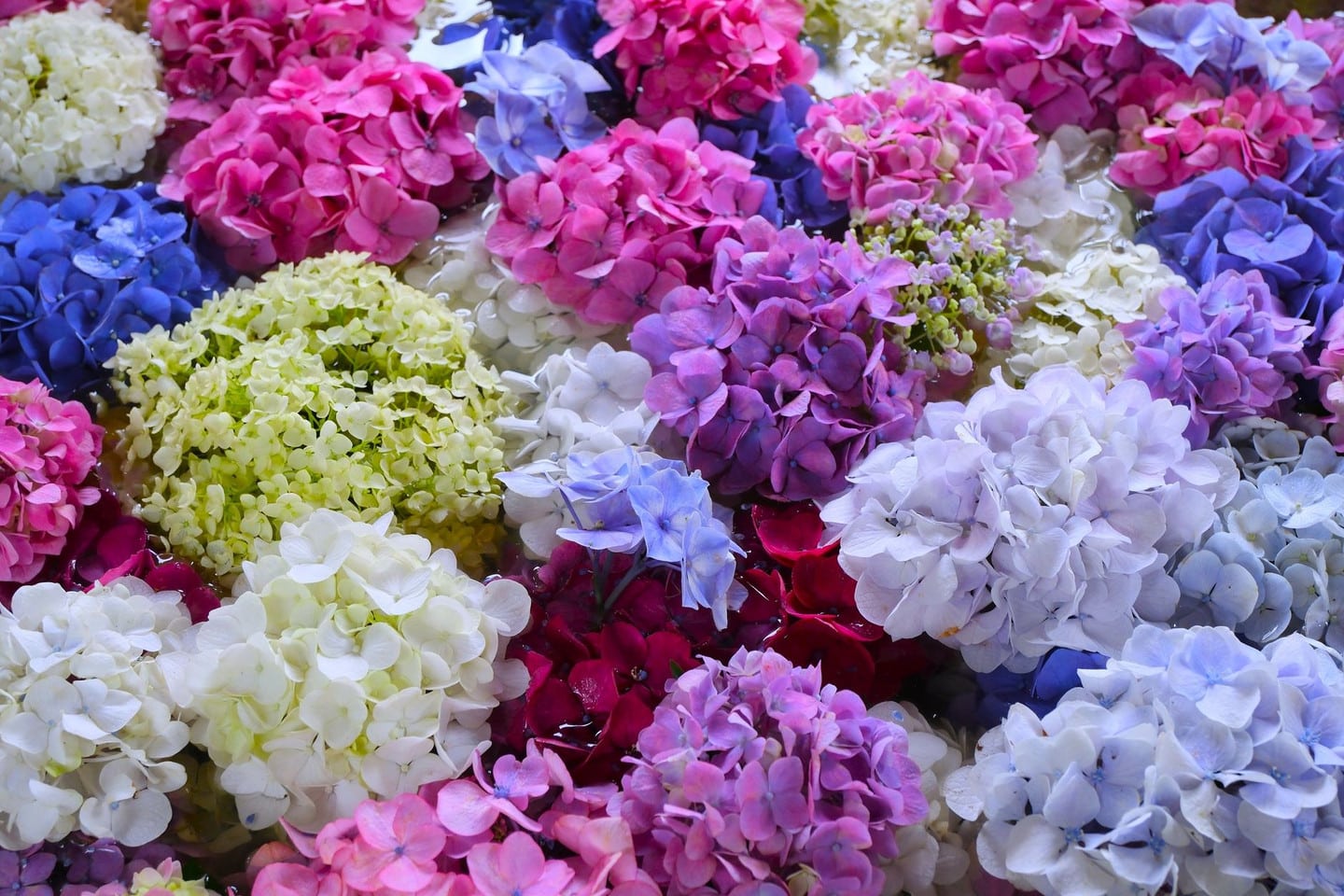
Meigetsu-in has about 3,000 Himeajisai (Japanese hydrangeas), with the best viewing around mid to late June; Hase-dera has more than 40 varieties and about 2,500 plants, and along the hillside path you can look out over Sagami Bay. During the flower season the viewing path operates on a reservation system, so please rely on the announcements on Hase-dera’s official website. Both are near Enoden stations. June is the rainy season, so bring rain gear.
How Much Does a Kamakura and Enoshima Day Trip Cost? Admission Fees and How to Buy Tickets
Kamakura-Enoshima Free Pass
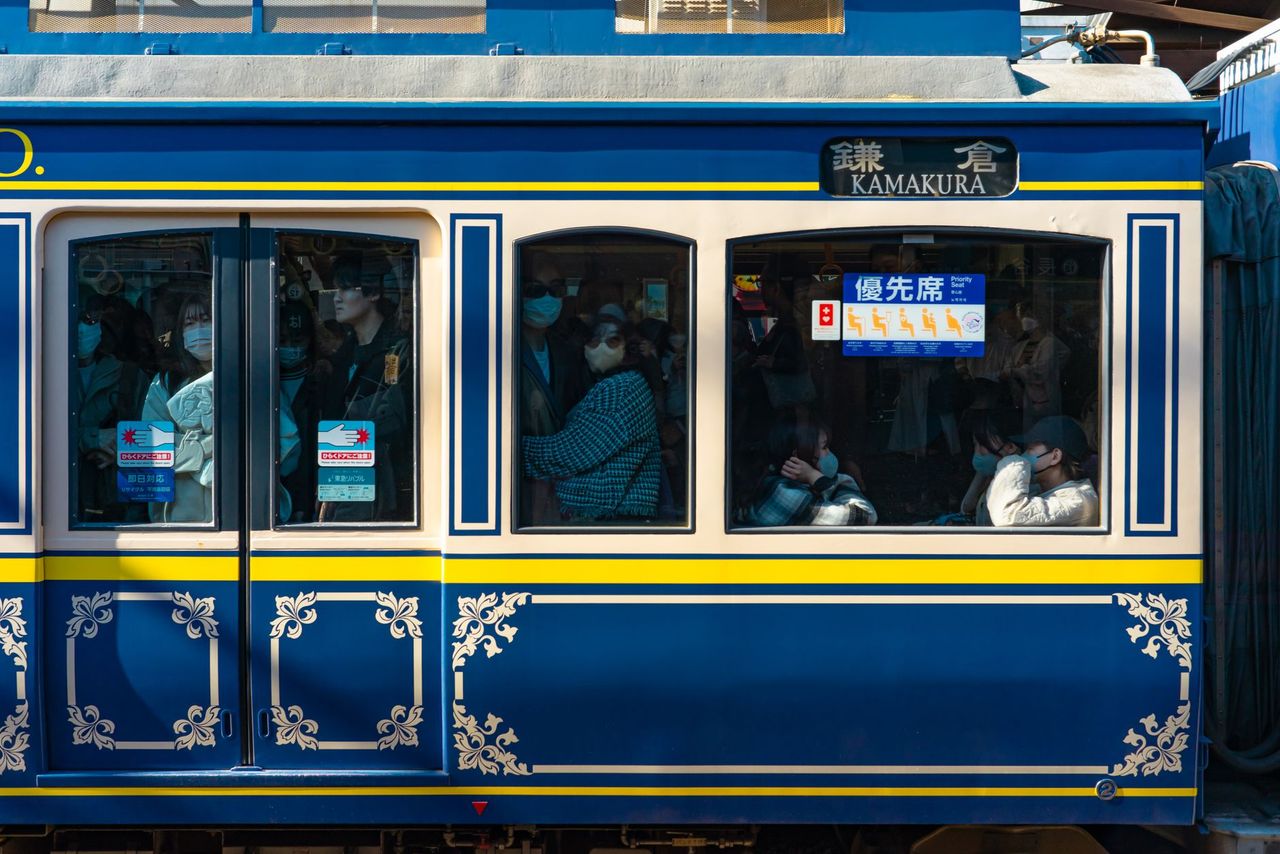
The Kamakura-Enoshima Free Pass is a very good-value ticket for travelers planning a day trip. It includes an Odakyu Line round trip from Shinjuku, an Enoshima Electric Railway day pass and discounts at several attractions. It lets you ride local trains without limit in the Kamakura and Enoshima area and enjoy discounts at several sights.
Price: for example from Shinjuku, ¥1,640 for adults and ¥430 for children (fares differ slightly depending on the departure station)
Enoden One-Day Pass
The Enoden One-Day Pass suits travelers who want to explore Kamakura and Enoshima in depth. It allows unlimited rides on the Enoshima Electric Railway line, ideal for enjoying the scenery along the coast.
Price: ¥800 (adults), ¥400 (children)
Kamakura Attraction Tickets
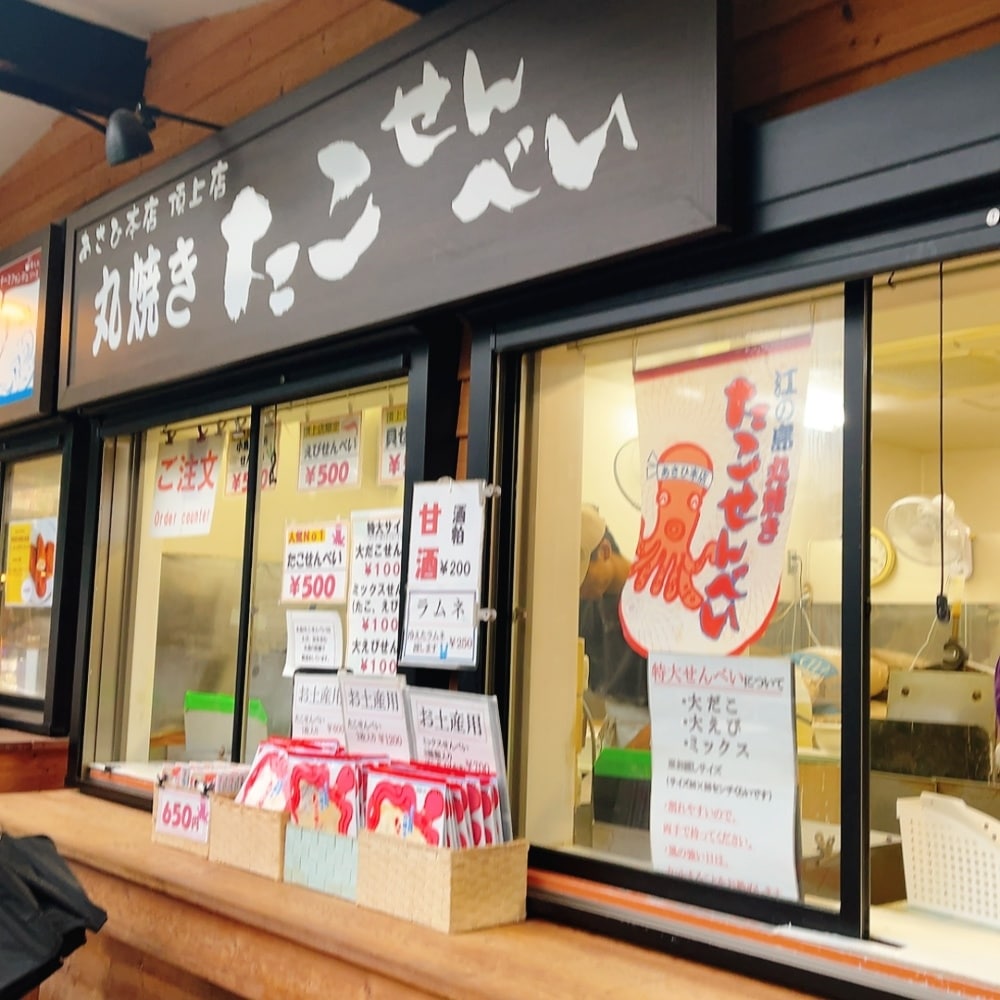
On a Kamakura and Enoshima day trip, you may visit several sights, such as the Great Buddha at Kotoku-in and Hase-dera. These sights usually charge admission, and some prices are as follows:
Kotoku-in Great Buddha of Kamakura: ¥300 (adults), ¥150 (junior high, high school and elementary school students)
Hase-dera: ¥400 (adults), ¥200 (children)
Other Discount Tickets
Besides the tickets above, there are other discount tickets to choose from, such as passes that combine Hakone and Kamakura. Contents and prices are adjusted every year, so before buying, check the Odakyu official website to confirm they are still on sale.
What to Eat Near Kamakura and Enoshima? Local Food Picks
The food experience on a Kamakura and Enoshima day trip is not to be missed. From traditional Japanese cuisine to modern creative desserts, there is a wide variety of choices. Here are a few restaurants and dessert shops worth recommending.
Matcha Desserts: MACCHA HOUSE Kamakura Komachi-dori Branch
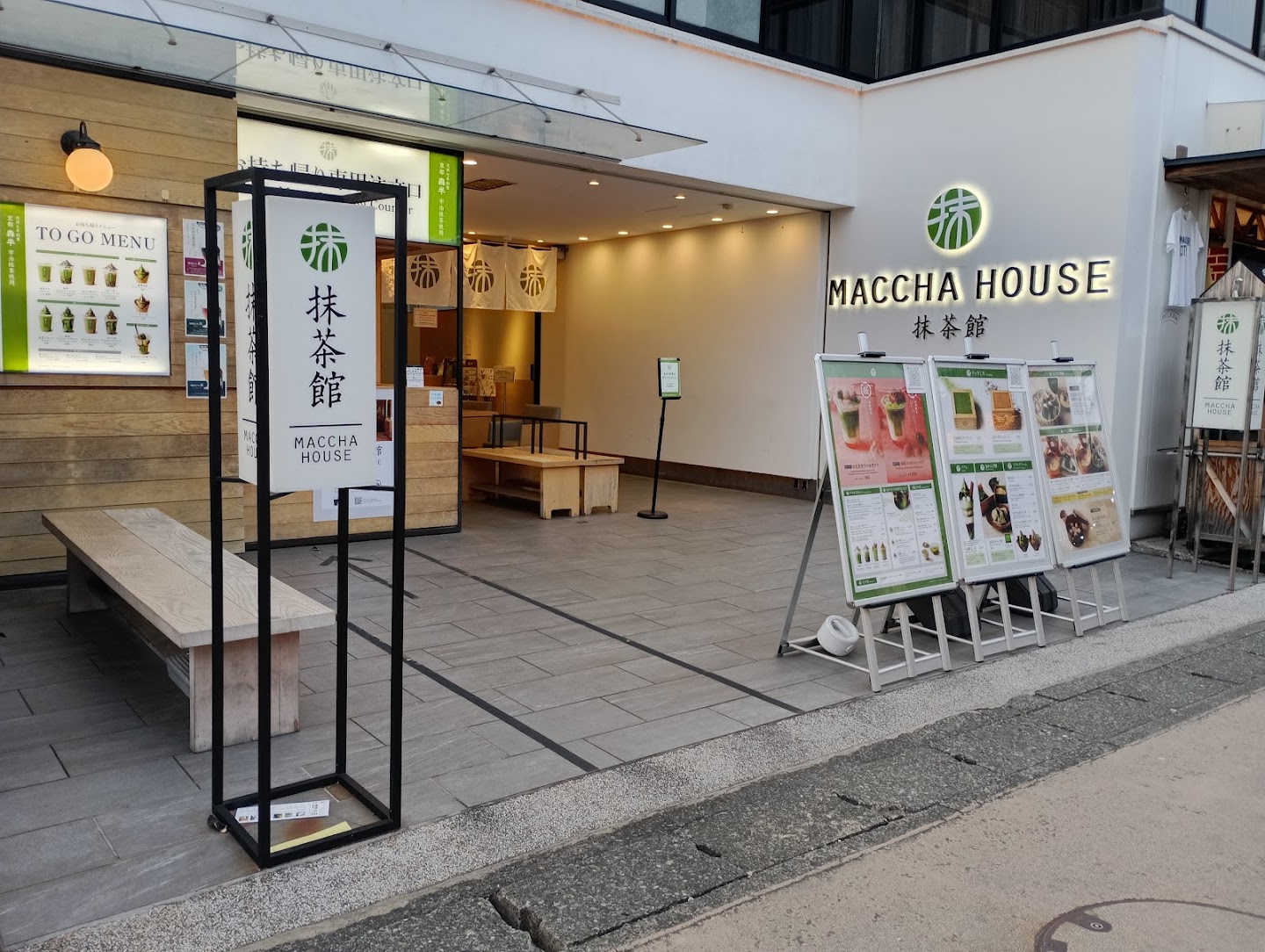
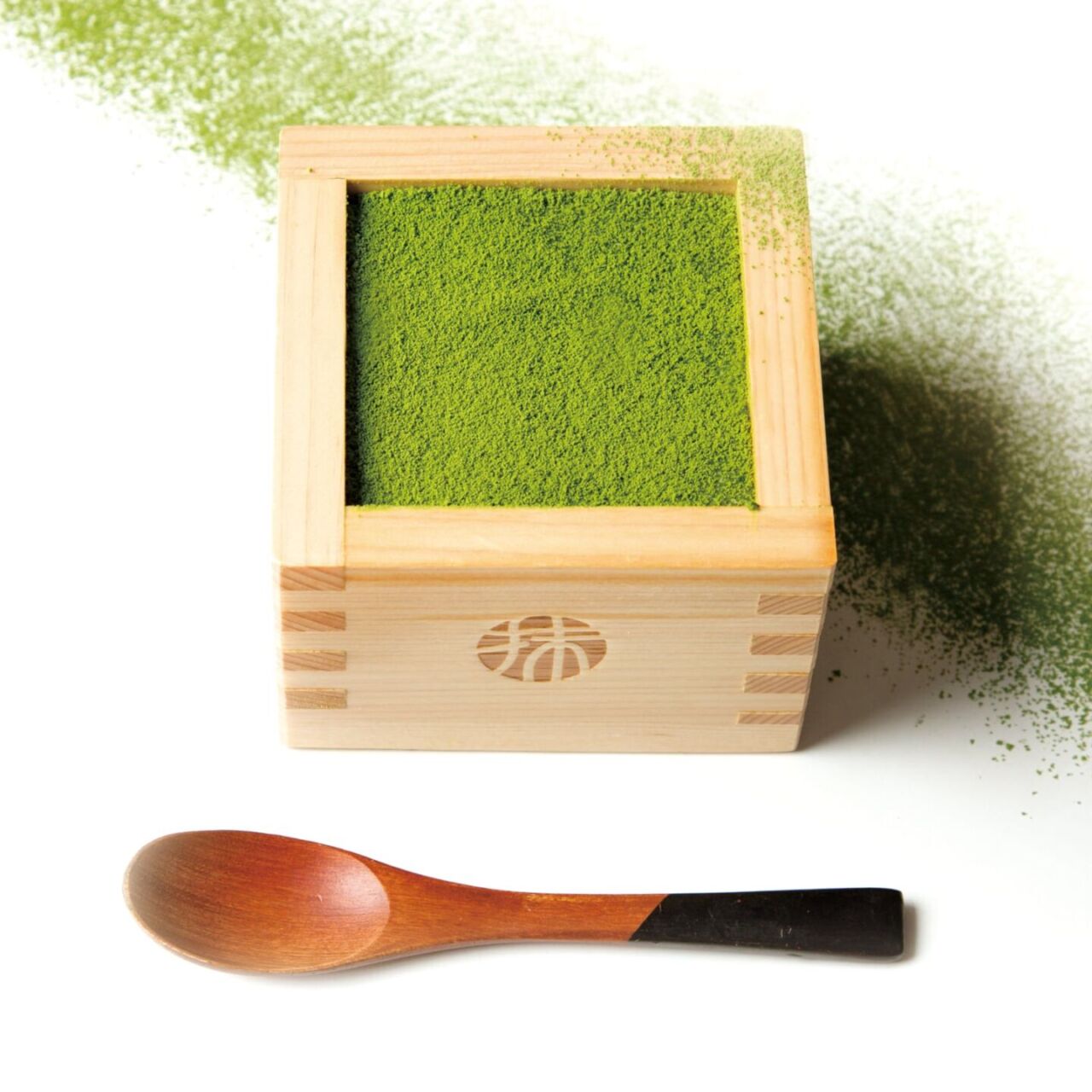

This matcha specialty shop on Kamakura’s Komachi-dori uses matcha from the long-established Kyoto house Morihan, and is a popular dessert spot within walking distance of Kamakura Station.
- 🍵 Must-order: Uji Matcha Tiramisu (Masu-iri Uji Matcha Tiramisu)
- 💰 Price: about ¥950
- 🚉 Access: about an 8-minute walk from JR Kamakura Station / Enoden Kamakura Station
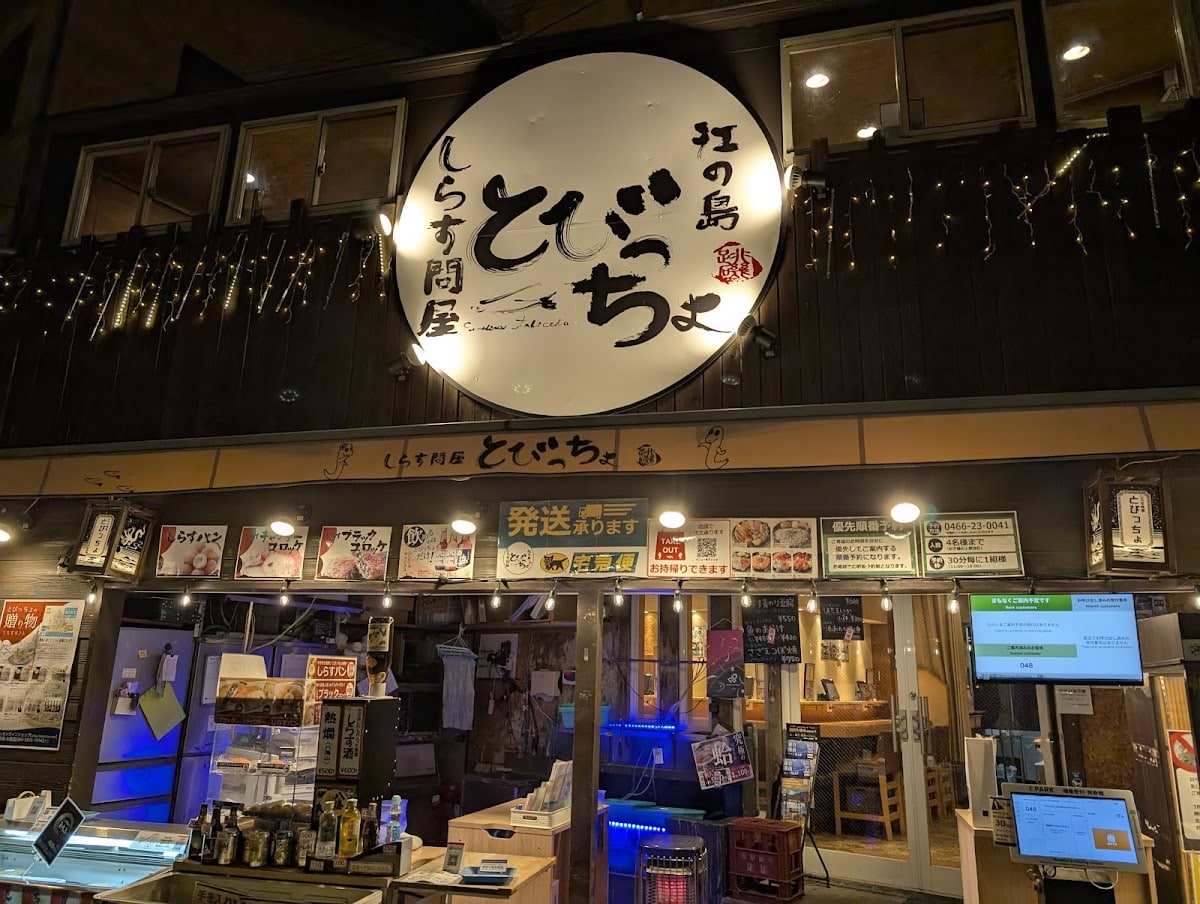
Seafood Rice Bowls: Shirasu Don’ya Tobiccho Enoshima Honten
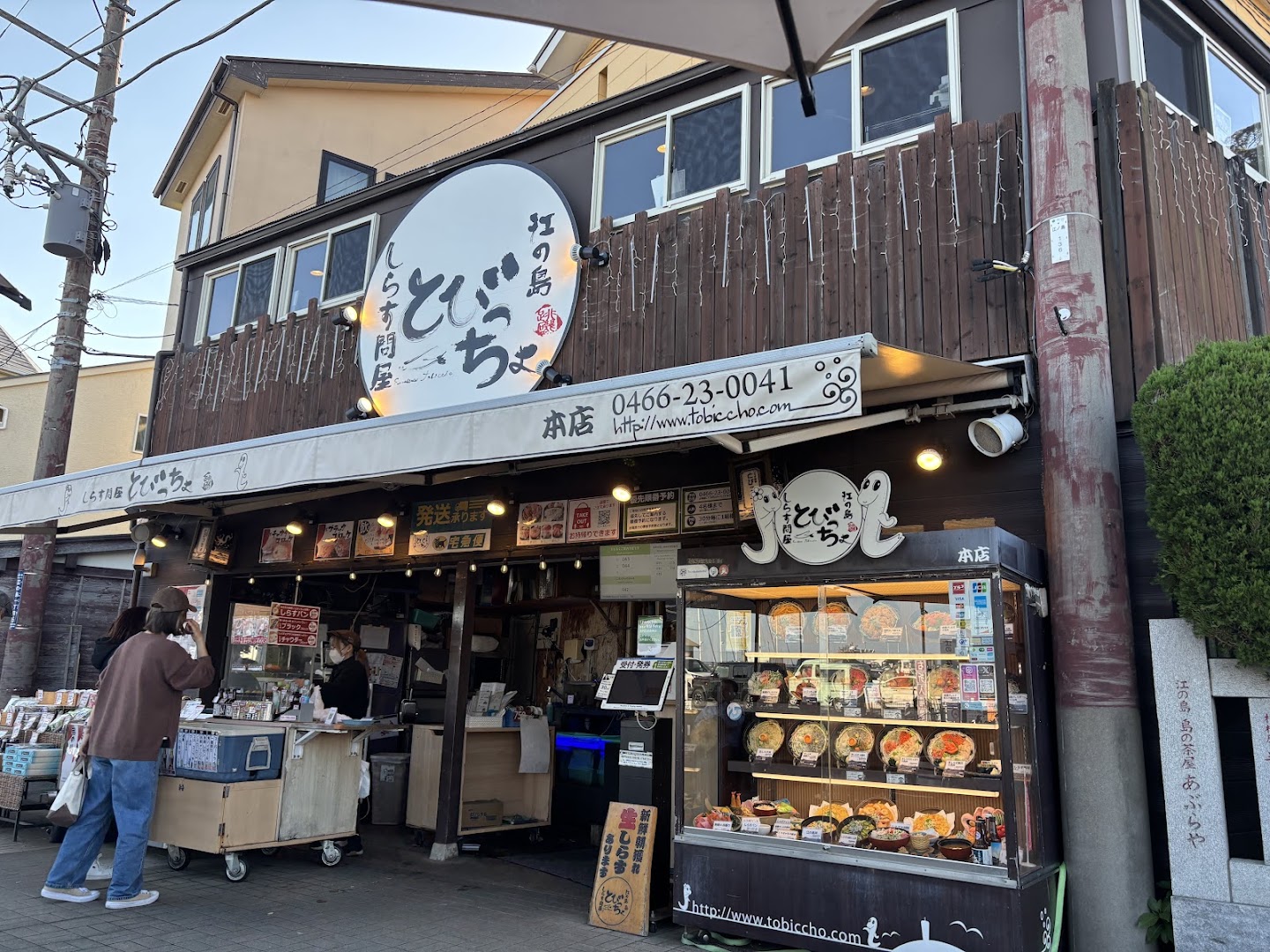
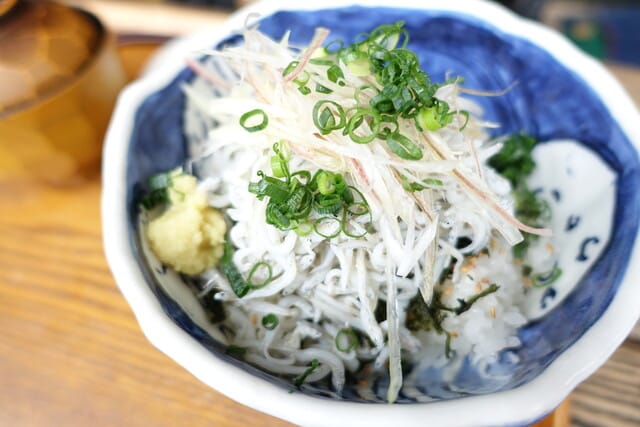
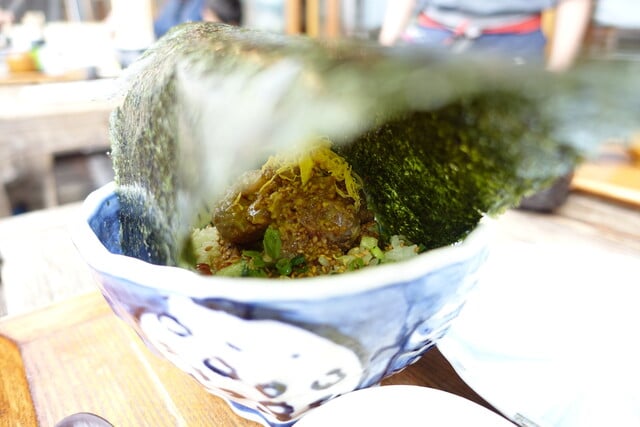
Tobiccho is one of Enoshima’s most representative seafood rice bowl restaurants, known for fresh-caught raw shirasu (baby sardines) the same day, and often has long lines.
- 🍜 Must-order: raw shirasu bowl (nama-shirasu-don; not served during the fishing ban from January to mid-March)
- 💰 Price: about ¥1,380
- 🚉 Access: about a 12-minute walk from Odakyu Katase-Enoshima Station
Kamakura Specialty: Toshimaya Kamakura Main Store
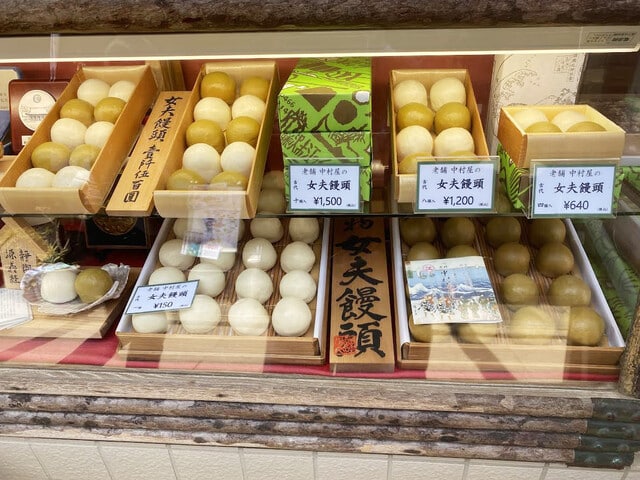
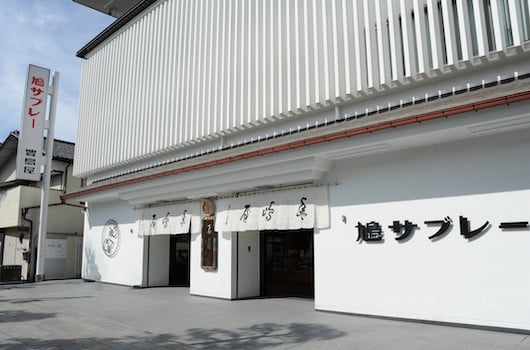
Toshimaya is one of Kamakura’s famous long-established shops, specializing in the Kamakura specialty Hato Sabure. Founded in 1894 (Meiji 27), it first sold Hato Sabure around 1897 (Meiji 30), and it is Kamakura’s most representative souvenir shop.
- 🍪 Must-order: Hato Sabure (pigeon-shaped butter cookies, box of 4)
- 💰 Price: from about ¥615
- 🚉 Access: about a 4-minute walk from JR / Enoden Kamakura Station
French-Style Desserts: bills Shichirigahama
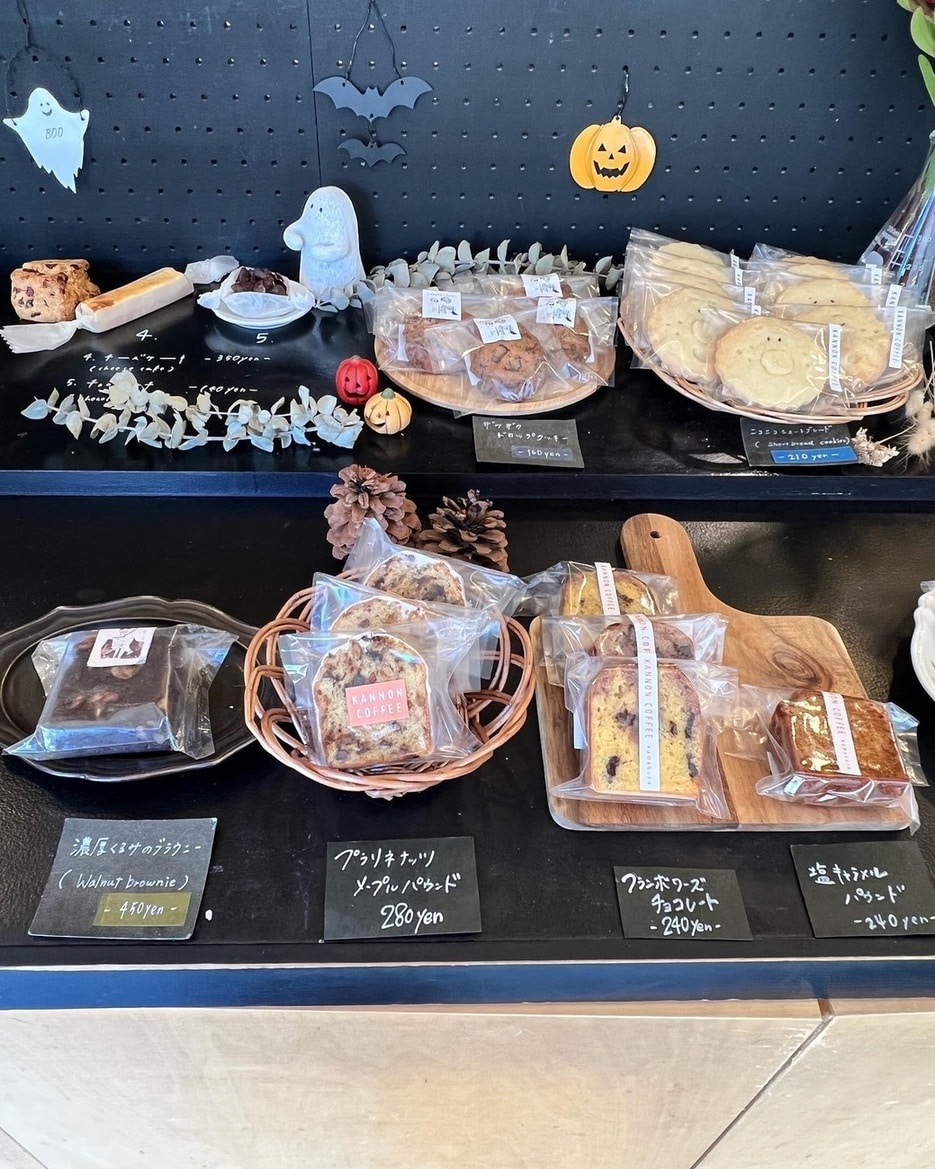
bills Shichirigahama is the first overseas branch of the popular Australian restaurant bills, known for its ricotta hotcakes, called the “world’s best breakfast,” and unbeatable sea views. It is a good place to enjoy the sunset and a meal at the end of a Kamakura day trip.
- 🥞 Must-order: ricotta hotcakes (Ricotta Pancakes)
- 💰 Price: about ¥2,000
- 🚉 Access: about a 2-minute walk from Enoden Shichirigahama Station
Where to Stay Near Kamakura and Enoshima? Hand-Picked Hotel Recommendations
Accommodation for a Kamakura and Enoshima day trip is very diverse, from upscale hotels to cozy guesthouses. Here are a few hand-picked places to stay to help you plan your trip.
Hotel Metropolitan Kamakura: A Convenient Downtown Stay
Near the east exit of JR Kamakura Station, with convenient transport and a comfortable stay.
From the hotel you can walk toward Komachi-dori and Tsurugaoka Hachimangu, suiting a day trip based around Kamakura Station.
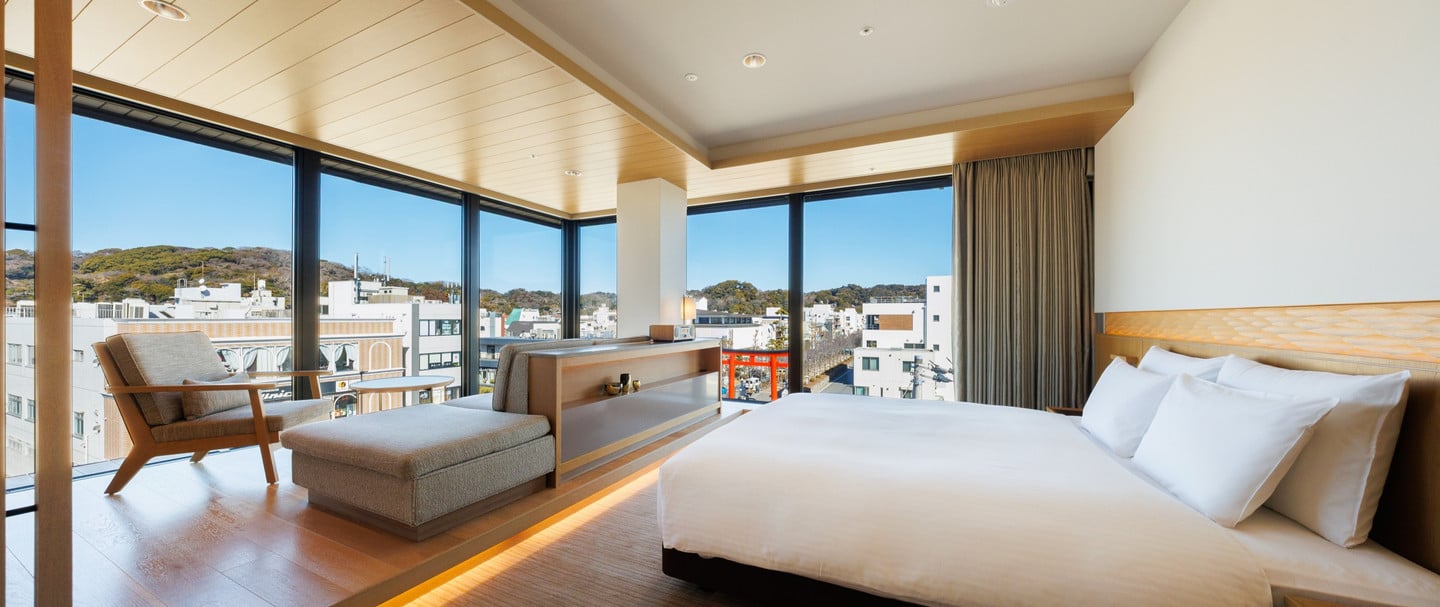

- Access: 1-minute walk from the east exit of Kamakura Station
- Highlights: free Wi-Fi, luggage storage, restaurant
- Best for: business travelers
Enoshima Hotel (Enoshima Island Spa): A Resort Stay at the Enoshima Entrance
Located at the entrance to Enoshima, near Katase-Higashihama Beach, with the Enoshima Island Spa natural hot spring and spa facilities about a 2-minute walk away.
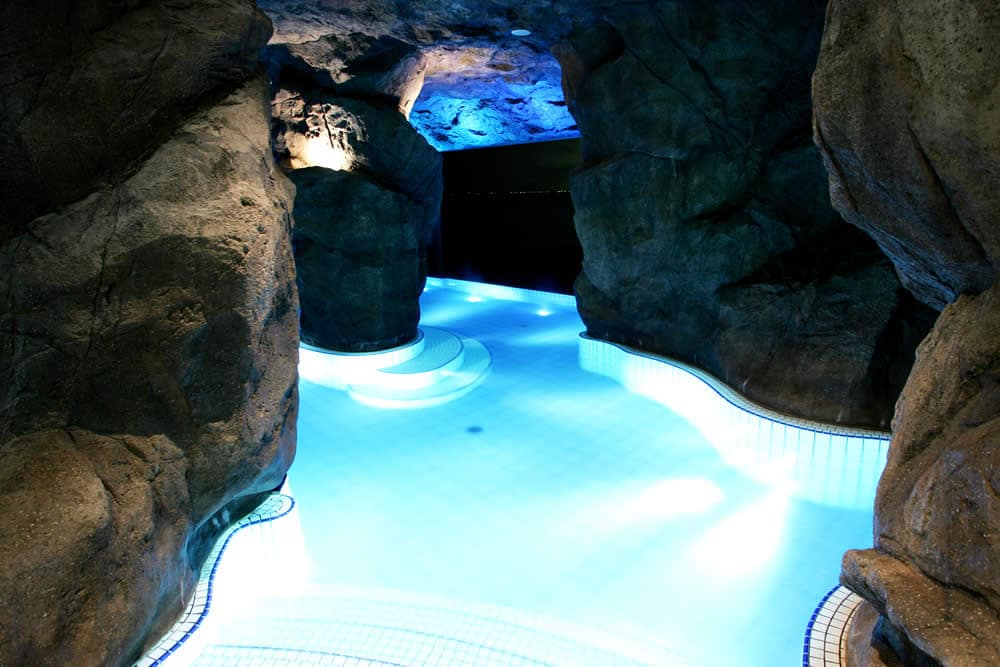
- Access: about a 10-minute walk from Katase-Enoshima Station
- Highlights: natural hot spring, spa pool, sea-view rooms
- Best for: couples
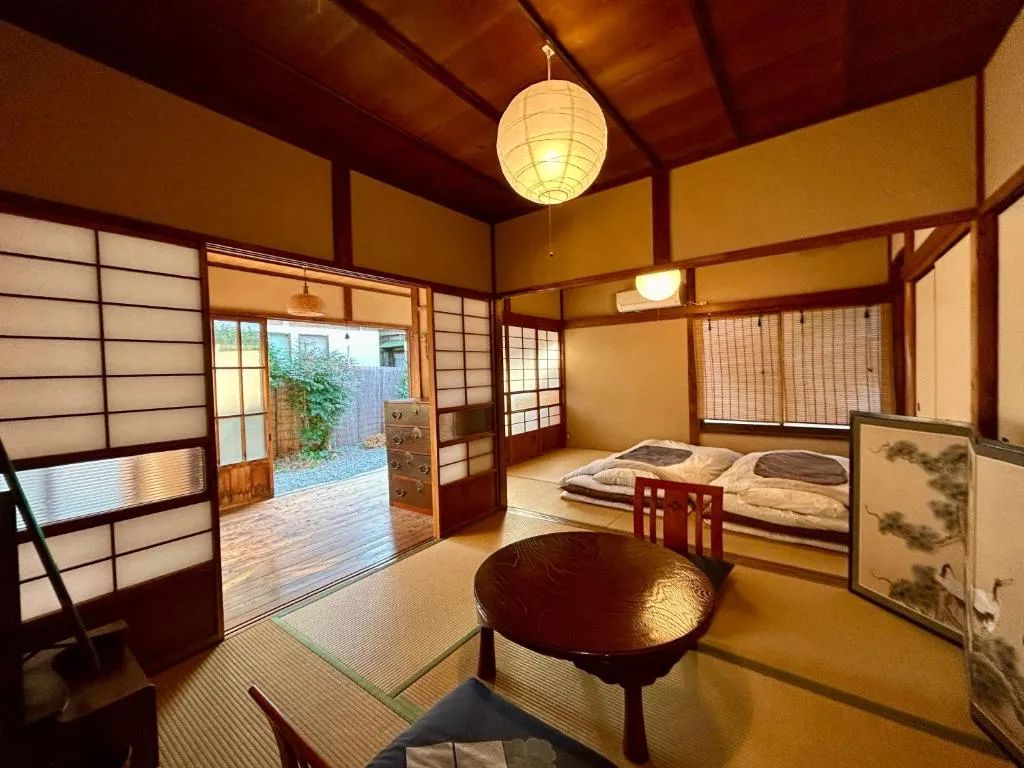
Taisenkaku: A Century-Old Traditional Inn Beside the Hase-dera Approach
A century-old Japanese inn founded in the Meiji era, in a building designated an important landscape building by Kamakura City, offering a tatami-room experience.
- Access: 5-minute walk from Enoden Hase Station, beside the Hase-dera approach
- Highlights: century-old wooden building, tatami rooms, Kamakura City important landscape building
- Best for: couples / culture lovers
Taisenkaku, a century-old traditional inn beside Hase-dera in Kamakura, founded in the late Meiji era, in a building designated an important landscape building by Kamakura City, suited to experiencing Japanese culture.
What to Watch Out for on a Kamakura and Enoshima Day Trip? Practical Info and Taboos
Weather and What to Wear
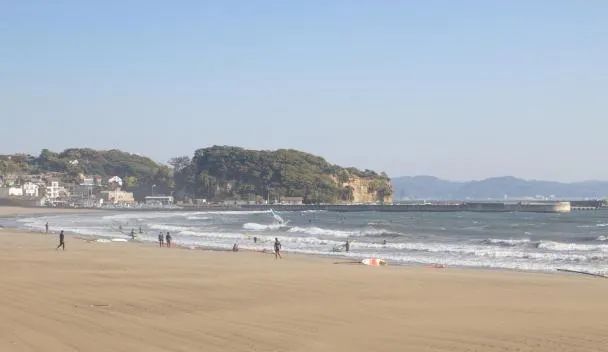
The Kamakura and Enoshima area has a maritime climate that is mild but humid through the seasons. Summers are hot and humid, while winters are cooler. We suggest dressing appropriately for the season and bringing sun protection and rain gear.
Spring cherry blossom season and autumn foliage season are peak travel seasons with large crowds, so plan your trip in advance.
Transport and Parking Info
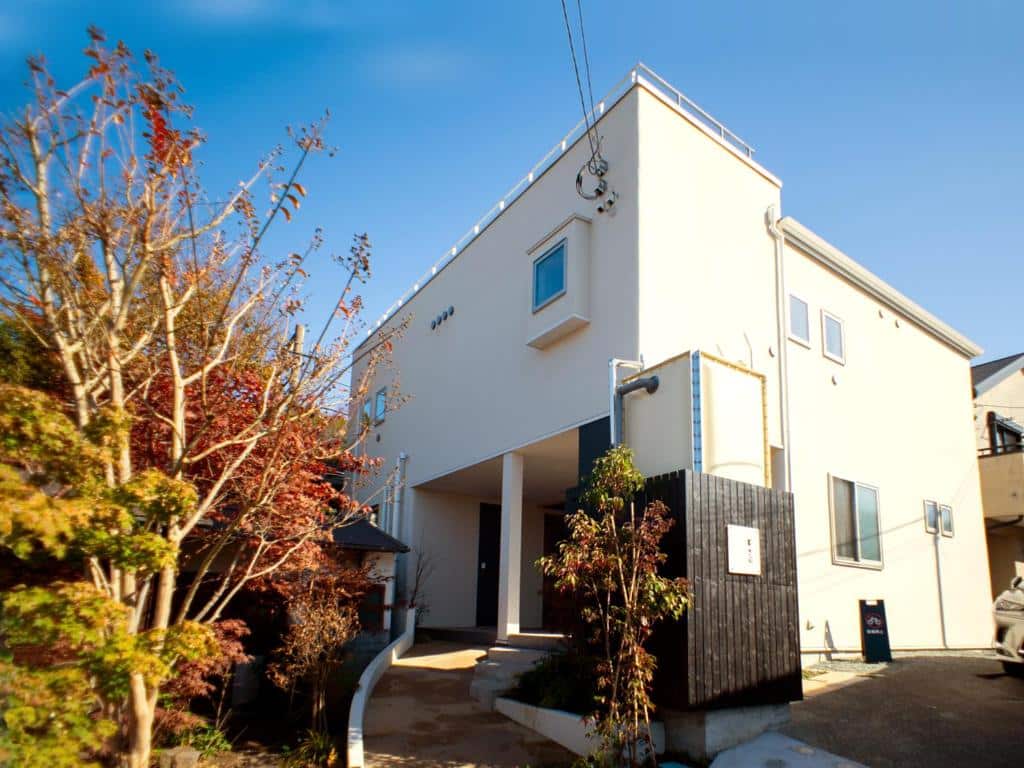
The Kamakura and Enoshima area has several transport routes, including the JR Yokosuka Line, the Odakyu Line and the Enoden. Visitors can choose the mode that suits their needs.
Parking lots are mainly clustered near the main attractions, but spaces are limited and fees are high. We recommend using public transport first.
Opening Hours and Admission
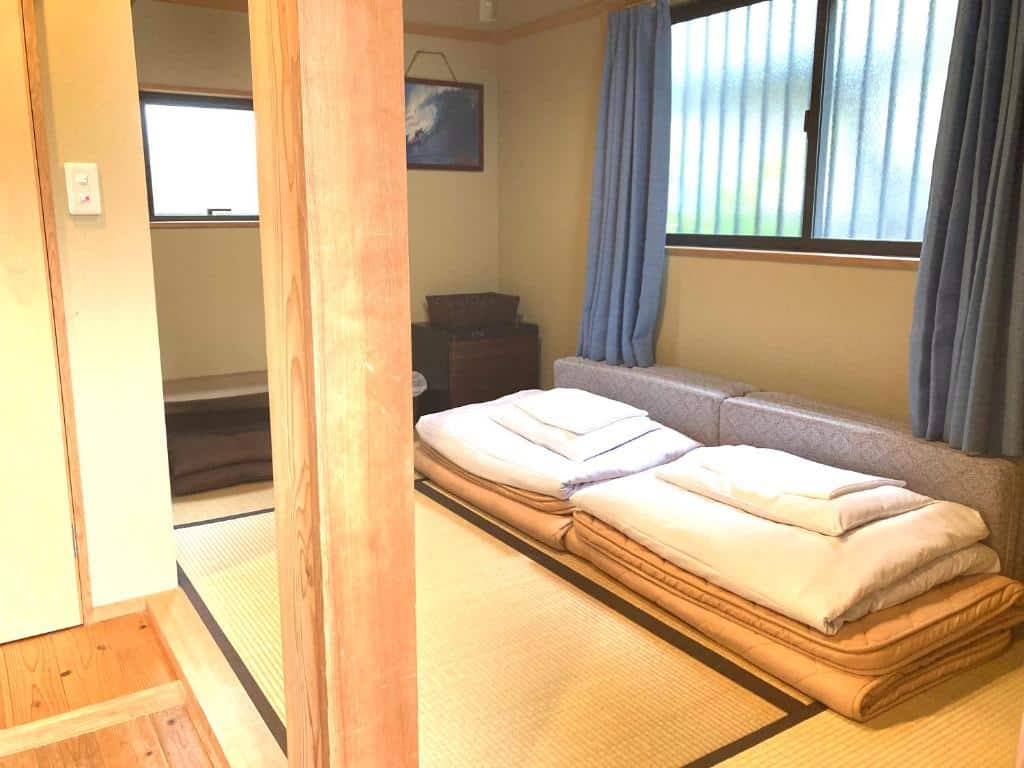
Tsurugaoka Hachimangu’s grounds are free; the Great Buddha at Kotoku-in is ¥300 for adults, with an extra ¥50 to enter the inside of the Buddha; Hase-dera is ¥400 for adults; Enoshima Shrine’s three halls are free and the Hoanden is ¥200; the Enoshima Iwaya Caves are ¥500. Opening hours at each site vary with the season, so please rely on the announcements on the official websites (hachimangu.or.jp, kotoku-in.jp, hasedera.jp).
Notes and Etiquette
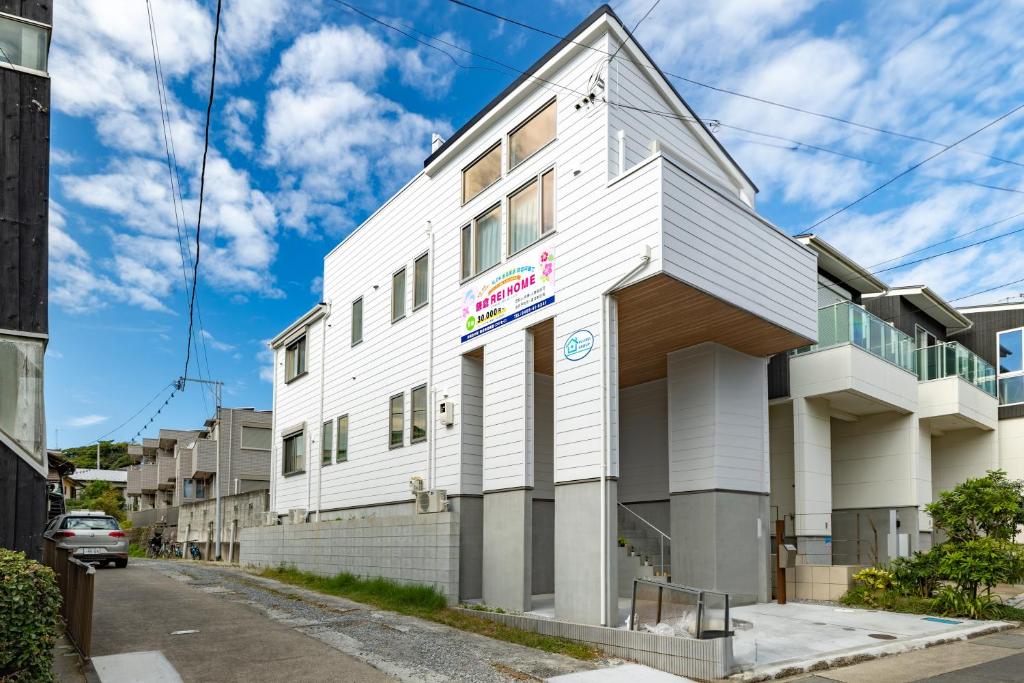
When visiting shrines or temples, please dress modestly and avoid loud noise or inappropriate behavior. Some sights may have specific visiting rules or taboos, so please follow the relevant rules.
FAQ
Q: What is the best season for a Kamakura and Enoshima day trip?
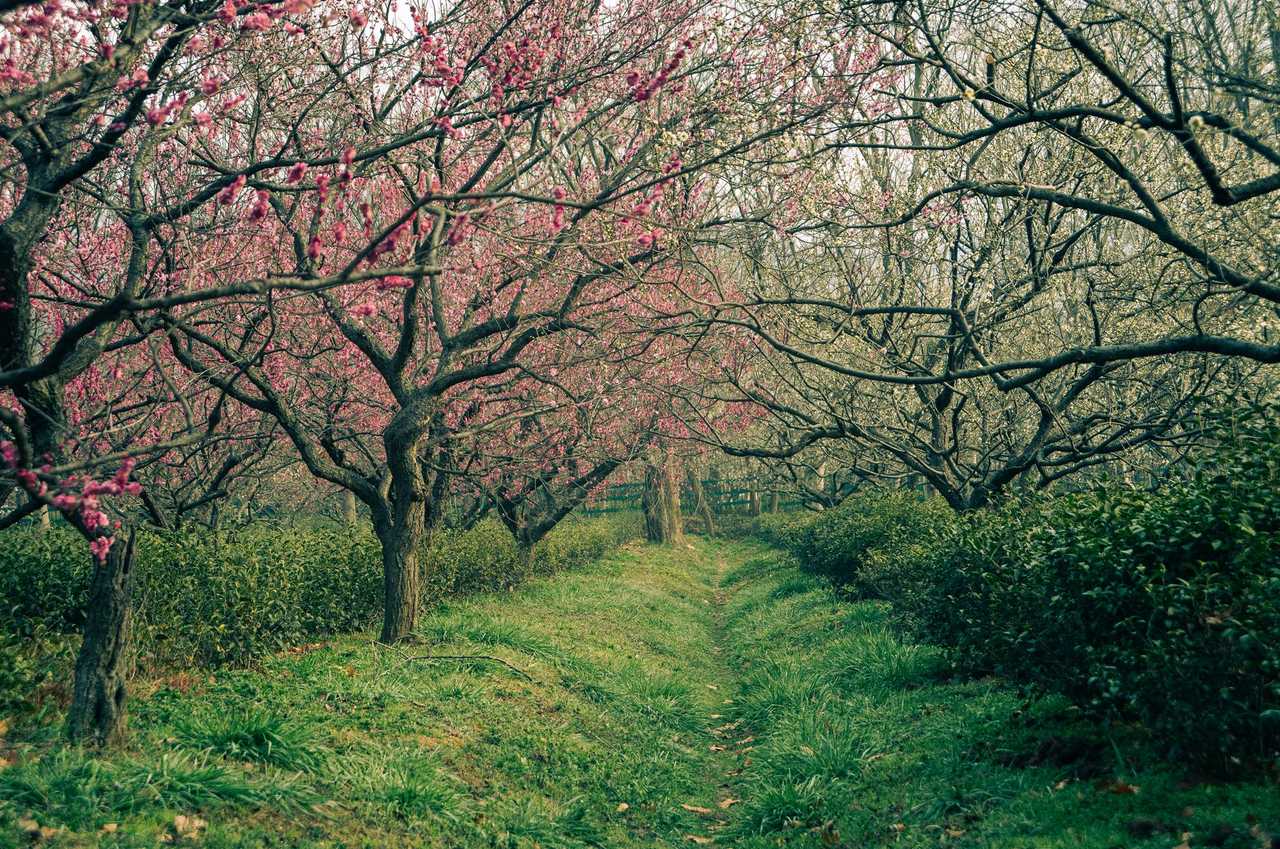
Kamakura and Enoshima are good to visit all year round, but the best seasons are spring (March to May) and autumn (September to November). The weather is mild in these seasons, suited to cherry blossoms or autumn leaves, and there are fewer visitors.
Q: How do I buy the Kamakura-Enoshima Free Pass?
The Kamakura-Enoshima Free Pass can be bought at ticket windows at Odakyu Line stations, at ticket machines (valid for the same day only) or at the Odakyu Travel Center, or through the EMot app from 1 month before the travel date.
Q: How much does a Kamakura and Enoshima day trip cost?
For example from Shinjuku, the free pass is ¥1,640 for adults, plus about ¥1,000-2,000 for meals and about ¥500-1,000 for attraction admission, for a total of about ¥3,000-5,000.
Q: What souvenirs should I buy in Kamakura and Enoshima?
Must-buy souvenirs from Kamakura and Enoshima include Toshimaya’s pigeon cookies, Kamakura Goro’s Hangetsuyaki, Meoto manju and Enoshima monaka. These are all local specialties, perfect as souvenirs to take home.
