
2026 Yokohama Food Guide: Popular Local Restaurants and Must-Eat Dishes
Yokohama is a port city, and Chinatown, Minato Mirai 21, Yokohama Station and Motomachi each have their own restaurants and signature foods, from yakiniku and ramen to century-old shops. This Yokohama food guide rounds up the must-eat picks locals actually go to.
What Are Yokohama’s Three Great Specialties? Kiyoken Shumai, Iekei Ramen and Sanma-men
Ask a local about “Yokohama’s three great specialties,” and the most common answers are Kiyoken shumai, iekei ramen, and “sanma-men” (サンマー麵), a dish that visitors rarely hear about.
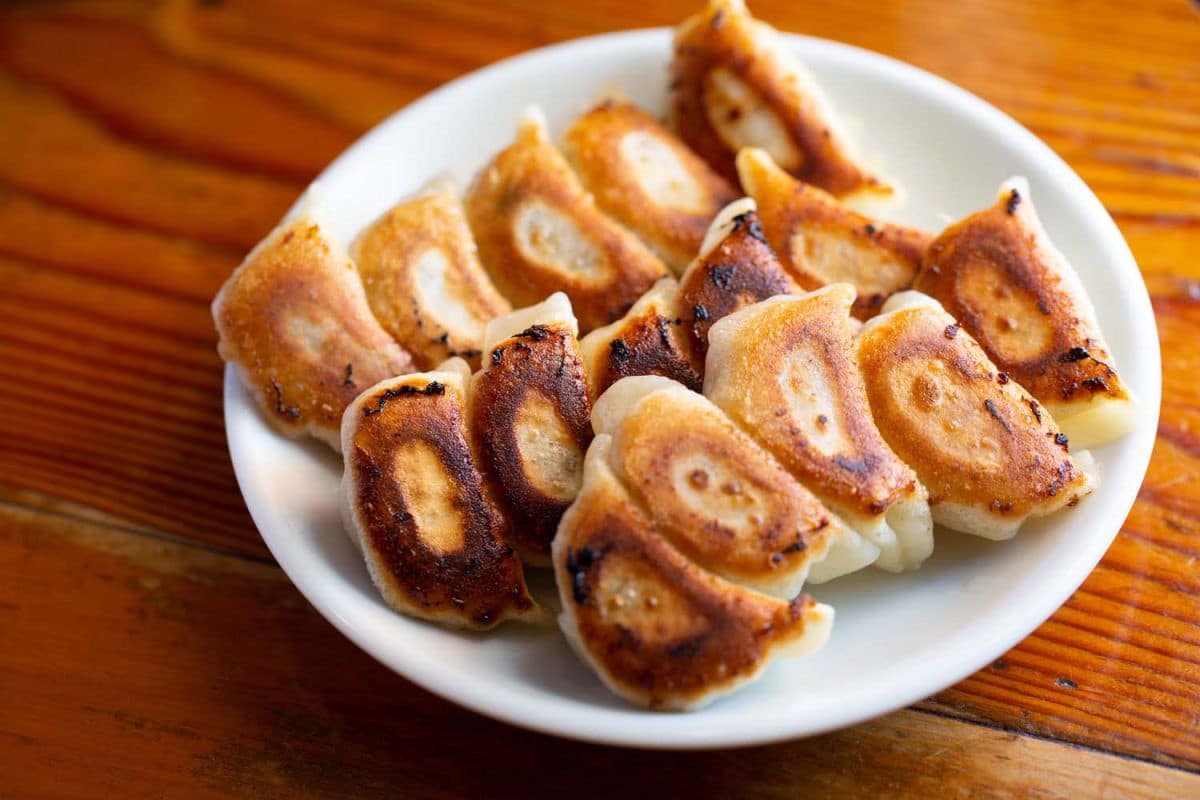
- 🥟 Kiyoken shumai: born in 1928, made with pork and scallop for extra flavor and tasty even when cold, it is Yokohama’s most representative souvenir (see the Kiyoken section below for details).
- 🍜 Iekei ramen: the original shop, “Yoshimuraya,” was founded in 1974, serving a rich pork and chicken bone broth with thick straight noodles. The nationally famous iekei style became popular starting near Yokohama Station.
- 🥬 Sanma-men (サンマー麵): it originated in Yokohama Chinatown and is said to have been created in 1930 by the chef of the long-established “Heichinro.” It is soy sauce ramen topped with a thickened mix of pork, bean sprouts and vegetables, an everyday noodle dish familiar to locals, and some old shops in Chinatown still serve it today.
Yokohama Station: A Dining Battleground Beside the Transfer Hub
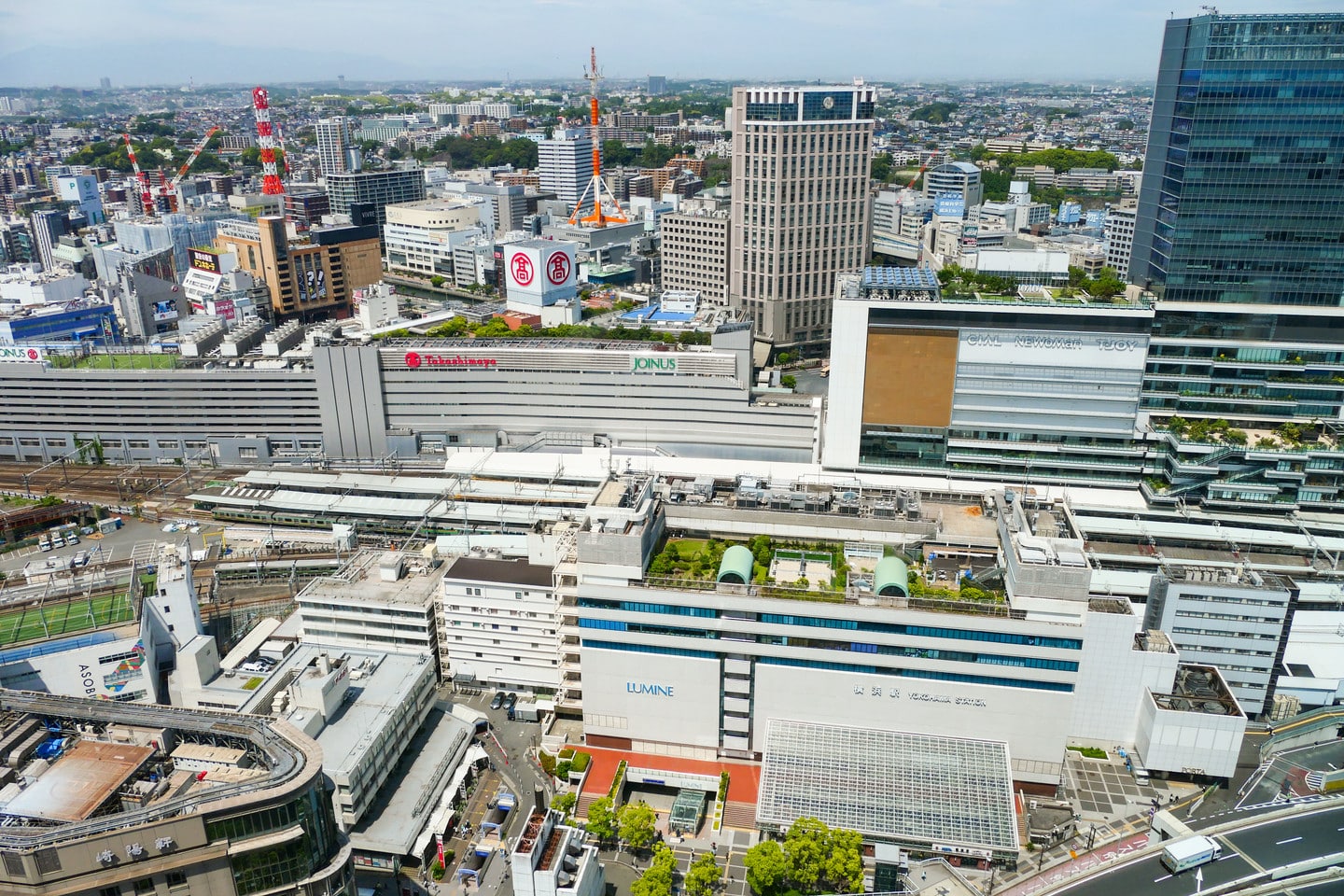
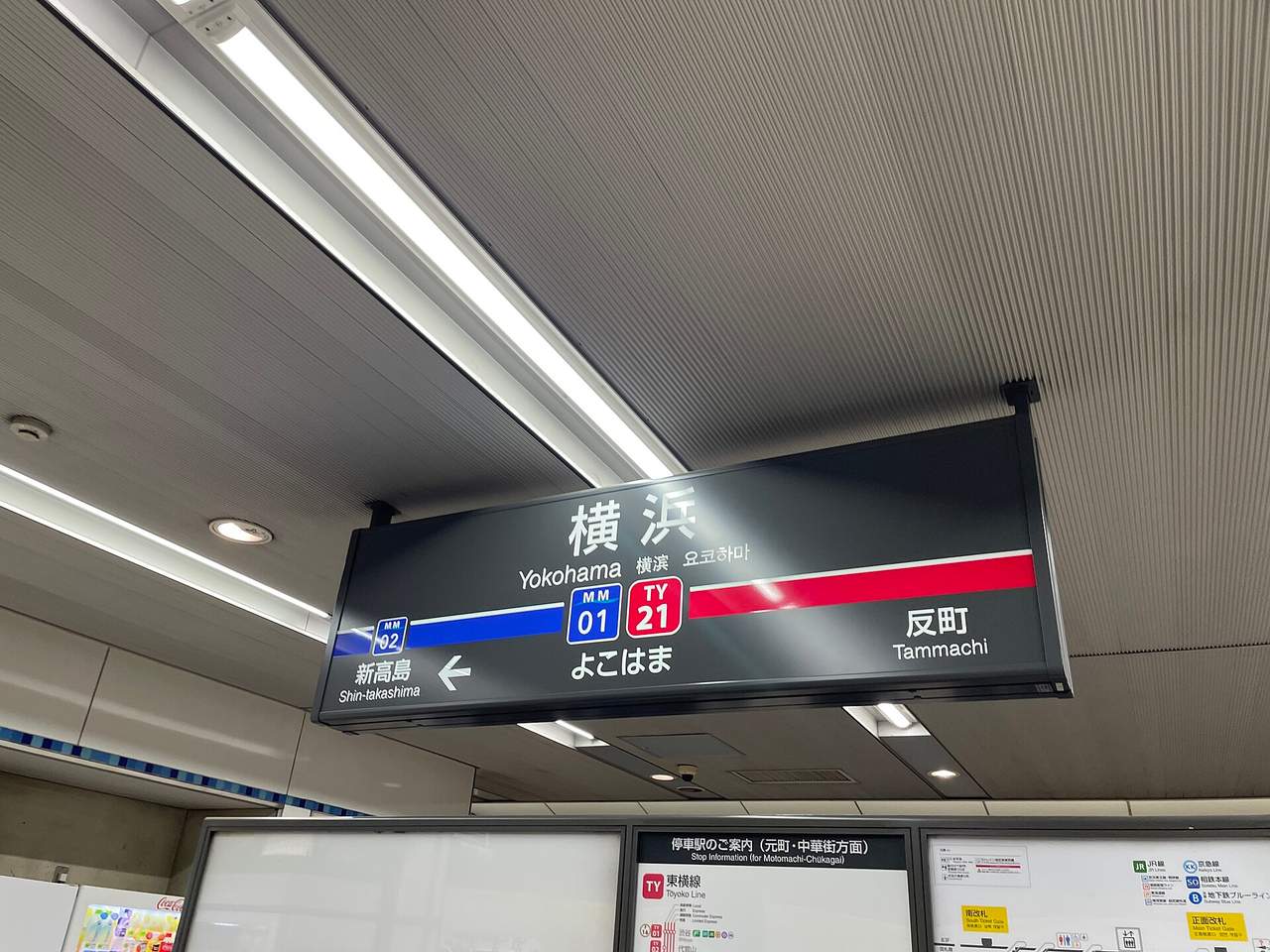
Around Yokohama Station are a great many restaurants and souvenir shops, so breakfast, lunch or a late-night drink are all covered in one place. The station connects directly to several shopping malls, such as Yokohama Porta and Joinus, making transfers extremely convenient and the station the best starting point for a Yokohama itinerary.
It is also a ramen battleground. The founding shop of iekei ramen, “Yoshimuraya,” is near the station, and its rich pork bone soy broth is the signature. For a café break, well-known spots such as UNI COFFEE ROASTERY are in this area too, good for breakfast or an afternoon tea stop.


Minato Mirai 21: A High-Quality Dining Cluster Beside the Ferris Wheel
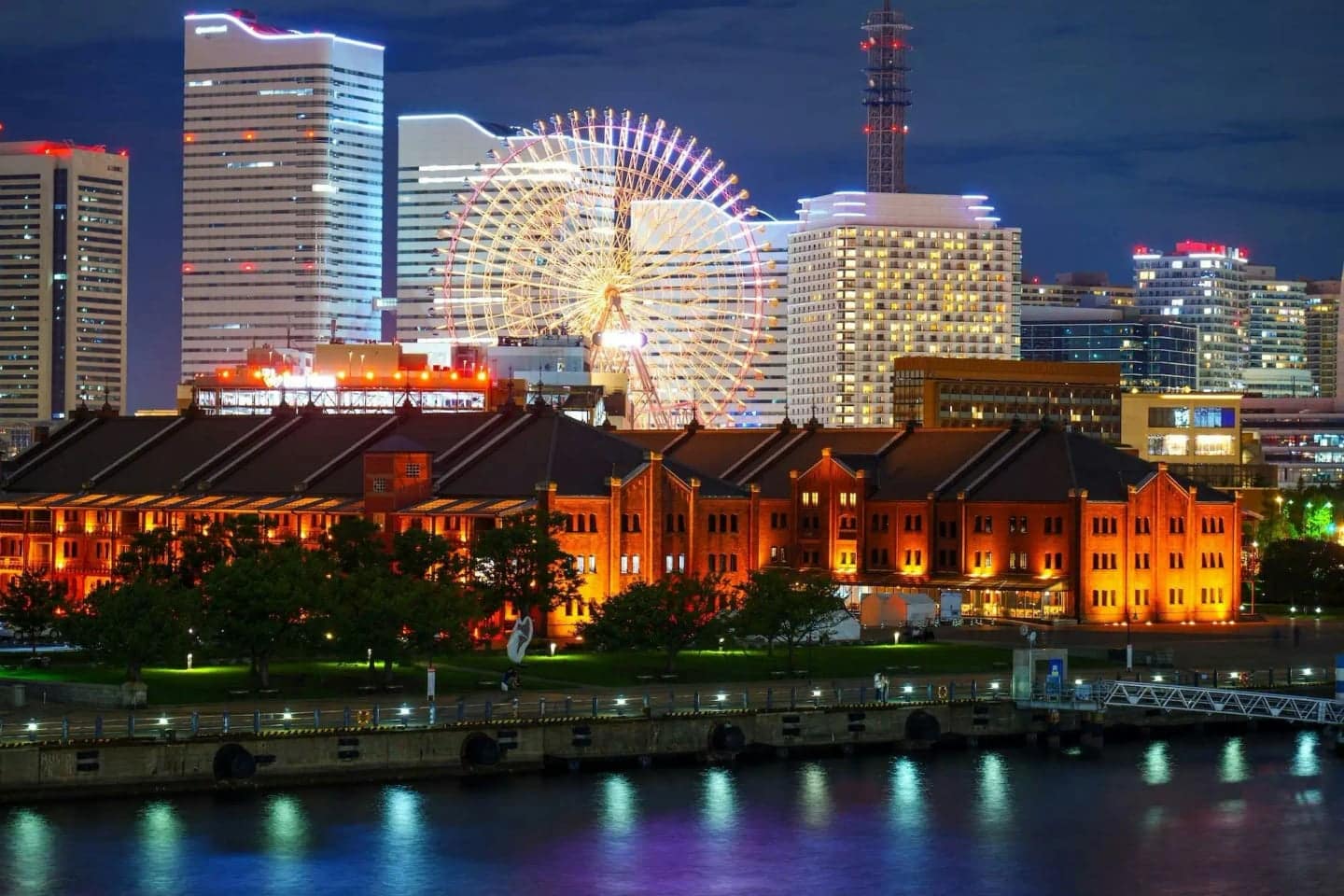
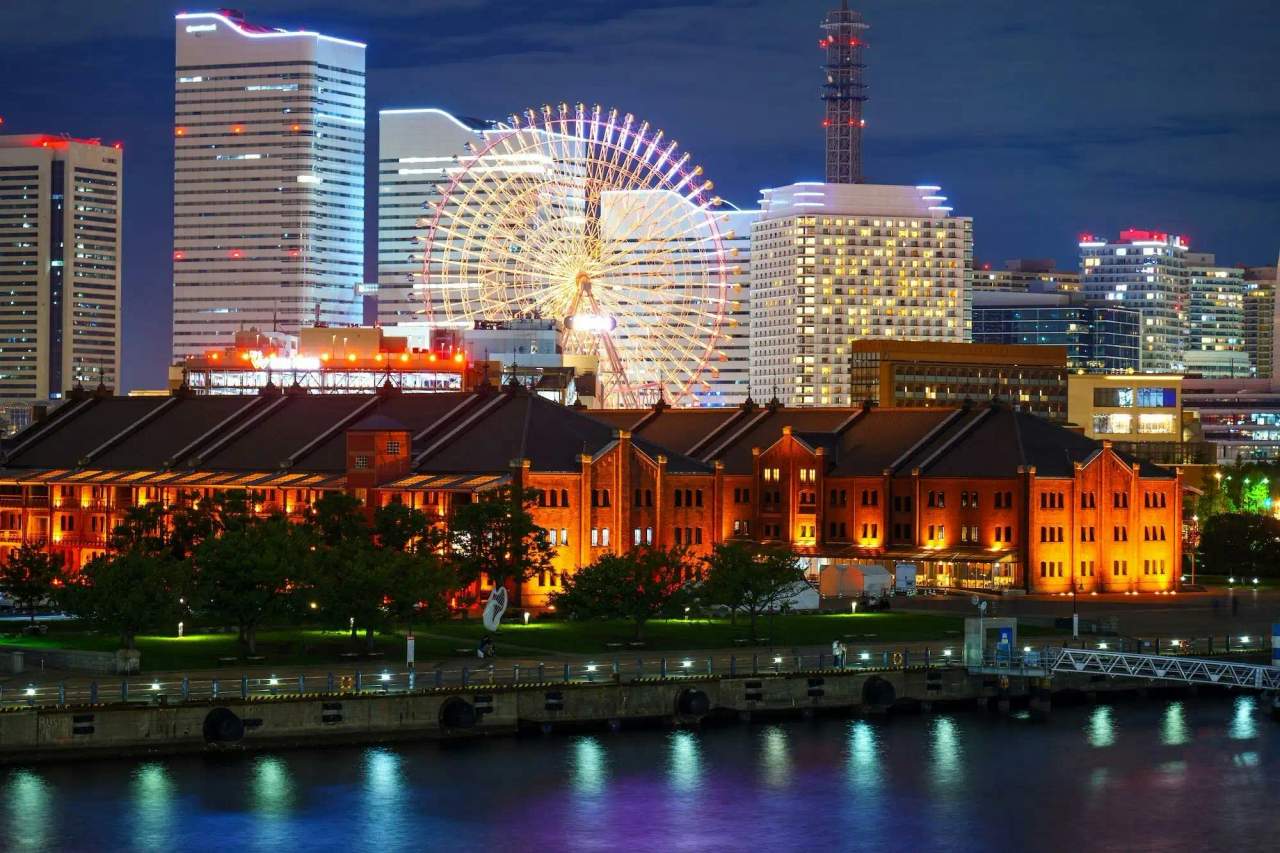
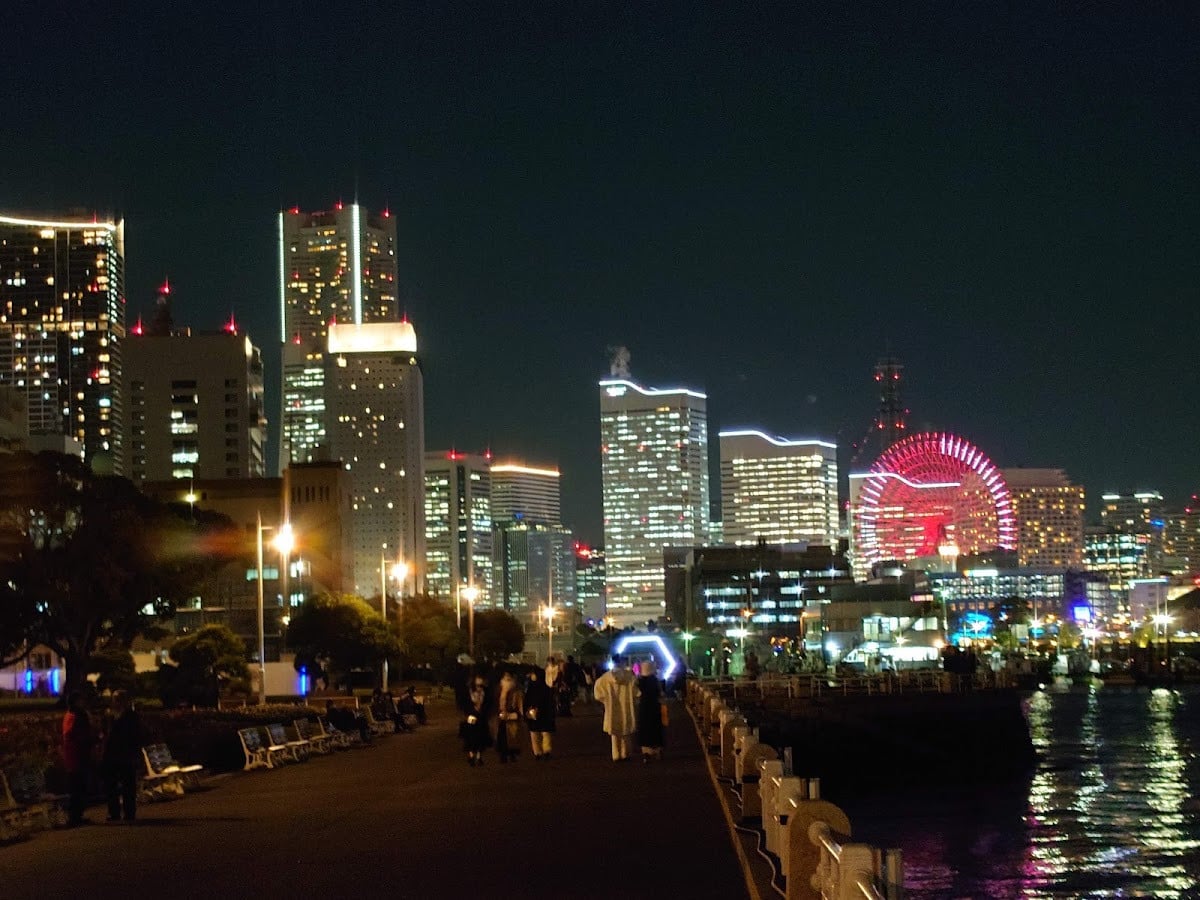
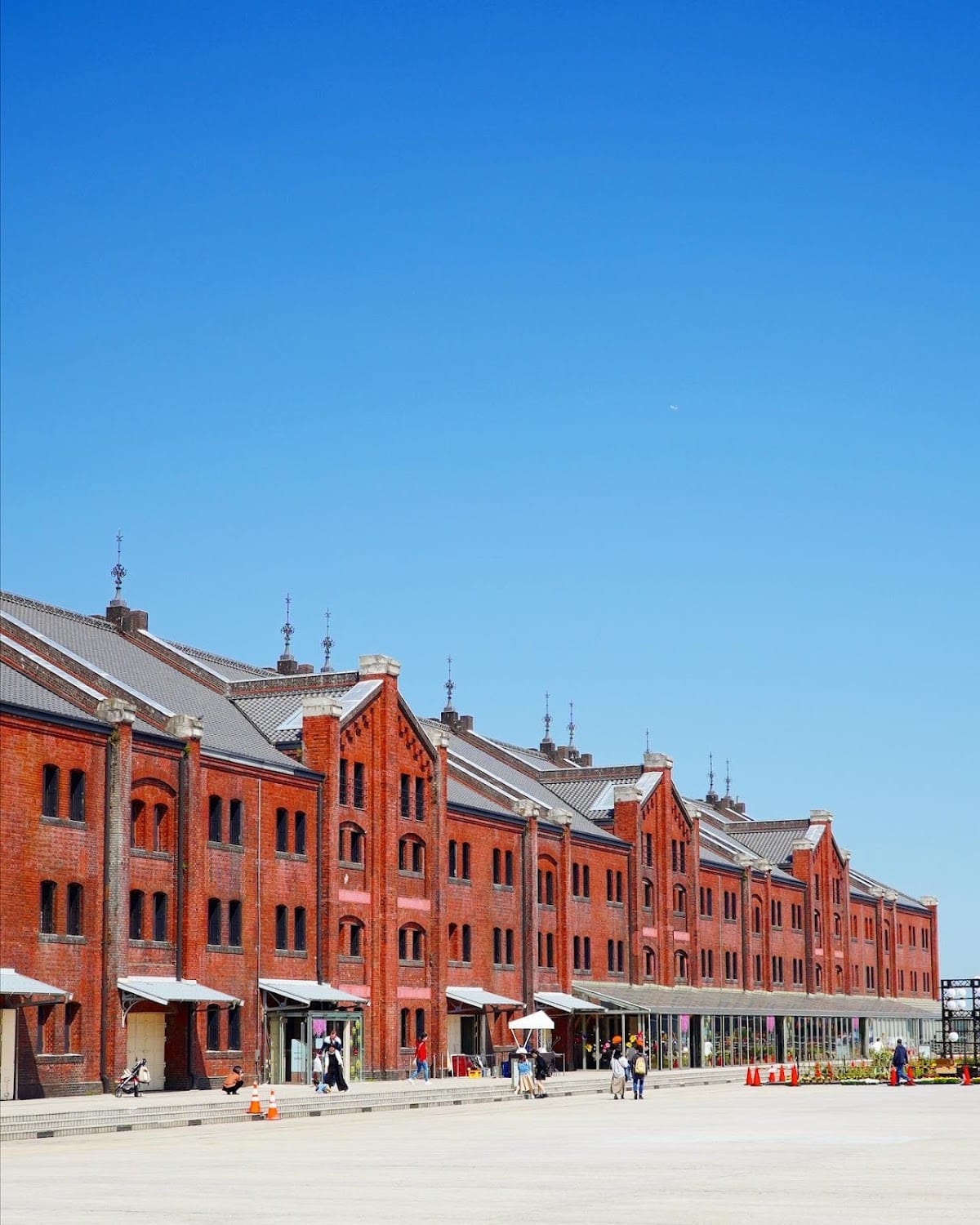
Minato Mirai 21 is the area with the Landmark Tower and the Red Brick Warehouse. Restaurants here mostly go upscale, good for dates and family dinners. From Italian and teppanyaki to high-altitude view restaurants, everything is here, and at dinner you can enjoy the night view of the Ferris wheel.
The area is also a paradise for dessert lovers, with well-known dessert shops such as VANILLABEANS THE ROASTERY and Mizunobu Fruit Parlor Labo. It is good for an afternoon tea stop and a taste of Yokohama’s most stylish side.
Yokohama Chinatown: Century-Old Flavors in Japan’s Largest Chinatown
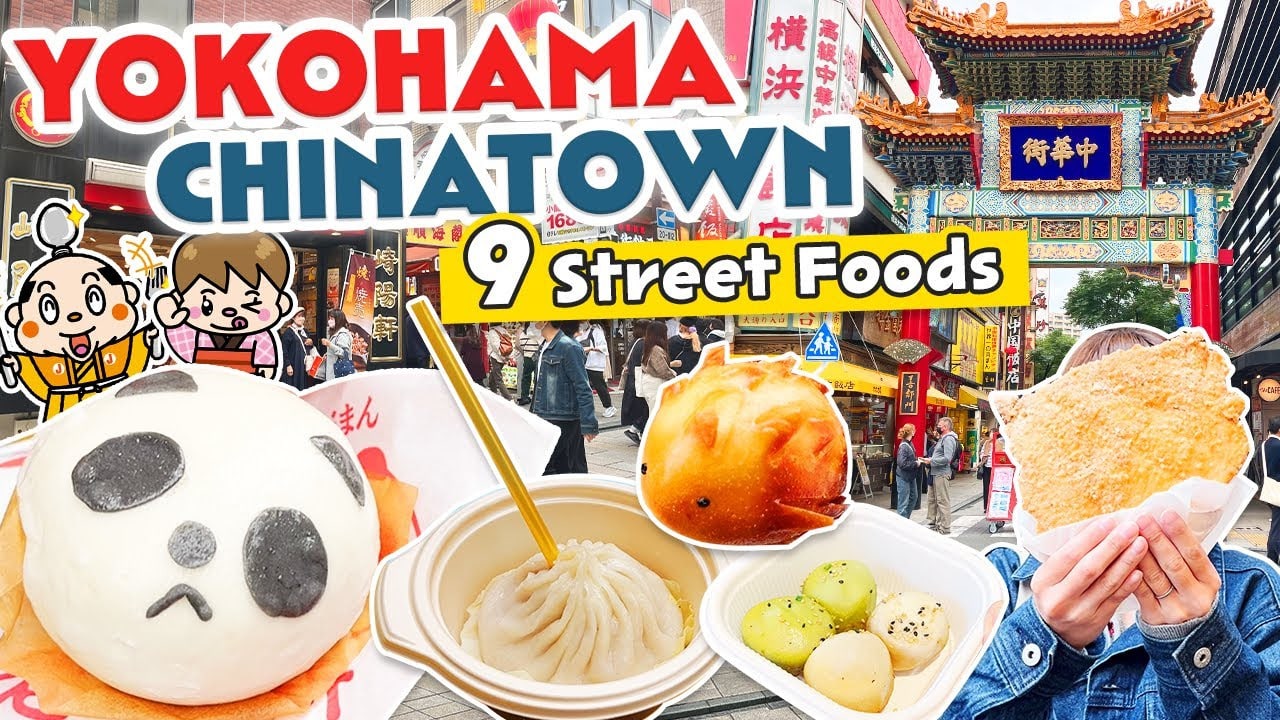
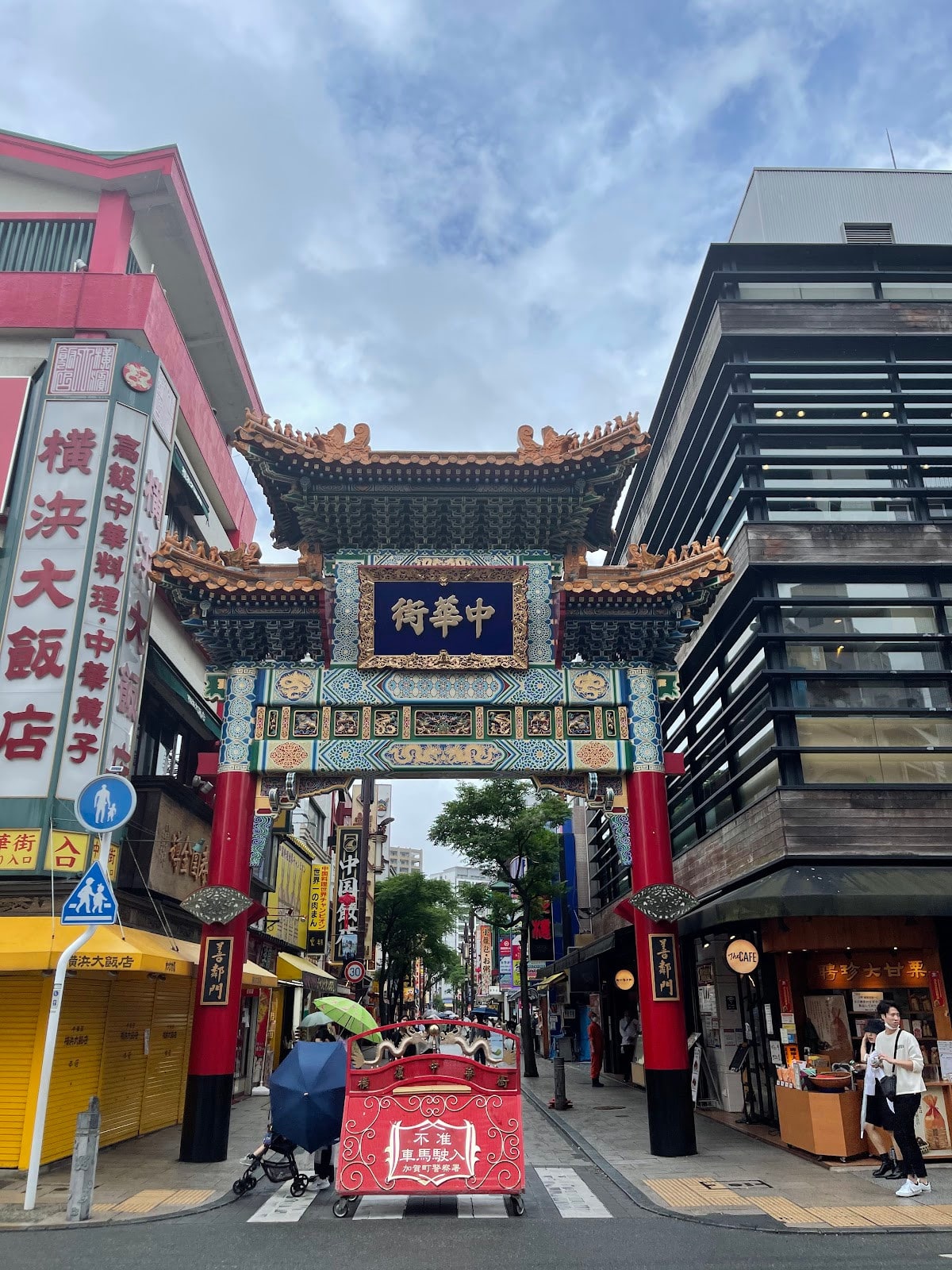
Yokohama Chinatown is the largest Chinatown in Japan, with more than 600 Chinese restaurants offering everything from xiaolongbao and shumai to Cantonese dim sum. Long-established places such as Shimon Restaurant are a must for visitors.
We suggest avoiding the weekend midday crowds and going on a weekday or in the late afternoon to save time in line and enjoy browsing and snacking on all kinds of street food at a leisurely pace, soaking up the festive atmosphere.
Motomachi: Western-Style Old Shops on an Exotic Shopping Street
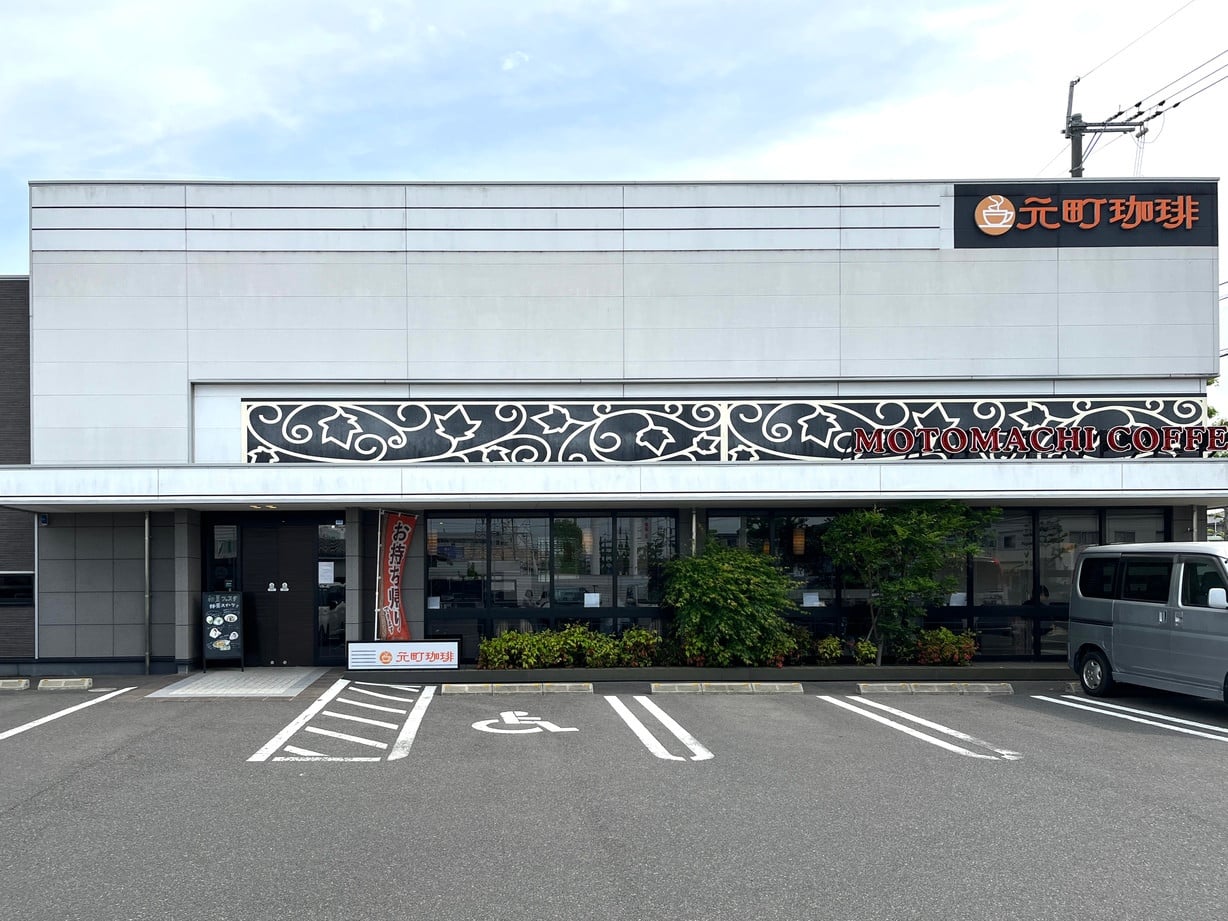
Motomachi was one of the first foreign settlements opened in Yokohama and still keeps a strong Western flavor. Old-established Western pastry shops such as Muteki-ro and Enokitei are here, ideal for travelers who love a nostalgic atmosphere.
Most of the shops here have long histories and have served Western-style food since the port opened in the late nineteenth century, making this the best place to understand how Yokohama’s Western cuisine developed. It is also a good stop to try between shopping.
Sakuragicho: Noge Yokocho’s Late-Night Izakaya Culture
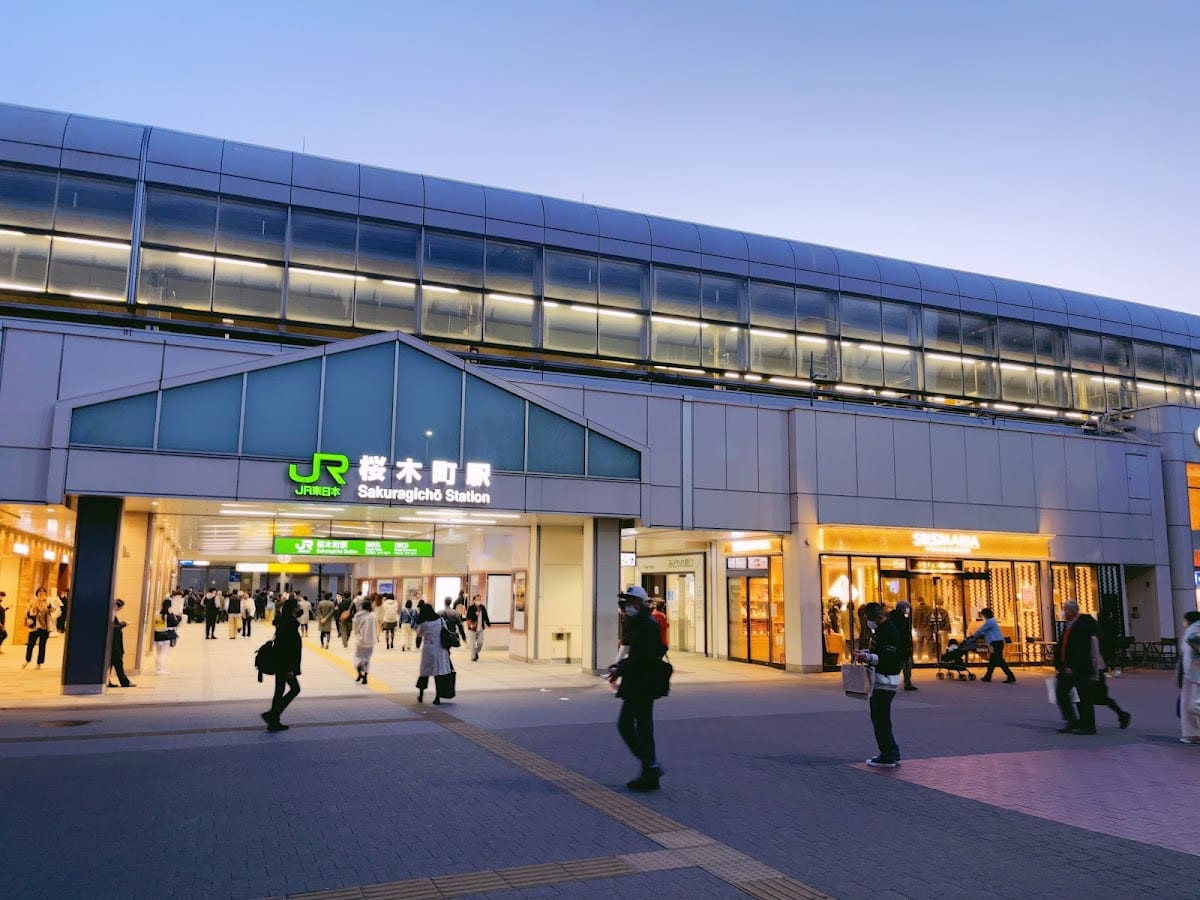
Sakuragicho Station is next to the Noge area, where Yokohama locals gather for after-work drinks. Izakaya, yakitori and oden shops are packed together, with friendly prices and an authentic atmosphere, ideal for experiencing real everyday food culture.
The area is well connected, within walking distance of Minato Mirai 21 and the Red Brick Warehouse, ideal for a day plan of sightseeing in the early evening and then heading to Noge for authentic izakaya fare at night.
How to Get to Yokohama’s Main Food Areas: Transport Options and Costs
Yokohama’s food spots are spread across areas such as Chinatown, Minato Mirai and Noge. From central Tokyo you can reach Yokohama Station in as little as about 30 minutes, then transfer to a city train or bus to each food area.
How to Get to Yokohama’s Main Food Areas: Transport at a Glance
🚃 JR Keihin-Tohoku and Negishi Line: about 40 minutes from Tokyo Station; via Ishikawacho Station you can walk to Chinatown’s Zenrinmon Gate.
🚈 Minatomirai Line: Yokohama to Motomachi-Chukagai takes about 11 minutes and ¥210, passing Minato Mirai 21, Bashamichi and the Nihon-Odori area along the way.
🚇 Yokohama Municipal Subway Blue Line: from Yokohama Station you can ride to Sakuragicho Station, a convenient choice for the Nogecho izakaya street.
🎫 Minato Burari Ticket (みなとぶらりチケット): ¥700 for adults, with unlimited rides on the Municipal Subway Blue Line (Yokohama to Yoshinocho), city buses, Kanachu buses and the “Akai Kutsu” sightseeing loop bus, excluding the Minatomirai Line.
Which Restaurants Are Must-Eats in the 2026 Yokohama Food Guide? Popular Local Shops Explained
From yakiniku and sushi to long-established Western-style restaurants, here are the most worthwhile popular and century-old shops in Yokohama.
Rishō Bashamichi (李昇 馬車道店): A Wagyu Yakiniku Feast
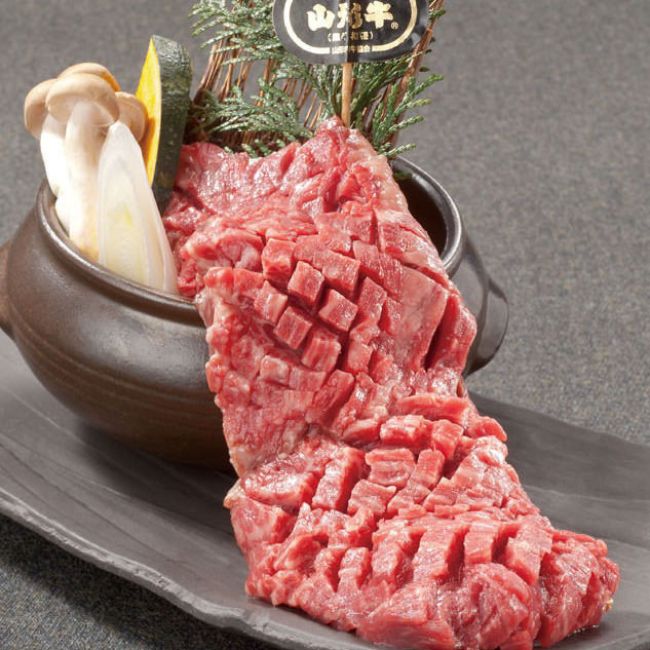
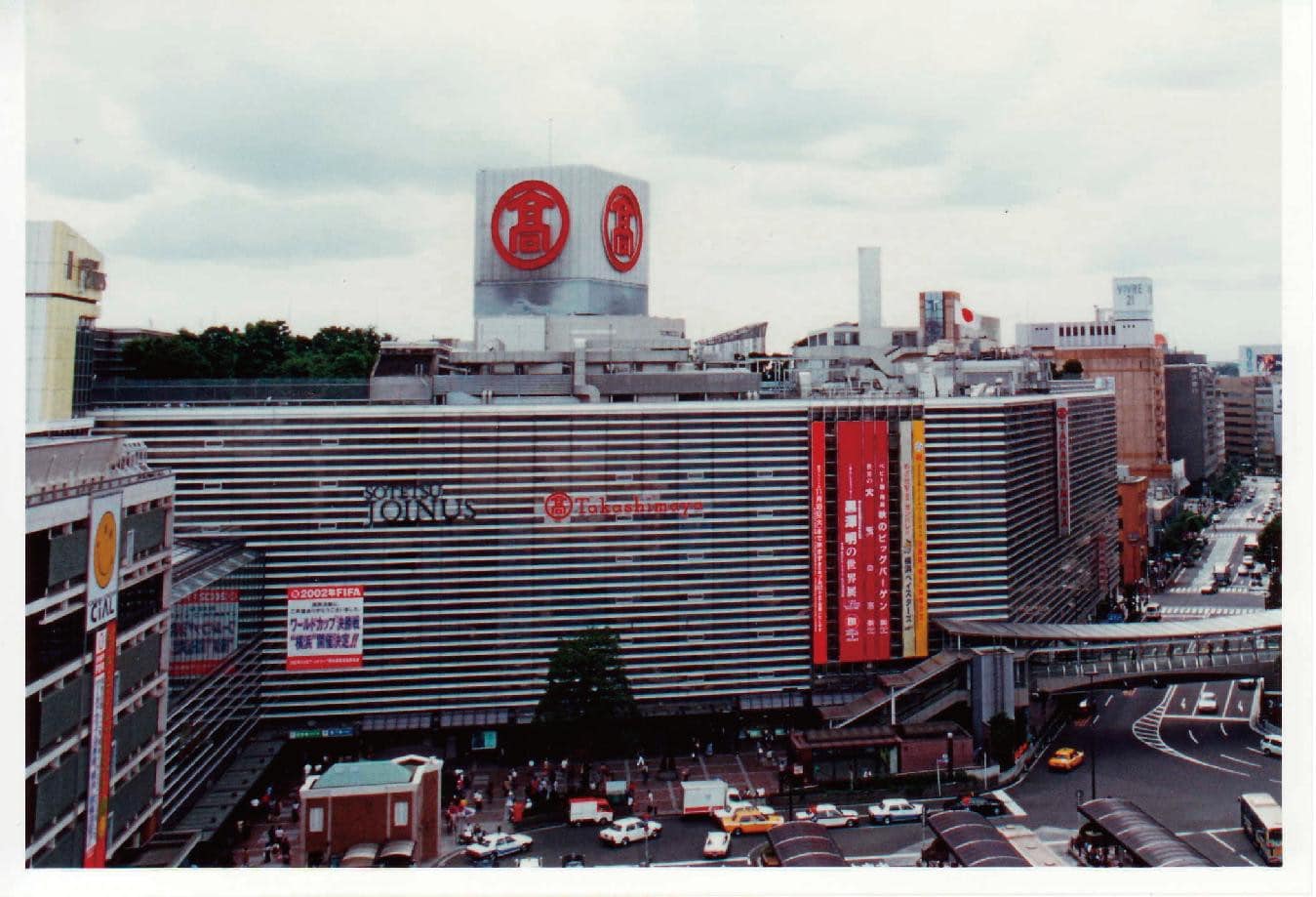
Risho Bashamichi is known for selected wagyu yakiniku, with tender meat and evenly distributed marbling, a name passed by word of mouth among Yokohama yakiniku fans. The shop offers a choice of many cuts and is loved by local foodies.
We recommend going at dinnertime and booking ahead, especially on crowded weekends. The shop is on Bashamichi, about a 1-minute walk from JR Kannai Station, so access is very convenient.
Yokohama USHIMITSU: Refined Wagyu Dishes Even Late at Night
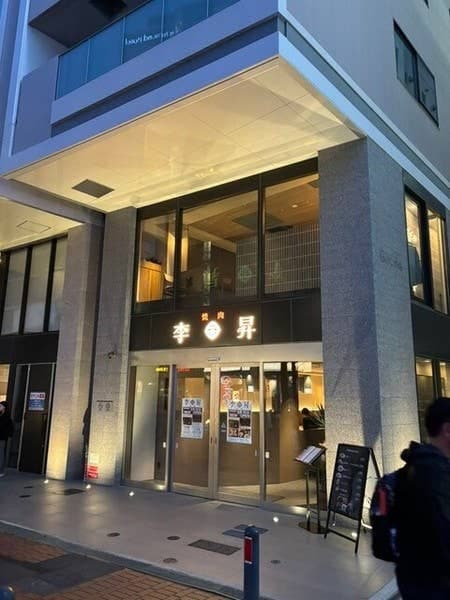
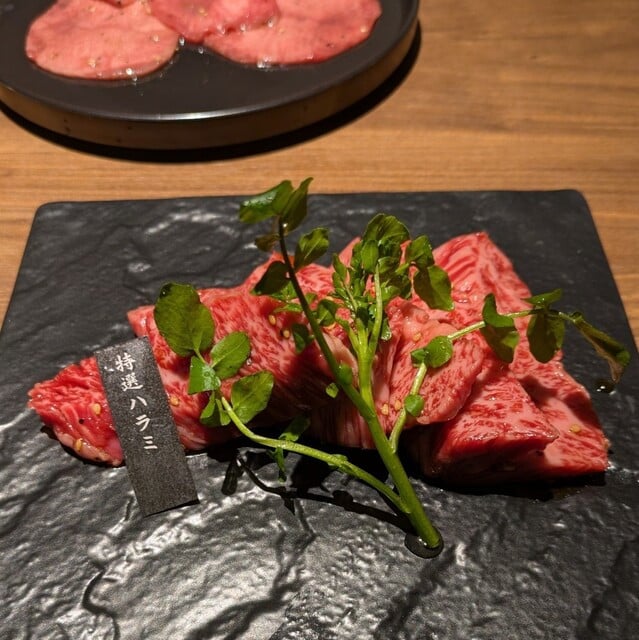
Yokohama USHIMITSU is the only branch outside Tokyo of the well-known Tokyo yakiniku restaurant USHIMITSU, focused on wagyu yakiniku, with all private-room seating and hours from 17:00 to 23:30.
The average spend is about ¥14,000 and booking ahead is recommended. It is about a 6-minute walk from JR Yokohama Station, suited to visit after a day of sightseeing.
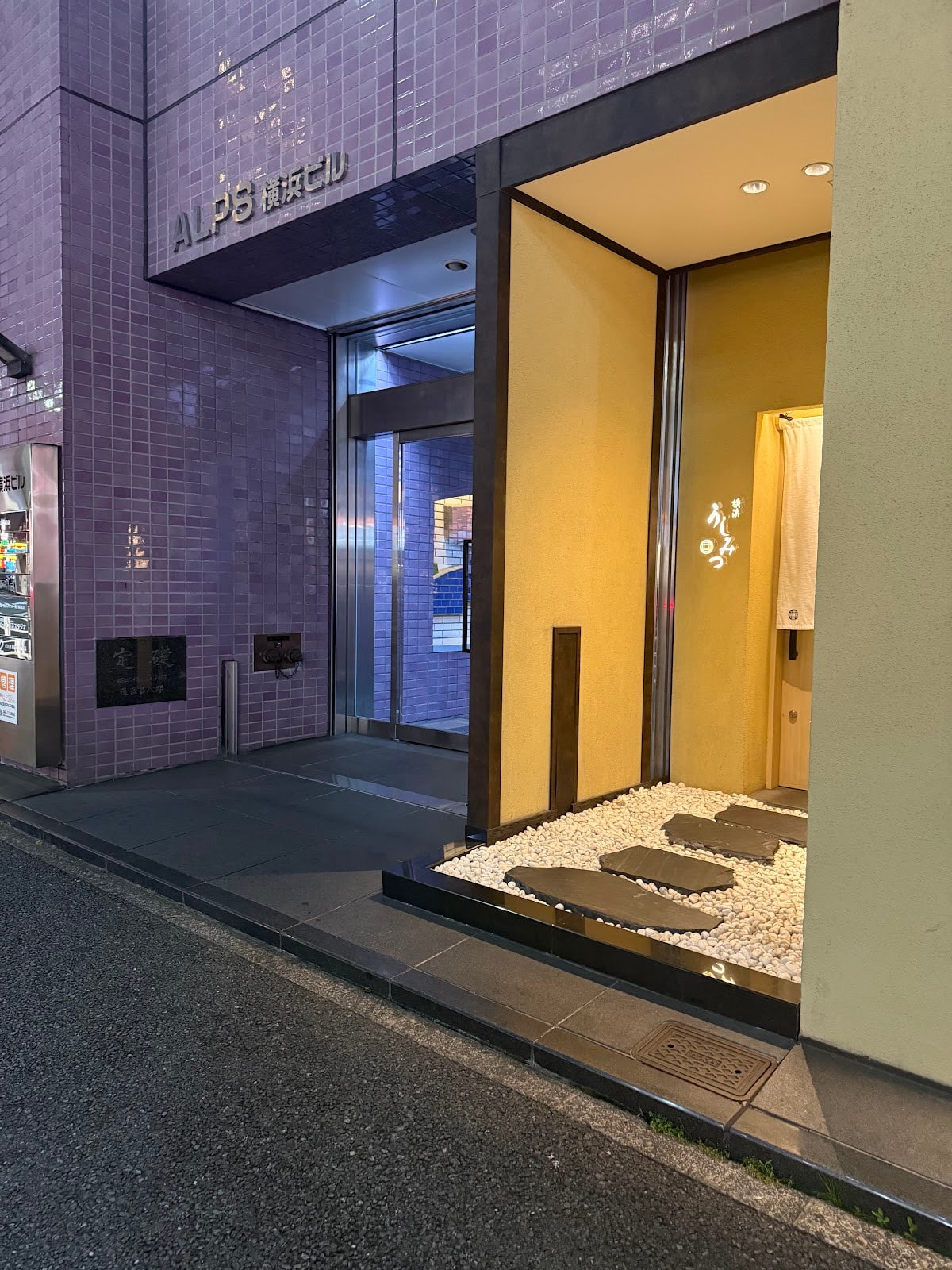
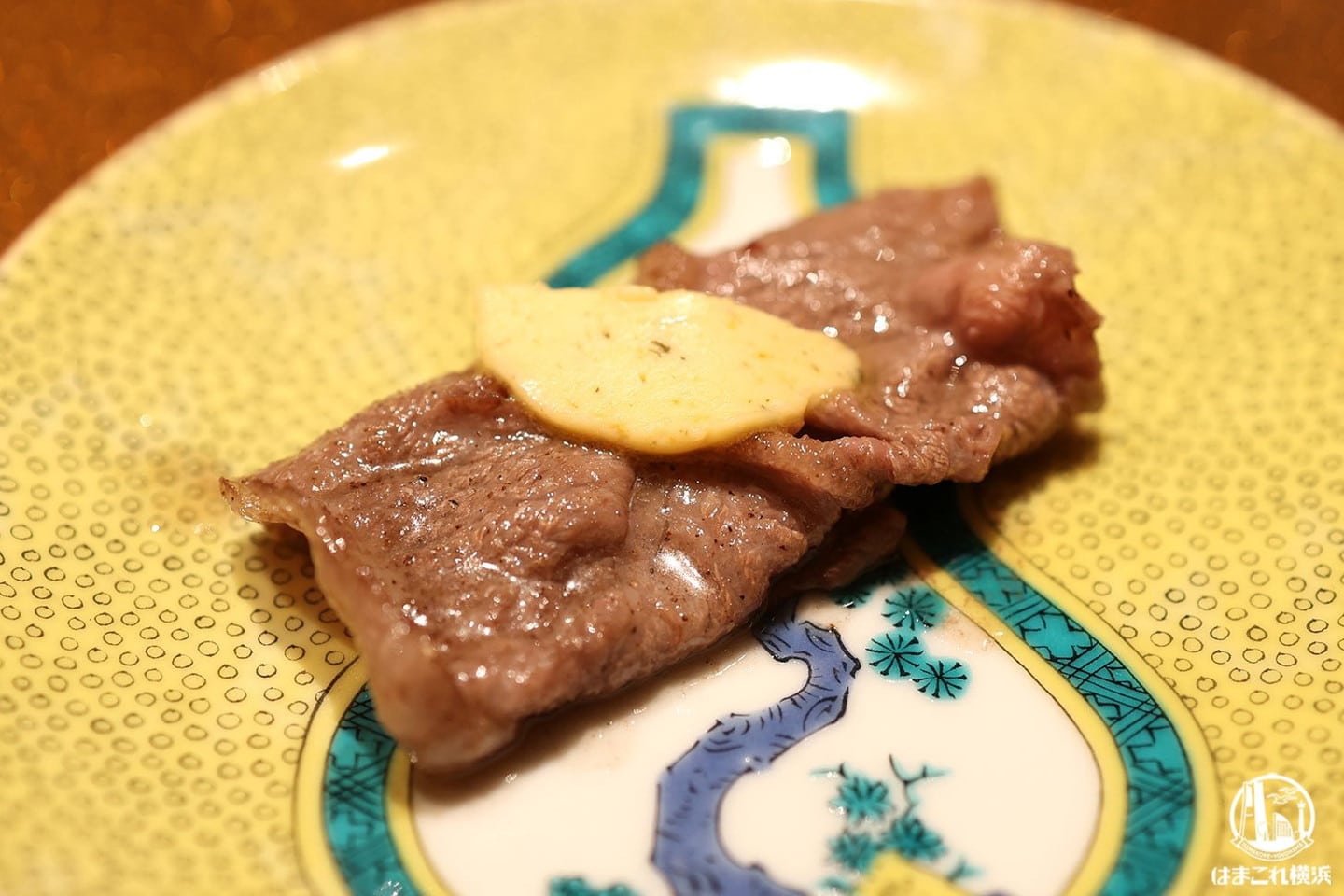
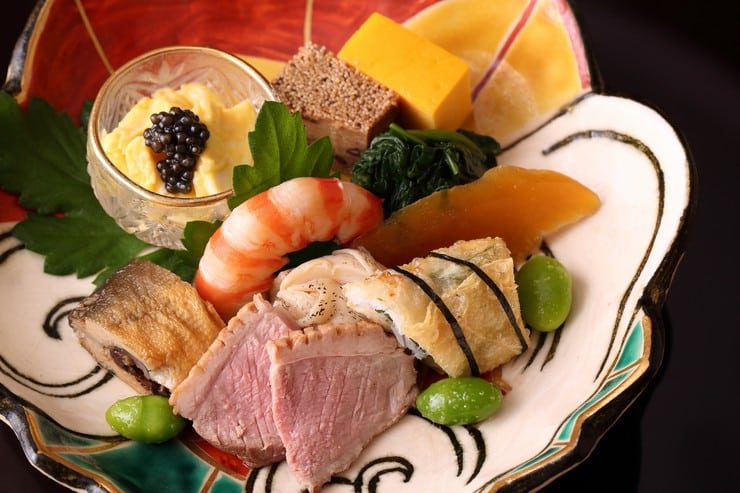
MIYAKAMI: A Traditional Japanese (Kaiseki) Restaurant in Yokohama
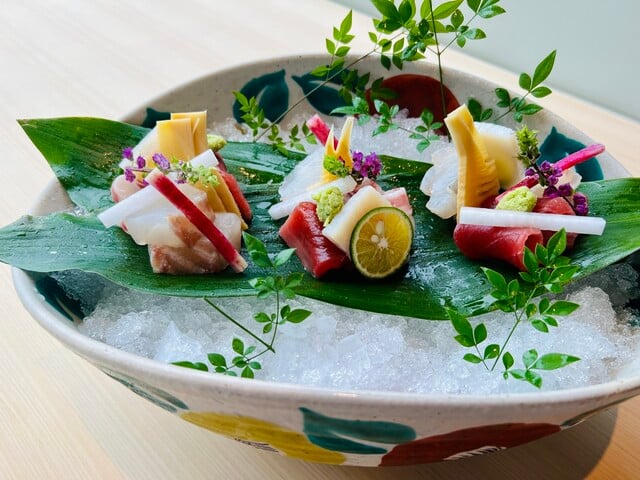
MIYAKAMI is a traditional Japanese restaurant where the chef serves kaiseki courses of hassun, sashimi and charcoal-grilled dishes according to the season, showing the delicate flavors of in-season ingredients. It is a popular choice for birthdays and anniversaries.
The average budget is about ¥12,000 to 15,000, reservations are required, and it is in Sengencho, Nishi Ward, about a 13-minute walk from Yokohama Station.
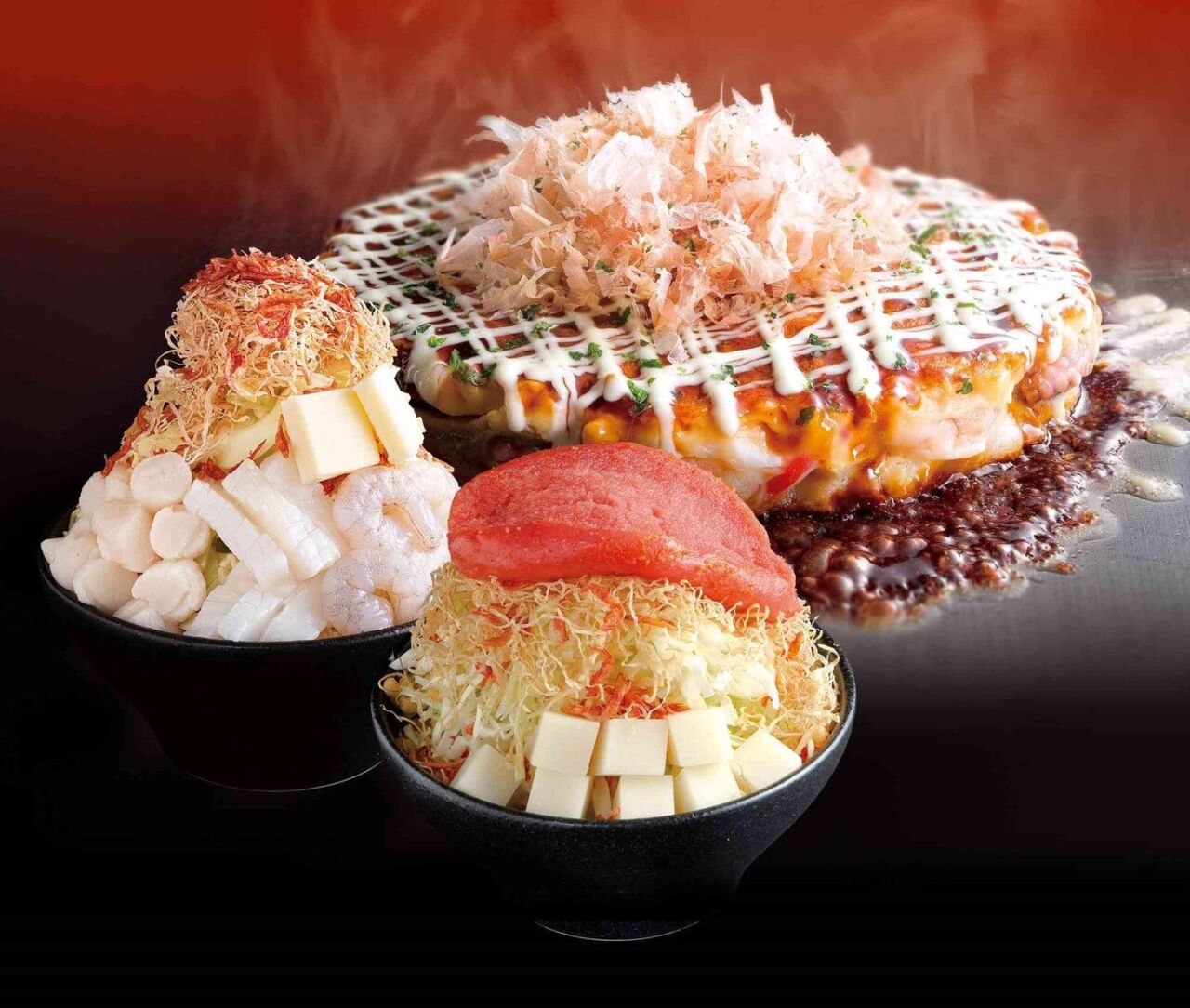
Yokohama KOTEGAESHI: Artisan-Made Osaka-Style Okonomiyaki and Monjayaki
Yokohama KOTEGAESHI (横濱こてがえし) is on the fourth floor of MARK IS Minatomirai and serves okonomiyaki and monjayaki with an original sauce and high-quality flour for a fluffy texture, a classic of everyday comfort food.
Seating is limited to 2 hours, suited to sharing with a few friends. The atmosphere is relaxed and lively, a great way to experience Japan’s everyday food culture.
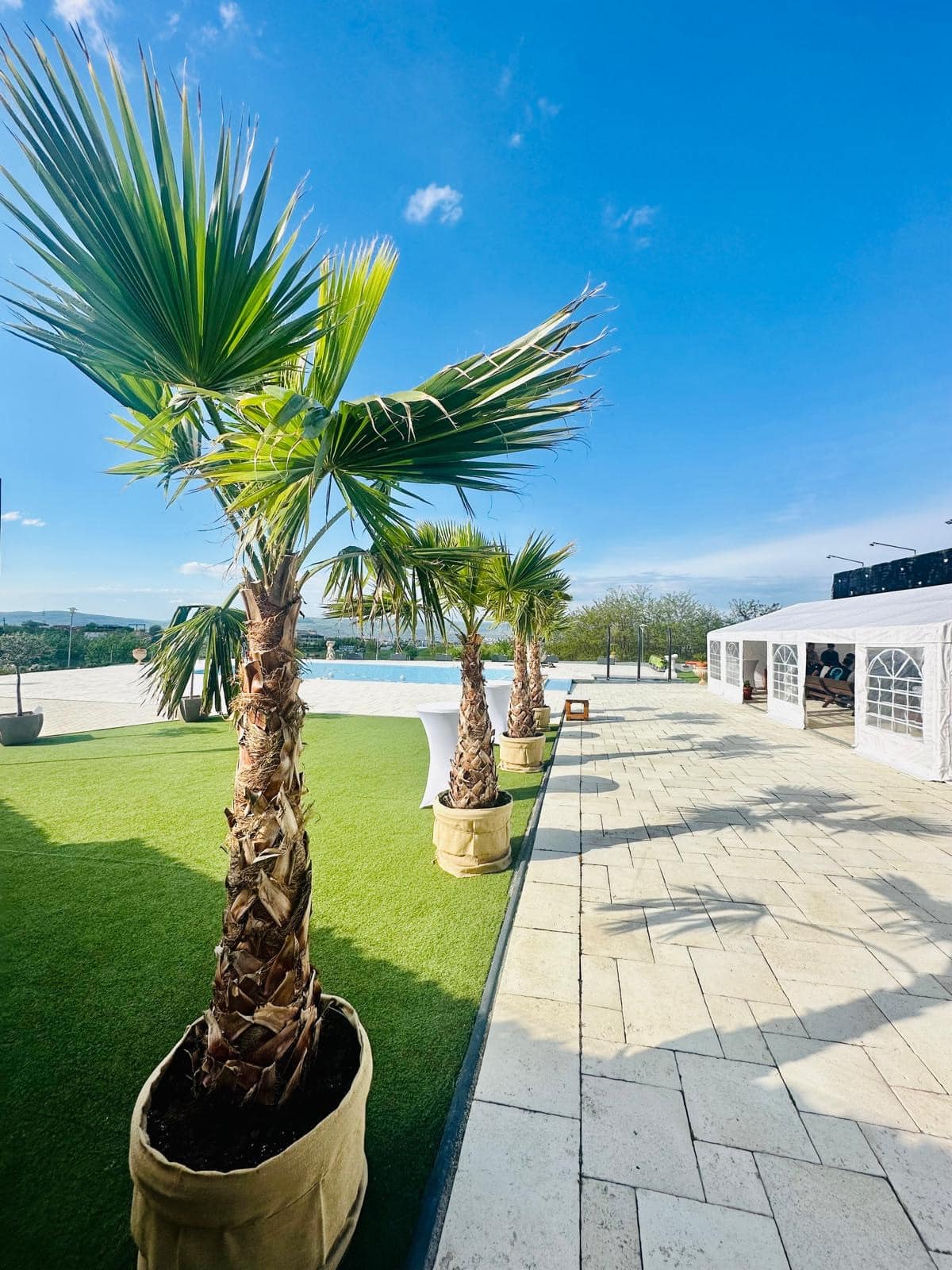
CAMBUSA (カンブーザ): A Stand-Alone Italian House by Yokohama Station’s West Exit
CAMBUSA is a stand-alone Italian restaurant about a 5-minute walk from the west exit of JR Yokohama Station. The chef trained in traditional cooking across Italy, and the restaurant has a wood-fired pizza oven, with great care taken over both the dough and the fire.
The menu covers oven-baked pizza, handmade pasta and meat dishes, paired with wines chosen by a professional sommelier. It suits travelers who love authentic Italian flavors and want a proper dinner during a day of shopping.
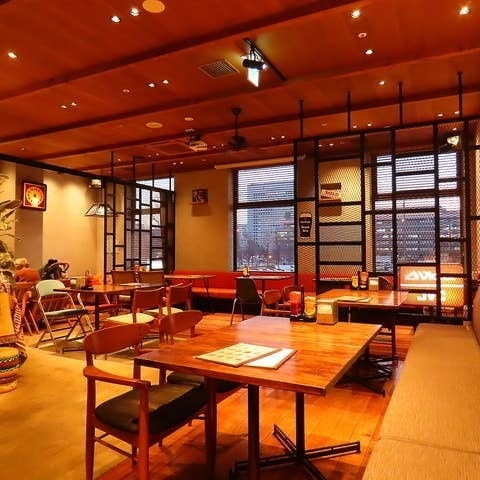
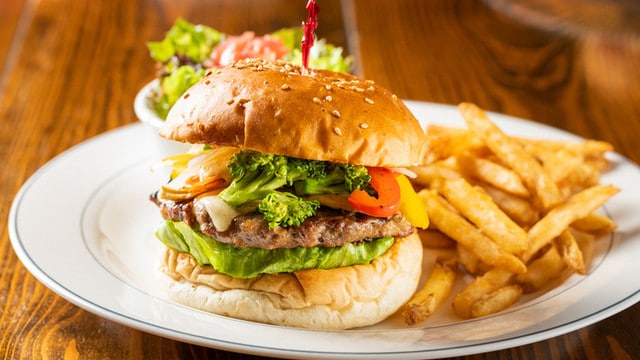
ROLLER COAST Minato Mirai: A Burger Restaurant With a Ferris Wheel Night View
ROLLER COAST is on the second floor of MARINE & WALK YOKOHAMA in Minato Mirai, a relaxed American restaurant focused on burgers, about a 10-minute walk from Bashamichi Station.
The menu centers on burgers and American dishes, with dinner sets around ¥3,800 to 6,000. Booking ahead and asking for a window seat is recommended.
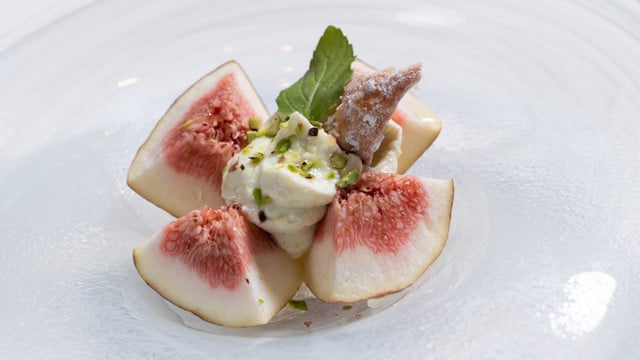
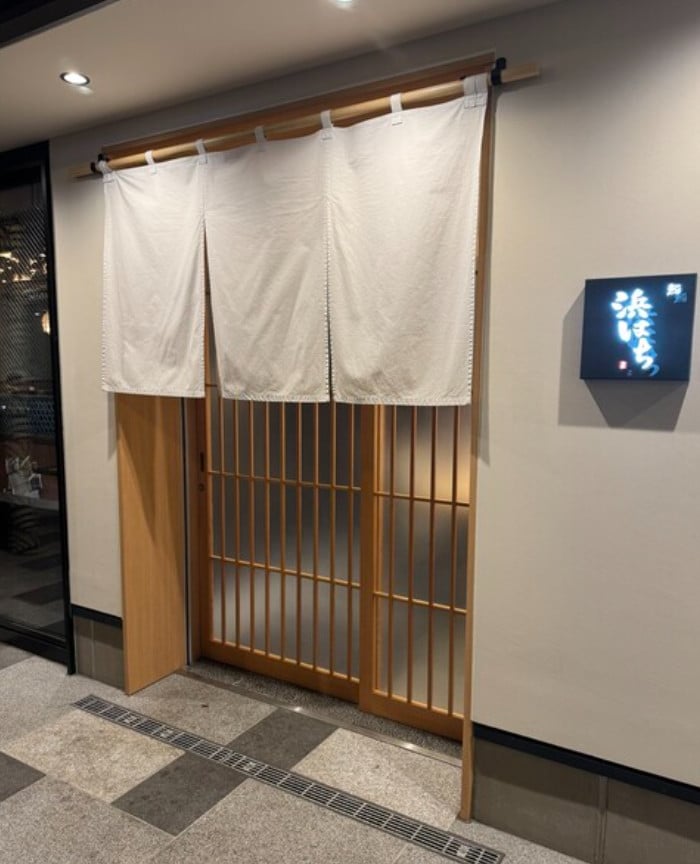
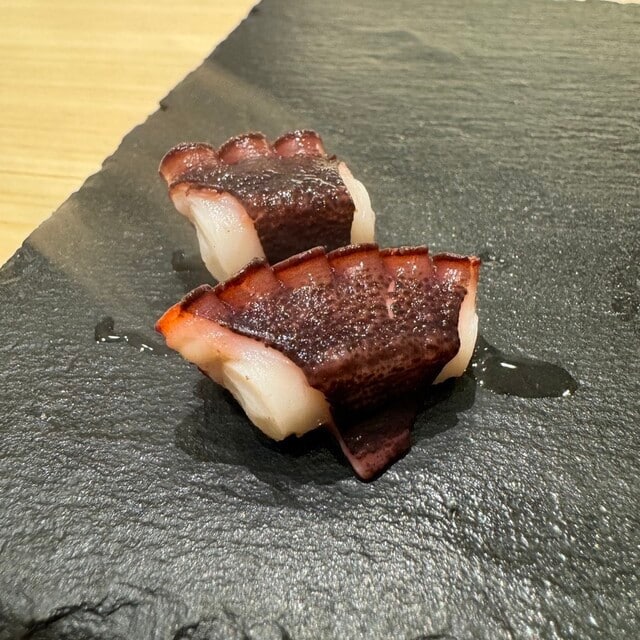
Sushi Hamahachi! (鮨 浜はち!): A Tekkamaki With Multiple Cuts
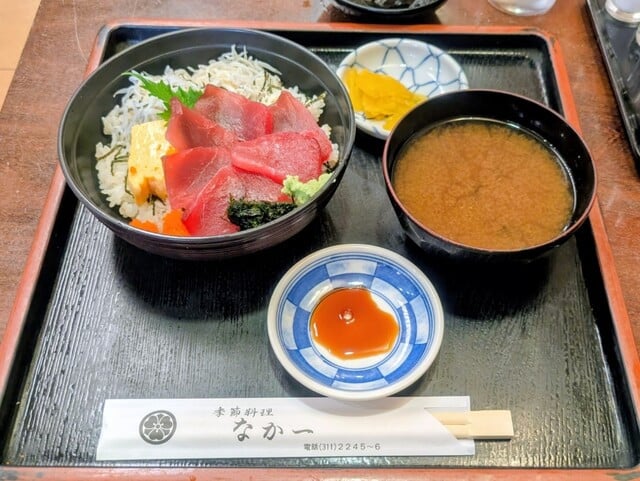
Sushi Hamahachi (鮨浜はち) sits under the railway viaduct at Sakuragicho. Its signature is the “tekkamaki” (鉄火巻) combining several cuts such as akami and chutoro, made with fresh bluefin tuna, and its biggest draw is the 28-item omakase set.
The omakase set (28 courses) is about ¥8,800. Booking ahead is recommended, and it is a must-visit for sushi and seafood lovers.
Kiyoken: Yokohama’s Signature Shumai
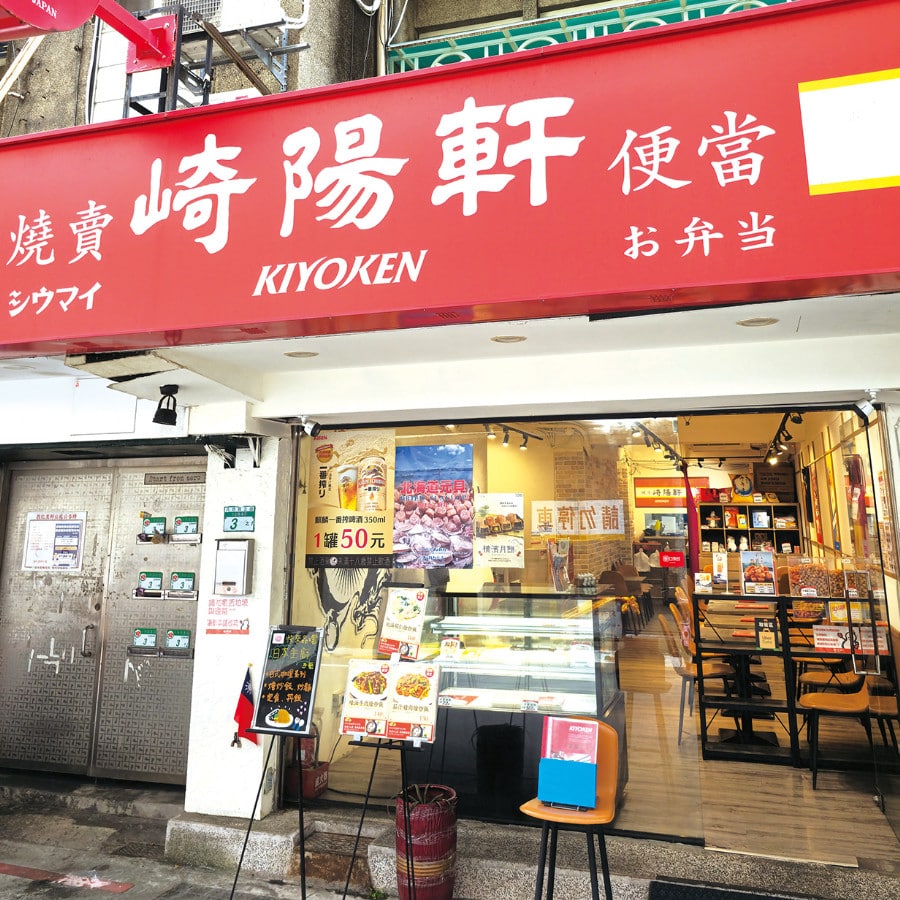
Kiyoken is Yokohama’s most representative souvenir and bento shop. Its signature shumai bento has a long history, and the “Mukashinagara no Shiumai” (昔ながらのシウマイ) was born in 1928, flavored with scallop and tasty even when cold.
The traditional shumai is now ¥740 for 15 pieces (the price after the increase on February 1, 2026), a must-buy souvenir for a Yokohama trip, with multiple shops inside and outside the station.

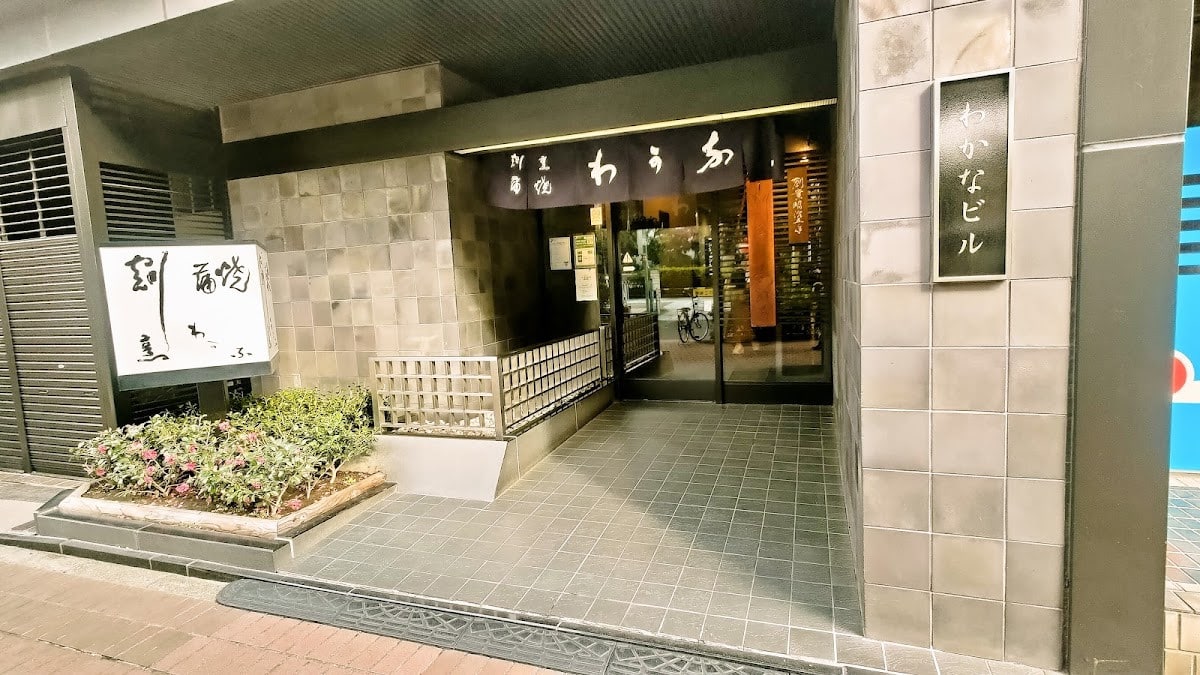
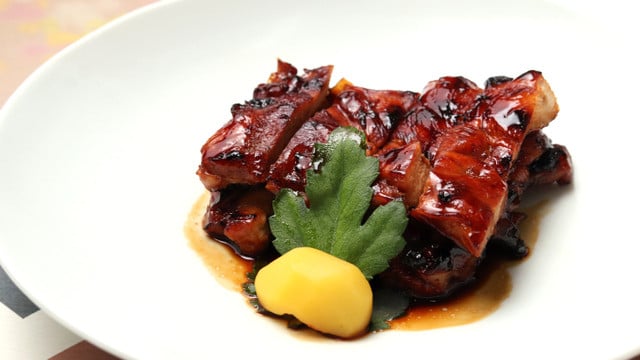
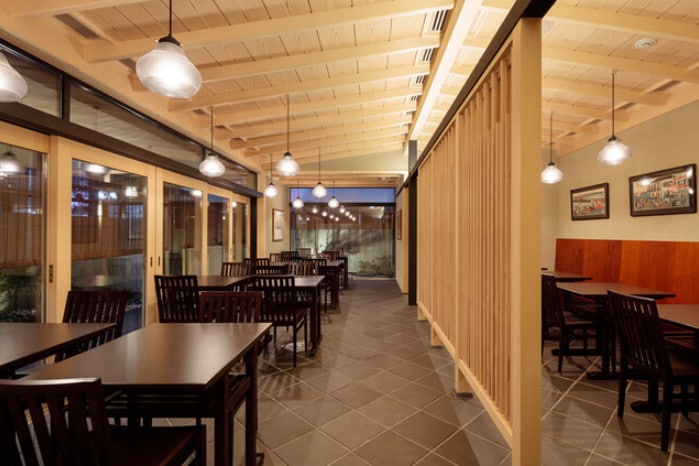
Kappo Kabayaki Wakana: An Eel Restaurant Founded in 1872
Wakana, founded in 1872, is one of Yokohama’s oldest eel restaurants, insisting on traditional charcoal kabayaki grilling. The eel is tender and juicy, with a rich but not heavy sauce.
The restaurant keeps to the artisan process handed down through generations, showing a tradition of dedication, and is an experience not to be missed for travelers who love old-established Japanese shops.
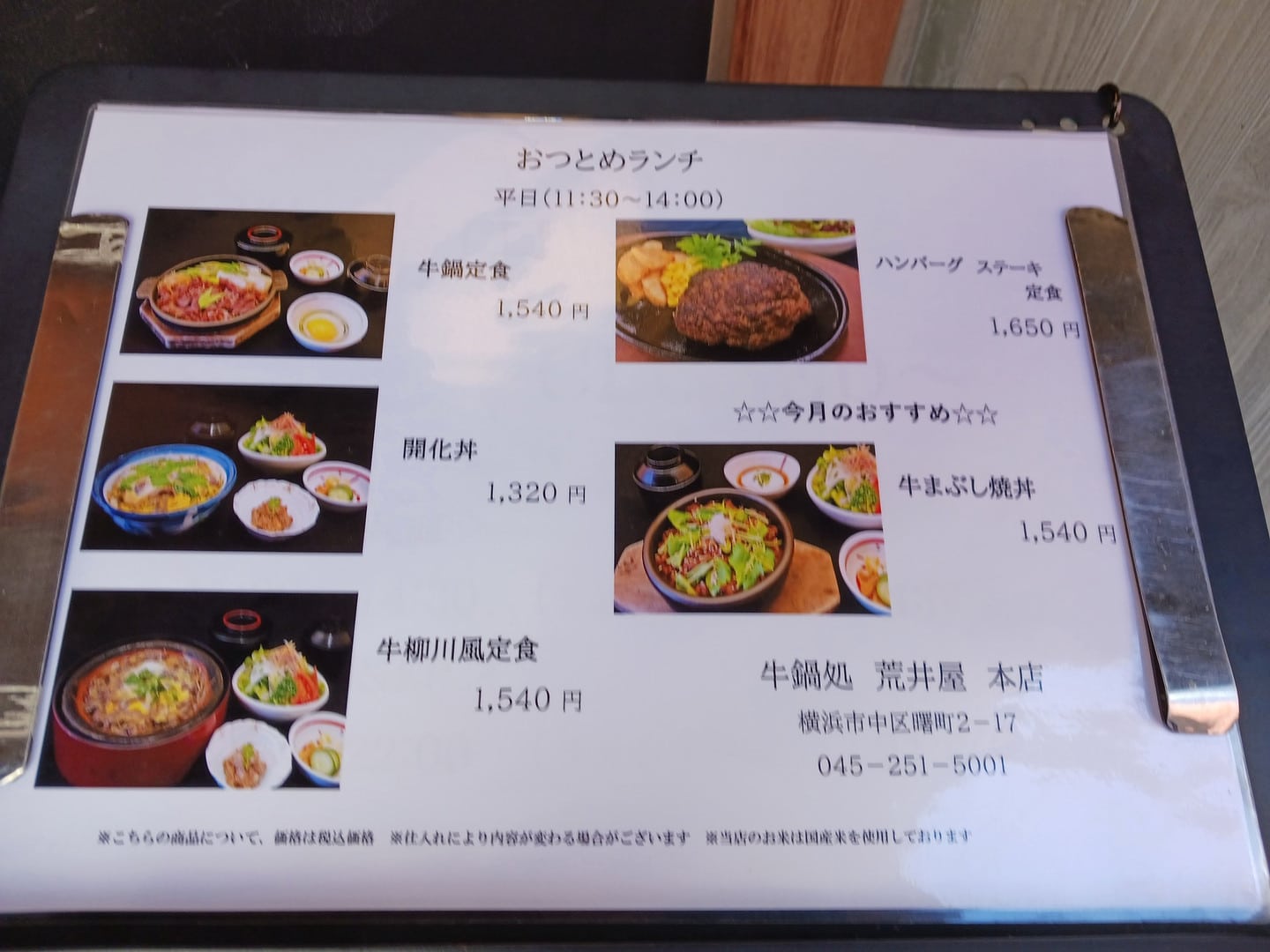
Araiya: A Gyunabe (Sukiyaki) Restaurant Founded in 1895
Araiya, founded in 1895, is a long-established gyunabe (sukiyaki) specialist in Yokohama. The signature gyunabe set costs about ¥1,700-¥2,000, stewed beef about ¥1,320, and shabu-shabu sets start from ¥4,980.
It is said that its early pricing was tied to streetcar fares, which became a local legend. The atmosphere is full of nostalgia, an excellent place to feel the history of everyday dining in Yokohama.
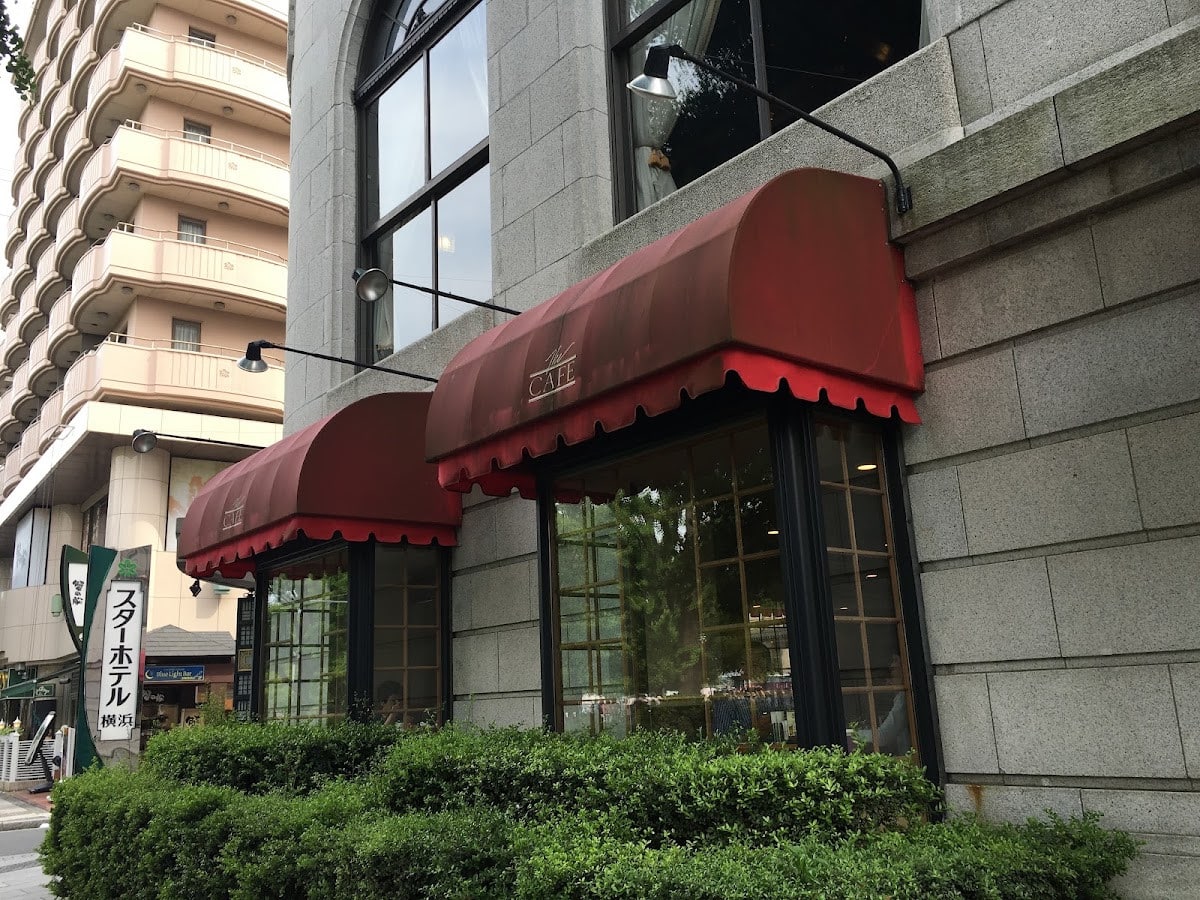
Hotel New Grand The Cafe: Birthplace of Spaghetti Napolitan and Seafood Doria
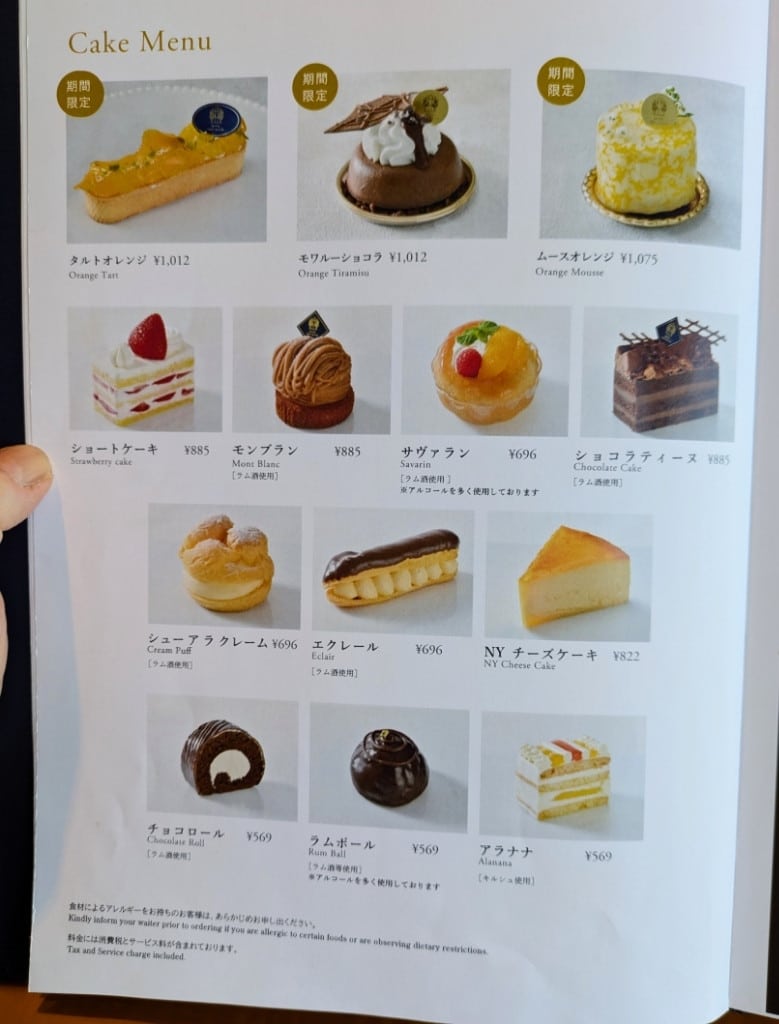
Hotel New Grand opened in 1927 and is the birthplace of the Western-style Japanese dishes “spaghetti Napolitan” and “seafood doria,” and it also serves its classic pudding (about ¥2,024).
The seafood doria is about ¥3,289, combining creamy white sauce with fresh seafood for a rich, smooth dish. When in Yokohama, drop by this century-old hotel café that has witnessed the history of Western-style cuisine.
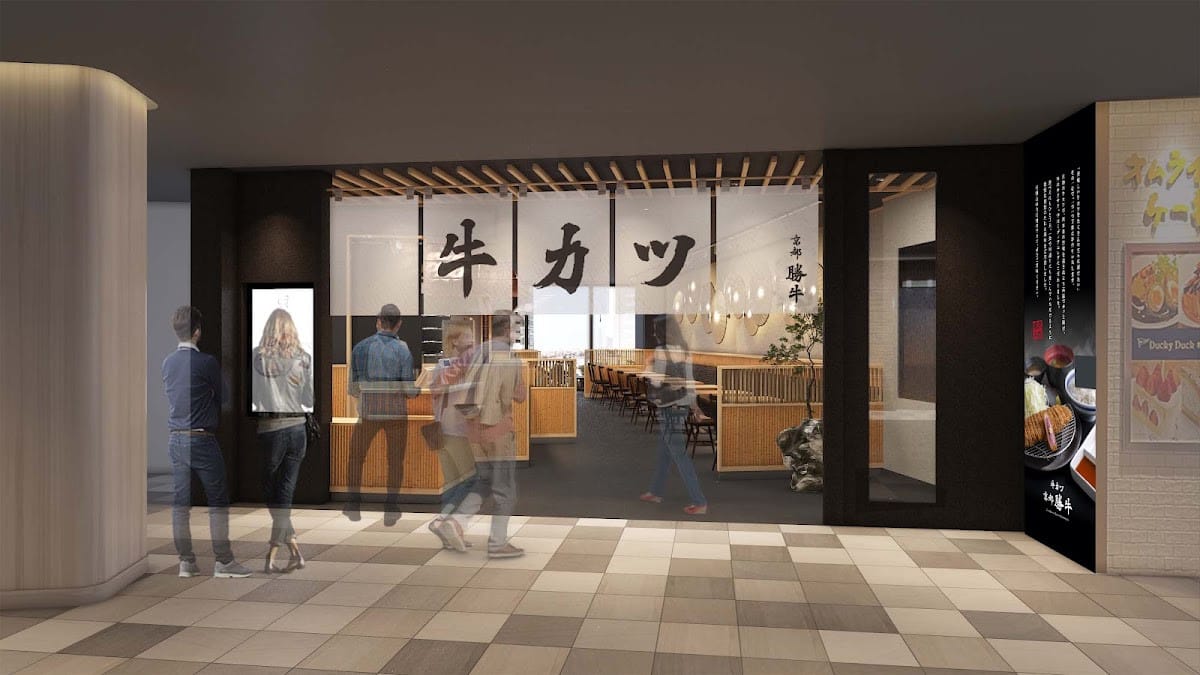
Kyoto Katsugyu Colette Mare Minato Mirai: Crispy Fried Thin-Sliced Wagyu
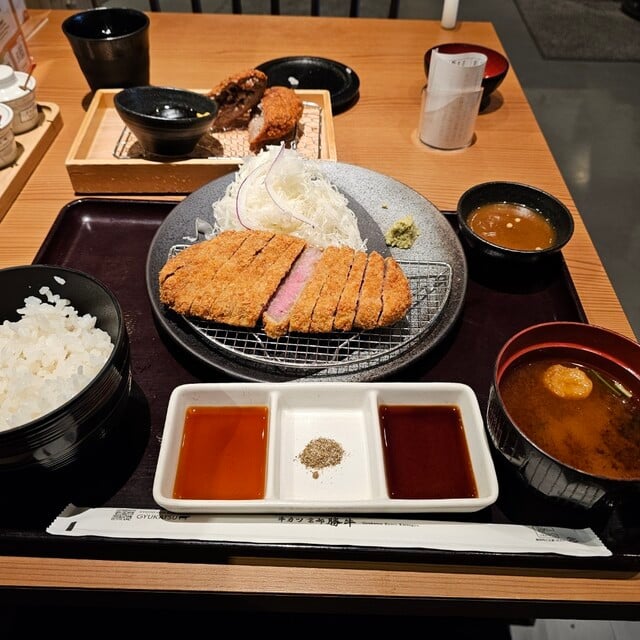
Kyoto Katsugyu is known for its fried beef cutlet “katsugyu,” in which thinly sliced wagyu is breaded and deep-fried, crisp outside and tender inside. It costs about ¥2,500-¥4,300 per person, and is a chain but a popular choice with steady quality.
The staff teach customers how to eat it in stages: plain first, then with sauce, and finally with egg yolk. The many layers of flavor suit travelers trying wagyu dishes for the first time.
Iekei Sohonzan Yoshimuraya: Yokohama Station’s Ramen Worth the Wait
For the most representative local flavor near Yokohama Station, “Yoshimuraya,” the source of iekei ramen, is almost a must on the list. Its official website calls it the “Iekei Sohonzan” (家系総本山), with a rich pork bone soy broth and thick, short noodles, and “Yokohama iekei ramen” was also selected in 2019 as one of the “Kanagawa Meisan 100” (かながわの名産100, 100 Kanagawa Specialties).
Buy a ticket at the ticket machine before ordering, and when seated you can choose the noodle firmness, oil amount and flavor strength. The shop is closed on Mondays (the next day if Monday is a national holiday) and often has long lines at peak times, so avoid weekend lunch.
- 🍽️ Must-order: The signature “ramen” (ラーメン, pork bone soy ramen); popular toppings on the official website are seasoned egg, extra seaweed and spicy miso leek
- 💰 Price: The official menu lists ramen at about ¥890 to ¥1,500 (some noodle dishes are repriced from September 1, 2026; actual amounts follow the in-store ticket machine)
- 🚉 Access: 1-6-4 Okano, Nishi Ward, Yokohama; about a 5-10 minute walk from the west exit of JR Yokohama Station, or about 5 minutes from Hiranumabashi Station on the Sotetsu Line
Kiyoken Honten Chinese Restaurant Kamiya (嘉宮): A Dinner at the Shumai Pioneer by Yokohama Station’s East Exit
Many people know Kiyoken only for its shumai bento, but there is actually a Kiyoken restaurant upstairs from the main shop at Yokohama Station’s east exit. The Chinese restaurant “Kamiya” on the 2nd floor is based on Cantonese cuisine and excels at seafood, with mild seasoning that older people and children find easy to enjoy. It suits anyone who wants a proper sit-down dinner near Yokohama Station.
The main shop connects directly to the Porta underground mall, so you stay dry on rainy days. Dinner hours are 17:00-21:00 (last order 20:00), it closes about one day a month, a 10% service charge is added, and booking course menus by phone is recommended.
- 🍽️ Must-order: Seafood-focused Cantonese dishes; the fall 2026 (9/1-11/30) course includes a “Kiyoken shumai comparison,” letting you taste the classic “Mukashinagara no Shiumai” and the special shumai together
- 💰 Price: Dinner courses from ¥6,930 per person (service charge and tax included, minimum 2 people), plus ¥10,000 and ¥13,200 courses; a la carte items such as 2 xiaolongbao are ¥704
- 🚉 Access: From the east exit of JR Yokohama Station, go up the stairs toward the Yokohama Central Post Office; it is across from the post office (Kiyoken main shop, 2F), and you can also walk there directly from the Porta underground mall
How to Choose a Yokohama Dinner: A Quick Guide by Mood and Budget
“What should I eat for dinner in Yokohama” really depends on which area you are in that evening. Here are the restaurants in this article sorted by situation, so you can pick directly:
- Don’t want to leave Yokohama Station: the “Rose Dining” restaurant floor on the 8th floor of Yokohama Takashimaya is open until 22:30, with long-established names such as Ginza Tenichi (tempura), Ningyocho Imahan (sukiyaki) and Yokohama Nadaman Shinkan (Japanese cuisine). For Chinese food choose Kamiya at the Kiyoken main shop above, and for ramen Yoshimuraya.
- Want a night view: stroll Minato Mirai for the Ferris wheel night view.
- Want old tastes found only in Yokohama: Araiya’s gyunabe, Kappo Kabayaki Wakana’s eel, or the seafood doria at Hotel New Grand The Cafe.
- Limited budget, want a drink: the Noge area next to Sakuragicho is packed with izakaya at friendly prices, within walking distance after Minato Mirai.
Popular dinner spots fill up easily on weekends, so book ahead if you have a place in mind. Last order times differ among Rose Dining shops, so check the Yokohama Takashimaya website before you go.
Yokohama Food Experiences and Guided Tours: Tickets and Reservation Info
Besides wandering Yokohama’s streets in search of food, the Shin-Yokohama Ramen Museum is a great place to eat ramen from all over the country. Entry and reservation information is below.
Shin-Yokohama Ramen Museum Ticket Experience: One Ticket to Taste Famous Ramen From Around the Country
The Shin-Yokohama Ramen Museum is the world’s first food theme park dedicated to ramen. It recreates a 1958 Showa-era streetscape, and its basement floors gather popular ramen shops from Yamagata, Hokkaido, Okinawa, Kumamoto, Fukuoka and elsewhere, such as Yamagata’s “Ryu Shanghai Honten,” Okinawa’s “Ryukyu Shinmen Tondo” and Kumamoto’s “Komurasaki,” letting you try ramen styles from all over Japan in one visit.
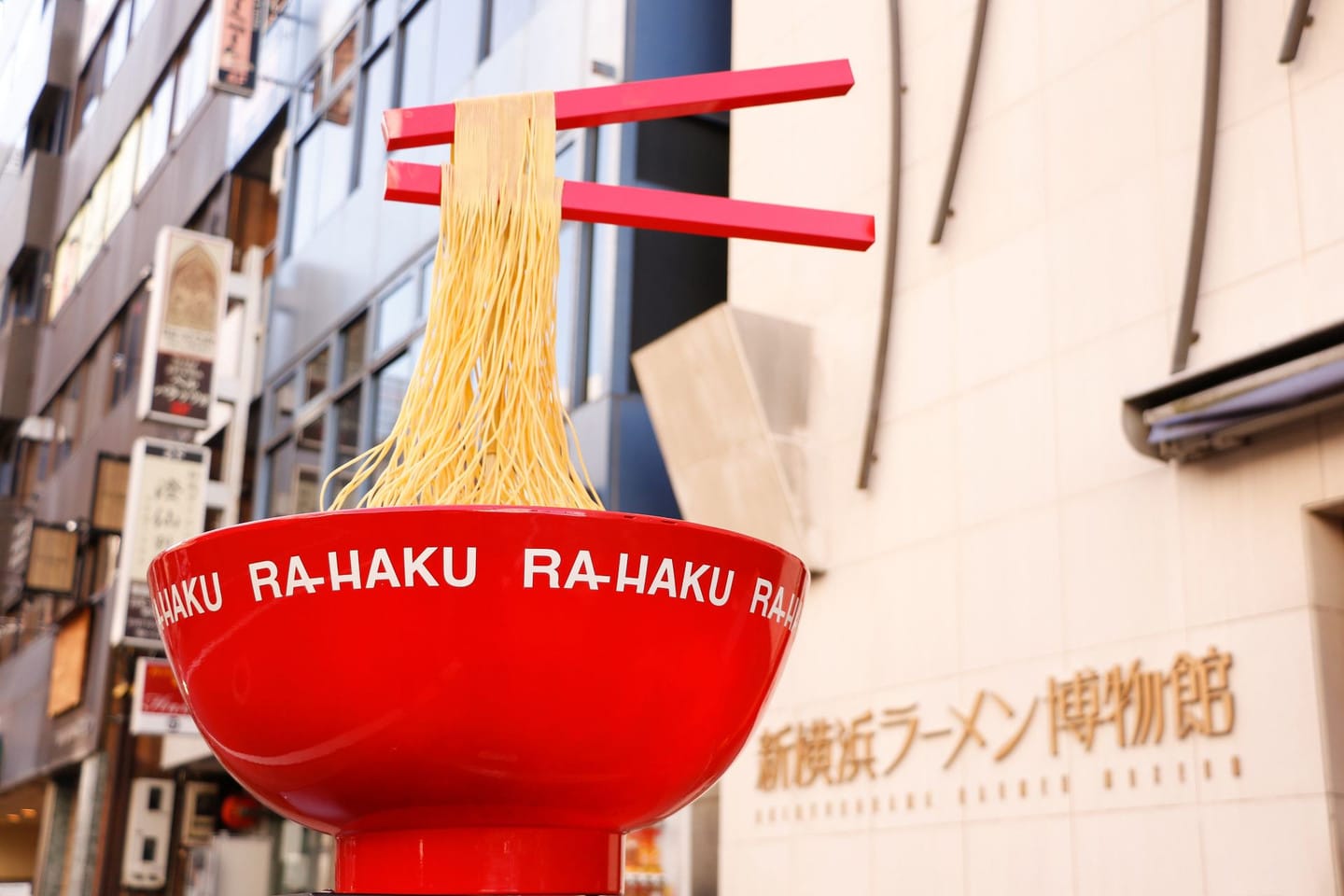
Entry requires a separately purchased ticket (food costs are extra; see the official website for prices). Hours are 11:00 to 21:00 on weekdays and 10:30 to 21:00 on weekends and holidays, with ramen shops’ last order 30 minutes before closing. Each visitor of junior high age or older must order a bowl of ramen, and the whole museum offers mini ramen at about 3/5 of the normal portion, so choose mini portions if you want to try several shops.
FAQ
Q: Which Yokohama Chinatown restaurants are worth reserving first?
Long-established places such as Shimon Restaurant and Daishiman Yokohama are crowded, so go on a weekday or outside peak mealtimes. For popular restaurants, it is best to book ahead on weekends to avoid long waits.
Q: How much does a meal in Yokohama cost?
Budget street food is about ¥1,000-¥2,000, mid-range yakiniku or sushi about ¥3,000-¥5,000, and high-end omakase or teppanyaki sets ¥8,000 or more. You can plan flexibly around your budget.
Q: What is the easiest way to get from Yokohama Station to Chinatown?
The Minatomirai Line reaches Motomachi-Chukagai Station in about 11 minutes at about ¥210, or you can take the Akai Kutsu sightseeing loop bus.
Q: What are common opening hours for Yokohama restaurants?
Most restaurants serve lunch from 11:00 to 14:00 and dinner from 17:00 to around 22:00. Some izakaya and bars may stay open until late, so check that day’s closing information before you go.
Q: What season is best for eating in Yokohama?
In spring (March-April) you can enjoy cherry blossoms and seasonal seafood; autumn (October-November) has pleasant weather good for outdoor dining. To avoid crowds, go on a weekday outside holiday periods.
Q: What etiquette or tips apply when dining in Yokohama?
Most Japanese restaurants do not allow outside food, some upscale places have dress codes, check whether you need to remove your shoes before dining, and note that some old shops accept cash only.
Q: Where can I buy the freshest, most convenient Kiyoken shumai?
There are several Kiyoken shops inside and outside Yokohama Station. Buy shumai and shumai bento at whichever is nearest to your route, and check each shop’s opening hours before you go.