
Noboribetsu Bear Park Guide 2026: Ropeway Fares, the Human Cage and Must-See Highlights with Access
Noboribetsu Bear Park sits at the summit at 224 Noboribetsu Onsen-cho, Hokkaido, reached by a 7-minute aerial ropeway. It is one of Hokkaido’s best-reviewed family attractions, and a single ticket includes the round-trip ropeway, making it excellent value and worth a half-day visit.
The park keeps about 70 brown bears in a female zone and a male zone. Visitors can buy bear biscuits to feed them up close and can even step into the transparent glass “Human Cage” to see the thrilling view of being surrounded by huge brown bears. Besides the bears, the summit has the world’s only brown bear museum and the Ainu cultural exhibit “Yukara no Sato,” and the ropeway gives 360-degree views over the Noboribetsu hot spring town, the primeval forest, the Pacific Ocean and even Lake Kuttara, Japan’s clearest caldera lake, in the distance.
Whether you are a family with children, a couple traveling independently or a traveler who loves photos, Noboribetsu Bear Park has something for you. Plan 2 to 3 hours, and combine it with Jigokudani and the onsen town for a day trip, a classic Hokkaido stop not to be missed.
Key Points for Visiting in 2026
The park closes every April for the legally required ropeway inspection and facility maintenance (April 5 to 23 in 2027), so check the official website for opening status before you go to avoid a wasted trip.
It is windy on the mountain, so in autumn and winter prepare warm and non-slip clothing, and book e-tickets in advance on an online travel platform to shorten the wait on site.
How to Get to Noboribetsu Bear Park in 2026: Transport and Costs
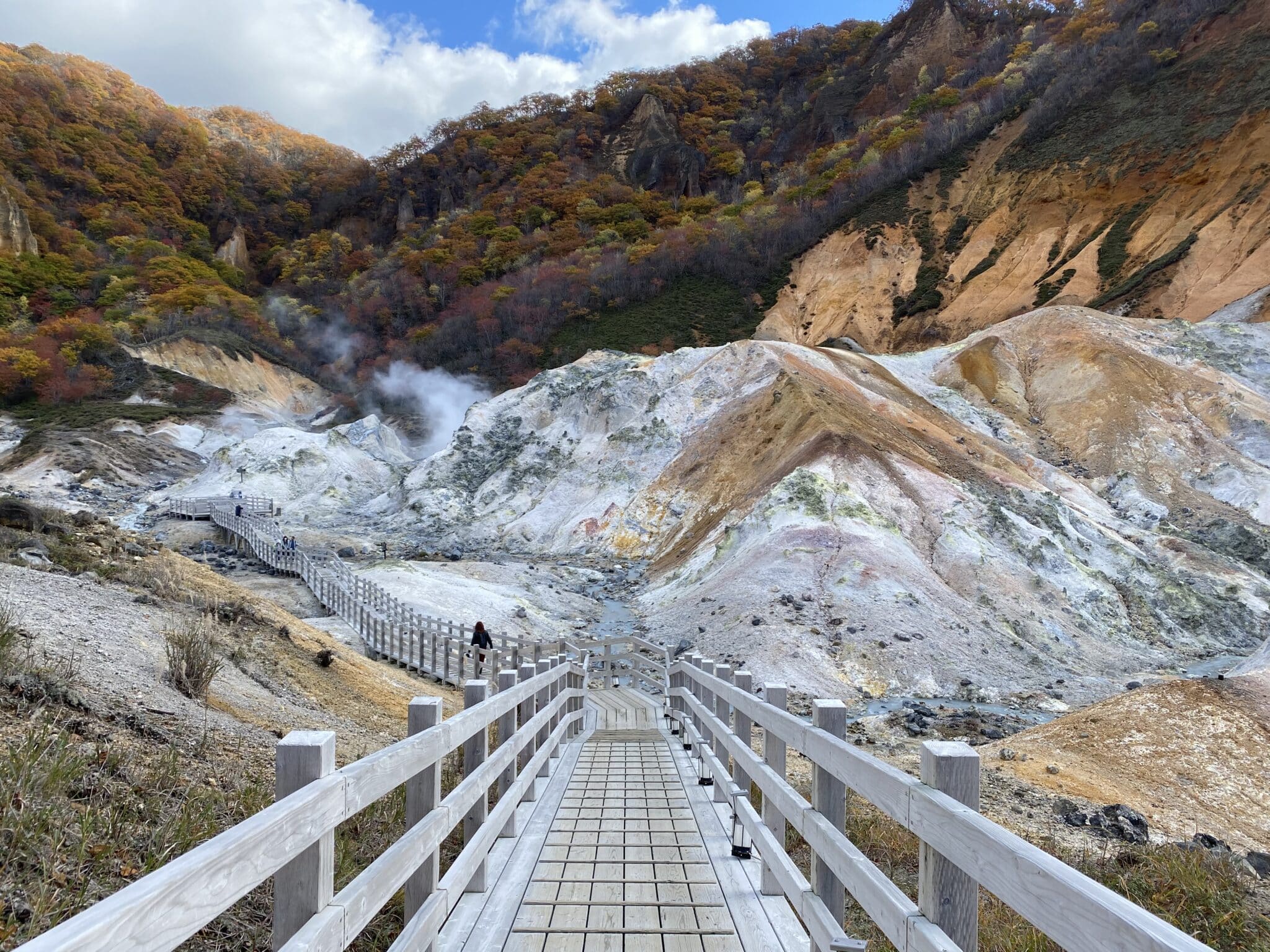
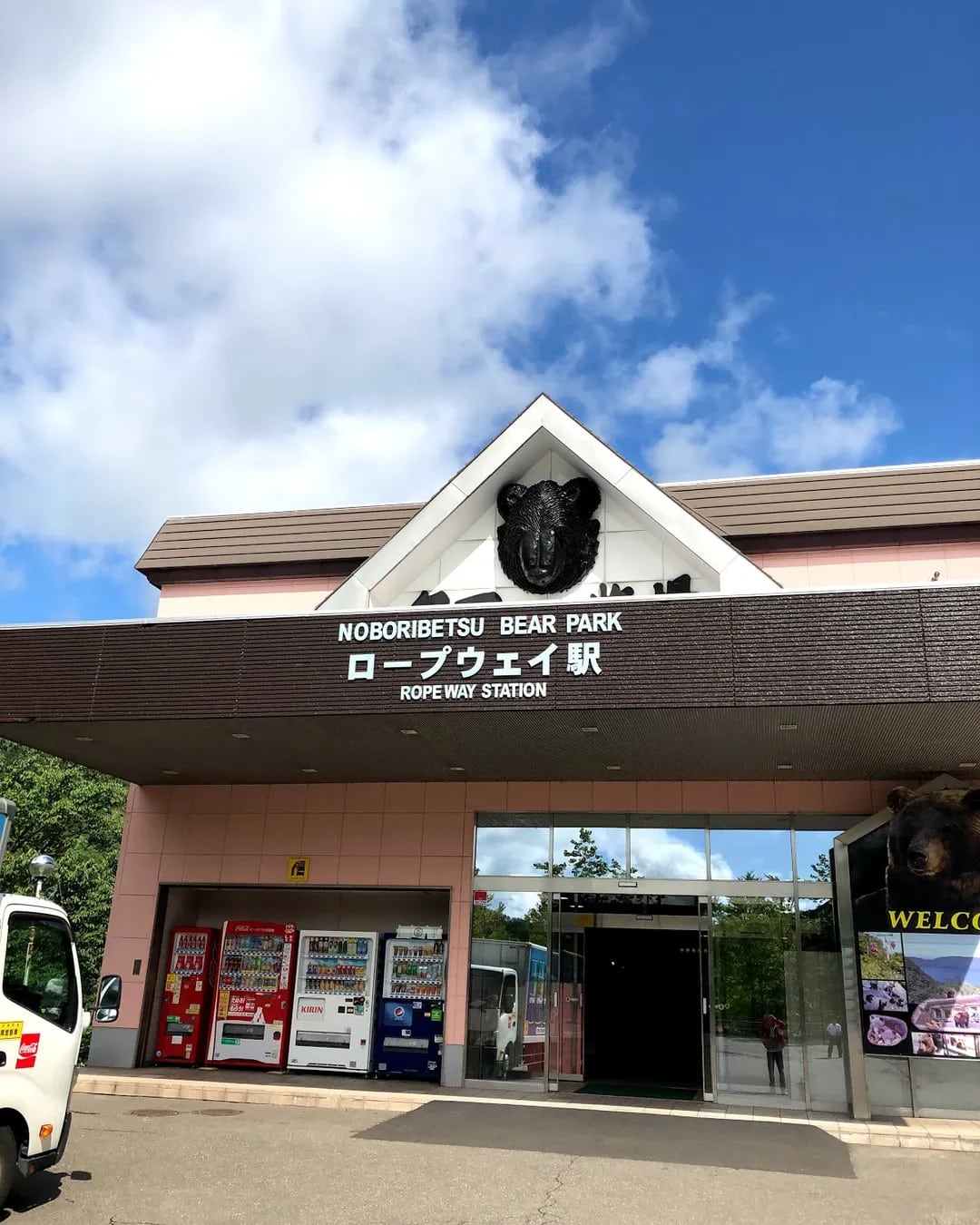
To reach Noboribetsu Bear Park you first get to the Noboribetsu hot spring town, then take the aerial ropeway up from the foot station. Transport options are as follows.
How to Get to Noboribetsu Bear Park: Transport at a Glance
| Transport | Cost / notes | Time required |
|---|---|---|
| JR Noboribetsu Station, then Donan Bus | About ¥340 one way | About 15 minutes by bus to Noboribetsu Onsen Station |
| Walk from Noboribetsu Onsen to the ropeway foot station | Free | About 7-10 minutes |
| Driving: parking | Paid parking at the foot station, from about ¥500 | Depends on traffic |
| Aerial ropeway (admission included) | Included in the entry ticket | About 7 minutes one way |
From New Chitose Airport or Sapporo, take JR to Noboribetsu Station, where the “Nupur” tourist exchange center next to the station can store luggage and offers consultation in Chinese. After arriving at the Noboribetsu Onsen bus stop, walk 7-10 minutes up the main slope to the ropeway foot station. If driving, set your navigation to “224 Noboribetsu Onsen-cho, Noboribetsu, Hokkaido.” The foot station has paid parking (from about ¥500), and in peak season arrive early.



What Are the Must-See Sights at Noboribetsu Bear Park in 2026? Ten Highlights and a Full Park Guide
Here are the ten most worthwhile highlights in the park, ordered by popularity and importance.
Aerial Ropeway: A Stunning Seven-Minute Ride Straight to the Summit
The aerial ropeway is the only way up to Noboribetsu Bear Park and is also the most impressive part of the trip. Departing from the foot station in the onsen town, the cabin climbs slowly and reaches the summit park in just 7 minutes. The ticket already includes the round-trip ropeway fare, with no extra ticket needed.
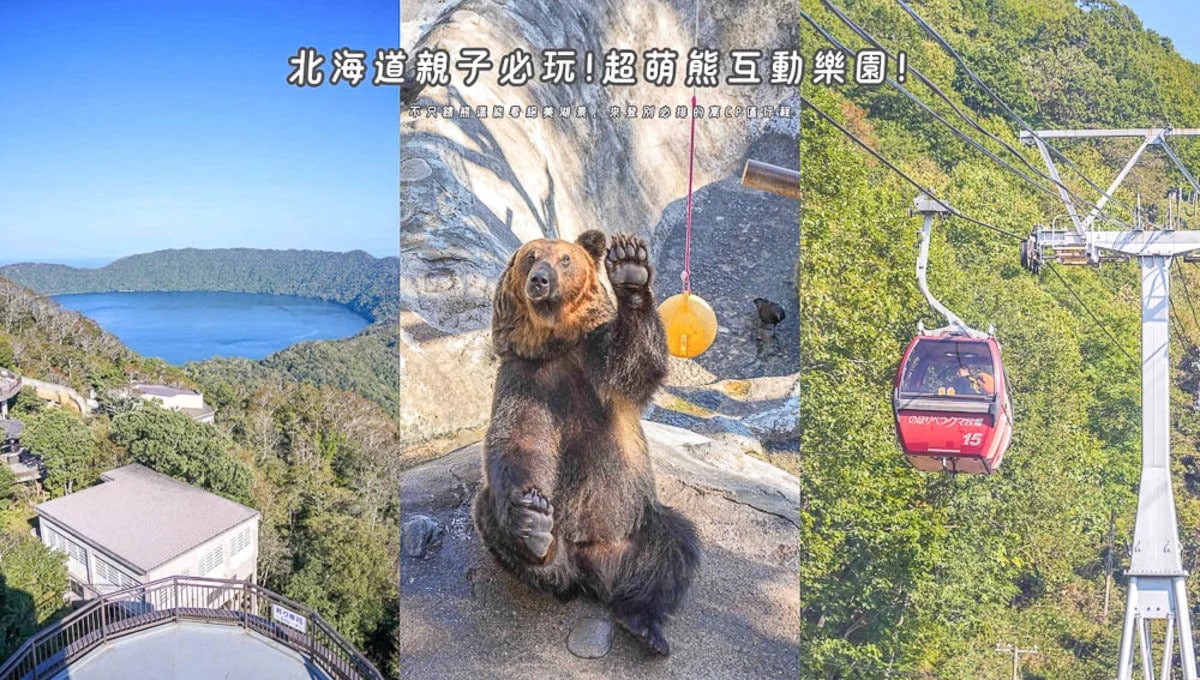
Along the way you get 360-degree views of the wisps of steam over the whole Noboribetsu onsen town and the layers of green in the primeval forest, and on clear days even the Pacific coastline and the round caldera lake Lake Kuttara in the distance. Many travelers say the ride itself is “easier to photograph than the bears,” so choose a window seat and have your camera ready.
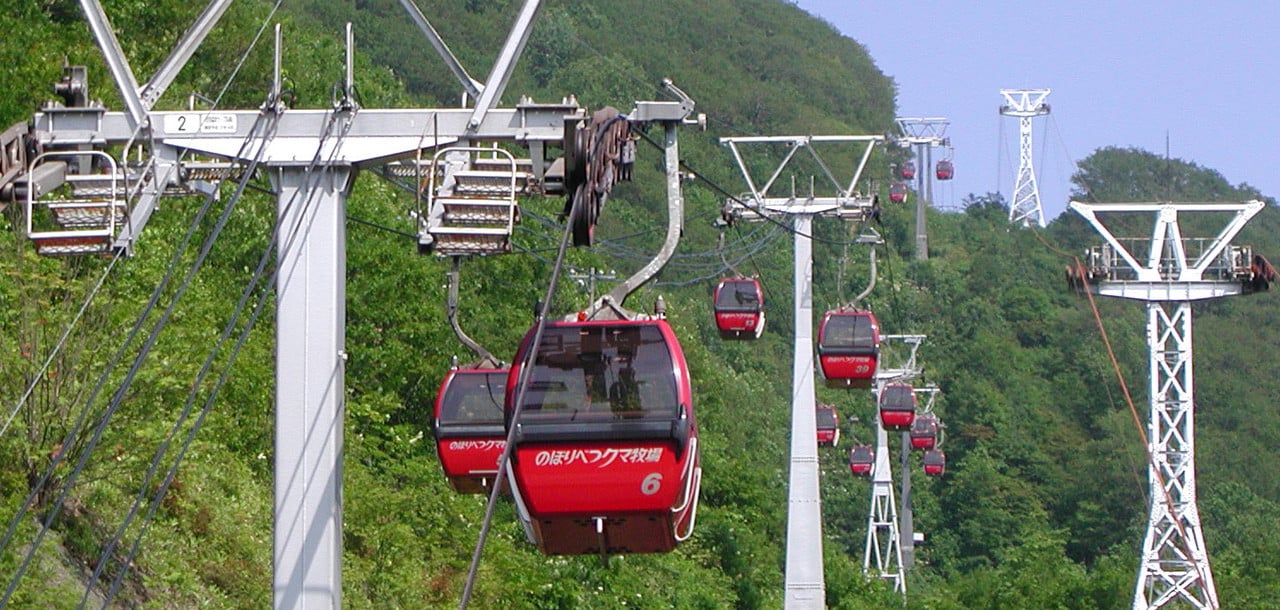
Noboribetsu Bear Park Ropeway: 1,260 Meters, 7 Minutes to the Top, and Wind Suspensions
The Noboribetsu Bear Park ropeway is 1,260 meters long from the foot station to the summit, with a height difference of about 300 meters, and takes about 7 minutes. The ropeway fare is included in the entry ticket. The standard capacity is 6 people per cabin, reduced to 4 on windy days, and the ropeway may stop in strong wind, so check the official website announcements before you go.
Female Bear Zone: Cute Bears Waving for Food
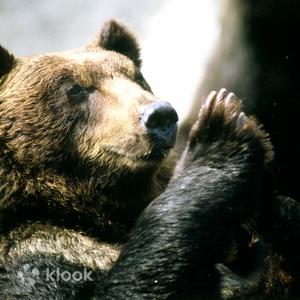
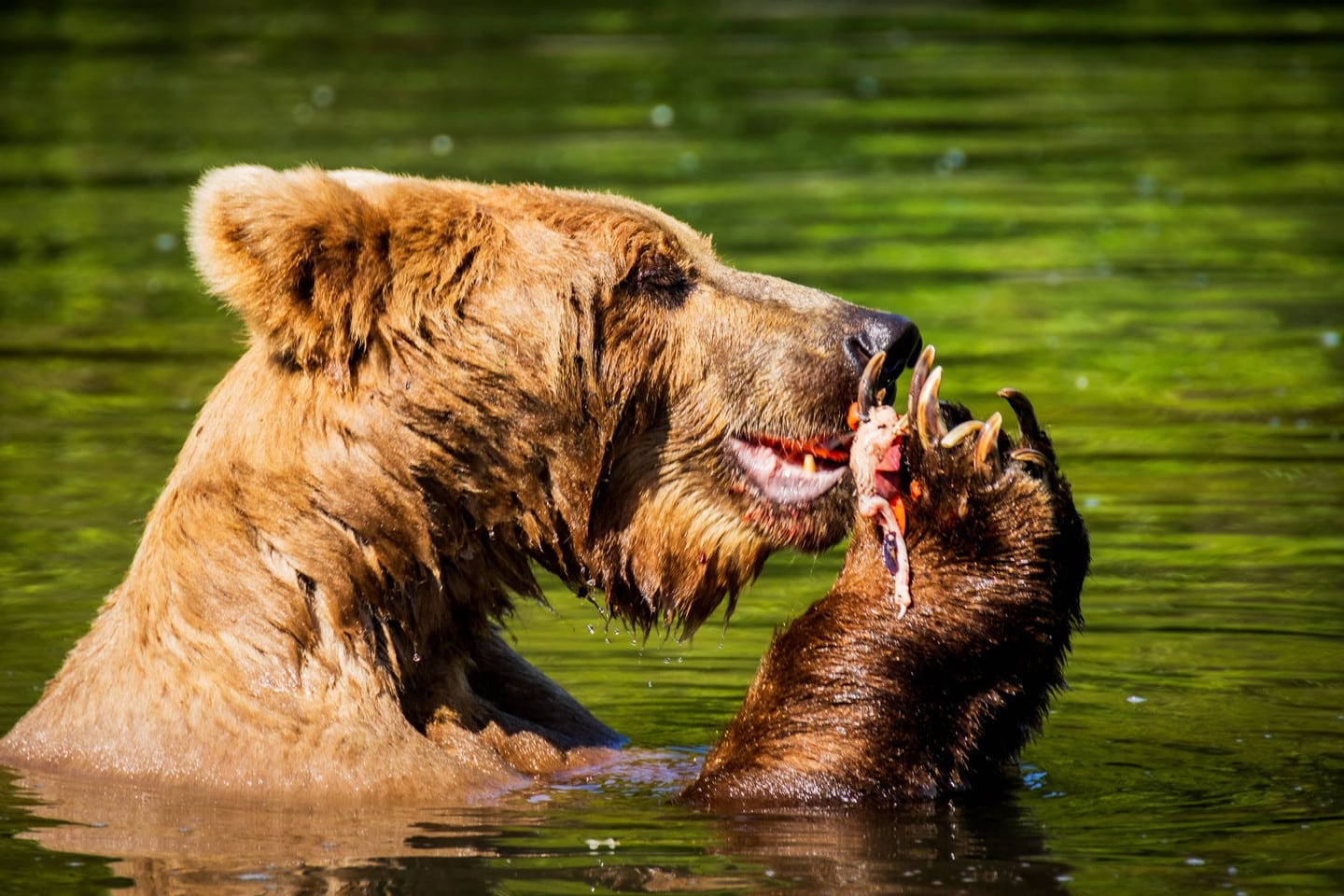
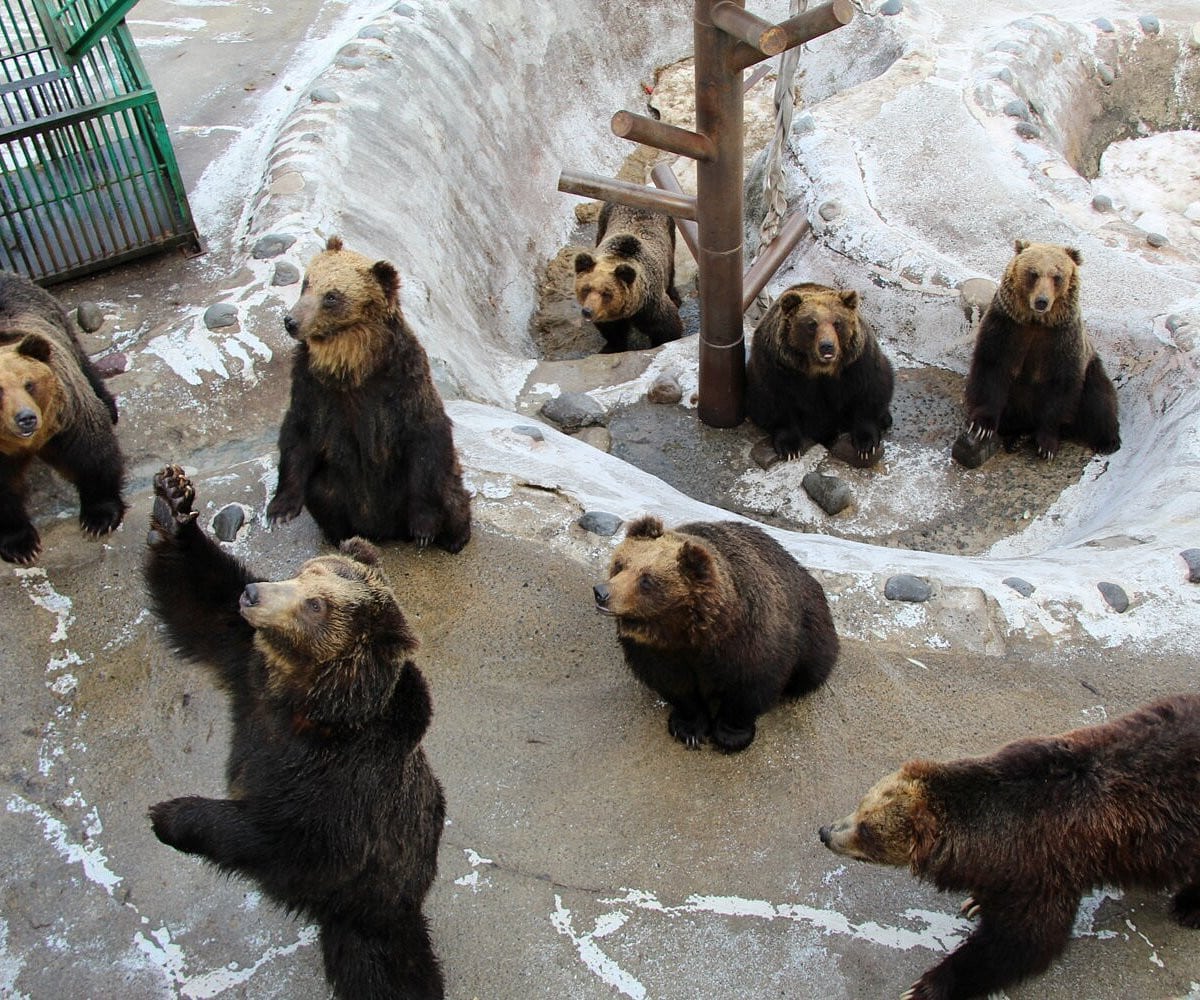
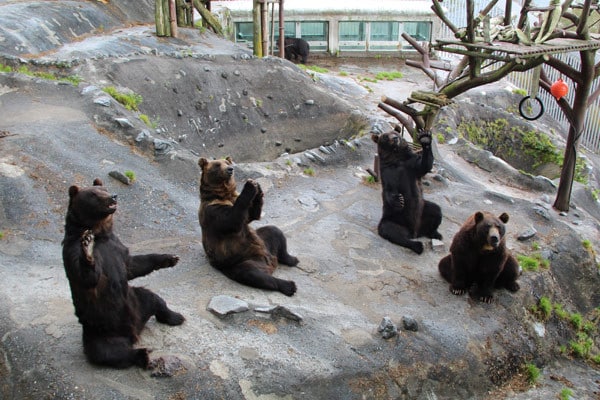
The female bear zone is the most heartwarming area in the park. The brown bears here pull out all the stops to get food: pressing their paws together to beg, raising both arms to wave, even lying on their backs with all four legs up to be cute. Visitors nickname them “part-timers,” and their antics never get old.
Here you can buy special bear biscuits and feed them through the feeding holes, watching the bears’ fur and changing expressions up close, the top choice for family photos. Note that the park prohibits feeding outside food, and warns visitors to beware of crows circling overhead looking to snatch food, so feed quickly and put away the rest of the feed.

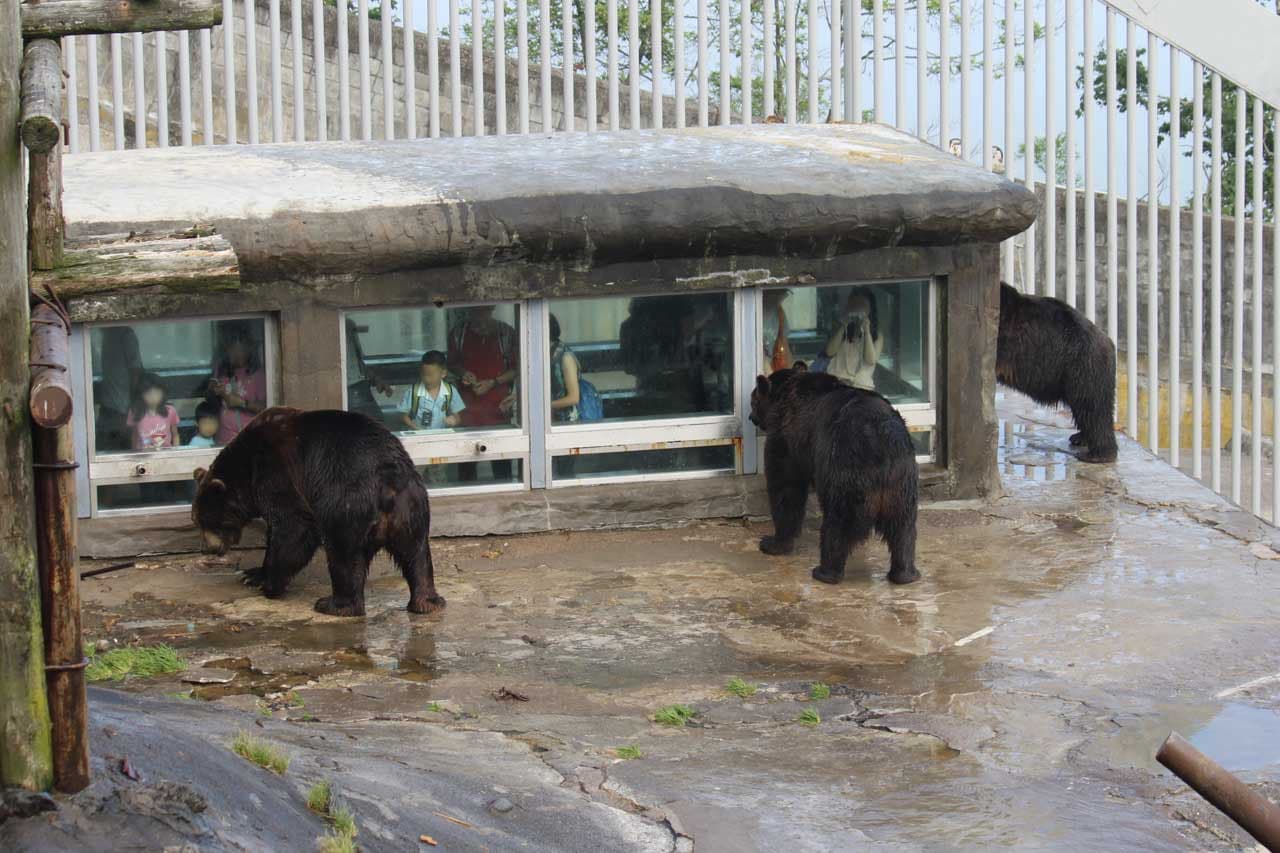
Human Cage (First Ranch): A Thrilling Close-Up View of Male Bears from Below
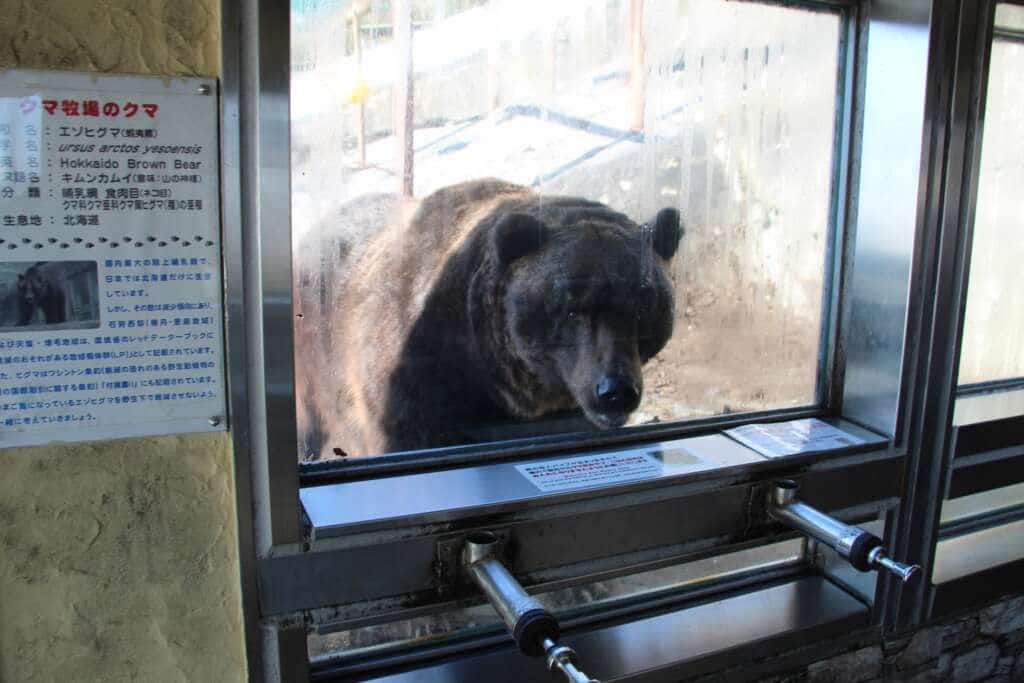
The “Human Cage” is the park’s most iconic and most thrilling facility, located in the First Ranch area. Visitors enter an enclosed transparent glass house and experience the reversed view of “people caged inside while bears roam freely outside,” the opposite of how animals are traditionally observed.
Through the special feeding holes in the cage you can feed the huge male bears up close and clearly see their thick fur and claws, a vivid experience and one of the most shared on social media. Go in the first stretch of time after the ropeway ride up to avoid the afternoon crowd peak and have more time to watch.
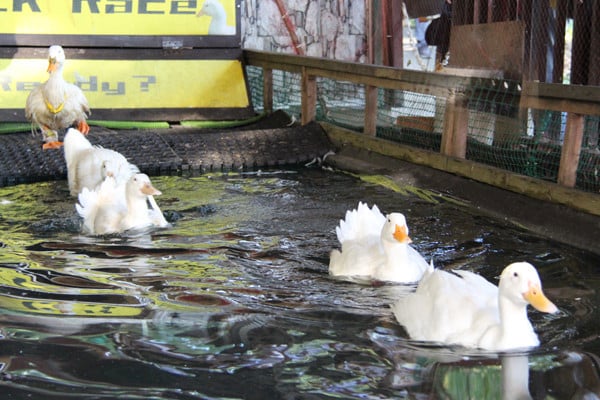
Duck Race: A Hugely Popular, Hilarious Contest
The duck race is a popular event the park holds regularly. Visitors can spend about ¥200 on a betting ticket and pick a duck to bet on. The atmosphere is lively and cheerful, an interactive show for all ages.
The race is usually held at fixed times (follow the season and on-site announcements). The host’s witty commentary and the ducks charging around always draw laughter from the whole crowd, a small delight worth reserving 15 minutes for, especially suited to families with children.
Brown Bear Museum: The World’s Only Brown Bear Ecology Exhibit Hall
The Brown Bear Museum is billed as the world’s only museum devoted to brown bears, with over 500 specimens and rich ecological research materials fully introducing the habits and evolution of Hokkaido brown bears and the issue of coexistence between people and bears.
The exhibits are clear and easy to follow, and even without Japanese you can understand how bears live through models and diagrams. The museum also has a cafe and a souvenir shop where you can rest and buy bear-themed gifts, and about 30 minutes is a suitable visit.
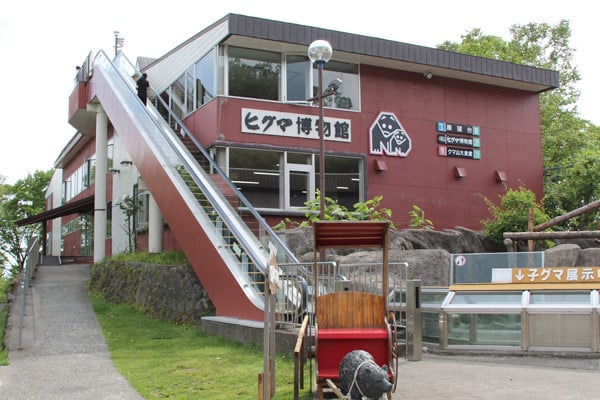
Ainu Cultural Village (Yukara no Sato): A Tour of Hokkaido’s Indigenous Culture
The Ainu Cultural Village, also called “Yukara no Sato,” fully recreates the traditional dwellings and way of life of the Ainu, Hokkaido’s indigenous people, with traditional clothing, woodcarving and household tools on display, giving visitors a glimpse into the culture of this ancient people.
At certain times staff give explanations or performances. Many travelers skip it, but it is well worth a closer look, and it is especially recommended for those interested in Japan’s indigenous cultures or anthropology to spend 20 to 30 minutes there, adding cultural depth to the whole bear park trip.
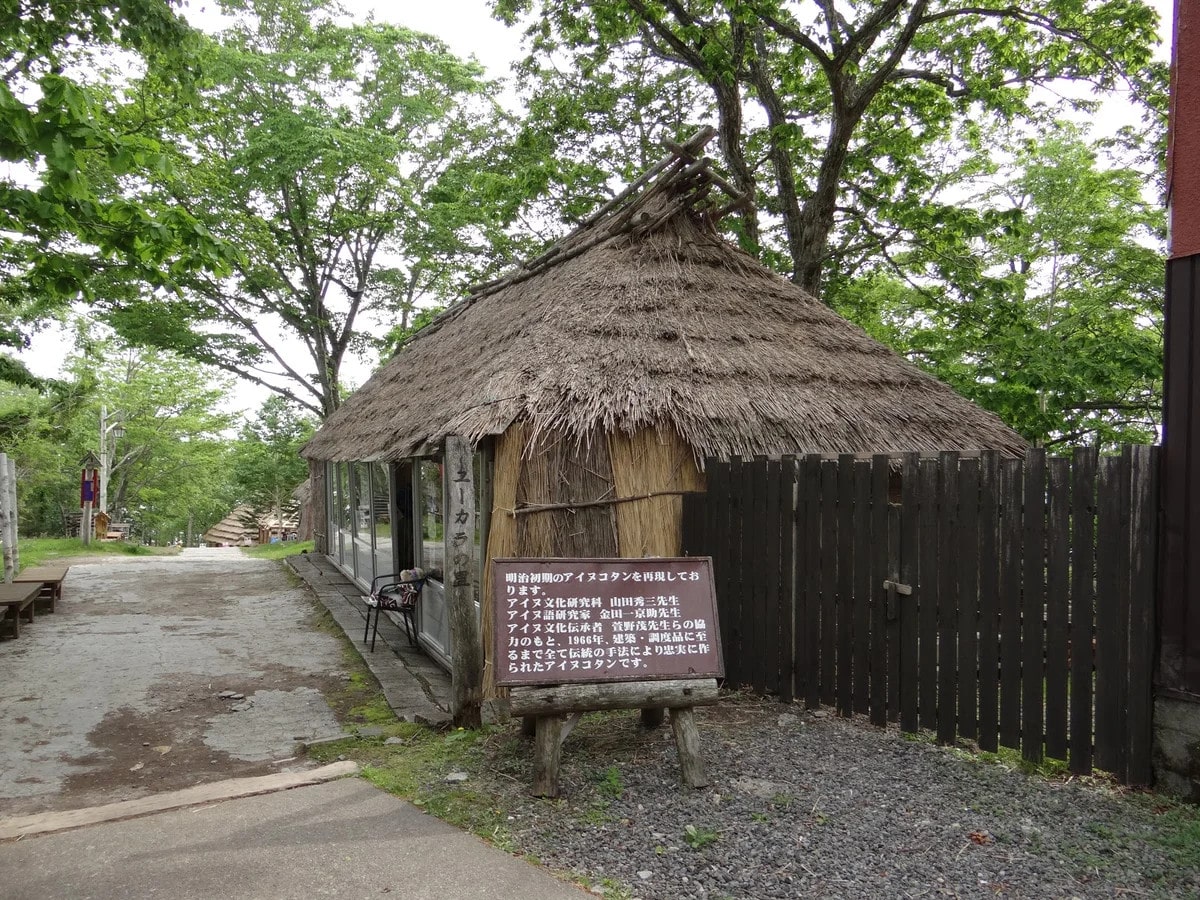
Lake Kuttara Observation Deck: A Stunning View of Japan’s Clearest Caldera Lake
The Lake Kuttara observation deck is a hidden gem on the rooftop terrace of the Brown Bear Museum, with a distant view of Lake Kuttara, said to be one of “Japan’s clearest lakes.” This nearly perfectly round caldera lake is surrounded by primeval forest, and its water is a clear deep blue.
Because it is less conspicuous, many travelers in a hurry miss this deck, but on a clear day the view is excellent and an ideal angle for a panorama of Hokkaido’s forest and lake. After the museum, walk up to the roof, and five extra minutes gets you a view that other visitors miss.
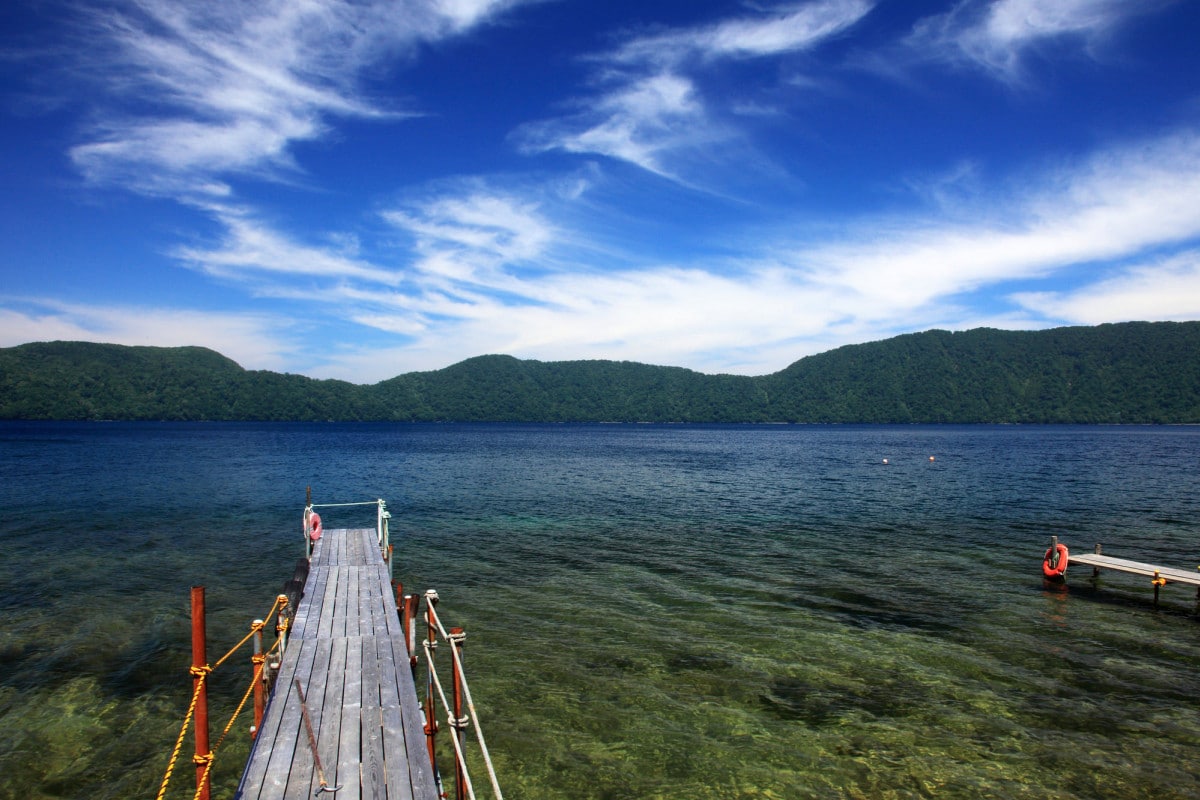
Cub Ranch: A Cute Animal Corner Open Late April to Early December
The Cub Ranch is normally open from late April to early December, where you can see that year’s brown bear cubs, looking like plush toys, playing and tumbling together, adorable to everyone and one of the highlights for families.
Because it is a seasonal facility, you may not see it in winter. Visitors who plan to see the cubs should go in spring or summer and check that year’s cub births and exhibition status in advance to catch the best time.
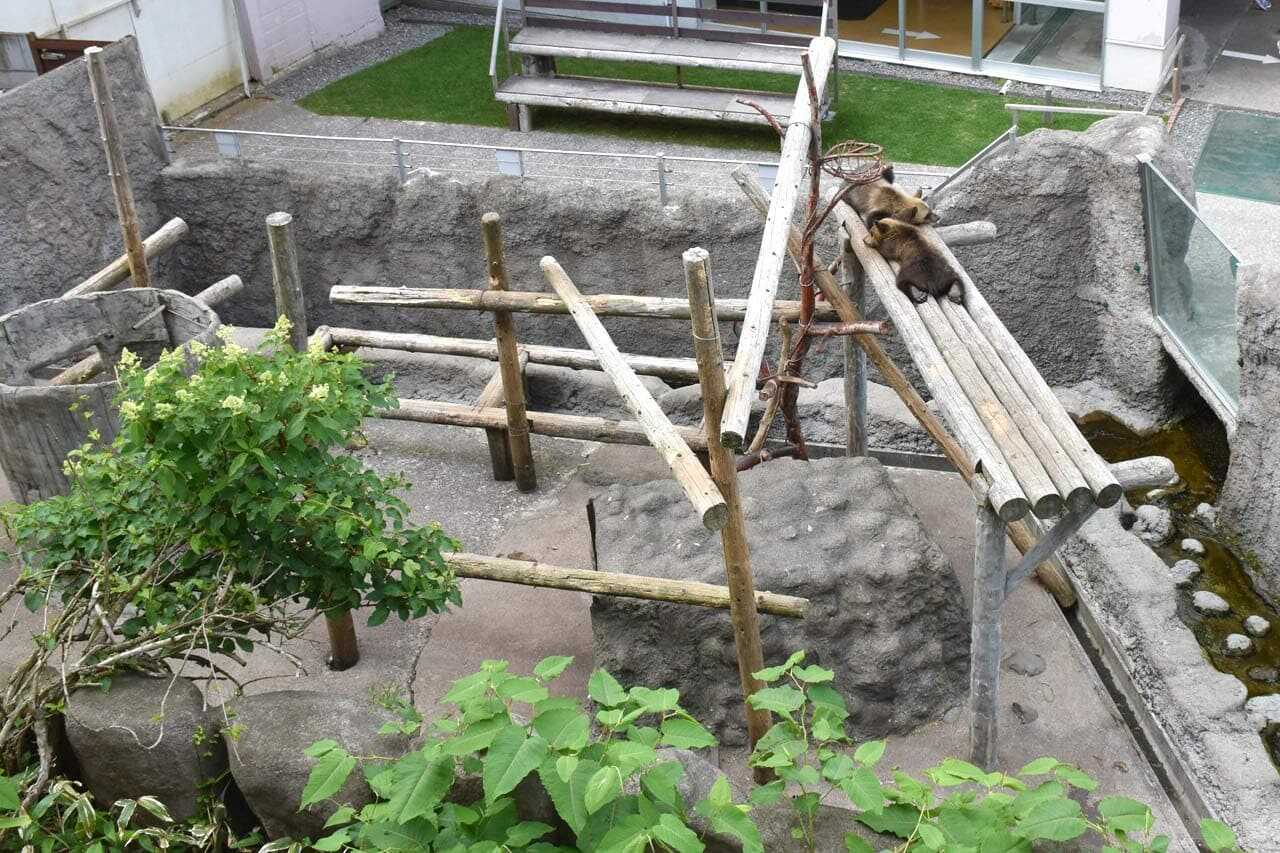
Bear Rock: A Natural Landmark of the Male Bear Zone
Bear Rock (Kuma no Iwa) is a natural boulder landmark in the male bear zone, where brown bears often climb to sunbathe or look down at visitors, a visually striking scene and one of the officially recognized must-see highlights.
From the viewing area in front of Bear Rock you can capture bears climbing the rock, foraging and interacting, especially suited to animal photography fans who wait a long time for great moments.
Summit Ranch: A Highland Ecology Park Home to About 70 Brown Bears
The whole of Noboribetsu Bear Park sits on a summit plateau at about 550 meters above sea level, keeping about 70 Hokkaido brown bears managed in zones by sex and age, one of Japan’s largest brown bear specialist parks.
The route is clearly laid out. After leaving the ropeway station you can follow the signs to the female bear zone, Human Cage, museum and cultural village in turn. The paths are gentle and easy throughout, so you can tour comfortably even with a stroller or older relatives, and the park offers free Wi-Fi and multilingual leaflets (Japanese, English, Traditional Chinese, Simplified Chinese, Korean) to help independent travelers.
How Much Does Noboribetsu Bear Park Cost in 2026? Tickets and Tour Options
Noboribetsu Bear Park sits on the summit of Shihoramine in the Noboribetsu hot spring area of Hokkaido and is one of the few theme parks in the world where you can observe brown bears up close. Spending is fairly simple, falling into two categories: the “round-trip ropeway plus entry set ticket” and “add-on experiences.” You can also choose a day trip linking Jigokudani and the Noboribetsu onsen town so that transport and tickets are handled at once. Here are the latest 2026 price ranges and popular tour styles to help you budget and plan.
Noboribetsu Bear Park Round-Trip Ropeway Set Ticket: The Only Way Up, with Admission Included
The entrance to Noboribetsu Bear Park is at the foot “Noboribetsu Onsen Ropeway Station,” and you ride the ropeway to the Bear Park main building at the summit. Ropeway and entry tickets are sold as a set and not separately. Prices announced on the official website: adults (junior high students and older) ¥3,200, children (age 4 to elementary school) ¥1,600, free for ages 3 and under.
The ropeway ride takes about 7 minutes and overlooks the onsen town and mountain scenery. The set ticket allows multiple entries and exits throughout the day, and a relaxed half-day visit is recommended.
Buy e-tickets in advance on platforms such as KKday or Klook to save the time of buying on site, especially convenient in peak season.
Up-Close Bear Feeding: The Must-Do Highlight of Interacting with Bears Through Glass
Visitors can buy “bear senbei” (¥100 to ¥300) and feed the bears from the feeding platform, a popular photo-taking experience in the park.
There is also the “Human Cage” experience, where visitors enter a transparent cage to observe the bears up close. This facility is included in the admission fee at no extra charge.
On-site add-on experiences cannot be reserved, so check opening times after you arrive. In winter, bears are less active and experience times may be shortened or suspended.
Noboribetsu Onsen Day Tour Packages: Linking Jigokudani, the Bear Park and the Onsen Town
For travelers who want to skip arranging transport, KKday and Klook offer day tours to Noboribetsu Onsen from central Sapporo or New Chitose Airport, about 8 to 10 hours, priced ¥8,000 to ¥12,000 (varying with lunch and vehicle type). The tour includes Bear Park admission, a guided walk at Jigokudani and free time in the onsen town. This saves the trouble of working out bus transfers, especially the walk from Noboribetsu Onsen Station to the Bear Park ropeway station, and a tour saves time and effort and fits Jigokudani and Oyunuma into a day trip.
Choose a departure with a Chinese-speaking guide or Chinese audio guide to get the full commentary and make it easy to ask about bear ecology.

Sapporo / New Chitose Airport to Noboribetsu Private Car Transfer: Good for Families or Older Travelers
For older relatives or toddlers, if transferring between JR and buses is inconvenient, you can book a private car transfer to and from Noboribetsu Onsen. The ride takes about 1.5 to 2 hours and is priced per vehicle, from about ¥15,000 to ¥25,000 one way for a four-seater, good value when split among several people.
A private car lets you set your own stops, such as Lake Toya or Date Jidaimura on the way, and flexibly adjust to your flight times, free of public transport schedules.
This service is popular, so book on KKday or Klook at least a week ahead and confirm the vehicle and driver’s language service.
Where to Stay Near Noboribetsu Bear Park in 2026: Onsen Lodging Suggestions

Noboribetsu Onsen Town: The Most Convenient Place to Stay After the Descent
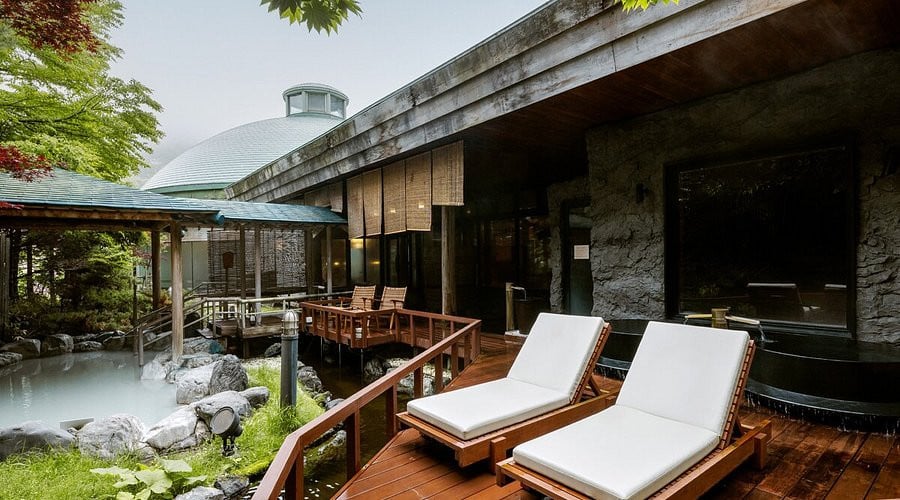
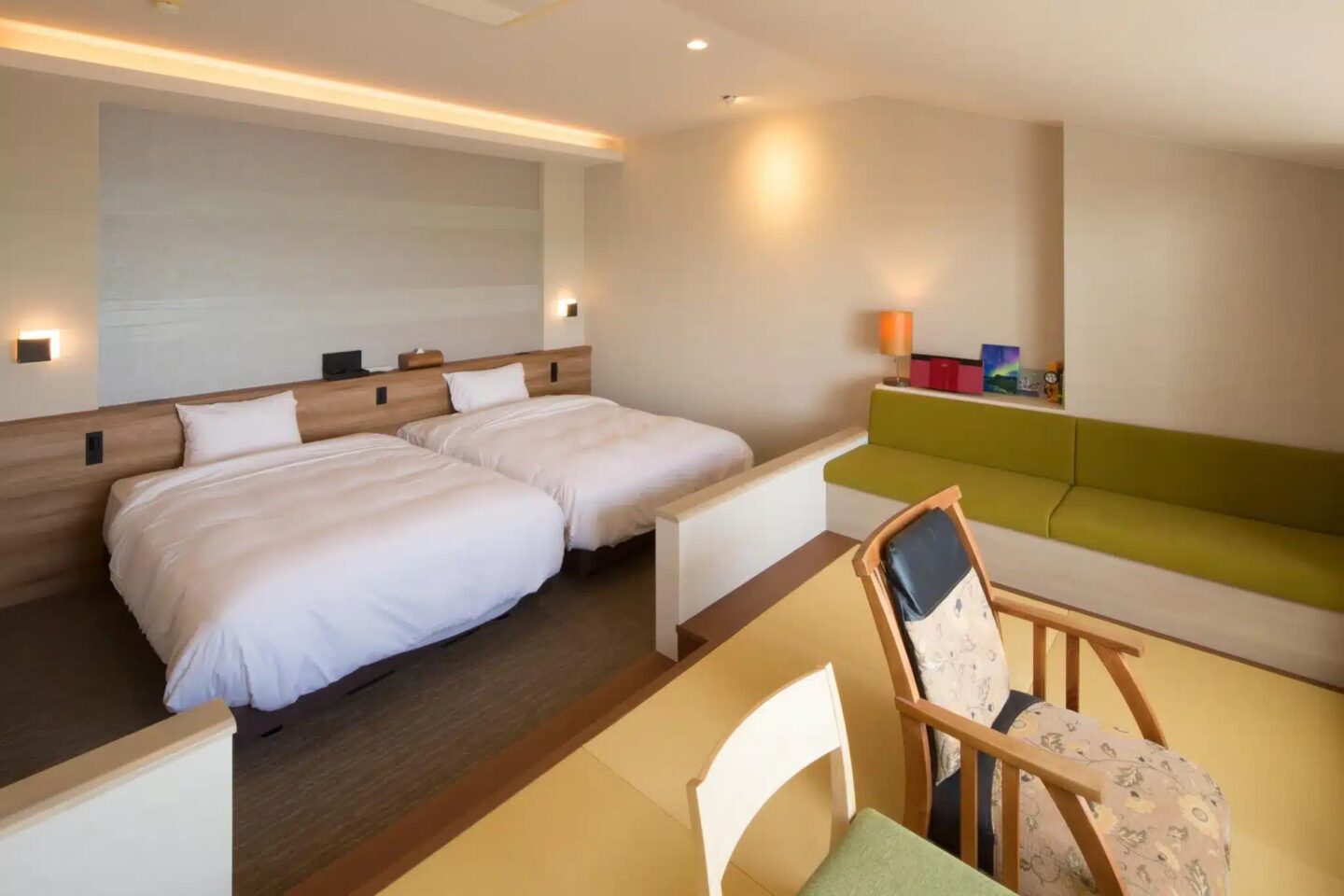
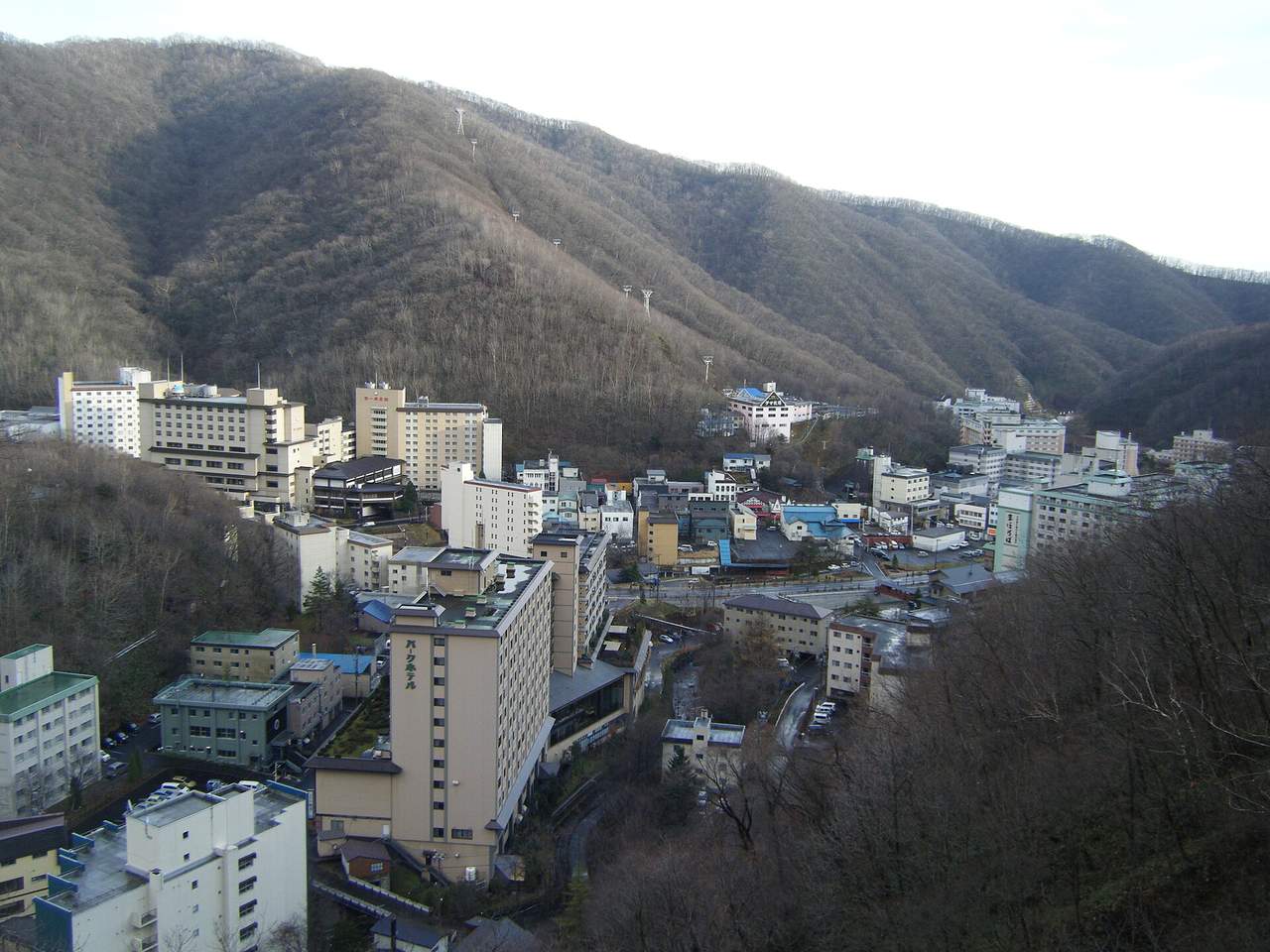
Stay in the Noboribetsu onsen town, within walking distance of the ropeway foot station. It has many onsen inns and hotels, and after the Bear Park and Jigokudani you can walk straight back to your inn for a soak and rest with no extra transport, the best base for a “Bear Park + Jigokudani + onsen” day trip. You can also rent a yukata in the onsen town and stroll the streets in it for photos, a charming extra that many travelers recommend. If rooms are tight in peak season, consider staying in Tomakomai or around New Chitose Airport, which are equally convenient to reach and allow a day round trip to Noboribetsu.
Noboribetsu Bear Park FAQ
Q: How much are Noboribetsu Bear Park tickets?
Adults ¥3,200, children (age 4 to elementary school) ¥1,600, free for ages 3 and under. The price includes the round-trip ropeway fare.
Q: What time does Noboribetsu Bear Park close?
April 21 to October 20 is 9:00 to 17:00 (last entry 16:20), and October 21 to April 20 is 9:30 to 16:30. Check the official website before you go.
Q: Does Noboribetsu Bear Park close in April?
Yes. Each April it closes for the legally required ropeway inspection and facility maintenance (April 5 to 23 in 2027), so check the official website before you go.
Q: How do I get to the Bear Park from JR Noboribetsu Station?
After leaving the station, take the Donan Bus about 15 minutes to Noboribetsu Onsen Station, then walk 7-10 minutes to the ropeway foot station, and the ropeway takes 7 minutes to the summit park.
How long should I stay at Noboribetsu Bear Park?
Plan 2 to 3 hours, and if you want to see the Brown Bear Museum and Ainu cultural village in detail, extend to half a day.
Q: Is there a separate charge for the Human Cage?
No. The Human Cage is included in the admission ticket, so a regular ticket lets you try this close-up bear-viewing facility.
Q: Can I bring food to feed the bears?
No. The park prohibits feeding outside food. You must buy the special bear biscuits in the park, and watch for crows trying to snatch food.