
2026 Otaru Music Box Museum and Kitaichi Glass Guide: Two Treasures of Music Boxes and Glass Craft at the Fairy Tale Crossing
The Otaru Music Box Museum Main Building and Kitaichi Glass are both on the Sakaimachi-dori shopping street, only about a 5-minute walk apart, and are two of the landmarks you should not miss on a Hokkaido trip.
The Otaru Music Box Museum Main Building was built in 1915 and is Japan’s largest music box specialty shop, often called the “Otaru Music Box Museum” by visitors. Popular sources describe the range of music boxes on display and for sale vaguely as “thousands of kinds,” but the more precise figure is this: entry is free, about 3,200 kinds are displayed in wood, glass and ceramic, and the total runs to tens of thousands of music boxes, a veritable sea of them. Kitaichi Glass, just a 5-minute walk away, was founded in 1901. It began as an old-established maker of glass floats for fishing and kerosene lamps and has since become Hokkaido’s most representative glass craft brand. The Kitaichi Hall cafe in Building No. 3, lit by 167 kerosene lamps, is a romantic scene every visitor wants to experience in person. Together with the surrounding Sakaimachi-dori shopping street, the Fairy Tale Crossing and the famous dessert shops, these two sights make a great half-day to full-day stroll that couples, families and solo travelers can all enjoy. We especially recommend going in the morning or evening to avoid the midday tour groups, and leaving plenty of time to enjoy the double treat of glass craft and desserts.
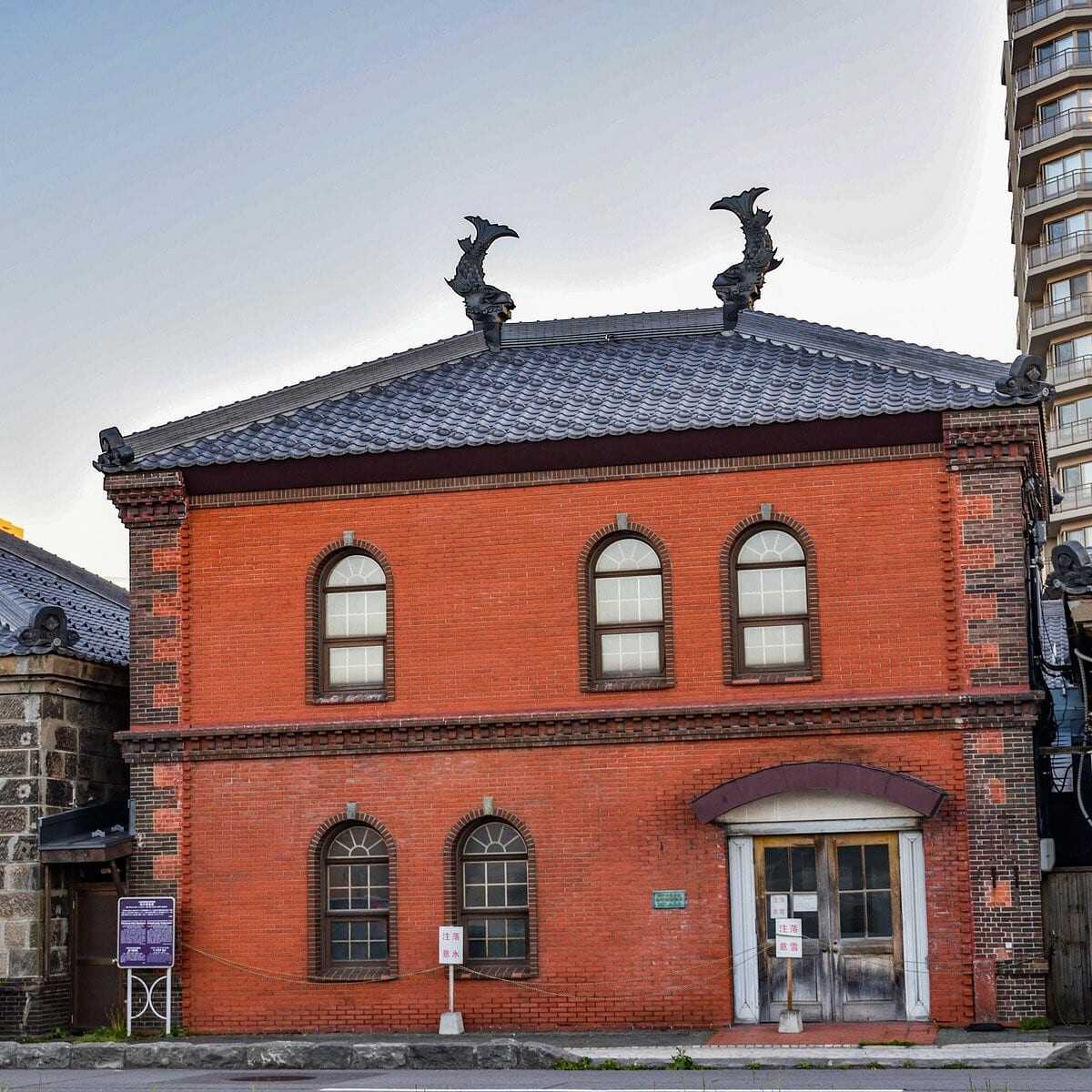
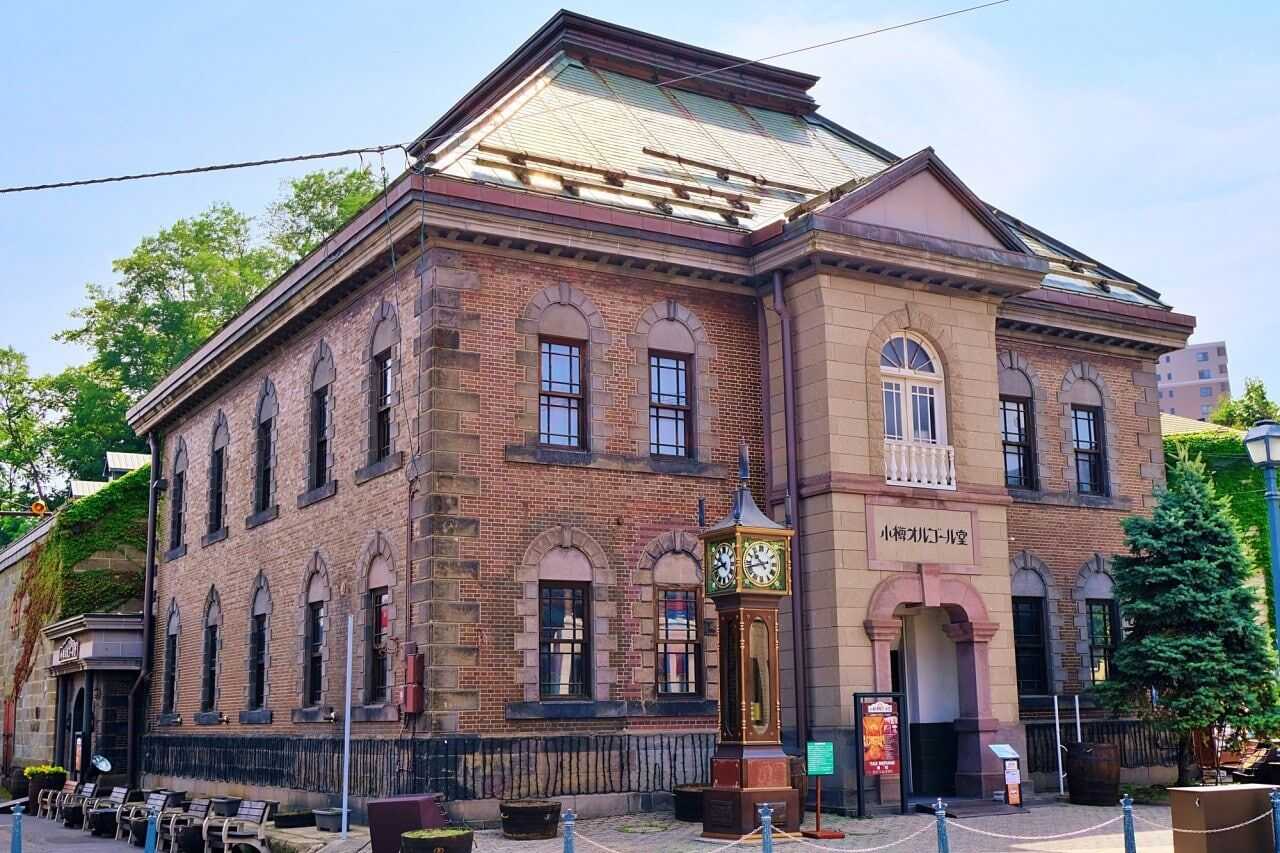
Otaru Music Box Museum Main Building
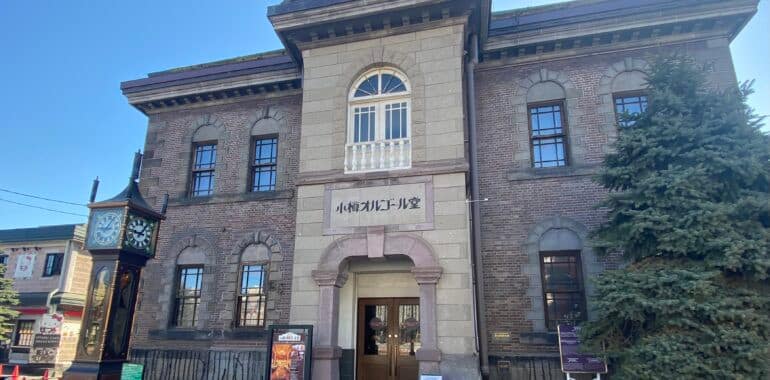
A century-old red-brick building at the Fairy Tale Crossing and the largest music box specialty shop in all of Japan. Entry is free, with about 3,200 kinds and tens of thousands of music boxes on display. It is the starting point and core highlight of the whole trip.
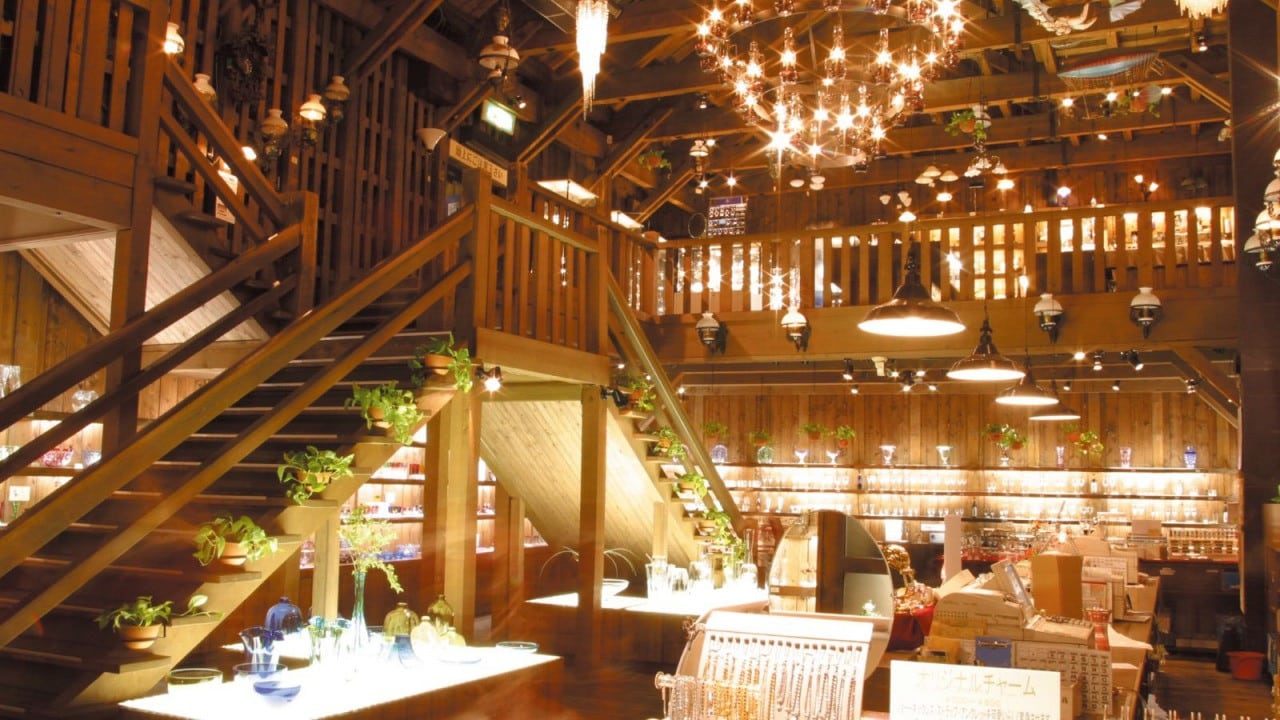
Kitaichi Glass Building No. 3
Converted from a Meiji-era fishing warehouse, with 167 kerosene lamps and no electric lighting all year round. The daily lamp-lighting ceremony at opening time and weekday piano performances make it Hokkaido’s most atmospheric glass craft experience.
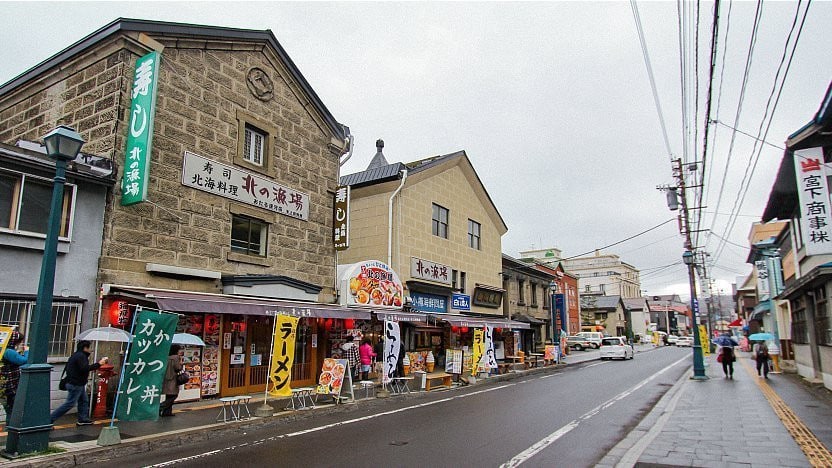
Sakaimachi-dori Shopping Street
The core street linking the Music Box Museum, Kitaichi Glass and the Otaru Canal, lined with famous dessert shops such as LeTAO, Rokkatei and Kitakaro. It is the golden route for linking every sight on a day trip.
How to Get to the 2026 Otaru Music Box Museum and Kitaichi Glass: A Complete Guide to Transport and Costs
From Sapporo, getting off at Minami-Otaru Station is the most recommended, as you can sightsee all the way from the exit without backtracking.
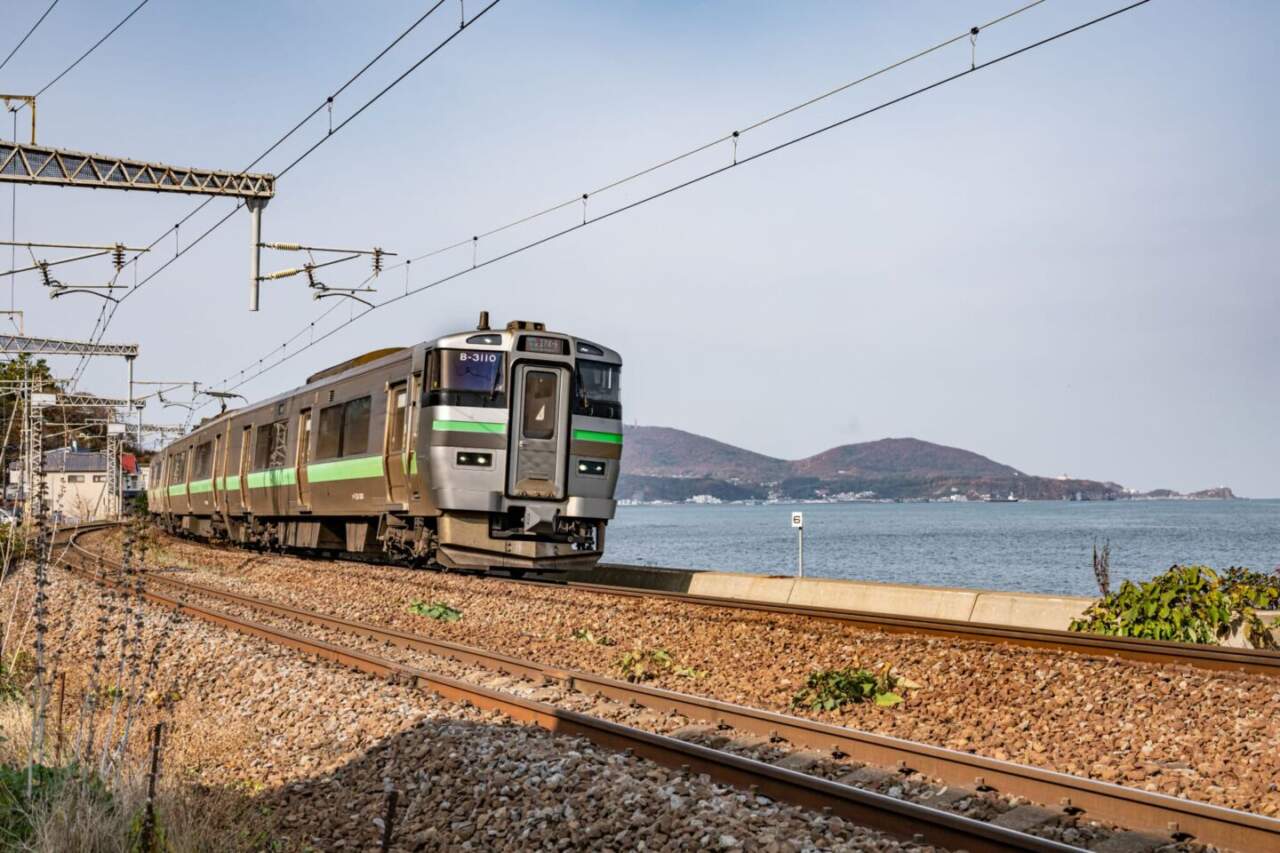
JR Hakodate Line Rapid Train: The Easiest Option from Minami-Otaru Station
The JR Hakodate Line Rapid train from Sapporo Station takes about 30-40 minutes with a one-way fare of about ¥800, and we suggest getting off at Minami-Otaru Station rather than Otaru Station. From the exit, a downhill walk of about 5 minutes takes you straight to the Otaru Music Box Museum Main Building at the Fairy Tale Crossing. After you finish, follow Sakaimachi-dori toward the Otaru Canal and finally take the train back to Sapporo from Otaru Station, so you never have to backtrack.


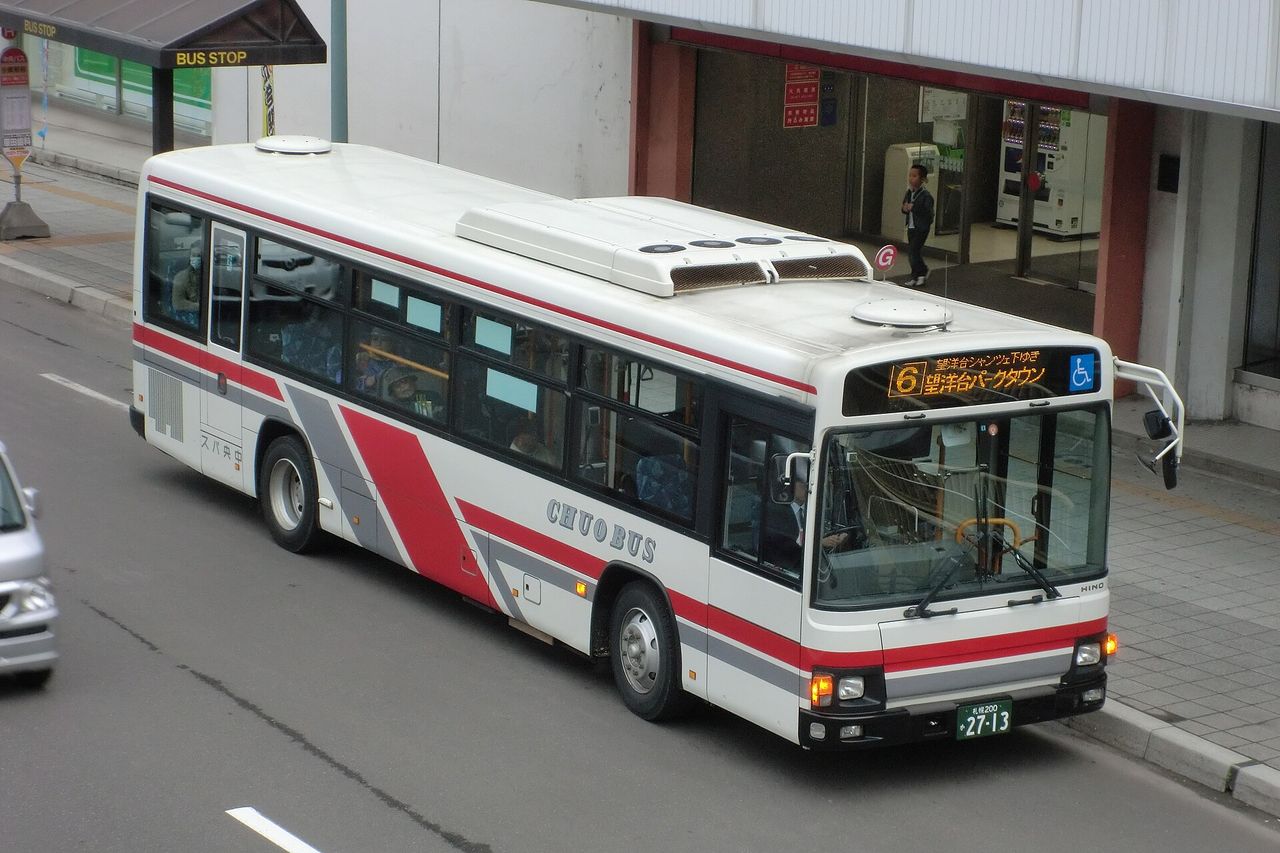
Chuo Bus Otaru City Routes: Connecting Otaru Station and the Canal Area
If you get off at Otaru Station, you can take a Hokkaido Chuo Bus city route to Sakaimachi-dori and the canal, taking about 10 minutes with a one-way fare of about ¥210. It suits travelers with limited mobility or large luggage. Buses are frequent, but on holiday peaks leave extra time for waiting.
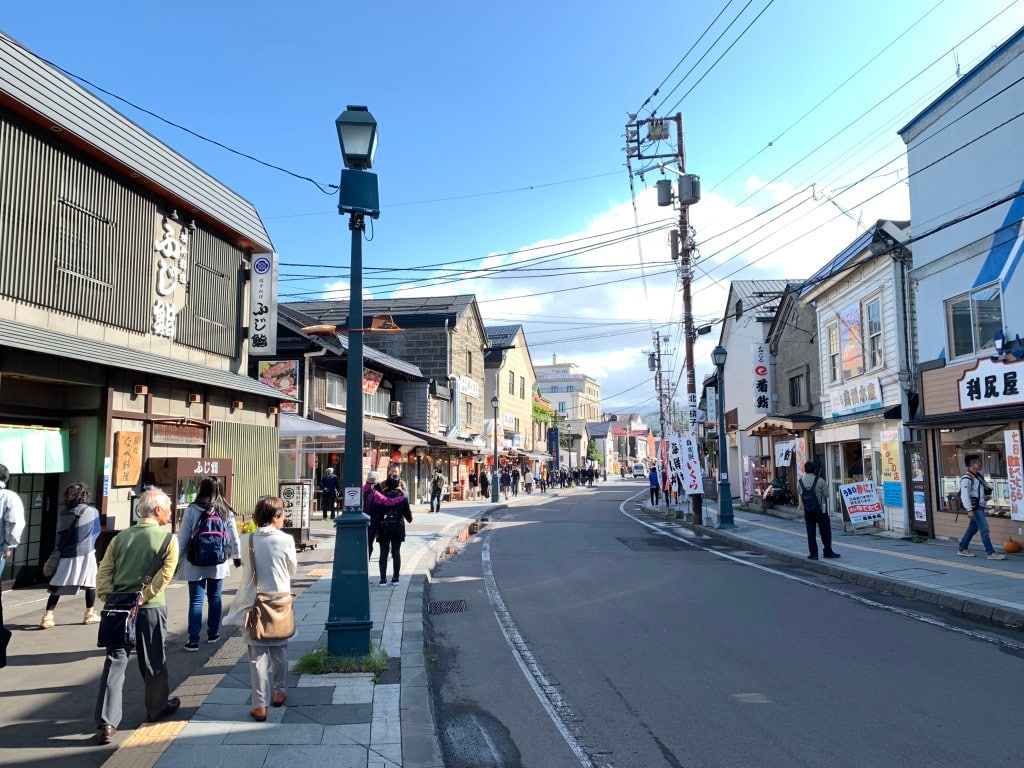
Walking Routes Around Sakaimachi-dori: About 20 Minutes from the Music Box Museum to the Canal
Although the Music Box Museum and Kitaichi Glass are both on Sakaimachi-dori and only a 5-minute walk apart, the Music Box Museum is actually some distance from the Otaru Canal, about a 20-minute walk and about 1.6 km, so they are not right next to each other. When planning, leave enough time so you don’t assume the two are adjacent and squeeze your sightseeing time.
Driving and Nearby Parking: Big Price Differences in the City
If you drive, you can park in the paid lots around Sakaimachi-dori at about ¥200-400 per hour. Parking near the canal is very hard to find in peak season, so we suggest parking in the city-run lot near Otaru Station and then walking or taking a bus, which saves a lot of time looking for a space.

What Are the Must-See Spots on the 2026 Otaru Music Box Museum and Kitaichi Glass Tour? Highlights by Area
Below are the 16 most worthwhile sights and experiences around Sakaimachi-dori.
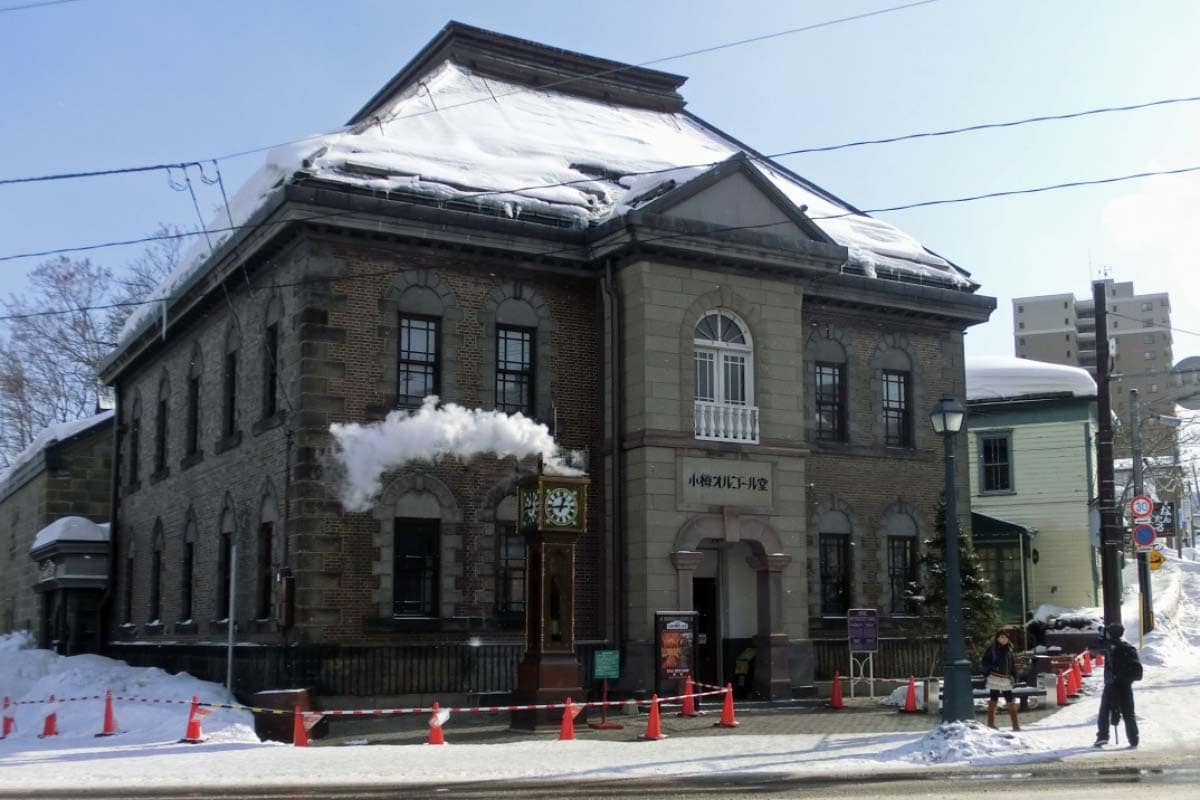
Otaru Music Box Museum Main Building: A Music Box Museum in Century-Old Red Brick
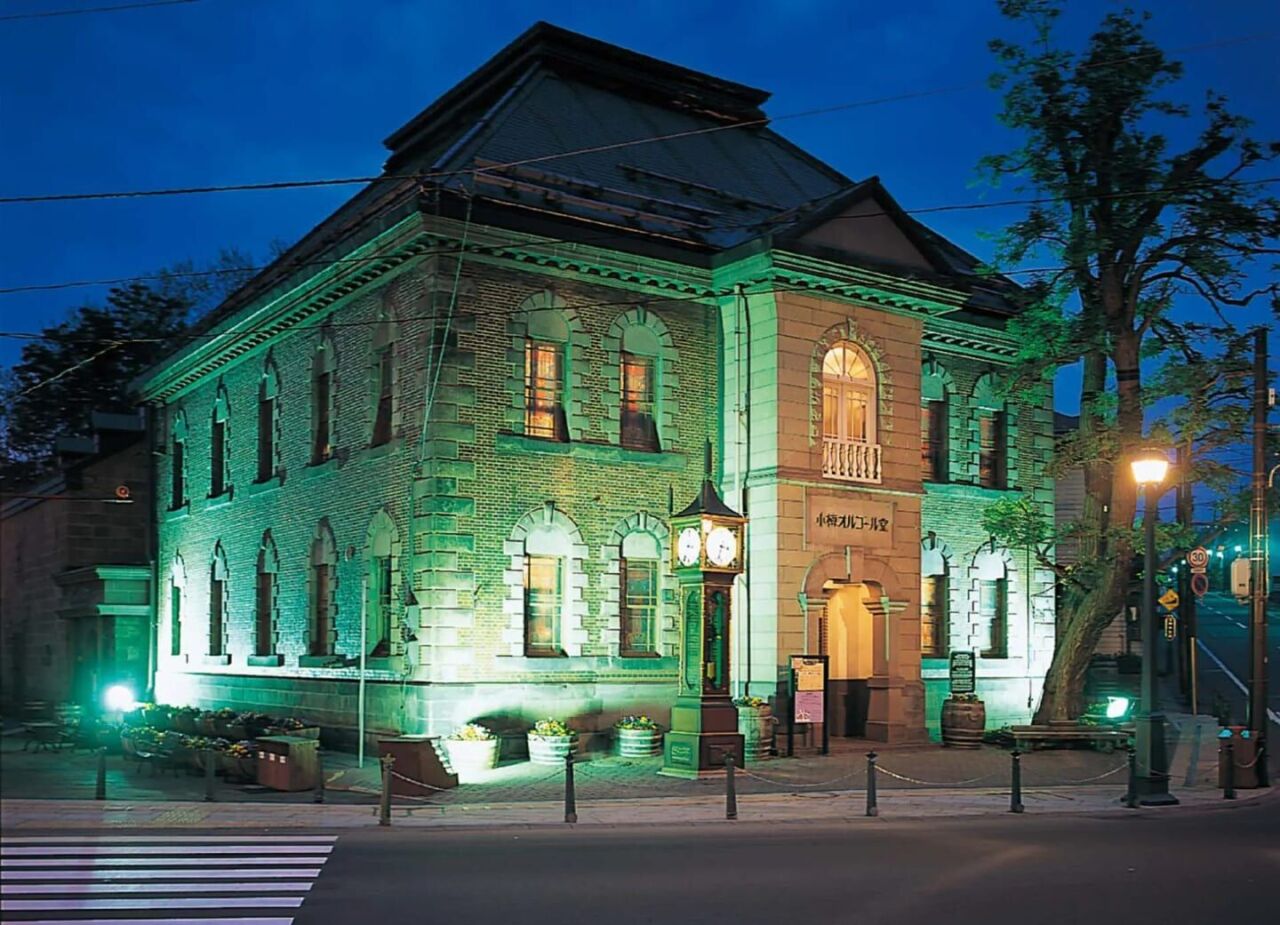
The Otaru Music Box Museum Main Building was built in 1915 and stands at the Fairy Tale Crossing. It is a shop and exhibition space converted from a historic building from the Taisho era, nicknamed the “Otaru Music Box Museum” by many visitors. Entry to the main building is free, and it holds about 3,200 kinds of music boxes in wood, glass and ceramic, tens of thousands of items in all. See the Otaru Music Box Museum official website (otaru-orgel.co.jp) for details.
The antique music box exhibits and the hands-on music box workshop are in Building No. 2, a few minutes’ walk away. The aisles inside are narrow and everything is fragile, so we suggest not bringing large backpacks or strollers in.


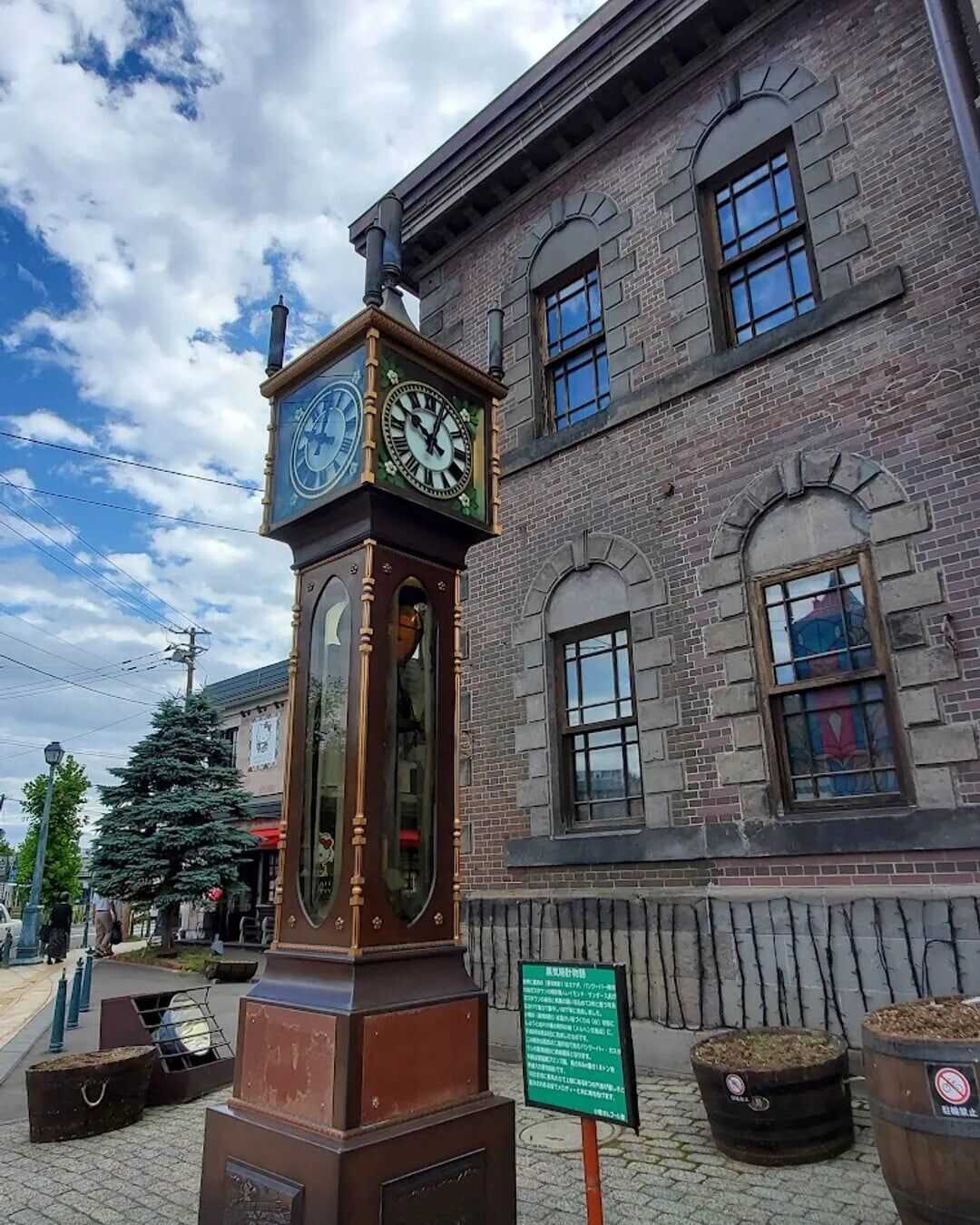
The Steam Clock: One of the Few Steam Clocks Alongside Vancouver’s
The steam clock standing at the entrance of the main building was built in 1977 by a Canadian master clockmaker. It is about 5.5 meters tall and, alongside the steam clock in Gastown, Vancouver, Canada, is one of Otaru’s most representative landmarks and a must-see where every visitor waits with a phone to film it. Every 15 minutes the clock releases steam and sounds a five-note whistle, with an extra performance added on the hour, making the scene lively.
Because the hourly and quarter-hour chimes draw big crowds, we suggest arriving 5-10 minutes early to claim a spot and switching your phone to video mode, held vertically, to fully capture the moment of the steam and whistle. Coming at dusk, when the steam and warm yellow lights create a more romantic atmosphere, is widely considered the best time for photography, and it fits well as a photo stop after you finish the main building.
Otaru Music Box Museum Building No. 2: An Often-Overlooked Hidden Spot
Compared with the always-crowded main building, Otaru Music Box Museum Building No. 2 is smaller and less well known, yet it is a hidden highlight that many local guides single out. Building No. 2 is only a few minutes’ walk from the main building. It is the Antique Museum, with an Aeolian pipe organ (played about 6 times a day) and a hands-on music box workshop, in a style different from the main building’s sales space.
Because it is less famous than the main building, Building No. 2 usually has no queue and you can shop at leisure, with fewer tour groups, making the visit relatively pleasant. If time allows, we suggest saving this as a relaxed finish after the crowded sections of the main building.
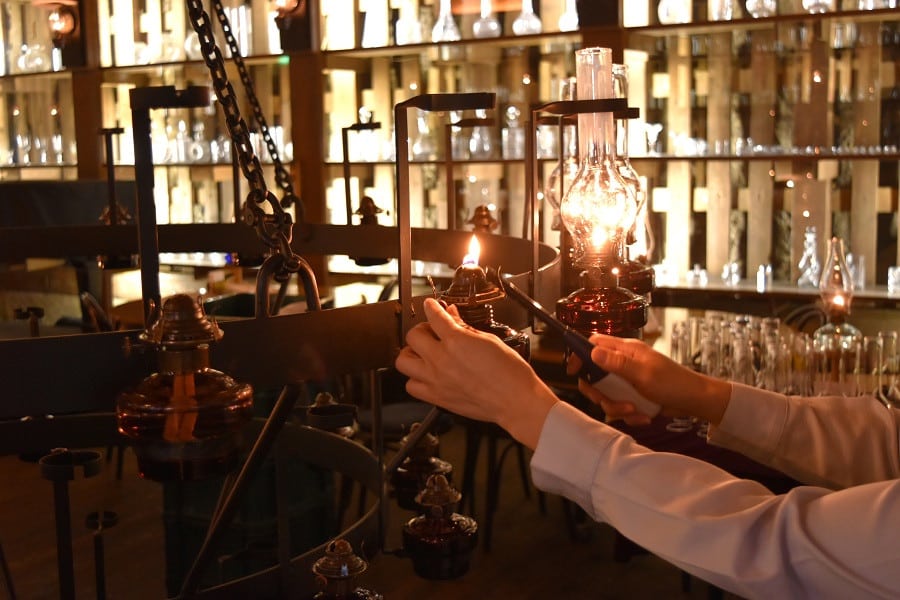
Kitaichi Glass Building No. 3 (Kitaichi Hall): A Romantic Hour Lit by 167 Kerosene Lamps
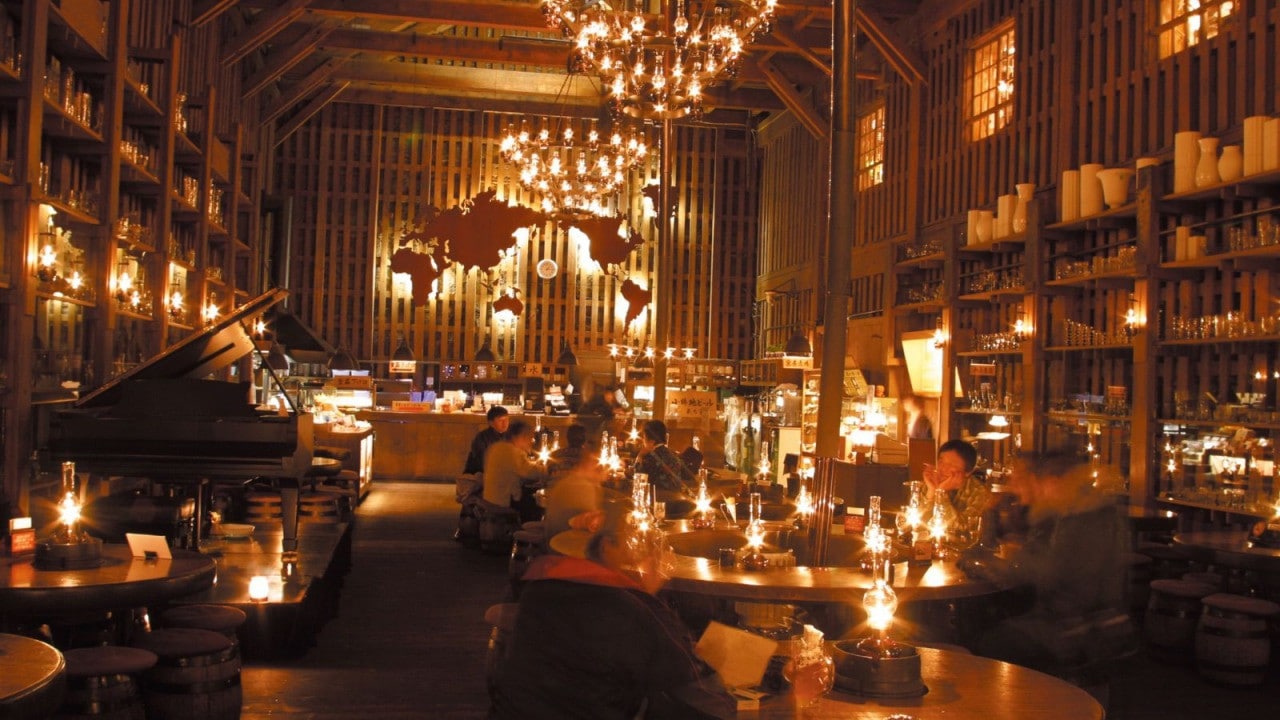
Kitaichi Glass was founded in 1901. “Garasu” is the Japanese word for glass, and it was originally known for making glass floats and kerosene lamps for fishing; it has since transformed into Hokkaido’s top glass craft brand. Building No. 3 was converted from an old fishing warehouse and houses the store’s most famous space, Kitaichi Hall, which uses no electric lighting at all and relies on 167 kerosene lamps to create a flickering, romantic play of light, an atmosphere among the best in all of Otaru.
Every day at opening time (8:45) the 167 kerosene lamps are lit one by one, and on Mondays to Fridays (except national holidays) there is also a piano performance, a scene many visitors get up early to see. Kitaichi Hall serves drinks such as its special milk tea and desserts, but seats are limited and there are often queues at popular times. Because kerosene lighting gives off a faint smoky smell, travelers sensitive to smells may want to take note before deciding whether to sit for long.
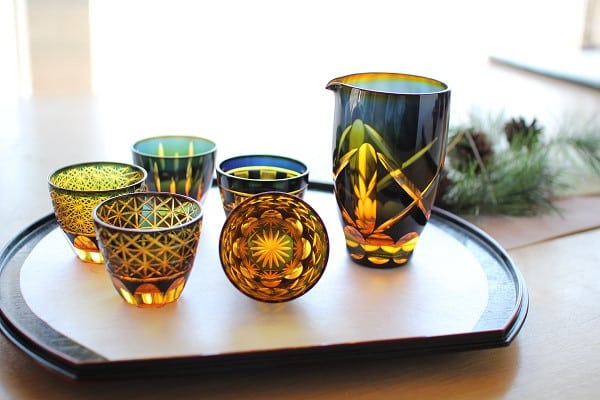
How to Explore Kitaichi Glass: Building No. 3’s Three Floors of Japanese, Western and Country Styles
Kitaichi Glass Building No. 3 is at 7-26 Sakaimachi, Otaru, and is divided into three themed floors: the “Japanese” floor, the “Western” floor (Kitaichi Plaza) and the “Country” floor. Each floor focuses on handmade glassware and sells crafts and decorations to match its theme. If you are looking for the must-buy souvenirs from Kitaichi Glass, choose a floor by your preferred style first and then browse at leisure. The official website lists the current opening hours of each floor as 10:00 to 18:00; see the Kitaichi Glass official website (kitaichiglass.co.jp) for the latest information.
Kitaichi Venetian Glass Museum and Nearby Branches: Venetian Glass Craft
Near Kitaichi Glass Building No. 3 is also the Kitaichi Venetian Glass Museum (5-27 Sakaimachi), themed on Venetian glass craft, with colorful, ornate pieces that contrast with the calm, nostalgic feel of Building No. 3. Kitaichi Glass also has other directly run branches on Sakaimachi-dori such as the Crystal Hall; for the latest opening information, see the Kitaichi Glass official website (kitaichiglass.co.jp).
These branches are all clustered on Sakaimachi-dori, within easy walking distance, so they fit well into the same outing. We suggest choosing by budget and by who you are buying gifts for.
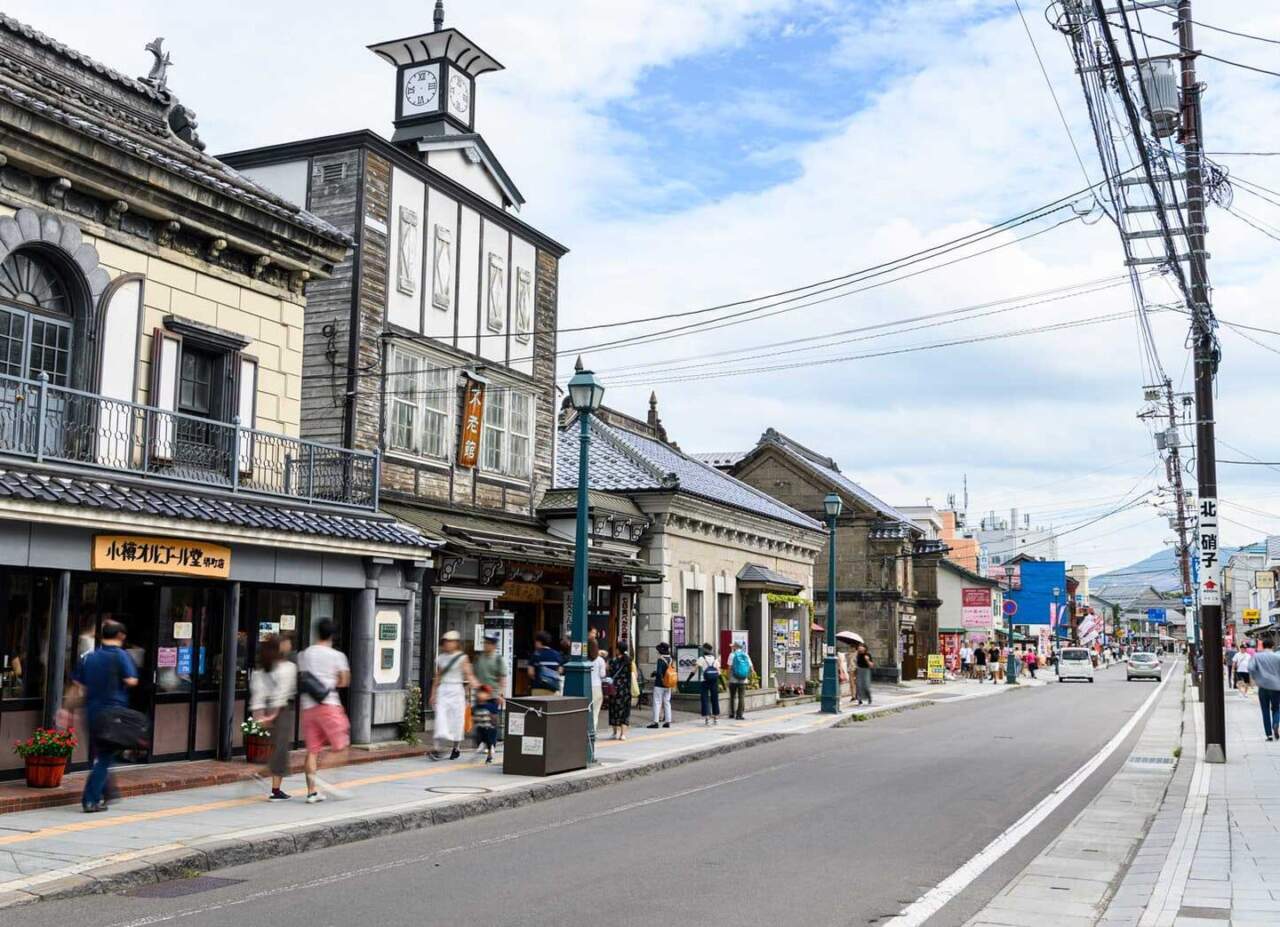
Sakaimachi-dori Shopping Street: Otaru’s Boulevard of Glass and Sweets
The Sakaimachi-dori shopping street is about 800 meters long and links the Otaru Music Box Museum, Kitaichi Glass and the Otaru Canal. It is the main route of the whole trip, preserving many European-style stone buildings from the Meiji to Taisho periods, with glass craft shops, famous dessert shops and seafood snack stalls lining both sides, and many visitors call it the “boulevard of glass and sweets.”
Note that most shops on the street close fairly early, at around 5 to 6 p.m., so if you arrive in the evening you may miss the opening hours of many popular shops. The street itself is not wide and is crowded, so carrying a large suitcase or pushing a stroller is harder. We suggest leaving heavy items at your hotel or a coin locker and strolling at a relaxed pace with light luggage.
Fairy Tale Crossing (Marchen Intersection): Otaru’s Most Romantic Intersection
The Fairy Tale Crossing is exactly where the Otaru Music Box Museum Main Building stands, surrounded by European-style red-brick buildings from the Meiji to Taisho years. It is widely considered Otaru’s most romantic corner and a landmark meeting point where the LeTAO flagship store and the Music Box Museum face each other.
The recommended time to visit is at dusk as the lamps come on, when the warm street lamps and red-brick buildings set each other off, ideal for portraits and street photography. To see the whole intersection from above, go to the rooftop observation deck of the LeTAO flagship store opposite, where you can capture the classic viewpoint for free, an insider tip you shouldn’t miss when planning photo stops.
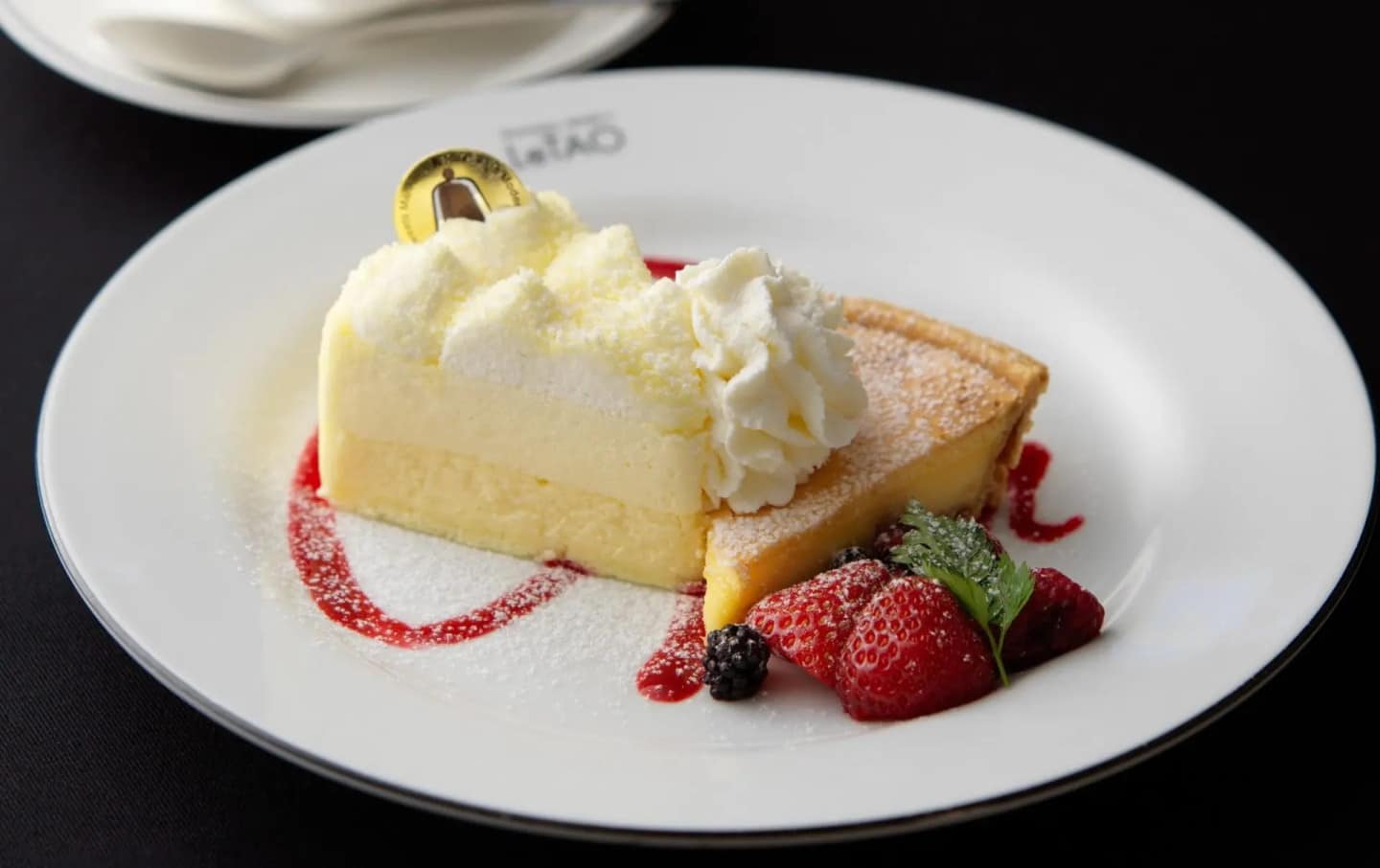
LeTAO Flagship Store: Double Fromage Cheesecake and a Free Observation Deck
The LeTAO flagship store is at the Fairy Tale Crossing, facing the Otaru Music Box Museum Main Building, a signature name in Otaru’s dessert world. Its most famous signature item is the melt-in-the-mouth Double Fromage cheesecake, and the Darjeeling tea chocolate is also very popular. The store has a cafe where you can enjoy freshly made desserts on the spot.
The rooftop of the flagship store has a free observation deck with a bird’s-eye view of the whole Fairy Tale Crossing and the red-brick streetscape around it, a hidden insider spot for photographing the landmark panorama, with no extra charge at all. On peak-season holidays it is crowded, so we suggest avoiding the midday lunch peak so you can enjoy your dessert and take photos at leisure.
Rokkatei Otaru Canal Store: The Top Pick for Strawberry Chocolate and Liqueur Candy Souvenirs
The Rokkatei Otaru Canal Store is on Sakaimachi-dori and belongs to a well-known, long-established Hokkaido confectionery brand. Its signature items include seasonal-limited strawberry chocolate, crispy rum raisin butter sandwich cookies, and fruit liqueur candies as exquisite as a jewelry box. Prices are reasonable and the packaging is beautiful, a popular choice for gifts or for yourself.
The shop often offers samples so visitors can taste before buying and avoid disappointment. Because the brand is so well known, there are often queues on holidays. We suggest going on a weekday morning to choose souvenirs at a more relaxed pace, and if time is short, you can also pick up anything you missed at the branch in New Chitose Airport.
Kitakaro Otaru Main Building: The Must-Buy Yousei no Mori Baumkuchen
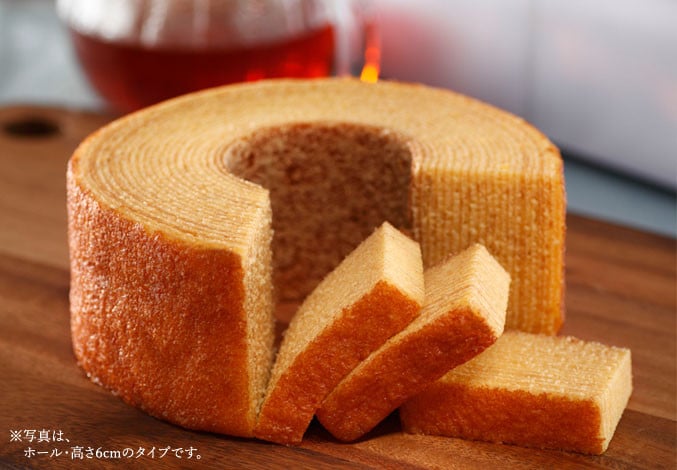
Kitakaro is a representative Hokkaido Japanese and Western confectionery brand. Its Otaru Main Building stands in a retro red-brick Western-style building in the Sakaimachi-dori district, with a classically elegant interior that makes photos alone atmospheric. The signature “Yousei no Mori” (Fairy Forest) baumkuchen is moist and soft, the most requested must-buy in the store, and the “Yume Fushigi” cream puffs and Kaitaku Okaki rice crackers are also popular.
The main building has an eat-in area where you can enjoy freshly made cream puffs and cakes with coffee, a place to rest after a long walk. Because most products are fresh desserts, we suggest buying early and eating soon. If you want to take something home, choose longer-shelf-life items such as cookies, to avoid melting or spoilage that affects the flavor.
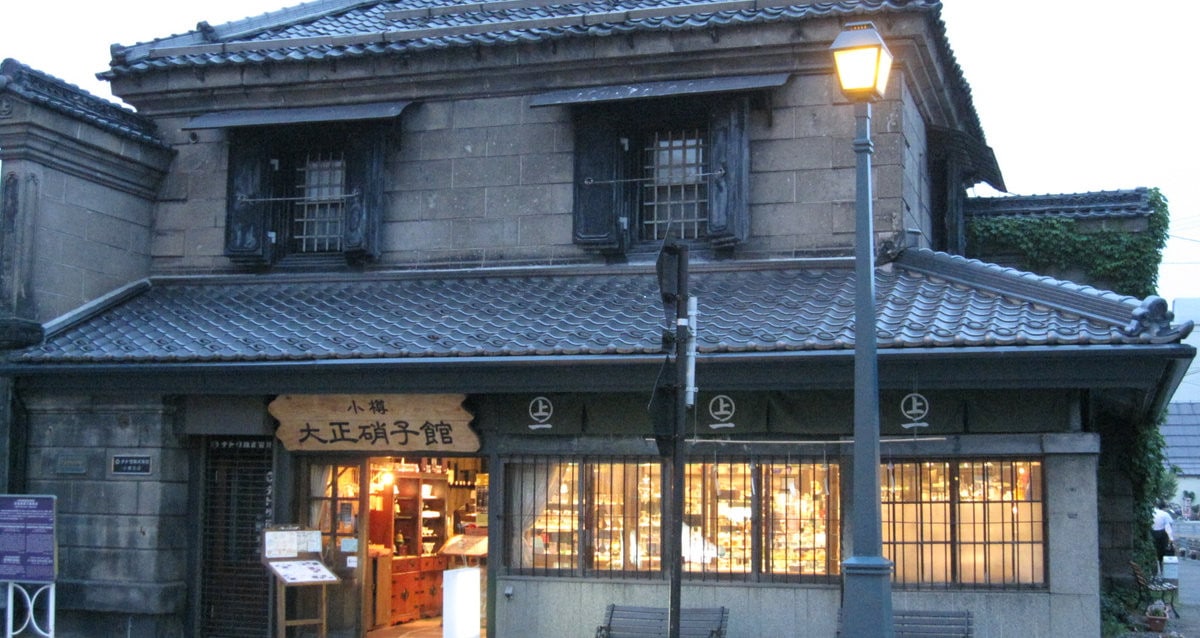
Taisho Glass Hall: Glass Goods in Taisho-Era Romantic Style
As its name suggests, Taisho Glass Hall centers on recreating the romantic aesthetics of Japan’s Taisho era. The glassware, wind chimes and various household goods sold here have warm colors and elegant shapes, taking a completely different stylistic path from Kitaichi Glass’s fishing-craft background, with several branches scattered around Sakaimachi-dori.
Compared with the fame of Kitaichi Glass, Taisho Glass Hall’s price range is friendlier, and it suits travelers on a limited budget who still want a glass souvenir. Craftsmen often demonstrate glassblowing on site, and if time allows, take a look at the display cases in each branch, where you can often find unexpected limited editions.
Sankaku Market: The Local Seafood Bowl Battleground
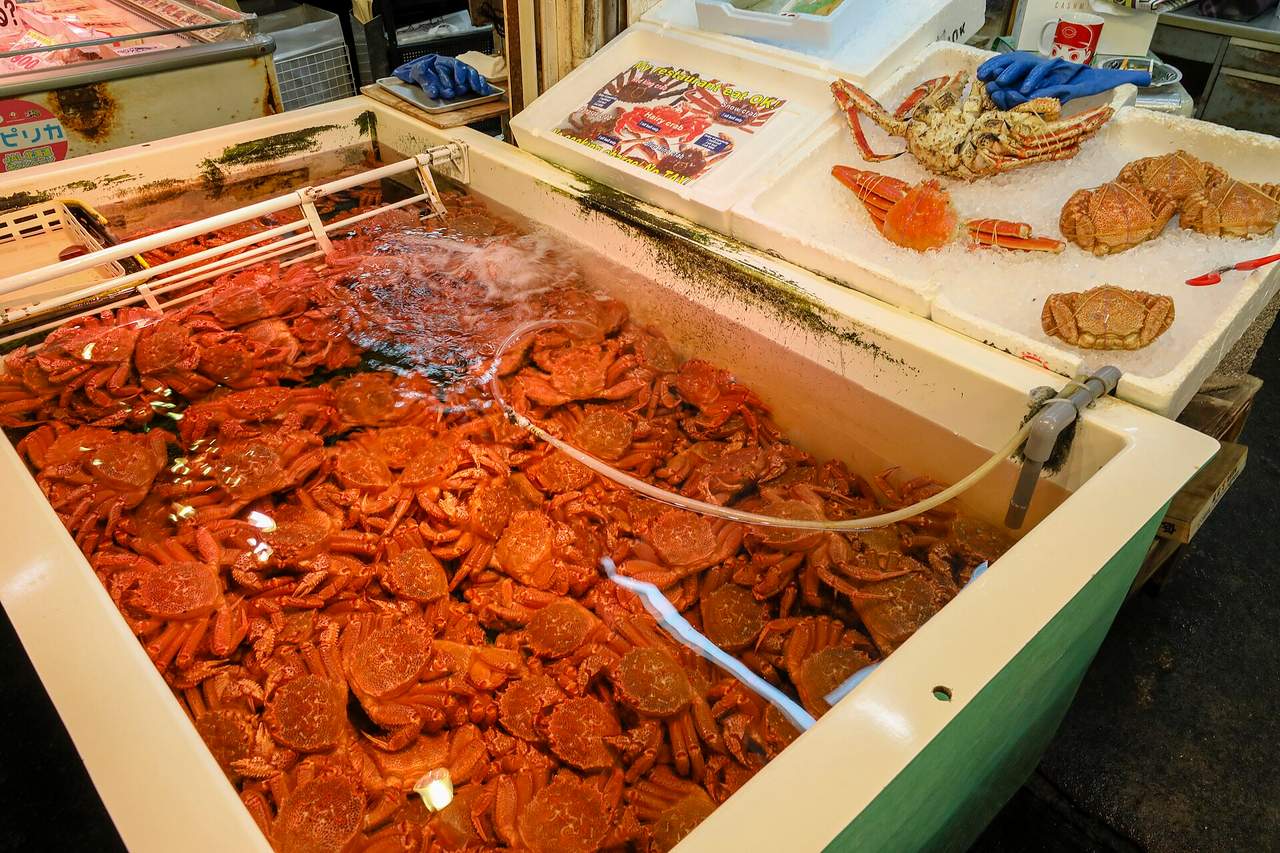
Sankaku Market is right next to Otaru Station, a traditional market where locals shop for seafood and a must-visit place for visitors to taste fresh seafood bowls. Several long-established eateries in the market serve generous sea urchin, salmon roe and crab rice bowls, with prices from ¥1,500 to ¥3,000, often better value than the more tourist-oriented stalls on Sakaimachi-dori.
At well-known shops in the market such as Takinami Shokudo, you often need to take a numbered ticket and queue at mealtimes, and weekday lunch also often has long lines. We suggest arriving before noon or avoiding weekend peaks. If you don’t want to wait long, there are also several conveyor-belt sushi places around the market as a backup, where you can also taste fresh Hokkaido seafood.
Mt. Tengu: A One-Star Michelin Spot for Otaru’s Night View
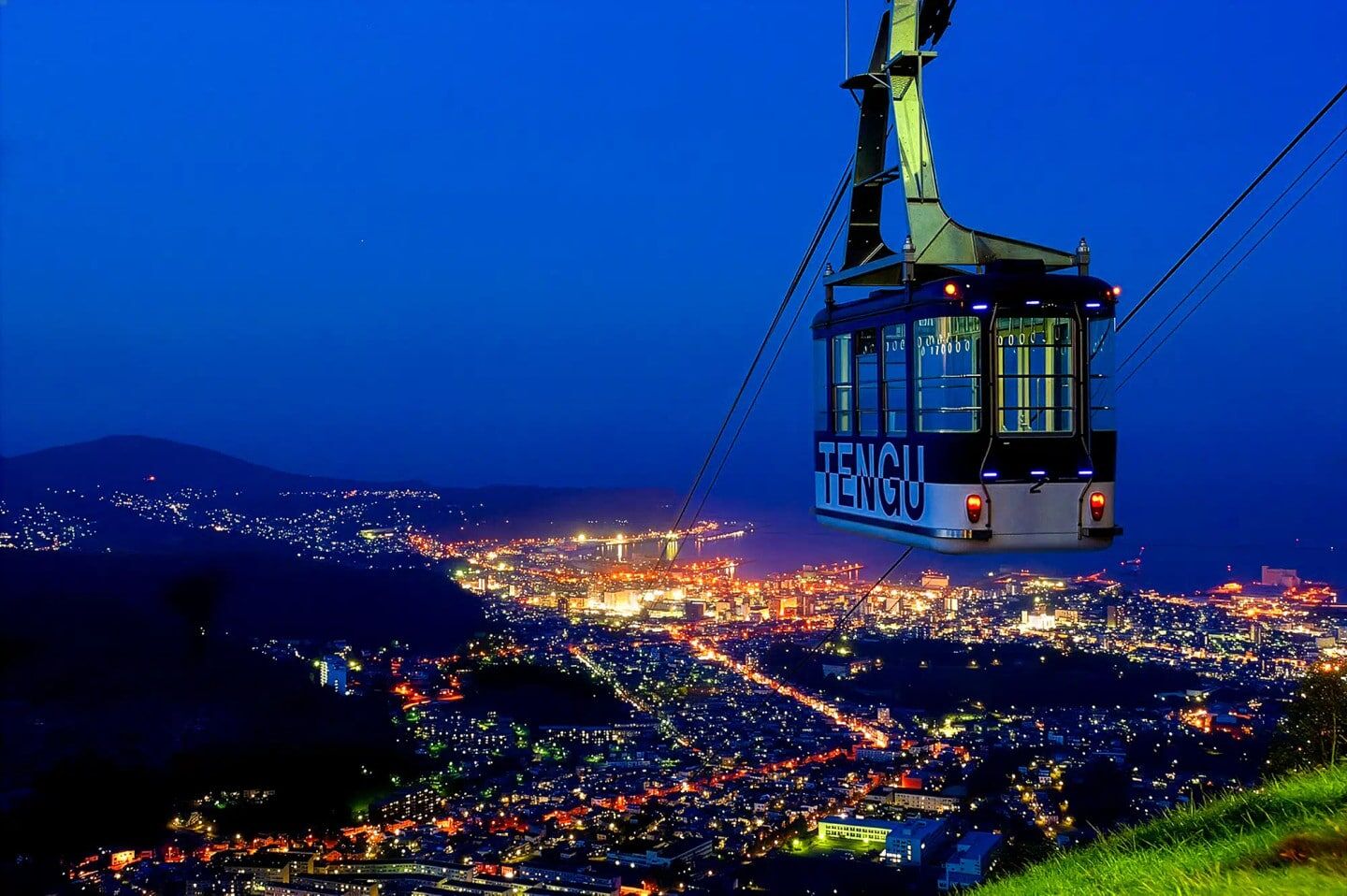
Mt. Tengu is Otaru’s highest viewpoint. After riding the ropeway to the top, you can take in the whole of Otaru’s harbor and the city lights. It is listed as a one-star spot in the Michelin travel guide and was also one of the filming locations of the Japanese drama “First Love.” The summit has an observation deck and restaurant, ideal for watching the gradual shift from sunset to night view in the evening.
The summit also enshrines a Tengu statue, and legend says touching the Tengu’s nose brings good luck, a popular interactive photo spot. To reach Mt. Tengu, take the shuttle bus from JR Otaru Station for about 20 minutes to the ropeway base station. The ropeway ride is about 4 minutes one way. We suggest allowing at least 1.5 hours, and note that in winter the ropeway may pause operation because of strong winds.

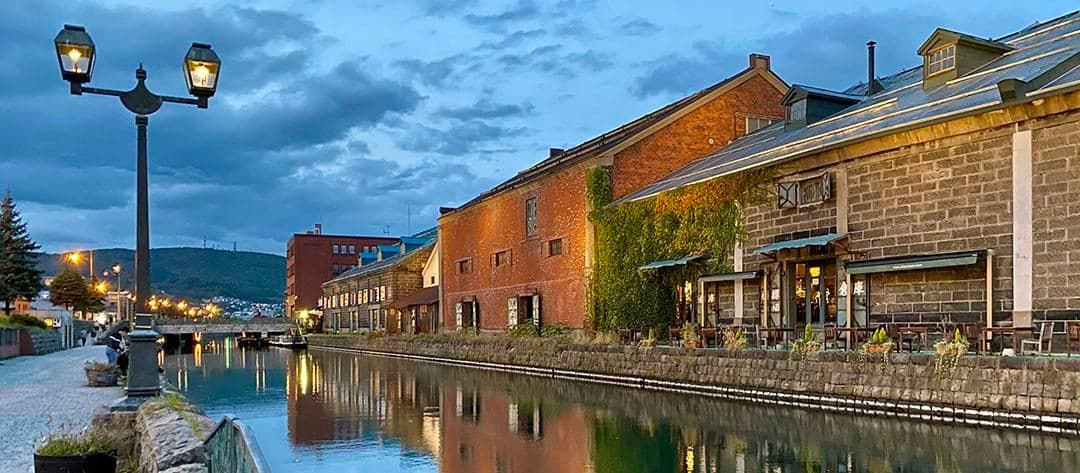
Otaru Canal: The Stone Warehouse Night View of the “Wall Street of the North”
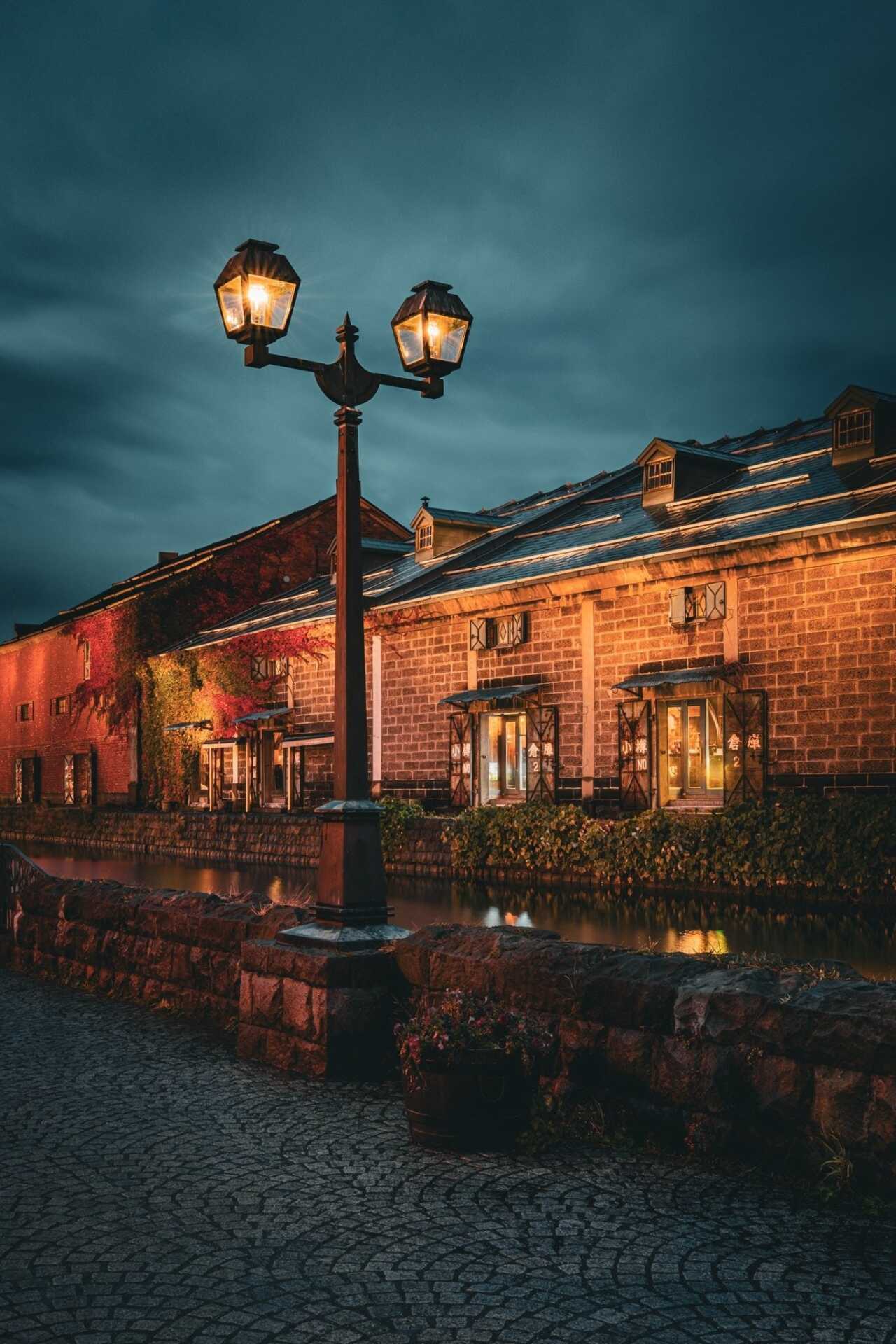
The Otaru Canal is Otaru’s most representative landmark, lined on both sides with stone warehouses built in the Meiji and Taisho periods, and called the “Wall Street of the North” because of the finance and trade boom of the time. A reminder: the Music Box Museum is actually some distance from the Otaru Canal, about a 20-minute walk and about 1.6 km, not right next to it as some guides describe, so leave plenty of walking time when planning.
The classic photo spots along the canal are around Asakusabashi Bridge and Chuo Bridge. After dark, the gas street lamps and the reflections of the warehouses are very charming, and you can also take a cruise to enjoy a different view of the canal’s night scenery from the water. If time is limited, we suggest going at dusk, when you can capture both the afterglow of sunset and the lamps coming on.
Hiyoriyama Lighthouse, the Former Temiya Line Railway and Otaru Aquarium: Suburban Extensions
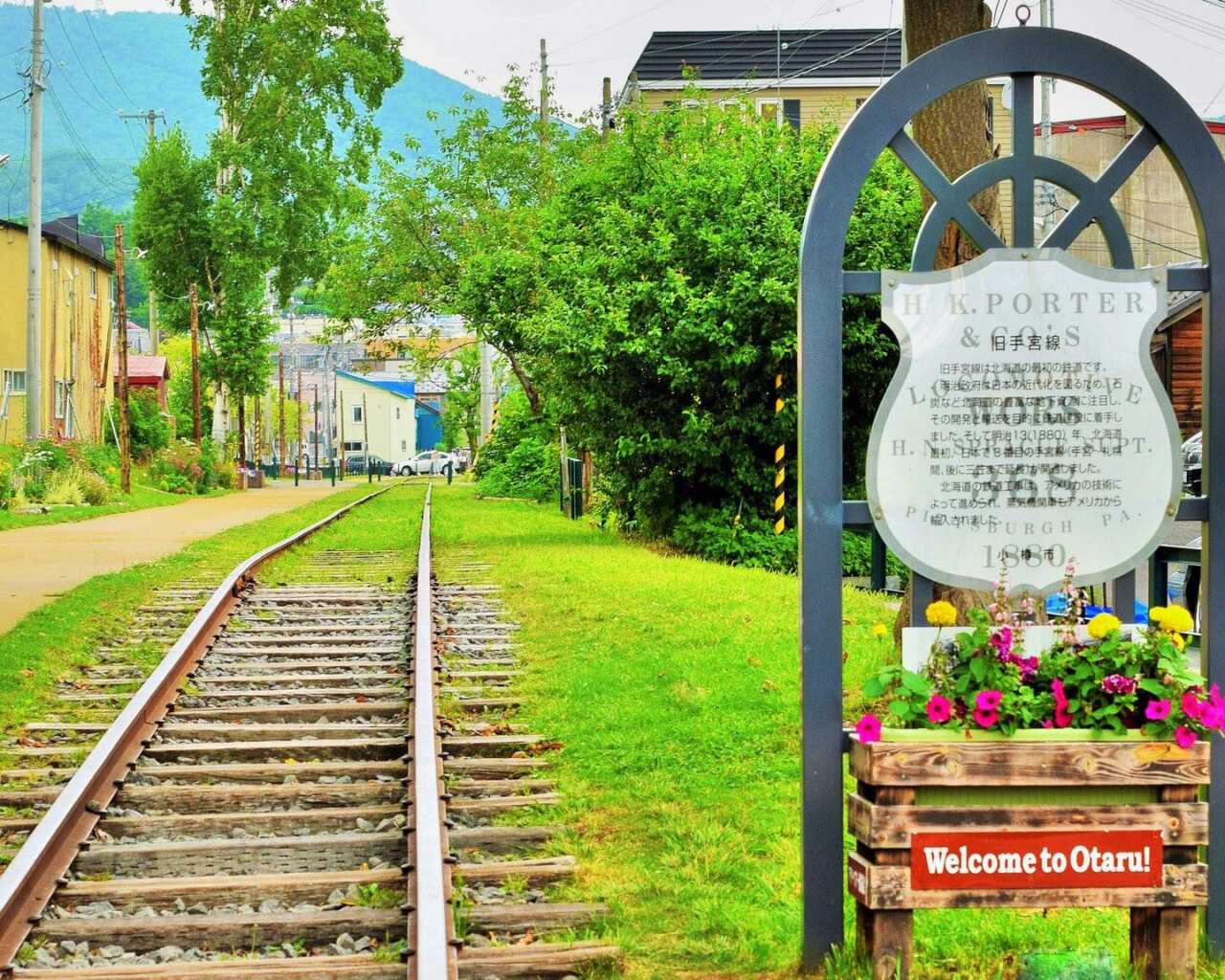
If you have plenty of time, there are three more places worth extending to around Sakaimachi-dori. Hiyoriyama Lighthouse stands on a headland height with sweeping views of the Sea of Japan and Otaru harbor, an excellent place to watch the sunset. The Former Temiya Line is the remains of a disused railway, where the tracks and surrounding greenery form a unique, nostalgic walking path and a popular Instagram photo spot.
Otaru Aquarium is in the somewhat farther Shukutsu area and houses dolphin and seal shows, suited to families with children for a half-day outing. All three spots need extra transport, so we suggest including them only if you stay in Otaru for more than a day and have more time, so they don’t squeeze the core itinerary of the Music Box Museum and Kitaichi Glass.
![[Officially Sold] Otaru Aquarium Ticket (Hokkaido)](https://travel.williamlion.tw/wp-content/uploads/sites/7/2026/07/image-232.jpg)
Otaru Sumiyoshi Shrine: A Local Spiritual Center and Amulets
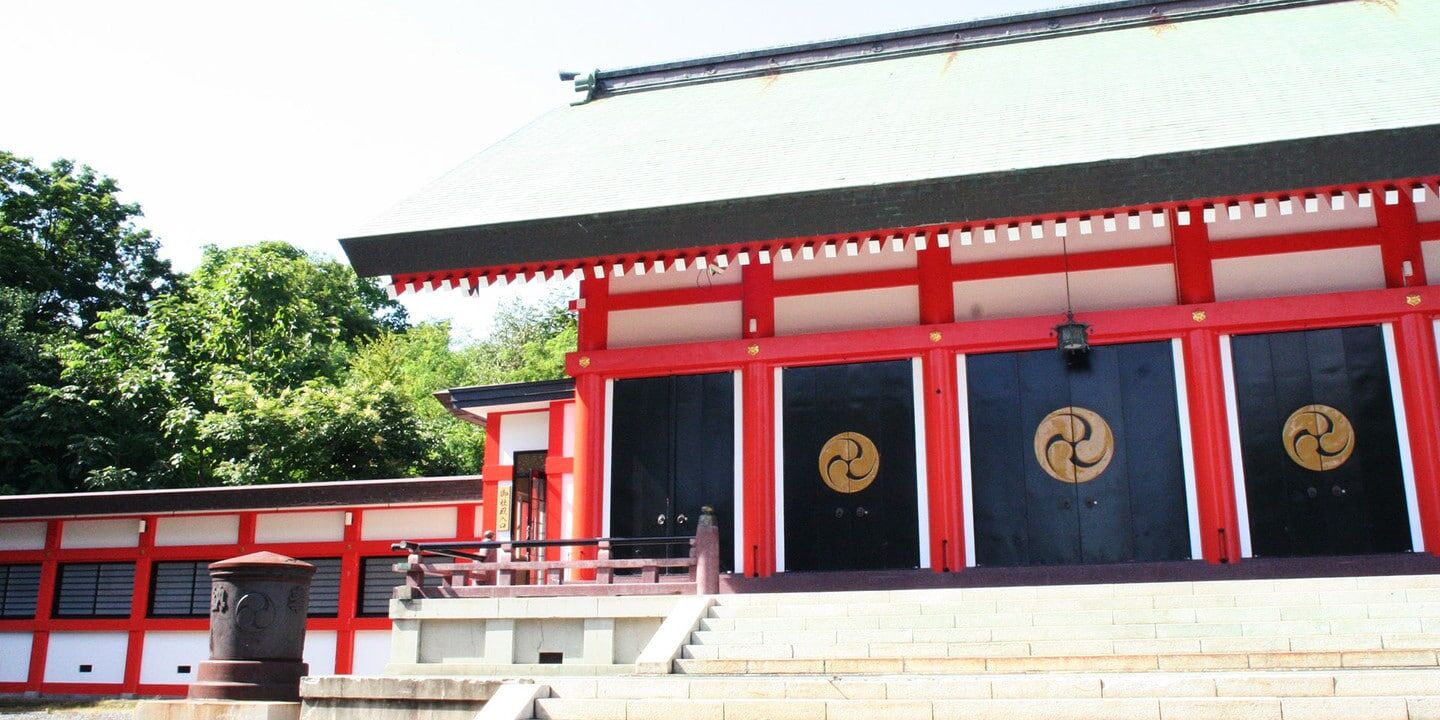
Otaru Sumiyoshi Shrine stands in Sumiyoshi-cho, where the Music Box Museum Main Building is located, and is a long-established local spiritual center. It enshrines the three Sumiyoshi deities, who protect safe sea voyages and business, and its grounds are lined with old trees and quiet, in sharp contrast to the lively shopping street nearby, a good place to rest and pay respects when you are tired from walking.
The shrine office offers many kinds of amulets, including traffic safety and business prosperity themes, and you can also get a goshuin (shrine stamp) as a keepsake. For travelers who want to learn more about Otaru’s local culture and beliefs, it is a quiet corner well worth a visit on the way, and it is completely free to enter, adding no burden to your itinerary.
How Much Does the 2026 Otaru Music Box Museum and Kitaichi Glass Tour Cost? Admission and Experience Fees Summarized
The two must-visit landmarks of Otaru, Hokkaido, the “Otaru Music Box Museum (Otaru Orgel-do)” and “Kitaichi Glass (Kitaichi Glass Building No. 3),” are both free to enter at the main buildings. What actually costs money are the hands-on experiences and souvenirs bought on site. Many first-time independent travelers worry about getting the budget wrong, so here are the common cost items, the price range of experiences and whether advance reservations are needed, to help you plan your budget for a half-day or full-day trip in Otaru.
Otaru Music Box Museum Main Building: A Free Century-Old Music Box Museum
The Otaru Music Box Museum Main Building at 4-1 Sumiyoshi-cho, Otaru, is a red-brick building built in 1915 and its exterior alone is worth photographing. Entry is completely free, and about 3,200 kinds of music boxes are on display, from antique hand-cranked to modern electronic ones. A walk through takes about 30 to 45 minutes.
Although there is no admission ticket, the prices of the music boxes sold inside vary widely: small mass-produced ones are about ¥1,500 to ¥3,000, while handmade custom or limited editions can exceed ¥20,000. We suggest browsing once to find what you like before deciding whether to buy. Tax-free service is also often available, and tax-free shopping can be arranged above a certain purchase amount.

DIY Music Box Workshop: Assemble Your Own Souvenir
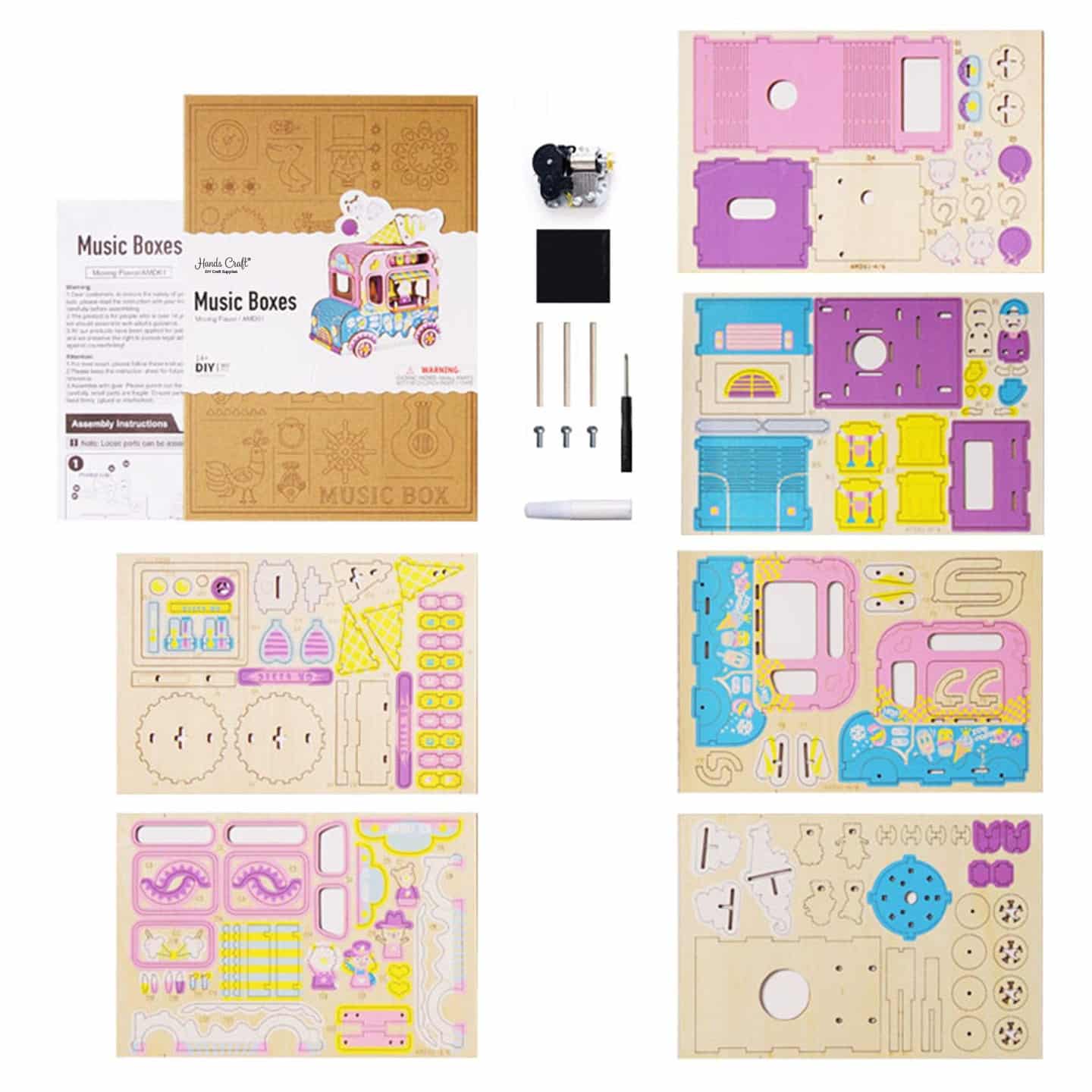
The hands-on workshop in Building No. 2 offers a DIY music box course, with fees depending on the case and movement you choose, from about ¥2,000. The experience takes about 40 to 60 minutes, and staff guide the assembly steps in English or simple Japanese, so even complete beginners can do it.
This experience suits families and couples, and you can take the finished piece home, a more meaningful souvenir than the finished ones in the shop. In peak season (such as school holidays and around Christmas), we suggest booking a time slot through the website or on site early to avoid queuing for more than an hour.
Kitaichi Glass Building No. 3: A Free Hall of Glass Craft
Kitaichi Glass Building No. 3, at 7-26 Sakaimachi, Otaru, is also free to visit, and the romantic lighting created by its 167 kerosene lamps is a scene you must photograph. A walk through takes about 30 minutes, and the atmosphere is even more charming after the lamps are lit in the evening.
Glassware, wind chimes and glass ornaments range from small ¥500 trinkets to hand-blown vases costing tens of thousands of yen. We suggest budgeting around ¥2,000 to ¥5,000 for a good-quality souvenir. The cafe inside Kitaichi Glass Building No. 3, “Kitaichi Hall,” costs about ¥1,000 to ¥2,000 per meal and is where many people plan afternoon tea.
Kitaichi Glass Glassblowing Experience: Make a One-of-a-Kind Glass Cup Yourself
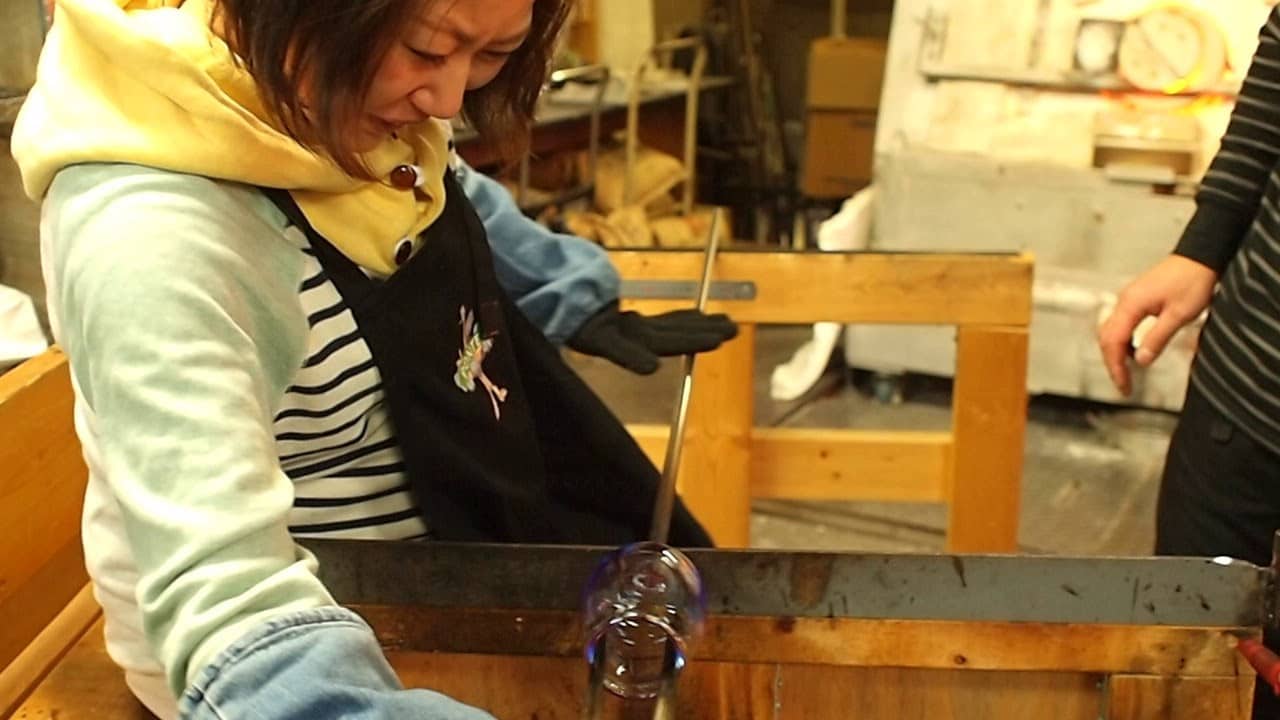
Workshops near Kitaichi Glass (such as the Otaru Glass Craft Hall or the Kitaichi Glass experience classroom) offer glassblowing, sandblast engraving and other courses, with fees ranging from ¥2,500 for a sandblasted glass experience to ¥5,000 to ¥8,000 for a blown glass cup experience, and the whole thing takes about 40 to 90 minutes.
In the glassblowing experience, a craftsman helps with the blowpipe and molds beside you. The finished piece needs to cool, so it usually cannot be taken the same day. Most workshops offer a mailing service (extra shipping of about ¥500 to ¥1,000) or pickup the next day. This experience suits travelers who like handicrafts and want a unique keepsake, and is often a special memory for couples or families.
Otaru Canal Package Tours: Fit the Music Box Museum and Kitaichi Glass into a Day Trip
If you don’t want to work out transport and scheduling yourself, KKday and Klook offer many “Otaru day trip” or “Otaru Canal, Music Box Museum and Kitaichi Glass” package tours, with prices depending on departure date and plan. They usually depart from central Sapporo with round-trip transfers and guided commentary, linking the Otaru Canal, the Music Box Museum, Kitaichi Glass and Sushiya-dori in one day.
These tours suit travelers who don’t want to drive and want to skip checking bus schedules. The downside is that experience time is fairly fixed and DIY classes cost extra. If you want to explore more freely at your own pace, you can also take the JR on your own schedule, and the round trip between Sapporo and Otaru usually costs about ¥1,000 to ¥2,000.

Where to Stay Near the 2026 Otaru Music Box Museum and Kitaichi Glass: Suggested Bases

Around Otaru Station or Central Sapporo: How to Choose Where to Stay
If you want to slow down and avoid commuting back and forth, we suggest staying one night around Otaru Station or Minami-Otaru Station, so that early the next morning you can get ahead of the crowds and enjoy the early-morning atmosphere of the Music Box Museum and Kitaichi Glass, and especially witness the kerosene lamp lighting ceremony at Kitaichi Glass Building No. 3. If your itinerary is only a half-day or one-day trip, we suggest staying in central Sapporo, which has easier transport and more choices, only about 30-40 minutes away, and lets you enjoy Sapporo’s nightlife and food on the way back.
Whichever base you choose, in winter we suggest bringing non-slip shoes and warm clothing. Otaru’s slopes and stone paths are very slippery once snow and ice form, and note that some shops and experience facilities close early in snow season.
FAQ
Q: How much is admission to the Otaru Music Box Museum Main Building?
The main building is free to enter, and you can visit freely without buying a ticket. Only the DIY music box workshop costs extra, from about ¥2,000.
Q: What are the opening hours of Kitaichi Glass Building No. 3?
The floors of Building No. 3 are currently open from 10:00 to 18:00. Check the hours of the attached Kitaichi Hall separately, and go by the announcements on the Kitaichi Glass official website (kitaichiglass.co.jp).
Q: What is the easiest way to get from Sapporo to Otaru?
We suggest the JR Hakodate Line Rapid train, about 30-40 minutes and about ¥800 one way, getting off at Minami-Otaru Station for the least effort.
Q: What is the best season to visit the Otaru Music Box Museum and Kitaichi Glass?
April-May for cherry blossoms and September-October for autumn leaves have pleasant weather and are most recommended. Winter is cold but lets you enjoy limited festivals such as the Otaru Snow Light Path.
Q: What time does the kerosene lamp lighting ceremony at Kitaichi Glass start?
At Kitaichi Hall in Building No. 3, craftsmen light the 167 kerosene lamps one by one starting at about 8:45 a.m. every day, and we suggest arriving early to watch.
Q: Can I take a stroller into the Music Box Museum Main Building?
Not recommended. The aisles are narrow and everything is fragile, so we strongly suggest using a baby carrier instead and not bringing large backpacks inside.
Q: Is the Otaru Music Box Museum far from the Otaru Canal?
They are not adjacent. The actual walk is about 20 minutes and about 1.6 km, so be sure to leave enough walking time when planning.