
Tenguyama Night View Guide 2026: The Dazzling, Magical Hours of One of Hokkaido’s Three Great Night Views
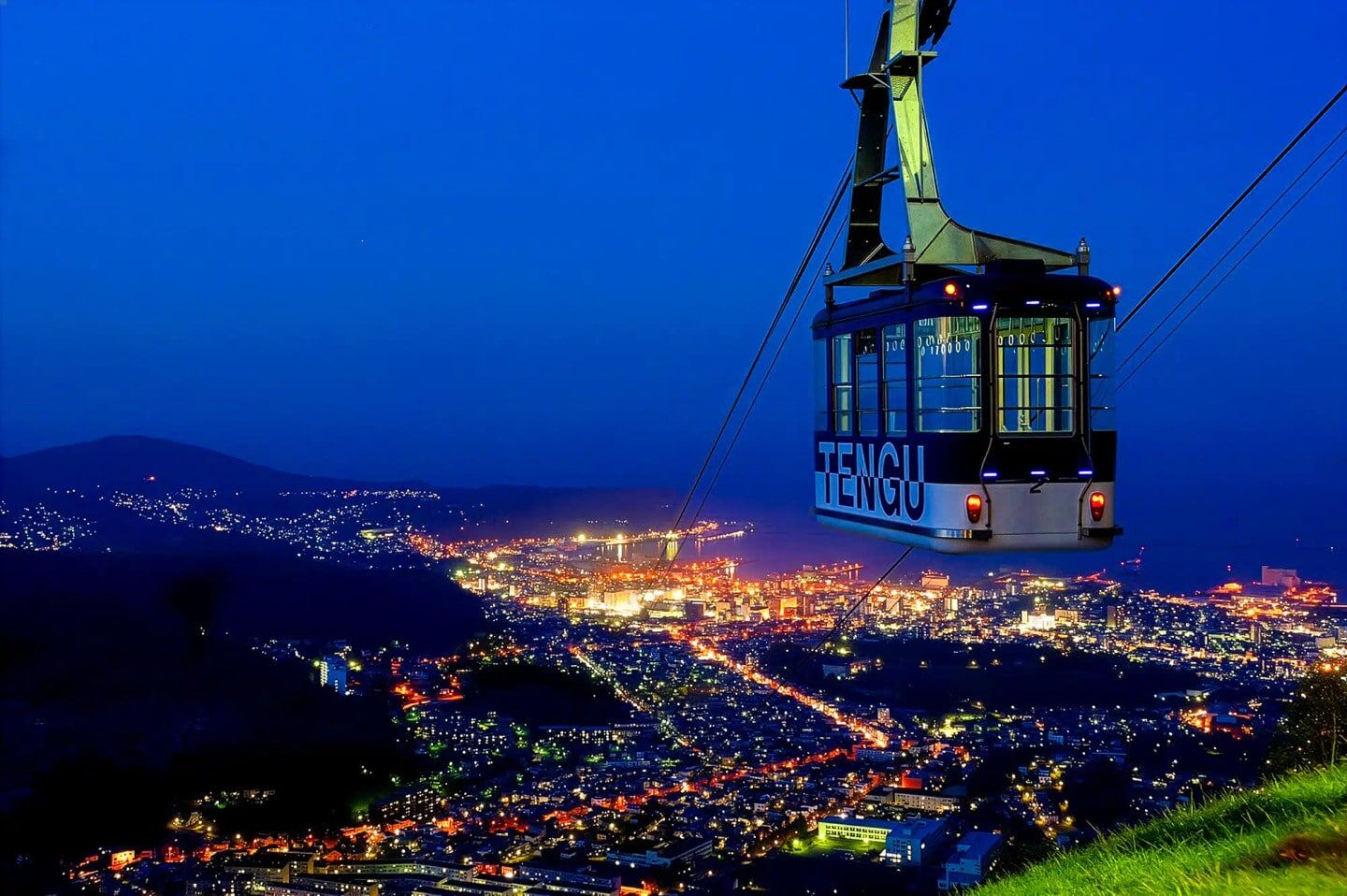
The night view from Otaru’s Tenguyama is one of the “Three Great Night Views of Hokkaido,” ranked alongside Sapporo’s Mount Moiwa and Hakodate-yama, and it has a one-star recommendation in the Michelin Green Guide. A cable car ride of just 4 minutes takes you to the summit, where you can take in a sea of glittering lights woven from Otaru’s harbor and Ishikari Bay. That close-up sense of bustle is often described as “a spilled jewelry box.” Whether you are on a couple’s date, a family outing or a photography trip, you will find your own night view memory here. The summit was also a filming location for the Japanese drama “Hatsukoi” (First Love), drawing fans on pilgrimage.
Tenguyama Night View: Reputation and Appeal of One of Hokkaido’s Three Great Night Views
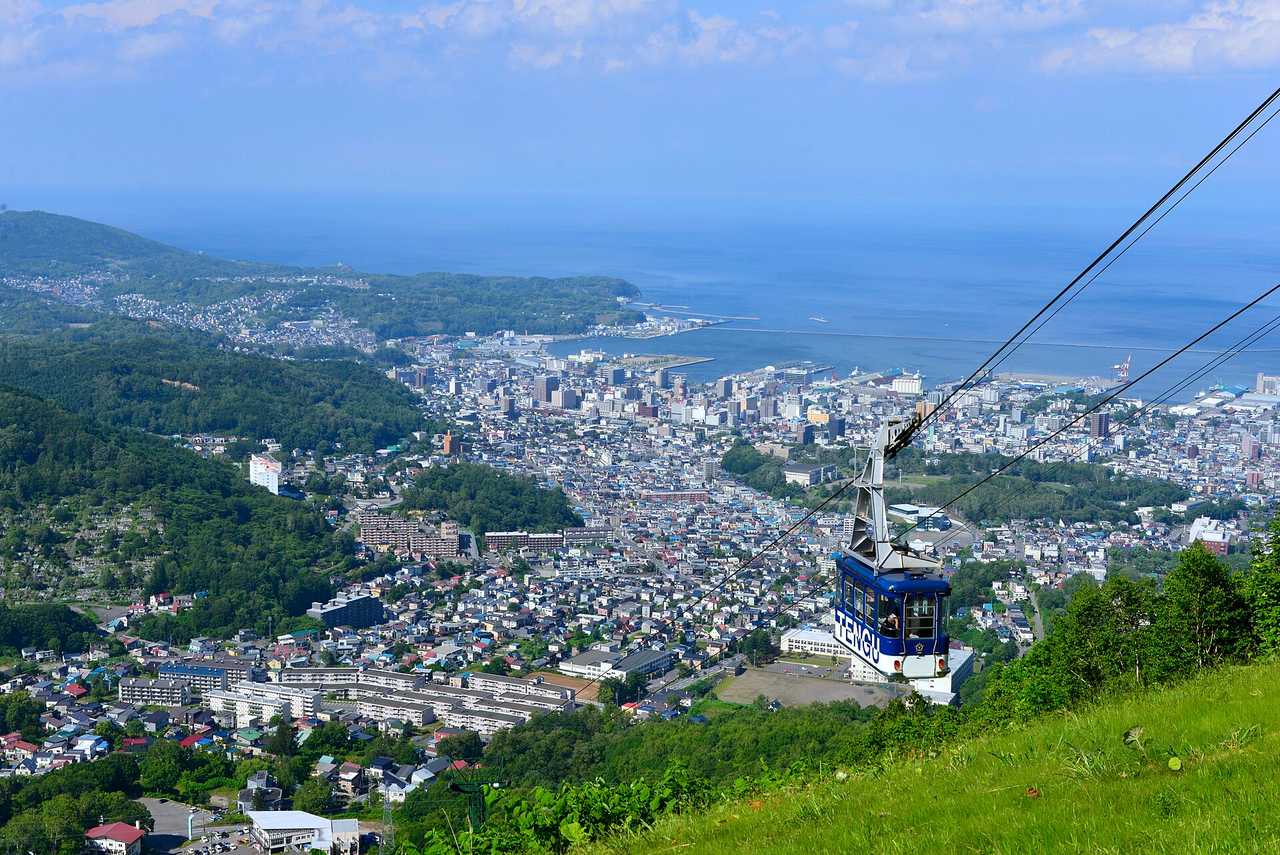
The Tenguyama observation deck stands at 532 meters above sea level, with a view spanning Otaru’s streets, harbor and the Ishikari Bay coastline. The layered points of light are praised as one of Hokkaido’s most “three-dimensional” night views and are a recognized photography hotspot.
Otaru Canal and City Sights: Easy Add-Ons Beyond the Night View
After coming down the mountain, don’t rush off. Otaru Canal, the Sakaimachi-dori shopping street and Sankaku Market are all in the city and linked on foot. Exploring the city by day and heading up Tenguyama for the night view in the evening is the classic one-day rhythm.

Who Should Visit Tenguyama? Couples, Families and Photography Fans All Fit
The summit has plenty of facilities, from the nose-rubbing Tengu for good luck and the chipmunk park to a scenic cafe, so whether you are a photographer chasing a stunning night view or a family traveling with children, you will find a way to enjoy Tenguyama.
Tenguyama Night View Guide 2026: How to Get There, Transport Options and Costs
The Tenguyama ropeway station is at 16-15 Mogami 2-chome, Otaru, Hokkaido, one of the easiest night view spots to reach from the Otaru city area. The ride from the foot to the summit takes only about 4 minutes. Whether you drive, take a bus or take a taxi, getting there is convenient. Below are the costs and tips for each way, to help you plan your timing and budget.
For the Tenguyama ropeway’s operating period, fares and suspension notices, rely on the official website of “Otaru Tenguyama Ropeway” (tenguyama.ckk.chuo-bus.co.jp), run by Chuo Bus Kanko Kaihatsu, and it is safest to check before you leave.
Transport Overview: Bus, Taxi, Driving and Ropeway at a Glance
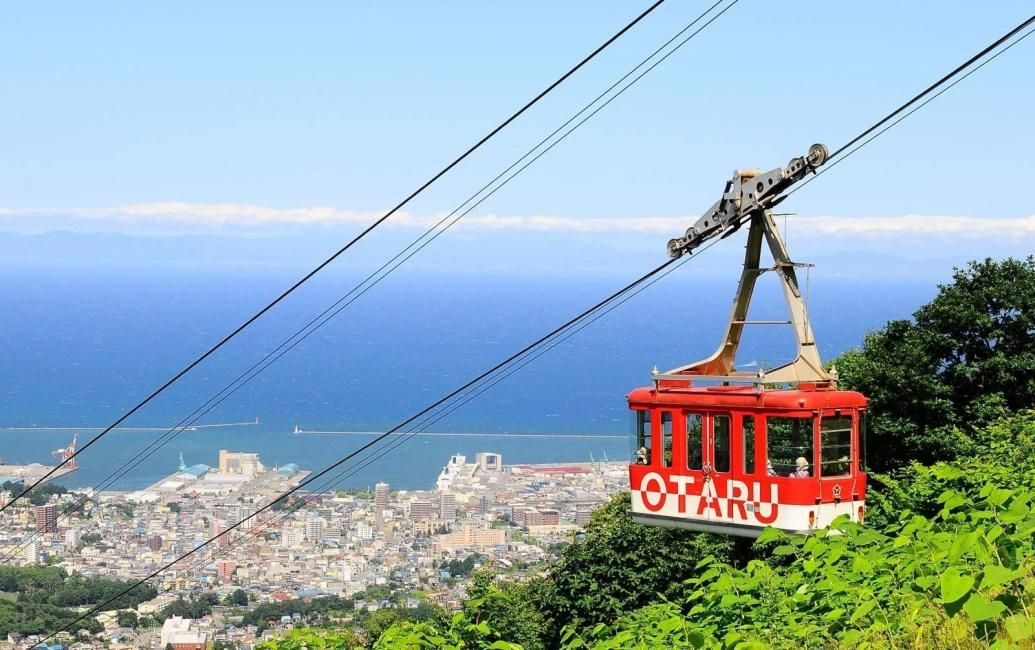
From Otaru Station to the Tenguyama ropeway’s foot station there are several options. Take Hokkaido Chuo Bus route 9 “Tenguyama Ropeway Line” from stop 4 at the JR Otaru Station bus terminal: adults ¥240 one way, children ¥120, about 17 minutes, roughly 2 to 3 buses an hour. A taxi saves the most time, about 10 to 15 minutes and about ¥1,500 to ¥2,000, suited to travelers with luggage or in a hurry. After reaching the foot station, take the ropeway straight up to the summit observation deck. Driving routes and parking are in the next section.
From Sapporo, take a JR rapid train to Otaru Station (a little over 30 minutes) and transfer to bus 9. Hokkaido Chuo Bus also has discounted combination tickets covering bus and ropeway, suited to travelers who don’t drive.

Driving to Tenguyama: Routes and the Free Parking Lot at the Foot Station
Drivers take ordinary roads for about 15 minutes from Otaru IC, or the expressway for about 55 minutes from Sapporo Minami IC. The foot station has a free parking lot, announced officially as about 100 spaces in five zones. It fills up more easily during night view hours and on holidays, so arrive early. In winter the roads freeze easily, so prepare snow tires and watch for slipping.
What If the Tenguyama Ropeway Is Suspended: How to Check Operating Status
Bad weather such as strong wind or heavy snow can suspend the ropeway at short notice. Before you leave, check the Otaru Tenguyama Ropeway website or call the ropeway office (0134-33-7381) to confirm that it is running that day. It is closed during the maintenance periods between the summer and winter seasons. If it is suspended, you can switch to Otaru Canal and Sakaimachi-dori and save the night view for the next clear day.
Tenguyama Night View Guide 2026: What Are the Must-See Spots? Highlights and Experiences
Tenguyama Observation Deck Night View: The Glittering Stage of One of Hokkaido’s Three Great Night Views
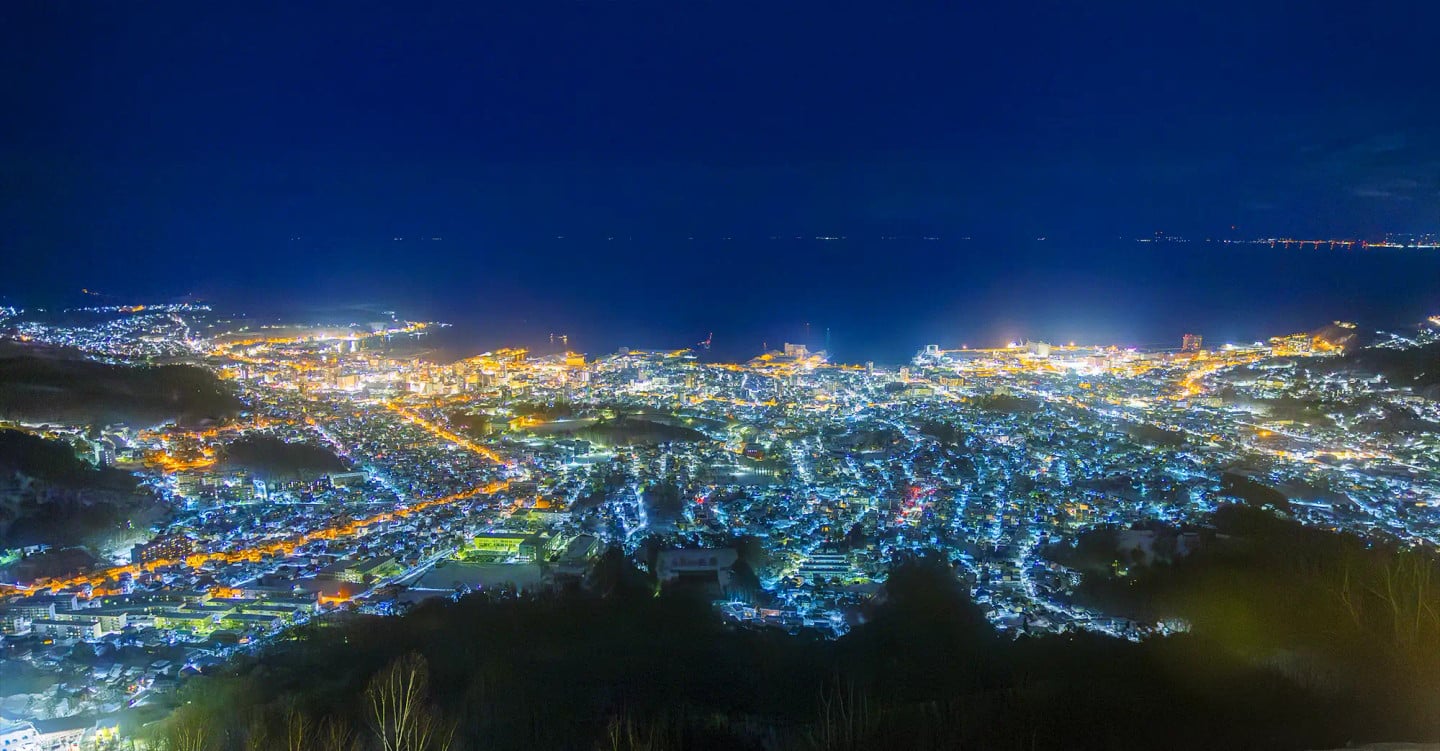
The Tenguyama observation deck is at the 532-meter summit, ranked with Sapporo’s Mount Moiwa and Hakodate-yama as one of the “Three Great Night Views of Hokkaido” and rated a one-star spot by the Michelin Green Guide. Looking out from the deck, Otaru’s harbor, the Ishikari Bay coastline and the city lights overlap in layers, and the dense, three-dimensional points of light look like “a spilled jewelry box.”
The air is clearest and visibility highest in autumn, from September to November, the golden season for night photography. From December to February you can enjoy the silvery romance of snow-covered peaks mixed with the lights of ten thousand homes, and in February you can pair the visit with the Otaru Snow Light Path festival. Allow at least 40 minutes to 1 hour to stroll and take photos at leisure.

Tenguyama Sunset Times: When to Go Up for the Sunset and Night View
According to the National Astronomical Observatory of Japan’s calendar computation office, in Sapporo (at a latitude close to Otaru) sunset on September 15, 2026 is about 17:46, on October 15 about 16:53, on November 1 about 16:27 and on December 1 about 16:01, so sunset comes noticeably earlier in autumn and winter. The last ropeway up is at 20:48 in summer and 19:48 in winter, both after sunset. If you want to see the sunset first and then wait for the night view, go up about 30 minutes before sunset. Actual sunset times in Otaru differ slightly from Sapporo.
Tenguyama Ropeway: A 4-Minute Aerial Viewing Corridor to the Summit
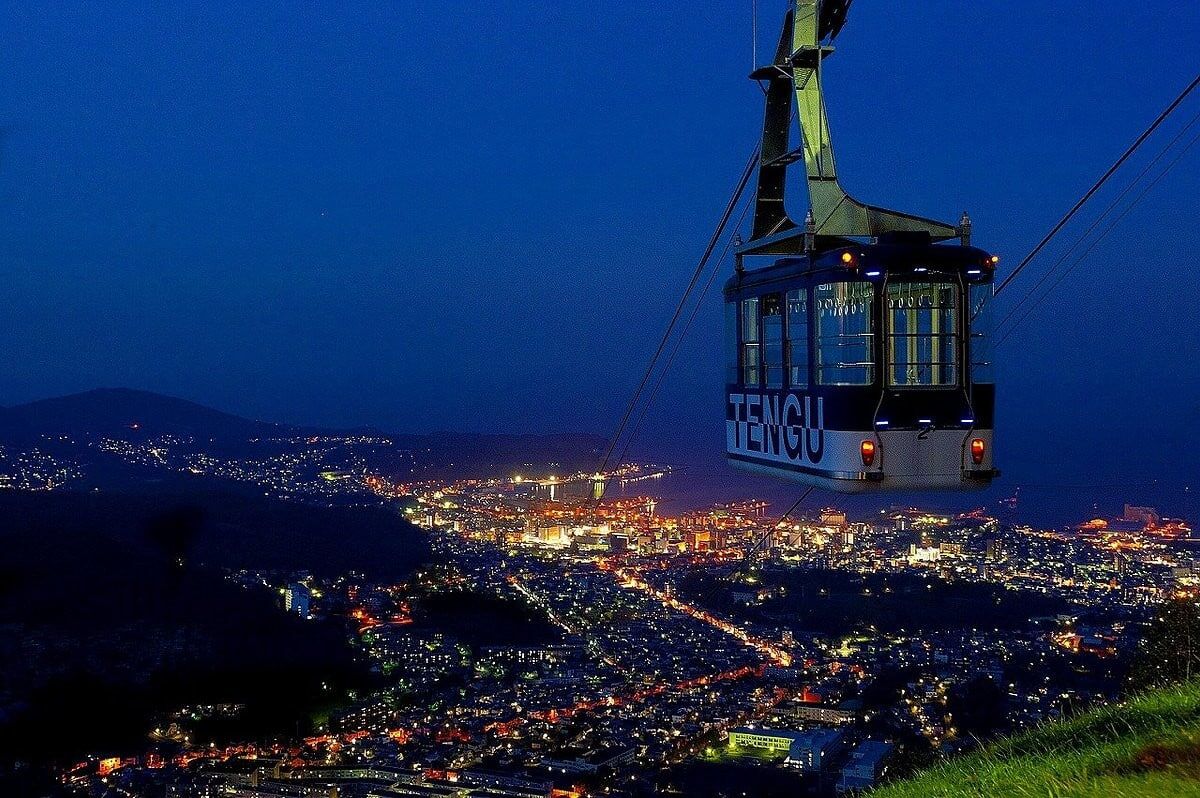
The ropeway is 735 meters long and takes only about 4 to 5 minutes from the foot station to the summit, with a car every 12 minutes, so there is no long wait. As it rises you look down on Otaru’s streets gradually unfolding, an experience many travelers feel “was worth the fare before even reaching the summit,” and on a clear day you can even see the outline across Ishikari Bay.
According to the official site, the ropeway runs in a summer season (April 25 to November 3) and a winter season (November 28 to March 28), with maintenance closures between them. Bad weather such as strong wind or heavy snow can also suspend it at short notice, so check the website before you go. Winter fares are higher, and when there is snow the ropeway is almost the only way up; driving or hiking up is not recommended.

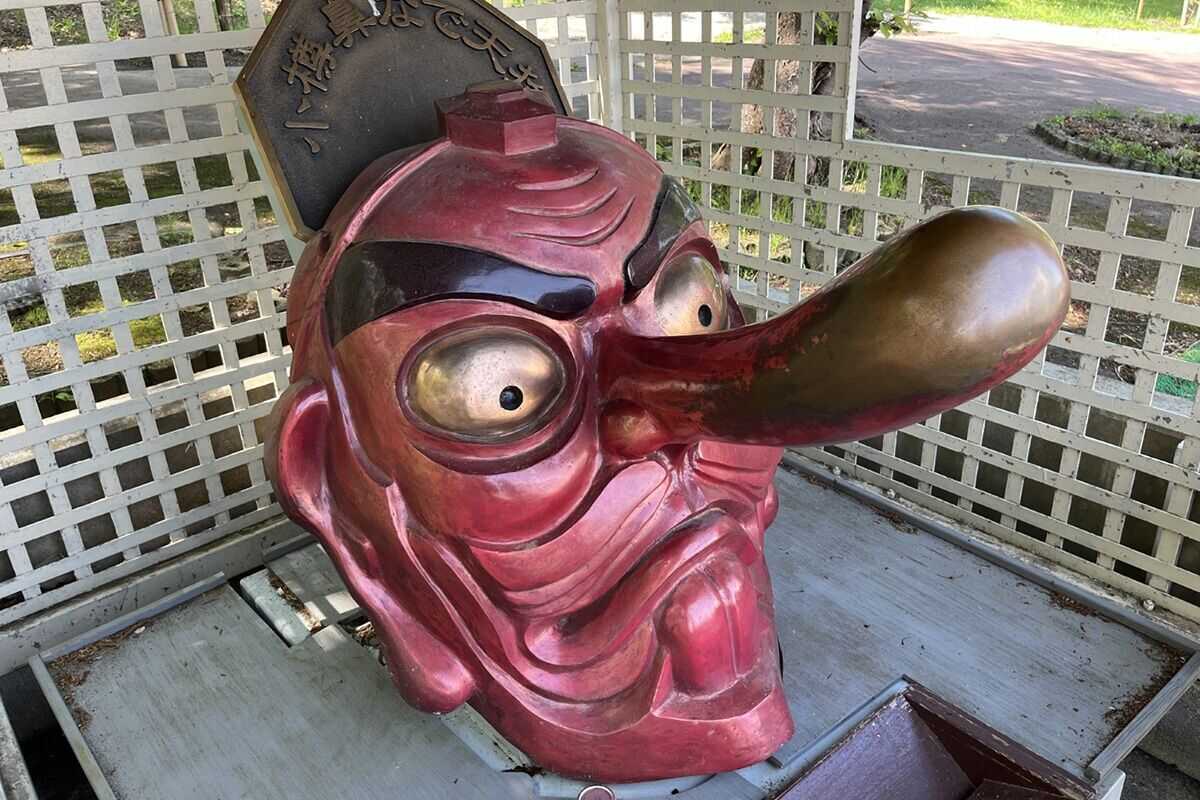
Nose-Rubbing Tengu: A Local Custom of Stroking the Long Nose to Make a Wish
A well-known tengu statue stands at the summit, and its long nose is seen by locals as a symbol of wishes. Legend says that stroking different spots brings different kinds of good luck, including business prosperity, academic progress and traffic safety. This fun experience is almost a must-do for every visitor to Tenguyama and is one of the most-shared photo spots on social media.
The nose-rubbing Tengu is located near the exit of the ropeway summit station. No extra ticket is needed, and you can reach it with a short walk along the path, which is perfect for families or couples making a wish together. It is a good small activity to fit in while waiting for sunset, and a chance to take a souvenir photo that adds a sense of ritual and memory to your Tenguyama trip.
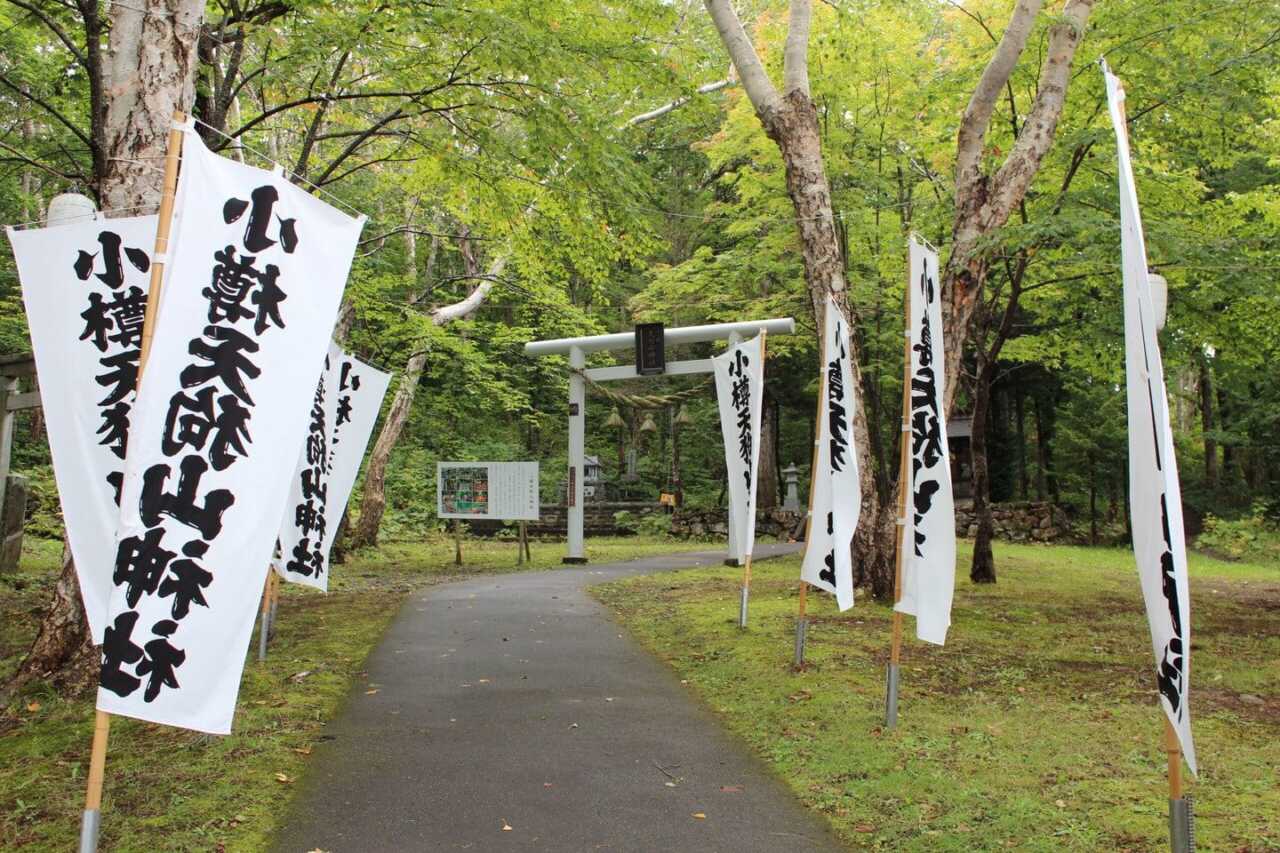
Tenguyama Shrine: Prayers for Business Prosperity and Traffic Safety
Tenguyama Shrine enshrines the tengu and is one of the few places on the summit with a formal place of worship. Locals and visitors come here to pray for business prosperity, academic progress and traffic safety. Though small, the shrine keeps a solemn traditional Shinto atmosphere, and its red torii gate set against the surrounding trees makes it a quiet corner of cultural significance on the summit.
While you are there, you can also buy omamori charms around the shrine as souvenirs or gifts. The grounds are small, so a visit takes only about 10 to 15 minutes, a good stop to fit in while waiting for night to fall and a chance to feel a human, cultural side beyond pure sightseeing.
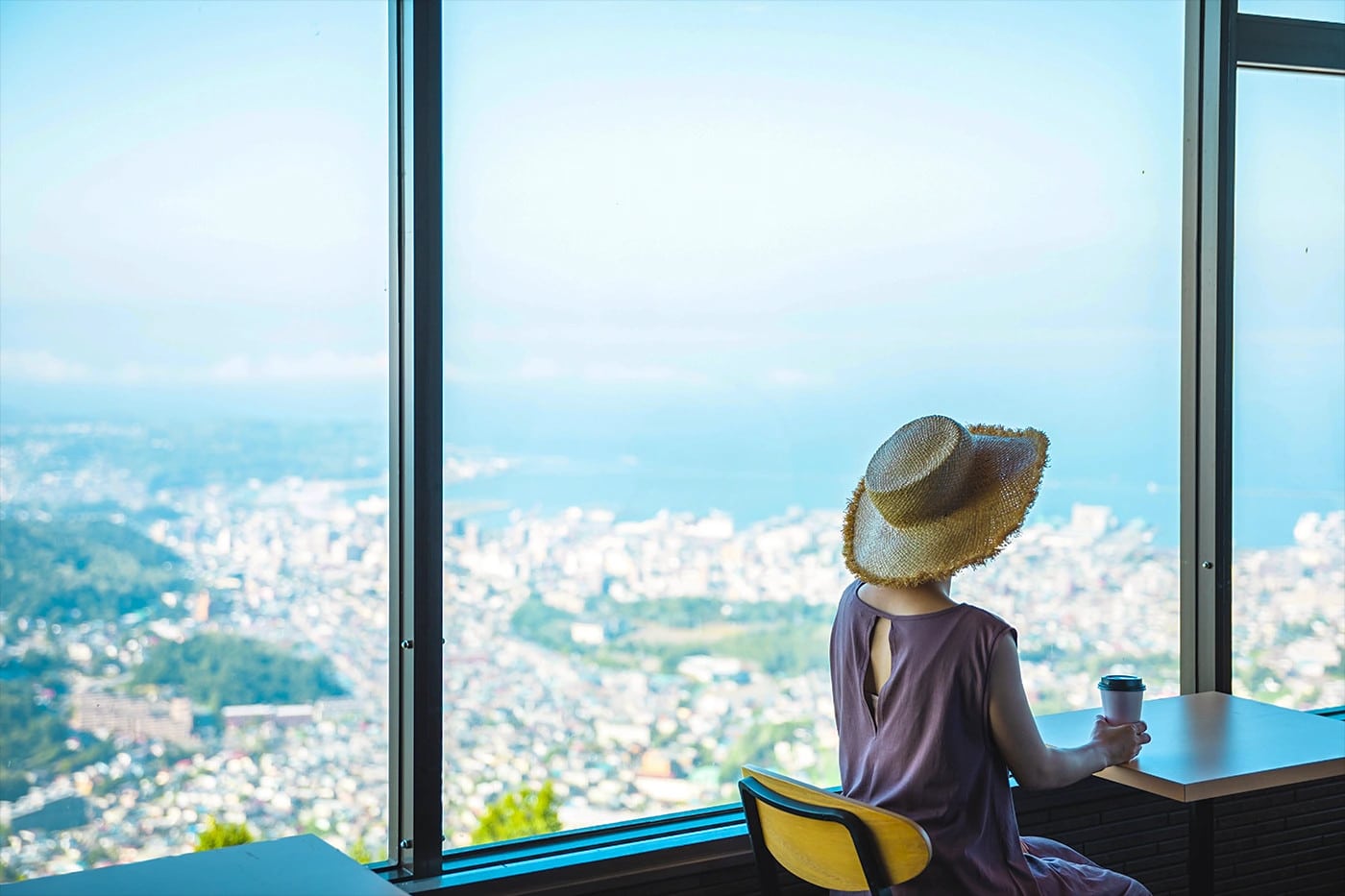
TENGUU CAFE (Tengu House): A Scenic Cafe With Floor-to-Ceiling Windows
At the summit, the scenic cafe TENGUU CAFE, which many travelers call “Tengu House,” has large floor-to-ceiling windows and serves light meals, hot drinks and Hokkaido local specialties. You can enjoy your food while looking down on Otaru’s harbor night view in style, and it is the best place to warm up and rest when it is cold.
Seats inside are set beside the windows, and the light changes noticeably at sunset. Many photographers wait here for the “blue hour” and get up to go outside and shoot only when the sky looks its best. If you don’t want to wait long in the cold wind, you can enjoy the night scene from the indoor viewing area first and decide when to go out and shoot, balancing comfort and scenery.
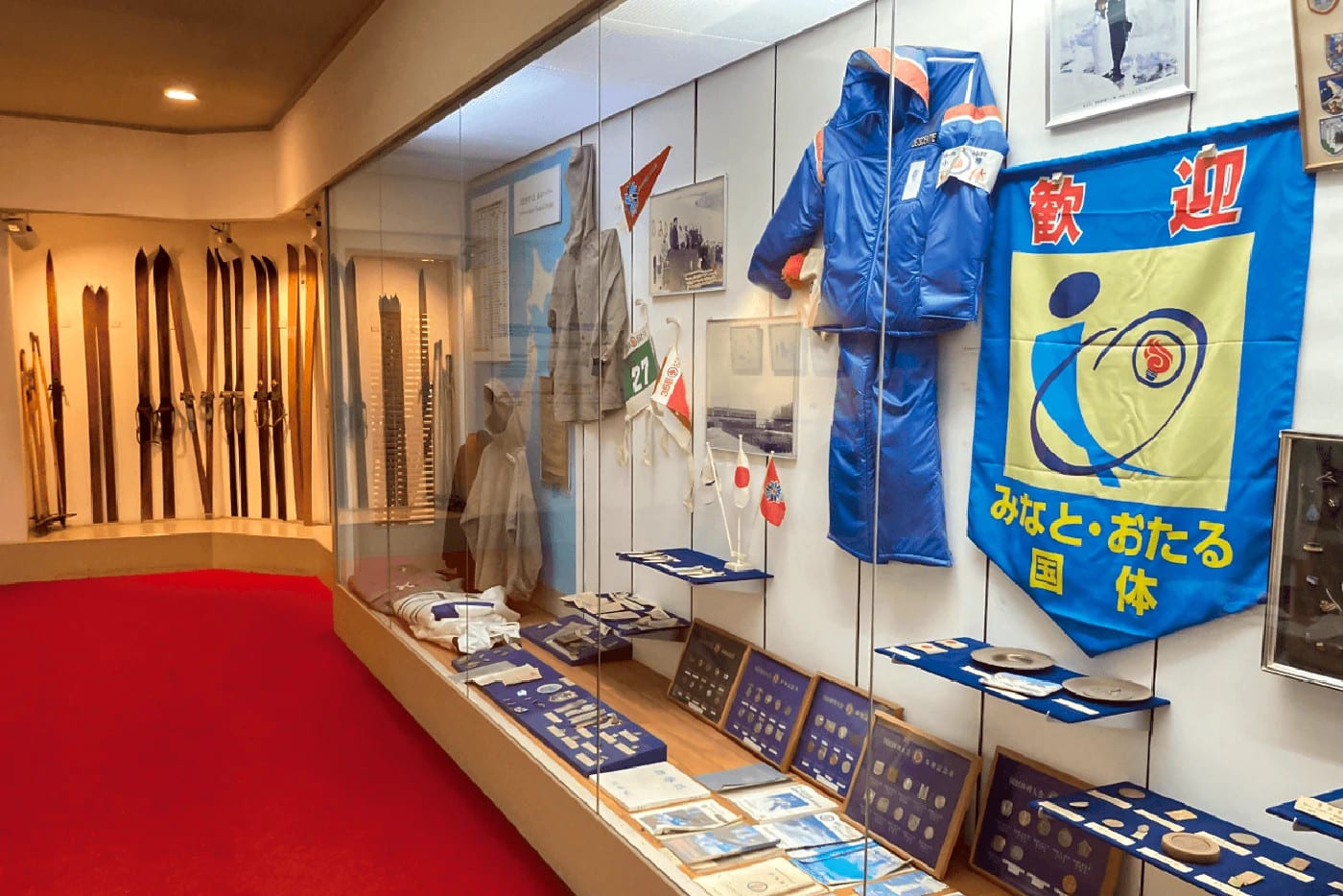
Otaru Ski Museum (Tengu-kan): Tracing the History of a Ski Destination
Tengu-kan is a museum showing Otaru’s history as an important Hokkaido ski destination. It holds early ski equipment, old photographs and related artifacts that tell how this mountain has long been tied to snow sports. It suits travelers who love ski culture or want to learn local history, and a half-hour visit fits well.
Worth a special mention: Tenguyama was also one of the filming locations of the Japanese drama “Hatsukoi,” drawing many drama fans on pilgrimage and adding the fun of a screen-location visit to an otherwise simple night view trip. Tengu-kan is close to the ropeway summit station, so it is very convenient and can be placed on the same route as the Nose-Rubbing Tengu and Tenguyama Shrine.
Chipmunk Park: Healing Close Encounters With Small Animals
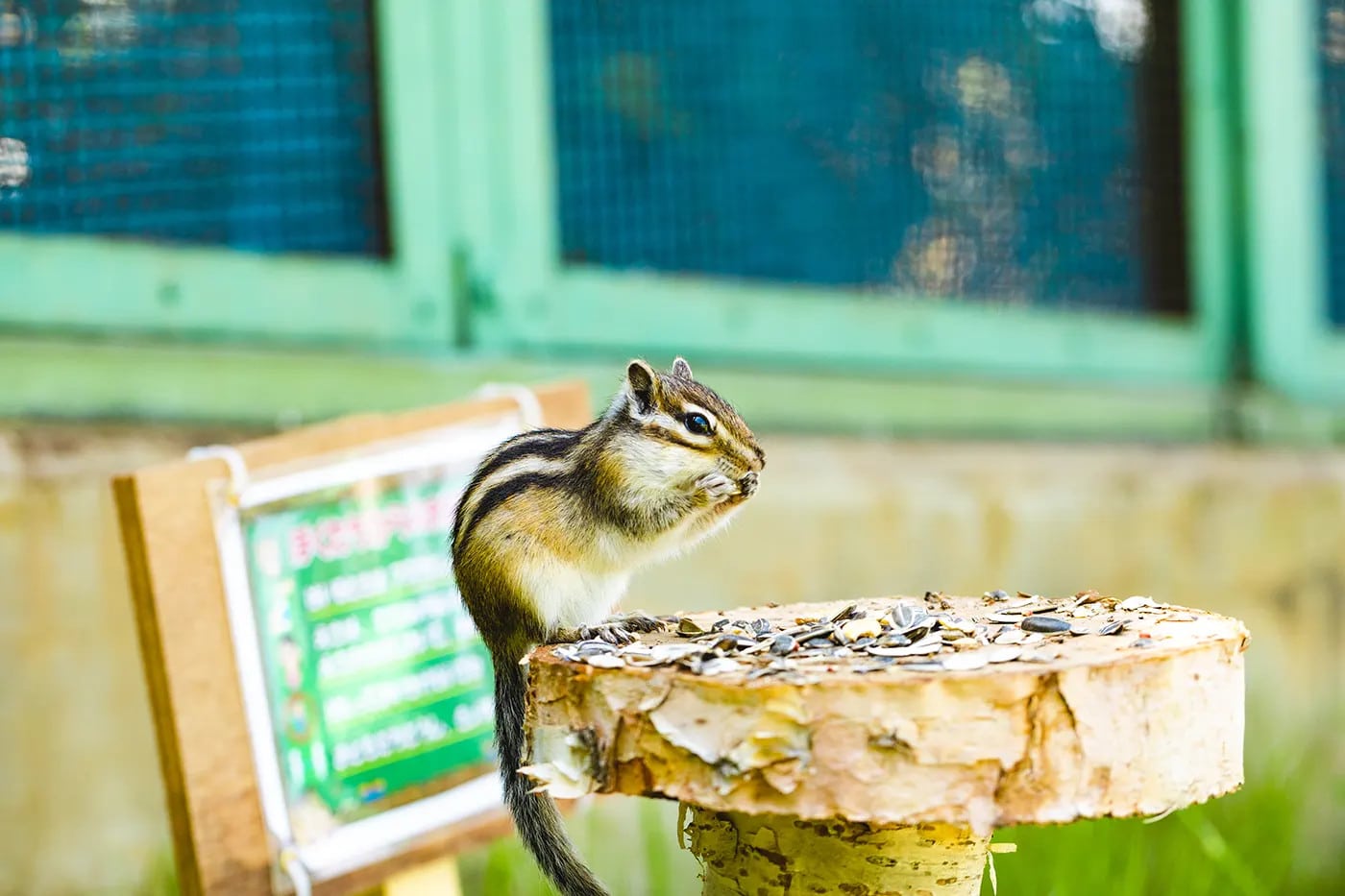
Chipmunk Park is a facility on Tenguyama that families love. Inside the enclosure, visitors can watch up close and even feed adorable chipmunks. Seeing them dart nimbly between wooden huts and branches is deeply soothing, and it is one of the stops children enjoy most on a family trip.
Because the chipmunks are a seasonal facility, open mainly in the warmer months, confirm the current season’s hours before you plan. Special feed is sold inside, and play time of about 20 to 30 minutes is enough, a good fit before the night view so families can enjoy themselves fully.
Tenguyama Slide and Outdoor Play Facilities: A Summer-Only Thrill
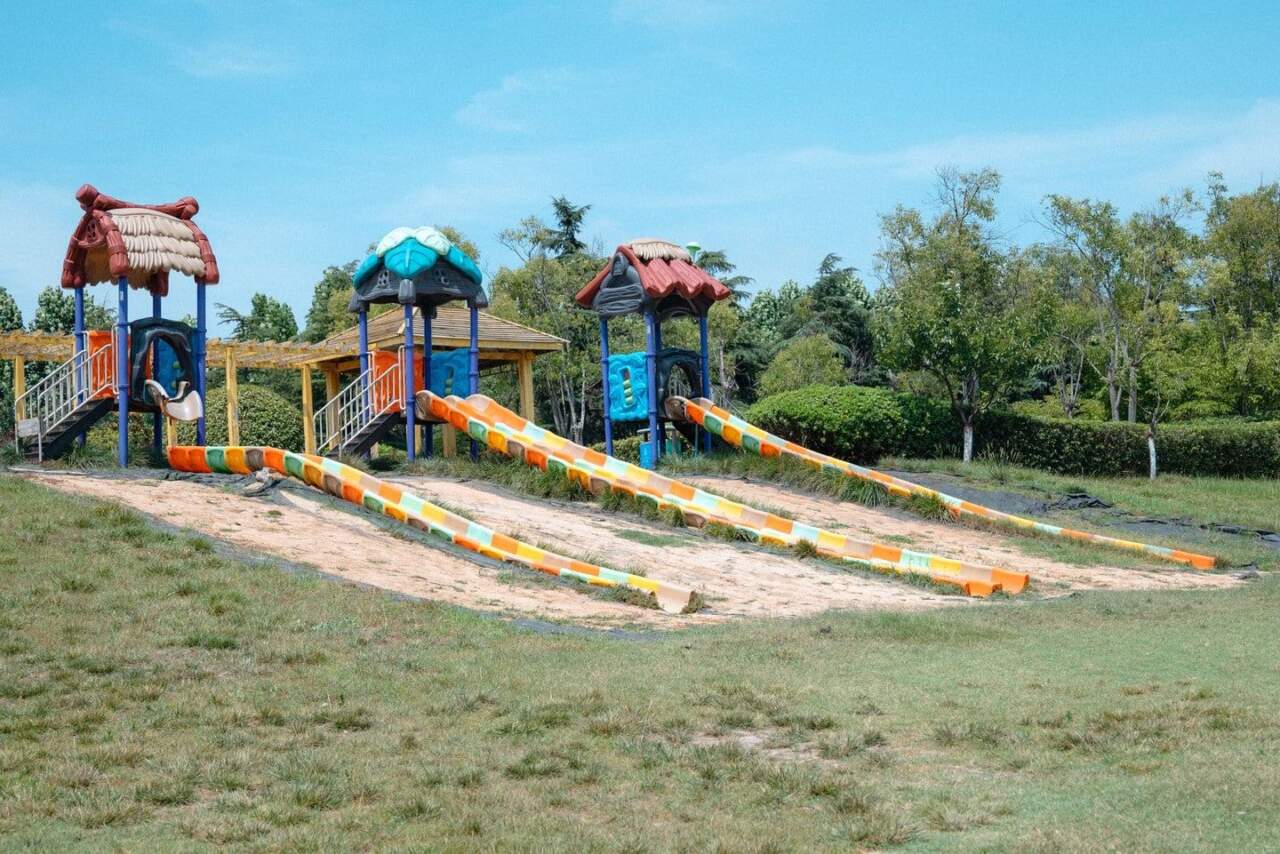
In summer (roughly late April to early November), the summit opens an outdoor activity park, the most popular feature being the long Tenguyama slide. Visitors sit on a grass sled and shoot down from a height at thrilling speed, an exciting activity the whole family can enjoy.
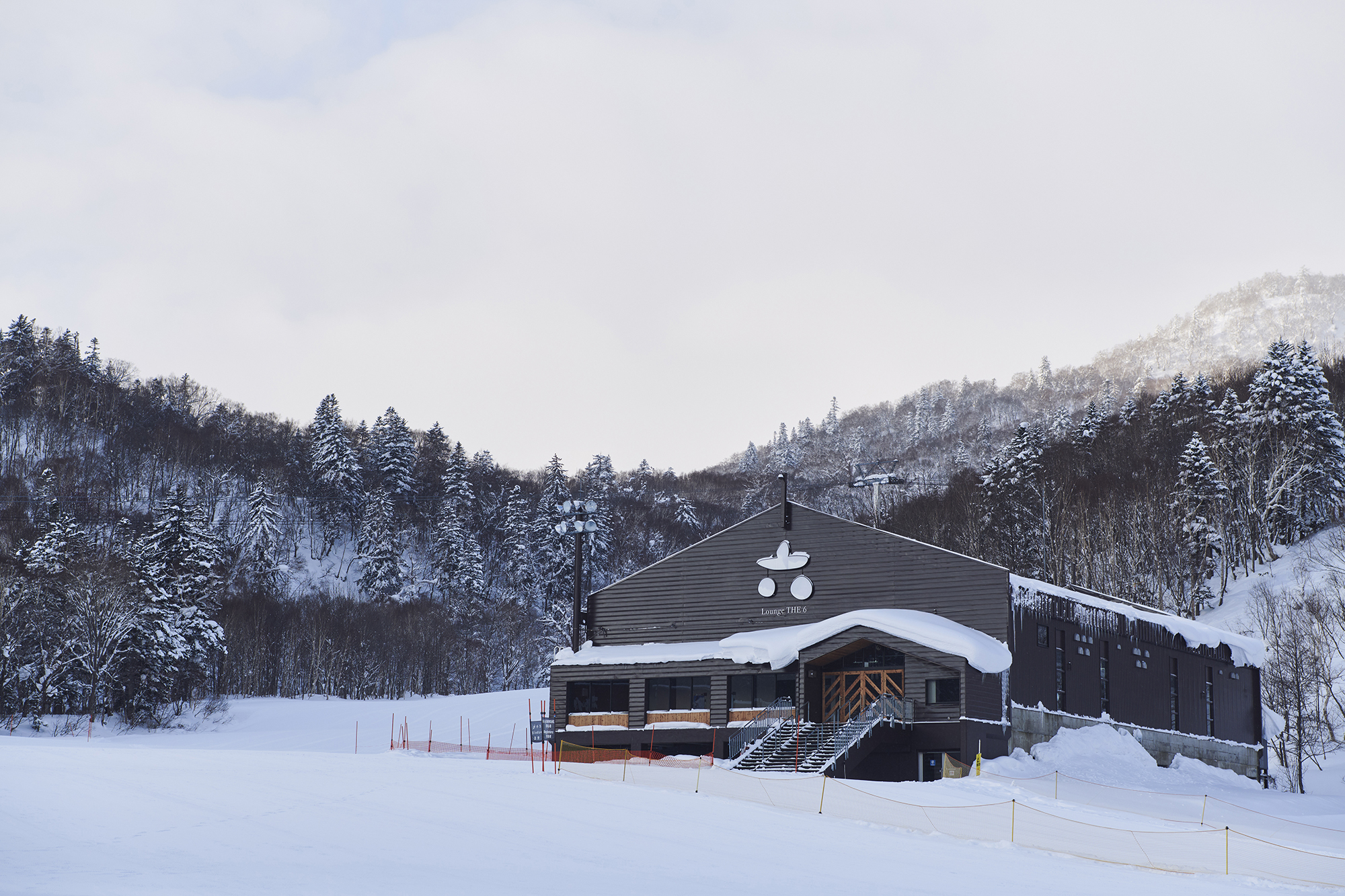
In winter it turns into a ski resort, with gentle beginner slopes at the foot and an upper steep slope of about 30 degrees called “Tengu no Kabe” (Tengu Wall) that attracts many ski fans. In any season, Tenguyama is not merely a viewpoint but a combined leisure spot with outdoor activities and night view appreciation, so allow extra time to experience it.
Five Observation Decks: Panoramic Views of Ishikari Bay From Many Angles
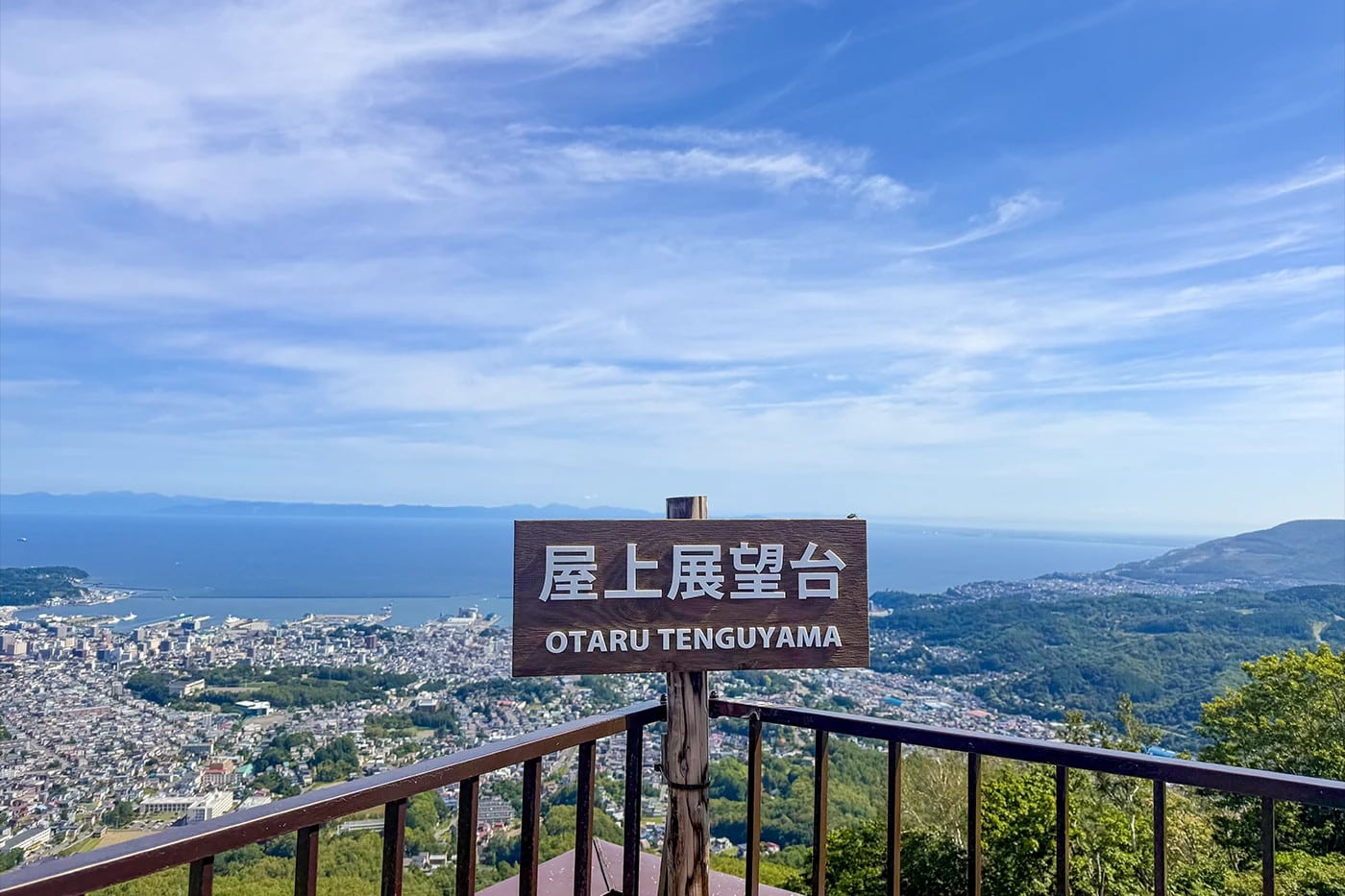
Five observation decks of different styles are spread along the summit path, letting visitors enjoy Otaru’s streets and the Ishikari Bay coastline from different angles and heights. By day the wide view takes in the blue bay, and at night they are excellent spots to watch the lights come on one by one.
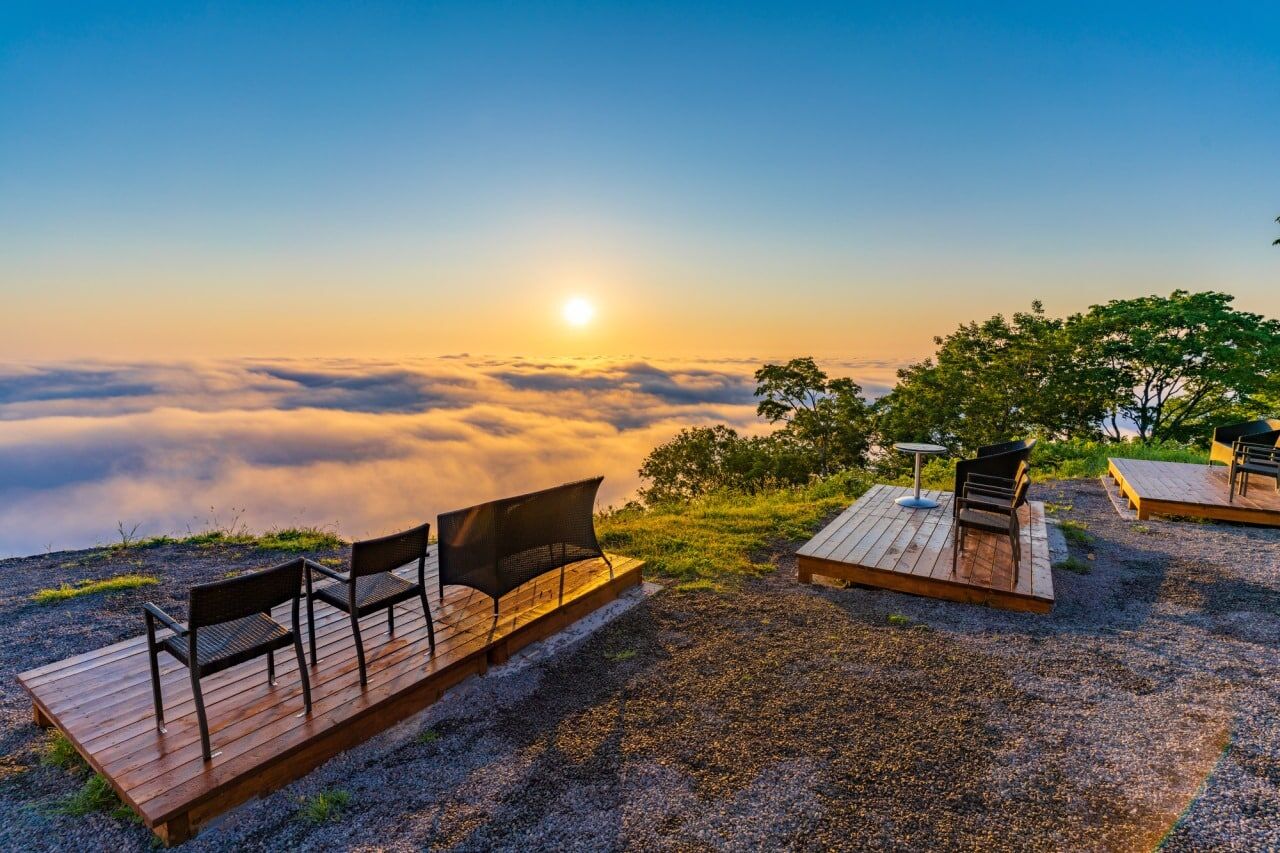
Arrive before sunset and walk to each deck in turn to feel the full change of light from day to dusk to night. This is also a place where travelers often share photos of the “sea of clouds”; when conditions are right, a natural scene like a stunning sea of clouds sometimes appears below the mountain, especially dreamlike.
Otaru Canal: A Century-Old Romantic Waterfront Known as the “Wall Street of the North”
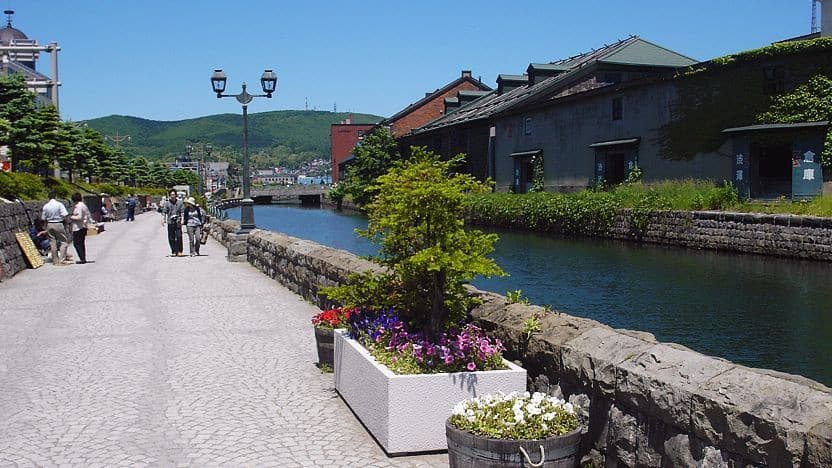
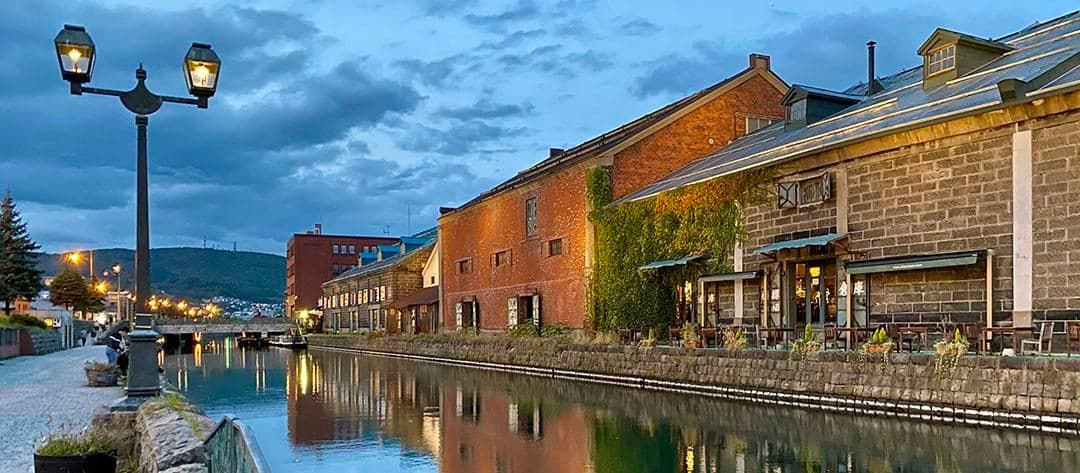
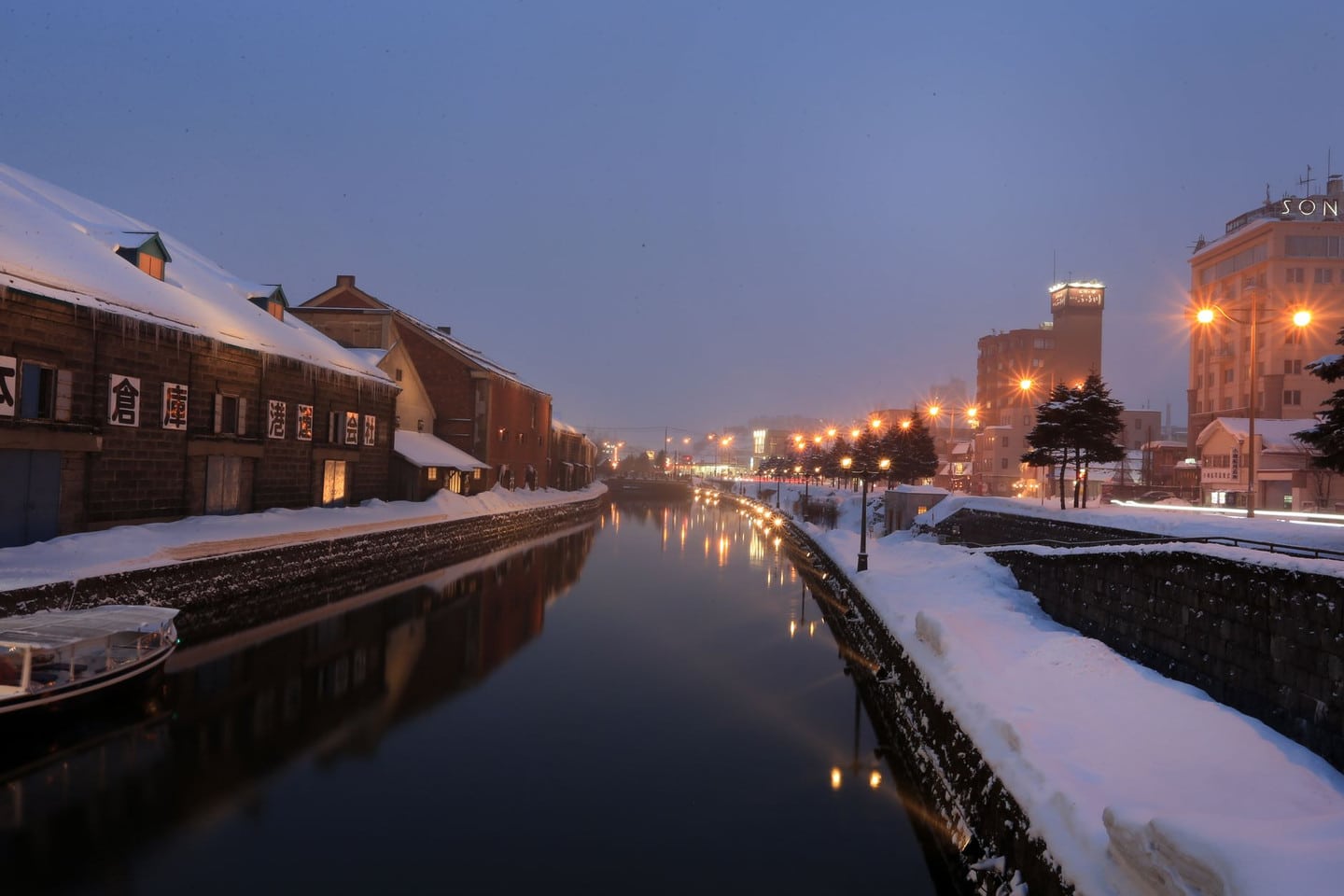
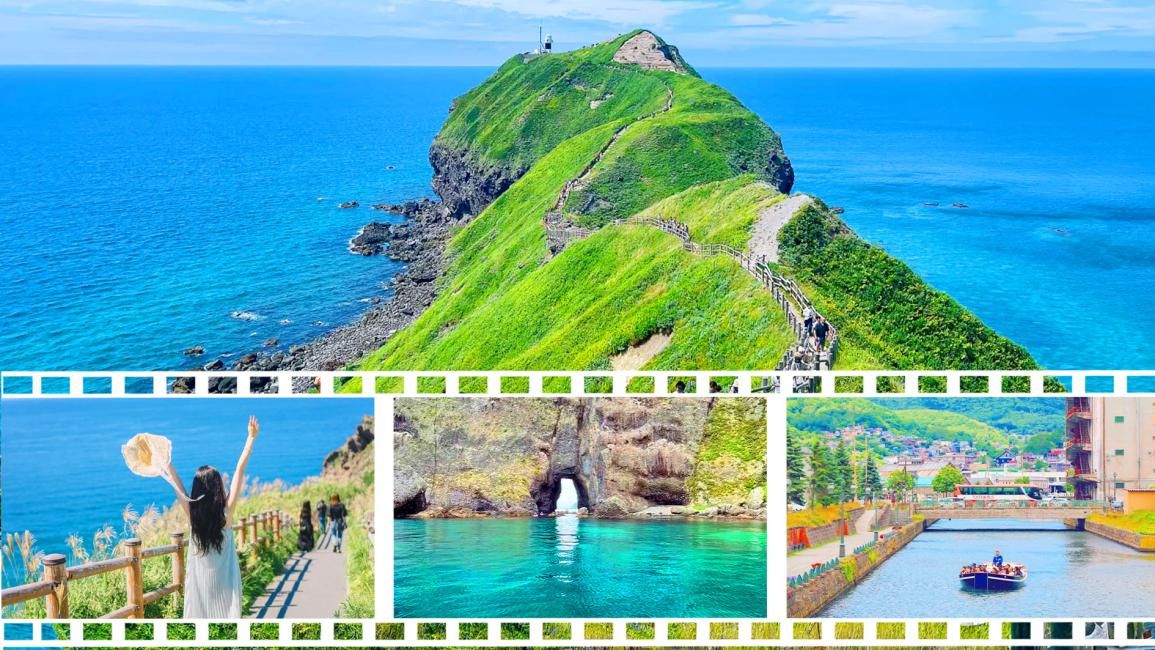
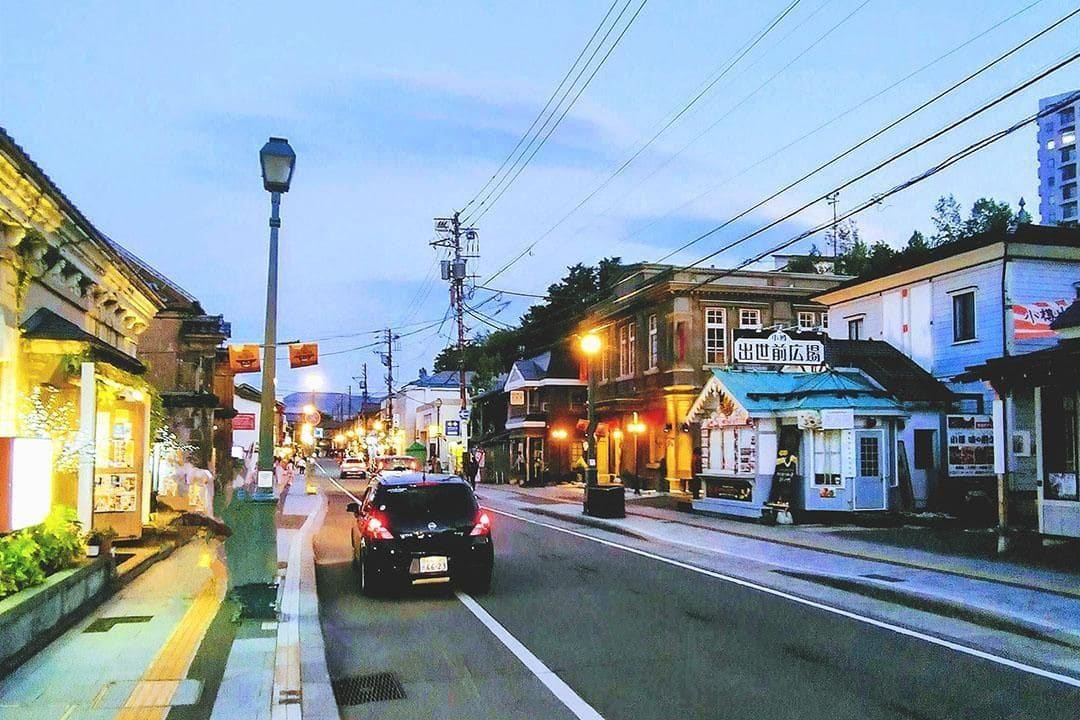
Otaru Canal was once an important waterway of thriving trade, known as the “Wall Street of the North.” Today its stone paths, gas-style street lamps and Taisho-era warehouses make up Otaru’s most representative nostalgic scenery, and it is the city sight most recommended as an add-on to a Tenguyama night view trip.
The canal is about 1.14 km long, and the best photo spot is around Asakusabashi Bridge. By day you can take a canal cruise of about 40 minutes to feel the former trading port’s prosperity. After dark, the street lamps come on and reflect shimmering on the water, a very different yet equally charming side of Otaru from the Tenguyama night view.
Sakaimachi-dori Shopping Street: Otaru’s Liveliest Souvenir Street
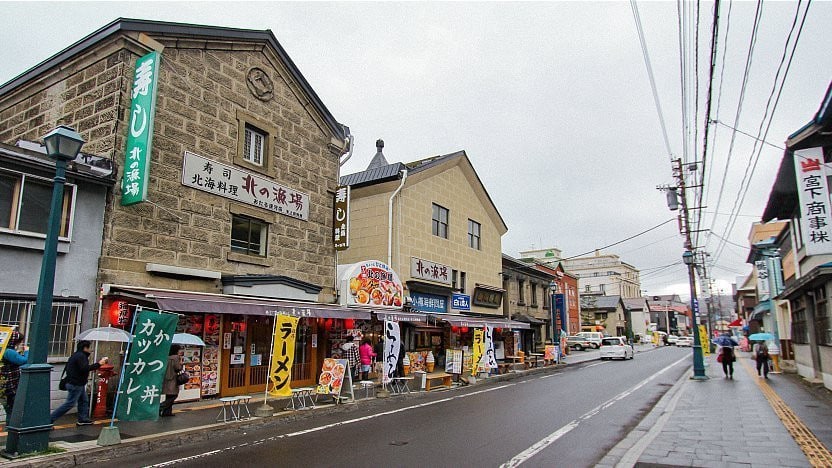
Sakaimachi-dori is Otaru’s liveliest shopping street, lined with music box specialty shops, glass craft shops and all kinds of sweet shops. It is the best place to buy souvenirs and taste local food, and after exploring the city it is a smooth route to Tenguyama for the ropeway night view.
The old buildings along the street keep a European flavor from the Taisho and Showa eras, and it is atmospheric to wander and take photos. Plan Sakaimachi-dori shopping and snacks in the daytime, then head to the Tenguyama ropeway station in the evening, which lines up with the best viewing time for sunset and night view and makes full use of the day.
Sankaku Market: The Battleground of Fresh Seafood and Kaisendon
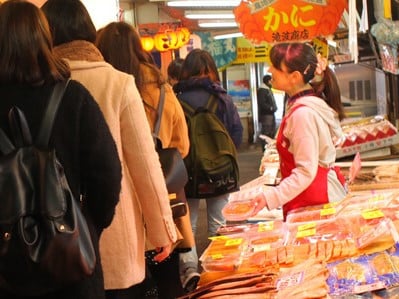
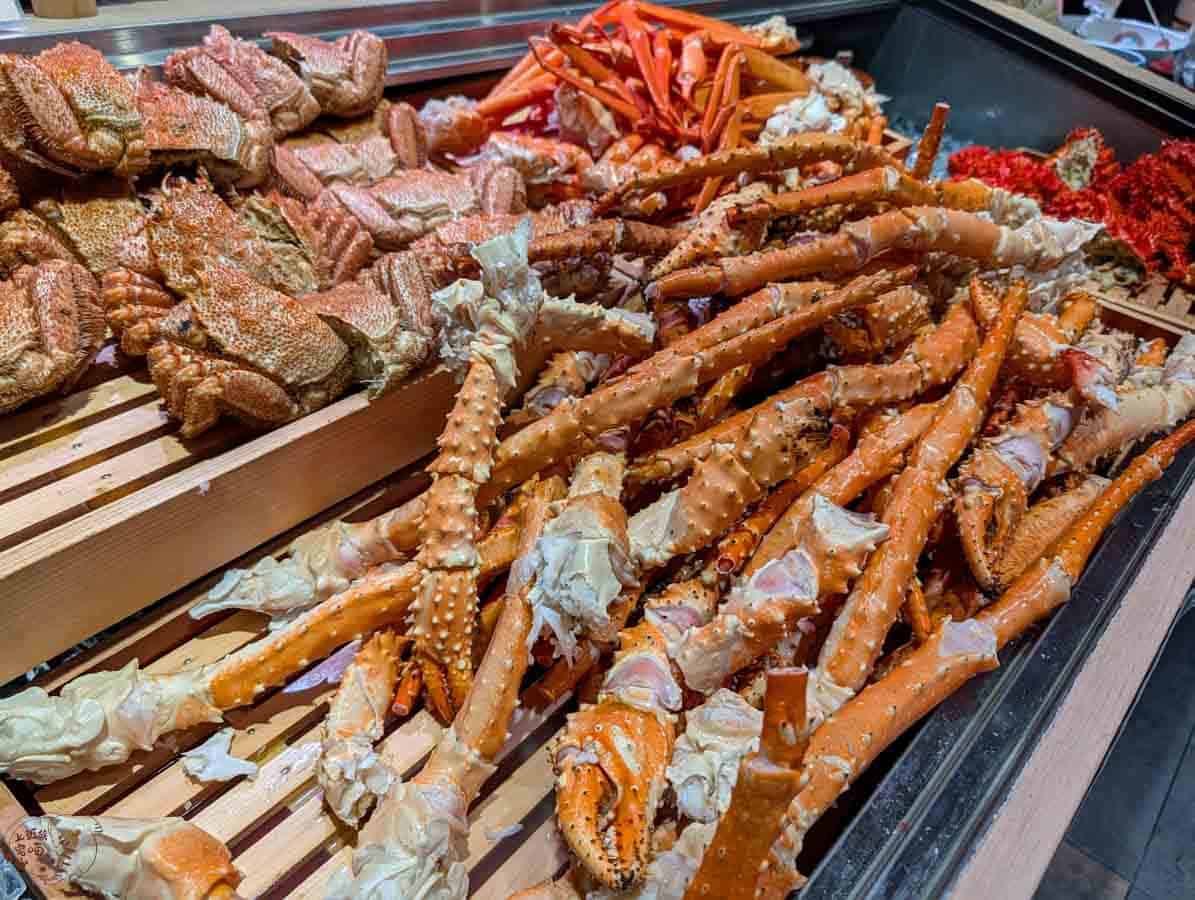
Sankaku Market is where Otaru locals buy fresh catch, with many kaisendon (seafood rice bowl) and fresh seafood stalls. Here visitors can taste bowls topped with seasonal crab, sea urchin and salmon roe, the most direct delicious charm of a Hokkaido fishing port city, and a taste experience not to be missed on an Otaru day trip.
The market is close to JR Otaru Station and very convenient. You can have a hearty seafood lunch here before heading to Tenguyama, then take the bus to the ropeway station to begin your afternoon-to-night Tenguyama sightseeing.
Otaru Music Box Museum: A Tinkling Romantic Craft Hall
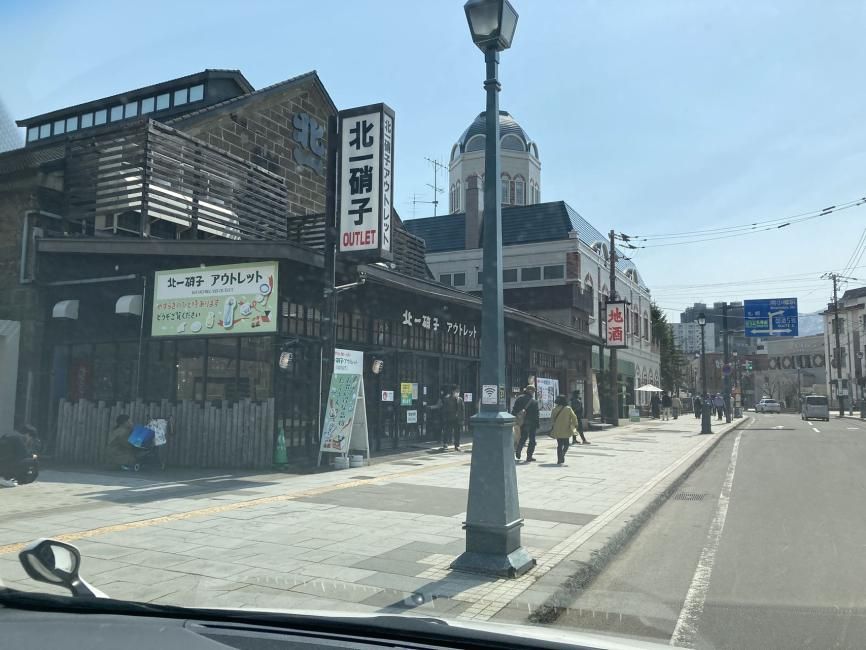
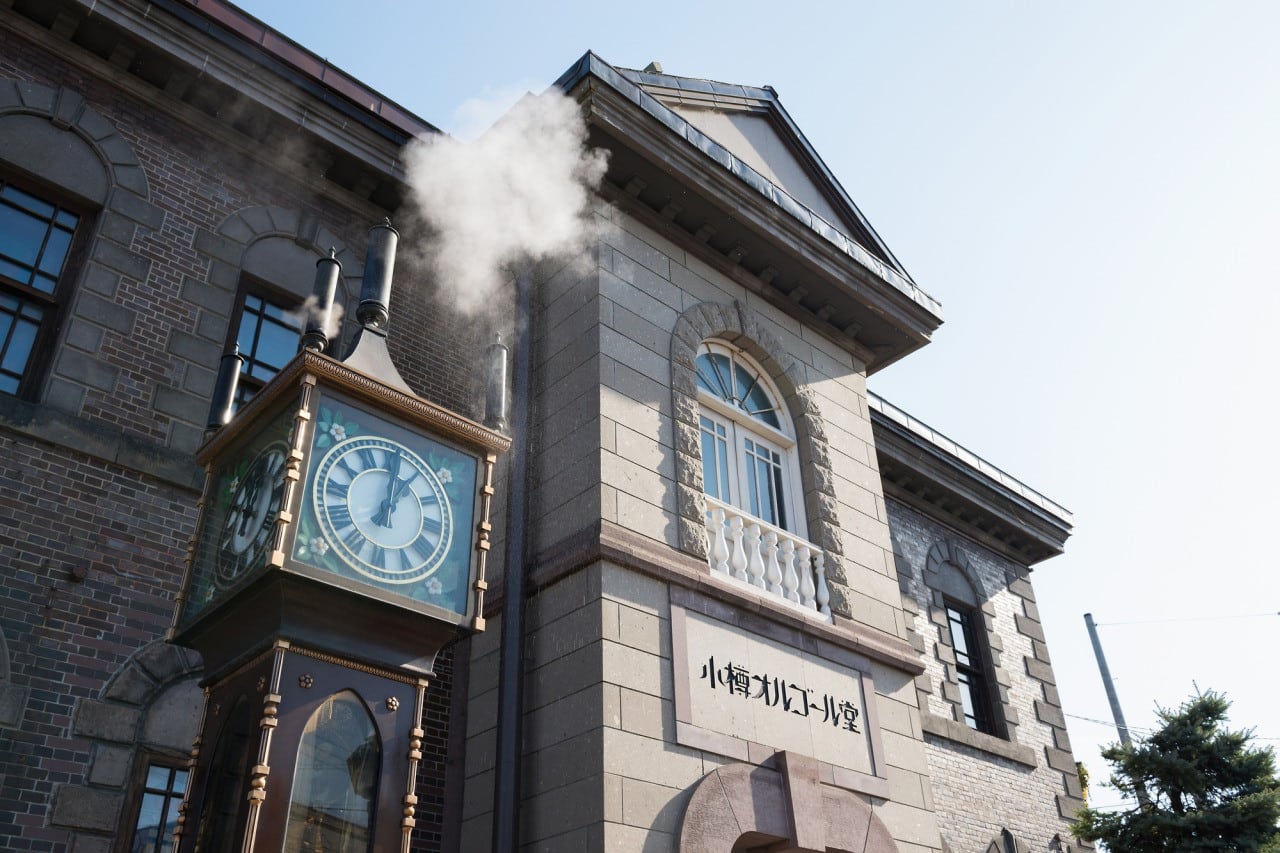
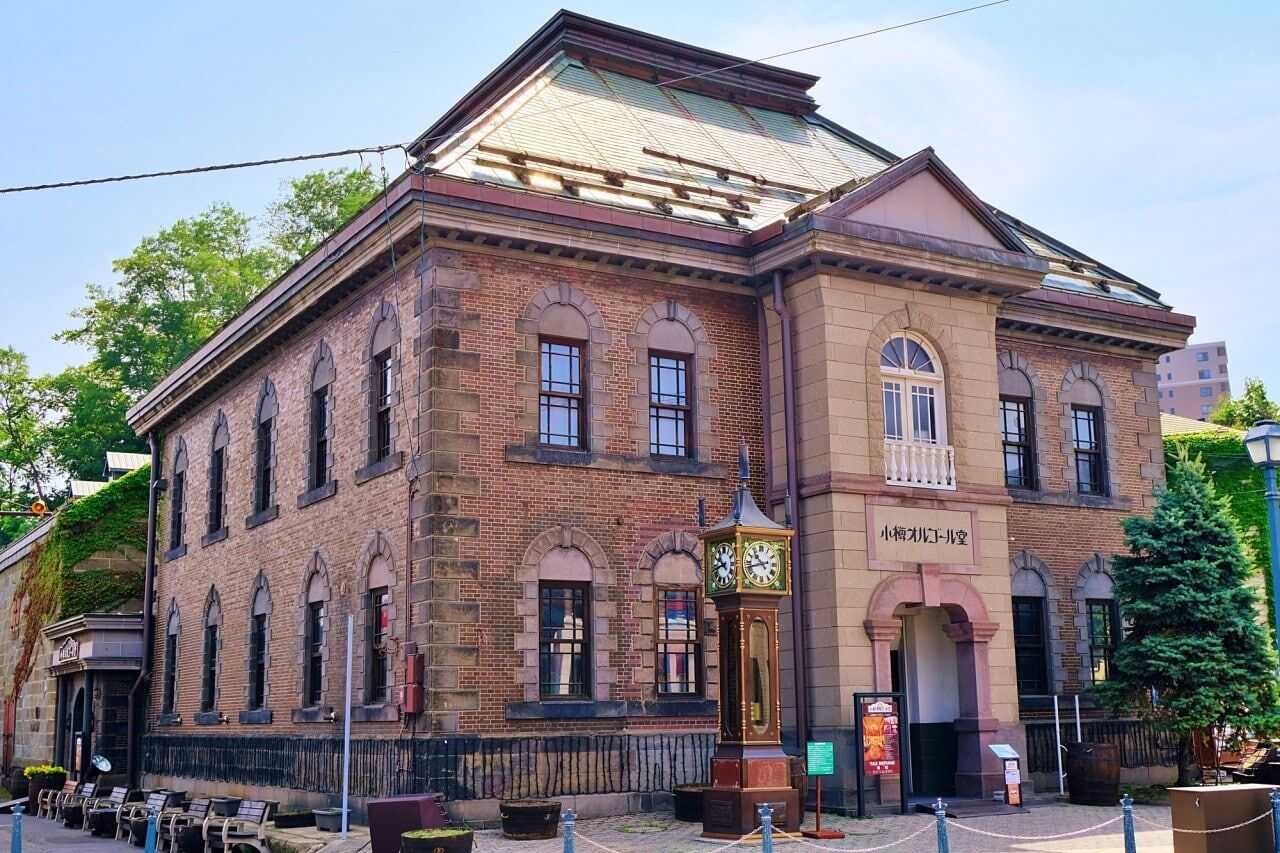
The Otaru Music Box Museum sits in a well-preserved red brick building and displays over a thousand kinds of music boxes, from retro designs to cartoon collaborations. It is one of Otaru’s most representative souvenir shopping spots and, for many travelers, the place that best captures Otaru’s romantic atmosphere.
The steam clock standing outside blows steam and sounds a whistle on the hour, a famous landmark visitors rush to photograph. Browsing the music box museum takes about 30 minutes to 1 hour, and it fits well before heading to Tenguyama as the last stop of city sightseeing, before going to the ropeway station to greet the night view.
How Much Does the Tenguyama Night View Trip Cost in 2026? Tickets and Guided Tour Recommendations
The most practical question when planning a 2026 Tenguyama night view trip is “how much will it actually cost?” Although the Otaru Tenguyama ropeway is in the suburbs, transport and ticket costs are more affordable than you might expect, but if you want to go deeper or save time, choosing the right package or guided tour is key. Below are several common ticket combinations and guided tours, from the most basic round-trip ropeway ticket to deeper tours that combine Otaru city sightseeing, a sunset-plus-night-view double, and even meals. Prices range from a few hundred to two or three thousand New Taiwan dollars (roughly US$10 to US$95), so you can plan flexibly by budget and time. Whether you are an independent traveler who wants to book tickets directly and avoid the hassle, or want to follow a local guide to hear stories and shoot the best angles of the night view, this list will help you compare quickly and find the plan that suits you.
Tenguyama Ropeway Round-Trip Ticket: The Basics of the Summit Night View and the Best-Value Entry Choice
This is the most essential ticket for the Tenguyama night view, covering round-trip ropeway rides to the summit observation deck. The ride takes about 4 minutes, yet it directly saves one to two hours of hiking up the mountain. Fares come in adult and child types.
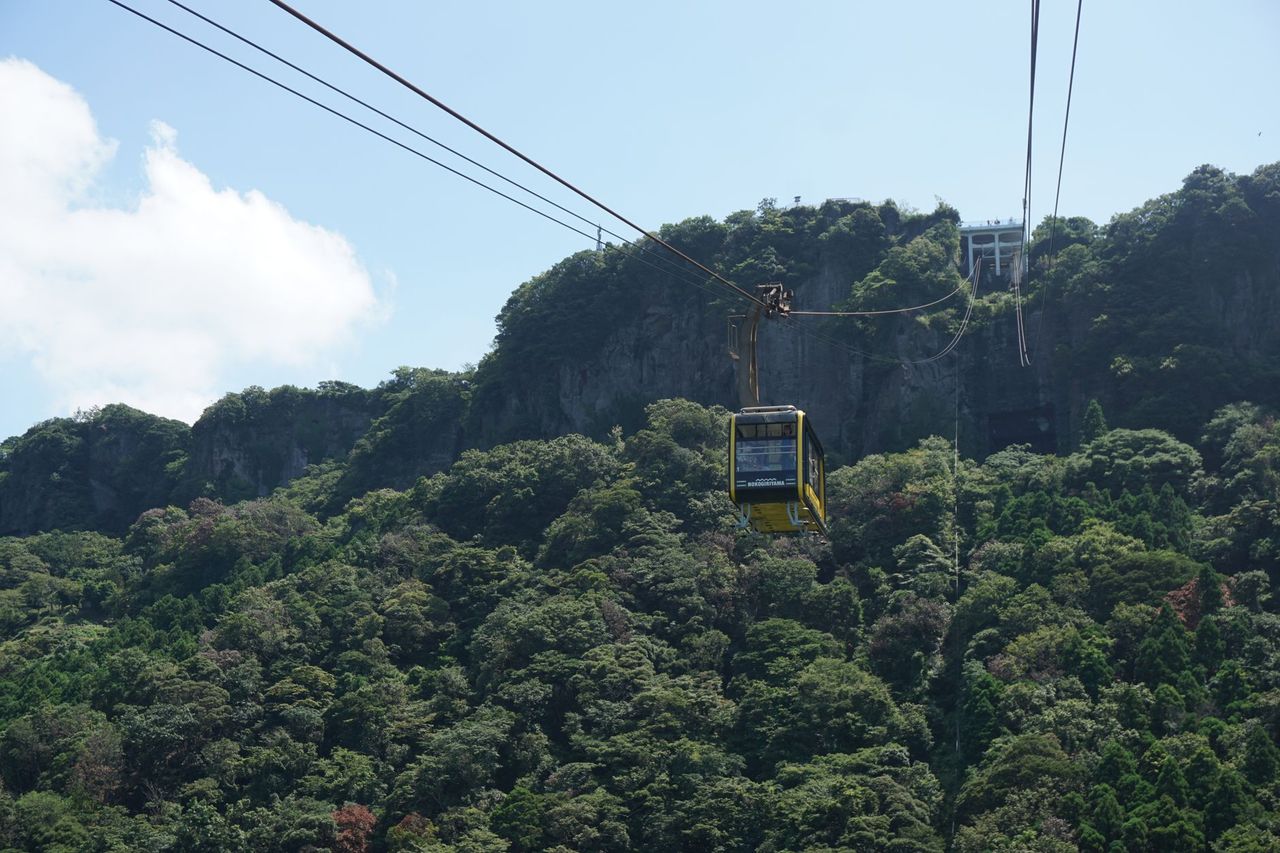
Ropeway hours vary slightly by season. In summer the last ride up is 20:48 and the last ride down 21:00; in winter the last ride up is 19:48 and the last ride down 20:00. Cars normally run every 12 minutes, and every 6 minutes when crowded. Please confirm the day’s last-ride time.
First-time visitors can order e-tickets online first to save the time of queuing to buy tickets on site.
Tenguyama Night View + Otaru Canal Half-Day Guided Tour: An Efficient Route Linking the Classic Sights
These tours usually combine bus transfers with a professional guide’s commentary, running from Otaru Canal and the Sakaimachi-dori shopping street to the Tenguyama observation deck, and suit travelers with limited time who want to see the best of Otaru in one day. Most depart in the late afternoon and place you on Tenguyama for the golden hour when sunset gives way to the night view.
Guides explain Otaru’s pioneer history and glass craft background along the way, so the night view is not just a “photo stop” but a trip with stories to tell. Some tours also include street snacks around the canal or a glassworks workshop voucher.
Because transfers and a guide’s commentary are included, the price is well above a plain ropeway ticket, but it saves you the time of planning transport and transfers yourself, and it is especially recommended for families or independent travelers unfamiliar with the local transport system.
Tenguyama Sunset + Million-Dollar Night View Double Tour: The Best Timing for Light Chasers
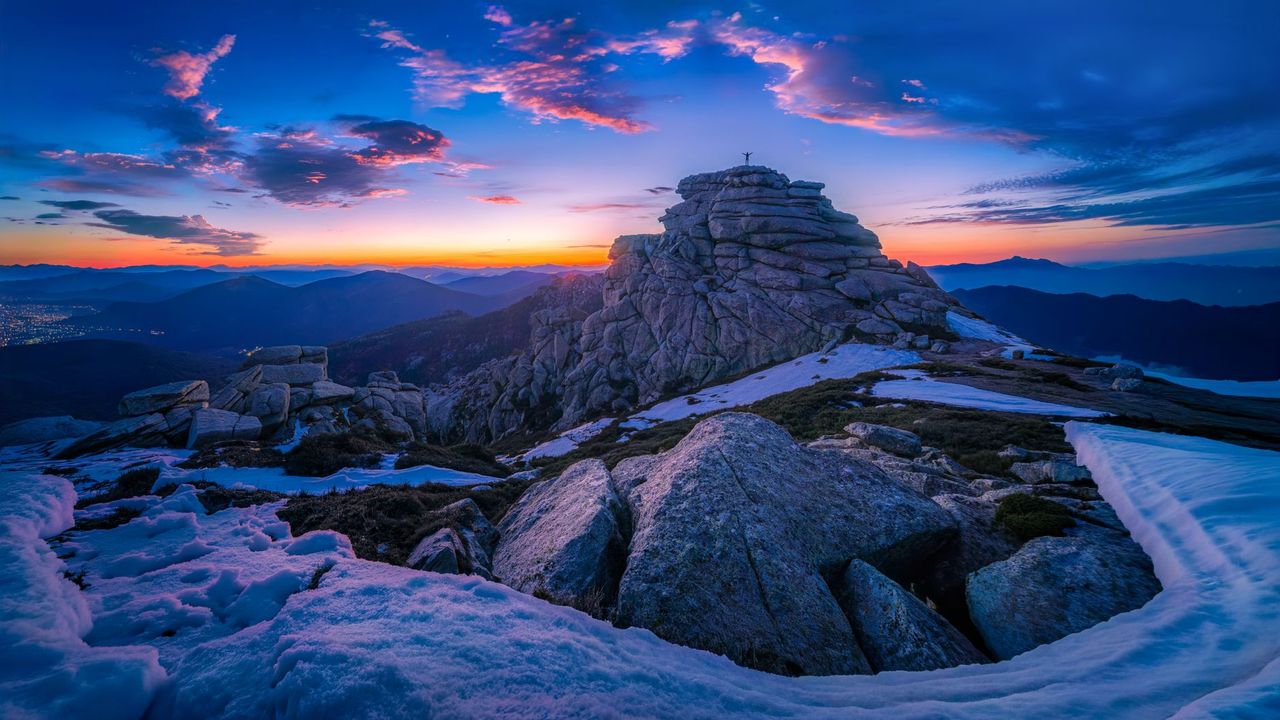
This tour is designed for photographers who want to capture both the “blue hour” and the “falling of night.” It usually has you arrive at the summit an hour before sunset to shoot the sunset reddening Ishikari Bay first, then wait for the night view as Otaru’s streets and harbor lights come on one after another.
Some tours offer tripod rentals or suggested shooting spots, and guides also help you catch the right moment for the shutter, so travelers unfamiliar with the local light don’t miss the best shooting window.
Because you spend longer at the summit, tours usually include a drink voucher for the observation deck cafe so travelers can rest while waiting for the sky to darken, a good fit for in-depth travelers who leave ample time and don’t rush.
Tenguyama Night View + Local Seafood Dinner Private Charter: A Luxury Upgrade Even on a Budget
This is a charter service designed for travelers who want a more flexible itinerary and don’t want to join a crowded big bus. It usually uses a small or mid-size vehicle for 2 to 6 people, lets you adjust the departure time and stops, and can even add a seafood dinner around Otaru’s Sushi-ya-dori or Asarigawa Onsen.
Charter guides are mostly drivers who know local road conditions and also act as guides. They can adjust the time of the climb to the live weather, and if fog affects visibility they can flexibly delay departure, maximizing the odds of actually seeing the night view.
Although the unit price is higher than group tickets or half-day tours, split per person and with the queuing and waiting time saved, it is quite worthwhile for travelers who value trip quality and want high-quality photos and memories.
Tenguyama Night View Guide 2026: Where to Stay Nearby, and Lodging Suggestions
Where to Stay in Otaru: Near the Station Is Most Convenient
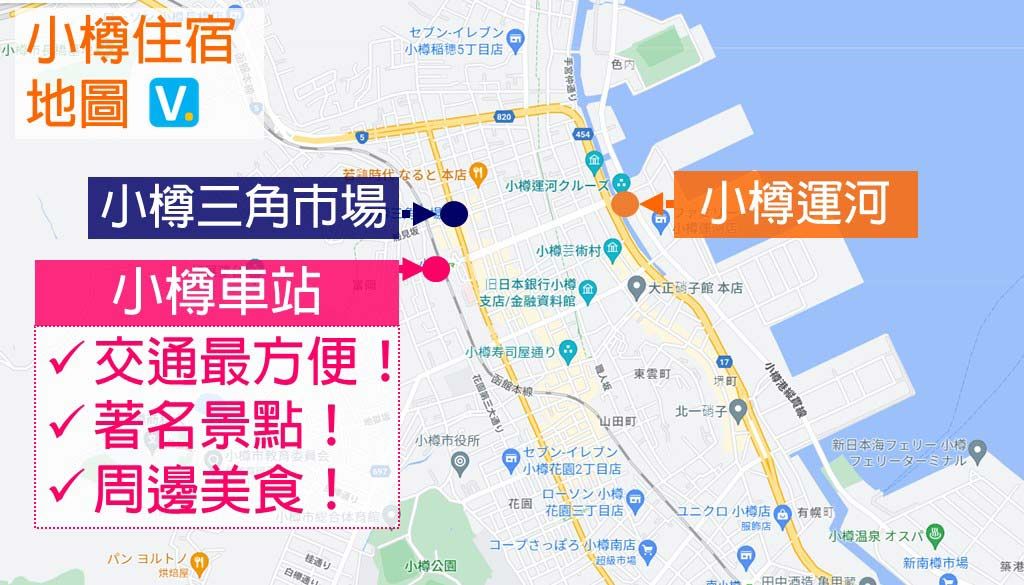
For Otaru lodging, areas around JR Otaru Station and Minami-Otaru are recommended: you can walk to Otaru Canal, the Sakaimachi-dori shopping street and Sankaku Market, then take the bus to Tenguyama for the night view the next day, which makes for the smoothest route.

If you want to avoid the city crowds, you can also stay in central Sapporo, spend the day on an Otaru day trip and return to Sapporo in the evening for dinner and shopping, about 30-plus minutes each way by rapid train.
Also, the summit is 532 meters above sea level and the felt temperature is clearly lower than in the city, so bring a light jacket even on summer nights. For phone night photos, turn on night mode and steady the phone on the railing. In peak season, arrive before sunset.
FAQ
Q: How much is a round-trip Tenguyama ropeway ticket?
In summer, ¥1,800 for adults and ¥900 for children; in winter, ¥2,000 for adults and ¥1,000 for children. Tickets bought on site are mainly cash.
Q: How do I get to the Tenguyama ropeway from Otaru Station?
Take Hokkaido Chuo Bus route 9 “Tenguyama Ropeway Line” from stop 4 at the JR Otaru Station bus terminal. It runs directly to the foot station in about 17 minutes, with an adult fare of ¥240 one way.
Q: What are the Tenguyama ropeway’s hours? What is the last ride up?
In summer (April 25 to November 3) it operates from 9:00, with the last ride up at 20:48. In winter (November 28 to March 28) the last ride up is 19:48. Please rely on the official website for actual times.
Q: Which month is the Tenguyama night view most beautiful?
September to November in autumn has the clearest air and best visibility; December to February in winter offers snow scenery, and in February you can pair it with the Otaru Snow Light Path festival.
Q: Can the Tenguyama ropeway be suspended because of weather?
Yes. Bad weather such as strong wind or heavy snow can suspend it at short notice. It is also closed between the two seasons (early to late November and late March to late April), so check the official website before you go.
Q: Does the Tenguyama ropeway have parking? Is there a fee?
Yes. The foot station has a free parking lot, officially announced at about 100 spaces. It fills up easily during night view hours and long weekends, so arrive early. In winter the roads are snowy and icy, so drivers need snow tires and should drive carefully.
Q: Is the Tenguyama night view worth visiting? How does it compare with Mount Moiwa and Hakodate-yama?
Tenguyama ranks with Sapporo’s Mount Moiwa and Hakodate-yama as one of Hokkaido’s Three Great Night Views. Its strength is the up-close bustle of the harbor, and it is well worth a visit.
Q: Is the summit very cold? What should I watch for?
The summit is 532 meters above sea level and clearly colder than the city, so bring a light jacket even on summer nights, and in winter be sure to dress against wind and cold.