
2026 Ueno Farm Guide: Hokkaido’s Century-Old English Garden Watched Over by Gnomes
Ueno Farm in Asahikawa, Hokkaido, is one of the flagship gardens of the “Hokkaido Garden Path.” In 2026 it is open from April 17 to October 18, with adult admission at ¥1,200, ideal for travelers who love flower photography and slow-paced trips.
Ueno Farm
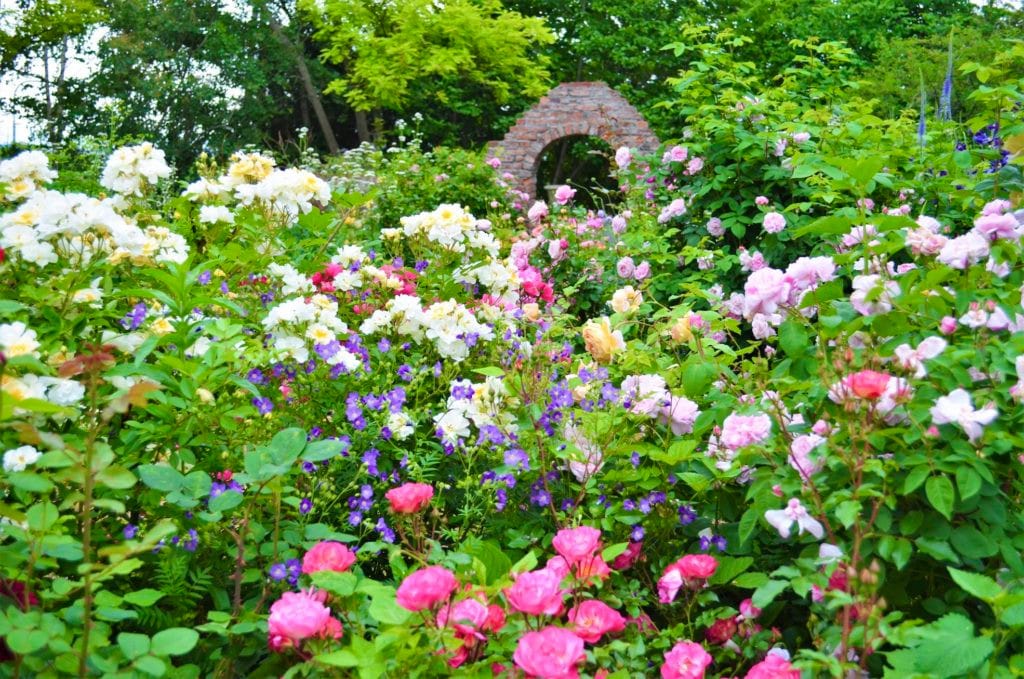
Ueno Farm is nicknamed “the Gnomes’ Garden.” Covering about 13,000 square meters and planted with more than 2,000 kinds of flowering plants, it emphasizes “natural growth” rather than artificial pruning, and is a rare private garden in Hokkaido built around an English country style. The garden has a century of history, counting from 1906 when the Ueno family first cleared the farmland. Third-generation owner Sayuki Ueno carries on the philosophy of her mother, Michiko Ueno, who created the garden, letting it evolve naturally with the seasons into a unique “dramatic garden” landscape.
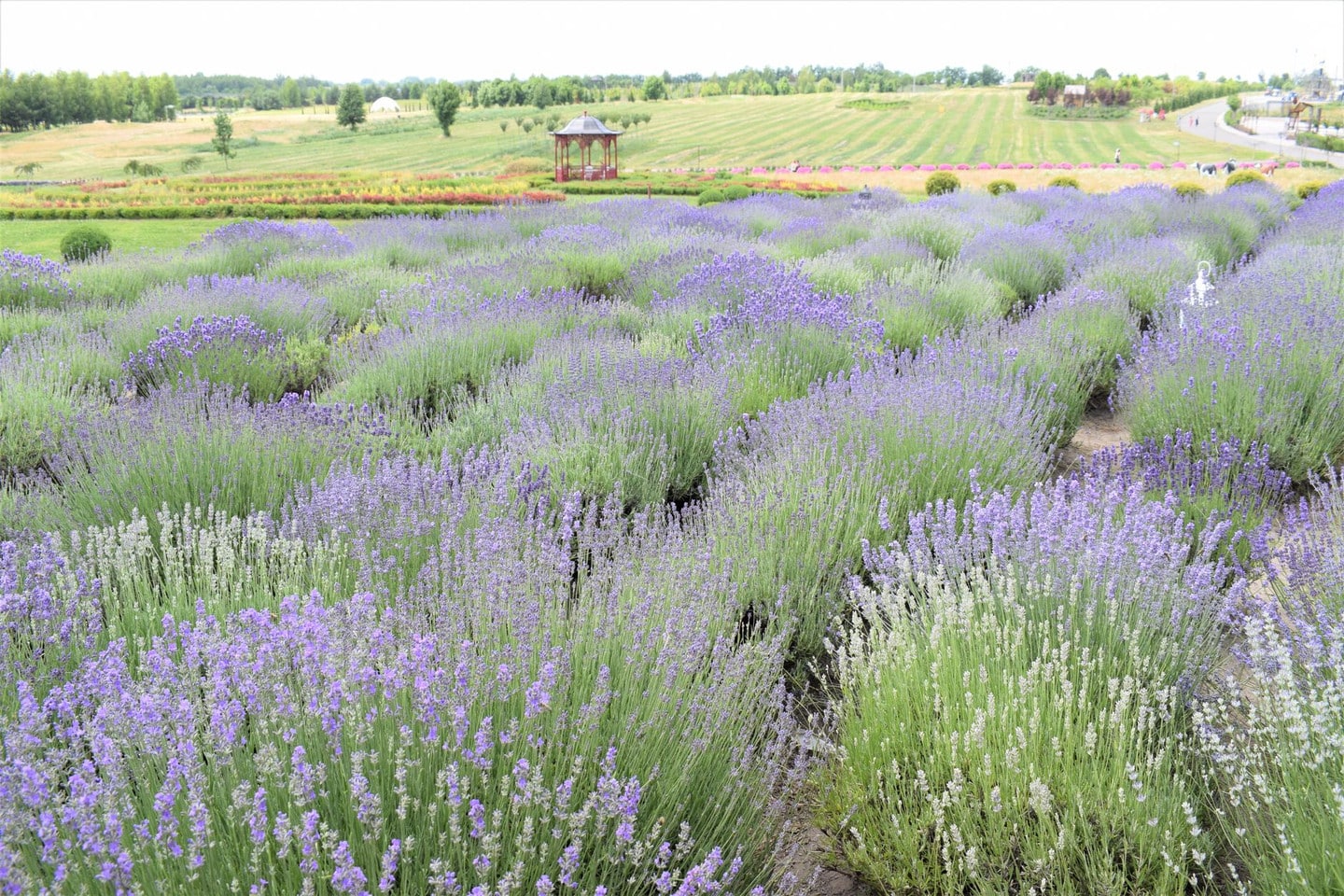
The farm is only about a 20-minute drive from central Asahikawa and not far from popular spots such as Asahiyama Zoo and Asahikawa Ramen Village, so it fits neatly into a same-day Hokkaido excursion. The drive can be fitted into half a day, letting you combine flower viewing with good food.

Where Is Ueno Farm in Hokkaido? Location and Opening Information
Ueno Farm in Hokkaido is located in Nagayama-cho 16-chome, Asahikawa, with a free parking lot of about 80 spaces. In 2026 it is open from April 17 to October 18, daily from 10:00 to 17:00, and closed in winter because of snow. General admission is ¥1,200 for adults and ¥500 for junior high school students; elementary school students and younger are free. From Asahikawa Station, you can take Dohoku Bus No. 69 directly, or drive. Please check the official website for actual opening days and ticket prices.
Asahiyama Zoo
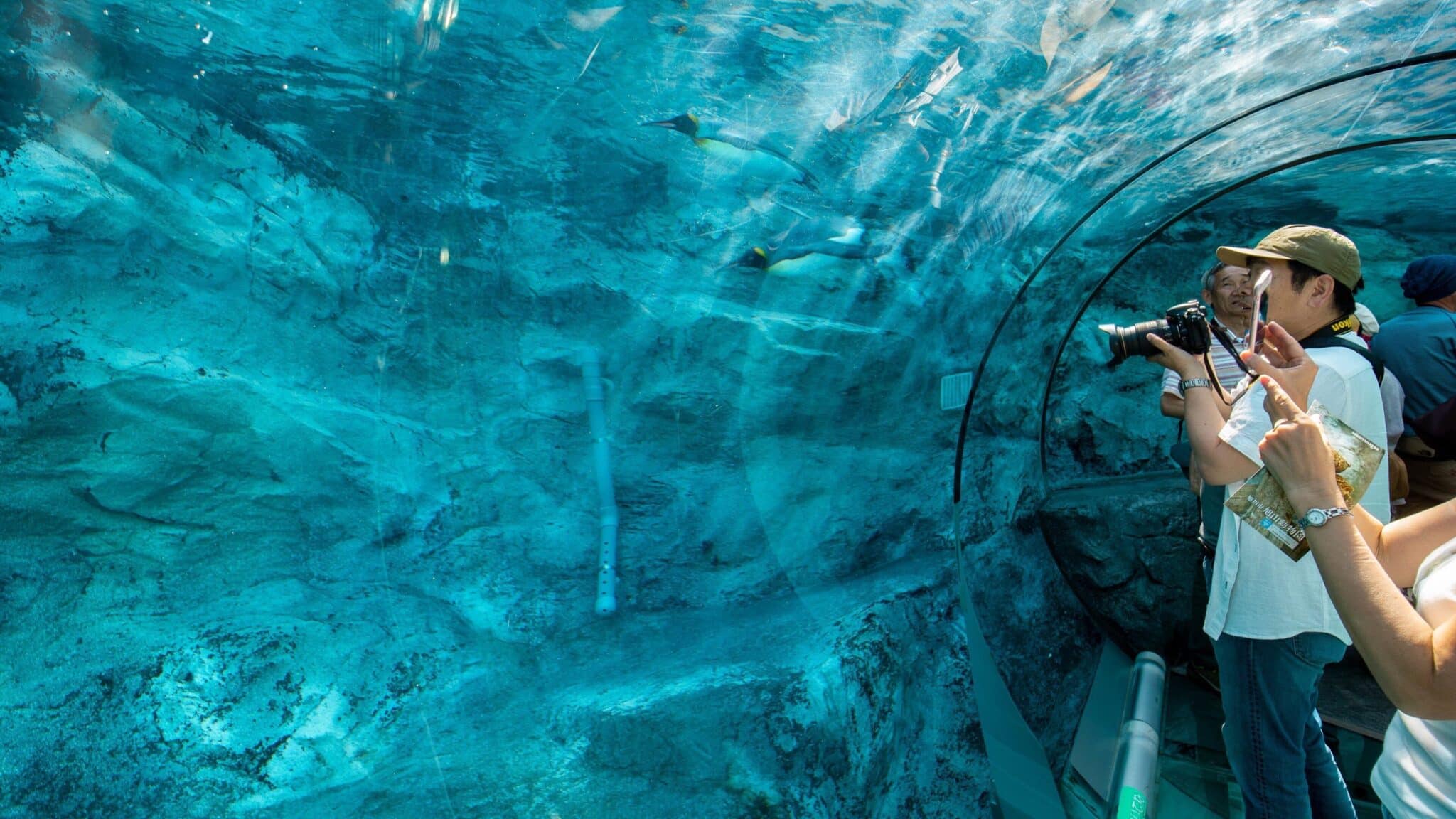
Asahiyama Zoo is among the most visited zoos in Japan, famous for its “behavioral exhibits” that let you watch penguins swimming and polar bears diving up close. You need a car or other transport to get there from Ueno Farm, so check the day’s travel time on a map app before you go. It is the best partner attraction for a same-day combination with Ueno Farm, and many travelers plan flowers in the morning and animals in the afternoon.
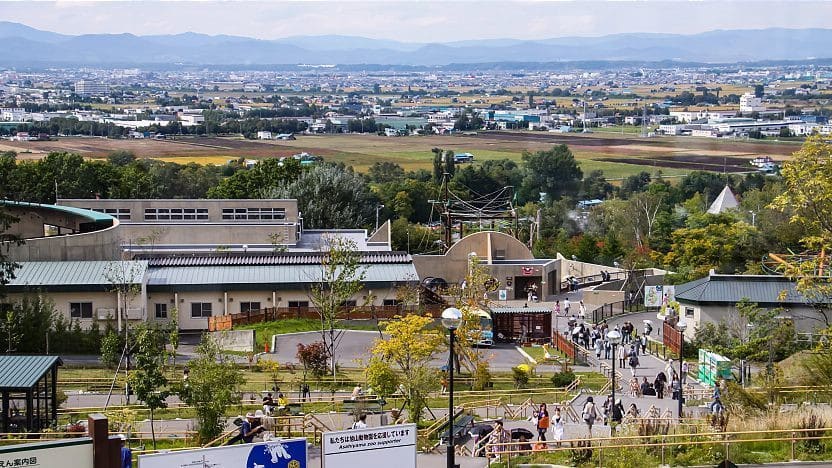
![[Official Sale] Asahiyama Zoo Tickets (Asahikawa, Hokkaido)](https://travel.williamlion.tw/wp-content/uploads/sites/7/2026/08/image-312.jpg)
Asahikawa Ramen Village (あさひかわラーメン村)
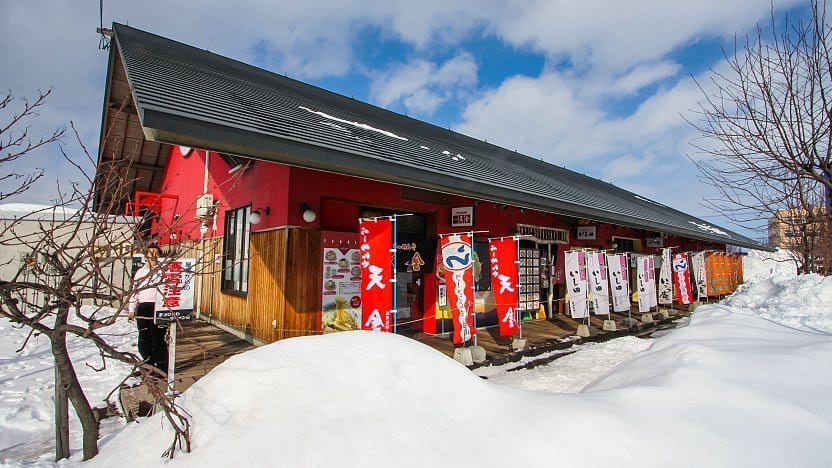
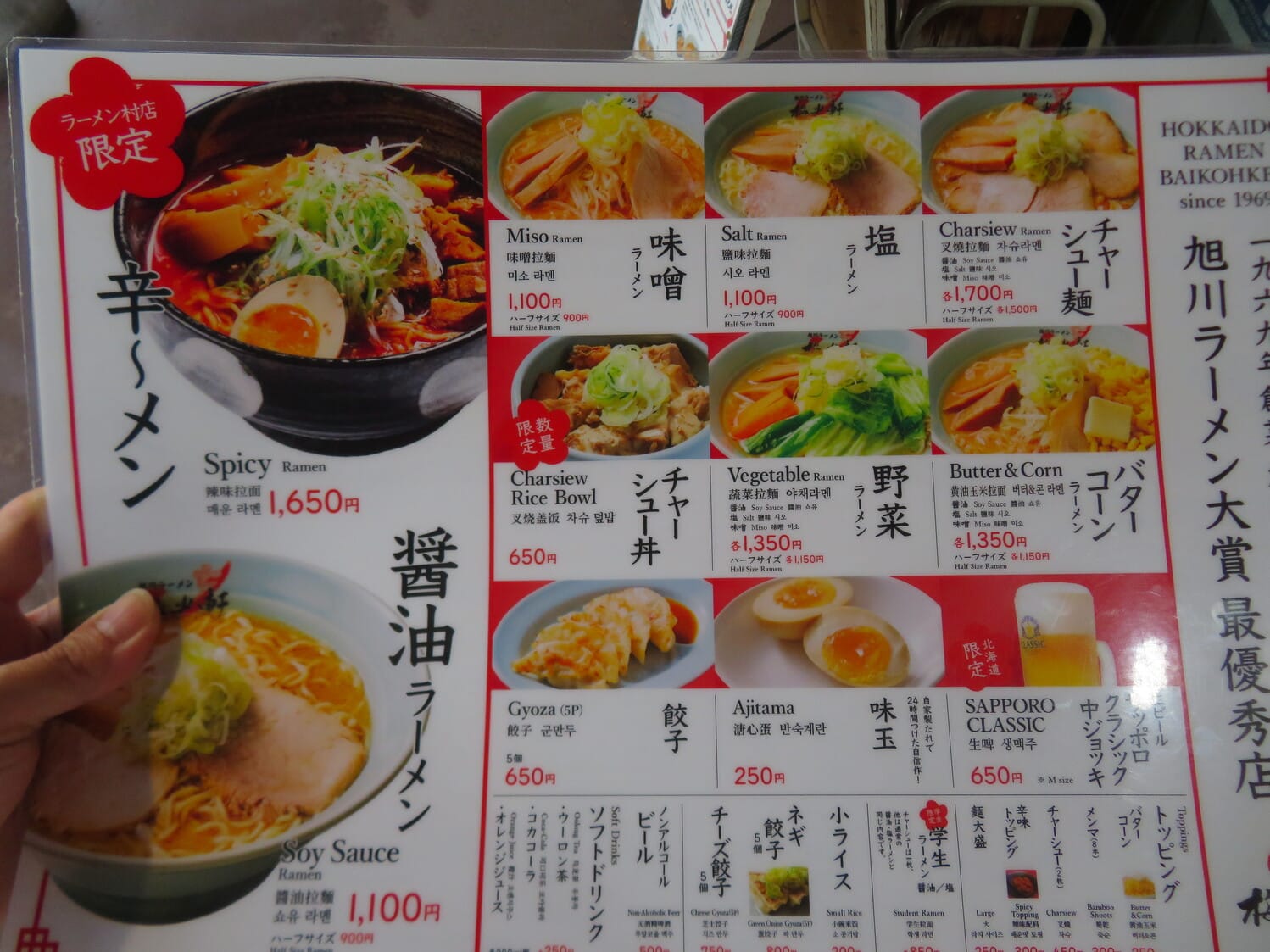
Asahikawa Ramen Village gathers several of Asahikawa’s well-known ramen shops under one roof and is a food landmark you should not miss in Asahikawa. Flowers, animals and ramen are a classic Asahikawa day-trip combination. Each shop has different opening hours and closing days, so check before you go; on peak-season holidays you may also have to queue, so leave plenty of time for your meal.
How to Get to Ueno Farm: Transport Options and Costs
There are three main ways to reach Ueno Farm: bus, JR transfer, or driving or taxi. Here are the cost and travel time for each.
| Transport | Cost (one way) | Travel time |
|---|---|---|
| Dohoku Bus No. 69 | about ¥440 | about 35 minutes |
| JR Sekihoku Main Line to Sakuragaoka Station | from about ¥260, depending on distance | about 15 minutes by train + about 10-15 minutes on foot |
| JR Soya Main Line to Nagayama Station + taxi | train fare from about ¥220 + taxi about ¥1,200 | about 10 minutes by train + about 10 minutes by taxi |
| Driving / chartered taxi | about ¥3,500 from Asahiyama Zoo | about 15 minutes |
Dohoku Bus No. 69: The Cheapest Direct Option
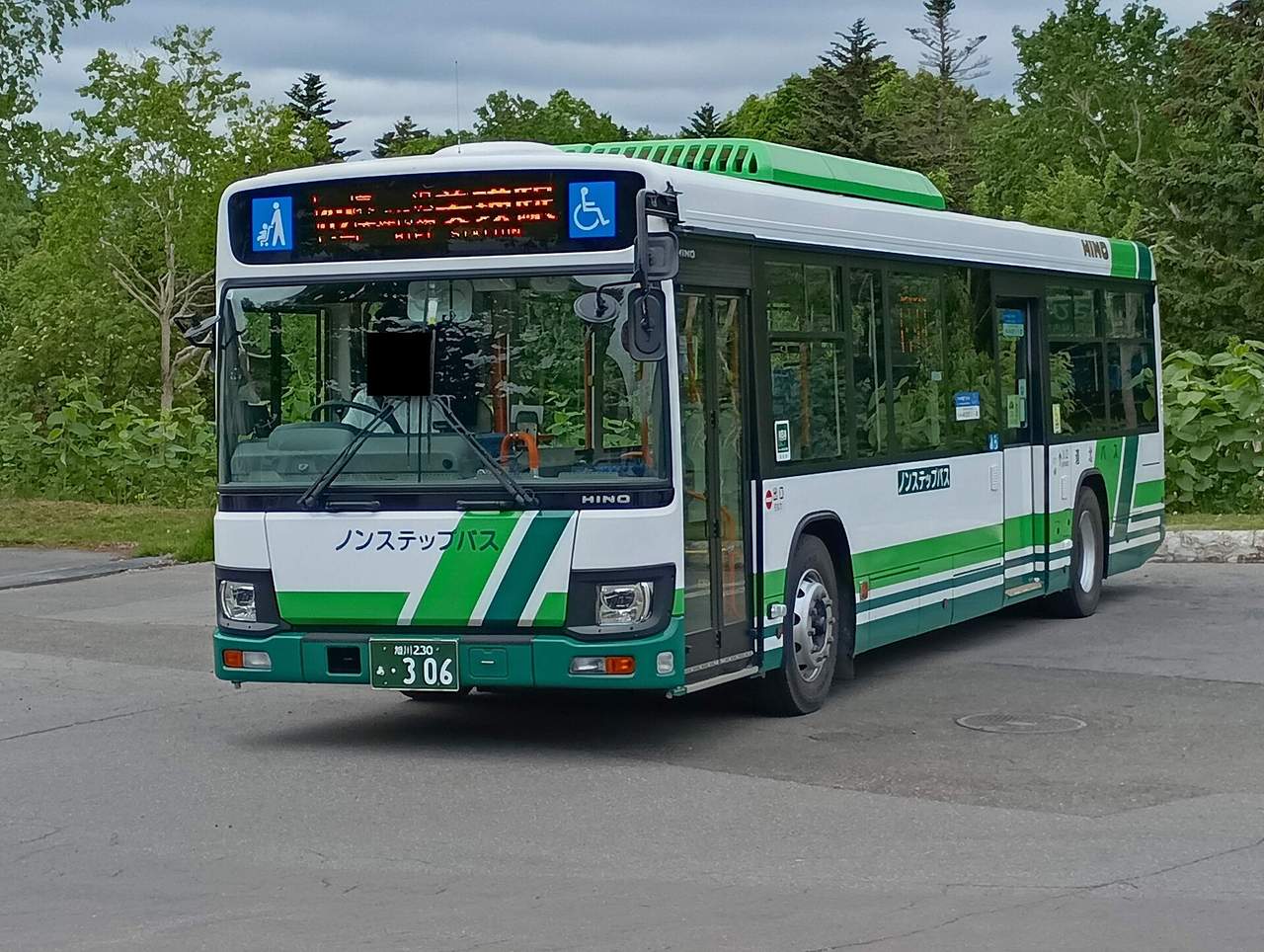
Take Dohoku Bus No. 69 from in front of Asahikawa Station. The one-way fare is about ¥440, and the ride takes about 35 minutes, dropping you at the farm entrance. It is the option independent travelers use most. Note that service on this route is limited, only about 3 buses a day, so check the return timetable in advance to avoid a long wait.
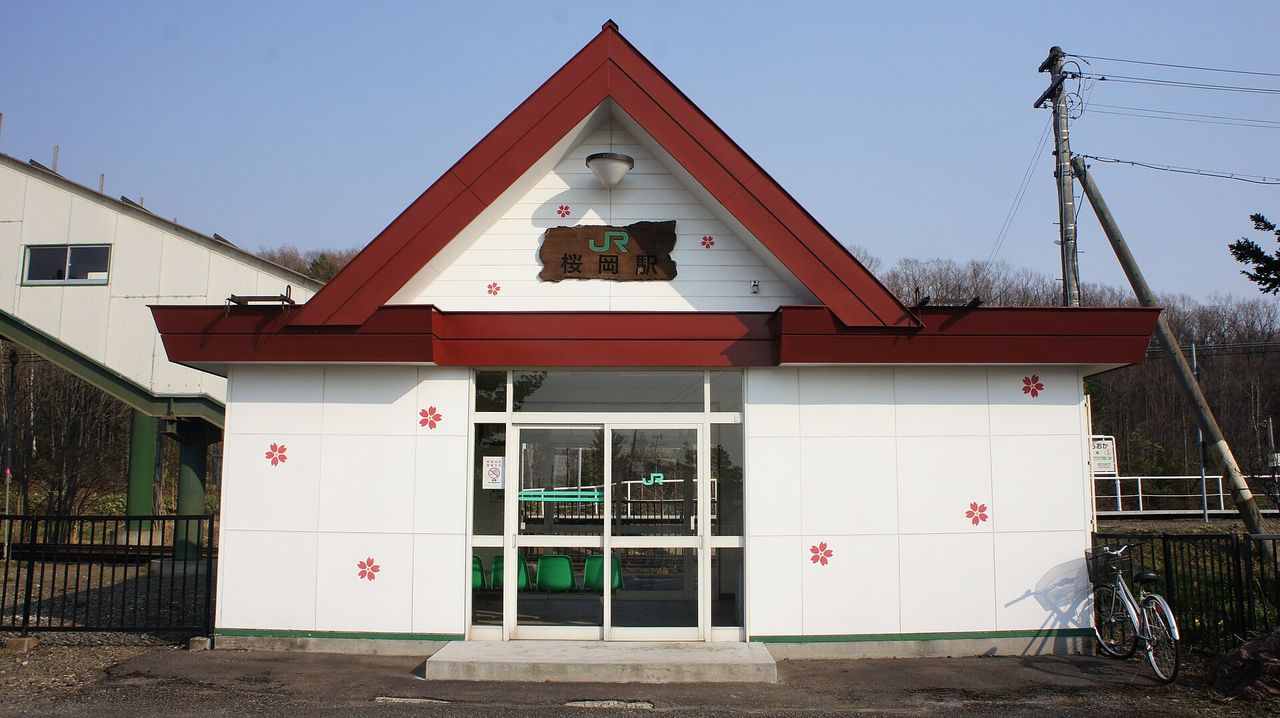
JR Sekihoku Main Line to Sakuragaoka Station: For Rail Fans
Take the JR Sekihoku Main Line and get off at Sakuragaoka Station. The farm is about a 1 km walk, roughly 10-15 minutes. It suits travelers with a JR Hokkaido Rail Pass who want to fit it in along the way. The station is unstaffed, so check departure times yourself.

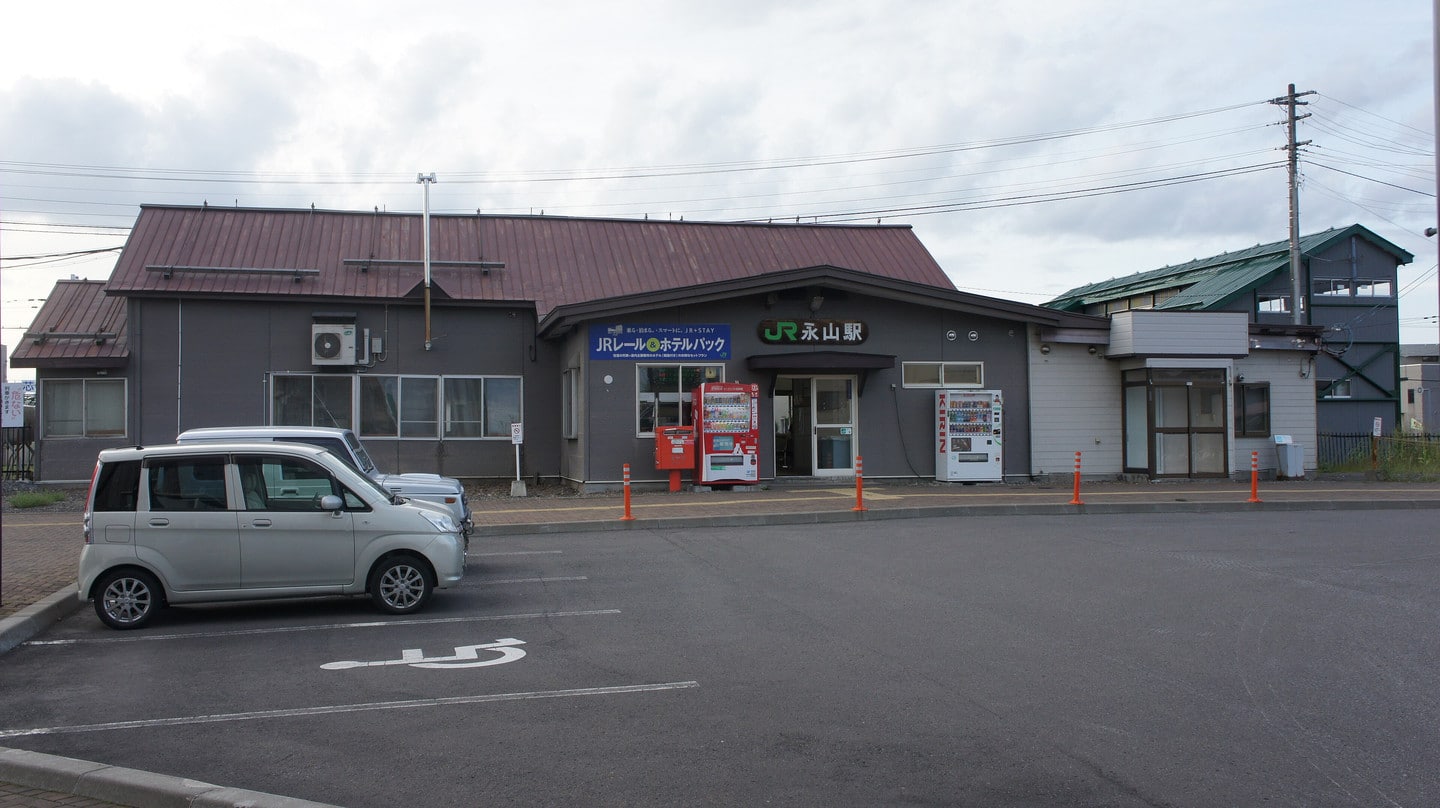
JR Soya Main Line to Nagayama Station, Then a Taxi: Another Rail Option
Take the JR Soya Main Line and get off at Nagayama Station, then transfer to a taxi for about 10 minutes. The fare is about ¥1,200. It suits travelers who do not want a long walk but still want a rail experience, and can also be combined with a JR Rumoi Main Line itinerary.
Driving or Chartered Taxi: The Most Flexible Option, Good for Families and Older Travelers
Drive by navigating to Nagayama-cho 16-chome, Asahikawa. The farm has a free parking lot of about 80 spaces, which is very convenient. On peak-season holidays, allow time for parking and traffic; set out early and check the parking lot’s opening hours first. You can also choose a half-day charter that links Ueno Farm with attractions such as Kibana no Mori in one trip, saving transfer time.

What Are the Must-See Spots at Ueno Farm in 2026? Shateki-no-yama Garden, Gnomes’ Garden and More
Ueno Farm is divided by terrain into several garden corners of different styles. Here are 7 must-see highlights and photo spots.
Shateki-no-yama Garden: The Flower-Viewing Core with a View over the Asahikawa Plain
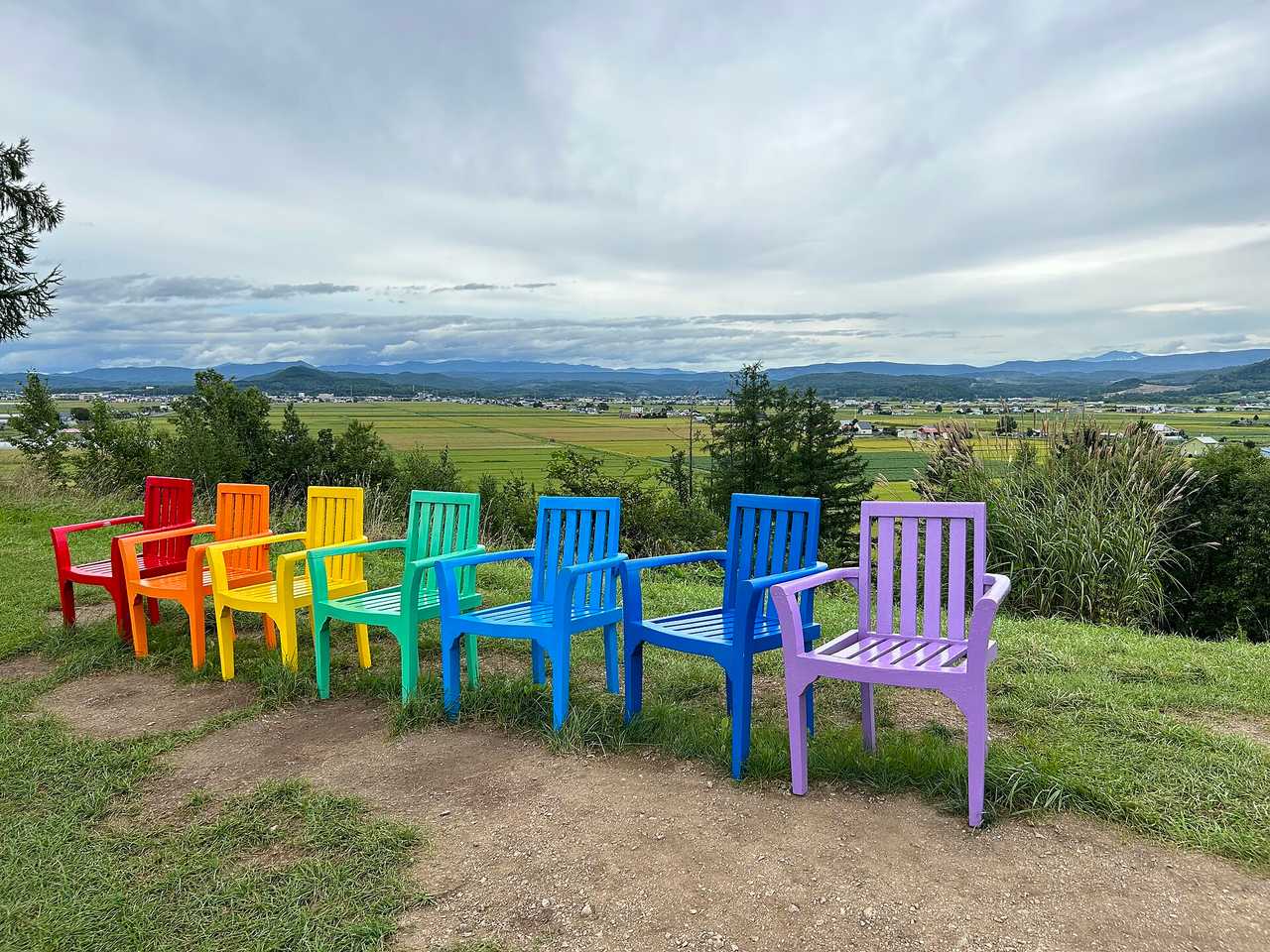
Shateki-no-yama Garden is the highest point of the farm with the widest views. A gentle sloping path climbs the hill, lined with perennials that change with the seasons. In summer, foxgloves, lupines and oriental poppies bloom side by side, and from the rainbow-colored bench at the top you can look down over the whole Asahikawa countryside, a spot photographers widely regard as the most photogenic.
Go before 10 to 11 a.m., when the light is soft, crowds are thin and the lighting is best for capturing the layers of flower fields and distant mountains. The garden also has a “sky swing” that gives you a higher view over the fields, an experience loved by families and couples alike.
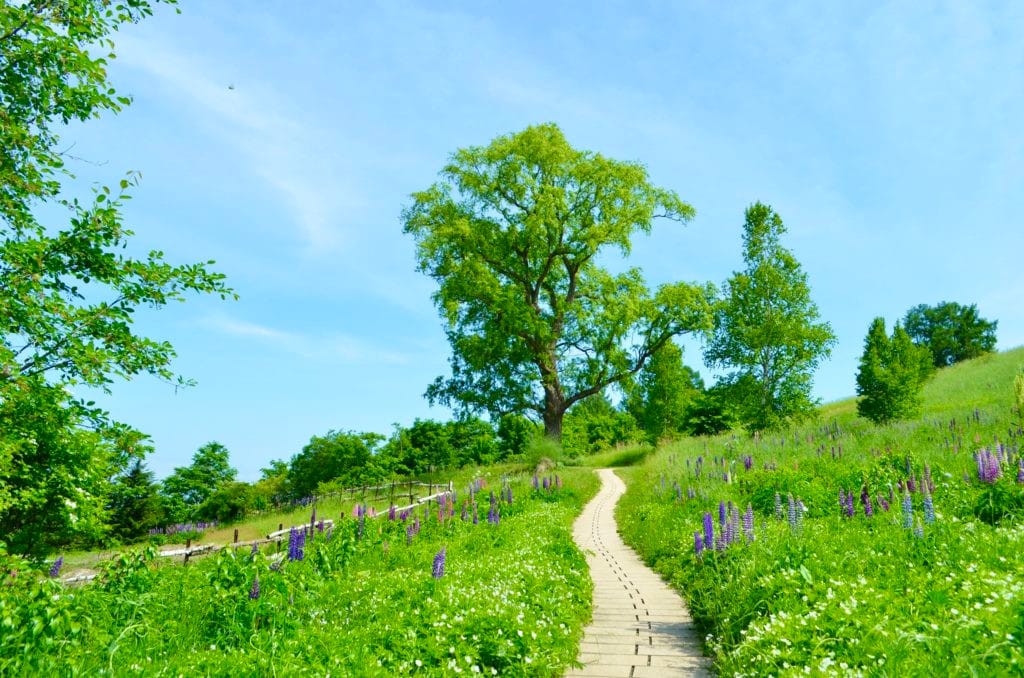

Mirror Border: A Symmetrical Flower Border
The Mirror Border is a flower-border spot in the garden where flowers are planted symmetrically on both sides of the path. Looking ahead from the center of the path, the two sides echo each other as if reflected in a mirror, making it one of the most popular photo spots in the farm.
The border is mainly perennials, and the colors and bloom times change with the seasons, so visiting in different months shows you different color schemes. It rewards slowing down for a closer look.
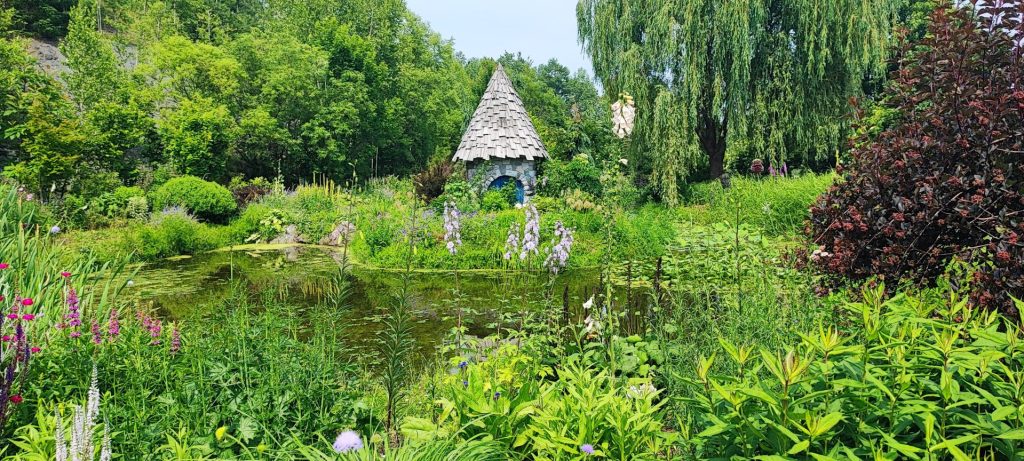
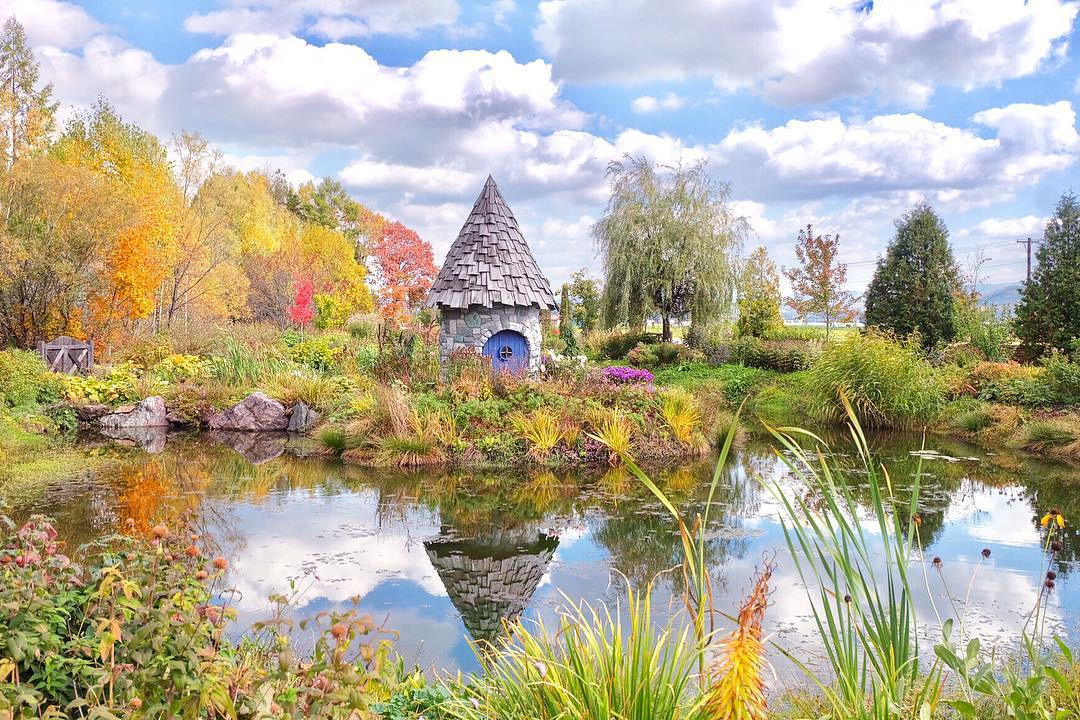
The Gnomes’ Garden: A Century-Old English Garden Watched Over by Gnomes
The Gnomes’ Garden is the soul of Ueno Farm and the origin of its “Gnomes’ Garden” nickname. Gnome-sized stone cottages stand in the garden, reflected in the surrounding pond, with a strong English country-garden feel that makes visitors feel as if they have stepped into a fairy tale.
Even in midsummer it is especially cool here thanks to the shade of the trees, making it a great place to escape the heat. The garden deliberately preserves naturally growing wild plants and insect habitats, in line with Ueno Farm’s core philosophy of “natural growth,” which also attracts many butterflies and birds. It is a popular interactive spot where families hunt for the gnomes.
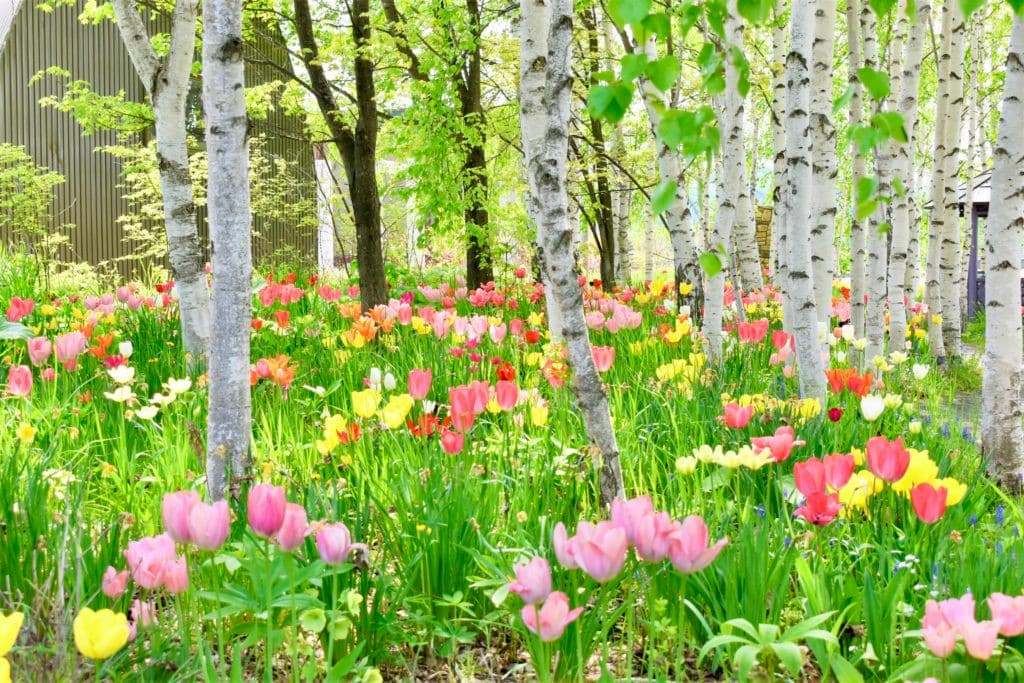
Birch Grove and Birch Path: Poetic White Trees of the North
The birch grove is known for its rows of tall white birch trees. The snow-white texture of the trunks contrasts sharply with the leaf colors of each season, and it is one of the most frequently updated subjects among travel bloggers on social media in their “Summer Hokkaido Flower Journey” posts. Strolling along the birch path laid through the woods, with sunlight filtering through the branches into dappled light and shade, is deeply soothing.
Visiting in summer, you can also enjoy the hollyhocks (タチアオイ) blooming along the path, their tall stalks and the birch trees making a nicely layered picture. In autumn the leaves turn golden, set against reddish-brown ground cover. Every season brings a different view, and this is the best stretch of the whole garden for leisurely walks and photos.
Circle Border: A Clearly Layered Circular Flower Bed
The Circle Border is a flower bed designed as concentric circles, arranged ring by ring from the inside out by height and flower color. It shows the “border bed” landscaping aesthetic that English gardens prize, and is a favorite geometric composition for photographers. Seen from above, the circular outline contrasts strongly with the surrounding lawn, making it ideal for drone-style or elevated shots.
The flowers here are mostly long-blooming varieties, ensuring a good display from early summer to early autumn. Even if you visit outside the peak month, you can still enjoy the carefully designed layering and color combinations, one of the garden designer’s signature works.
NAYA café: A Country Cafe Converted from an Old Barn
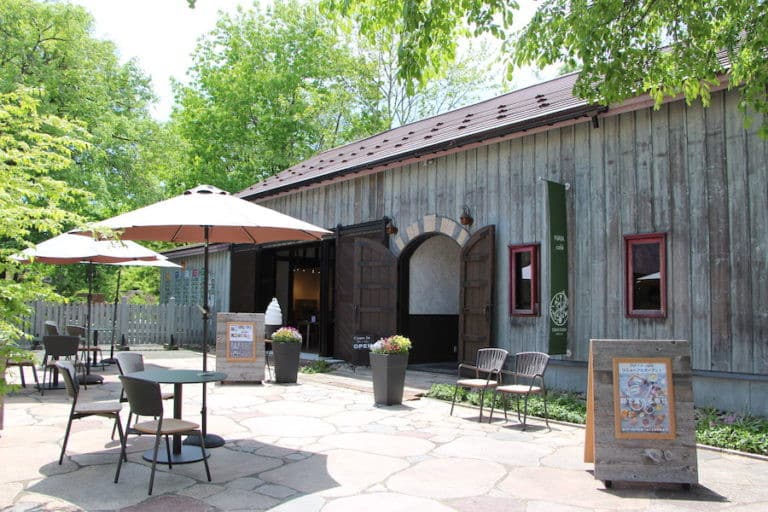
NAYA café is converted from the farm’s original old barn, keeping its wooden beams and farmhouse atmosphere, and is the best place to recharge after wandering the garden. Signature dishes include rich curry rice, handmade desserts and freshly fried sweet potato. The summer-only corn crisp ice cream is also a popular order, with sweet corn flavor and a crunchy cookie cup that is especially refreshing.
Large windows let the indoor and outdoor scenery echo each other, so you can look out over the garden from a window seat and enjoy the garden atmosphere comfortably even on a rainy day. Avoid the noon lunch peak, or tour Shateki-no-yama Garden first and eat afterward, for a smoother and faster route.
Garden Shop: Garden Goods and Limited-Edition Souvenirs
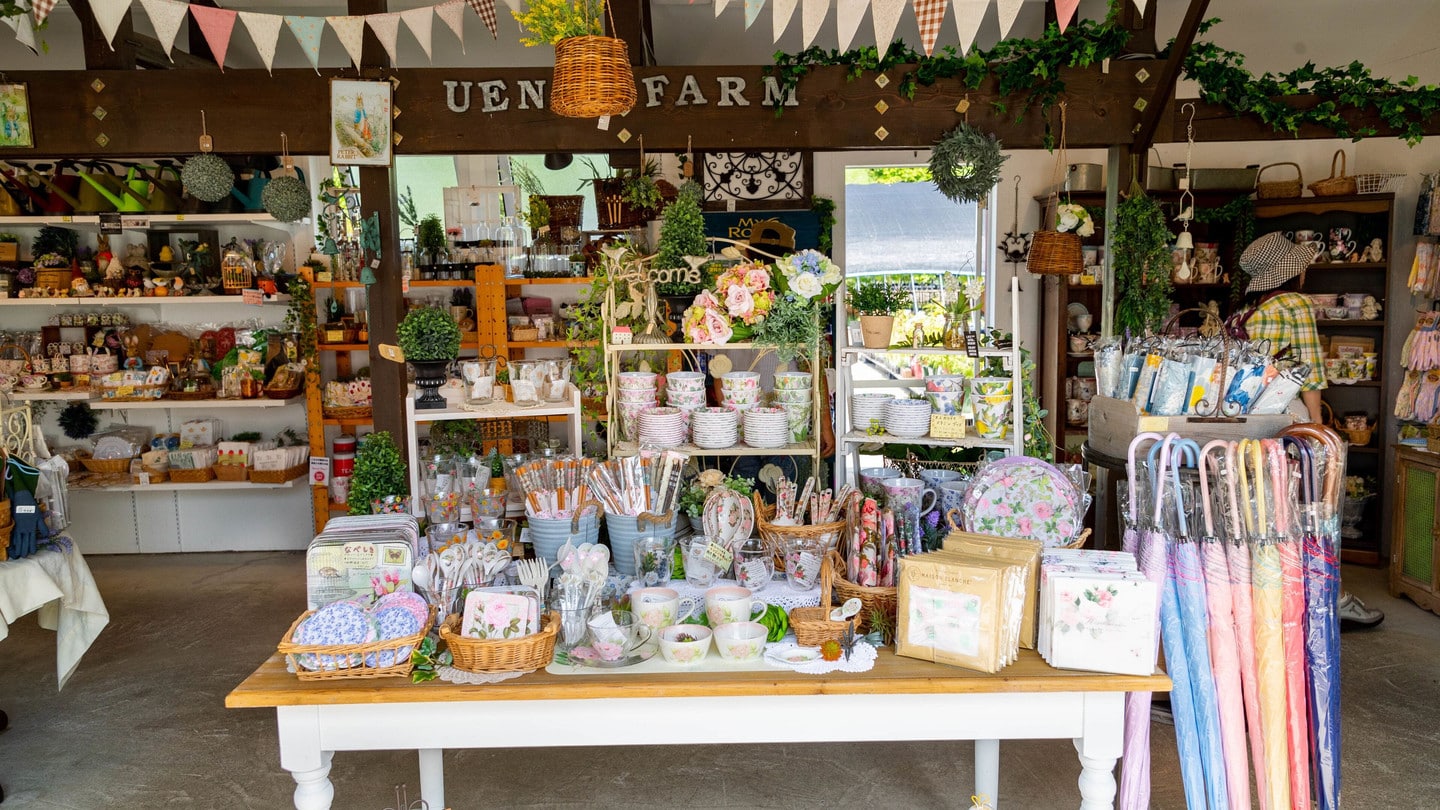
The Garden Shop is right next to NAYA café, selling flower-themed gardening goods, postcards and Ueno Farm exclusive souvenirs. Items printed with the Gnome characters are the most popular and a first choice for many travelers to take home. The shop also sells some seasonal seedlings and small garden items, suited to garden lovers who want to take them home (be aware of plant quarantine rules).
Both the shop and the cafe are in a public area with no admission charge, so even if you only want to shop or eat and not enter the paid garden area, you can come and go freely. It is a good place for older relatives or companions who are not keen on flowers to rest, letting everyone get what they want and making the itinerary more flexible.
How Much Does Ueno Farm Cost? 2026 Tickets and Tour Options
Tickets for Ueno Farm can be bought on the spot with no reservation. Here are the 2026 ticket types and nearby charter tour options.
Ueno Farm Adult Ticket: ¥1,200 Standard Admission
The 2026 adult ticket is ¥1,200 (the adult rate applies from high school age), ¥500 for junior high school students, and free for elementary school students and younger. Garden admission is a single charge; those who only use NAYA café and the Garden Shop do not need a ticket, which suits older companions who only want to eat and shop.
To save a little, buy the official advance e-ticket (Webket): in 2026 it is ¥1,080 for adults and ¥450 for junior high school students, on sale from April 24 to October 17, and you show the QR code at entry. Note that advance tickets cannot be bought on the day of entry; if you decide to go that day, just buy a ticket at the farm’s ticket office.
Ueno Farm Season Passport: ¥1,500 for the Whole Season
If you plan to visit more than once during the April 17 to October 18 opening period, the Season Passport (Garden Passport) costs only ¥1,500, just ¥300 more than a single ticket, and gives unlimited entry for the year’s open season. From the second visit with the passport, one companion gets half-price admission. It is especially suited to travelers living around Asahikawa who want to follow the flowers month by month, and is a very good-value upgrade.
Official website: Ueno Farm (uenofarm.net)
Group Tickets and General Admission Notes
Early-season discounts are not necessarily the same each year, so please follow the official announcement. In 2026 the farm is open from April 17 to October 18, and general admission is ¥1,200 for adults. For groups of 10 or more, adults are ¥1,000 per person and junior high school students ¥500, with elementary school students and younger free, suited to company trips, school excursions or tour groups.
Half-Day Charter: Garden Sightseeing Taxi
From Asahikawa Station or central Asahikawa, you can book a private 3.5-hour sightseeing taxi tour linking Ueno Farm with flower spots such as Kibana no Mori in one trip. The fare varies by car type and number of passengers; follow the booking platform’s announcement on the day. It suits travelers who do not want to transfer on their own and want to see several gardens efficiently, and is especially recommended for family trips with older relatives or lots of luggage.
Where to Stay Near Ueno Farm in 2026: Area Suggestions


Central Asahikawa and Surroundings: Where to Base Yourself for Ueno Farm
If you plan your stay around Ueno Farm, central Asahikawa is the best base. Around the station, both JR and buses connect easily, and you can also fit in Asahiyama Zoo and Ramen Village. Travelers who love natural scenery can extend to a hot spring hotel in Biei or Furano for a night, then link Biei sights such as the Blue Pond and Shikisai-no-Oka the next day. For detailed hotel choices and price comparisons, see dedicated Asahikawa and Biei accommodation guides.

FAQ
Q: How much are tickets for Ueno Farm in 2026?
Adults ¥1,200 (from high school age), junior high school students ¥500, elementary school students and younger free; groups of 10 or more, adults ¥1,000. Season Passport ¥1,500; official advance e-ticket for adults ¥1,080.
Q: What are Ueno Farm’s opening hours in 2026?
Open daily from 10:00 to 17:00, from April 17 to October 18, with no closing days during the flower season; fully closed in winter because of snow.
Q: What is the easiest way to get to Ueno Farm from central Asahikawa?
Take Dohoku Bus No. 69 (about ¥440, 35 minutes) directly, or take JR to Sakuragaoka Station and walk 10-15 minutes. By car it takes about 20 minutes, with free parking.
Q: When are the flowers at Ueno Farm at their best?
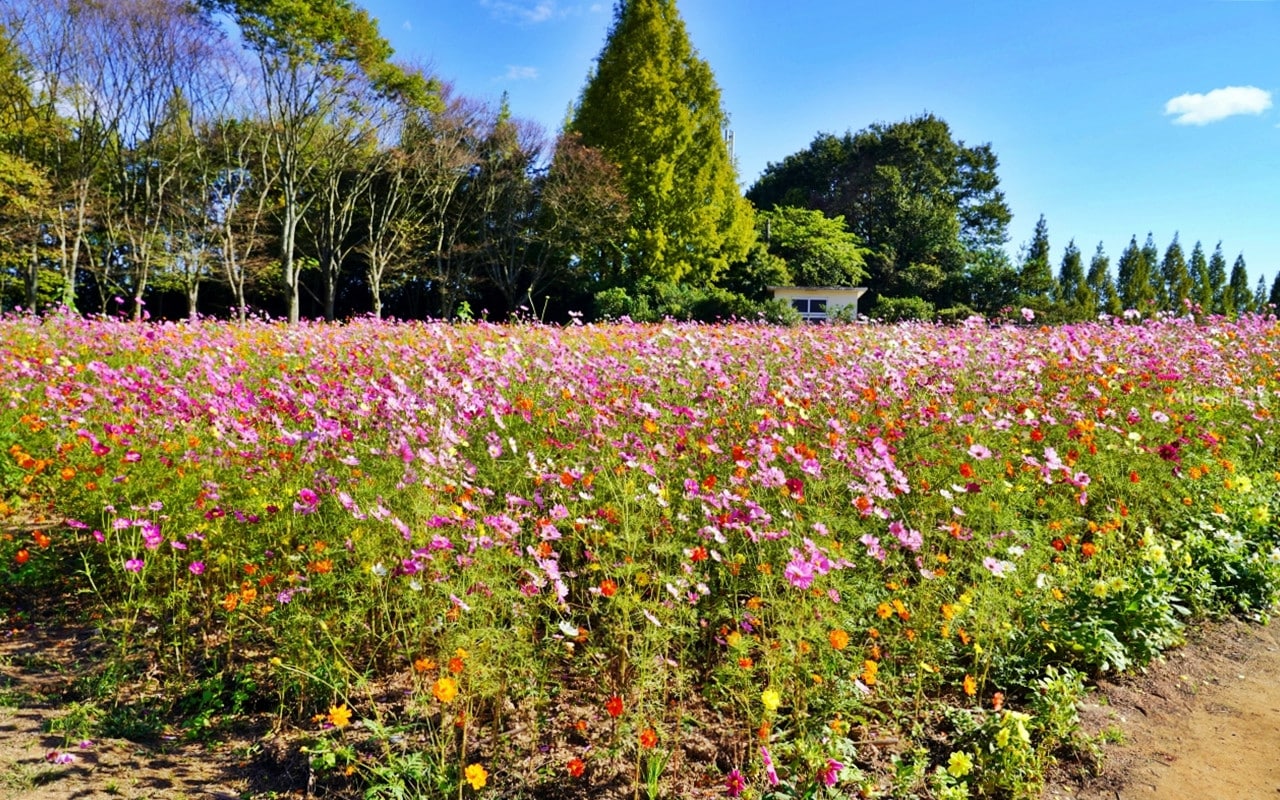
June through September is the richest period, with July and August the most colorful; in early May you can see the seasonal blue carpet of Ezo corydalis and species tulips.
Q: Can I combine Ueno Farm and Asahiyama Zoo in one day?
Very much so. Both are on the outskirts of Asahikawa and need a car or other transport to reach, and most travelers plan flowers in the morning and animals in the afternoon on the same day.
Q: Is parking convenient at Ueno Farm?
The farm has a free parking lot of about 80 spaces. Navigate to Nagayama-cho 16-chome, Asahikawa. In peak season, go early so the lot does not fill up.
Q: Are there any prohibited activities to be aware of at Ueno Farm?
The farm and the cafe are entirely non-smoking, outside food may not be brought in, and pets are not allowed except guide dogs and other assistance dogs. Drone photography and feeding the chickens, ducks and ice cream are also prohibited in the garden.