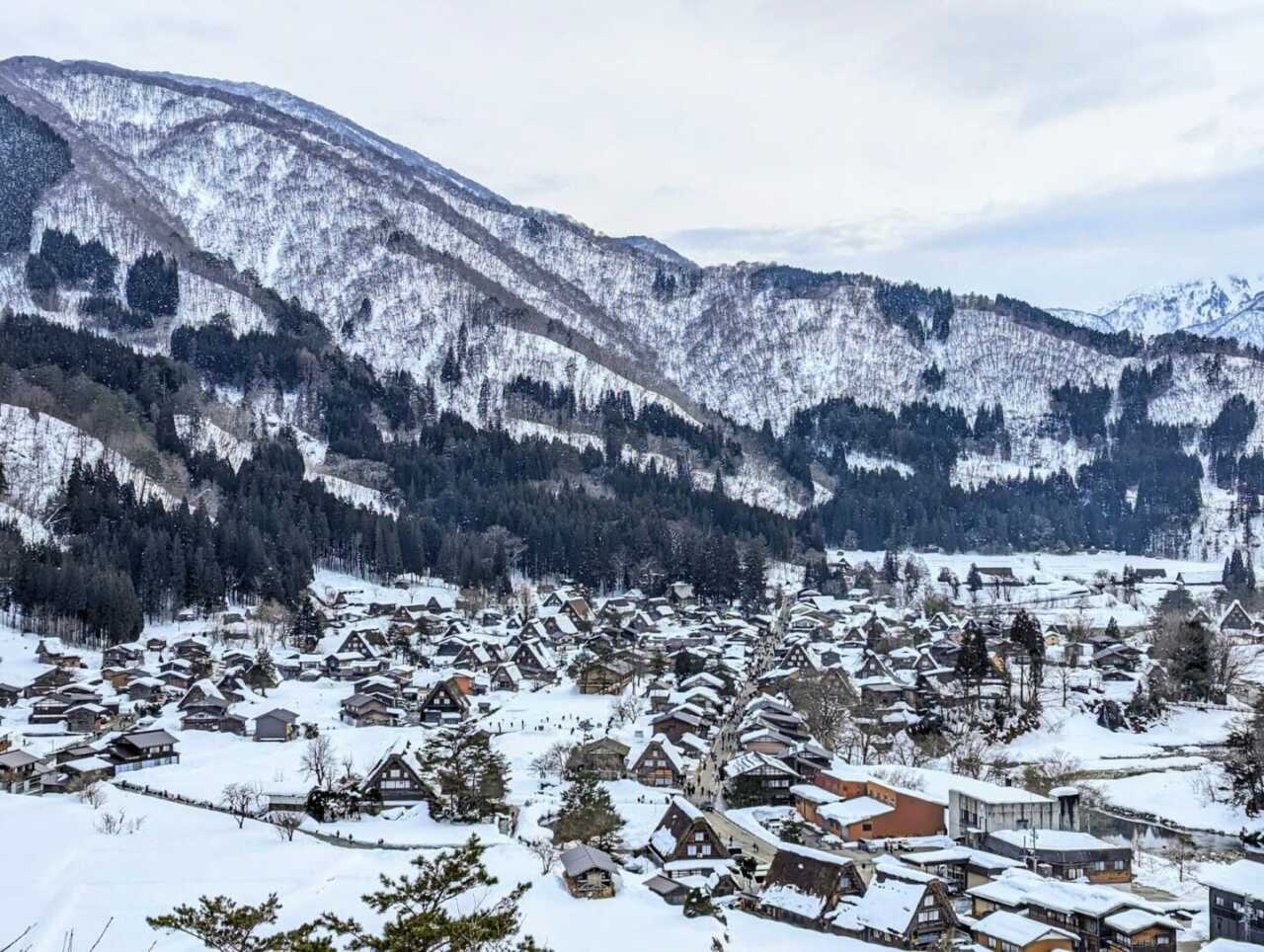

Myoko Kogen Ski Resorts: Four Independent Resorts Make One Powder Village
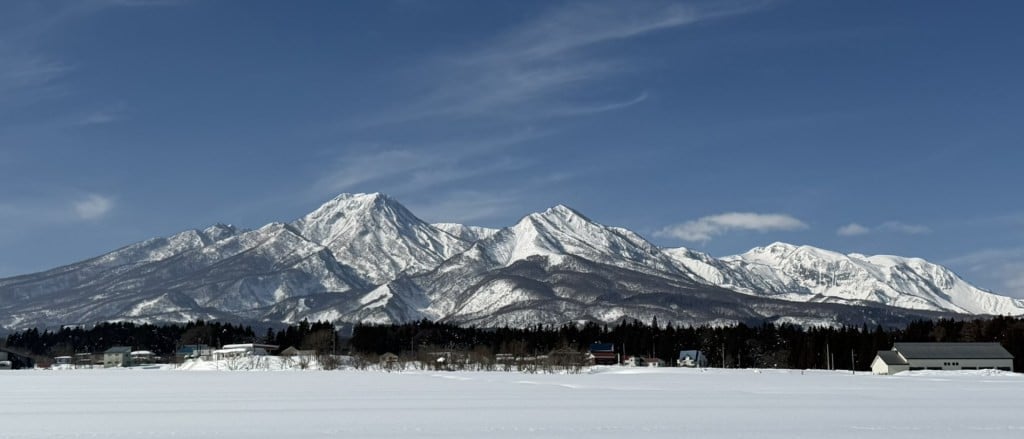
Myoko Kogen is not one ski resort but the collective name for four independent resorts with very different characters.
Myoko Kogen Is Not a Single Resort: Understand This First
Many people get confused the first time they search for “Myoko Kogen skiing,” because the name refers to the four core resorts around Myoko City in Niigata Prefecture: Akakura Onsen, Akakura Kanko Resort, Ikenotaira Onsen Alpen Blick and Myoko Suginohara. They share the same mountain area and the same gateway station, but the tickets, operators and terrain are all separate.
This means you cannot simply “buy one ticket and ski anywhere” as you would at a single resort. To hop between resorts, you first need to decide which ticket to buy and how to get from one resort to another. Once you understand this, the difficulty of planning the whole trip drops by half, which is why this guide explains it first.
Who Is Myoko Kogen For? Known for Heavy Snowfall and Varied Terrain
The Myoko area is one of Japan’s heaviest snowfall zones, with astonishing winter snow totals, which is why international skiers count it as a leading “Japow” region. Compared with the resorts near Tokyo that win on easy access, Myoko sells snow volume and depth of terrain.
The four resorts complement each other well in difficulty: Akakura Onsen has wide, gentle green runs and night skiing; Ikenotaira has extra-wide gentle slopes and a terrain park; Akakura Kanko has red and black runs plus tree skiing in deep snow; and Suginohara offers long-distance cruising. Whether it is your first time on snow or you have come specially to chase powder, you will find a matching resort in this area, as long as you are willing to spend time getting between resorts.
What This Guide Covers
This guide covers the terrain differences and suitable skill levels of the four resorts, the difference between the Akakura two-mountain pass and the Mt. Myoko all-mountain pass, access from Tokyo and the airports, how to get between resorts, and which area beginners should choose to stay in.
All ticket prices and operating hours are based on the official 2025-26 season announcements checked in August 2026. Japanese ski resorts announce prices and operating periods anew each year, and prices have generally risen over the past two seasons. The figures for the 2026-27 season had not yet been announced at the time of writing, so please treat all amounts in this article as rough guides and check each resort’s official announcement for the current season.
Getting to the Myoko Kogen Ski Resorts
Getting to Myoko costs more than getting to the resorts near Tokyo, and the route you choose directly affects how long you can ski that day.
From the Airports and Tokyo: Shinkansen Plus Shinano Railway Is the Most Predictable
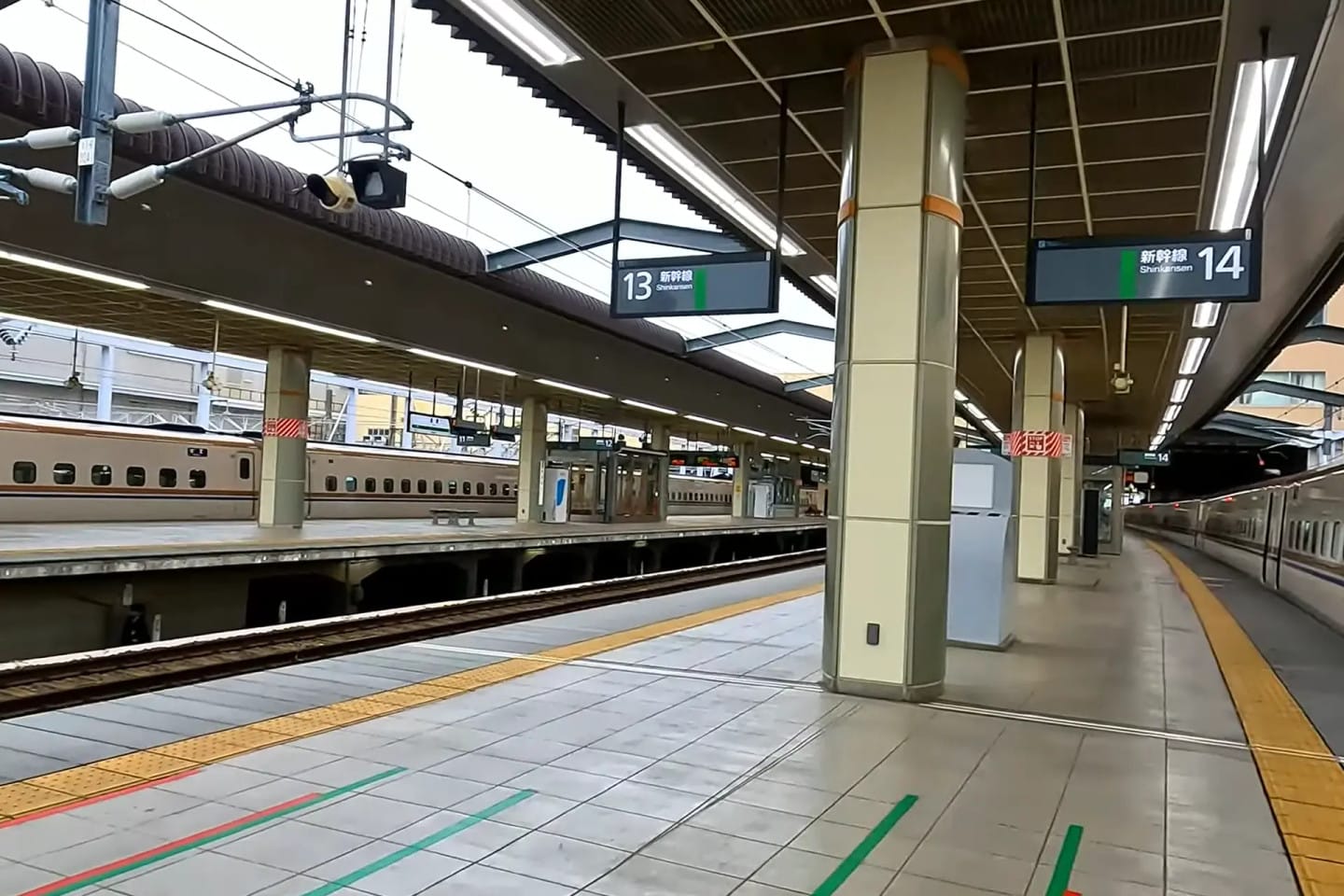
The most reliable route is by rail: take the Hokuriku Shinkansen from Tokyo Station to Nagano Station in about 85 to 100 minutes, change at Nagano to the Shinano Railway Kitashinano Line to Myoko-Kogen Station in about 40 to 44 minutes, then take a municipal bus, a free resort shuttle or a taxi for about 15 minutes to the Akakura hot spring town or the individual resorts. The whole trip, including transfers, takes roughly 3 to 4 hours.
Predictable timing is this route’s biggest advantage: the Shinano Railway runs on a fixed timetable, unlike buses that are affected by snow conditions and traffic jams. The downside is lugging your gear through two transfers. If you arrive via Narita Airport, you can also take the Skyliner to Ueno Station and then change to the shinkansen; if you arrive at Haneda, Tokyo Station is likewise the transfer point.
Joetsu-Myoko Station to the Myoko Kogen Liner: The Option With One Less Transfer
The other route is to take the Hokuriku Shinkansen to Joetsu-Myoko Station and transfer directly at the East Exit bus stop to the winter-only “Myoko Kogen Liner” bus (operated by Kubiki Bus), which goes straight to resorts such as Suginohara and Akakura Kanko. For anyone who does not want to haul gear across platforms at Nagano Station, this is a clearly easier choice.
The price is flexibility: the Liner is seasonal with limited departures, so if you miss one you must wait for the next or take a taxi. Before you leave, check the season’s operating dates and timetable on the operator’s website, and note down the last return bus. If your accommodation is in the Akakura hot spring town, also confirm the drop-off stop for this route in advance.
Airport Transfers and Private Cars: The Solution When You Have a Lot of Luggage
Departing from Narita or Haneda airports, most travelers still go to Tokyo Station first and then transfer to the Hokuriku Shinkansen. If you want to avoid the hassle of changing trains with your gear, ask a travel agency or your accommodation whether an airport transfer or private car option is available for the season.
For groups with lots of luggage, many people, or children and older relatives, a private car or transfer is actually the most practical. These services must be booked in advance and may be delayed in heavy snow. If your flight time is awkward, the shinkansen is still the safer choice. Also, winter road conditions in the mountains change often and arrival times are only a guide, so we suggest not overloading your schedule on arrival day.
Getting Around Myoko Kogen: How to Hop Between Resorts
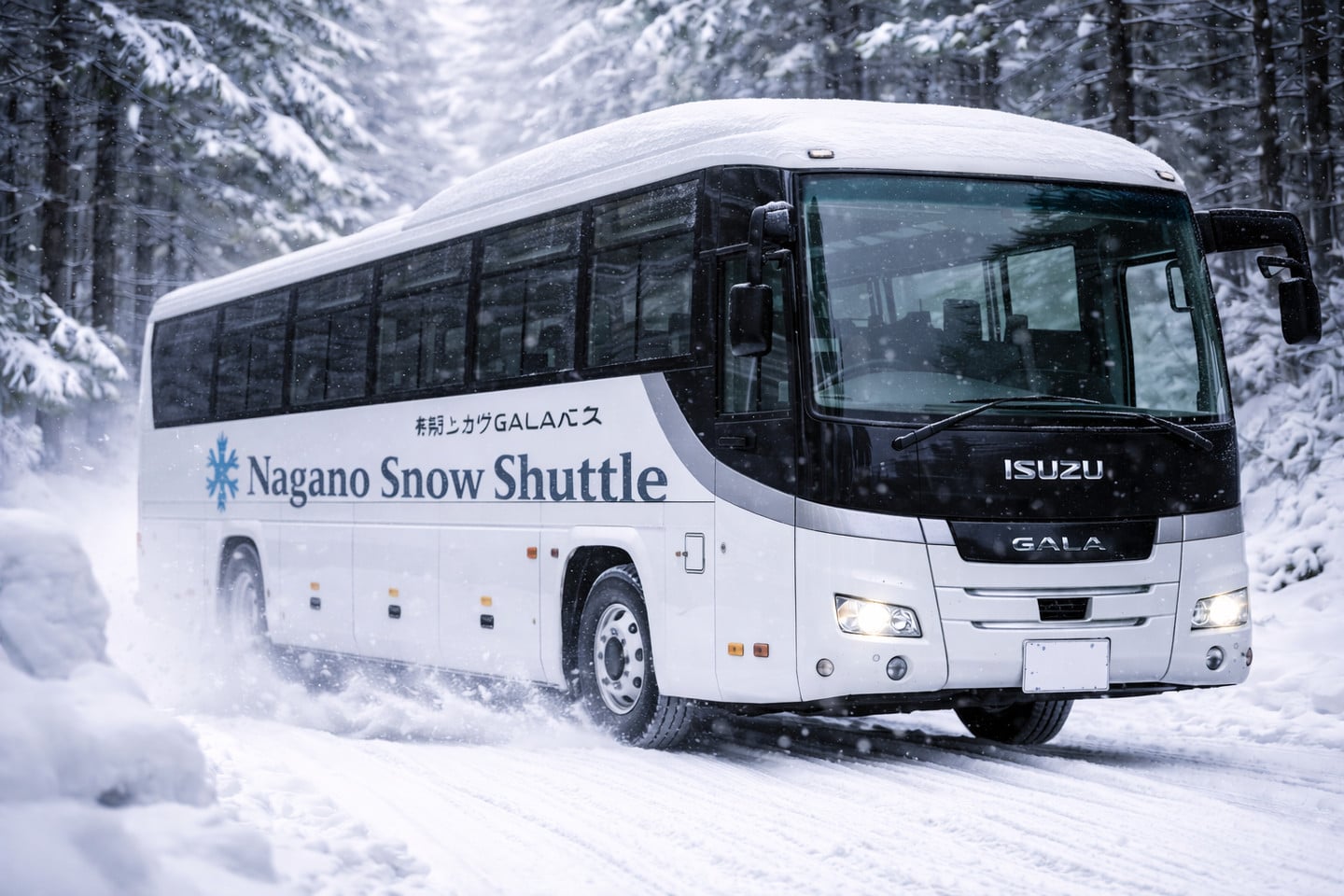
This is the part of Myoko planning that is most easily underestimated. In winter there is a paid Mt. Myoko Shuttle bus that roughly links Akakura Onsen, Akakura Kanko, Ikenotaira and Suginohara; the fare depends on the section you ride and is paid in cash on the bus, with details available from the operator, MKK TOURS. The problem is the infrequent service: buses typically run densely in the morning and evening and barely at all at midday, so missing one can mean waiting more than an hour.
If you are traveling with three or four people, booking a local taxi directly (such as Kogen Taxi) is more practical: split between you, the cost is about the same as waiting for a bus, and you decide when to leave. Also remember that Akakura Onsen and Akakura Kanko connect at the summit and you can ski straight across, but there is no ski run linking Ikenotaira and Suginohara, so you must take a vehicle.



Myoko Kogen Ski Resorts: Highlights and Experiences
Below we go through the resorts one by one, then add the hot spring town and non-skiing activities.
Akakura Onsen Ski Resort: Wide Gentle Green Runs and Myoko’s Biggest Night Skiing
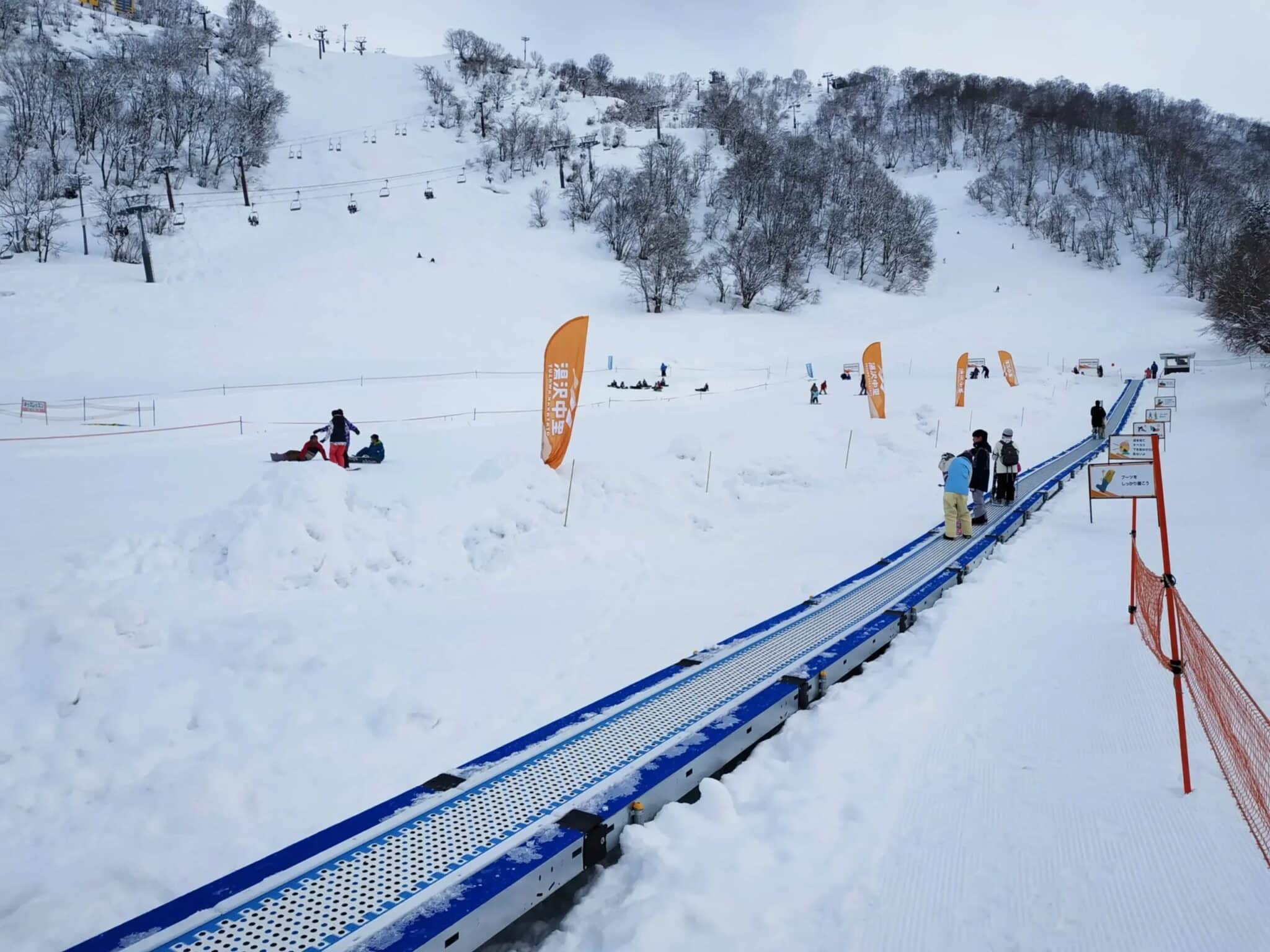
The most beginner-friendly of the four resorts. The runs are wide and gentle, mostly green and red across the area, with few steep sections to trip up beginners; it also has the largest night skiing in the Myoko area, so if you did not ski enough during the day you can go another round in the evening.
Another key advantage is the convenience of daily life: the resort sits right beside Myoko’s biggest hot spring town, so as soon as you leave the slopes there are izakaya, restaurants, convenience stores and ski shops, and you are not stuck in your hotel at night. The single-resort day ticket for the 2025-26 season was about ¥7,000; please check the official announcement for the current season. For first-time visitors to Myoko who do not plan to switch resorts every day, this is the easiest base.

Akakura Kanko Resort Ski Area: The Main Arena for Red and Black Runs and Tree Skiing
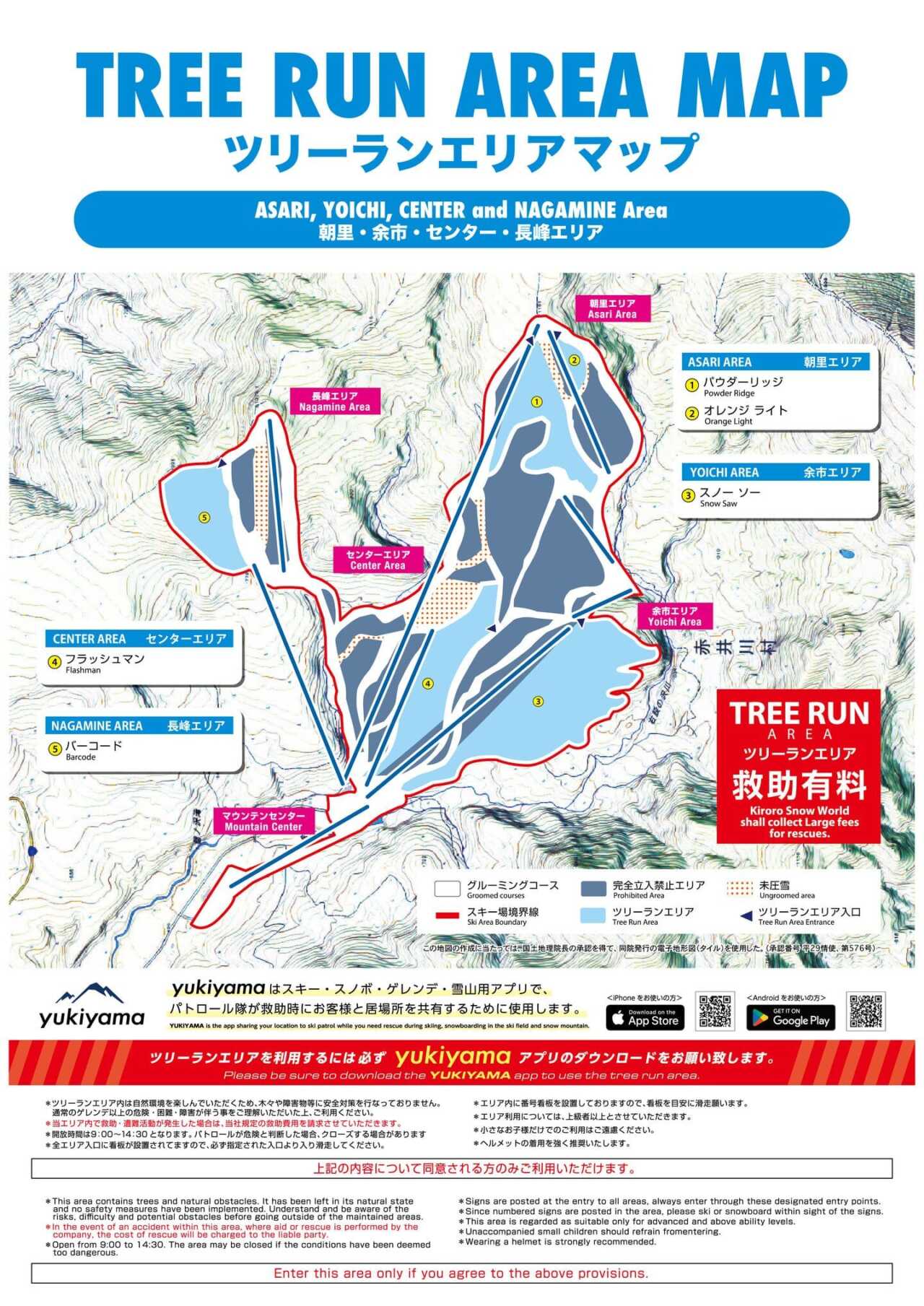
It connects with the Akakura Onsen summit but has a completely different character. The vertical drop is large, red and black runs make up a clearly higher share, and there is a designated tree skiing (Tree Run) area. It is the side where Myoko’s powder chasers spend the most time, and following the terrain all the way down gives a run of about 4.5 km.
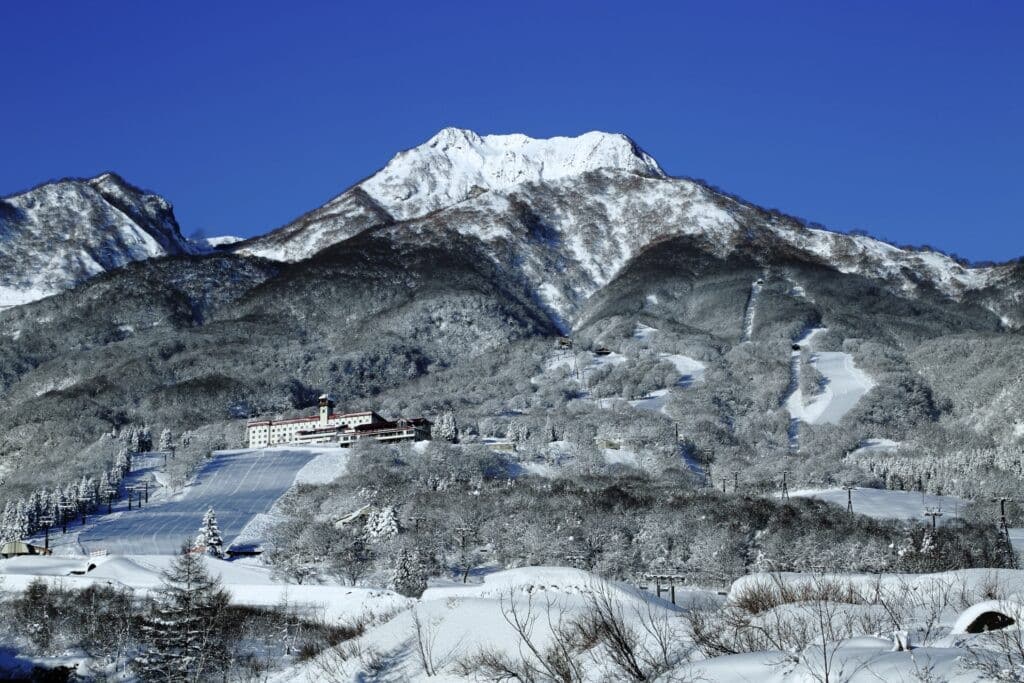
The 2025-26 season resort day ticket was about ¥7,000 for adults, ¥6,000 for seniors and ¥5,200 for children, plus a 4-hour ticket at about ¥5,400 and a 2-day ticket at about ¥12,300. The Akakura Kanko Hotel on the mountainside is the classic landmark of the area, and even people who are not staying there often go up specially to see the open view. Prices and ticket types are as per the official announcement for the current season.
Ikenotaira Onsen Ski Resort: Extra-Wide Gentle Slopes and an Uncrowded Terrain Park
What Ikenotaira is most praised for is its width. The extra-wide gentle slopes let beginners make big turns with confidence and not worry about hitting anyone, making it the best place in Myoko to build confidence; it also has a high-quality terrain park that attracts park riders.
Compared with the two Akakura resorts, Ikenotaira is clearly less crowded, so fresh powder is not skied out as quickly after a snowfall. The 2025-26 season day ticket was about ¥6,900 for adults, ¥5,900 for junior high students and seniors, and ¥4,300 for children, with a 2-day ticket at about ¥12,000, and free for preschoolers; the official lift operating hours are 8:30 to 16:00. Please check the official announcement for the current season.
Myoko Suginohara Ski Resort: The 8.5 km Super-Long Run
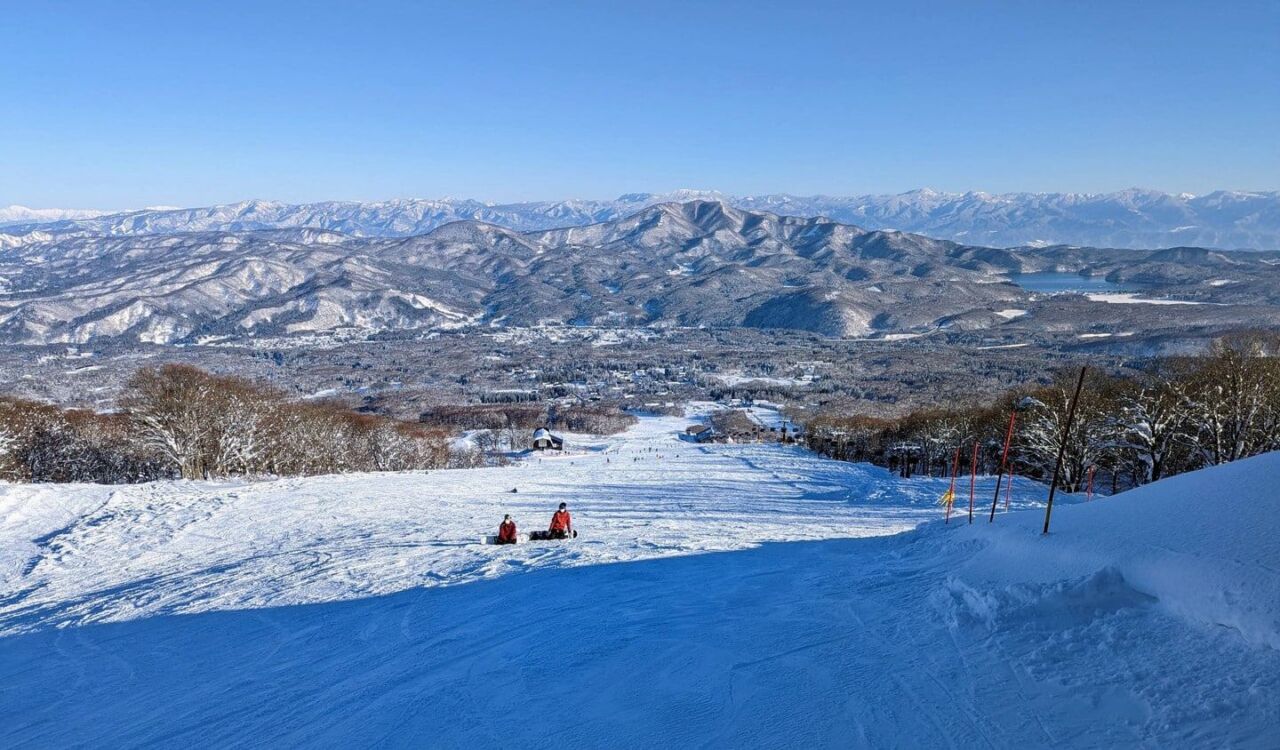
Suginohara’s most famous number is 8.5 km: the official announcement gives a maximum run length of 8,500 meters and a vertical drop of 1,124 meters, making it one of Japan’s few super-long runs. Every level can find a suitable section; for official information, see the Myoko Suginohara Ski Resort website run by Prince Hotels (princehotels.co.jp/ski/myoko).
The summit also has a high-quality off-piste powder zone, and the official description of the view is of Lake Nojiri below and the distant Kitashinano mountains. Information for the 2026-27 season had not been announced when checked in August 2026; for 2025-26, the combined lift and chairlift day ticket was about ¥8,000 for adults and ¥7,400 for high school students and seniors, free for elementary school students and under, with operating hours of about 8:30 to 16:00. Please check the official announcement for the current season.
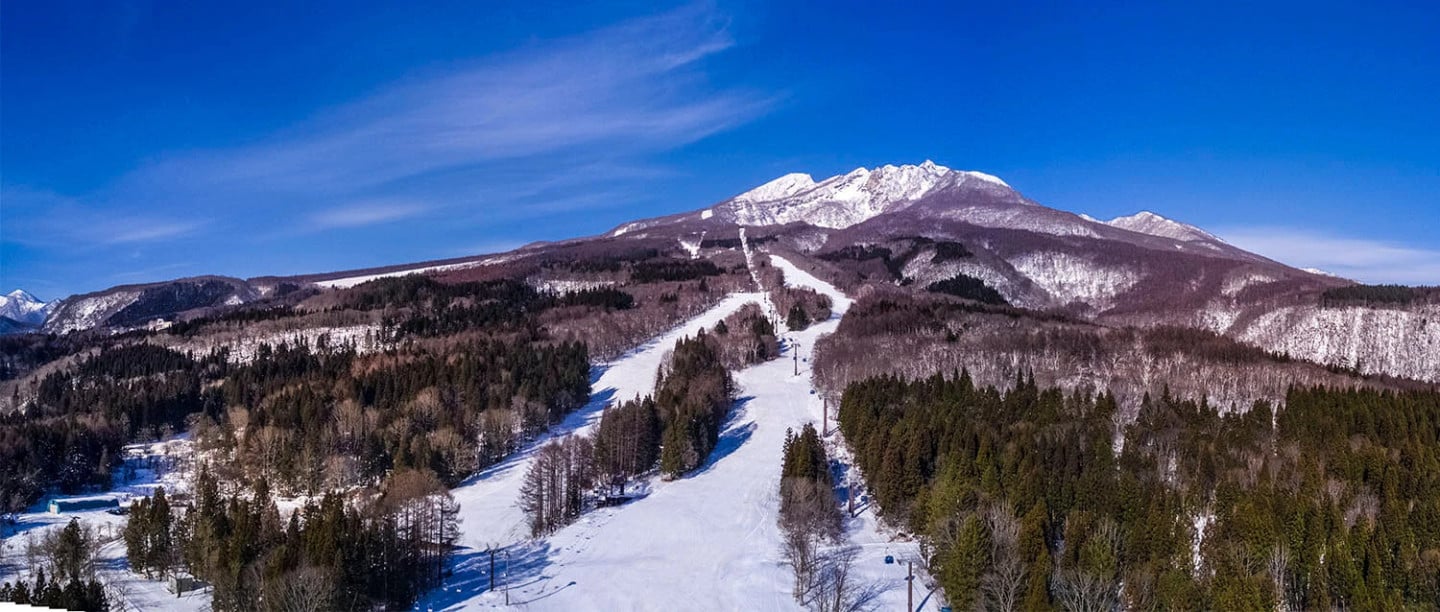
Akakura’s Two Mountains Connect at the Summit: The Only Combination You Can Ski Straight Across
Of the four resorts, only Akakura Onsen and Akakura Kanko connect at the summit, and with the Akakura two-mountain pass you can ski straight across without going down to take a vehicle. This is critical for planning: it effectively merges two completely different resorts into one big resort.
In practice, ski soft snow and the red and black runs at Akakura Kanko in the morning, move to the wide gentle area of Akakura Onsen to wind down in the afternoon, then take another round of night skiing and head into the hot spring town for dinner. This route hardly requires looking at a bus timetable and is the smoothest arrangement for a short trip. Note that the connecting route can close at short notice due to wind speed and snow conditions, so check the day’s status on the resort’s operations information board before you set out.
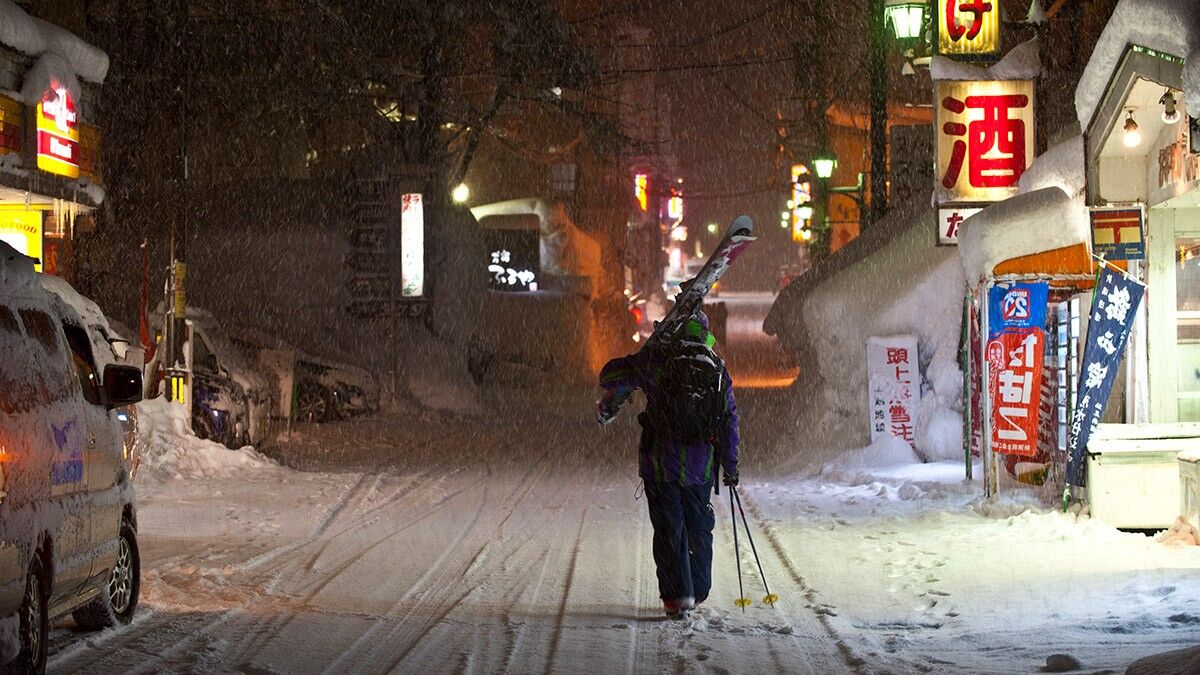
Akakura Hot Spring Town: Myoko’s Most Complete Living Area
Akakura Onsen is Myoko’s largest hot spring settlement and the only place on the whole plateau that can really be called a “town.” Convenience stores, izakaya, ramen shops, ski shops and rental shops are all concentrated here, so there is food right outside after skiing, which is actually uncommon at ski resorts.
For travelers without a car, staying here gives the most freedom: the hot spring town itself is a shuttle bus hub, with buses to Ikenotaira and Suginohara. The downside is that in peak season the evenings are crowded and popular restaurants have queues, so we suggest booking or heading out early. The town is on a slope, so watch for icy surfaces when walking with your gear, and most inns offer gear storage and drying rooms so you do not have to carry everything back to your room every day.
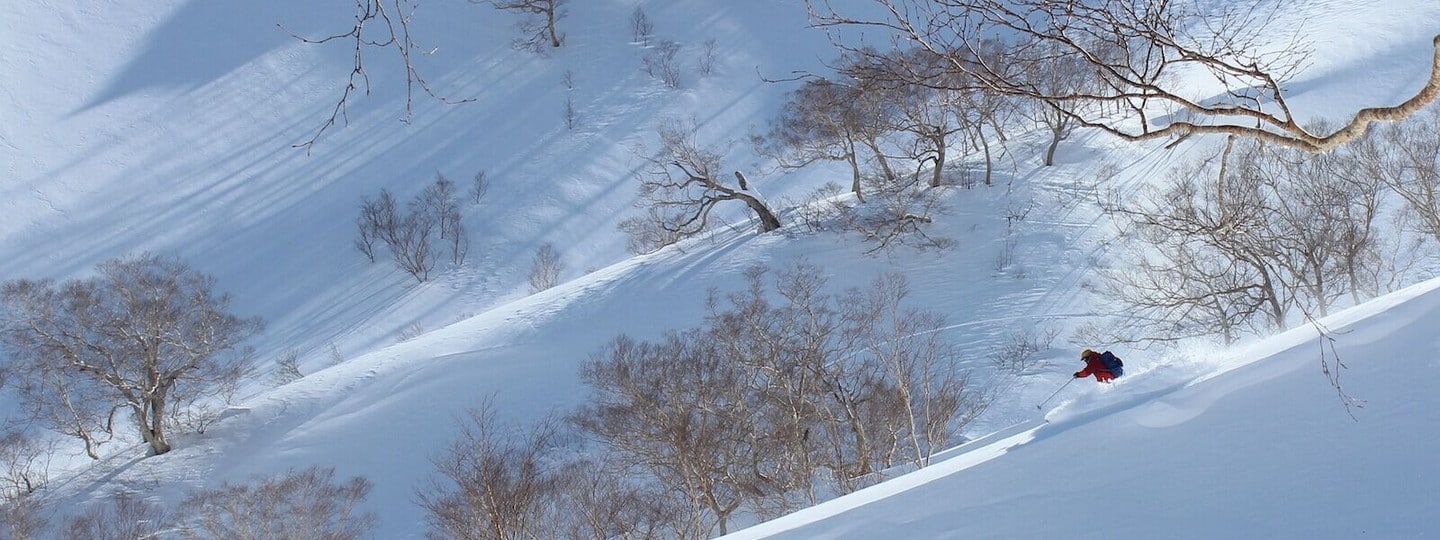
Tree Skiing Zones: The Heart of Myoko’s Appeal to International Skiers
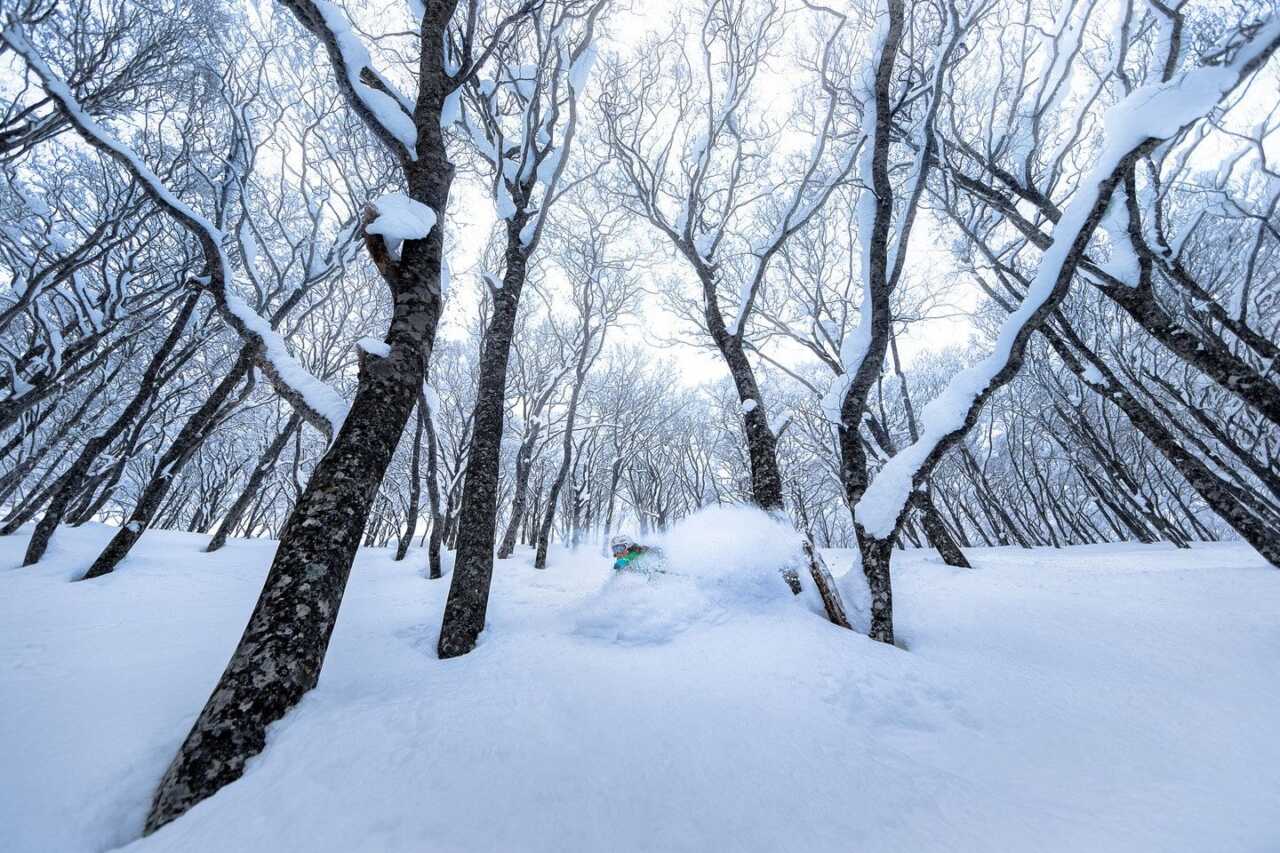
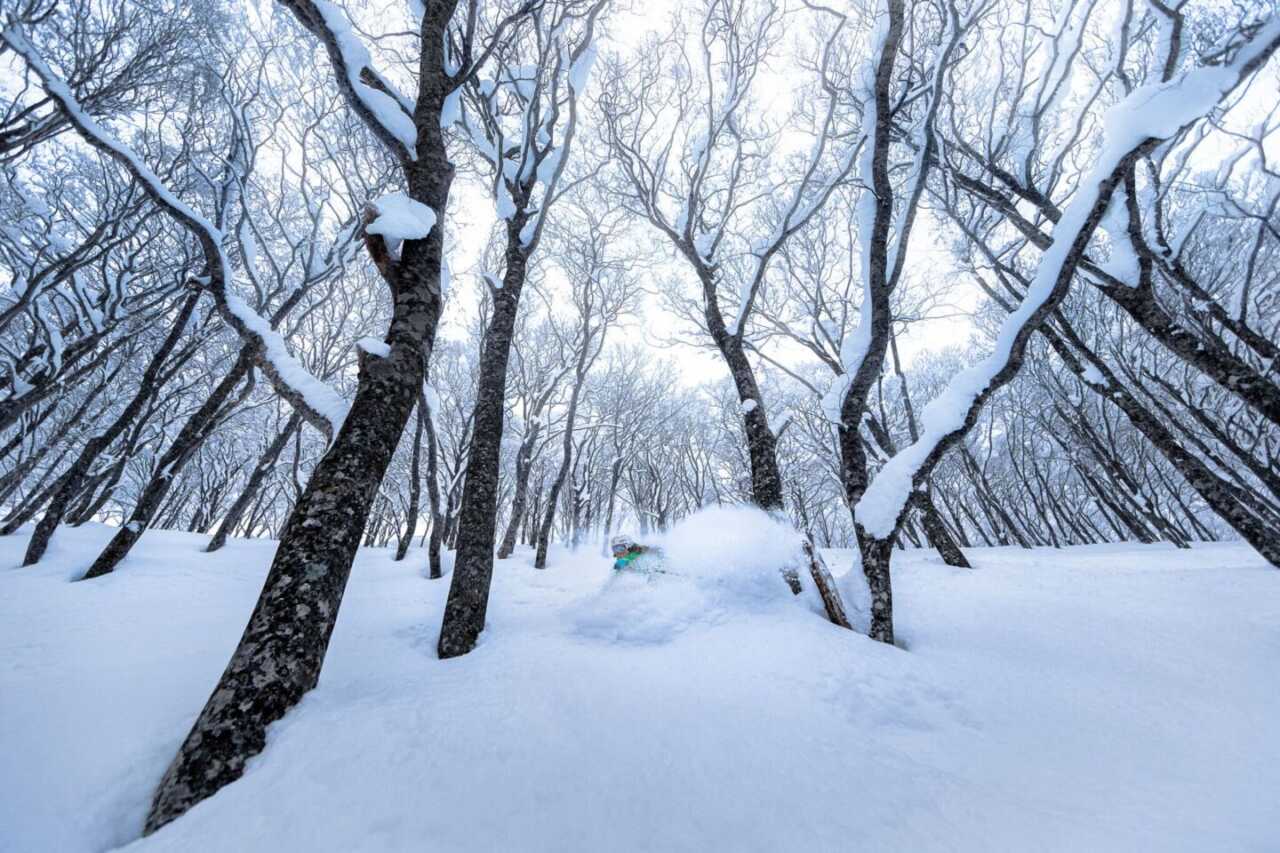
Myoko is better known among overseas skiers than its general profile would suggest, and a large part of that comes from tree skiing. Both Akakura Kanko and Suginohara have designated tree areas where, on the early morning after a snowfall, you can ski quite deep soft snow, an experience the resorts near Tokyo cannot give you.
But tree skiing is not terrain for beginners: visibility is limited and the risk of tree wells is real, so always go with at least one other person, carry the necessary equipment and confirm whether the area is open that day. Most Myoko resorts clearly mark the areas you may enter, so please do not cross the boundary into unmanaged terrain. If you have no off-piste experience but want to try it, the safest approach is to join a tour led by a local guide who knows the terrain.
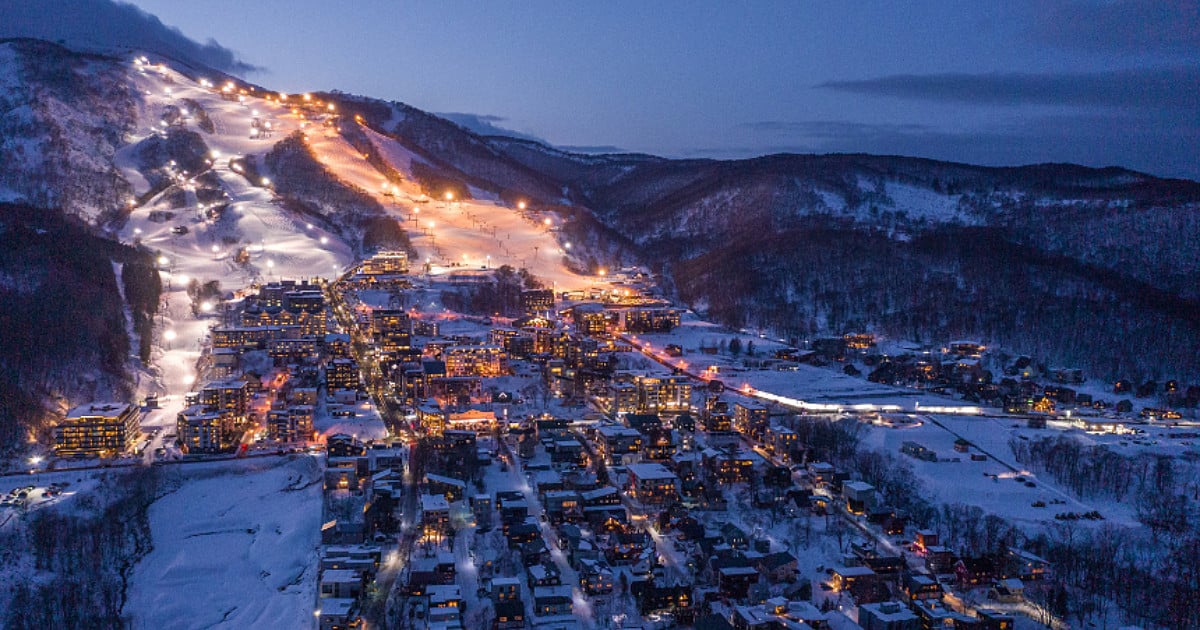
Night Skiing: Stretch Your Day on the Slopes
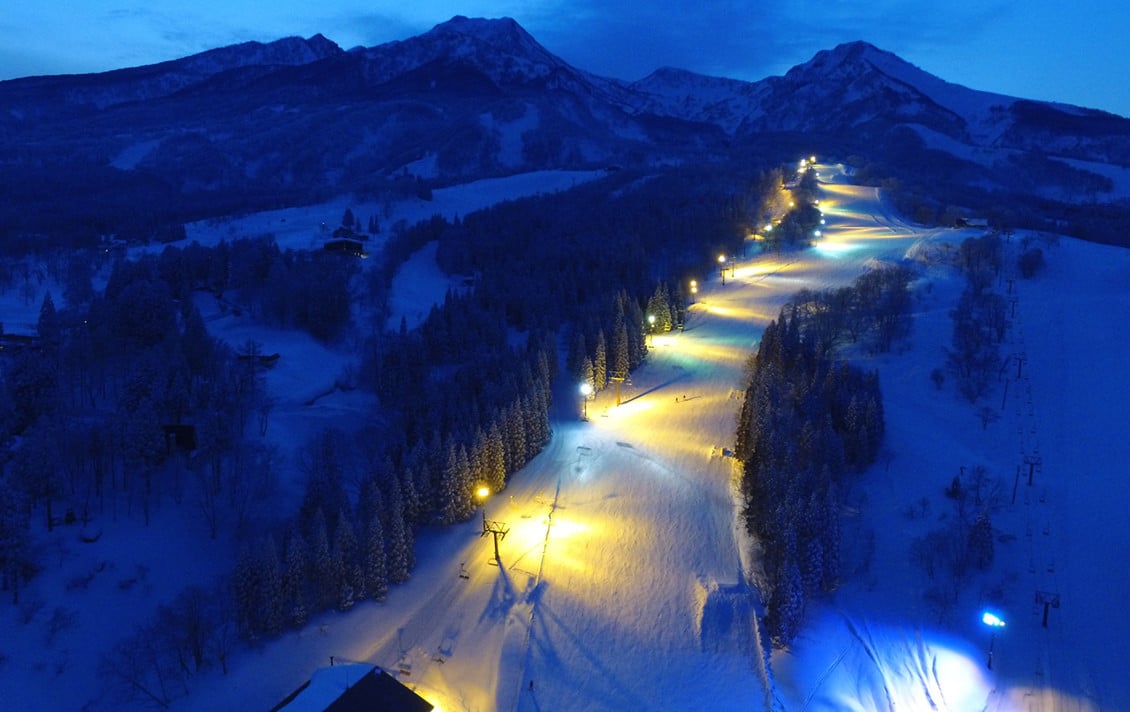
Akakura Onsen has the largest night skiing in the Myoko area, with a considerable lit area and run length. If you arrive in the afternoon, or the daytime snow conditions are poor, night skiing effectively saves the day for you.
Note that night skiing usually needs a separate ticket type, and the Mt. Myoko all-mountain pass mostly does not apply to night operating hours, a very common misunderstanding. Night temperatures are also lower and the snow surface freezes easily, so be more conservative with warm clothing and speed control. Usually only some of the runs are open for night skiing, so we recommend checking which routes are open that evening and the time of the last lift, so you do not find at the end that you have to walk down the mountain.
Myoko’s Hot Springs: Another Reason to Come Besides Skiing
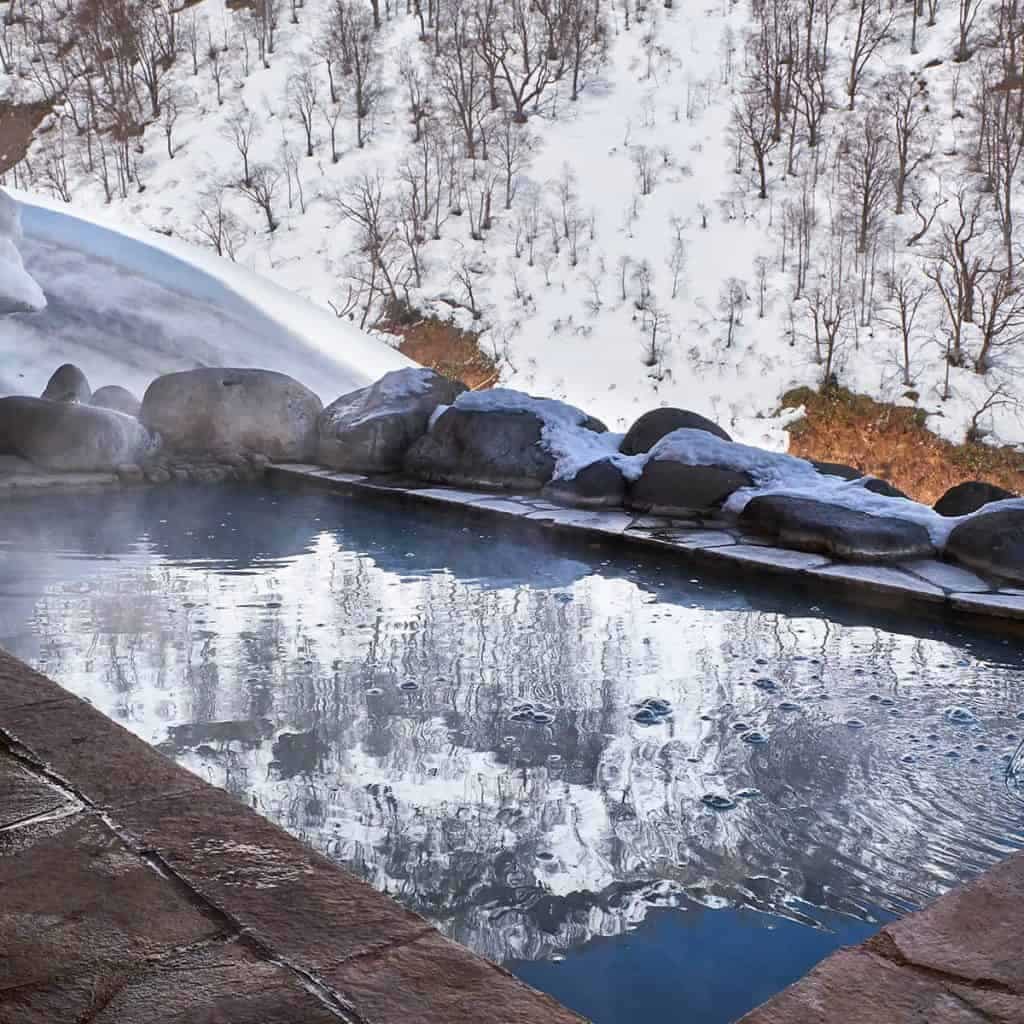
Akakura Onsen and Ikenotaira Onsen are both hot spring areas with a long history, which is why Myoko’s resort names so often include the word “onsen.” Soaking right after skiing is the most natural part of an itinerary here, and most inns also open their baths to non-guests for day-use bathing.
The Ikenotaira area has a distinctive, darker-colored spring quality that originates from the foot of Mount Myoko and is often mentioned locally as a feature; Akakura mostly offers the source-fed baths of long-established inns. If you plan a day when you do not ski, arranging a hot spring tour day is far better value than forcing yourself up the mountain. Day-use bathing hours are mostly in the afternoon, so check the times before you go, and some inns restrict non-guests in peak season.
Beginner Lessons and Gear Rental: Availability of Chinese-Language Instruction
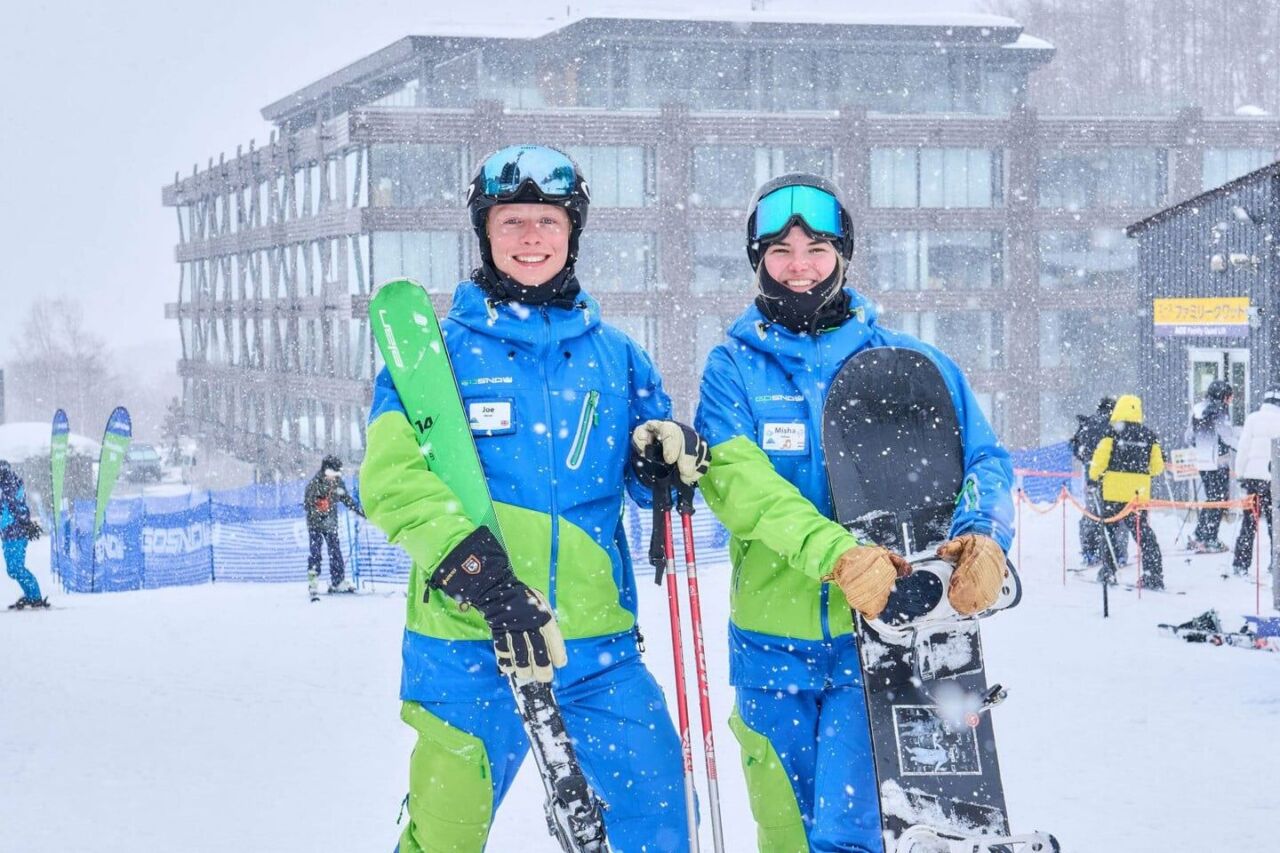
Every Myoko resort has a ski school, and some operators offer Chinese-language lessons year after year; you can find them around Akakura and Suginohara. Because Myoko has a high proportion of international visitors, communicating in English is also relatively smooth, which is actually not the norm at regional Japanese ski resorts.
Gear and ski clothing can be arranged at the resort or at rental shops in the hot spring town, and the accommodation front desk can sometimes book them for you at a discount. In peak season, book early, especially since Chinese-speaking instructors and children’s gear are the first to run out. One more tip: when you stay at a hotel or guesthouse in the Myoko area, you can usually buy discounted lift tickets at the front desk, so ask right after booking; the discount is often bigger than any online offer and is the most overlooked way to save money in Myoko.
Fun Without Skiing: Snowshoe Hiking and Snow Activities
Having someone in your group who does not ski does not make Myoko boring. The resorts and nearby operators offer snowshoe hiking, snow banana boats, snow tubing and other experiences in winter, and some resorts also have fenced-off children’s snow play areas so little ones can play in the snow without going onto the slopes.
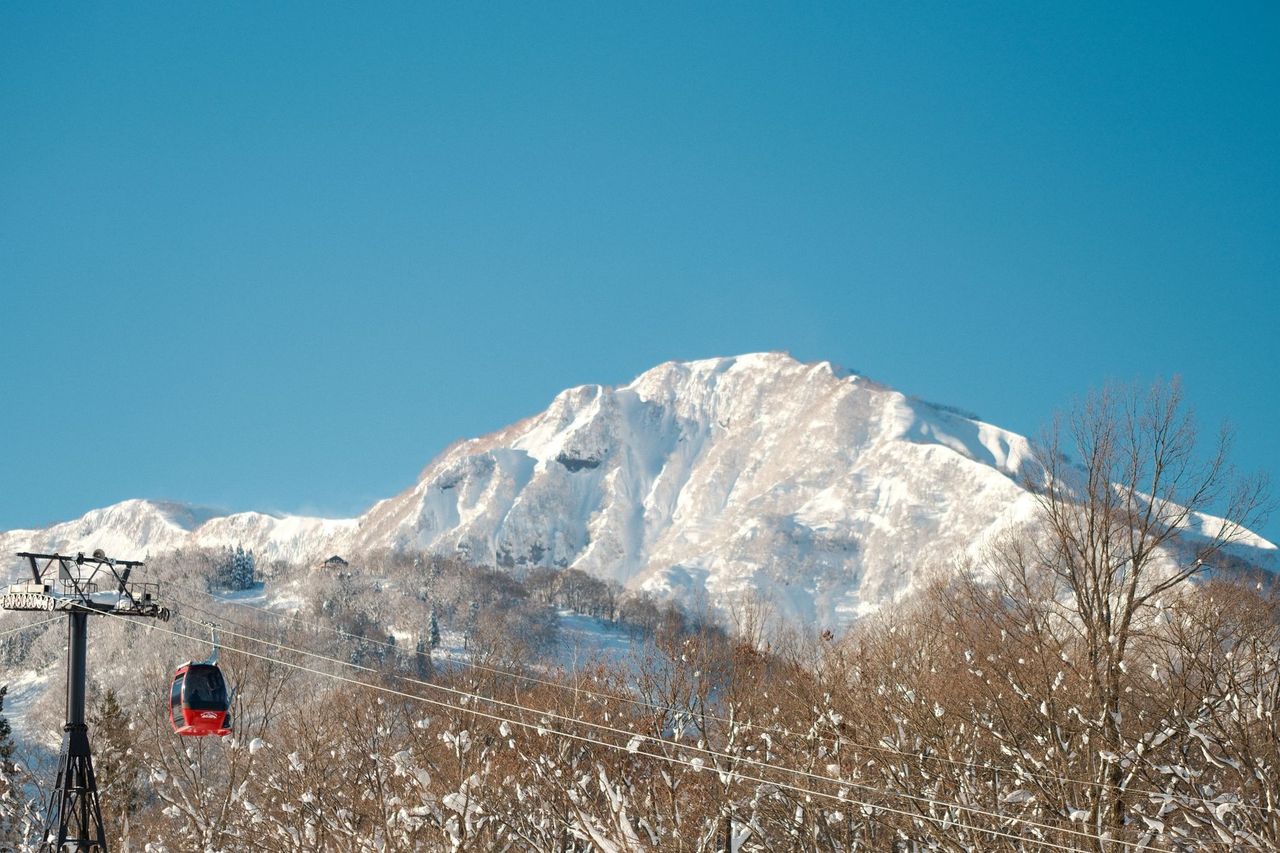
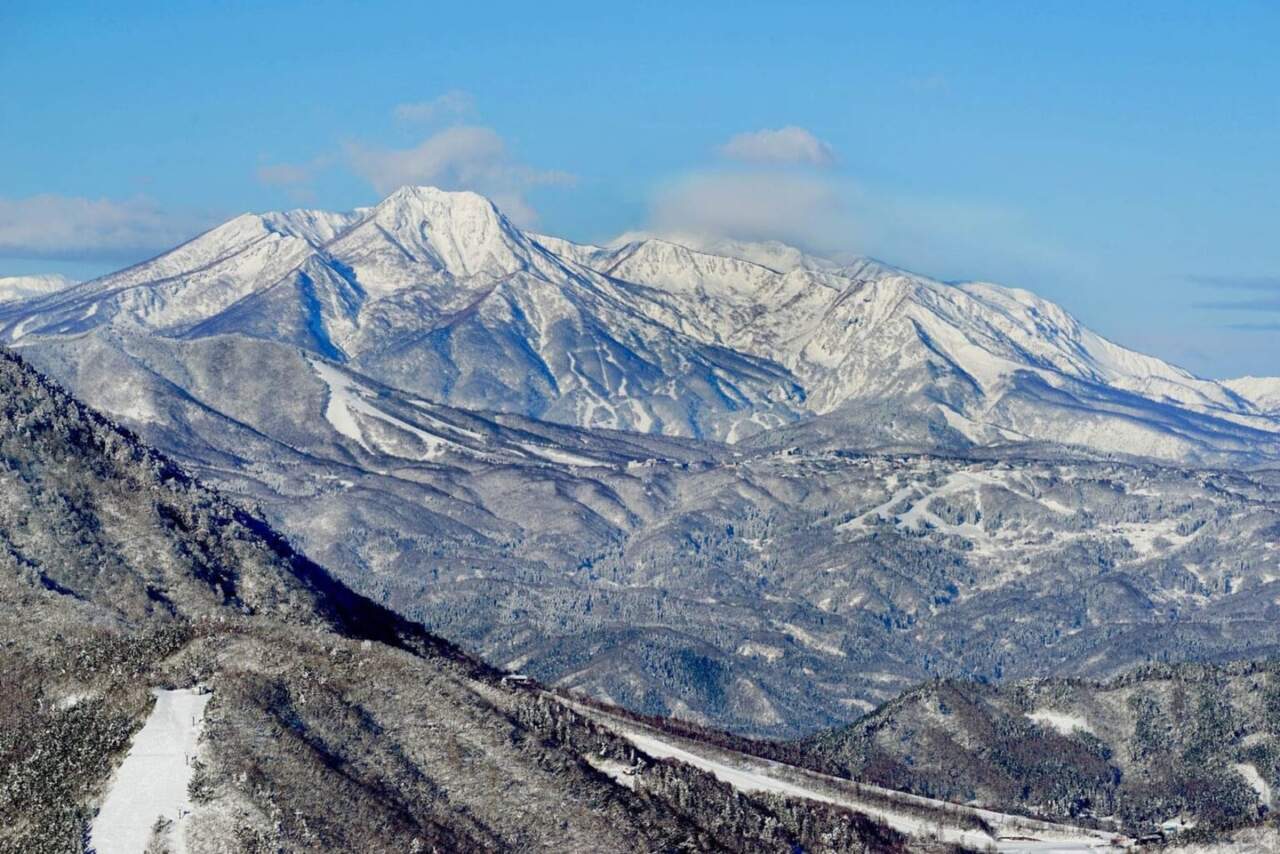
Also, riding the lift up to see the snowy scenery is worth it in itself: on clear days the view of Mount Myoko and the surrounding snowscape is excellent. These activities mostly require same-day booking and depend on the weather, so we suggest checking at the resort service center on arrival to see which sessions are on that day. If someone in your group does not want to touch snow at all, the cafes and hot spring facilities in the Akakura hot spring town are enough to fill an afternoon, with no need to go up the mountain into the wind.
When Is the Best Time to Come: Trading Off Snow, Crowds and Prices
Myoko’s snow is most reliable from January to mid-February, which is also when the chance of powder is highest, at the cost of prices and crowds peaking at the same time, and Japan’s year-end and New Year period is the most crowded of the whole year. If you want the best snow quality, you have to accept this trade-off.
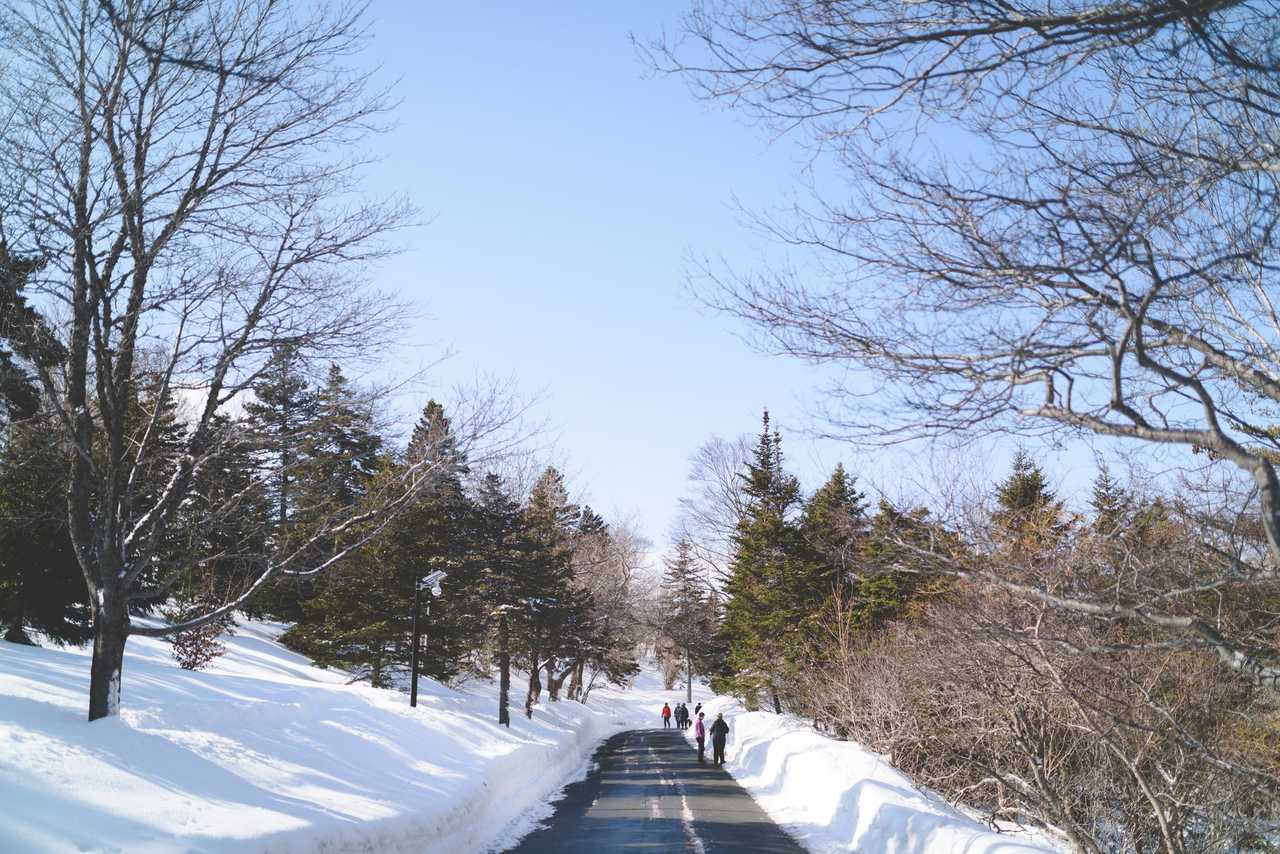
In early December the snow is still unreliable and only some runs may be open; after March the snow turns to spring snow, but the weather is pleasant, crowds drop noticeably and lodging is much cheaper, which is actually friendlier for beginners practicing. The actual operating period of each resort is announced anew each year, so be sure to confirm the dates for the current season before you go. If your goal is a balance of snow and crowds, weekdays in early January and late February are usually the sweet spot that balances both.
Myoko Kogen Lift Tickets and Combination Passes
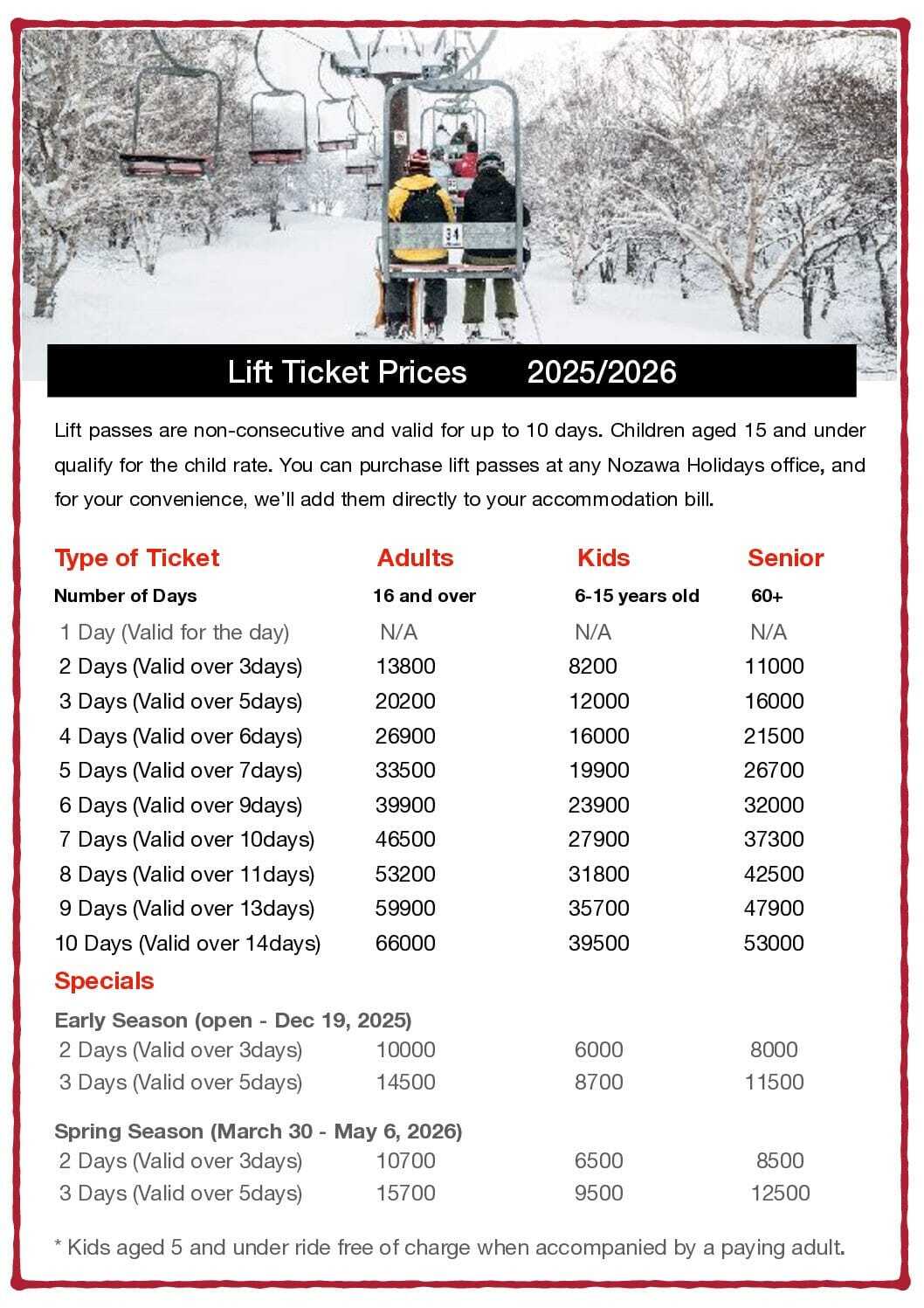
The amounts below are the 2025-26 season announcements; the 2026-27 season had not yet been announced when checked in August 2026.
Akakura Two-Mountain Pass: The Best Choice for Short Trips
Covers the two connected resorts, Akakura Onsen and Akakura Kanko. The combined day pass announced for the 2025-26 season was about ¥8,500 for adults and junior high students and ¥6,800 for seniors and children; the valid period is as per the official announcement.
Because the two resorts connect at the summit, this ticket can be fully used without taking any shuttle, making it the best value for anyone staying only one or two days and staying in the Akakura hot spring town. Actual prices, valid periods and sales channels are as per the official announcement for the current season.


Time-Based and Multi-Day Tickets: Choose by Hours on the Slopes
All four resorts have 4-hour tickets, suited to people arriving in the afternoon or wanting to finish early for a soak. For the 2025-26 season, the Akakura Kanko 4-hour ticket was about ¥5,400 and Ikenotaira about ¥5,600, not a big difference from the day ticket, so it is worth doing the sums first.
If you ski several days in a row, consider a multi-day ticket: Akakura Kanko’s 2-day ticket was about ¥12,300 and 3-day about ¥17,200; Ikenotaira’s 2-day about ¥12,000 and 3-day about ¥16,800, which works out cheaper on average than buying single days. Actual ticket types and amounts are as per the official announcement for the current season.
Accommodation-Discounted Lift Tickets and Early-Bird Tickets: The Most Overlooked Way to Save
The front desks of hotels and guesthouses in the Myoko area can usually sell exclusive discounted lift tickets, with sometimes considerable savings, but this is almost never written on the booking page, so you have to ask. The quickest way is to email the front desk once your booking is confirmed.
Another channel is early-bird tickets: buying in advance through online channels before the season starts is often noticeably cheaper than the ticket window. The downside is that they are mostly non-refundable and non-changeable, so your dates must be set first. If your itinerary is final, an early-bird ticket plus an accommodation discount can often cut your lift ticket spending by more than 20 percent.
Practical Myoko Kogen Skiing Tips and Where to Stay
How Many Days to Plan: The Difference Between Two Days and Three
Myoko’s transport cost is high, a same-day round trip is nearly impossible, and even two days and one night feels rushed. In practice the dividing line is three days: with two days, we suggest focusing on the two Akakura mountains, buying the two-mountain pass and not touching the shuttle at all; with three days or more, the all-mountain pass is worth considering so you can fit in Ikenotaira and Suginohara.
It is important to count travel time: shuttles between resorts start at half an hour or more and run infrequently, so hopping between two resorts in one day often costs two hours of skiing. Rather than trying to do too much, it is better to ski one resort thoroughly.
Choosing Where to Stay: Akakura Hot Spring Town vs. Ikenotaira Hot Spring Area
If you are not driving, the Akakura hot spring town gives the most freedom: the shuttle bus hub, restaurants and ski shops are all there, you can walk out for food in the evening, and there are buses to Ikenotaira and Suginohara during the day. It is the default choice most people do not regret.
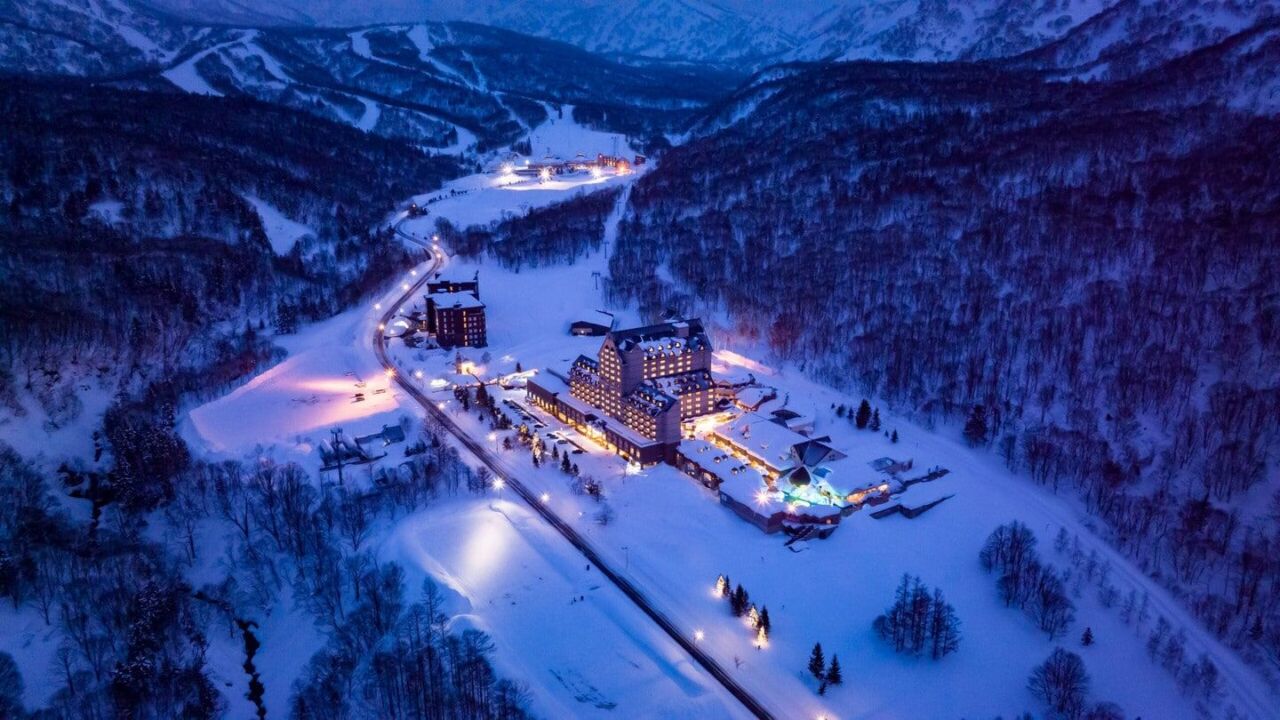
The Ikenotaira hot spring area is a different orientation: the extra-wide slopes suit beginners practicing, and the hotels have large grounds and a quiet atmosphere, but evening life basically depends on in-house facilities. If your group is mostly beginners and children and you do not plan to change resorts every day, Ikenotaira offers better value.
When to Book: Peak Season Fills Up Six Months Ahead
Myoko is an internationally famous powder destination with a high proportion of overseas skiers, and lodging for New Year’s and the January-February peak is often hard to find six months ahead, or even back in July or August of the previous year. In practice you should start looking for a room the day you decide to go.
Conversely, room rates drop noticeably in early December and after late March. If you can accept a period when the snow quality is not at its best, these two windows save a considerable amount of budget, and the resorts are much quieter.
Gear for Heavy-Snow Country: Colder and Wetter Than You Expect
Myoko gets frequent snowfall, and many days it is “snowing all day.” This feels completely different from a clear-weather resort: goggles fog up easily and gloves get soaked quickly, so we suggest bringing an extra pair of gloves and spare inner layers and preparing anti-fog accessories.
For jackets and pants, the waterproof rating matters more here than the warmth rating. Also, since visibility is often poor, choosing lenses suited to low light is much safer. If you are going into the tree zones, protective gear and going with a partner are basic requirements; do not go alone.
Where to Stay: Treat Your Lodging as Part of Your Transport Strategy
In Myoko, choosing accommodation is really choosing your way of getting around. Staying in the Akakura hot spring town buys you the highest mobility, while staying at Ikenotaira or a slope-access hotel trades flexibility for the convenience of stepping straight onto the slopes. Neither is absolutely better; it depends on whether you want to hop between resorts.
Also, do not forget to ask the front desk about discounted lift tickets and to confirm whether the hotel offers station pickup; pickups from Myoko-Kogen Station and Joetsu-Myoko Station mostly need to be booked in advance. Lodging options around Myoko Kogen are covered in a separate article.
Myoko Kogen Ski Resorts: Frequently Asked Questions
Q: How many ski resorts are there in Myoko Kogen?
There are four core resorts: Akakura Onsen, Akakura Kanko Resort, Ikenotaira Onsen Alpen Blick and Myoko Suginohara. Each is operated independently with different tickets, and only Akakura Onsen and Akakura Kanko connect at the summit so you can ski straight across.
Q: Do I have to buy the Mt. Myoko all-mountain pass?
Not necessarily. The official day-pass price for the all-mountain pass was not publicly listed at the time of checking (so this article gives no amount), and it mostly has to be bought in advance and does not cover night skiing; in addition, you must take a shuttle between Ikenotaira and Suginohara. For anyone staying just one or two days, the Akakura two-mountain pass (about ¥8,500 per day, covering the two connected resorts) is usually more practical.
Q: How long does it take to get from Tokyo to Myoko Kogen?
Take the Hokuriku Shinkansen from Tokyo Station to Nagano Station in about 85 to 100 minutes, transfer to the Shinano Railway Kitashinano Line to Myoko-Kogen Station in about 40 to 44 minutes, then a bus or taxi for about 15 minutes to Akakura Onsen, for a total of about 3 to 4 hours. You can also ride to Joetsu-Myoko Station and transfer to the winter-only Myoko Kogen Liner bus.
Q: Which resort should a complete beginner choose?
Akakura Onsen and Ikenotaira are the best. Akakura Onsen has wide, gentle runs and many green runs, and is right next to the hot spring town with good amenities; Ikenotaira has even wider gentle slopes and fewer people, which suits building confidence. The terrain at Suginohara and Akakura Kanko is harder, so we recommend taking them on once you have the basics.
Q: How do I get between the resorts?
In winter a paid Mt. Myoko Shuttle bus links the four resorts, with fares calculated by section, but it runs infrequently and barely at all at midday. With three or four people, calling a local taxi and splitting the fare costs about the same and gives more freedom. Between Akakura Onsen and Akakura Kanko you can simply ski back and forth.
Q: Roughly how much is a day ticket at each Myoko resort?
The 2025-26 season announcements were roughly: Akakura Onsen about ¥7,000, Akakura Kanko about ¥7,000, Ikenotaira about ¥6,900 and Suginohara about ¥8,000. Elementary school students and under are free at Suginohara and preschoolers are free at Ikenotaira. Japanese ski resorts announce prices anew each year, and the 2026-27 season amounts had not been announced when checked in August 2026, so please check the official announcement for the current season.