
Naha Kokusai-dori Guide: Okinawa’s Busiest Shopping Street, the “Miracle Mile”
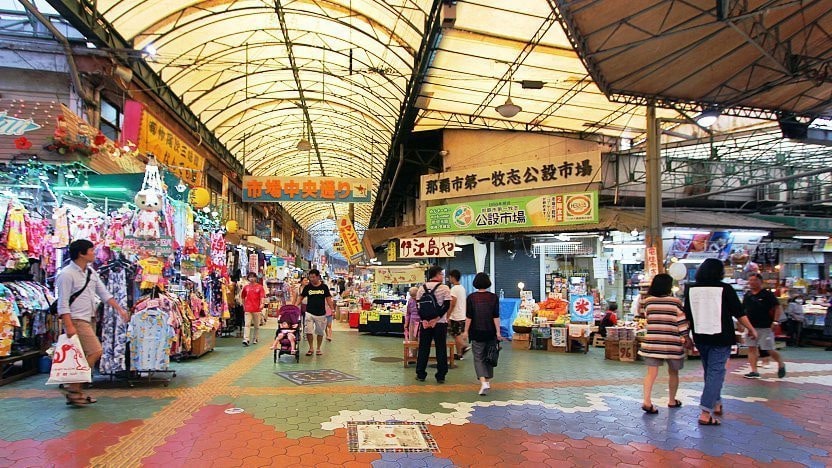
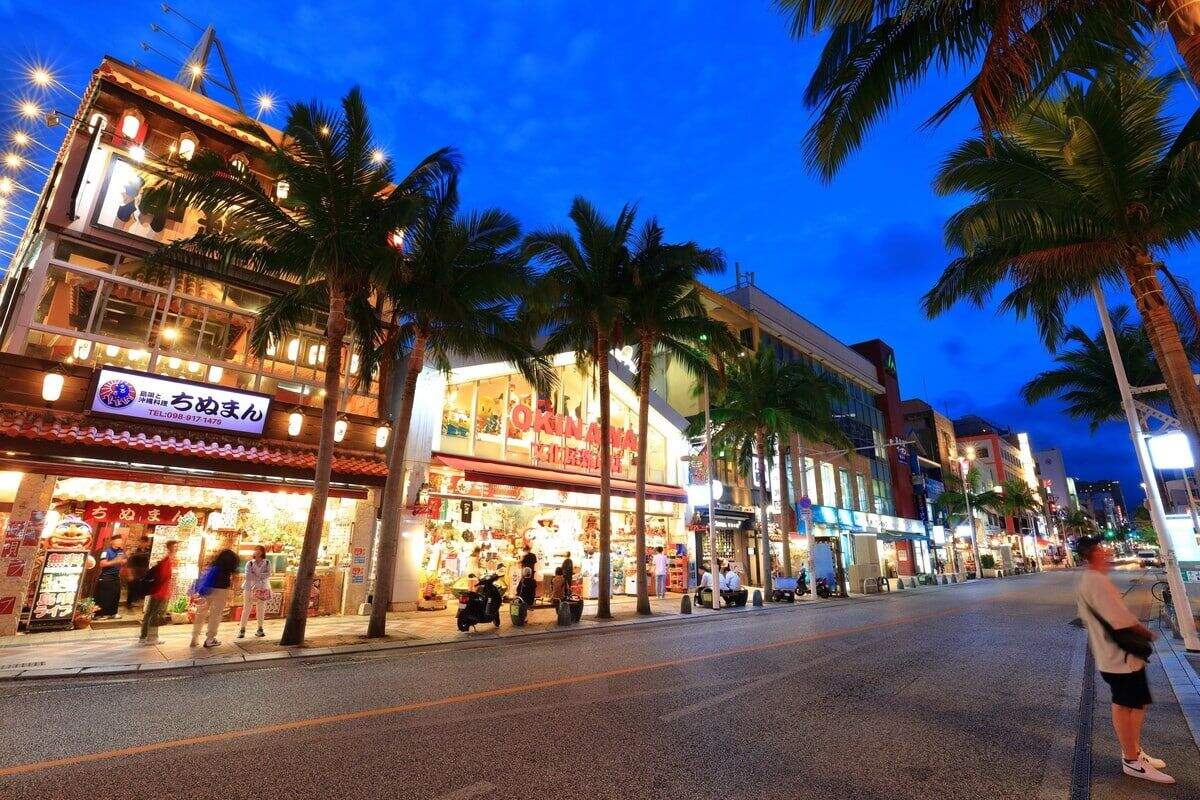
Kokusai-dori is a shopping street about 1.6 km long in central Naha, linking Kencho-mae Station and Makishi Station. It is the easiest half-day anchor to build into an Okinawa itinerary.
Key points first:
- 🚉 Kokusai-dori stations: on the Yui Rail monorail, Kencho-mae Station (west end), Miebashi Station (middle) and Makishi Station (east end).
- 🕙 Opening hours: most souvenir shops open around 10:00 and close between 21:00 and 22:00, while Don Quijote stays open late into the night.
- 📅 Every Sunday from 12:00 to 18:00 the street is closed to traffic and becomes a pedestrian-only “Pedestrian Paradise.”
The Miracle Mile: A 1.6 km Street Reborn from the Ashes of War
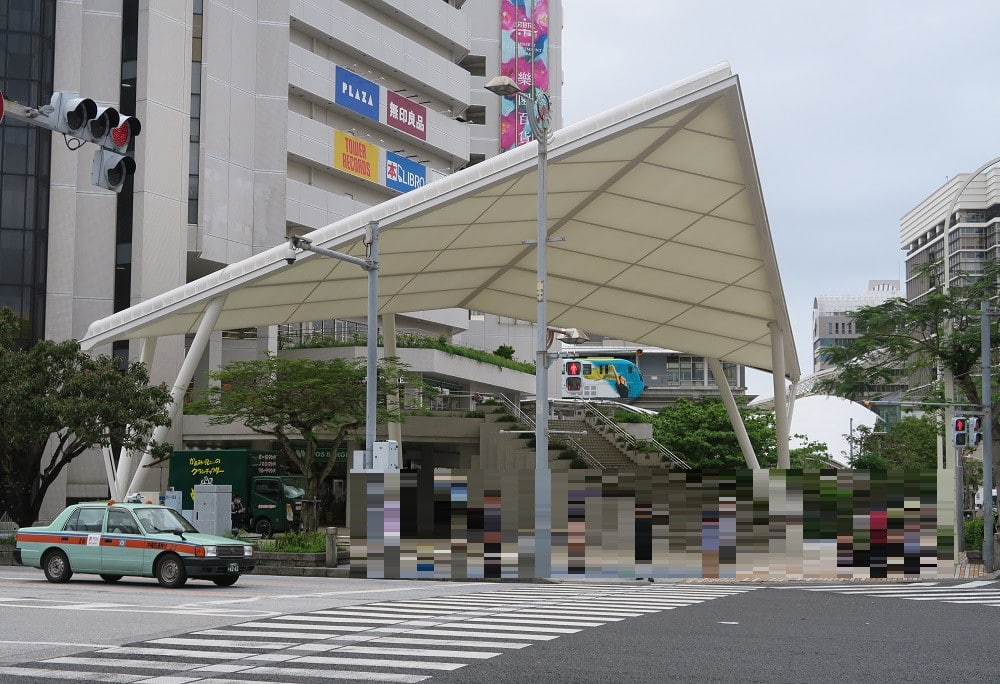
Kokusai-dori is known as the “Miracle Mile.” After World War II, central Naha was almost reduced to scorched earth, yet within just a few years this street had drawn shops and crowds back, becoming a symbol of Okinawa’s postwar recovery. It runs about 1.6 km (roughly one mile), from the Kumoji area in front of Kencho-mae Station at the west end to the Saion Bridge intersection near Makishi Station at the east end.
Today both sides of Kokusai-dori are packed with souvenir shops, drugstores, restaurants and department stores, making it the most commercially dense street in Okinawa. Nearly every first-time visitor to Okinawa puts it on the itinerary, and half a day on the evening you arrive or before you leave is perfect for buying all your gifts in one go.
Enter at One Station, Exit at Another: The Ideal Route With No Backtracking
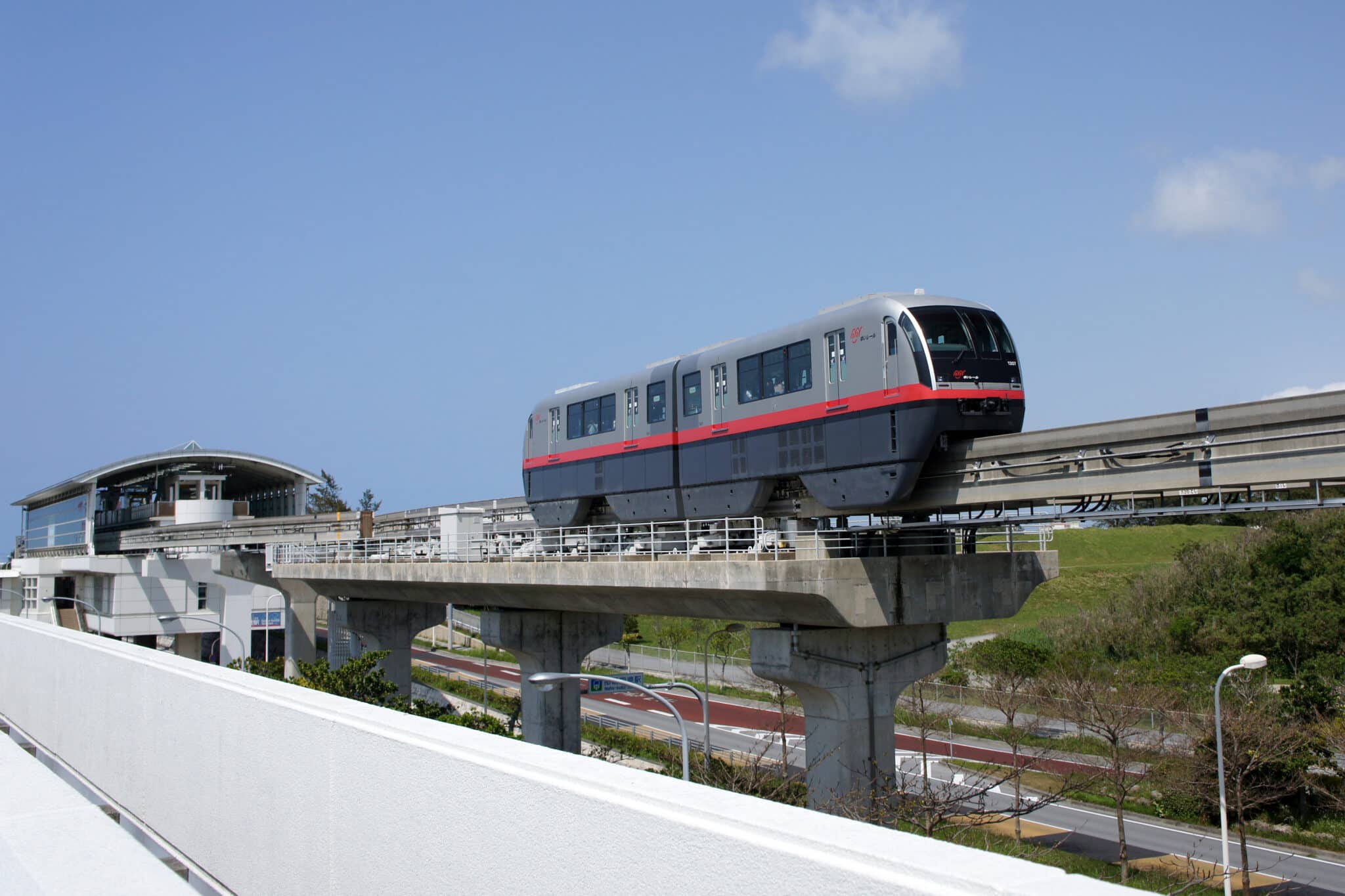
There is a monorail station at each end of Kokusai-dori, so the easiest way to do it is to enter at one station and leave from the other. Take the Yui Rail to Kencho-mae Station, walk from west to east, and finish by taking the train home from Makishi Station, with no need to backtrack at any point.
If you also work in Heiwa-dori Shopping Street, Daiichi Makishi Public Market and Tsuboya Yachimun Street along the way, the 1.6 km main street plus the side branches adds up to about 3 km of actual walking, so allow 3 to 4 hours. If you are carrying a lot of luggage, drop it in a coin locker at a monorail station before you start.
Pedestrian Paradise: Sunday Street Closure, 12:00-18:00
Every Sunday from 12:00 to 18:00, Kokusai-dori operates as a “Pedestrian Paradise” (transit mall), and ordinary vehicles are not allowed between the Kencho-kita-guchi intersection (in front of Palette Kumoji) and the Saion Bridge intersection (in front of Makishi Station).
While the street is closed, the whole road becomes pedestrian space, with street performers and open-air seating, and during event periods you may even see traditional Eisa drum dancing. The closure may be called off in rain. Drivers should note that Kokusai-dori cannot be crossed during these hours, and only a few intersections allow crossing from the side.
Who Is Kokusai-dori For? Half-Day and Full-Day Itineraries
Kokusai-dori suits three kinds of travelers: first-time visitors to Okinawa who want to buy all their souvenirs in one place; independent travelers who skip the rental car and rely on the monorail; and anyone looking for nightlife in central Naha.
For a half-day version, we suggest starting at Kencho-mae Station at 3 p.m., browsing the main street and Heiwa-dori, and then having dinner at Kokusai-dori Yatai Village. For a full-day version, spend the morning on Tsuboya Yachimun Street and Daiichi Makishi Public Market, return to the main street for shopping in the afternoon, and head to Sakaemachi Market in the evening to try a local izakaya.
How to Get to Naha Kokusai-dori: A Complete Guide to the Monorail, Buses and Parking Fees
From Naha Airport, the monorail reaches the stations at both ends of Kokusai-dori in about 15 minutes.
Okinawa Urban Monorail (Yui Rail): Direct From Naha Airport to Both Ends of Kokusai-dori
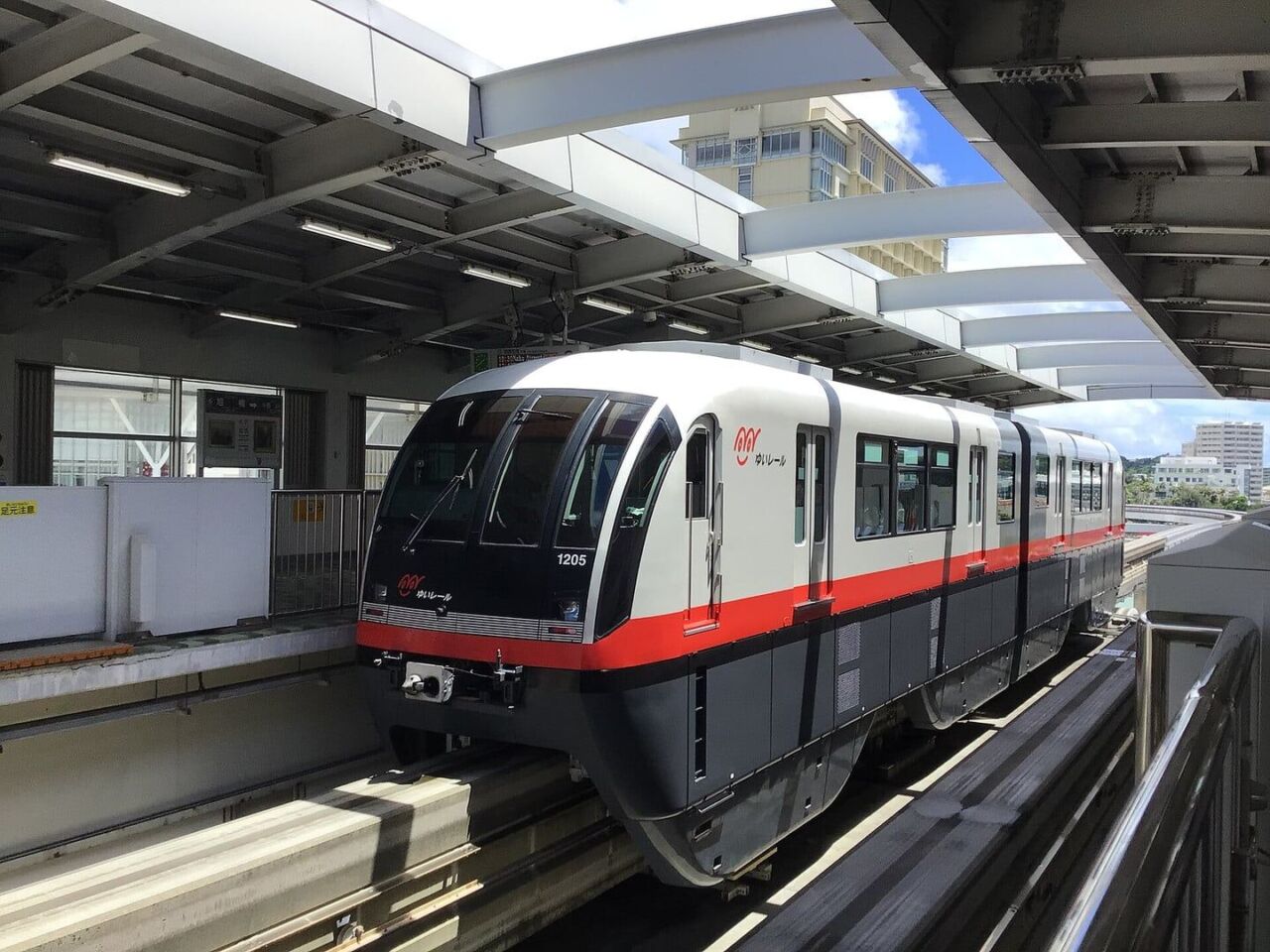
From Naha Airport Station to Kencho-mae Station takes about 13 minutes and costs ¥290; to Makishi Station at the east end takes about 16 minutes and costs ¥320. Miebashi Station in the middle takes about 14 minutes and costs ¥320. Trains run every 5 to 10 minutes.
If you will ride three times or more, a Free pass is better value:
- 1-day pass: adults ¥1,000, children ¥500, valid for 24 hours from the time of purchase.
- 2-day pass: adults ¥1,800, children ¥900, valid for 48 hours.
- Pass holders get 20% off admission to designated facilities such as Shuri Castle and Fukushuen Garden.
You can also tap in and out with a credit card, but the “daily cap of 800 yen” offer ended on July 29, 2026.
Shuri Castle admission prices change from November 23, and whether the pass discount will continue should be confirmed against the official announcement.
| Transport | Fare (one way) | Travel time |
|---|---|---|
| Monorail: Naha Airport Station to Kencho-mae Station | ¥290 | About 13 minutes |
| Monorail: Naha Airport Station to Miebashi Station | ¥320 | About 14 minutes |
| Monorail: Naha Airport Station to Makishi Station | ¥320 | About 16 minutes |
| Monorail Free pass (1 day) | ¥1,000 (children ¥500) | Unlimited rides for 24 hours |
| Monorail Free pass (2 days) | ¥1,800 (children ¥900) | Unlimited rides for 48 hours |
| Taxi: Naha Airport to Kokusai-dori | Metered fare, about ¥1,600-2,000 | About 15-20 minutes |
From Naha Airport to the Monorail Station: Getting Around the Domestic and International Terminals
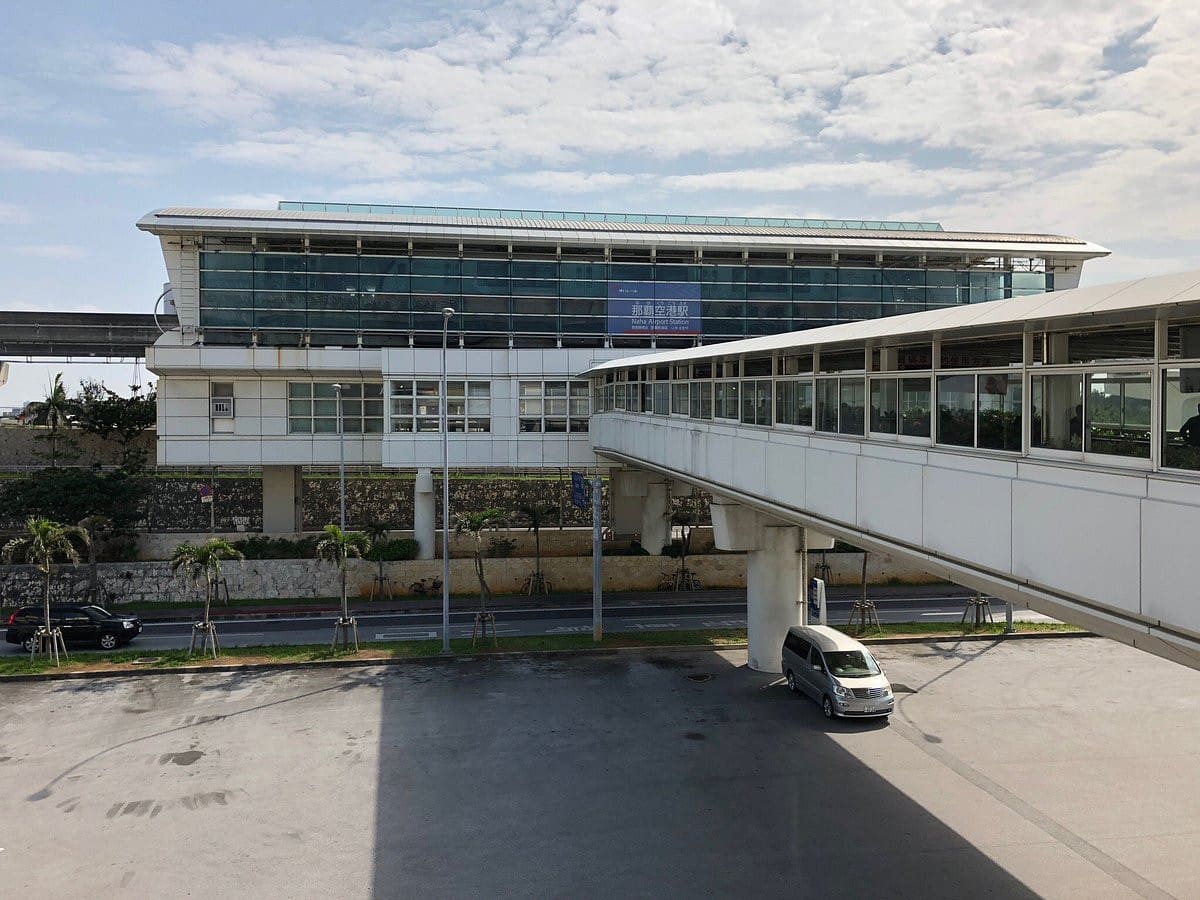
The monorail station at Naha Airport connects directly to the 2nd floor of the domestic terminal. After clearing arrivals, follow the signs across the skybridge and you will reach the ticket gates in about 3 to 5 minutes, passing convenience stores and souvenir shops on the way.
Most direct flights from Taiwan arrive at the international terminal. After landing, you can take the free shuttle bus to the domestic terminal, or walk the connecting passage for about 10 minutes and then board the monorail. If you arrive late at night, note that the last monorail train time should be confirmed against the official website, and if you miss it you will have to take a taxi into the city.
Allow 20 to 30 minutes from the international terminal to the monorail gates, including shuttle waiting time, so you do not miss your planned train.
Naha Bus and Okinawa Bus: Main Bus Stops Along Kokusai-dori
Bus stops along Kokusai-dori, such as Kencho-kita-guchi, Matsuo and Makishi, are served by many city routes of Naha Bus and Okinawa Bus, and there are also city routes from the domestic terminal at Naha Airport that go directly to the Kokusai-dori area.
Most city routes in Naha charge a flat fare and you do not need to take a numbered ticket when boarding; only routes heading outside the city require taking a numbered ticket on boarding and paying by number when you get off. You can pay with cash or a transit IC card, and actual fares should be checked at the stop and on the official website.
For taxis, fares on the main island of Okinawa rise from August 24, 2026: for standard cars, the initial fare becomes ¥650 for 1.65 km, then ¥100 for every additional 350 meters.
For places the monorail does not reach, such as Shuri Castle and Naminoue Shrine, you can take a bus instead; check that day’s timetable before you set out.
Stops are frequent, so buses pair well with the monorail.
Driving and Parking: Hourly Car Parks Near Kencho-mae and Asato Stations Are Most Practical
The main stretch of Kokusai-dori is a single-lane road with heavy traffic, almost no roadside parking, and bus-lane restrictions at certain times, and it is completely closed to cars during the Sunday closure, so we strongly advise against driving onto the main street to look for a space.
The more practical approach is to park on the outskirts and walk in. Common choices are the parking lot of the Palette Kumoji commercial complex near Kencho-mae Station and the chain hourly car parks near Makishi and Asato stations. If you are parking all day, choose a lot with a maximum daily charge, and check its operating hours first.
Parking spaces in central Okinawa are especially scarce in peak season and on weekends.



Which Shops and Sights Are Must-Sees on Naha Kokusai-dori? All 13 Highlights Explained
Below are the 13 best places to stop along Kokusai-dori, in order from the main street to the markets and the side branches.
Don Quijote “Mega Don Quijote” Kokusai-dori Main Store: A Late-Night Restocking Base
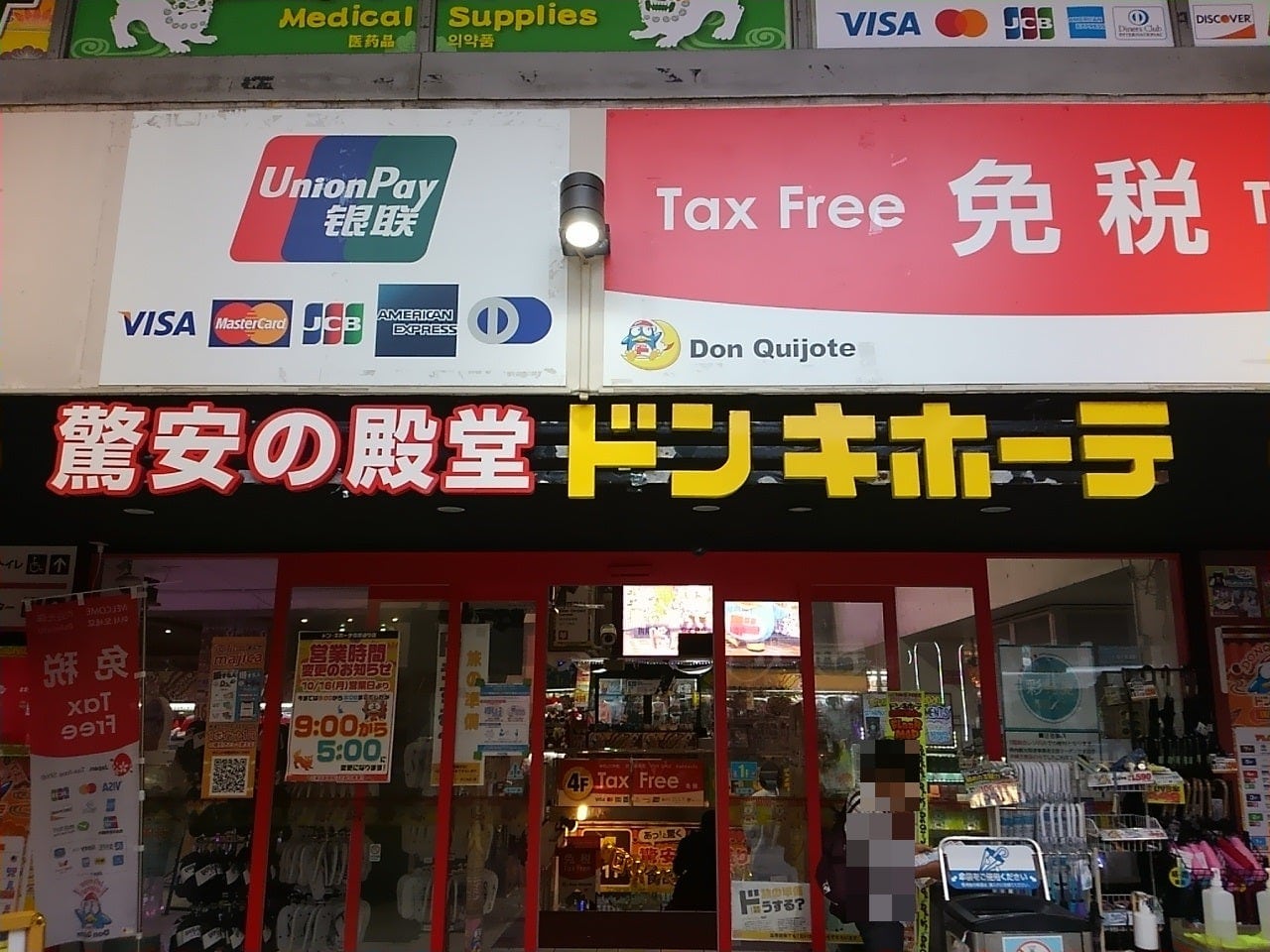
The Don Quijote Kokusai-dori Main Store in Matsuo has the densest range of goods on the whole street, with drugstore items, snacks, electronics, awamori and Okinawa-exclusive souvenirs stacked from the basement all the way upstairs. For travelers who do not drive and rely only on the monorail, it is the most convenient one-stop base.
Its biggest advantage is that it stays open late, so those with busy daytime schedules can save their shopping for the evening. Before checkout, remember to have the duty-free discount coupon from the official app ready on your phone, and bring your original passport to process tax-free purchases. From November 1, 2026, tax-free shopping changes so that you pay the tax-inclusive price at checkout and receive the refund after leaving the country; follow the in-store notices for how to process it. Opening hours have changed in recent years, so we recommend checking the official website again before you go.
The store layout winds like a maze, so we suggest deciding what you want to buy first and then working up floor by floor, to avoid spending most of your time in the snack section.

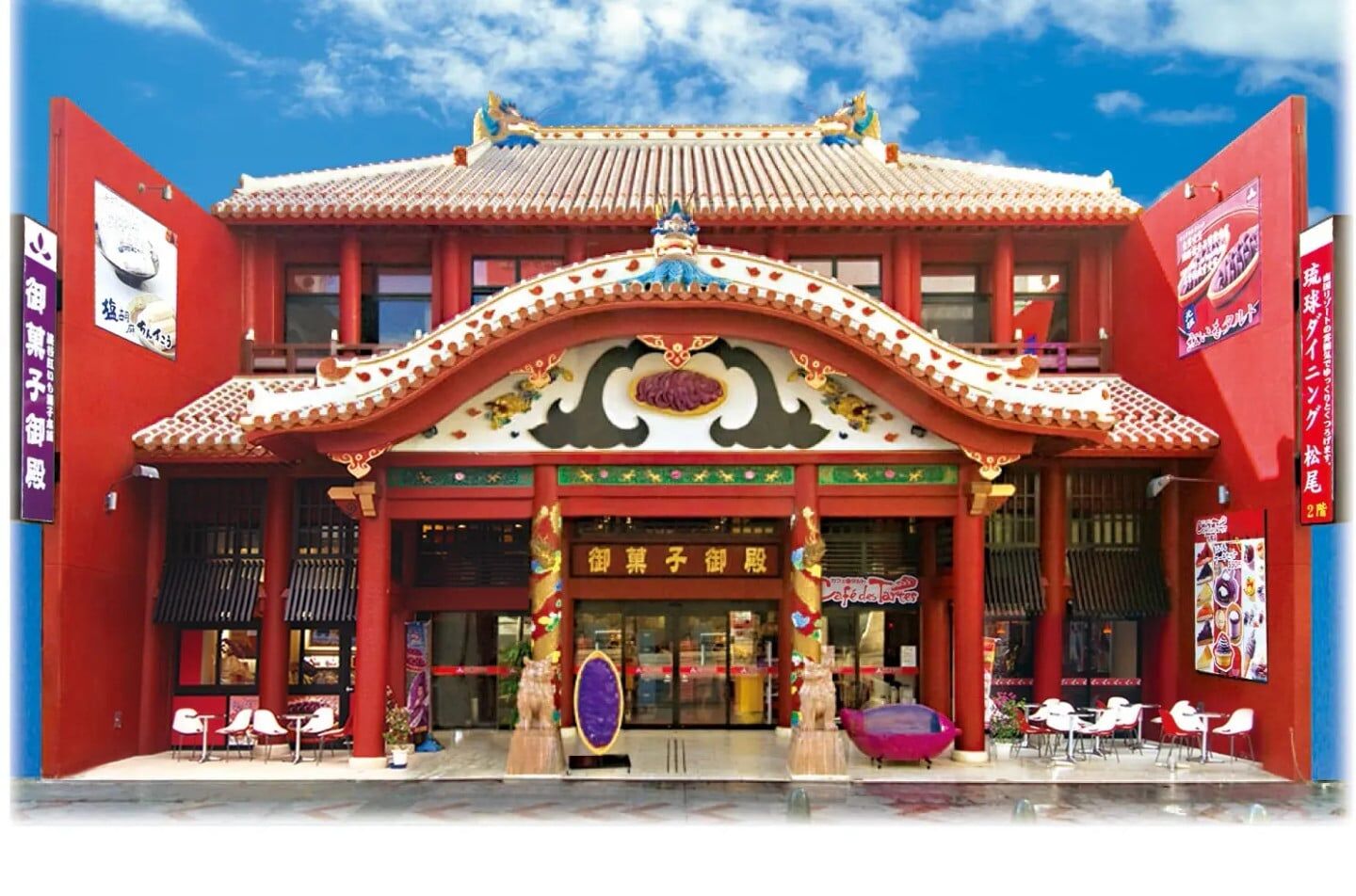
Okashi Goten Kokusai-dori Matsuo Store: A Vermilion Palace for Purple Sweet Potato Tarts
The exterior of Okashi Goten’s Matsuo store is modeled on the vermilion palace and red-tiled roofs of Shuri Castle, making it one of the most recognizable buildings on Kokusai-dori. Its signature product is the original beni-imo (purple sweet potato) tart, an award winner for many years, filled with Okinawa-grown purple sweet potato. It is not very sweet, and the flavor concentrates when chilled.
The shop has a large glass viewing window where you can watch the whole process of the tarts being piped with filling and baked, so waiting in line is never boring. The second floor has a dining space where you can sit down and enjoy purple sweet potato soft serve. Gift boxes come in several sizes, and they are often the item that takes up the most room in your suitcase on the way home.
The tarts keep for about ten days at room temperature. If you worry about them spoiling in hot weather, ask the staff at checkout for an extra ice pack before you board your flight.
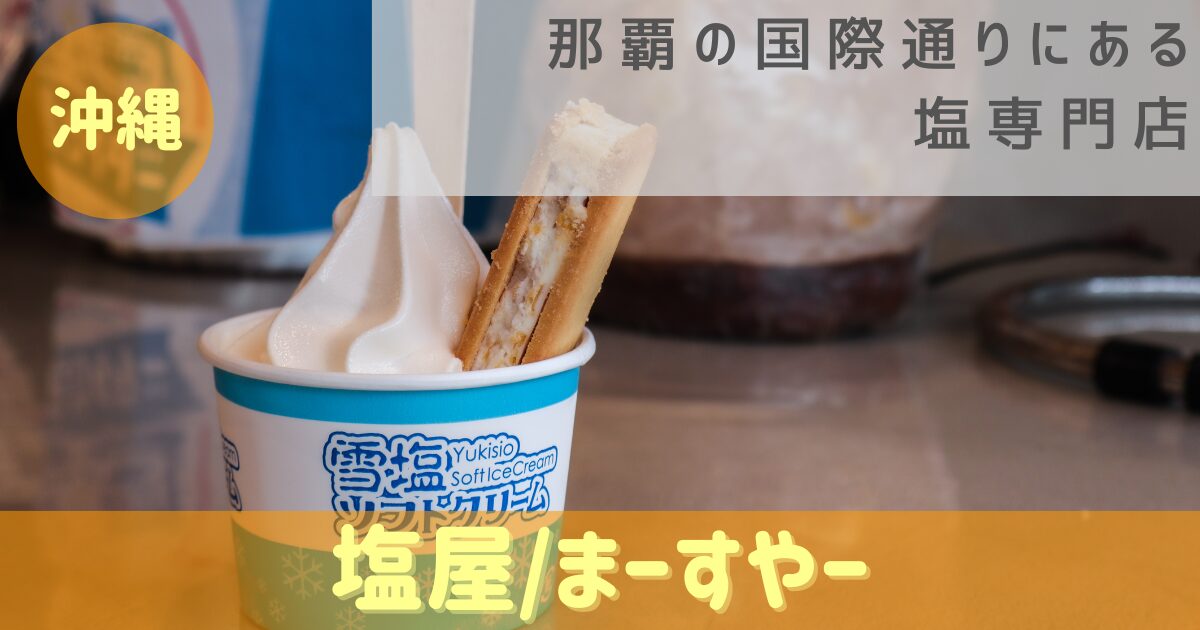
Shio no Senmonten Shioya Kokusai-dori Store: Snow Salt Soft Serve and Hundreds of Flavored Salts
Shioya gathers sea salts from across Okinawa and around the world in one store, with jars arranged by origin and use, and staff happy to help you taste. Its most famous item is the snow salt soft serve made with Miyakojima snow salt, where the saltiness gives the milk’s sweetness more dimension.
After buying a soft serve, you can walk to the flavored-salt bar next door, where ten options such as matcha salt, wasabi salt, cocoa salt and yuzu salt are yours to sprinkle, giving you a layered mix of salty and sweet. People who love cooking will also want to take home a few jars of seasoning salt, which are small, hard to crush and useful.
The shop is small and often full, so we suggest avoiding the afternoon tour-group period; shortly after opening in the morning is usually the best time to browse.
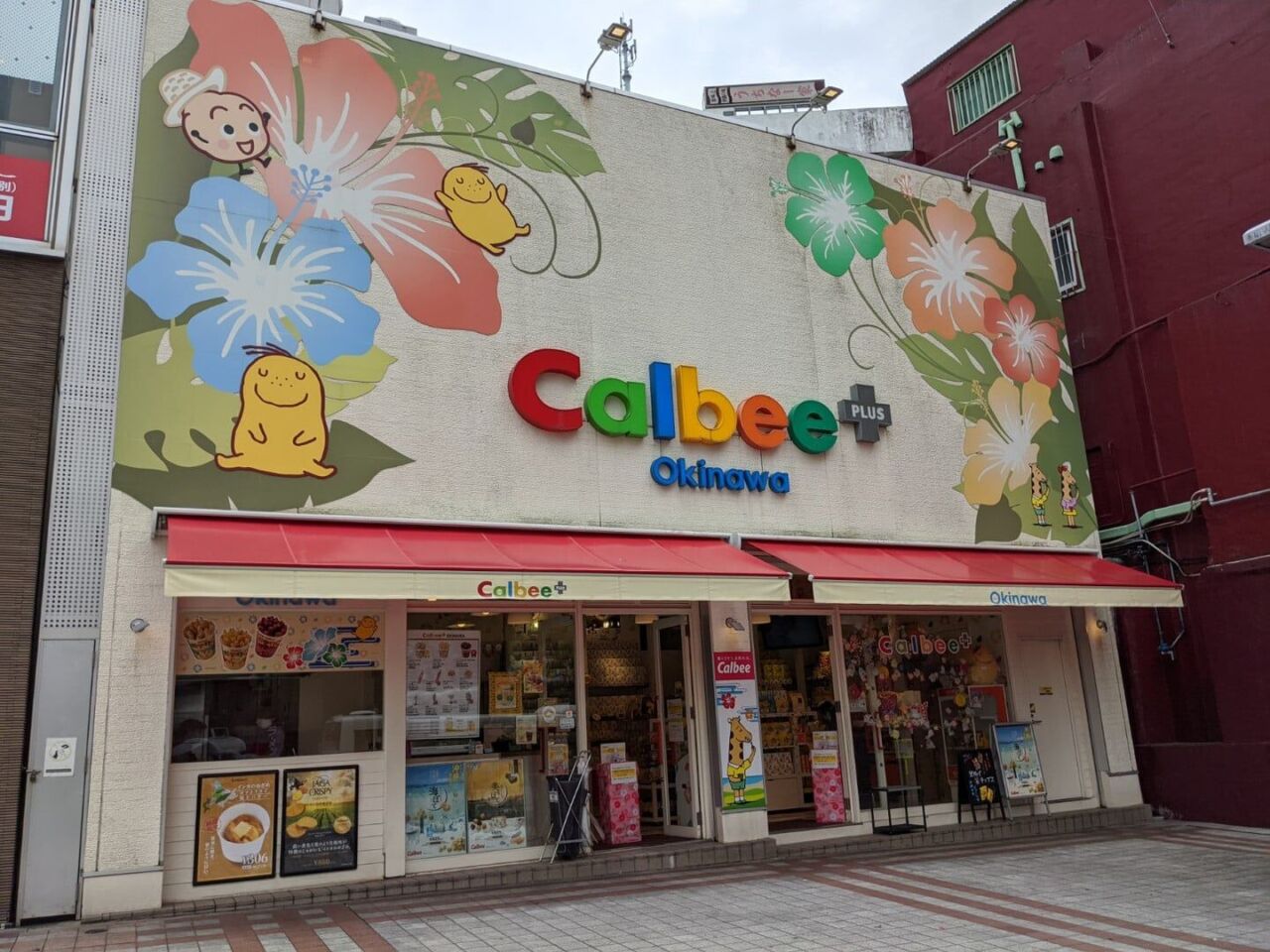
Calbee+ Okinawa Kokusai-dori Store: Freshly Fried Potato Chips and Okinawa-Exclusive Snacks
Calbee+ is Calbee’s directly operated shop, and its draw is freshly fried potato chips that can only be eaten at the shop. They are crisp straight out of the fryer, and the Okinawa sea salt flavor pairs especially well. Another freshly made hot item is “Sweet Potato Riko” (sweet potato fries), mildly sweet and easy to eat while walking.
The store also stocks plenty of Okinawa-exclusive chip flavors, which are souvenir regulars. There is often a line at the door, so we suggest avoiding the peak hours between 3 p.m. and 5 p.m.
Finish the hot freshly fried items right at the shop entrance, because the texture suffers once they cool.
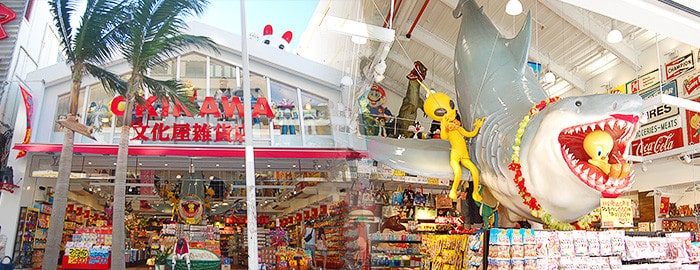
OKINAWA Bunkaya Zakkaten: A Flamboyant Variety-Goods Paradise With a Giant Shisa at the Door
The easiest way to recognize Bunkaya Zakkaten is the giant shisa and shark installation at its entrance. The whole store goes for a lively, over-the-top, everything-goes feel, in sharp contrast to the refined department store next door, and just taking photos at the entrance is fun.
Goods are mainly Okinawa T-shirts, funny-slogan souvenirs, awamori, shells and island-style variety goods at friendly prices, which makes them great gifts for colleagues and friends. There are several branches on Kokusai-dori with slightly different products, so if time allows, visit one or two to compare.
The aisles are narrow and goods are stacked high, so travelers with large luggage or strollers will find it smoother to leave them in a station locker before going in.
RYUBO Department Store: Okinawa’s Only Department Store, Directly Connected to Kencho-mae Station
RYUBO is the only full-fledged department store in Okinawa, at the west end of Kokusai-dori and directly connected to the monorail’s Kencho-mae Station. On rainy or very hot days you can step in for the air conditioning and slow down. The basement food floor sells plenty of local ingredients and prepared bento.
What is really worth going upstairs for is the “Rakuen Department Store” on the 2nd floor, which selects Okinawan local creative goods, artisan pottery and lifestyle items, with a quality quite unlike ordinary tourist souvenir shops. If you want stylish gifts that nobody else is likely to bring, this is where you are most likely to find them.
The department store closes earlier than the shops on the street, so if you want to browse Rakuen Department Store, head upstairs before 7 p.m. to avoid arriving to find it closed.
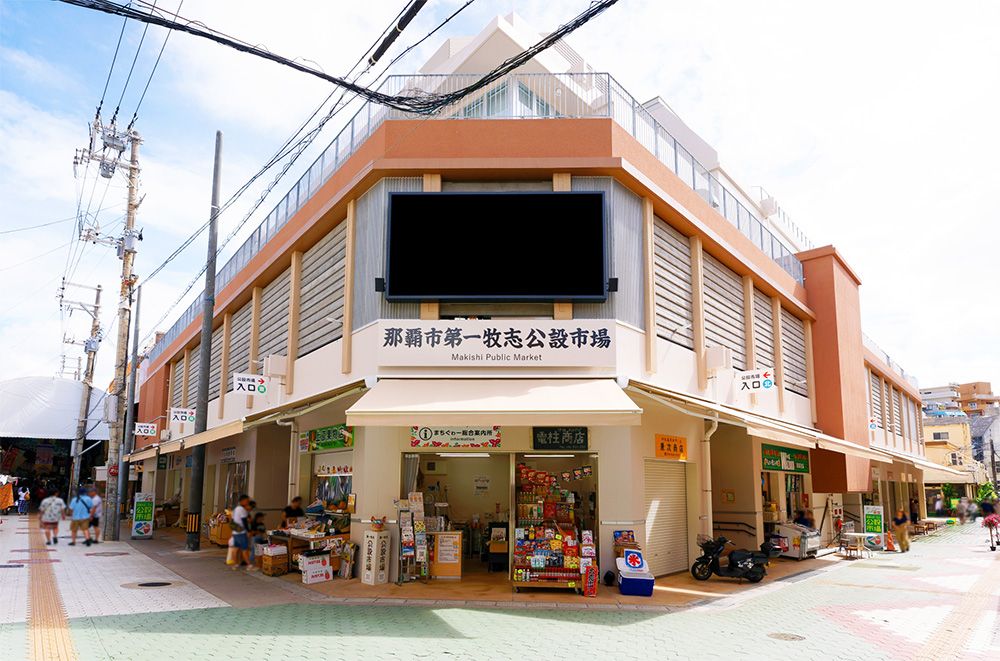
Daiichi Makishi Public Market: The Three-Floor Market Known as “Okinawa’s Kitchen”
Daiichi Makishi Public Market is known as “Okinawa’s kitchen.” After about four years of reconstruction, it reopened on the same site on March 19, 2023, in a new three-story building, with fresh-food stalls on the first floor and a dining floor on the second.
The classic way to enjoy it is “mochiage” cook-on-request service: choose a turban shell, parrotfish, spiny lobster or Ishigaki beef on the first floor, then take it to a restaurant on the second floor and ask the cook to prepare it, with a separate cooking fee per person. In the lanes around the market there is also the hugely popular Pork Tamago Onigiri, worth the wait in line.
Cook-on-request service and individual stalls do not all share the same closing days, and the market sometimes closes unexpectedly because of lunar calendar events, so it is safest to check the official website before you go.
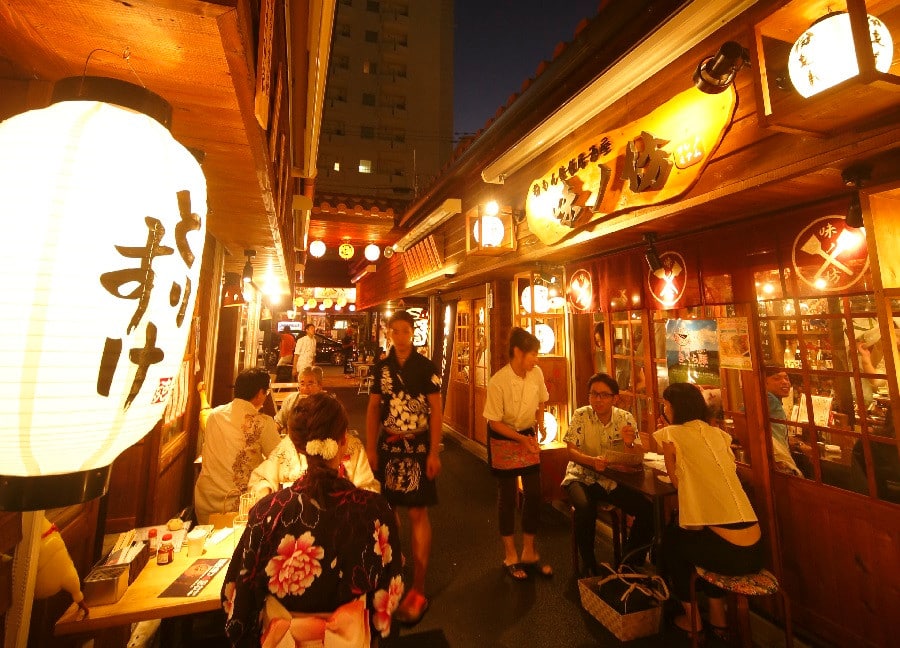
Kokusai-dori Yatai Village: A Late-Night Food-Stall Cluster of 20 Small Shops
Kokusai-dori Yatai Village sits in an alley in the Makishi area, made up of about 20 small bars and food stalls, each with its own character, hung with red Orion beer lanterns. It is the easiest nightlife spot to find around Kokusai-dori and the easiest to fit into.
Each place has few seats, mostly standing or counter seating, with skewers, agu pork, nigiri sushi and Okinawan home cooking, so it suits eating one or two dishes at each stall before moving on to the next. It is liveliest after 7 p.m., and spending per person mostly falls between ¥1,000 and ¥3,000. There is a shared plaza seating area in the center where tables can be combined when it is crowded.
Most shops do not accept reservations, and some set a minimum order or seating charge, so it is reassuring to read the price notice at the door before sitting down.
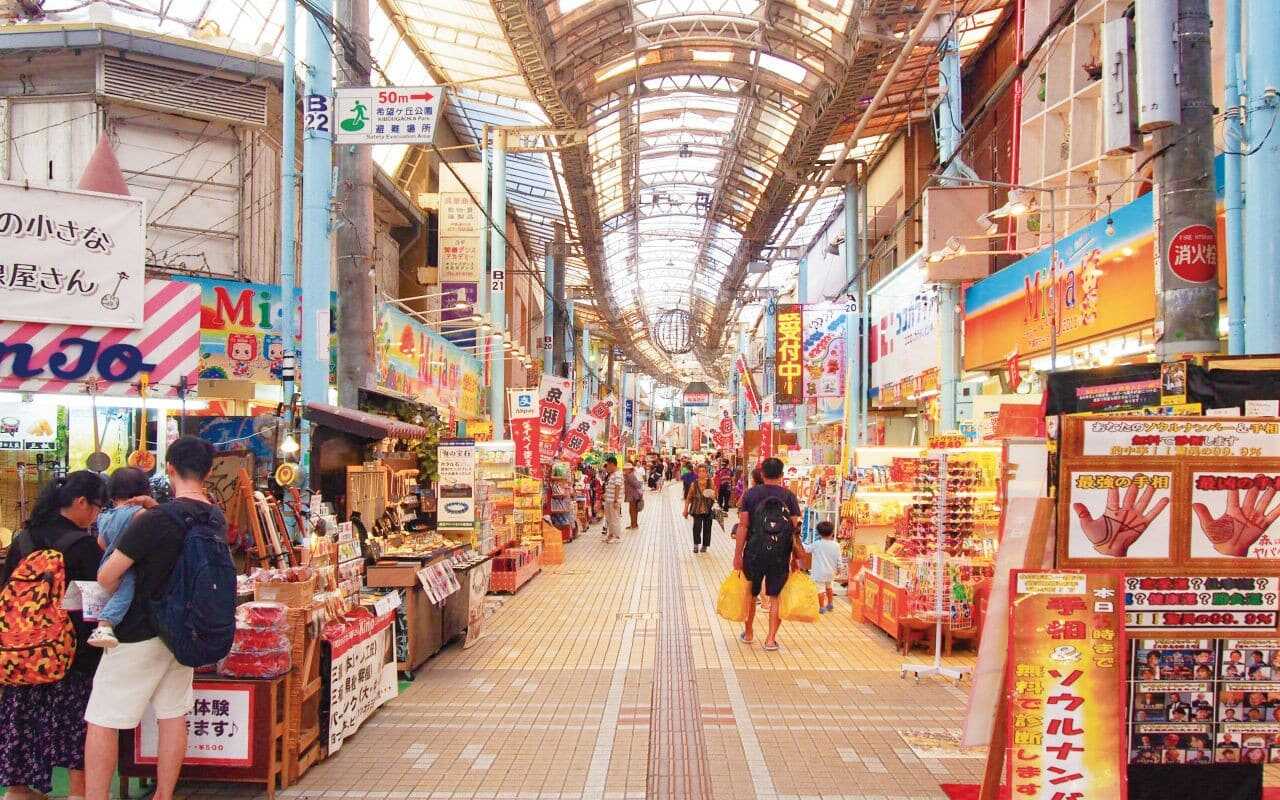
Heiwa-dori Shopping Street: A Covered Arcade for Budget Souvenir Shopping
Heiwa-dori Shopping Street is an arcade-style shopping street that crosses Kokusai-dori at a right angle. It is covered along its whole length, making it the most comfortable alternative route during Okinawa’s afternoon showers or strong sun, and from Kokusai-dori you can walk straight through to Daiichi Makishi Public Market.
Souvenir prices here are usually more reasonable than on the main street, and you can find awamori, brown sugar, dried sea grapes and household goods, along with many long-standing shops where locals do their everyday shopping. If you want case discounts or want to compare prices, this street has a much better chance than the main street.
Ukishima-dori: A Hip Side Street of Vintage Clothing, Select Shops and Independent Cafes
Ukishima-dori is a narrow lane branching off the middle of Kokusai-dori, with an atmosphere completely different from the main street. Lined with vintage clothing shops, independent select shops, bookstores and cafes with personality, the shops are small and strongly styled, perfect for slowly hunting for finds.
This area is also where young shop owners in Naha gather, and many shops open only in the afternoon, with irregular closing days on weekdays, so it is safer to check each shop’s social media accounts before you go. When you get tired, sit down in a cafe in the lane for a cup of Okinawa-grown coffee and escape the crowds of the main street.
You can walk the whole lane in under ten minutes, so it fits well between stretches of shopping on the main street as a change of pace and a breather, with far fewer people.
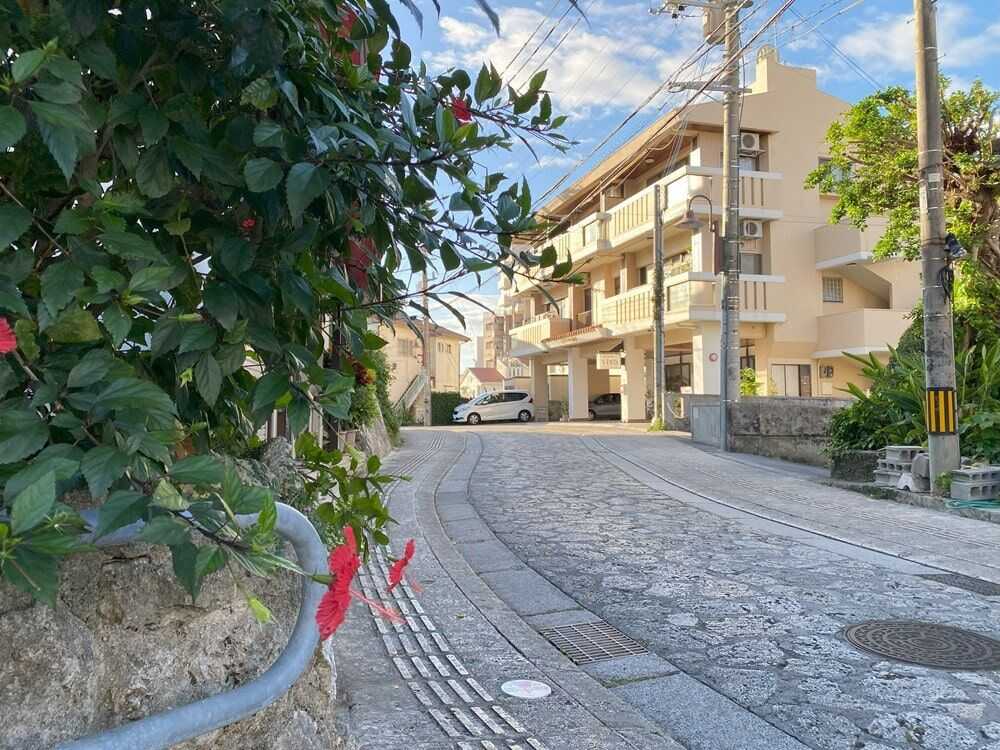
Tsuboya Yachimun Street: A Stone-Paved Old Street of 300-Year-Old Tsuboya Ware
About a 10-minute walk from Kokusai-dori brings you to Tsuboya Yachimun Street, a roughly 400-meter Ryukyu limestone paved street and the birthplace of Okinawan pottery known as Tsuboya ware. About 300 years ago the Ryukyu royal government gathered kilns from around the islands here, which created today’s pottery community.
Along the street are about twenty pottery workshops, direct-sale shops and galleries. The Naha City Tsuboya Pottery Museum on the street charges ¥350 for general admission and is free for university students and younger, but according to the official Naha City announcement, the museum is closed from September 1, 2026 to March 31, 2027 for exterior wall renovation work, so during that period you can only browse the workshops and direct-sale shops on the street.
Many workshops close on irregular days, so confirm opening days before you go.
Sakaemachi Market: A Showa-Retro Bar Alley and the “Senbero” Drinking Culture
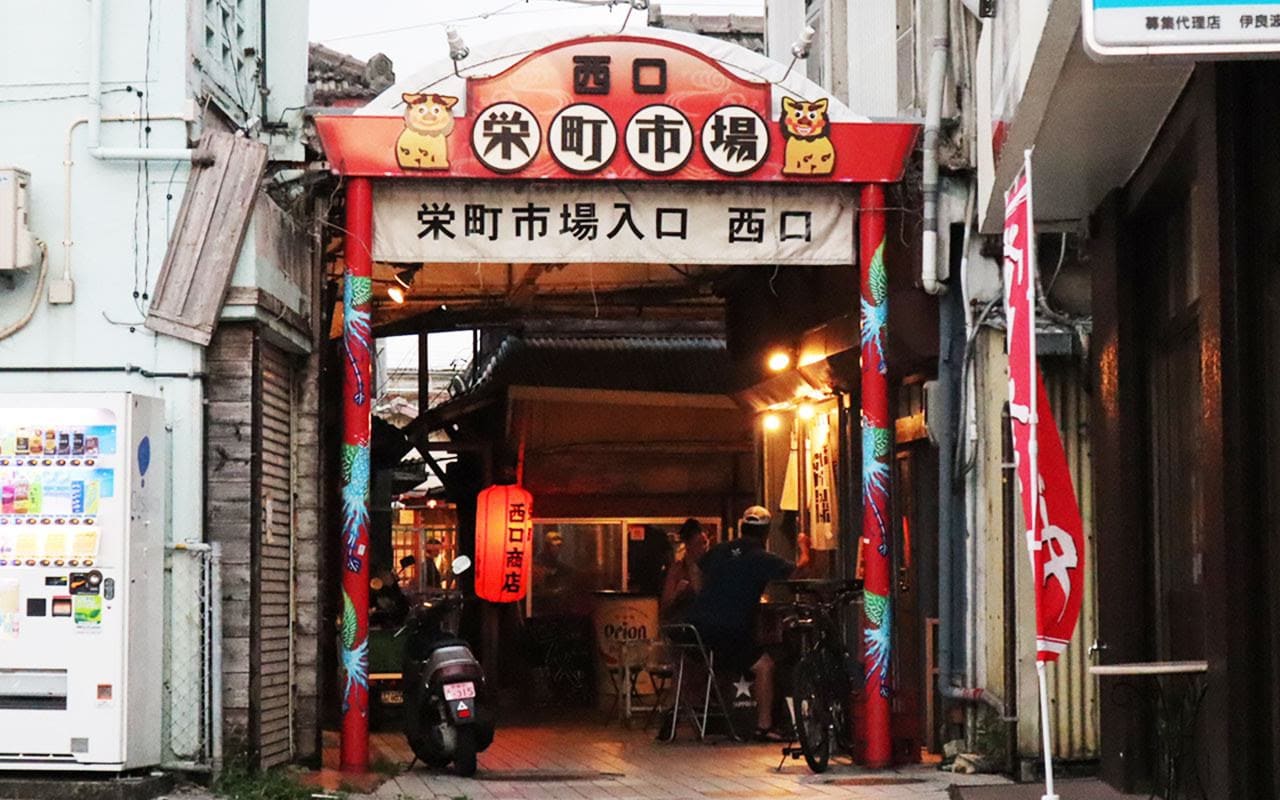
Sakaemachi Market is next to Asato Station on the monorail. By day it is a fresh-food market where locals shop, and as evening comes the stalls are gradually packed away and replaced by one small Showa-style bar after another, with an atmosphere quite unlike the tourist-heavy Kokusai-dori.
It is best known for its “senbero” (getting happily tipsy for ¥1,000) culture: for about 1,000 yen you can get three drinks and a small dish, and many shops offer such sets. The shops are all tiny, usually with only a few counter seats, so we suggest going in groups of two or three at most, and hopping between two or three bars in one evening is the most fun.
The lanes are narrow and the signs are dim, so on your first visit we suggest walking a loop while it is still light out, noting the shops you want to try, and then coming back to sit down.
Naminoue Shrine: Okinawa’s Chief Guardian Shrine and Foremost of the Eight Ryukyu Shrines, on a Cliff
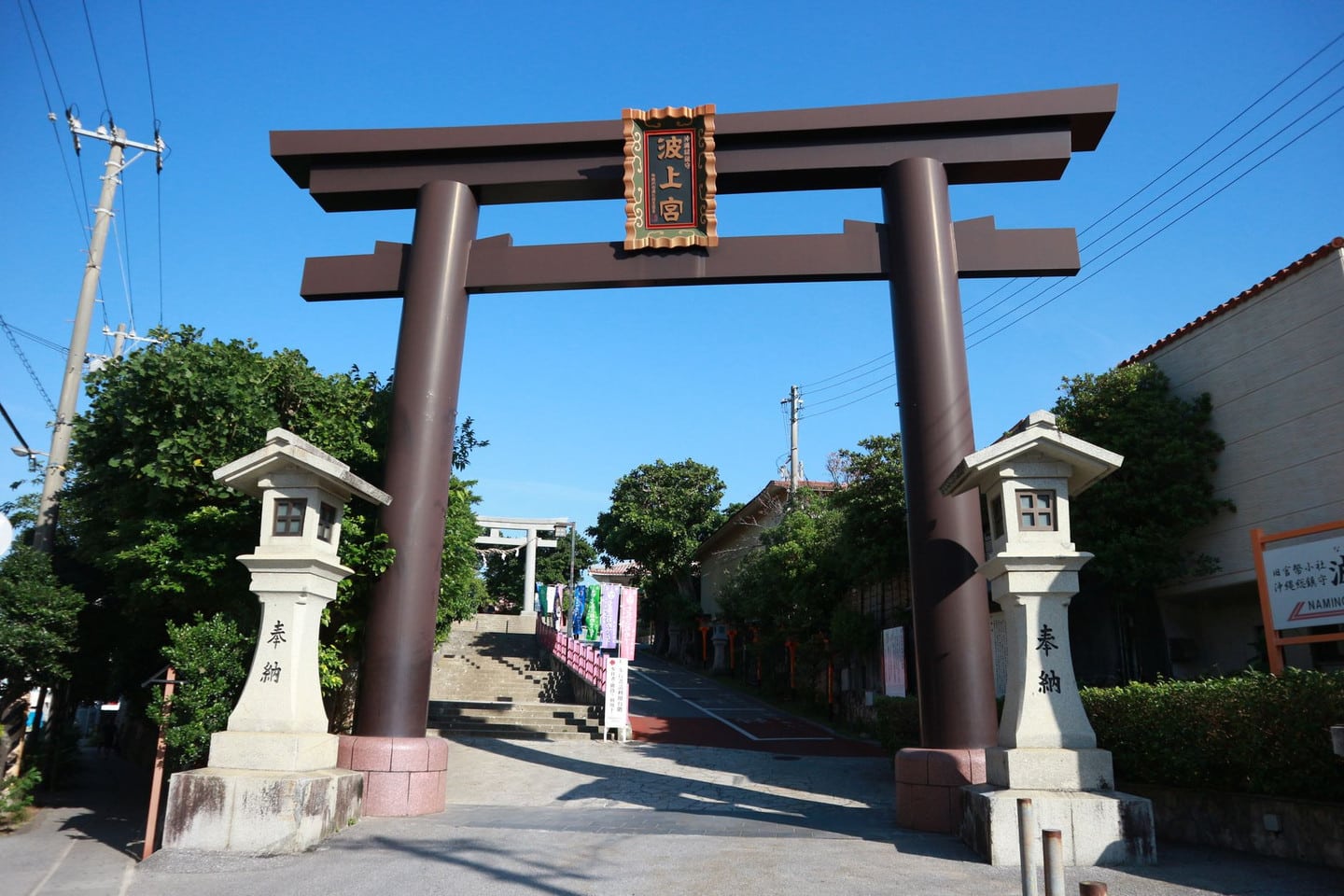
Naminoue Shrine is in Wakasa, Naha, built on a cliff of uplifted coral reef and facing the East China Sea, which makes it a rare seaside shrine in Japan. In the Ryukyu Kingdom era it was ranked first among the “Eight Ryukyu Shrines” and it is Okinawa’s chief guardian shrine, still the focus of local prayers today.
It is about a 15-minute walk from Asahibashi Station on the monorail, or about 15 minutes by ride from Kokusai-dori. The amulet office is open from 9:00 to 16:45, and prayer ceremonies are accepted from 10:00 to 15:30. Below the shrine is Naminoue Beach, which you can also walk to.
There is a car park on the grounds, but spaces are tight on holidays and during New Year’s first-visit period.
How Much Does Naha Kokusai-dori Cost? Tickets, Experiences and Guided Tours
Kokusai-dori itself charges no admission, so the main costs are transport passes, souvenirs and experience classes.
Okinawa Urban Monorail 1-Day / 2-Day Pass: Unlimited Rides in Naha
The 1-day pass is ¥1,000 for adults and ¥500 for children, with unlimited rides for 24 hours from the time of purchase; the 2-day pass is ¥1,800 for adults and ¥900 for children, valid for 48 hours. Counting ¥290 one way from Naha Airport Station to Kencho-mae Station, about four rides in a day will pay for the pass.
Besides unlimited rides, pass holders get 20% off admission to designated facilities such as Shuri Castle and Fukushuen Garden, so itineraries that stay in central Naha almost always come out ahead. Tickets can be bought at the ticket machines and station counters at each station, and e-ticket versions are commonly sold online, so you can buy ahead and redeem on arrival.


Where to Stay Near Naha Kokusai-dori? Area Suggestions Around Three Monorail Stations
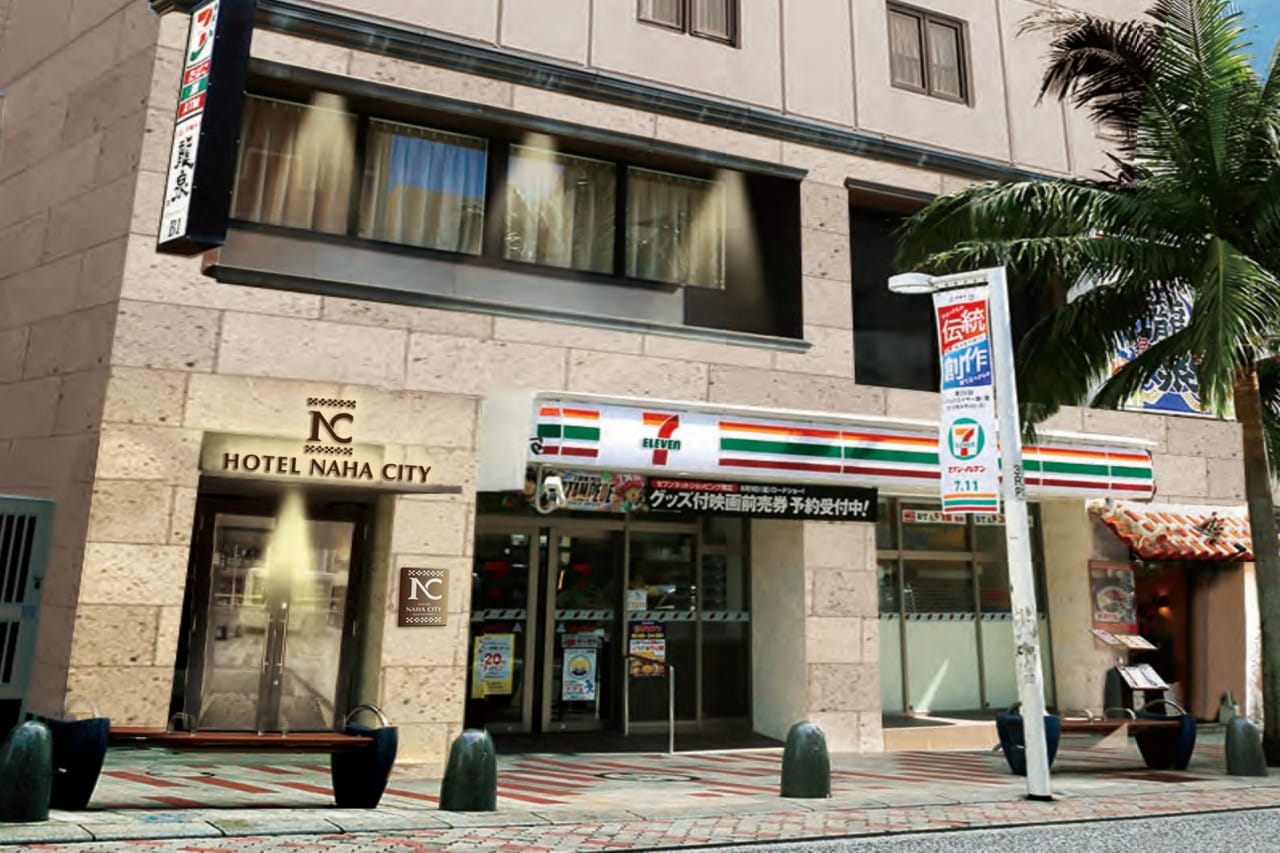
Where to Stay Near Kokusai-dori? Comparing Kencho-mae, Miebashi and Makishi Stations
If you treat Kokusai-dori as your activity hub, the most convenient places to stay are around Kencho-mae, Miebashi and Makishi stations on the monorail. The three stations are within walking distance of one another, and after a late night at the yatai village you can walk back without relying on taxis.
The Kencho-mae Station area leans toward business districts and offers steady convenience, closest to Naha Airport; Miebashi Station is in the middle, not far from either end of the main street; Makishi Station is close to Daiichi Makishi Public Market and the yatai village, with the most convenient nightlife but also the liveliest crowds. If you have a lot of luggage, choose a property within a 5-minute walk of a station exit first.

Naha Kokusai-dori FAQ
Q: How much time does it take to walk Kokusai-dori?
Just the main street takes about 1.5 to 2 hours; if you also take in Heiwa-dori Shopping Street, Daiichi Makishi Public Market and Tsuboya Yachimun Street, allow 3 to 4 hours.
Q: How do I take the monorail from Naha Airport to Kokusai-dori, and what is the fare?
Take the Yui Rail from Naha Airport Station: to Kencho-mae Station takes about 13 minutes and costs ¥290; to Makishi Station takes about 16 minutes and costs ¥320, with trains every 5 to 10 minutes.
Q: What time does Kokusai-dori open and close?
- 🕙 Souvenir and variety shops: open around 10:00, close between 21:00 and 22:00.
- 🍽️ Restaurants and yatai village: open late into the night.
Don Quijote Kokusai-dori Store is open 9:00 to 5:00 the next morning all year round, and the RYUBO Department Store closes at 20:30 at the latest.
Q: Which monorail station should I get off at for Kokusai-dori, and what stations are there?
Kencho-mae Station (west end, about 13 minutes from the airport, ¥290), Miebashi Station (middle, ¥320) and Makishi Station (east end, ¥320). For a first visit, we suggest getting off at Kencho-mae Station and leaving from Makishi Station.
Q: What hours is Kokusai-dori closed on Sundays?
The Pedestrian Paradise runs every Sunday from 12:00 to 18:00, and ordinary vehicles are not allowed between the Kencho-kita-guchi intersection and the Saion Bridge intersection. The closure may be called off in rain, and drivers should park in hourly car parks on the outskirts instead.
Q: Can I buy souvenirs tax-free on Kokusai-dori?
Most large stores have a tax-free counter. You need to show your original passport, and you qualify only when spending 5,000 yen or more (before tax) at the same store in one day. From November 1, 2026, you will pay the tax-inclusive price first and receive the refund after leaving the country.
Q: Is the monorail alone enough to see Naha without a car?
It is perfectly adequate for central Naha. However, the Yui Rail only runs through Naha and Urasoe, so to reach the Churaumi Aquarium in the north you need to rent a car, take an express bus or join a day tour, which takes about two hours one way.
Q: What season is most comfortable for visiting Kokusai-dori in Okinawa?
March to May and October to November have the most comfortable weather. July to October is typhoon season, when flights and ferries may be affected; in midsummer the sun is intense, so we suggest switching to the covered Heiwa-dori Shopping Street to stay cool.
Q: Where is Kokusai-dori, and what is the address and nearest monorail station?
Kokusai-dori is in central Naha, running from the Kencho-kita-guchi intersection to the Saion Bridge intersection in Makishi, about 1.6 km in total. The monorail’s Kencho-mae, Miebashi and Makishi stations all give walking access, and there are about 460 shops along the street.
Q: Which sights in central Naha can I visit without renting a car?
Kokusai-dori, Tsuboya Yachimun Street, Daiichi Makishi Public Market, Sakaemachi Market and Naminoue Shrine can all be linked by monorail and walking; Shuri Castle is about a 15-minute walk from Shuri Station on the monorail.