

2026 Nagaoka Festival Grand Fireworks Display: The History and Must-See Highlights of Japan’s Top Fireworks
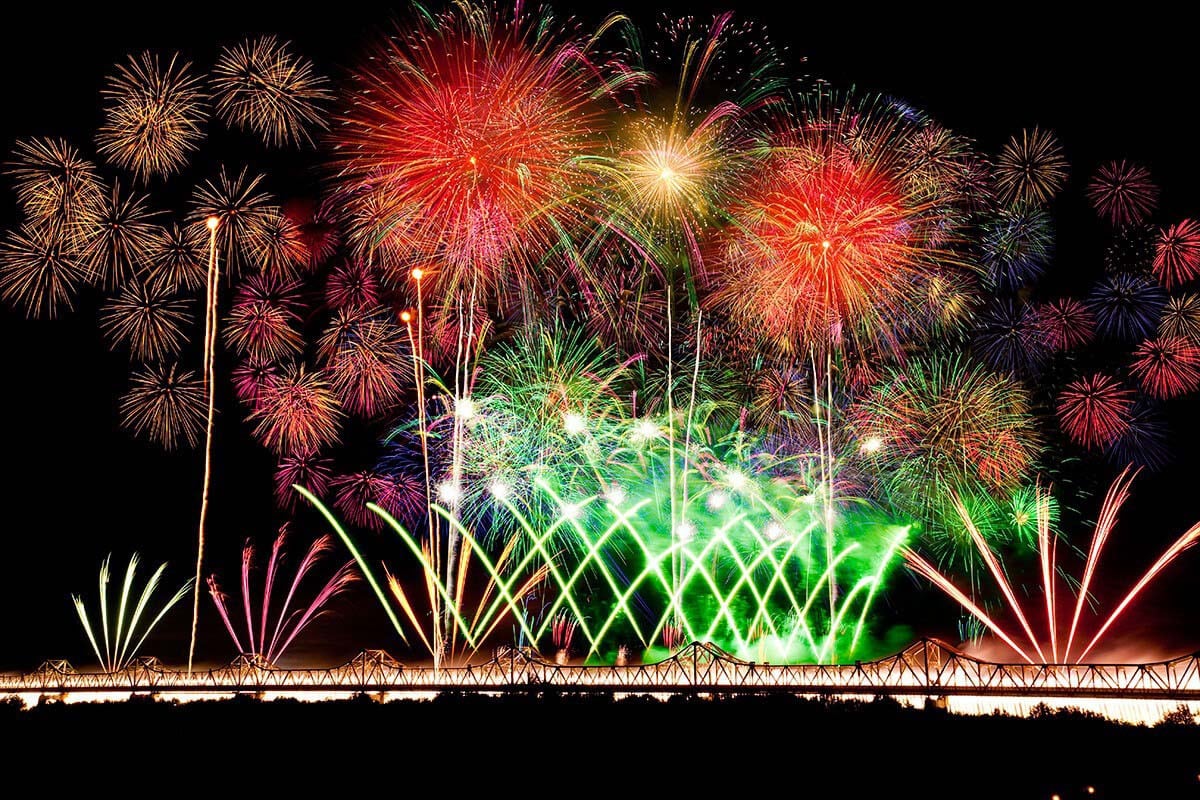
Nagaoka Fireworks (often called Nagaoka Hanabi) is one of Japan’s three great fireworks displays. In 2026 it is held on two consecutive nights, August 2 and 3, on the banks of the Shinano River, coinciding with the 120th anniversary of Nagaoka’s city status and the 100th anniversary of the first successful launch of the Shosanshaku-dama. It is held every year on August 2 and 3; for details on 2027, please follow official announcements.
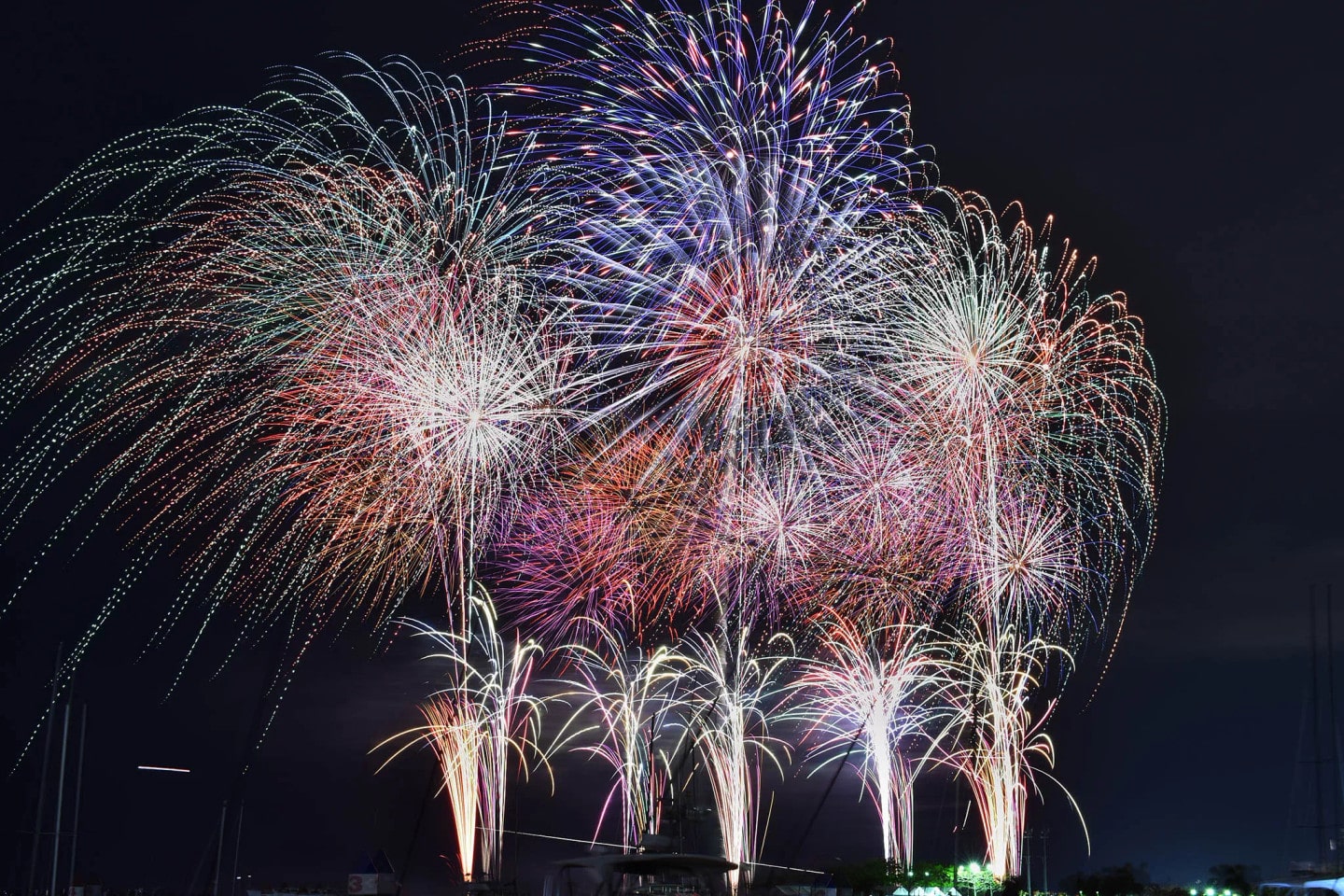
Shosanshaku-dama: A Staggering Giant Shell 650 Meters Across
The Shosanshaku-dama is the signature finale of Nagaoka Fireworks. The shell is about 90 centimeters in diameter, and after launch it blooms to a diameter of 650 meters, taking about 8 seconds from the ground to its highest point, with an explosion so loud it makes your chest vibrate. When it is fired the lights across the venue are deliberately dimmed so the audience can focus on the sight and sound of this “one of Japan’s largest” firework. In the 2026 official program, on August 2 one Shosanshaku-dama is fired at 20:30 (the “four-stage launch” of No. 5, No. 7, No. 10 and No. 30 shells) and another at 21:00; on August 3 a “triple Shosanshaku-dama” is fired at 20:30, with one more at 21:00 together with Star Mine, all concentrated in the second half of the program.
How Big Is Nagaoka’s Sanjakudama? Shosanshaku-dama Specifications, the 100th Anniversary and Price
The “shaku” in “shakudama” is a traditional Japanese unit of length, one shaku being about 30 centimeters, so a sanjakudama is a firework shell about 90 centimeters across; the Japanese reading of “Shosanshaku-dama” is shosanshakudama (not “sei”). It first went up in Nagaoka on September 14, 1926 (Taisho 15), so 2026 is exactly its 100th anniversary and also the 120th anniversary of Nagaoka’s city status. The specifications compiled from Niigata local media and reports on Nagaoka Fireworks are as follows:
- Shell diameter: about 90 centimeters
- Weight: about 300 kilograms
- Bloom height: about 600 meters in the sky
- Bloom diameter: about 650 meters
As for the “Shosanshaku-dama price,” meaning how much one shot costs, the Nagaoka Fireworks Foundation does not publish a figure. The Shosanshaku-dama is launched with sponsorship from local companies, and the 2026 sponsors include Kiminogawa, Echigo Kotsu, Harashin and INPEX. The only sponsorship prices the official site publishes are for single shells that individuals or groups can join: in 2026, a No. 7 shell costs ¥50,000 per shot and a No. 10 shell (shakudama) ¥100,000 per shot, and both are sold out. Unit prices for the Shosanshaku-dama that circulate online are mostly estimates, not official figures.
Shakudama, Nijakudama and Shosanshaku-dama: Sizes and Officially Published Sponsorship Prices
Japanese fireworks are sized by number, one shaku being about 30 centimeters: a shakudama (No. 10 shell) is about 30 centimeters across, a nijakudama about 60 centimeters and a Shosanshaku-dama about 90 centimeters. The only per-shot sponsorship prices published on the Nagaoka Fireworks site are ¥50,000 for a No. 7 shell and ¥100,000 for a No. 10 shell (both sold out in 2026); prices for the nijakudama and Shosanshaku-dama are not published, and figures circulating online are not official.
Phoenix Reconstruction Prayer Fireworks: A 2-Kilometer-Wide Prayer in Light
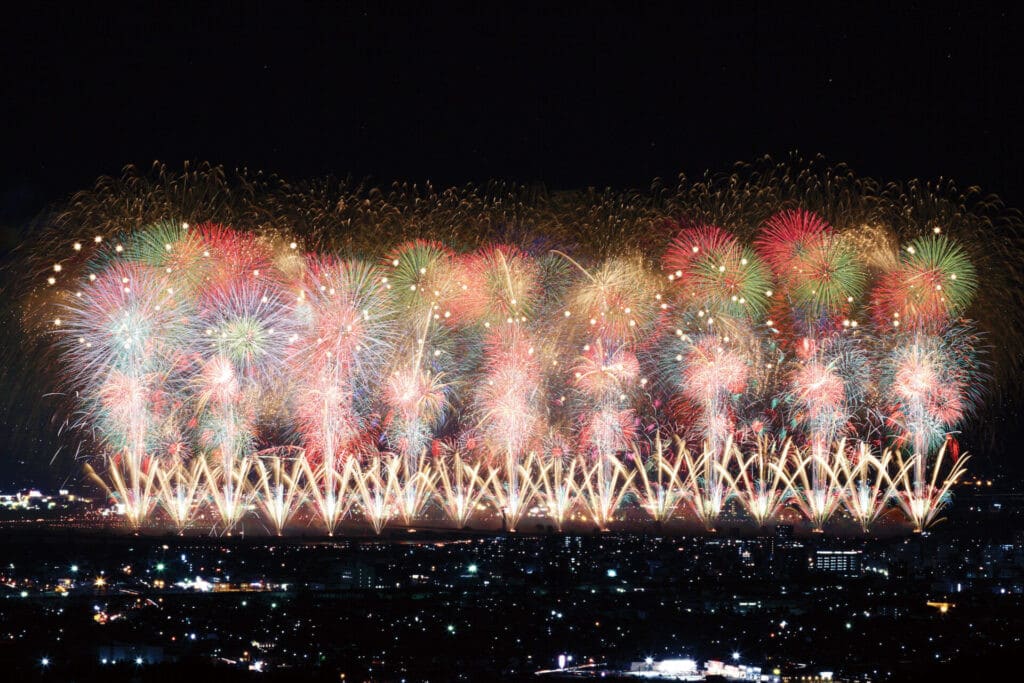
Phoenix is a firework created to commemorate reconstruction after the 2004 Niigata Chuetsu earthquake. It stretches 2 kilometers across both banks of the Shinano River, set to a live soundtrack of “Jupiter” sung by Ayaka Hirahara, with colors shifting from gold to pink and purple to symbolize the phoenix rising from the flames, and it is the biggest difference between Nagaoka Fireworks and other Japanese fireworks festivals. The official program name is “Reconstruction Prayer Fireworks Phoenix,” and in 2026 it is fired at 20:45 on both nights. Because of its enormous span, audiences at Venue A can feel the grandeur of fireworks covering almost the whole night sky, an important consideration when choosing a spot.
Kome Hyappyo Fireworks and 100 Shakudama Salvo: A Majestic Continuous Barrage
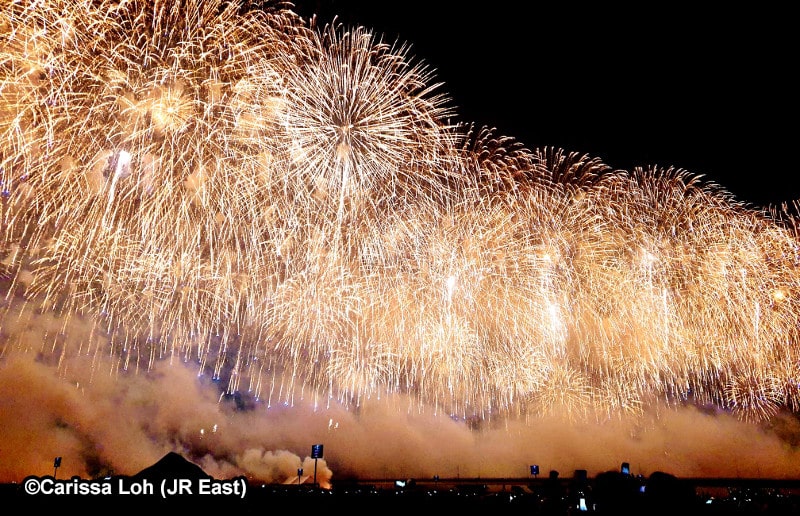
The Kome Hyappyo fireworks are known for firing 100 shakudama (shells about 30 centimeters across) in a row, drawing on the Nagaoka domain’s “Kome Hyappyo spirit,” the historical story of exchanging relief rice for education funds, which symbolizes the Nagaoka people’s emphasis on education and the future. The 100 shells go up one after another in a very short time, the fastest-paced and most forceful segment of the program; with such a high firing rate smoke builds up easily, so check whether your seat is downwind to avoid an obstructed view.
Tenchijin Fireworks: Narrative Fireworks Tied to the NHK Taiga Drama
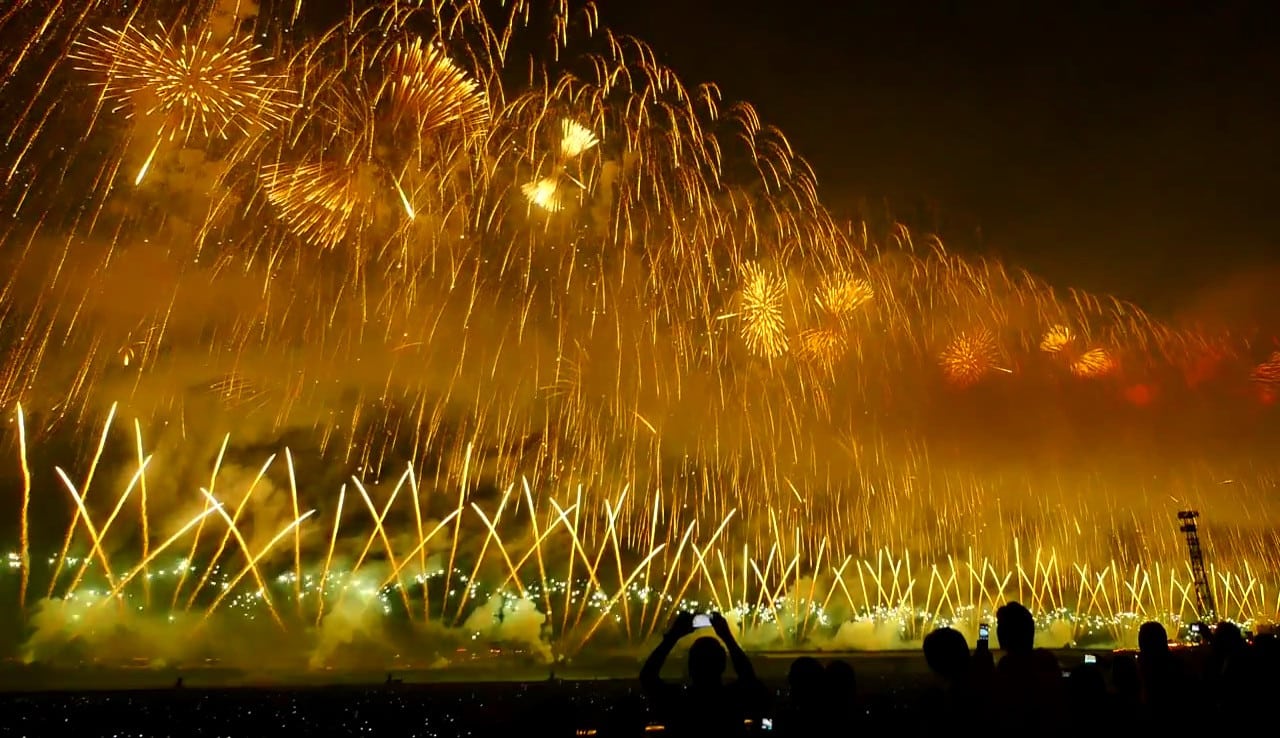
The Tenchijin fireworks take inspiration from the NHK Taiga drama “Tenchijin,” using changes in color and rhythm to portray the life of the Sengoku warrior Naoe Kanetsugu, with narration and music, one of the few programs at Nagaoka Fireworks with a clear storyline; it suits audiences who like a deeper experience and is usually placed in the second half of the opening, as a bridge that ties the emotion of the whole festival together.
Niagara Giant Star Mine: A Spark Show Like a Golden Waterfall
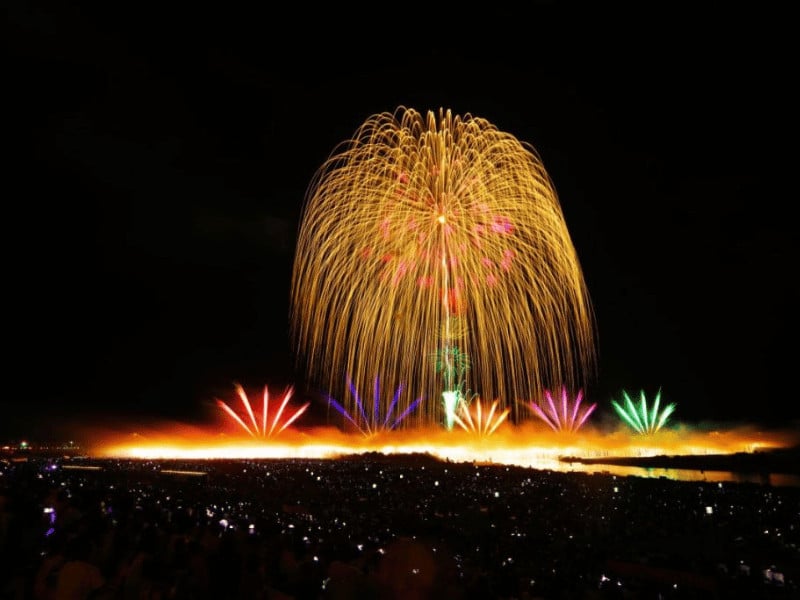
Niagara is a golden waterfall of sparks pouring down from Chosei Bridge. It returns in 2026 after a three-year break and is fired on both nights together with the Shosanshaku-dama; the image of a golden curtain of light cascading from the bridge deck is highly dramatic and is widely regarded by photography enthusiasts as the most worthwhile shot to capture. Choose a seat angle from which you can see both the bridge and the night sky for the best effect.
Shiragiku: Fireworks Symbolizing Remembrance and Peace
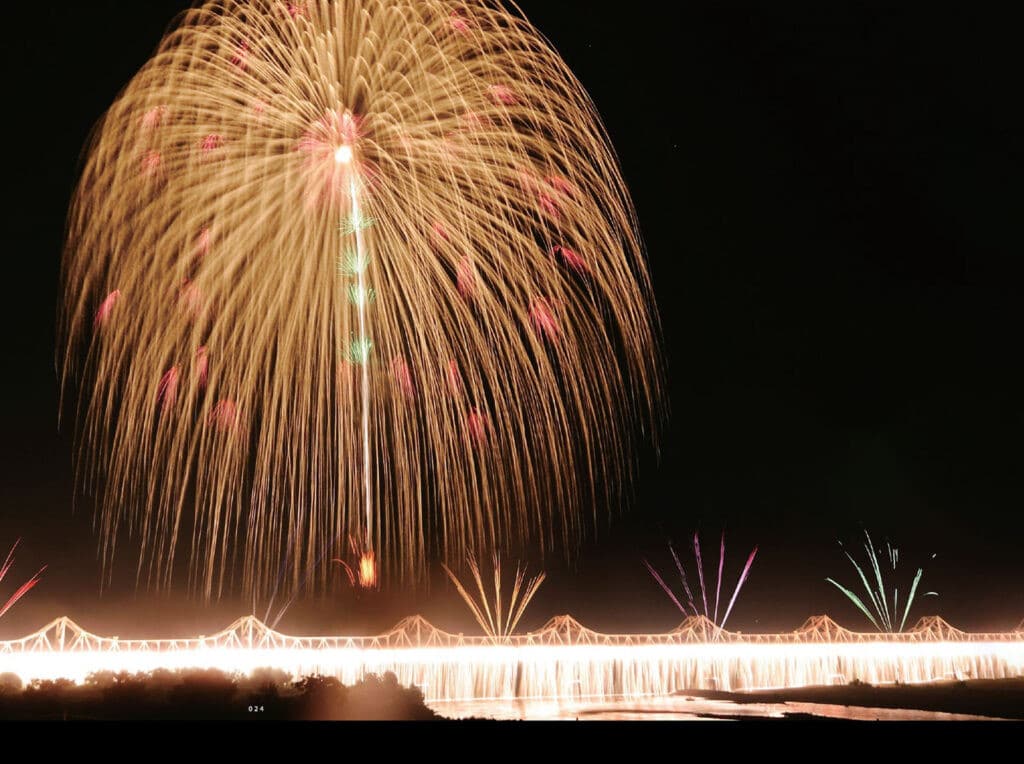
Shiragiku is a special firework launched at 10:30 pm at the August 1 eve-of-festival event. The time corresponds to the start of the Nagaoka air raid on August 1, 1945, and the pure white chrysanthemum shells mourn the victims of war, establishing the core spirit of “praying for peace” at Nagaoka Fireworks and the key reason Nagaoka is called the “fireworks of healing.” Although Shiragiku is not part of the official two-day program, many in-depth travelers arrive in Nagaoka a day early to feel this solemn opening ceremony.

How to Get to the 2026 Nagaoka Festival Grand Fireworks Display: A Complete Guide to Transport and Costs
The Nagaoka Festival Grand Fireworks Display is held on the Shinano River bank in Nagaoka, Niigata Prefecture, on August 2 and 3 every year. In 2025 the two days drew about 340,000 visitors in total, and large-scale traffic controls are enforced around Nagaoka Station, so choose rail or the official shuttle bus first. Here are the four main ways to get there.
How to Get to the Nagaoka Festival Fireworks: Transport Options at a Glance
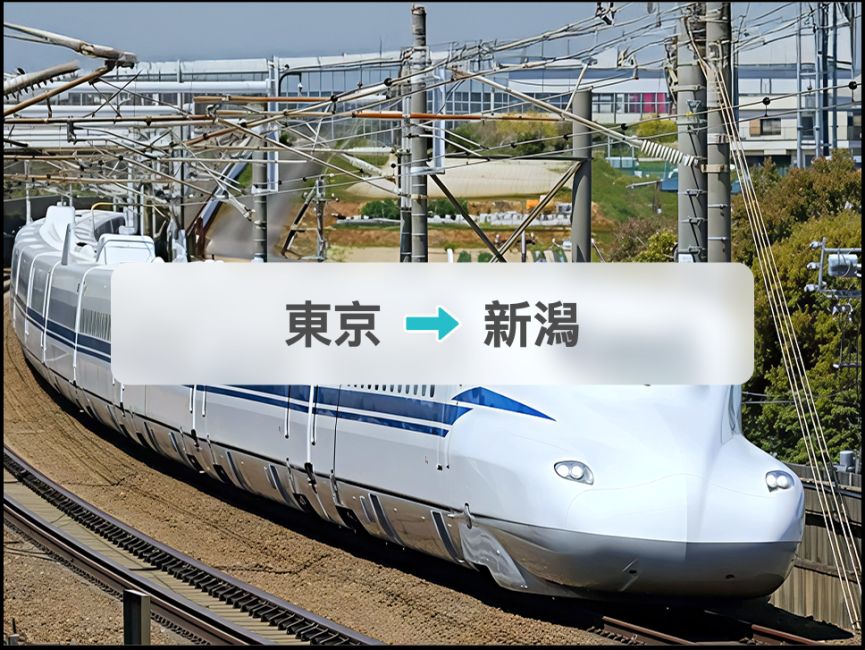
🚄 JR Joetsu Shinkansen “Toki”: as fast as about 1 hour 30 minutes from Tokyo Station, about ¥8,580 for an unreserved seat. Trains are frequent, but booking ahead is recommended. After the show Nagaoka Station is crowded, so consider staying a night or leaving at a different time.
🚌 Shuttle bus: On the day of the fireworks there are buses between Nagaoka Station and the venue area; schedules and fares follow the official transport announcement for that year.
🚗 Driving: Official parking lots are by advance reservation (lottery), and there are also park-and-ride lots outside the city for trains; traffic after the show is heavy, so leave plenty of time.
🚕 Taxi / private charter: Traffic around the venue is tightly controlled that night and you often have to get out and walk, so book in advance.




What Are the Must-See Spots and Viewing Locations at the 2026 Nagaoka Festival Fireworks? Highlights of Each Area
The Nagaoka Festival Grand Fireworks Display is held on the banks of the Shinano River in Nagaoka, Niigata Prefecture, on August 2 and 3 every year and is one of Japan’s three great fireworks displays, best known for the “Shosanshaku-dama” and the “Reconstruction Prayer Fireworks Phoenix.” To truly feel this stunning audiovisual feast, choosing the right viewing spot and nearby sights is the key to success. Here are 8 must-visit places and best viewing spots, from paid seating to free riverbanks and from historic shrines to convenient stations, to help you plan the whole trip.
Chosei Bridge: The Launch Site of the Niagara Golden Waterfall
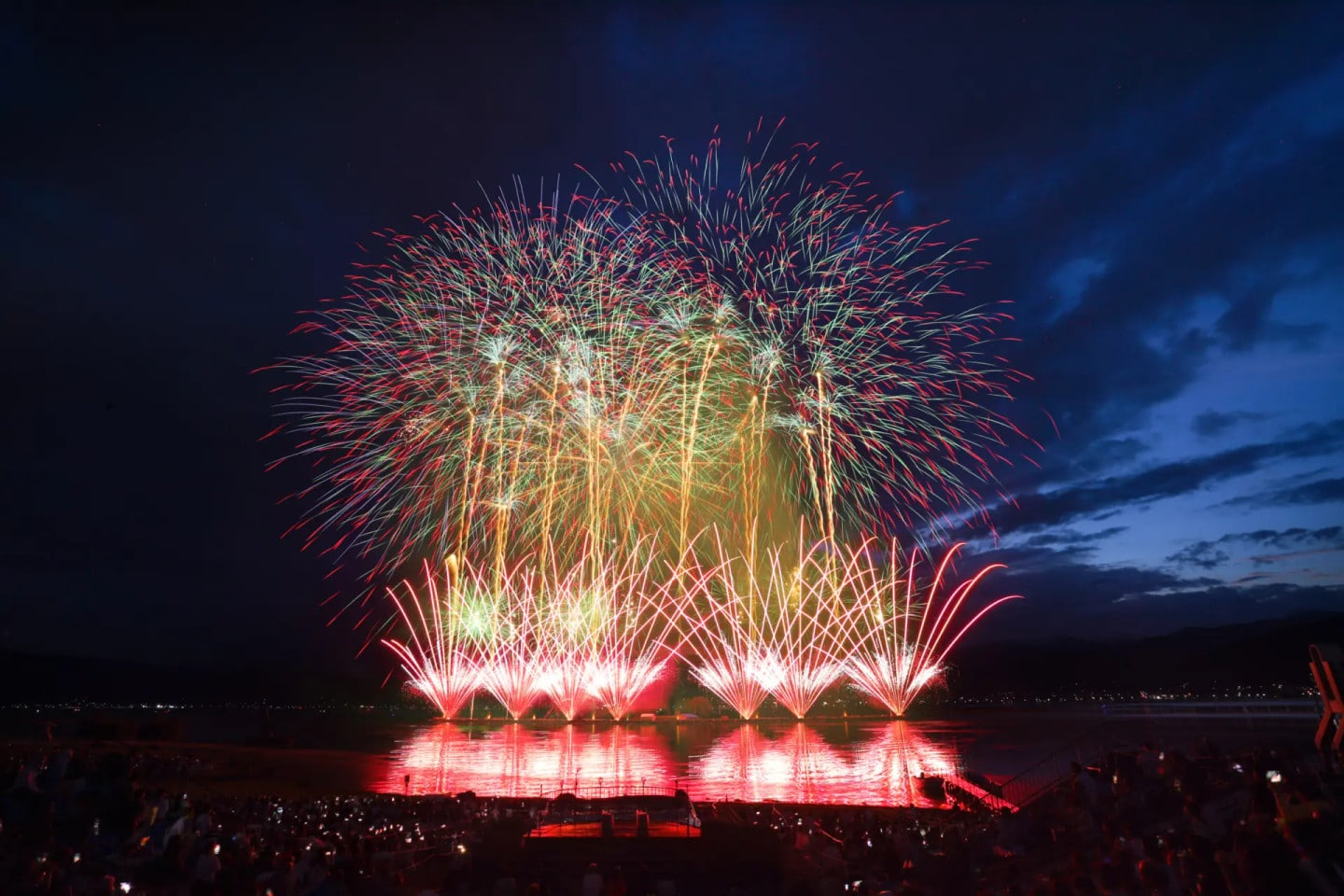
Chosei Bridge is an important bridge over the Shinano River connecting central Nagaoka with the opposite bank and is also the launch position of the “Niagara” golden spark waterfall. The officially announced free viewing area is on the upstream side of Chosei Bridge; the embankment between the bridge and Ote Bridge is reserved for ticket holders, and those without tickets should follow the instructions of police and staff, as the area near the launch site is off-limits. It is about a 25-minute walk from Nagaoka Station.
Ote Bridge: A Main Shinano River Bridge Near Venue B
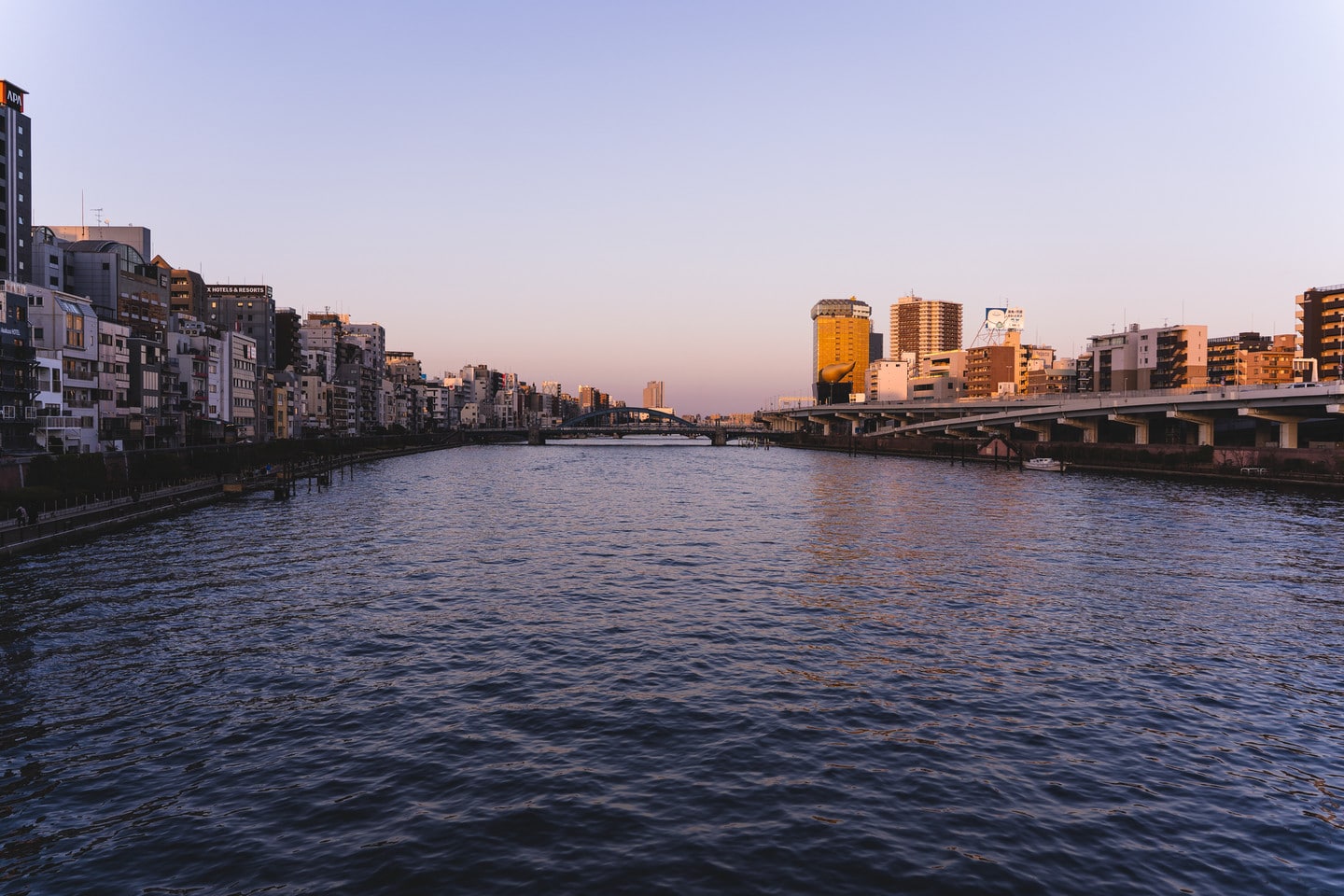
Ote Bridge lies on a main road in Nagaoka city, with wide riverside parks on both sides of its piers, near the Venue B (Nagaoka IC side) seating; when the “Phoenix” Reconstruction Prayer Fireworks fire across 2 kilometers of riverbank together, the view from this area is spectacular. The embankment between Ote Bridge and Chosei Bridge is reserved for ticket holders, and the free viewing area is on the downstream side of Ote Bridge; those without tickets should follow the instructions of police and staff.
Paid Seating on the Shinano Riverbank: The Most Comfortable Front-On Viewing Experience
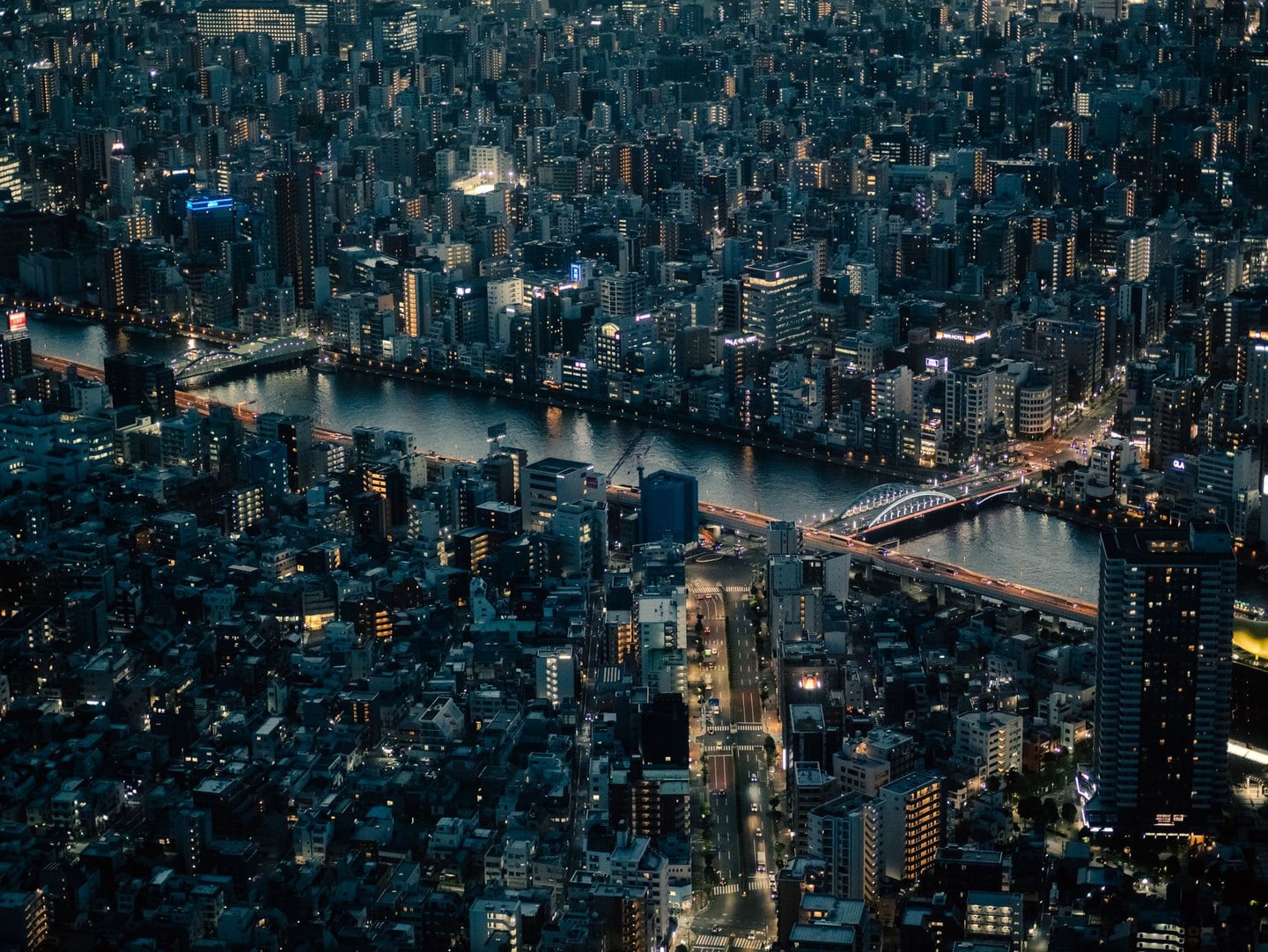
Paid seating sold officially by the Nagaoka Fireworks Foundation is set on the Shinano riverbank at the best angle facing the launch site and is the first choice for visitors who want to watch fireworks in comfort. Seats come in grades such as chair seats, masu seats (6-person boxes) and bench seats; regular sale prices (tax included) are ¥5,000 per seat for bench and chair seats, ¥30,000 to ¥32,000 per box for masu seats and ¥2,000 to ¥4,000 per ticket for area free seating, applied for through the official ticket center during the April to June priority and lottery sales periods; in 2026 they sold out after the first lottery round. The biggest advantage is not having to fight for a spot and an unobstructed view, with dedicated restrooms and temporary shops nearby, which greatly reduces waiting fatigue for families traveling with older relatives or children.
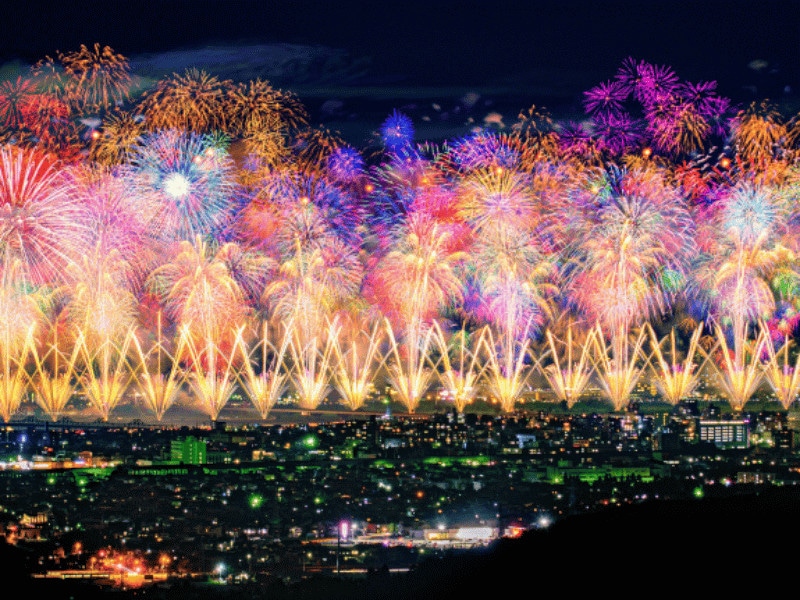
- 🕘 Dates: August 2 and 3 every year, with launches from 19:20 to 21:25 on both days
- 🎫 Prices(regular sale, tax included): Venue A masu seat ¥32,000 per box (up to 6 people) / Venue A bench and chair seat ¥5,000 per seat / Venue A area free seat ¥4,000 per ticket / Venue B masu seat ¥30,000 per box / Venue B North and Tekuteku area seat ¥2,000 per ticket
- 📅 Sales schedule: Nagaoka citizen priority sale April 10 to April 28, general lottery sale from noon on May 25 to June 8; in 2026 seats sold out in a single lottery and no second lottery was held
- 🔗 Nagaoka Fireworks Ticket Center (official, Nagaoka Fireworks Foundation)
Nagaoka Fireworks Times and Program: Key 2026 Program Slots
Launch times on both nights of Nagaoka Fireworks are 19:20 to 21:25. The full program (launch program) is published on the official site by the organizer, the Nagaoka Fireworks Foundation, on two pages for August 2 and August 3 with a PDF download, listing the program name and sponsoring company for each slot. In English, the Japan National Tourism Organization (JNTO) English site calls it the “Nagaoka Fireworks Festival,” the formal Japanese name is “Nagaoka Matsuri Grand Fireworks Display,” and the organizer’s English name is Nagaoka Fireworks Foundation. Here are the key programs for the two nights of 2026:
| Time | August 2 | August 3 |
|---|---|---|
| 19:20 | Shiragiku (3 No. 10 shells) | Shiragiku (3 No. 10 shells) |
| 19:45 | Tenchijin Fireworks | Fireworks “Kono Sora no Hana” |
| 20:15 | Fireworks “Furusato wa Hitotsu” | HOPE TO THE FUTURE |
| 20:30 | Niagara, Shosanshaku-dama (four-stage launch) | Niagara, triple Shosanshaku-dama |
| 20:45 | Reconstruction Prayer Fireworks Phoenix | Reconstruction Prayer Fireworks Phoenix |
| 21:00 | Shosanshaku-dama | Shosanshaku-dama and Star Mine |
| 21:25 | Kome Hyappyo Fireworks and 100 Shakudama Salvo, Takumi no Hanabi, Surprise Fireworks | Kome Hyappyo Fireworks and 100 Shakudama Salvo, Takumi no Hanabi, Surprise Fireworks |
Several large Star Mines are also interspersed between slots; the table lists only the most eagerly awaited programs. The program is updated every year, and the 2027 program has not yet been announced; once published it will appear on the official Nagaoka Fireworks site, so when planning your trip please follow that year’s announcement.
Nagaoka Fireworks 2027: How to Predict the Dates and Ticket Schedule
Nagaoka Fireworks is held on August 2 and 3 every year, and in 2026 the launch time on both nights is 19:20 to 21:25. In 2027, August 2 is a Monday and August 3 a Tuesday, and the program and the viewing seat sales schedule have not been announced; judging by the 2026 timeline, there is a citizen priority sale in April and a general lottery sale in May and June, so please watch the announcements on the official Nagaoka Fireworks site and the ticket center.
Nagaoka Station: The Transport Hub and Starting Point for Food Around the Fireworks
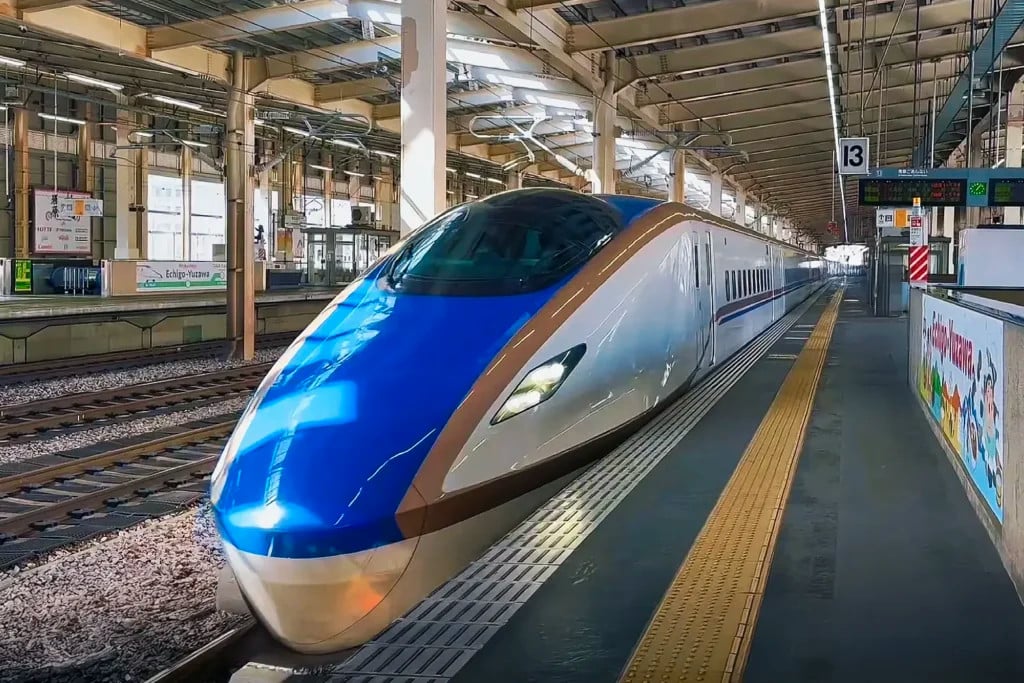
JR Nagaoka Station is the main transport gateway to the fireworks venue, reachable in as little as about 1 hour 30 minutes from Tokyo on the Joetsu Shinkansen. The station has clear fireworks shuttle signs and a temporary service desk, and during the festival large crowds and temporary stalls fill the area around the station. Plan your return ticket early: after the show the crowds all surge to the station at once, and although the Shinkansen adds extra trains seats are still hard to get. The Ote-dori shopping street in front of the station has quite a few izakaya and ramen shops, a good place to fill up after the show before heading back, and the station also has coin lockers so you can go to the riverbank viewing area with light luggage.
Aoshi Shrine: The Guardian Shrine of the Makino Family, Lords of Nagaoka
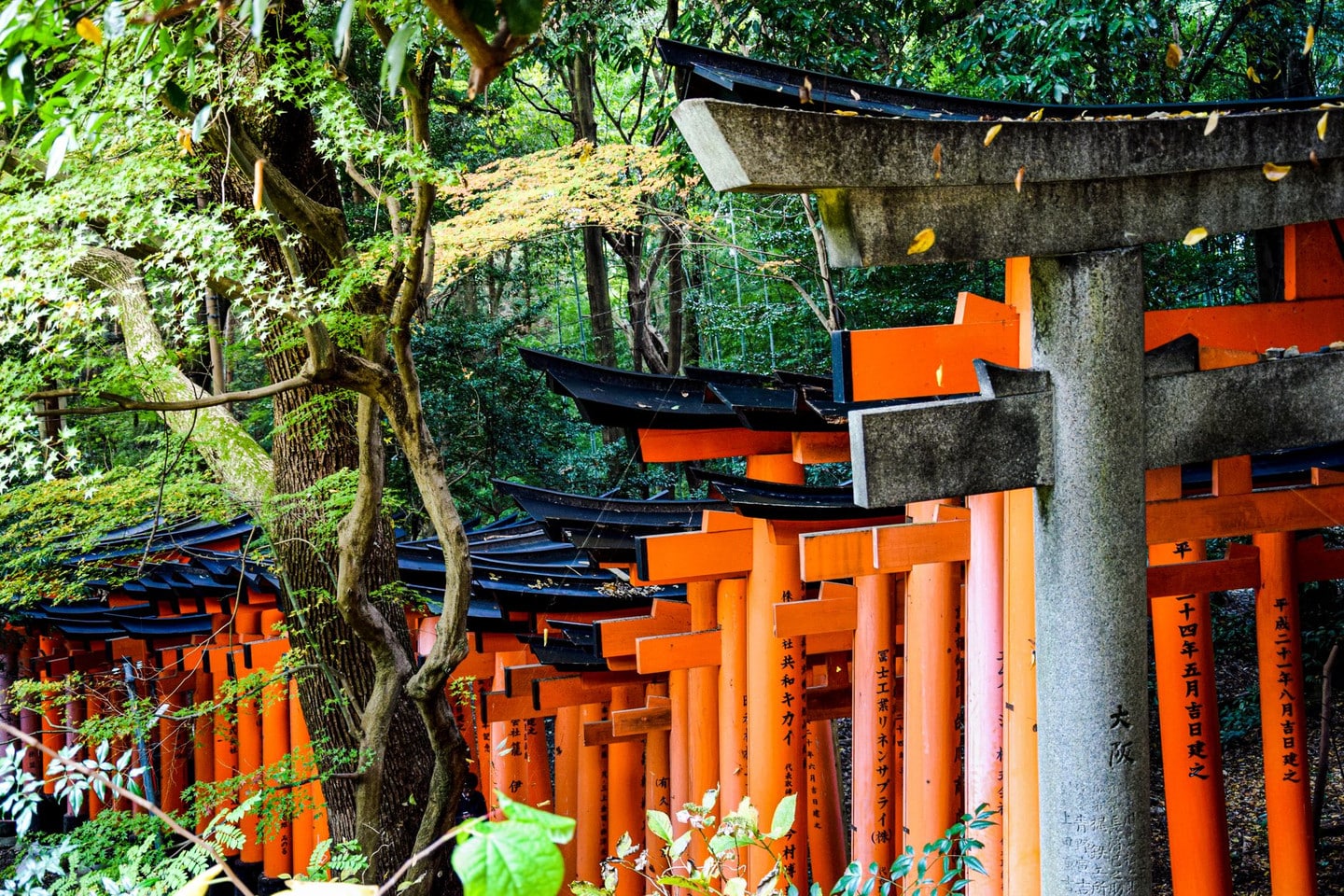
Aoshi Shrine is in Yukyuzan Park in Nagaoka and is the guardian shrine of the Makino family, successive lords of the Nagaoka domain, enshrining the third lord, Makino Tadatoki; its history goes back to the Edo period, and it is now the center of local faith. Ancient trees tower over the grounds, giving a solemn atmosphere. For the types and prices of amulets and goshuin, please follow the notices at the shrine office on site. We suggest staying an hour, combining worship with a visit to Yukyuzan Park and its small zoo, which suits families with children.
Yukyuzan Park: A Great Place for High Views and Escaping the Heat in the Daytime
Yukyuzan Park is a well-known cherry blossom spot in Nagaoka and also a high point overlooking the city and the Shinano River basin. Although it is a bit far from the launch site and you cannot see the main show directly from it, coming in the daytime lets you enjoy lush mountain forest scenery and visit the Nagaoka City Local History Museum in the park to learn about the history behind the Nagaoka domain and the fireworks. The park’s Yukyuzan small zoo has free admission, with animals such as Japanese macaques, raccoon dogs and peacocks, a good way for families with young children to spend the afternoon before the fireworks begin and avoid the city’s crowds and heat. We suggest staying 1.5 to 2 hours; shaded rest areas and vending machines around the park make it easy to keep hydrated.

Around the Nagaoka Citizens Disaster Prevention Center: Learning the Story of the Chuetsu Earthquake and the Reconstruction Prayer Fireworks
The Nagaoka Citizens Disaster Prevention Center is near Nagaoka Station with free admission and permanent exhibits on the 2004 Chuetsu earthquake damage and the reconstruction process. It has an earthquake experience theater and a disaster education exhibit area, and we suggest visiting in the daytime of the fireworks to deepen your understanding of the spirit of the “Reconstruction Prayer Fireworks Phoenix.” The Phoenix fireworks were first fired in 2005, symbolizing Nagaoka rising from the flames. We suggest staying an hour; opening hours are about 9:00 to 17:00 and some facilities are closed on Mondays, so check opening status before you go.
Ote-dori Shopping Street: The Walking Route with the Strongest Festival Atmosphere
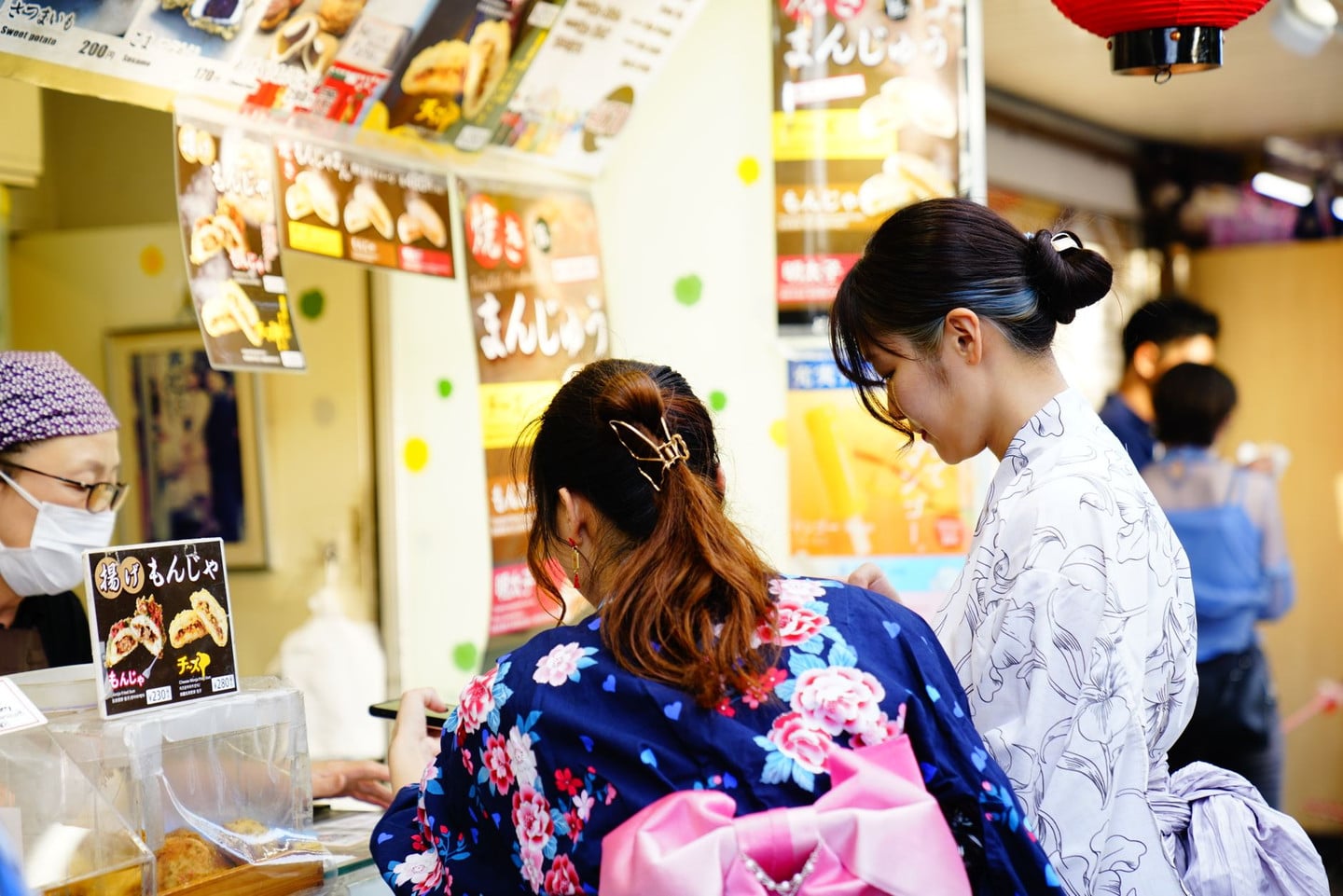
Ote-dori Shopping Street is the main shopping street running from the front of Nagaoka Station into the city, and during the fireworks it fills with food stalls selling Nagaoka’s distinctive B-class dishes such as ginger soy sauce ramen and hegi soba noodles, plus festival snacks like takoyaki and candied apples, the most direct place to feel the atmosphere of a Japanese summer festival. Along the street there are also long-established souvenir shops where you can buy Nagaoka local sake (Kiminogawa, Asahiyama and others) and Echigo rice crackers, and in the evening residents and visitors in yukata pour in, creating a unique festival streetscape. Before heading to the riverbank seating, we suggest spending 1 to 1.5 hours here finding food and recharging to avoid time-consuming queues on site.
How Much Does the 2026 Nagaoka Festival Fireworks Cost? Tickets and Seating Prices
The Nagaoka Festival Grand Fireworks Display draws hundreds of thousands of people to Nagaoka, Niigata Prefecture every year, and seats on the Shinano riverbank are hard to come by, especially at the moment the Shosanshaku-dama goes up and the Reconstruction Prayer Fireworks “firework of the soul” are fired, the climax when tens of thousands hold their breath. To enjoy this event, billed as one of Japan’s three great fireworks displays, with peace of mind, planning your budget and buying tickets early is the key, because local hotels, transport and seats are all snapped up months before the event. Here are the types and prices of official paid seating to help you plan your budget.
Shosanshaku-dama Reserved Seats: Premium Riverside Seats for Feeling the Impact Up Close
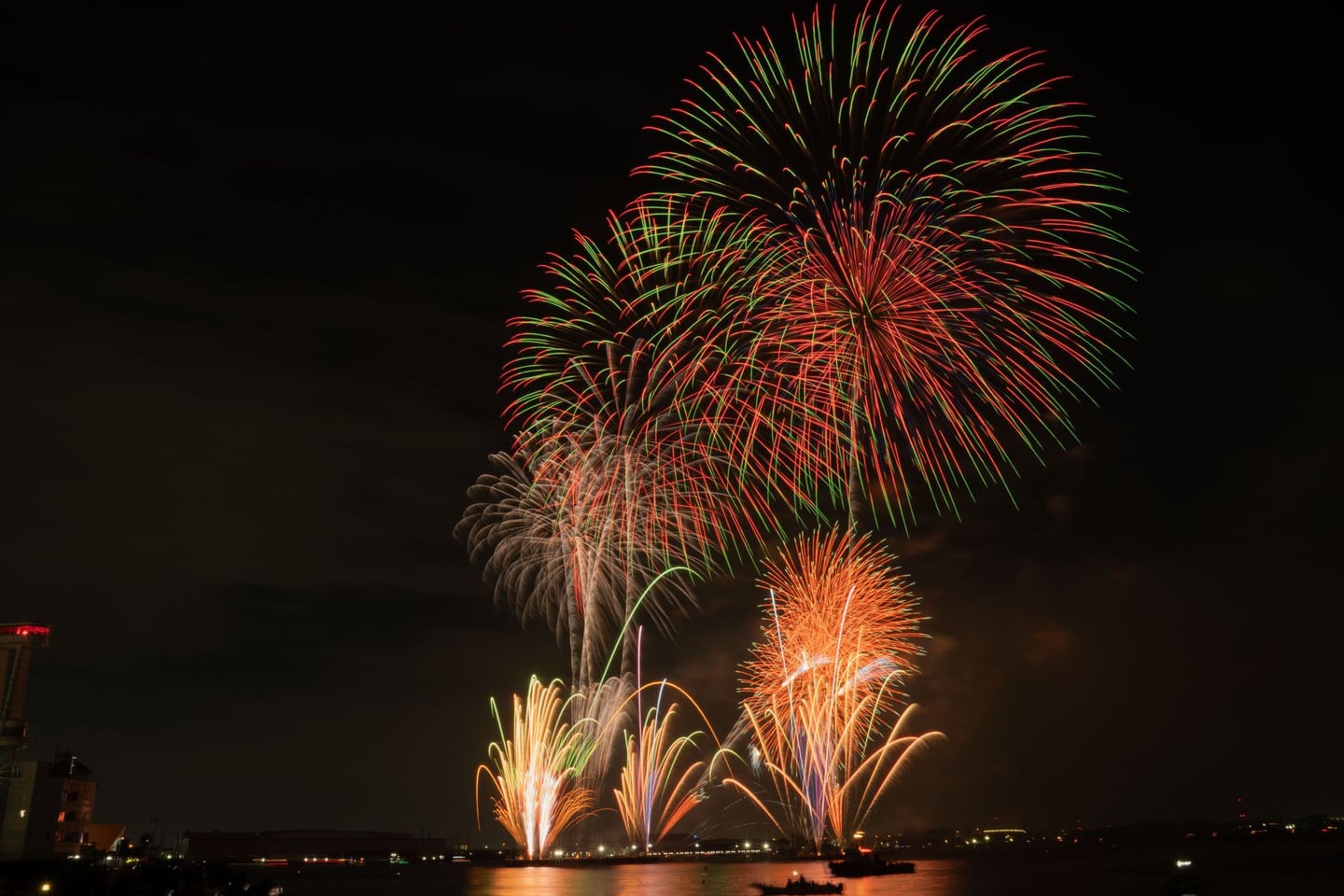
The Shosanshaku-dama is the signature program of Nagaoka Fireworks, a giant shell 90 centimeters across that blooms to as much as 650 meters in diameter, an impact you can only feel on the Shinano riverbank in person. Officially sold seats are divided by area into grades such as masu seats, bench and chair seats and area free seating, with prices ranging from ¥2,000 to ¥32,000 depending on venue and seat type; the closer to the launch point the better the view, but also the louder the blasts and the more ash falls. Seats are sold through a citizen priority sale and a general lottery, with applications open from April to June in 2026; popular seats often sell out in the first lottery with no second lottery held, so keep an eye on the sales and second-sale (lottery) schedule the official ticket center announces each year.
Accommodation Suggestions
Nagaoka Station is a stop on the Joetsu Shinkansen, and after the fireworks the crowds surge to the station all at once; the official side also encourages leaving in staggered groups, so many travelers choose to stay a night around Nagaoka Station and leave the next day. Demand for rooms is high during the fireworks, so confirm your lodging as soon as ticket results are announced; if central Nagaoka is full, stay in a nearby city and take the JR in.

FAQ
Q: What if I did not win tickets for Nagaoka Fireworks? Can I watch for free?
Yes. There are official free viewing areas (the upstream side of Chosei Bridge and the downstream side of Ote Bridge); actual opening and controls follow that year’s official announcement, and the area near the launch site is off-limits.
Q: Will Nagaoka Fireworks be canceled if it rains?
Normally it goes ahead in light rain and is postponed or canceled only in severe weather such as typhoons or thunderstorms, so please keep a close eye on the latest official announcements before you go.
Q: What is the most convenient way to get to Nagaoka Fireworks?
From Tokyo take the Joetsu Shinkansen to Nagaoka Station in as little as about 1 hour 30 minutes, then walk or take a shuttle bus to the venue; for leaving after the show, we suggest pairing with a private charter to avoid the crowds.
Q: How much are tickets for the 2026 Nagaoka Fireworks?
Paid seat prices in 2026 are about ¥2,000 to ¥32,000 depending on Venue A or B and seat type; in 2026 they sold out in a single lottery, so keep an eye on the April to June sales schedule each year.
Q: What is the best season and time to see Nagaoka Fireworks?
It is held on the evenings of August 2 and 3 every year, with launches from 19:20 to 21:25; we suggest arriving before evening to allow time for claiming a spot and getting around.
Q: Will the traffic be bad after Nagaoka Fireworks?
Yes. After the show the Shinkansen and roads are extremely crowded, and the official side encourages staggered departures, so leave at a different time or arrange lodging in advance.
Q: Can I use my phone to look up information on site?
After evening, mobile signal at the venue becomes very poor, so screenshot timetables and maps in advance to avoid failed lookups, and agree on a meeting point with your companions beforehand.
