
Otaru Canal Guide 2026: Hokkaido’s Century-Old Canal and Taisho Romance Streets
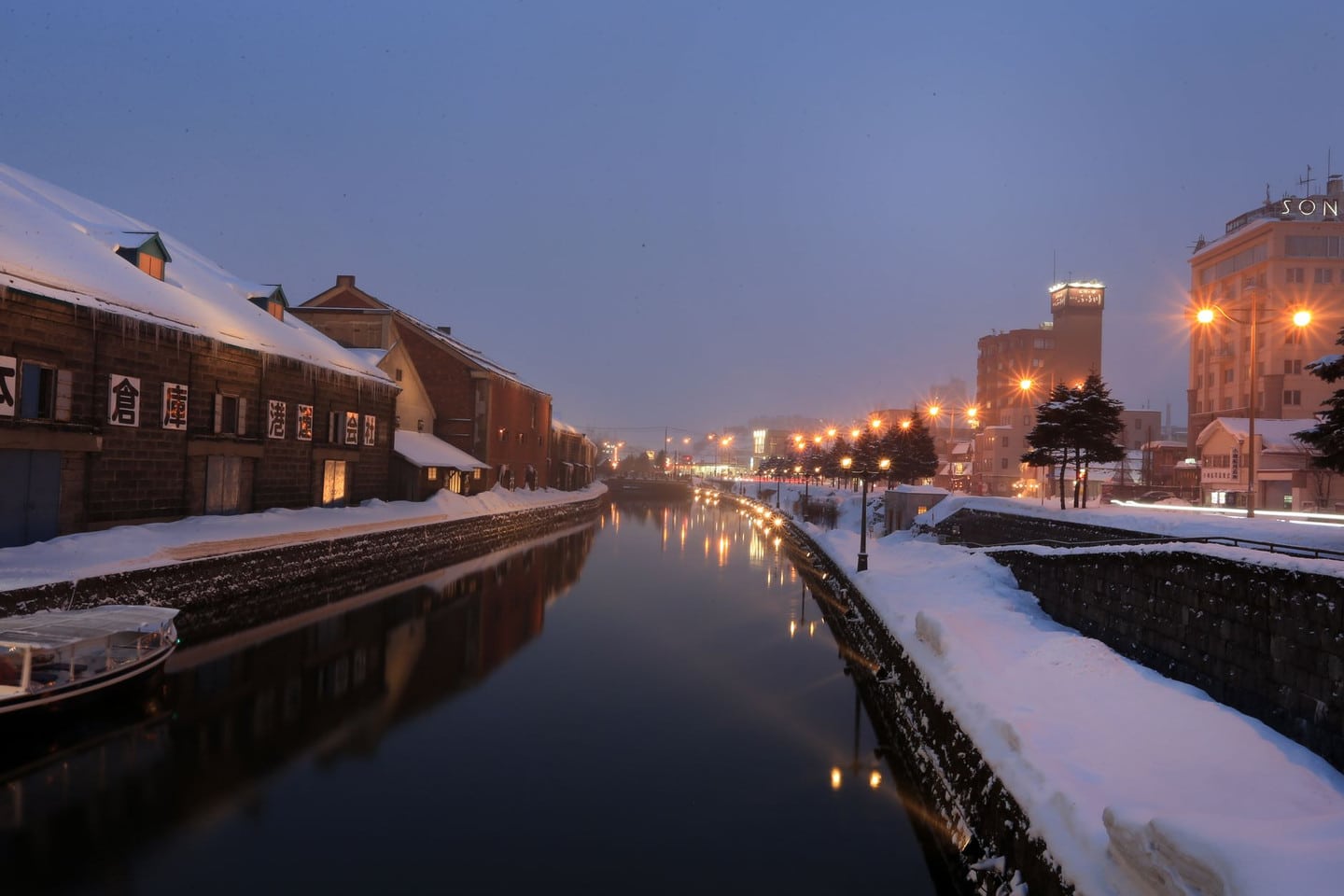
The Otaru Canal is Hokkaido’s most popular free attraction, open 24 hours all year, where rows of Taisho-era warehouses and 63 retro gas lamps tell the story of a century-old port town; we suggest spending 1 to 3 hours.
The History and Charm of the Otaru Canal
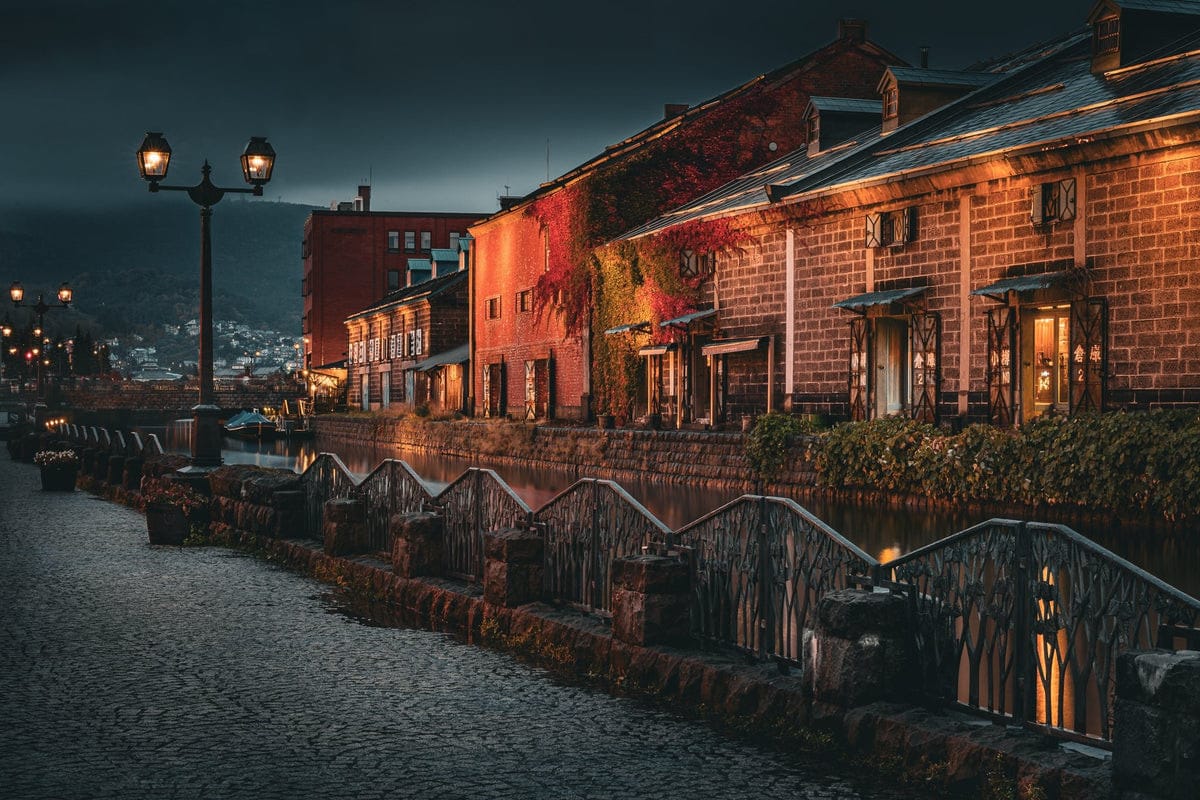
The Otaru Canal was built in 1923 on reclaimed land and was once a key freight route between ships and warehouses; in its heyday it earned Otaru the nickname “the Wall Street of the North.” The canal is about 1,140 meters long, and the north side keeps the best-preserved stone warehouse scenery, a classic photo location.
After the war the canal gradually left the freight stage, and citizens launched a preservation movement; after more than ten years of debate, in 1986 half the canal was filled in for a road and the remaining waterway was turned into a promenade, becoming what it is today. Now many of the red-brick warehouses on both banks have been converted into restaurants, tea houses and craft shops, making it Otaru’s most representative sightseeing landmark.
What Kind of Traveler Suits the Otaru Canal
Whether it is a day trip from Sapporo, a couple’s date, a family outing with kids or a solo trip, the Otaru Canal is an ideal choice. It is about 30 to 40 minutes by JR from central Sapporo, the main sights are within walking distance, and no complicated transfers are needed, which suits first-time visitors to Hokkaido who want to feel nostalgic streetscapes and seafood in limited time. In winter you can catch the limited-time Otaru Snow Light Path lighting event, whose romantic atmosphere beats other seasons, and many travelers plan their trip for February; summer suits an evening stroll, feeling the sea breeze and the afterglow of sunset on the canal.

How to Plan the Smoothest Otaru Canal Itinerary
We suggest a “no backtracking” route: start from JR Minami-Otaru Station, pass in order through Fairy Tale Crossing, the Sakaimachi-dori shopping street and the Otaru Canal, eat at Sankaku Market or Denuki Koji, then return to Sapporo by train from JR Otaru Station. The whole trip takes about 5 to 6 hours and flows smoothly without repeating any path.
If you have time, you can also stay a night in Otaru, enjoy the canal lighting and the night cruise view in the evening, and extend the trip the next day to Mount Tengu or the Otaru Art Village for a fuller taste of Otaru.
How to Get to the Otaru Canal? A Complete Summary of 2026 Transport and Costs
Getting to the Otaru Canal from Sapporo or New Chitose Airport is very easy; here are the main transport options and costs.
How to Get to the Otaru Canal? Transport Options at a Glance
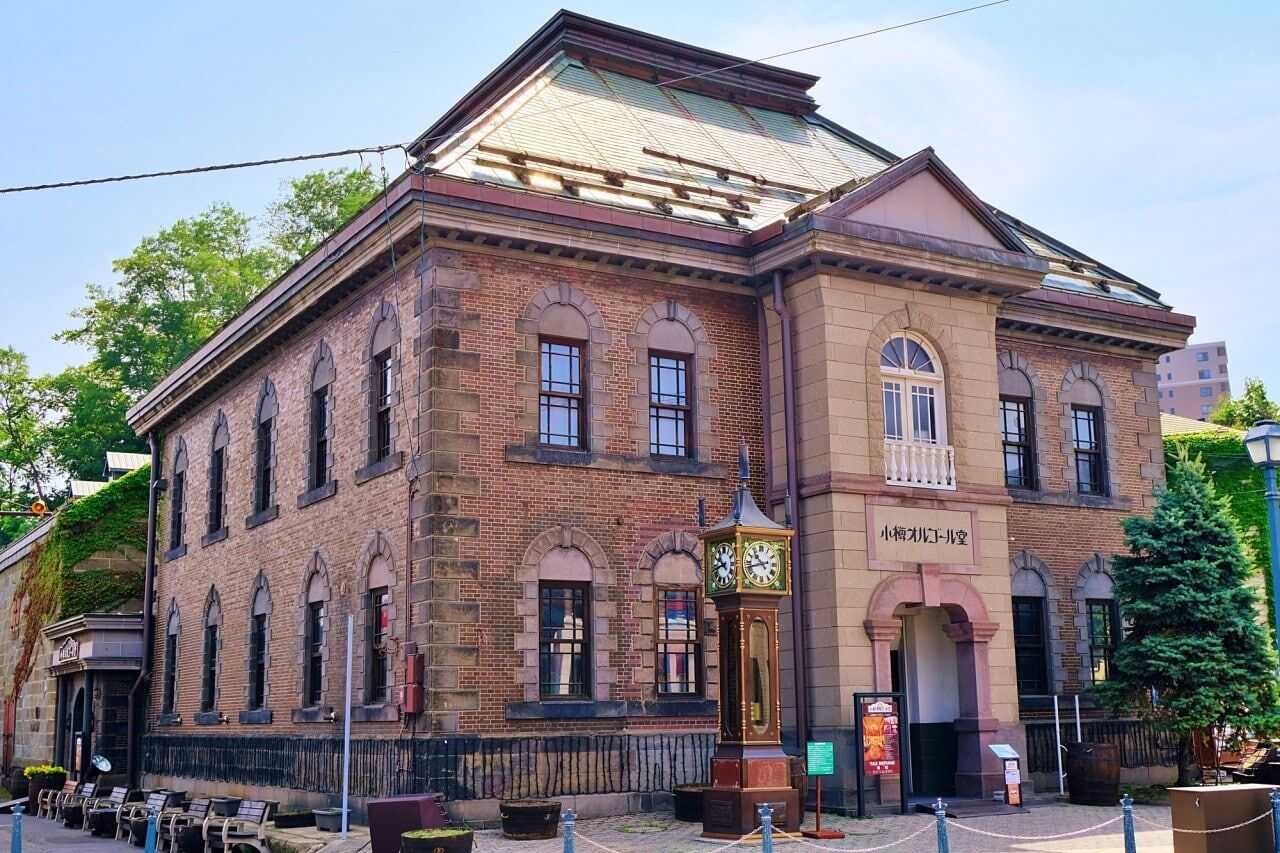
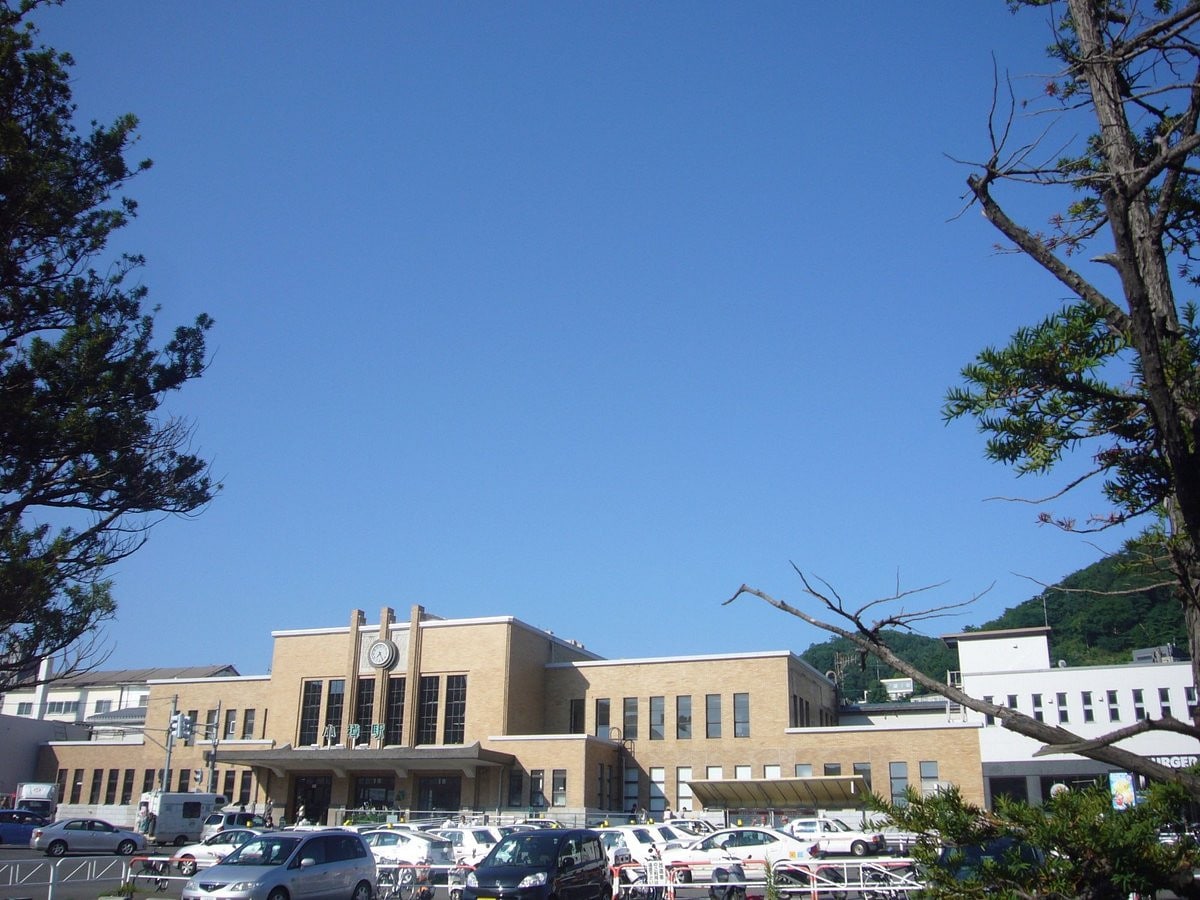
From Sapporo: take the JR Hakodate Main Line (the Rapid Airport train is fastest) to Otaru Station or Minami-Otaru Station, about 30 to 40 minutes, about ¥750 one way. From New Chitose Airport: take the JR Rapid Airport line directly to Otaru Station with no transfer, about 73 minutes at the fastest, about ¥1,910 one way. Getting around town: it is about a 10-minute walk from Otaru Station to the canal, and the main sights can all be linked on foot; to save effort, you can buy an Otaru city bus one-day pass (adult ¥800) for farther sights such as Mount Tengu. We suggest entering via Minami-Otaru and leaving from Otaru: walk from JR Minami-Otaru Station to Fairy Tale Crossing, pass along the Sakaimachi-dori shopping street to the canal and finally leave by train from Otaru Station, with no backtracking.

| Transport | Cost | Time required |
|---|---|---|
| JR Hakodate Main Line (Sapporo → Otaru) | About ¥750 | About 30-40 minutes |
| JR Rapid Airport line (New Chitose Airport → Otaru) | About ¥1,910 | About 80 minutes |
| Walk from Otaru Station to the canal | Free | About 10 minutes |
| Otaru city loop bus one-day pass | ¥750 | Depends on route and schedule |



Otaru Art Village and the Former Temiya Line: An Art Space Converted from Railway Ruins
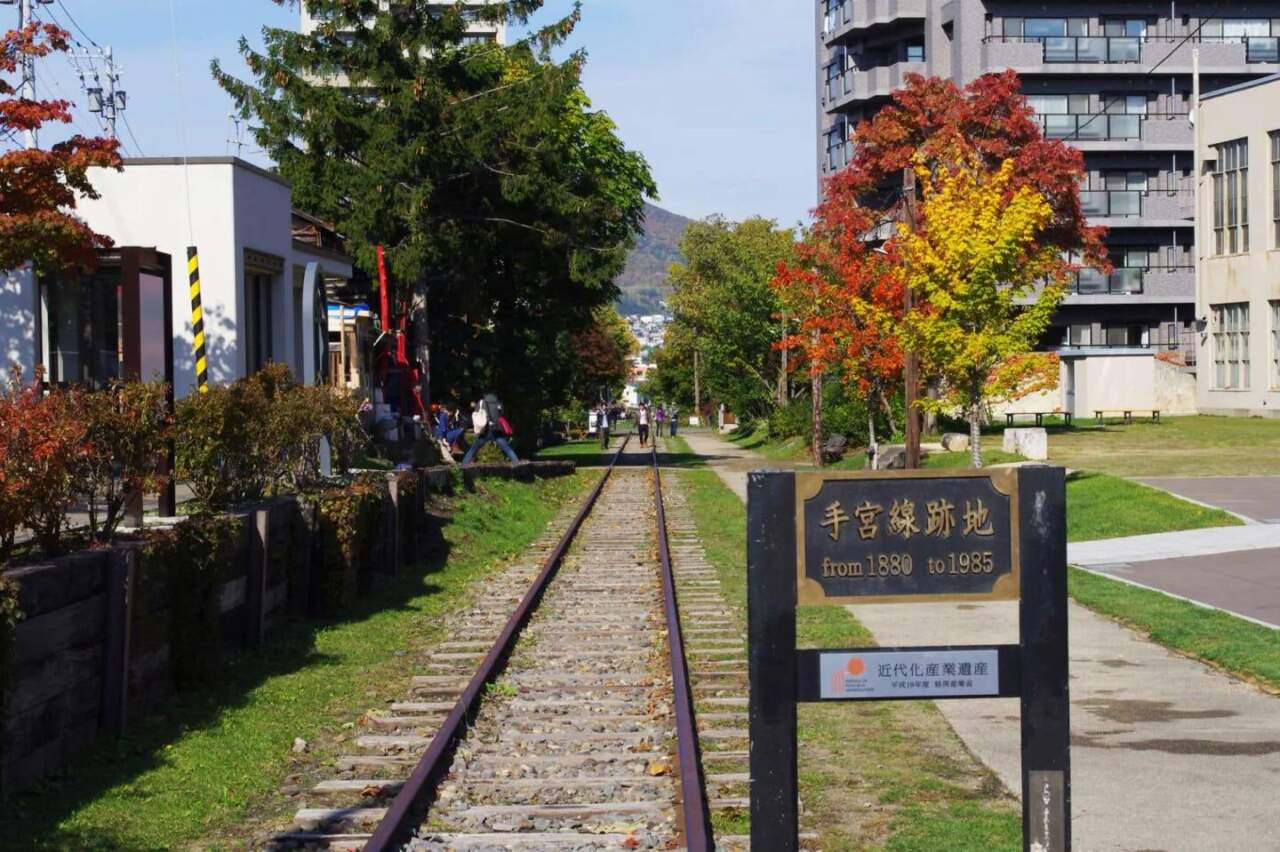
The Otaru Art Village is made up of several historic buildings displaying rich collections of glass craft, kimono and Western art, and is one of the winter venues of the Otaru Snow Light Path; the Former Temiya Line is a disused railway ruin whose tracks remain as a nostalgic walking path for residents, and during the winter lighting period snow lanterns line both sides of the tracks, creating a quiet, enchanting mood.
Both spots are within walking distance on the north side of the canal and suit a visit after strolling the canal, and are especially recommended during the Snow Light Path, letting you feel Otaru’s fullest winter romance in one go.
How Much Does the Otaru Canal Cost? Admission and Guided Tours
When many people first plan a “2026 Otaru Canal guide,” the question they search for most is “how much is Otaru Canal admission,” and the answer is simple: the Otaru Canal itself is a completely free public landscape, and the stone warehouses, gas lamps and promenade along it can be visited freely 24 hours a day all year, with no ticket or reservation needed. But if you want to go deeper, shoot from different angles or save planning time, there are several paid tours on the market, including canal cruises, rickshaw rides and day tours departing from Sapporo. Below we lay out the common costs and tours around the Otaru Canal, from free ways to enjoy it to paid experiences, so you can plan by budget and time.
Strolling the Otaru Canal on Your Own: Classic Shots with Zero Admission
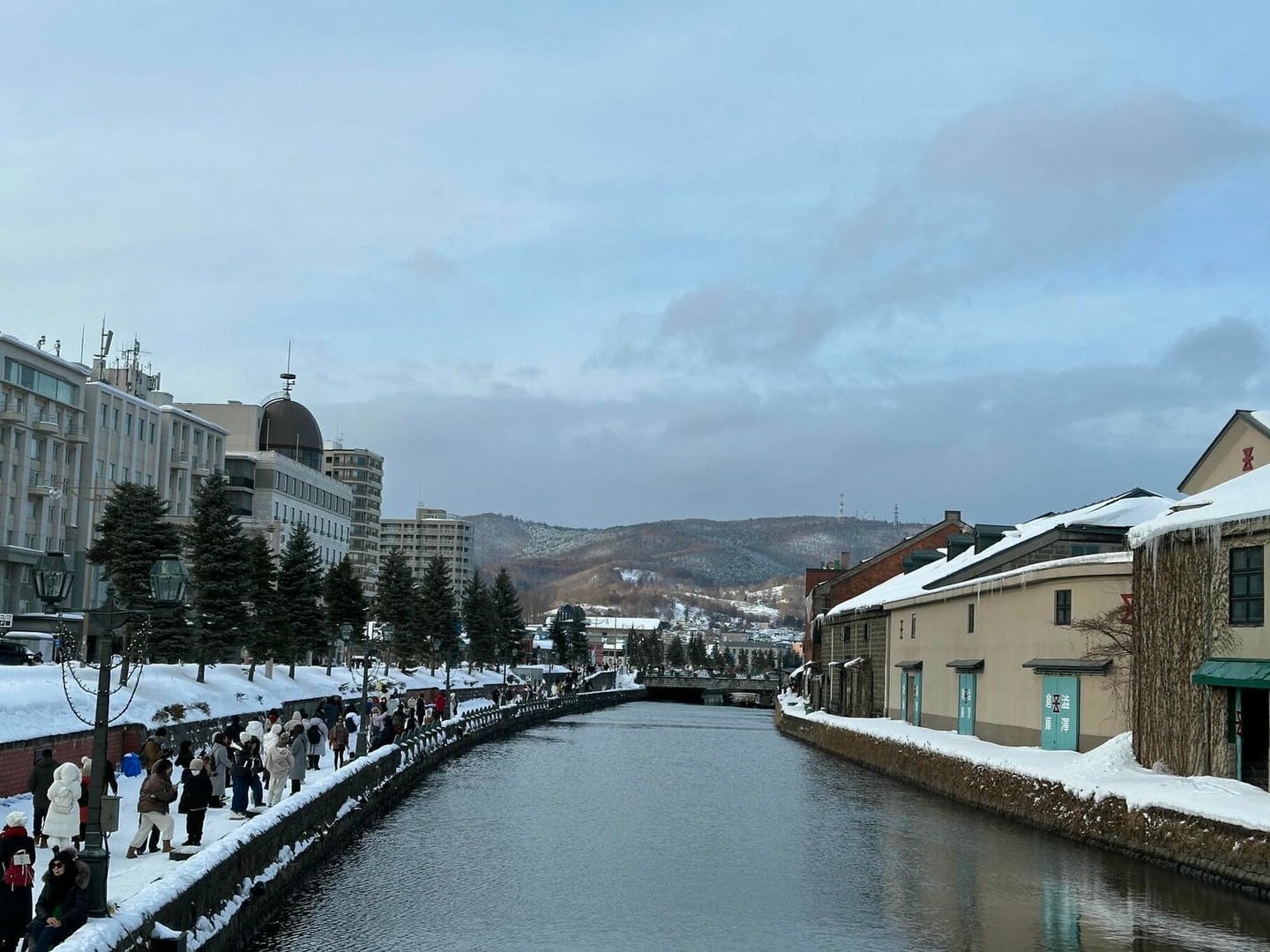
Strolling the Otaru Canal is completely free; it is about a 10-minute walk from JR Otaru Station, from Asakusa Bridge to Chuo Bridge, and along the roughly 1.1-kilometer stone-paved path stand red-brick warehouses from the Meiji and Taisho periods, a popular photo spot. The retro gas lamps along the canal promenade are lit after sunset until 24:00, reflected in the canal water, the most beautiful time of day.
We suggest allowing 1 to 1.5 hours for the whole walk, resting at the free viewing deck near Asakusa Bridge along the way and visiting the free exhibition hall at Canal Plaza (the former Otaru Warehouse) to learn the history, with almost no cost and very high value.
Otaru Canal Lighting Times: When the Gas Lamps and Warehouse Lights Come On
The gas lamps of the Otaru Canal along the canal promenade and in front of Canal Plaza are lit from sunset to 24:00; the North Canal promenade is controlled by a light sensor and runs from 18:00 to 4:00 the next morning from June to August; the stone warehouses are lit from sunset to 22:30. Sunset time varies with the season, so to see both the warehouse lighting and the gas lamps, arrive before 22:30; the short period after sunset when the sky is still blue is best for night photography.
Otaru Canal Cruise: A Unique View of the Warehouses from the Water
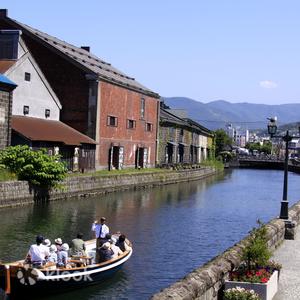
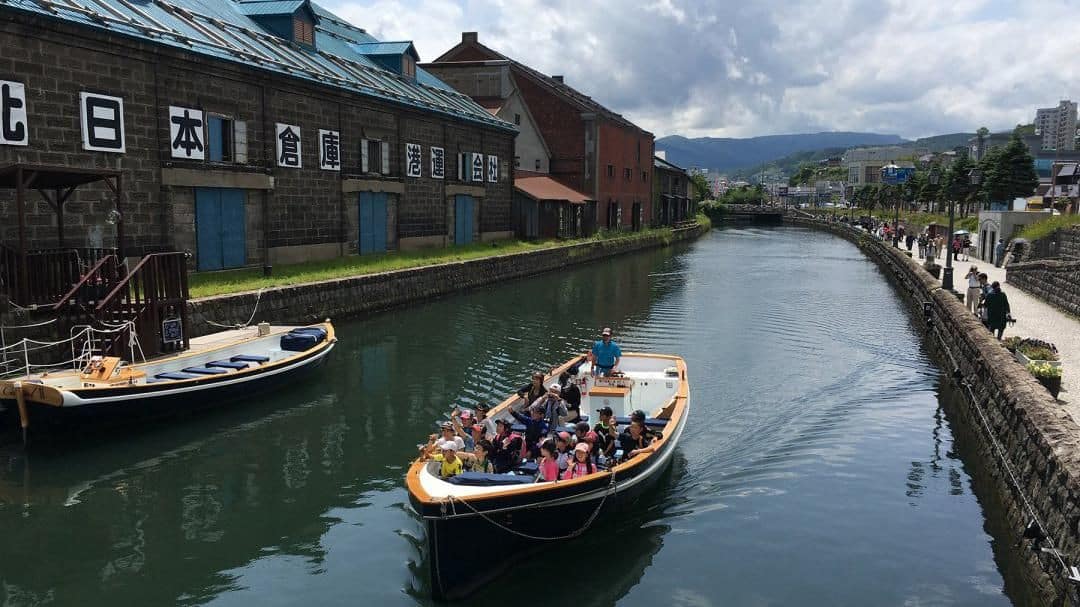
The “Otaru Canal Cruise” is the most popular paid boat experience, boarding beside Chuo Bridge, with a voyage of about 40 minutes; in the daytime it departs every 30 minutes from 10:00 to 16:00 at ¥1,800 for adults, and in the evening it departs from 17:30 to 19:00 at ¥2,000 for adults, with elementary school children ¥500 on both.
At night you can see the gas lamps and warehouse lights reflected on the water. Tickets can be bought online on the official site up to 1 hour before departure, and private charters must be requested 5 days ahead.
From Sapporo: Otaru Day Tour Packages Covering the Canal, Sakaimachi-dori and Kitaichi Glass in One Go
If time is limited, choose an Otaru day tour from Sapporo, mostly with private car or JR ticket transfers, linking the Otaru Canal, the Sakaimachi-dori shopping street, Kitaichi Glass Building No. 3 and the LeTAO main store, with some adding Sushi Museum Street or the Mount Tengu night view. The tour takes about 6 to 8 hours, and cost and guide language follow each tour’s description page.
A package tour spares you the trouble of checking JR schedules and transfers and avoids wrong turns, suiting first-time visitors to Hokkaido making only a one-day round trip between Sapporo and Otaru; some options also include a canal cruise, and you can compare them on KKday or Klook before booking.
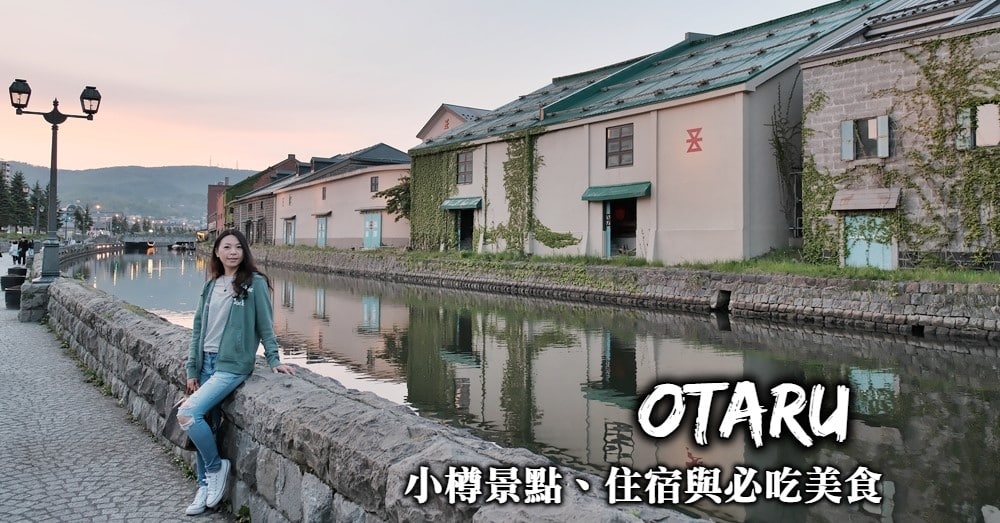
Rickshaw Rides Around the Otaru Canal: Feel the Historic District at a Slow Pace
For a more leisurely, local way to experience it, try a rickshaw ride around the Otaru Canal; the drivers are mostly familiar with Otaru’s historic alleys and secret photo spots and take visitors through the canal warehouses, Irouchi-honcho-dori and around the romantic Otaru Art Village, more efficient and easier than just walking. At Ebisuya Otaru, for example, the 30-minute “North Canal and Historic Buildings Tour” costs ¥10,000 for 2 riders or ¥9,000 for 1 rider, and the 120-minute full course costs ¥38,000 for 2 riders.
We suggest confirming language service, time slots and reservation method on the shop’s official site beforehand.
Where to Stay Near the Otaru Canal: Accommodation Suggestions

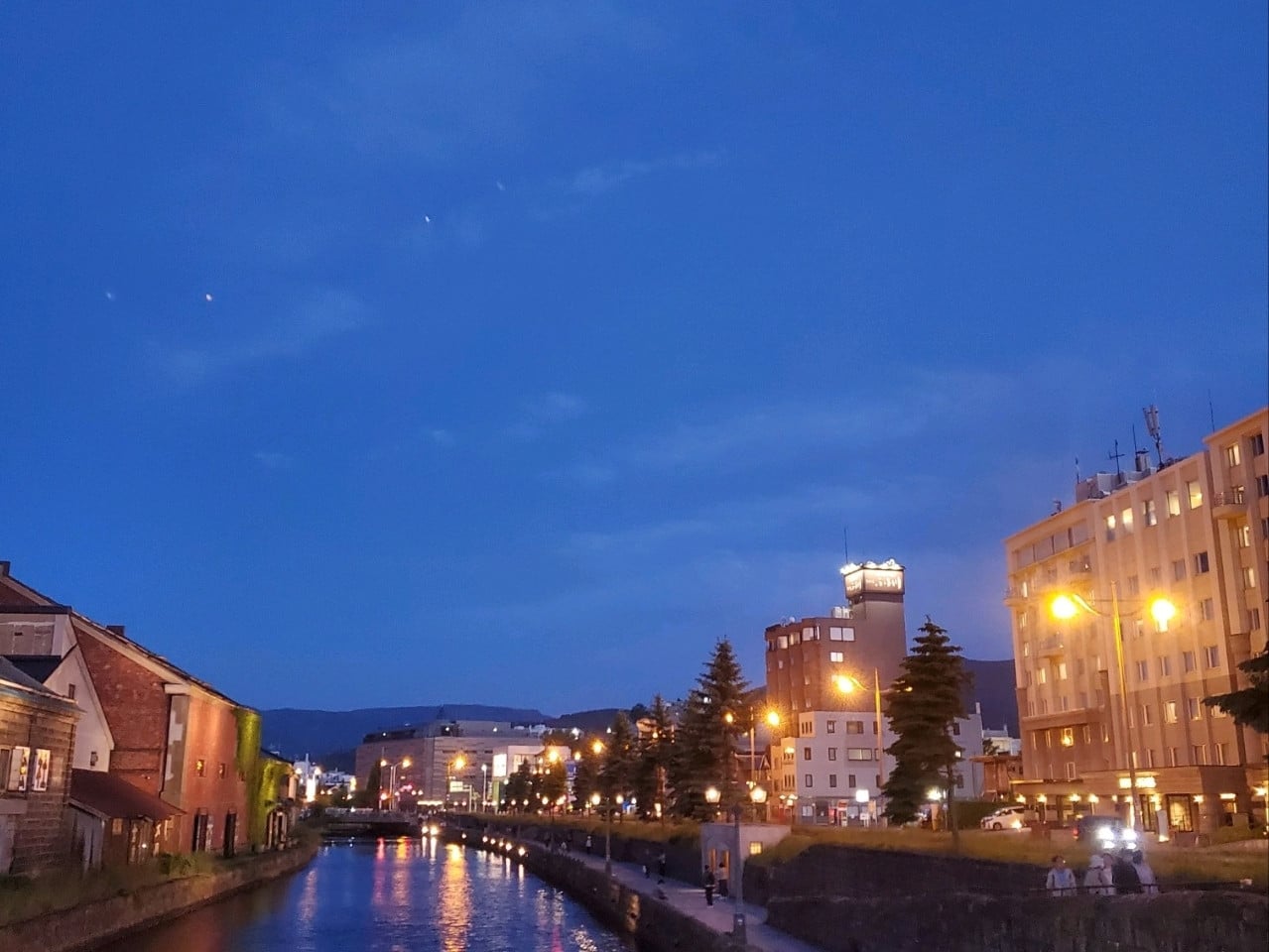
Accommodation Directions and Recommended Types Around the Otaru Canal
To avoid the crowds and experience the canal at night in depth, we suggest staying overnight in Otaru. There are many hotels within walking distance of the canal, such as Hotel Touristo Otaru Canal, Hotel Nord Otaru and Hotel Sonia Otaru, all near the canal and Sakaimachi-dori. If you prefer nostalgic charm, choose the canal inn Otaru Furukawa, modeled on a Meiji-era merchant house and with a natural hot spring; in the city center, the guesthouse Ikkyu is rented as a whole floor, suiting groups of 4 to 8. Staying a night lets you enjoy the canal lighting and the night cruise at leisure, and the next early morning, before the crowds arrive, you can capture the quietest canal views.
Otaru Canal FAQ
Q: How much is admission to the Otaru Canal?
The Otaru Canal itself is free to enter and open 24 hours all year; the canal cruise costs ¥1,800 in the daytime and ¥2,000 at night, paid separately.
Q: How do you get from Sapporo to the Otaru Canal? How long does it take?
Take the JR Hakodate Main Line to Otaru Station or Minami-Otaru Station, about 30 to 40 minutes and about ¥750 one way, then walk about 10 minutes from the station to the canal, very convenient.
Q: How long should you spend at the Otaru Canal?
For the canal alone, 1 to 3 hours is suggested; if you add nearby sights such as the Sakaimachi-dori shopping street and Sankaku Market, plan a 5 to 6 hour day trip.
Q: When is the 2026 Otaru Snow Light Path?
The 2026 Otaru Snow Light Path was held from February 7 to February 14, 8 days in total, with lighting from 17:00 to 21:00; in recent years it has been held in early February, and for the dates of the next edition please follow the official announcement.
Q: Is the Otaru Canal worth visiting at night?
Very much so: at night 63 gas lamps light the canal banks and the warehouses are illuminated until 22:30, a romantic reflection on the water and a completely different experience from daytime.
Q: How long is the Otaru Canal cruise? How much does it cost?
The voyage takes about 40 minutes, at ¥1,800 for adults in the daytime, ¥2,000 at night and ¥500 for elementary school children, with night cruises departing from 17:30 to 19:00.
Q: How do you avoid the crowds at the Otaru Canal?
The canal is open 24 hours all year, so we suggest going on a weekday and visiting during the morning market hours or before the evening lighting, which greatly reduces the crowded periods when tour groups overlap.
Q: What time are the gas lamps lit at the Otaru Canal?
The gas lamps on the canal promenade and in front of Canal Plaza are lit from after sunset until 24:00; the North Canal promenade is controlled by a light sensor and runs from 18:00 to 4:00 the next morning from June to August. Check the sunset time for the month before you go to catch the best moment for photography.
Q: What time are the Otaru Canal warehouses lit?
According to the Otaru Tourism Association, the lighting of the stone warehouses along the canal runs from sunset to 22:30 all year, and the gas lamps at Canal Plaza from sunset to 24:00 all year. To capture both the warehouse lighting and the gas lamps, arrive before 22:30; the short period after sunset when the sky is still blue is best for night photography.
Otaru Canal Guide 2026: Hokkaido’s Century-Old Canal and Taisho Romance Streets
The Otaru Canal is Hokkaido’s most popular free attraction, open 24 hours all year, where rows of Taisho-era warehouses and 63 retro gas lamps tell the story of a century-old port town; we suggest spending 1 to 3 hours.
The History and Charm of the Otaru Canal
The Otaru Canal was built in 1923 on reclaimed land and was once a key freight route between ships and warehouses; in its heyday it earned Otaru the nickname “the Wall Street of the North.” The canal is about 1,140 meters long, and the north side keeps the best-preserved stone warehouse scenery, a classic photo location.
After the war the canal gradually left the freight stage, and citizens launched a preservation movement; after more than ten years of debate, in 1986 half the canal was filled in for a road and the remaining waterway was turned into a promenade, becoming what it is today. Now many of the red-brick warehouses on both banks have been converted into restaurants, tea houses and craft shops, making it Otaru’s most representative sightseeing landmark.
What Kind of Traveler Suits the Otaru Canal
Whether it is a day trip from Sapporo, a couple’s date, a family outing with kids or a solo trip, the Otaru Canal is an ideal choice. It is about 30 to 40 minutes by JR from central Sapporo, the main sights are within walking distance, and no complicated transfers are needed, which suits first-time visitors to Hokkaido who want to feel nostalgic streetscapes and seafood in limited time. In winter you can catch the limited-time Otaru Snow Light Path lighting event, whose romantic atmosphere beats other seasons, and many travelers plan their trip for February; summer suits an evening stroll, feeling the sea breeze and the afterglow of sunset on the canal.
How to Plan the Smoothest Otaru Canal Itinerary
We suggest a “no backtracking” route: start from JR Minami-Otaru Station, pass in order through Fairy Tale Crossing, the Sakaimachi-dori shopping street and the Otaru Canal, eat at Sankaku Market or Denuki Koji, then return to Sapporo by train from JR Otaru Station. The whole trip takes about 5 to 6 hours and flows smoothly without repeating any path.
If you have time, you can also stay a night in Otaru, enjoy the canal lighting and the night cruise view in the evening, and extend the trip the next day to Mount Tengu or the Otaru Art Village for a fuller taste of Otaru.
How to Get to the Otaru Canal? A Complete Summary of 2026 Transport and Costs
Getting to the Otaru Canal from Sapporo or New Chitose Airport is very easy; here are the main transport options and costs.
How to Get to the Otaru Canal? Transport Options at a Glance
From Sapporo: take the JR Hakodate Main Line (the Rapid Airport train is fastest) to Otaru Station or Minami-Otaru Station, about 30 to 40 minutes, about ¥750 one way. From New Chitose Airport: take the JR Rapid Airport line directly to Otaru Station with no transfer, about 73 minutes at the fastest, about ¥1,910 one way. Getting around town: it is about a 10-minute walk from Otaru Station to the canal, and the main sights can all be linked on foot; to save effort, you can buy an Otaru city bus one-day pass (adult ¥800) for farther sights such as Mount Tengu. We suggest entering via Minami-Otaru and leaving from Otaru: walk from JR Minami-Otaru Station to Fairy Tale Crossing, pass along the Sakaimachi-dori shopping street to the canal and finally leave by train from Otaru Station, with no backtracking.
| Transport | Cost | Time required |
|---|---|---|
| JR Hakodate Main Line (Sapporo → Otaru) | About ¥750 | About 30-40 minutes |
| JR Rapid Airport line (New Chitose Airport → Otaru) | About ¥1,910 | About 80 minutes |
| Walk from Otaru Station to the canal | Free | About 10 minutes |
| Otaru city loop bus one-day pass | ¥750 | Depends on route and schedule |
Otaru Art Village and the Former Temiya Line: An Art Space Converted from Railway Ruins
The Otaru Art Village is made up of several historic buildings displaying rich collections of glass craft, kimono and Western art, and is one of the winter venues of the Otaru Snow Light Path; the Former Temiya Line is a disused railway ruin whose tracks remain as a nostalgic walking path for residents, and during the winter lighting period snow lanterns line both sides of the tracks, creating a quiet, enchanting mood.
Both spots are within walking distance on the north side of the canal and suit a visit after strolling the canal, and are especially recommended during the Snow Light Path, letting you feel Otaru’s fullest winter romance in one go.
How Much Does the Otaru Canal Cost? Admission and Guided Tours
When many people first plan a “2026 Otaru Canal guide,” the question they search for most is “how much is Otaru Canal admission,” and the answer is simple: the Otaru Canal itself is a completely free public landscape, and the stone warehouses, gas lamps and promenade along it can be visited freely 24 hours a day all year, with no ticket or reservation needed. But if you want to go deeper, shoot from different angles or save planning time, there are several paid tours on the market, including canal cruises, rickshaw rides and day tours departing from Sapporo. Below we lay out the common costs and tours around the Otaru Canal, from free ways to enjoy it to paid experiences, so you can plan by budget and time.
Strolling the Otaru Canal on Your Own: Classic Shots with Zero Admission
Strolling the Otaru Canal is completely free; it is about a 10-minute walk from JR Otaru Station, from Asakusa Bridge to Chuo Bridge, and along the roughly 1.1-kilometer stone-paved path stand red-brick warehouses from the Meiji and Taisho periods, a popular photo spot. The retro gas lamps along the canal promenade are lit after sunset until 24:00, reflected in the canal water, the most beautiful time of day.
We suggest allowing 1 to 1.5 hours for the whole walk, resting at the free viewing deck near Asakusa Bridge along the way and visiting the free exhibition hall at Canal Plaza (the former Otaru Warehouse) to learn the history, with almost no cost and very high value.
Otaru Canal Lighting Times: When the Gas Lamps and Warehouse Lights Come On
The gas lamps of the Otaru Canal along the canal promenade and in front of Canal Plaza are lit from sunset to 24:00; the North Canal promenade is controlled by a light sensor and runs from 18:00 to 4:00 the next morning from June to August; the stone warehouses are lit from sunset to 22:30. Sunset time varies with the season, so to see both the warehouse lighting and the gas lamps, arrive before 22:30; the short period after sunset when the sky is still blue is best for night photography.
Otaru Canal Cruise: A Unique View of the Warehouses from the Water
The “Otaru Canal Cruise” is the most popular paid boat experience, boarding beside Chuo Bridge, with a voyage of about 40 minutes; in the daytime it departs every 30 minutes from 10:00 to 16:00 at ¥1,800 for adults, and in the evening it departs from 17:30 to 19:00 at ¥2,000 for adults, with elementary school children ¥500 on both.
At night you can see the gas lamps and warehouse lights reflected on the water. Tickets can be bought online on the official site up to 1 hour before departure, and private charters must be requested 5 days ahead.
From Sapporo: Otaru Day Tour Packages Covering the Canal, Sakaimachi-dori and Kitaichi Glass in One Go
If time is limited, choose an Otaru day tour from Sapporo, mostly with private car or JR ticket transfers, linking the Otaru Canal, the Sakaimachi-dori shopping street, Kitaichi Glass Building No. 3 and the LeTAO main store, with some adding Sushi Museum Street or the Mount Tengu night view. The tour takes about 6 to 8 hours, and cost and guide language follow each tour’s description page.
A package tour spares you the trouble of checking JR schedules and transfers and avoids wrong turns, suiting first-time visitors to Hokkaido making only a one-day round trip between Sapporo and Otaru; some options also include a canal cruise, and you can compare them on KKday or Klook before booking.
Rickshaw Rides Around the Otaru Canal: Feel the Historic District at a Slow Pace
For a more leisurely, local way to experience it, try a rickshaw ride around the Otaru Canal; the drivers are mostly familiar with Otaru’s historic alleys and secret photo spots and take visitors through the canal warehouses, Irouchi-honcho-dori and around the romantic Otaru Art Village, more efficient and easier than just walking. At Ebisuya Otaru, for example, the 30-minute “North Canal and Historic Buildings Tour” costs ¥10,000 for 2 riders or ¥9,000 for 1 rider, and the 120-minute full course costs ¥38,000 for 2 riders.
We suggest confirming language service, time slots and reservation method on the shop’s official site beforehand.
Where to Stay Near the Otaru Canal: Accommodation Suggestions
Accommodation Directions and Recommended Types Around the Otaru Canal
To avoid the crowds and experience the canal at night in depth, we suggest staying overnight in Otaru. There are many hotels within walking distance of the canal, such as Hotel Touristo Otaru Canal, Hotel Nord Otaru and Hotel Sonia Otaru, all near the canal and Sakaimachi-dori. If you prefer nostalgic charm, choose the canal inn Otaru Furukawa, modeled on a Meiji-era merchant house and with a natural hot spring; in the city center, the guesthouse Ikkyu is rented as a whole floor, suiting groups of 4 to 8. Staying a night lets you enjoy the canal lighting and the night cruise at leisure, and the next early morning, before the crowds arrive, you can capture the quietest canal views.
Otaru Canal FAQ
Q: How much is admission to the Otaru Canal?
The Otaru Canal itself is free to enter and open 24 hours all year; the canal cruise costs ¥1,800 in the daytime and ¥2,000 at night, paid separately.
Q: How do you get from Sapporo to the Otaru Canal? How long does it take?
Take the JR Hakodate Main Line to Otaru Station or Minami-Otaru Station, about 30 to 40 minutes and about ¥750 one way, then walk about 10 minutes from the station to the canal, very convenient.
Q: How long should you spend at the Otaru Canal?
For the canal alone, 1 to 3 hours is suggested; if you add nearby sights such as the Sakaimachi-dori shopping street and Sankaku Market, plan a 5 to 6 hour day trip.
Q: When is the 2026 Otaru Snow Light Path?
The 2026 Otaru Snow Light Path was held from February 7 to February 14, 8 days in total, with lighting from 17:00 to 21:00; in recent years it has been held in early February, and for the dates of the next edition please follow the official announcement.
Q: Is the Otaru Canal worth visiting at night?
Very much so: at night 63 gas lamps light the canal banks and the warehouses are illuminated until 22:30, a romantic reflection on the water and a completely different experience from daytime.
Q: How long is the Otaru Canal cruise? How much does it cost?
The voyage takes about 40 minutes, at ¥1,800 for adults in the daytime, ¥2,000 at night and ¥500 for elementary school children, with night cruises departing from 17:30 to 19:00.
Q: How do you avoid the crowds at the Otaru Canal?
The canal is open 24 hours all year, so we suggest going on a weekday and visiting during the morning market hours or before the evening lighting, which greatly reduces the crowded periods when tour groups overlap.
Q: What time are the gas lamps lit at the Otaru Canal?
The gas lamps on the canal promenade and in front of Canal Plaza are lit from after sunset until 24:00; the North Canal promenade is controlled by a light sensor and runs from 18:00 to 4:00 the next morning from June to August. Check the sunset time for the month before you go to catch the best moment for photography.
Q: What time are the Otaru Canal warehouses lit?
According to the Otaru Tourism Association, the lighting of the stone warehouses along the canal runs from sunset to 22:30 all year, and the gas lamps at Canal Plaza from sunset to 24:00 all year. To capture both the warehouse lighting and the gas lamps, arrive before 22:30; the short period after sunset when the sky is still blue is best for night photography.