
Renting a Car in Okinawa: Documents, Insurance and Driving Rules in One Read
Okinawa’s monorail only runs to Naha and Urasoe. To explore the central, northern and southern coasts, renting a car and driving yourself is almost the only efficient way.
The Most Important Point: A Taiwan International Driving Permit Is Not Valid in Japan
Japan does not recognize international driving permits (IDPs) issued by Taiwan. To rent a car in Okinawa you must present all three of “the original Taiwan driver’s license, a Japanese translation of the license, and your passport,” and you cannot pick up the car if any is missing. We also recommend bringing a credit card in the driver’s own name.
You can get the Japanese translation by bringing your original ID and original driver’s license to any motor vehicles office in Taiwan. The fee is about US$3 and it is issued on the spot, or you can apply online through the motor vehicle service website and have it mailed. Check the expiry date of your original license, because staff in Japan may refuse an expired one, so it is safer to renew before you leave.
Why Is Driving Almost a Must in Okinawa? The Limits of Public Transport
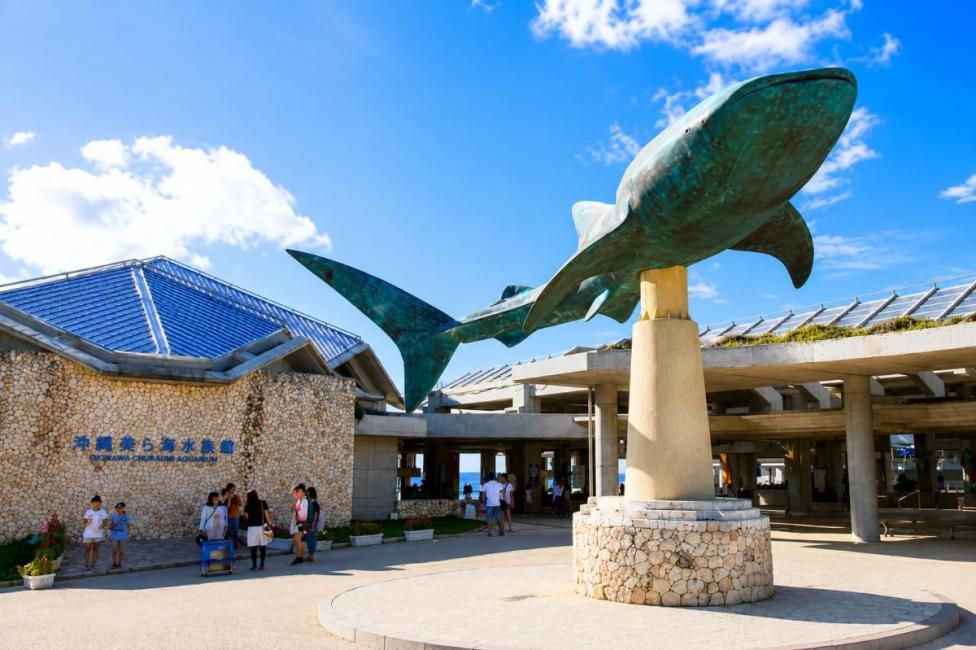
Okinawa’s main island is about 130 km long north to south. The monorail covers only a short stretch from Naha to Urasoe, regular route buses in the central and northern areas often run an hour or more apart, and they stop early in the evening. To reach the Churaumi Aquarium, Onna Village, Kaichu Doro Road or the southern coast, you are tied to the timetable without a car.
Another benefit of driving is flexibility: Okinawa’s weather changes quickly, so if an afternoon shower hits you can switch to an indoor sight right away, and when you see a sea view by the road you can stop whenever you like. The downside is that in peak season rental cars often sell out one or two months ahead, and parking in Naha is not cheap either, so factor these into your budget first.
When Should You Book? Okinawa Sells Out Island-Wide in Peak Season
Rental demand in Okinawa concentrates in summer vacation (July to August), Japan’s Golden Week, Lunar New Year and the long weekends after the beach season opens. In these periods cars island-wide are often fully booked one to two months ahead, and last-minute rentals leave only expensive large vehicles or no cars at all.
In practice, book the car as soon as your flights are booked, choosing a free-cancellation plan, and adjust the vehicle type later as your itinerary changes. During typhoon season (mostly July to October) a cancellable plan is also advisable, so that if a flight is cancelled you do not lose the rental fee along with it.
How to Pick Up a Rental Car and Hit the Road in Okinawa: A Complete Guide to Pickup, ETC, Rules and Parking
From picking up the car at Naha Airport to getting on the road, there are four things to sort out first.
How Do You Pick Up a Car at Naha Airport? A Shuttle Bus to the Rental Office Is the Norm
Most rental companies in Okinawa do not have counters inside the terminal. They have offices outside the airport, and after collecting your luggage you gather at the designated shuttle bus stop, a ride of about 10 to 20 minutes. In peak season the counter lines are long, so allow 1.5 hours from landing to actually driving off.
At pickup, staff check your original Taiwan driver’s license, Japanese translation and passport one by one, and walk around the car with you to confirm existing scratches, so take your own photos of the car with your phone as a record. Before returning the car, you must fill the tank at the gas station designated by the rental company (Regular, red nozzle) and keep the receipt.
| Item | Cost Reference | Notes |
|---|---|---|
| Japanese driver’s license translation (Taiwan motor vehicles office) | About US$3 | Issued on the spot, or apply online and have it mailed |
| Japanese translation (reissued locally in Naha) | ¥400 (cash) | Taipei Economic and Cultural Office in Japan, Naha Branch; pickup takes 3 to 7 business days after acceptance |
| Flat-rate ETC card (some companies such as OTS) | About ¥3,000 per 120 hours | About ¥1,000 more for each additional 24 hours |
| NOC (Non-Operation Charge) compensation | ¥20,000 / ¥50,000 | ¥20,000 if the car can be driven back to the shop, ¥50,000 if it needs towing |
| Hotel parking in central Naha | About ¥1,000-2,000 per night | Parking is free at resorts in the central and northern areas and at most attractions |
The Okinawa Expressway and ETC Cards: How Tolls Work and Whether to Use the Highway
Okinawa’s only expressway is the Okinawa Expressway, running north from Naha to Kyoda. It is the fastest route to the Churaumi Aquarium and Onna Village. If you plan multiple round trips to the central and northern areas, check the box to rent an ETC card when you reserve.
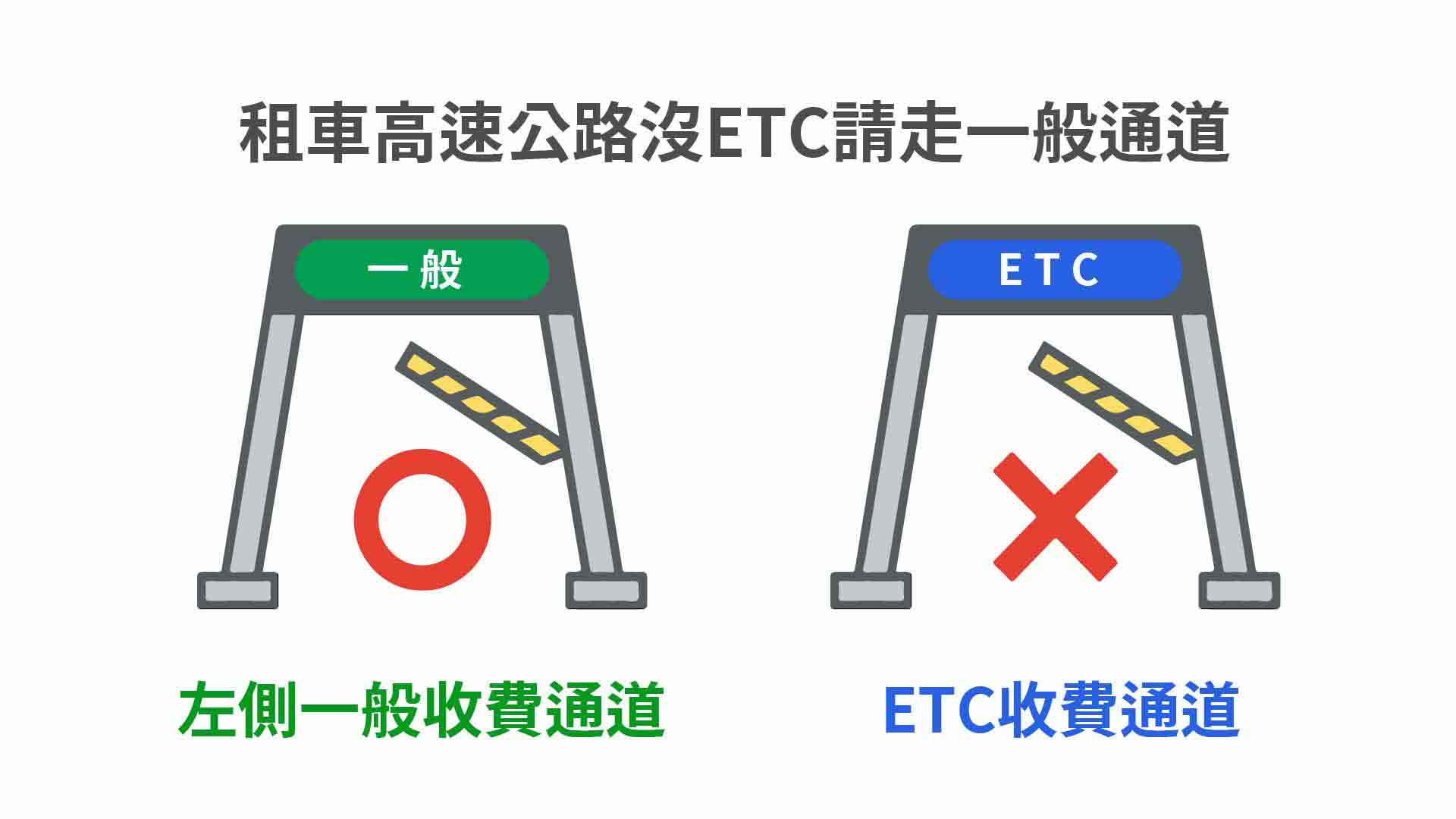
Some rental companies offer a flat-rate ETC card plan for foreign visitors, with fees and terms varying by company. Without an ETC card you can still use the cash lane, take a toll ticket, and pay in cash when exiting.
For a standard car from Naha IC to Kyoda IC, the full trip costs about ¥1,040 with ETC and about ¥1,610 in cash (since April 2024 the discount applies only to ETC), though the actual amount varies by vehicle type and interchange.
Okinawa Driving Rules: Left-Hand Traffic, Full Stops and Bus Lanes
Japan has right-hand-drive cars and drives on the left. The rule of thumb is “turn left with a small turn, turn right with a wide turn.” The positions of the wiper and turn-signal stalks are the opposite of Taiwan, so mixing them up when you first start driving is normal. When turning, if a pedestrian is crossing, the vehicle must come to a complete stop and yield, and this is strictly enforced.
When you see the red inverted triangle “TOMARE” (stop) sign, you must bring the wheels to a complete stop before the stop line and check for traffic on both sides before proceeding (the law does not specify a number of seconds, but in practice stopping for about 3 seconds is recommended). Rolling through will get you fined. On certain stretches in central Naha during the morning and evening rush (such as 07:30-09:00 and 17:30-19:00) the outermost lane is a bus-only lane, and entering it by mistake gets you photographed and cited. The speed limit on ordinary roads is about 40 to 50 km/h and 80 km/h on expressways, with both fixed and mobile speed cameras.
How Do You Pay for Parking? Gate-Type vs. Lock-Plate Lots
Resorts in the central and northern areas and most attractions (such as Kouri Island and Manzamo) have large free parking lots. The real cost is in central Naha: hotel parking runs about ¥1,000 to 2,000 per night, and there are almost no free spaces on the street.
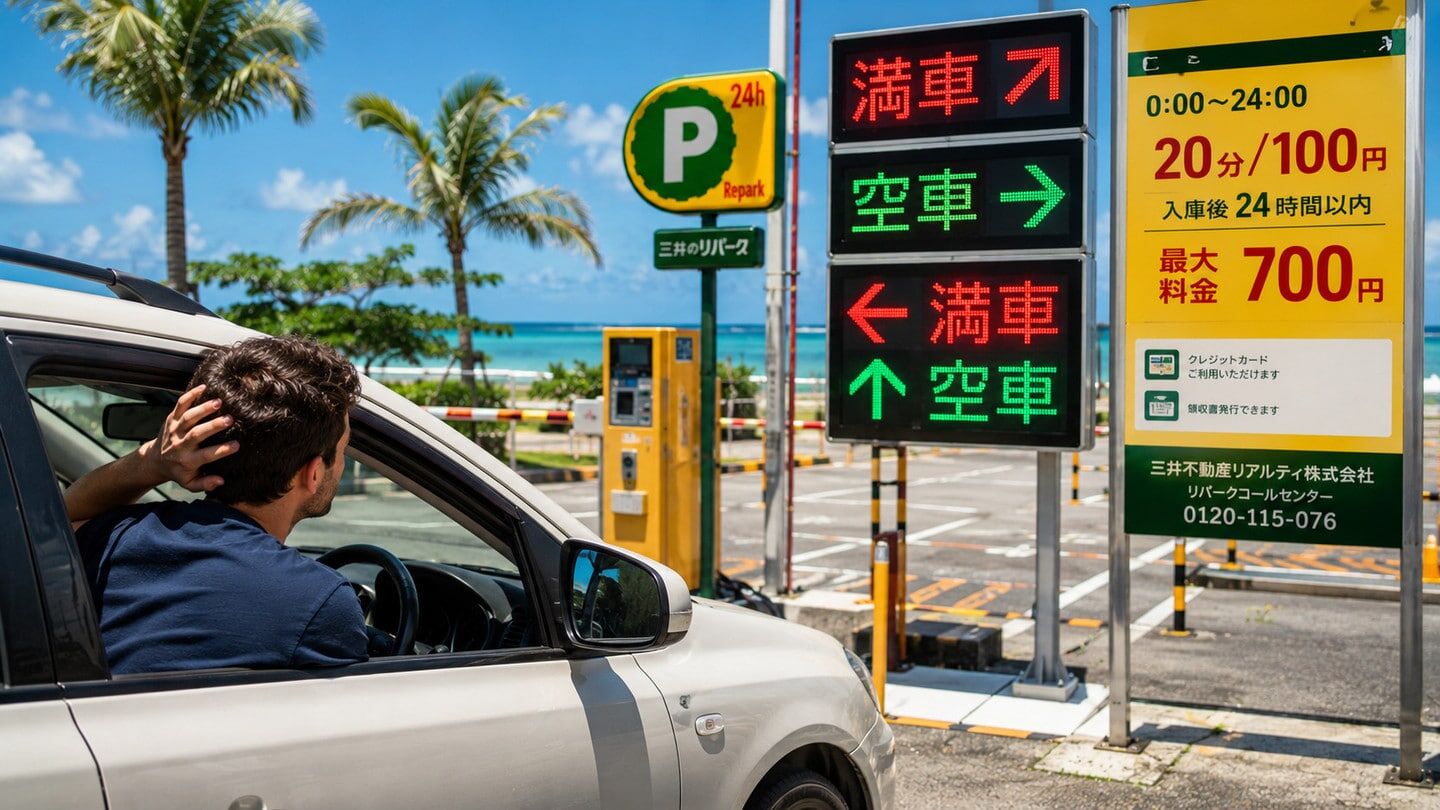
The most common type in the city is unmanned timed parking such as Times and Repark, which comes in two kinds. At a “gate-type” lot you take a ticket on entry and insert it to pay on exit. At a “lock-plate-type” lot you park directly in a space and a plate rises beneath the car. Before leaving, you enter the space number at the payment machine and pay, and the plate lowers so you can drive away. Japan cracks down very strictly on illegal parking. The fine for a standard car starts at about ¥15,000 (in no-parking zones) and is higher in no-stopping zones, plus an extra handling fee from the rental company.


What Sights Can You Only Reach by Driving in Okinawa? 12 Coastal Highlights
Below, in order from central to northern to southern Okinawa, are the 12 spots most worth adding to a driving route.
Kaichu Doro Road: A Free, Scenic 4.7-Kilometer Road Across the Sea
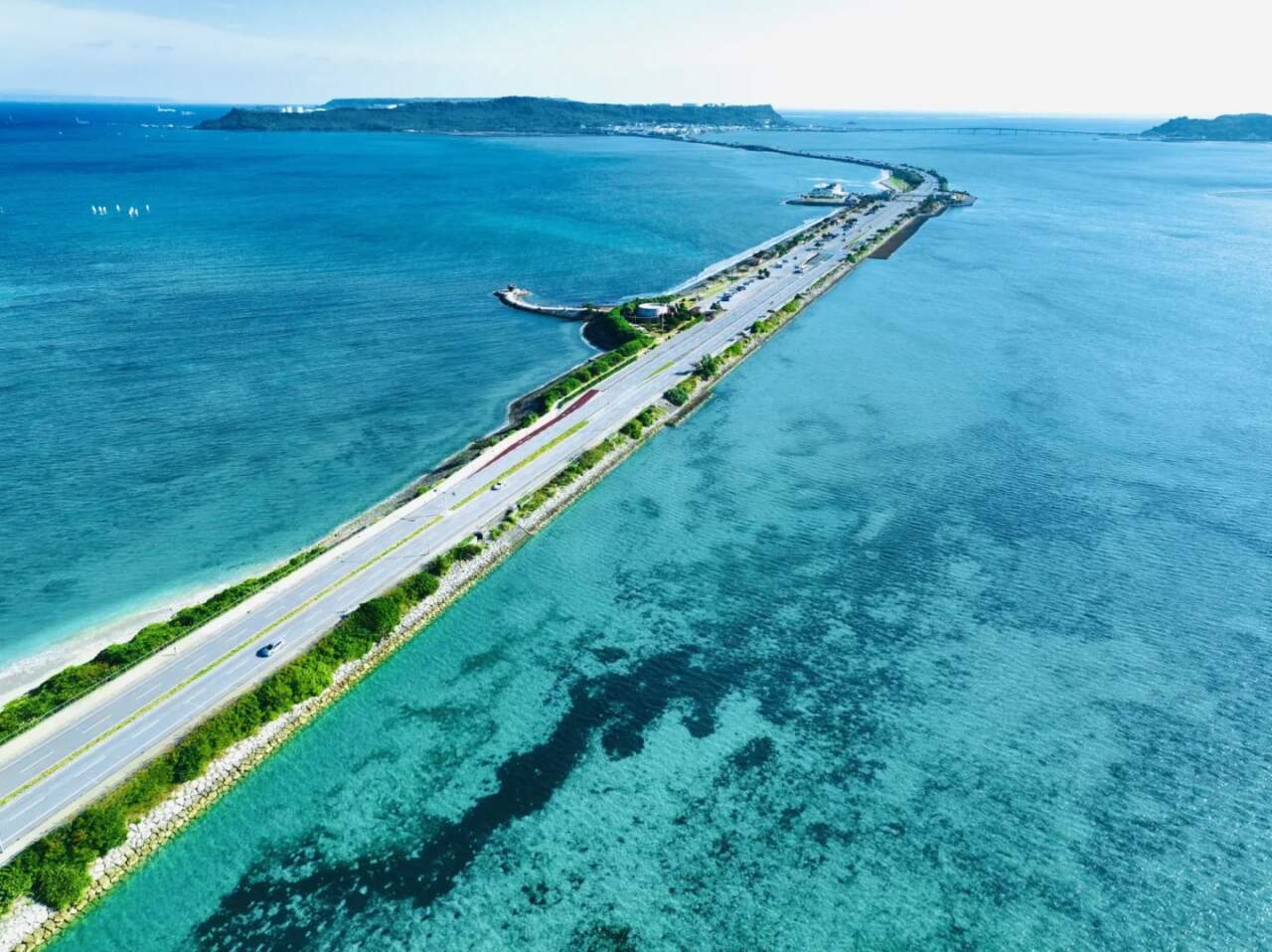
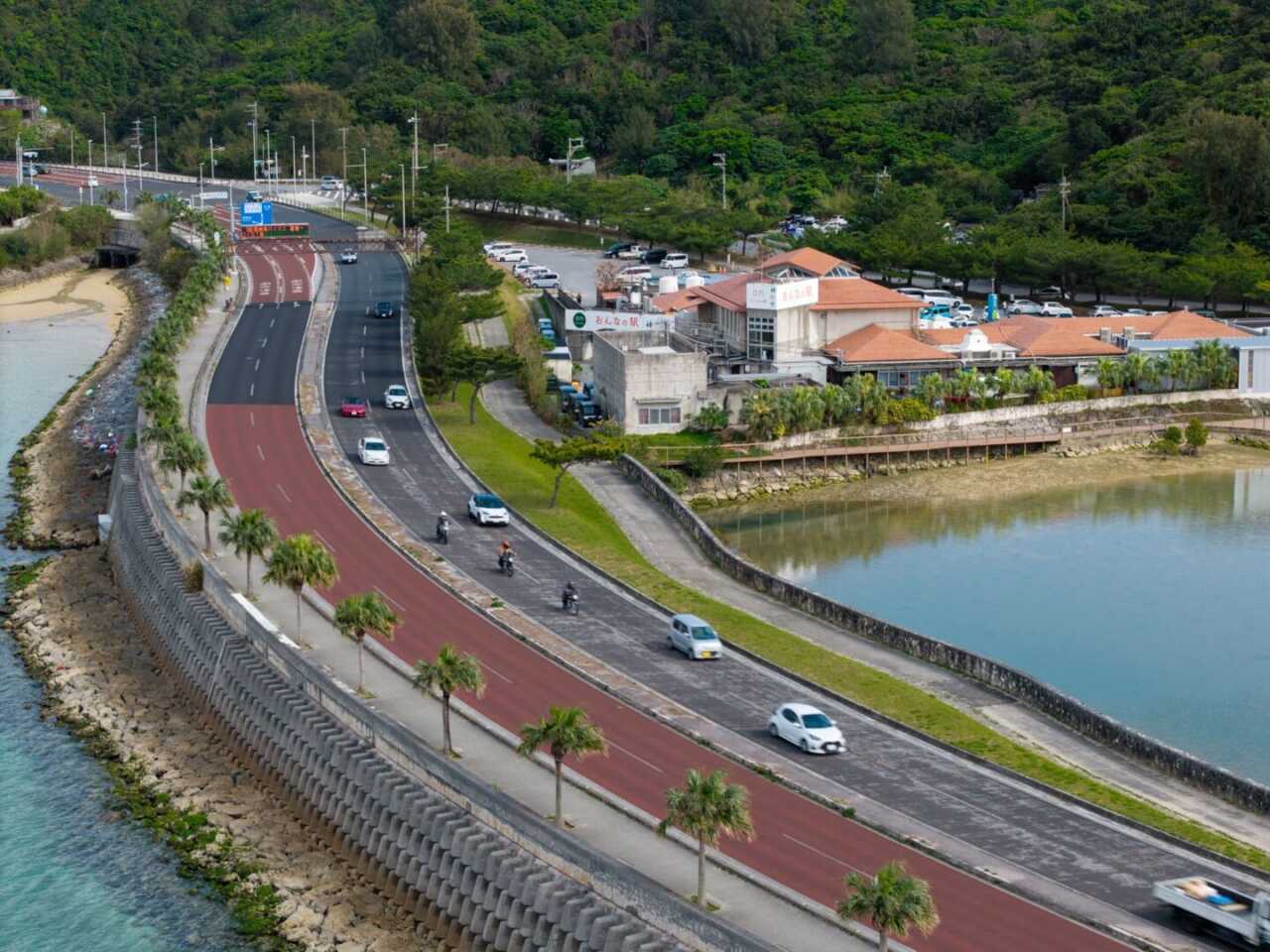
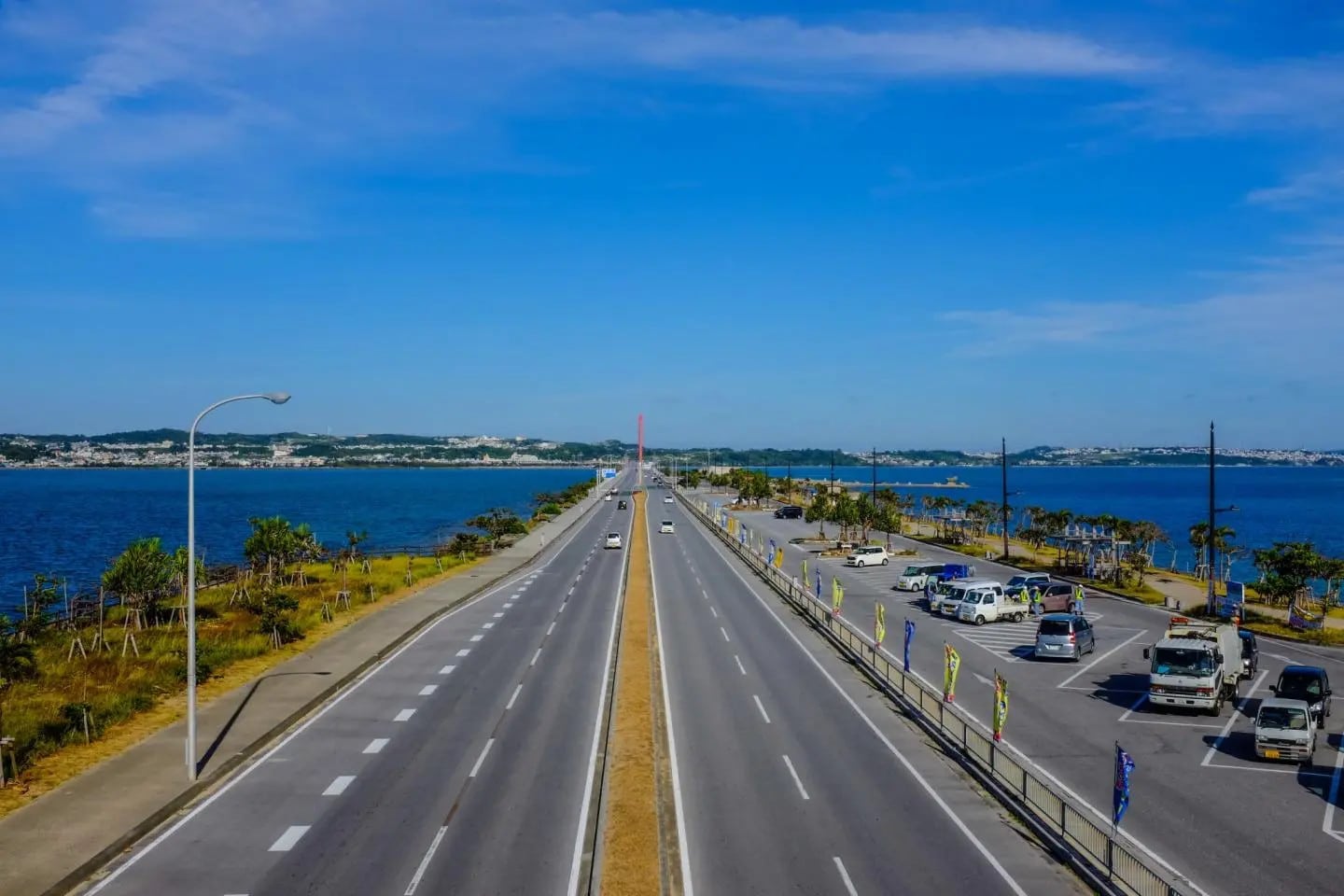
Kaichu Doro Road is in Uruma City in central Okinawa. It is about 4.7 kilometers long, free to use, and built right on the sea, linking the main island with Heanza Island, with shallow flats and coral-reef water on both sides. It is Okinawa’s most representative driving route. In the middle, the Umi no Eki Ayahashi-kan has a large free parking lot, shops and an observation deck, where you can park and walk to the seawall for photos. At low tide large sandbars emerge in rich layers of color, and at high tide it feels like racing across the sea, and both views are worth seeing. There are almost no traffic lights along the route, so it is easy to speed up without noticing, and with strong winds and frequent crosswinds, please slow down on the bridge sections.

Kafuu Banta: A Clear Blue Sea Lookout on the Cliffs of Miyagi Island
Drive across Kaichu Doro Road to Miyagi Island and you reach Kafuu Banta, known as the “Cliff of Happiness.” It is a lookout on a cliff, and looking down you see some of Okinawa’s clearest water, shading from pale green to deep blue.
The lookout is on the grounds of the “Nuchima-su Sightseeing Salt Factory.” Entry is free but only during the factory’s opening hours (about 9:00 to 17:30). The factory lets you see the salt-making process for free, and its cafe has seats with sea views, making it the best rest stop on this stretch of the route.
Be especially careful on the sections of the path from the lookout to the cliff edge that have no railings, and hold children’s hands. Parking at the entrance is free.
Cape Zanpa: A 30-Meter White Lighthouse Cliff on Yomitan’s West Coast
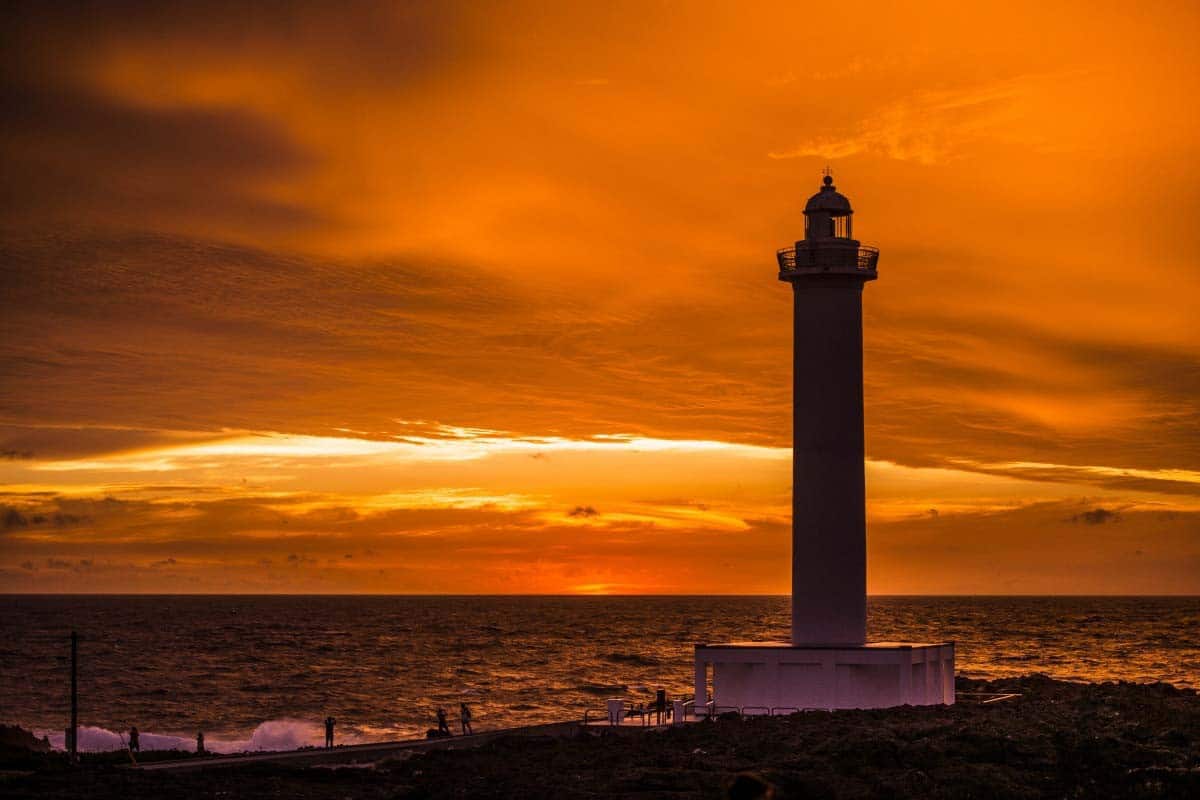
Cape Zanpa is at the western tip of Yomitan Village, where an uplifted coral-reef cliff about 2 kilometers long runs along the coast, with a maximum drop of about 30 meters. A white lighthouse stands on the cliff, and it is one of the most photogenic sunset spots on the main island’s west coast.
You can climb the lighthouse for a fee (¥300 admission, about 9:30 to 16:30, closed in bad weather), and on a clear day the 360-degree view reaches the Kerama Islands. The park has a free parking lot and a lawn, but the sea wind is strong, so stay inside the guardrails near the cliff edge.
It is about 1 hour by car from central Naha. On the way back, join National Route 58 south along the coast, and the evening light is perfect for enjoying the sea views as you drive.
Manzamo: The Elephant Trunk Rock in Onna Village, and How to Handle Parking and the Route
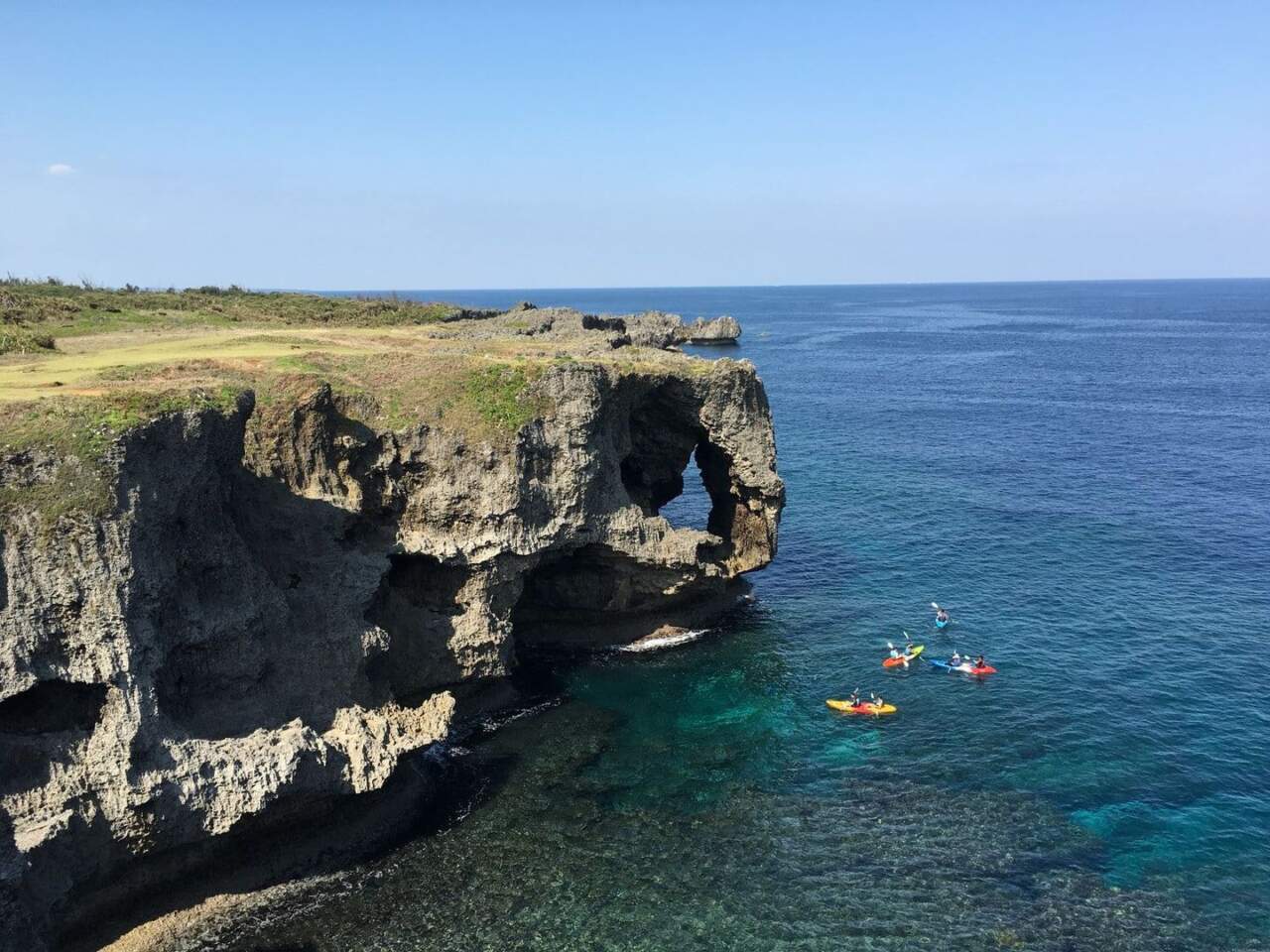
Manzamo is Onna Village’s most famous lookout, an uplifted coral-reef cliff about 20 meters high whose side resembles an elephant’s trunk. The scenic path requires a ticket, ¥100 per person from a ticket machine, and children below elementary school age are free.
Hours are 8:00-20:00 from March to October and 8:00-19:00 from November to February. The entrance has the “Manzamo Area Revitalization Facility,” which includes a large parking lot, a restaurant and a specialty goods shop, well air-conditioned. Walking the whole area takes about 30 minutes, and it suits a stop on the way north.
In peak season or when tour buses arrive, the parking lot fills easily, so allow time to find a space if you arrive around noon.

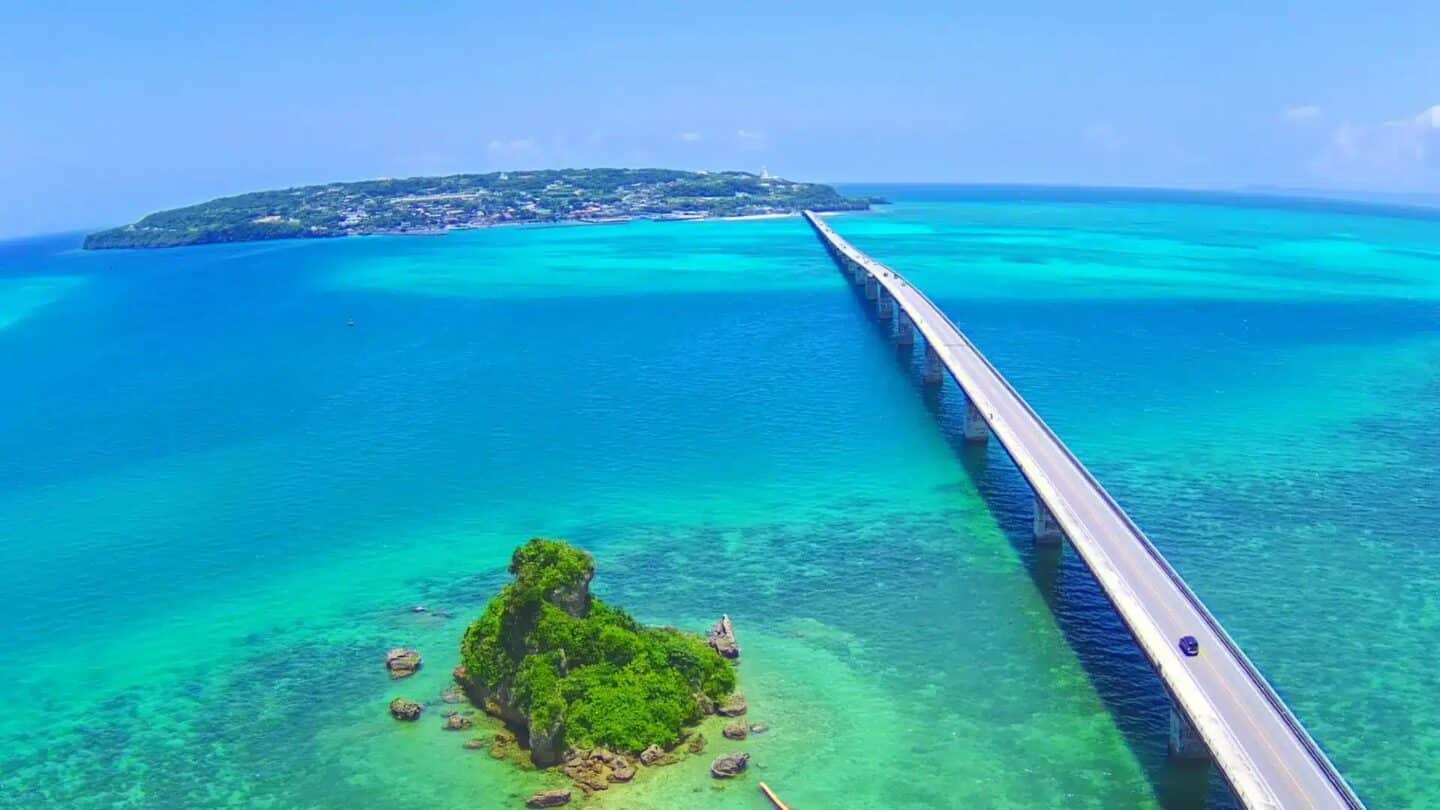
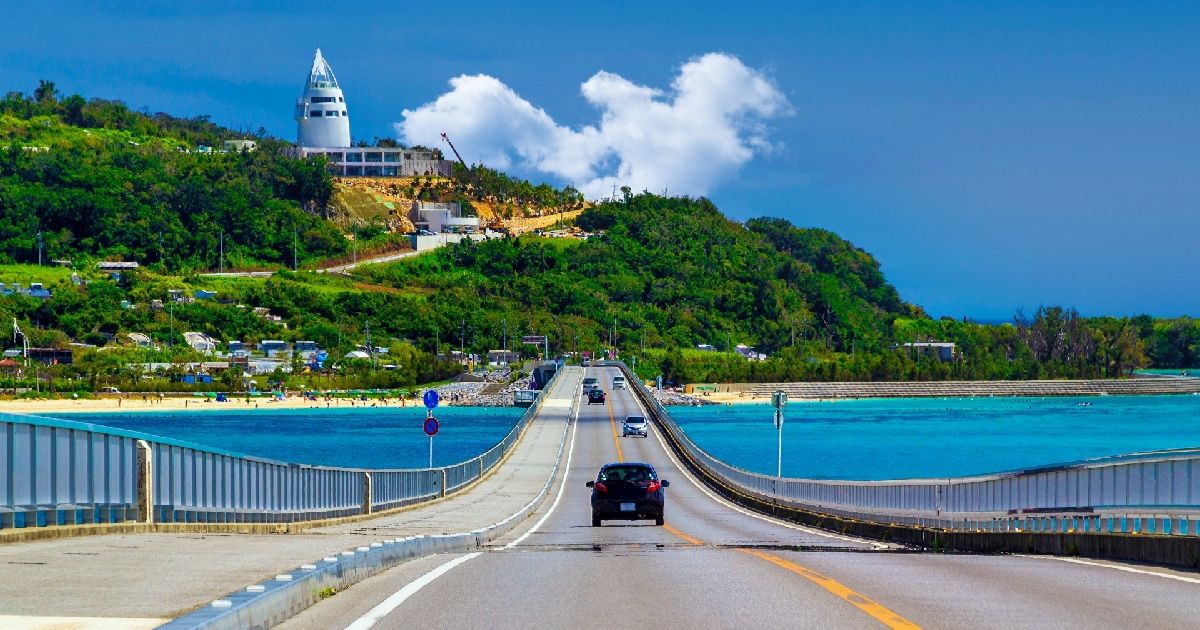
Kouri Bridge: 1,960 Meters Straight Across the Sea, So Stay Focused When Driving
Kouri Bridge is 1,960 meters long, linking Yagaji Island to Kouri Island across the sea. It is Okinawa’s most famous sea-crossing road, with the water on both sides in layers of light and dark blue. Stopping on the bridge is prohibited, so for photos use the parking lots at either end.
The south side has a parking lot and lookout where you can walk the sidewalk for photos, and the north side has a convenience store for supplies. The bridge may be restricted in strong winds or when a typhoon approaches, so check live road conditions before you set out.
Set up your phone navigation before getting on the bridge, because there is no room to stop on it and adjusting while moving is dangerous.
Cape Hedo: The Northernmost Cliffs and Eroded Coastline of the Main Island
Cape Hedo is the northernmost point of Okinawa’s main island, in Kunigami Village, about 2.5 to 3 hours one way by car from Naha. The cliffs drop straight to where the Pacific Ocean meets the East China Sea, with waves constantly beating the rock face, and on a clear day you can see Yoron Island in Kagoshima Prefecture in the distance.
The site has a free parking lot and a viewing path that takes about 30 minutes to walk. This area is the Yanbaru forest region, listed as a World Natural Heritage site, with primeval forest all along the road and few gas stations or convenience stores, so be sure to fill your tank before setting out.
To save time on the return, you can take the expressway back via Kyoda Interchange, but the northern section is mostly ordinary road, so allow plenty of time.
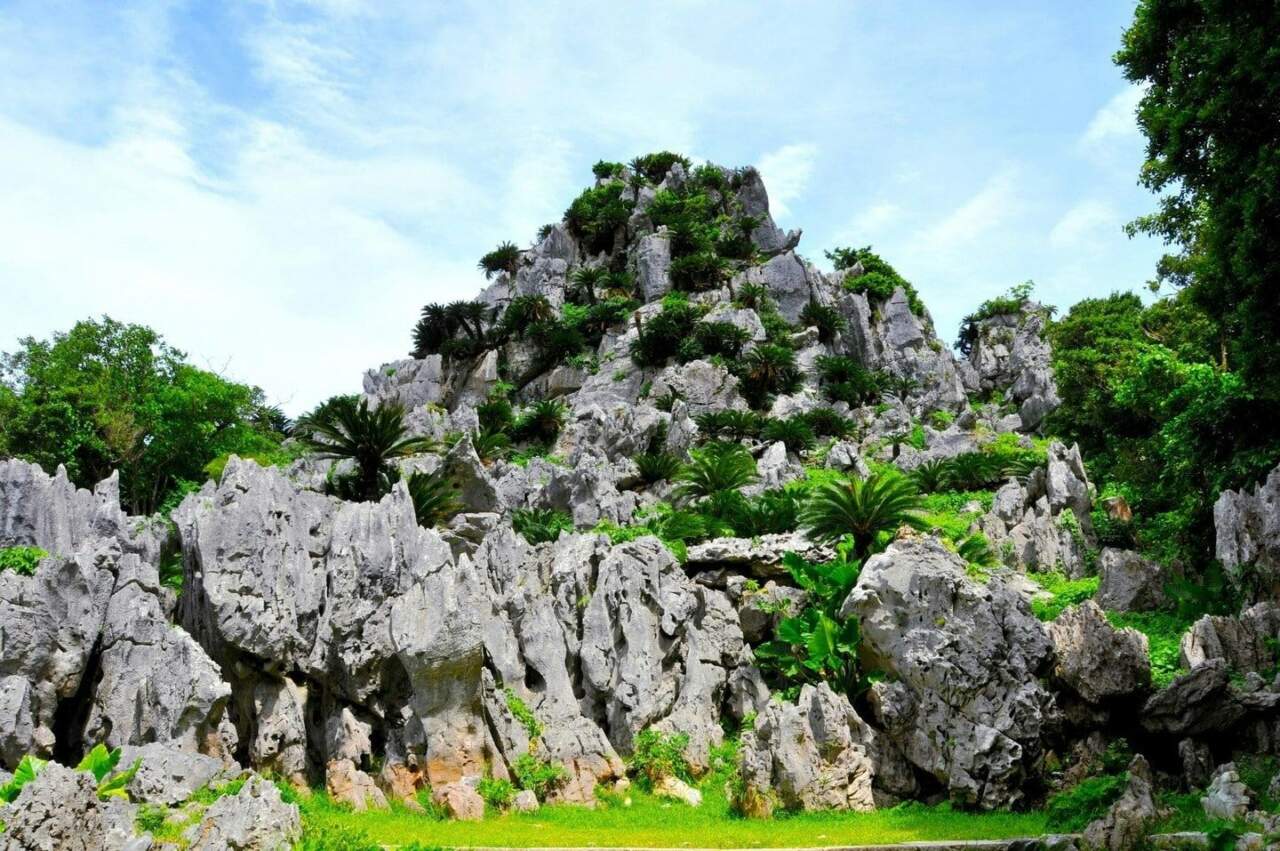
Daisekirinzan: Tropical Karst Rock Formations in Yanbaru National Park
Daisekirinzan is near Cape Hedo, a rock formation created by the weathering and erosion of limestone about 200 million years ago, within Yanbaru National Park. The park has several trails of different difficulty, so choose by your stamina. The place has long been regarded as a sacred site in the Ryukyu creation myth and keeps several worship places, so please stay quiet when visiting. Admission is paid, with a shuttle to the trail entrance and a free parking lot. Please go by the official website for ticket prices and operating hours. The trails have a lot of gravel and steps, so wear closed-toe shoes. Phone signal is occasionally unstable, so download your navigation route offline in advance.
Nirai Kanai Bridge: The Most Beautiful Plunge into the Sea in Nanjo City
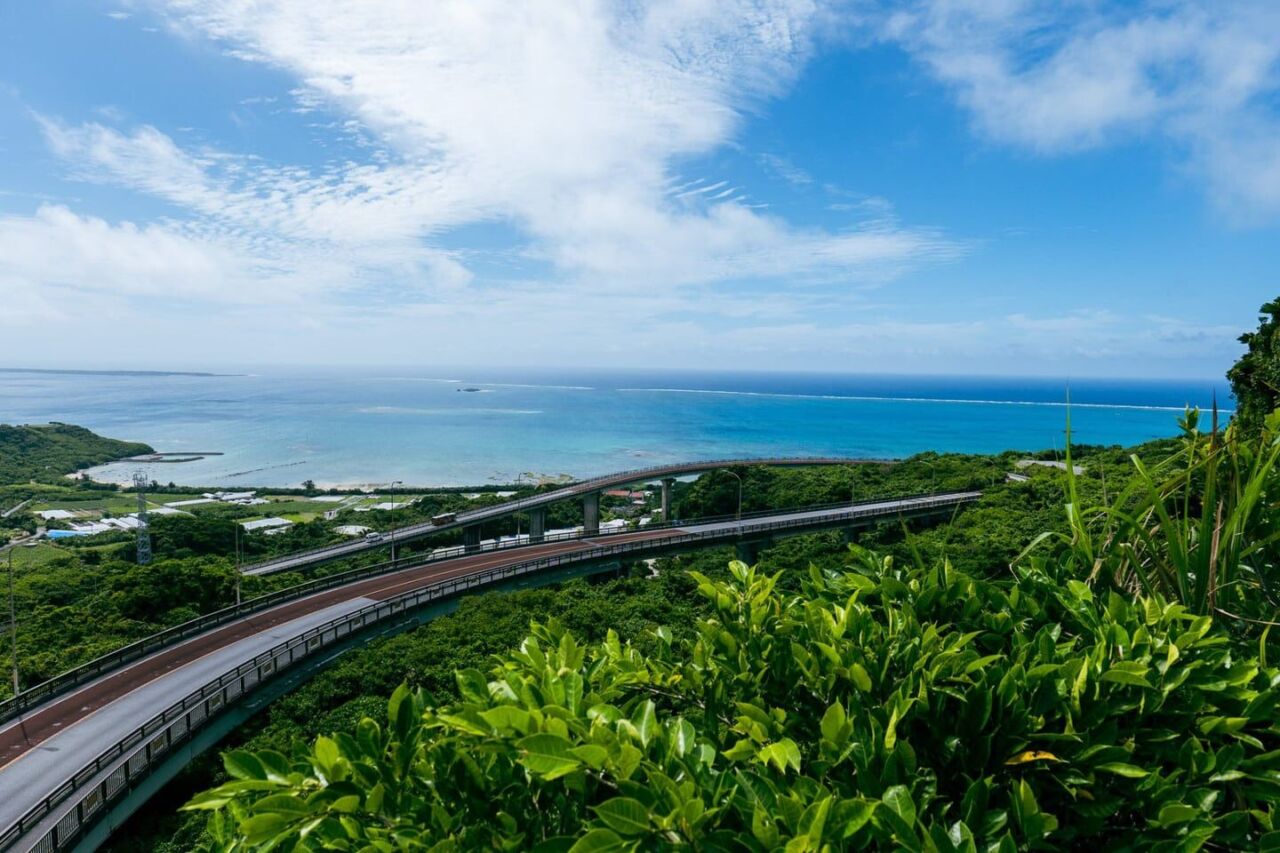
Nirai Kanai Bridge is a U-shaped curved viaduct in Nanjo City that plunges down from the hills, with the Pacific Ocean and Kudaka Island visible straight ahead. It is Okinawa’s most thrilling stretch to drive, and its name comes from the Ryukyuan myth of a paradise across the sea.
The best photo spot is the viewing platform at the tunnel mouth above the bridge, where you can capture the curve and the sea together. Stopping is prohibited on the bridge and inside the tunnel. It is about 40 minutes by car from central Naha, suiting a half-day trip in the south.
You see the full sea view only when driving downhill, so confirm your direction of travel when navigating, because going the wrong way loses half the picture.
Sefa-utaki: The Ryukyu Kingdom’s Highest Sacred Site, Admission ¥600 from October 2026
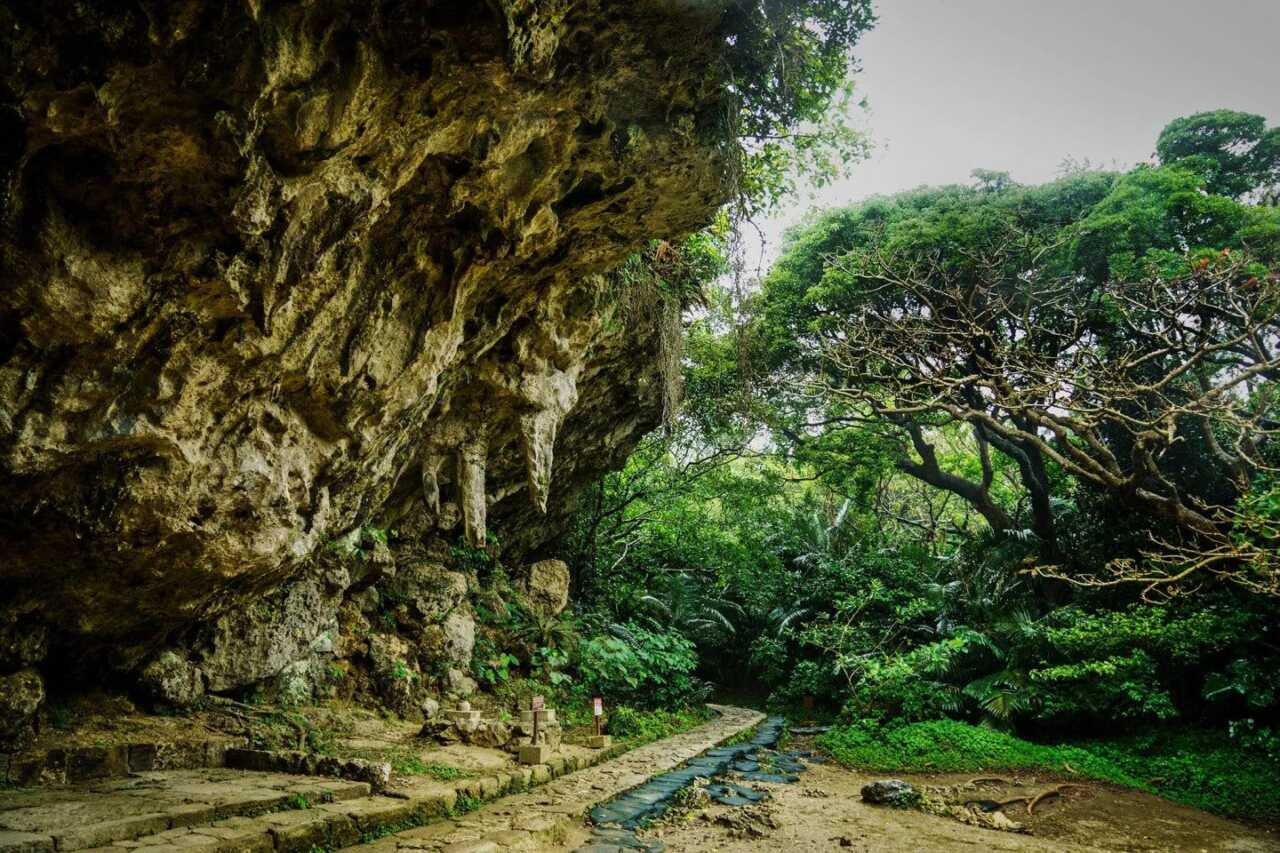
Sefa-utaki was the highest-ranking ritual site of the Ryukyu Kingdom and is part of the World Cultural Heritage “Gusuku Sites and Related Properties of the Kingdom of Ryukyu.” After passing through the triangular rock gap “Sangui,” you can see Kudaka Island in the distance.
Tickets are bought from the machine beside the entrance ticket window. From October 1, 2026, admission is ¥600 for adults and ¥300 for elementary and junior high school students (previously ¥300 and ¥150). It is open 9:00-18:00 from March to October and 9:00-17:30 from November to February, with six additional closing days based on the lunar calendar.
![[Runs with 2 People] Okinawa Power Spot Tour of Sefa-utaki and Kudaka Island | Departing from Naha](https://travel.williamlion.tw/wp-content/uploads/sites/7/2026/08/image-580.jpg)
Chinen Misaki Park: A Free Grassy Lookout Surrounded by Sea on Three Sides
Chinen Misaki Park is near Sefa-utaki, a grassy hillside lookout park surrounded by sea on three sides. From the pavilion at the end of the path you can see the Pacific Ocean on both sides, with the outline of Kudaka Island, the island of the gods, straight ahead.
Entry and parking are both free, and a loop takes about 20 to 30 minutes. There is little shade and midday is hot in summer, so go in the morning or late afternoon. The sunrise hours are popular with photography enthusiasts.
The park is about 5 minutes by car from Sefa-utaki, and each has its own parking lot. Together the two take about two hours, suiting a relaxed half-day trip in the south, and the drive back to central Naha takes about 40 minutes.
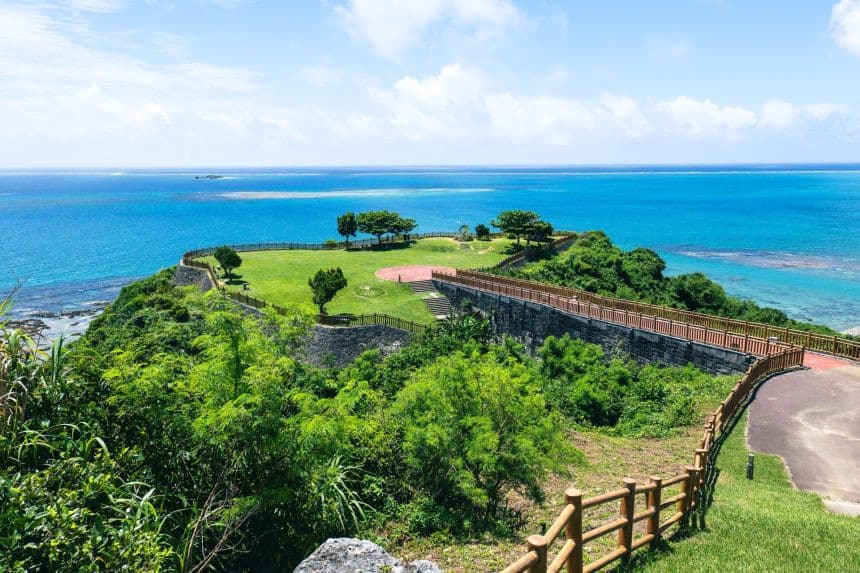
Senaga Island Umikaji Terrace: A White Greek-Style Complex for Watching Planes Land
Senaga Island is in Tomigusuku City, about 10 minutes by car from Naha Airport. The Umikaji Terrace on the island is a white stepped complex built along the slope, gathering restaurants, cafes and select shops, with an atmosphere like a Mediterranean town. It faces the Naha Airport runway, so you can watch planes pass low overhead as you dine, and the sunset is especially beautiful. The island also has a natural hot spring hotel and a walking path around the island, making it a good last stop before returning your car or a warm-up on arrival day. On holidays the parking lot fills easily, so arrive early, and eating here on your way to return the car makes timing easier to manage.
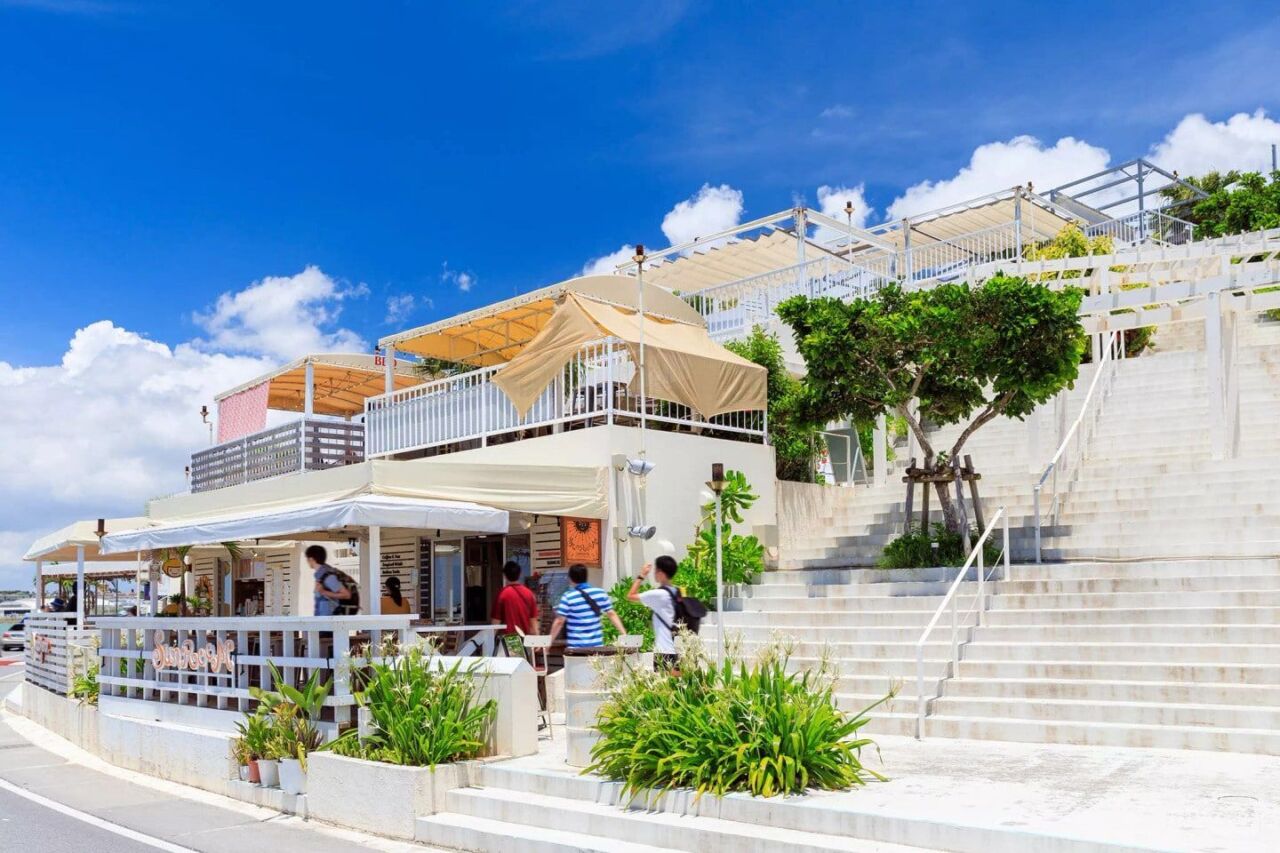
Futenma Shrine: The Cave Shrine of the Ryukyu Hasshaa in Ginowan
Futenma Shrine is in Ginowan City and is one of the eight Ryukyu shrines. A stalactite cave connects behind the main hall, and during the acceptance hours you can apply to enter, a rare feature among Japanese shrines.
It is known for prayers for good relationships, safe childbirth and business prosperity, and the shrine office offers amulets and goshuin. It lies along National Route 330 and has a parking lot in the grounds, a convenient stop on the way back to Naha from the central and northern areas. Cave worship is limited to certain hours, so confirm opening times in advance.
Photography is generally prohibited inside the cave. Before worshipping, check the on-site notices and acceptance hours, and follow the priests’ instructions.
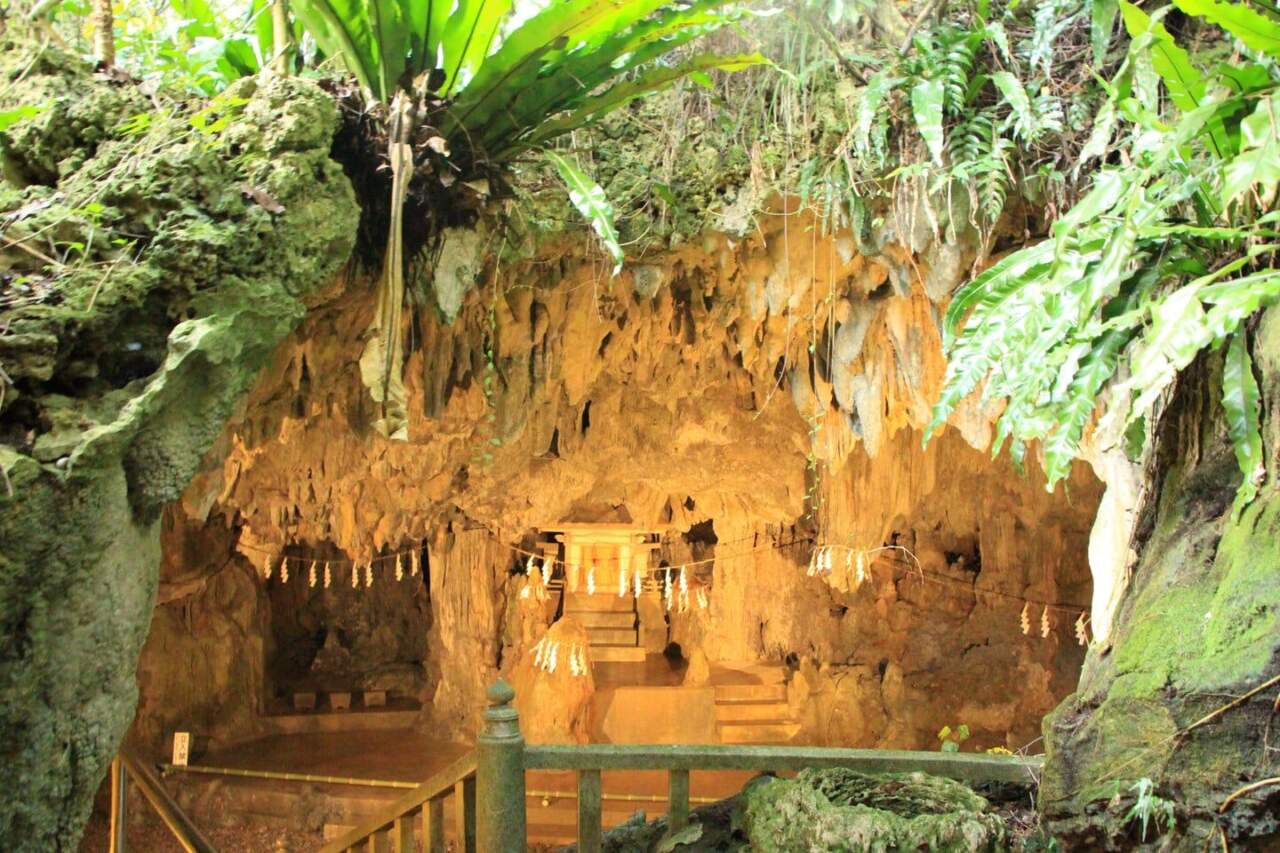
How Much Does an Okinawa Car Rental Cost? Vehicles, Insurance and ETC Plans
The total cost of renting a car consists of four parts: the rental fee, insurance, ETC and fuel.
Okinawa Car Rental Booking Plans: How to Choose the Vehicle Type, Number of Days and Pickup and Return Locations
Common rental companies in Okinawa include OTS, ORIX, Times, Toyota Rent a Car and Nissan Rent a Car, and comparison platforms such as gogoout let you compare them all at once. Most operators have offices around Naha Airport and offer Chinese-language service or Chinese navigation.
Choose the vehicle type by the number of people and amount of luggage: two people with light luggage suit a kei car (K-Car), which saves on parking and fuel, while four or more people or large suitcases call for a mid-size car. If you plan to take a boat to an outlying island, confirm whether the plan allows the car to be driven onto a ferry or left at the port.
-Klook.jpg)
Child Safety Seats and Add-On Equipment: A Must for Travelers with Children
Japanese law requires children under 6 to use a child safety seat in a car. Rental companies all offer them as add-ons, but supplies are limited, so be sure to state your child’s age and weight when you book, since they may not be available on the spot.
Other common add-ons include phone holders, portable Wi-Fi routers and Chinese-language navigation settings. Most vehicles in Okinawa have navigation that supports MAPCODE entry, so ask staff to demonstrate it once at pickup, which is much more accurate than entering a phone number.
How to Choose Okinawa Rental Car Insurance: CDW, NOC and Full-Coverage Plans
Beyond the rental company’s basic insurance, there are two layers of deductible: the collision damage waiver (CDW) and the Non-Operation Charge (NOC). Even with CDW, you still bear the NOC after an accident: ¥20,000 if the car can be driven back to the office on its own and ¥50,000 if it cannot. Most companies offer an add-on plan that waives both, so confirm the plan name and what it covers when booking. If you do not call the police immediately after an accident and notify the rental company, the compensation does not apply.
Where to Stay When Driving in Okinawa: Choosing a Hotel by Parking Conditions
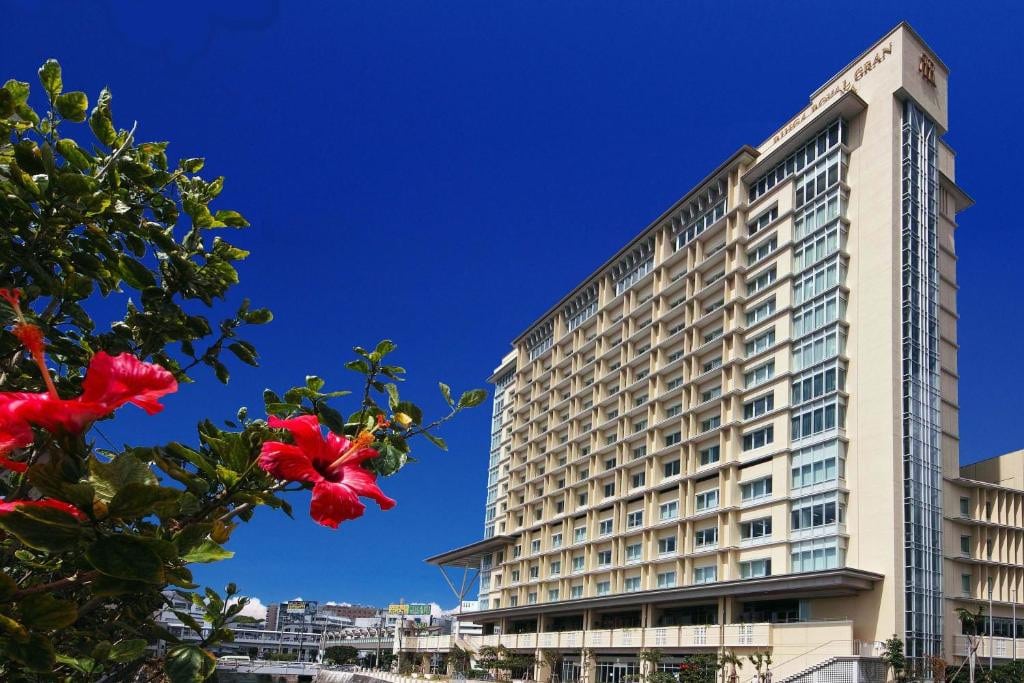
Where to Stay When Driving: Central Naha or Central-North Resorts?
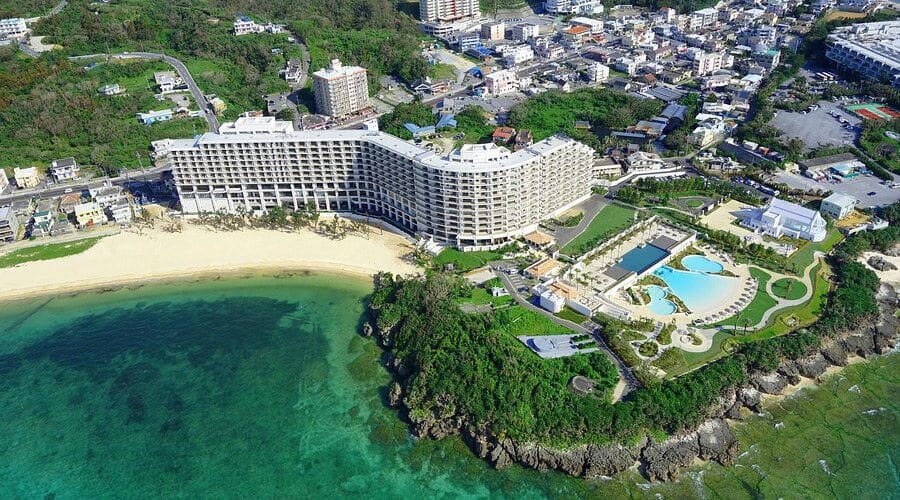
When self-drive travelers pick a hotel, parking conditions matter as much as location. Hotels in central Naha mostly charge a separate parking fee of about ¥1,000 to 2,000 per night, spaces are limited, and some require you to park at a nearby timed lot.
The central-north areas of Onna, Chatan and Nago generally have large free parking lots attached, with easy access and proximity to Manzamo and the Churaumi Aquarium. A common plan is to stay the first and last nights in Naha for easy airport access and Kokusai-dori, and the middle nights at an ocean-view resort in Onna to spread out the driving distance.
Okinawa Car Rental FAQ
Q: Can I rent a car in Okinawa with a Taiwan international driving permit?
No. Japan does not recognize international driving permits issued by Taiwan. You must have the original Taiwan driver’s license, a Japanese translation and your passport to pick up the car, and all three are required.
Q: Where do I get the Japanese license translation, and how much does it cost?
Bring your original ID and original driver’s license to any motor vehicles office in Taiwan. The fee is about US$3 and it is issued on the spot, or you can apply online through the motor vehicle service website and have it mailed home.
Q: What if I find in Okinawa that I forgot the Japanese translation?
You can apply at the Taipei Economic and Cultural Office in Japan, Naha Branch (¥400, 3 to 7 business days), or online through JAF (about ¥6,600, 2 to 3 business days). Be sure to get the translation done in Taiwan beforehand.
Q: How much Okinawa rental car insurance is enough?
We recommend adding the premium full-coverage plan that waives both CDW and NOC. CDW waives the accident deductible, NOC waives the non-operation charge (¥20,000 or ¥50,000), and most plans also include towing and roadside assistance.
Q: What should I do after a minor scrape in Okinawa?
However slight, stop immediately, call the police at 110, and then contact the rental company. Japanese insurance claims require an accident certificate issued by the police, and settling privately or not reporting to the police means no coverage at all.
Q: Do I have to rent an ETC card to drive in Okinawa?
Not necessarily. If you only drive around Naha and the south you will hardly use it. If you will make several round trips to the central and northern areas on the Okinawa Expressway, an ETC card or flat-rate plan is more convenient. Without one you can still use the cash lane and take a ticket.
Q: Is parking expensive in Okinawa? Where do you have to pay?
Parking is free at resorts in the central and northern areas and at most attractions. Hotel parking in central Naha costs about ¥1,000 to 2,000 per night, and city timed lots are charged separately. Fines for illegal parking start at about ¥15,000.