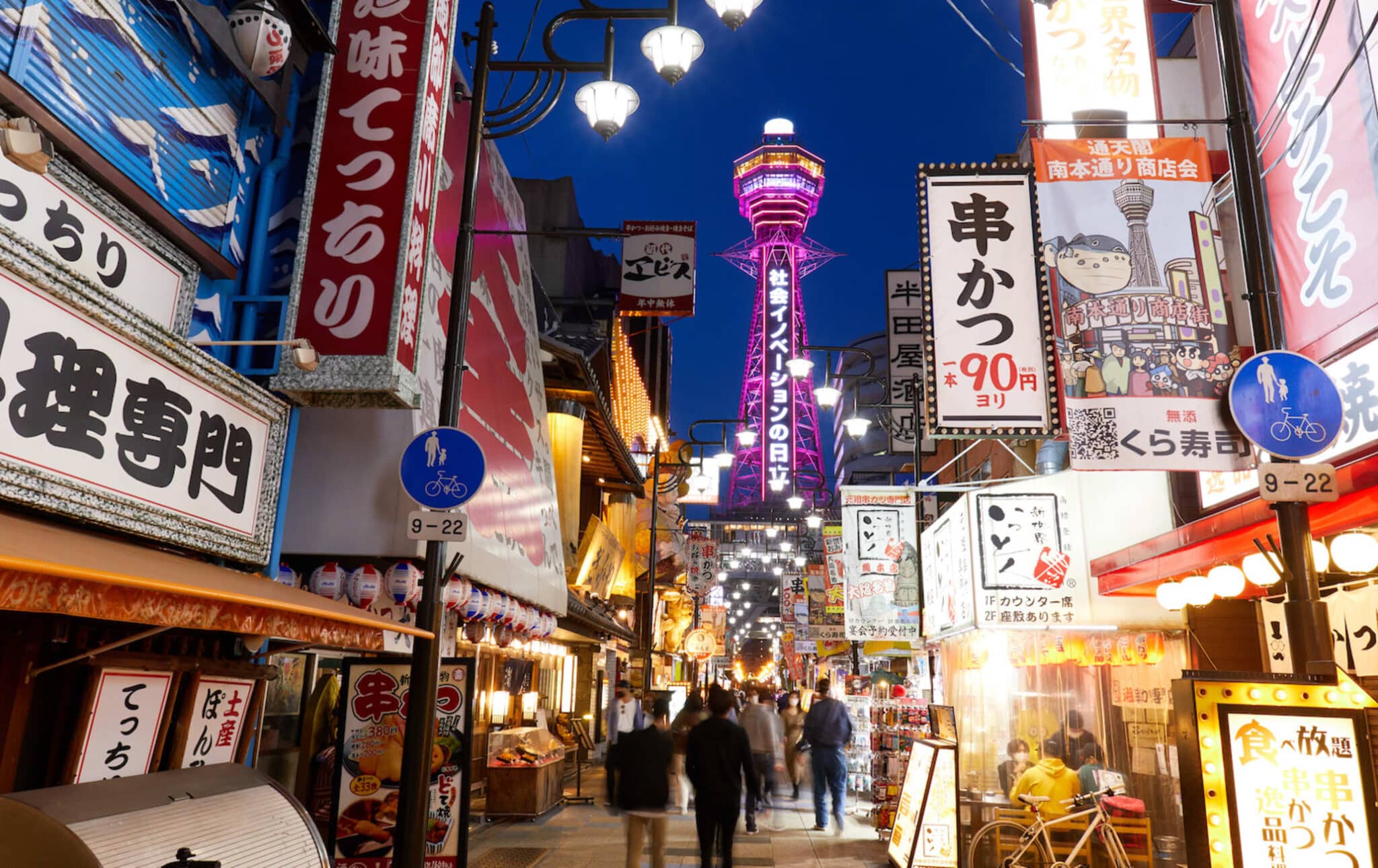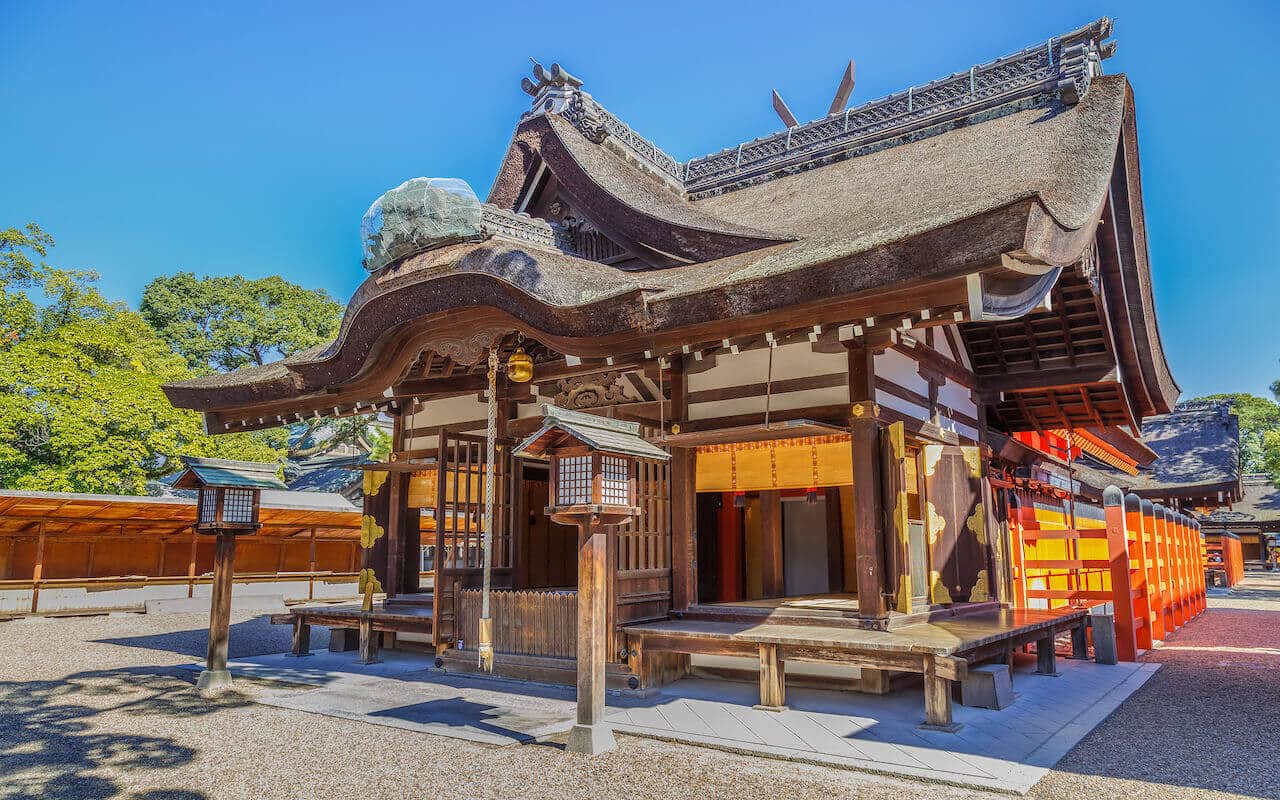

Dotonbori Shopping Guide 2026: Which Districts Are Worth Visiting in Shinsaibashi and Dotonbori?
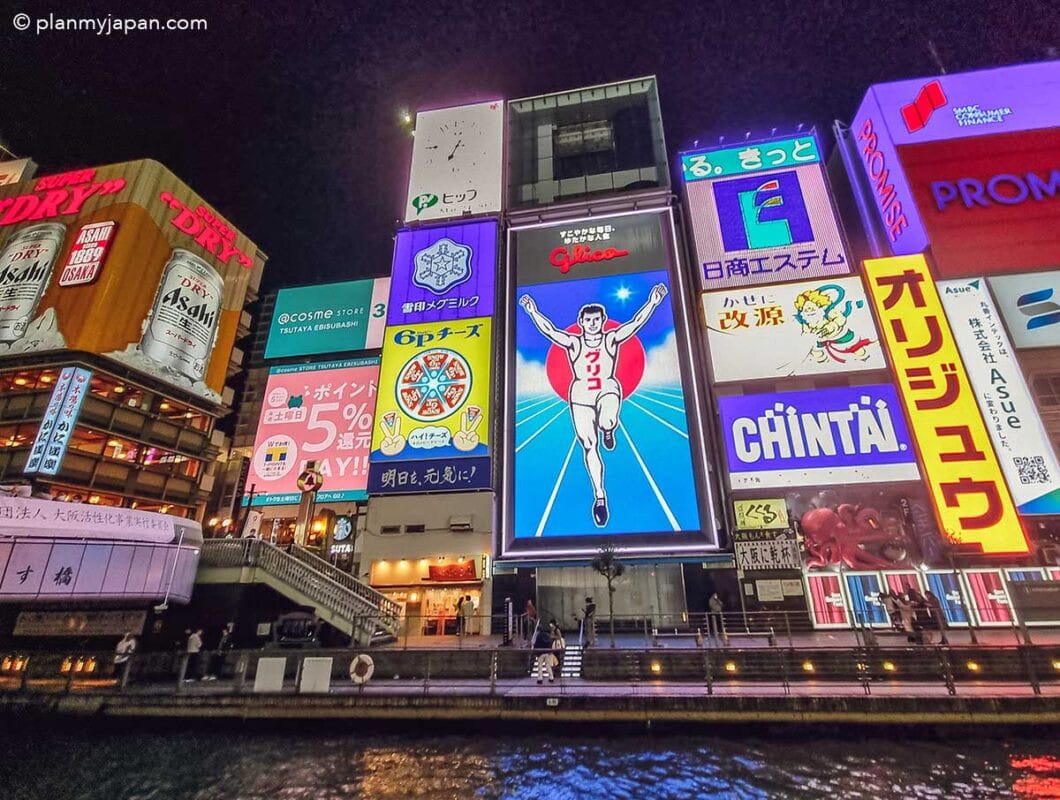
Dotonbori and Shinsaibashi form the core of Osaka’s shopping and dining, connected on foot, with department stores, drugstores, trendy small shops and 11 must-see sights, covering both shopping and photo-taking in one trip.
Shinsaibashi Shopping Street: The 580-Meter Shopping Artery
Shinsaibashi-suji is a north-south covered arcade about 580 meters long, lined with drugstores, fashion brands and department stores, and it is the heart of Osaka shopping. The roofed street lets you shop comfortably even in the rain, and it is the first stop for many travelers after arriving in Namba.
The street itself has few dining options, mostly dessert shops and cafes, so save your main meal for Dotonbori. Most shops are open from 10 a.m. to 8 p.m., with some drugstores staying open later. A good plan is to shop Shinsaibashi first, then head to Dotonbori for dinner.
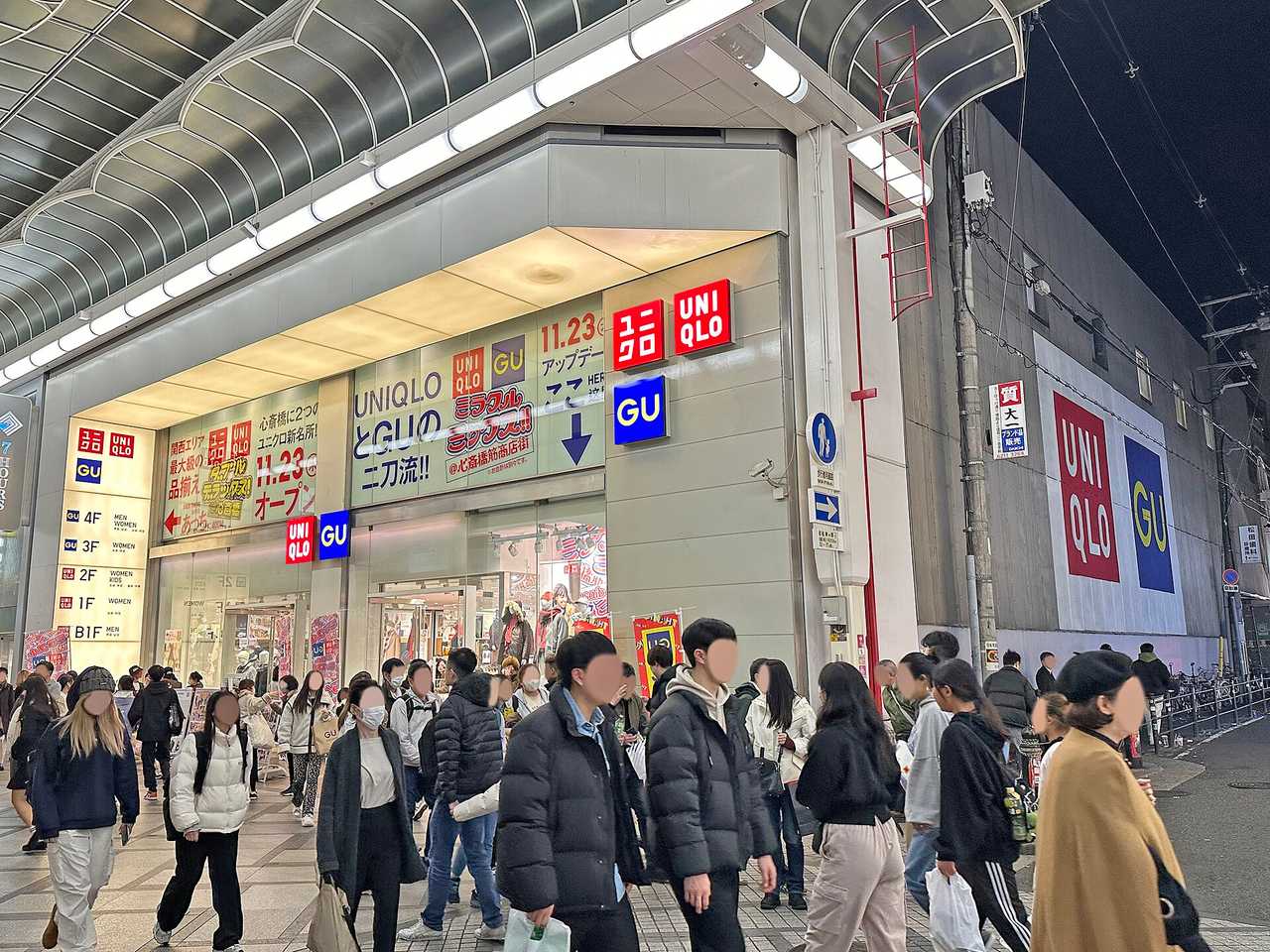
Dotonbori Food Street: A Riverside Paradise of Giant Signs and Food
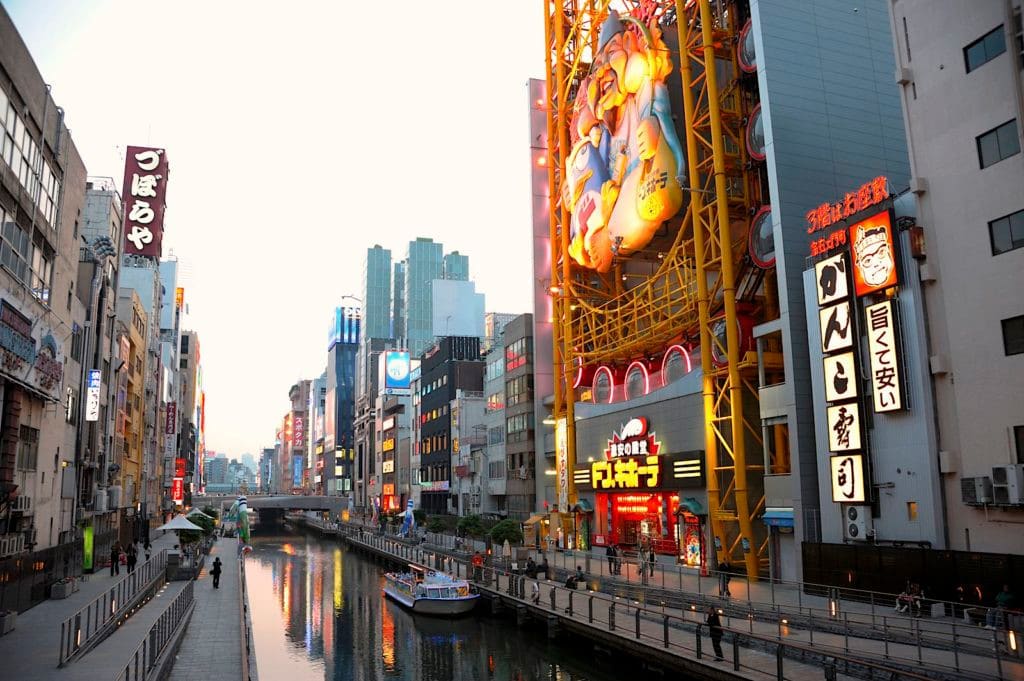
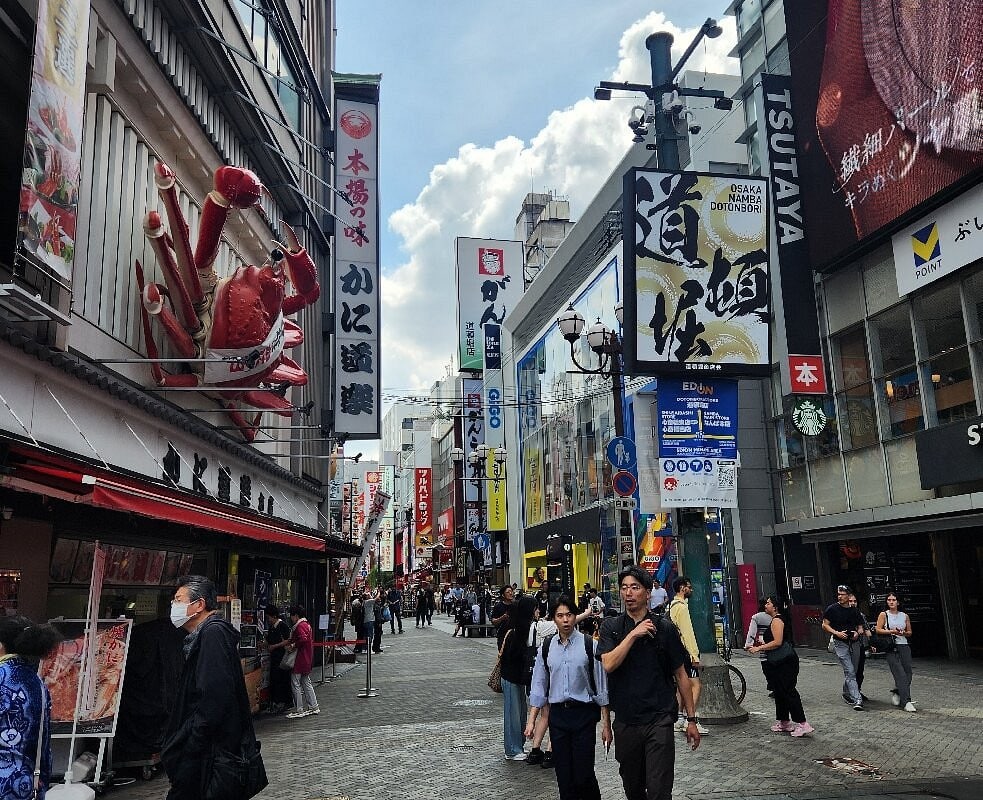
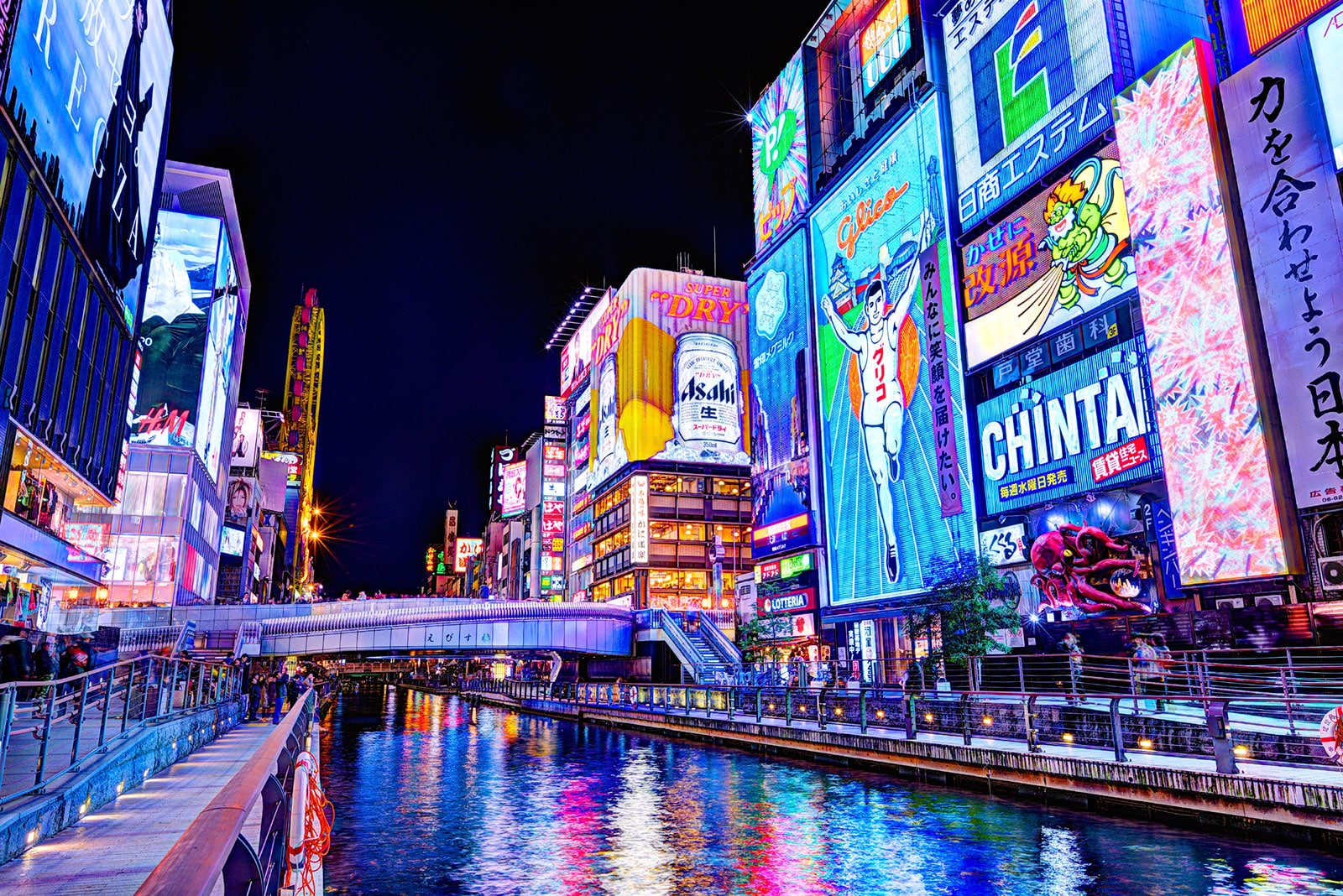
Dotonbori is a canal-side food street south of Shinsaibashi, famous for the Glico Running Man sign. Restaurants line both banks, with everything from ramen and takoyaki to crab dishes, and it is one of Osaka’s most representative tourist landmarks.
The canalside promenade has excellent views, and once the neon signs light up at night it becomes a hot photo spot. Arrive in the early evening to see the food street in both daylight and night, and to avoid the afternoon’s heaviest crowds.
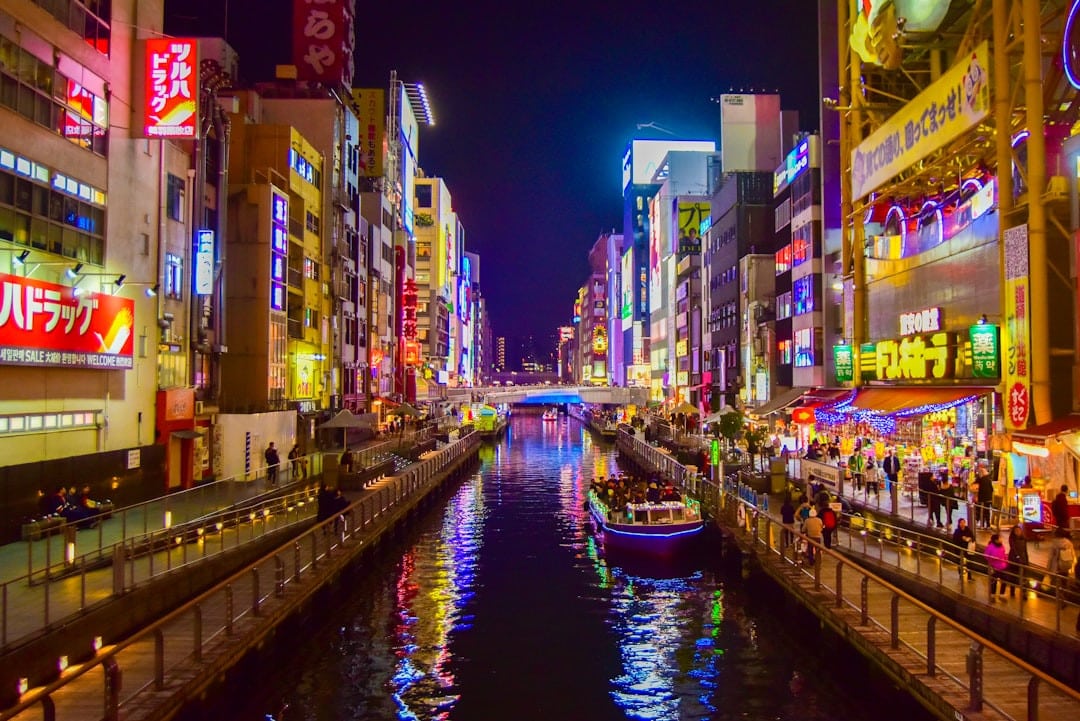
How Late Is Dotonbori Open? Hours for the Signs, Restaurants and Boat Rides
Dotonbori is a district rather than a single facility, so there are no unified opening hours. The Glico sign lights up from about 30 minutes after sunset until midnight. Kani Doraku Dotonbori Main Store is open from 11:00 to 23:00 (last order 22:00). Don Quijote Dotonbori is open 24 hours. The Ferris wheel runs from 11:00 to 22:00, and the canal cruise runs from 13:00 to 21:00 on weekdays and from 11:00 to 21:00 on weekends and holidays. Hozenji Temple is open for worship around the clock, and its temple office is open from 10:00 to 18:00.
Amerika-mura: A Hub of Youth Trends and Vintage Culture
Amerika-mura lies west of Shinsaibashi and is known for secondhand vintage clothing, street fashion brands and graffiti art. It is the birthplace of fashion for Osaka’s young generation and a popular spot for street-style photos.
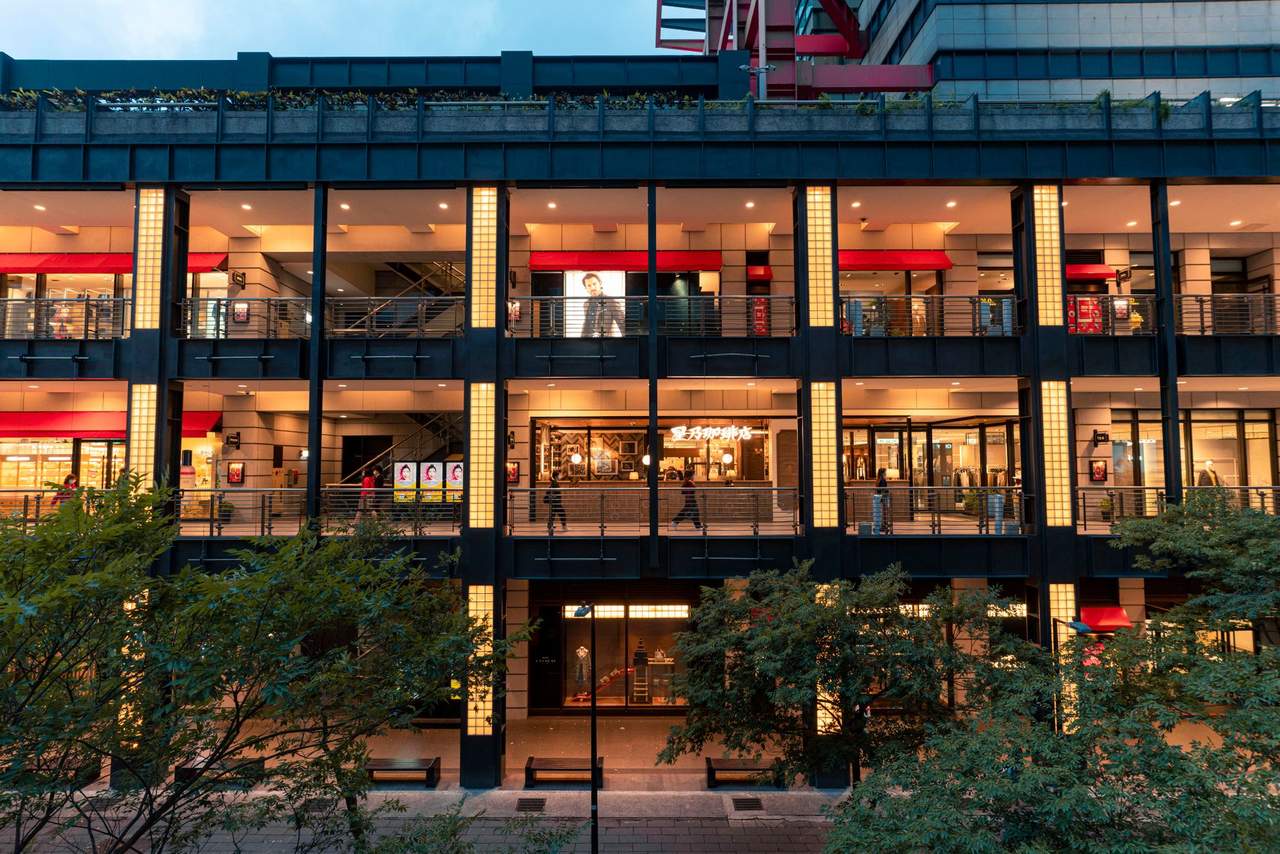
Triangle Park (Sankaku Koen) is the landmark square of Amerika-mura, surrounded by quirky small shops and cafes. It suits travelers who like independent brands and trend culture and want to explore in depth, and the pace of shopping is much more relaxed than on Shinsaibashi’s main street.
Ebisubashi-suji Shopping Street: The Shopping Corridor Linking Nankai Namba Station
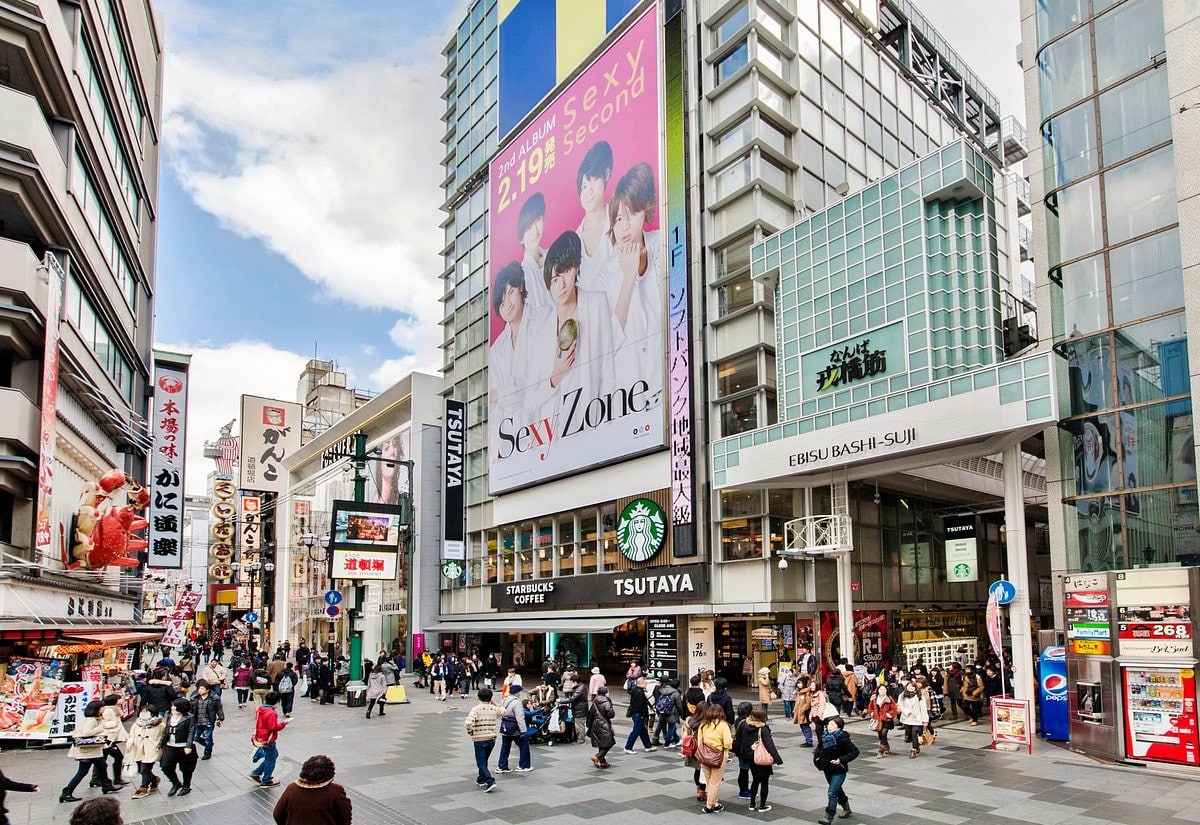
Ebisubashi-suji connects Nankai Namba Station with Shinsaibashi-suji, the route many travelers take from Namba to Shinsaibashi and Dotonbori, with several drugstores and souvenir shops along the way.
This shopping street also has a covered arcade, which makes it a good rainy-day route. The shops are dense and varied, so it is a good first stretch of your trip to pick things up along the way.
Horie: A Gathering Place for Artsy Cafes and Select Shops
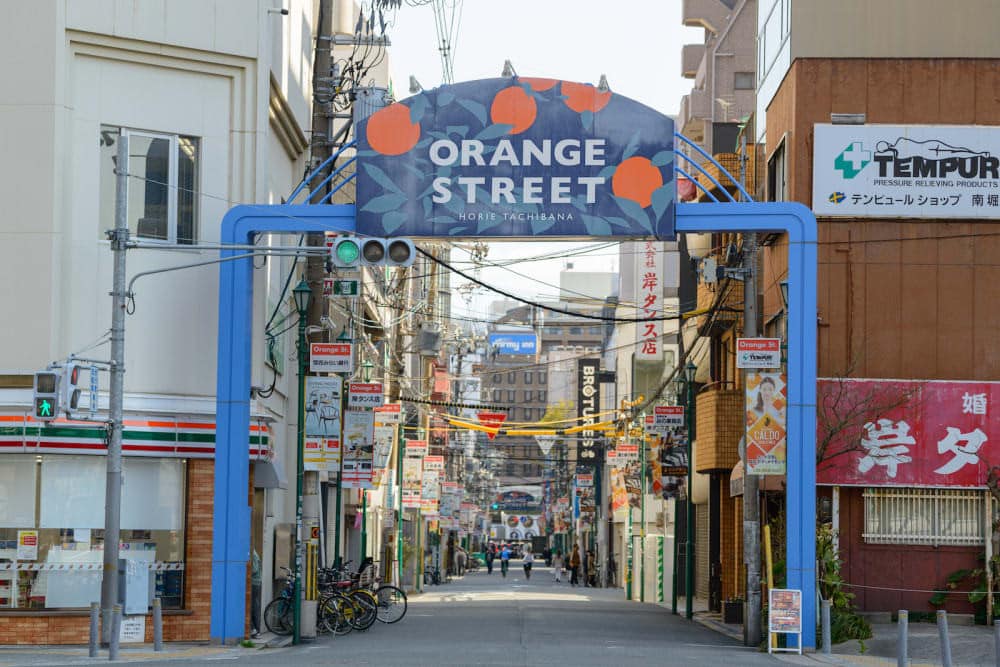
The Horie area lies southwest of Shinsaibashi and is known for “Orange Street.” It gathers furniture select shops, quality cafes and independent design brands, a hidden favorite for travelers who love a slow-paced, artsy style.
Compared with the bustle of Shinsaibashi, Horie is much more relaxed. Set aside half a day to sip coffee while browsing select shops. It is on many locals’ holiday date lists.
Minami-Semba: A District of High-Quality Luxury and Designer Brands
Minami-Semba lies just east of Shinsaibashi and gathers many international luxury brands and Japanese designer select shops. The atmosphere is quieter and more elegant, suiting travelers who enjoy an affordable-luxury shopping experience.
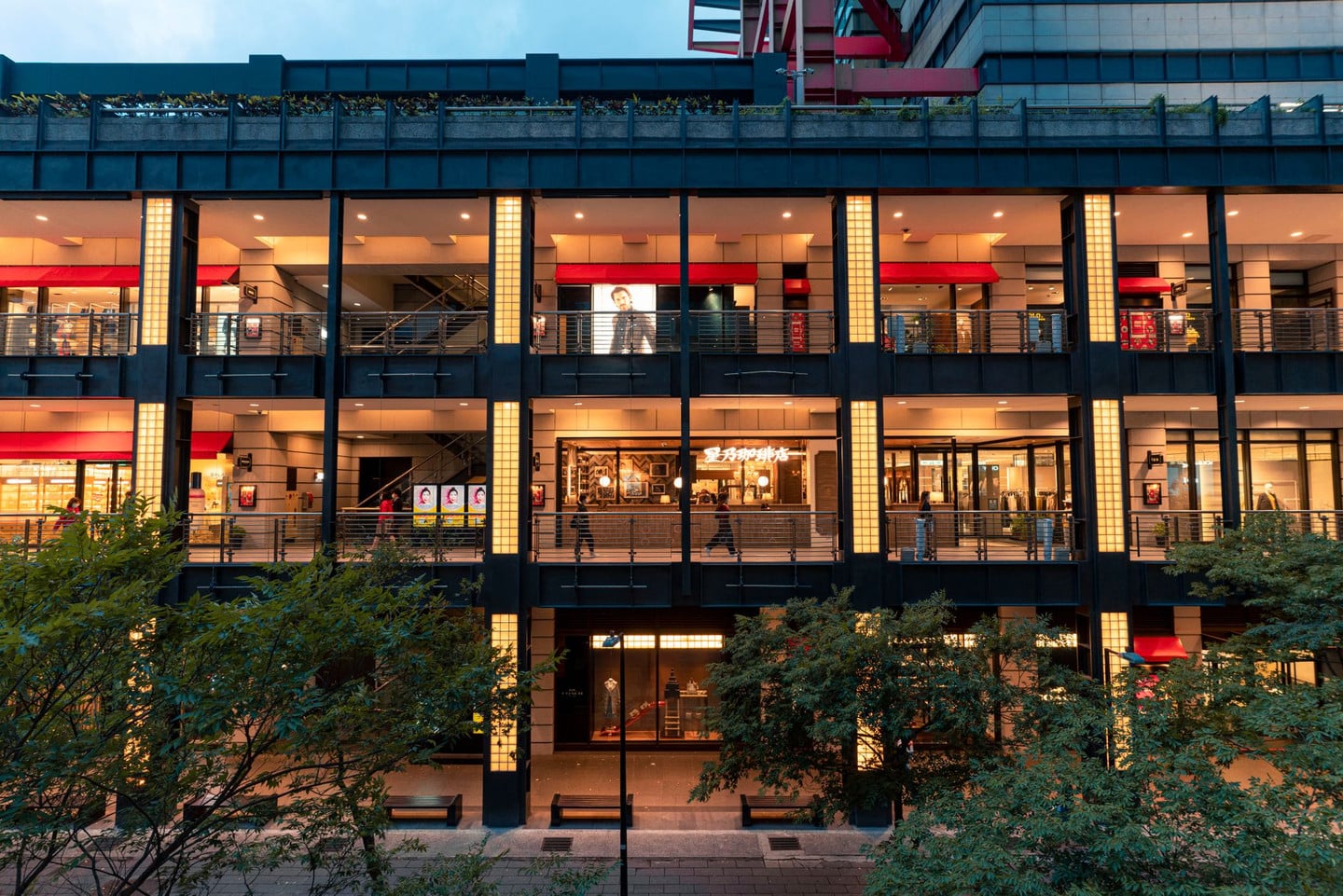
Shops here are spaced farther apart and crowds are thinner, so browsing feels relatively unhurried, and quality cafes are often available for a mid-walk break. It is an area worth extending your visit to around Shinsaibashi.
Around Namba: An Extended Battleground of Department Stores and Electronics Stores
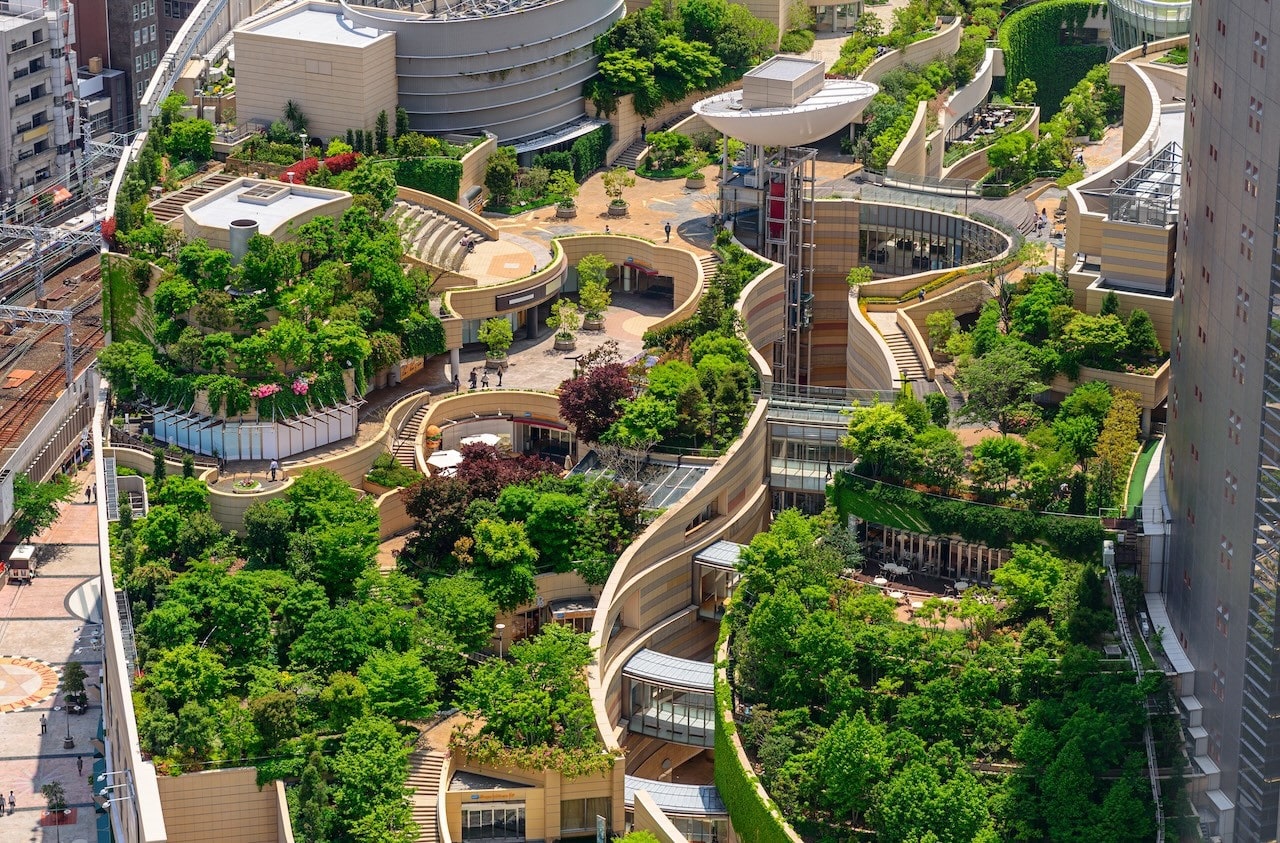
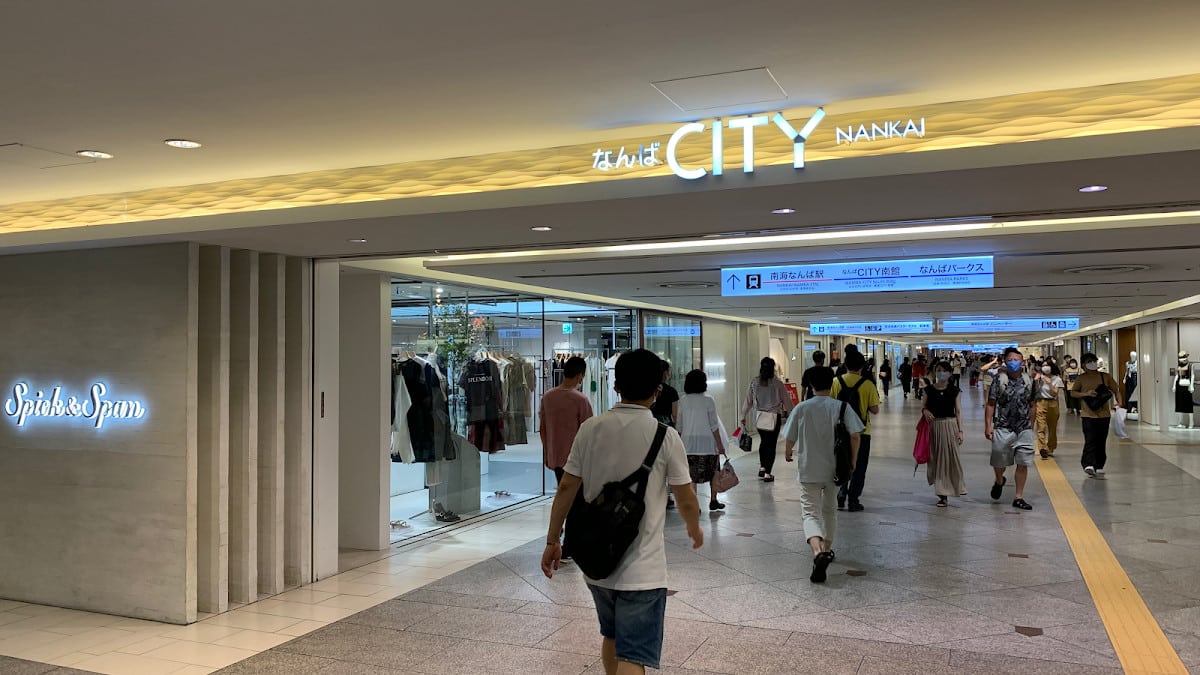
Around Namba Station are large malls such as Takashimaya, Namba CITY and Namba PARKS, along with electronics stores such as Bic Camera, which can be treated as extended shopping stops for a Shinsaibashi and Dotonbori itinerary.
Because Shinsaibashi and Dotonbori are within walking distance, place Namba at the start or end of your trip to make it easy to link up subway and limousine bus transfers.
Latest 2026 Area Developments: OPA Closure and Nearby Redevelopment
Shinsaibashi OPA ended business on January 12, 2026. When planning your trip, keep an eye out for the latest opening news in the area.
Osaka’s shopping districts as a whole also keep refreshing their store lineups, with more pop-up shops and limited-time events, so check the official social media accounts before you go to get the latest information and avoid a wasted trip.
How to Get to Dotonbori for Shopping: A Complete Guide to Transport and Fares
Dotonbori is in Chuo Ward, Osaka, right next to the two major districts of Namba and Shinsaibashi. The transport network is extremely dense, and whether you start from Kansai Airport, central Osaka or nearby cities such as Kyoto and Kobe, you can get there easily by subway, private railway or bus. Below are the most common ways to get there, with fares, ticket purchase methods and travel times, to help you choose the best route for your budget and itinerary.
How to Get to Dotonbori at a Glance
🚇 Osaka Metro Midosuji Line: Namba Station, about a 5-minute walk to Dotonbori, with fares starting from about ¥190 depending on distance. The Osaka Amazing Pass 1-day pass is ¥3,500 and includes unlimited subway and bus rides.
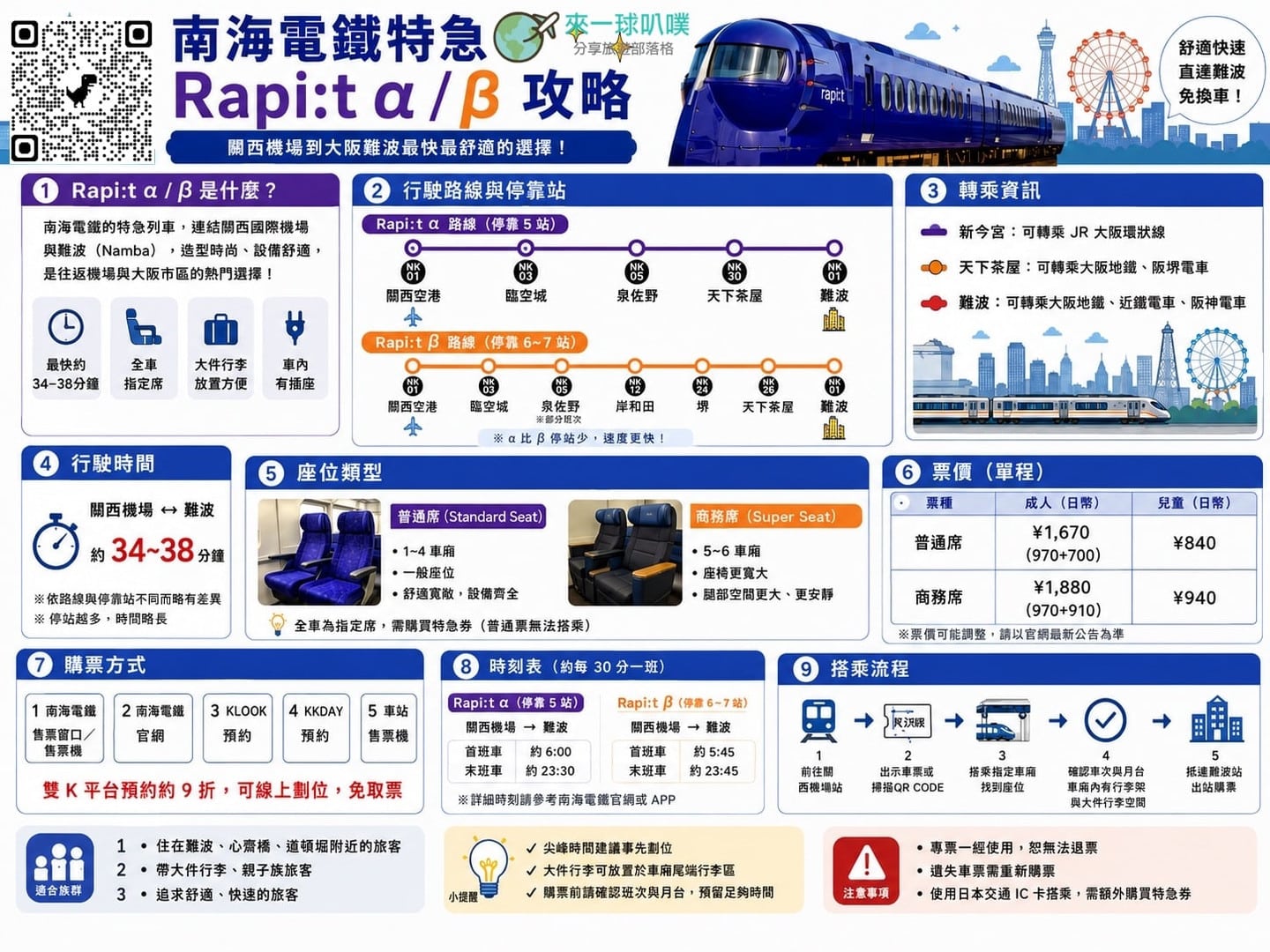
🚄 Nankai Railway: Kansai Airport to Namba Station, about 45 minutes / ¥970 on the Airport Express, or about 38 minutes on the Rapi:t limited express (limited express ticket sold separately), then a 5-8 minute walk to the shopping area.
🚃 Kintetsu / Hanshin Railway: Nara to Namba (about 35 to 45 minutes on Kintetsu) and Kobe to Namba (about 30 to 40 minutes on Hanshin), with direct service and no transfers.
🚕 Taxi: From Osaka Station to the Ebisubashi area, about 20 to 25 minutes, suitable for heavy luggage, larger groups or late-night travel.
🚌 City bus: Much of the area around Dotonbori is pedestrian, so the bus is best used as a supplement.


Dotonbori Shopping Guide: Which Must-See Sights and Popular Shops Are Worth Visiting?
The Dotonbori and Shinsaibashi area gathers landmark signs, shrines and shopping facilities. Here are 11 must-visit highlights.
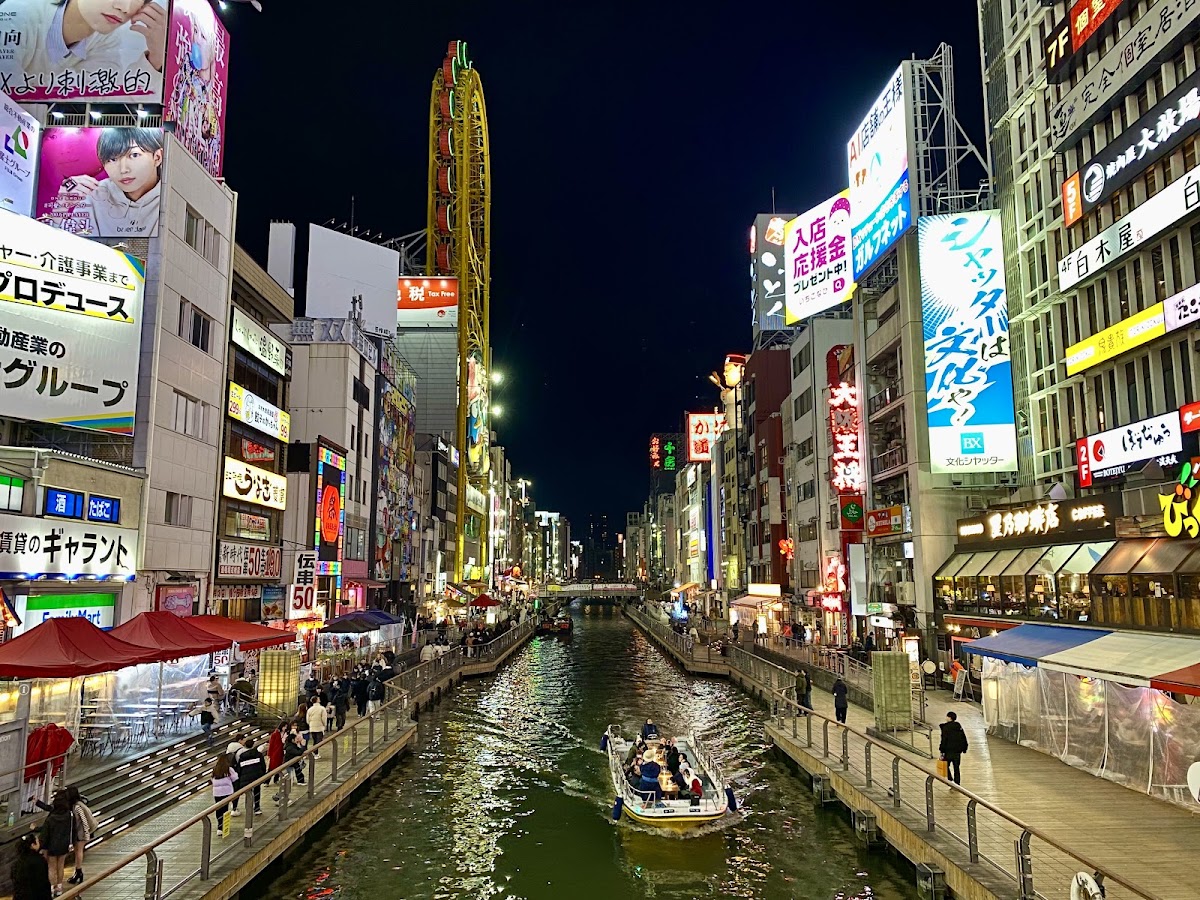
Glico Running Man Sign: Dotonbori’s Most Iconic Landmark
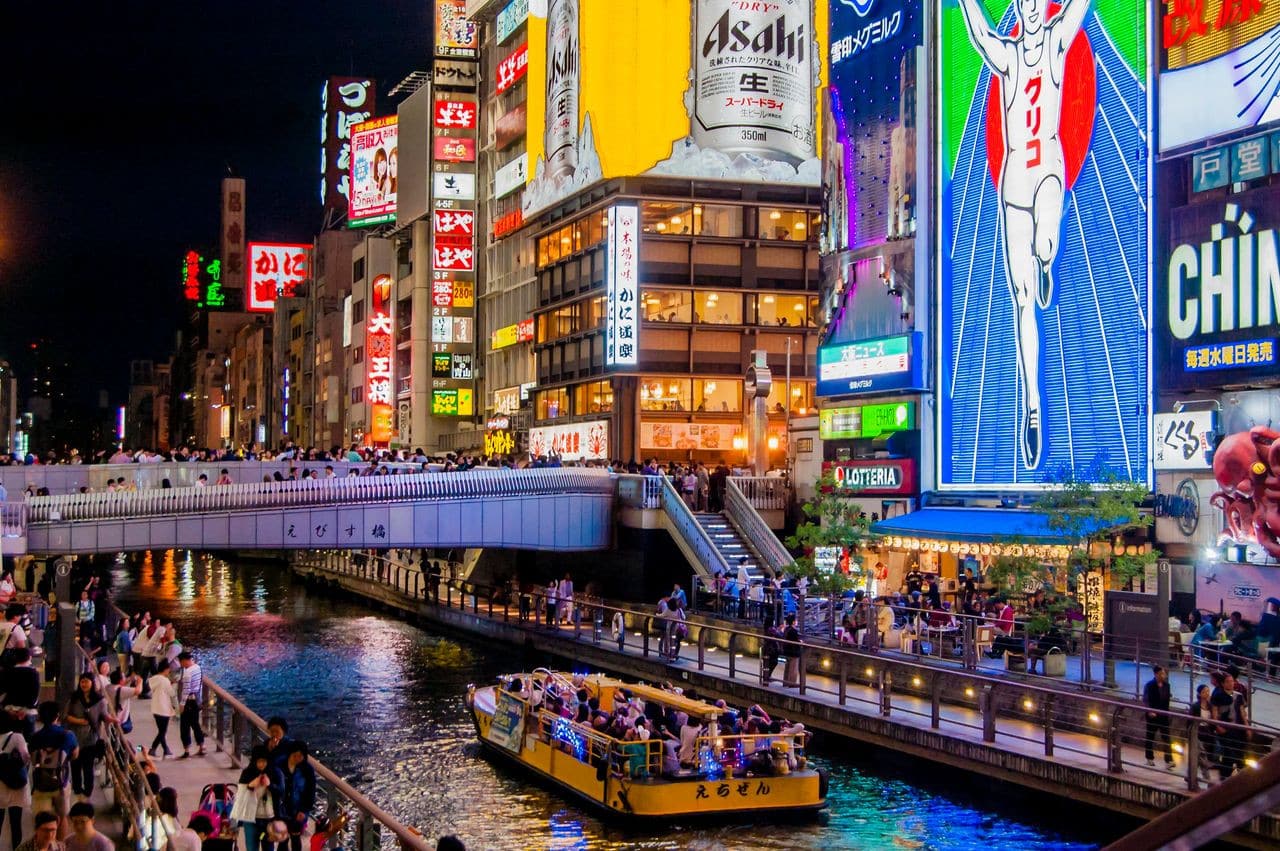
The Glico Running Man has been redesigned several times since it was first erected in 1935. It is the most famous giant billboard on the Dotonbori canal, and the background artwork changes from time to time with company events. Once lit at night, it is a hot photo spot.
The sign stands beside Ebisubashi Bridge and can be photographed 24 hours a day, but it is lit from about 30 minutes after sunset until midnight, which is the best time to visit. Shoot from Ebisubashi Bridge to capture both the sign and the canal’s night view.
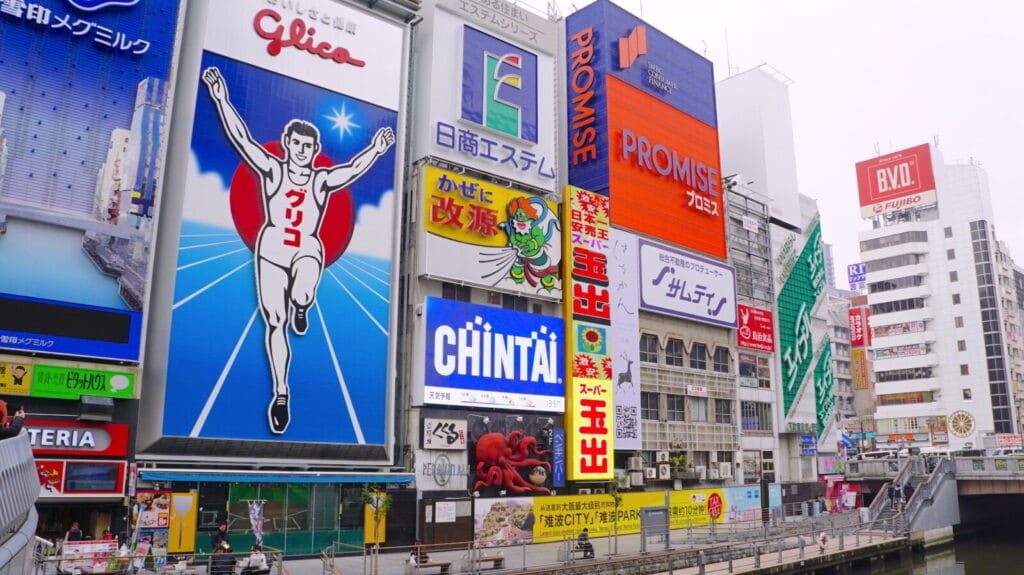

Ebisubashi Bridge: The Best Viewpoint for Dotonbori’s Panorama
Ebisubashi Bridge spans the Dotonbori canal and faces the Glico sign directly, making it an excellent spot for photos and for enjoying Dotonbori’s night view. It is also a well-known meeting point for locals.
The bridge is often crowded. Avoid the weekend peak from 6 p.m. to 9 p.m. and go on a weekday afternoon or late at night to get clean photos of the sign more comfortably.
Kani Doraku Dotonbori Main Store: The Giant Moving Crab Sign
The sign of Kani Doraku Dotonbori Main Store is a giant moving crab whose legs have swung since the restaurant’s founding in 1962, a Dotonbori icon. The main store is open from 11:00 to 23:00 (last order 22:00) every day of the year, about a 2-minute walk from Namba Station on the Osaka Metro. Photograph the sign outside first, then go in to enjoy the crab dishes.
Hozenji Temple: A Hidden Place of Faith Deep in the Alleys
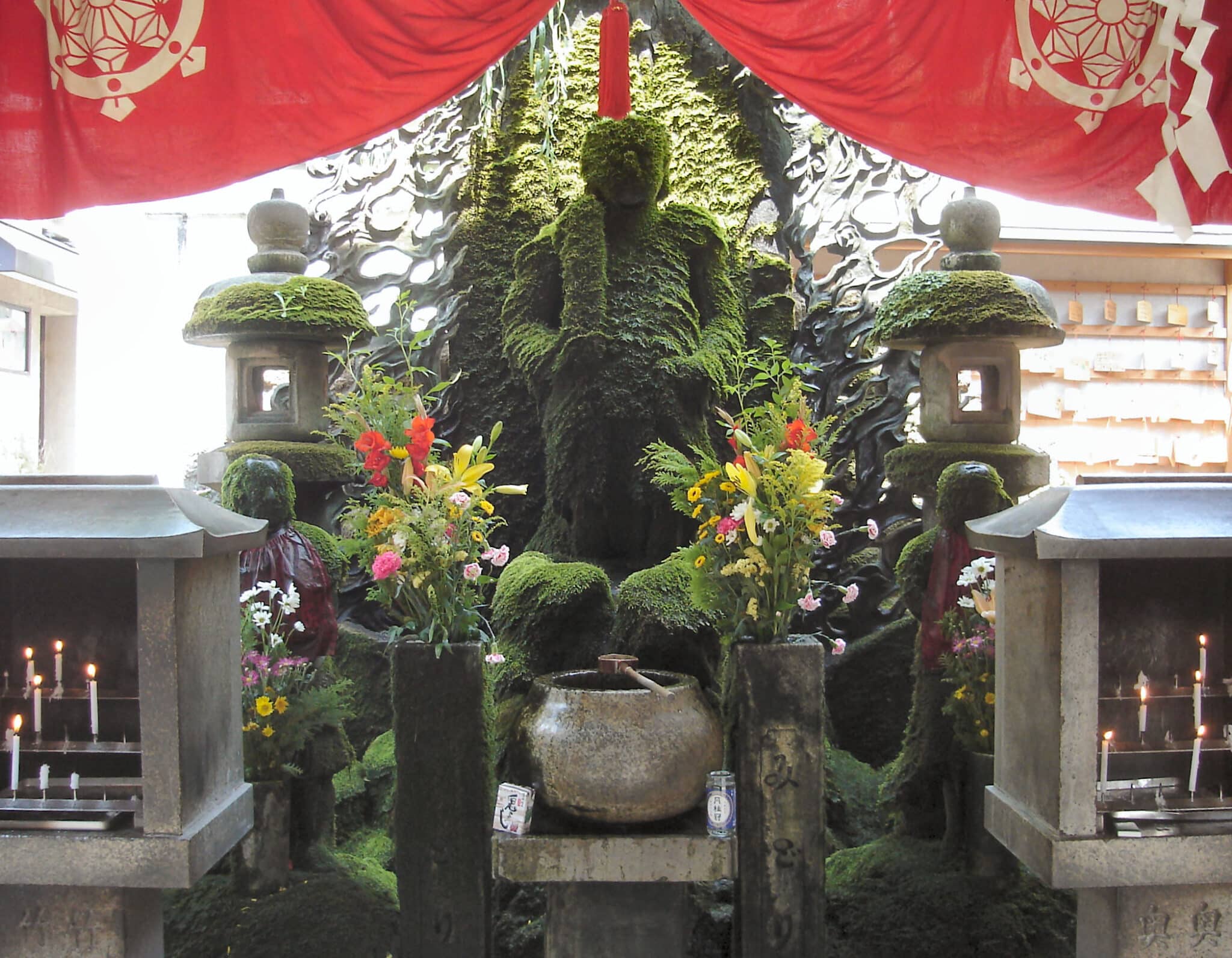
Hozenji Temple enshrines Mizukake Fudo Myoo. Worshippers pour water over the statue as they pray, and over the years the statue has become covered in moss, creating the unique “water-splashed Fudo” sight, a rare quiet corner in the busy Dotonbori district.
The temple is in the Hozenji Yokocho alley and is open around the clock, with free worship and amulets available. The alleys are lined with long-established izakaya and dessert shops, so after worshipping you can stroll the nostalgic stone-paved lanes. Visit before 9 p.m., because the alleys are narrow and harder to pass when crowded.
Namba Shrine: An Ancient Guardian Shrine in the City
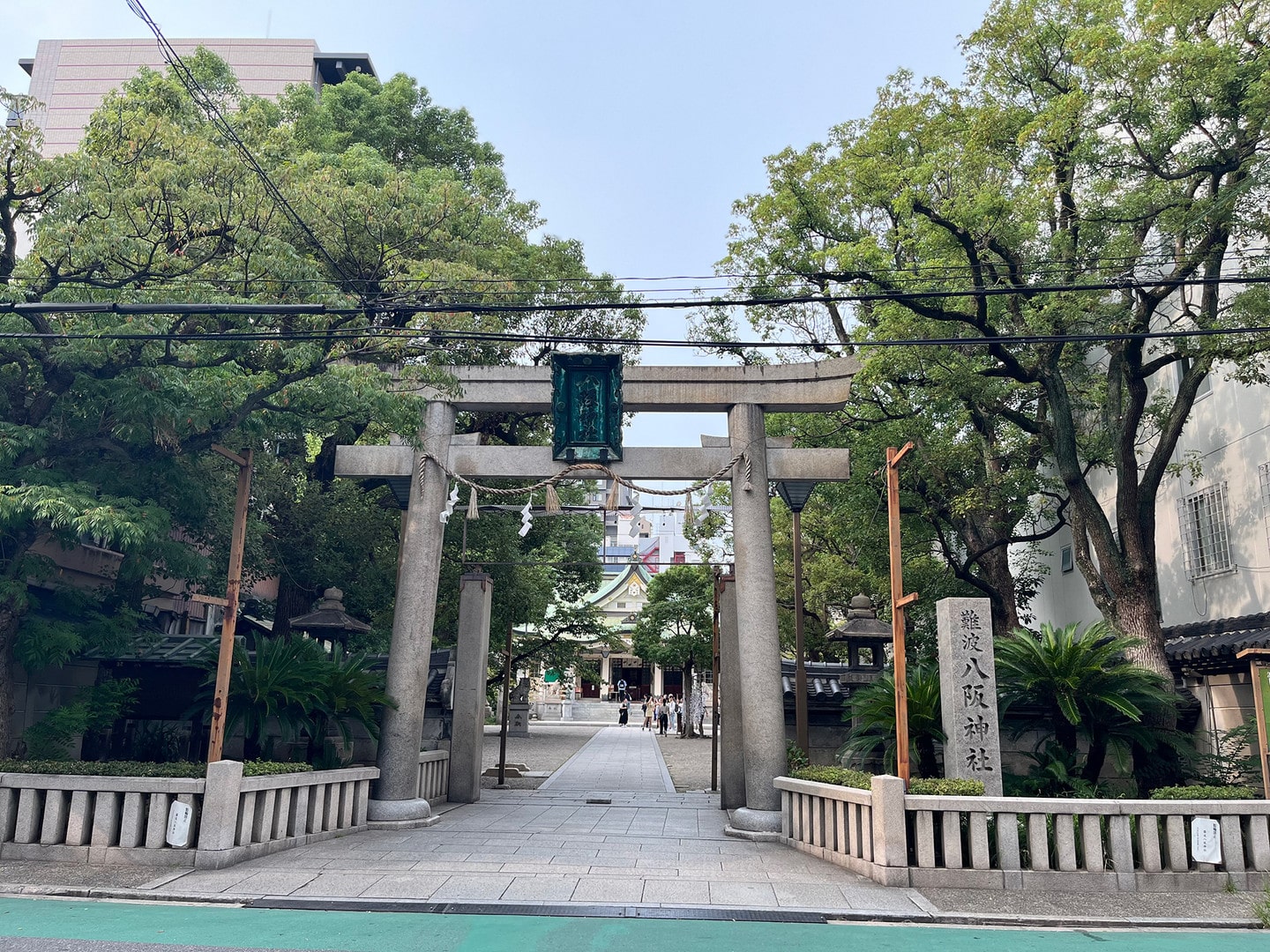
Namba Shrine is said to have been founded by Emperor Hanzei for his father, Emperor Nintoku, and moved to its current site in Bakuro-cho in 1583. It is the spiritual center for residents around Namba and Shinsaibashi. At its summer festival, the Himuro Festival, held on July 20 and 21 each year, shaved ice is handed out, and eating it is said to help you withstand the summer.
The grounds also contain an Inari shrine, popularly called “Bakuro-cho no O-Inari-san.” Its peaceful setting amid the bustle is ideal for a short rest between shopping stops, with an atmosphere completely different from the noisy surroundings.
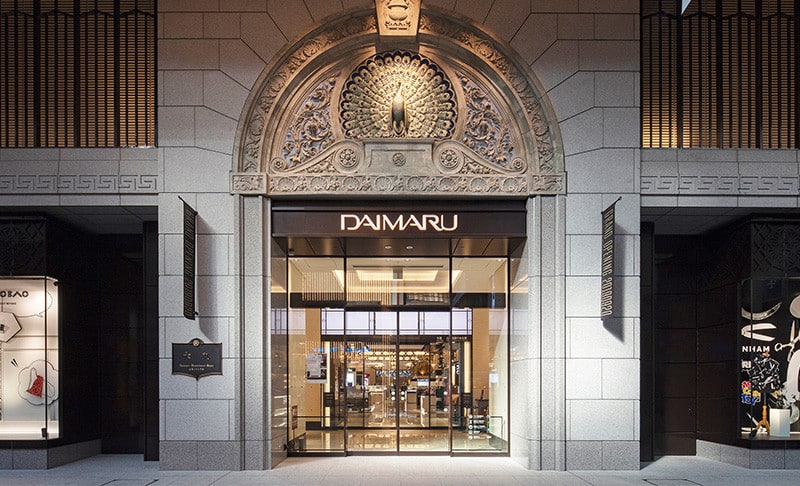
Daimaru Shinsaibashi: A Century-Old Landmark Department Store
Daimaru Shinsaibashi was designed by William Merrell Vories and completed in 1933. Daimaru was founded in 1717 and opened its Shinsaibashi store in 1726. The 9th floor has Pokémon Center Osaka DX, and the store gathers international luxury brands, making it a benchmark for Shinsaibashi shopping. It is open from 10:00 to 20:00. The 1st-floor cosmetics and sweets level is very popular. To visit Pokémon Cafe, reserve on the official website. On holidays the elevator wait is long, so take the escalator.
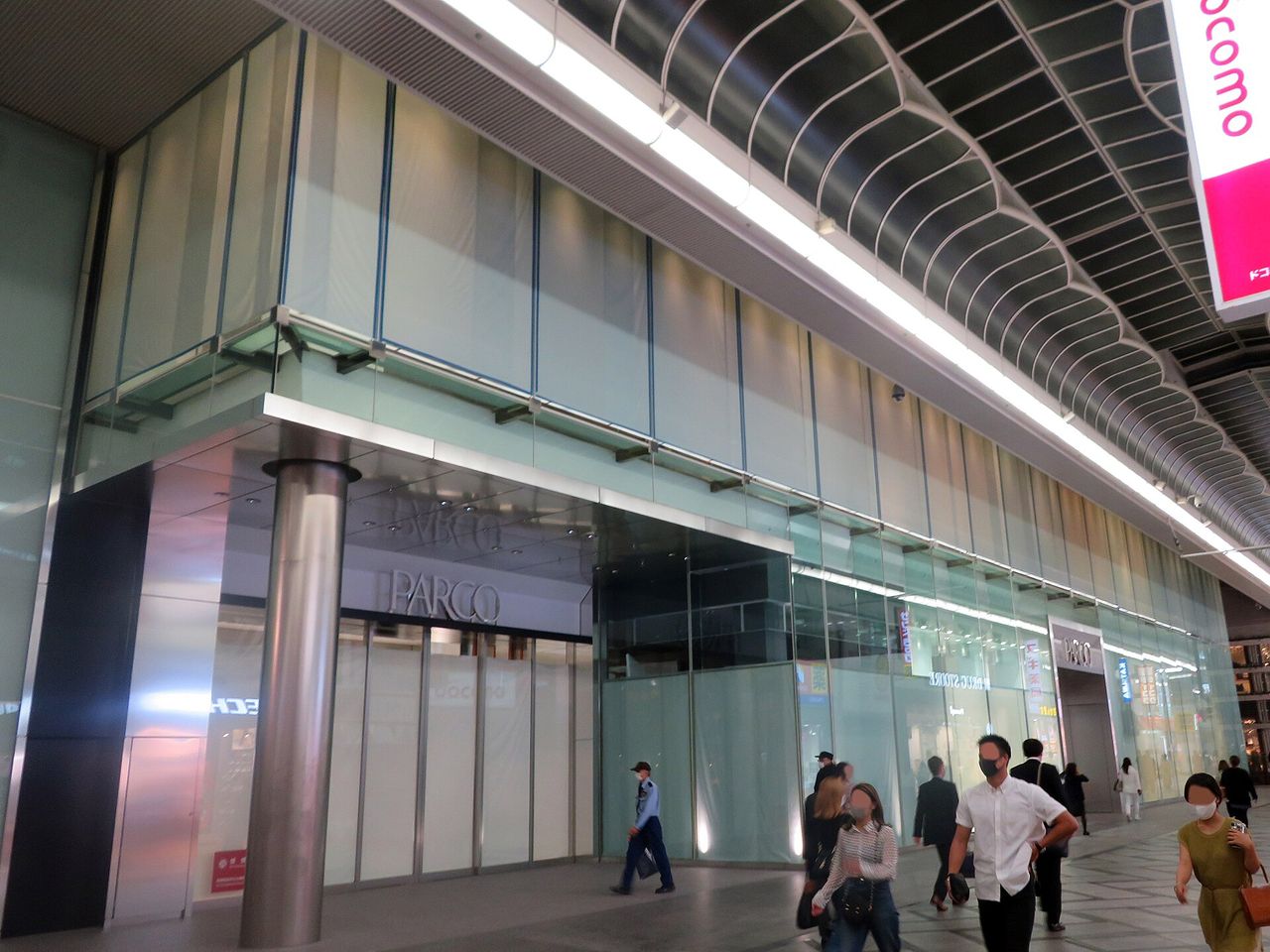
Shinsaibashi PARCO: A Complex Blending Subculture and Luxury
Shinsaibashi PARCO is known for its “chaotic aesthetic,” housing international luxury brands alongside anime goods shops such as the GODZILLA STORE Osaka on the 6th floor. It is a must-visit mall for travelers who love subculture and trend brands.
The 7th floor is the MUJI floor, and the 9th to 11th floors have HANDS lifestyle goods. Shops are open from 10:00 to 20:00, and restaurants stay open until 23:00.
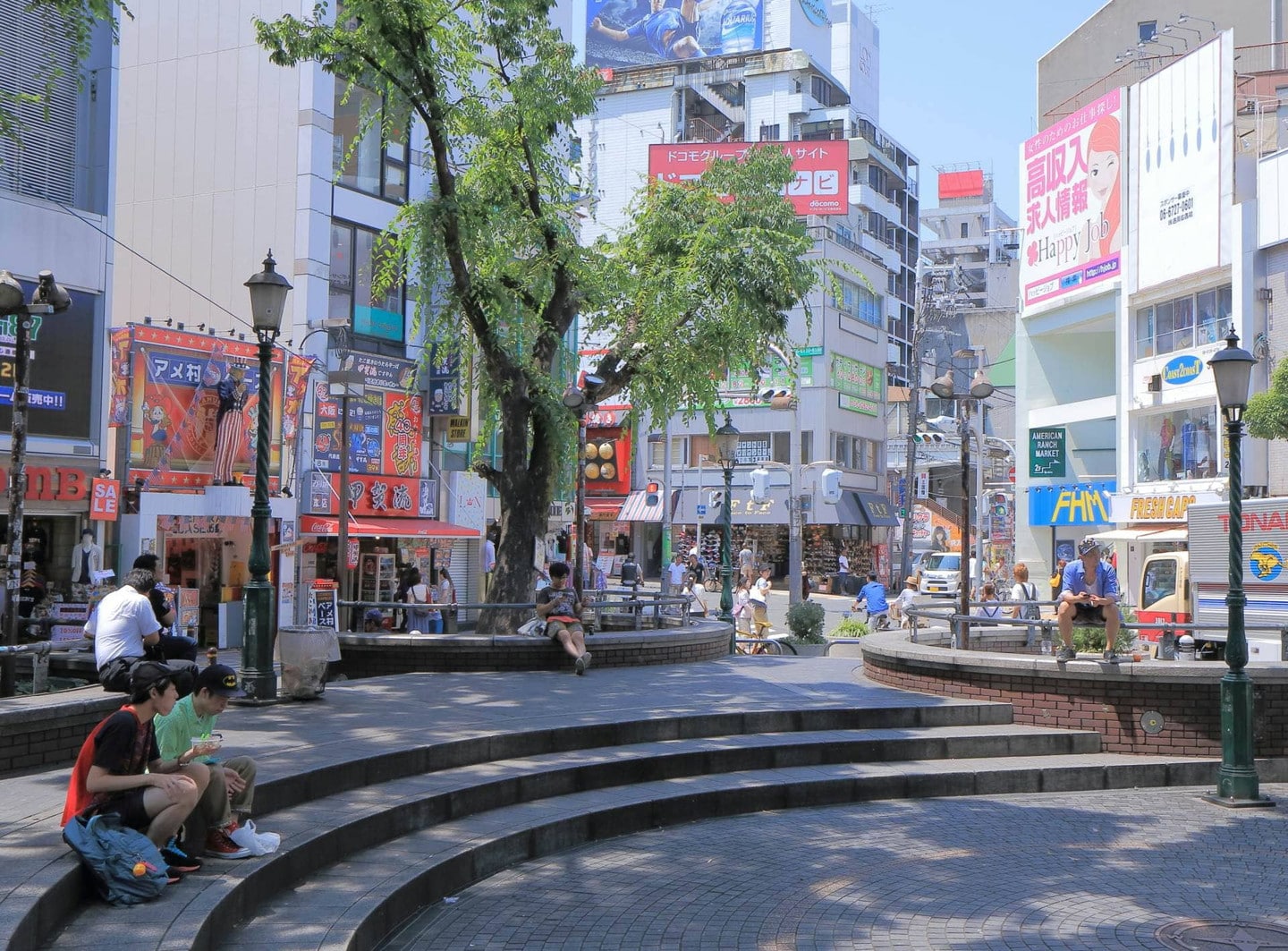
Amerika-mura Triangle Park: A Square Where Street Culture Gathers
Triangle Park is the landmark square of Amerika-mura, surrounded by vintage stores, trendy fashion and graffiti walls, and street performers often play here. It is the most direct place to feel the subculture of Osaka’s younger generation.
The park is open all day and free to enter. Go in the early evening to enjoy both the fun of hunting through vintage stores by day and the lively atmosphere of crowds gathering in the square at night.
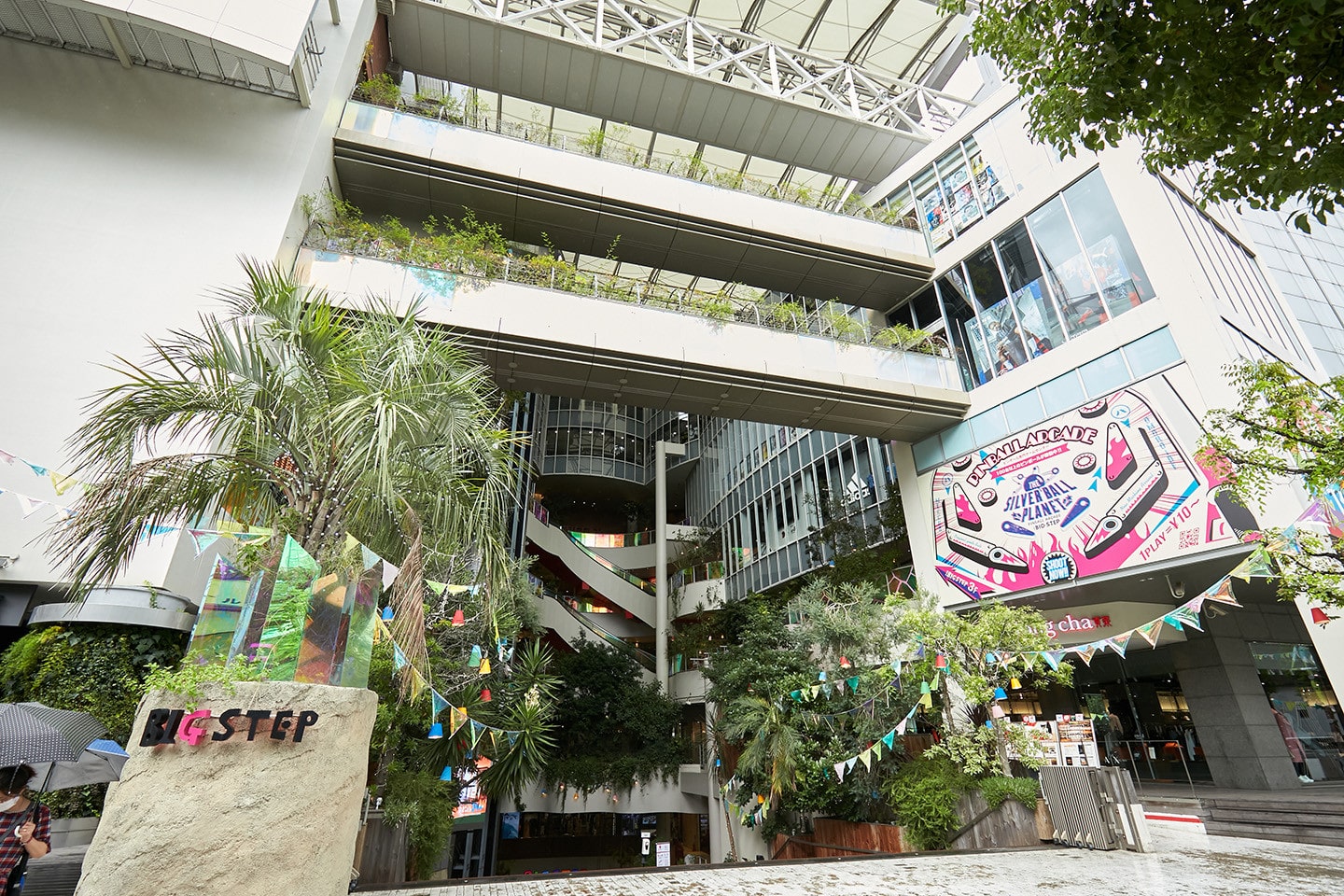
BIG STEP: Amerika-mura’s Trendy Landmark Mall
BIG STEP is a complex in Amerika-mura housing several quirky select shops, secondhand clothing and distinctive restaurants. The building’s exterior is itself highly designed, making it a landmark you pass on any Amerika-mura shopping trip.
Opening hours vary slightly by shop, with most open from 11 a.m. to 8 p.m. The layout is clear, and about an hour is a good amount of time for a deeper treasure hunt.
Dotonbori Canal Cruise: See the Whole Signboard Panorama from the Canal
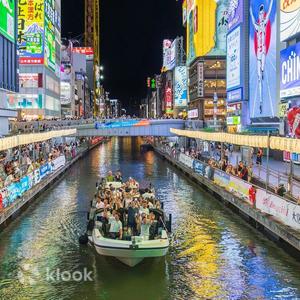
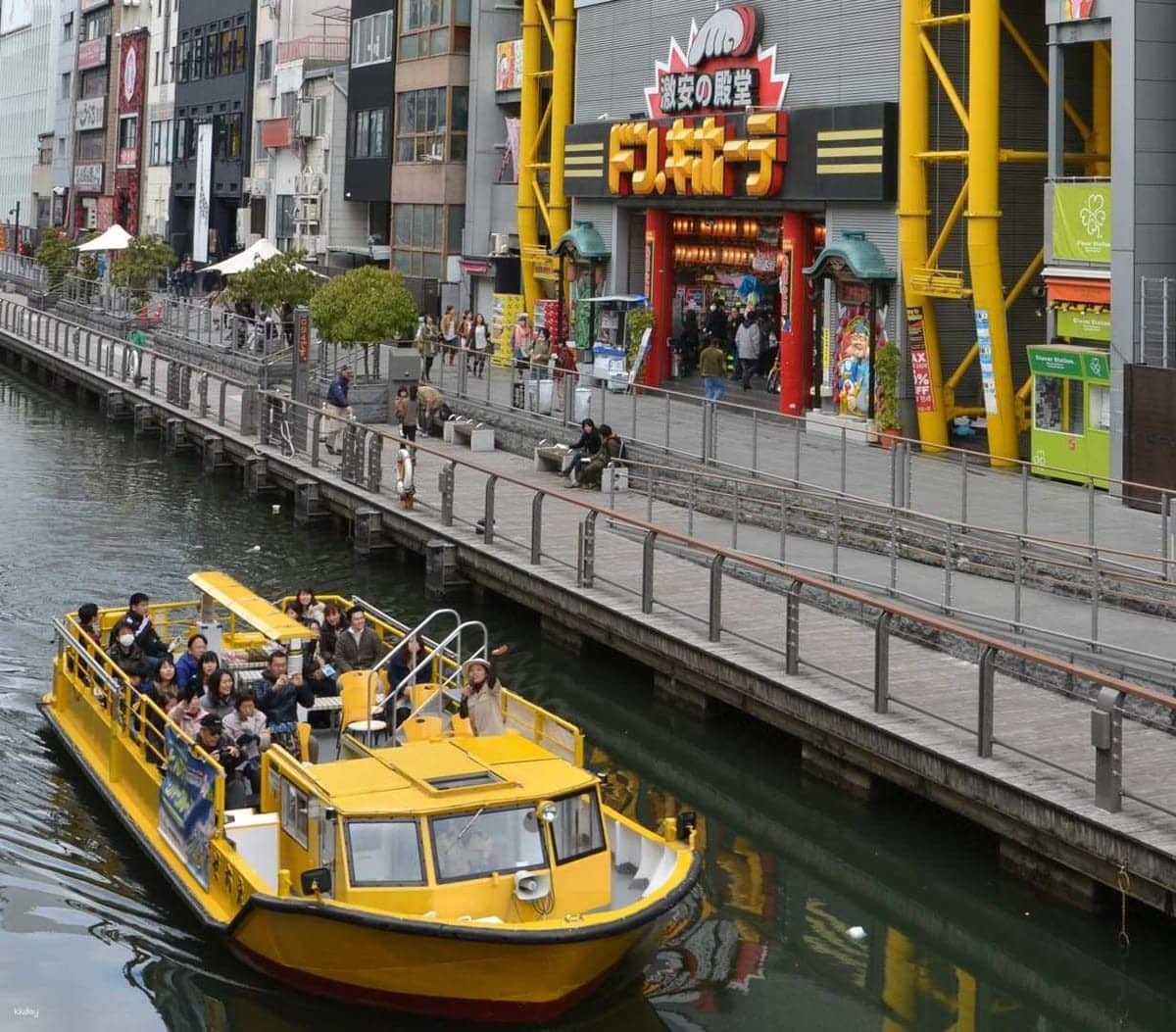
The Dotonbori canal cruise offers a roughly 20-minute canal tour, letting you see the Glico sign and the giant billboards on both banks from the water, a different viewpoint from walking on land.
Tickets start at about ¥2,000, and Osaka Amazing Pass holders ride for free. Cruises run from 13:00 to 21:00 on weekdays and from 11:00 to 21:00 on weekends and holidays, departing on the hour and half hour. Ride in the early evening to capture the sunset and the sign lights together.

Don Quijote Dotonbori Ferris Wheel: A 24-Hour Shopping Landmark
Don Quijote Dotonbori has a small Ferris wheel on its roof, a very eye-catching part of Dotonbori’s night view. The store itself is open 24 hours and offers drugstore items, snacks and souvenirs, convenient for restocking late at night.
The Ferris wheel costs ¥1,000 and is open from 11:00 to 22:00 (last ride 21:30), with a ¥100 discount for Osaka Amazing Pass holders. One rotation takes about 15 minutes, and a night ride takes in all of Dotonbori’s neon signs, a good photo choice at the end of the day.
How Much Does Shopping in Dotonbori Cost? Admission and Experience Tours at a Glance
Besides shopping, there are several paid experiences around Dotonbori. Below are the most popular tours and tickets.
Dotonbori Canal Cruise Ticket: See the Signs from the Water
The Dotonbori canal cruise is the classic way to tour the canal. A one-way ticket is about ¥2,000 and the ride takes about 20 minutes, with commentary on the history behind the famous signs along both banks, which suits first-time visitors to Osaka.
Ride in the early evening to see the signs in both daylight and night lighting. If you have an Osaka Amazing Pass you can ride once for free, which is a great deal.
Osaka Amazing Pass: One Pass for Transport and Sights
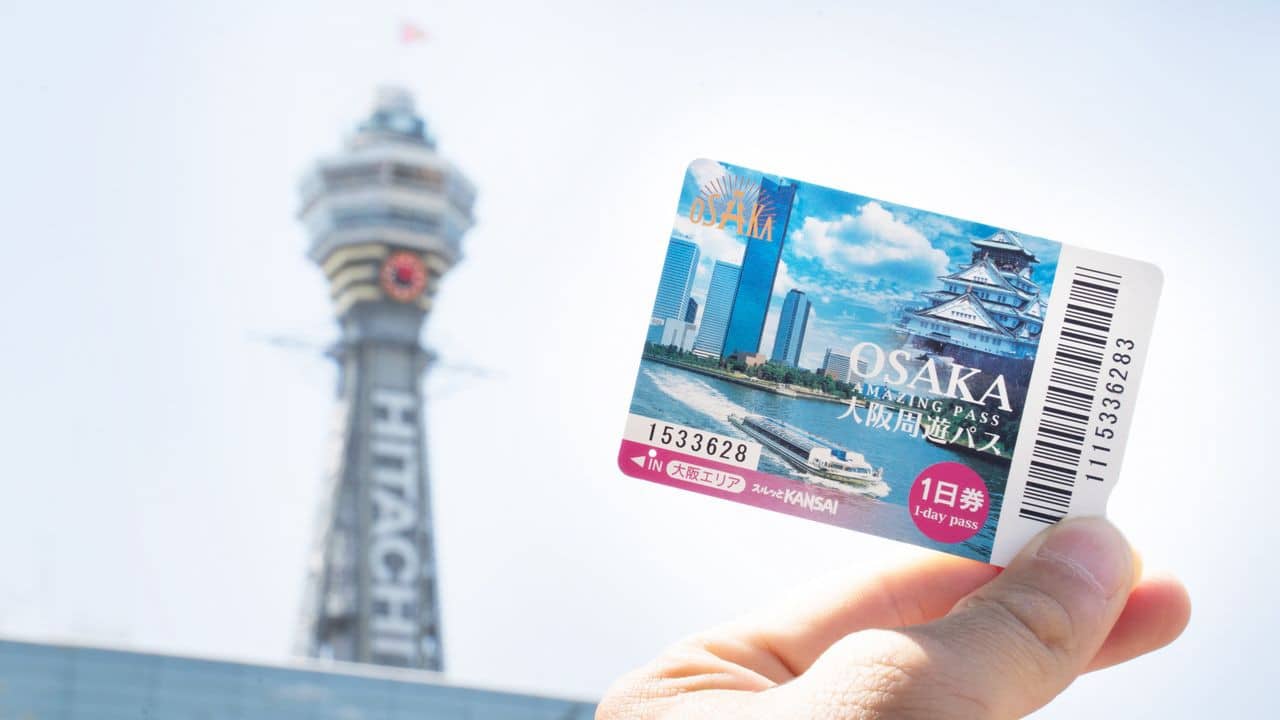
The Osaka Amazing Pass combines unlimited subway and bus rides with free admission to more than 40 attractions. A 1-day pass is about ¥3,500 and a 2-day pass about ¥5,000, especially suited to in-depth travelers planning several sights.
Pass holders ride the Dotonbori canal cruise for free and get a discount on the Don Quijote Ferris wheel. Visiting three or more paid attractions in one day makes it easier for the pass to pay off. The 2026 pass is a mobile QR code e-ticket that must be purchased online on the official website.
Shinsaibashi, Dotonbori and Amerika-mura Walking Tour: Get to Know Local Culture in Depth
Many travel agencies offer Chinese-guided walking tours that take travelers to hidden spots in Shinsaibashi, Dotonbori and Amerika-mura, sharing the stories behind the signs and local food recommendations.
Tours last about 2-3 hours, with prices depending on group size and whether meals are included. They suit travelers who like stories and want to understand local culture rather than just shop. Book on an online platform about a week ahead.
-Klook.jpg)
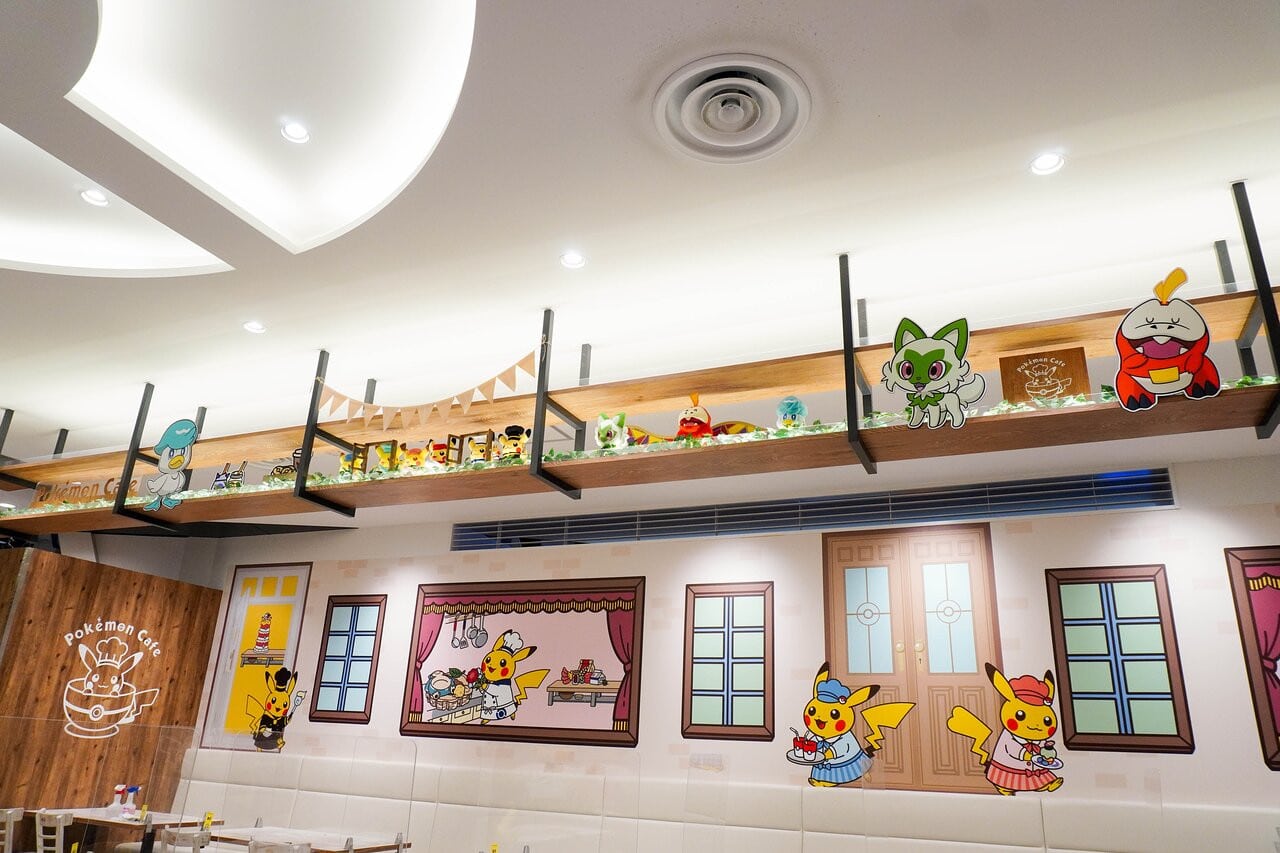
Pokémon Cafe Daimaru Shinsaibashi: A Popular Character-Themed Restaurant Experience
The Pokémon Cafe inside Daimaru Shinsaibashi serves Pikachu-shaped dishes and exclusive merchandise, a must-do experience for families and Pokémon fans.
Because seating is limited, reserve a time slot on the official website ahead of time and be seated at your reserved time. The dishes are beautifully plated and great for photos.
- 🍽️ Must-order: Pikachu-shaped themed dishes
- 💰 Price range: Varies by dish, see the official menu
- 🚉 How to get there: Inside Daimaru Shinsaibashi, near Shinsaibashi Station on the Midosuji Line
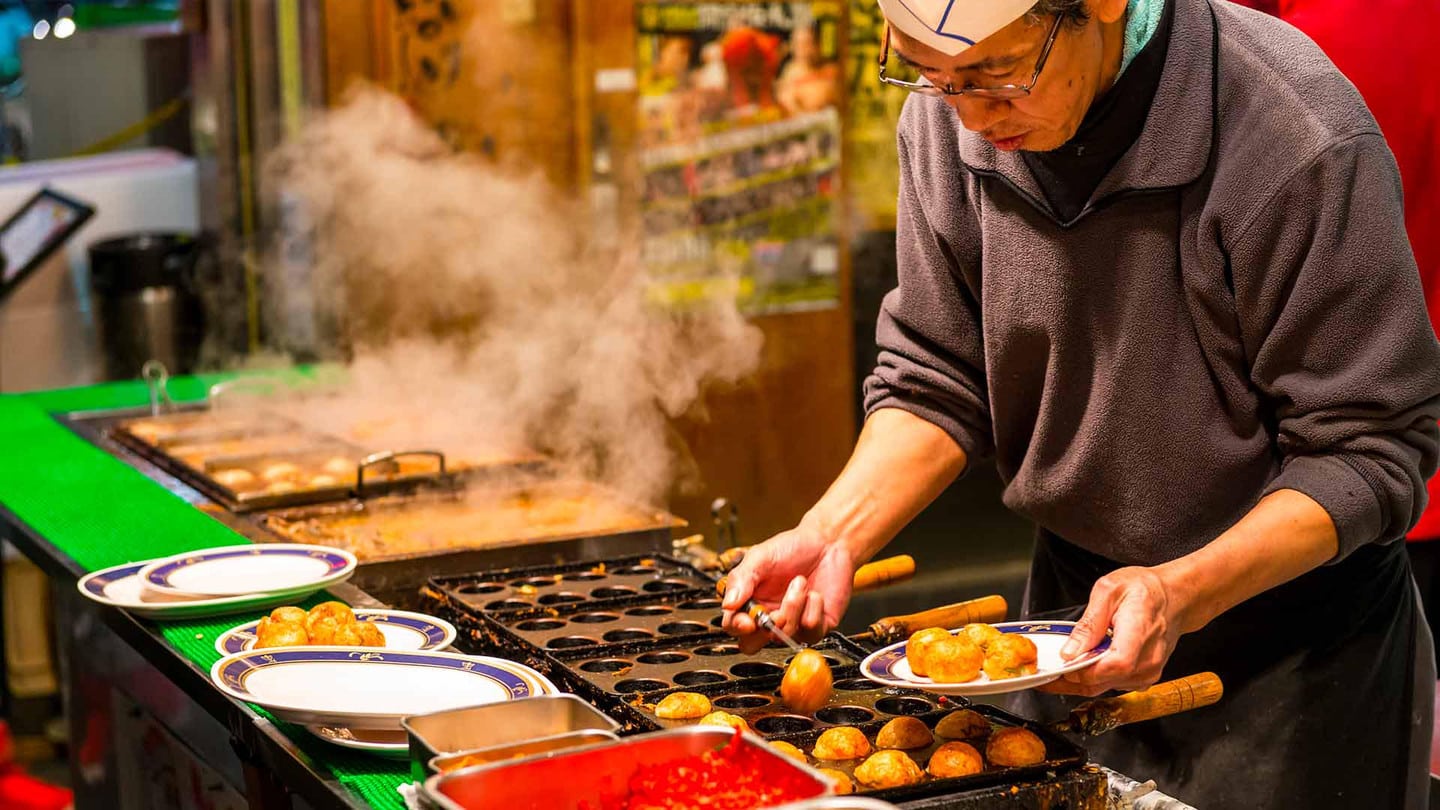
Osaka Street Food Tasting Tour: Eat Your Way Through Dotonbori’s Famous Spots
These tours usually combine three to five famous shops with lines, such as takoyaki, okonomiyaki and ramen, led by a local guide who saves you the waiting time. They suit travelers on a tight schedule who want to taste many local foods at once.
Prices vary with the number of shops included, and most tours take about 2 hours, an efficient way to sample the streets quickly and avoid choosing the wrong places.
Where to Stay Nearby
Dotonbori and Shinsaibashi are connected on foot. If you stay near Shinsaibashi or Namba stations on the Midosuji Line, you can walk back and forth for daytime shopping and nighttime views of the signs, and Nankai Namba Station has direct trains to Kansai Airport, which makes picking up luggage on your flight day easy. To compare hotels around Namba and Shinsaibashi, see our accommodation guide on this site.

Dotonbori Shopping FAQ
Q: What is the difference between Shinsaibashi and Dotonbori?
Shinsaibashi is mainly for drugstores, clothing and department store shopping, while Dotonbori is mainly for restaurants and signature signs. They are connected on foot, so shop in Shinsaibashi by day and move to Dotonbori in the evening for dinner and the night view.
Q: How long does it take to explore Dotonbori?
If you only see the main signs and take photos, about 2-3 hours is enough. If you include Shinsaibashi shopping and Amerika-mura, plan a full day (about 6-8 hours) to be comfortable.
Q: What time do shops on Shinsaibashi Shopping Street close?
Most clothing stores and department stores close around 8 p.m., while drugstores and restaurants generally stay open until 9-10 p.m. Some shops, such as Don Quijote, are open 24 hours.
Q: How much does it cost and how long does it take to get from Kansai Airport to Shinsaibashi?
The Nankai Railway Airport Express to Namba takes about 45 minutes at ¥970, and one more subway stop to Shinsaibashi adds about 10 minutes, so you can arrive for roughly ¥1,200 in total.
Q: When is Shinsaibashi Shopping Street least crowded?
Go on a weekday between 10 and 11 a.m., just after shops open, when crowds are thinnest. After 2 p.m. the crowds noticeably increase through the evening, and weekends are even busier.
Q: Are there free public restrooms on the Dotonbori shopping streets?
The shopping streets themselves have few public restrooms, so make use of the restrooms in department stores such as Daimaru and PARCO, which are clean and mostly free to use.
Q: What should I watch out for when paying at a drugstore?
Check the items and amounts on your receipt on the spot. Tax-free shopping requires your passport. From November 1, 2026, you pay the tax-inclusive price first and get a refund at departure, so follow the in-store notices for checkout.