
Farm Tomita Opening Hours and Rules: Opens at 8:30, Tripods Banned
Farm Tomita is open every day of the year. From late June to mid-August the hours are 8:30 to 17:30, and in October and November it opens at 9:30. You cannot enter outside opening hours, and the parking lot is only usable during opening hours. Tripods and drones are banned throughout the farm, outside food and pets may not be brought in, and entering the flower fields is prohibited except on the paths; admission and parking are both free with no reservation needed.
Must-See Spots for the 2026 Farm Tomita Lavender Guide: Every Flower Field and Nearby Highlight
Below are the flower zones inside Farm Tomita and the must-visit sights near Furano and Biei.
Traditional Lavender Field: The Original 1958 Sea of Flowers at Farm Tomita
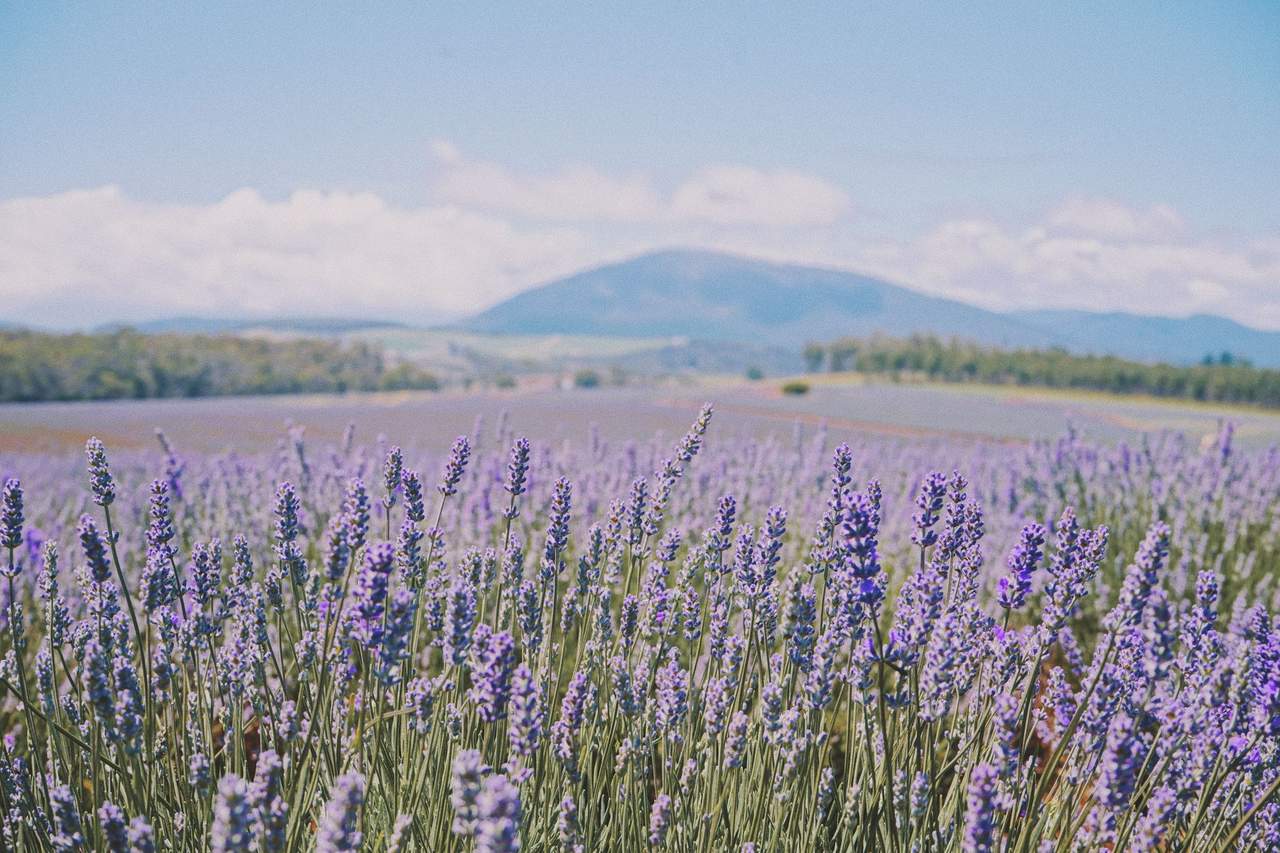
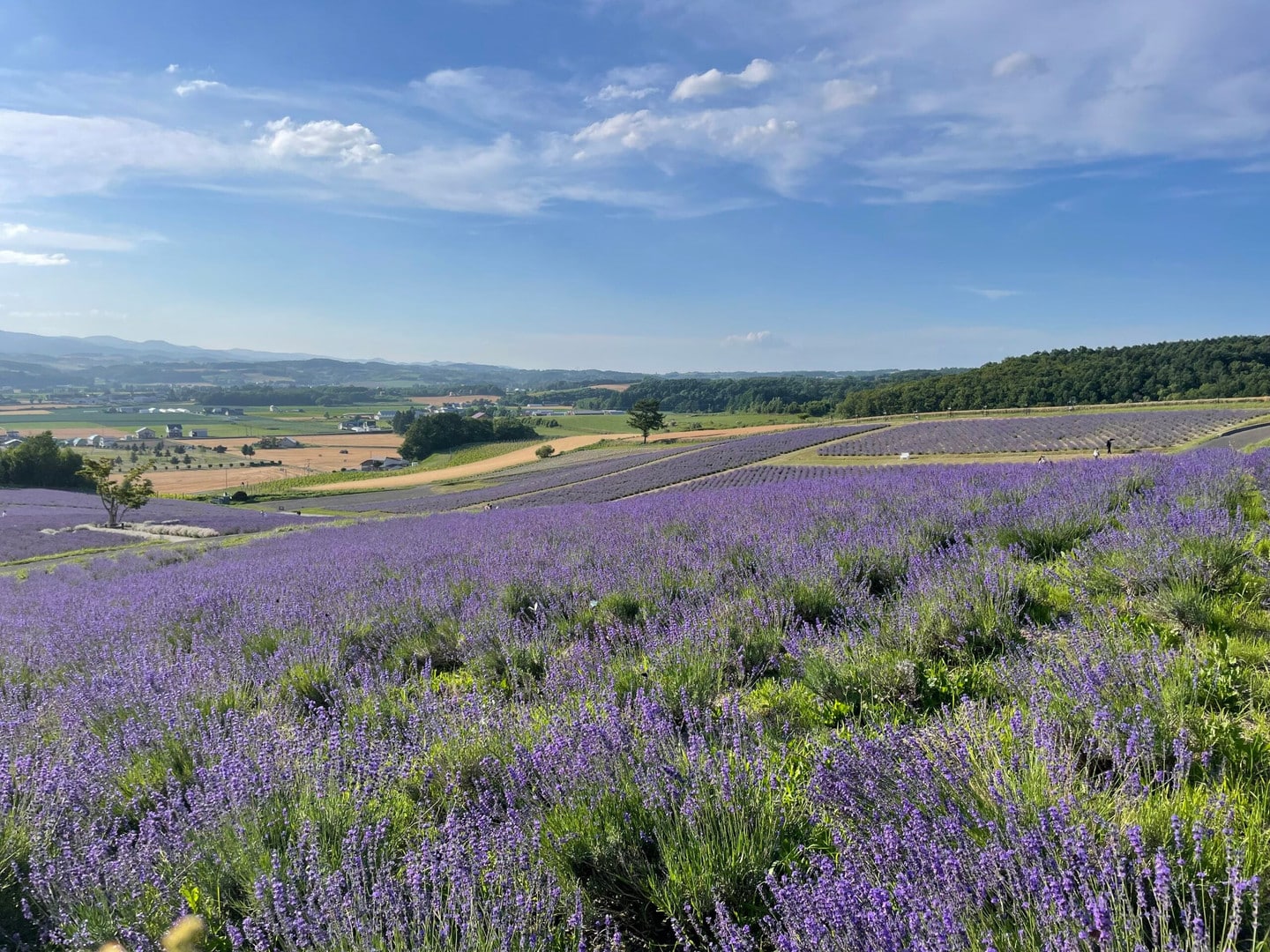
The Traditional Lavender Field is the first planting ground Farm Tomita opened in 1958. Its slope is covered in a sea of purple flowers set against the Tokachi mountain range, a classic spot for postcards and tourism posters. At peak bloom the hills turn deep purple, and the view from the top of the slope is one of Hokkaido’s signature summer scenes. The nearby lavender-colored mailbox (Lavender-iro Yubin Post) is a recently popular photo spot where you can post a postcard as a keepsake. We recommend going early in the morning or before evening to avoid the midday heat and crowds, and the light is softer too.
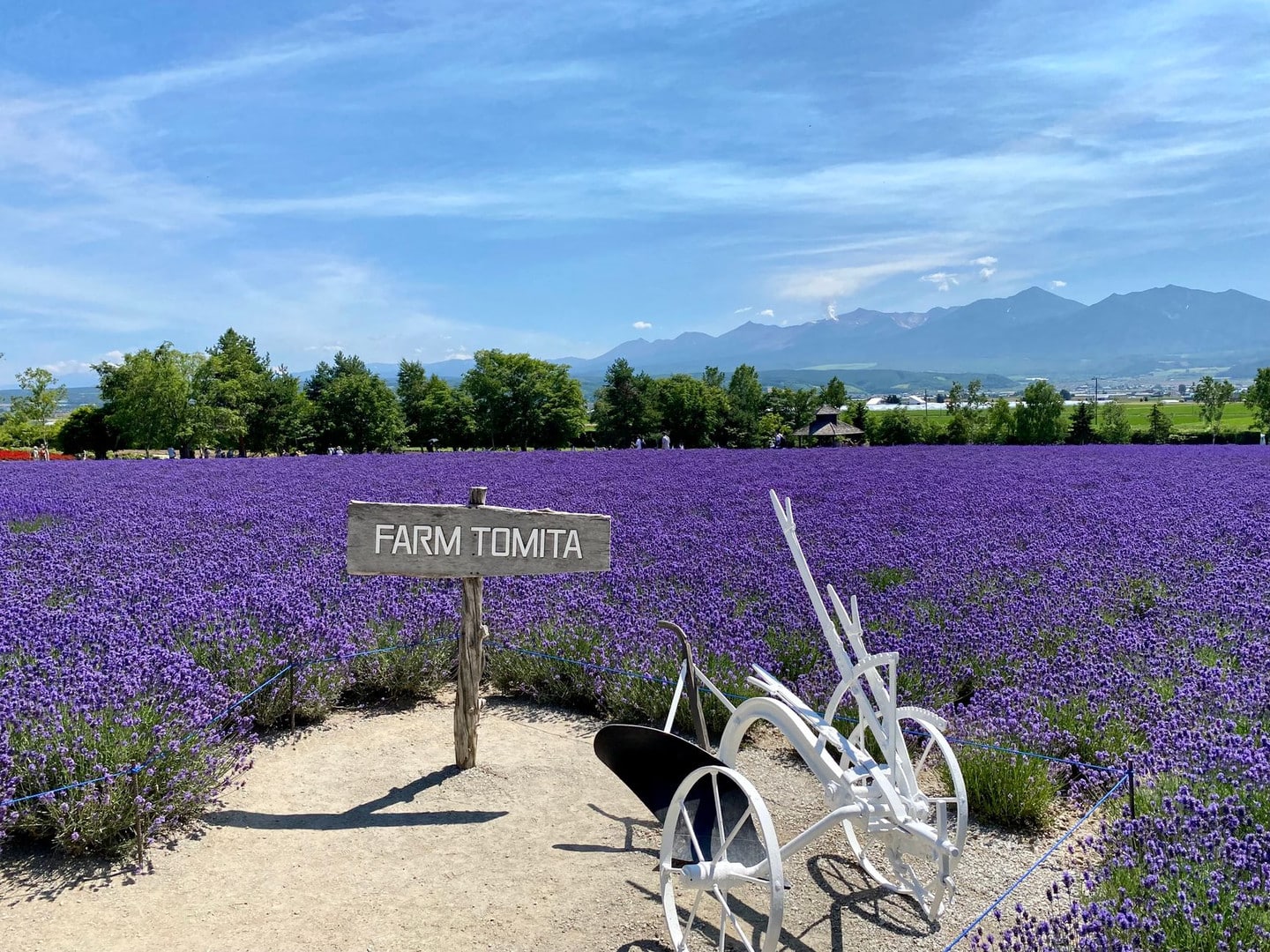

Forest Colorful Fields: A Quiet Sea of Flowers Ringed by Conifers
The Forest Colorful Fields sit above the slope of the farm, surrounded by tall conifers, and feel more secluded and quiet than the open Colorful Fields, with deeper, calmer tones. Because the ground is higher and farther from the entrance, crowds are relatively thin, and it suits visitors who want to avoid the bustle and stroll and take photos slowly.
This is also one of the few flower fields at Farm Tomita that keeps its original forest landscape. Walking at the border between flowers and trees you can feel both natural wildness and carefully planned floral design, a private route that only seasoned travelers specifically plan for.
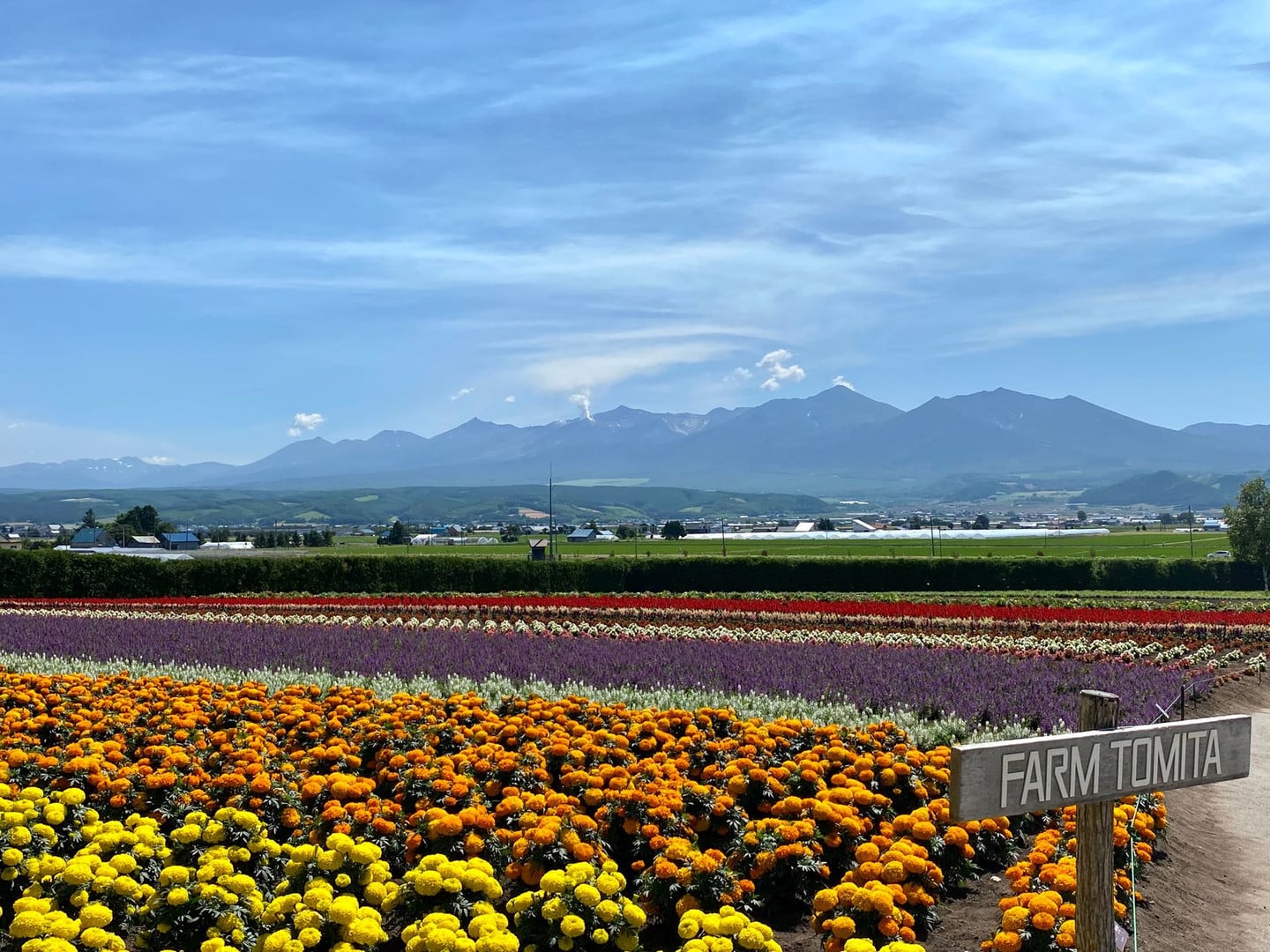
Hanabito no Hata: A Colorful Experimental Garden That Changes with the Seasons
Hanabito no Hata is themed around the changing seasons, with different flowers planted as the seasons turn; the official farm map also lists the “Spring Colored Field” and “Autumn Colored Field,” so there are flowers to see outside lavender season, and you can check conditions in the “Farm Diary” on the official website.
The fields here are arranged more irregularly and attractively, not in tidy stripes like the Colorful Fields but more like a naturally growing sea of flowers, suiting visitors who like photographing details and close-ups. It is also a recommended stroll for families, with gentle slopes and wide paths.
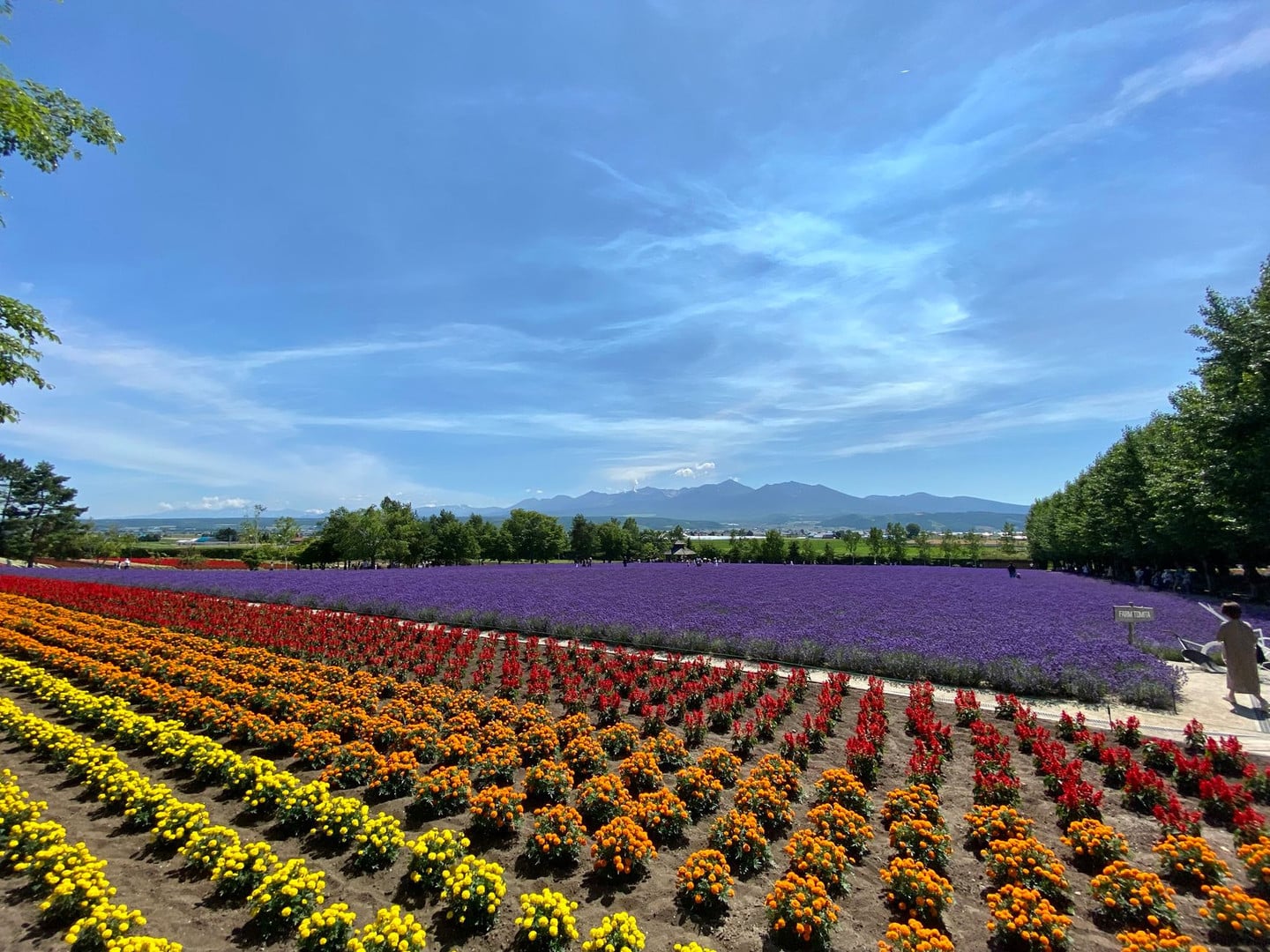
Saiwai no Hanabatake: A Flower Field and the Newly Built Saiwai no Komichi Observation Deck
Saiwai no Hanabatake is one of the farm’s official flower fields, and in April 2026 a new observation deck was built on the farm’s “Saiwai no Komichi” path, from which you can look out over the surrounding fields from above. The farm reminds visitors not to step into the flower fields (except on the paths) and to stay on the paths when taking photos.
We recommend visiting soon after opening or before evening for cleaner photos with fewer people.
Greenhouse and Dried Flower House: Indoor Flowers Whatever the Weather or Season
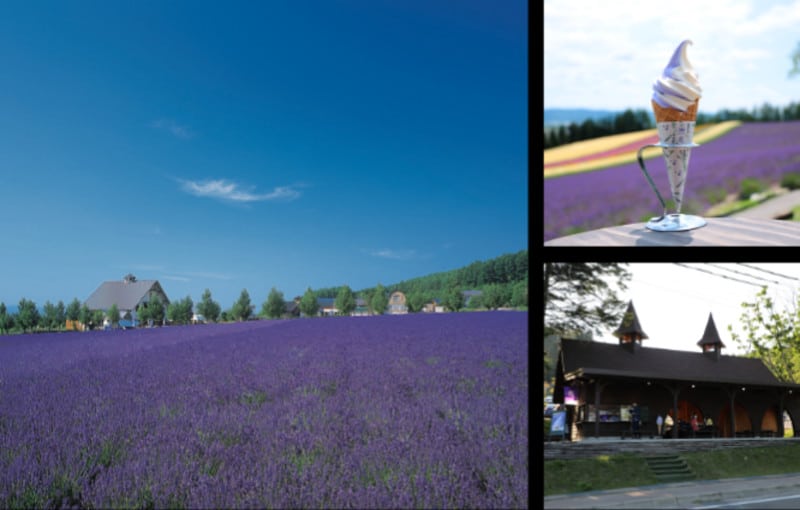
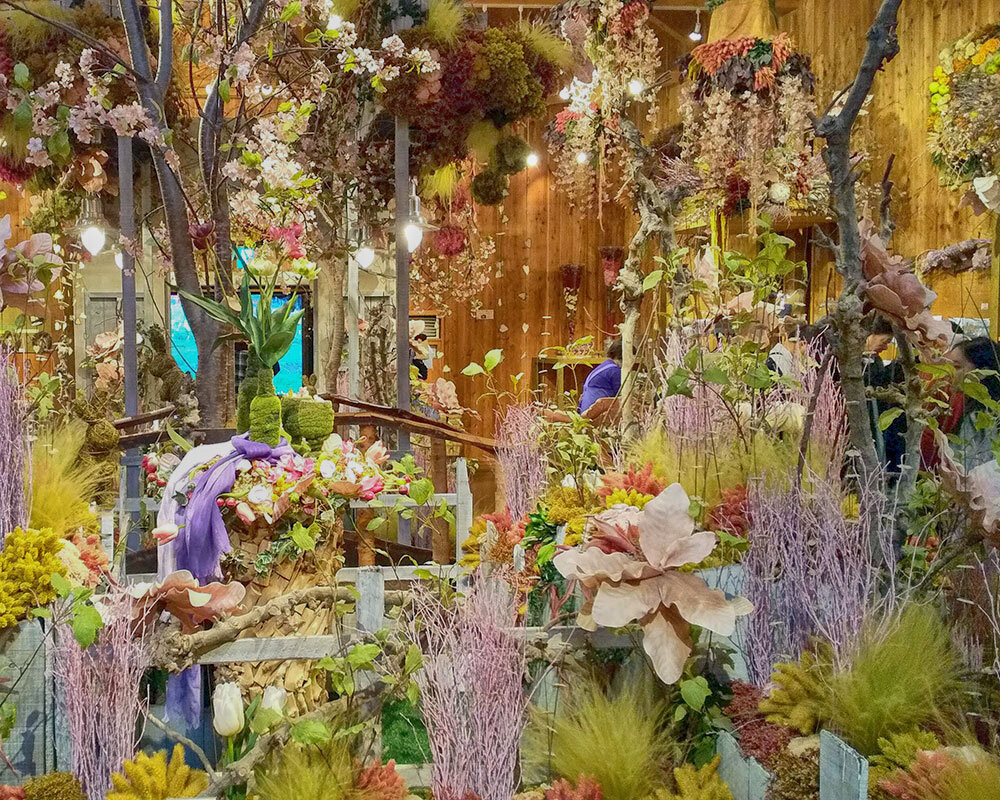
Farm Tomita has a Dried Flower House and a greenhouse (Green House), so even on rainy days or in the off-season of autumn and winter you can enjoy flowers and buy merchandise indoors. On the second floor of Hanabito-no-ie there is also a free “Aroma Experience Room” where you can make a scented bookmark using lavender oils from five varieties grown on the farm.
This is also one of the main places to buy lavender souvenirs, with essential oils, dried bouquets, soap and many other products on sale, a good last stop for an indoor rest and shopping after enjoying the flowers outdoors.
Farm Tomita Food: Lavender Soft Serve and Café Treats on the Farm
Farm Tomita’s signature is lavender soft serve made with lavender extract, with a refreshing flavor, ¥450 in a cone or ¥400 in a cup, sold at several shops on the farm; vanilla, melon and mixed flavors are also available, served from late April to late October. Café Rene next to Hanabito-no-ie is open in summer and serves light meals such as curry, with lunch hours from 10:30 to 14:30; hours change by season.
Hokusei-yama Lavender Park: A Town-Run Sky-High Flower Viewpoint in Nakafurano
Hokusei-yama Lavender Park is a lavender park run by the town of Nakafurano. Its biggest feature is the single-seat sightseeing chairlift that slowly climbs to the summit, where you look down over the whole Nakafurano Basin and the distant Tokachi mountains, from a viewing angle quite different from Farm Tomita.
The round-trip chairlift costs ¥700 for adults and ¥350 for children (in 2026 it operates from June 13 to August 23). It fits well into the morning or afternoon of the same day you visit Farm Tomita as a connecting stop, and is especially recommended for photography fans who like panoramic compositions.
Biei Shikisai-no-Oka: Colorful Hills Like a Rainbow Cake
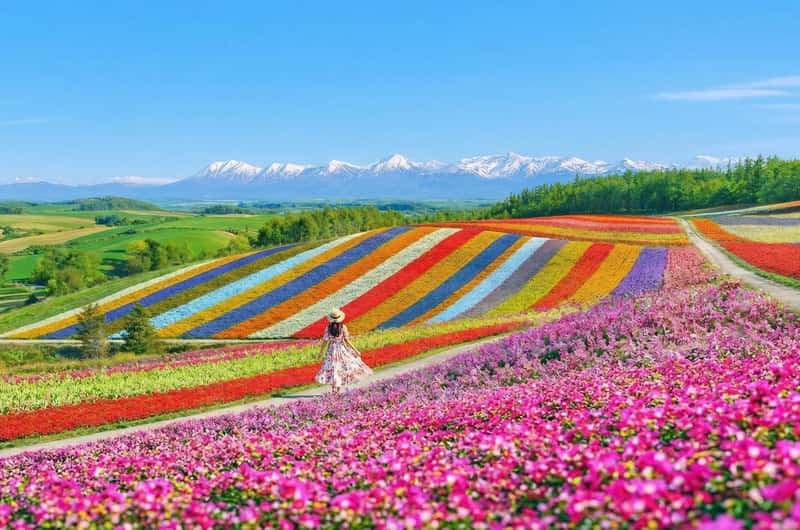
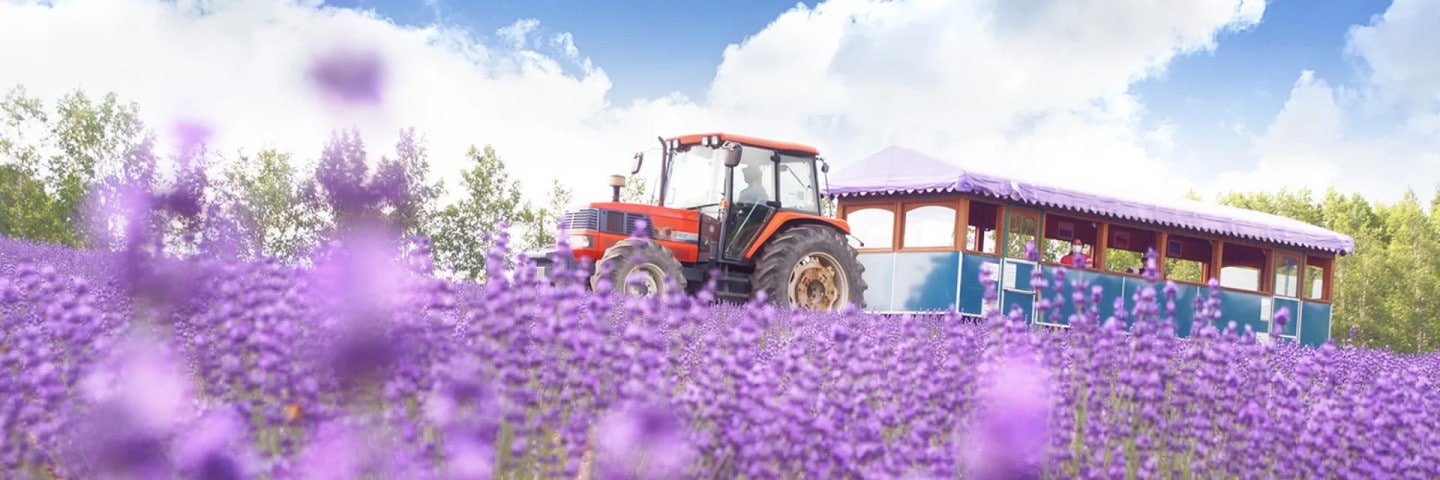
Biei Shikisai-no-Oka is in the town of Biei and is known for large blocks of color from flower fields on rolling hills, planted with salvia, marigolds, sunflowers and many other flowers. The bloom lasts from spring into autumn, longer than Farm Tomita’s lavender season, and an entry fee applies from July to September; inside you can tour the whole area on a flower-field tractor bus.
Unlike Farm Tomita’s “dense sea of flowers” feel, Shikisai-no-Oka stresses a “landscape-style” wide view. The two complement each other and are the most common pairing when planning a Furano and Biei day trip.
![[Includes 1-Person Departure Option ~ Early Bird Limited Offer | 50% OFF] Hokkaido Furano Day Tour | Farm Tomita Rainbow Fields & Biei Shikisai-no-Oka & Blue Pond | From Sapporo](https://travel.williamlion.tw/wp-content/uploads/sites/7/2026/08/image-512.jpg)

Shirogane Blue Pond: Hokkaido’s Dreamiest Cobalt-Blue Hidden Gem
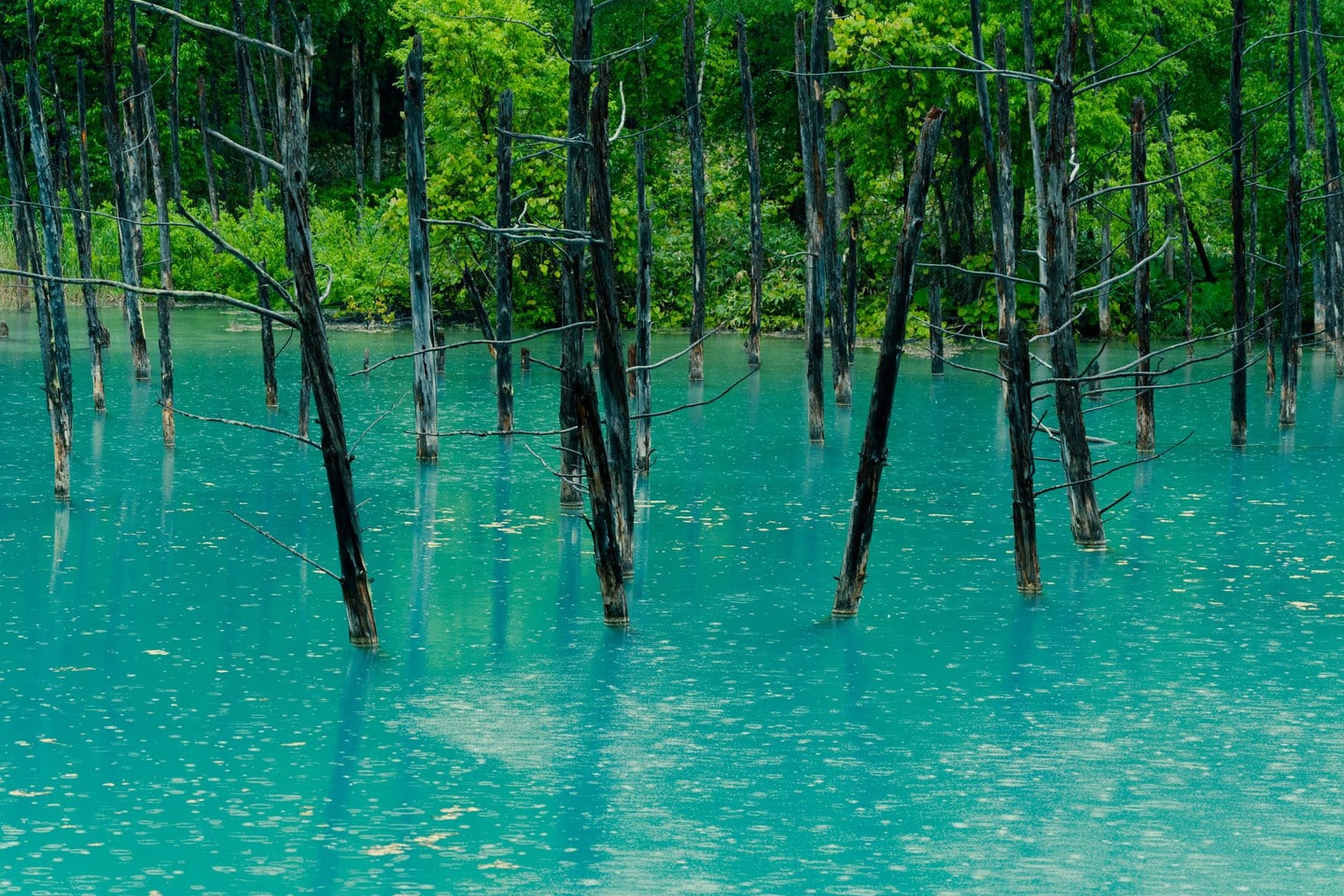
Shirogane Blue Pond (downstream of Shirahige Falls) has a dreamy cobalt-blue surface created by minerals in the water and the refraction of sunlight. The image of dead trees standing in the blue water was once chosen by Apple as a computer wallpaper, and it is one of the most popular sights in the Biei area.
We suggest fitting it in during the afternoon, when the light angle best brings out the layers of blue in the water. Illumination events after it freezes in winter are especially atmospheric, but summer lavender-viewing itineraries usually visit during the day.

Shirahige Falls: A Hidden Waterfall in a Deep-Blue Stream
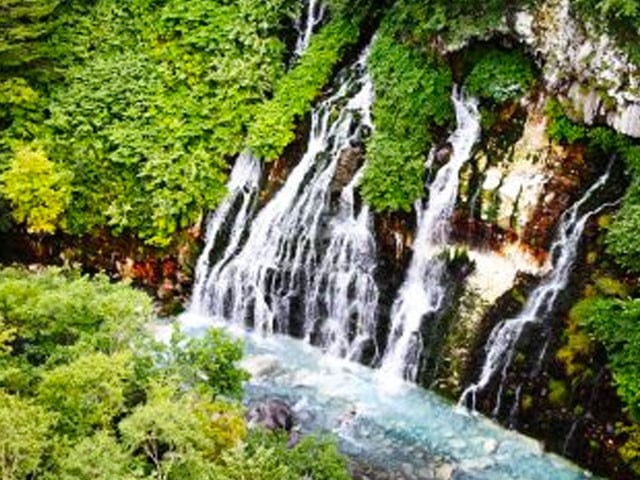
Shirahige Falls is in the Shirogane Onsen area on the upper Biei River, about a 4-minute drive from the Blue Pond. With a drop of about 30 meters, it is a seepage waterfall where groundwater oozes from cracks in the rock wall and flows into the Biei River, named for its resemblance to a white beard. The deep-blue stream contrasts sharply with the lush green forest around it, and a few minutes on the bridge are enough to capture the classic view, so it pairs well with the Blue Pond on the same side trip.
Ningle Terrace: A Wooden Craft Lane in the Forest
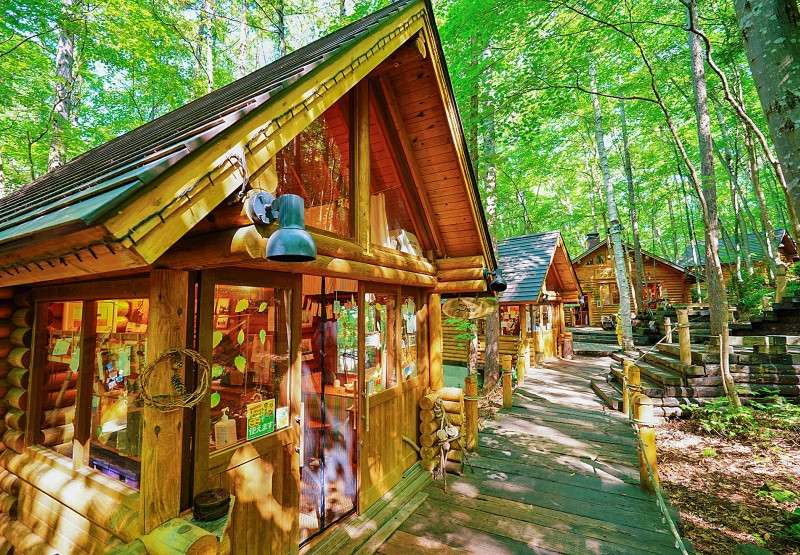
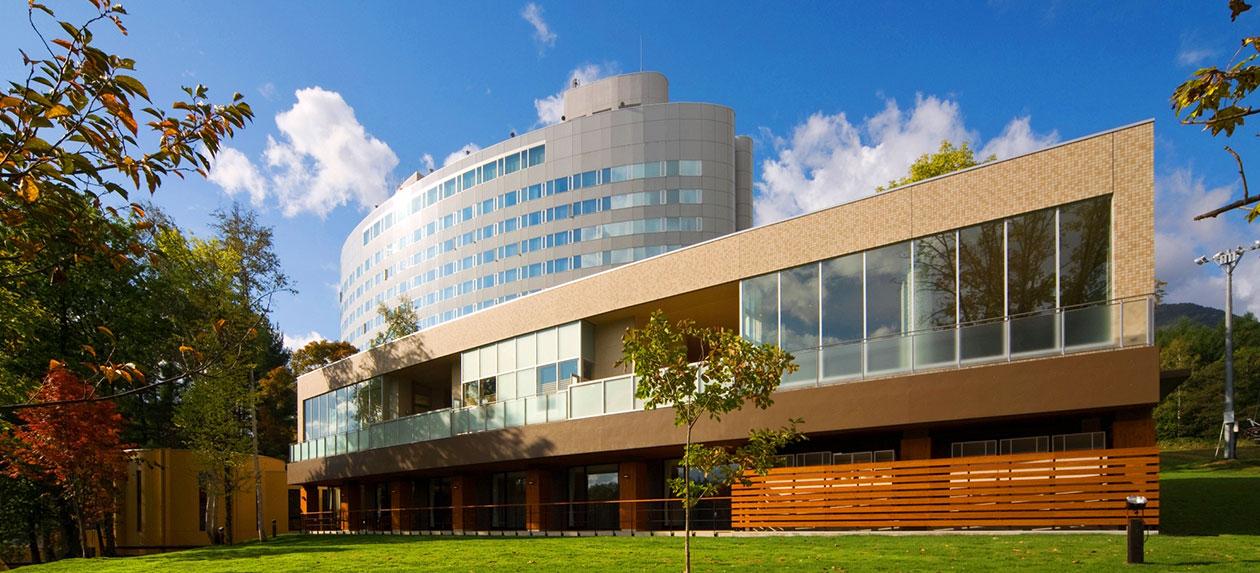
Ningle Terrace is within the grounds of the New Furano Prince Hotel, an elevated walkway of 15 wooden cabins hidden in a primeval birch forest. Once lit at night the atmosphere is especially dreamy, and the shops sell woodwork, glass and leather crafts handmade by Hokkaido artisans, a good evening stroll after a day of flower viewing.



Asahiyama Zoo: A Popular Japanese Zoo Famous for Behavioral Exhibits
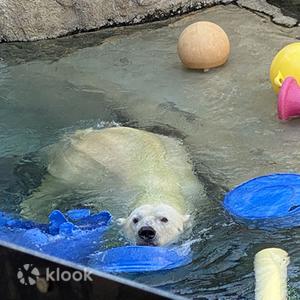
Asahiyama Zoo is in Asahikawa and is known across Japan for its “behavioral exhibits,” where visitors can watch penguins waddling and polar bears diving for food up close. Besides a Furano day trip, it is a good family add-on alternative; the drive takes about 1.5 hours, so plan a full day.

Nakafurano Shrine: A Quiet Place of Worship Beside the Flower Fields
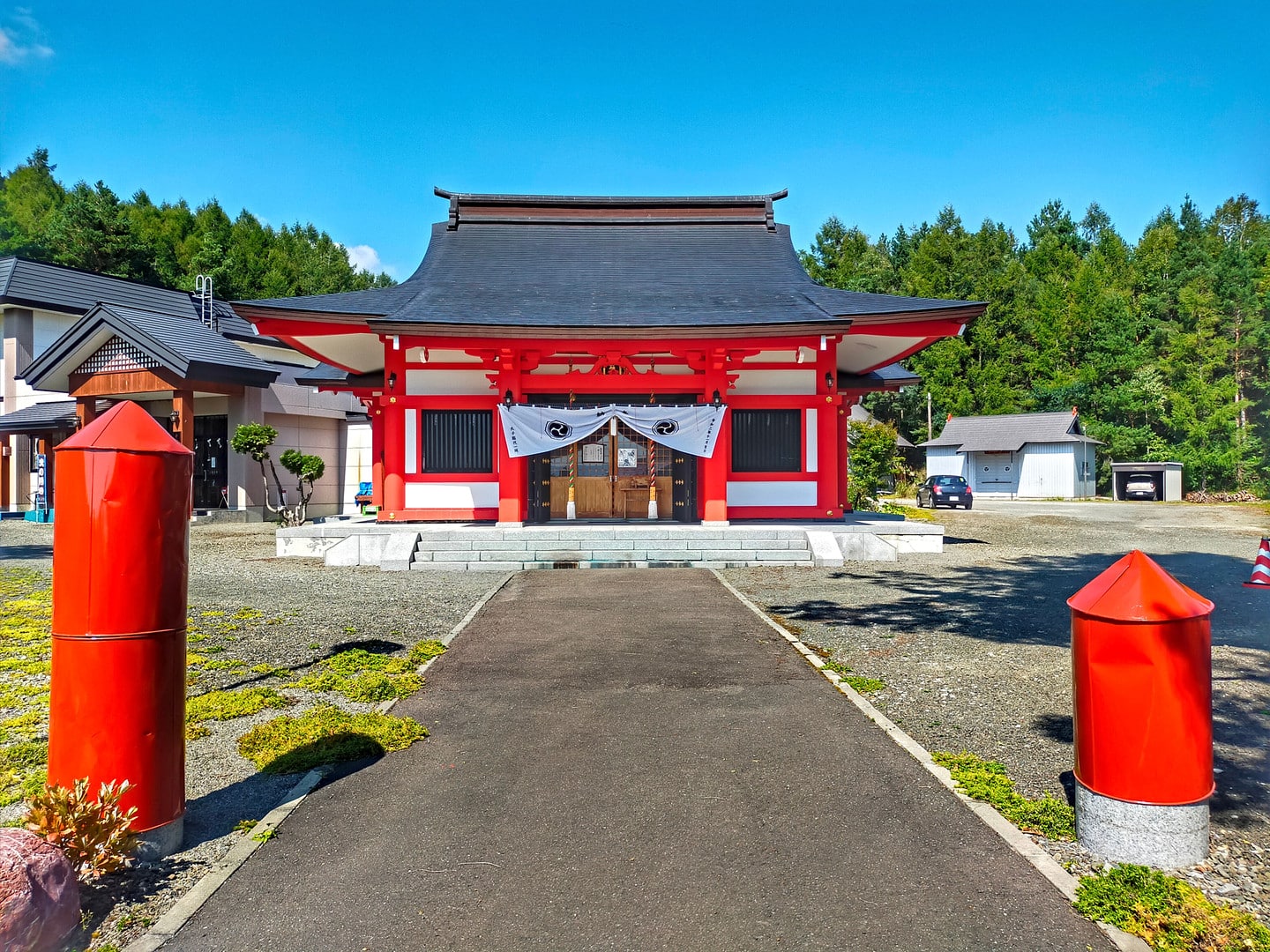
Nakafurano Shrine is on the mid-slope of Hokusei-yama. It began in 1901 (Meiji 34) when a wooden post was set at the base of an old tree in the Nakafurano town center to enshrine Amaterasu Omikami; until 1962 (Showa 37) the shrine building stood on flat ground before moving to its current elevated site. From the grounds you can see the pastoral scenery of Nakafurano, and goshuin seal stamps are available, so it suits a stop between flower viewing.
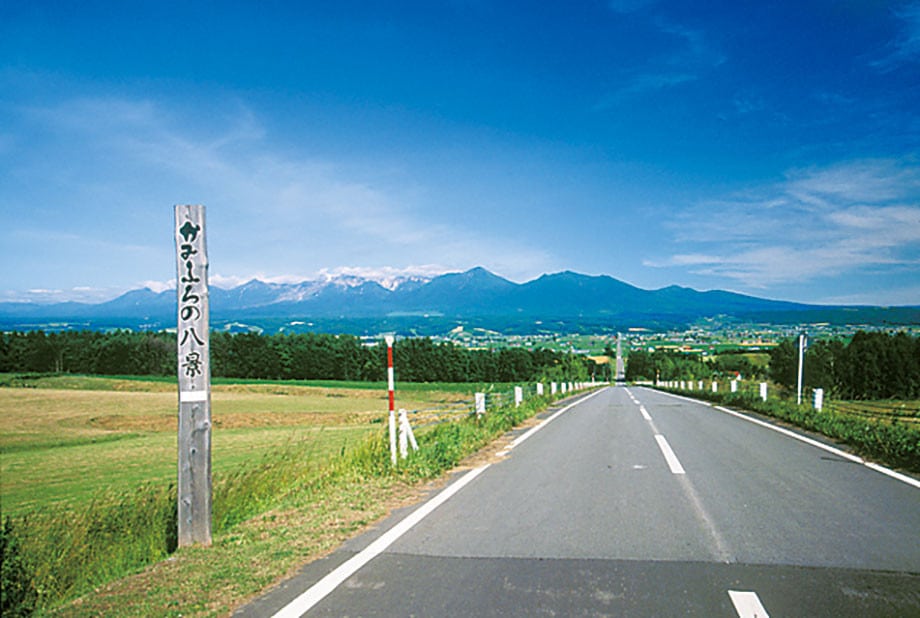
Panorama Road Ebana: A Scenic Straight Road, One of Kamifurano’s Eight Views
Panorama Road Ebana is a scenic road chosen as one of the “Kamifurano Eight Views.” A straight road stretches toward distant mountains and fields, with an especially wide view on clear days, a photo spot local residents keep to themselves. It is only about 15 minutes’ drive from Farm Tomita and suits visitors who like photographing Hokkaido’s countryside roads.
How Much Does It Cost to Visit Farm Tomita? Admission and Nearby Guided Tours
The good news is that Farm Tomita itself is open all year and completely free to enter, with no admission fee, which is one reason it became Hokkaido’s lavender landmark: whatever your budget, anyone can freely walk into the purple fields and take photos. However, Farm Tomita is in the outskirts of Furano and transport is not convenient, so if you do not drive, what you actually spend on is “how to get there” and “how to enjoy it more deeply.” Below are several common transport and nearby tour options, from the cheapest bus pass to the easiest private charter day trip, so you can choose by trip length and budget.
Furano & Biei Lavender Day Tour: The Easy Pick Departing from Sapporo
This tour sells well on KKday and Klook. Departing from central Sapporo (Odori Station and Sapporo Station), the coach visits Farm Tomita, Shikisai-no-Oka, the Blue Pond (Shirahige Falls) and Patchwork Road in turn, about 10 hours in all, with Chinese- and Japanese-speaking guides.
It leaves around 7:30 and returns to Sapporo at 18:00, with 1 to 1.5 hours of free time at Farm Tomita for photos, shopping and lavender soft serve.
Prices vary by departure date and season and are higher in the July bloom season; we suggest booking 2 to 3 weeks ahead, as peak mid-July weekends fill up easily.

Sapporo to Furano: Limited Express Train and Highway Bus Options
In summer JR Hokkaido’s sightseeing limited express “Furano Lavender Express” runs direct from Sapporo to Furano with no transfers in about 2 hours, all seats reserved; in 2026 it runs daily from June 13 to August 11. The ticket plus reserved-seat limited express ticket from Sapporo to Furano is usually ¥5,440.
You can also take the Hokkaido Chuo Bus “Express Furano-go,” about 2 hours 30 minutes from Sapporo Station to the Furano bus terminal. After arriving at Nakafurano you can walk about 25 minutes or take a taxi to the farm. Services are not frequent, so check the timetable before you set out; the wrong timing can leave you waiting a long time by the fields.
JR Furano-Biei Pass: A Deeper Option for Stays of Two Days or More
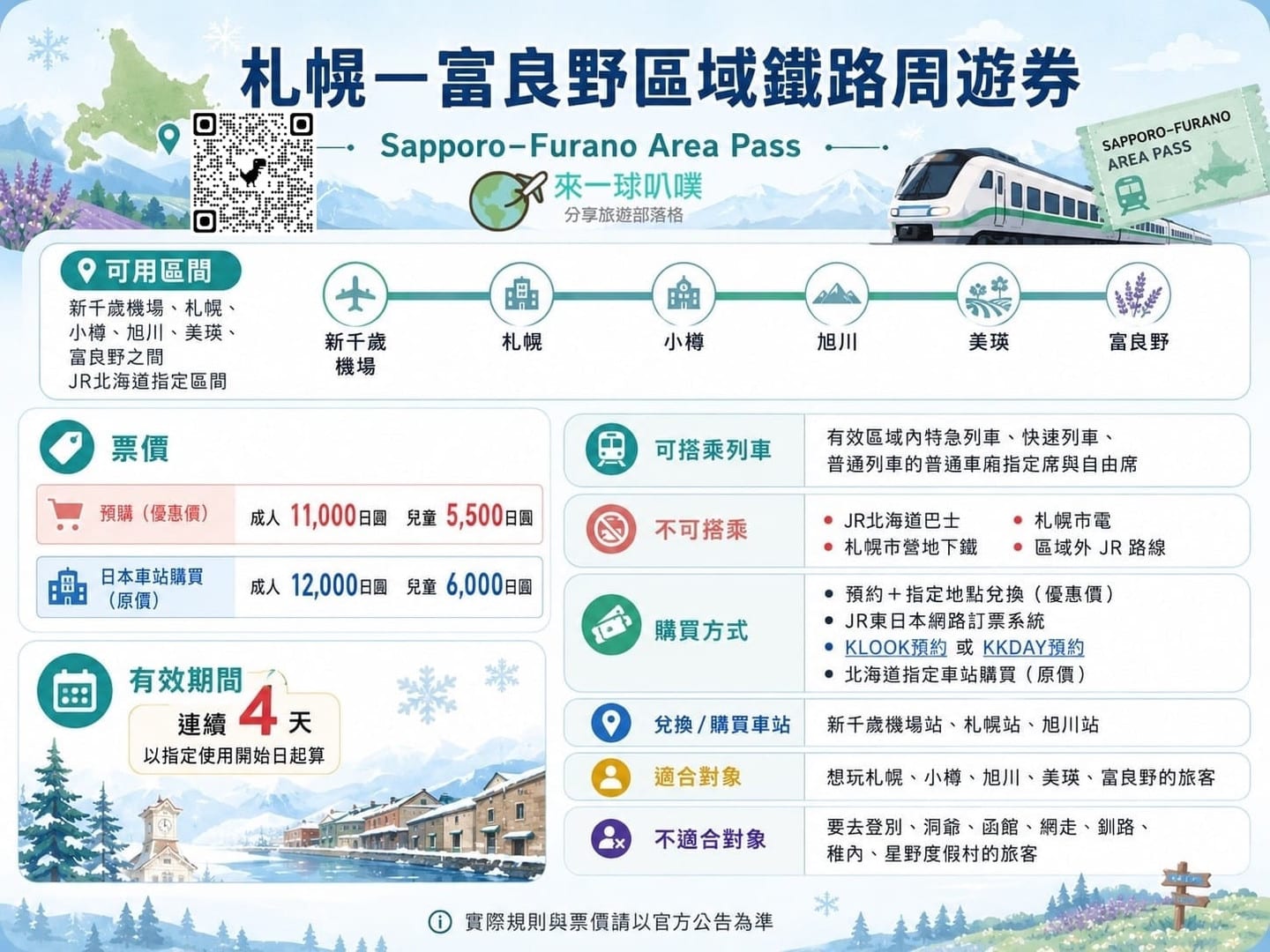
If you stay a night in Furano or Biei, you can use JR Hokkaido’s “Hokkaido Mannaka Nonbiri Train Pass,” at ¥3,300 for 1 day, ¥5,600 for 2 days and ¥6,900 for 3 days (2026), with unlimited rides on non-reserved seats of regular trains on the Furano Line and the Nemuro Line (Takikawa to Furano).
This pass links Nakafurano and the Biei line, but Nakafurano Station to Farm Tomita is still about a 25-minute walk; Farm Tomita opens at 8:30 in summer and you cannot enter outside opening hours.
Furano Private Charter Half-Day / Full-Day Tour: Saves Time and Effort, Includes Blue Pond and Biei Hills
Book a Chinese-speaking private charter through KKday or Klook, priced by an 8-seat minibus or sedan. A half-day itinerary (about 4 to 5 hours) can include Farm Tomita plus 1 to 2 other spots; a full-day charter can cover the Blue Pond, Patchwork Road, Shikisai-no-Oka and Furano city. Prices are per vehicle and can be split by the number of people; check the booking page for actual prices. The itinerary can be fully customized and the driver adjusts photo time to flower conditions, suiting older travelers, children or those with lots of camera gear, and it is also a rainy-day backup, as you can reach attraction entrances directly and get less wet.
Where to Stay Near Farm Tomita: 2026 Lavender Guide to Accommodation
Furano, Asahikawa or Sapporo for a Day Trip: How to Choose Among Three Bases
If you want to sleep in and view flowers at leisure, we suggest staying in central Furano, only about a 15-20 minute drive from Farm Tomita. The downside is high summer peak-season prices and scarce rooms, which must be booked months ahead. The next best option is Asahikawa as a base, with many hotels at relatively friendly prices, closer to Asahiyama Zoo, and about an hour’s drive to Farm Tomita, suiting a two-base Furano and Asahikawa trip. If time is limited, you can also make a same-day round trip from Sapporo, about 2.5 hours by car, leaving early and returning late, so you can still return to central Sapporo for nightlife and more accommodation choices in the evening.
FAQ
Q: How much is admission to Farm Tomita?
The whole farm is free to enter and needs no advance reservation; only food and merchandise on the farm cost extra. The nearby “Tomita Melon House” is unrelated to the farm.
Q: When is the 2026 lavender bloom at Farm Tomita?
The 2026 season is expected to run from late June to early August, with the best peak from early to mid-July, and harvesting finishing gradually from early to mid-August.
Q: What is the easiest way to get to Farm Tomita?
Take the JR Furano Line to “Nakafurano Station” and walk about 25 minutes or take a taxi for about 5 minutes; if driving, beware of bloom-season traffic and arrive around the 8:30 opening.
Q: Does Farm Tomita have a parking lot? Is parking paid?
The farm’s parking lot holds about 500 cars, is free and is usable only during opening hours; at peak bloom times it fills up easily, so arrive early or use public transport.
Q: Which should I choose, Farm Tomita or Shikisai-no-Oka?
Farm Tomita wins on dense purple lavender fields and a sense of cultural history, while Shikisai-no-Oka excels with wide, multicolored hill landscapes; if you have time, we suggest including both.
Q: What time is least crowded at Farm Tomita?
In summer (late June to mid-August) the hours are 8:30 to 17:30 and you cannot enter outside opening hours; we suggest arriving soon after opening or before evening, avoiding the tour groups and crowds after 10 a.m.
Q: Is Farm Tomita worth visiting outside lavender season?
Yes. Farm Tomita is open every day of the year, opens at 9:30 in October and November, has indoor facilities such as the Dried Flower House, and Hanabito no Hata plants different flowers with the seasons.

How to Get to Farm Tomita? 2026 Farm Tomita Lavender Guide to Transport Options and Costs
During flower season traffic around Furano is heavily jammed, so consider the railway first. Key points of each transport option are summarized below.
| Transport | Cost | Travel time / notes |
|---|---|---|
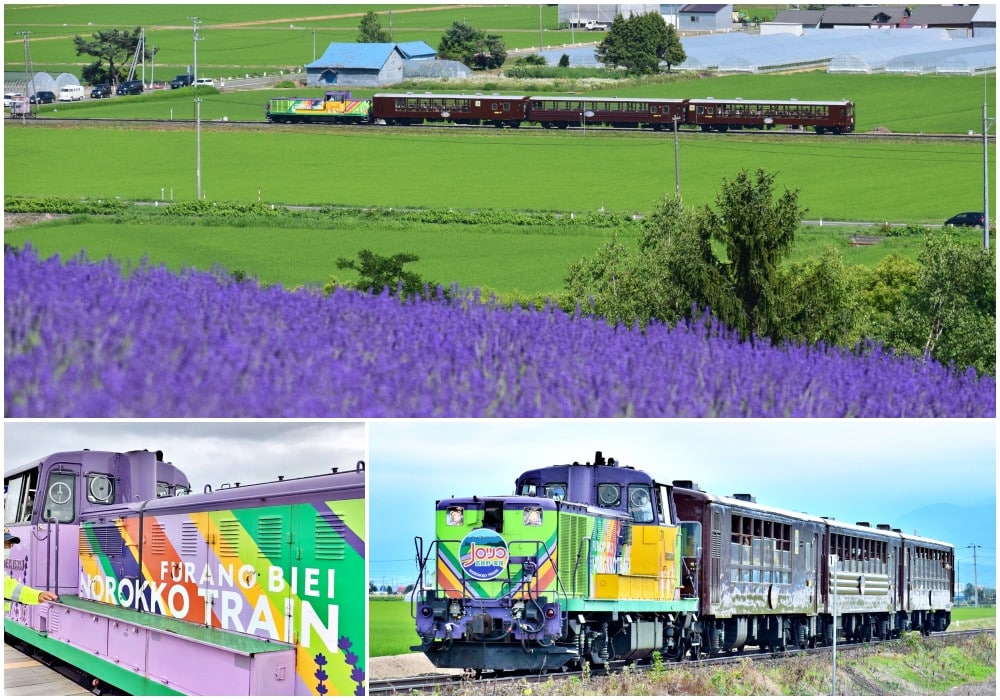
| Furano-Biei Norokko Train | Regular fare plus reserved-seat ticket from about ¥1,000 (reserved-seat ticket price rises in 2026); all cars are reserved seating from 2026 | Get off at Lavender-batake Station and walk 7 minutes; usable with the JR Hokkaido Rail Pass |
| JR Nemuro Main Line / Furano Line regular trains | Fare by section, about ¥300-500 | Get off at Nakafurano Station and walk about 25 minutes, or transfer to a taxi |
| Lavender Bus | Adults ¥500, children ¥250 | Shuttles between Lavender East and nearby flower fields, with multilingual audio guide |
| Driving / rental car | Free parking | Arrive before 08:30 to avoid the Marine Day long-weekend traffic |
How to Get to Farm Tomita? All Transport Options at a Glance
Take the JR Furano Line to “Nakafurano Station” and walk about 25 minutes or take a taxi for about 5 minutes; you can also take the Furano Bus express Lavender-go to the “Nakafurano” stop. The Furano-Biei Norokko Train, which made a temporary stop at Lavender-batake Station, ended operations on September 23, 2026. The Lavender Bus at Lavender East (summer only) costs ¥500 for adults, with announcements in four languages including Chinese. Driving is the most flexible and the farm has a free parking lot, but during the July peak (including long weekends) traffic jams are likely, so we suggest arriving around the 8:30 opening; you cannot enter outside opening hours.

Farm Tomita Opening Hours and Rules: Opens at 8:30, Tripods Banned
Farm Tomita is open every day of the year. From late June to mid-August the hours are 8:30 to 17:30, and in October and November it opens at 9:30. You cannot enter outside opening hours, and the parking lot is only usable during opening hours. Tripods and drones are banned throughout the farm, outside food and pets may not be brought in, and entering the flower fields is prohibited except on the paths; admission and parking are both free with no reservation needed.
Must-See Spots for the 2026 Farm Tomita Lavender Guide: Every Flower Field and Nearby Highlight
Below are the flower zones inside Farm Tomita and the must-visit sights near Furano and Biei.
Traditional Lavender Field: The Original 1958 Sea of Flowers at Farm Tomita
The Traditional Lavender Field is the first planting ground Farm Tomita opened in 1958. Its slope is covered in a sea of purple flowers set against the Tokachi mountain range, a classic spot for postcards and tourism posters. At peak bloom the hills turn deep purple, and the view from the top of the slope is one of Hokkaido’s signature summer scenes. The nearby lavender-colored mailbox (Lavender-iro Yubin Post) is a recently popular photo spot where you can post a postcard as a keepsake. We recommend going early in the morning or before evening to avoid the midday heat and crowds, and the light is softer too.
Forest Colorful Fields: A Quiet Sea of Flowers Ringed by Conifers
The Forest Colorful Fields sit above the slope of the farm, surrounded by tall conifers, and feel more secluded and quiet than the open Colorful Fields, with deeper, calmer tones. Because the ground is higher and farther from the entrance, crowds are relatively thin, and it suits visitors who want to avoid the bustle and stroll and take photos slowly.
This is also one of the few flower fields at Farm Tomita that keeps its original forest landscape. Walking at the border between flowers and trees you can feel both natural wildness and carefully planned floral design, a private route that only seasoned travelers specifically plan for.
Hanabito no Hata: A Colorful Experimental Garden That Changes with the Seasons
Hanabito no Hata is themed around the changing seasons, with different flowers planted as the seasons turn; the official farm map also lists the “Spring Colored Field” and “Autumn Colored Field,” so there are flowers to see outside lavender season, and you can check conditions in the “Farm Diary” on the official website.
The fields here are arranged more irregularly and attractively, not in tidy stripes like the Colorful Fields but more like a naturally growing sea of flowers, suiting visitors who like photographing details and close-ups. It is also a recommended stroll for families, with gentle slopes and wide paths.
Saiwai no Hanabatake: A Flower Field and the Newly Built Saiwai no Komichi Observation Deck
Saiwai no Hanabatake is one of the farm’s official flower fields, and in April 2026 a new observation deck was built on the farm’s “Saiwai no Komichi” path, from which you can look out over the surrounding fields from above. The farm reminds visitors not to step into the flower fields (except on the paths) and to stay on the paths when taking photos.
We recommend visiting soon after opening or before evening for cleaner photos with fewer people.
Greenhouse and Dried Flower House: Indoor Flowers Whatever the Weather or Season
Farm Tomita has a Dried Flower House and a greenhouse (Green House), so even on rainy days or in the off-season of autumn and winter you can enjoy flowers and buy merchandise indoors. On the second floor of Hanabito-no-ie there is also a free “Aroma Experience Room” where you can make a scented bookmark using lavender oils from five varieties grown on the farm.
This is also one of the main places to buy lavender souvenirs, with essential oils, dried bouquets, soap and many other products on sale, a good last stop for an indoor rest and shopping after enjoying the flowers outdoors.
Farm Tomita Food: Lavender Soft Serve and Café Treats on the Farm
Farm Tomita’s signature is lavender soft serve made with lavender extract, with a refreshing flavor, ¥450 in a cone or ¥400 in a cup, sold at several shops on the farm; vanilla, melon and mixed flavors are also available, served from late April to late October. Café Rene next to Hanabito-no-ie is open in summer and serves light meals such as curry, with lunch hours from 10:30 to 14:30; hours change by season.
Hokusei-yama Lavender Park: A Town-Run Sky-High Flower Viewpoint in Nakafurano
Hokusei-yama Lavender Park is a lavender park run by the town of Nakafurano. Its biggest feature is the single-seat sightseeing chairlift that slowly climbs to the summit, where you look down over the whole Nakafurano Basin and the distant Tokachi mountains, from a viewing angle quite different from Farm Tomita.
The round-trip chairlift costs ¥700 for adults and ¥350 for children (in 2026 it operates from June 13 to August 23). It fits well into the morning or afternoon of the same day you visit Farm Tomita as a connecting stop, and is especially recommended for photography fans who like panoramic compositions.
Biei Shikisai-no-Oka: Colorful Hills Like a Rainbow Cake
Biei Shikisai-no-Oka is in the town of Biei and is known for large blocks of color from flower fields on rolling hills, planted with salvia, marigolds, sunflowers and many other flowers. The bloom lasts from spring into autumn, longer than Farm Tomita’s lavender season, and an entry fee applies from July to September; inside you can tour the whole area on a flower-field tractor bus.
Unlike Farm Tomita’s “dense sea of flowers” feel, Shikisai-no-Oka stresses a “landscape-style” wide view. The two complement each other and are the most common pairing when planning a Furano and Biei day trip.
Shirogane Blue Pond: Hokkaido’s Dreamiest Cobalt-Blue Hidden Gem
Shirogane Blue Pond (downstream of Shirahige Falls) has a dreamy cobalt-blue surface created by minerals in the water and the refraction of sunlight. The image of dead trees standing in the blue water was once chosen by Apple as a computer wallpaper, and it is one of the most popular sights in the Biei area.
We suggest fitting it in during the afternoon, when the light angle best brings out the layers of blue in the water. Illumination events after it freezes in winter are especially atmospheric, but summer lavender-viewing itineraries usually visit during the day.
Shirahige Falls: A Hidden Waterfall in a Deep-Blue Stream
Shirahige Falls is in the Shirogane Onsen area on the upper Biei River, about a 4-minute drive from the Blue Pond. With a drop of about 30 meters, it is a seepage waterfall where groundwater oozes from cracks in the rock wall and flows into the Biei River, named for its resemblance to a white beard. The deep-blue stream contrasts sharply with the lush green forest around it, and a few minutes on the bridge are enough to capture the classic view, so it pairs well with the Blue Pond on the same side trip.
Ningle Terrace: A Wooden Craft Lane in the Forest
Ningle Terrace is within the grounds of the New Furano Prince Hotel, an elevated walkway of 15 wooden cabins hidden in a primeval birch forest. Once lit at night the atmosphere is especially dreamy, and the shops sell woodwork, glass and leather crafts handmade by Hokkaido artisans, a good evening stroll after a day of flower viewing.
Asahiyama Zoo: A Popular Japanese Zoo Famous for Behavioral Exhibits
Asahiyama Zoo is in Asahikawa and is known across Japan for its “behavioral exhibits,” where visitors can watch penguins waddling and polar bears diving for food up close. Besides a Furano day trip, it is a good family add-on alternative; the drive takes about 1.5 hours, so plan a full day.
Nakafurano Shrine: A Quiet Place of Worship Beside the Flower Fields
Nakafurano Shrine is on the mid-slope of Hokusei-yama. It began in 1901 (Meiji 34) when a wooden post was set at the base of an old tree in the Nakafurano town center to enshrine Amaterasu Omikami; until 1962 (Showa 37) the shrine building stood on flat ground before moving to its current elevated site. From the grounds you can see the pastoral scenery of Nakafurano, and goshuin seal stamps are available, so it suits a stop between flower viewing.
Panorama Road Ebana: A Scenic Straight Road, One of Kamifurano’s Eight Views
Panorama Road Ebana is a scenic road chosen as one of the “Kamifurano Eight Views.” A straight road stretches toward distant mountains and fields, with an especially wide view on clear days, a photo spot local residents keep to themselves. It is only about 15 minutes’ drive from Farm Tomita and suits visitors who like photographing Hokkaido’s countryside roads.
How Much Does It Cost to Visit Farm Tomita? Admission and Nearby Guided Tours
The good news is that Farm Tomita itself is open all year and completely free to enter, with no admission fee, which is one reason it became Hokkaido’s lavender landmark: whatever your budget, anyone can freely walk into the purple fields and take photos. However, Farm Tomita is in the outskirts of Furano and transport is not convenient, so if you do not drive, what you actually spend on is “how to get there” and “how to enjoy it more deeply.” Below are several common transport and nearby tour options, from the cheapest bus pass to the easiest private charter day trip, so you can choose by trip length and budget.
Furano & Biei Lavender Day Tour: The Easy Pick Departing from Sapporo
This tour sells well on KKday and Klook. Departing from central Sapporo (Odori Station and Sapporo Station), the coach visits Farm Tomita, Shikisai-no-Oka, the Blue Pond (Shirahige Falls) and Patchwork Road in turn, about 10 hours in all, with Chinese- and Japanese-speaking guides.
It leaves around 7:30 and returns to Sapporo at 18:00, with 1 to 1.5 hours of free time at Farm Tomita for photos, shopping and lavender soft serve.
Prices vary by departure date and season and are higher in the July bloom season; we suggest booking 2 to 3 weeks ahead, as peak mid-July weekends fill up easily.
Sapporo to Furano: Limited Express Train and Highway Bus Options
In summer JR Hokkaido’s sightseeing limited express “Furano Lavender Express” runs direct from Sapporo to Furano with no transfers in about 2 hours, all seats reserved; in 2026 it runs daily from June 13 to August 11. The ticket plus reserved-seat limited express ticket from Sapporo to Furano is usually ¥5,440.
You can also take the Hokkaido Chuo Bus “Express Furano-go,” about 2 hours 30 minutes from Sapporo Station to the Furano bus terminal. After arriving at Nakafurano you can walk about 25 minutes or take a taxi to the farm. Services are not frequent, so check the timetable before you set out; the wrong timing can leave you waiting a long time by the fields.
JR Furano-Biei Pass: A Deeper Option for Stays of Two Days or More
If you stay a night in Furano or Biei, you can use JR Hokkaido’s “Hokkaido Mannaka Nonbiri Train Pass,” at ¥3,300 for 1 day, ¥5,600 for 2 days and ¥6,900 for 3 days (2026), with unlimited rides on non-reserved seats of regular trains on the Furano Line and the Nemuro Line (Takikawa to Furano).
This pass links Nakafurano and the Biei line, but Nakafurano Station to Farm Tomita is still about a 25-minute walk; Farm Tomita opens at 8:30 in summer and you cannot enter outside opening hours.
Furano Private Charter Half-Day / Full-Day Tour: Saves Time and Effort, Includes Blue Pond and Biei Hills
Book a Chinese-speaking private charter through KKday or Klook, priced by an 8-seat minibus or sedan. A half-day itinerary (about 4 to 5 hours) can include Farm Tomita plus 1 to 2 other spots; a full-day charter can cover the Blue Pond, Patchwork Road, Shikisai-no-Oka and Furano city. Prices are per vehicle and can be split by the number of people; check the booking page for actual prices. The itinerary can be fully customized and the driver adjusts photo time to flower conditions, suiting older travelers, children or those with lots of camera gear, and it is also a rainy-day backup, as you can reach attraction entrances directly and get less wet.
Where to Stay Near Farm Tomita: 2026 Lavender Guide to Accommodation
Furano, Asahikawa or Sapporo for a Day Trip: How to Choose Among Three Bases
If you want to sleep in and view flowers at leisure, we suggest staying in central Furano, only about a 15-20 minute drive from Farm Tomita. The downside is high summer peak-season prices and scarce rooms, which must be booked months ahead. The next best option is Asahikawa as a base, with many hotels at relatively friendly prices, closer to Asahiyama Zoo, and about an hour’s drive to Farm Tomita, suiting a two-base Furano and Asahikawa trip. If time is limited, you can also make a same-day round trip from Sapporo, about 2.5 hours by car, leaving early and returning late, so you can still return to central Sapporo for nightlife and more accommodation choices in the evening.
FAQ
Q: How much is admission to Farm Tomita?
The whole farm is free to enter and needs no advance reservation; only food and merchandise on the farm cost extra. The nearby “Tomita Melon House” is unrelated to the farm.
Q: When is the 2026 lavender bloom at Farm Tomita?
The 2026 season is expected to run from late June to early August, with the best peak from early to mid-July, and harvesting finishing gradually from early to mid-August.
Q: What is the easiest way to get to Farm Tomita?
Take the JR Furano Line to “Nakafurano Station” and walk about 25 minutes or take a taxi for about 5 minutes; if driving, beware of bloom-season traffic and arrive around the 8:30 opening.
Q: Does Farm Tomita have a parking lot? Is parking paid?
The farm’s parking lot holds about 500 cars, is free and is usable only during opening hours; at peak bloom times it fills up easily, so arrive early or use public transport.
Q: Which should I choose, Farm Tomita or Shikisai-no-Oka?
Farm Tomita wins on dense purple lavender fields and a sense of cultural history, while Shikisai-no-Oka excels with wide, multicolored hill landscapes; if you have time, we suggest including both.
Q: What time is least crowded at Farm Tomita?
In summer (late June to mid-August) the hours are 8:30 to 17:30 and you cannot enter outside opening hours; we suggest arriving soon after opening or before evening, avoiding the tour groups and crowds after 10 a.m.
Q: Is Farm Tomita worth visiting outside lavender season?
Yes. Farm Tomita is open every day of the year, opens at 9:30 in October and November, has indoor facilities such as the Dried Flower House, and Hanabito no Hata plants different flowers with the seasons.
Farm Tomita Lavender Guide 2026: Best Bloom Time, Transport Tips and Must-Try Food in Hokkaido’s Most Romantic Purple Summer Fields
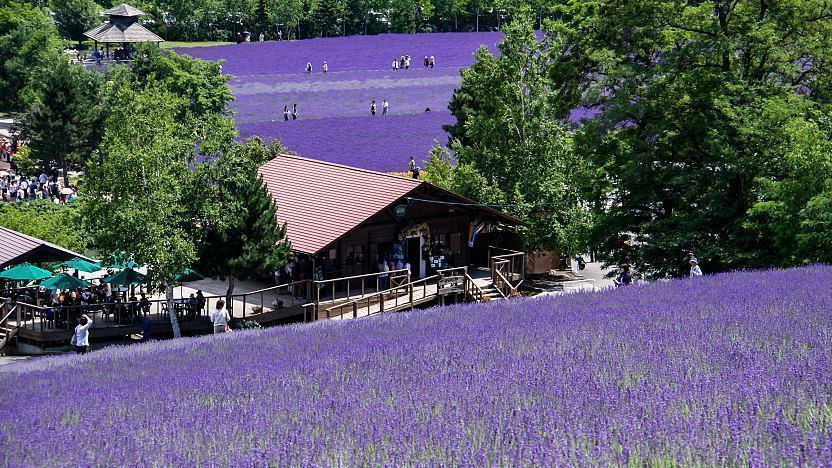
Farm Tomita is in Nakafurano, Hokkaido, and is the region’s signature lavender farm, with free admission and free parking. The peak for flower viewing usually falls from early to mid-July.
Farm Tomita has grown lavender since 1958 and is a tourist farm famous across Japan. Besides classic purple lavender, baby’s breath, poppies, snapdragons and many other flowers weave together into rainbow-like “colorful flower fields.” Whether you are a first-time visitor to Hokkaido or a seasoned traveler who has been several times, Farm Tomita is a core stop when planning a Furano and Biei day trip. We usually suggest setting aside at least 1.5 to 2.5 hours to stroll leisurely through each flower zone and try the limited-edition food.
This guide breaks down the latest 2026 bloom forecast, practical tips for avoiding crowds and driving traffic jams, detailed introductions to the flower fields in the farm and nearby sights, and lists must-try food and souvenirs, so you can plan this purple-flower trip as efficiently as possible.
Colorful Fields, Furano
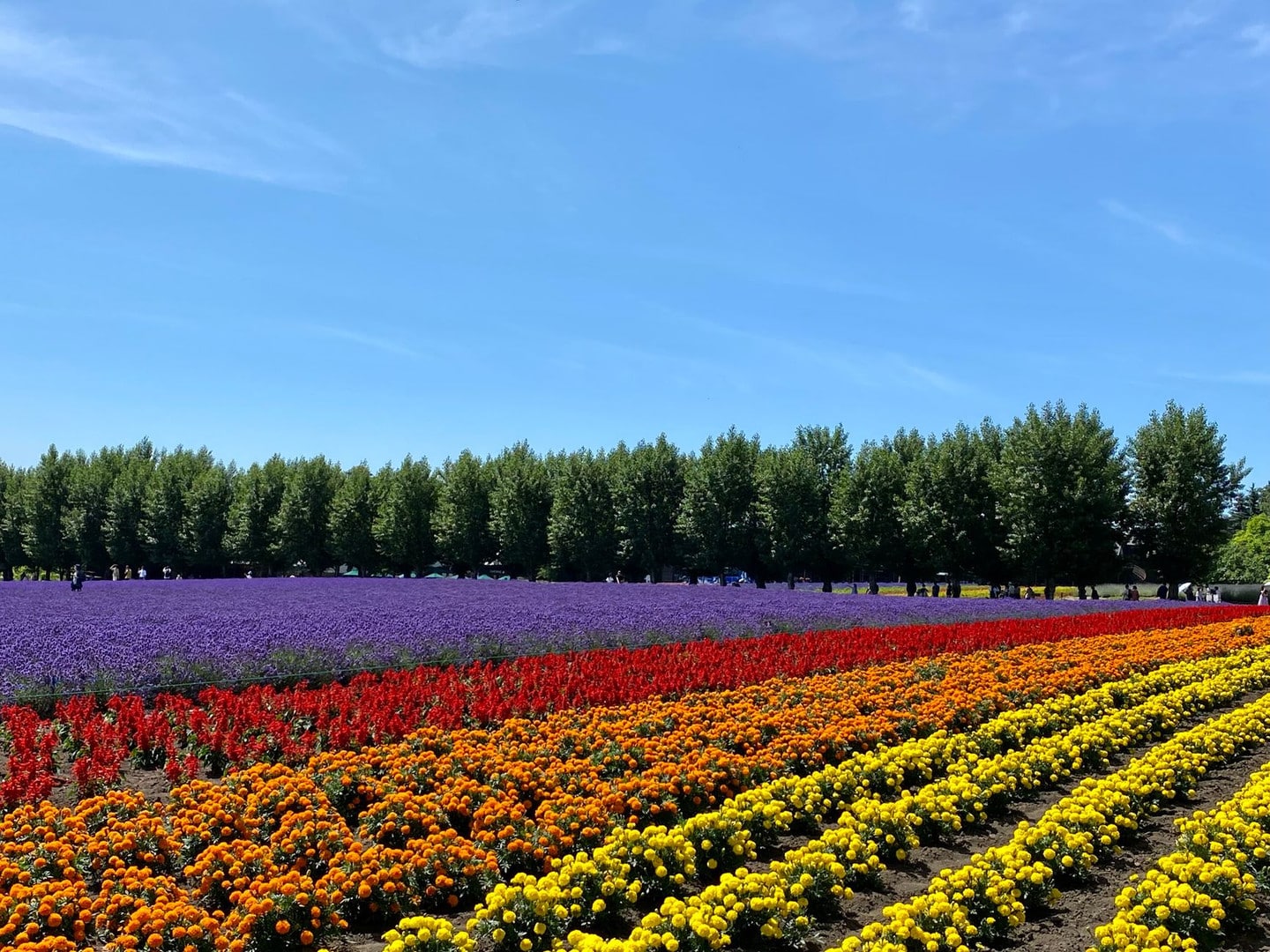
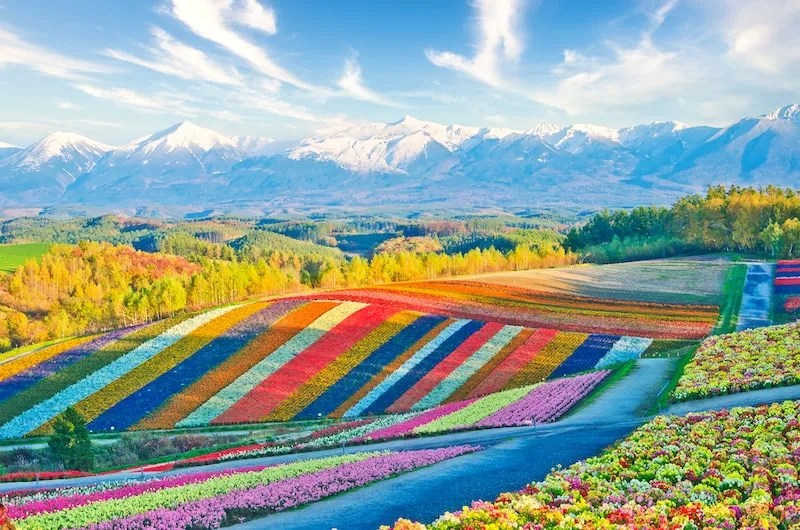
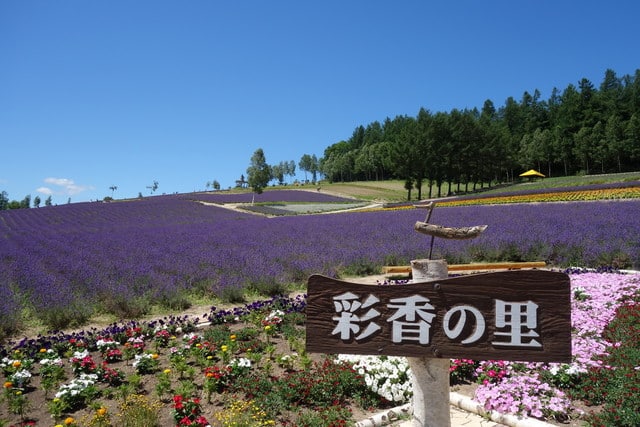
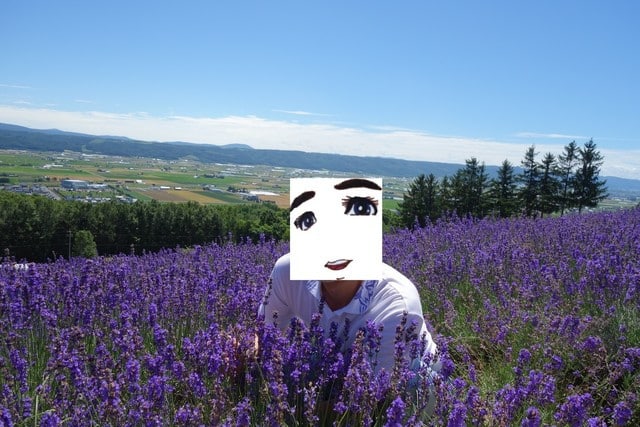
The Colorful Fields are Farm Tomita’s most representative zone and the most photographed on social media. Lavender, baby’s breath, poppies, snapdragons and other multicolored flowers are planted side by side, looking from above like a rainbow laid over the hills. The flowers are at their fullest from early to mid-July, and from August some colors begin to fade, so for photos we recommend going in mid-July. This zone is also the favorite photo spot of tour bus groups, and crowds clearly grow after noon, so go in the morning for cleaner shots.
Lavender East, Furano
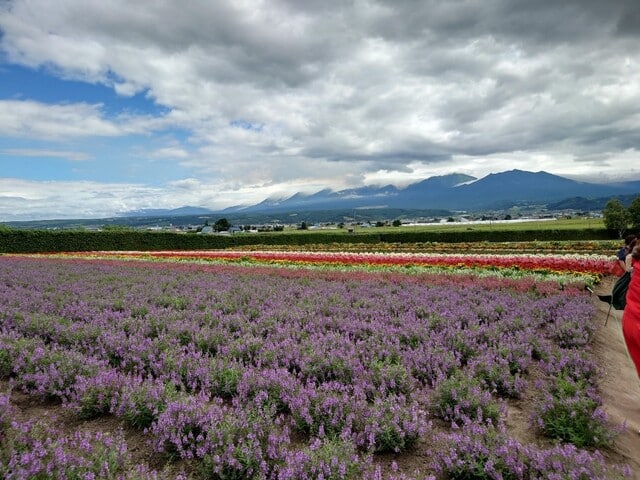
Lavender East is a branch field of Farm Tomita about 4 km from the main farm and one of Japan’s largest lavender fields, open only around July each year; in 2026 it is open from June 20 to July 20 (9:30-16:30). The grounds are vast and gentle, and from the high point you can hardly see the edge of the fields, a more striking sight than the main farm. The Lavender Bus inside the park costs ¥500 for adults and ¥250 for children and circles the fields in about 15 to 20 minutes, suiting visitors who want to avoid crowds and enjoy grand scenery.

Nakafurano Town, Furano
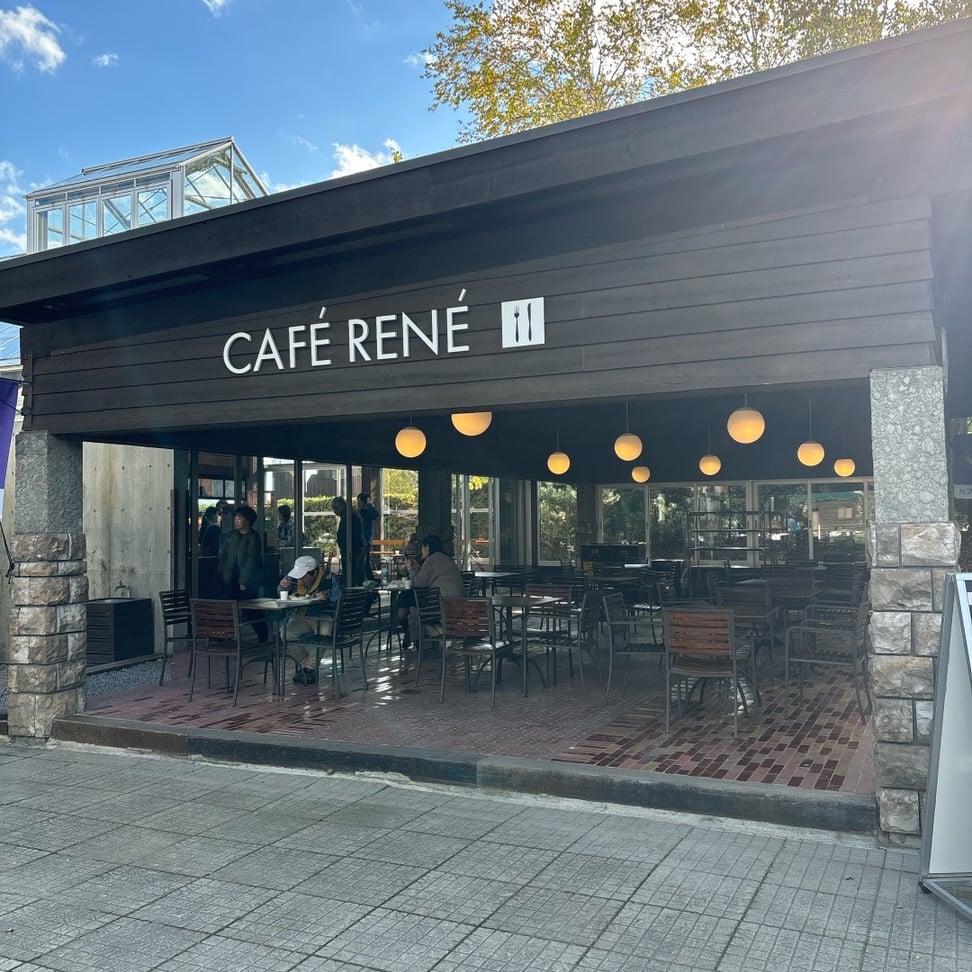
Nakafurano is home to Farm Tomita and the birthplace of lavender culture in the Furano Basin. The town also has the town-run Hokusei-yama Lavender Park, several private flower fields and melon-growing areas. From JR Nakafurano Station it is about a 25-minute walk to Farm Tomita, or about 5 minutes by taxi; the station to Hokusei-yama Lavender Park is about a 10-minute walk, right on the way to the farm.
How to Get to Farm Tomita? 2026 Farm Tomita Lavender Guide to Transport Options and Costs
During flower season traffic around Furano is heavily jammed, so consider the railway first. Key points of each transport option are summarized below.
| Transport | Cost | Travel time / notes |
|---|---|---|
| Furano-Biei Norokko Train | Regular fare plus reserved-seat ticket from about ¥1,000 (reserved-seat ticket price rises in 2026); all cars are reserved seating from 2026 | Get off at Lavender-batake Station and walk 7 minutes; usable with the JR Hokkaido Rail Pass |
| JR Nemuro Main Line / Furano Line regular trains | Fare by section, about ¥300-500 | Get off at Nakafurano Station and walk about 25 minutes, or transfer to a taxi |
| Lavender Bus | Adults ¥500, children ¥250 | Shuttles between Lavender East and nearby flower fields, with multilingual audio guide |
| Driving / rental car | Free parking | Arrive before 08:30 to avoid the Marine Day long-weekend traffic |
How to Get to Farm Tomita? All Transport Options at a Glance
Take the JR Furano Line to “Nakafurano Station” and walk about 25 minutes or take a taxi for about 5 minutes; you can also take the Furano Bus express Lavender-go to the “Nakafurano” stop. The Furano-Biei Norokko Train, which made a temporary stop at Lavender-batake Station, ended operations on September 23, 2026. The Lavender Bus at Lavender East (summer only) costs ¥500 for adults, with announcements in four languages including Chinese. Driving is the most flexible and the farm has a free parking lot, but during the July peak (including long weekends) traffic jams are likely, so we suggest arriving around the 8:30 opening; you cannot enter outside opening hours.
Farm Tomita Opening Hours and Rules: Opens at 8:30, Tripods Banned
Farm Tomita is open every day of the year. From late June to mid-August the hours are 8:30 to 17:30, and in October and November it opens at 9:30. You cannot enter outside opening hours, and the parking lot is only usable during opening hours. Tripods and drones are banned throughout the farm, outside food and pets may not be brought in, and entering the flower fields is prohibited except on the paths; admission and parking are both free with no reservation needed.
Must-See Spots for the 2026 Farm Tomita Lavender Guide: Every Flower Field and Nearby Highlight
Below are the flower zones inside Farm Tomita and the must-visit sights near Furano and Biei.
Traditional Lavender Field: The Original 1958 Sea of Flowers at Farm Tomita
The Traditional Lavender Field is the first planting ground Farm Tomita opened in 1958. Its slope is covered in a sea of purple flowers set against the Tokachi mountain range, a classic spot for postcards and tourism posters. At peak bloom the hills turn deep purple, and the view from the top of the slope is one of Hokkaido’s signature summer scenes. The nearby lavender-colored mailbox (Lavender-iro Yubin Post) is a recently popular photo spot where you can post a postcard as a keepsake. We recommend going early in the morning or before evening to avoid the midday heat and crowds, and the light is softer too.
Forest Colorful Fields: A Quiet Sea of Flowers Ringed by Conifers
The Forest Colorful Fields sit above the slope of the farm, surrounded by tall conifers, and feel more secluded and quiet than the open Colorful Fields, with deeper, calmer tones. Because the ground is higher and farther from the entrance, crowds are relatively thin, and it suits visitors who want to avoid the bustle and stroll and take photos slowly.
This is also one of the few flower fields at Farm Tomita that keeps its original forest landscape. Walking at the border between flowers and trees you can feel both natural wildness and carefully planned floral design, a private route that only seasoned travelers specifically plan for.
Hanabito no Hata: A Colorful Experimental Garden That Changes with the Seasons
Hanabito no Hata is themed around the changing seasons, with different flowers planted as the seasons turn; the official farm map also lists the “Spring Colored Field” and “Autumn Colored Field,” so there are flowers to see outside lavender season, and you can check conditions in the “Farm Diary” on the official website.
The fields here are arranged more irregularly and attractively, not in tidy stripes like the Colorful Fields but more like a naturally growing sea of flowers, suiting visitors who like photographing details and close-ups. It is also a recommended stroll for families, with gentle slopes and wide paths.
Saiwai no Hanabatake: A Flower Field and the Newly Built Saiwai no Komichi Observation Deck
Saiwai no Hanabatake is one of the farm’s official flower fields, and in April 2026 a new observation deck was built on the farm’s “Saiwai no Komichi” path, from which you can look out over the surrounding fields from above. The farm reminds visitors not to step into the flower fields (except on the paths) and to stay on the paths when taking photos.
We recommend visiting soon after opening or before evening for cleaner photos with fewer people.
Greenhouse and Dried Flower House: Indoor Flowers Whatever the Weather or Season
Farm Tomita has a Dried Flower House and a greenhouse (Green House), so even on rainy days or in the off-season of autumn and winter you can enjoy flowers and buy merchandise indoors. On the second floor of Hanabito-no-ie there is also a free “Aroma Experience Room” where you can make a scented bookmark using lavender oils from five varieties grown on the farm.
This is also one of the main places to buy lavender souvenirs, with essential oils, dried bouquets, soap and many other products on sale, a good last stop for an indoor rest and shopping after enjoying the flowers outdoors.
Farm Tomita Food: Lavender Soft Serve and Café Treats on the Farm
Farm Tomita’s signature is lavender soft serve made with lavender extract, with a refreshing flavor, ¥450 in a cone or ¥400 in a cup, sold at several shops on the farm; vanilla, melon and mixed flavors are also available, served from late April to late October. Café Rene next to Hanabito-no-ie is open in summer and serves light meals such as curry, with lunch hours from 10:30 to 14:30; hours change by season.
Hokusei-yama Lavender Park: A Town-Run Sky-High Flower Viewpoint in Nakafurano
Hokusei-yama Lavender Park is a lavender park run by the town of Nakafurano. Its biggest feature is the single-seat sightseeing chairlift that slowly climbs to the summit, where you look down over the whole Nakafurano Basin and the distant Tokachi mountains, from a viewing angle quite different from Farm Tomita.
The round-trip chairlift costs ¥700 for adults and ¥350 for children (in 2026 it operates from June 13 to August 23). It fits well into the morning or afternoon of the same day you visit Farm Tomita as a connecting stop, and is especially recommended for photography fans who like panoramic compositions.
Biei Shikisai-no-Oka: Colorful Hills Like a Rainbow Cake
Biei Shikisai-no-Oka is in the town of Biei and is known for large blocks of color from flower fields on rolling hills, planted with salvia, marigolds, sunflowers and many other flowers. The bloom lasts from spring into autumn, longer than Farm Tomita’s lavender season, and an entry fee applies from July to September; inside you can tour the whole area on a flower-field tractor bus.
Unlike Farm Tomita’s “dense sea of flowers” feel, Shikisai-no-Oka stresses a “landscape-style” wide view. The two complement each other and are the most common pairing when planning a Furano and Biei day trip.
Shirogane Blue Pond: Hokkaido’s Dreamiest Cobalt-Blue Hidden Gem
Shirogane Blue Pond (downstream of Shirahige Falls) has a dreamy cobalt-blue surface created by minerals in the water and the refraction of sunlight. The image of dead trees standing in the blue water was once chosen by Apple as a computer wallpaper, and it is one of the most popular sights in the Biei area.
We suggest fitting it in during the afternoon, when the light angle best brings out the layers of blue in the water. Illumination events after it freezes in winter are especially atmospheric, but summer lavender-viewing itineraries usually visit during the day.
Shirahige Falls: A Hidden Waterfall in a Deep-Blue Stream
Shirahige Falls is in the Shirogane Onsen area on the upper Biei River, about a 4-minute drive from the Blue Pond. With a drop of about 30 meters, it is a seepage waterfall where groundwater oozes from cracks in the rock wall and flows into the Biei River, named for its resemblance to a white beard. The deep-blue stream contrasts sharply with the lush green forest around it, and a few minutes on the bridge are enough to capture the classic view, so it pairs well with the Blue Pond on the same side trip.
Ningle Terrace: A Wooden Craft Lane in the Forest
Ningle Terrace is within the grounds of the New Furano Prince Hotel, an elevated walkway of 15 wooden cabins hidden in a primeval birch forest. Once lit at night the atmosphere is especially dreamy, and the shops sell woodwork, glass and leather crafts handmade by Hokkaido artisans, a good evening stroll after a day of flower viewing.
Asahiyama Zoo: A Popular Japanese Zoo Famous for Behavioral Exhibits
Asahiyama Zoo is in Asahikawa and is known across Japan for its “behavioral exhibits,” where visitors can watch penguins waddling and polar bears diving for food up close. Besides a Furano day trip, it is a good family add-on alternative; the drive takes about 1.5 hours, so plan a full day.
Nakafurano Shrine: A Quiet Place of Worship Beside the Flower Fields
Nakafurano Shrine is on the mid-slope of Hokusei-yama. It began in 1901 (Meiji 34) when a wooden post was set at the base of an old tree in the Nakafurano town center to enshrine Amaterasu Omikami; until 1962 (Showa 37) the shrine building stood on flat ground before moving to its current elevated site. From the grounds you can see the pastoral scenery of Nakafurano, and goshuin seal stamps are available, so it suits a stop between flower viewing.
Panorama Road Ebana: A Scenic Straight Road, One of Kamifurano’s Eight Views
Panorama Road Ebana is a scenic road chosen as one of the “Kamifurano Eight Views.” A straight road stretches toward distant mountains and fields, with an especially wide view on clear days, a photo spot local residents keep to themselves. It is only about 15 minutes’ drive from Farm Tomita and suits visitors who like photographing Hokkaido’s countryside roads.
How Much Does It Cost to Visit Farm Tomita? Admission and Nearby Guided Tours
The good news is that Farm Tomita itself is open all year and completely free to enter, with no admission fee, which is one reason it became Hokkaido’s lavender landmark: whatever your budget, anyone can freely walk into the purple fields and take photos. However, Farm Tomita is in the outskirts of Furano and transport is not convenient, so if you do not drive, what you actually spend on is “how to get there” and “how to enjoy it more deeply.” Below are several common transport and nearby tour options, from the cheapest bus pass to the easiest private charter day trip, so you can choose by trip length and budget.
Furano & Biei Lavender Day Tour: The Easy Pick Departing from Sapporo
This tour sells well on KKday and Klook. Departing from central Sapporo (Odori Station and Sapporo Station), the coach visits Farm Tomita, Shikisai-no-Oka, the Blue Pond (Shirahige Falls) and Patchwork Road in turn, about 10 hours in all, with Chinese- and Japanese-speaking guides.
It leaves around 7:30 and returns to Sapporo at 18:00, with 1 to 1.5 hours of free time at Farm Tomita for photos, shopping and lavender soft serve.
Prices vary by departure date and season and are higher in the July bloom season; we suggest booking 2 to 3 weeks ahead, as peak mid-July weekends fill up easily.
Sapporo to Furano: Limited Express Train and Highway Bus Options
In summer JR Hokkaido’s sightseeing limited express “Furano Lavender Express” runs direct from Sapporo to Furano with no transfers in about 2 hours, all seats reserved; in 2026 it runs daily from June 13 to August 11. The ticket plus reserved-seat limited express ticket from Sapporo to Furano is usually ¥5,440.
You can also take the Hokkaido Chuo Bus “Express Furano-go,” about 2 hours 30 minutes from Sapporo Station to the Furano bus terminal. After arriving at Nakafurano you can walk about 25 minutes or take a taxi to the farm. Services are not frequent, so check the timetable before you set out; the wrong timing can leave you waiting a long time by the fields.
JR Furano-Biei Pass: A Deeper Option for Stays of Two Days or More
If you stay a night in Furano or Biei, you can use JR Hokkaido’s “Hokkaido Mannaka Nonbiri Train Pass,” at ¥3,300 for 1 day, ¥5,600 for 2 days and ¥6,900 for 3 days (2026), with unlimited rides on non-reserved seats of regular trains on the Furano Line and the Nemuro Line (Takikawa to Furano).
This pass links Nakafurano and the Biei line, but Nakafurano Station to Farm Tomita is still about a 25-minute walk; Farm Tomita opens at 8:30 in summer and you cannot enter outside opening hours.
Furano Private Charter Half-Day / Full-Day Tour: Saves Time and Effort, Includes Blue Pond and Biei Hills
Book a Chinese-speaking private charter through KKday or Klook, priced by an 8-seat minibus or sedan. A half-day itinerary (about 4 to 5 hours) can include Farm Tomita plus 1 to 2 other spots; a full-day charter can cover the Blue Pond, Patchwork Road, Shikisai-no-Oka and Furano city. Prices are per vehicle and can be split by the number of people; check the booking page for actual prices. The itinerary can be fully customized and the driver adjusts photo time to flower conditions, suiting older travelers, children or those with lots of camera gear, and it is also a rainy-day backup, as you can reach attraction entrances directly and get less wet.
Where to Stay Near Farm Tomita: 2026 Lavender Guide to Accommodation
Furano, Asahikawa or Sapporo for a Day Trip: How to Choose Among Three Bases
If you want to sleep in and view flowers at leisure, we suggest staying in central Furano, only about a 15-20 minute drive from Farm Tomita. The downside is high summer peak-season prices and scarce rooms, which must be booked months ahead. The next best option is Asahikawa as a base, with many hotels at relatively friendly prices, closer to Asahiyama Zoo, and about an hour’s drive to Farm Tomita, suiting a two-base Furano and Asahikawa trip. If time is limited, you can also make a same-day round trip from Sapporo, about 2.5 hours by car, leaving early and returning late, so you can still return to central Sapporo for nightlife and more accommodation choices in the evening.
FAQ
Q: How much is admission to Farm Tomita?
The whole farm is free to enter and needs no advance reservation; only food and merchandise on the farm cost extra. The nearby “Tomita Melon House” is unrelated to the farm.
Q: When is the 2026 lavender bloom at Farm Tomita?
The 2026 season is expected to run from late June to early August, with the best peak from early to mid-July, and harvesting finishing gradually from early to mid-August.
Q: What is the easiest way to get to Farm Tomita?
Take the JR Furano Line to “Nakafurano Station” and walk about 25 minutes or take a taxi for about 5 minutes; if driving, beware of bloom-season traffic and arrive around the 8:30 opening.
Q: Does Farm Tomita have a parking lot? Is parking paid?
The farm’s parking lot holds about 500 cars, is free and is usable only during opening hours; at peak bloom times it fills up easily, so arrive early or use public transport.
Q: Which should I choose, Farm Tomita or Shikisai-no-Oka?
Farm Tomita wins on dense purple lavender fields and a sense of cultural history, while Shikisai-no-Oka excels with wide, multicolored hill landscapes; if you have time, we suggest including both.
Q: What time is least crowded at Farm Tomita?
In summer (late June to mid-August) the hours are 8:30 to 17:30 and you cannot enter outside opening hours; we suggest arriving soon after opening or before evening, avoiding the tour groups and crowds after 10 a.m.
Q: Is Farm Tomita worth visiting outside lavender season?
Yes. Farm Tomita is open every day of the year, opens at 9:30 in October and November, has indoor facilities such as the Dried Flower House, and Hanabito no Hata plants different flowers with the seasons.