
2026 Yunokawa Onsen Guide: A Hidden Seaside Hot Spring Town, One of Hokkaido’s Three Great Onsen Areas
Yunokawa Onsen is in eastern Hakodate and is the closest, most convenient century-old hot spring town to the airport, known for unbeatable views of the Tsugaru Strait while you soak. This article focuses on “Yunokawa Onsen” as a destination in its own right, explaining access, highlights and itinerary planning, and it suits a final night’s stay for a Hakodate day trip or a longer trip.
Yunokawa Onsen: A Century-Old Seaside Hidden Hot Spring Closest to the Airport
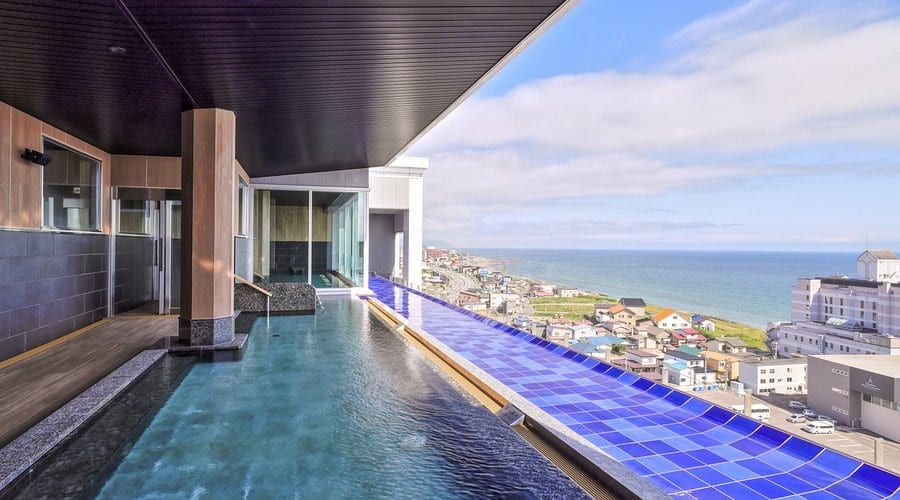
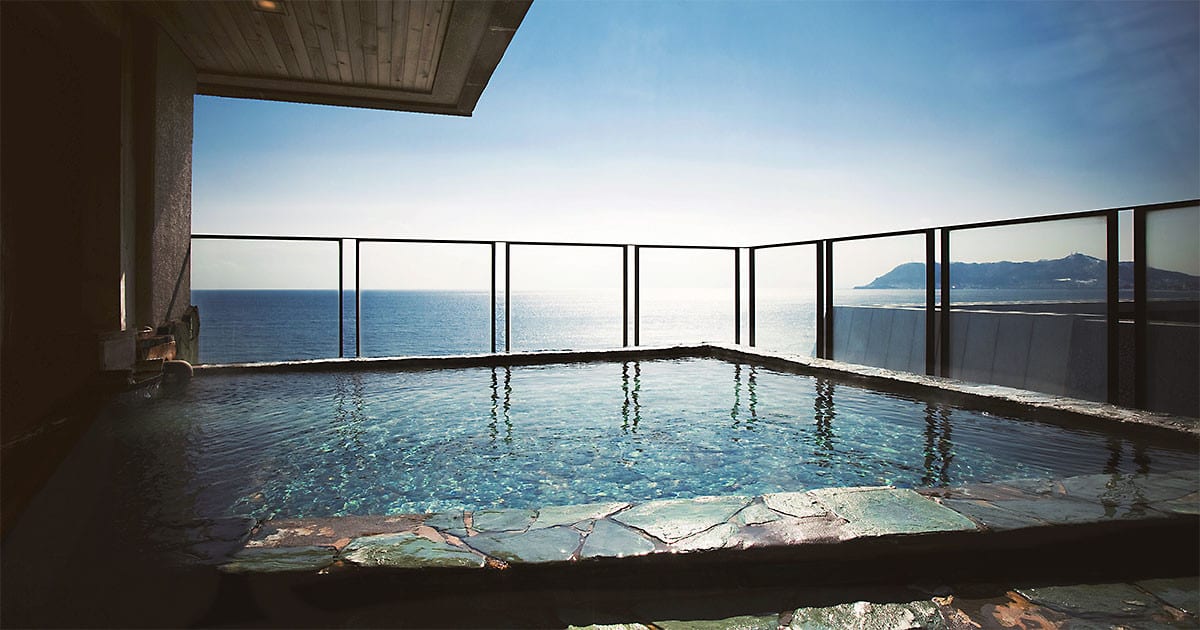
Yunokawa Onsen is counted together with Hokkaido’s Jozankei Onsen and Noboribetsu Onsen as one of the “Three Great Onsen Areas of Hokkaido.” Because it is right next to Hakodate Airport and Hakodate Port, it is the top choice for many travelers who want to relax in a hot spring on their last night before arriving in or leaving Hokkaido. The onsen town is built along the Tsugaru Strait, and most hotels and inns have sea-facing large baths and open-air baths, and on clear days you can even see Aomori Prefecture across the water.
Yunokawa Onsen’s biggest feature is “soaking with a sea view.” At night especially, you can see the scattered lights of squid fishing boats on the sea, a romantic atmosphere very different from the daytime. Whether you want a quiet soak, a seafood meal, or simply a convenient and relaxing place to stay, Yunokawa Onsen is a stop not to be missed on a Hakodate trip.
Red-Water Springs and Tsugaru Strait Views: Unique Water Quality and Spectacular Scenery
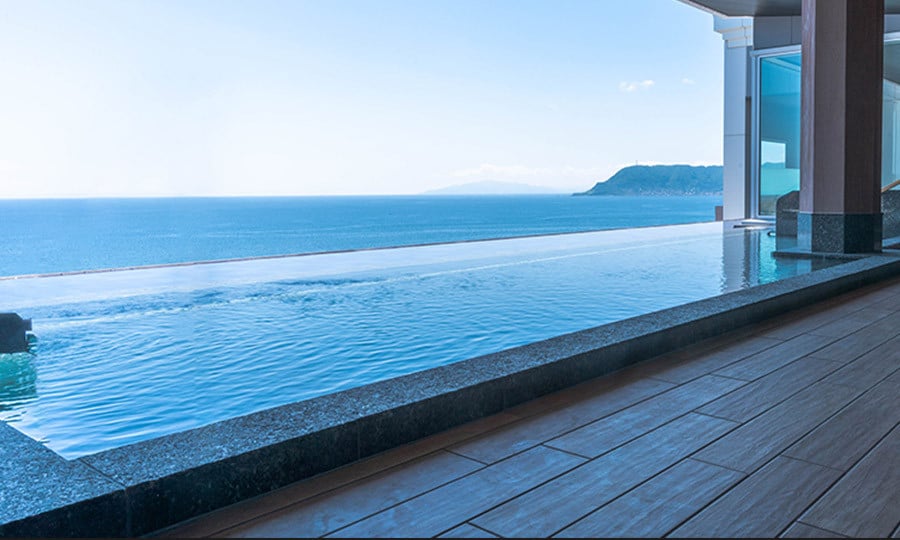
The water at Yunokawa Onsen is an iron-containing chloride spring, and at some sources the oxidation of the iron gives it the distinctive color of “Akayu” (赤湯, red hot spring). It is said to help ease nerve pain, sore muscles and sensitivity to cold, and is one of the reasons many seasoned onsen fans come here specially. The large baths at most hotels face the Tsugaru Strait directly, with wide views on clear days, making this one of Hokkaido’s rare onsen areas where “open the window and there’s the sea.”
Thanks to the abundant flow, many inns advertise “genzen kakenagashi” (源泉かけ流し, free-flowing source water), meaning the hot spring water is not recirculated or recycled but channeled directly into use, so the water is very fresh and this is the type locals also recommend first. KKR Hakodate, for example, is known for this.
Discovery of the Hot Spring: The Matsumae Lord and Three Hundred Years of Legend
Tradition says the discovery of Yunokawa Onsen goes back more than three hundred years to the Edo period. Local legend holds that a lord of the Matsumae domain, suffering from illness, came here to soak and recovered, so the spring became famous and gradually developed into an onsen village. Another account says a woodcutter accidentally discovered hot water gushing out in 1453. Both legends add a rich historical flavor to Yunokawa Onsen.
Even today Yunokawa Onsen keeps a number of century-old inns, such as the kappo ryokan Wakamatsu (割烹旅館若松), which has been in business for nearly a hundred years, so that guests can enjoy modern facilities while also feeling the long cultural heritage of this onsen town and its craftsmanship in hospitality.
How to Get to Yunokawa Onsen: Routes and Costs at a Glance
Yunokawa Onsen is on the east side of Hakodate, near Hakodate Airport, and is very convenient whether you start from downtown Hakodate or the airport. There are four main options: Hakodate City Tram, Hakodate Bus, airport shuttle and taxi, which you can combine flexibly according to your itinerary and budget.
Transport at a Glance: How to Choose Between the Tram, Bus, Airport Shuttle and Taxi
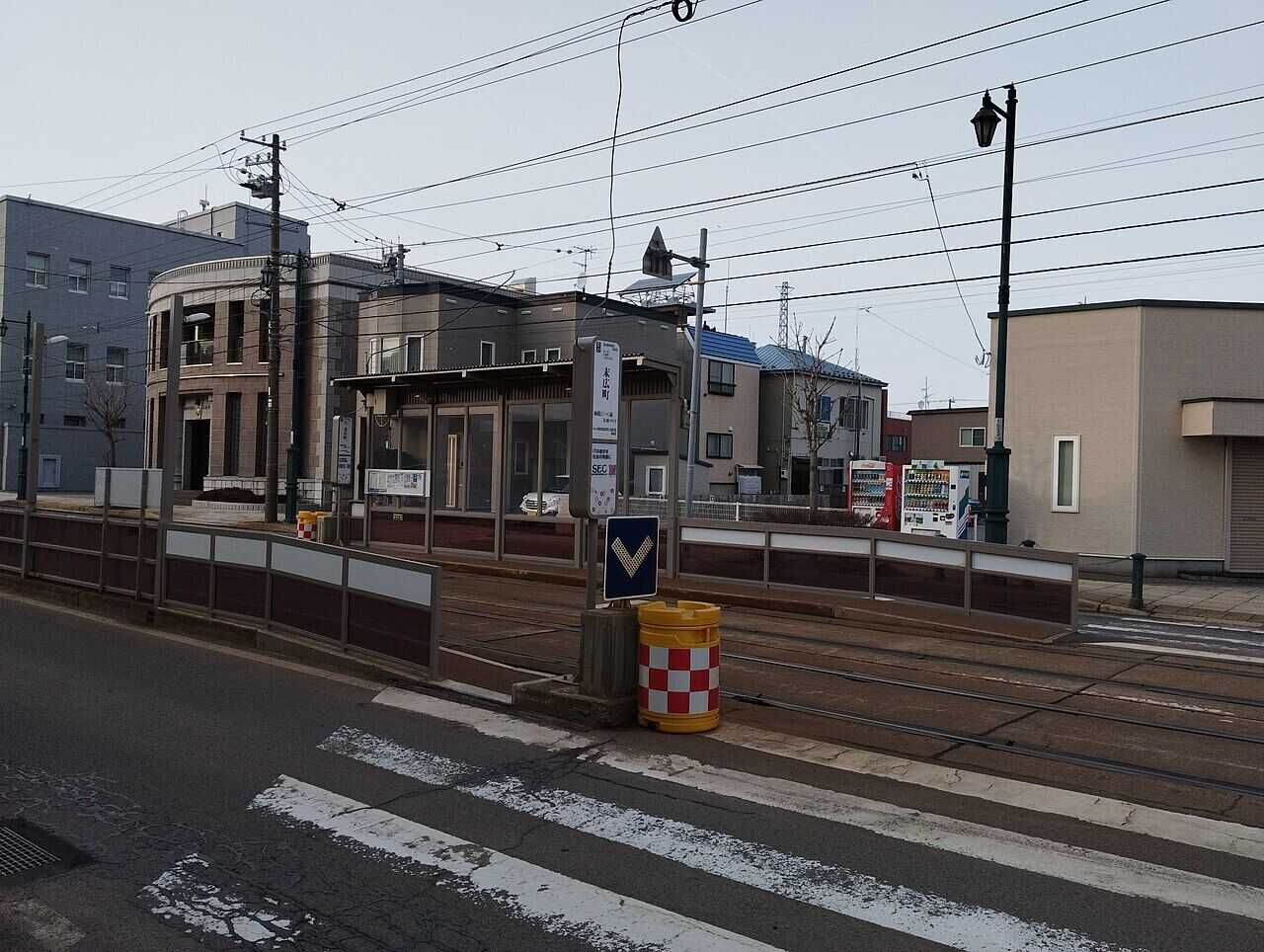
To reach Yunokawa Onsen, we recommend taking the Hakodate City Tram and getting off at the terminus “Yunokawa” (湯の川). The ride takes about 30 minutes and a one-way ticket is ¥300, with frequent service and a low fare. Hakodate Bus also passes through Yunokawa Onsen, at about ¥310 and 25 to 30 minutes from Hakodate Station, suitable if your accommodation is not along the tram line. From Hakodate Airport, the airport shuttle bus takes only about 5 minutes to reach the onsen area directly. A taxi from the airport takes about 5 to 10 minutes, suitable if you have a lot of luggage or arrive late at night.


2026 Yunokawa Onsen Guide: What Are the Must-See Spots? Highlights by Area
Yunokawa Onsen is one of the oldest onsen towns in Hakodate, Hokkaido, close to Hakodate Airport and downtown Hakodate, with convenient access, and its water is a salt spring that is especially good for easing nerve pain, arthritis and skin care. Besides the hot spring itself, the area around Yunokawa hides many sights worth a special visit, from an old shrine where people pray for good matches and a smooth soak, to a tropical botanical garden where you can see monkeys bathing in a hot spring, to Mt. Hakodate, one of the world’s three great night views, reached by ropeway, and even a European-style convent and the exotic Motomachi church district. Below are eight must-see spots chosen to take you through the best of Yunokawa Onsen and downtown Hakodate in one go.
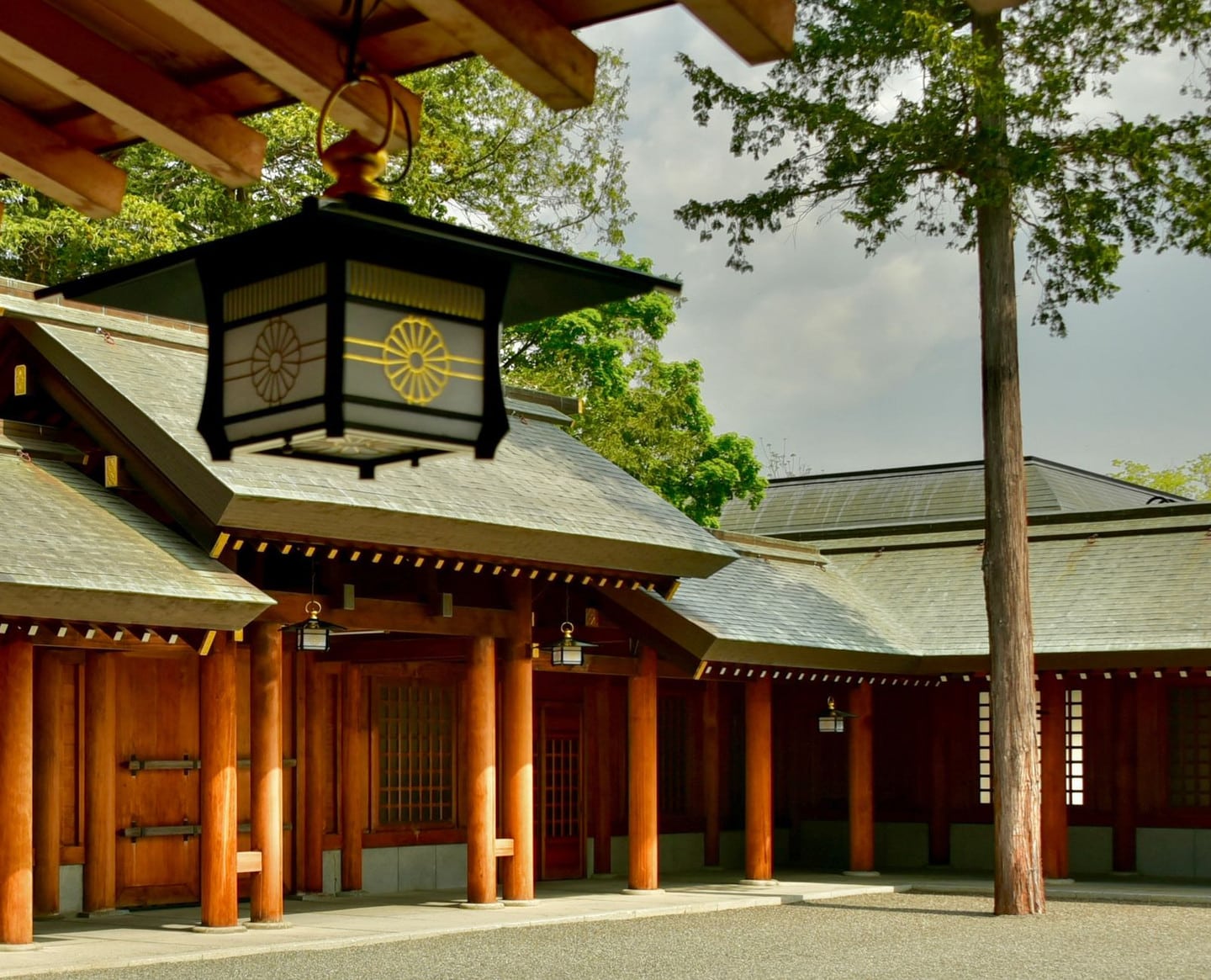
Yukura Shrine: The Spiritual Center of Yunokawa Onsen, a Purification Shrine to Visit Before Soaking
Yukura Shrine (湯倉神社) is at 2-28-1 Yukawacho, Hakodate, Hokkaido, and is the spiritual center of the Yunokawa Onsen area. Tradition says that in 1653 a lord of the Matsumae domain recovered after taking a cure here, and in gratitude the domain rebuilt the Yakushi hall, which began the history of Yunokawa Onsen. It is still a sacred place where locals and visitors pray for health and for the hot spring’s efficacy. The shrine grounds have towering old trees, with stone lanterns and a vermilion torii gate creating a solemn scene, and it is a good place to pay respects before checking into an onsen inn, praying for a safe trip.
The shrine office sells “onsen omamori” (hot spring charms) and “mubyo sokusai omamori” (good health charms) priced at about ¥500 to ¥800. A handwritten goshuin stamp costs about ¥300. We suggest allowing 30 minutes to 1 hour for a visit. The shrine is free to enter and open all year, roughly 9:00 to 17:00 daily, making it a convenient first stop on a Yunokawa Onsen itinerary.
Hakodate City Tropical Botanical Garden: Hot Spring Monkeys Soaking in the Sun Are Wonderfully Soothing
Hakodate City Tropical Botanical Garden (3-1-15 Yukawacho) is famous for its “hot spring monkey pool,” where Yunokawa Onsen water is channeled into the monkey enclosure so that Japanese macaques can soak even in winter (December to early May). It has become a classic soothing winter scene in Hakodate and a favorite spot for photographers.
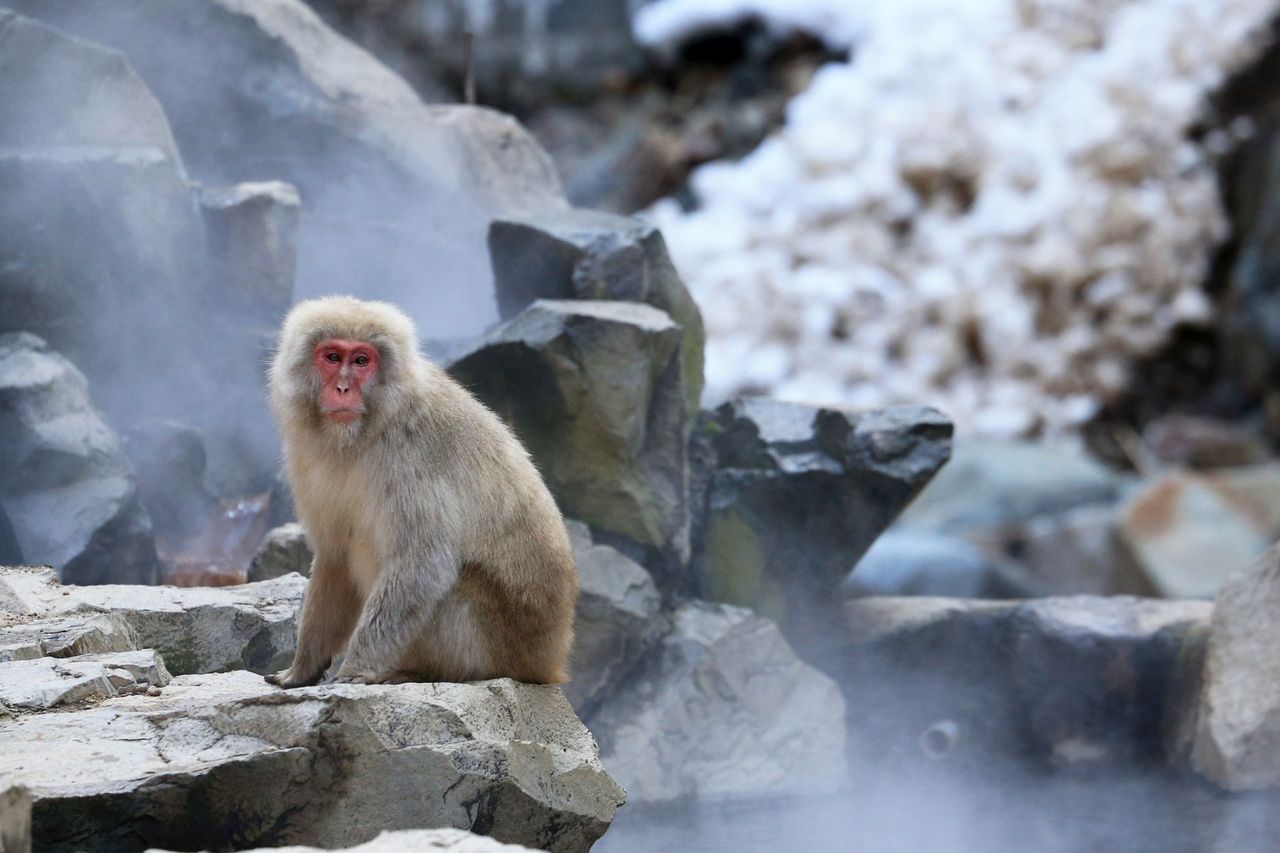
The garden displays many tropical and subtropical plants and is good for families. Opening hours are 9:30-18:00 (until 16:30 from November to March), closed December 29 to January 1. Admission: adults ¥300. We suggest staying 1 to 1.5 hours, and in winter visiting in the morning, when the monkeys are most active.
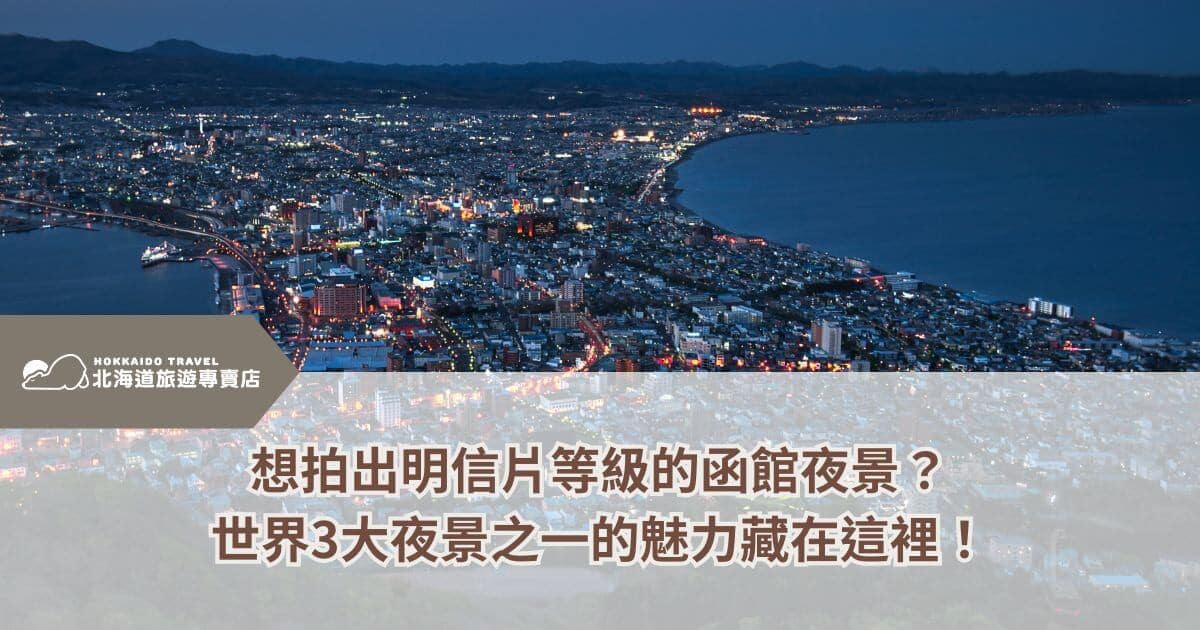
Mt. Hakodate Night View: One of the World’s Three Great Night Views, the Best Add-On from Yunokawa Onsen
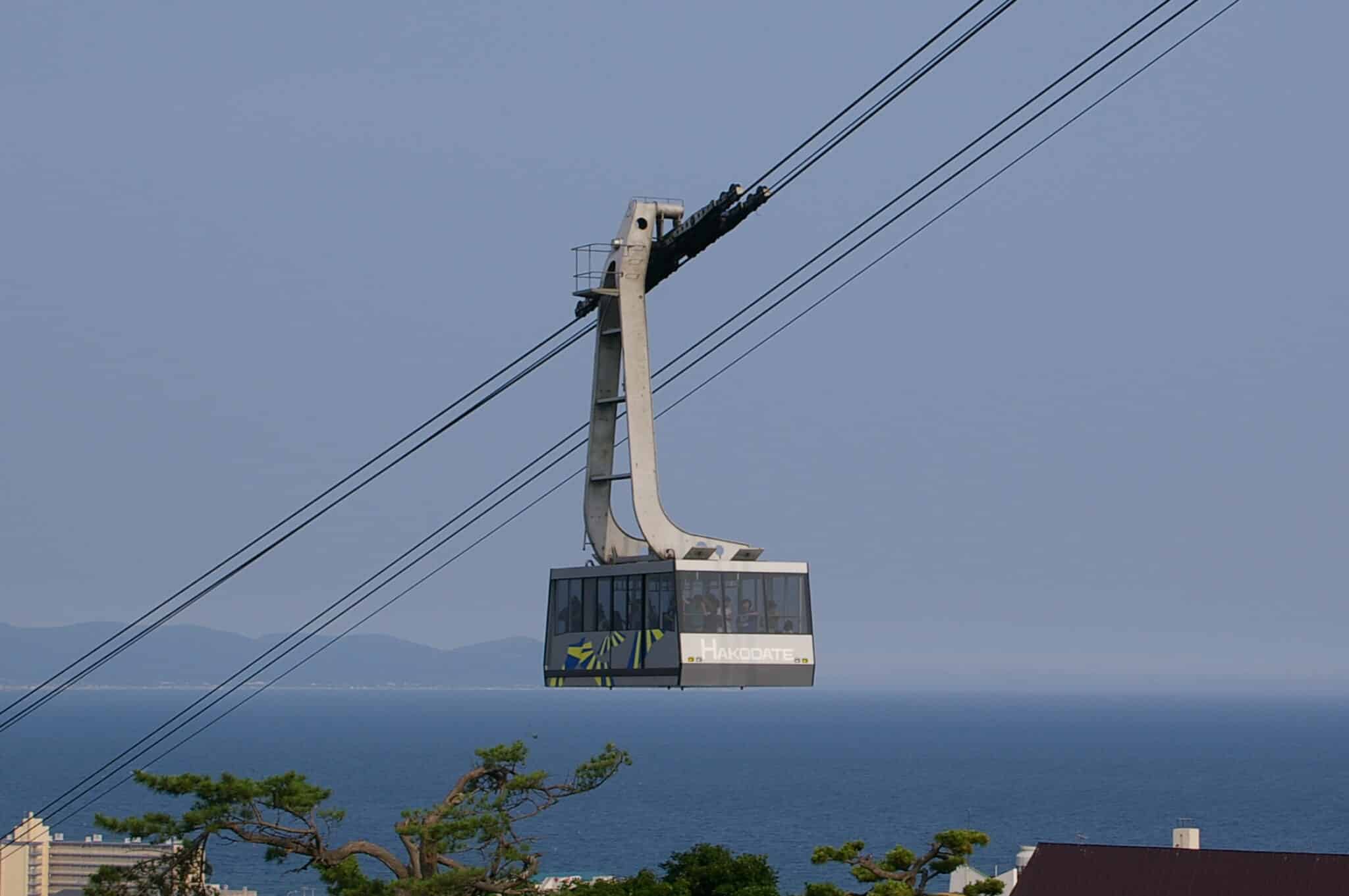
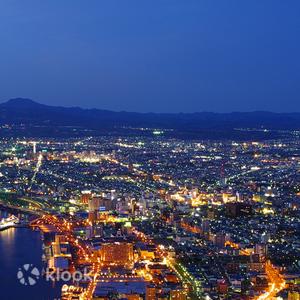
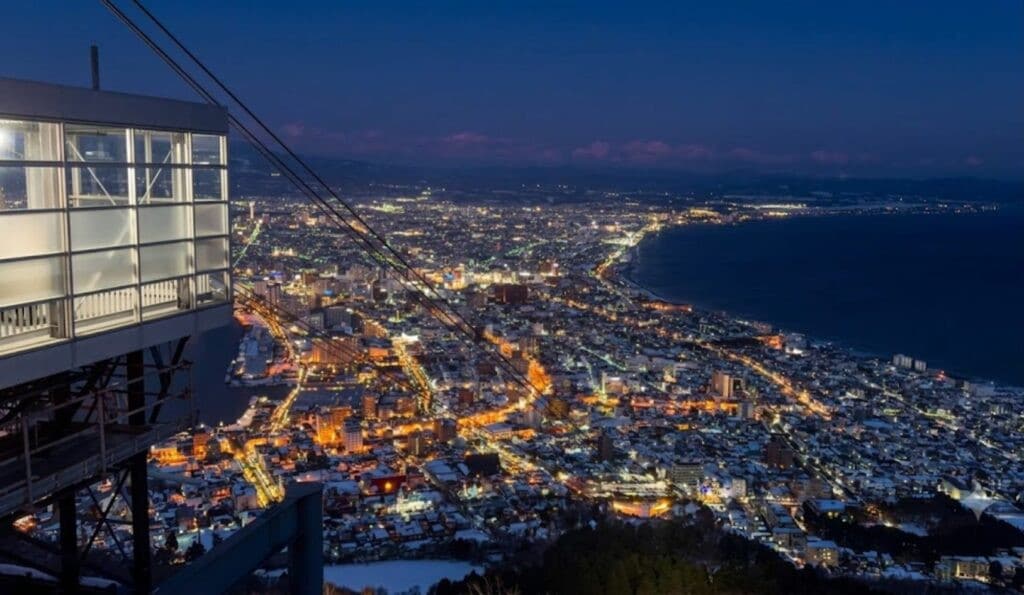
The summit observation deck of Mt. Hakodate (334 meters above sea level) has been famous for its fan-shaped, brilliant night view since the ropeway opened in 1958, and is ranked among the world’s three great night views. From Yunokawa Onsen, the Hakodate City Tram or a taxi takes about 20-30 minutes to reach the foot-of-the-mountain ropeway station (19-7 Motomachi, Hakodate), and the 3-minute scenic ropeway ride offers a panoramic visual feast.
Ropeway round-trip fare: adults ¥1,800, children ¥900. The ropeway runs until 22:00 (until 21:00 from October 1 to April 19). We suggest arriving 30 minutes before sunset to catch the gradient from sunset to night view. The summit has a cafe and souvenir shop, and we suggest allowing 1.5-2 hours. In winter the summit is windy and cold, so dress warmly.
Goryokaku Park and Goryokaku Tower: A Century of Glory of Japan’s Only Star-Shaped Fortress
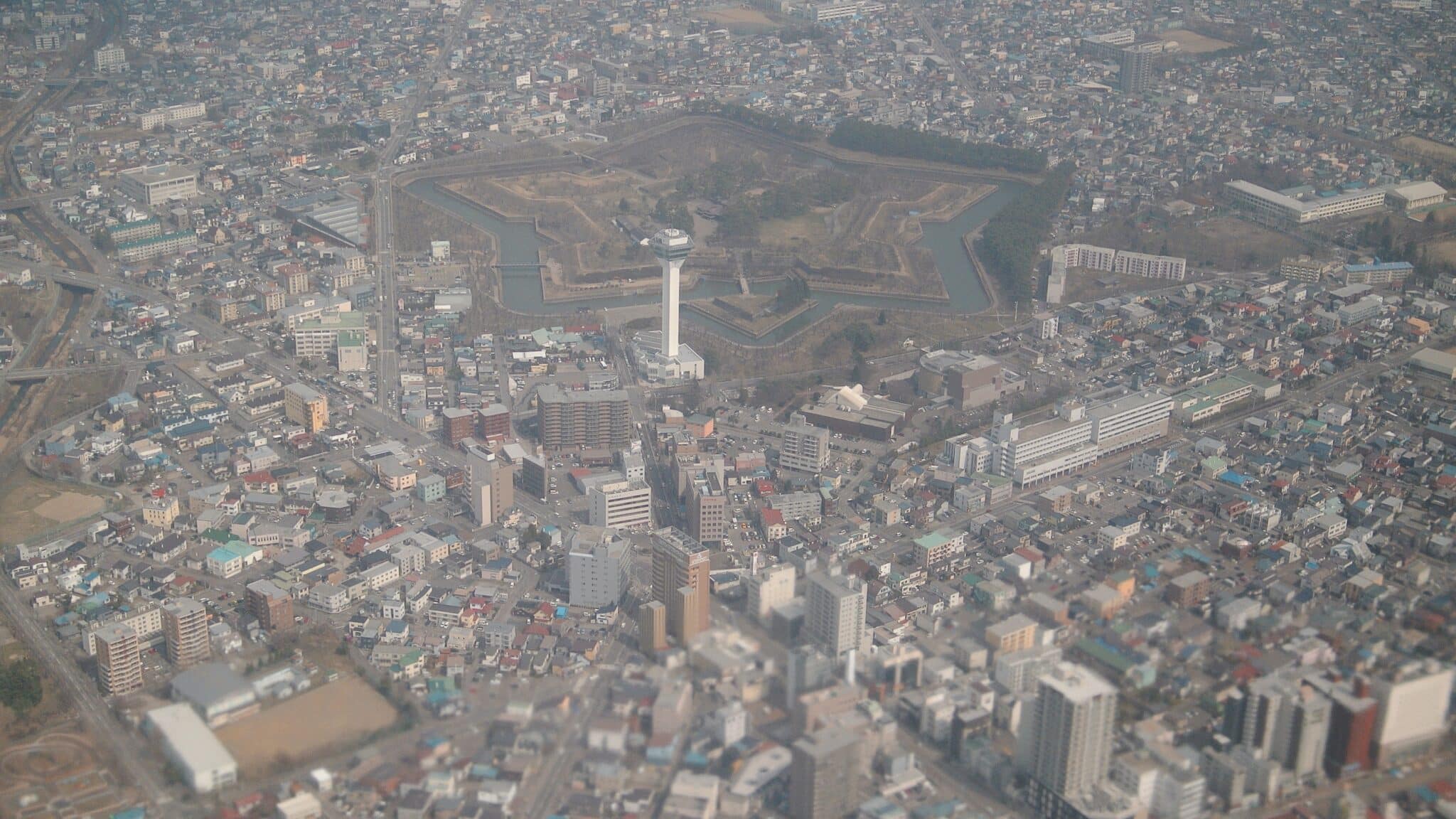
Goryokaku Park is at 44 Goryokaku-cho, Hakodate, and is the first Western-style star-shaped fortress in Japan, built at the end of the Edo shogunate to defend against foreign threats. Its five bastions form a perfectly symmetrical star shape, visually striking from above, and it is the historic site of the “Hakodate War,” the last battle of Japan’s Boshin War. The park preserves the magistrate’s office building and moat remains, and in spring it is Hakodate’s foremost cherry blossom spot, with about 1,600 Somei Yoshino cherry trees blooming along the moat, a beautiful sight.
To see the full star shape, we suggest going up the 107-meter Goryokaku Tower next door. Observation deck tickets are ¥1,200 for adults, ¥900 for junior and senior high school students and ¥600 for elementary school students, open 9:00 a.m. to 6:00 p.m., extended to 7:00 p.m. in summer. The park itself is open 24 hours for free strolling, and if you include the tower, we suggest a total stay of 1.5 to 2 hours. The first floor of the tower also has an exhibit of historical materials related to Hijikata Toshizo, suitable for travelers interested in Bakumatsu history who want to learn more.

Special Historic Site Hakodate Magistrate’s Office (Hakodate Bugyosho): A Wooden Government Building Recreating the Late Edo Period
The Hakodate Magistrate’s Office (箱館奉行所), at the center of Goryokaku Park, is a group of wooden buildings precisely reconstructed in 2010 from the original Edo-period design drawings, rebuilt with traditional methods and cypress timber. Inside it displays the office spaces of the time, the large hall and a museum, making you feel as if you’ve traveled back to when the Edo shogunate governed Ezo. It is the best teaching material for understanding the history of Hakodate’s port opening and the full story of the Hakodate War, and also an excellent angle for photographers capturing the star-shaped fortress and wooden architecture.
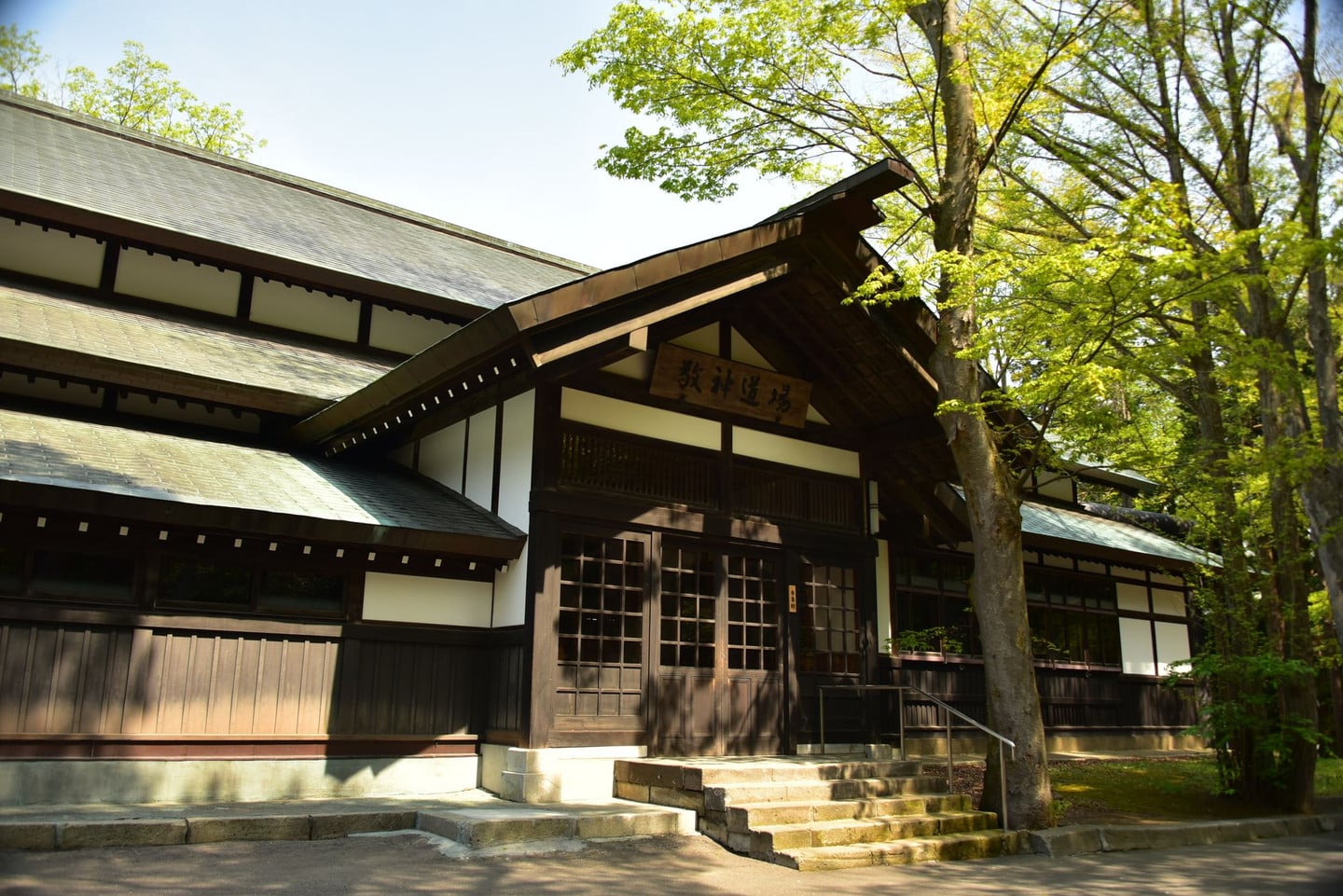
Admission to the Magistrate’s Office is ¥500 for adults and ¥250 for students. Opening hours follow Goryokaku Park, roughly 9:00 a.m. to 6:00 p.m. (until 5:00 p.m. in winter), and we suggest a visit of about 45 minutes to 1 hour. The building has audio guides (including Chinese), and it suits a half-day itinerary together with Goryokaku Tower, with a combined ticket for both offering a discount.
Trappistine Convent: Hokkaido’s Oldest European-Style Women’s Convent
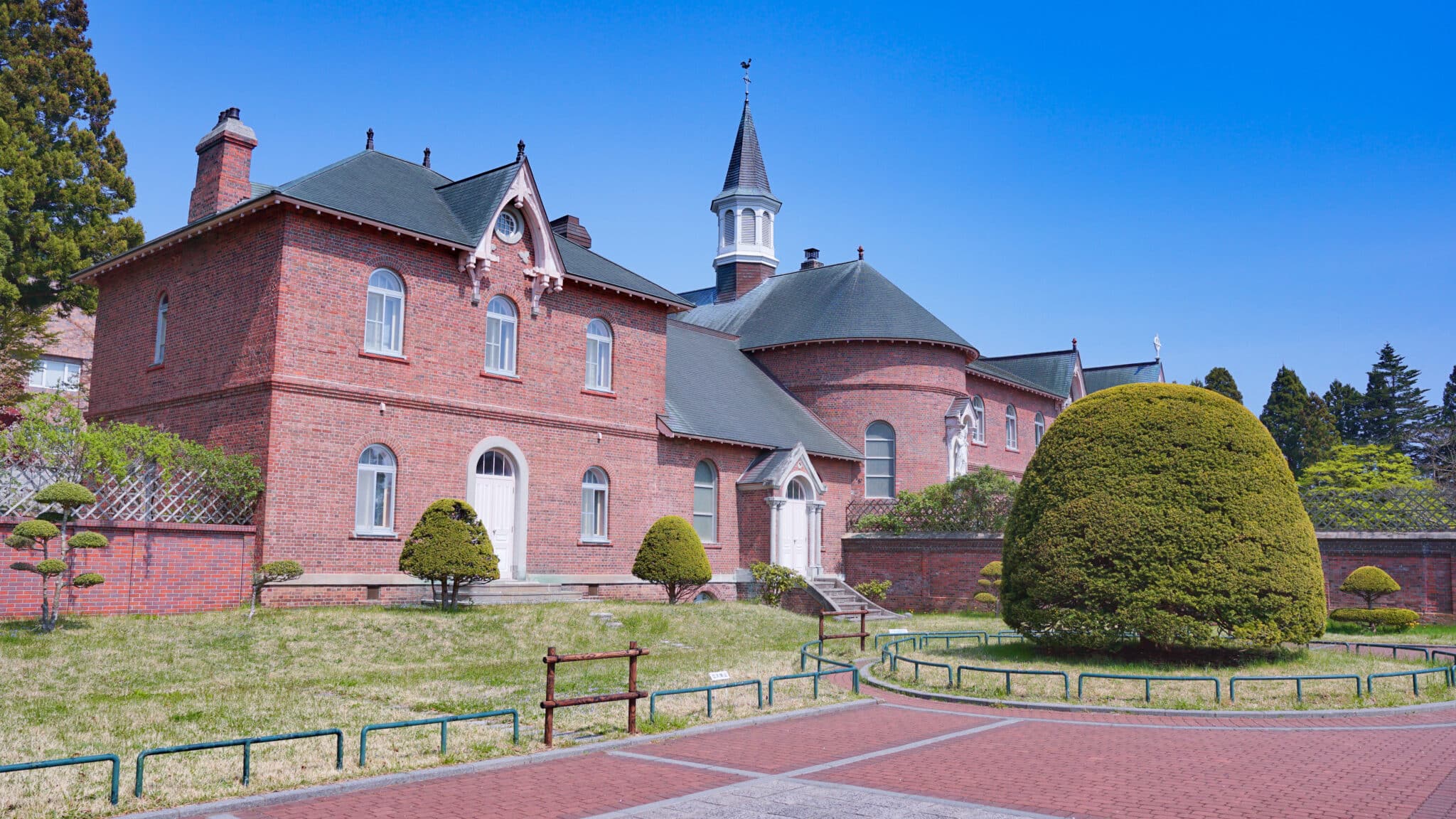
The Trappistine Convent (トラピスチヌ修道院), built in 1898 at 346 Kamiyukawacho, Hakodate, is about 15 minutes by car from Yunokawa Onsen and is the first Catholic women’s convent established in Japan. Its red-brick Gothic architecture combined with the surrounding plane-tree-lined avenue gives it a strong European countryside feel, and it is called “Hokkaido’s most beautiful convent.” The nuns inside still live a life of poverty, prayer and seclusion, so only the outer gardens and the museum are open to visitors.
Visiting the gardens and the statue of the Virgin Mary is free, and the museum displays historical artifacts of the convent and records of the nuns’ lives. The grounds are open from 8:00 a.m. to 5:00 p.m. (until 4:30 p.m. in winter, and it may close temporarily for religious events, so check the official website announcement before you go). The attached shop sells handmade butter cookies and biscuits, one of Hakodate’s well-known souvenirs, and we suggest a total stay of about 1 to 1.5 hours, suitable for travelers who love a tranquil atmosphere and exotic architecture.
Motomachi Church District: A Miniature of Hakodate’s Port-Opening History, an Exotic Architectural Walk
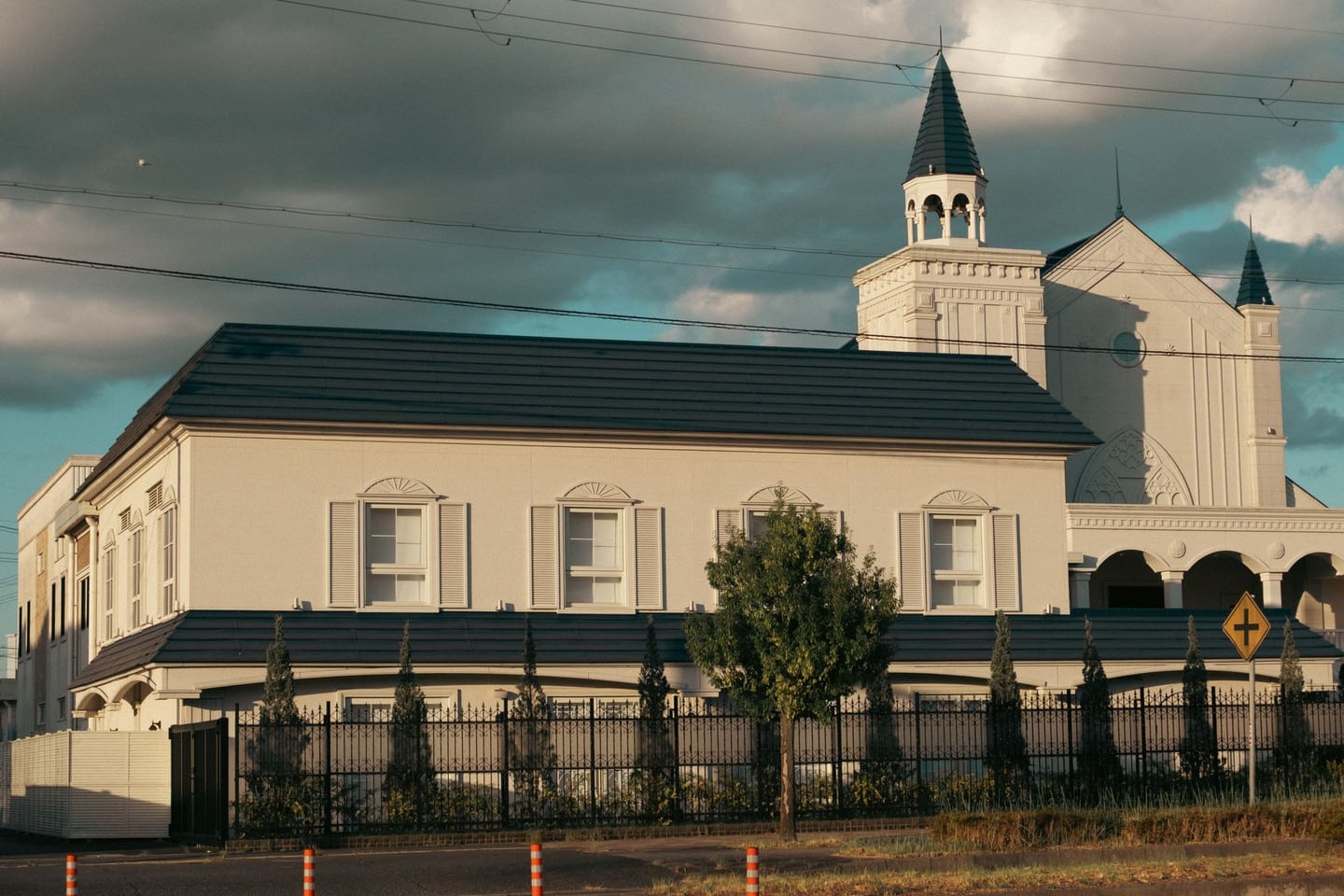
The Motomachi area preserves the consulates and religious buildings from the time Hakodate opened as a port. The most representative is the Hakodate Orthodox Church (函館ハリストス正教会) at 3-13 Motomachi, Hakodate, a white-walled, green-roofed Byzantine-style building from 1916, one of the earliest Orthodox churches in Japan and designated a nationally Important Cultural Property. Its bells were selected by Japan’s Ministry of the Environment as one of the “100 Soundscapes of Japan,” and the lovely bell chime on the hour is Motomachi’s most representative sound memory.
The church exterior can be photographed freely year-round, while visiting the interior requires a ¥200 donation. Hours are 10:00 a.m. to 5:00 p.m. on weekdays, until 4:00 p.m. on Saturdays and 1:00 to 4:00 p.m. on Sundays (irregular closures in winter). Within a 5-minute walk you can also visit several churches of different styles, such as the Hakodate St. John’s Church and the Catholic Motomachi Church. We suggest 1.5 to 2 hours to stroll the whole Motomachi slope area, and the churches lit up at night add a romantic atmosphere, making this a popular walking route for couples.
Hakodate Morning Market: A Seafood Feast Available Only at Dawn, the Food Pilgrimage for Yunokawa Onsen Guests
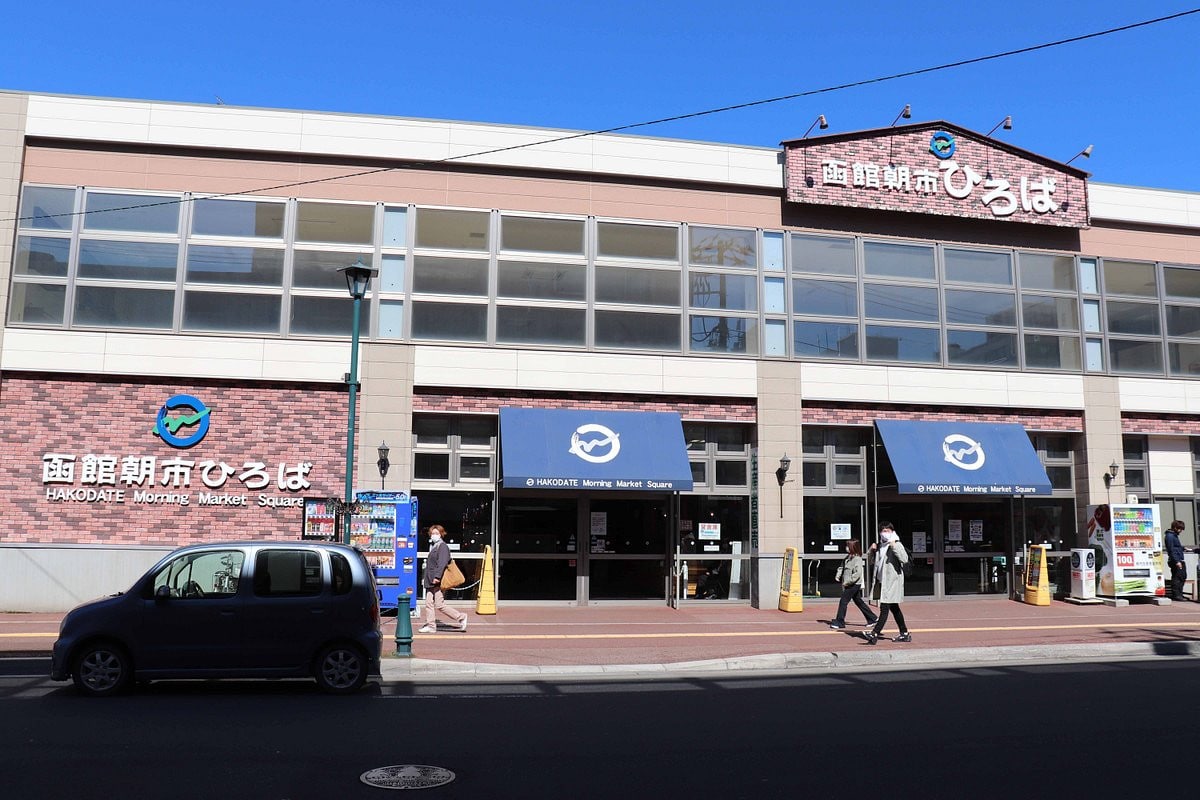
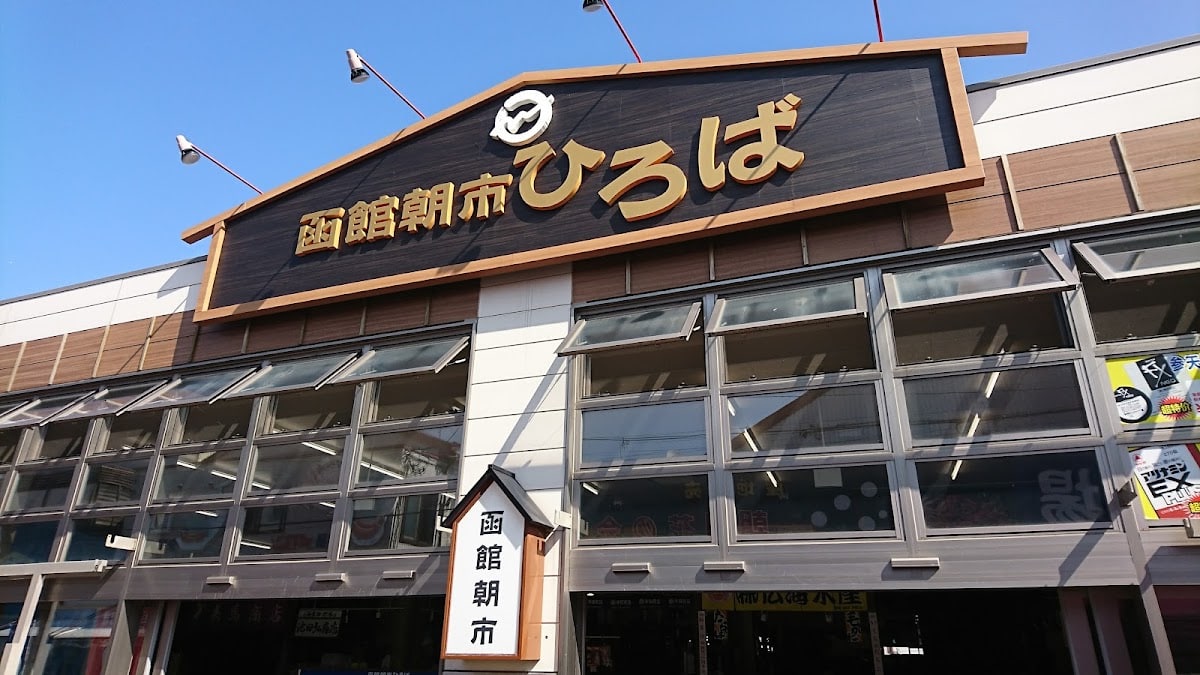
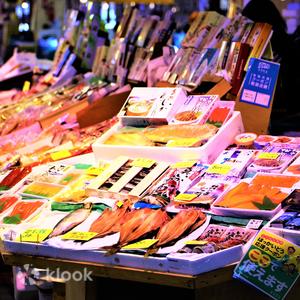
Hakodate Morning Market is at 9-19 Wakamatsucho, Hakodate, right next to Hakodate Station, and is one of Hokkaido’s oldest fish markets, with more than 70 years of history since the war. There are about 250 shops in the market selling king crab, sea urchin, salmon roe, live squid and other fresh catch. The classic experience is “squid fishing” (烏賊釣り): visitors can catch a live squid themselves and have the shop prepare it as sashimi on the spot, 100% fresh, and it is a Hakodate-only activity that many travel shows compete to feature.
Morning market hours vary slightly by season, generally from 5:00 a.m. to around 12:00 noon (from 6:00 a.m. in January to April), open all year, and a seafood rice bowl costs about ¥1,500 to ¥3,000 depending on how lavish the toppings are. We suggest going in the morning, and with the shuttle bus from a Yunokawa Onsen inn or the city tram it takes about 30 minutes to arrive. Allow 1.5 to 2 hours for eating and browsing the market, a food finale not to be missed before ending your Yunokawa Onsen trip.
How Much Does a Yunokawa Onsen Trip Cost? Tickets and Guided Tour Recommendations
Yunokawa Onsen is on the east side of downtown Hakodate. Taking the city tram from Hakodate Station, you reach the “Yunokawa” (湯の川) tram stop in about 30 minutes. It is one of the oldest onsen towns in Hokkaido and the top choice for lodging near Hakodate Airport. Since most hot springs at Yunokawa Onsen are private baths attached to inns, you can still experience authentic bathing culture through “day-use onsen” plans even if you don’t stay overnight. With nearby attractions such as the Mt. Hakodate night view, the snow monkeys bathing at the Hakodate Tropical Botanical Garden, and autumn leaves at Koshuen, many travelers choose to combine package tours or transport passes to see it all. Below are several tickets and guided tours with good value commonly found on platforms such as KKday and Klook, so even first-time visitors can quickly grasp the budget and how to plan.
Yunokawa Onsen Inns’ Day-Use Bath Plans: Soak at Upscale Onsen Inns Without Staying Overnight
You can soak without staying overnight. According to the day-use bathing facilities listed on the Hakodate Yunokawa Onsen Ryokan Cooperative website (September 2026), here are some representative choices, with prices as adult / child:
- Yumoto Takuboku-tei (湯元 啄木亭): ¥1,200 / ¥600, 13:00-21:00, with a rooftop open-air bath, and bath towel and hand towel rental ¥300.
- Hotel Manso (ホテル万惣): weekdays ¥1,800 / ¥900, 15:00-22:00 (last admission 21:00); weekends, holidays and the day before holidays ¥2,200 / ¥1,100, with different prices in peak season.
- Hakodate Yunokawa Onsen Umi to Akari (海と灯) / Hewitt Resort: ¥2,000 (ages 4-12 ¥1,000), open only 14:00-16:00, with access to the top-floor 12th-floor observation bath, suspended on crowded days.
- Yunohama Hotel (湯の浜ホテル): ¥1,200 / ¥900, 13:00-20:00, where you can soak in two different types of source water.
- KKR Hakodate (KKRはこだて): ¥1,000 / ¥500, 11:00-21:00, free-flowing source water.
- Budget options: Hotel Tetra (ホテルテトラ) ¥550 / ¥250 (13:00-22:00), Hotel Amemiyakan (ホテル雨宮館) ¥800 / ¥400 (6:00-22:00, with a rock bath and sauna), Hotel Kamomekan (ホテルかもめ館) ¥800 / ¥300 (5:30-9:30, 13:00-23:00).
Note that as of September 2026 Hanabishi Hotel (花びしホテル) has suspended day-use bathing with no resumption date set, while Imagine Hotel & Resort Hakodate (イマジンホテル&リゾート函館; 15:00-19:00) requires a reservation in advance through the Yunokawa Onsen experience website “Yunobura” (ゆのぶら). Hours and prices at each facility change by date, so confirm on the official website or by phone before you go.
Strolling Yunokawa Onsen Town: Free Foot Bath, an Old Bathhouse and Grilled Dango
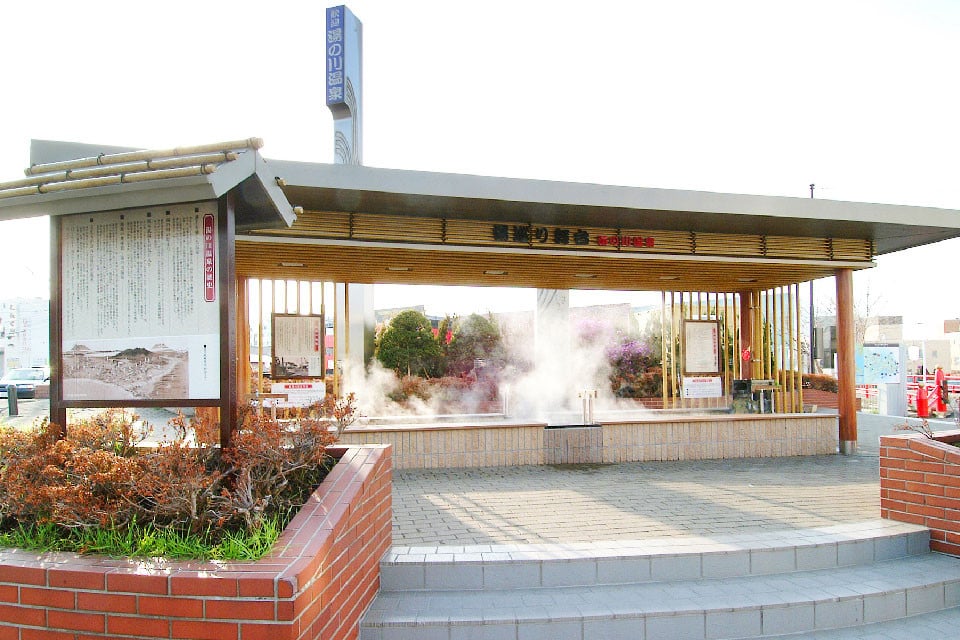
Yunokawa Onsen town is small, and you can start walking as soon as you get off at the “Yunokawa Onsen” (湯の川温泉) tram stop. The “Yunokawa Onsen Foot Bath Yumeguri Stage” (湯の川温泉足湯 湯巡り舞台) next to the stop is free, open 9:00-21:00 and every day (suspended during maintenance), with sodium-calcium chloride water; bring your own towel to dry your feet. The Onsen Ryokan Cooperative also lists Yukura Shrine, the Hakodate City Tropical Botanical Garden, the old bandai-style public bathhouse “Omori-yu” (大盛湯), the long-established skewered dango shop “Yakidango Gingetsu” (やきだんご 銀月) and “Wakatake Sanshoku Dango Honpo” (若竹三色だんご本舗) as highlights of the onsen town, good for walking and picking up snacks after the foot bath.
Hakodate Tropical Botanical Garden Snow Monkey Hot Spring: A Favorite Stroll for Families
The Hakodate Tropical Botanical Garden (3-1-15 Yukawacho, Hakodate), about a 10-minute walk from the Yunokawa Onsen tram stop, is most famous for the winter-only “snow monkeys bathing” spectacle, and the sight of monkeys soaking in the open-air hot spring pool draws crowds of visitors and photographers every year. Admission is ¥300 for adults, ¥150 for junior and senior high school students and free for elementary school students and under, open 9:30 a.m. to 6:00 p.m. (closing at 4:30 p.m. from November to March).
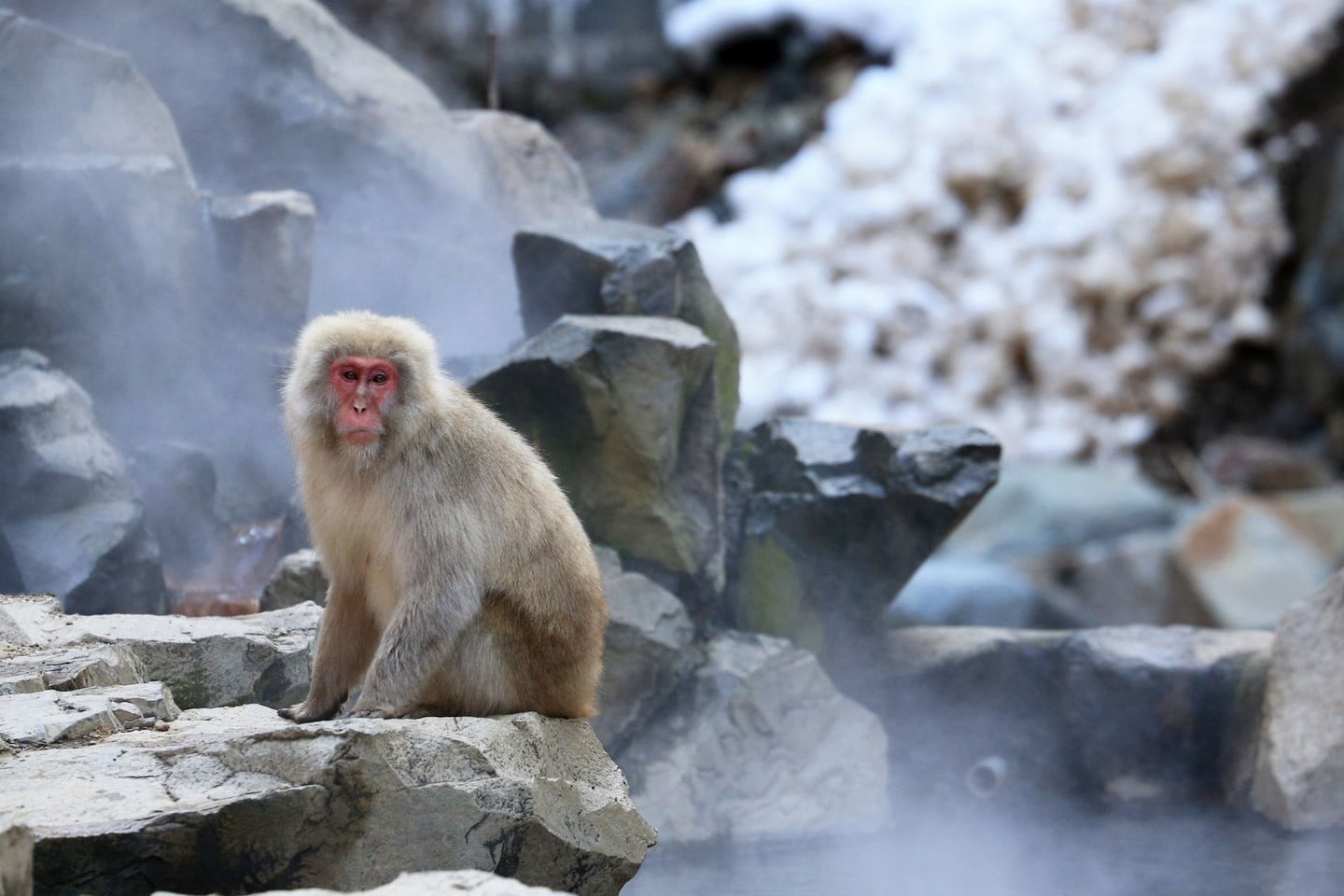
You can take the tram to the Yunokawa Onsen stop and walk there. If you are traveling with older relatives or children, you can also search for Hakodate local tours on Klook and KKday, and before buying please check whether the tour includes the botanical garden and transfers.
Mt. Hakodate Night View Ropeway and Night View Bus: Add-On Trips from Yunokawa Onsen
The Mt. Hakodate night view is hailed as one of the world’s three great night views. Ropeway round-trip fare: adults ¥1,800, children ¥900. The ropeway runs until 10 p.m. (until 9 p.m. from October 1 to April 19).
The ride from the Yunokawa Onsen area to Mt. Hakodate takes about 20 minutes. Klook has products such as the “Hokkaido Mt. Hakodate Night View Sightseeing Bus” (see the card below); before buying, confirm the departure point and whether it passes through the Yunokawa Onsen area. Travelers without a rental car may want to consider it, which saves the trouble of transfers and last trains.
Hakodate City Transport Passes: The Tram + Bus One-Day Pass Makes Round Trips from Yunokawa Onsen Better Value
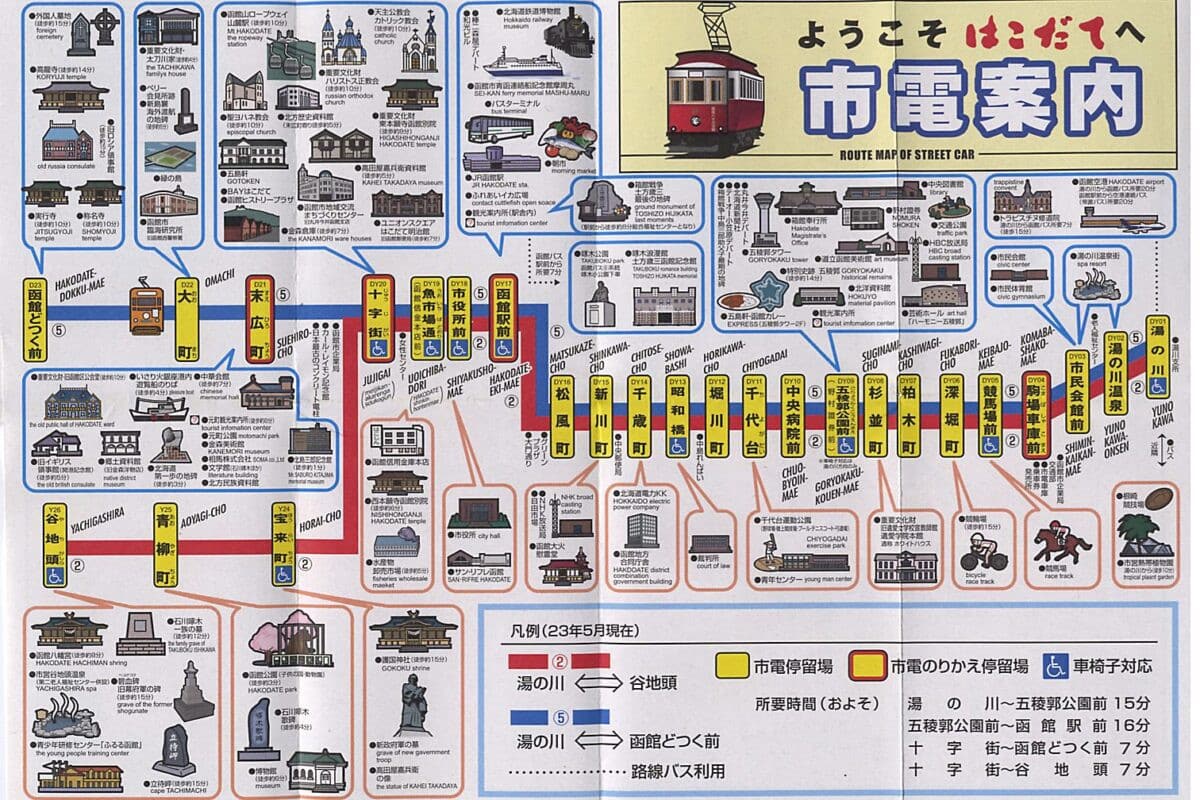
If you plan to use Yunokawa Onsen as your base and travel daily to downtown Hakodate sights such as the Morning Market, Motomachi and Goryokaku, we suggest buying the “Hakodate City Tram and Bus Common One-Day Pass” directly, at ¥1,600 for adults and ¥800 for children (from December 1, 2025). It can be bought at the tram information office in front of Hakodate Station or at some convenience stores, and can also be booked and redeemed as an e-ticket on KKday.
This pass covers the entire tram network and Hakodate Bus city routes. A single tram ticket from Yunokawa Onsen to Hakodate Station alone costs ¥300, so with the round trip plus fares to Goryokaku or Motomachi, you need about six or more rides a day for it to pay off. It is very good value for travelers staying three days or more who need to go back and forth to their Yunokawa Onsen lodging every day.
2026 Yunokawa Onsen Guide: Where to Stay Nearby? Accommodation Suggestions
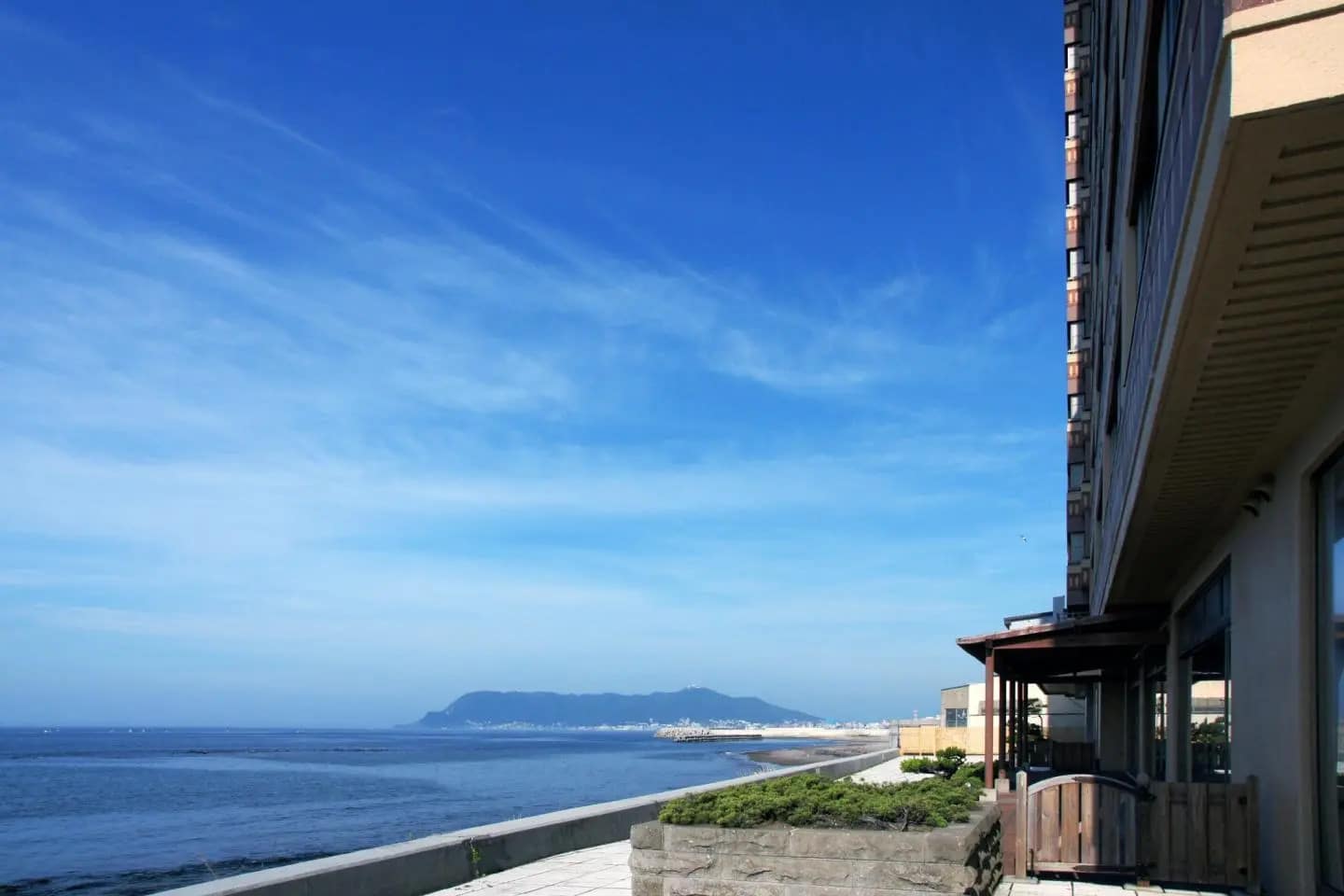
Yunokawa Onsen has many onsen hotels and inns spread along the tram stops, suited to a relaxing itinerary with one night and two meals.
Around Yunokawa Onsen Station: The Best Base for a Stay with Dinner and Breakfast
We suggest staying at a hotel around Yunokawa Onsen Station, within a 10-minute walk, with convenient round trips to downtown Hakodate and the airport. Most inns offer “ippaku nishoku” (a stay with dinner and breakfast). Because there are not many places to eat in Yunokawa at night, a meal-inclusive plan saves the hassle of finding food and lets you enjoy kaiseki cuisine made from seasonal Hokkaido ingredients. For example, KKR Hakodate offers free-flowing source-water hot springs and seasonal kaiseki meals.
At the century-old kappo ryokan Wakamatsu, you hear the waves as soon as you open the window; Hotel Manso is known for its Taisho-romance style and rich buffet; and Umi to Akari Hewitt Resort has a rooftop infinity open-air bath.
FAQ
Q: How much does day-use bathing at Yunokawa Onsen cost?
According to the Hakodate Yunokawa Onsen Ryokan Cooperative website (September 2026), adult prices at each facility range from about ¥550 to ¥2,200: Hotel Tetra is cheapest at ¥550, Yumoto Takuboku-tei and Yunohama Hotel are ¥1,200, Umi to Akari / Hewitt Resort is ¥2,000, and Hotel Manso is ¥1,800 on weekdays and ¥2,200 on weekends and holidays. Open hours differ by facility, and some open for only two afternoon hours, so check before you go. If you just want to soak your feet, the foot bath “Yumeguri Stage” next to the tram stop is free.
Q: How long does it take to get from Hakodate Airport to Yunokawa Onsen?
By taxi or hotel shuttle it takes about 5-10 minutes, making it one of the onsen towns closest to an airport in all of Japan.
Q: How do I get to Yunokawa Onsen Station?
Take the Hakodate City Tram from Hakodate Station to “Yunokawa Onsen” stop; the ride takes about 30 minutes and a one-way ticket is ¥300.
Q: When can I see monkeys bathing in the hot spring at Yunokawa Onsen?
The monkey hot spring display is shown at the Hakodate City Tropical Botanical Garden from December to early May each year. The garden opens at 9:30, closes at 16:30 from November to March, and at 18:00 from April.
Q: What is the best season to visit Yunokawa Onsen?
Spring (April-May) for cherry blossoms, summer (July-August) for cool weather and the folk arts festival, autumn (October-November) for fall foliage, and winter for the hot spring monkeys and illuminations. Each of the four seasons has its own character.
Q: How far in advance should I book accommodation at Yunokawa Onsen?
We suggest booking at least 1-2 months ahead, and 2-3 months ahead for peak seasons (cherry blossom season, summer vacation, autumn foliage season, and year-end and New Year).
Q: What etiquette should I follow when bathing at Yunokawa Onsen?
Wash your body before entering, swimsuits are not allowed in the bath, most facilities do not admit people with tattoos, and photography and drinking are not allowed in the bathing area.