
Hokkaido Jingu Guide 2026: Visiting Hokkaido’s Chief Shrine and Its Seasonal Highlights
Hokkaido Jingu (Hokkaido Shrine) stands in Maruyama, Chuo Ward, Sapporo. It is the highest-ranking shrine in Hokkaido, with free admission and no closing days all year. Blending imperial faith with the history of Hokkaido’s pioneers, it has its own scenery in every season and is worth at least half a day of unhurried exploring.
There are more than twenty types of omamori (amulets) at Hokkaido Jingu, and from July 1, 2026 the offering fee (hatsuho-ryo) runs from ¥500 to ¥1,200. Top picks are the Shigoto-mamori (work), Musubi-mamori (good relationships), the traffic safety series and the Gakugyo-mamori (academic success); see the omamori price list below for all types and prices. Getting there: take the Tozai Line subway to Maruyama-koen Station, then walk about 15 minutes from Exit 3.
- Admission: Free, open every day of the year
- Opening hours: Apr 1–Oct 31 06:00–17:00 / March 07:00–17:00 / Nov 1–Dec 30 and Jan 8–end of February 07:00–16:00 (see the table below for the New Year period)
- Amulet office and goshuin (temple stamps): Daily from 09:00 until closing
- Omamori: ¥500–¥1,200 (new prices from July 1, 2026; cash only)
- Goshuin: about ¥500; goshuin book ¥1,500
- Access: Tozai Line subway, Maruyama-koen Station, about a 15-minute walk from Exit 3
Chief Guardian Shrine of Hokkaido: Why It Holds the Island’s Highest Status
Hokkaido Jingu was founded in 1869 (Meiji 2) under the name “Sapporo Shrine.” It enshrines the three pioneer deities (Okunitama no Kami, Onamuchi no Kami and Sukunabikona no Kami) together with Emperor Meiji, and it is the guardian shrine of the whole of Hokkaido. Its rank is the highest on the island and it is the most important center of faith for local people. Every New Year, hundreds of thousands of visitors come for hatsumode (the first shrine visit of the year), a sign of just how revered it is.
The grounds cover 180,000 square meters, ringed by forest and fresh air. Even in the middle of Sapporo you get the hush of a mountain shrine, which is why many travelers count it among Hokkaido’s must-visit spots.
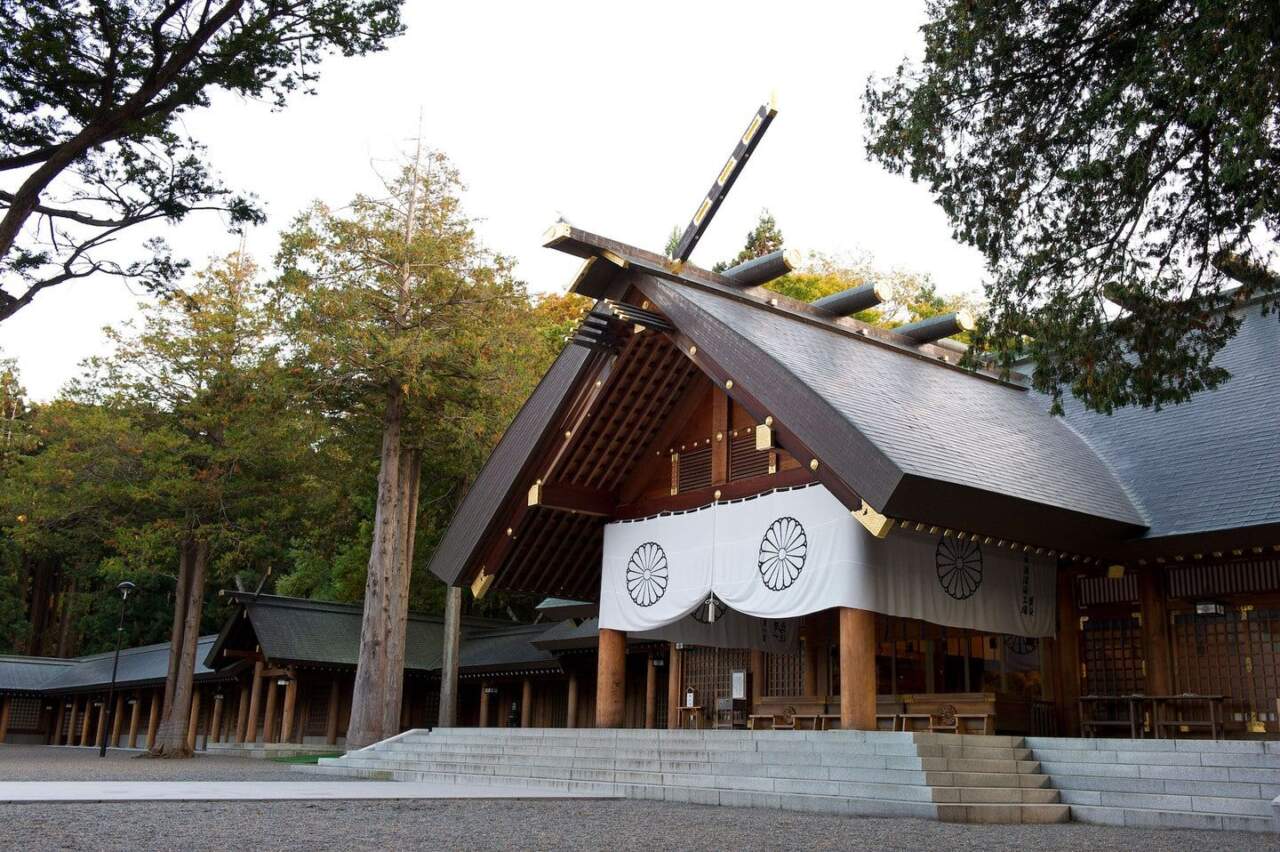
Jinja vs. Jingu: Why It Is Called a “Jingu” Rather Than a “Jinja”
In the Shinto system, a “jingu” generally refers to a shrine with deep ties to the imperial family, one that enshrines an emperor or the imperial ancestral deities, and it ranks above an ordinary “jinja.” Because Emperor Meiji was enshrined there, Sapporo Shrine was formally elevated to “Hokkaido Jingu” in 1964, a symbol of its supreme standing in Hokkaido’s Shinto faith.
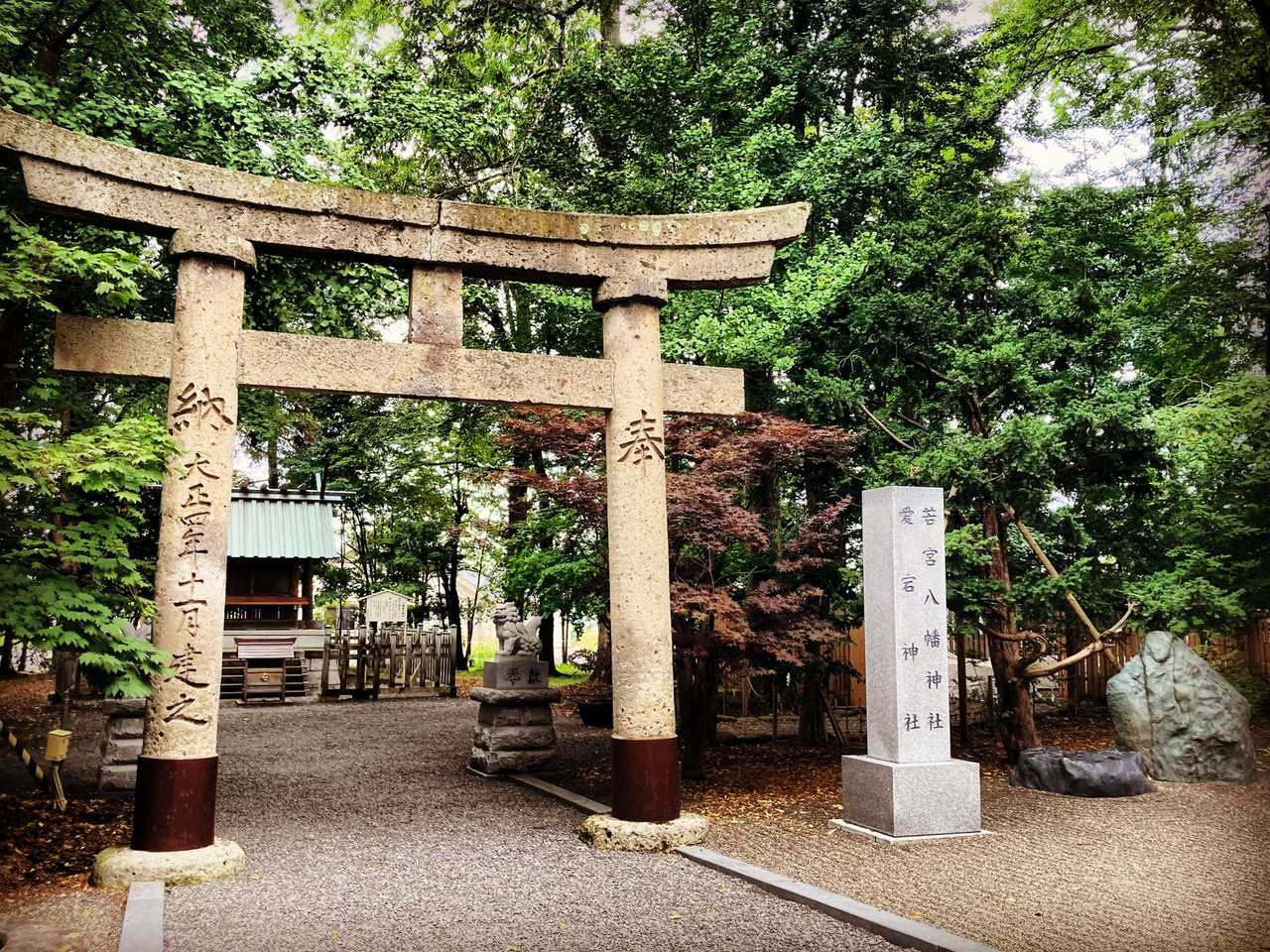
Knowing this background helps you feel the solemnity of a visit more deeply. It also explains why locals refer to the place with the affectionate yet respectful “Jingu-san.”
Built Facing the Northeast: A Historical Precaution Against Russia?
The main hall of Hokkaido Jingu is said to deliberately face northeast rather than the traditional south.
The popular story is that in the Meiji era the government feared a Russian invasion from the north, so the shrine was oriented northward to stand guard.
This account does not appear in the official website’s explanation, so treat it as a fun bit of history to mull over during your visit.
Ties to Ainu Culture: The Meaning Behind the Owl Clay Bell
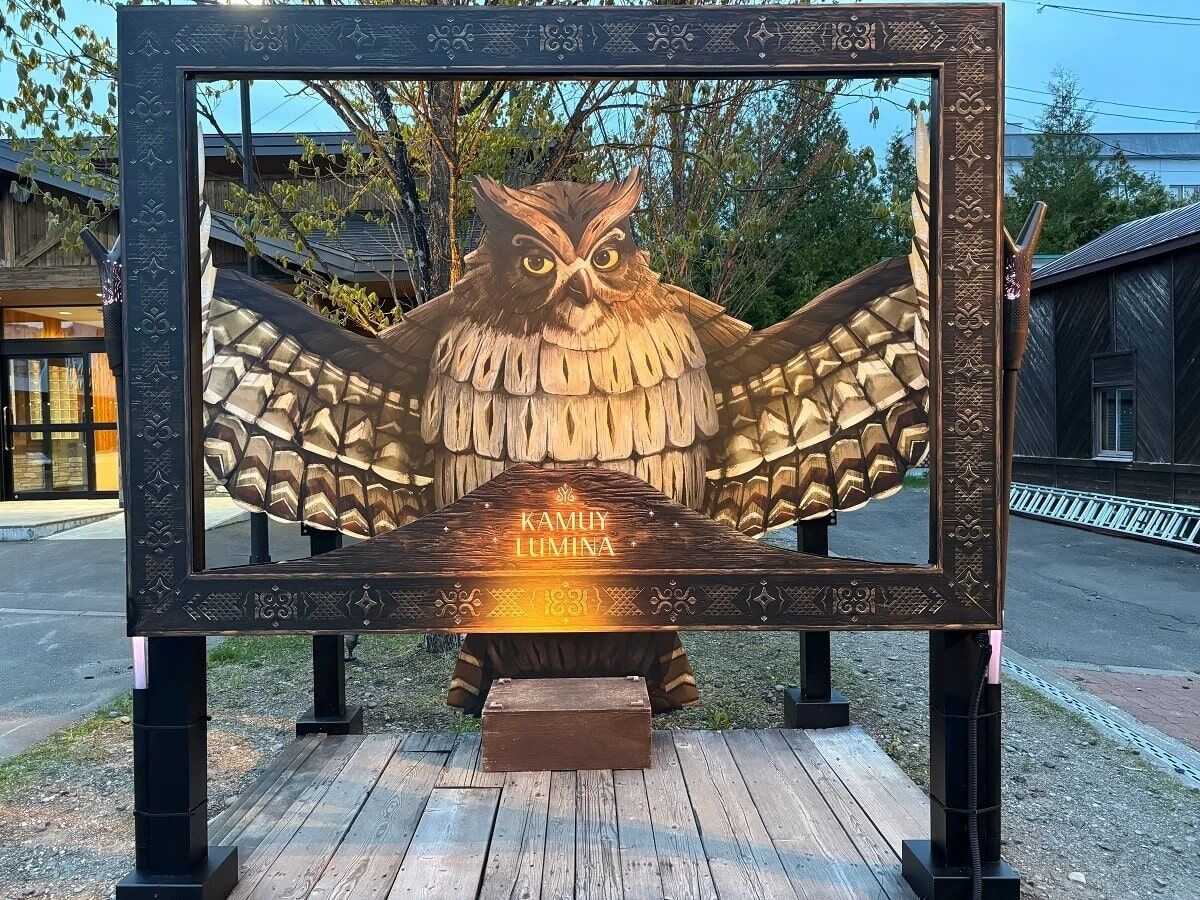
In Ainu culture the owl is called “Kotan Kor Kamuy,” meaning the god who protects the village.
The “Dorei Fukuro” (owl clay bell) sold at Hokkaido Jingu’s amulet office has an offering fee of ¥2,000 and is a distinctive item found only on the grounds.
Note: it is a bell, not an omamori. The official website does not explain any link between its design and Ainu culture, so this is offered only as cultural background.
Hokkaido Jingu Guide 2026: How to Get There, Transport Options and Costs
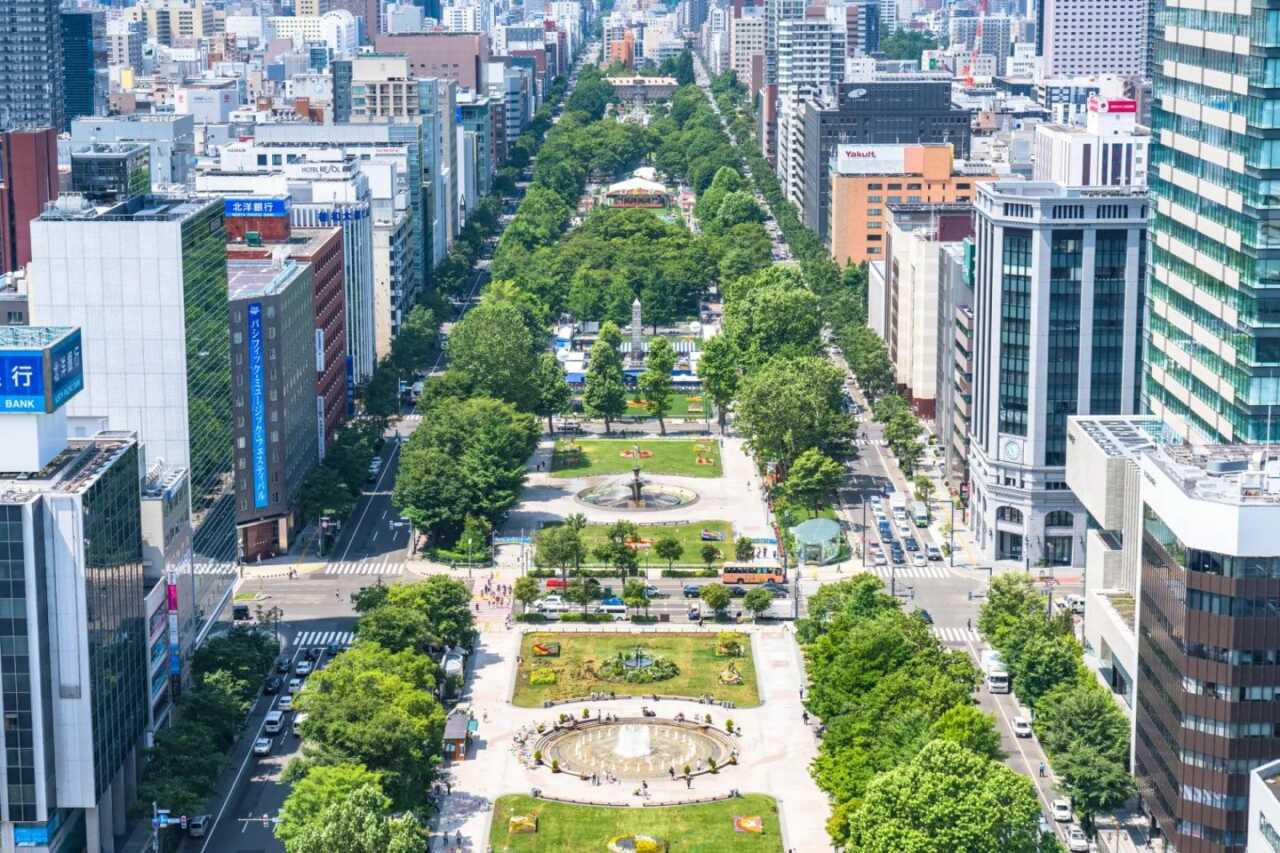
Hokkaido Jingu is in Miyagaoka, Chuo Ward, Sapporo, right next to Maruyama Park. It is one of the few shrines in the city surrounded by primeval forest, and access is quite easy whether you come by subway, bus or car. Below are the latest 2026 transport options and costs so you can plan your day in one go.
Subway, Bus, Taxi or Driving: A Full Comparison
- Subway: Take the Tozai Line to Maruyama-koen Station, then walk about 15 minutes from Exit 3. The fare is about ¥210 from Odori / ¥250 from Sapporo.
- Bus: At the Maruyama-koen Station bus terminal, take the JR Hokkaido Bus “En 15” or “En 16” (Zoo Line) and get off at the “Hokkaido Jingu” stop, about a 1-minute walk away. The fare is ¥240.
- Bus (another route): From Nishi-28-chome Station you can take the loop “Nishi 20 / Nishi 21” Yamanote Line, which passes Hokkaido Jingu.
- Taxi: About 15 minutes from JR Sapporo Station, with an estimated fare of ¥1,500–1,800 (winter surcharges are common, for reference only).
- Driving: The on-site car park holds about 230 cars and is free on weekdays. From after the gates close on December 31 through January 7, a maintenance fee applies: ¥500 per car (within 2 hours, then ¥500 per additional hour). Parking is tight on weekends, holidays, blossom season and during the Sapporo Festival, so public transport is recommended.
- Money-saving tip: The subway one-day pass is ¥830 (adult); on Saturdays, Sundays, holidays and Dec 29–Jan 3 you can use the Donichi-kippu for ¥520.

Hokkaido Jingu Guide 2026: Must-See Spots, Visiting Route and Nearby Highlights
Hokkaido Jingu Main Hall: The Highest-Ranking Shrine Hall in Hokkaido
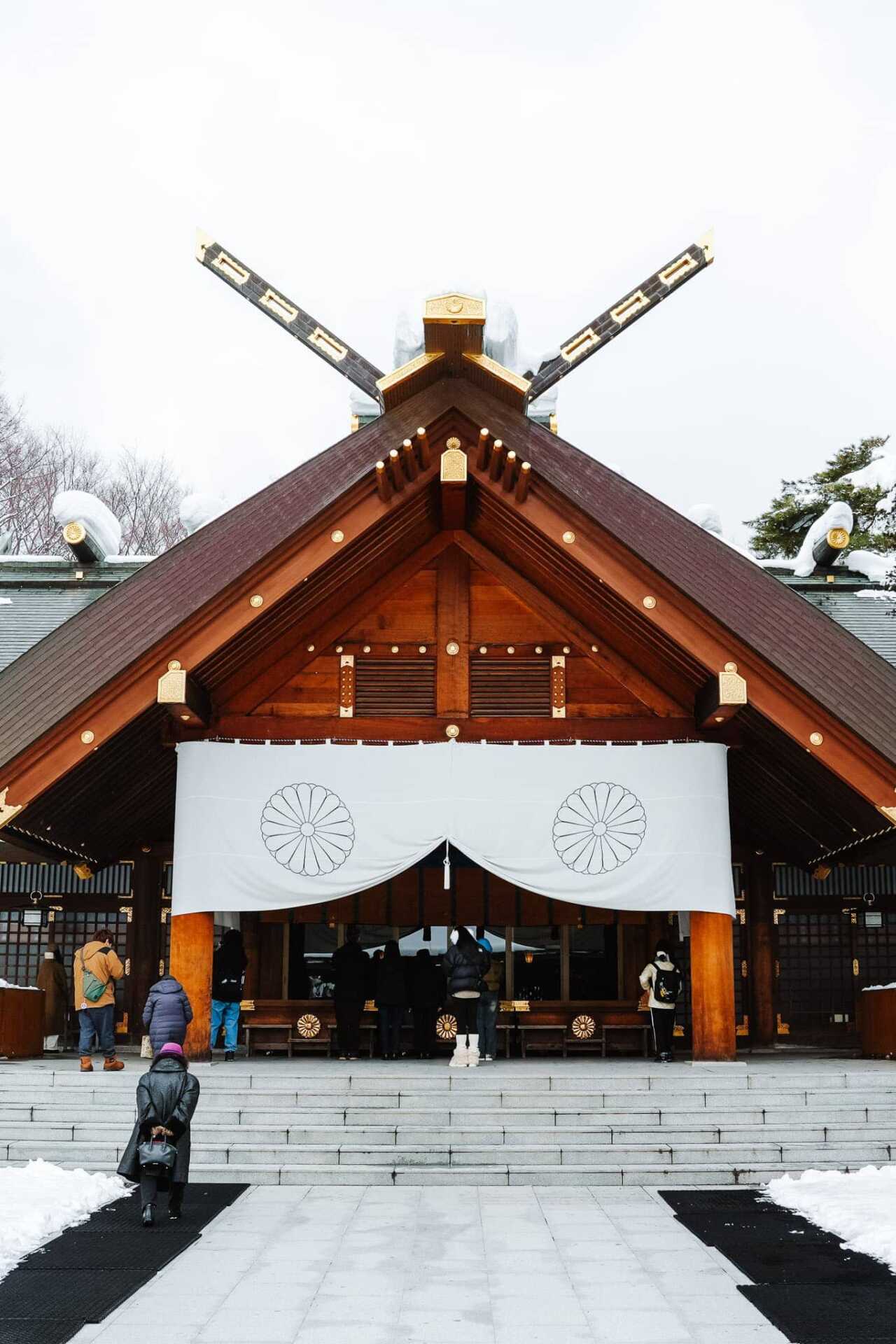
The main hall enshrines the three pioneer deities and Emperor Meiji and is the heart of Shinto faith across Hokkaido. The architecture is solemn and grand, and the wooden shrine buildings blend beautifully with the surrounding native forest. It is open every day of the year with free admission; hours change with the season (see the table below). The amulet office and prayer reception (kito uketsuke) open daily from 09:00 until closing, and goshuin are issued at the prayer reception (cash only).
| Period | Opening hours |
|---|---|
| April 1–October 31 (summer) | 06:00–17:00 |
| March 1–March 31 (spring) | 07:00–17:00 |
| November 1–December 30, January 8–end of February (winter) | 07:00–16:00 |
| New Year period (2025–26 announcement) | 12/31 07:00–17:00 / 1/1 00:00–18:00 / 1/2–3 06:00–18:00 / 1/4–7 06:00–16:00 |
New Year hours are adjusted slightly each year, and a past announcement gave 06:00 as the March opening time, so please check the official website before you go.
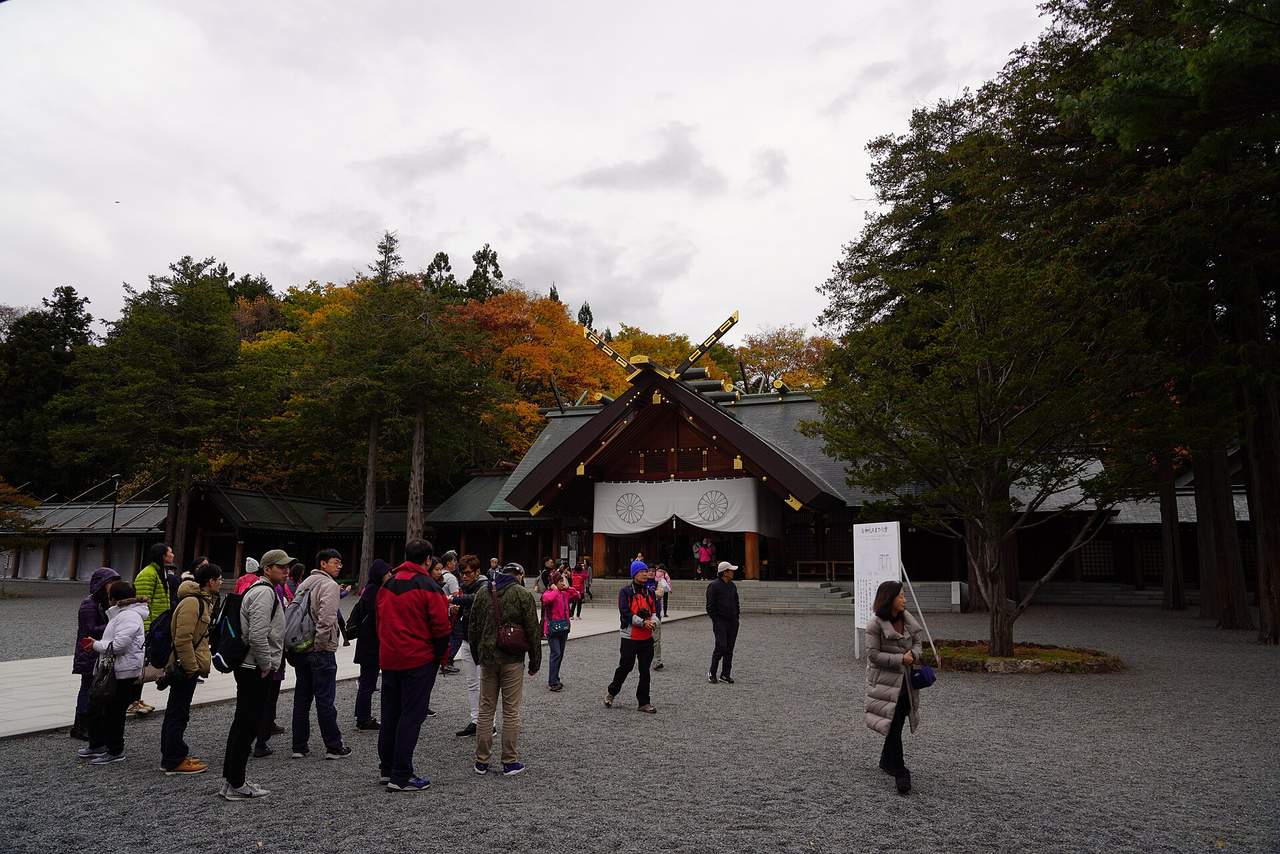
A simple visit to the main hall takes about 30-40 minutes. If you want to explore the smaller shrines on the grounds and rest at the tea house, allow 1.5-2 hours. The best time to visit is 9-11 a.m., when crowds are thinner and it is easier to take photos.

- 🕘 Gate opening and closing times: Apr 1–Oct 31 6:00–17:00 / March 7:00–17:00 / Nov 1–Dec 30 and February 7:00–16:00
- 🎍 Special New Year hours: New Year’s Eve 7:00–18:00 / New Year’s Day 0:00–19:00 / Jan 2–3 6:00–18:00 / Jan 4–7 6:00–16:00 / Jan 8–31 7:00–16:00 (2025–26 announcement; adjusted slightly each year)
- 🖌️ Amulets and goshuin reception: Weekdays from 9:00 until closing; Jan 2–3 from 6:30, Jan 4–7 from 7:00
- 🔗 Hokkaido Jingu official website
Proper Shrine Etiquette: Purifying at the Temizuya and the Two Bows, Two Claps, One Bow
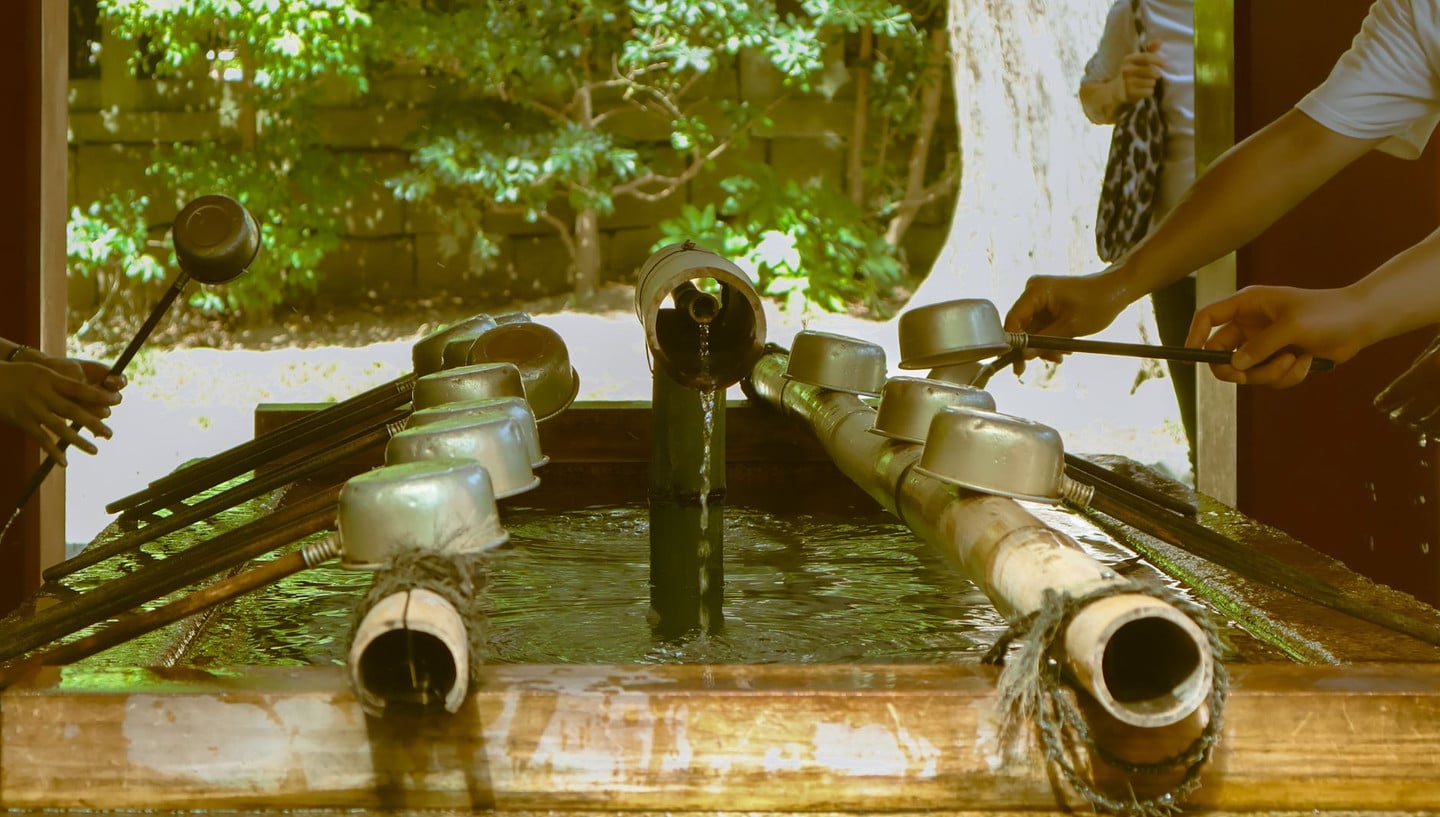
Before passing through the torii gate, give a light bow and walk along the side, since the center of the path is regarded as reserved for the deities. At the temizuya (purification fountain), scoop water with the ladle in your right hand and wash your left hand, then switch the ladle to your left hand and wash your right. Next, pour water from the ladle in your right hand into your left palm and rinse your mouth, and finally stand the ladle upright so the remaining water rinses the handle, completing the purification.
The formal prayer at the main hall is “two bows, two claps, one bow”: toss in a coin (a ¥5 coin is recommended, since “go-en” sounds like “good fortune and connection”), ring the bell, bow deeply twice, clap twice in front of your chest, close your eyes and pray with your palms together, and finish with one more bow. The routine looks fussy, but it takes only a minute and is the most authentic way to experience Japanese Shinto culture.
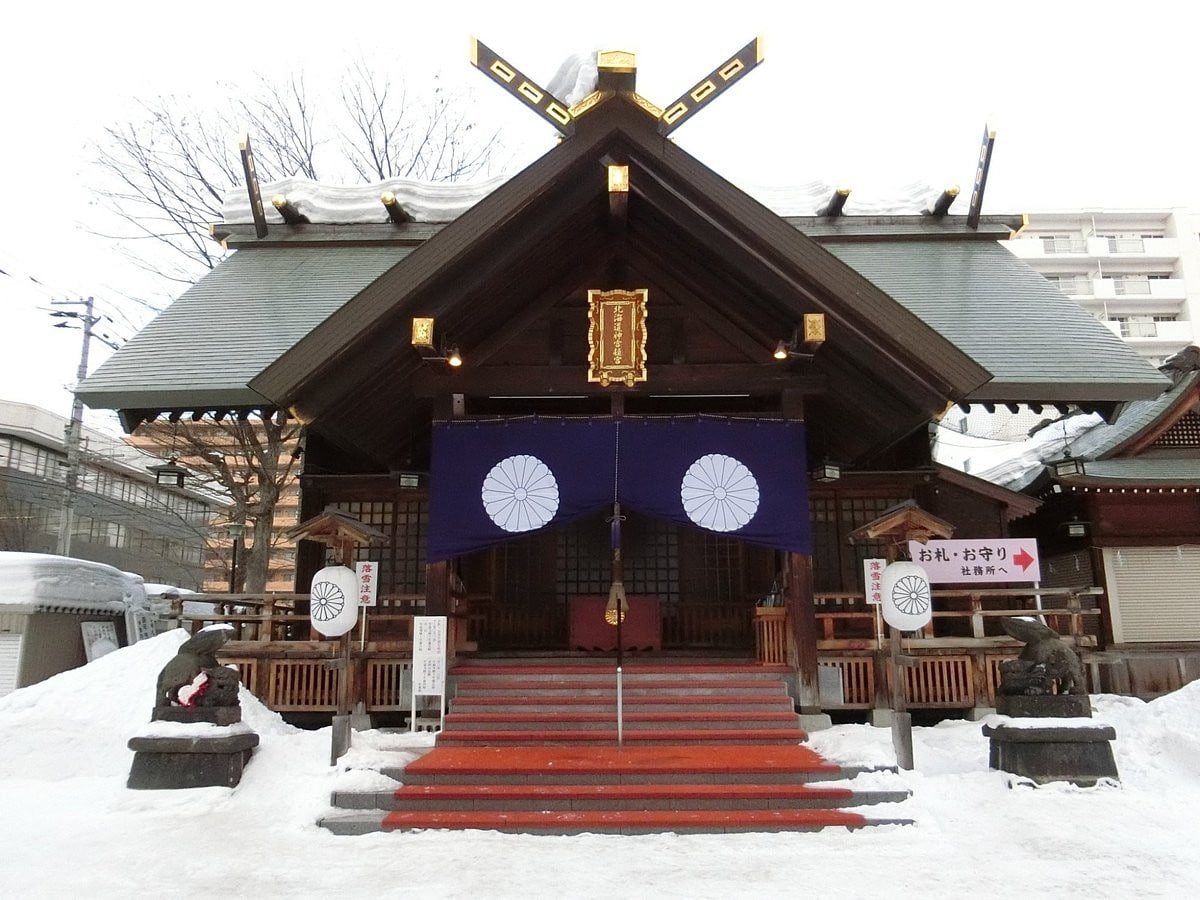
Hokkaido Jingu Tongu: The Downtown Branch Shrine for Worshipping from Afar
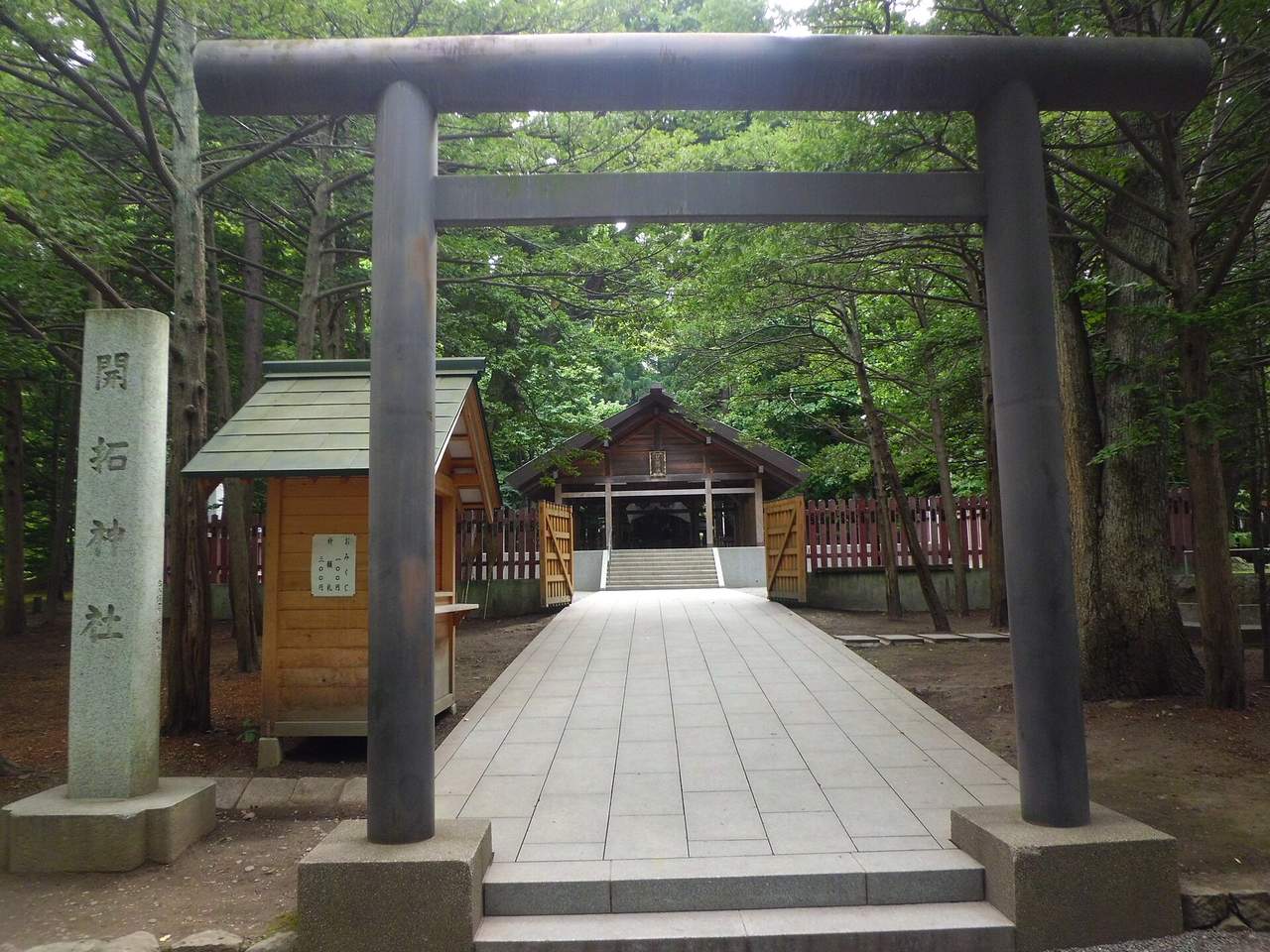
The Tongu is located at Minami 2-jo Higashi 3-chome 10, Chuo Ward, Sapporo, near Nijo Market, and serves as Hokkaido Jingu’s branch shrine in the city.
The shrine office is open 9:00–17:00 in summer and 9:00–16:00 in winter.
The grounds are small, making it convenient for downtown travelers to pay their respects nearby, and it pairs well with a visit to Nijo Market on the same outing.
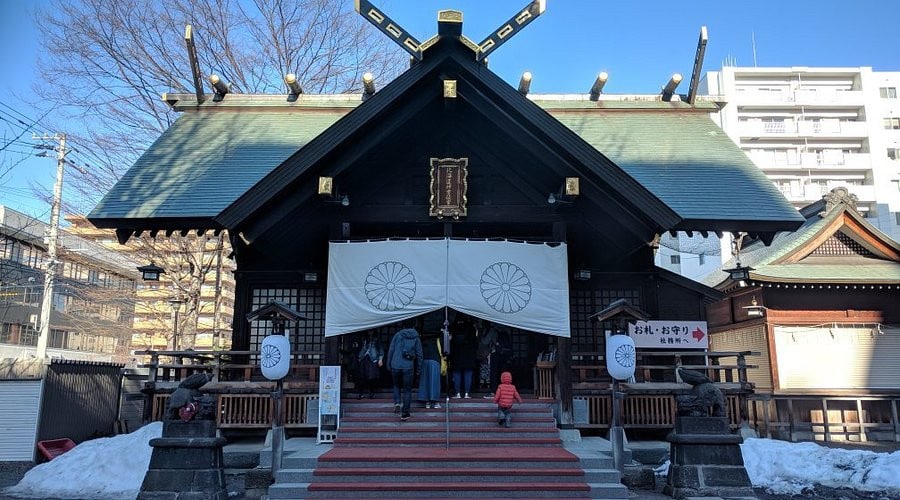
Kaitaku Shrine: Guardian Shrine of the Pioneers
Kaitaku Shrine was built in 1938 in a corner of the Hokkaido Jingu grounds. When founded it enshrined 36 forebears who contributed to the development of Hokkaido; Yoda Benzo was added in 1954, bringing the total to 37, making it an important window into the history of Hokkaido’s pioneers. Compared with the solemn grandeur of the main hall, Kaitaku Shrine is smaller and quieter, ideal for history lovers who want to take their time.
Kaitaku Shrine has its own goshuin, issued at the same prayer reception as for the main shrine.
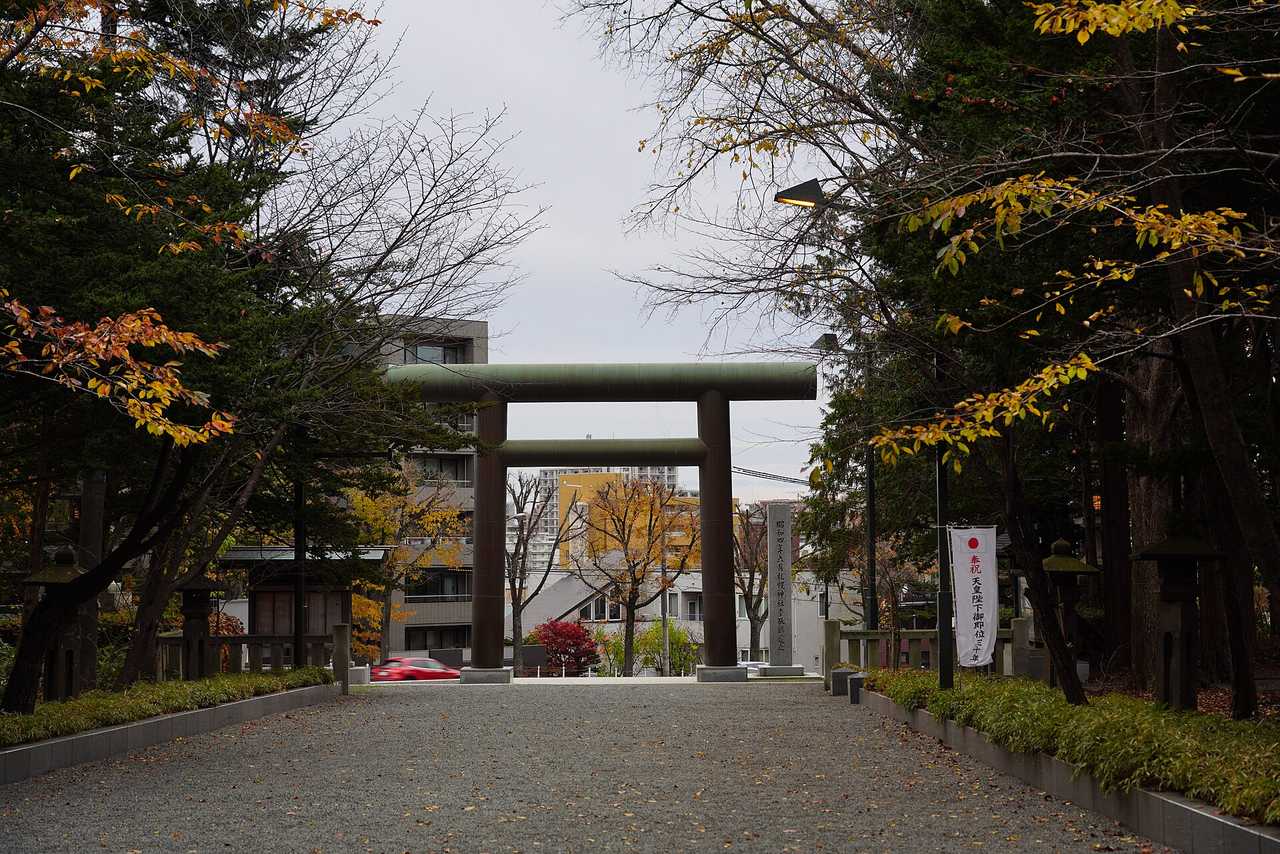
Omotesando and the Second Torii: The Solemn Path into the Sacred Grounds
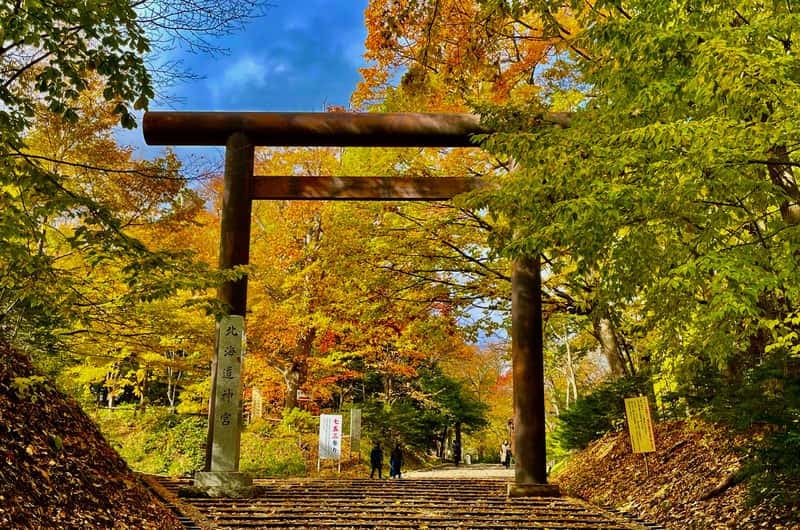
The omotesando approach, running from the second torii to the main hall, is lined with towering cedar and oak trees and is one of the most iconic photo spots on the grounds; the play of light is especially lovely when morning sun filters through the trees. Photographers should visit between 9 and 11 a.m., when crowds are thin and the light is at its softest.
In winter, white snow can make photos look flat, so wear a bright jacket or scarf to make your pictures pop against the snowy scene.
Hokkaido Jingu Omamori Types and Prices: New Price List from July 2026
A guide to Hokkaido Jingu omamori: prices rose on July 1, 2026. The list below follows the official announcement, and all are cash only.
- ¥500: Hada-mamori (skin), Kodomo-mamori (children), Card-gata-mamori (card type), Goukaku-mamori (exam success)
- ¥800: Hissho-mamori (victory), Shigoto-mamori (work; previously ¥500), Gakugyo-mamori (academic success), Musubi-mamori (good relationships), Migawari-mamori (substitute), Shinrei-mamori (sacred bell), Eto-ishi-mamori (zodiac stone)
- ¥1,000: Kenko-mamori (health), Yakuyoke-mamori (warding off misfortune; newly introduced March 30, 2026), Anzan-mamori (safe childbirth), Kosazuke-mamori (conception), Byoki-heiyu-mamori (recovery from illness), Kotsu-nishiki-mamori (traffic), Kotsu-hada-mamori (traffic), Kotsu-anzen keychain mamori (from May 1, 2026), Kotsu-anzen-mamori (with sticker), Kin-kozuchi-mamori (golden mallet), Kin’un-mamori (money luck), Shinshin-kenzen-mamori (mind and body wellness), Sakura-suzu-mamori (cherry blossom bell), Shiawase-no-tsuru-mamori (crane of happiness)
- ¥1,200: Kotsu-gohei-mamori (traffic), Shiawase-no-suisho-mamori (crystal of happiness)
Top omamori picks: Shigoto-mamori for work, Musubi-mamori for good relationships, the traffic series if you drive, and Gakugyo-mamori for exams.
Other items: the Dorei Fukuro owl clay bell at ¥2,000 (not an omamori), ema wooden plaques at ¥500–800, and hamaya (demon-breaking arrows) at ¥1,500. Designs and prices are subject to on-site notices.
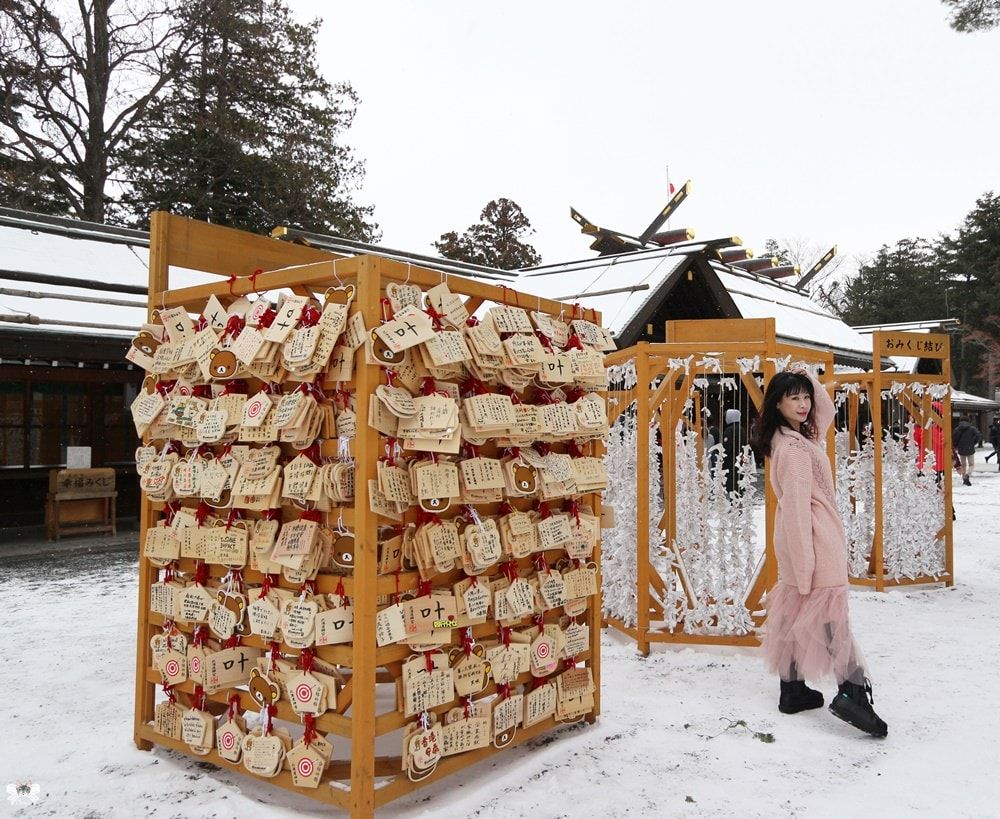
Fortune slips (omikuji) cost about ¥100–500 depending on type; check the price on site. If you draw a bad fortune, you can tie it at the designated place on the grounds.
Hokkaido Jingu Goshuin: Price, Where to Get Them and the Goshuin Book
- Offering fee: About ¥500 (subject to on-site notice; cash only)
- Where to get it: Prayer reception, daily from 9:00 until closing
- Kaitaku Shrine: Has its own goshuin, also issued at the prayer reception
- Goshuin book: ¥1,500, available in white and green
- Winter note: The winter issuing arrangements may change; follow on-site notices
Who Is Worshipped at Hokkaido Jingu? The Three Pioneer Deities, Emperor Meiji and What to Pray For
Hokkaido Jingu enshrines the “three pioneer deities” (Okunitama no Kami, Onamuchi no Kami and Sukunabikona no Kami) as well as Emperor Meiji, who was enshrined later. The main prayer focuses are as follows.
- Okunitama no Kami: Good relationships (en-musubi), conception, marital harmony, recovery from illness
- Onamuchi no Kami: Good matches, industrial development
- Sukunabikona no Kami: Safe sea voyages, relief from illness, child-rearing and safe childbirth
- Emperor Meiji: Academic success, business prosperity
- Matching omamori: Musubi-mamori for good relationships; Shigoto-mamori and Kin’un-mamori for work and money luck; the traffic safety series if you drive or ride

Seasonal Scenery: Cherry and Plum Blossoms Together, Autumn Leaves and Ginkgo
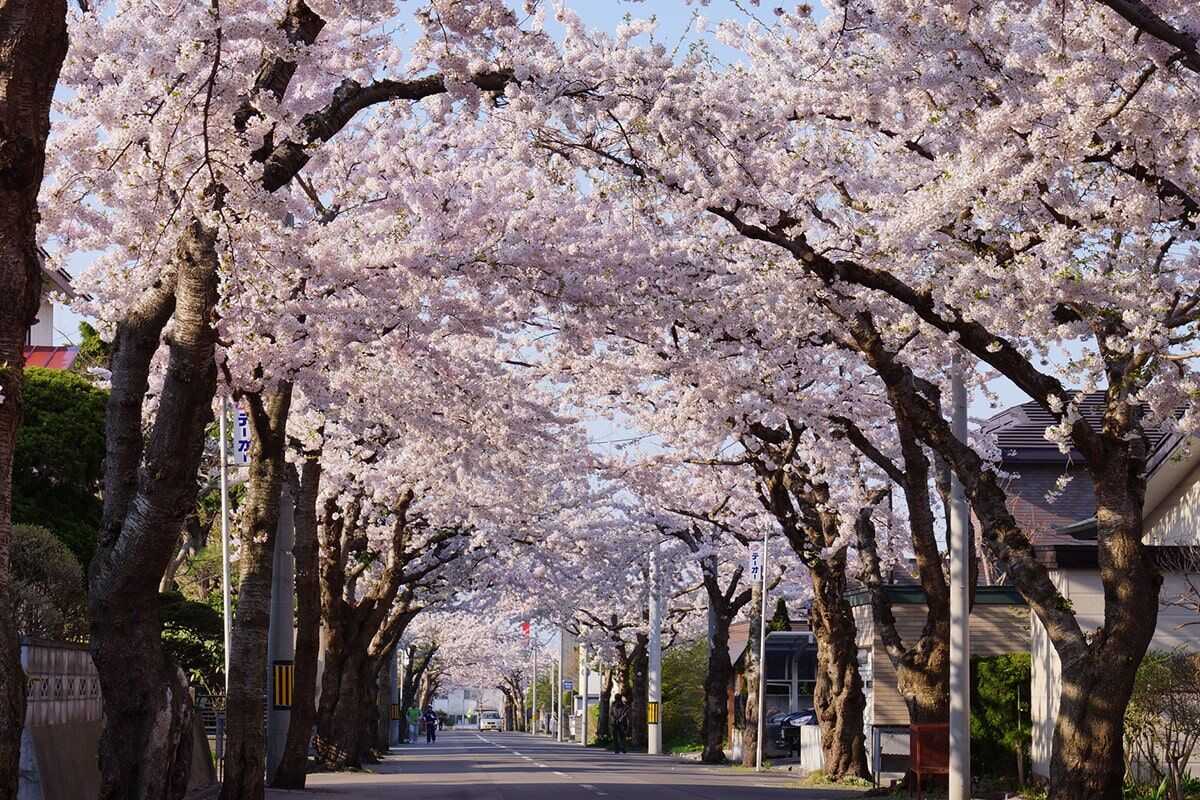
From late April to mid-May is the most dreamlike season at Hokkaido Jingu, when cherry and plum trees bloom at the same time, a rare sight in Japan known as “ume and sakura in bloom together.” From mid to late October, the hills turn to crimson leaves and golden ginkgo, and both the shrine approach and Maruyama Park take on autumn colors, making it a fine time for leaf-viewing.
From December to March the shrine buildings are draped in snow, and the solemn snowscape is a superb setting for experiencing Japan’s New Year hatsumode; in June the annual grand festival takes place, so every season has its own scenery not to be missed.
Hokkaido Jingu Grand Festival (Sapporo Festival): A Century-Old Mikoshi Procession
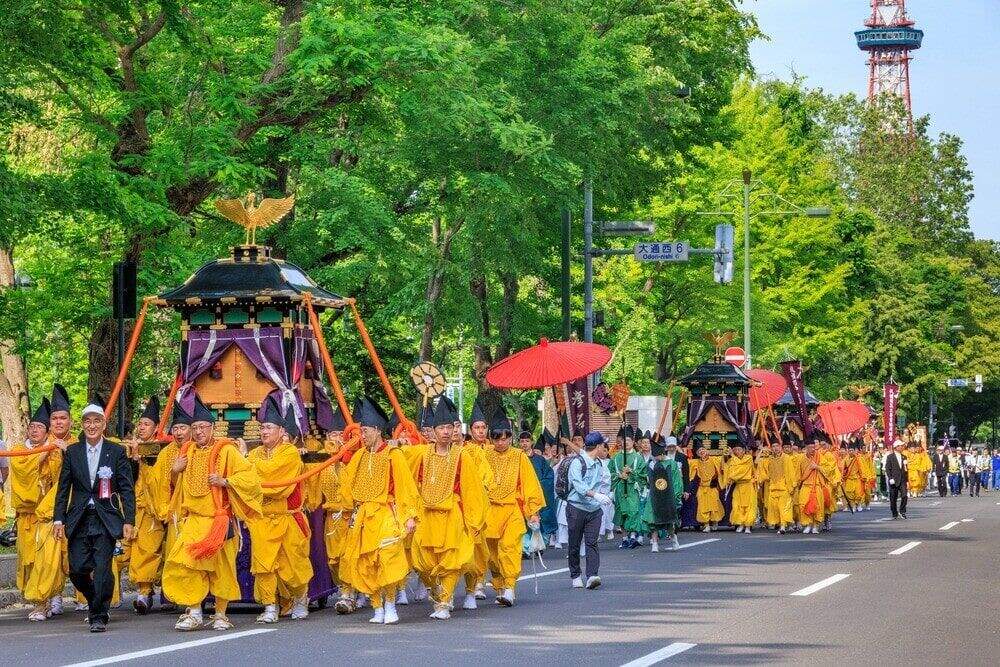
Held every year from June 14 to 16, the Hokkaido Jingu Grand Festival, popularly known as the “Sapporo Festival,” is one of the largest festivals in Hokkaido and has more than a hundred years of history. June 14 at 18:00 is the Yoimiya-sai (eve festival), June 15 at 10:00 is the main festival, and June 16 is the Mikoshi Togyo (portable shrine procession), when the procession passes through downtown Sapporo; Nakajima Park fills with traditional festival stalls and beer stands.
In November 2025 the grounds were temporarily closed because of bear sightings (reopened on November 25), so check the official website for the latest notices before you go. The end of the Sapporo Festival is also regarded by locals as the signal that “summer in Hokkaido has officially begun.”
Maruyama Park: Seasonal Blooms and a Local Green Oasis
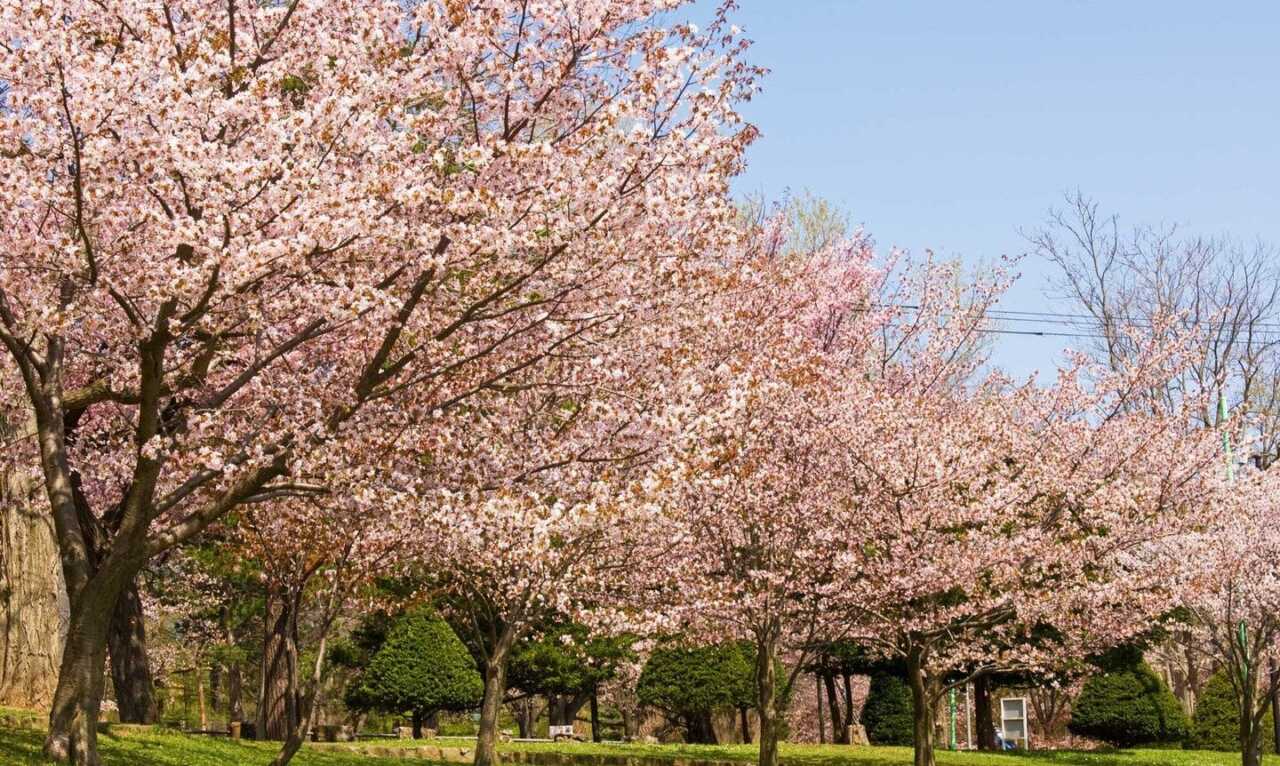
Separated from Hokkaido Jingu by just a wall, Maruyama Park is a popular spot for Sapporo residents to relax and exercise. It preserves a large tract of primeval forest, is lovely for cherry blossoms in spring and autumn leaves in fall, and is an ideal place for a stroll or picnic. The walk from Maruyama-koen Station to the shrine passes right through the park, so it is an effortless detour.
The park has a hiking trail up Mt. Maruyama (225 meters), about 30-40 minutes one way. From the summit you can look out over downtown Sapporo and the Ishikari Plain, a hidden highlight not to be missed by hiking fans.
Maruyama Zoo: Top Pick for Polar Bears and Family Outings
Maruyama Zoo is near the shrine, within walking distance, and is one of the oldest zoos in Hokkaido. The Polar Bear House and Penguin House are the most popular, and in winter the sight of polar bears moving about in the snow is especially eye-catching.
Adult admission is about ¥800, and opening hours vary slightly by season. It makes a good family add-on after visiting the shrine and can be comfortably covered in half a day.
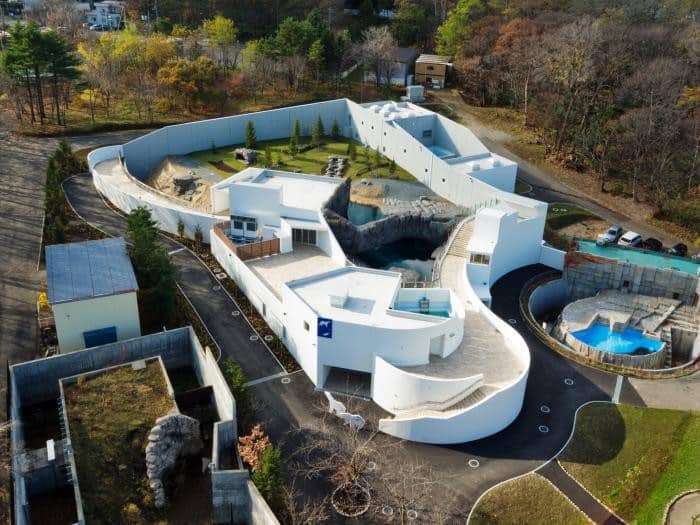
- 🕘 Opening hours: Summer (Mar 1–Oct 31) 9:30–16:30 (last entry 16:00) / Winter (Nov 1–end of February) 9:30–16:00 (last entry 15:30)
- 🎫 Admission: Adults ¥800 / High school students ¥400 / Junior high school students and younger free / Annual pass (high school students and older) ¥2,000
- 📅 Closed days: 2nd and 4th Wednesday of each month (1st and 4th Wednesday in August); in April and November, Monday to Friday of the week containing the 2nd Wednesday; also closed December 29–31
- 🔗 Sapporo Maruyama Zoo official website
Rokkatei Jingu Chaya Branch: The Hidden Sweet “Hangan-sama”
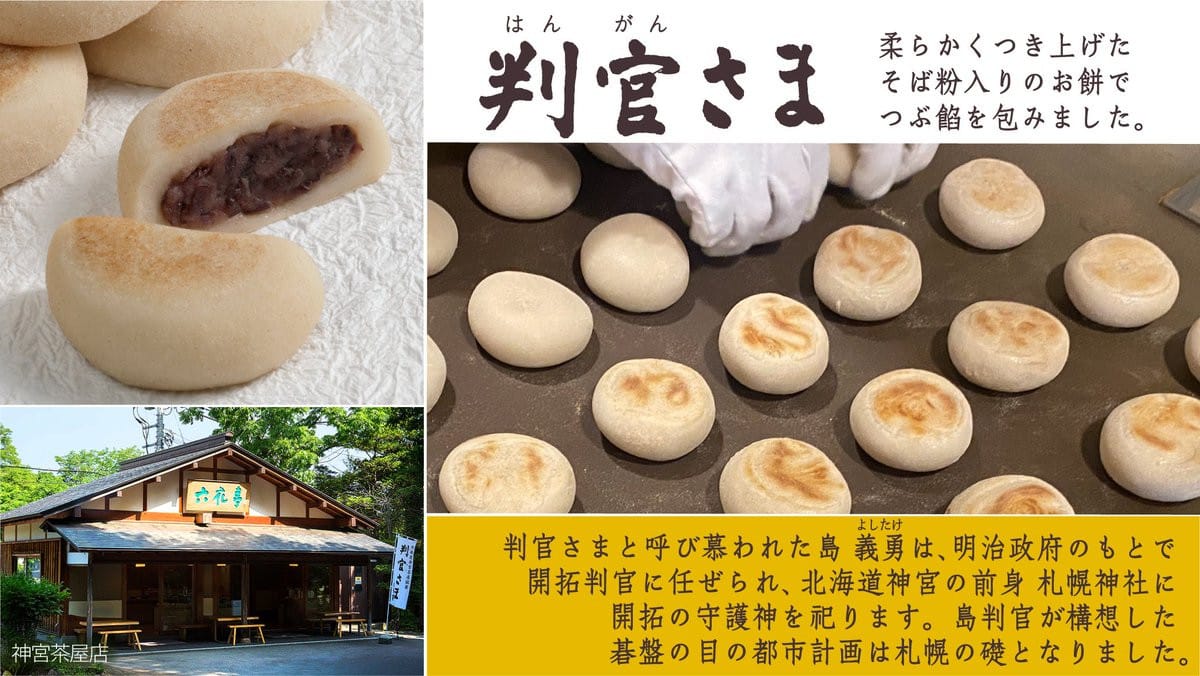
Rokkatei’s Jingu Chaya branch is the one food stop on the grounds you should not miss. Its signature “Hangan-sama” is a grilled mochi with buckwheat flour in the skin and sweet red bean filling, sold only at this branch and not available at regular Rokkatei shops. At about ¥110–140 each (price subject to the shop), it is grilled to order, crisp outside and soft inside, and the shop also serves free hot hojicha to go with it. Hours are 9:00–17:00.
Spring-limited cherry blossom sweets and “Hiyorimochi” (about ¥700) are also popular; a stop here after visiting the main hall makes a nice mid-visit rest.
KINOTOYA Jingu Chaya Branch: Freshly Grilled Daifuku Worth the Queue
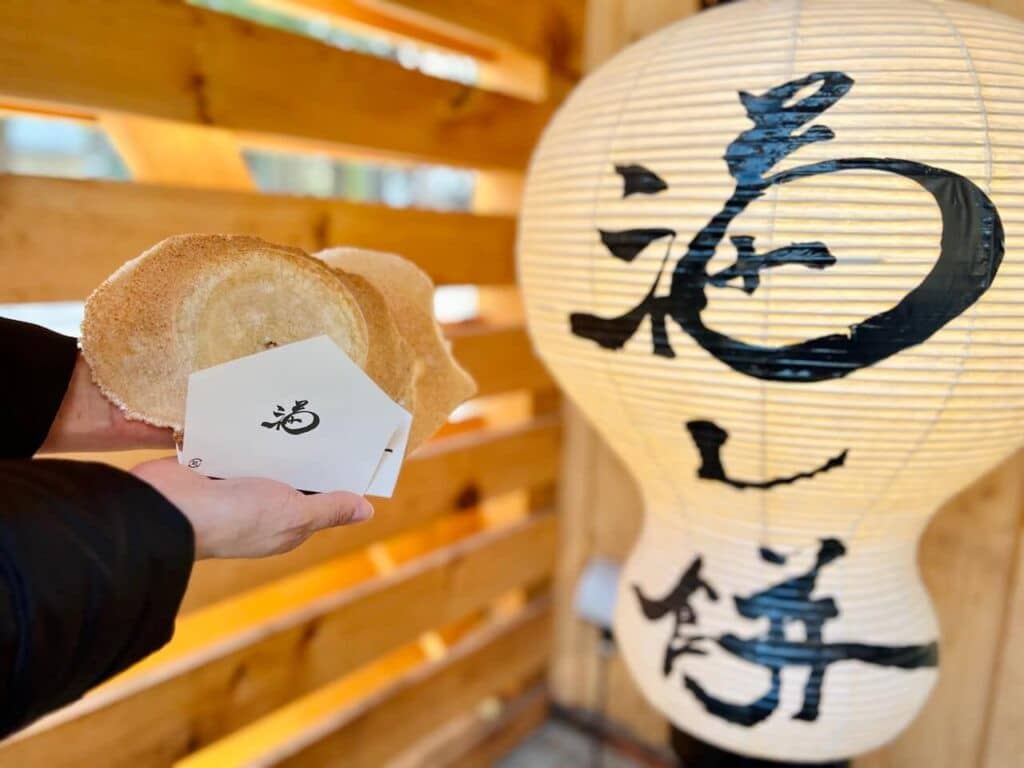
KINOTOYA also has a branch at Jingu Chaya. Its signature is the daily limited-quantity freshly grilled daifuku mochi, with a warm, soft skin and generous filling. On the first of each month it also releases a limited flavor, the “Sakutsuki Jingu Chaya Mochi,” which draws sweet-lovers who queue up especially for it.
There are few seats, so avoid the weekend lunchtime rush to enjoy the warm, just-baked treats at leisure.
Jingu no Mori Hakushika: A Light Congee Break on the Grounds
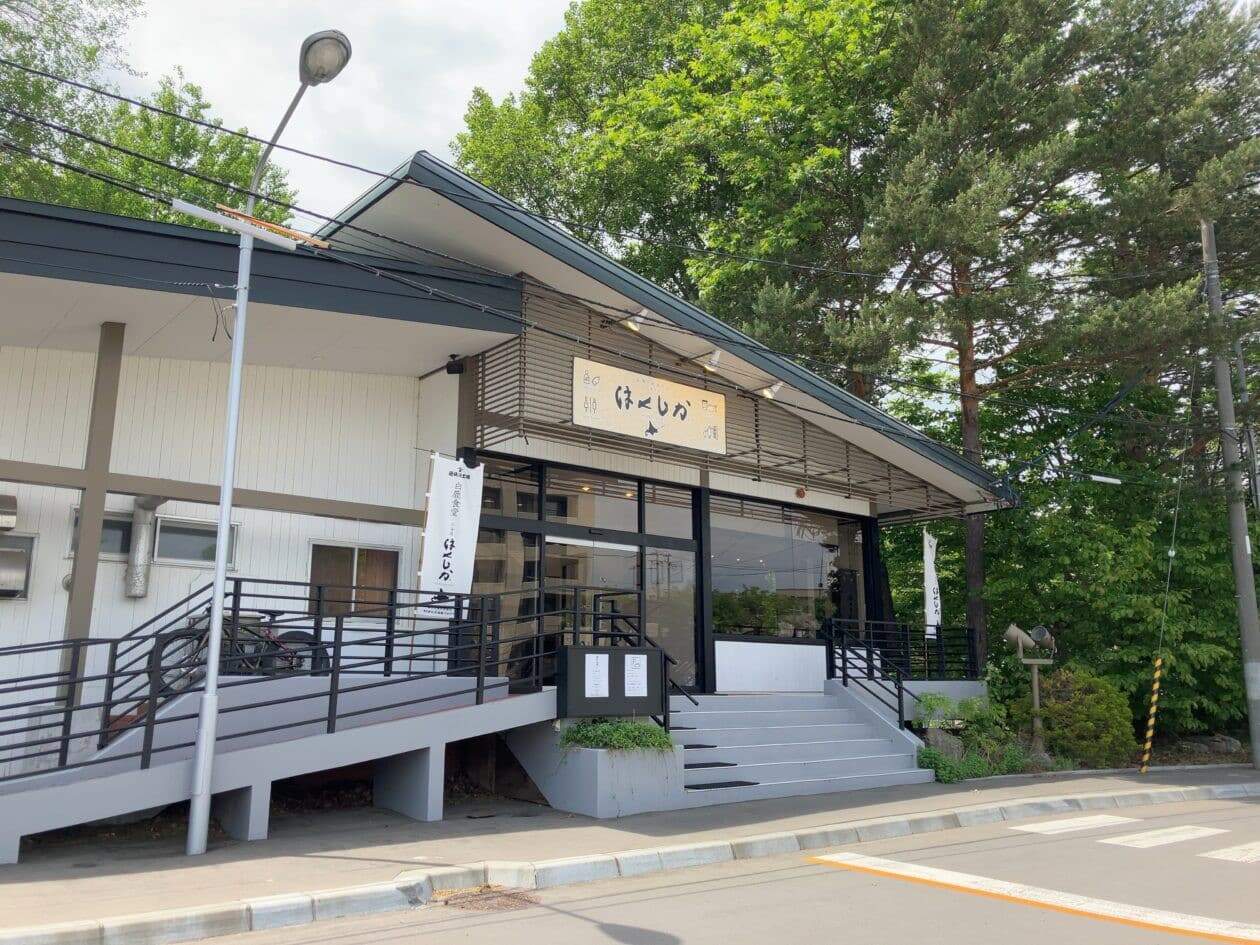
“Jingu no Mori Hakushika” (formerly Hakushika Shokudo) is on the shrine grounds and mainly serves set meals pairing medicinal congee with Hokkaido ingredients.
The menu centers on Chinese-style congee, and lunch service runs until about 14:30. Please check set-meal prices and closing days with the restaurant before you go. The on-site car park is free on weekdays, so a meal after your visit is easy to fit in.
Maruyama Saryo: A Long-Established Cafe and Light Meal Space
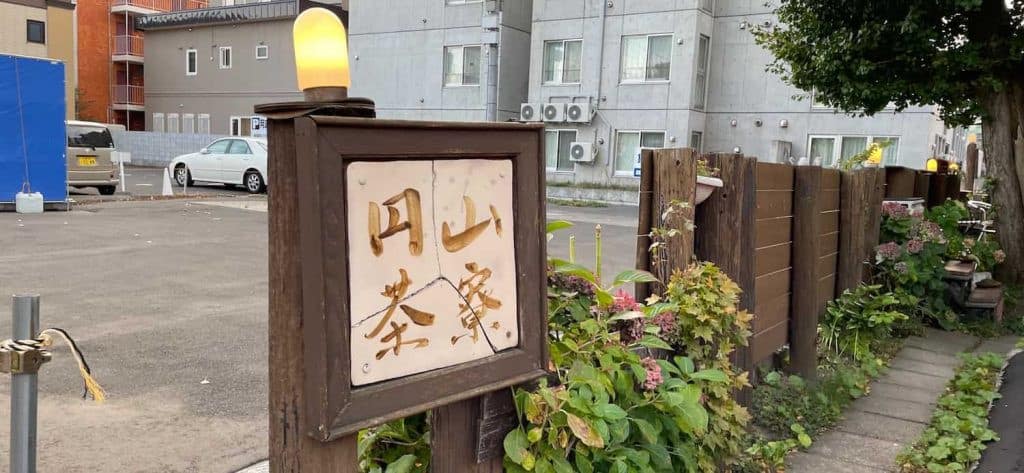
Maruyama Saryo, near Maruyama Park, is known for its retro-modern interior and hand-drip coffee. It serves light meals, desserts and lunch sets, a good place to find a quiet corner and catch your breath after visiting the shrine.
Large floor-to-ceiling windows let in natural light, and you can watch the trees outside change through the seasons. It is also on the shortlist of many locals for weekend get-togethers.
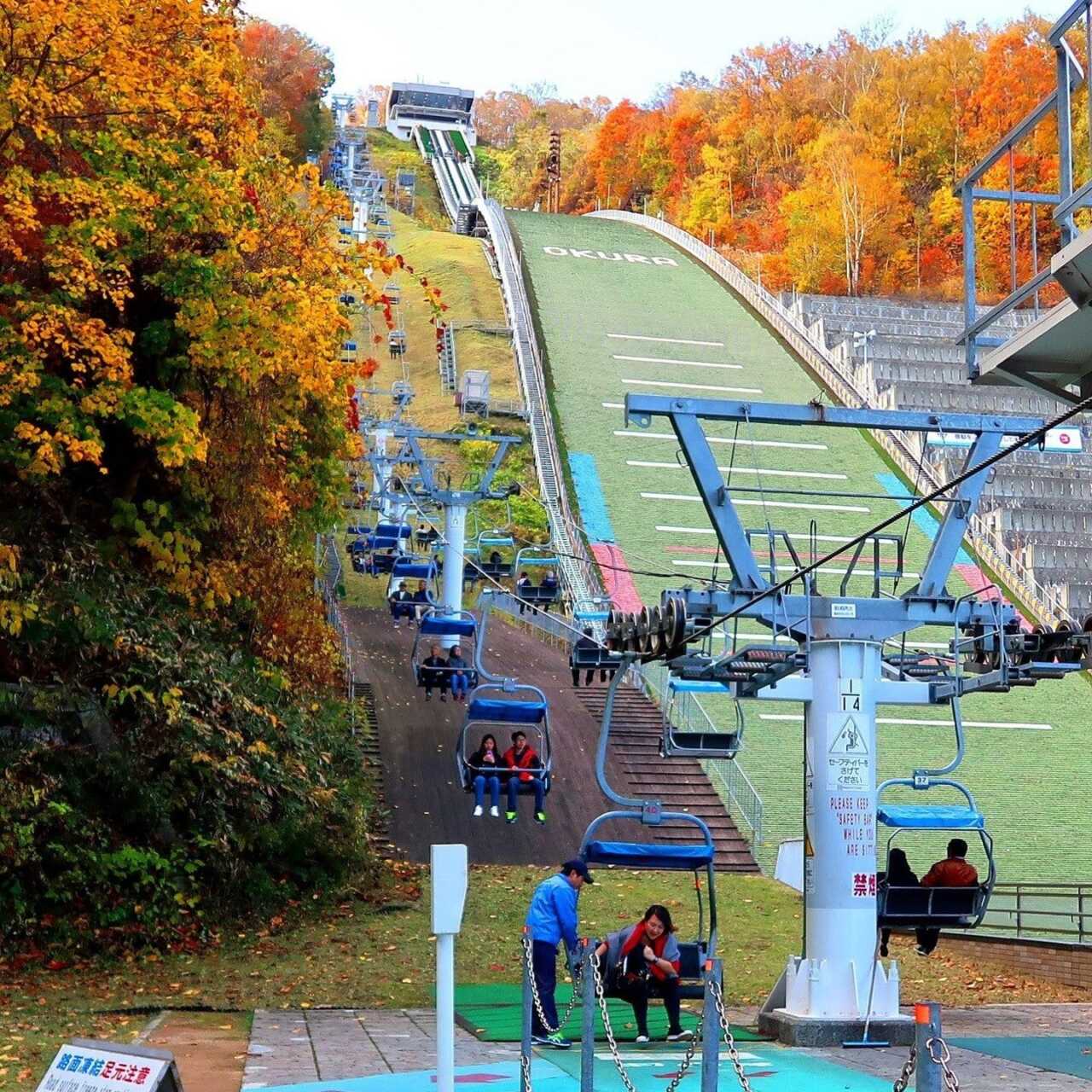
Okurayama Observation Deck: A Ski Jump with a View Over Sapporo
The Okurayama Observation Deck was the venue for ski jumping at the 1972 Sapporo Winter Olympics and now has an observatory, reached by a two-seat chairlift in about 5 minutes. For ticket prices and operating hours, follow the announcements on the Sapporo Okurayama Observation Deck website (okurayama-jump.jp). You can look out over all of Sapporo and Ishikari Bay, with excellent views on clear days, making it an insider’s pick for photographers.
It is about a 10-minute taxi ride from Hokkaido Jingu. If you have time, go in the late afternoon to watch the scenery shift from sunset to night view.
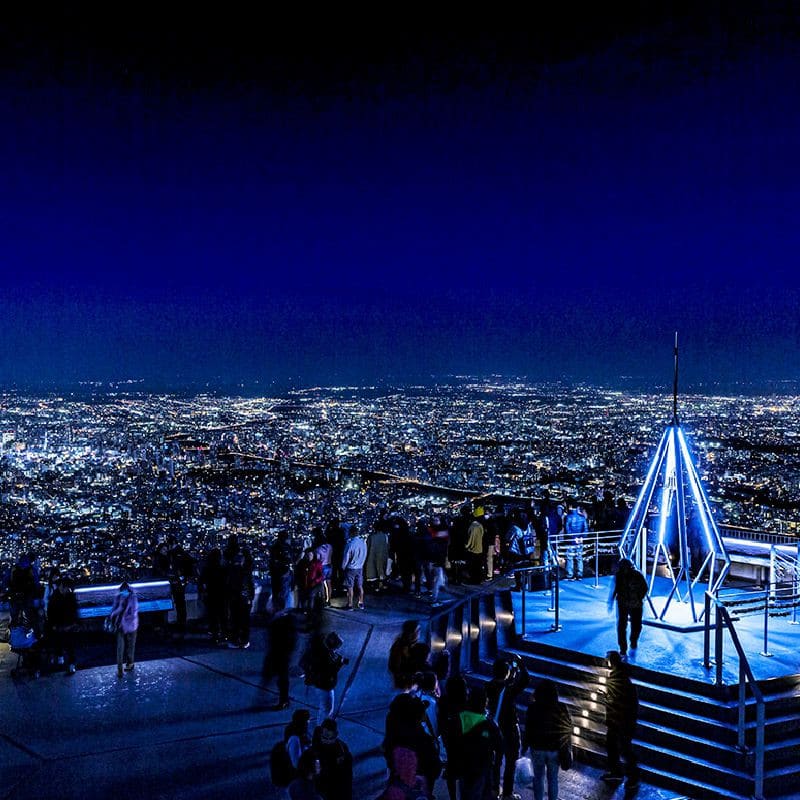
Mt. Moiwa: Sapporo’s Signature Night View
Mt. Moiwa is Sapporo’s signature night-view spot, and Sapporo has been selected several times as one of Japan’s “New Three Great Night Views” (not selected after the end-of-2024 revision). From the summit observatory you can take in the sparkling lights of the whole city, a romantic must-visit for couples and night-view lovers.
You reach the top by two connecting rides, a ropeway and a mini cable car, with a round-trip ticket of about ¥2,100. Arrive around dusk to enjoy both sunset and night view.
-Klook.jpg)
Downtown Sapporo Add-Ons: Tanukikoji Shopping Street, Shiroi Koibito Park and Odori Park
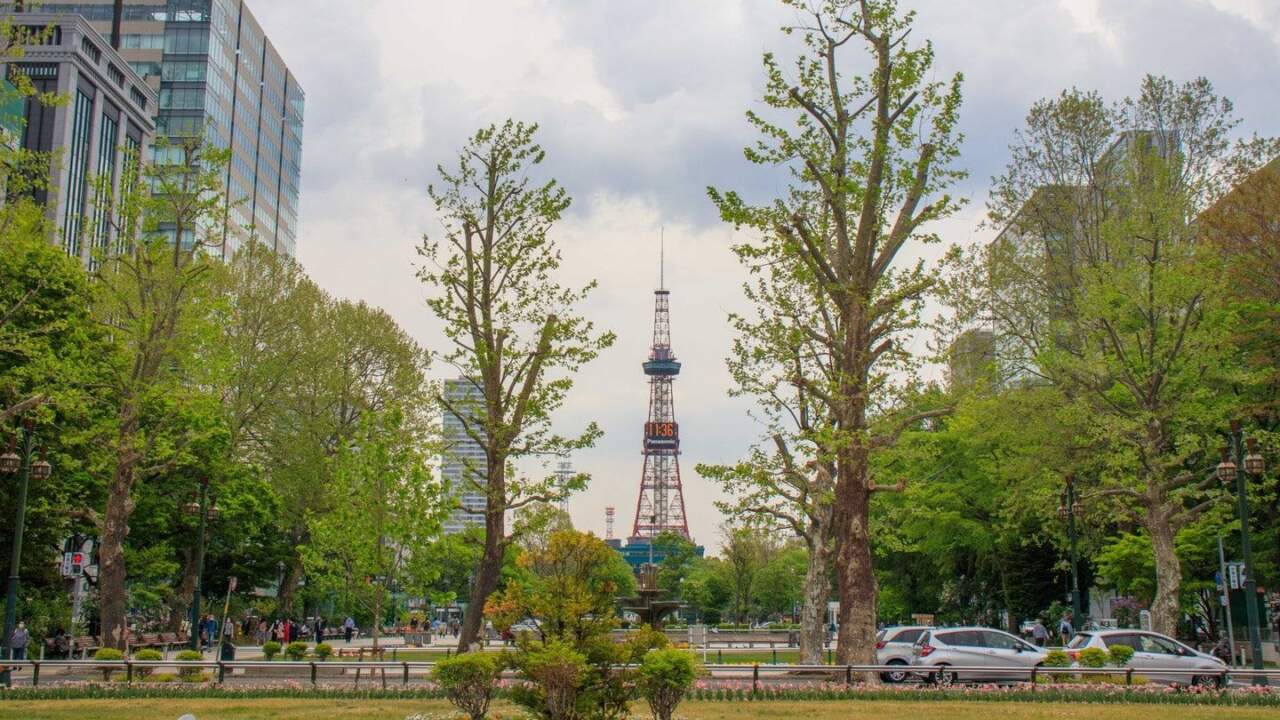
If you have time, you can link Hokkaido Jingu with downtown sights for a full-day itinerary: Tanukikoji Shopping Street is packed with souvenir shops and street food, ideal for Hokkaido-limited goods; Shiroi Koibito Park is a chocolate-themed factory attraction good for families and dessert lovers; and Odori Park hosts the Sapporo Snow Festival and the summer Beer Garden, with different events in every season.
All three can be linked by subway, and each is about 20-30 minutes from Hokkaido Jingu, making them a good half-day extension to your visit.
Hokkaido Jingu Guide 2026: Guided Experiences, Kimono Visits and Nearby Tour Picks
Hokkaido Jingu is at 474 Miyagaoka, Chuo Ward, Sapporo, with grounds of about 180,000 square meters. Besides a simple visit, travelers also pair it with a kimono experience, a professional guide or a nearby day tour. Below are several common options; prices are reference ranges from operators, so go by the booking page for actual rates.
Kimono Visit at Hokkaido Jingu: Stroll the Approach in a Kimono and Make the Most Japanese of Travel Memories
This is currently one of the most popular experiences among female travelers and couples. Most operators’ kimono rental shops are a 5 to 10 minute walk from Maruyama-koen Station or the shrine approach, so you can change and walk straight to the shrine to pray and take photos. Plans usually include a full rental set of kimono, obi sash, hair accessories and a bag, with staff to help you dress, and the dressing process takes about 30 to 45 minutes; some plans add hair styling and photography services.
Rentals are mostly half-day (about 6 to 8 hours), giving you plenty of time to wander and shoot photos around the shrine grounds, Maruyama Park and the nearby lanes. Actual prices vary by shop, plan and whether you add photography, so go by the booking page. In winter, warm under-layers and shawls are provided, and in summer there are lightweight yukata options, so you can book in any season.
The reason to recommend it is that Hokkaido Jingu’s architecture is solemn and its approach is lined with trees, making it one of the few shrines in Japan where you can photograph snow and autumn leaves in a kimono. It suits travelers who love photos or want to experience traditional culture, and booking early on an official platform is advised to secure your size and time slot.
Hokkaido Jingu × Maruyama Park Nature and Culture Walking Tour: A Professional Chinese-Speaking Guide Introduces the Shrine’s History and Surrounding Ecology
This tour is usually led by a licensed local guide, with the meeting point typically at Exit 1 of Maruyama-koen Station on the Tozai Line. You walk into the Maruyama primeval forest and arrive at the shrine’s main gate, for a total of about 2.5 to 3 hours, suited to travelers interested in history, culture and natural ecology. Along the way the guide explains the origins of the three pioneer deities enshrined at the shrine (Okunitama no Kami, Onamuchi no Kami and Sukunabikona no Kami) and Emperor Meiji, who was enshrined later, and also introduces architectural details such as the torii, temizuya and shinmon gate, as well as shrine etiquette.
Midway the tour enters the Maruyama primeval forest trail, a rare area of preserved native vegetation within Sapporo, home to wildlife such as the Ezo squirrel. The guide introduces different plants and flower-viewing times by season; for example, the Somei Yoshino cherry season from late April to early May is one of the earliest and most recommended places in Sapporo for cherry blossoms.
The price depends on group size and whether transfers are included, and actual rates are on the booking page. Some tours add a sweets experience at Rokkatei’s Jingu Chaya branch, where after your visit you can taste the limited “Hangan-sama” treat and matcha, a great fit for a half-day itinerary that balances cultural knowledge with a relaxed pace.
Half-Day Bus Tour from Downtown Sapporo to Hokkaido Jingu × Kaitaku Shrine: For Travelers Packing Light Who Want Several Sights in One Go
These tours mostly gather at the north exit of JR Sapporo Station or the Odori Park bus stop and use small buses for pickup, suiting travelers who would rather not transfer by subway themselves, or families with elders and children. The itinerary usually covers a visit to the Hokkaido Jingu main hall and historic sites such as Kaitaku Shrine on the grounds (which enshrines the 37 forebears who developed Hokkaido), lasting about 4 hours in total, with a Chinese or Japanese audio-guide headset included.
The highlight is the guide’s special explanation of Hokkaido’s Meiji-era development history, including how the shrine changed from “Sapporo Shrine” to “Hokkaido Jingu” in 1964. The tour also takes you to the Tongu and Rokkatei’s Jingu Chaya branch, which independent travelers often overlook, so you can sit down for sweets and a rest. Some plans add Maruyama Zoo or Odori Park as an extension.
The price depends on whether lunch or zoo admission is included, so go by the booking page. It suits travelers who want to skip transport hassles and learn about the shrine and its surrounding history in limited time, and is especially recommended for first-time visitors to Sapporo with a tight schedule.
Hokkaido Jingu Guide 2026: Where to Stay Nearby and Which Areas Suit Sightseeing
Maruyama, Odori and Susukino: Where to Stay Near Hokkaido Jingu
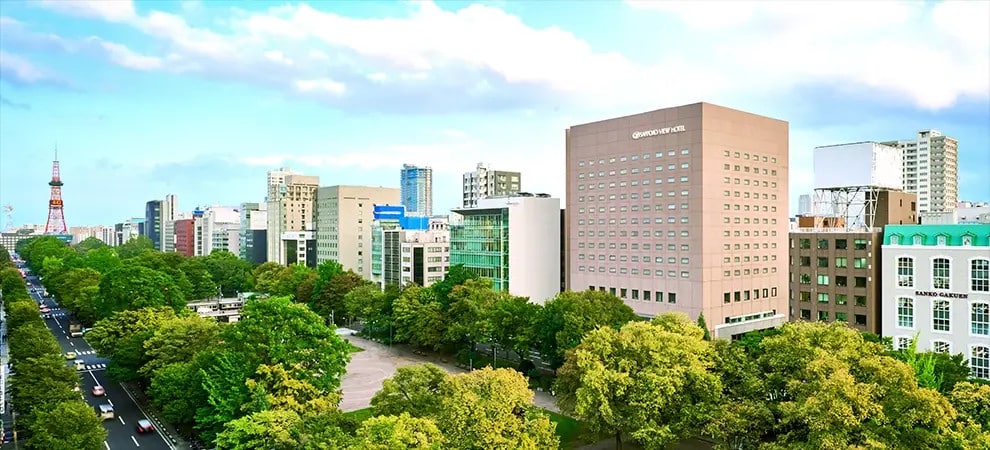
If you are planning to stay near Hokkaido Jingu, consider the quiet residential area around Maruyama-koen Station, within walking distance of the shrine and suited to travelers who like early-morning visits and avoiding crowds. If you want both transport and shopping convenience, hotels around Odori Station or Susukino Station offer more choice: take the Tozai Line subway to Maruyama-koen Station (from Susukino Station you transfer at Odori Station) and walk about 15 minutes. These areas are also close to Tanukikoji Shopping Street and Odori Park, so you can stroll and find dinner in the evening.
Choose according to your plans: if the shrine visit is your main focus, pick the Maruyama area; if you plan several days exploring Sapporo’s attractions, the Odori and Susukino area will be more convenient.
Frequently Asked Questions
Q: How much is admission to Hokkaido Jingu?
Admission to Hokkaido Jingu is free all year, and no ticket is needed. If you want a goshuin as a keepsake, it costs about ¥500; a goshuin book is about ¥1,500.
Q: What are the opening hours of Hokkaido Jingu?
According to the official website, April 1–October 31 is 06:00-17:00, March is 07:00-17:00, and November 1–December 30 and February are both 07:00-16:00. There are also special hours for the New Year period (adjusted by year’s announcement): New Year’s Eve 07:00-18:00, New Year’s Day 00:00-19:00, January 2–3 06:00-18:00, January 4–7 06:00-16:00, January 8–31 07:00-16:00.
Q: How do I get to Hokkaido Jingu?
Take the Tozai Line subway to Maruyama-koen Station and walk about 15 minutes from Exit 3; you can also take the JR Hokkaido Bus “En 15” or “En 16” from the Maruyama-koen Station bus terminal and get off at the “Hokkaido Jingu” stop.
Is photography allowed at Hokkaido Jingu?
Photography is allowed in most areas of the grounds, but it is prohibited inside the main hall and at some prayer ceremonies. Please follow on-site notices and staff instructions.
Does Hokkaido Jingu have accessibility facilities?
The main paths and approaches on the grounds have flat walkways and accessible ramps, but some older buildings still have steps at the entrance. Visitors with limited mobility are advised to contact the amulet office in advance for assistance.
Q: When is the best time to visit Hokkaido Jingu?
Crowds are thinnest and the light is best at 9-11 a.m.; for cherry blossoms, aim for late April to mid-May, and for autumn leaves, mid to late October.
Q: What should I know about visiting Hokkaido Jingu at New Year?
Crowds are heavy around New Year’s Day, so go early in the morning, and note that the car park may close temporarily because of crowd control or bear sightings.
Q: How much are Hokkaido Jingu omamori, and what types are there?
From July 2026 they cost about ¥500–¥1,200. Goukaku-mamori, Hada-mamori and similar are ¥500; Hissho-mamori, Shigoto-mamori, Musubi-mamori and similar are ¥800; Kenko-mamori, Kin’un-mamori, the traffic safety series and similar are ¥1,000; Kotsu-gohei-mamori and Shiawase-no-suisho-mamori are ¥1,200. See the omamori price list above for the full list.
Q: Where do I get a Hokkaido Jingu goshuin, and how much is it?
Get it at the prayer reception, daily from 9:00 until closing, for about ¥500, cash only. Kaitaku Shrine has its own separate goshuin.
Q: Do I have to pay for parking at Hokkaido Jingu?
The on-site car park holds about 230 cars and is free on weekdays; from after the gates close on December 31 through January 7, a maintenance fee applies of ¥500 per car (within 2 hours, then ¥500 per additional hour).