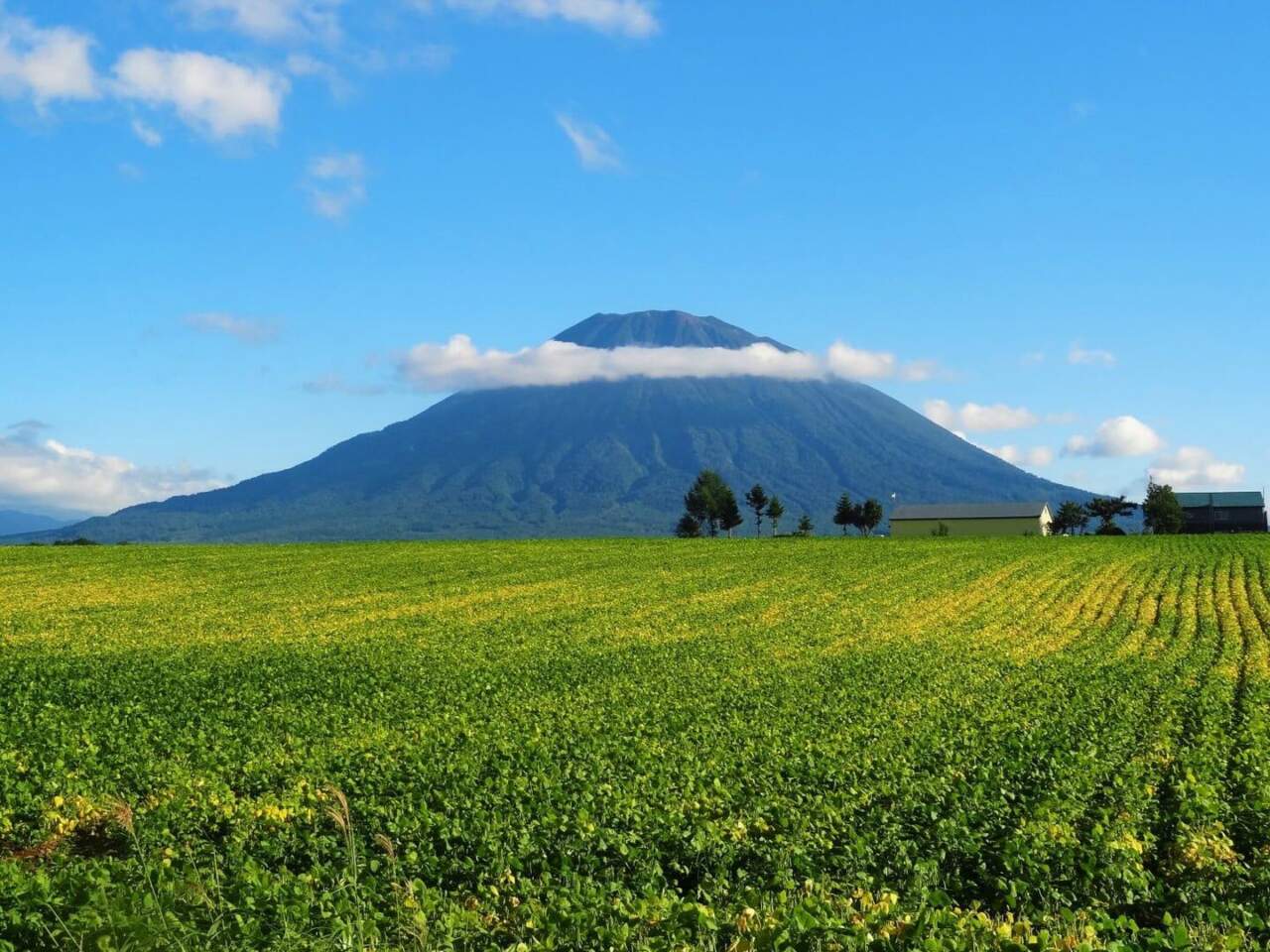

2026 Asahidake and Daisetsuzan Guide: Ropeway, Hiking Routes, Skiing and Transport, the Four-Season Gateway to Hokkaido’s Highest Peak
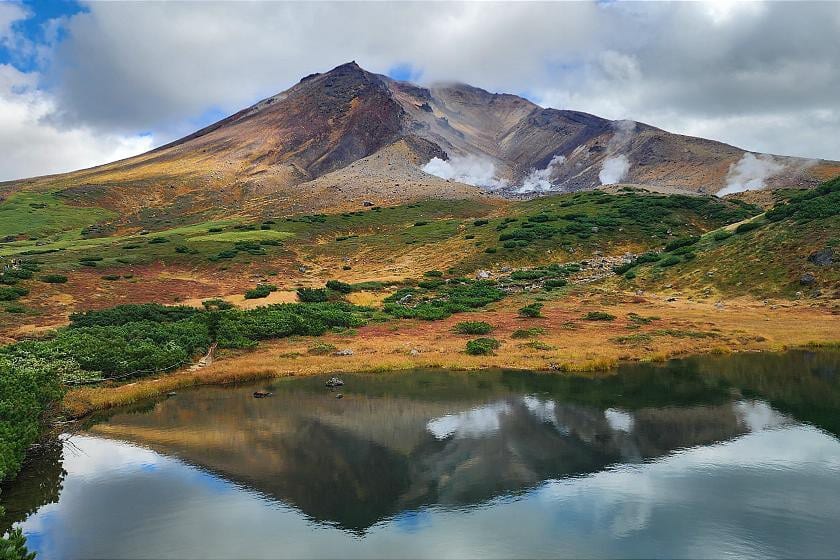
Mt. Asahidake (2,291 m) is the highest peak in Hokkaido. A 10-minute ropeway ride takes you up to the 1,600 m highlands, where autumn leaves, hiking and powder skiing all make it well worth a dedicated trip.
- 🎫 Asahidake Ropeway tickets: peak season (June 1 to October 31) adults ¥3,500 round trip, ¥2,200 one way; off-season (November 1 to May 31) ¥2,800 round trip, ¥1,700 one way; elementary school students ¥1,750 round trip, ¥1,100 one way
- 🕘 Asahidake Ropeway hours: through the end of September 2026, the first car runs as early as 6:00 (6:30 on weekdays) and the last at 17:30; from October, 8:00 to 17:00, and from October 21, 9:00 to 16:00; no service from November 16 to December 10 (see the full timetable in the table below)
- 🚌 Getting there: from Asahikawa Station, take the “Ideyu-go” bus, about 108 minutes, ¥2,300 one way
Asahidake is in Higashikawa Town, Kamikawa District, Hokkaido. It is the western gateway to Daisetsuzan National Park and the easiest high peak in the Daisetsuzan range to get close to.
The ropeway carries you straight up to Sugatami Station at 1,600 m in just 10 minutes. Even without mountaineering experience, you can look out over volcanic terrain and alpine plant zones. That is the biggest difference between Asahidake and other high mountains that require long hours on foot. The Ainu people call this place the “playground of the gods.” From June to August, more than 200 species of alpine wildflowers bloom in succession across the slopes, and together with lingering snow patches and seas of clouds they make for a deeply soothing scene.
Asahidake offers something different in every season:
- Summer: alpine flowers and seas of clouds
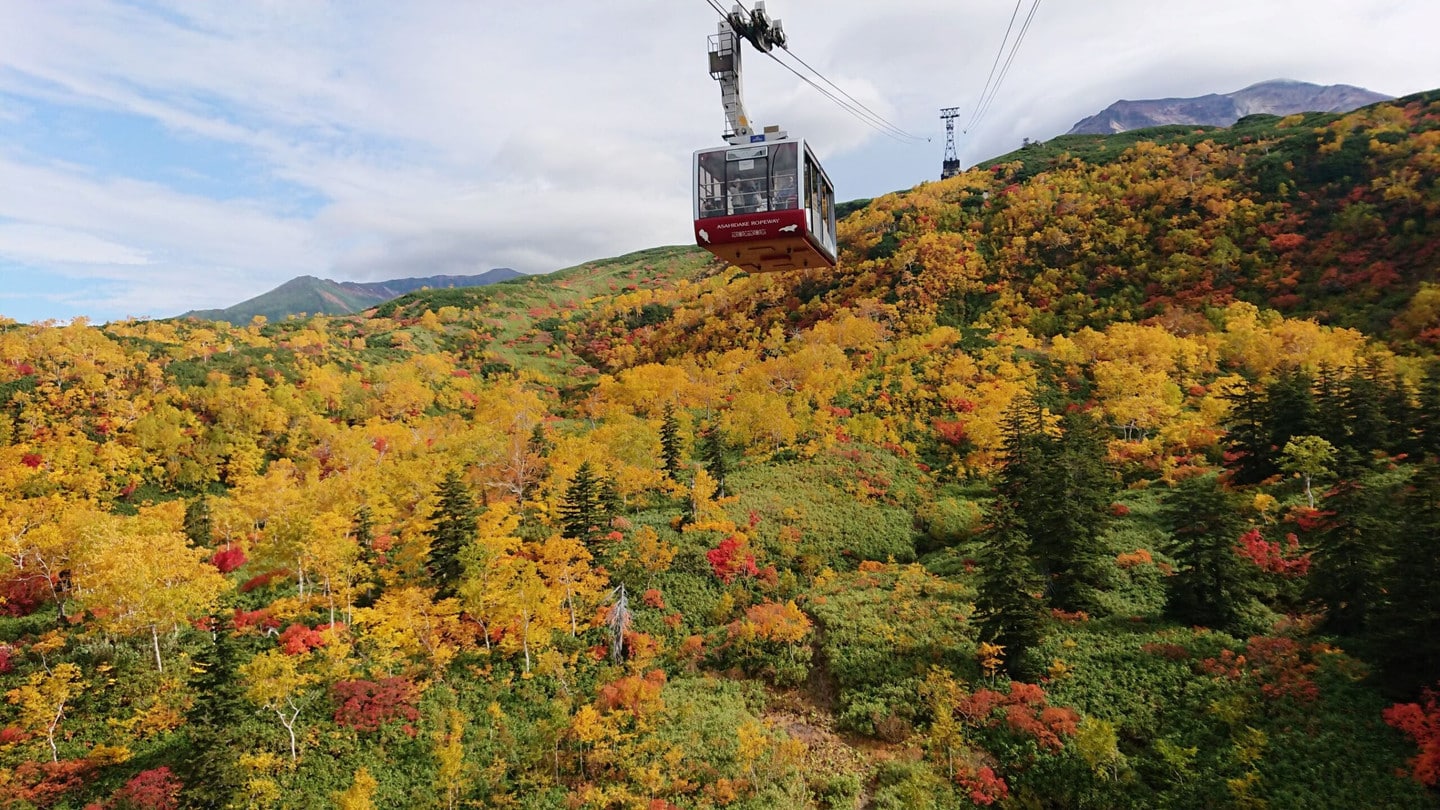
- From late August: the earliest autumn foliage in all of Japan, changing color gradually from the summit down to the foot of the mountain
- Winter: a natural powder-snow paradise, where ungroomed backcountry terrain draws skiers from around the world (the ropeway is closed from November 16 to December 10 and resumes on December 11)
It suits family strolls, autumn-leaf photography and backcountry challenges alike, and half a day to a full day is enough.
Asahidake Ropeway at Daisetsuzan: The Best Way Up for Mountain Views
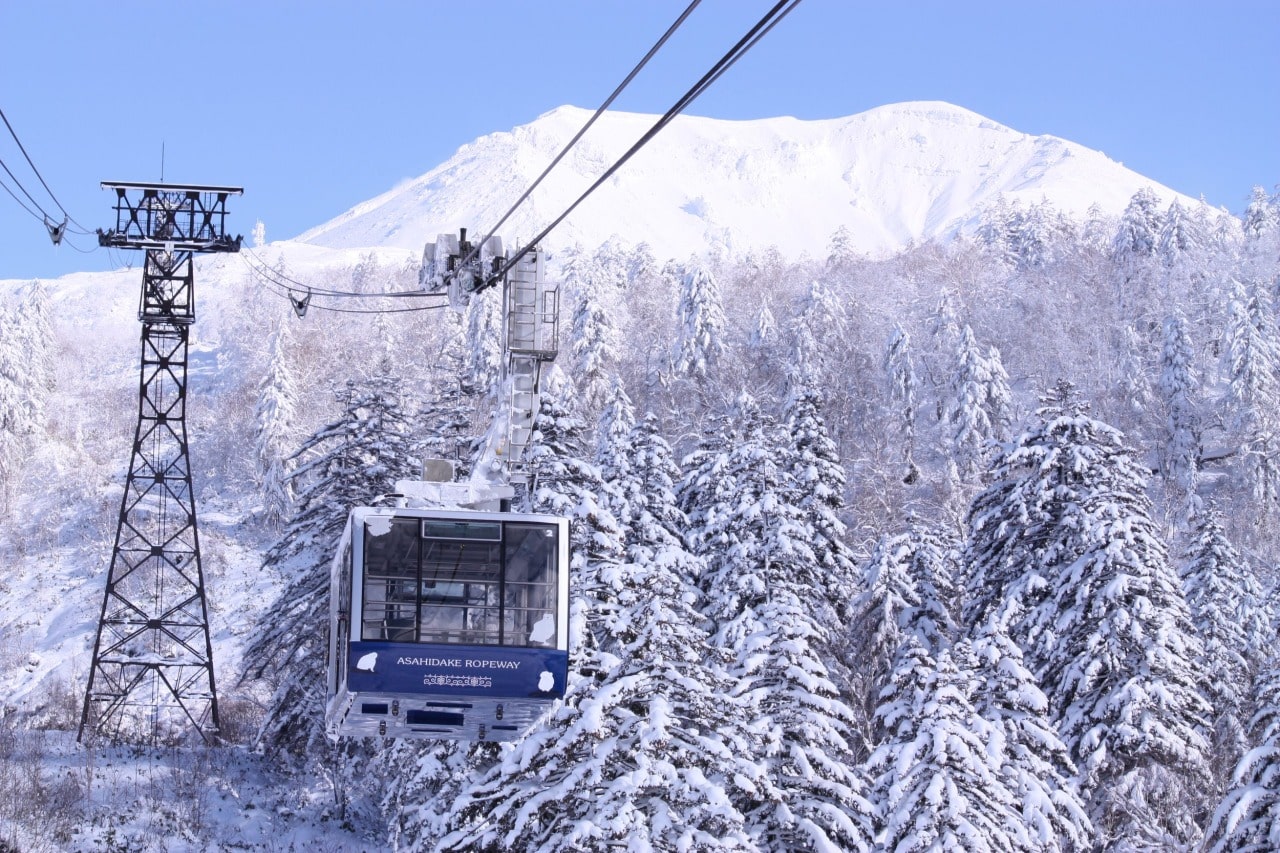
The Asahidake Ropeway at Daisetsuzan is the starting point of the whole trip and the key facility that makes Asahidake easy for everyone to visit. The ride from the base station to Sugatami Station takes about 10 minutes, with 360-degree views of the Daisetsuzan peaks and the Higashikawa plain along the way, and on clear days you can even see the Tokachi mountain range in the distance.
The ropeway runs nearly all year, but there are a few suspension periods each year (in 2026: March 11 to 13, May 14 to 22, and November 16 to December 10). The rest of the time, operating hours and frequency change with the season.
Asahidake in Four Seasons: From Alpine Garden to Powder-Snow Hideaway
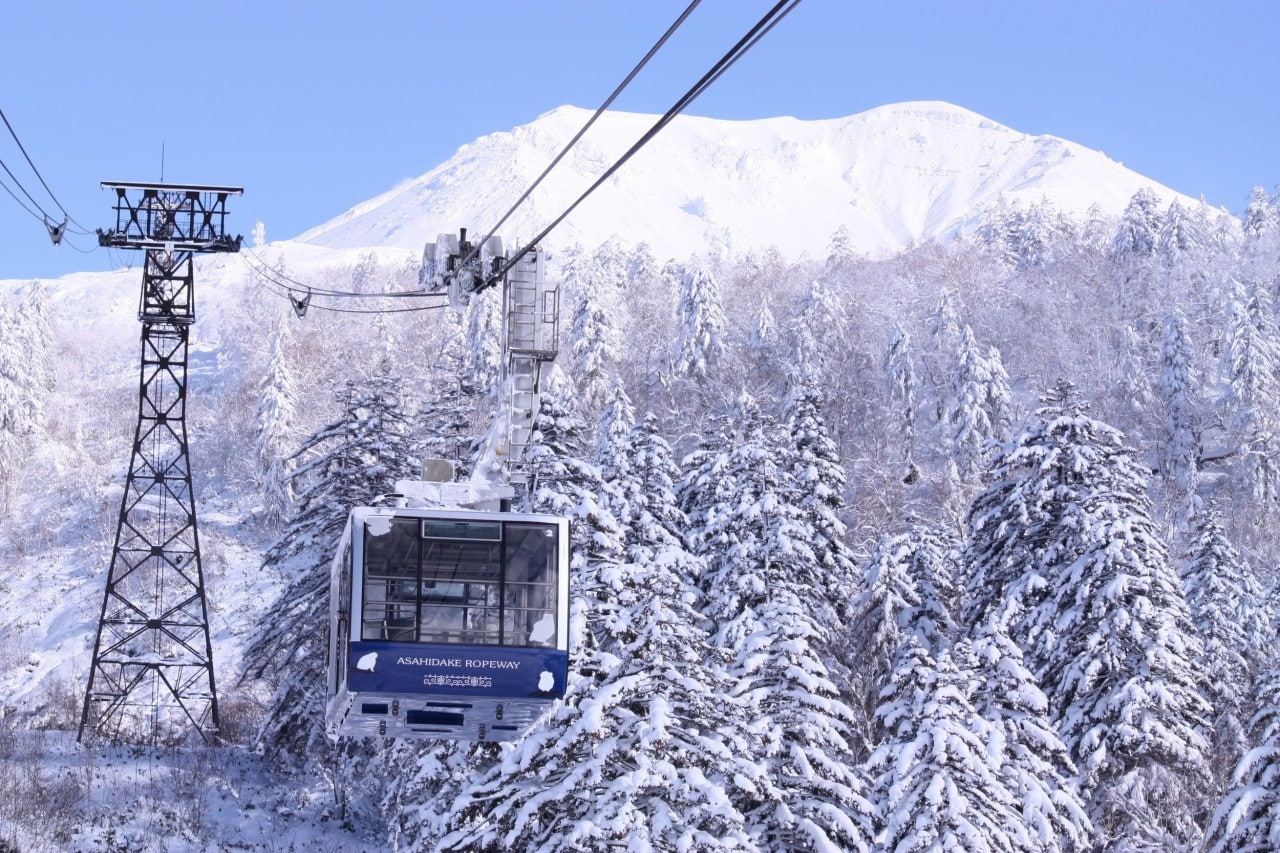
Asahidake changes dramatically with the seasons, which is the main reason people keep coming back. In summer (June to August), snow patches and blooming alpine wildflowers can still be seen around Sugatami Station, and the occasional sea of clouds adds a dreamlike touch. Autumn (late August to early October) is when you can see the earliest autumn foliage in Japan: the summit turns red first and the mid-slopes follow in turn, creating a distinctive layered display of color.
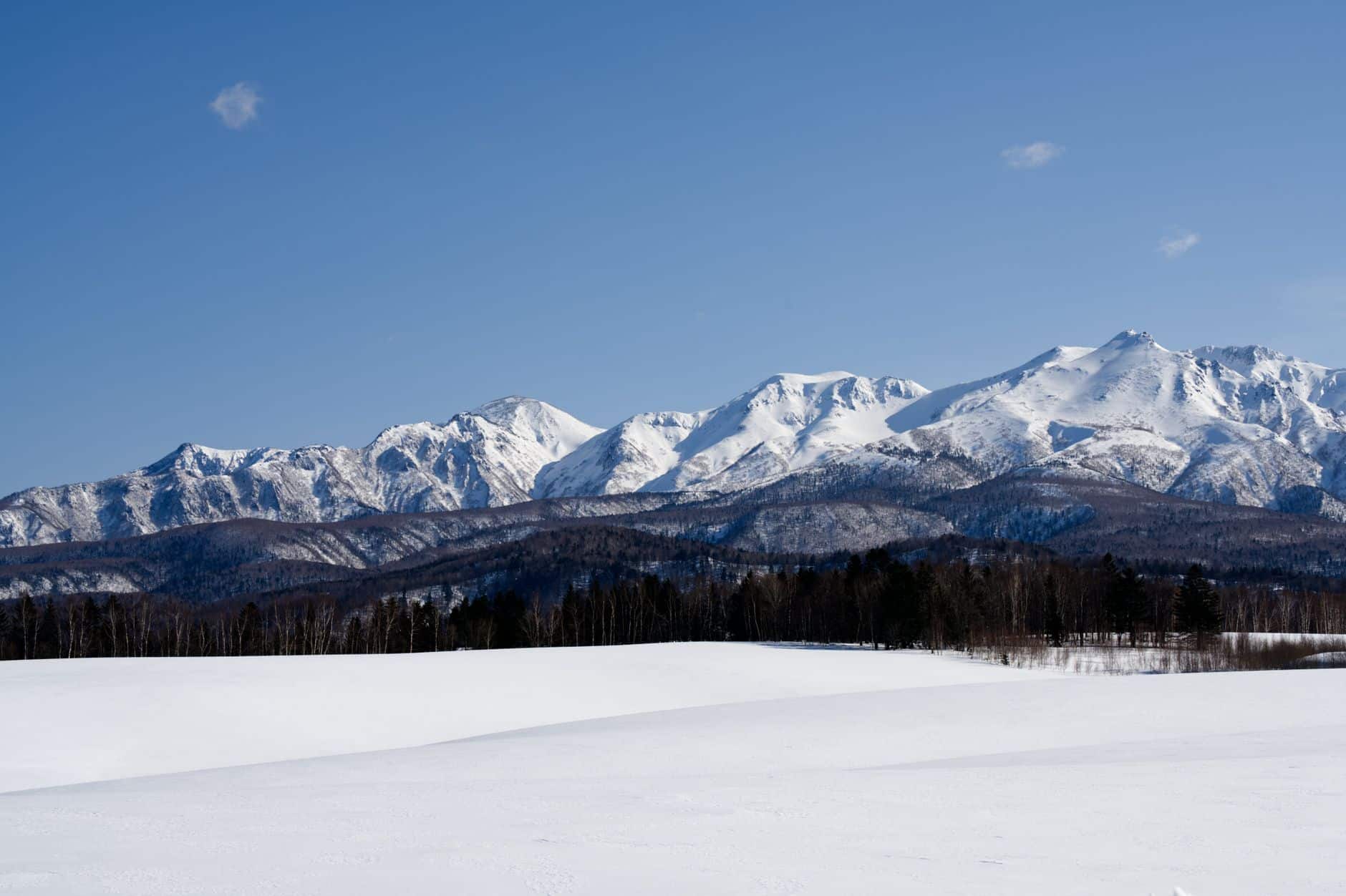
In winter (November to April), Asahidake becomes a silver-white world blanketed in deep snow, and rime ice and powder draw skiers who come specifically for it. On social media, travelers often share photos of the area around Sugatami Station completely buried in snow, and of the First Viewpoint where snow and autumn leaves appear side by side, showing that the seasonal transitions on Asahidake are a popular photo subject in themselves.
Asahidake Onsen: A Healing Base After Hiking and Skiing
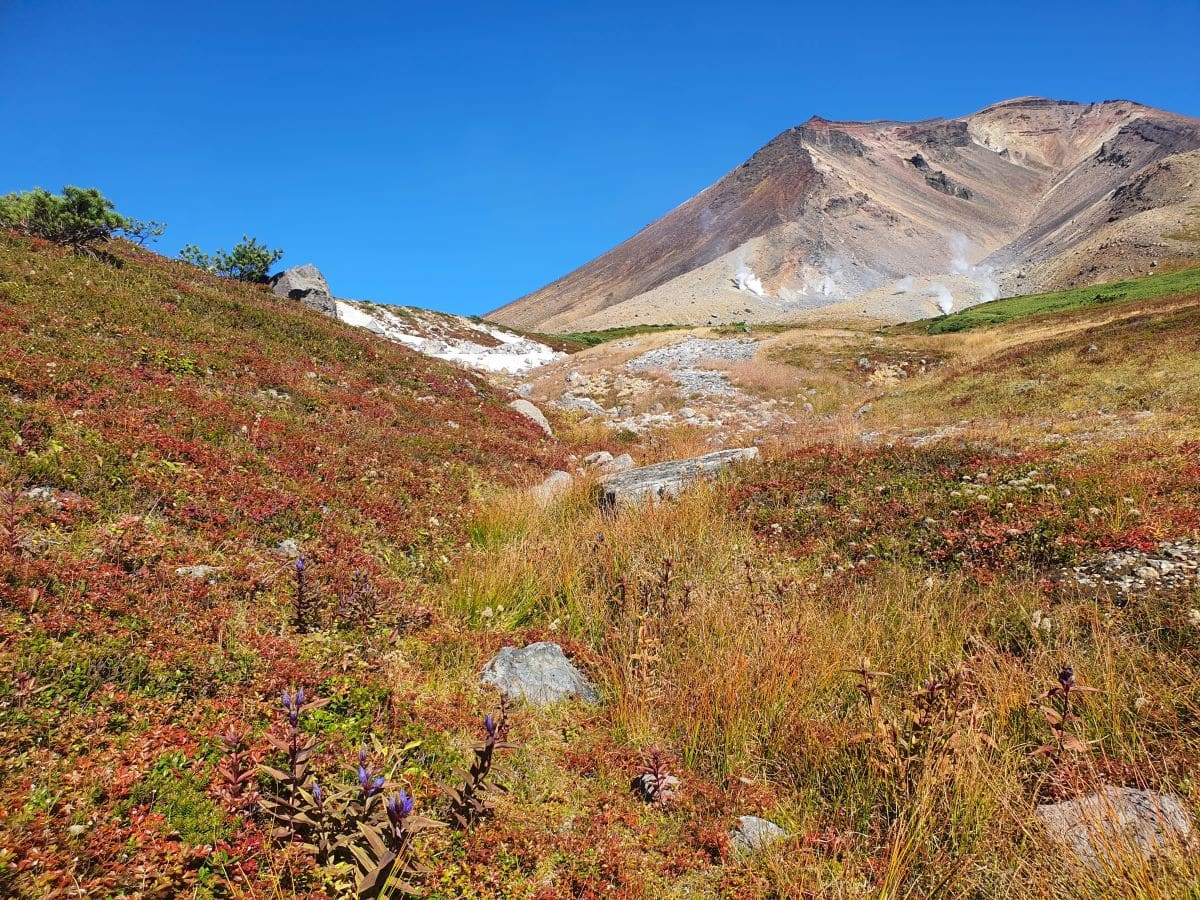
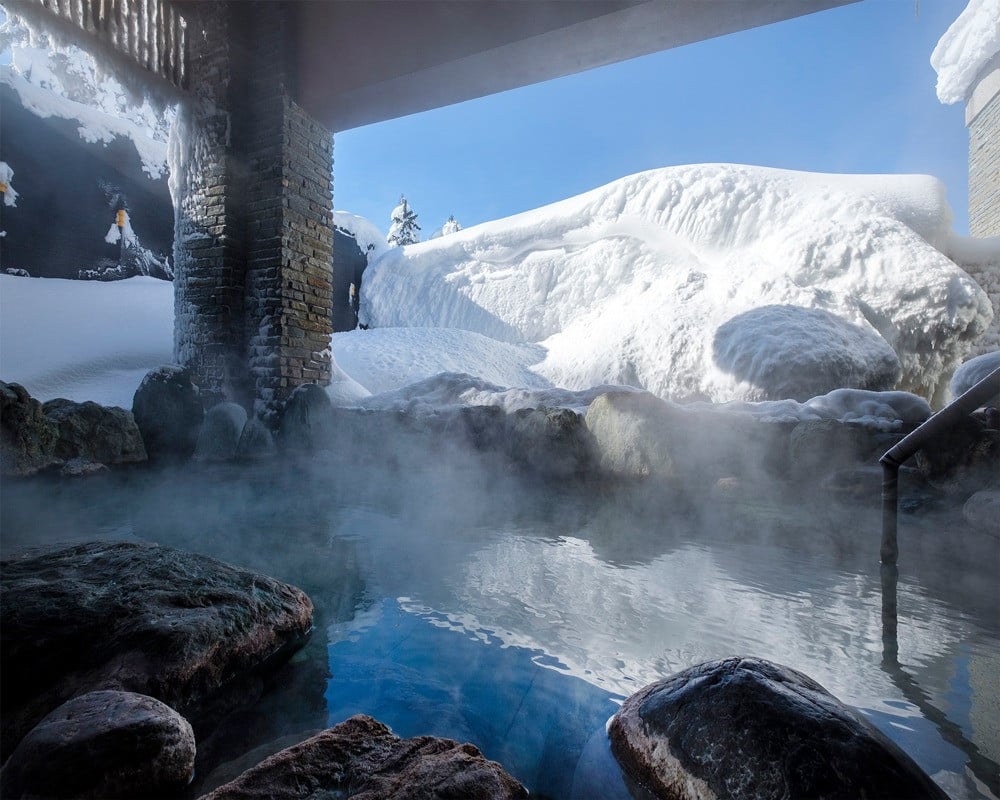
The Asahidake Onsen hot spring area at the foot of the mountain is not something to overlook when planning your trip. The water is a sulfur spring drawn directly from volcanic geothermal heat, and the soothing effect is clearly noticeable when you soak, which makes it especially good for easing sore muscles after hiking or skiing.
The hot spring area is small, with only a handful of inns and hotels clustered together, so the atmosphere is quiet. It suits travelers who want to get away from the noise of the city and stay a night, then catch the first ropeway the next morning to avoid the crowds and fully enjoy Asahidake’s early-morning scenery.
How to Get to Asahidake and Daisetsuzan in 2026: Ropeway, Bus and Driving Guide
Asahidake lies inside Daisetsuzan National Park in central Hokkaido, in Higashikawa Town, Kamikawa District. At 2,291 m it is Hokkaido’s highest peak, and also the first place in Japan to see autumn leaves and the first snow. Because it is an inland mountain area, access depends entirely on buses, driving or a chartered car. Before you set out, be sure to check seasonal schedules and weather conditions so you can reach the Asahidake Ropeway base station and head up the mountain smoothly.

Transport Options at a Glance: Bus, Driving or Chartered Car
- JR + bus: from JR Asahikawa Station, take the Asahikawa Electric Railway bus “Route 66 Ideyu-go.” The ride takes about 108 minutes, and a one-way fare is ¥2,300 for adults and ¥1,150 for children (fares revised on September 1, 2026). Departures from Asahikawa Station are at 7:15, 9:15, 12:15 and 14:15, four a day. You can pay with IC cards such as Asaca and DoCARD or with cash, and no reservation is needed.
- Driving: from Asahikawa Airport it takes about 60 minutes via Prefectural Route 1160 to the ropeway base station parking lot. Parking at the ropeway costs ¥500 a day from June to October and is free from November to May. Mountain roads freeze easily in winter, so be sure to rent snow tires and bring tire chains.
- Chartered car / taxi: from central Asahikawa the cost is about ¥9,000 to ¥12,000, taking you directly to the ropeway entrance. This suits groups or travelers with a lot of gear.
- From the airport: the “Route 66 Ideyu-go” also stops at Asahikawa Airport. It is an ordinary route bus that does not coordinate with flight times and needs no reservation.
What Are the Must-See Spots at Asahidake and Daisetsuzan in 2026? Ropeway, Trails and Hidden Gems
Below are the 13 best places to visit around Asahidake, covering a range of types including the ropeway, trails, waterfalls and a shrine.
Asahidake Ropeway Tickets and Hours: A 10-Minute Ride to Views Above the Clouds
The departure point, the base station, sits at about 1,100 m, and the terminus, Sugatami Station, is at about 1,600 m. The whole ride takes about 10 minutes and offers 360-degree views. You need to take it whether you are hiking, viewing autumn leaves or enjoying the snow. The official website provides live camera images, so you can check the weather and snow at Sugatami Station before you set out.
| Item | Details |
|---|---|
| Round-trip fare (tax included, summer June to October) | Adults about ¥3,500 |
| One-way fare (summer) | Adults about ¥2,200 |
| Round-trip fare (tax included, winter November to May) | Adults about ¥2,800 |
| Base station elevation | About 1,100 m |
| Sugatami Station elevation | About 1,600 m |
| One-way ride time | About 10 minutes |
| Service frequency | About every 15 to 20 minutes |
Tickets are sold on site only, with no reservations. Cars usually run every 15 minutes (changed to every 20 minutes from August 6 to September 18, 2026), and from October 21 they run every 20 minutes.
In peak season, ticket sales for one-way rides are restricted before the last car, to keep visitors from missing it and getting stranded on the mountain. Before buying, check the cutoff time posted at the station.

- 🎫 Fares (regular fares, tax included): peak season June 1 to October 31, adults ¥3,500 round trip / ¥2,200 one way; November 1 to May 31, adults ¥2,800 round trip / ¥1,700 one way; children ¥1,750 round trip / ¥1,100 one way in all seasons (one preschool child can ride free per adult)
- 🕘 Operating hours: adjusted by season and weather; the official homepage posts each day’s first ascent and last descent. To prevent mountain accidents, one-way ascent tickets sometimes stop selling early
- 🔗 Daisetsuzan Asahidake Ropeway official website
The Asahidake Ropeway has no fixed timetable for the whole year. The official site publishes a monthly operating calendar, and the homepage also shows today’s first and last cars. The following are the 2026 Asahidake Ropeway hours (for 2027 and later, please rely on the official announcements):
| Period (2026) | First ascent to last descent | Interval |
|---|---|---|
| January 1 to end of February | 9:00 to 15:40 | 20 minutes |
| March (excluding closure days) | 1st to 15th 9:00 to 16:00; from the 16th 9:00 to 17:00 | 20 minutes |
| April to May (excluding closure days) | 9:00 to 17:00 | 20 minutes |
| June 1 to June 19 | 8:00 to 17:00 | 15 minutes |
| June 20 to September 30 | Weekdays 6:30 to 17:30; weekends and holidays 6:00 to 17:30 | 15 minutes (changed to 20 minutes from August 6 to September 18 per the official announcement) |
| October 1 to October 20 | 8:00 to 17:00 | 15 minutes |
| October 21 to November 15 | 9:00 to 16:00 | 20 minutes |
| December 11 to December 31 | 9:00 to 15:40 | 20 minutes |
The 2026 closure days are March 11 to 13, May 14 to 22, and November 16 to December 10.
- The last ascent leaves 15 to 20 minutes before the last descent
- Service is suspended at short notice in strong wind or lightning
- Travelers going up on a one-way ticket may be refused boarding because of sunset time
- The operator has warned that visitors who missed the last descent have been reported as mountain rescue cases
Sugatami Pond Walk: The Most Popular Alpine Mirror-Pond Trail
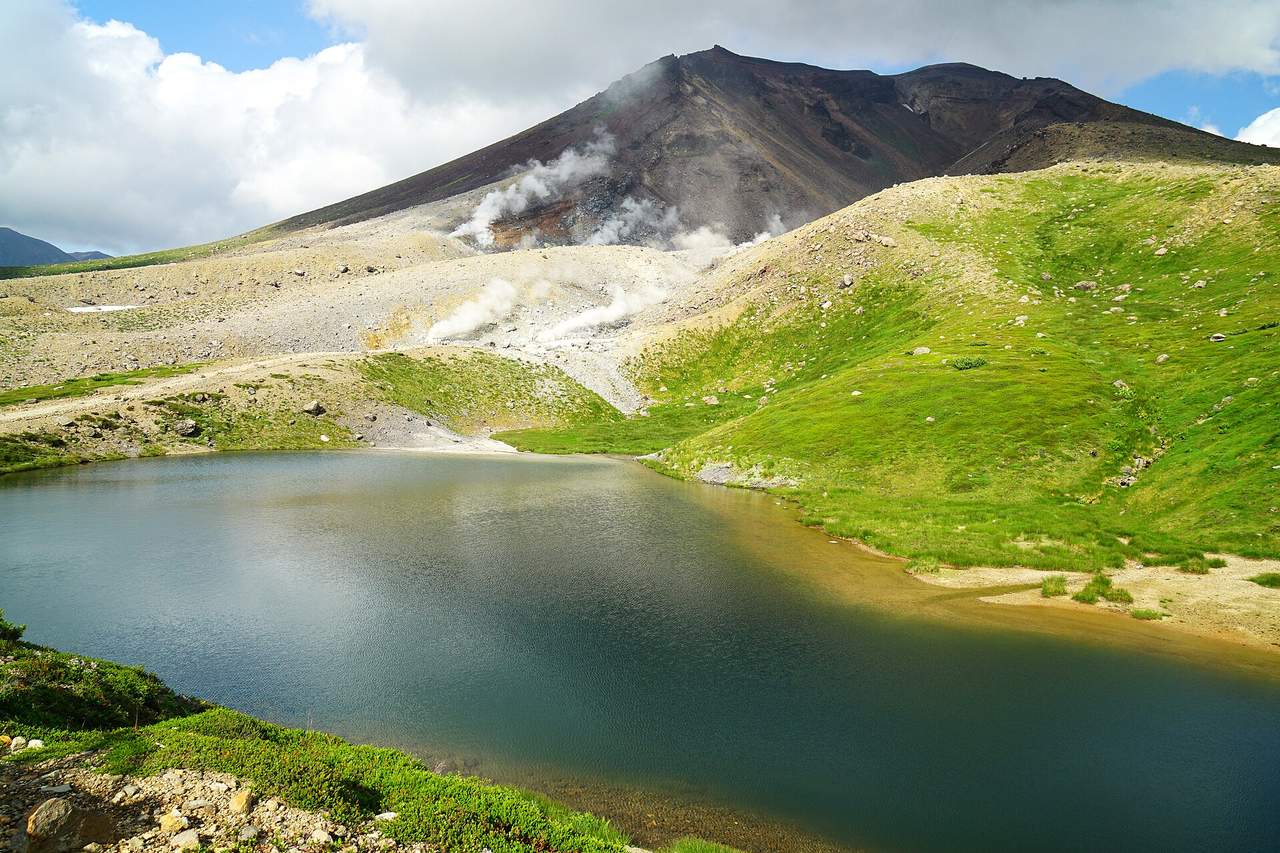
The Sugatami Pond walking trail is Asahidake’s classic introductory route. The loop is about 1.7 km long, mostly gentle boardwalk, and most visitors finish it in about 1 hour. Along the way you pass several volcanic fumaroles and can feel the power of geothermal steam up close.
In July the slopes are covered in alpine wildflowers, and from late August the trail turns into the earliest autumn-foliage front in Japan. When the water of Sugatami Pond is calm, it clearly reflects the shape of Asahidake, making it a must-visit spot for photographers. There are no shops or vending machines anywhere along the trail, so bring your own water and snacks and wear non-slip footwear, as some sections still have snow patches and loose stones.
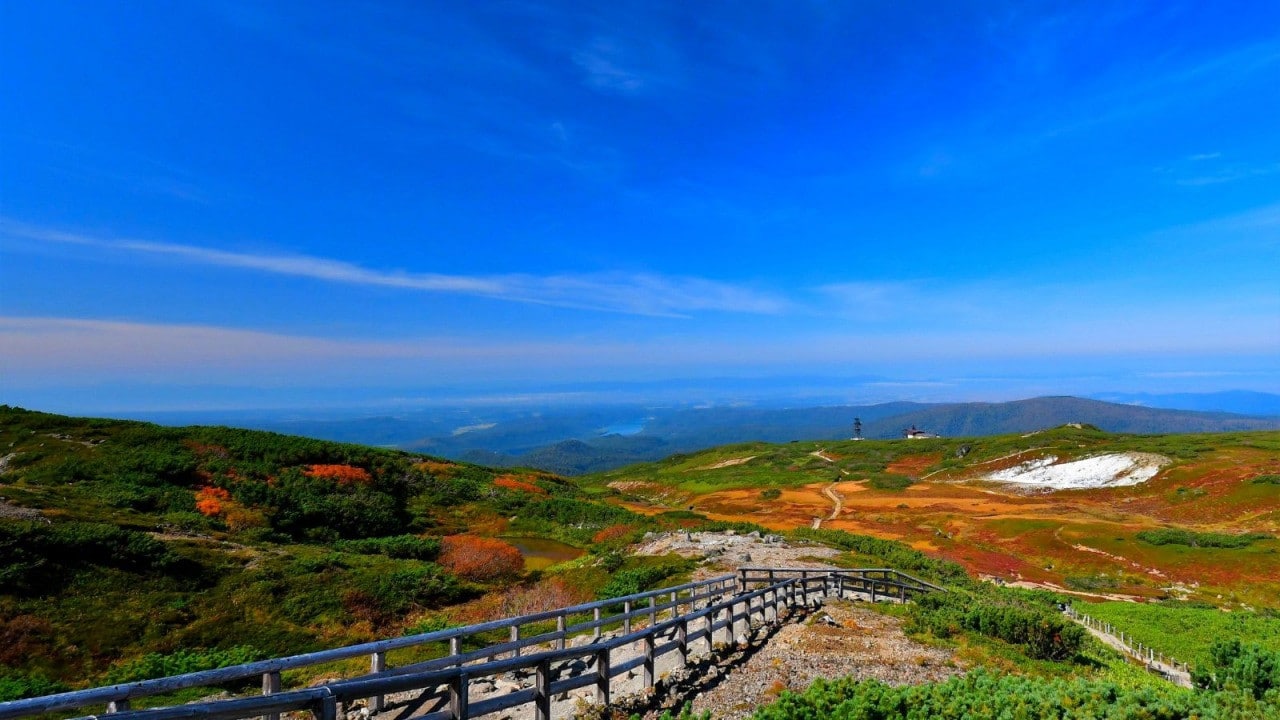
Asahidake Summit Route: Taking On Hokkaido’s Highest Peak
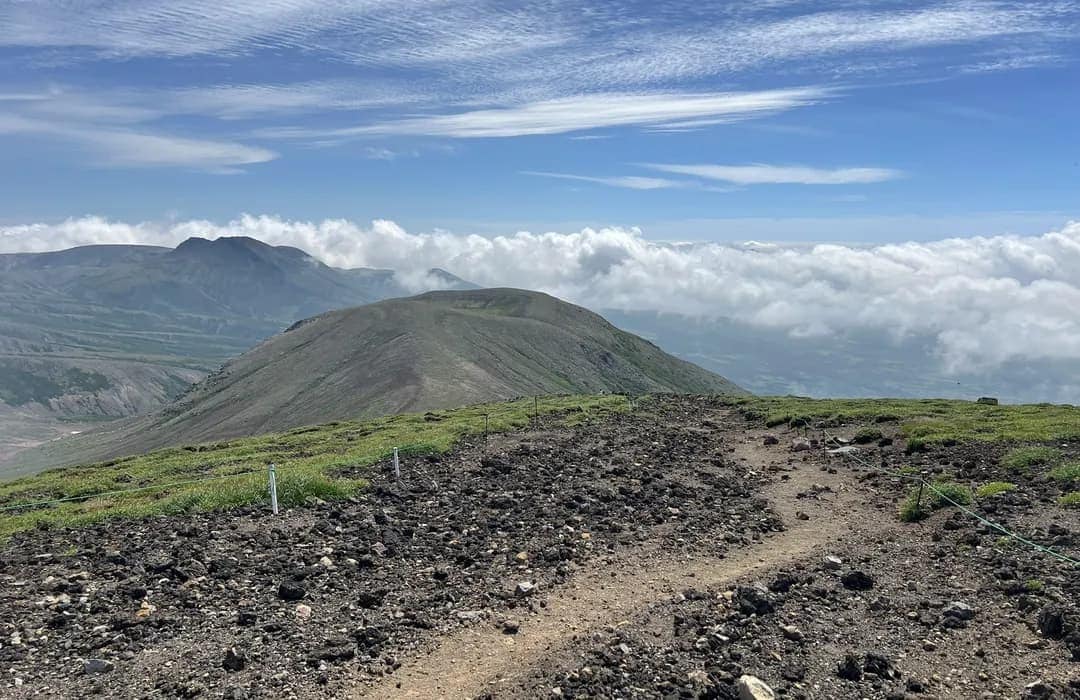
For experienced climbers, reaching the summit of Asahidake from Sugatami Station takes about 4 to 5 hours round trip. The route is mostly scree slopes and steep ridgelines, and it demands good fitness and full mountain gear, including hiking boots, trekking poles and layered warm clothing.
The trail is open only from June to mid-October each year, and the actual opening period is adjusted to that year’s snow conditions, so be sure to check the official website for the latest information before you set out. Weather on the mountain changes very fast, and even in summer the temperature at Sugatami Station is often only about 13°C. If you run into thick fog or wind and snow, turn back immediately; if you get lost or have an accident along the way, call 110 right away for help.
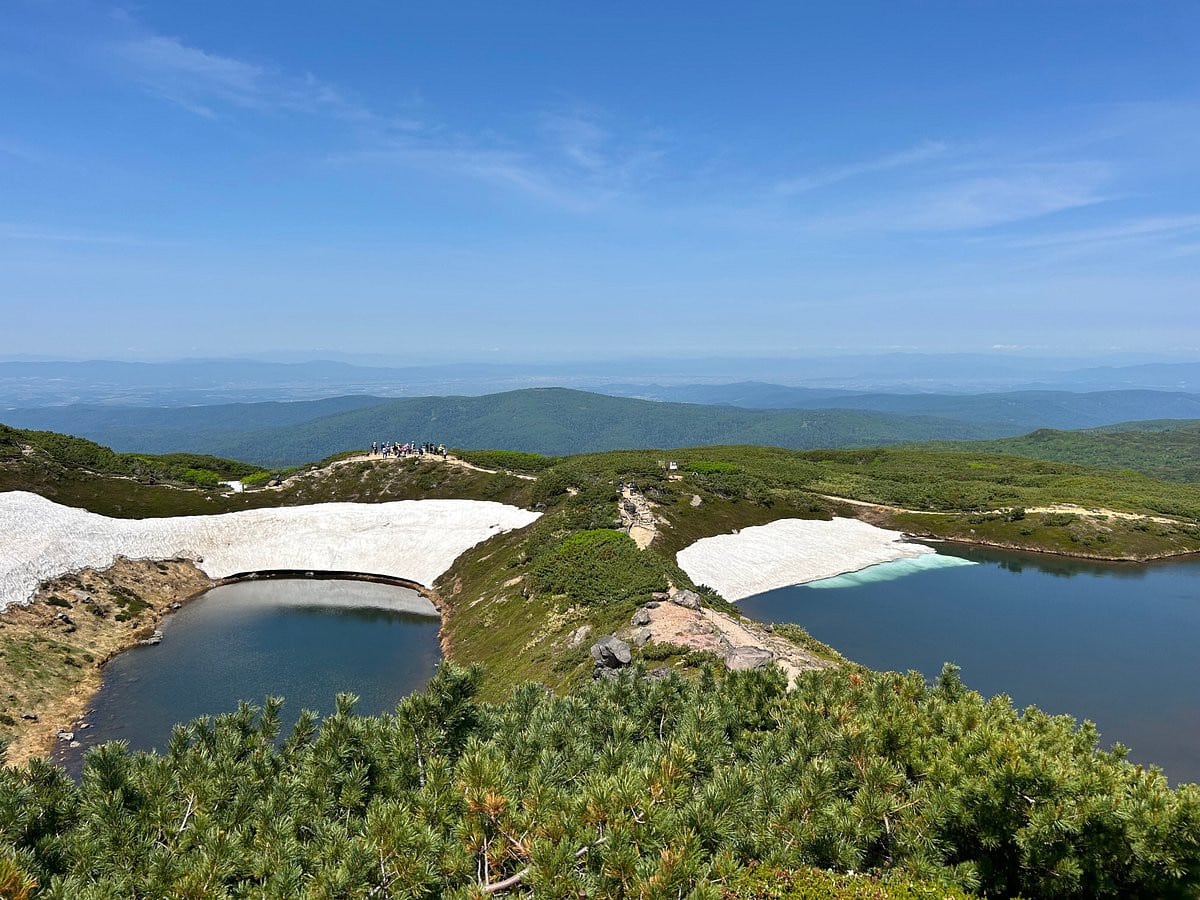
Meoto Ike: The Twin Ponds Among the Birch Trees
Meoto Ike is a pair of small neighboring ponds that you pass along the Sugatami Pond walking trail. They are named for the way they sit together as a couple, and the shores are ringed with white birch trees. In winter, the ponds and the surrounding area are completely covered in snow, creating a pure white-and-silver world.
In summer the water is clear and reflects the surrounding vegetation and sky, making it a popular spot to rest and take souvenir photos during your walk. You can view it from the trail all year round, with no extra ticket or reservation required.
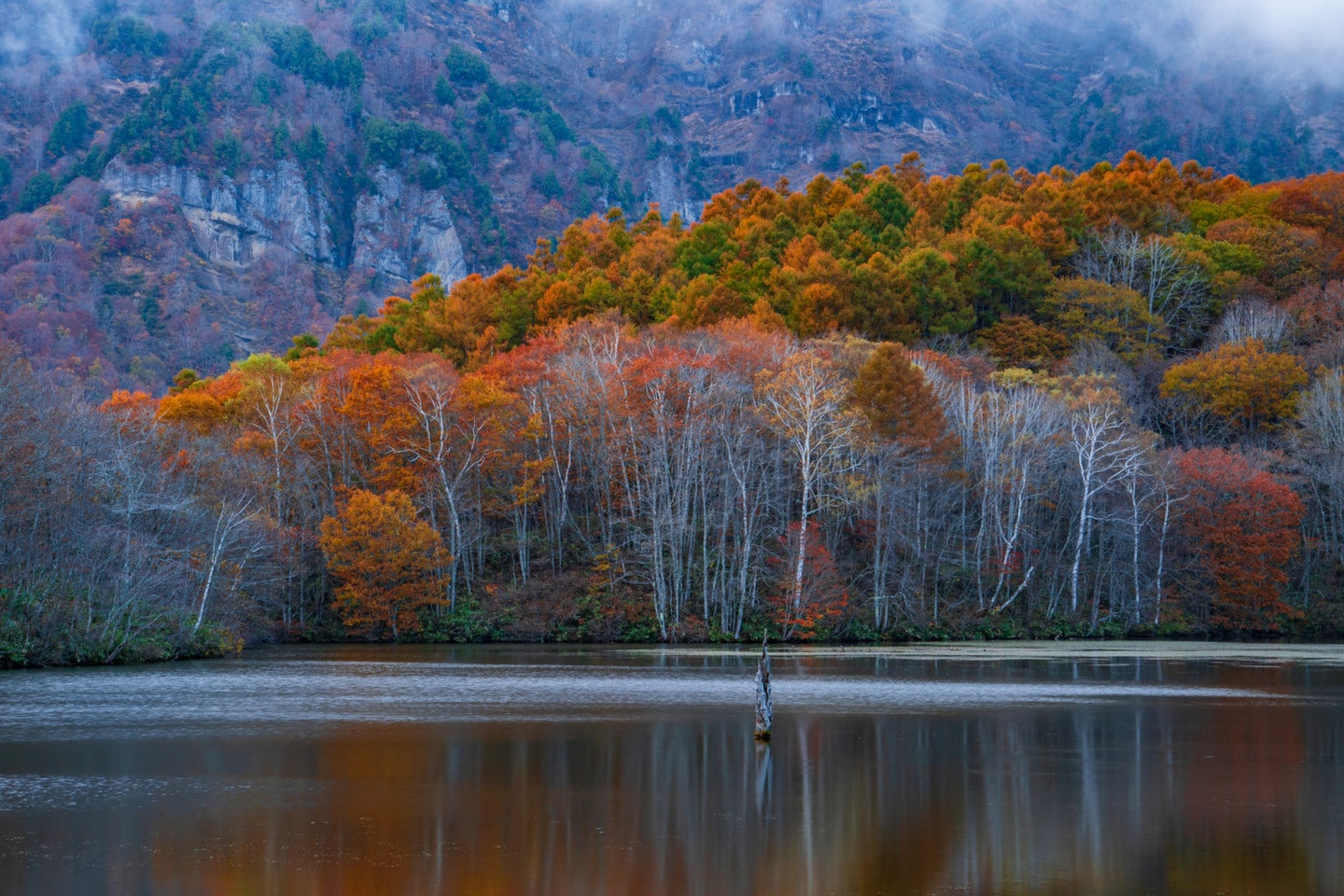
Kagami Ike: A Still Water Mirror Reflecting Asahidake
Kagami Ike also lies on the Sugatami Pond trail loop. On a windless morning the water is especially calm and clearly reflects the outline of the Asahidake summit, which is how it got the name “Mirror Pond.” It is one of the best spots along the whole trail for capturing mountain reflections.
We recommend going in the morning, when the angle of the sun and the wind are usually at their most stable and the reflection is at its best. A boardwalk surrounds the pond so visitors can enjoy the view and take photos from a safe distance without damaging the fragile alpine ecosystem.
Hokkaido Asahidake Fumaroles: A Geothermal Wonder from Deep Within the Earth
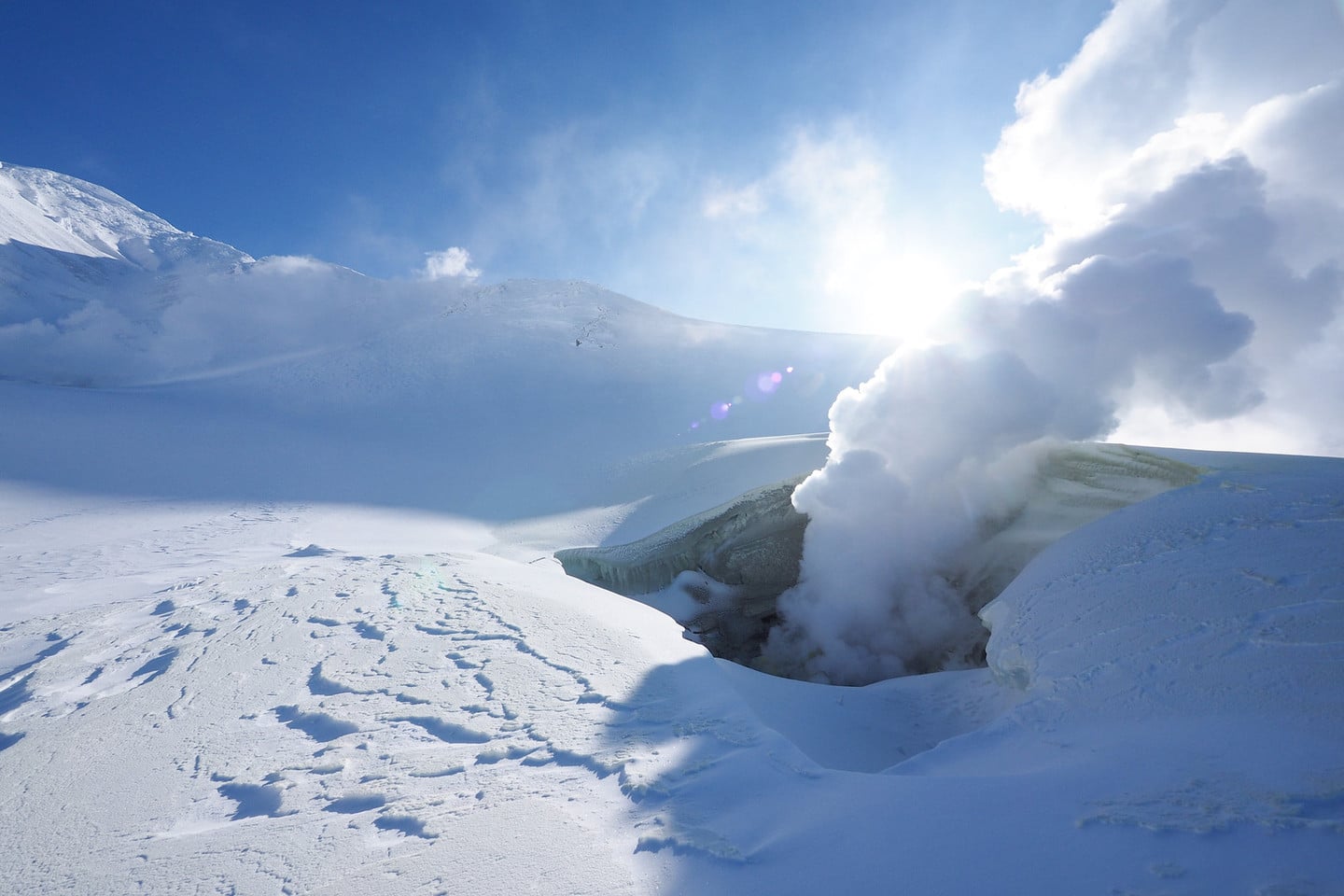
Asahidake is still an active volcano, and along the Sugatami Pond trail you can see several fumaroles constantly releasing white steam with a sulfur smell. It is one of the few hiking routes where you can observe volcanic activity up close.
The ground around these fumaroles is warmer, so snow melts faster there, creating a distinctive contrast in the landscape. Please stay on the boardwalk and never approach the vents themselves, to avoid accidents and damage to the geological environment.
First Viewpoint: A Perfect Angle with Autumn Leaves and Snow in One Frame
The First Viewpoint is the first lookout on the Sugatami Pond walking trail. Visitors often see lingering autumn color and a snow-covered mountain at the same time, and quite a few travelers on social media have shared the rare shot of snow and autumn leaves coexisting here.
It is about a 5-minute walk from Sugatami Station. In winter, we recommend wearing snowshoes and bringing trekking poles. The viewpoint has a wide outlook, and on clear days you can see the whole Daisetsuzan range in the distance.
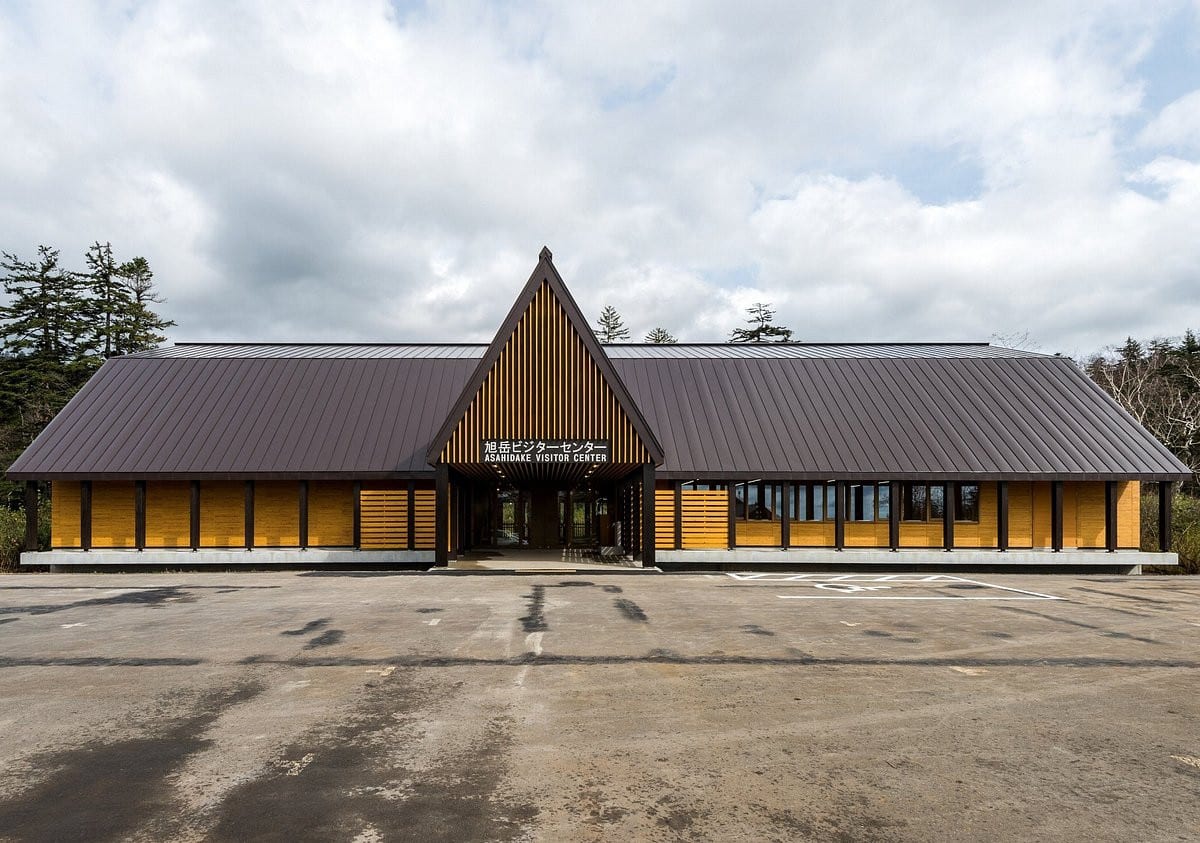
Asahidake Visitor Center: Information and Supplies Before You Climb
The Asahidake Visitor Center is near the base station and provides key safety information such as current trail conditions, weather forecasts and brown bear sighting records. It also has a rest area, lockers, light meals and a souvenir shop.
We recommend that every climber or hiker stop here first to check the day’s conditions, especially anyone planning to go to the summit or hike in snow. Staff can give the most up-to-date advice on gear and routes, making this a key stop for the safety of your whole trip.
The Asahidake Visitor Center has its own official website (asahidake-vc-2291.jp), where you can check opening and trail information.
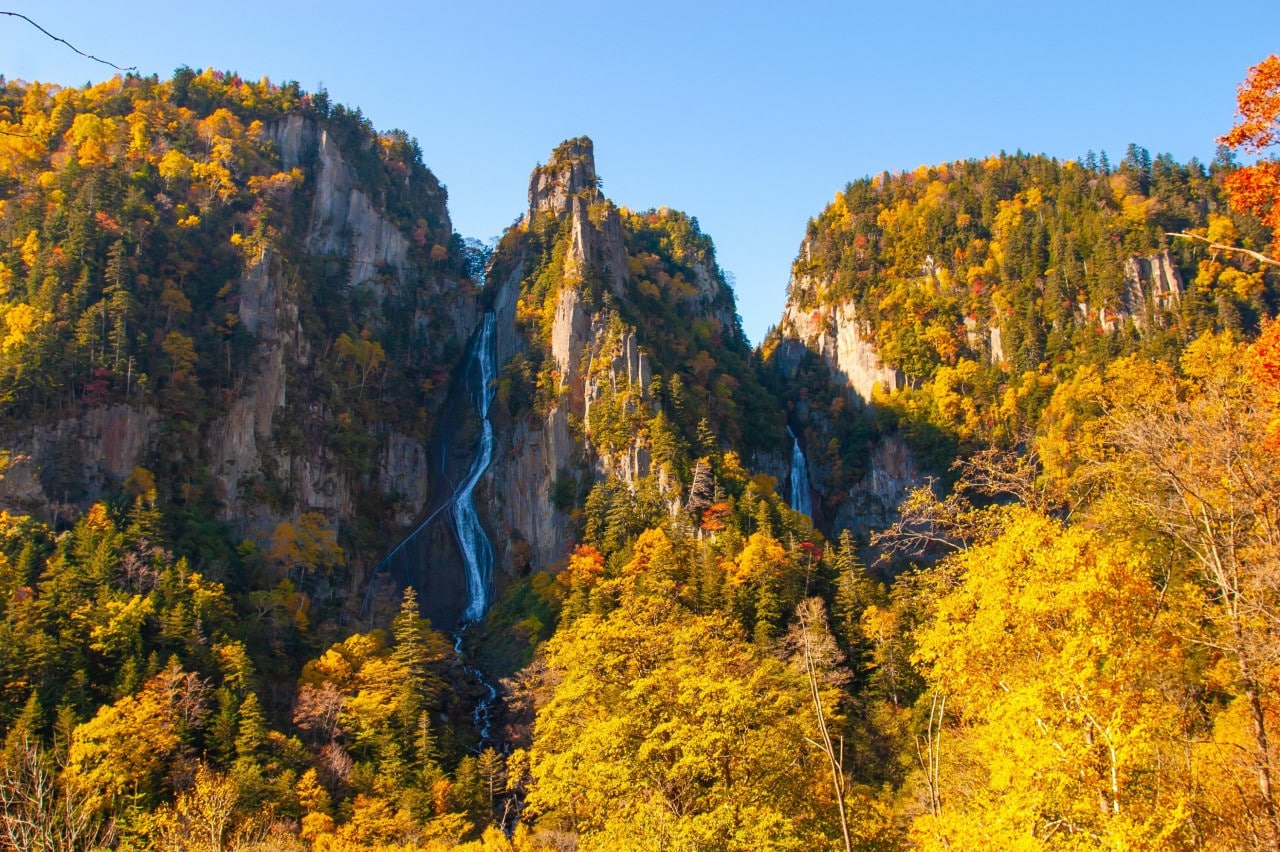
Ginga Falls and Ryusei Falls: The Twin Waterfalls of Sounkyo
If you have time, we suggest adding a trip to Sounkyo, about 2.5 hours away by car. Ginga Falls and Ryusei Falls flow side by side, with drops of about 120 m (Ginga) and 90 m (Ryusei). Standing shoulder to shoulder, the two are known as the “husband and wife waterfalls.”
Both falls have free viewing platforms that are open all year. Autumn is the season of red leaves, and it works well as a separate day trip for a deeper experience of the natural charm of Daisetsuzan National Park.
Asahidake Onsen: A Natural Hot Spring Village to Soothe a Tired Mountain Trip
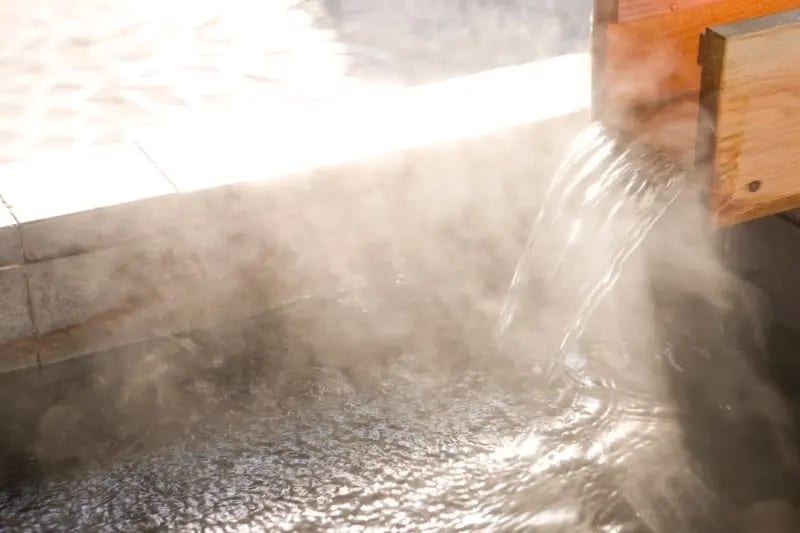
Asahidake Onsen is a sulfur spring sourced from volcanic geothermal heat. The water is notably good for easing muscle aches and promoting circulation, making it the ideal way to end a day of hiking or skiing, and locals call it a “100% healing source-fresh bath.”
The hot spring area is compact, and most inns offer day-use bathing without an overnight stay. Prices vary by inn, starting from about ¥1,000, which suits travelers on a half-day itinerary who want to drop in and experience the distinctive hot spring atmosphere of Hokkaido’s mountains.
Asahidake Skiing and Backcountry Terrain: Hokkaido’s Top Powder-Snow Destination
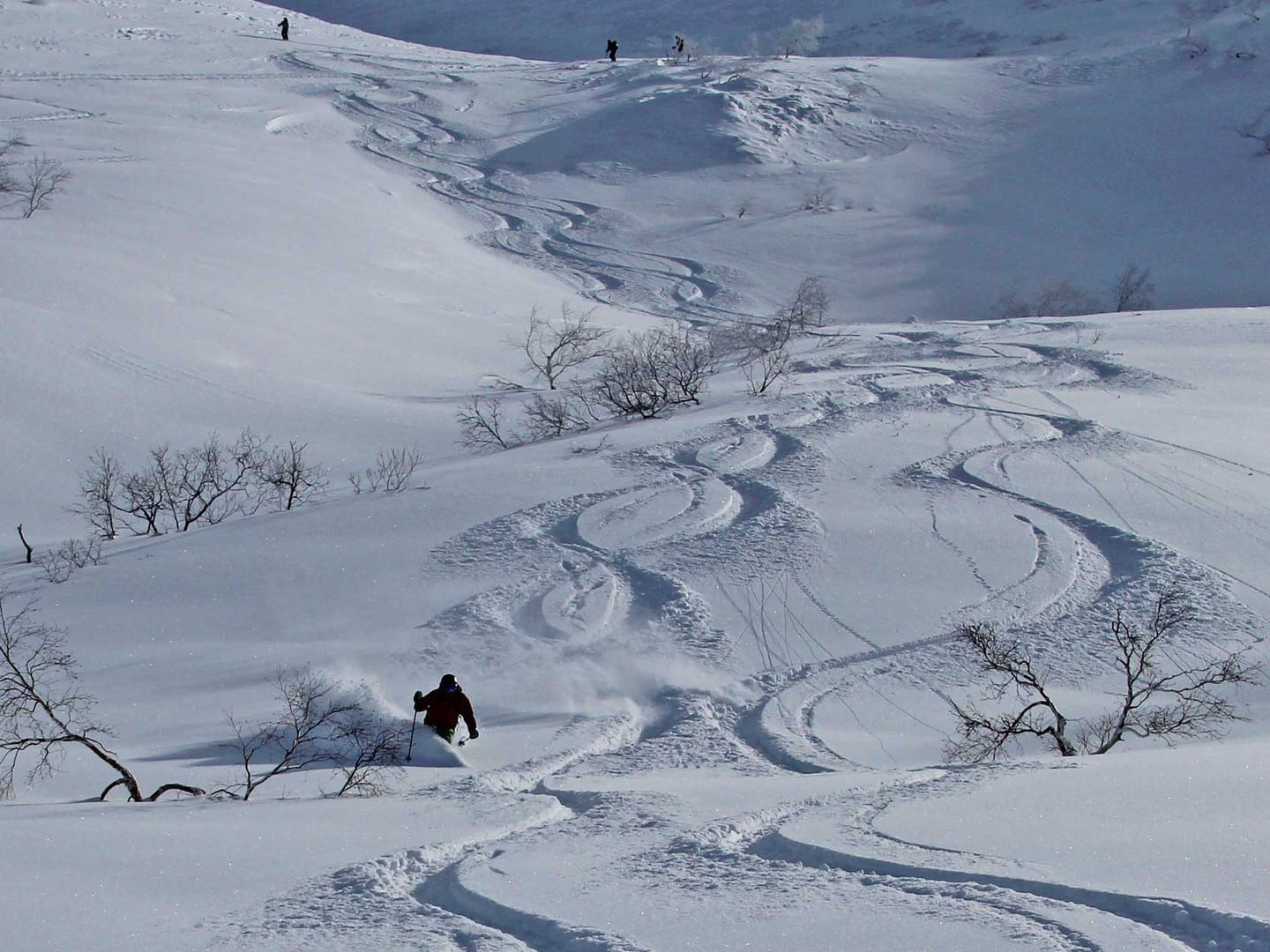
Winter on Asahidake (from when the ropeway resumes on December 11 until early May) is a famous backcountry paradise, with plenty of ungroomed natural terrain and extremely deep powder.
There are no beginner runs here. The terrain is mostly ungroomed backcountry, suitable only for intermediate to advanced skiers and snowboarders.
No gear rental is available on site (some package tours include rental), so skiers must bring a full set of their own equipment and have basic avalanche safety knowledge. The ropeway goes directly to Sugatami Station at 1,600 m, saving a great deal of climbing time, which makes this one of the few places in Hokkaido where a ropeway takes you straight to the heart of backcountry terrain.
Daisetsuzan National Park: An Ecological Treasure House, the Playground of the Gods
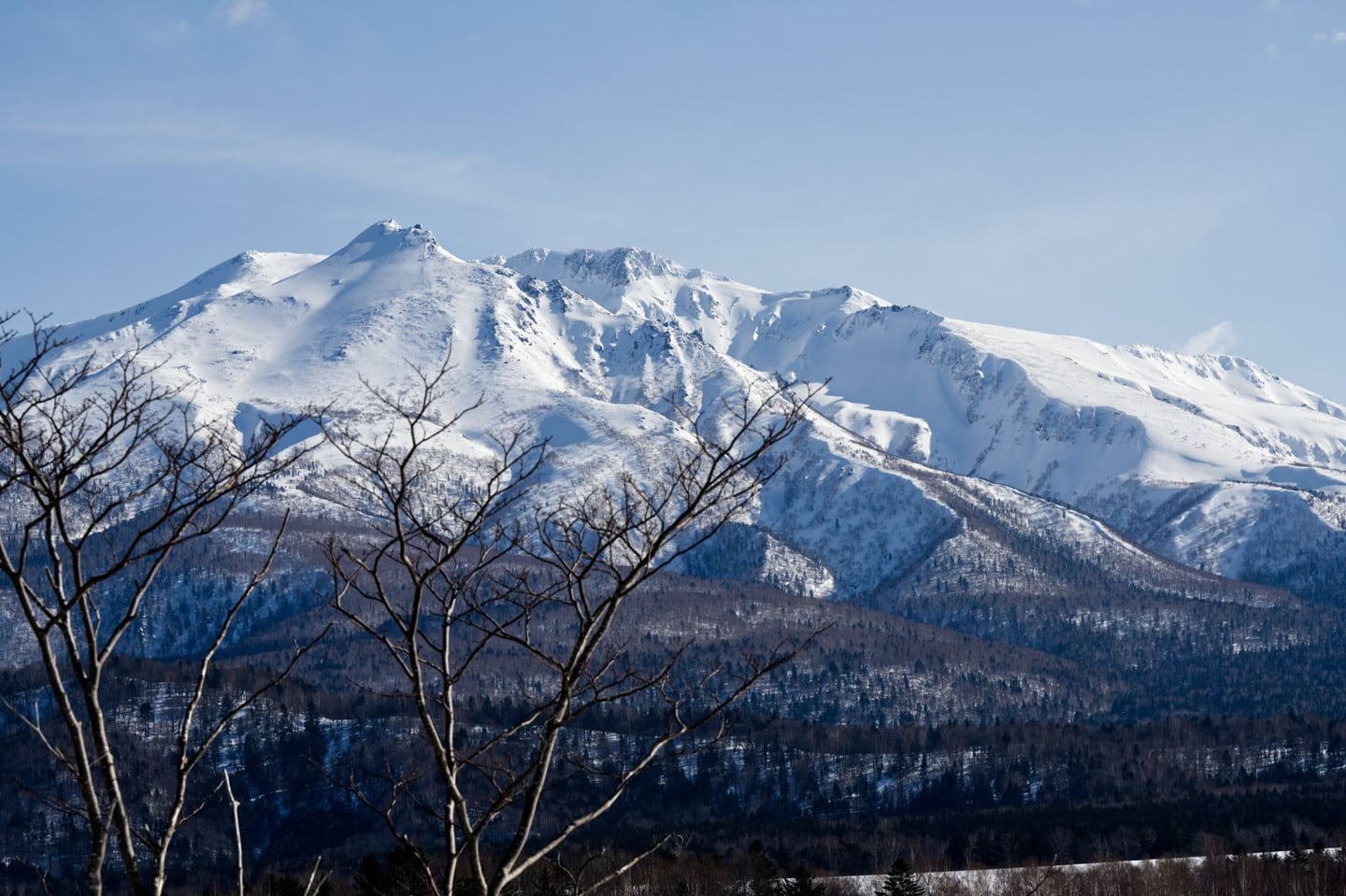
Daisetsuzan National Park, home to Asahidake, is the largest national park in Japan. The Ainu people call it the “playground of the gods.” Wildlife such as brown bears lives in the park, and it also nurtures more than 200 species of alpine plants.
Because brown bears range widely, before you climb be sure to check recent sighting records on the ropeway’s official site or the Kumamap bear sighting map. When hiking, we recommend carrying a bear bell and avoiding going alone, to keep yourself safe.
Hokkaido Gokoku Shrine: The Spiritual Heart of Asahikawa City
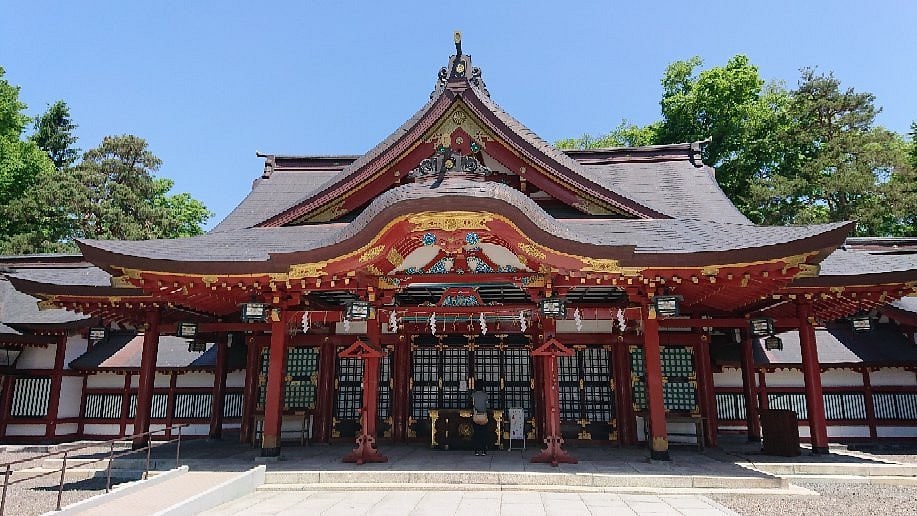
If your itinerary includes a stay in Asahikawa city, consider paying a visit to Hokkaido Gokoku Shrine, an important shrine honoring the spirits of the war dead. The grounds are solemn and quiet, with a different atmosphere for worship in every season.
The shrine offers omamori charms and goshuin stamps, and in spring, when the cherry blossoms are in bloom, it is one of Asahikawa’s popular cherry-blossom spots. It fits well before or after your trip to Asahidake as a stop on a city itinerary in Asahikawa.



2026 Asahidake and Daisetsuzan Tickets and Guided Tours: Ropeway Tickets, Hiking Tours and Snow Experiences
Asahidake sits in the heart of Daisetsuzan National Park, Hokkaido’s highest mountain area, and is a must-visit whether you want summer flower hikes or winter skiing and snow play. Because the ropeway station and trailheads are fairly remote and mountain weather is changeable, ropeway tickets are sold on site only, with no reservations. For extra peace of mind, you can join a professional guided tour, where a local guide keeps track of the latest snow and weather conditions. Below are the four most recommended Asahidake experiences for 2026, covering the ropeway, hiking, skiing and snowshoe activities, so you can choose the best fit for your season and fitness level.
Asahidake Ropeway Round-Trip Ticket: The Fastest Route Up Daisetsuzan
The Asahidake Ropeway departs from the base station, and in only about 10 minutes reaches Sugatami Station at about 1,600 m, a climb of about 500 m in elevation. It is the only way to reach the mid-mountain hiking area of Asahidake and the winter ski terrain. In summer (about June to October) a round-trip ticket costs about ¥3,500, and in winter (November to May) about ¥2,800.
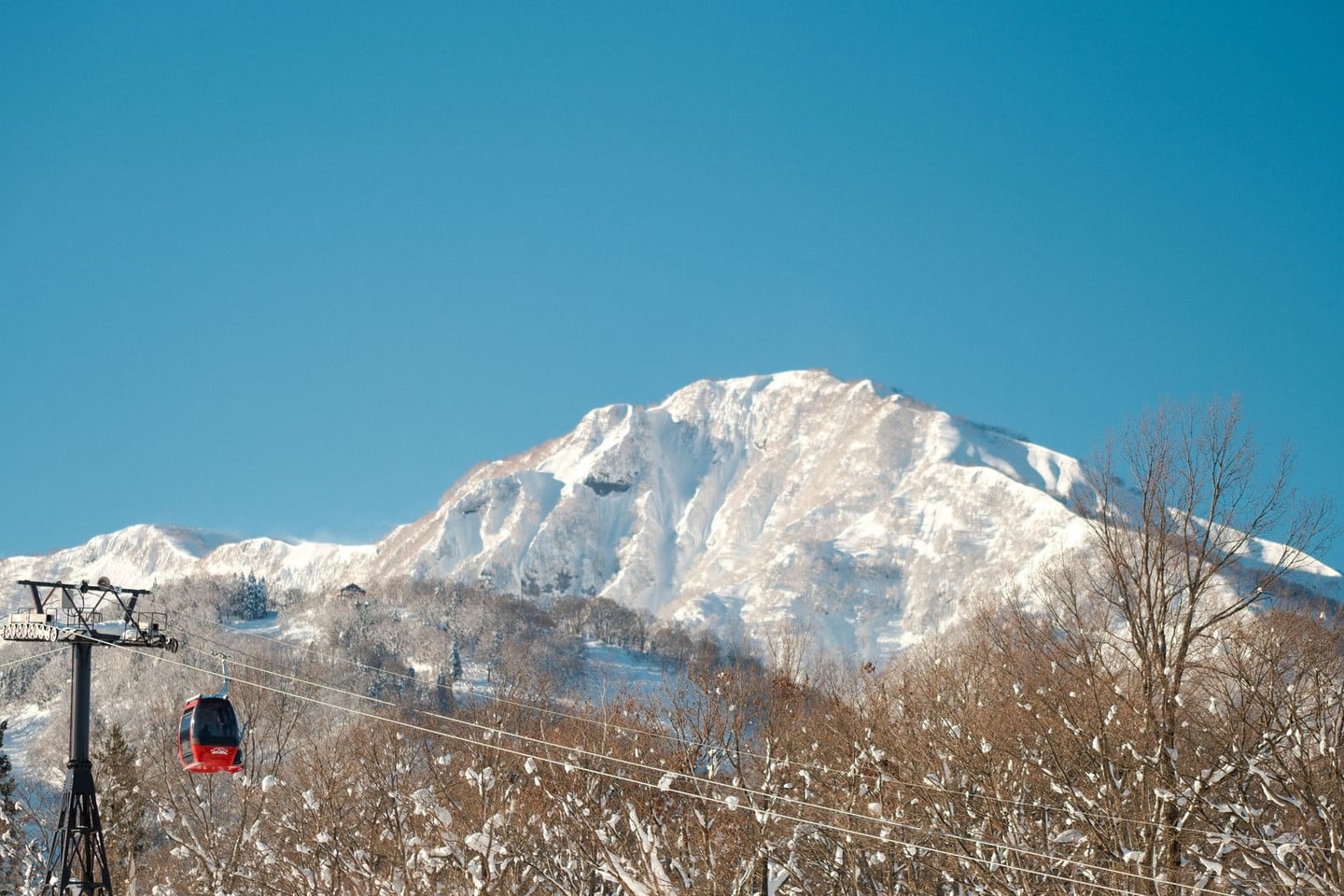
Tickets are sold on site only, and reservations are not accepted. During the autumn-leaf season, weekends and holidays in mid-September are especially crowded, so we recommend arriving at the station early.
From the cabin you can look out over the Daisetsuzan peaks and the forests toward Sounkyo, and on clear days even the Tokachi mountain range in the distance. Simply riding up and back is a relaxed sightseeing outing that many travelers enjoy, and it suits families with children and older relatives.
Sugatami Pond Nature Trail Guided Hiking Tour: Travel Light Through Hokkaido’s Most Beautiful Alpine Ponds
This hiking tour starts at Sugatami Station and loops around the “Sugatami Pond Nature Trail,” a boardwalk about 1.7 km long with an average walking time of about 1 hour. Along the way you can get close to the Asahidake fumaroles, colorful alpine ponds and dwarf pine thickets, and in autumn it is one of the first places in Hokkaido to turn red, with the color usually starting to change from late August to early September.
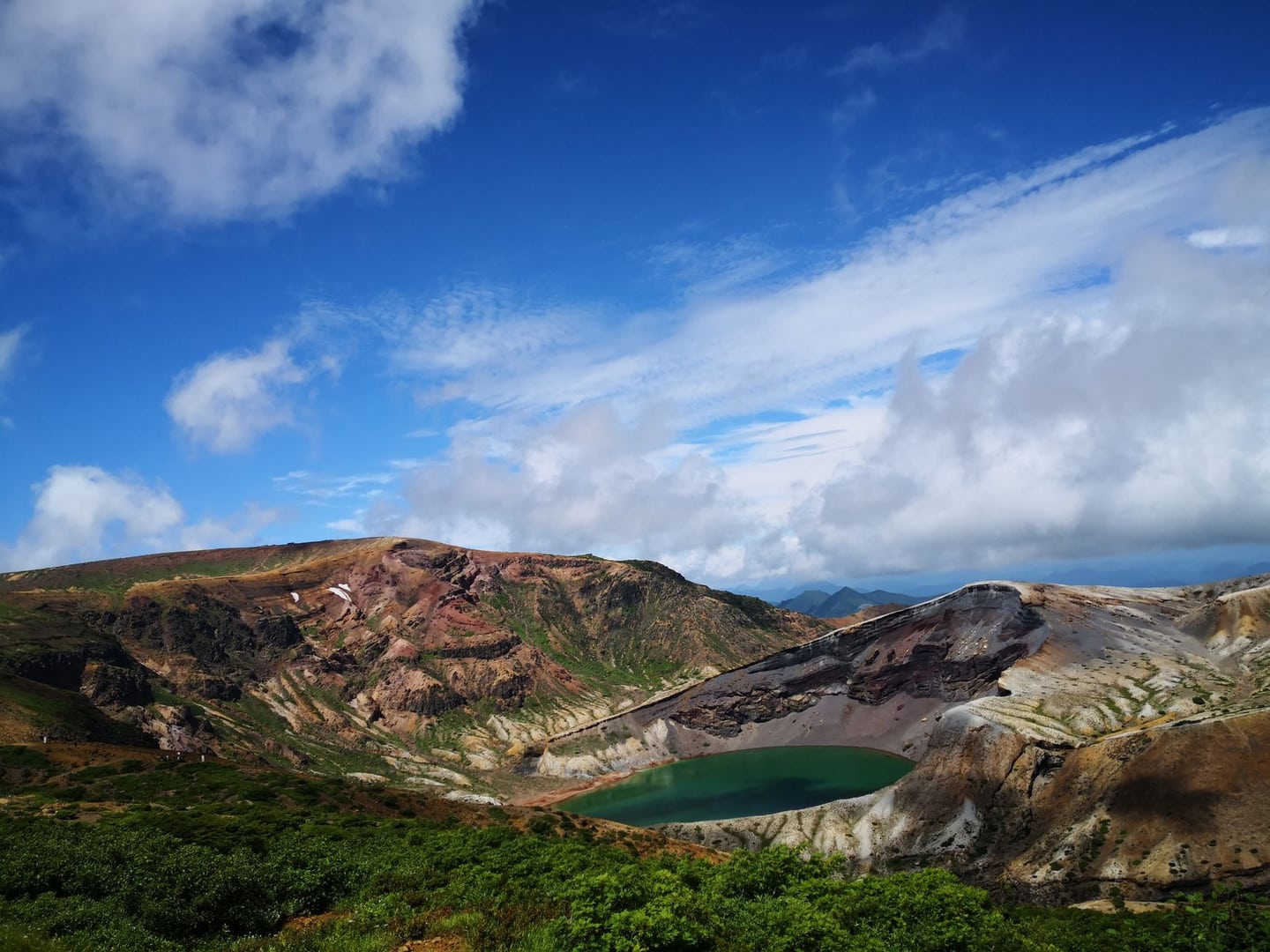
Tours are mostly led by Japanese- or Chinese-speaking guides who know the local ecology. Besides explaining volcanic terrain and alpine plants, they adjust the route to the day’s snow and weather conditions. It suits first-time mountain hikers who want an easy taste of Daisetsuzan scenery. The whole tour takes about 2 to 3 hours, and prices for packages that include the ropeway ticket vary by plan, so please go by what the booking page shows.
Because temperatures swing widely between morning and evening and the wind is strong, we recommend bringing a windproof jacket even in summer. One advantage of joining a guided tour is that the guide helps assess whether your gear is sufficient, so you do not have to turn back midway for lack of preparation.
![[Confirmed Departure, Lunch Included] Japan's First Autumn Foliage Spot: Asahidake Sky Garden Hiking Tour](https://travel.williamlion.tw/wp-content/uploads/sites/7/2026/08/image-3470.jpg)

Asahidake Skiing: Hokkaido’s Earliest Powder-Snow Paradise
Because of its high elevation and cold temperatures, the Asahidake area is one of the first ski areas in Hokkaido to get snow each year, and the first snow can usually be seen on the summit in mid-October. The ropeway is closed from November 16 to December 10, so most ski tours begin in mid-December after it resumes. In winter (November 1 to May 31), the adult round-trip ropeway ticket is ¥2,800 and the child ticket is ¥1,750.
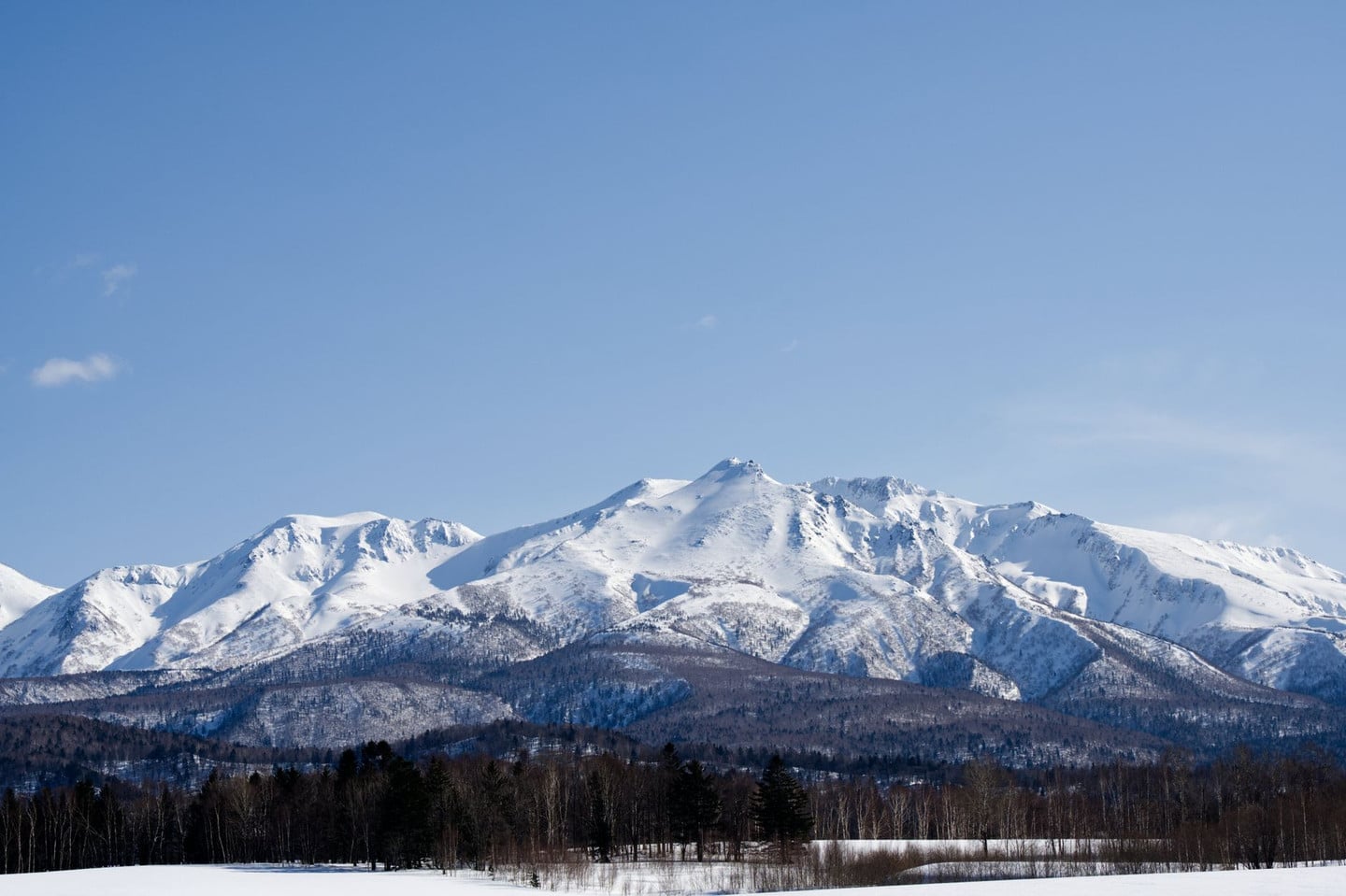
Because Asahidake is not a fully developed resort ski area, most descents are on natural snow or backcountry routes, which suits intermediate to advanced skiers who want powder and original terrain. Beginners should choose a package with a professional instructor or snow-condition guide, to stay safe and find suitable routes.
Daisetsuzan Snowshoe Hiking Experience: A Quiet Winter Stroll Across the Snowfields
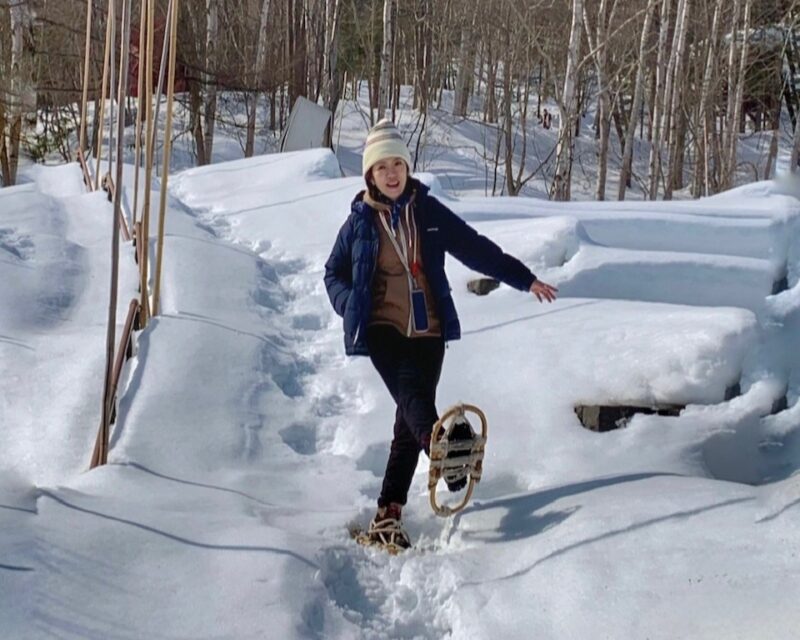
Snowshoe hiking offers a different pace from skiing and lets travelers get close to Daisetsuzan’s winter scenery. The tour takes about 1.5 to 2 hours and is held on the gentle snowfields around Sugatami Station. The organizer provides professional gear such as snowshoes and trekking poles, and a guide accompanies you with commentary. Prices vary by plan, so please go by what the booking page shows. This experience suits people who are not strong skiers, and you can look for rime-covered trees and the tracks of winter wildlife, making it a recommended outing for photography lovers. Because the route is adjusted to snow and weather, we recommend choosing a plan that can be canceled or rescheduled flexibly. The meeting point is usually at the Asahidake Ropeway base station or a nearby hot spring inn.
Where to Stay Near Asahidake and Daisetsuzan? Hot Spring Village Lodging Tips
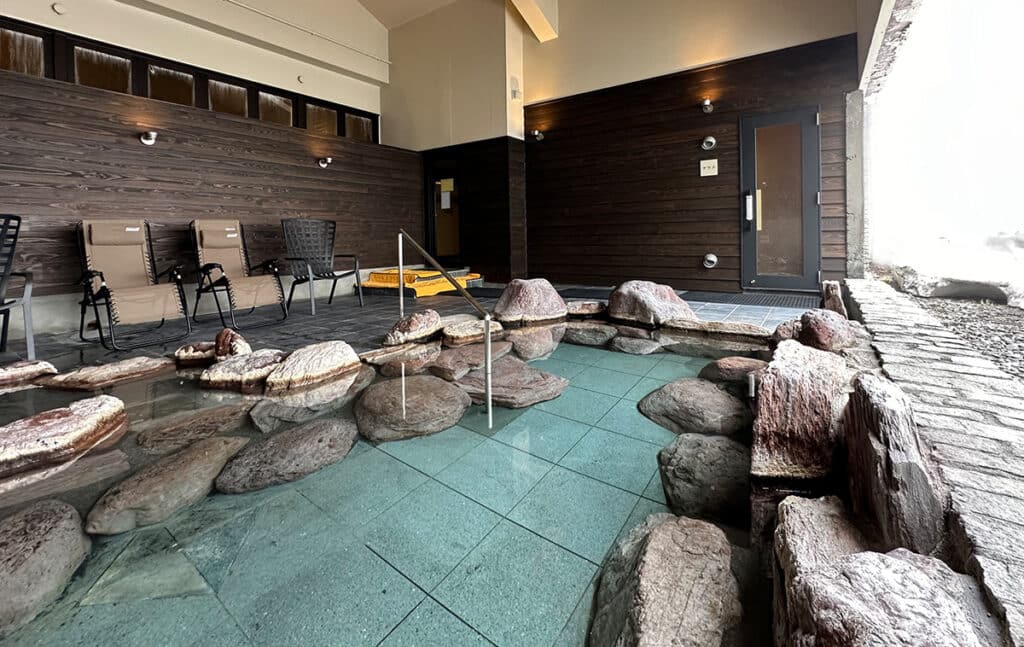
Asahidake Onsen Area: Stay a Night to Catch the Early-Morning Mountain Views
If you want to avoid the daytime crowds and see Asahidake in the early morning, stay right in the Asahidake Onsen area at the foot of the mountain. From here the ropeway base station is within walking distance, and taking the first ropeway the next morning gives you the quietest view at Sugatami Station.
The hot spring area is compact with few inns, so in peak season (especially the September foliage season and the winter ski season) we recommend booking 1 to 2 months ahead. If the inns are full, you can also consider staying in Asahikawa city, about 1 hour 10 minutes away by car, which has more convenient transport and more choices, and pairs well with city dining and shopping.
FAQ: 2026 Asahidake and Daisetsuzan Hiking, Skiing and Transport Q&A
Q: What time does the Asahidake Ropeway run? How do I check operating hours?
It varies by season. In 2026, the summer peak season (July to September) runs 6:30 to 17:30 on weekdays and 6:00 to 17:30 on weekends and holidays; early to mid-October runs 8:00 to 17:00; winter (mid-December to February) runs 9:00 to 15:40; and there is no service from November 16 to December 10. The actual times each day are as announced on the homepage of the Daisetsuzan Asahidake Ropeway official website.
Q: How much are Asahidake Ropeway tickets? Round-trip and one-way fares
Adults in peak season (6/1 to 10/31) pay ¥3,500 round trip and ¥2,200 one way; in off-season (11/1 to 5/31), ¥2,800 round trip and ¥1,700 one way; elementary school students pay ¥1,750 round trip and ¥1,100 one way (tax included, official 2026 fares). Weekends and holidays in the autumn-leaf season are especially crowded, so we recommend arriving at the station early.
Q: How do I get to Asahidake? Is there public transport?
Take JR to Asahikawa Station, then transfer to the Asahikawa Electric Railway Route 66 “Ideyu-go” bus, which goes straight to Asahidake in about 108 minutes, ¥2,300 one way for adults. If you drive, it takes about 70 minutes from Asahikawa Station and about 60 minutes from Asahikawa Airport.
Q: Can the Asahidake trails be hiked all year?
The hiking trails are open only from June to mid-October each year, and the actual dates are adjusted to that year’s snow conditions, so be sure to check the latest announcement on the official website before you set out.
Q: When is the best time to visit Asahidake?
Choose June to August for flowers, late August to September for Japan’s earliest autumn leaves, and mid-December to March for powder skiing (the ropeway is closed from November 16 to December 10). Each of the four seasons has its own character.
Q: What should I do if I get lost while climbing Asahidake?
Call 110 immediately and, as far as possible, stay where you are and wait for rescue. Do not move around in thick fog or wind and snow trying to find a way out.
Q: Do I need to bring my own gear to ski at Asahidake?
Yes. No gear rental is available at the ropeway, so skiers must bring a full set of their own equipment (some guided or package tours include rental). Only intermediate to advanced skiers are advised to take on the backcountry terrain.
Q: Do I need to watch out for brown bears when visiting Asahidake?
Yes. Daisetsuzan is brown bear habitat, so we recommend checking the Kumamap sighting map before you set out and carrying a bear bell for safety.