
Introducing Kiroro: A Top-Tier Powder Resort on Hokkaido’s Windward Side
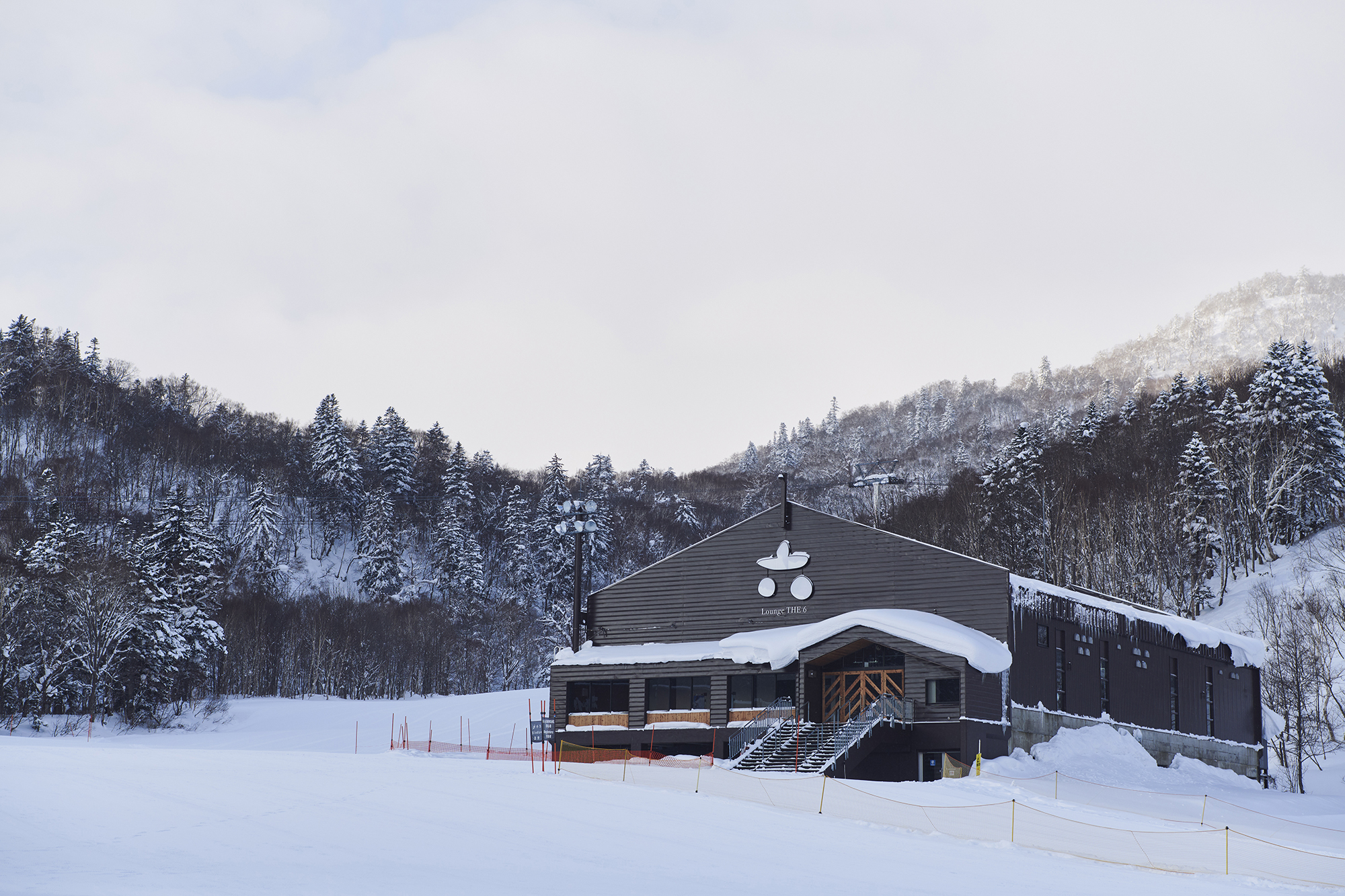
Kiroro Snow World (キロロスノーワールド) is in Akaigawa Village, Yoichi District, Hokkaido, ringed by the twin peaks of Mt. Asari and Nagamine. It sits right in the path of the monsoon winds blowing in from the Sea of Japan, and the moisture climbs all the way up into the mountains before falling, producing very dry powder with extremely low water content. The season is also longer than at most resorts, usually running from late November until early May.
For visitors, Kiroro’s appeal is that three things hold at once: great snow, small crowds, and a short trip from Sapporo. It is about an hour and a half to two hours from central Sapporo, yet without the lift lines you find at Niseko, and waits at the gondola are usually much shorter. The resort has 23 runs with a longest run of 4,050 meters, a fairly even split of beginner, intermediate and advanced terrain, and 14 off-piste areas, so everyone from first-timers to powder chasers can find a place.
One thing needs to be made clear first: the operating period and lift ticket prices are announced anew each year, and in recent years the changes have not been small. All the figures in this article are from the official announcement as checked in August 2026, so please be sure to check the official announcement for the current season again before you go.
Official website: Kiroro Resort (kiroro.co.jp). Lift tickets can be bought in the official online shop, where buying online saves up to 5%.
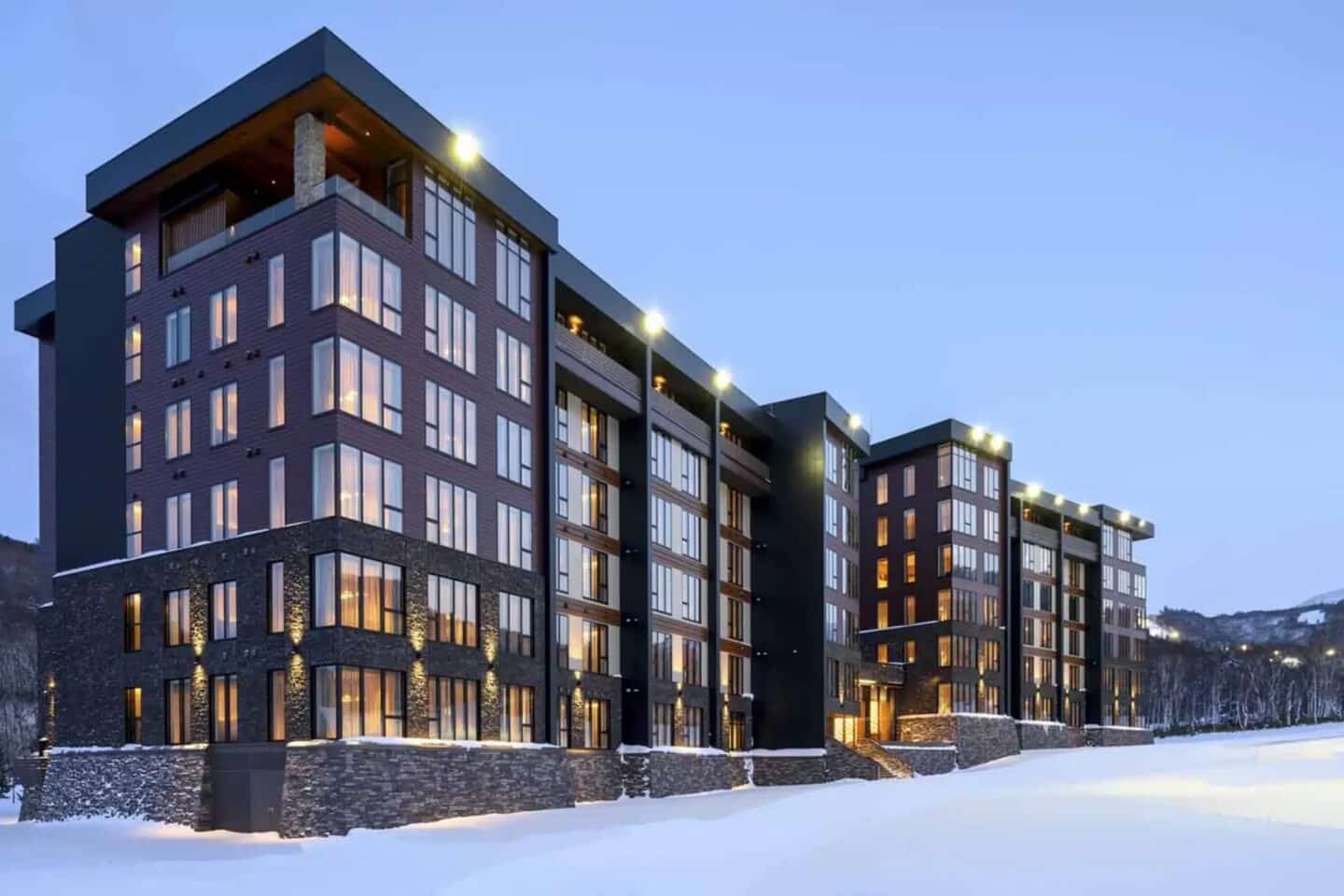
How to get to Kiroro: comparing three routes from Sapporo, New Chitose Airport and Otaru
Kiroro has no direct rail service, so everyone makes the last leg by bus or car. The good news is that the shuttle system is well developed, with regular departures from Sapporo, New Chitose Airport and Otaru. The downside is that seats are hard to get in peak season, so be sure to book ahead.
Below are the four main ways to go, including approximate travel times and things to watch for.
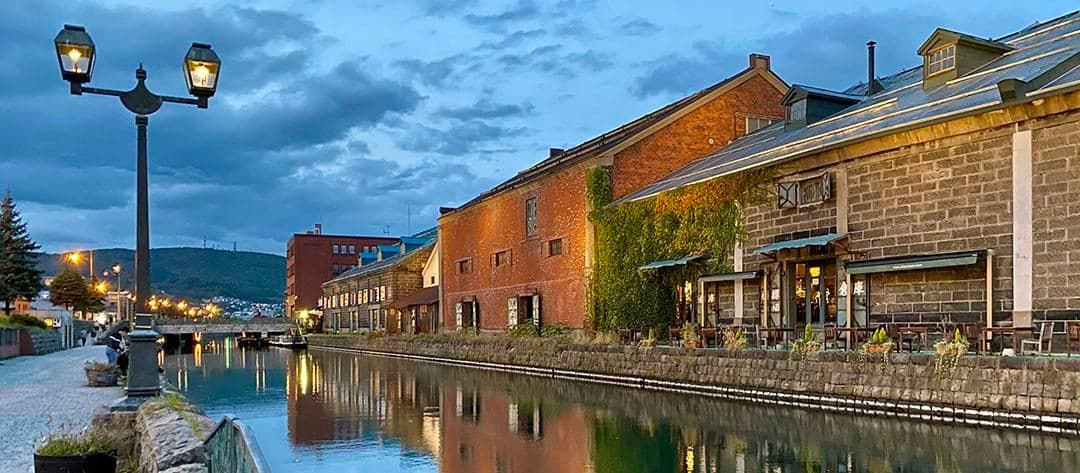
Ski bus from central Sapporo: the route most people choose
The ski bus from central Sapporo to Kiroro is operated by Hokkaido Access Network, boarding around Sapporo Station and at major hotels in the Odori and Susukino areas, with an official travel time of about 100 minutes. Last season (2025-26) it ran from mid-December to early April, with a capacity of 47 passengers and reservations required.
This route suits people who base themselves in Sapporo and want only a day or two of skiing. Note that there is usually just one outbound and one return departure a day at fixed times, so if you ski until late afternoon you must be back at the meeting point on time, which leaves little flexibility. Peak-season weekends often sell out early, so book as soon as your dates are set.
Direct from New Chitose Airport: on the slopes the day you land
The shuttle bus from New Chitose Airport to Kiroro takes about two hours, the easiest choice when you have large luggage and ski gear, with no need to change in Sapporo. Departures are also by reservation and usually timed to major flights.
If your flight arrives in the afternoon, in practice you will not get any skiing that day, so treat the first day purely as a travel day. Conversely, leave plenty of buffer for the return, since winter road conditions in Hokkaido can be delayed by snowfall at any time, and it is safer to set out three to four hours before your flight.
From Otaru: the shortest leg
Otaru is the city closest to Kiroro, about 45 minutes by road. Taking JR to Otaru Station or Yoichi Station and then transferring to a bus or taxi is a compromise for those who do not want to stay at the resort but want to cut commuting time.
During certain periods the resort offers a free shuttle bus between Otaru and Kiroro, but the operating dates are very scattered: last season it ran daily only on a few days at the start and end of the season, not throughout. Treat it as a bonus if you happen to catch it rather than the backbone of your plans, and always check the announcement for the current season before you go.
Driving: the most flexibility, but be mentally prepared for snow driving
Driving takes National Route 393, about an hour and a half to two hours from Sapporo and about 40 to 60 minutes from Otaru (the official pages give inconsistent figures, so allow extra time). The upside is that you decide when to arrive and leave, and it is easy to stop by Yoichi and Otaru on the way.
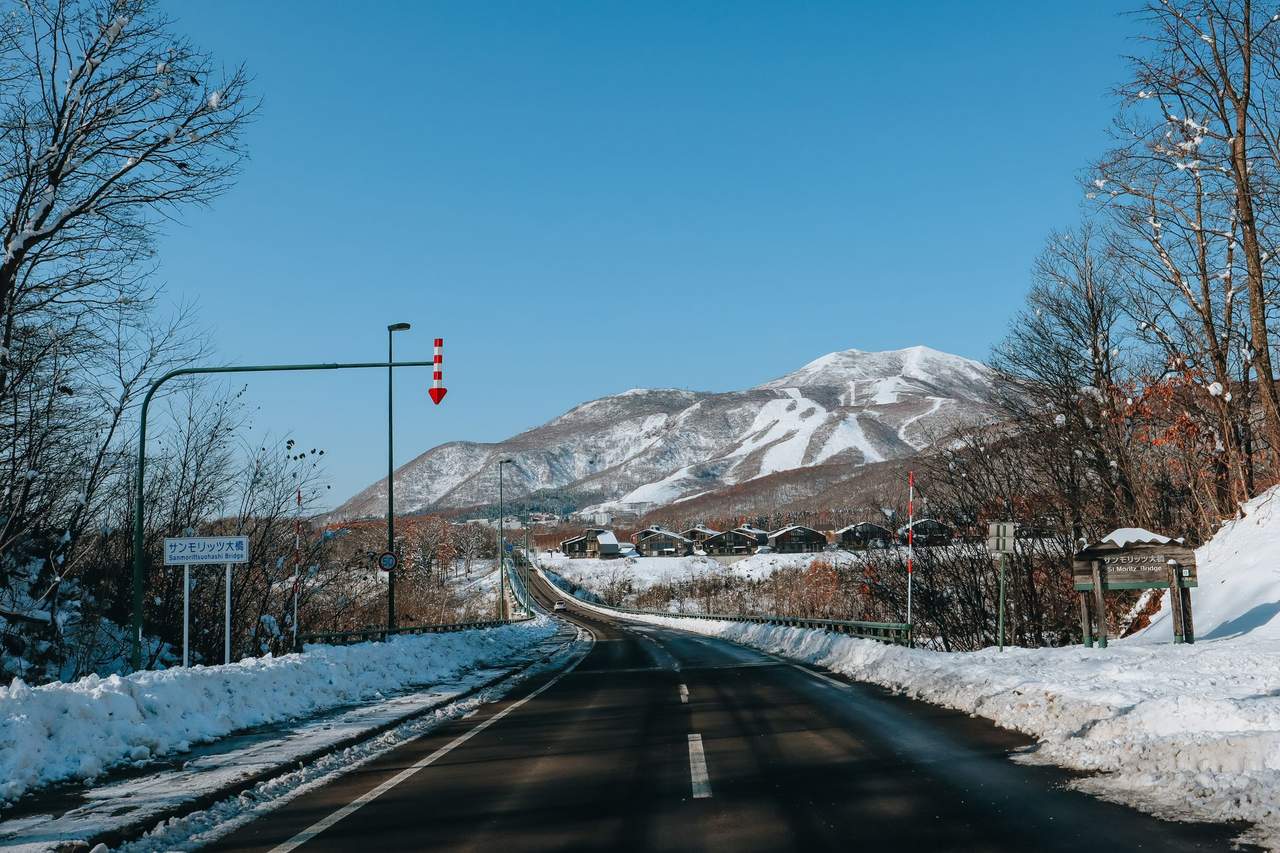
But Hokkaido’s winter mountain roads are not to be taken lightly: be sure to rent a four-wheel-drive car and confirm it has snow tires, and even in daytime you may meet ground blizzards with very low visibility. We recommend avoiding early morning and nighttime, driving at half your usual speed, and checking real-time road conditions before you set out. If you have no snow-driving experience, taking the bus is much safer.
Taxis and private charters: sharing among a group is actually good value (always book the return in advance)
If you are four or more with ski gear, a taxi into the resort from Otaru or Yoichi is not that expensive, and averaged out it is often similar to the bus, with timing entirely in your hands. Some operators also offer private charters from the airport to the resort, where you can set the time and get help carrying your gear.
Note that in ski season, Akaigawa Village is not like a city where you can flag down a car easily. Always book the return trip in advance or ask your accommodation’s front desk to call one, and do not look for one only after you have finished skiing.
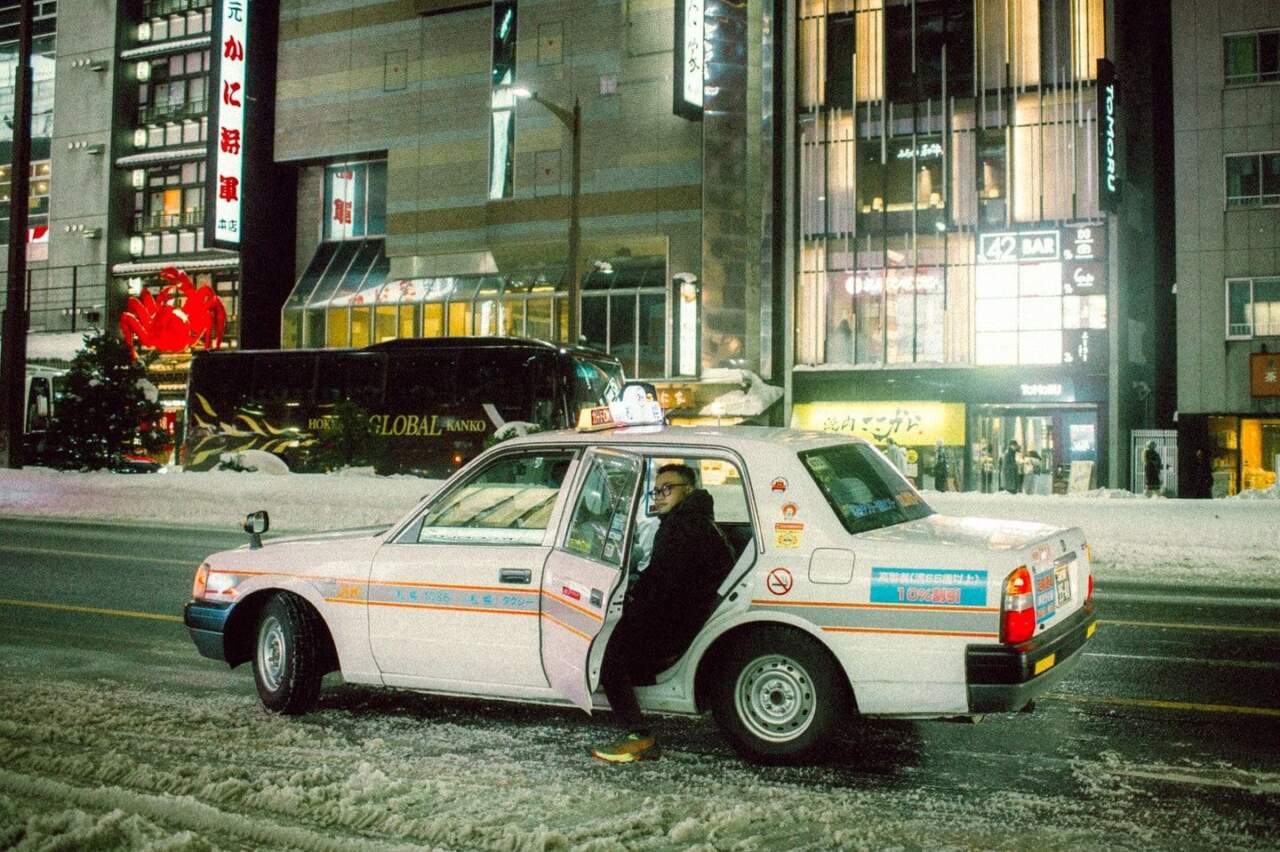


Must-Ski Runs and Must-Try Experiences at Kiroro: Two Peaks, Off-Piste Zones and Snow Activities
Kiroro’s runs are spread over two peaks, Mt. Asari and Nagamine, and the two sides have very different characters: Asari leans toward long runs and powder, while Nagamine has beautifully groomed snow and is good for practice. Add the ungroomed areas and the off-piste zones that require registration, and a day offers a great deal of variety.
Below are the areas and experiences most worth fitting into your plans, including recommended times and rules to note.
Summit of Mt. Asari: the thrill of a 4,050-meter run all the way down
Kiroro’s highest point is on Mt. Asari, and the official announcement gives the gondola a total length of 3,300 meters, taking you straight to the summit in one ride. The longest run from the top is 4,050 meters, making Kiroro one of the few resorts in Japan where you can ski more than four kilometers continuously.
This long route is not steep, so intermediates can finish it comfortably, and along the way you can see distant ridgelines and a sea of trees, which makes it very satisfying. We recommend doing one run in the morning when the snow has just been groomed: it is quiet, the snow is firm, and the sense of speed is best. The summit is windy and noticeably colder, so remember a face mask and windproof gloves.

Nagamine area: beautifully groomed runs, best for practicing the basics
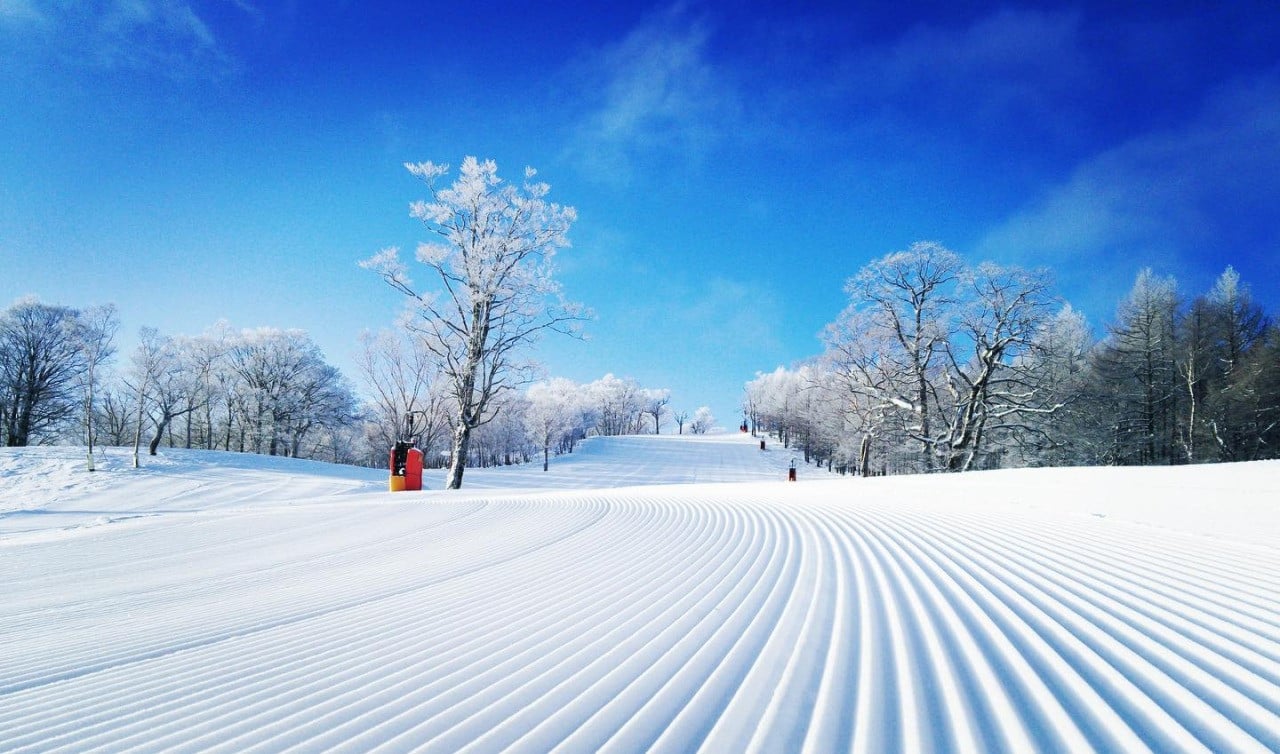
Nagamine is the resort’s other peak and the area where most people spend the longest time. The grooming quality is consistent and the pitch changes are gentle, with a high share of intermediate runs, so it is ideal for repeatedly practicing turns and speed control.
The Nagamine Express is split into a first and second section, and you can ride just the first section and lap the middle area, which is very efficient. Because this area is near the center of the resort, crowds concentrate at lunchtime, so to avoid them, move your meal earlier to 11:30 or later to 1:30.
The gondola: one ride to the summit, saving transfer time
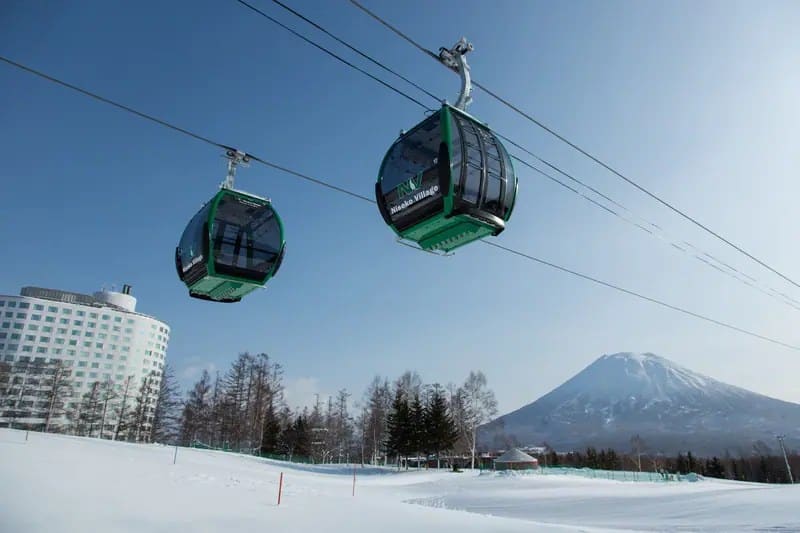
The resort’s signature is the gondola connecting to the Mt. Asari summit. Whether on a snowboard or skis, one ride takes you straight to the highest point, without the section-by-section transfers of many resorts. The enclosed cabin is also far more comfortable than a chairlift in a cold snap or strong wind.
For your route, the suggestion is: head straight for the gondola at opening to catch the first summit ride, then do two or three runs on the Asari side, and move to Nagamine as the crowds build. Also be prepared that winds at the Kiroro summit are fairly strong, and in strong wind the gondola stops running, so check the official lift status page before you go.
Ungroomed areas: the ungroomed patches left for powder
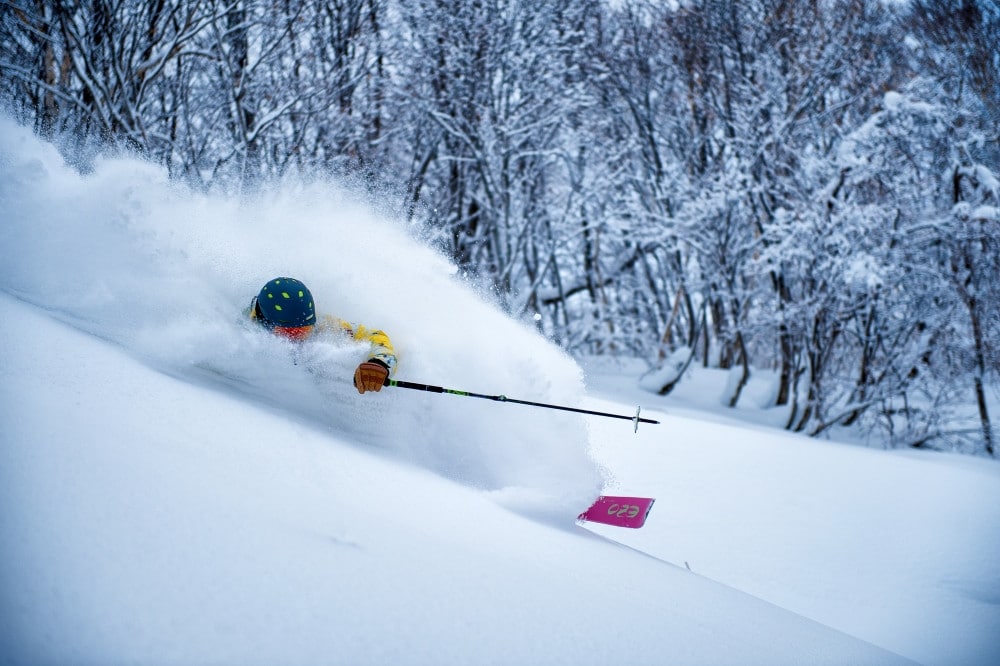
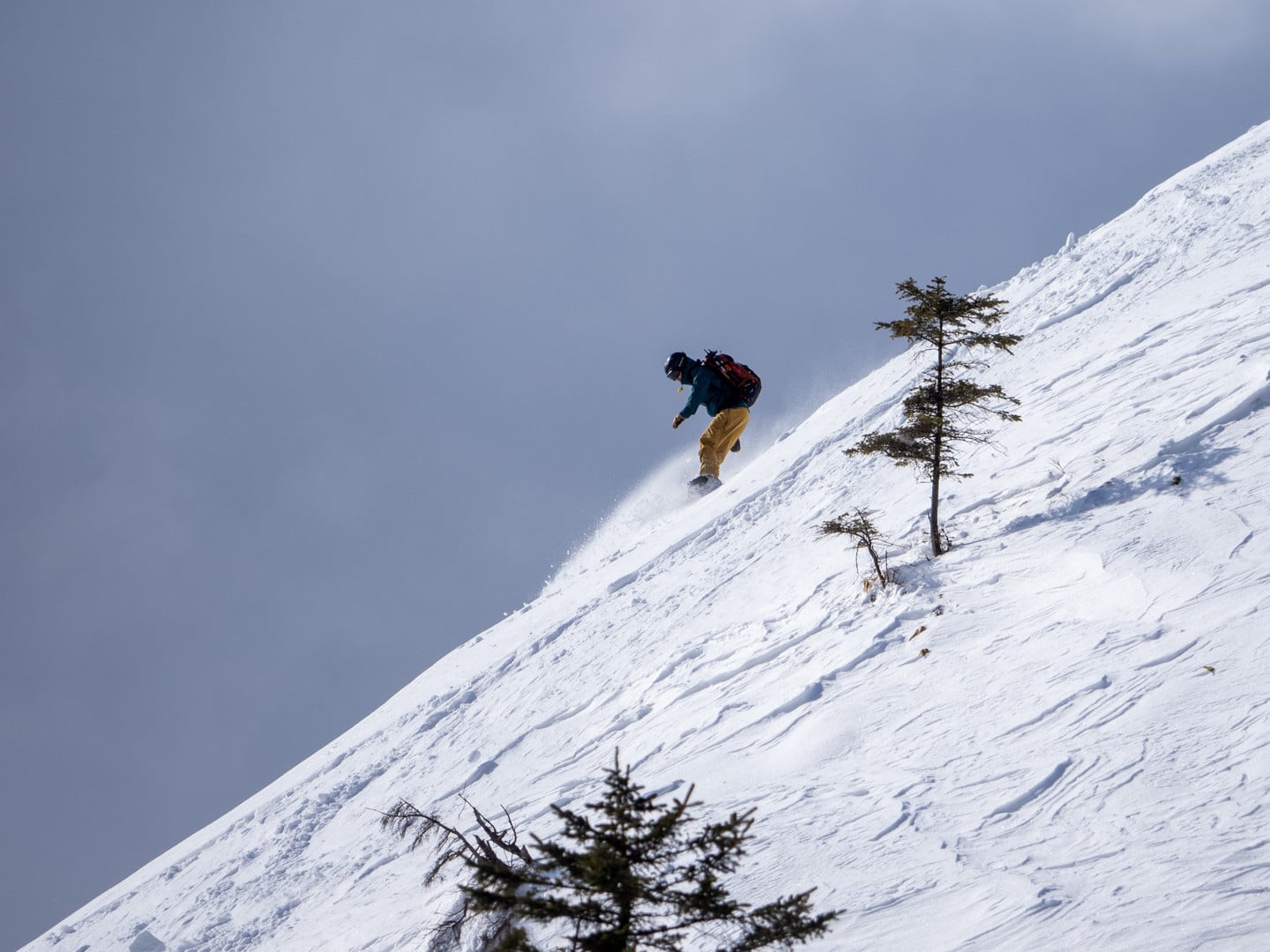
The resort deliberately keeps several areas ungroomed so fresh snow can pile up naturally. Kiroro’s powder has extremely low water content and offers almost no resistance underfoot, and your board does not sink easily in deep snow, which is why many people come here specifically.
To ski it at its best, get up early: the morning after a snowfall usually has the most intact surface, and by afternoon it is tracked out. For equipment, we recommend switching to a wider board, and going with a partner and keeping each other in sight. If you are skiing deep snow for the first time, shift your weight back a bit more than usual so you do not lean forward and dive the tips.
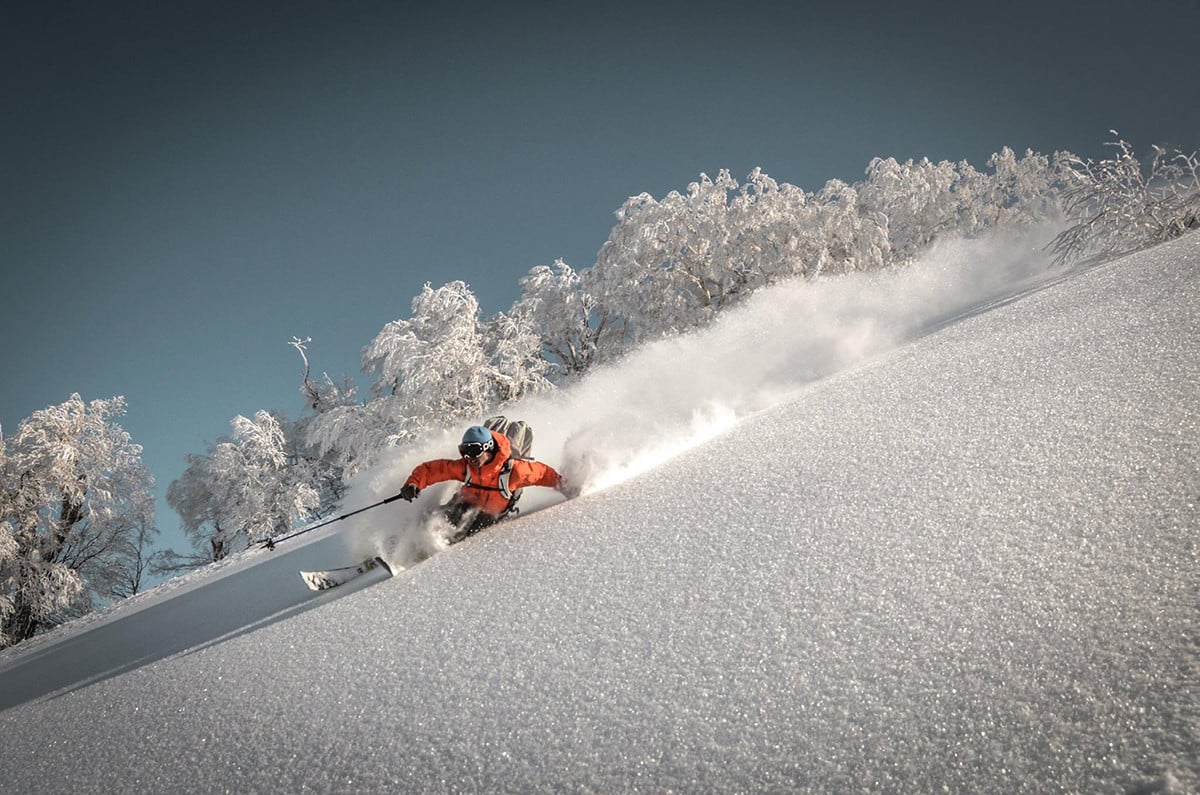
Off-piste areas: 14 tree-line zones; check the day’s rules before entering
Kiroro officially opens 14 off-piste areas, mostly tree terrain, where powder lasts longer than on regular runs. This is one of the reasons it has such a good reputation among advanced skiers.
But before entering you must register at the resort’s management center and follow the day’s opening announcements, because areas can be closed at short notice due to snow conditions or avalanche risk. Be sure to carry avalanche safety gear (transceiver, probe and shovel), never go in alone, and if you are inexperienced, hire a local guide. These are not mere formalities, as accidents in tree wells happen every year.
Beginner zone: gentle slope, short routes, the best place for the first day
There is a dedicated beginner slope at the base, paired with a family lift with a short travel distance, so if you fall you can restart quickly. For someone meeting snow for the first time, the psychological pressure here is far smaller than going straight up the mountain.
We suggest staying honestly in this area on the first day to get your braking and turning down, and not rushing up the mountain. Once you can control your speed steadily and stop freely on the gentle slope, move on to the intermediate runs. At this pace you can usually enjoy real gliding by the second day, faster than forcing it for a day and falling until you are afraid.
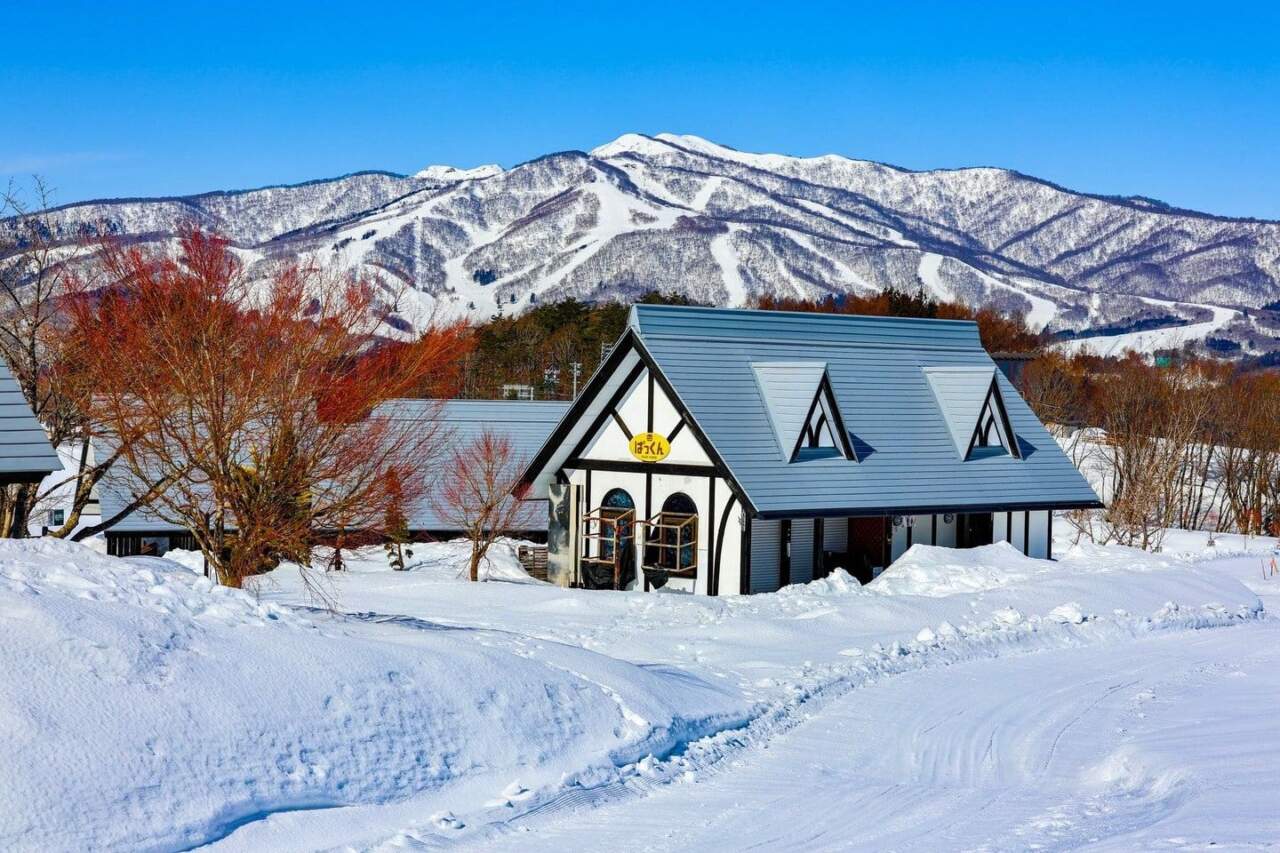
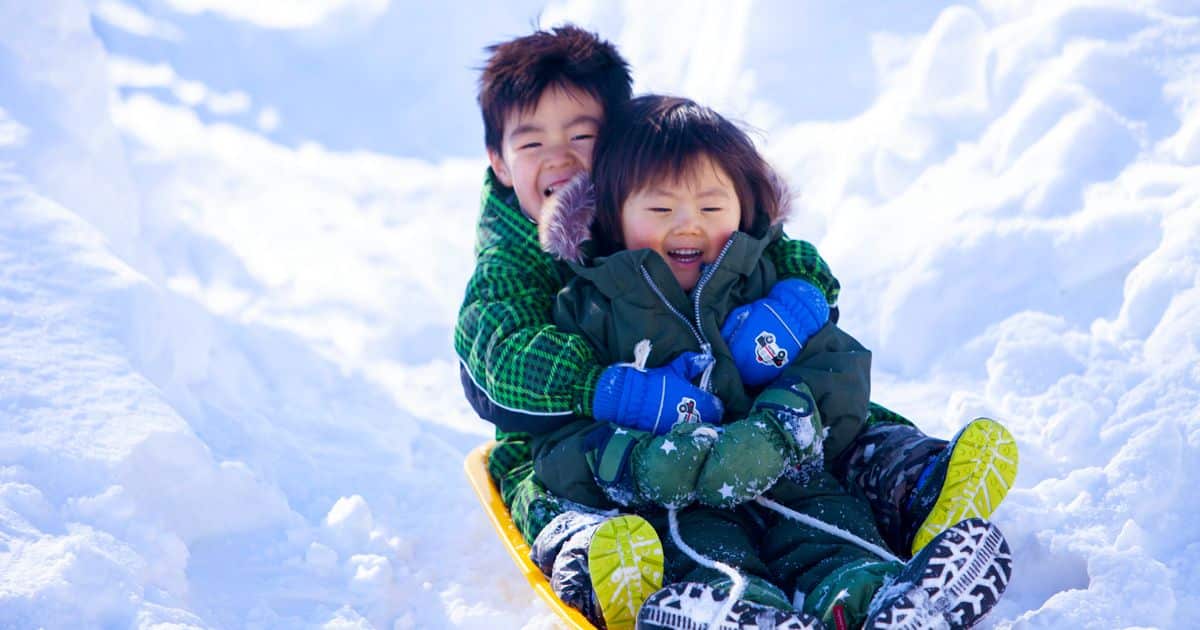
Children’s snow school and snow playground: something for little ones who do not ski
The resort has a children’s ski school with group and private lessons, and a snow play area designed for young children, where they can ride sleds and build snowmen without having to strap on skis. For families with kids, this means the adults can take turns skiing.
Lesson spots are especially in demand in peak season and holidays, so we suggest booking online as soon as your dates are set. Also note that small children get cold quickly in the snow, so be sure to schedule breaks indoors with a hot drink, rather than holding out until noon.
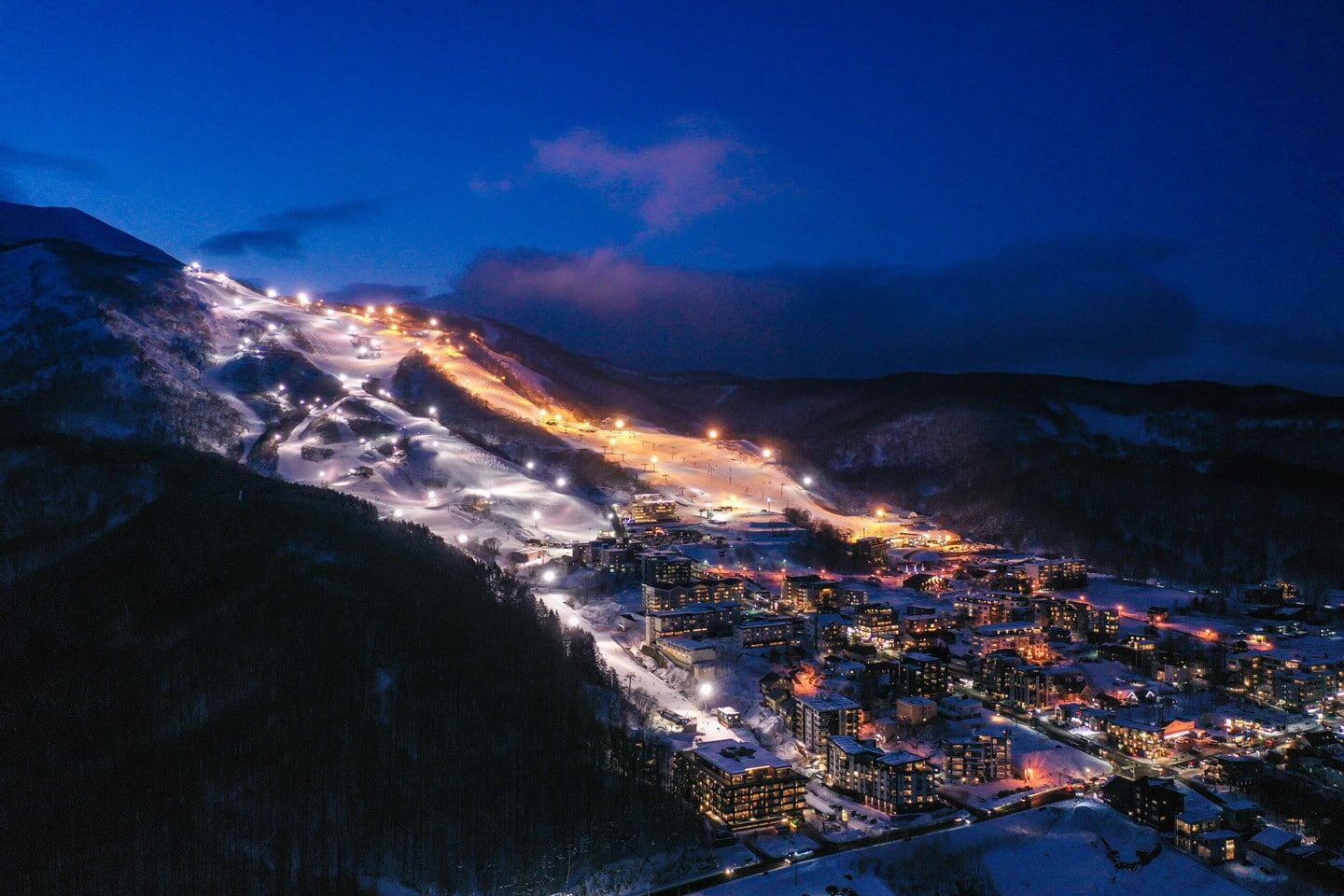
Night skiing: snow under the lights feels like a different world
During peak season Kiroro offers night skiing, with the lift in the central area running until 7 p.m. The light on the snow has a completely different depth from daytime, and it is much less crowded.
However, the night-skiing area is limited, usually only the runs around the center, so if you want the long summit run, do it in daytime. The temperature drops another several degrees after dark, so add a warm layer and change into dry gloves. The night-skiing period is announced differently each year; last season it ran from about mid-December to early April, and please check the official announcement for the current season.
Snow activities: a whole day of fun without skiing
Besides skiing, Kiroro offers snowmobiles, snowshoe hikes, snow banana boats and more, especially useful when someone in your group does not ski. A snowshoe hike goes into the woods around the resort, and the quiet snowfield feels completely different from the runs.
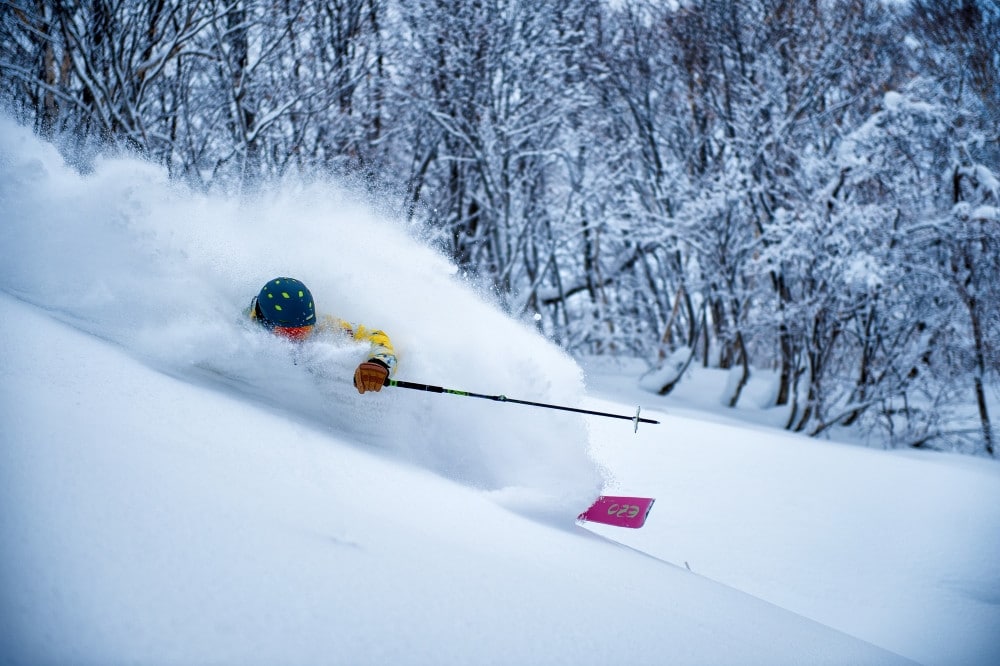
These activities are mostly timed sessions that need on-site or online booking, with limited spots. Prices and available activities change each season, so after arriving you can first check the day’s sessions at the service center and then plan your skiing time around them.
Hot springs: soak away the day’s aches before you leave
The lodging facilities at the base of Kiroro have hot springs and open-air baths, and going straight into a soak after skiing is the most comfortable way to finish here. Sitting in hot water in sub-zero air means much less muscle soreness the next day.
Some hot spring facilities are open to non-guests, but the hours and whether there is a separate fee differ each season, so we suggest checking at the front desk that day. Be sure to hydrate before soaking, since a full day of skiing dehydrates you more than you would think, and jumping straight into the water can make you dizzy.
Long season: spring snow all the way to early May
Kiroro’s season is longer than most resorts, usually running from late November to early May of the following year, linking up with Japan’s Golden Week. Last season’s final ski day was May 3.
Spring snow is wetter and heavier, and feels quite different from the dry powder of January and February, but the upside is stable weather and comfortable temperatures, and lift tickets in spring are noticeably cheaper: for the same one-day ticket, early-season and spring prices are only about 60% of peak. For those who want to save money and are not fixated on powder, April is actually a good-value choice.
Wind closures: the variable Kiroro most needs preparation for
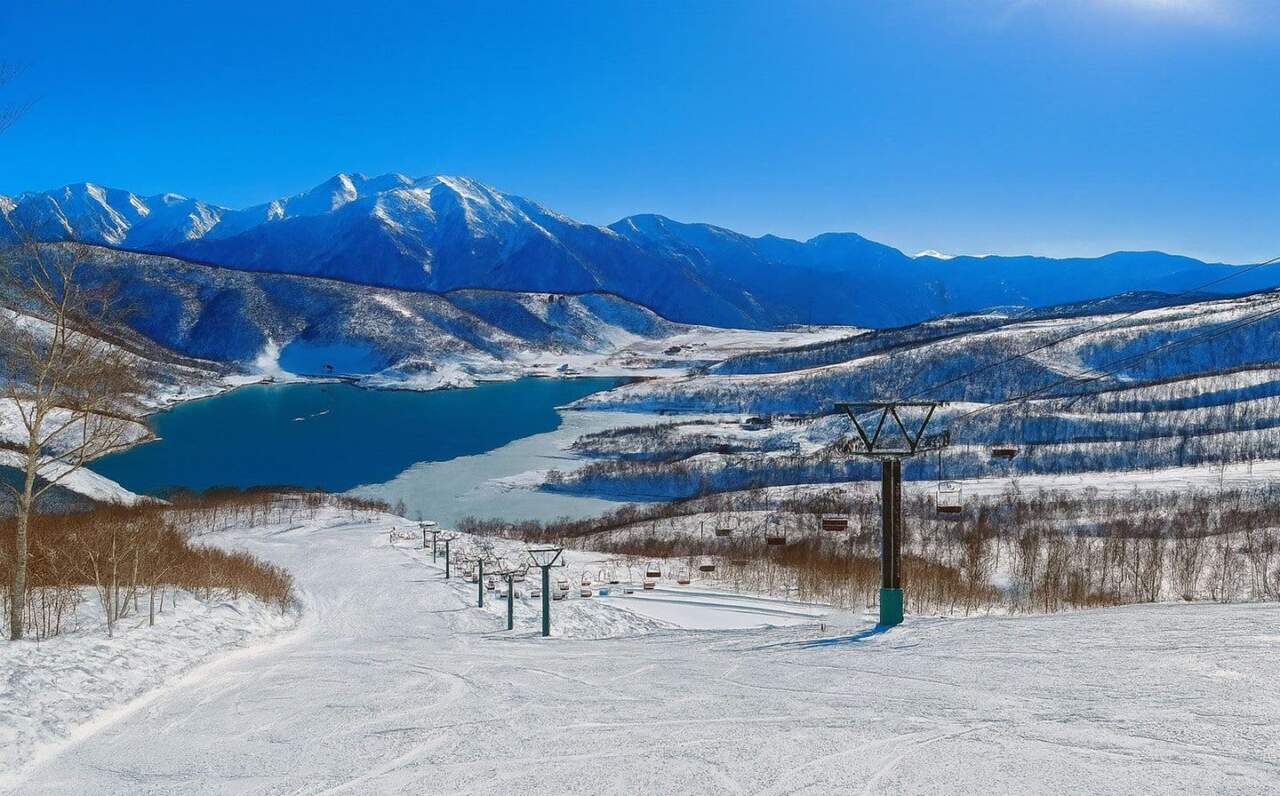
The flip side of heavy snowfall is that Kiroro’s lifts are quite likely to stop in strong wind and blizzards, especially on the routes to the summit. This is the variable you should leave the most room for when planning.
In practice: check the official snow depth and lift status page before you leave, try not to plan just one ski day, and prepare alternatives for when the lifts stop, such as snow activities, an early hot spring soak, or a half-day trip to Otaru. Prepare for it as something you will certainly meet, so that when it happens you are not stuck all day.
How Much Does Skiing at Kiroro Cost? Lift Tickets, Rentals and Lessons
The costs below are the 2026-27 season figures from the official announcement as checked in August 2026. Lift ticket prices are announced anew each year and adjusted yearly; the official peak-season one-day ticket for this season is ¥9,200 for adults. The lower figures still circulating online are mostly old-season prices, so be sure to rely on the official announcement for the current season.
One-day and multi-day tickets: a big gap between peak and spring
According to the official announcement checked in August 2026, the 2026-27 peak-season one-day ticket is about ¥9,200 for adults, ¥8,000 for teens and seniors, and ¥5,500 for children; early season and spring drop to about ¥5,800 for adults and about ¥3,800 for children.
Multi-day tickets are available from 2 to 7 days, with each additional day in peak season at about ¥9,200. Buying through the official online shop saves up to 5% (not applicable to season passes), and for three days or more, a multi-day ticket saves a bit compared with buying day by day.
The official site also has a 4-hour ticket; see the official announcement for the current season for the price.

Ski lessons: worth taking one on your first visit
The resort’s ski school offers group and private lessons and lessons designed for children, and at some times there are Chinese- or English-speaking instructors. First-time skiers are strongly advised to take at least a half-day group lesson to build the basics of falling, braking and turning, which makes the experience of the next two days completely different.
Lesson fees and the languages offered are announced each season, and spots are in demand in peak season, so book as soon as your dates are set. Group lessons are usually half-day units with small groups, and the instructor watches each person’s movements. Families with children can stagger the children’s lesson and the adults’ skiing time so neither side is tied down, and you do not have to take turns watching the kids all day.
Airport transfers and package tours: save the time of piecing together transport yourself
There are shuttle buses to Kiroro from both New Chitose Airport and central Sapporo, and some travel platforms bundle “round-trip transfer + lift ticket” or “transfer + accommodation.” With ski gear and luggage, such combinations save a good deal of transfer effort.
Before booking, confirm the pickup and drop-off points, whether you must meet at a designated hotel, and the cancellation policy. Winter flight delays are not uncommon, and flexible terms matter more than saving a few hundred yen.
Where to stay near Kiroro
Where you stay directly determines how long you can ski each day, so this section gives some direction first.

Stay at the foot of the mountain, or in Sapporo and Otaru?
Lodging at the foot of Kiroro is mainly Club Med (the official site lists Club Med Kiroro Peak and Grand), an all-inclusive model with meals, lift tickets and group lessons included. The structure is very different from the hotels at a typical ski resort, and suits people who want to leave everything to the resort and focus on skiing.
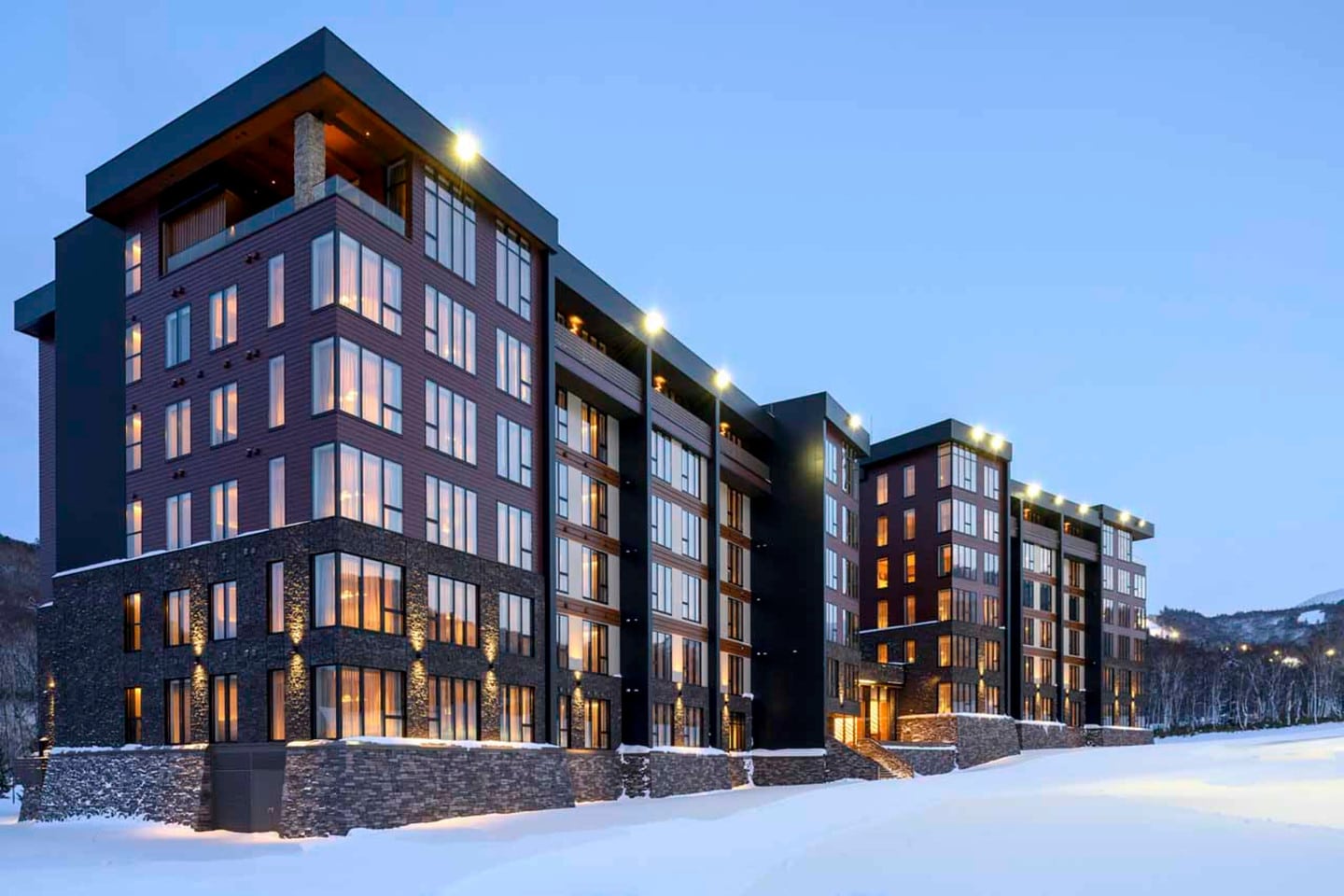
The other approach is to stay in Sapporo or Otaru and ride the ski bus back and forth each day, with more lodging and dining choices at lower prices, at the cost of a daily commute and bus-time limits. For details on room types and prices, see our accommodation guide on this site.
Kiroro Ski Resort FAQ
Below are the questions travelers ask most often, with answers based on the official announcement as checked in August 2026.
Q: When does the Kiroro season start and end?
According to the official announcement checked in August 2026, the 2026-27 season is scheduled to run from November 28, 2026 to May 5, 2027, with peak season roughly from December 12, 2026 to April 11, 2027. The final ski day of last season (2025-26) was May 3, 2026. Season dates are announced anew each year and adjusted to that year’s snow conditions, so please rely on the official announcement for the current season.
Q: How much is a Kiroro lift day ticket?
The official announcement for the 2026-27 season gives a peak-season one-day ticket of about ¥9,200 for adults and ¥5,500 for children (ages 6-12), and early season and spring at about ¥5,800 for adults and ¥3,800 for children. Buying through the official online shop saves up to 5%. Note that lower old-season prices are still widely circulated in AI summaries and on blogs; prices are adjusted every year, so do not reuse old information, and rely on the official announcement for the current season.
Q: Can I do a day trip to Kiroro from Sapporo?
Yes. It is about an hour and a half by road from central Sapporo to Kiroro, ski buses run there and back in winter, and a day trip is a common way to do it. However, the bus usually has just one outbound and one return departure a day, so the actual skiing time works out to about four to five hours, and a 4-hour ticket is often better value than a day ticket. The return time is fixed and it is easy to be late when you lose track of time skiing, so we suggest being back at the meeting point twenty minutes early.
Q: I have never skied. Is Kiroro suitable?
Yes. The base has a dedicated beginner slope and a lift with a short travel distance, green (beginner) runs make up about a third of the terrain, and the ski school offers group, private and children’s lessons. We suggest signing up for a half-day lesson on the first day to get your braking and turning down before going higher, which is much faster and much safer than figuring it out on your own.
Q: Can I enter Kiroro’s off-piste areas freely?
No. The resort officially opens 14 off-piste areas, but whether they are open depends on the day’s snow conditions and avalanche-risk announcements, areas can close at short notice, and some may require advance registration, so be sure to confirm the day’s rules with the resort before entering. Carry avalanche safety gear, go with a partner, and note that tree wells in forested terrain are a serious risk. If you are inexperienced, hire a local guide and do not go in on your own.
Q: I hear Kiroro often stops its lifts for strong wind. How should I prepare?
Kiroro gets heavy snowfall, and in turn lifts are quite likely to stop in strong wind or blizzards, especially on the routes to the summit. We suggest checking the official snow depth and lift status page before you go, not planning just a single ski day, and thinking through a backup in advance, such as snow activities, an early hot spring soak, or a half-day trip to Otaru.
Q: When should I go for the best powder?
It is generally agreed that January to mid-February has the most stable snow quality, with dry powder at its best and the heaviest snowfall. To ski untracked fresh snow, pick the first gondola ride the morning after a snowfall. After April the snow turns to wetter spring snow, but the weather is stable and lift tickets are about 40% cheaper, which is another good-value option.