
2026 Nara Kasuga Taisha Guide: Thousands of Lanterns, Sacred Deer and the Approach Path, Where Faith Meets Nature at a Thousand-Year-Old Shrine
Founded in 768, Kasuga Taisha is the head shrine of about a thousand Kasuga shrines across Japan. Entry to the grounds is free, and the highlights are the approach lined with three thousand lanterns and the sacred deer.
Kasuga Taisha Main Sanctuary: Vermilion Halls and Prayers for a Prosperous Nation
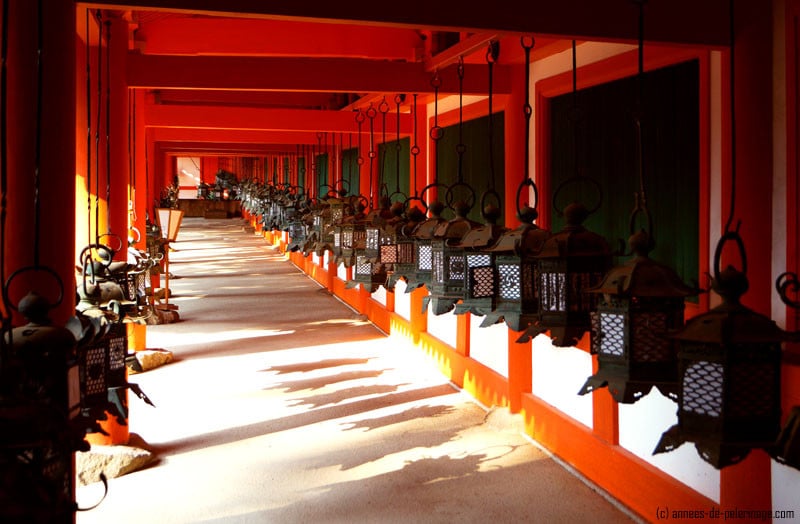
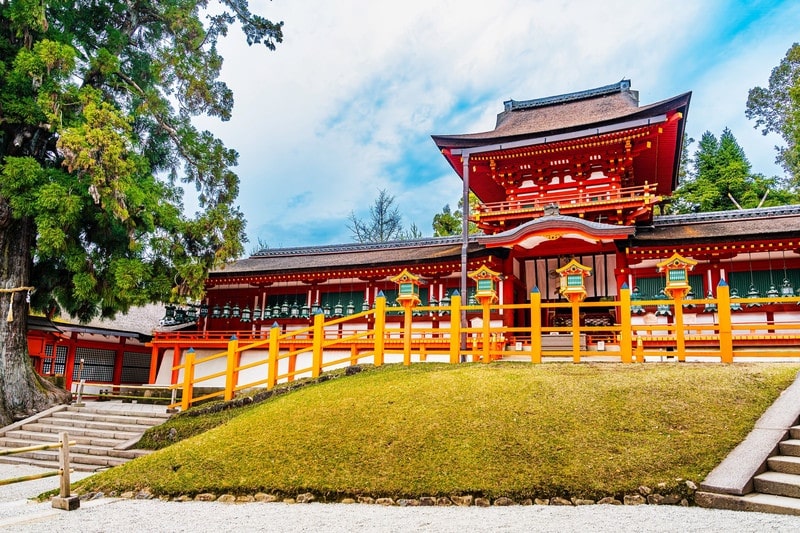
The main sanctuary of Kasuga Taisha enshrines four deities including Takemikazuchi-no-mikoto and is built in the “Kasuga-zukuri” style, its vermilion halls standing out against the green forest. The shrine was founded in 768 in the Nara period to pray for national prosperity and the safety of the people, and after a thousand years it still undergoes the periodic “Shikinen Zotai” rebuilding, renovating the halls and sacred treasures every twenty years to keep them solemn and sacred. As part of the “Historic Monuments of Ancient Nara” World Heritage Site, the main sanctuary can only be viewed from the outside. To see the vermilion corridors and the details of the main sanctuary up close, you can join a paid special visit and learn about Shinto belief and traditional Japanese architectural craft.
The Three Thousand Lanterns Approach: Nara’s Most Time-Travel Forest Path
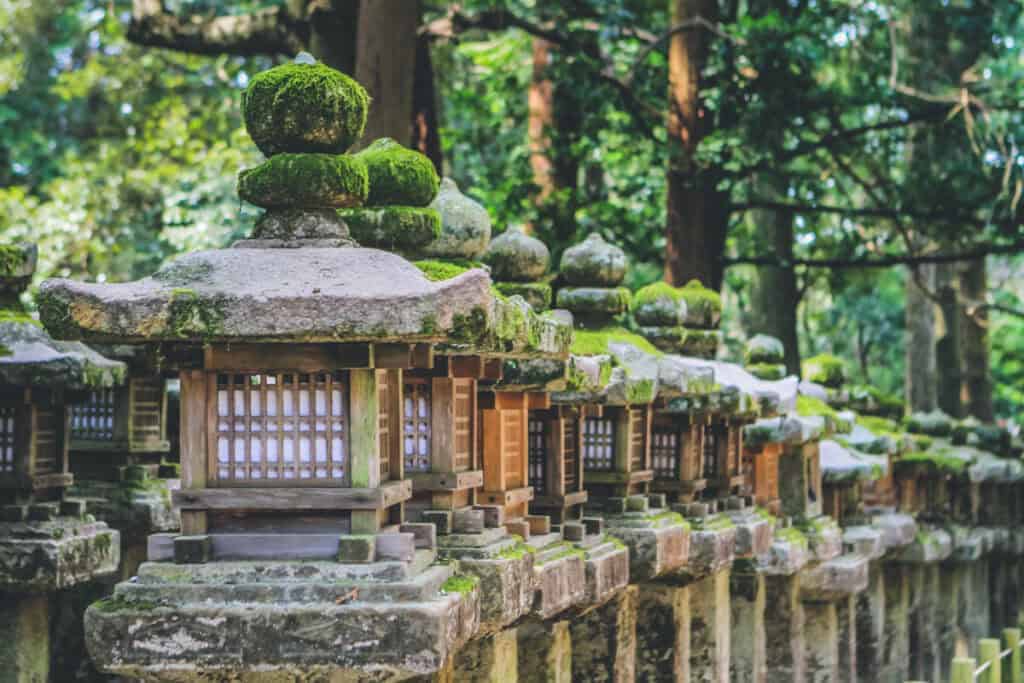
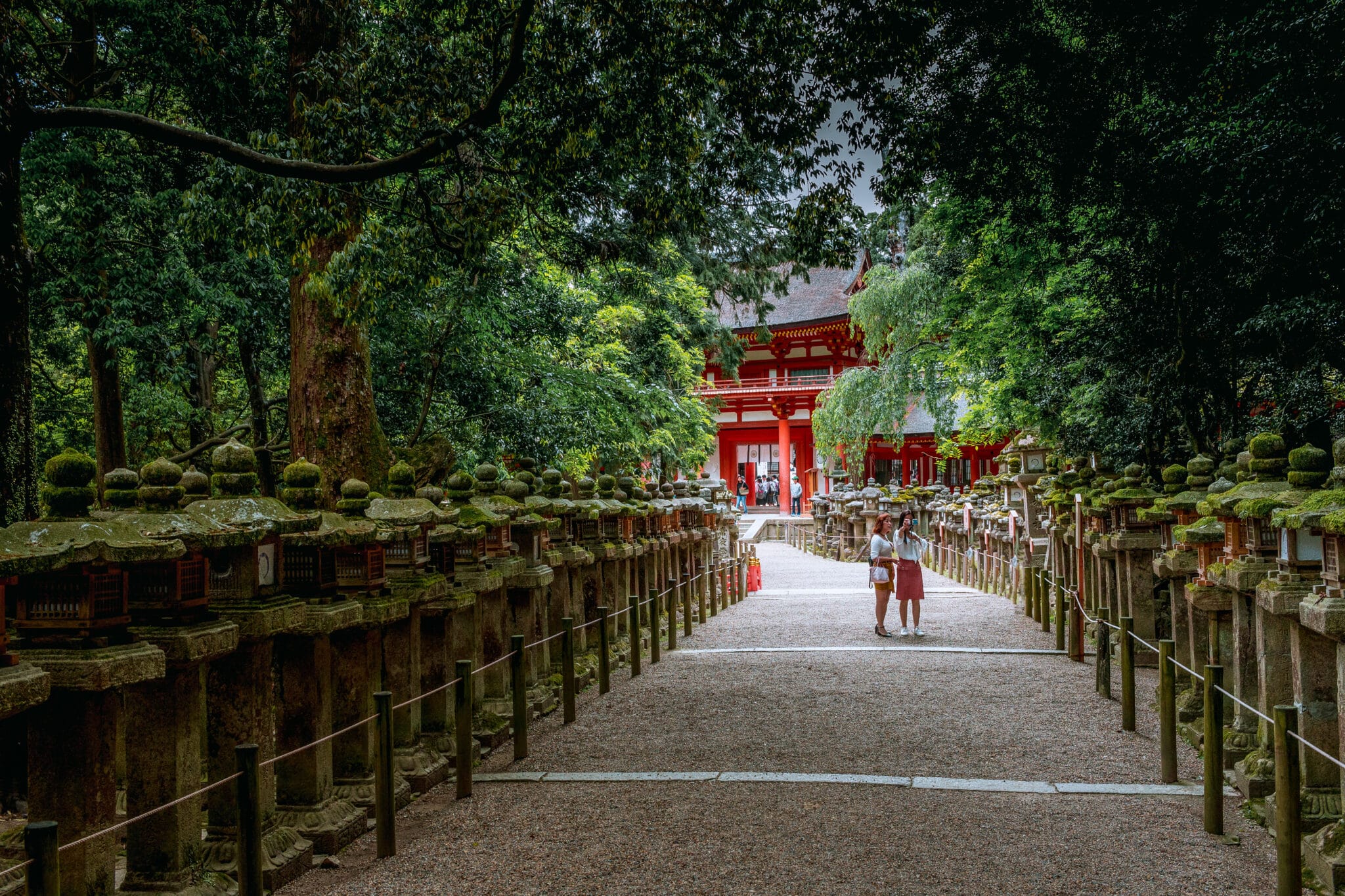
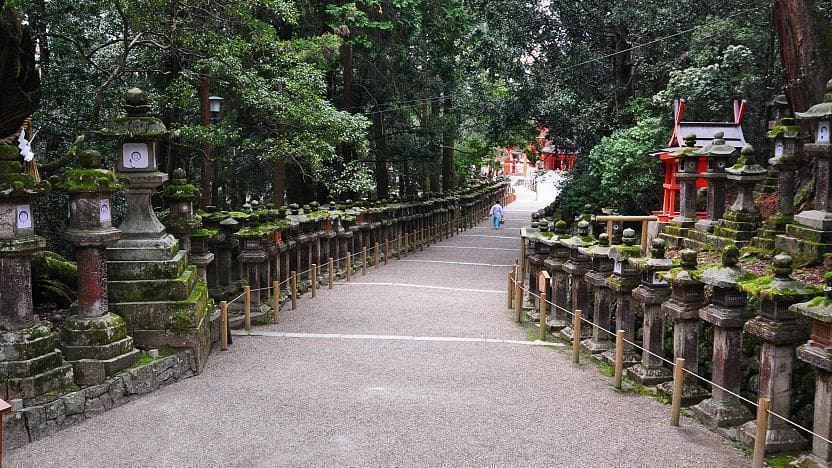
Along both sides of the approach from the first torii gate to the main sanctuary stand nearly two thousand stone lanterns and a thousand bronze lanterns, about three thousand in total, making this one of Japan’s shrines best known for its number of lanterns.
The approach is about one kilometer long, and deer are often seen strolling along it, which is Nara’s most classic scene.
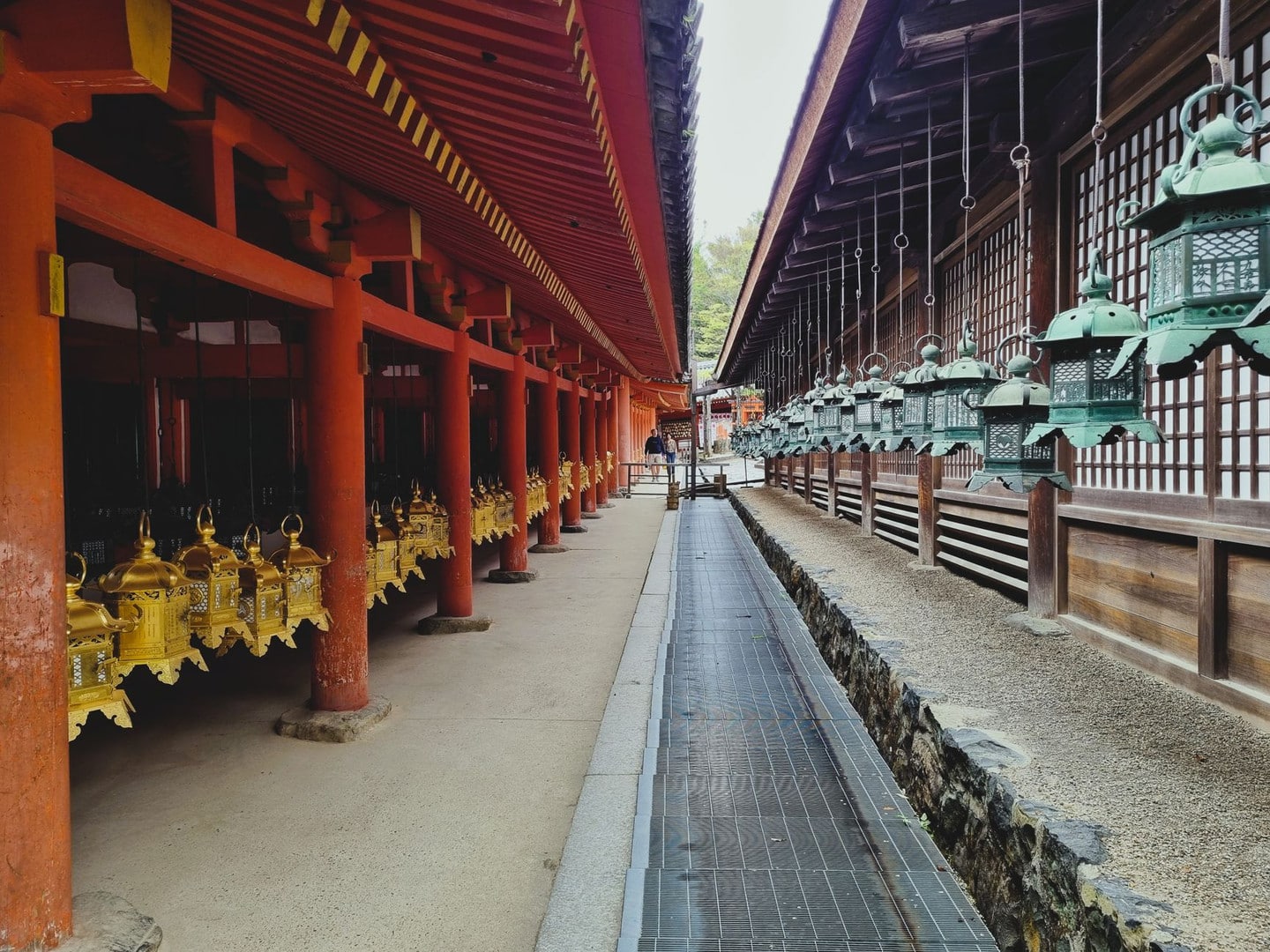
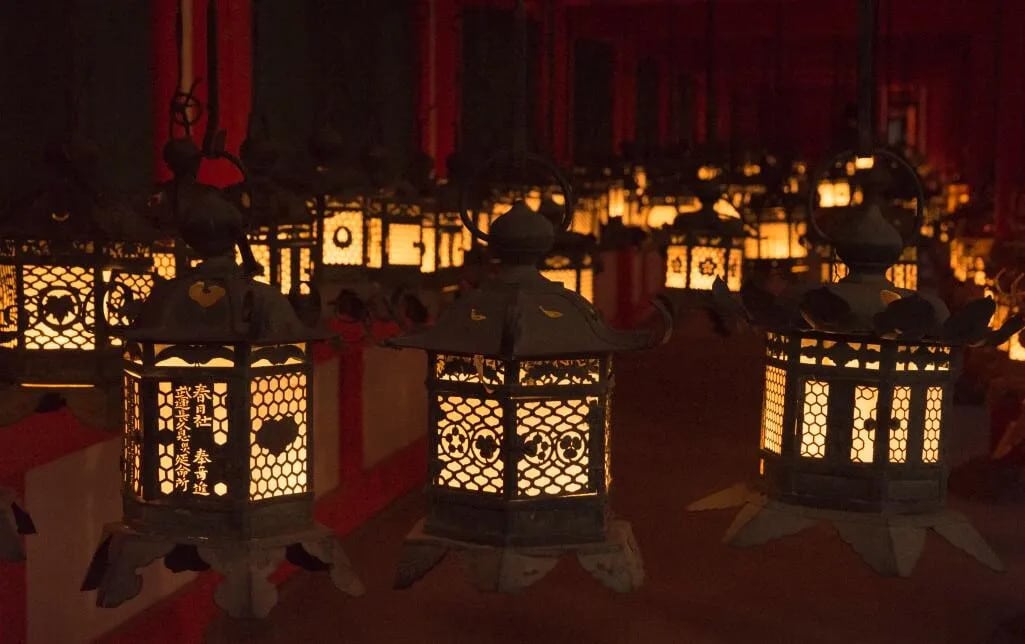
According to Kasuga Taisha’s official explanation, the grounds hold about 2,000 stone lanterns and about 1,000 hanging lanterns (tsuri-doro) suspended from the corridors and under the eaves of the halls, about 3,000 in total. Most of the stone lanterns were donated by worshippers over the centuries, so each one differs in shape and inscription. Along the “Oma-michi” path between the main sanctuary and Wakamiya, there is also a row of “Oma-gata lanterns,” distinguished by cube-shaped fire boxes made of cypress, so keep an eye out for them in this stretch. The official site also describes the origin of the Mandoro: from the Muromachi to the Edo period, residents of Naramachi lit lamps on the Kasuga approach to pray for rain, and this later grew into today’s Mandoro lantern festivals.
Mandoro: A Dreamlike Lantern-Lighting Festival Just Twice a Year
On February 3 each year for the “Setsubun Mandoro” and on August 14-15 for the “Chugen Mandoro,” nearly three thousand lanterns across the grounds are lit at once, their orange-red candlelight illuminating the approach and the halls with a magical, Heian-period atmosphere. These are Kasuga Taisha’s most representative annual festivals.
Both Mandoro festivals of 2026 have already taken place. The Setsubun Mandoro was lit at 18:00 on February 3, with the gate closing time extended to 20:30 that day, and special visits to the Mandoro inside the corridors were accepted from about 18:00. The Chugen Mandoro was held on August 14 and 15, and the official annual event calendar lists both nights as starting at 19:00, with the Treasure Hall also extending its hours to 20:00. The next one is Setsubun 2027; please check the official website for the confirmed schedule. To enter the corridors and see the lit hanging lanterns up close, a separate main sanctuary special visit fee of ¥700 (the current price on the official website) is required.
Fujinami-no-ya: A Hidden Spot That Shows the Mandoro Atmosphere Year-Round
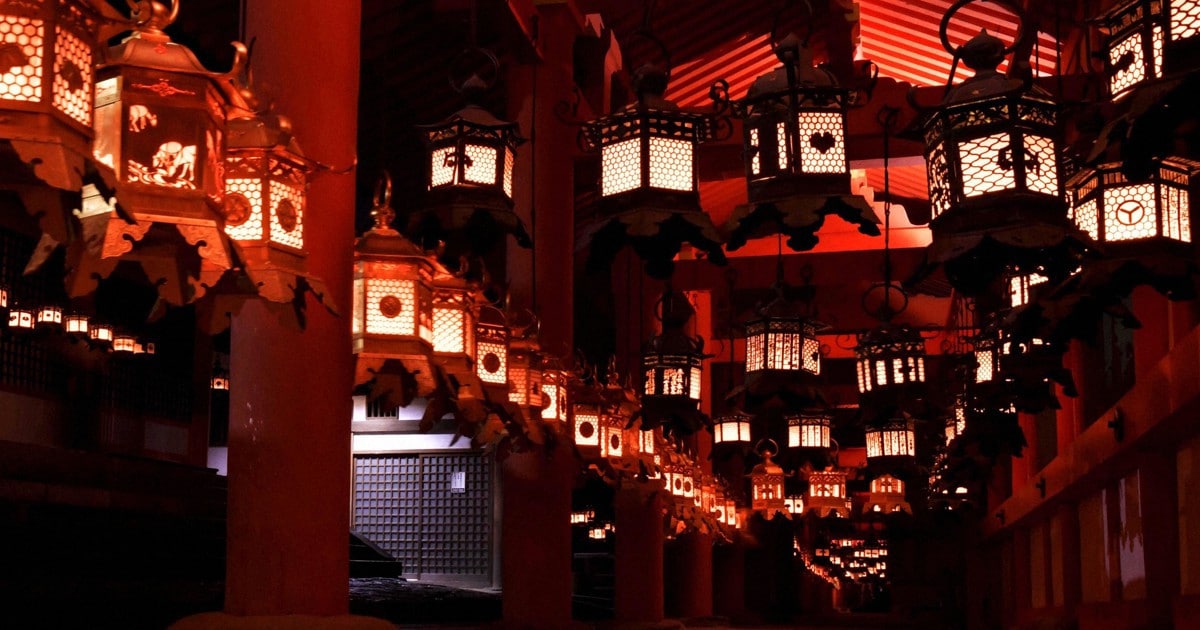
Fujinami-no-ya is located within the special visit area of the main sanctuary and is an exhibit space that recreates the scene of the Mandoro lighting. Even if you visit outside the Setsubun or Chugen periods, the permanent display here lets you feel the stunning sight of a thousand lanterns lit at once.
This area is covered by the ¥700 special visit ticket during the Mandoro period (2026 price). The interior is dimly lit and mysterious, an excellent alternative for photography and for experiencing the atmosphere of a traditional festival, well suited to travelers visiting on ordinary days.
Meoto Daikokusha: Nara’s Only Shrine for Blessings in Love
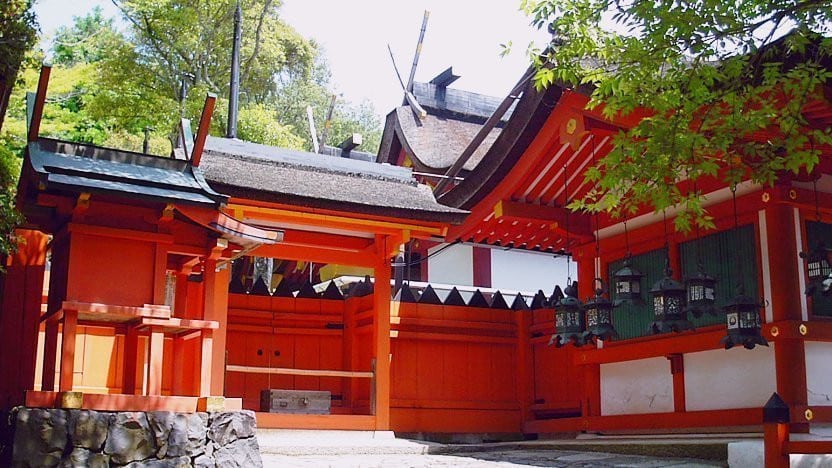
Meoto Daikokusha enshrines the married deities Okuninushi-no-mikoto and Suseribime-no-mikoto. It is the only shrine in the Nara area dedicated to a married couple of deities, and is loved by worshippers praying for good matches and harmonious marriages. The heart-shaped ema plaques sold at the shrine are also popular for photos and wishes.
After visiting, you can buy limited-edition amulets and ema to hang on the designated racks, and many couples and married pairs come specially to give thanks, making this one of the warmest corners of the Kasuga Taisha grounds.
Wakamiya Fifteen Shrines: A Pilgrimage Among Fifteen Small Shrines
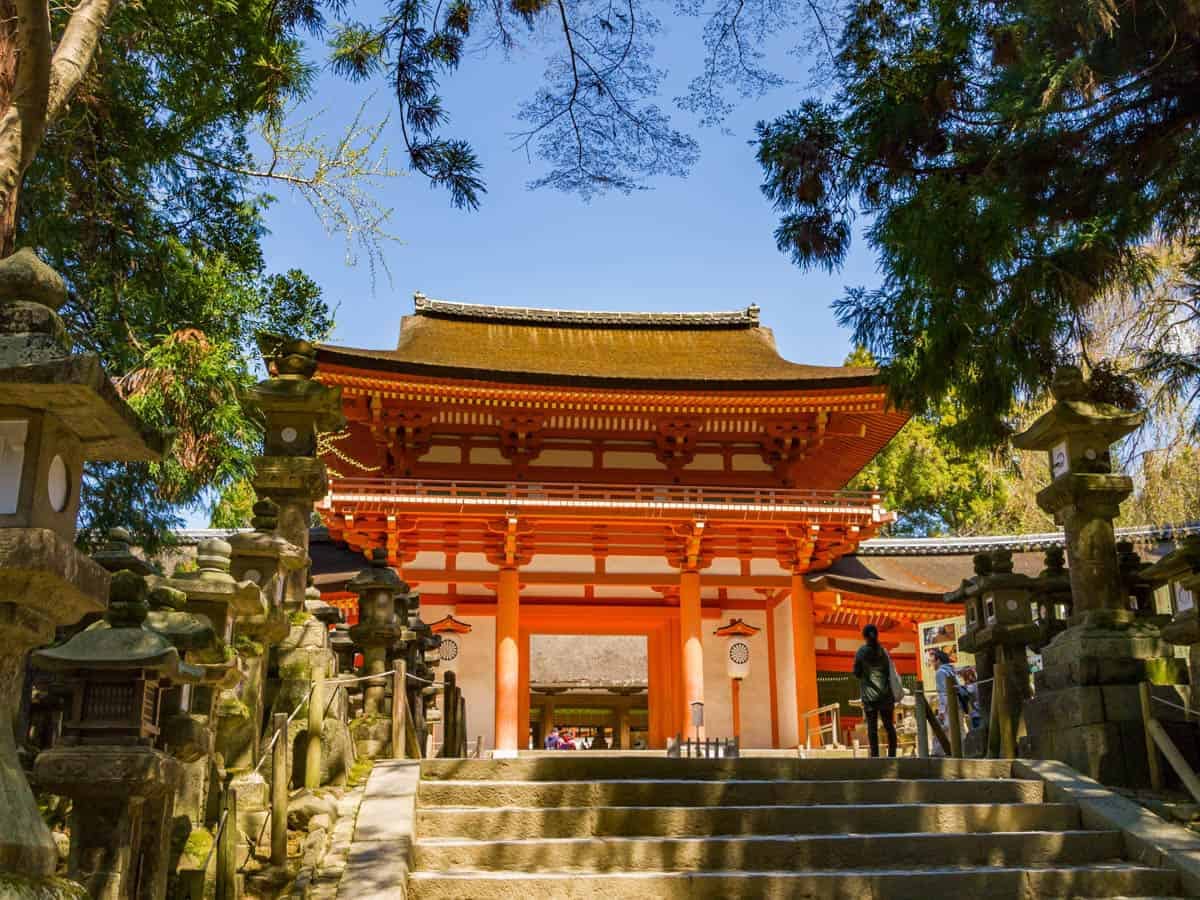
The Wakamiya Fifteen Shrines are a group of fifteen small auxiliary shrines around Wakamiya Shrine, each enshrining a different deity and covering prayers for wealth, studies, love, health and more, suited to travelers who enjoy a deeper pilgrimage and want to visit them in order.
The official “Wakamiya Jugosha Meguri” is accepted at the Meoto Daikokusha office, from 9:00 to 15:00, with an offering of ¥1,500. You present tamagushi tags in order to the fifteen shrines and the worship site, then return to Meoto Daikokusha to report completion and receive a goshuin stamp.
Treasure Hall: A Collection of Rare Artifacts and Armor
The Treasure Hall houses armor, swords, musical instruments and works of art donated to Kasuga Taisha over the generations, including several designated National Treasures and Important Cultural Properties. It is an important place for understanding the faith culture of the nobles and samurai of the Heian and Kamakura periods.
Admission is ¥700 for adults (¥400 for university and high school students, ¥300 for elementary and junior high school students; special exhibitions may differ). It is open 10:00-17:00 (last admission 16:30). Themed exhibitions change with the seasons, and the museum has Chinese and English signage. Allow 30 to 40 minutes, a good fit for travelers interested in historic artifacts.
Manyo Botanical Garden: Seasonal Flowers and a Famous Wisteria Spot
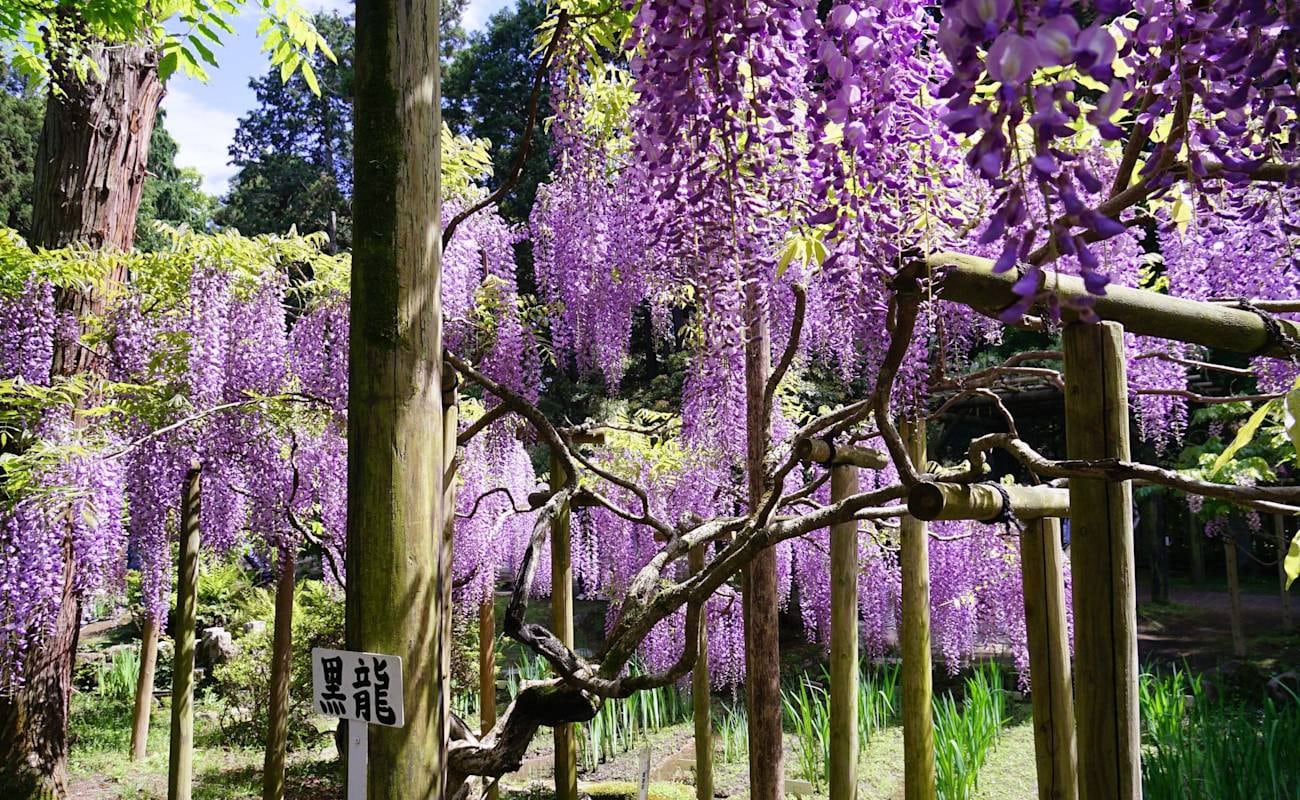
The Manyo Botanical Garden is Japan’s oldest botanical garden themed on the Manyoshu, planted with the plants mentioned in the Manyoshu poems. The most famous is the “Sunazuri-no-fuji” wisteria, which blooms from late April to early May, with flower clusters that can hang all the way to the ground.
Admission is ¥700 for adults and ¥300 for junior high school students and younger. The garden is open 9:00-16:30 (last entry 16:00), closed every Tuesday from June to March (open if it is a national holiday), and open daily in April and May. Besides the wisteria, the autumn leaves and seasonal flowers in the garden are also worth a visit, making it the corner of Kasuga Taisha best suited to slowing down and savoring the blend of nature and literature.
How to Get to Kasuga Taisha in Nara: 2026 Guide to Transportation and Costs
Kasuga Taisha is on the east side of Nara Park. Whether you start from Osaka, Kyoto or central Nara, there are many ways to get there, and the four most practical are listed below.
Getting to Kasuga Taisha at a Glance
🚆 JR Nara Line: About ¥720 and 45 minutes from Kyoto, about ¥820 and 55 minutes from Osaka.
🚃 Kintetsu Nara Line: About ¥680 and 40 minutes from Namba, the closest train option to Kasuga Taisha.
🚌 Nara Kotsu city bus: About ¥250, direct to the Kasuga Taisha Omotesando stop, with extra services added during the Mandoro.
🚶 Walking the approach: About 1.5-2 kilometers in total, 25-35 minutes, with two thousand stone lanterns along the way, free and the most recommended.
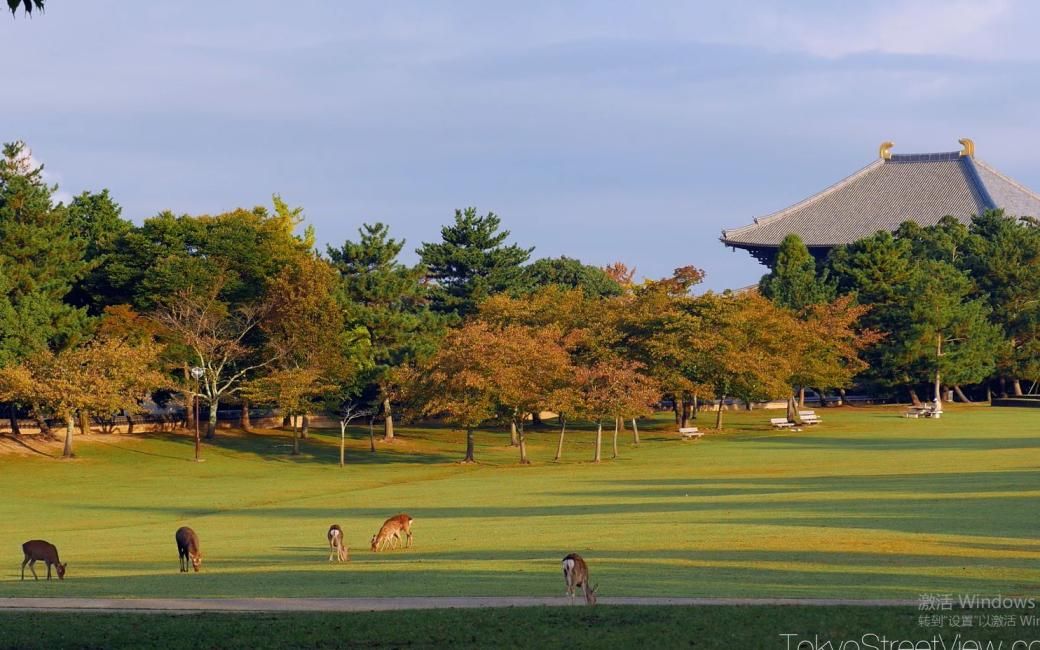

2026 Kasuga Taisha Guide: Must-See Highlights and Deer Encounters
The most charming experiences around Kasuga Taisha are the sacred deer of Nara Park and the various prayer festivals and rituals.
Nara Park Deer: Free-Roaming Messengers of the Gods
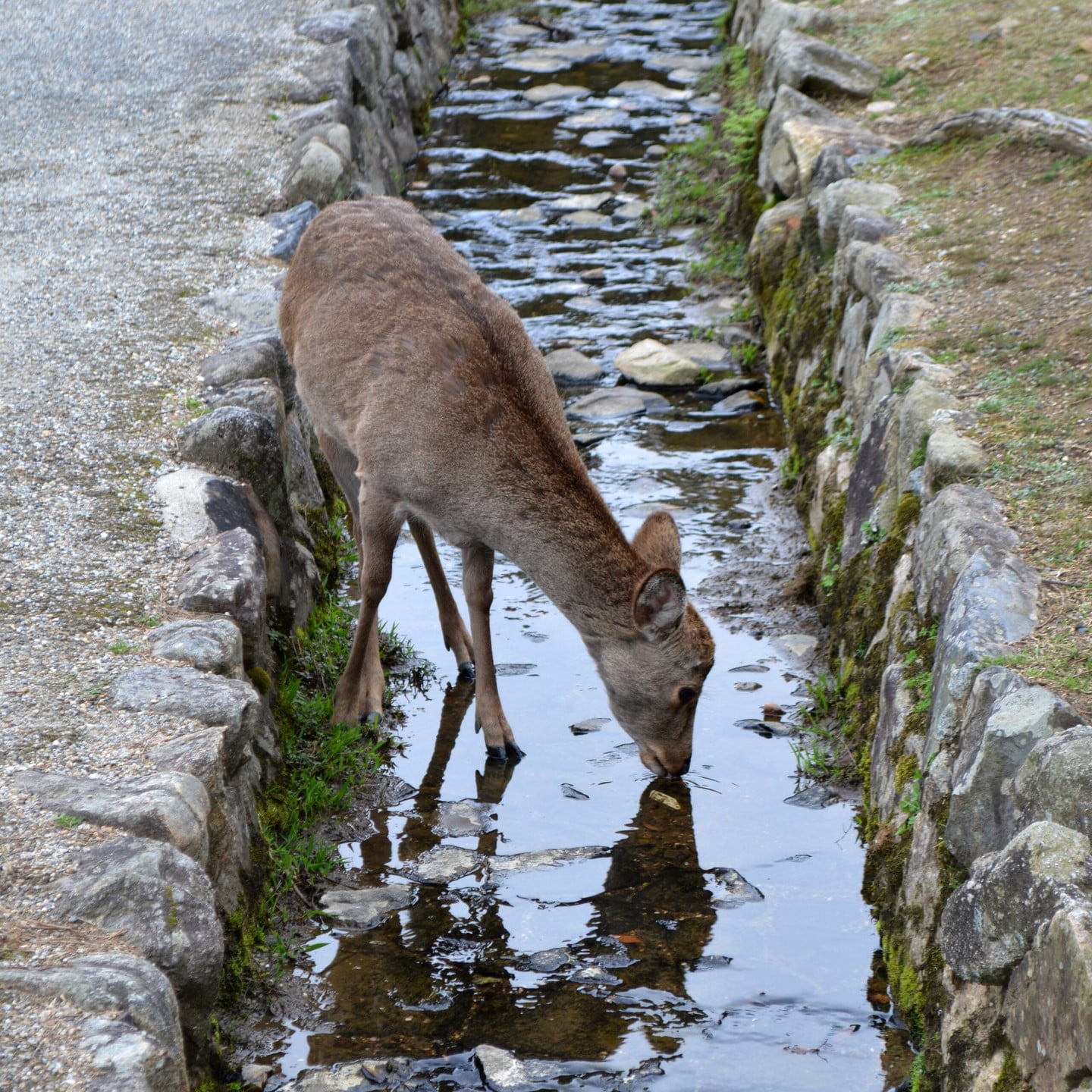
About 1,300 wild deer live in Nara Park and around Kasuga Taisha. According to legend, Takemikazuchi-no-mikoto descended here riding a white deer, so deer are regarded as messengers of the gods and have been revered and protected by locals for generations. They roam freely through the park and the shrine grounds without fences.
Many deer “bow” to visitors, a begging behavior they have learned to get deer crackers, and the cute, funny sight has become one of Nara’s most iconic tourist scenes. Every October the “Shika-no-tsuno-kiri” antler-cutting ceremony is also held, in which the antlers of bucks are cut to prevent injuries during the rutting season, a unique Nara tradition.
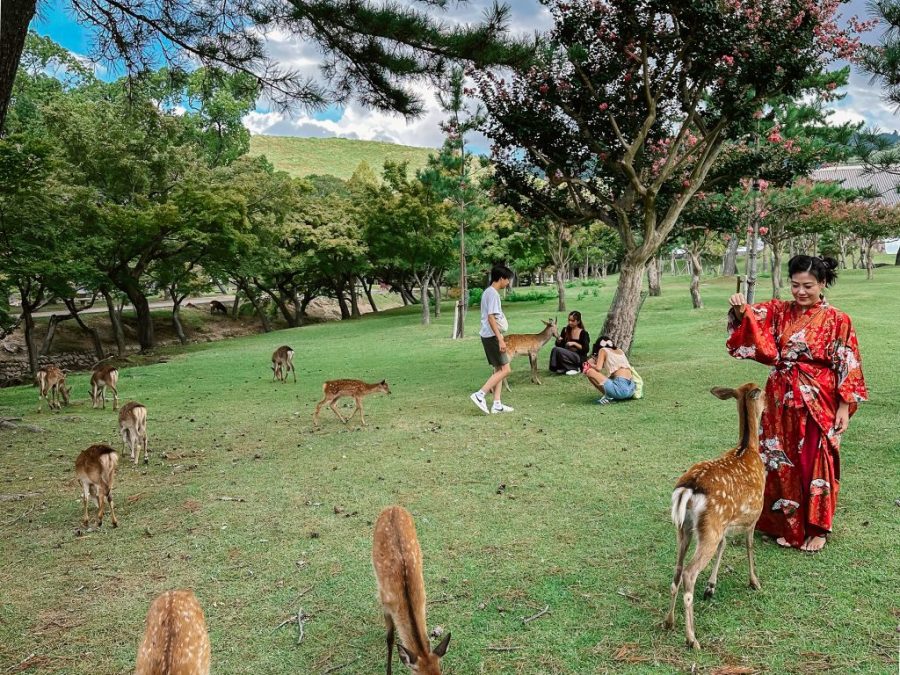

Feeding the Deer Crackers: Getting Close to the Sacred Deer
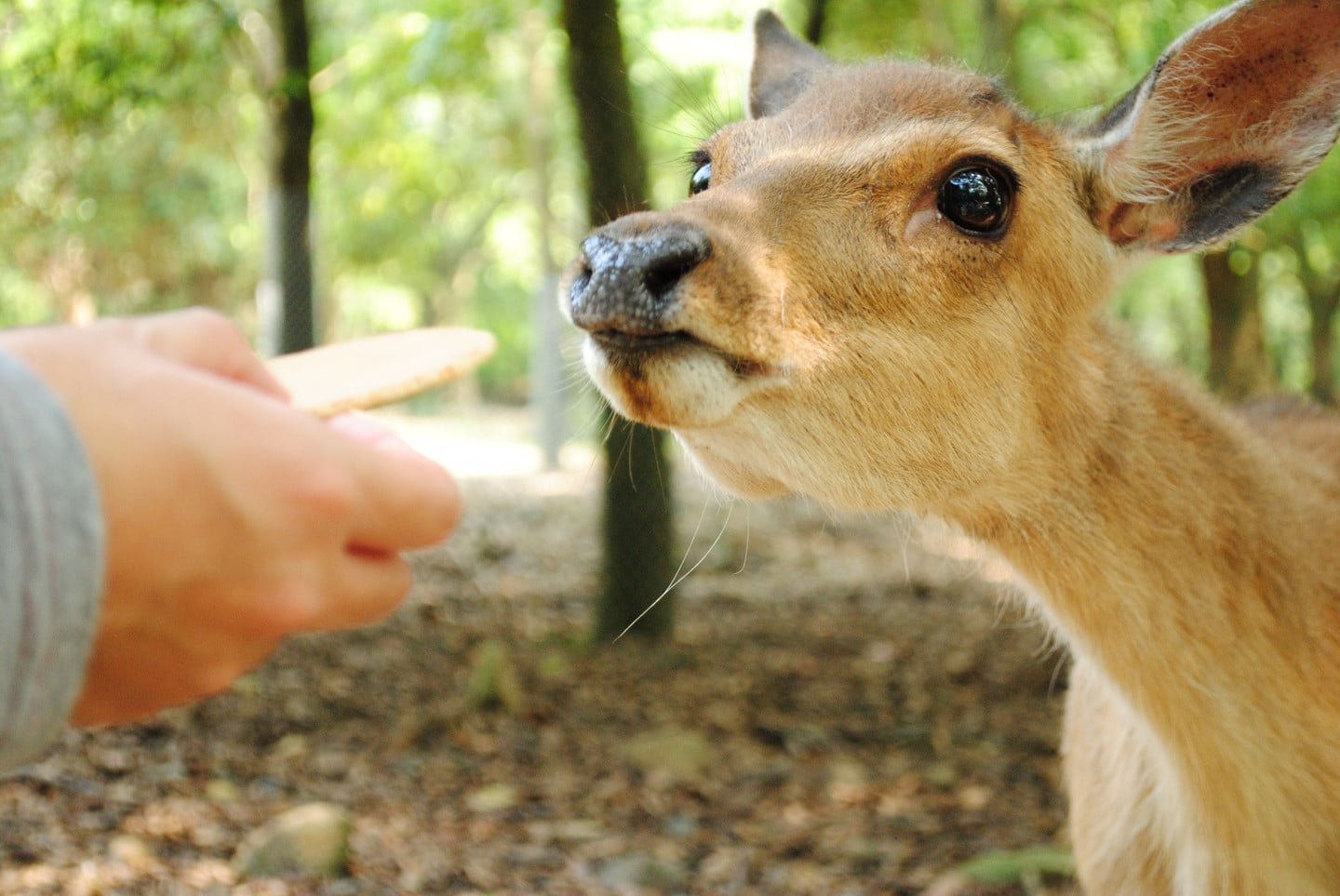
Small stalls selling “deer crackers” (shika senbei) are found all over the park, at about ¥200 per bundle. They are harmless rice crackers made specially for the deer. When feeding, show both empty hands once the crackers are gone to avoid being followed by the herd, and hand the crackers over quickly, since moving too slowly may get your clothes or bag nibbled.
During the autumn rutting season the bucks are more aggressive, so avoid staring into their eyes or making loud noise, keep any food or plastic bags well put away so the deer don’t think there is food inside and demand it, and watch the distance carefully when you have children with you.
Deer Amulets and White Deer Fortunes: Nara’s Most Popular Souvenirs
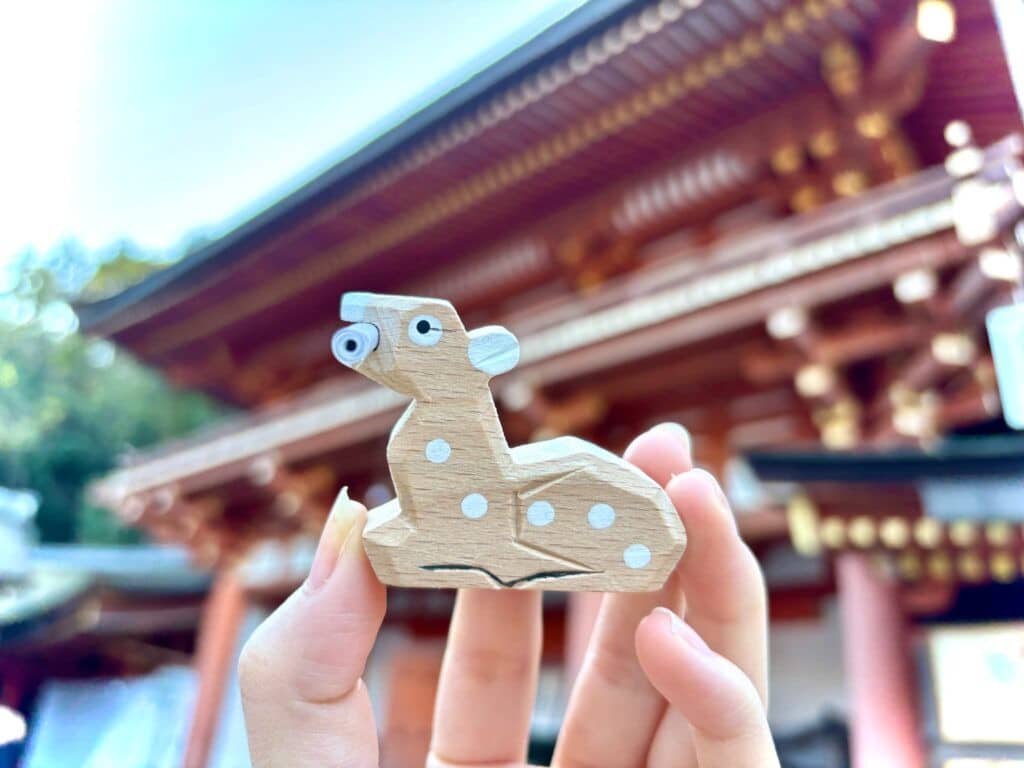
The Kasuga Taisha amulet office sells many deer-themed amulets, including the “Deer Amulet with Fortune Slip,” which shows a brown deer and a white deer holding a fortune slip in their mouths, priced at about ¥500 and one of the souvenirs visitors most like to take home. There are also dedicated amulets for traffic safety, academic success and love.
The “White Deer Omikuji” is a fortune in the form of a small ceramic deer holding a rolled fortune slip in its mouth. Delicately designed and cute, the ceramic deer can be kept as an ornament after you open the fortune, and it is popular with female travelers and families and a favorite photo item on social media.
Goshuin Pilgrimage: Collecting Marks of Your Visit
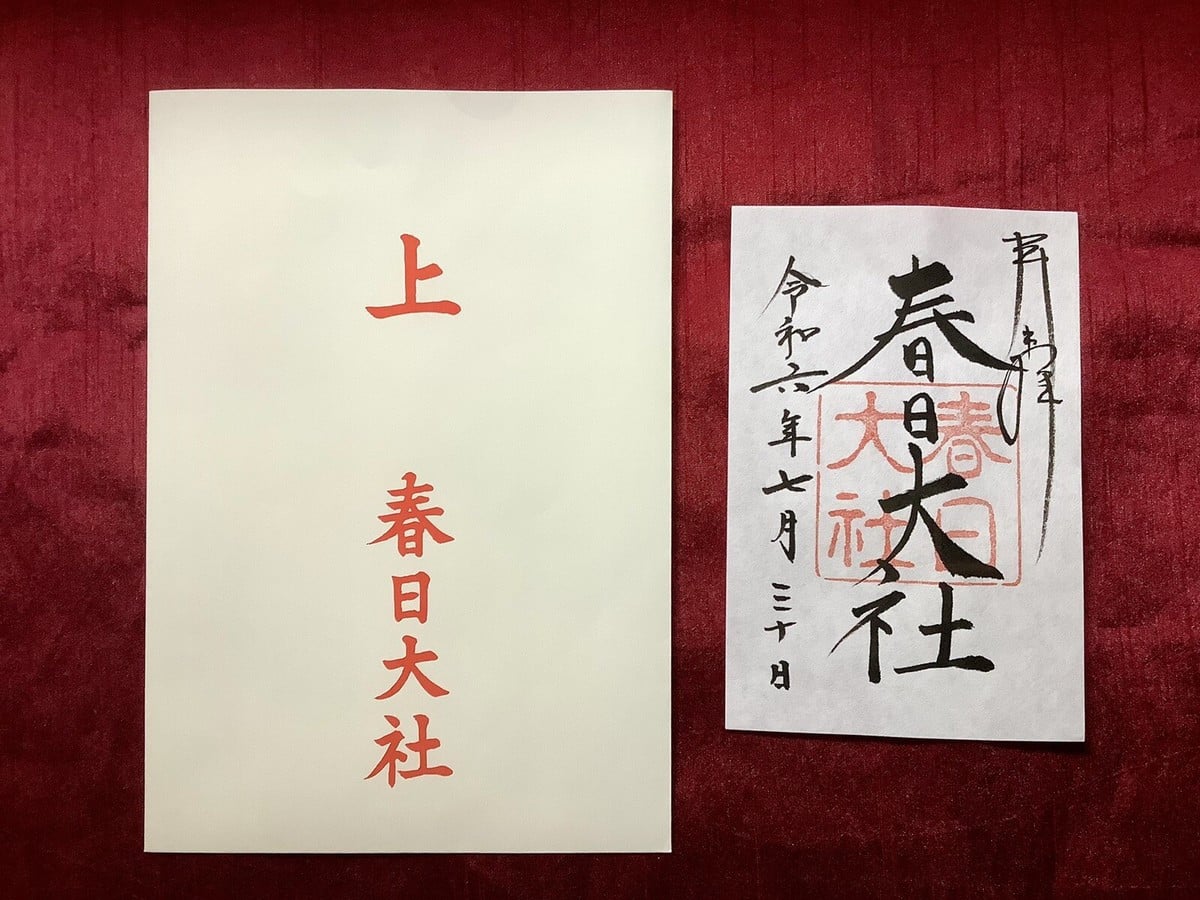
Kasuga Taisha’s goshuin can be received at the Meoto Daikokusha office, and special goshuin are offered during events such as the Kasuga Wakamiya On-matsuri (December). From 17:00 to 21:30 on August 14 and 15, 2026, the official announcement states that only paper goshuin are issued, not written into goshuin books.
The offering depends on the type of goshuin, so follow the official announcements and on-site notices. For the Wakamiya Fifteen Shrines pilgrimage the offering is ¥1,500, accepted from 9:00 to 15:00; see the Wakamiya Fifteen Shrines section above.
Morning Prayer: A Ritual Woven into Daily Life
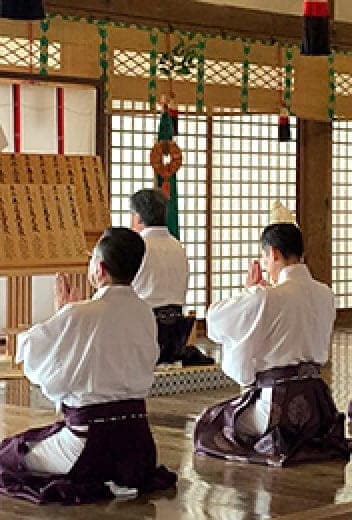
Kasuga Taisha holds a daily “morning worship” (Asa no Omairi), gathering at about 8:50 at the Naoraiden next to the worship hall. It lasts about 20 minutes and lets you worship together with the priests; it is not held on festival days.
For the participation fee and whether it is held on a given day, please follow the “Asa no Omairi” page on the Kasuga Taisha official website. Please stay quiet and respectful when taking part, a rare chance to experience daily Shinto life.
Kasuga Nichaya: Enjoying the Soothing Flavor of Manyo Porridge
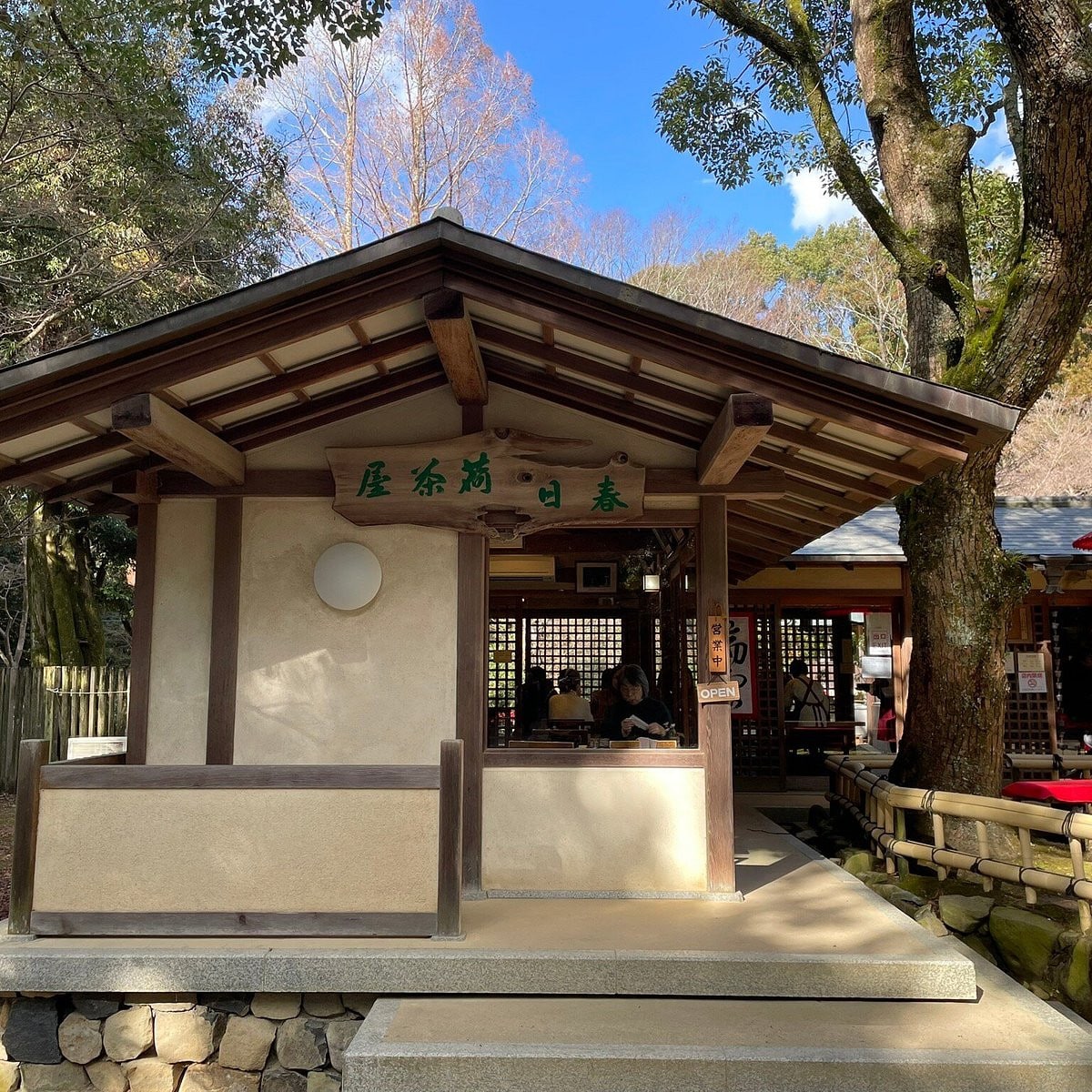
Kasuga Nichaya sits in the shade of trees within the Kasuga Taisha grounds and is an excellent rest stop for enjoying the lanterns and natural scenery. Its signature “Manyo porridge” changes ingredients by month, for example seven-herb porridge in January, rapeseed blossom porridge in March and cherry blossom porridge in April, about ¥1,200 a bowl, pleasing to both the eye and the seasonal palate.
The tea house is quaint and peaceful, with a wooden building and garden scenery, an ideal place to rest during your visit away from the crowds. It also suits an afternoon-tea stop, letting you feel Nara’s slow, leisurely pace of travel.
Todai-ji: The World’s Largest Wooden Building and the Great Buddha Hall
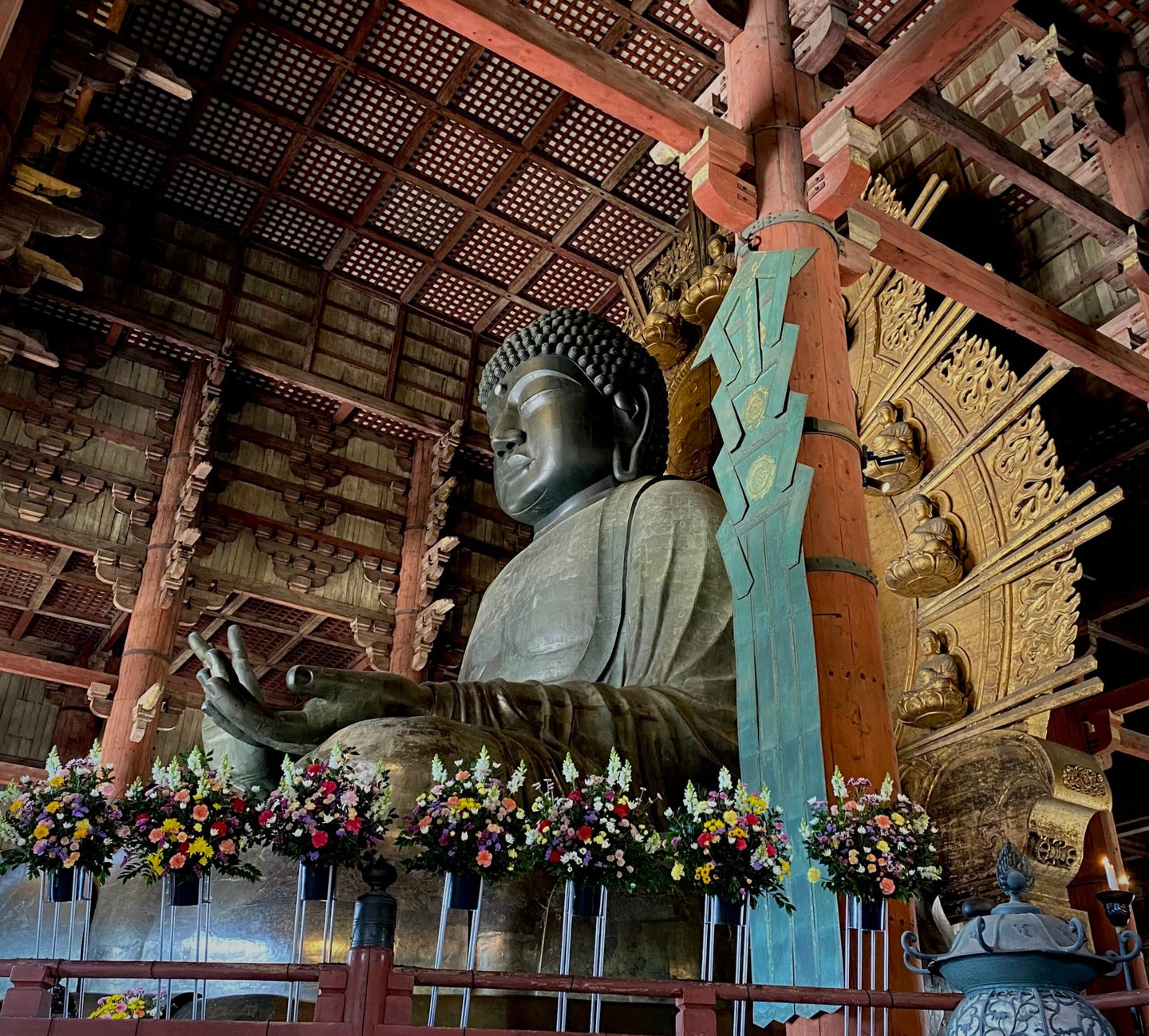
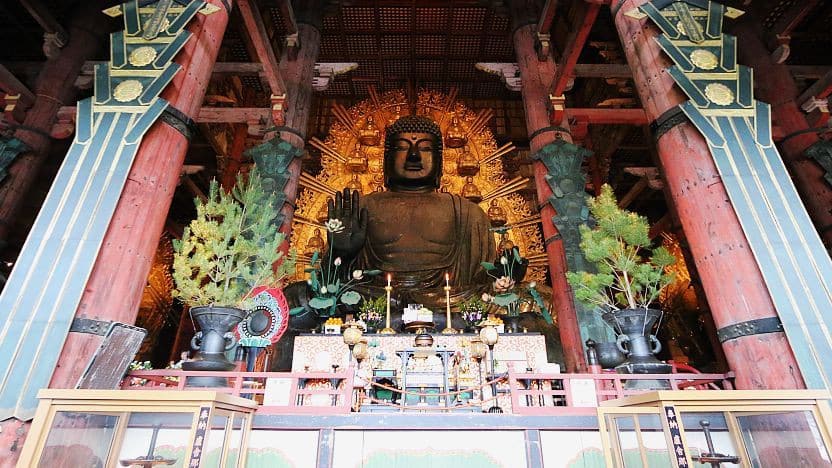
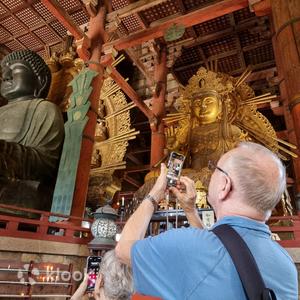
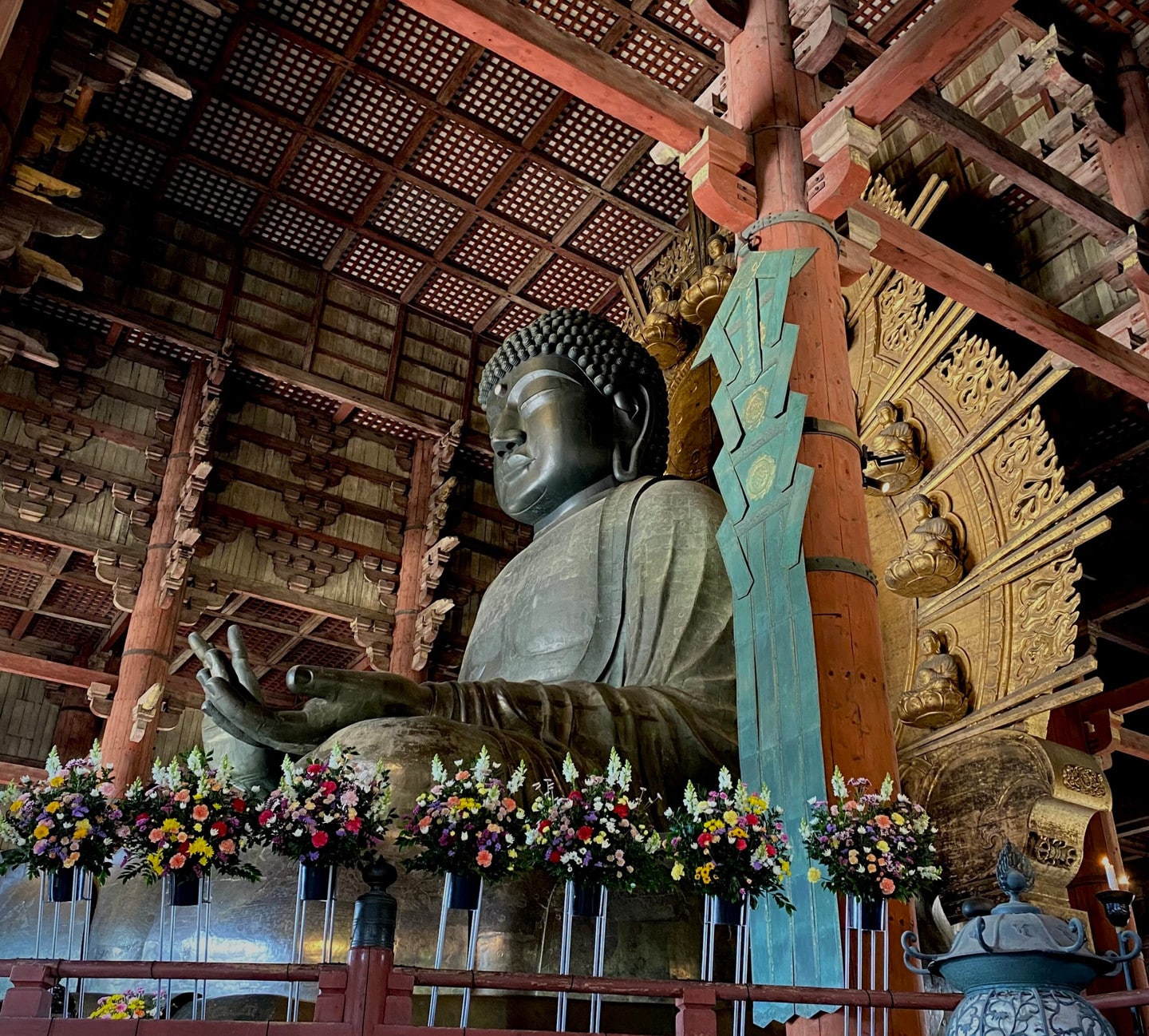
Todai-ji lies on the west side of Nara Park, with Kasuga Taisha on the east, and the two can be walked between along the park paths. Its Great Buddha Hall is one of the world’s largest wooden buildings and enshrines the 15-meter-tall Vairocana Buddha, a majestic peak of Nara-period Buddhist art and national power. Like Kasuga Taisha, it is part of the “Historic Monuments of Ancient Nara” World Heritage Site.
Admission is ¥800 for adults, and it is open about 7:30-17:30 (adjusted by season). Allow 40 to 60 minutes. The “pillar hole” at the base of a large pillar inside the hall is also a popular experience, and legend says those who crawl through it receive good fortune and health.

Kofuku-ji: Nara’s Landmark Five-Story Pagoda
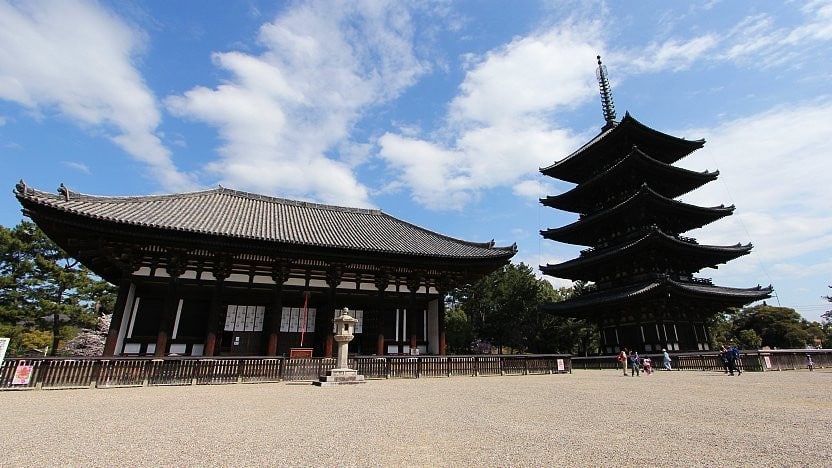
Kofuku-ji is about a 15-minute walk from the entrance to the Kasuga Taisha approach. Its 50-meter-tall five-story pagoda is a landmark of Nara and the second-tallest wooden pagoda in Japan, its silhouette often reflected in Sarusawa Pond. The Kofuku-ji National Treasure Hall (admission about ¥700) displays Buddhist artifacts including the Ashura statue. The five-story pagoda is undergoing its first major renovation in about 120 years, scheduled to continue until 2034, and the pagoda is currently covered by an all-weather protective structure, so it cannot be viewed or photographed from the outside at this stage. You can still visit the other areas of the temple and the National Treasure Hall, a highlight of a Nara Park stroll.
How Much Does a Visit to Kasuga Taisha Cost? Tickets and Guided Experiences
Visiting Kasuga Taisha itself is free, but if you want an in-depth experience of the National Treasure architecture and the Mandoro lighting ritual, or want to save time rather than figure things out on your own, choosing paid options and guided tours wisely makes the trip more efficient. Below are the experiences most worth paying for at Kasuga Taisha, from the main sanctuary special visit to private guides, with prices ranging from a few hundred yen to several thousand yen, so you can plan flexibly around your budget and time.
Kasuga Taisha Main Sanctuary Special Visit: Up Close to the Solemn Heart of a Thousand-Year-Old Shrine
For the Kasuga Taisha main sanctuary special visit, buy tickets at the office next to the “Heiden and Maiden” halls (¥700, the current price on the official website). The ticket lets you enter the middle gate and the corridors that are normally closed to visitors, to see the vermilion National Treasure halls and the group of four main sanctuary buildings, among the few in Japan to preserve the Nara-period style.
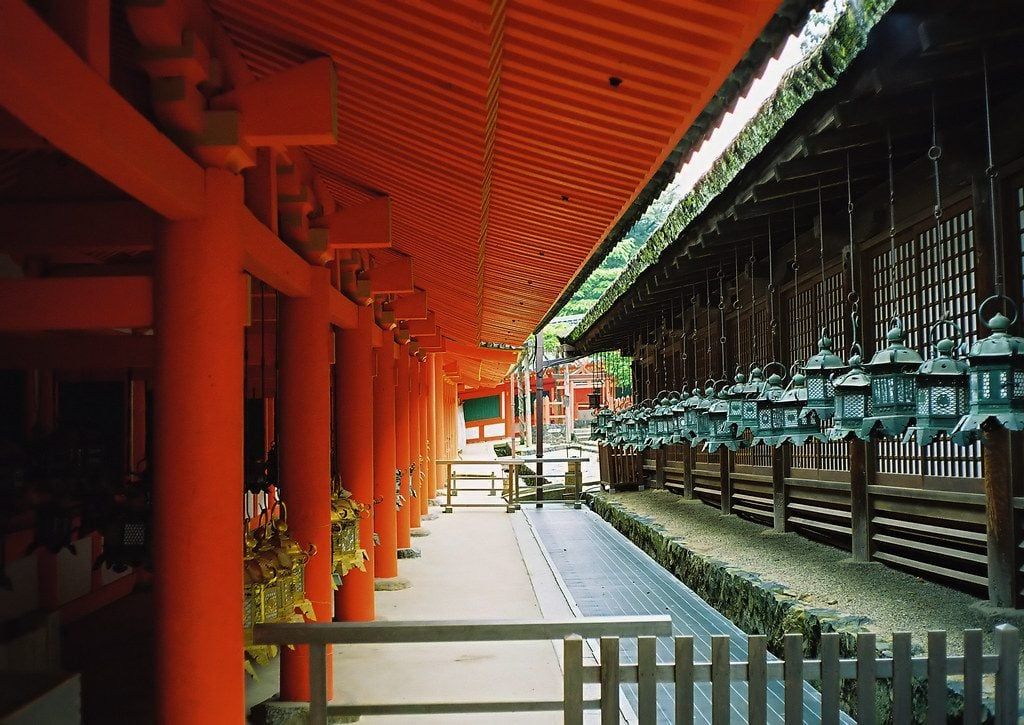
It is accepted from 9:00 to 16:00 and takes about 20-30 minutes, with tickets bought on site and no reservation needed. Note that it is closed in the morning on the 1st, 11th and 21st of each month and on festival days such as Setsubun and August 15, and suspended all day during periods such as December 20 to January 7, so check the official worship calendar before you go. General worship only allows a distant view, and the special visit is the only chance to see the details of the main sanctuary up close and feel a thousand years of faith.
Going in the morning is recommended, with fewer people and good light for photographing the architecture and the golden carvings, great value for the price.
Mandoro (Chugen Mandoro and Setsubun Mandoro) Lantern Visits: A Dreamlike Night Festival Just Twice a Year
The roughly three thousand stone and hanging lanterns in the Kasuga Taisha grounds are lit only for the February “Setsubun Mandoro” and the August 14-15 “Chugen Mandoro.” The 2026 special visit fee is ¥700 for adults. Hours: Setsubun Mandoro about 18:00-20:30, Chugen Mandoro about 19:00-21:30 (please check the official website for each year’s dates and times).
On lighting nights, the stone lanterns along the approach and the bronze lanterns hanging from the corridors glow together, firelight shining on the vermilion corridors and hundred-year-old cedars, a dreamlike Nara night scene that photographers must visit.
The crowds are large and seats are limited, so arrive 30 minutes early to line up, and bring a lightweight tripod (please confirm the on-site rules) to capture the classic scene of lights and architecture woven together.
Kasuga Taisha Treasure Hall: See a Thousand Years of the Shrine’s Collection at Once
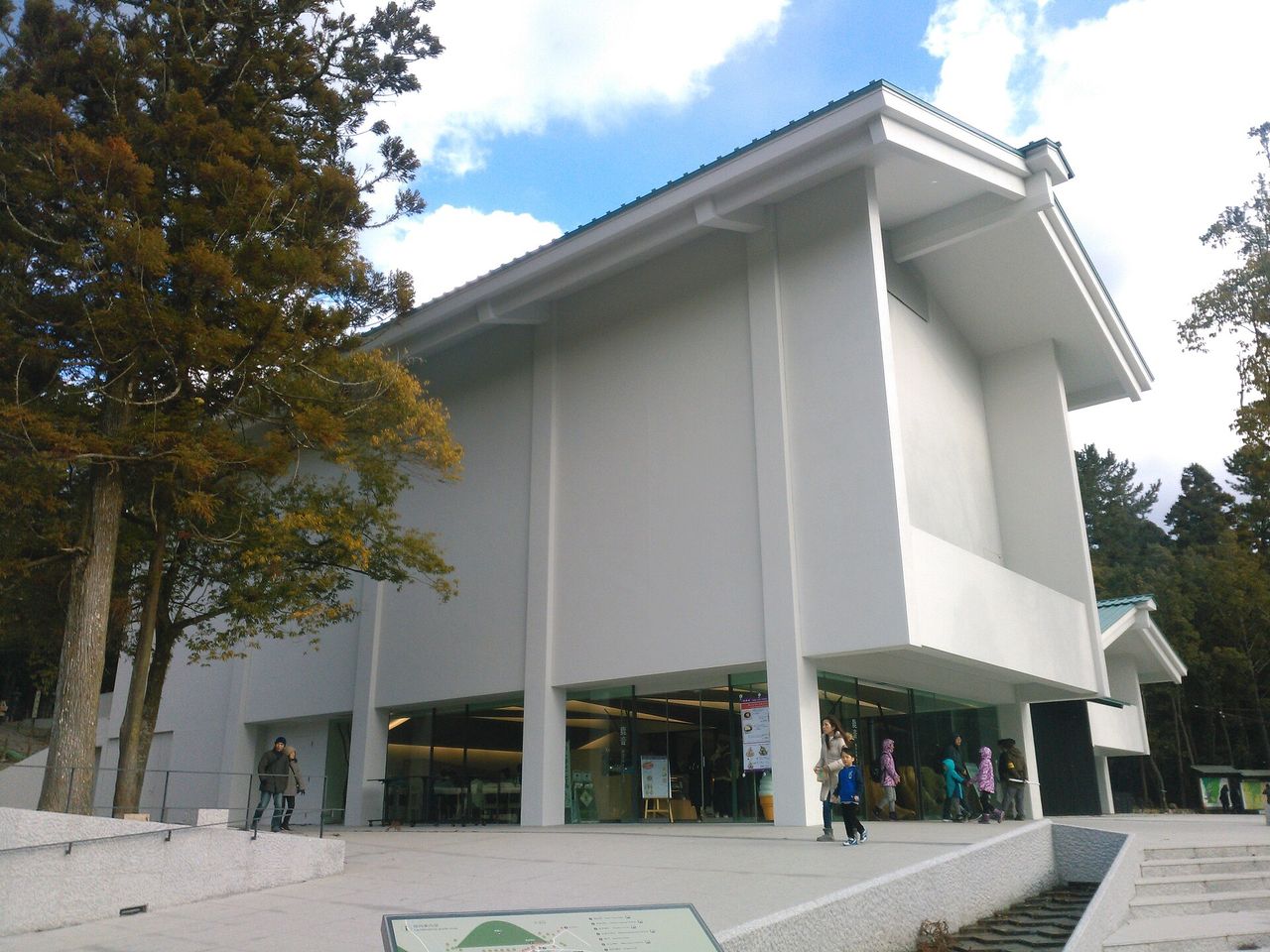
The Treasure Hall is next to the approach and displays swords, bugaku masks, armor and craftwork donated to Kasuga Taisha over the generations, including National Treasures and Important Cultural Properties. Admission: ¥700 for adults, ¥400 for university and high school students, ¥300 for elementary and junior high school students (special exhibitions may differ). Hours: 10:00-17:00 (last admission 16:30).
Exhibits change regularly, recommended for travelers who love historic artifacts or Japanese swords. Chinese and English signage is provided.
A visit takes about 40 minutes to 1 hour, and it is best fitted in after visiting the main sanctuary and before returning to the approach.
Nara Park Day Trip: Kasuga Taisha, Todai-ji and Kofuku-ji
To skip the planning, look up Nara day or half-day tours on KKday or Klook. Contents, time slots and prices vary by product, so confirm the meeting point and departure date before booking.
Kasuga Taisha, Todai-ji and Kofuku-ji around Nara Park are within walking distance of each other, so planning half a day on your own can also cover the main sights.
Day-trippers with limited time may prefer tours that include transportation from Kyoto or Osaka.
![[Kyoto, Nara and Uji Day Trip] Nara Park Deer, Fushimi Inari Taisha Senbon Torii, World Heritage Todai-ji, Byodo-in, Uji Matcha Food Street, Uji River, Uji Park and Asagiri Bridge](https://res.klook.com/images/w_300,h_300,c_fill,q_75/w_80,x_15,y_15,g_south_west,l_Klook_water_br_trans_yhcmh3/activities/ewrhbgtqhgx3n9ojjrd0/【京都奈良宇治一日遊】奈良公園萌鹿伏見稻荷大社千本鳥居世界文化遺產東大寺平等院宇治抹茶美食街宇治川宇治公園朝霧橋一日遊-Klook.jpg)
-Klook.jpg)
Where to Stay Nearby
Most travelers visit Nara as a day trip from Kyoto or Osaka. If you want to worship around the 6:30 opening time that Kasuga Taisha has from March to October, consider staying near Kintetsu Nara Station or JR Nara Station and walking the approach the next morning.

FAQ
Here are the questions travelers search for most about visiting Kasuga Taisha, answering transportation, costs and tips in one place.
Q: How much is admission to Kasuga Taisha?
Entry to the grounds is completely free. At the current prices on the official website, the main sanctuary special visit is ¥700, the Treasure Hall is ¥700 for adults and the Manyo Botanical Garden is ¥700 for adults, ¥2,100 in total for all three.
Q: What is the fastest way to get to Kasuga Taisha?
It is about a 25-minute walk from Kintetsu Nara Station, or you can take a Nara Kotsu bus for about 8 to 10 minutes directly to the Kasuga Taisha Honden stop, for a fare of about ¥250.
Q: What are the opening hours of Kasuga Taisha?
According to the Kasuga Taisha official website, the worship area of the main shrine (Daigu) is open 6:30-17:30 from March to October and 7:00-17:00 from November to February. Amulets and goshuin are available year-round from 9:00 until closing. The main sanctuary special visit is 9:00-16:00, the Treasure Hall 10:00-17:00 (last admission 16:30), and the Manyo Botanical Garden 9:00-16:30 (last entry 16:00). Hours are adjusted on festival days such as the Mandoro.
Q: When is the Mandoro held?
It is held just twice a year: the Setsubun Mandoro starting at 18:00 on Setsubun day (February 3 in 2026), and the Chugen Mandoro starting at 19:00 on August 14 and 15. Both 2026 events have ended, and the next is Setsubun 2027. Entering the corridors to see the hanging lanterns up close requires the ¥700 main sanctuary special visit fee.
Q: When is the best time to visit Kasuga Taisha, and can I avoid the crowds?
Visit between 6:30 and 8:00 after opening (from 7:00 from November to February), when there are the fewest visitors and the morning light is at its best. After 16:30 until closing is good for photographing light and shadow.
Q: How long does a visit to Kasuga Taisha take?
Simply visiting the main sanctuary and approach takes about 1 to 2 hours. Adding the special visit, the Treasure Hall and the Manyo Botanical Garden, plan on 2.5 to 3 hours to be comfortable.
Q: What should I know about feeding the Nara deer?
Feed them only the special deer crackers, and avoid carrying plastic bags or other food. After feeding, spread both hands open to show you have no food, and keep a safe distance from bucks during the autumn rutting season.