
Lake Akan Overview: A Volcanic Lake with Marimo, Ainu Culture and Hot Springs
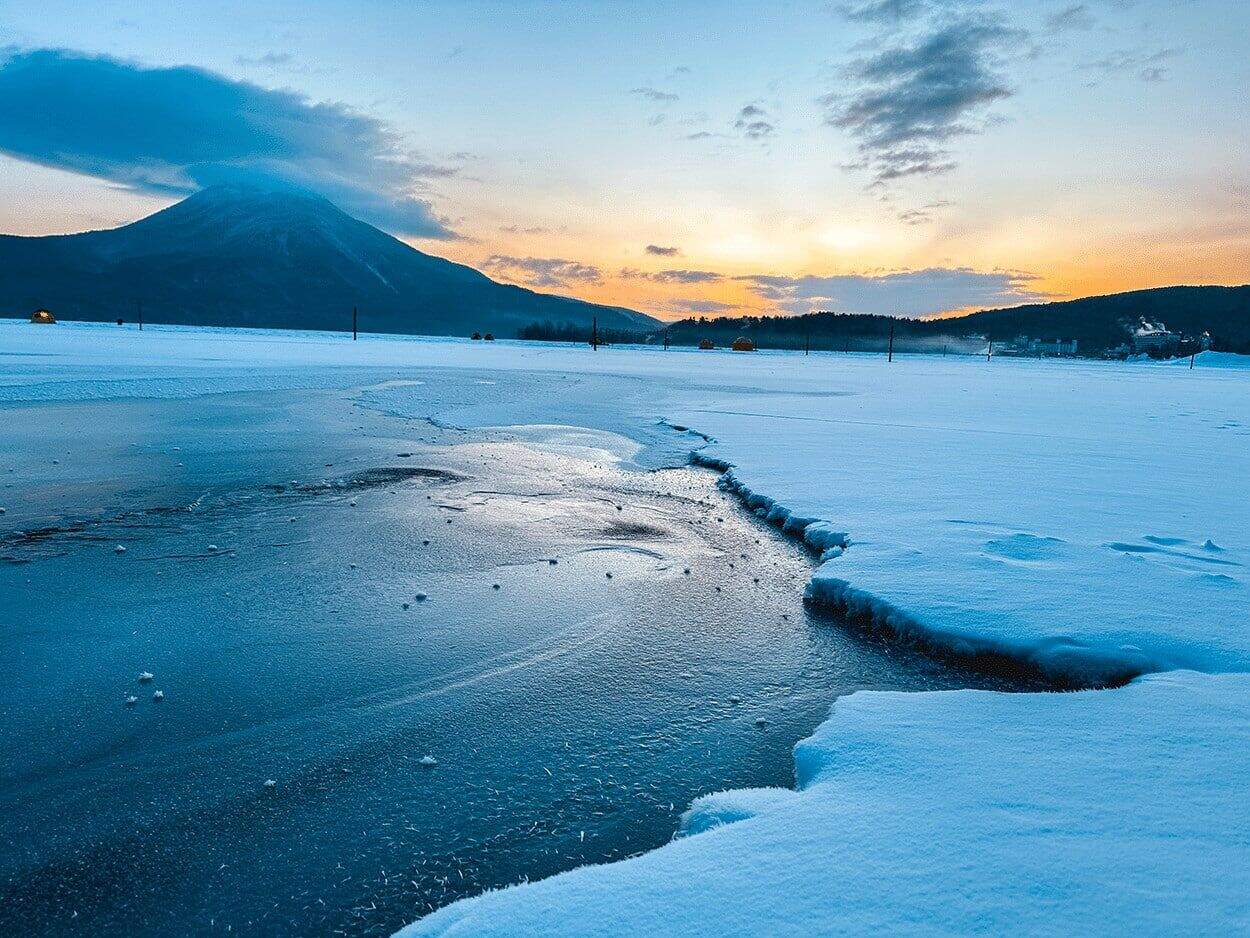
Lake Akan sits inside Akan-Mashu National Park in eastern Hokkaido, a lake ringed by volcanoes with a hot spring town right on its shore. What makes it special is that three things you will not find together elsewhere are packed into one small area: marimo, Ainu culture and mineral-rich natural hot springs.
The Three Pillars of Lake Akan: Marimo, Ainu Culture and Hot Springs
The first pillar is marimo (マリモ in Japanese), a species of green algae that grows into round balls. At Lake Akan it is designated a Special Natural Monument and strictly protected. To see wild marimo you have to take a sightseeing boat to an island in the lake, where a dedicated exhibition and observation center is located.
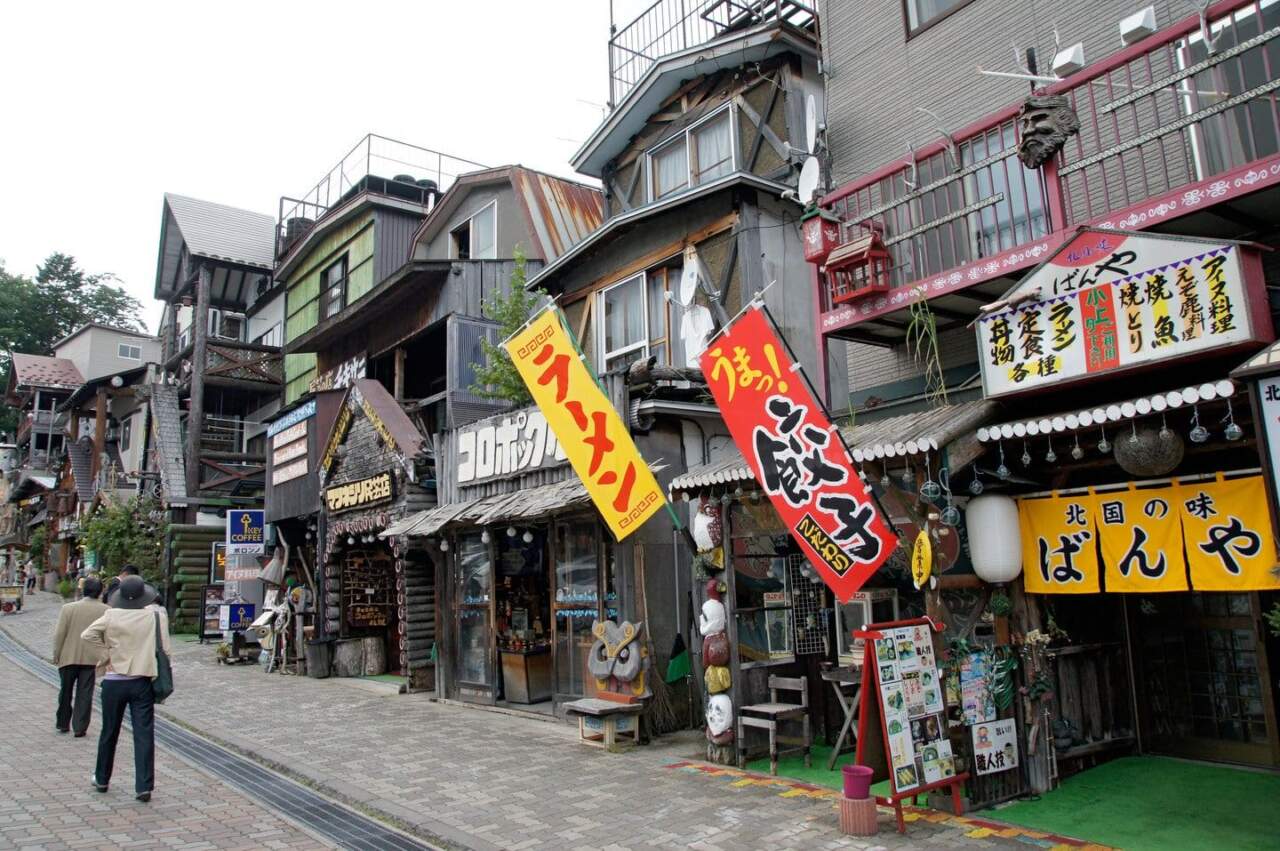
The second pillar is Ainu culture. Lake Akan has the largest Ainu settlement in Hokkaido, with wood-carving shops lined up along the street, and the village theater stages the Ainu ancient dance (kodai buyo), which is inscribed on UNESCO’s Intangible Cultural Heritage list. The third pillar is the hot spring town itself, with highly pure spring water and free hand baths and foot baths scattered along the streets.
First, Distance: Kushiro City and Lake Akan Are Not a Casual Round Trip
Many people treat Lake Akan and downtown Kushiro as two points you can easily shuttle between, which is a costly misunderstanding. It is about 70 km and a 1.5-hour drive from downtown Kushiro to Akan Onsen, and even from Kushiro Airport it takes a little over an hour.
More importantly, Lake Akan and Kushiro Marsh lie in completely different directions: the marsh stretches north-northeast along the Senmo Main Line, while Lake Akan is in the mountains to the northwest. Plan the two separately, ideally one day each, or even with different overnight stays. Forcing both into one day means spending the whole day in the car.
Who Is Lake Akan For, and How Long Should You Stay?
Lake Akan is ideal for travelers who want hot springs to be the centerpiece of the trip, and for those interested in Indigenous culture. The pace is slow, the hot spring town can be covered on foot, and there are no attractions with queues you need to rush for.
For length of stay, one night and two days is the most comfortable plan: arrive in the afternoon and stroll the hot spring town and the Ainu village, watch a dance performance and soak in the evening, then take the sightseeing boat to see marimo the next morning and walk the mud volcano trail. If you only have half a day, focus on the sightseeing boat and the hot spring town.
What Will This Guide Tell You?
This guide is divided into three parts: getting there, eleven highlights, and costs and pitfalls to avoid. It covers the sightseeing boat, the Ainu village, the mud volcano trail, the hot spring town and winter activities on the lake. The text uses the term Ainu people, which is the current official usage.
A reminder that bus service in eastern Hokkaido is infrequent, with winter schedules cut sharply or even suspended by weather, and the sightseeing boat has clear operating periods and stops when the lake freezes. All schedules, fares and operating periods are to be confirmed against each operator’s announcements on the day.
How to Get to Lake Akan: Akan Bus, Driving and Hotel Shuttles Compared

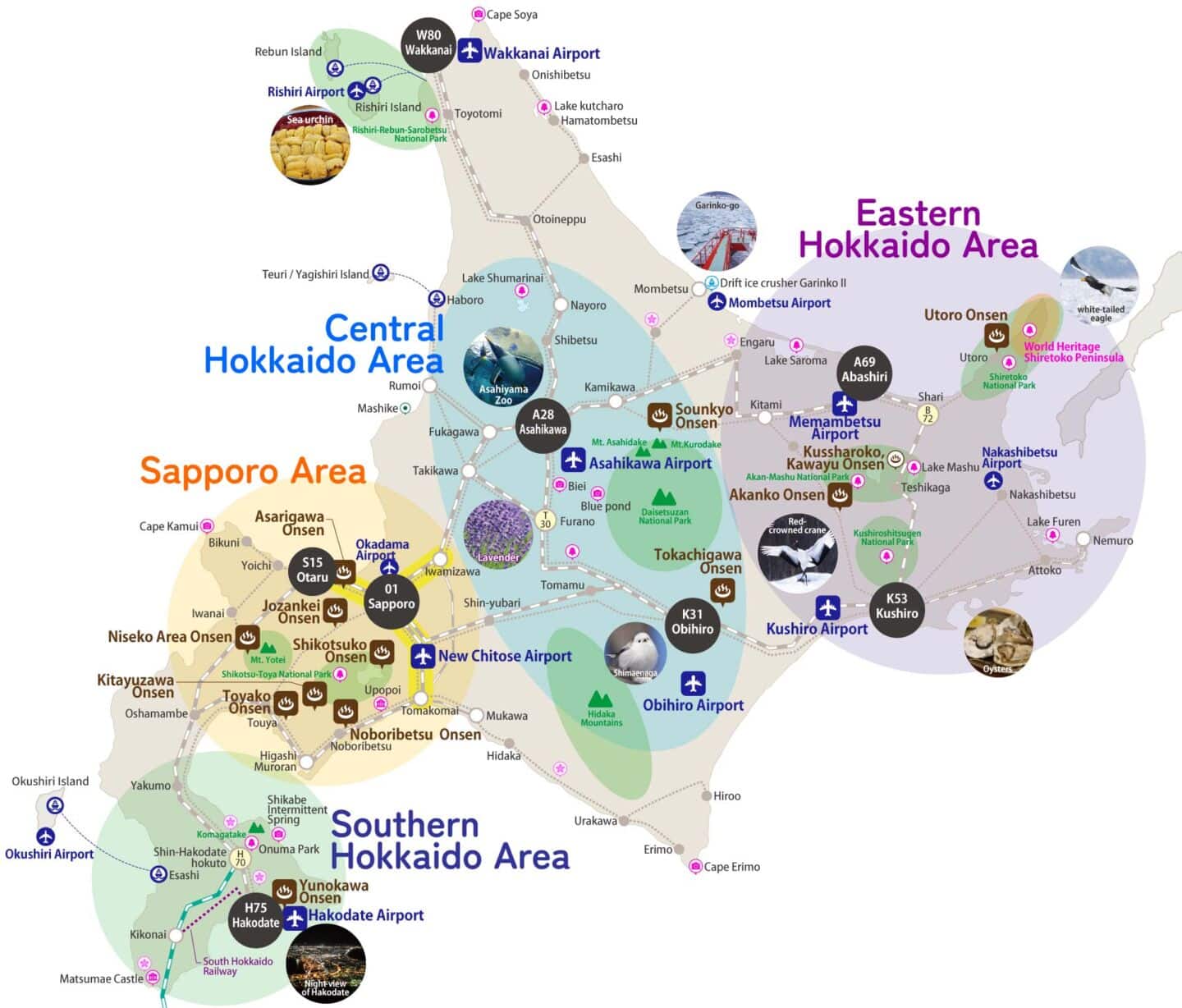
Lake Akan has no railway, so all travel is by road, which determines how flexible your itinerary can be. Here are the four options in one place.
Driving: The Most Flexible Choice
It takes about 70 minutes to drive from Kushiro Airport to Akan Onsen, and about 1.5 hours from JR Kushiro Station. The road itself is easy to drive, but it is a mountain route with few places to stock up along the way, so fill up on fuel in the city first.
The biggest advantage of driving is that you can link up the nearby lakes, but mind the distances: it is about 80 km from Lake Akan toward Lake Mashu, again not a casual round trip. In winter the roads are heavily covered with snow and ice, so make sure your rental car has snow tires and allow extra time for each leg. Mountain roads at night have no lighting and deer are common.
Akan Bus: The Only Public Transport If You Do Not Drive
From in front of JR Kushiro Station you can take the Akan Bus to the Akan Onsen town. It is the main option for travelers who do not drive, taking about two hours; a one-way ticket is ¥2,750, and the ¥4,400 round-trip ticket is better value.
Service is limited: three trips a day, increased to four from July 1 to October 31, and in winter trips are often reduced or suspended because of blizzards. Check the outbound and return timetables first and work backward from the return time to decide how long to stay, so your schedule is not overpacked. Actual routes, schedules and fares are as announced by Akan Bus on the day.
Hotel Shuttles: Ask When You Book
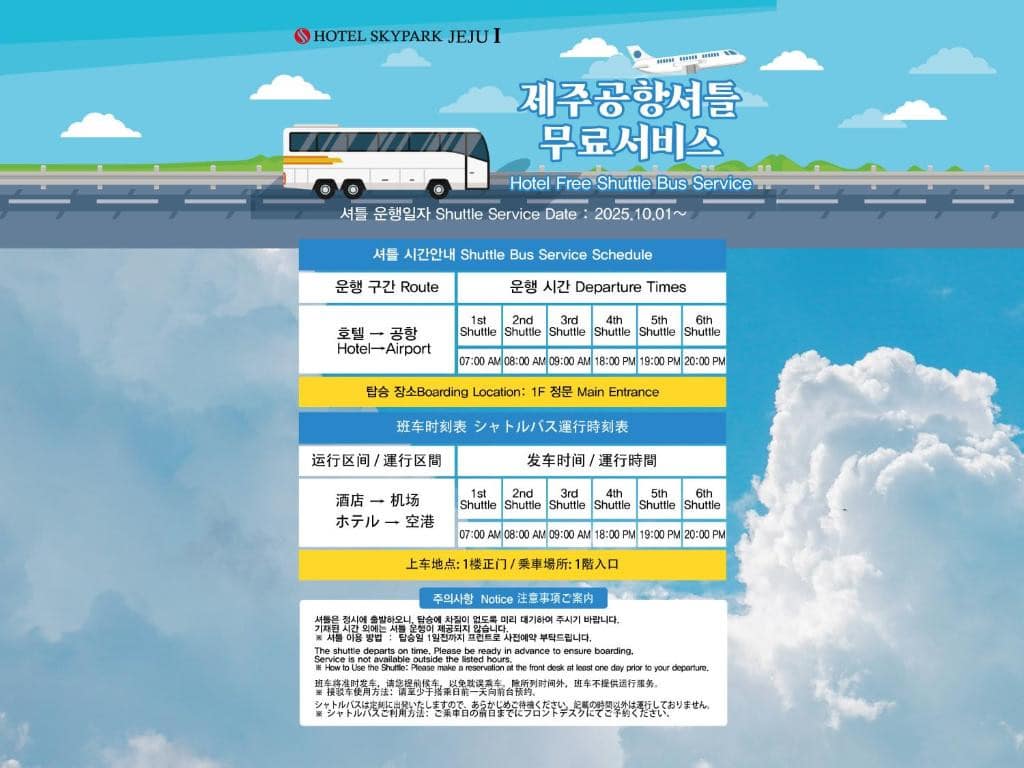
Some onsen ryokan at Lake Akan offer shuttle buses to and from places around eastern Hokkaido, some free and some for an extra fee. What they have in common is that you must reserve in advance when booking your room; asking at the last minute usually means no seats.
For travelers with lots of luggage who do not want to study bus timetables, this is the easiest option. Shuttle routes and pick-up points differ by property, so ask your accommodation directly before booking. Actual shuttle details and fees are as announced by each accommodation.

Once You Arrive in the Hot Spring Town: Walking Is Enough
The Lake Akan hot spring town itself is small. The main ryokan, the Ainu village, the boat dock and the Lake Akan Visitor Center are all within walking distance, and you can walk the whole street in under twenty minutes.
The only place that takes a bit more walking is the mud volcano trail, about fifteen minutes on foot from the entrance next to the visitor center. In winter the streets are covered with snow and ice, and non-slip shoes matter more than anything. There are several free hand baths and foot baths along the street, which are perfect for stopping and soaking while you stroll.


What Are the Must-Sees at Lake Akan? 11 Highlights: Sightseeing Boat, Ainu Culture and Mud Volcano
The sights of Lake Akan are concentrated in three areas, on the lake, in the hot spring town and in the forest by the shore. The eleven items below follow that order.
Lake Akan Sightseeing Boat: An 85-Minute Loop of the Lake
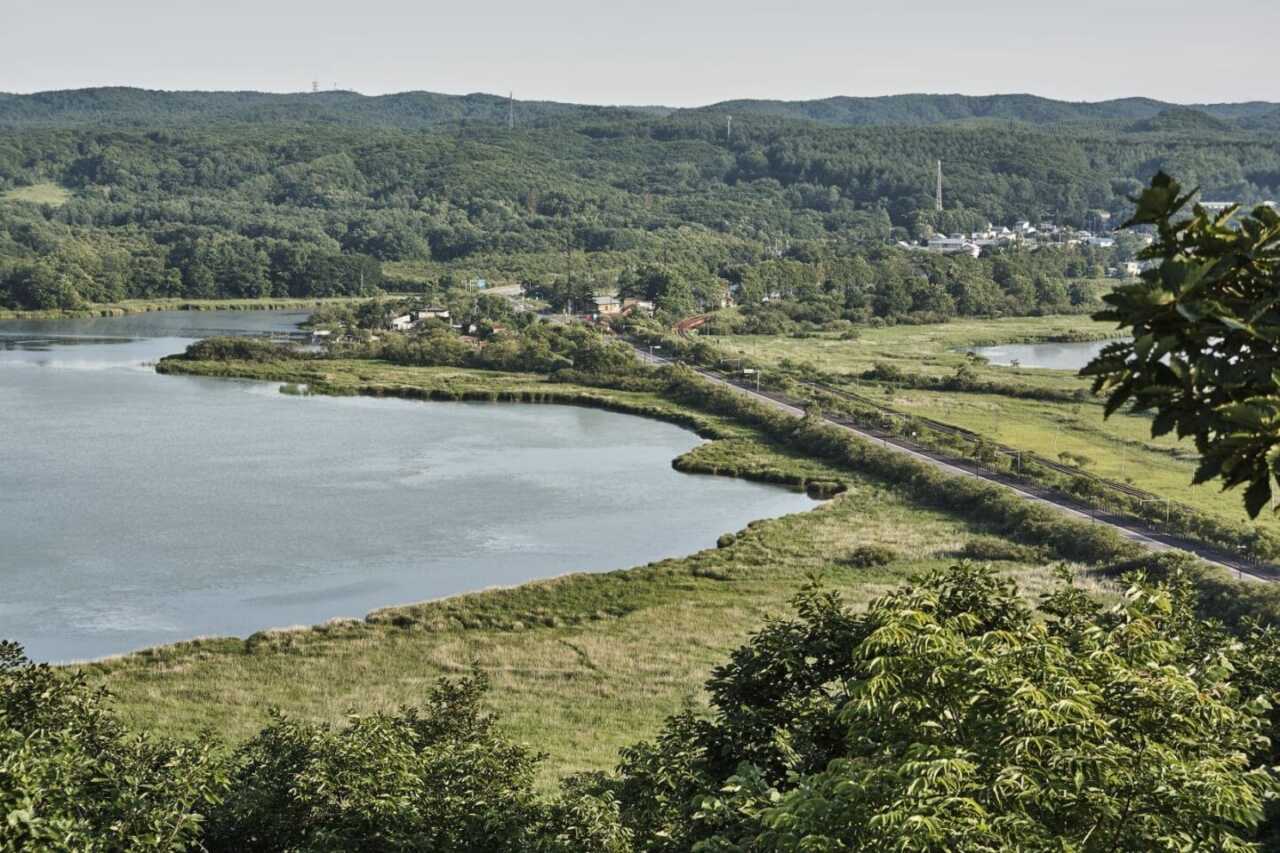
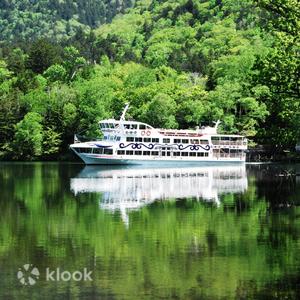
This large sightseeing boat departs from the dock in the hot spring town and takes about eighty-five minutes for the full trip, the main way to see marimo and the lake scenery. From the boat you can see the shapes of both Mt. Oakan and Mt. Meakan at once, and in autumn the hillsides of red leaves are reflected on the water.
Sailings change with the season and are suspended while the lake is frozen in winter. Tickets are usually bought on the spot at the dock, and in peak season it is best to arrive early. The official site is Akan Kanko Kisen, and the operating period is April 15 to November 30 (irregular sailings from April 15 to 30); trips may also be cancelled in bad weather.

Churui Island (チュウルイ島) and the Marimo Exhibition and Observation Center: The Only Place to See Wild Marimo
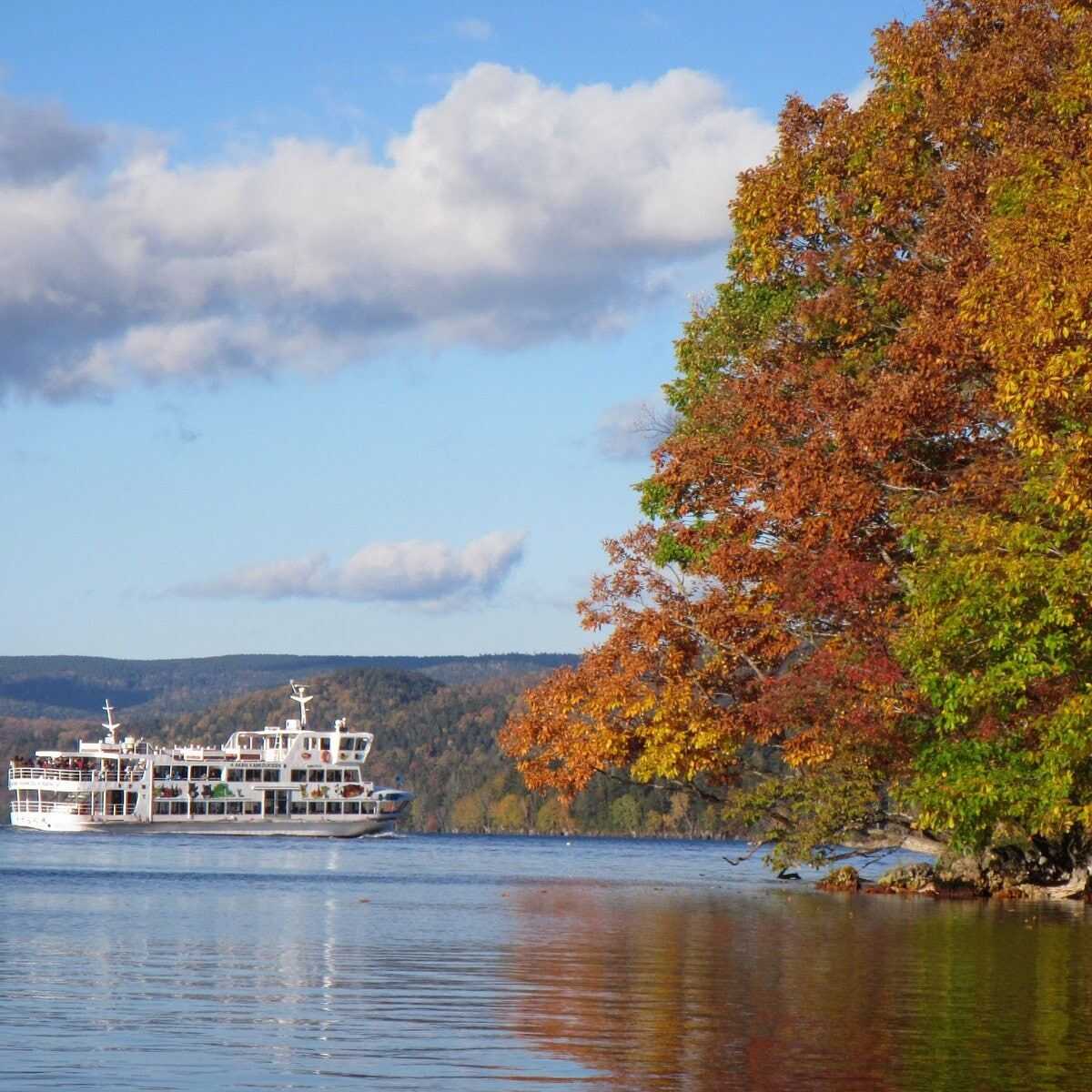
The sightseeing boat stops during the trip at Churui Island (チュウルイ島) in the lake, where there is a marimo exhibition and observation center. It is the only place where ordinary visitors can see real wild marimo, and the display tanks hold green spheres of impressive diameter.
The length of the stop depends on the boat schedule, usually ten to twenty minutes, and you must be back on the boat in time. Apart from the exhibition center the island has no other facilities. The stop is included in the sightseeing boat tour; motor boats can also go there, but there is no way for ordinary visitors to land on the island on their own. Actual stop arrangements are as announced by the operator on the day.
Marimo Protection Rules: Look, but Do Not Take
Marimo at Lake Akan is designated a Special Natural Monument and protected at the level of law. This means visitors must never collect, pick up or take away marimo from the lake, even if you see one washed up on the shore.
The small marimo sold in souvenir shops are not wild specimens from the lake, so if you want a souvenir, buy it at a shop. Understanding this boundary is the most basic courtesy when visiting Lake Akan. Related rules and explanations are subject to on-site notices and information from the managing body.
Akan Ainu Kotan: The Largest Ainu Settlement in Hokkaido
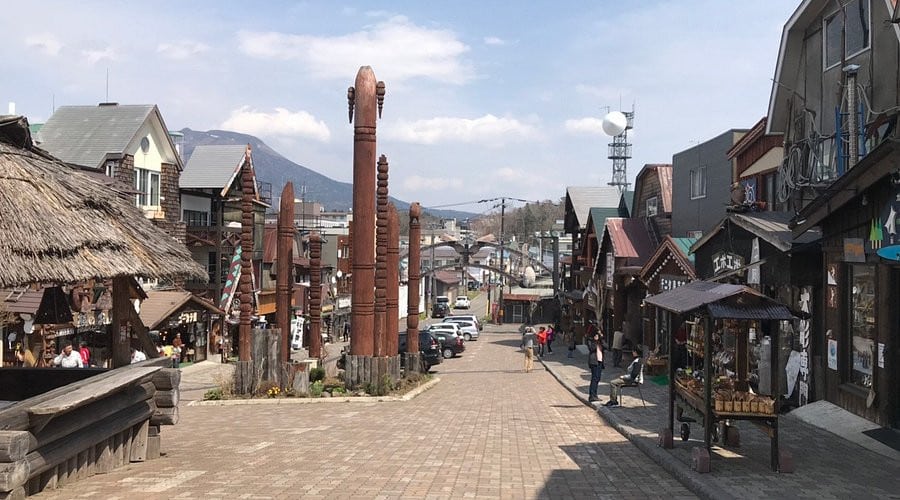
The Ainu settlement on the west side of the hot spring town is the largest in Hokkaido. Walk up the steps from the entrance and a whole row of wood-carving and handicraft shops lines both sides; the shop owners are mostly the carvers themselves, and you can watch them work on the spot.
This is not a theme park but a place where people actually live and work, so please show basic respect and ask before photographing inside shops or people. The village also has a space exhibiting Ainu life and culture. The official website is Akan Lake Ainu Kotan (阿寒湖アイヌコタン, akanainu.jp); please check that site for business and performance information.
Ainu Theater Ancient Dance: A Performance Inscribed on UNESCO’s Intangible Cultural Heritage List
The village has a dedicated theater that regularly stages traditional Ainu songs and dances, among which the ancient dance (kodai buyo) is inscribed on UNESCO’s Intangible Cultural Heritage list. The performance combines chanting, dance and traditional instruments, and there is also a modern version combined with light and projection.
Showtimes are fixed and tickets are required, so check the day’s schedule and enter early. It is the most direct way into Ainu culture and more complete than simply browsing the craft shops. Actual program, showtimes and ticket prices are as announced by the theater on the day.

Bokke Mud Volcano Trail: Geothermal Activity Bubbling Away
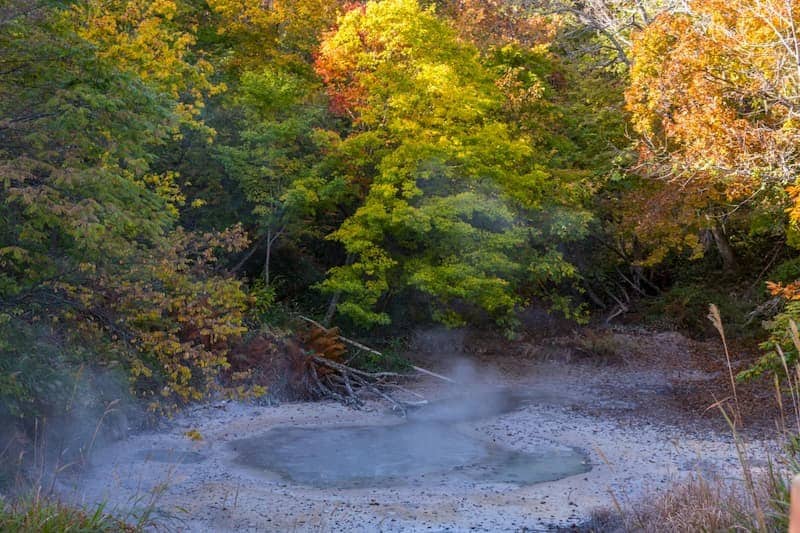
In the Ainu language, Bokke means to boil or simmer, referring to the mud and sulfur gas welling up from underground. It takes about fifteen minutes on foot along the trail beside the Lake Akan Visitor Center, along a quiet forest path.
Up close you can watch gray mud bubbling constantly, with a smell of sulfur in the air, a very direct lesson in volcanic geothermal activity. There are guardrails along the trail; do not climb over them or touch the mud, which is very hot. In summer you often meet wild Ezo deer in the woods. The path is icy in winter, so wear non-slip shoes.
Lake Akan Visitor Center: Stop Here Before Entering the Forest
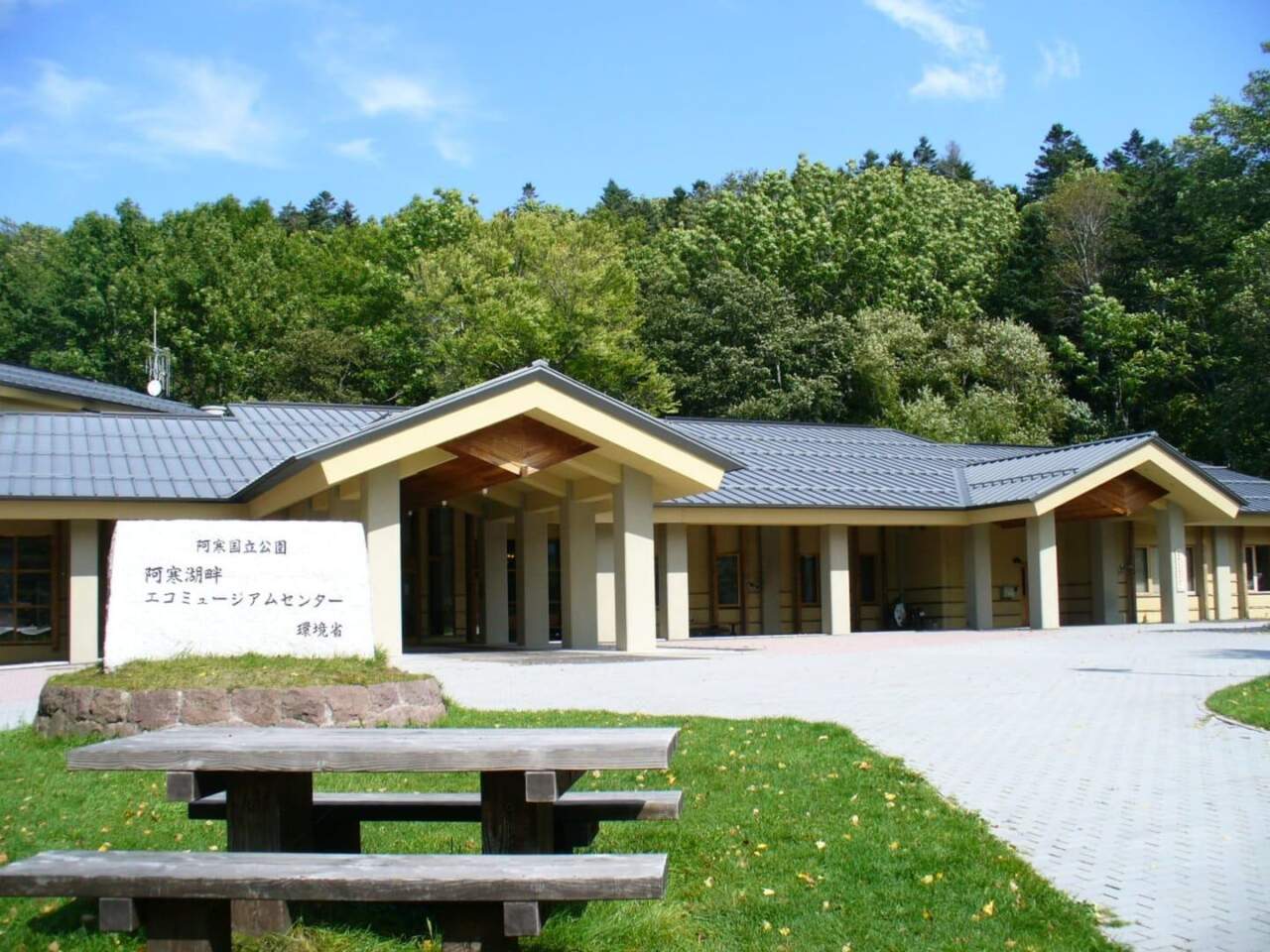
Next to the entrance of the mud volcano trail, it was formerly called the Lake Akan Ecomuseum Center and has been renamed the Lake Akan Visitor Center. It displays the natural environment, volcanic geology and marimo ecology of Lake Akan, a good way to build background knowledge before entering the forest. Closed on Tuesdays (the next day if Tuesday is a holiday).
The facility is not large, and a visit takes thirty minutes to an hour; it also works as a bad-weather backup. As the starting point of the trail, you can also check trail conditions and wildlife information here. Actual opening hours and fees are as announced on the day.
Lake Akan Hot Spring Town and Free Hand and Foot Baths: Soak as You Stroll
The hot spring town stretches along the lakeshore, lined with ryokan, restaurants and souvenir shops, and you can walk the whole street in under twenty minutes. The most distinctive feature is the many free hand baths and foot baths scattered along the street, where you can sit down and soak whenever you get tired of walking.
The spring water is highly pure, and your hands and feet warm up noticeably after soaking, especially in winter. Bring your own towel for the foot baths, as some places do not provide one. At night the town is dimly lit and not crowded, which makes for a pleasant walk. Actual facility locations and opening hours are as announced on site.
Night Forest Light and Sound Experience: Walking Through the Myths
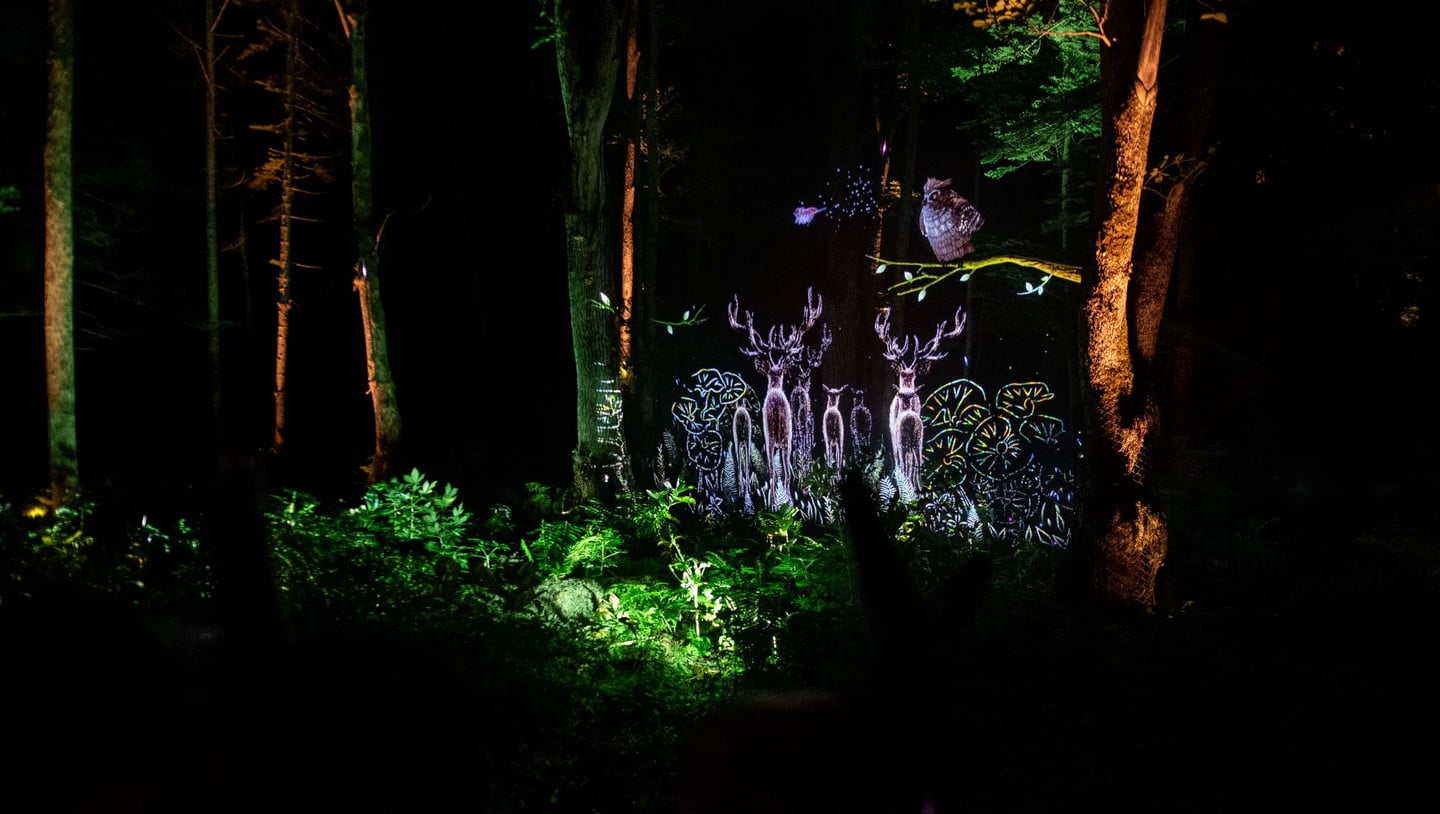
At night the lakeside forest trail becomes a digital light experience route, using projection, lighting and sound to recreate the mythical world of the Ainu people. The whole route is about 1.2 km and takes about 50 minutes on foot.
This is a paid experience requiring a separate ticket, usually by reservation with limited sessions, and winter operation differs from summer. Because you walk through an outdoor forest, wear comfortable shoes and dress warmly. Actual operating period, sessions and prices are as announced by the operator for that year.
Mt. Oakan and Mt. Meakan: The Lake’s Two Guardian Mountains
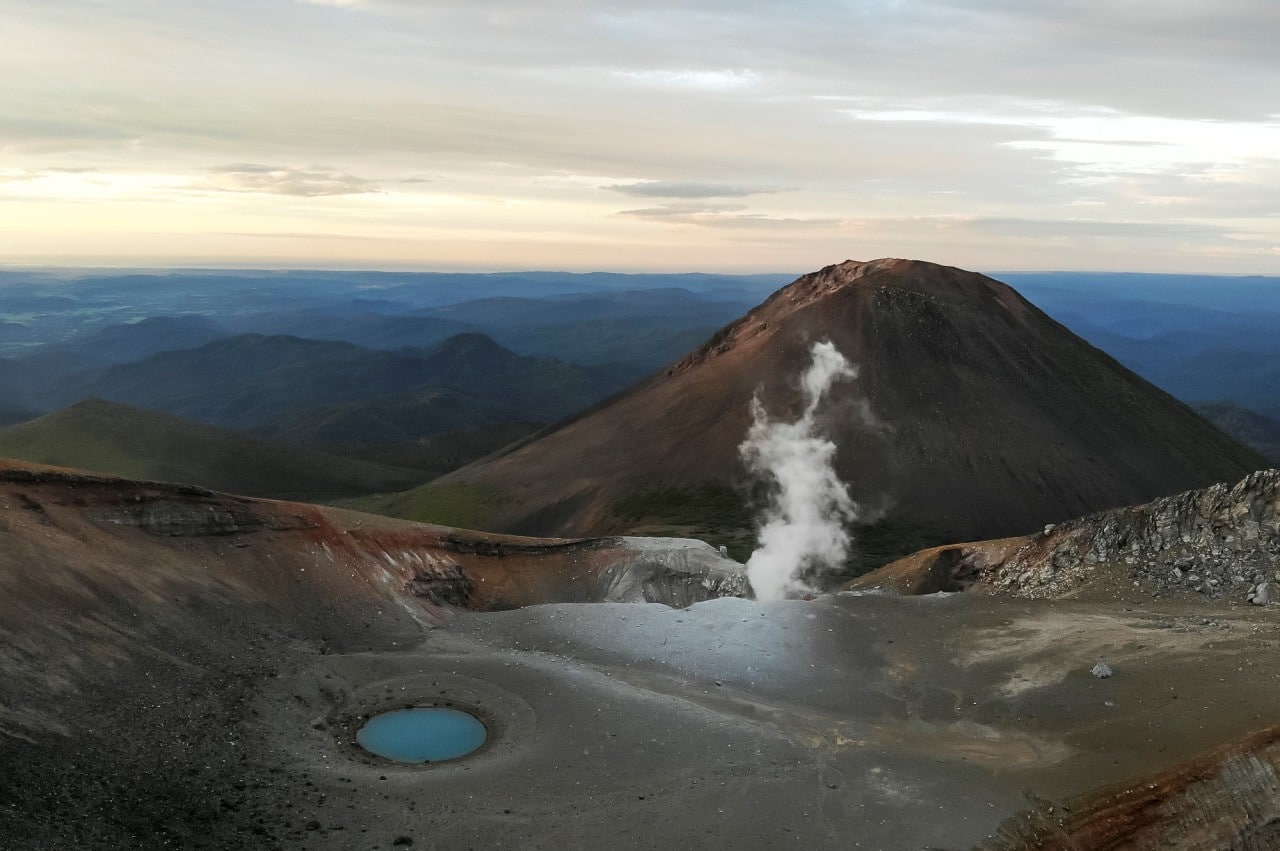
Lake Akan is flanked by two volcanoes, one rounded and one pointed, the most important backdrop in photos of the lake. You can see them from different angles from the sightseeing boat, the lakeshore in the hot spring town or a ryokan’s open-air bath.
Both mountains have hiking routes, but they are proper climbs that require equipment and fitness, not casual walks, and the weather changes quickly, so ordinary visitors are advised to enjoy them from a distance. If you want to climb, check the day’s volcanic activity and trail opening information. Actual conditions are as announced by the managing body.
Winter Activities on the Lake: Things You Can Only Do Once It Freezes
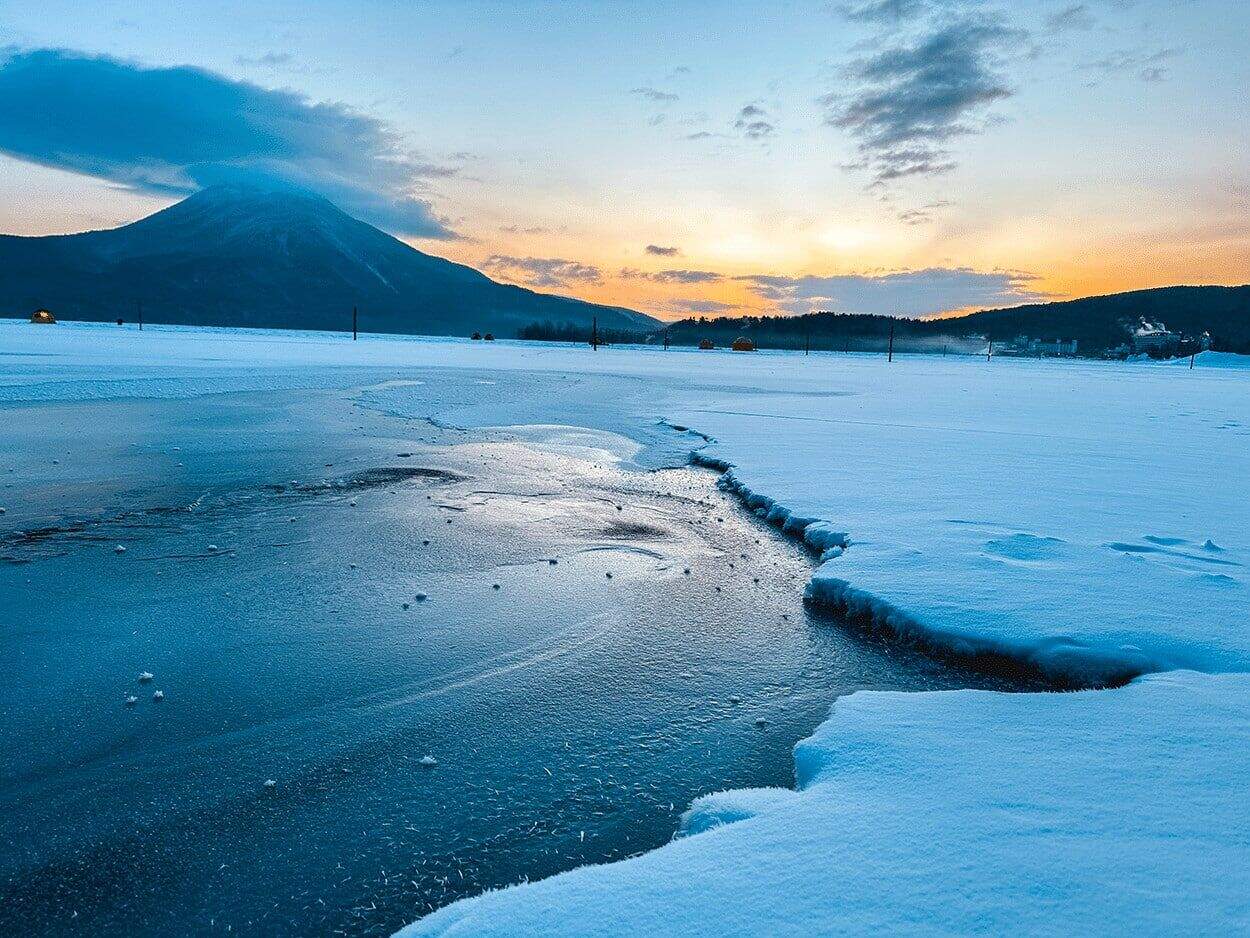
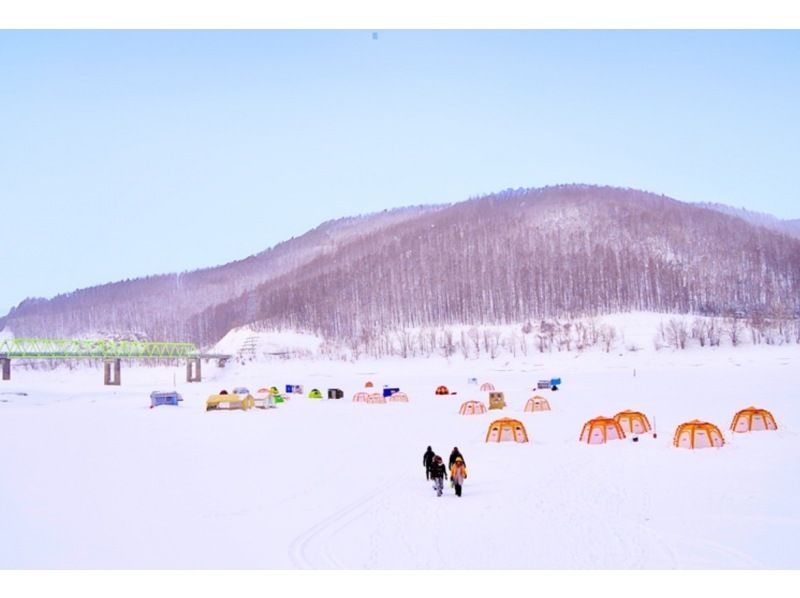
When the lake freezes in winter, a temporary activity area opens on it, where you can try ice fishing for smelt, snowmobiles, banana boats and other activities available only in this season, often paired with winter fireworks events.
These activities depend on that year’s ice conditions, the open period differs every year, and they are suspended in bad weather. It is extremely cold and windy on the ice, so warm and non-slip gear is essential. Actual activities, open periods and fees are as announced by the organizer for that year.

Tickets and Tours
Paid items at Lake Akan are concentrated in the sightseeing boat, theater performances and the night experience, while the hot spring town and the mud volcano trail are almost free. The following five items are the ones most often added to itineraries.
Sightseeing Boat Ticket: The Necessary Expense for Seeing Marimo
The sightseeing boat from the dock in the hot spring town, with a full trip of about eighty-five minutes, costs ¥2,700 for adults, which already includes the ¥420 admission to the Churui Island (チュウルイ島) Marimo Exhibition and Observation Center (included, not charged separately). It is the only way to see wild marimo, and tickets are usually bought on the spot at the dock.
Sailings change with the season, are suspended while the lake is frozen in winter and may be cancelled in bad weather. The autumn foliage season is the most popular, so arrive early at the dock. Actual sailings, fares and operating periods are as announced by the operator on the day.

Ainu Theater Performance Tickets: The Core of a Cultural Itinerary
The theater in the village regularly stages traditional Ainu songs and dances: the ancient dance costs ¥1,500 for adults, and the modern light-and-projection version, Lost Kamuy (ロストカムイ), costs ¥2,200. Note that from November 1 to April 30 there are only three shows a day, and the afternoon ancient dance runs only on weekends and holidays, so winter weekday visitors have far fewer choices.
Showtimes are fixed, so check the day’s timetable and enter early. This is the most direct way to understand Ainu culture and one of the most worthwhile things to schedule at Lake Akan in the evening.
Night Forest Light Experience Ticket: A Paid Activity That Requires Reservation
The night lakeside forest light walk requires a separate ticket, priced at ¥3,500 in advance, by reservation with limited sessions; the whole route is about 1.2 km and takes about 50 minutes on foot. It has been the most popular night activity at Lake Akan in recent years.
Because it takes place in an outdoor forest, it may be cancelled in bad weather, and winter operation differs from summer. Wear comfortable shoes and dress warmly.
Winter Ice Activities: Available Only After the Lake Freezes
The activity area opened after the lake freezes offers ice fishing for smelt, snowmobiles and more; most are bought on the spot or with a simple reservation, and prices vary by activity. This is the most representative winter activity at Lake Akan.
The open period depends entirely on that year’s ice conditions and activities are suspended in bad weather. It is windy and extremely cold on the ice, so be sure to dress warmly and wear non-slip gear.
Day Tours from Kushiro: A Solution If You Do Not Drive
Because Akan Bus service is limited, local day tours or chartered tours from Kushiro are a practical option for travelers who do not drive. Akan Bus’s own scheduled sightseeing bus (a one-day Lake Mashu, Lake Kussharo and Lake Akan tour, running April 18 to December 20, 8 hours 55 minutes in total) is a truly workable car-free option.
These tours require advance reservations and have minimum participant numbers, and winter departures may be cancelled because of weather. Content, fees and departure conditions are as announced by each operator for that year; check the cancellation policy before booking.
How Much Does a Trip to Lake Akan Cost? Transport, Boat Tickets and Accommodation
The cost structure at Lake Akan leans toward accommodation being the largest share, because most people stay one night at an onsen ryokan. Here the main expenses are broken down.
Transport Costs: Bus or Rental Car
If you do not drive, taking the Akan Bus from Kushiro Station is the main option; the round trip is a fixed expense, but service is limited. Driving means counting the daily rental fee, fuel and possible tolls, in exchange for complete freedom with your time.
For two people or fewer who only visit Lake Akan, the bus plus a hotel shuttle is usually the better value; for three or more, or if you want to visit the nearby lakes, a rental car clearly wins. Actual costs are as announced by Akan Bus and rental operators on the day.

Boat Tickets and Performances: The Main Activity Costs
The sightseeing boat is the core paid item here; the eighty-five-minute trip plus the marimo exhibition on the island is the only way to see marimo. Tickets for the Ainu theater performance and the night light experience are charged separately.
If you do all three, the total adds up to a noticeable expense. On a limited budget, the sightseeing boat and the theater performance have top priority, and the night experience can be dropped depending on circumstances. Actual ticket prices are as announced by each operator on the day.
The Free Parts: The Hot Spring Town and Trails
The hand baths and foot baths in the hot spring town are free, the mud volcano trail has no charge, and strolling the lakeshore and viewing the two volcanoes cost nothing. These make up the free but memorable part of a Lake Akan trip.
Admission rules for the Lake Akan Visitor Center follow the facility’s announcements; the threshold is usually very low, but it is closed every Tuesday. In other words, even if you join no paid activities at all, strolling the hot spring town and walking the trails can still fill your trip. Actual conditions are as announced on site.
Accommodation: One Night with Two Meals Is the Norm
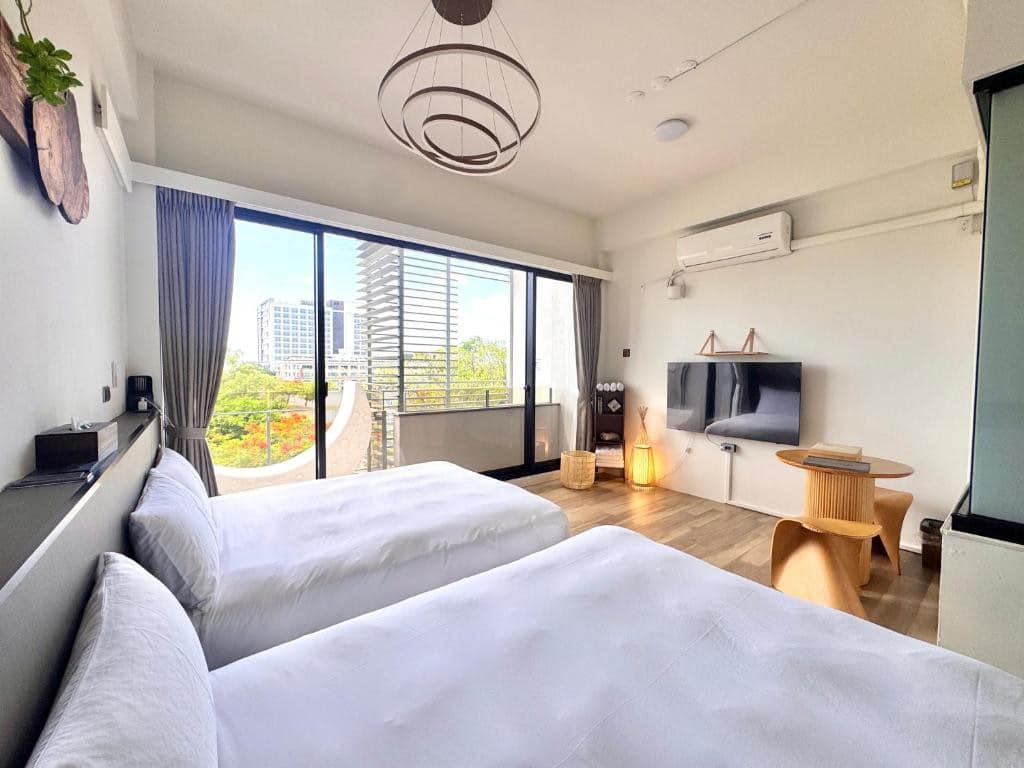
Accommodation at Lake Akan is mostly onsen ryokan, and most offer one-night plans with two meals (dinner and breakfast). Prices vary widely, from mid-priced long-established ryokan to high-end luxury onsen ryokan. This is usually the largest single expense of the trip.
Peak season is concentrated in summer, the autumn foliage season and long holidays, and the winter ice activity period also gets busy. Book at least one to two months ahead. Actual room rates are as shown by each accommodation and booking platform on the day.
Meals: Mostly Included in the Accommodation Plan
Because onsen ryokan mostly offer one night with two meals, the cost of dinner and breakfast is already included in the room rate, so in practice you will rarely eat out. The number of restaurants in the hot spring town is limited, and they close early at night.
If you book a room-only plan, check beforehand which places nearby are still open, and do not assume you can find food at any time. As for souvenirs, wood carvings and marimo-themed goods are the local specialties. Actual business hours are as announced by each shop.
What to Watch Out For at Lake Akan: Seasons, Etiquette and Where to Stay
A trip to Lake Akan is not difficult, but a few things affect the quality of the experience and basic respect, so please read them first.
Seasonal Differences: The Sightseeing Boat Does Not Run in Winter
The seasonal differences at Lake Akan are very clear. Summer to autumn is the sightseeing boat’s season, and autumn leaves reflected on the lake are the most beautiful sight here; the boat stops running from December 1 to mid-April each year (not just the weeks when the lake is frozen: in December and early April you cannot see marimo either), and ice activities take its place.
In other words, a plan to see marimo in winter will not work, because the only way to reach the island is by boat. Before deciding on a season, think carefully about what you most want to do. Actual operating periods are as announced by each operator for that year, and winter buses are often reduced or suspended.
Basic Etiquette When Visiting the Ainu Village
The Ainu village is a settlement where people actually live and work, not a stage set. When you enter a craft shop, be as polite as in any ordinary shop, and ask before photographing the inside of a shop, the works or the people.
As for terminology, please use Ainu people and avoid the older terms that carried derogatory meaning. When watching theater performances, follow the filming and photography rules inside. With an attitude of understanding rather than curiosity-seeking, this stop will become the most meaningful part of your whole trip.
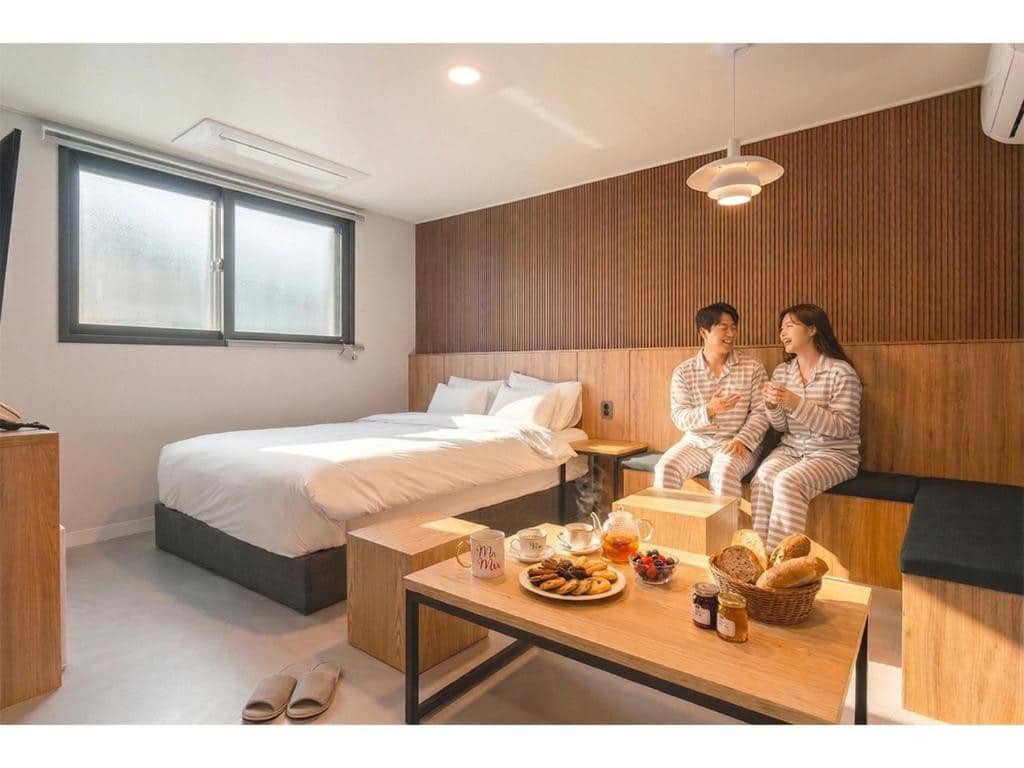
Where Should You Stay? Accommodation Advice for Side Trips
All accommodation at Lake Akan is concentrated in the hot spring town on the lakeshore; the choices are few but each has its own character, and most offer one-night plans with two meals, so soaking and dinner are both taken care of inside the ryokan. For those who want accommodation to be the main part of the trip, staying right here makes the most sense.
One thing to point out: Akan Onsen and downtown Kushiro are about 70 km and a 1.5-hour drive apart, two completely different areas to stay in. If the next day’s plan is Kushiro Marsh, staying at Lake Akan adds a whole extra stretch of driving. For a comparison of accommodation in Kushiro city and Lake Akan, see the separate dedicated guide.
Lake Akan FAQ
Q: Do I have to take the sightseeing boat to see marimo?
To see wild marimo, yes. The sightseeing boat stops at an island in the lake during the trip, where a marimo exhibition and observation center stands, the only place where ordinary visitors can see real wild marimo; apart from the sightseeing boat, motor boats can also go there. The whole trip takes about eighty-five minutes. Note that the sightseeing boat does not run from December 1 to mid-April each year, so you cannot see them during that period.
Q: Can I pick up marimo and take it home?
Absolutely not. Marimo at Lake Akan is designated a Special Natural Monument and is protected at the level of law; visitors may not collect, pick up or take it away, even if it has washed up on shore. If you want a souvenir, the small marimo sold in shops are not wild specimens from the lake, and those are the ones you can buy.
Q: How long does it take from downtown Kushiro to Lake Akan?
About 1.5 hours by car, a distance of about 70 km; from Kushiro Airport it is about seventy minutes. If you do not drive, you can take the Akan Bus from in front of JR Kushiro Station, about two hours and ¥2,750 one way, but service is quite limited at only three trips a day (four from July to October), and in winter it is often reduced or suspended because of blizzards. Be sure to check the outbound and return timetables first and work backward from the return time to decide how long to stay.
Q: Can I do Lake Akan and Kushiro Marsh on the same day?
Strongly not recommended. They lie in completely different directions: Kushiro Marsh stretches north-northeast along the Senmo Main Line, while Lake Akan is in the mountains to the northwest, separated by about 70 km of driving via downtown Kushiro. Each needs at least half a day to a full day, and cramming them into one day means moving around all day. The sensible approach is to split them over two days, or even different overnight stays.
Q: How long should I stay at Lake Akan?
One night and two days is the most comfortable. Arrive in the afternoon and stroll the hot spring town and the Ainu village, watch an ancient dance performance and soak in the evening, then take the sightseeing boat to see marimo the next morning and walk the mud volcano trail once, and the timing works out just right. Note that the sightseeing boat runs only from May 1 to November 30, so winter visitors should replace that part with lake activities or an Ainu culture itinerary. If you only have half a day, focus on the sightseeing boat and the hot spring town and treat everything else as a bonus.
Q: Is the mud volcano trail easy to walk?
Yes. Starting from the entrance beside the Lake Akan Visitor Center, it takes about fifteen minutes on foot, along a gentle forest path, and no hiking gear is needed. Note that the mud is very hot, so do not climb over the guardrails or touch it. Wild Ezo deer often appear in the woods in summer, and in winter the path is icy, so be sure to wear non-slip shoes.
Q: Can I soak in the hot springs without staying at an onsen ryokan?
Yes. The hot spring town has many free hand baths and foot baths where you can stop and soak while you stroll; remember to bring your own towel. Some ryokan also open their baths to day-trip bathers who are not staying overnight, but the hours usually avoid guests’ mealtimes and cleaning times, and may be suspended in peak season, so check before you go. Actual hours and fees are as announced by each facility.