
Kushiro Marsh Guide: Japan’s Largest Wetland, and the Easiest Place to Plan Wrong
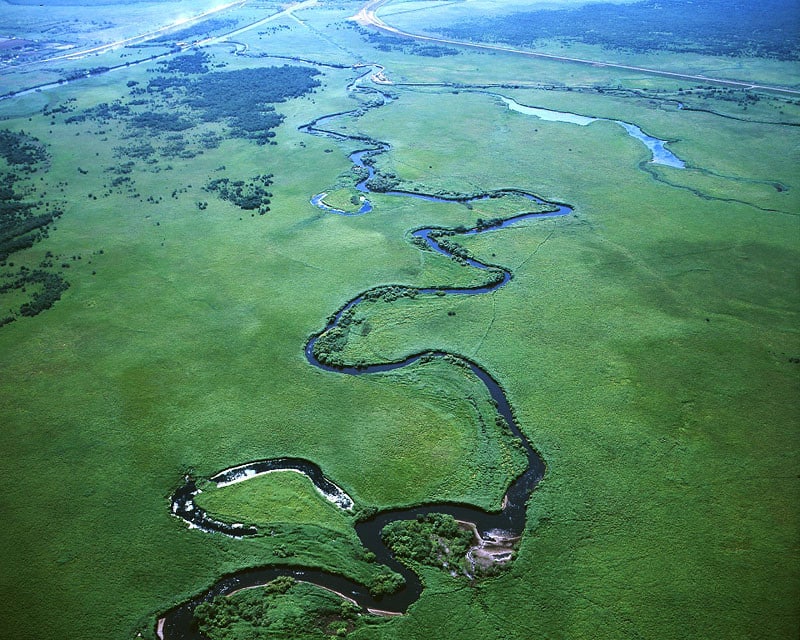
Kushiro Marsh is the largest wetland in Japan. On June 17, 1980 it became Japan’s first site registered under the Ramsar Convention (Site No. 1, 7,863 hectares), and in 1987 it was designated a national park (28,788 hectares, a wider area than the Ramsar-registered zone). Seen from above, the Kushiro River snakes across the green (or snow-white) land like a giant dragon, the most iconic view in eastern Hokkaido.
The most important thing: the east and west sides are two different worlds
When planning a Kushiro Marsh trip, the first thing to understand is not the sights but the geography. A large impassable swamp lies between the east and west sides of the marsh, and the viewpoints and trails on either side are not connected at all.
In other words, a plan like “Hosooka Observatory on the east side in the morning, Onnenai Boardwalk on the west side in the afternoon” does not work, because the drive around is long. In practice, pick one side as your main focus. If you are not driving, stick to the east side, which is served by the JR Senmo Main Line. Only drivers can realistically cover one side per day over two days.
Kushiro Marsh and Lake Akan are in completely different directions
Another common misunderstanding is treating Kushiro Marsh and Lake Akan as two stops that can be strung together. In fact, central Kushiro to Akan-ko Onsen is about 70 km, roughly a 1.5-hour drive, and in a completely different direction from the marsh.
Kushiro Marsh stretches north-northeast along the Senmo Main Line, while Lake Akan lies in the mountains to the northwest. Each needs at least half a day to a full day, and cramming both into one day just means a day spent in the car. We recommend planning them separately, even with different nights of accommodation.
When to visit: summer and winter are two completely different trips
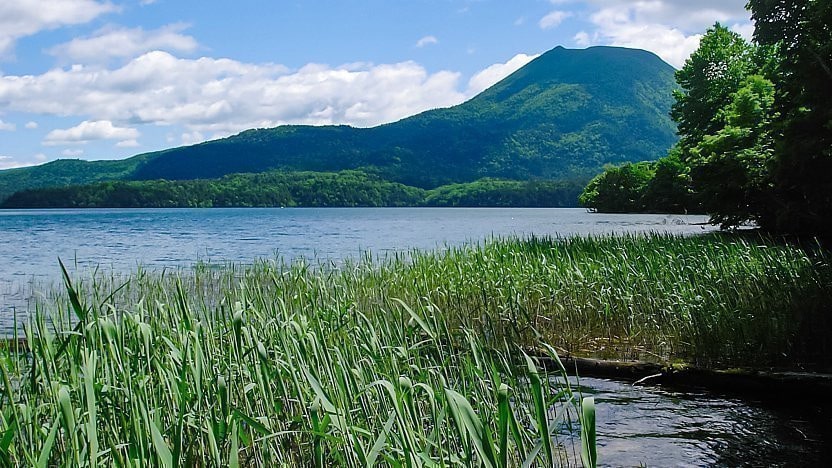
Kushiro Marsh has two clear peak seasons. In summer, roughly June to September, the marsh is lush green and you can paddle a canoe down the Kushiro River, but mosquitoes in the wetland are fierce, so insect repellent and thin long sleeves are essential.
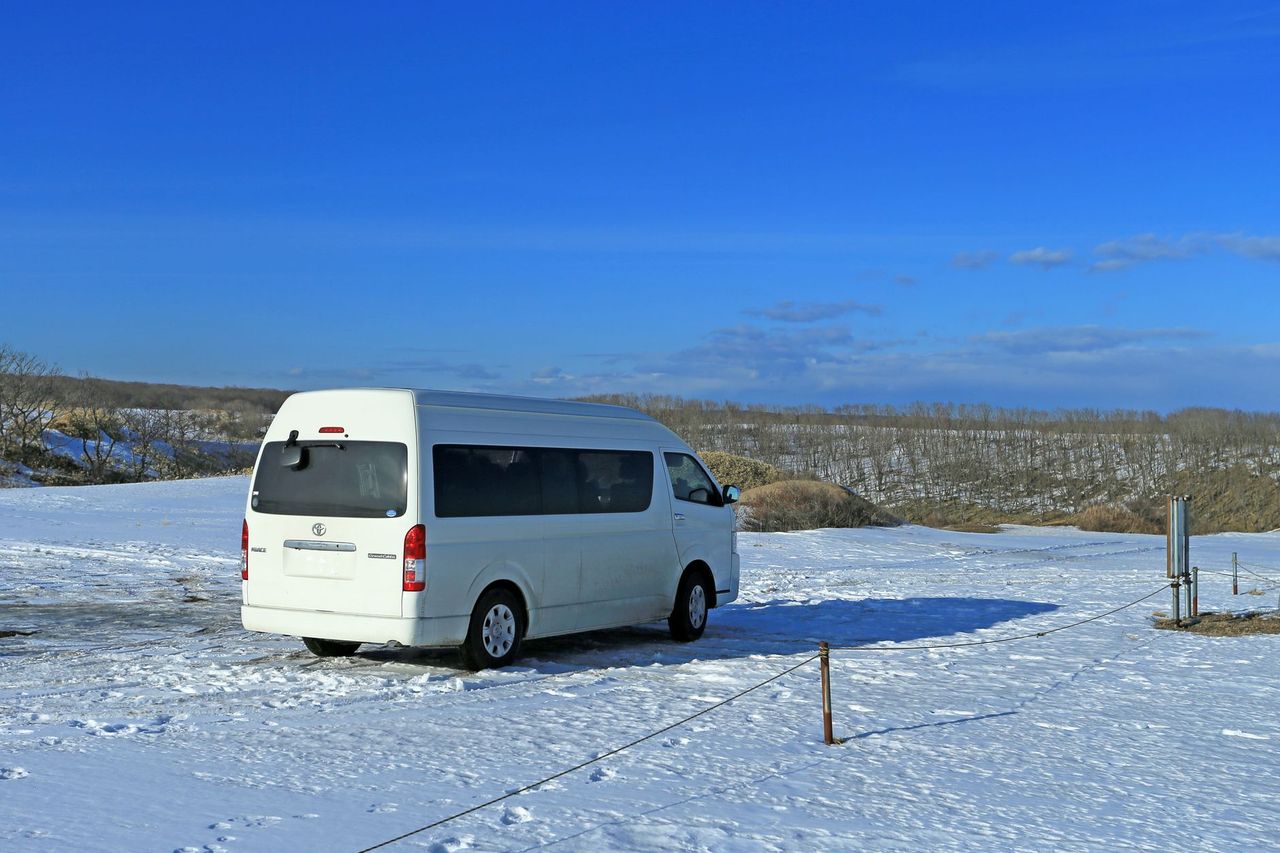
Winter, from January to March, is a different scene: a vast snowfield, a running steam locomotive, and red-crowned cranes gathering at the feeding grounds in Tsurui Village. Temperatures can fall to minus 10 to 20 degrees Celsius, observatory paths ice over, and non-slip shoes are basic gear. Spring and autumn are transitional seasons, when sightseeing trains and some facilities may not operate.
What this guide covers
This guide splits the marsh into three parts: transportation, twelve key sights and activities, and costs and pitfalls. The sights cover Hosooka Observatory and Kushiro-shitsugen Station on the east side, the Marsh Observatory and Onnenai Boardwalk on the west side, and two red-crowned crane viewing spots in Tsurui Village.
Accommodation around Lake Akan and central Kushiro is a separate topic and will have its own article. One reminder: buses and local trains in eastern Hokkaido run infrequently and are cut back sharply or suspended in winter, so all schedules and fares should be checked against the operators’ announcements on the day.
How to get to Kushiro Marsh: JR Senmo Main Line, Akan Bus and driving compared
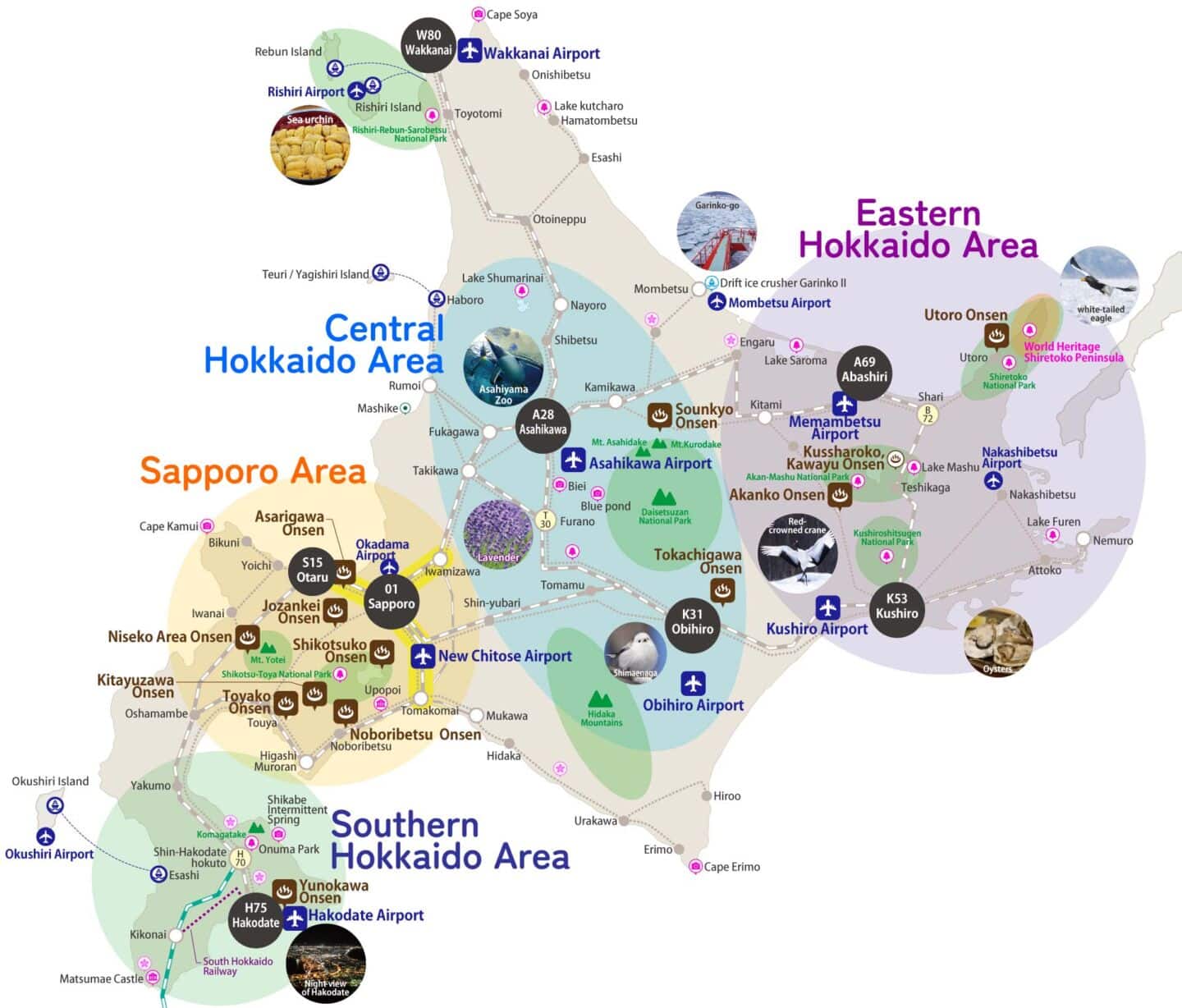
Getting to Kushiro Marsh is simpler than most people expect, because the main route is a single railway line. Here are the four options at a glance.
JR Senmo Main Line: the main artery for a marsh trip
The Senmo Main Line connects Kushiro Station and Abashiri Station and runs along the eastern edge of the marsh, the most convenient and cheapest way into it. Kushiro Station to Kushiro-shitsugen Station is only 17.6 km, about 19 minutes, for a fare of ¥470. Kushiro-shitsugen, Hosooka and Toro stations along the line all work as starting points, with Kushiro-shitsugen Station the gateway to Hosooka Observatory. However, local trains are infrequent, only a few a day, and missing one can mean a wait of two to three hours. Actual timetables and fares follow JR Hokkaido’s announcements on the day, and winter storms often suspend service.
Sightseeing trains: the Norokko train is going into history, and winter brings the steam locomotive
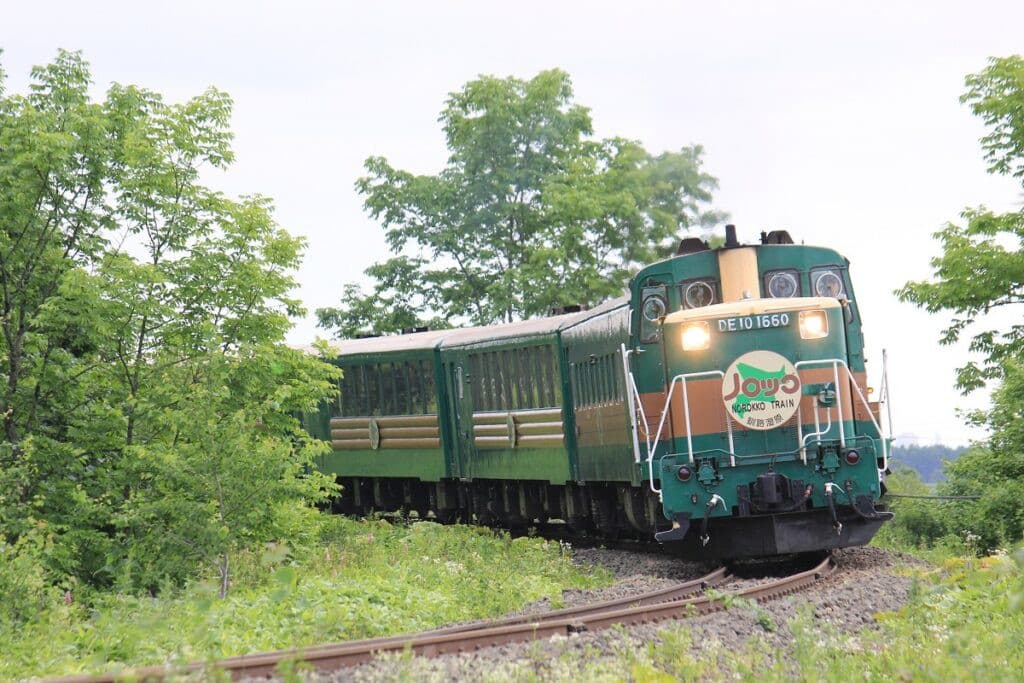
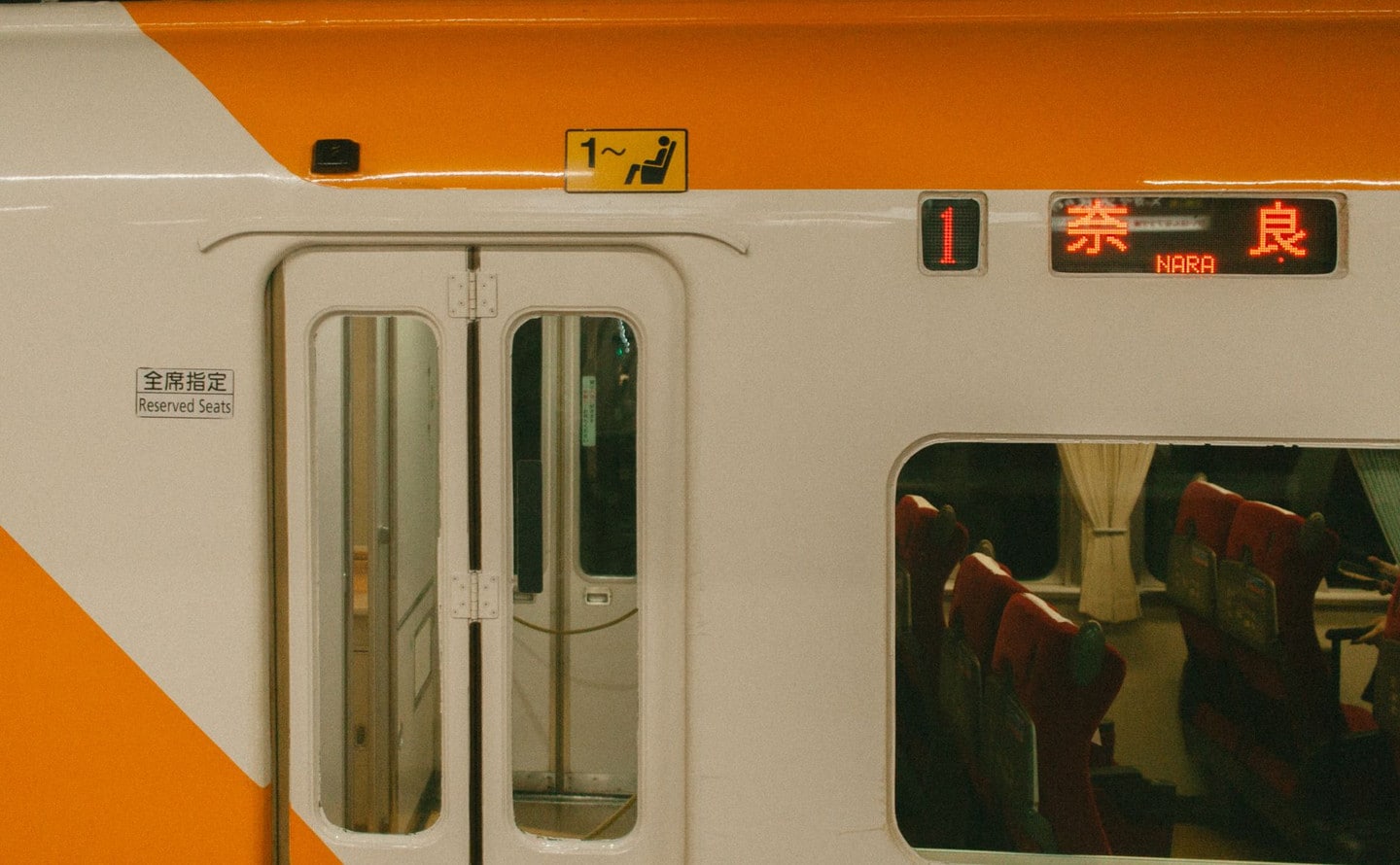
Two seasonal sightseeing trains run on the Senmo Main Line. In summer there is the open-window slow train, the Kushiro Shitsugen Norokko, whose last day of operation is officially announced as October 10, 2026, after which it will no longer run.
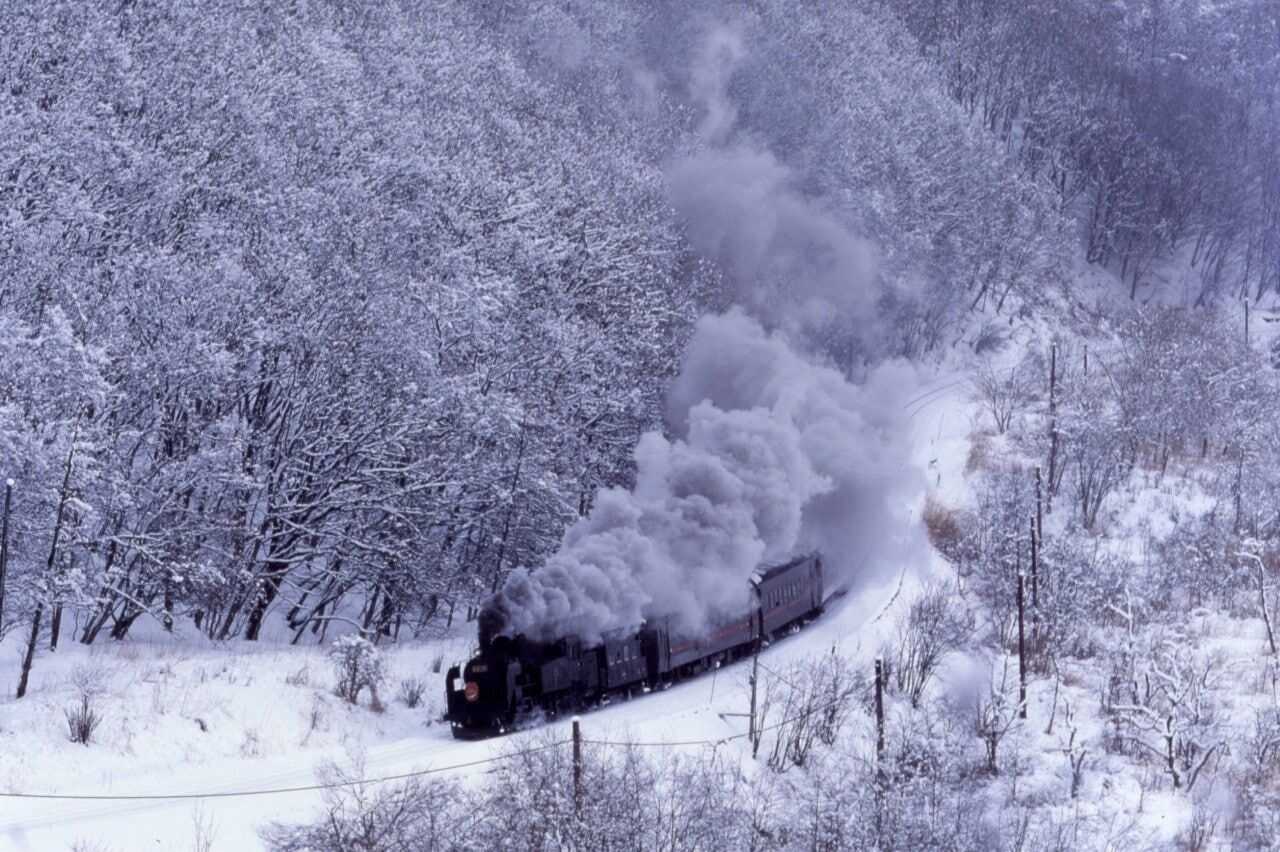
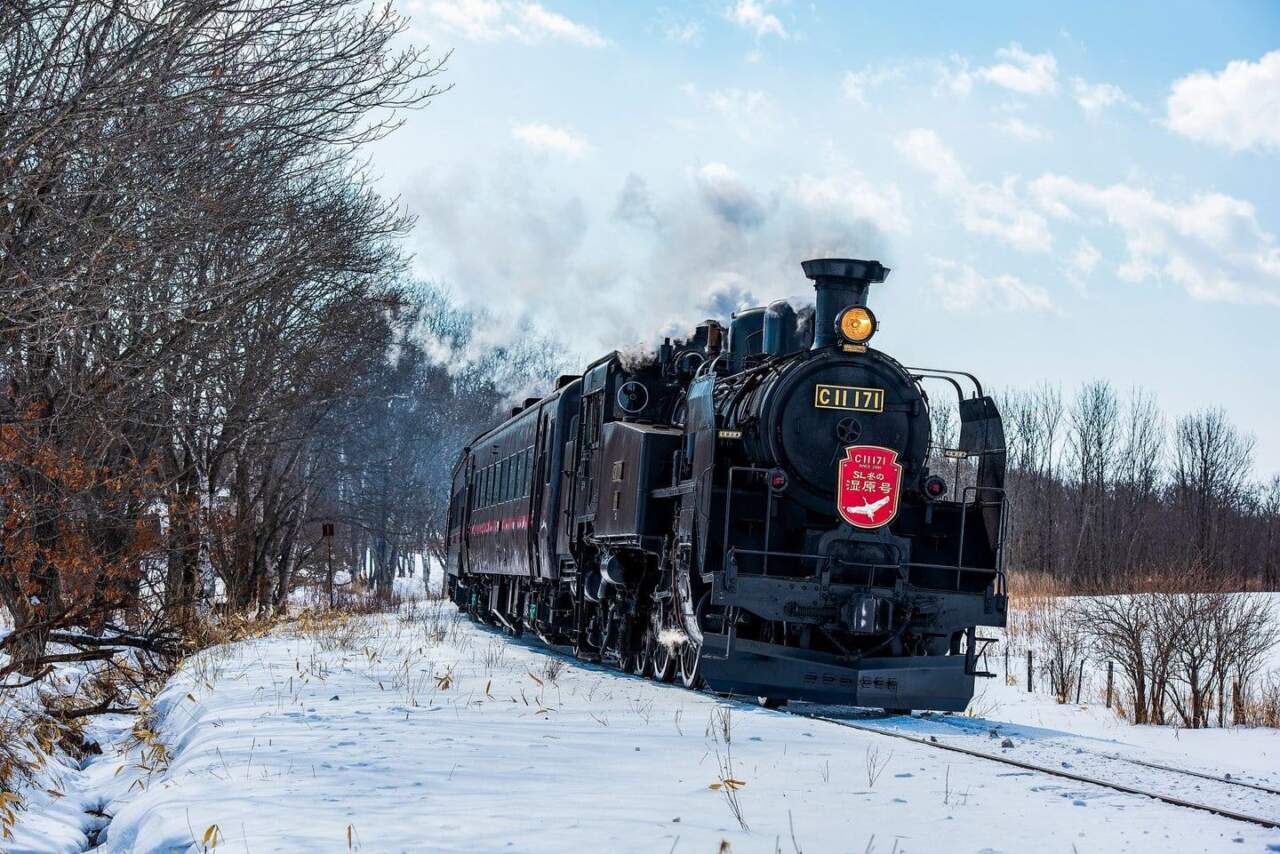
From January to March a steam locomotive runs between Kushiro and Shibecha stations, the signature train of eastern Hokkaido in winter. The steam train requires a seat reservation, and winter reserved seats often sell out as soon as they go on sale. Operating dates, timetables and ticketing methods are announced each year, and actual information follows JR Hokkaido’s announcement for that year.
Akan Bus: the only public transport to Tsurui Village
To see red-crowned cranes in Tsurui Village, take the Akan Bus Tsurui line from JR Kushiro Station and get off near Tsurumidai, a ride of about 50 minutes. This is how travelers without a car can reach the feeding grounds.
The catch is again the schedule: this route has very few runs a day, so check the return times first and work backward from the return time to decide how long to stay. In winter, buses in eastern Hokkaido are often cut back sharply or suspended due to weather, so confirm once more before you set out. Actual routes, timetables and fares follow Akan Bus’s announcements on the day.
Driving: the most flexible, and the smoothest is one side per day over two days
The west side is not actually car-only: the same Tsurui line stops at the Marsh Observatory (about 39 minutes) and Onnenai (about 45 minutes) and continues to Tsurumidai, so travelers without a car can link these three points on one bus, though runs are few and you must check times first. The value of driving is flexibility: heading north from central Kushiro on Route 391 lets you link Hosooka Observatory and Lake Toro, then continue toward Teshikaga.
Even when driving, getting between the east and west sides still means a long detour, so we do not recommend doing both on the same day. In winter the roads are covered in packed snow and ice, so make sure your rental has snow tires and allow extra time for every leg. Roads around the marsh have no lighting at night and wild deer often dash out, so drive with extra care after dark.

What to see at Kushiro Marsh: 12 highlights including observatories, sightseeing trains and red-crowned cranes
The twelve highlights below are arranged by the east side of the marsh, the west side and Tsurui Village, so you can plan your itinerary directly by location.
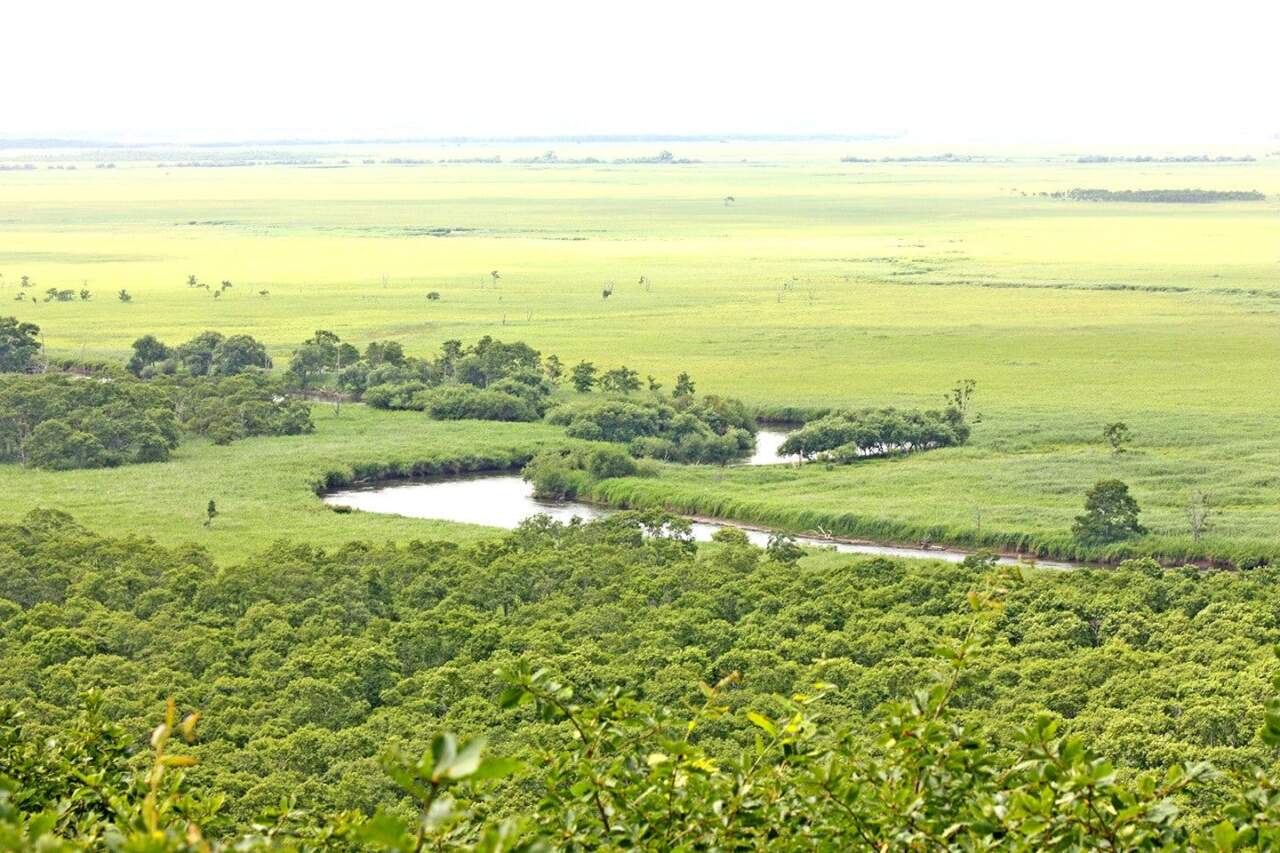
Hosooka Observatory: the best view of the winding Kushiro River
Located on high ground on the east side of the marsh, this is widely regarded as the classic viewpoint of Kushiro Marsh and is also often called the Hosooka Grand Viewpoint. With no obstructions at all, you can see the Kushiro River winding like a giant dragon across the entire marsh in a single view, with the mountains of Akan visible in the distance.
It is also an excellent spot for sunsets, when the marsh is dyed golden red in the evening. From Kushiro-shitsugen Station it is about a 15 to 20 minute walk along a forest road, making it the easiest observatory to reach without a car. Note that the Hosooka Visitors Lounge next to the observatory closes at 16:00 in winter, so if you want to wait for sunset in winter, bring warm clothing and time your return train; the observatory itself has no closing time. Winter paths are icy and snow-covered, so non-slip shoes are a must.

Kushiro Marsh in winter: what to see at Hosooka Observatory
In winter Hosooka Observatory is covered in snow, and the winding Kushiro River and the snowfield make a stark black-and-white scene. The Hosooka Visitors Lounge next to it is open from 10:00 to 16:00 in winter and closed from December 29 to January 3, with a cafe area and restrooms.
In winter, some operators also offer snowshoe walking experiences in Kushiro Marsh, and you need to confirm the itinerary and departure conditions with the operator in advance. Sunset comes early, so leave time for your return train.
Kushiro-shitsugen Station and the Hosooka Visitors Lounge: the gateway to the east side
Kushiro-shitsugen Station is a small station on the Senmo Main Line with just a platform and a simple station building, yet it is the only station gateway to Hosooka Observatory. The station itself sits in the woods, and the quiet the moment you step off the train in winter is hard to forget.
Near the observatory is the Hosooka Visitors Lounge, which offers exhibits about the marsh, restrooms and a simple rest area. It is one of the few sheltered spots in the area, and its winter hours are 10:00-16:00. There are no shops nearby, so prepare food and drinks in central Kushiro first. Actual opening hours follow the facility’s announcements.
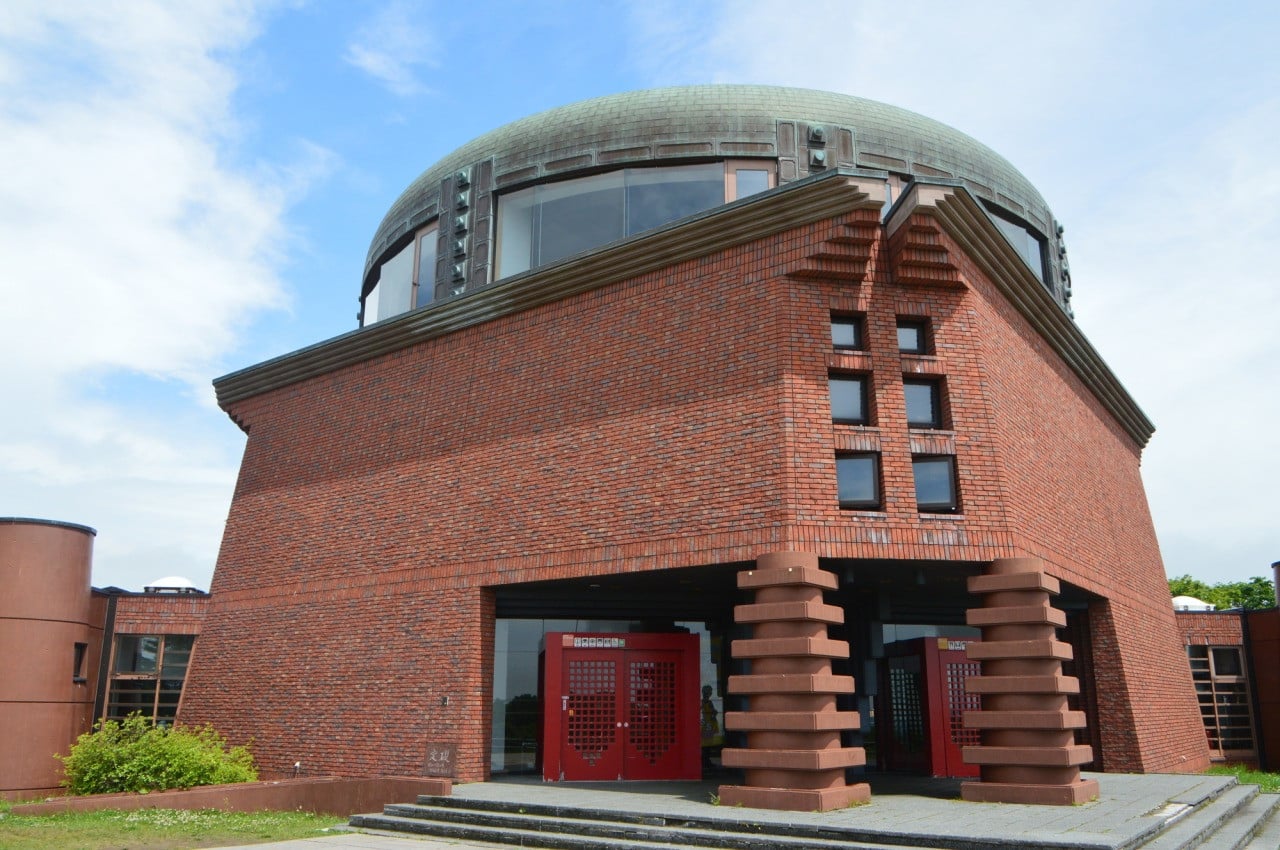
Kushiro City Marsh Observatory: the panorama and exhibition hall on the west side
A viewing facility on the west side of the marsh, in a building designed after the marsh plant yachibozu (tussock), with exhibits on the marsh’s nature and history and a rooftop viewing space that overlooks the whole west marsh.
One thing to stress: this is a completely different location from Hosooka Observatory on the east side, with an impassable wetland in between, so do not plan both on the same day. Outside the building there is a boardwalk trail that loops into the woods. Actual admission and opening hours follow the facility’s announcements on the day.
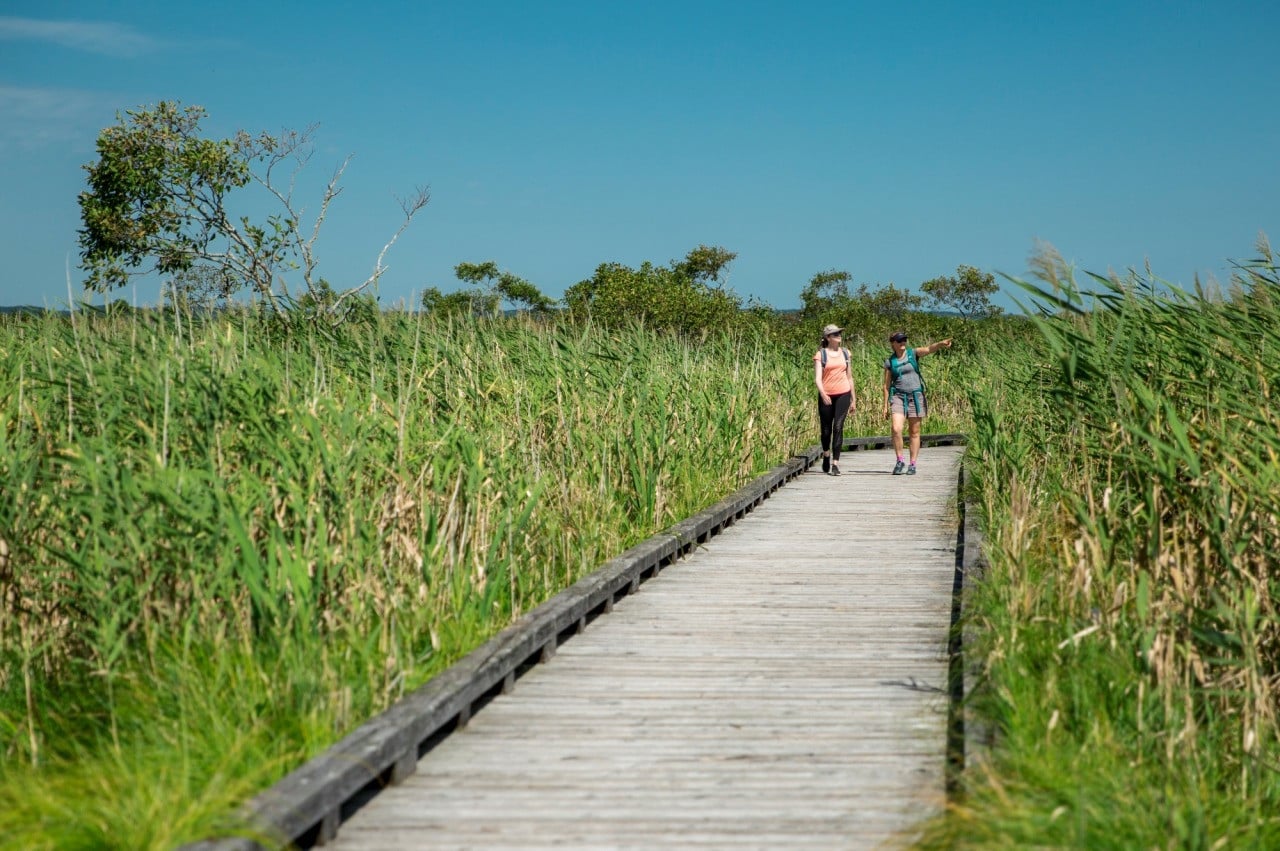
Onnenai Boardwalk: a trail into the heart of the marsh
A boardwalk system on the west side of the marsh, one of the few places where you can walk into the marsh itself. Routes vary in length and pass through reed wetland, alder forest and ponds, where you can observe plants and birds up close.
There is a visitor center at the entrance where you can check the day’s conditions and wildlife sightings first. Mosquitoes are plentiful in summer, so wear long sleeves and use repellent; the 2-kilometer boardwalk is officially marked as open all year. The Onnenai Visitor Center is closed every Tuesday and over the New Year period (December 29 to January 3). Walking only the boardwalk is unaffected, but you will find no one to ask about conditions. Actual open routes and hours follow the managing authority’s announcements on the day.
Lake Toro: the largest lake in the marsh
A lake on the northeast side of the marsh, the largest body of water in the area and the main attraction next to Toro Station on the Senmo Main Line. In summer you can set out from here by canoe, and in winter when the lake freezes there are activities such as ice fishing for smelt.
On the lakeshore are exhibits at an eco-museum where you can learn about how the marsh formed and its ecology. Toro Station is a stop on the Senmo Main Line, and many people take the train here and then turn back. Actual activities and operating periods follow each operator’s announcements.
Iwabokki Sluice Gate: the boundary between the marsh and the artificial channel
A water control facility on the lower Kushiro River, built when a new channel was dug for flood control, with the old sluice gate preserved today as a landmark. It is a very recognizable view on the lower Kushiro River.
Its significance is that it marks the line between human intervention and the natural marsh, and understanding this makes the marsh’s terrain feel more meaningful. There are not many facilities nearby, so it is a stop to admire in passing. The actual accessible area follows on-site notices.
Kushiro Shitsugen Norokko: last run on October 10, 2026
A summer open-window sightseeing slow train in which the scent of grass and the breeze pour into the carriage. Kushiro to Toro Station takes about 40 to 50 minutes, and the train slows down on the best scenic stretches.
Along the way you can see Ezo deer, and with luck red-crowned cranes. All seats are reserved and must be booked, with a ticket of ¥680 plus a reserved-seat ticket of ¥1,000, ¥1,680 one way in total. JR Hokkaido announced that 2026 is the final season, with regular service until October 4, an extra Kawayu Onsen service on October 9, and the last run on October 10, after which it will no longer operate. To experience a winter train, take the steam locomotive instead.
SL Fuyu no Shitsugen: one of the few steam trains still running in Japan
The steam locomotive that runs from January to March is one of very few regularly scheduled sightseeing trains in Japan still pulled by a steam locomotive, running from Kushiro Station to Shibecha Station. The carriage has a traditional coal-burning stove, so you can keep warm while looking out at the snowfield.
A one-way reserved seat including the fare is about ¥3,060. This is one of the most sought-after trips in eastern Hokkaido in winter, and reserved seats often sell out as soon as they go on sale, so keep a close eye on the ticket sale date and book early. It does not run every day, and the actual operating period, timetable and booking method follow JR Hokkaido’s announcement for that year.
Tsurumidai: the winter feeding ground where red-crowned cranes gather
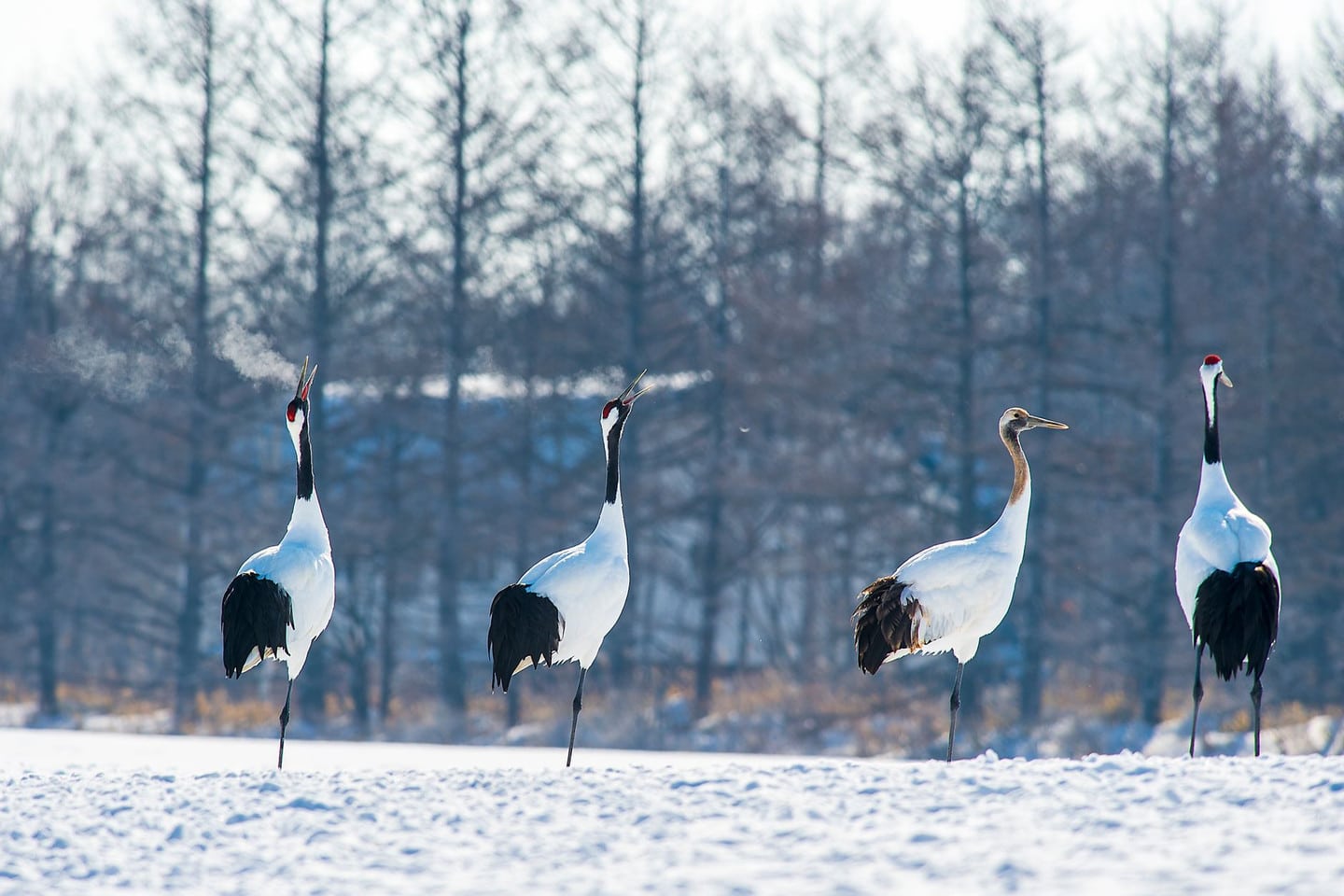
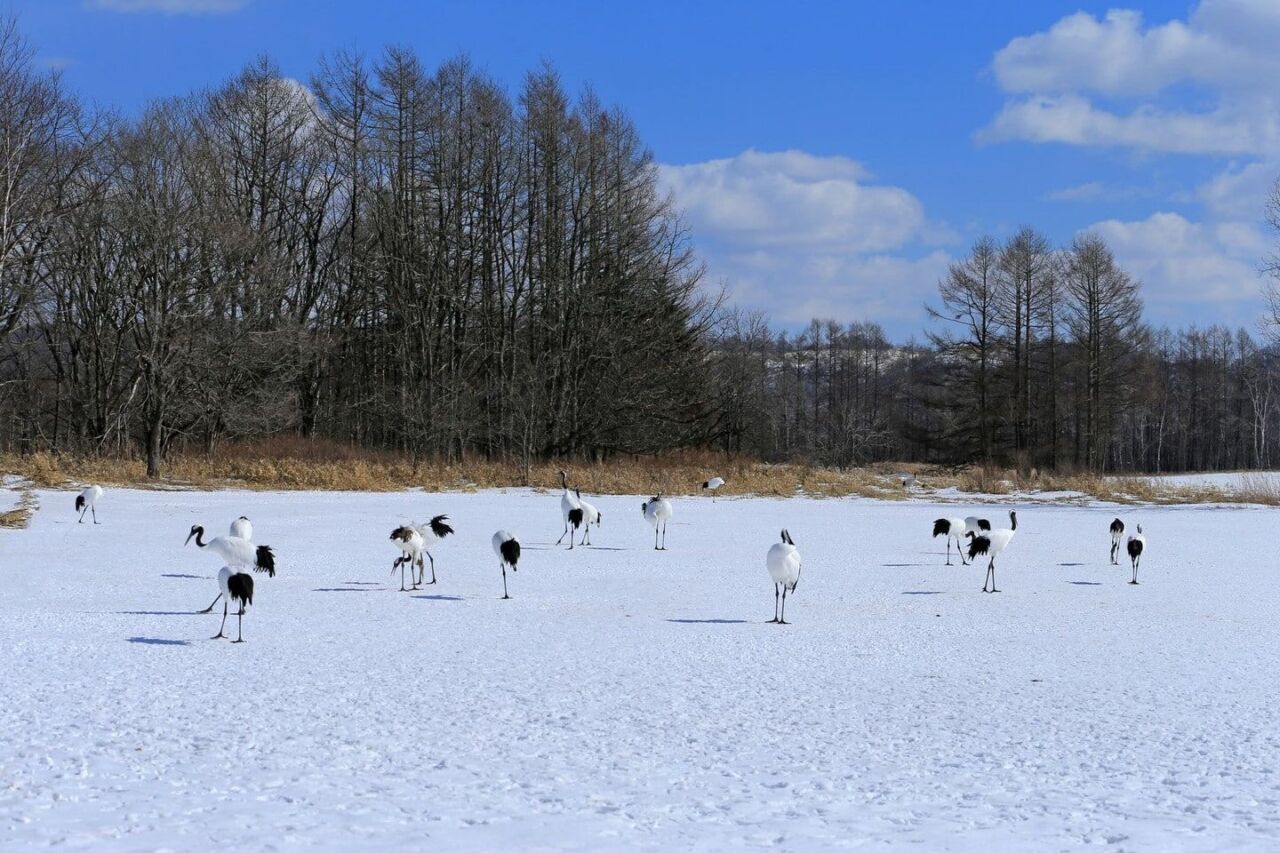
A red-crowned crane feeding ground in Tsurui Village. In winter, from about mid-November to early March, feeding usually takes place twice, around 9:00 in the morning and between 1:00 and 2:00 in the afternoon (times and frequency adjust to how many cranes visit, and from March there is only one morning feeding). It draws large numbers of wild red-crowned cranes, and at times you can see over a hundred landing and dancing at once.
Remember that red-crowned cranes gather at the feeding grounds in Tsurui Village in winter and do not appear at random in the marsh, so you have to come to this area specifically. Keep your distance while observing, and do not feed them or make loud noises. It is about 50 minutes from Kushiro Station by Akan Bus, with very few runs.
Otowa Bridge: a famous spot for photographing cranes in the mist at dawn
Also in Tsurui Village, a bridge that spans a river. On winter mornings, thick steam rises from the unfrozen river, and red-crowned cranes that spent the night standing in the river appear and disappear in the mist, a dream scene for photographers.
Because this scene appears only around sunrise, photographers usually arrive before dawn to claim a spot. Temperatures can drop to minus 20 degrees Celsius, so warm and non-slip gear are both essential, and camera batteries should be kept warm against your body. Please do not block the road or use flash on the bridge.
Kushiro City Red-crowned Crane Nature Park: cranes all year round
A facility on the outskirts of Kushiro that protects red-crowned cranes through captive breeding. The park uses semi-natural enclosures, so you can see cranes up close in every season without relying on luck.
For visitors who come outside winter, or whose schedule cannot match the Tsurui feeding times, this is the most reliable alternative, and it is also good for children. The park is mostly outdoors, so dress warmly in winter. The official website, Kushiro City Red-crowned Crane Nature Park, states that it opens at 9:00, closes at 16:00 from October 15 to April 9 (18:00 in summer), and is closed from December 31 to January 3.
Kushiro River canoeing: seeing the marsh from the water
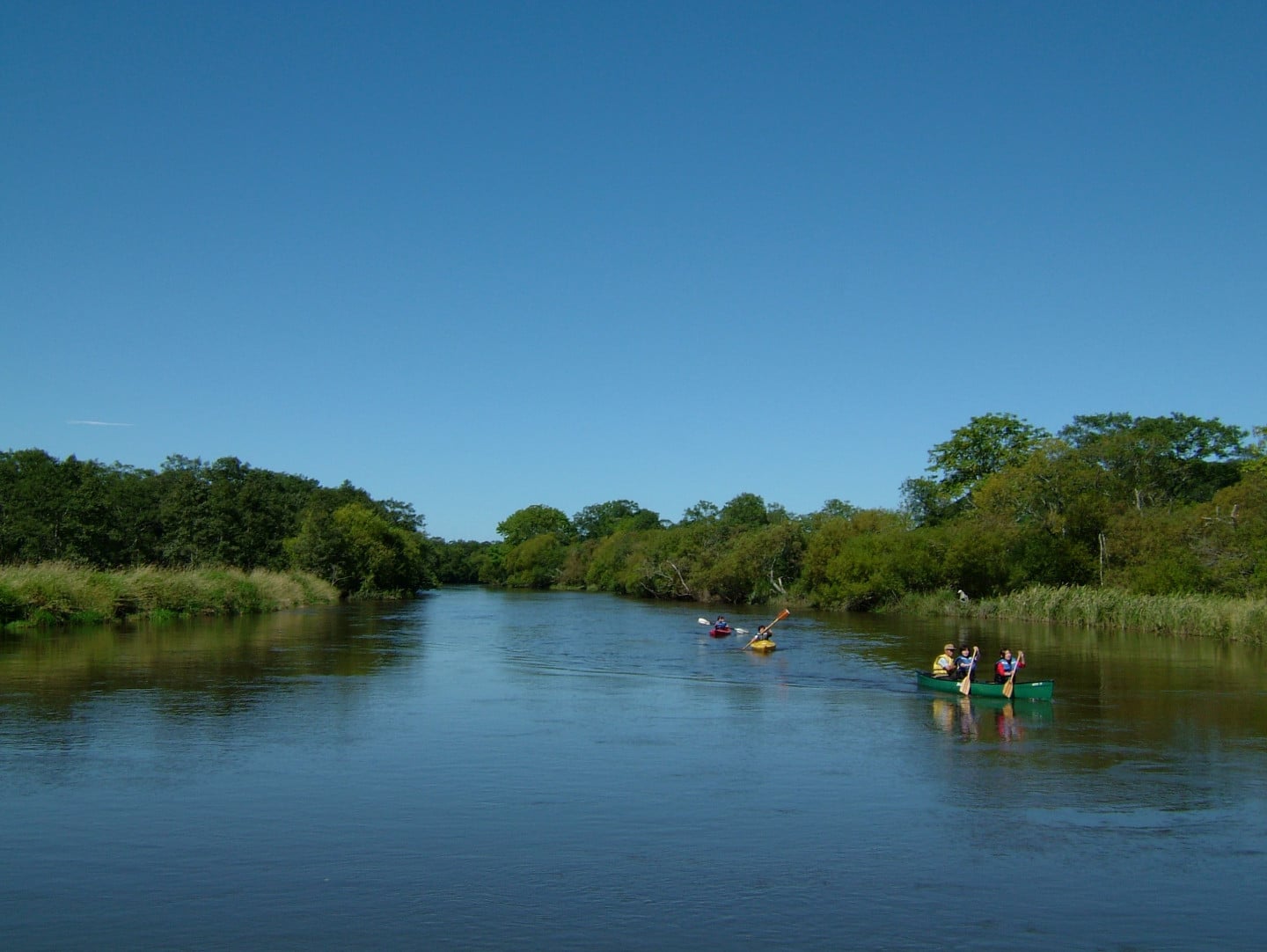
The most popular summer experience, led by a local operator, setting out from Lake Toro or the upper Kushiro River and drifting downstream through the marsh. The view from the water is completely different from the observatories, with shoulder-high reeds on both banks and the occasional deer or bird right beside you.
Tours range from one hour to half a day, usually need advance booking, and are adjusted or canceled depending on the day’s water level and weather. In winter some operators switch to other activities on the frozen water. Actual tour content, fees and departure conditions follow each operator’s announcements for that year.

Tickets and tours
Most of Kushiro Marsh’s observatories are free or cost only coins, so the main spending goes to sightseeing trains and activity tours. These five are the ones most often added to itineraries.
Sightseeing train reserved seats: book early
The winter steam locomotive has reserved seats that must be purchased separately. This is one of the most sought-after sightseeing trains in eastern Hokkaido, and it often sells out right after sales open.
Booking methods and sale dates are announced each year, so we suggest checking the sales schedule as soon as your plans are set. If you cannot get a reserved seat, you can fall back on a regular local train over the same section. Actual fares and booking methods follow JR Hokkaido’s announcement for that year.
 KKdayKushiro Marsh sightseeing train reserved seat
 KLOOKKushiro Marsh sightseeing train reserved seat
Marsh canoe experience: the signature summer activity
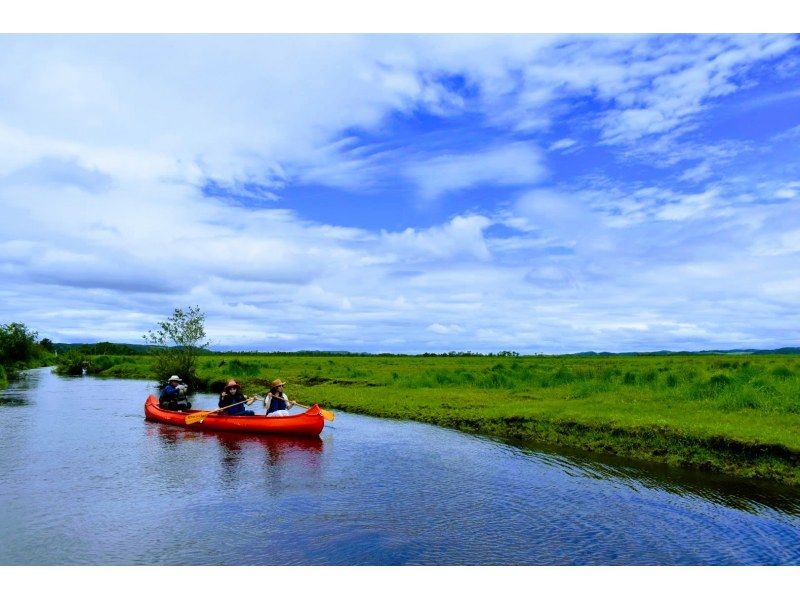
Led by a local operator, you drift downstream from Lake Toro or the upper Kushiro River with an instructor throughout, so no experience is needed. Tours range from one hour to half a day, and prices depend on length and group size.
Advance booking is required, and tours are adjusted or canceled depending on the day’s water level and weather. Mosquitoes are plentiful in summer, so wear long sleeves and bring repellent.
Marsh viewing facility admission: the exhibition hall on the west side
The viewing facility on the west side has an exhibition hall and a rooftop viewing space. Admission is ¥480 for adults, and there is also a boardwalk trail outside that loops around. It is well worth it for anyone who wants to understand how the marsh formed.
Hosooka Observatory and the Visitors Lounge on the east side are free. Opening hours are seasonal and may be shortened in winter, and actual admission and opening hours follow the facility’s announcements on the day.
Crane park admission: the option that does not rely on luck
The crane protection facility on the outskirts of Kushiro uses semi-natural enclosures, with adult admission of ¥480, and you can see red-crowned cranes in every season. For those who do not come in winter or cannot match the feeding times, it is the safest choice.
The park is mostly outdoors, so dress warmly in winter, and use sun protection and mosquito repellent in summer.
Local guided tours from Kushiro: linking the scattered spots in one go
The marsh’s sights are scattered and public transport is sparse, so a local charter or guided tour from Kushiro can link the observatories, feeding grounds and lakes in one trip, saving you the effort of working out timetables, which is especially useful in winter.
These tours usually need advance booking and have a minimum number of participants, and winter departures may be canceled because of weather. Content, fees and departure conditions follow each operator’s announcements for that year, so confirm the cancellation policy before booking.
How much does a Kushiro Marsh trip cost? Fares, admission and activity fees
Kushiro Marsh is a high-value destination because the best observatories cost almost nothing. Here is the spending broken down.
Rail fares: surprisingly cheap
A local train from Kushiro Station to Kushiro-shitsugen Station costs ¥470 and takes about 19 minutes, and it brings you to the entrance of the most classic observatory. This is the best deal in Kushiro Marsh.
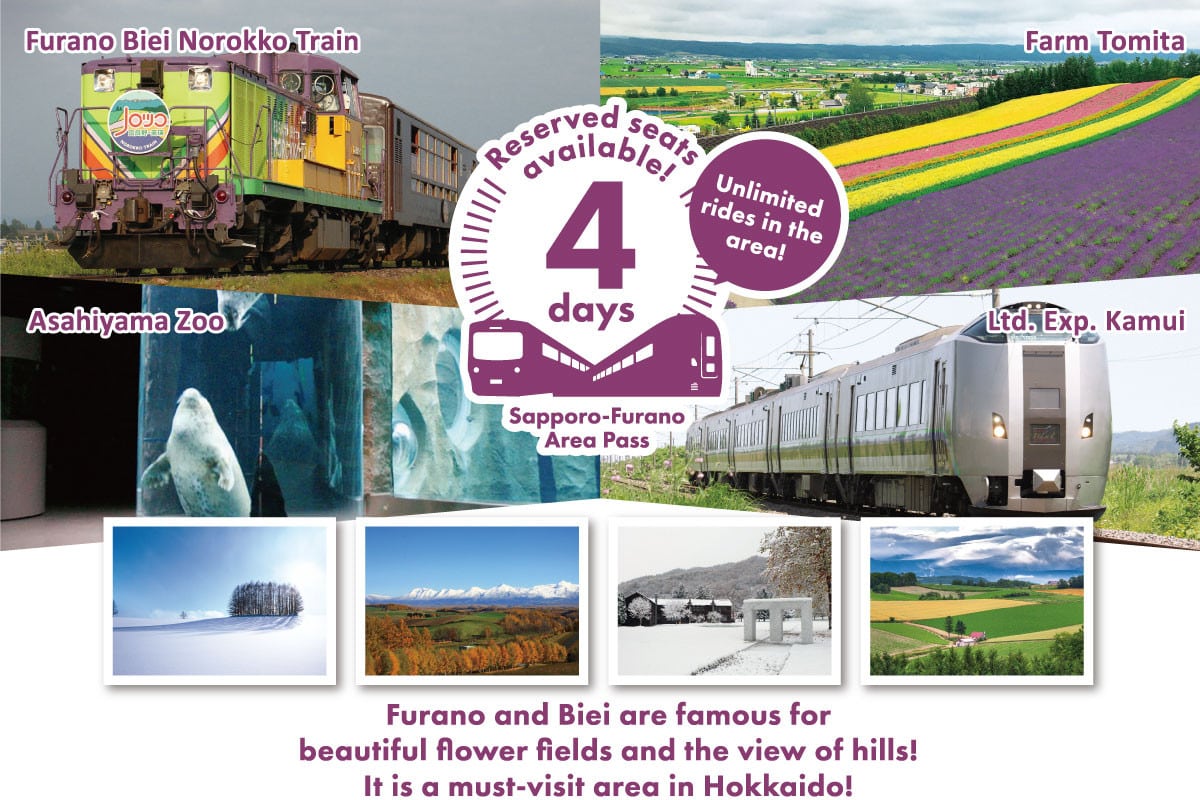
If you take a sightseeing train, the reserved-seat fee is added on top of the fare, so the total goes up a bit but remains reasonable. A rail pass that covers this section is an even better value. Actual fares follow JR Hokkaido’s announcements on the day.
Admission costs: almost negligible
Hosooka Observatory and the Visitors Lounge on the east side are free, while the exhibition facility at Lake Toro and the viewing hall on the west side charge coin-level admission. Admission to the crane park is likewise modest.
In other words, admission puts no pressure on the budget here. What really raises the total is activities and transport, especially charters and guided tours. Actual fares follow each facility’s announcements on the day.
Activities: canoeing is the main expense
Summer canoe experiences are priced by tour length and group size, and there is a considerable difference between a one-hour short tour and a half-day long one. In winter there are alternatives such as snowshoe walking and ice activities.
Almost all of these activities need a reservation and may be canceled because of weather, so keep a backup when you schedule. If your budget is limited, spending on a sightseeing train rather than activities still lets you experience the core of the marsh. Actual fees follow each operator’s announcements.
Cost comparison: without a car and driving
If you only do the east side, the Senmo Main Line plus walking is enough, at very low cost. But to cover the west-side observatory, Onnenai Boardwalk and Tsurui Village, without a car you have to rely on infrequent buses or buy a charter tour.
With three or more people, the per-person share of a one-day car rental is often cheaper than a charter or multiple bus trips, and the itinerary is far more flexible. For solo travelers, using rail as the backbone makes the most sense. Actual fees follow the rental company’s announcements.
Lodging and meals: base yourself in central Kushiro
The marsh itself has almost no lodging or dining facilities, so in practice everyone bases themselves in central Kushiro. Business hotels in the city are reasonably priced, and seafood and robatayaki are the local dining staples.
Note that there are no shops around the small stations along the marsh, so food and drinks must be prepared in the city first. Daylight is short in winter, so end your itinerary early. Actual room rates follow what each property and booking platform shows on the day.
What to watch out for at Kushiro Marsh: gear, schedules and lodging tips
The marsh’s risk is not difficulty but preparation. Please think through these three things first.

What to bring: mosquito protection in summer, non-slip gear in winter
Mosquitoes in the marsh in summer are fierce, especially on the boardwalks and forest sections, and going in with short sleeves and shorts is volunteering to be bitten. Repellent, thin long sleeves and long pants are standard gear, and a hat is also recommended.
Winter is the complete opposite: temperatures can fall to minus 10 to 20 degrees Celsius, the paths at Hosooka Observatory ice over and pile with snow, and non-slip snow boots or crampons are necessities, not options. Cameras and phones also lose battery very fast in the cold, so keep spare batteries warm against your body. Bring drinking water all year, since there are no shops along the way.
Pin down the timetable: local trains and buses are both sparse
Local trains on the Senmo Main Line run only a few times a day, and buses toward Tsurui Village are even fewer. Many people stay at an observatory too long and then find the next one is two or three hours away.
The fix is to print or screenshot both the outbound and return timetables before you leave, and to work backward from the return time to decide how long to stay. Allow one to one and a half hours at Hosooka Observatory and about one hour at Tsurumidai as a safe plan. Winter storms can suspend service, so check again on the morning of your trip.
Where to stay: lodging suggestions for your trip
Kushiro Marsh has no lodging facilities, so in practice you base yourself around JR Kushiro Station. Business hotels cluster here, you can board the Senmo Main Line and Akan Bus right outside the station, and in the evening you can eat seafood at Washo Market or at a robatayaki restaurant, making it the most sensible choice.
Note that the Akan-ko Onsen area is about 70 km from central Kushiro, roughly a 1.5-hour drive, and is a completely different place to stay, so do not assume that staying at Lake Akan lets you easily commute to the marsh. For a comparison of lodging in central Kushiro and Lake Akan, see the separate dedicated article.
Kushiro Marsh FAQ
Q: Are Hosooka Observatory and the Kushiro City Marsh Observatory the same place?
No, and this is the most common confusion. Hosooka Observatory is on the east side of the marsh, about a 15 to 20 minute walk from JR Kushiro-shitsugen Station, and is known for the panorama of the winding Kushiro River. The Kushiro City Marsh Observatory is on the west side, a building with an attached exhibition hall that you reach by car or bus. The two are separated by an impassable wetland and cannot be done on the same day.
Q: Can I see Kushiro Marsh without a car?
Yes, but focus on the east side. Take the JR Senmo Main Line to Kushiro-shitsugen Station for ¥470, then walk 15 to 20 minutes to reach Hosooka Observatory, and in winter you may also be able to ride the steam train toward Shibecha. The west-side Marsh Observatory and Onnenai Boardwalk, and Tsurumidai in Tsurui Village, require the Akan Bus Tsurui line (about 39 minutes to the Marsh Observatory, about 45 minutes to Onnenai). Runs are very few, so check the times before you leave.
Q: When and where can I see red-crowned cranes?
The season for observing wild red-crowned cranes is winter, roughly November to March, and the locations are concentrated at the feeding grounds in Tsurui Village. At Tsurumidai, feeding usually takes place around 9:00 in the morning and between 1:00 and 2:00 in the afternoon from mid-November to early March, and Otowa Bridge is a famous spot for photographing cranes in the mist at dawn. They do not appear at random in the marsh. If you are not visiting in winter, you can go instead to the Red-crowned Crane Nature Park on the outskirts of Kushiro, where cranes can be seen all year round.
Q: Do sightseeing trains need to be booked in advance?
Yes, especially the winter steam locomotive, whose reserved seats often sell out as soon as they go on sale, so keep a close eye on the ticket sale date. The summer open-window Norokko slow train is also all reserved seating, but its last day of operation is October 10, 2026, after which it will no longer run. The steam train’s actual operating days, timetable and booking method follow JR Hokkaido’s announcement for that year.
Q: Can I do Kushiro Marsh and Lake Akan on the same day?
We strongly advise against it. Central Kushiro to Akan-ko Onsen is about 70 km, roughly a 1.5-hour drive, and the marsh lies due north of Kushiro while Lake Akan lies to the northwest, two routes that branch off from the city and are not on the same way. Each needs at least half a day to a full day, and cramming both into one day means a day in the car. The sensible approach is to split them over two days, even with different nights of lodging.
Q: What should I watch out for when visiting the marsh in summer?
The biggest problem is mosquitoes. The numbers in the wetland are very considerable, especially on the boardwalks and forest sections, and repellent, thin long sleeves and long pants are essential, not just suggestions. In addition, while days are often sunny, the temperature difference between morning and evening is considerable, so bring a light jacket. There are no shops around the stations along the line, so prepare drinking water and food in central Kushiro.
Q: Is the marsh worth visiting in winter?
Absolutely, and it is a completely different experience: the vast snowfield, the running steam locomotive and the hundreds of red-crowned cranes gathering in Tsurui Village can only be seen in winter. But be prepared: temperatures can fall to minus 10 to 20 degrees Celsius, observatory paths ice over, non-slip shoes and full warm gear are both essential, and trains and buses may be suspended by storms.