
Introducing the Shiretoko World Heritage Site: Japan’s Northernmost Natural Heritage and Home of the Brown Bear
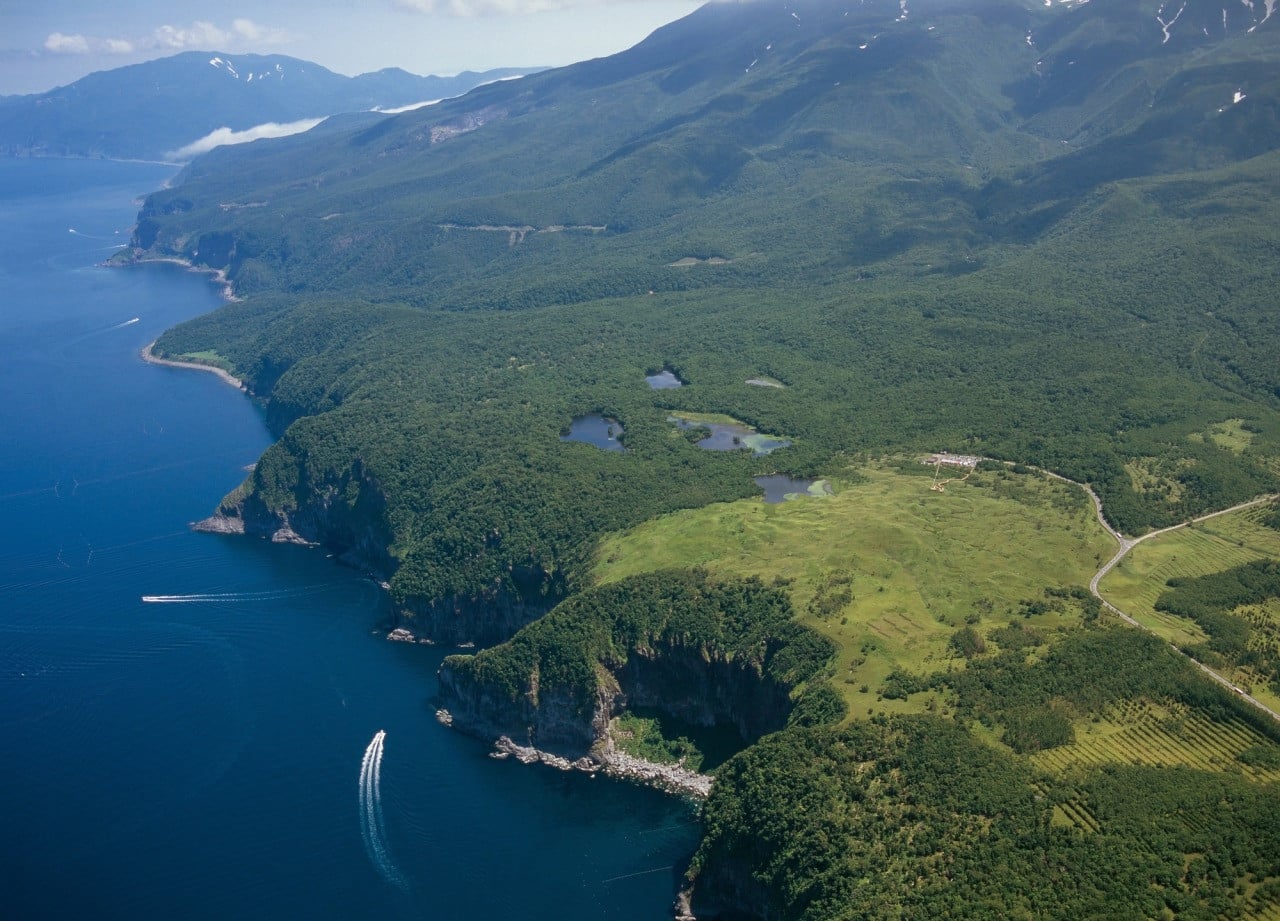
The Shiretoko Peninsula sits at the northeastern tip of Hokkaido, jutting into the Sea of Okhotsk, and is a World Natural Heritage Site inscribed for the “link between marine and terrestrial ecosystems.” What makes it special is this: winter sea ice brings nutrients that feed the fish in the sea, the fish feed salmon, sea eagles and brown bears, and the whole food chain is so intact that it has almost no gaps.
Because the ecosystem is so intact, Shiretoko’s tourism rules are quite strict. The Shiretoko Five Lakes have a use-regulation system divided by brown bear activity, Shiretoko Pass is fully closed in winter, and some roads open only in summer. Below we first cover the four core points, then transport, sights and costs.
World Natural Heritage: An Ecosystem Where Sea and Land Feed Each Other
Shiretoko was inscribed as a World Natural Heritage Site not just because the scenery is beautiful, but because it preserves a food chain that runs unbroken from the ocean to the mountain forests. In winter, sea ice from the Sea of Okhotsk brings large amounts of plankton, a nutrient source for fish, which in turn supports salmon, Blakiston’s fish owls and brown bears.
This also explains why Shiretoko has so many rules: if any link is disturbed by human activity, the whole system is affected. The mindset to adopt here is “nature first,” not “tourism first.” Many sights close temporarily when wildlife appears, which is the norm rather than an accident.
The Highest Brown Bear Density in Japan: Where the Rules Come From
Shiretoko is one of the areas with the highest density of brown bears (Ezo brown bears) in Japan, and this is the root of all its tourism rules. The three-period use regulation at the Shiretoko Five Lakes, sightseeing boats that watch from the sea rather than landing, and electric fences along the trails are all designed to keep people and bears apart.
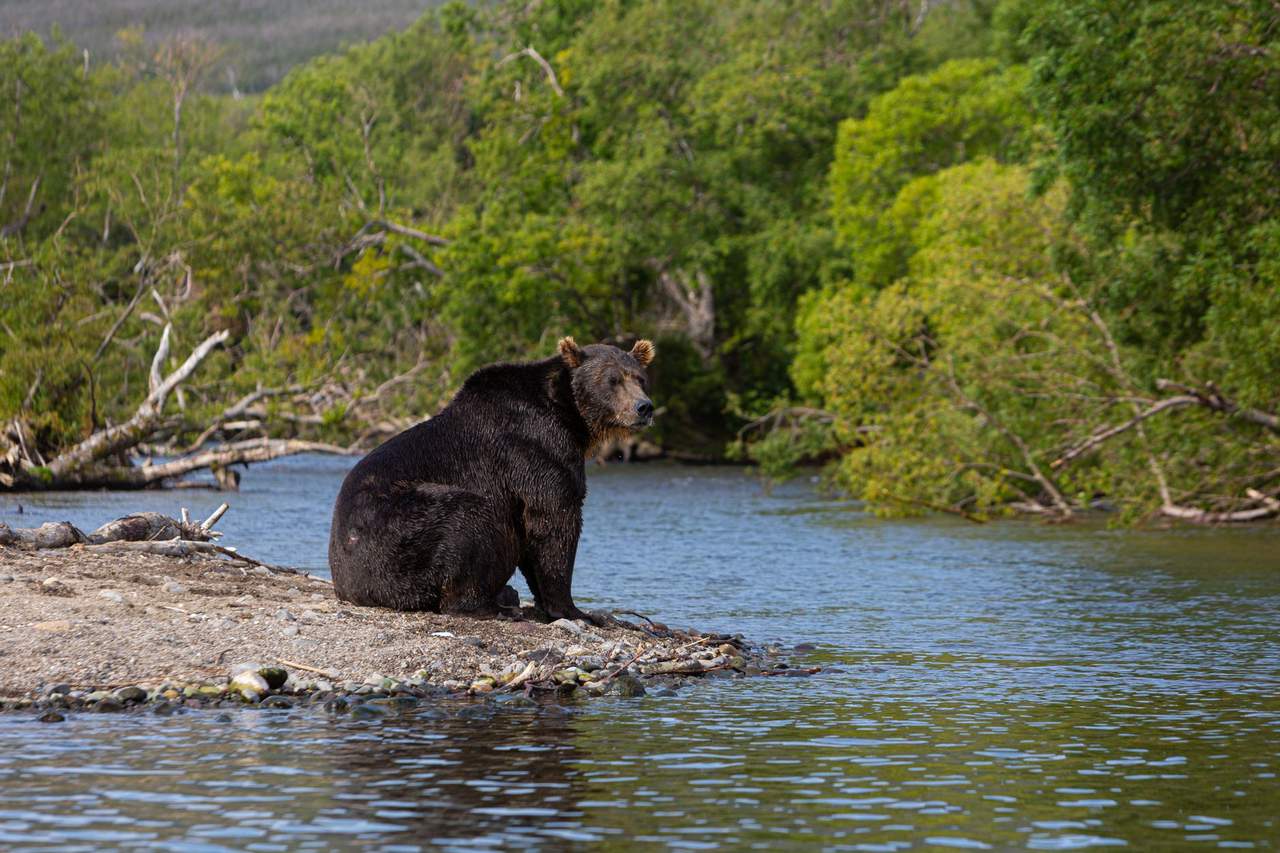
One more rule to remember: since April 2022, approaching or feeding wild animals in designated protected areas is illegal. If you see a bear, deer or fox, stay where you are or in your car, do not get out to approach for photos, and never feed them. This is not just a matter of manners but a matter of law.
Utoro and Rausu: The Two Gateways on Either Side of the Peninsula
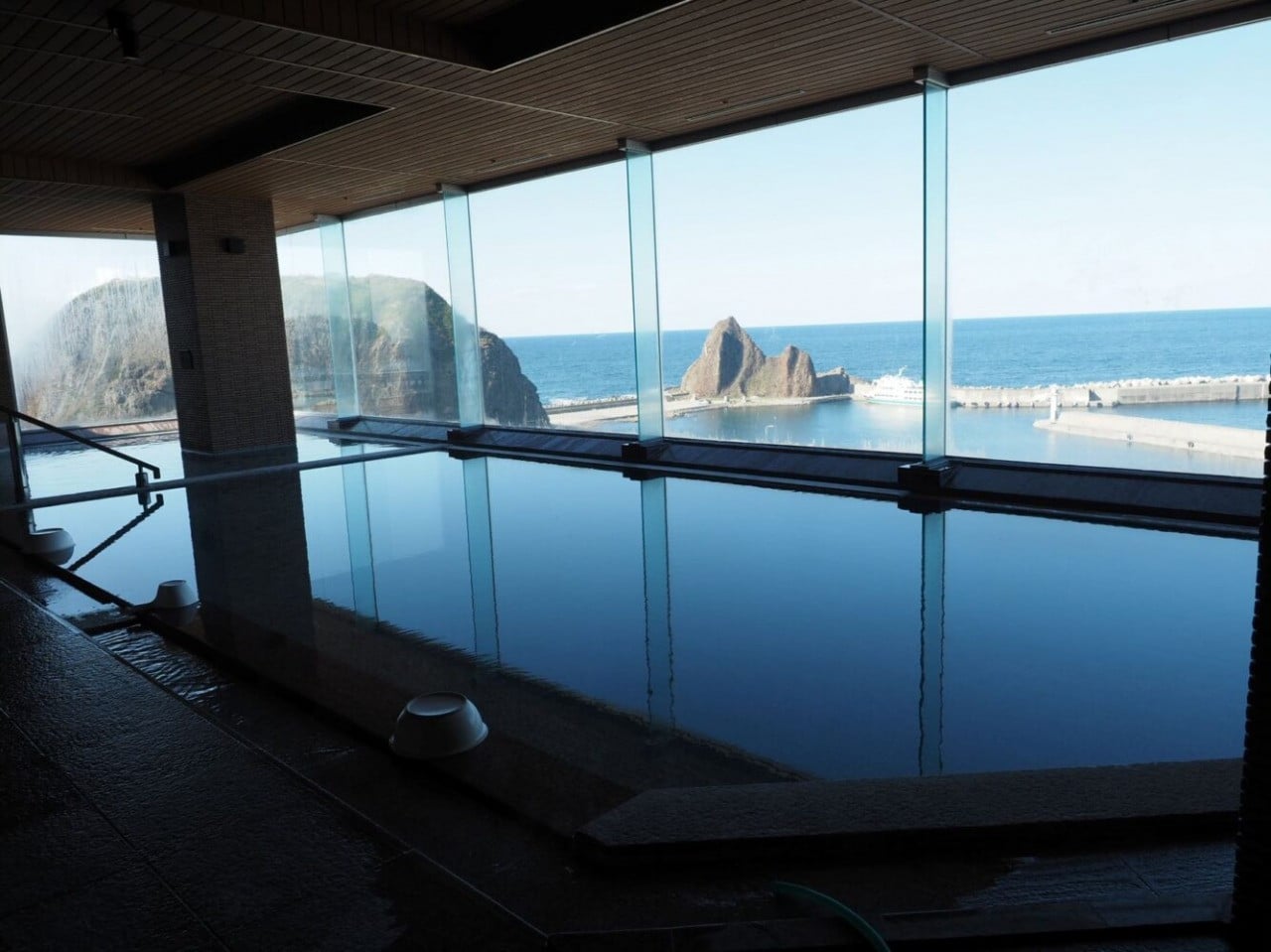
The Shiretoko Peninsula is split in two by a central mountain range. The west side faces the Sea of Okhotsk at Utoro (Shari Town), and the east side is Rausu Town, facing the Nemuro Strait. For visitors, Utoro is the clear home base: onsen ryokan, restaurants, the sightseeing boat pier and the roadside station are all concentrated here, and the Shiretoko Five Lakes are also on the Utoro side.
Rausu is known for whale watching, winter drift ice and Blakiston’s fish owl watching, and feels more like a fishing port town. The cross-peninsula road that links the two sides is the one over Shiretoko Pass, but it closes in winter, and then getting between the two sides means a big detour, so be sure to check the season when planning.
The Eight Sights of Shiretoko: Eight Representative Spots Chosen Officially
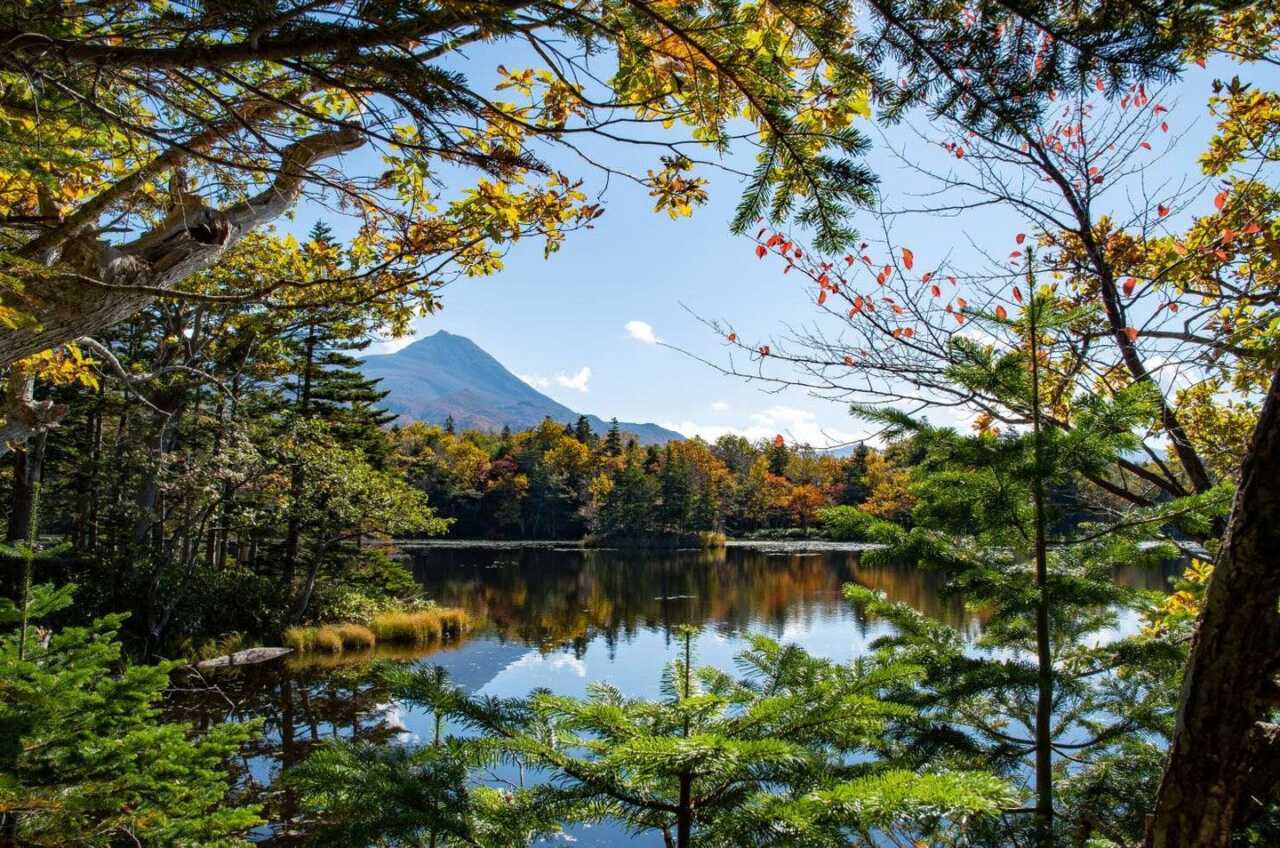
Local tourism bodies chose the “Eight Sights of Shiretoko”: the Shiretoko Five Lakes, Kamuiwakka Hot Falls (カムイワッカ湯の滝), Furepe Falls (フレペの滝), Oshinkoshin Falls (オシンコシンの滝), Shiretoko Pass, Puyuni Cape (プユニ岬), Oronko Rock (オロンコ岩) and Yuhidai, the Sunset Lookout (夕陽台). Difficulty varies: some are reached straight from the car, while others need a trail walk or are limited by season.
Planning around the eight sights is the most efficient: Oshinkoshin Falls is on the way into Utoro, Oronko Rock and Yuhidai are in Utoro town, Puyuni Cape and Furepe Falls are on the road to the Five Lakes, the Five Lakes and Kamuiwakka Hot Falls are deeper in, and Shiretoko Pass is toward Rausu.
How to Get to Shiretoko: JR Shiretoko-Shari Station, Shari Bus and Car Rental Compared
There is no railway inside the Shiretoko Peninsula, so the last leg must be by bus or car. Which airport you fly into directly determines the length and flexibility of your trip.
Public Transport: JR to Shiretoko-Shari Station, Then the Shari Bus
The standard route without a car is to take JR to “Shiretoko-Shari Station,” then transfer to the Shari Bus “Shiretoko Line.” The ride takes about 50 minutes and costs ¥1,650 to “Utoro Onsen Bus Terminal,” where onsen ryokan and restaurants are concentrated, making it the most convenient base.
After arriving in Utoro, getting to the Shiretoko Five Lakes or Shiretoko Pass requires another local shuttle bus, and the ride to the Five Lakes takes about 25 minutes. The whole route is bus after bus, with infrequent departures and seasonal adjustments, so we strongly recommend checking outbound and return times beforehand and leaving a buffer. Actual timetables and fares are as announced by Shari Bus on the day. Also note that buses are mostly paid in cash or with specific tickets, so it is safer to have small change ready before you leave.
Renting a Car from Memanbetsu Airport or Abashiri: The Most Recommended Way
Driving is the most recommended way to see Shiretoko. You usually pick up a car at Memanbetsu Airport or Abashiri Station, and it is about 1.5 hours to Utoro, with stops on the way at Eight Sights spots such as Oshinkoshin Falls, Puyuni Cape and Yuhidai. The Shiretoko Five Lakes have a paid parking lot, about ¥500. Kamuiwakka Hot Falls works on advance reservation, and around Obon (August 8 to 15 in 2026) vehicles are restricted and you must take a shuttle bus; the restrictions follow that year’s announcement. In winter, watch for snow and ice, and make sure your rental has snow tires and drive slowly. There are few gas stations along the way, so fill up before entering the peninsula.
Getting Around Utoro: Shuttle Buses and Seasonal Routes
Utoro Onsen Bus Terminal is the center of local transport, and the shuttle buses toward the Shiretoko Five Lakes, the Shiretoko Nature Center and Shiretoko Pass all depart from here. Travelers without a car basically use it as a base, taking a shuttle out each day and coming back in the evening for the hot springs.
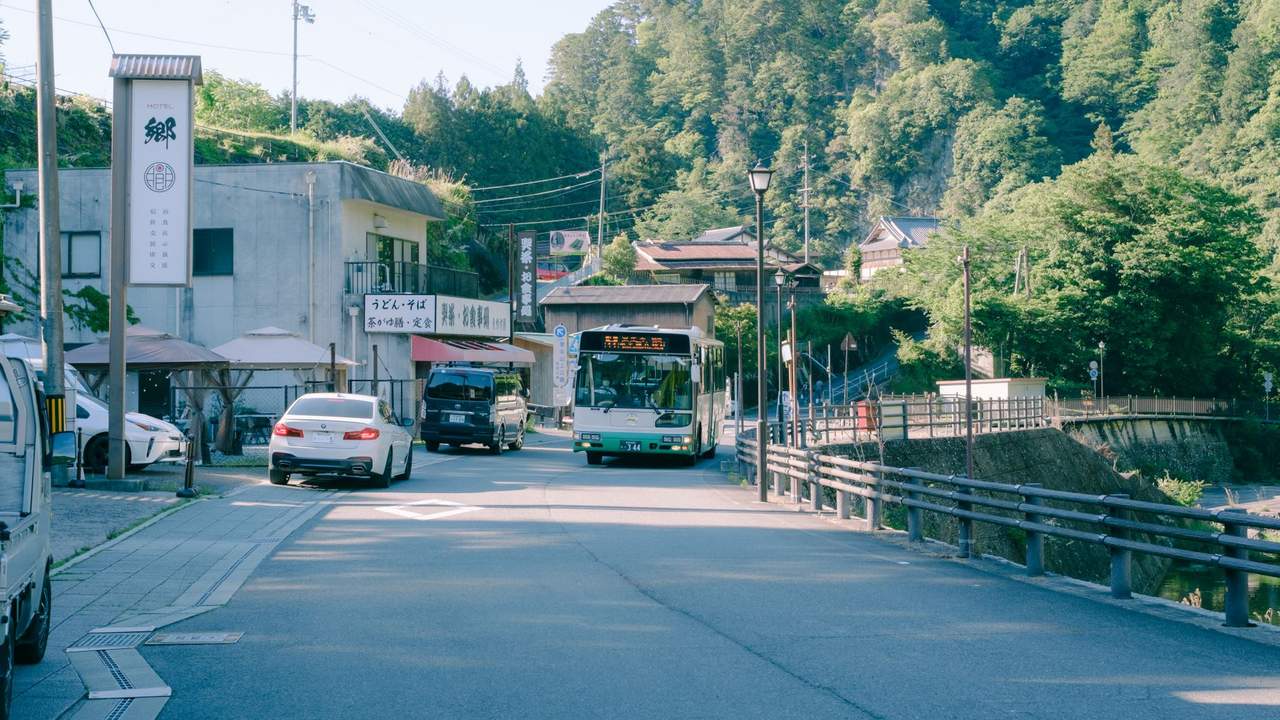
These shuttle routes almost all run seasonally, with service suspended or sharply reduced in winter, and summer peak season may bring changes due to vehicle restrictions. The safest approach is to pick up the latest timetable at the bus terminal or your hotel front desk on the day you arrive and confirm the last bus time, so you do not get stranded at the Five Lakes or on the pass. Some routes add departures in peak season, but they too fill up early, so for popular times we suggest arriving at the stop early.
Winter Transport: Shiretoko Pass Closure and Re-Planning Your Trip
The biggest variable when visiting Shiretoko in winter is road closures. The cross-peninsula road with Shiretoko Pass is open only from about late April to early November each year, and is fully closed in winter because of heavy snow, so you cannot travel directly between Utoro and Rausu and must take a long detour.
The Shiretoko Five Lakes also enter their snow closure period, and you can only enter with a licensed winter guided tour led by a guide; sightseeing boats mostly stop running too. In other words, winter Shiretoko is not a “scaled-down summer” but a completely different way to travel, with the focus shifting to drift ice, wildlife watching and hot springs. Be sure to confirm that year’s open periods before you go. If you still want to visit both Utoro and Rausu in winter, in practice you usually need to split your stay into two parts or plan a full day of long-distance travel.



Top Sights in Shiretoko: 12 Highlights Including the Five Lakes, Sightseeing Boats and the Eight Sights of Shiretoko
Shiretoko’s sights are spread roughly along a single line: from the waterfall before you enter Utoro, to the rocks and lookouts in town, then deeper to the Five Lakes and further to the hot falls, and finally Shiretoko Pass leading to Rausu. Below are 12 highlights arranged along this route.
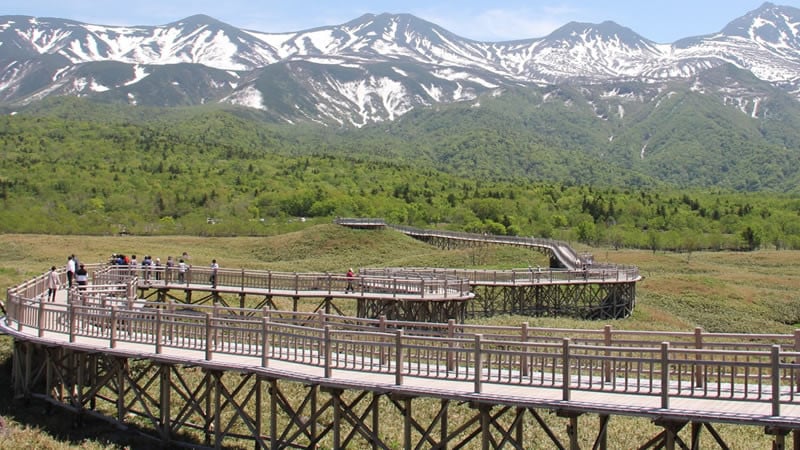
Shiretoko Five Lakes Elevated Boardwalk: The Free and Safe First Choice
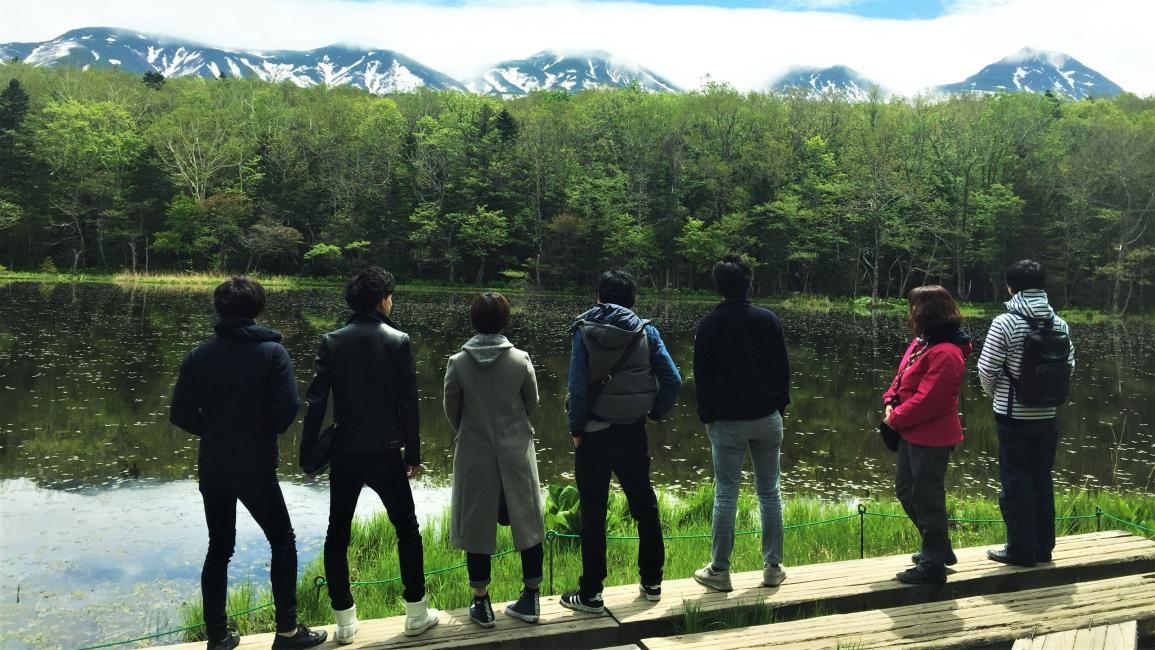
The Shiretoko Five Lakes elevated boardwalk is about 800 meters one way (about 1.6 km round trip, about 40 minutes), with electric fences along the way to keep out brown bears. It is free to walk during the open season, and the end reaches the lookout on the shore of the first lake.
This route needs no briefing, reservation or guide, and is accessible to older visitors and strollers. Being elevated, it has open views over both the lake surface and the Shiretoko mountain range, and suits those short on time or who do not want to deal with the regulation procedures. In 2026 it opens on April 20 and closes in early November; actual dates follow official announcements.

Shiretoko Five Lakes Ground Trail: How the Three-Period Use Regulation Works
To truly walk around all five lakes you need the ground trail, which is managed in three periods according to brown bear activity. During the vegetation protection period (April 20 to May 9, and August 1 to closing), you attend a safety briefing of about 10 minutes at the Shiretoko Five Lakes Field House and pay a fee, after which you can enter freely. Please check the official announcement for the fee.
The brown bear activity period (May 10 to July 31) is the strictest: entering alone is prohibited, and you must join a paid guided tour led by a registered, certified guide. Guide fees vary by operator and route, and you need to book early online. If a brown bear is spotted on site, the ground trail is closed entirely at once. Note that the current system no longer has a “free use period”; from August until closing is also the vegetation protection period and requires a briefing. Actual periods and fees follow the official announcement for that year.
Shiretoko Five Lakes Ground Trail: Planning Around Briefing and Entry Times
In the 2026 vegetation protection period, briefings start at 8:10 (8:40 from October 21). Last briefing times for the large loop are 16:30 in August, 16:00 in early September, 15:00 in early October and as early as 14:20 in late October; the Shiretoko Five Lakes Field House’s closing time also moves gradually earlier from 18:00 to 16:00. We suggest arriving in the morning to leave a buffer.
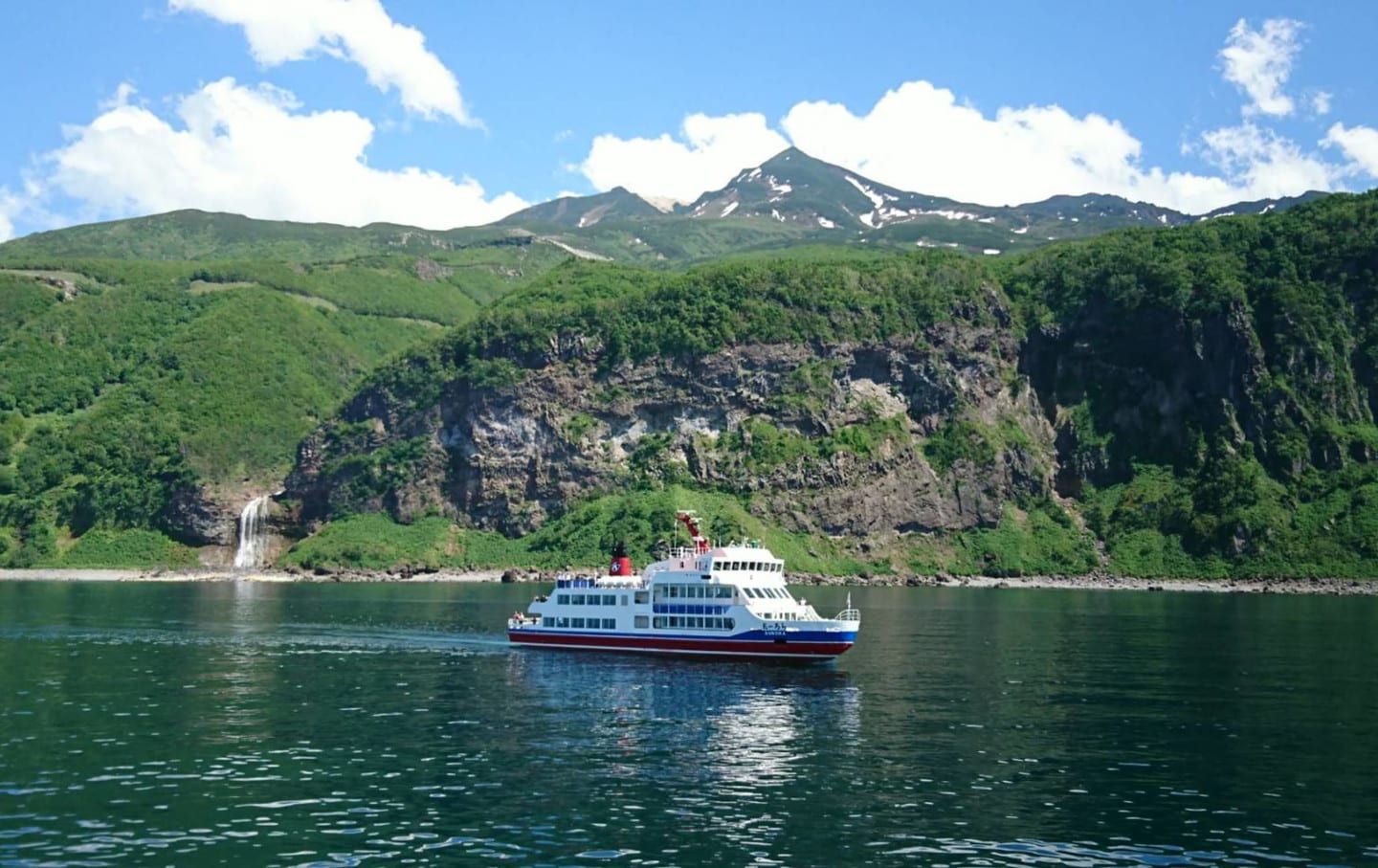
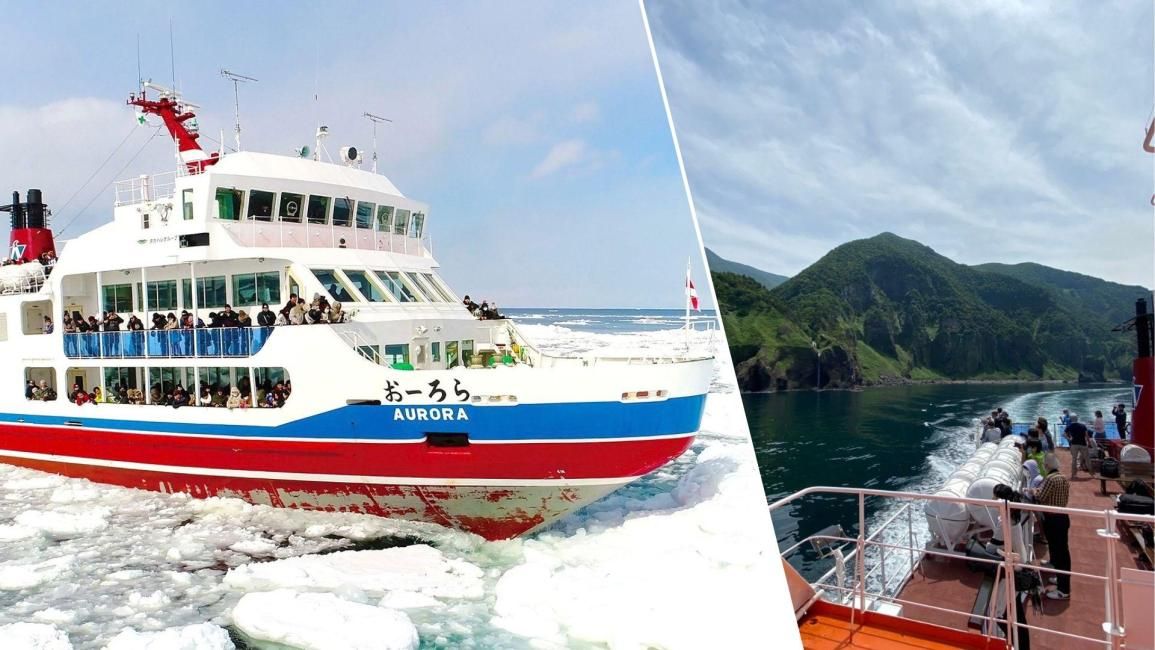
Shiretoko Large Sightseeing Boat: See the Cliffs and Waterfalls from the Sea
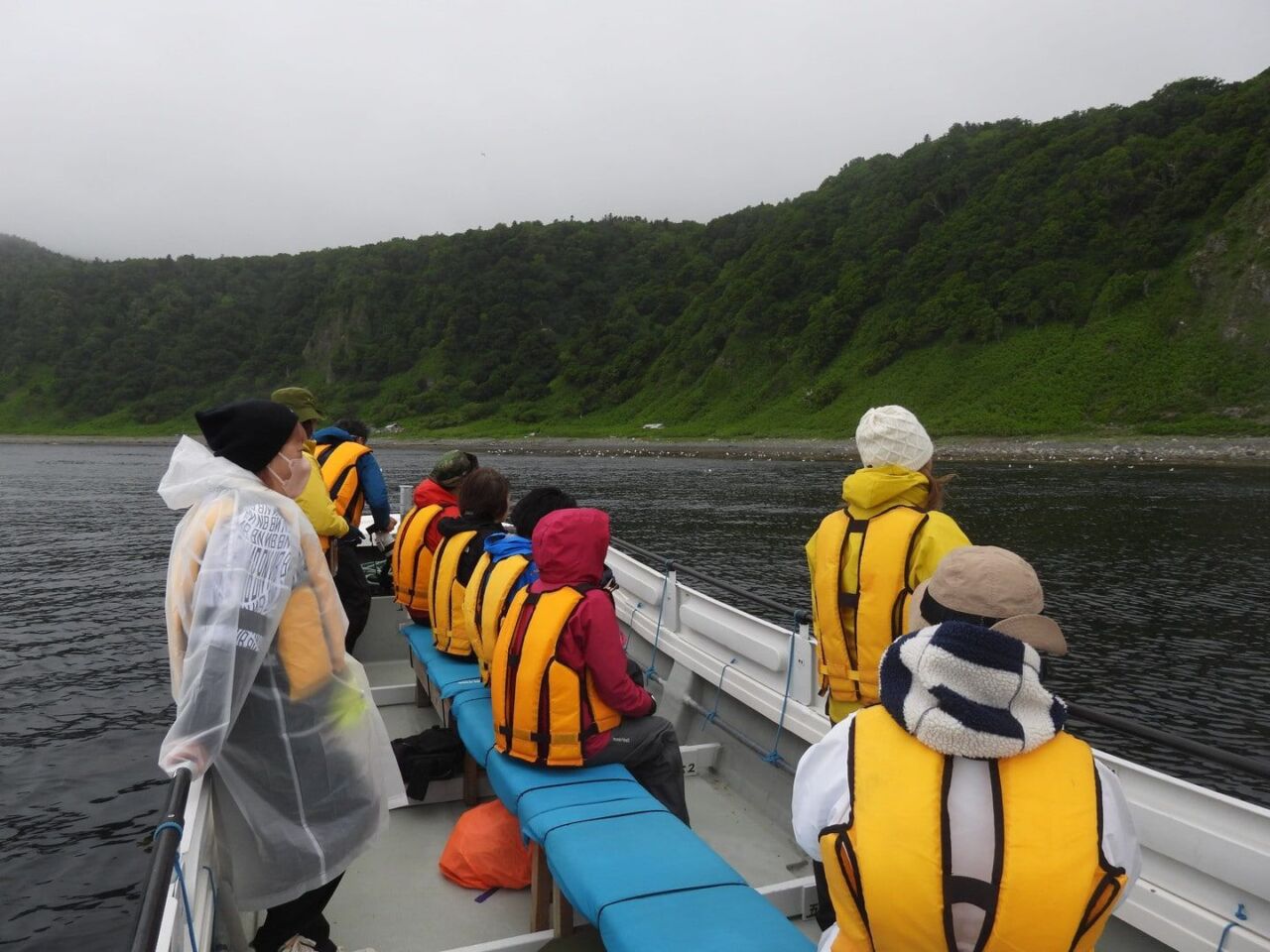
The sightseeing boat from Utoro Port is the only way to see coastline of the Shiretoko Peninsula that cannot be reached by land. Heading north along the coast you can see cliffs and waterfalls that drop straight into the sea, and with luck you may even spot brown bears in the distance.
The large sightseeing boat is stable and suits people prone to seasickness, older visitors and children, but the temperature at sea is far lower than on land, so bring a warm jacket even in summer. In bad weather sailings are canceled, so please respect the operator’s judgment and have a backup plan. Actual routes, sailing periods and fares follow the operator’s announcements, and trips run from one hour to several hours depending on the route, so confirm the length is acceptable before booking.
Small Sightseeing Boat: The Choice with a Better Chance of Seeing Brown Bears
Besides the large boat, several operators in Utoro run small sightseeing boats, split into the Iozan (Sulfur Mountain) route and a longer brown bear route. Small boats are highly maneuverable and can get close to shallows and rock walls, so the chance of seeing brown bears appear and forage on the shore is higher than on the large boat.
The trade-off is that the rocking is more noticeable, so people prone to seasickness should consider carefully, and the trip is longer. Choose a legally registered operator, wear your life jacket properly and follow onboard safety instructions. Whether the boat sails depends on sea conditions that day, and route categories, times and fares follow each operator’s announcements on the day. If you travel with older relatives or young children, we suggest choosing the large boat first, since safety and comfort are easier to manage.
Shiretoko Pass: Looking Out to Kunashir Island from the Foot of Mt. Rausu
Shiretoko Pass sits at the foot of Mt. Rausu and is the highest point of the road across the peninsula. On a clear day you can look across the Nemuro Strait to Kunashir Island, the most sweeping view among the Eight Sights of Shiretoko. The slanting evening light on Mt. Rausu is especially beautiful, and many people come up at this time on purpose.
Access is strictly limited: it is open only from about late April to early November each year, and fully closed in winter because of heavy snow. Fog also forms very easily here, and visibility can go from panorama to total white within minutes, so check road conditions and visibility on a live camera before you go and be prepared for a wasted trip. Actual open periods follow the road management authority’s announcement. The pass has a parking lot and restrooms but no shops, so bring drinking water and food.
Oshinkoshin Falls (オシンコシンの滝): Twin Falls Among Japan’s 100 Best Waterfalls
Oshinkoshin Falls is beside the road at the entrance section of the Shiretoko sightseeing area, selected among Japan’s 100 Best Waterfalls, with a drop of about 30 meters. Its biggest feature is that the water splits in two partway down, so it is also called the “Twin Beauty Falls,” and the sight of two streams falling side by side is highly distinctive.
From the parking lot, a short climb up some stairs takes you to the viewing platform, so close that the spray hits your face. It is the easiest of the Eight Sights of Shiretoko to visit, with no trail to walk and no reservation. There is a souvenir shop and restrooms beside the parking lot, making it a great first stop on the way to Utoro. Take extra care when the stairs are icy in winter. Because it is right beside the road, you can see part of the falls from the car window even without getting out.
Oronko Rock (オロンコ岩): A 60-Meter Boulder Beside Utoro Port
Oronko Rock is a huge rock about 60 meters high standing beside Utoro Port, and its name comes from a people who once lived in this area. It is right at the edge of town, Utoro’s most conspicuous landmark, and the closest of the Eight Sights to the lodging area.
A steep stone staircase of about 200 steps on the side of the rock leads to the top, where the view opens up all at once, taking in the Sea of Okhotsk, Utoro Port and the whole coastline. The stairs are quite steep with no elevator, so travelers with poor stamina or knees should think it over. The climb takes about ten-plus minutes, and it is a good spot for sunset in the evening. Do not push on in strong wind or when the surface is slippery. The harbor is right at the foot of the rock, so before or after the climb you can take in the everyday scene of fishing boats coming and going.
Yuhidai (夕陽台): The Sunset Lookout High Above Utoro
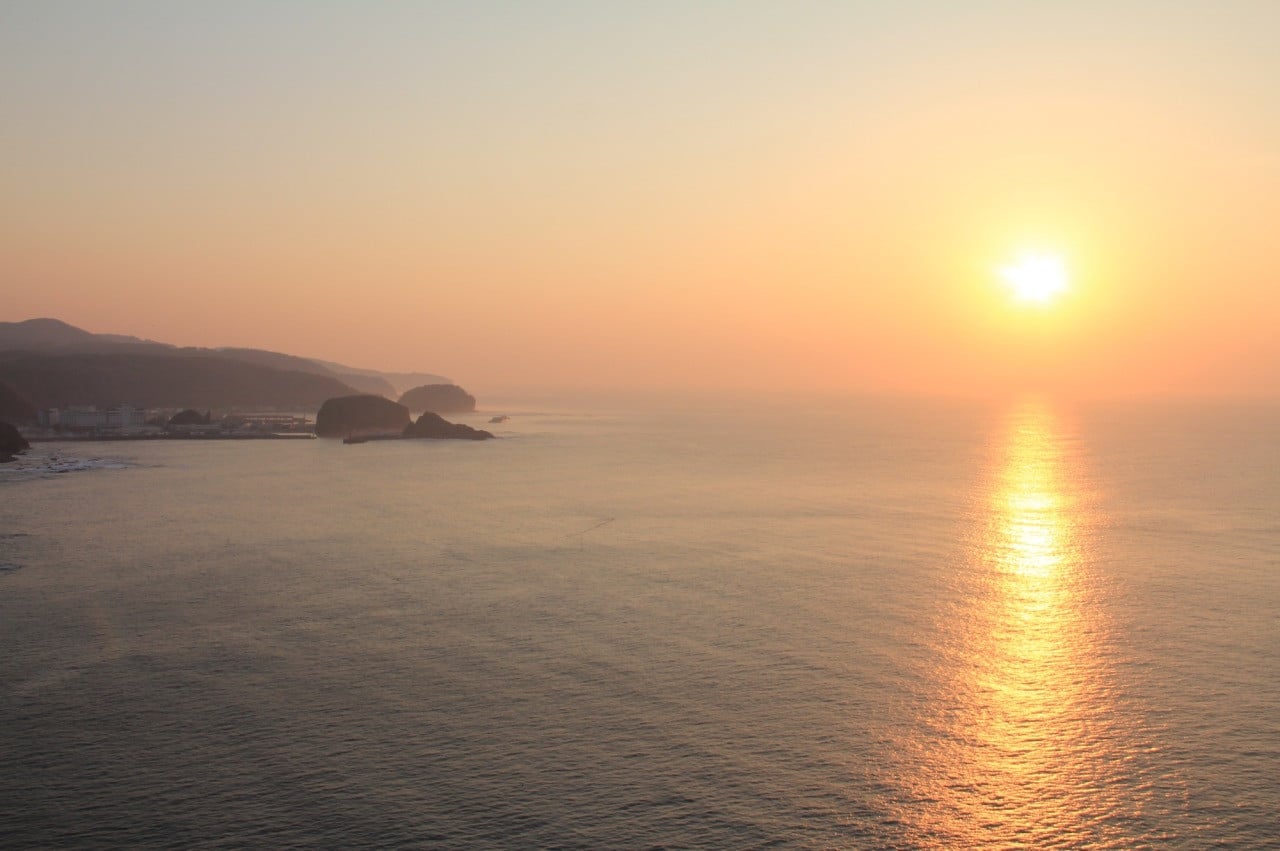
Yuhidai is on high ground in the Utoro onsen area and is a lookout built specifically for watching the sunset, with a very straightforward name. From here you look out over the whole Sea of Okhotsk, and on a clear evening the sun sinks straight into the horizon, one of Shiretoko’s classic dusk scenes.
Because it is right beside the onsen area, travelers staying in Utoro can stroll over before dinner without arranging transport, making it very good value. A day-use hot spring facility next door makes it easy to soak right after the sunset. Sunset time varies a lot by season and in summer can be after 7 p.m., so check that day’s sunset time first. There is little shelter around the lookout and winter winds are strong, so bring plenty of warm gear.
Puyuni Cape (プユニ岬): A Sunset Spot on the Way to the Five Lakes
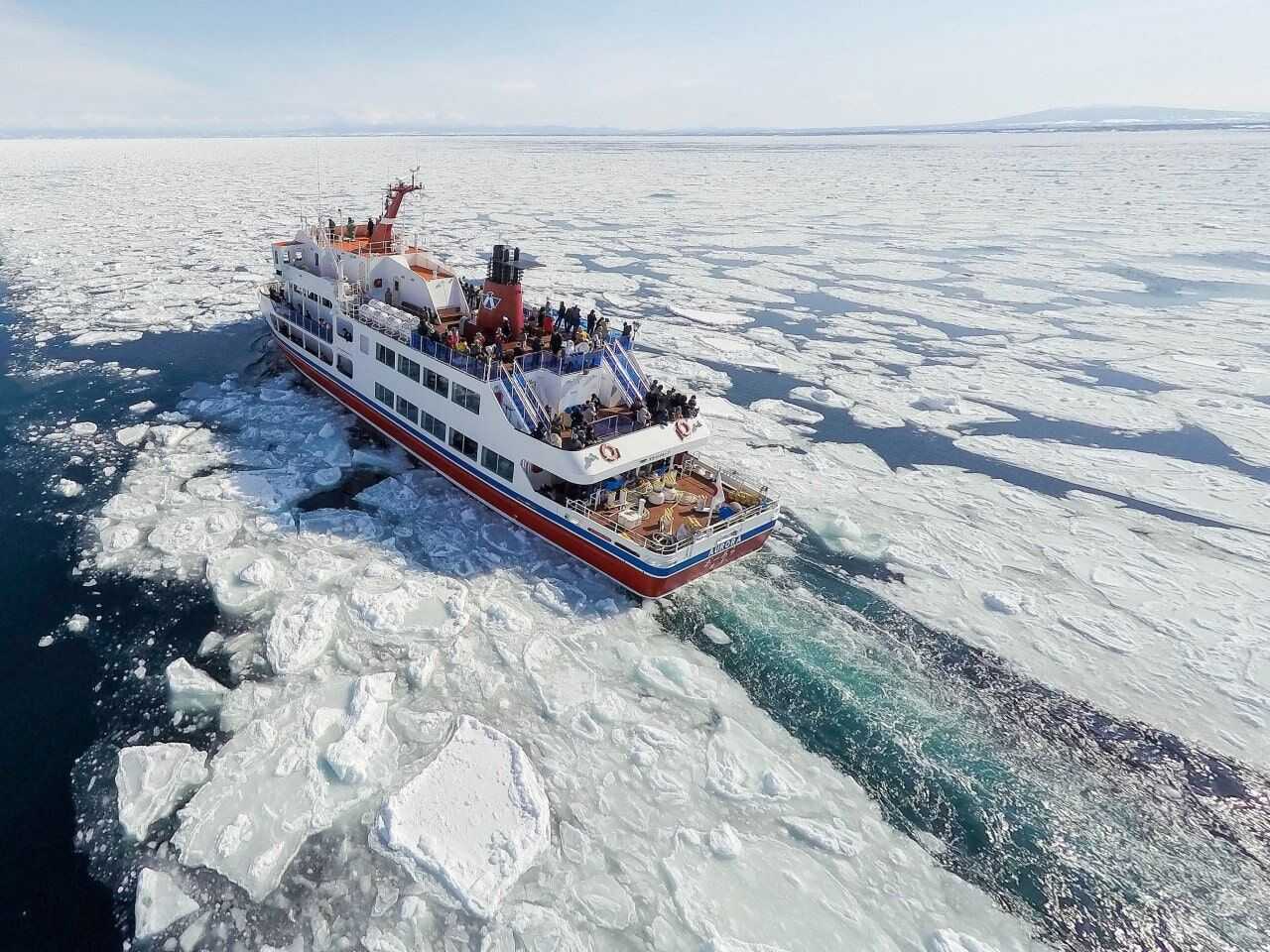
Puyuni Cape is beside the road between Utoro and the Shiretoko Nature Center, a sunset viewing spot among the Eight Sights of Shiretoko, overlooking Utoro Port and the Sea of Okhotsk, and in drift ice season it is also a good place to look out over the ice field.
It lies on the road you must take to the Shiretoko Five Lakes, so if driving you can stop along the way without scheduling extra time, but parking is limited and crowds gather on peak-season evenings. The cape has no shelter and the sea wind is strong, so a jacket is recommended even in summer. On clear days the view is open, a great spot to photograph the Shiretoko mountains and the coastline, worth a stop of ten-plus minutes.
Furepe Falls (フレペの滝): Walking from the Meadow to the Sea Cliff to See the “Maiden’s Tears”
Furepe Falls, also called the “Maiden’s Tears,” is special because it does not fall from a river. Groundwater seeps out of crevices in a sea-eroded cliff about 100 meters high and drips down the cliff face. The flow is small but extremely delicate, which fits the name perfectly.
To see it you walk a trail from the Shiretoko Nature Center for about 20 minutes. The route is gentle and crosses an open meadow, where you may meet Ezo deer along the way. At the end the view suddenly opens, facing the Sea of Okhotsk and a whole row of sea cliffs. The trail is wildlife habitat, so do not leave the trail or approach animals. Opening status follows the Shiretoko Nature Center’s announcements. The meadow section has no shade, so watch sun protection and hydration in summer.
Kamuiwakka Hot Falls (カムイワッカ湯の滝): A Summer-Only Hot Spring Waterfall
Kamuiwakka Hot Falls is a waterfall formed by hot spring water flowing directly over the bedrock, and the river water itself is warm, which is quite rare in Japan. It is deeper inside Shiretoko and is the most restricted of the Eight Sights and the one that most needs advance research.
The period for going upstream to the falls basin is strictly set: for fiscal 2026 it was July 1 to September 30 (now ended; check the official announcement for the new year), with advance reservation for the whole period, and the self-drive use fee is ¥2,900 for adults. Vehicle restrictions apply only from August 8 to August 15, during which you must take the shuttle bus (¥3,900 for adults, fare included). The bedrock is slippery and suitable footwear is needed, and numbers and time slots may also be limited. Conditions change every year, so be sure to check that year’s official announcement and reservation method before you go. Because of the many restrictions, if you only have one day, we usually suggest saving the time for the Shiretoko Five Lakes and the sightseeing boat.
Shiretoko Nature Center and World Heritage Center: Learn the Rules Before You Go
The Shiretoko Nature Center is on the road from Utoro to the Five Lakes, the starting point of the Furepe Falls trail, and the most important place to get the latest information. It has exhibits, video and a large shop, and most importantly the counter posts that day’s trail opening status and bear sighting information.
Utoro town also has the Shiretoko World Heritage Center, which uses exhibits to explain why Shiretoko was inscribed as a World Heritage Site and how people coexist with brown bears, and entry is usually free. We suggest putting these two at the front of your itinerary: first find out which road is open and which is closed today, then decide where to go, which is far more efficient than forcing your way through following a guide. They also sell outdoor gear and souvenirs, so if you are missing insect repellent or rain gear you can pick it up here.
Tickets and Guided Tours
Shiretoko’s paid items are concentrated in guided tours and boat tickets, and most need advance reservations. Below are the five items most often put into itineraries; prices and time slots always follow each operator’s announcements on the day.
Shiretoko Five Lakes Ground Trail Guided Tour: The Only Way In During Brown Bear Activity Period
During the brown bear activity period from May 10 to July 31, entering the ground trail alone is prohibited, and you must join a tour led by a certified guide. Fees vary by operator and route; we suggest booking online early, as spots fill up in peak season.
Tours last about 1.5 to 2 hours, with the guide explaining the ecology along the way and making safety decisions. If a brown bear is spotted on site, the trail will be closed at once and the tour may be cut short. Actual fees, departure times and refund rules follow the operator’s announcement.

Kamuiwakka Shuttle Bus: The Only Way In During Restricted Periods
For fiscal 2026 the available period for Kamuiwakka Hot Falls is July 1 to September 30 (now ended; check the official announcement for the new year), with advance reservation for the whole period. The use fee during the period when you can drive in is ¥2,900 for adults; during the vehicle restriction period (August 8 to 15 in 2026) you must take the shuttle bus instead, at ¥3,900 for adults (fare included).
The bedrock is slippery, so we suggest non-slip footwear, and some sections may limit numbers or time slots. Restriction periods, schedules and fees are adjusted every year, so be sure to check that year’s official announcement and whether a reservation is needed before you go.
Shiretoko Winter Guided Tour: The Alternative During the Snow Closure
From November to April the Shiretoko Five Lakes enter their snow closure period, and ordinary visitors cannot enter on their own. Only by joining a licensed winter guided tour can you be led in by a guide, usually combined with snowshoe hiking.
Winter alternatives also include drift ice, Blakiston’s fish owl watching and Utoro’s hot springs. The trip depends heavily on that year’s snow and sea ice conditions, so confirm the operating period before you go. Fees and departure times follow each operator’s announcements.
How Much Does a Shiretoko Trip Cost? Transport, Guided Tours and Boat Tickets
Shiretoko’s cost structure differs from ordinary sights: admission itself is cheap, but transport and guided tours are the bulk. Below are rough ranges; for actual costs, always go by each operator’s announcement on the day.
Getting There: Car Rental vs. JR plus Bus
A rental car from Memanbetsu Airport or Abashiri to Utoro takes about 1.5 hours. Rental fees plus fuel are the biggest single expense of the trip, but split between two or more people it is usually better value than public transport, and saves a lot of waiting time.
Without a car, you take JR to Shiretoko-Shari Station, then the Shari Bus for about 50 minutes to Utoro, and then still need local shuttles each day. Single fares are not high, but infrequent departures eat into your flexibility. If you stay only one day, a rental car is almost the only way to see all eight sights.
Shiretoko Five Lakes: The Gap Between the Briefing Fee and Guide Fees
Shiretoko Five Lakes costs depend on the period. In the vegetation protection period you only pay the briefing fee to walk the ground trail; in the brown bear activity period you must join a guided tour, whose fee varies by operator and route and is usually much higher than the briefing fee.
The current system has no “free use period,” and from August until closing is still the vegetation protection period, which still requires a briefing. The elevated boardwalk is free during the open season. If you are on a tight budget and want to walk all five lakes, the vegetation protection period after August is the best value. Parking is charged separately, ¥500 for a regular car.
Sightseeing Boats: Trip Length Determines the Price
Sightseeing boat prices are mainly determined by trip length. The short Iozan (Sulfur Mountain) route is cheaper and quicker, suiting tight schedules; the long route all the way to Cape Shiretoko costs noticeably more but shows coastline that cannot be reached by land at all.
Small boats and large boats also have different pricing logic, and for the same route a small boat is usually more expensive. We suggest deciding whether you want “stable” or “close” before choosing which to buy. In peak season, book ahead. Actual fares and sailing periods follow each operator’s announcements.
What’s Free? A List of Shiretoko’s Free Highlights
Shiretoko has quite a few completely free highlights: the Shiretoko Five Lakes elevated boardwalk, Oshinkoshin Falls, Oronko Rock, Yuhidai, Puyuni Cape, the Furepe Falls trail, and the exhibits at the Shiretoko World Heritage Center. None of them charge admission.
In other words, if you skip the ground trail and sightseeing boats, a day’s admission spending can be pushed close to zero, leaving only transport and parking. For travelers on a limited budget, “the elevated boardwalk plus the free spots among the Eight Sights” is already a fairly complete Shiretoko experience.
Lodging and Meals: Choices in Utoro and Peak-Season Price Gaps
Lodging in Utoro is mostly onsen ryokan, usually on a one-night, two-meal basis, with dinner typically featuring local salmon and seafood. In summer peak season, room rates rise noticeably and fill up very early, so book as soon as you decide on dates.
For dining, around the Utoro roadside station there are quite a few seafood bowl and set-meal restaurants, priced at tourist-area levels. Note that Shiretoko shops close early, and many close by seven or eight in the evening, so if you pack your schedule too full you may miss dinner.
What to Watch Out for in Shiretoko: Brown Bears, Weather and Regulation Reminders
Shiretoko is wildlife habitat, not a theme park. Fail to do the following and, at best, your trip is ruined; at worst, your safety is affected.
Do Not Approach, Do Not Feed: A Rule Written into Law Since 2022
Under the Natural Parks Act amendment in force since April 2022, approaching, following or feeding wild animals such as brown bears in special areas of national parks is illegal, with fines of up to ¥300,000 for ignoring warnings. If you see a brown bear, Ezo deer or fox, stay where you are or in your car to watch, and do not get out to approach for photos or to feed them.
Feeding teaches animals to link people with food, which often ends with that individual being put down, so be sure to put away trash and food properly and do not eat on the trails. This is the most basic and most important rule in Shiretoko.
Have a Backup for Every Plan: Closures and Canceled Sailings Are the Norm
In Shiretoko, sights closing temporarily because of brown bear appearances, thick fog or poor sea conditions is an everyday occurrence. The ground trail may be open in the morning and closed by noon; Shiretoko Pass may be fogged in with nothing to see; and a sightseeing boat may be canceled with the announcement made that same morning.
So please do not build your itinerary around a single path. We suggest preparing an indoor or low-risk backup for each day, such as the Shiretoko World Heritage Center, the roadside station or a day-use hot spring. Checking conditions at the Shiretoko Nature Center on the day you arrive is the most efficient approach.
Choosing a Season: Gear and Lodging Tips
Summer (June to September) is Shiretoko’s most complete season, with the Five Lakes, sightseeing boats, Shiretoko Pass and Kamuiwakka all operating, but the brown bear activity period’s regulations are also at their strictest. If you want to save money and still walk all five lakes, August to mid-October is ideal; to see drift ice and Blakiston’s fish owls you must come in winter.
On gear, the felt temperature at sea and on the pass is far lower than in town, so bring a windproof jacket even in summer, and wear comfortable shoes for the trail sections. Lodging is mainly in Utoro, and in peak season book early. If you want to compare ryokan in depth, you can also refer to our separate Shiretoko lodging guide.
Where to Stay Nearby
There is no railway on the Shiretoko Peninsula, and lodging is mainly at Utoro Onsen, where ryokan are mostly one-night, two-meal stays featuring local salmon and seafood at dinner. The sightseeing boat pier, the roadside station and Yuhidai are all in Utoro, and in summer peak season rates rise and rooms fill up very early, so we suggest booking as soon as you decide on dates.

Shiretoko World Heritage FAQ
Q: How many days should I plan for Shiretoko?
If you drive, you can cover the Shiretoko Five Lakes, a sightseeing boat and some of the eight sights in one full day, but it will be quite tight. We suggest at least two days and one night in Utoro, scheduling the Five Lakes and the boat separately and leaving a buffer for closures or canceled sailings. Without a car, you have to fit around bus times, and two days and one night is almost the minimum.
Q: How exactly are the Five Lakes’ three periods divided?
Vegetation protection period (4/20 to 5/9, and 8/1 to closing): on the ground trail you first attend a briefing of about 10 minutes at the Field House and pay a fee. Brown bear activity period (5/10 to 7/31): entering the ground trail alone is prohibited, and you must join a paid guided tour with a certified guide, with fees varying by operator and reservations required. The former “free use period” has been abolished in the current system, and August 1 to closing is all vegetation protection period. The elevated boardwalk is free during the open season.
Q: Can I visit Shiretoko without a car?
Yes, but with much less flexibility. Take JR to Shiretoko-Shari Station, transfer to the Shari Bus for about 50 minutes to Utoro Onsen Bus Terminal, then take a local shuttle from Utoro to the Shiretoko Five Lakes (about 25 minutes) or Shiretoko Pass. Shuttles mostly run seasonally with infrequent departures, so be sure to check timetables and last buses first. Oronko Rock and Yuhidai are in Utoro town and can be reached on foot.
Q: Will I definitely see a brown bear in Shiretoko?
Not necessarily; no itinerary can guarantee it. The highest chance is the brown bear route on a small sightseeing boat, watching individuals on the shore from afar at sea. On land it is a matter of luck, and approaching or feeding wild animals in protected areas has been illegal since April 2022. Treat a sighting as a surprise, not a goal.
Q: When is Shiretoko Pass open?
The cross-peninsula road with Shiretoko Pass is open only from about late April to early November each year, and fully closed in winter because of heavy snow, so you cannot travel directly between Utoro and Rausu. Fog also forms very easily here and visibility changes fast, so we suggest checking road conditions on a live camera before you go.
Q: What can I do in Shiretoko in winter?
You can go, but the way to enjoy it is completely different. The Shiretoko Five Lakes enter their snow closure period and only licensed winter guided tours can enter; Shiretoko Pass is closed and sightseeing boats mostly stop running. The winter focus shifts to Sea of Okhotsk drift ice, Blakiston’s fish owl watching around Rausu and Utoro’s hot springs. The trip depends heavily on that year’s snow and sea ice conditions.
Q: What should I know about the Shiretoko sightseeing boat?
Choose a legally registered operator, wear a life jacket throughout and follow onboard safety instructions. Operators cancel sailings in poor sea conditions, which is a safety rule, so do not demand a sailing or complain because your schedule is tight. Also, the temperature at sea is far lower than on land, so be sure to bring a warm jacket even in summer. Check the cancellation and change policy before booking, and prepare a backup itinerary for canceled sailings.