
Shimbashi: Tokyo’s Salaryman Izakaya Heaven
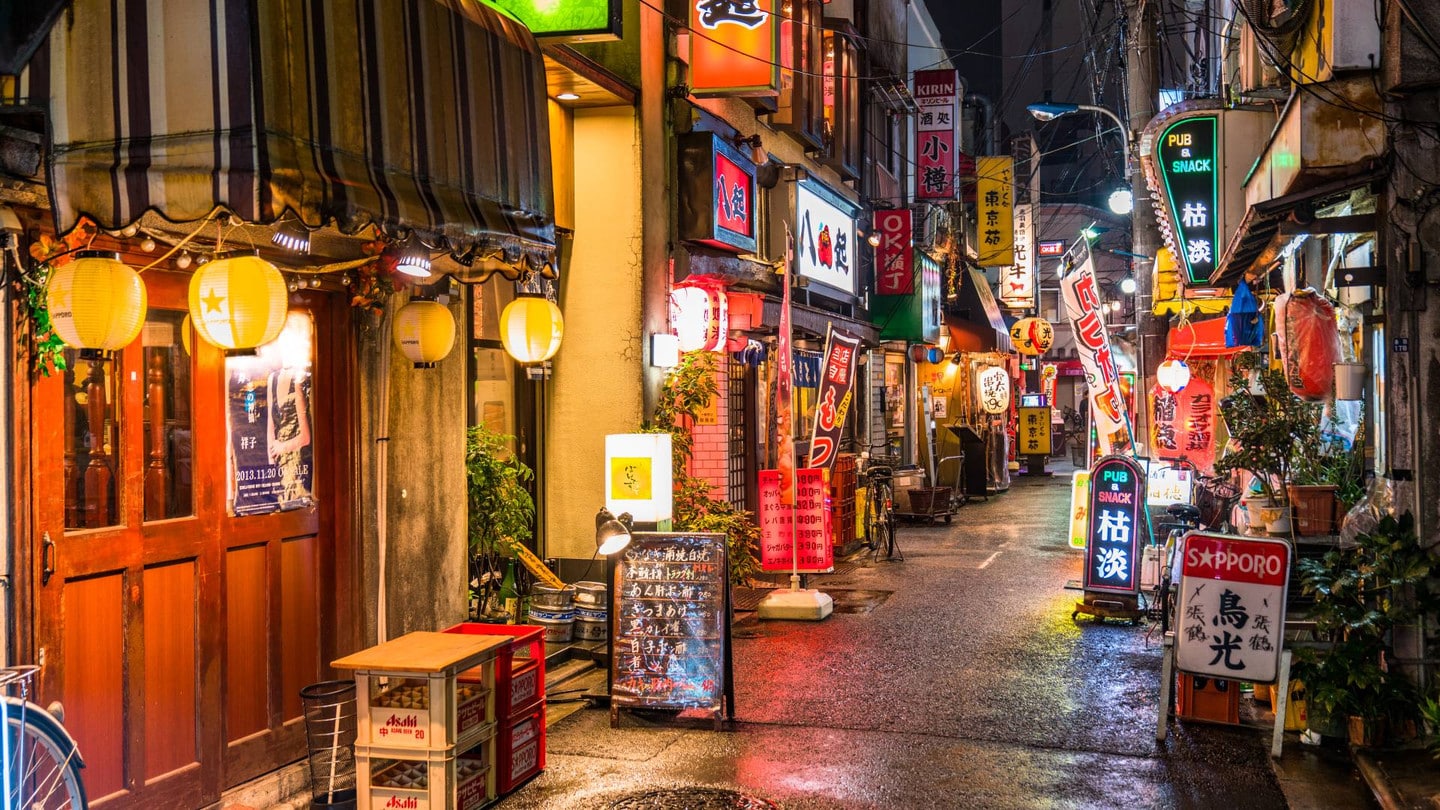
Shimbashi is where Tokyo’s office workers go first for after-work drinks, with izakaya, yakitori joints and seafood specialists packed into the alleys around the station, all lively and affordable. Here are 12 popular local favorites to help you cover the best of Shimbashi’s food scene in one go.
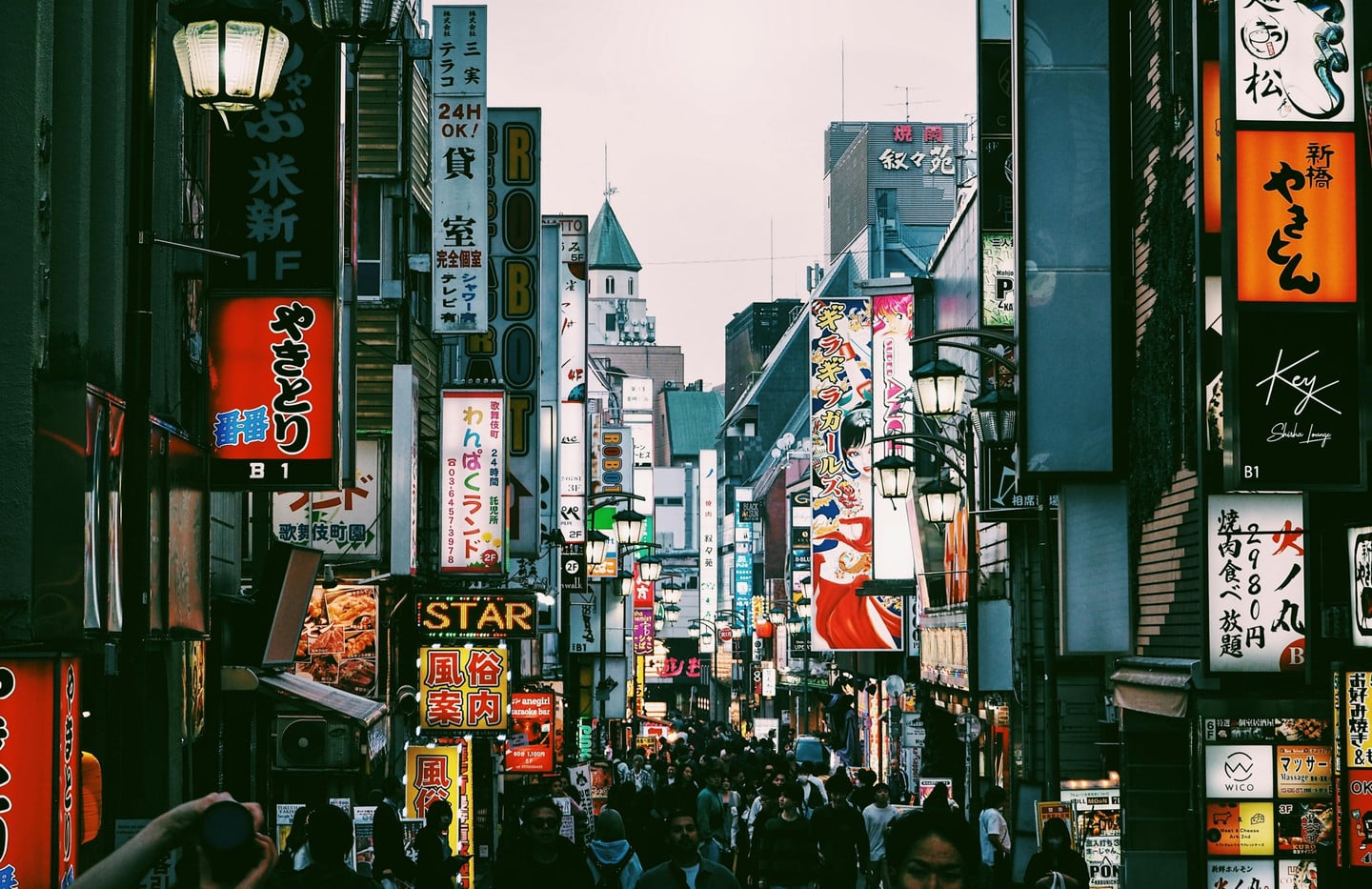
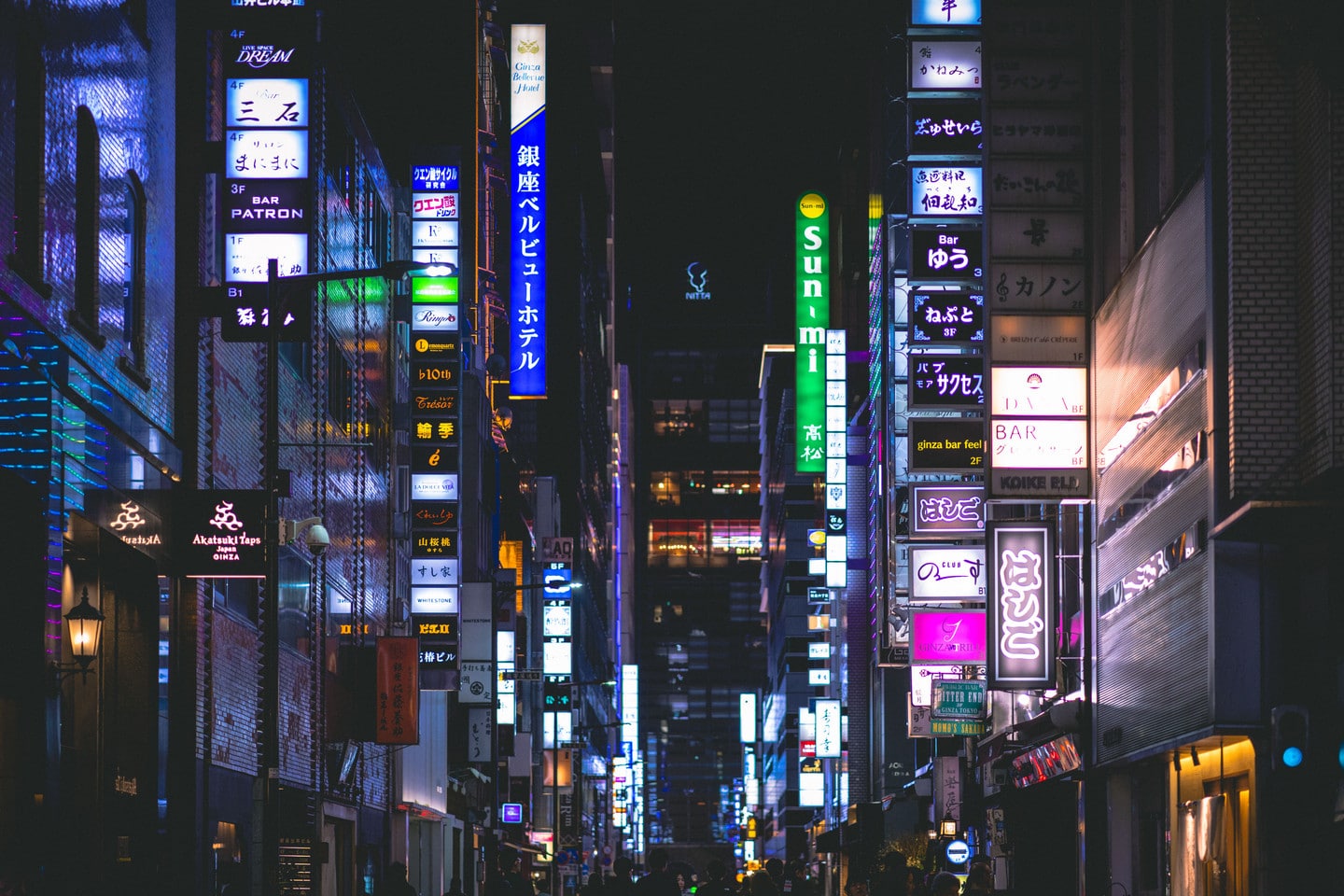
If it’s your first time at the izakaya of Shimbashi, Tokyo, start with three clusters. First, the alleys around the SL Square (Hibiya Exit) and the Karasumori Exit of JR Shimbashi Station, where small yakitori shops and casual sakaba are most densely packed. Second, the in-front-of-station buildings New Shimbashi Building (ニュー新橋ビル) and Shimbashi Ekimae Building (新橋駅前ビル) Nos. 1 and 2, whose basement and lower floors hold many standing bars and budget izakaya and offer the strongest Showa-era atmosphere. Third, the area under the JR viaduct toward Yurakucho, lined with old-school izakaya. Most of the places in this article are sit-down izakaya restaurants that take reservations; if you want to keep drifting from bar to bar, wander on to the standing bars in these buildings and alleys.
Warayakiya Ryoma Dojo (藁燒屋 龍馬道場): Nostalgic Flavor Seared Over Straw
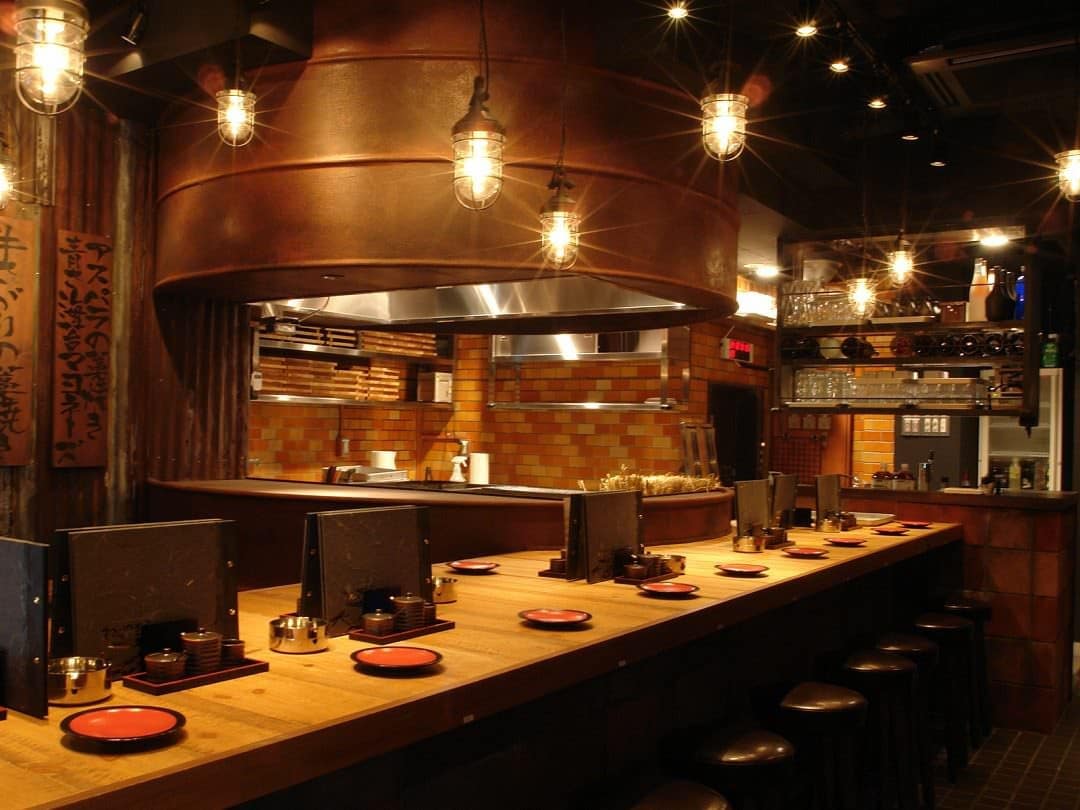
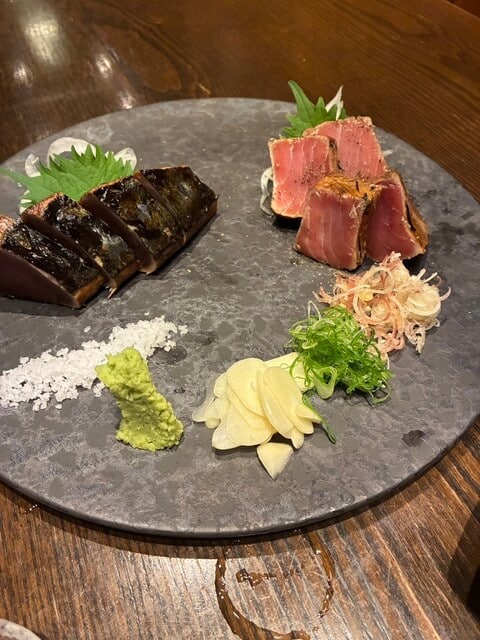
Famous for searing bonito directly over a straw fire, its signature dish is bonito tataki with a charred skin and a half-raw center, served with Tosa-style soy sauce and sliced garlic for a rich flavor. The retro izakaya interior, with a wooden counter and dim lighting, creates a nostalgic dining atmosphere that suits a get-together with a few friends.
It is about a 2-minute walk from the Karasumori Exit of Shimbashi Station. Seats are often hard to get in the evening, so it is best to call ahead before leaving work. Expect to spend about ¥4,000 to ¥5,000 per person, making it an excellent place to try the regional cooking of Kochi Prefecture.
- 🔥 Must-order: Bonito tataki seared over a straw fire
- 💰 Price: about ¥4,000 to ¥5,000 per person
- 🚉 Access: about 2 minutes on foot from the Karasumori Exit of Shimbashi Station

Shimbashi Shamo Sakaba Shimbashi Toriya (新橋軍雞酒場 新橋雞舍): Sweet, Fresh Aomori Free-Range Chicken Shipped Direct
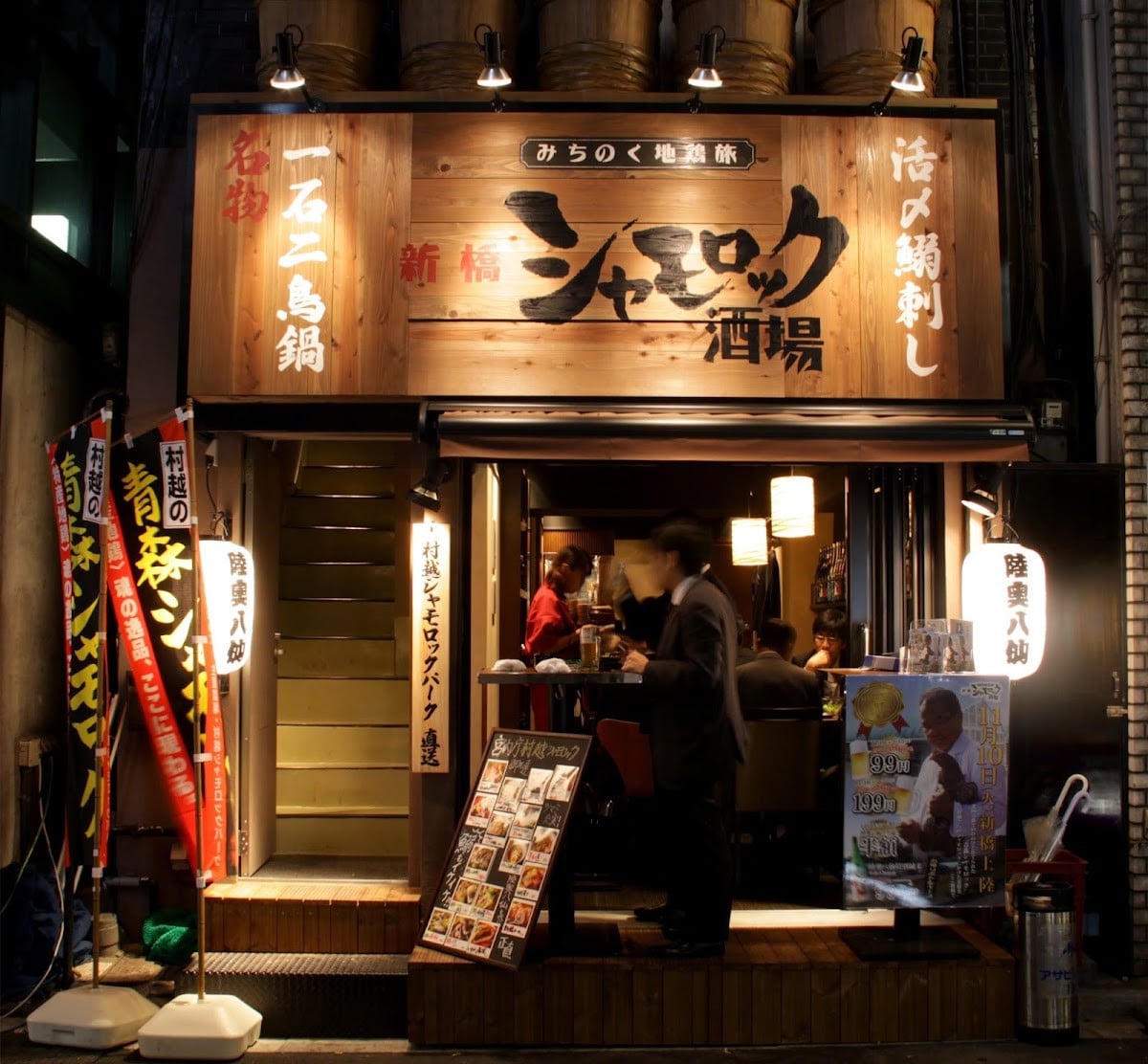
The restaurant specializes in fresh free-range chicken sent directly from farms and poultry ranches in Aomori. The meat is firm and the fat is sweet; the signature dishes are charcoal-grilled shamo thigh and chicken liver sashimi, which offal lovers should not miss. Several private-room-style seating areas make it suitable for business entertaining or any gathering that calls for privacy.
It is close to the Hibiya Exit of Shimbashi Station, about a 3-minute walk. Budget about ¥4,500 to ¥5,500 per person. For dinner, reserve one to two days ahead; on weekends you often have to wait for a table.
- 🍗 Must-order: Charcoal-grilled shamo thigh, chicken liver sashimi
- 💰 Price: about ¥4,500 to ¥5,500 per person
- 🚉 Access: about 3 minutes on foot from the Hibiya Exit of Shimbashi Station
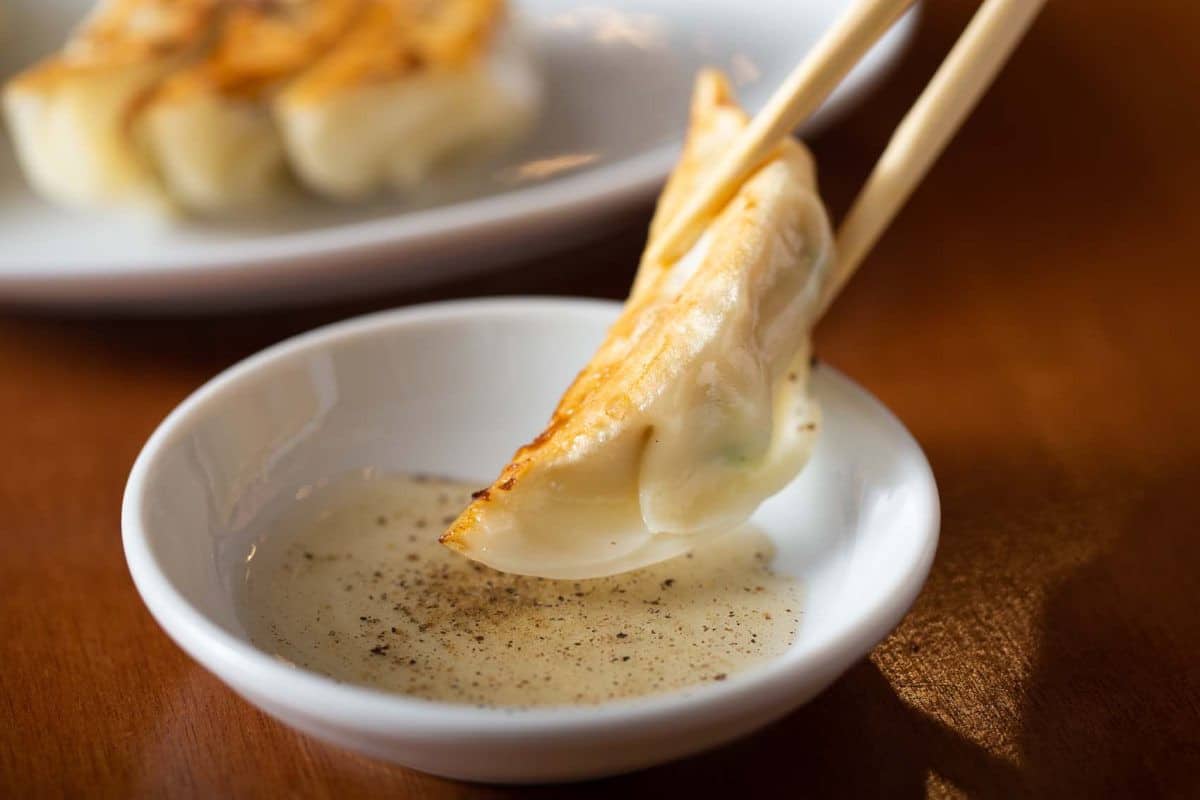
Kani Jigoku Shimbashi (螃蟹地獄 新橋): The Market Energy of Hokkaido King Crab
The shop feels like a condensed Tsukiji Market, serving king crab, snow crab and horsehair crab shipped directly from Hokkaido every day. The signature dishes are crab shabu-shabu and charcoal-grilled crab legs, with plump, juicy meat. The dining room is boisterous, and the staff’s market-vendor style of introducing dishes makes the mood especially festive, a good choice for livening up a group meal.
Because king crab prices float with the season and market rate, set courses start at roughly ¥6,000 to ¥9,000. Reserve your seat and crab variety in advance through the official website or by phone, especially in winter when the crab meat is at its fattest.
- 🦀 Must-order: King crab shabu-shabu, charcoal-grilled crab legs
- 💰 Price: courses from about ¥6,000 to ¥9,000 (varies with market price)
- 🚉 Access: about 1 minute on foot from Shimbashi Station
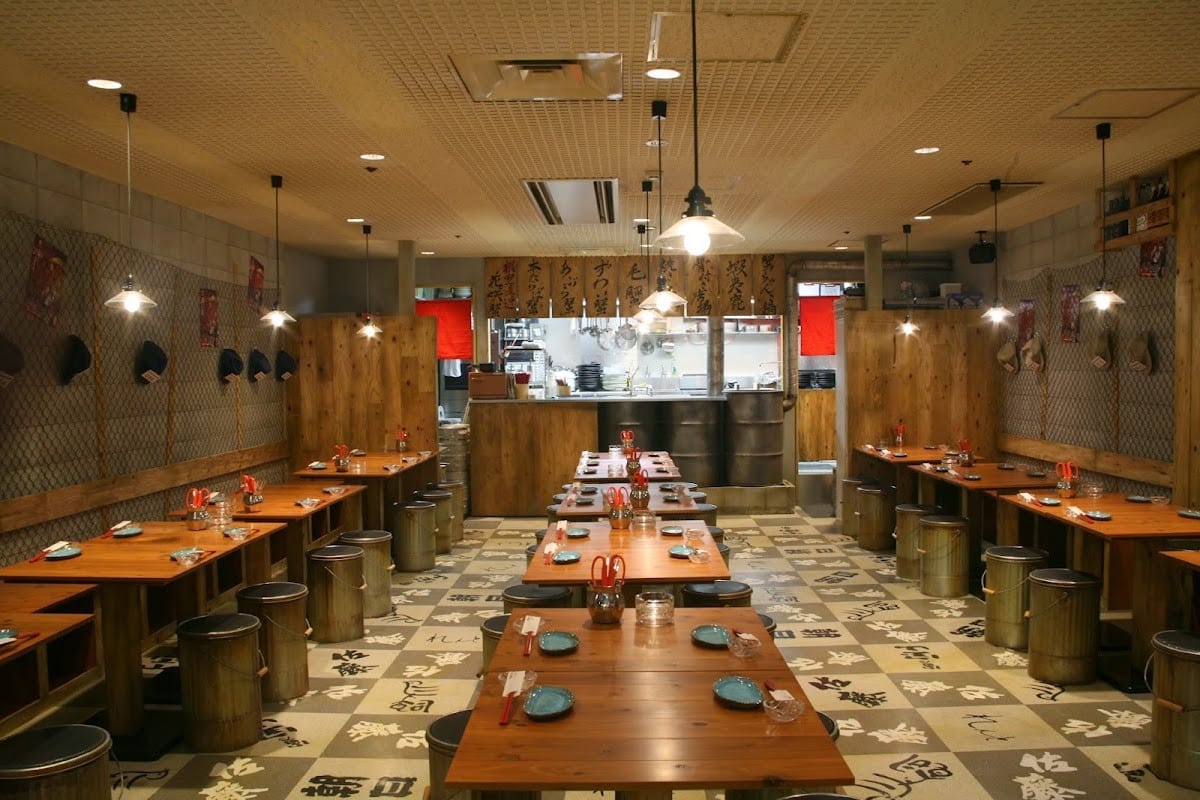
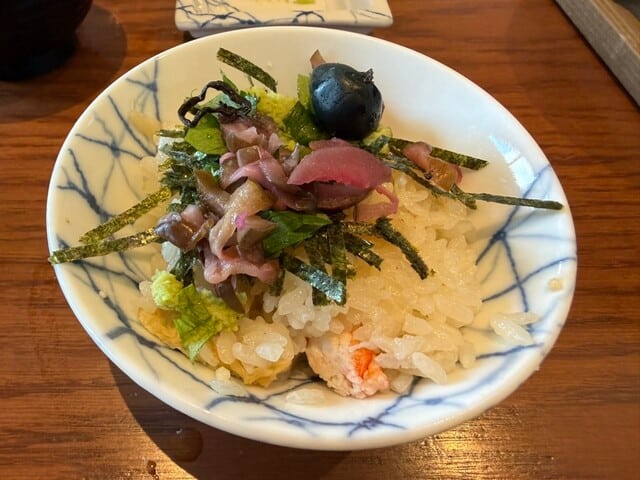
Kyo-dashi Oden and Aomori Jidori Sakaba 634 Shimbashi (京出汁關東煮・青森地雞酒場634 新橋店): Broth That Warms You Through
Known for oden simmered in Kyoto-style dashi, with a clear yet lingeringly sweet broth. Daikon, konnyaku and handmade fish balls soak up the soup, and one bite sends warmth straight to the heart, making it the comforting choice for a cold night. It also serves Aomori free-range chicken dishes, so you get two local flavors in one visit.
The shop is about a 4-minute walk from Shimbashi Station, with an average spend of about ¥3,500 per person. Reservations are recommended at dinner time; oden is in especially high demand in winter and the shop fills up easily.
- 🍢 Must-order: Kyoto-style dashi oden, Aomori free-range chicken dishes
- 💰 Price: about ¥3,500 per person
- 🚉 Access: about 4 minutes on foot from Shimbashi Station
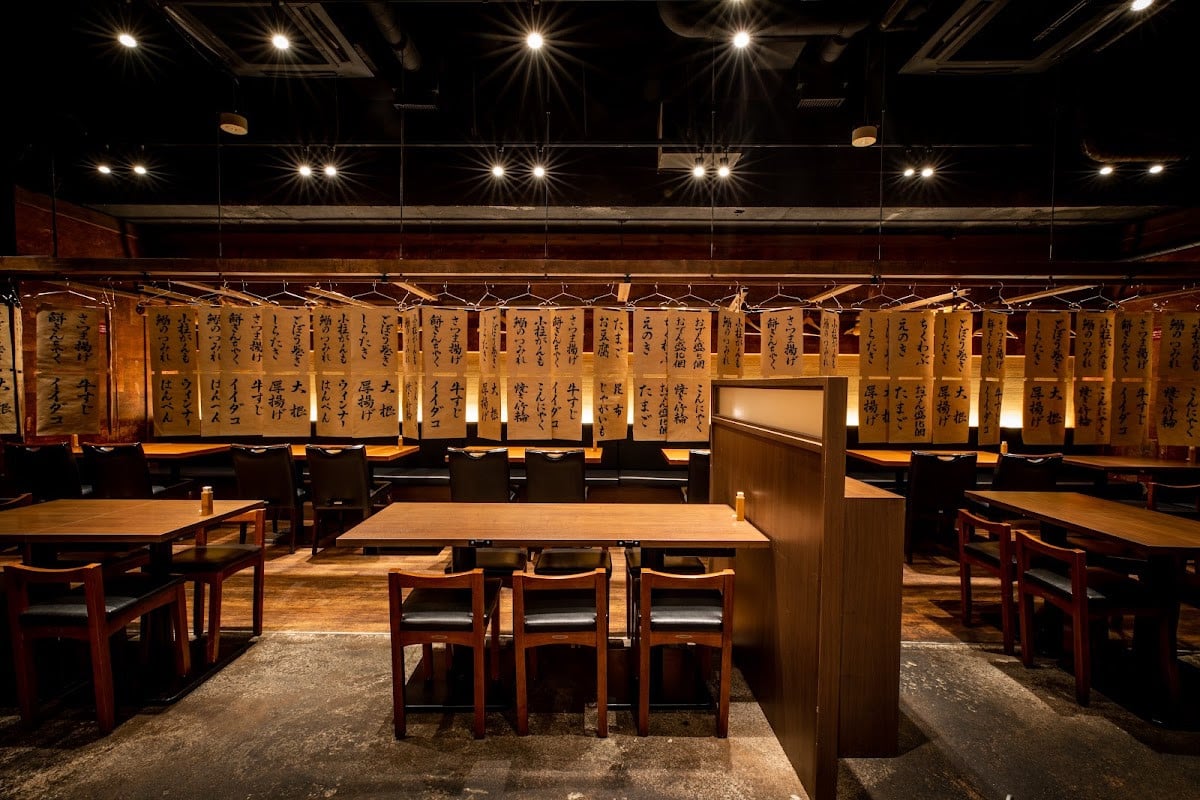
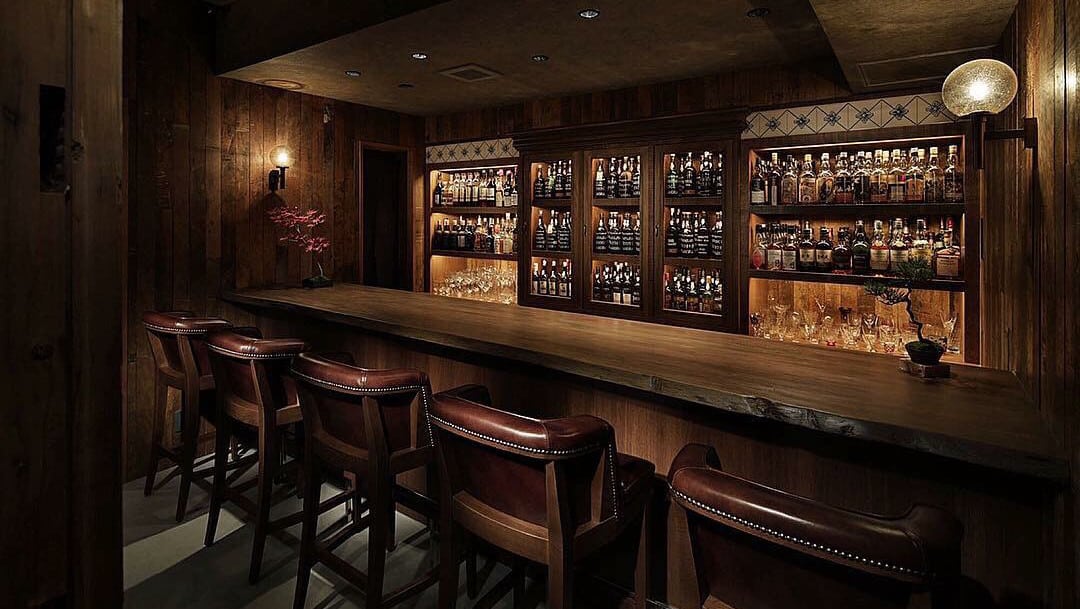
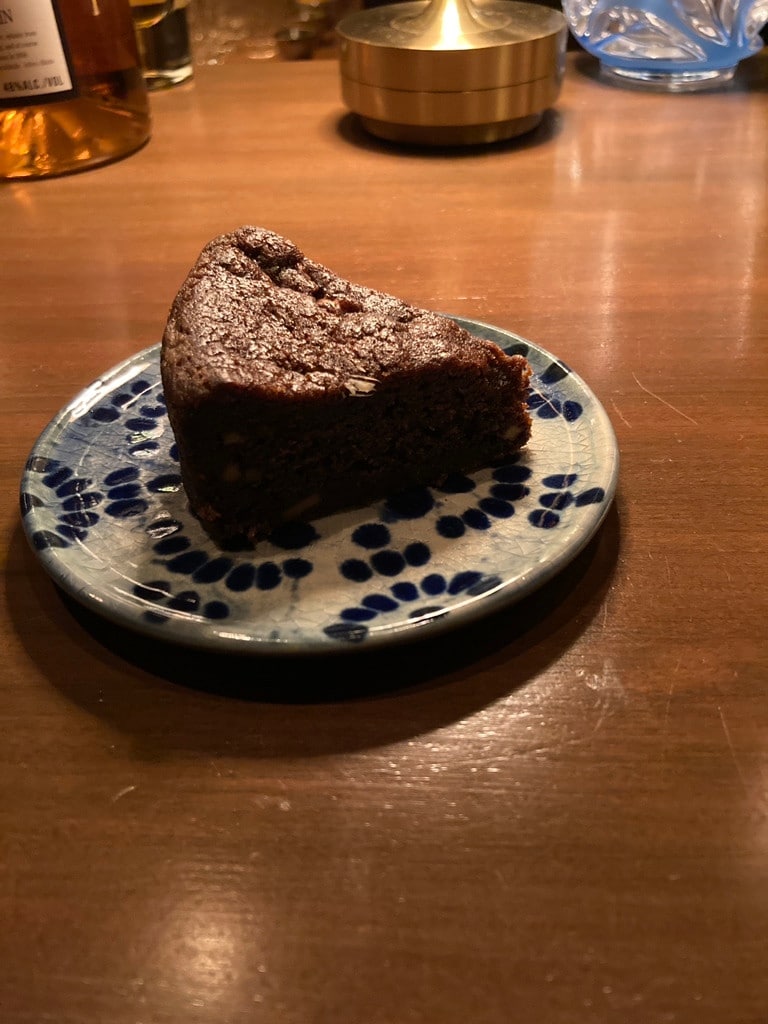
BAR LIEN: A Quiet Bar with 150 Kinds of Madeira
With more than 150 kinds of Madeira and 200 whiskies, this bar is quiet, and counter seats are limited. The potted plants inside change with the seasons, making it a fit for sipping good drinks away from the noise.
About a 6-minute walk from Shimbashi Station, from about ¥5,000 per person. Go after early evening and call ahead to check for seats, as Friday nights are often full.
🥃 Must-order: Madeira and whisky tasting
💰 Price: from about ¥5,000 per person
🚉 Access: about 6 minutes on foot from Shimbashi Station
Uochi Ichidai Shimbashi (魚痴一代 新橋店): Fresh Fish Delivered Daily
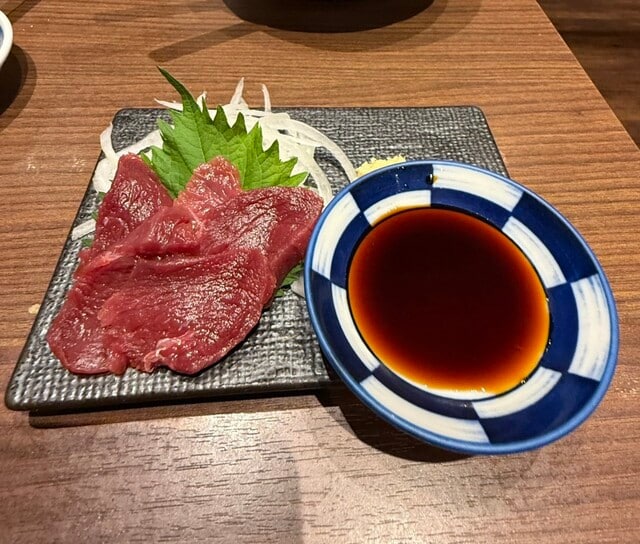
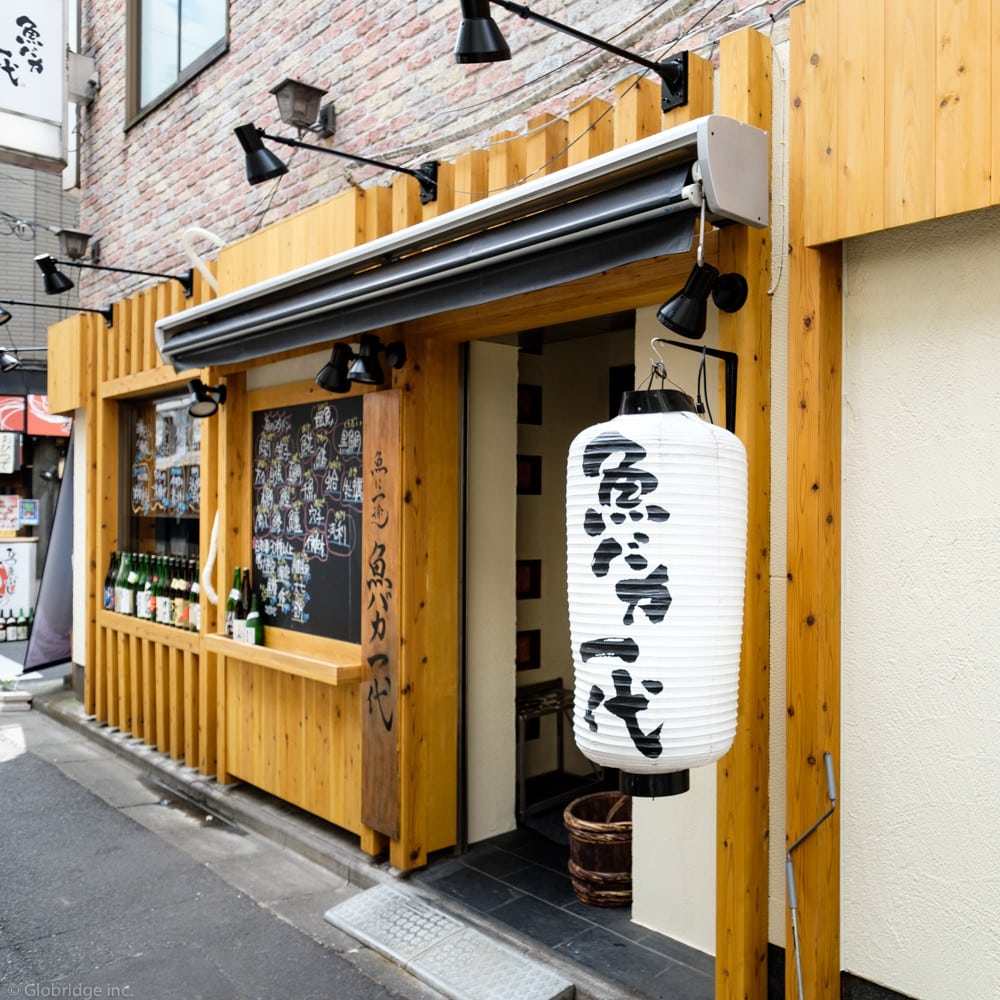
The shop’s specialty is fresh fish delivered daily from the market. The sashimi platters are generous and extremely fresh, and the signature medium-fatty tuna (chutoro) melts in the mouth. The interior is simple and bright, suited to office workers who want a proper seafood meal after work.
It is within about a 5-minute walk of Shimbashi Station, with an average spend of about ¥4,000 to ¥5,000 per person. At the evening peak, reserve ahead to avoid a long wait.
- 🍣 Must-order: Sashimi platter, medium-fatty tuna (chutoro)
- 💰 Price: about ¥4,000 to ¥5,000 per person
- 🚉 Access: about 5 minutes on foot from Shimbashi Station
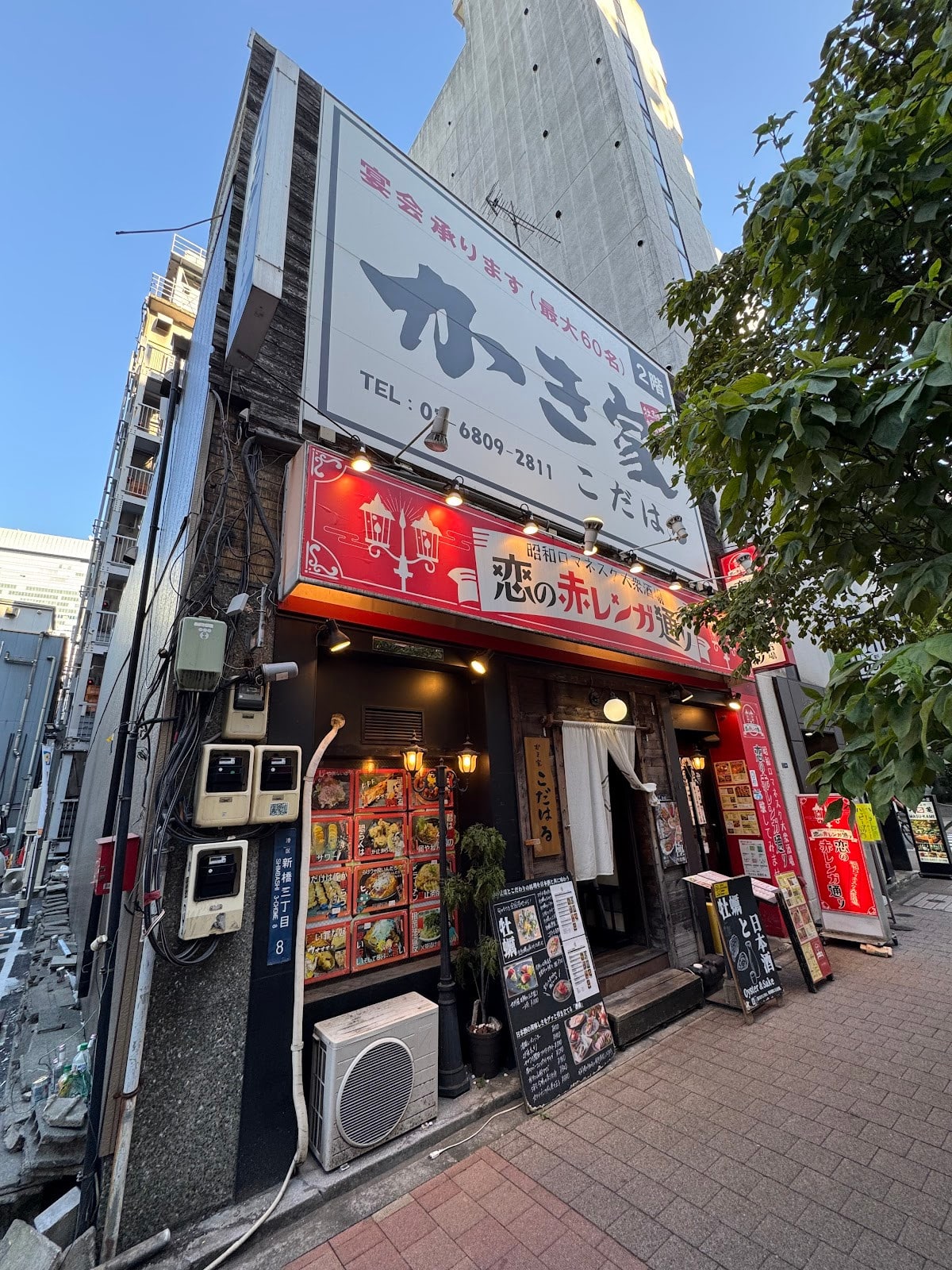
Kakiya Kodaharu Shimbashi Main Shop (牡蠣家 Kodaharu 新橋總店): Direct-from-Source Oyster Bar
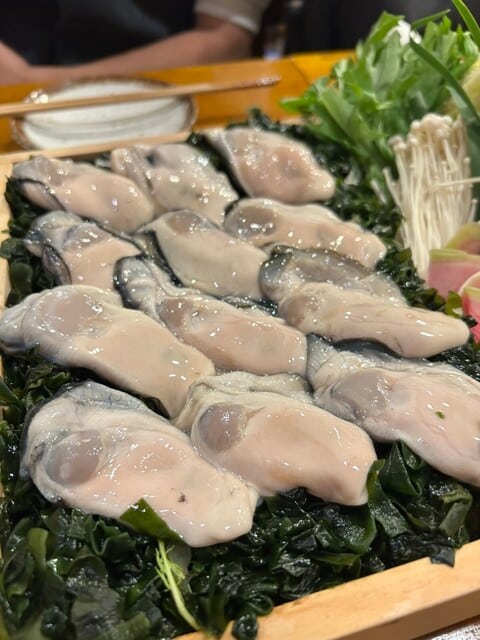
Offers a dozen or more oyster varieties from different growing areas, which you can have raw, charcoal-grilled or baked with butter, paired with a special red-wine-vinegar sauce. Counter seating suits a quiet drink or a date.
About a 4-minute walk from Shimbashi Station. Oysters start at about ¥814 each (tax included), and the average spend is about ¥4,500. Reserve on the official website to make sure stock is held for you.
- 🦪 Must-order: Oysters direct from the source (raw / charcoal-grilled / butter-baked)
- 💰 Price: oysters from about ¥814 each (tax included), about ¥4,500 per person
- 🚉 Access: about 3 to 4 minutes on foot from Shimbashi Station
Wayo Secchu Maru Ginza (和洋折衷 Maru銀座): A Taste Laboratory of Creative Cooking
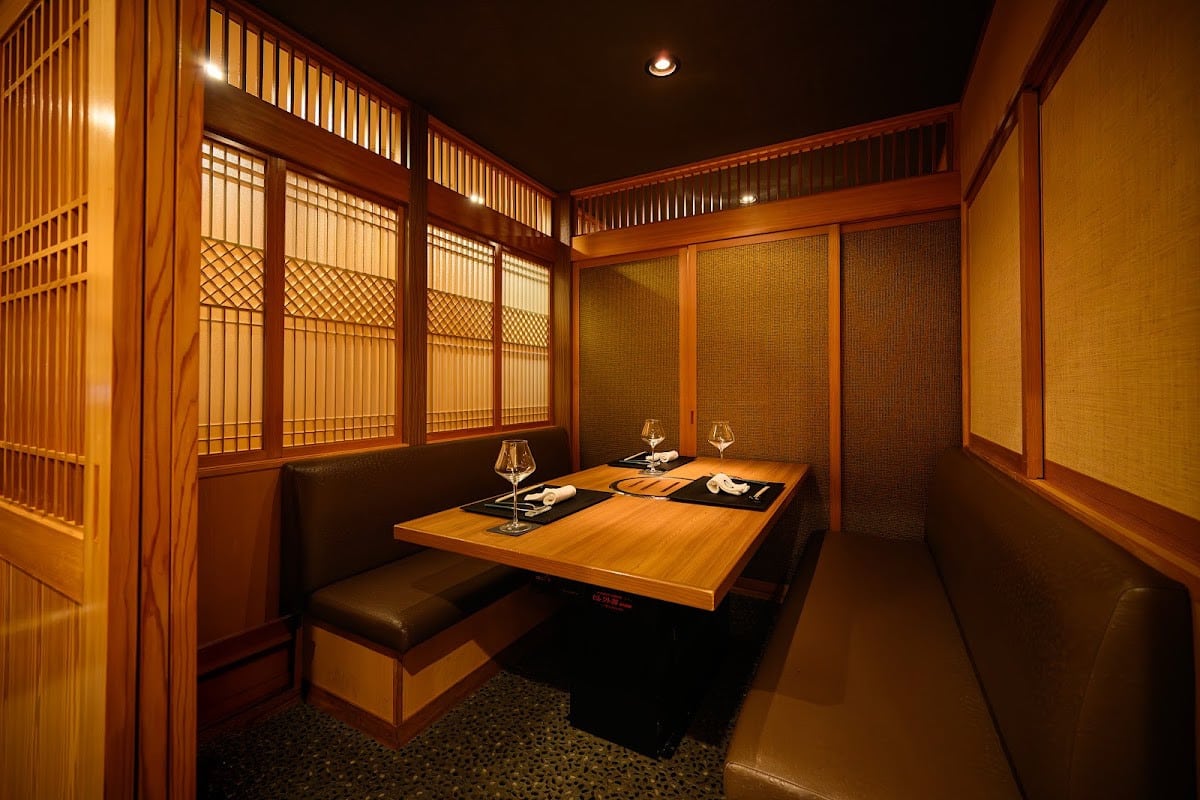
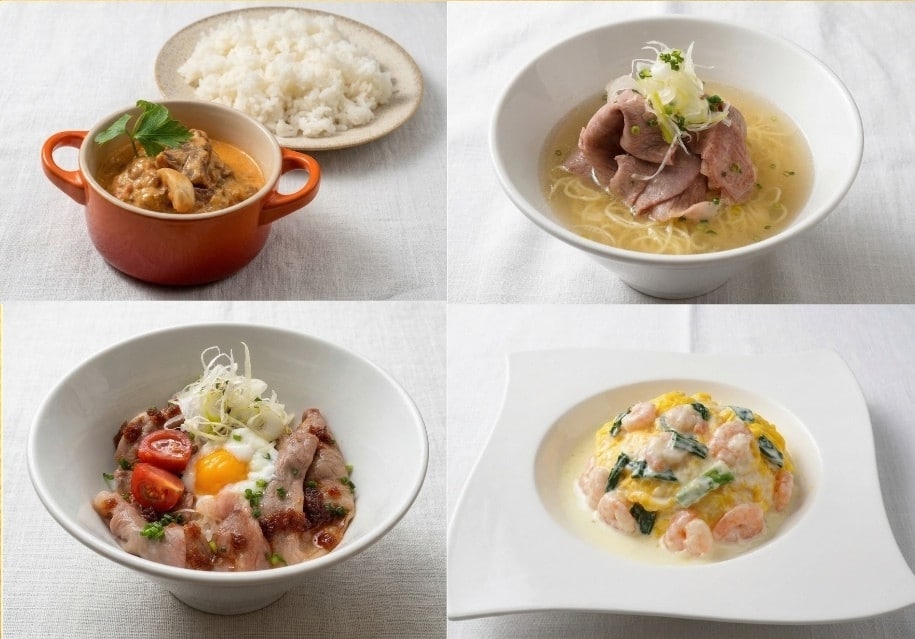
Blending Japanese and Western techniques, its signature dishes are miso-cream stewed beef cheek and wagyu tartare, beautifully plated, suited to adventurous young office workers and couples. The mood is relaxed and the lighting warm, which makes it a good place for a date.
About an 8-minute walk from Shimbashi Station, with an average spend of about ¥5,500 per person. Reserve ahead for dinner to avoid a long wait.
- 🍽️ Must-order: Miso-cream stewed beef cheek, wagyu tartare
- 💰 Price: about ¥5,500 per person
- 🚉 Access: about 8 minutes on foot from Shimbashi Station
Bistro TOMO: An Italian Bistro with Vegetables Direct from Kamakura
Tucked away in a basement near Shimbashi Station, it features vegetables sent straight from Kamakura and the daily catch from Kozu fishing port. The signature dishes are pasta and seafood carpaccio, cooked with seasonal ingredients for a light, delicate flavor.
About a 3-minute walk from Shimbashi Station, about ¥5,000 per person. It suits a date for two or a small gathering; reserve a seat in advance.
- 🍝 Must-order: Pasta, seafood carpaccio
- 💰 Price: about ¥5,000 per person
- 🚉 Access: about 3 minutes on foot from Shimbashi Station
Tapas & Wine Shimbashi ZION: A Hidden Italian-Spanish Bar and Restaurant
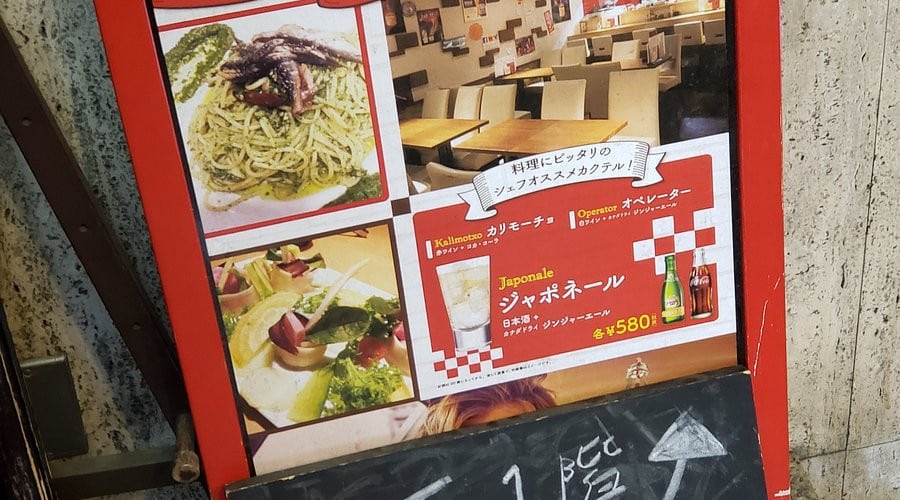
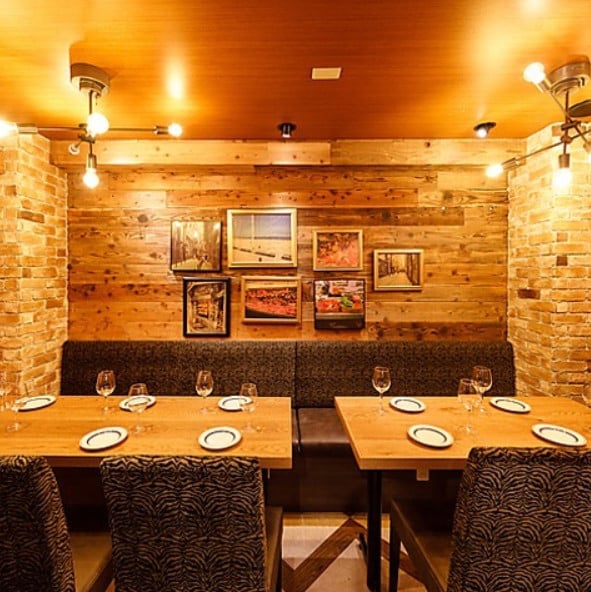
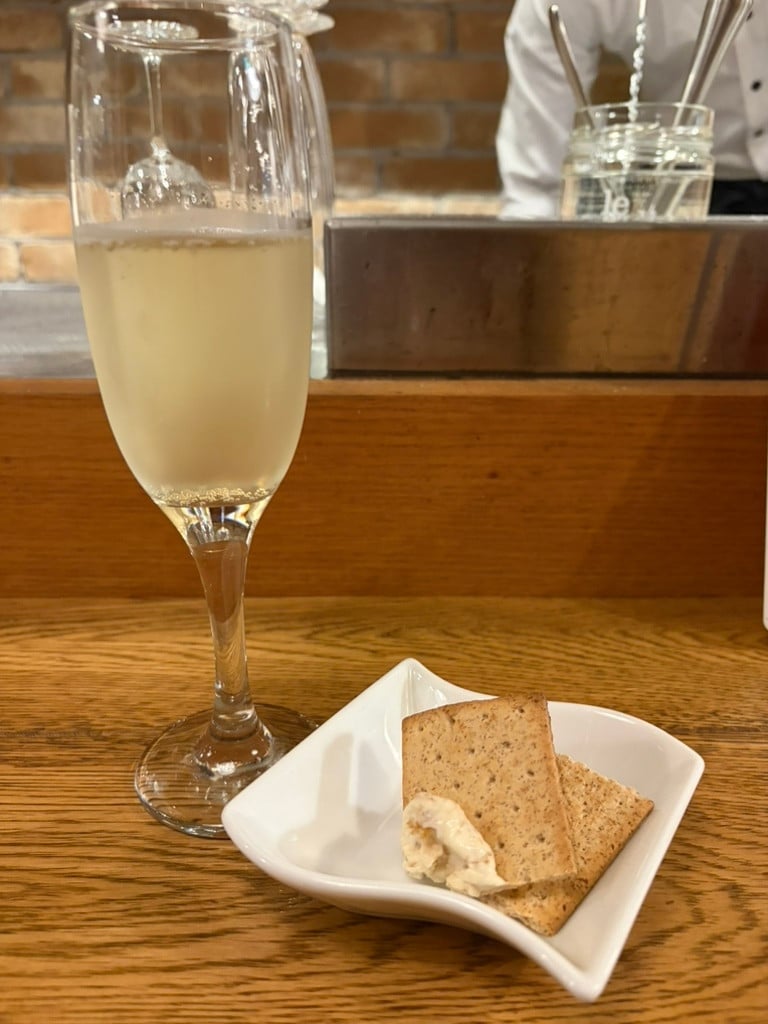
Shimbashi ZION is a Tapas & Wine bar that combines Italian and Spanish cooking. Its signature is an assortment of tapas plus a rich wine list, with wine by the glass from about ¥580 and by the bottle from about ¥3,500. Open late into the night, it is a hidden spot for drinks and good food after work.
About a 1-minute walk from Shimbashi Station, about ¥3,800 per person. No reservation is needed, but avoid the Friday-night peak; a party plan with 2 hours of all-you-can-drink is also available.
- 🍷 Must-order: An assortment of Italian-Spanish tapas
- 💰 Price: about ¥3,800 per person (wine by the glass from about ¥580)
- 🚉 Access: about 1 minute on foot from Shimbashi Station
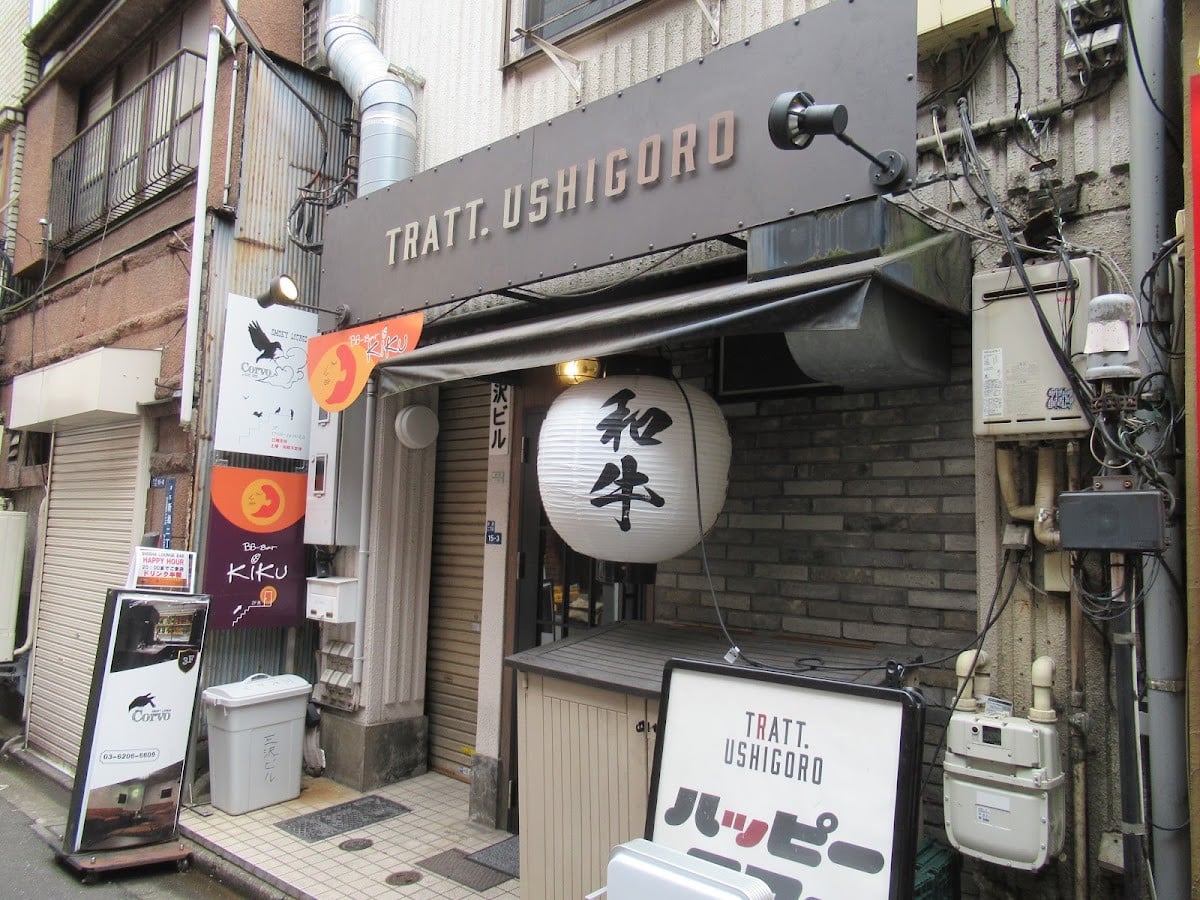
TRATT.USHIGORO Shimbashi Branch: A Good-Value Alley Wagyu Yakiniku Option
A back-alley yakiniku branch of the well-known yakiniku brand USHIGORO, using carefully selected domestic A5 wagyu. The signature dishes are wagyu seared with the chef’s special sauce and thick-cut wagyu tongue, tender and evenly marbled, a must-save spot for wagyu lovers.
About a 3-minute walk from Shimbashi Station, with an average spend from about ¥7,000. Reserve at least three days ahead, and a week ahead on weekends.
- 🥩 Must-order: Wagyu seared with the chef’s special sauce, thick-cut wagyu tongue
- 💰 Price: courses from about ¥7,000
- 🚉 Access: about 3 minutes on foot from Shimbashi Station
How to Get to Shimbashi’s Food Streets: A Complete Guide to Transport and Fares
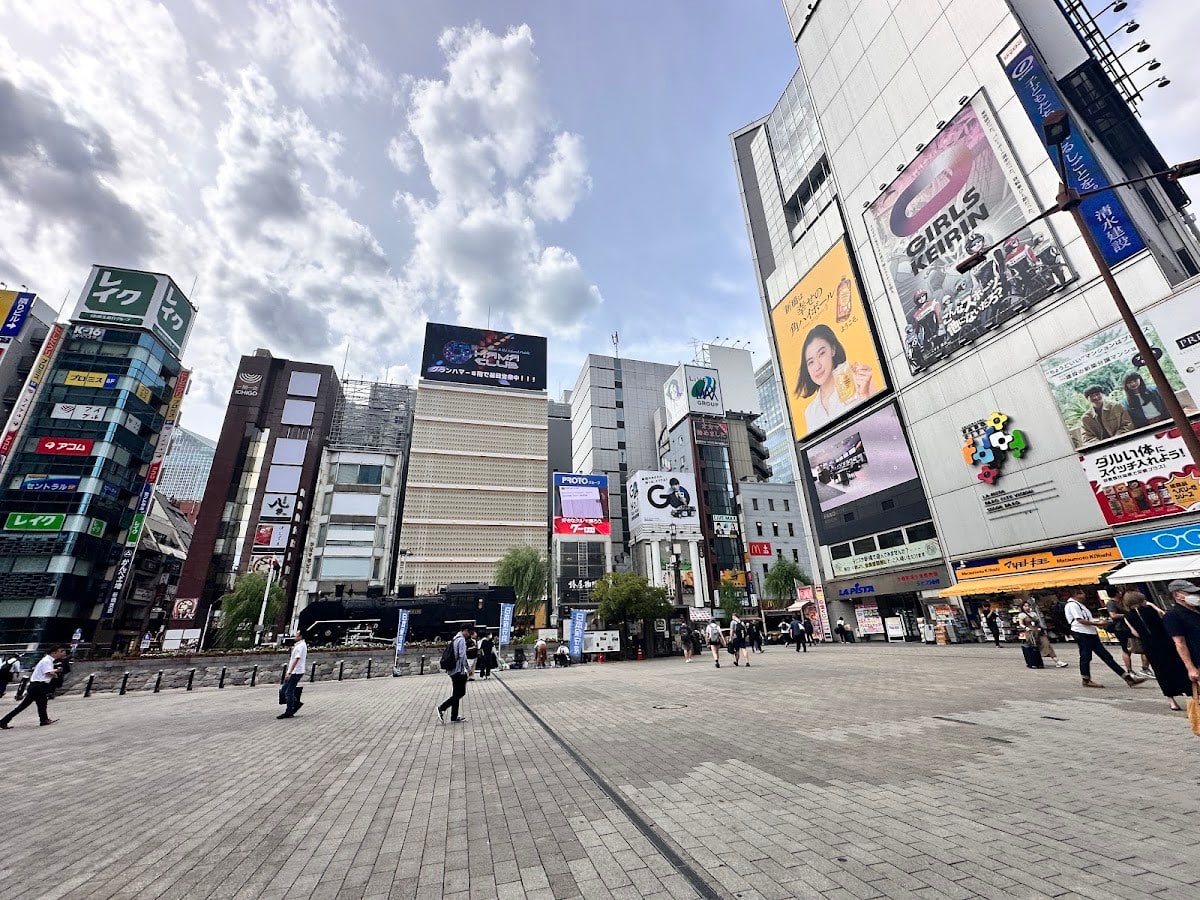
Shimbashi Station is a transport hub for central Tokyo where JR, subway lines and the Yurikamome meet, so you can easily arrive from anywhere in the city.
How to Get to Shimbashi’s Food Streets: Transport at a Glance
🚃 JR Yamanote Line / Keihin-Tohoku Line: about 4 minutes from Tokyo Station and about 20 minutes from Shinjuku or Shibuya, with trains every 2 to 3 minutes at peak times. Exit via the Karasumori Exit and you are there.
🚇 Tokyo Metro Ginza Line: about 15 to 20 minutes from Shibuya or Omotesando. Exits 3 and 4 are close to the izakaya area; it gets crowded after 6 p.m.
🚇 Toei Asakusa Line: about 30 minutes from Haneda Airport (direct through service on the Keikyu Airport Express), and about 14 minutes from Asakusa. Transferring to JR costs extra and involves about a 5-minute walk.
🚡 Yurikamome: about 13 minutes to Odaiba Kaihin-koen Station, with scenic views along the way.
🎫 Tokyo Subway Ticket: valid on all Tokyo Metro and Toei Subway lines, good for food itineraries that cover several areas.

![Tokyo Combo Ticket: [Yurikamome Enjoy Pass] 1-Day Unlimited Ride Pass + Tokyo Subway 24-Hour Ticket](https://res.klook.com/images/w_300,h_300,c_fill,q_75/w_80,x_15,y_15,g_south_west,l_Klook_water_br_trans_yhcmh3/activities/fqinc5fdzlxtgybgualn/套票:[百合海鷗號EnjoyPass]一日無限乘車券+東京地鐵24小時券-Klook.jpg)

What to Eat in Shimbashi, and What’s Good in Neighboring Areas?
Shimbashi offers a wide range of cuisines, from yakitori and oden to king crab. Below are the must-eat dishes, plus food picks in neighboring Ginza and Yurakucho.
Yakitori: The Craft of Charcoal-Grilled Skewers
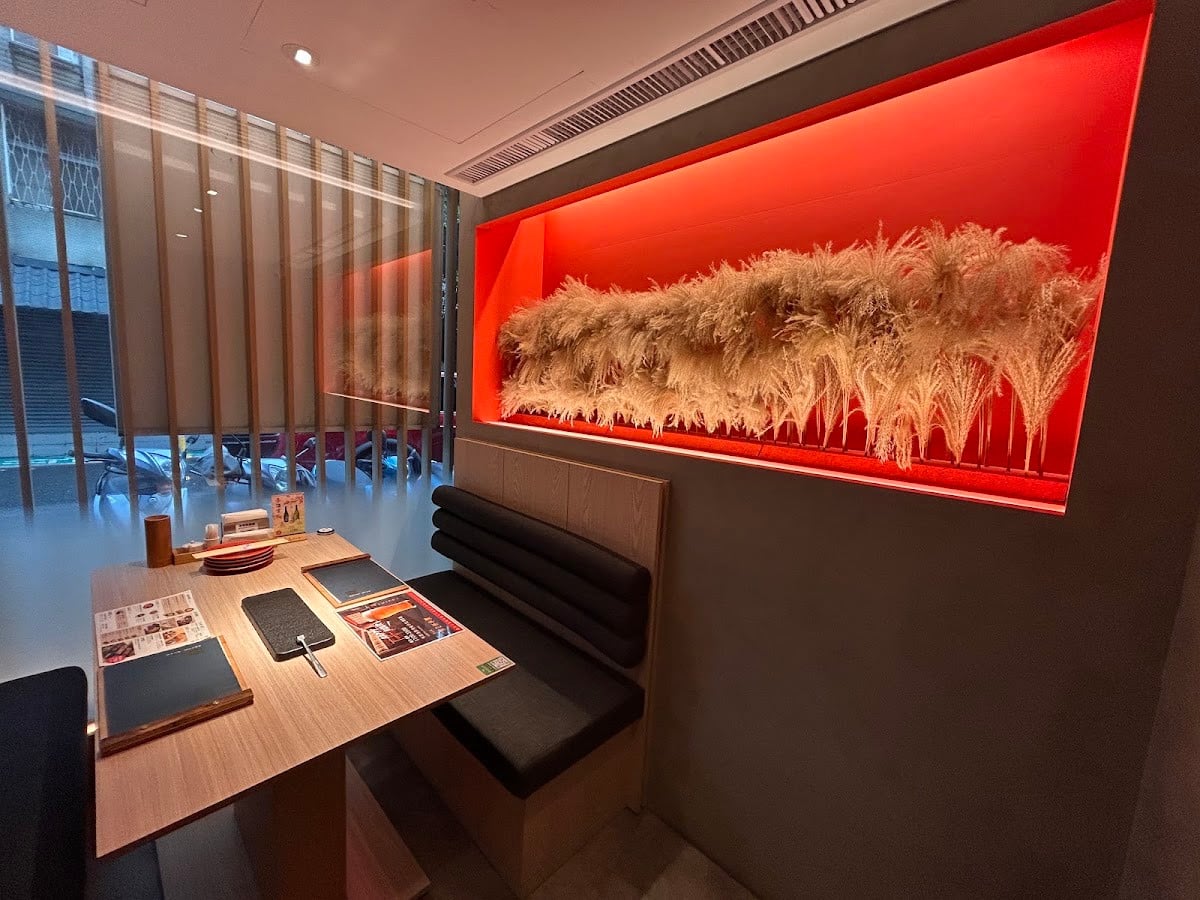
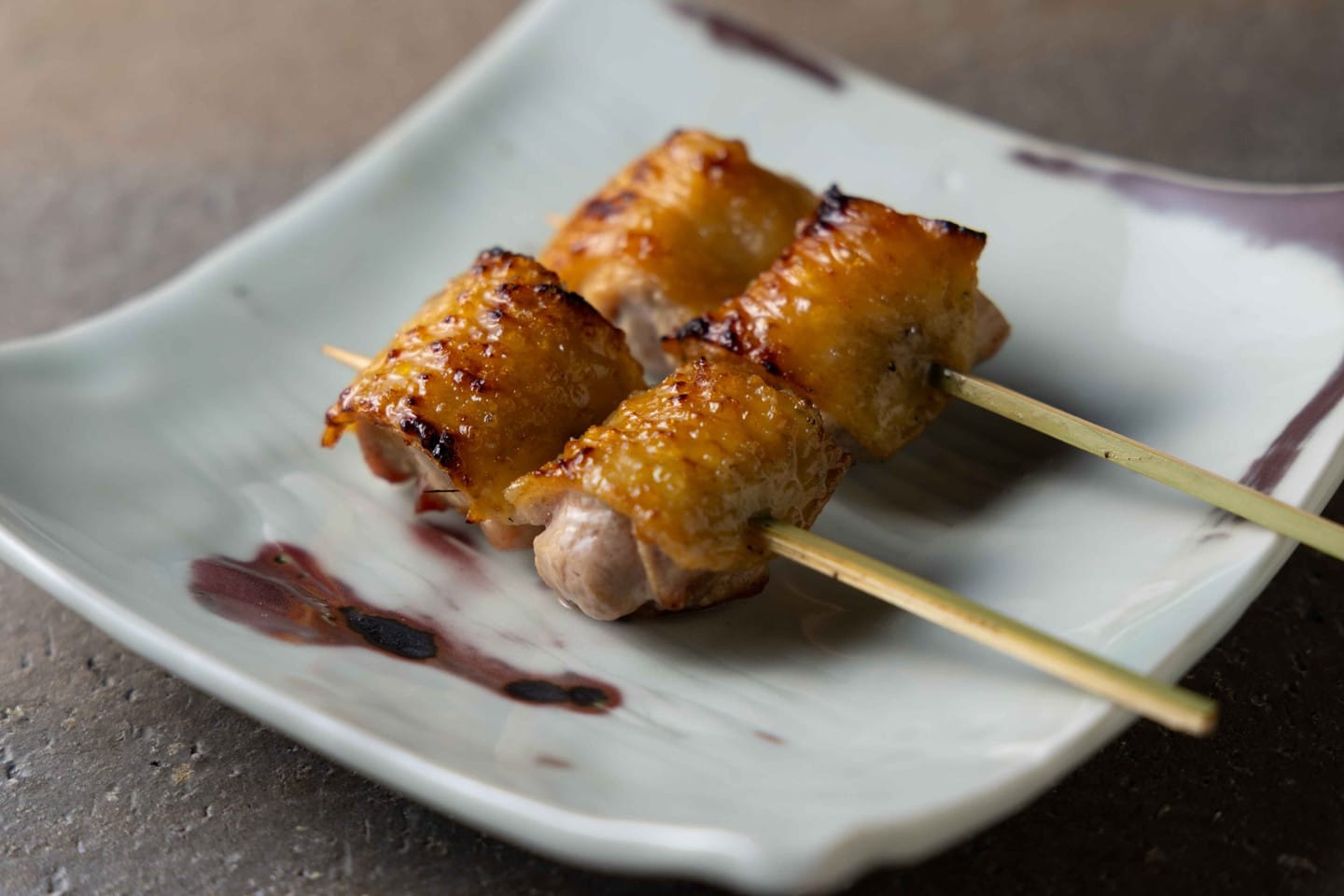
Yakitori is the soul of Shimbashi’s izakaya. Craftsmen grill chicken skewers directly over binchotan charcoal, controlling the heat precisely for a charred skin and juicy meat. Common cuts include thigh, skin, cartilage and liver, with skewers priced at roughly ¥150 to ¥400 each, so it pays to order several cuts and try them all.
Many old shops insist on cutting and grilling to order every day, and freshness is the key to the flavor. Order the shop’s omakase assorted-skewer set to sample many cuts at once, at roughly ¥2,500 to ¥3,500, the best-value way to experience Shimbashi’s yakitori culture.
Oden: Warm Comfort from the Essence of the Broth
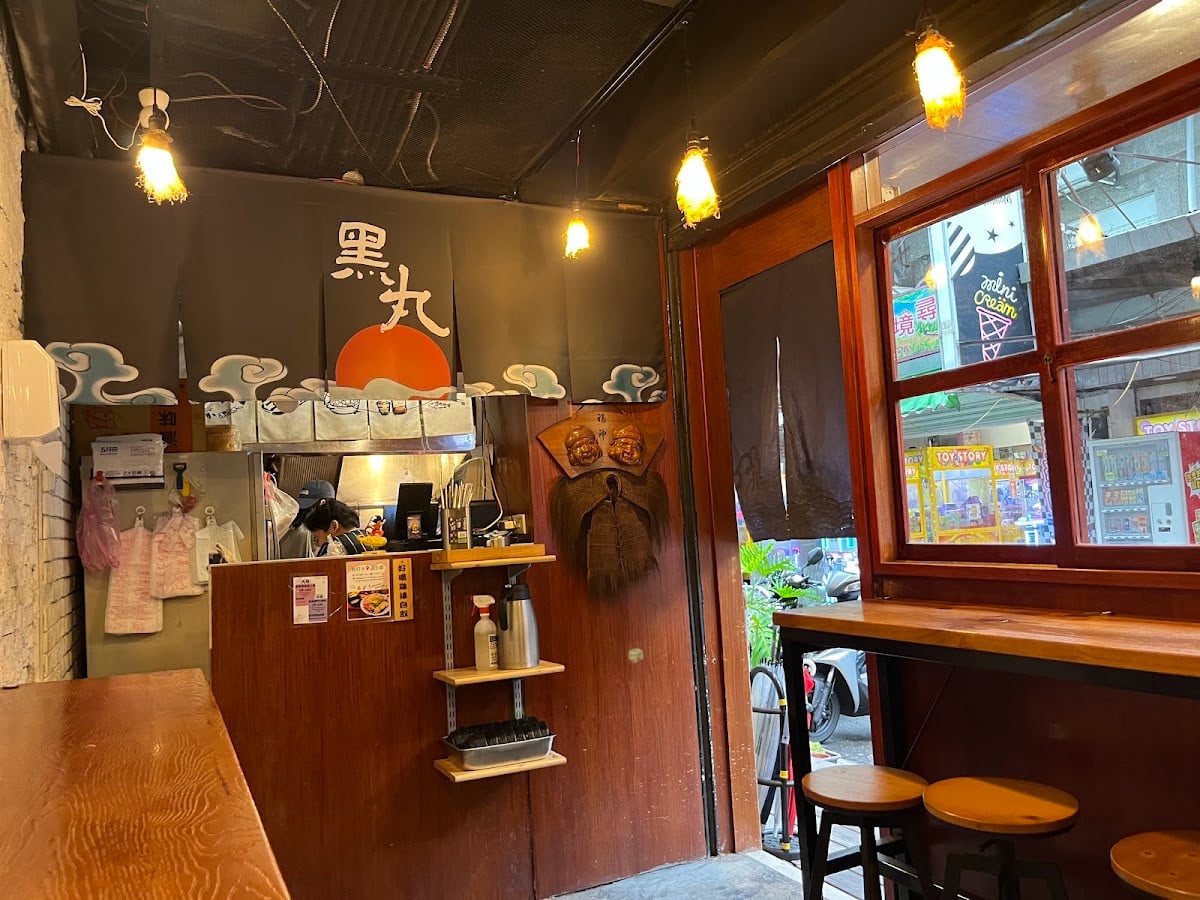
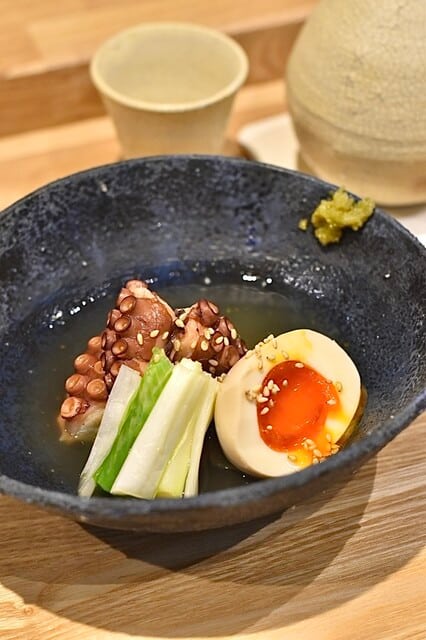
Shimbashi’s oden is often made with a light base of kombu and bonito flakes, in which daikon, chikuwa and handmade fish balls simmer for hours until the flavor sinks in, the most comforting warm dish on an autumn or winter night. Individual items run about ¥100 to ¥300, and they go well with sake or shochu sipped slowly.
Some old shops adjust their broth recipe by season, for example using more kombu in winter for richness and switching to a lighter taste in summer. Choose a counter seat to watch the craftsman at work up close and appreciate the heat control and time they put into it.
King Crab and Seafood: A Sweet Feast Direct from the North
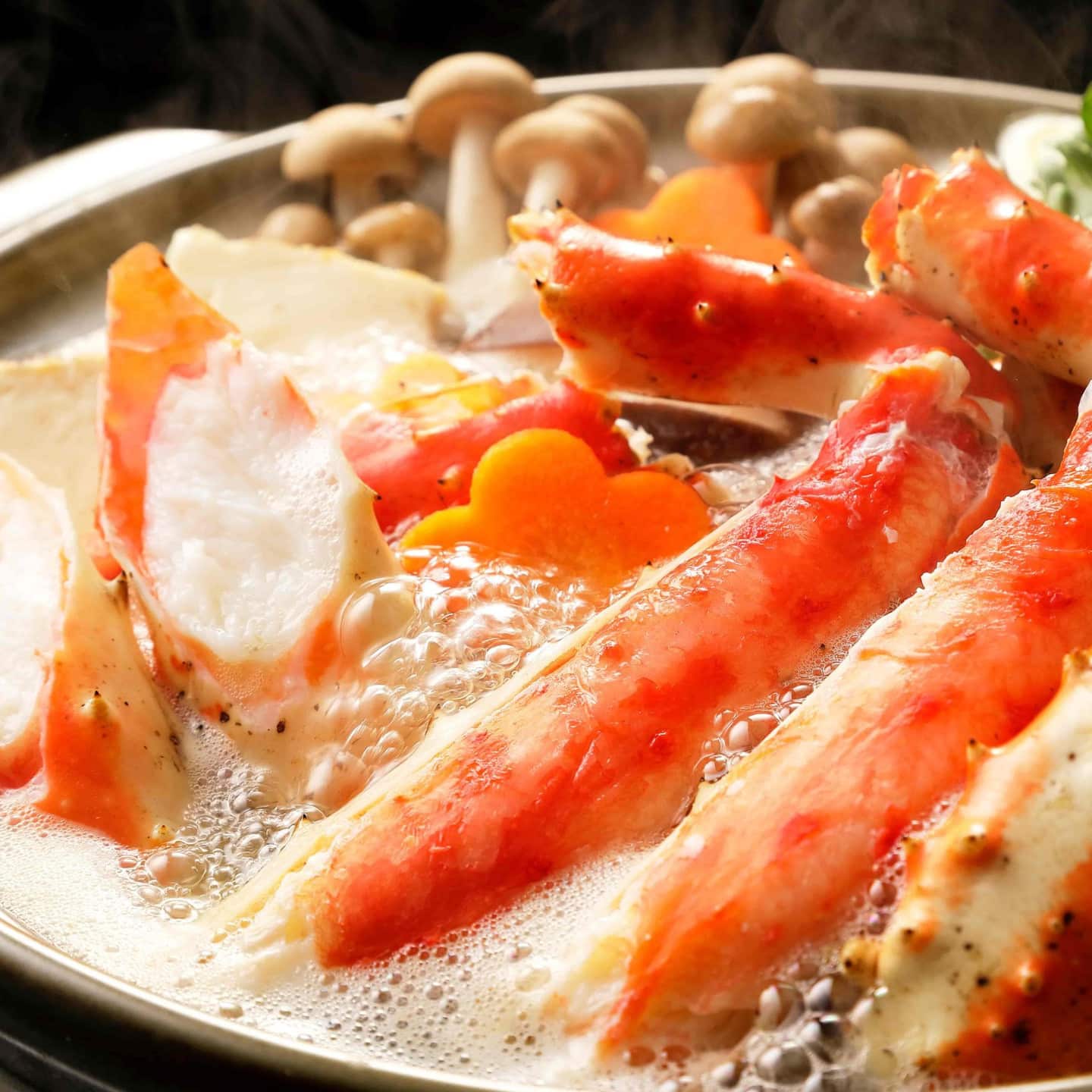
Many seafood specialists in Shimbashi serve king crab, snow crab and fresh fish shipped directly from Hokkaido. Crab dishes often come as shabu-shabu, charcoal-grilled or tempura, with sweet, plump meat. King crab courses vary with market price, from roughly ¥6,000 to ¥12,000, a luxurious choice for treating yourself at a group dinner.
Besides king crab, sashimi platters are a Shimbashi restaurant staple, with extremely fresh tuna, yellowtail and sweet shrimp delivered daily. Reserve ahead to make sure there is enough seafood in stock that day, and book especially early in winter, when crab is at its best.
Jidori and Kaiseki: The Ultimate Showcase of Craftsmanship
Aomori free-range chicken is known for its firm meat and sweet fat, and is commonly prepared charcoal-grilled, as liver sashimi and in chicken hot pot, a paradise for offal and meat lovers. Some high-end shops also offer kaiseki sets that work the chicken into a multi-course meal, each dish showing off the season and the chef’s ingenuity.
Kaiseki sets cost more, from roughly ¥8,000 to ¥15,000, and suit special occasions or business dinners. Reserve at least a week ahead and tell the chef about any dietary restrictions so the menu can be adjusted.
Sukiyaki and Yakiniku: The Ultimate Indulgence in Wagyu Fat
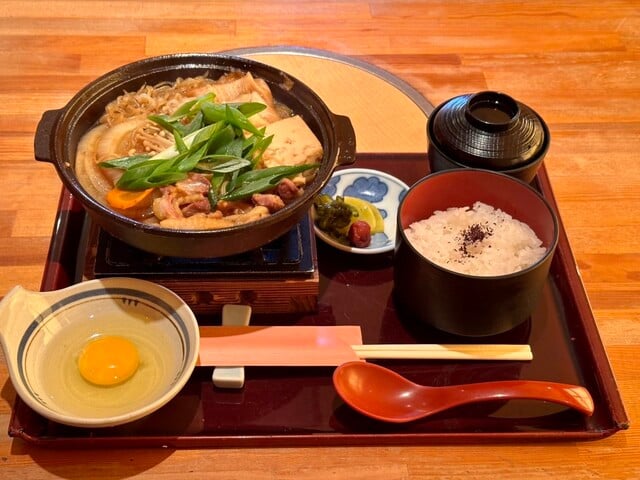
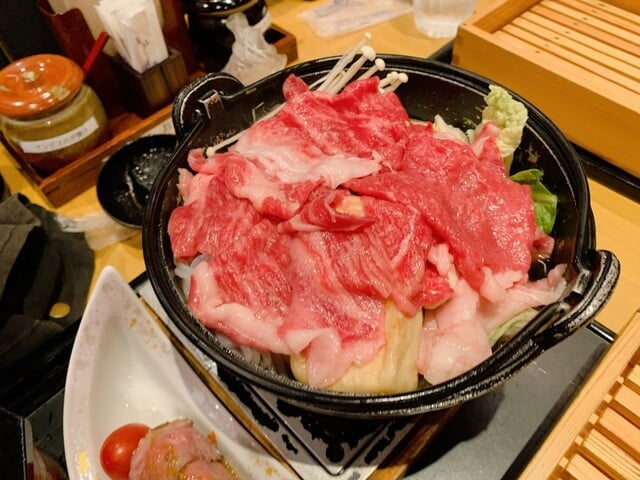
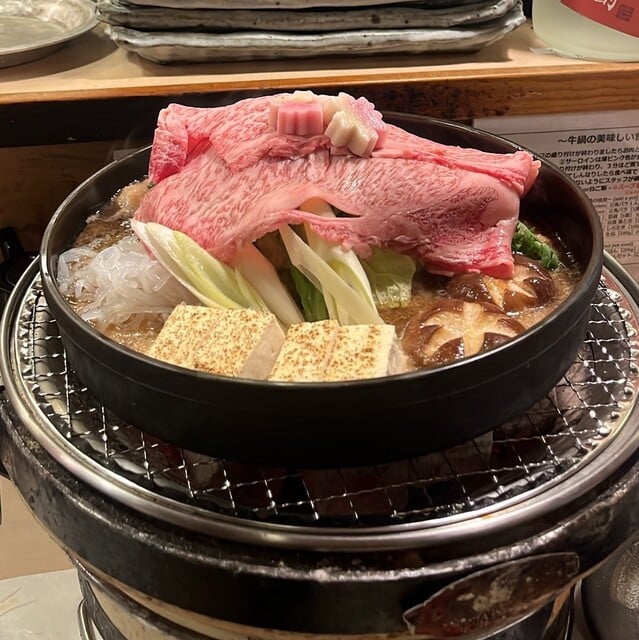
Around Shimbashi there is no shortage of wagyu specialists. Sukiyaki simmers thinly sliced wagyu in a sweet-savory sauce until it melts in the mouth, while yakiniku stresses direct charcoal grilling to lock in the juices; both show off the fine texture of wagyu marbling. Sets cost roughly ¥5,000 to ¥15,000 depending on the grade of wagyu.
Many shops offer lunch-only sets that are much cheaper than dinner, letting you try top-grade wagyu for roughly ¥2,000 to ¥4,000. Go at lunchtime to enjoy the same quality at a friendlier price.
Tonkatsu and Ramen: The Comfort of Everyday Food
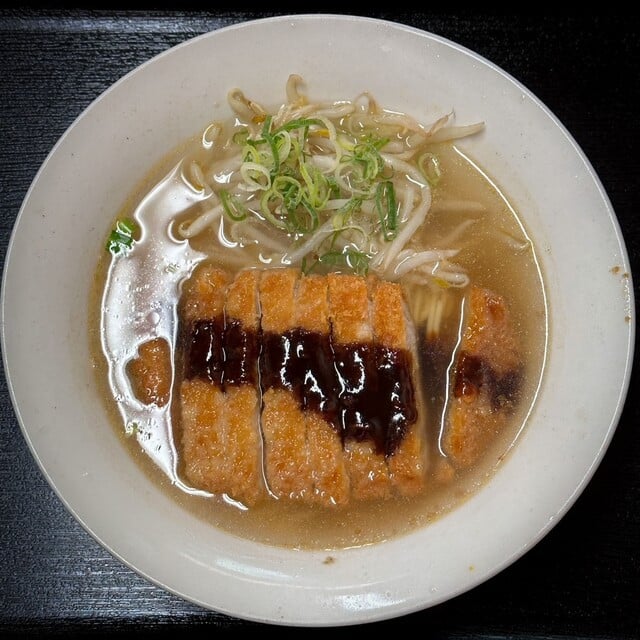
Tonkatsu depends on coarse breadcrumbs and the right oil temperature to produce a golden, crisp crust that keeps the juices inside, and it is even more refreshing with the special sauce and shredded cabbage. Sets cost about ¥1,200 to ¥2,500. Ramen comes in many styles, from tonkotsu to clear chicken broth, at about ¥800 to ¥1,200 a bowl.
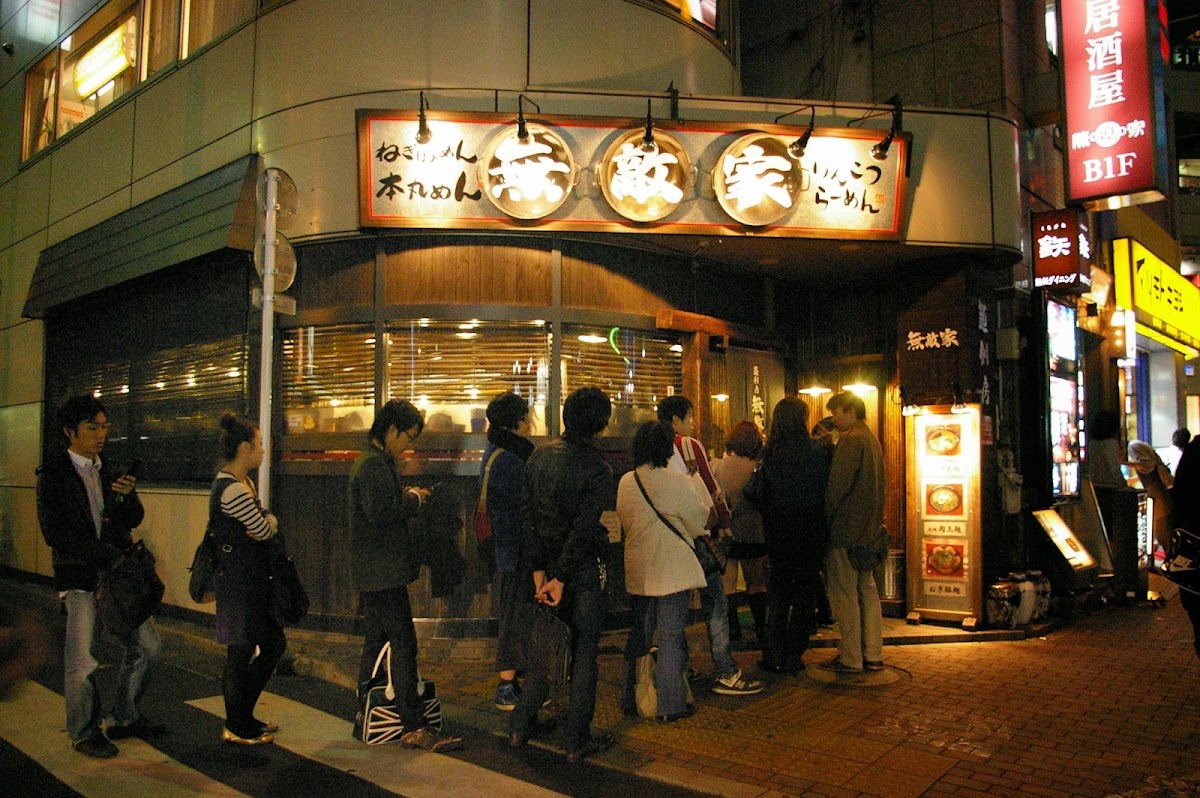
Ramen shops around Shimbashi are the top lunch choice for office workers, and queues are common at midday, so avoid the 12:00 to 12:30 peak. Some tonkatsu shops offer free refills of rice and soup, which makes for excellent value.
Omurice and Pasta: A Century of Yoshoku Tradition
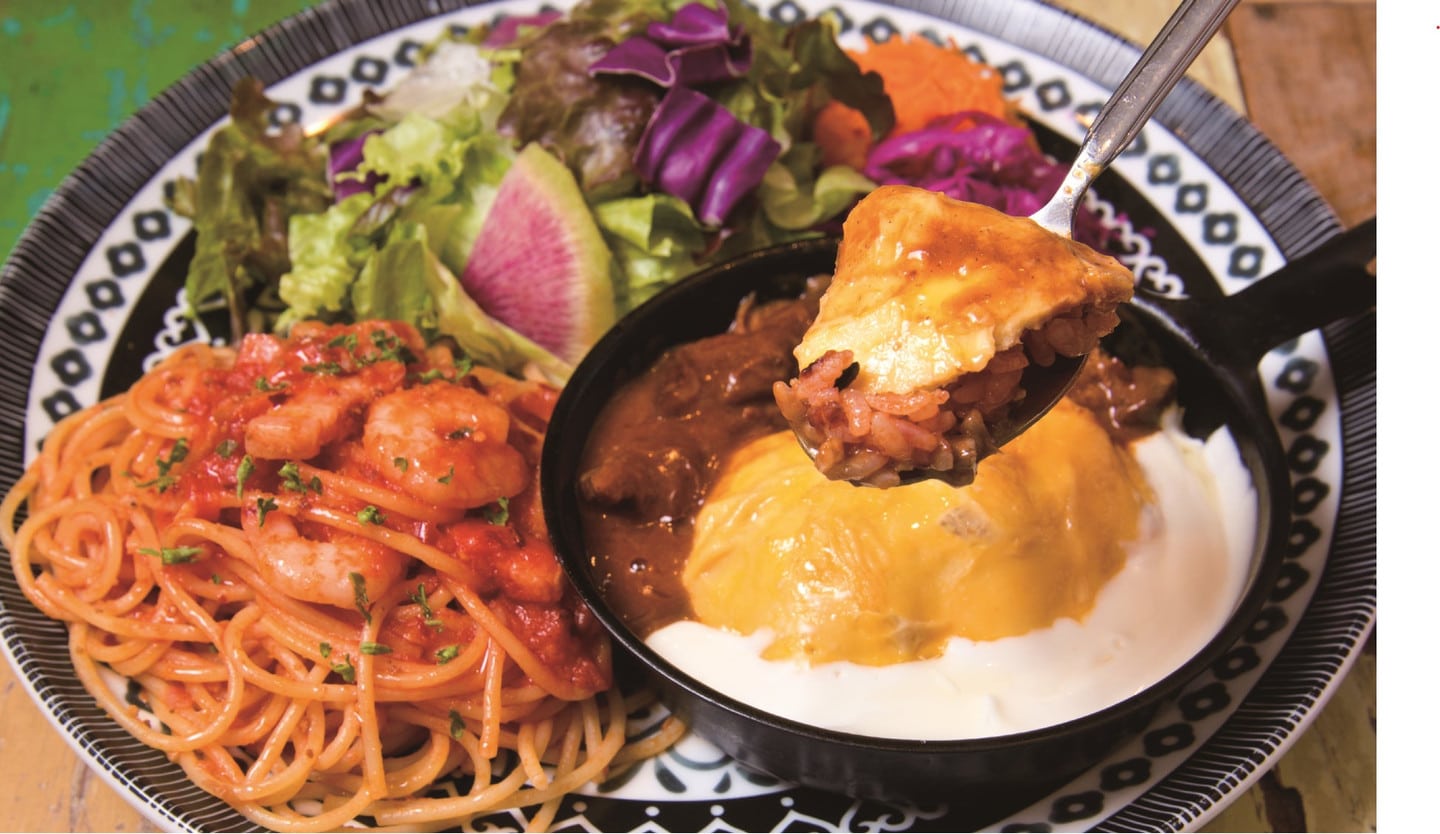
Rengatei (煉瓦亭), near Shimbashi in Ginza, is one of the founders of Japanese yoshoku, with a history of more than 120 years. Its signature omurice has a silky outer layer and a filling of tomato fried rice that is balanced between sweet and sour, a must-visit nostalgic yoshoku institution. Its signature Meiji Tanjo Omurice (明治誕生蛋包飯) costs about ¥2,600 (tax included). Pasta is common at the small bistros in Shimbashi’s alleys, often made with fresh vegetables and seafood sent directly from Kamakura.
Yoshoku combines Western cooking techniques with Japanese delicacy in presentation, another side of Shimbashi’s culinary diversity. Visit the old shops at lunchtime to avoid the dinner queues and enjoy the classic flavors at a more leisurely pace.
Beef Tongue and Carpaccio: Two Pleasures, Thick-Cut and Raw
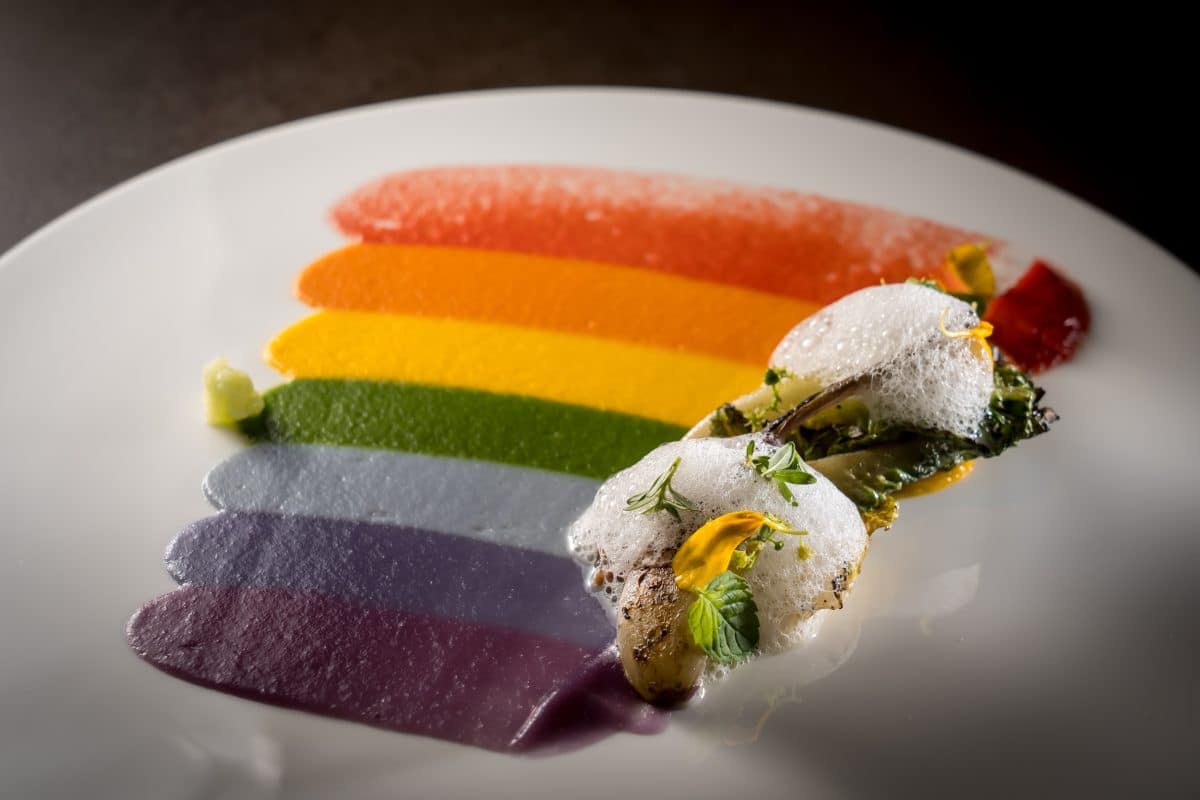
Thick-cut beef tongue is aged for a long time and charcoal-grilled, crisp outside, tender and springy inside, and is a common drinking snack at Shimbashi izakaya, at about ¥800 to ¥1,500 per portion. Carpaccio is thin slices of raw beef or seafood dressed with olive oil and lemon juice, refreshing and appetizing, and often found on the starter menu of Italian-style bistros.
The two are completely different, one cold and one hot, one raw and one cooked, and pair well in a single meal to show Shimbashi’s diversity. Start with carpaccio to whet the appetite and finish with charcoal-grilled beef tongue for more layers of flavor.
Food Near Ginza: Refined Dining One Station Away
Ginza is about a 10 to 15 minute walk from Shimbashi and is home to many high-end sushi restaurants and French restaurants, suited to a luxurious meal on a special occasion.
Dining in Ginza is more formal and elegant than in Shimbashi, and prices are higher, with dinner sets at high-end restaurants running expensive. To experience both Shimbashi’s down-to-earth bustle and Ginza’s refined elegance, plan a half-day walk through both areas to feel two very different layers of Tokyo’s food culture.
Food Near Yurakucho: Showa Atmosphere Under the Viaduct
Yurakucho is just one station from Shimbashi, and the area under the viaduct near the station is packed with budget izakaya and standing-eat shops, known as one of Tokyo’s most down-to-earth after-work gathering spots. The atmosphere is similar to Shimbashi but even more crowded and lively, ideal for experiencing authentic Showa-style izakaya culture.
Recommended items include charcoal-grilled chicken skewers, grilled fish and draft beer, with an average spend of around ¥3,000, which is economical. Since seating is mostly standing or at narrow counters, avoid the Friday-night peak and go on a weekday early evening for more comfort.
Shimbashi Izakaya Experiences and Tours
To dig deeper into Shimbashi’s food culture, here are some popular experiences and tours for independent travelers and food lovers.
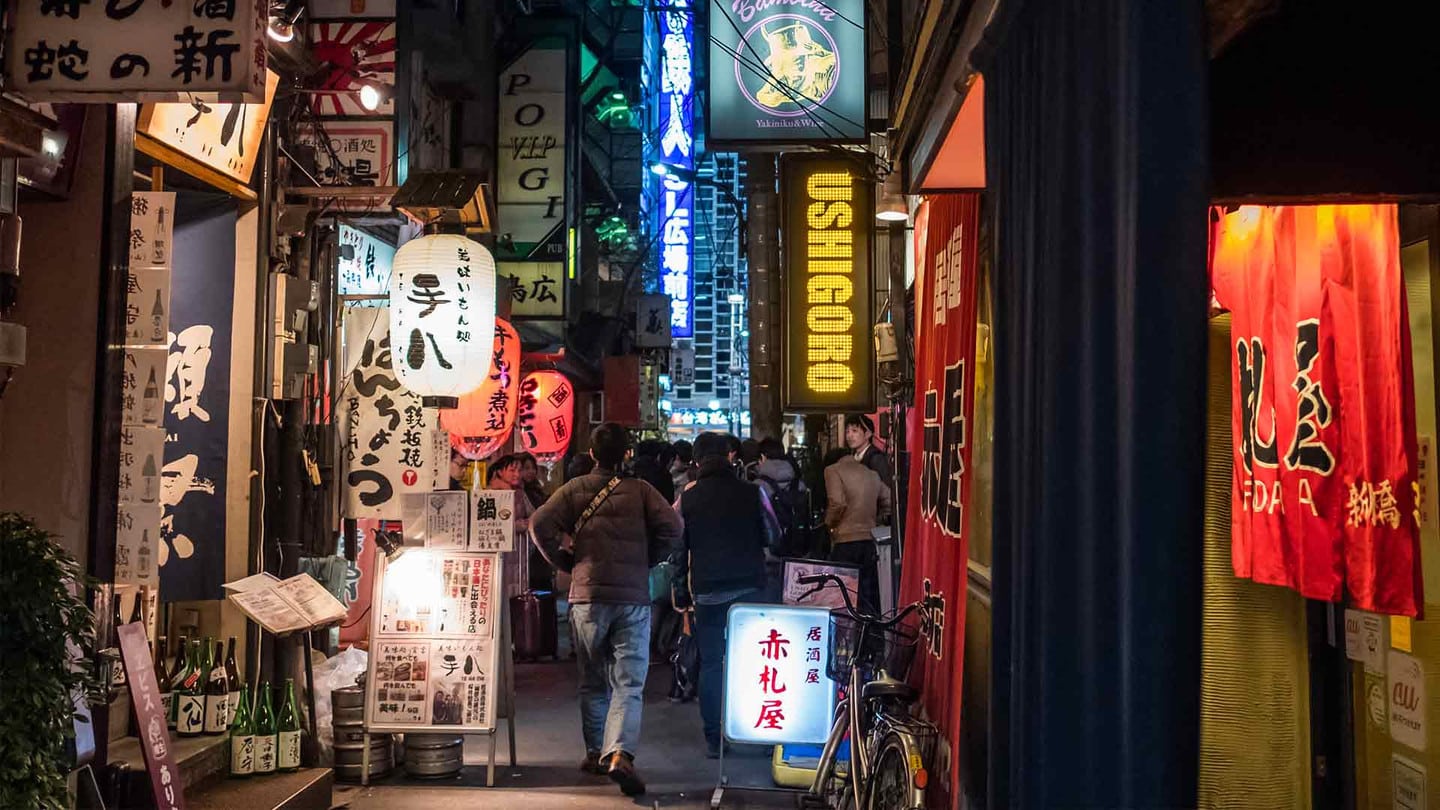
Shimbashi Izakaya Hopping Tour: Three Local Favorites in One Night
Led by a local guide, you visit three izakaya of different styles in one evening, covering yakitori, oden and a seafood specialist, ideal for travelers who want a quick introduction to Shimbashi’s food culture and worry about the language barrier.
Meeting time, tour length, guide language and what’s included vary by operator, so check the product page before booking. It suits solo travelers and small groups; book online about a week ahead to secure a spot.
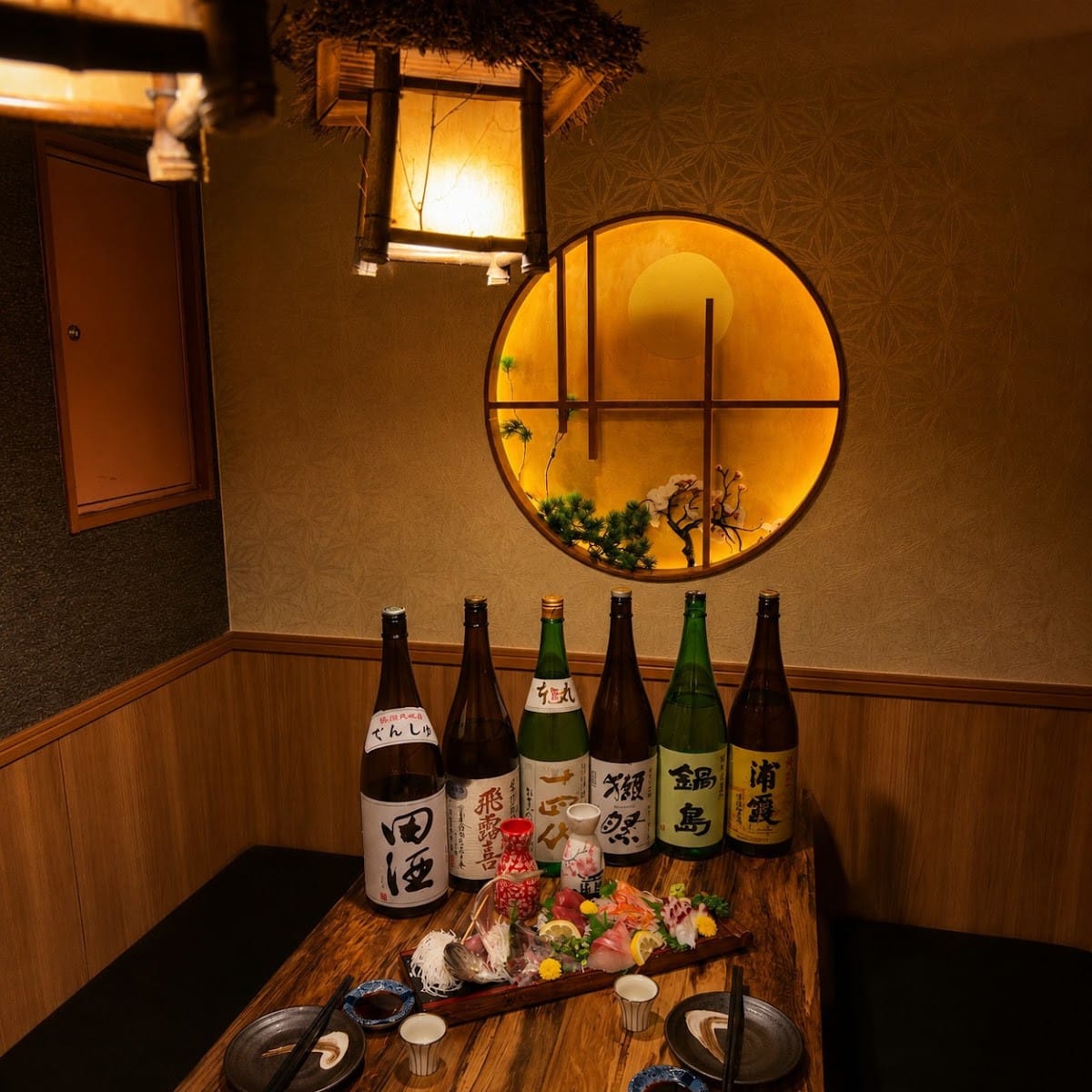
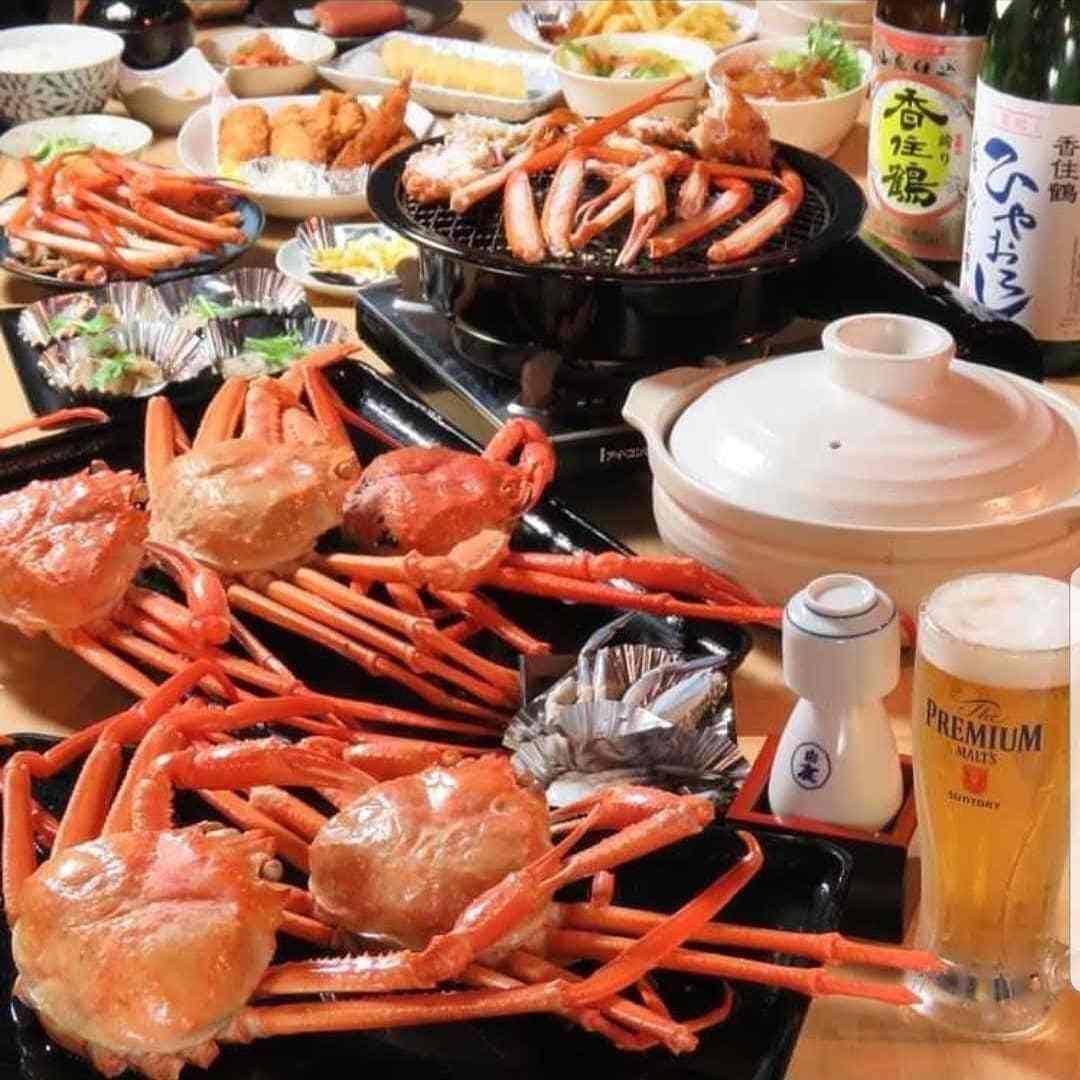
King Crab All-You-Can-Eat Experience: A Luxurious Feast Direct from Hokkaido
Several seafood restaurants in Shimbashi offer all-you-can-eat king crab plans that include sashimi and charcoal-grilled seafood in addition to the crab, suited to hearty eaters. Plan contents, dining time and price vary by shop and season, so check the booking page before ordering.
Book ahead through a reservation platform and go on a weekday evening to avoid weekend waits; some shops also offer weekday discounts, making it even better value.
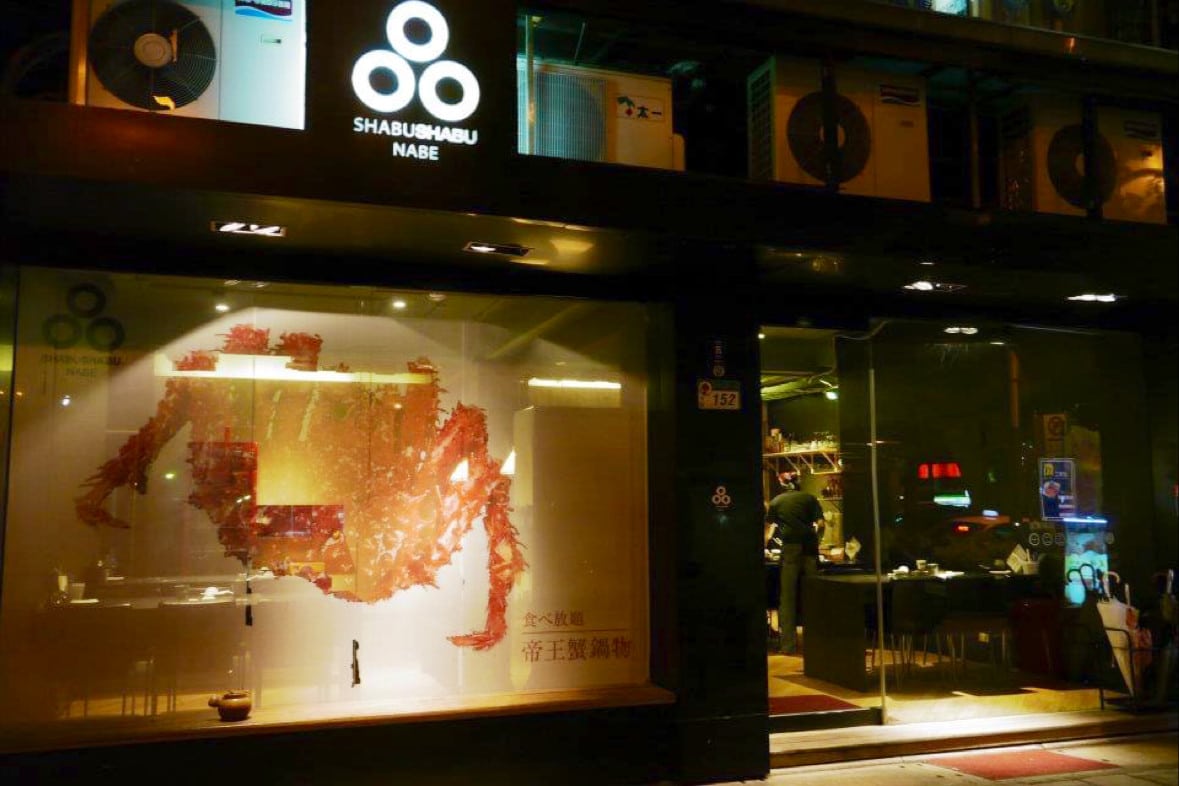
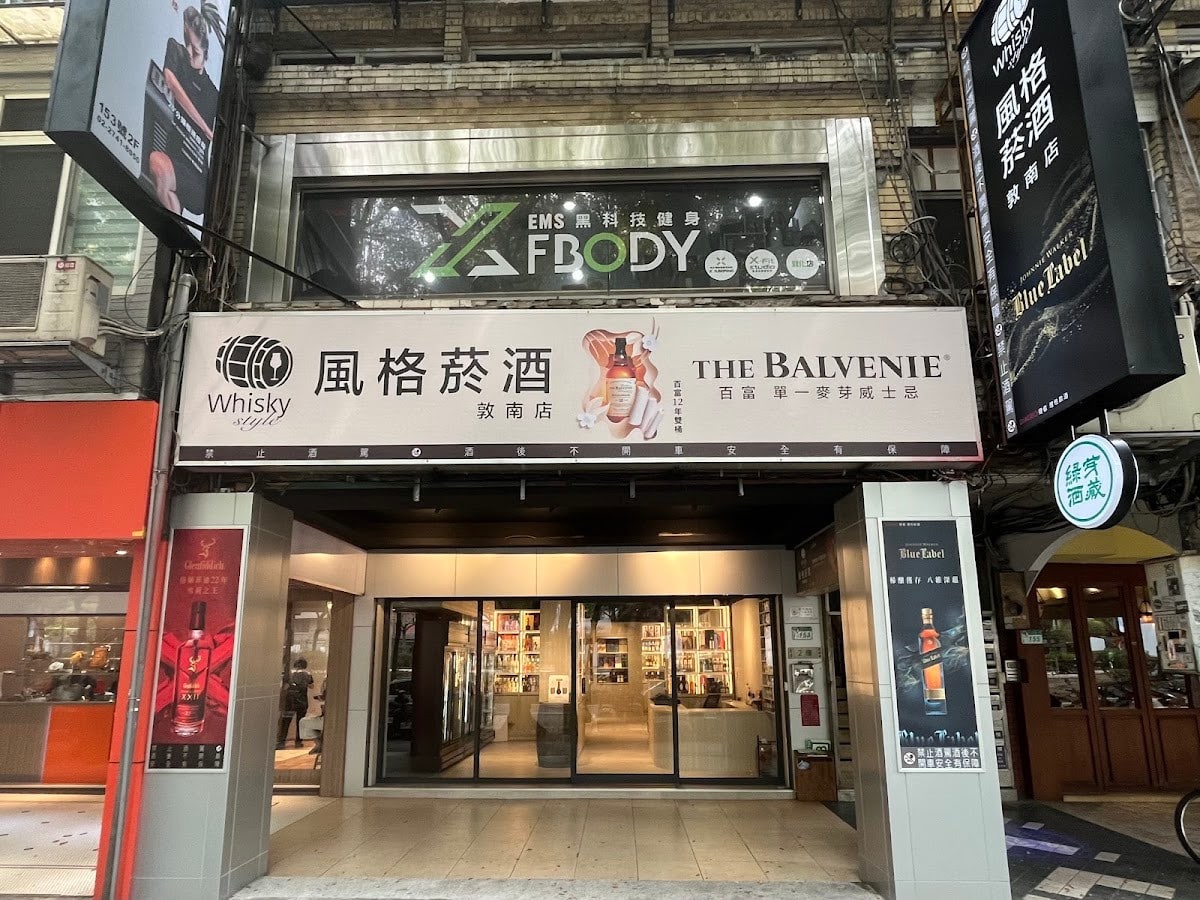
Sake and Whisky Tasting Experience: A Journey of Flavor Chosen by Experts
Some bars and izakaya offer sake or whisky tasting flights introduced by a professional sommelier who explains the different regions and flavor profiles, a good way for travelers interested in sake culture to learn more. A flight usually includes 3 to 5 drinks, and the price varies by shop and bottle.
Choose a quieter weekday evening to have more time to chat with the sommelier and learn about each drink’s brewing craft and best food pairings, which deepens the whole tasting experience.
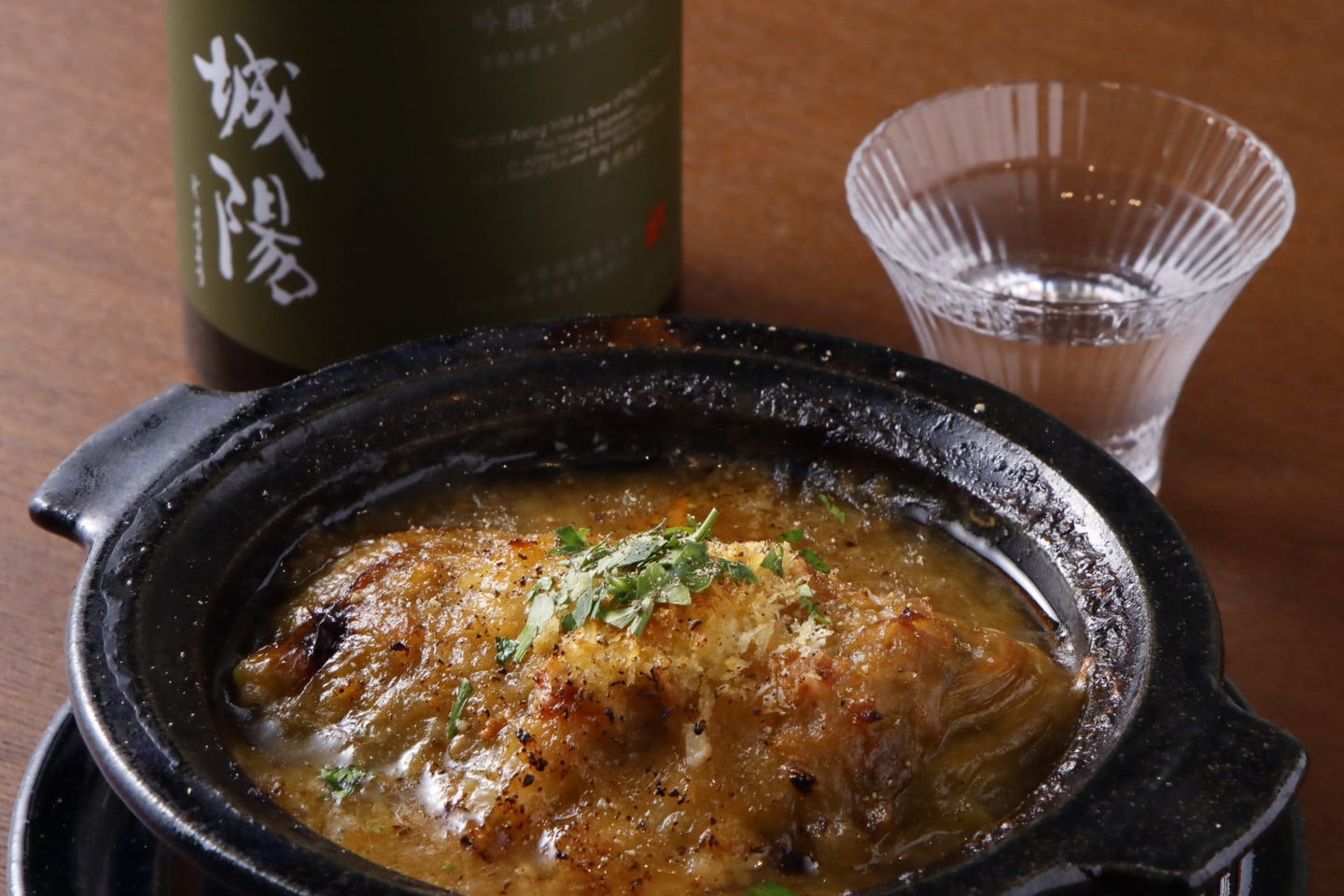
Shimbashi-Ginza Food Walking Tour: A Double Feast One Station Apart
A half-day walking tour combining Shimbashi’s everyday food with Ginza’s high-end dining, taking travelers through two very different sides of Tokyo food culture, from yakitori izakaya to Michelin-starred restaurants, showing the many layers of central Tokyo’s cuisine in one go.
The tour lasts about 4 hours and includes one lunch or dinner, with the rest spent on neighborhood tours and shop introductions. It suits travelers with a deep interest in Tokyo food culture; book ahead so the schedule fits your time slot.
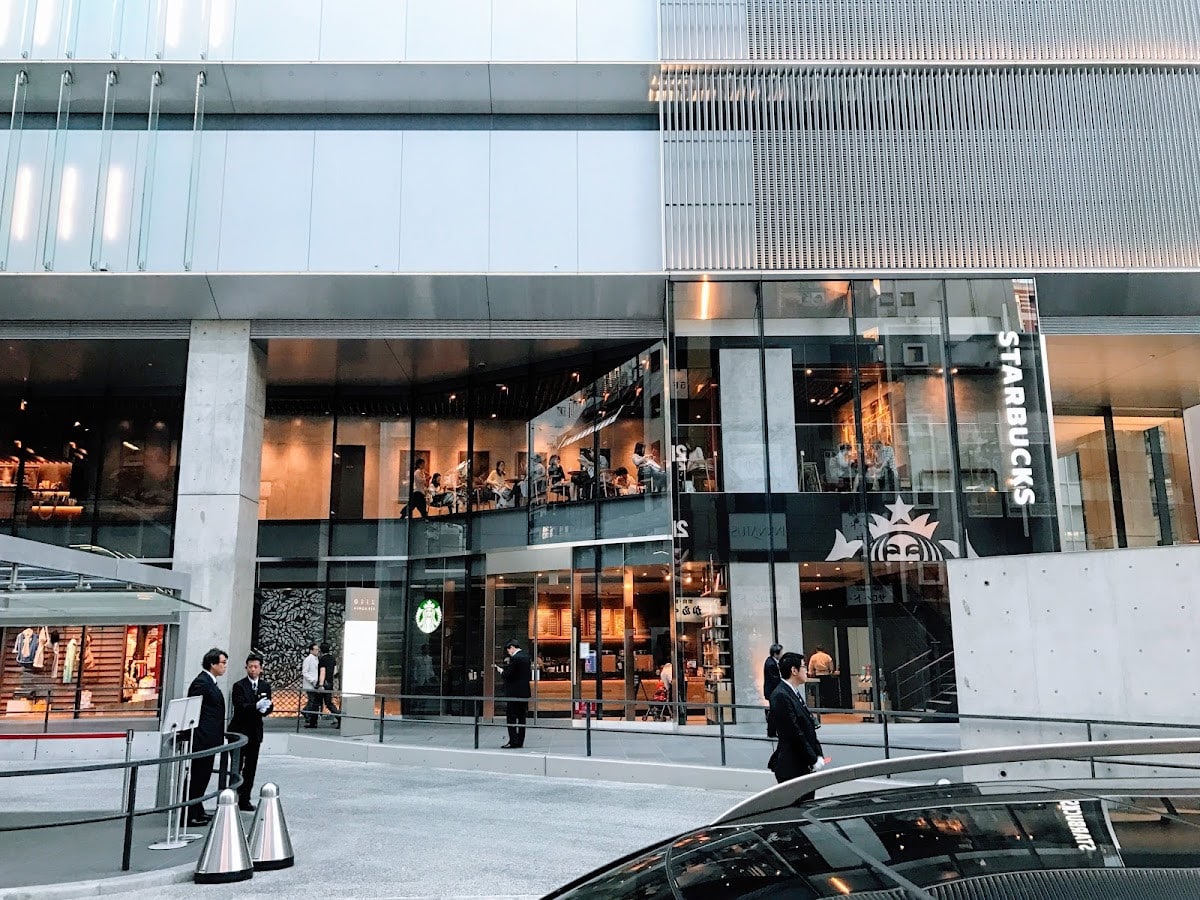
Shimbashi Food Souvenir Shopping Tour: Craftsman Flavors to Take Home
A local guide leads you to small shops in Shimbashi’s alleys that sell craftsman-made sauces, sake and regional specialties, ideal for travelers who want to bring the taste memories home. The tour lasts about 2 hours, and the shopping focus and budget can be adjusted to your preferences.
The tour fee varies with group size and content, starting at roughly ¥2,000 to ¥4,000. Tell the guide your food preferences and budget range in advance so the best shopping route and shops can be planned.
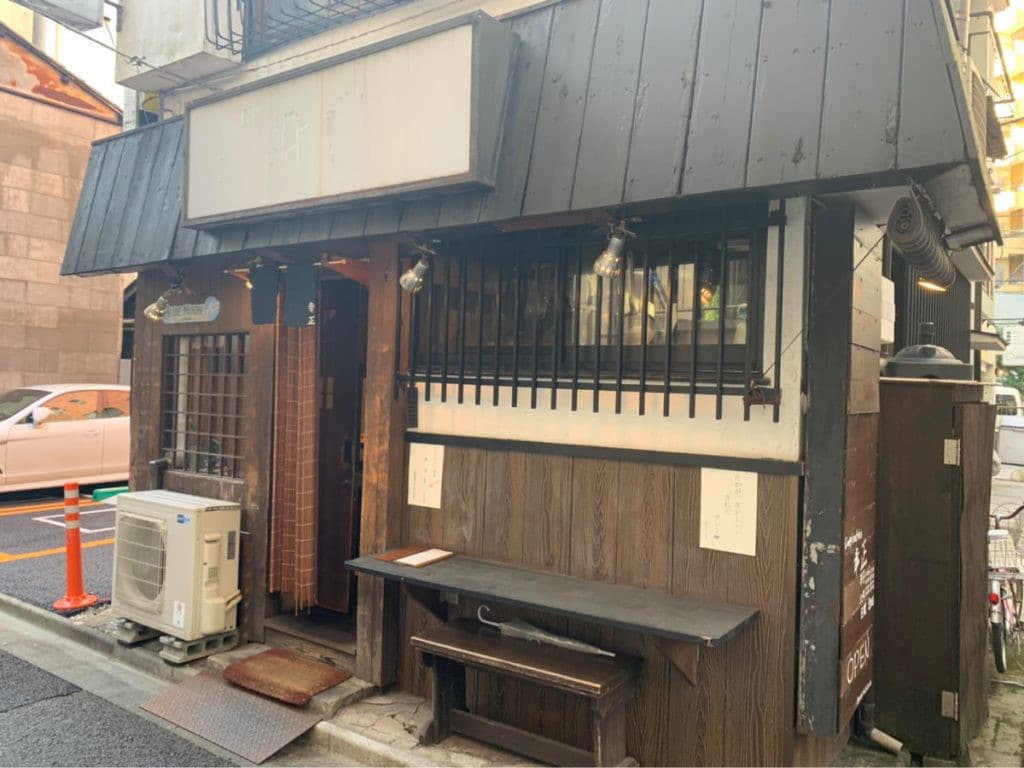
Where to Stay Nearby
Shimbashi Station is where the JR Yamanote Line, Keihin-Tohoku Line, Tokyo Metro Ginza Line, Toei Asakusa Line and Yurikamome meet, about 4 minutes from Tokyo Station by JR, so getting back to your hotel after the izakaya is easy. If you want to stay around Shimbashi, prioritize hotels within about a 10-minute walk, so you can head straight to Ginza, Tsukiji and Odaiba the next day.

FAQ
Q: About how much does an izakaya meal in Shimbashi cost per person?
A typical izakaya costs about ¥3,000 to ¥5,000 per person; if you try king crab or high-grade wagyu, expect roughly ¥6,000 to ¥12,000, so pick a shop to suit your budget and group size.
Q: What is the easiest way to get to Shimbashi’s food streets?
Take the JR Yamanote Line or Tokyo Metro Ginza Line to Shimbashi Station. It is only about 4 minutes from Tokyo Station, with a fare of about ¥150 to ¥180, and the izakaya cluster is right outside the station.
Q: Where are the izakaya of Shimbashi, Tokyo, mainly concentrated?
They are concentrated in the alleys around the Hibiya Exit (SL Square) and Karasumori Exit of JR Shimbashi Station, in the old buildings in front of the station such as New Shimbashi Building (ニュー新橋ビル) and Shimbashi Ekimae Building (新橋駅前ビル), and under the JR viaduct toward Yurakucho. For restaurants that need reservations, such as seafood or wagyu, book by phone or a reservation site first; to experience office-worker culture, simply walk into one of the standing bars inside the buildings.
Q: What time are the izakaya of Shimbashi liveliest?
Most izakaya open after 5 p.m., and 7 to 9 p.m. is the busiest after-work period, so avoid this peak or reserve a seat in advance.
Q: What season is best value for king crab in Shimbashi?
November through February is king crab season, when the meat is at its fattest and prices are relatively reasonable, the best time to eat king crab.
Q: What etiquette or taboos should I know when dining in Shimbashi?
Most izakaya charge a table charge (otoshi) of about ¥300 to ¥500; ask before eating whether it can be declined, and note that some old shops accept cash only, so have some ready.
Q: What features suit business entertaining in Shimbashi?
For business entertaining, choose a place with private rooms, such as Shimbashi Shamo Sakaba or Wayo Secchu Maru Ginza, where the quieter, more private setting makes it easy to talk business and show hospitality.
Q: Can I dine alone at a Shimbashi izakaya?
Yes. Many places, such as BAR LIEN and the oyster bar, have counter seats suited to drinking alone, and the staff are used to solo guests, so there is nothing to worry about.