
What Is the 2026 Randen One-Day Pass? Fares, Where to Buy and Hidden Perks Explained
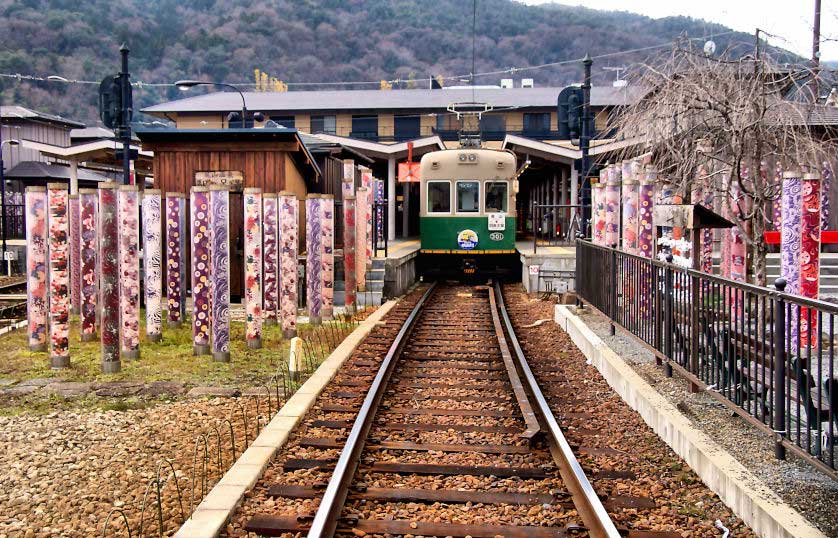
The Randen One-Day Pass is the best-value transport ticket for exploring Arashiyama and the Kitano area. It pays for itself after more than 3 rides in a day and also comes with several hidden perks.
Randen One-Day Pass Basics
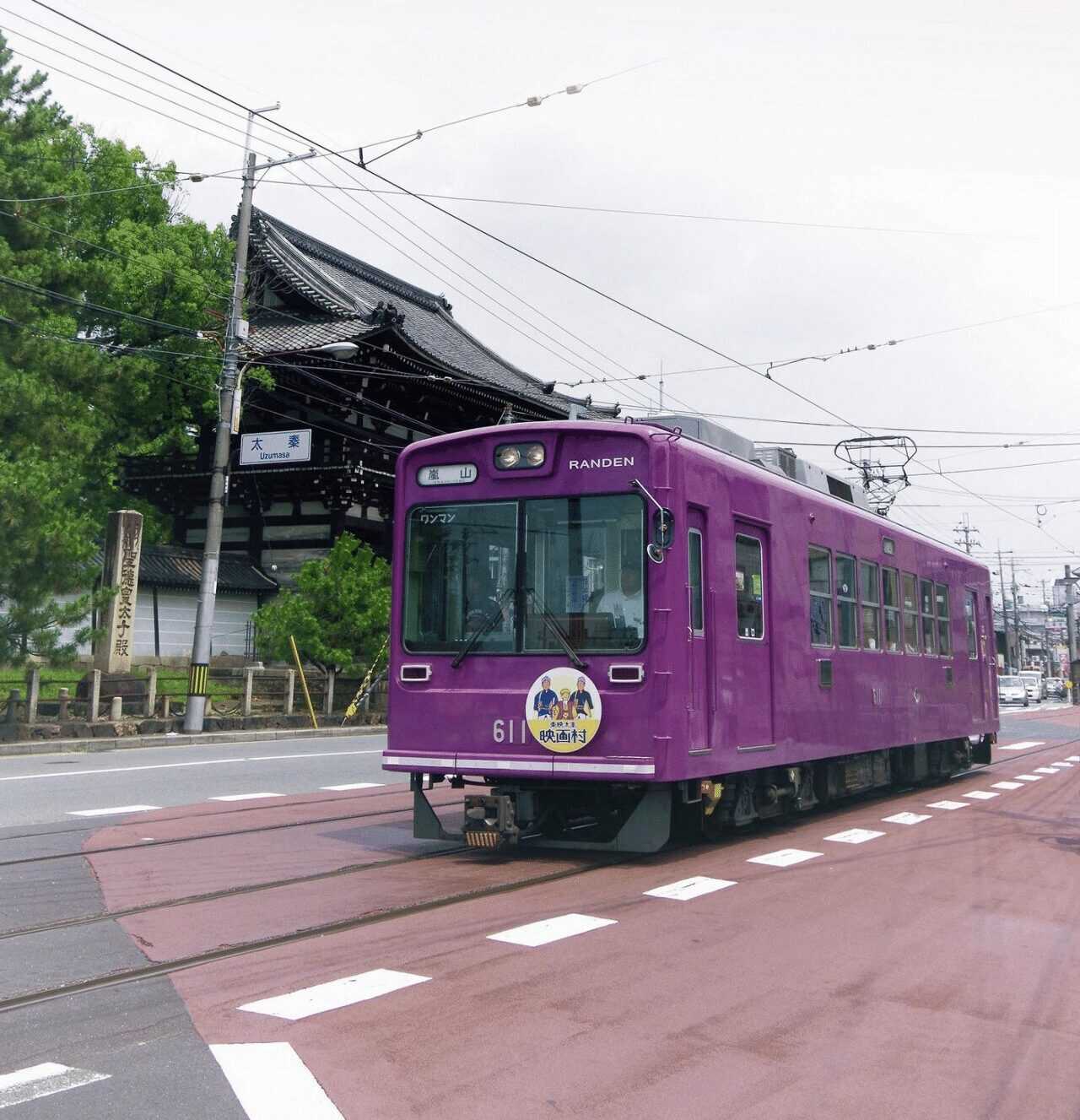
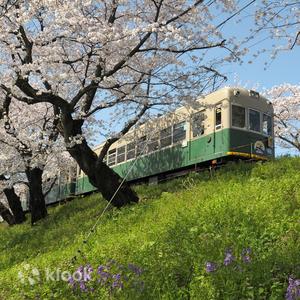
The pass costs ¥700 for adults and ¥350 for children. A single ride is ¥250 for adults and ¥120 for children, so 3 or more rides pay for the pass. Randen is Kyoto’s only streetcar line, run by Keifuku Electric Railroad, linking Arashiyama with the Kitano-Hakubaicho and Kinkaku-ji area.
The one-day pass gives unlimited rides on the full Arashiyama Main Line and Kitano Line, suited to travelers who want to move around often and get off at many stops for photos, saving both time and money compared with buying single tickets.
Where to Buy
In person, you can buy it directly at the ticket windows at Shijo-Omiya, Katabiranotsuji, Arashiyama and Kitano-Hakubaicho Stations (cash only), and most station staff can communicate in simple English or by gesture.
To skip the queue on site, you can also buy online through the Keifuku Electric Railroad official website (keifuku.co.jp) (credit cards accepted) or pre-book on travel platforms such as KKday and exchange it before departure, especially useful in peak season or when morning trains are crowded.
Hidden Perks
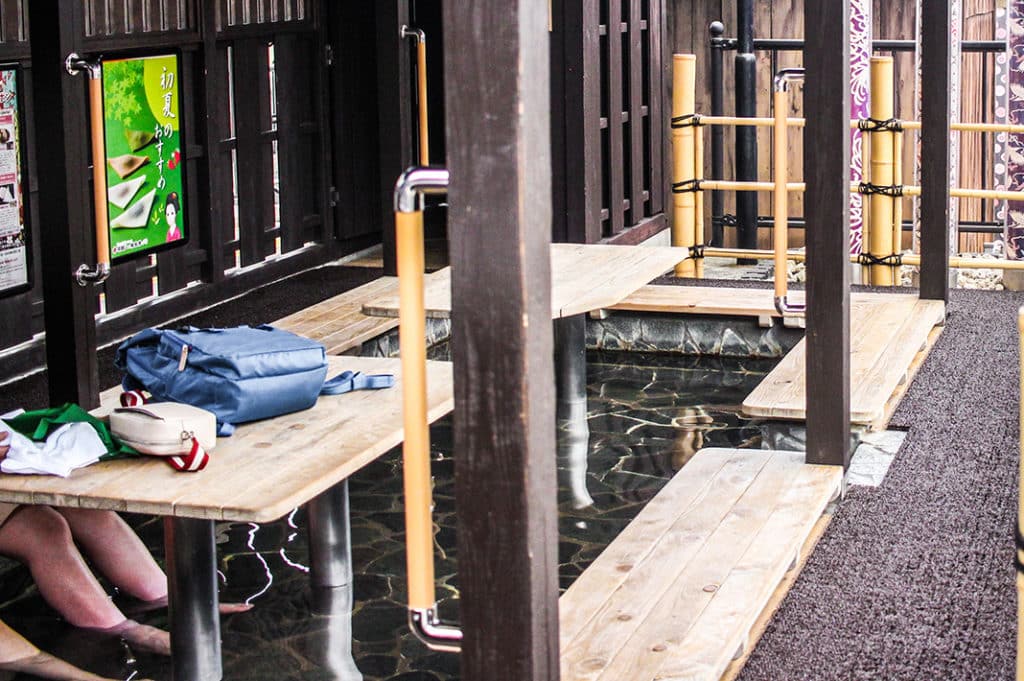
Showing the Randen One-Day Pass gets you a discount at the “foot bath” facility inside Arashiyama Station, as well as ticket discounts or small gifts at several temples and attractions along the line.
Well-known temples such as Tenryu-ji and Ninna-ji are among the participating spots. Ask station staff about the current list of perks before boarding, and using the pass well can save you quite a lot in extra costs.
Kyoto Subway and Randen One-Day Pass Combo
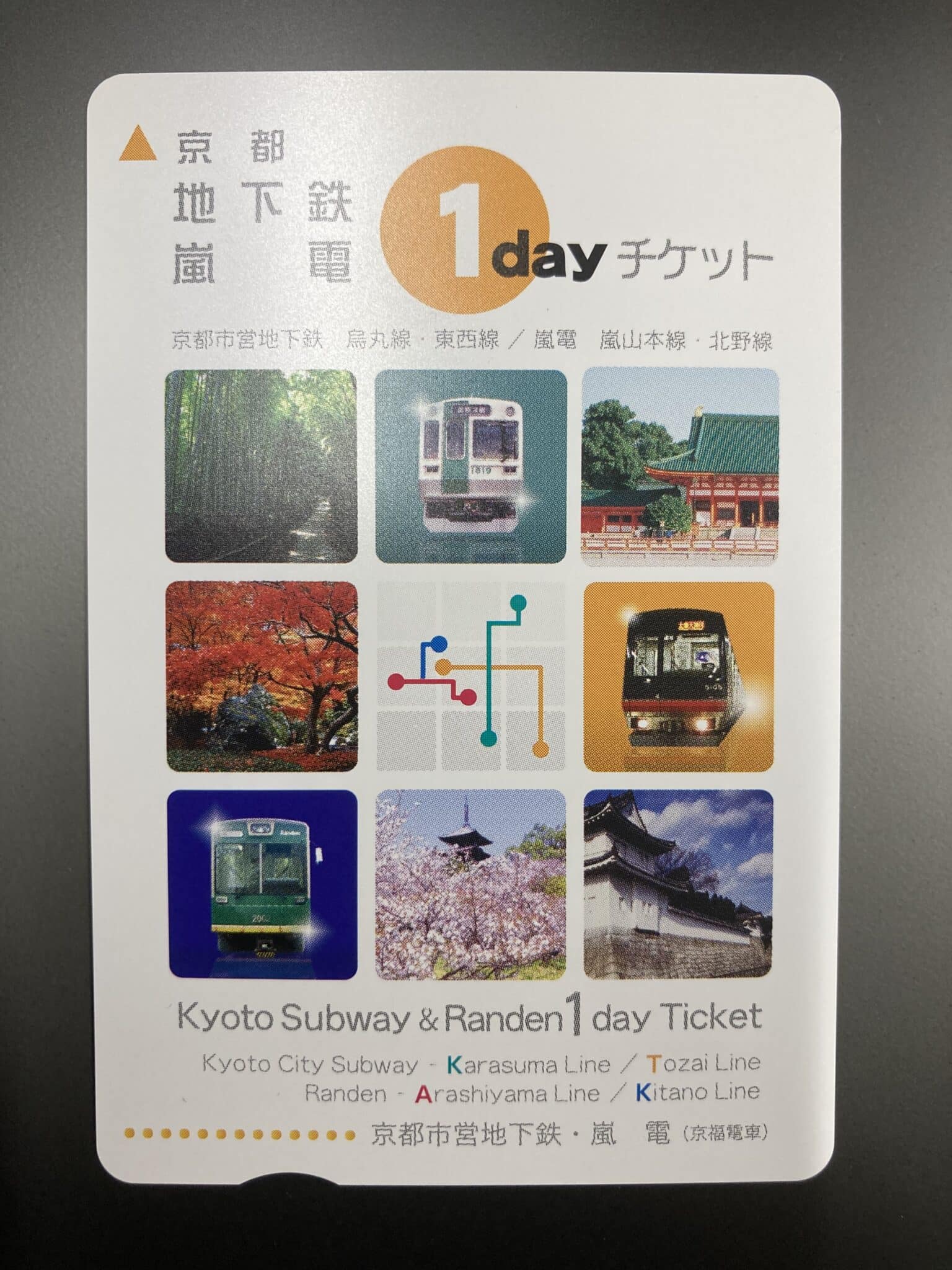
If you will also ride the Kyoto subway often that day to other sights such as Kiyomizu-dera and Kinkaku-ji, we suggest buying the “Kyoto Subway and Randen One-Day Pass” directly. It costs ¥1,300 (adult tickets only, no child fare; the 2026 sales period is April 1, 2026 to March 31, 2027) and is better value than buying the two tickets separately.
This combo ticket can also be bought at the main Randen stations and at the windows of Kyoto Municipal Subway stations, and suits travelers planning a one-day trip around all of Kyoto.

Randen Route Map Overview
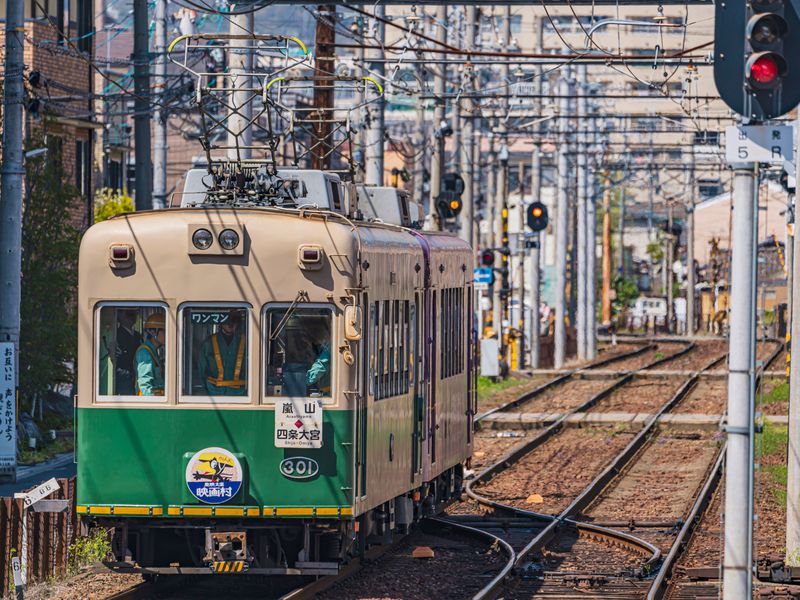
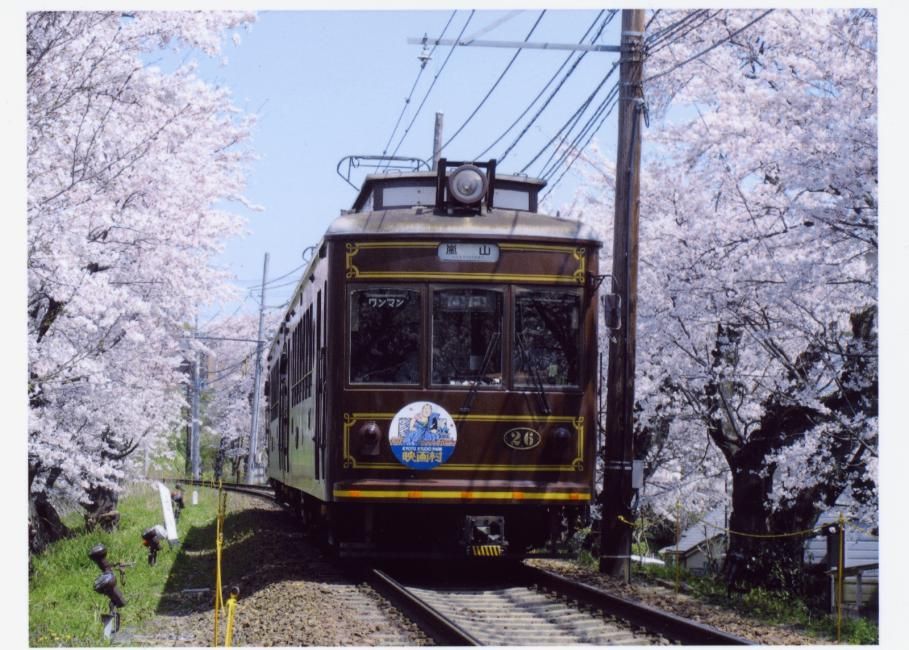
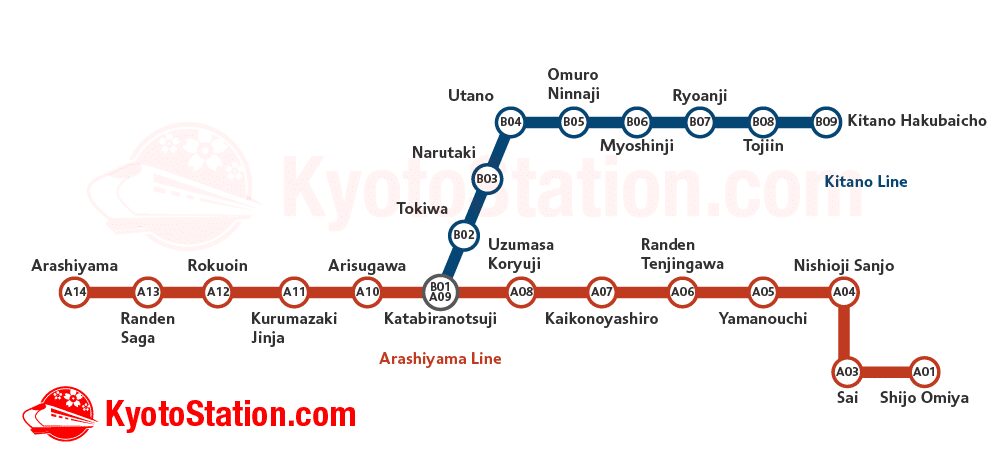
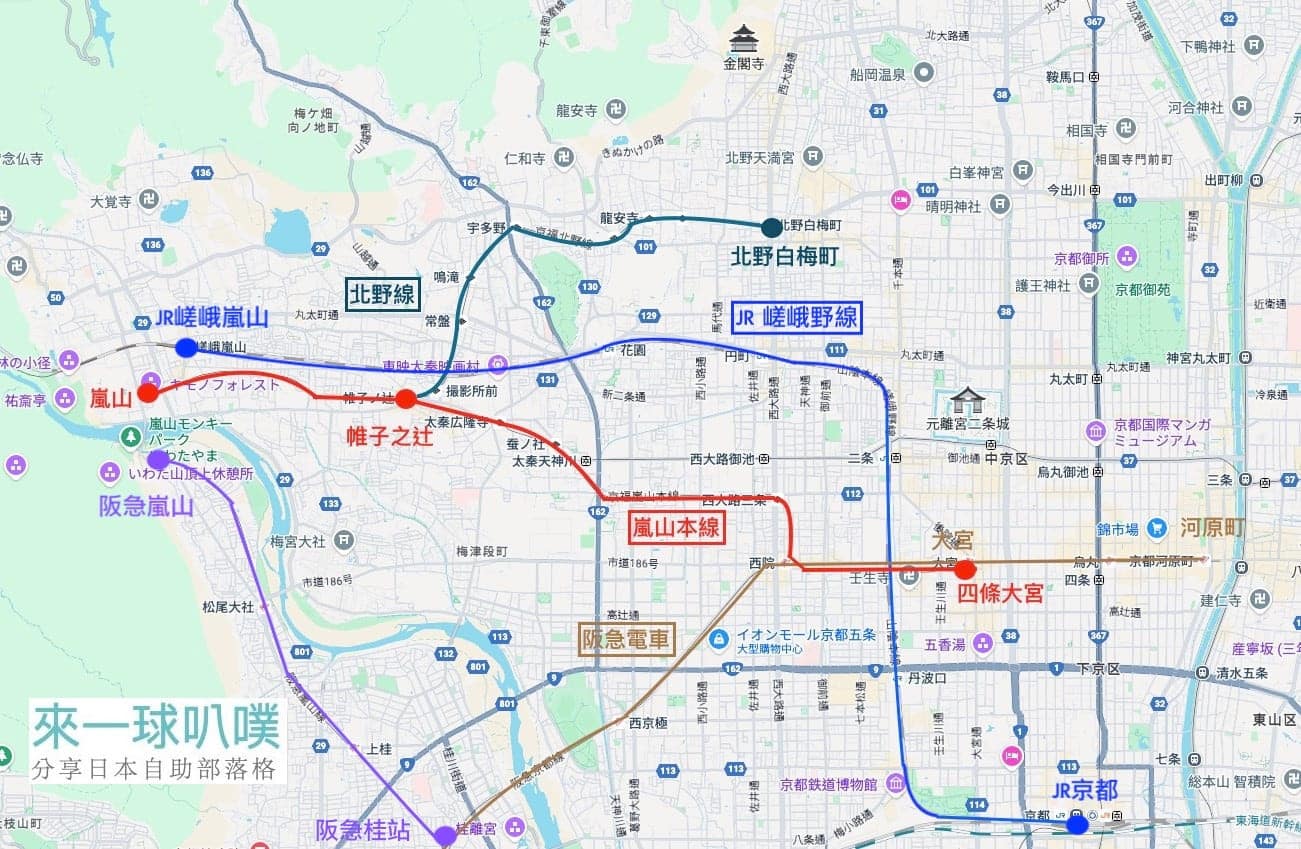
Randen has two lines, the “Arashiyama Main Line” and the “Kitano Line.” The Arashiyama Main Line runs from Shijo-Omiya Station to Arashiyama Station, while the Kitano Line runs from Kitano-Hakubaicho Station to Katabiranotsuji Station, and the two lines connect at Katabiranotsuji Station.
Along the Arashiyama Main Line are stops such as Mibu-dera, Uzumasa Koryu-ji and Kurumazaki Shrine, while the Kitano Line passes Omuro Ninna-ji and Ryoan-ji before reaching Kitano-Hakubaicho Station, the closest to Kinkaku-ji.
Transfer at Katabiranotsuji Station
Katabiranotsuji Station is the only junction of the Arashiyama Main Line and the Kitano Line. When planning, use this station as the relay point: finish Arashiyama first, then transfer to the Kitano Line toward Ninna-ji, Ryoan-ji and Kinkaku-ji.
The transfer route is clear and simple, with the change made on the platforms inside the same station without leaving it, saving a lot of back-and-forth time. The single fare on Randen is a flat ¥250 for adults and ¥120 for children regardless of distance.
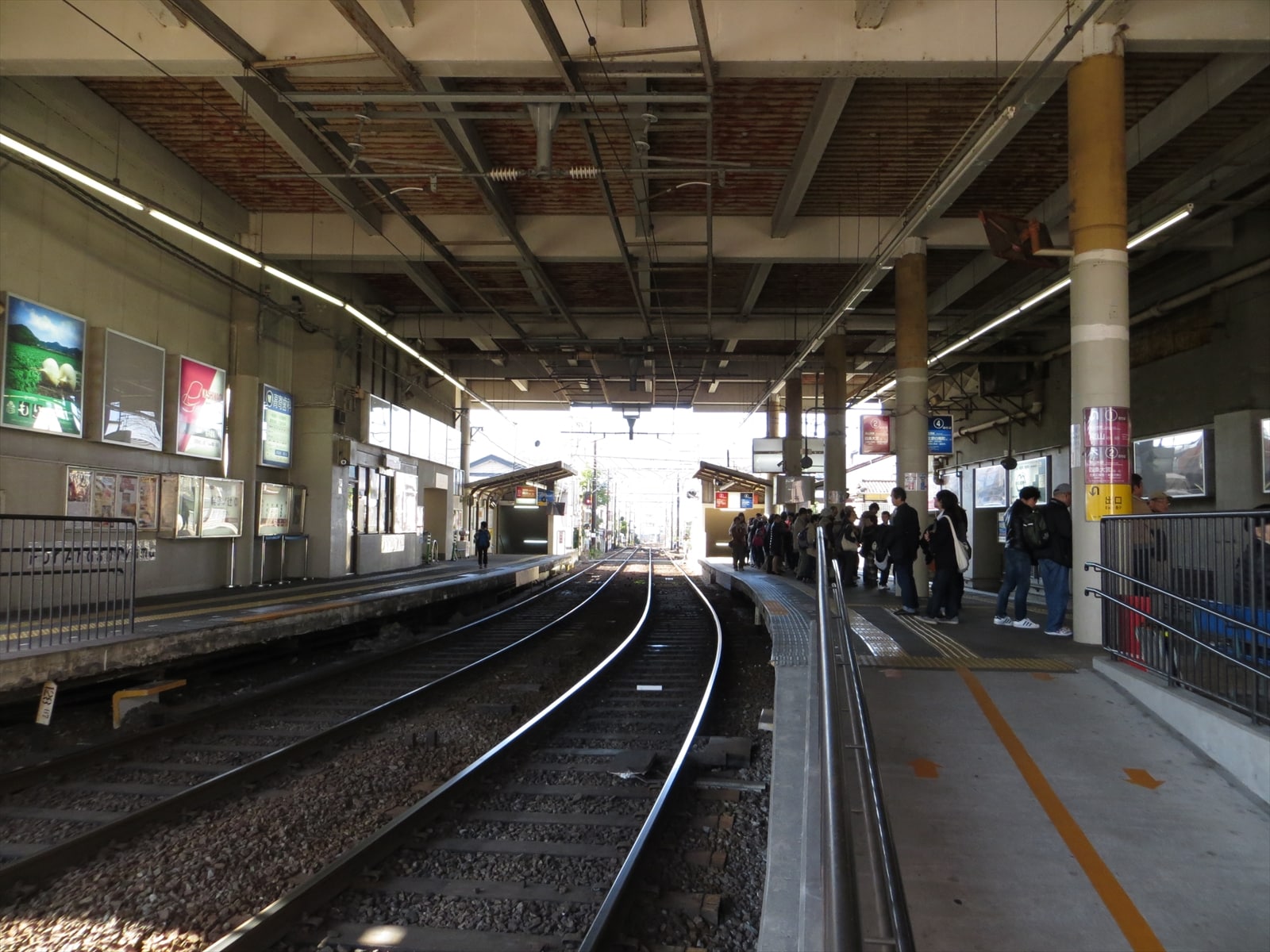
From Arashiyama to Kinkaku-ji: Randen, Transfer to the Kitano Line, Then a City Bus
From Randen Arashiyama Station, take the Arashiyama Main Line to Katabiranotsuji Station, transfer to the Kitano Line to Kitano-Hakubaicho Station (Randen single fare ¥250), then take Kyoto City Bus route 204 or 205 from Kitano-Hakubaicho for about 5 minutes to Kinkakuji-michi stop (fare ¥230). The whole trip takes about 45 minutes. With the Randen One-Day Pass you can ride Randen unlimited times that day, while city buses cost extra.
Arashiyama at a Glance
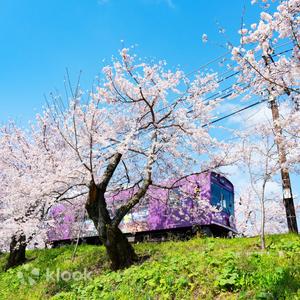
Arashiyama is in the western suburbs of Kyoto City and is known for Togetsukyo Bridge, the Bamboo Grove path and Tenryu-ji. Each of the four seasons has a different look: cherry blossoms in spring, a cool escape in summer, autumn leaves in fall, and in winter the Arashiyama Hanatoro illumination event.
Most sights in the Arashiyama area can be linked on foot, and combined with the Randen One-Day Pass you can efficiently extend to nearby World Heritage sites such as Kinkaku-ji and Ryoan-ji.
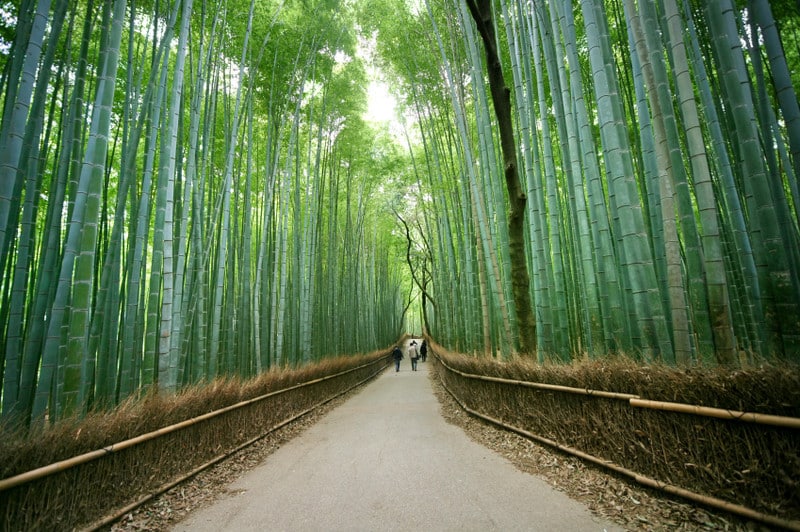
How to Get to Arashiyama and Kinkaku-ji? A Complete 2026 Guide to Randen Transport and Costs
Arashiyama and Kinkaku-ji are the two most popular sightseeing areas in northwest Kyoto. Although they are not on the same line, with the “Randen (Keifuku Electric Railroad)” one-day pass plus a city bus transfer you can smoothly cover both in one day. Below are the main ways to get there from Kyoto Station, including fares, travel times and how to buy tickets, so that when planning your 2026 Kyoto trip you can see at a glance which option is best value.
How to Get to Arashiyama and Kinkaku-ji? Transport at a Glance
🚃 Randen One-Day Pass: ¥700 for adults and ¥350 for children, unlimited rides on the whole Randen network, with trains about every 6 to 10 minutes.
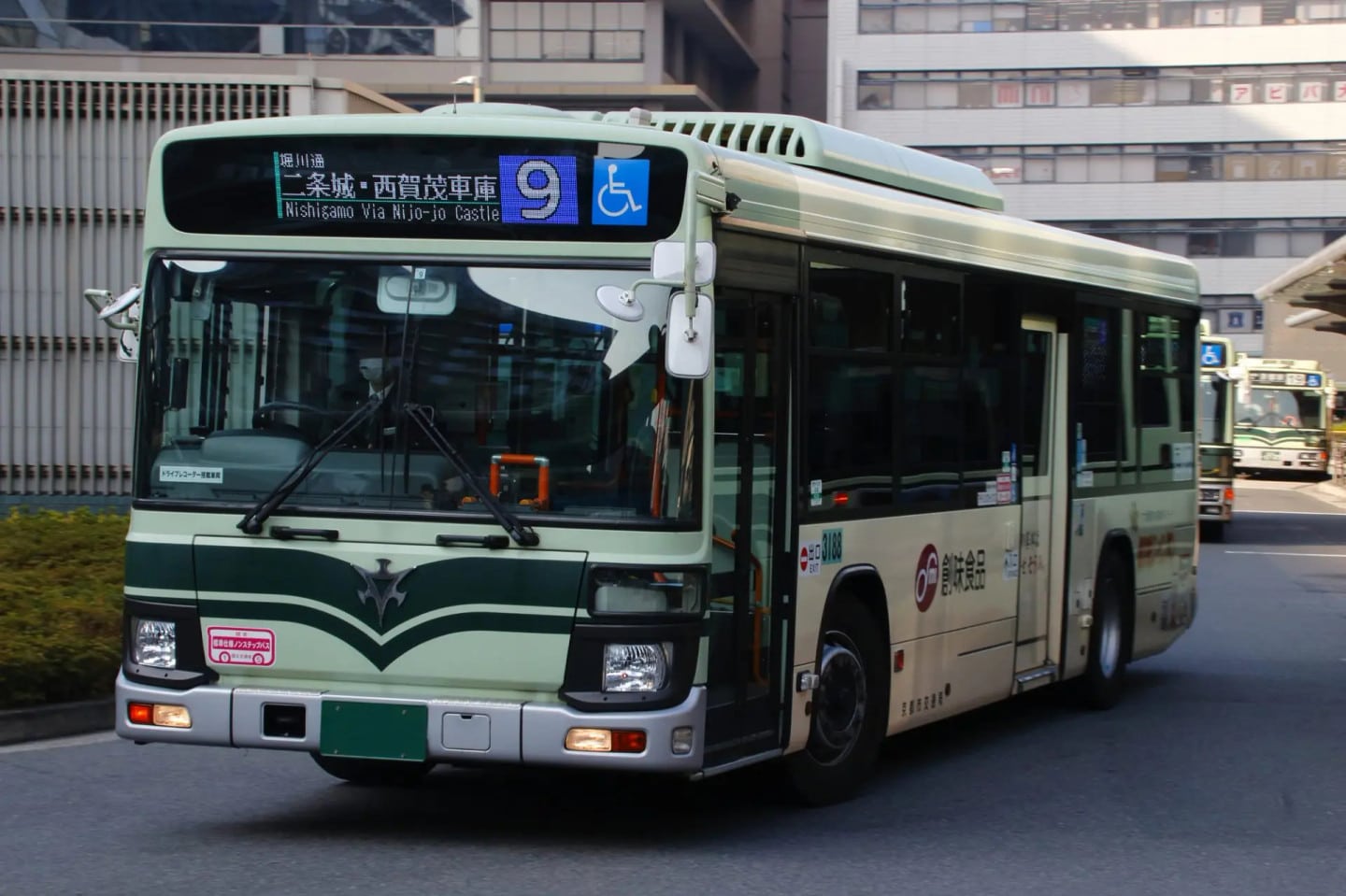
🚌 To Kinkaku-ji: city bus 101 or 205 takes about 35 to 40 minutes at ¥230. For frequent riders, buying a one-day pass is recommended.
🎫 Subway and Bus One-Day Pass: ¥1,100 for adults and ¥550 for children, suited to sights along the way such as Kinkaku-ji and Nijo Castle.
🚕 Taxi: the fare from Kinkaku-ji to Arashiyama varies with traffic and time of day, and you can estimate it in advance with a taxi-hailing app.

What Are the Must-See Spots Along Randen and at Kinkaku-ji in 2026? Highlights at Each Stop
From the Arashiyama Main Line to the Kitano Line, 12 representative spots are linked along the route, including Togetsukyo Bridge, World Heritage temples and Kinkaku-ji.
Togetsukyo Bridge
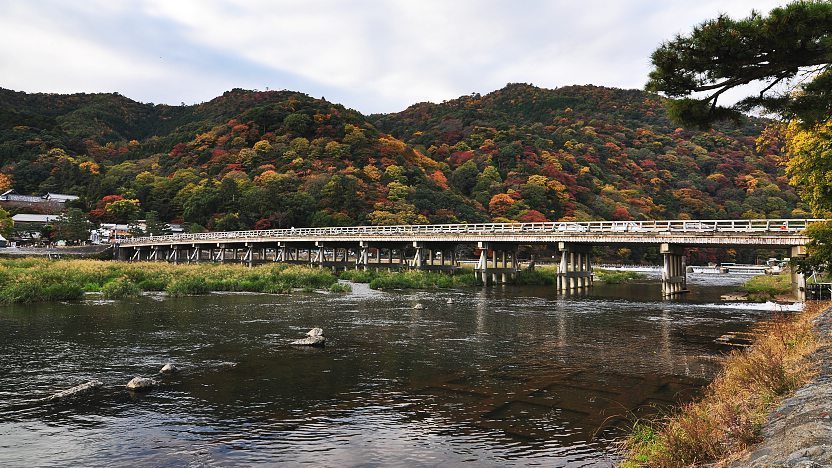
Togetsukyo Bridge spans the Katsura River and is Arashiyama’s most iconic landmark. Its name comes from the poetic image of the “bright moon crossing the bridge,” and it is especially romantic on a full-moon night. The bridge is about 155 meters long, and from it you can look out over the Arashiyama peaks and their reflections in the Katsura River.
Cherry blossoms bloom on both banks in spring and the hills turn red in autumn, so it is a must-visit for photography lovers. Allow 20-30 minutes for a stroll and photos, and early morning has the fewest crowds.

Sagano Bamboo Grove Path
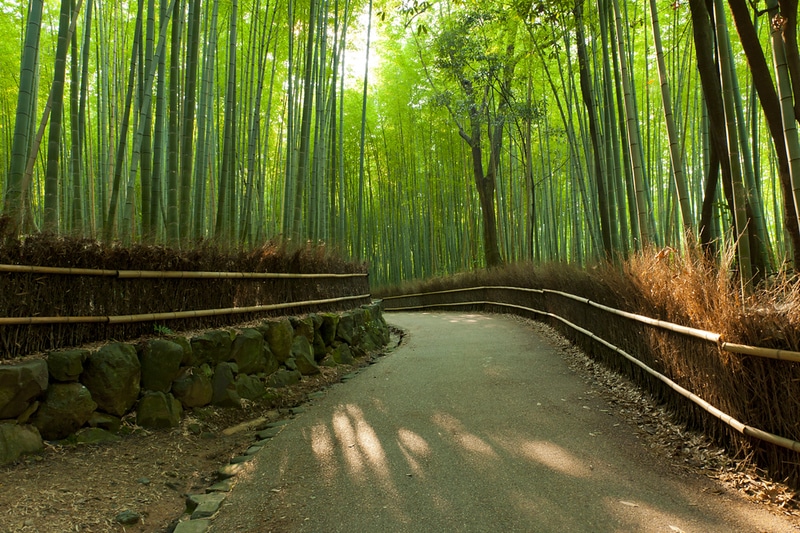
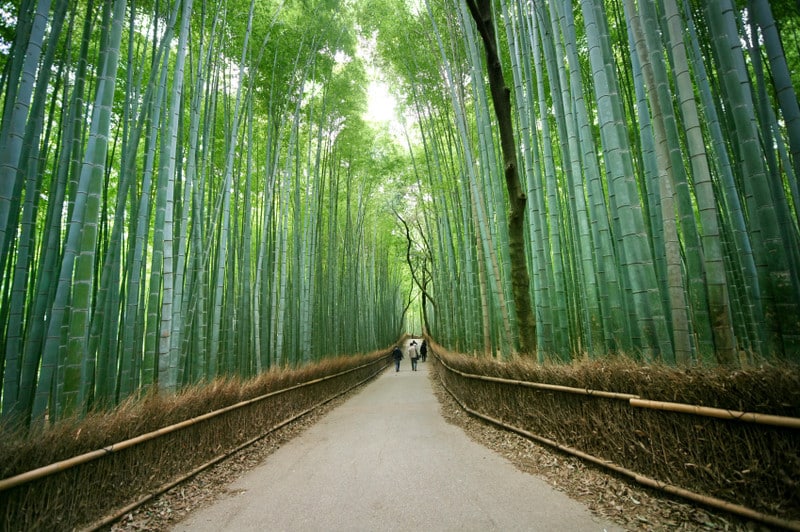
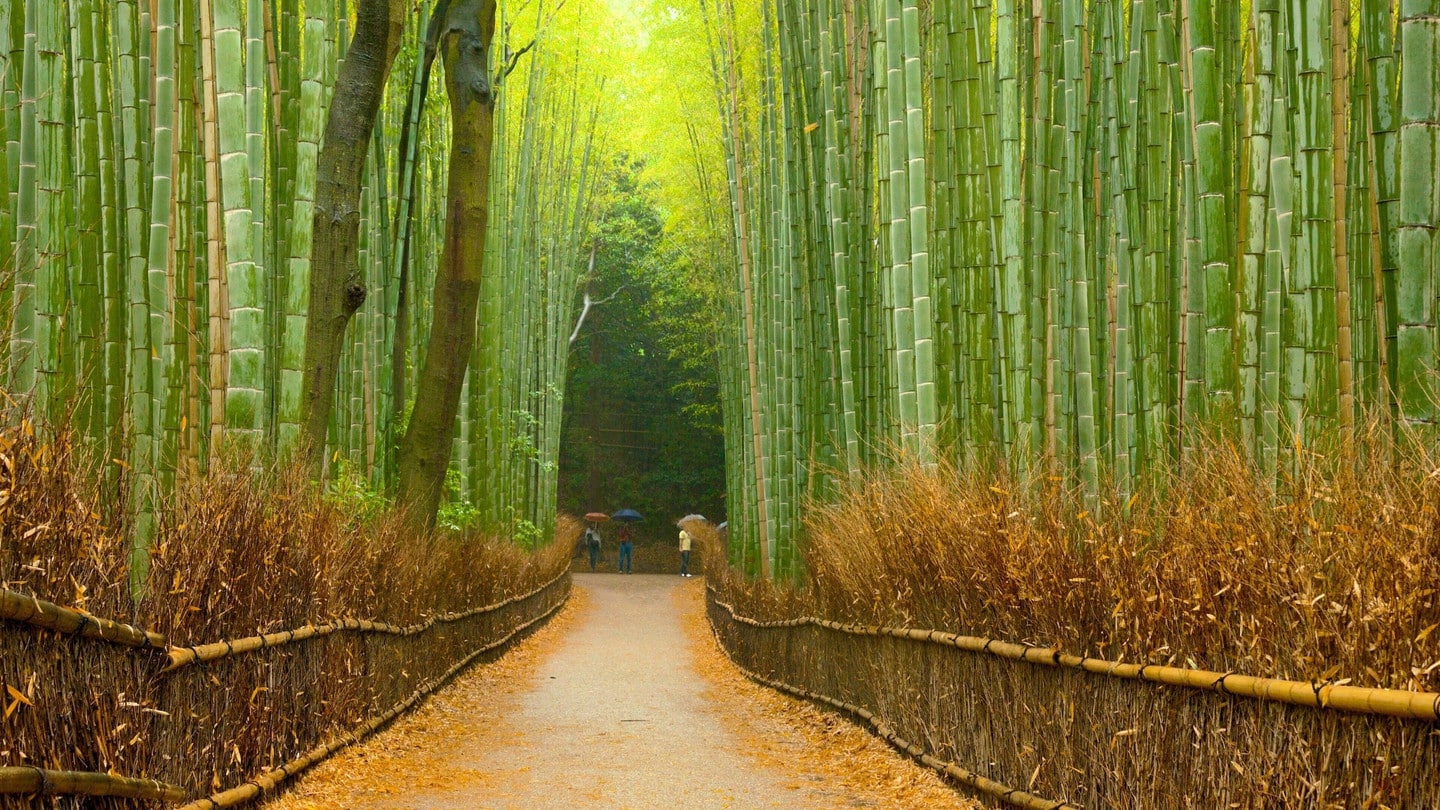
This bamboo tunnel about 400 meters long is Arashiyama’s most soothing natural scenery. Towering bamboo on both sides blocks out the sky, the leaves rustle in the breeze, and it was selected as one of the “100 Soundscapes of Japan.”
It is free and open year-round. Arrive before 7-8 am to avoid the crowds. It is the necessary route to Nonomiya Shrine and Okochi Sanso Villa, with a walking time of about 10 minutes.
Tenryu-ji
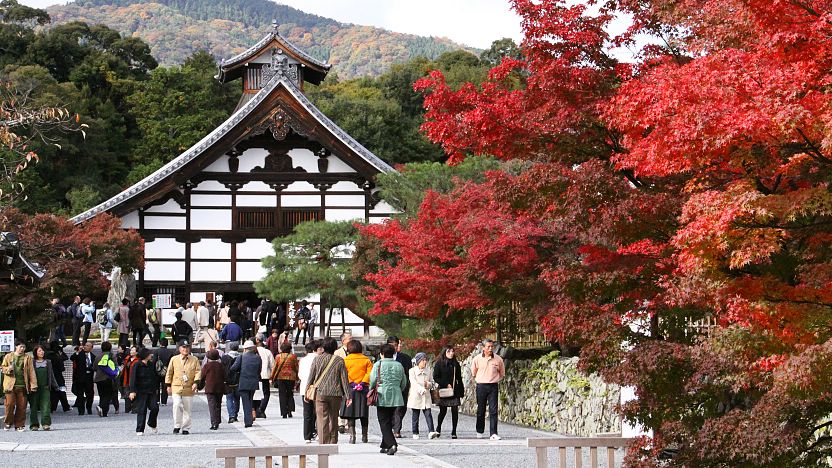
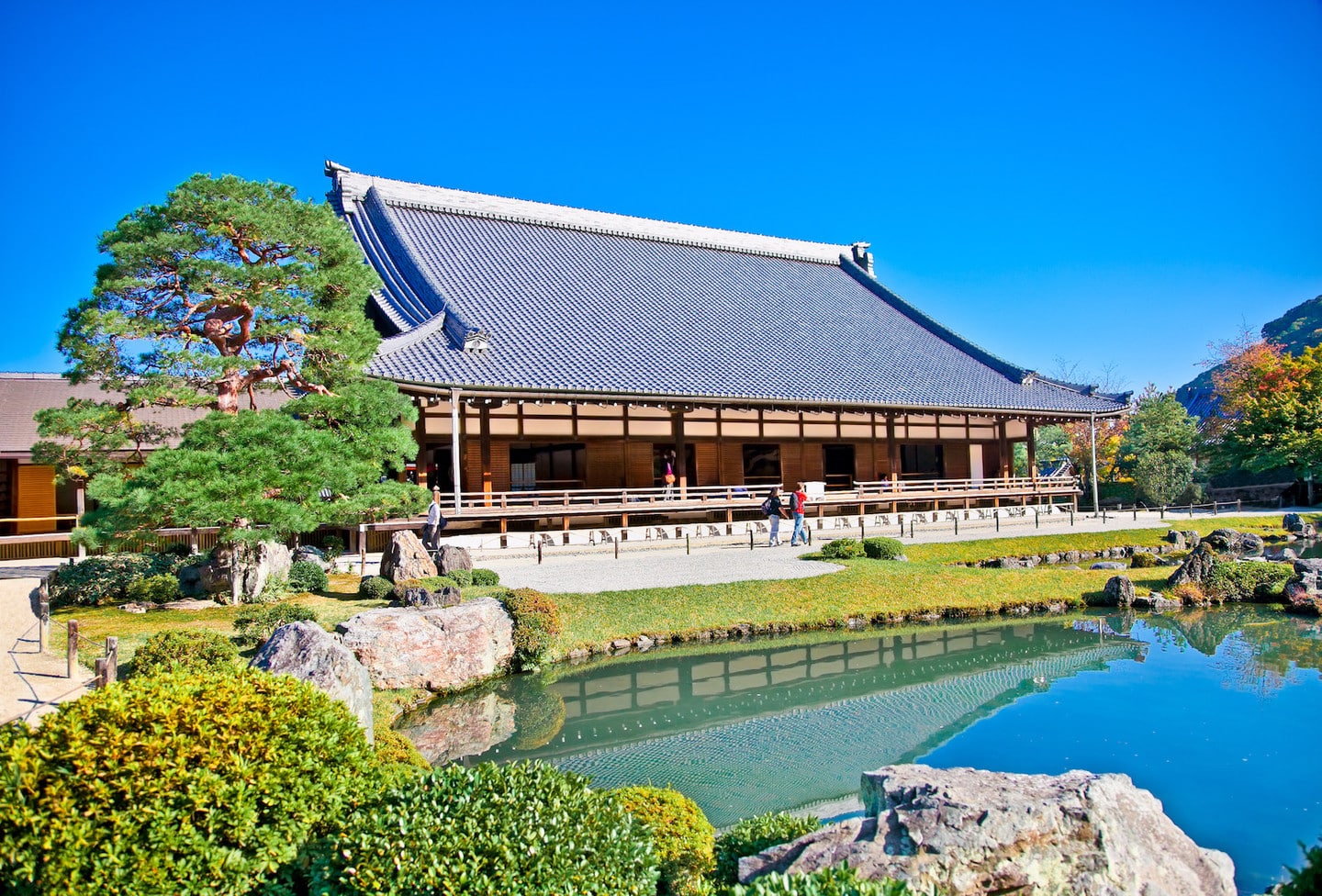
Tenryu-ji is Arashiyama’s signature World Heritage Zen temple, head temple of the Tenryu-ji school of the Rinzai sect, founded by Ashikaga Takauji in 1339 and enshrining Shaka Nyorai. Its Sogenchi Garden is a Special Place of Scenic Beauty.
It is open 8:30-17:00 (slightly adjusted by season). Garden admission is ¥500, with an additional ¥300 to also enter the main hall, and showing the Randen One-Day Pass gets a discount. Goshuin are available as a keepsake, the official website is tenryuji.com, and allow about 1 hour.
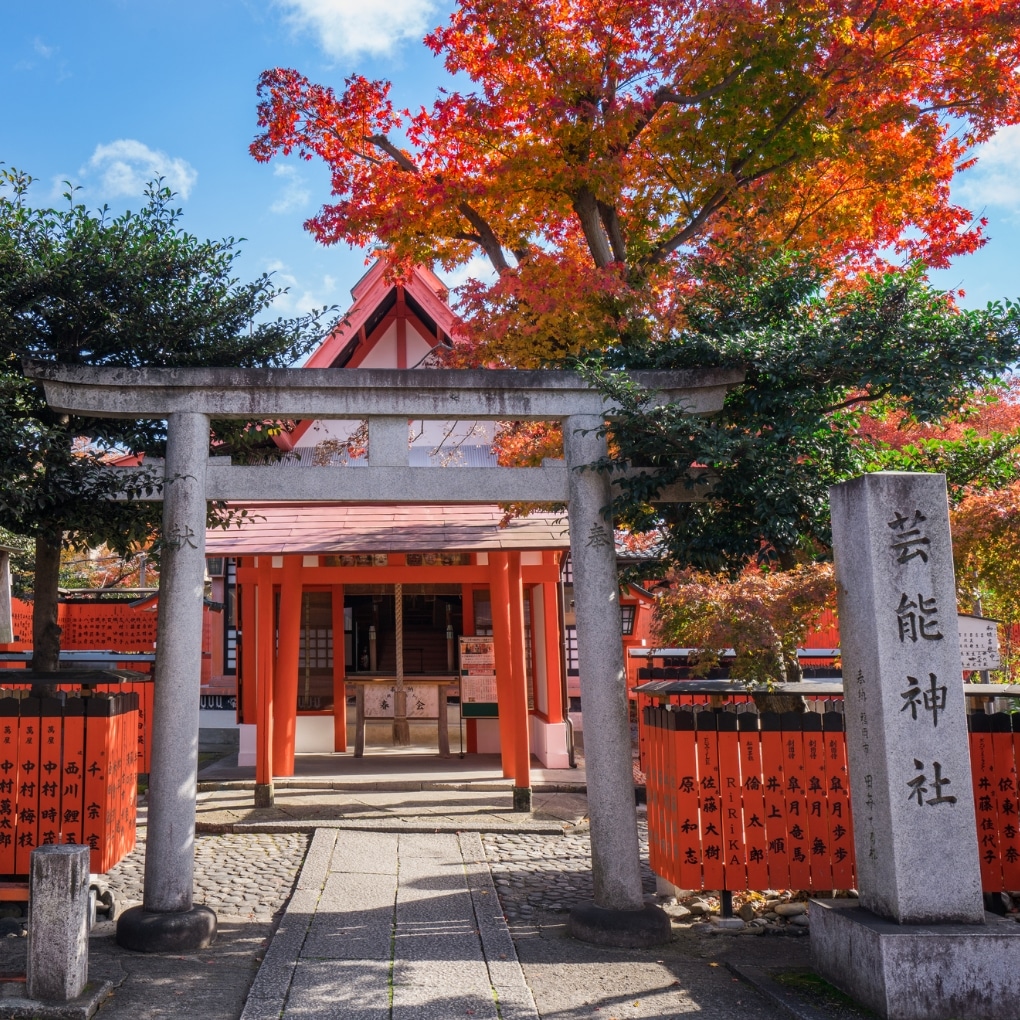
Kurumazaki Shrine
Kurumazaki Shrine, also called the performing arts shrine, enshrines the Heian-period scholar Kiyohara Yorinari. Its “Geino Shrine” on the grounds honors the deity of the performing arts, and thousands of red tamagaki fences are covered with names offered by entertainers and fans from Japan and abroad, a pilgrimage spot for fans.
Free entry and open year-round. It is right outside Randen Kurumazakijinja Station, and also offers omamori and goshuin for progress in the arts and career luck, making it a good stop for travelers who love Japanese entertainment culture.
Koryu-ji
Koryu-ji is one of Kyoto’s oldest temples, founded in 603 by Hata no Kawakatsu in the time of Prince Shotoku, and belongs to the Shingon sect. Its national treasure “wooden Maitreya Bodhisattva in half-lotus pose” held on the grounds was Japan’s first designated national treasure and is famous worldwide for its serene beauty.
Open 9:00-17:00, adult admission ¥800. It is directly opposite Randen Uzumasa Koryu-ji Station and suits travelers interested in Buddhist art and historical artifacts for an in-depth visit. The official website is koryuji.or.jp, and allow about 40 minutes.
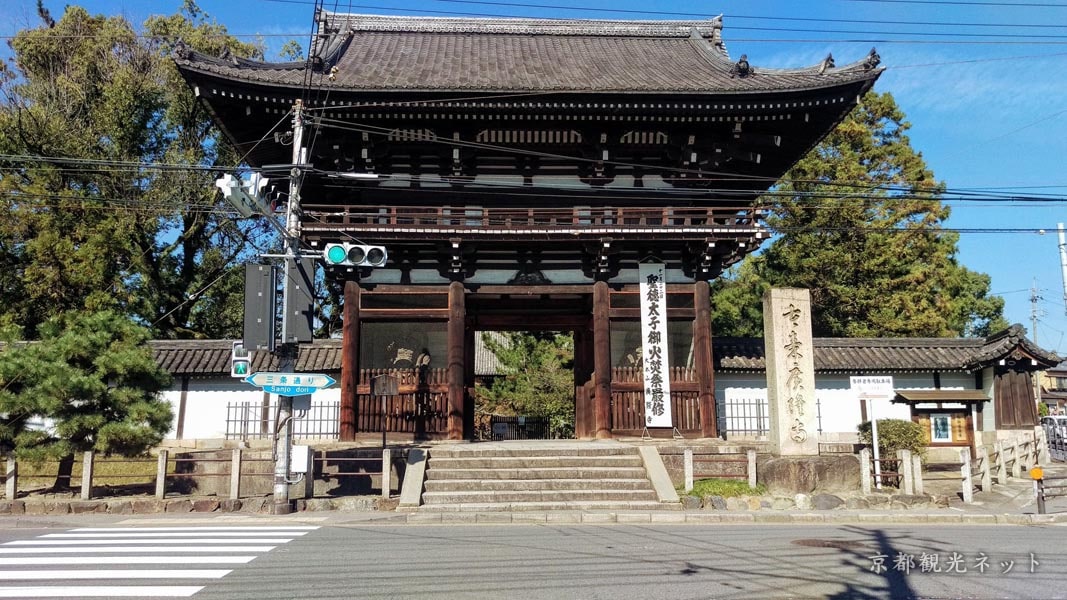
Mibu-dera
Mibu-dera is an important historical landmark of the Shinsengumi in the late Edo period, once one of the Shinsengumi’s training grounds and quarters. The grounds have the Mibu-zuka, where gravestones of Shinsengumi-related figures such as Kondo Isami are buried, drawing many Bakumatsu history fans on pilgrimage.
Free to enter. Visiting inside the main hall requires a separate ticket. It is near Randen Shijo-Omiya Station, about a 10-minute walk, and the Setsubun-e and Mibu Kyogen held every February are also popular annual events.
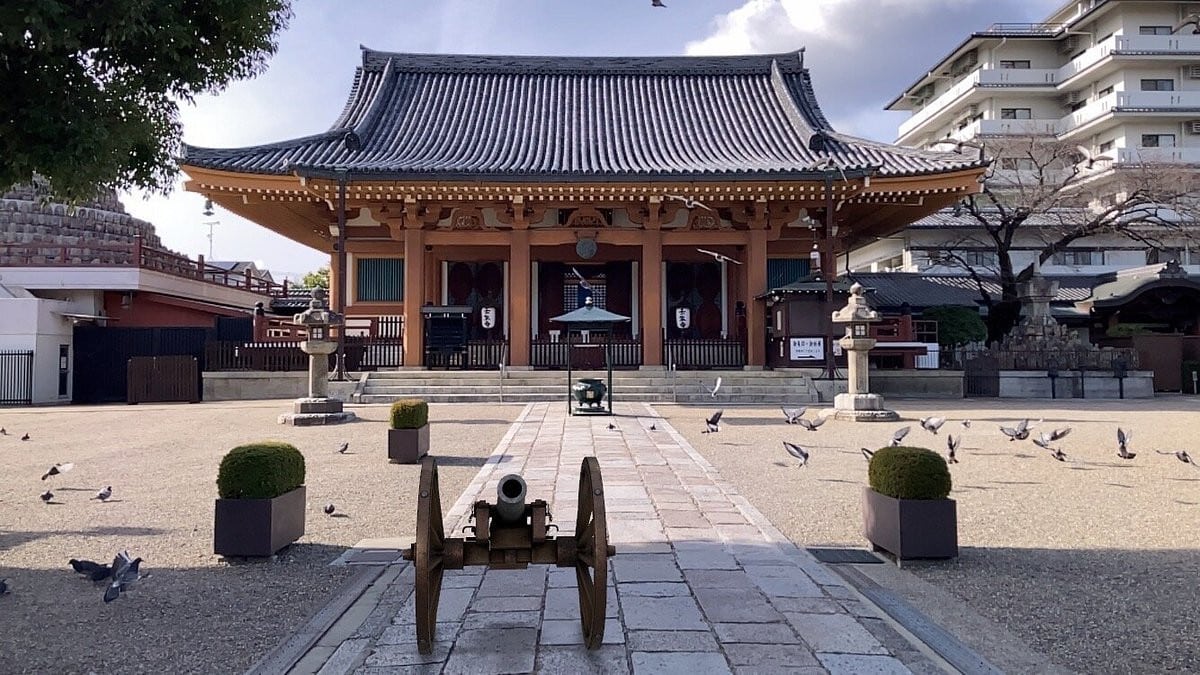
Toei Uzumasa Eigamura (Movie Village)
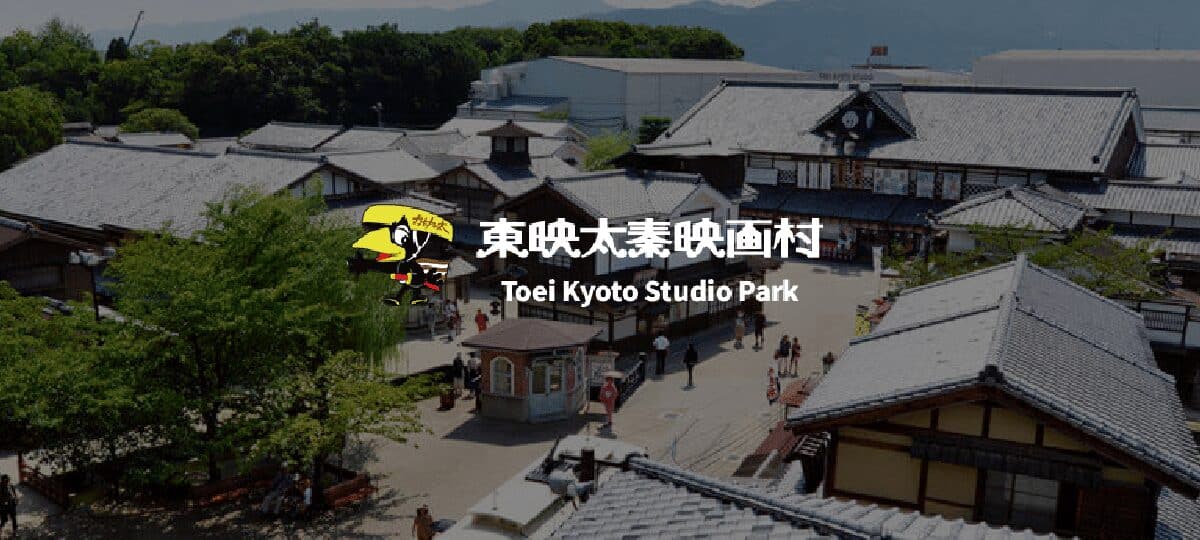
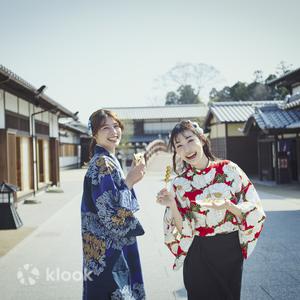
Toei Uzumasa Eigamura is a film-themed park recreating an Edo-period streetscape. Visitors can enjoy samurai sword-fight shows, ninja experiences and period-drama filming sets, a popular spot for families and for experiencing traditional Japanese culture.
Opening hours vary by season (about 10:00 to 21:00 in 2026, with entry until 60 minutes before closing). The adult 1-day admission is ¥2,800, and it is generally closed on Tuesdays. It is about a 5-minute walk from Randen Uzumasa Koryu-ji Station, and allow half a day for the experience.
Ninna-ji
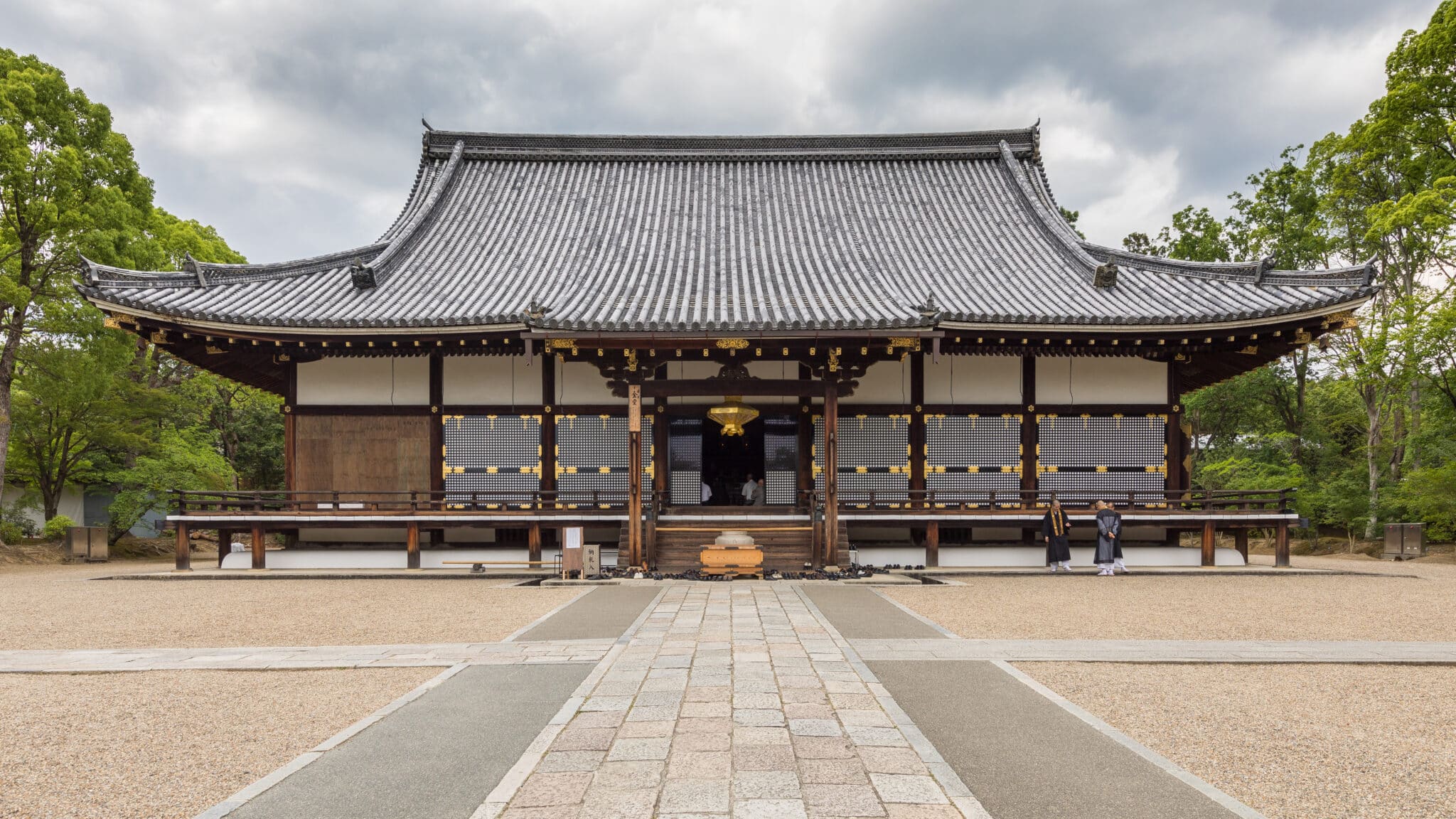
Ninna-ji is one of Kyoto’s World Heritage sites, founded by Emperor Uda in 888 and the head temple of the Omuro school of the Shingon sect. It is known for the “Omuro cherry” with the latest bloom in the Kyoto area, flowering in mid to late April each year.
Open 9:00-17:00, palace admission is ¥800 for adults, and the five-story pagoda and Kondo hall on the grounds are both national-treasure-class buildings. It is near Randen Omuro-Ninnaji Station within walking distance, and omamori and goshuin are available. The official website is ninnaji.jp.
Ryoan-ji
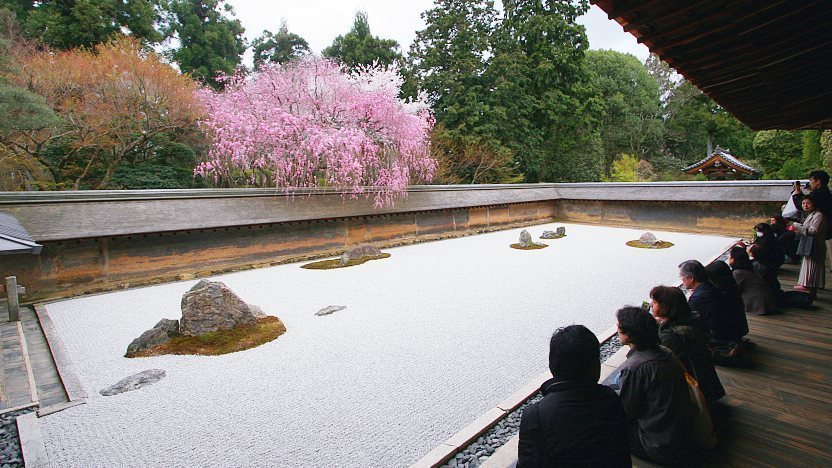
Ryoan-ji is also a World Heritage site, famous for Japan’s best-known karesansui rock garden, with 15 stones skillfully placed on white sand so that from no angle can you see all the stones at once, carrying deep Zen meaning.
Open 8:00-17:00, adult admission ¥600. It is about a 7-minute walk from Randen Ryoanji Station. We suggest sitting quietly on the veranda of the hojo hall to appreciate the rock garden, with about 30-45 minutes being ideal. The official website is ryoanji.jp.
Kinkaku-ji (Rokuon-ji)
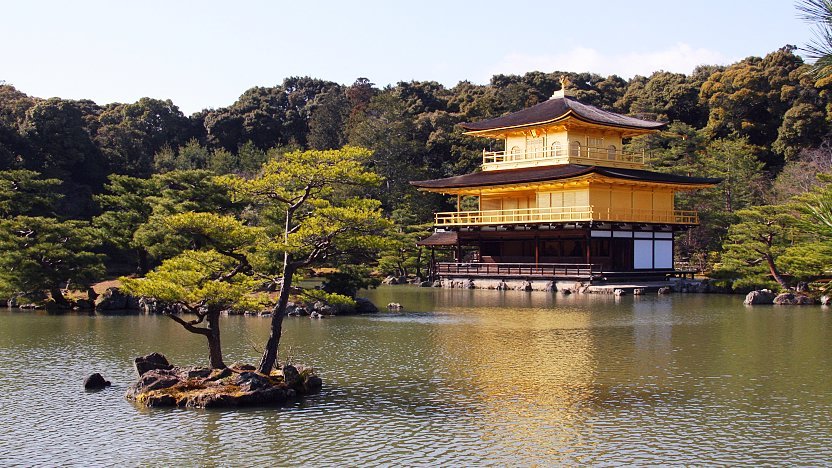
Kinkaku-ji, officially named Rokuon-ji, is Kyoto’s most iconic World Cultural Heritage sight. The three-story gold-leaf-covered Shariden reflected on the surface of Kyoko-chi Pond makes a breathtaking, dazzling scene. It belongs to the Shokoku-ji school of the Rinzai sect.
Open 9:00-17:00 every day of the year, adult admission ¥500, and you can get a gold omamori and goshuin. From Randen Kitano-Hakubaicho Station, transfer to city bus 204 or 205 for about 5 minutes. Information is on the Kinkaku-ji page of the Shokoku-ji official website (shokoku-ji.jp), and allow about 1 hour to appreciate the full view of the garden.
![Kyoto - [Kyoto Panoramic Day Tour] Kinkaku-ji & Arashiyama & Nijo Castle & Senbon Torii & Fushimi Inari (from Osaka/Kyoto)](https://res.klook.com/images/w_300,h_300,c_fill,q_75/w_80,x_15,y_15,g_south_west,l_Klook_water_br_trans_yhcmh3/activities/acwifmo5hrx60iesdtko/【京都全景一日遊】金閣寺嵐山二條城千本鳥居伏見稻荷(大阪京都出發)-Klook.jpg)
Kitano Tenmangu
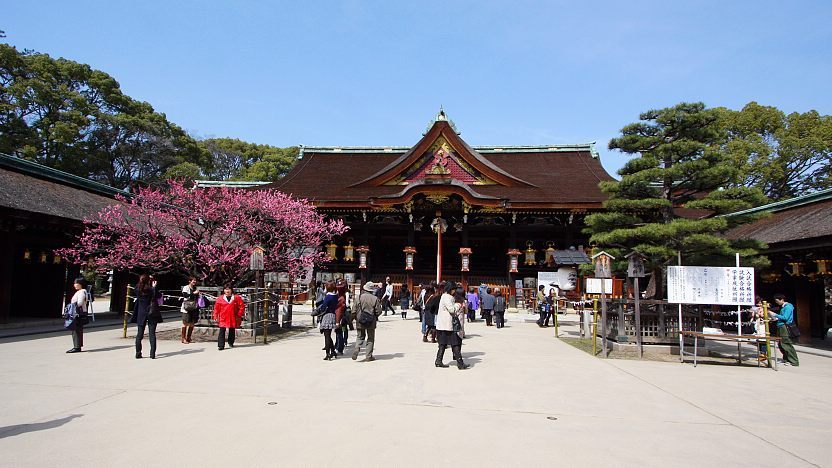
Kitano Tenmangu enshrines Sugawara no Michizane, the deity of learning, and is the head shrine of all Tenmangu shrines in Japan, popular with exam takers and travelers seeking academic luck. About 1,500 plum trees grow on the grounds and the scenery is beautiful when they bloom each February, while the autumn Momiji-en is also well known.
Open 5:00-18:00. The Plum Garden and Momiji-en require separate tickets (prices follow the annual announcement). The official website is kitanotenmangu.or.jp, and it is about a 5-minute walk from Randen Kitano-Hakubaicho Station. Academic omamori and limited-edition goshuin are available.
Arashiyama Park Around Togetsukyo Bridge
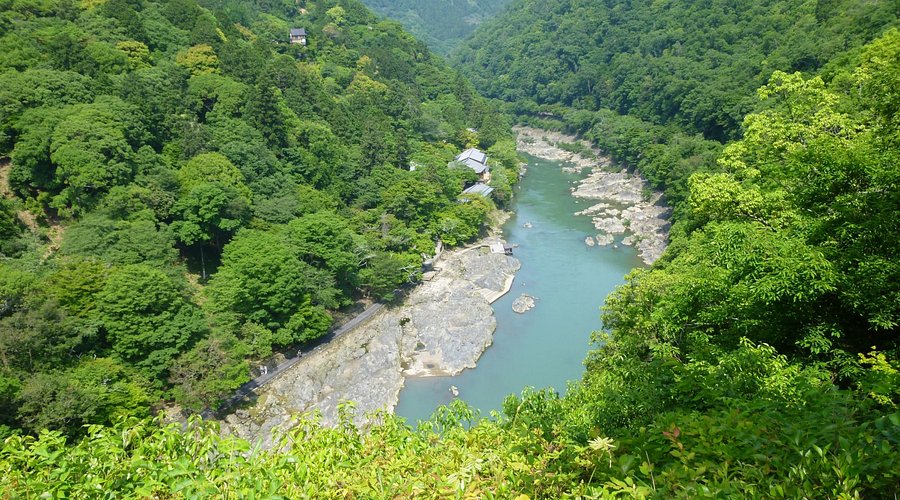
Arashiyama Park lies on both the north and south sides of Togetsukyo Bridge and is divided into the Kameyama, Nakanoshima and Rinsen-ji areas. It is planted with cherry and maple trees and has paths and viewing platforms overlooking the Katsura River and the whole of Togetsukyo Bridge.
Free and open year-round. The Nakanoshima area has food stalls and seating areas and is a good spot for a picnic with a view. Allow 30 minutes to 1 hour to stroll through it and feel the beauty of Arashiyama’s changing seasons.
How Much Does an Arashiyama and Kinkaku-ji Day Trip Cost? Tickets and Guided Tour Packages
Before planning an Arashiyama and Kinkaku-ji day trip, the most practical question is “how much will it cost?” Besides the Randen One-Day Pass itself, admissions to sights along the line, whether you need a guide and how you get between places all directly affect the total. Below are four common itinerary combinations and ticket options, from fully independent travel to guided packages, so readers can choose what suits their budget and time.
Randen One-Day Pass (Randen Free Kippu)
The Randen One-Day Pass (¥700 for adults, ¥350 for children) is the core of the trip. It is sold at the windows (cash only) at Shijo-Omiya, Katabiranotsuji, Arashiyama and Kitano-Hakubaicho Stations and can also be bought online. With it you ride the Keifuku Electric Railroad Arashiyama Main Line and Kitano Line without limit, linking Arashiyama, Sagano, Ninna-ji, Ryoan-ji and Kitano-Hakubaicho (the station near Kinkaku-ji).
The one-day pass beats single fares once you ride three or more sections, suiting a one-day trip (including Arashiyama, the Bamboo Grove path, Togetsukyo Bridge and Kinkaku-ji).
Buy it early at Randen Arashiyama Station or Shijo-Omiya Station to avoid the weekend peak crowds.
Kinkaku-ji (Rokuon-ji) Admission Ticket
Rokuon-ji (Kinkaku-ji) is at 1 Kinkakuji-cho, Kita Ward, Kyoto, open daily 9:00-17:00 with no closing days. Admission is ¥500 for adults and ¥300 for elementary and junior high school students, with a gold-leaf omamori card as a gift. Kinkaku-ji is not on the Randen line; from Kitano-Hakubaicho Station transfer to a city bus for about 5 minutes at ¥230. Buying the Kyoto Subway and Bus One-Day Pass (¥1,100 for adults, ¥550 for children) can save on fares, so weigh the value for your itinerary.
A visit takes 40 minutes to 1 hour, touring the Kinkaku Shariden, Kyoko-chi Pond and Sekka-tei in order. Crowds are heavy in cherry blossom and autumn leaf seasons, so enter early to avoid tour groups.
Arashiyama Togetsukyo Bridge and Bamboo Grove Path Guided Tour Package
Platforms such as KKday and Klook offer “Arashiyama half-day guided tour + Kinkaku-ji day tour” packages, with prices varying by guide, lunch and transfers; please refer to each platform’s product page.
In the morning you visit Togetsukyo Bridge, the Bamboo Grove path and Nonomiya Shrine, lunch depends on the itinerary, and in the afternoon you move to Kinkaku-ji, for about 6 to 8 hours in total.
It saves the time of transferring buses between Kinkaku-ji and Arashiyama and checking schedules and platforms, suiting first-time independent travelers to Kyoto.
Arashiyama Area Sights Combo Ticket (Tenryu-ji and Nonomiya Shrine)
World Heritage Tenryu-ji garden admission is ¥500 for adults, with another ¥300 for the indoor areas, about a 5-minute walk from Randen Arashiyama Station. Nonomiya Shrine, near the entrance of the Bamboo Grove path, is free to visit and pairs well with Tenryu-ji and the Bamboo Grove path, where you can take atmospheric photos of the black-wood torii with bamboo, a popular photo spot.
Estimating the Randen One-Day Pass at ¥700, Kinkaku-ji at ¥500 and the Tenryu-ji garden at ¥500, plus bus transfers and lunch, a budget of about ¥3,000 to ¥4,000 per person per day is enough for a full Arashiyama and Kinkaku-ji day trip, a classic itinerary combination that is relatively affordable.
Hotel Tips for Your Trip
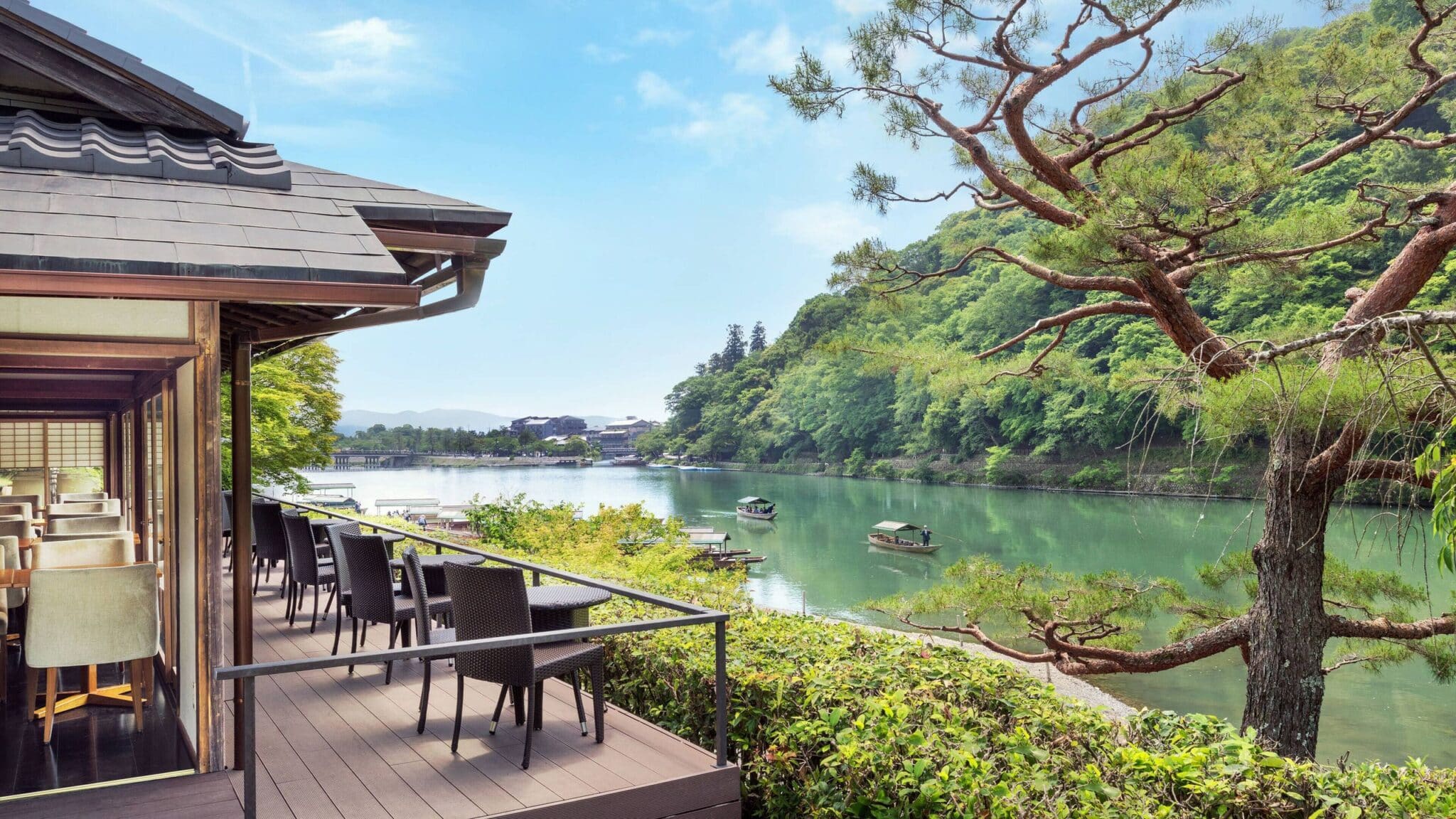
To make Arashiyama and Kinkaku-ji a relaxed two-day itinerary, you can stay near Arashiyama Station to avoid the crowds morning and evening, or stay around Shijo-Omiya Station and use Randen to get around. The Randen One-Day Pass is sold at the windows of Shijo-Omiya, Katabiranotsuji, Arashiyama and Kitano-Hakubaicho Stations.

FAQ: Randen One-Day Pass and Arashiyama-Kinkaku-ji Day Trip Q&A
Q: How much is the Randen One-Day Pass? Where can I buy it?
It is ¥700 for adults and ¥350 for children, and can be bought at the windows of Shijo-Omiya, Katabiranotsuji, Arashiyama and Kitano-Hakubaicho Stations or pre-booked online via KKday.
Q: How many rides do I need for the Randen One-Day Pass to be worth it?
A single ride is ¥250 for adults, so with 3 or more rides in a day (round trip plus transfers) it pays for itself, suiting travelers who move around frequently.
Q: How much is Kinkaku-ji admission? How do I get there?
Admission is ¥500 for adults. From Randen Kitano-Hakubaicho Station, transfer to city bus 204 or 205 and it is about a 5-minute ride.
Q: What are Tenryu-ji’s opening hours?
Tenryu-ji is open 8:30 to 17:00 (slightly adjusted by season). Garden admission is ¥500, and adding the main hall costs another ¥300.
Q: When is the best season to visit Arashiyama?
Spring (March to April) for cherry blossoms and autumn (November) for autumn leaves are the two most popular seasons, when the mountain and riverside scenery is most spectacular but crowds are also largest. Plan ahead and set out early.
Q: What should I wear and what should I keep in mind in Arashiyama?
Spring and autumn have big temperature swings between morning and evening, so dress in layers and bring a jacket. Summer is hot, so protect against the sun, and keep quiet and remove your shoes when visiting inside temples.
Q: Can I try a kimono experience in Arashiyama?
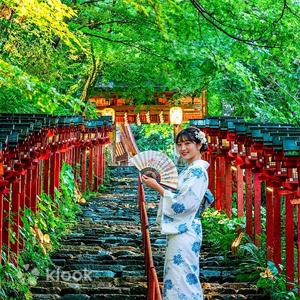
Several shops around Arashiyama Station offer kimono rental, with plan prices varying by shop. Booking ahead is recommended so you do not miss out.