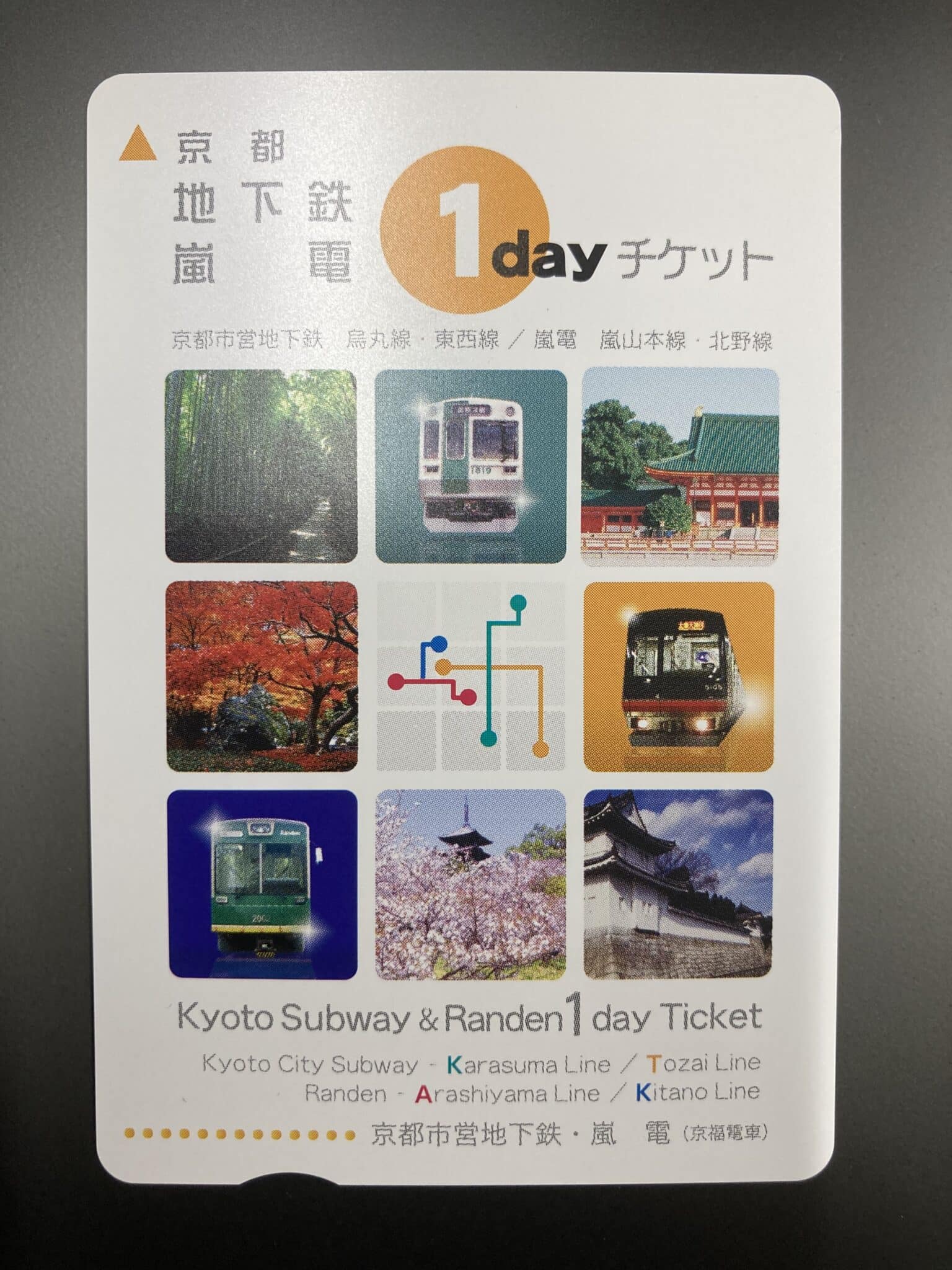

Kyoto Subway and Bus One-Day Pass Guide 2026: Fares, Routes and Money-Saving Tips
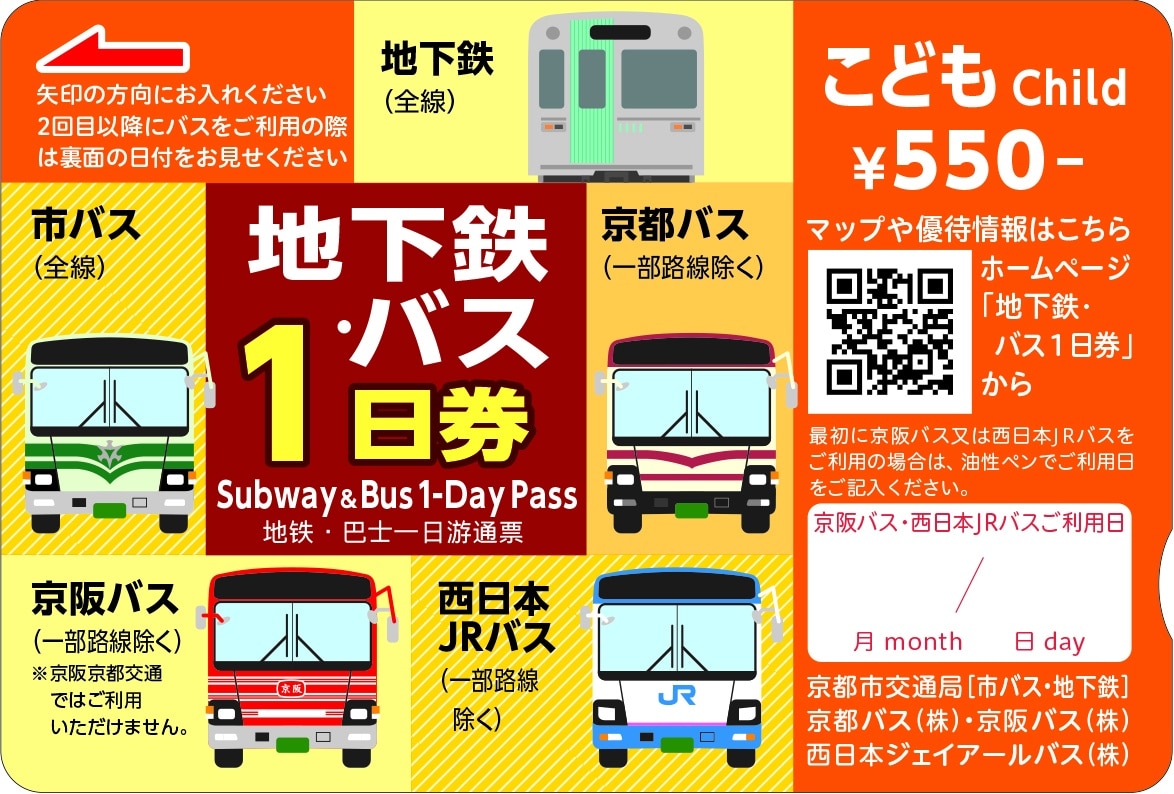
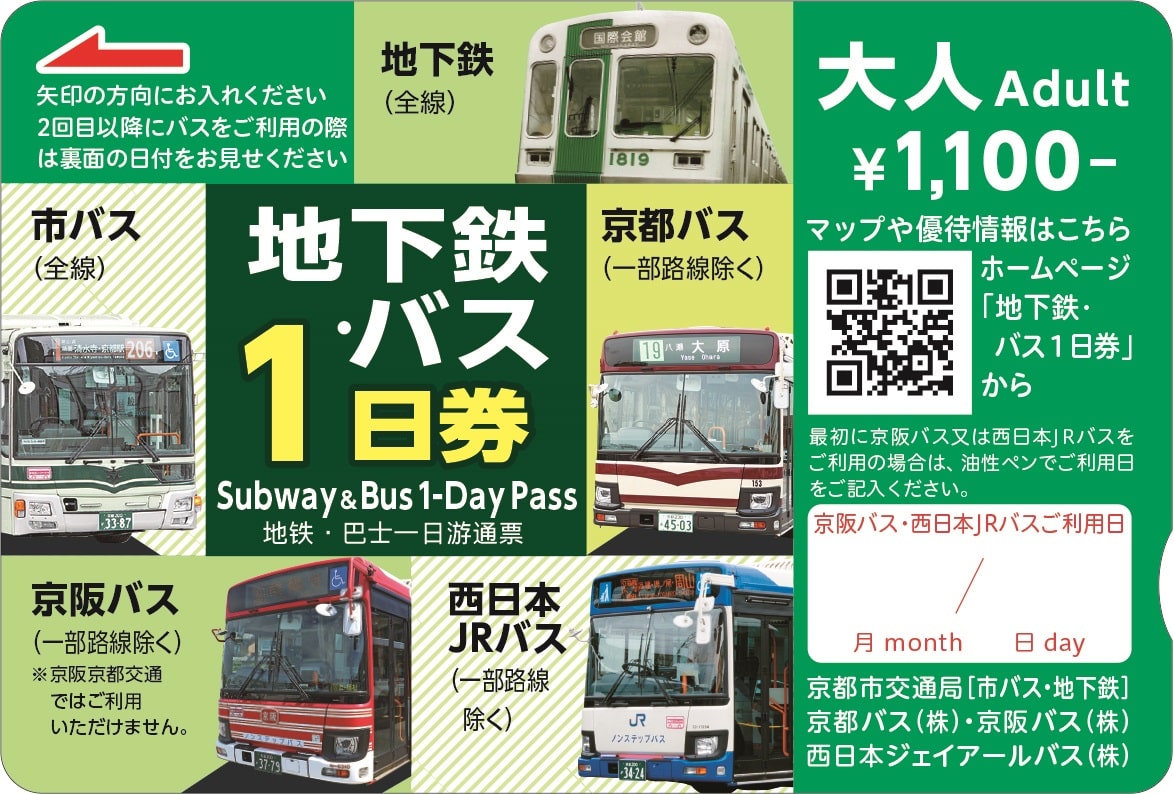
The Kyoto Subway and Bus One-Day Pass costs ¥1,100 for adults and ¥550 for children and gives unlimited rides on all subway lines and all city buses for one day, making it the best replacement for the old bus-only one-day pass.
Basic Pass Information and Fares
The pass costs ¥1,100 for adults and ¥550 for children, with unlimited rides on the day of use and no need to buy a separate ticket each time, which suits travelers visiting several sights.
Since a single Kyoto city bus ride is a flat ¥230 and a single subway ride starts at ¥220, the pass pays for itself once you ride 5 or more times in a day (subway and bus combined), making it very good value.
Why the Old Bus One-Day Pass Was Discontinued
The old “Kyoto City Bus One-Day Pass” (¥700) was officially discontinued in September 2023, mainly because buses were severely overcrowded. The Kyoto City authorities shifted the main transport load to the subway and encourage visitors to use it to spread out the crowds.
So the recommended pass for 2026 is the “Subway and Bus One-Day Pass,” which is currently the only ticket in central Kyoto that gives you the benefit of both bus and subway rides.
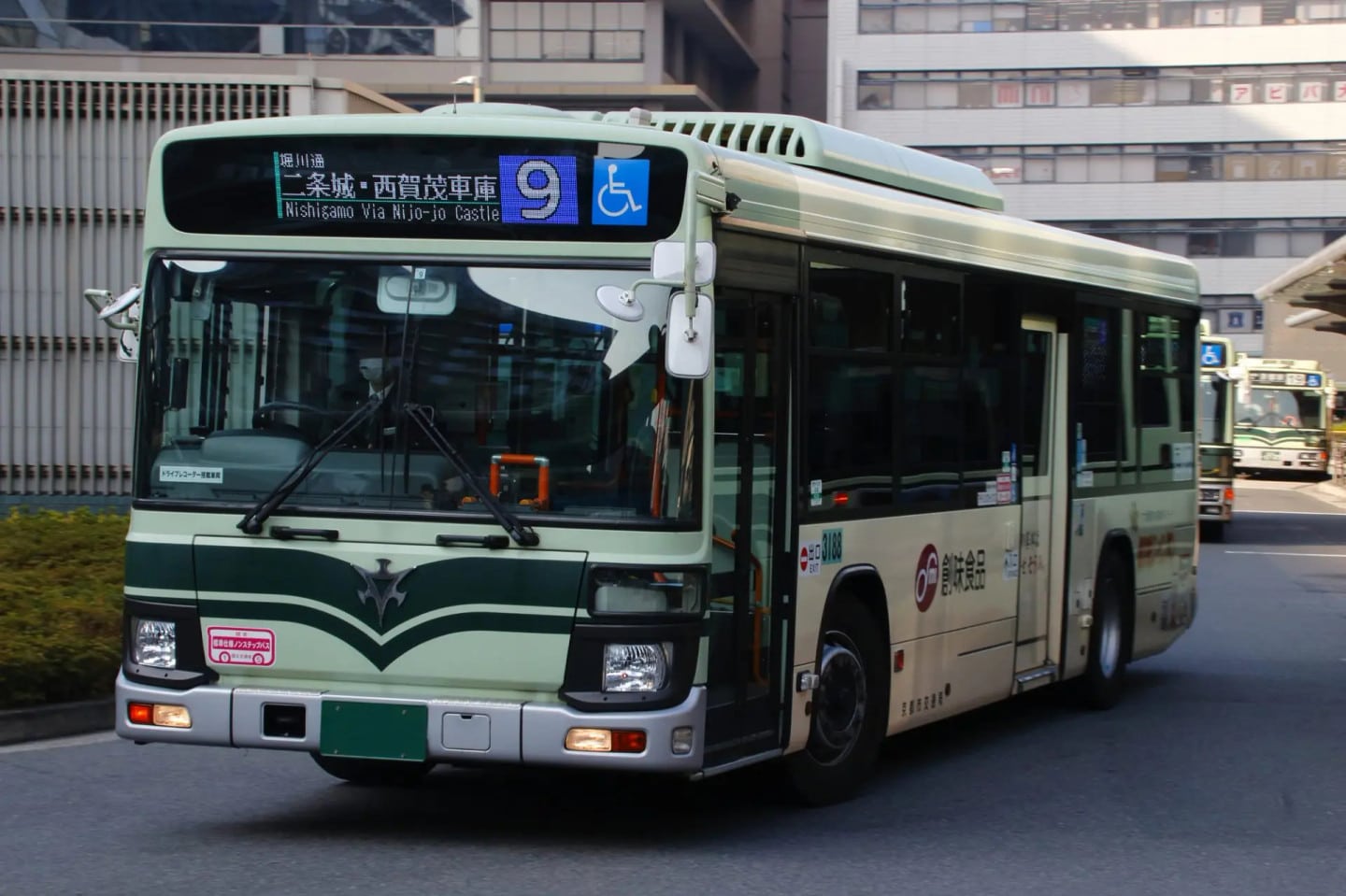
Overview of Where the Pass Is Valid
It covers all Kyoto Municipal Subway lines (Karasuma Line and Tozai Line), all Kyoto City Bus routes, all Kyoto Sightseeing Express Bus routes, and some routes of Kyoto Bus (the Ohara, Daikakuji and Kiyotaki area), Keihan Bus (Yamashina, Daigo and central Kyoto) and West Japan JR Bus (Kyoto Station to Togano).
Note that late-night buses require a separate fare. Before buying, check that the day’s route falls within the pass’s coverage to get the most out of it.
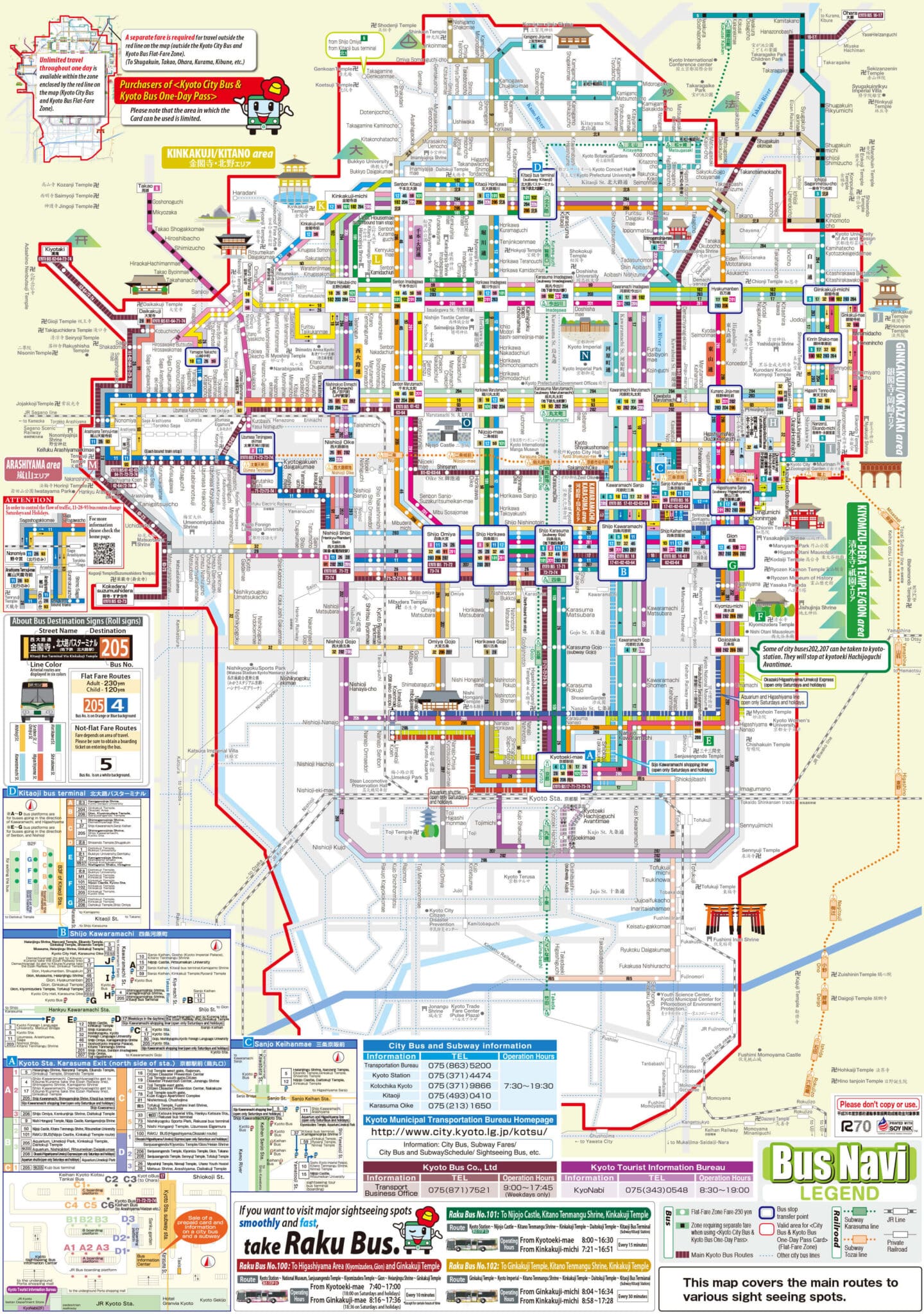
Pass Coverage: Limited Sections of Kyoto Bus, Keihan Bus and JR Bus
Kyoto Bus coverage is limited to Ohara, Iwakura, Ichihara, Daikakuji, Kiyotaki and Kokedera. Seasonal routes such as Kyoto Bus 51 (Kyoto Station to the top of Mt. Hiei) and routes 90 and 95 (Ohara to Kurama) are not covered. Keihan Bus is limited to routes in Yamashina, Daigo and central Kyoto, excluding regular sightseeing buses, highway buses and airport limousine buses; West Japan JR Bus is limited to the flat-fare section between Kyoto Station and Togano.
Subway and Bus Pass vs. Subway-Only Pass: Which Should You Buy?
The Kyoto City Transportation Bureau also sells a “Subway One-Day Pass” (¥800 for adults, ¥400 for children), valid on all subway lines only, with no buses. If your day is almost entirely along subway lines (such as Kyoto Station, Shijo, Karasuma Oike and the Nijo Castle area), the subway pass saves you ¥300. But if your plans include places that only buses reach, such as Kiyomizu-dera, Kinkaku-ji and Arashiyama, we still recommend the Subway and Bus One-Day Pass, where one ticket covers both modes of transport at better value. A simple rule of thumb: if you expect to take “3 bus rides plus 2 subway rides” or “3 subway rides plus 2 bus rides” or more in a day, the Subway and Bus One-Day Pass saves the most.
Besides buying on site, you can pre-purchase a digital coupon redeemable for the one-day pass by credit card through the “KANSAI MaaS” website or app, then exchange it for a physical ticket at the Kyoto Station Bus Information Center or the Kotochika Kyoto information center after you arrive; the digital coupon itself cannot be used to ride the subway or buses.
How to Buy and Use It: A Complete Guide to the Kyoto Subway and Bus One-Day Pass
The pass can be bought in several places and is simple to use, but a few details need your attention.
Kyoto Station Bus Terminal Information Center
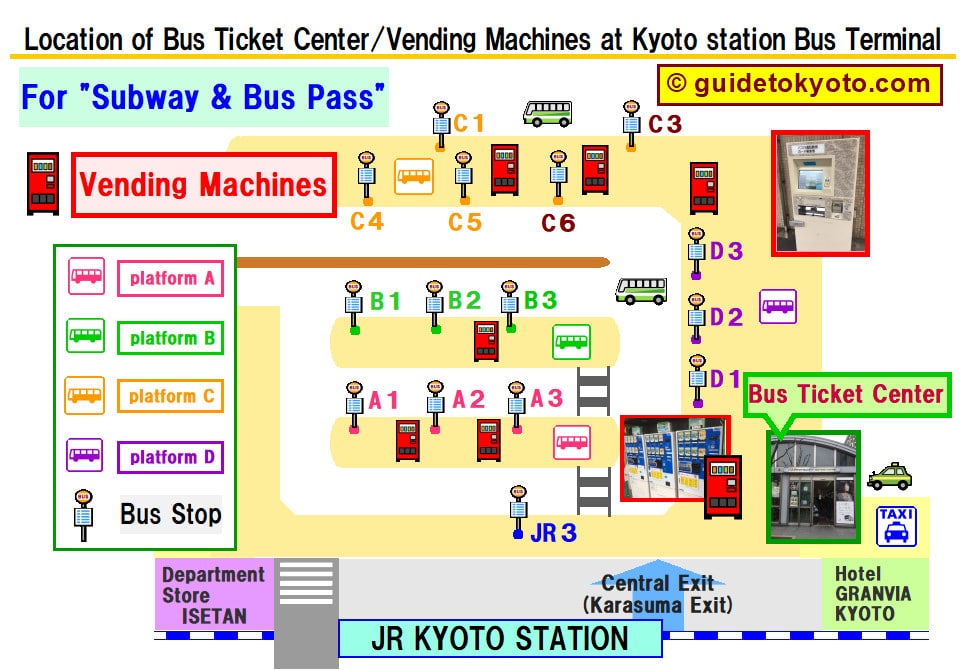
The Kyoto Station bus terminal has a “City Bus and Subway Information Center” where you can buy the Subway and Bus One-Day Pass and ask about routes, making it the most convenient place to buy for first-time visitors. Official sales points also include the commuter pass offices, the city bus offices and the ticket windows at subway stations.
We suggest buying it here as soon as you arrive, then taking your first bus or train, for a smoother trip.
The official website “oneday-pass.kyoto” explains the valid areas and how to use the pass; check there before you leave that your route is covered, which is also a useful reference before buying.


Buying From the Bus Driver
If you don’t have time to buy a pass beforehand, you can also buy one from the bus driver after boarding. The official guidance warns that the number sold on board is limited and sometimes sold out, so buy at an outside sales point when you can.
This suits travelers who decide to ride on impulse, but buying from the driver at peak hours can delay boarding and alighting, so avoid the commuter rush and prefer the information center or a subway station window for efficiency.
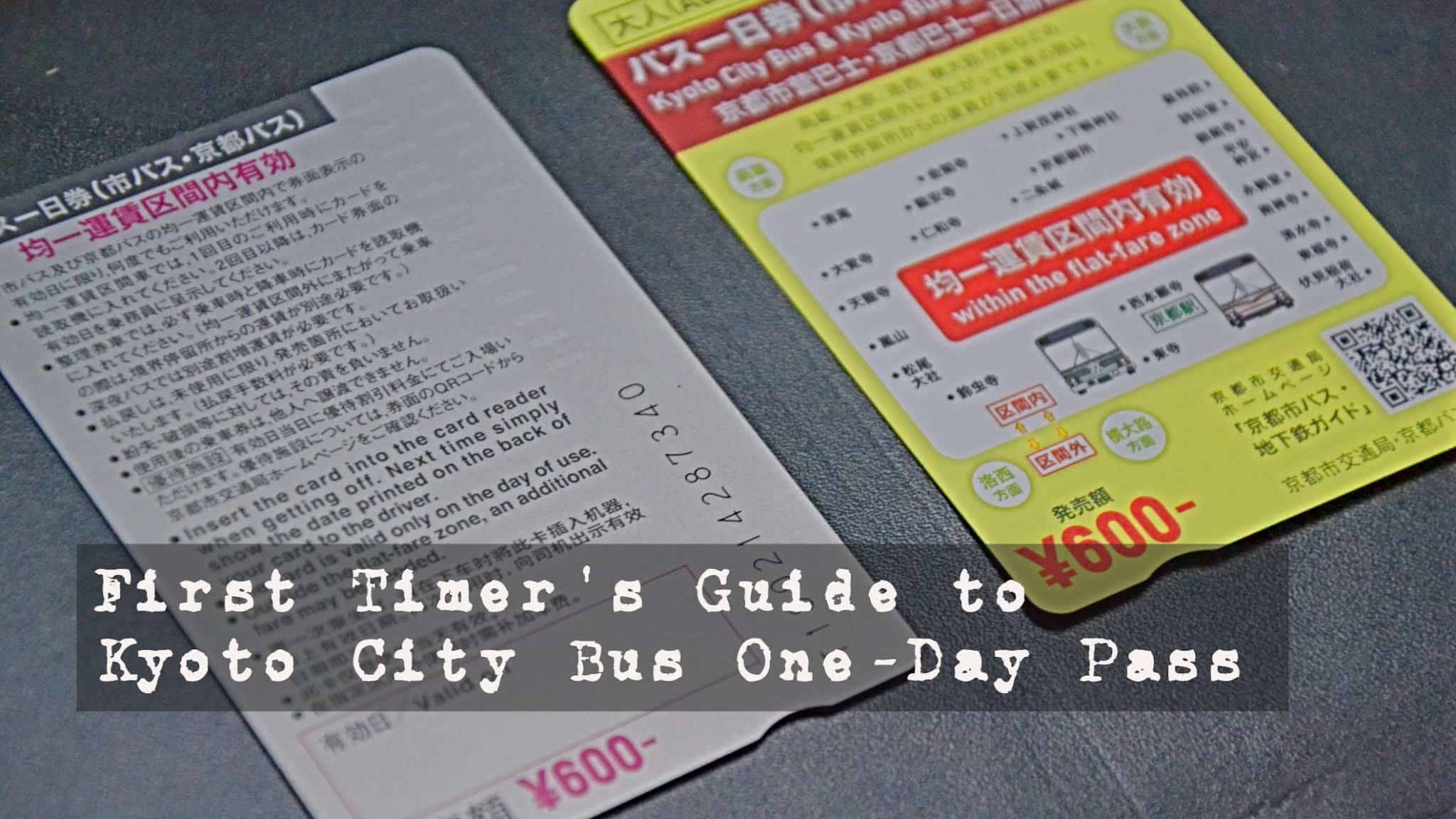
Kyoto City Bus and Subway Information Center
The Kyoto Station bus terminal has a “City Bus and Subway Information Center” that sells the one-day pass and also offers route planning and timetable lookups; opening hours are as announced by the Kyoto City Transportation Bureau.
If you are unfamiliar with the routes, you can consult here before buying, which is especially suited to first-time independent travelers who need tailored route advice and can save a lot of fumbling around.
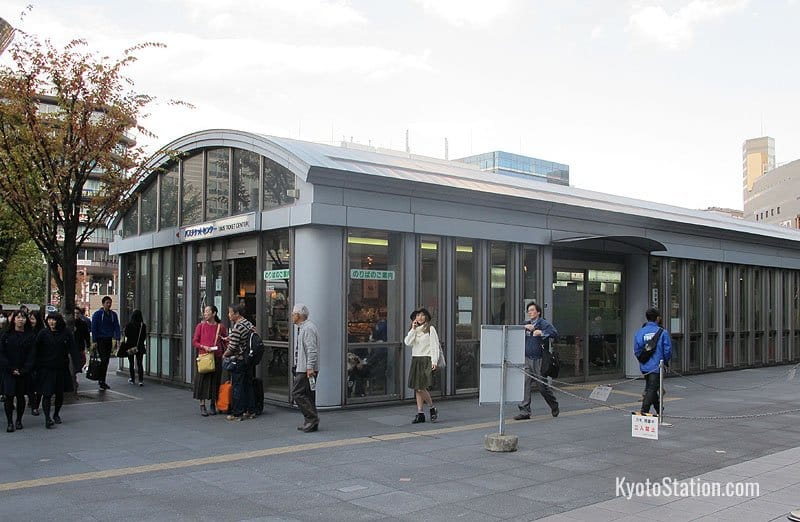
Buying at a Subway Station Window
You can buy the Subway and Bus One-Day Pass directly at the windows of Kyoto Municipal Subway stations, suited to travelers whose plans already start from a subway station.
Some smaller stations have fewer staff, so you may need to wait at peak times. At unstaffed stations, use the intercom near the ticket gate to contact station staff. Before buying, also check whether the day’s plans are worth a one-day pass.
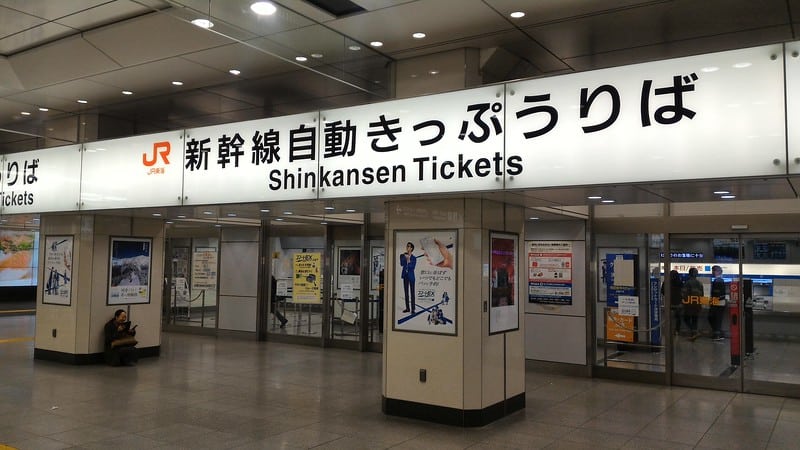
Ticket Shops and Online Travel Agency Booking
The official fare is fixed at ¥1,100 for adults and ¥550 for children. Purchase channels are mainly official sales points and travel-agency exchange vouchers, so before buying confirm that the exchange location and exchange deadline fit your itinerary.
In recent years you can also pre-purchase e-vouchers or exchange vouchers through online travel agencies such as Klook and exchange them for a physical card on arrival, saving time in line, which suits travelers with tight schedules who want to fix their budget in advance.
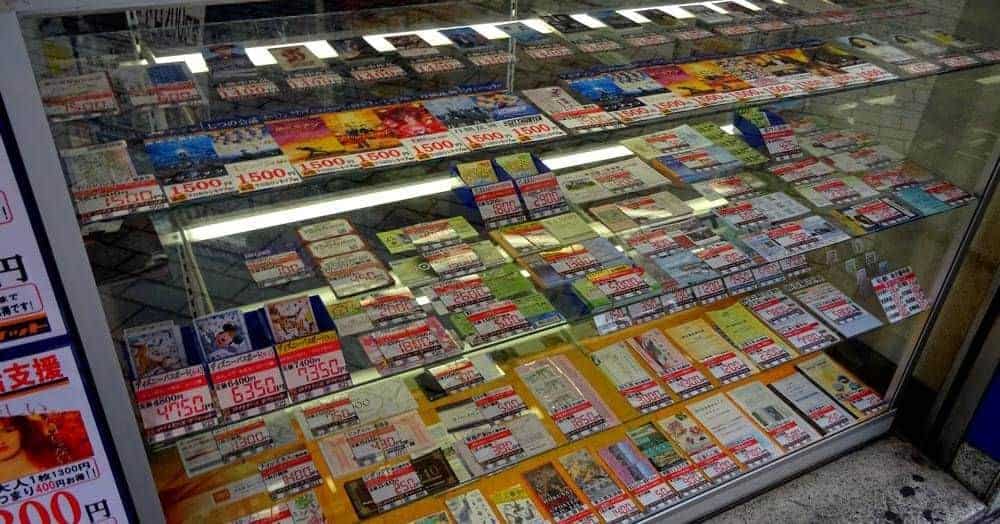
How to Use It the First Time and Afterward
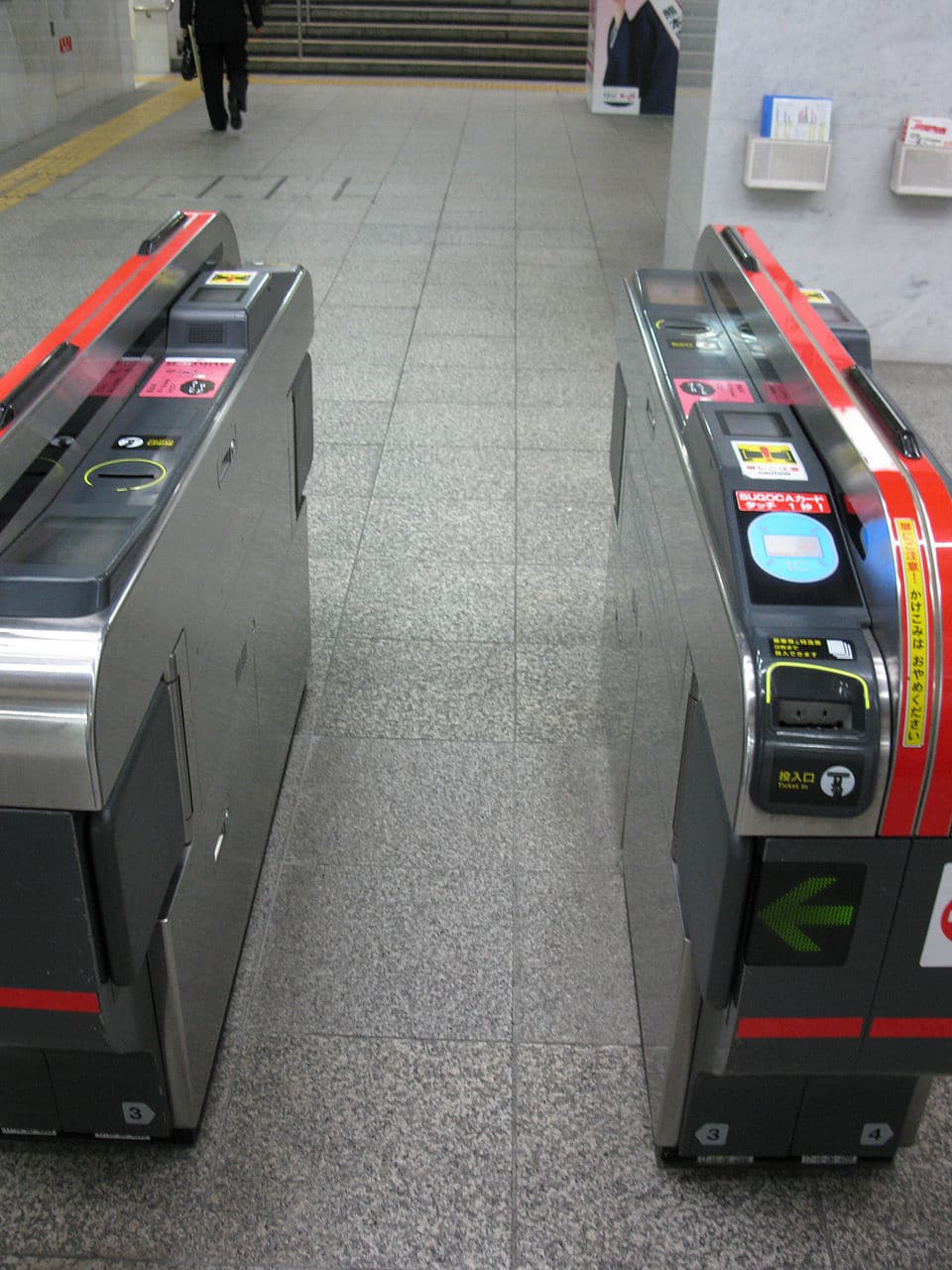
The first time you board a bus, insert the pass into the card slot of the fare box and the date of that day will be printed on the back. After that, simply show the driver the dated back of the pass when you ride. On the subway, insert the pass into the gate each time you enter and exit, and remember to take it back when you leave.
The driver or station staff check by eye that the date is today. If the date is unclear or worn, keep the card safe and avoid folding it so it can still be read and you avoid disputes when riding.
Bus Boarding and Alighting Doors and Payment
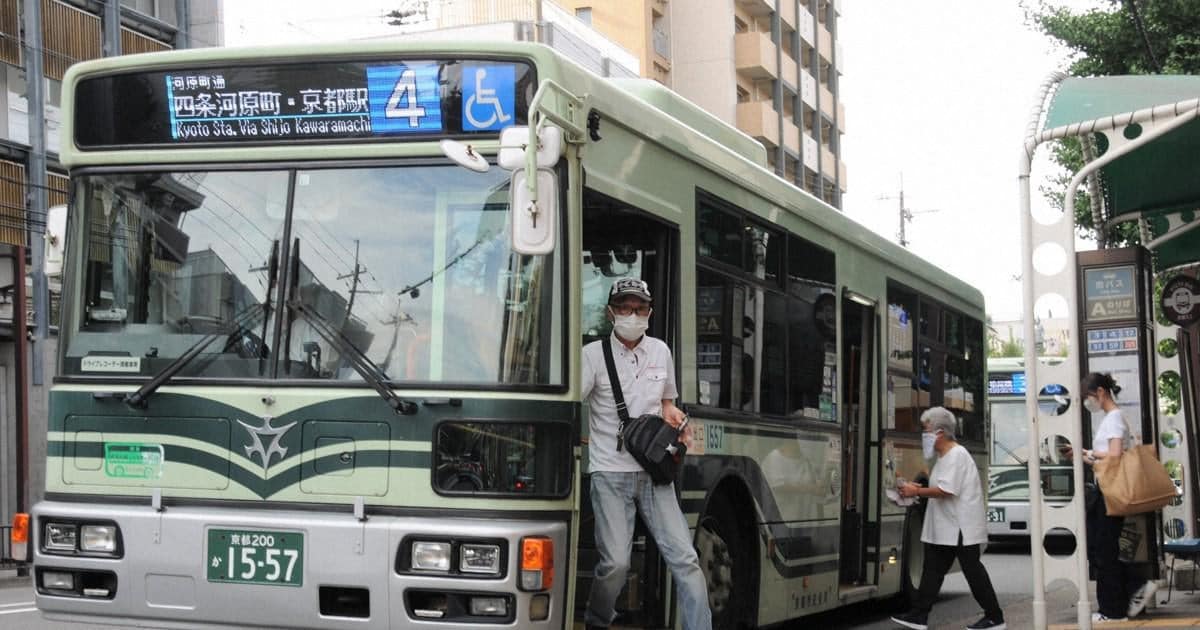
On regular Kyoto City Bus routes you board at the rear door and exit at the front door, paying when you get off; on the sightseeing express buses EX100 and EX101 you board at the front door and exit at the rear door, paying when you board. The marking on the side of the bus shows which type the route is, so check before boarding.
When riding a sightseeing express bus with a one-day pass, simply show the pass to the driver at the front door after boarding. In peak season it is crowded, so check which door to board before lining up.
Large Luggage Restrictions
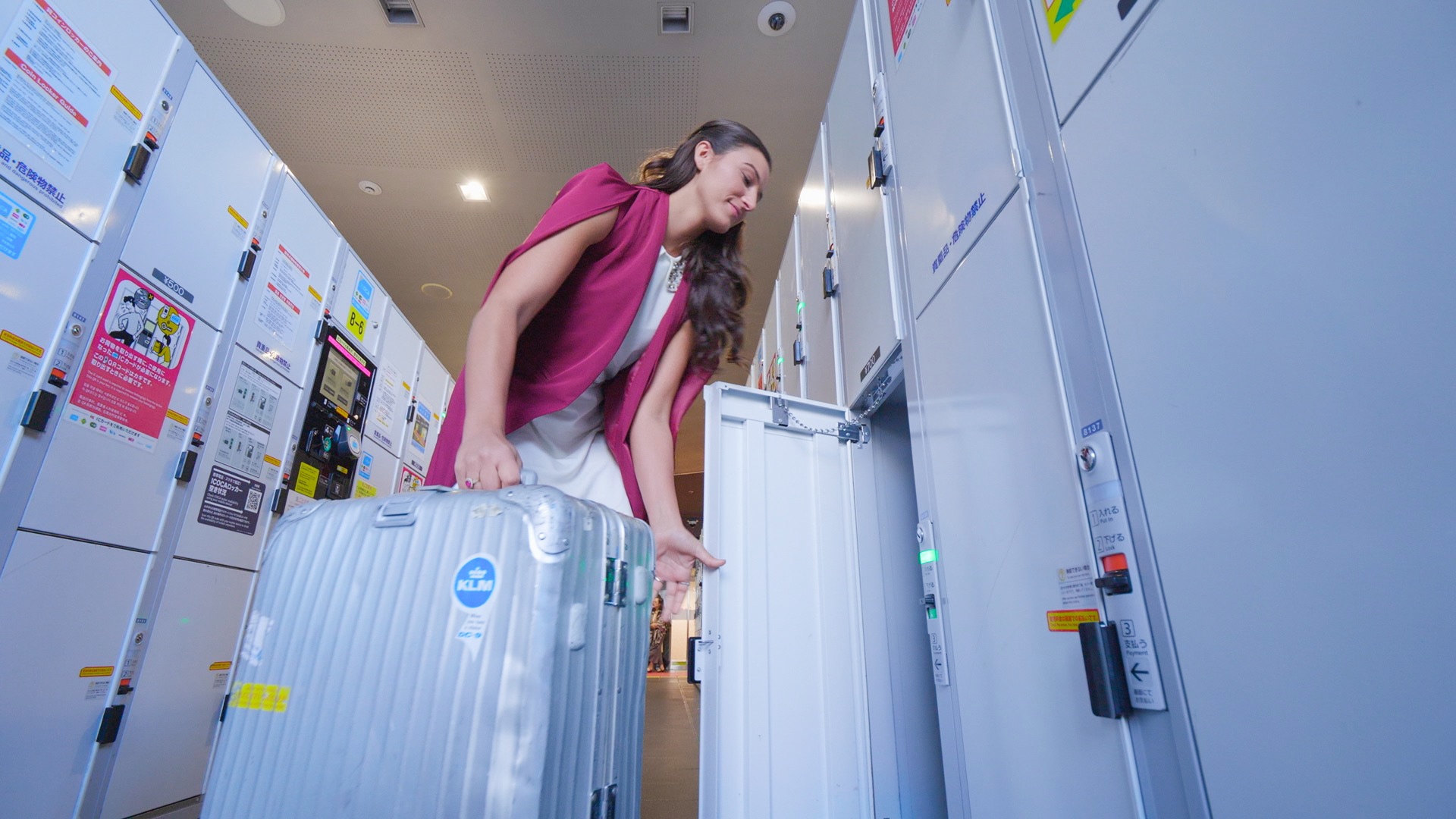
Kyoto City Buses have clear restrictions on large suitcases, and space on board is limited. We suggest leaving large luggage in coin lockers or a luggage storage service at Kyoto Station, or using a hands-free luggage delivery service such as Hands-Free Kyoto.
Riding buses and the subway with only a small carry-on bag is not only good manners but also lets the one-day pass work at its most efficient, avoiding trouble at peak hours from luggage taking up space.
Must-See Sights With the Kyoto Subway and Bus One-Day Pass in 2026: Routes by Area
By using the one-day pass to combine cross-area subway rides with bus connections, you can avoid peak-hour traffic jams and see Kyoto’s major popular sights.
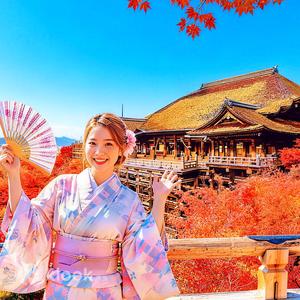
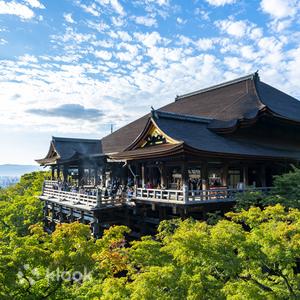
Kiyomizu-dera
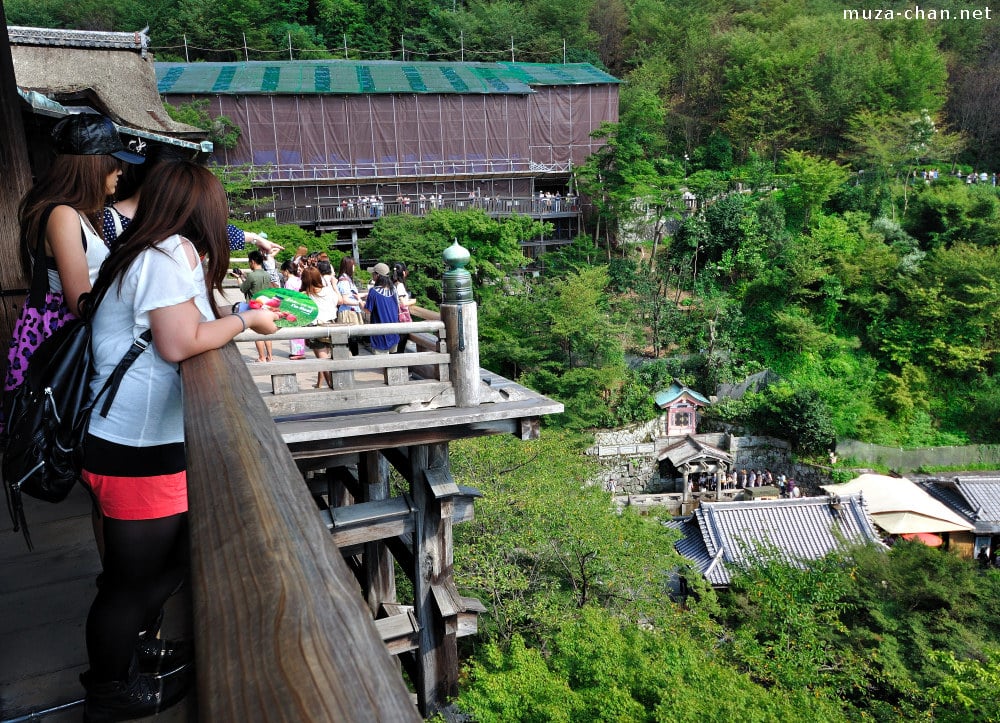
Kiyomizu-dera is Kyoto’s most iconic World Heritage Site, famous for its wooden “Kiyomizu Stage” built out over the hillside. From up high you can look over the Higashiyama area and the whole city, with a different look in every season, especially spectacular in autumn leaves and during night illuminations.
We suggest taking the subway Tozai Line to Higashiyama Station, then a short bus ride or about a 25-minute walk, which avoids the traffic jams and crowds you get by relying on buses alone.
It is open from 6 a.m. to 6 p.m., with special night openings in peak season, and admission is ¥400 for adults. Allow 90 minutes for a visit; the temple has a counter for omamori charms and goshuin stamps.

-Klook.jpg)
Gion
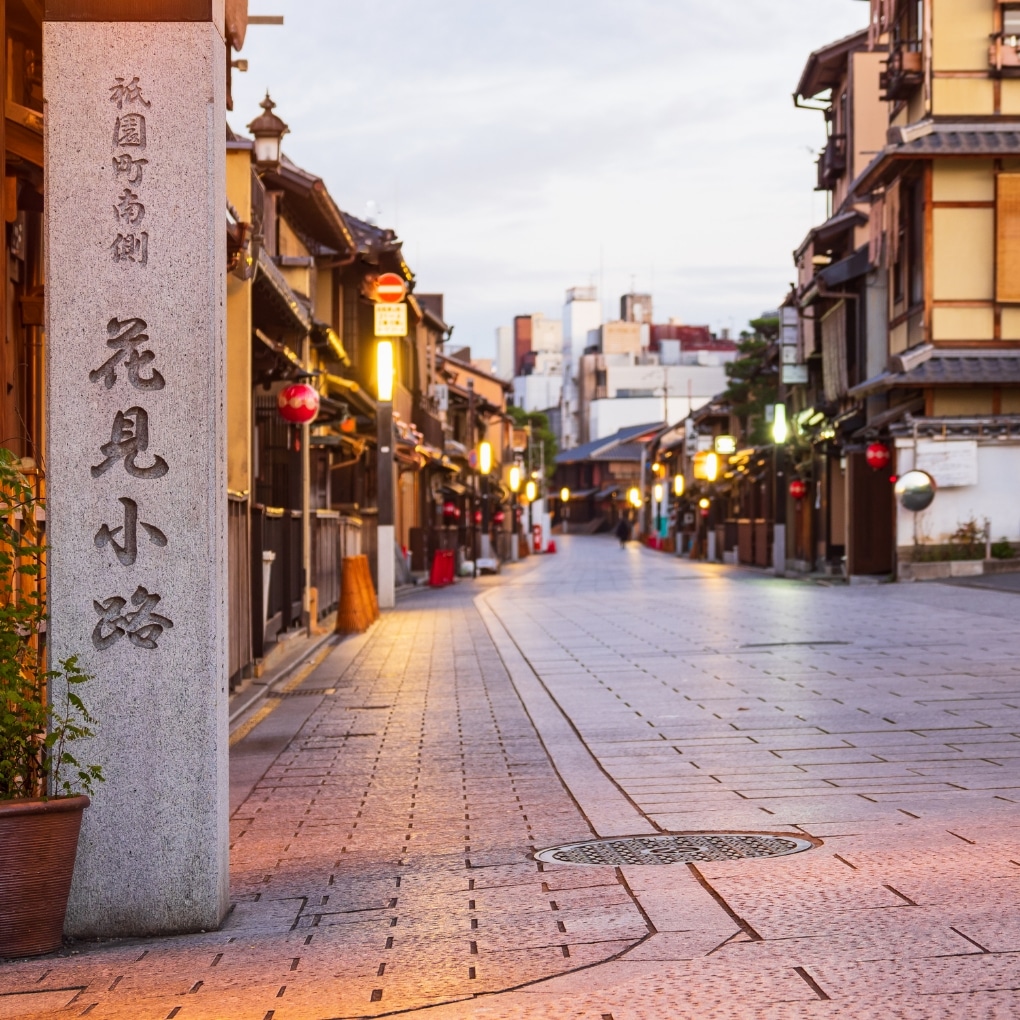
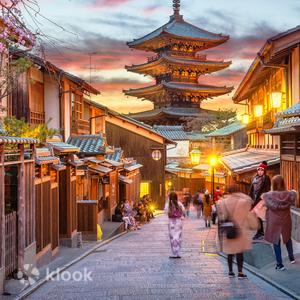
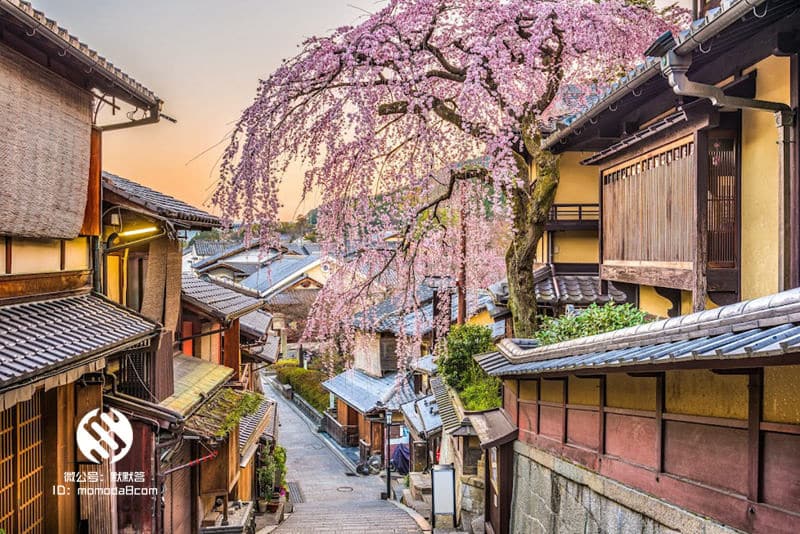
Gion is Kyoto’s most iconic geisha district, with traditional machiya townhouses lining its stone-paved lanes. With luck you may even see a geiko or maiko walking down an alley, making it one of the best places to feel the atmosphere of the old capital.
By day it is good for strolling Hanamikoji to admire the architecture, and at dusk it is the best time to catch a glimpse of a geiko. We suggest going from afternoon to evening, avoiding the midday heat and the daytime tour groups.
No admission ticket is needed around Gion, and it is open to visit all year. We suggest about 1 to 2 hours, and it is most convenient to combine it with the nearby Yasaka Shrine.
Ginkaku-ji
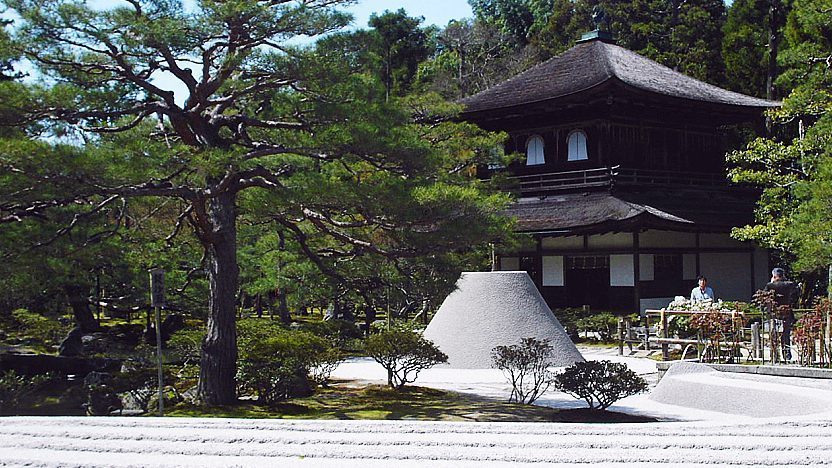
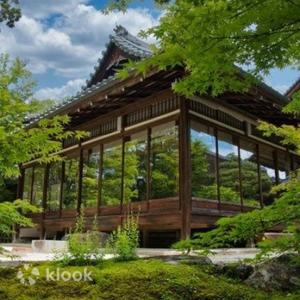
Ginkaku-ji, officially Jisho-ji, is a villa built by the Muromachi shogun Ashikaga Yoshimasa. It is known for its karesansui garden, the “Sea of Silver Sand,” and the distinctive Kogetsudai sand cone, showing wabi-sabi aesthetics at their height.
The temple garden shows a different scene in each season, with fresh green in spring and red maples in autumn both worth a special trip. Allow about 60 minutes to stroll the garden paths and climb up for a view over Kyoto.
It is open 8:30 to 17:00 from March to November and 9:00 to 16:30 from December to February, with admission of ¥500 for adults. The temple offers limited-edition goshuin stamps, so collectors may want to visit while they are there.
Arashiyama
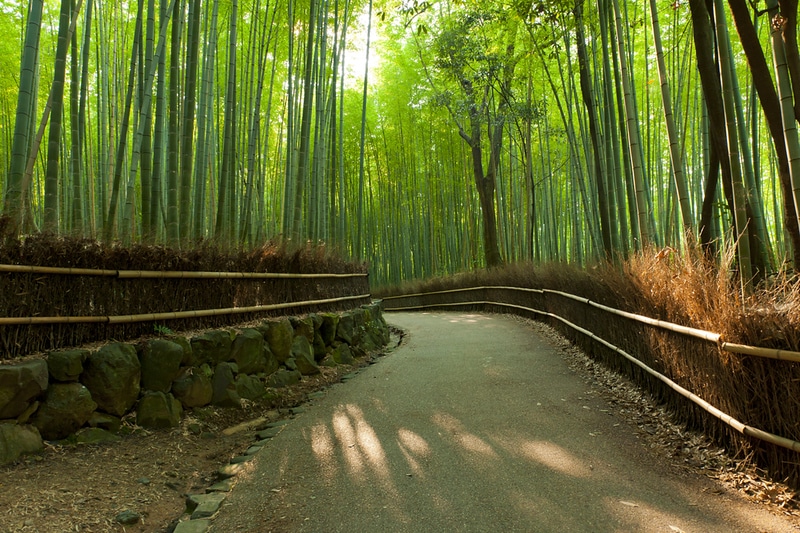
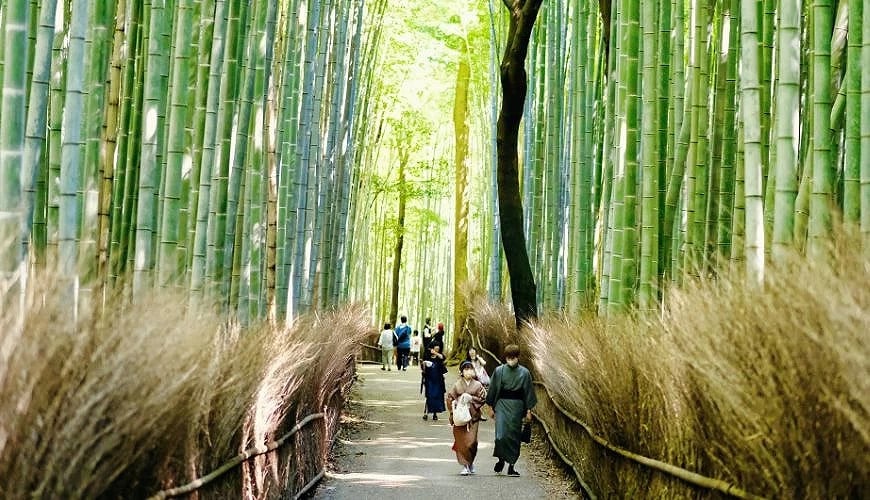
Arashiyama is known for the Togetsukyo Bridge, the Bamboo Grove path and the scenery of the Hozugawa gorge. It is the most popular natural attraction near Kyoto, with a different feel in every season, and the most visitors come during cherry blossom and autumn leaf season.
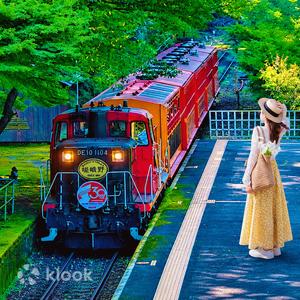
We suggest taking the subway Tozai Line to Uzumasa Tenjingawa Station, then the Randen tram or Kyoto Bus, which saves a good deal of waiting and traffic time compared with buses alone, especially on holidays.
The Bamboo Grove path, Tenryu-ji Temple and Togetsukyo Bridge are all free to visit; the Tenryu-ji garden costs ¥500. Allow at least half a day, ideally starting early in the morning to avoid the crowds.
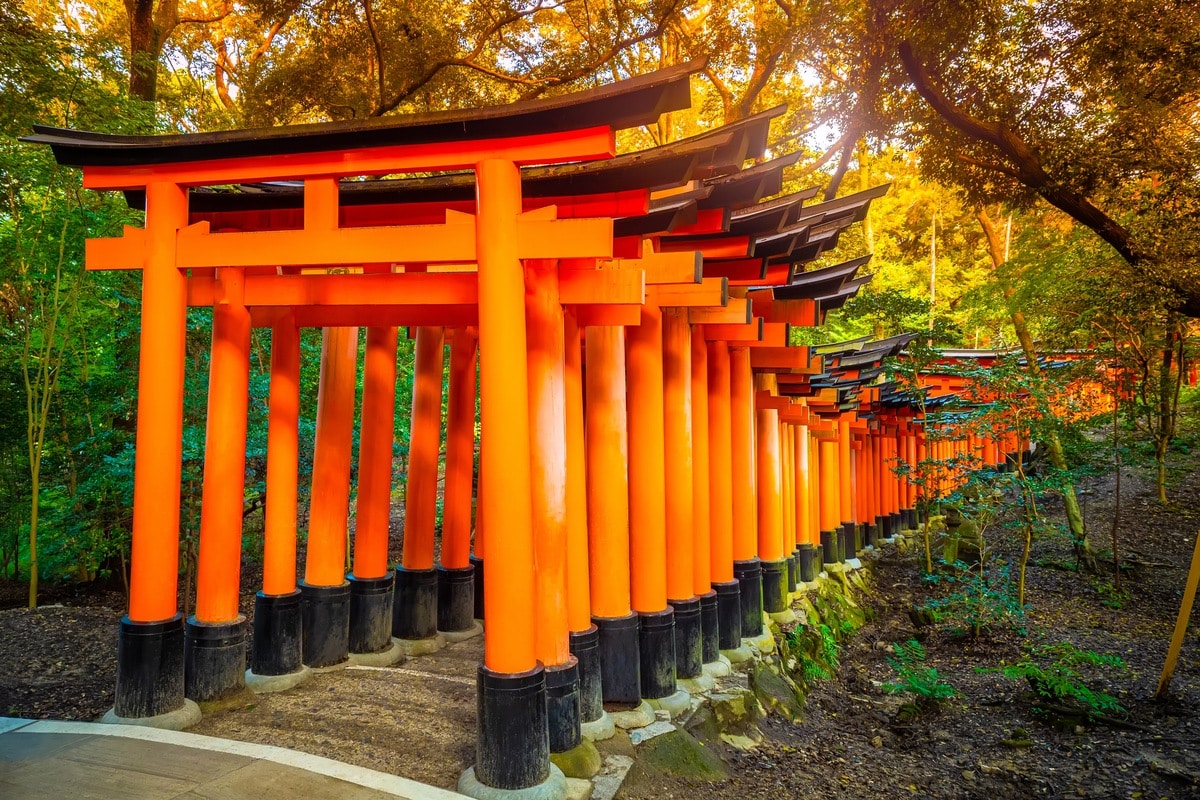
Fushimi Inari Taisha
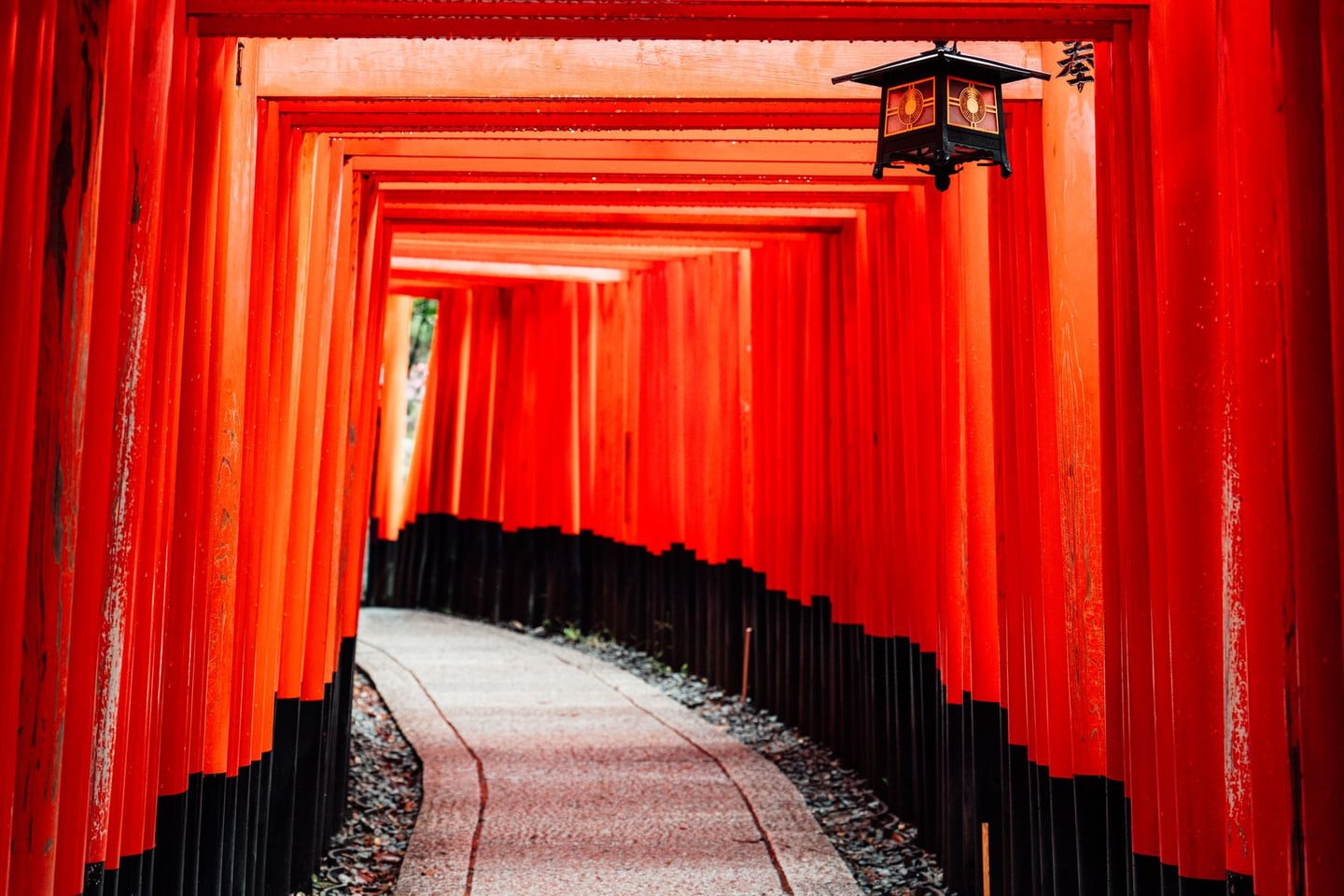
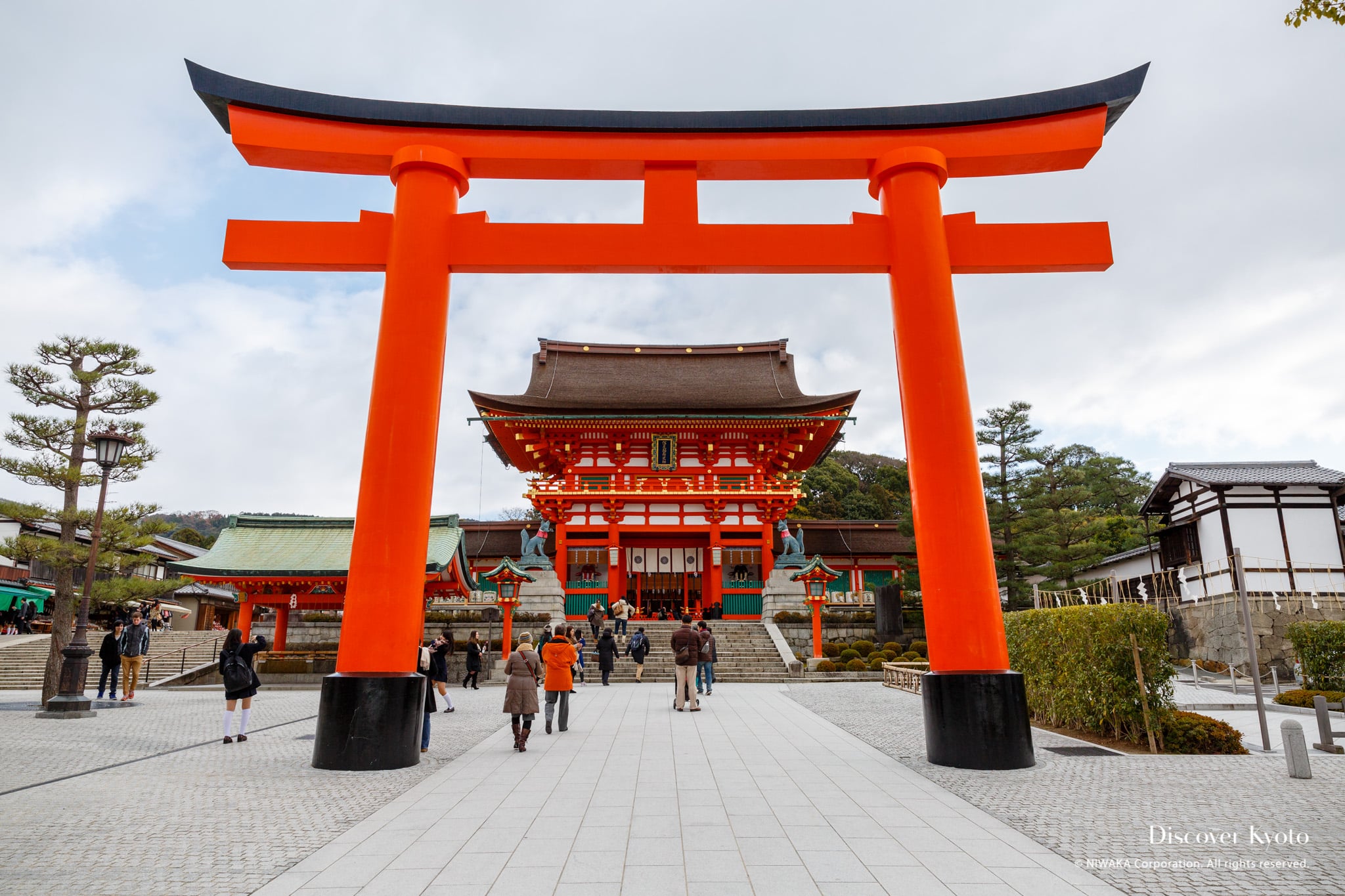
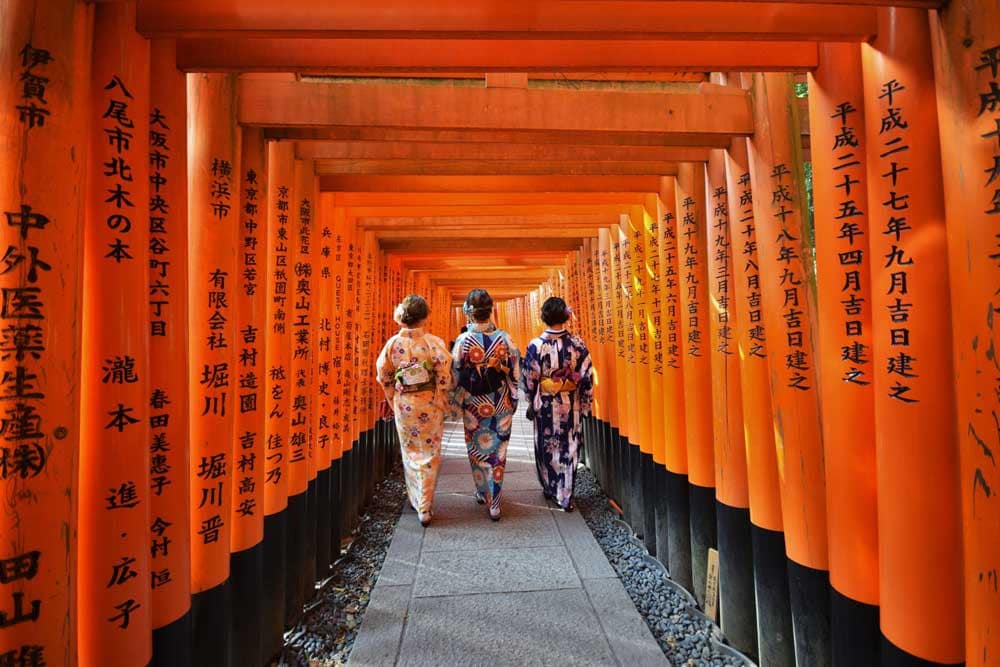
Fushimi Inari Taisha is the head shrine of more than 30,000 Inari shrines across Japan. It is internationally known for the Senbon Torii gates that stretch along the mountain, and is one of Kyoto’s most popular shrines, with a steady stream of worshippers all year.
The shrine enshrines the Inari deity, who oversees good harvests and prosperous business. The grounds have a counter selling fox-shaped ema plaques and omamori charms, and limited-edition goshuin stamps are also offered as keepsakes.
The grounds are open 24 hours and free to enter. Walking the Senbon Torii and back takes about 2 hours, and going early in the morning avoids the crowds and gives you the cleanest shots of the torii tunnel.
:伏見稻荷大社嵐山清水寺-Klook.jpg)
Nijo Castle
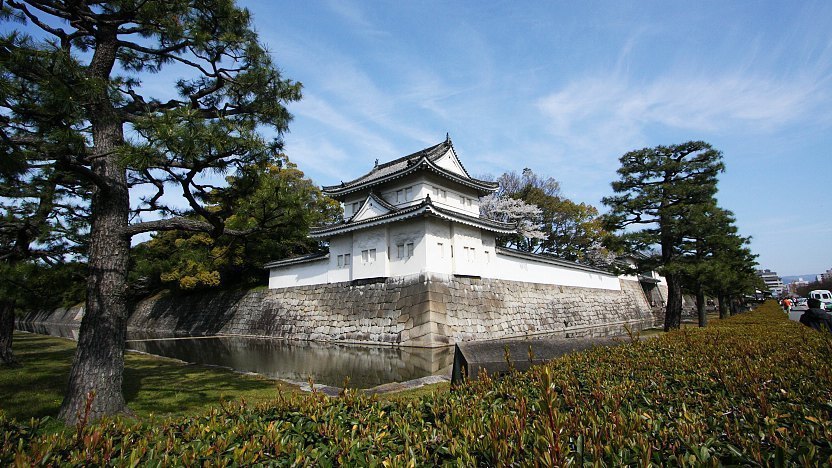
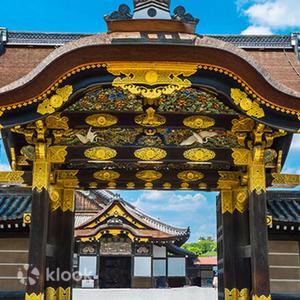
Nijo Castle was the Tokugawa shogunate’s residence in Kyoto and is also where the return of power to the emperor (Taisei Hokan) was announced. The “nightingale floors” of the Ninomaru Palace inside are an ingenious design against assassins, making a sound like birdsong as you walk, adding historical interest.
Take the subway Tozai Line to Nijo-jo-mae Station and you arrive as soon as you exit, the most convenient to reach of the sights covered here, with no change of transport needed.
Entry is from 8:45 to 16:00 (the castle closes at 17:00), and admission including the Ninomaru Palace is ¥1,300 for adults. The gardens inside show different plants and scenery in every season, and we suggest staying about 90 minutes.
Kinkaku-ji
Kinkaku-ji, officially Rokuon-ji, is known worldwide for the stunning view of the gold-leaf-covered Shariden reflected in Kyoko-chi pond, and is one of Kyoto’s most iconic World Heritage landmarks.
We suggest taking the subway Karasuma Line to Kitaoji Station and then a city bus, which saves a good deal of ride time and traffic compared with taking a bus directly from Kyoto Station, and is the officially recommended time-saving route.
It is open from 9 a.m. to 5 p.m. all year round, and admission is ¥500 for adults (the ticket itself is in the form of an omamori charm). We suggest about 40 minutes for a visit, and there is a tea house in the grounds for a short rest.
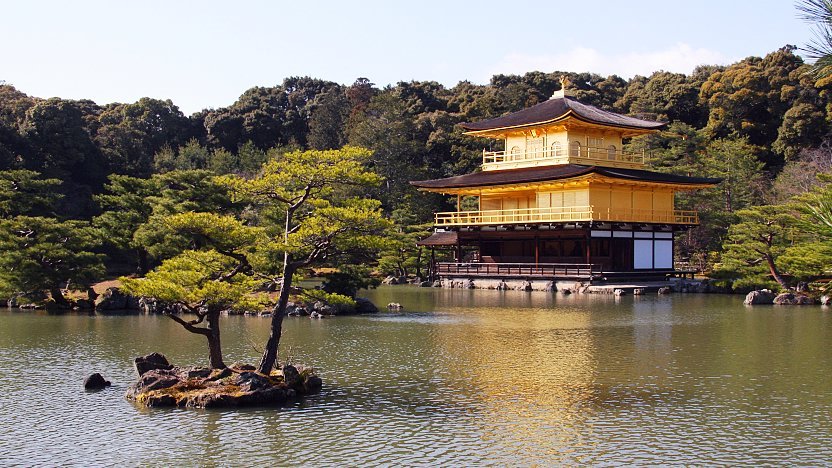
![[Kyoto Highlights Day Tour] Kinkaku-ji & Arashiyama & Nijo Castle & Senbon Torii & Fushimi Inari (from Osaka / Kyoto)](https://res.klook.com/images/w_300,h_300,c_fill,q_75/w_80,x_15,y_15,g_south_west,l_Klook_water_br_trans_yhcmh3/activities/acwifmo5hrx60iesdtko/【京都全景一日遊】金閣寺嵐山二條城千本鳥居伏見稻荷(大阪京都出發)-Klook.jpg)
Nanzen-ji
Nanzen-ji is the head temple of the Nanzen-ji school of Rinzai Zen. The red-brick “Suirokaku” aqueduct in its grounds is a remnant of the Meiji-era canal, and the scene of a classic temple mixed with Western-style architecture is distinctive and loved by photographers.
The Hojo garden in the temple is one of the masterpieces of karesansui, and in autumn maple leaves redden the area around the Suirokaku, a popular Kyoto spot for autumn color. We suggest going in the morning when it is less crowded.
It is open 8:40 to 17:00 (until 16:30 from December to February), and admission is ¥600 each for the Hojo garden and the Sanmon gate. Within the grounds, the sub-temple Nanzen-in can be added for an extra fee, and we suggest about 60 to 90 minutes in total.
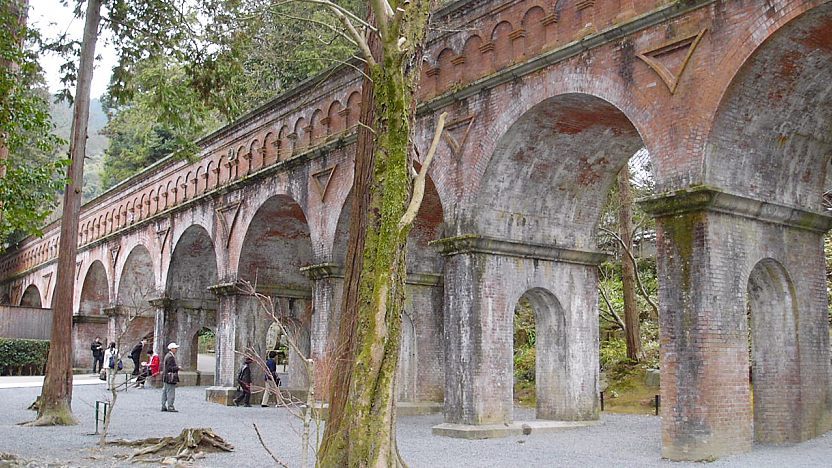
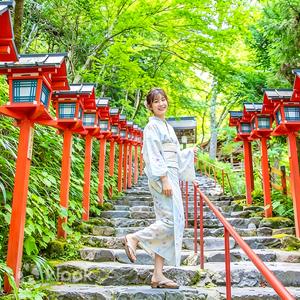-Klook.jpg)
Nishiki Market
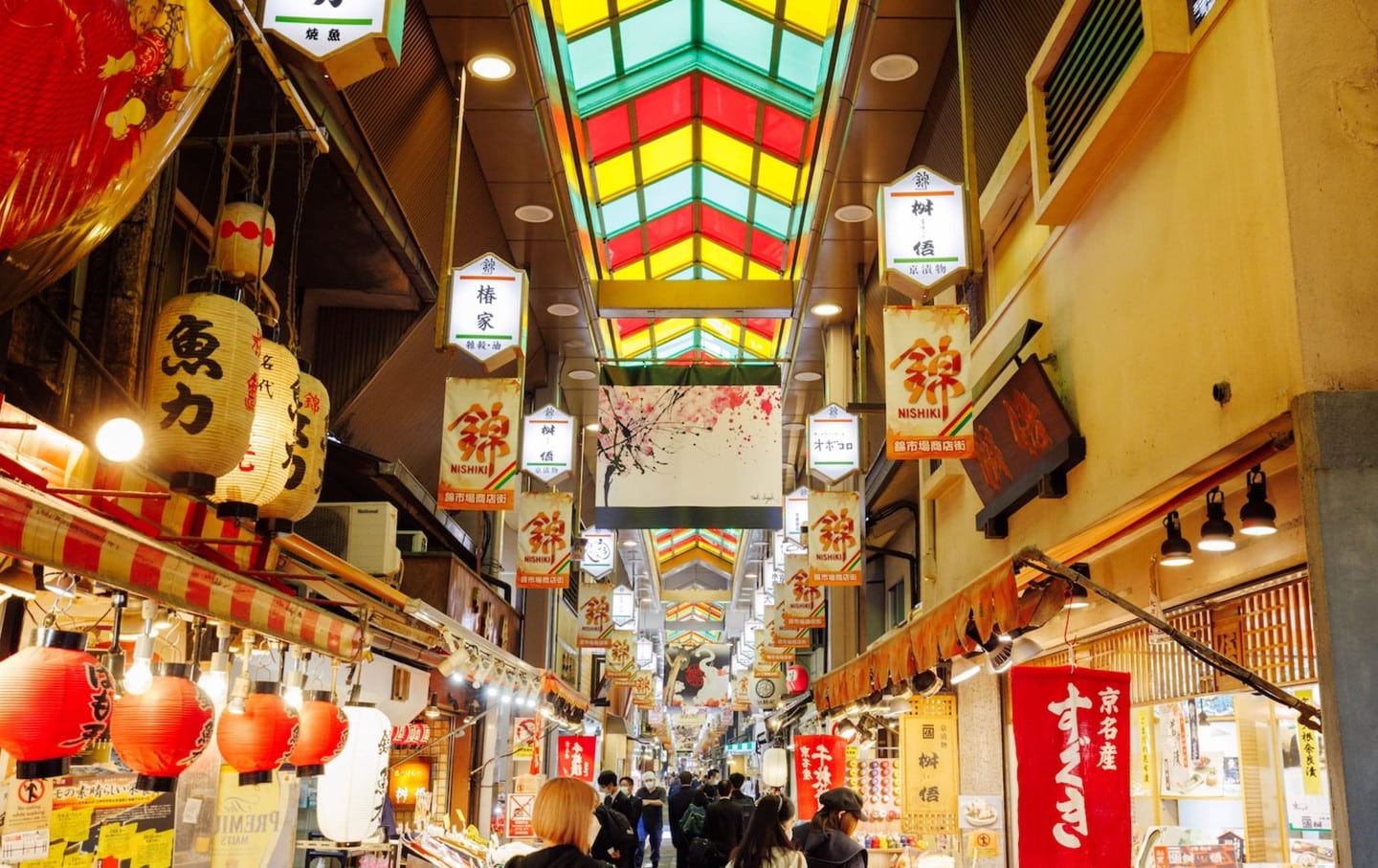
Nishiki Market is known as “Kyoto’s Kitchen.” The roughly 390-meter covered shopping arcade gathers over a hundred long-established food shops and snack stalls, the most authentic place to experience Kyoto’s food culture.
The market sells Kyoto pickles, tofu, dried goods, wagashi sweets and all kinds of cooked snacks, and eating as you walk is the classic way to browse Nishiki Market. We suggest avoiding the midday lunch rush to go more leisurely.
Opening hours vary by shop, mostly from 9 a.m. to 6 p.m. It is near the subway Karasuma Oike and Shijo stations, about a 5-minute walk from the exit.
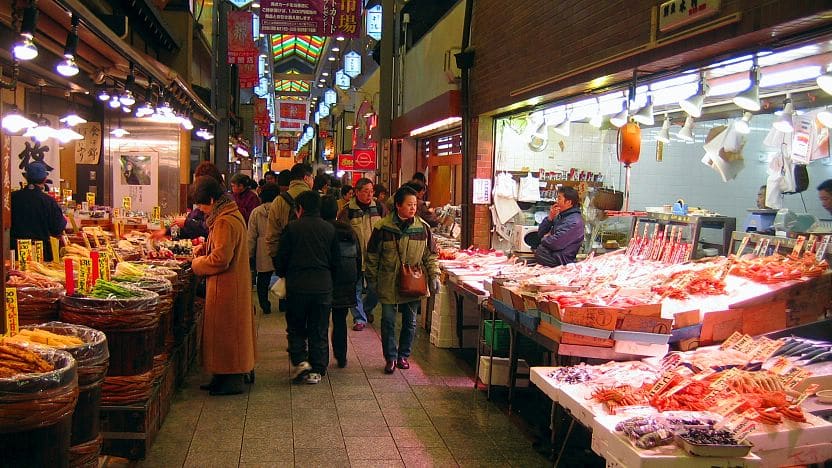
How Much Do Sights Cost With the Kyoto Subway and Bus One-Day Pass? Tickets and Guided Tours
Once you hold the Kyoto Subway and Bus One-Day Pass, the most practical question is “how much do sight admissions cost on top of that?” Most of Kyoto’s famous temples and shrines charge their own admission, and the one-day pass covers only transport, not tickets, so we suggest investing what you save on transport in a few high-value sights and guided experiences. Below are the prices, opening hours and access for several popular must-see sights and nearby guided tours, to help you plan the best route for the day.
Kiyomizu-dera and a Stroll Along Ninenzaka and Sannenzaka
Kiyomizu-dera is in Higashiyama Ward, Kyoto, open daily 6:00-18:00 (extended to 21:30 in peak season), with admission of ¥400 for adults and ¥200 for junior high students. Take city bus 206 or 100 to Gojozaka and walk 10 minutes.
The Kiyomizu Stage overlooks the city, and cherry blossoms and autumn leaves are beautiful here. After your visit, you can stroll along Ninenzaka and Sannenzaka.
You can also book a walking tour of Kiyomizu-dera and Ninenzaka/Sannenzaka through KKday or Klook; prices and times vary by departure date and plan.
Fushimi Inari Taisha Senbon Torii Walk
Fushimi Inari Taisha (68 Fukakusa Yabunouchi-cho, Fushimi Ward, Kyoto) is open free of charge 24 hours a day all year. It is 5 minutes by train to Inari Station on the JR Nara Line, or about 20 minutes by bus Minami 5 to Inari Taisha-mae.
The “Senbon Torii” wind along Mt. Inari. A round trip to the summit “Ichi-no-mine” takes about 2 hours, and you can turn back at the “Yotsutsuji” viewpoint after about 40 minutes. We suggest going before 7 a.m. or in the evening to avoid the crowds.
You can also book a guided tour of Fushimi Inari Taisha through Klook or KKday to learn more about Inari worship; contents and prices vary by plan.
Arashiyama Togetsukyo Bridge and Bamboo Grove Day Trip
Togetsukyo Bridge in Arashiyama is free to visit all day and is a signature Kyoto sight. From Kyoto Station, the JR Sagano Line to Saga-Arashiyama Station takes about 16 minutes. With a Subway and Bus One-Day Pass, you can change to city bus 28 to Arashiyama Tenryuji-mae, where the fare is free.
The Bamboo Grove path on the north side of Tenryu-ji (about 500 meters long) is free, and we suggest visiting before 9 a.m. to avoid the crowds. The Tenryu-ji garden costs ¥500, and an extra ¥300 gets you into the halls.
You can also look up Arashiyama day tours on KKday or Klook that combine the Bamboo Grove, Tenryu-ji and a Hozugawa boat ride; contents and prices vary by plan.
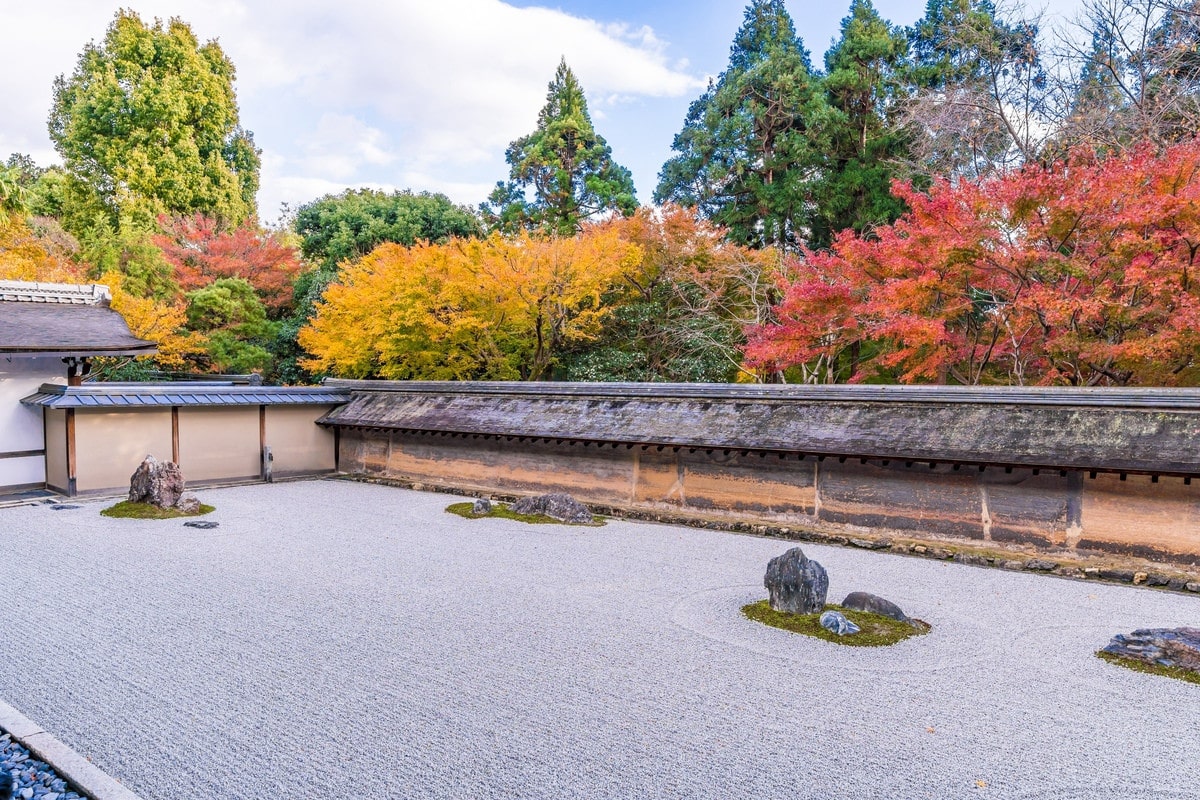
Kinkaku-ji and the Ryoan-ji Rock Garden
Kinkaku-ji (Rokuon-ji) is in Kita Ward, Kyoto, open 9:00-17:00, with admission of ¥500. Take bus 101 or 205 to Kinkakuji-michi, about 40 minutes.
Kinkaku-ji’s gold-leaf walls are reflected in Kyoko-chi pond. Bus 59 to Ryoan-ji takes about 10 minutes, with admission of ¥600; it is known for its karesansui rock garden, where the 15 stones cannot be seen all at once.
You can also look up full-day guided tours on KKday or Klook that combine Kinkaku-ji, Ryoan-ji and Ninna-ji; contents and prices vary by plan.
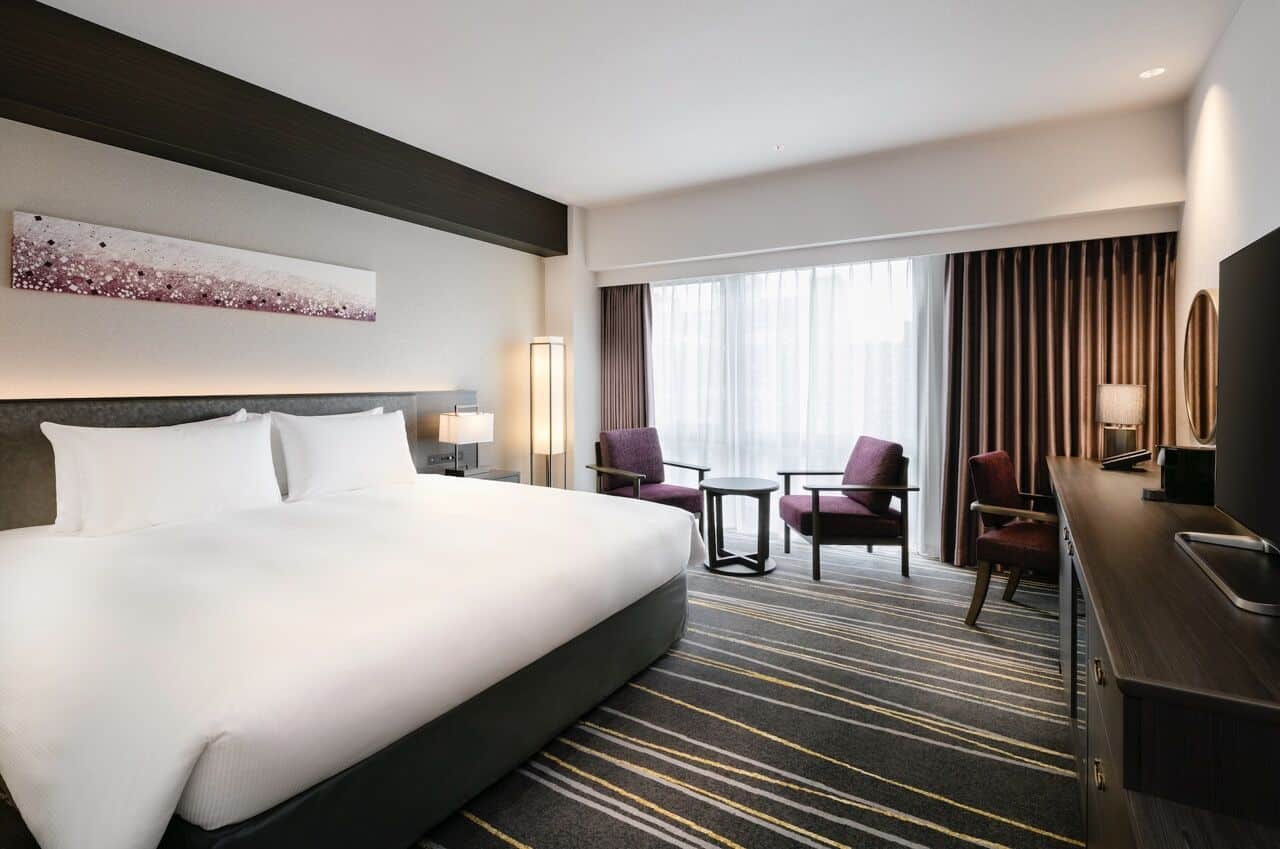
Where to Stay Nearby
The Kyoto Subway Karasuma Line passes through Kyoto Station, and the Karasuma Line and Tozai Line meet at Karasuma Oike Station. If you stay around Kyoto Station or Karasuma Oike, changing between city buses and the subway is easy with a Subway and Bus One-Day Pass (¥1,100 for adults). The Kyoto Station bus terminal has a city bus and subway information center, so you can buy the pass on the day you arrive.

Kyoto Subway and Bus One-Day Pass FAQ
Here are the questions readers search for most about the Kyoto Subway and Bus One-Day Pass, so you can grasp the key information quickly.
Q: How much is the Kyoto Subway and Bus One-Day Pass?
¥1,100 for adults and ¥550 for children, with unlimited rides on all subway lines and all city bus routes for one day, one of the best-value Kyoto transport passes at present.
Q: What are the validity rules for the one-day pass?
The pass is valid from the first service on the day of use until the last service that day; it is not counted as 24 hours and expires early the next morning, so you need to buy a new one.
Q: Do I pay extra for late-night buses?
Yes. Late-night buses require an additional fare that is not included in the one-day pass, so check the last service time and that route’s fare before you set out.
Q: Where is the most convenient place to buy the pass?
The most convenient place is the city bus and subway information center in front of Kyoto Station. You can also buy at subway station windows or on the bus, or pre-purchase an exchange voucher through KANSAI MaaS or Klook.
Q: How many rides make it worthwhile?
A single Kyoto city bus ride is ¥230 and a single subway ride starts at ¥220, so if you take 5 or more rides in total in a day, the one-day pass costs less than buying single tickets.
Q: Can the pass be used on all bus companies’ routes?
No. It applies only to all Kyoto City Bus routes and some routes of Kyoto Bus, Keihan Bus and West Japan JR Bus, so check that your route is covered before you ride.
Q: What season is best for using the pass in Kyoto?
Cherry blossom season in spring (late March to early April) and autumn leaf season (mid-November to early December) are the most popular but also the most crowded, so use cross-area subway-to-bus transfers to spread out the crowds.