
Kumamoto Food Guide 2026: A Castle-Town Taste Map of Basashi, Kumamoto Ramen and Taipien
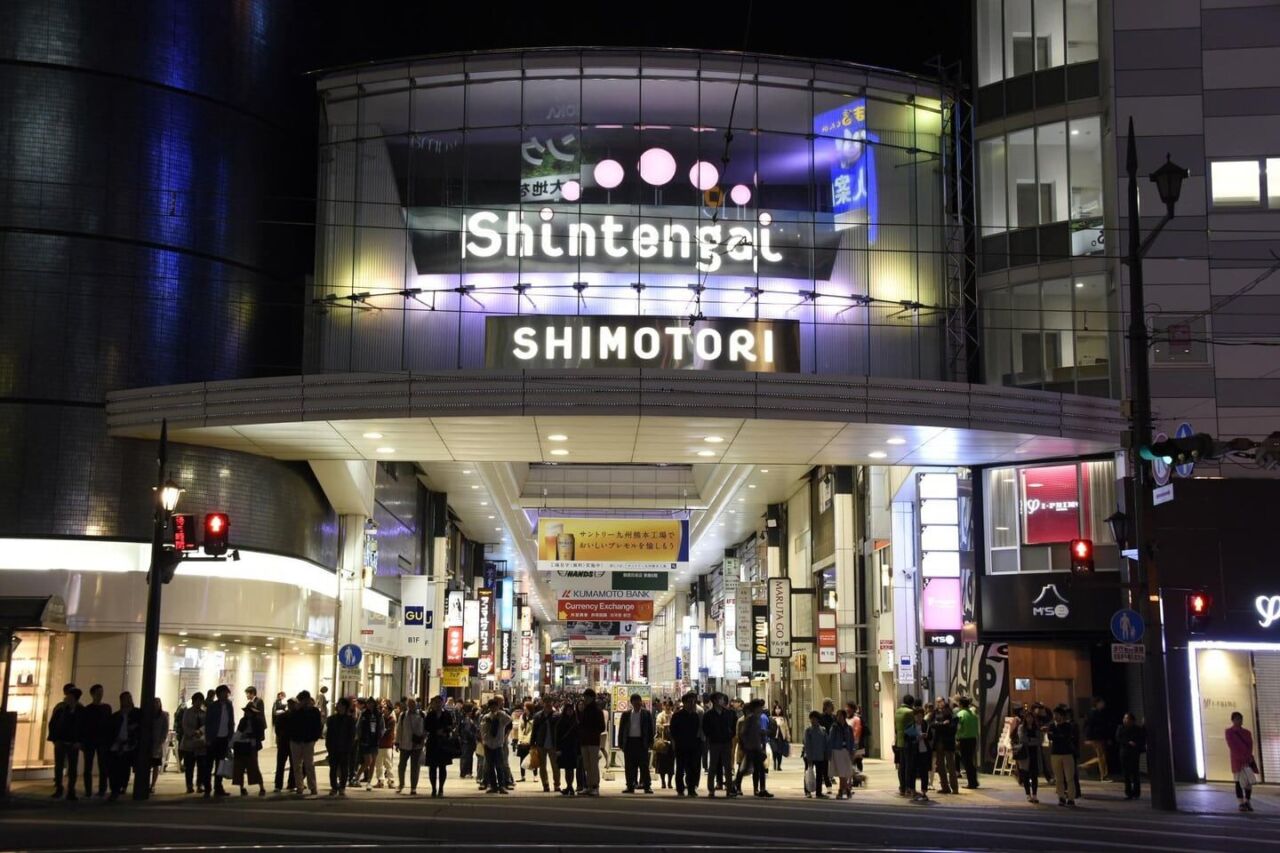
Kumamoto’s food character was raised by volcanoes, grasslands and the sea together. Aso’s vast grasslands produce top-quality horse meat and Aso akaushi beef, the catch from the Ariake Sea and Amakusa adds seafood, and Chinese immigrants who crossed the sea in the late Meiji period left behind taipien, a local dish you cannot find elsewhere. Walking at the foot of Kumamoto Castle, you will find that the food map is actually very compact: the Shimotori and Kamitori shopping arcades in the city center connect with the Shinshigai arcade, Sakura-no-Baba Josaien stands next to Kumamoto Castle, and Higo Yokamon Ichiba is inside Kumamoto Station. Three bases are enough to eat your way through Kumamoto’s specialties. Below we introduce these three battlegrounds first, then take on the famous restaurants one by one.
Shimotori and Kamitori Shopping Arcades: The Heart of Kumamoto’s Food Scene
Shimotori Shopping Arcade is the longest covered arcade in central Kumamoto, linked with Kamitori Shopping Arcade to the north and Shinshigai to the west, and almost every must-eat restaurant falls within this area. Take the Kumamoto city tram to Torichosuji Station and the entrance is right there; walking south to Karashimacho Station takes only about ten minutes, with no need to change vehicles.
Tucked in the arcade are KouranTei Shimotori Main Store, the originator of taipien, and Gourmand Sannenzaka, a local-cuisine izakaya, and the nearby lanes also hold the famous tonkatsu restaurant Katsuretsutei. The roof keeps you covered, so you can eat even in the rain, making it the least tiring starting point for a Kumamoto food walk.

Sakura-no-Baba Josaien: Kumamoto Castle Food and Souvenirs in One Stop
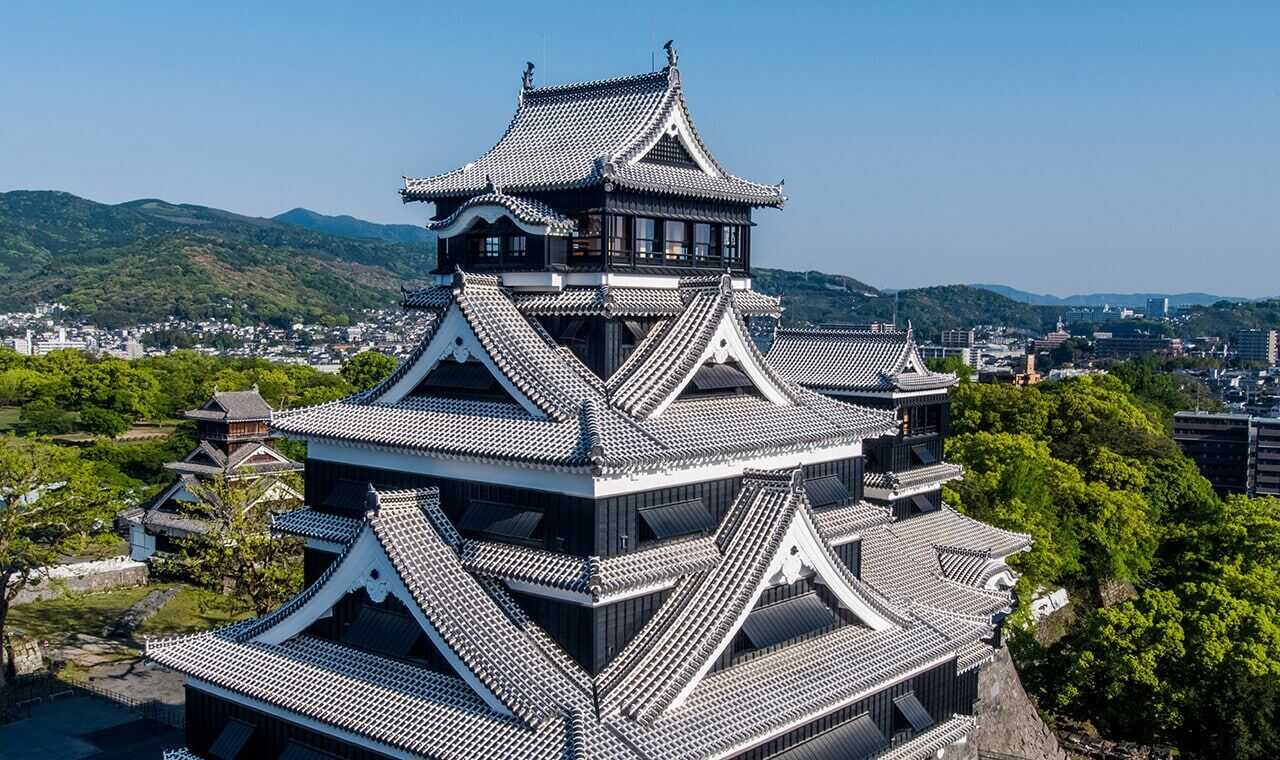
Sakura-no-Baba Josaien lies right below Kumamoto Castle. “Sakura-no-Koji” recreates an Edo-period castle town and gathers more than twenty well-known shops from around Kumamoto Prefecture. If you want to solve the question of “food near Kumamoto Castle,” this is almost the standard answer.
You can eat or buy Aso akaushi beef bowls at Asoniwa Yamami Chaya, karashi renkon at Ganso Mori Karashi Renkon and ikinari dango at Hanamaru-do all on the same street, so continuing straight to a meal after visiting Kumamoto Castle fits your schedule very smoothly. Opening hours vary by shop and season, so we suggest checking the official announcements before you go.
Higo Yokamon Ichiba: A Fast-Strike Base for Famous Shops Inside Kumamoto Station
Higo Yokamon Ichiba opened in 2018, right in front of the shinkansen gates at JR Kumamoto Station, and is the most efficient food base for the gap between connections. On the first floor are branches of the horse-meat specialist Suganoya and the famous Kumamoto ramen shop Tengaiten, so one stop lets you take on both basashi and Kumamoto ramen, the two big specialties.
Next door it connects to AMU PLAZA Kumamoto, where Kumamon goods, karashi renkon, ikinari dango and other souvenirs can all be bought in one go, making it ideal for the last hour before your shinkansen. Opening hours differ by shop, so leave time for queues when you are catching a train.
What Must You Eat in Kumamoto? A Full Look at Basashi (Raw Horse Meat) and Five Famous Kumamoto Ramen Shops
Start by tackling Kumamoto’s two most representative specialties: basashi and Kumamoto ramen.
Basashi (Raw Horse Meat): Suganoya Ginza-dori Branch (菅乃屋 銀座通り店)
Kumamoto horse meat is nicknamed “cherry blossom meat” for its pink color, fine marbling and almost no gamey smell. Suganoya is a long-established shop that sends meat from its own ranch straight to the table, suiting first-timers.
The shop is on Ginza-dori next to Shimotori (Yamato ROYNET Kumamoto, 2F), close to Sakura Machi Kumamoto and Shimotori, and has private rooms.
- 🐴 Must-order: large toro basashi platter, horse-meat nigiri sushi, horse-meat sukiyaki
- 💰 Price: lunch is better value; dinner about ¥4,000-¥10,000
- 🚉 Access: 5 minutes on foot from Karashimacho Station on the Kumamoto city tram
Aged Horse Meat: Basashi Restaurant Mutsugoro (馬肉料理 むつ五郎)
Mutsugoro is a highly rated local horse-meat izakaya. Its biggest feature is thorough aging of the horse meat, pushing tenderness and sweetness to a peak, which is clearly a different, lighter direction from Suganoya, so it suits people who have already had a round of basashi and want to find more depth.
Besides raw dishes, the cooked dishes here are also very strong, and the supply of rare cuts depends on that day’s delivery. It is open only in the evening (closed Sundays) and by reservation, so be sure to book first.
- 🐴 Must-order: premium marbled basashi, horse fillet steak (with fried garlic chips), kone (horse mane meat)
- 💰 Price: about ¥4,000-¥10,000
- 🚉 Access: about 2 minutes on foot from Hanabatacho Station on the Kumamoto city tram
Raw Horse Liver and Local Cuisine: Gourmand Sannenzaka (グルマン三年坂)
Gourmand Sannenzaka is in the Shimotori Shopping Arcade area and is a local-cuisine restaurant where you can eat all of Kumamoto’s ingredients. The raw horse-meat platter is very fresh, and it also serves the rare raw horse liver sashimi (uma-rebasashi), which is the reason many food lovers come specially.
Besides horse meat, you can also order yakitori of Aso akaushi beef and Amakusa Daio free-range chicken, so one table collects Kumamoto’s three great meats. Whether raw horse liver is served depends on the day’s ingredients and regulations, so we suggest asking when you book.
- 🍢 Must-order: raw horse-meat platter, uma-rebasashi, Amakusa Daio chicken yakitori, Aso akaushi beef
- 💰 Price: dinner about ¥4,000-¥6,000 per person
- 🚉 Access: about 5 minutes on foot from Torichosuji Station on the Kumamoto city tram
Kumamoto Ramen: Kokutei Main Store (黑亭 本店)
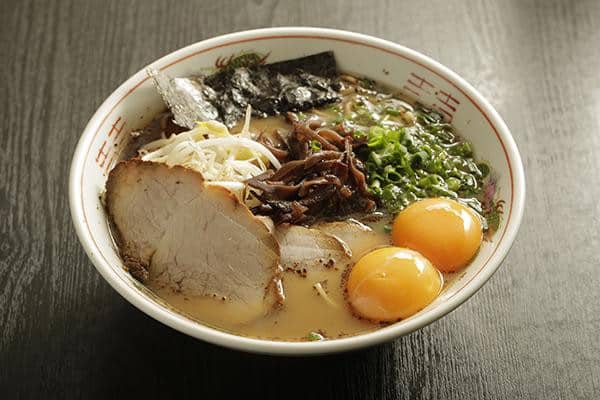
The biggest difference between Kumamoto ramen and Hakata ramen is garlic. Kokutei simmers a pure tonkotsu broth for a long time in stone pots and then drizzles it with its own fragrant garlic oil, with a bitter-fragrant, sweet aftertaste of layers that only a long-established shop has, and the noodles are medium-thick straight noodles with a good chew.
The signature way to eat it is the raw egg ramen: break the two raw yolks and dip your noodles in them, or stir them whole into the soup to make the broth rounder. It is near Kumamoto Station and often has a queue, so we suggest avoiding the noon peak.
- 🍜 Must-order: raw egg ramen (tamago-iri ramen, 玉子入りラーメン), chashu ramen
- 💰 Price: about ¥1,000-¥2,000
- 🚉 Access: about 7 minutes on foot from JR Kumamoto Station, or about 5 minutes on foot from Nihongiguchi Station on the Kumamoto city tram
Black Sesame Oil Ramen: Keika Main Store (桂花 本店)
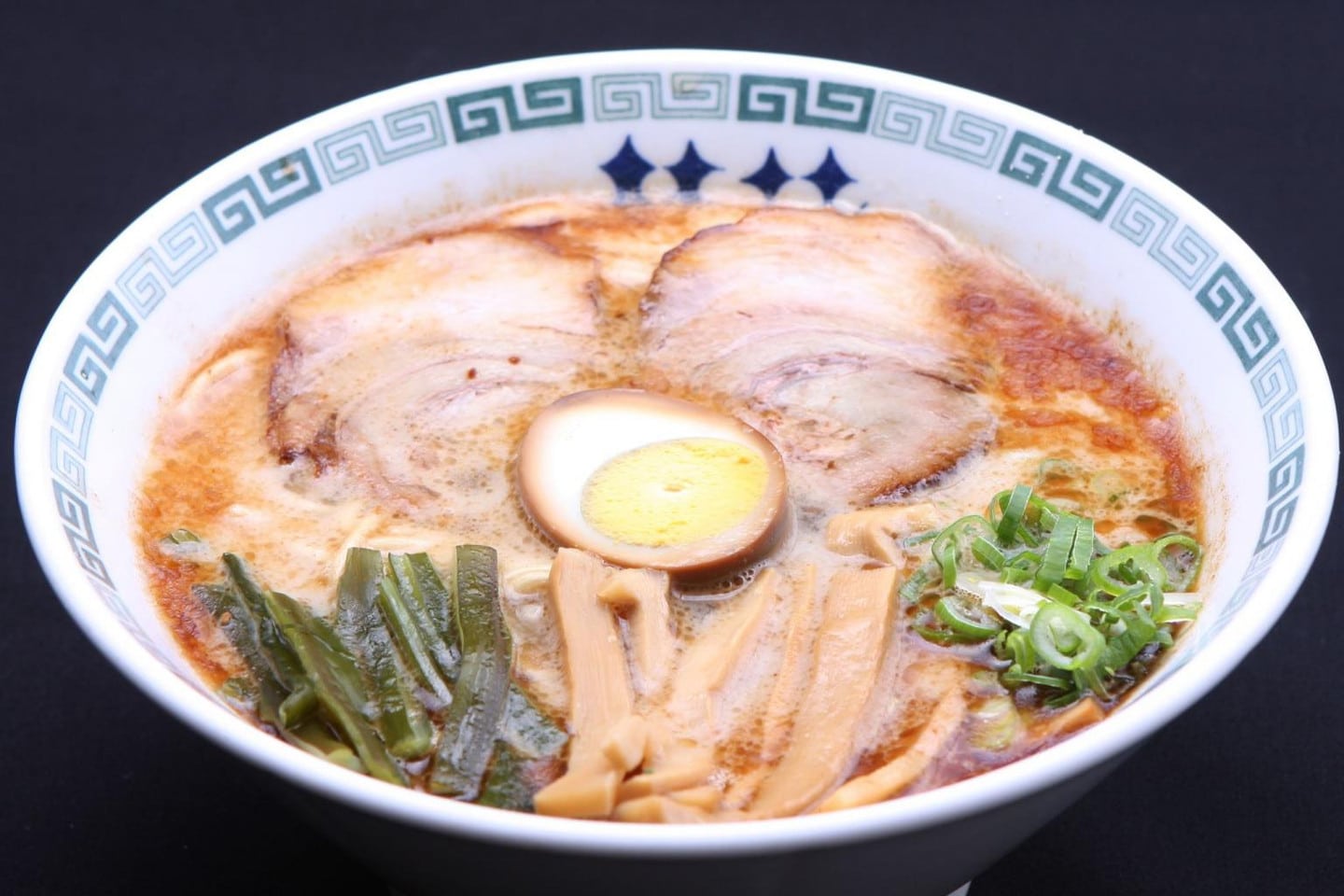
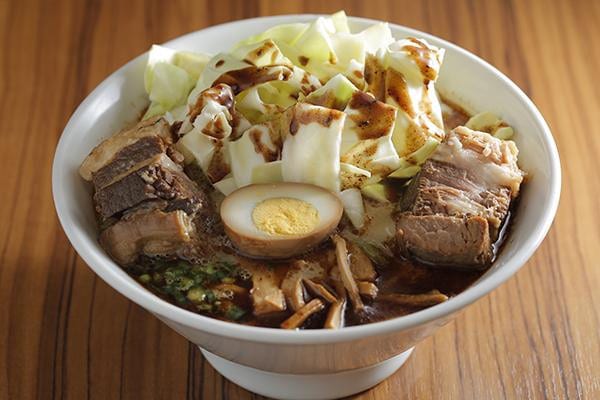
Keika Main Store, founded in 1955, is the birthplace of Kumamoto’s “black garlic oil ramen” (ma-yu). The broth is a salt-seasoned white soup of pork and chicken bones, lighter and less greasy than you would expect; the noodles are medium-thick noodles made with special wheat, deliberately cooked firm, and the shop itself jokes that first-timers often think “what is this noodle?” (なんだこの麺は?).
The signature Taro-men tops the noodles with big pieces of fatty braised pork belly and plenty of crisp raw cabbage, and the combination of a bite of meat and a bite of vegetable is Keika’s trademark. The shop is between Shimotori and Shinshigai, easy to stop at during a walk.
- 🍜 Must-order: Taro-men (ターローメン), Keika ramen
- 💰 Price: about ¥1,000-¥2,000
- 🚉 Access: about 3 minutes on foot from Karashimacho Station on the Kumamoto city tram
Recommended Kumamoto Restaurants: Rich Ramen, Taipien, Aso Akaushi Beef Bowl and Kumamoto Tonkatsu
After basashi and classic ramen, add four more flavors that Kumamoto locals eat often themselves.
Rich Tonkotsu Ramen: Hinokuni Bunryu (火之國文龍)
Hinokuni Bunryu is called “Kumamoto’s strongest rich ramen” by locals. A single bowl is said to take nearly 1.4 kg of pork bones, with a broth so thick it almost clings to the noodles and a fine layer of back fat on top, a pilgrimage site for lovers of strong flavors.
The shop is in Toshima, Higashi Ward, Kumamoto, so you need to drive or transfer, it is closed on Tuesdays, and it is so popular there is often a queue. We suggest putting it on a day with flexible time and checking that day’s opening status first.
- 🍜 Must-order: tonkotsu ramen (kotteri, rich style), extra chashu
- 💰 Price: about ¥1,000-¥2,000
- 🚉 Access: on the outskirts of Kumamoto, so we suggest driving or taking a taxi, about 20-30 minutes by car
Garlic Tonkotsu Ramen: Tengaiten (天外天)
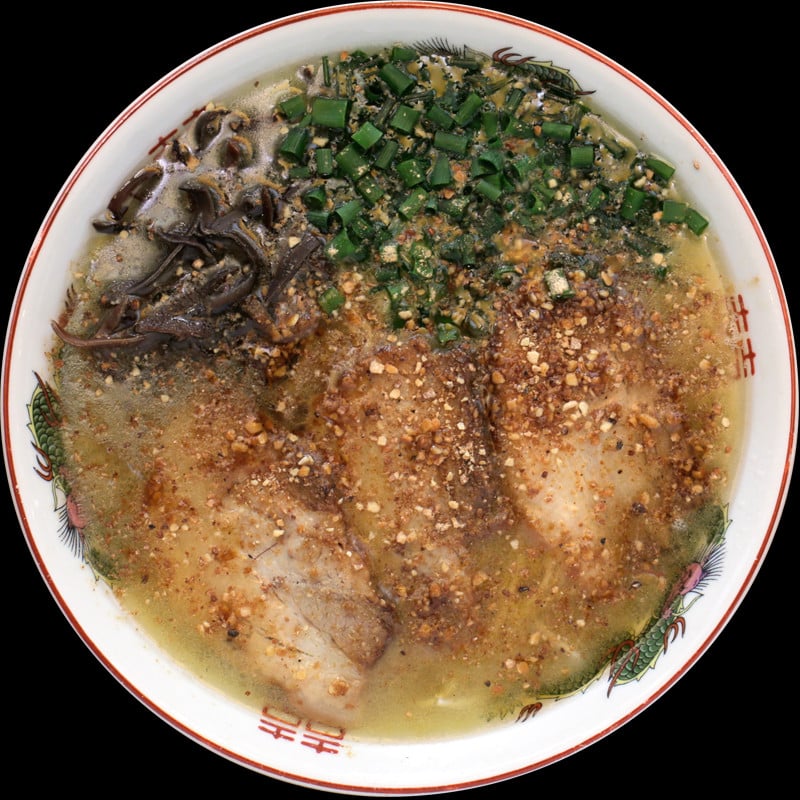
Tengaiten tops its broth with a thick layer of fragrant stir-fried garlic flakes. It looks fierce, but the taste is surprisingly smooth, and it is the representative of the garlic school of Kumamoto ramen. The price is relatively friendly, making it a good first bowl of Kumamoto ramen.
The main shop is in Chuo Ward, Kumamoto, and a branch is also right inside Higo Yokamon Ichiba at Kumamoto Station, very convenient for a quick bowl before catching a shinkansen, making it the most flexible shop on this Kumamoto food list.
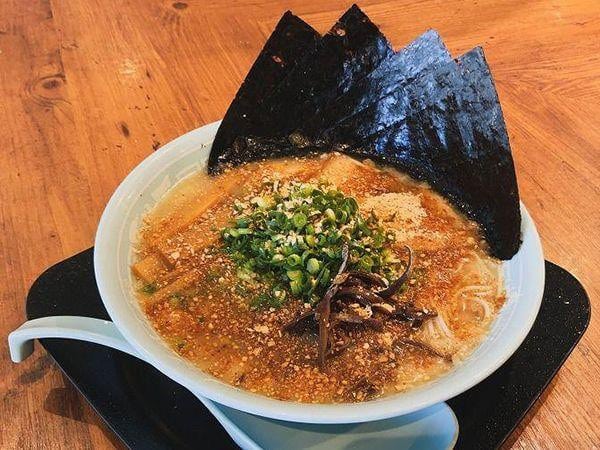
- 🍜 Must-order: chashu ramen, Tengaiten ramen
- 💰 Price: about ¥1,000 or less
- 🚉 Access: the main shop is in Chuo Ward, Kumamoto, or go directly to the Higo Yokamon Ichiba branch inside JR Kumamoto Station
Taipien: Chinese Famous Dishes KouranTei Shimotori Main Store (中国名菜 紅蘭亭 下通本店)
Taipien (タイピーエン) is a dish unique to Kumamoto, originating in Fujian, China, and localized after Chinese immigrants brought it to Kumamoto in the late Meiji period. It uses mung bean vermicelli instead of noodles, with a soup full of cabbage, wood ear mushrooms, shrimp and squid, and the key element is the “fried boiled egg.”
KouranTei was founded in 1934 (Showa 9) and sits in the Shimotori arcade at 5-26 Anseimachi, Chuo Ward, Kumamoto, regarded as the originator of taipien. The portions are generous and the taste is light, the best buffer after several days of heavy flavors.
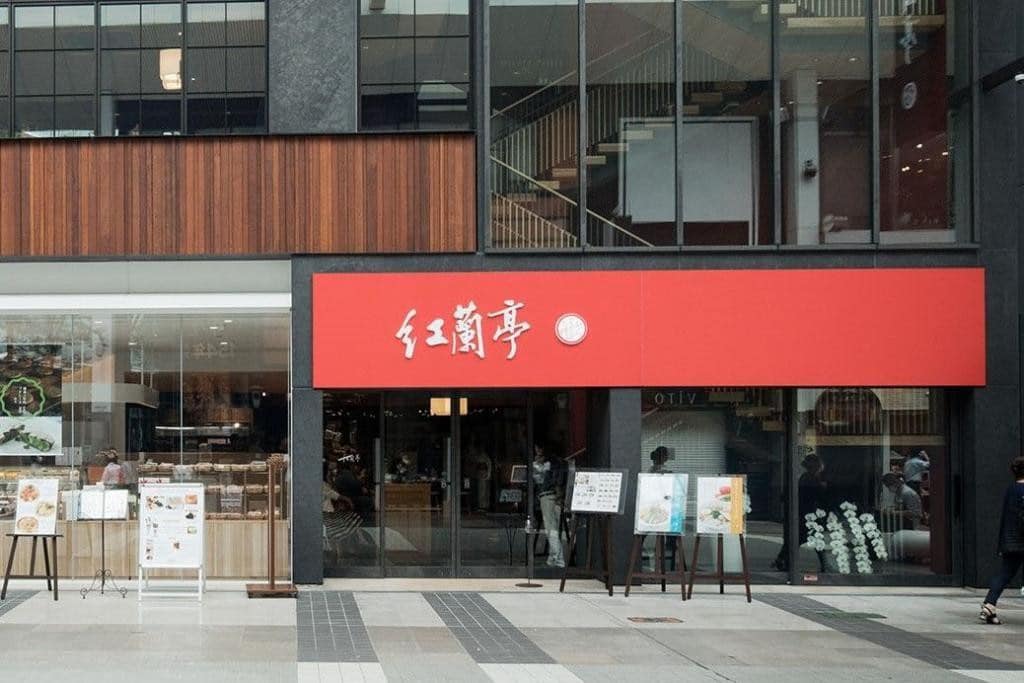
- 🍜 Must-order: taipien, sara udon (皿うどん), Hong Kong-style dim sum
- 💰 Price: lunch about ¥1,200-¥2,000
- 🚉 Access: about 3 minutes on foot from Torichosuji Station on the Kumamoto city tram
Aso Akaushi Beef Bowl: Asoniwa Yamami Chaya (阿蘇庭 山見茶屋)
Aso akaushi (あか牛) is a Japanese Brown cattle breed grazed on the Aso grasslands, with a high proportion of lean meat and fat that is not greasy. Asoniwa Yamami Chaya is inside “Sakura-no-Koji” at Sakura-no-Baba Josaien below Kumamoto Castle, at 1-1-2 Ninomaru, Chuo Ward, Kumamoto, so eating right after Kumamoto Castle is easiest.
Besides the signature akaushi bowl, it also serves lava-stone grilled beef and Kumamoto local dishes such as dago-jiru and takana meshi. It gets crowded at peak meal times, so we suggest avoiding around noon.
- 🥩 Must-order: aka-gyu don (あか牛丼), akaushi lava-stone grill, dago-jiru, takana meshi
- 💰 Price: akaushi bowl about ¥2,000-¥3,000
- 🚉 Access: about 10 minutes on foot from Hanabatacho Station on the Kumamoto city tram, or take the Kumamoto Castle loop bus to Josaien
Kumamoto Tonkatsu: Katsuretsutei Shinshigai Main Store (勝烈亭 新市街本店)
When it comes to Kumamoto tonkatsu, locals almost always think of Katsuretsutei first. The coating is fried extremely thin and crisp, the pork inside keeps its juices, and the shredded cabbage and rice that come with the meal can mostly be refilled, with generous portions.
The main shop is in Shinshigai, very close to Shimotori and the Sakuramachi bus terminal; step out of SAKURA MACHI Kumamoto and cross the street to get there. There is also a Minami-Kumamoto shop in the city and a branch inside AMU PLAZA at JR Kumamoto Station, so you still have time to eat the same food before catching a train. You often have to wait at meal times, so we suggest arriving early to register.
- 🍛 Must-order: jo-rosu katsu (上ロースカツ, premium loin cutlet), hire katsu (ヒレカツ, tenderloin cutlet) set meal
- 💰 Price: set meal about ¥2,000-¥3,500
- 🚉 Access: about 3 minutes on foot from Karashimacho Station on the Kumamoto city tram
Kumamoto Street Food and Markets: Josaien, Higo Yokamon Ichiba and Shopping Arcade Strolls
Now change the pace and collect Kumamoto snacks and souvenirs by eating as you walk.
Castle-Town Tabearuki: Sakura-no-Koji (Sakura-no-Baba Josaien)
Sakura-no-Koji is the shopping street inside Josaien, recreating an Edo-period castle-town streetscape and gathering more than twenty well-known shops from around Kumamoto Prefecture, from hot food and sweets to souvenirs, and it is the most enjoyable street to browse around Kumamoto Castle and Josaien.
Most stalls here offer small portions, ideal for sampling along the way: karashi renkon, ikinari dango, akaushi croquettes and Kumamon-shaped treats can all be bought in small amounts. Walking the whole street takes only ten-odd minutes, so it fits before or after a Kumamoto Castle visit without taking up your schedule.
- 🍡 Must-order: karashi renkon, ikinari dango, akaushi croquettes
- 💰 Price: about ¥200-¥800 per item
- 🚉 Access: about 10 minutes on foot from Hanabatacho Station on the Kumamoto city tram
Karashi Renkon: Ganso Mori Karashi Renkon (元祖 森からし蓮根)
Karashi renkon is a Kumamoto local dish in which miso and mustard are stuffed into the holes of lotus root, which is then coated in batter and deep-fried. Cut open, the holes make a beautiful pattern, and it is crisp first and then sharp, great with drinks and one of Kumamoto’s classic souvenirs.
Ganso Mori Karashi Renkon is said to trace back to the ninth year of Kanei (1632), when the ancestor Heigoro presented the dish to the then lord Hosokawa Tadatoshi. It holds the “originator” title for Kumamoto karashi renkon and also has a shop at Sakura-no-Koji in Josaien, so you can buy it while sightseeing.
- 🥢 Must-order: karashi renkon (whole or sliced vacuum packs)
- 💰 Price: slices from about ¥500, whole from about ¥1,500
- 🚉 Access: the Josaien shop is below Kumamoto Castle, about 10 minutes on foot from Hanabatacho Station on the Kumamoto city tram
Ikinari Dango: Hanamaru-do (華まる堂)
Ikinari dango is Kumamoto’s most representative everyday sweet: round slices of sweet potato and red bean paste wrapped in dough and steamed, with a plain sweetness and a solid texture that has long ranked high among Kumamoto souvenirs.
Hanamaru-do is known for its dough made to an exclusive recipe, which stays soft and moist even after being frozen and reheated, making it good to take home and share. Outlets can be found at Josaien and around Kumamoto Station, so you will not miss out even if you are in a hurry.
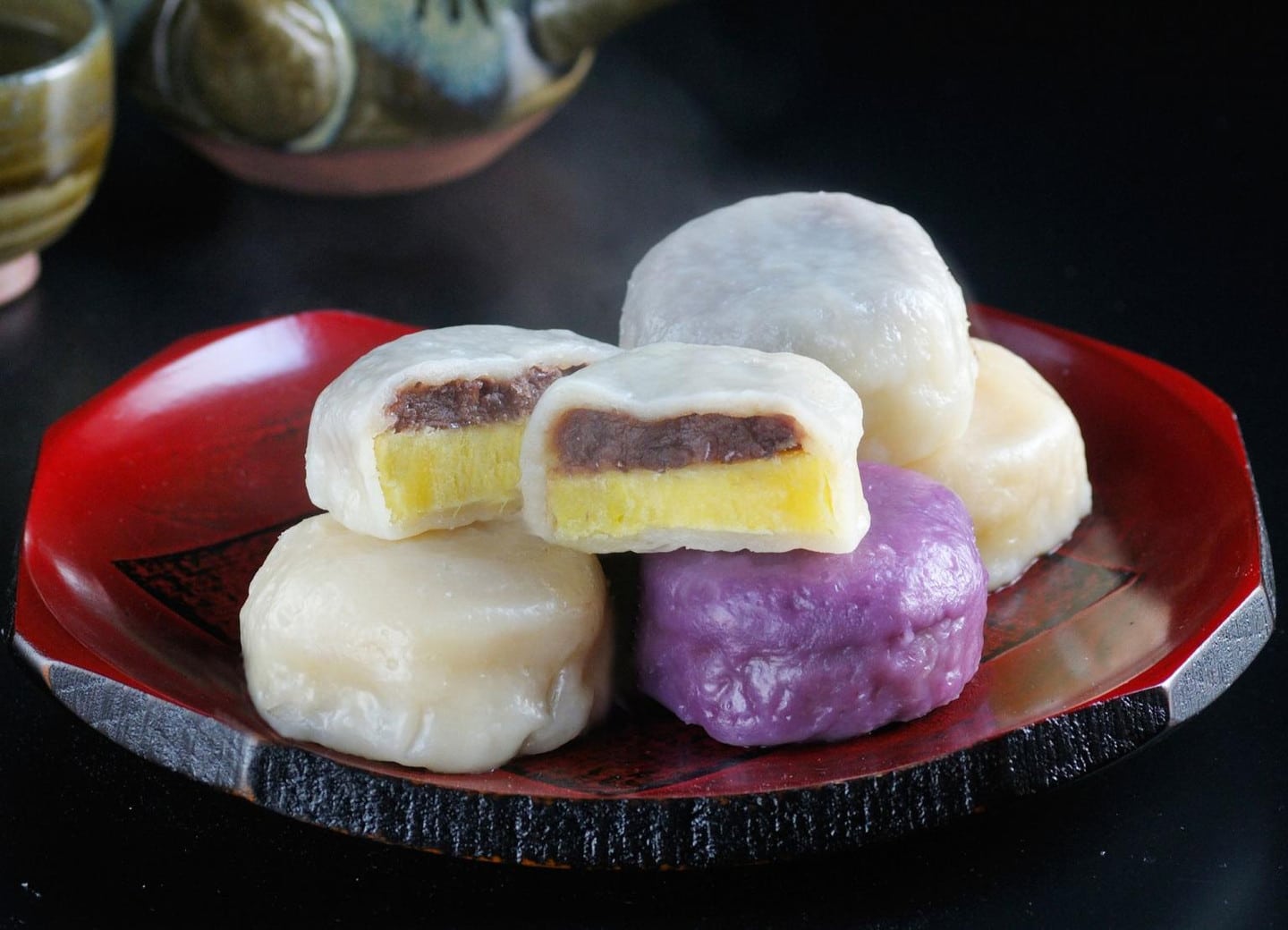
- 🍠 Must-order: ikinari dango (sweet potato and red bean, original)
- 💰 Price: about ¥150-¥250 each
- 🚉 Access: available at Josaien below Kumamoto Castle or at shops in JR Kumamoto Station
Kumamoto Station Food: Higo Yokamon Ichiba
Higo Yokamon Ichiba opened in 2018, directly opposite the shinkansen gates at JR Kumamoto Station, with about 60 restaurants and local-product shops in total, the most useful finishing stop on your last day.
On the first floor are branches of the horse-meat specialist Suganoya and Kumamoto ramen shop Tengaiten, so within the hour you wait for your train you can finish both basashi and Kumamoto ramen; next door it connects to AMU PLAZA Kumamoto, where karashi renkon, ikinari dango and Kumamon goods can all be bought together.
- 🍱 Must-order: Suganoya’s basashi set meal, Tengaiten’s chashu ramen
- 💰 Price: about ¥1,000-¥3,000 per meal
- 🚉 Access: right outside the shinkansen gates at JR Kumamoto Station
Shopping Arcade Stroll: SAKURA MACHI Kumamoto (サクラマチクマモト)
SAKURA MACHI Kumamoto opened in 2019 and is a large complex combining the Sakuramachi bus terminal, a shopping mall, a hotel and Kumamoto Castle Hall. It is also the starting point of buses to Aso and Amakusa, so you pass through easily before and after your trip.
The dining floors gather many Kumamoto local brands, and in the B1 there is also the Sakuramachi Kumamoto Castle-mae branch of the long-established Kumamoto ramen shop Kokutei, while the rooftop garden offers a distant view of Kumamoto Castle. Crossing the street from here brings you to Shinshigai and Shimotori Shopping Arcade, and the famous tonkatsu shop Katsuretsutei Shinshigai Main Store is just a few steps away, so continuing your stroll is very smooth.
- 🍴 Must-order: Kumamoto ramen at Kokutei’s Sakuramachi Kumamoto Castle-mae branch, local Kumamoto sweets in the building
- 💰 Price: about ¥1,000-¥3,000 per meal
- 🚉 Access: about 1 minute on foot from Karashimacho Station on the Kumamoto city tram
What to Know When Eating in Kumamoto: Raw Food Rules, Closing Days and Getting Around by Tram
Check these few things before you go to save a lot of wasted trips.
Raw Horse Meat Rules and Eating Tips
Raw horse meat in Japan must be handled and freeze-sterilized under the Ministry of Health, Labour and Welfare’s “Standards for Raw Meat for Raw Consumption” (生食用食肉の規格基準), and proper horse-meat specialty shops follow this process, which is why we recommend tasting it at specialty shops like Suganoya and Mutsugoro.
Still, eating raw food always carries some risk. Pregnant women, young children, older adults and people with weaker immunity are advised to avoid it, or to order cooked dishes such as horse-meat sukiyaki or horse steak instead. Whether special cuts such as raw horse liver are served follows each shop’s announcement that day.
What Exactly Is the Difference Between Kumamoto Ramen and Hakata Ramen
Both are Kyushu tonkotsu, but the character of Kumamoto ramen and Hakata ramen is quite different. Hakata goes for pure, thick tonkotsu with thinner noodles; Kumamoto ramen adds fragrant black garlic oil (ma-yu) or fried garlic flakes, so the broth carries a clear garlic aroma and a slightly bitter, sweet aftertaste.
For noodles, Kumamoto mostly uses medium-thick straight noodles, which absorb more soup and hold up better, and with plenty of fried garlic flakes they have more presence. For a first visit, we suggest starting with classic styles such as Keika or Kokutei, then taking on Hinokuni Bunryu’s rich style, so the contrast in taste is even more obvious.
Meal Times, Closing Days and Reservation Tips
Almost all of Kumamoto’s popular shops have queues, with peaks at 12:00 to 13:00 for lunch and around 19:00 for dinner. To save time, we suggest being seated before 11:30 for lunch and between 17:30 and 18:00 for dinner.
Horse-meat specialty shops mostly take reservations, and shops such as Mutsugoro also have fixed closing days; the suburban Hinokuni Bunryu often closes early when the broth sells out, and quite a few travelers show up for nothing. Be sure to check the official website or social media announcements before you go, and do not rely only on the opening hours shown on the map.
Linking the Food Map With the Kumamoto City Tram
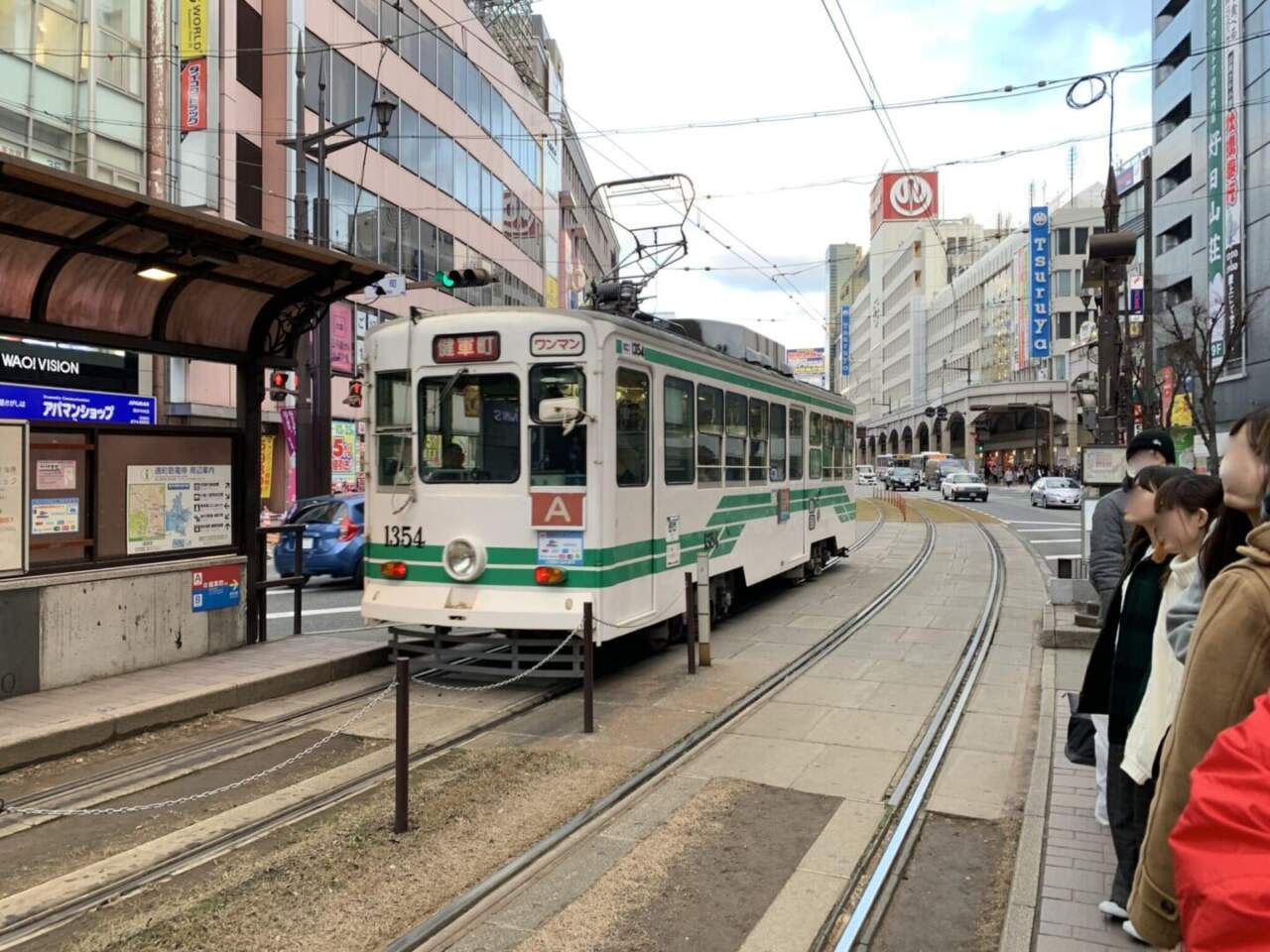
Almost all of central Kumamoto’s food is along the Kumamoto city tram (streetcar) lines. Torichosuji Station corresponds to Shimotori and Kamitori Shopping Arcades, Karashimacho Station to Shinshigai and SAKURA MACHI Kumamoto, and Hanabatacho Station makes it easy to walk to Kumamoto Castle and Josaien.
A tram ride costs a flat ¥200 for adults one way (from June 2025). If you will visit three or more spots in a day, consider a one-day pass (paper ticket ¥700 for adults, digital ticket ¥500 for adults). Trams run frequently, with Chinese-language announcements on board, and last-tram times vary by line, so check return departures before an evening second stop.
Local Dishes and Souvenir Shopping List
Besides basashi and ramen, Kumamoto has a few more local dishes worth adding: karashi renkon, hitomoji guruguru (scallions blanched and rolled, dipped in vinegar miso), dago-jiru (miso soup with vegetables and flour dumplings), takana meshi, and rolled sushi made with Nankan-age.
For souvenirs, ikinari dango has long held a top spot, and vacuum-packed karashi renkon and Kumamon collaboration sweets are also popular. Josaien and Higo Yokamon Ichiba let you buy everything at once, so you do not need to make an extra trip just for souvenirs.
Recommended Kumamoto Food Tours and Experiences
If you would rather not plan your own route, the following tours and passes can string Kumamoto’s food together for you.
Half-Day Stroll Around Kumamoto Castle and Josaien: See the Tenshu While Eating Castle-Town Snacks
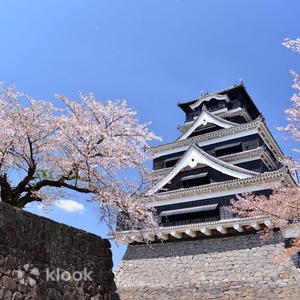
These tours usually start from the Kumamoto Castle visiting route and then lead straight to Sakura-no-Baba Josaien at the foot of the hill, where you eat karashi renkon, ikinari dango and akaushi croquettes all along Sakura-no-Koji. For someone on a first visit to Kumamoto with only half a day, it is the most efficient option.
Most packages include Kumamoto Castle admission, and some add a kimono experience or a Chinese-language guide, and there are also independent half-day passes linking Kumamoto Castle and Josaien. Actual contents, meeting points and whether meals are included vary by package, so be sure to check each item before booking.


Aso Volcano and Akaushi Lunch Day Trip: Kusasenri Grassland With Aso Akaushi Beef
Heading to Aso from central Kumamoto is the route that best explains why Kumamoto’s meat tastes so good. Tours mostly take in the grassland scenery around Kusasenri and Komezuka, with Aso akaushi beef dishes for lunch, linking the scenery to the ingredients.
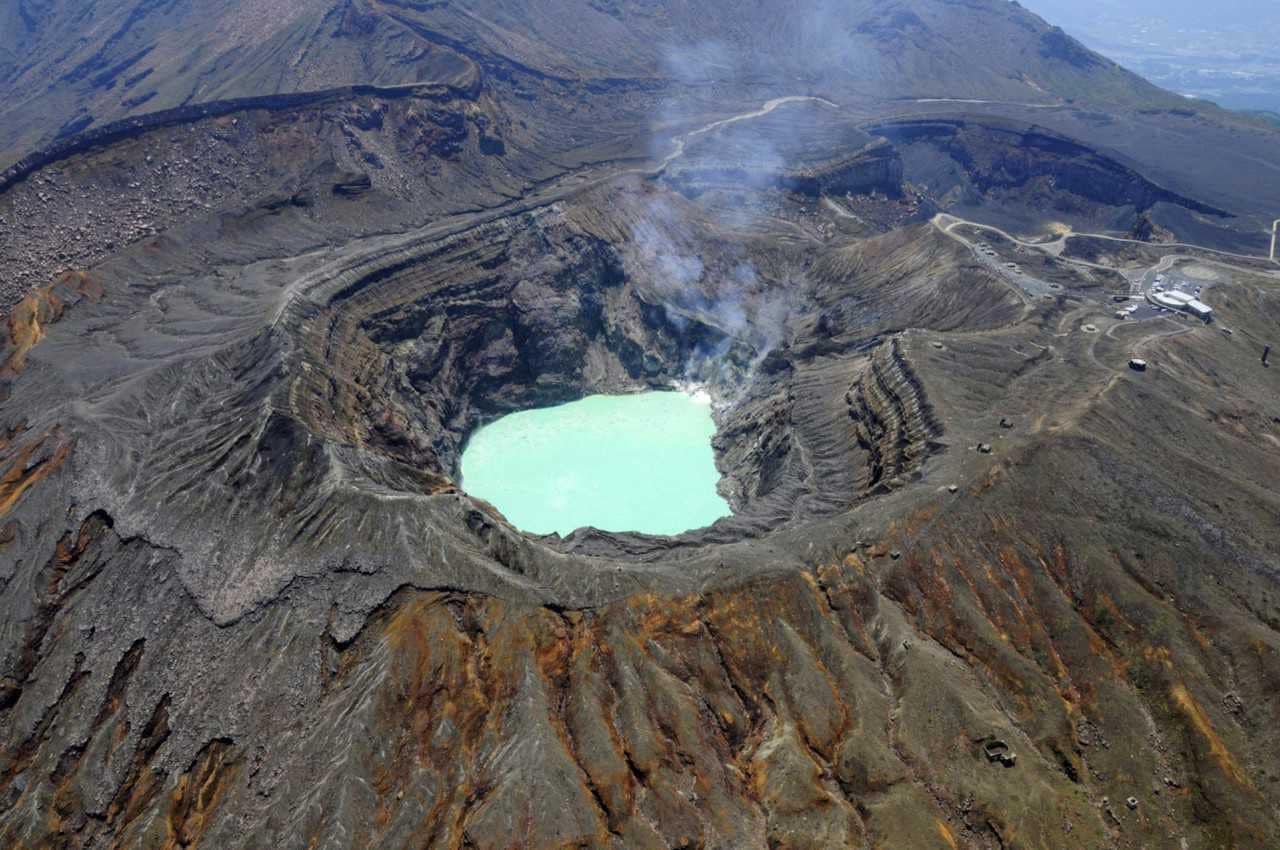
Whether the Aso Nakadake crater is open changes with volcanic activity and weather, a variable only confirmed on the day; when restrictions apply, tours usually switch to alternatives such as Kusasenri and Daikanbo. Be sure to check the organizer’s announcements before you go, and leave room for weather changes.
Kumamoto City Tram One-Day Pass: One Ticket for Shimotori, Karashimacho and Kumamoto Castle
The Kumamoto city tram is the main way to move around town for food. The one-day pass suits a day with three or more stops, for example Kumamoto Castle and Josaien in the morning, taipien at Shimotori for lunch and basashi at Karashimacho in the evening, with no need to count single fares.
The pass can be bought on the tram, at the Kumamoto City Transportation Bureau counter, at the bus information office on the 2nd floor of the Sakuramachi bus terminal, and at the tourist information centers at Kumamoto Station and Josaien; paper tickets are ¥700 for adults and ¥350 for children, digital tickets ¥500 for adults and ¥250 for children. Follow the Kumamoto City Transportation Bureau’s announcements for actual details.
Horse-Meat Restaurant Reservations: A Full Course From Basashi to Horse-Meat Sukiyaki
Horse-meat specialty shops such as Suganoya and Mutsugoro are hard to book in peak season, and reserving a course through a booking platform or the hotel front desk is the more reliable approach. Courses usually start with a basashi platter, followed by horse-meat sukiyaki or horse steak, and finish with a horse-meat bowl or soup.
If someone in your group does not eat raw food, most shops can switch to a fully cooked combination or order dishes such as horse steak or horse-meat sukiyaki instead; just make a note when booking. Dinner on peak season days and weekends is the hardest to book, so we suggest reserving as soon as your itinerary is set.
Let’s Eat! Turn the Kumamoto Food Map Into Your Own Itinerary
The most charming thing about Kumamoto food is that it has two extremes at once: on one side, basashi (raw horse meat) that melts in the mouth and is delicious with almost no seasoning, and on the other, Kumamoto ramen with fragrant black garlic oil and fried garlic flakes, unapologetically aromatic. In between come the light taipien, the Aso akaushi beef bowl that is rich but not greasy, and Katsuretsutei’s tonkatsu that is crisp enough to shed crumbs, so your palate never tires over a whole trip.
The itinerary does not need to be complicated: tackle Kumamoto Castle and Sakura-no-Baba Josaien during the day and eat your way through the castle town at midday; in the afternoon take the Kumamoto city tram to Torichosuji and move on to Shimotori and Kamitori Shopping Arcades; in the evening, book a horse-meat specialty shop in Shinshigai or Ginza-dori to finish; and on your last day before leaving, use Higo Yokamon Ichiba as a finishing stop and take karashi renkon and ikinari dango home.
The one thing to remember is that closing days and availability at famous shops can change at short notice, and raw cuts in particular follow the day’s announcement. Spending five extra minutes checking the official website before you go keeps the chance of showing up for nothing to a minimum. Ready? Take this Kumamoto food map and dig in!

Where to Stay Along the Way
Kumamoto’s food is concentrated in the Shimotori and Kamitori Shopping Arcades, Shinshigai and around Kumamoto Castle, and the area around Torichosuji and Karashimacho tram stops is the most convenient. Staying here lets you walk to the famous basashi and ramen shops, while staying around JR Kumamoto Station makes the shinkansen easy, and before leaving you can stop by Higo Yokamon Ichiba for last-minute souvenirs.

Kumamoto Food FAQ
Q: Which Kumamoto foods should I eat first?
We suggest focusing on basashi, Kumamoto ramen and taipien, which represent Aso grassland livestock, the local variation of tonkotsu with black garlic oil, and Chinese-immigrant local cooking respectively; if you have time, add the Aso akaushi beef bowl and Kumamoto tonkatsu.
Q: Is raw horse meat really safe to eat?
Raw horse meat in Japan must be handled under the “Standards for Raw Meat for Raw Consumption,” which proper specialty shops follow; pregnant women, young children, older adults and people with weaker immunity are advised to order cooked dishes such as horse-meat sukiyaki instead.
Q: What is the difference between Kumamoto ramen and Hakata ramen?
Hakata ramen is pure, thick tonkotsu with thin noodles; Kumamoto ramen adds fragrant black garlic oil (ma-yu) or fried garlic flakes, giving the broth a clear garlic aroma and a slightly bitter, sweet aftertaste, and the noodles are mostly medium-thick straight noodles.
Q: What can I eat near Kumamoto Station?
Right in front of the shinkansen gates at JR Kumamoto Station is Higo Yokamon Ichiba, with the horse-meat specialist Suganoya and Tengaiten ramen on the first floor, connected next door to AMU PLAZA Kumamoto, so you can eat basashi and ramen in the gap between connections.
Q: What is a good place to eat near Kumamoto Castle?
Sakura-no-Baba Josaien at the foot of Kumamoto Castle is the most direct answer; Sakura-no-Koji gathers more than twenty well-known shops from around the prefecture, with Aso akaushi beef bowls, karashi renkon and ikinari dango all on the same street.
Q: How much should I budget per day for Kumamoto food?
A bowl of ramen is about ¥1,000-¥2,000, taipien and tonkatsu set meals about ¥1,200-¥3,500, and dinner at a horse-meat specialty shop about ¥4,000-¥10,000; actual amounts follow each shop’s announcement.