
Yufuin and Beppu Food: Two Flavors Fed by Hot Spring Heat and the Bungo Channel
Yufuin and Beppu are only about an hour apart by car, yet their food personalities could not be more different. Yufuin, in Yufuin-cho, Yufu City, Oita Prefecture, is all about refined local beef dishes and strolling sweets. The Bungo beef kamameshi at Yufu Mabushi Kokoro and the roll cake at B-Speak are both found along Yunotsubo Street between Yufuin Station and Lake Kinrinko, so one walk lets you eat your way through all of it.
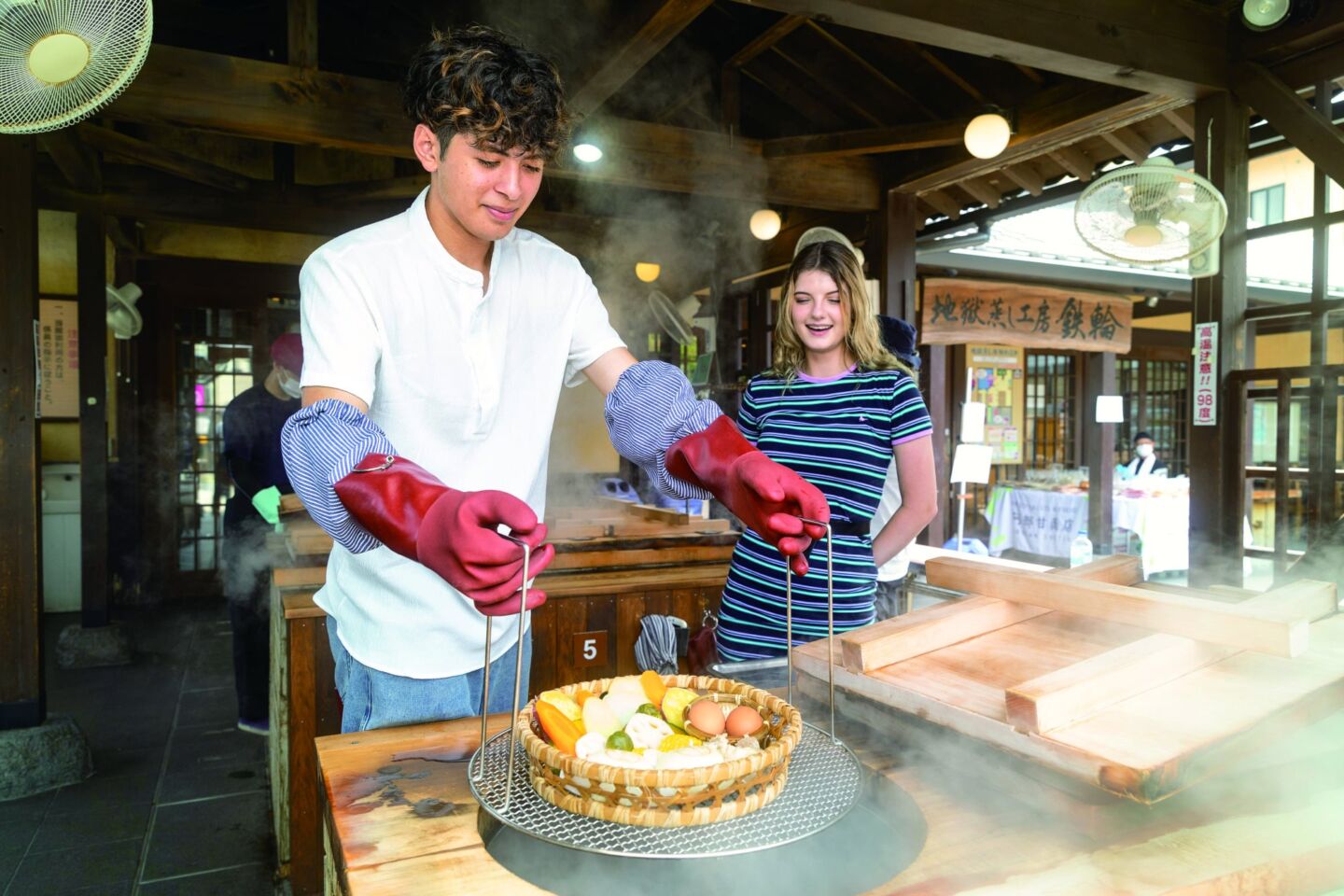
Beppu, by contrast, lives on its hot springs. Its signature is “jigoku-mushi” (hell steaming), in which ingredients are cooked in natural hot spring steam, and Jigoku Mushi Kobo Kannawa lets visitors do it themselves. The dessert world’s representative, jigoku-mushi pudding, is also made with hot spring steam. Beyond geothermal cooking, Beppu has seafood delivered straight from the Bungo Channel, plus tori-ten and Beppu reimen, both of which originated here.
Two practical reminders for planning: most shops in Yufuin close between 5:00 and 5:30 p.m., and many long-established shops in Beppu have fixed closing days (Rokusei, for example, closes on Wednesdays, and Toyotsune also has regular closing days). Many famous shops in both towns also take cash only, so bring enough yen before you go. Below we sort 15 must-eat spots into three tiers: local specialty dishes, restaurants worth a special trip, and street snacks and sweets.
What to Eat in Beppu? Quick Lunch Picks
If you only have one lunch, pick from these four. All four are between central Beppu and the Kannawa area.
- 🍜 Beppu reimen at Rokusei: hand-pulled noodles made with buckwheat flour, about ¥990-1,300, main shop closed Wednesdays
- 🍤 Special tendon at Toyotsune Honten: about ¥1,000-2,000, main shop closed Tuesdays and Wednesdays
- ♨️ Jigoku Mushi Kobo Kannawa: steam your own seafood and vegetables, about ¥1,000-2,000, closed the third Wednesday of each month
- 🍗 Tori-ten set meal at Toyoken: about ¥1,000-2,000
For dessert, your first choice is the jigoku-mushi pudding at Okamotoya Baiten in Myoban. Detailed write-ups of each shop follow below.
It is also worth knowing that nearly every specialty here is tied to geography: Bungo beef comes from mountain ranches in Oita, Seki horse mackerel and Shiroshita flounder come from the fast currents of the Bungo Channel, and yuzu kosho and kabosu citrus are local seasonings that show up on almost every table. Understanding these ingredients gives your eating trip more context.
What to Eat in Beppu and Yufuin: 5 Must-Try Oita Specialties and the Shops That Serve Them
Oita’s flavors follow two main threads: hot spring heat and seafood from the Bungo Channel. The five dishes below best represent the region.
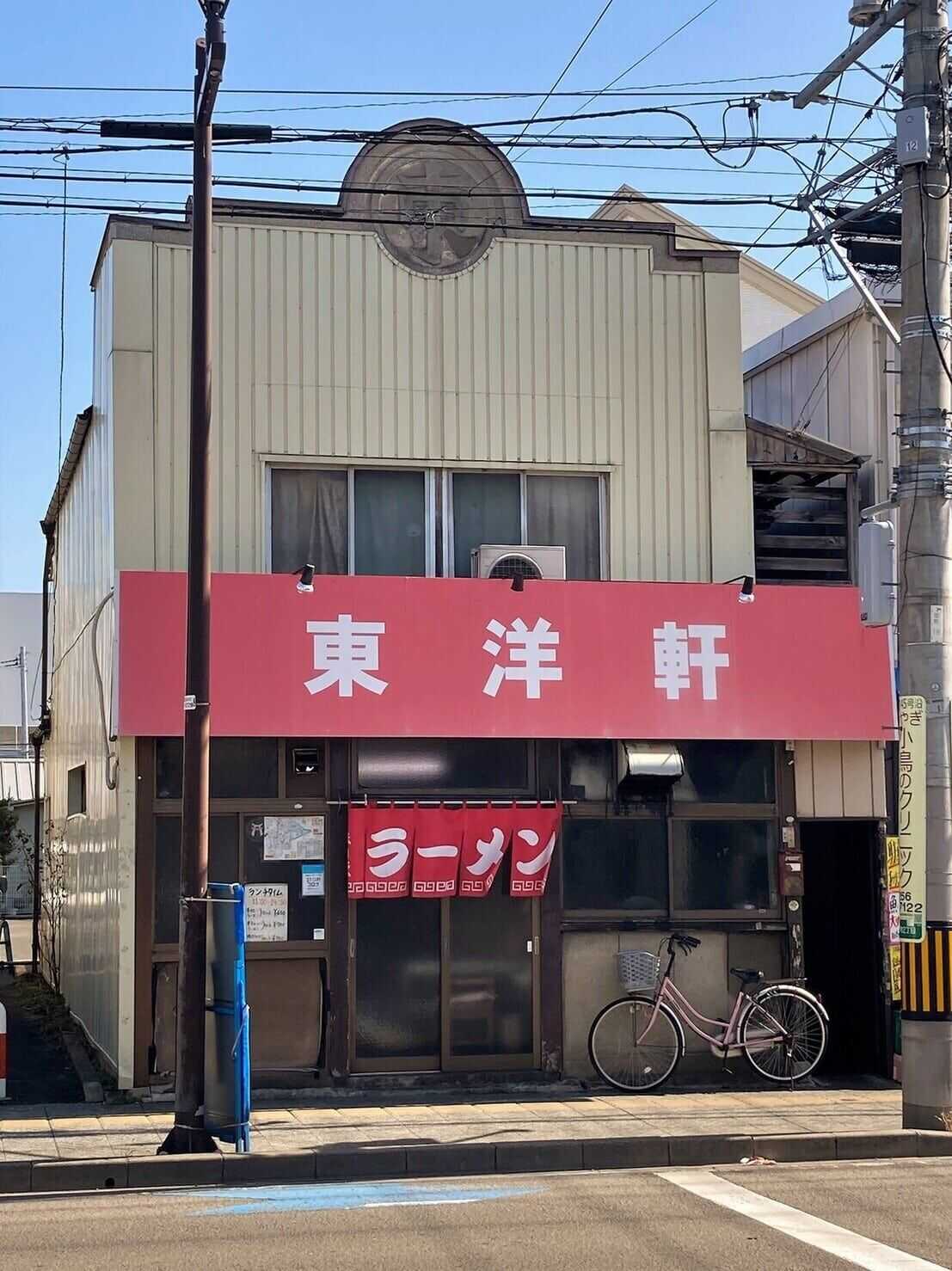
Toyoken: The Birthplace of Oita’s Soul Food, Tori-ten
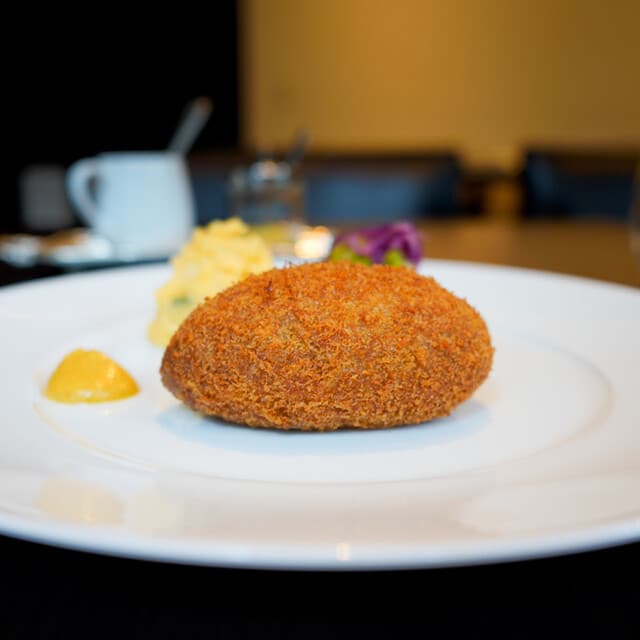
Toyoken is the shop where Oita’s local dish tori-ten (chicken tempura) originated, and this one dish nearly defines the prefecture’s food image. If you want to try it in Beppu, this is the most representative choice.
Tori-ten is completely different from ordinary Japanese karaage fried chicken: it is coated in tempura batter, so it comes out light and crisp rather than hard and crunchy, with juicy, tender chicken inside. You dip it in ponzu with spicy miso, and the tartness cuts the richness completely.
The restaurant is fairly spacious and suits families and groups. It is not next to a station, so you need to take a bus or taxi; we suggest combining it with a Kannawa or Myoban itinerary.
- 🍗 Must-order: Chicken tempura (tori-ten) set meal
- 💰 Price: about ¥1,000-2,000
- 🚉 Access: about 10 minutes by car from JR Beppu Station

Beppu Reimen at Rokusei Main Shop: A Chewy, Buckwheat-Laced Hidden Soul Food
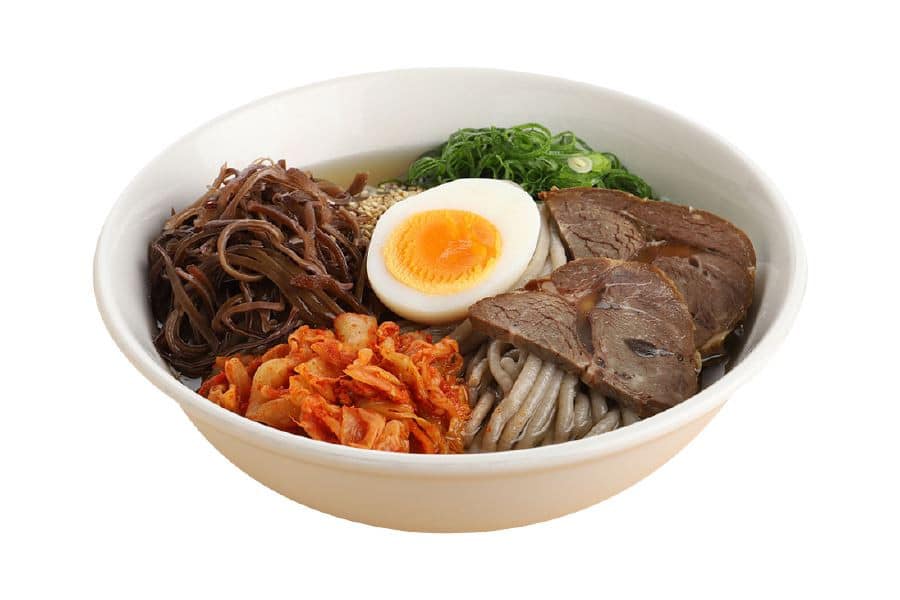
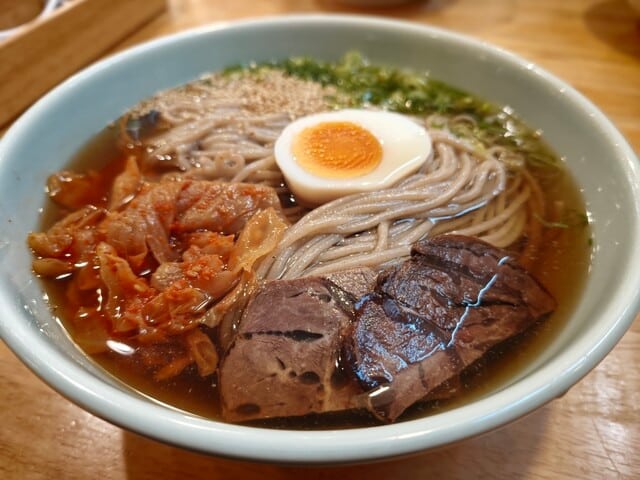
Beppu reimen is the city’s hidden soul food. It comes from a method brought back after the war by people returning from Manchuria, and it differs from both Korean and Morioka cold noodles. Rokusei is the most representative shop for it.
The noodles contain buckwheat flour, giving them an extremely springy, firm texture that is clearly more substantial than ordinary cold noodles. The broth is made from beef bones and kelp, icy and refreshing yet full-bodied, and with the tangy kimchi on the side it is especially welcome after a soak in the hot springs.
The price is around ¥1,000 and the portion is moderate. The main shop is open 11:30-14:00 and 18:00-20:00, closed Wednesdays, and closes early once the broth sells out.
It suits summer best, but you sweat everywhere in Beppu’s hot spring district anyway, so people eat it all year round.
- 🍜 Must-order: Classic Beppu reimen
- 💰 Price: about ¥990-1,300
- 🚉 Access: about 5 minutes by car from JR Beppu Station
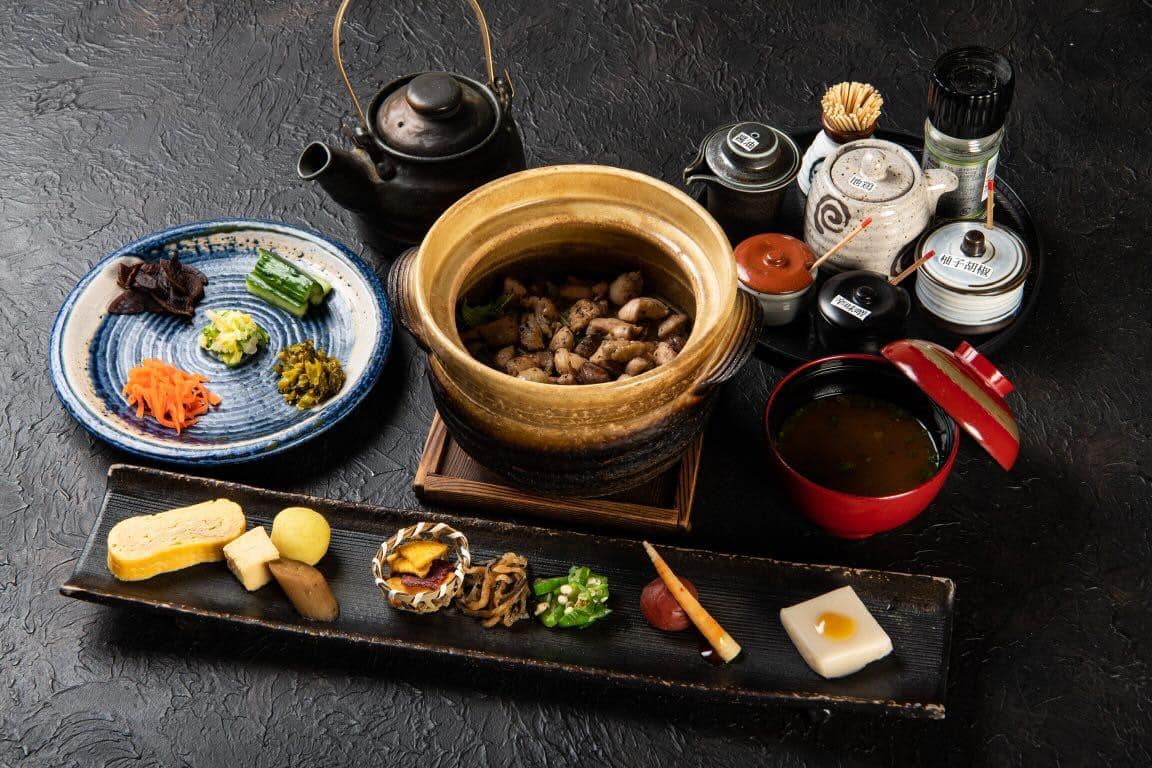
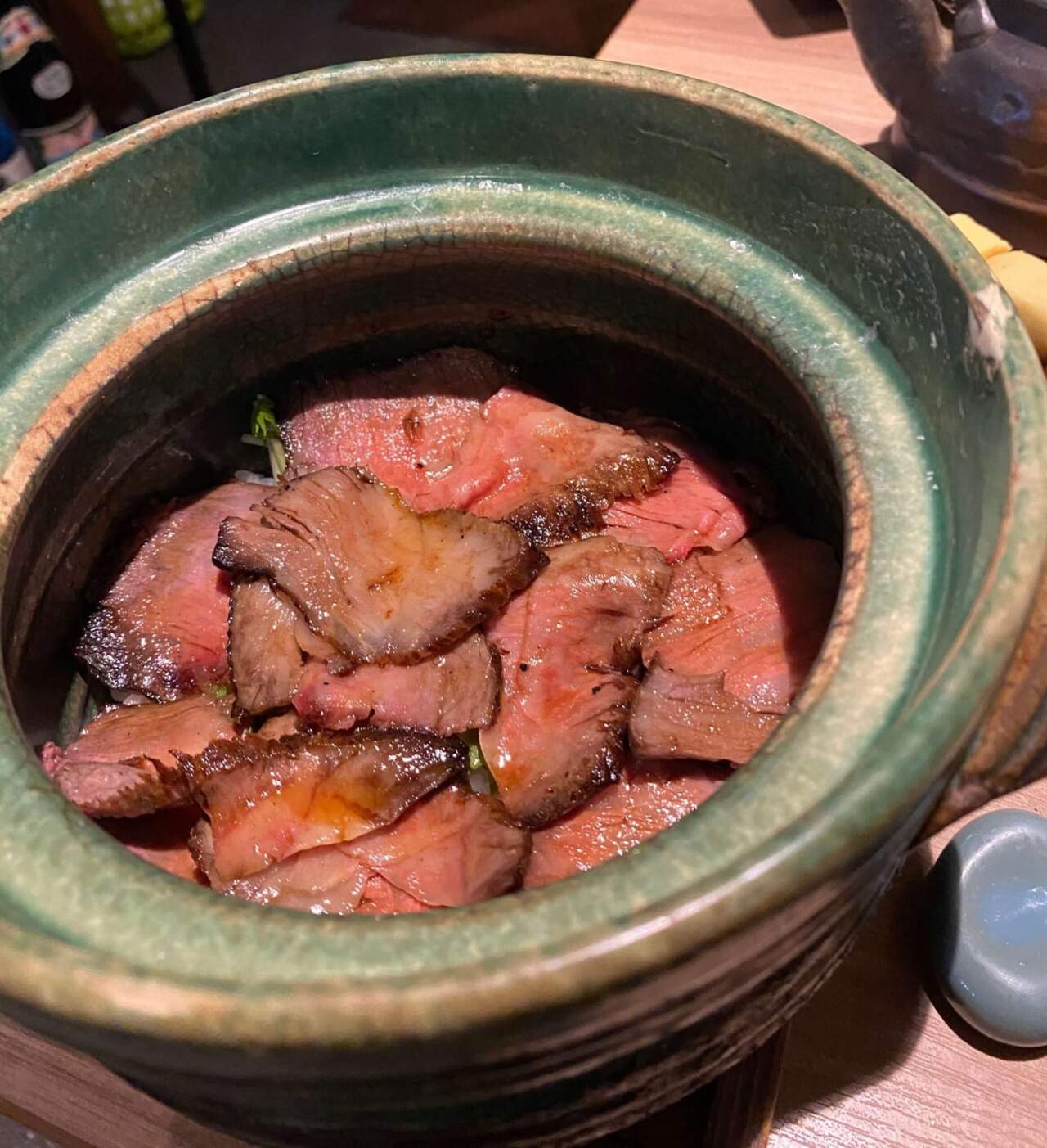
Yufu Mabushi Kokoro: A Famous Queue-Worthy Bungo Beef Kamameshi, Three Ways in One Pot
Yufu Mabushi Kokoro (Japanese name: Yufu Mabushi Kokoro) is Yufuin’s most representative shop with a line out the door, and its signature is the three-way “mabushi” meal, cooked fresh in an earthenware pot.
- First bowl: Eat it plain to taste the sweetness of rice soaked in meat juices.
- Second bowl: Mix in yuzu kosho and chopped scallions for a sharper flavor.
- Third bowl: Pour in the dashi provided to make an ochazuke-style finish.
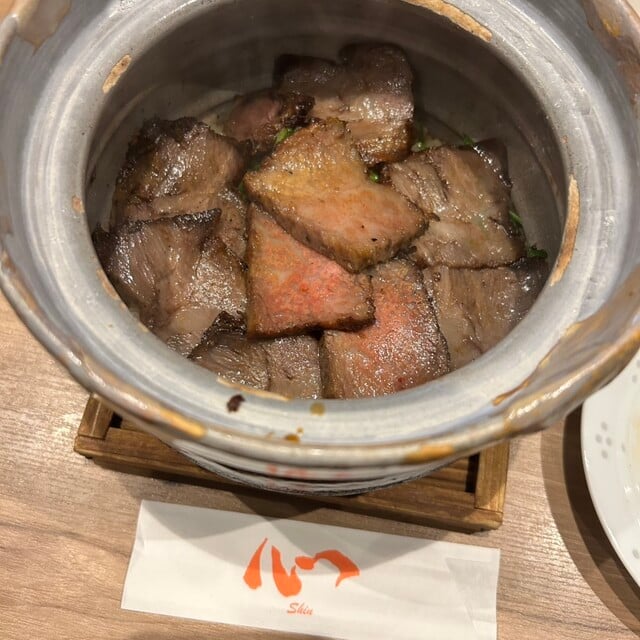
The two main choices are Bungo beef (about ¥3,200 a la carte) and free-range chicken. The Bungo beef version has a pronounced fatty aroma, while the chicken version has a charcoal-grilled fragrance. The kamameshi is cooked to order, so the wait is long by nature, and an hour in line at midday is no exaggeration.
There are two locations, the Lake Kinrinko main shop and the Yufuin Station-front shop. The station-front shop is easier to get to and easier to line up at. This shop takes cash only, so withdraw yen before you go.
- 🍚 Must-order: Bungo beef kamameshi, free-range chicken kamameshi
- 💰 Price: about ¥2,800-3,300
- 🚉 Access: about 15 minutes on foot from JR Yufuin Station (a station-front shop is also available)
Jigoku Mushi Kobo Kannawa: Steaming Your Own Food with Hot Spring Steam
Jigoku Mushi Kobo is the most direct place to experience Beppu’s geothermal hot spring culture. It uses the high-temperature steam of natural hot springs to cook ingredients, a traditional cooking method long practiced in Beppu and an experience you cannot get elsewhere.
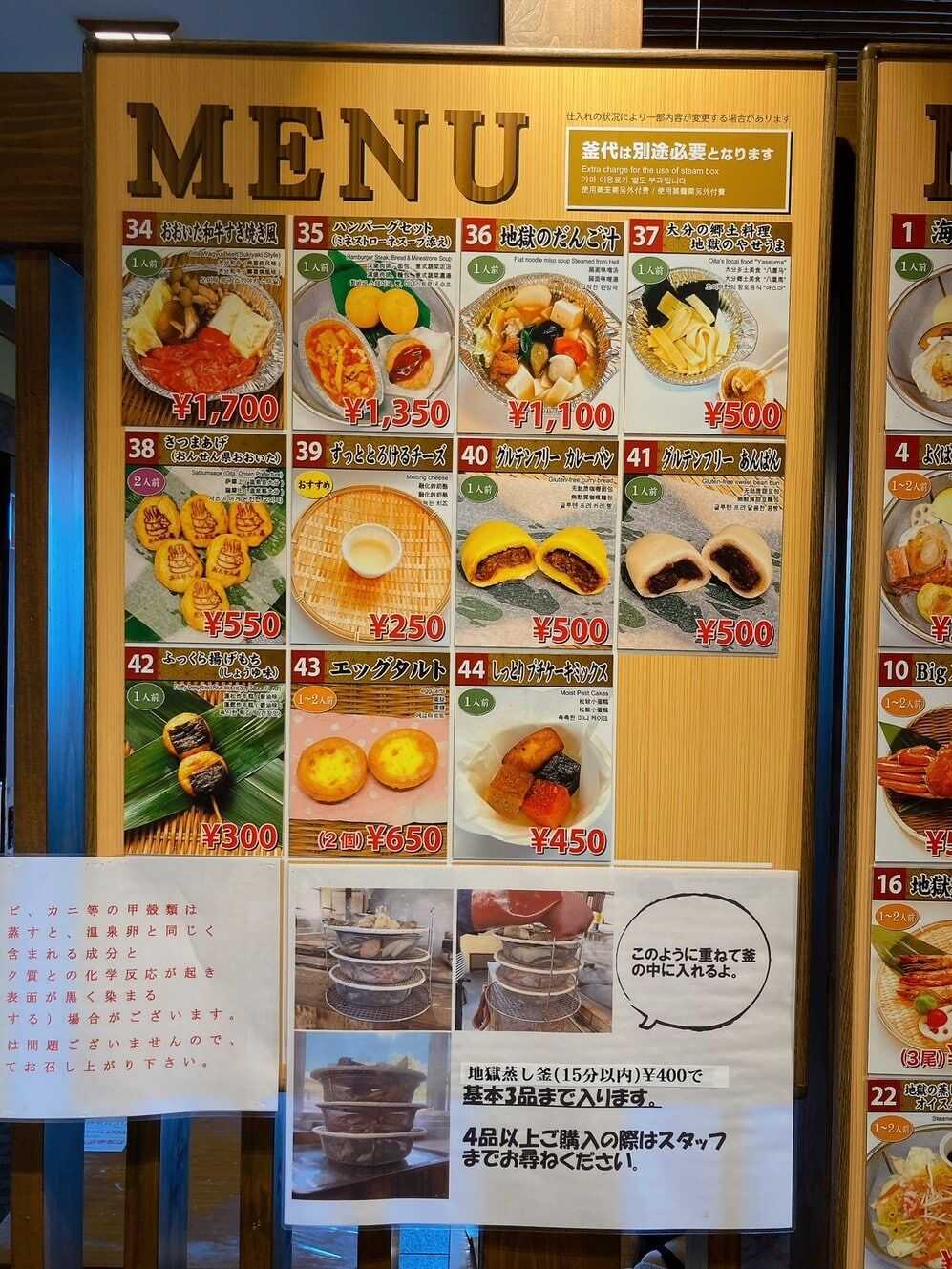
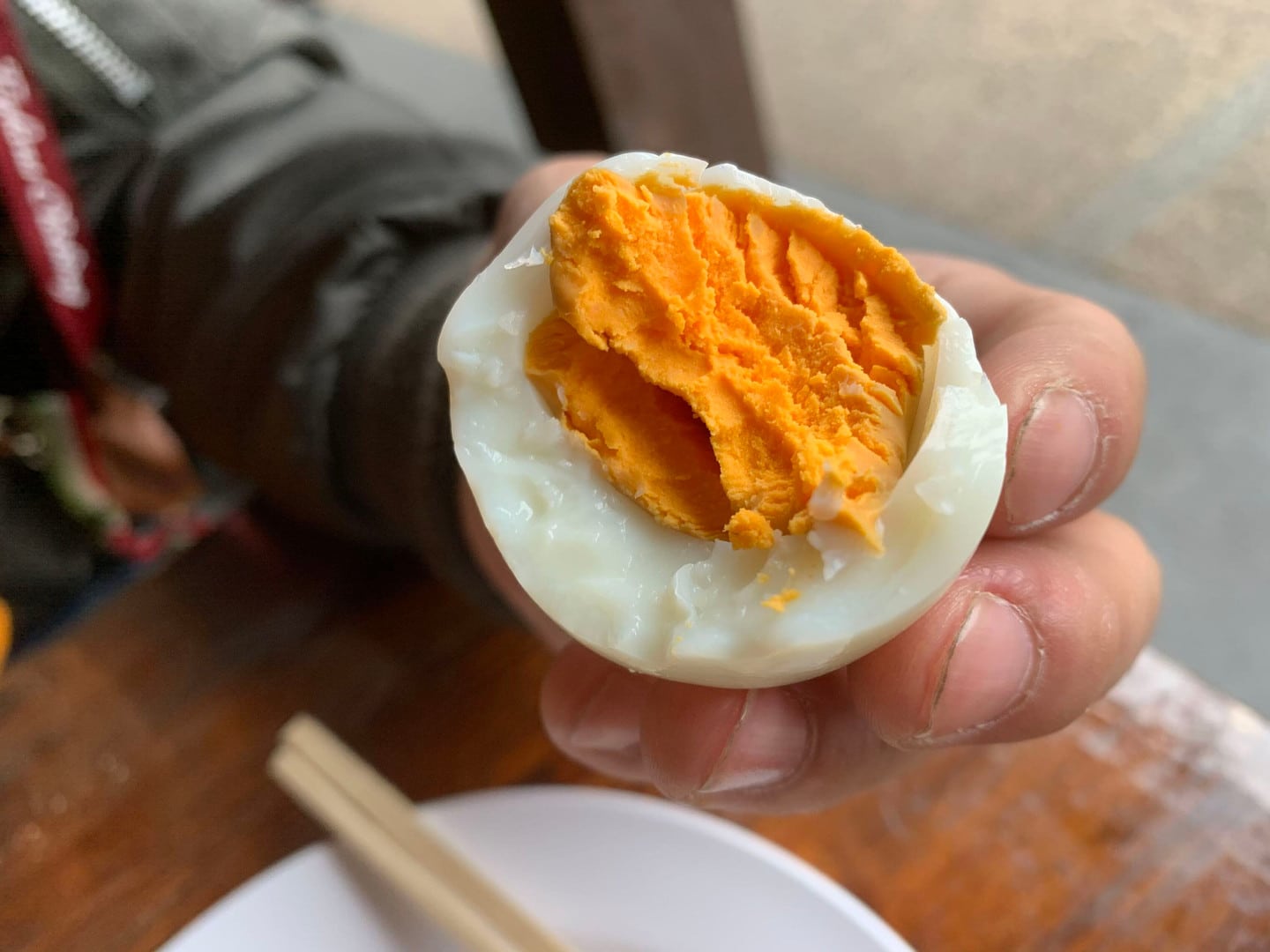
You first choose ingredients at the counter and buy a steaming-pot ticket, then staff show you how to place the ingredients in the hot spring steamer, and after a few minutes you take them out yourself. The seafood and vegetable platter is the most popular, and meat and onsen eggs are also common.
Because you do it yourself, it is far more fun than simply eating a meal. It is open 10:00-19:00 (last order 18:00) and closed on the third Wednesday of each month.
- The official website states that hands-on use of the steaming pots is limited to junior high school students and older.
- The steam is extremely hot, so follow the instructions when putting in and taking out ingredients.
- Reservations are not accepted on site, and in peak season you will need to queue for a steamer.
- ♨️ Must-order: Seafood and vegetable platter, jigoku-mushi meats
- 💰 Price: about ¥1,000-2,000
- 🚉 Access: about 20 minutes by Kamenoi Bus from JR Beppu Station, get off at Kannawa
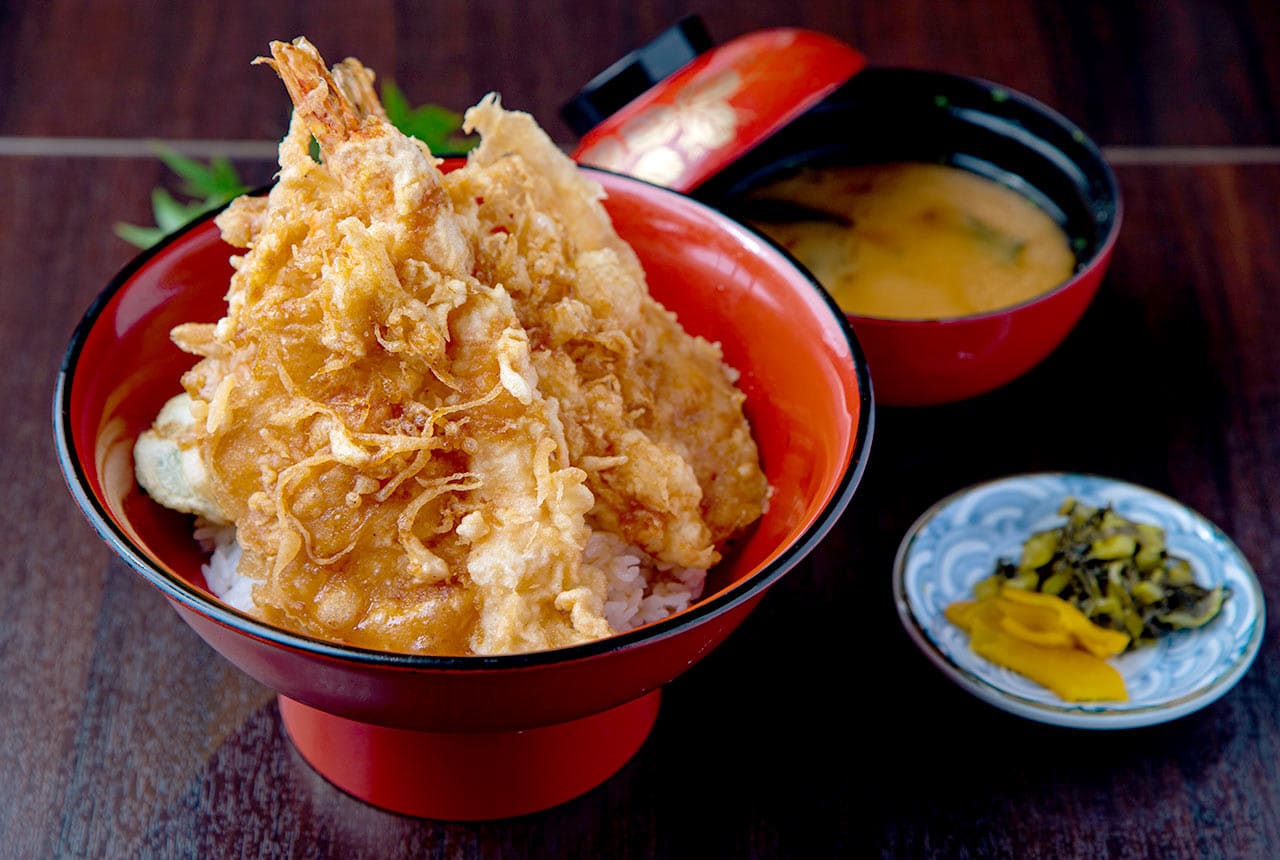
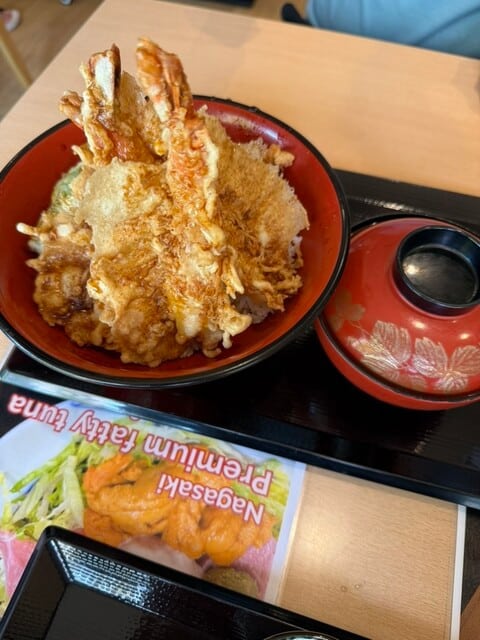
Tendon Toyotsune Honten: Beppu’s Most Popular Long-Established Tendon Shop with Great Value
Toyotsune is one of Beppu’s most representative long-established restaurants, a perennial fixture on Beppu food recommendation lists, and its focus is high-value seafood and tempura.
The must-order is the special tendon: two huge fried prawns nearly cover the whole mouth of the bowl, with a thin, crisp batter. The key is the secret sweet sauce handed down for decades, perfectly balanced between sweet and salty, and it is the taste memory of Beppu for many people.
The main shop is open 11:00-21:00 (last order 20:00). Please check its closing days in advance.
Lines at mealtimes are normal, so avoid the peak between noon and 1 p.m. The Kitahama area is dense with restaurants, so if the wait is too long you have other options.
- 🍤 Must-order: Special tendon
- 💰 Price: about ¥1,000-2,000
- 🚉 Access: about 10 minutes on foot from JR Beppu Station, in the Kitahama area
Beppu and Yufuin Restaurant Recommendations: 5 Places Worth Booking a Special Trip For
If you want a proper sit-down meal, Yufuin and Beppu each have a few restaurants worth planning around.
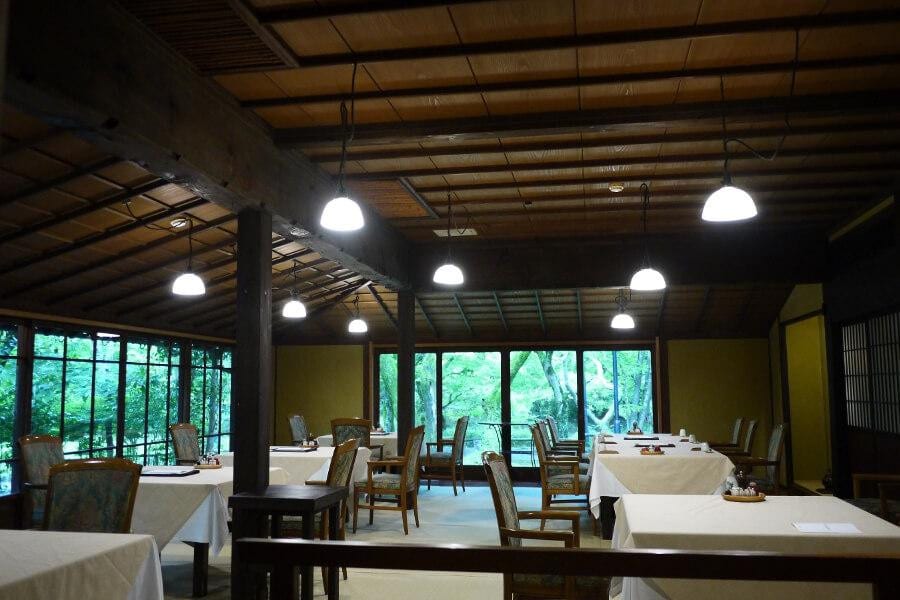
Kamenoi Besso Yunodake-an: A Traditional Farmhouse Restaurant Hidden in a “Big Three” Garden
Yunodake-an sits within the grounds of Kamenoi Besso, one of Yufuin’s “Big Three” ryokan, and is a traditional farmhouse restaurant tucked into a Japanese garden. Non-guests can reserve a table too. The atmosphere of its wooden beams and sunken hearth is worth a special trip in itself.
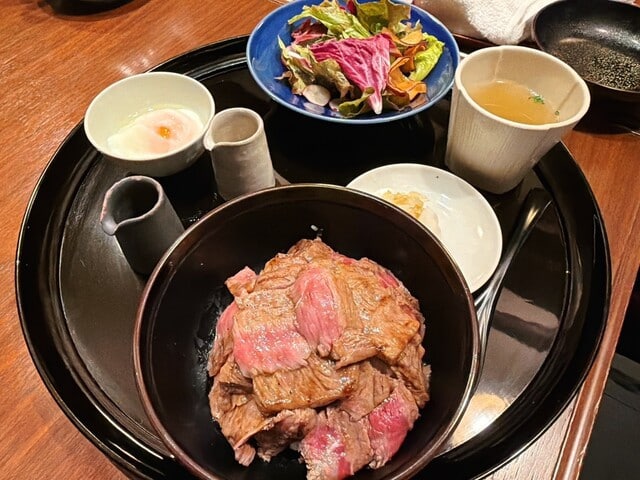
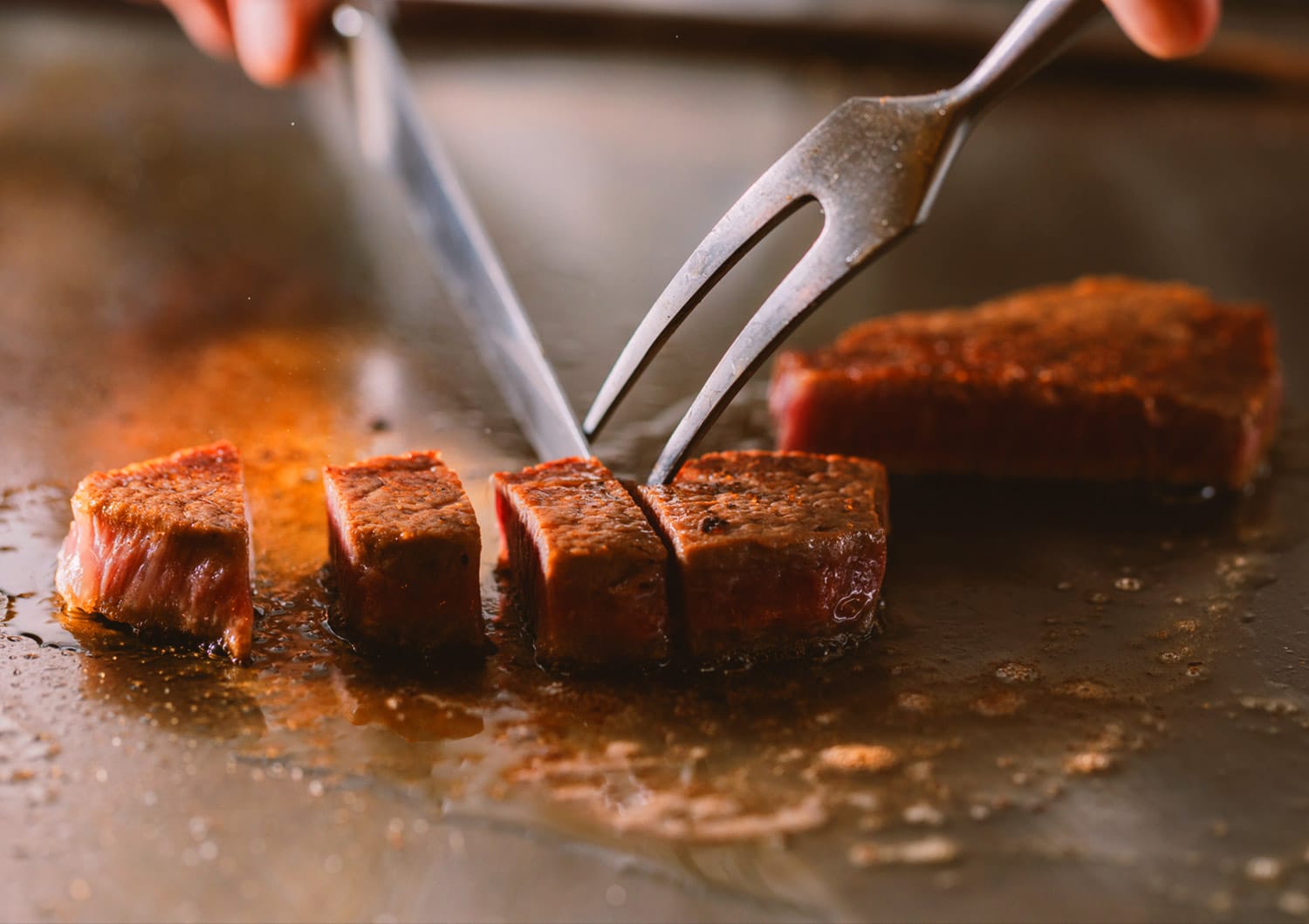
The signature is Japanese black beef slowly grilled over charcoal, and steak rice bowls and salt-grilled yamame trout are also common orders. The overall style is refined Oita local cuisine with modest portions but a high level of polish, suited to travelers who want a proper lunch or dinner in Yufuin.
Because it is right beside Lake Kinrinko, it works well as the end point of a walking route. In peak season be sure to reserve in advance, and you can save the cafe Chabo Tenjo Sajiki, on the same grounds, for coffee after your meal.
- 🥩 Must-order: Charcoal-grilled Japanese black beef, steak rice bowl, salt-grilled yamame trout
- 💰 Price: about ¥3,000-7,000
- 🚉 Access: about 20 minutes on foot from JR Yufuin Station, near Lake Kinrinko
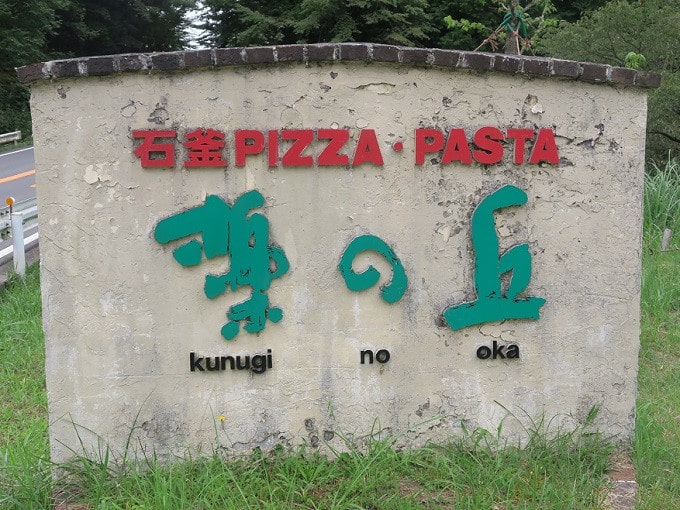
Kiln-Baked Pizza Kunugi no Oka: A Tabelog Hyakumeiten with a View over the Yufuin Basin
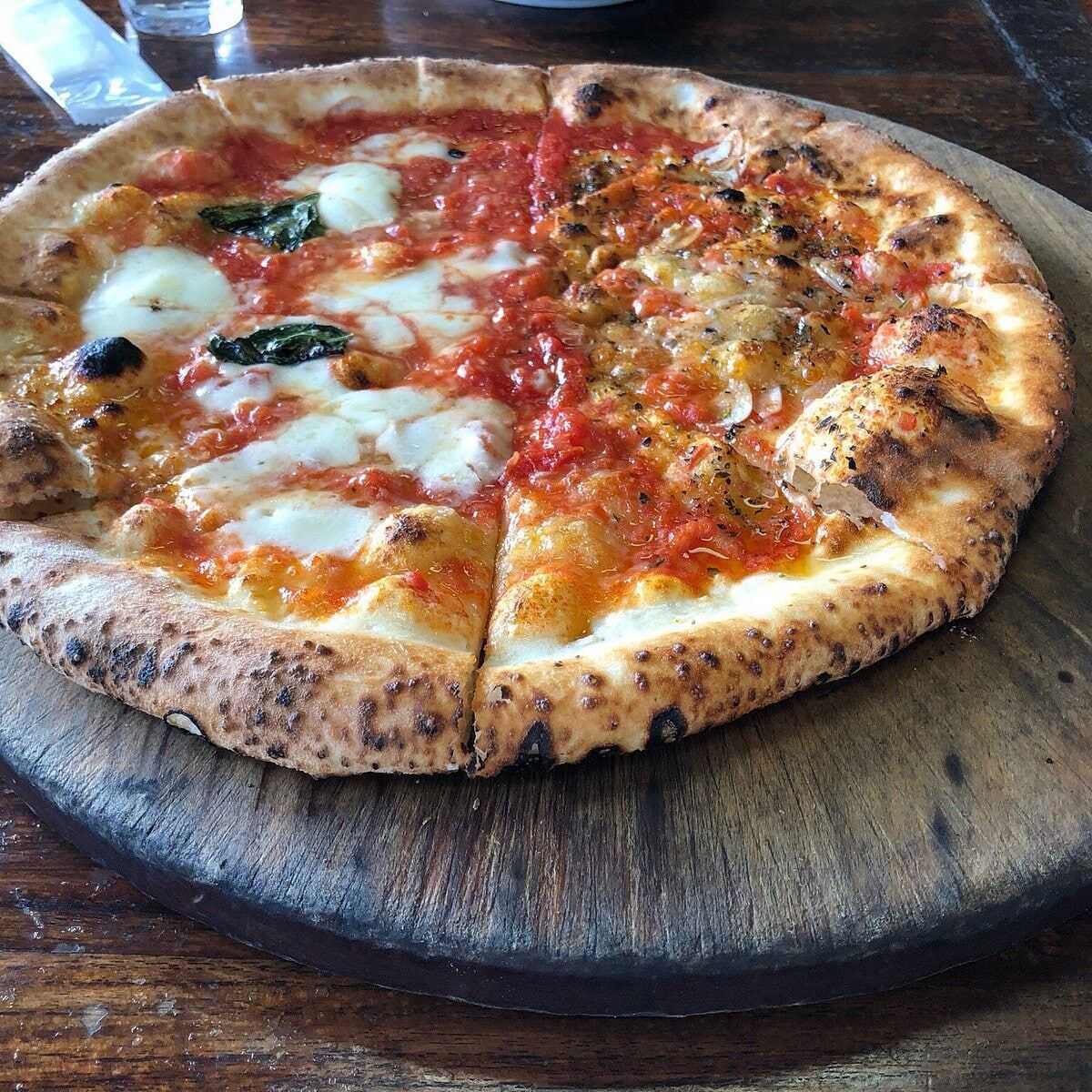
Kunugi no Oka is one of the few Yufuin restaurants selected as a Tabelog Hyakumeiten (Top 100), specializing in Italian pizza baked fresh at high heat in a wood-fired kiln. The restaurant sits on a hill, and its floor-to-ceiling windows give a 180-degree view of the Yufuin Basin and Mount Yufu, which is its biggest draw.
The pizza crust is puffy and lightly charred at the edge, thin and chewy in the center, with simple toppings that let the flavors of wheat and cheese take the lead. Another frequently ordered dish is grilled pork ribs. The dining room is spacious, so it is not too stuffy if you bring children.
It is up in the hills with no direct public transport, so in practice only travelers who drive or take a taxi can get there. It is often full at mealtimes, so reserve ahead and allow time for the drive up.
- 🍕 Must-order: Wood-fired pizza, grilled pork ribs
- 💰 Price: about ¥2,000-3,000
- 🚉 Access: about 10 minutes by car from JR Yufuin Station; driving is recommended
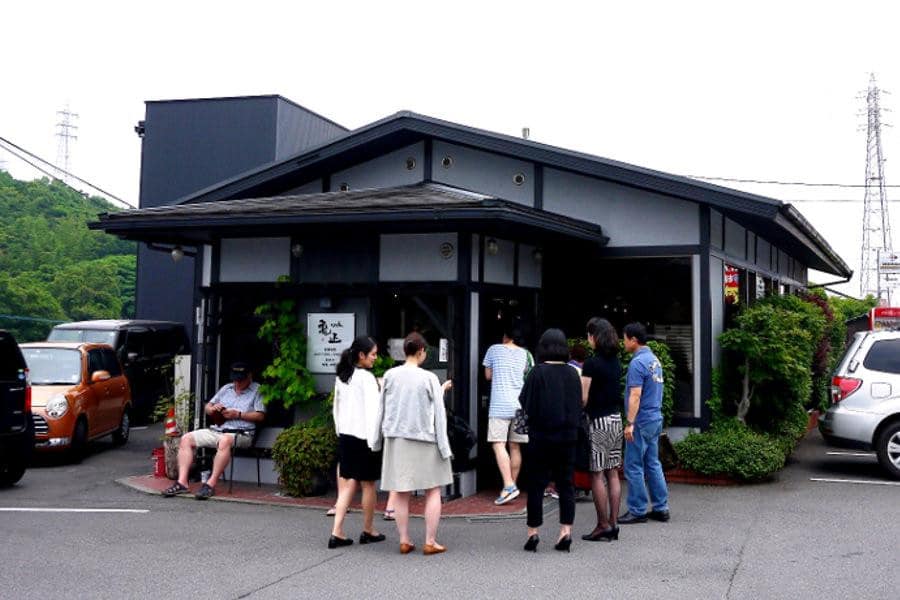
Kaiten Sushi Kamesho: Thick-Cut Sashimi Delivered Straight from the Bungo Channel
Kamesho is hailed by many as the best conveyor-belt sushi in Beppu, and its value for money is so high that it is on the shortlist of tourists and locals alike. The fish arrives daily straight from the Bungo Channel, and the emphasis is on freshness rather than fancy presentation.
The most memorable thing is the thickness of the sashimi, cut noticeably thicker than at ordinary conveyor-belt sushi places, with a distinct meaty texture and sweetness when you bite in. Prices remain quite reasonable, which is why its popularity stays so high.
It is so popular that you usually need to go early in the morning to put your name down, and around midday there is almost always a wait. If your schedule is tight, make it your first stop of the day.
Kamesho is open 11:00-21:00 (last order 20:30) and closed every Tuesday and Wednesday.
- 🍣 Must-order: Thick-cut sashimi nigiri of the day
- 💰 Price: about ¥2,000-3,000
- 🚉 Access: about 10 minutes by car from JR Beppu Station
YURURIN: Salmon Rice Bowl and Chicken Nanban Set Next to Yufuin Station
YURURIN is a one-minute walk from Yufuin Station, a bright, modern restaurant that suits a meal right after you arrive or just before you leave by train, so you do not spend time traveling to it.
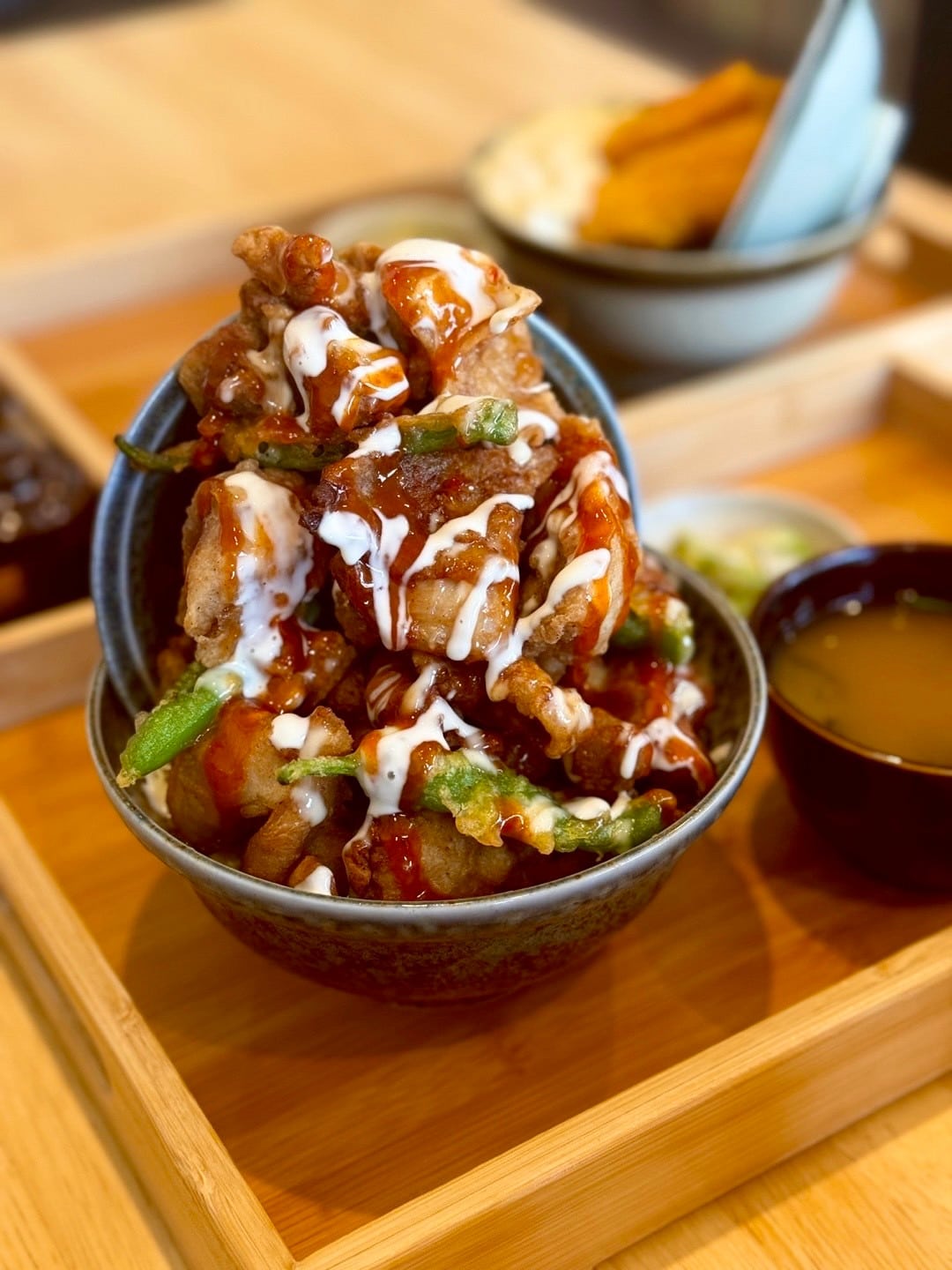
The signature is the “Yufuin salmon bowl,” made with salmon raised in mountain spring water, with delicate fat and no earthy taste. Another popular choice is the chicken nanban set, with crisp skin and tartar sauce and a generous portion.
Compared with the famous shops on Yunotsubo Street that often have lines, the wait here is relatively manageable, making it a good fit for the start or end of your itinerary. It is especially convenient if you are rushing for a train.
- 🐟 Must-order: Yufuin salmon bowl, chicken nanban set
- 💰 Price: about ¥1,000-2,000
- 🚉 Access: about 1 minute on foot from JR Yufuin Station
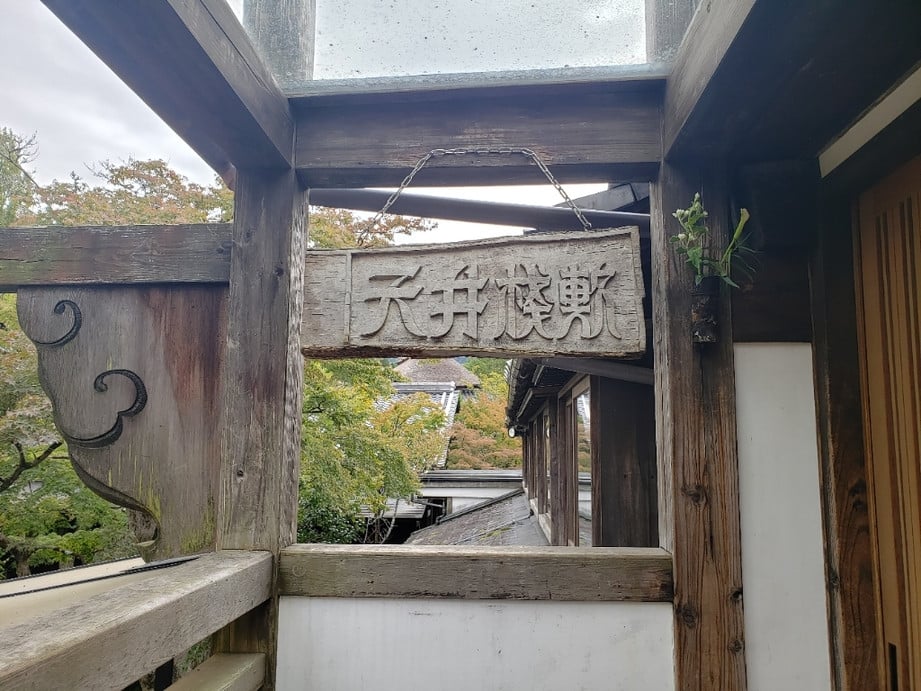
Chabo Tenjo Sajiki: Yufuin’s Signature Cafe in a Converted Edo-Period Sake Brewery
Tenjo Sajiki is Yufuin’s most representative cafe space, converted from an Edo-period sake brewery, with a high wooden ceiling and dim lighting that create a strong Showa-era atmosphere. It also sits within the grounds of Kamenoi Besso, but is open to everyone.
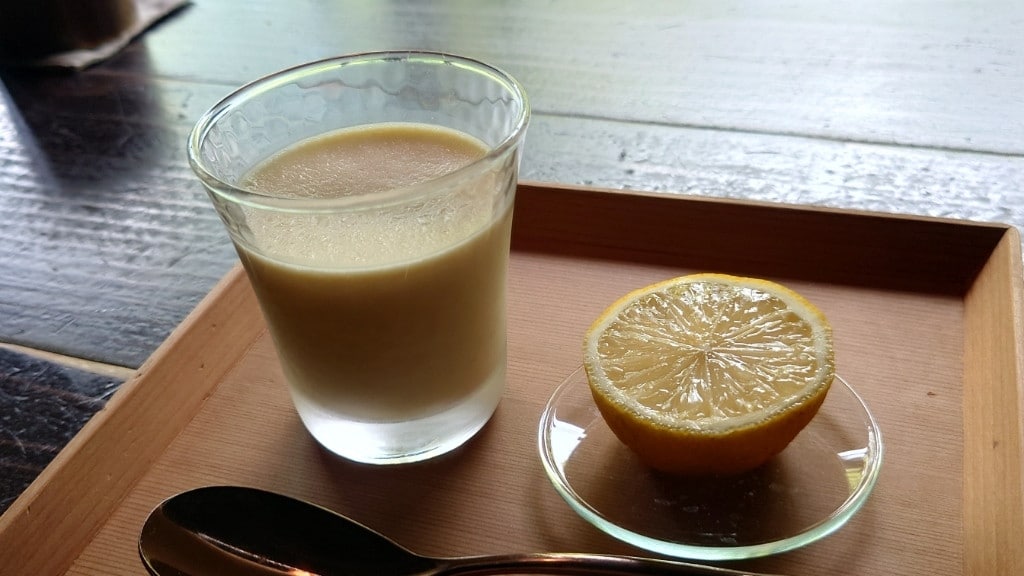
The signature is the cheesecake “Mont Yufu,” shaped like Mount Yufu, paired with the cafe’s own brewed coffee, a combination many people visit specially for. The cafe plays no pop music and creates a quiet mood with Gregorian chant, making it the best place to sit down after a long walk.
Seating is limited and reservations are not accepted, so you need to queue on the spot when it is crowded. Avoid the 2-3 p.m. peak and visit just after opening or before evening instead.
- ☕ Must-order: Mont Yufu cheesecake, house-brewed coffee
- 💰 Price: about ¥1,000-1,500
- 🚉 Access: about 20 minutes on foot from JR Yufuin Station, within the grounds of Kamenoi Besso
Yunotsubo Street Snacks and Strolling Sweets: 5 Famous Shops to Eat Along the Way
Yufuin’s Yunotsubo Street is Kyushu’s most famous street-food paradise, while Beppu has a hot spring dessert up in the hills.
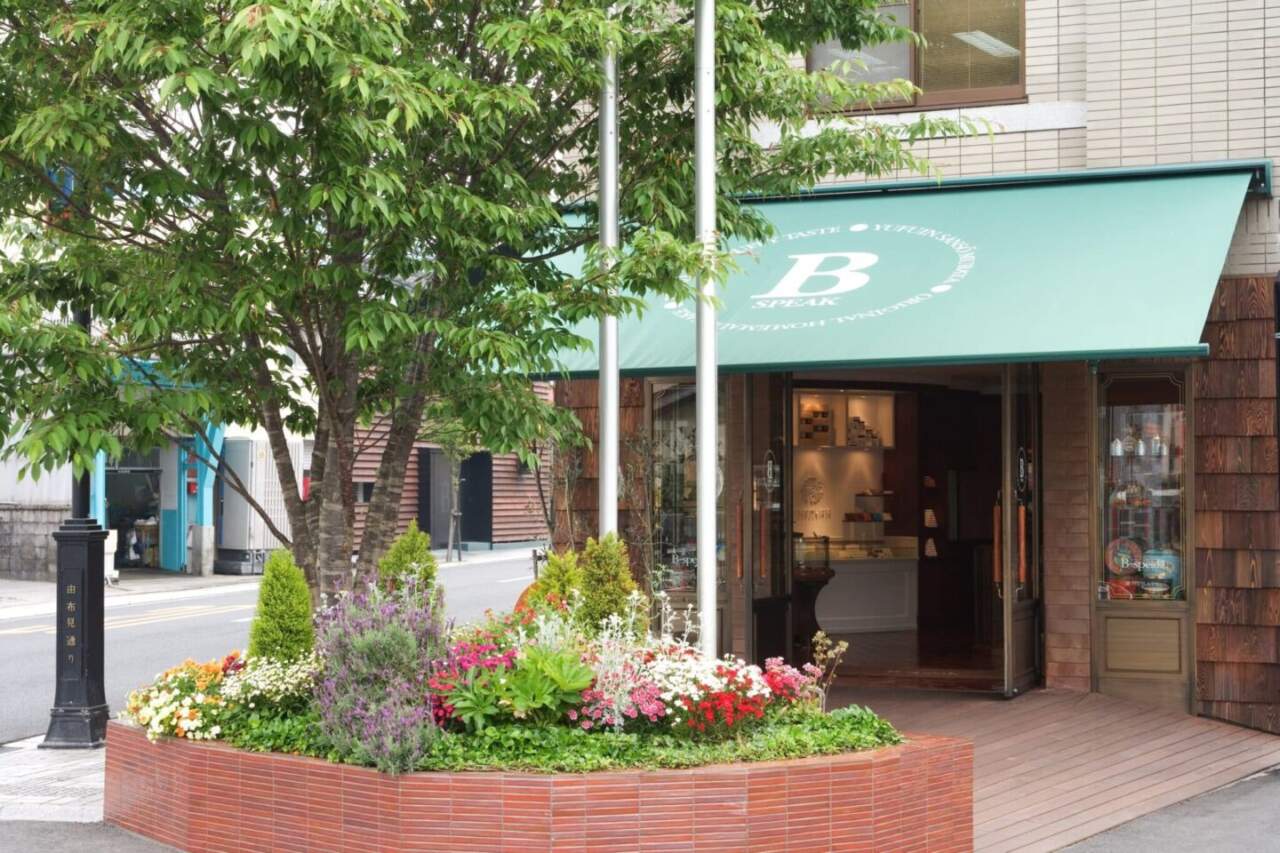
B-Speak: Yufuin’s Legendary Roll Cake That Sells Out Right After Opening
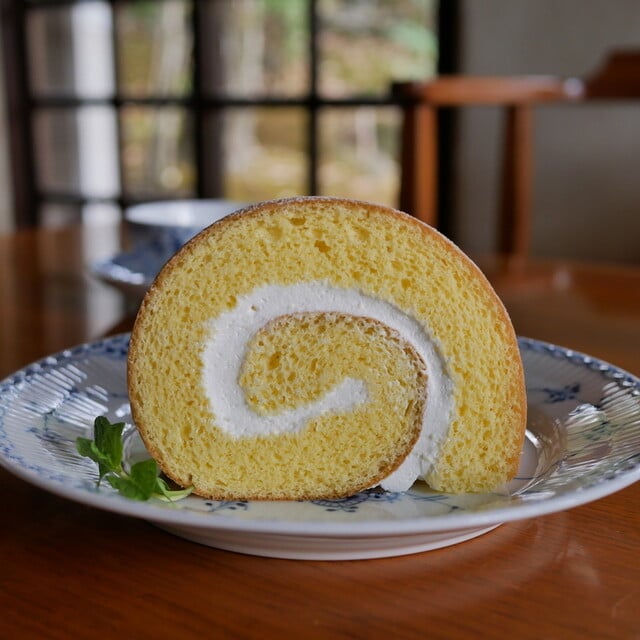
B-Speak is a top-tier cake shop in Yufuin and a brand under Sanso Muryoto. It has just one signature, a fresh cream roll cake called the P Roll, with an extremely soft sponge, rich milk flavor and restrained sweetness, and many people consider it the pinnacle of Japanese roll cakes.
It is sold as a whole roll or as a one-third half-size pack. The half-size pack is easy to carry and cheaper, so it often sells out early in the morning. If you arrive in the afternoon, you may find only whole rolls left, or nothing at all.
The shop accepts only telephone reservations to hold a cake, so book as early as possible once your itinerary is set. Because it is a fresh cake that needs refrigeration and is best eaten the same day, it does not make a good long-distance souvenir.
- 🍰 Must-order: P Roll cream roll cake (whole / half)
- 💰 Price: about ¥800-1,600
- 🚉 Access: about 5 minutes on foot from JR Yufuin Station
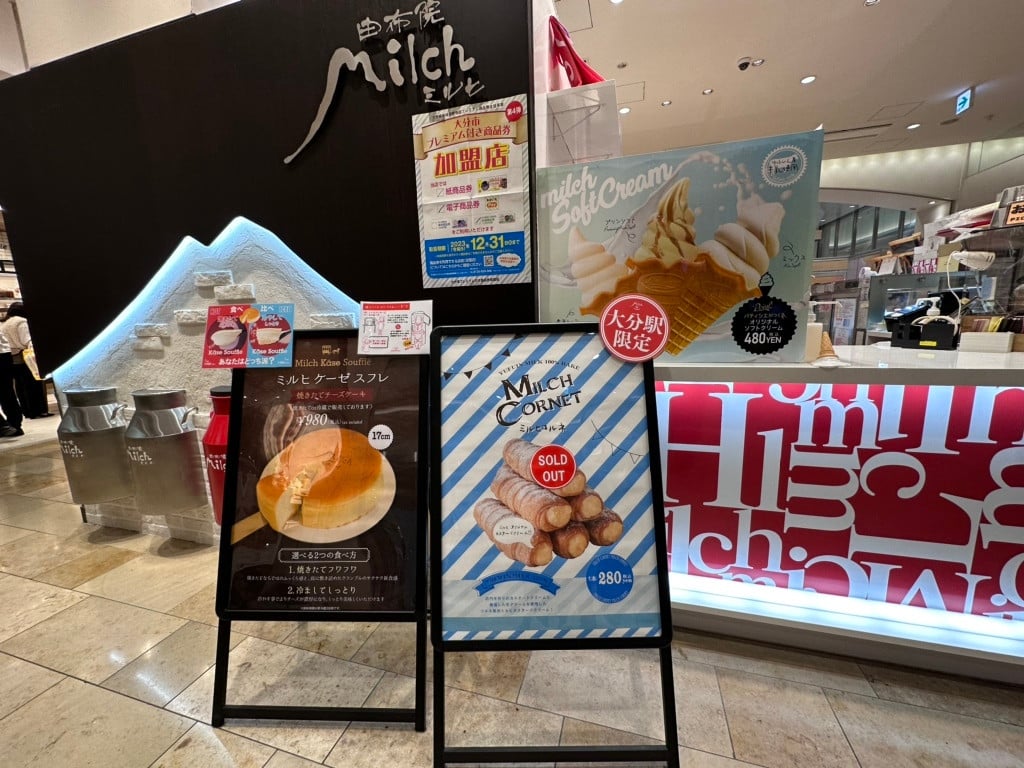
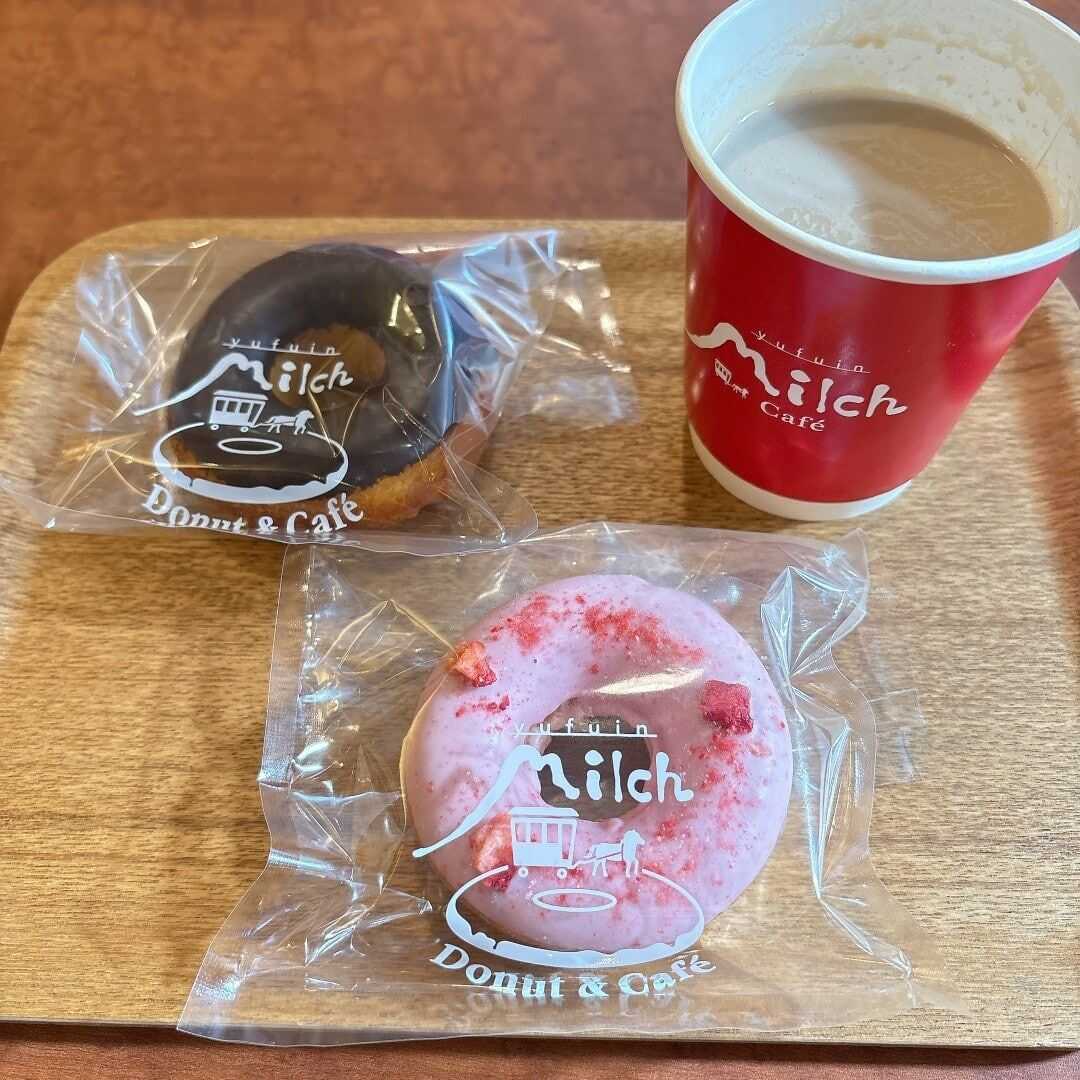
Yufuin Milch: Freshly Baked, Oozing Soft-Centered Cheesecake
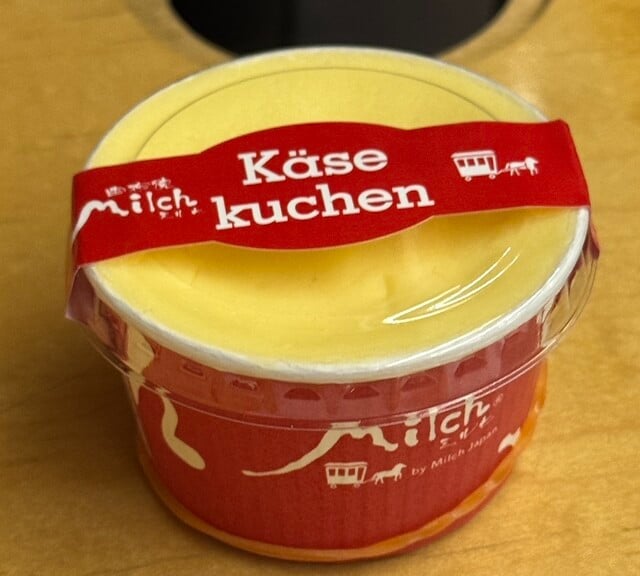
Milch is the easiest shop to spot on Yunotsubo Street, and its signature is a soft-centered cheesecake made with 100% milk from local Yufuin ranches. One piece costs just a few coins, making it one of the best-value strolling sweets on the street.
The cheesecake comes two ways: hot, fresh from the oven, or cold after chilling. The hot one bursts open in the center when you bite in and has the strongest milk aroma, while the cold one has a firmer texture and more concentrated cheese flavor. Staff usually ask which you want, and for a first visit we suggest trying the hot one.
Another signature is the smooth milk pudding. There is often a line at the door, but service is quick and you can usually buy within ten minutes. It is also sold on the Yufuin no Mori train, so you can try it on board.
- 🧀 Must-order: Soft-centered cheesecake (hot / cold), milk pudding
- 💰 Price: about ¥150-300
- 🚉 Access: about 10 minutes on foot from JR Yufuin Station, on Yunotsubo Street
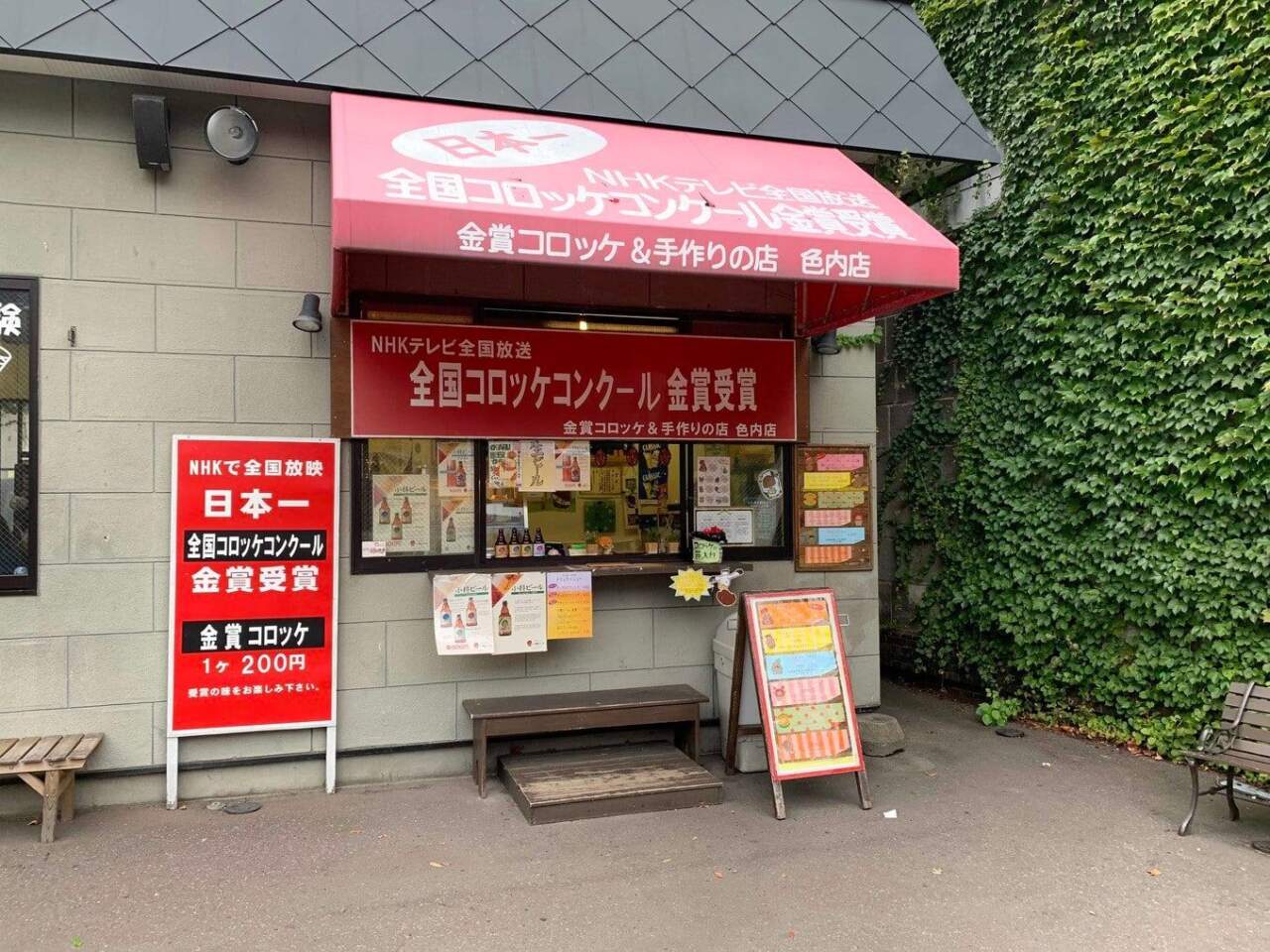
Kinsho Korokke: The Top Walk-and-Eat Pick, a Gold Medal Winner at the National Croquette Competition
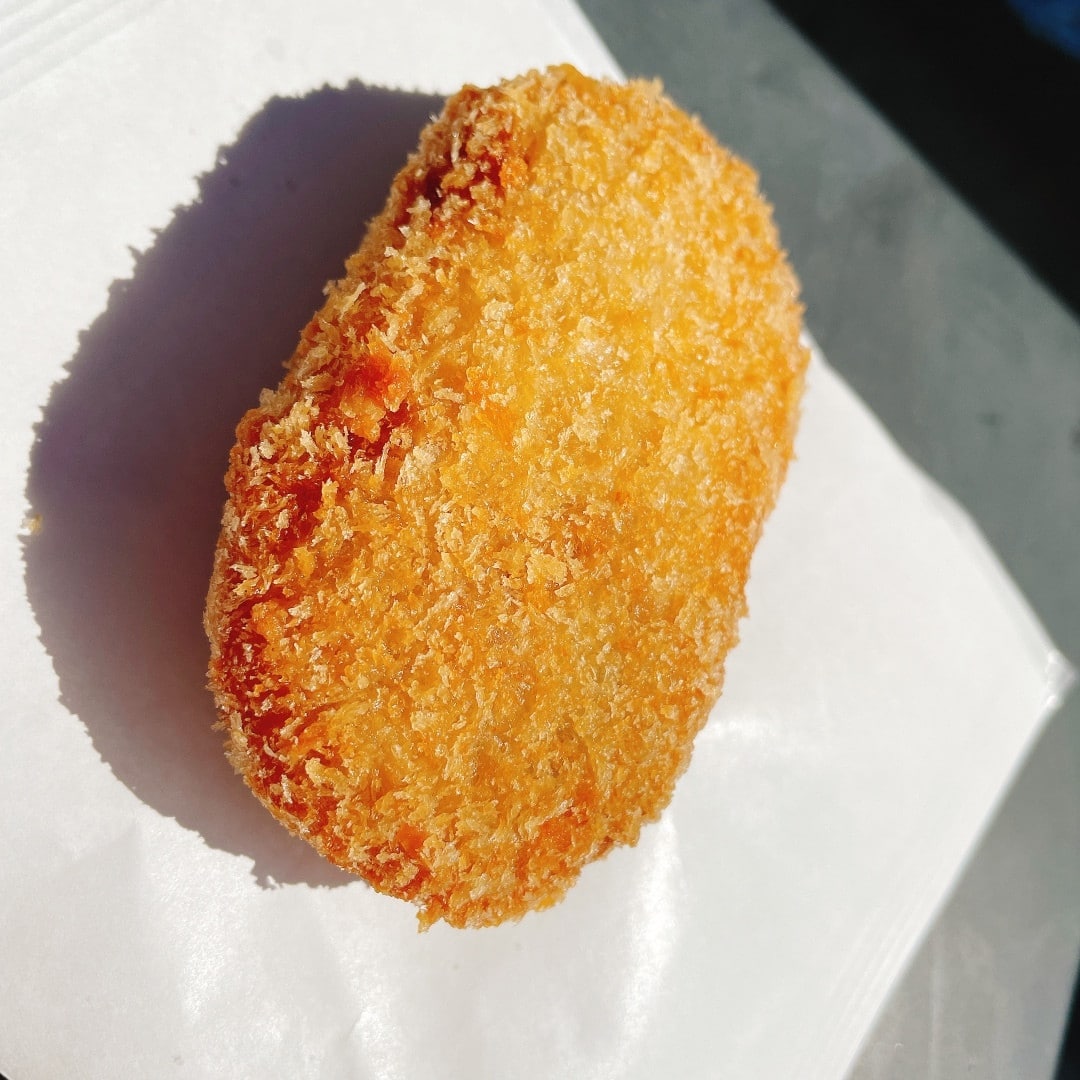
Kinsho Korokke won the gold prize at Japan’s national croquette competition and is one of the most popular snacks on Yunotsubo Street. The coating is fried extremely crisp, and the sound of the first bite is memorable in itself.
The filling is fluffy Danshaku potato mixed with ground wagyu, mildly seasoned so you can taste both the sweetness of the potato and the richness of the beef. A single one costs just a few coins, ideal for eating on the move and a snack that photographs well.
It is fried and sold fresh and tastes best hot, so eat it on the spot rather than carrying it around. There is a line at the door at peak times, but it moves fast.
- 🥔 Must-order: Kinsho Korokke (ground wagyu flavor)
- 💰 Price: about ¥170-300
- 🚉 Access: about 10 minutes on foot from JR Yufuin Station, on Yunotsubo Street
Cucuchi: Seasonal Dorayaki Hand-Baked On Site by Artisans
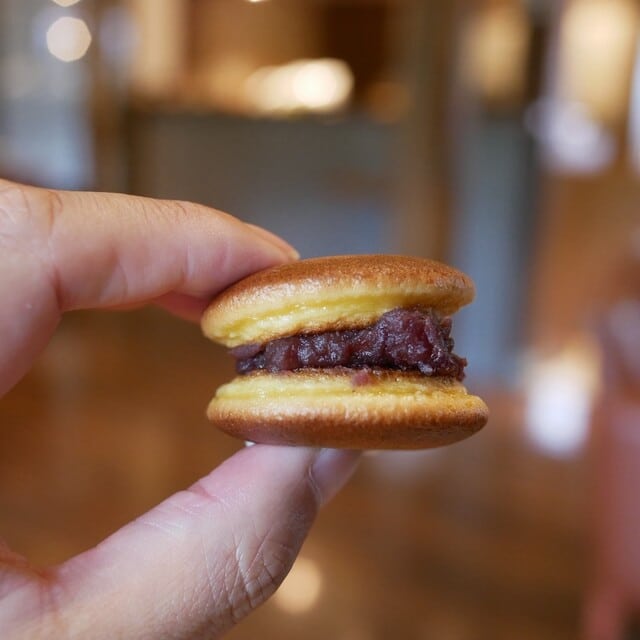
Cucuchi is a high-quality multi-purpose shop on Yunotsubo Street, featuring dorayaki hand-baked on a copper plate by artisans on site. Through the glass you can watch the pancakes being baked one by one, a display in itself.
The classic version is filled with red bean paste, but what really makes it a must-photograph spot is the seasonal flavors, such as the chestnut Mont Blanc in autumn and the strawberry Mont Blanc in spring, with generous piles of fresh cream and fruit puree.
The shop also has eat-in seating and a goods corner, so you can sit down and have it with tea. Because it is baked to order, there is a wait at peak times, so place your order first, browse nearby, and come back to pick it up.
- 🥞 Must-order: Hand-baked dorayaki, seasonal chestnut and strawberry Mont Blanc flavors
- 💰 Price: about ¥370-1,300
- 🚉 Access: about 12 minutes on foot from JR Yufuin Station, on Yunotsubo Street
Okamotoya Baiten: The Originator of Jigoku-mushi Pudding Up in Myoban Onsen
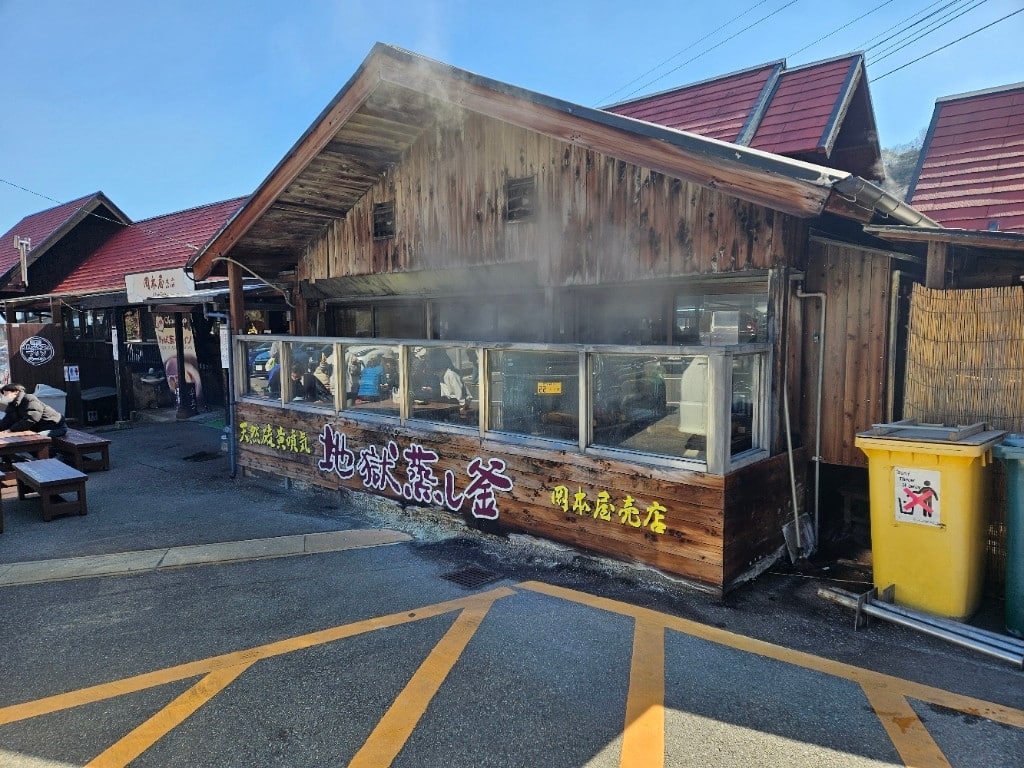
Okamotoya Baiten sits on the mountainside of Myoban Onsen and is the representative shop for Beppu’s best-known dessert, jigoku-mushi pudding. From the observation deck outside, you can look all the way to central Beppu and Beppu Bay.
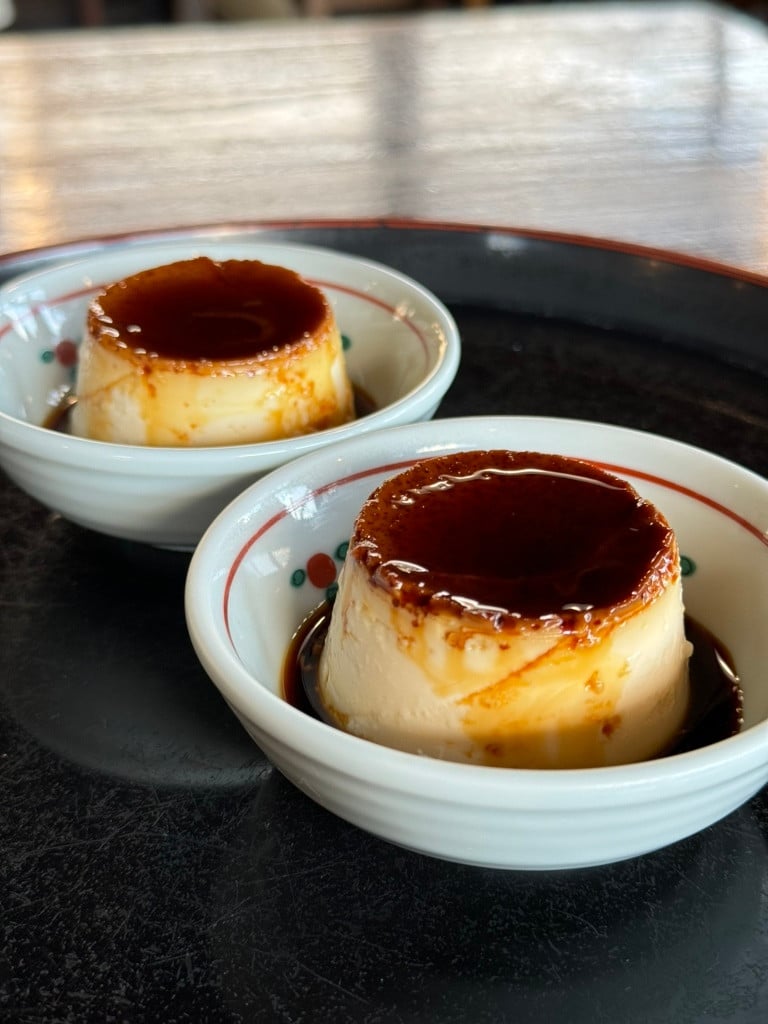
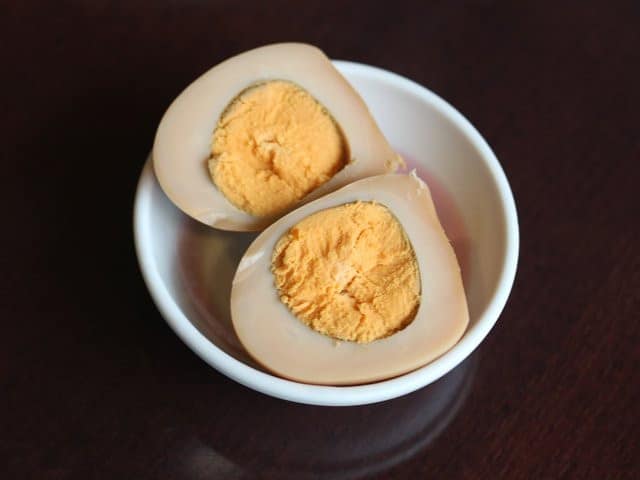
The pudding is slowly steamed with hot spring steam, with a dense texture and rich egg flavor. The key is the slightly bitter caramel sauce on top, whose sweetness is kept very low for a clearly grown-up taste. The onsen egg beside it also carries a faint sulfur scent.
It is beside the road toward Kannawa and Myoban, and fits well with a Jigoku tour or a visit to the Yu-no-hana huts. It is open 8:30-18:30 (last order 17:30) with no regular closing days. There is little seating, so at peak times most people take it away and eat standing.
- 🍮 Must-order: Jigoku-mushi pudding, onsen egg
- 💰 Price: from about ¥330
- 🚉 Access: about 25 minutes by Kamenoi Bus from JR Beppu Station, get off at Jizoyu-mae
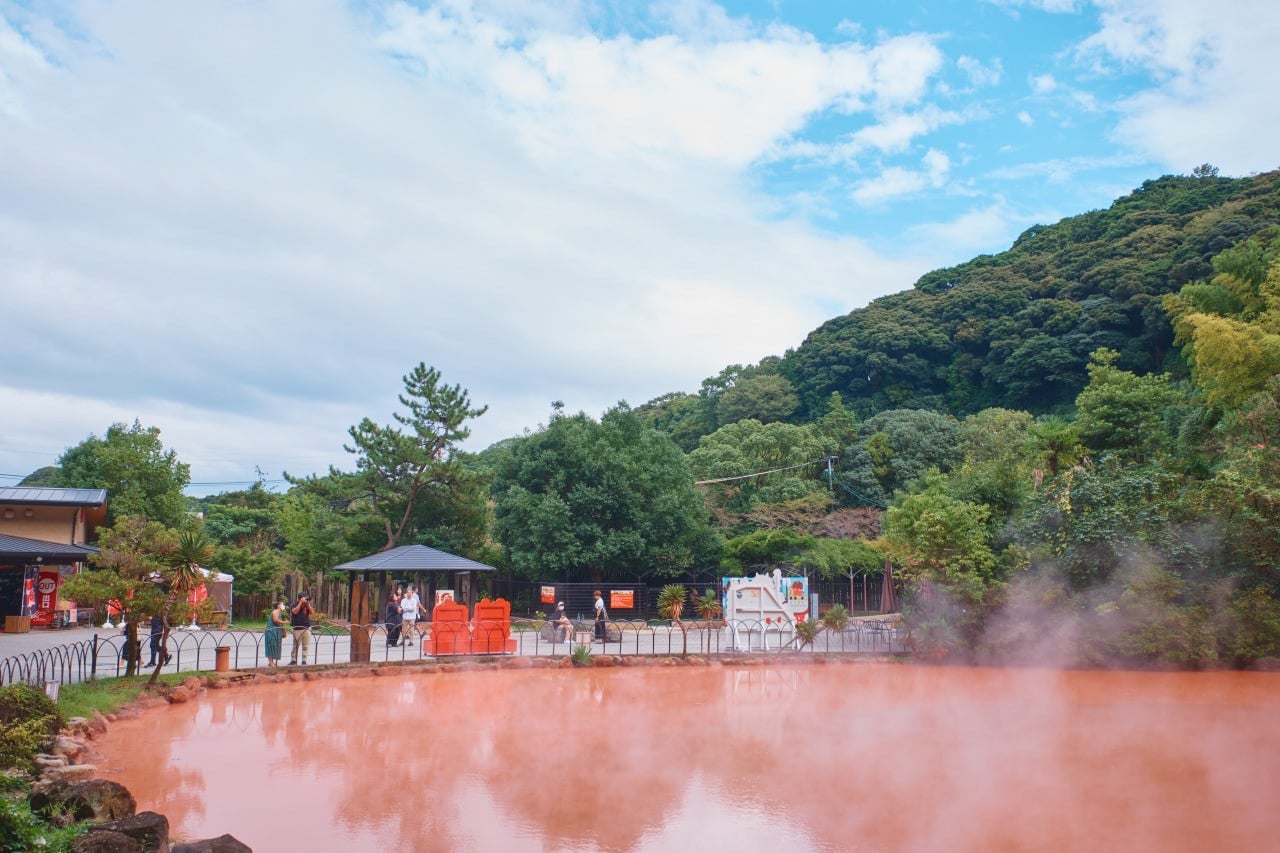
What to Watch Out For When Eating in Yufuin and Beppu: Cash, Closing Times and Queue Strategy
The pitfalls of dining in these two towns are concentrated, and knowing these three things up front will save you wasted trips.
More Cash-Only Shops Than You Think: Bring Enough Yen
Both Yufuin and Beppu still have many famous shops that take cash only, such as Yufu Mabushi Kokoro, most of the snack stalls on Yunotsubo Street, and some long-established Beppu shops. Newly opened shops are gradually accepting electronic payment, but counting on paying by card can easily leave you stuck.
Withdrawing cash is the bigger headache. ATMs are limited in Yufuin, and while central Beppu is more convenient, you can hardly find any in hot spring districts up in the hills like Kannawa and Myoban. We recommend withdrawing enough cash at Hakata or in front of Beppu Station, budgeting ¥3,000 to ¥5,000 per person per day for food.
Yufuin Closes at 5:30 p.m.: Move Your Meal Times Earlier
The most counterintuitive thing about Yufuin is how early the shops close. Snack, souvenir and sweets shops on Yunotsubo Street mostly pull down their shutters from 5:00 to 5:30 p.m., and at night, apart from ryokan meals and a few restaurants, there is almost nothing to eat on the street.
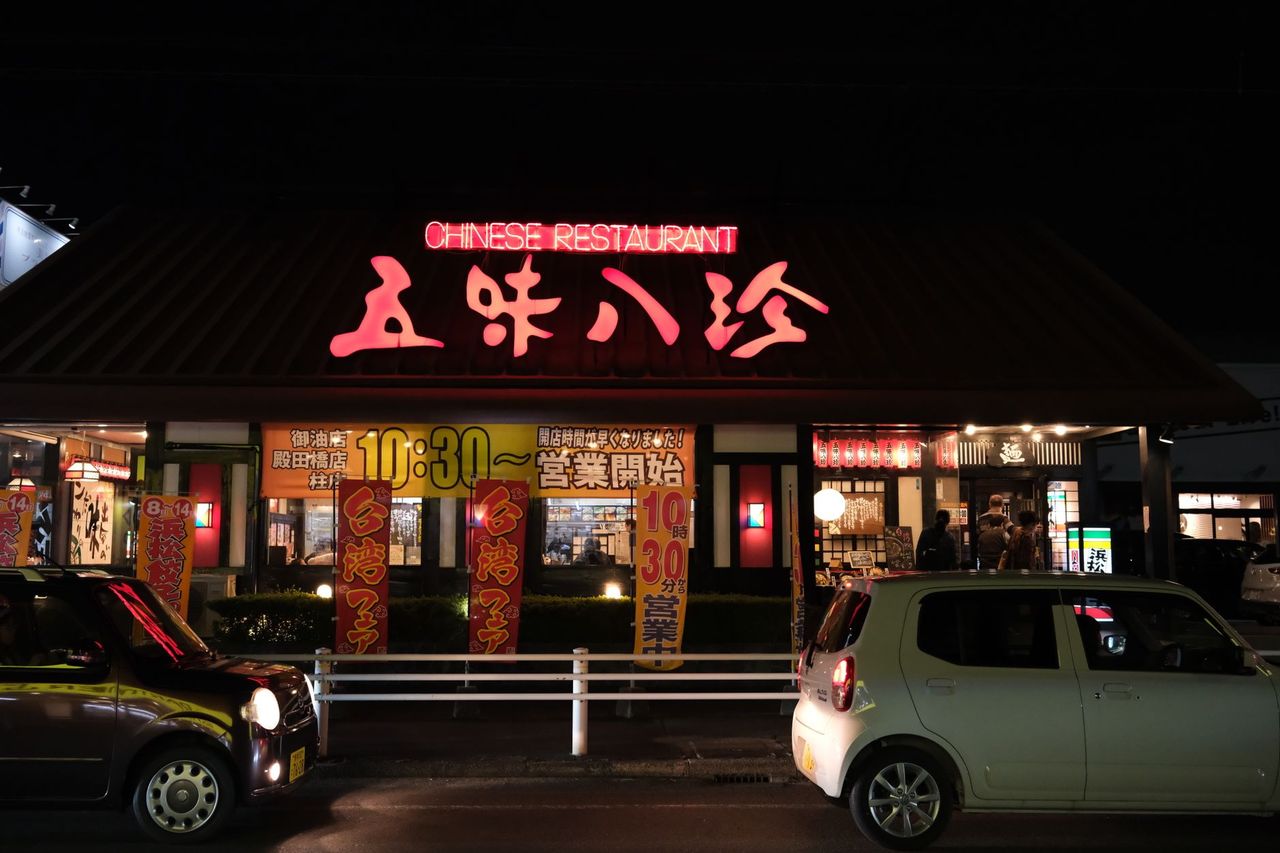
So on a day trip, finish lunch and street-food grazing around midday, and do not leave dessert until evening. If you are staying in Yufuin that night, booking a ryokan plan with dinner and breakfast is far more practical than going out to find food. Beppu’s dining hours are much more normal, with options still available in the evening.
Practical Strategy for Popular Queues: Get a Number First, Then Explore
Yufu Mabushi Kokoro and Kaiten Sushi Kamesho are the two places with the longest lines in this area. Kokoro’s kamameshi is cooked to order, so the wait is naturally long, and an hour in line at midday is common; at Kamesho you usually need to go early to put your name down, and around midday there is almost always a wait.
A more effective approach is to register or join the waitlist first, then go sightseeing or soak your feet once you have a number, and come back when your time comes. Also, Yufu Mabushi Kokoro has two locations, the Lake Kinrinko main shop and the station-front shop; the station-front shop is easier to reach and usually easier to line up at, so choose it first if you are short on time.
Meal Rhythm When Moving Between the Two Towns: Put the Heavy Meal in Beppu
Yufuin has a high density of eateries but also higher prices, and shops close early, so it suits lunch and street-food sweets best. Central Beppu has many dining choices that stay open into the evening, and tori-ten, Beppu reimen and conveyor-belt sushi are all reasonably priced, hearty dishes best suited to dinner.
If your route enters through Yufuin and exits through Beppu, the practical rhythm is: kamameshi in Yufuin at noon, street-food sweets in the afternoon, a JR Limited Express Yufu to Beppu in the early evening, then a proper dinner at night. In the opposite direction, there is almost nothing to eat in Yufuin at night and you can easily get stuck.
Where to Eat Dinner in Beppu? Beppu Restaurants Open in the Evening
The most common mistake with dinner in Beppu is rushing to a famous shop only to find it closed in the evening or shutting early. Among the Beppu restaurants introduced above, these are available in the evening (please confirm hours again before you go): Toyoken serves dinner 17:00-22:00 (last order 21:00) and is closed the second Tuesday of each month; Rokusei Matsubara Honten is open only 18:00-20:00 in the evening, closes early once the broth sells out, and is closed Wednesdays; Toyotsune Honten is open 11:00-21:00 (last order 20:00), so check its closing days in advance; and Jigoku Mushi Kobo in Kannawa is open 10:00-19:00 (last order 18:00), so to have jigoku-mushi as dinner you need to arrive before evening.
If you want dinner near Beppu Station, the following two izakaya appear on the recommended list from the local magazine City Joho Oita in the Oita Prefecture official media edit Oita. Both are within a 10-minute walk of the station and are great to stroll to after a hot spring soak:
Yakiniku Ichiriki: A long-established yakiniku shop in front of the station, open from 17:00 and closed Thursdays. Seats fill up quickly once it opens, and at the counter each person gets a gas grill to cook their own. The signatures are richly marbled premium offal and Oita-raised wagyu.
- 🍽️ Must-order: Premium horumon (offal), diced fillet (hire kaku-giri), Oita wagyu premium loin
- 💰 Price: about ¥520-1,550 per plate
- 🚉 Access: about 3 minutes on foot from JR Beppu Station
Hinataya: An izakaya known for tuna dishes. Its specialty is tuna shabu-shabu made with swordfish delivered straight from Saiki City, light in flavor and easy to enjoy even for people who do not eat much seafood, and comfortable for solo diners.
- 🍽️ Must-order: Tuna shabu-shabu, fried tuna karaage
- 💰 Price: shabu-shabu about ¥1,800 per person; about ¥5,500 for a set with all-you-can-drink
- 🚉 Access: about 7 minutes on foot from JR Beppu Station
Yufuin and Beppu Food Experiences: Jigoku-mushi, Jigoku Meguri and Local Food Tours
What is most worth spending money on here is not restaurants but a few experiences you can only have locally.
Do-It-Yourself Cooking at Jigoku Mushi Kobo Kannawa: Make a Meal with Hot Spring Steam
Jigoku Mushi Kobo is Beppu’s most representative food experience. After buying a steaming-pot ticket and ingredients on site, staff show you how to put the ingredients into the hot spring steamer, and a few minutes later you take them out yourself.
The whole process takes about 40 minutes to 1 hour. The official website states that operating the steaming pots is limited to junior high school students and older, so adults need to do it when children come along. In peak season you need to queue for a free steamer, so avoid the midday peak. The steam is extremely hot, so follow on-site instructions when putting in and taking out ingredients.
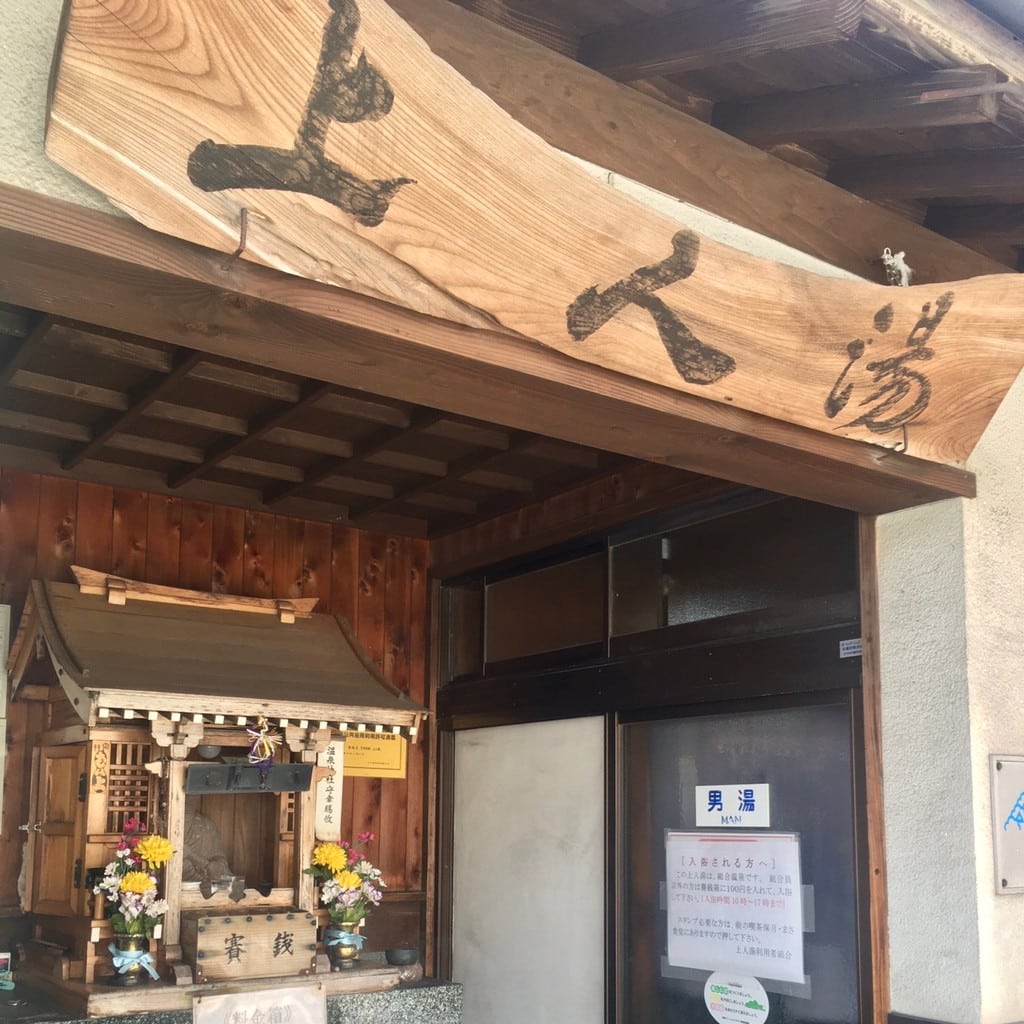
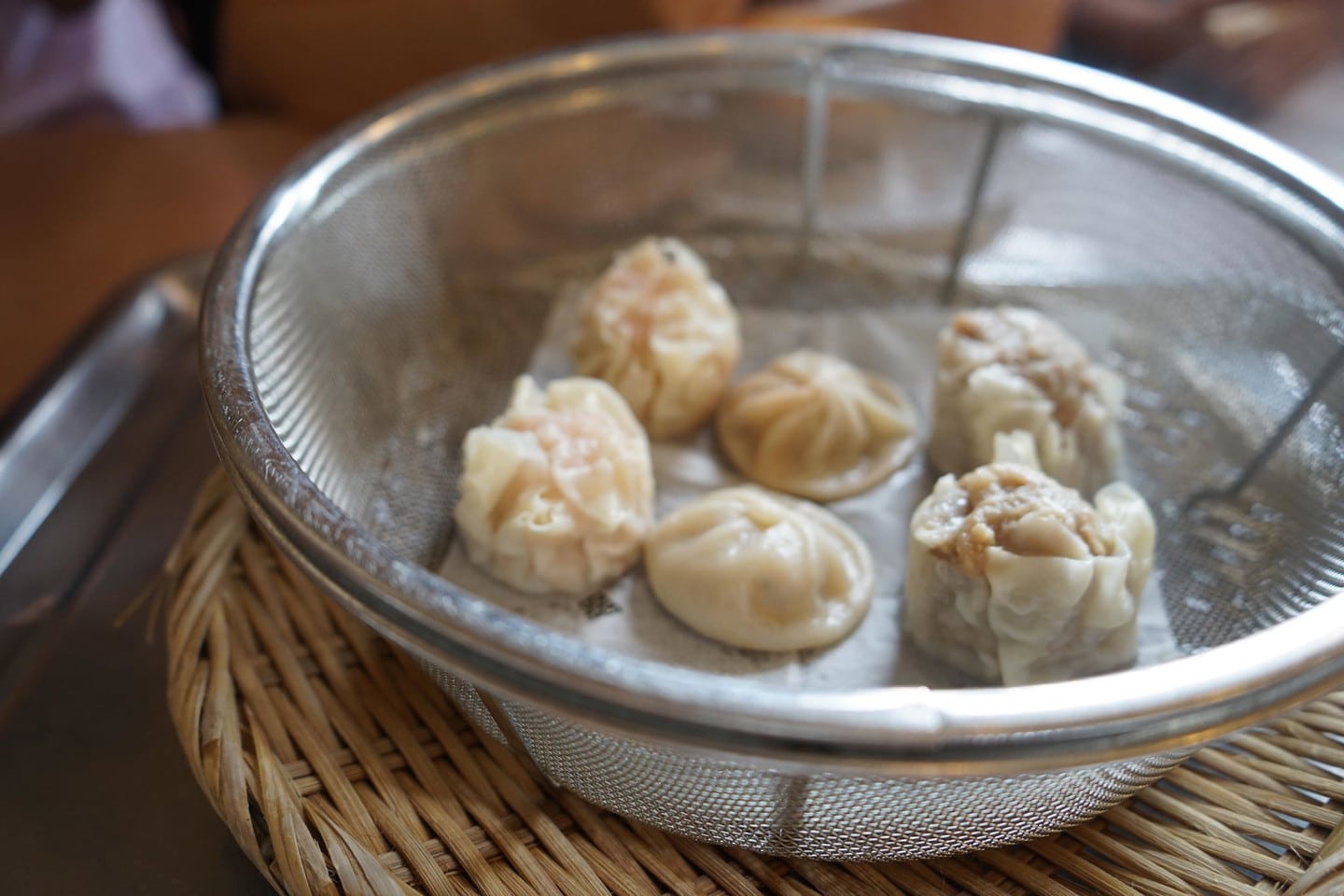


Beppu Jigoku Meguri Pass: Linking the Seven Hells and Jigoku-mushi Pudding into a Half-Day
The Beppu Jigoku Meguri combined admission ticket lets you enter major sights such as Umi Jigoku and Chinoike Jigoku in one go, and is better value than buying single tickets. This route is closely tied to food: Umi Jigoku has hot spring-steamed pudding and jigoku-mushi eggs, and toward Myoban you can stop at Okamotoya Baiten for jigoku-mushi pudding.
We suggest using it together with the Kamenoi Bus one-day pass. Buses between Kannawa and Myoban are not frequent, so check the timetable before you set out. Allow half a day for the whole route, which fits in lunch at Jigoku Mushi Kobo.
Onboard-Only Sweets on the Yufuin no Mori Train: Turn Travel Time into a Food Trip
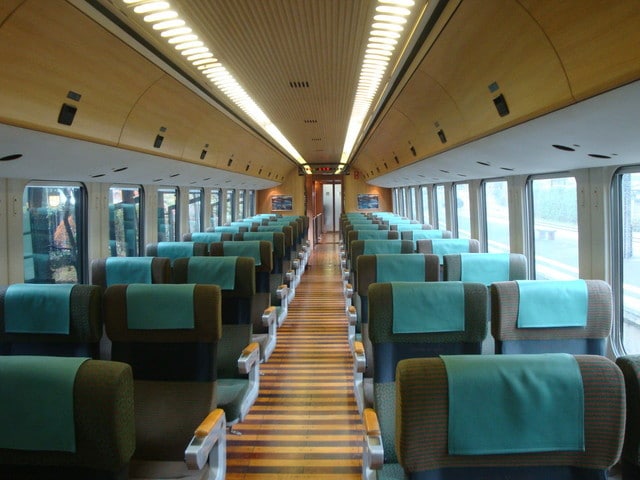
On the Yufuin no Mori sightseeing train from Hakata to Yufuin, a sales counter on board offers limited-edition bento and cakes from Yufuin Milch. For travelers on a tight same-day round trip, it turns the two-hour ride into part of the itinerary.
All seats are reserved, and tickets go on sale at 10 a.m. one month before the travel date on JR Kyushu’s online booking site; popular dates often sell out the moment they open. Limited items are in short supply, so head to the sales counter as soon as you board.
Reserving Oita Wagyu and Bungo Beef Restaurants: Save One Proper Meal for Local Beef
Bungo beef is Oita Prefecture’s signature wagyu, with fine marbling and a pronounced beef flavor. For a proper meal, Kamenoi Besso Yunodake-an in Yufuin serves charcoal-grilled Japanese black beef and steak rice bowls and is the most representative choice, while the Bungo beef kamameshi at Yufu Mabushi Kokoro is a more affordable entry-level version.
Restaurants like these almost always require reservations in peak season, especially at lunch. If you stay at a hot spring ryokan in Yufuin or Beppu, the dinner in a plan with two meals often uses Bungo beef too, so confirm the plan details when booking.
Let’s Eat! Cover Yufuin and Beppu in Two Days
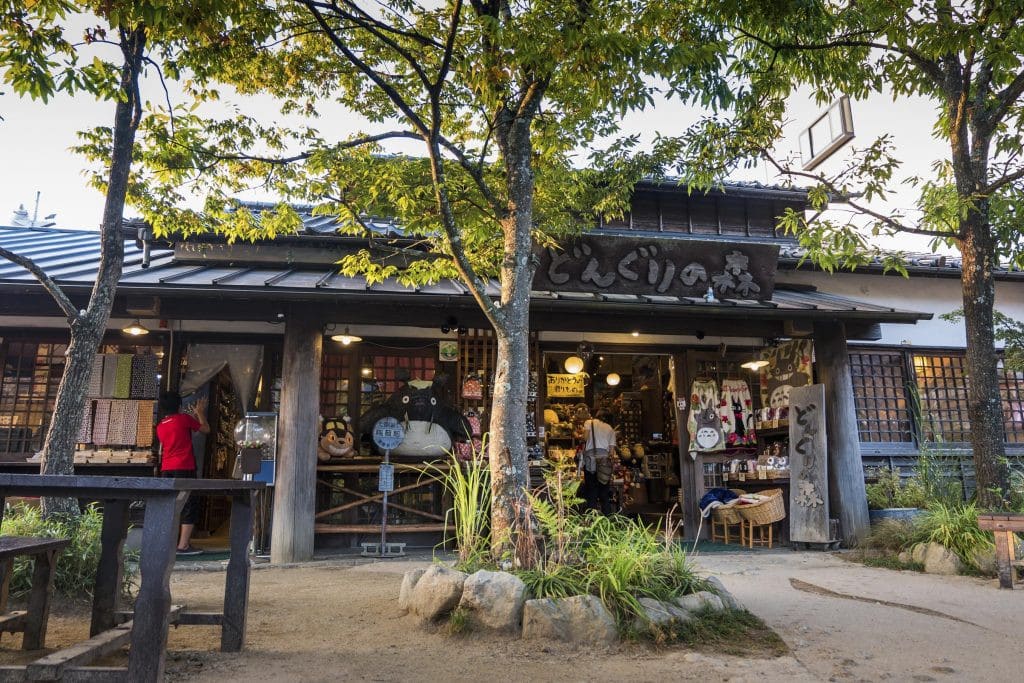
Fitting these 15 shops into an itinerary takes only two days, and you do not have to rush.
How to Actually Eat Over Two Days and One Night
Day one belongs to Yufuin: after arriving on the Yufuin no Mori, have lunch at YURURIN in front of the station or at the station-front shop of Yufu Mabushi Kokoro, then eat your way along Yunotsubo Street: Kinsho Korokke, the soft-centered cheesecake from Yufuin Milch, and the hand-baked dorayaki from Cucuchi, and when you reach Lake Kinrinko, sit down for coffee at Chabo Tenjo Sajiki. Remember to buy the B-Speak roll cake first thing in the morning or reserve it the day before.
On day two, move to Beppu: the JR Limited Express Yufu takes about an hour. At midday, have the special tendon at Toyotsune or queue for thick-cut sushi at Kamesho, then in the afternoon take the Kamenoi Bus up to Kannawa, steam a seafood dish yourself at Jigoku Mushi Kobo, and stop at Okamotoya Baiten in Myoban for jigoku-mushi pudding. Leave dinner for the tori-ten at Toyoken or the Beppu reimen at Rokusei, which completes both of Oita’s soul dishes.
The only reminders are still those two things: bring enough cash, and remember that Yufuin closes at 5:30 p.m. Put the sweets first and the proper meals later, and you will have no regrets.
Choosing Souvenirs You Can Take Home
The item most often taken away from Yufuin is B-Speak’s roll cake, but it is a fresh cake that needs refrigeration and is best eaten the same day, so it does not suit long-distance souvenirs. If you want to bring something back home, Cucuchi’s dorayaki and the yuzu kosho and kabosu-related processed goods on Yunotsubo Street are more practical.
In Beppu, jigoku-mushi pudding is the most famous, and it is best eaten on site at Okamotoya Baiten, though the chilled version can be carried for short trips. Also, “Yu-no-hana” from Myoban Onsen is a bath additive made of hot spring crystals unique to Beppu, small and pressure-proof, and the easiest souvenir choice.
How to Choose If You Only Have Half a Day
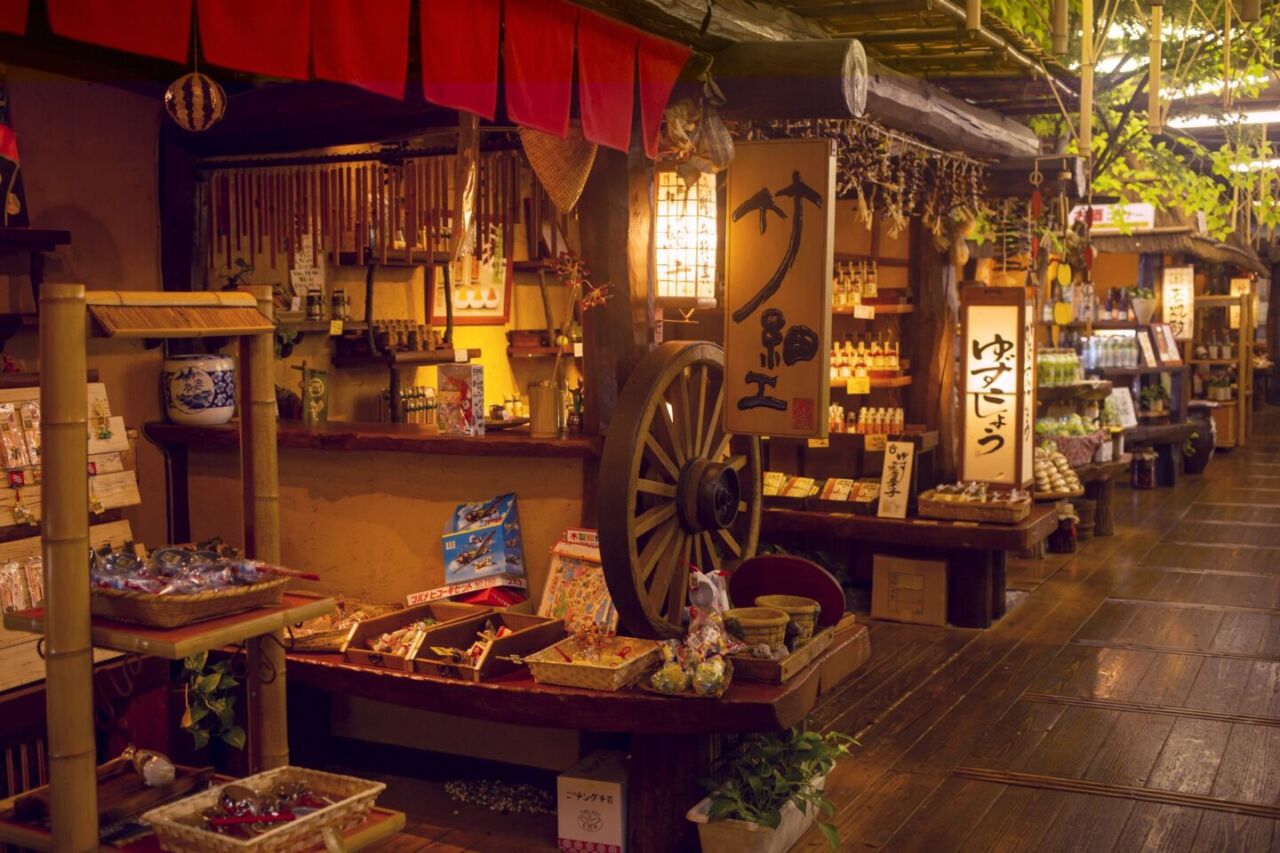
If you only have time for one side, first ask yourself what you want to eat. For sweets and photos, choose Yufuin: within 800 meters on Yunotsubo Street you can get roll cake, soft-centered cheesecake, wagyu croquettes and hand-baked dorayaki, a density Beppu cannot match.
For proper meals and experiences, choose Beppu: tori-ten, Beppu reimen and thick-cut sushi all cost less than in Yufuin, and the do-it-yourself cooking at Jigoku Mushi Kobo cannot be replicated elsewhere. If you are traveling with children of junior high school age or older, the DIY jigoku-mushi cooking in Beppu will engage them more easily than queuing for sweets in Yufuin (the hands-on experience at Jigoku Mushi Kobo is limited to junior high school students and older).

FAQ
Q: What are the must-eat foods in Beppu?
Three dishes are the most representative: tori-ten (chicken tempura, originating at Toyoken), Beppu reimen (buckwheat noodles at Rokusei Honten) and jigoku-mushi (which you can do yourself at Jigoku Mushi Kobo in Kannawa). For dessert, it is the jigoku-mushi pudding at Okamotoya Baiten in Myoban Onsen. Bungo beef and Seki horse mackerel are also Oita’s signature ingredients, and you can find them at almost any proper meal. If you can only pick one, most people recommend jigoku-mushi, because it is a cooking method only Beppu can do.
Q: Where is the food concentrated in Yufuin?
It is concentrated along Yunotsubo Street between JR Yufuin Station and Lake Kinrinko. The street is about 800 meters long, and the whole walk from the station to Lake Kinrinko is about 1.5 km. B-Speak, Yufuin Milch, Kinsho Korokke and Cucuchi are all on this road, and Yufu Mabushi Kokoro has two locations, the Lake Kinrinko main shop and the station-front shop.
Q: How is tori-ten different from ordinary karaage fried chicken?
Tori-ten is coated in tempura batter, so it comes out light and crisp with tender, juicy chicken inside, while karaage is coated in flour and deep-fried, giving a hard, crunchy coating. Tori-ten is dipped in ponzu with spicy miso, and the tartness cuts the greasiness. It is a local dish of Oita Prefecture, and in Oita it is an everyday dish that shows up even in family restaurants and supermarket deli counters, so it is extremely widespread.
Q: How is Beppu reimen different from Morioka reimen?
Beppu reimen comes from a method brought back after the war by people returning from Manchuria. The noodles contain buckwheat flour for a springy, firm texture, and the broth is made from beef bones and kelp, light yet full-bodied, served with tangy kimchi, which makes it completely different from Morioka reimen made with potato starch. People eat Beppu reimen all year round, and a bowl with icy broth after a hot spring soak is especially refreshing.
Q: How do I use Jigoku Mushi Kobo?
First choose ingredients at the counter and buy a steaming-pot ticket, then staff show you how to put the ingredients into the hot spring steamer, and a few minutes later you take them out yourself. The whole process takes about 40 minutes to 1 hour, in peak season you need to queue for a free steamer, and the steam is extremely hot so follow instructions. Ingredient sets are also sold on site, so you do not need to bring anything and can simply show up empty-handed.
Q: What time do shops close in Yufuin and Beppu?
Most shops on Yunotsubo Street in Yufuin close between 5:00 and 5:30 p.m., and at night there is almost nothing to eat on the street. Dining hours in Beppu are more normal, with options still available in the evening, but many long-established shops have fixed closing days (for example, Rokusei closes on Wednesdays, and Toyotsune also has regular closing days), so check before you go. If you stay in Yufuin that night, booking a ryokan plan with dinner and breakfast is far more practical than going out to find food.
Q: Can I pay by card at these shops? Do I need reservations?
Many famous shops still take cash only, including Yufu Mabushi Kokoro and most snack stalls on Yunotsubo Street, so withdraw enough yen first. For sit-down restaurants such as Yunodake-an and Kunugi no Oka, reserve in peak season; Yufu Mabushi Kokoro and Kamesho use on-site waitlist registration. ATMs are limited in Yufuin, so we recommend withdrawing enough cash at Hakata or in front of Beppu Station.