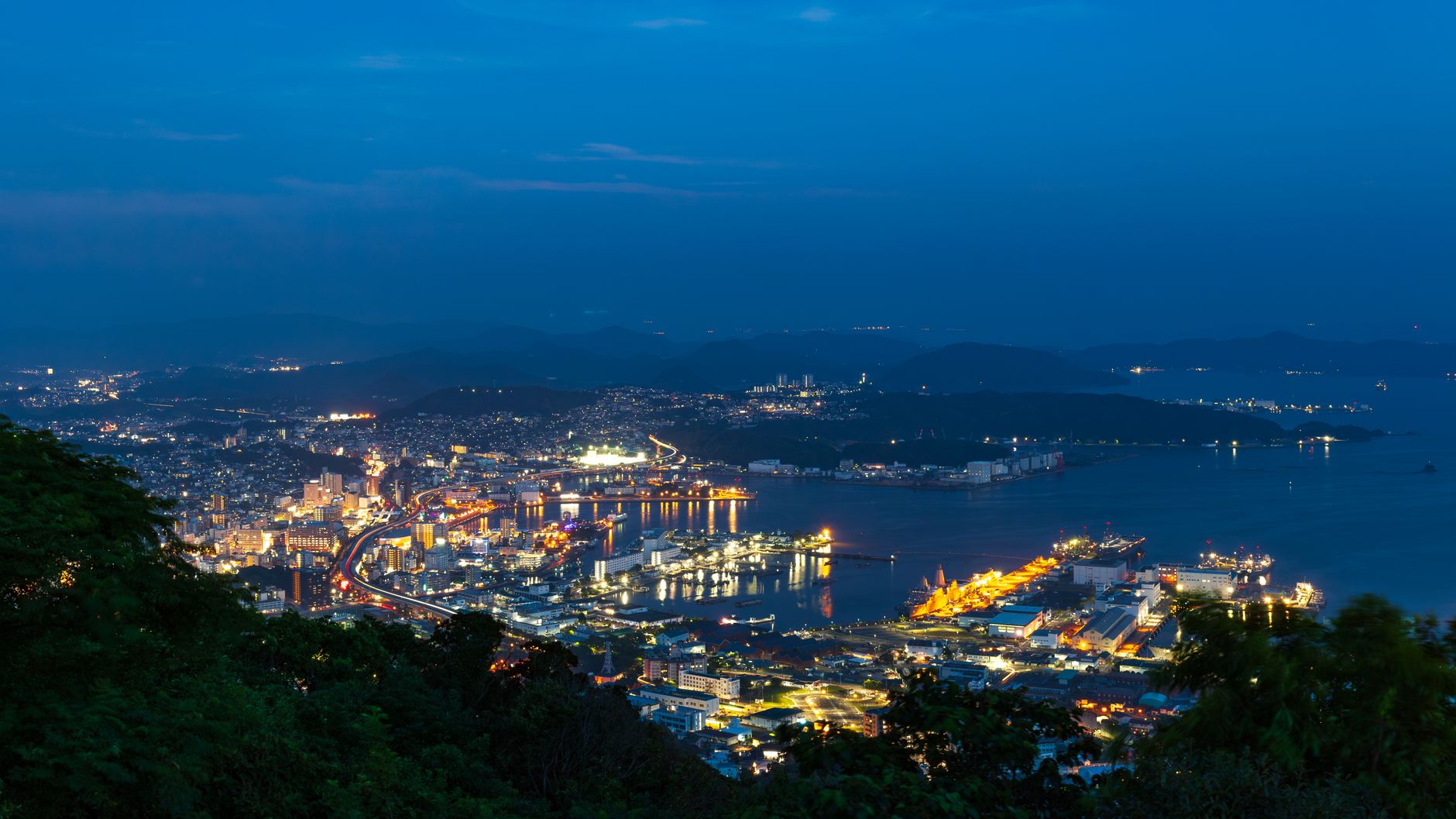

Nagasaki City Sights: A Port Town You Can Cover with One Streetcar Day Pass
Nagasaki is a harbor city on the western edge of Kyushu. Its sights are concentrated along the streetcar lines, so you can see the highlights in a single day.
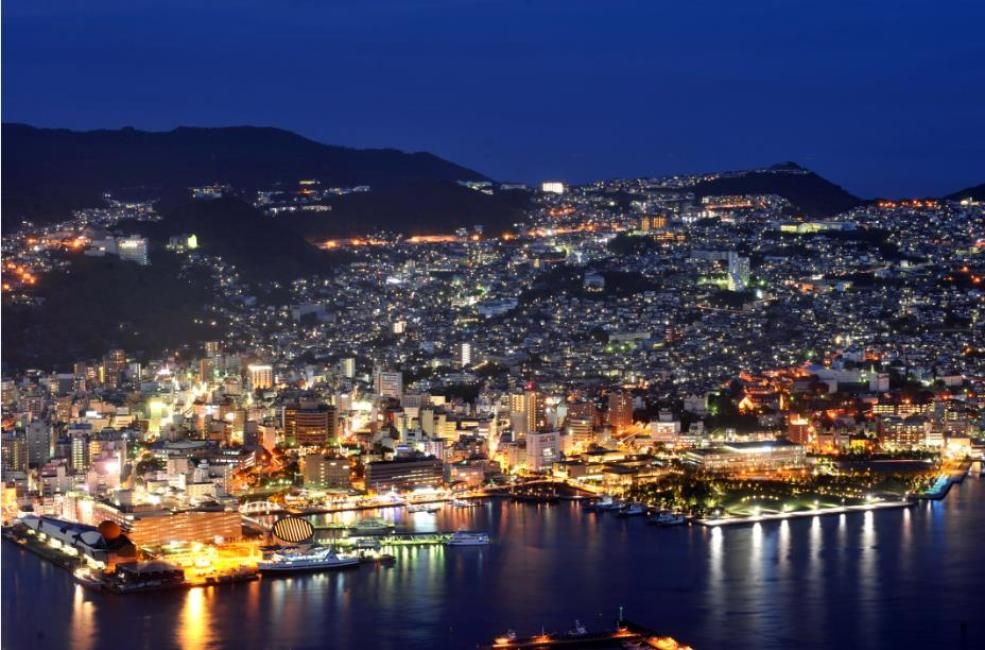
Mount Inasa: Home of One of the “New Three Great Night Views of the World”
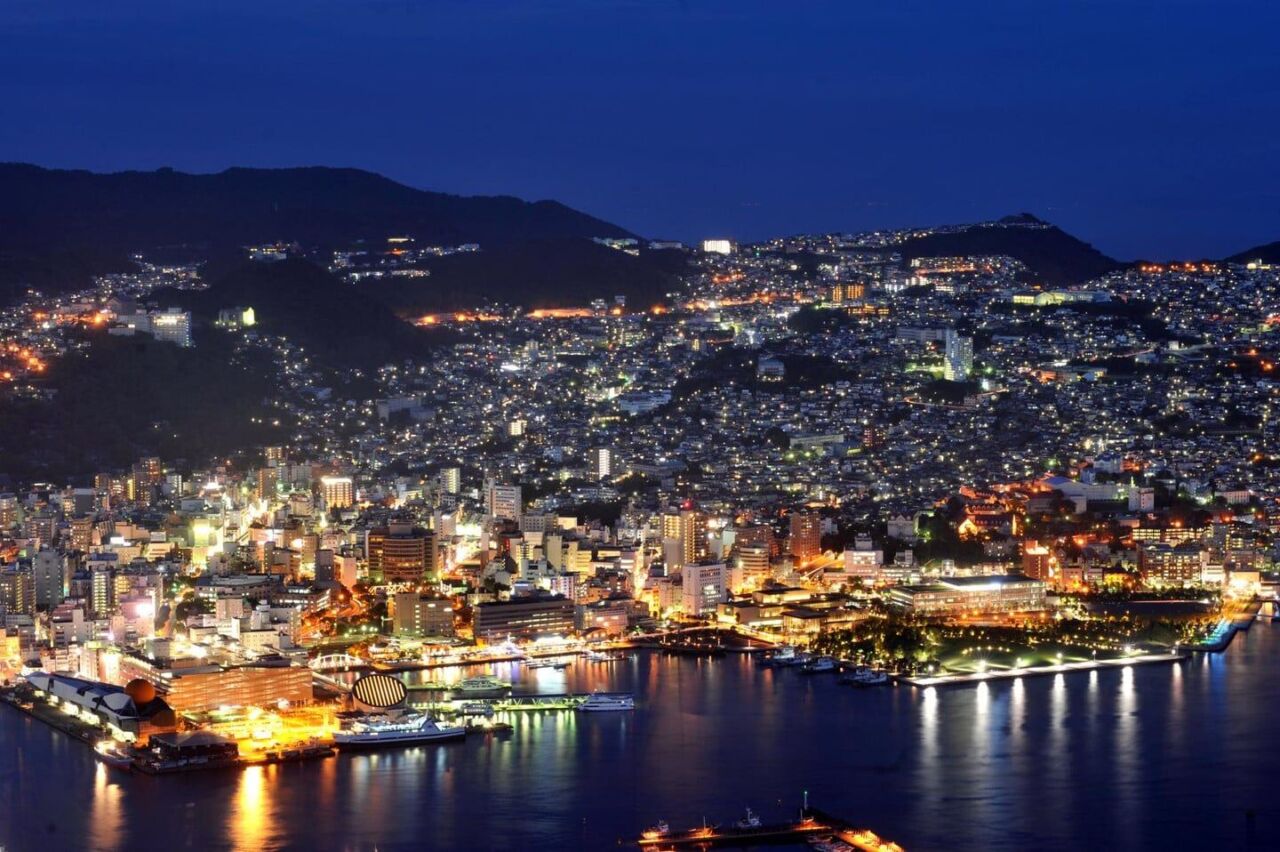
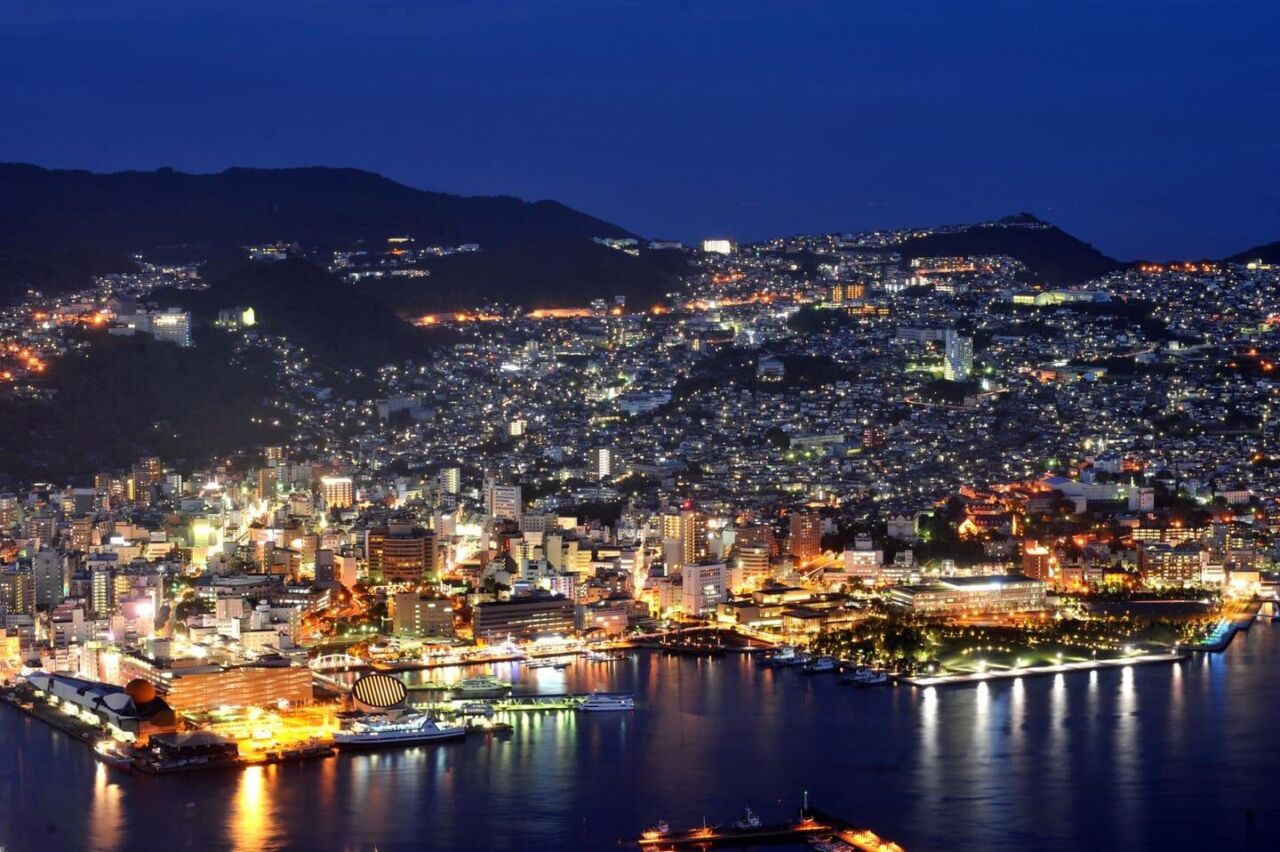
At 333 meters, Mount Inasa is Nagasaki’s grand finale. Ringed by mountains with houses stacked up the slopes, the city’s lights form a glittering bowl after dark. In 2012 it was ranked alongside Hong Kong and Monaco as one of the “New Three Great Night Views of the World,” and in Japan it is counted with Hakodate and Kobe as one of the three great night views.
The summit observatory has a 360-degree round design. By day you can see Nagasaki Harbor and the islands offshore, and the night view is known as “worth ten million dollars.” You can go up by ropeway, slope car, bus or taxi, and settling on a route before you leave saves waiting time.


Minamiyamate and Higashiyamate: Foreign Quarters Left by the Opening of the Port
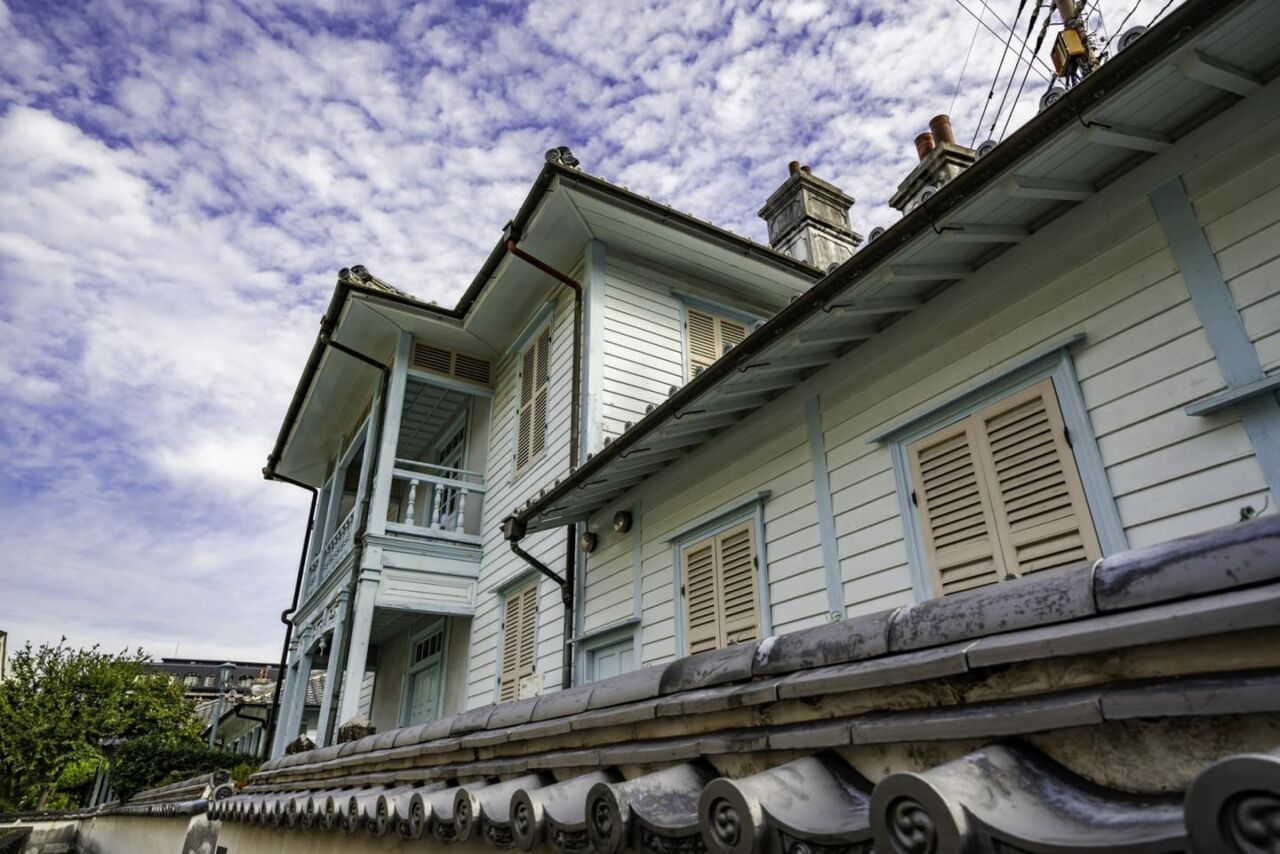
After Nagasaki opened as a port in 1859, foreign merchants built wooden Western-style houses on the slopes of Minamiyamate and Higashiyamate, forming today’s old foreign settlement district. Glover Garden, Oura Church and Dutch Slope are all in this area, and from the Oura Church streetcar stop you can link them on foot in one route.
The area has many slopes and stone-paved lanes, and it is Nagasaki’s most exotic stretch for a stroll. We suggest walking it in the afternoon when the light is low, when the white walls of the Western houses and the sea of Nagasaki Harbor are washed in warm color, the best time for photos.
Urakami: The Origin of Atomic Bomb Memory and Prayers for Peace
On August 9, 1945, the atomic bomb exploded above Urakami, making this area Nagasaki’s most important historical site. Today Peace Park, Hypocenter Park and the Nagasaki Atomic Bomb Museum form a single line, all within walking distance of the “Atomic Bomb Museum” or “Peace Park” streetcar stops.
Most travelers schedule Urakami for the morning, visiting the museum first and then walking to Peace Park, which suits the emotional and physical pace better. The three sites together take about 2.5 to 3 hours, so do not squeeze them too tightly.
Nakashima River and Shinchi Chinatown: The Heart of a Downtown Stroll
The stone bridges along the Nakashima River and Nagasaki Shinchi Chinatown, one of Japan’s three great Chinatowns, make up the easiest part of downtown to explore. Spectacles Bridge, the Chinese temples on Teramachi-dori, Chinatown and the Hamamachi shopping arcade are all within walking distance of each other, and the stretch fits well around midday.
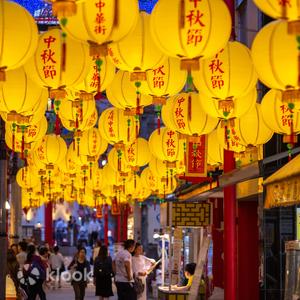
Nagasaki’s signature dishes, champon, sara udon and kakuni manju, can nearly all be eaten in one go in Chinatown, making this area a natural lunch base. Around Lunar New Year, a large-scale Nagasaki Lantern Festival is also held here.
-Klook.jpg)
How to Get Around Nagasaki’s Sights: Streetcar Day Pass and Mount Inasa Ropeway at a Glance
How to Get to Nagasaki’s Sights: Transport and Tickets at a Glance
Nagasaki’s streetcars connect all the city sights, with only Mount Inasa needing a separate transfer. Here are the options you will actually use:
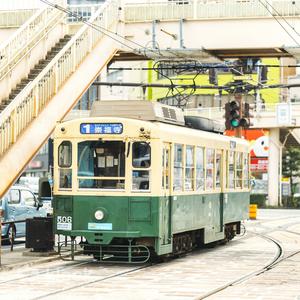
Nagasaki Electric Tramway (streetcar): The main transport in the city, with a flat fare per ride. If you expect to ride 4 or more times in a day, buy the “Streetcar One-Day Pass,” about ¥600 for adults.
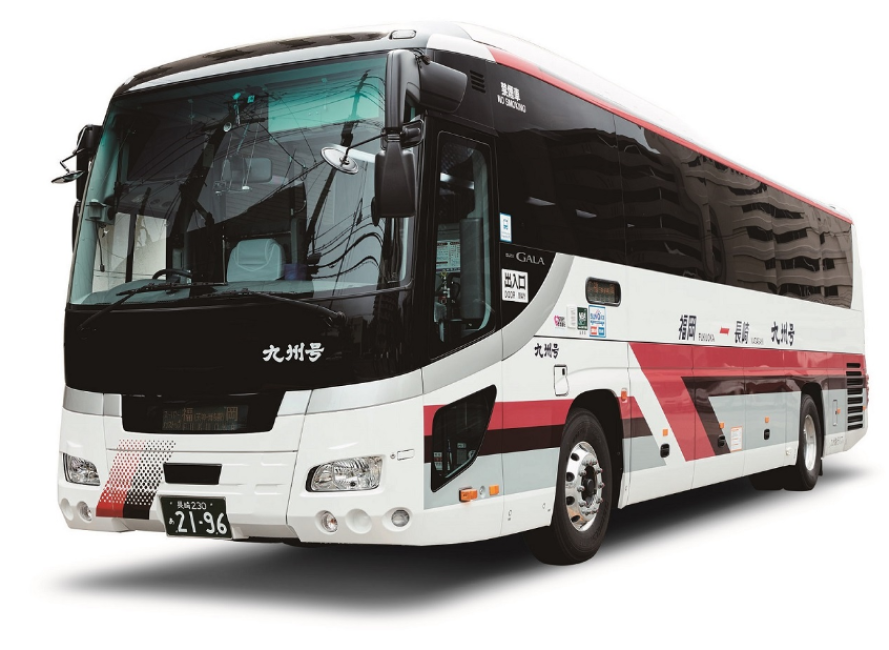
West Kyushu Shinkansen Kamome: About 1 hour 20 minutes from Hakata, transferring at Takeo-Onsen Station to the Relay Kamome limited express, about ¥6,050 in total for reserved seats (regular season).
Nagasaki Bus No. 3 / No. 4: To the “Ropeway-mae” stop below the Mount Inasa ropeway, about ¥160.
Nagasaki Ropeway (Fuchi Shrine Station to Inasadake Station): From April 1, 2026, ¥1,900 round trip and ¥1,040 one way. There is a regular maintenance shutdown every early summer (about early June to early July); please check the official site for the exact dates.
Nagasaki Slope Car: About ¥1,000 round trip.
Reservation-only free shuttle bus: Runs during the night-view hours, reservation only with limited seats, so confirm on the official site or with your hotel before you go.
All fares and timetables may change, so please check the day’s notices on the Nagasaki Electric Tramway and Nagasaki Ropeway official sites before you set out.
| Ways to Reach Mount Inasa | Reference cost (per official notices) | Time needed |
|---|---|---|
| Nagasaki Bus No. 3/4 + Nagasaki Ropeway | Bus about ¥160 + ropeway about ¥1,900 round trip | About 30 minutes |
| Slope Car | About ¥1,000 round trip | About 20 minutes (you must first get to the mid-slope) |
| Taxi (Nagasaki Station to the summit) | From about ¥2,200 | About 20 minutes |
| Drive + mid-slope parking, then Slope Car | Free parking, tram fare extra | About 25 minutes |
| Reservation-only free shuttle bus | Free (reservation only) | About 30 minutes |


What Are the Must-See Sights in Nagasaki? The 12 Best, Area by Area
They are listed below in the smoothest visiting order, with the can’t-miss ones first.
| Sight | Suggested time | Nearest streetcar stop |
|---|---|---|
| Mount Inasa Summit Observatory | 1-1.5 hours | “Atomic Bomb Museum” stop, then bus + ropeway |
| Nagasaki Atomic Bomb Museum | 1.5-2 hours | About 5-minute walk from “Atomic Bomb Museum” stop |
| Glover Garden | 1.5-2 hours | About 7-minute walk from “Oura Church” stop |
| Dejima Dutch Trading Post | 1-1.5 hours | About 1-minute walk from “Dejima” stop |
| Spectacles Bridge | 30-45 minutes | About 3-minute walk from “Megane-bashi” stop |
Mount Inasa Summit Observatory: The Best Spot for One of the World’s New Three Great Night Views
The Mount Inasa Summit Observatory stands 333 meters high and is the highlight of a Nagasaki trip. The observatory itself is free to enter, and most of your money goes on getting up the mountain. The building has three floors: the first and second are indoor glass viewing areas that shelter you from the wind in winter, and the top floor is an outdoor deck with the widest view but strong winds.
The golden window for night photos runs from 30 minutes before sunset to 30 minutes after, which lets you capture dusk, the blue hour and full darkness in one visit. To avoid crowds, go up after 8 p.m. When shooting indoors, press the lens against the glass and wear dark clothing to cut reflections significantly.
There are no large luggage facilities at the summit, so travelers with big bags should leave them at Nagasaki Station first. In winter the summit feels noticeably colder than the city, so bring an extra windproof jacket. We suggest staying 1 to 1.5 hours.
Nagasaki Ropeway Hours and Fares: 9:00 to 22:00, Last Ascent About 21:00
The Nagasaki Ropeway runs from 9:00 to 22:00, with the last ascent at about 21:00, and has a regular maintenance shutdown from early June to early July each year; please check the official site for exact dates. Adult fares are ¥1,900 round trip and ¥1,040 one way; elementary school children pay ¥950 round trip and ¥520 one way. For night photography, we suggest reaching the summit 30 minutes before sunset, and checking that day’s sunset time and ropeway operating status before you go.
Nagasaki Atomic Bomb Museum: The Stop You Need to Make to Understand This City
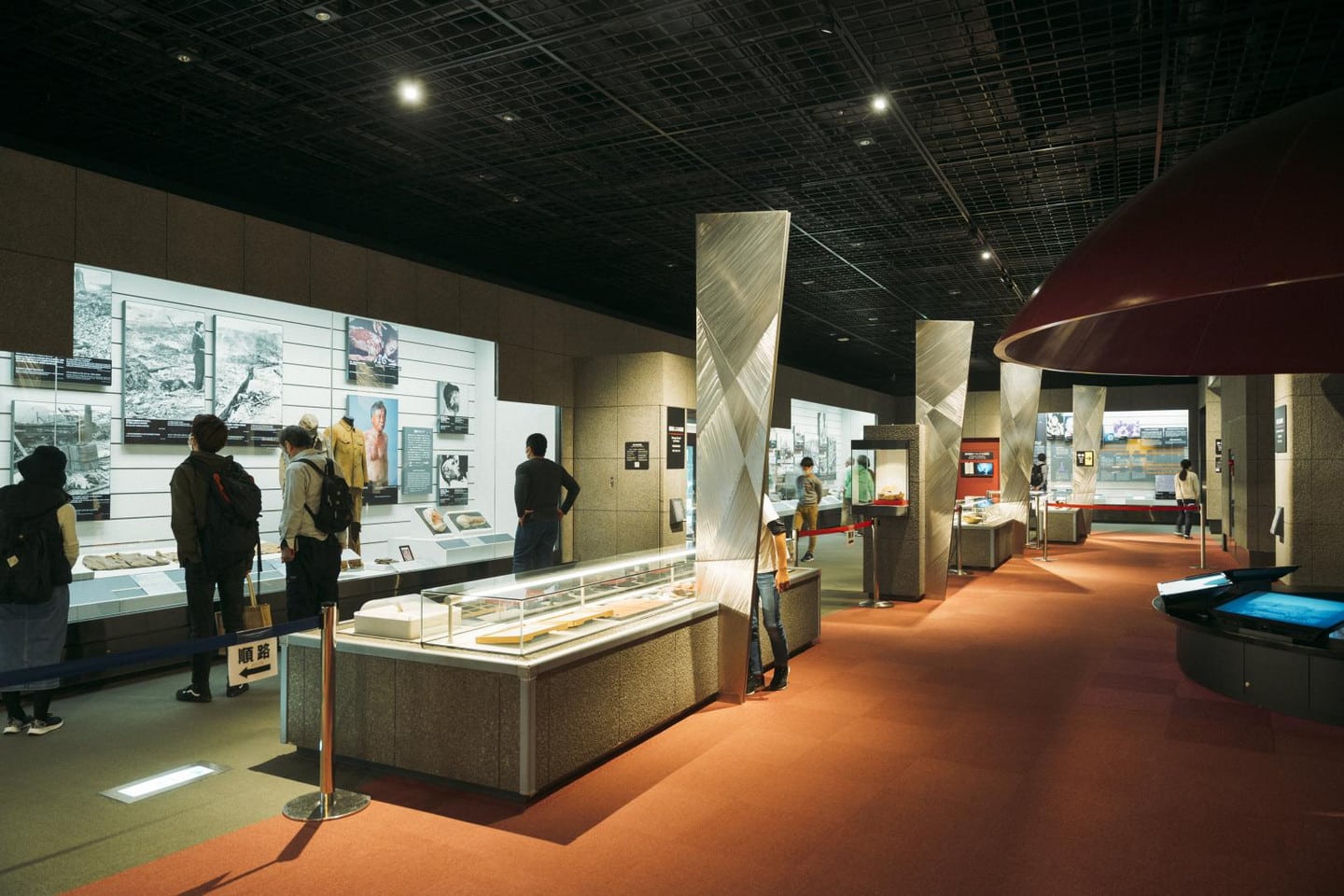
The Nagasaki Atomic Bomb Museum presents a timeline from before and after the bombing to the state of nuclear weapons today. Exhibits include melted glass bottles, a clock stopped at 11:02 and many victims’ belongings, the most powerful part of the museum.
From April 1, 2026, the adult ticket stays at ¥200, entry becomes free for high school students and younger, and opening hours are 8:30 to 17:30 (extended to 18:30 from May to August), with the last entry 30 minutes before closing.
The visiting route is one-way. We suggest allowing 1.5 to 2 hours, and after leaving you can walk straight to Hypocenter Park without taking another ride.
Peace Park: The Right Hand of the Peace Statue Reaching Skyward
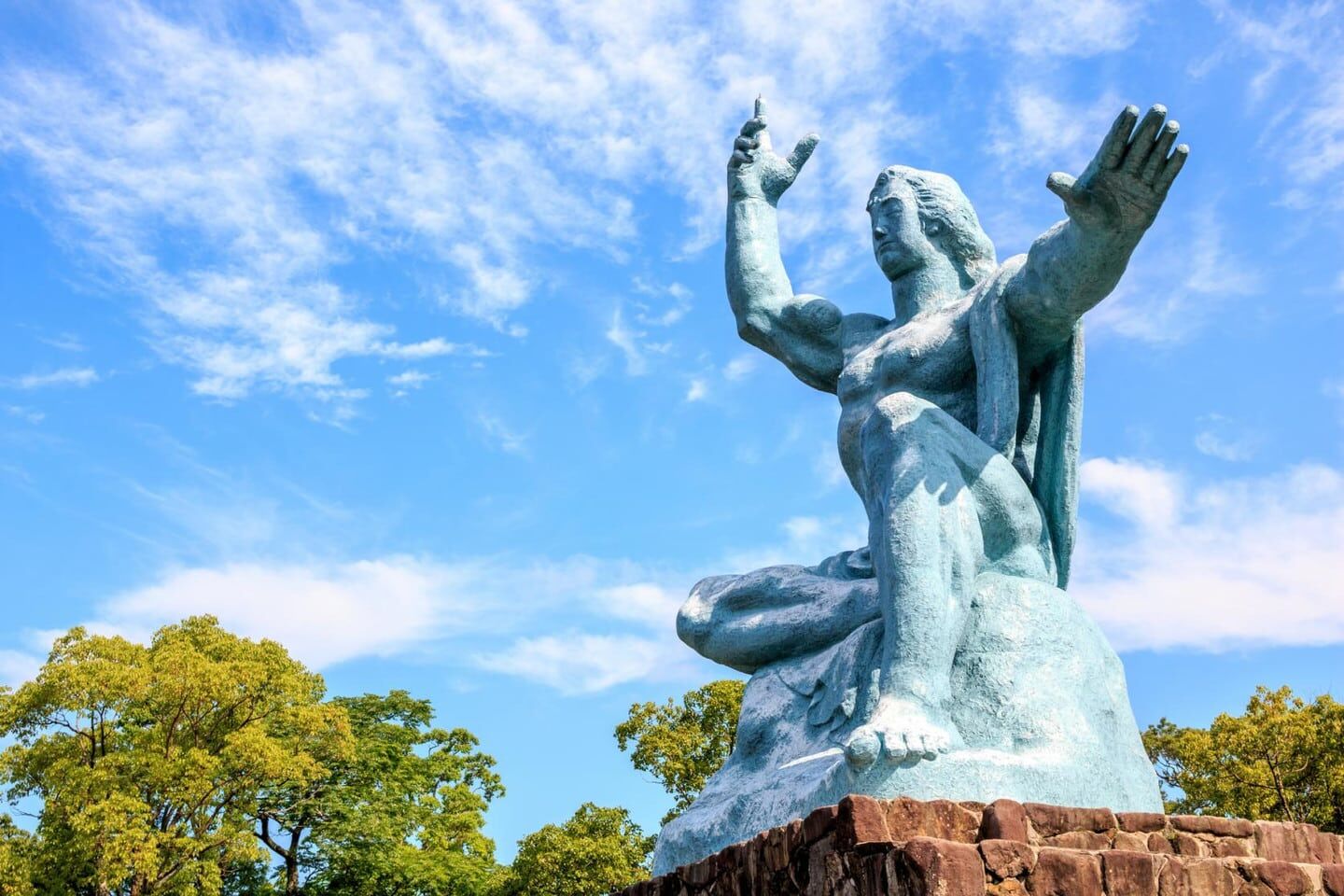
Peace Park sits on a rise north of the hypocenter. Its centerpiece is the bronze Peace Statue completed in 1955, about 9.7 meters tall. The right hand pointing to the sky symbolizes the threat, the left hand extended horizontally symbolizes peace, and the closed eyes pray for the victims.
At the entrance is the Fountain of Peace, which commemorates the victims who cried out for water and had none to drink; the park also has peace sculptures donated by many countries, and walking the paths takes about 40 minutes.
The park is open all day with free entry. Every year on the morning of August 9, the Nagasaki Atomic Bomb Memorial Ceremony for Peace is held, with traffic controls in the area that day, so leave extra time in your plans.
Hypocenter Park and Sanno Shrine: The Silent Witness of the One-Legged Torii
The black monument in Hypocenter Park marks the spot directly beneath where the atomic bomb exploded about 500 meters up at 11:02 a.m. on August 9, 1945. Beside it stands a preserved side wall from the bombed Urakami Cathedral.
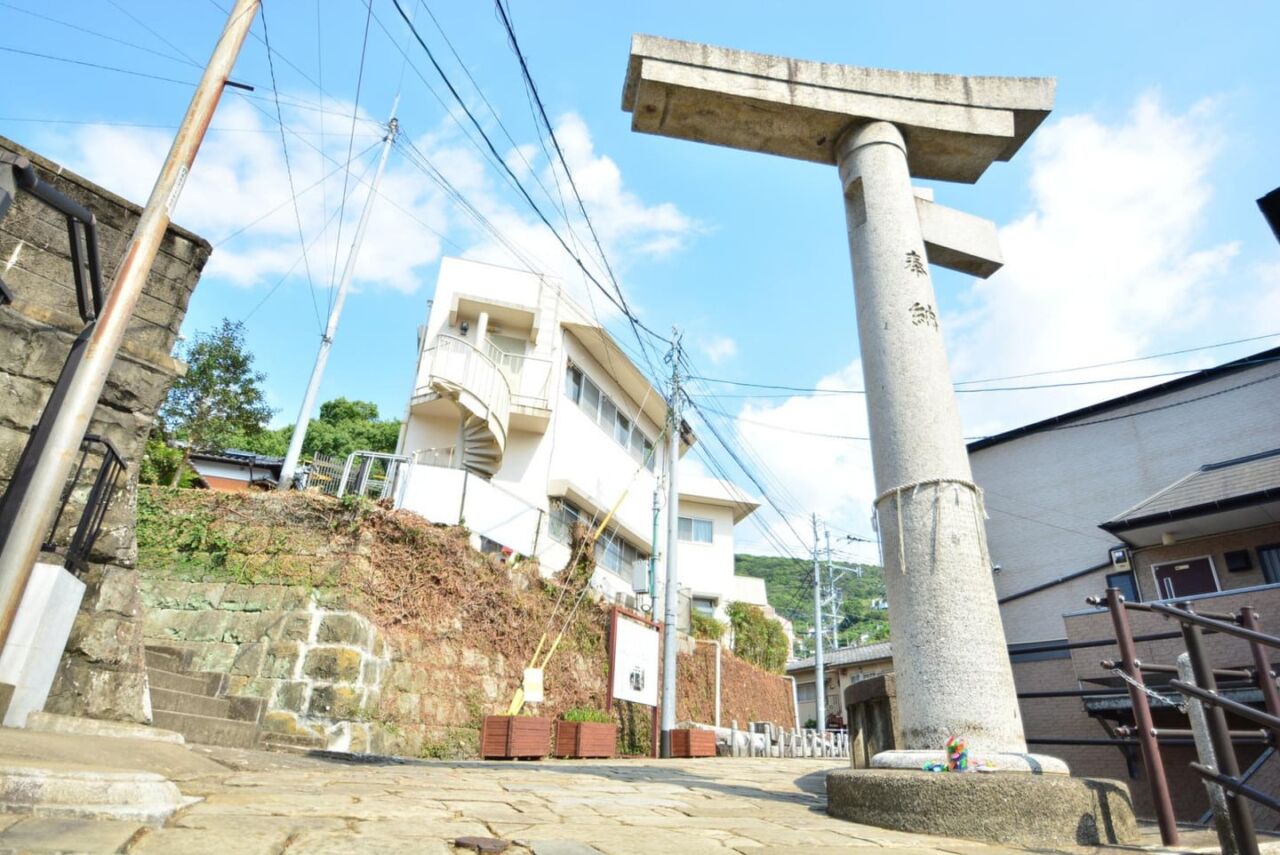
About a 10-minute walk away is Sanno Shrine, where you can see the “one-legged torii” that was half destroyed by the blast, and two large camphor trees on the grounds that were scorched and sprouted again, designated natural monuments.
Both sites are free with no fixed closing time, and together take about 40 to 60 minutes. There are few uphill stretches, making it a good walk right after Peace Park.
Dejima Dutch Trading Post: The Only Window to the World During Two Centuries of Isolation
Dejima was the only trading post left open during the Edo-period isolation. The fan-shaped artificial island was used by the Dutch trading post from 1641, and Nagasaki City restored its buildings in 1996; there are now more than ten buildings, including the residence of the head of the trading post and warehouses.
From April 1, 2026, admission is adjusted to ¥1,100 for adults and ¥550 for elementary, junior high and high school students (group discounts discontinued). Exhibits include trade ledgers and imported glassware, and free guided tours are offered in Japanese, English and Chinese.
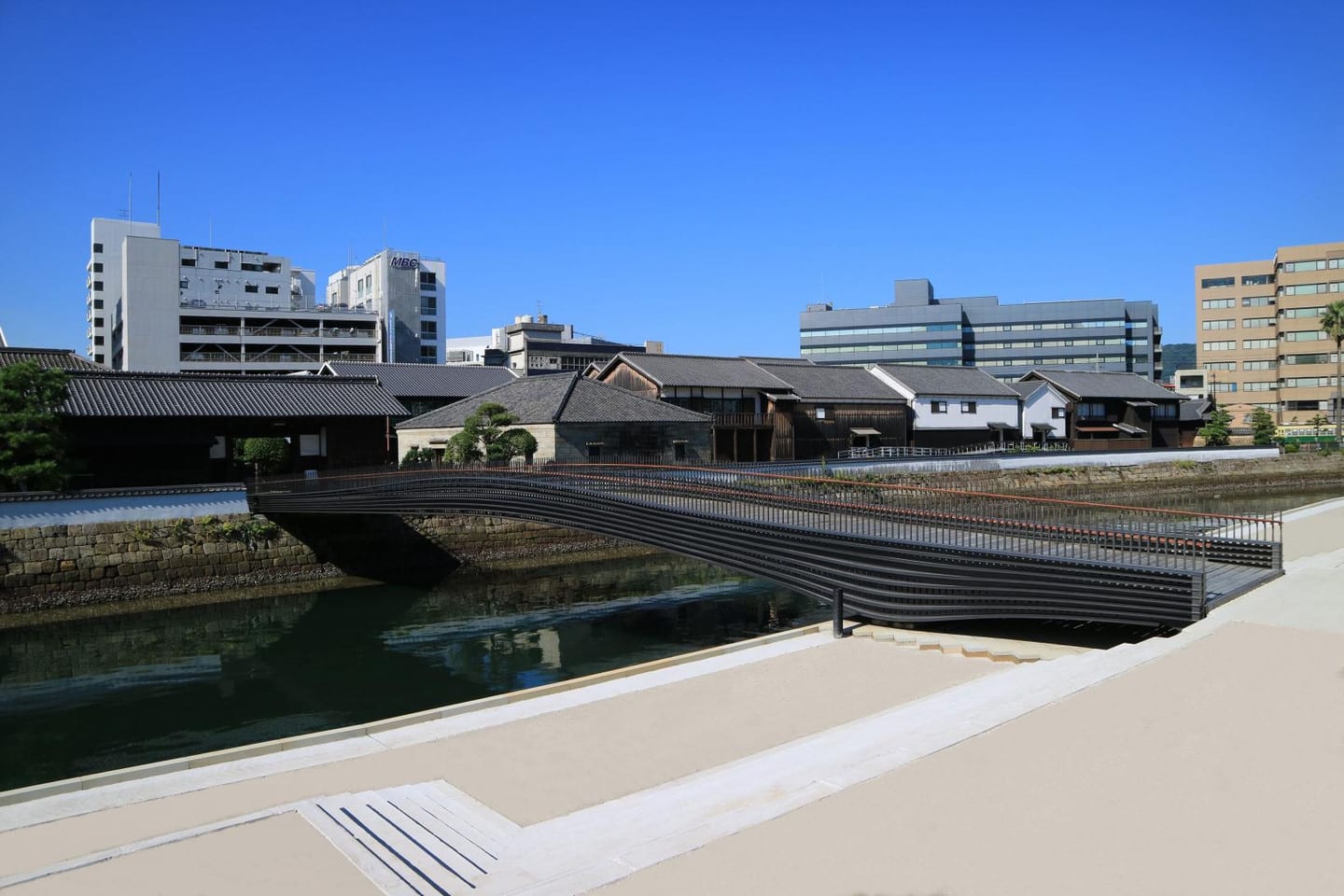
Directly across is the Nagasaki Prefectural Art Museum designed by Kengo Kuma, and the Dejima Wharf, where you can stop to look at the sea. We suggest staying 1 to 1.5 hours.
Oura Church: Japan’s Oldest Surviving Gothic Church and National Treasure
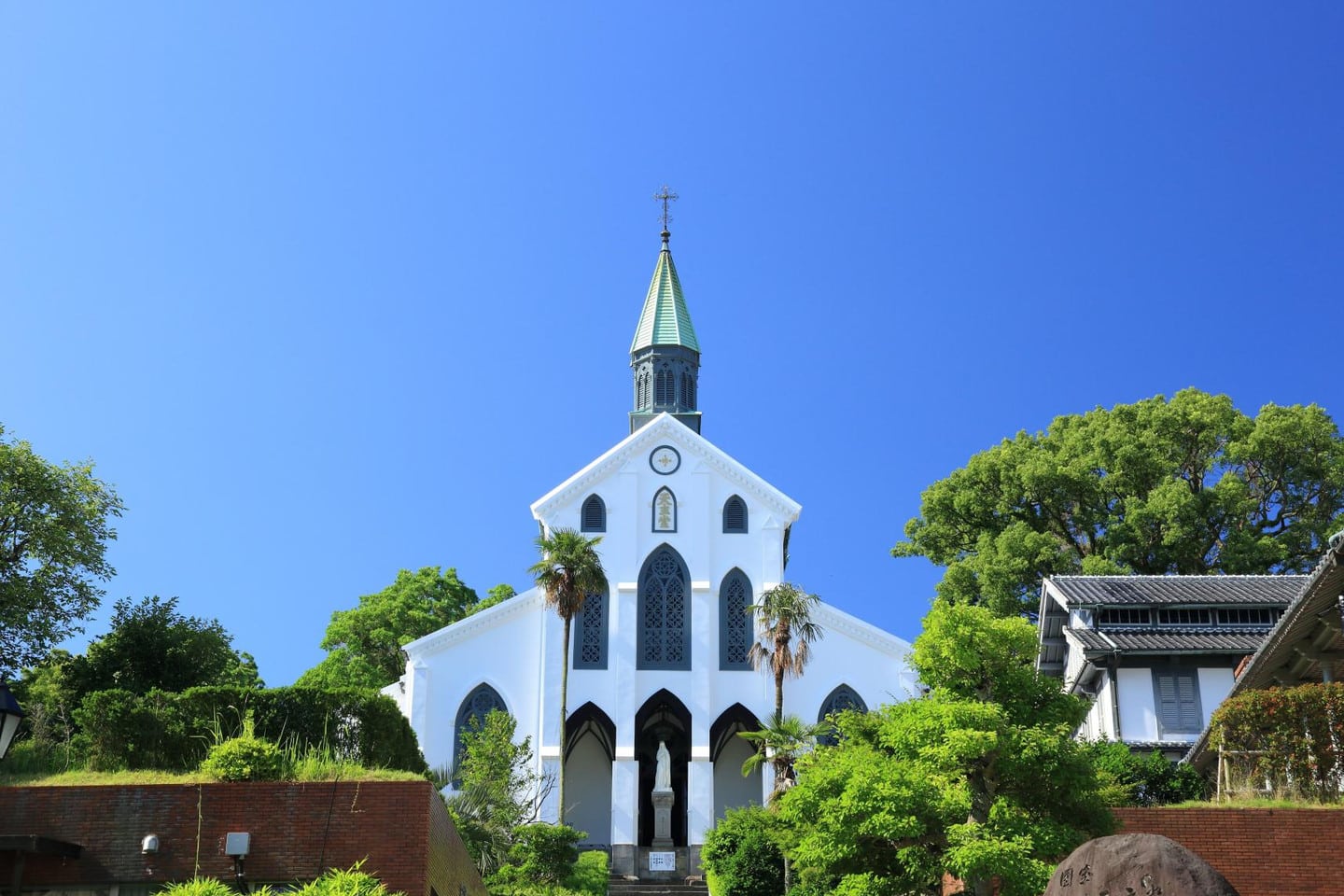
Oura Church was completed in 1864 and is Japan’s oldest surviving Gothic-style wooden church. Its official name is the “Church of the Twenty-Six Martyrs of Japan.” It is designated a National Treasure and was inscribed in 2018 as part of the World Heritage “Hidden Christian Sites in the Nagasaki Region.”
In 1865 the famous “Discovery of the Hidden Christians” took place here: believers from Urakami who had hidden their faith for more than 200 years revealed it to a French priest, a pivotal moment in the history of Catholicism in Japan. The former seminary beside the church is now a museum that presents this history in full.
Adult admission is about ¥1,000. Photography is not allowed inside, so please keep quiet during your visit. The slope from the front of the church up to the entrance is lined on both sides with famous Nagasaki castella shops such as Fukusaya and Bunmeido, handy for picking up souvenirs. We suggest staying 45 minutes to 1 hour.
Nagasaki Shinchi Chinatown: The Tastiest of Japan’s Three Great Chinatowns
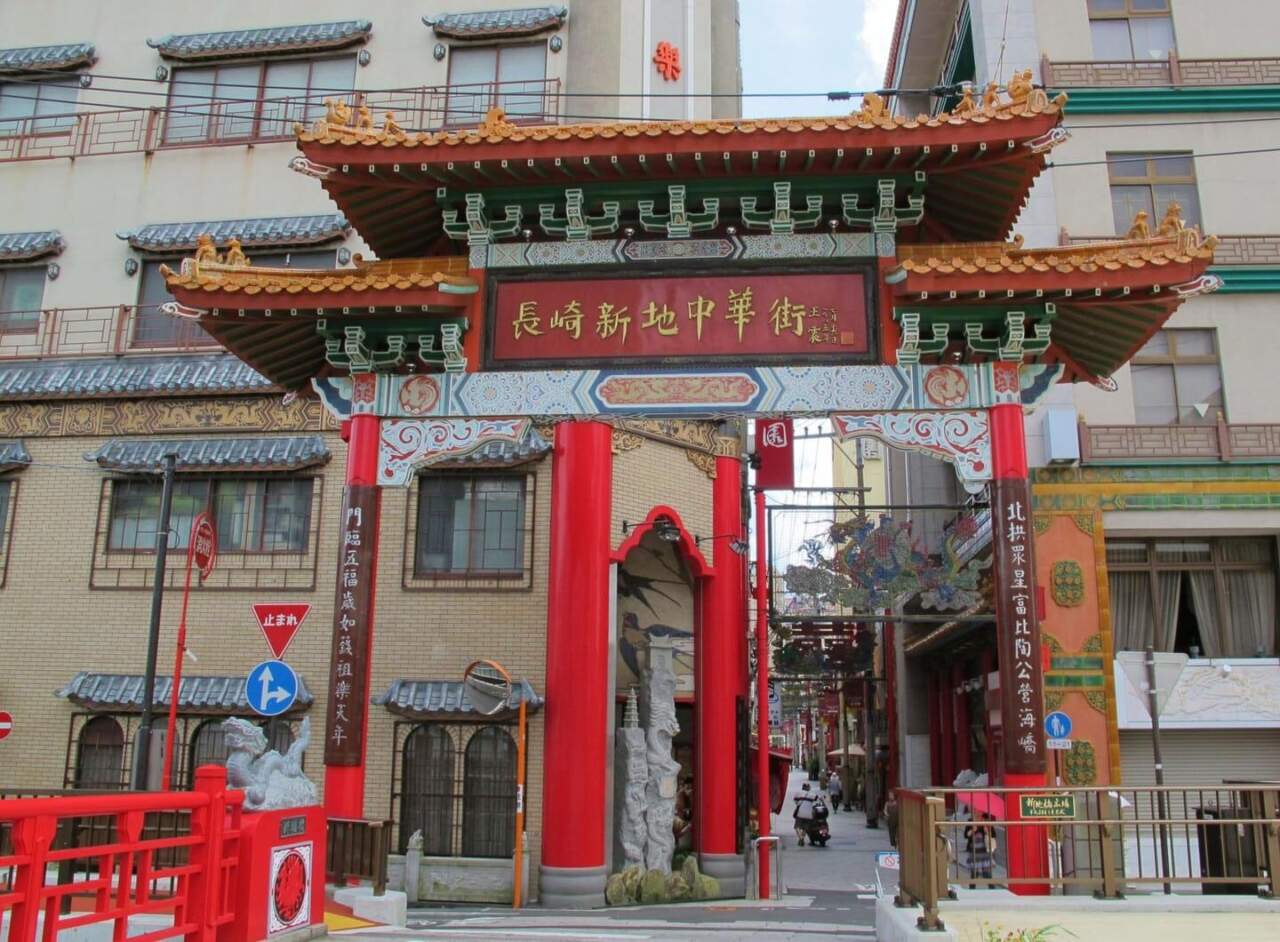
Nagasaki Shinchi Chinatown is one of Japan’s three great Chinatowns, the smallest but the oldest. It grew from reclaimed land where cargo from Chinese trading ships was stored in the Edo period, and four gateways frame a cross-shaped district that takes 15 minutes to walk. It is the most convenient place to try Nagasaki specialties: champon, sara udon, kakuni manju and the unique Western-style dish “Turkish rice.” Most shops are busiest at lunch, so we suggest being seated before 11:30. About a 5-minute walk away is the Nagasaki Confucius Shrine, built in 1893 by the Qing government and overseas Chinese, the only Confucian temple in Japan built by Chinese people; the Nagasaki Lantern Festival, held around Lunar New Year, is the liveliest season in the whole city.
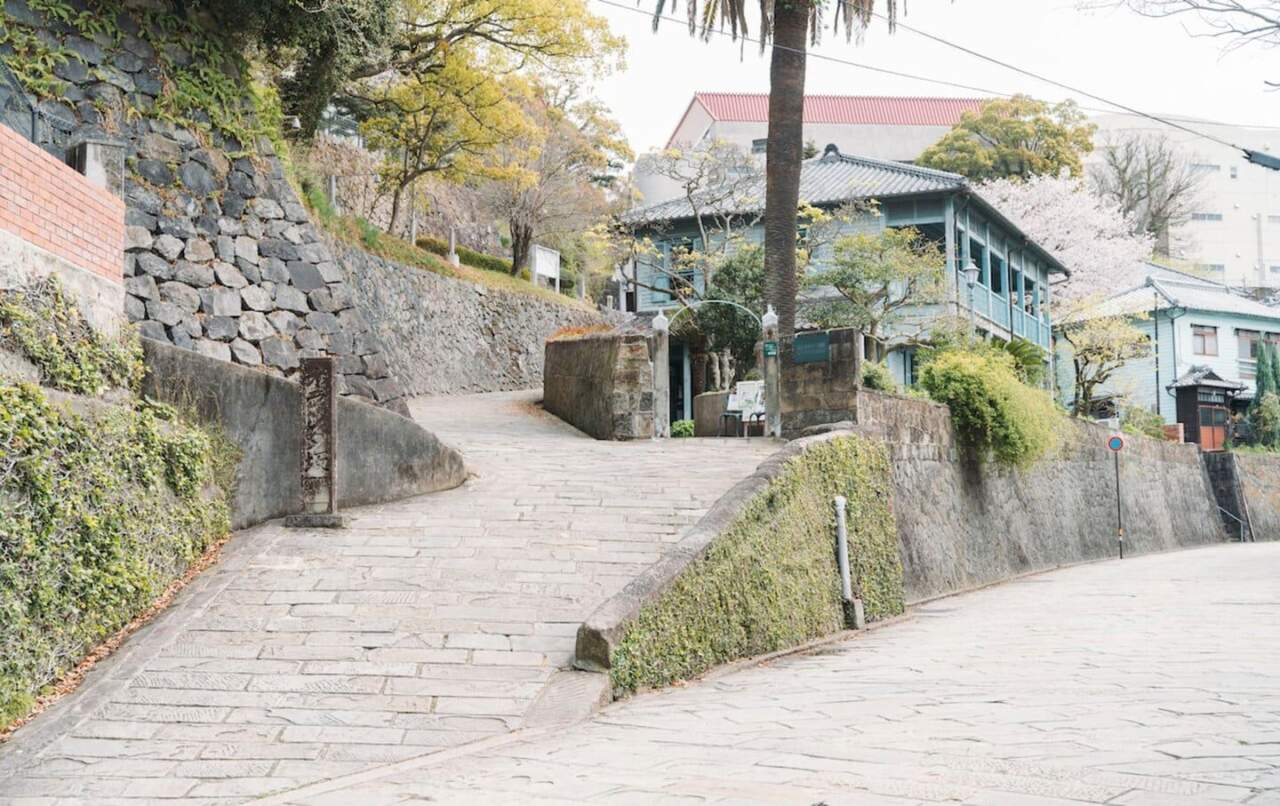
Dutch Slope and the Higashiyamate Western-Style Houses: The Old Foreign Settlement on Stone-Paved Slopes
Dutch Slope is a group of stone-paved slopes in the old Higashiyamate foreign settlement. In the late Edo period, Nagasaki people called Westerners “Hollanders,” which gave the slopes their name, and the stone paving and red-brick walls survive today. Along the route are early-Meiji Western-style houses such as the Higashiyamate Twelfth House and the Higashiyamate Western-style residences, most free to enter and now used as exhibition halls or cafés. It is about a 10-minute walk from Glover Garden, so the two can be combined in one outing. The area is also home to Kwassui Women’s University, with students coming and going at class times on weekdays. The slopes are slippery, so wear non-slip shoes in the rain; we suggest staying about 40 minutes.
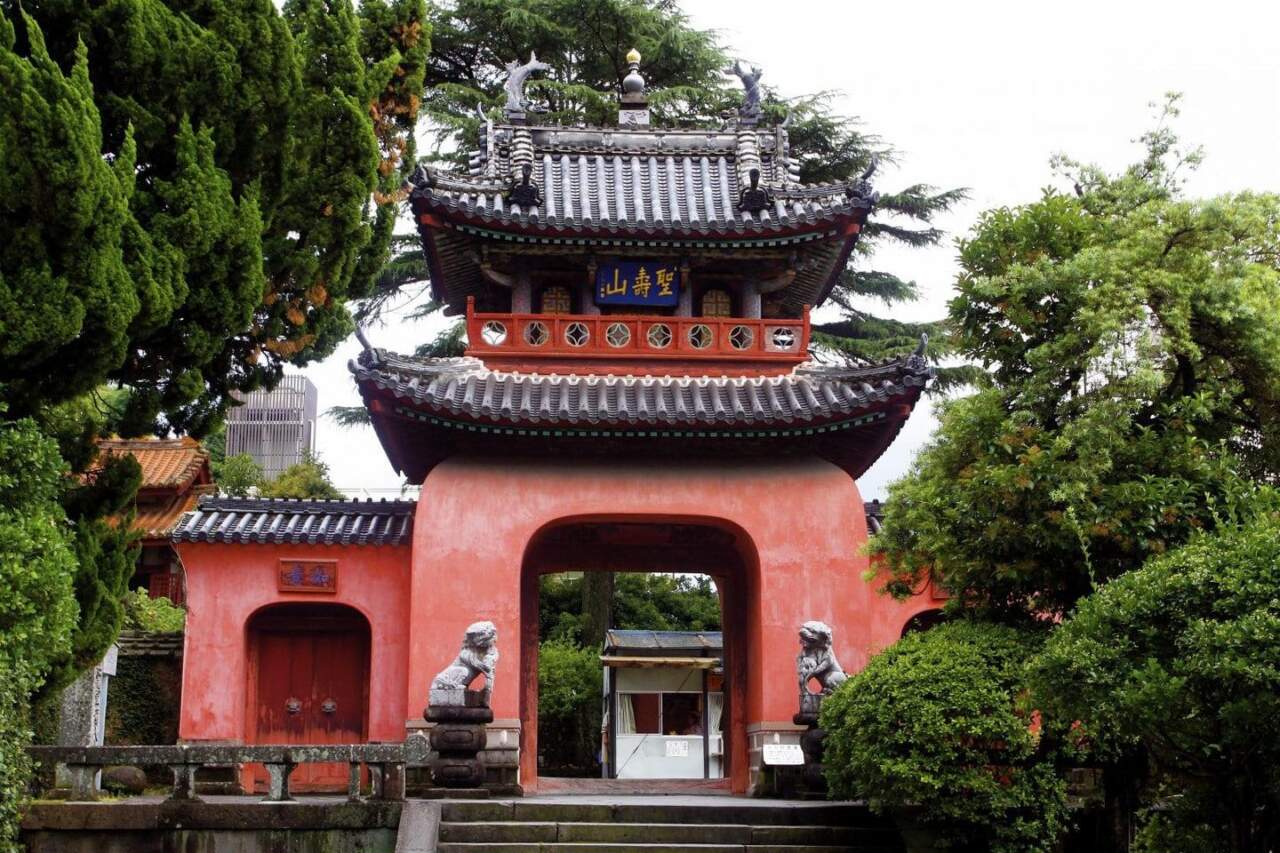
Sofuku-ji and Kofuku-ji: The Two Chinese-Style Temples on Teramachi-dori
Sofuku-ji was founded in 1629 by Fujian Chinese living in Nagasaki and is one of the oldest surviving Chinese-style temples in Japan. Its vermilion Daiippo Gate and Daiyuhoden main hall are both designated National Treasures, and the bracket structure on the gate follows Ming-dynasty methods exactly, which is extremely rare in Japan.
Kofuku-ji was founded in 1620 and is Japan’s earliest Chinese-style temple and the birthplace of the Obaku school; Mokusu Nyojo, the builder of Spectacles Bridge, came from this temple. Its Daiyuhoden and Mazu Hall keep a strong southern Chinese style, and the red gate walls stand out in a Japanese-style district.
Both temples are on Teramachi-dori on the east side of the Nakashima River, a street densely lined with a dozen or so temples, a rare temple street in Nagasaki. Please check each temple’s on-site notices for admission fees; we suggest 1 to 1.5 hours in total.
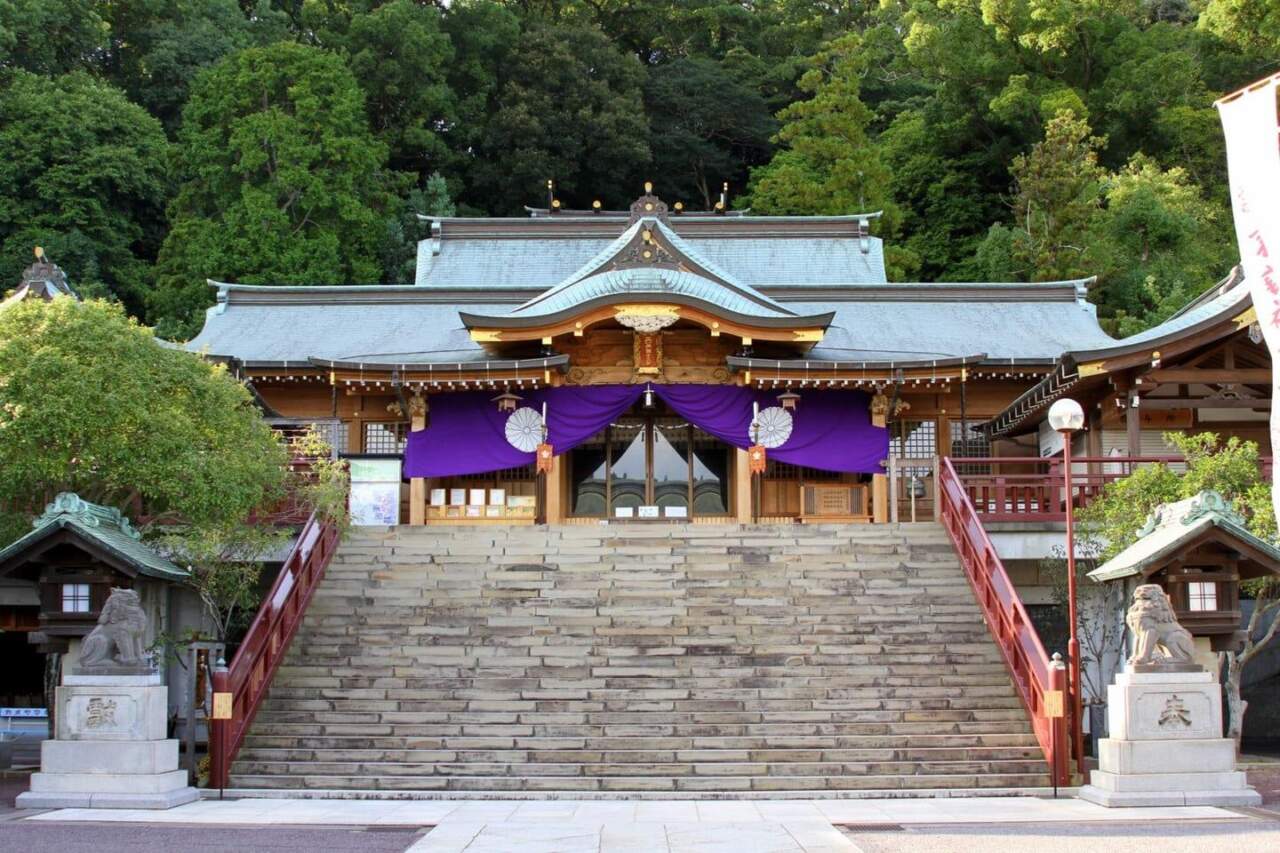
Suwa Shrine: The Stage for the Nagasaki Kunchi Festival and a Long Stone Stairway
Suwa Shrine is the chief guardian shrine of Nagasaki, formally named Chinzei Taisha Suwa Shrine. Its approach has nearly 200 stone steps lined with layered torii gates, in strong contrast to the Western-style houses of the city. The Nagasaki Kunchi Festival, held every year from October 7 to 9, is a nationally designated Important Intangible Folk Cultural Property, and its biggest draws are dragon and boat dances that blend Chinese, Dutch and Japanese elements; lodging in the city is extremely tight during the festival. The shrine is known for charms for good matches, relief from coughs and traffic safety, and goshuin stamps are available; entry is free and it is open all day. The Nagasaki Museum of History and Culture is about a 10-minute walk away, and we suggest staying 40 minutes.
How Much Does It Cost to Visit Nagasaki’s Sights? Admission, Passes and Guided Tours
First decide whether to buy a day pass, then decide how to add Mount Inasa, Gunkanjima and Huis Ten Bosch.
Nagasaki Streetcar One-Day Pass: The Best Value for Covering the City
The day pass is ¥600 for adults and ¥300 for elementary school children and covers Lines 1, 3, 4 and 5; a single ride has a flat fare of ¥150 for adults and ¥80 for children, so you break even after 4 rides.
Paper passes are sold at the Nagasaki Station tourist information center, the Nagasaki Prefecture Tourist Products Center and most hotels, but not on the trams; the app version can be activated by showing the screen to the driver, handy for those arriving late.
Recommended route: Line 1 to the Atomic Bomb Museum, transfer to Line 3 for Shinchi Chinatown, then transfer to Line 5 to Oura Church; please check the official site for fares and routes.
Gunkanjima Digital Museum: The Best Backup When the Weather Is Bad
The Gunkanjima Digital Museum is in Matsugaemachi, about a 3-minute walk from the “Oura Church” streetcar stop. It uses giant screens and projections to recreate Hashima Island when its population density was the highest in the world. It is open 9:00 to 17:00 (last entry 16:30) with irregular closing days.
We suggest staying 1 to 1.5 hours; it is the most efficient way to understand the context of Gunkanjima.
For travelers whose cruise is canceled because of sea conditions, or who cannot fit a landing into their schedule, this is the most practical backup; even if you do land, visiting first makes the ruins on the island more meaningful. Please check the official site for admission fees and opening hours.
Staying in Nagasaki: Which Area Is Most Convenient?


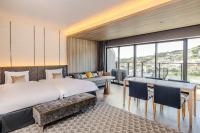
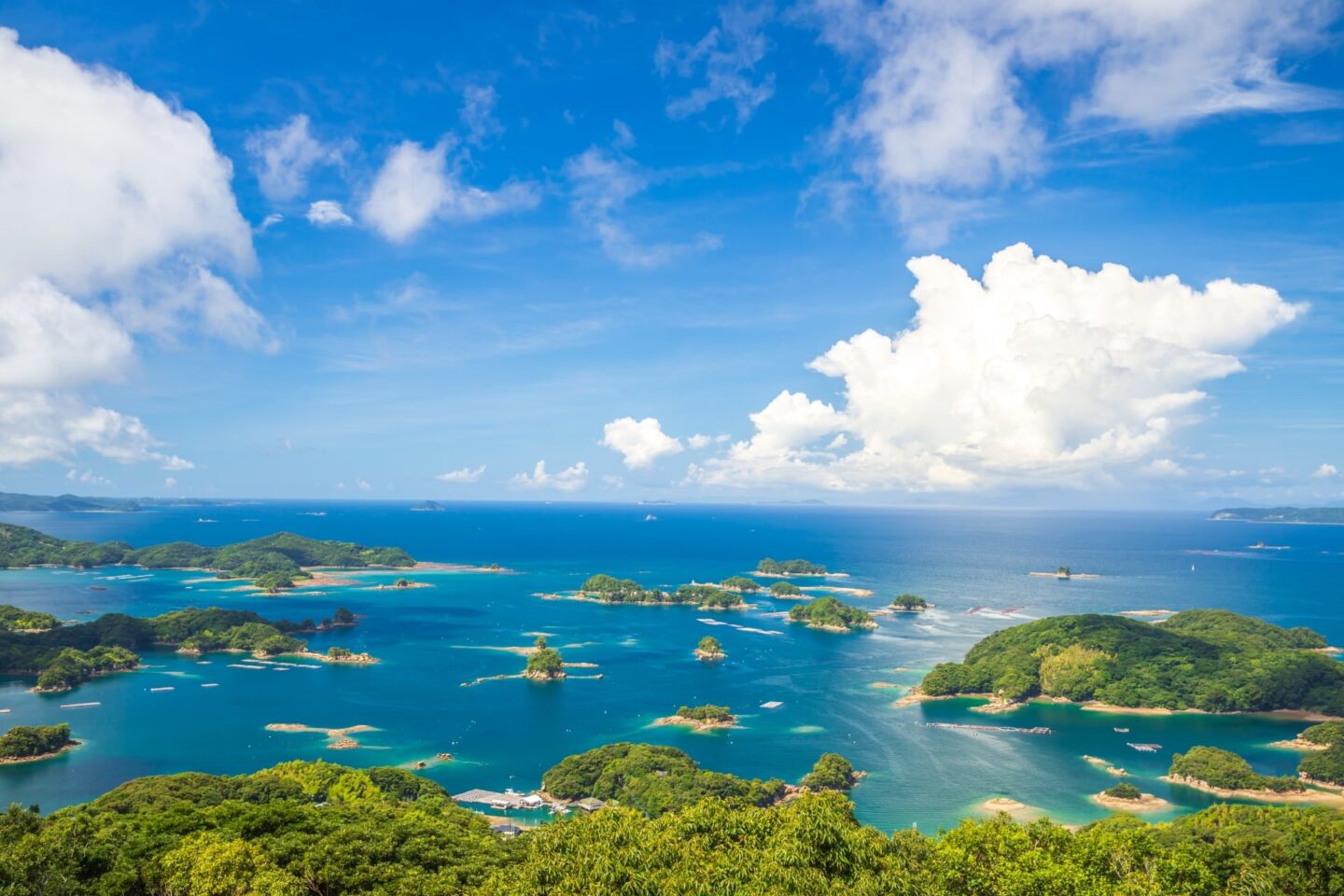
Which Area Is Best to Stay in Nagasaki? Trade-Offs Between the Station, Shianbashi and Across from Mount Inasa
Around Nagasaki Station is the easiest choice. Since the Shinkansen opened in 2022, the new station and the new Amu Plaza building have opened, with shopping, dining and the Mount Inasa bus stop nearby.
For late-night food, Shianbashi and the Hamamachi shopping arcade are good options, and they are within reach of Spectacles Bridge and Chinatown. Stadium City Hotel Nagasaki, Japan’s first hotel with a view of a soccer stadium, has a pool, sauna and hot spring.
The trip can be extended to Unzen Jigoku, Shimabara Castle and Sasebo’s Kujukushima, or by boat to Tsushima or the Goto Islands, adding another day or two.
Nagasaki City Sights FAQ
Q: How much is the Nagasaki streetcar day pass? Is it worth buying?
For adults it is about ¥600 for unlimited rides on all lines that day. Since a single ride has a flat fare, you break even after 4 rides, and a one-day city trip usually involves 5 to 6 rides, so it is almost always worth it. You can buy it at the Nagasaki Station tourist information center or on the mobile app, but it is not sold on board.
Q: How much is the Mount Inasa ropeway, and when does it stop running?
From April 1, 2026, it is ¥1,900 round trip and ¥1,040 one way, and ¥950 / ¥520 for elementary school children; the slope car is ¥1,000 round trip and ¥600 one way for adults. The ropeway has a regular maintenance shutdown every early summer (about early June to early July); during that period take the slope car or a taxi instead, and check the official site for exact dates.
Q: What time is best to go up Mount Inasa for the night view?
We suggest reaching the summit 30 minutes before sunset, so you can photograph dusk, the blue hour and full darkness in one go. To avoid crowds, wait until after 8 p.m. In winter the summit is windy and noticeably colder than the city, so bring an extra windproof jacket.
Q: Can I see Nagasaki in one day? How should I plan the route?
One day is enough. We suggest the Atomic Bomb Museum and Peace Park in the morning, champon in Shinchi Chinatown at midday, Dejima, Oura Church and Glover Garden in the afternoon, then straight up Mount Inasa for the night view at dusk, and back to Shianbashi for dinner in the evening, linking everything by streetcar.
Q: Can I definitely land on Gunkanjima? How far ahead should I book?
Not necessarily. Whether you can land depends on whether wave height and wind speed that day meet the landing criteria; if not, the boat only circles the island, and landing rates differ by cruise company. In peak season, book ahead on the official site and schedule it for the first day of your stay, so a cancellation leaves a chance for a replacement slot.
Q: How much is admission to Nagasaki’s main sights?
After the April 1, 2026 price changes: Nagasaki Atomic Bomb Museum ¥200 for adults (free for high school students and younger), Dejima ¥1,100, Glover Garden ¥1,300, Oura Church ¥1,000, while Peace Park, Spectacles Bridge, Dutch Slope and the Mount Inasa observatory itself are free. Prices may change again, so please check each facility’s official site for the day’s notices.
Q: What is the best season to visit Nagasaki? Which events are worth seeing?
Spring and autumn have the most comfortable weather. Around Lunar New Year there is the Nagasaki Lantern Festival, and October 7 to 9 is the Nagasaki Kunchi Festival, an Important Intangible Folk Cultural Property; lodging and transport are very tight in both periods, so book early.