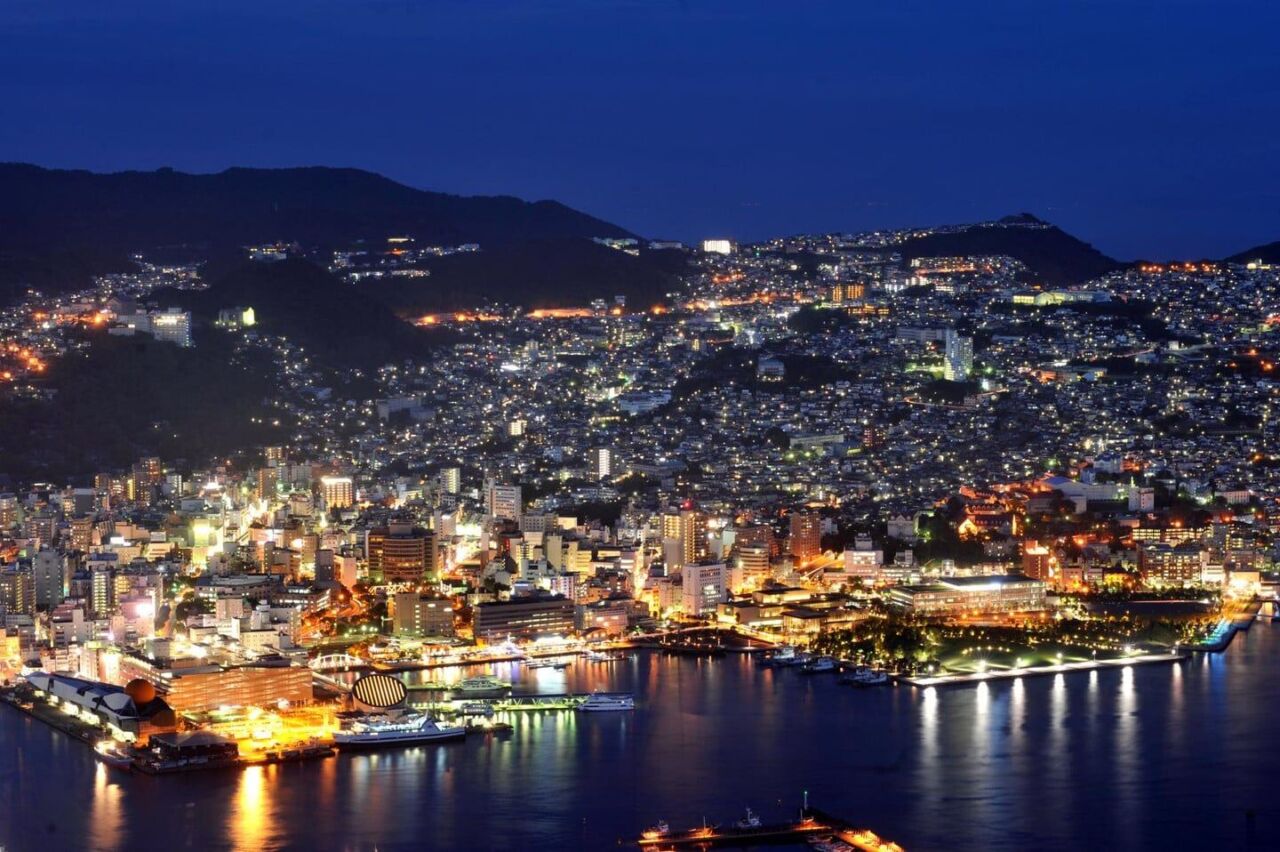

Nagasaki 4-Day 3-Night Itinerary 2026: Trams, Gunkanjima, Mt. Inasa Night View and Huis Ten Bosch or Not: A Deep Dive into Kyushu’s West-Coast Harbor City
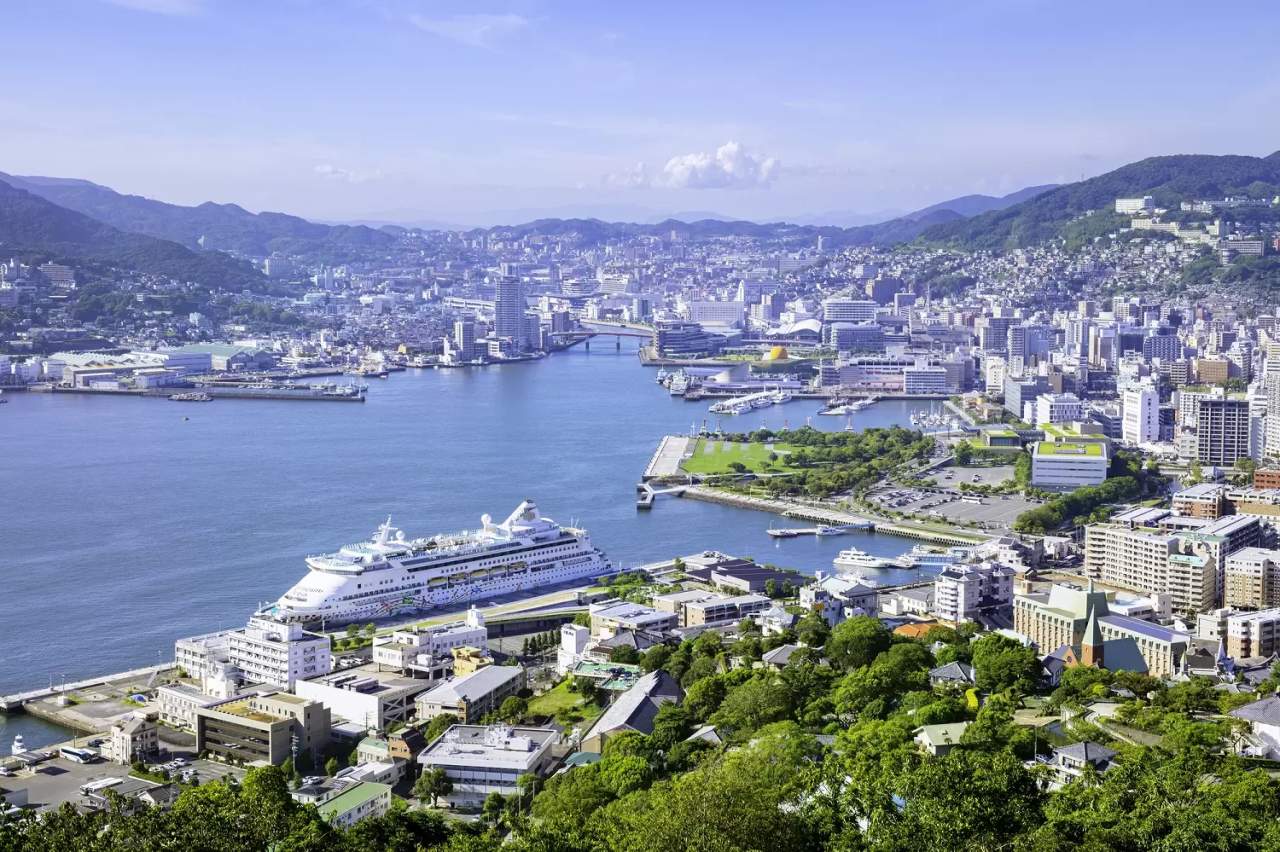
Nagasaki sits on Kyushu’s west coast, a harbor city that blends Dutch, Chinese and Japanese culture. Four days and three nights is enough to link the city’s historic sites, Gunkanjima and the Mt. Inasa night view, ideal for history and culture lovers planning a deep independent trip.
Nagasaki’s Classic Sights and Terraced Harbor Terrain
Nagasaki’s classic sights such as Spectacles Bridge, Oura Cathedral and Glover Garden are mostly on hillsides, a layout locals call a “terraced harbor town.” The city has many slopes and steps, so wear comfortable sneakers. The harbor ringed by mountains on three sides is also why the Mt. Inasa night view has such three-dimensional layers, unlike the flat night views of Tokyo and Osaka. Together with the East-meets-West architecture left by the opening of the port at the end of the shogunate, it gives Nagasaki its distinctive cityscape.
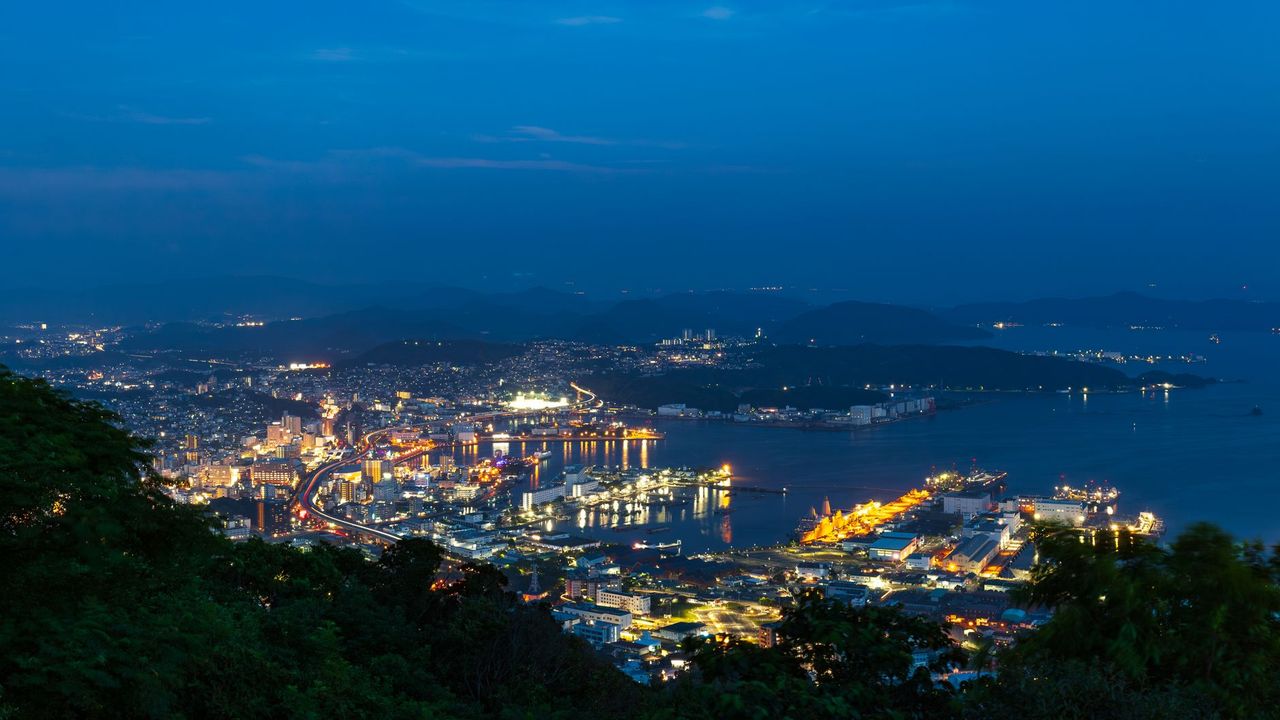
Day 1: Arrive in Nagasaki, Spectacles Bridge and Shinchi Chinatown
From Hakata, take the West Kyushu Shinkansen and change at Takeo-Onsen; the fastest trip to Nagasaki Station is about 1 hour 20 minutes. Drop off your luggage first, then take the tram in the afternoon to the Nakashima River area, where Spectacles Bridge is a few minutes’ walk away. A tram ride is ¥150 one way, or you can buy a ¥600 one-day pass in advance. In the evening, head to Shinchi Chinatown for a bowl of champon. Don’t over-schedule the first day; rest early to save energy for the next day.
Day 2: Gunkanjima, Oura Cathedral and the Mt. Inasa Night View
In the morning, join a Gunkanjima tour departing from Nagasaki Port. The whole trip takes about 2.5 to 3 hours and needs advance booking; in poor weather it may be changed to a cruise without landing. In the afternoon, take the tram to Oura Cathedral and visit Glover Garden along the way; there are many slopes, so wear comfortable shoes. Before sunset, head to Mt. Inasa, where the round-trip ropeway is ¥1,900 for adults and runs until 22:00. Leave time from evening into night to enjoy the view.
Day 3: Huis Ten Bosch Day Trip (Alternative to Kujukushima)
From Nagasaki Station, take the JR to Huis Ten Bosch, about 1.5 hours; check the timetable first. We suggest entering early, strolling the gardens and canal streets by day, and staying into the evening for the night illuminations. Adult tickets start from ¥7,600, and after 3 p.m. there is a cheaper After3 passport. After the illuminations, confirm the last train before heading back to Nagasaki. If you prefer sea views, go to Kujukushima instead, with a sightseeing cruise of about 50 minutes.
Day 4: Peace Park and Return (Shinkansen or Airport Bus)
In the morning, take the tram from Nagasaki Station to the Atomic Bomb Museum, about 12 minutes. The museum opens at 08:30, admission is ¥200, and we suggest allowing 1 hour. At midday, return to the Nagasaki Station area for souvenirs and lunch. To return to Hakata, take the West Kyushu Shinkansen and change at Takeo-Onsen; the fastest trip is about 1 hour 20 minutes. If you are flying out of Nagasaki Airport, the airport bus takes about 45 minutes from the city center, and we suggest leaving the city at the latest 3 hours before your flight.
Choosing Between Huis Ten Bosch, Kujukushima and Unzen Onsen
If you like theme parks and light shows, choose Huis Ten Bosch. If you want natural sea views and island scenery, choose Kujukushima. If you prefer hot spring relaxation and volcanic landscapes, go to Unzen Onsen instead. All three require a separate trip from Nagasaki city toward Sasebo or Shimabara, so we suggest choosing one or the other (or one of three) for Day 3 according to your group’s ages and interests, to avoid back-and-forth travel eating into your sightseeing time.

Must-See Sights for a Nagasaki 4-Day 3-Night Itinerary 2026: Spectacles Bridge, Gunkanjima and Huis Ten Bosch Explained
Here are the 11 sights most worth including in a 4-day, 3-night Nagasaki itinerary.
Spectacles Bridge: One of Japan’s Oldest Surviving Stone Arch Bridges
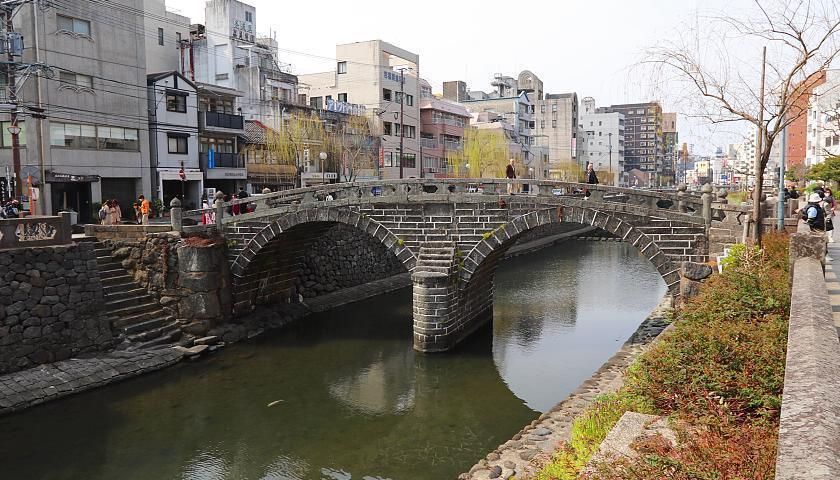
Built in 1634 by Mokusu Nyojo, the second head priest of Kofukuji Temple, it is one of the oldest surviving stone arch bridges in Japan. It is named for the two semicircles that form a pair of spectacles when reflected in the water. A heart-shaped stone is hidden in the riverbank wall, and finding it is a romantic urban legend among couples. It is open 24 hours a day and free to visit; we suggest staying 30 minutes to 1 hour, and the evening light reflections photograph best.

Oura Cathedral: Japan’s Oldest Surviving Gothic Church
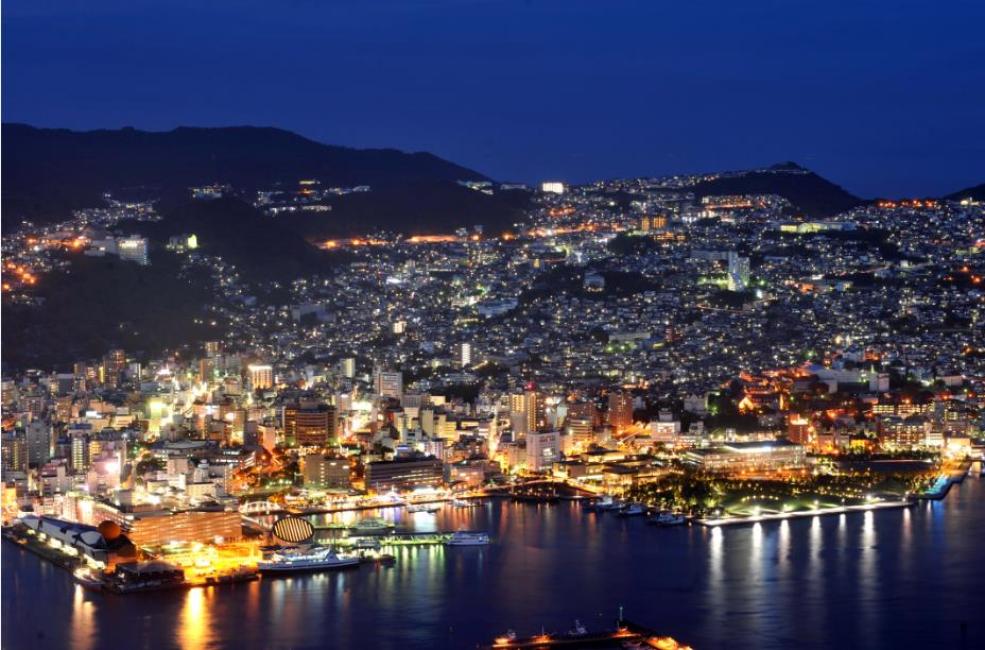
Built in 1864, it is the oldest surviving wooden Gothic Catholic church in Japan and the first Western-style building in Japan designated a National Treasure. It witnessed the “Discovery of the Hidden Christians,” the historic moment when hidden Christians revealed their identity to the priest. The address is 5-3 Minamiyamate-machi, open 08:30-18:00 (until 17:30 from November to February). Admission is ¥1,000 for adults, ¥400 for junior and senior high students and ¥300 for elementary students (including the Christian Museum). It is next to Glover Garden, so you can visit both on the same trip; we suggest staying about 1 hour.
Glover Garden: A Scottish Merchant’s Residence Overlooking Nagasaki Harbor at Sunset
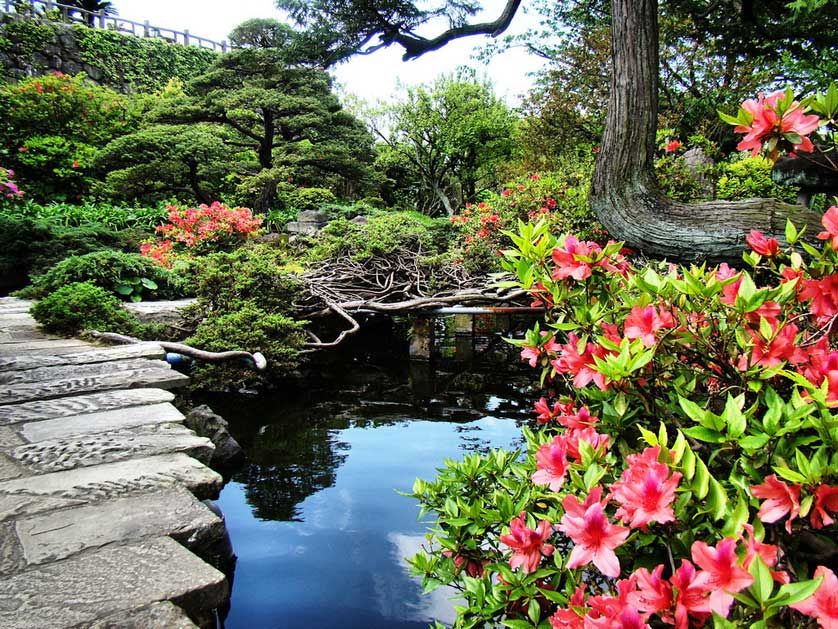
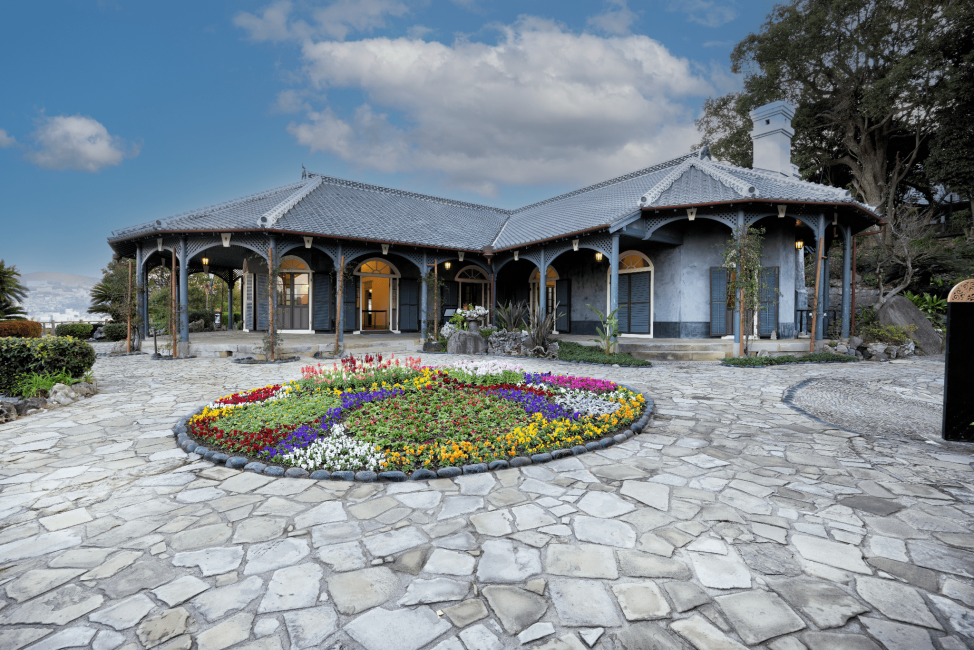
Built in 1863, it was formerly the residence of the Scottish merchant Thomas Glover and is the oldest surviving Western-style wooden building in Japan, closely tied to the history of late-shogunate industrialization and the Meiji Restoration. The garden is built along the slope, with verandas, shutters and fireplaces preserving a 19th-century look, and it overlooks Nagasaki Harbor at sunset and at night. Admission is ¥1,300 for adults and ¥650 for elementary, junior and senior high students (adjusted from April 2026). Hours change by season, with evening openings in summer and autumn (official site glover-garden.jp). We suggest staying 1.5-2 hours.
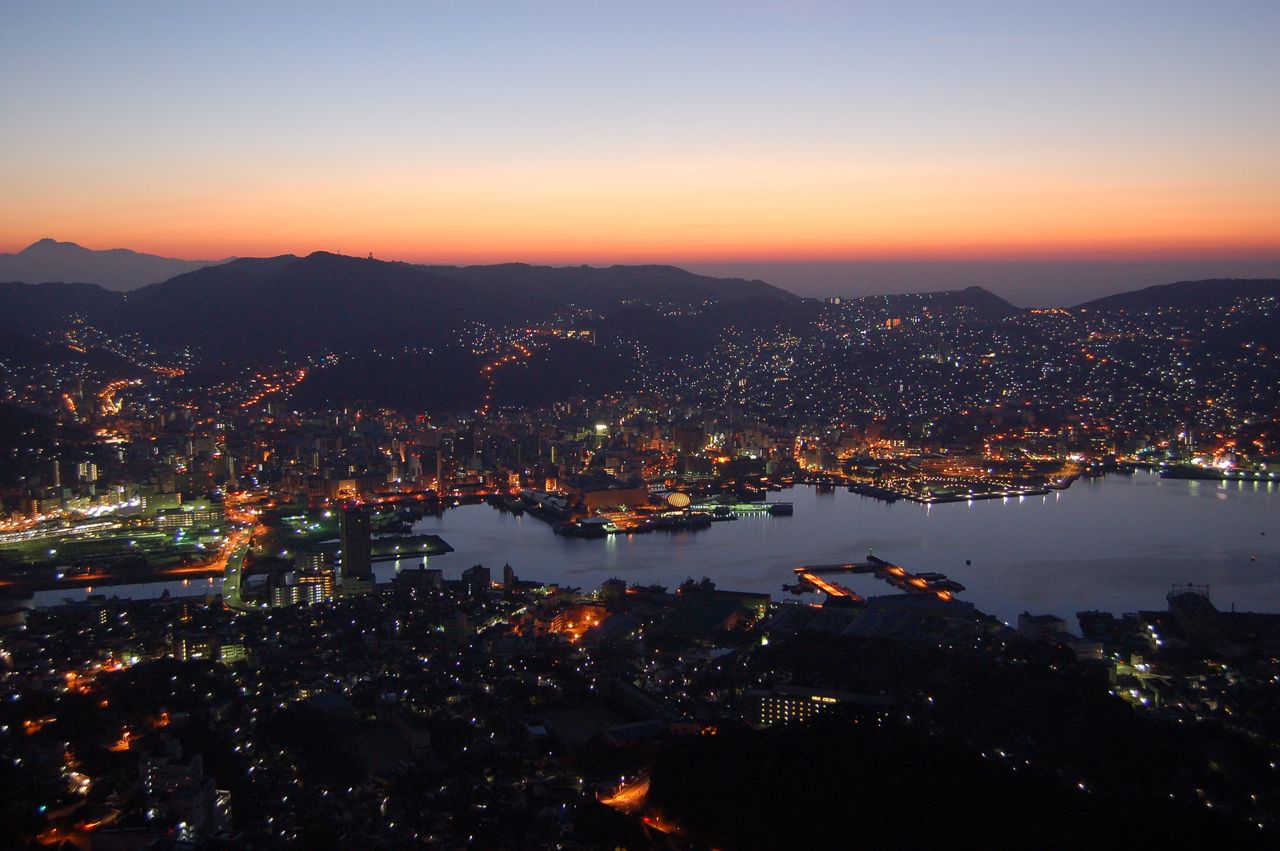
Mt. Inasa Night View: A Three-Dimensional Harbor Spectacle, One of the World’s New Top 3 Night Views
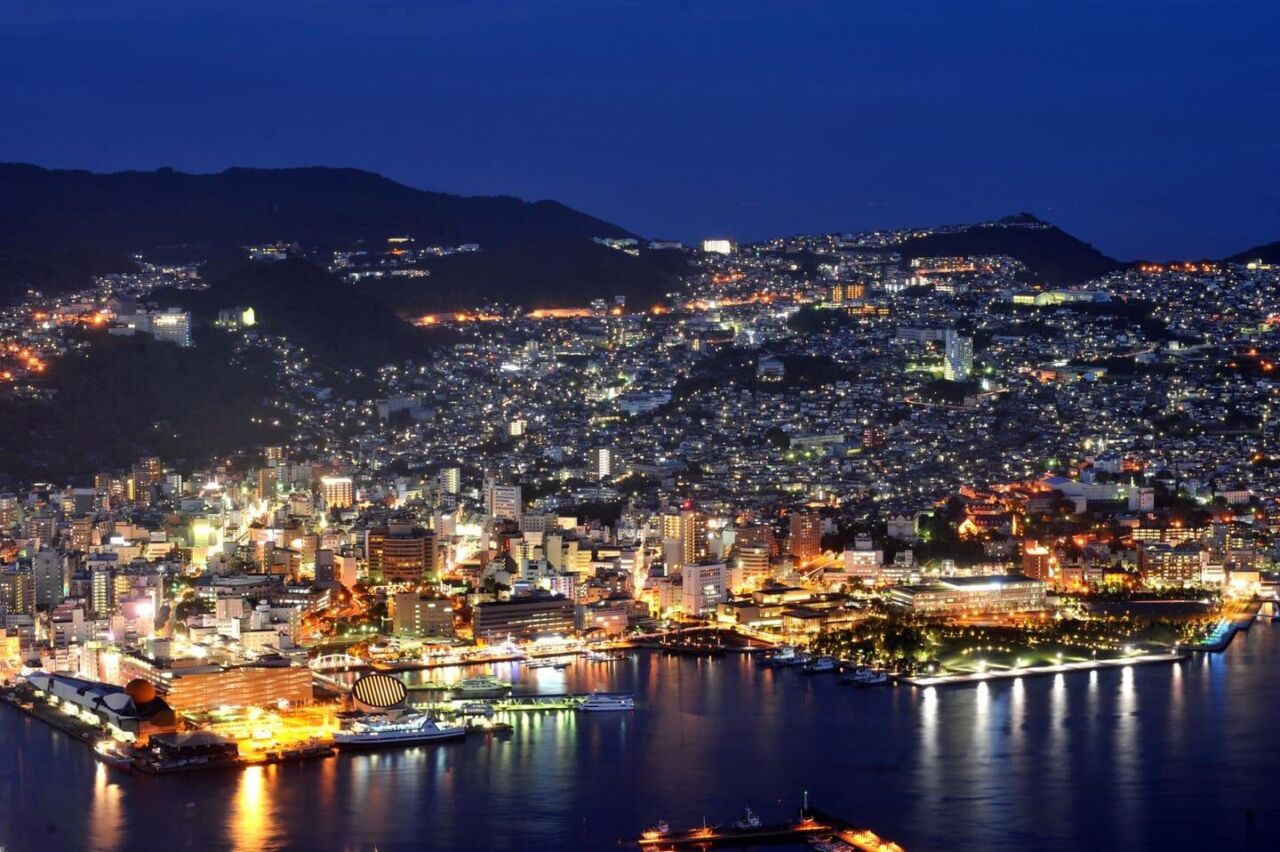
At 333 meters above sea level, at 364 Inasa-machi, Nagasaki, it ranks alongside Hong Kong and Monaco as one of the “world’s new top three night views” and is also one of the “top three night views in Japan.” Nagasaki’s harbor terrain gives the lights three-dimensional layers, unlike the flat night views of Tokyo and Osaka. The round-trip ropeway ticket is ¥1,900 for adults and ¥950 for children, operating 09:00-22:00 (it may stop in bad weather or for maintenance). We suggest going up 30 minutes before sunset to claim a spot; crowds thin out after 8 p.m. The Nagasaki Prefectural Office observation deck is also a no-queue alternative that locals recommend.
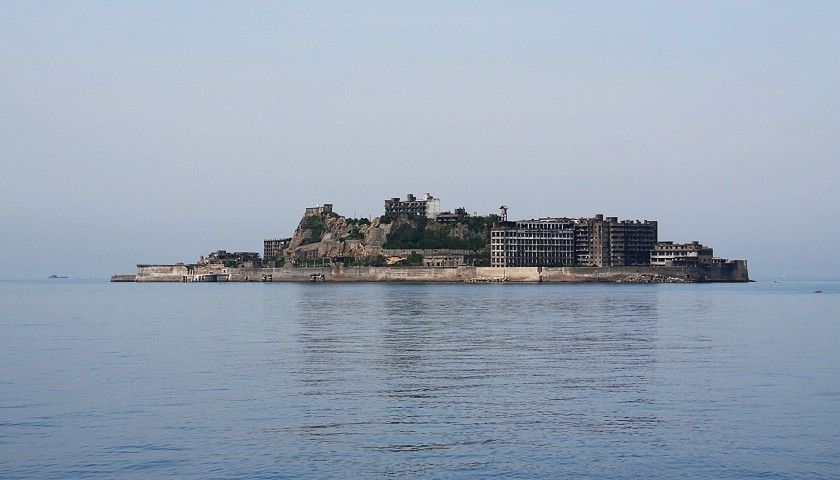
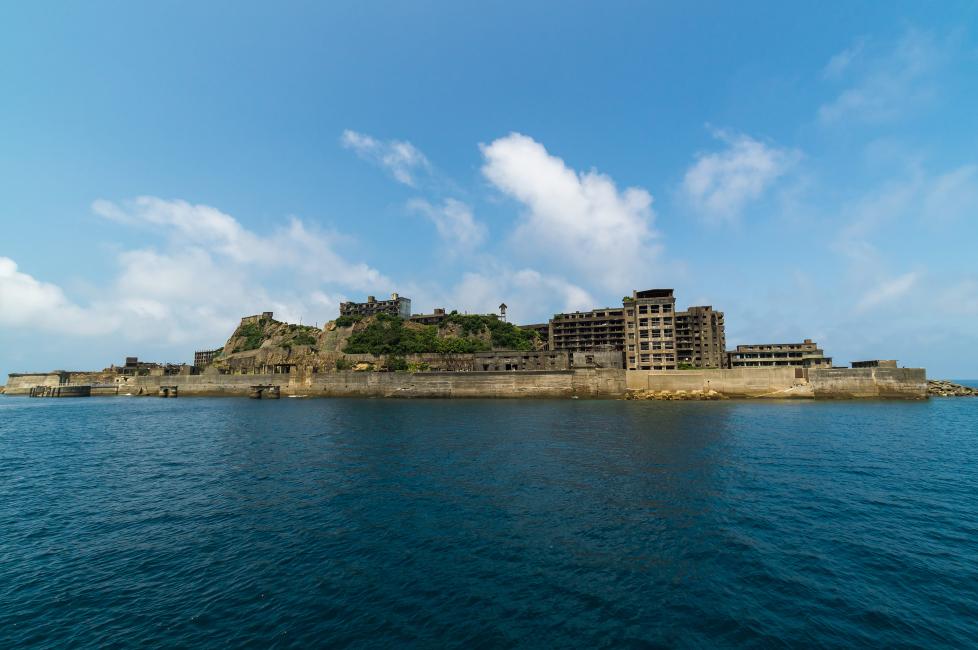
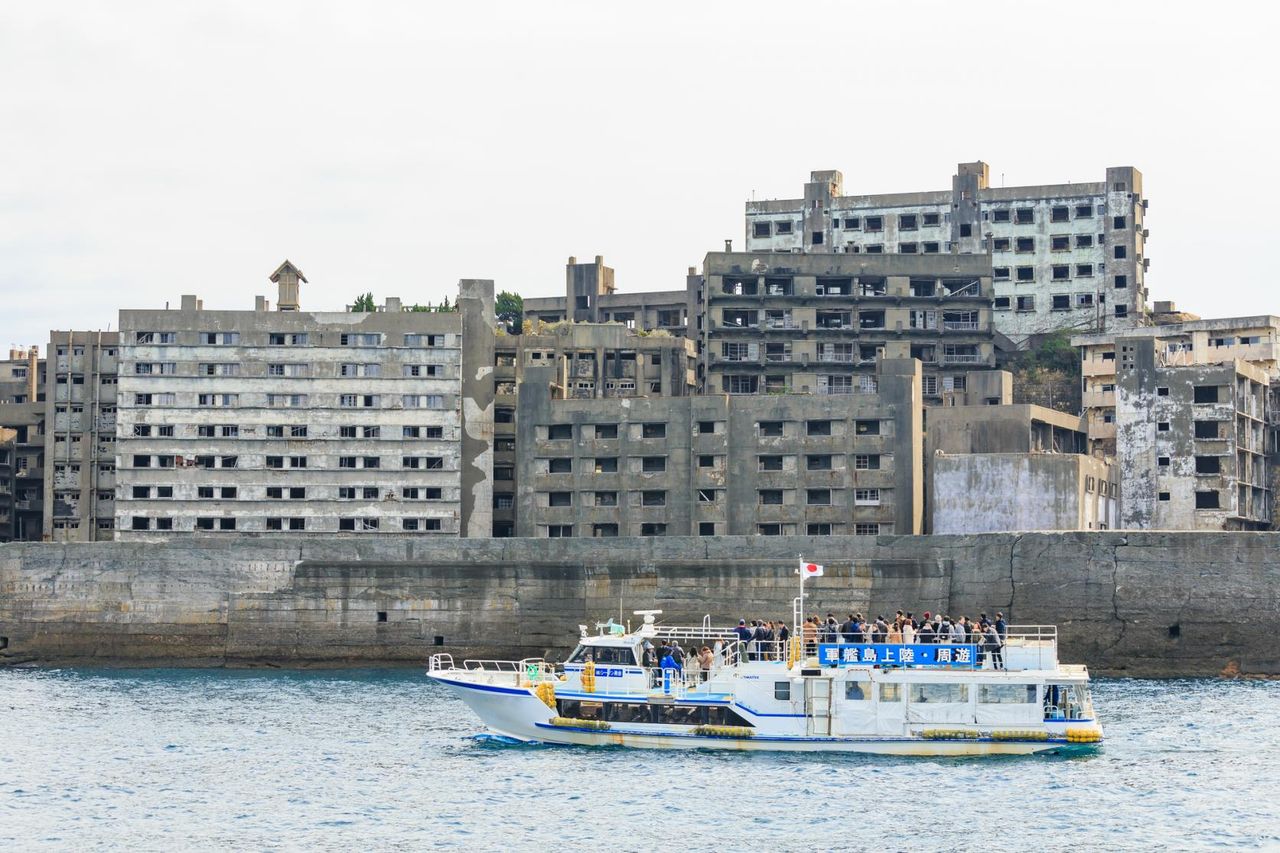
Gunkanjima (Hashima): Offshore Industrial Heritage and the Beauty of Ruins
Located about 18-20 km off Nagasaki Port, it rose in the 19th century on undersea coal mining. At its peak the population exceeded 5,000, with a density once higher than Tokyo, and the island had a school, hospital and theater. It was listed as a World Heritage Site in 2015 and was a filming location for the movie Skyfall and the Korean film The Battleship Island. Landing tours must be booked online in advance. Tickets from various operators run about ¥4,500 to ¥6,000 (varying by plan and date), plus an island facility fee of ¥650 for adults. From departure to return takes about 2.5 to 3 hours, with boats leaving from Nagasaki Port, so plan on half a day.
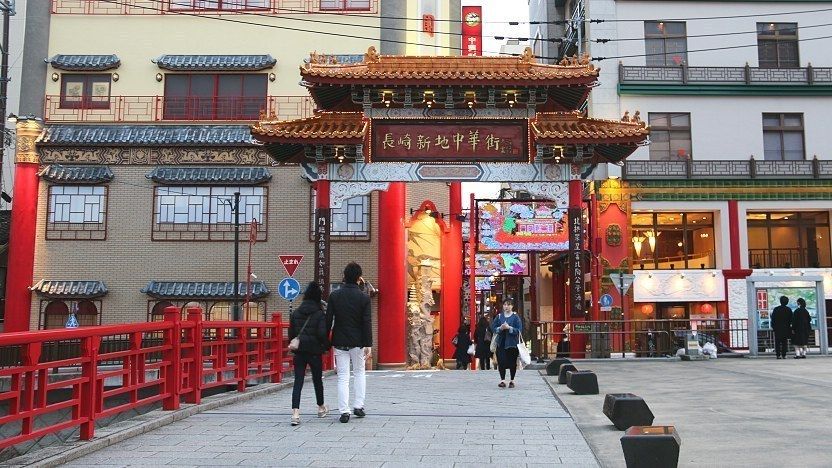
Shinchi Chinatown: Birthplace of Champon and One of Japan’s Three Great Chinatowns
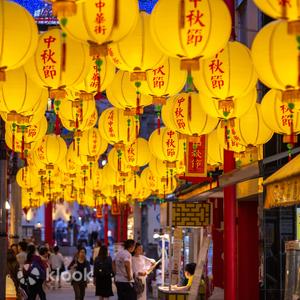
Ranked alongside the Chinatowns of Yokohama and Kobe as one of Japan’s three great Chinatowns, the district is about 250 meters long, lined on both sides with Chinese-style gates and shops. Shikairo, a century-old restaurant, is the original home of Nagasaki champon and sara udon, and the top choice for local Chinese cuisine. Every Lunar New Year the Nagasaki Lantern Festival is held, with tens of thousands of lanterns lighting up the district, one of Nagasaki’s liveliest winter events. We suggest going before evening to feel the festival atmosphere.

Nagasaki Atomic Bomb Museum and Peace Park: A Place of Prayer for Peace and Reflection on History
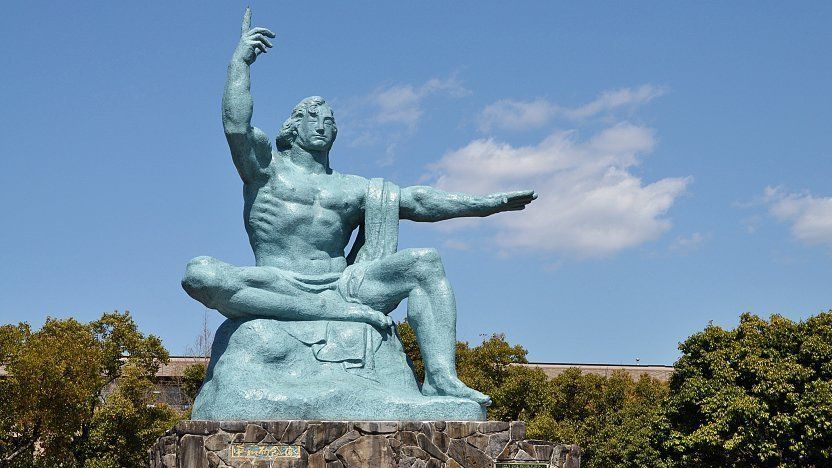
The museum commemorates the atomic bombing of August 9, 1945. The address is 7-8 Hirano-machi, open 08:30-17:30 (until 18:30 from May to August). Admission is ¥200 for adults and ¥100 for elementary, junior and senior high students, free for preschool children. The neighboring Peace Park has the Peace Statue and is where Nagasaki holds its memorial ceremony every August 9. We suggest 1 hour for the museum plus a stroll through the park. It fits well before or after the Gunkanjima tour, helping you understand the history of Nagasaki as a city hit by the atomic bomb.
Huis Ten Bosch: A Theme Park Recreating a Dutch Royal Palace
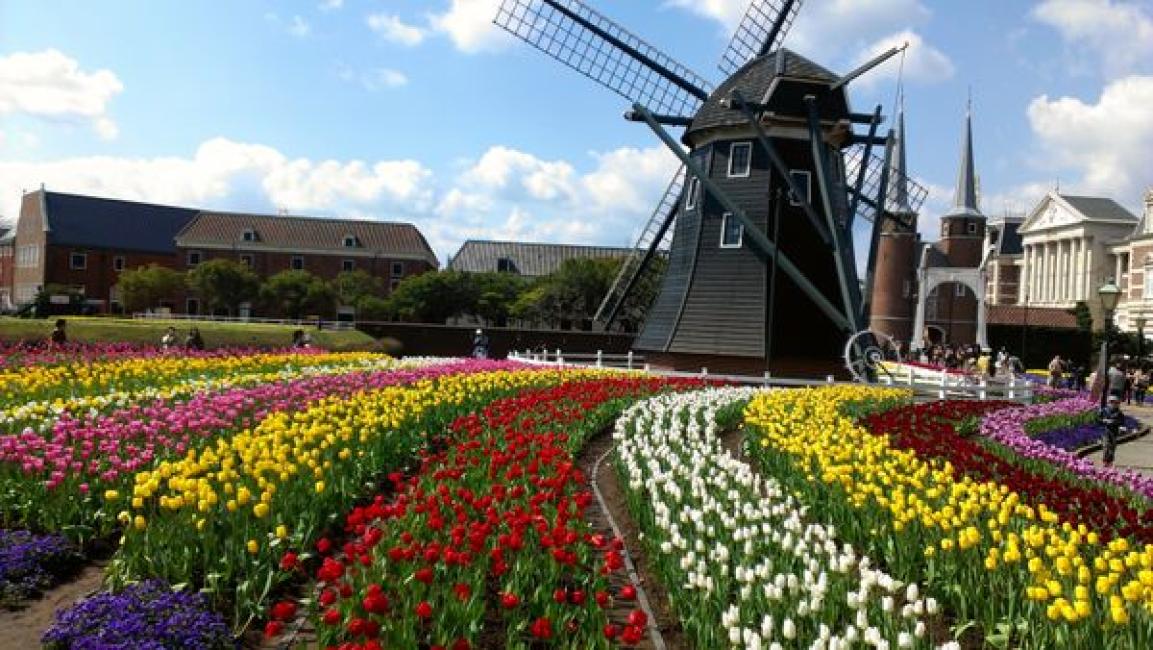
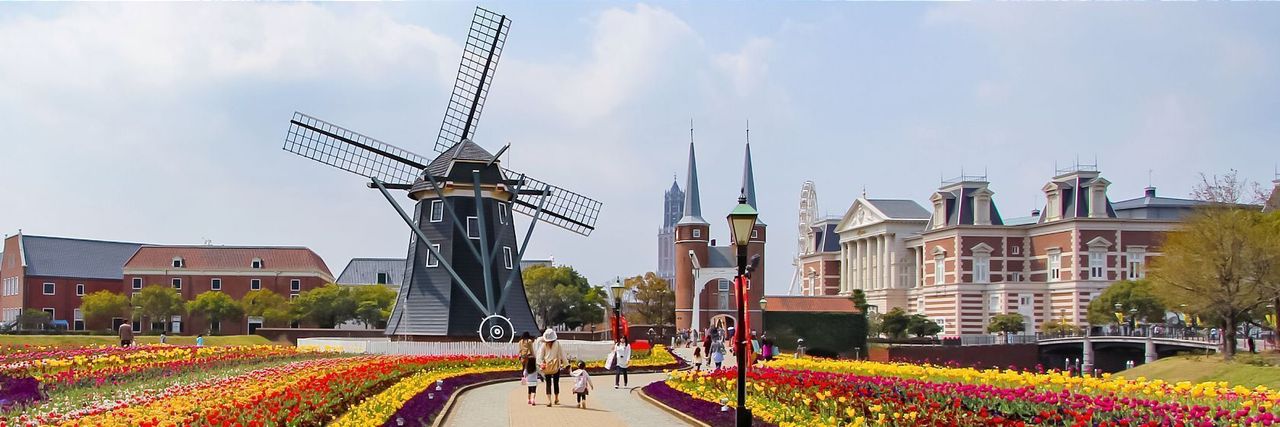
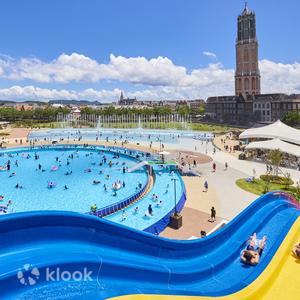
Located at 1-1 Huis Ten Bosch-cho, Sasebo, its name comes from the Dutch royal palace “Huis Ten Bosch,” and it is one of Japan’s largest theme parks. A 1-Day Passport starts from ¥7,600 for adults, ¥6,600 for high school students and ¥5,000 for elementary students; the After3 passport for entry after 3 p.m. starts from ¥5,900 for adults. Hours vary by date, so check the official site huistenbosch.co.jp first. The park’s “Kingdom of Light” has large-scale illuminations and light-sculpture shows. We suggest staying half a day to a full day.
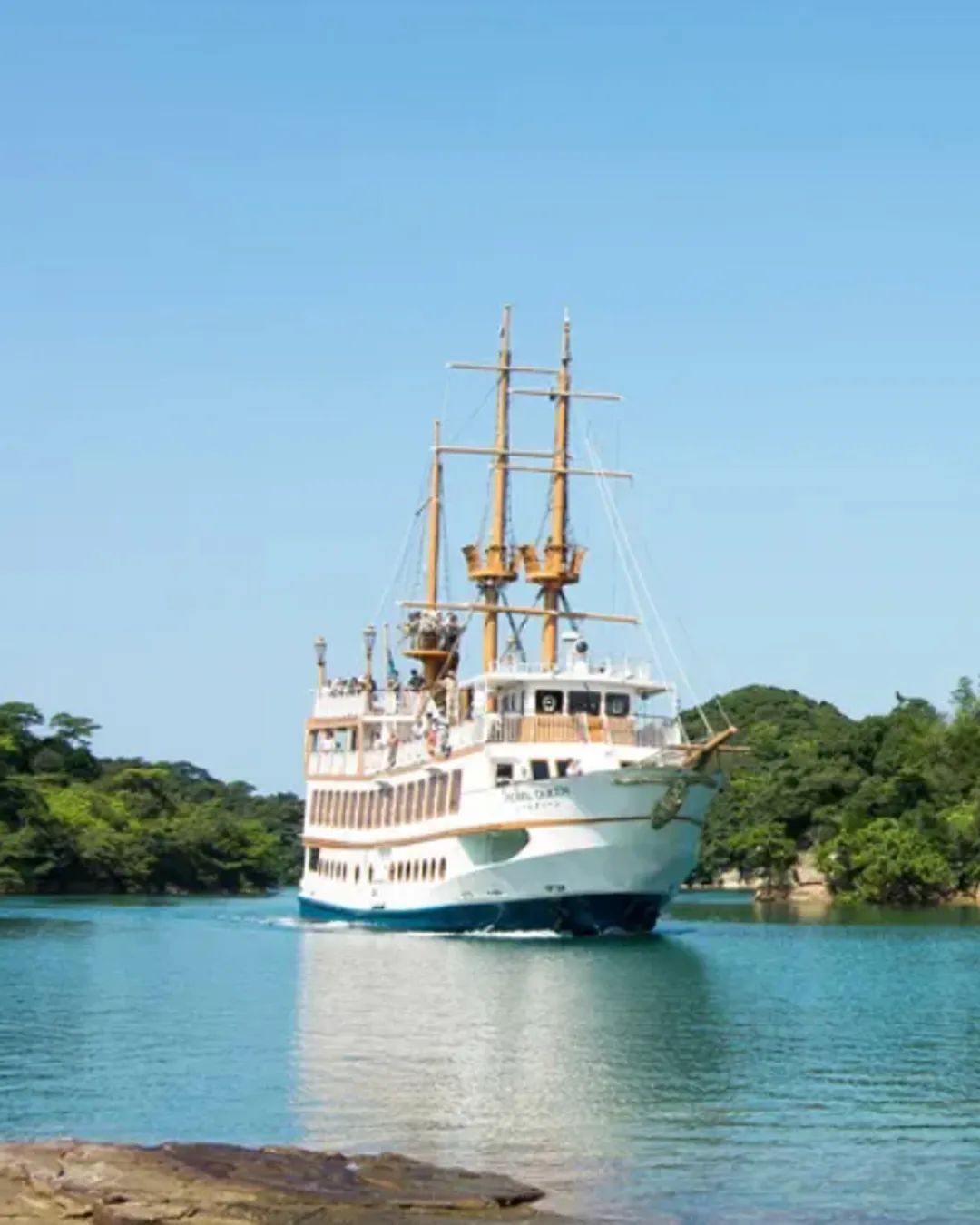
Kujukushima: Saikai National Park’s 208 Islands
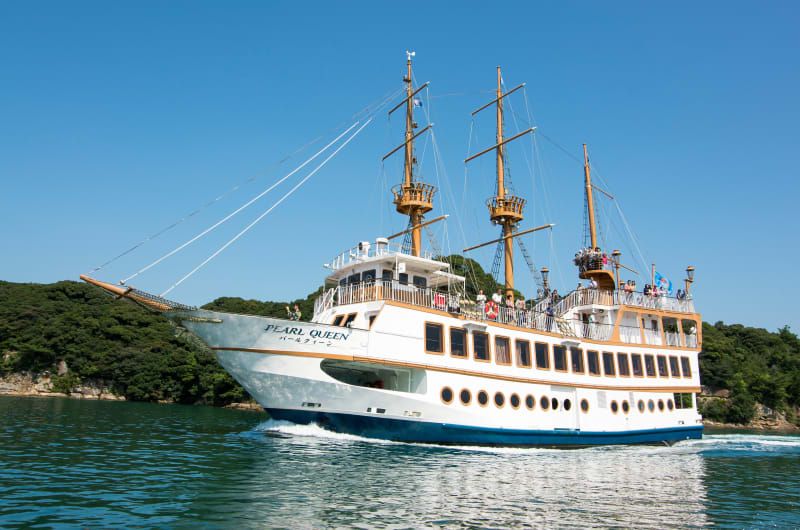
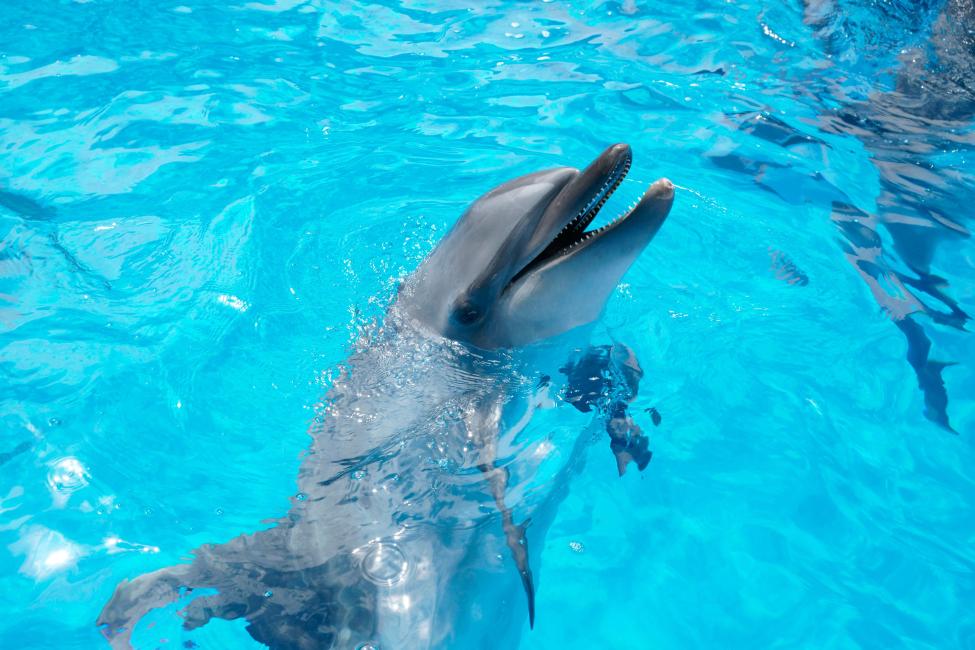
Made up of 208 islands within Saikai National Park, it was chosen in 2018 as a member of the Most Beautiful Bays in the World club. The sightseeing cruise takes about 50 minutes one way, with official sailings hourly from 10:00 to 15:00 (seasonally suspended around midday). The aquarium in the park, Umikirara, shows about 120 species and 13,000 sea creatures. Along the coast you can try the local specialty Kujukushima oysters, with oyster huts in winter, making it the nature-themed either-or choice alongside Huis Ten Bosch.
Dejima: Japan’s Only Overseas Trading Window in the Edo Period
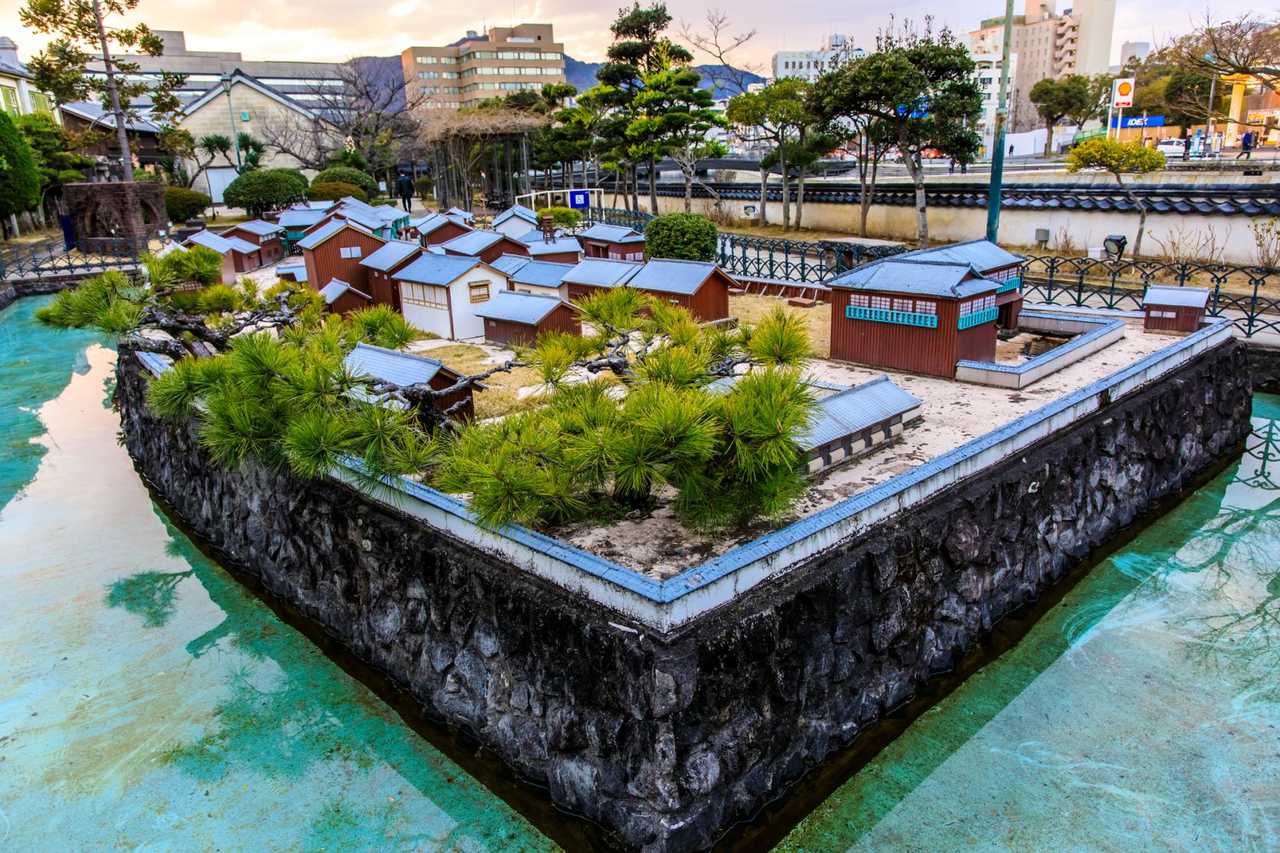
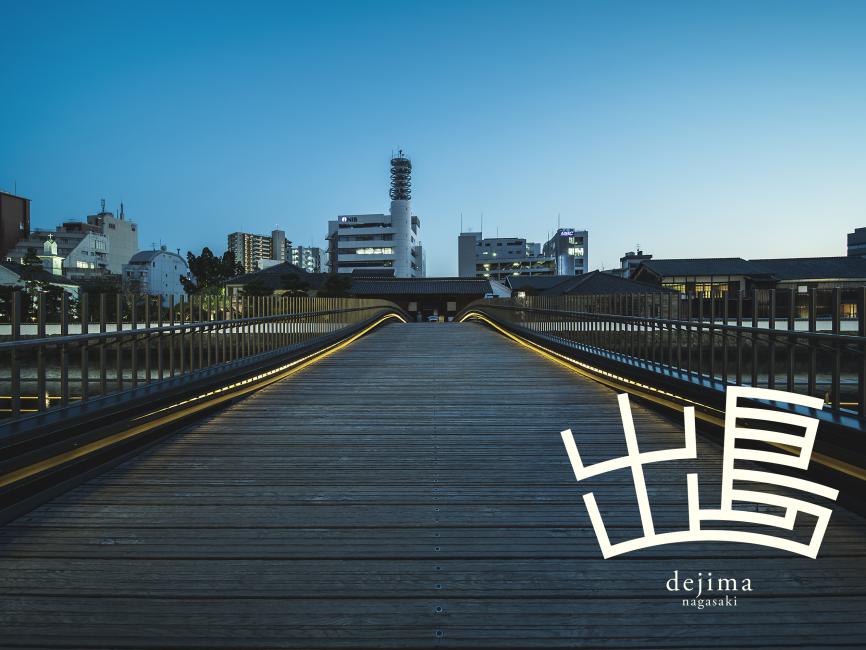
During the Edo-period seclusion, Dejima was the only artificial island where Dutch merchants were allowed to live and trade in Japan, bearing witness to Nagasaki’s unique historical role as Japan’s window to the world. Several Japanese-Western hybrid buildings have been restored in the grounds, recreating the life and trade of the Dutch trading post at the time. It is close to Shinchi Chinatown and Spectacles Bridge, so it can be visited along the way on a tram-based city itinerary; we suggest staying about 1 hour.
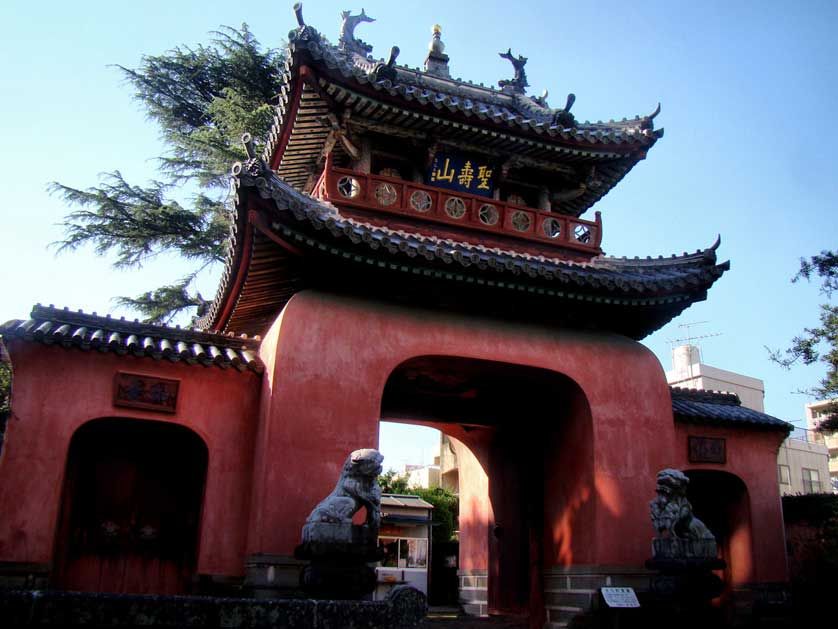
Sofukuji Temple: A National Treasure Temple Symbolizing Nagasaki’s Chinese Temple Culture
Founded in 1629 by Chinese from Fuzhou living in Nagasaki, it belongs to the Obaku sect and, together with Kofukuji and Fukusaiji, is known as one of the “Three Fuku Temples of Nagasaki.” The Daiyuhoden and the Daiippomon gate are National Treasures of Japan, and the Sanmon gate is a nationally designated Important Cultural Property, all in Chinese architectural style. Inside you can see fine woodcarving by Chinese craftsmen and red walls with yellow tiles, and the grounds have an office offering amulets and goshuin for worshippers. It is near the tram’s Sofukuji Station, with visiting hours of about 8:00 to 17:00 and an admission fee of ¥300 (follow the notice posted on site); we suggest staying 30-45 minutes.
How Much Does a Nagasaki 4-Day 3-Night Itinerary Cost in 2026? Tickets and Guided Tours
Here are the most useful ticket and guided-tour options for a Nagasaki trip.
Gunkanjima Landing Cruise: A Ruins Tour of the Forbidden Island
The Gunkanjima tour boat departs from Nagasaki Port and includes the boat ticket and professional on-island commentary. The trip takes about 2.5 to 3 hours (varying by operator), with boat tickets at about ¥4,500 to ¥6,000 plus a facility fee of ¥650 for adults. Because landing slots are limited and sailings are easily cancelled by weather, we suggest booking online 2-4 weeks before departure. In rain or heavy seas, the trip is changed to a cruise around the island without landing.
Mt. Inasa Ropeway Round-Trip Ticket: Direct Ticket to the World’s New Top 3 Night Views
This ropeway ticket runs round trip between Fuchijinja Station and the summit of Mt. Inasa, ¥1,900 for adults and ¥950 for children, operating 09:00 to 22:00 (last ascent 21:00), and fits into a night-view itinerary. Some packages are sold together with the Nagasaki tram one-day pass, suiting travelers who sightsee in the city by day and head straight for the night view in the evening.
Huis Ten Bosch 1-Day Passport: Ticket to All the Park’s Attractions
It includes about 40 rides in the park and entry to the Kingdom of Light night illumination show. Adult tickets start from ¥7,600, and the After3 passport for entry after 3 p.m. starts from ¥5,900 for adults, saving about ¥1,700. It suits travelers who plan to spend a full day in the park and stay for the night light show. Prices vary by date, so confirm on the official site before buying.
Kujukushima Sightseeing Cruise and Aquarium Combo Ticket: Island Views by Sea Plus the Aquarium
It includes a one-way sightseeing cruise of about 50 minutes and admission to the Umikirara aquarium, letting you see the scenery of the 208 islands and about 120 species of sea life up close. Both are in the Sasebo Kujukushima Pearl Sea Resort area, and it suits a half-day Sasebo trip, replacing Huis Ten Bosch as the nature-themed option.
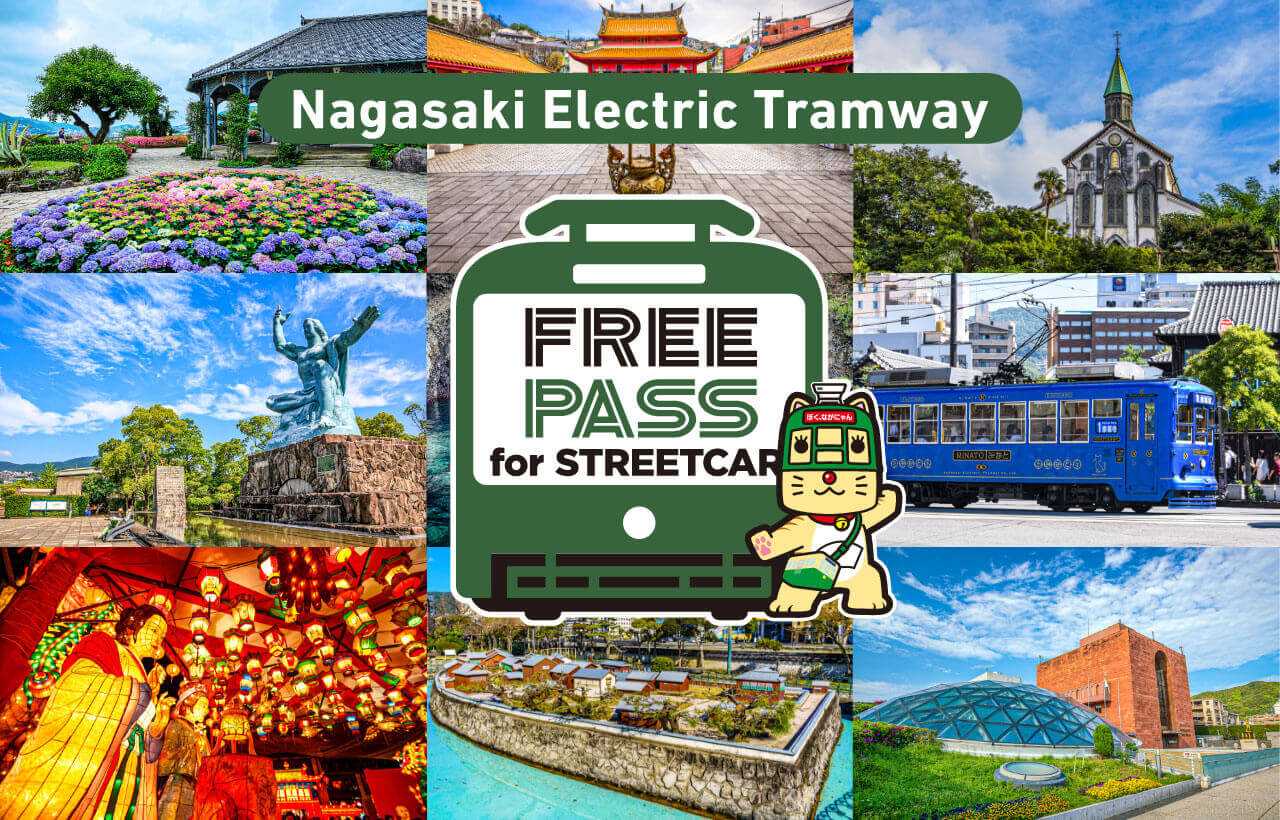
Nagasaki Tram One-Day Pass: ¥600 for Unlimited City Sightseeing
For ¥600 you can ride Nagasaki Electric Tramway unlimited for a day, linking main sights such as Spectacles Bridge, Oura Cathedral, Glover Garden, Shinchi Chinatown and Sofukuji Temple. Single rides are ¥150 each, so four rides pay for the pass, making it the most recommended ticket for getting around the city. For children, a single ride is ¥80 and the one-day pass is ¥300.
Where to Stay Near a Nagasaki 4-Day 3-Night Itinerary 2026? Lodging Areas to Suit Your Route

Here are three areas to stay, based on the focus of your trip.
Around Nagasaki Station: JR Kyushu Hotel Is the Most Convenient Base
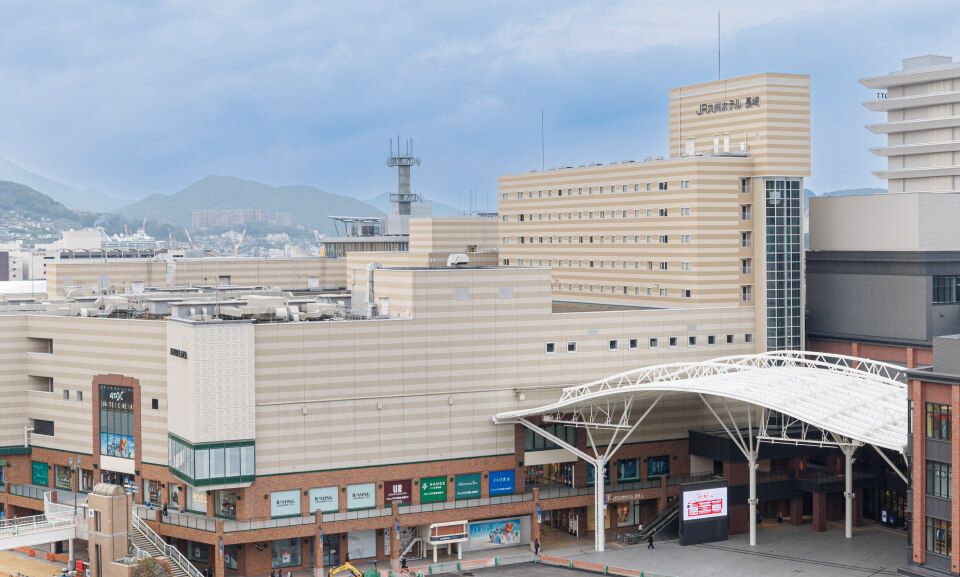
JR Kyushu Hotel Nagasaki is about a 3-minute walk from the east exit of JR Nagasaki Station, with its front desk on the 2nd floor of AMU Plaza Nagasaki. It suits travelers with a JR pass, lots of luggage and a wish to save transfer time. You can change to the tram right outside the station for Spectacles Bridge and Shinchi Chinatown, so both the first-day arrival and last-day departure go smoothly.
Around Nishihamamachi Station: hotel H2 NAGASAKI’s Hot Spring and Laundry Advantages
hotel H2 NAGASAKI is about a 2-minute walk from Nishihamamachi tram stop, with a rooftop panoramic hot spring and open-air bath and free laundry facilities. The airport bus stop is about 1 minute on foot, and it is near the Shian-bashi night market and Shinchi Chinatown, suiting travelers who want to explore the city’s food on foot at night.
Around Huis Ten Bosch Station: Stay at JR Huis Ten Bosch Hotel Okura to See the Night Illuminations
Hotel Okura JR Huis Ten Bosch is inside the park, about a 5-minute walk from Huis Ten Bosch Station and about 1 to 2 minutes from the Nyukoku-to entrance building. It suits guests who want to stay for the Kingdom of Light night show and then return to their room, without rushing for the last train.
FAQ
Q: How do you buy Nagasaki tram tickets? How much is the one-day pass?
A single ride is a flat ¥150, payable by cash or IC card. The one-day pass is ¥600; it is not sold on the tram and must be bought beforehand at designated places such as tourist information centers and hotels. It suits riding to several city sights in a day.
Q: How long does it take to get from Hakata to Nagasaki?
Take the West Kyushu Shinkansen “Kamome” and change at Takeo-Onsen; the fastest trip to Nagasaki Station is about 1 hour 20 minutes. You can also take the “Kyushu-go” expressway bus; check the official site for schedules and fares.
Q: Do you need to book Gunkanjima in advance?
Yes. We suggest booking a landing tour online 2-4 weeks before departure; it often sells out on the day, and in poor weather the boat company cancels the landing and switches to a cruise around the island.
Q: What time is best to visit the Mt. Inasa night view?
Going up 30 minutes before sunset to claim a spot is best for photography. The peak crowds come 1-2 hours after sunset, and crowds drop clearly after 8 p.m., so go later if you want a quieter view.
Q: How much is Huis Ten Bosch admission? Are there discounted times?
Adult tickets start from ¥7,600, high school students from ¥6,600 and elementary students from ¥5,000 (varying by date). The After3 passport for entry after 3 p.m. starts from ¥5,900 for adults, saving about ¥1,700.
Q: Which day of a Nagasaki 4-day 3-night itinerary should you visit Huis Ten Bosch?
We suggest Day 3. From Nagasaki Station it takes about 1.5 hours by JR to Huis Ten Bosch Station (check the timetable first). If you choose Kujukushima instead, go to Sasebo Station and change to a bus.
Q: When is the best season to visit Nagasaki?
In spring, March-April, you can see Huis Ten Bosch’s tulips and the city’s cherry blossoms. In autumn, October-November, maples and cosmos bloom. In winter, December has Christmas lights, and the Nagasaki Lantern Festival is held in January-February around Lunar New Year.