
Hakuba Ski Resorts Guide: A Complete Look at the Northern Alps Powder Paradise
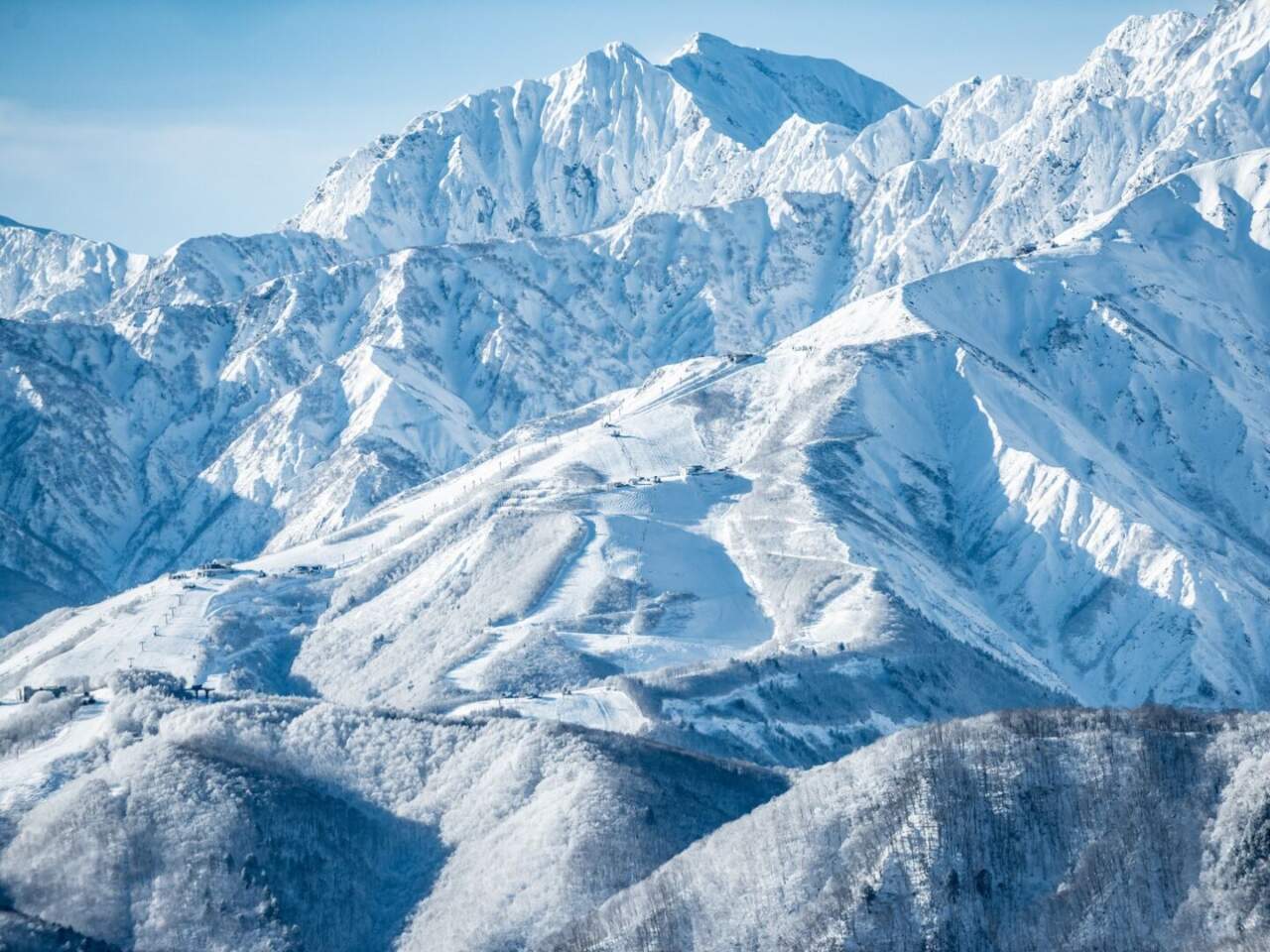
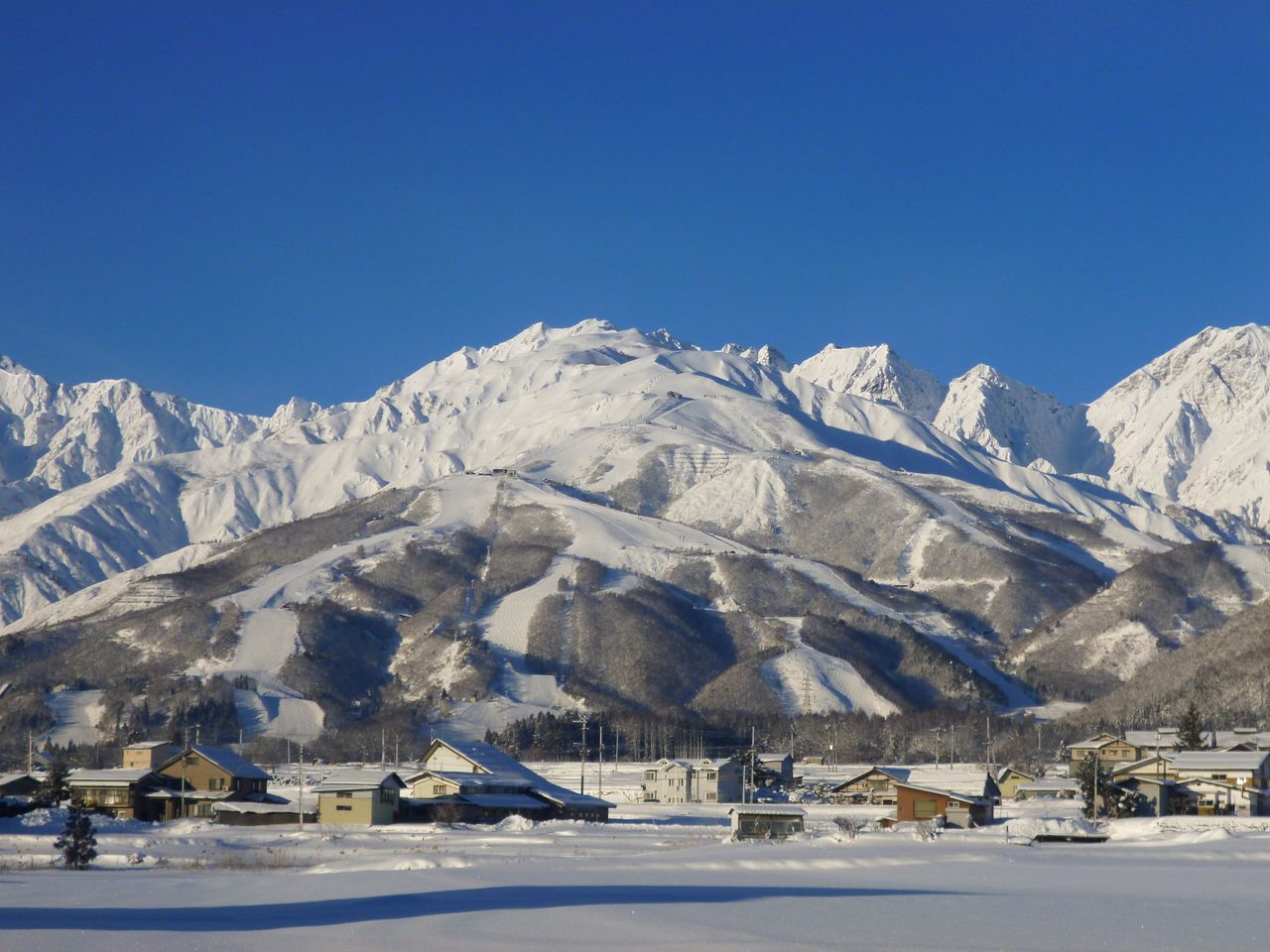
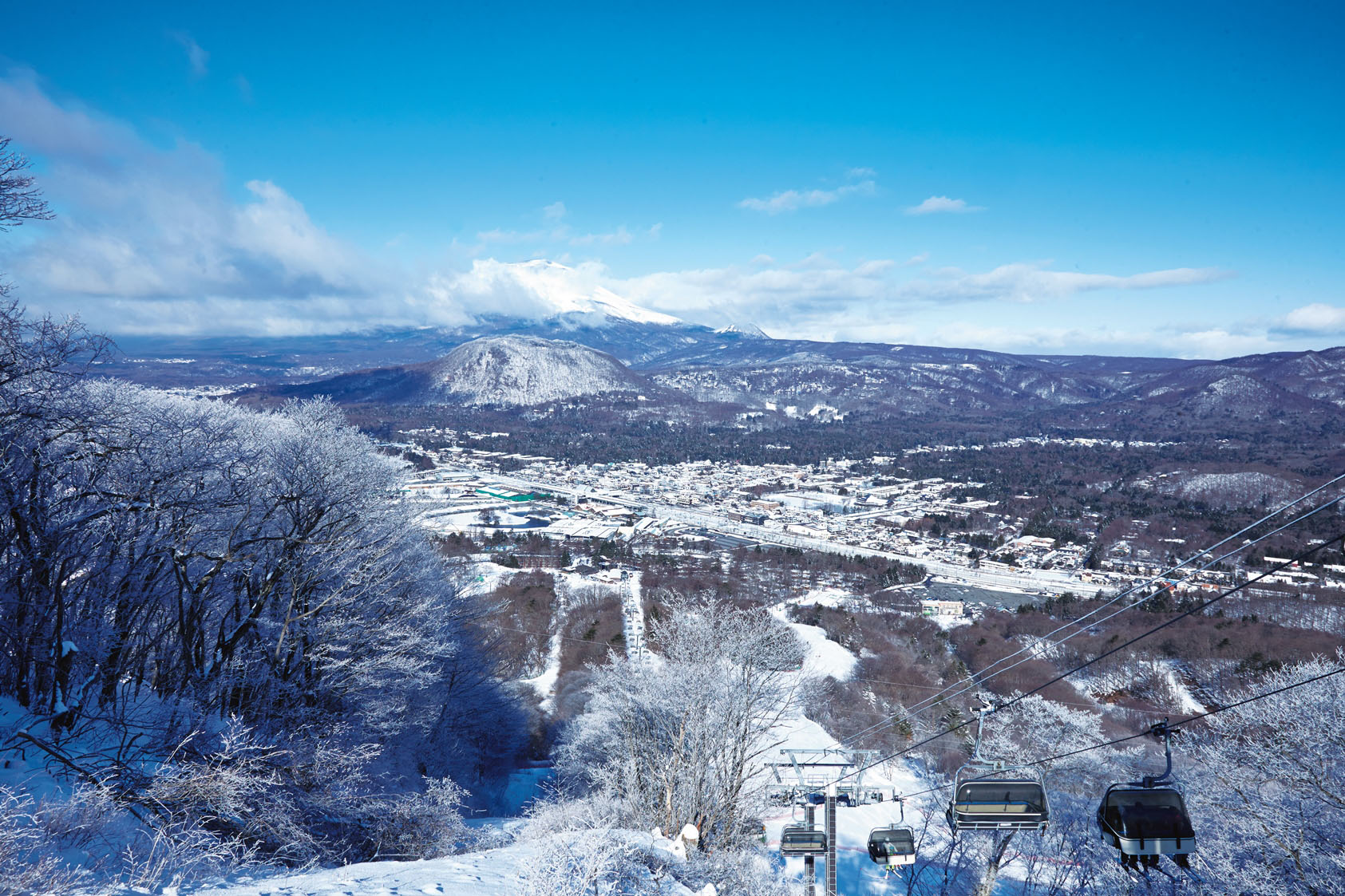
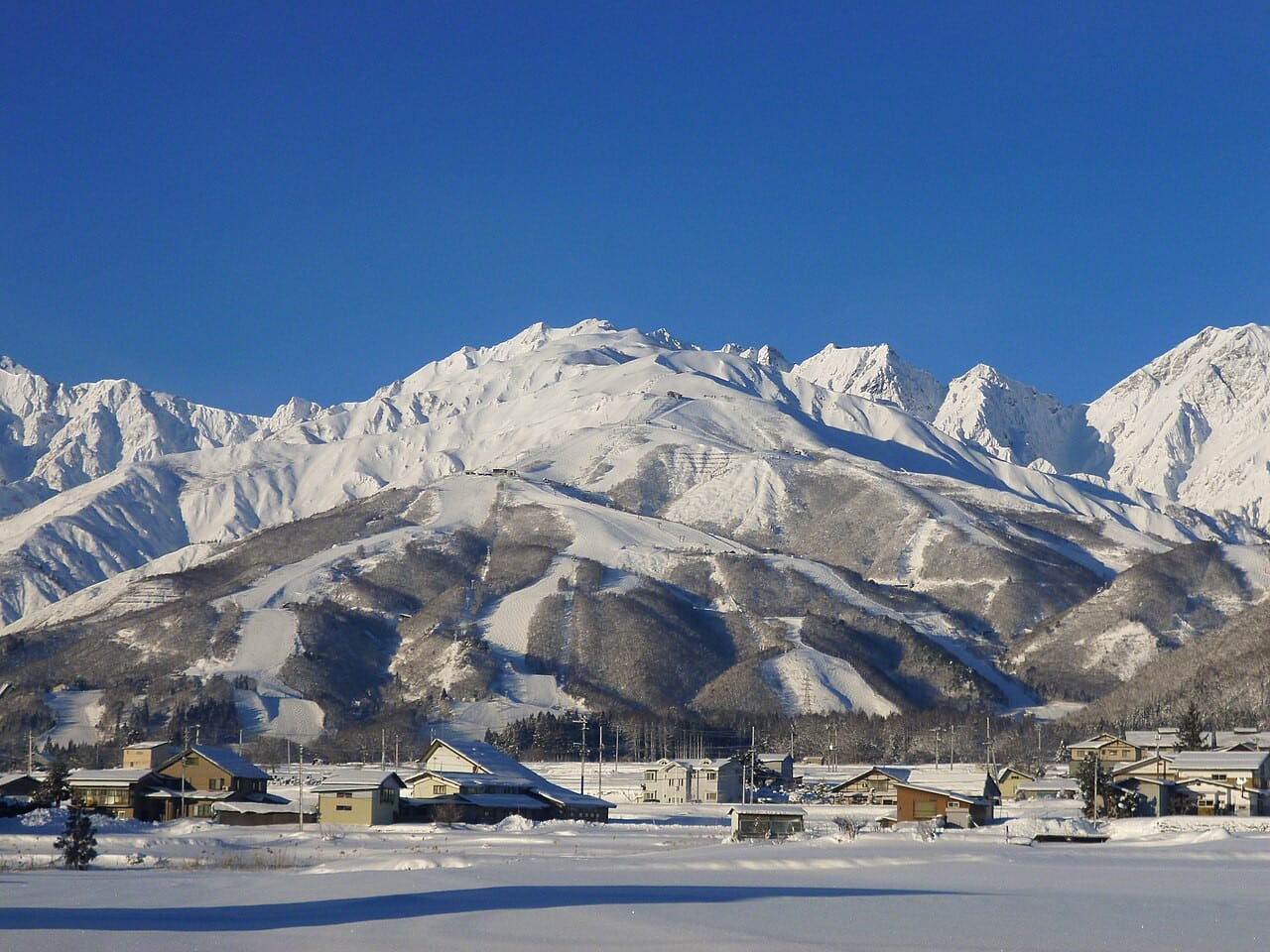
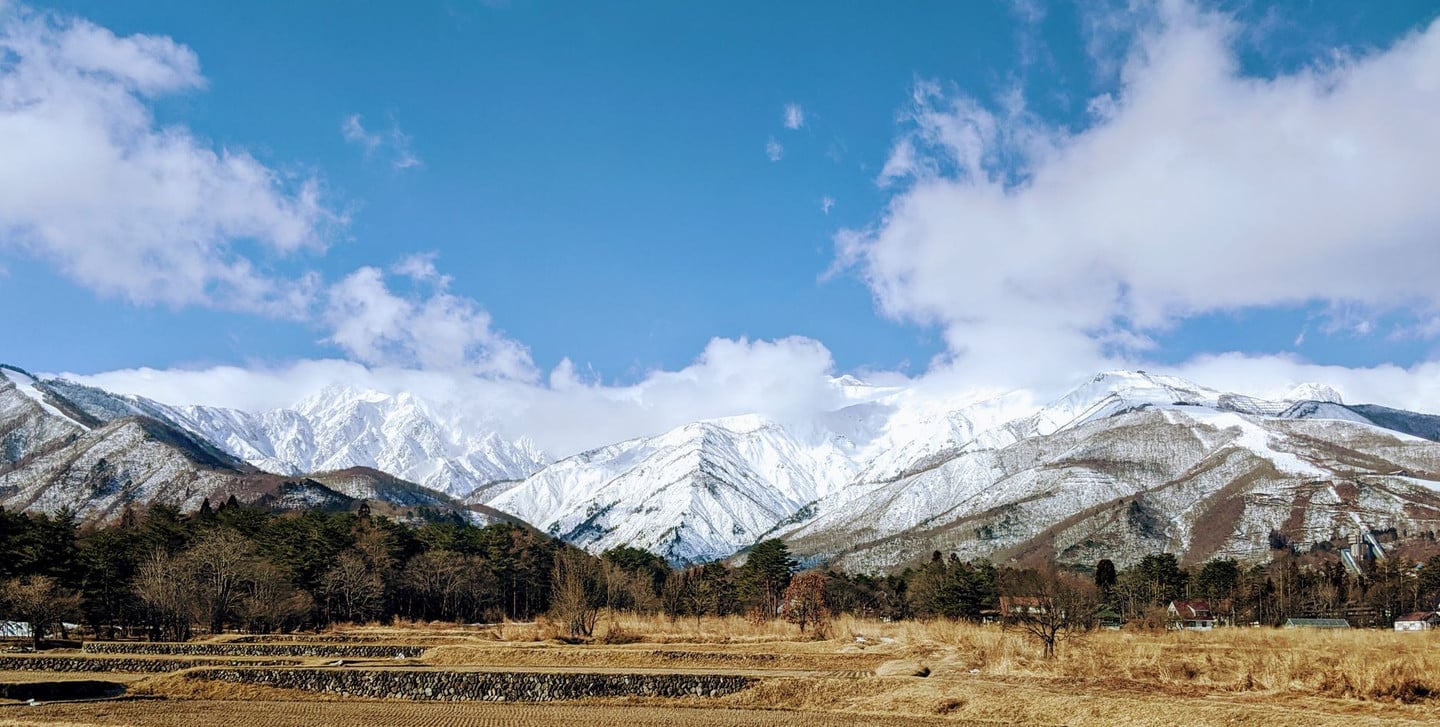
Hakuba is a ski area in Nagano Prefecture, set beneath the Northern Alps and made up of 10 resorts that each have their own character (Happo-one, Goryu, Hakuba47, Tsugaike Kogen, Iwatake, Cortina, Kashimayari, Hakuba Norikura Onsen, Hakuba Sanosaka and Jiigatake). It is widely regarded by powder lovers as one of the best ski destinations in Japan.
The ski season in Hakuba Village usually starts in early December and runs until early April, or even late April. Winter temperatures hover around -5°C to -10°C, and the high, cold terrain keeps the snow relatively dry and light, which makes Hakuba one of the few places in Asia that can rival Hokkaido powder. Whether you are a first-timer on skis, an advanced skier chasing steep slopes and long black runs, or a family looking for a snow playground for the kids, there is a resort in the Hakuba Valley for you. One valley-wide pass covers all 10 resorts, and shuttle buses (free with a valid lift ticket for that day) link the resorts, stations and lodging areas, so planning is very flexible. Below we break down the ski seasons, the 10 resorts, transport, ticket prices and gear rental, so that even first-time visitors can plan like old hands.
Mid-December to late December: early season
This is when the Hakuba season is just getting started. Resorts are gradually opening lifts and some runs, but snowfall has not yet reached its seasonal peak, and some mid- and high-elevation runs may still be under snowmaking or grooming. The upside is fewer visitors, short lift lines, and lodging and flight prices that are much more reasonable than in peak season, which suits travelers on a budget or anyone who dislikes crowds.
Keep in mind that snow conditions are less reliable at this time, so check the run-opening status published on each resort’s official website one or two days before you go, to avoid a wasted trip. Tsugaike Kogen and Hakuba47 have well-developed snowmaking and are usually the first to open fully at this stage.
Mid-January to mid-February: best snow, the most recommended window
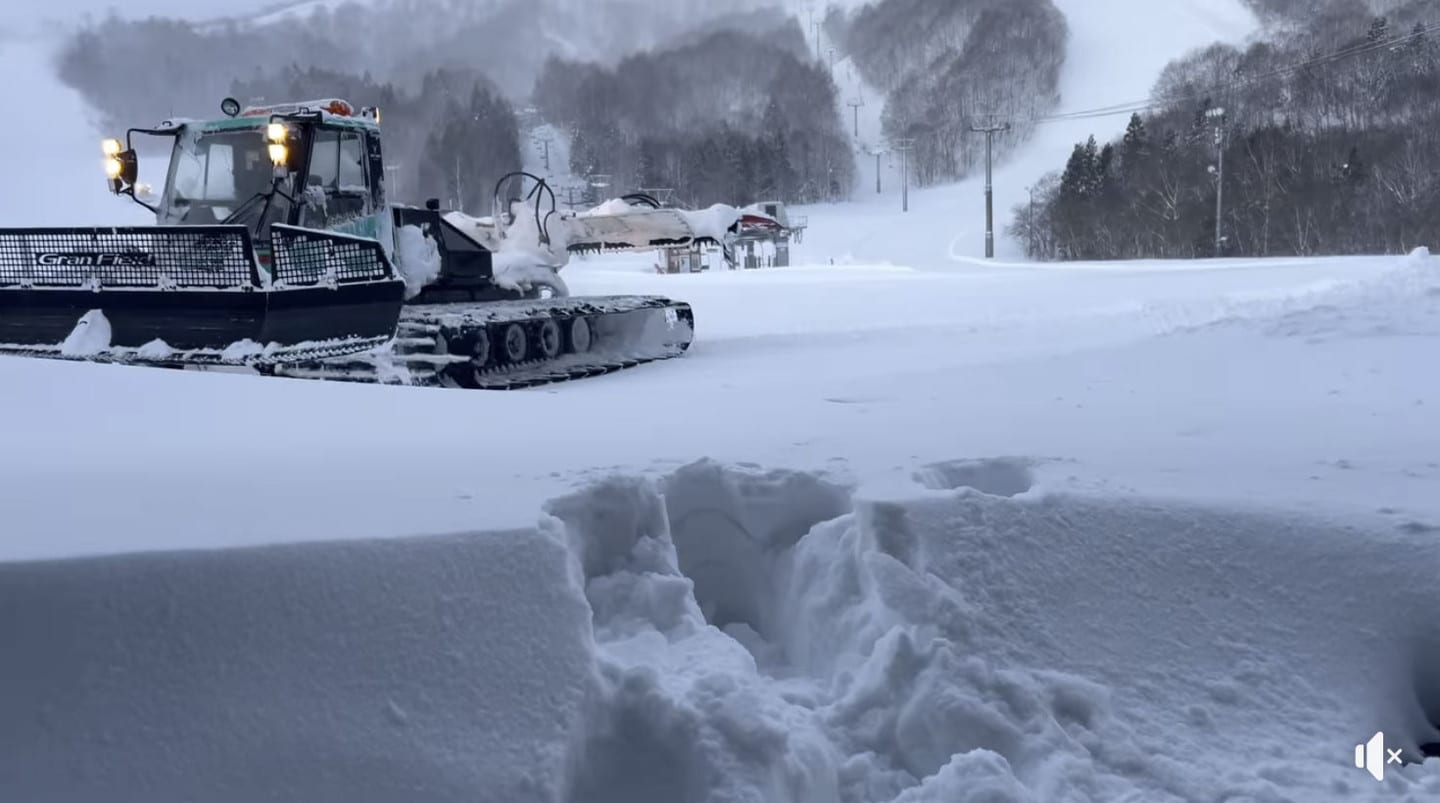
This is the golden window of the year in Hakuba, with the most stable conditions and the most powder. Almost every resort opens all of its runs, and tree-skiing zones and backcountry (non-patrolled) terrain are mostly open too. Whether you are an advanced skier looking to take on steep terrain or a snowboarder who wants that floating powder feeling, plan your trip around this period.
The downside is that this is also the most expensive and most crowded time of year for lodging and tickets. Around Lunar New Year and Japanese national holidays in particular, lift stations and popular restaurants have long lines, so we recommend booking accommodation and transport tickets at least three months ahead.
Late February to March: spring skiing and a beginner-friendly period
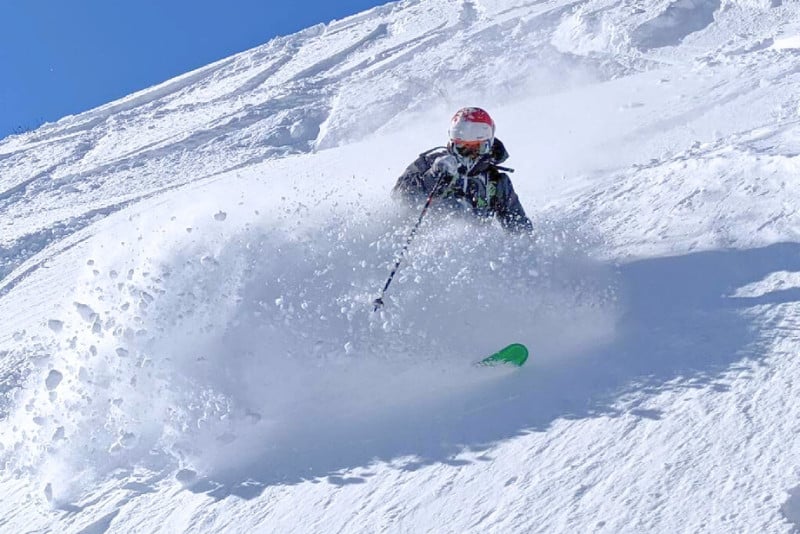
From late February, temperatures gradually rise and the snow shifts from dry powder to wetter spring snow. It is a little more resistant underfoot but also easier to control, which is great for beginners practicing their turns. Days also get longer, so skiing is more comfortable and less cold.
Another highlight of this period is that prices begin to drop. Some resorts offer end-of-season tickets and rental discounts, and higher resorts such as Tsugaike Kogen can often hold their snow until early April or even late April, making this a good time to find a bargain.
How to Get to Hakuba Ski Resorts: A Complete Guide to Transport and Valley Shuttles
From Tokyo, the best option is the Shinkansen plus a bus, and inside the valley free shuttle buses connect the 10 resorts.
How to Get to Hakuba Ski Resorts: Shinkansen + Express Bus and Cost Comparison
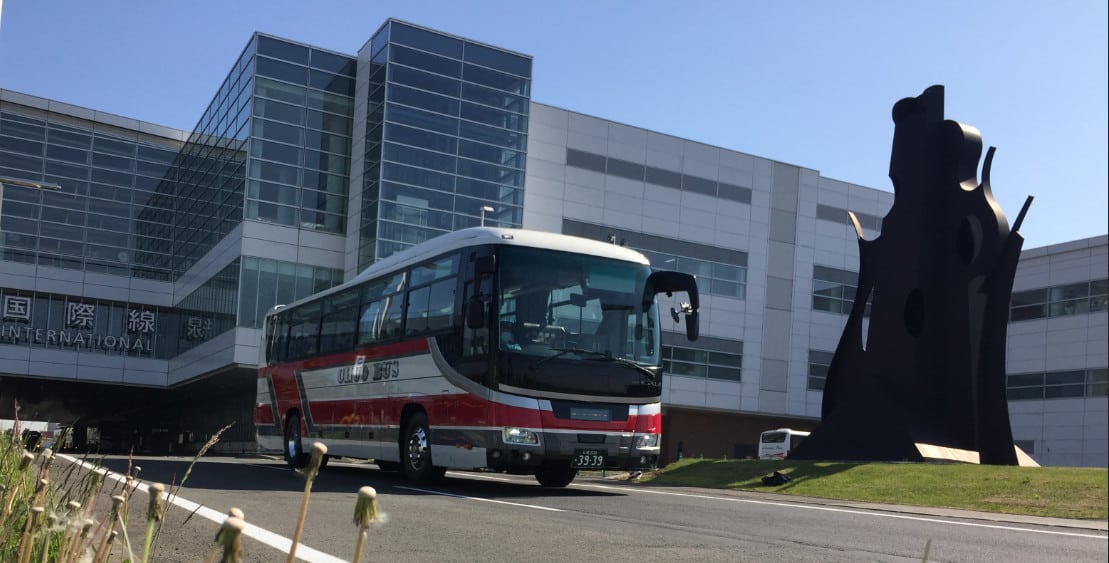
The most recommended way to reach Hakuba is the “Hokuriku Shinkansen + express bus”: take the Hokuriku Shinkansen from Tokyo Station to Nagano Station (about 90 minutes), then transfer to the Nagano–Hakuba express bus from Stop 26 at the East Exit. The bus reaches the main Hakuba bus terminals directly in about 60 to 90 minutes, for a total of about 3 hours, which is the best balance of efficiency and comfort.
| Transport | Approx. cost | Travel time |
|---|---|---|
| Shinkansen + express bus | About ¥11,840 (Tokyo to Nagano reserved-seat Shinkansen ¥8,340 + Alpico bus ¥3,500) | About 3 hours |
| Direct bus (Alpico / Klook) | About ¥5,000-7,000 | About 5 hours |
| Self-drive (from Tokyo) | Tolls about ¥6,000 + fuel | About 4 hours |
| JAM JAM LINER overnight bus | From about ¥6,000 | About 8 hours (overnight) |
Direct bus, self-drive and Hakuba Valley shuttle buses
If you are carrying a lot of ski gear and don’t want to transfer along the way, Shinjuku Bus Terminal (BUSTA) has an express bus that goes straight to Hakuba in about 5 hours; check the operator’s announcements for the timetable. If you drive, take the Kan-etsu and Joshin-etsu Expressways to Nagano IC. Mountain roads ice over easily in winter, so snow tires or chains are a must.
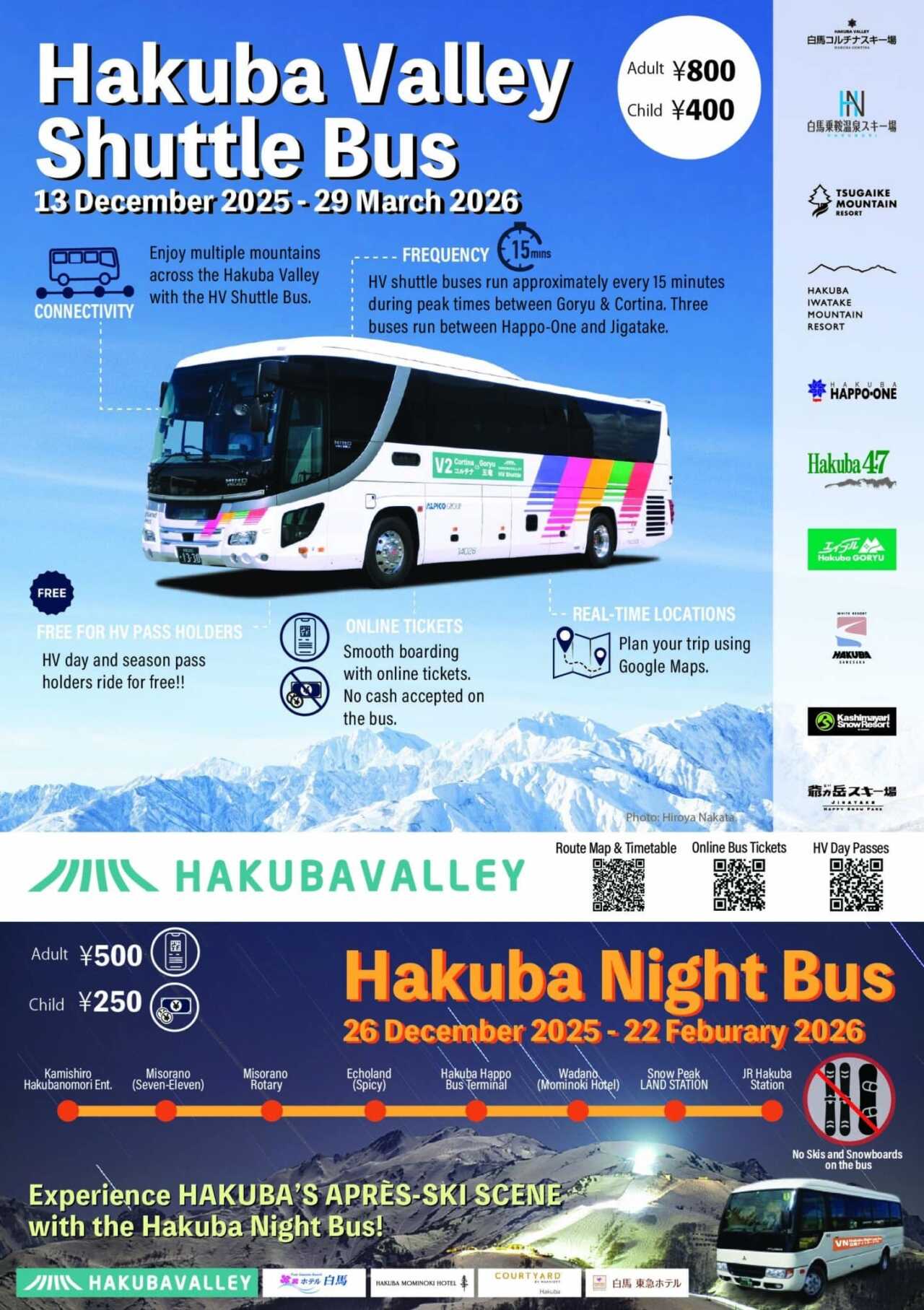
Once you arrive in Hakuba Village, getting around the valley mostly relies on the Hakuba Valley Shuttle Bus (HV shuttle). On a ski day, a valid lift ticket gets you free rides between resorts, stations and popular lodging areas (evening services excluded). Check the timetable on the official HAKUBA VALLEY website (hakubavalley.com). Pay close attention to the last bus, as taxis are very hard to book in peak season.


Hakuba Ski Resorts Guide: The 10 Resorts Compared by Difficulty and Character
The Hakuba Valley has 10 resorts, which can be roughly grouped into four core resorts and six specialty resorts by difficulty and target visitors.
| Resort | Best for | Highlights |
|---|---|---|
| Tsugaike Kogen | Beginners / families | The widest, gentlest slopes in Hakuba, with a longest run of 5 km |
| Hakuba Goryu & 47 | Intermediate to advanced | Shared lift ticket, top-tier terrain park |
| Happo-one | Intermediate to advanced | 1998 Nagano Olympics venue, long black runs |
| Iwatake | Photography / intermediate | 360-degree views, summit cafe |
Hakuba Happo-one Ski Resort: The Nagano Olympic Venue and Its Speed Legacy
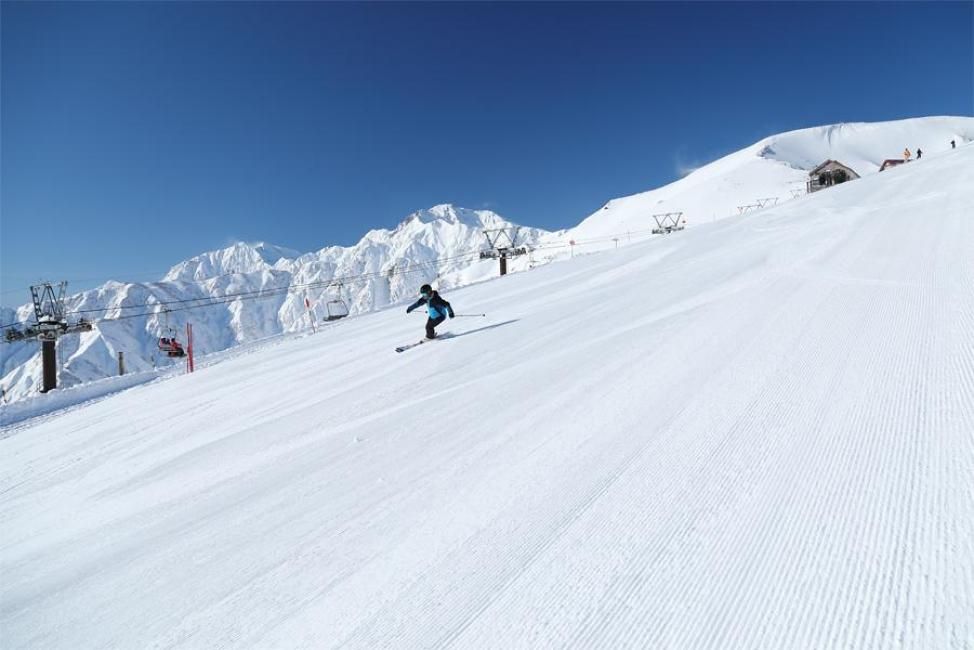
Hakuba Happo-one is the largest and steepest flagship resort in Hakuba. It hosted the alpine speed events at the 1998 Nagano Winter Olympics and still keeps the race courses from that time, with steep gradients and big vertical drops that suit intermediate to advanced skiers who want speed and challenge. The resort is known for its long, difficult black runs, excellent powder quality and views of the Northern Alps from above, and it is a place of pilgrimage for Hakuba ski fans.
The resort sits in the heart of Hakuba Village, close to the Happo bus terminal, with restaurants, izakaya and ski rental shops all around, making it the most fully equipped area in Hakuba. We suggest at least intermediate skill before taking it on; beginners can start on the gentle slopes at the base and work their way up.
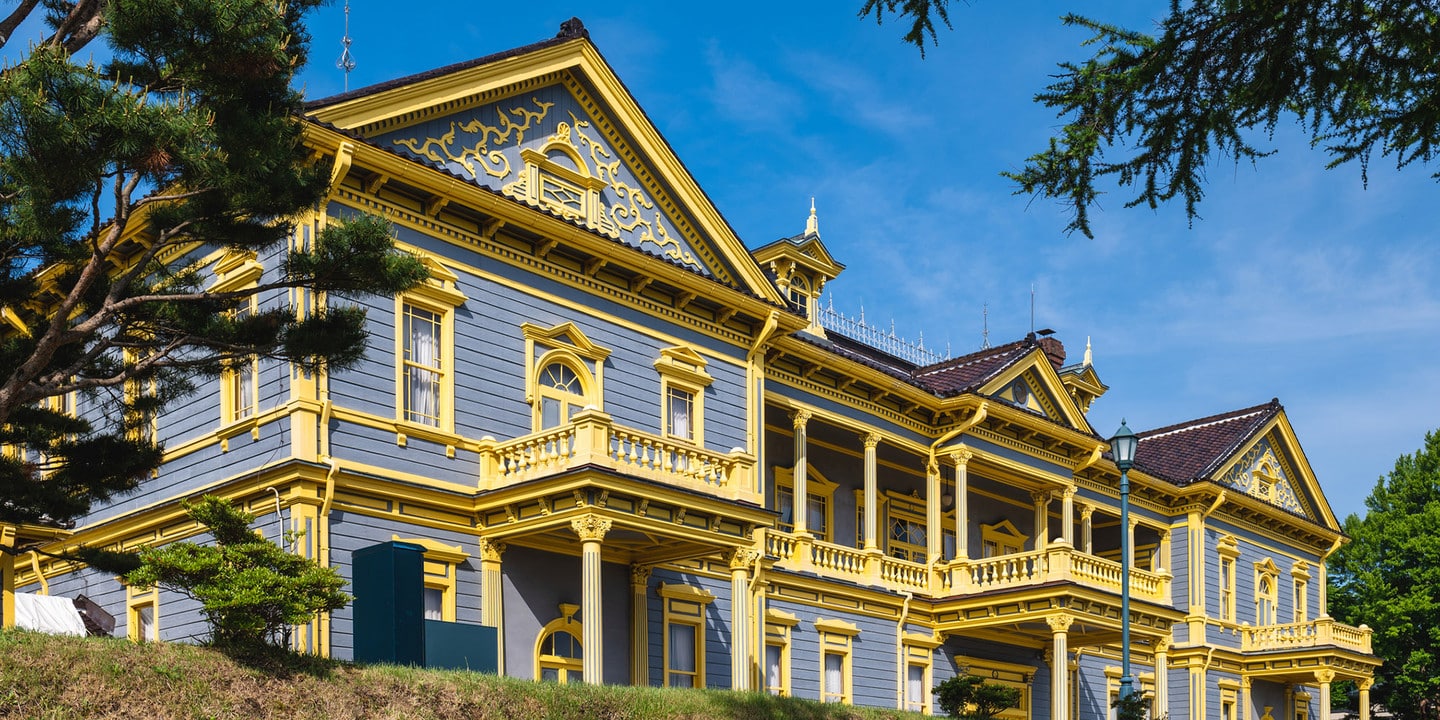

Hakuba Goryu Ski Resort: A Powder Base for Night-Skiing Fans
Hakuba Goryu is one of the few Hakuba resorts that offers night skiing. The Toomi run is re-groomed every night, which suits anyone who is not tired of skiing after a full day and wants to enjoy the night-skiing atmosphere. The resort shares a lift ticket with Hakuba47, and connecting runs between the two let you cross over directly, making them an excellent pairing for a one-day itinerary.
The Escal Plaza ski center at the base is well equipped, with a 24-hour service counter, luggage delivery service, coin lockers and overnight ski racks, and it also offers a Step On rental system at no extra charge. For the latest operating information, see the Hakuba Escal official website (hakubaescal.com).
Hakuba47 Winter Sports Park: A Paradise for Park Riders
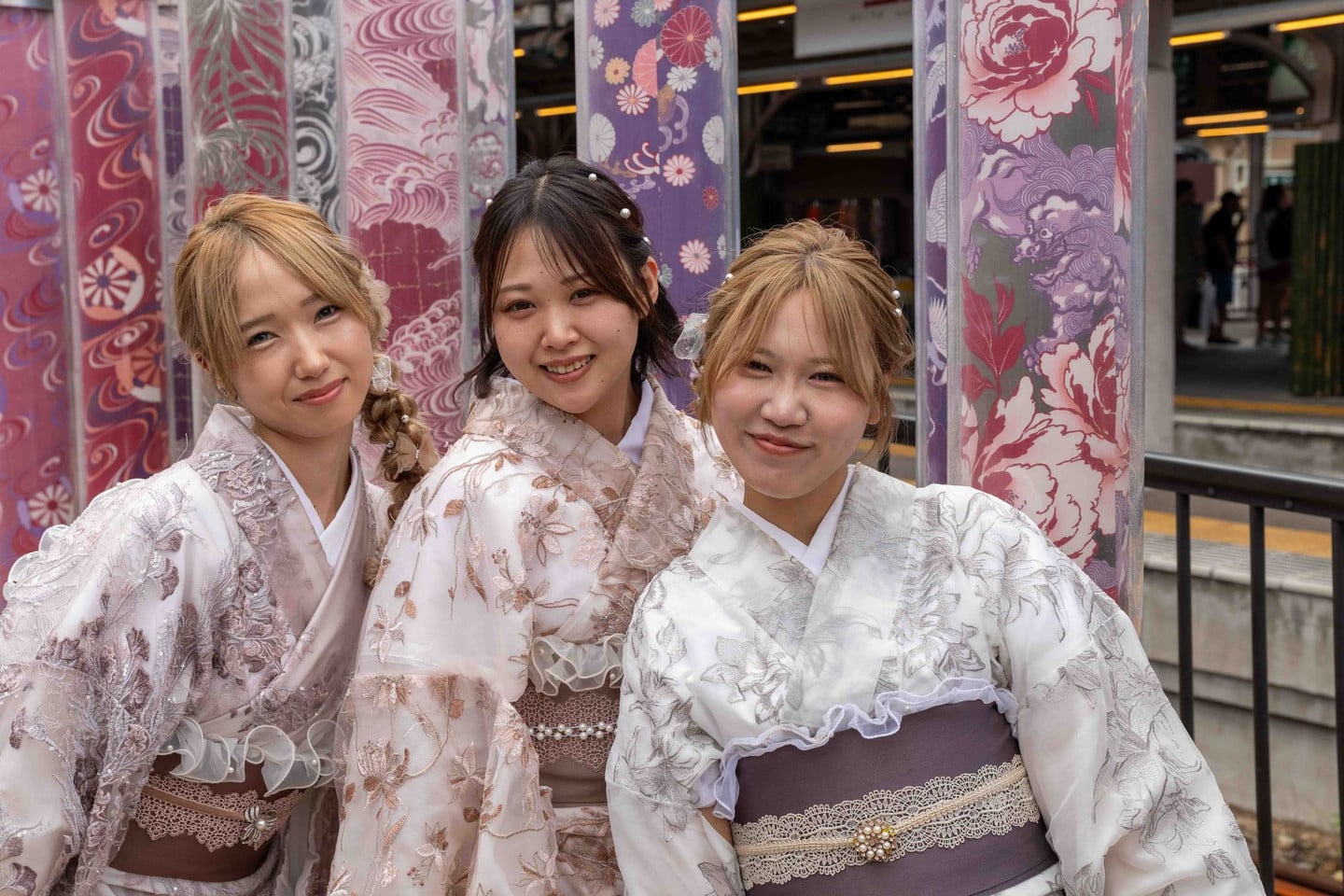
Hakuba47 is known for having the largest, highest-quality terrain park, with jumps, boxes and all kinds of park features. It is the top choice for park riders and snowboarders in the Hakuba area, and it also has advanced-level steep tree runs for experienced skiers looking for a thrill.
Because it shares a lift ticket with Goryu, a combined ticket lets you switch freely between the two resorts, balancing park challenges with general run touring. The resort sits at a higher elevation, so snow conditions are also relatively stable at the start and end of the season, making it one of the resorts worth visiting all season long.
Hakuba Iwatake Ski Resort: 360-Degree Views and a Summit Cafe
Hakuba Iwatake stands on its own peak, and once the gondola takes you to the summit you get unobstructed 360-degree views of the Northern Alps, which makes it a popular scenic resort in Hakuba. The famous summit cafe, THE CITY BAKERY, has terrace seating where you can enjoy coffee and bread while looking out at the snowy mountains, and the gondola ride up is worth it even if you don’t ski.
The runs are mostly beginner to intermediate, with gentle, easy-to-control slopes, suiting travelers who want to combine photos with practice. The walk from the gondola station to the summit cafe takes only a few minutes, and we suggest setting aside half a day to take in the views and the food and drink at a relaxed pace.
Tsugaike Kogen Ski Resort: The Best Snowfield in Hakuba for Beginners and Families
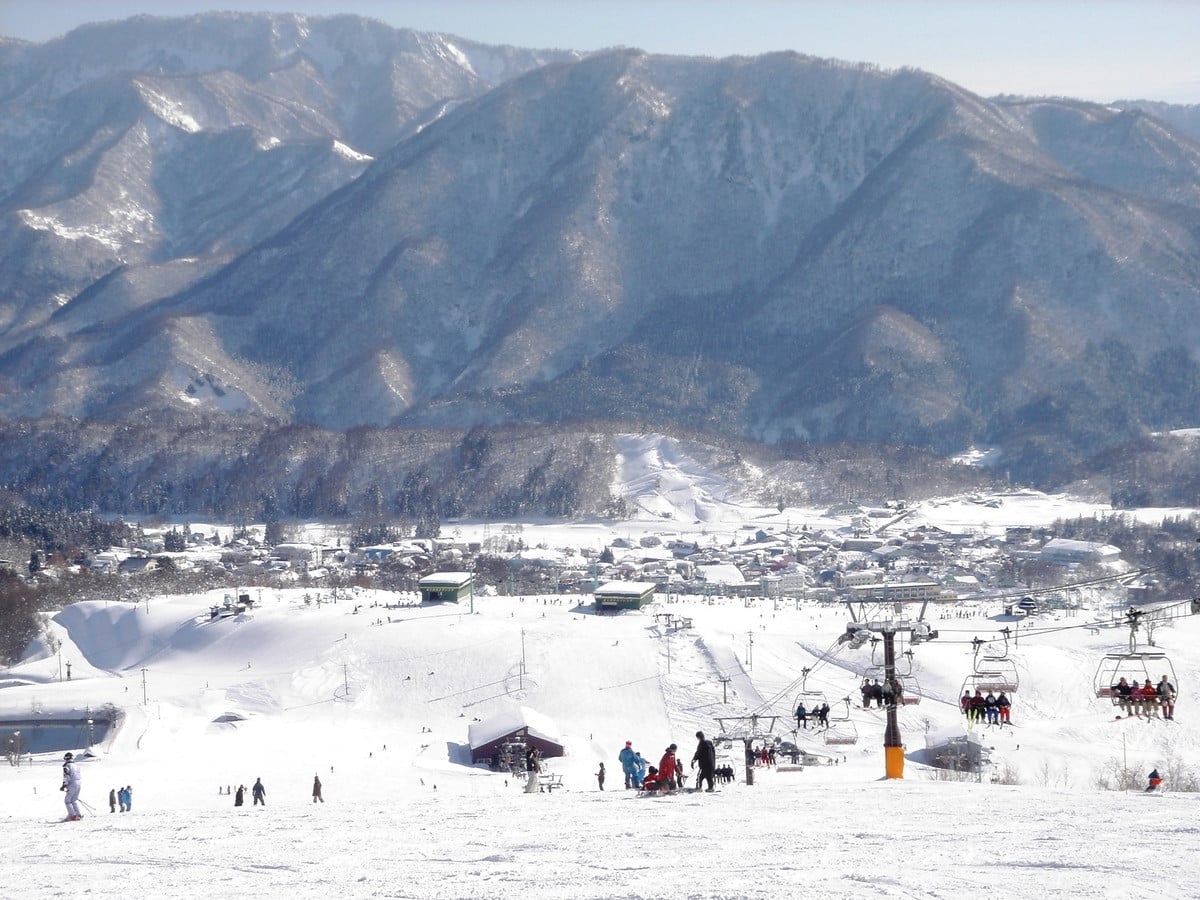
Tsugaike Kogen claims to be the most varied resort in Hakuba, with a very high share of beginner runs. The “Kane no Naru Oka” area at the base has the widest, flattest green slope in Hakuba, making it the first choice for absolute beginners and families. The longest run is 5 km with a vertical drop of 904 meters, and the base-area Kane no Naru Oka run is 1,200 meters wide. Thanks to its high elevation, it is also one of the resorts with the most stable snow at the start and end of the season.
With its open terrain and gentle slopes, Tsugaike Kogen also has the liveliest social atmosphere in Hakuba. If you only want to stay at one resort and practice at a relaxed pace for the whole trip, Tsugaike Kogen is better value than buying a valley-wide pass; just buy a single-resort day ticket.
Hakuba Cortina Ski Resort: A Freeride Haven with 100% Natural Powder
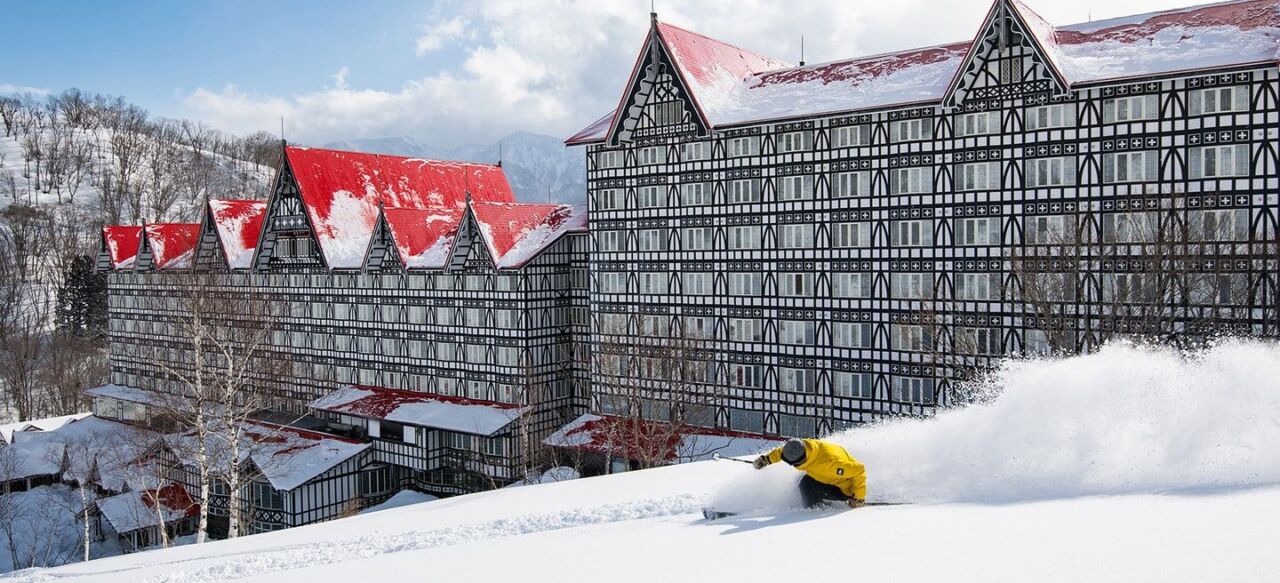
Hakuba Cortina hosts the Japan Freeride competitions and is known for 100% natural powder, with snow quality that rivals Hokkaido. The resort has several “self-responsibility areas,” meaning you can enter non-patrolled backcountry terrain, which is popular with experienced powder hunters.
The resort has a bowl-shaped layout, with runs naturally flowing back to the area around the hotels, so getting around feels very intuitive. A free shuttle bus runs directly from Hakuba Station. When planning your day, check the time of the last shuttle first so you don’t miss it after skiing.
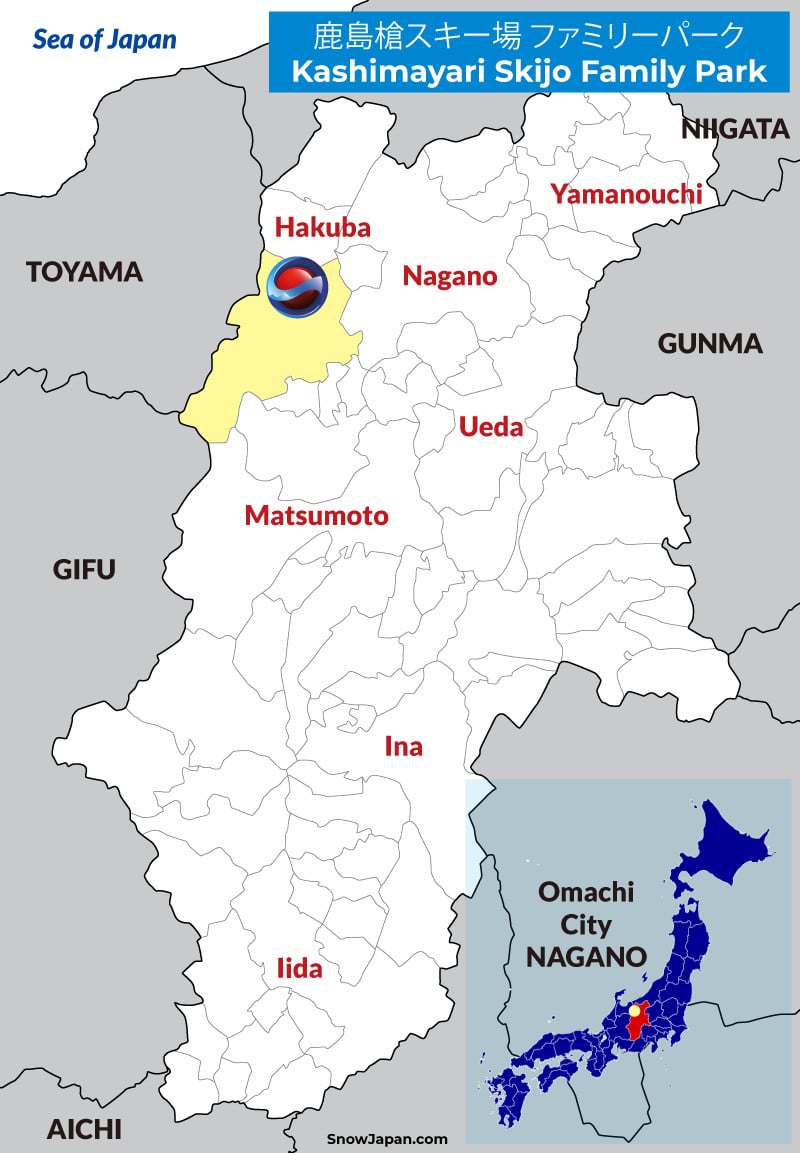
Kashimayari Ski Resort Family Park: Long Runs and Pokemon Surprises
Kashimayari is a relatively under-the-radar Hakuba resort with fewer visitors. It has Pokemon-themed installations and photo spots that families with children love. The resort emphasizes long runs with gently changing gradients, so beginners still building confidence can ski all the way down without changing runs often.
Because it is less well known than Happo-one and Goryu, crowds stay relatively thin even on peak-season holidays and lift lines are short. It is a great choice for families who dislike crowds and want a relaxed full day on the snow.
Hakuba Norikura Onsen Ski Resort: A Beginner’s Paradise Beside a Hot Spring Village
Hakuba Norikura Onsen Ski Resort has fairly dated facilities, and its lifts and runs are smaller than those of the larger resorts, but the gentle slopes and simple runs make it an ideal place for beginners to practice basic turns and braking. After skiing you can walk straight to a nearby onsen inn for a soak, getting both skiing and hot springs in one outing.
Because it is small and sees few visitors, there is almost no waiting for the lifts, and ticket prices are friendlier than at the big resorts. It suits travelers on a budget who want an easy one-day outing, or those bringing older relatives or young children for their first snow experience.
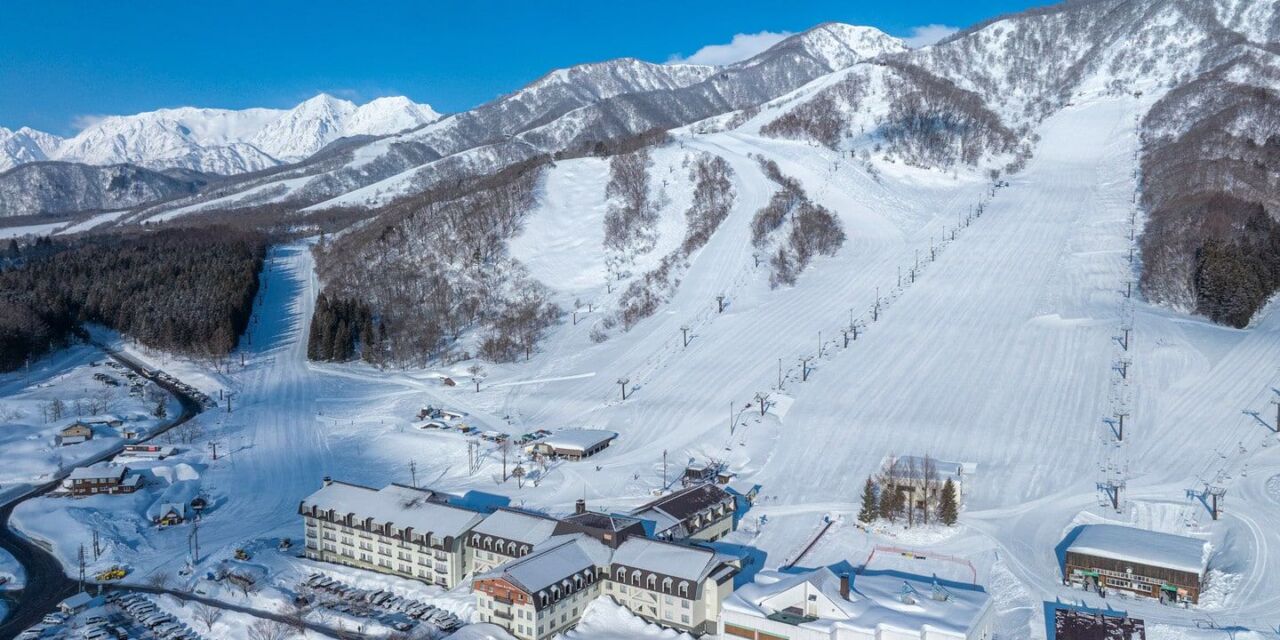
Hakuba Goryu IIMORI: The Beginner-to-Intermediate Zone at the Foot of Goryu
IIMORI is the lower-mountain snow area of Hakuba Goryu (merged in 2025 into “Able Hakuba Goryu IIMORI”). It is not a separate member outside the 10 resorts of the Hakuba Valley, and it is not connected to Hakuba47. Besides gentle slopes, the area also has more advanced runs such as Snow Diving (32 degrees) and Straight Whiskey (30 degrees), which makes it a good bridging ground for skiers who have just graduated from green runs and are getting ready to take on reds.
Because of its central location, Goryu and Hakuba47 connect only around the Alps Daira area at the summit, while IIMORI sits on the foot-of-the-mountain side of Goryu. When planning a one-day itinerary, you can place IIMORI in the middle as a link, avoiding repeated shuttle bus trips back and forth.
Hakuba Sanosaka Ski Resort: A Quiet, Well-Priced Insider Pick
Hakuba Sanosaka is a relatively low-key insider resort whose biggest draw is thin crowds and friendly prices (for the 2026-27 season, an adult day ticket in the Economy Class is ¥7,500). Even on Japanese national holidays, Sanosaka is noticeably less crowded than Happo-one and Goryu, and the value for money is high.
The runs are mostly beginner to intermediate, with simple, easy-to-read terrain, suiting travelers who want to avoid crowds without giving up snow quality.
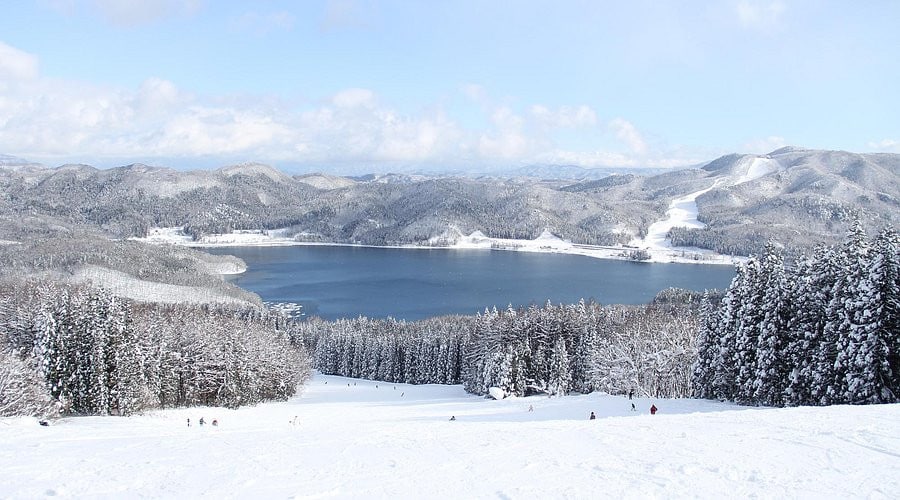
Hakuba Iwatake Gondola Package: A Gentle Choice for Snow Newcomers and Families
Since its recent renovation, Hakuba Iwatake Mountain Resort has focused on a “snow playground” concept. The lift ticket combines a sledding area, a tubing run and the “Zekkei Terrace” viewing deck, which is especially good for travelers with children or no skiing experience at all. In the 2025-26 season an adult one-day lift ticket is ¥7,000, and 2026-27 prices follow the announcements on the Hakuba Iwatake Mountain Resort official website (iwatake-mountain-resort.com). If you only want to ride the gondola up for the view, a separate sightseeing gondola ticket is available.
The winter opening hours at Hakuba Iwatake change slightly each year. The 2025-2026 season runs from December 19, 2025 to March 29, 2026, with daily lift and resort hours of about 8:00 to 16:00. The exact opening date for 2026-27 has not yet been announced by the resort and usually falls in mid-to-late December, so check the latest announcements on the website one to two weeks before departure to avoid a wasted trip.
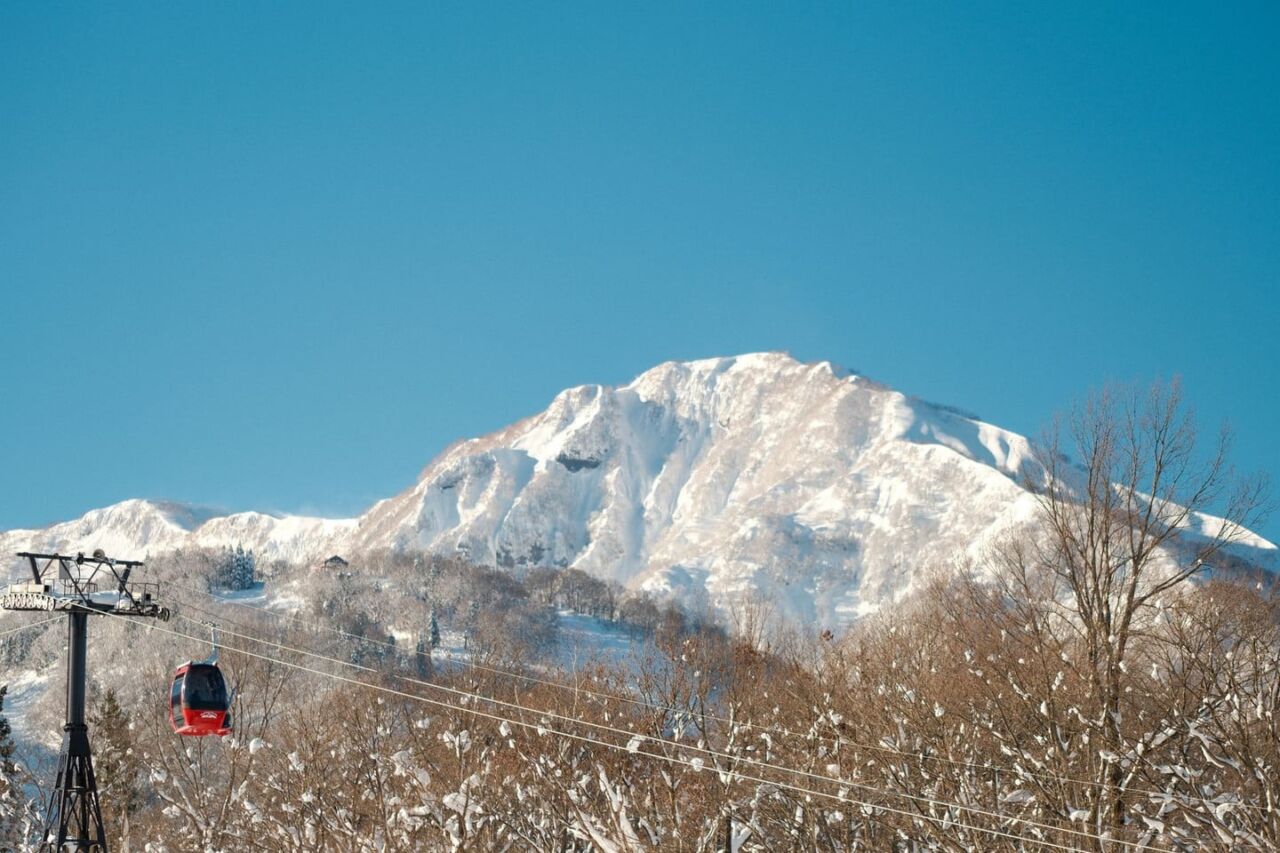
The slopes at Iwatake are generally gentle, with large dedicated beginner areas and a high density of instructors, so it is a good place for one or two ski lessons. Lessons usually cost extra, from about ¥4,000 to ¥6,000 (depending on duration and group size).
Hakuba Iwatake 2026-27 Early-Bird Tickets and Opening Hours
As of October 2026, the Hakuba Iwatake Mountain Resort official website has put early-bird lift tickets for the 2026-27 season on sale, but has not yet listed opening dates, operating hours or ticket prices. If you want to find out the 2026 opening dates for Iwatake, follow the official announcements first and book accommodation and transport only after the dates are confirmed. You can also call 0261-72-2474 (8:00 to 17:00).
HAKUBA VALLEY Pass: One Ticket for All Ten Resorts
If your trip is longer than three days and you want to try the different terrain of several resorts, the “HAKUBA VALLEY multi-resort pass” is better value than single-resort tickets. The pass covers ten resorts including Hakuba Happo-one, Goryu and 47, Tsugaike Kogen and Iwatake, and comes with free shuttle buses between resorts. For 2026-27, a one-day pass is ¥11,100 for adults and ¥6,400 for children, and consecutive-day or flexible-day passes are offered for 2, 3, 4 or more days. The more days you buy, the lower the average daily price: a 2-day pass is ¥21,800 and a 3-day pass is ¥32,200 (an average of about ¥10,733 per day over three days).
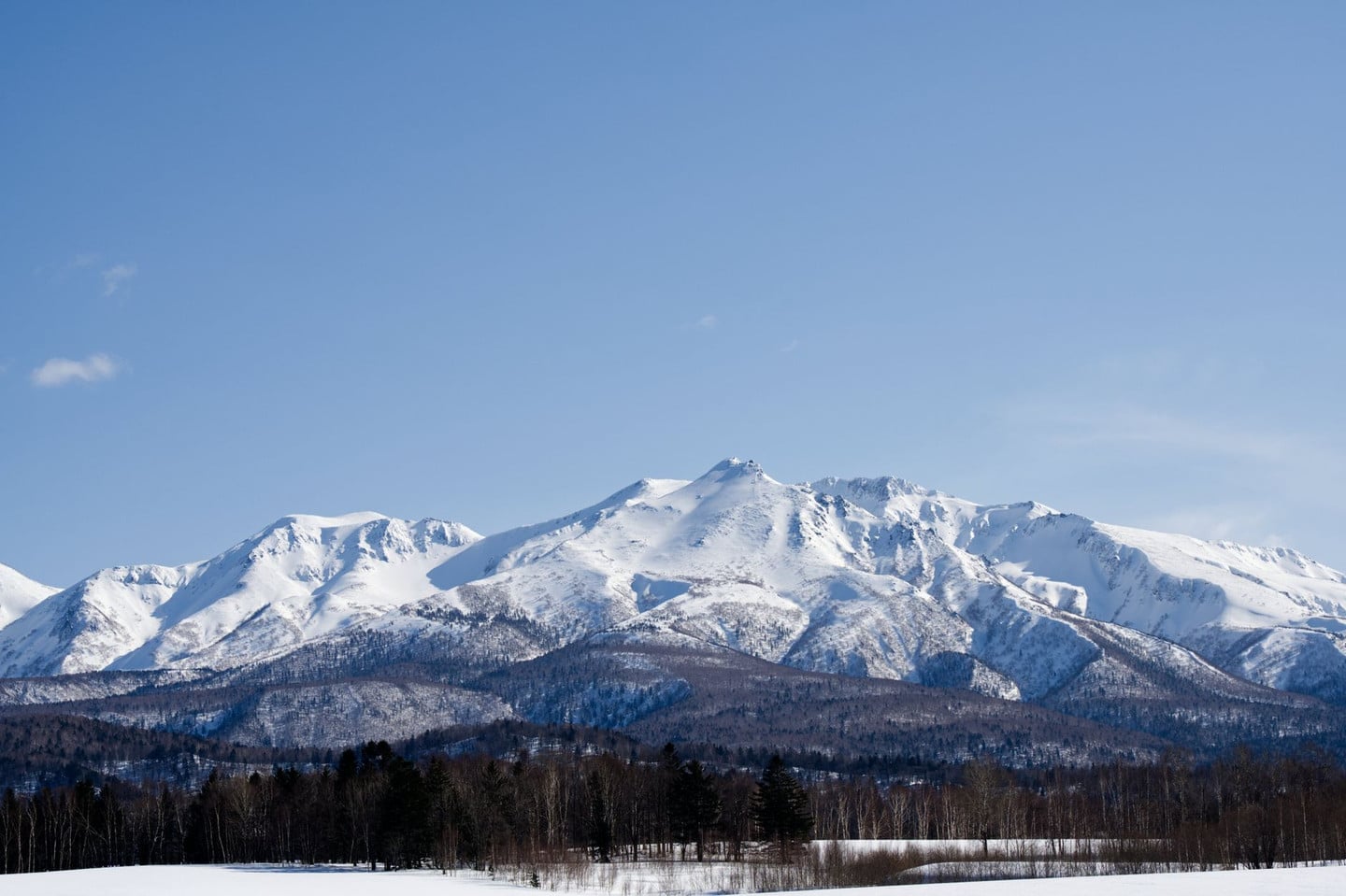
Another benefit of the pass is that you don’t have to queue to buy tickets and swap lift cards every day, and it gives you more flexibility. For example, you can ski the long runs at Goryu in the morning and head to 47 for the terrain park in the afternoon, all on the same ticket. It is ideal for more experienced skiers who want to explore the character of different resorts.
We recommend this option first for travelers who stay in Hakuba for three days or more and whose lodging is near a bus shuttle route, as it saves a good deal of time on transport and ticket buying.
Hakuba Gear Rental: Skip the Hassle of Flying with Your Gear
For most overseas visitors, carrying skis and boots on the flight is a heavy burden, so many rental shops cluster around Hakuba Station. Rhythm Japan (with shops in both Wadano and Happo) and SPICY are well reviewed and renew their equipment often. A basic set (skis, boots and poles) costs about ¥4,000 to ¥5,000 per day to rent, and adding a jacket and pants brings the full set to about ¥7,000 to ¥9,000 per day. Multi-day rentals are discounted, and for five days or more the daily average can drop to around ¥3,000.
The rental process usually starts with measuring your height, weight and shoe size, then the staff adjust ski length and binding tension to your skill level (beginner, intermediate, advanced). The whole process takes about 20 to 30 minutes, so we suggest completing the rental on the day you arrive in Hakuba or the evening before, so you can head straight to the resort first thing the next morning. Some shops also offer hotel delivery and return at the resort, saving you from carrying your gear on the bus.
If you are only staying one or two days and have limited luggage space, we strongly recommend renting locally rather than bringing your own gear. Besides saving the weight and fees of checked baggage, it also ensures that your skis suit the current snow conditions.
Where to Stay Near the Hakuba Ski Resorts: Suggested Areas
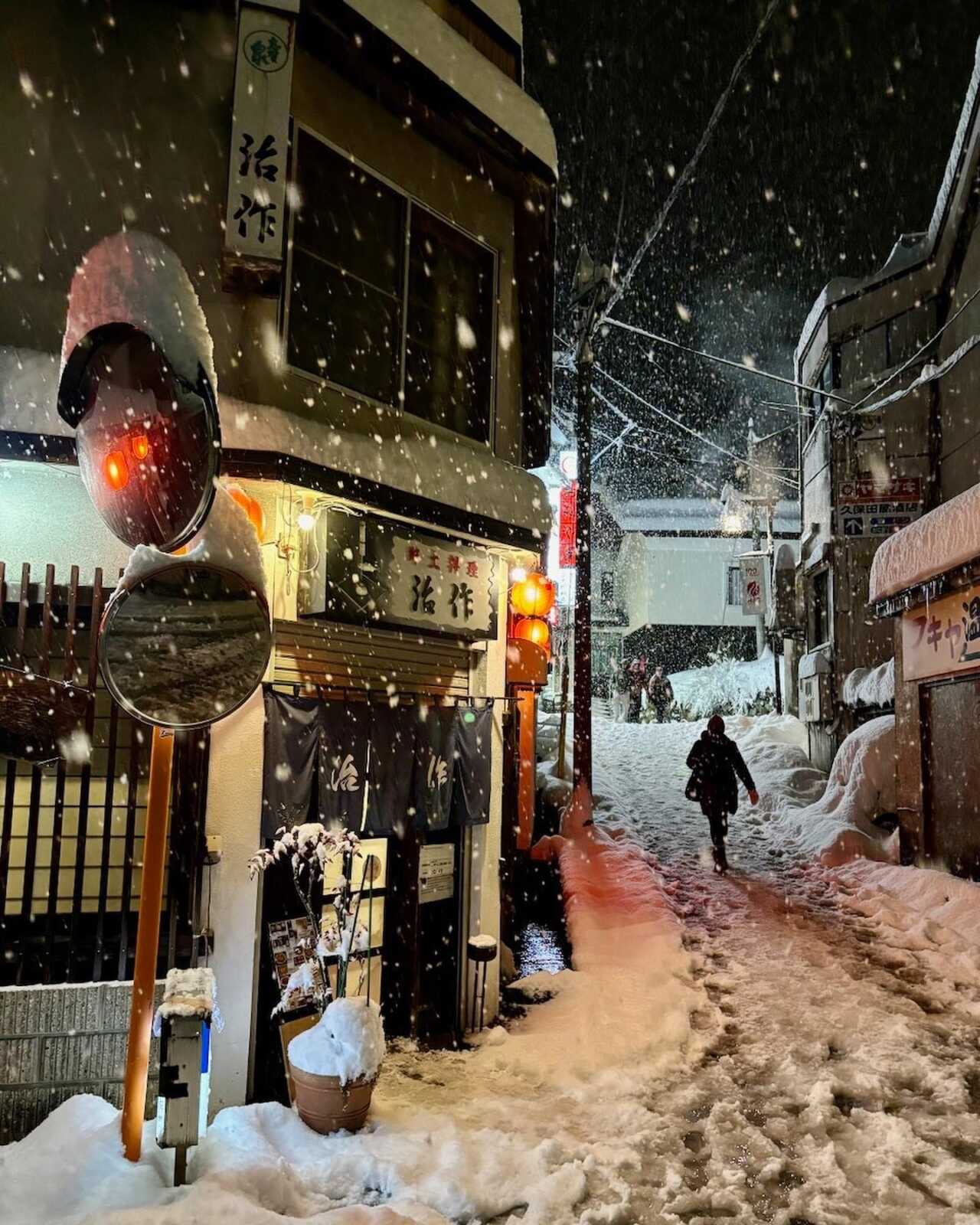
Hakuba lodging falls into three main areas, each with its own facilities and atmosphere, so you can choose based on transport convenience or amenities.

Which Area of Hakuba Is the Most Convenient to Stay In?
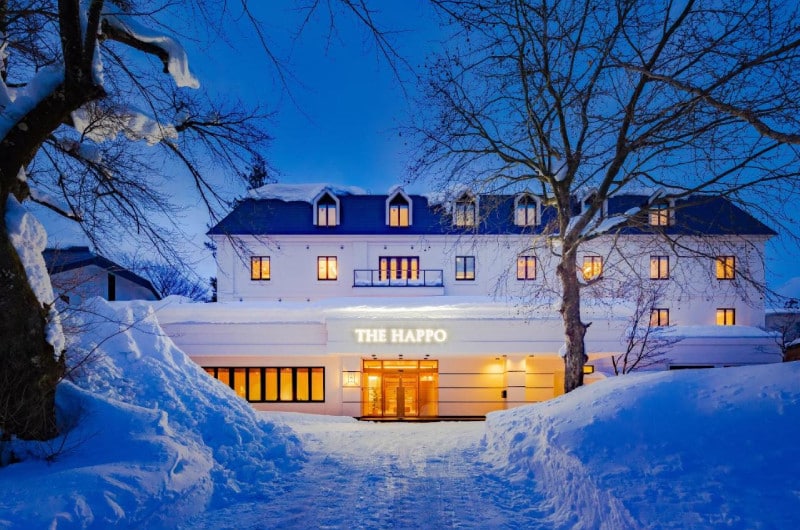
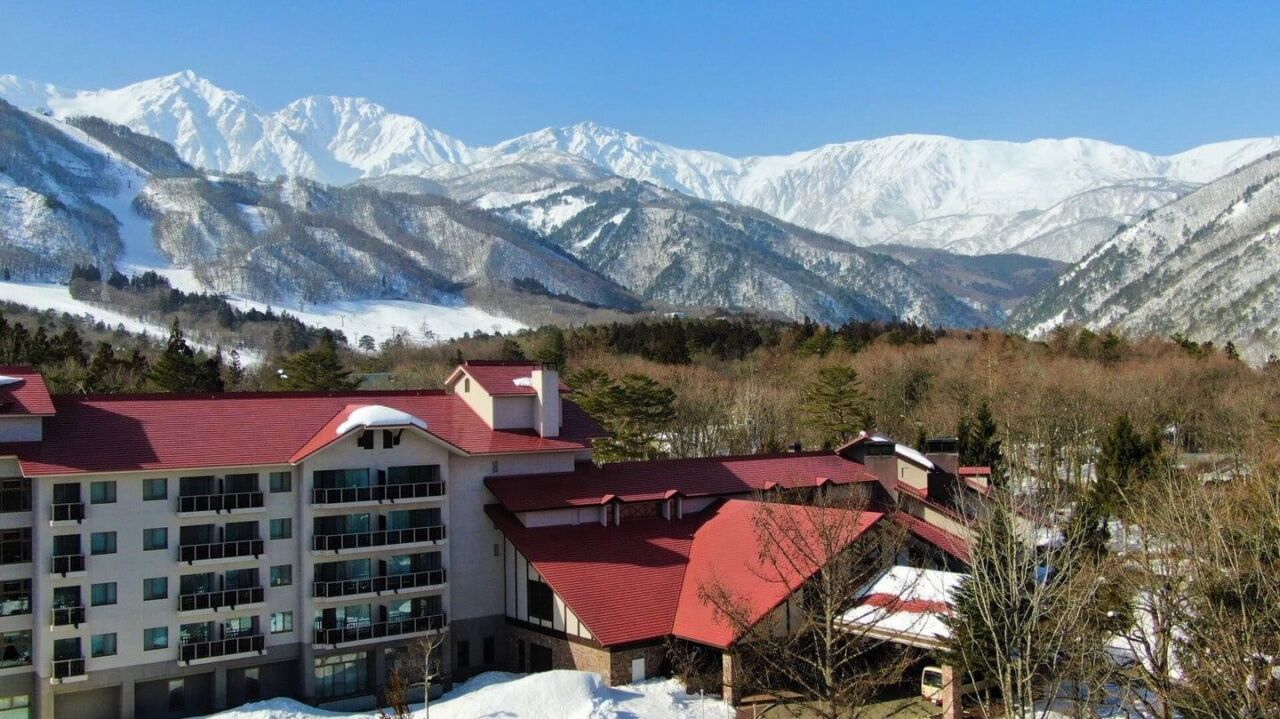
The Happo-one / bus terminal area is Hakuba’s best-equipped core, packed with restaurants, izakaya and ski rental shops, and staying near the Happo bus terminal gives you the most shuttle options to the various resorts, which suits travelers who want flexibility and plan to switch resorts every day. If you prefer a European or North American resort atmosphere, the Wadano area sits in the forest at the foot of the Happo-one resort and has many upscale ski-in/ski-out chalets; it is quiet and works well for families. Travelers who like dining out and visiting bars in the evening might consider the Echoland area, Hakuba’s food and nightlife strip. It is not directly connected to the slopes, but several free shuttle stops along the street make it easy to ski by day and look for dinner at night. To compare room types and prices in each area in more detail, see our related Hakuba ski resort accommodation guide.
FAQ
Q: How much is a one-day lift ticket in Hakuba?
According to the official HAKUBA VALLEY website, the valley-wide pass for 2026-27 is ¥11,100 for adults and ¥6,400 for children. Single-resort prices vary by resort; for example, the Goryu and 47 combined ticket is ¥10,000 at the window.
Q: What is the best month to ski in Hakuba?
Mid-January to mid-February has the most stable conditions and the most powder, and is widely regarded as the golden window of the year.
Q: How long does it take to get from Tokyo to Hakuba?
About 3 hours by Hokuriku Shinkansen plus bus, about 5 hours by direct bus and about 4 hours by car.
Q: Which Hakuba resort is best for beginners?
Tsugaike Kogen has the highest share of beginner runs and the gentlest slopes, and is widely considered the best resort for beginners and families.
Q: How cold does it get at Hakuba ski resorts in winter?
Winter temperatures in the mountains are about -5°C to -10°C, so we recommend a waterproof, windproof ski jacket and several warm layers.
Q: Can Hakuba Goryu and 47 share a ticket?
Yes. The lift tickets for the two resorts are interchangeable, so a combined ticket lets you switch freely between them without buying separate tickets.
Q: Do I need a car to ski in Hakuba?
No. Valley shuttle buses are free with a valid lift ticket for that day (evening services excluded), so you can get around easily without a car.