
Shiga Kogen Ski Resort Guide: Japan’s Largest Ski Area Explained
Shiga Kogen is Japan’s largest and highest-altitude ski destination, made up of 18 ski areas with a season running from mid-November to May, suitable for skiers of every level.
Shiga Kogen Ski Resort Overview
Shiga Kogen is in Yamanouchi Town, Nagano Prefecture, where 18 ski areas are linked by 47 lifts and gondolas, and a single all-mountain pass lets you ride every slope. Its powder rivals Hokkaido’s: it is inland dry powder, low in moisture, fluffy and fun to ski, and a pilgrimage every year for many experienced skiers.
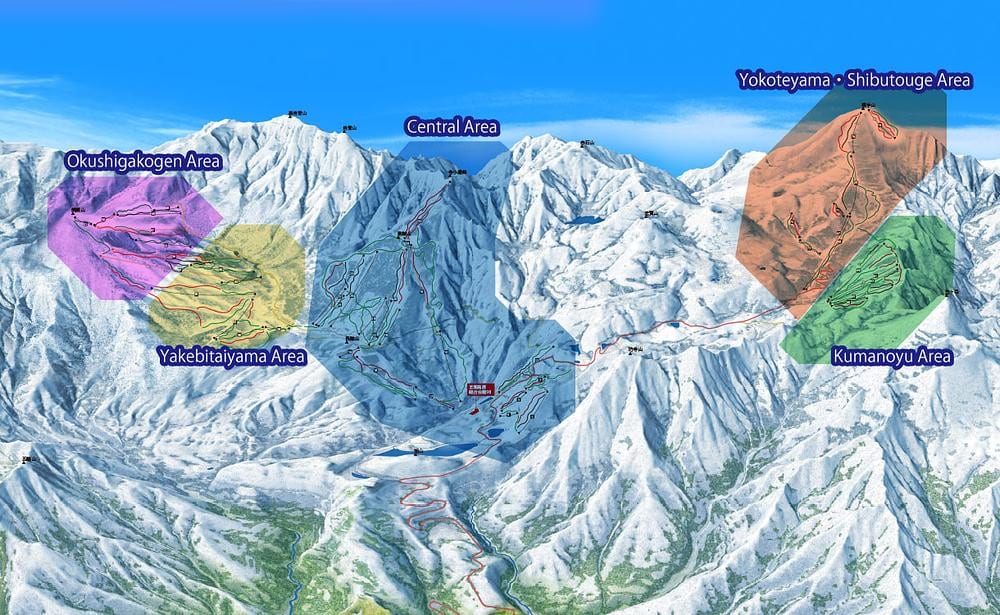
The ski area naturally divides by terrain into three zones: the Central Area, the Yakebitaiyama and Okushiga Area, and the Yokoteyama and Shibutoge Area. Free shuttle buses link the zones, so visitors can choose their range according to their level and accommodation, and you can have a great time without covering the whole mountain every day.
Historical Background: The 1998 Nagano Winter Olympics
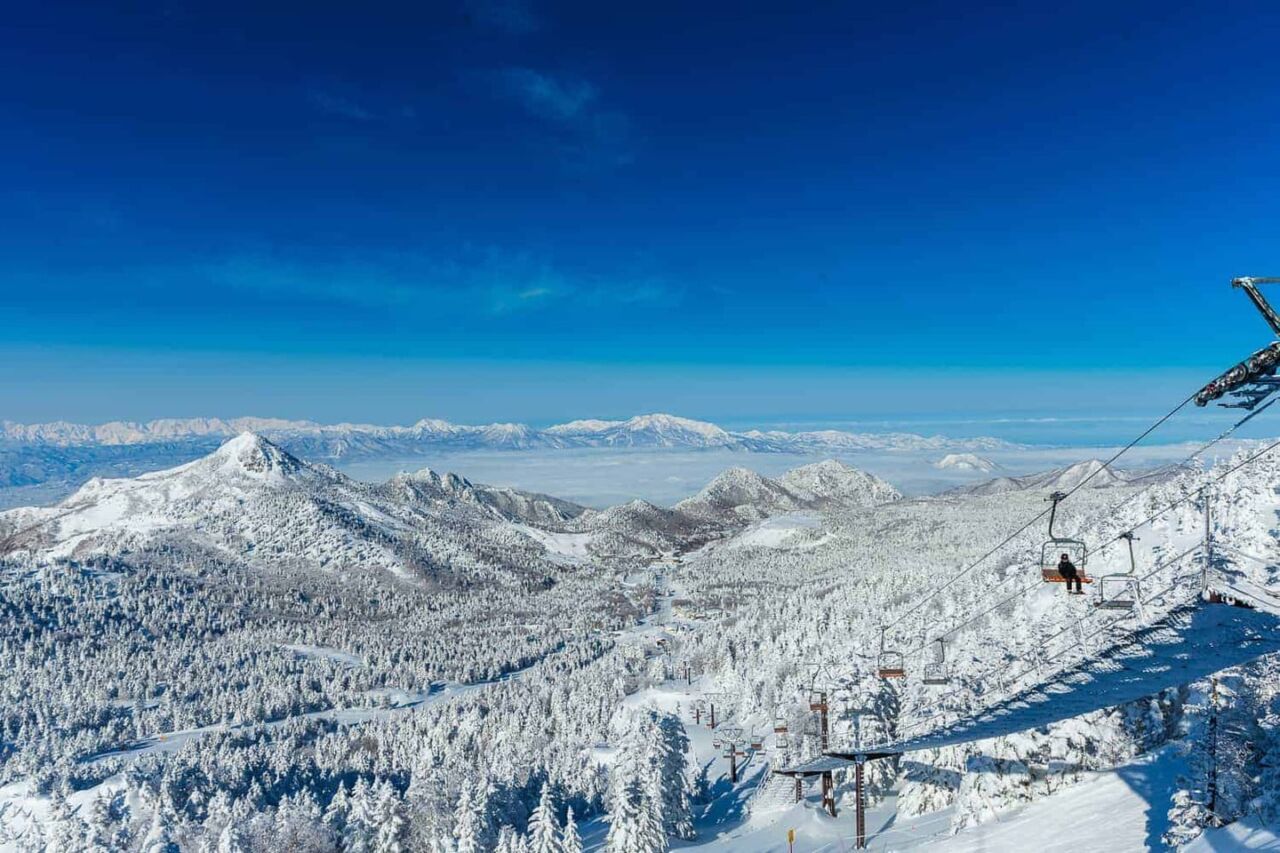
Yakebitaiyama was the venue for the men’s and women’s slalom and snowboard giant slalom at the 1998 Nagano Winter Olympics (Higashidateyama hosted the men’s and women’s giant slalom), and the Olympic courses used then are still preserved, with commemorative signboards beside them, letting ski lovers experience the slopes Olympic athletes raced down, one of Shiga Kogen’s most talked-about pilgrimage routes.
The area around Yakebitaiyama also has an excellent lift system and the Prince Hotel group thanks to Olympic development, making it the area with the highest accommodation and skiing quality in Shiga Kogen. Many international skiers choose to stay here first, combining convenient access with a variety of runs.

Suitable Levels and Season
Shiga Kogen’s Central Area is mostly wide, gentle slopes and forest runs, very friendly to beginners and families; Yakebitaiyama and Okushiga have excellent snow and beautiful tree runs, suiting intermediate and advanced skiers; Yokoteyama and Shibutoge sit higher with varied terrain and can keep skiing even into April and May, making them among the areas with the longest ski season in all of Japan.
Beyond skiing, Shiga Kogen is also a well-known summer retreat with cool, pleasant weather. In recent years it has teamed up with the local tourism route SUBAROAD to launch a circuit linking Shiga Kogen and the Yudanaka Shibu Onsen area, so visitors can come to this highland hideaway in every season, not just winter.
How to Get to Shiga Kogen? A Complete Guide to Transport and Costs
Getting to Shiga Kogen mainly means the Shinkansen plus the Nagaden express bus (Nagano Station East Exit, boarding point 23, no reservation needed), and there are direct options for airport arrivals too. Below are the four main ways to travel.
| Transport | Fare (one way) | Travel time |
|---|---|---|
| Hokuriku Shinkansen + Nagaden express bus (Nagano Station East Exit, boarding point 23, no reservation needed) | About ¥10,000 | About 2.5-3 hours |
| Narita / Haneda Airport direct bus (Nagano Snow Shuttle) | About ¥14,850-17,930 | About 4.5-5.5 hours |
| Toyama Airport (rental car required, no scheduled bus) | Car rental extra | About 3 hours or more |
| Nagano Station Nagaden express bus (local segment) | ¥3,000 (2025-26 season) | About 70-90 minutes |
From Tokyo: Hokuriku Shinkansen + Nagaden Bus
Take the Hokuriku Shinkansen from Tokyo Station to Nagano Station in about 80 minutes, then transfer at the East Exit to the “Nagaden express bus (Nagano Station East Exit, boarding point 23, no reservation needed),” which goes directly to Shiga Kogen’s ski areas in about 70 to 90 minutes. On holidays we suggest lining up early, because Nagaden buses mostly board by queueing on site with no advance reservation, and seats are hard to get in peak season.
Holding a JR East Pass (Nagano Niigata Area) covers the Shinkansen fare and is the most economical way for independent travelers, valid for 5 consecutive days.
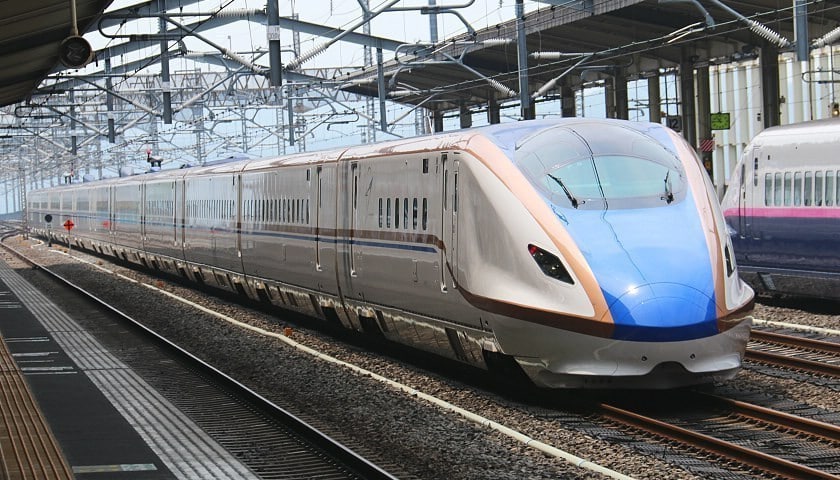

From Narita / Haneda Airport: Direct Airport Bus
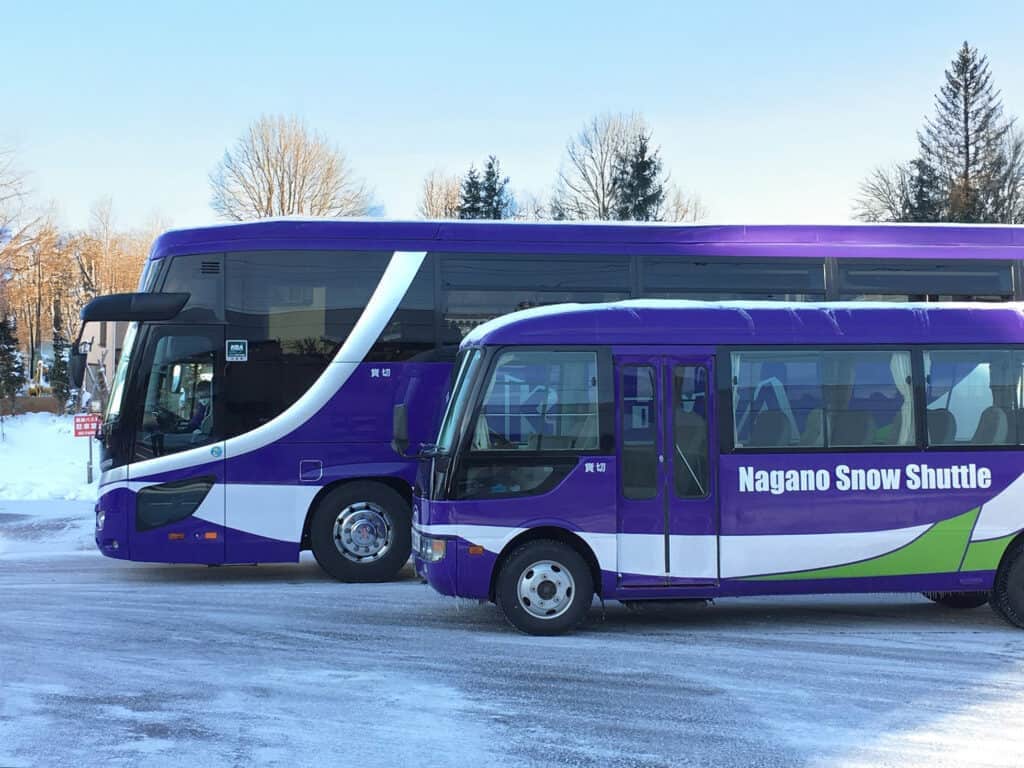
From Narita or Haneda Airport you can take direct buses such as the “NAGANO SNOW SHUTTLE,” which runs all the way to the entrances of Shiga Kogen’s ski areas with no transfers, taking about 4.5 to 5.5 hours. It suits travelers with a lot of ski gear who do not want to haul luggage through transfers; the downside is fewer departures, so you need to book ahead.
If you do not want to sit on a bus for so long, you can also take the Limousine Bus or a train into central Tokyo first and go on to Nagano by Shinkansen the next day, which is more flexible but needs one more night of accommodation.

From Toyama Airport: The Shortest Route on the Hokuriku Side
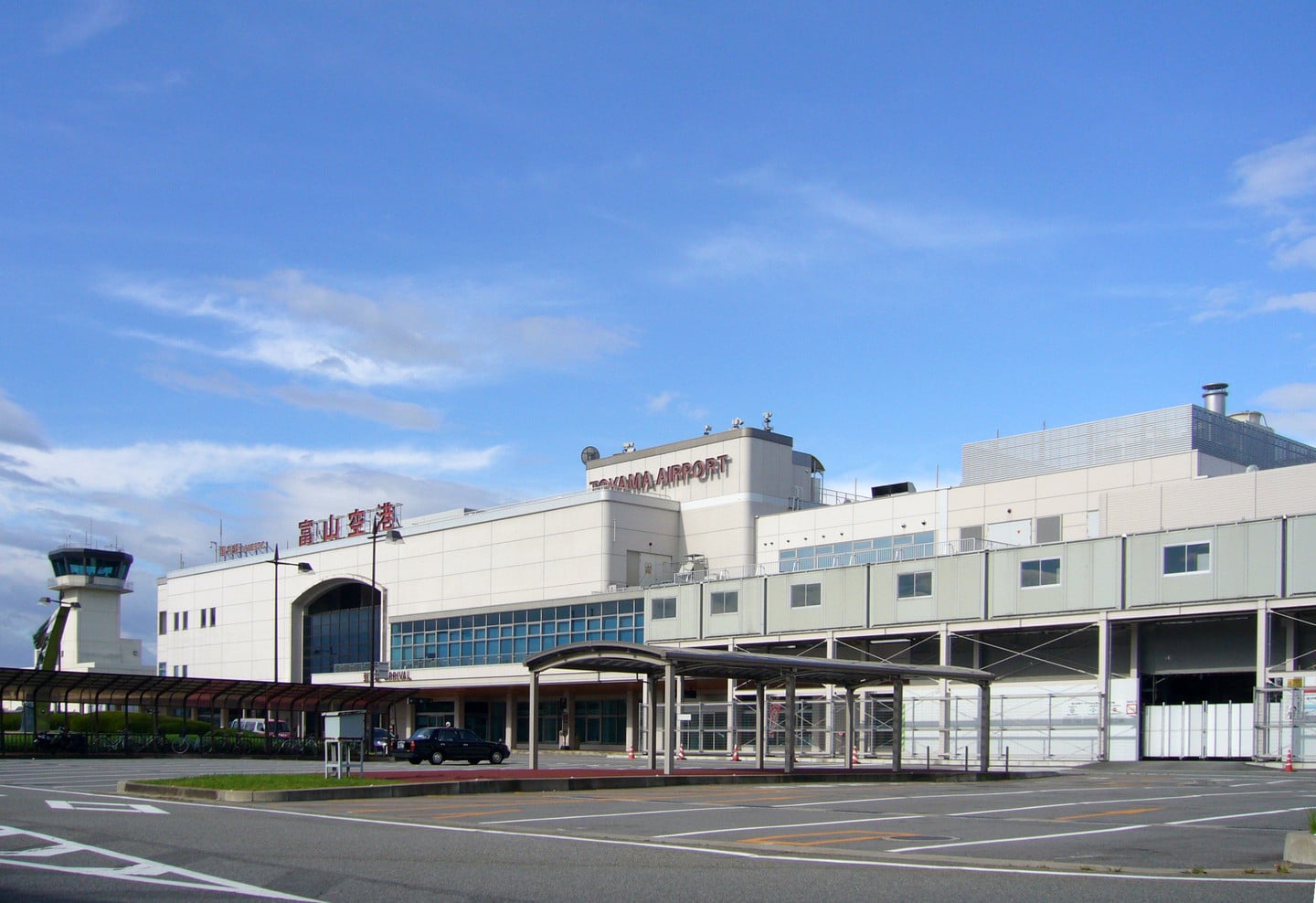
Toyama Airport has no scheduled shuttle bus to Shiga Kogen, so you need to rent a car and drive via the Hokuriku Expressway onto the Joshin-etsu Expressway to the Shinshu-Nakano IC, about 230 km and a drive of 3 hours or more. It is especially suitable for travelers who plan Tateyama Kurobe or Kanazawa first and then connect to Shiga Kogen skiing.
Toyama Airport has direct flights from Taiwan, which can save more time than detouring through Tokyo for visitors flying in from there. When driving in winter, note that mountain sections require snow tires.
Transfers and Tickets at Nagano Station: Nagaden Bus and the JR East Pass
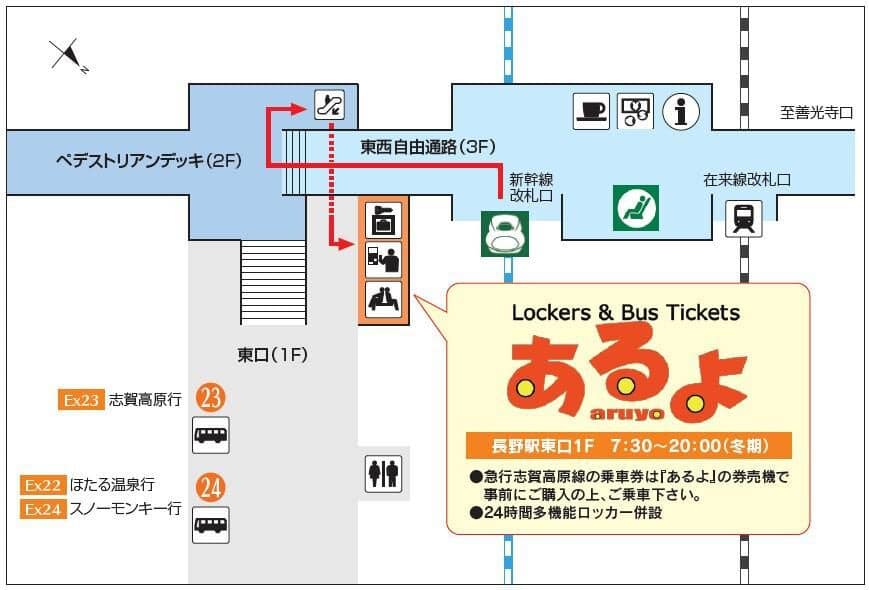
The East Exit is the boarding point for the Nagaden express bus (Nagano Station East Exit, boarding point 23, no reservation needed), with departures covering the main ski area entrances such as Ichinose, Yakebitaiyama, Okushiga and Yokoteyama. For the 2025-26 season, Nagaden’s published fare is ¥3,000 one way from Nagano Station East Exit to each ski area (about 70 minutes to Yamanoeki), and you can buy tickets at the East Exit information desk or pay on board; the 2026-27 season timetable and fares have not yet been officially announced, so please confirm again before you go. Holding a JR East Pass (Nagano Niigata Area) covers the Hokuriku Shinkansen section to Nagano.
Once you arrive, getting around the area relies on the free shuttle buses (スキーシャトルバス). According to the Shiga Kogen Tourism Association’s 2025-26 season information, rides within the area are free between 8:30 and 17:30 and do not require showing a lift ticket; timetables for the 2026-27 season will be announced separately.



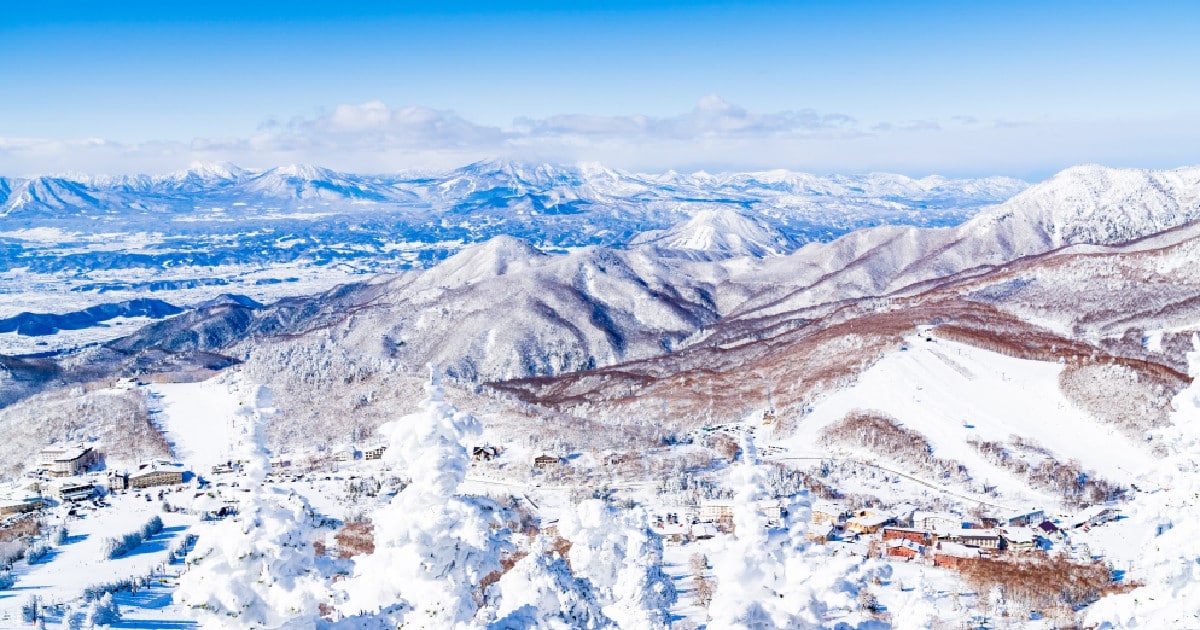
What Are the Must-See Ski Areas and Highlights in Shiga Kogen? An Area-by-Area Breakdown
Shiga Kogen consists of 18 ski areas divided into three zones: Central, Yakebitaiyama-Okushiga and Yokoteyama-Shibutoge, each with a very different character.
Three Zones: How to Choose Among the 18 Ski Areas
Shiga Kogen has 18 ski areas, all linked by 47 lifts and divided into three zones: the Central Area (13 ski areas including Ichinose, Sun Valley, Maruike and Hasuike) has plentiful, gentle runs and is best for beginners and families; the Yakebitaiyama and Okushiga Area was a 1998 Olympic venue, with excellent snow and high-quality lodging; the Yokoteyama and Shibutoge Area is the highest, with Japan’s highest lift-served run, and you can still ski in April and May in spring.
We suggest choosing one or two zones as your main range based on your skiing level and accommodation. Although shuttle buses link the zones, getting between them still takes time, so do not try to cover too much when planning your itinerary.
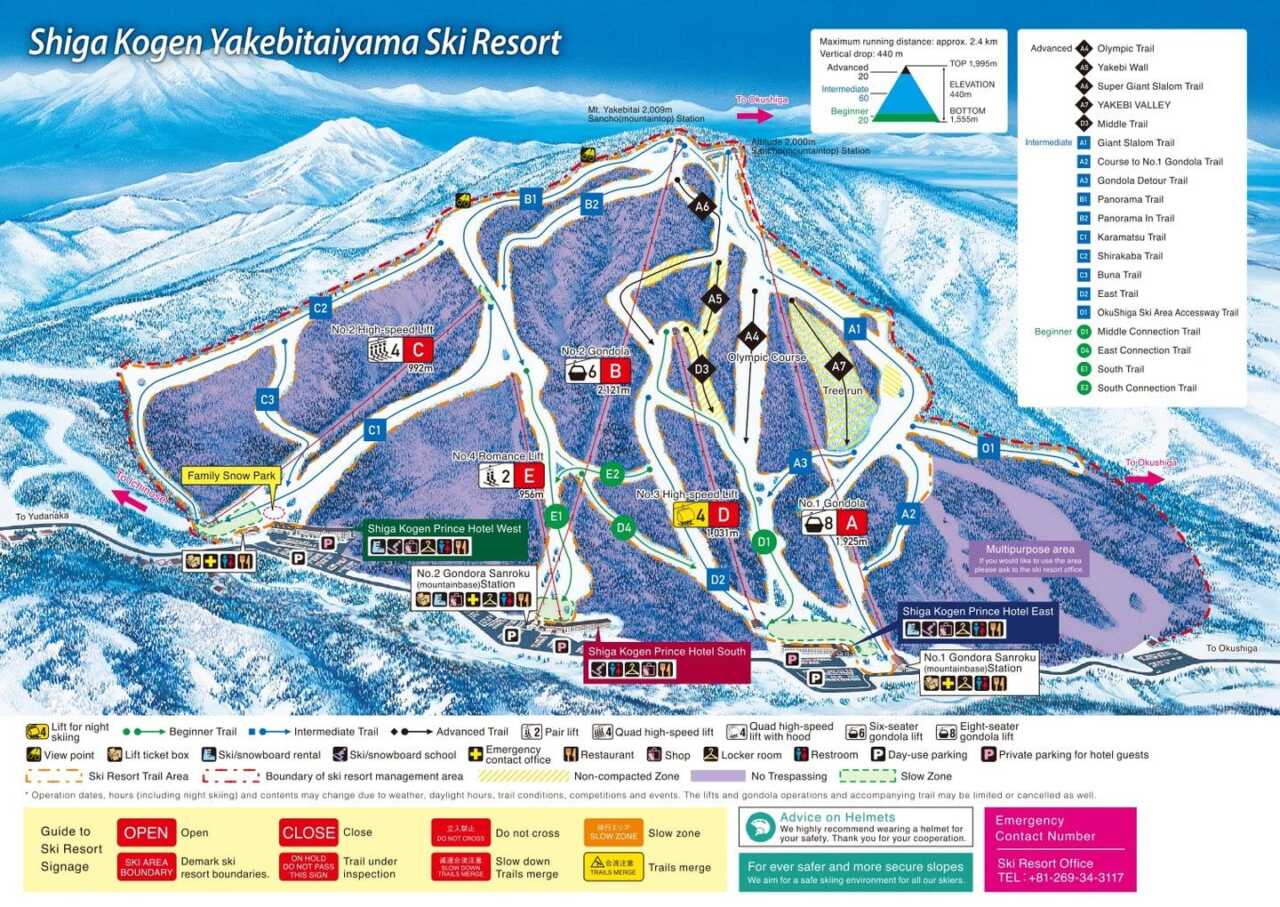
Yakebitaiyama Ski Area: 1998 Olympic Course and Prince Hotels
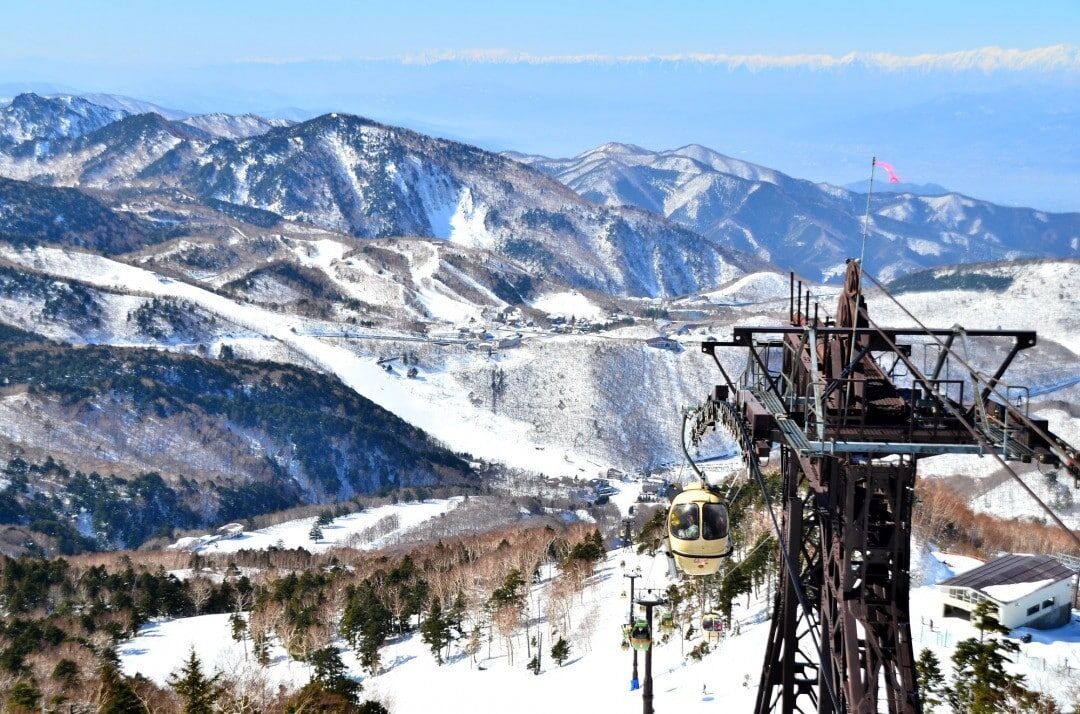
Yakebitaiyama is the largest standalone ski area in Shiga Kogen, with 20 runs and a longest run of 2,430 meters. The park preserves the alpine racing courses of the 1998 Nagano Winter Olympics, with commemorative signboards beside them for photos. At the foot of the mountain are the East, South and West Buildings of the Shiga Kogen Prince Hotel, so on the way back from skiing you can walk straight to your room, making it the top choice area for convenience and quality.
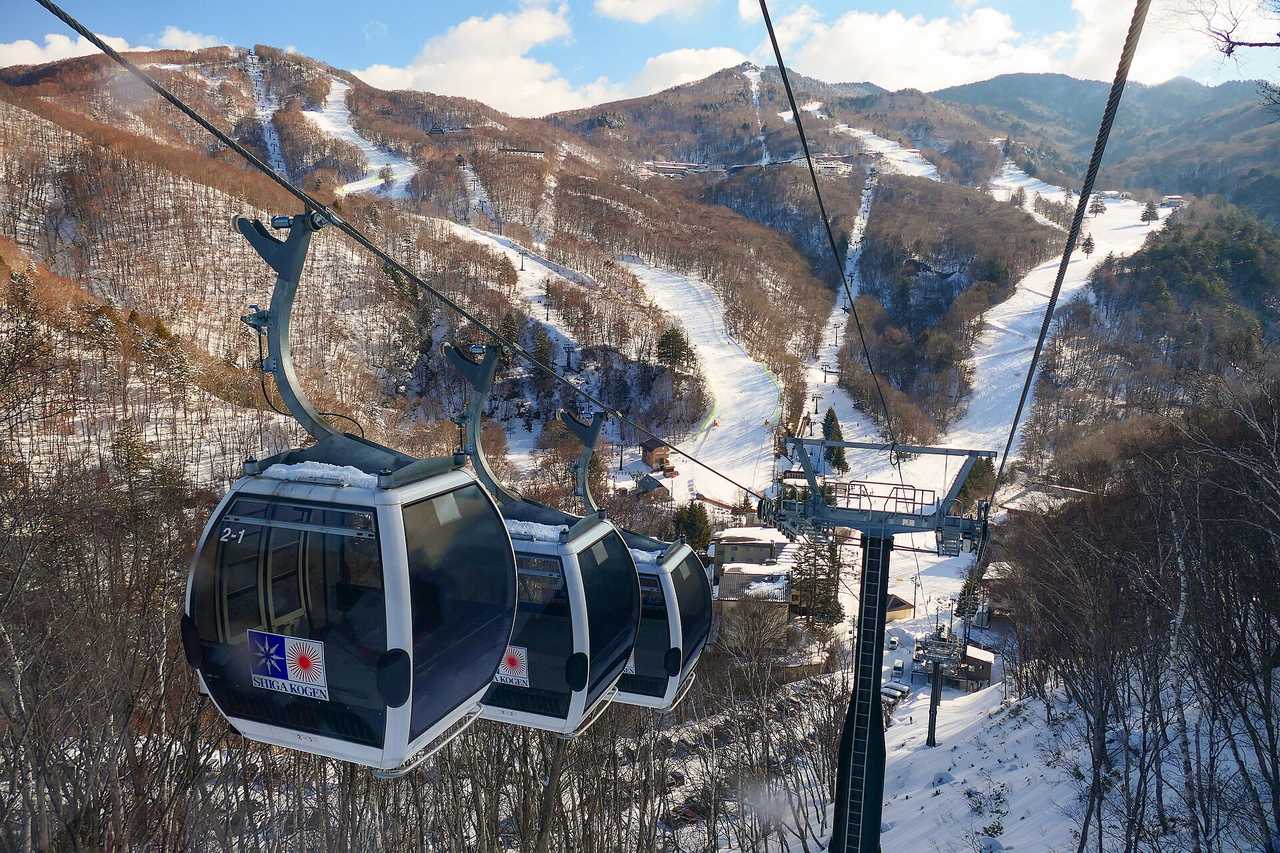
Yakebitaiyama’s lift system is excellent, with a gondola going straight to the summit, from which you can look out over all of Shiga Kogen in good weather, and intermediate and advanced skiers can take on steeps and tree runs, making it one of the most technically rewarding ski areas in Shiga Kogen.

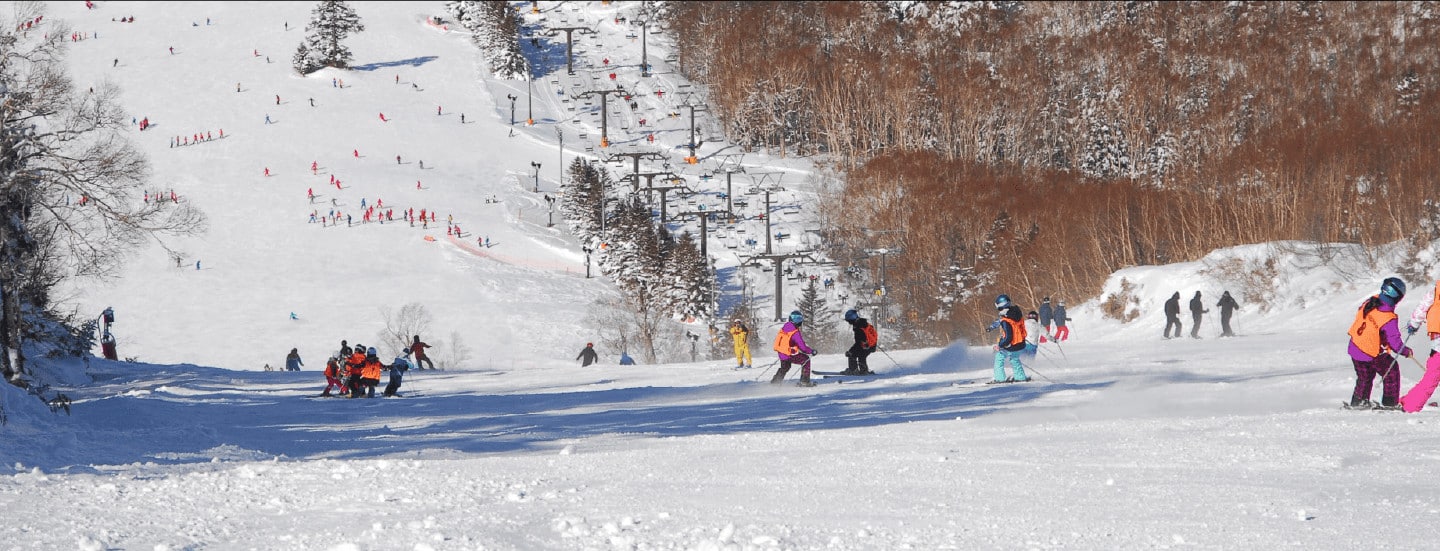
Okushiga Kogen Ski Area: Natural Snow and Powder
Okushiga Kogen Ski Area is deep inside Shiga Kogen, with a summit elevation of 2,000 meters and a base of 1,470 meters, a vertical drop of 530 meters, and has 1 gondola and 4 chairlifts. The official run breakdown is 20% beginner, 60% intermediate and 20% advanced, and the resort states it uses 100% natural snow with light powder. The season runs from mid-December to about Golden Week, with no night skiing, suiting intermediate skiers who want to focus on skiing during the best snow conditions.
Ichinose Ski Area: A Wide Beginner’s Paradise
Ichinose is the core ski area of the Central Area, with wide, gentle runs, known as the best place to practice treating “big, broad red runs as green runs,” and perfect for beginners to repeat turns over and over; it is also the first choice for families. Around the ski area are many hotels, guesthouses and restaurants, with gear rental and dining all within walking distance, making it the most convenient area in all of Shiga Kogen.
Ichinose is further divided into sub-areas such as Family, Tanne, Diamond and Yamanokami, each with slightly different difficulty. Beginners can start by practicing lifts and basic speed control at Ichinose Family, then gradually take on the other sub-areas.
Terakoya Ski Area: High-Altitude Sea-of-Clouds Views
Terakoya Ski Area reaches 2,060 meters at its highest point, the highest ski area in the Central Area, and on a clear day you can look down on a magnificent sea of clouds, a must-visit for photography lovers and travelers seeking scenery. Slopes here vary greatly, with gentle slopes for beginners and steeper challenging runs, meeting the skiing needs of different levels.
With its high elevation and broad views, Terakoya is also the ski area in Shiga Kogen where you are most likely to capture the sea of clouds and a panorama of snowfields, and we suggest going on a clear morning for the best visibility.
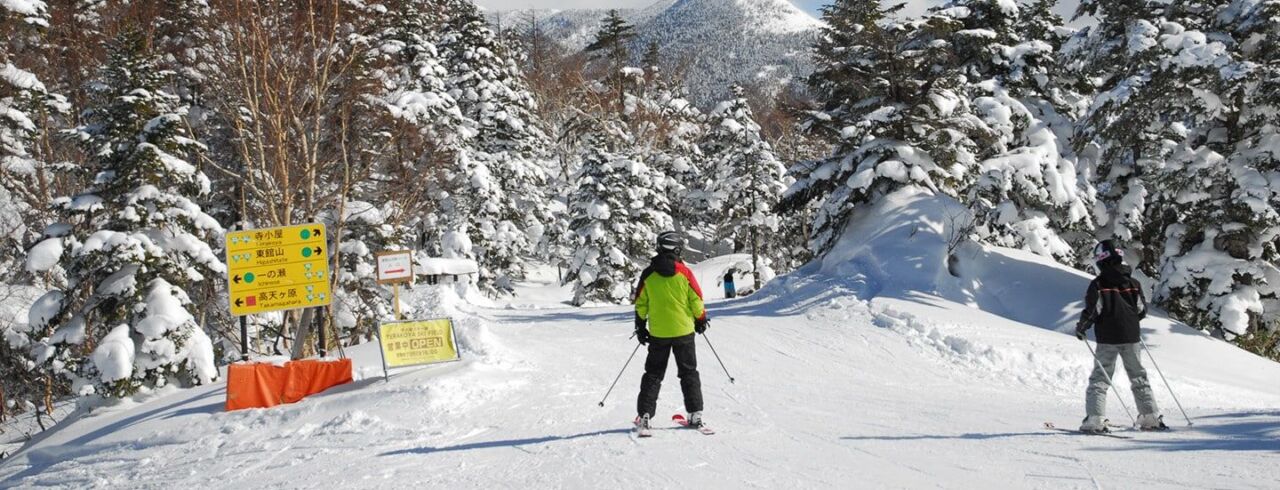
Higashidateyama Ski Area: Cheese Fondue and Gondola Dining
Higashidateyama Ski Area is famous for the cheese fondue at its summit restaurant. When you get hungry halfway through a ski day, a steaming pot of cheese fondue with bread for dipping is a comfort food that Shiga Kogen skiers widely agree on. The runs themselves are not the longest, but the gondola views are excellent, suiting a half-day plan combined with a dining experience.
Higashidateyama also has a sightseeing gondola, so even visitors who do not ski can ride up to enjoy the snow views, a popular choice for family outings or couple dates.
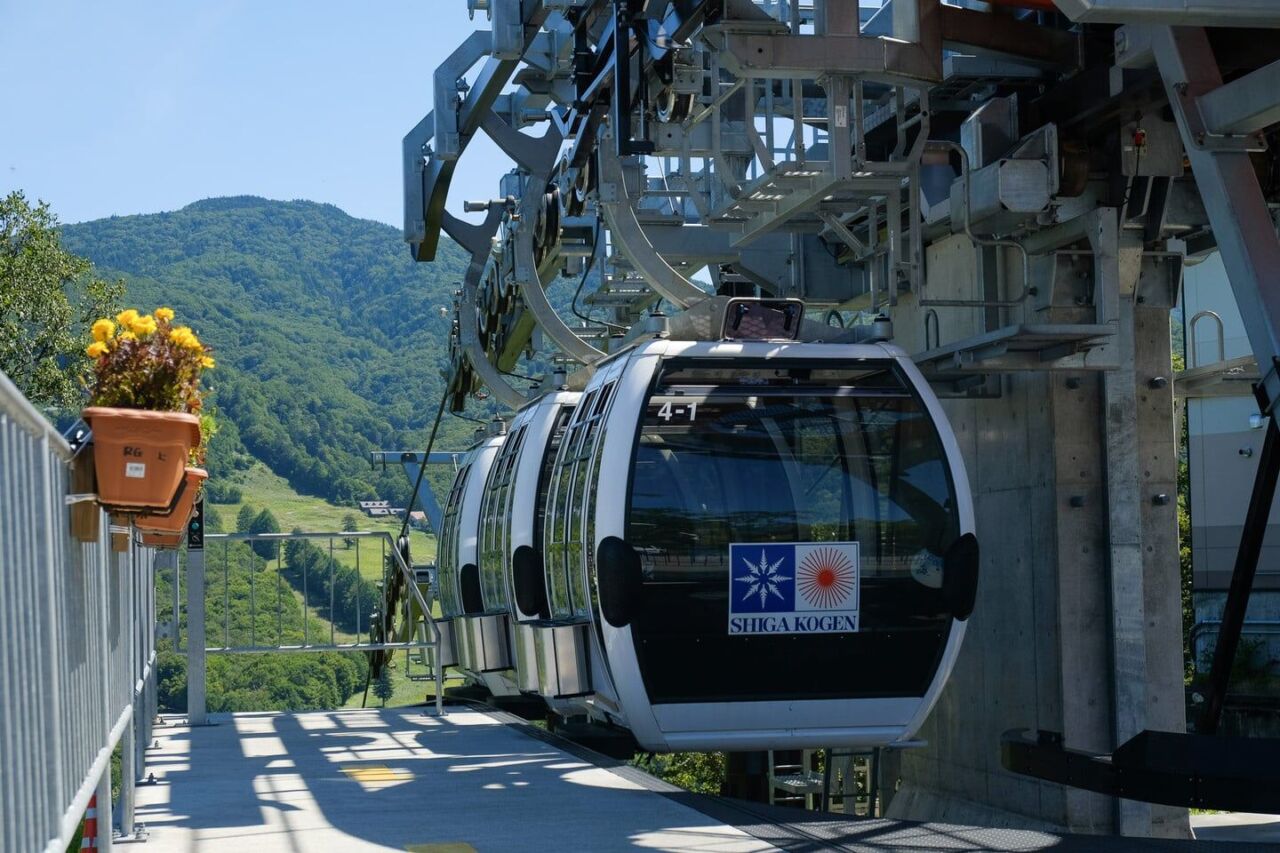
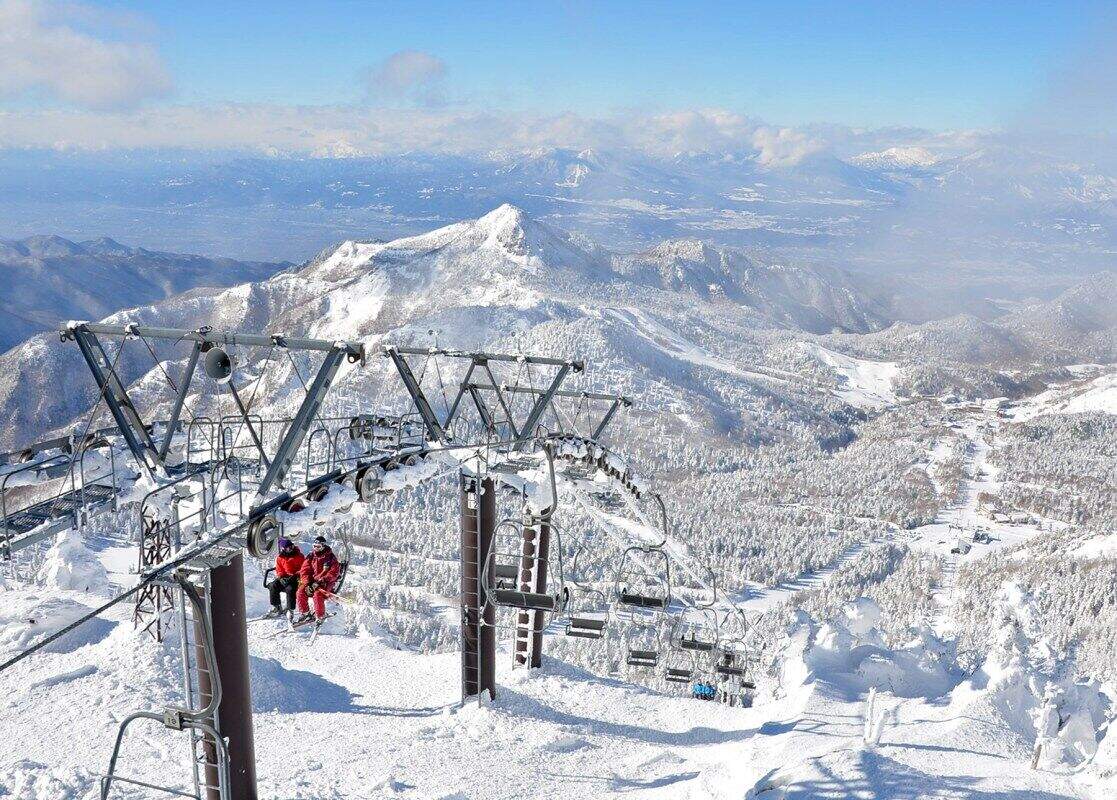
Yokoteyama Ski Area: Japan’s Highest Lift-Served Run at 2,307 Meters
Yokoteyama Ski Area has Japan’s highest lift-served ski run, at an elevation of 2,307 meters. On clear days you can see snowy mountain views and a spectacular sea of clouds, and in winter rime ice formations are common at the summit, making it the most talked-about photo-op ski area in Shiga Kogen. The summit has the “Hütte (ヒュッテ)” restaurant, serving bread-bowl mushroom cream soup and borscht, and it is one of the highest-altitude bakeries in all of Japan, so while skiing it is worth going up for a hot soup to warm up.
Yokoteyama’s season lasts until May of the following year, the longest in all of Shiga Kogen, so you can still enjoy skiing if you visit in spring. Because of the altitude, winds are stronger, so be sure to check lift operating status before you set out.
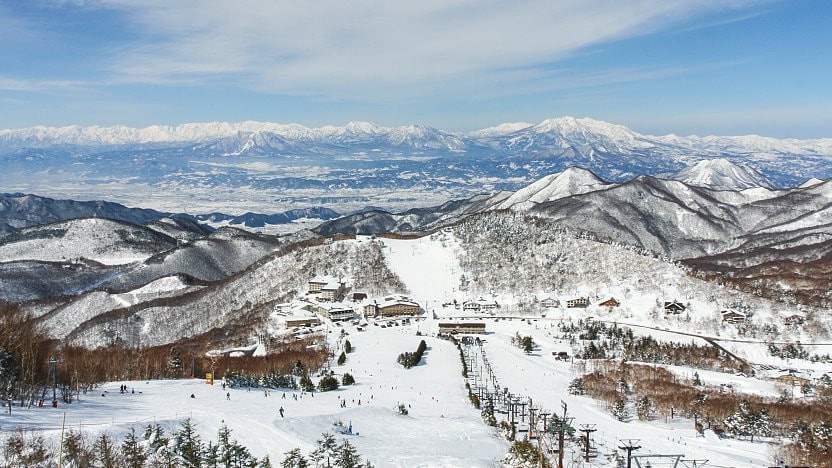
SUN VALLEY Ski Area: Wind-Sheltered Terrain for Stable Operation
SUN VALLEY Ski Area has a clear terrain advantage, surrounded by mountains that form a natural barrier, so even in strong wind and snow its lifts find it easier to keep operating normally, making it the first backup choice when the weather is bad. The slopes are moderate in pitch, so beginner and intermediate skiers can both find suitable routes.
The ski area is near Maruike and Hasuike, so you can link several Central Area ski areas in one day with convenient connections, and it is often included as a stepping stone when planning a multi-day Shiga Kogen itinerary.
GIANT and Bunadaira Ski Areas: Apple Pie Specialty and Practice Slopes
The Aspen Shiga Hotel near the GIANT ski area sells Shiga Kogen’s famous apple pie for about ¥600 a slice, a crisp crust with rich apple filling that skiers recommend by word of mouth as a must-eat. Bunadaira is known for gentle terrain and is an ideal place for beginners to practice basic ski and snowboard moves.
These two ski areas are smaller and relatively uncrowded, suiting a relaxed pace-changing stop in the middle of your itinerary, where you can practice freely without being jostled by crowds.
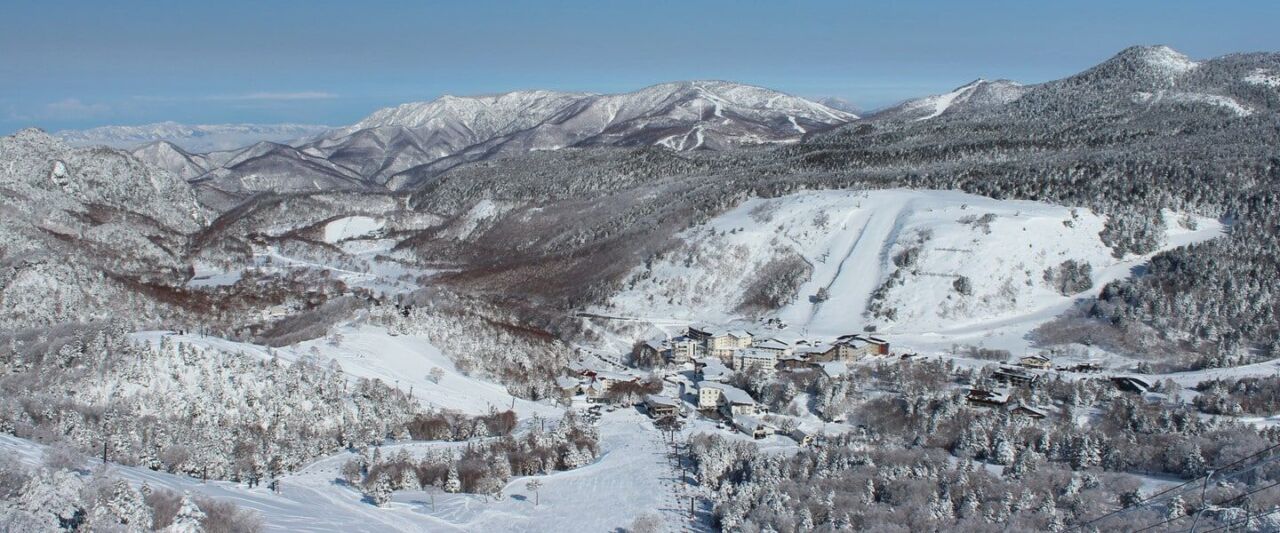
Kumanoyu Ski Area: A Hidden Ski Spot Accompanied by Hot Springs
Kumanoyu Ski Area’s runs connect Yokoteyama and Shibutoge and are an important node on the south side of Shiga Kogen. The ski area is right next to Kumanoyu Onsen, where emerald-colored hot spring water and Shinshu local ingredient dishes let you soak and relax right after skiing, a local experience that has recently been talked about on social media, and Kumanoyu Hotel even offers a stay plan combining mushroom dishes and hot springs.
The Kumanoyu area is relatively less crowded and the snow keeps well, so travelers who like a quiet skiing environment can schedule one day of their trip here.
![[Online Exclusive] Shiga Kogen Kumanoyu Ski Area: Kumanoyu Area-Only 1-Day Lift Ticket (Shiga Kogen, Nagano Prefecture)](https://travel.williamlion.tw/wp-content/uploads/sites/7/2026/08/image-96.jpg)
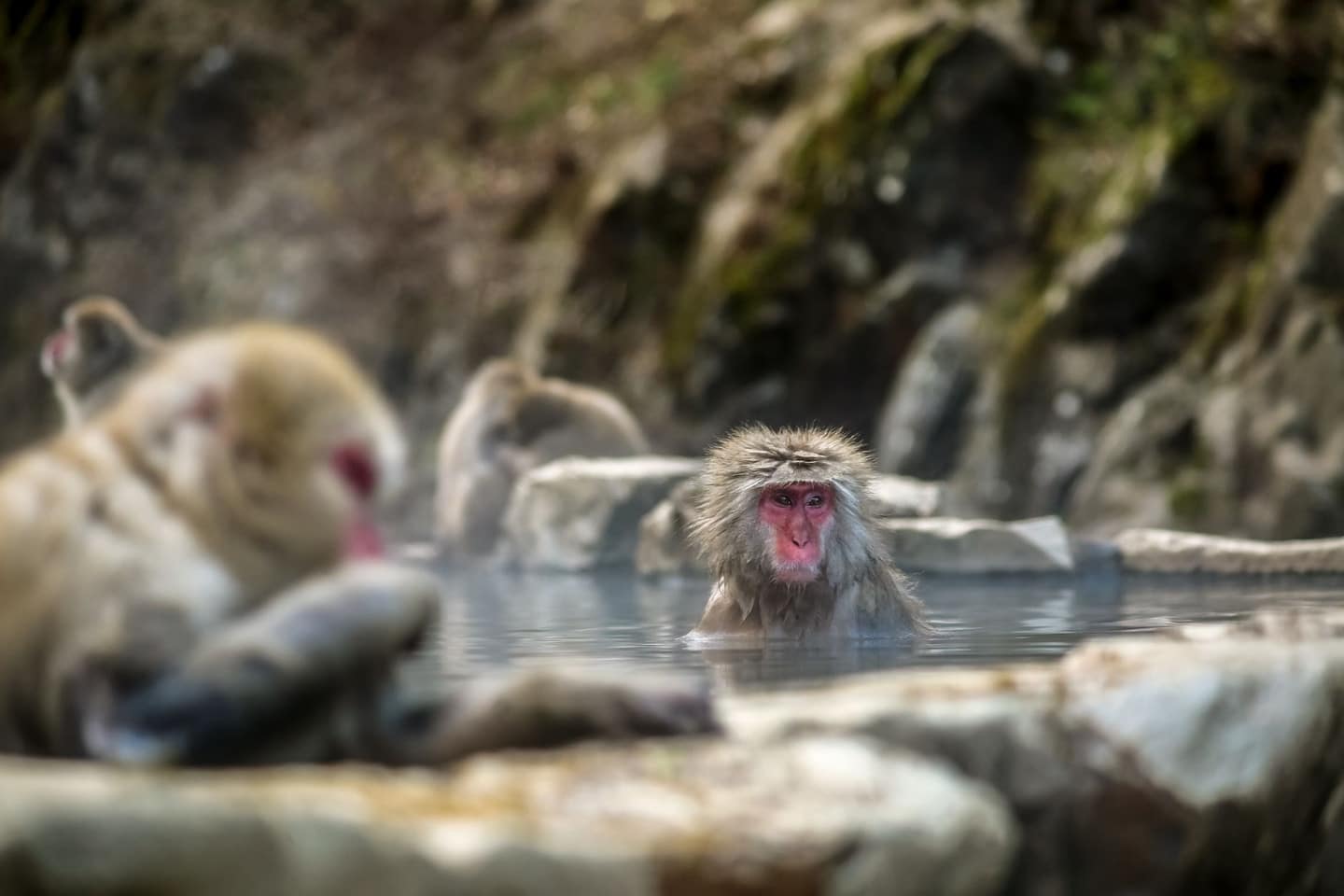
Jigokudani Monkey Park: A Hot Spring Monkey Detour (Wild Monkeys, Not Guaranteed to Appear Every Day)
Jigokudani Monkey Park is one of the most popular detours on the way down from Shiga Kogen and also a highly searched nearby attraction. Wild macaques in the park soak in open-air hot springs in winter to keep warm, a soothing and unique sight that draws many international visitors who come especially to take photos. After taking a bus from Yudanaka Station on the Nagano Electric Railway, you still need to walk about 30 minutes on a mountain path, so we suggest wearing non-slip snow boots.
We suggest visiting on the way down on the last day of your ski trip. Opening hours vary slightly by season, usually 9 a.m. to 4 p.m. in winter, and adult admission is about ¥800, a recommended stop to finish your ski trip on a perfect note.
How Much Does Skiing Shiga Kogen Cost? Lift Tickets and Rental Fees Explained
Shiga Kogen is one of the biggest ski regions in Japan, made up of as many as 18 ski areas linked together with 47 lifts and chairlifts, and just figuring out the ticket system confuses many first-time visitors. In fact, Shiga Kogen’s pricing is quite flexible, from half-day tickets for a single ski area to multi-day passes covering the whole region, plus options such as one-day bus tours from Tokyo and private lessons, with prices ranging from about US$35 to nearly US$300. Below are the four most common cost items so you can pin down your budget before you go and plan a good-value, fulfilling Shiga Kogen ski trip.
Shiga Kogen All-Mountain Lift Pass: The Best-Value Choice for Skiing All 18 Ski Areas on One Ticket
Shiga Kogen’s biggest feature is the “All-Mountain Pass,” a single ticket valid on all lifts and chairlifts in the region, so you do not have to buy tickets again when switching ski areas, the first choice for ski lovers who want to try different terrain and snow. The official window prices for the 2026-27 season (operating from December 5, 2026 to May 5, 2027) have been announced: 1-day pass adults ¥9,500, junior/senior high students ¥6,500, children ¥4,000, ages 60 and over ¥8,000, and a 4-hour pass for adults ¥7,500; for longer stays you can buy multi-day passes from 2 to 10 days, for example a 3-day pass for adults ¥27,500 and a 5-day pass for adults ¥45,500 (about ¥9,100 per day), and multi-day passes can be used on non-consecutive days during the season. (The previous 2025-26 season’s adult 1-day pass was ¥9,000.)
The all-mountain pass can be bought at the ticket offices of the main ski areas in Shiga Kogen, with windows at Yakebitaiyama, Ichinose, Terakoya, Maruike and other stations. In peak season (late December to February) we suggest lining up early to avoid wasting the golden morning skiing hours. Lift tickets come as an IC card, the “Key Ticket (キーチケット),” so you do not have to take out a ticket at the gates; the official operator charges no deposit and you can take the card home, and next time after buying online on the official website you can use the same card to enter directly. In addition to cash, windows accept credit cards, e-wallets and QR code payments.
For independent travelers on a limited budget, the all-mountain pass offers far better value than a single ski area ticket. Shiga Kogen’s terrain spans a wide range, and between Yakebitaiyama and Kumanoyu alone there are runs of many difficulty levels, so buying only a single ski area ticket would miss many of the best routes, and we strongly recommend simply getting the all-mountain pass.
Shiga Kogen Lift Ticket Online Pre-Purchase and Pickup
Lift tickets for the 2026-27 season at Shiga Kogen go on sale online from November 1. The official website lists online prices of ¥8,500 for an adult 1-day pass, ¥3,500 for children and ¥7,500 for ages 60 and over, and ¥16,500 for an adult 2-day pass, cheaper than window prices. First-time users exchange a QR code for a Key Ticket at a SKIOSK or ticket window, while those with a card from a previous season can enter directly with “Direct In (ダイレクトイン).” A 1-day pass is valid only on the day you pass through the gates. For details see the Shiga Kogen official website (shigakogen-ski.or.jp).
Full Gear Rental Packages: The Easy Choice for Traveling Without Hauling Equipment
For travelers who do not want to haul heavy skis and boots on a plane, renting on site or booking a gear rental package in advance on KKday and Klook is the most practical approach. Many rental shops in Shiga Kogen and in nearby guesthouses offer a full set (skis or snowboard, boots, poles) for about ¥4,000-5,500 per day, and adding ski jacket and pants costs about ¥2,000-3,000 more, which comes to roughly US$41-63 depending on how new the gear is and the brand tier.
Most rental shops match sizes to height and weight, and on-site staff help adjust binding angle and tightness, which is very friendly for beginners. For trips longer than three days, a multi-day rental plan is usually better value than renewing day by day, and some shops offer “consecutive stay discounts,” with a 10-20% discount just by showing a hotel booking confirmation.
The advantage of booking in advance on online platforms is avoiding the on-site lines. The winter break and the Lunar New Year period are peak times for visitors from across Asia, and popular boot sizes are often fully booked ahead of time, so we suggest completing your reservation at least one to two weeks before departure and choosing a pickup location.
Ski Lessons: Professional Instruction From Zero Experience to Intermediate Terrain
Shiga Kogen has several ski schools offering lessons in Chinese, English and Japanese, suitable for complete beginners who have never touched skis or a snowboard, and for skiers who want to break through a plateau and learn advanced techniques. Group lessons (usually 4 to 6 people) last about 2 hours and cost ¥5,000-7,000; for more efficient, faster progress you can choose a one-on-one or one-on-two private lesson, with a half day (about 3 hours) costing about ¥15,000-20,000, roughly US$104-135, with the fee varying by instructor experience and whether Chinese interpretation is included.
Beginner lessons usually cover putting on and taking off gear, moving on flat ground, snowplow braking and turn practice, and after a 2-hour lesson most students can slowly descend a beginner run. Advanced lessons arrange tree skiing, carved turns or powder terrain instruction depending on the student’s level, and some instructors even schedule early-morning sessions when there are fewer people, for a better experience.
We suggest booking in advance through KKday, Klook or the ski school’s official website, especially since Chinese-speaking instructor slots are limited and popular times (such as weekend mornings) are often full a week before departure; if you only sign up when you arrive on site, you may find nothing available or have to pay extra for a waitlist spot.
One-Day Ski Tours From Tokyo / Transfer Packages: The Easy Choice Without Driving or Transfers
For travelers without an International Driving Permit or those unfamiliar with driving on Japanese snow, a one-day ski bus tour from Tokyo is a very popular option. Similar tours can be found on KKday and Klook, usually leaving from Shinjuku or Ikebukuro at 6-7 a.m. and taking about 3.5-4 hours to reach Shiga Kogen, returning to Tokyo on the same bus in the evening. The whole package includes round-trip bus transfers and a 1-day lift pass, and some plans add gear rental, with package prices of about ¥12,000-16,000 (about US$82-110).
The advantage of this kind of tour is that it bundles transport and tickets together, so you do not need to work out the complicated Nagano Shinkansen-plus-bus connections, which is especially good value for travelers with only one free day who want to try skiing; the bus usually also has simple Japanese or English announcements reminding you of meeting times and notes.
Note that the ski time on a one-day tour is usually only 4-5 hours, so with the round-trip drive deducted the whole trip is fairly tight. If you want to explore several of Shiga Kogen’s ski areas in depth or plan a consecutive ski holiday, we still suggest choosing local accommodation plus the all-mountain pass, which is more flexible and better value than a same-day round trip.
Shiga Kogen Ski Resort Guide: Where to Stay Nearby? Accommodation Direction Suggestions
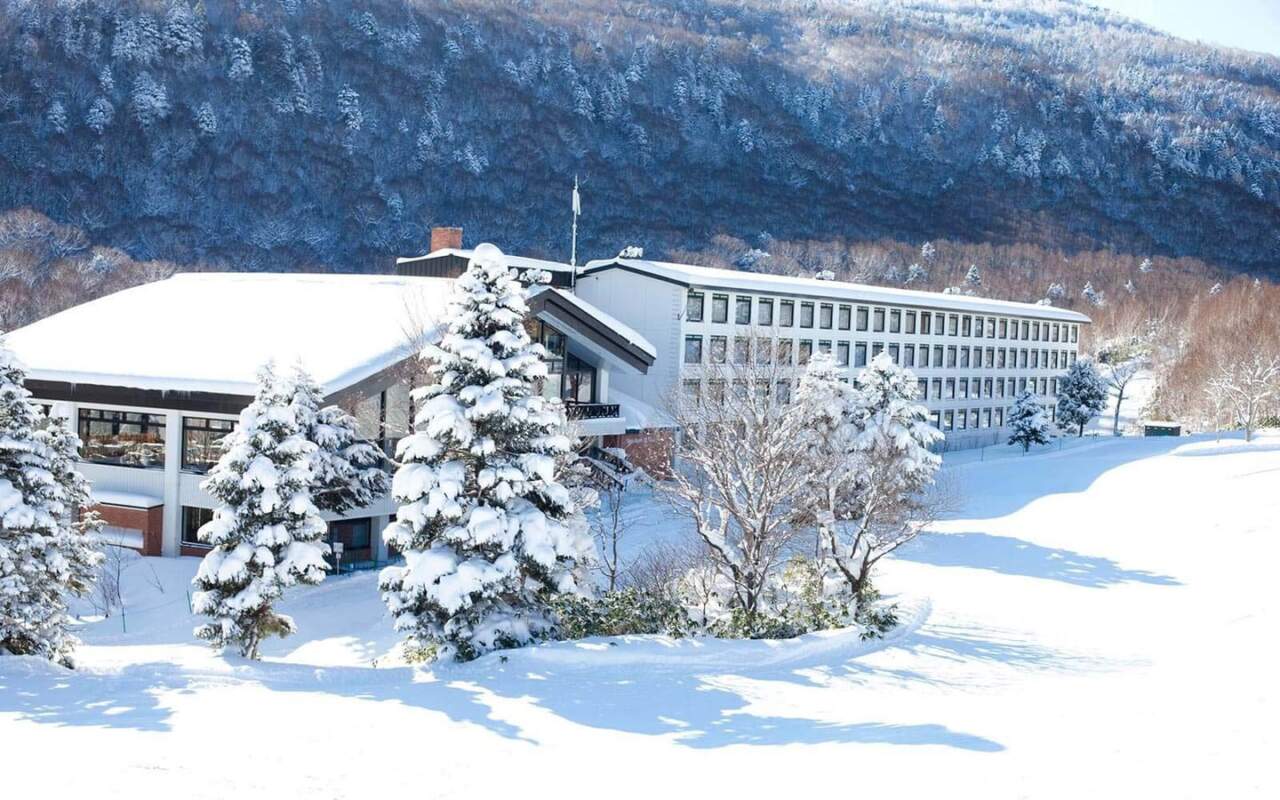

How Should You Choose Where to Stay in Shiga Kogen? Area Accommodation Suggestions
Shiga Kogen is a national park regulated area and, unlike Hakuba or Nozawa Onsen, has no lively nightlife district, but lodging and food offer excellent value, and the key is to choose the right base according to your skiing level and where you plan to focus. Beginners or families with children are advised to stay in the Ichinose area, where the ski area entrance is right outside the hotel, with gear rental, meals and lifts all within walking distance, and izakaya and ramen shops for dinner in the evening.
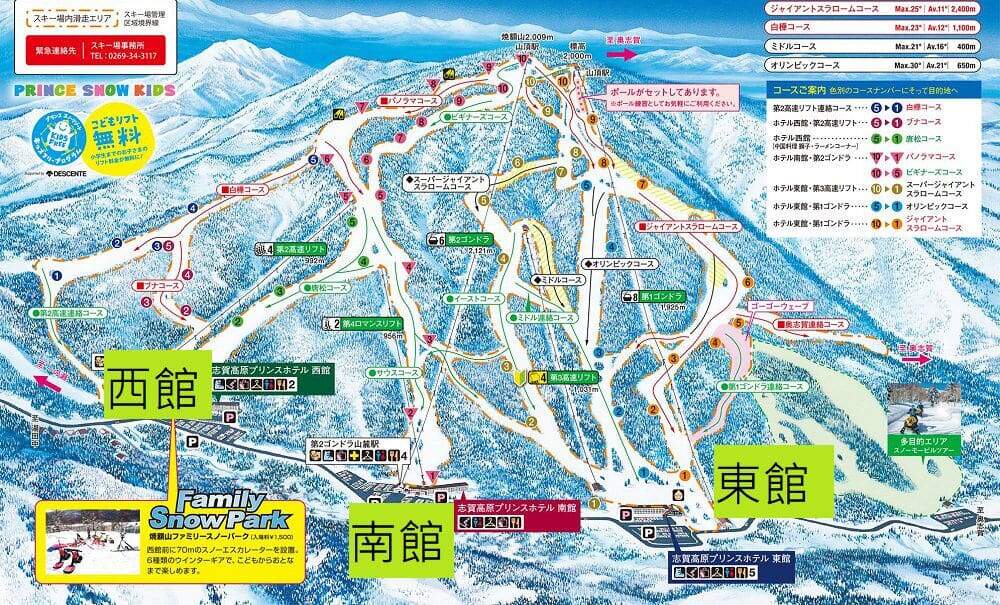
If you value lodging quality and convenient transport, the Yakebitaiyama Prince Hotel group (East, South and West Buildings) is the first choice, close to the 1998 Olympic course and directly connected to the ski area, and convenient for connecting to return buses after checkout. Travelers who like a quiet soaking atmosphere can consider inns around Kumanoyu or the Yudanaka Shibu Onsen area, where after skiing you can try local Shinshu specialties such as soba, nozawana pickles and gohei-mochi, and pick up a bottle of Shiga Kogen beer as a souvenir, experiencing a local life as authentic as the skiing.
Shiga Kogen Ski Resort FAQ
Q: How much is a Shiga Kogen ski lift day pass?
For the 2026-27 season, the all-mountain 1-day pass window price is ¥9,500 for adults, ¥6,500 for junior/senior high students, ¥4,000 for children and ¥8,000 for ages 60 and over, and the 4-hour pass is ¥7,500 for adults (the 2025-26 season adult 1-day pass was ¥9,000); if you only ski the Central Area, its area-limited 1-day pass is about ¥4,900-5,600 for adults and about ¥2,500 for children (follow the official website’s announcement for the current season’s area-limited ticket prices).
Q: How do I get to Shiga Kogen from Tokyo?
Take the Hokuriku Shinkansen to Nagano Station and transfer to the Nagaden express bus at the East Exit (Nagano Station East Exit, boarding point 23, no reservation needed), a ride of about 70 to 90 minutes. No advance reservation is needed, but on holidays you should line up early.
Q: What time is Shiga Kogen open, and how long is the season?
The season runs from mid-November to May of the following year, the longest ski season in Nagano Prefecture, and lifts at the ski areas usually start operating between 8:30 and 9:00 a.m.
Q: Is Shiga Kogen suitable for beginners?
Very suitable. Ichinose and Sun Valley in the Central Area have wide, gentle runs and are the best places for beginners and families to practice.
Q: Can I use the Ikon Pass at Shiga Kogen?
Yes. Shiga Kogen officially joined the Ikon Pass from the 2025-2026 season, and lift tickets can be deducted or redeemed according to the plan’s terms.
Q: What are the must-eat foods at Shiga Kogen?
Higashidateyama’s cheese fondue, the apple pie (about ¥600) at the Aspen hotel next to the GIANT ski area, and the soup at the summit bakery on Yokoteyama are all must-eats.
Q: Where can I go after skiing?
We strongly recommend visiting Jigokudani Monkey Park on the way down, where in winter you can watch the soothing sight of wild macaques soaking in hot springs. Adult admission is about ¥800.