
2026 Nagoya Autumn Leaves (Koyo) Guide: Tokugawaen, Nagoya Castle and the Best Viewing Times Explained
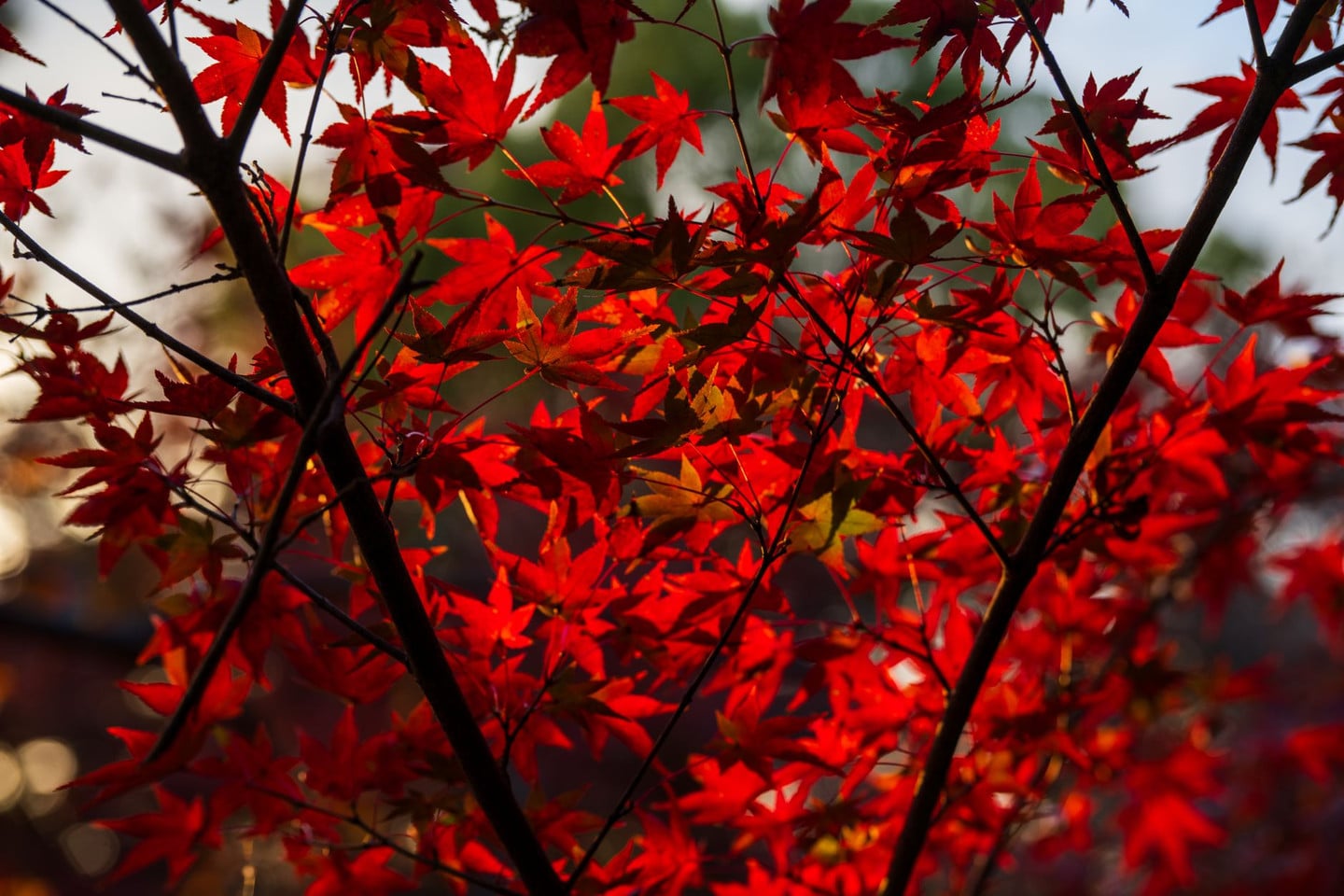
The best time to see autumn leaves in Nagoya in 2026 (called “koyo” or “momiji” in Japanese) is from late November to early December. In the city, Tokugawaen and Nagoya Castle are the most representative spots, while Korankei and Inuyama Castle in the suburbs let you extend your leaf chasing, making it a good fit for families and in-depth travelers planning a 2- to 3-day autumn getaway.
Nagoya’s maples are not yet at their best in November: according to the forecast published by Nihon Kisho Co., Ltd. in September 2026, Nagoya’s peak viewing time (migoro) is around December 2.
We suggest planning your Nagoya leaf viewing for late November to early December. In November the city’s leaves are mostly still changing color, so if you want to see fully red leaves, head first to Korankei in the suburbs.
2026 Nagoya Autumn Leaves Guide: Tokugawaen, Nagoya Castle and the Best Viewing Times at a Glance
Nagoya’s autumn leaf season runs from late November to early December. City sights include Tokugawaen, Nagoya Castle and Shirotori Garden, while Korankei and Inuyama Castle are in the suburbs. Nagoya is easy to get around and admission is affordable (about ¥300 for Tokugawaen and ¥1,000 for Nagoya Castle), suiting a 2-day-1-night or 3-day-2-night autumn trip in the Chubu region. City sights are reachable by subway, and suburban spots by train and bus depending on your itinerary. This article provides the 2026 leaf forecast, guides to Tokugawaen and Nagoya Castle, 14 leaf-viewing spots, transport tickets, tips for avoiding crowds and photography tips to help you plan a complete Nagoya leaf-chasing trip.
Nagoya Autumn Leaf Timing Forecast: A Complete Schedule from Mid-November to Mid-December
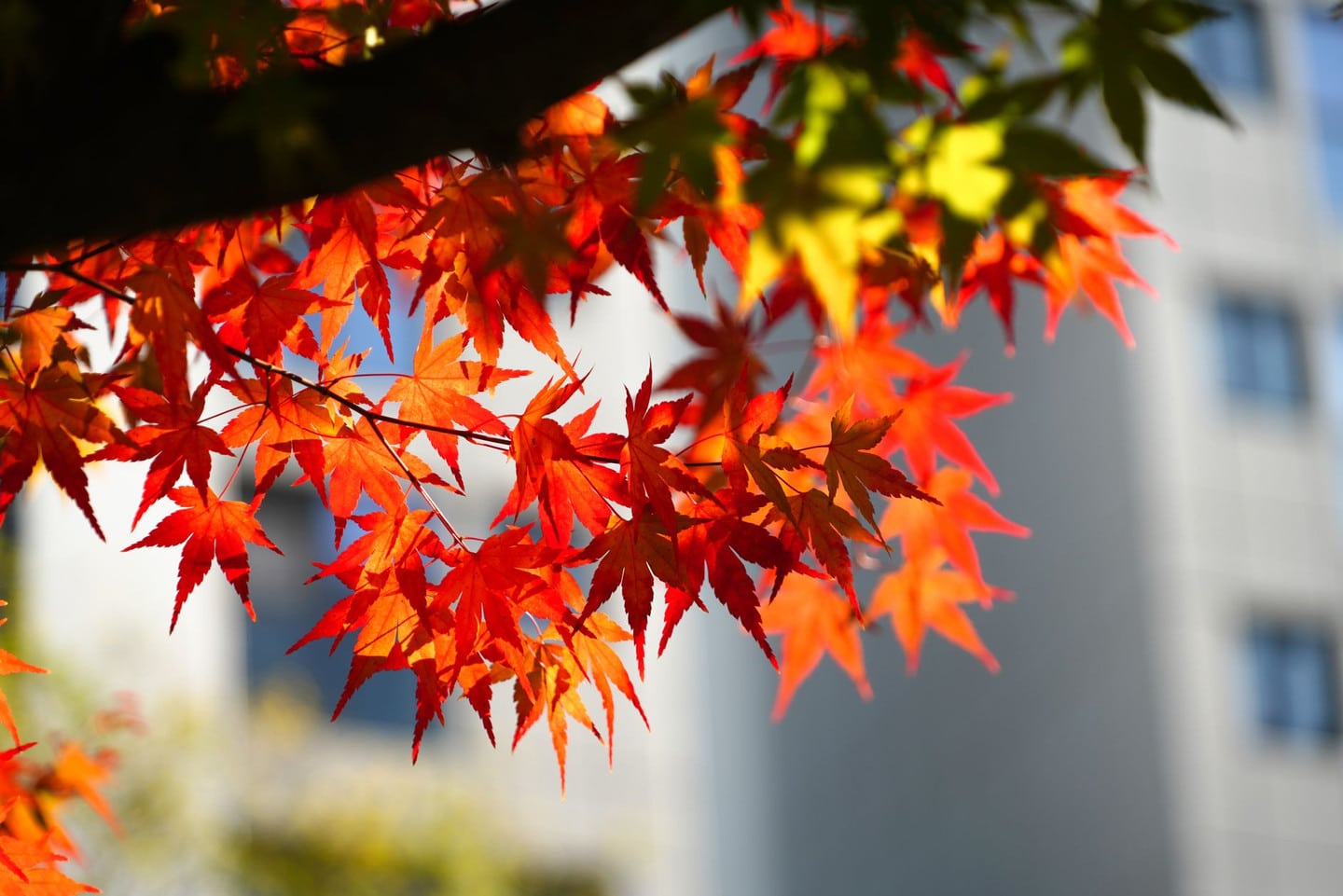
Autumn leaf timing differs between Nagoya’s sights: Nagoya Castle and Meijo Park are about mid-November to late November; Tokugawaen and Shirotori Garden are about late November to early December; Higashiyama Zoo and Botanical Gardens are about mid-November to early December; and the ginkgo at Yagoto-san Koshoji Temple and Atsuta Shrine are about early to mid-December.
The 2026 forecast calls for peak foliage nationwide to be later than average, with the peak in central Nagoya expected from late November to early December. One to two weeks before you leave, check the latest “autumn leaf front” on the Japan Weather Association’s tenki.jp or the JNTO website.
2026 Nagoya Autumn Leaf Timing Forecast: Latest Peak-Viewing Forecast Dates at a Glance
To follow the latest 2026 forecast for Nagoya’s autumn leaf timing, the most reliable source is the “autumn leaf peak-viewing forecast” (migoro = the period when the leaves are at their most beautiful) that Japanese private weather organizations publish every autumn. As of early October 2026, the published 2026 forecasts are as follows, and the actual dates will be revised as temperatures change in October and November:
| Location | 2026 forecast peak date | Source |
|---|---|---|
| Nagoya (city representative value, iroha-momiji Japanese maple) | Around December 2 (normal year is November 28, 4 days later, still classed as “about normal”) | Nihon Kisho Co., Ltd. (1st forecast, September 2, 2026) |
| Tokugawaen | Around December 4 | Weathernews “Aichi Autumn Leaf Information 2026” |
| Shirotori Garden | Around December 1 | Weathernews |
| Higashiyama Zoo and Botanical Gardens | Around November 28 | Weathernews |
| Korankei (Toyota City, suburb) | Around November 22 | Weathernews |
Overall, the 2026 Nagoya leaf season peak in the city is expected from late November to early December, with Tokugawaen at its best around the first week of December, while suburbs such as Korankei peak about a week and a half earlier. According to the forecast published by Nihon Kisho Co., Ltd. in September 2026, Nagoya’s peak is around December 2; we recommend checking the latest figures one to two weeks before you leave.
The schedule for Tokugawaen’s 2026 “Autumn Leaf Festival” and night illumination had not been officially announced as of early October 2026. For reference, the 2025 “Nishiki o Matou Tokugawaen Autumn Leaf Festival” ran from November 14 to December 7, with night illumination held only on November 21-24 and 28-30, a total of 7 nights (about 16:00-20:00, with last entry at 19:30). The lights are not on every day of the leaf season, so if you want to see the night leaves, be sure to check that year’s official schedule.
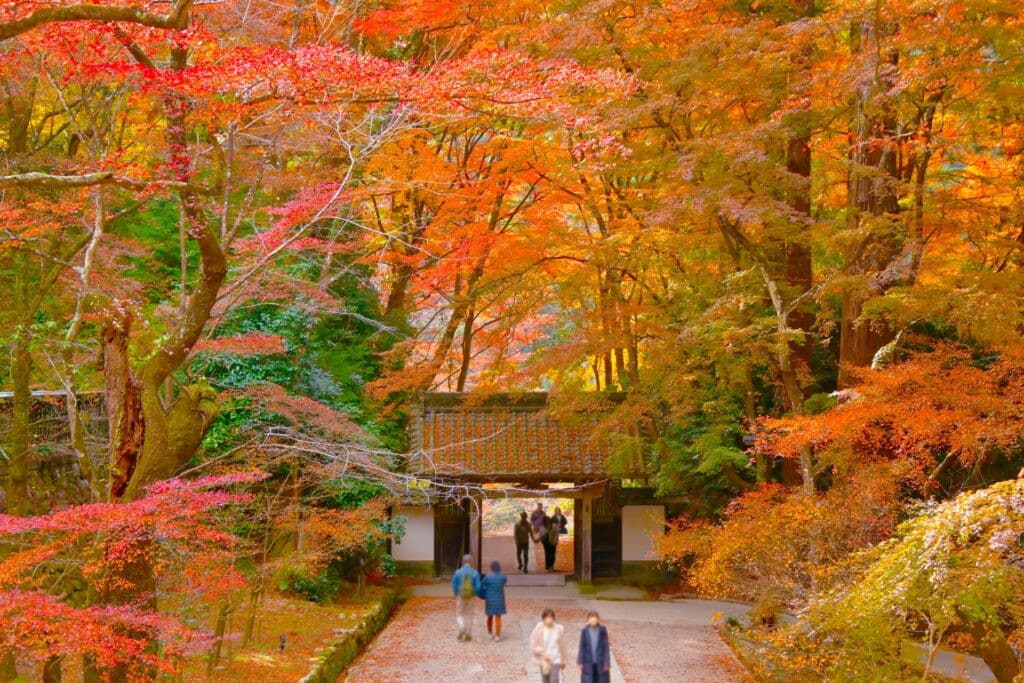
How Does Climate Change Affect Nagoya’s Autumn Leaf Timing?
Over the past decade Nagoya’s autumn temperatures have run high, delaying the reddening of maple leaves by one to two weeks, and the peak that used to come in mid-November now often takes until late November or early December. The viewing season has lengthened but color saturation is slightly affected, and in some years the leaves appear “half green, half red.”
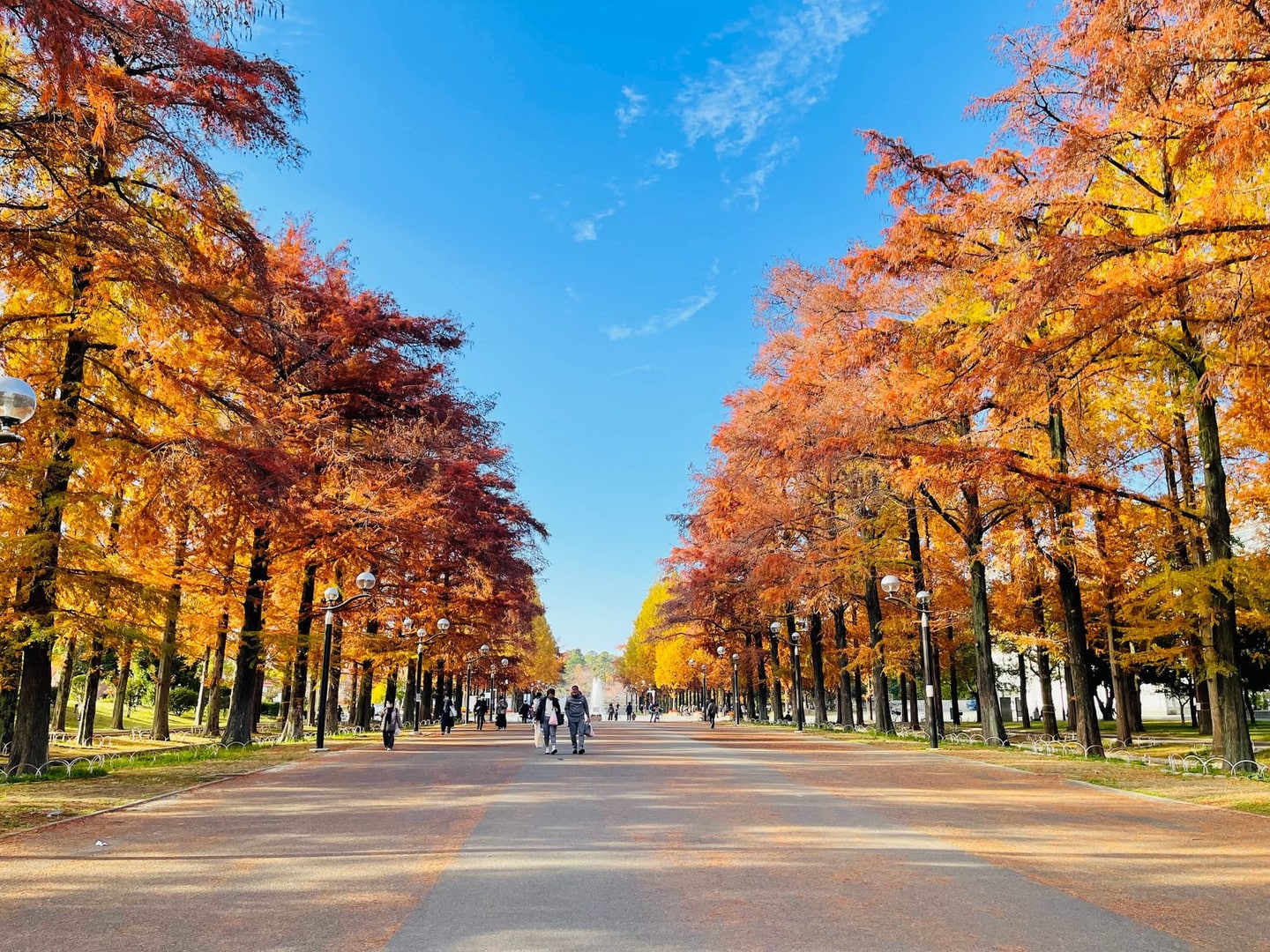
Travelers should plan around the official real-time forecasts rather than fixed dates from previous years. If your schedule allows, we suggest centering your leaf viewing around the first week of December and keeping an extra day as a backup to cope with the uncertainty in leaf timing.
Suburban Mountains Change First: Early Reports from Korankei and Inuyama
Nagoya’s suburban mountains turn red about half a month earlier than the city because of their higher altitude and larger day-night temperature swings. Korankei starts to show scattered color around mid-November and reaches its peak, with the whole mountain red, from late November to early December. The area around Inuyama Castle and Jakkoin Temple is at its best from mid-November to the end of November, making them excellent outposts before the city’s leaves turn.
To enjoy both the intense suburban colors and the delicate city autumn in one trip, we suggest visiting suburbs such as Korankei and Inuyama first, then returning to the city at the end of November or early December to visit Tokugawaen and Nagoya Castle. This staggered timing maximizes the enjoyment of leaf viewing.
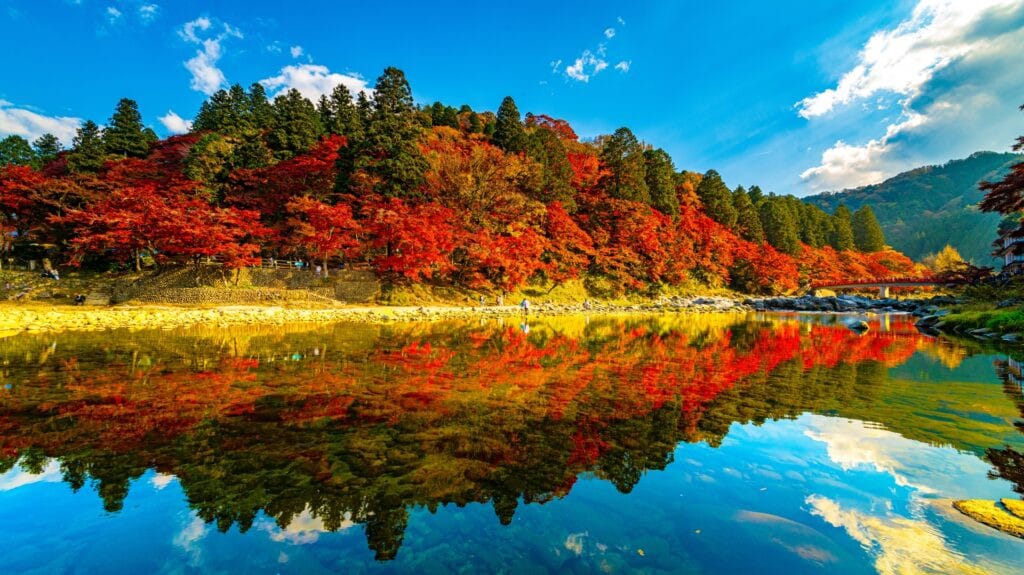
How to Get to Nagoya’s 2026 Autumn Leaf Spots: A Complete Guide to Transport and Tickets
Most sights in central Nagoya can be reached by subway, while for the suburbs we recommend making good use of travel passes. Below are all the transport options in one place.
How to Get to Nagoya’s Autumn Leaf Spots: Transport Options at a Glance
In the city: Take the subway Meijo Line to Nagoya-jo Station or Ozone Station, and it is a 5-15 minute walk. We recommend buying the “Subway One-Day Pass” (¥760) for the best value.
- Shoryudo Bus Pass: Suited to linking Takayama, Shirakawa-go and Kanazawa, for foreign visitors only, and requires advance reservation.
- JR Tokai Chubu Area Pass: Covers JR trains from Nagoya toward Takayama; check the coverage before buying.
- Driving: Take the Tomei Expressway. Parking in the mountains is limited in the autumn peak season, so go early or switch to a bus.
- From Hong Kong: Cathay Pacific and HK Express fly direct to Centrair, about 4.5 hours, and in peak season we recommend booking 3-4 months ahead.
If you are transferring with large luggage, allow some extra time.

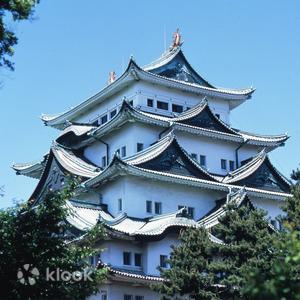門票-Klook.jpg)


- 🕘 Opening hours: 9:00-16:30 (entry to Honmaru Palace, Akazu-no-mon and related buildings until 16:00)
- 🎫 Admission: Adults ¥1,000 (from October 1, 2026) / ¥300 for Nagoya City residents aged 65 and over / Free for junior high school students and younger
- 📅 Closed: December 29-January 1; the main keep is under seismic reinforcement work and the interior cannot be entered
- 🔗 Nagoya Castle official website
Meijo Park: Autumn Colors Reflected in Ofukai Pond
Meijo Park is right on the north side of Nagoya Castle, and its biggest highlight is the scene of Nagoya Castle and the surrounding autumn leaves reflected in the water of “Ofukai Pond,” recognized by photography enthusiasts as the best viewpoint, with the clearest and most complete reflection early in the morning when there is no wind. The park is open 24 hours a day all year with free entry, and the best leaf-viewing time is about mid-November to late November.
The park grounds are spacious, with flower beds, lawn plazas and other facilities, and are ideal for families with children to enjoy a leisurely picnic along with leaf viewing. Because the park is connected to Nagoya Castle, we suggest setting aside half a day to see both in one go, which saves a lot of travel time.
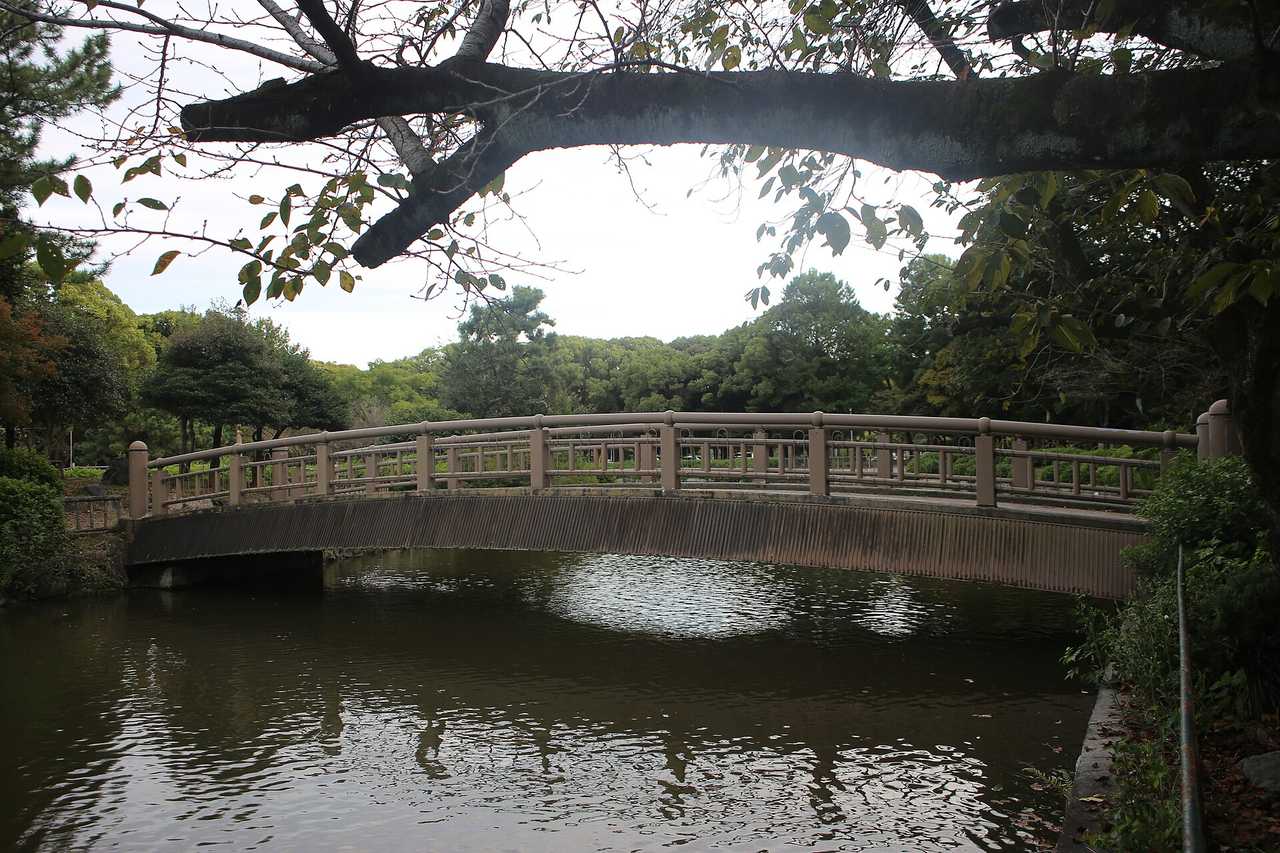
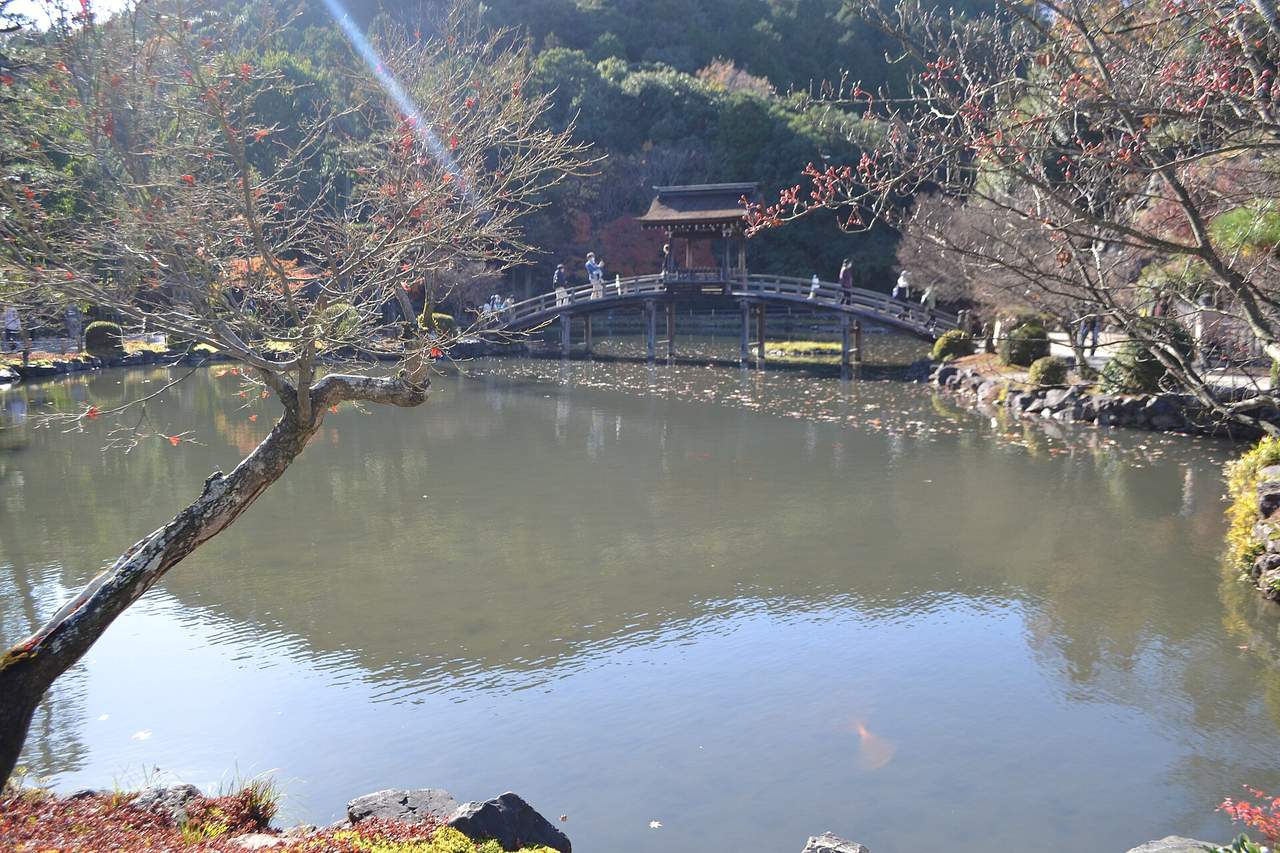
Shirotori Garden: Autumn on the Water at Tokai’s Largest Pond-Strolling Garden
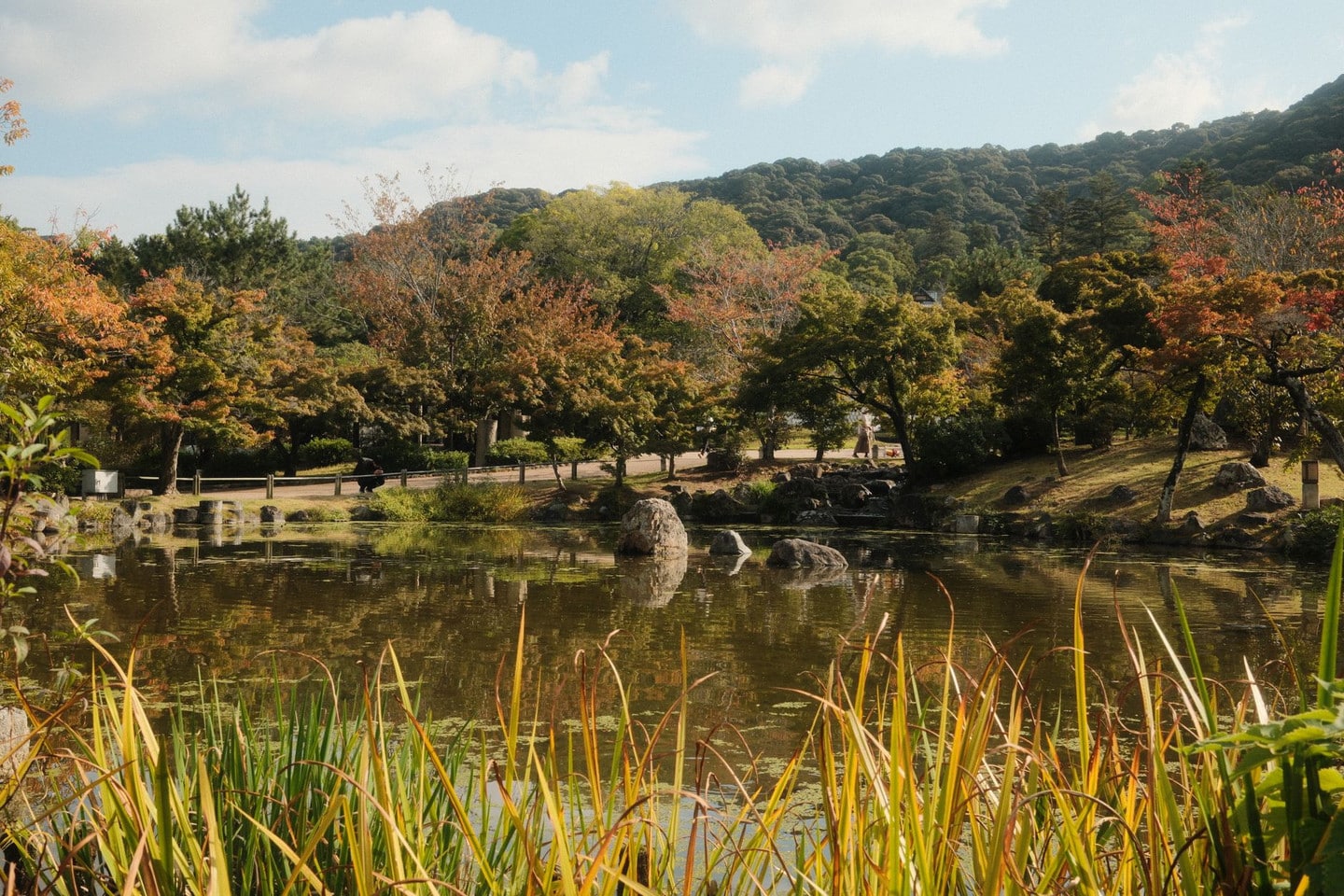
Shirotori Garden is the largest pond-strolling garden in the Tokai region, with terrain designed to mimic the landscapes of the Kiso River, Ise Bay and Mount Ontake in the Chubu region, so visitors seem to walk through a whole miniature Chubu in one small garden. The best leaf-viewing time is late November to early December, there may be extended opening and illumination events during the leaf season (follow the official website announcements), and the autumn leaves reflected on the water are especially dreamlike.
The garden has tea houses such as Seiu-tei and Kyuko-ken, and in the 2025 leaf season it held a “Kanpukai Autumn Leaf Tea Gathering.” Adult admission is ¥300, and a combined ticket with Tokugawaen is ¥480, making it a very high-value autumn spot in the city.
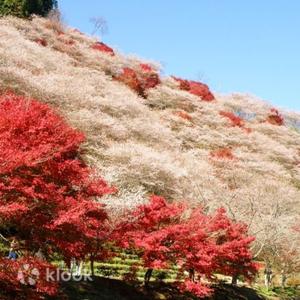
Jokoji Temple (Jokoji Park): Nagoya Locals’ Secret Autumn Back Garden
Jokoji Park is known as “Nagoya’s back garden,” a hidden leaf-viewing spot well known to locals but relatively unfamiliar to foreign visitors. The park is built against the mountain beside a stream, where red leaves and flowing water weave a tranquil forest scene, with far fewer crowds than city gardens, making it ideal for travelers who want an unhurried pace.
The main hall of Jokoji Temple on the grounds was built in the early Edo period, and its rustic architecture paired with red leaves has a special charm. The best leaf-viewing time is about late November to early December, and we suggest setting aside half a day with an easy hiking route to feel an autumn atmosphere far from the hustle.
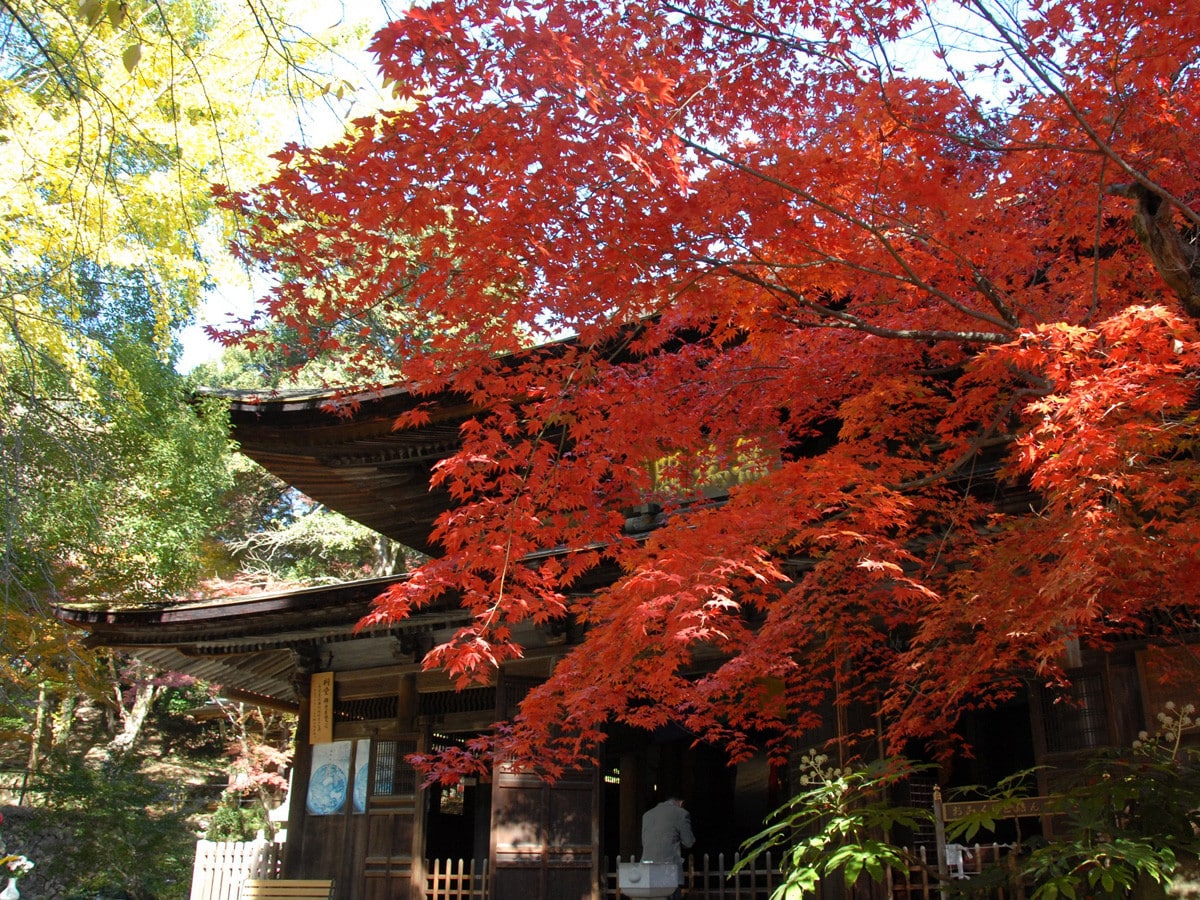
Kokeizan Eihoji Temple: A Rare Pairing of a Roughly 700-Year-Old Temple and a Thousand-Year-Old Ginkgo
Kokeizan Eihoji Temple is an ancient Rinzai-sect temple with more than 700 years of history. Its National Treasure-class buildings, the Kannon Hall and the Kaizan Hall, are well preserved, and the thousand-year-old ginkgo tree in front of the temple turns golden in autumn, complementing the old wooden architecture, a historic-site-and-foliage combination extremely rare in the Chubu region.
The best time to see the leaves (and ginkgo) is about late November to early December. Because it is less well known, there are few visitors on site, making it suitable for in-depth travelers who like historic sites and want to avoid the crowds, and you can also get a goshuin stamp as a keepsake on the grounds.
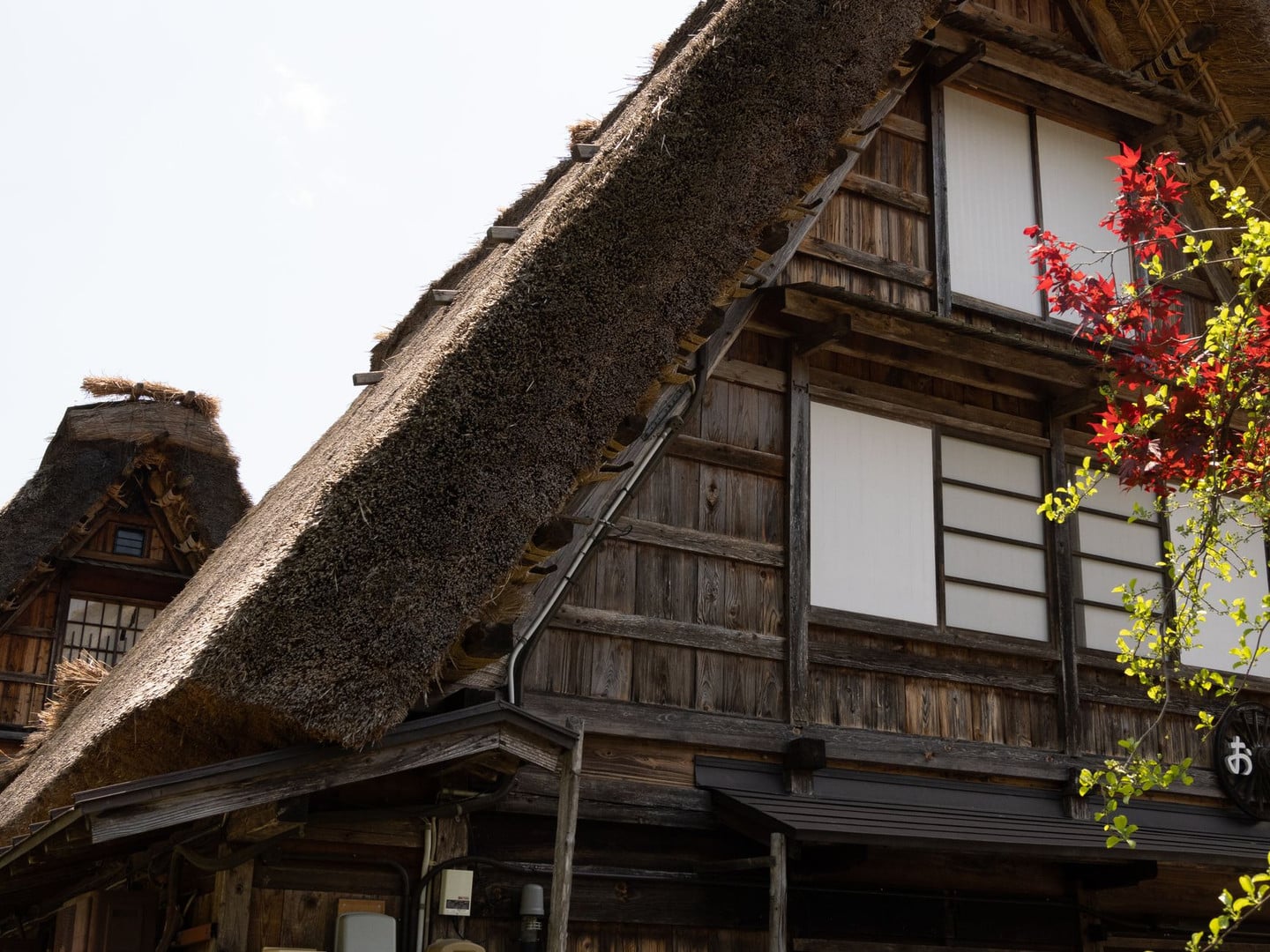
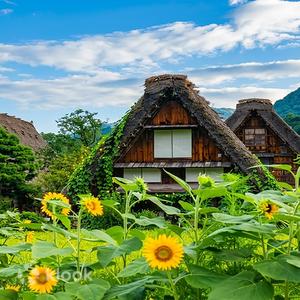
Shirakawa-go: An Autumn Fairy Tale in the World Heritage Gassho Village
Shirakawa-go is a UNESCO World Heritage Site, where traditional gassho-zukuri thatched-roof houses combined with the red leaves of the surrounding hills create a fairy-tale scene. It is one of the most representative leaf-viewing extension destinations in the Chubu region. The best leaf-viewing time is about early to mid-November, clearly earlier than central Nagoya.
Because it is far from Nagoya, with a drive of about 2.5 to 3 hours, we suggest a day trip or a one-night, two-day trip combined with Takayama and Gero Onsen. You can go by Nohi Bus or a chartered car, and the last wave of autumn color before winter is especially precious.
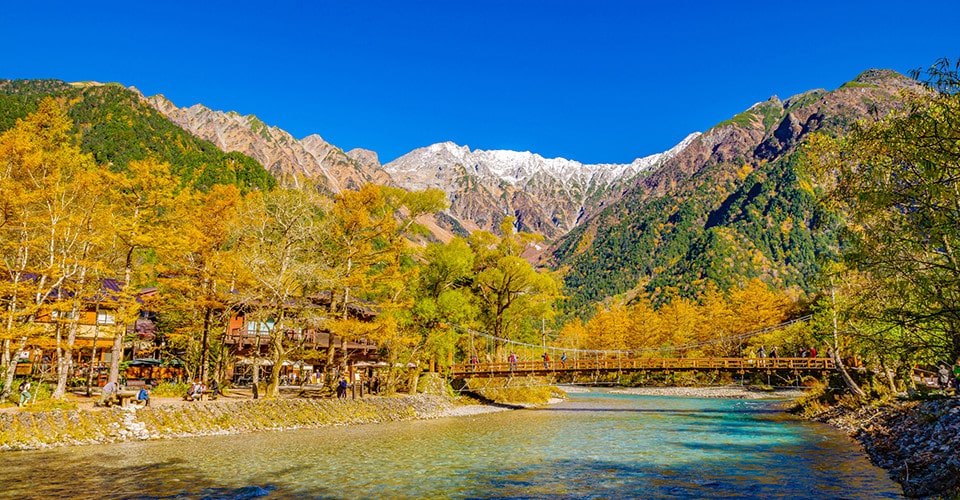
Kamikochi: A Golden Symphony in the Land of the Gods
Kamikochi is called the “land of the gods,” where the larch forests along the Azusa River turn dazzling gold in autumn, and together with the grand mountain views of the Hotaka range they form one of the most stunning leaf-viewing scenes in the Chubu mountains. The best leaf-viewing time is about mid-October to early November, the earliest of the sights in this article.
Private cars are banned from Kamikochi all year, so you must transfer to a shuttle bus at Sawando or Hirayu, and the road closes around mid-November each year because of snow, so be sure to plan within the time window and watch for official road closure announcements.

How Much Does a 2026 Nagoya Autumn Leaf Trip Cost? Tickets, Passes and Guided Tours Roundup
The 2026 Nagoya leaf season is expected to fall from mid-November to early December. When planning during this period, besides knowing the admission tickets for each sight, many travelers also choose to add a transport pass or a one-day guided tour to save travel time and make the leaf-viewing route more complete. Below is the ticket information for major leaf-viewing spots such as Tokugawaen and Nagoya Castle, plus passes and tour options suited to independent travelers, to help you set a budget and plan your time.
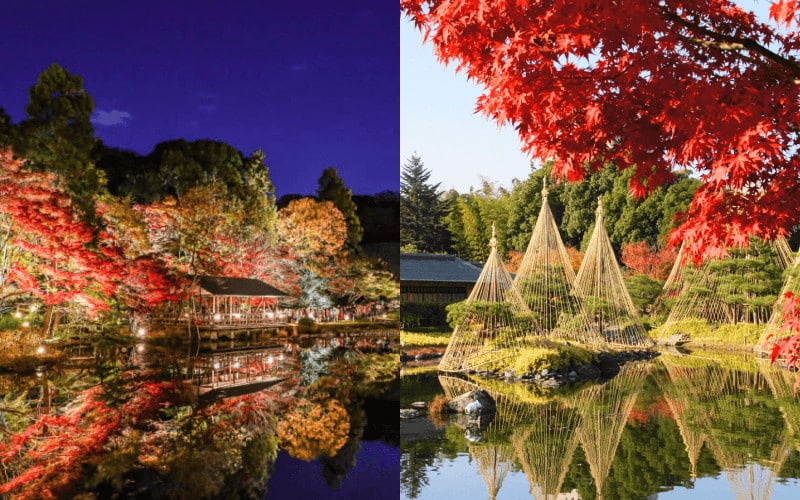
Tokugawaen Admission: The City’s Foremost Japanese Garden Autumn Scenery
Tokugawaen at 1001 Tokugawa-cho, Higashi Ward, Nagoya is a leaf-viewing destination. Centered on Lake Ryusen, with red leaves reflected on the water, the night illumination adds romance. It is open 09:30-17:30 (last entry 17:00) and closed Mondays (the next day if a holiday). Adult admission is 300 yen, free for junior high school students and younger, and 100 yen for those aged 65 and over living in Nagoya City. A combined ticket with Nagoya Castle is ¥640 and with Shirotori Garden is ¥480. During the Autumn Leaf Festival, the garden opens at night with illumination on some dates (7 nights in 2025), a popular night-leaf photography spot. A visit takes about 1.5-2 hours, and we suggest entering in the afternoon and enjoying the illumination in the evening to experience both day and night leaves, an ideal first choice for Nagoya leaf viewing.
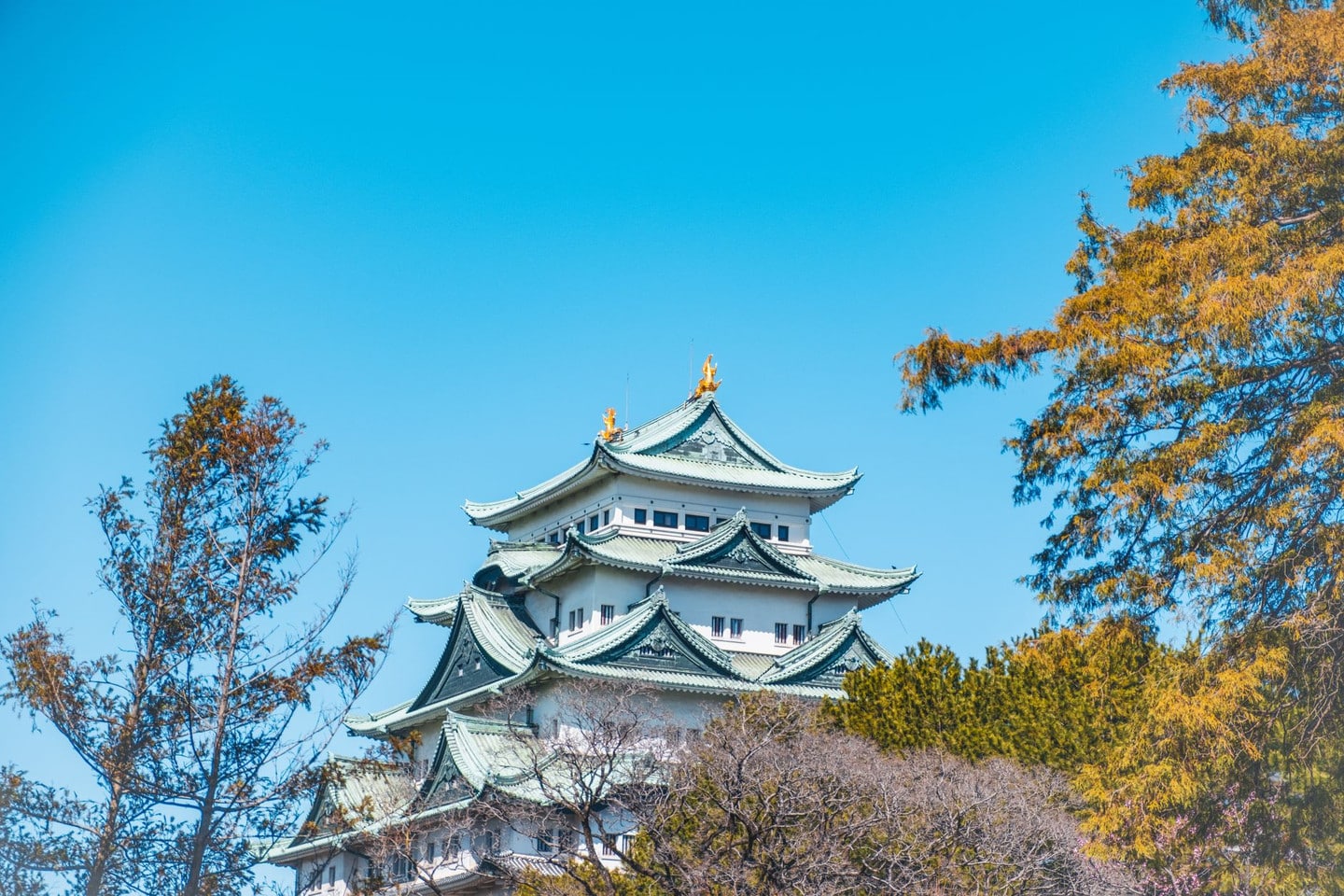
Nagoya Castle Honmaru Palace and Ninomaru Garden Admission: A Classic Pairing of the Castle Keep and Red Leaves
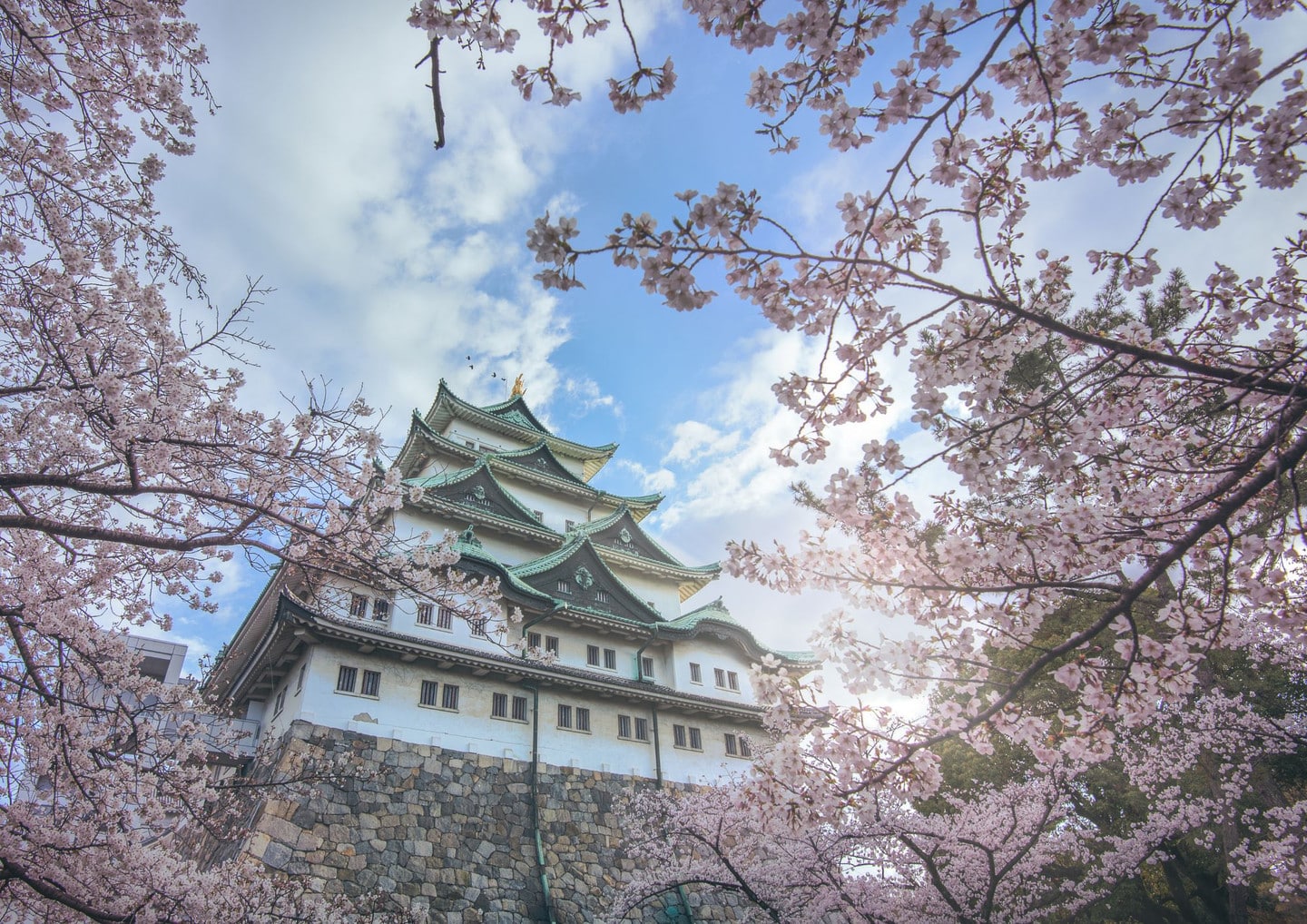
The maple grove and Ninomaru Garden at Nagoya Castle (address: 1-1 Honmaru, Naka Ward, Nagoya, Aichi Prefecture) are enchanting in autumn, with red leaves complementing the castle walls and moat, making it a photographers’ paradise. Opening hours are 9:00 to 16:30 (entry to Honmaru Palace until 16:00), closed 12/29-1/1.
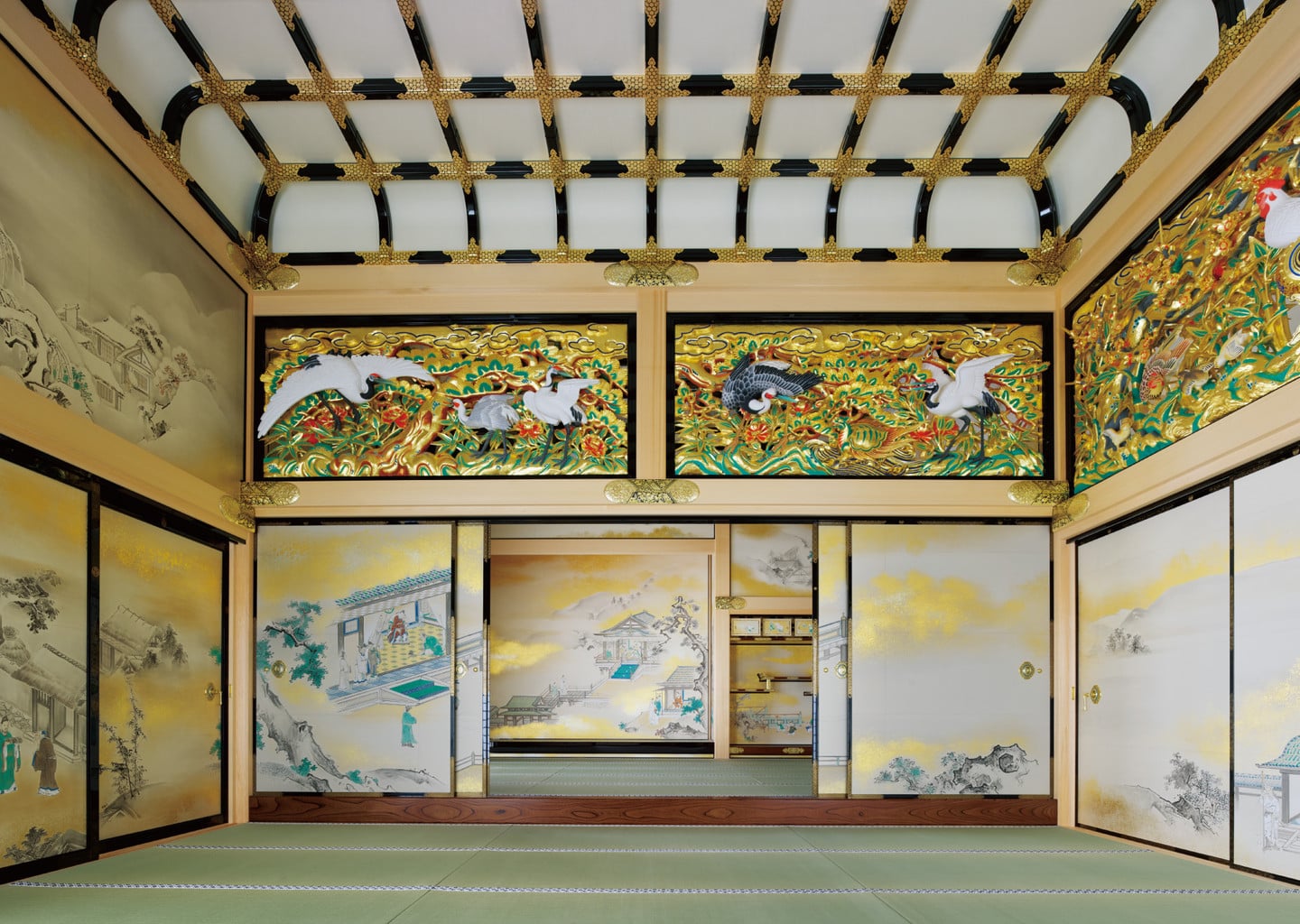
Adult admission is 1,000 yen (from October 1, 2026), and free for junior high school students and younger. While the keep is under renovation, please check the open areas in advance; the wall paintings inside Honmaru Palace are open to view all year.
For leaf viewing, we suggest entering the castle in the morning and allowing at least 2 hours to see the palace and garden. Tokugawaen and Nagoya Castle are about a 20-minute ride apart and can be visited on the same day.
Nagoya Subway and Bus One-Day Pass: The Best-Value Transport Plan for Linking Multiple Leaf-Viewing Spots
Nagoya’s leaf-viewing spots are spread across Higashi Ward, Naka Ward and surrounding areas. If you plan to cover Tokugawaen, Nagoya Castle and also places such as Atsuta Shrine in one day, we recommend buying the “Subway and City Bus One-Day Pass,” priced at about 870 yen for adults, with unlimited rides on the city subway and buses within one day.
With a one-day pass you avoid the hassle of buying single-ride tickets, which is quite good value for travelers planning multiple leaf-viewing stops in one day. The pass can be bought from ticket machines at subway stations or at customer service centers, and we recommend getting it on the day you arrive in Nagoya.
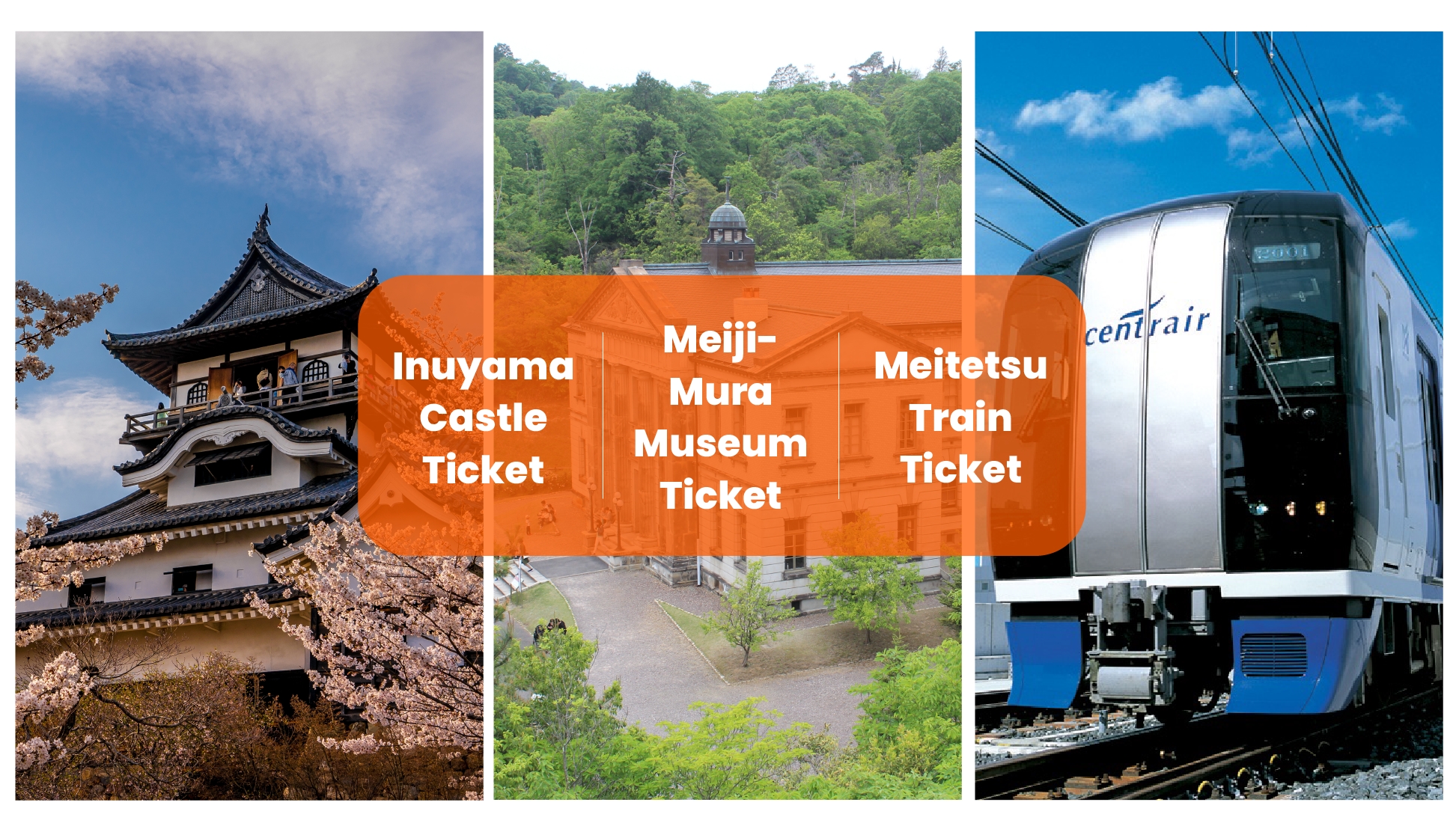
If your itinerary also includes suburbs such as Korankei and Inuyama Castle, you need to buy separate JR or Meitetsu section tickets or passes, since the one-day pass covers only the city subway and bus systems, so confirm the coverage before you go to avoid buying tickets twice.
One-Day Guided Leaf-Viewing Tours from Nagoya’s Suburbs: An Easy Choice That Skips Transport Planning
Do not want to work out train transfers? You can join a one-day leaf-viewing tour from Nagoya, with themes covering Korankei, Toyota City and Inuyama Castle. Tours last about 8-10 hours, with Chinese- or Japanese-speaking guides, and transport and some admission tickets are included in the tour fee. Costs are about 4,000-8,000 yen depending on the itinerary. Some tours include hot spring or food experiences, as well as hidden spots such as the Asuke autumn leaf tunnel in Toyota City and the Korankei Bus Taniguchi maple trail. We suggest searching KKday and Klook for “Nagoya leaf-viewing day trip” or “Korankei autumn leaves,” and note that spots are in high demand during the peak viewing period (about mid-November to early December), so it is best to book 1-2 weeks ahead.
Where to Stay Near Nagoya’s 2026 Autumn Leaf Spots? Convenient Accommodation Suggestions

Where to Stay for Nagoya Leaf Viewing: Nagoya Station and the Sakae District Are the Most Convenient
For a leaf-viewing trip, we suggest basing yourself at Nagoya Station or the Sakae district. Both have subway connections to major sights such as Tokugawaen, Nagoya Castle and Shirotori Garden, mostly within 15 minutes, and in the evening you can also browse shops and look for food. If your itinerary heads to suburbs such as Korankei and Inuyama, staying around Ozone Station or Sakae Station saves time in the morning whether you take a bus or transfer to the subway, and is especially suited to early-start, late-return day trips chasing leaves.
2026 Nagoya Autumn Leaves FAQ
Q: What is the best month to see autumn leaves in Nagoya in 2026?
The city is best from late November to early December. According to the forecast published in September 2026, Nagoya’s peak viewing is around December 2 (Nihon Kisho Co., Ltd.), Tokugawaen around December 4, Shirotori Garden around December 1 and Higashiyama Zoo and Botanical Gardens around November 28 (Weathernews); suburban Korankei is around November 22, earlier than the city. The forecasts are revised progressively, so check the latest information before you go.
Q: When are the maples at Tokugawaen most beautiful? Is there night illumination?
Weathernews forecasts Tokugawaen’s 2026 peak viewing around December 4, roughly the first week of December. Night illumination is not held every day: in 2025 the lights were on only during the Autumn Leaf Festival on November 21-24 and 28-30 (about 16:00-20:00); the 2026 schedule had not been announced as of early October, so please follow Tokugawaen’s official announcements.
Q: How much is admission to Tokugawaen? What are the opening hours?
Adult admission is ¥300, with opening hours 9:30-17:30 (last entry 17:00), closed on Mondays, and the garden opens at night on some dates during the Autumn Leaf Festival; please follow the official announcements for the schedule.
Q: Can I still go up the Nagoya Castle keep?
It is currently closed for renovation because of seismic structural issues and cannot be climbed for now, but Honmaru Palace and the surrounding gardens are open to visit as normal.
Q: How long does it take to get from central Nagoya to Korankei?
By Meitetsu train and a bus transfer it takes about 1.5-2 hours, and by car via the Tomei Expressway about 1 hour. Roads are congested on leaf-season weekends, so set out early.
Q: Is there a combined ticket for Shirotori Garden and Tokugawaen?
Yes, the combined ticket for the two gardens is ¥480, better value than buying separately at ¥300 each, and suited to visiting both on the same day.
Q: What is the temperature in Nagoya in late November? What should I wear?
The day-night temperature gap is large, about 8°C to 15°C. Daytime walking is comfortable but the temperature drops sharply during the night illumination, so we recommend layering and bringing a scarf and a jacket.
Q: Do I need to book flights and hotels early for the leaf season?
We recommend booking flights, popular hotels and the Shoryudo Bus Pass 3-4 months ahead, as weekend spots in the peak leaf season often fill up early.