

Nikko Autumn Leaves Guide 2026: A Fall Itinerary of World Heritage Sites and Spectacular Scenery
Why Nikko Is Great for Autumn Foliage, and When to Go
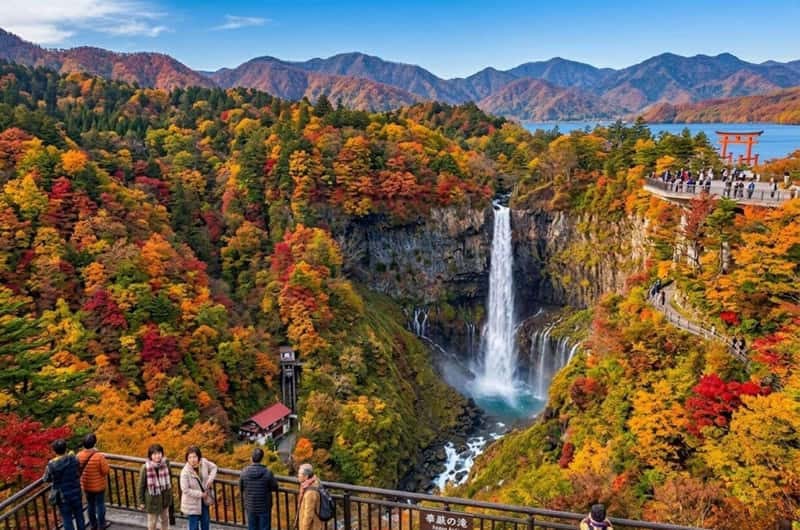
Nikko is the most iconic World Heritage and autumn-foliage destination within easy reach of Tokyo. From the alpine lakes of Oku-Nikko and the waterfall-and-lake scenery of Lake Chuzenji to the vermilion shrine halls of Toshogu below, a single trip lets you take in both natural and cultural highlights.
Because Nikko’s terrain drops more than 500 meters from top to bottom, the color spreads from high-altitude Oku-Nikko down toward the town below, so the peak-color season stretches across almost two months, from late September to mid-November. Before planning your trip, check the best timing for the area you want to visit.
The World Heritage site “Shrines and Temples of Nikko” was inscribed in December 1999, and it is especially enchanting in autumn.
Foliage Timing at a Glance: Nikko’s Four Main Areas
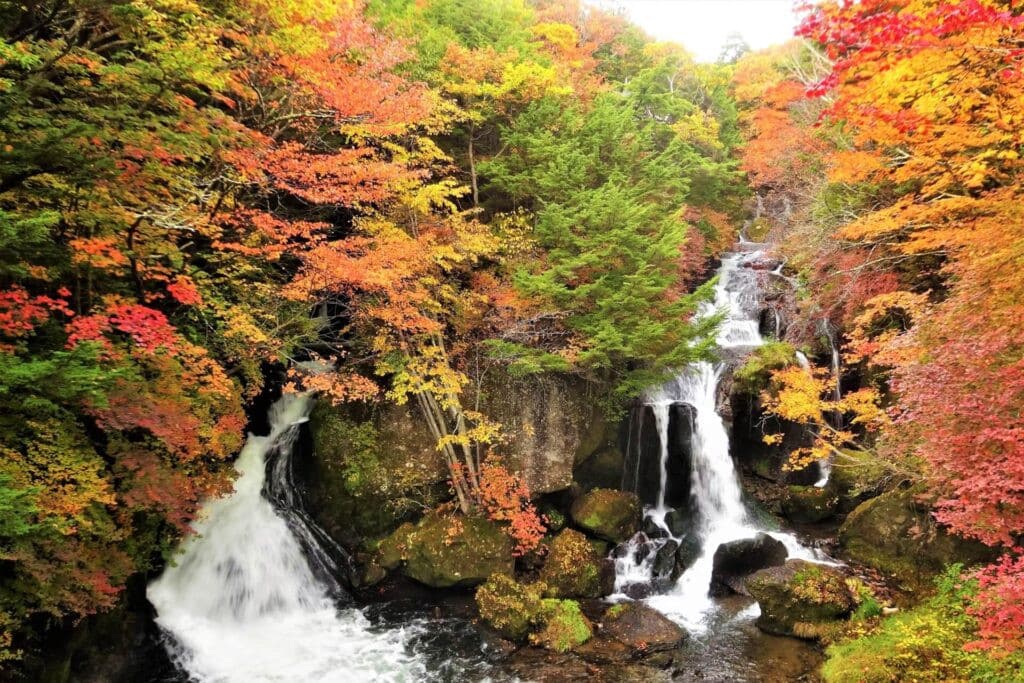
Oku-Nikko (Lake Yunoko, Senjogahara, Ryuzu Falls) sits at the highest elevation and turns first, from late September to mid-October. It is relatively uncrowded and ideal for hiking and a slow onsen stay, but note that by late October the leaves there are often nearly gone.
The Lake Chuzenji area (Lake Chuzenji, Kegon Falls, Hangetsuyama Observatory) reaches peak color around late October, when the contrast of waterfall, mirror-like lake and red leaves is striking. The Irohazaka mountain road is best from mid-October to early November, with its 48 hairpin turns wrapped in color, while the town of Nikko below (Toshogu, Shinkyo Bridge, Rinnoji) peaks from around November 1 to November 15.
Nikko Foliage Timing: Typical Peak Periods by Spot
The following are typical peak periods for each Nikko spot, which you can use as a reference when scheduling your 2026 Nikko foliage trip:
- Oku-Nikko, Odashiro-ga-hara grass foliage: late September
- Oku-Nikko, Lake Yunoko and Yudaki Falls, Ryuzu Falls: early to mid-October
- Oku-Nikko, Senjogahara and Odashiro-ga-hara trees: mid- to late October
- Lake Chuzenji, Kegon Falls and the Irohazaka mountain road (いろは坂): mid-October to early November
- Kirifuri Falls: late October to early November
- Kinugawa, Ryuokyo Gorge: late October to mid-November
- World Heritage “Shrines and Temples of Nikko” (Toshogu, Rinnoji and the Futarasan Shrine area): early to mid-November
The actual pace of color change depends on that year’s temperatures. During the foliage season the official pages keep updating each spot’s status (not yet / starting to color / peak), so checking again a week before you leave is the most reliable approach.
Recommended Transport Passes for Nikko Foliage
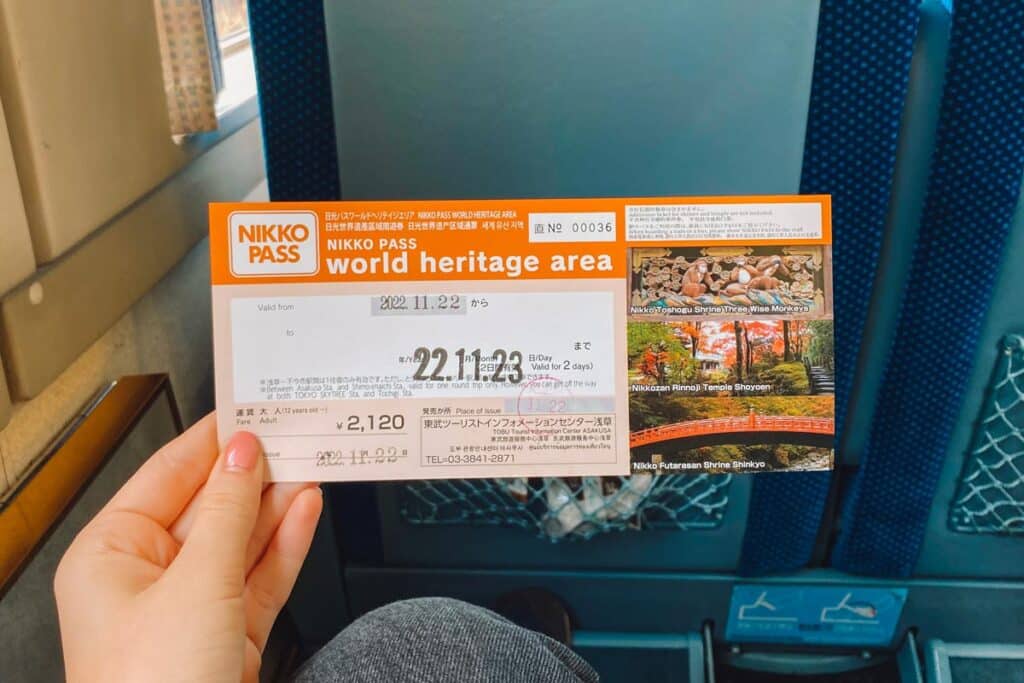
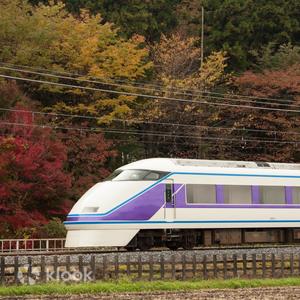
Departing from Asakusa in Tokyo, we recommend buying the right NIKKO PASS from the Tobu Railway website. The World Heritage Area pass is about ¥3,000 and suits day-trippers who only plan to visit Toshogu, Shinkyo Bridge, Rinnoji and other areas at the foot of the mountain. The All Area pass is ¥8,000 (valid for 4 days, including a round trip from Asakusa) and covers Tobu buses in the Nikko area, making it a must for anyone taking the mid- and high-altitude foliage routes.
If you want to ride the newest limited express, the SPACIA X (with private compartments and an on-board café), you will need to buy a separate limited express ticket.
Getting Around for Nikko Foliage
How to Get to Nikko for the Foliage
The easiest way to get from Tokyo to Nikko is the Tobu Railway limited express from Asakusa Station direct to Tobu-Nikko Station. The ride takes about 110 to 120 minutes, and a SPACIA X standard seat including the limited express fee costs ¥3,340.
Transport Options at a Glance
- Tobu Railway limited express: direct from Asakusa to Tobu-Nikko in about 110 to 120 minutes; SPACIA X standard seat about ¥3,340
- JR Nikko train: departs from Shinjuku and Ikebukuro, with very few services, so check the timetable
- World Heritage Sightseeing Bus: shuttles between Nikko Station and the World Heritage area; see the official Tobu Bus Nikko announcements for fares and schedules
- NIKKO PASS: World Heritage Area pass ¥3,000 (2 days), All Area pass ¥8,000 (4 days), valid on Tobu buses in the Nikko area and Lake Chuzenji sightseeing boats
Complete Guide to Nikko’s Best Autumn Foliage Spots
Kegon Falls: One of Japan’s Three Great Waterfalls
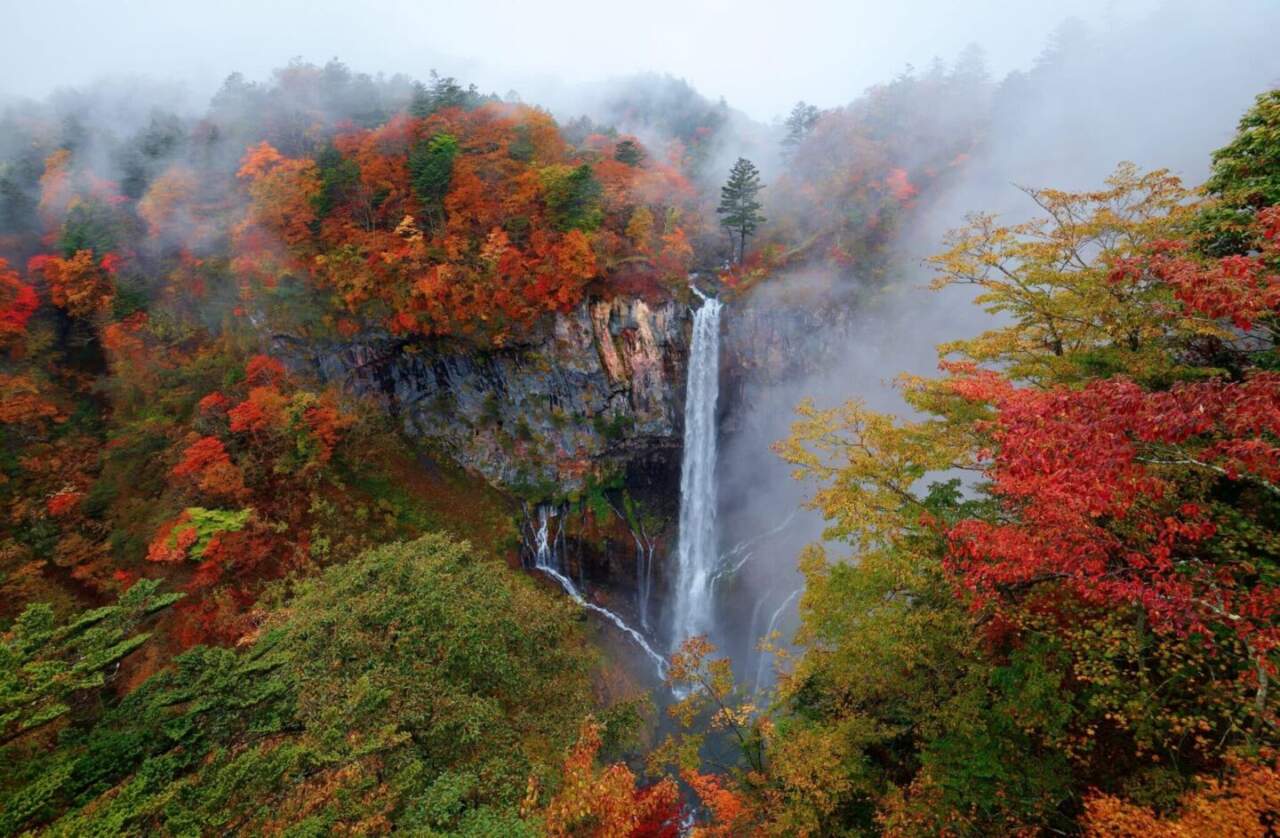
Kegon Falls is 97 meters high and is counted among “Japan’s Three Great Waterfalls” (alongside Nachi Falls in Wakayama and Fukuroda Falls in Ibaraki). Water from Lake Chuzenji plunges over the cliff with tremendous force.
An elevator takes you down about 100 meters to the observation platform, where you can look up at the falls surrounded by autumn leaves from close range. We recommend arriving early in the morning or before 9:00 AM, when the light is soft and there are fewer visitors, for the best photos of the lake and mountain scenery.
Allow about 1 hour. The upper observation deck is free; the elevator to the falls viewing platform costs ¥600 for adults, and hours are about 9:00 AM to 5:00 PM.


Lake Chuzenji and the Lake Chuzenji Observation Point
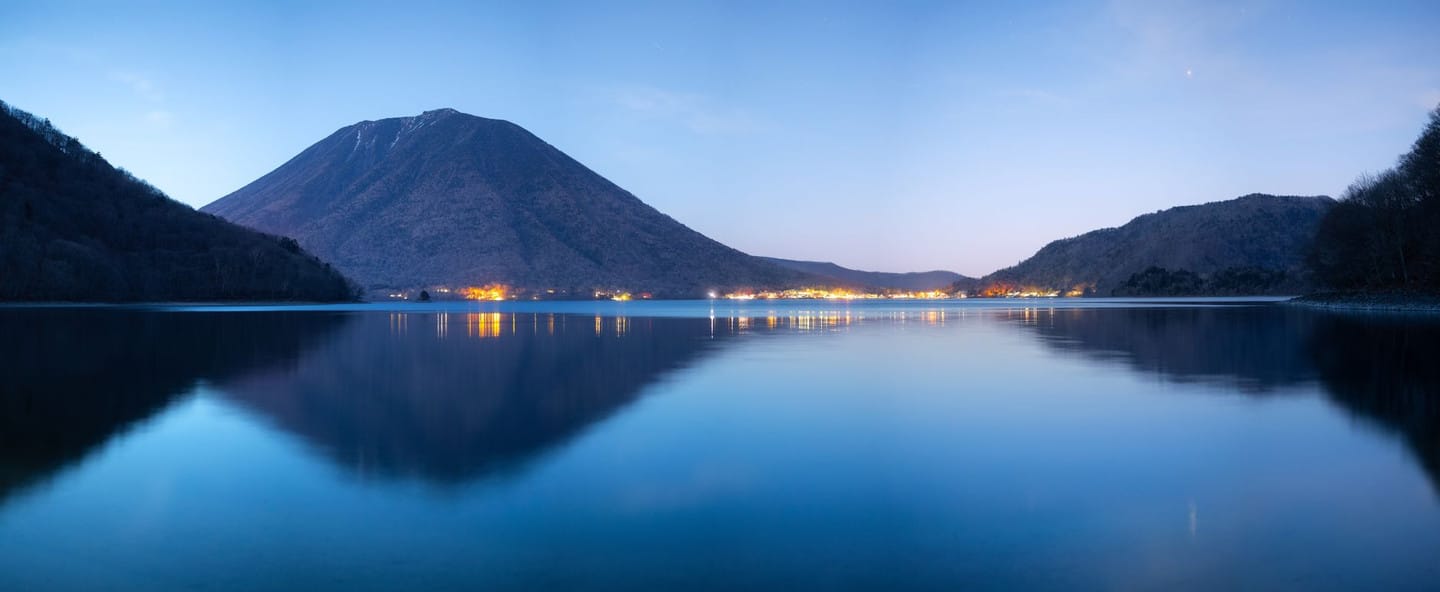
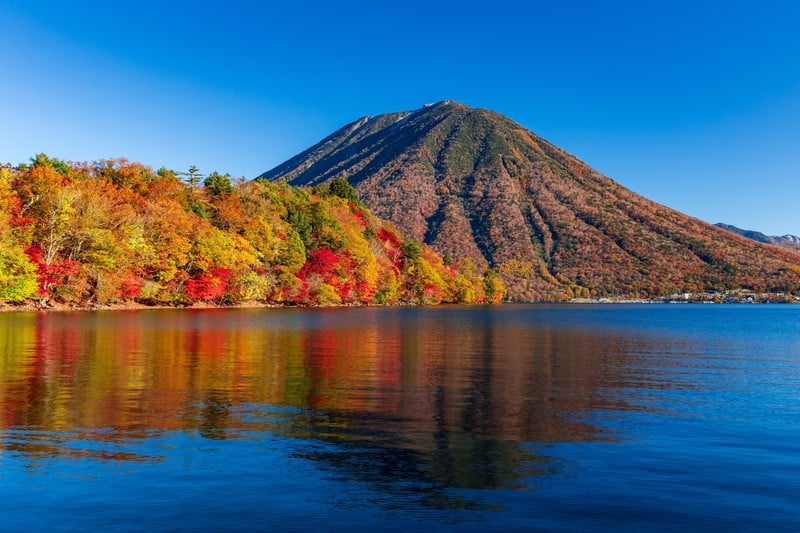
Lake Chuzenji is the classic lake view for Nikko foliage, forming a postcard-perfect scene with Mt. Nantai and the surrounding autumn leaves. The Akechidaira Ropeway is closed for renovation from January 16, 2026 to August 31, 2027, so you cannot ride it up to the Akechidaira Observation Deck for the panoramic view.
We recommend heading to the Lake Chuzenji Observation Point instead. Parking is free, no climb is required, and you can step out of the car and capture the classic shot of the lake with Mt. Nantai. To avoid the midday crowds, an afternoon lake cruise is a good choice, letting you see the reflections of the autumn leaves from a different angle on the water.
There are also several tea houses and scenic restaurants around the lakeshore, a good place to sit down with a cup of tea and look out over the lake for a mid-itinerary break.
Irohazaka Mountain Road: Autumn Color Gradients Along 48 Hairpin Turns
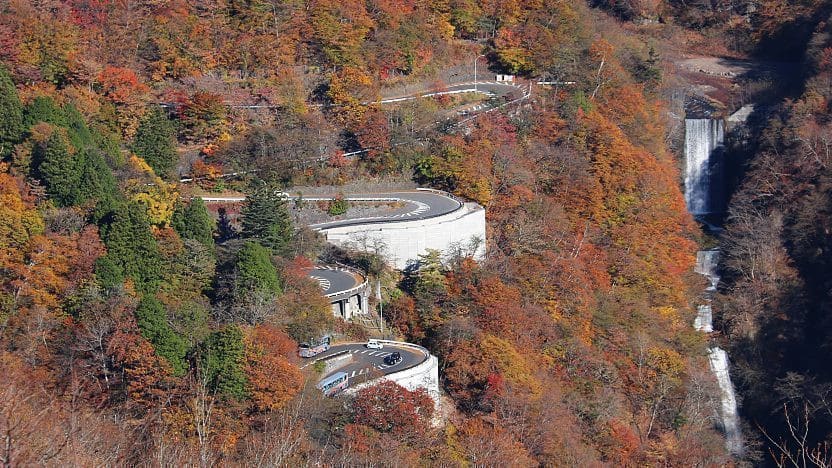
The Irohazaka mountain road (いろは坂) has 48 hairpin turns and is a one-way road up to Lake Chuzenji. As the elevation climbs you see rich gradients of autumn color, making it one of Nikko’s most representative foliage drives.
⚠️ On foliage-season weekends, 9:30 to 11:30 AM is the worst traffic jam, and drive times can increase by 60 to 120 minutes. To avoid it, enter the mountain road before 6:30 AM, or plan your ascent for Sunday afternoon. If you travel by bus, you can monitor conditions on the Tobu Bus real-time location page.
There are several small viewpoint parking bays along the road. If you are not in a hurry, you can stop briefly to take photos and enjoy the gradient of reds that changes with elevation.
Nikko Toshogu: World Heritage Craftsmanship in Fine Detail
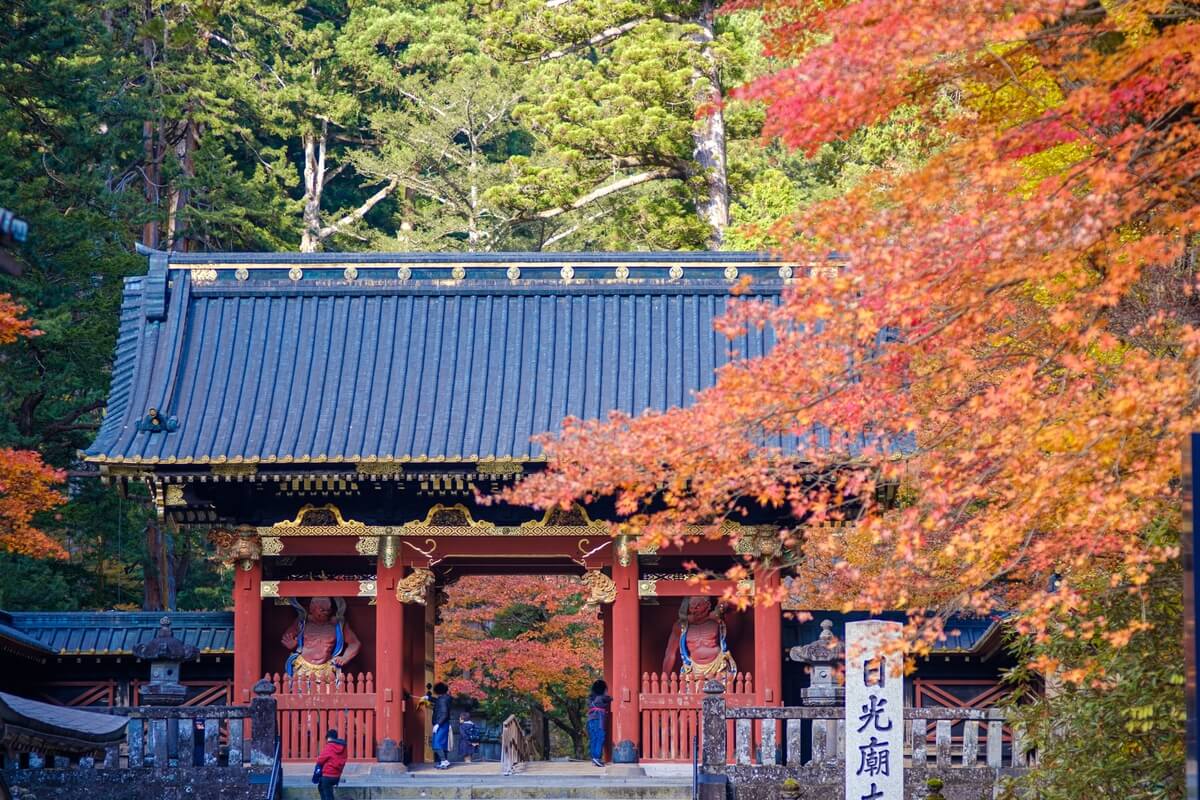
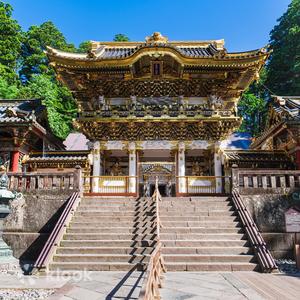
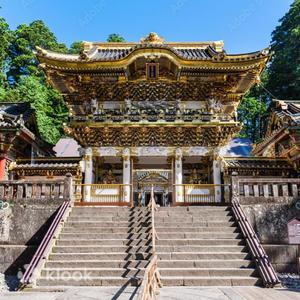
Nikko Toshogu enshrines Tokugawa Ieyasu, and the gilded Yomeimon Gate contrasts sharply with the fiery maples around it. The five-story pagoda, the Three Wise Monkeys carving and the Sleeping Cat are classic wood carvings worth admiring up close, and it is the most representative of the “two shrines and one temple” that make up Nikko’s World Heritage site.
We strongly recommend visiting in the morning to avoid tour groups. According to the Toshogu official website, admission is ¥1,600 for adults, and from November the opening hours are 9:00 AM to 4:00 PM (last entry 30 minutes before closing). Allow 1.5 to 2 hours. Autumn is crowded, so buying tickets online in advance will save you time in line.
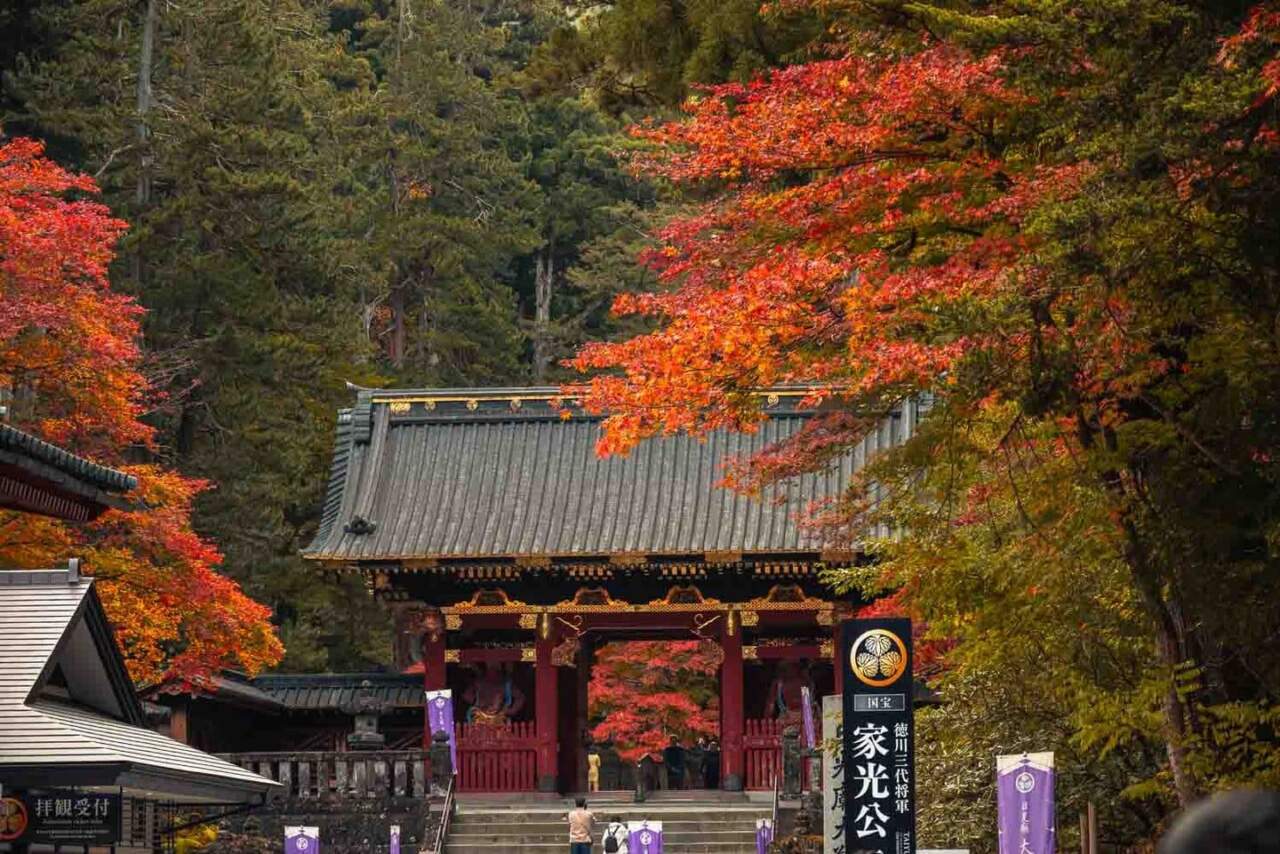
Futarasan Shrine and Rinnoji Taiyuinbyo
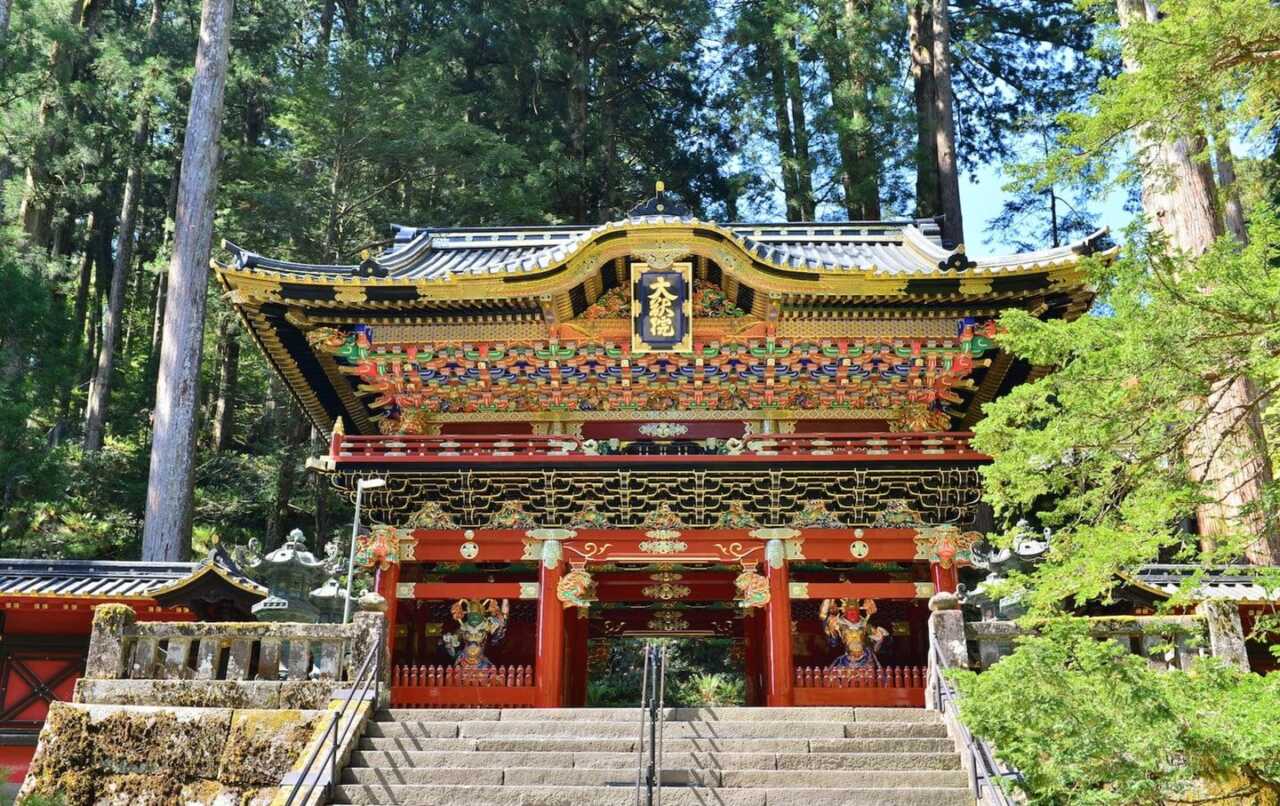
Besides Toshogu, the “two shrines and one temple” of Nikko’s World Heritage site also include Futarasan Shrine (Main Shrine, Chugushi and Okumiya) and Rinnoji’s Taiyuinbyo. These are two World Heritage sites many travelers overlook, and both have exquisite carvings and architectural craftsmanship.
Taiyuinbyo is the mausoleum of Tokugawa Iemitsu. It is smaller than Toshogu but just as beautiful, and in autumn, red leaves dotting the stone steps and the Karamon Gate make the atmosphere even more solemn. It is a good stop to add after Toshogu. Allow about 1 hour in total.
The Karamon Gate and gold decoration at Taiyuinbyo are finely crafted, and it is noticeably less crowded than Toshogu, making it ideal for travelers who prefer a quiet visit without the crush.
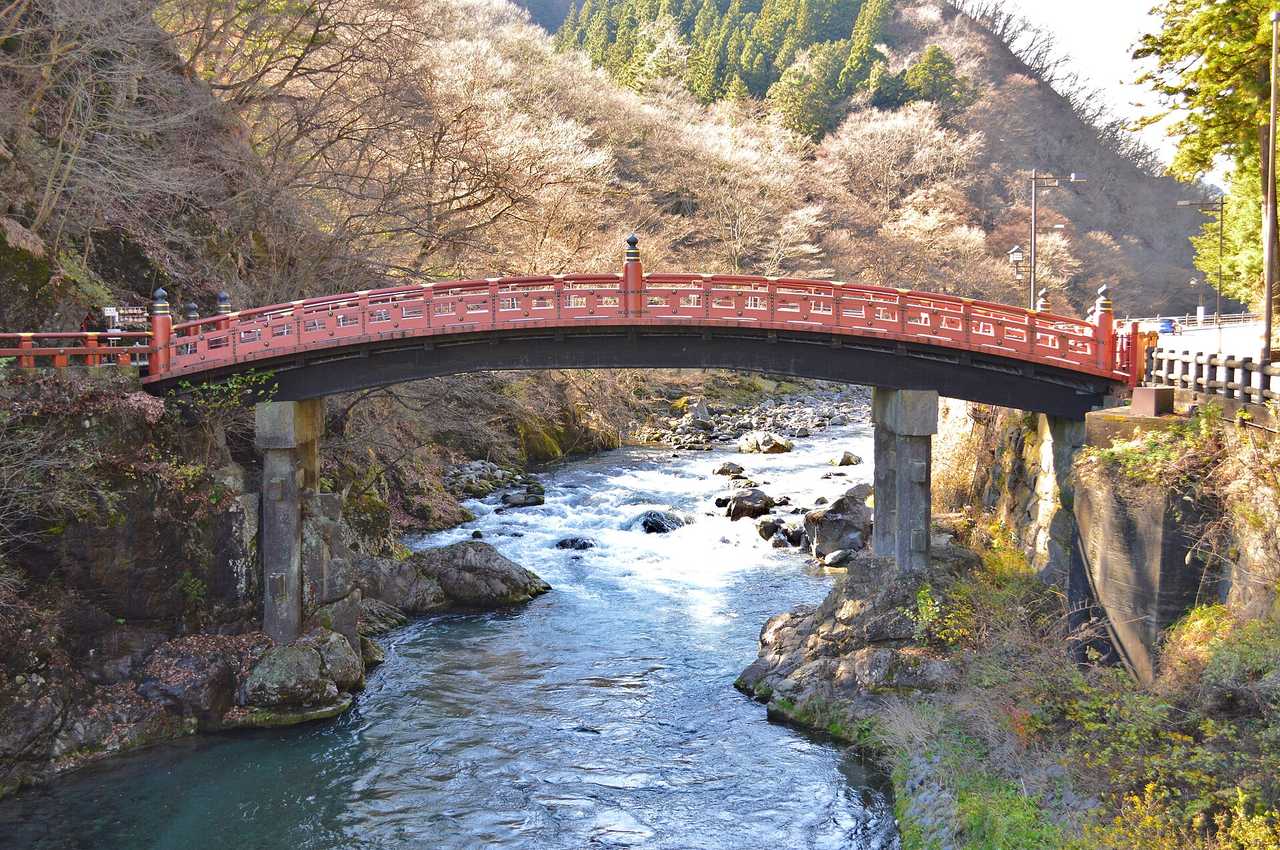
Shinkyo Bridge and the Rinnoji Shoyoen Garden Night Illumination
The vermilion Shinkyo Bridge spans the Daiya River, and with colorful autumn leaves on both banks it feels like stepping into a ukiyo-e print. It is one of Nikko’s most classic photo spots and also the starting point of the approach to Toshogu.
The night illumination of the maples at Rinnoji’s Shoyoen Garden is held only on specific dates in early November (in 2025 it ran from October 31 to November 9 on Fridays through Sundays and holidays, with a separately purchased admission ticket). For the 2026 dates, see the official Rinnoji website. Allow about 1 hour in total.
Crossing the bridge itself requires a fee (about ¥300), and most visitors also take a commemorative photo by the bridge, a regular warm-up photo stop before entering the approach to Toshogu.
 KKdayRinnoji Shoyoen Garden Night Maple Illumination Ticket
 KLOOKRinnoji Shoyoen Garden Night Maple Illumination Ticket
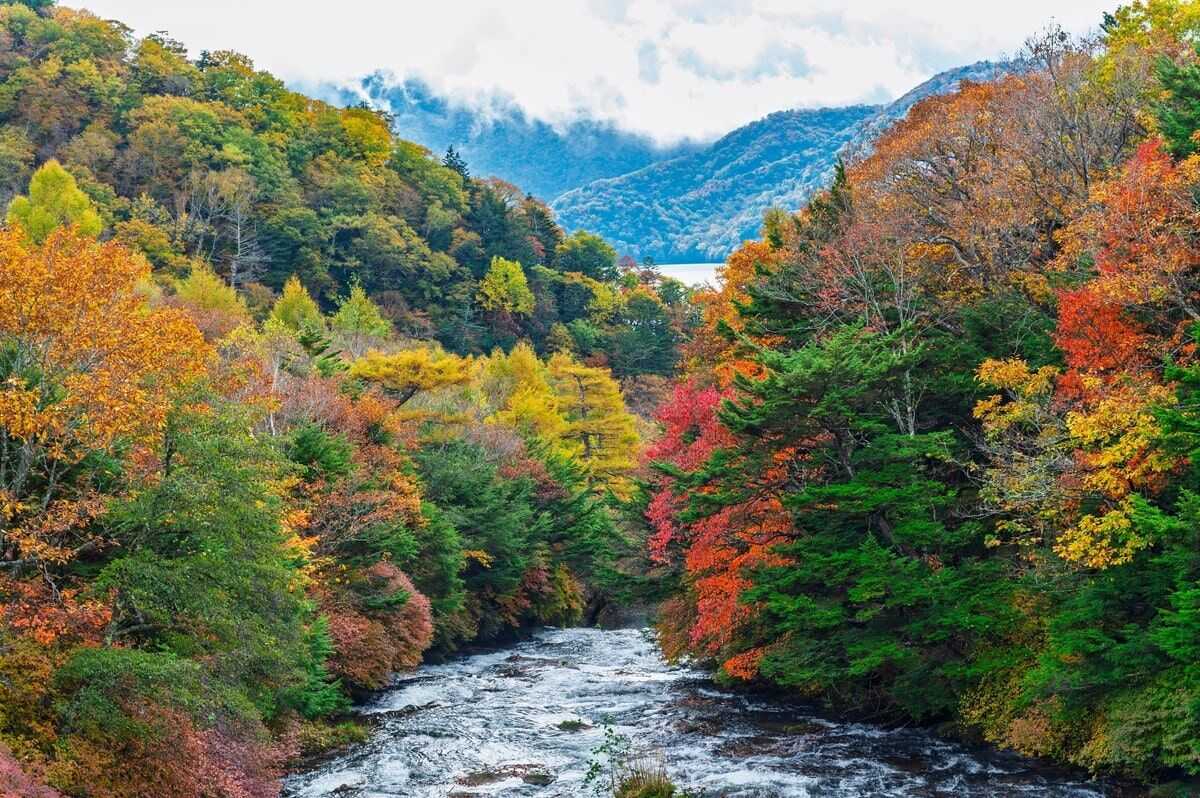
Senjogahara and Ryuzu Falls: Oku-Nikko’s Earliest Hidden Autumn Spot
Senjogahara is a gentle highland marsh in Oku-Nikko. Its roughly 4-kilometer forest trail is perfect for an unhurried photography outing. Arrive early in the morning via the Akanuma parking lot to avoid the crowds and quietly enjoy the layers of autumn color across the meadow and distant mountains.
Ryuzu Falls is one of the first places in Oku-Nikko to turn red, at its peak from late September to mid-October. Note that by late October the leaves there are often nearly gone, so time your visit carefully to avoid arriving too late.
The trail has boardwalks and information signs along the way, suitable for a leisurely half-day hike, and you can see the summit of Mt. Nantai in the distance.
Lake Yunoko and Yumoto Onsen: A Slow Escape from the Crowds
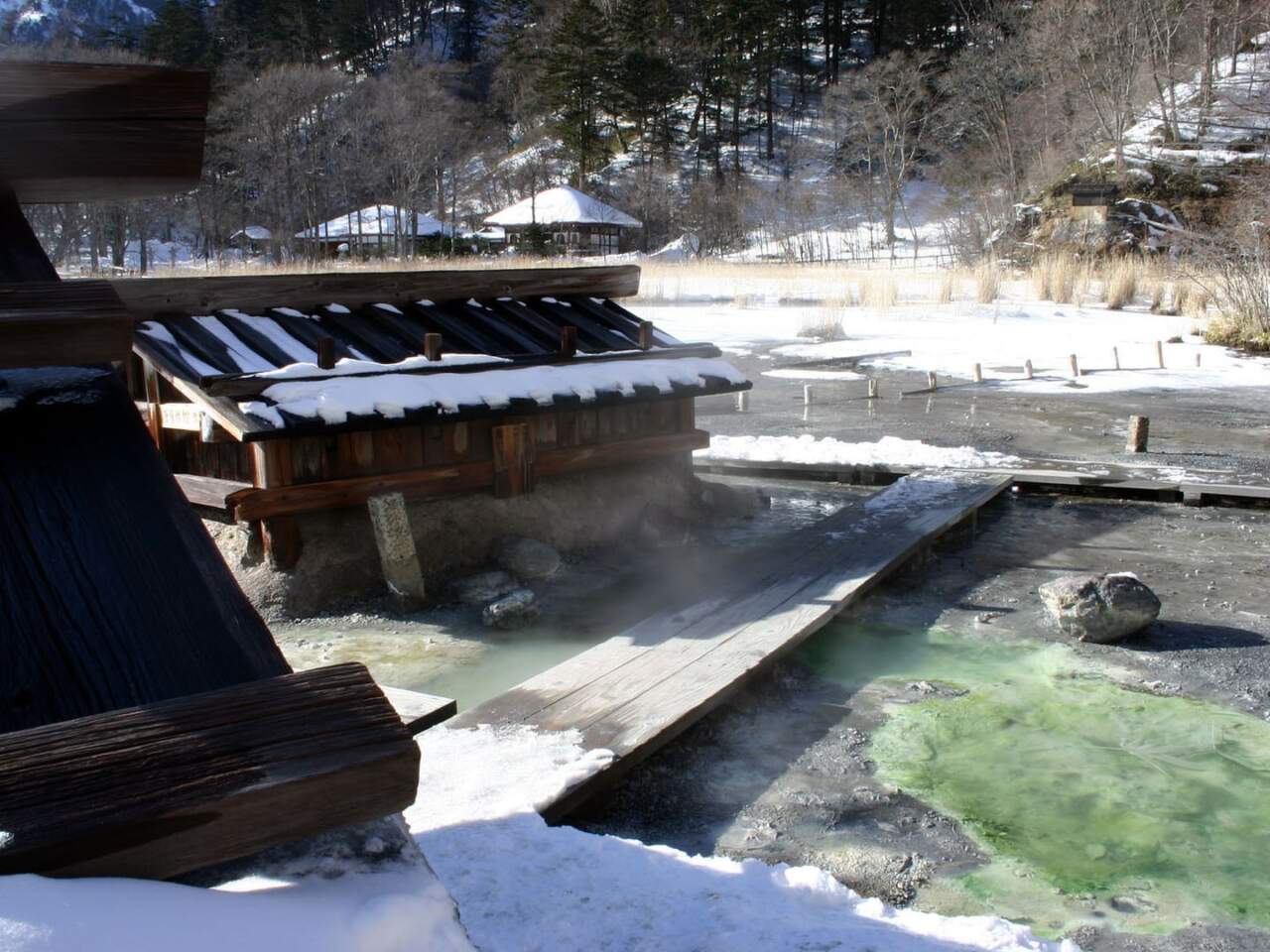
The sulfur-spring town of Yumoto Onsen by Lake Yunoko is another area of Oku-Nikko well suited to slow travel. It is far less crowded than Lake Chuzenji and the area around Toshogu, ideal for a relaxed two-day, one-night photography trip: foliage by day and a soak in sulfur springs in the evening.
⚠️ On peak foliage-season weekends, onsen inns in Oku-Nikko are often fully booked months in advance, so plan ahead and reserve as early as possible to avoid finding no room at the last minute.
The area around Yumoto Onsen is mostly traditional Japanese inns, and dinner often features local mountain vegetables and lake fish, ideal for travelers who want an authentic hot-spring-town atmosphere.
Tips for Avoiding Nikko Foliage Crowds and Traffic
Drivers need to watch out most for weekend traffic on Irohazaka. We recommend passing the Kiyotaki Interchange around 6:00 AM, or consider staying the night before in Oku-Nikko, Chuzenji Onsen or Yumoto Onsen. That spares you a tiring 4:00 AM departure from Tokyo and lets you enjoy the foliage nearby first thing the next morning.
For Senjogahara, arrive early in the morning via the Akanuma parking lot. For Lake Chuzenji, an afternoon cruise helps you avoid the midday crowds. If you want to cover both the World Heritage area and Oku-Nikko, a two-day, one-night itinerary is more relaxed.
If driving is not convenient, you can also consider an itinerary based mainly on bus transfers. It is less flexible, but it saves you the stress of finding parking and sitting in traffic.
Tickets and Tours
Below are the most useful tickets and experiences for Nikko foliage. Booking ahead saves you from queuing on site or last-minute waitlists.
NIKKO PASS: One Ticket for Foliage Transport
The NIKKO PASS comes as a World Heritage Area pass (¥3,000, valid for 2 days) and an All Area pass (¥8,000, valid for 4 days), both including a round trip from Asakusa. Choose the version that fits your itinerary; see the Tobu Railway official website for ticket information.
The All Area pass covers Tobu buses in the Nikko area and Lake Chuzenji sightseeing boats, so one ticket gets you to both high-altitude and town foliage spots without buying tickets leg by leg. It suits travelers whose itinerary spans both Oku-Nikko and the town.
Nikko Toshogu Admission Ticket
In autumn, when it is crowded, we recommend buying tickets online in advance to save time in line. Tickets usually cover Toshogu’s main halls, the area around Yomeimon Gate and the treasure hall.
Visiting in the morning means fewer people, so you can admire details of the classic carvings such as the five-story pagoda, the Three Wise Monkeys and the Sleeping Cat more leisurely. Allow 1.5 to 2 hours.
Kegon Falls Elevator Observation Platform Ticket
Take the elevator down about 100 meters to the observation platform for a close-up view of the whole waterfall. The scene of autumn leaves surrounding the falls is one of Nikko’s most representative foliage views.
Line up early to avoid the tour-group peak. Arriving early in the morning or before 9:00 AM gives the softest light and relatively fewer visitors.
Chinese-Speaking Private Charter Day Tour of Nikko
A private charter is worth considering for groups of 2 or more. A Chinese-speaking driver-guide spares you the traffic of driving yourself and lets you fit Irohazaka, Lake Chuzenji, Kegon Falls and Toshogu into one day.
Charter itineraries can usually be adjusted flexibly, including the order of stops. They save more time than public transportation and are better for older travelers or those with large luggage.
-Klook.jpg)
Where to Stay Nearby
A Nikko foliage trip spans both the World Heritage area at the foot of the mountain and the high-altitude Oku-Nikko area, so where you stay directly affects your transport routes and the pace of your trip.
Around Nikko Station, Oku-Nikko and Kinugawa Onsen: Three Lodging Bases
Around Nikko Station has the most convenient transport, close to World Heritage sites such as Toshogu and Shinkyo Bridge, and suits day trips or travelers who want to travel light to and from Tokyo. Oku-Nikko (the Lake Chuzenji area) suits travelers who want to enjoy the foliage at a leisurely pace and soak in an onsen, and morning and evening let you avoid the daytime crowds and take in the lake and leaves at ease.
Kinugawa Onsen is another popular hot-spring lodging choice. Transport likewise relies on the Tobu Railway system, and it suits a two-day, one-night stay for those who also want the hot-spring-town atmosphere. ⚠️ On peak foliage-season weekends, onsen inns in Oku-Nikko are often fully booked months in advance, so plan ahead and reserve as early as possible.
For detailed hotel comparisons, price ranges and booking advice, see our separate Nikko accommodation guide on this site, which covers the pros and cons of each area.
Nikko Autumn Foliage FAQ
When is the best time to see foliage in Nikko?
Peak color runs from about late September to mid-November and changes gradually from high to low elevation: Oku-Nikko first, then Lake Chuzenji and Irohazaka, and the area around Toshogu at the foot of the mountain last, best from around early November.
How should I plan a one-day Nikko foliage trip?
A classic one-day route is Toshogu, Shinkyo Bridge, Rinnoji, Irohazaka, Lake Chuzenji, then Kegon Falls. If time is limited, focus on 3 to 4 of these spots to keep the day from getting too rushed.
Can I still ride the Akechidaira Ropeway in 2026?
The Akechidaira Ropeway is closed for renovation from January 16, 2026 to August 31, 2027, so it cannot be ridden in autumn 2026. We recommend the Hangetsuyama Observatory or the Lake Chuzenji Observation Point for panoramic views instead.
How can I avoid Irohazaka traffic?
Traffic is worst from 9:30 to 11:30 AM on foliage-season weekends. Enter the mountain road before 6:30 AM, or plan your ascent for Sunday afternoon. If you take the bus, you can monitor conditions on the real-time location page.
Which transport pass should I get for Nikko foliage?
We recommend the NIKKO PASS. Choose the World Heritage Area pass or the All Area pass depending on your itinerary; it covers Tobu buses in the Nikko area. We suggest comparing it against buying individual tickets to see which is cheaper.
Which area should I stay in for Nikko foliage?
There are three lodging bases: around Nikko Station for convenient transport, Oku-Nikko (the Lake Chuzenji area) for relaxed foliage viewing and onsen soaking, and Kinugawa Onsen as another hot-spring option. On foliage-season weekends, book Oku-Nikko lodging months ahead.
