
Nagoya Cherry Blossoms 2026: Meijo Park, Tsurumai Park and the Best Time to Go
Nagoya is the most representative cherry blossom city in the Chubu region. Centered on Meijo Park and Tsurumai Park, it links castle, waterfront and garden scenery, and suits a one- or two-day hanami itinerary.
The Charm of Cherry Blossoms in Nagoya: A Pink Tapestry from Castle to Riverbank
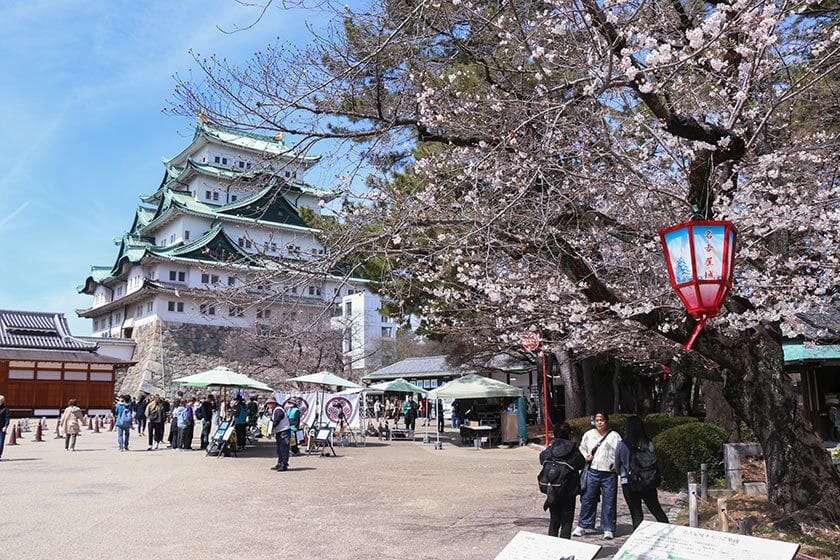
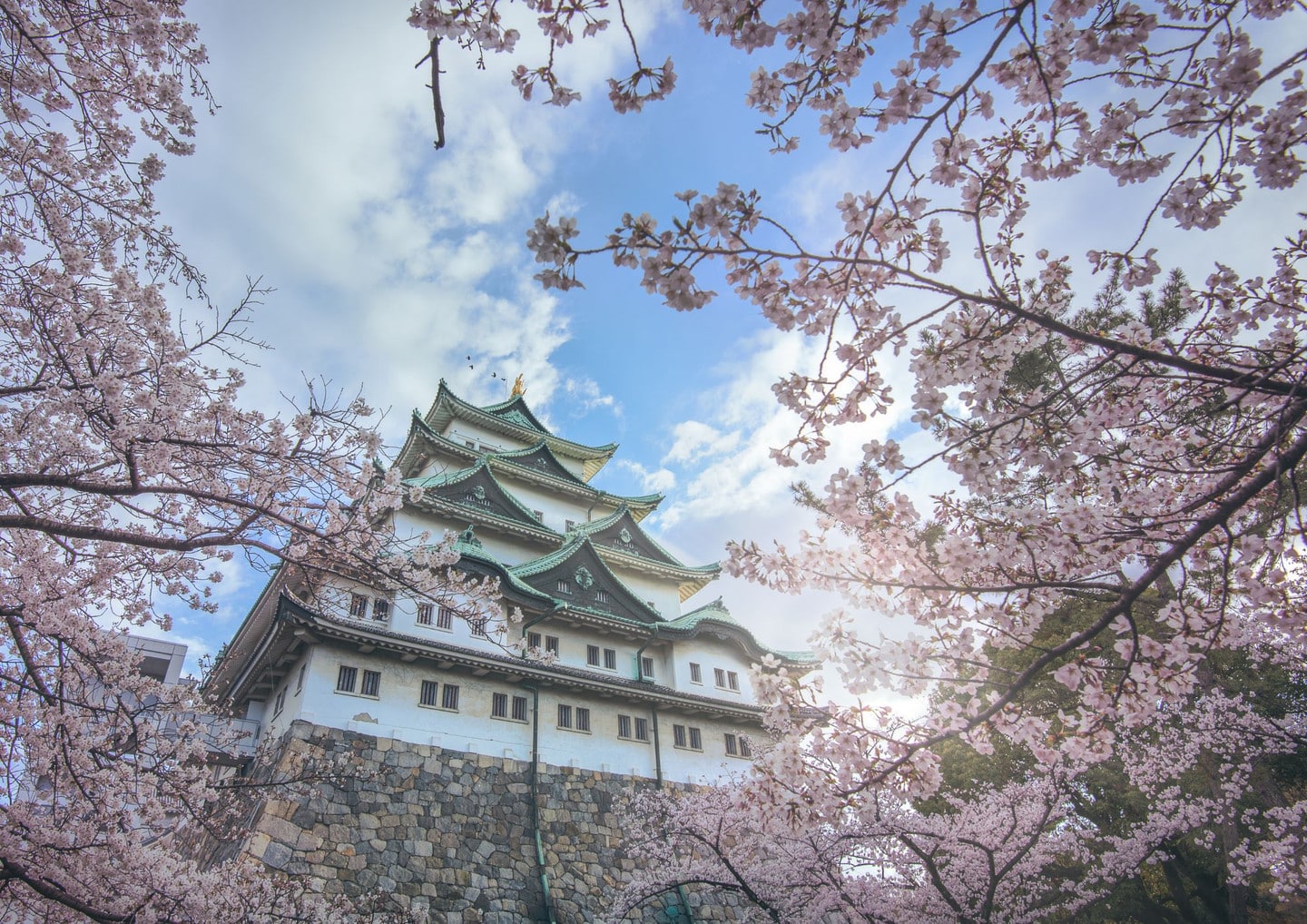
Cherry blossom viewing in Nagoya is varied. At Nagoya Castle you can see the main keep and blossoms in the same frame, and at Tsurumai Park you can join the picnic culture of a spot on the “Japan’s Top 100 Cherry Blossom Spots” list. Waterfront paths along the Yamazaki River and Horikawa’s Nayabashi are also routes that locals love for walks. Compared with Tokyo and Kyoto, Nagoya’s hanami is relaxed and easy to reach, with most spots along the municipal subway lines, which suits first-time visitors. It suits travelers who like “historic architecture plus natural beauty”, and whether you are into photography, traveling with children or avoiding the crowds, you can find a hanami rhythm of your own here.
Nagoya Cherry Blossom Forecast 2026: First Bloom and Full Bloom at a Glance
According to forecasts from Weather Map and other weather sources, Nagoya’s cherry blossoms in 2026 are expected to begin blooming around March 17 and reach full bloom around March 28. The best overall viewing period is late March to early April, with March 28 to April 4 the window most likely to catch the peak. Another forecast puts first bloom between March 20 and 22 and full bloom around March 25 to April 2. Actual conditions may still come a little earlier or later depending on the year’s temperatures.
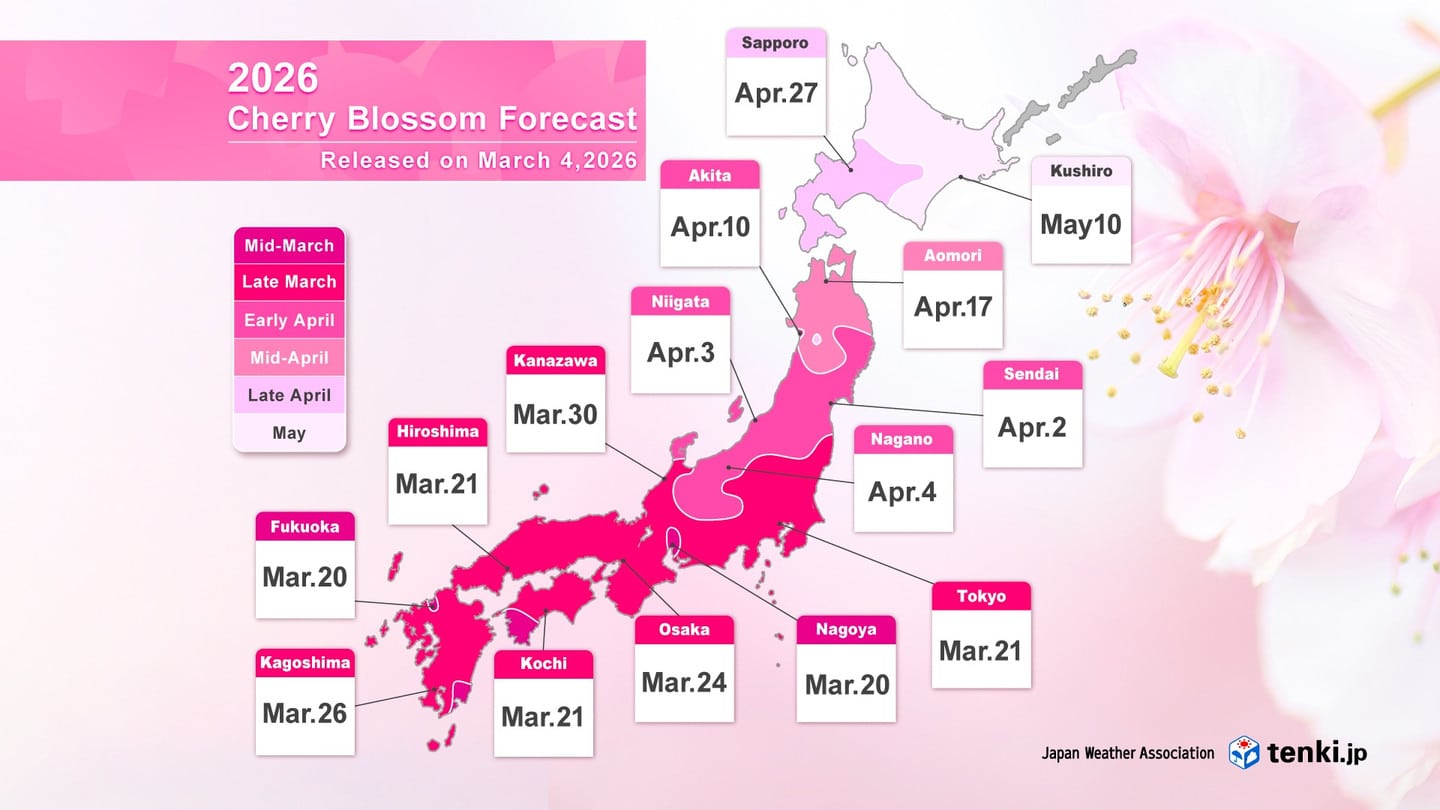
| Forecast source | First bloom | Full bloom |
|---|---|---|
| Weather Map forecast | March 17 | March 28 |
| General trend forecast A | March 20-22 | March 25-April 2 |
| Nagoya Castle Somei Yoshino | About 1 week after the weeping cherries | Late March-early April |
Who It Suits and Pre-Trip Tips
Keep checking the latest bloom forecast during the week before you leave, and give priority to convenient spots where you can stay half a day or more, such as Meijo Park and Tsurumai Park. Then, depending on your energy and time, extend to the Yamazaki River, Higashiyama Zoo and Botanical Gardens and other places. To avoid the crowds, see Meijo Park early in the morning and Tsurumai Park’s night cherry blossoms in the evening, so you experience both day and night moods in one day.
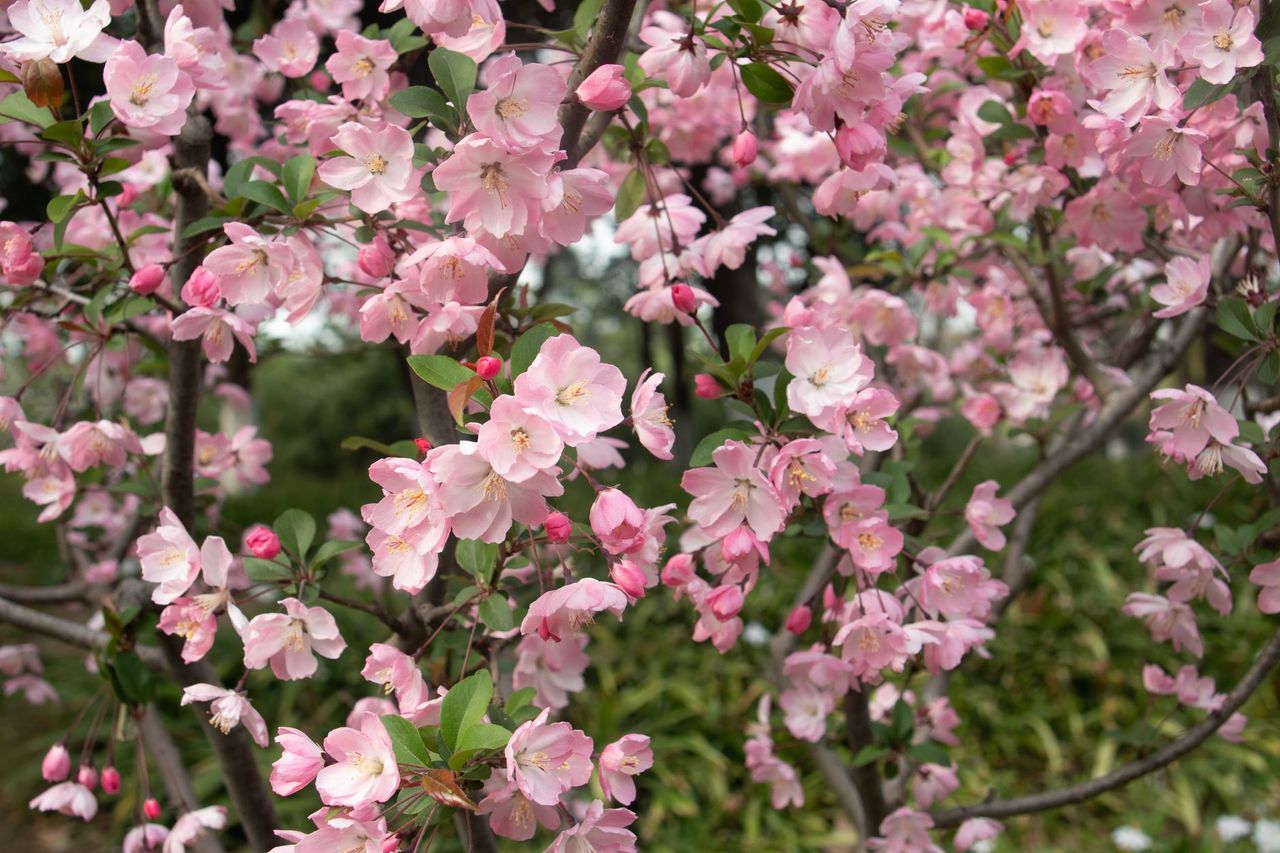
Bring a picnic mat, light rain gear and a warm jacket too, because in late March Nagoya still has a wide temperature gap between morning and evening, and when viewing night cherry blossoms the temperature may drop to single digits.
Getting to Meijo Park and Tsurumai Park for Cherry Blossoms: Transport and Costs
Getting to Meijo Park and Tsurumai Park: Transport at a Glance
Nagoya Castle and Meijo Park: take Exit 7 of Nagoyajo Station (formerly Shiyakusho Station) on the Meijo Subway Line, about a 5-minute walk. You can also ride to Meijo-koen Station and walk about 3 minutes to the park’s west entrance.
Tsurumai Park: take the JR Chuo Main Line or the Tsurumai Subway Line to Tsurumai Station; Exit 4 leads right to the main-gate cherry grove.
Transport deals: you can buy the “Subway All-Line 24-Hour Ticket” (adults ¥760, subway only) or the “Donichi Eco Ticket” (valid on Saturdays, Sundays, national holidays and the 8th of each month; adults ¥620; valid on all subway and municipal bus lines), which makes it easy to link Meijo Park, Tsurumai Park and the Sakae area.

門票-Klook.jpg)


Meijo Park: A Waterfront Park Where the Castle’s Reflection and Cherry Blossoms Intertwine
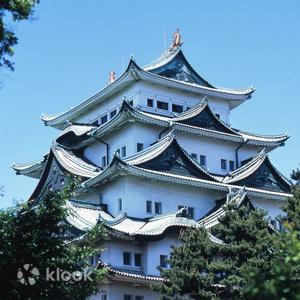
Meijo Park is centered on Nagoya Castle. Inside Nagoya Castle there are about 900 cherry trees of 10 varieties, and the main appeal is the classic “castle x cherry blossom” scene. Around Ofuke Pond (おふけ池) in the park you can fit the blossoms and the main keep into the same frame, a popular area for picnics and strolls. The park is open all day and free to enter; entering the Nagoya Castle grounds requires a separate admission ticket, as explained below.
Tsurumai Park: A Local Blossom Festival on the List of Japan’s Top Cherry Blossom Spots
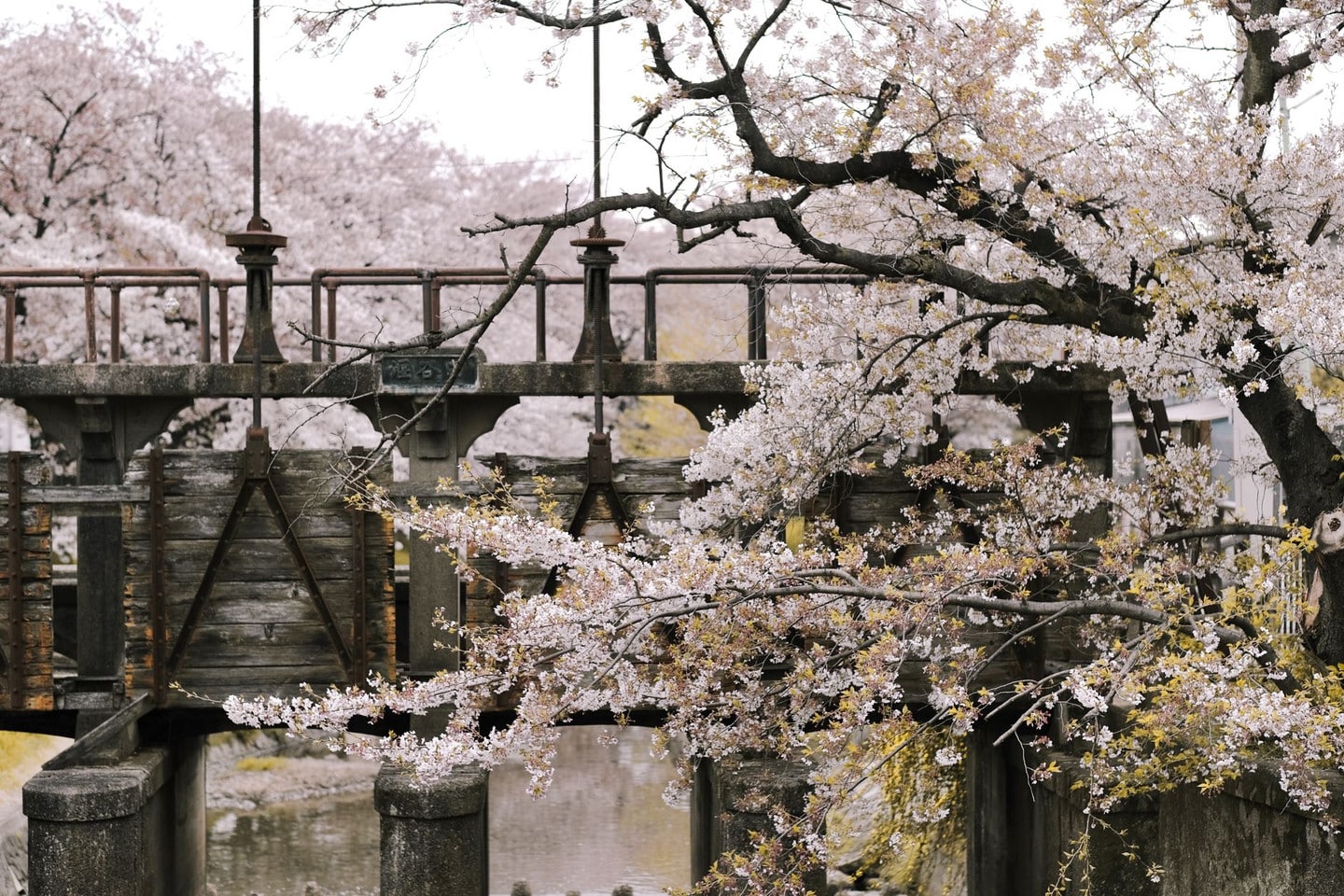
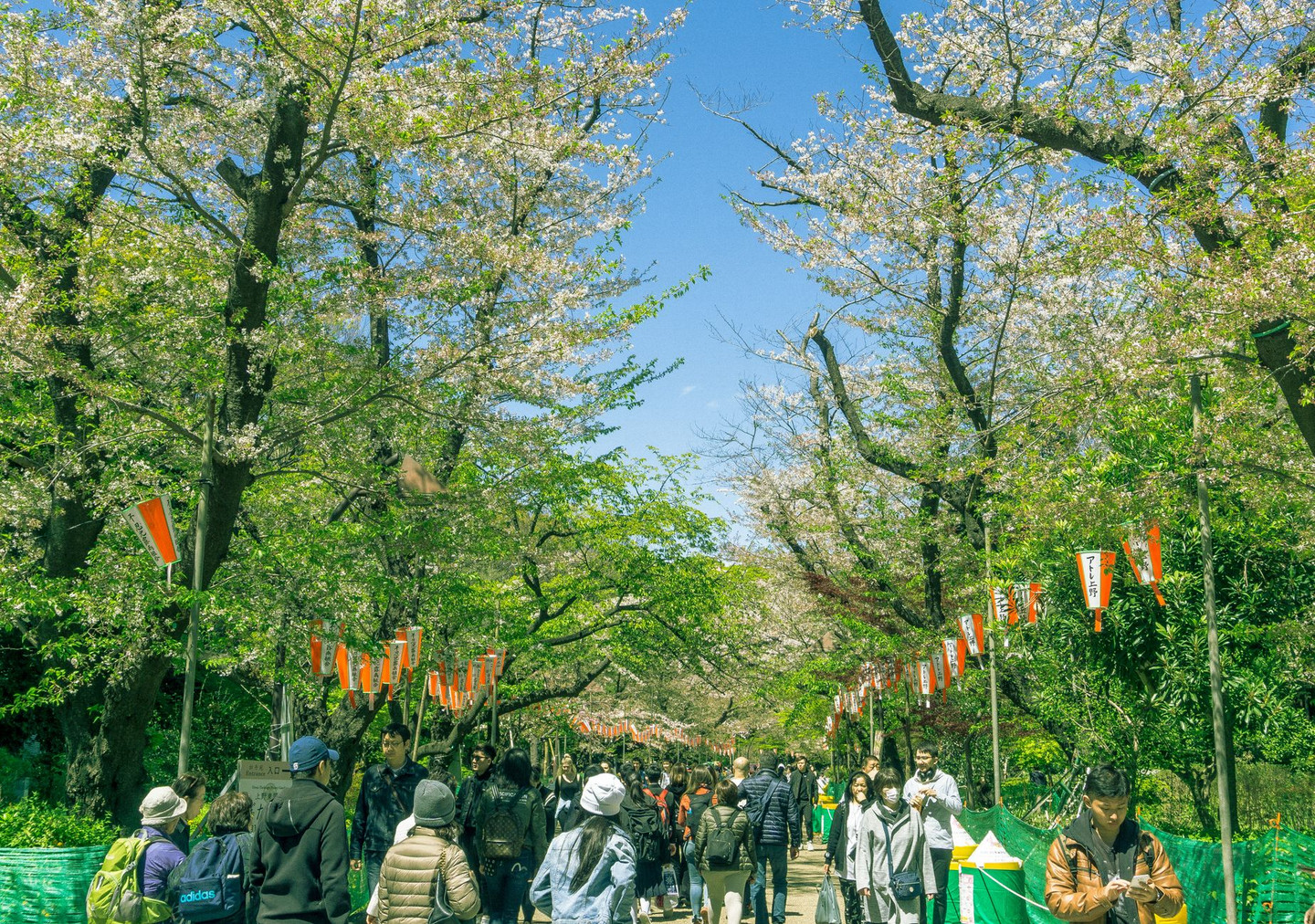
Built in 1909, Tsurumai Park was Nagoya’s first Western-style general park and is a landmark spot on the “Japan’s Top 100 Cherry Blossom Spots” list. About 750 Somei Yoshino trees fill the park, and at the peak of the season they form a spectacular tunnel of blossoms. The main-gate cherry grove is the densest and liveliest area, ideal for authentic “hanami” picnic culture, while the blossoms around Ryu-no-ike pond and Ukimido pavilion have a calm, classical style and are a great spot for photographing Japanese garden scenery.
The Tsurumai Park Cherry Blossom Festival in 2026 is expected to run from March 20 to April 12, and the evening illumination runs at the same time from March 20 to April 6, from 18:00 to 22:00. Many food stall trucks set up on site, so save some appetite for dinner. The park is open all day and free to enter.
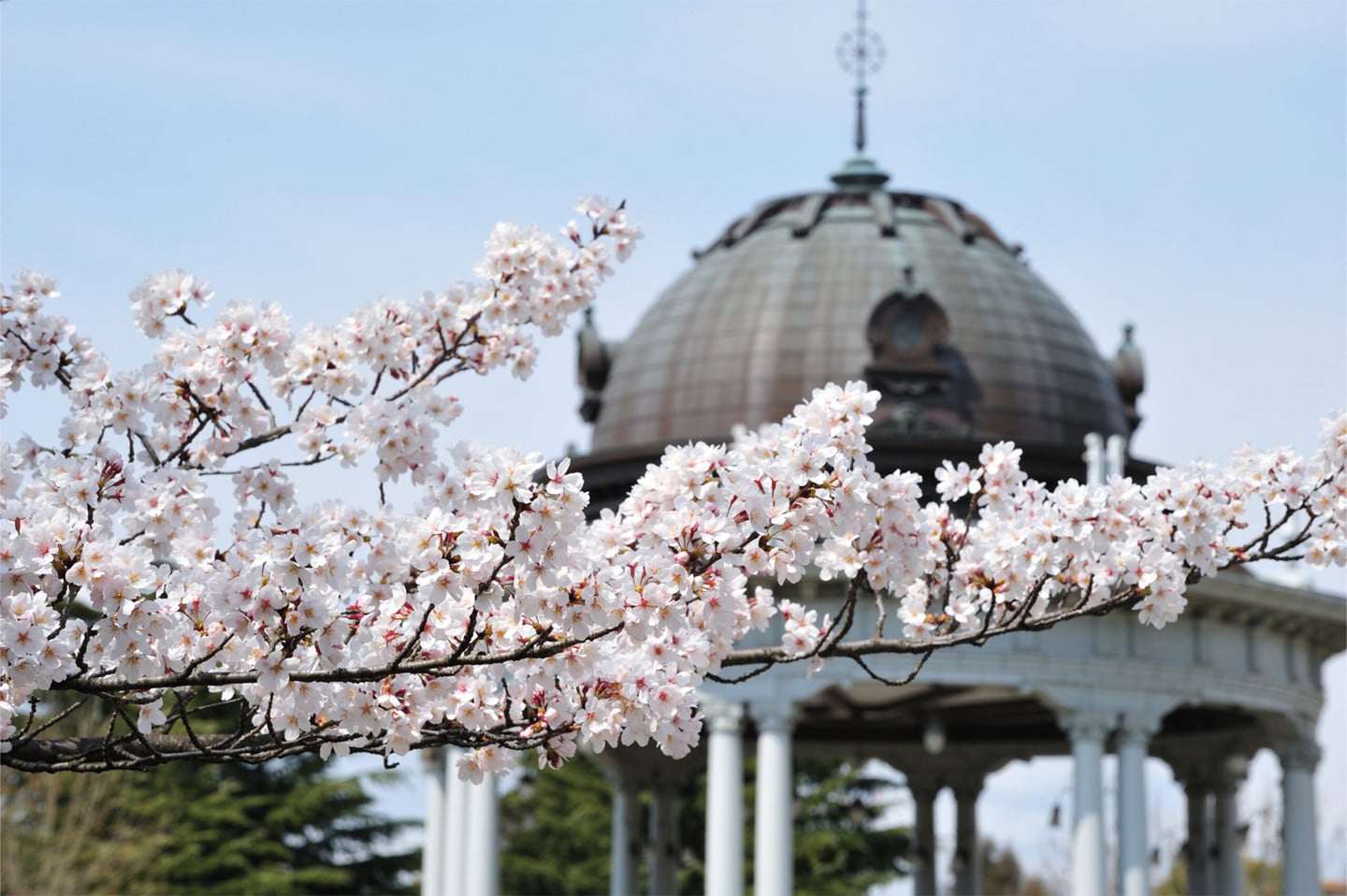
Tokugawaen: An Elegant Early-Spring Edo Story in the Owari Tokugawa Family Garden
Tokugawaen was originally the garden of a lower residence of the Owari Tokugawa family. About 20 cherry trees of several varieties grow here, and together with the ponds and waterfall of the Japanese stroll garden the atmosphere is especially elegant, ideal for photos in a kimono. The early-spring event in 2026 is expected to run from February 23 to March 29, and at the same time there is the “Owari Tokugawa Family Hina Doll Festival” (February 7 to April 5), displaying a collection of Edo-period hina dolls.
Admission is ¥300 for adults. We suggest allowing 1 to 1.5 hours to wander the garden and feel a quiet Edo atmosphere unlike city parks.
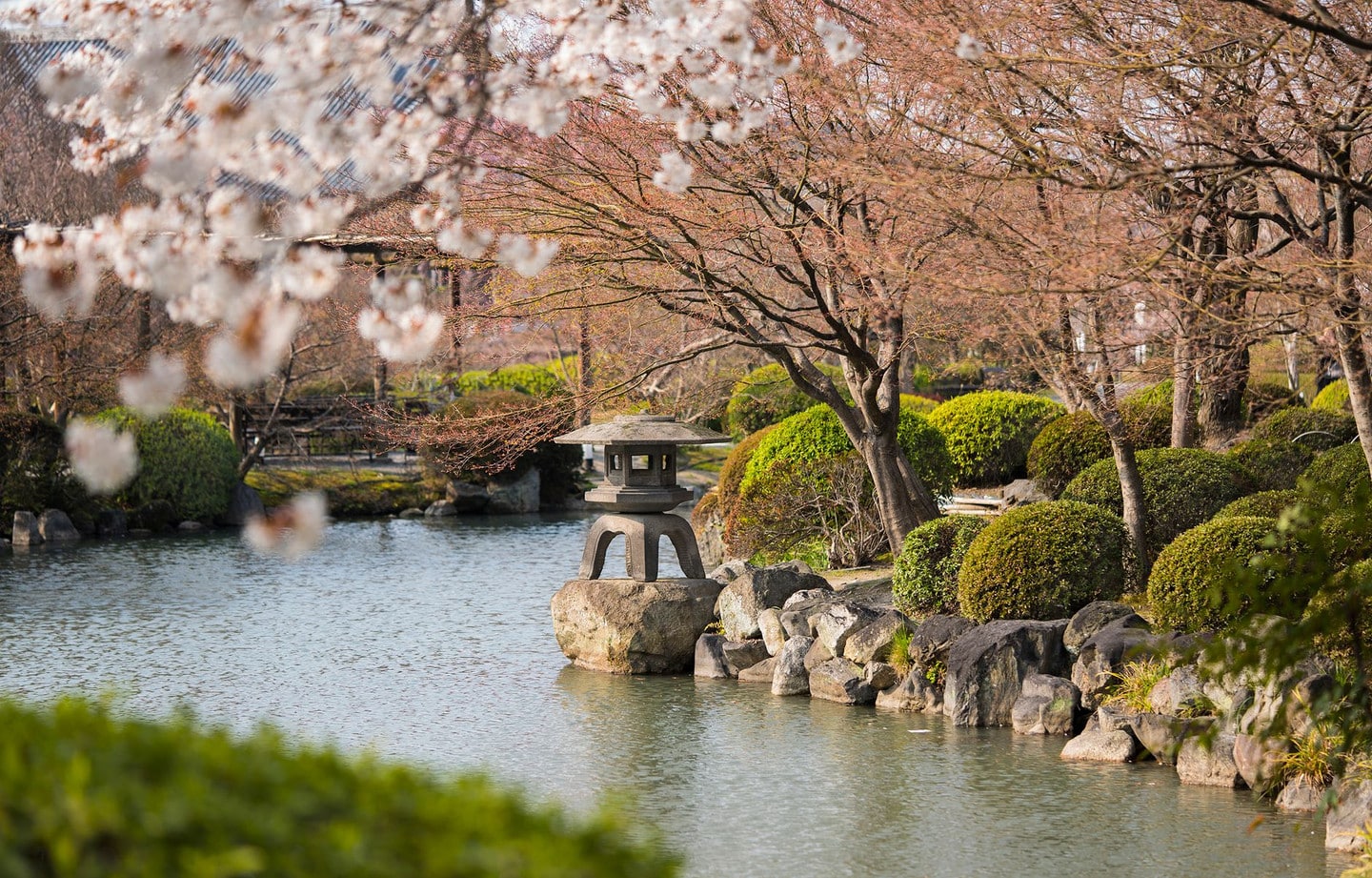
Higashiyama Zoo and Botanical Gardens: 1,300 Cherry Trees Make the Longest-Lasting Blossom Corridor
Higashiyama Zoo and Botanical Gardens is known for having a zoo and botanical garden side by side. It keeps about 1,300 cherry trees of dozens of varieties, including rare ones such as Naruko-zakura, Tsurugi-zakura and Gyoiko. Thanks to the variety, the blossom season lasts longer than at other spots, from early March through late April. The 2026 Spring Festival is expected to run from March 14 to May 6, and an evening double-flowered cherry walk takes place from April 4 to 12.
Admission is ¥500 for adults. The grounds are large, so allow half a day or more, and you can also fit in popular animal attractions such as the koalas and the elephant house.
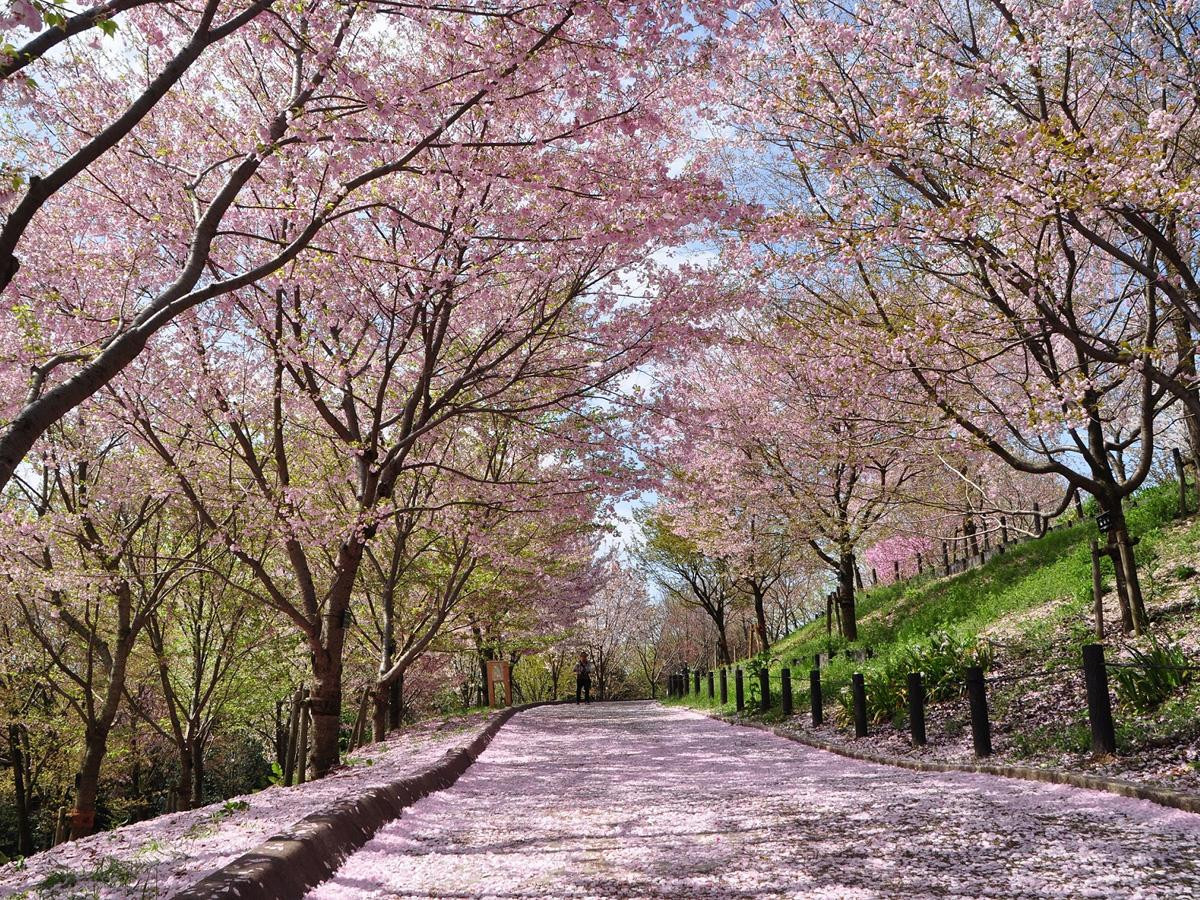
Yamazaki River Shiki-no-Michi: A 2-Kilometer Blossom Walk to Rival Tokyo’s Meguro River
About 550 cherry trees line the Yamazaki River, and the riverside path is more than 2 kilometers long. When the branches on both banks are in full bloom, it is called Nagoya’s version of the “Meguro River”, with a quiet, romantic atmosphere and a favorite walk of locals. The 2026 evening illumination is expected to run from March 25 to April 3, 18:30 to 21:00, with the lights and pink petals reflected on the water for a very romantic scene.
We suggest going in the evening. A riverside stroll of about 40 minutes to 1 hour covers the best stretch, and it fits well as a follow-up after Tsurumai Park.
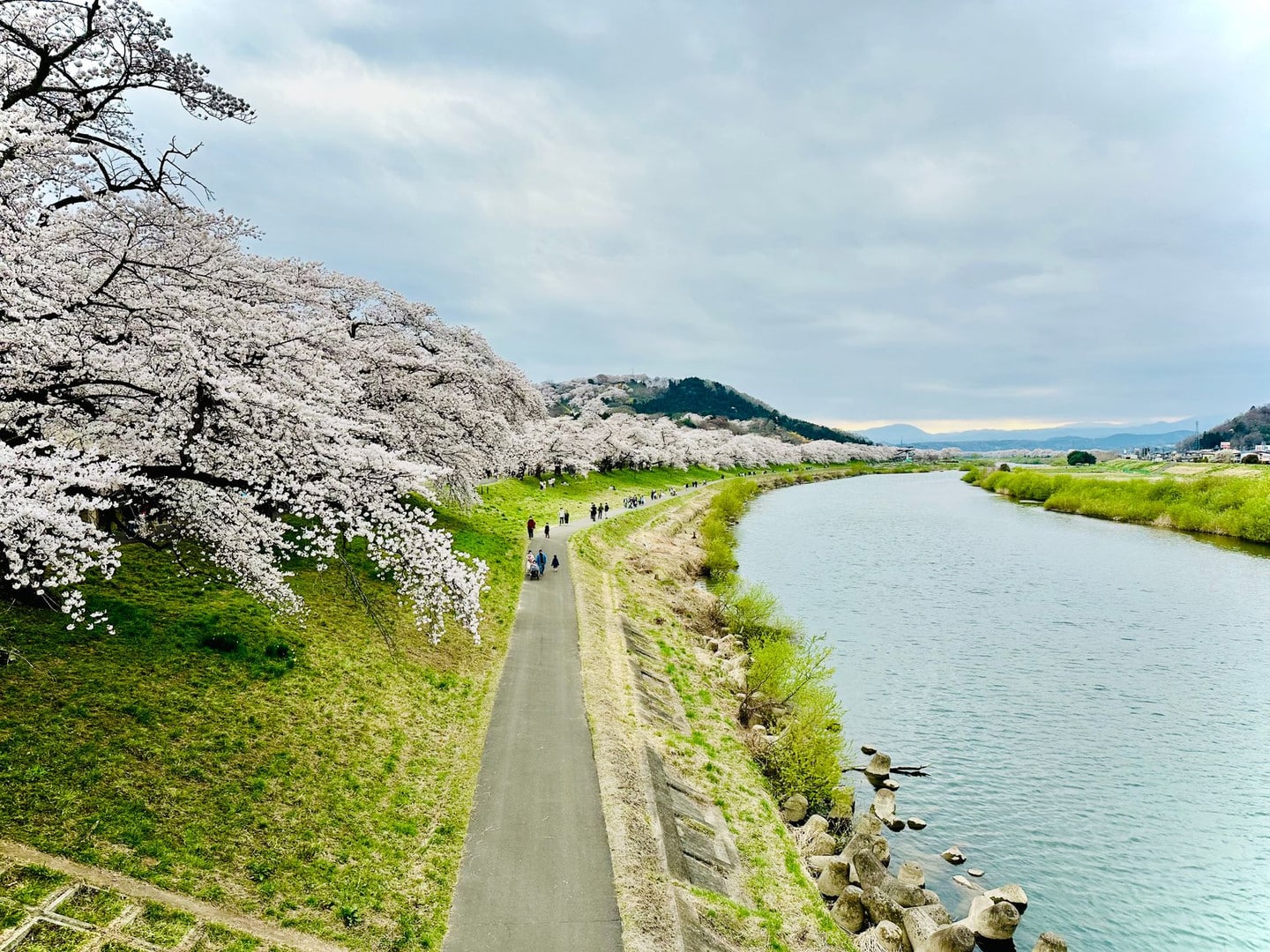
Shirotori Garden: A Hidden Japanese Garden Hanami Spot Condensing Chubu’s Landscapes
Shirotori Garden is a stroll-style Japanese garden designed around the landscapes of the Chubu region. About 30 cherry trees are spread around its ponds, artificial hills and tea houses, full of Japanese character. The 2026 hanami event is expected to take place on March 28 and 29, with special events such as a tea ceremony experience and evening illumination.
Admission is ¥300 for adults. The garden is not large but very refined, ideal for travelers who like a quiet garden atmosphere and want to avoid the crowds. We suggest a relaxed visit of under an hour.
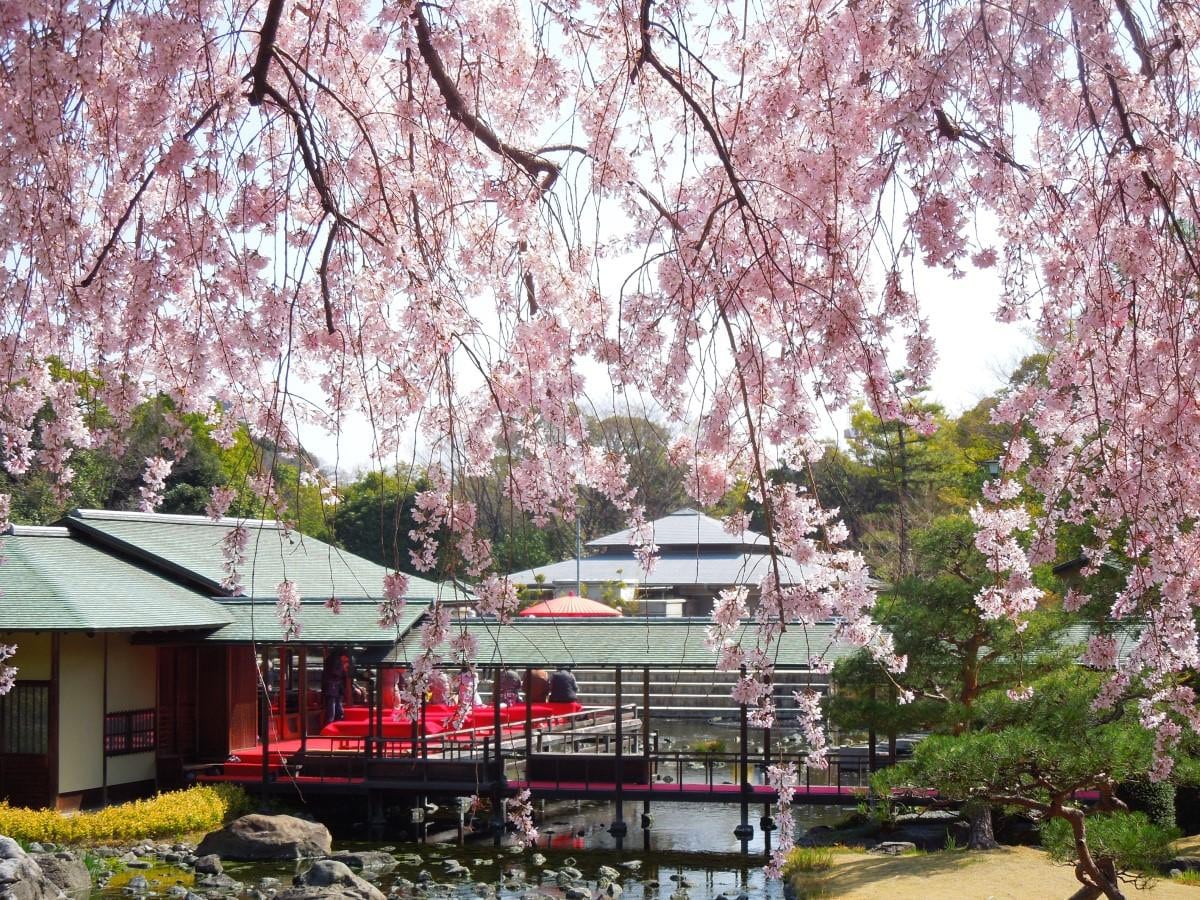
Heiwa Park: A Quiet Green Space with About 1,200 Cherry Trees
Heiwa Park is large and has about 1,200 cherry trees. With relatively few visitors it keeps a calm atmosphere, and the cherry area along the paths forms a tunnel-like landscape, a hanami spot locals recommend as their own. The park is also one of Nagoya’s largest cemeteries, so strolling through it has a solemn atmosphere blended with nature.
The park is open all day and free to enter, suited to travelers who like to get away from the city bustle and take a long walk, as a half-day itinerary.
Shonai Ryokuchi Park: About 800 Cherry Trees, the Top Family Picnic Choice
Shonai Ryokuchi Park has about 800 cherry trees, large lawns and a children’s play area, and is a popular choice for local Nagoya families picnicking and viewing blossoms on weekends. During the blossom season you often see whole families spreading picnic mats and flying kites in a relaxed, cheerful atmosphere, less crowded than the city-center spots.
The park is open all day and free to enter. We suggest bringing your own picnic supplies and planning 2 to 3 hours of family time.
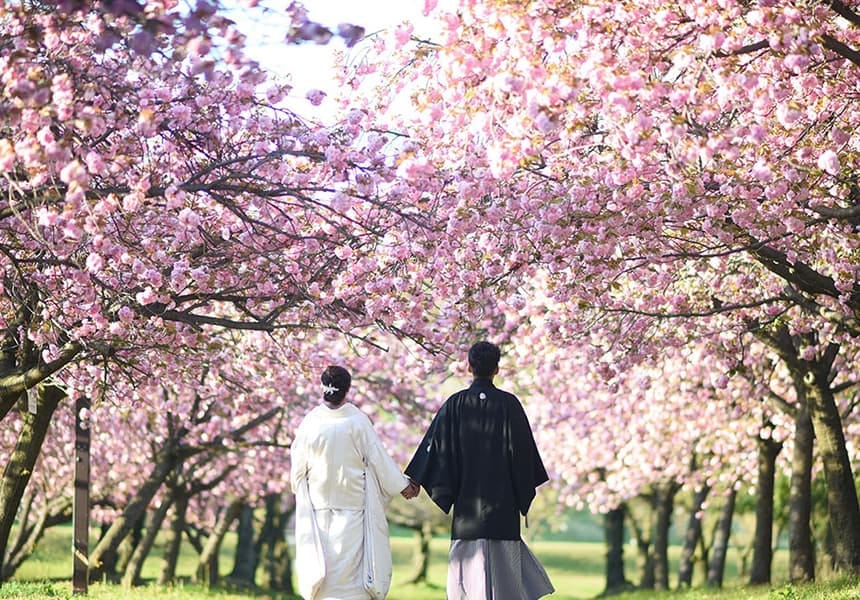
Arakogawa Park: Venue of a Cherry Blossom Festival with a Thousand Trees on Both Banks
Arakogawa Park has about 1,000 cherry trees along both banks of the river. It is a well-known hanami spot in Nagoya’s Nishi Ward and the venue of the annual “Arakogawa Park Cherry Blossom Festival”, when market stalls and stage performances create a lively atmosphere. The park has a water stage and a fountain, and when the lights reflect on the water at night the scene is especially romantic.
The park is open all day and free to enter. We suggest going during the festival to feel the most authentic local festival atmosphere.
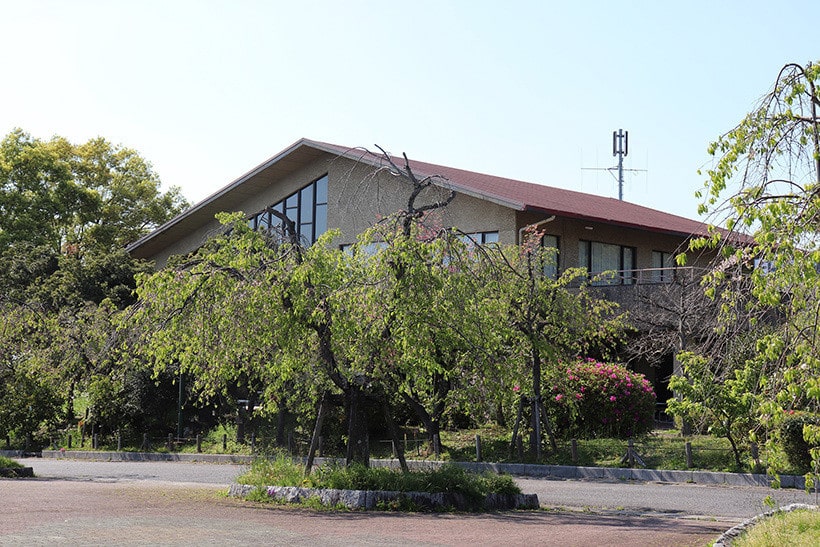
Nagoya City Togokusan Fruit Park: A Hidden Spot Where Weeping Cherries Bloom Romantically in an Orchard
Togokusan Fruit Park is themed around orchards and has about 1,000 cherry trees of as many as 30 varieties. A large number of weeping cherries hang and bloom among the orchard trees, a romantic, dreamlike scene. The 2026 Weeping Cherry Festival is expected to run from March 24 to April 12, when you can taste seasonal fruit products.
Entry to the park itself is free, and the greenhouse botanical hall costs ¥300 for adults. It is a rare complex near Nagoya that combines an orchard with cherry blossom viewing.
Yagotoyama Kosho-ji: An Old Temple Where the Five-Story Pagoda and Cherry Blossoms Complement Each Other
Yagotoyama Kosho-ji was founded in 1686 and is a special head temple of the Shingon sect. The five-story pagoda and vermilion gate, set against blossoms in full bloom, are simple, solemn and romantic. As a place of worship, the temple offers omamori (amulets) and goshuin (temple stamps), so travelers who like collecting stamps can visit and get a keepsake.
The temple is open for worship all year and free to enter. During the blossom season the approach is lined with blooming cherry trees. We suggest a visit and walk of under an hour, to feel a religious and cultural atmosphere different from the parks.
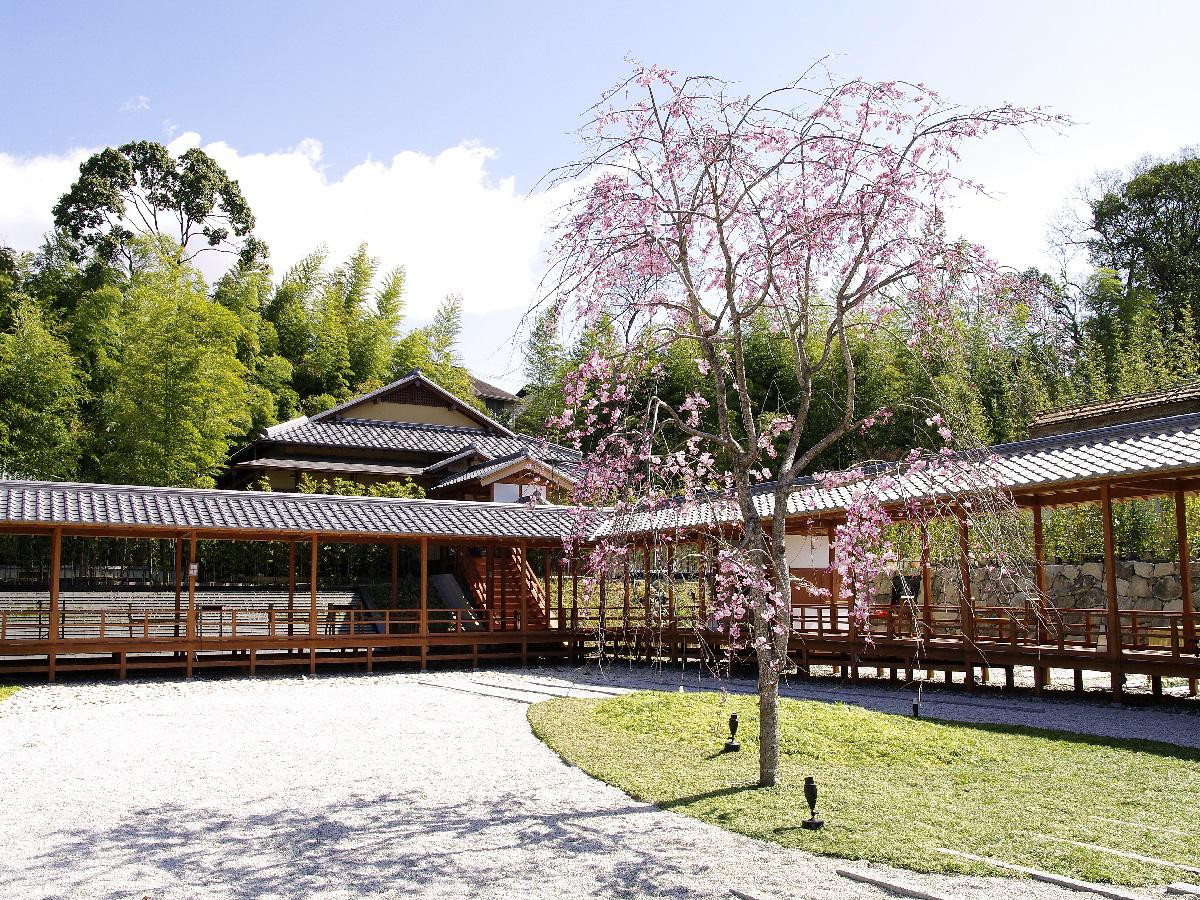
Horikawa Nayabashi Promenade: A Local Hanami Route Along a 400-Year-Old Canal
The Horikawa is a canal flowing through central Nagoya with a history of more than 400 years. It was once an important waterway for transporting the building materials for Nagoya Castle. Today cherry trees line both banks and there are sightseeing boats, making it a healing walking route among locals.
The promenade is open all day and free to stroll. It fits well as a side trip while shopping in the Sakae area, and gives you a unique atmosphere where an old canal meets a modern city.
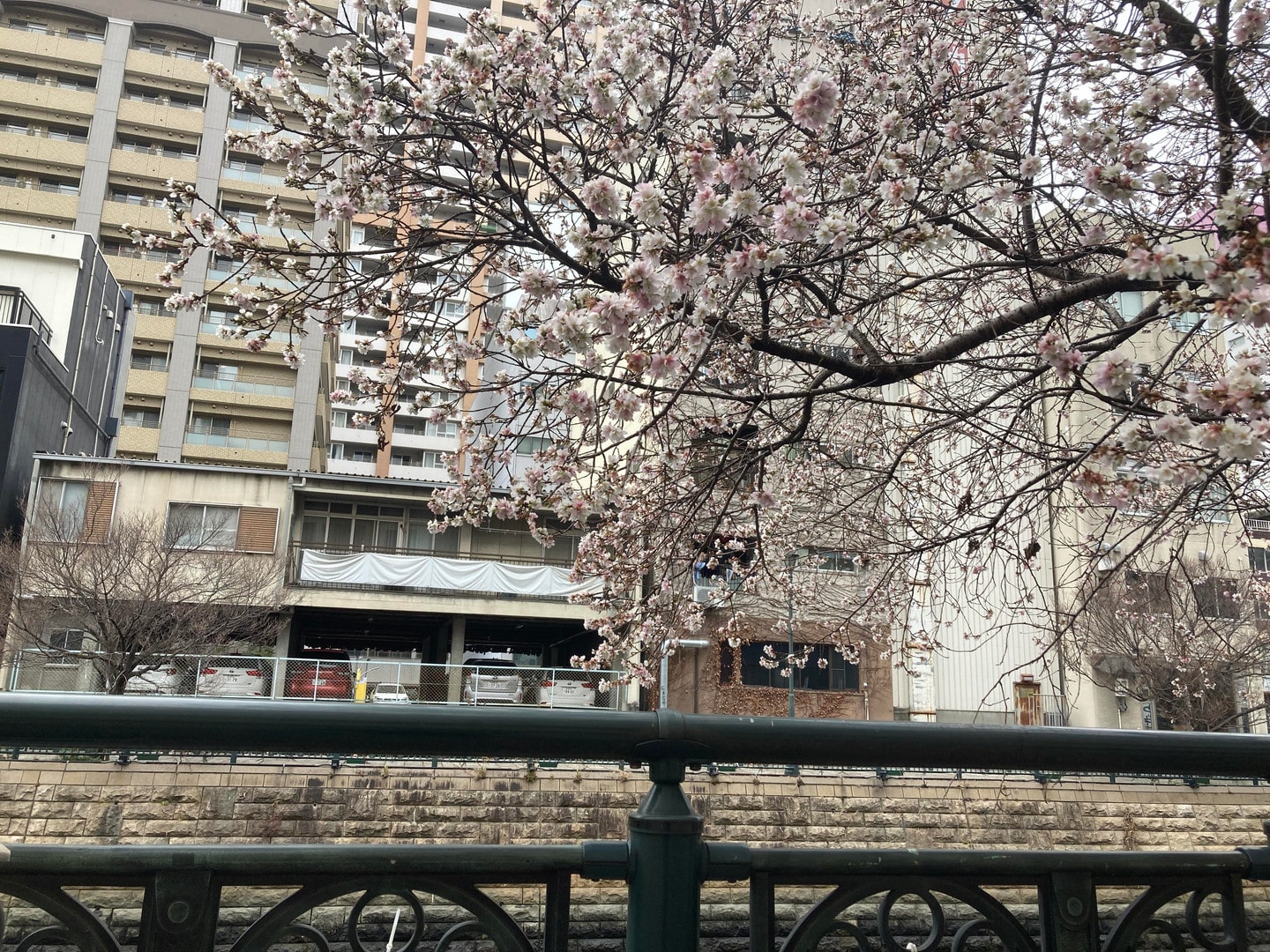
Kanare River in Meito Ward: A Hidden Riverside Spot Locals Recommend, Away from the Crowds
Compared with the better-known Yamazaki River, the Kanare River in Meito Ward is a locals’ alternative, with large areas of cherry trees along both banks and clearly fewer people. It suits travelers who like relaxed walks and photos without interruption.
In addition, around the Nagoya City Higashi Ward Office you can see the rare early-spring variety “Tokai-zakura”, which usually blooms first in mid to late March, a private spot to feel an early taste of spring.
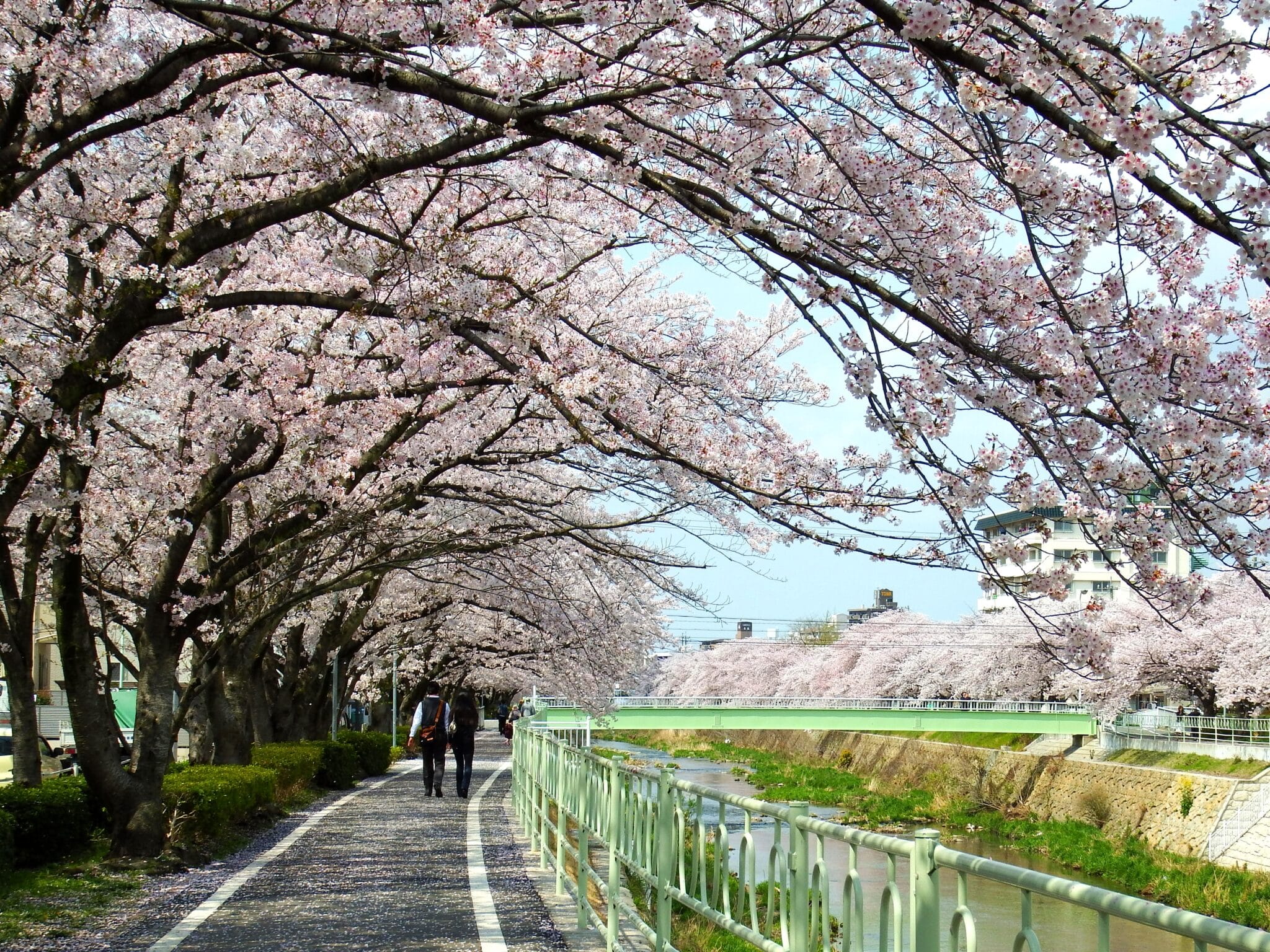
Ohkanzakura Cherry Path: An Early-Blooming Spot Ahead of the Whole City
To feel Nagoya’s spring earlier than other visitors, head to the Ohkanzakura trees lining the street beside Exit 2 of Takaoka Station on the Sakuradori Subway Line. This stretch runs from the “Sakuradori Izumi 2” intersection to north of the “Yoshino 2” intersection, about 1.4 kilometers long with about 130 trees, mainly Ohkanzakura and Kanhizakura. The best viewing is roughly from late February to late March, about a week earlier than Somei Yoshino, making it the earliest hanami route in Nagoya.
This stretch is beside ordinary streets with no admission fee and no opening hours. Walking it takes about half an hour, and it is easy to include when planning an early-spring trip.
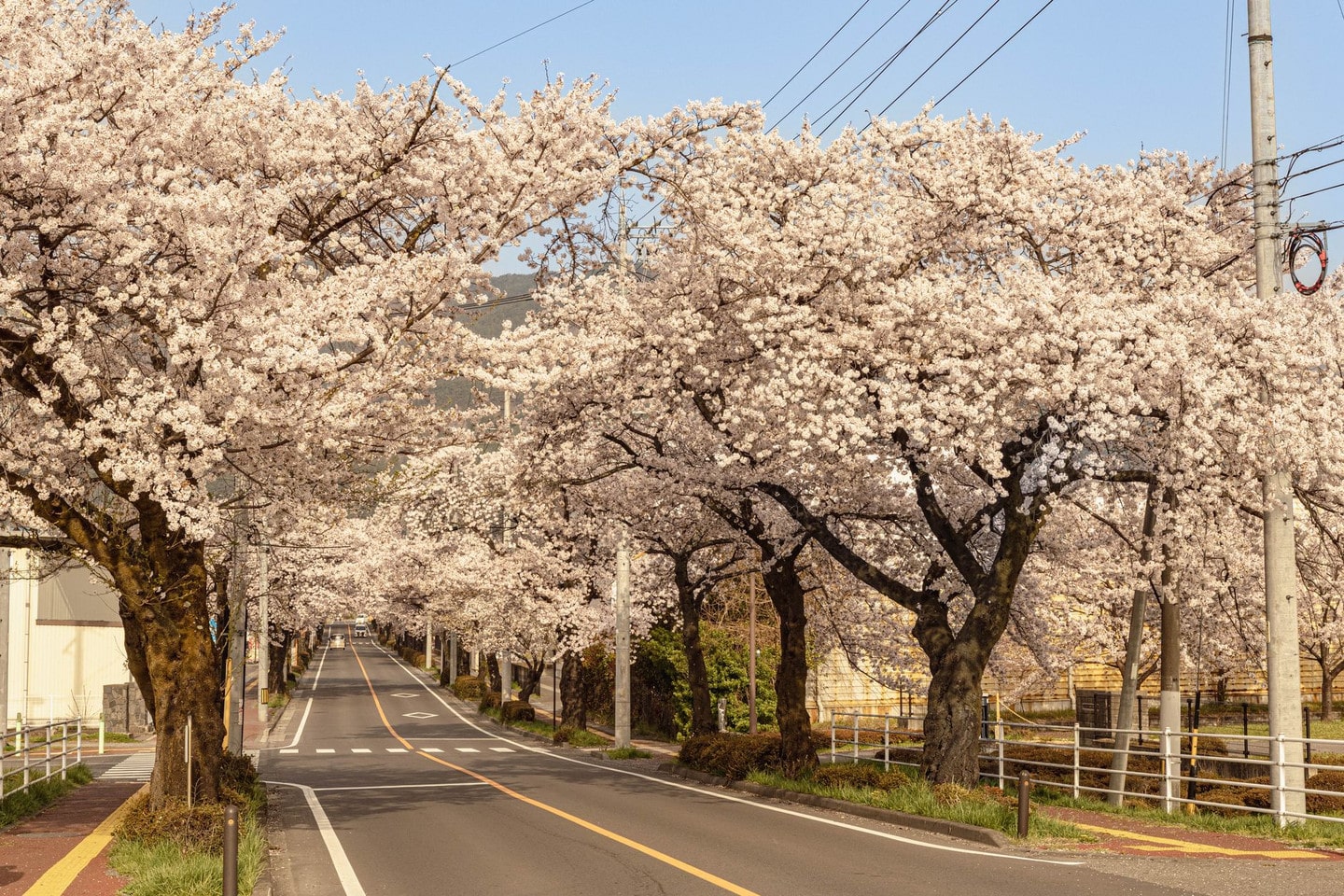
Nagoya Cherry Blossom 2026: Tickets and Recommended Tours
Most parks for hanami in Nagoya are free to enter. Below are the transport passes for the subway and city buses and the admission details for Nagoya Castle. Please check the latest prices and opening hours before you go.
Nagoya Subway 24-Hour Ticket and Donichi Eco Ticket: Transport Passes for Linking Hanami Spots
When planning a Nagoya hanami itinerary (Meijo Park, Tsurumai Park, the Yamazaki River and others), you can buy the Nagoya City Transportation Bureau’s “Subway All-Line 24-Hour Ticket” for ¥760 per adult, with unlimited subway rides for 24 hours after first use. On Saturdays, Sundays, national holidays and the 8th of each month there is also the “Donichi Eco Ticket” at ¥620 for adults and ¥310 for children, with unlimited rides on the subway and municipal buses for the day.
Before buying, check the Nagoya City Transportation Bureau’s official website for the latest fares and coverage. On days when you will not visit several spots, single-ride tickets are usually better value.
Nagoya Castle Admission: Fare, Hours and the Current Main Keep Status
Nagoya Castle admission is ¥1,000 for adults and free for junior high school students and younger. It is open 9:00 to 16:30, with last entry at 16:00 for Honmaru Palace and the Nishinomaru Storehouse Castle Treasure Museum, and closed from December 29 to January 1. The main keep is currently closed to visitors because of the wooden reconstruction project, but you can visit the restored Honmaru Palace, and for hanami you can see the main keep and blossoms in the same frame around the grounds and by Ofuke Pond.
Where to Stay in Nagoya During Cherry Blossom Season? Hotel Suggestions Near Stations

Where to Stay in Nagoya for Hanami: Nagoya Station, Sakae or Tsurumai?
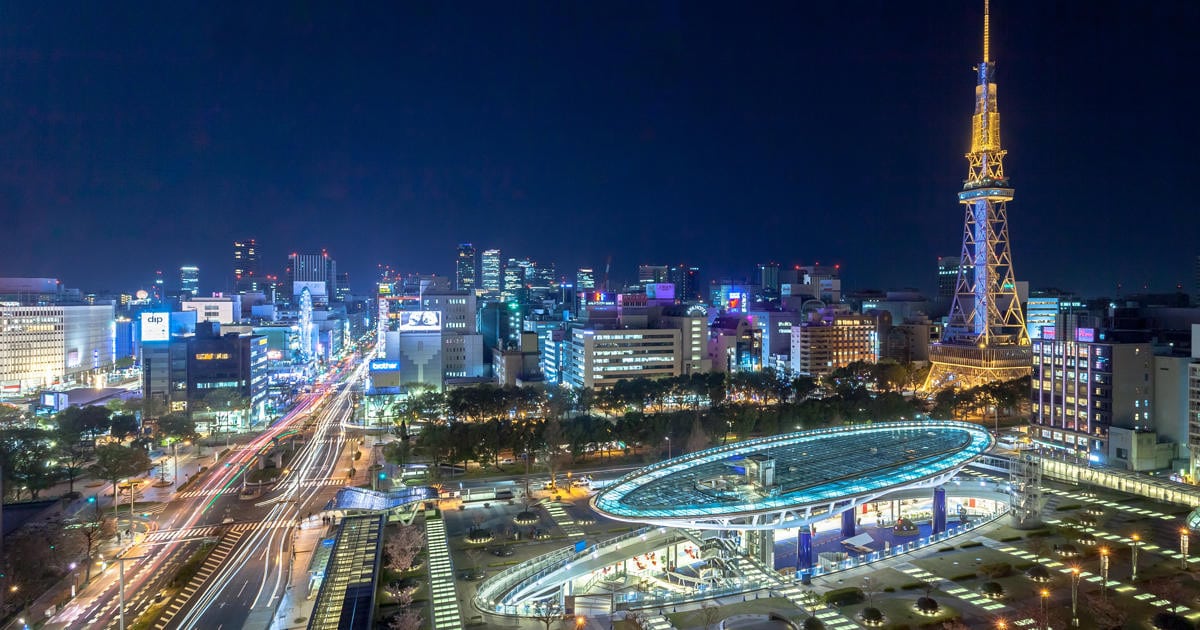
We suggest staying in the Sakae area or around Tsurumai Station, near the Tsurumai Subway Line, where a ride to Meijo Park and Tsurumai Park takes only 10-15 minutes, and in the evening you can visit Oasis 21 and the Hisaya-odori Park area. If Nagoya Castle is your focus and you often take the Shinkansen, hotels around Nagoya Station are the most convenient, with airport buses and all rail lines gathered there, suited to carrying several bags or making day trips to Inuyama, Seto and other nearby places.
During the blossom season (the full-bloom weekends of late March to early April), room rates rise noticeably. We suggest booking 1 to 2 months ahead.
Nagoya Cherry Blossom FAQ
Q: When are the cherry blossoms in Nagoya expected to bloom in 2026?
First bloom is forecast for about March 17 and full bloom for about March 28. The best overall viewing period is late March to early April. We suggest rechecking the latest bloom conditions a week before you go.
Q: How much is the ticket for viewing blossoms at Nagoya Castle?
¥1,000 for adults and free for junior high school students and younger. The main keep is currently closed because of the wooden reconstruction work, but you can visit Honmaru Palace (last entry 16:00).
Q: How do I get to Meijo Park? Which subway station should I get off at?
Take the Meijo Subway Line to Nagoyajo Station and walk about 5 minutes from Exit 7, or go to Meijo-koen Station and walk about 3 minutes.
Q: Until what time is the night illumination at Tsurumai Park?
In 2026 it is expected to run from March 20 to April 6, lit daily from 18:00 to 22:00, with food stall trucks on site.
Q: What is the best month for cherry blossoms in Nagoya?
The best viewing period is concentrated from late March to early April, with the highest chance of catching full bloom around March 28 to April 4.
Q: Do Nagoya Castle and Tsurumai Park charge admission during blossom season?
Tsurumai Park and Meijo Park are free and open all day; Nagoya Castle requires a ticket, ¥1,000 for adults and free for junior high school students and younger.
Q: Are there any taboos or things to watch for when viewing blossoms in Nagoya?
Take your trash with you after a picnic, do not break branches or shake the trunks, watch your belongings in the crowds during night viewing hours, and bring a warm jacket for the difference between morning and evening temperatures.