
Ueno, Tokyo: A District Where History Meets the Modern
Ueno, in northeastern Tokyo, is not only Tokyo’s “northern gateway” but also a perfect blend of history, culture, art and everyday life. From Japan’s oldest zoo and world-class museums to the bustling Ameya-Yokocho market and the quiet, elegant Ueno Park, Ueno draws travelers from around the world with its many faces. It is a key transport hub and a treasure trove for experiencing the pulse of Tokyo. This guide explores the latest charms of Ueno in 2026, with something for culture lovers, shoppers and foodies alike.
Ueno’s history goes back to the Edo period, when it was the site of Kan’ei-ji, the family temple of the Tokugawa shogunate, with extensive temple grounds and rich natural scenery. After the Meiji Restoration the land was designated as Japan’s first park, today’s Ueno Onshi Park, and a series of cultural facilities were built. After World War II, the black-market trading of Ameya-Yokocho added a distinctive local flavor to Ueno. Even today Ueno keeps these traces of history while moving with the times, developing more modern facilities and experiences. Ready to dig into every corner of Ueno with us?
Ueno Overview: Location, Transport and Best Time to Visit
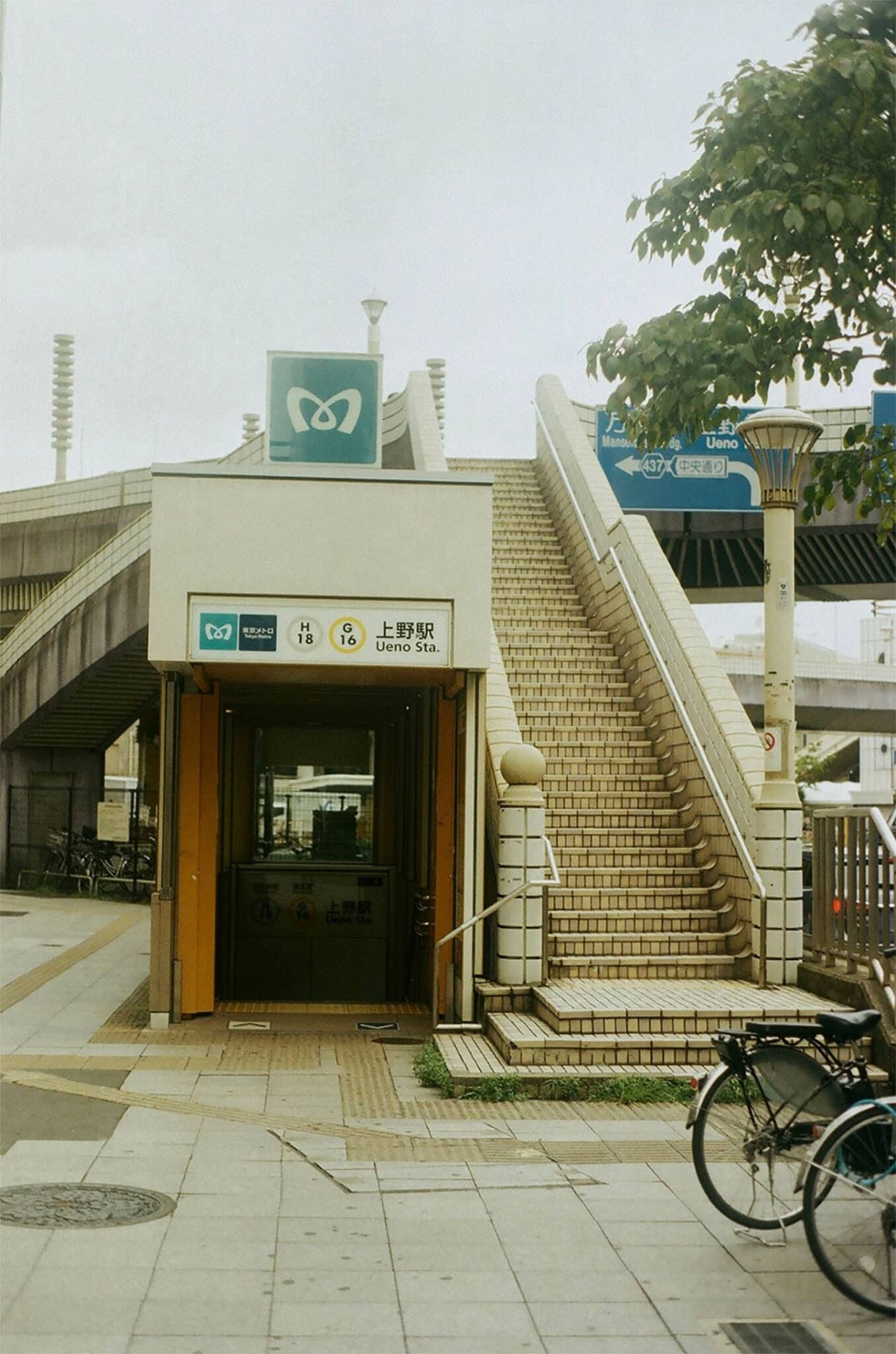
Ueno is in Tokyo’s Taito Ward and is one of the city’s major transport hubs. Its location makes it easy to reach the major sights across Tokyo, and it is the gateway linking Narita Airport and central Tokyo. Understanding Ueno’s location and transport is the first step to planning a smooth trip. Visiting in the right season also lets you enjoy Ueno’s distinct moods: cherry blossoms in spring, lotus flowers in summer and autumn leaves in fall, Ueno always has a surprise for you.
Ueno’s Location and Surroundings
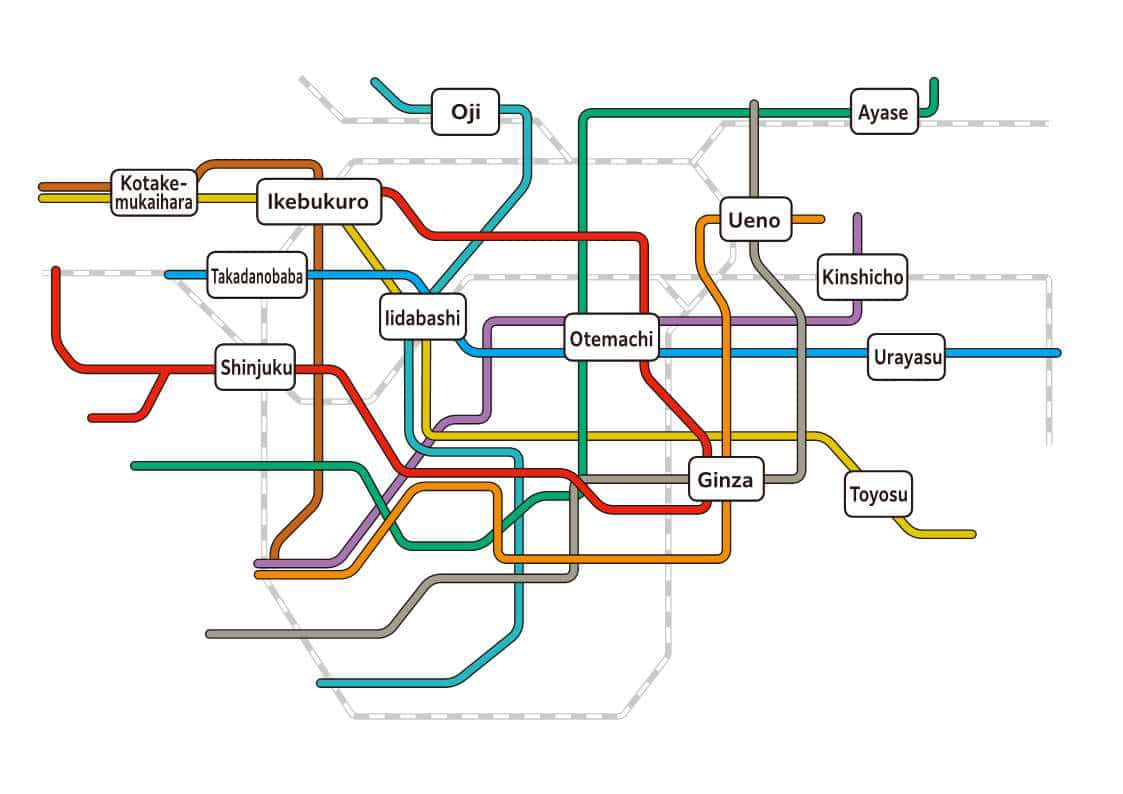
Ueno Station is where several JR lines, Tokyo Metro subway lines and the Keisei Electric Railway meet, making it the core of eastern Tokyo. From Ueno it is very easy to reach popular sightseeing areas such as Asakusa, Akihabara and Ginza.
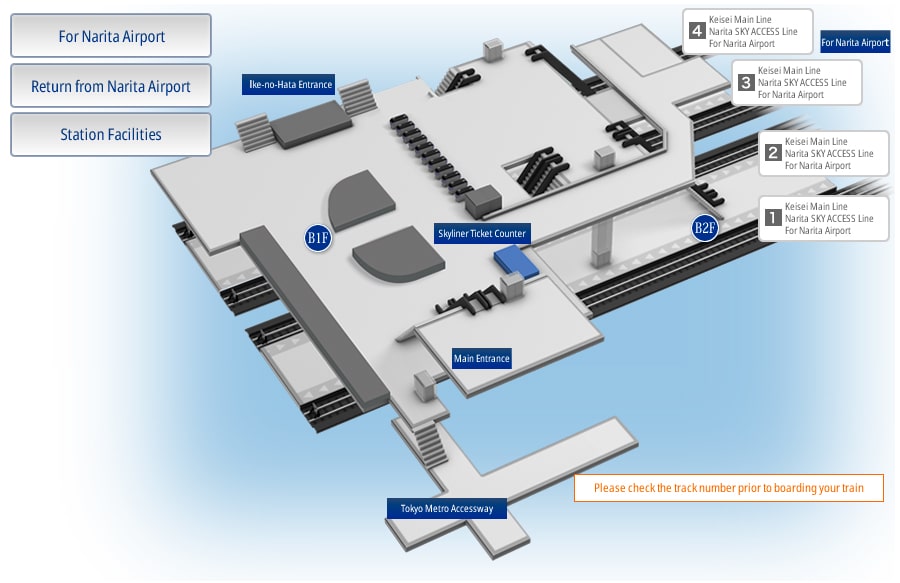
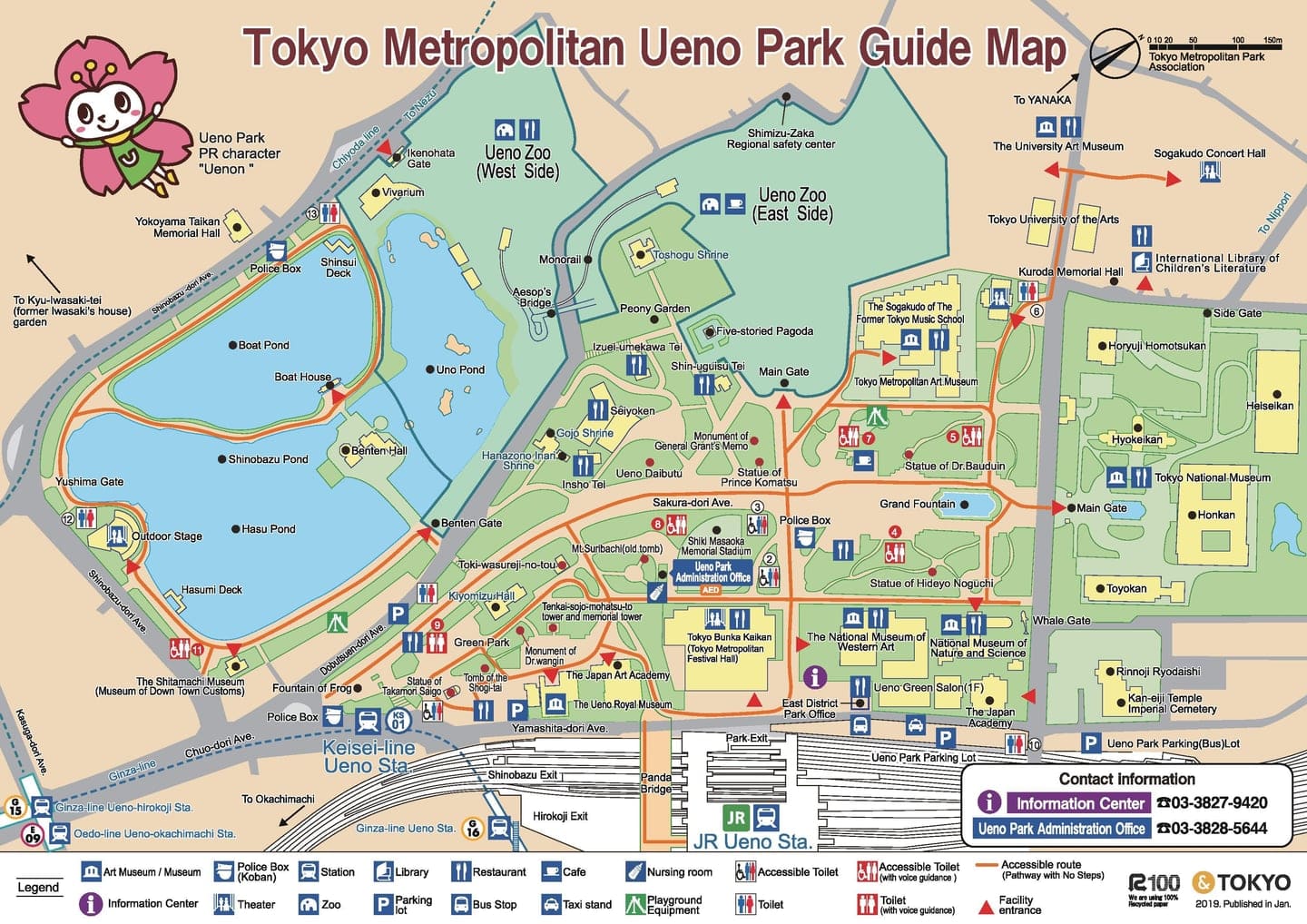
The Ueno area itself is centered on Ueno Onshi Park, which gathers a zoo and several world-class museums and art galleries to form a rich cultural and artistic district. Around the park are the lively Ameya-Yokocho shopping street and various department stores, offering a wide choice of shopping and dining.
Getting to Ueno
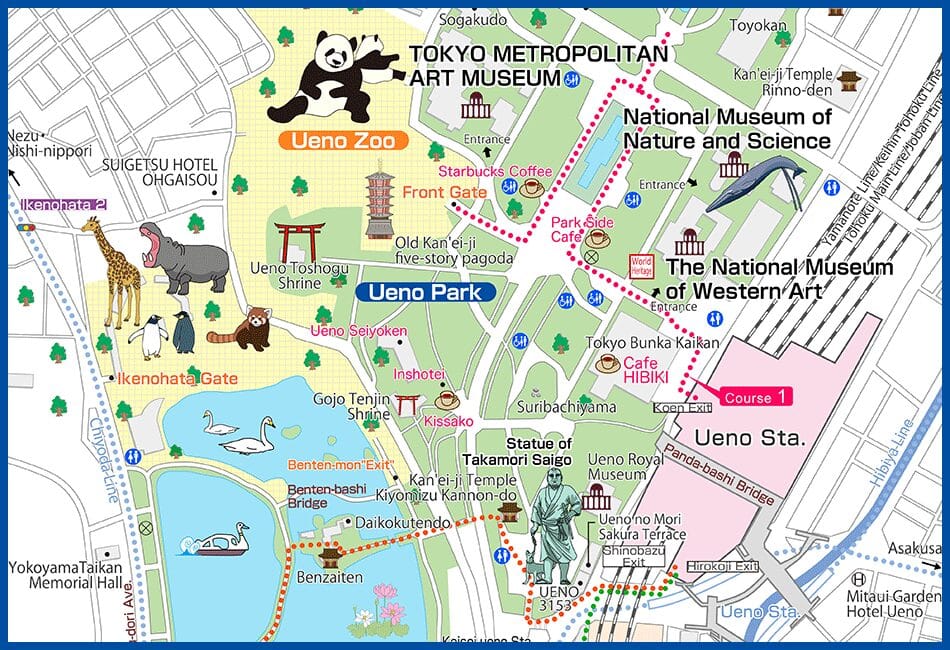
From Narita Airport, the most convenient way to Ueno is the Keisei Skyliner limited express, which takes only about 41 minutes to Keisei Ueno Station. Fast and comfortable, the Skyliner is the first choice of many visitors.
From Haneda Airport, take the Keikyu Line to Shinagawa and transfer to the JR Yamanote Line, or take the Tokyo Monorail to Hamamatsucho and transfer to the JR Yamanote Line. The whole trip takes about 35-55 minutes. From either airport, Ueno’s transport convenience is first-class.
Best Seasons to Visit Ueno and What to Wear
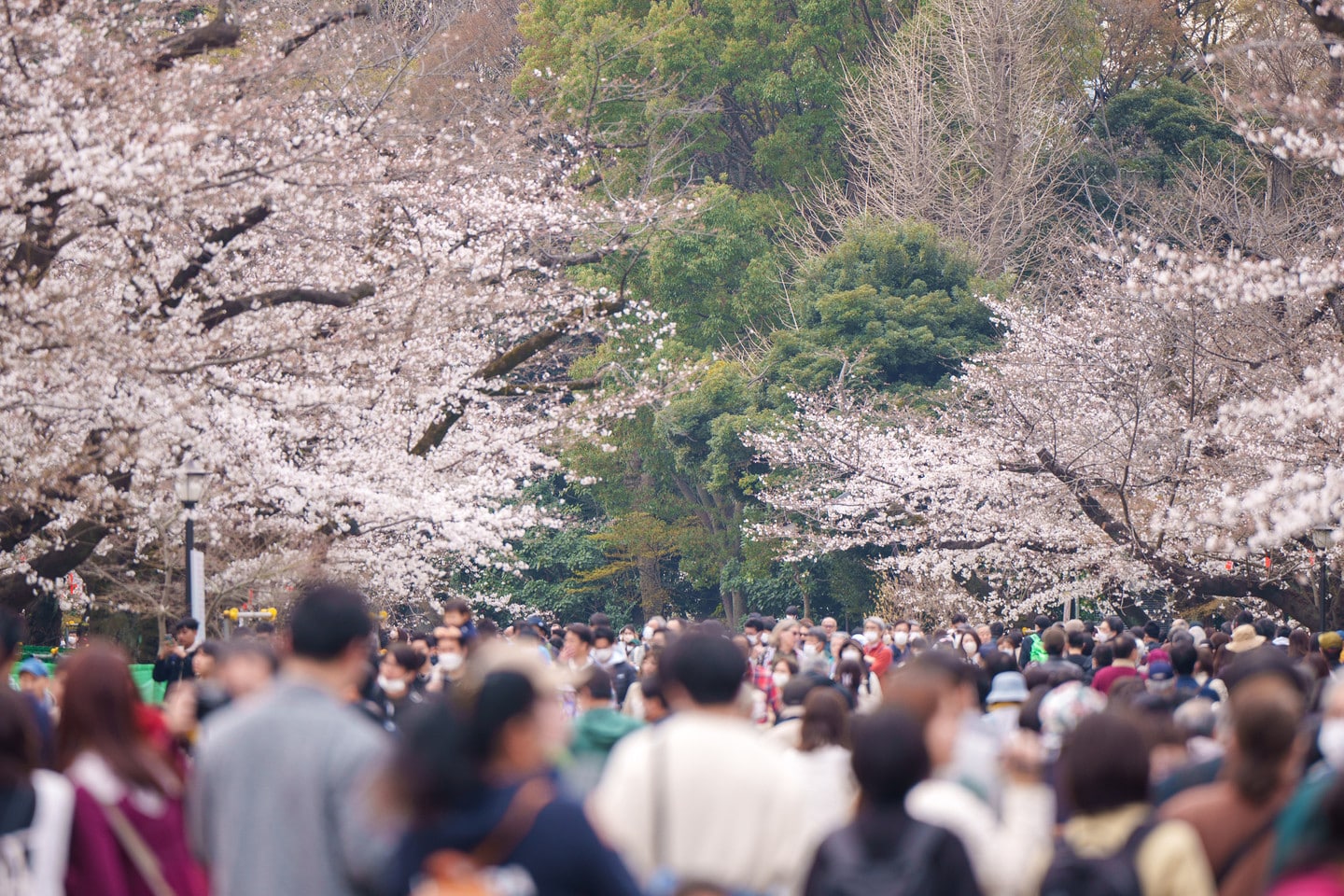
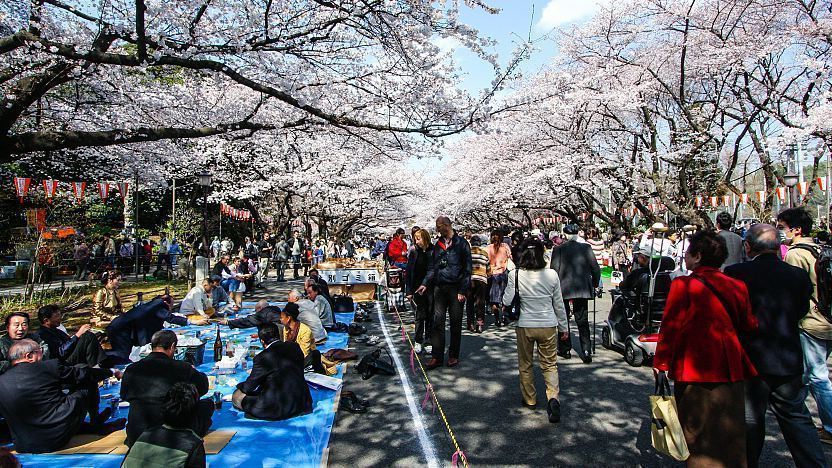
Ueno has its own charm in every season, but the best times to visit are the cherry blossom season in spring (late March to early April) and the autumn leaf season (late November to early December).
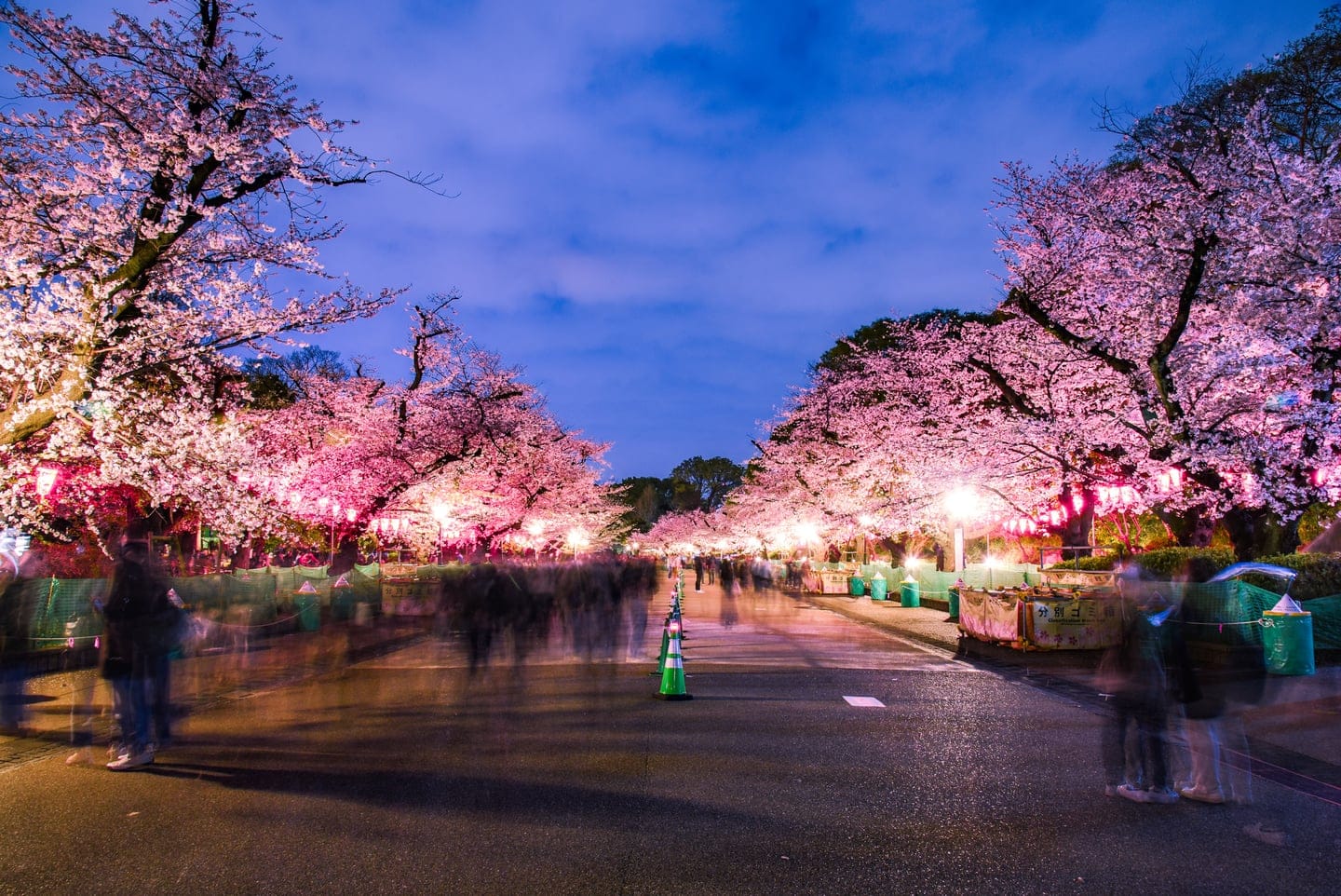
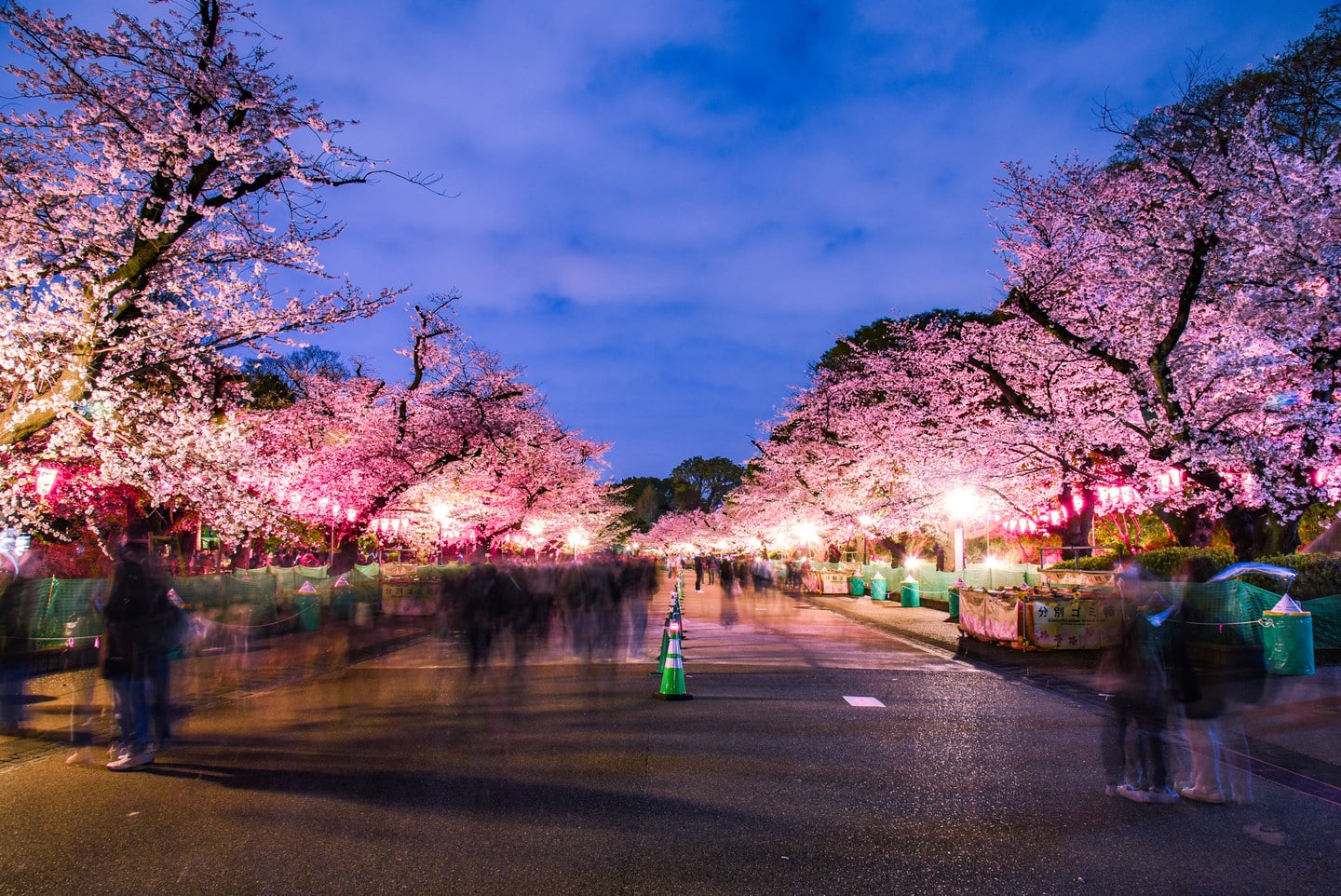
Ueno Onshi Park is a famous cherry blossom spot in Tokyo, where hundreds of trees bloom at once to form a sea of pink, drawing visitors to picnic and view the flowers. In autumn the trees in the park turn gold and fiery red, and the scenery is just as captivating.
Ueno’s Must-Visit Temples of Culture and Art: A Tour of Museums and Galleries
Ueno Onshi Park is not only a green space for city residents to relax but also one of Japan’s foremost cultural and artistic centers. It gathers several national-level museums and galleries, each holding a wealth of history and art. Whether you are a history fan, an art lover or simply curious about science and nature, Ueno’s cultural institutions can satisfy your curiosity. Spending a whole day immersed in knowledge and beauty is an essential part of any trip to Ueno.
Tokyo National Museum: A Treasure House of Japanese Culture
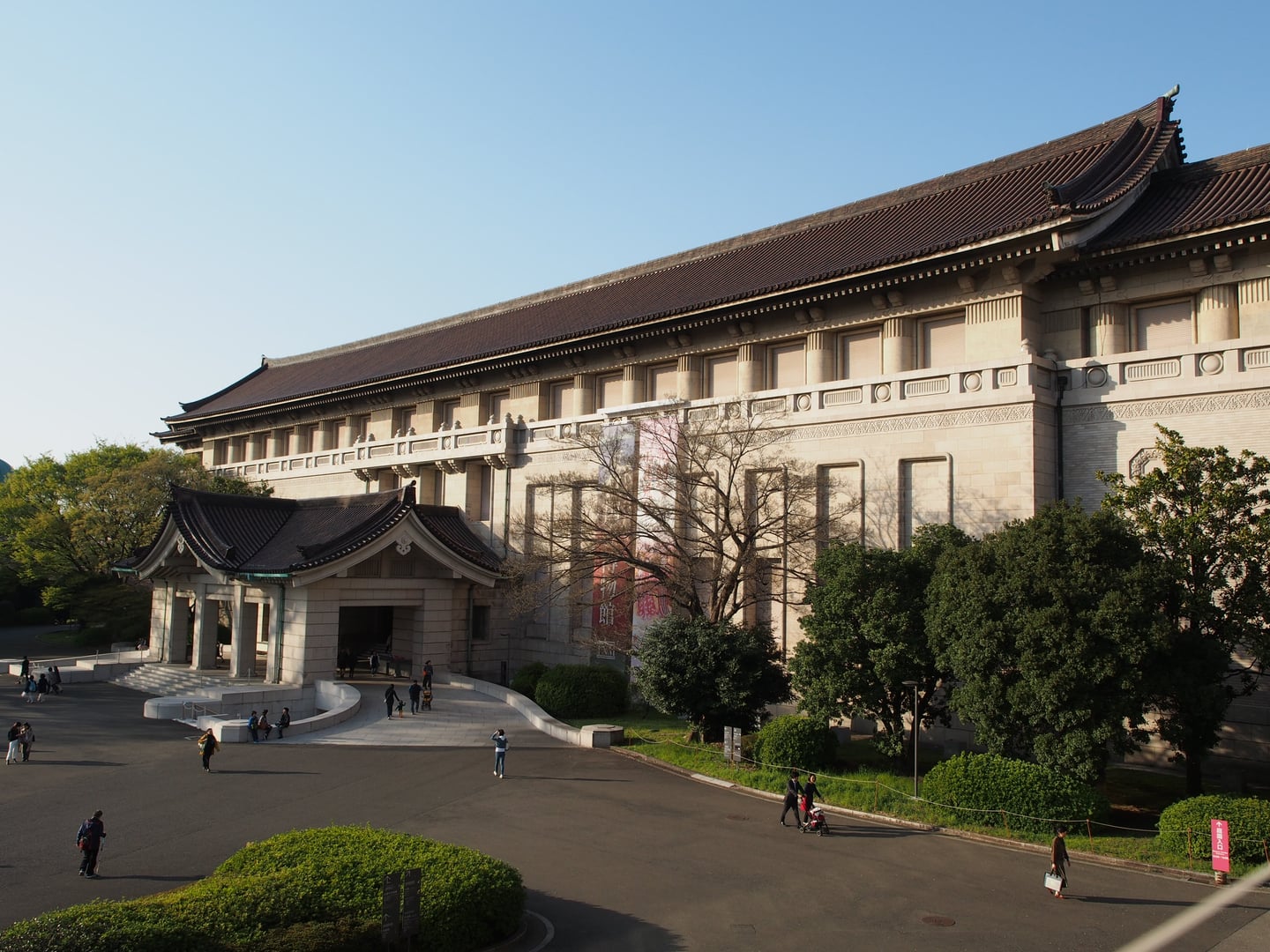
The Tokyo National Museum is Japan’s oldest and largest museum, holding more than 120,000 works of Japanese and Asian art and archaeological artifacts, including 89 National Treasures and 649 Important Cultural Properties (as of April 2023). It is open 9:30 to 17:00 (until 20:00 on Fridays and Saturdays) and closed on Mondays.
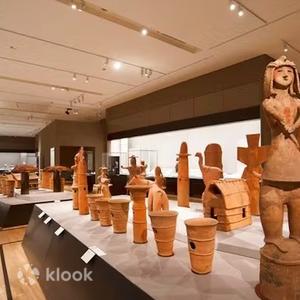
The building is itself a work of art. The Main Gallery (Honkan) is in the Imperial Crown style, showing traditional Japanese aesthetics. The exhibits cover Japanese historical artifacts from the Jomon period to the Edo period, as well as Asian art from China, the Korean Peninsula, India and elsewhere.


National Museum of Western Art: Le Corbusier’s Architecture and Western Art in Harmony
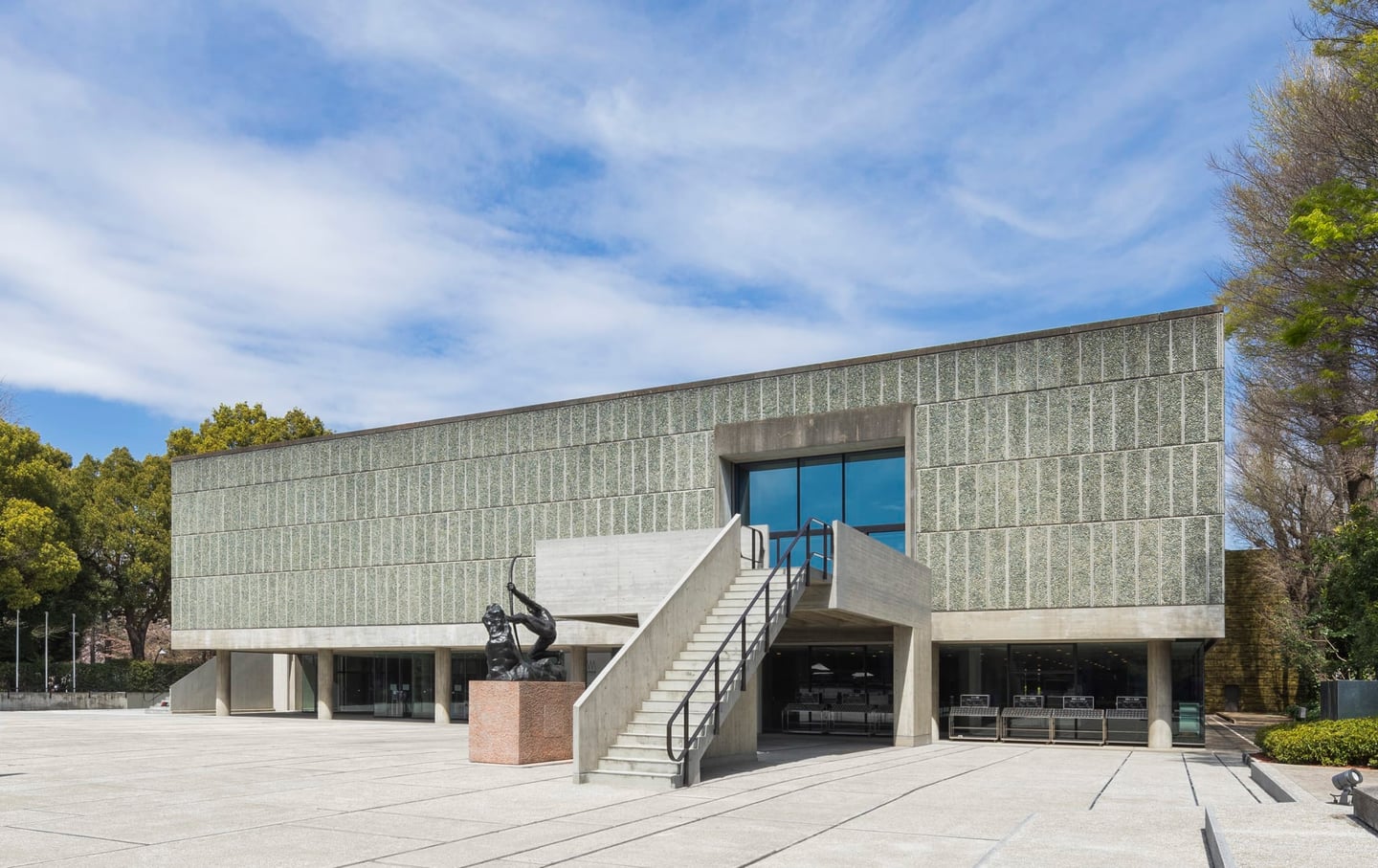
The National Museum of Western Art is Japan’s only national museum devoted to Western art. Its main building was designed by the 20th-century architectural master Le Corbusier and was inscribed as a UNESCO World Heritage Site in 2016.
The museum holds Western paintings and sculpture from the late Middle Ages to the early 20th century. The best known is the Impressionist collection assembled by Kojiro Matsukata, including masterpieces by Monet, Renoir, Van Gogh and others.
National Museum of Western Art: Hours and Closing Days
The permanent exhibition of the National Museum of Western Art is open 9:30 to 17:30 (until 20:00 on Fridays and Saturdays) and closed on Mondays (the next day if Monday is a national holiday) and over the New Year holidays. Special exhibitions and the permanent exhibition have different ticket prices, and special exhibitions require a separate ticket. Check the dates, prices and ticketing on the official website before you go, and then decide how to order your visit with the Tokyo National Museum and Ueno Zoo.
National Museum of Nature and Science: Exploring the Mysteries of Nature and Science
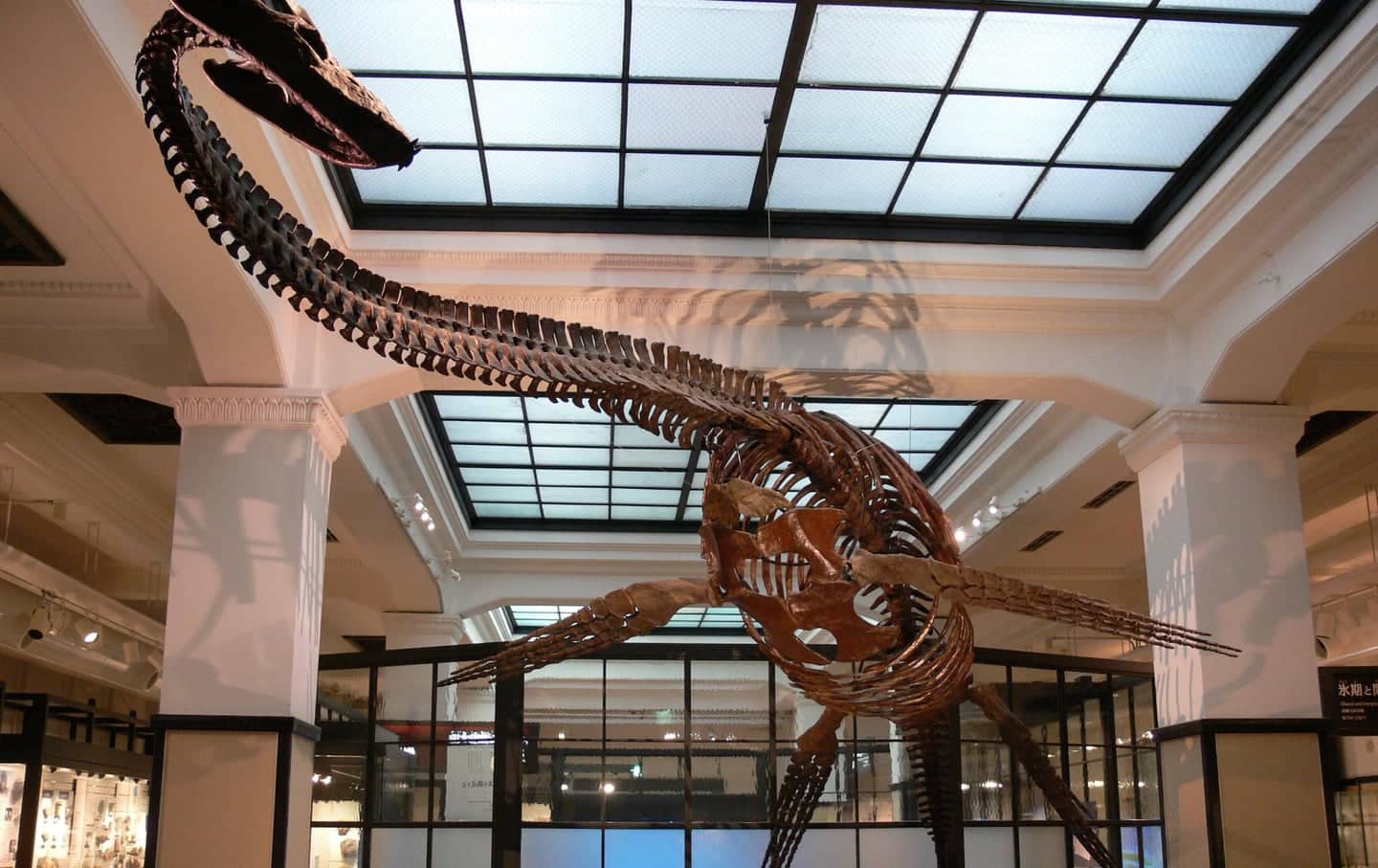
Japan’s largest national science museum is divided into the “Global Gallery” and the “Japan Gallery”. The Global Gallery’s theme is “the history of life on Earth and humanity”, with dinosaur fossils, animal specimens and space science; its signature exhibits are a giant blue whale specimen and a specimen of the loyal dog Hachiko. The Japan Gallery focuses on “the nature of the Japanese archipelago and us”, introducing Japan’s natural environment, technological development and wisdom. It is an excellent place for families to learn while having fun.

Ueno Zoo: Up Close with Adorable Animals
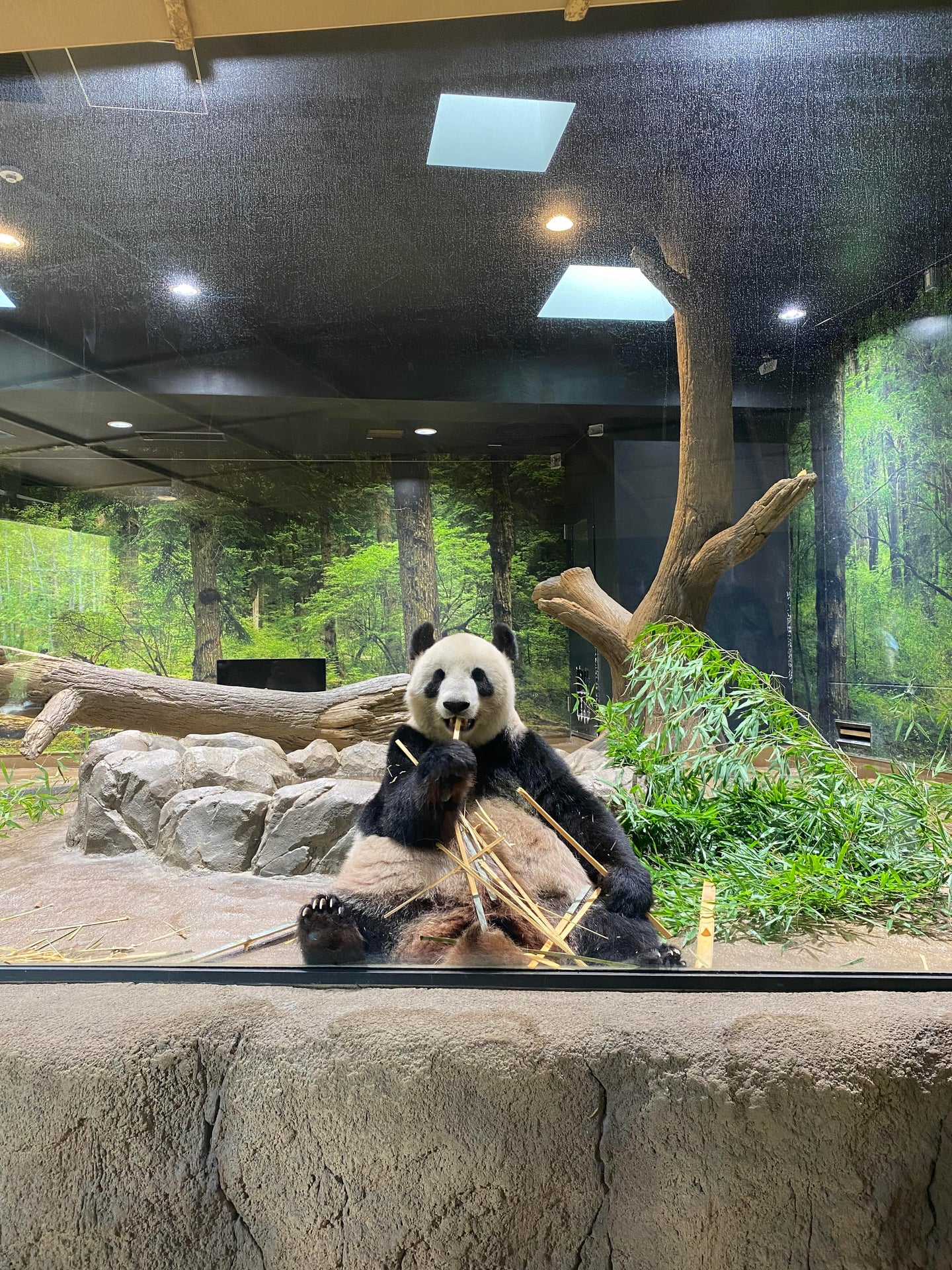
Ueno Zoo, Japan’s oldest, opened in 1882. It is open 9:30 to 17:00 (last entry 16:00) and closed on Mondays (the next day if Monday is a national holiday); adult admission is ¥600. On January 27, 2026, the zoo’s last two giant pandas, Xiao Xiao and Lei Lei, were returned to China, so there are currently no giant pandas on display. The zoo is split into East and West gardens connected by a monorail: the East Garden has large animals such as elephants and tigers, and the West Garden has giraffes, hippos, penguins and a reptile and amphibian house.
Ueno Toshogu: The Golden Hall and the Solemn Shrine of the Tokugawa Family
Ueno Toshogu stands in Ueno Park and enshrines Tokugawa Ieyasu. It was built in 1627 and rebuilt in 1651 by Tokugawa Iemitsu. Its shrine buildings are covered in gold leaf and called the “Golden Hall”, and are designated as an Important Cultural Property.
The exterior of the Golden Hall can be seen from outside the worship entrance. Entering the shrine building and the transparent fence for a closer look requires a viewing fee: ¥700 for junior high school students and older, ¥300 for elementary school students. Viewing hours change with the season, so check the official website before you go. A spring peony festival is held from mid-April to mid-May.
Tokyo Metropolitan Art Museum: A Platform for Diverse Art
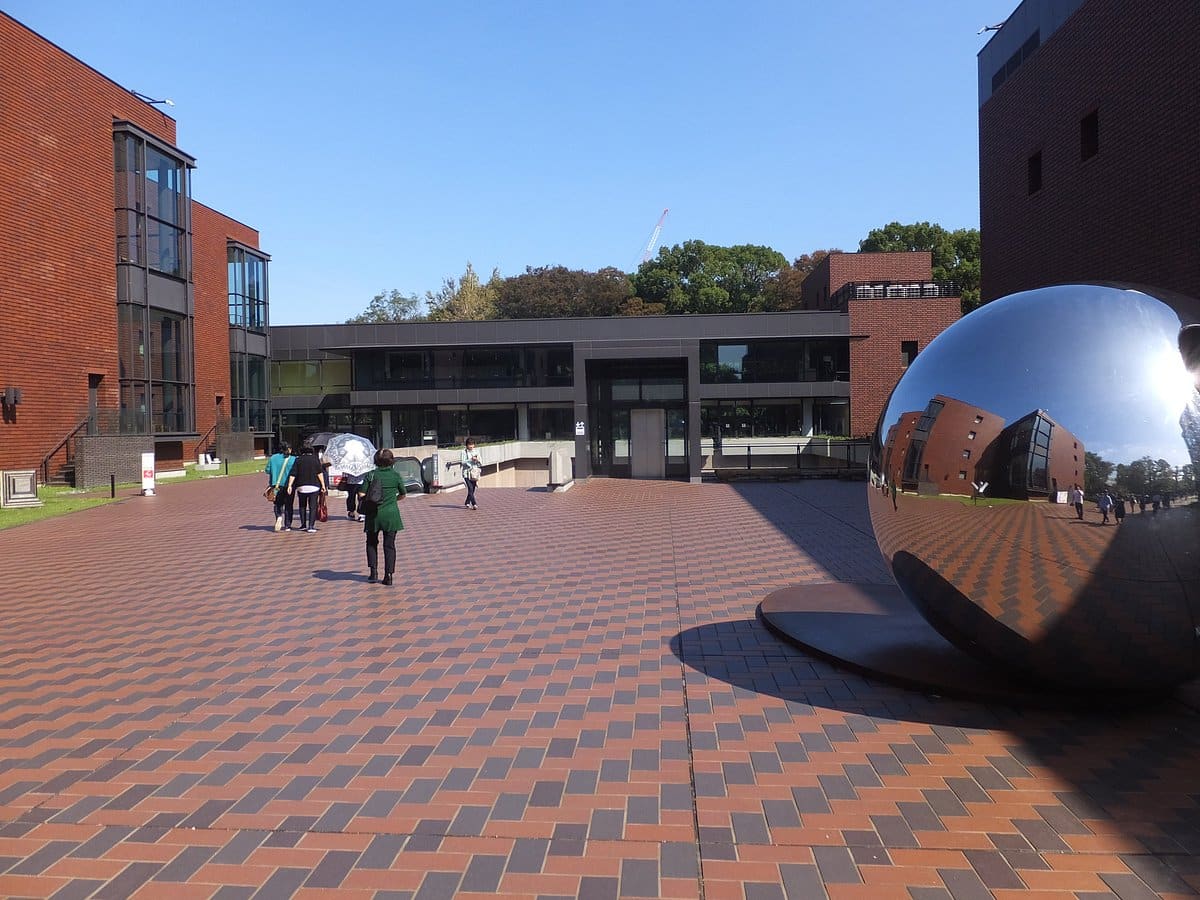
The Tokyo Metropolitan Art Museum is Japan’s first public art museum, opened in 1926 and now nearly a hundred years old. It is known for large special exhibitions from Japan and abroad, covering many styles and schools of art from the classical masters to modern art.
The museum has no permanent exhibition and instead changes its themed exhibitions regularly, so you see different works each time you visit. This also makes the Tokyo Metropolitan Art Museum an important exchange platform for Tokyo’s art world.
Shopping Paradise in Ueno: From Local Shopping Streets to Department Stores
Ueno is not only a treasure house of culture and art but also a paradise for shoppers. There are lively traditional shopping streets as well as modern department stores and drugstores, so whether you want distinctive souvenirs, affordable clothes, electronics or beauty and skincare products, Ueno has what you need. From the bustle of Ameya-Yokocho to refined department stores, shopping in Ueno is full of variety and surprises.
Ameya-Yokocho: A Local Market for Treasure Hunting and Food
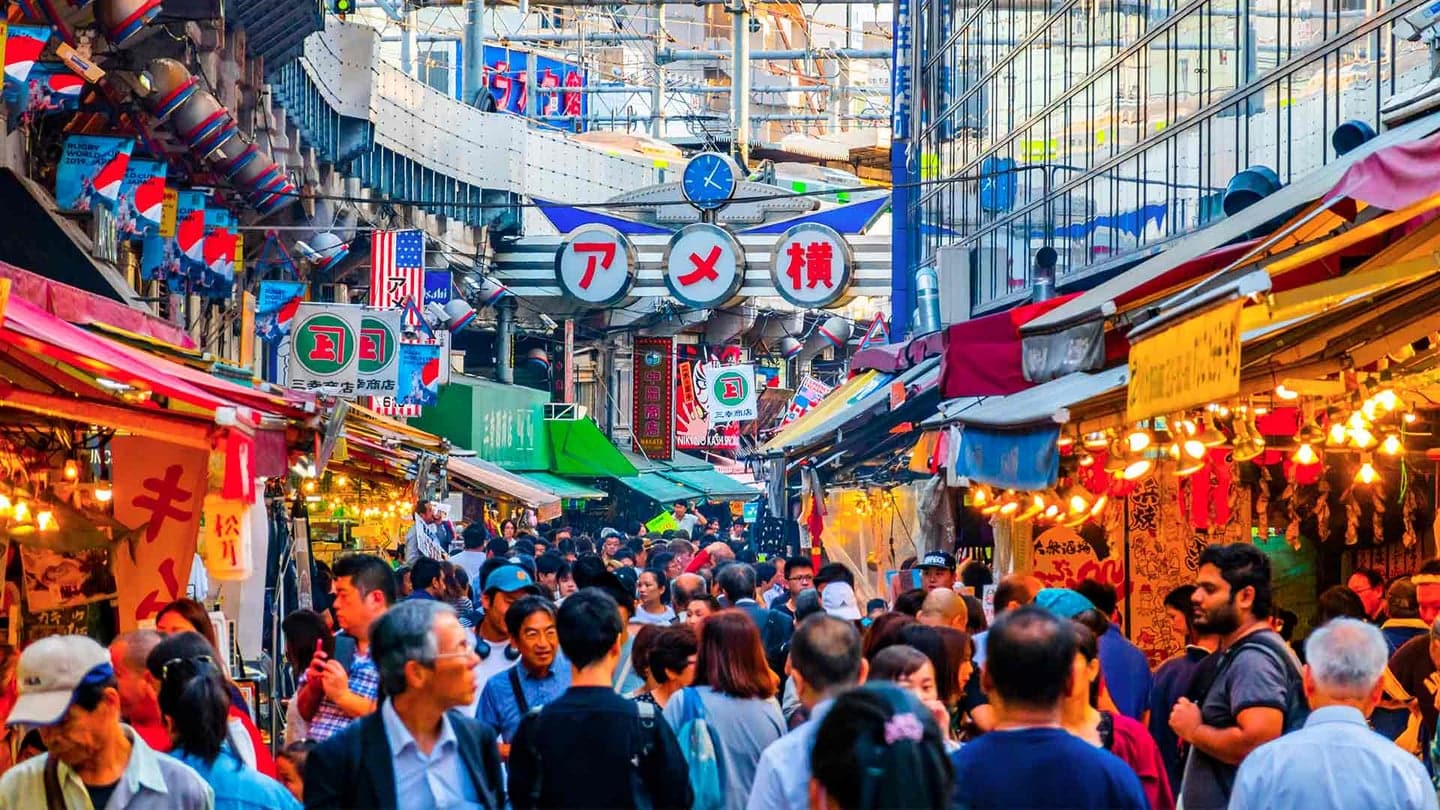
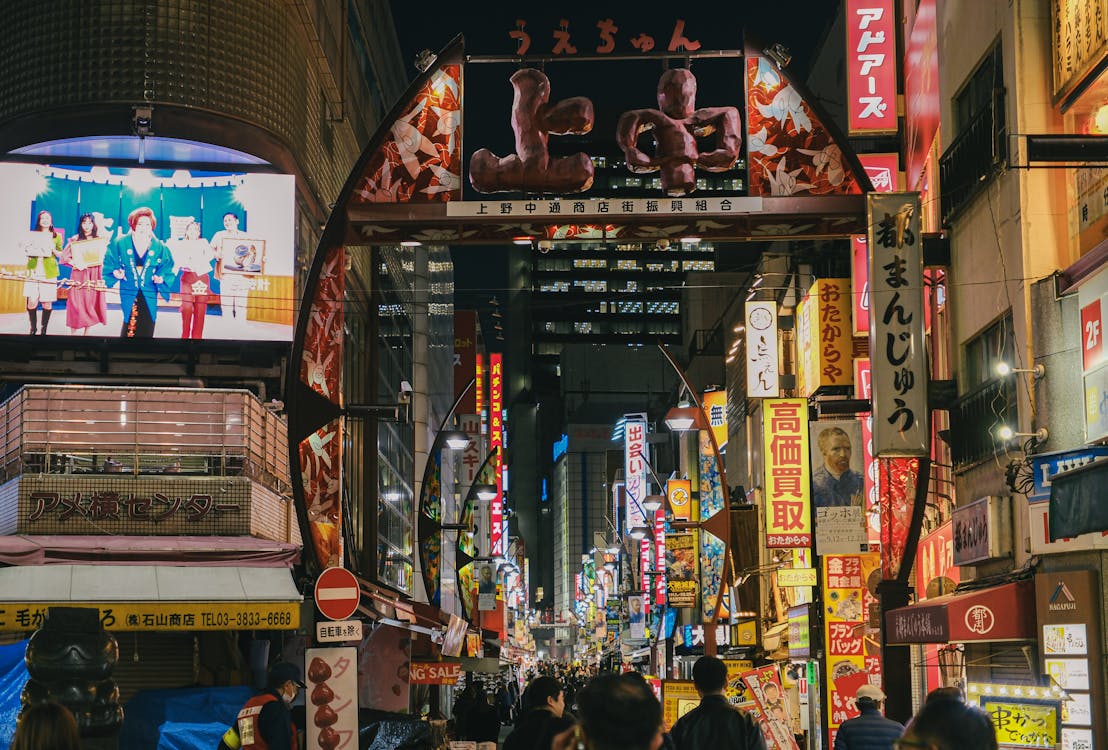
Ameya-Yokocho (Ameya Yokocho) is Ueno’s most representative shopping street. It originated in the post-war black market and still keeps its distinctive energy and atmosphere. It sells everything from seafood, dried goods and snacks to clothes, shoes and sundries.
The calls of shopkeepers one after another, the dazzling array of goods and the crowds weaving through together make a lively picture of street life. At the end of the year, Ameya-Yokocho is packed with people buying New Year supplies and is especially lively.
![[English Guide] Tokyo Asakusa & Ueno Ameya-Yokocho Food Tour](https://res.klook.com/images/w_300,h_300,c_fill,q_75/w_80,x_15,y_15,g_south_west,l_Klook_water_br_trans_yhcmh3/activities/swk1lodx8xfj2bkkz8xv/【英語導遊】東京淺草&上野阿美橫丁美食之旅-Klook.jpg)
Takeya: A Department Store in the Purple Kingdom
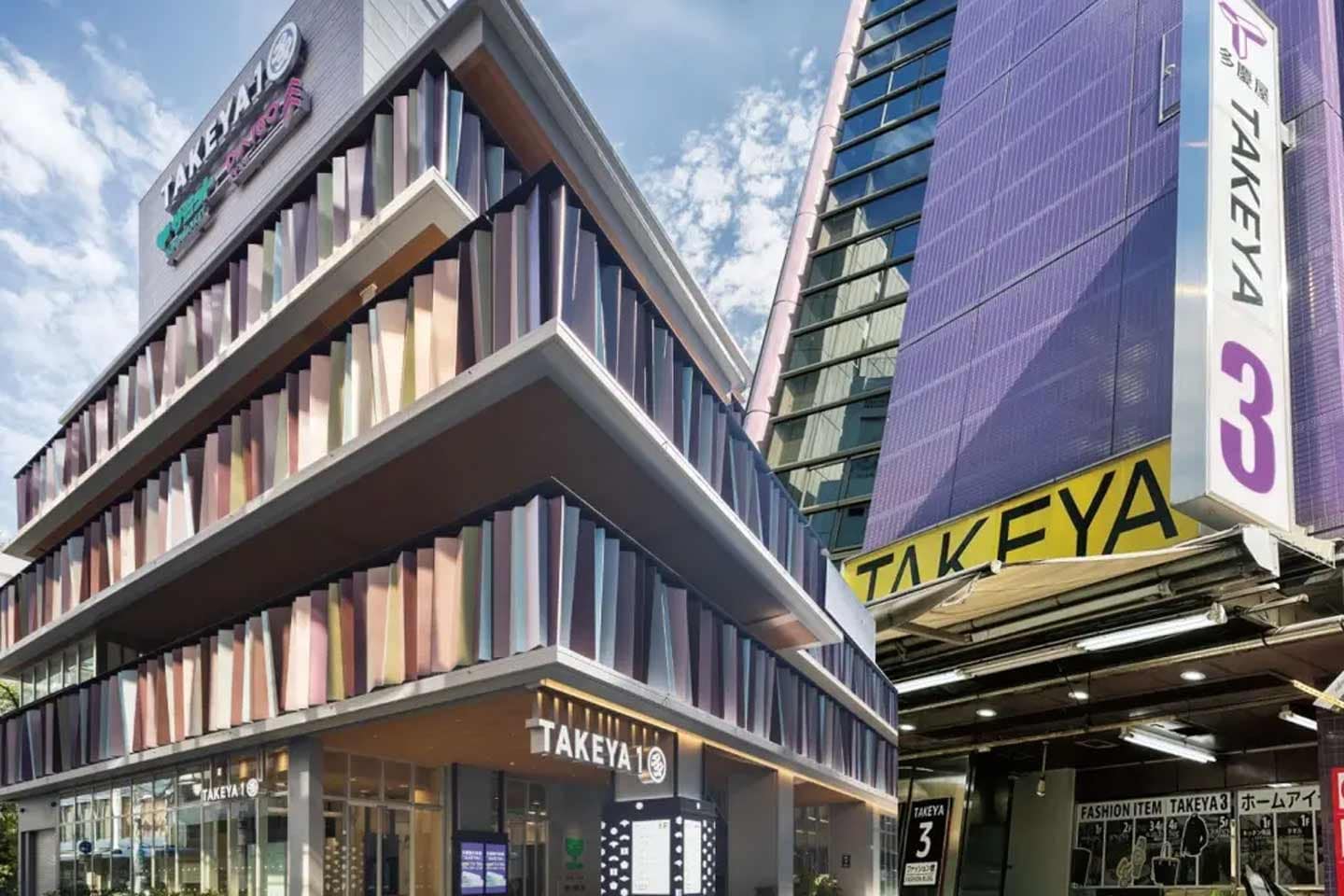
Takeya is one of the most iconic shopping landmarks in the Ueno area, known for its distinctive purple exterior and nicknamed the “purple shopping kingdom”.
It is a large duty-free general store with a very wide range of goods, from food, drugstore items, appliances and clothing to jewelry and household goods, covering almost everything for daily needs. Takeya’s prices are usually more competitive than elsewhere, making it a first choice for many visitors on a shopping spree.
PARCO_ya Ueno: A Complex of Fashion and Food
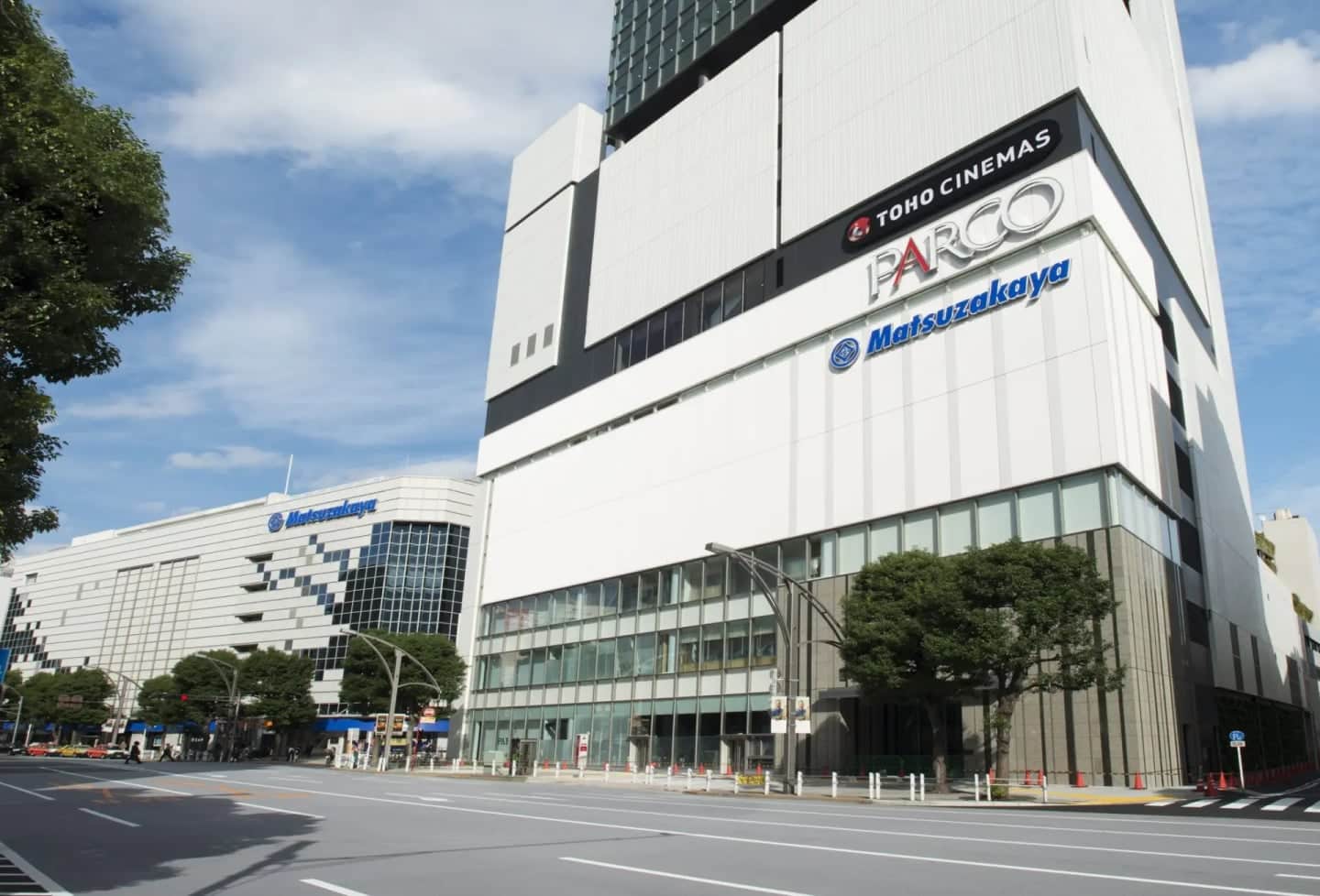
PARCO_ya Ueno is a newer fashion complex in the Ueno area, connected to Matsuzakaya Ueno, bringing younger and trendier shopping choices to Ueno.
The complex gathers many Japanese and international fashion brands, lifestyle stores, and several distinctive restaurants and cafes. The brands skew younger and the products are more design-oriented, so it is a must for young people who follow fashion trends.
Don Quijote Okachimachi: A Bargain Paradise Next to Ameya-Yokocho
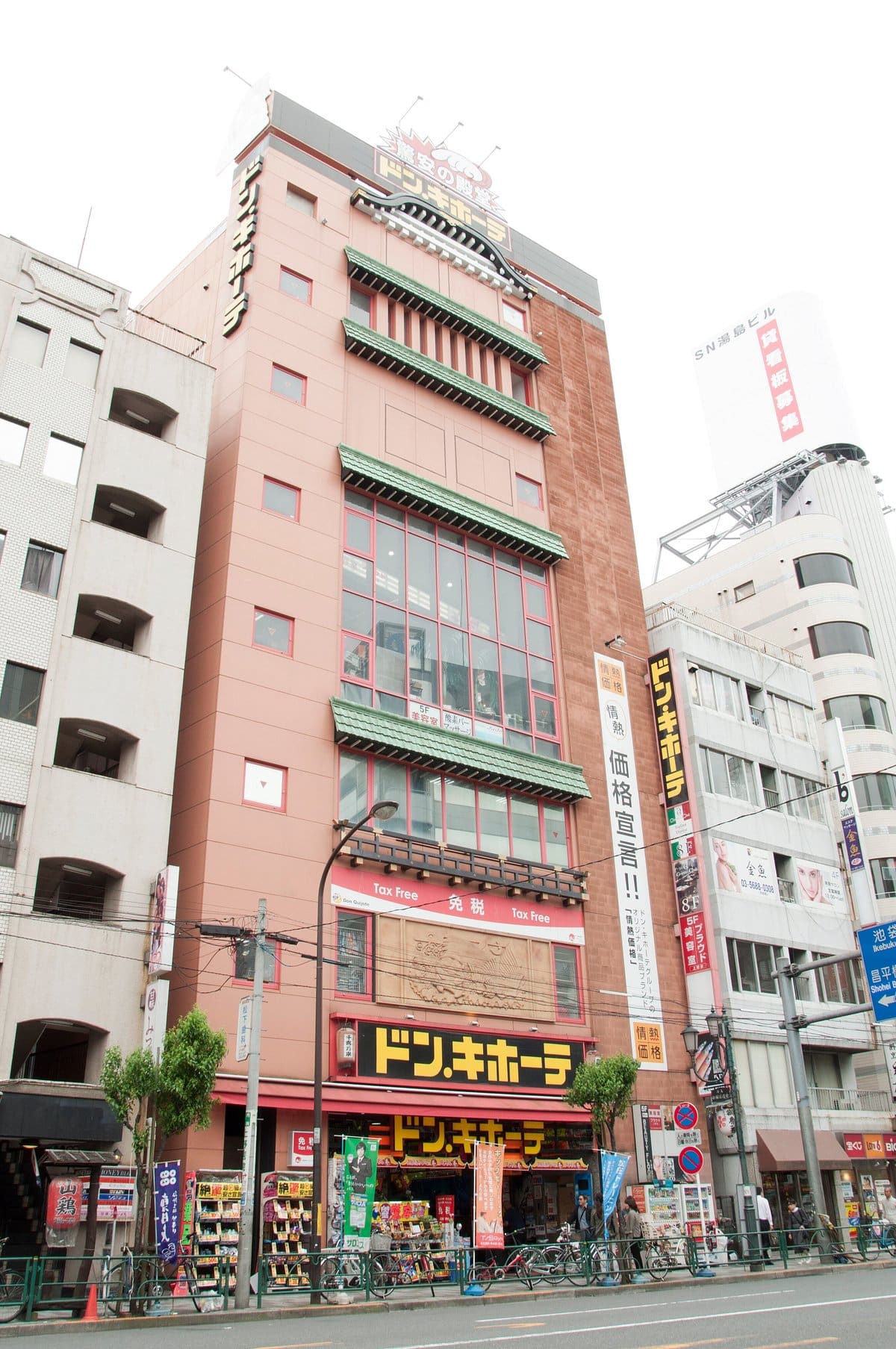
Don Quijote is a famous Japanese discount chain. The Okachimachi store is in the Ameya-Yokocho area and is open from 9:00 to 1:00 the next morning.
It sells drugstore items, snacks, daily necessities, appliances and clothing at affordable prices. Goods are piled high and displayed in unique ways, making it fun to hunt for treasure, and it is also a good place to buy souvenirs all at once.
Ueno Food Map: From Cheap Eats to Refined Dining
Ueno offers rich and varied food, from cheap snacks in Ameya-Yokocho to refined restaurants in department stores, and from traditional Japanese cuisine to international flavors. Whether you want authentic Japanese tastes or a distinctive dessert, Ueno can satisfy your palate. This section picks the food experiences in the Ueno area you should not miss, so you can enjoy a feast for the taste buds while exploring Ueno.
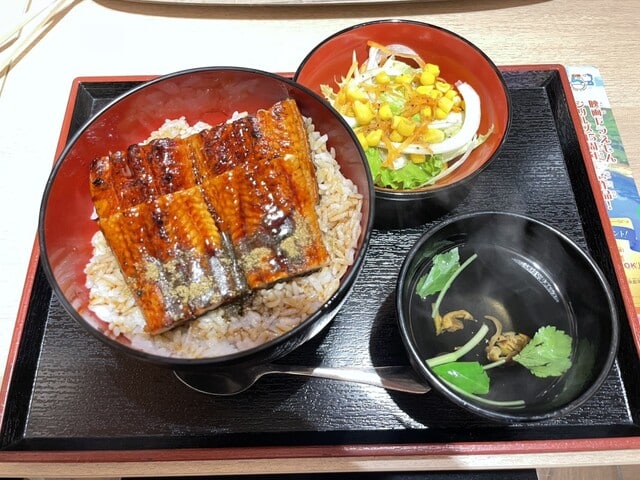
Meidai Unatoto (名代宇奈とと): An Affordable Eel Rice Specialist
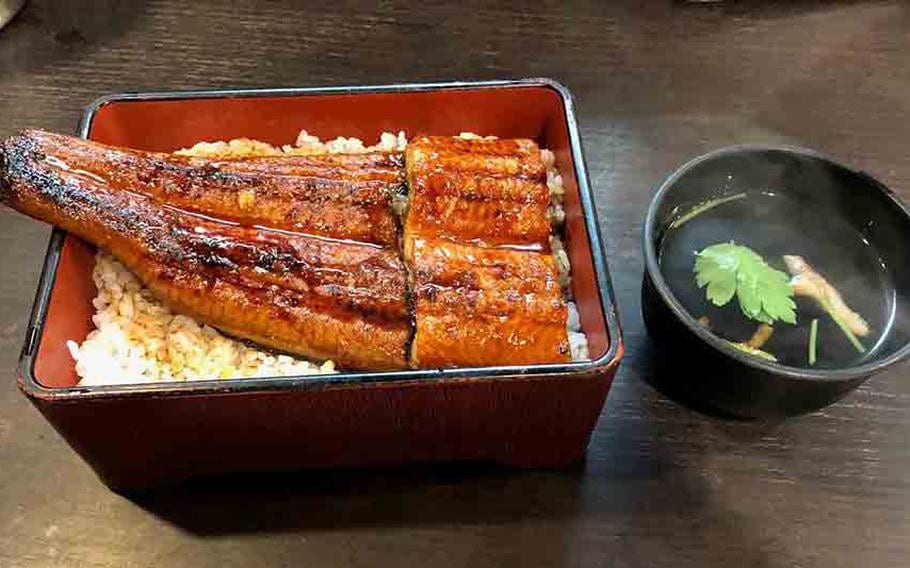
Meidai Unatoto (名代宇奈とと, Unatoto) is known for affordable charcoal-grilled eel rice bowls. The Ueno shop is in Ueno 6-chome and is open daily from 11:00 to 22:30.
The eel is grilled over charcoal, with a slightly charred skin and tasty flesh, and combined with the special sauce and rice it tastes superb. The Ueno shop is near Ameya-Yokocho; the shop is small but always full of customers.
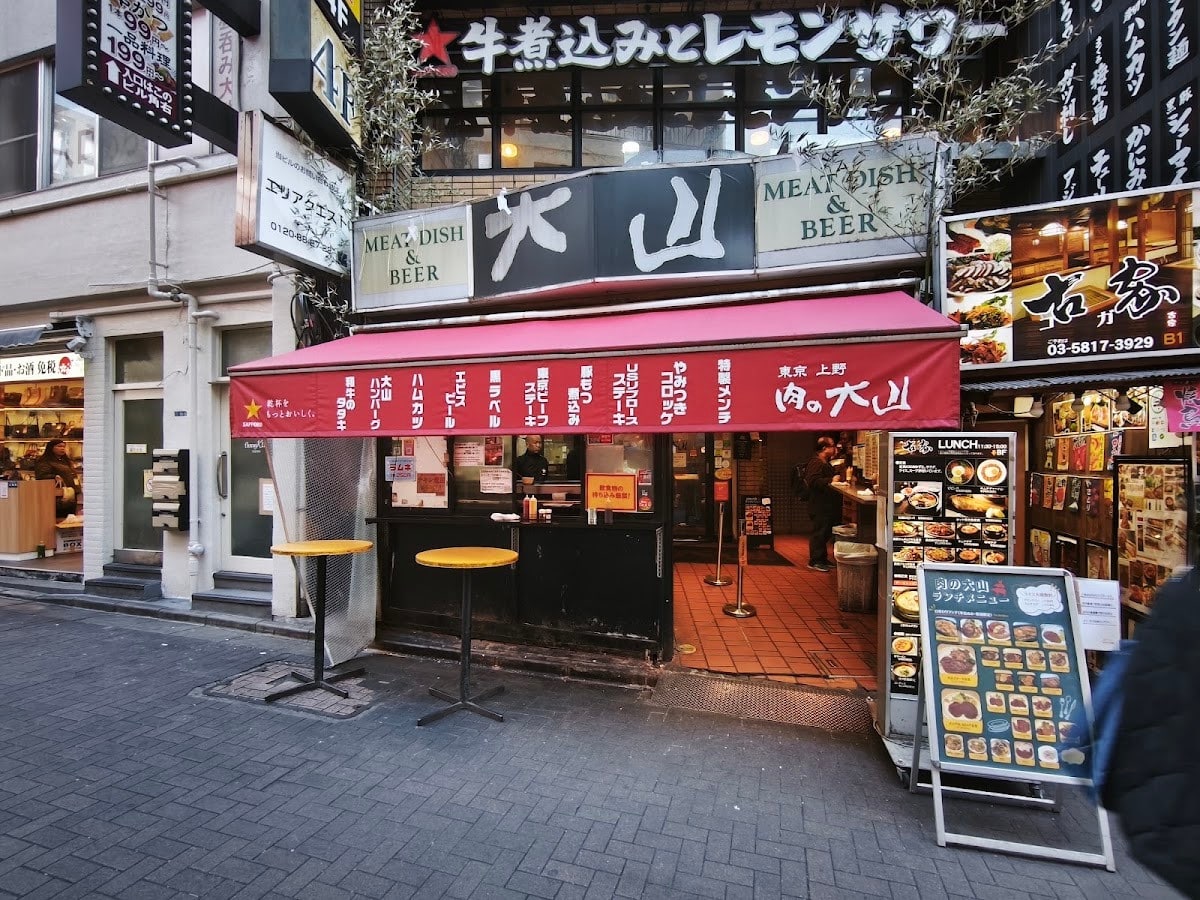
Niku no Ohyama: The Allure of Wagyu Menchi-katsu and Croquettes
Niku no Ohyama (Niku no Ohyama) is a popular meat shop in Ameya-Yokocho, known for high-quality wagyu fried foods. Its signature items are the freshly fried wagyu menchi-katsu (minced meat cutlet), crisp outside and juicy inside, and the creamy, sweet-potato-flavored croquette, which often draws a line. The shop also offers eat-in options such as wagyu steak and hamburger steak.
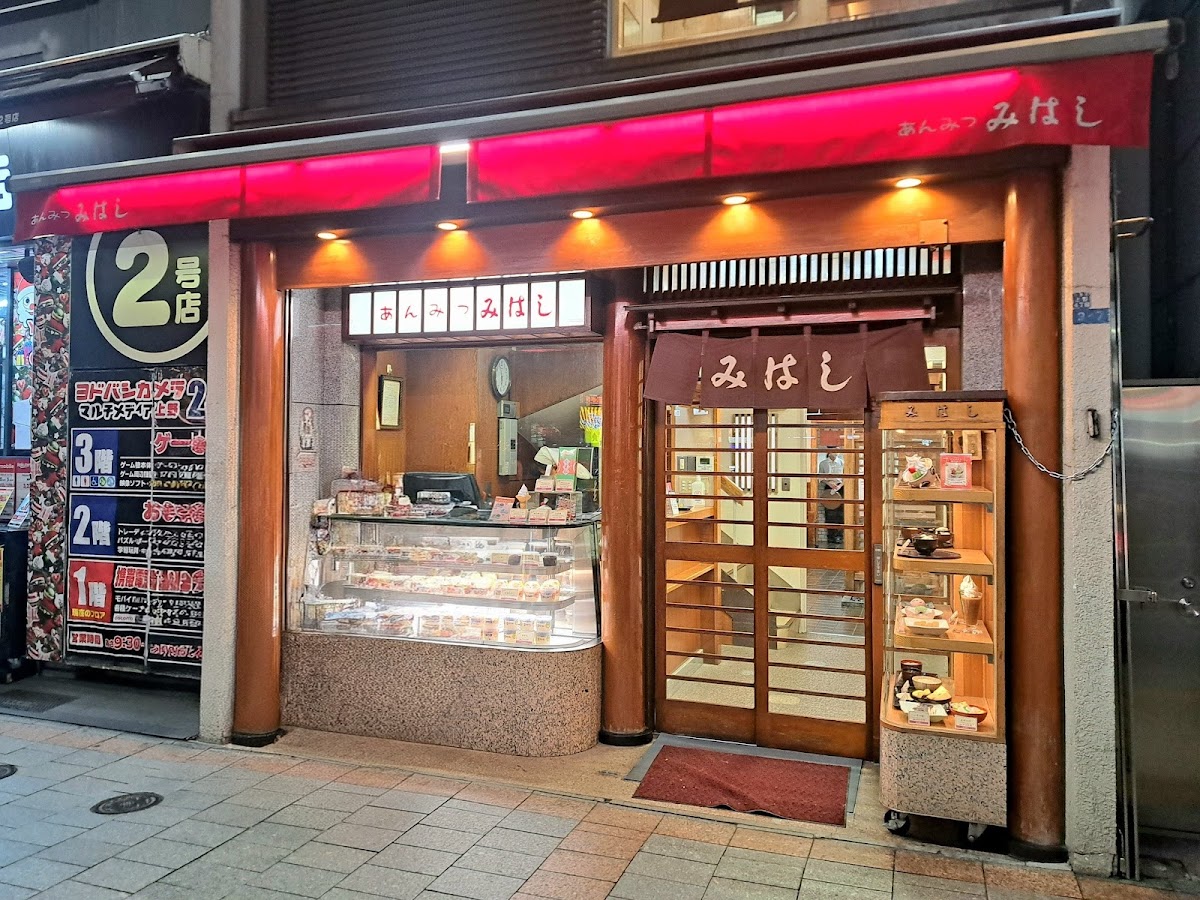
Mihashi Ueno Main Shop: The Classic Taste of Traditional Japanese Sweets
Mihashi (みはし) is a famous Japanese sweets shop in Ueno, known for its signature “anmitsu”. Anmitsu is made of agar jelly, sweet red bean paste, fruit, shiratama dumplings and brown sugar syrup, and it is refreshing, sweet but not cloying.
Mihashi’s anmitsu is generous in ingredients and classic in flavor, a favorite afternoon treat of locals and visitors alike. The main shop is near the entrance to Ueno Park and has a nostalgic Japanese atmosphere.
![[Tokyo] Three Long-Established Anmitsu Shops Recommended in Tokyo! Ueno Mihashi, Monzen-Nakacho Irie, Kameido Funabashiya! - Enjoy Japan - Mobile01](https://travel.williamlion.tw/wp-content/uploads/sites/7/2026/03/unnamed-file-282.jpg)
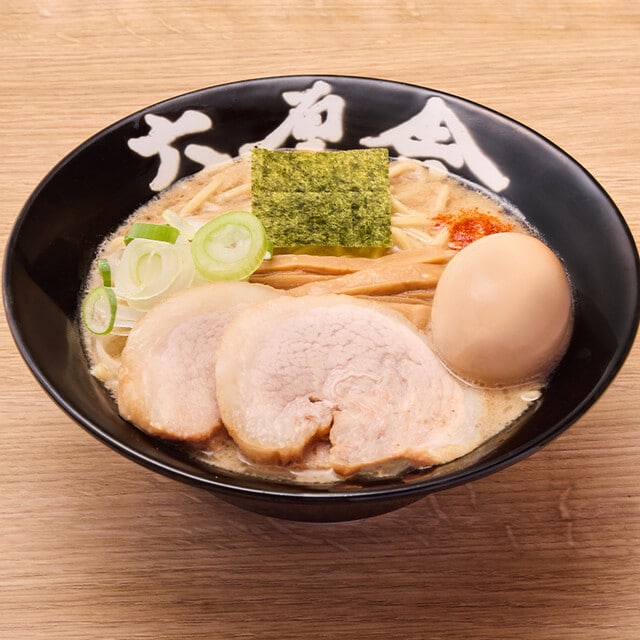
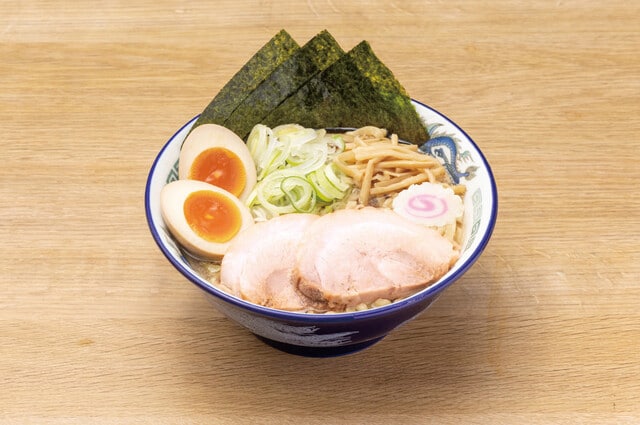
Ichiran Ramen Ueno: Classic Ramen with Rich Tonkotsu Broth
Ichiran Ramen is loved worldwide for its unique “flavor concentration” booths and rich tonkotsu broth. The Ueno branch is in Atre Ueno Yamashita Exit, about a 6-minute walk from Keisei Ueno Station.
The individual booth seating lets you focus on the ramen, and you can adjust the broth richness, noodle firmness and toppings to your taste.

Where to Stay in Ueno: Comfortable and Convenient Choices
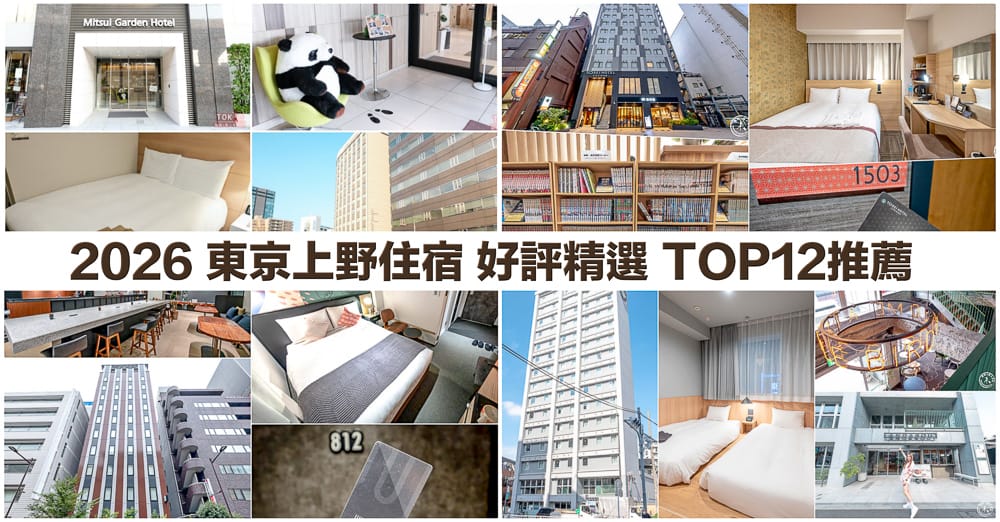
As an important transport hub and tourist center in Tokyo, the Ueno area offers a wide variety of accommodation, from budget capsule hotels to comfortable business hotels and stylish boutique hotels. Choosing a well-located, well-equipped place makes your Ueno trip easier and more enjoyable. This section recommends several highly rated, well-connected hotels in Ueno for travelers with different budgets and needs.
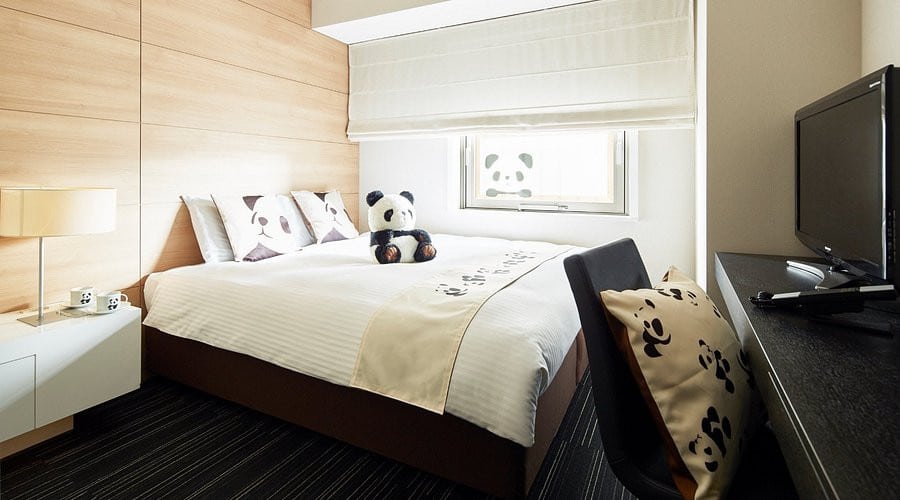
Mitsui Garden Hotel Ueno: A Comfortable Stay with Views of Tokyo Skytree
Mitsui Garden Hotel Ueno has an excellent location, about a 2-minute walk from the Asakusa Exit of JR Ueno Station and about a 1-minute walk from Exit 1 of Ueno Station on the Tokyo Metro, with Ueno Park and Ameya-Yokocho within walking distance. Some rooms overlook Tokyo Skytree.





APA Hotel Ueno-Ekimae: Where Function Meets Convenience
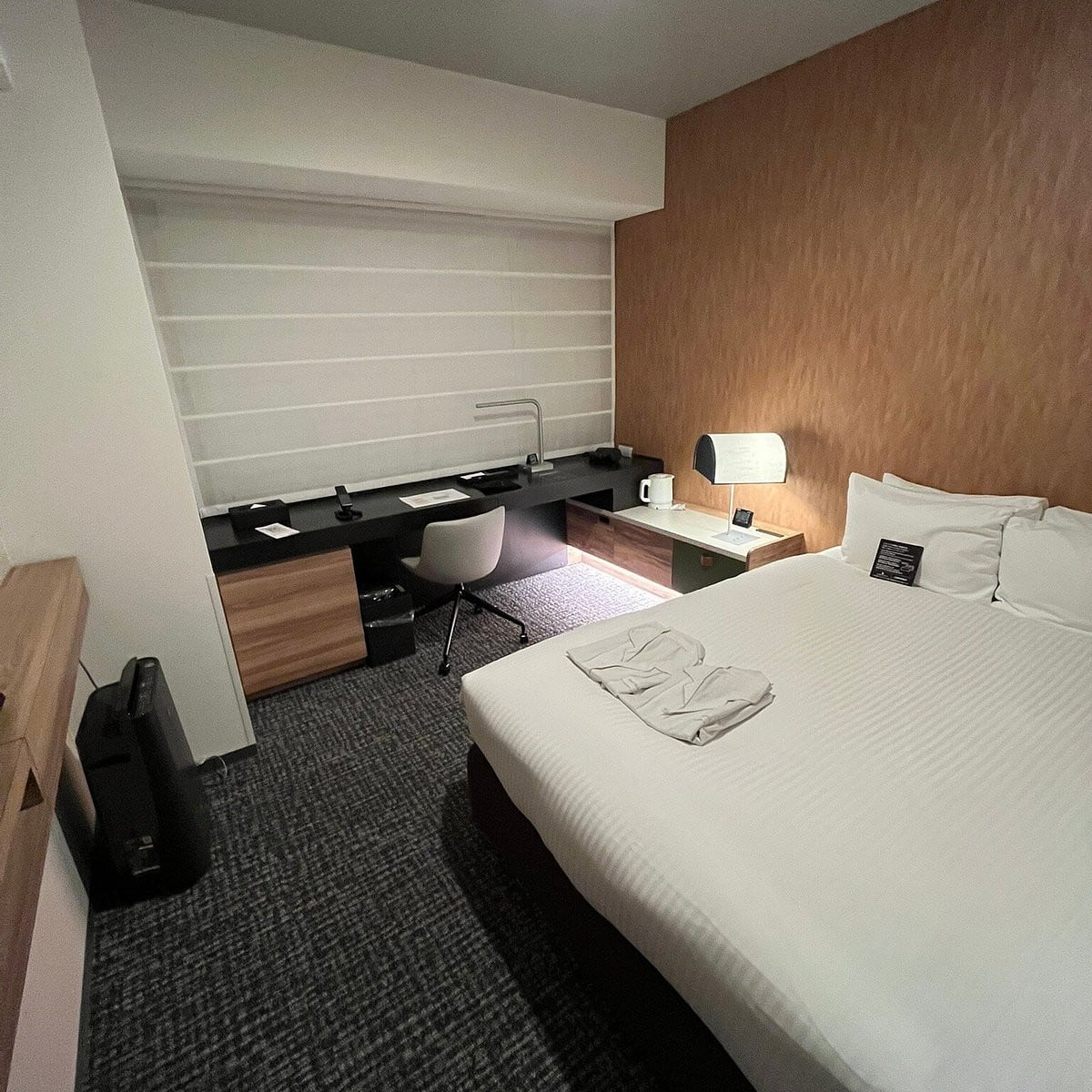
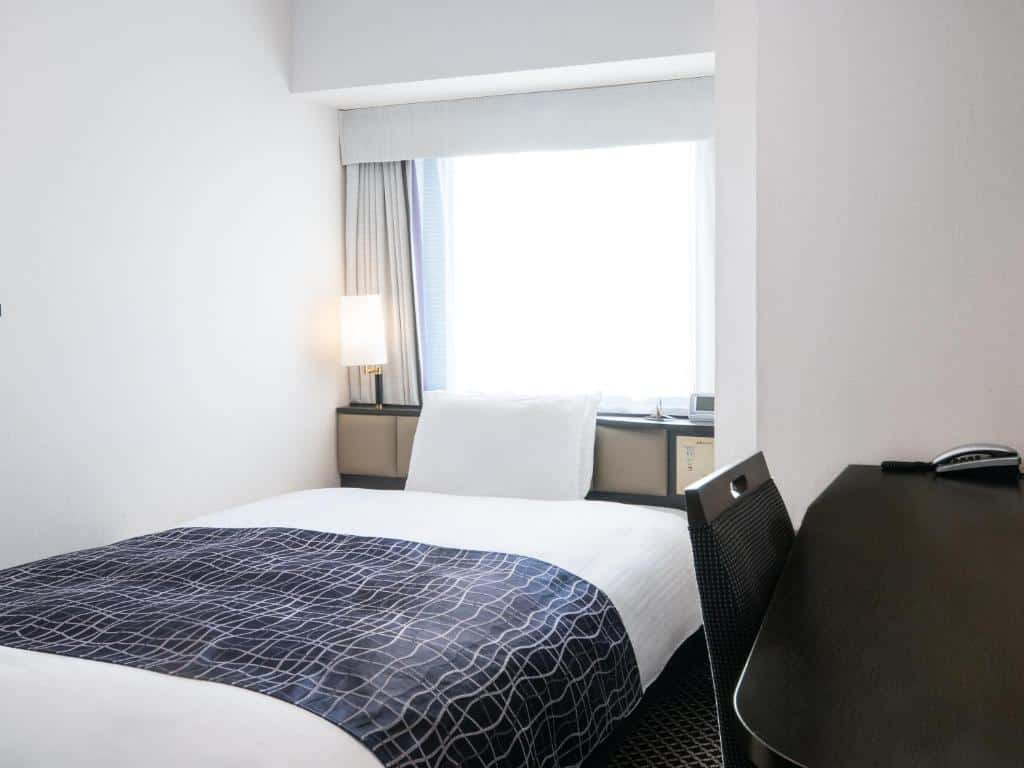
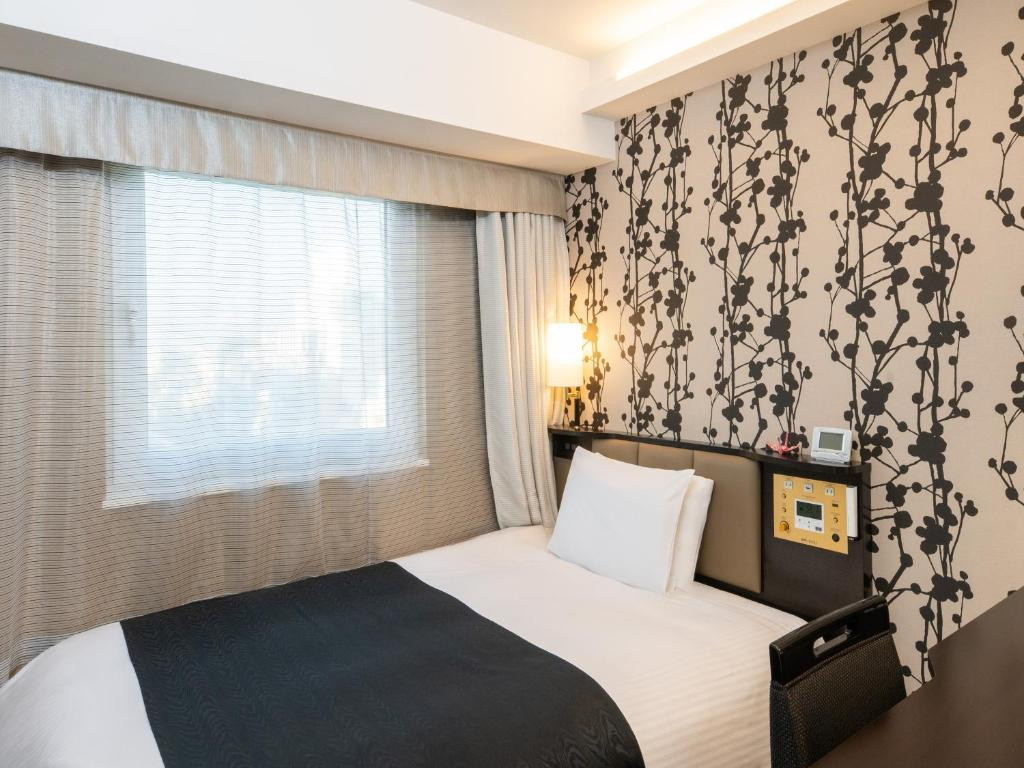
APA Hotel Ueno-Ekimae is a Japanese business hotel chain property, popular with business and leisure travelers for its practicality and excellent location. It is only a few minutes’ walk from JR Ueno Station, with plenty of dining and shopping nearby, making daily life very convenient. Although the space is compact, it is cleverly designed and offers a comfortable and convenient stay.
Sotetsu Fresa Inn Ueno-Okachimachi: Smart Technology and Comfortable Sleep
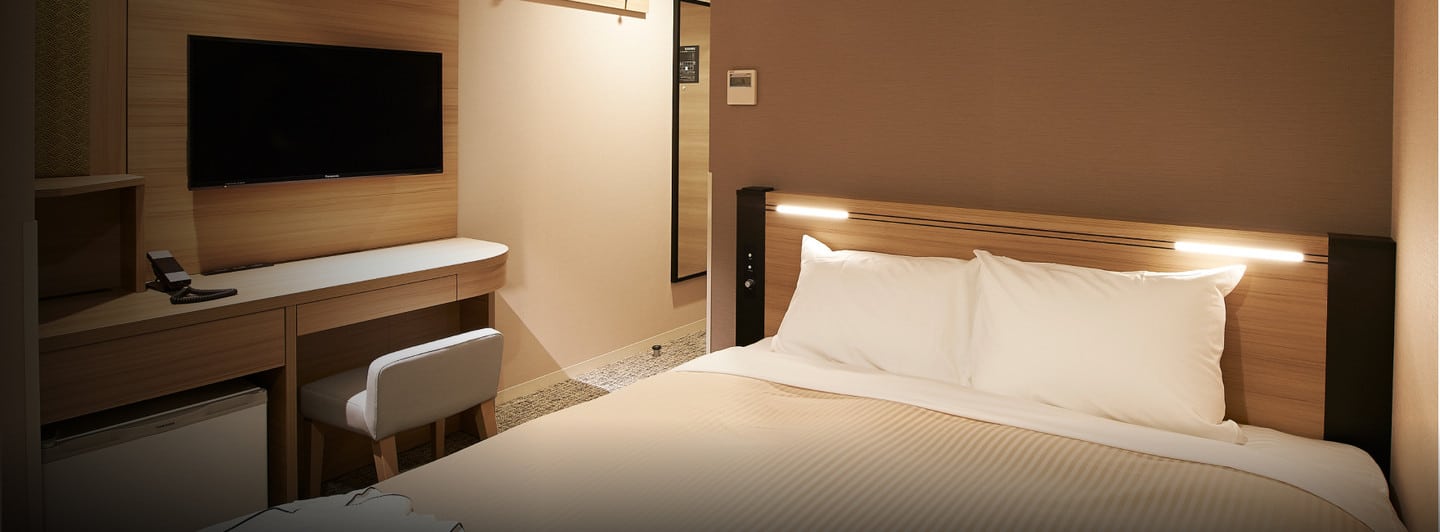
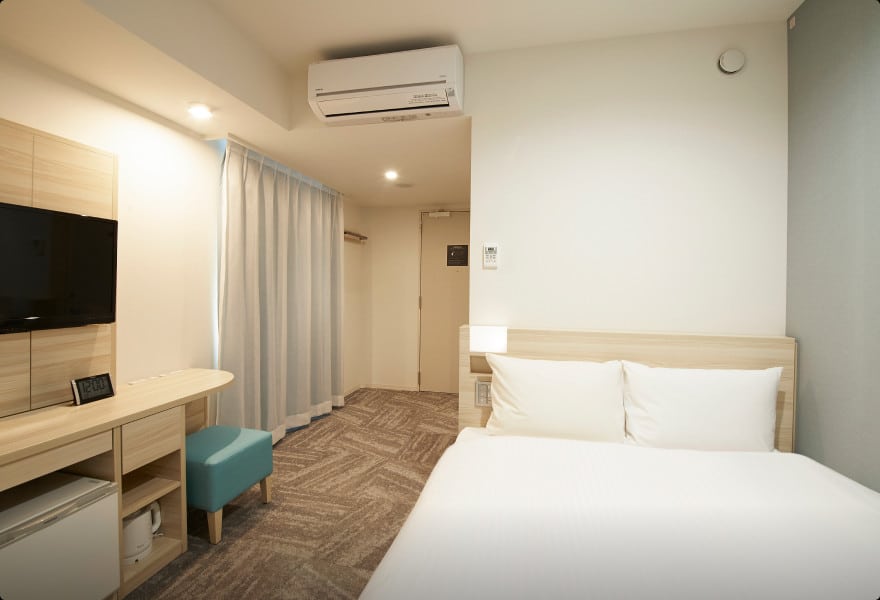
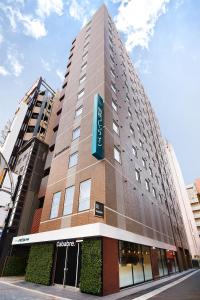
Sotetsu Fresa Inn Ueno-Okachimachi is a modern hotel combining smart technology with comfortable sleep, in an excellent location. JR Okachimachi Station, Ueno-Hirokoji Station on the Tokyo Metro, Ameya-Yokocho and Takeya are all within walking distance, and the smart check-in system and mobile room key make the stay smoother.
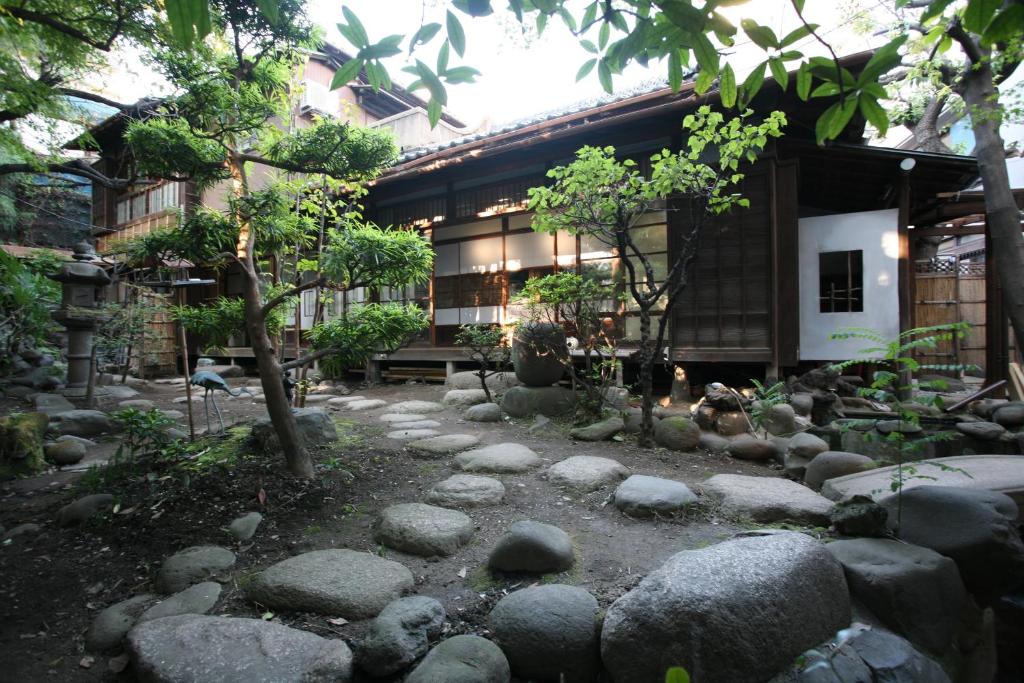
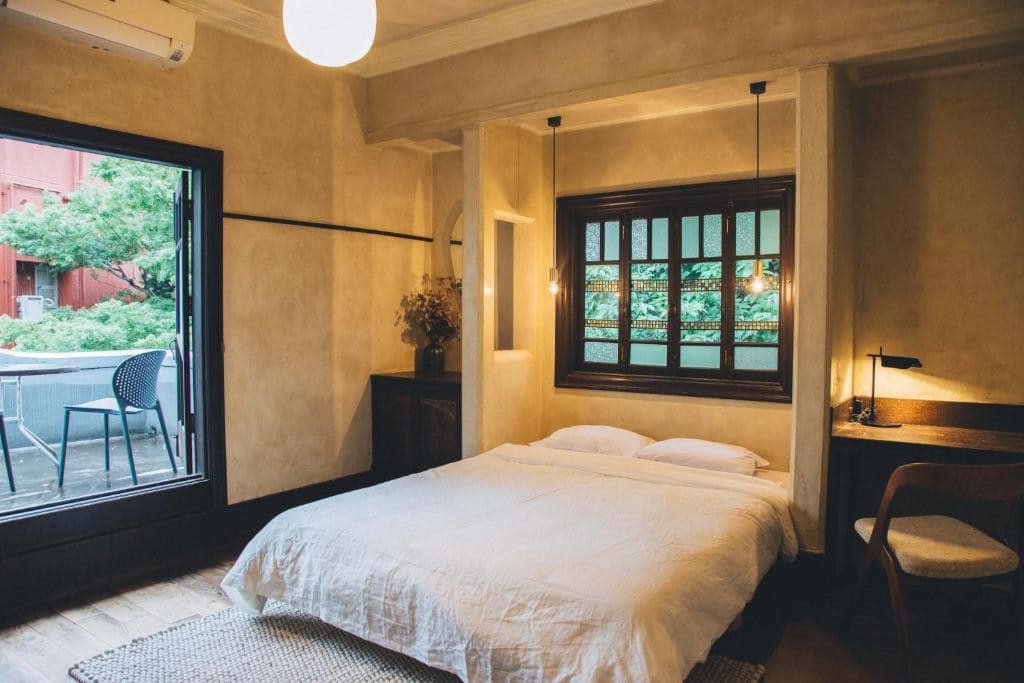
Guest House toco. in a Traditional House: A Hostel Experiencing Japanese Tradition
Guest House toco., converted from a traditional house, keeps traditional features such as the wooden structure and tatami rooms. It offers mixed dormitories, a female-only dormitory and private Japanese-style rooms, suiting budget travelers who want to meet people from other countries. It is also convenient for strolls around Ueno and Asakusa, and is an affordable way to enjoy the atmosphere of an old Japanese house.

Ueno Travel Tips: Making Your Trip Smoother
To make your Tokyo Ueno trip even better, we have put together practical tips covering itinerary planning, transport, cultural experiences and ways to save money. With these tricks you can explore Ueno more efficiently and bring back unforgettable memories. From how to avoid the crowds to how to find authentic food, these suggestions will be a valuable guide for your trip.
Planning a One-Day or Multi-Day Itinerary
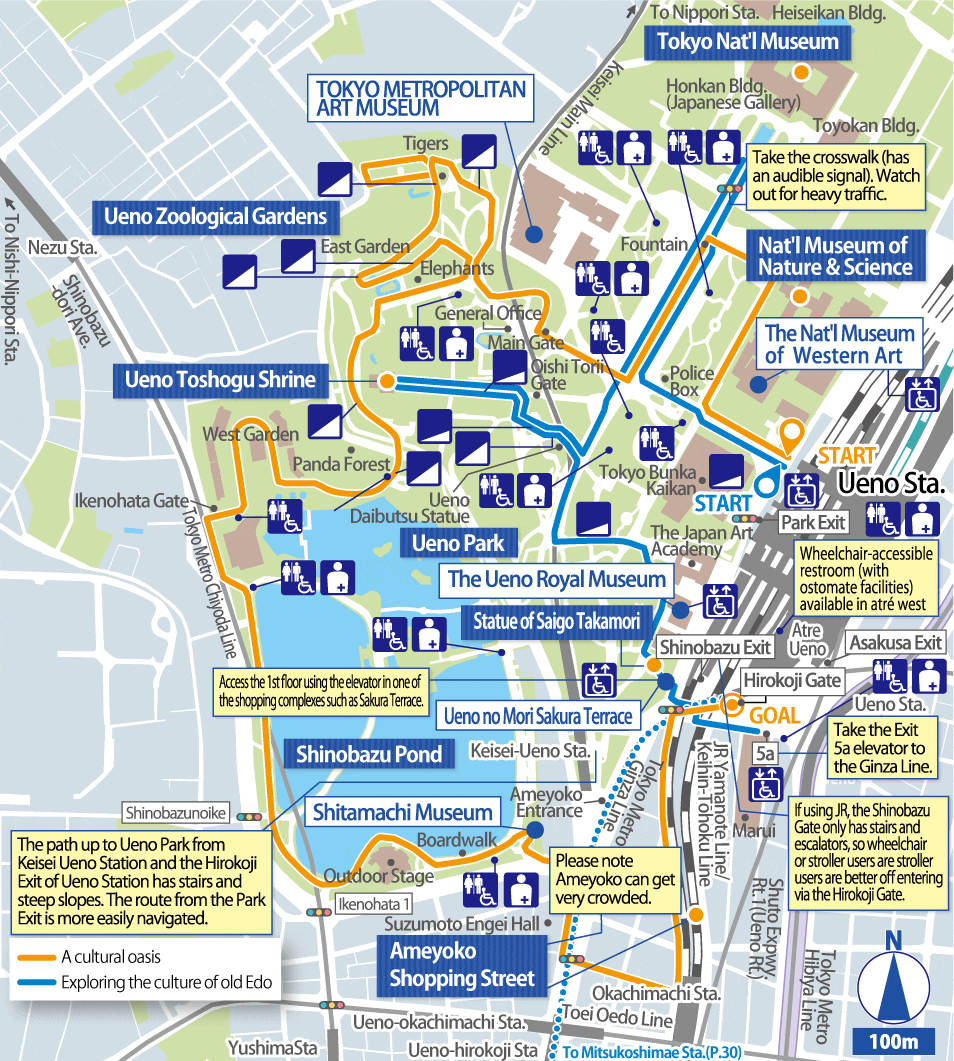
Ueno’s attractions are very close together and most places can be reached on foot, so it suits a one-day itinerary well. You can visit a museum or the zoo in the morning, have lunch in Ameya-Yokocho, shop in the afternoon and stroll in Ueno Park in the evening.
If you have more time, we suggest two days and one night or three days and two nights, so you can explore each attraction in more depth and have time to visit nearby Asakusa, Akihabara and other areas. For example, spend the first day on the cultural facilities in Ueno Park, and the second day on Ameya-Yokocho and the surrounding shopping areas.
Make the Most of Transport Passes and Cashless Payment
As a transport hub, Ueno lets you save a good deal on fares with the right passes. If you mainly travel within central Tokyo, consider a Tokyo Metro 1-day, 2-day or 3-day pass, with unlimited rides on Tokyo Metro and Toei Subway.
If your itinerary includes JR lines, consider the JR East Rail Pass (Tohoku area or Nagano/Niigata area), but check whether it fits your route. For travel between Narita Airport and Ueno, a Keisei Skyliner round-trip ticket or a package combined with a subway pass is better value.
Experience Local Culture and Special Events
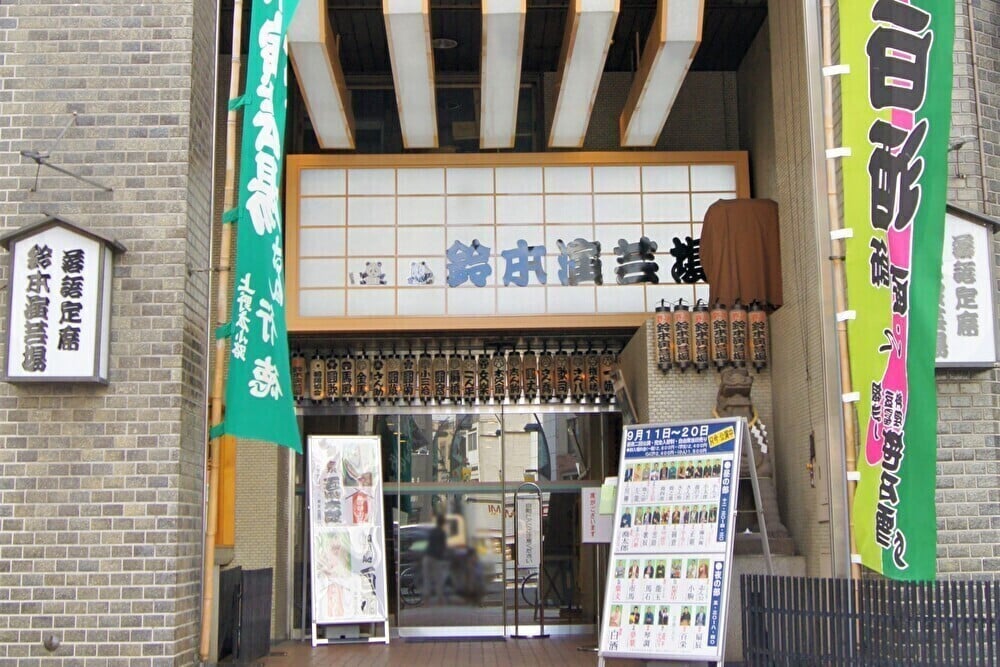
Beyond the tourist sights, Ueno has many local cultural experiences worth exploring. For example, at Suzumoto Engeijo (鈴本演藝場) you can watch traditional Japanese rakugo (comic storytelling) or manzai (two-person comedy) and feel Japan’s unique humor.
Suzumoto Engeijo is one of Tokyo’s oldest yose (variety theaters), and its program changes every ten days, so you can see different performers each time. It is a good chance to learn more about Japanese popular culture.
Check Opening Hours and Closing Days
Many of Ueno’s museums, galleries and the zoo are usually closed on Mondays, and if Monday is a Japanese national holiday, they close the next day instead. When planning, check each attraction’s official website for the latest opening hours and closing days so you don’t arrive to find it closed.
Popular special exhibitions in particular sometimes extend their hours or add closing days, so check carefully. Also, the last entry time at many attractions is usually 30 minutes to 1 hour before closing, so allow plenty of time to get in.
Conclusion: Ueno, a Place You Will Want to Remember
With its unique charm, Ueno in Tokyo blends history and culture, temples of art, everyday life and modern fashion. Whether you stroll among the greenery of Ueno Onshi Park, take in the art of world-class museums, hunt for treasure amid the bustle of Ameya-Yokocho or taste authentic Japanese food, Ueno offers a rich and colorful travel experience. It is not only Tokyo’s cultural heart but also a microcosm of Japan’s many faces.
We hope this 2026 in-depth guide to Ueno, Tokyo, gives you comprehensive guidance for your trip. From transport planning to accommodation, from must-see sights to food picks, we aim to provide the most detailed and practical information. Ueno’s charm goes well beyond this, and every visit may bring a new surprise. Next time you come to Tokyo, spend more time in Ueno and experience its unique character, and we believe you will fall in love with this neighborhood full of stories and energy and look forward to returning.