

2026 Nagoya Food Guide: Must-Eat Local Nagoya Meshi, the Gourmet Capital of Chubu Where Red Miso Meets Craftsmanship
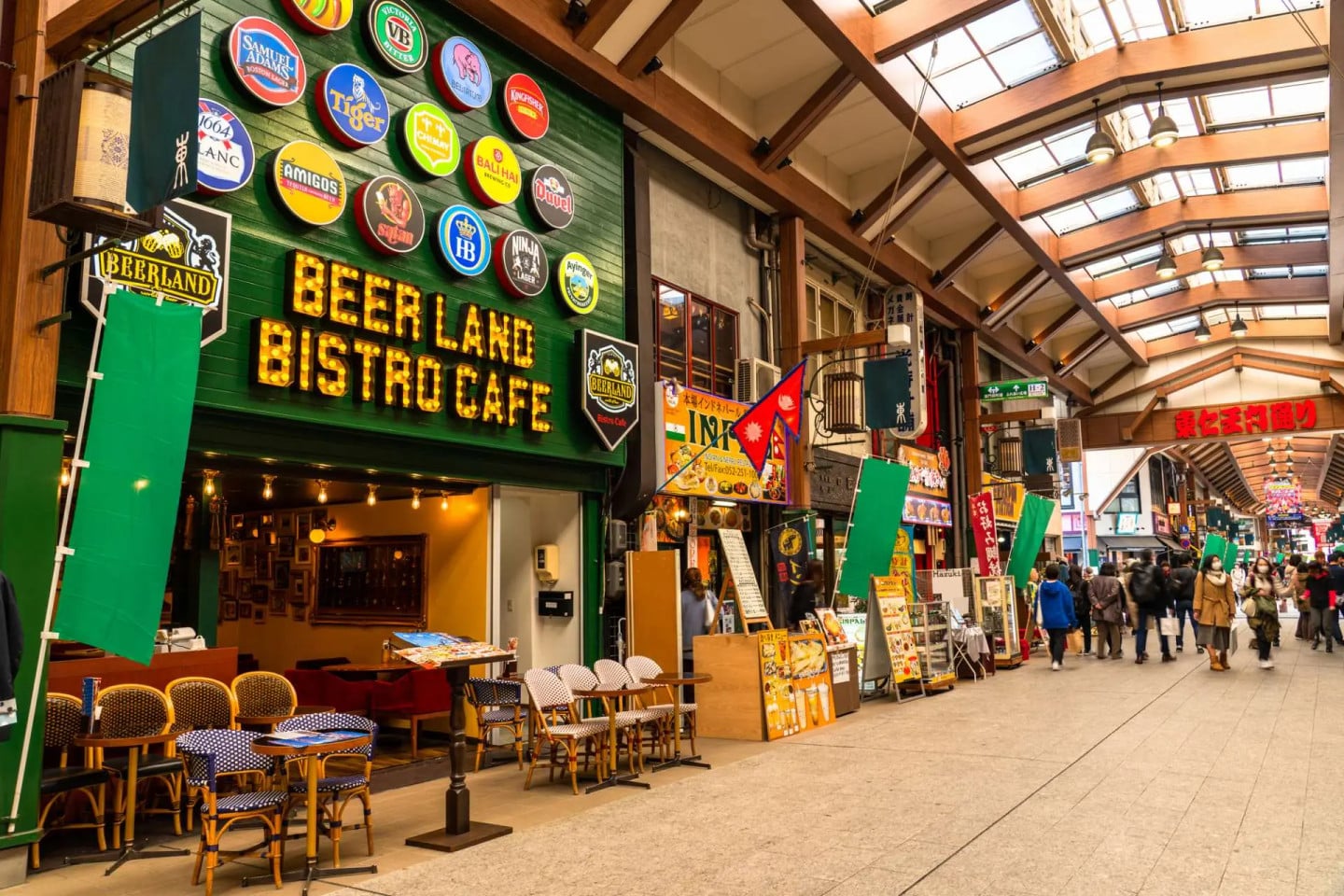
Nagoya meshi is famous for its rich red miso seasoning, with hitsumabushi eel rice, miso katsu and tebasaki chicken wings as the three icons. From the station to the Sakae district, you can easily eat your way through the city’s soul food.
Nagoya Station Food Zone: Start Eating as Soon as You Step off the Shinkansen
JR Nagoya Station is the starting point of a Nagoya meshi trip. Takashimaya, JR Gate Tower, the ESCA underground mall and Lucent Tower, all directly connected to the station, gather famous shops for eel rice, miso katsu, kishimen noodles and more. Even a two-hour layover lets you taste the highlights without going out of your way.
The station area is huge, so we suggest picking three to five places you want to try first and using a map to plan your route, to avoid getting lost in the underground mall and wasting time in lines. Crowds are especially heavy at dinner time.
Sakae Kissaten Culture: Eating from Breakfast to Late Night
Sakae is Nagoya’s downtown and also a stronghold of kissaten (Japanese coffee shop) culture. Many shops serve “Morning Service” from early morning: order a drink and you get toast and a boiled egg for free, the best way to experience everyday local life.
After dark, Sakae turns into a gathering place for izakaya. Tebasaki with draft beer is the late-night combination, and travelers who like shopping with good food can leave the whole afternoon and evening for this area.
The Character of Red Miso Cuisine: The Secret Behind Nagoya’s Bold Flavors
Nagoya cuisine generally has strong flavors, and the key is the local staple “Hatcho miso” (red miso), which is fermented for a long time, dark in color and richly salty and savory. It is essential in both the miso katsu sauce and the miso udon broth.
This salty-sweet seasoning style extends to the sauces for fried chicken wings and eel rice as well. At first taste it may seem intense, but paired with white rice or beer you will find this is exactly what makes Nagoya meshi addictive.
2026 Nagoya Food Guide: 9 Soul Dishes and Signature Restaurants You Must Try
The following nine dishes are the core soul of Nagoya meshi, and each has a must-visit restaurant to match.
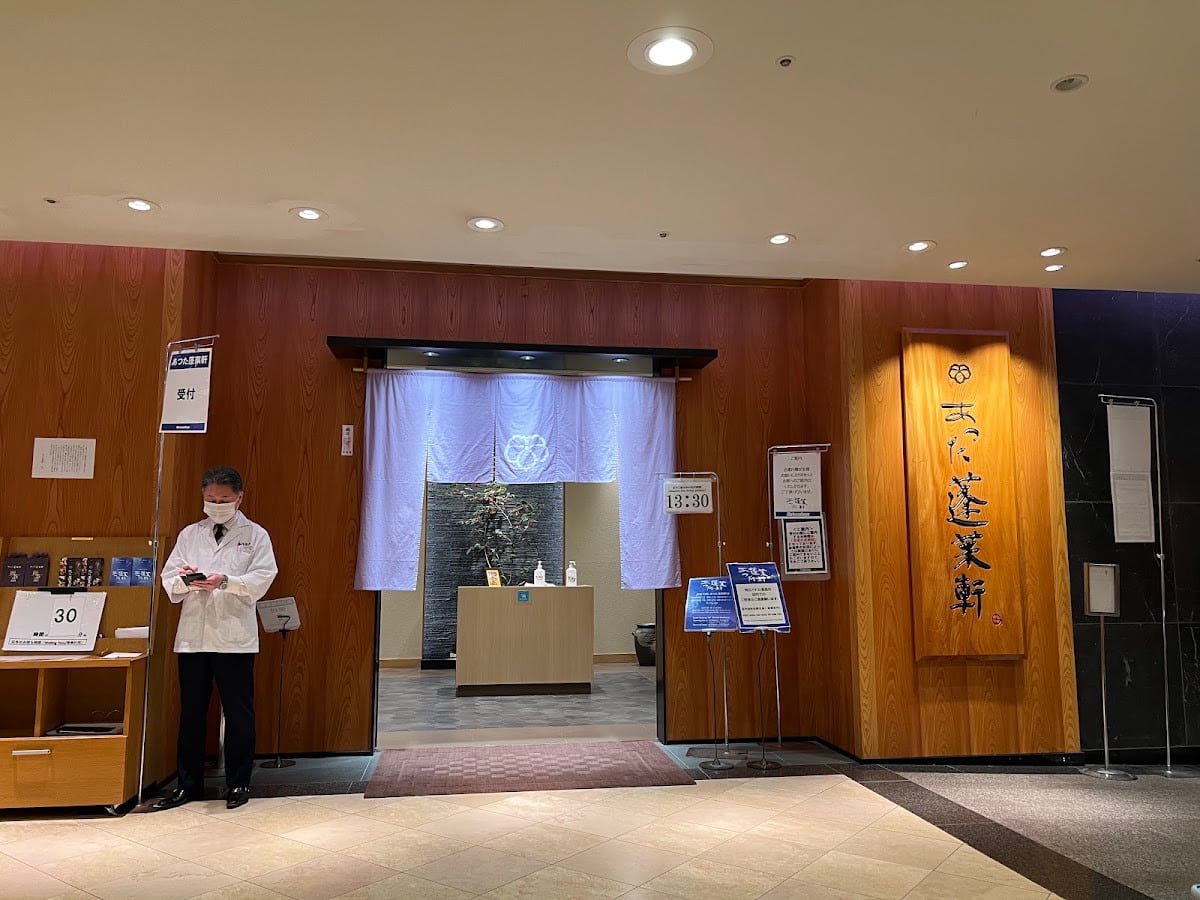
Hitsumabushi: Atsuta Horaiken
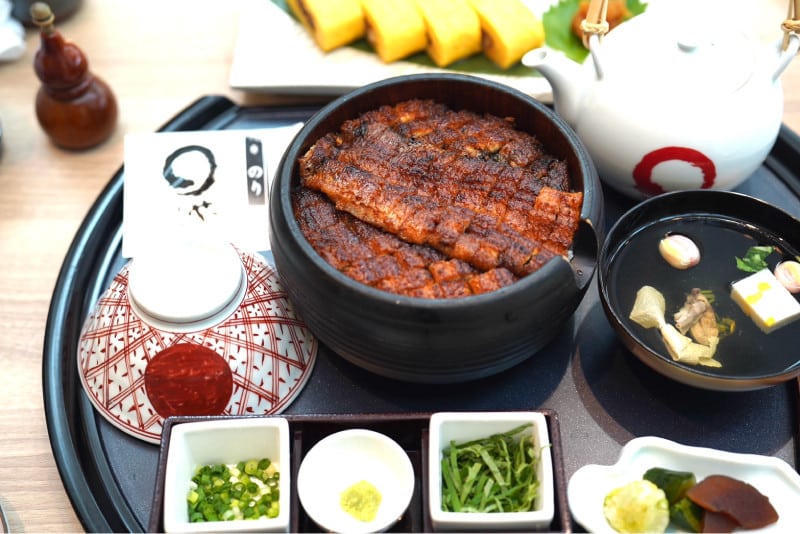
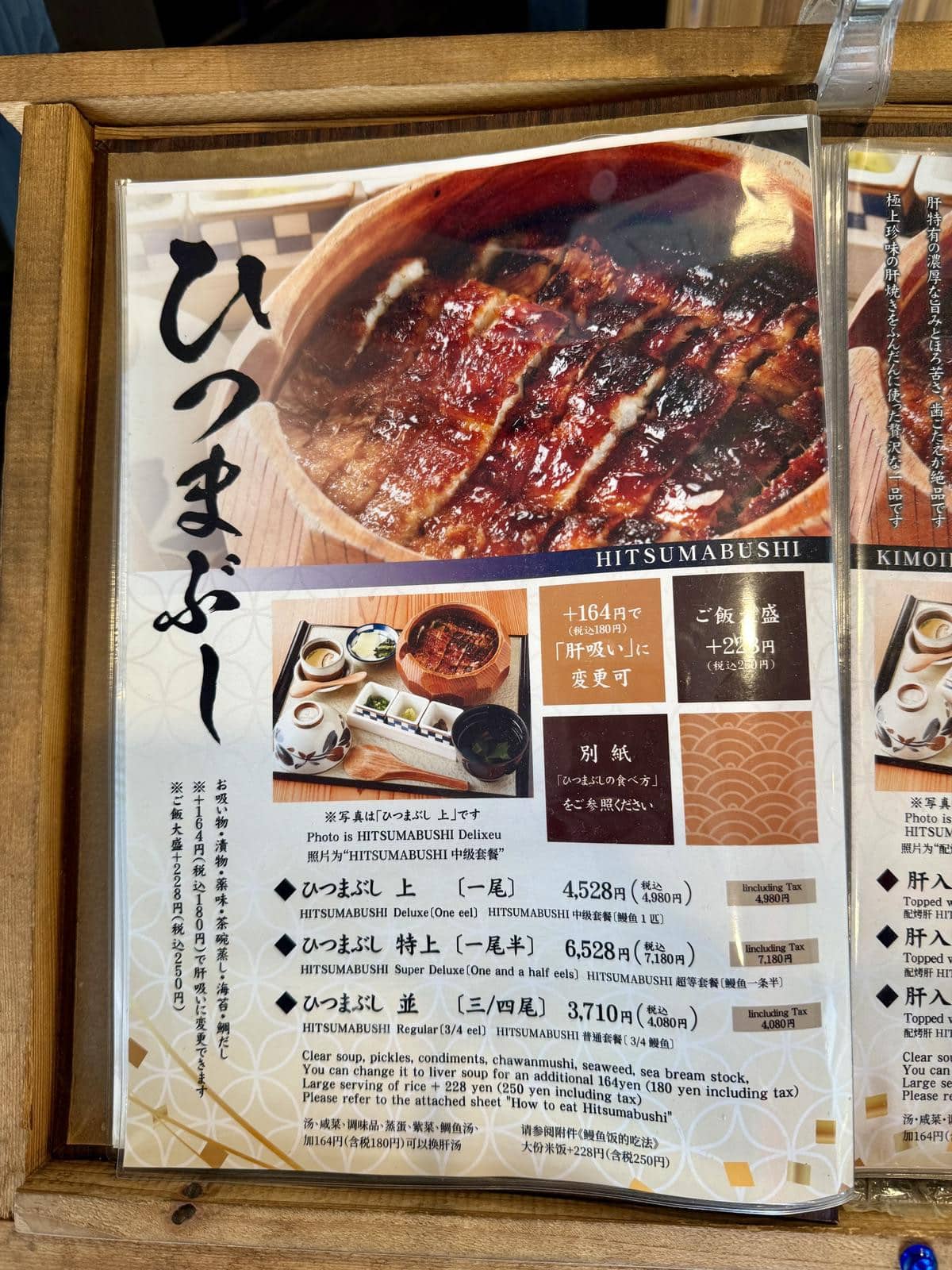
The originator of hitsumabushi, with over 150 years of history. The charcoal-grilled eel has crisp skin and tender flesh, and is fragrant over hot rice. The authentic way to eat it has three stages: the first bowl is plain to taste the original flavor, the second is mixed with chopped scallions, shredded nori and wasabi, and the third is turned into ochazuke with dashi broth, so one meal gives you three layers of flavor.
The main shop is about a 5-minute walk from Atsuta Jingu-Denmacho Station on the subway. Hours are 11:30 to 14:00 and 16:30 to 20:30, closed Wednesdays and the 2nd and 4th Thursday of each month (open if it falls on a holiday). Lines often take one to two hours, so we suggest arriving before opening to wait in line. The official website name is “Atsuta Horaiken.”
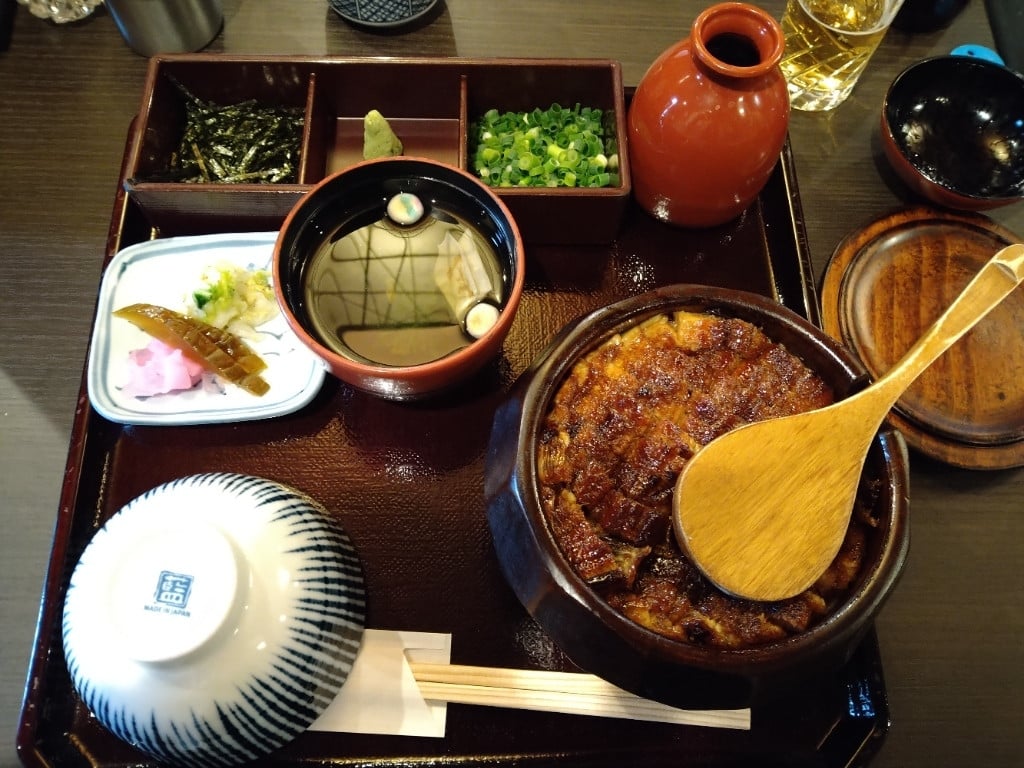
- 🍽️ Must-order: Hitsumabushi (eel rice in three ways)
- 💰 Price: about ¥5,000 or less for lunch, about ¥6,000 or less for dinner
- 🚉 Access: about a 5-minute walk from Atsuta Jingu-Denmacho Station on the subway

Miso Katsu: Yabaton Yabacho Main Store
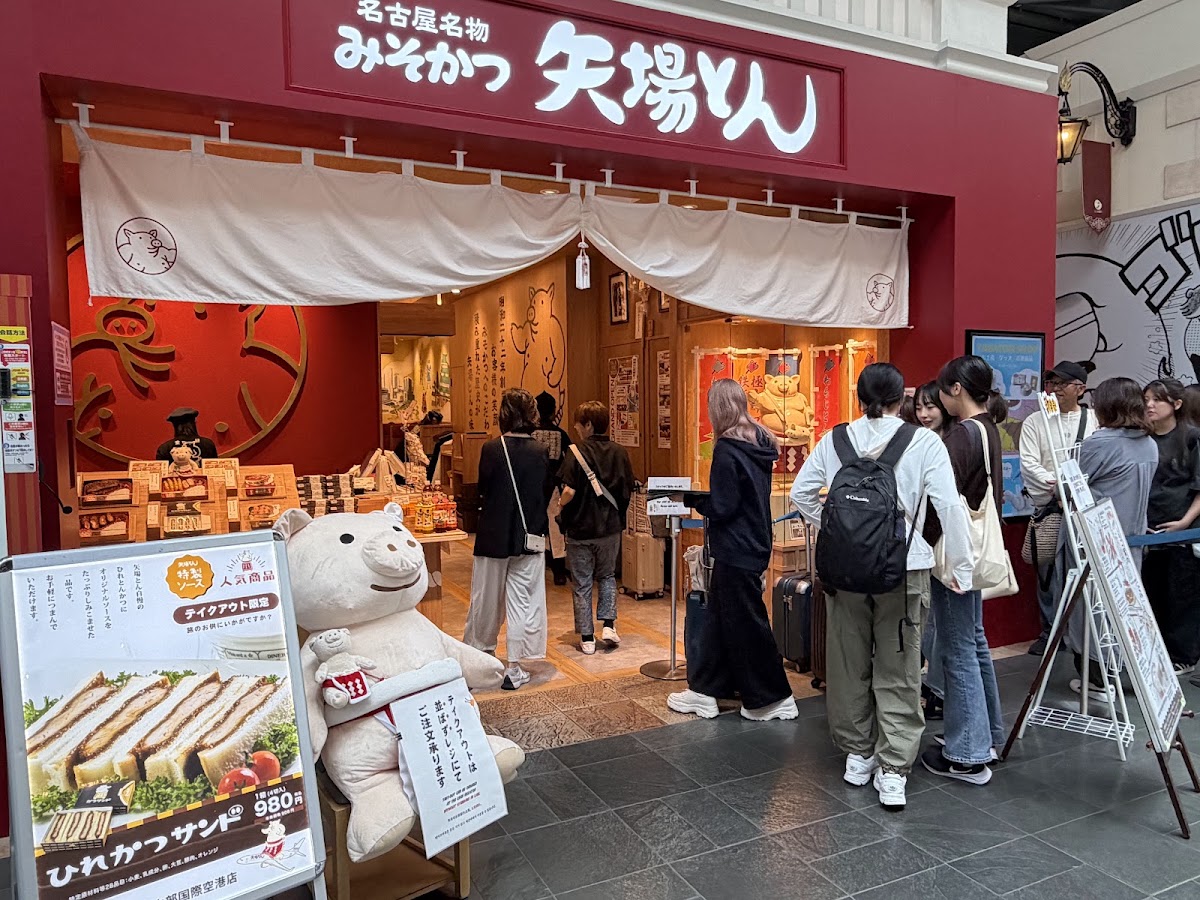
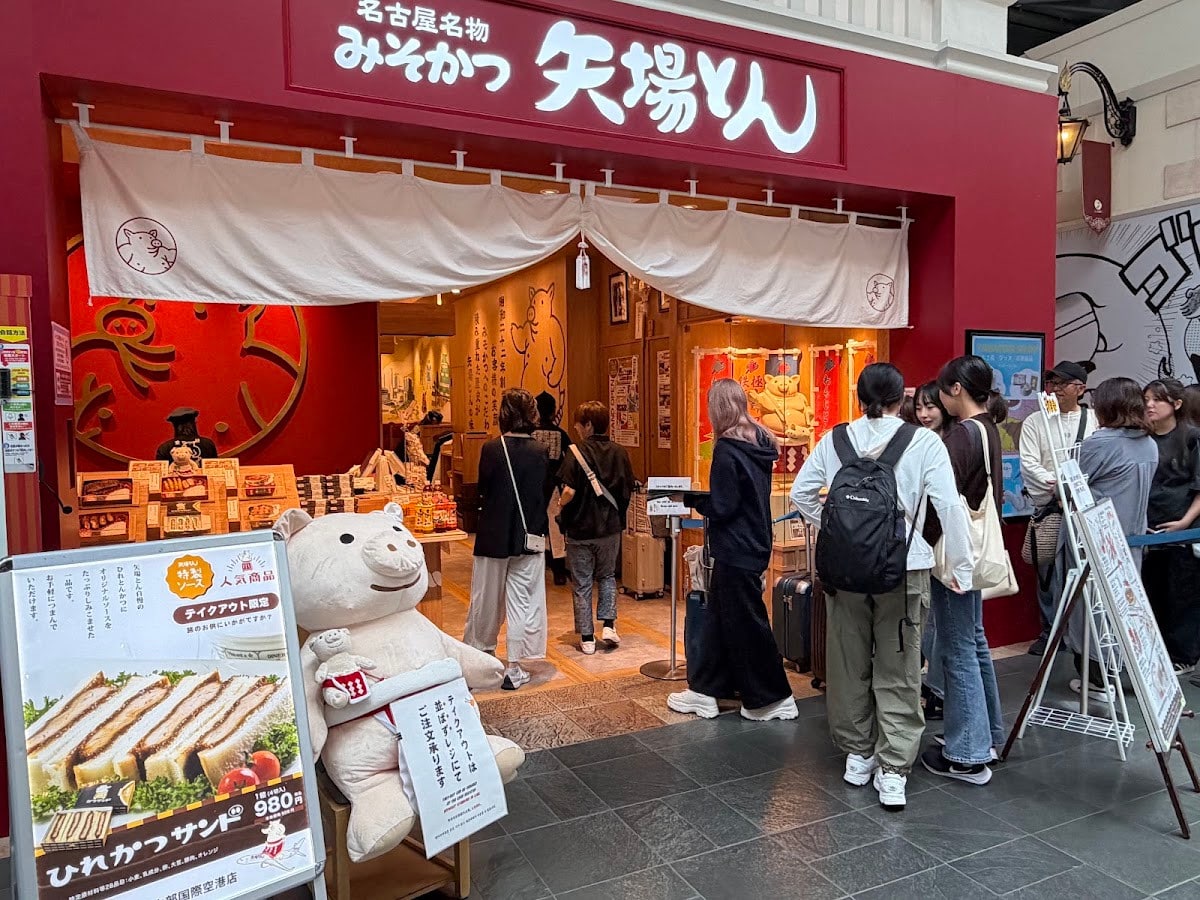
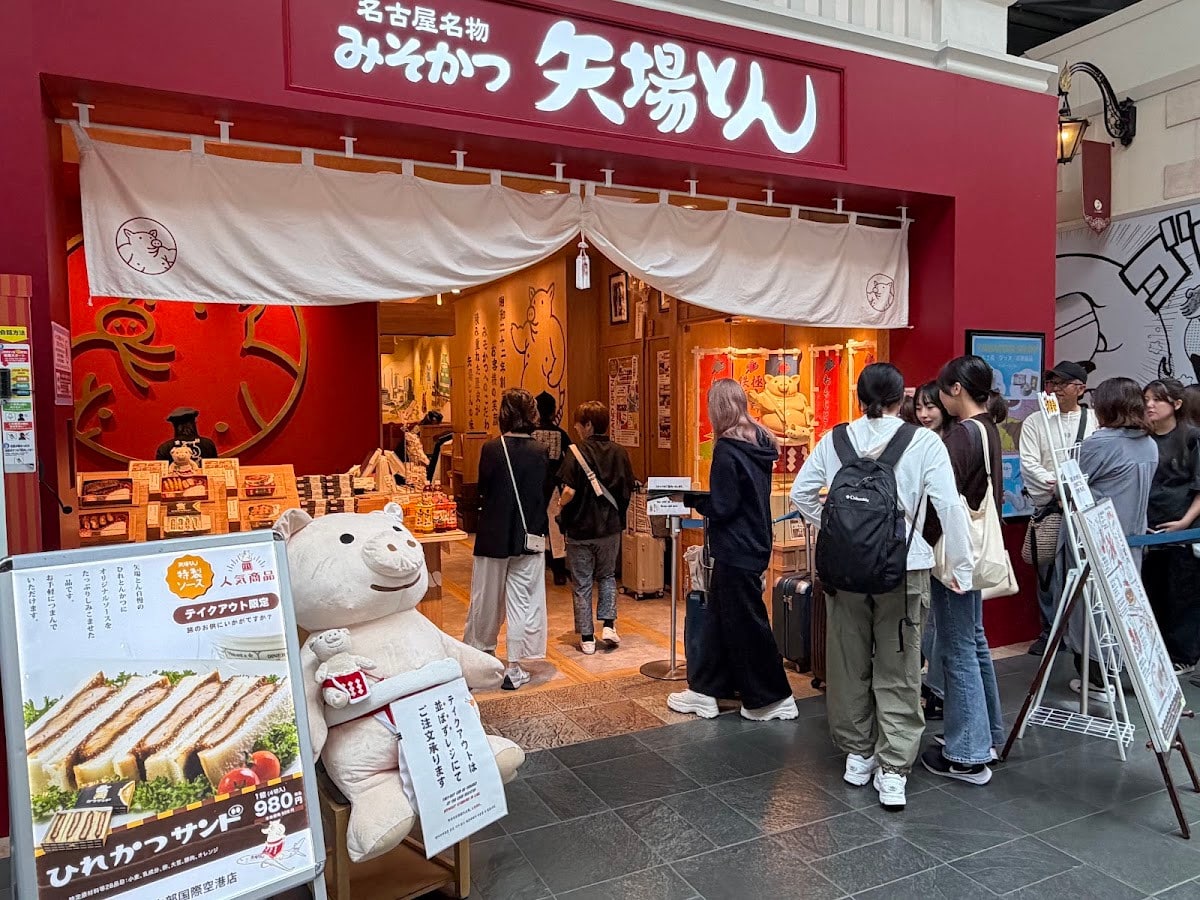
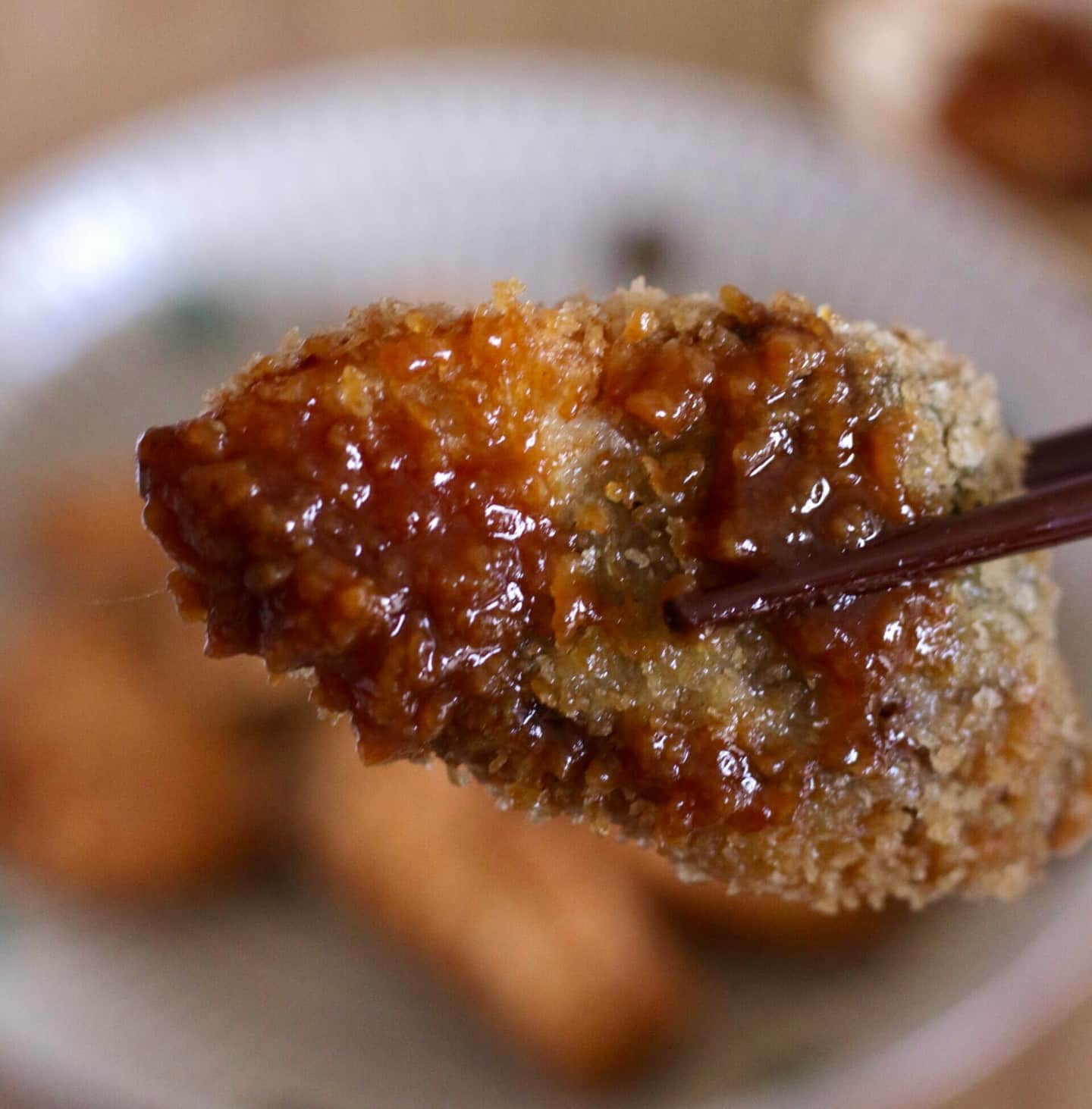
The most representative chain for Nagoya miso katsu, with a hands-on-hips piglet mascot at the entrance that makes a popular photo spot. Thick-cut pork cutlets are fried until golden and crisp, then topped with a rich salty-sweet sauce simmered from red miso. Each bite is crisp outside and tender inside, full of sauce flavor and great with rice.
The main shop is in an alley in Yabacho, with a slightly nostalgic interior. The signature Waraji Tonkatsu (“straw sandal” cutlet) is so large it hangs over the plate and is good for two to share. Lunch sets are about ¥2,000-2,500, and it is a popular spot with long lines among visitors and locals alike. Hours are 11:00 to 21:00 (last order 20:30).
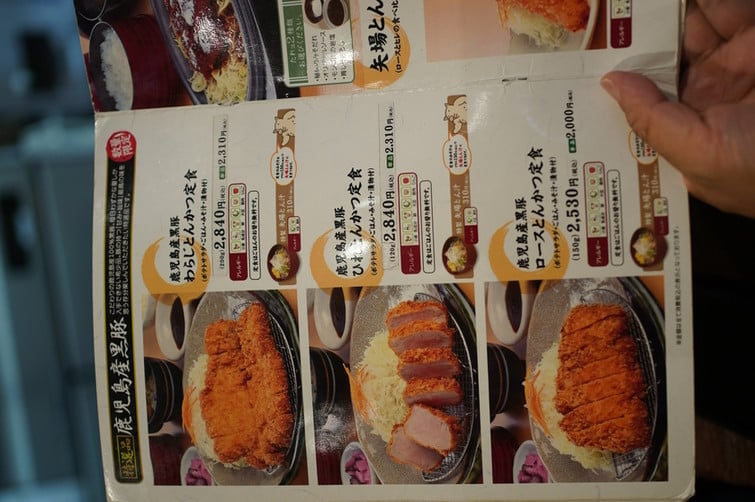
- 🍽️ Must-order: Waraji Tonkatsu with miso sauce
- 💰 Price: lunch about ¥2,000-2,500
- 🚉 Access: about a 5-minute walk from Yabacho Station on the subway
Tebasaki Fried Chicken Wings: Sekai no Yamachan
A chicken wing izakaya famous across Japan, known for its heavily peppered “Phantom Tebasaki.” The wings are fried crisp without a thick coating, brushed with a saltier sauce and sprinkled with plenty of pepper, spicy and appetizing, a perfect match for draft beer and a favorite of local office workers.
The main shop is in the Sakae district, and at dinner time a seat is often hard to get, so we suggest booking through the official website or by phone. Prices are about ¥2,000-3,000 (including drinks), a stop you shouldn’t miss for experiencing Nagoya’s izakaya culture.
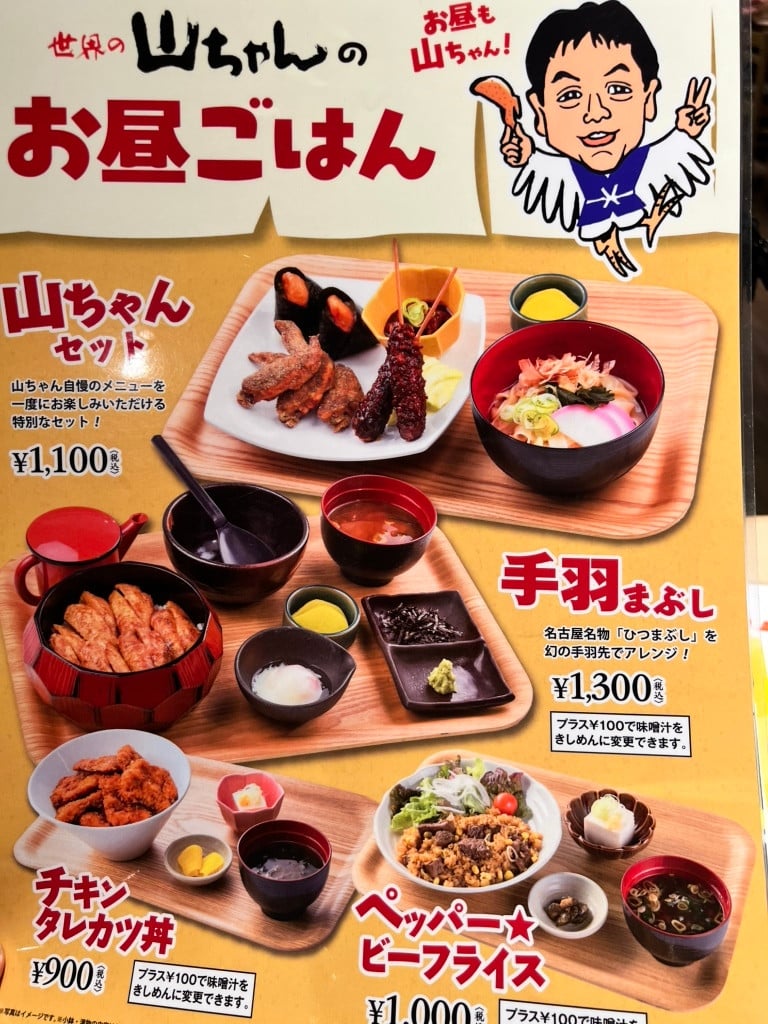
- 🍽️ Must-order: Phantom Tebasaki (Maboroshi no Tebasaki)
- 💰 Price: ¥2,000-3,000
- 🚉 Access: about a 5-minute walk from Sakae Station on the subway
Miso Udon: Yamamotoya Honke
A century-old miso-stewed udon shop. Fresh noodles are simmered with bonito dashi and red miso in a clay pot, giving chewy noodles and a rich, salty-savory broth full of miso bean aroma, a top choice for warming up. The all-you-can-add pickles are local home flavor.
Prices are about ¥1,300-1,800. The main shop is in Sakae 3-chome, and there are also branches inside Meitetsu Department Store and the JR Central Towers.
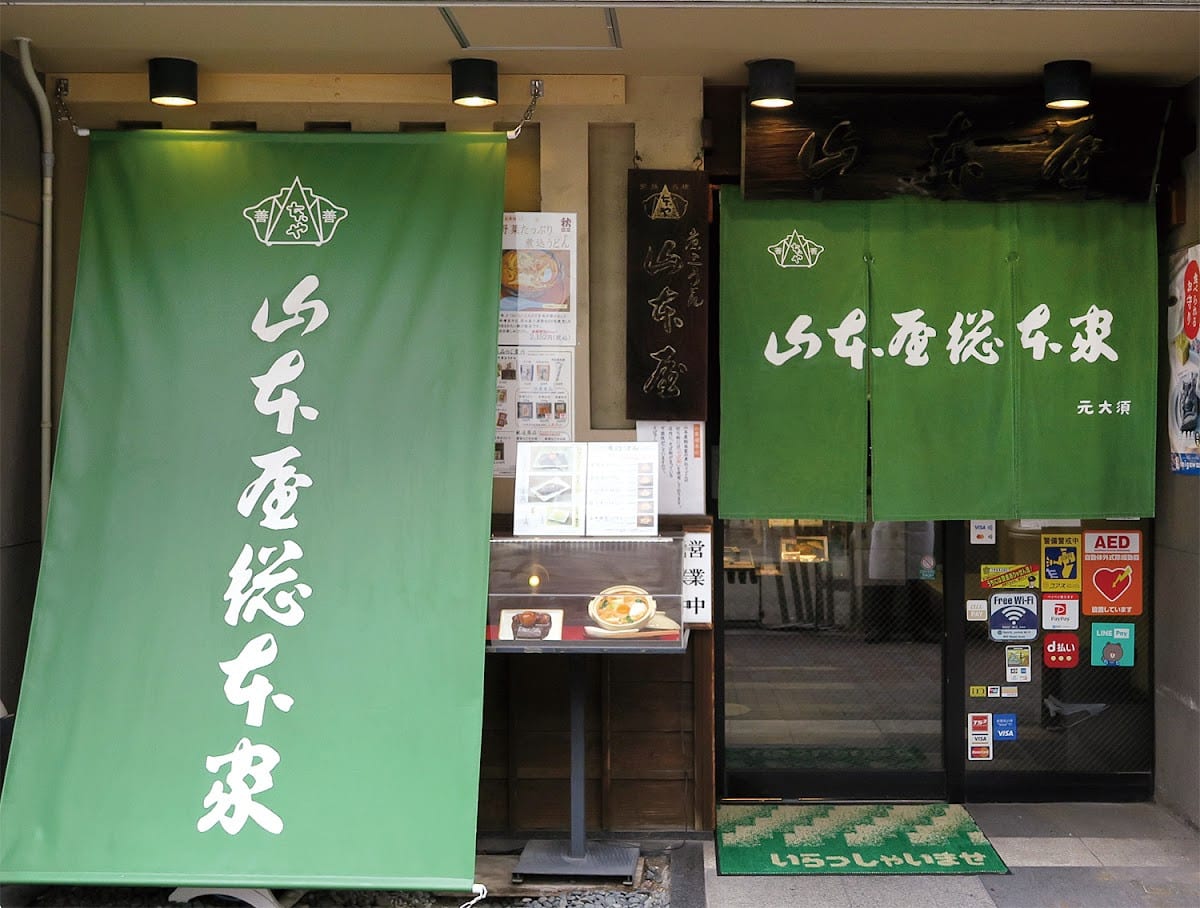
- 🍜 Must-order: Miso Nikomi Udon
- 💰 Price: ¥1,300-1,800
- 🚉 Access: about a 6-minute walk from Yabacho Station on the subway
Kishimen Noodles: Ekigama Kishimen
Kishimen is Nagoya’s special flat udon, with a smooth, chewy texture and a light yet flavorful broth, the best choice for travelers who like mild flavors. Ekigama Kishimen is in “Nagoya Umaimon Dori” in front of the Taikodori South Exit ticket gate at JR Nagoya Station, and you don’t need to buy an admission ticket.
To try standing station food, head to “Kishimen Sumiyoshi” on Platforms 1 and 2 and eat while watching trains arrive. Prices are about ¥600-900, an excellent choice for filling up quickly during a transfer.
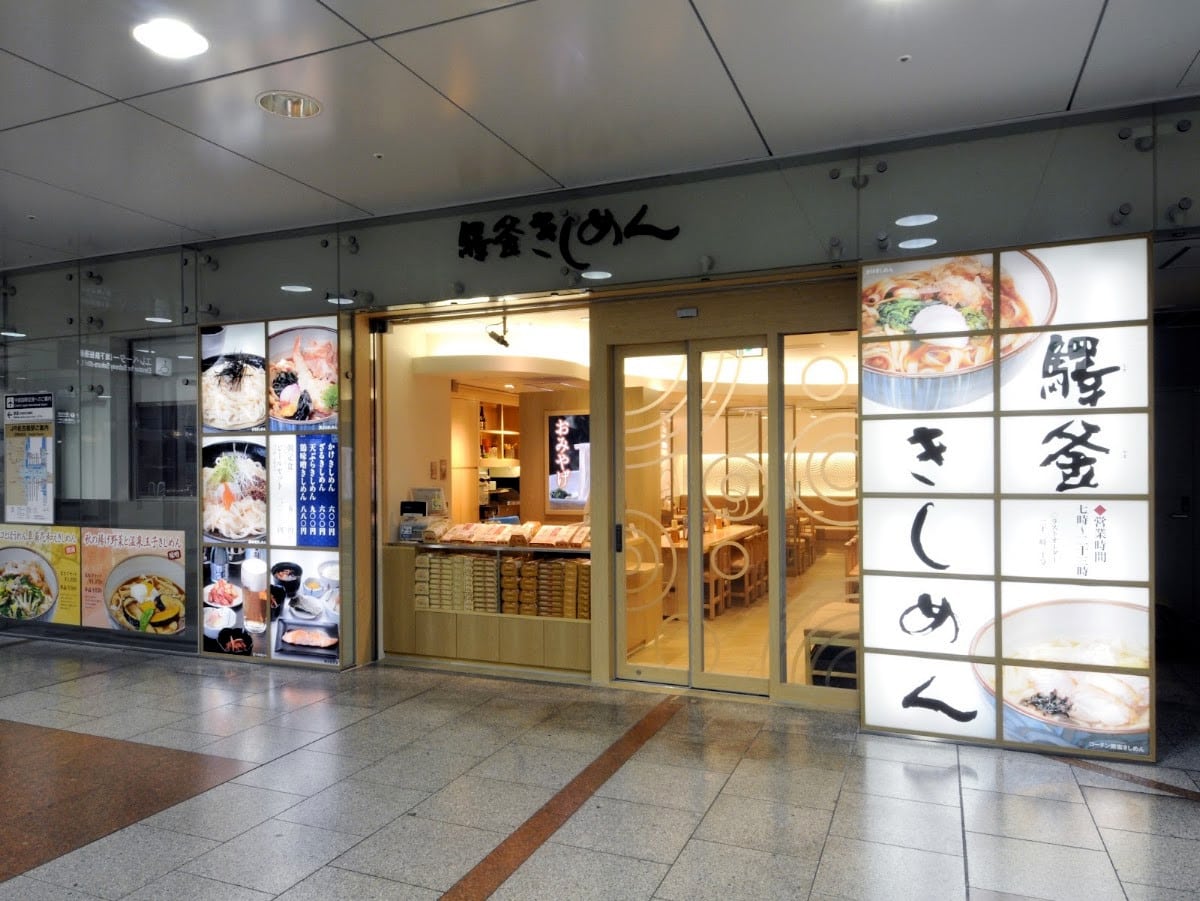
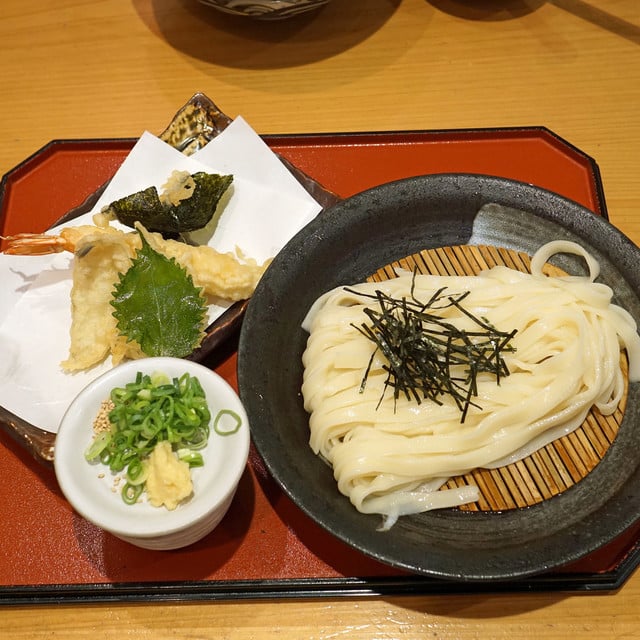
- 🍜 Must-order: Kishimen (tsukimi or tempura style)
- 💰 Price: ¥600-900
- 🚉 Access: in front of the Taikodori South Exit ticket gate at JR Nagoya Station
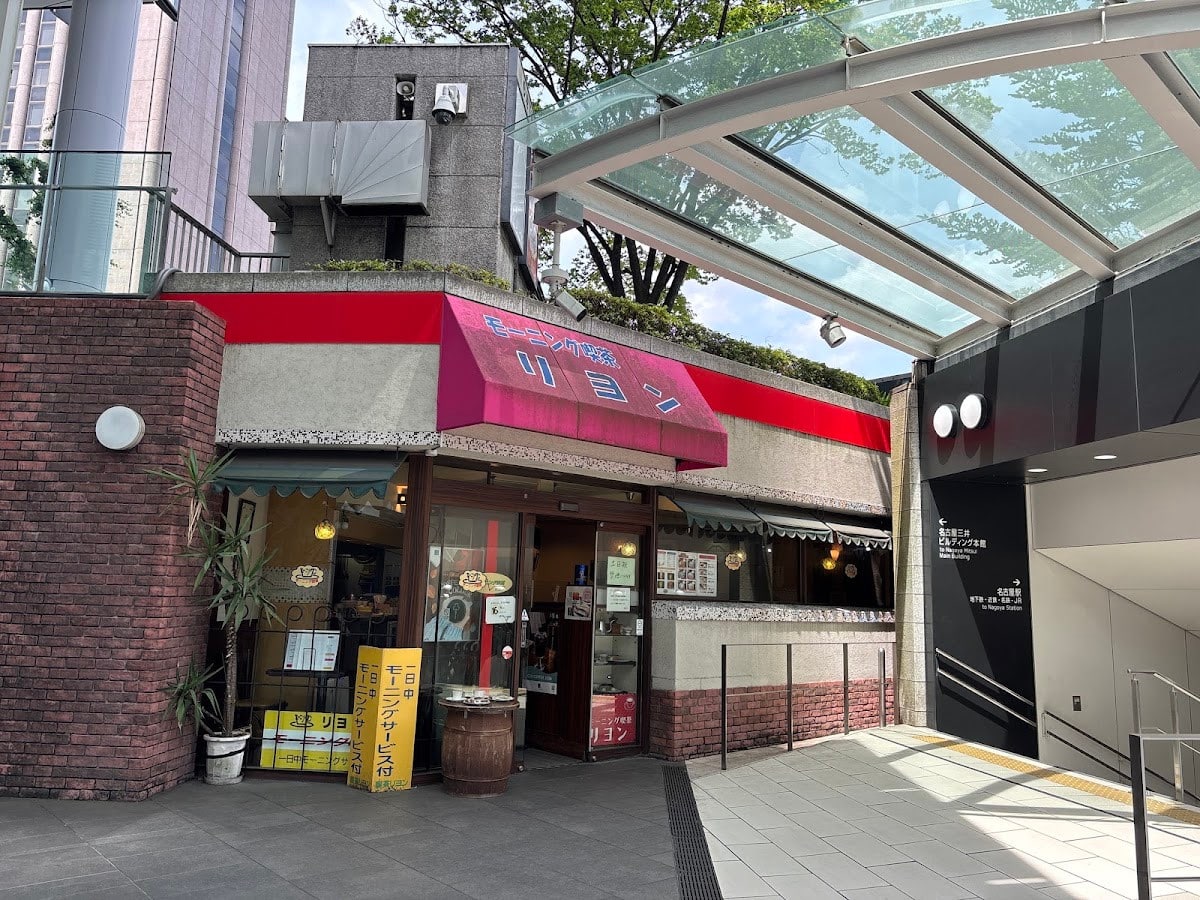
Ogura Toast and Kissaten Culture: Kissa Lyon
The signature breakfast culture of Nagoya kissaten is Morning Service: order a coffee or other drink and the shop gives you thick-cut toast, a boiled egg and other snacks for free. Kissa Lyon’s biggest feature is that it offers this service “all day,” unlike other shops where it is limited to the morning.
The house specialty is ogura toast, spread thickly with sweet red bean paste (ogura) and butter, a very distinctive sweet-and-salty taste. Prices are about ¥600-1,000, and it is near Nagoya Station, suitable as the starting point of a day’s itinerary.
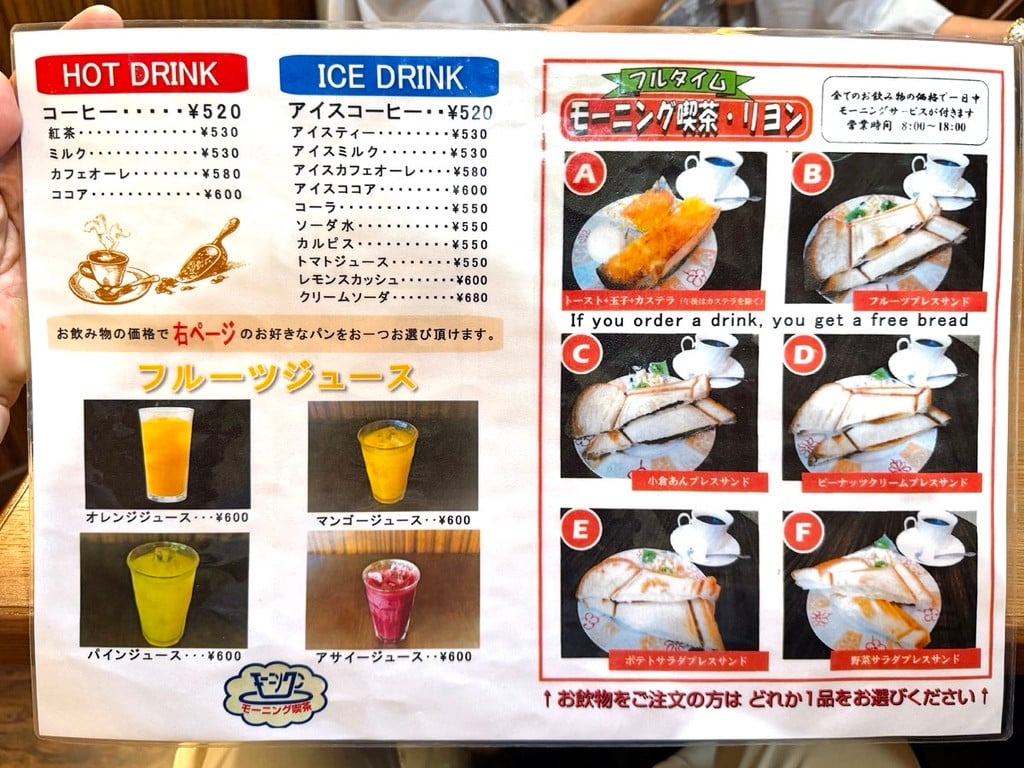
- ☕ Must-order: Ogura toast set
- 💰 Price: ¥600-1,000
- 🚉 Access: about a 5-minute walk from JR Nagoya Station
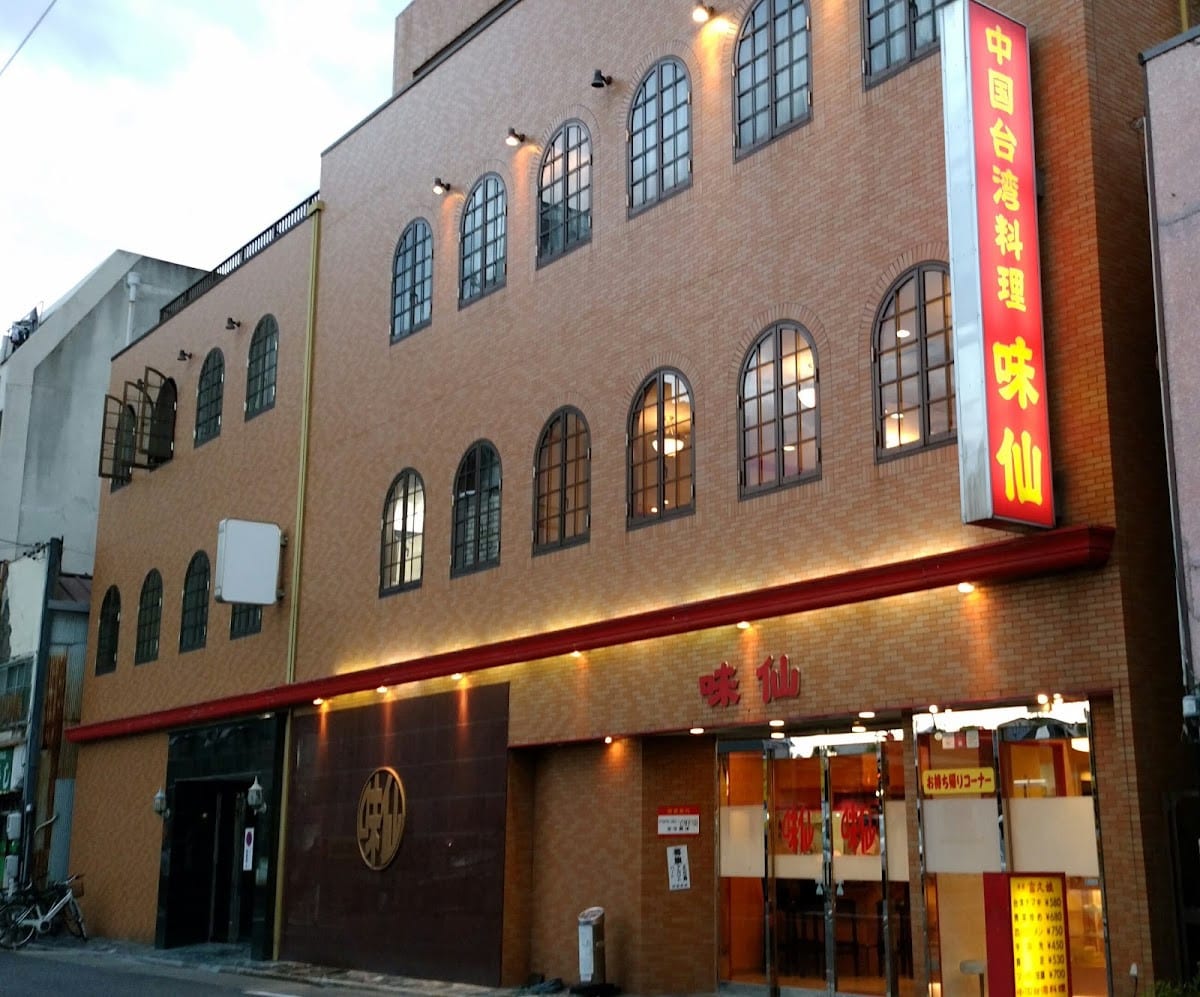
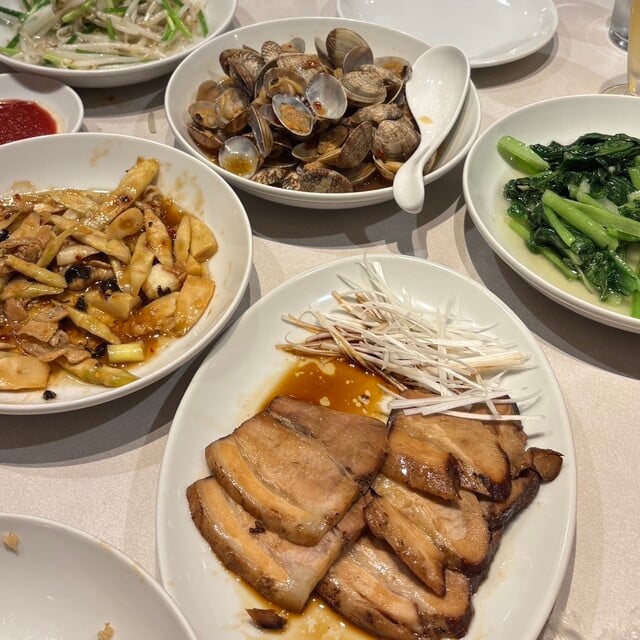
Taiwan Ramen: Misen Imaike Main Store
Taiwan ramen actually originated in Nagoya. It is a spicy ramen developed by Misen’s founder, inspired by Taiwanese danzai noodles, stir-fried with plenty of minced garlic, chili oil and ground meat. The flavor is fiery and stimulating, so for your first time we suggest choosing medium spicy and moving up to the hottest level once you are used to it.
The Imaike main shop is where Misen began, with a rich broth and a distinct spiciness and garlic aroma. Locals pair it with a bowl of white rice to tone down the heat. Prices are about ¥800-1,200, and it is open late into the early morning, a popular late-night choice.
- 🍜 Must-order: Taiwan Ramen
- 💰 Price: ¥800-1,200
- 🚉 Access: about a 5-minute walk from Imaike Station on the subway
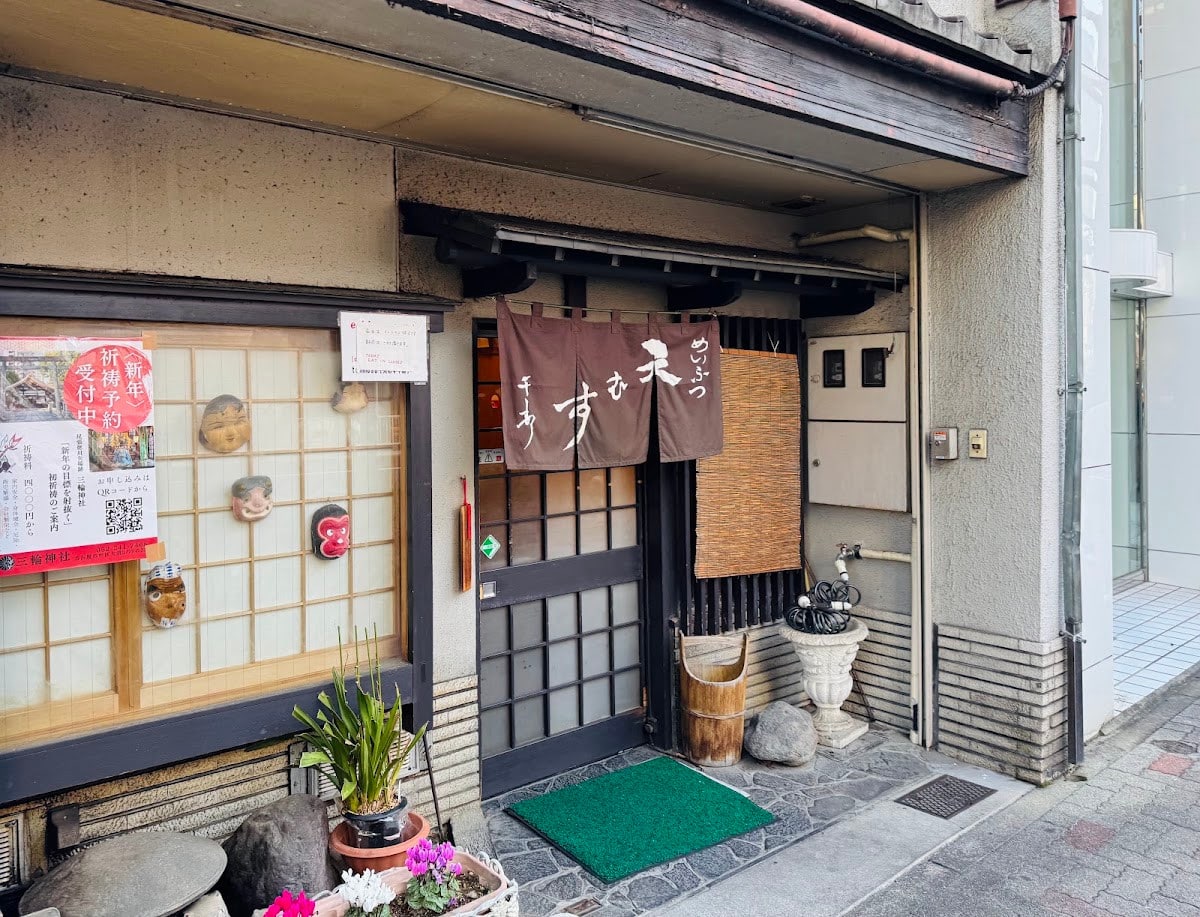
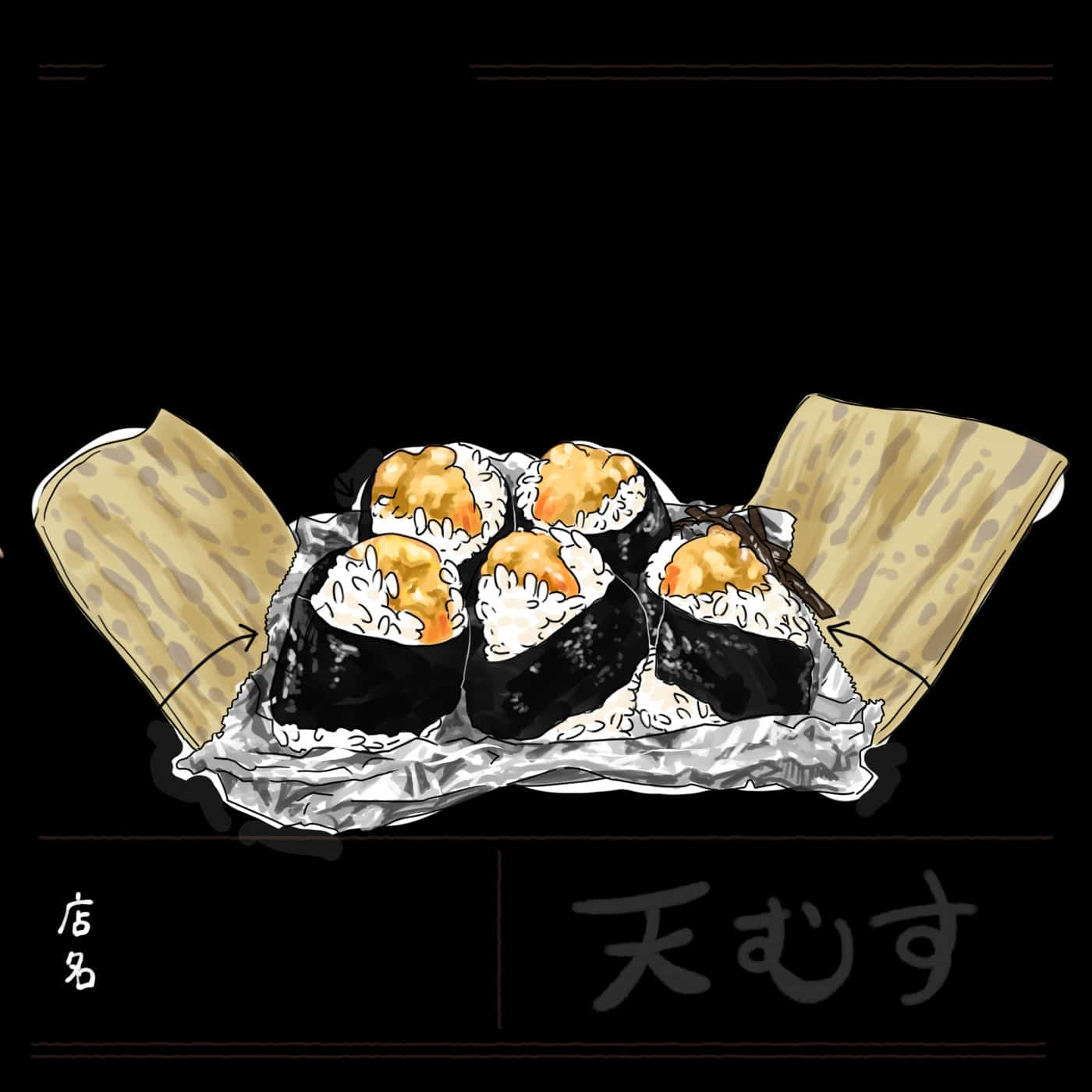
Tenmusu Fried Shrimp Rice Balls: Senju Osu Main Store
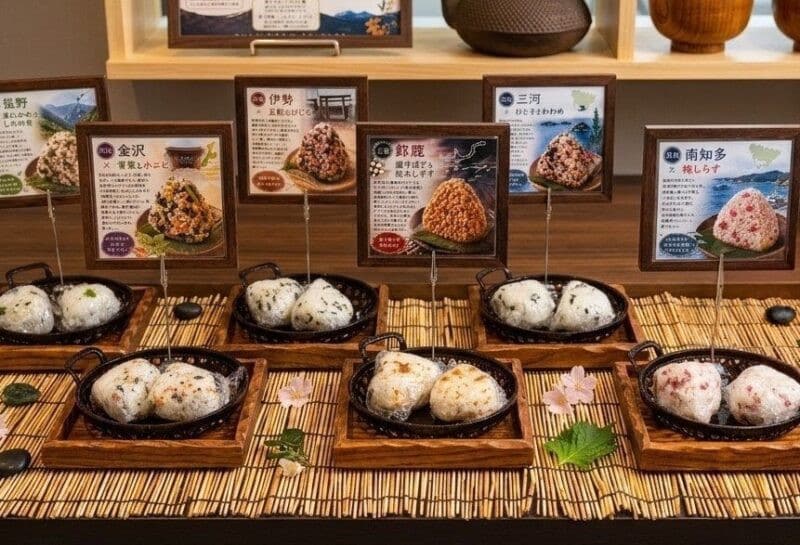
Tenmusu (fried shrimp rice balls) originated in Mie and was popularized in Nagoya. A piece of fried shrimp is wrapped in a seaweed rice ball, savory and flavorful, good for eating on the go.
Senju’s Osu main store makes them fresh every day with chewy rice and freshly fried shrimp. A serving is about 3-5 pieces and costs about ¥500-800, a must-buy on the shopping street and also good as a souvenir.
- 🍤 Must-order: Tenmusu fried shrimp rice balls
- 💰 Price: ¥500-800
- 🚉 Access: about a 4-minute walk from Osu Kannon Station on the subway
Ankake Spaghetti: Yokoi Sumiyoshi Main Store
Ankake Spaghetti is a uniquely Nagoya Western-style dish: firm, chewy spaghetti topped with a thick spicy tomato sauce. The flavor is rich and distinctive, and the portions of noodles are often surprisingly large, so for your first order we suggest choosing a small size.
The Yokoi Sumiyoshi main store is a long-established representative. Its signature mixed Ankake spaghetti comes with a pork cutlet, sausage and vegetables, enough for a very satisfying plate. Prices are about ¥1,000-1,500, a must-eat for experiencing Nagoya’s Western-style food culture.
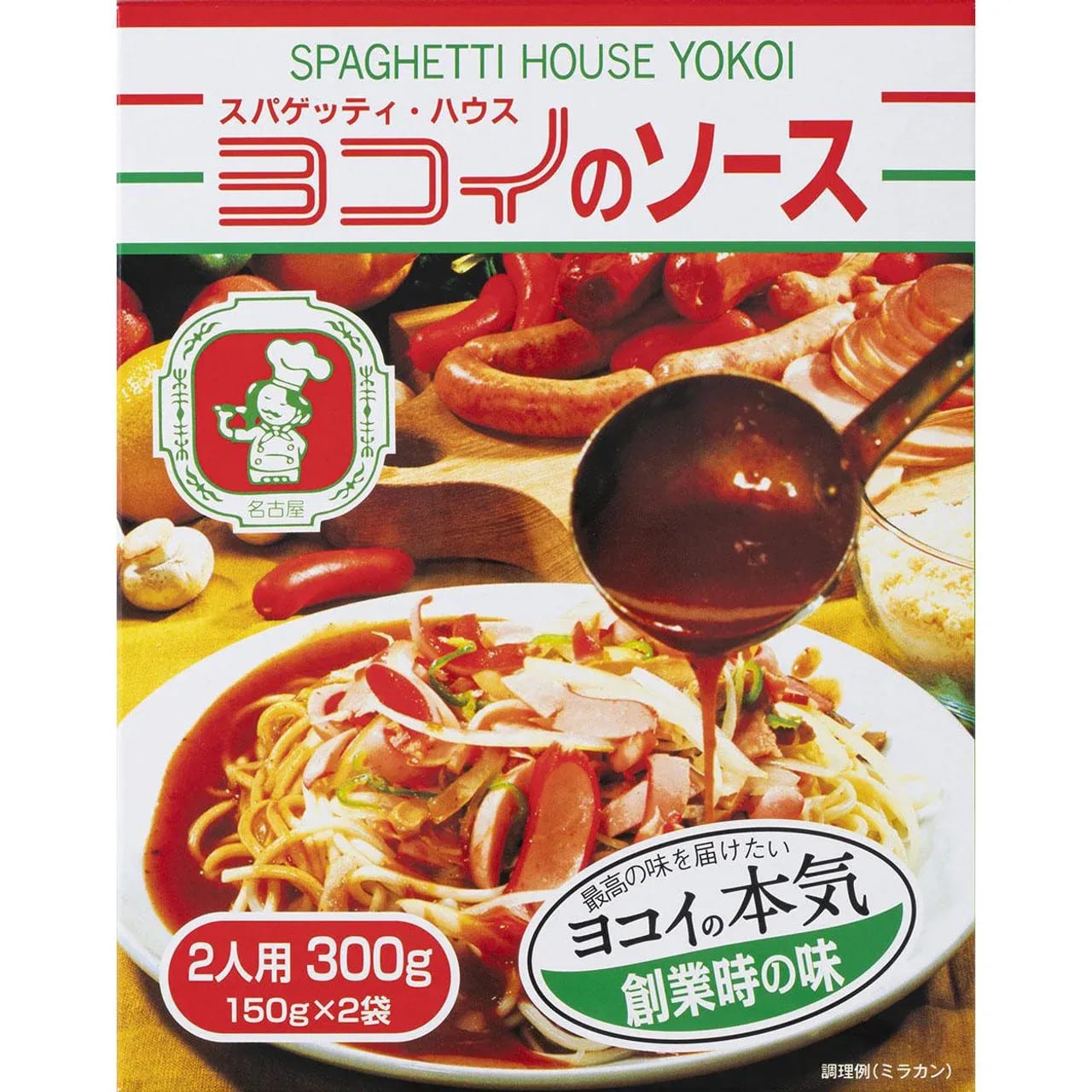
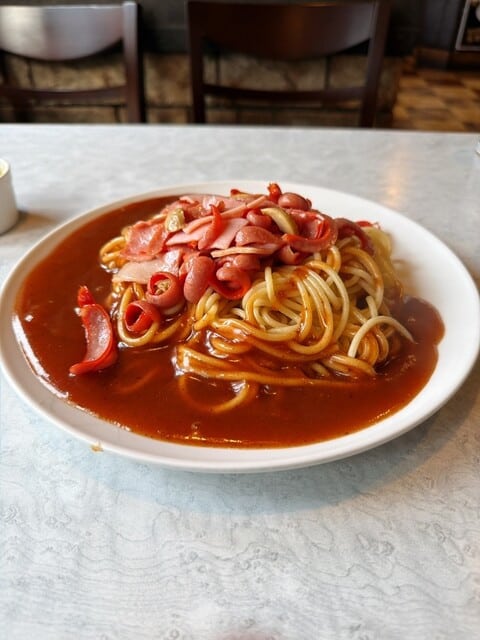
- 🍝 Must-order: Mirakan mixed Ankake spaghetti
- 💰 Price: ¥1,000-1,500
- 🚉 Access: about a 6-minute walk from Fushimi Station on the subway
Recommended Restaurants in Our Nagoya Food Guide: From Long-Line Favorites to Dessert Destinations
Besides the classic nine dishes, these shops are also pocket-list picks you shouldn’t miss when planning your Nagoya trip.
Eel Rice: Maruya Honten Meieki 3-chome Branch
Maruya Honten is a famous Nagoya hitsumabushi restaurant specializing in freshly charcoal-grilled hitsumabushi. The flagship is in Tenpaku, and near Nagoya Station there are the Meieki 3-chome branch, the Meitetsu Department Store 9th-floor branch and the JR Nagoya Station “Umaimon Dori” branch.
The Meieki 3-chome branch is on the 5th floor of GEMS Meieki 3-chome, about a 3-minute walk north from Exit 10 of Unimall at JR Nagoya Station. Hitsumabushi is about ¥3,350 for the small size and about ¥5,250 for the premium. The official site does not take reservations, so we suggest avoiding peak mealtimes.
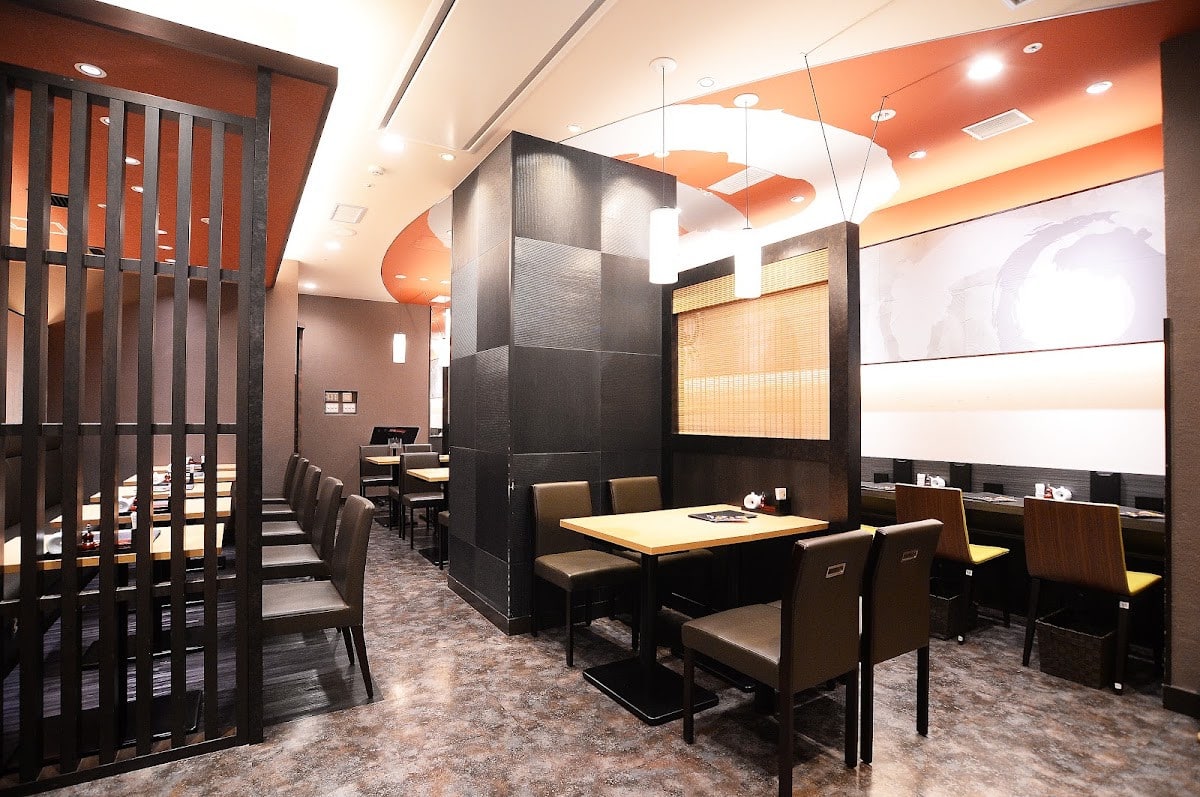
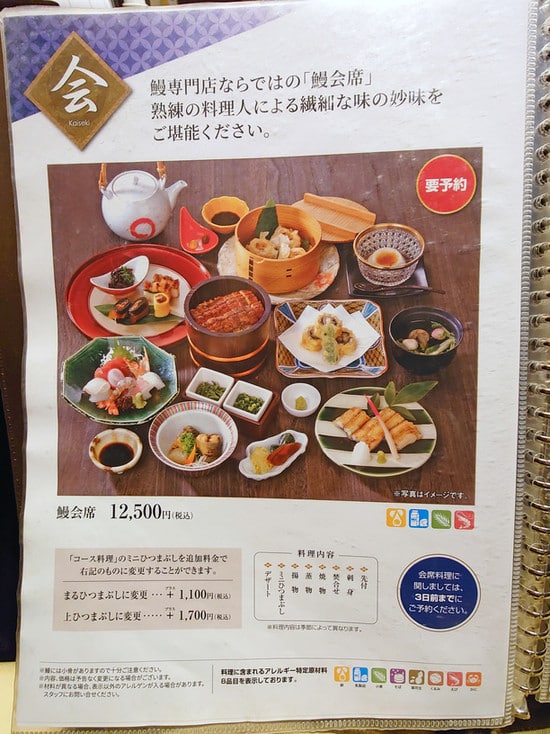
- 🍽️ Must-order: Hitsumabushi (eel rice in three ways)
- 💰 Price: about ¥3,350-5,250
- 🚉 Access: about a 3-minute walk from JR Nagoya Station (Meieki 3-chome branch)
The Originator of Chicken Wings: Furaibo Sakae Branch
Furaibo is the original shop that started the tebasaki fried chicken wing craze. Compared with Sekai no Yamachan’s heavily peppered flavor, Furaibo’s sauce is sweeter and saltier, and the chicken is fried crisp outside and juicy inside. Travelers often compare the two, and each has loyal fans.
The Sakae branch is crowded at dinner time, so we suggest being seated before 5:30 p.m. Prices are about ¥2,000-2,800, and paired with local Nagoya beer or shochu it is a classic way to experience izakaya culture.
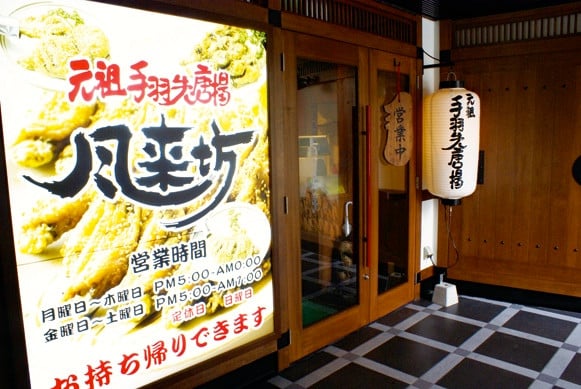
- 🍽️ Must-order: Original Tebasaki
- 💰 Price: ¥2,000-2,800
- 🚉 Access: about a 5-minute walk from Sakae Station on the subway
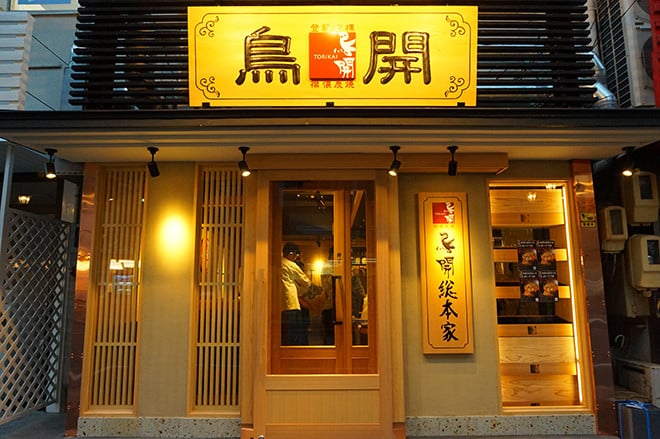
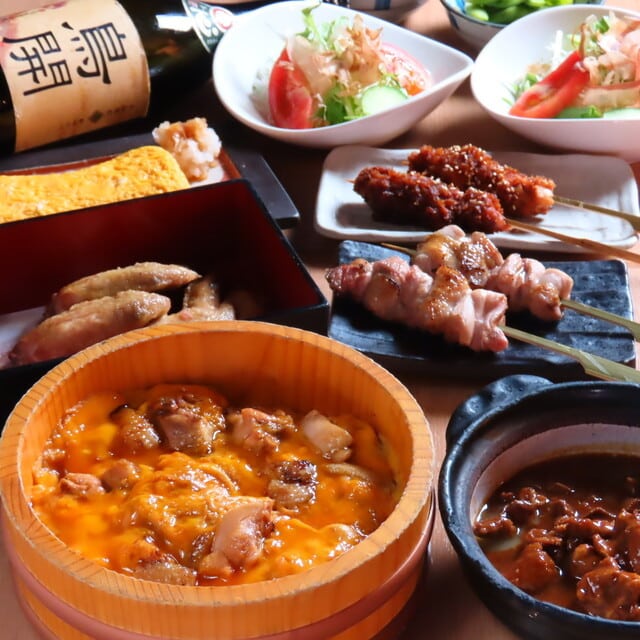
Oyakodon: Toriyoshi Sohonke Meieki Nishiguchi Branch
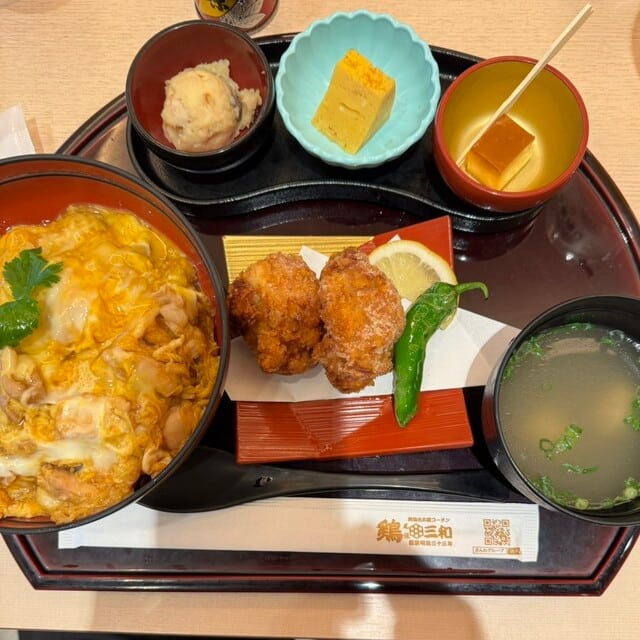
Toriyoshi Sohonke is famous for Nagoya Cochin chicken, a premium free-range breed unique to Aichi Prefecture, with firm flesh and sweet fat that makes oyakodon especially springy and juicy, with softly set egg wrapped around fragrant chicken.
The Meieki Nishiguchi branch has convenient access, suited to a meal during a transfer, and costs about ¥1,200-1,800. Travelers who like Japanese free-range chicken dishes might also order chicken sashimi to experience the most original sweetness.
- 🍚 Must-order: Nagoya Cochin oyakodon
- 💰 Price: ¥1,200-1,800
- 🚉 Access: about a 3-minute walk from the west exit of JR Nagoya Station
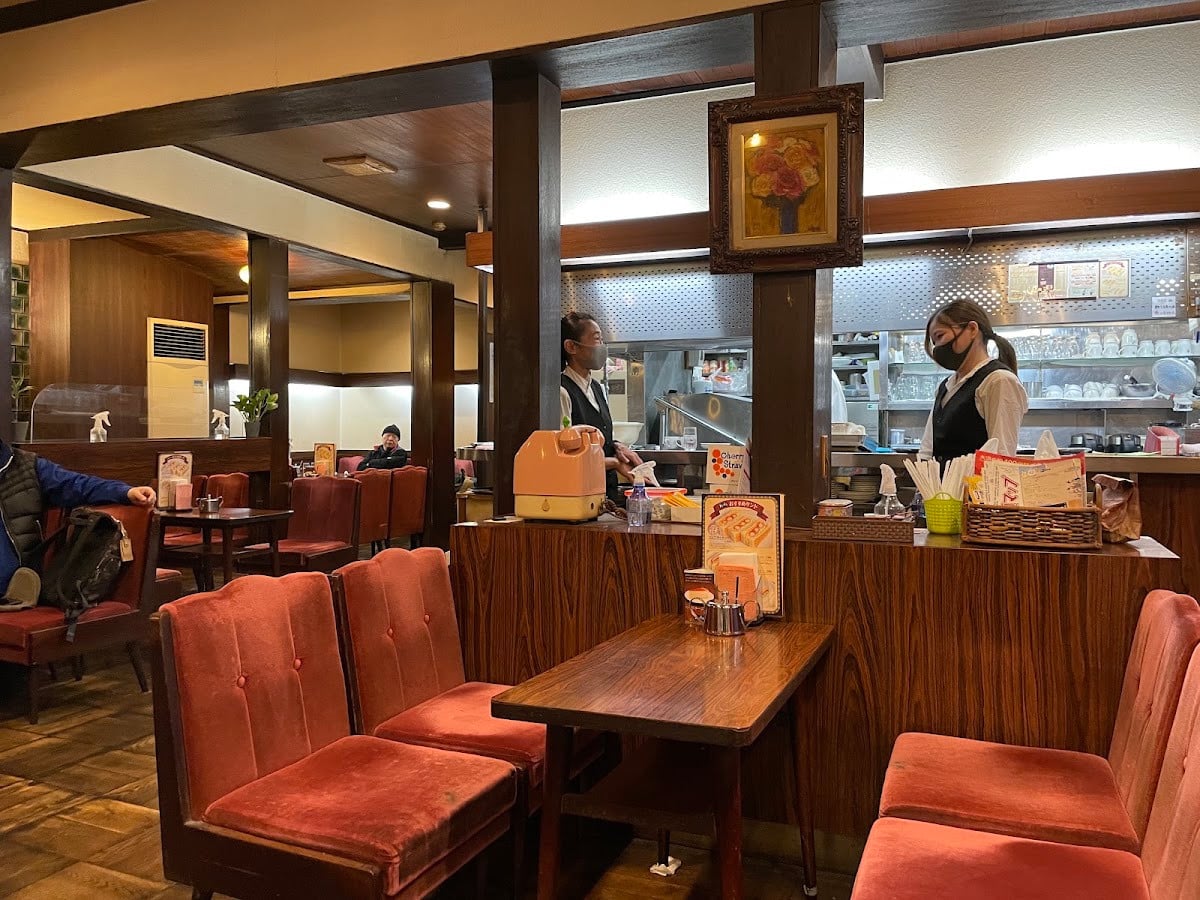
Fried Shrimp Sandwich: Konparu Osu Main Store
Konparu is one of the representative Nagoya kissaten. Its signature fried shrimp sandwich puts a freshly fried shrimp cutlet and mayonnaise between thick-cut toast, crisp outside and soft inside, savory with a hint of sweetness, a standard choice for locals from breakfast to afternoon tea.
The Osu main store keeps its retro Showa-era decor. Prices are about ¥800-1,200, and it is a good place to rest after the Osu shopping street, with a cup of coffee for a relaxed afternoon.
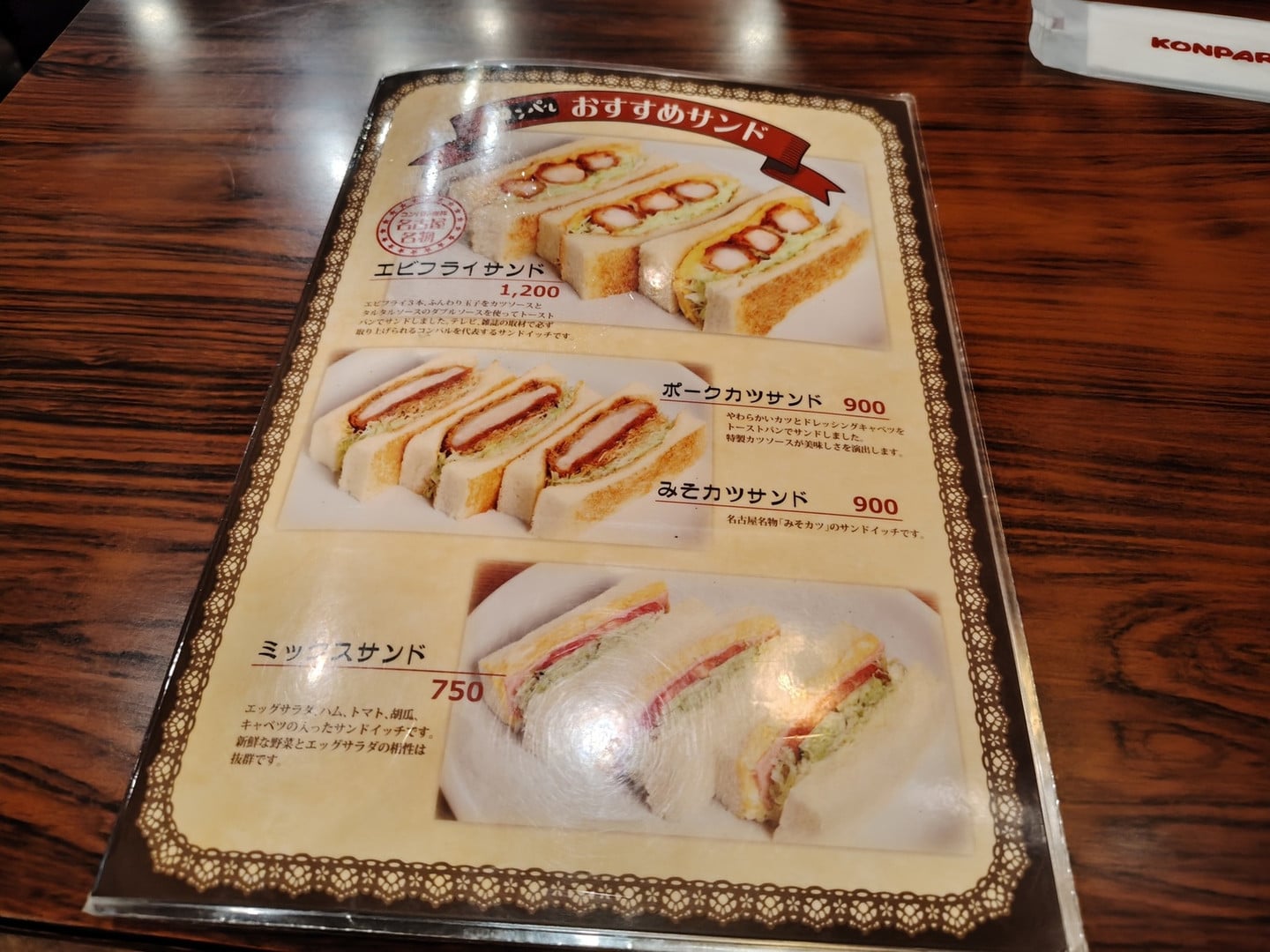
- 🥪 Must-order: Fried shrimp sandwich
- 💰 Price: ¥800-1,200
- 🚉 Access: about a 4-minute walk from Osu Kannon Station on the subway
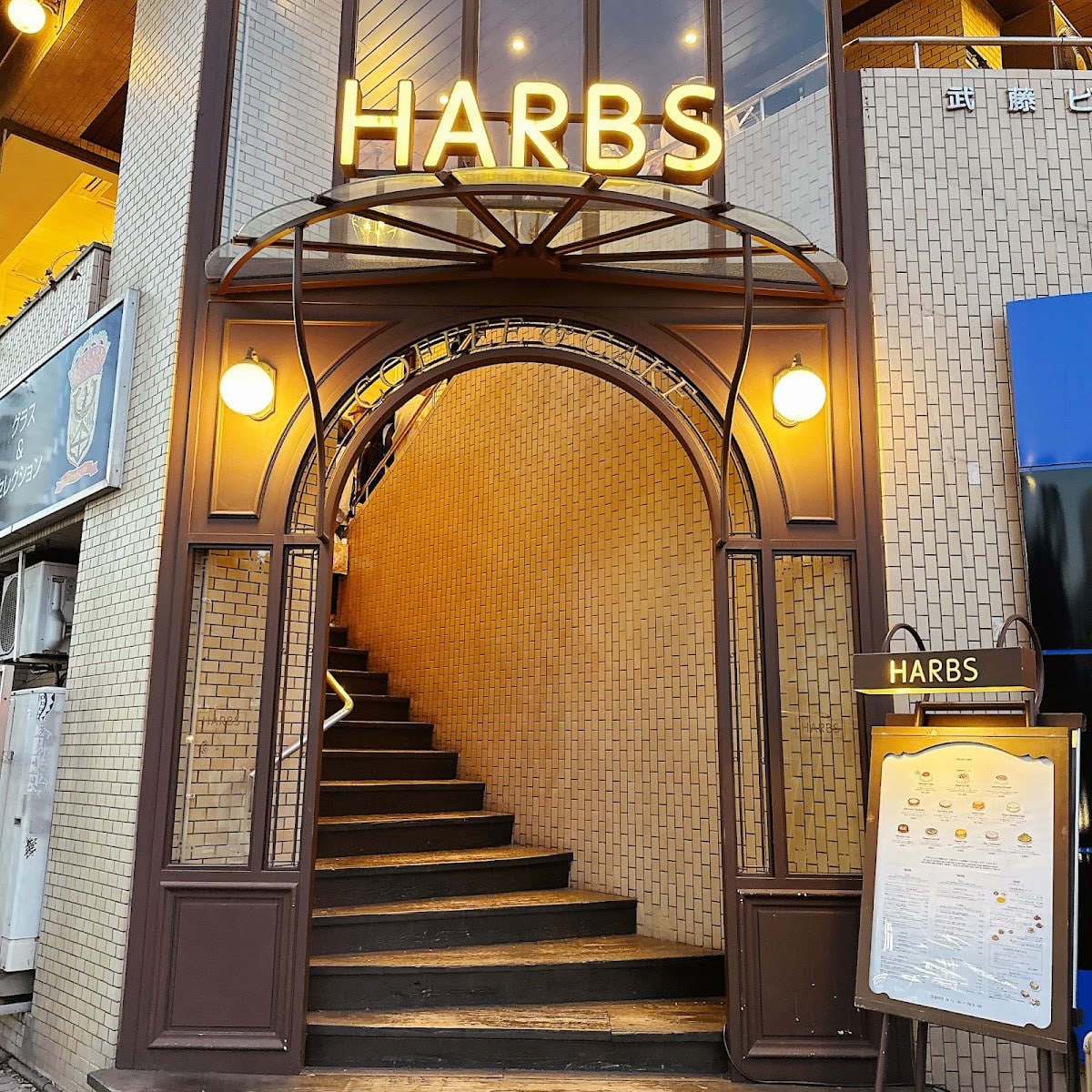
Fruit Mille-Feuille Cake: HARBS Sakae Main Store
HARBS is a famous dessert shop that began in Nagoya. Its signature fruit mille crepe cake stacks dozens of thin crepe layers with fresh fruit and whipped cream, with a creamy, refreshing texture, a dream dessert stop for female travelers.
The Sakae main store often has no seats available, especially at holiday afternoon tea time when you need to wait in line. Prices are about ¥1,200-1,600 (a slice of cake with a drink), a must-visit for Nagoya dessert lovers.
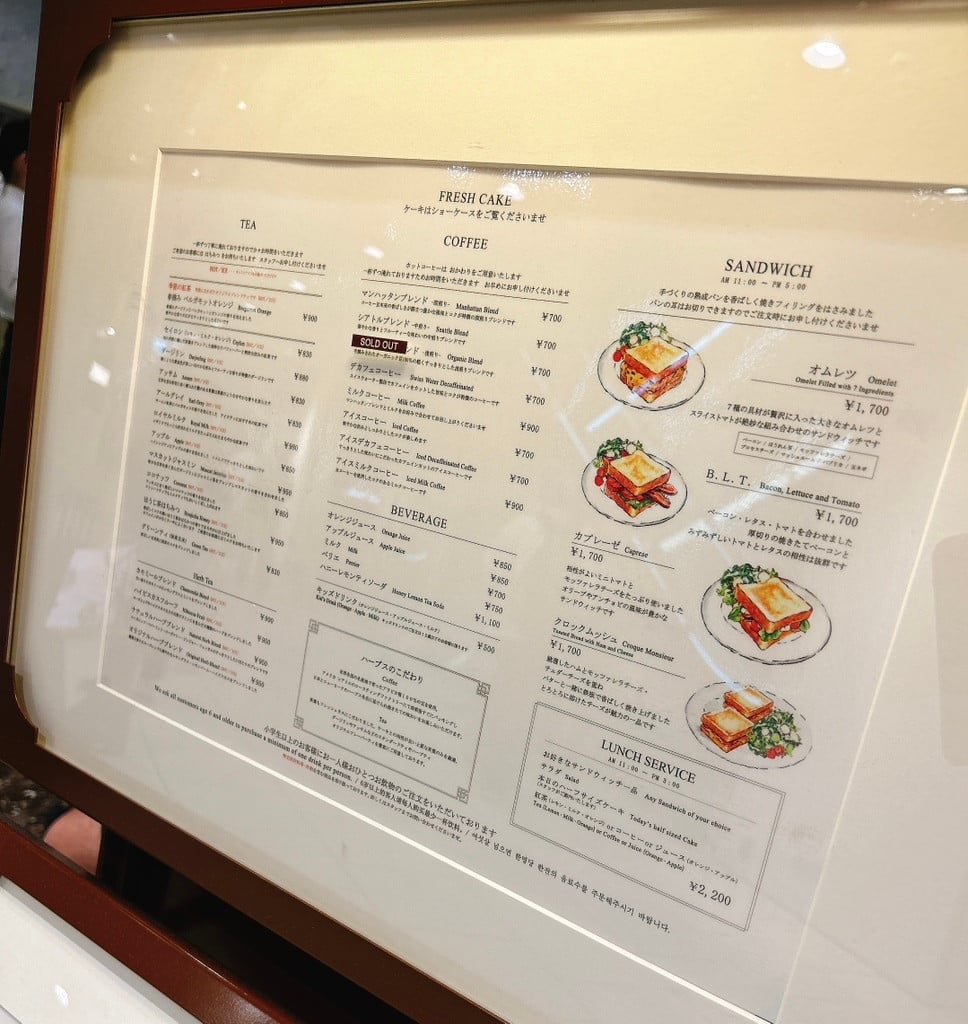
- 🍰 Must-order: Fruit mille-feuille cake
- 💰 Price: ¥1,200-1,600
- 🚉 Access: about a 2-minute walk from the Hisaya-odori west exit of Sakae Station on the subway
All of Nagoya Meshi in One Stop: Maruhachi Nagoya Meshi Shokudo
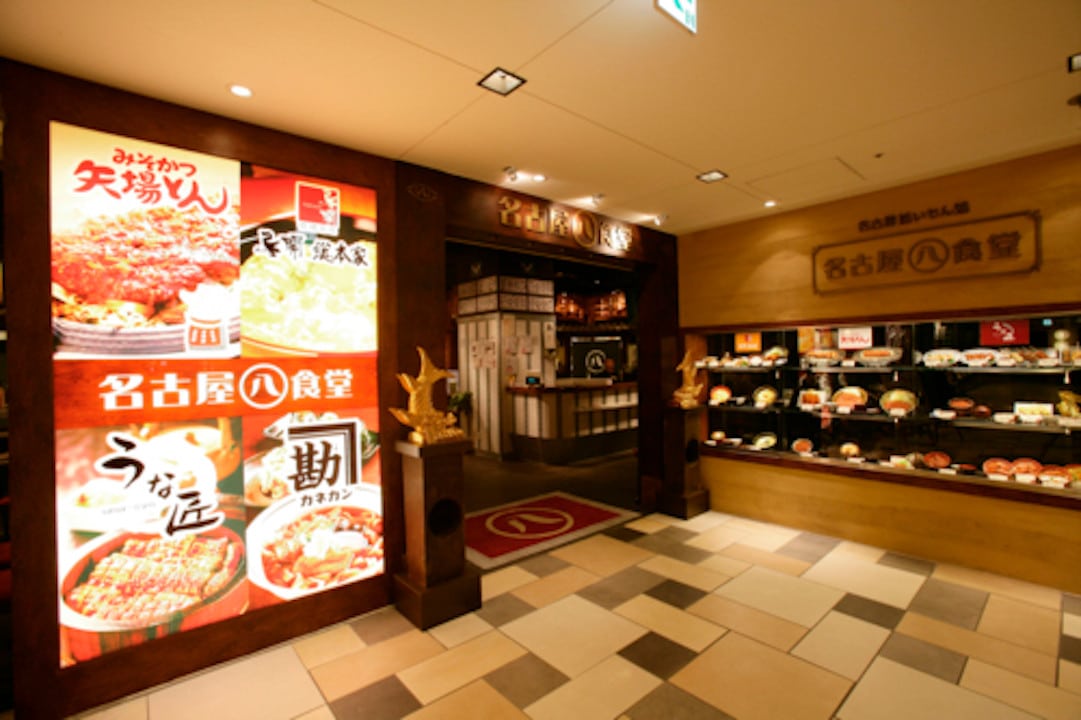
If your time is limited, Maruhachi Nagoya Meshi Shokudo is the most time-saving choice. On the basement 1st floor of Lucent Tower, directly connected to Nagoya Station, it is set up as a food court gathering menus from famous shops such as Yabaton miso katsu, Toriyoshi Sohonke Nagoya Cochin dishes and Unatakumi eel rice, so you can order the signature dishes all at once.
Prices are about ¥1,000-2,000, ideal for travelers on a tight schedule with only half a day to eat, with no need to run to several shops and queue separately.
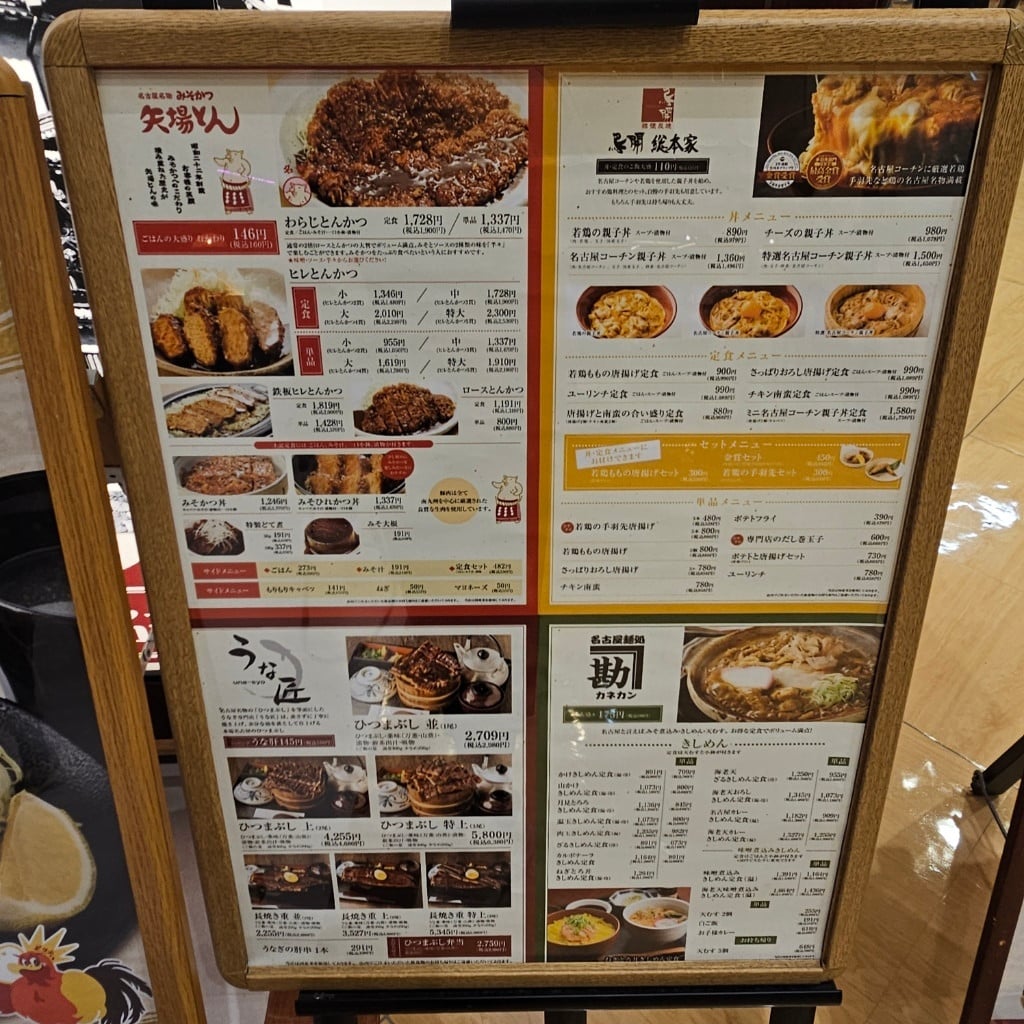
- 🍽️ Must-order: Nagoya meshi combination set
- 💰 Price: ¥1,000-2,000
- 🚉 Access: directly connected to JR Nagoya Station, about a 2-minute walk
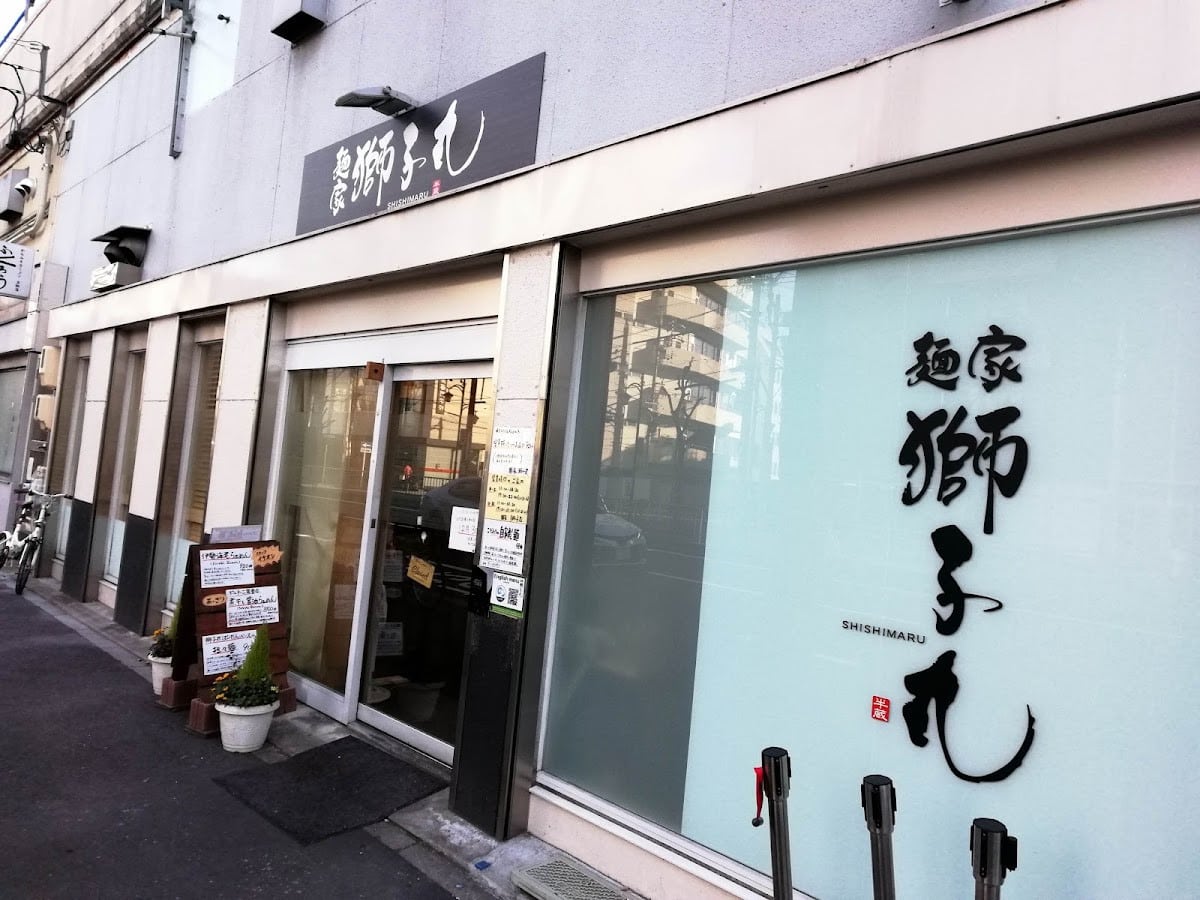
Paitan Ramen: Menya Shishimaru
Menya Shishimaru is a popular ramen shop within walking distance of Nagoya Station, specializing in Western-style paitan tonkotsu ramen. The broth is rich and creamy with a milky aroma, with a texture like a thick soup, and the fairly thin noodles soak up the broth very well, a long-line favorite that ramen fans shouldn’t miss.
The shop has few seats, and at peak mealtimes you often wait 20 minutes or more. Prices are about ¥900-1,300. Because the broth is unusual, adventurous travelers should definitely try this paitan flavor that differs from traditional tonkotsu ramen.
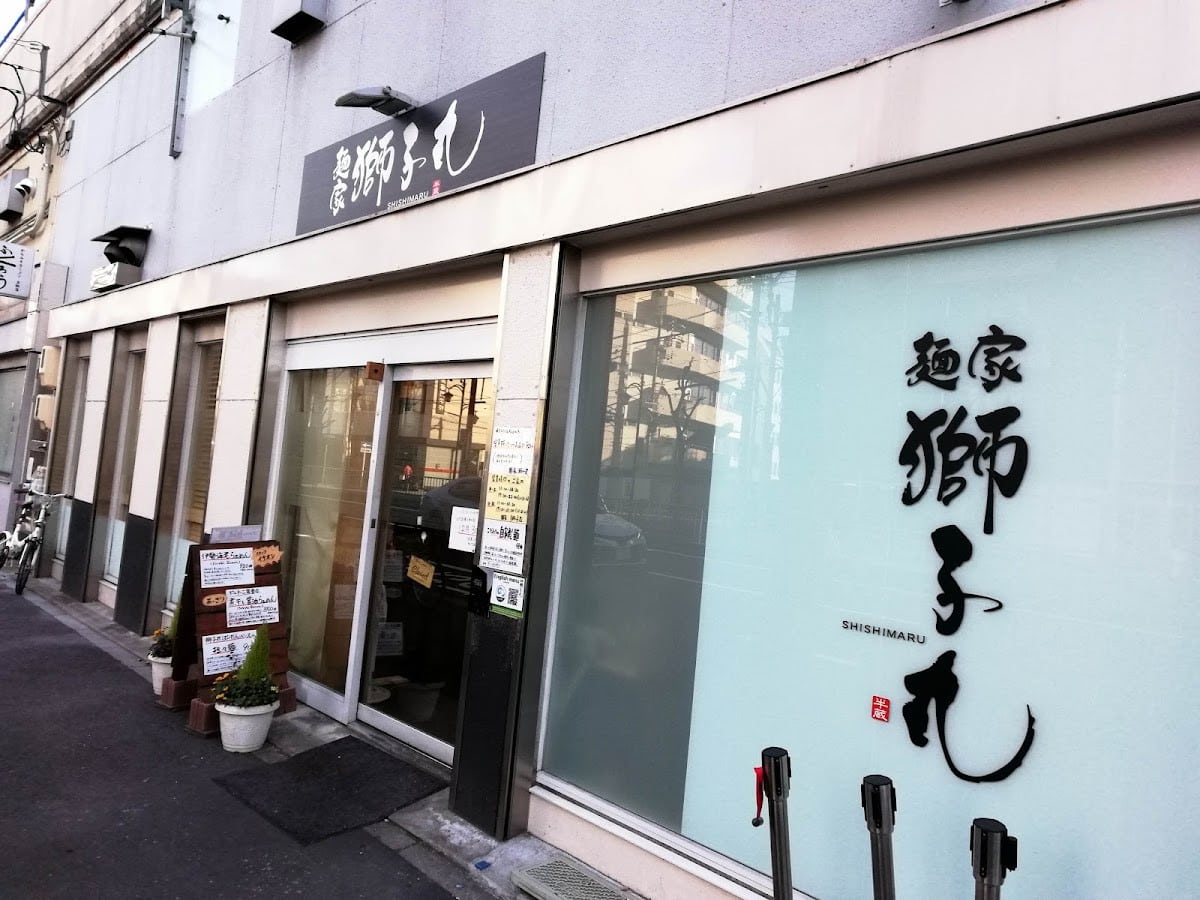
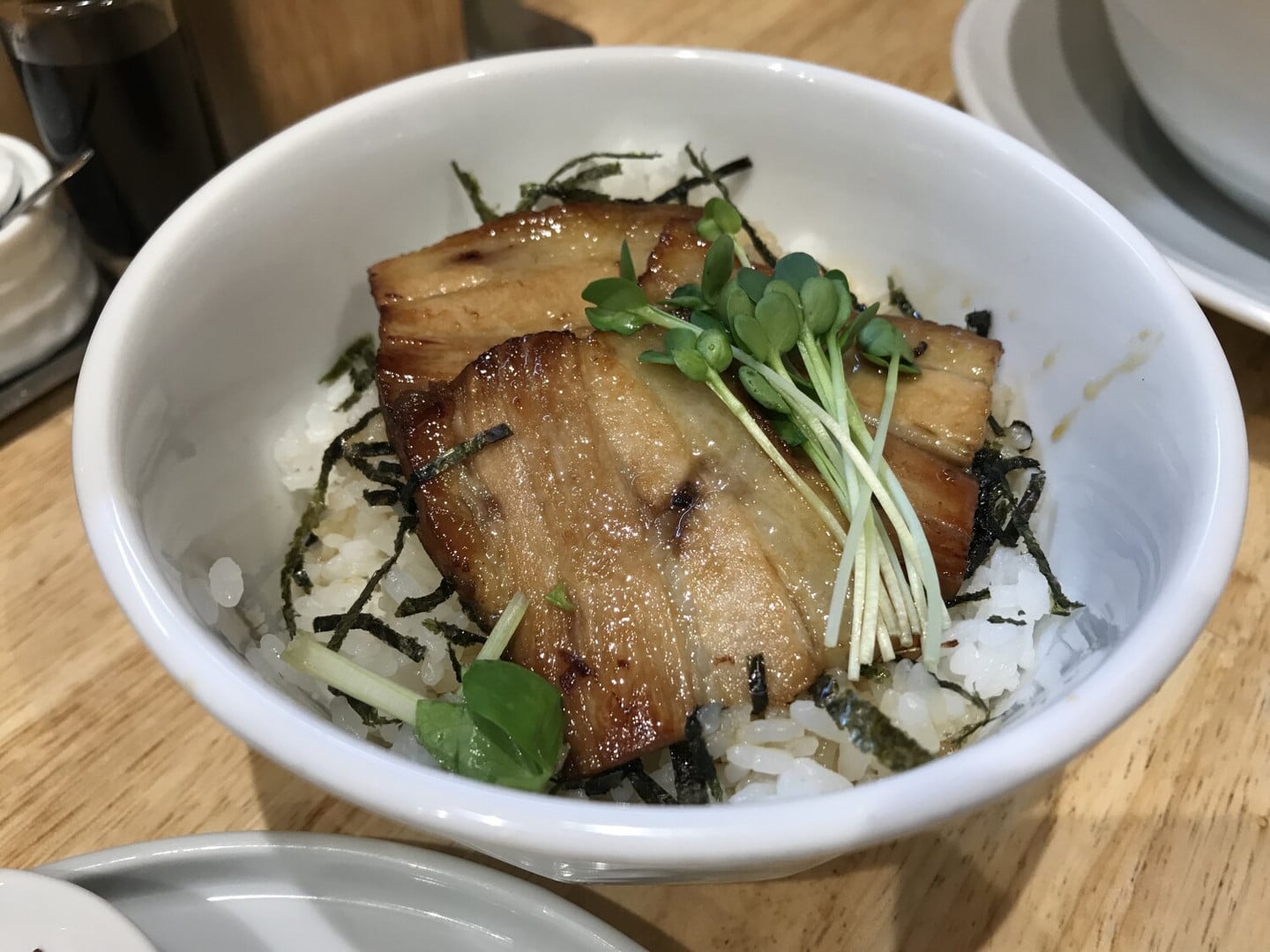
- 🍜 Must-order: Paitan ramen
- 💰 Price: ¥900-1,300
- 🚉 Access: about a 6-minute walk from JR Nagoya Station
What’s Good to Eat Near You in Nagoya? A Full Breakdown of the Station, Sakae, Osu and Airport Food Zones
The biggest headache when visiting Nagoya is often not “what to eat” but “where to eat.” Nagoya’s food map can be divided into four main areas: around JR Nagoya Station, travelers’ favorite souvenirs and famous eel rice restaurants gather; the Sakae district has easy transport and lined-up department stores, the best place to try miso katsu and tebasaki; Osu is a down-to-earth old shopping area hiding free-range chicken restaurants with endless lines and century-old Japanese confectionery shops; and the last stop before departing from Chubu Centrair International Airport also serves authentic Nagoya specialties. Below are six representative local must-eat shops, with their dishes, prices and access all laid out so you can plan the perfect eating route without googling for ages.
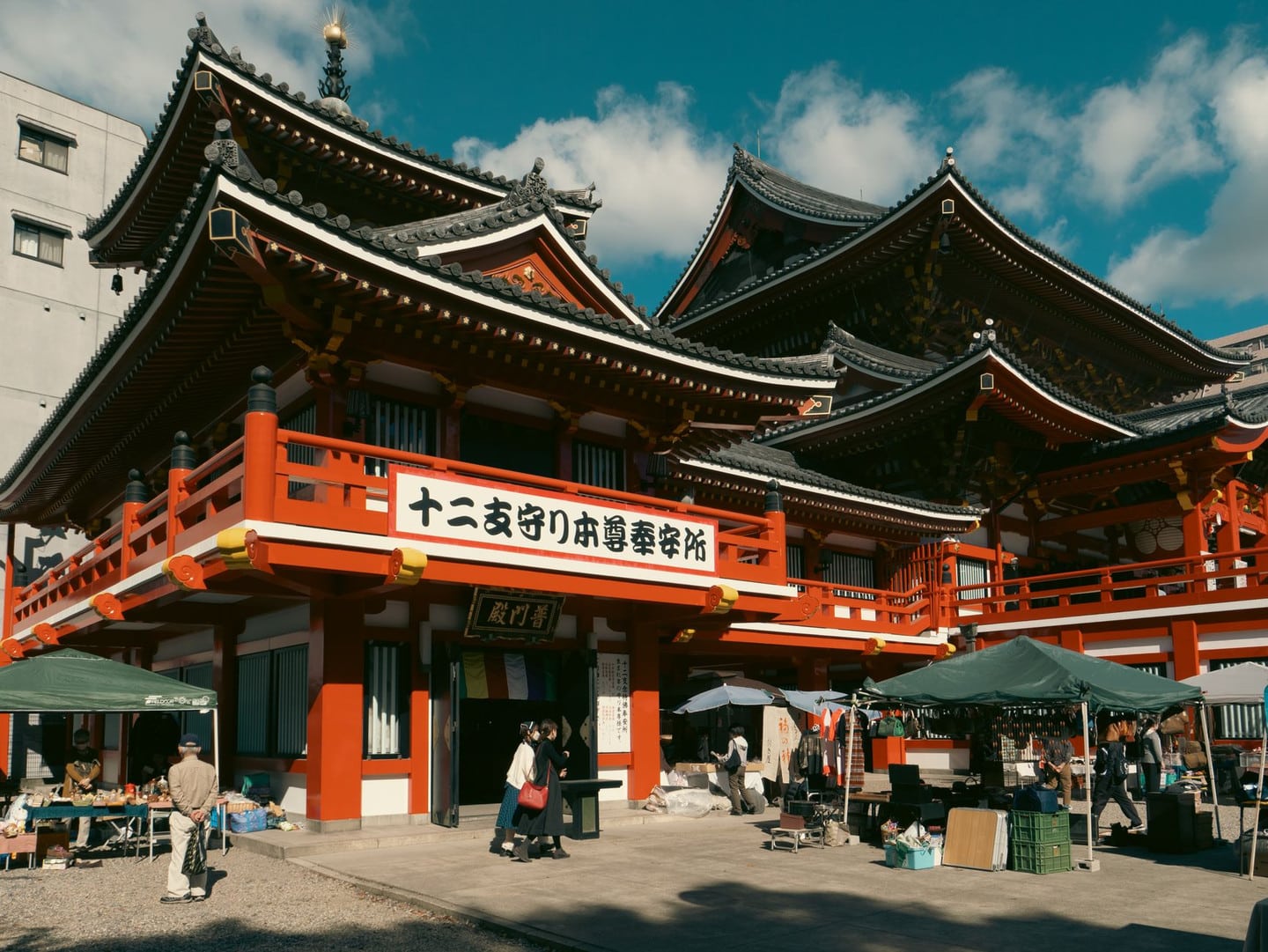
Miso Katsu: Yabaton Yabacho Main Store
Yabaton is a famous Nagoya Hatcho miso katsu restaurant, with its main store in Yabacho, and its eye-catching pig-shaped sign is a popular photo spot. The signature “Waraji Katsu” is generous in size, crisp outside and tender inside, paired with a rich, slightly sweet red miso sauce for a unique flavor. We suggest avoiding the midday peak. The shop also offers sauce options such as tonkatsu sauce or salt.
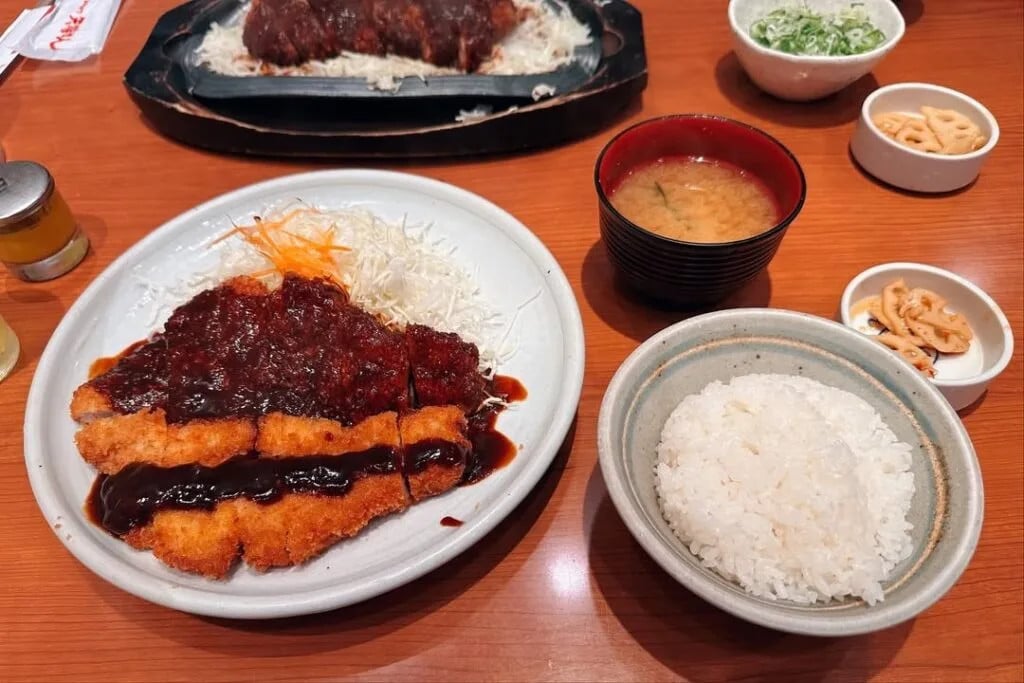
Miso Katsu: Yabaton Yabacho Main Store 🥩 Must-order: Waraji miso katsu set meal.
💰 Price: about ¥2,000-2,500 for lunch.
🚉 Access: about a 5-minute walk from Exit 4 of Yabacho Station on the Meijo subway line.
Tebasaki: Sekai no Yamachan Sakae Main Store
Sekai no Yamachan Sakae Main Store is a famous Nagoya fried chicken wing shop in an alley of the Sakae district, often full, and a great place to experience local nightlife. The signature fried wings have crisp skin and a salty, peppery spice, with juicy meat that keeps you reaching for more, best with draft beer. There are also side dishes like miso kushikatsu and Taiwan ramen, good for group dinners and drinks.
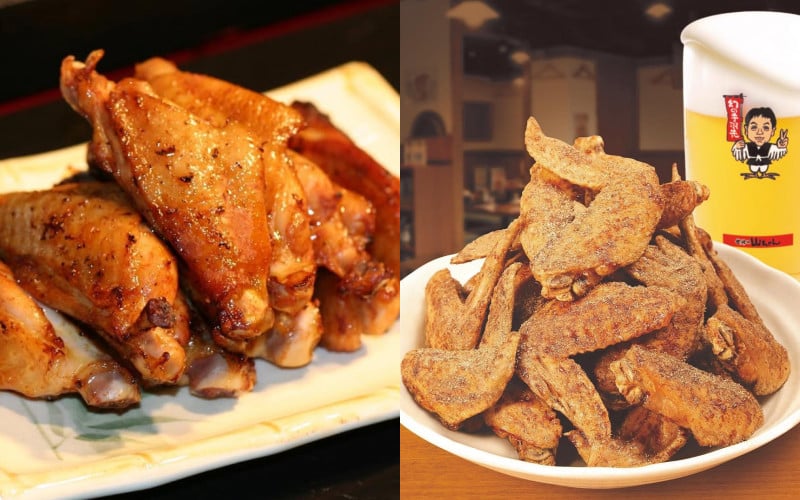
- 🍗 Must-order: Phantom Tebasaki (signature fried chicken wings)
- 💰 Price: about ¥2,500-3,500 (including drinks)
- 🚉 Access: about a 5-minute walk from Exit 8 of Sakae Station on the Higashiyama subway line
Hitsumabushi: Hitsumabushi Nagoya Bincho JR Nagoya Station Branch
Hitsumabushi (eel rice in three ways) is a signature Nagoya dish, and the Bincho branch inside JR Nagoya Station lets travelers enjoy the authentic flavor before their train or Shinkansen. The way of eating is particular: the first bowl is plain to taste the original flavor, the second is mixed with nori, scallions and wasabi, and the third is turned into ochazuke with dashi, so you experience three flavors at once. The eel is charcoal-grilled with a charred exterior and plump flesh, with a moderately sweet-and-salty sauce.
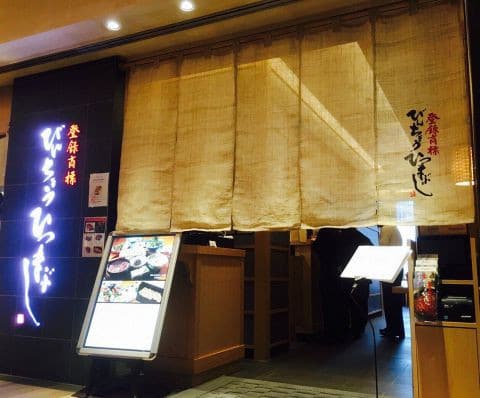
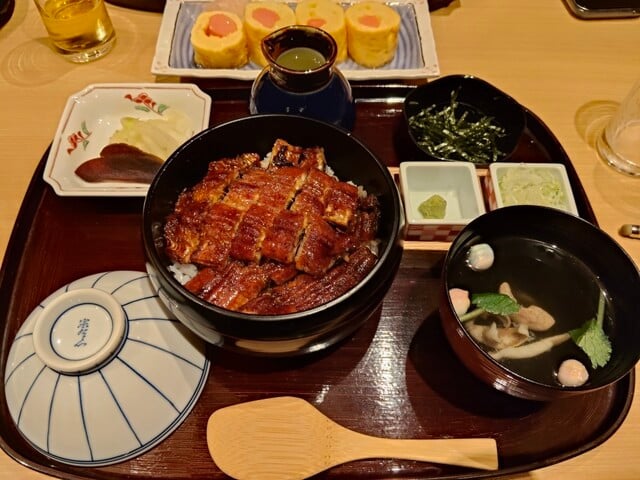
- 🍚 Must-order: Hitsumabushi (eel rice in three ways)
- 💰 Price: ¥3,300-4,500
- 🚉 Access: inside “Nagoya Station” on the JR line, about a 2-minute walk
Uiro Rice Cake: Aoyagi Sohonke Osu Main Store
Aoyagi Sohonke has over a hundred years of history and is the representative long-established maker of Nagoya uiro (steamed rice cake). The Osu main store keeps a strong atmosphere of an old Japanese shop and is also a great place to pick up souvenirs while wandering the Osu shopping street.
Uiro is a traditional sweet steamed from rice flour, sugar and water, with a chewy texture similar to Taiwanese steamed rice pudding but sweeter. Flavors include matcha, brown sugar and sakura, and it tastes even better chilled. The shop also has an eat-in area where you can enjoy it with a cup of matcha, experiencing a Nagoya afternoon tea routine.
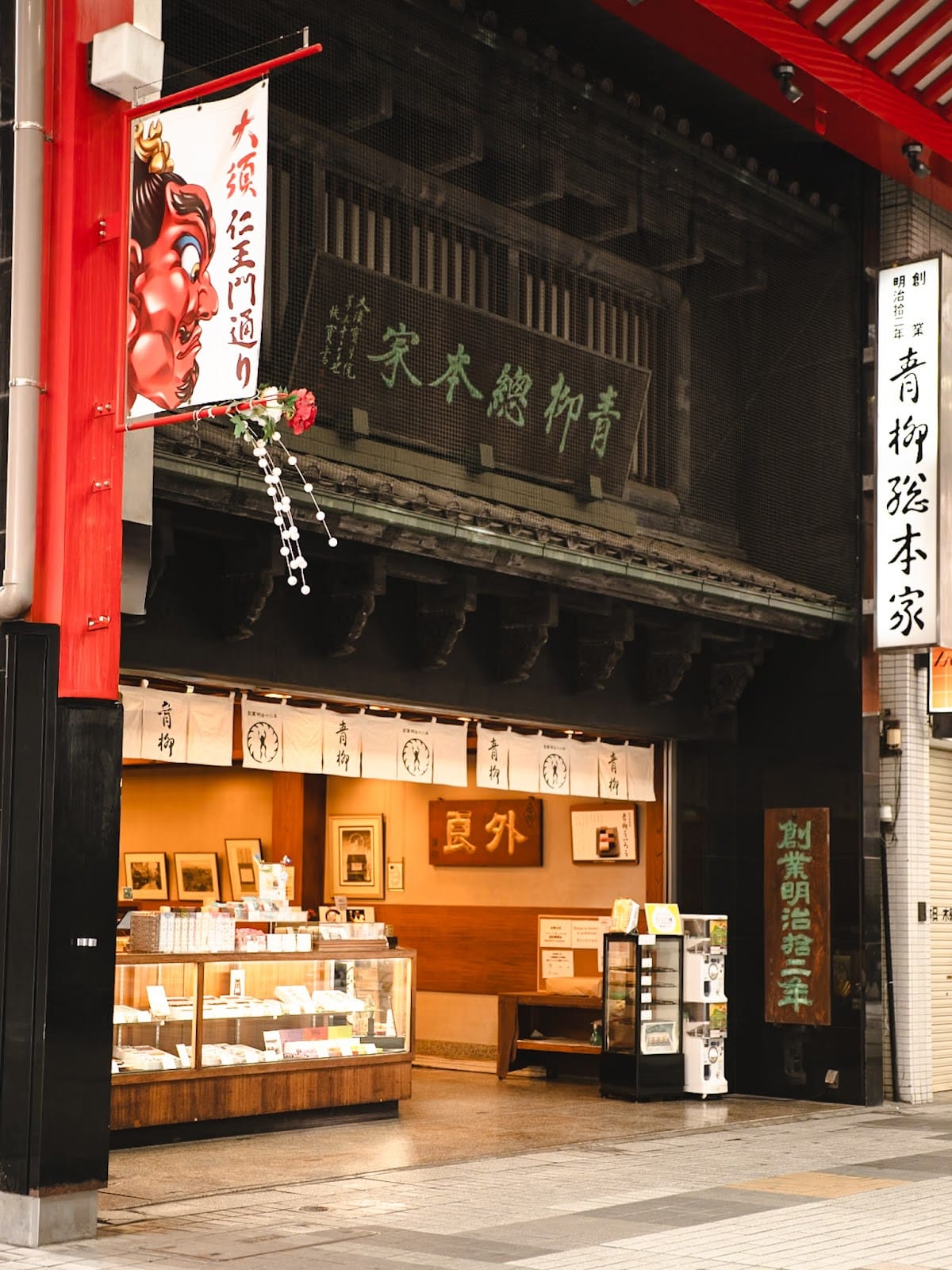
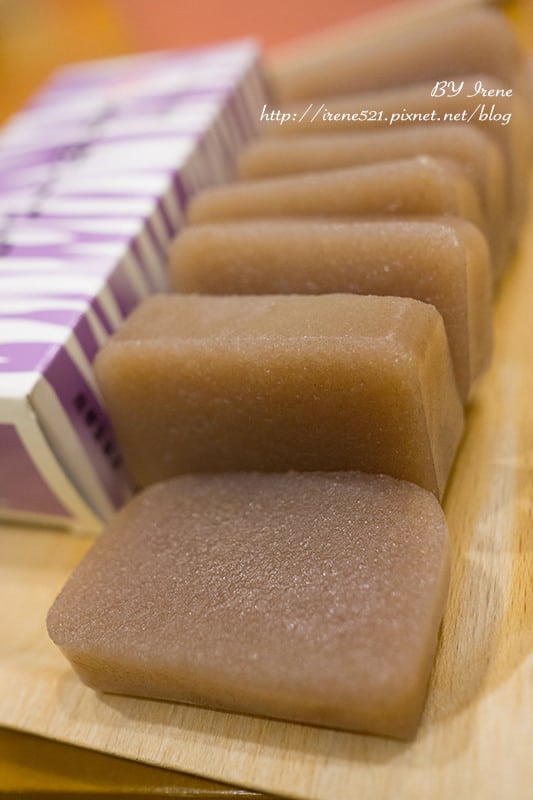
- 🍡 Must-order: Matcha uiro, brown sugar uiro
- 💰 Price: about ¥600-800 per bar, gift boxes from about ¥1,200
- 🚉 Access: about a 4-minute walk from Exit 2 of Osu Kannon Station on the Tsurumai subway line
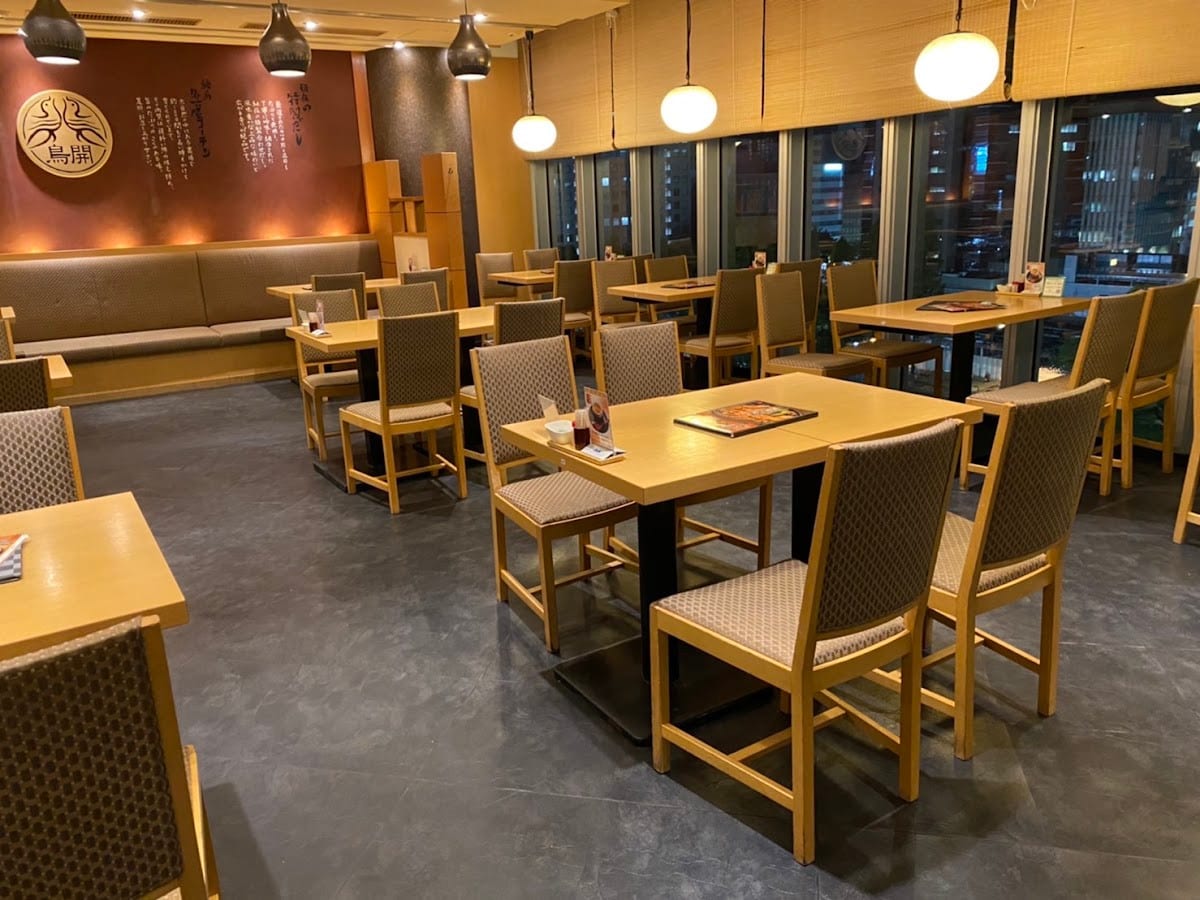
Nagoya Cochin Chicken: Toriyoshi Sohonke Sakae Lachic Branch
Toriyoshi Sohonke is known for Nagoya Cochin chicken. The Sakae Lachic branch is on the 7th floor of the LACHIC department store in the Sakae district (Sakae 3-6-1), convenient for a meal after shopping. The signature is oyakodon made with Nagoya Cochin chicken and eggs, and it can be paired with tebasaki fried chicken wings. We suggest going at weekday lunch, when it is easier to get a seat.
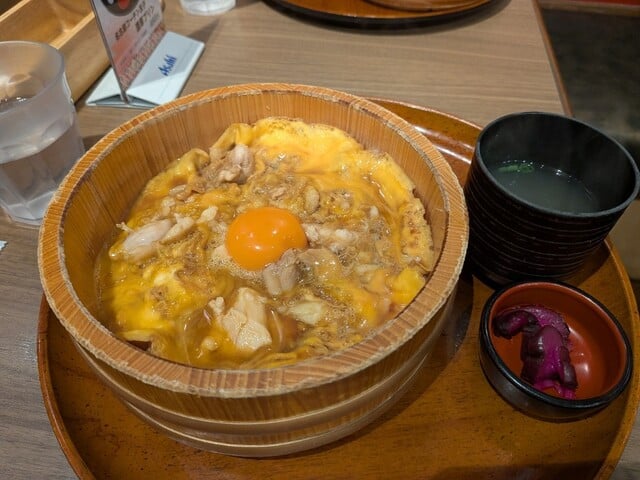
- 🍚 Must-order: Nagoya Cochin oyakodon
- 💰 Price: about ¥1,200-2,000
- 🚉 Access: 7th floor of LACHIC department store in the Sakae district (near Sakae Station on the subway)
Tenmusu: Senju Chubu Centrair Airport Branch
🍙 Must-order: Tenmusu (original fried shrimp rice balls, 5-piece pack). A vacuum-packed version with a long shelf life is available, suited as a souvenir
💰 Price: about ¥600-1,000
🚉 Access: after exiting Meitetsu “Chubu-Kokusai-Kuko Station,” it connects directly to the 2nd-floor departure lobby of the terminal, about a 5-minute walk
Nagoya Must-Buy Food Souvenirs: Aoyagi Uiro and Shrimp Crackers
There are two places to start for must-buy Nagoya souvenirs: Aoyagi Sohonke was founded in the 12th year of Meiji (1879), and the Osu main store is a good place to buy uiro (steamed rice cake) while walking the Osu shopping street; “Ebisenbei no Sato” on the 4th floor of Terminal 1 at Chubu Centrair Airport is open from 8:00 to 21:00, which may be adjusted according to flights. Both are good for buying Nagoya specialties before heading home, and please check each shop’s official website for the latest hours.
What to Watch Out for in 2026 Nagoya Food Trips? Dining Etiquette and Practical Tips
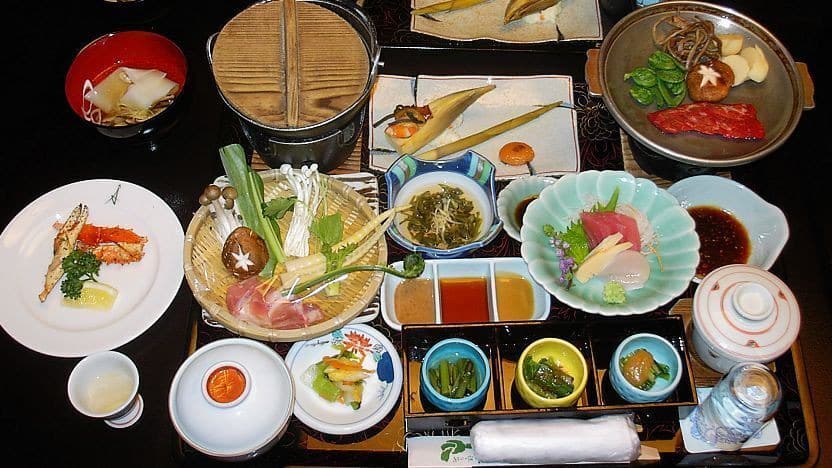
Knowing a few tips will make your Nagoya food trip smoother and save time.
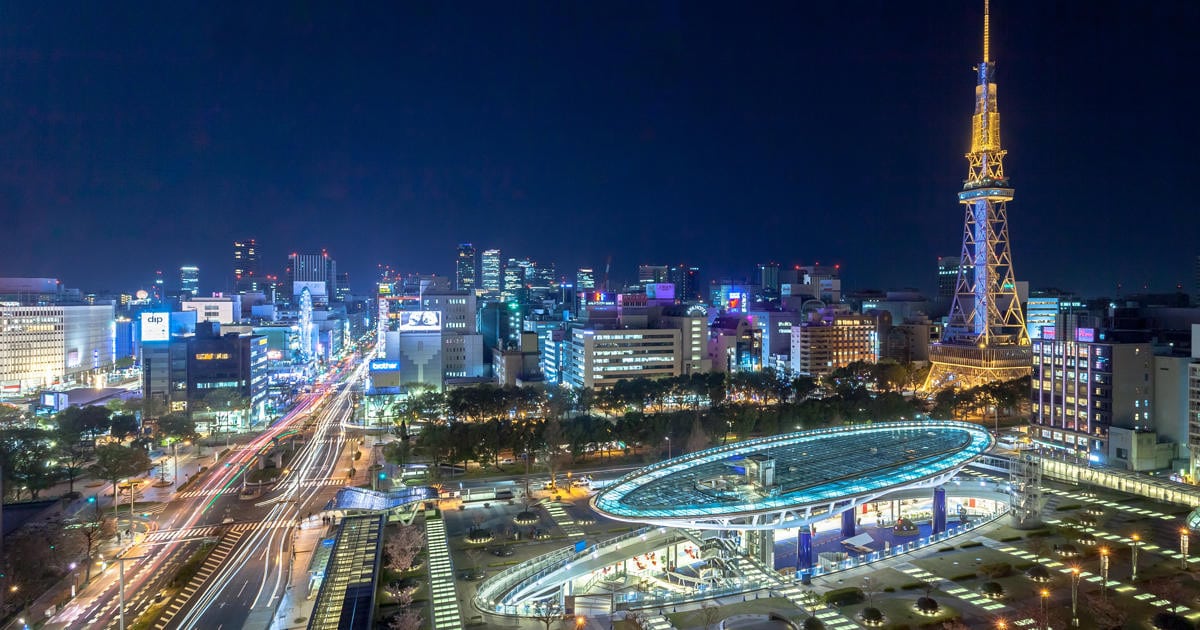
Mealtime Tips: Kissaten for Breakfast, Avoid Peak Lunch
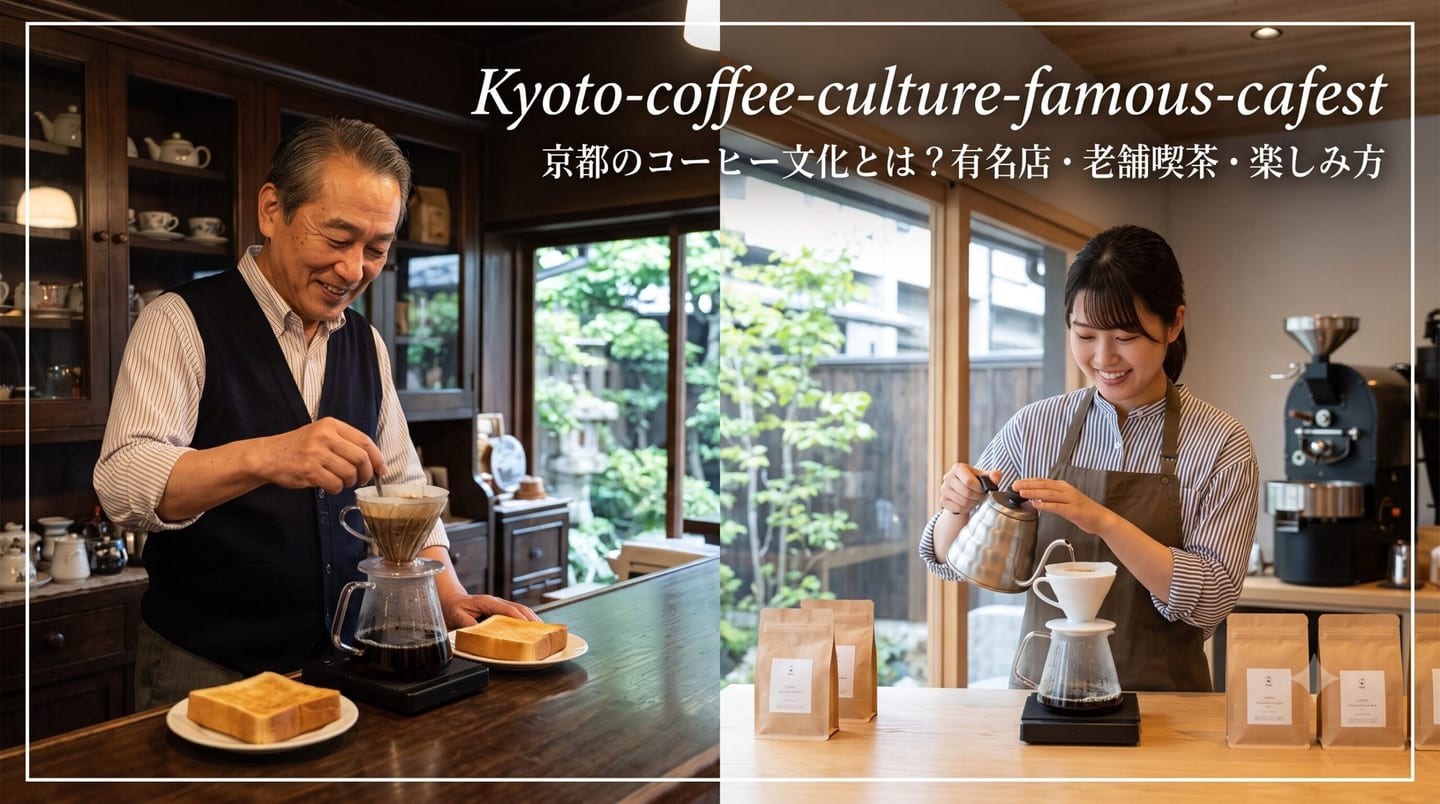
Plan breakfast at a kissaten to experience the Morning Service culture with free toast. At lunchtime (12:00-13:00) many famous shops have heavy lines, so we suggest being seated before 11:30 or switching to off-peak hours after 2 p.m.
Dinner is the home turf of izakaya and chicken wing shops. We suggest arriving before 5:30 p.m., as arriving later often means waiting more than 30 minutes.
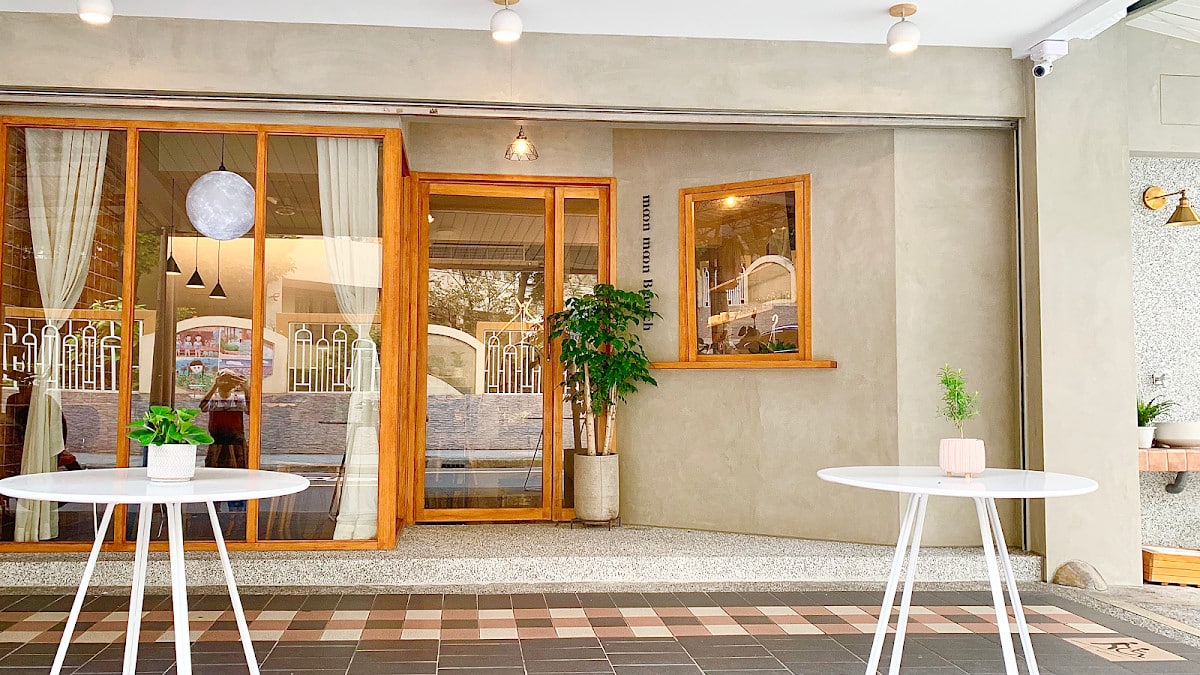
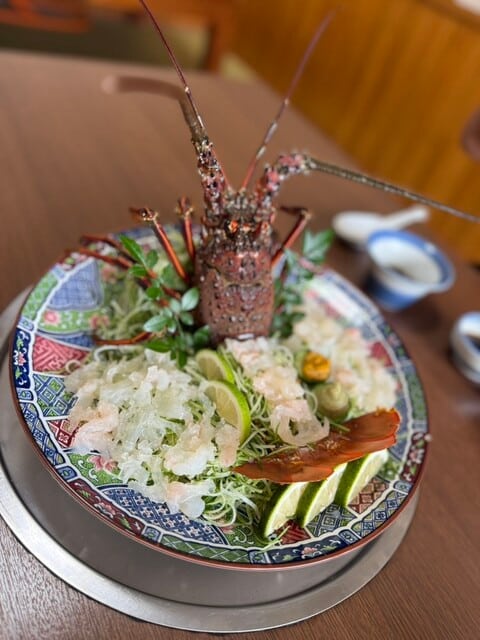
Waiting Tips for Long-Line Restaurants
For super-popular places like Atsuta Horaiken and HARBS, we suggest writing your name on the waiting list or taking a number as soon as you arrive, then browsing nearby until your number is called, which saves a lot of time standing around.
Some famous izakaya (such as Sekai no Yamachan) accept reservations in advance, so check before you go; Maruya Honten does not take reservations, so we suggest avoiding peak mealtimes.
Order Small Portions of Rich Dishes First
Nagoya cuisine generally has strong flavors and large portions. Dishes like Ankake spaghetti and miso katsu are often substantial on their own, so for your first try we suggest ordering a small size or sharing one between two people, to avoid ordering too much and wasting food.
If you really can’t handle spice, always choose the lowest spice level for Taiwan ramen. Shops usually offer spice level options, so there is no need to worry about ordering.
Hidden Etiquette of Kissaten Culture
Kissaten Morning Service is usually limited to customers who order a drink, and mostly only from morning until about 11 a.m. Check the serving hours before going so you don’t miss out.
Please note each shop’s photography rules while dining, check whether photographing food is allowed first and respect other customers’ dining experience.
Use Transport Passes to Save Time and Money
If you plan to cover the three food zones of the station, Sakae and Osu in one day, we suggest buying a subway one-day pass at about ¥760, which allows unlimited subway rides, cheaper than single tickets and saving route-planning time.
From Chubu Centrair Airport to the city you can take the Meitetsu limited express “μ-SKY,” taking about 28 minutes, after which you can head straight to the food zones around the station to start your itinerary.

Nagoya Food Tours and Cooking Class Recommendations
If you want a deeper understanding of Nagoya meshi, these food experiences are worth adding to your itinerary.
Nagoya Food Tour Half-Day Tour: Eat the Three Signature Dishes in One Go
Nagoya has food and izakaya tours led by local guides, which you can search on KKday or Klook. The Klook “Endoji Shopping Street Izakaya Tour” below is one example, saving the time of queuing and researching on your own.
Tour content, duration and whether meals and drinks are included vary by operator, so please confirm the meeting point and cancellation rules before booking. It suits first-time visitors who want to quickly get to know local food.


Kissaten Breakfast Culture Experience: A Deep Dive into Morning Service
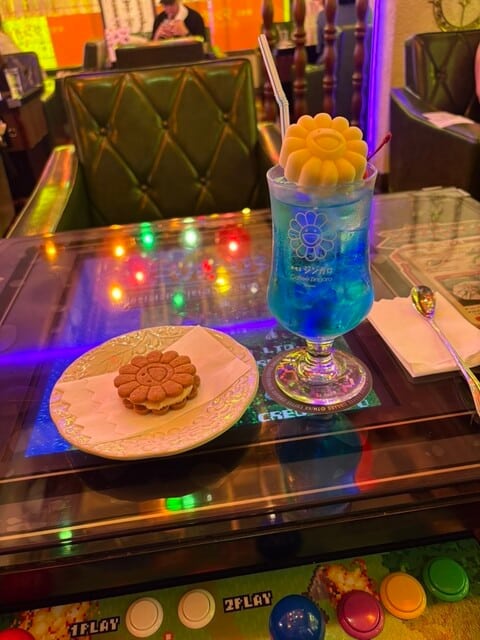
You can explore Nagoya’s kissaten breakfast culture on your own: shops like Kissa Lyon and Konparu serve ogura toast or fried shrimp sandwiches. If you want a guide, search for kissaten tours on KKday or Klook.
Tour content, duration and cost vary by operator, a good reference for travelers who like a slow pace and want to experience local life.
Miso Katsu DIY Cooking Class: Make Red Miso Sauce by Hand
Nagoya also has miso katsu cooking classes that teach you to fry cutlets and simmer red miso sauce, which you can search on KKday or Klook. Class content, whether ingredients are included and whether you can take the finished dish home vary by operator.
Before booking, confirm the language of instruction, meeting point and cancellation rules. Indoor classes are also a good rainy-day backup plan, suitable for families or couples to join together.
Chubu Centrair Airport Souvenir Shopping Tour: Get Popular Snacks in One Go
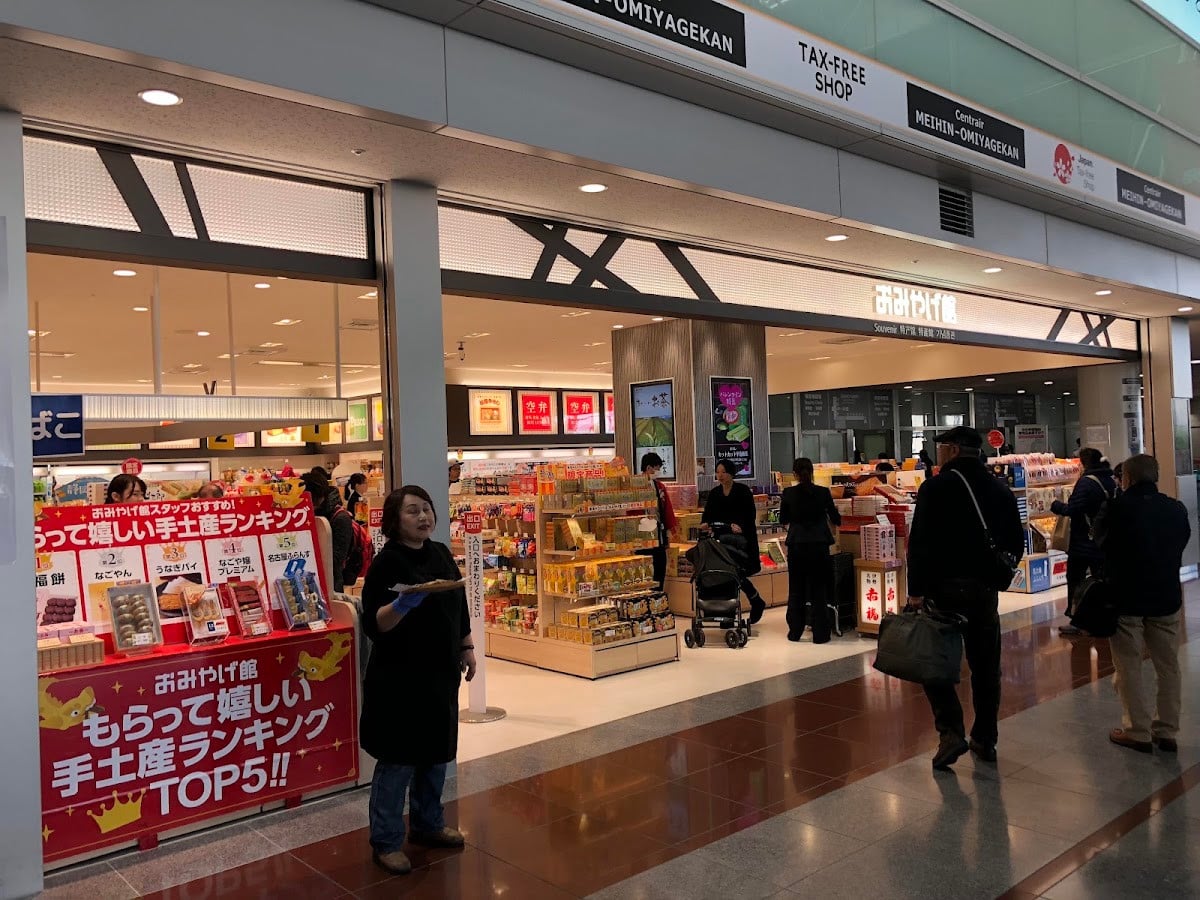
On the 4th floor of Terminal 1 at Chubu Centrair Airport there are souvenir shops such as “Ebisenbei no Sato,” open from 8:00 to 21:00 (which may be adjusted according to flights). If you want a guide, search for airport-related tours on KKday or Klook.
Tour content and duration vary by operator. Before your flight, leave enough time for departure and security checks, and save space in your suitcase for the haul.
Let’s Eat! Nagoya Meshi Awaits Your Conquest
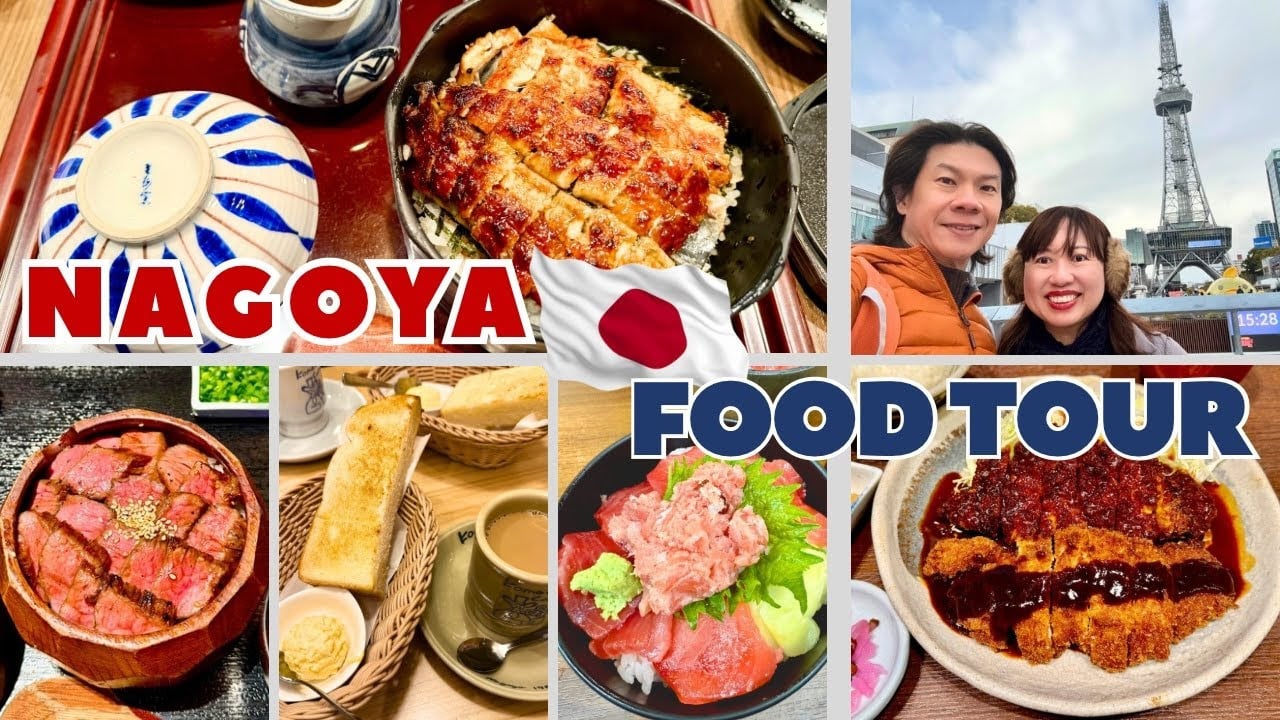
Nagoya meshi strings together nine soul dishes, including hitsumabushi, miso katsu and tebasaki, with rich red miso, and from the station to the Sakae district you can easily eat your way through this gourmet capital.
Whether it’s Atsuta Horaiken with a two-hour wait or Maruhachi Nagoya Meshi Shokudo where you can buy all the specialties in one stop, every way of eating lets you experience Nagoya people’s insistence on bold flavors and craftsmanship. Next time you plan a trip to central Japan, save this guide and eat your way through every signature dish from Nagoya Station, Sakae and Osu to Chubu Airport, and verify the city’s unique charm with your own taste buds.

Where to Stay Nearby
Nagoya Station is directly connected to Takashimaya, JR Gate Tower and the ESCA underground mall, so staying near the station is convenient for eating Nagoya meshi and transferring to the Shinkansen and Meitetsu. From Chubu Centrair Airport the Meitetsu μ-SKY takes about 28 minutes. To compare hotels around Nagoya Station, see our Nagoya accommodation guide on this site.

FAQ
Q: How much does a Nagoya meal cost?
Typical set-meal dishes such as miso katsu and miso udon cost about ¥1,200-2,500, hitsumabushi is higher at about ¥3,500-5,500, and izakaya chicken wings with a drink cost about ¥2,000-3,000.
Q: Can you eat all the signature dishes near Nagoya Station?
Yes. The ESCA underground mall, the Maruhachi cafeteria in Lucent Tower and JR Gate Tower, all directly connected to the station, gather famous shops for eel rice, miso katsu, kishimen and more, so you can taste the highlights without going out of your way.
Q: What time is Morning Service served at kissaten?
Most kissaten serve the free toast Morning Service only from opening until about 11 a.m. Kissa Lyon is one of the few exceptions that serves it all day.
Q: Is Taiwan ramen really Taiwanese food?
No. Taiwan ramen actually originated at Misen in Imaike, Nagoya, as a spicy ramen inspired by Taiwanese danzai noodles, and the authentic birthplace is the Misen Imaike main store.
Q: What is the best season for Nagoya food?
It’s good all year, but miso udon and miso katsu suit autumn and winter best, while in summer kishimen or cold dishes help beat the heat. Not being limited by season is a big advantage of Nagoya meshi.
Q: How long is the wait at Atsuta Horaiken?
On holiday peak times you often wait 1 to 2 hours. We suggest arriving before opening to wait in line, or going at weekday off-peak times to shorten the wait.
Q: What food souvenirs should I buy at Chubu Centrair Airport?
Ebisenbei no Sato at Sky Town on the 4th floor is the top must-buy, with the assorted flavors the most popular. We suggest buying enough in one go, since the airport usually has the fullest range of styles and flavors.
