

2026 Osu Shopping Street Guide: Nagoya’s Mix of Akihabara and Shimokitazawa
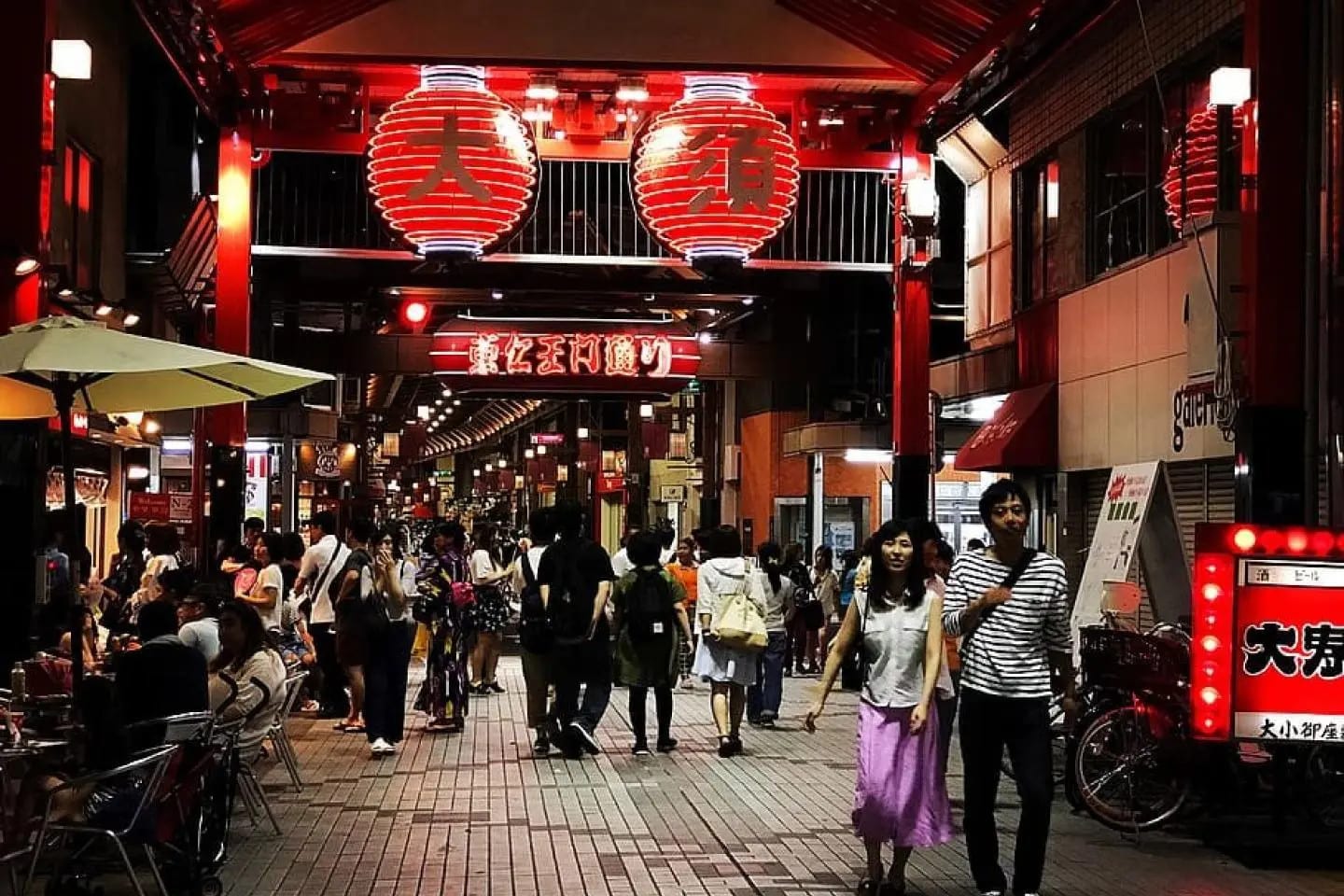
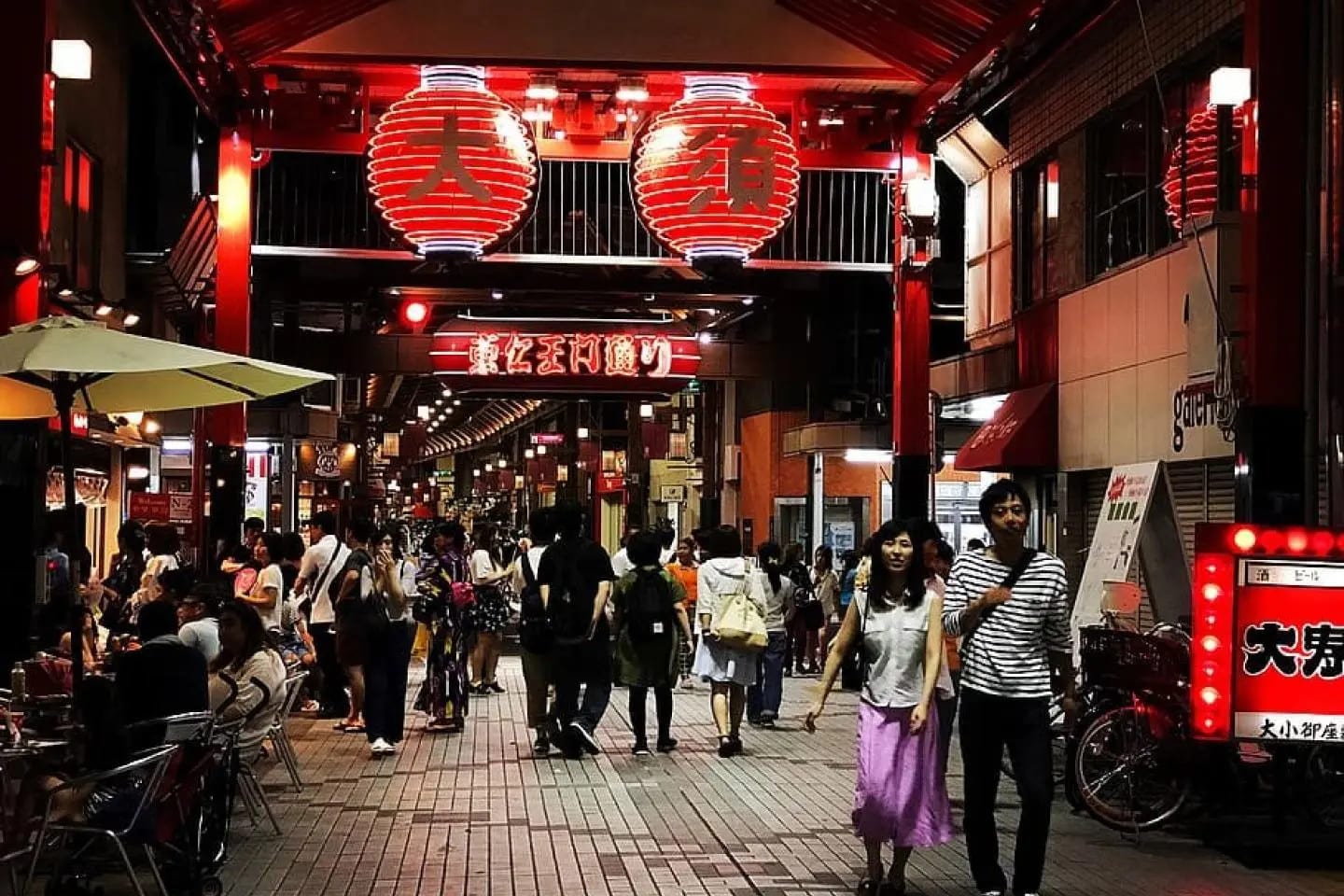
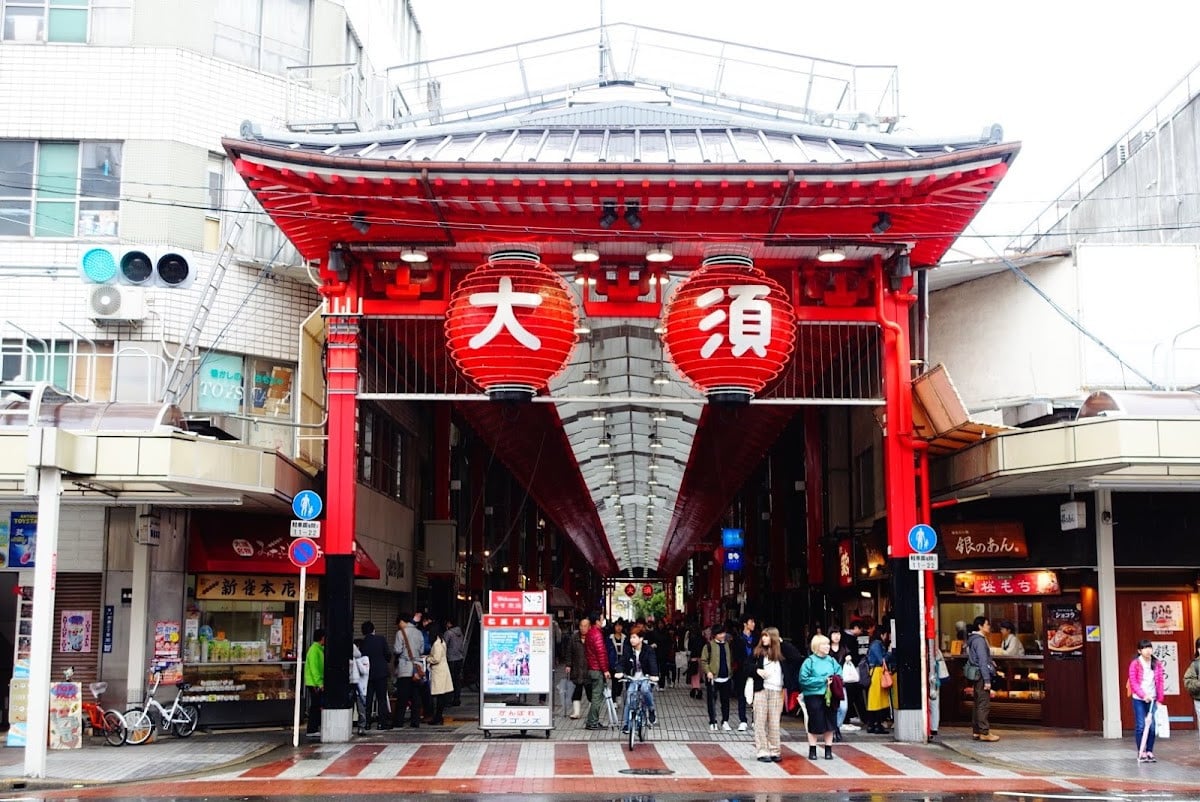
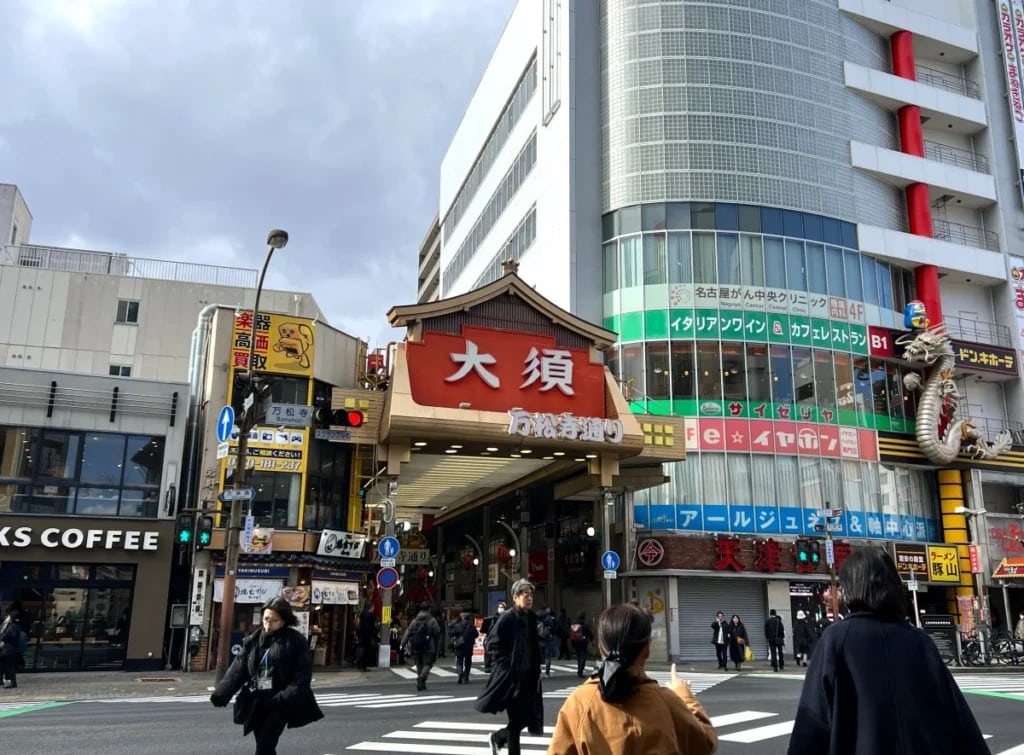
Osu Shopping Street is made up of more than eight arcades and over 1,200 shops, all covered by a roof so it works rain or shine, and it is Nagoya’s most distinctive place to browse. Travelers call it “Nagoya’s Akihabara meets Shimokitazawa”: vintage clothes, electronics, anime figures and cheap street snacks crowd side by side along narrow lanes, old and new culture blending naturally on the same street. It suits independent travelers who love hunting for finds, taking photos and eating their way down the street.
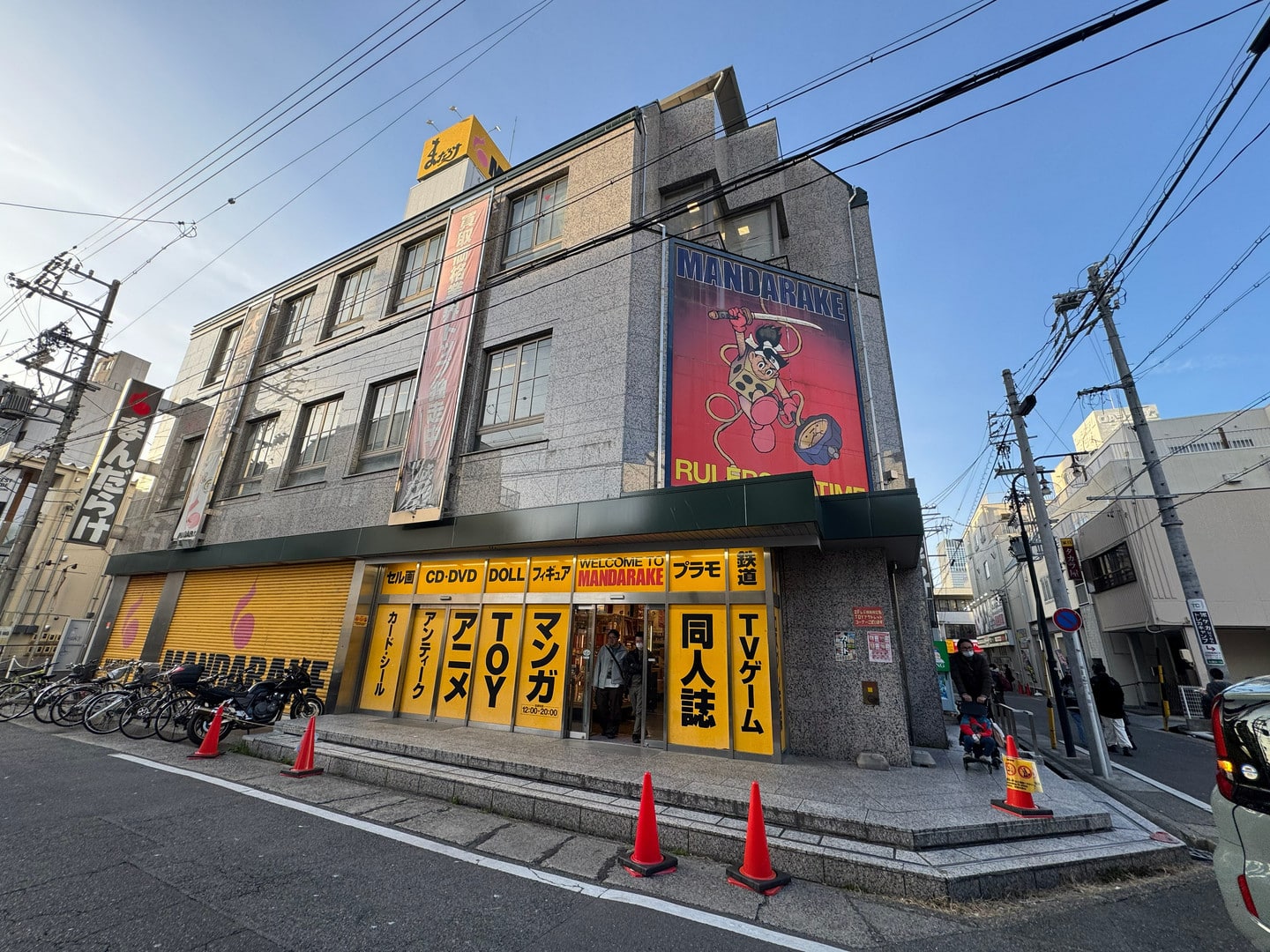
Mandarake Osu: Akihabara for Anime Collectors
Osu is called “Nagoya’s Akihabara” mainly because of the anime and figure shops clustered around Akamon-dori and Shintenchi-dori, and Mandarake Osu is the biggest of them, the landmark where first-timers feel the otaku atmosphere fastest.
The shop’s official name is Mandarake Nagoya (3-18-21 Osu, Naka Ward, Nagoya), about a 5-minute walk from Kamimaezu Station. It is open 12:00 to 20:00 every day of the year, so if you reach Osu in the morning, visit other shops first and come here later.
Inside you will find everything from out-of-print manga to figures and customized models. Even if you buy nothing, a walk around gives you a feel for Osu’s deep subculture roots, and it is a stop you should not skip when planning your route.
Osu’s Electronics and Anime Streets: Starting with the 1977 Ameyoko Building
Osu’s electronics district began with the Radio Center Ameyoko Building (ラジオセンターアメ横ビル), opened in 1977, which turned Osu into Nagoya’s version of an electronics town. Today the area around the Ameyoko Building near Shintenchi-dori is packed with shops for computers, cameras, electronic parts, audio gear, and anime and game merchandise, so this is the place to browse for appliances and anime goods. Opening hours vary: some shops open 10:00 to 20:00, others 11:00 to 19:00, so check each shop’s notice before you go.
Alice on Wednesday: A Shimokitazawa-Style Fantasy Select Shop
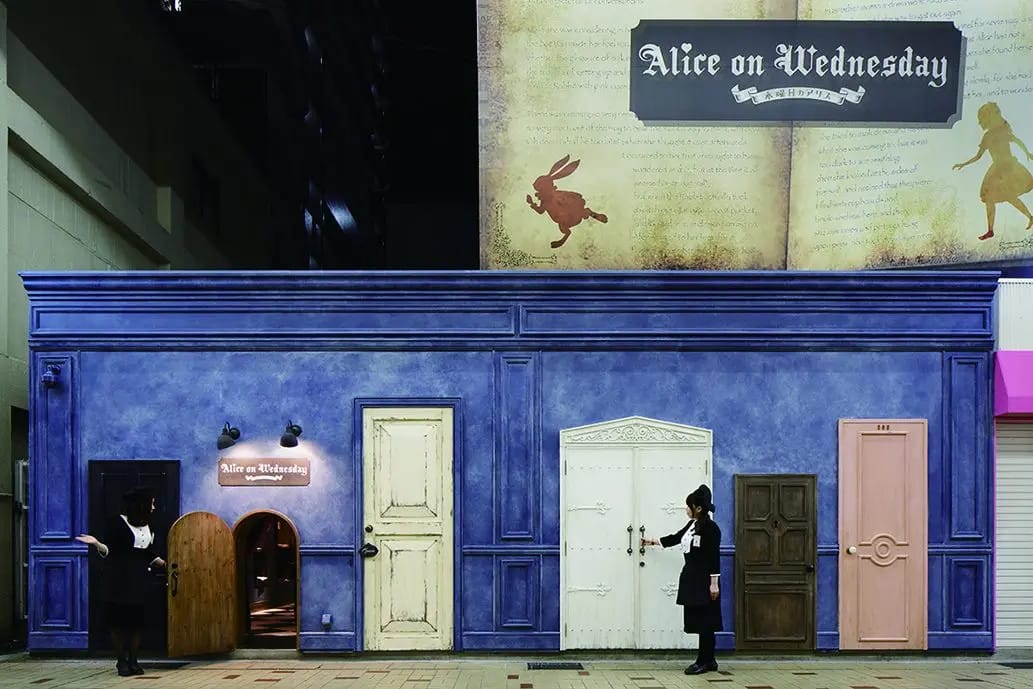
If the electronics district is Osu’s “Akihabara” soul, Alice on Wednesday (水曜日のアリス) is the best example of its “Shimokitazawa” romance. Themed on Alice in Wonderland, it has a tiny wooden door you must stoop to pass through, like stepping into a parallel world.
The shop sells dreamy sundries, candy and accessories at friendly prices, and it is one of the places most likely to stop female travelers and families for photos. It also helps establish Osu’s distinctive image of old and new mixing and many subcultures coexisting.
Shinsuzume Honten: The Famous Queue That Embodies Osu’s Everyday Food Spirit
Osu is not only subculture and vintage clothes; everyday snacks are just as much its soul. Shinsuzume Honten’s freshly grilled soy-sauce dango are smoky and chewy, cost only a little over ¥100 a skewer, and often draw long lines, making them the best entry point to Osu’s cheap and authentic feel.
From vintage hunting and anime pilgrimages to street snacks, Osu meets almost every travel need. We suggest setting aside half a day to a full day so you can really cover each themed district without regrets.
How to Get to Osu Shopping Street: A Complete Guide to Transport and Fares
Taking the subway is the fastest and most recommended way to reach Osu Shopping Street; you arrive right at the arcade entrance when you exit the station.
How to Get to Osu Shopping Street: Subway Routes at a Glance
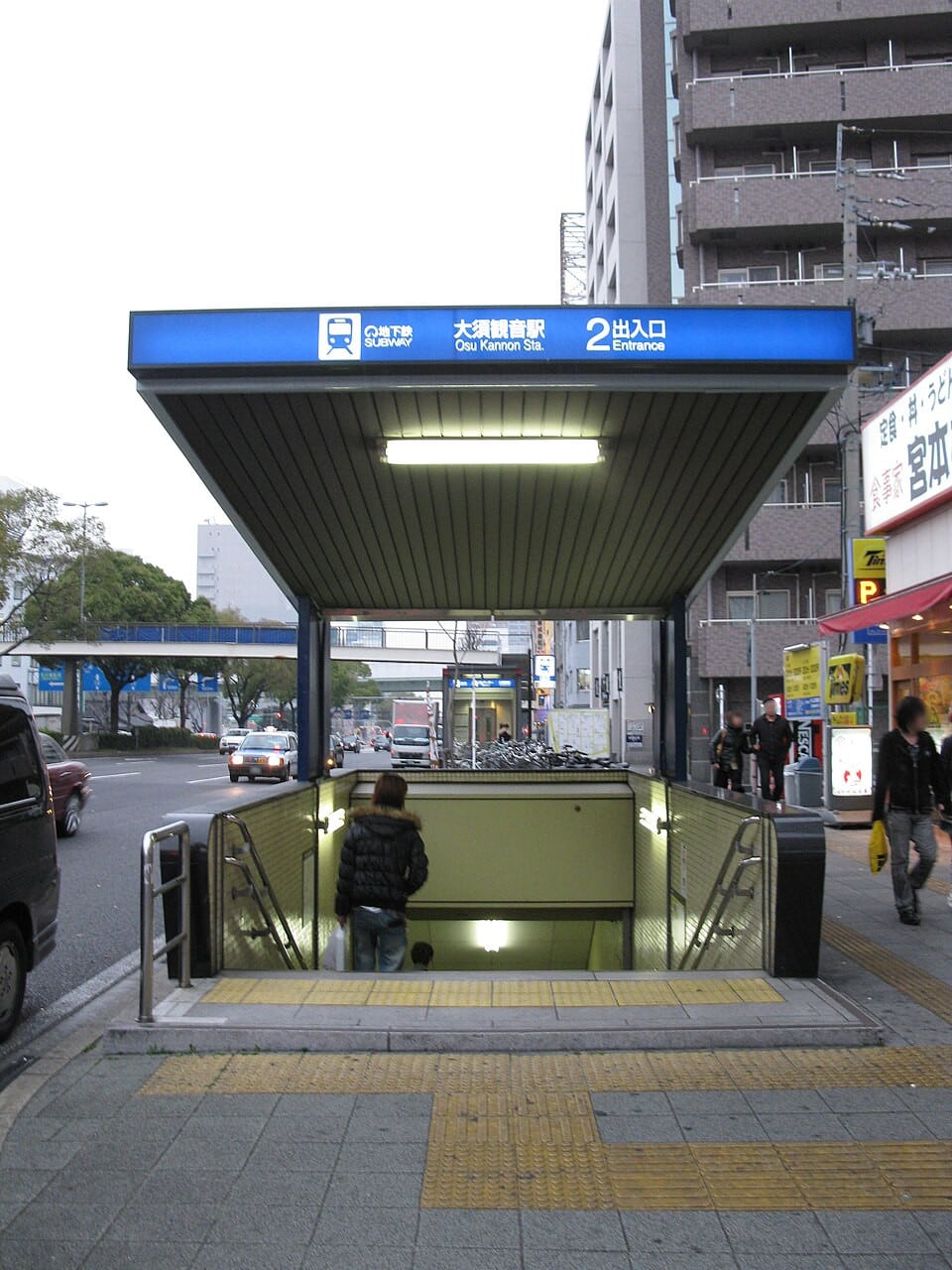
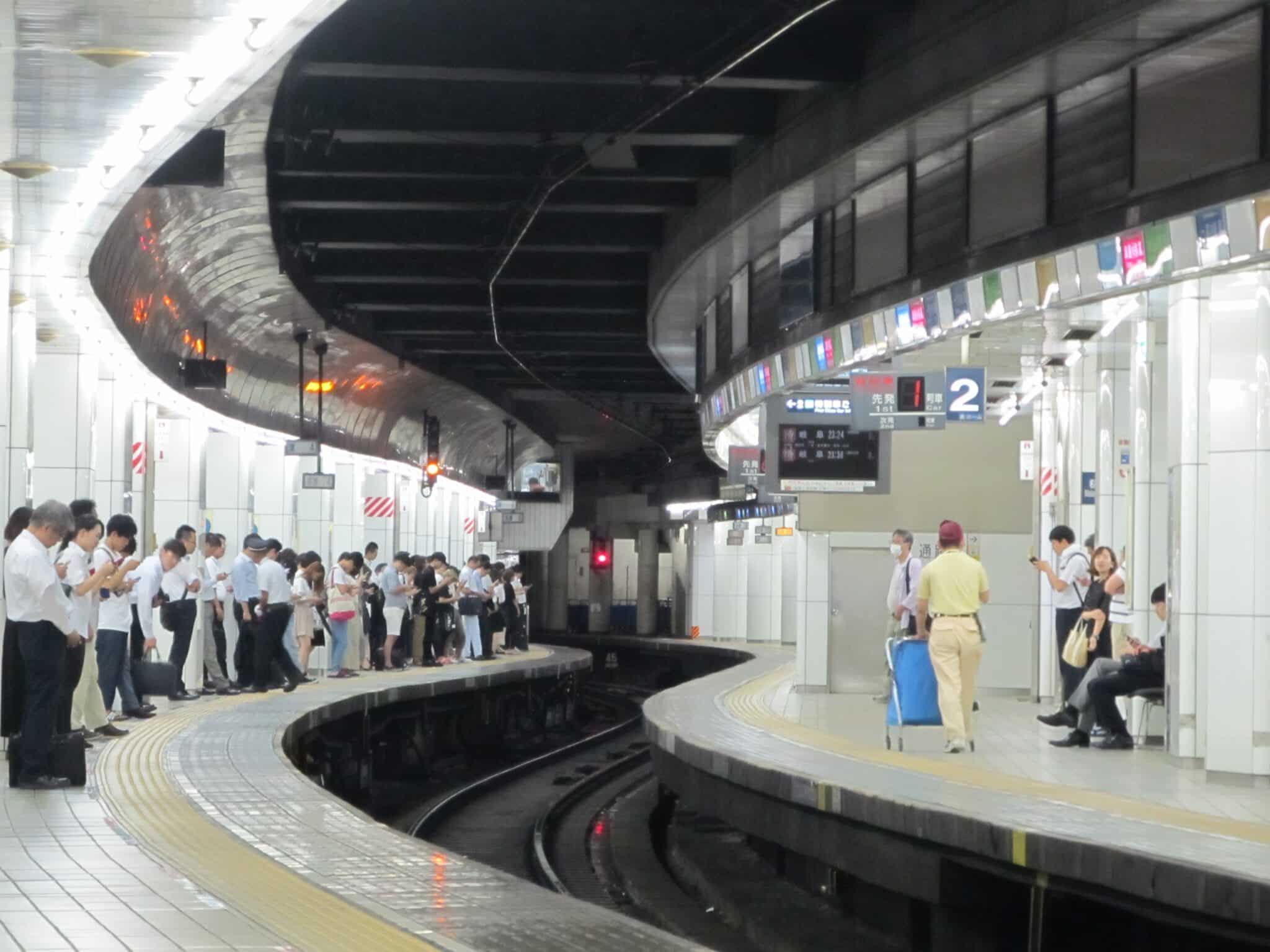
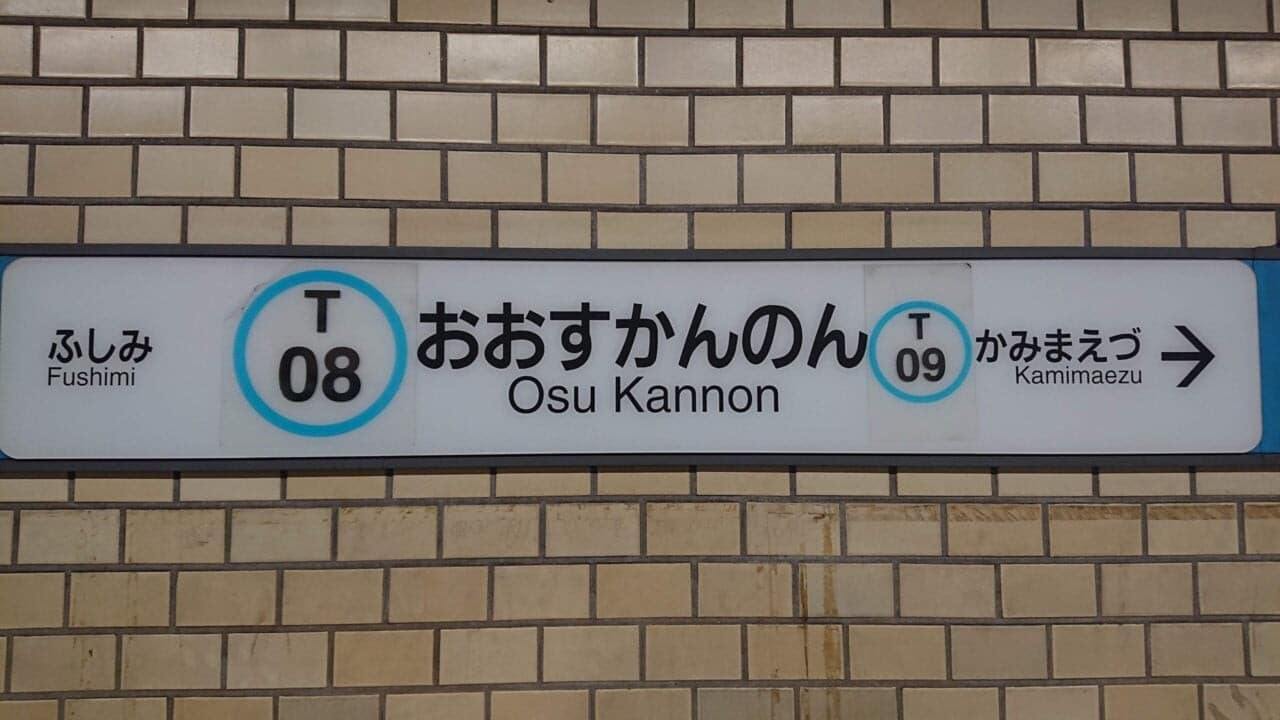
Exit 2 of Osu Kannon Station on the Nagoya Subway Tsurumai Line leads straight to Osu Kannon Temple, and we recommend starting there. Kamimaezu Station (Meijo and Tsurumai lines), near Banshoji-dori and the electronics district, is a good place to take the train home after shopping. The smoothest route is to enter at Osu Kannon Station and exit at Kamimaezu Station. Suggested route: Osu Kannon Station Exit 2 ➔ visit Osu Kannon Temple ➔ Kannon-dori ➔ Banshoji-dori (the main street) ➔ Shintenchi-dori / Akamon-dori (otaku culture) ➔ take the train from Kamimaezu Station. From Nagoya Station, take the Higashiyama Line and transfer to the Tsurumai Line for Osu Kannon Station, about 10-15 minutes, from ¥210. The Nagoya City Subway and Bus One-Day Pass (adults ¥870) allows unlimited rides on the subway and city buses, handy for linking Osu, Nagoya Castle and Sakae in one day. The two stations are about a 15-20 minute walk apart through Osu Shopping Street, so no extra transport is needed.


Which Shops Should You Visit in Osu? Vintage, Electronics and Food Explained
Below are the 20 most representative shops and sights, organized by themed district. Read through them once before you go.
Osu Kannon Temple: The Spiritual Starting Point of Osu Shopping Street
Osu Kannon Temple, ranked with Asakusa Kannon and Tsu Kannon as one of Japan’s three great Kannon temples, is formally named Hōshōin of Shinpukuji on Mount Kitano and enshrines the Sho Kannon Bodhisattva. The shopping street takes its name from it. On the 18th and 28th of each month an antique market is held on the grounds, with stalls selling everything from old books and ceramics to vintage items, so treasure hunters should not miss it.
After paying respects you can buy an omamori charm or a goshuin stamp as a keepsake. Entry to the temple is free, and it is the first stop on the “enter at Osu Kannon Station” route as well as an excellent spot to photograph traditional Japanese architecture.

Banshoji Temple: The Oda Nobunaga Family Temple and Its Mechanical Puppet Show
Banshoji is the family temple of the Oda Nobunaga clan. Every day at set times the grounds stage a “White Dragon” and “Nobunaga mechanical puppet” show, combining a traditional temple with modern technical effects, and it is one of the few free attractions in Osu that gets people talking.
We suggest arriving before the top of the hour and waiting for the show to begin. The temple also keeps a number of displays of Nobunaga-related historical material, so fans of Japan’s Warring States history may want to stay longer.
Osu Shopping Street Exchange Plaza: The Giant Lucky Cat Landmark
At the Exchange Plaza where Banshoji-dori meets Shintenchi-dori stands a giant lucky cat statue whose outfit changes with the seasons and festivals. It is one of the landmarks visitors must photograph, and it is officially recognized as the symbol of Osu Shopping Street.
There are seats around the plaza where you can rest when you get tired, and it is also an excellent, very convenient place to meet friends.
Surugaya and Super Potato: A Pilgrimage Site for Retro Gamers
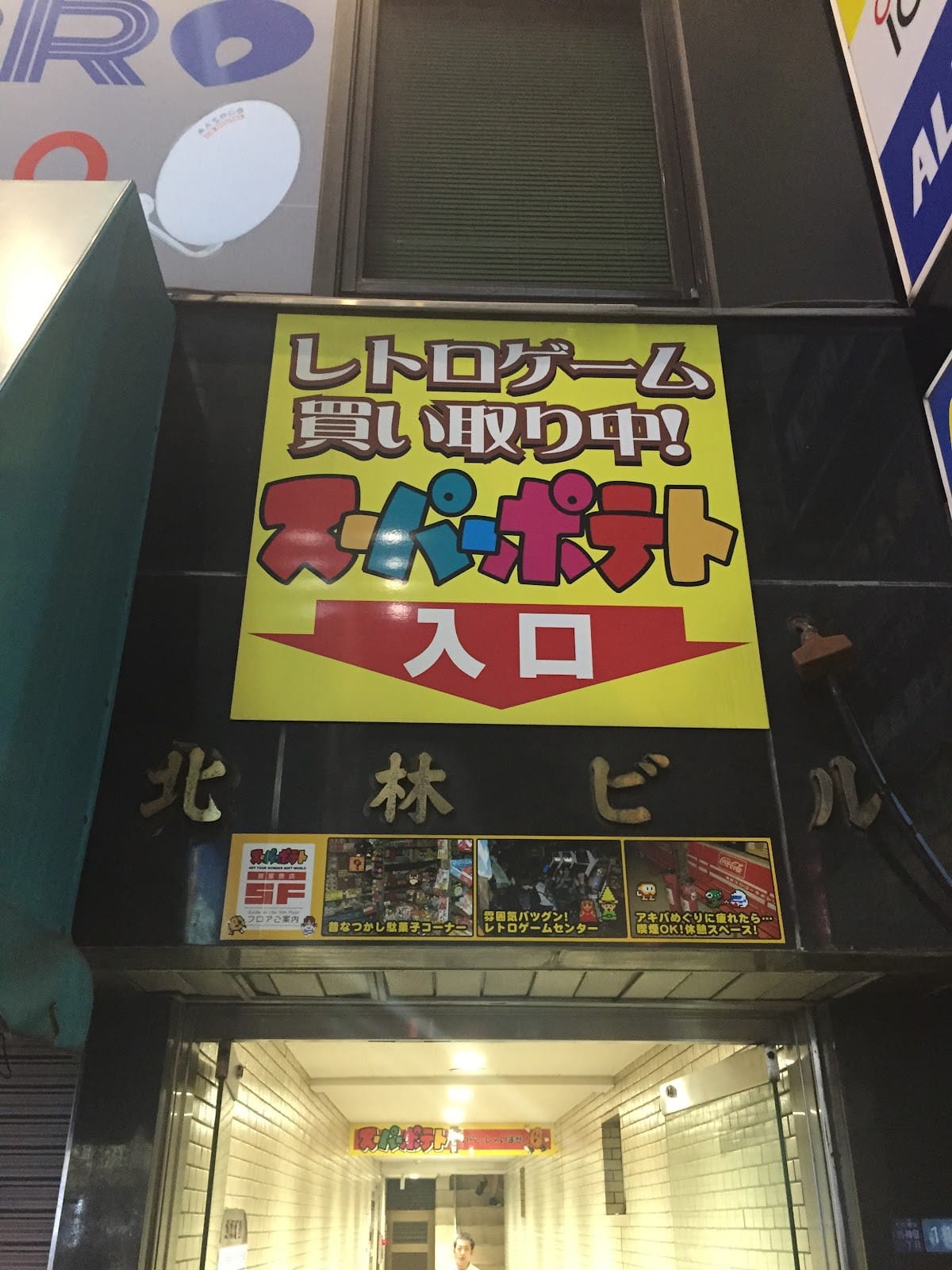
Surugaya Osu focuses on secondhand anime goods, game software and models at friendly prices, and you can often dig up out-of-print games. In the same area is Super Potato, famous for retro games, where classics such as the Famicom and Game Boy and their cartridges are neatly displayed and take longtime players straight back to childhood.
Both shops welcome visitors who just want to look around and take photos, and the staff are mostly friendly and do not push sales, making them the most direct way to experience the charm of Osu’s “electronics street.”
TAITO STATION and #C-pla Gachapon: A Paradise of Claw Machines and Capsule Toys
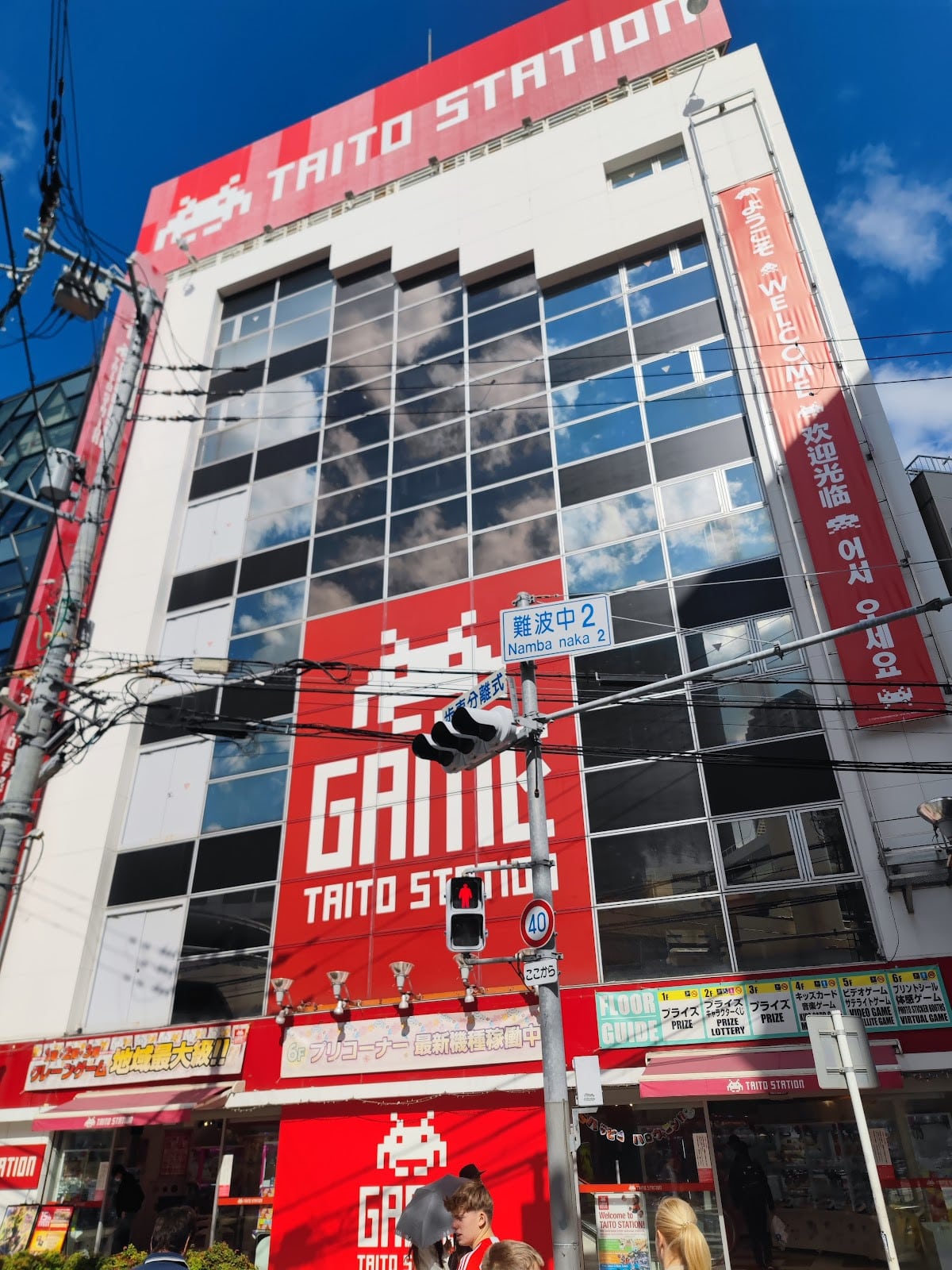
TAITO STATION is a large arcade chain with a great many of the newest claw machines, including prizes from popular anime and Pokémon. Next door, #C-pla is a gachapon specialty shop whose lineup refreshes very quickly and often includes limited designs, drawing collectors back regularly.
Both are around Akamon-dori and Shintenchi-dori. After the anime figure shops you can spend half an hour trying claw machines or gachapon, a popular stop for families and couples.
Osu’s Vintage Holy Land: WEGO, Spinns and Top of the Hill
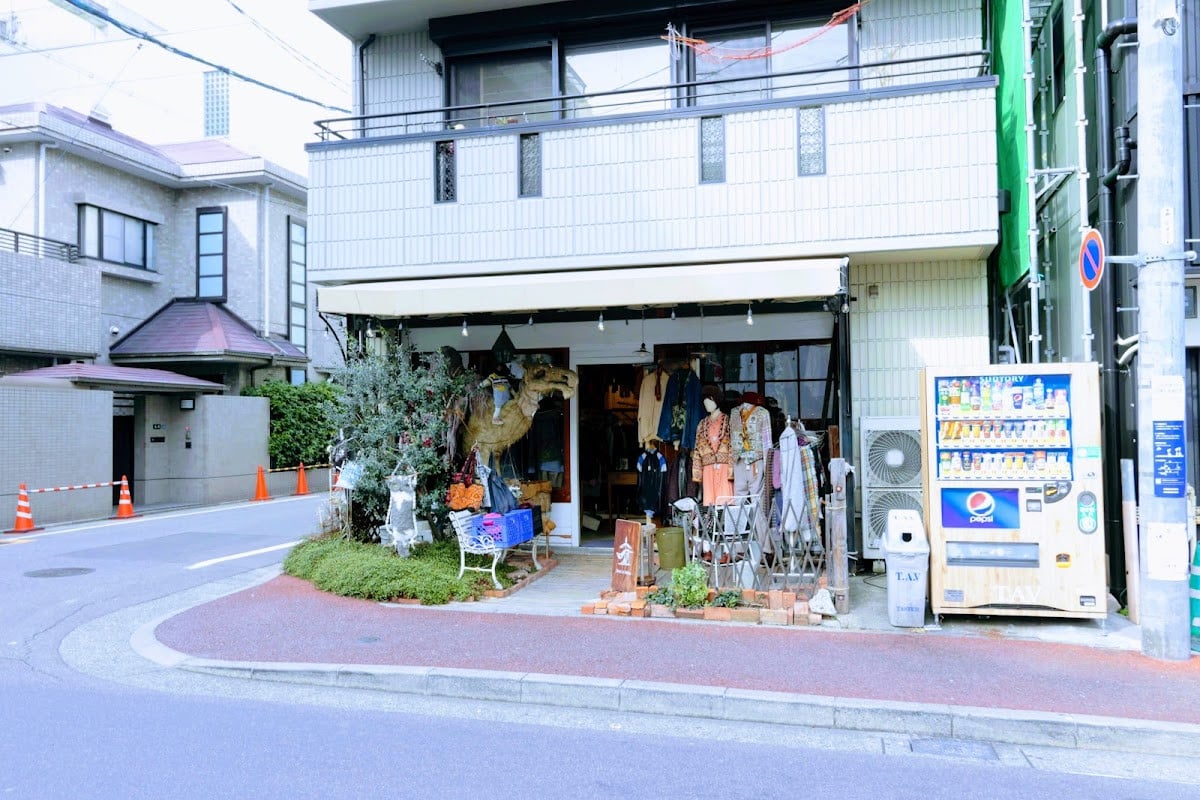
Uramonzen-machi-dori has become a favorite area for young people in recent years, with a dense cluster of secondhand vintage shops. For American casual style, WEGO and Spinns are the top picks, with friendly prices and fresh styles; if you prefer European and American retro, Top of the Hill focuses on selected vintage pieces, with higher quality but relatively higher prices.
If you dislike the crowding of small shops, start with chains such as WEGO and Spinns. Once you are familiar with Osu’s vintage culture, go deeper into the alleys to dig out hidden gems at independent select shops.
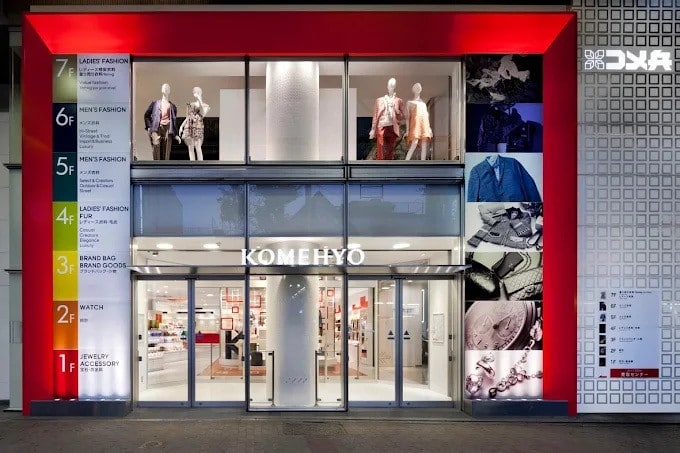
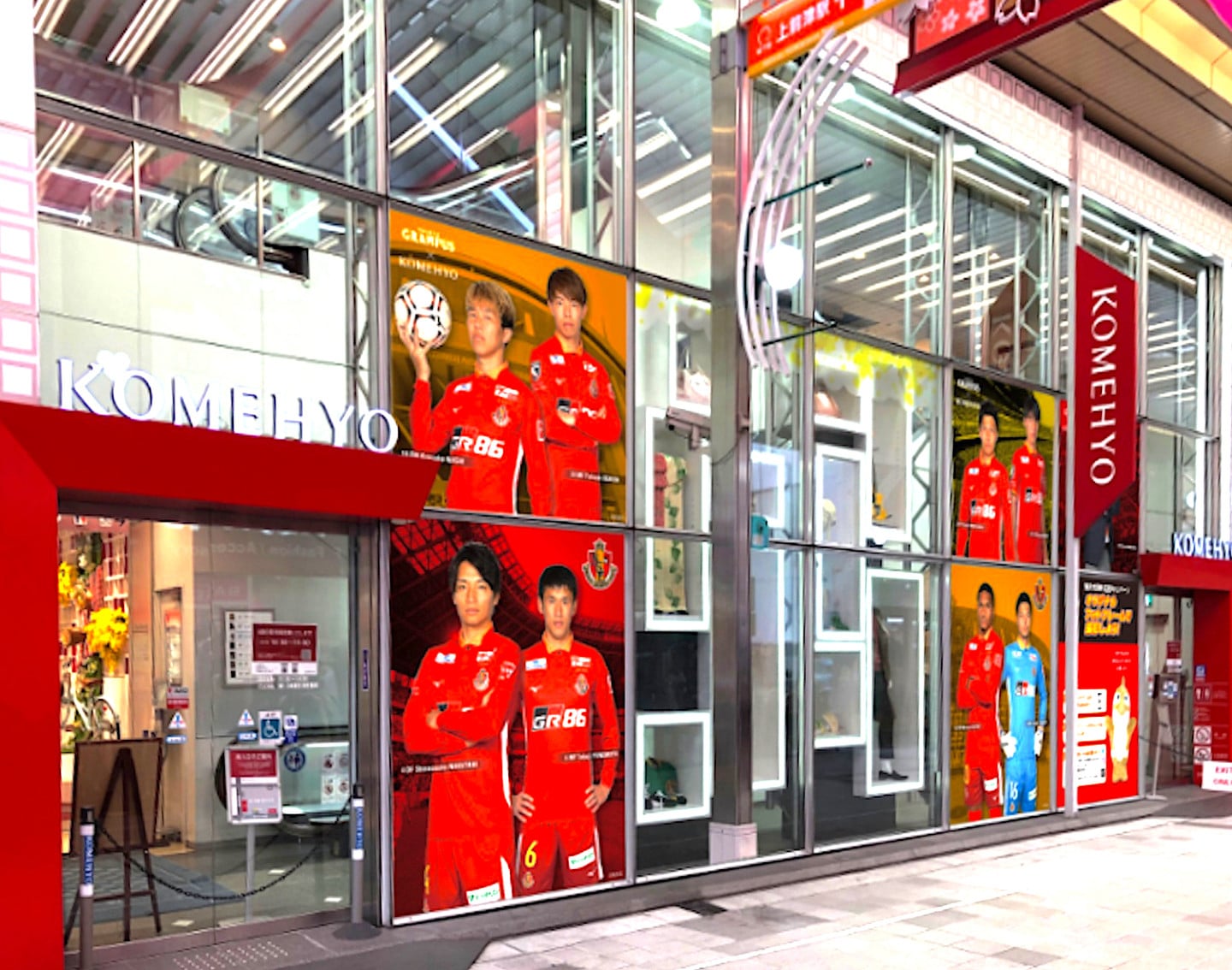
KOMEHYO Osu Main Store: Japan’s Largest Secondhand Luxury Department Store
KOMEHYO is a well-organized large secondhand department store spanning multiple floors, with everything from designer bags and watches to kimono. Products are clearly sorted and prices clearly marked, so browsing is much easier than in small vintage shops.
For travelers who want to buy secondhand luxury goods as souvenirs but worry about authenticity, KOMEHYO offers an authenticity guarantee and returns and exchanges, making it the most reassuring secondhand option on Osu Shopping Street.
Maidreamin Maid Cafe: Osu’s Subculture Experience
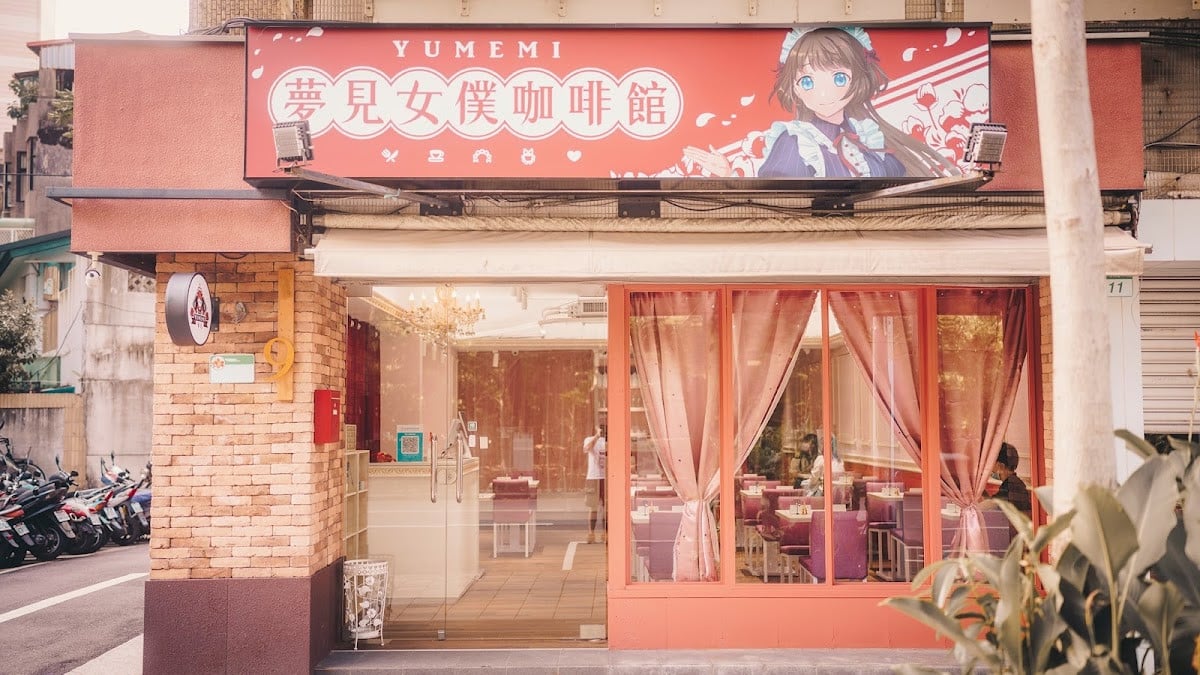
Maidreamin and MAID√MADE are both well-known maid cafes around Akamon-dori in Osu, serving food and short interactive performances so travelers can experience maid culture from Japanese anime up close.
Mind the house rules before you go in: most cafes forbid taking close-up photos of the maids directly and forbid touching, and when ordering it is best to check first whether there is a seating charge or minimum order to avoid misunderstandings.
Don Quijote Osu: A Temple of Cheap Drugstore and Electronics Goods
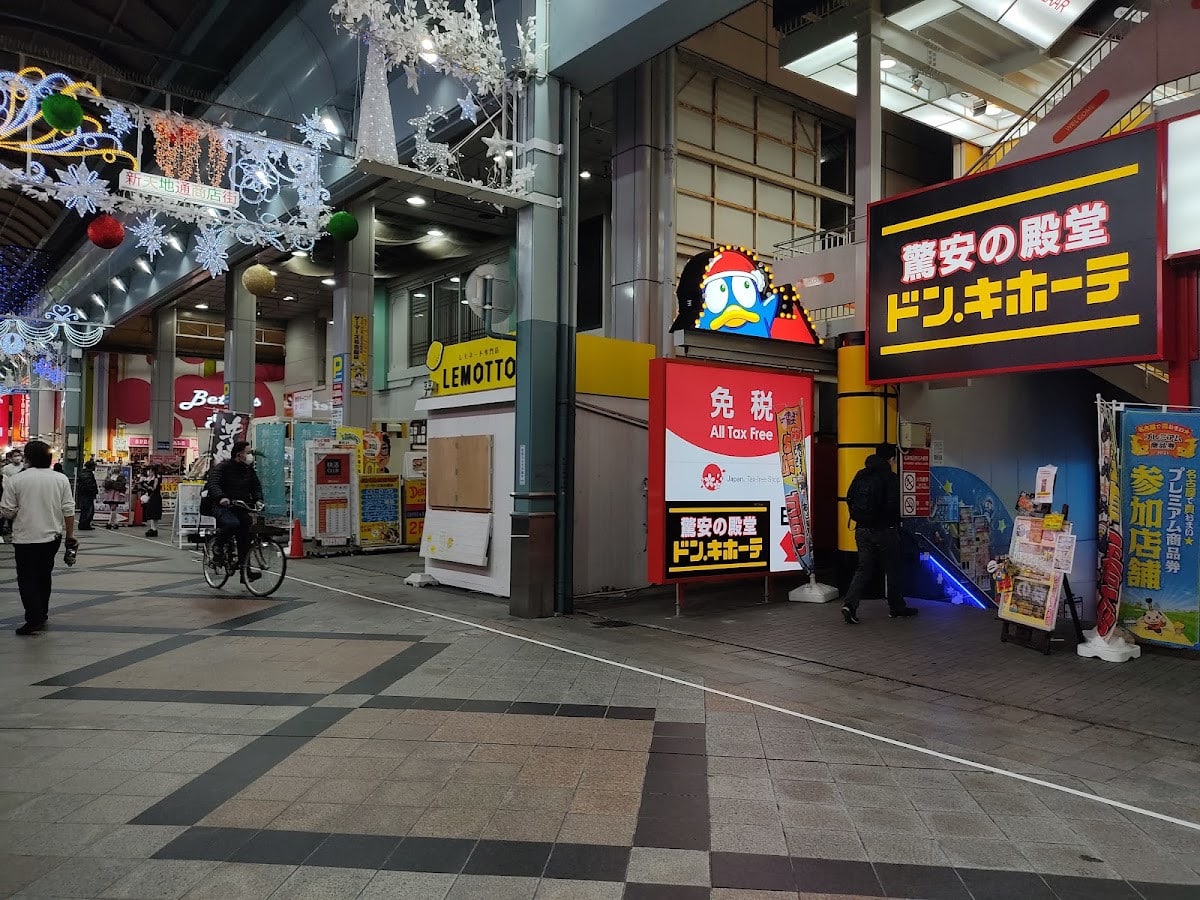
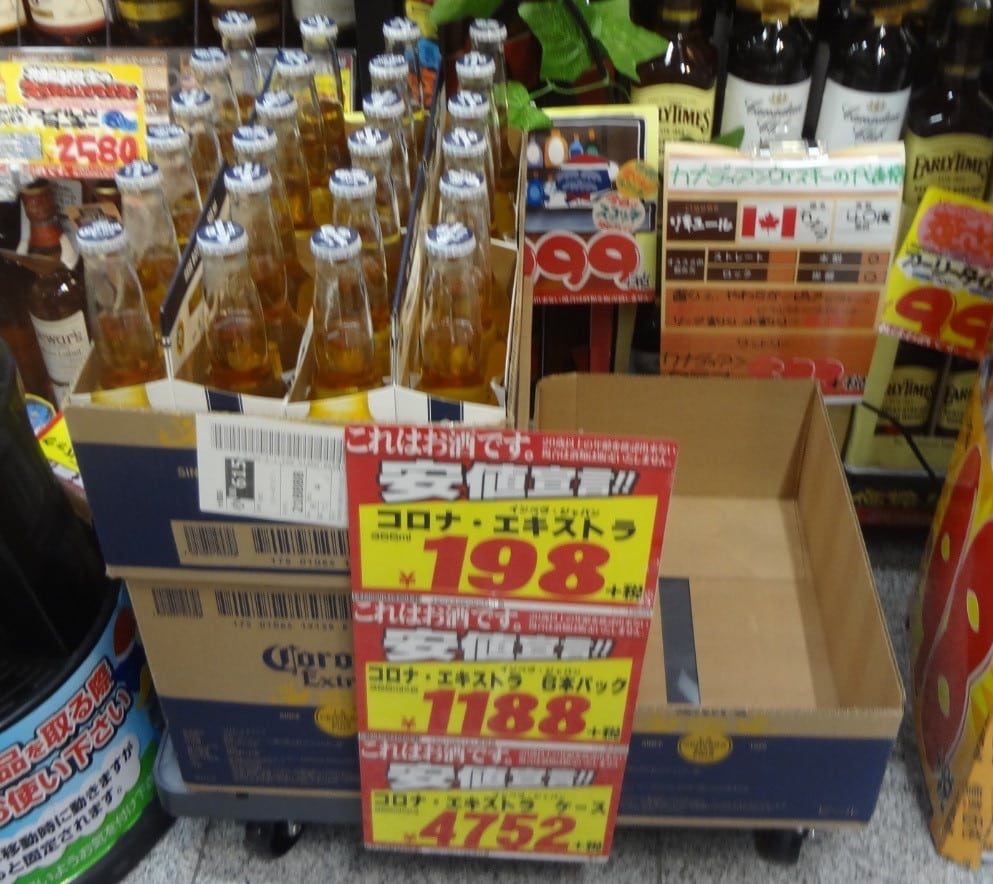
Don Quijote (Gekiyasu Dendō) Osu is on the basement level of the OSU301 building, open 8:00 to 24:00 every day of the year. It stocks everything from drugstore items, snacks and appliances to souvenirs, often at lower prices than ordinary drugstores, and offers tax-free shopping, making it the top choice for a final shopping run.
The store often hands out coupons or app discount codes, so check the current promotions before checkout to save a good amount. It is especially suited to the end of your walk, when you are about to head back.
Sugi Pharmacy and Matsumoto Kiyoshi: A Guide to Comparing Drugstore Prices
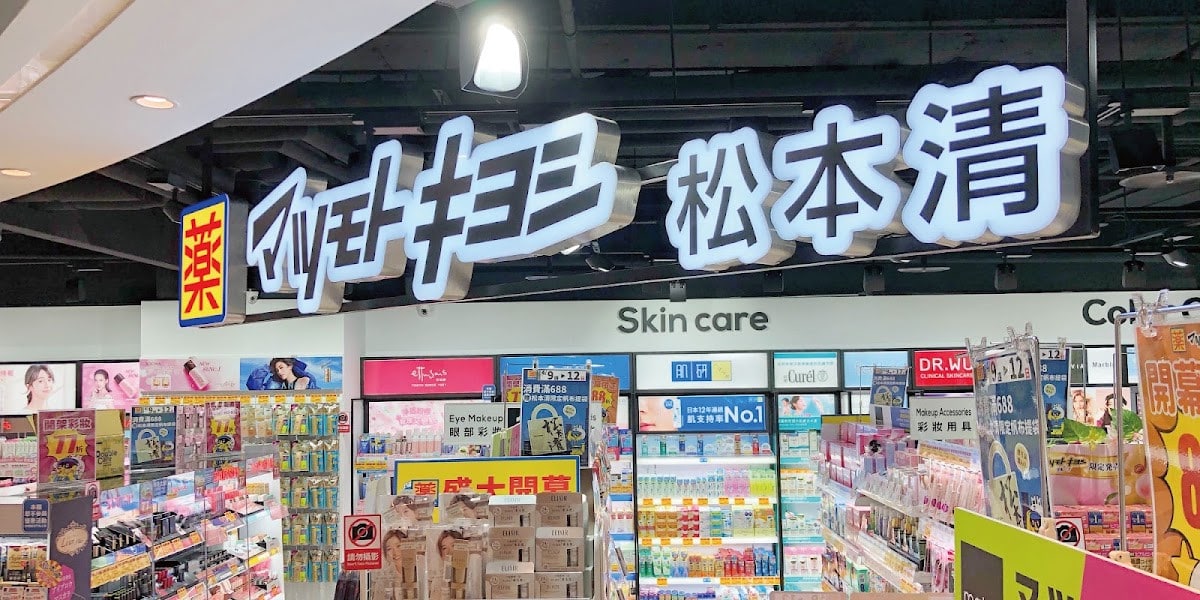
Along Osu Shopping Street there are two big drugstore chains, Sugi Pharmacy and Matsumoto Kiyoshi. Their products overlap heavily, so compare the list price of the same item and that day’s coupon discounts before going in; you can usually find a price gap of 5% to 10%.
Both drugstores offer tax-free shopping for foreign visitors, so bring your original passport; for some items you must spend ¥5,000 or more to qualify for the tax refund.
Seria 100-Yen Shop and B-SIDE LABEL: Hunting Budget Finds
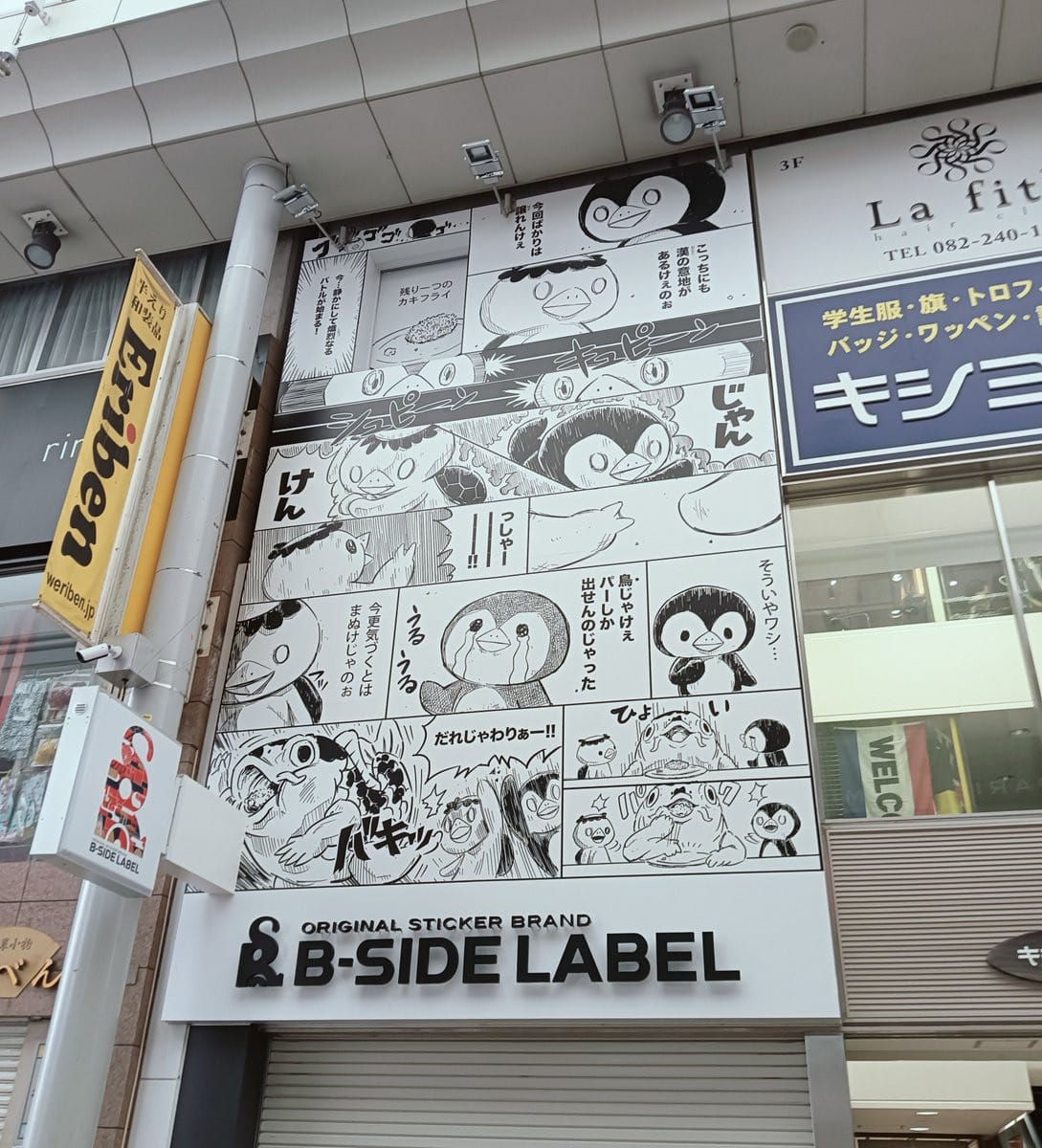
Seria is a popular 100-yen shop on Osu Shopping Street whose product design feels better than the average 100-yen shop, especially its stationery and household goods lines, which travelers love. B-SIDE LABEL is a small shop specializing in quirky stickers, many printed with Japanese proverbs with English translations, a distinctive souvenir that works as a gift or for yourself.
Both shops are known for letting you find treasures on a small budget, and they suit a stop after the vintage and electronics shops to pick up odd souvenirs and small daily items.

Lee-san’s Taiwan Specialty Shop (李さんの台灣名物屋): A Famous Queue for Authentic Taiwanese Fried Chicken
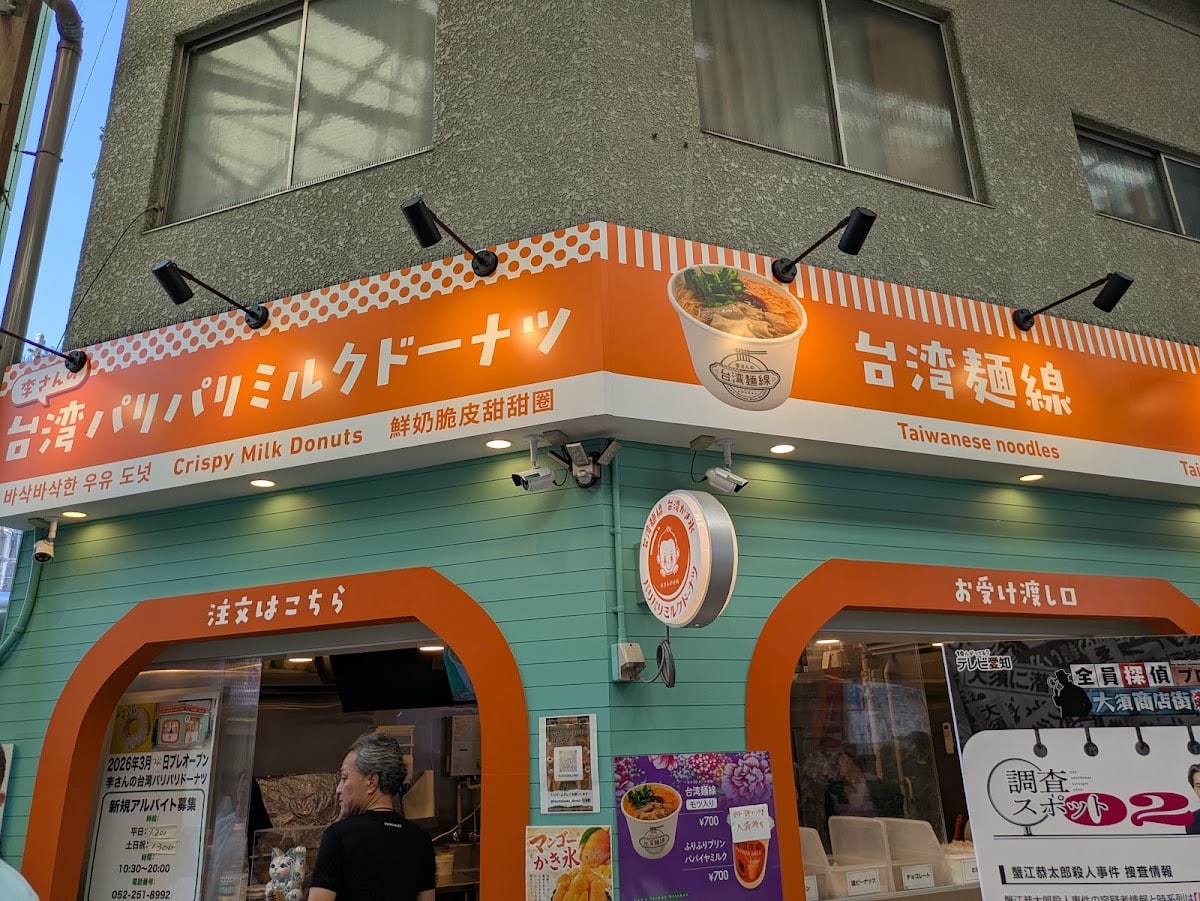
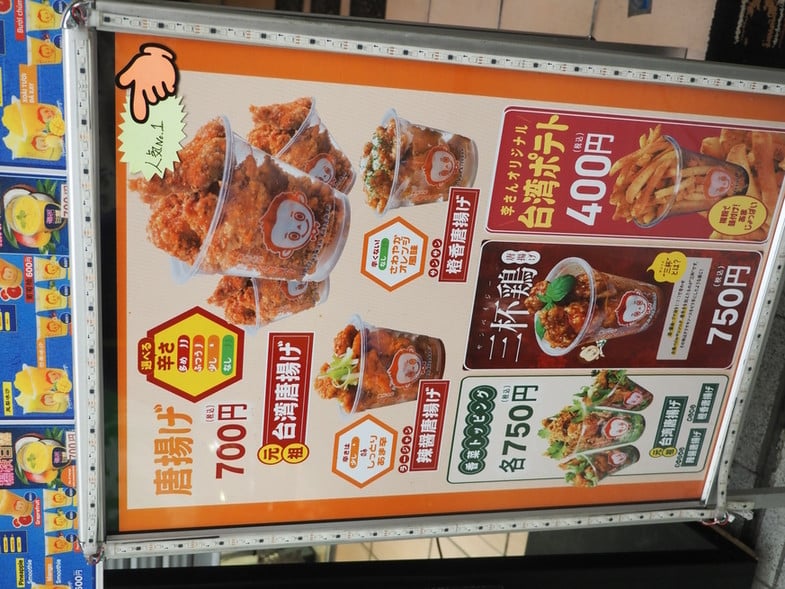
Lee-san’s Taiwan Specialty Shop (李さんの台灣名物屋) is known for crispy-outside, tender-inside, spicy and juicy Taiwanese fried chicken, one of the most popular foreign-food stalls on Osu Shopping Street, with queues often visible. A portion starts at about ¥500, and you can choose extra seasoned salt-and-pepper powder to taste.
Because Japanese etiquette discourages eating while walking, please finish your food in the shop’s designated eating area after buying and put your trash in the proper bins so as not to bother others.
Gin no An and Taifuku Chaan: A Taiyaki Showdown
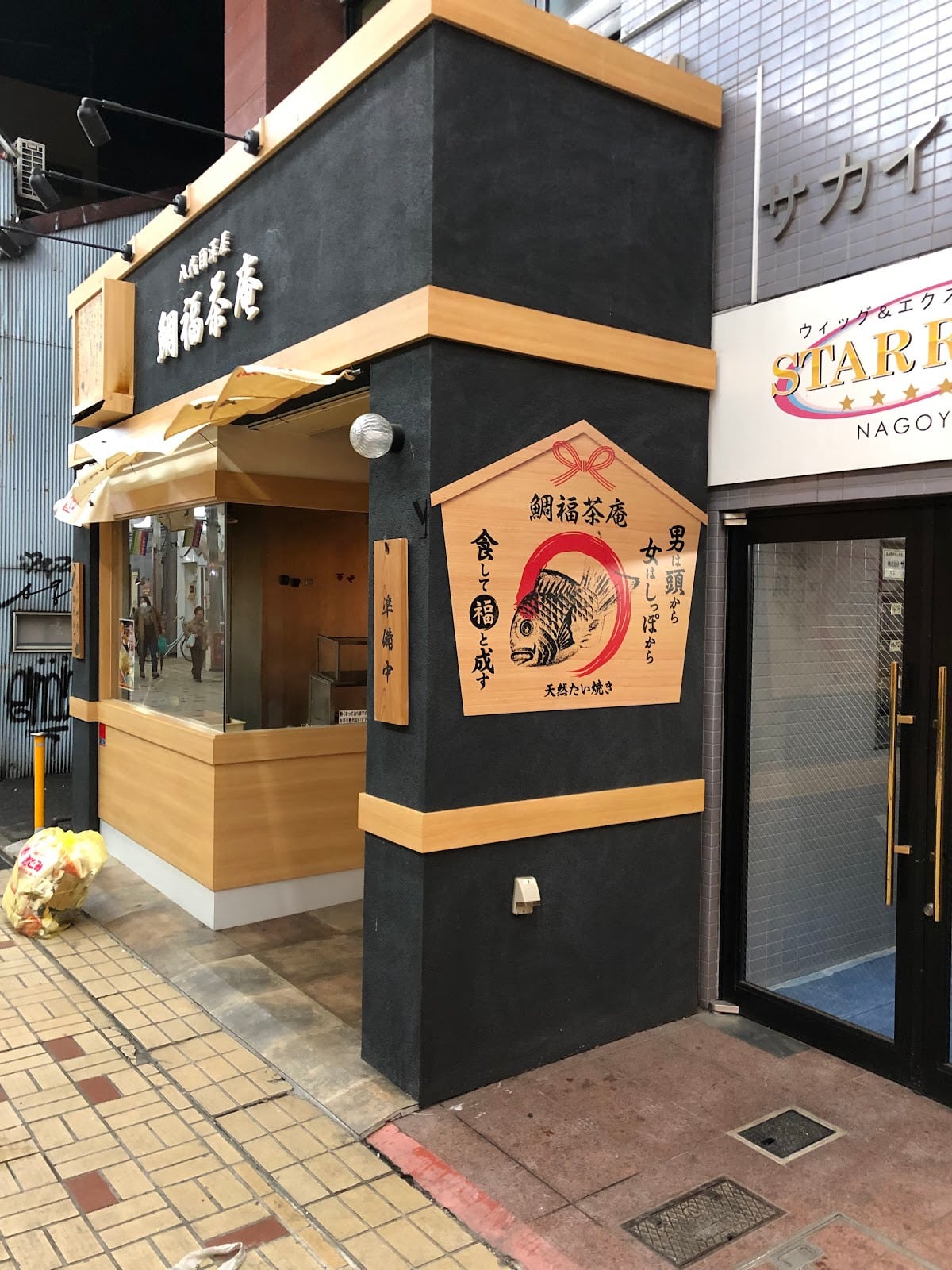
Gin no An (銀のあん) is known for thin-skinned taiyaki with a crisp shell, and its classic red bean filling is sweet without being cloying, starting at about ¥250. Taifuku Chaan (鯛福茶庵) specializes in freshly baked taiyaki with a range of creative fillings. The two shops are not far apart, so dessert lovers may want to try both and compare.
Taiyaki from both shops is best eaten hot, since the crisp shell loses much of its texture once cold, making it a great pick-me-up while you shop.
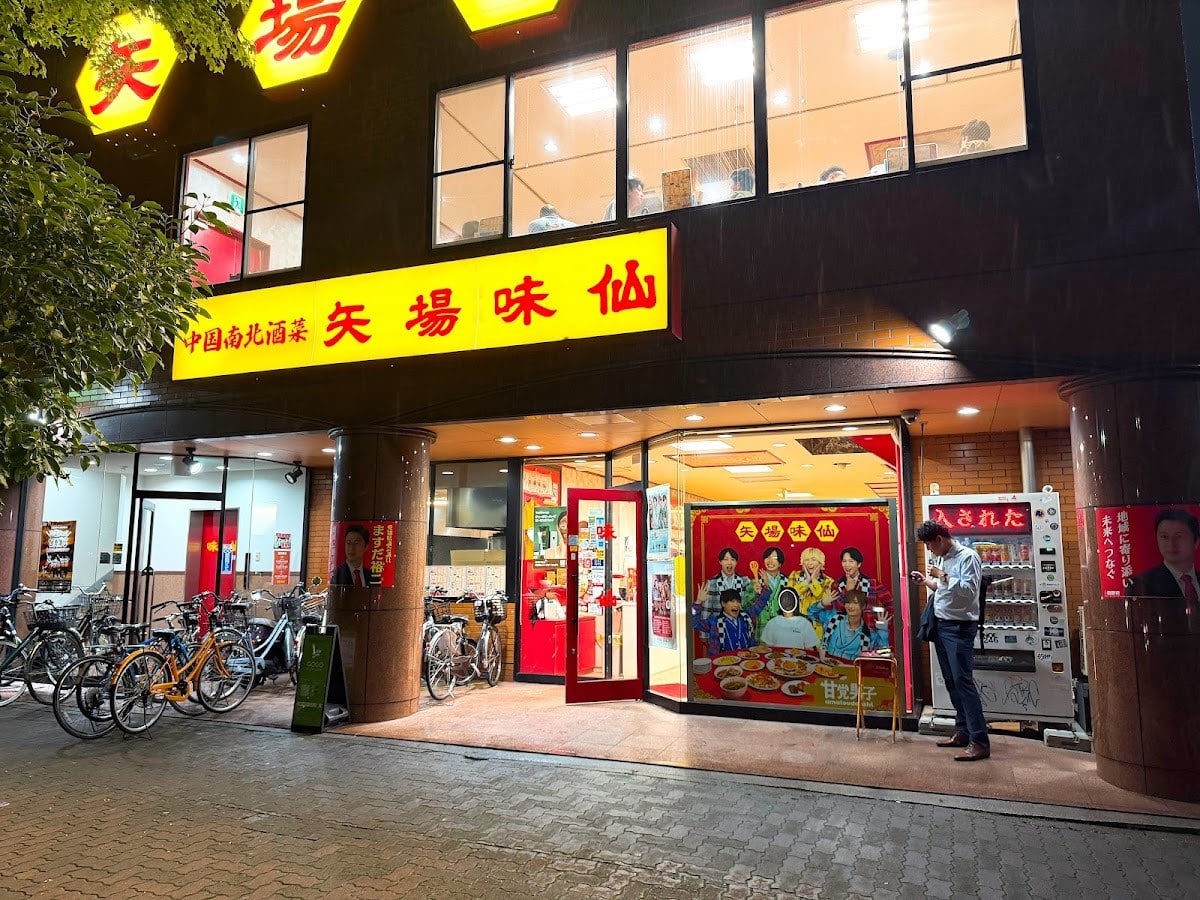
Yabaton and Misen: Miso Katsu and the Birthplace of Taiwan Ramen
Yabaton is Nagoya’s best-known miso katsu restaurant; its signature Waraji Tonkatsu set is about ¥2,000, with a rich Hatcho miso sauce as the main selling point. Misen is where Nagoya’s Taiwan ramen began, and its Osu Yaba branch (3-6-3 Osu) is known for its spicy, punchy flavor, with a bowl of Taiwan ramen from about ¥680. Both are popular favorites.
Because mealtimes are crowded, avoid 12:00 to 13:00 and go before 11:30 or after 14:00 to save a lot of queuing time.
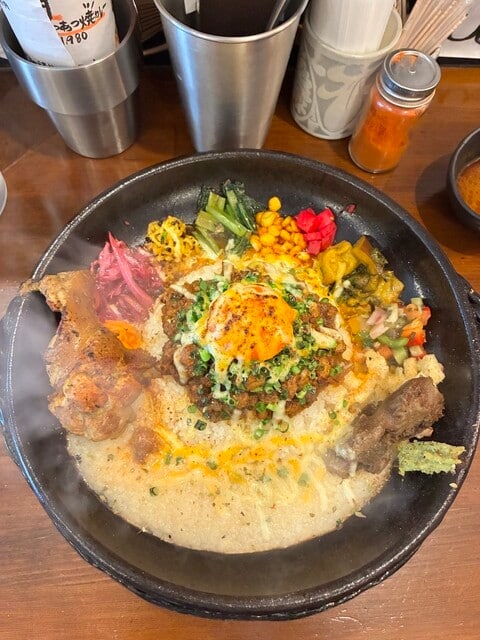
KONPARU and Solo Pizza: A Showa-Era Kissaten and World-Champion Pizza
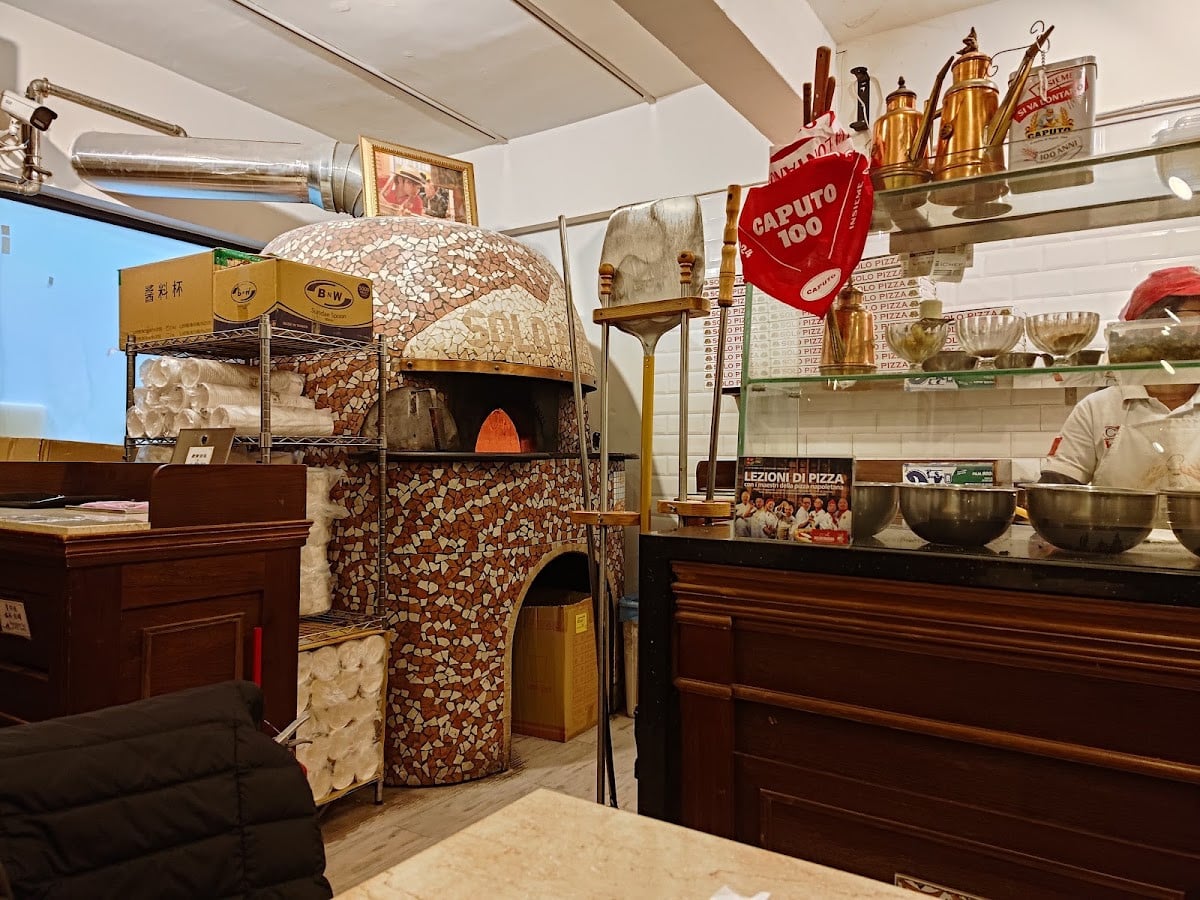
KONPARU (コンパル) Osu is a Showa-style retro cafe whose signature fried shrimp sandwich is a must-eat classic of Nagoya’s morning-service café culture, crisp outside, soft inside, with plump shrimp. Solo Pizza Napoletana’s Osu main store is run by a world Neapolitan pizza champion, and its Margherita uses authentic ingredients, with the Margherita Extra at about ¥1,280.
The two shops have very different styles but are equally popular, and they make good choices for a proper sit-down meal along your route instead of just street snacks.
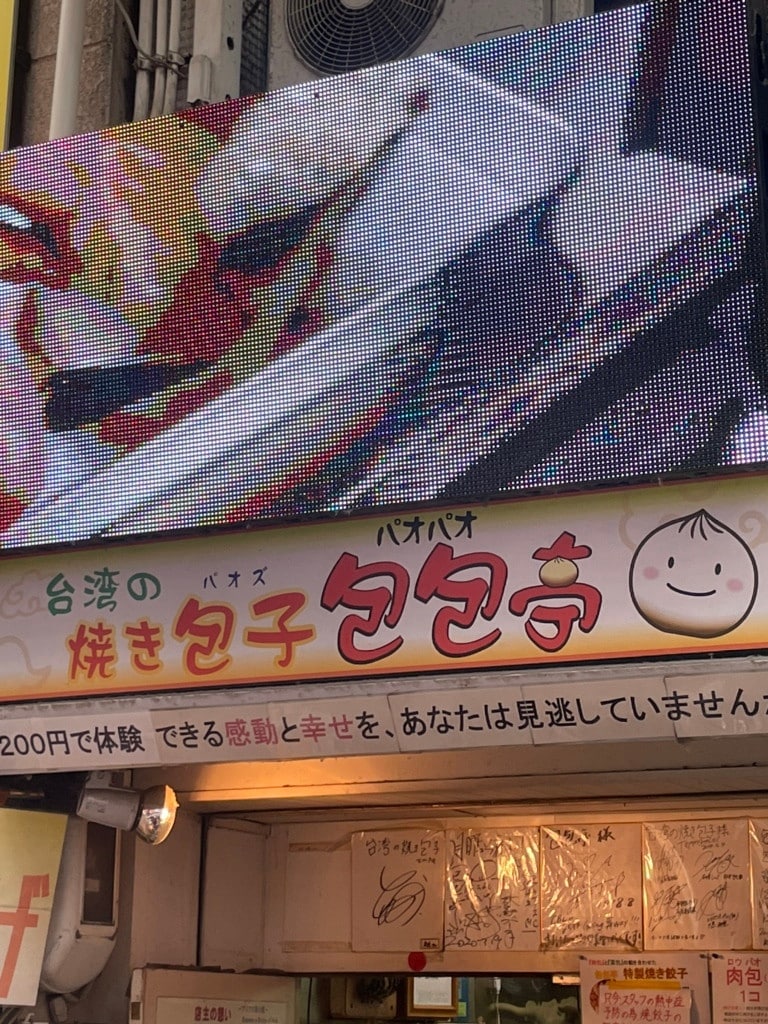
Baobaotei and 10-Yen Bread: The Two Coin-Money Snack Stars
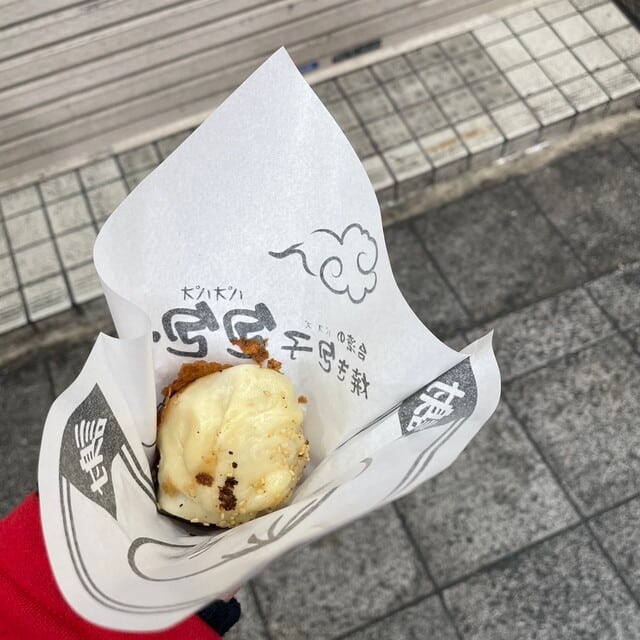
Baobaotei sells freshly steamed vegetable buns and meat buns with generous fillings and thin, juicy wrappers, from about ¥200 each. 10-Yen Bread is known for its “King Cheese” shaped bread with a dramatic cheese pull, a popular photo snack on social media.
Both are budget-friendly and ideal for grabbing as you browse to recharge, and they work well for a short rest in the middle of your route.
Aoyagi Sohonke and Osu Uiro: The Top Souvenir Picks
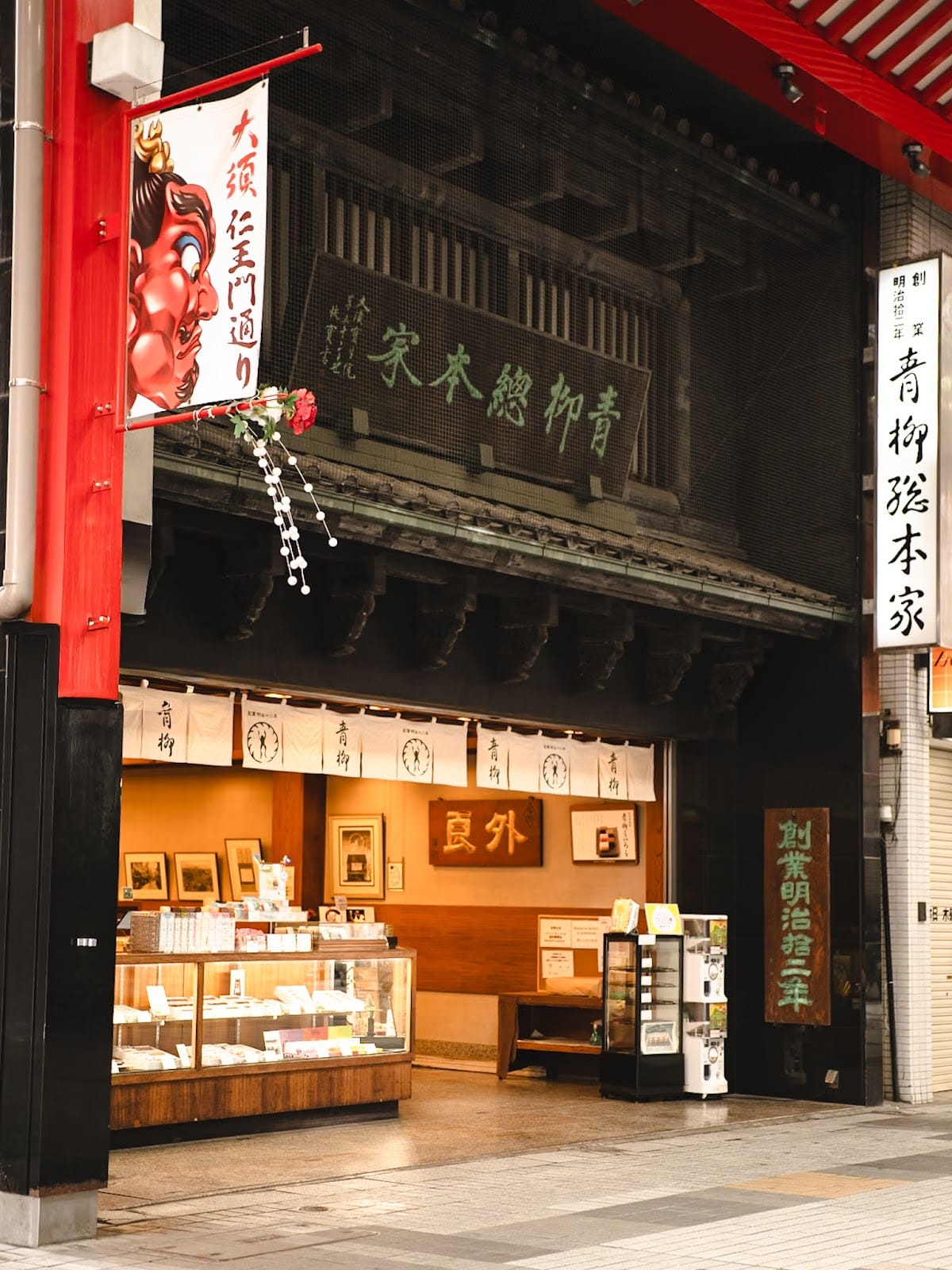
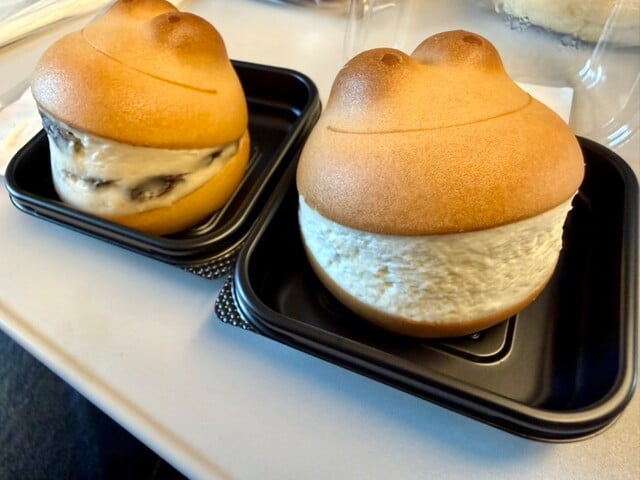
Aoyagi Sohonke’s signature “frog manju” has a playful shape and smooth filling, and the shop also sells uiro, the classic Nagoya specialty. Osu Uiro offers a traveler favorite, popsicle-shaped uiro, easy to eat by hand and photogenic, plus uiro monaka as another option.
Both shops offer gift boxes, suitable as last-minute souvenirs before heading home, mostly priced between ¥500 and ¥1,500, which is good value.
How Much Does a Trip to Osu Shopping Street Cost? Nearby Tickets and Guided Tours
Browsing Osu Shopping Street itself needs no admission ticket. Most spending goes to round-trip transport, tickets to nearby attractions, and guided tours if you want to understand local culture more deeply. Simply taking the subway from Nagoya Station or Sakae Station to Osu Kannon Station or Kamimaezu Station costs about 210 to 270 yen one way, and once you add trips to other attractions, a one-day pass or excursion pass is actually better value. Below are several tickets and guided experiences that fit an Osu itinerary, from discounted transport tickets to themed walking tours that take you into the alleys to hunt for finds, so first-time visitors can enjoy themselves without overspending.
Nagoya City Bus and Subway One-Day Pass: A Money-Saver Linking Osu, Nagoya Castle and Sakae
The Nagoya City Subway One-Day Pass costs about 870 yen for adults (adjusted by fiscal year) and can be bought at ticket machines or service counters at stations around the city. It allows unlimited rides on the city subway and city buses for one day. If your itinerary includes Nagoya Station, Nagoya Castle, Osu Shopping Street, Sakae and Oasis 21, the one-day pass costs less than buying single fares, suiting a day with many stops. Besides saving on fares, showing the pass gets discounts on admission to facilities such as Nagoya Castle and Higashiyama Zoo and Botanical Gardens, so one pass does several jobs. It is easy to buy at the Osu Kannon Station or Sakae Station subway counters, with no reservation needed, so it suits itineraries planned at the last minute.
Osu Vintage-Hunting and Local Food Walking Tour: Follow a Local and Skip the Wrong Turns
Walking tours of Osu led by local or bilingual guides last about 2 to 3 hours, with prices depending on the itinerary and tastings, and the meeting point is usually Osu Kannon Station or the Niomon-dori entrance. The tour covers tips for choosing vintage clothes, telling American and Japanese secondhand clothing apart, and introductions to hidden small shops. It saves time feeling your way around: the guide knows the shops on the main streets and can take you straight to this season’s popular vintage shops and electronics stores. Some tours arrange tastings at places such as Meidai Imo Miso Dengaku and Osu Punch Croquette, suiting first-time visitors short on time.
Nagoya Electronics Street and Anime Culture Discovery Tour: Into Osu’s Second Ameyoko Otaku World
Osu Shopping Street, with its many electronics shops, secondhand game shops and anime goods stores, is known as “Nagoya’s Akihabara.” This themed guided tour focuses on Osu-dori and Banshoji-dori, runs about 2 hours, and costs vary by organizer. It suits travelers who love Japanese subculture, figures or nostalgic video games.
The guide shares tips for choosing secondhand games and model shops, such as recognizing going prices for out-of-print games and finding shops for rare Gundam kits. The tour also passes historic Banshoji, adding a cultural touch. This themed tour helps travelers quickly understand Osu’s “electronics and otaku culture” and saves exploring on your own.
Where to Stay Near Osu Shopping Street? Lodging Suggestions for Sightseeing



Lodging Around Osu Shopping Street: Three Options in Sakae, Fushimi and Kamimaezu
There are few places to stay in Osu itself, so we suggest nearby Sakae or Fushimi Station, both about a 15-20 minute walk from Osu, close to subway transfer stations, easy to reach, and with the widest choice of hotels, from business hotels to high-end ones. To stay even closer to Osu, consider a hotel around Kamimaezu Station, where the shopping entrance is right outside the station and you need not take a train back to your lodging after shopping, especially good for travelers with lots of luggage or who do not want to walk far. Around Nagoya Station is somewhat farther (about 20-25 minutes by transit), but its transport hub functions are complete, suiting travelers combining airport trips or Shinkansen transfers, another base worth considering.
FAQ
Q: What are the opening hours of Osu Shopping Street?
Osu Shopping Street has no single set of opening hours; each shop decides its own. Roughly speaking, snack stalls and drugstores open around 10 a.m., specialty shops for anime and vintage mostly open around noon, and most shops close around 8 p.m., so to see everything, arrive before evening. A few representative shops: Mandarake (まんだらけ) Nagoya is open 12:00 to 20:00 every day of the year, and Don Quijote Osu is open 8:00 to 24:00 every day, the place you can still shop latest at night.
Q: What time does Osu Shopping Street open? Are many shops closed in the morning?
If you arrive around 9 or 10 a.m., many anime and vintage shops have not opened yet, so it is better to visit Osu Kannon, have breakfast or browse the drugstores first. After noon the shops in every district are all open, which is also when crowds peak. If your main goal is the anime figure shops, go to the Akamon-dori and Shintenchi-dori area after 12 noon.
Q: Which shops on Osu Shopping Street are closed on Wednesdays?
Closing days are decided by each shop, with no common closing day, so check the official website or social media notices of the shops you want to visit before you go.
Q: How do I get to Osu Shopping Street?
Take the Nagoya Subway Tsurumai Line to Osu Kannon Station and you are there. We recommend the no-backtracking route of entering at Osu Kannon Station and exiting at Kamimaezu Station.
Q: How much does a visit to Osu Shopping Street cost?
Browsing is free and transport starts at about ¥210. If you eat your way through the street snacks and buy vintage clothes or souvenirs, a budget of about ¥3,000 to ¥8,000 works, depending on how much you like to shop.
Q: When is the best time to visit Osu Shopping Street?
We suggest weekday mornings or afternoons, when crowds are thinner. Mealtime peak hours (12:00-13:00) are crowded, so eat before 11:30 or after 14:00 to avoid queues.
Q: Can I visit Osu Shopping Street in the rain?
Yes. The whole shopping street is covered by a roofed arcade, so you can browse smoothly rain or shine, making it one of the few shopping outings in Nagoya that suits a rainy day.
Q: Is it okay to eat while walking on Osu Shopping Street?
Not recommended. Japanese etiquette generally considers eating while walking impolite, so after buying a snack, finish it in the shop’s designated eating area before you keep browsing.
