

2026 Shirakawa-go Gassho Village Day Trip Guide: The Four-Season Charm of a Thatched UNESCO World Heritage Village
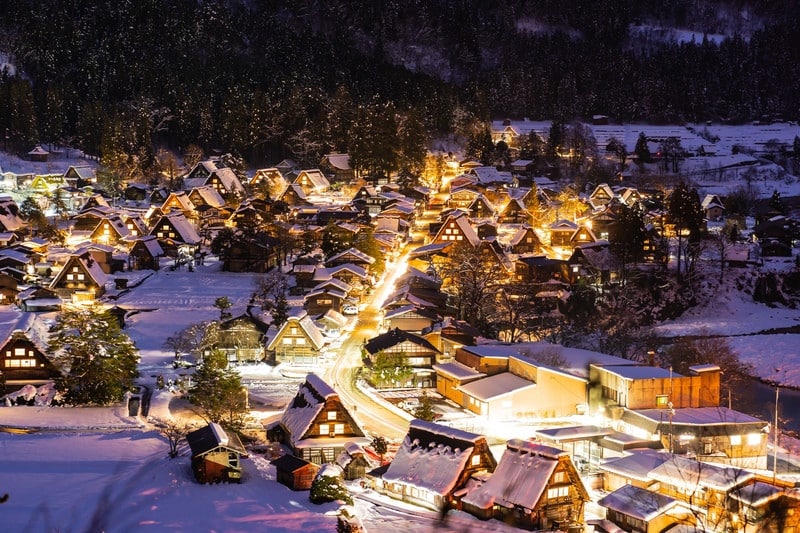
Shirakawa-go’s Gassho Village is in Ogimachi, Shirakawa Village, Gifu Prefecture, and was inscribed as a UNESCO World Heritage Site in 1995. It is famous for its thatched-roof “gassho-zukuri” houses and suits travelers who love old Japanese architecture, snow scenery and slow-paced short trips. It is about 1 hour by bus from Takayama or Kanazawa, which makes it ideal as a round-trip day trip, and it also fits into multi-day itineraries from Nagoya, Takayama or Kanazawa.
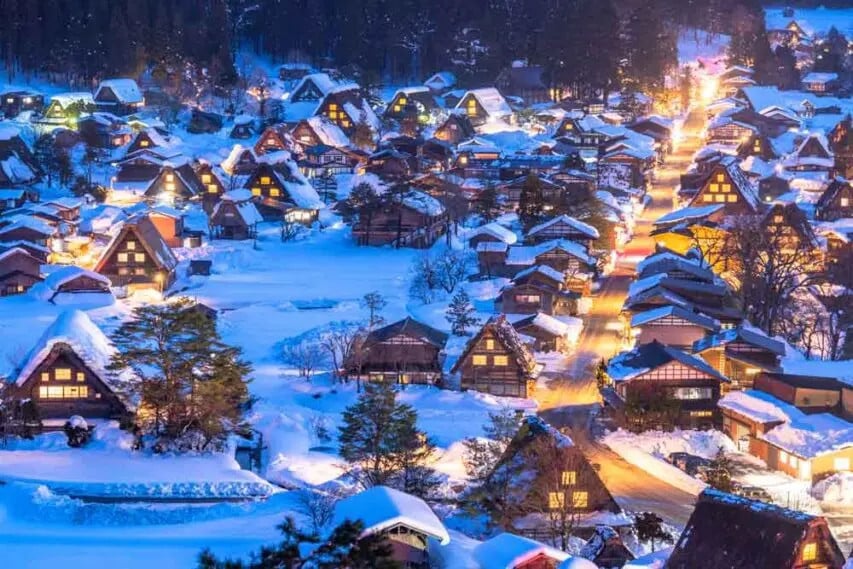
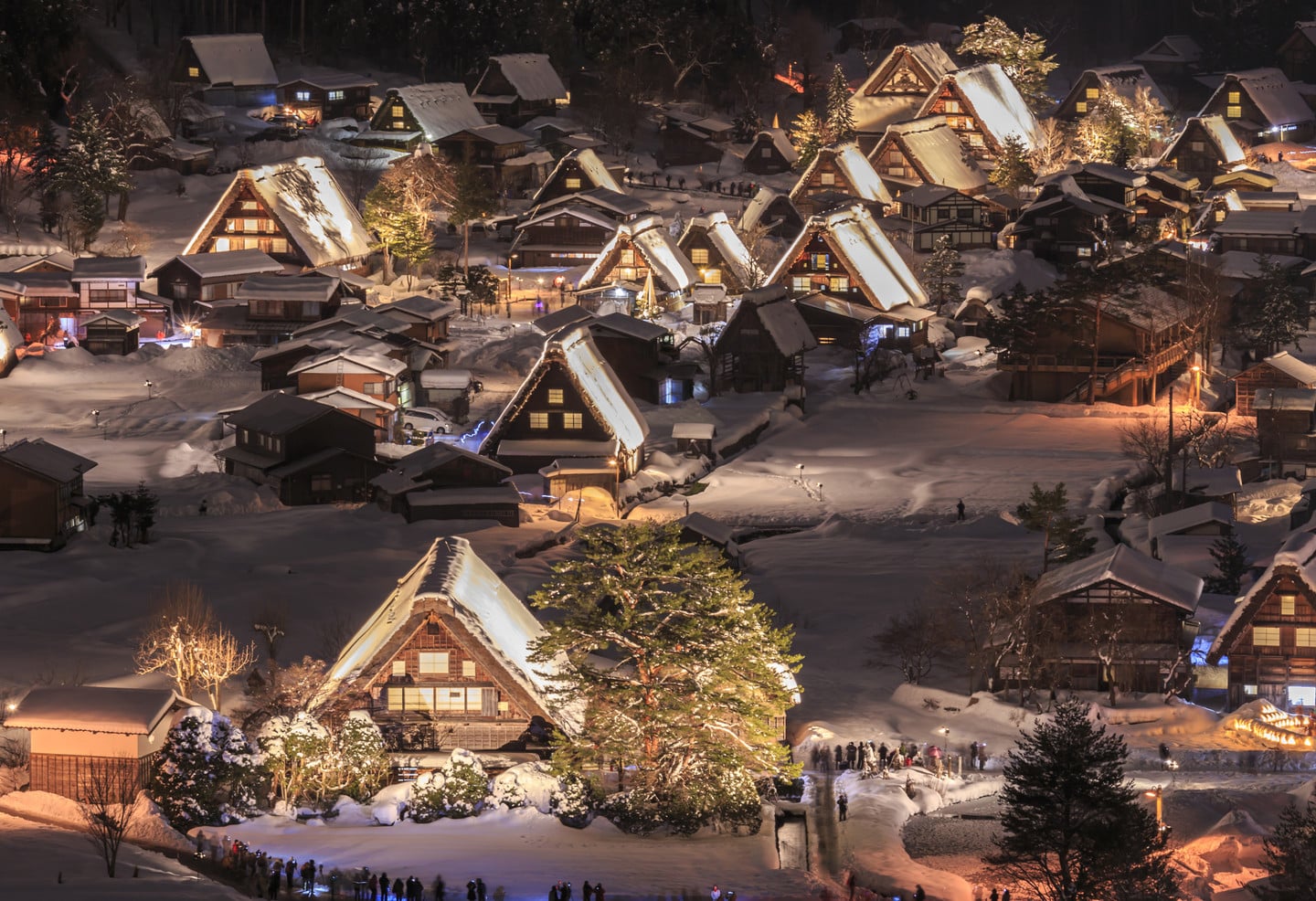
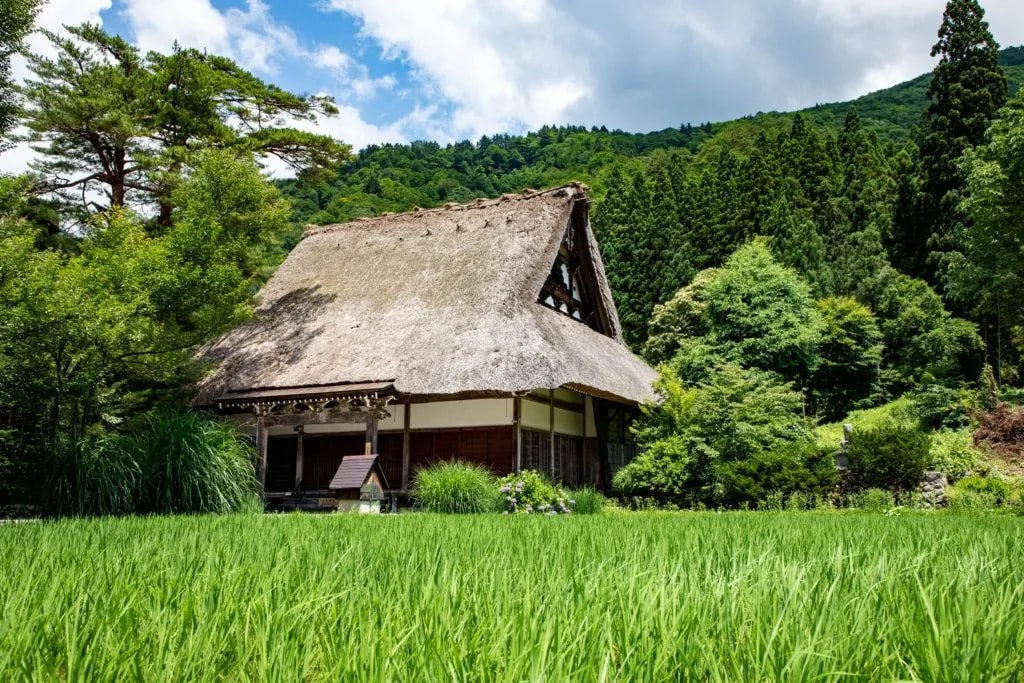
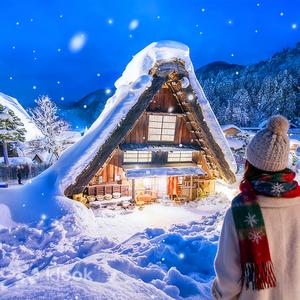
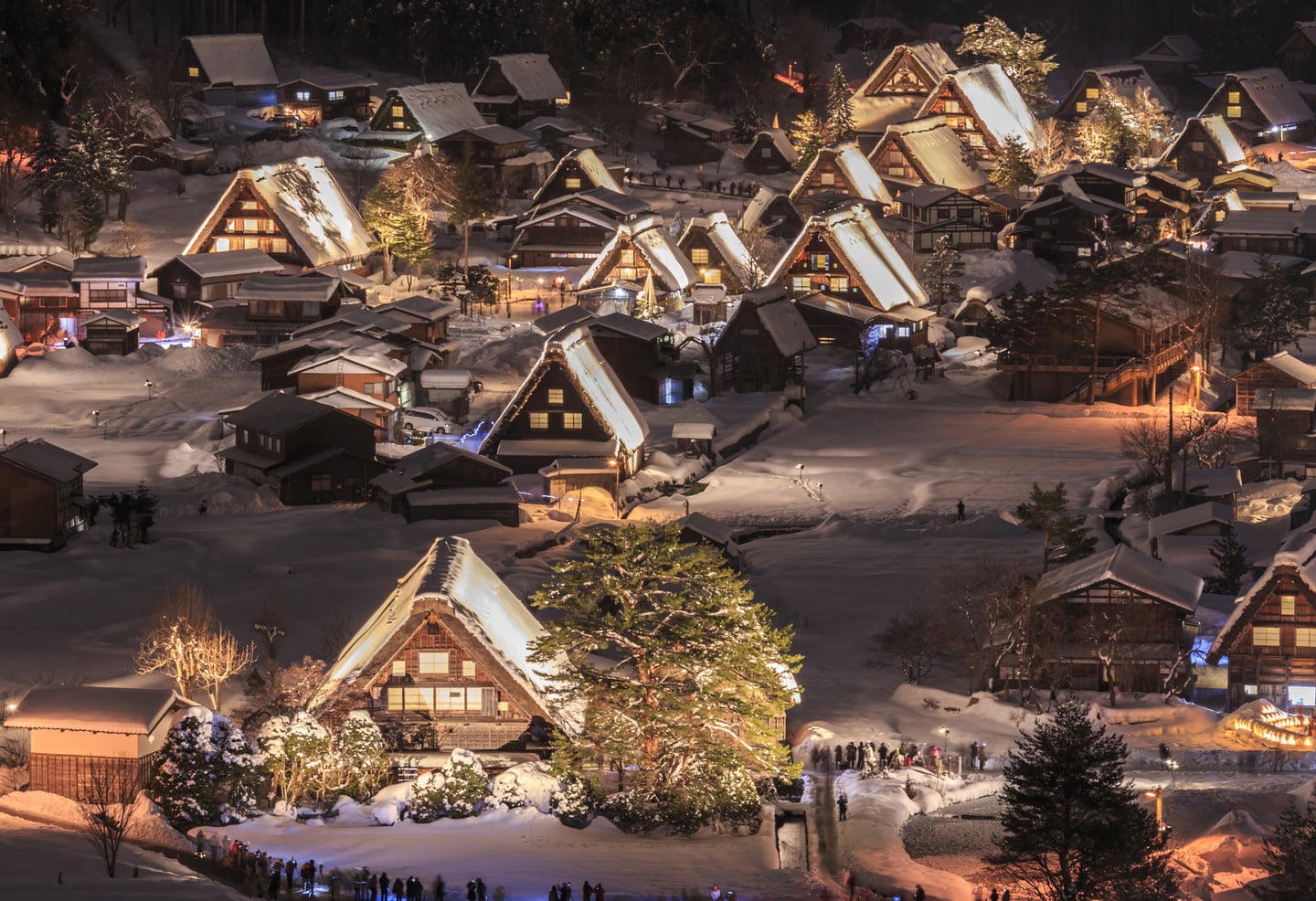
Shirakawa-go has something to see in every season. In winter (December to February) there is dreamy snow scenery and the night illumination, held only 4 times a year on a fully reservation-only basis. In early summer after the rainy season (from June) the rice paddies turn deep green and dragonflies dart about; there are noticeably fewer visitors, and locals privately recommend it as a relaxed time for a stroll, when you may even catch the “sakasa gassho” (upside-down gassho) scene of gassho houses reflected in the paddies. In autumn (late October to mid-November) red maples and golden ginkgo mix among the thatched roofs, as stunning as the snow. Spring (April to May) brings melting snow and fresh greenery and warmer weather that is good for walking, but the mountain temperature swing between morning and evening is still large, so bring a warm jacket.
This article compiles the latest 2026 transport comparison, the illumination reservation process, 10 must-see sights and practical tips, so that whether you travel independently or on a tour, you can make the most of a Shirakawa-go day trip in limited time.
Shirakawa-go Gassho Village Overview
Shirakawa-go’s Gassho Village was inscribed as a UNESCO World Heritage Site in 1995 and is famous for its thatched-roof gassho-zukuri architecture. It suits travelers who love old buildings, snow scenes and rice-paddy landscapes, and is only about 1 hour by bus from Takayama or Kanazawa, making it a great day trip.
Winter Illumination Season
Winter (December to February) is Shirakawa-go’s most popular season, with snow scenery and a night illumination held only 4 times a year. It is fully reservation-only, so plan ahead for the lodging lottery or a bus tour ticket.
Early-Summer Rice Paddy Scenery
In early summer after the rainy season, Shirakawa-go’s rice paddies turn deep green and there are fewer visitors, making it a relaxed time for a stroll that locals recommend. The “sakasa gassho” view of gassho houses reflected in the paddies is a scene unique to this season.
How to Get to Shirakawa-go Gassho Village? A Complete Comparison of Transport, Bus Fares and Driving Parking
Shirakawa-go has no railway, so the main way to get there is an express bus; you can also drive or join a one-day chartered tour.
Shirakawa-go Transport at a Glance: Buses, Driving and Passes
Shirakawa-go itself has no railway station, so public transport relies entirely on express buses. The most common starting points are Takayama, Kanazawa and Nagoya, and most departures are fully reserved-seat and need to be booked in advance.
| Mode of transport | Fare (one way) | Travel time |
|---|---|---|
| Nohi Bus (from Takayama) | about ¥2,600 | about 50 minutes to 1 hour 10 minutes |
| Nohi Bus / Hokutetsu Bus (from Kanazawa) | Check official announcements | about 1 hour 15 to 20 minutes |
| Kaetsunou Bus (from Takaoka) | about ¥1,800 | about 1 hour |
| Toyama Chihō Railway Bus (from Toyama) | about ¥2,200 | about 1 hour 25 minutes |
| Gifu Bus Express Shirakawa-go Line (from Nagoya) | ¥3,600 to ¥4,700 (varies by departure date) | about 2 hours 40 to 50 minutes |
| Gifu Bus (from JR Gifu Station / Meitetsu Gifu Station, transfer required) | about ¥3,700 | about 2 hours 45 minutes |
Departures from Takayama are the most frequent and some need no reservation, making them best for a day trip; departures from Kanazawa and Nagoya are mostly reserved-seat, so book online in advance, as seats often sell out around the winter illumination. Parking is not allowed inside the village for drivers, so you must reserve a spot at Seseragi Park (せせらぎ公園) or Midashima Park (みだしま公園) parking lot beforehand; mountain roads are snowy in winter, so snow tires and chains are required. From central Gifu you can take a Gifu Bus and transfer to a Shirakawa-go-bound service; check the Gifu Bus official site for the latest timetable and fares.


-Klook.jpg)

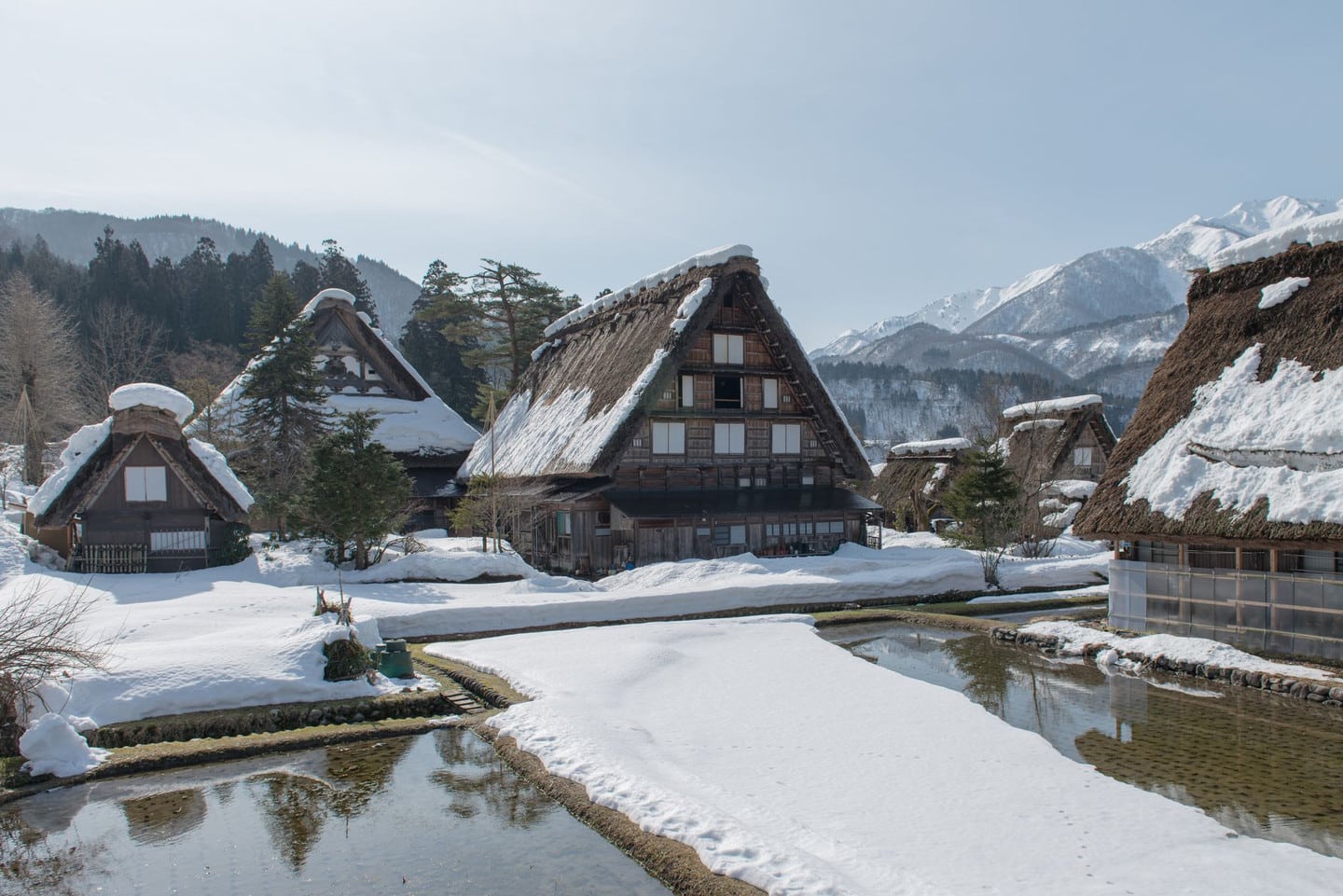
Wada House: Shirakawa-go’s Largest Gassho-Zukuri Farmhouse
Wada House is the largest and best preserved gassho-zukuri house in Shirakawa-go and a nationally designated Important Cultural Property. This wealthy farmhouse once ran saltpeter and silkworm businesses, and inside it keeps Edo-period tools, hearths and silkworm racks, showing the nail-free joinery of the timber frame and daily life under the thatched roof.
Open 9:00-17:00 (to 16:00 from December to March), open all year. Admission: adults ¥400, elementary students ¥200. Information boards are provided, and photos are allowed in some rooms. Plan 20-30 minutes and visit the second-floor silkworm space to understand the inner structure of gassho-zukuri.
Kanda House: A Century-Old Gassho House Telling the Story of Silkworm Farming
Kanda House was built in the late Edo period and took 10 years to complete; it is a representative gassho-zukuri house open to visitors in Shirakawa-go. Inside it keeps the sunken hearth, silkworm shelves and wooden beams and posts, and visitors can walk through its three or four floors to sense the old silkworm-farming life.
Admission is ¥400 for adults and ¥200 for elementary students, and hours change with the season. There is a free tea rest area that feels cozy in winter. Kanda House is only a few minutes from Wada House, so you can visit both and compare the layouts and preservation details of the two houses.
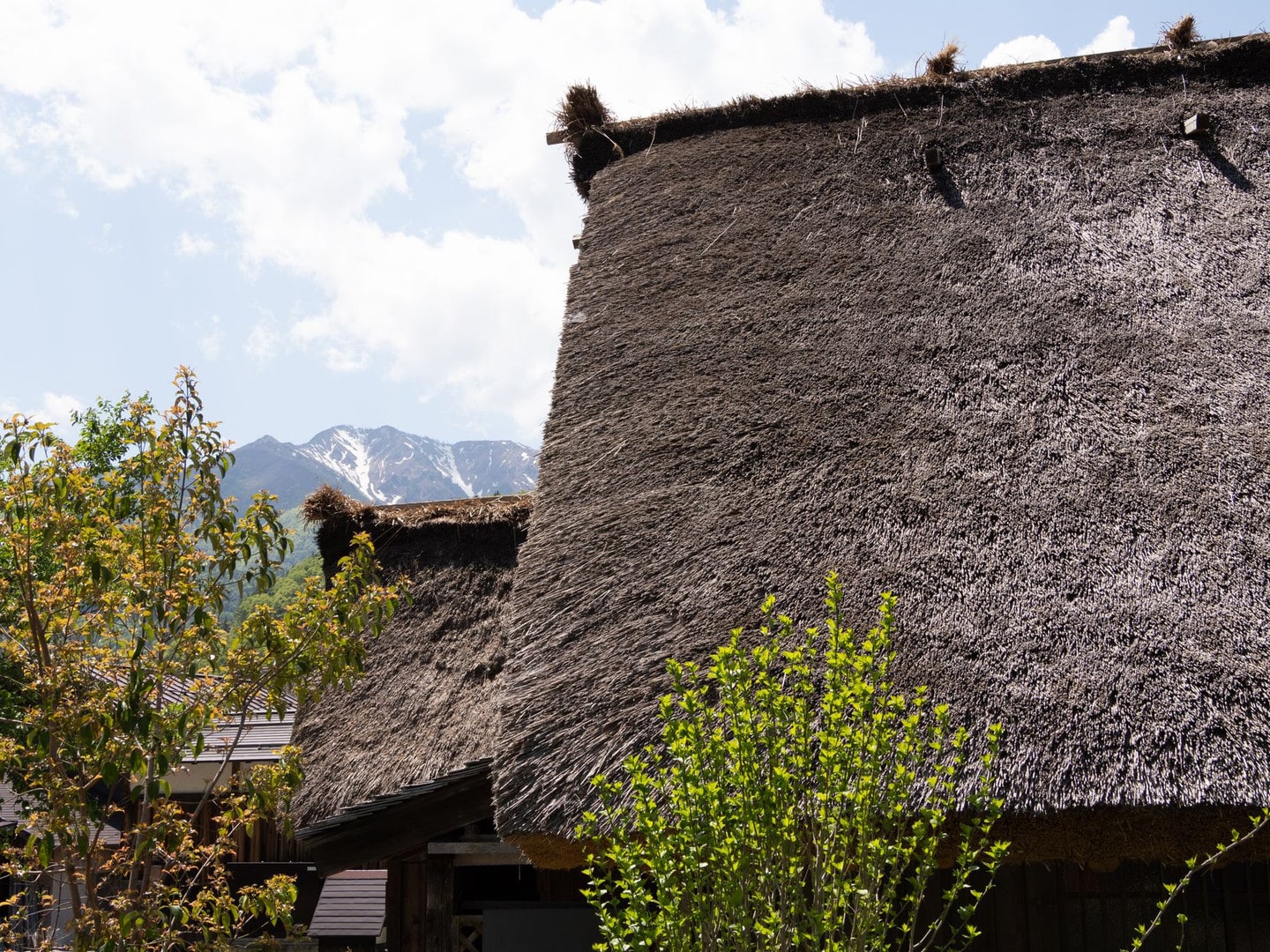
Mikogoya (Kissa Ochūdo and Chūbei): A Postcard-Like Trio of Gassho Houses
Mikogoya is a classic Shirakawa-go view: three gassho-zukuri buildings standing in the fields against distant mountains, a composition often used in promotional photos. Among them, the cafe “Kissa Ochūdo” sells handmade red bean dumpling soup and matcha desserts, and One Piece author Eiichiro Oda is said to have left an autograph there. Another house, “Chūbei”, is a guesthouse and light-meal shop.
Take photos in the soft morning light and avoid the midday tour bus crowds. Kissa Ochūdo is open about 10:00-16:00 (adjusted by season, partly closed in winter), seating is limited, and you may need to wait in peak season. A bowl of red bean dumpling soup with the gassho view is very soothing.
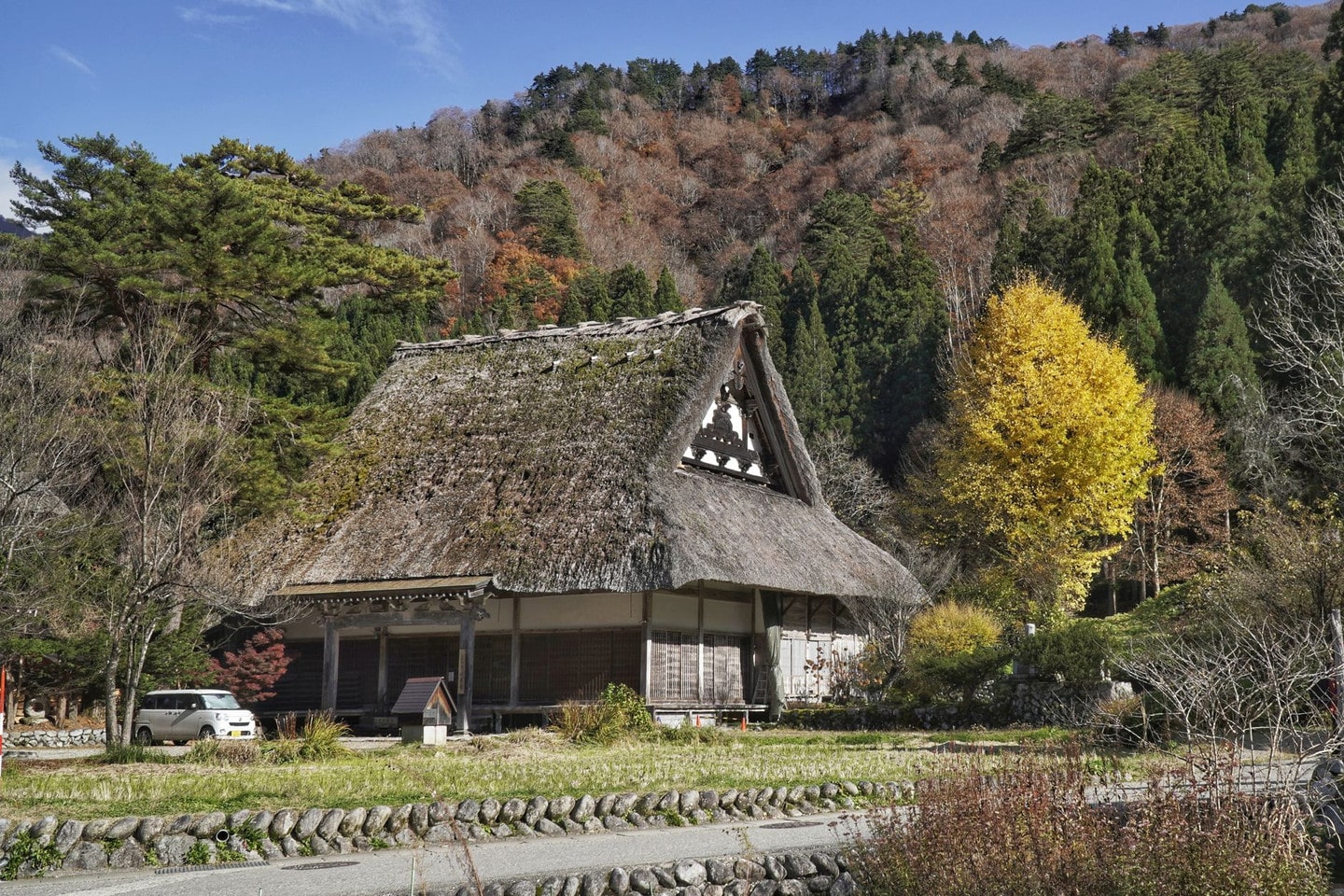
Myozen-ji Temple Kuri Folk Museum: Japan’s Only Gassho-Zukuri Temple
Myozen-ji is the only temple in Shirakawa-go built in the gassho-zukuri style, and both its main hall and bell tower gate have thatched roofs. The temple’s “kuri” (monks’ living quarters) has been converted into a folk museum displaying tools for silkworm farming, agriculture and daily life, showing that gassho-zukuri was also used for religious buildings.
Open 8:30 to 17:00 (9:00 to 16:00 from December to March). Admission: adults ¥300, elementary and junior high students ¥100. Winter hours are adjusted according to snow. The bell tower offers a view over the village, and omamori charms and goshuin stamps are available. Plan 15-20 minutes.
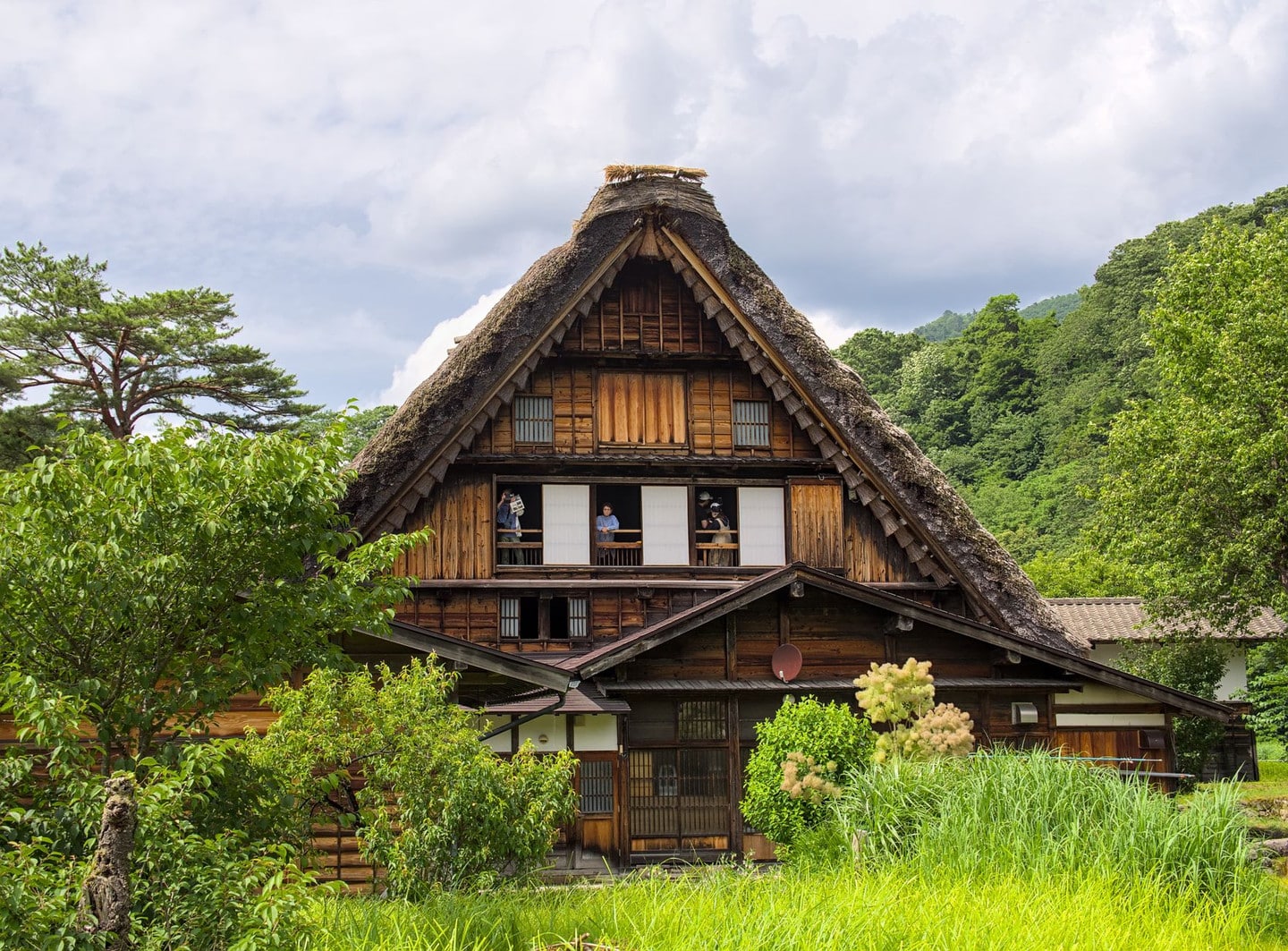
Shirakawa Hachiman Shrine: A Higurashi When They Cry Pilgrimage Site and the Traditional Doburoku Festival
Shirakawa Hachiman Shrine is the spiritual center of Shirakawa-go and enshrines the deity Hachiman. The “Doburoku Festival” held every mid-October is an important village festival, where villagers brew doburoku (cloudy sake) to offer to the deity and share with visitors. The shrine is also the model for “Kōnosu Shrine” (鴻巣神社) in the anime Higurashi When They Cry, drawing anime fans on pilgrimage.
The shrine is free to enter and open all year. The shrine office sells omamori charms and goshuin stamps with a mountain-village feel. The grounds are small, and a visit takes about 10 minutes on foot; it is near the entrance to the observation deck trail, so you can stop by and pray for a safe journey.
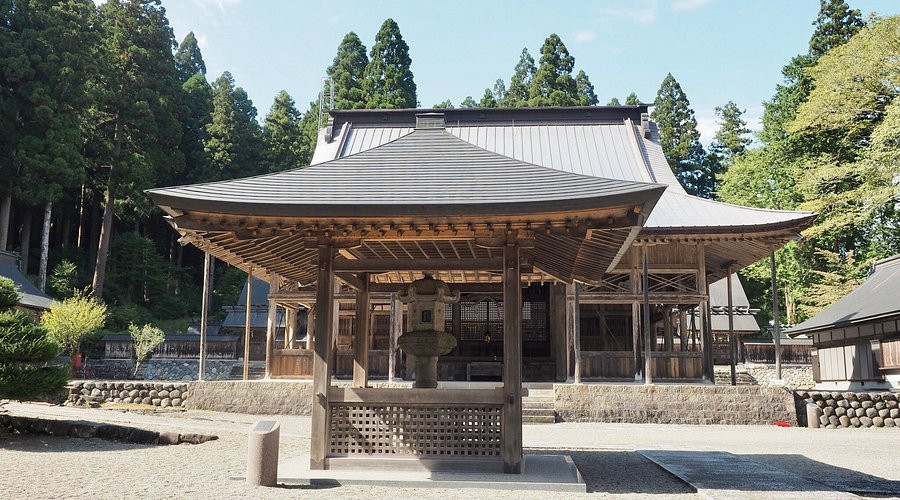
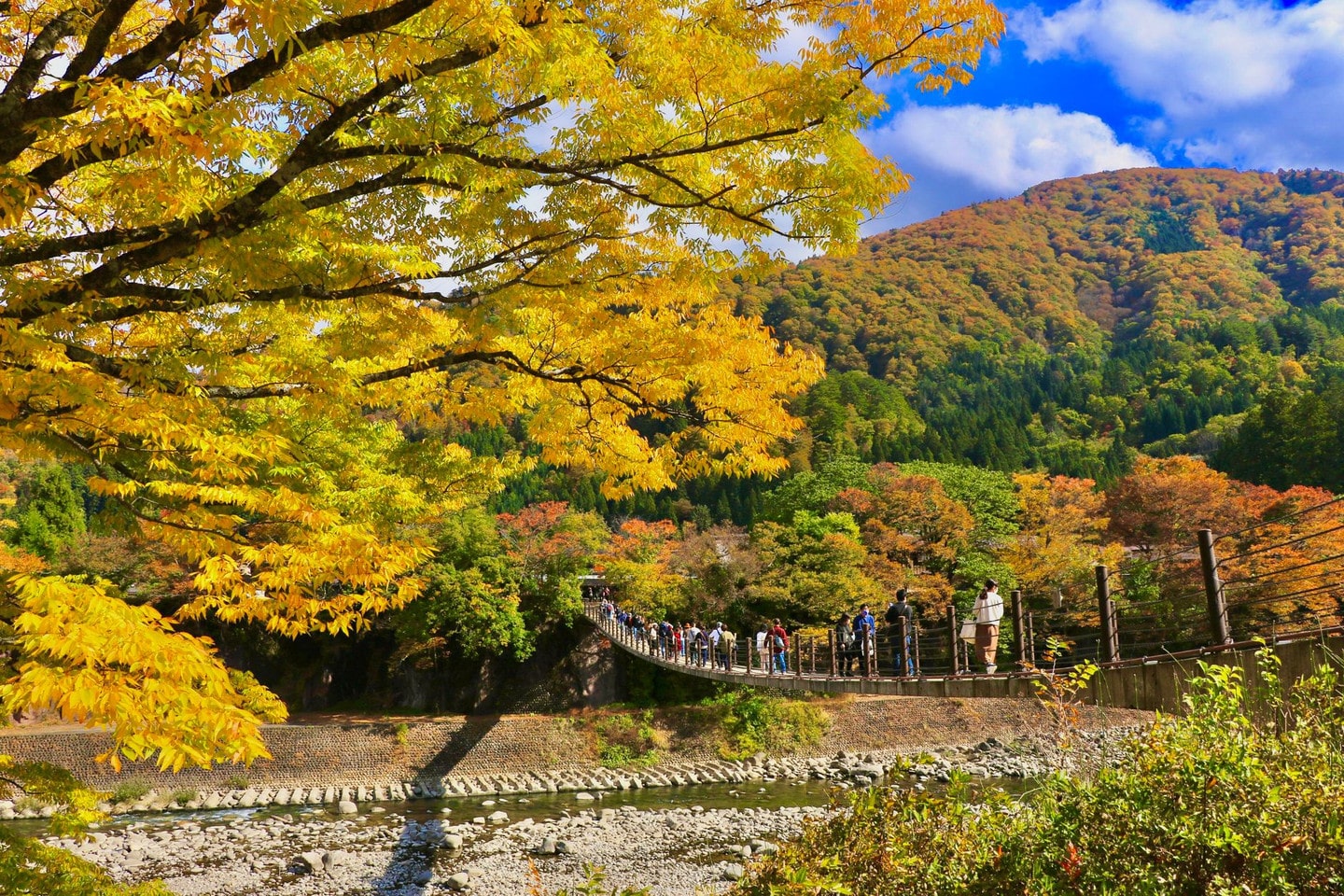
Deai Bridge (Deai-bashi): A Romantic Suspension Bridge to the Gassho Village
Deai Bridge is the suspension bridge connecting the parking lot and bus terminal with the main area of Ogimachi village, crossing the Sho River, and is the first photo spot for most visitors entering Shirakawa-go. The bridge looks especially romantic against autumn maples and winter snow, and its nickname “Deai” (meeting) symbolizes the traveler’s first encounter with this World Heritage village.
The bridge is open all year and free to cross, and as you walk you can look down on the clear water of the Sho River. The deck is narrow and tends to freeze and get slippery in winter, so wear non-slip shoes. Since it is the only route in and out of the village, mornings and evenings are less crowded and good for photos without people.
Gassho Village Monument: The “Sakasa Gassho” Photo Landmark by the Mirror Pond
The Gassho Village monument stands by a pond at the edge of the village and is the best spot to enjoy the “sakasa gassho” view of gassho houses reflected in the “mirror pond”. On a windless early morning or evening the water is as calm as a mirror and you can capture a symmetrical reflection of the gassho houses. It is a hidden spot popular on social media, and the reflection is especially vivid when the paddies turn green in early summer.
It is free to visit all year; avoid going in wind or rain and bring a telephoto lens to shoot the reflection. Nearby stalls sell gohei-mochi and Hida beef croquettes.
Gassho-zukuri Minkaen: An Open-Air Museum Village of Relocated Gassho Houses
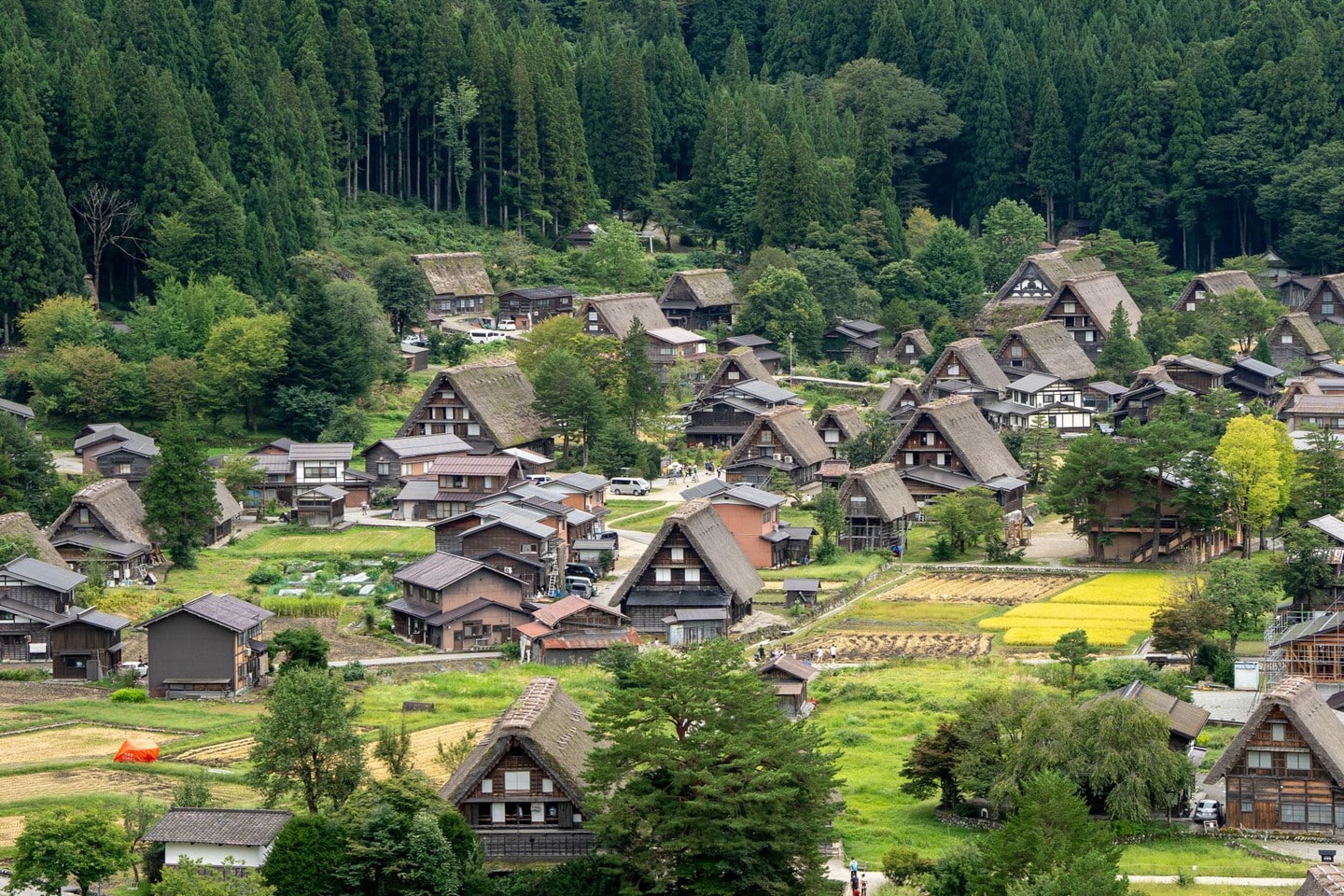
Gassho-zukuri Minkaen (the Gassho-zukuri Open-Air Museum) relocated and preserved gassho houses in Shirakawa-go that faced demolition. More than 25 gassho houses on the grounds display diverse traditional buildings such as a waterwheel hut and an oil-pressing hut, along with farm tools, showing gassho-zukuri construction in one visit and embodying the preservation principle of “do not sell, do not rent, do not destroy”.
Open 9:00-17:00 (to 16:00 from December to February), closed Thursdays. Admission: adults ¥600, junior and senior high students ¥400, elementary students ¥200. Handicraft experiences and seasonal events are offered. Plan 30-40 minutes; it suits travelers who love historic architecture and folk culture.

How Much Does a Trip to Shirakawa-go Cost? Admission, Bus Tours and Passes
Many people assume World Heritage sights must have pricey admission, but Shirakawa-go’s Gassho Village is actually an open-air village you can enter for free. The real costs are mostly transport, the observation deck shuttle, and whether you join a tour. Below, the trip’s possible expenses are broken down item by item, from basic independent-travel transport tickets to guided one-day package tours, to help you set a budget.
Entering the Village and the Shiroyama Tenshukaku Observation Deck: Free Strolling, Paid Climb for the Panorama
Shirakawa-go’s Gassho Village has no admission fee, and you can stroll freely to admire the thatched houses of the Ogimachi village, such as the Myozen-ji folk museum and Wada House, from the outside. This is the basic free itinerary.
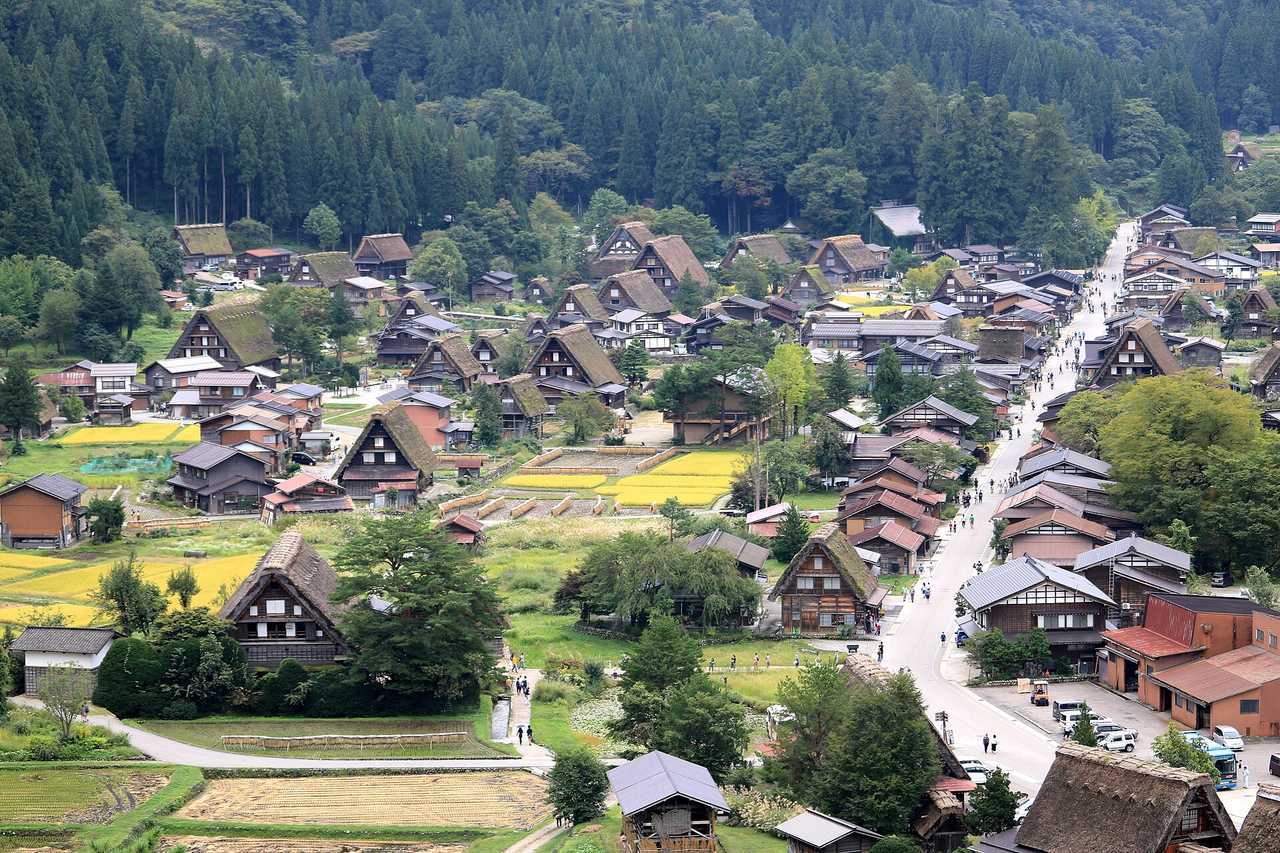
For the classic panorama of the Gassho Village, go to the Shiroyama Tenshukaku Observation Deck, where a shuttle bus costs ¥200 one way and takes about 10 minutes; you can also hike up in about 20 minutes, which is free but more tiring.
Going to the observation deck toward evening is recommended, to capture the light and shadow of the sunset on the gassho roofs; this is the recommended paid photo spot.
Choosing a Shirakawa-go Observation Deck: Shiroyama Tenshukaku or Ogimachi Castle Ruins
Shirakawa-go has two observation decks overlooking the whole village. The Shiroyama Tenshukaku Observation Deck has a paid shuttle bus, ¥200 one way, about 10 minutes, and you can walk down in about 20 minutes; the Ogimachi Castle Ruins Observation Deck has a free shuttle bus from the gassho village. Shuttle times and operating days of both change with the season, so confirm on the Shirakawa-go tourist association website or on-site announcements before you go.
Nohi Bus Takayama to Shirakawa-go Line: The Round-Trip Ticket Most Independent Travelers Use
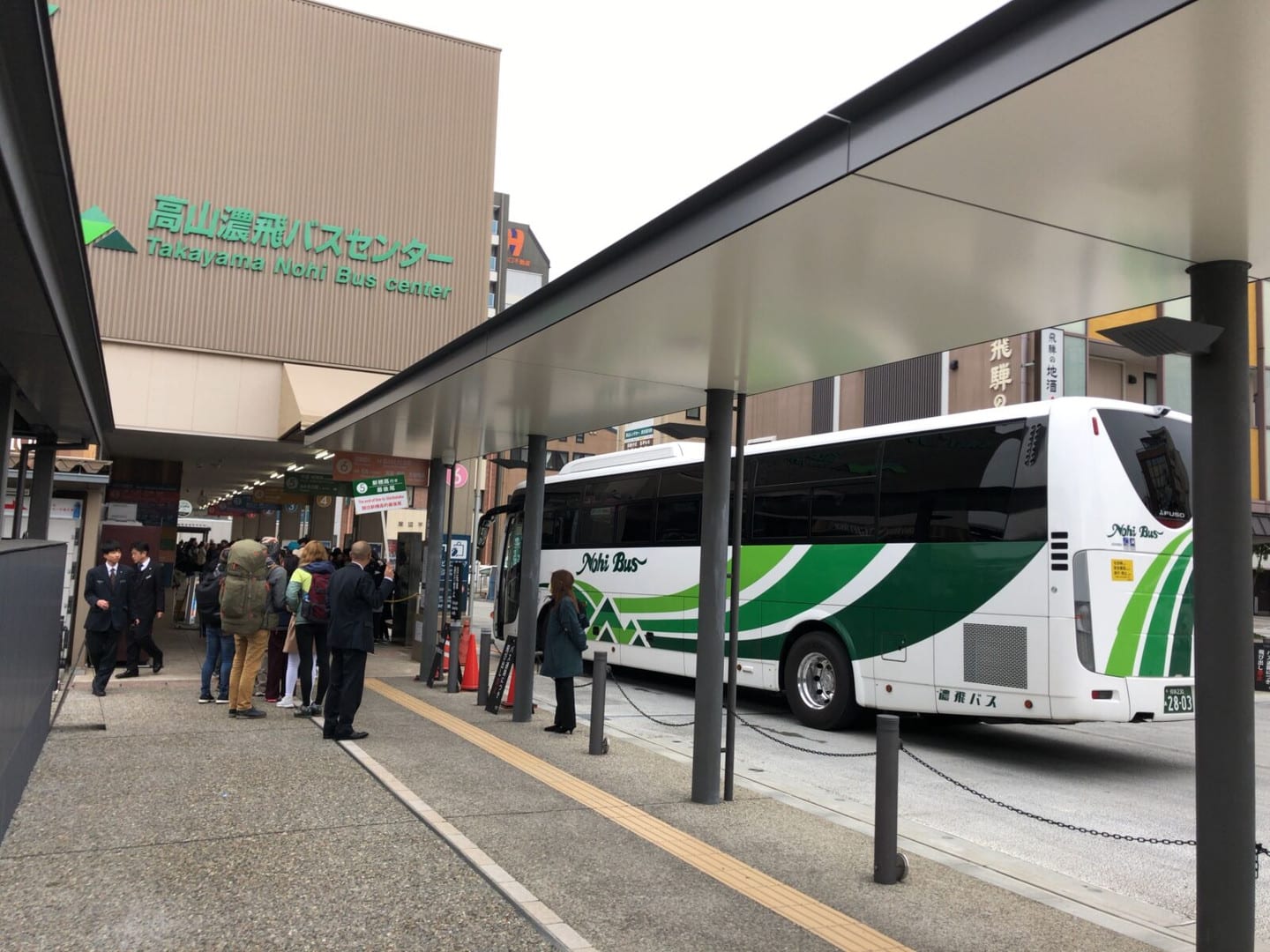
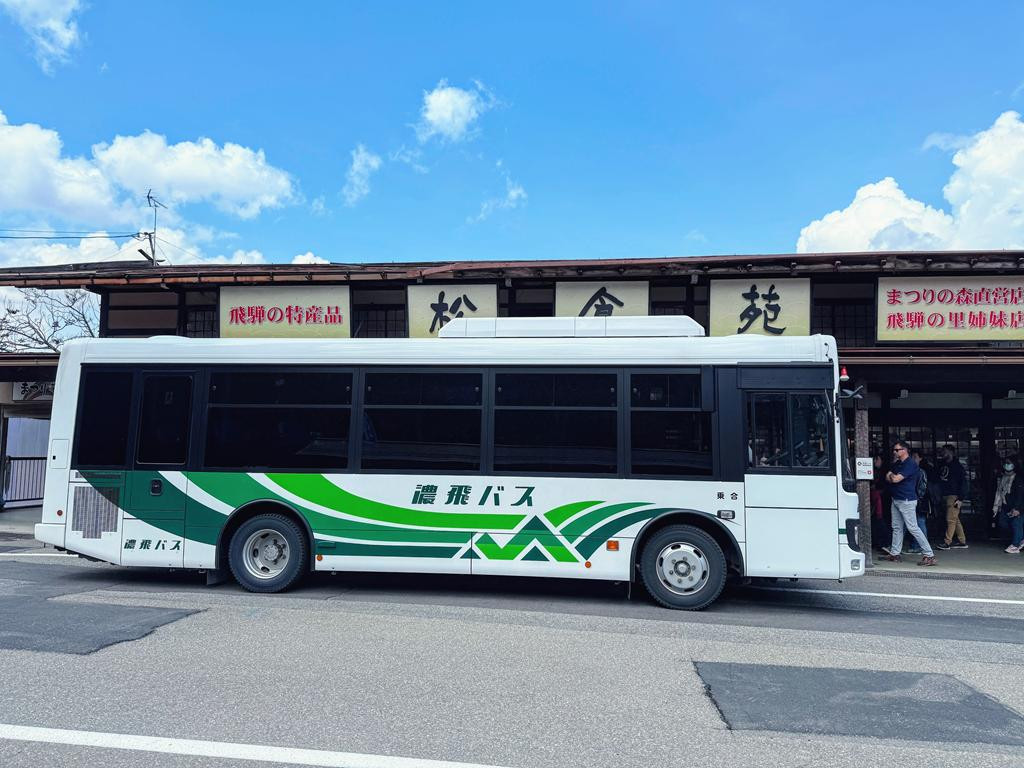
Most visitors go from Takayama to Shirakawa-go on the Nohi Bus (Nohi Bus). The ride from Takayama Bus Center to Shirakawa-go Bus Stop takes about 50 minutes, and a one-way ticket is about ¥2,600; a round-trip ticket is also available, and fares follow the latest announcement on the Nohi Bus official site. In peak season (cherry blossoms, autumn leaves and the illumination period) reserve a seat on the Nohi Bus official site or at Takayama Bus Center, as some departures are reserved-seat and you do not want to miss out; in the off-season it is more flexible and you can buy tickets on the spot. If your trip includes Gero Onsen or Matsumoto, consider combining other Nohi Bus section tickets to make planning easier.
Hokutetsu Bus Kanazawa to Shirakawa-go Line: Another Option from the Hokuriku Shinkansen City
If you are planning a “enter at Kanazawa, exit at Nagoya” itinerary or the reverse, Kanazawa to Shirakawa-go is on the way. Hokutetsu Bus (Hokuriku Railroad Bus) runs the route from Kanazawa Station to Shirakawa-go Bus Stop, about 1 hour 15 minutes, with fares following the latest announcement on the Hokuriku Railroad Bus official site.
Book online in advance, as weekends and holidays are often full. The bus has free Wi-Fi and luggage space, convenient for onward travel.
Kanazawa is itself a popular destination, and many travelers stay one night in Kanazawa, take a Shirakawa-go day trip the next day and return to Kanazawa. The fare is economical and pairs well with a Hokuriku Shinkansen itinerary.
World Heritage Bus Pass: One Ticket for Takayama, Shirakawa-go, Gokayama and Kanazawa
If your trip covers World Heritage sites and surroundings such as Takayama, Shirakawa-go, the Gokayama Ainokura gassho village and Kanazawa, the “World Heritage Bus Free Pass” is better value than buying single round-trip tickets. You can hop on and off freely within the zone; check official announcements for the fare and validity period, which lets you arrange itineraries across villages flexibly without buying tickets repeatedly. The downside is that you must buy all the days at once, so it may not suit a plain one-day round trip.
Where to buy: Takayama Bus Center, the Shirakawa-go Bus Stop window and the Kanazawa Station bus ticket office. Check the official site for current sales first, as some sections may be adjusted or suspended by season.
KKday / Klook Shirakawa-go Gassho Village Day Tour Packages: For Travelers Who Don’t Want to Arrange Transport Themselves
If you do not want to plan buses and transfers yourself, choose a KKday or Klook Shirakawa-go day tour departing from Takayama, Nagoya or Osaka; the price varies by city and whether Chinese-language guiding is included. The tour includes a round-trip bus, a guide explaining gassho culture and free time, and some include a sake brewery or food experience. Group tours are tighter, with about 2-3 hours at the Gassho Village; if you want sunset or night views, choose a departure that “includes the observation deck” or “leaves in the evening”, and before booking confirm the meeting point and the cancellation deadline.
Where to Stay Near Shirakawa-go Gassho Village? Lodging Lottery Tips and Side-Trip Suggestions

Shirakawa-go Lodging Lottery and Itinerary Suggestions with Takayama, Kanazawa and Nagoya
Most day-trippers stay in Takayama or Kanazawa, which have richer dining and nightlife, and ride the bus to and from Shirakawa-go the next day. To experience the quiet after tour buses leave or to join the winter illumination, you need to take part in the village’s lodging lottery. The 2027 illumination dates are January 11, 17, 24 and 31; for the lodging lottery application period and method, follow the Shirakawa-go tourist association official site. If you do not win, you can reserve an illumination bus tour or a driving parking space. We suggest fitting Shirakawa-go into a Takayama day trip or a two-day, one-night Kanazawa trip, or into a two-day, one-night itinerary from Nagoya: visit Nagoya Castle and Osu Shopping Street first, stay one night in the Takayama old town, take the morning bus into Shirakawa-go the next day, and return to Takayama in the evening or continue to Kanazawa’s Kenroku-en; this route is smooth with no backtracking.
Shirakawa-go Gassho Village FAQ
Q: When are the Shirakawa-go illumination dates announced?
The 2027 illumination dates have been announced: January 11, 17, 24 and 31, from 17:30 to 19:30, on a fully reservation-only basis.
Q: Can I join the illumination without a reservation?
No. Since 2024 the illumination requires an entry ticket obtained in advance. Visitors without a ticket can only sightsee in the daytime and must leave the village before 17:00.
Q: How long is the ride from Takayama to Shirakawa-go, and how much is the bus?
The Nohi Bus takes about 50 minutes to 1 hour 10 minutes, with a one-way fare of about ¥2,600, and some departures need no reservation; it is the most popular and closest route.
Q: Can I park inside the village if I drive to Shirakawa-go?
No. Visitors must reserve a spot at the Seseragi Park (せせらぎ公園) or Midashima Park (みだしま公園) parking lot beforehand and then walk into the village; in winter, mountain roads require snow tires and chains.
Q: What are the must-eat foods and souvenirs at Shirakawa-go Gassho Village?
Try gohei-mochi, Hida beef hoba-miso grill and Hida beef milk. Recommended souvenirs are gassho senbei, hoba miso and sarubobo dolls, all common items in the village’s small shops.
Q: What season is the most beautiful to visit Shirakawa-go Gassho Village?
Winter snow and the illumination are the most dreamlike; early summer after the rainy season brings green paddies and fewer visitors; autumn maples are just as spectacular, and the weather is the most pleasant.
Q: What should I watch out for when visiting Shirakawa-go Gassho Village?
Bring a fully charged camera and phone, a flashlight, an umbrella and non-slip shoes. Do not trespass on private fields to take photos, and respect residents’ daily lives; gassho houses follow the principle of not being sold, rented or destroyed.
